


Birds to See in Carlow in January
25 bird species on our list for Carlow are recorded regularly in January
Of these, the most often recorded are Lesser Black-backed Gull, European Robin, Blackbird, Jackdaw and Rook. New this month: Golden Plover, Great Tit, Song Thrush and Long-tailed Tit and 8 more.
On the move in January
GBIF · JanArriving
From Carlow’s bird records, 2019–2024: arriving birds are regular this month but not last; leaving birds are regular this month but not next.
Other months
All 25 birds in January
25 birds
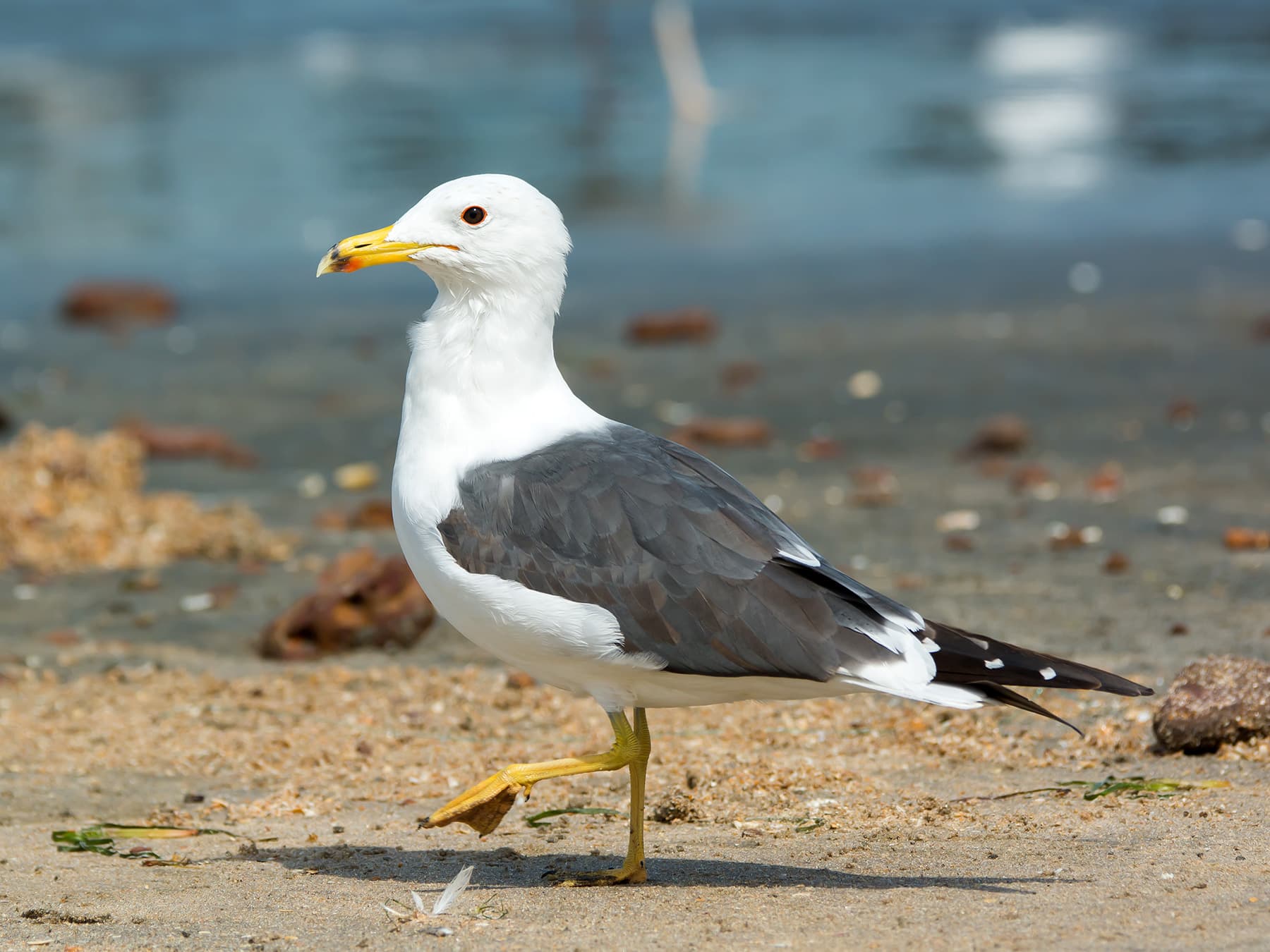 Lesser Black-backed GullLarus fuscusPassage migrantCommon52–64 cmRegularly Dec–Jan · 2.73% in Jan
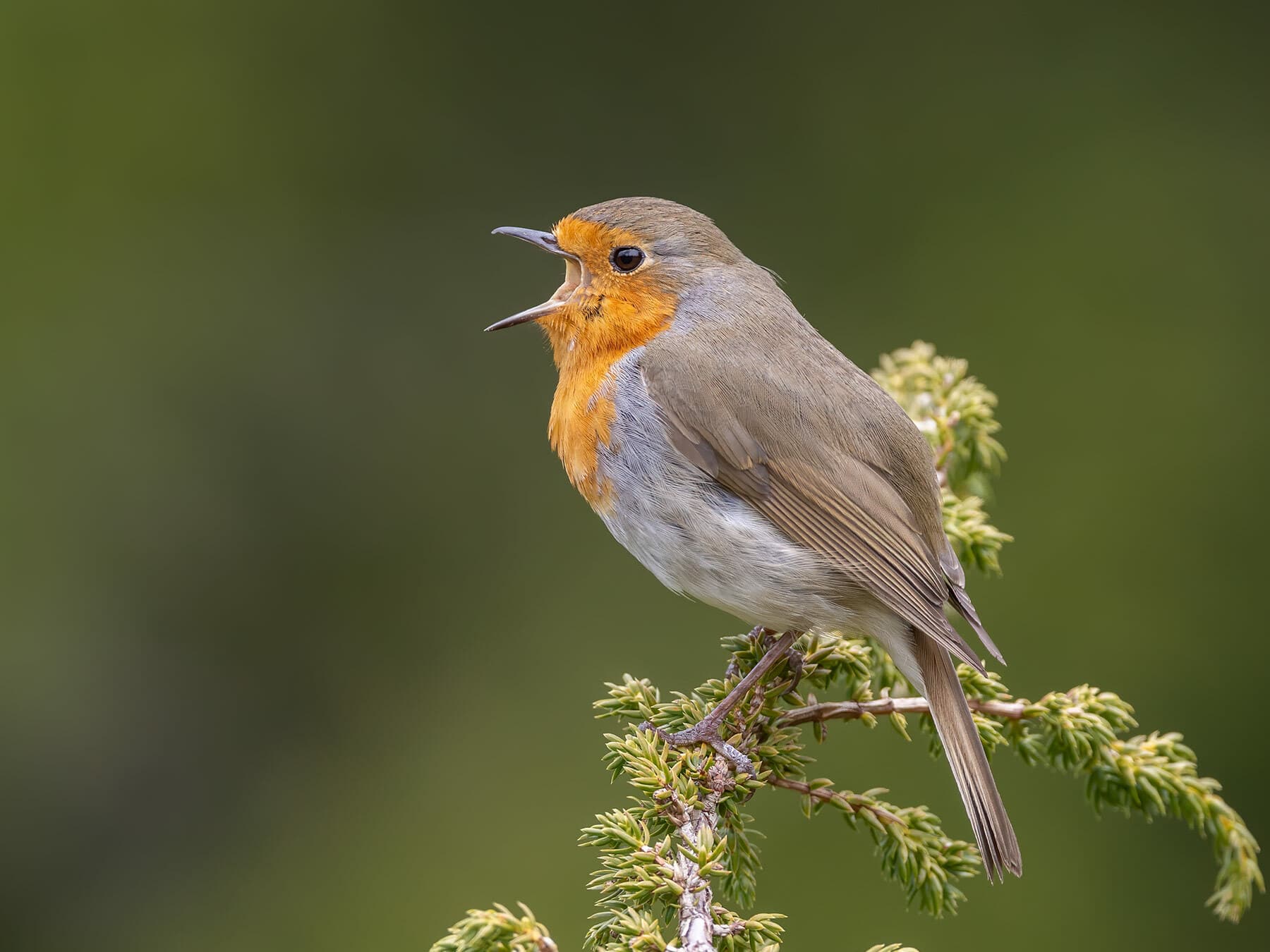 European RobinErithacus rubeculaResidentCommon13–14 cmRegularly Mar–Jan · 2.63% in Jan
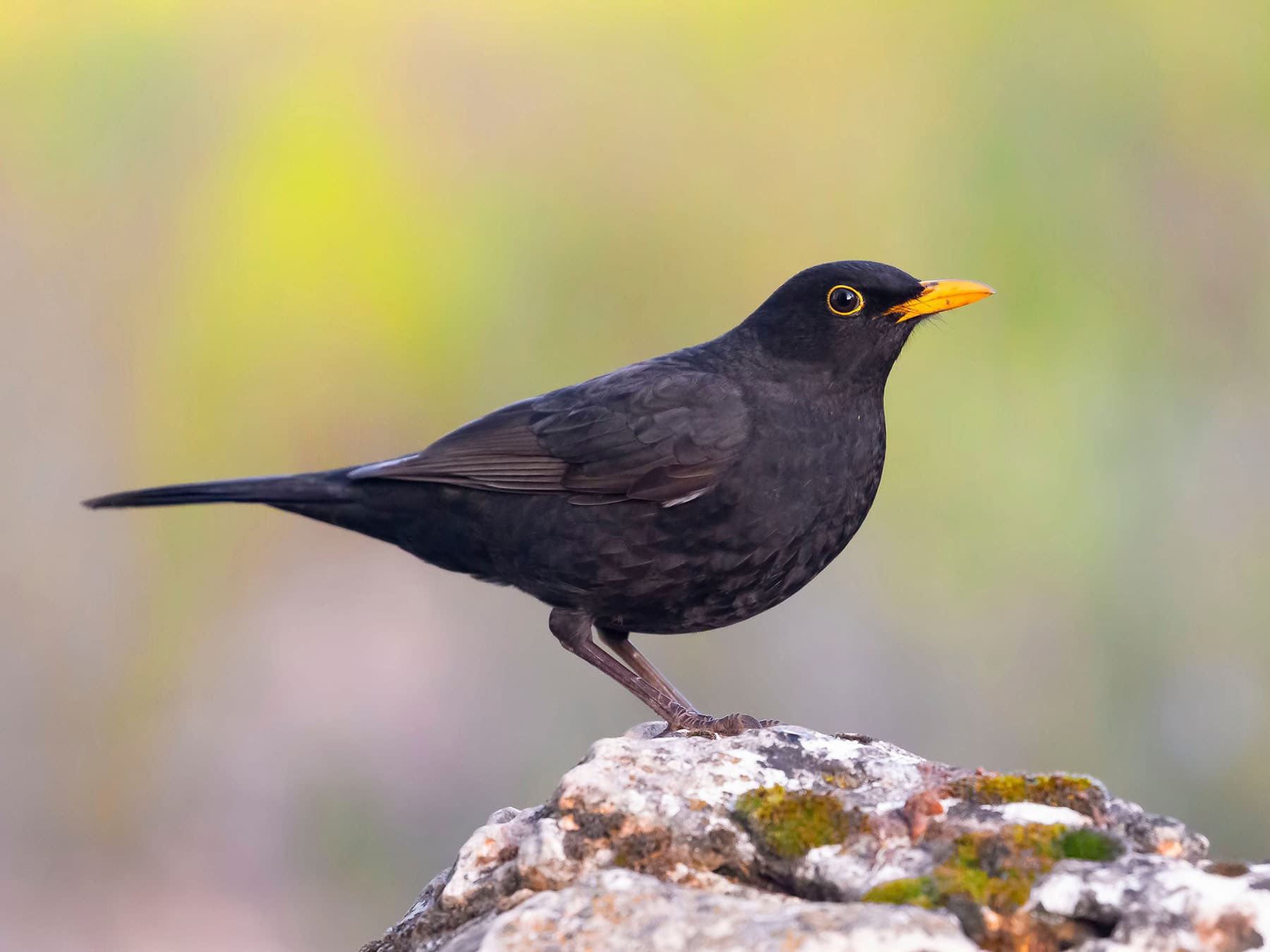 BlackbirdTurdus merulaResidentCommon24–25 cmRegularly Aug–May · 2.52% in Jan
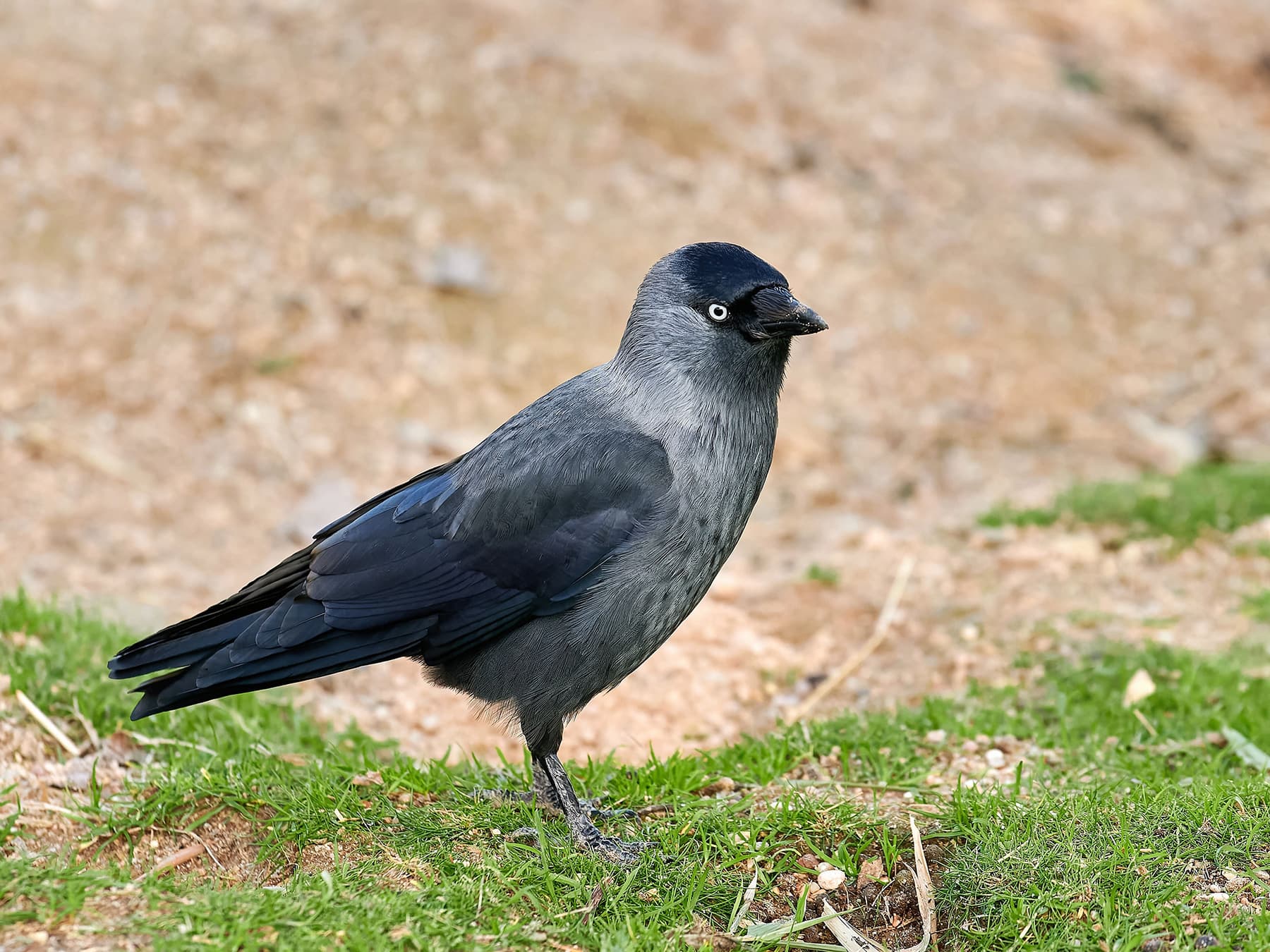 JackdawColoeus monedulaResidentCommon34–39 cmRegularly Aug–May · 2.52% in Jan
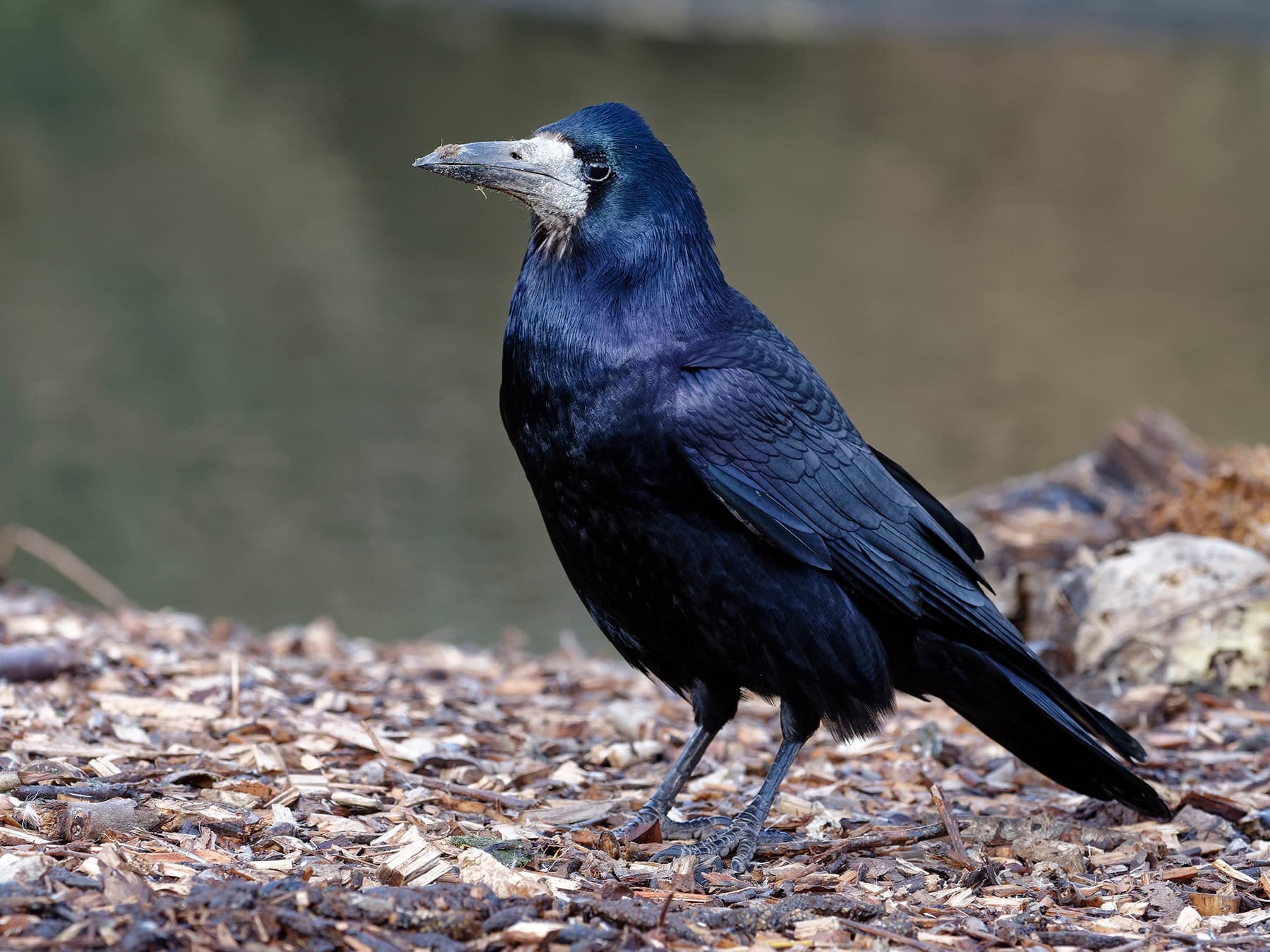 RookCorvus frugilegusWinter visitorCommon45–47 cmRegularly Aug–May · 2.52% in Jan
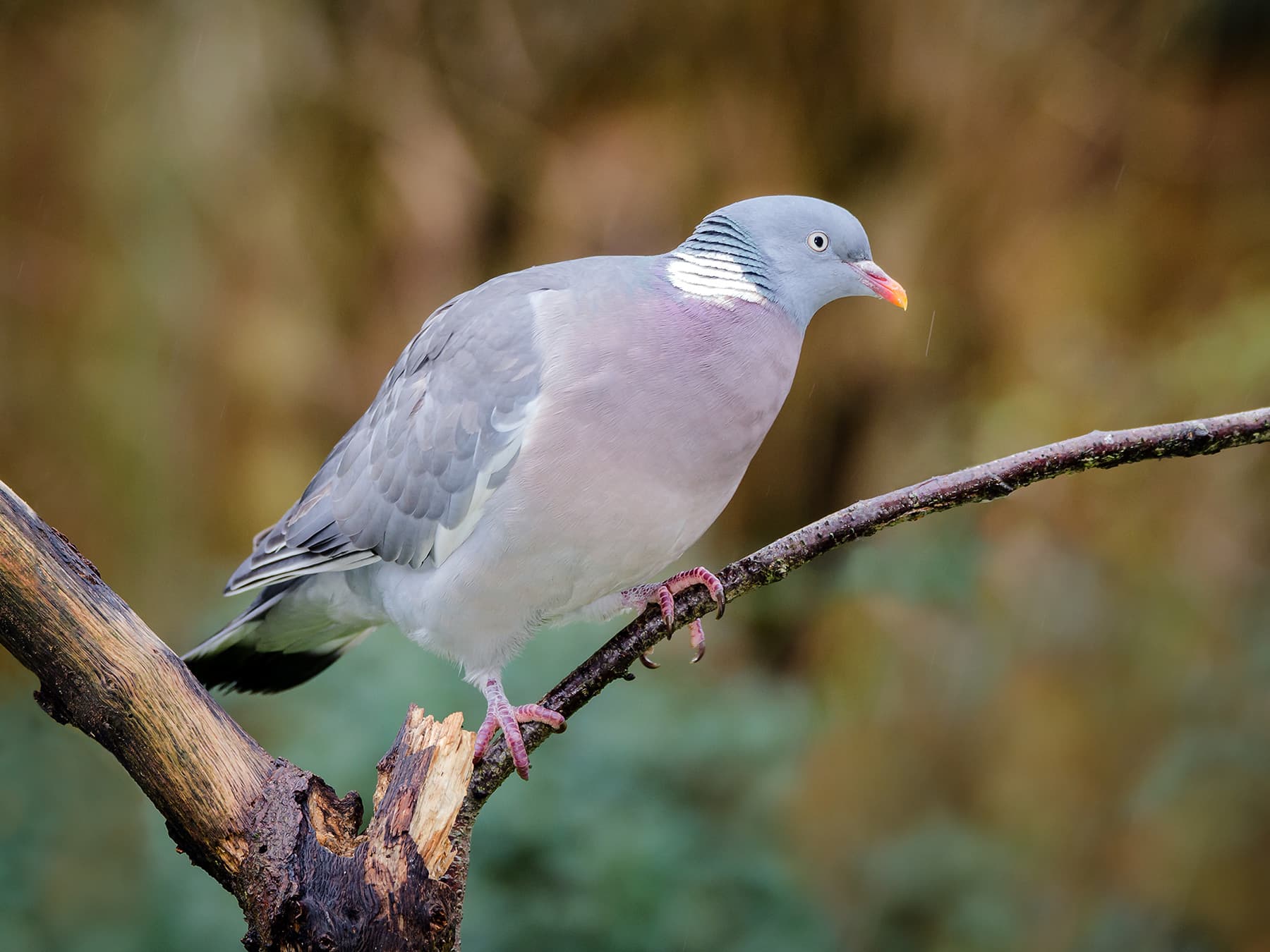 WoodpigeonColumba palumbusWinter visitorCommon40–42 cmRegularly Apr–Feb · 2.42% in Jan
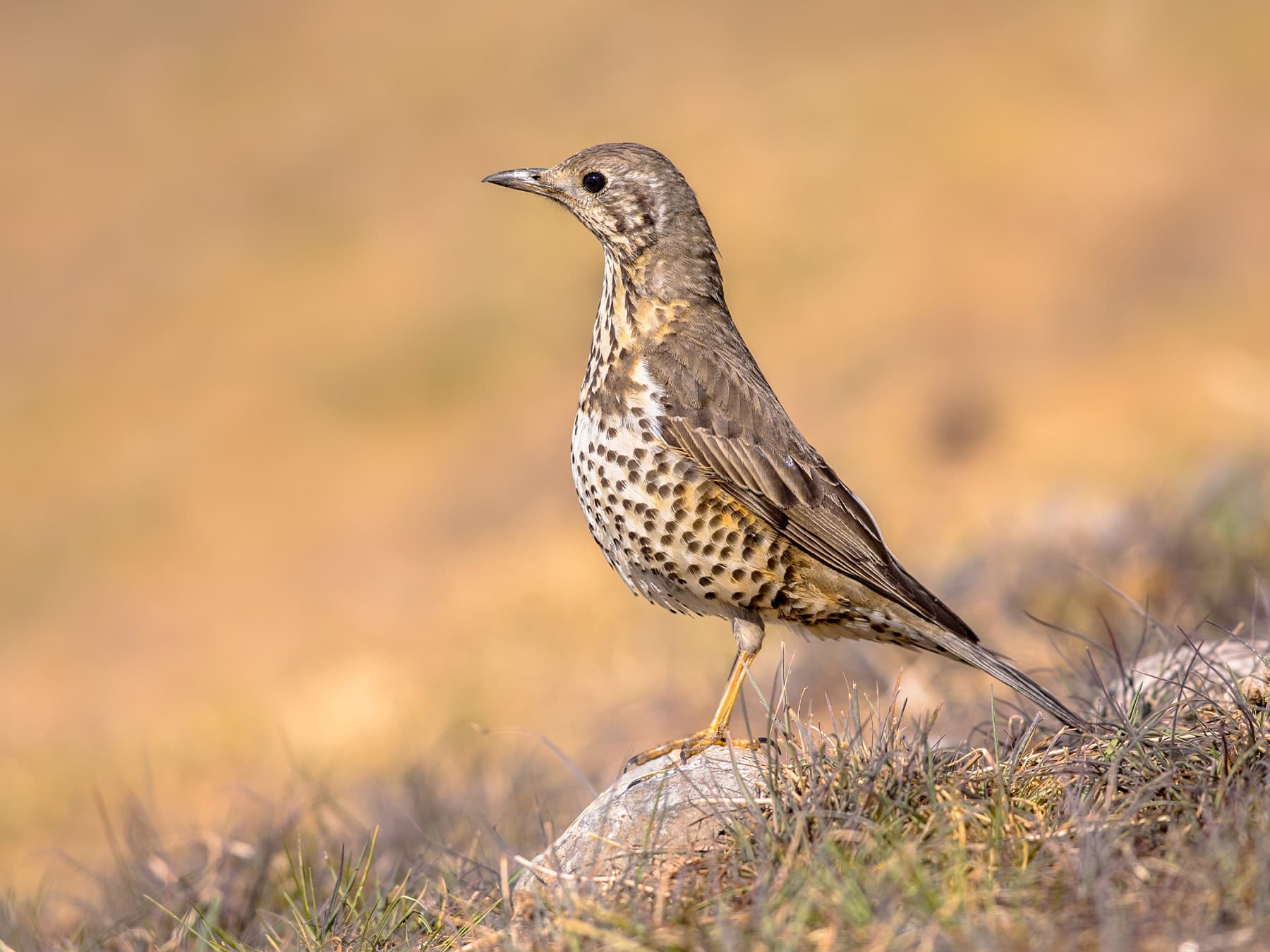 Mistle ThrushTurdus viscivorusWinter visitorCommon26–29 cmRegularly Dec–May · 2.31% in Jan
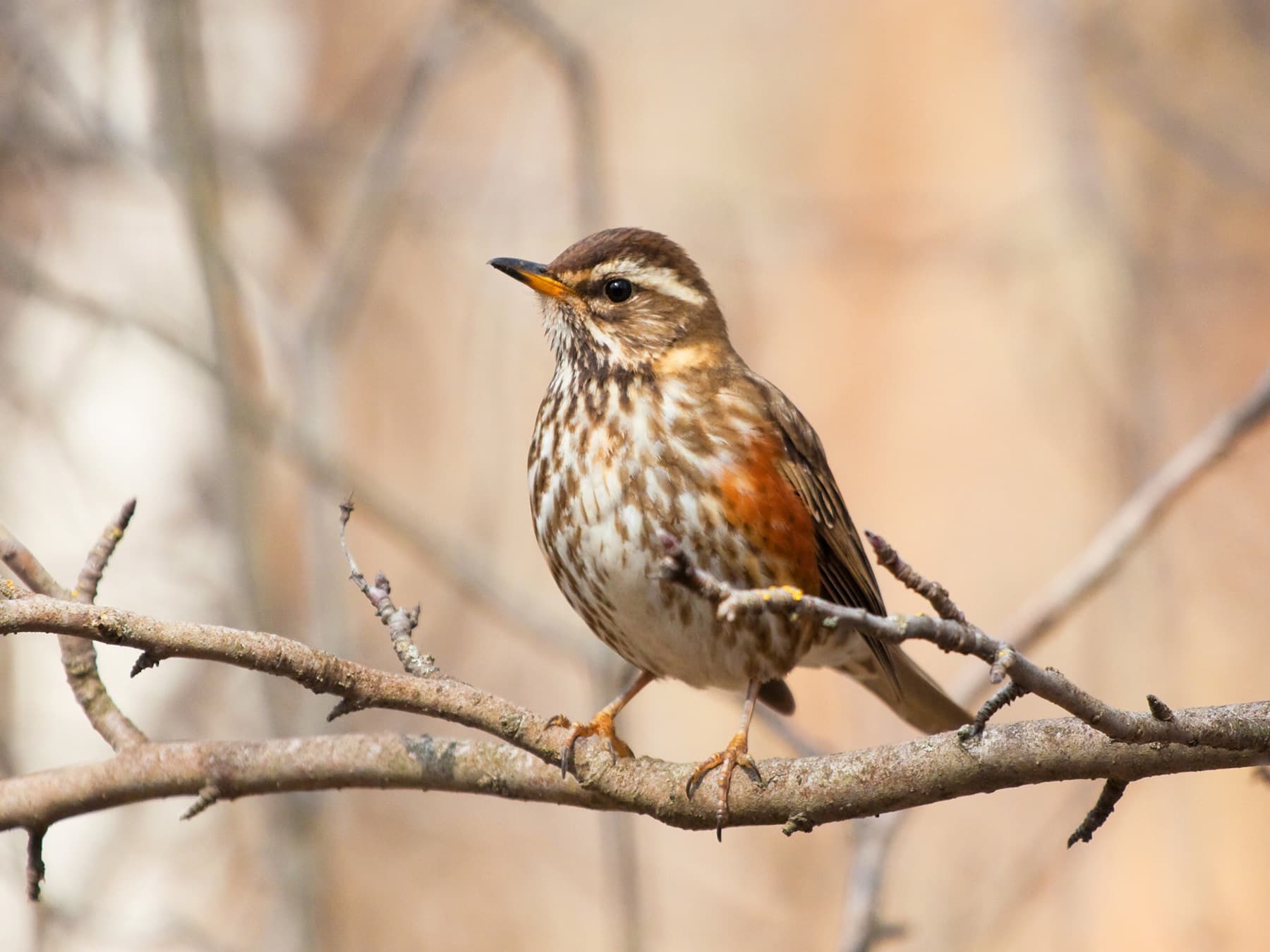 RedwingTurdus iliacusPassage migrantCommon20–24 cmRegularly Dec–Jan · 2.31% in Jan
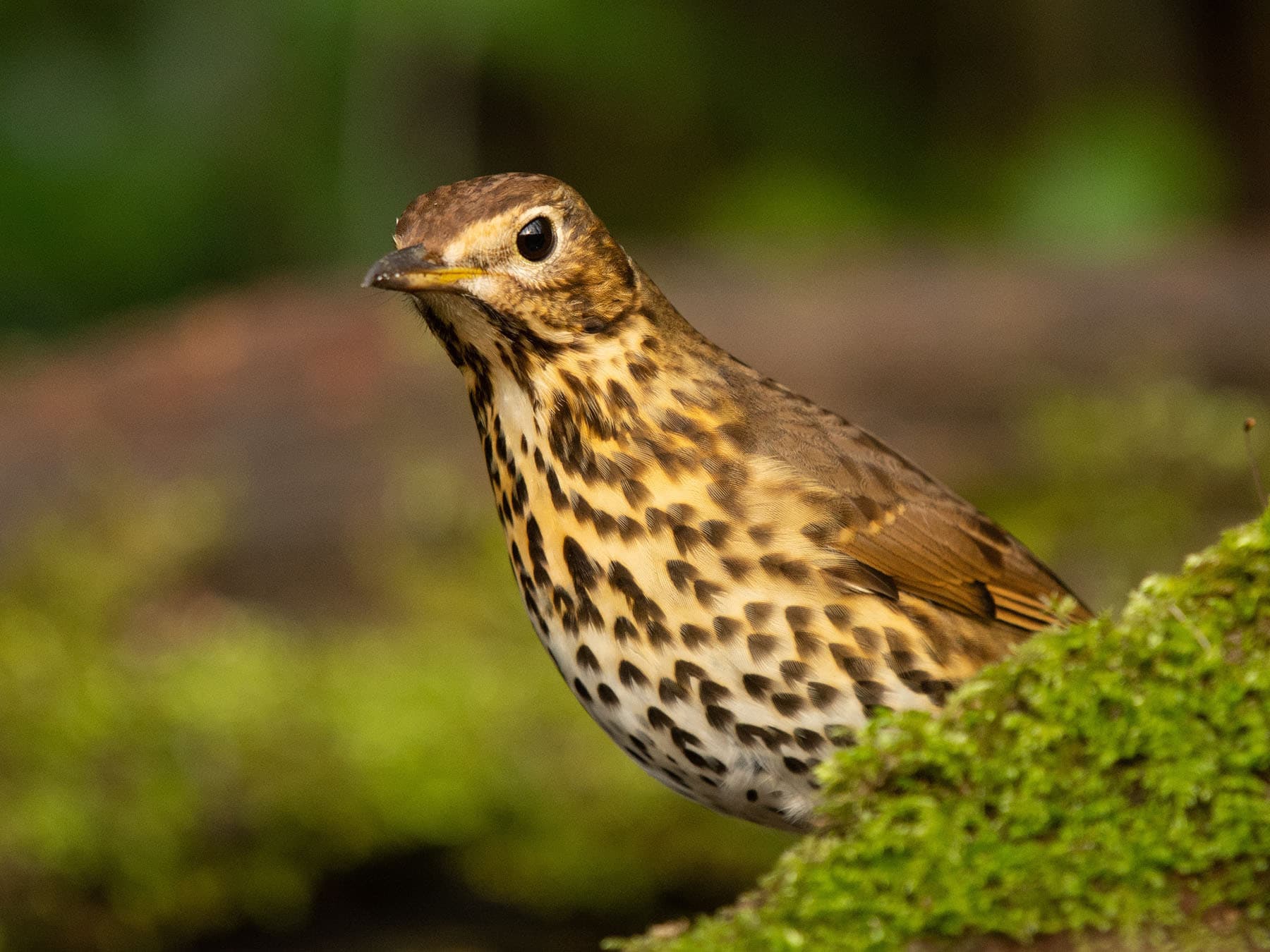 Song ThrushTurdus philomelosResidentCommon20–23 cmRegularly Jan–Jun · 2.31% in Jan
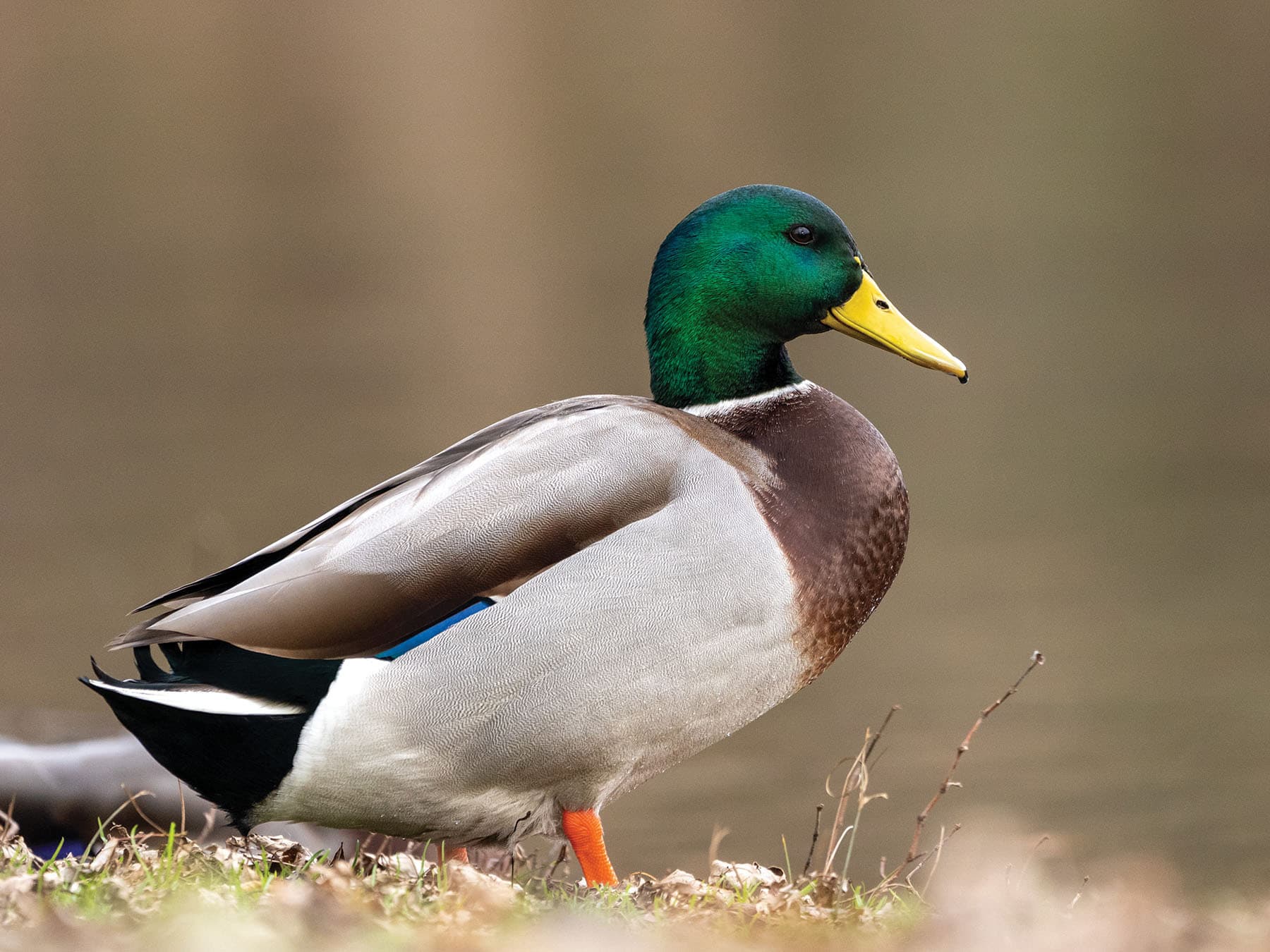 MallardAnas platyrhynchosResidentCommon50–65 cmRegularly Sep–May · 2.21% in Jan
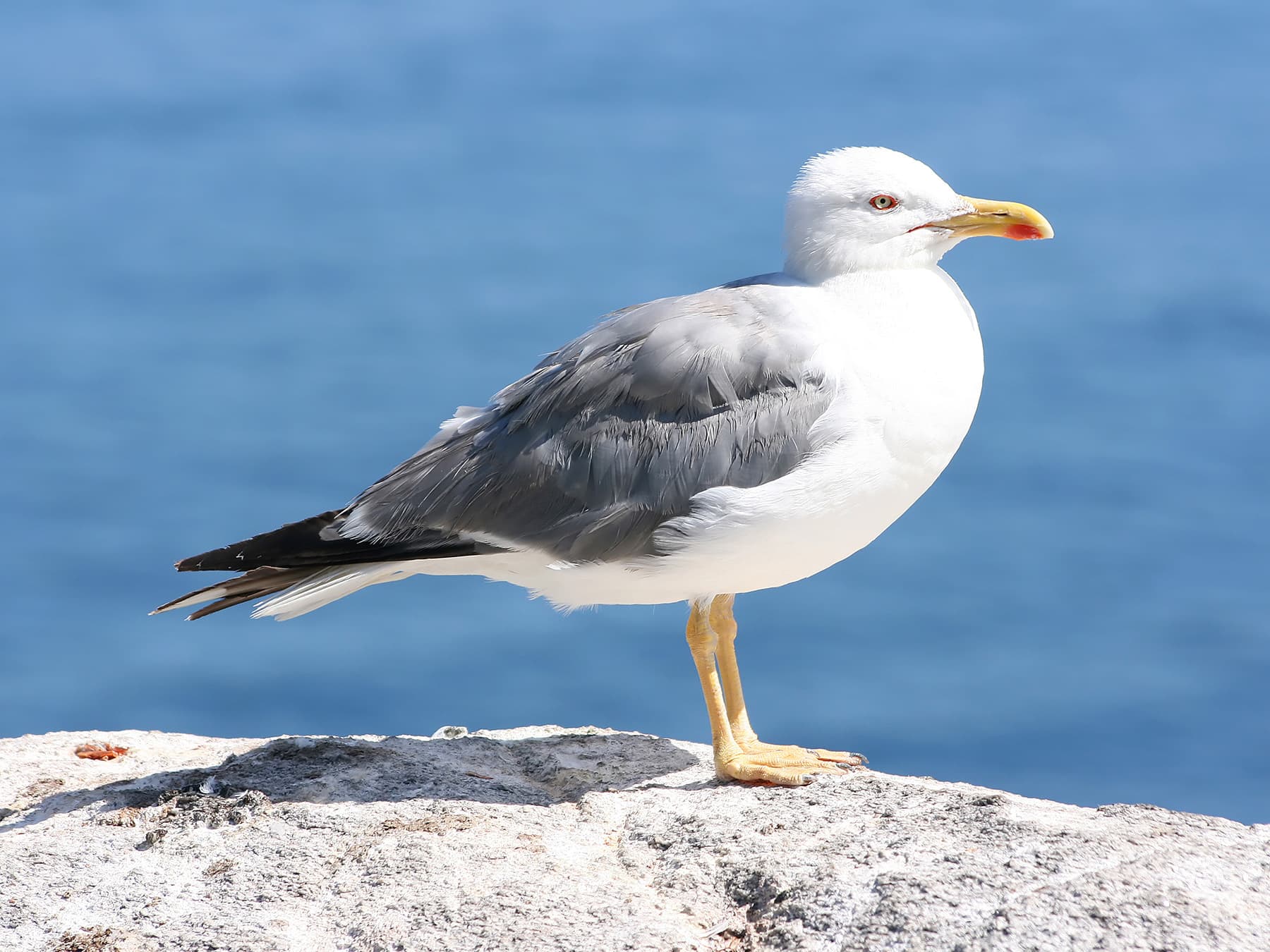 Yellow-legged GullLarus michahellisResidentCommon52–68 cmRegularly Jan · 2.21% in Jan
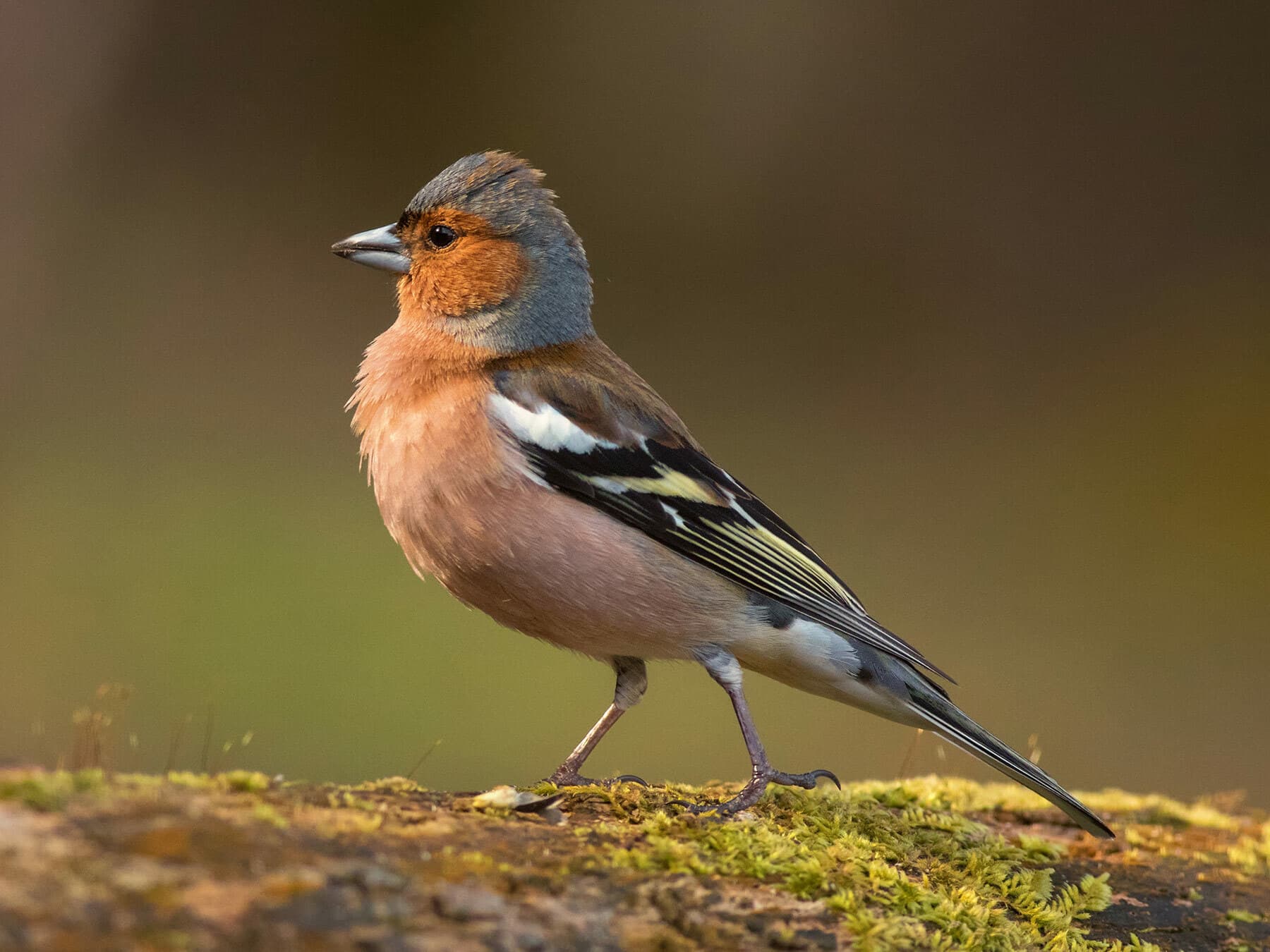 ChaffinchFringilla coelebsResidentCommon14–16 cmRegularly Apr–Jan · 2.00% in Jan
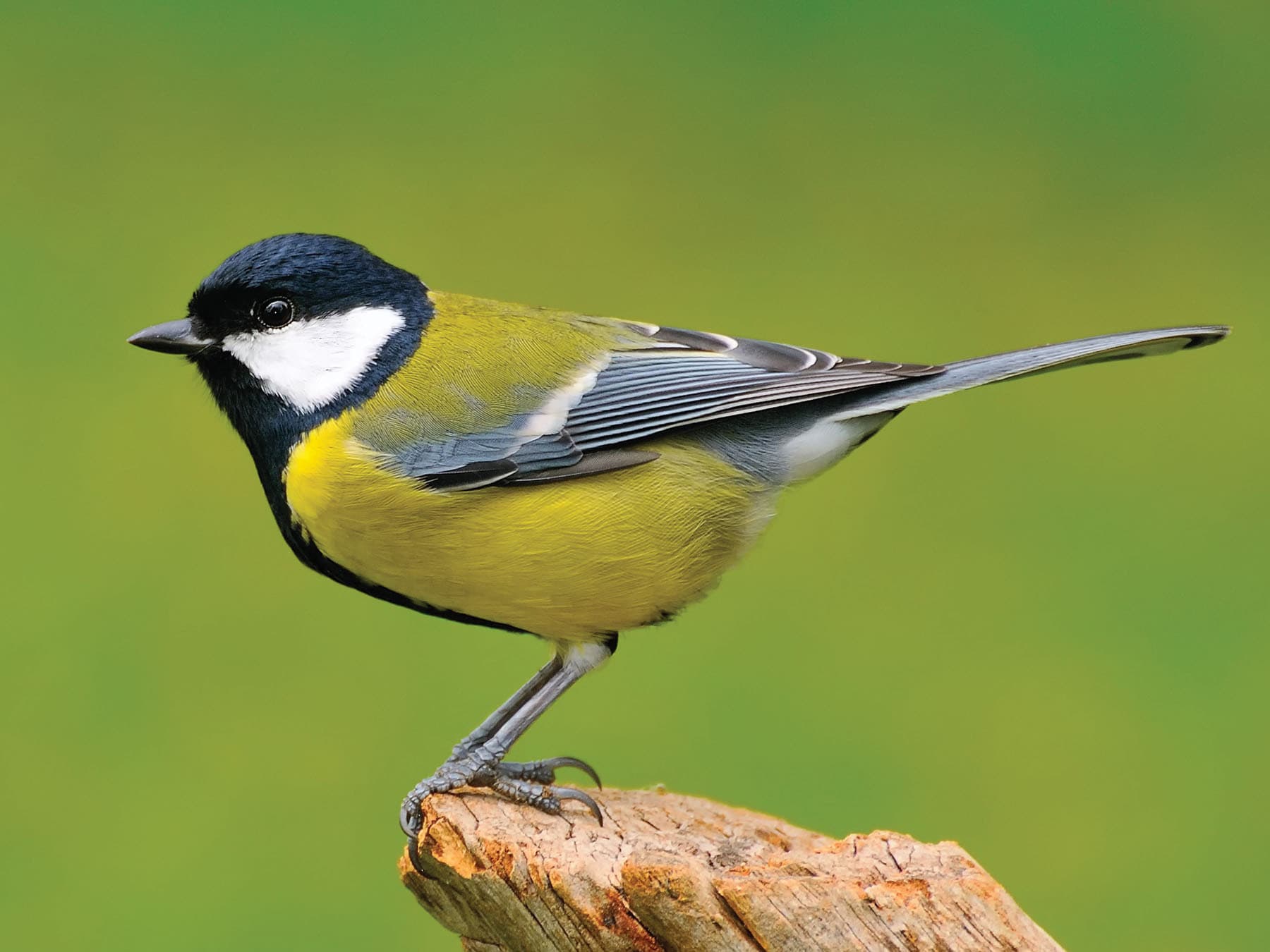 Great TitParus majorResidentCommonRegularly Sep–May · 2.00% in Jan
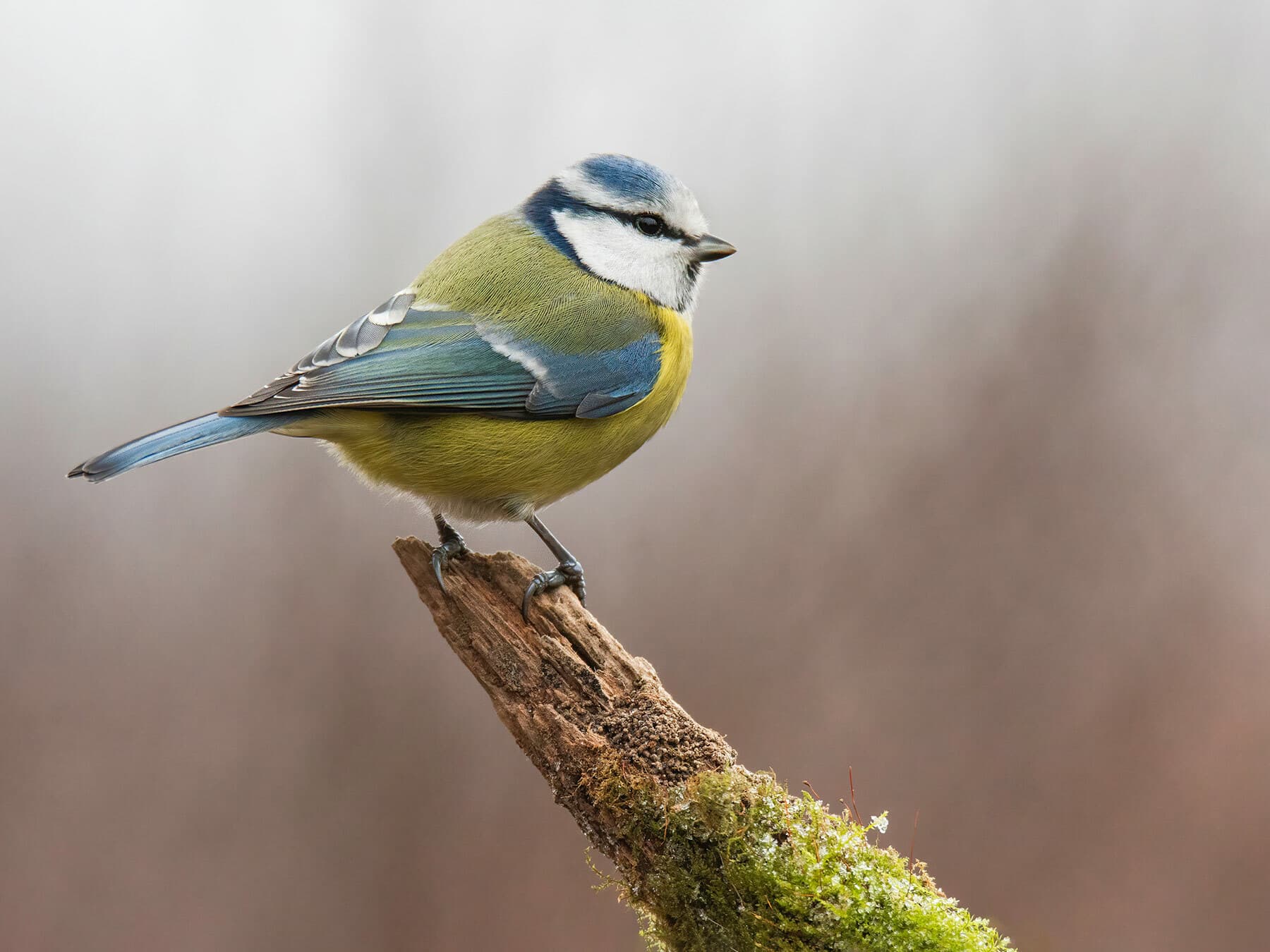 Blue TitCyanistes caeruleusWinter visitorCommon11–12 cmRegularly Aug–May · 1.89% in Jan
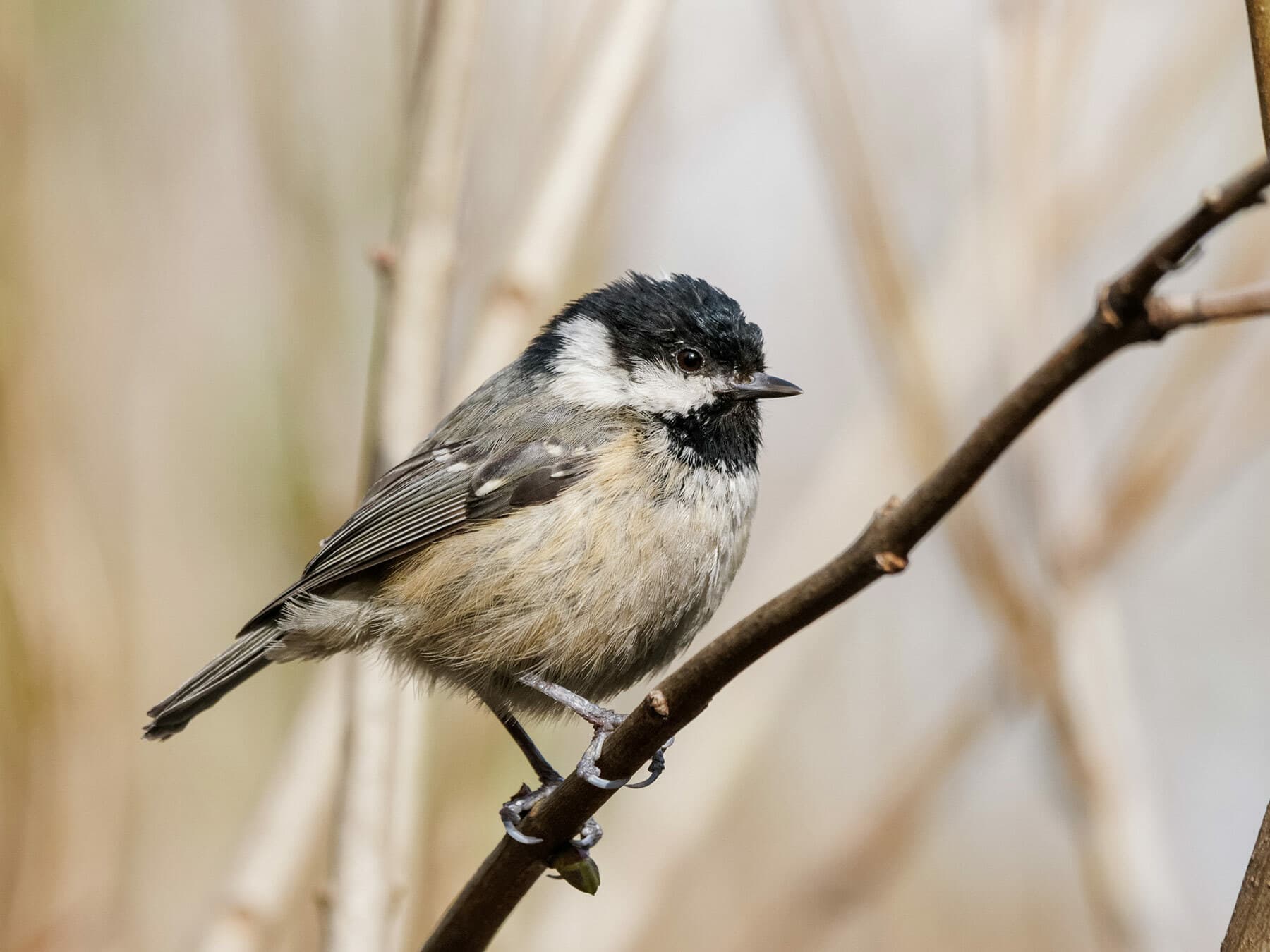 Coal TitPeriparus aterResidentCommon10–12 cmRegularly Jan–May · 1.89% in Jan
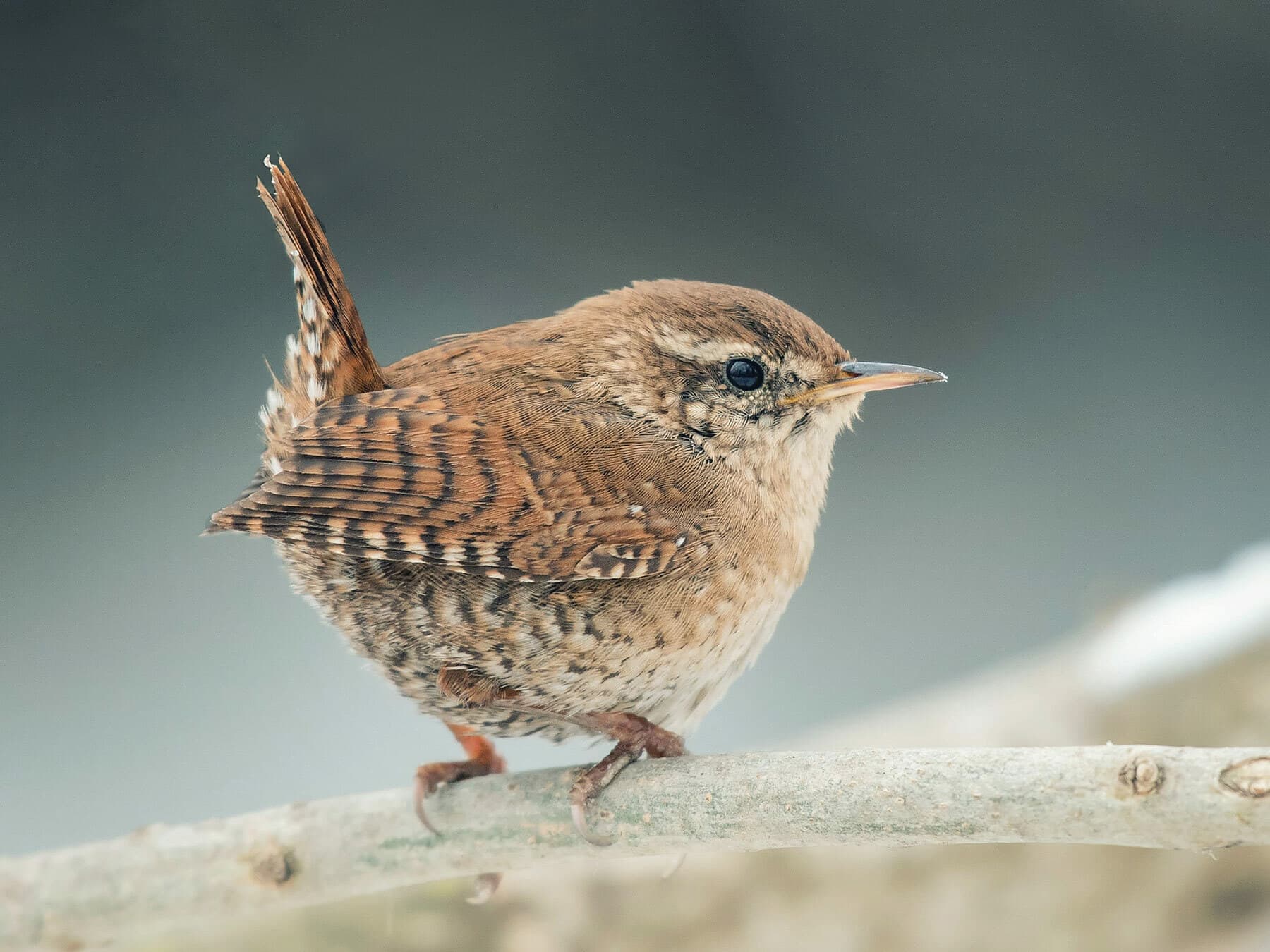 Eurasian WrenTroglodytes troglodytesWinter visitorCommon9–10 cmRegularly Aug–May · 1.89% in Jan
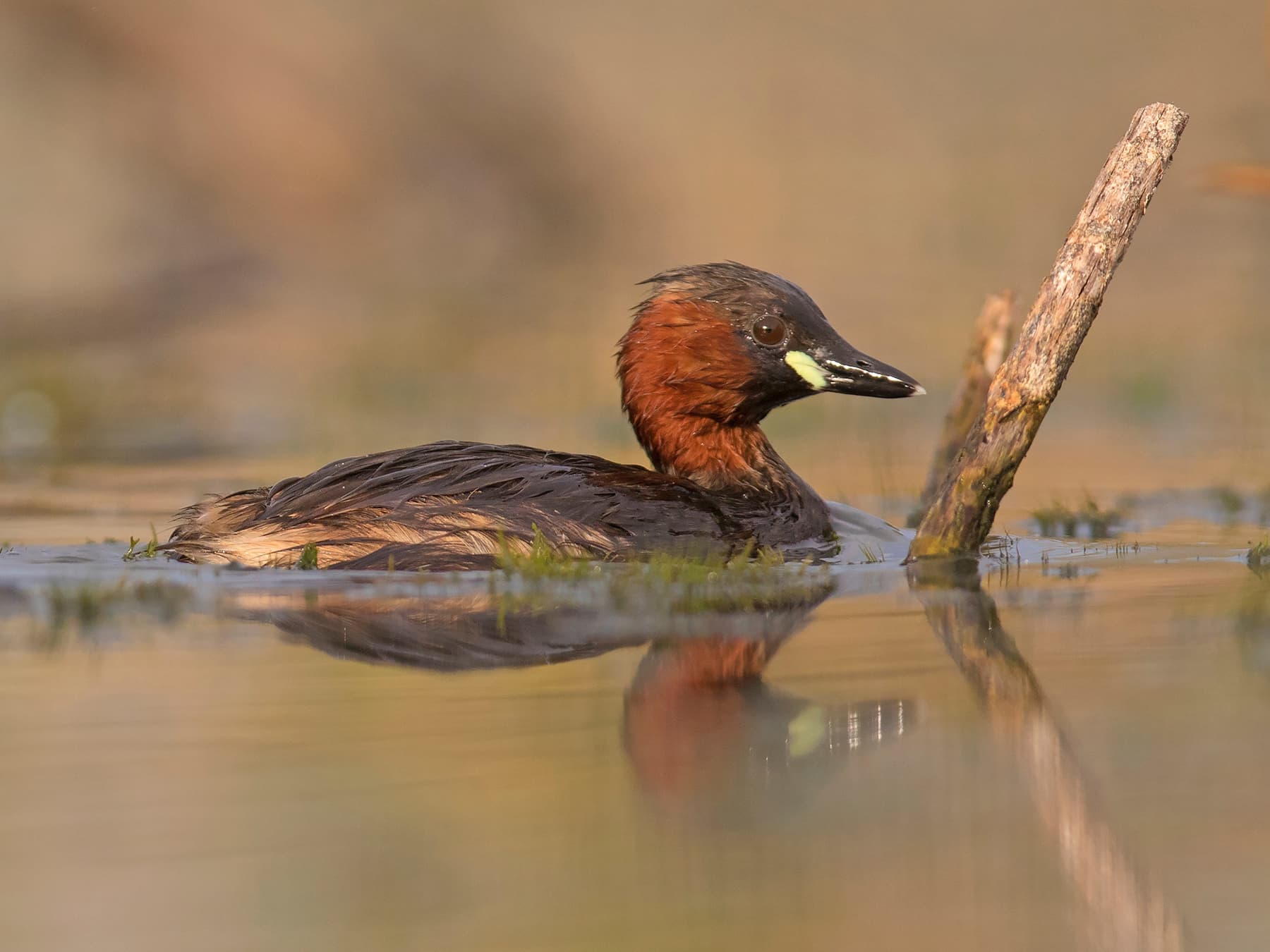 Little GrebeTachybaptus ruficollisResidentCommon23–29 cmRegularly Jan · 1.89% in Jan
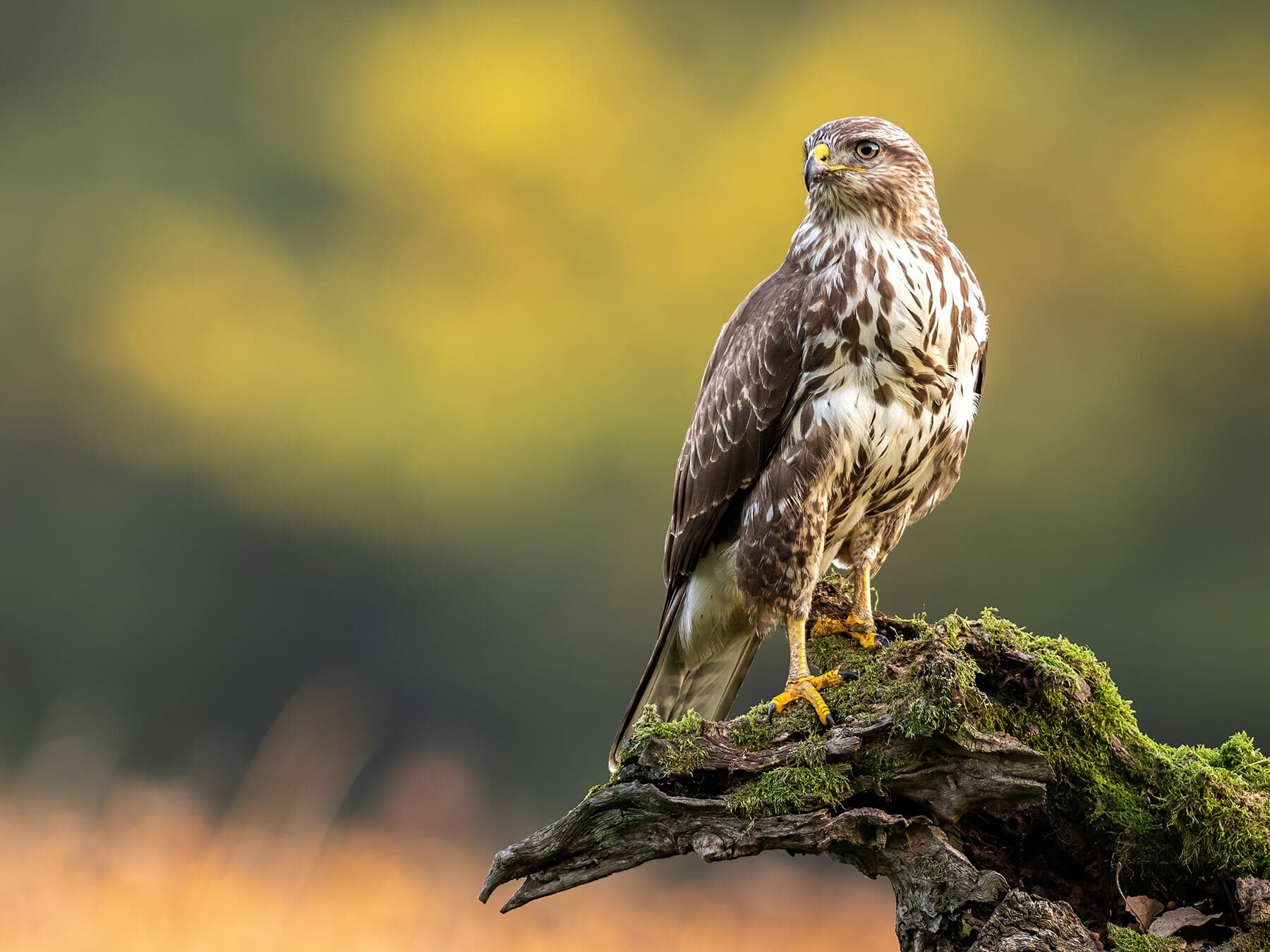 BuzzardButeo buteoWinter visitorCommon51–57 cmRegularly Aug–May · 1.79% in Jan
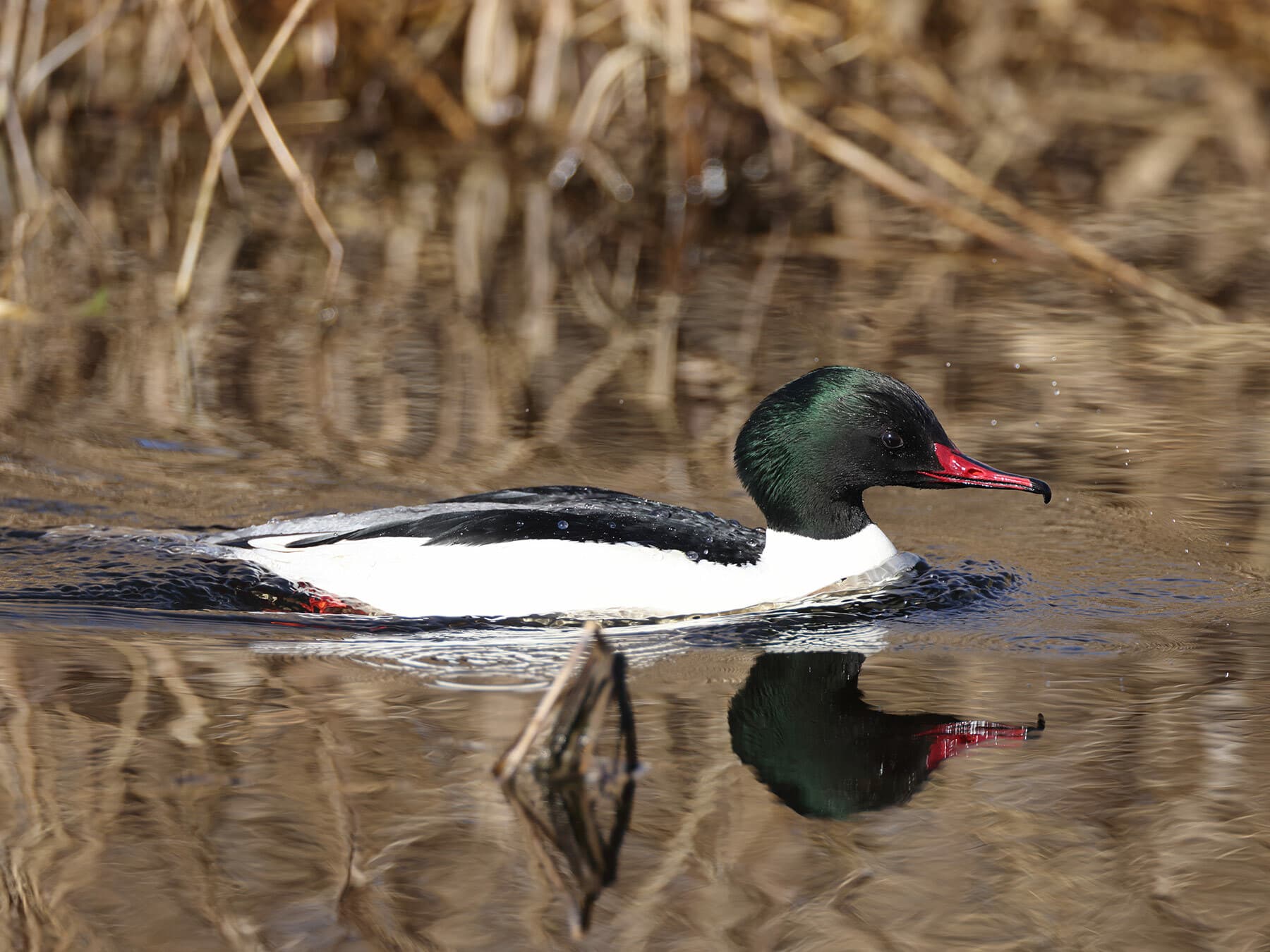 Common MerganserMergus merganserPassage migrantCommon58–68 cmRegularly Jan · 1.37% in Jan
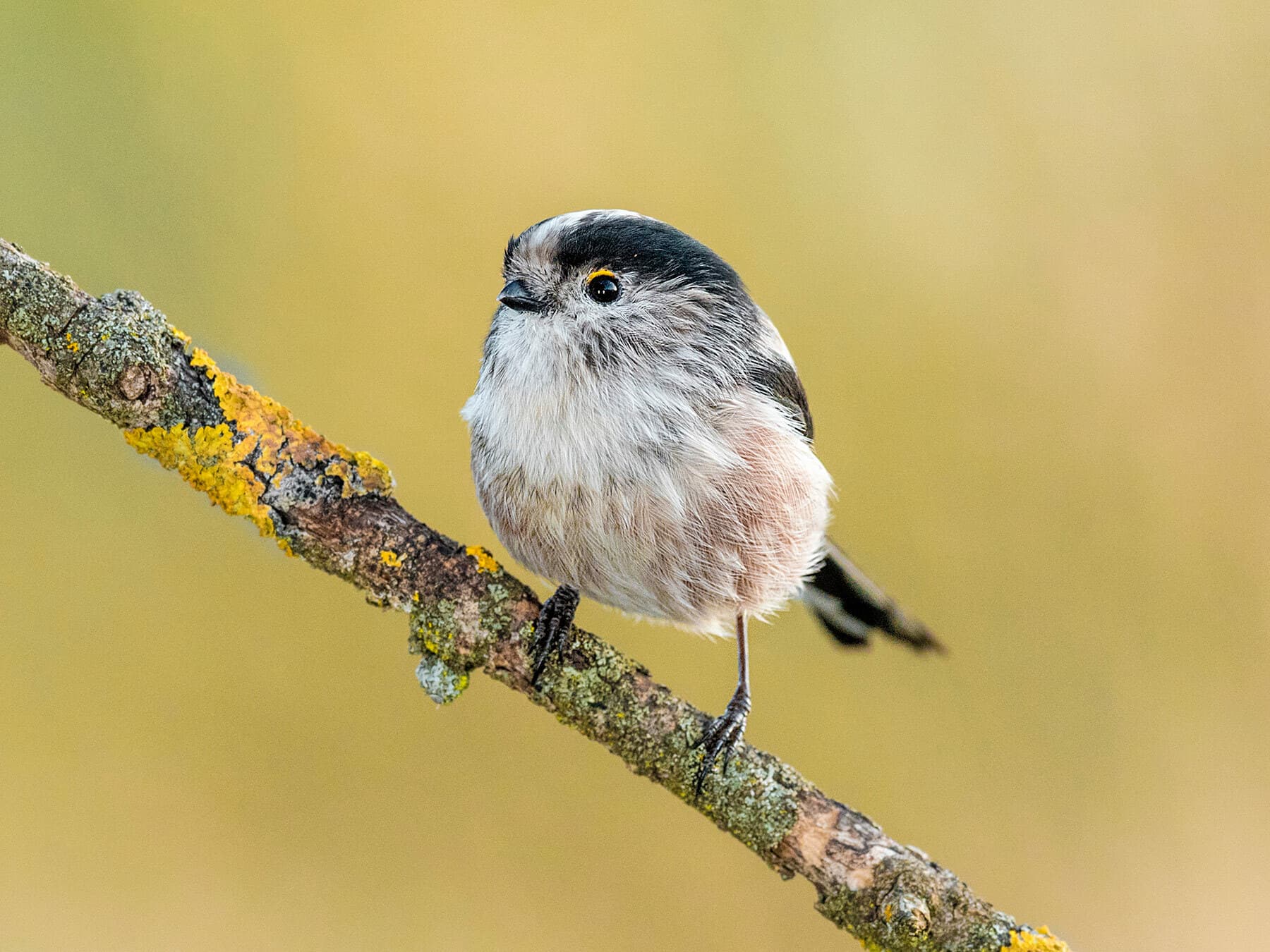 Long-tailed TitAegithalos caudatusResidentCommon13–16 cmRegularly Jan · 1.26% in Jan
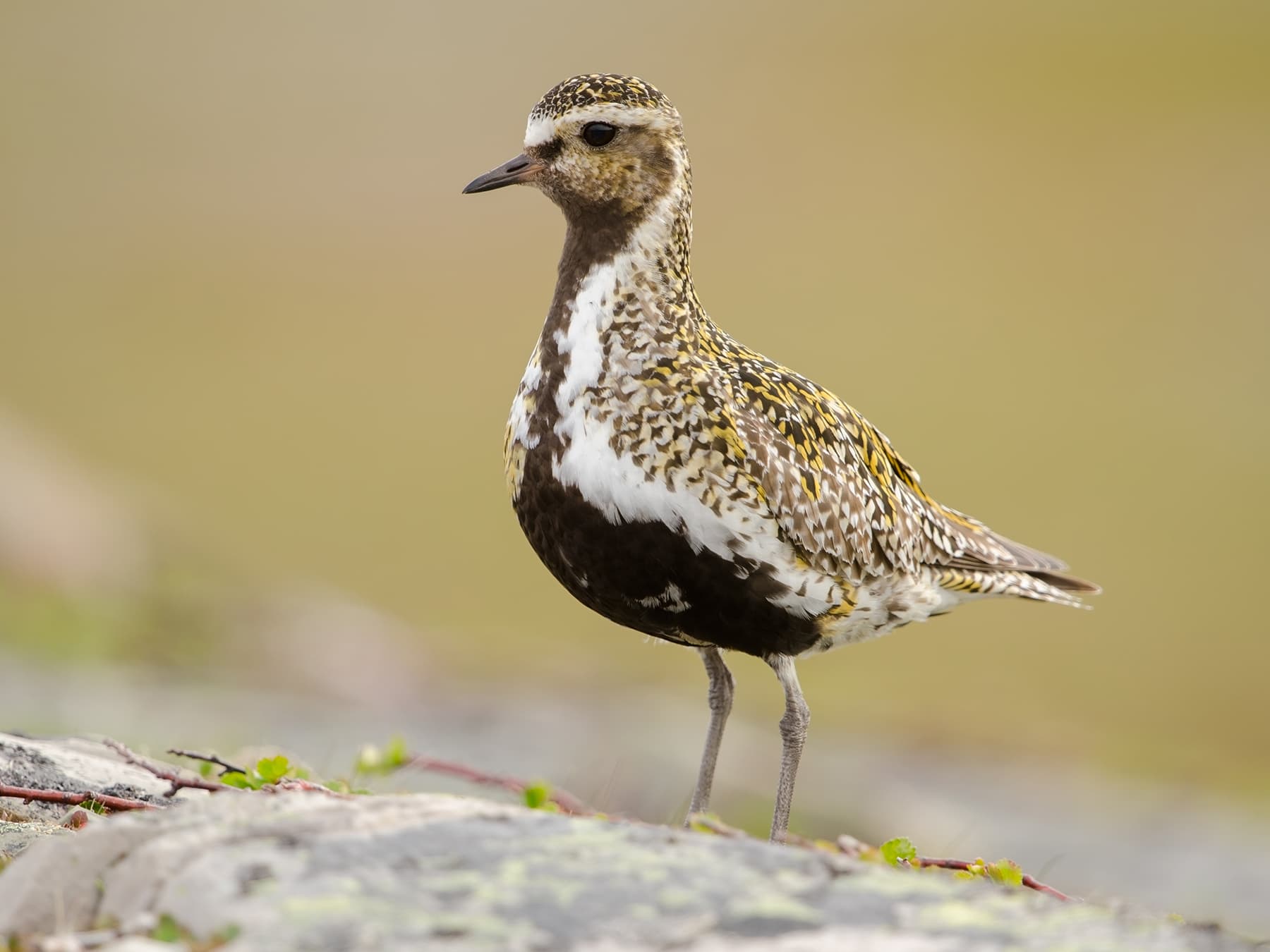 Golden PloverPluvialis apricariaPassage migrantCommon26–29 cmRegularly Oct–Mar · 1.16% in Jan
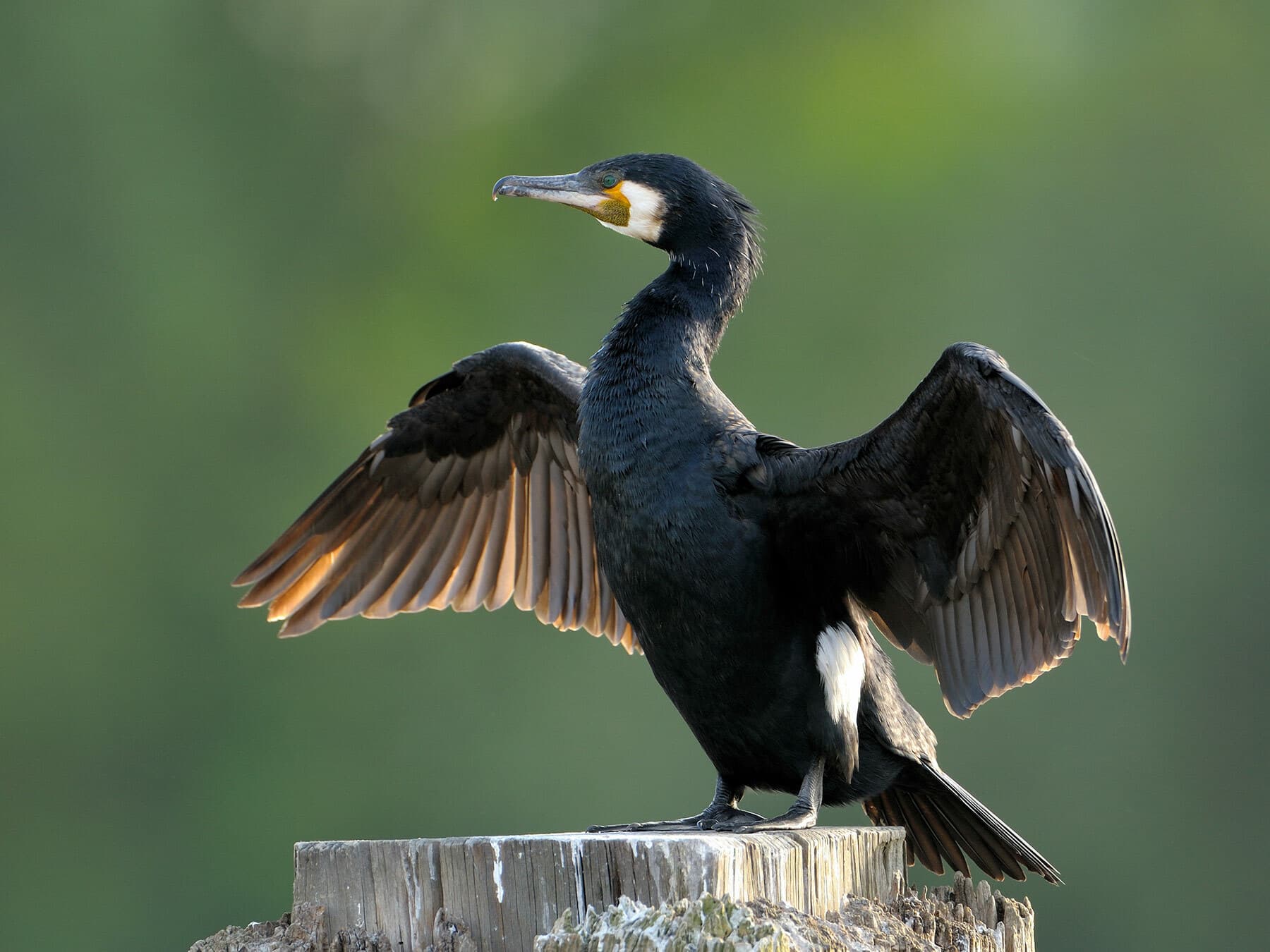 Great CormorantPhalacrocorax carboResidentCommon80–100 cmRegularly Jan–May · 1.05% in Jan
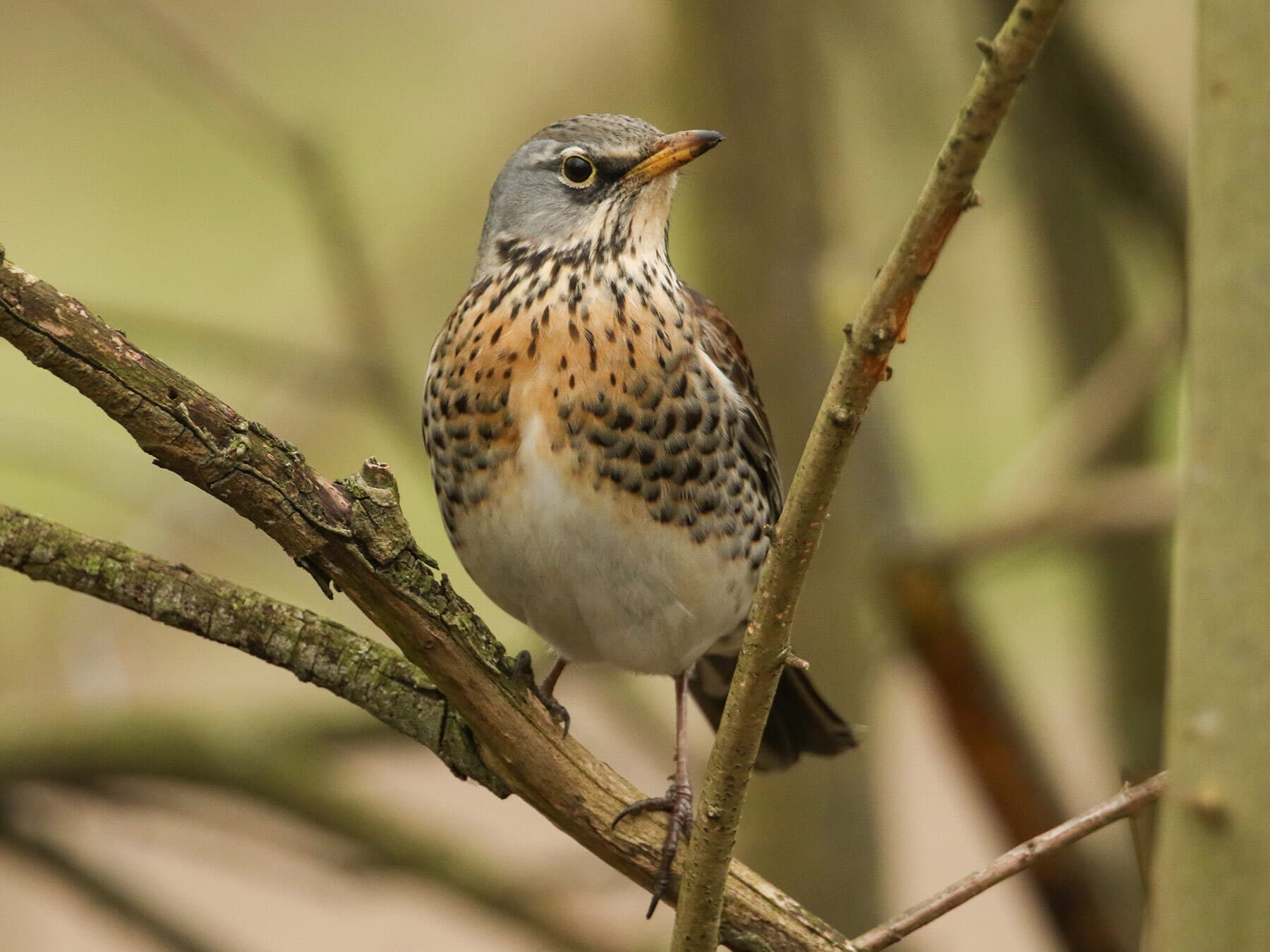 FieldfareTurdus pilarisPassage migrantCommon22–27 cmRegularly Dec–Jan · 0.95% in Jan
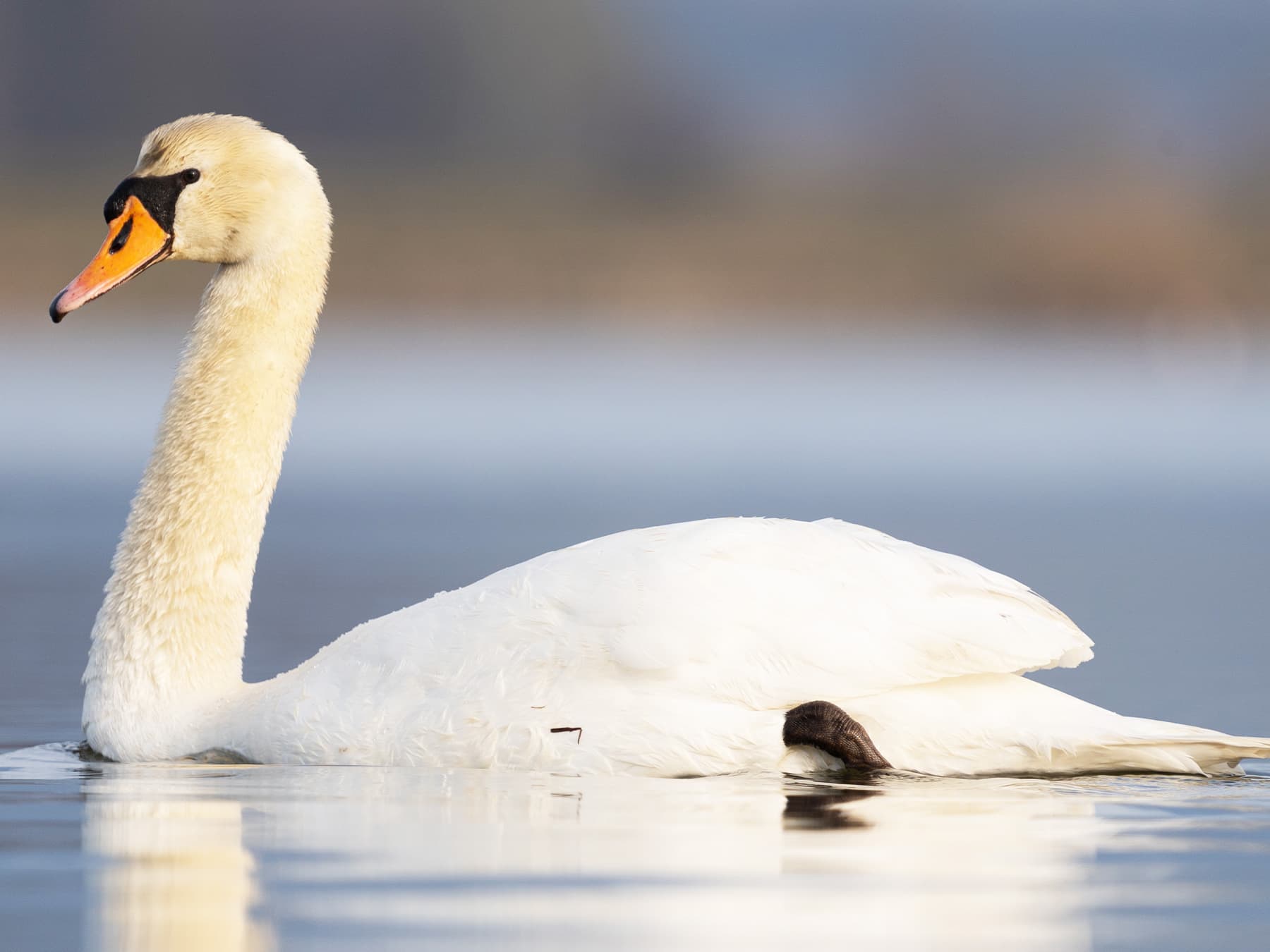 Mute SwanCygnus olorResidentCommon140–160 cmRegularly May–Jan · 0.95% in Jan
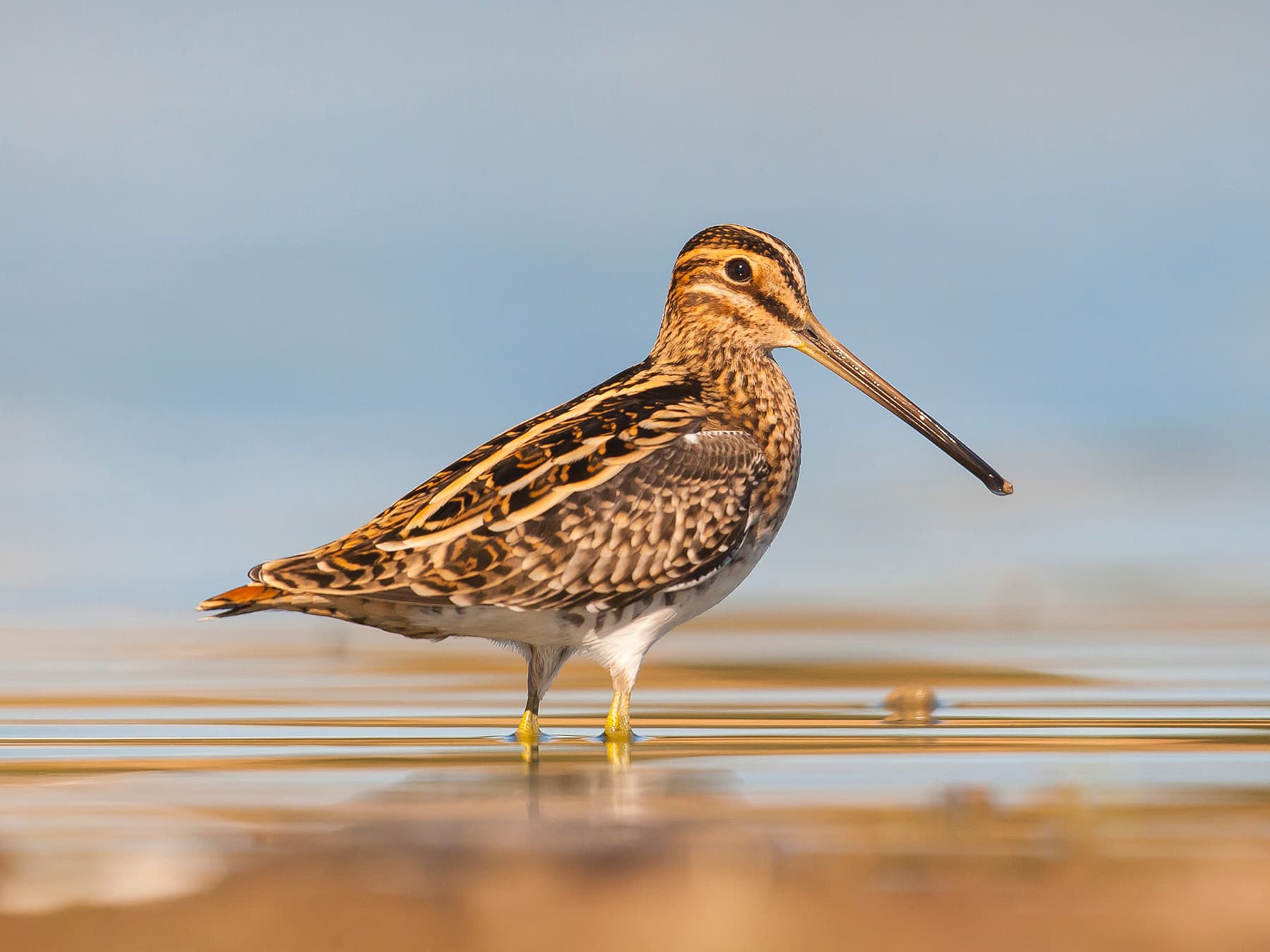 Common SnipeGallinago gallinagoResidentCommon25–27 cmRegularly Jan–Mar · 0.42% in Jan
Smallest to largest
Length, cm- Eurasian Wren 9–10 cm
- Coal Tit 10–12 cm
- Blue Tit 11–12 cm
- European Robin 13–14 cm
- Long-tailed Tit 13–16 cm
- Chaffinch 14–16 cm
- Song Thrush 20–23 cm
- Redwing 20–24 cm
- Blackbird 24–25 cm
- Fieldfare 22–27 cm
- Little Grebe 23–29 cm
- Common Snipe 25–27 cm
- Mistle Thrush 26–29 cm
- Golden Plover 26–29 cm
- Jackdaw 34–39 cm
- Woodpigeon 40–42 cm
- Rook 45–47 cm
- Buzzard 51–57 cm
- Mallard 50–65 cm
- Lesser Black-backed Gull 52–64 cm
- Yellow-legged Gull 52–68 cm
- Common Merganser 58–68 cm
- Great Cormorant 80–100 cm
- Mute Swan 140–160 cm
Body length, bill to tail. Rare birds in grey.
Data: EOD – eBird Observation Dataset (Cornell Lab of Ornithology), accessed via GBIF.org, CC BY 4.0. Records from 2019–2024, aggregated and filtered by Birdfact. How these lists are made