


Birds to See in Carlow in February
18 bird species on our list for Carlow are recorded regularly in February
Of these, the most often recorded are Rook, Woodpigeon, Blue Tit, Great Tit and Golden Plover. New this month: Common Pheasant, Common Starling, Rock Dove and Bullfinch and 4 more.
On the move in February
GBIF · FebArriving
From Carlow’s bird records, 2019–2024: arriving birds are regular this month but not last; leaving birds are regular this month but not next.
Other months
All 18 birds in February
18 birds
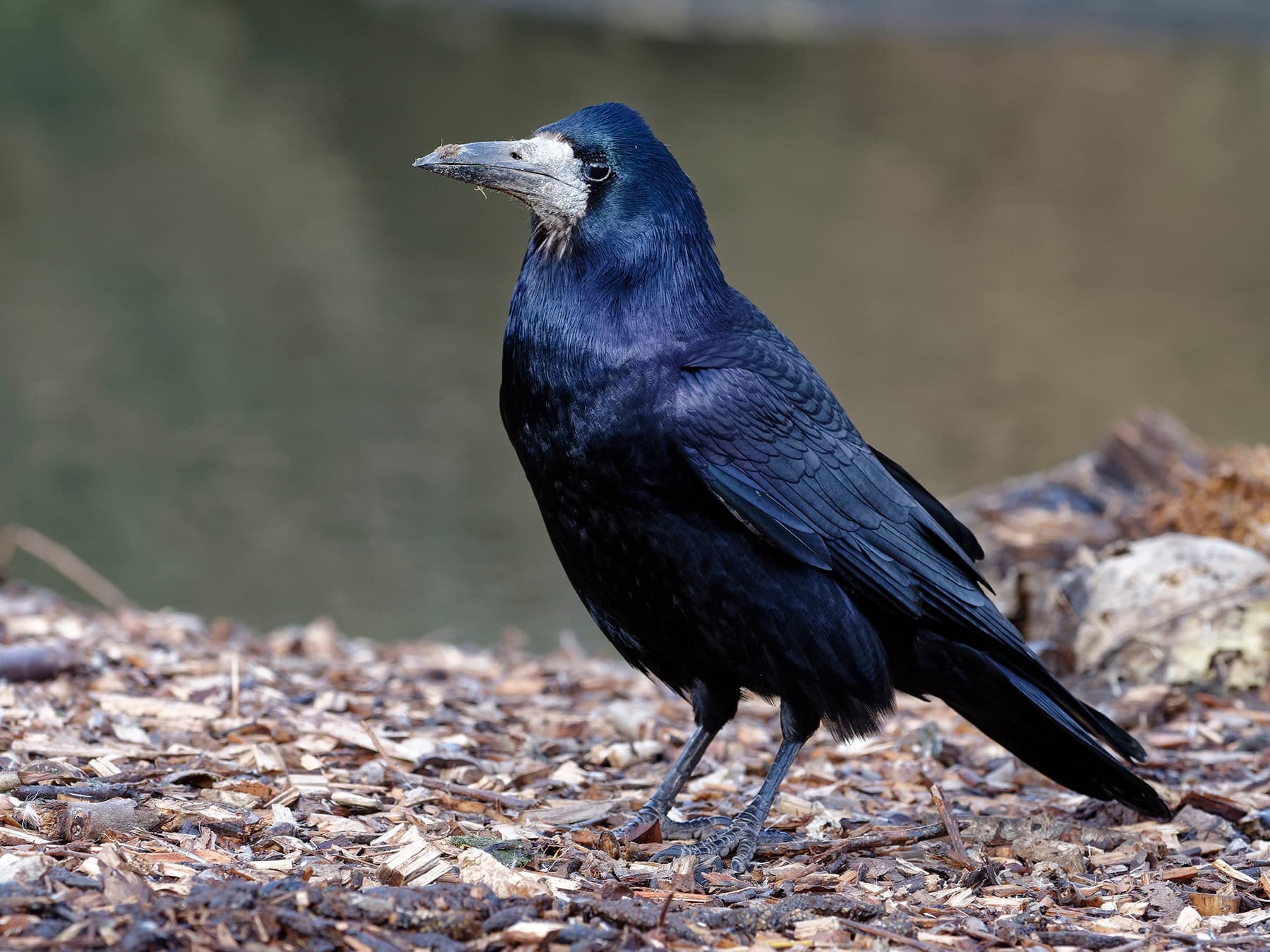 RookCorvus frugilegusWinter visitorCommon45–47 cmRegularly Aug–May · 3.90% in Feb
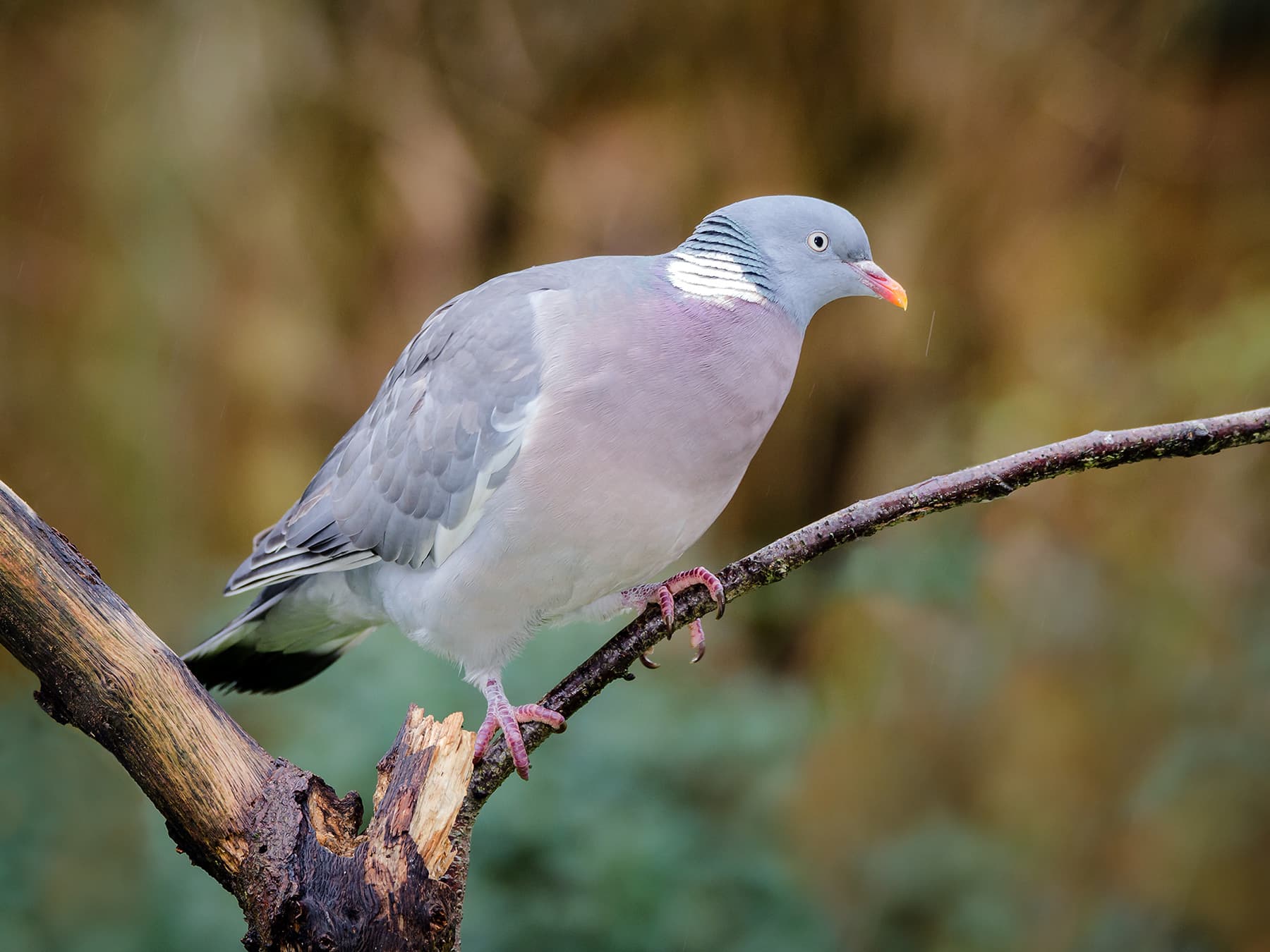 WoodpigeonColumba palumbusWinter visitorCommon40–42 cmRegularly Apr–Feb · 3.90% in Feb
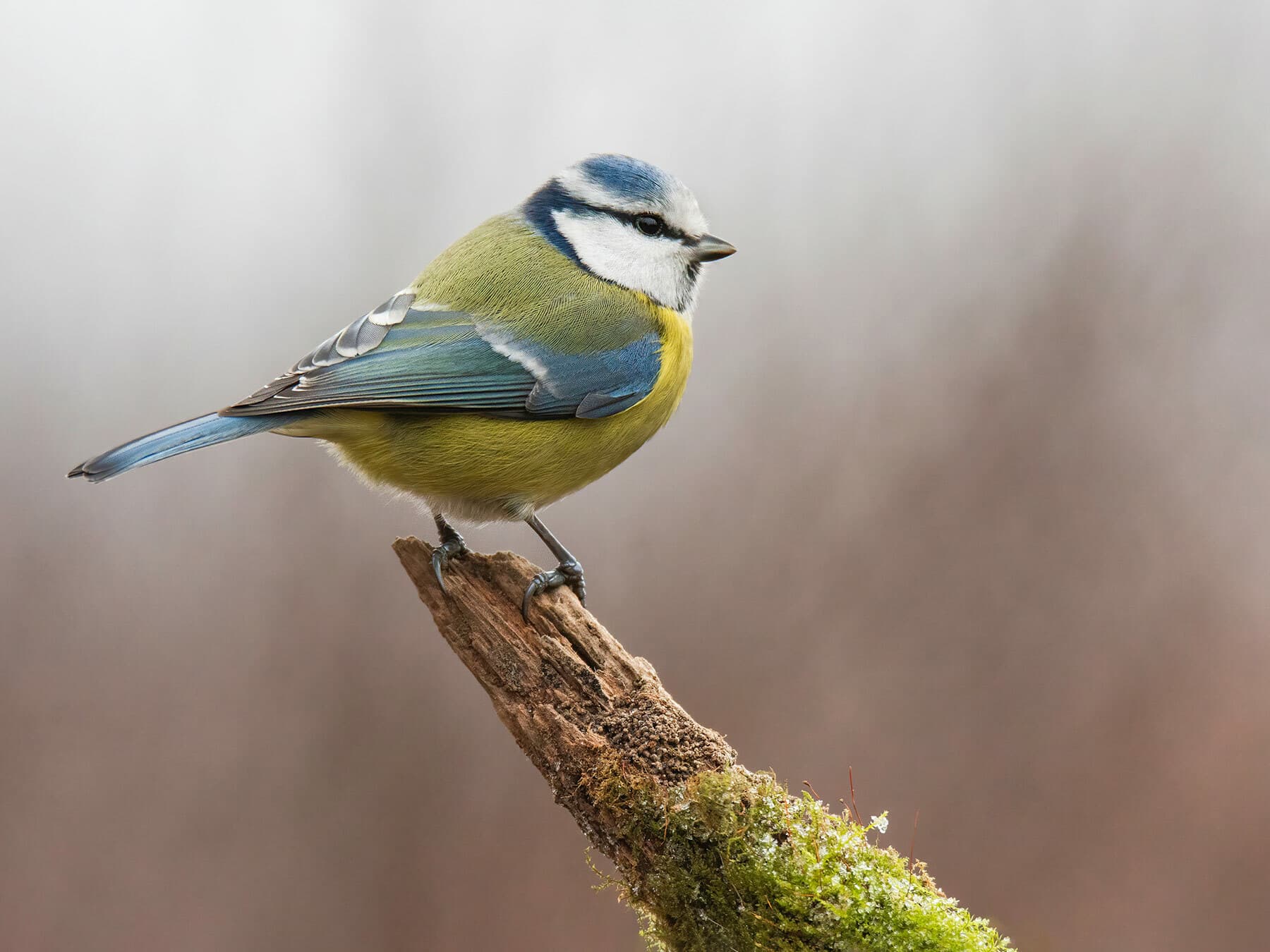 Blue TitCyanistes caeruleusWinter visitorCommon11–12 cmRegularly Aug–May · 3.62% in Feb
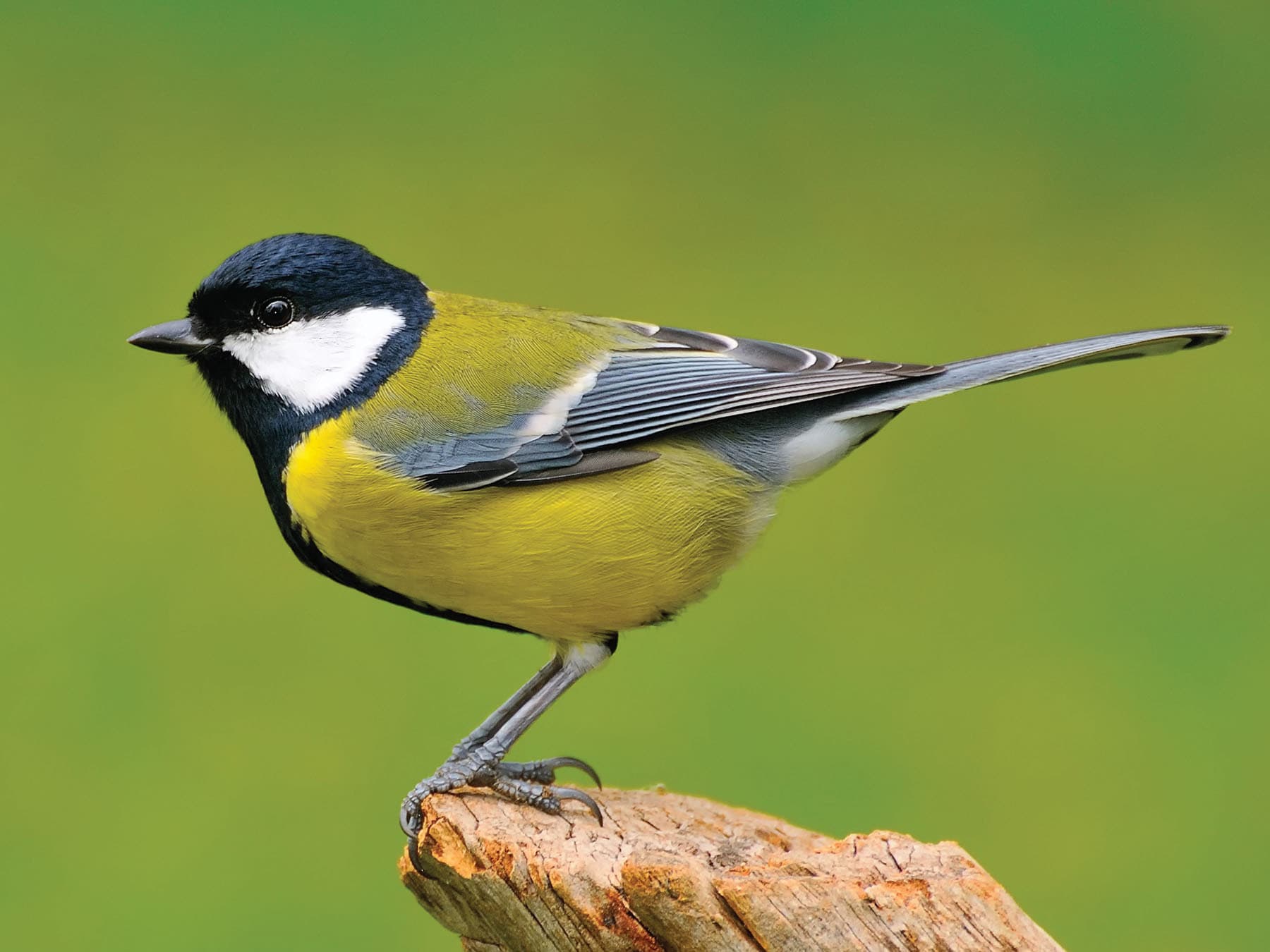 Great TitParus majorResidentCommonRegularly Sep–May · 3.62% in Feb
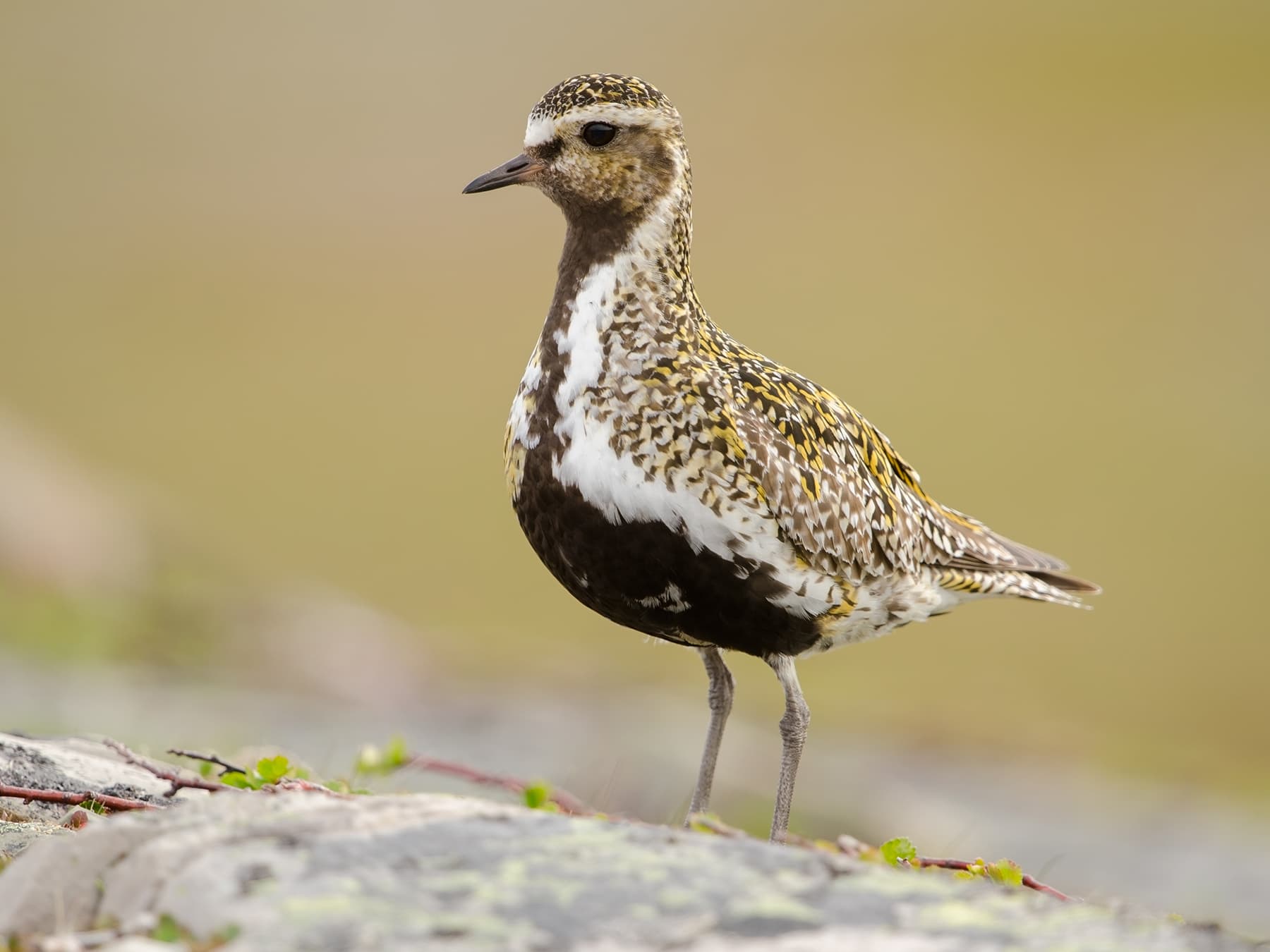 Golden PloverPluvialis apricariaPassage migrantCommon26–29 cmRegularly Oct–Mar · 3.34% in Feb
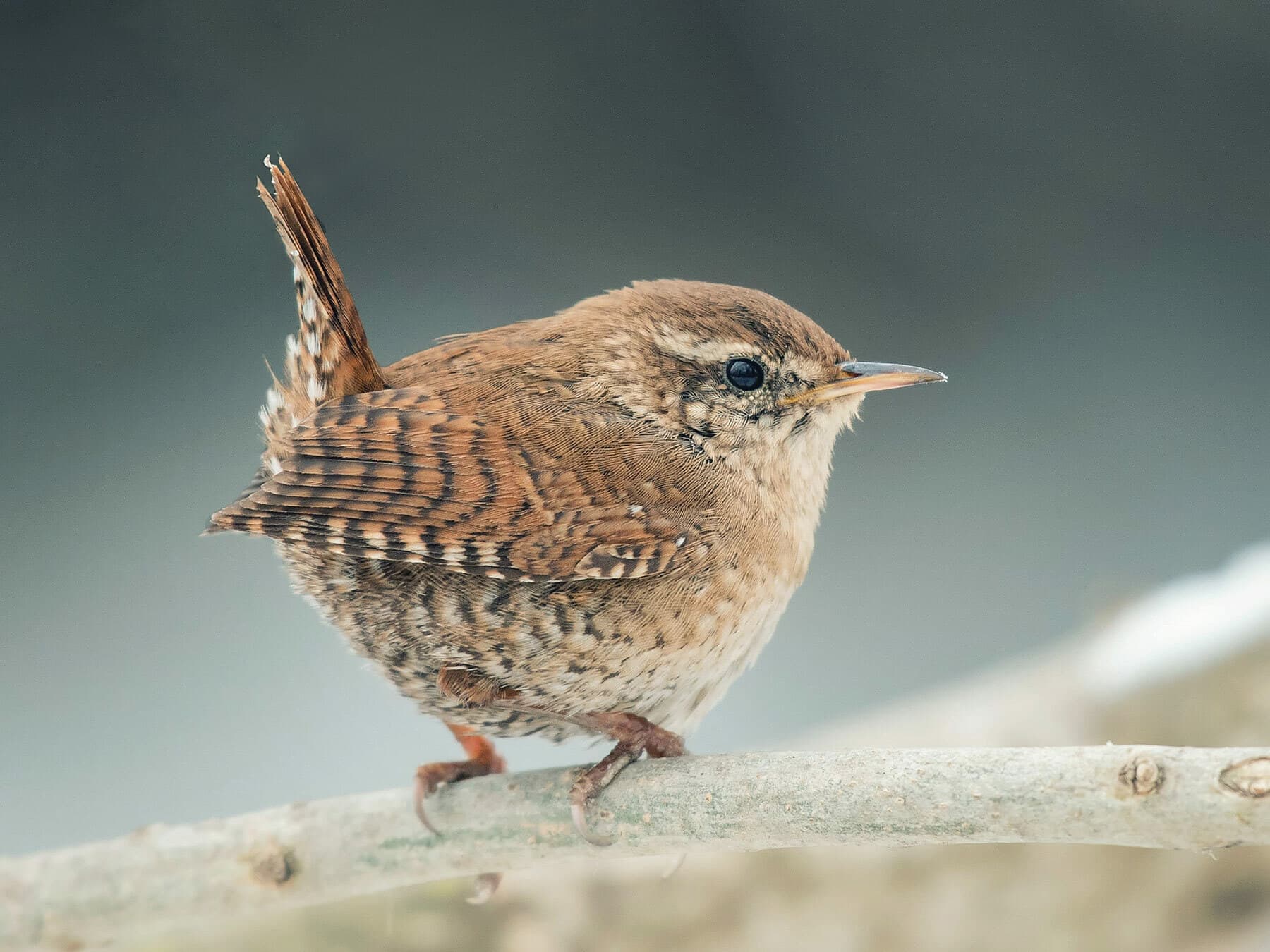 Eurasian WrenTroglodytes troglodytesWinter visitorCommon9–10 cmRegularly Aug–May · 2.79% in Feb
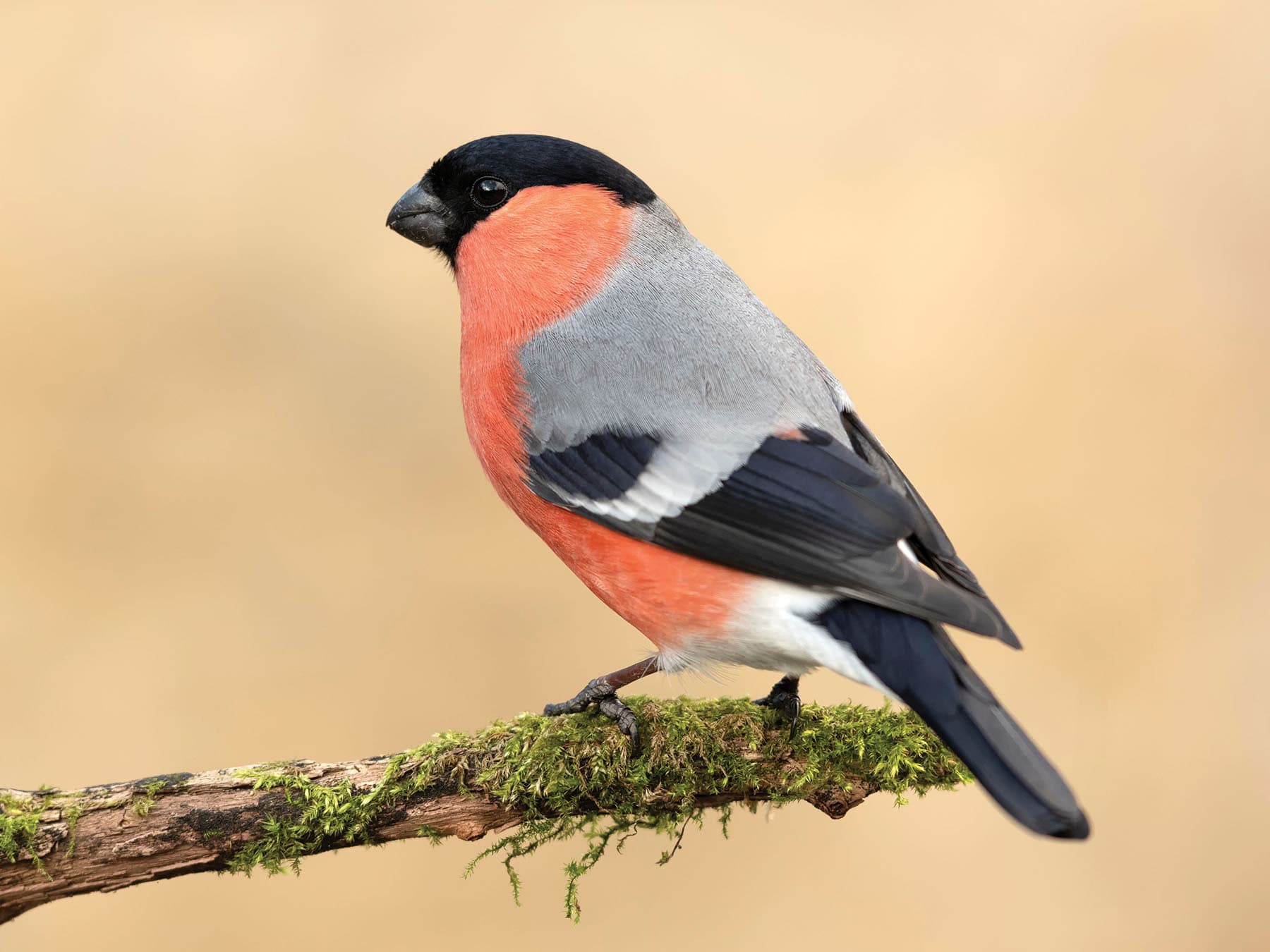 BullfinchPyrrhula pyrrhulaResidentCommon15–17 cmRegularly Feb · 2.51% in Feb
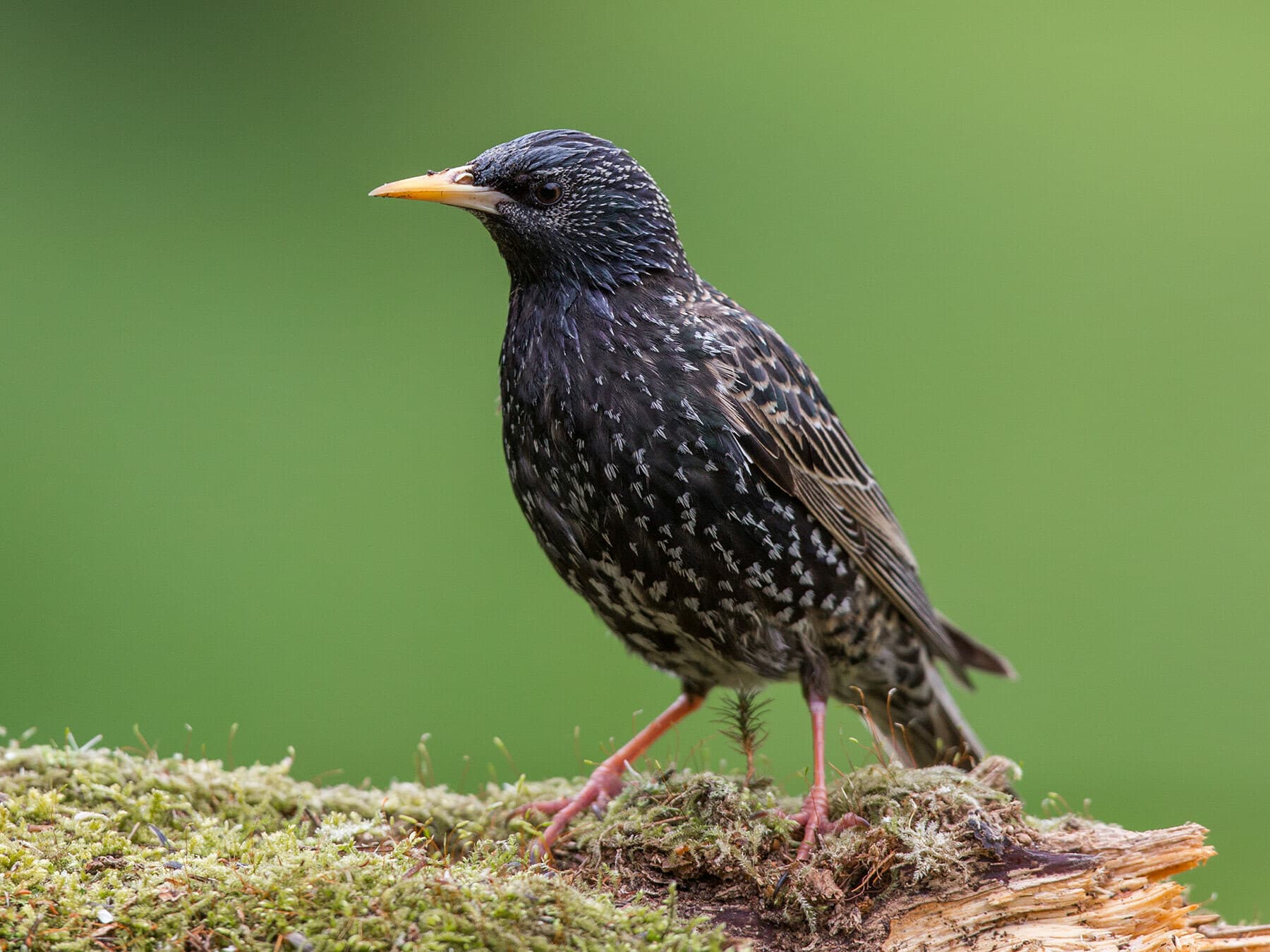 Common StarlingSturnus vulgarisResidentCommon21–23 cmRegularly Sep–May · 2.51% in Feb
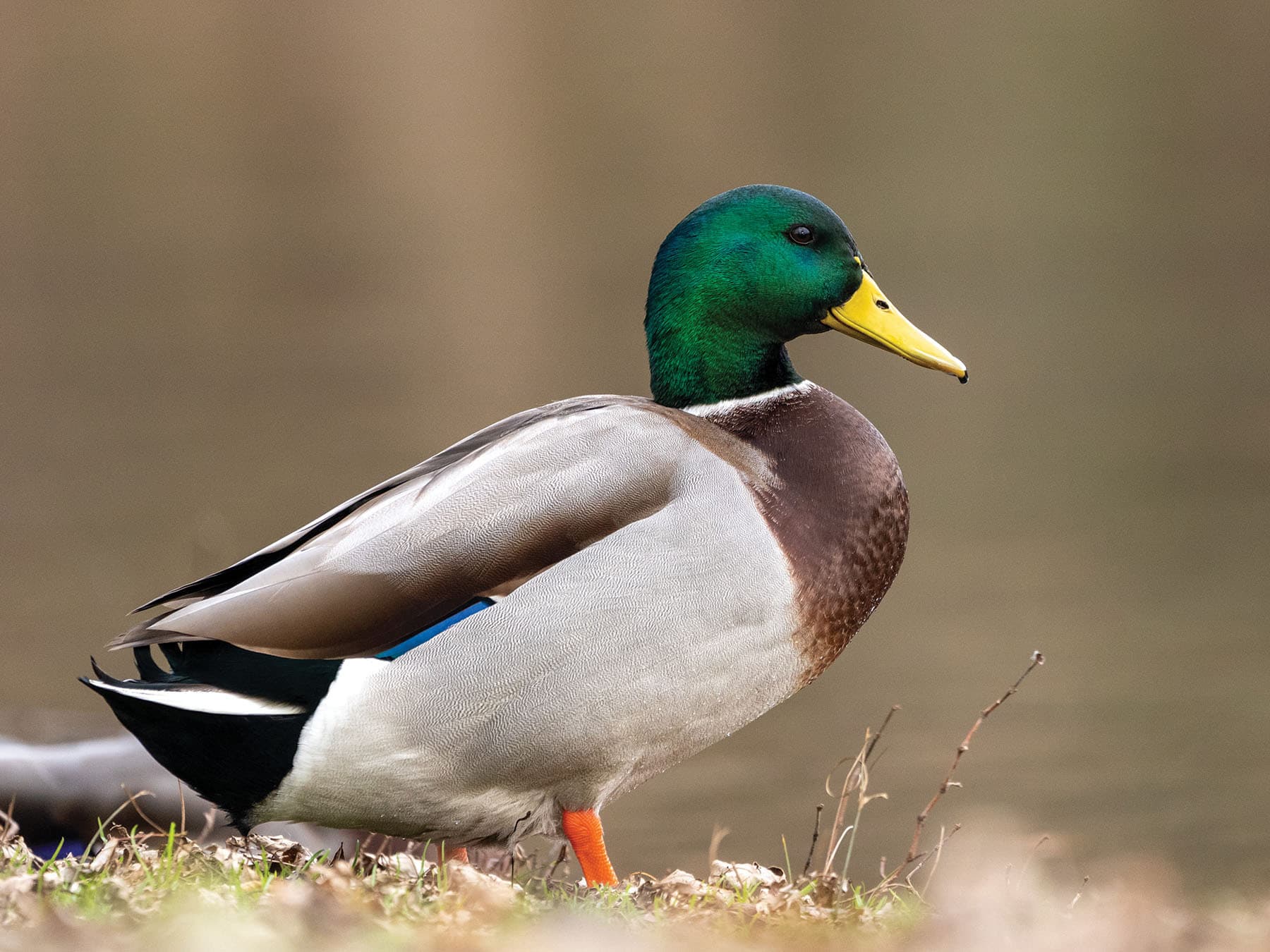 MallardAnas platyrhynchosResidentCommon50–65 cmRegularly Sep–May · 2.51% in Feb
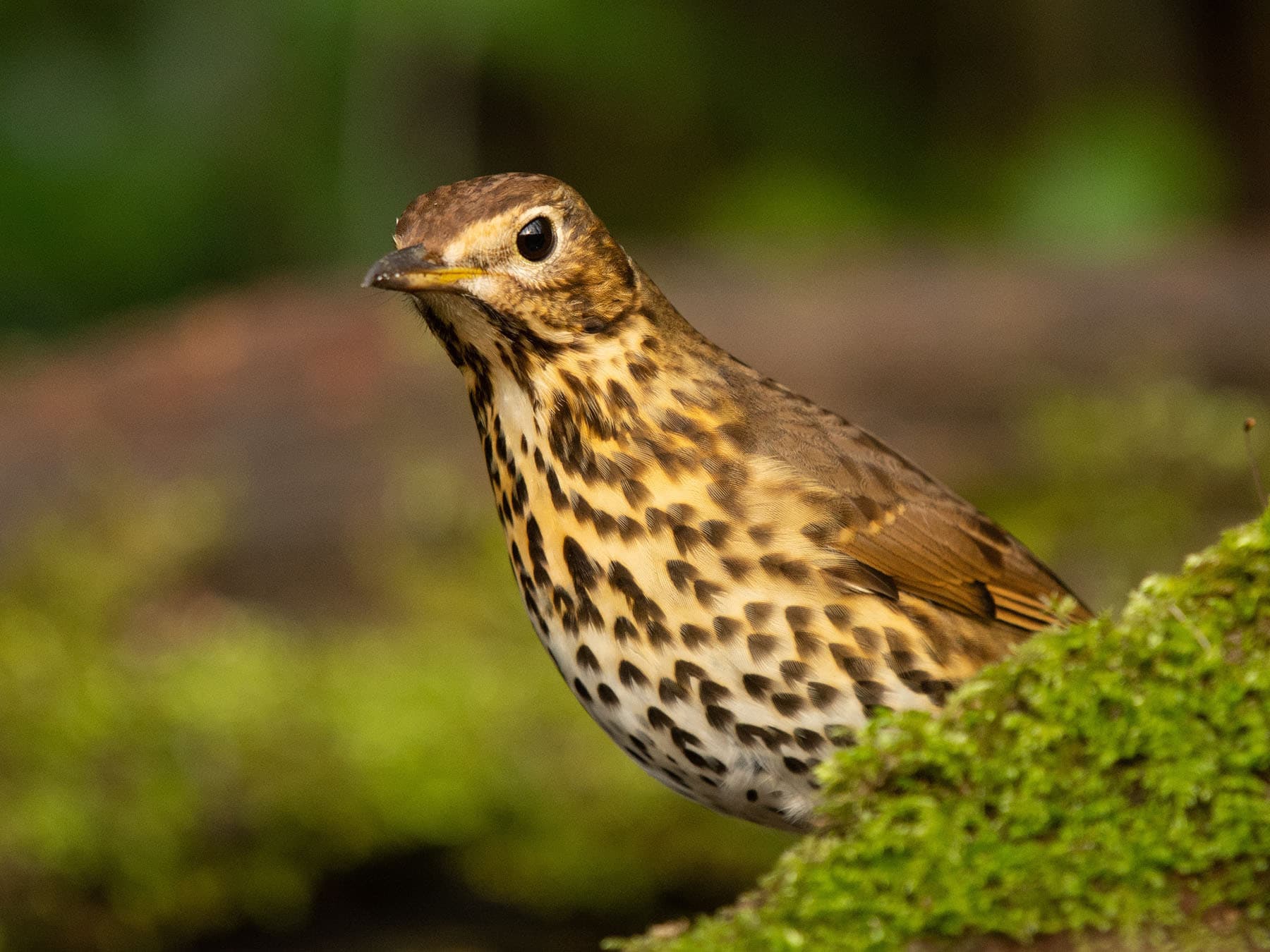 Song ThrushTurdus philomelosResidentCommon20–23 cmRegularly Jan–Jun · 2.51% in Feb
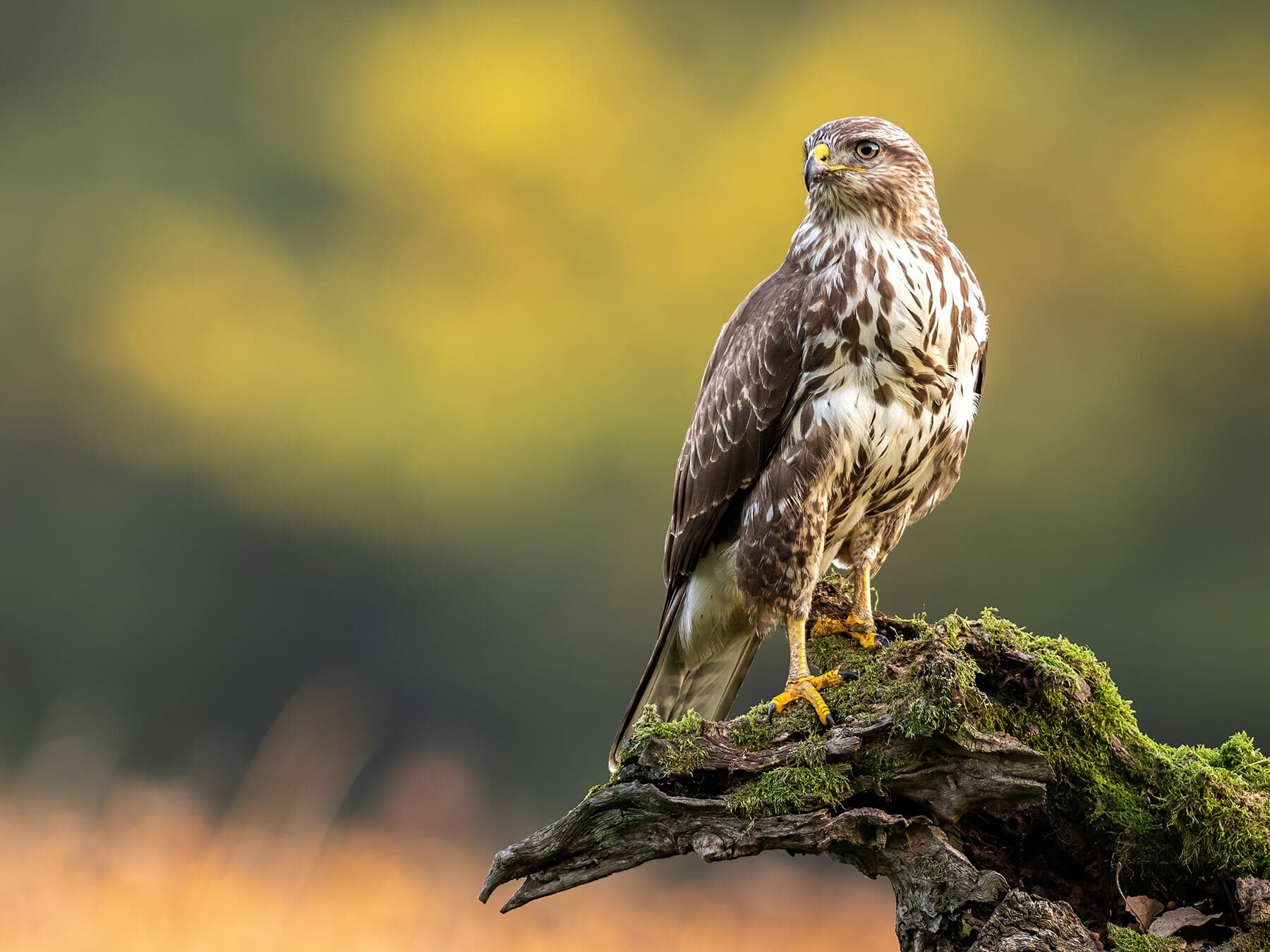 BuzzardButeo buteoWinter visitorCommon51–57 cmRegularly Aug–May · 2.23% in Feb
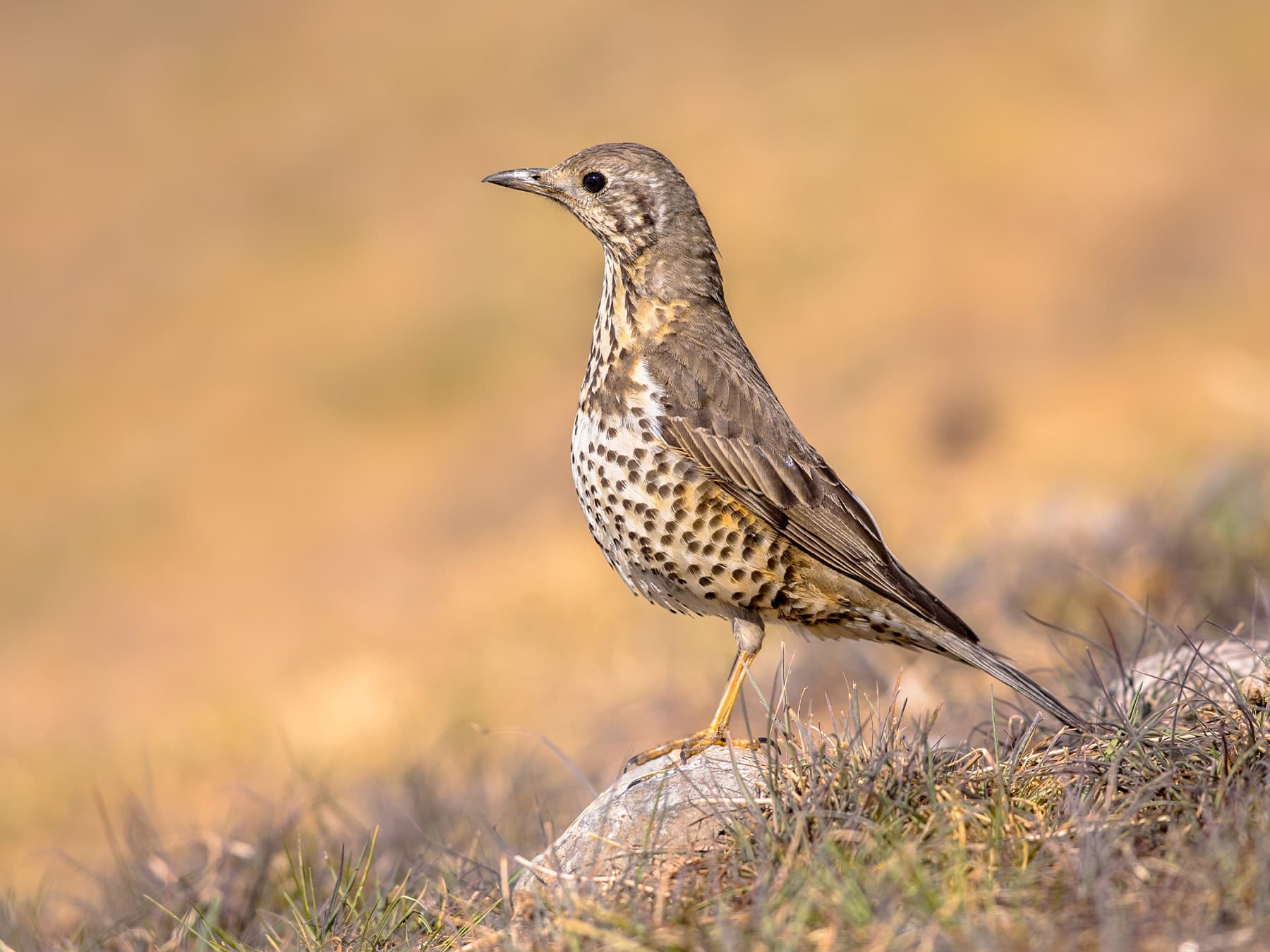 Mistle ThrushTurdus viscivorusWinter visitorCommon26–29 cmRegularly Dec–May · 2.23% in Feb
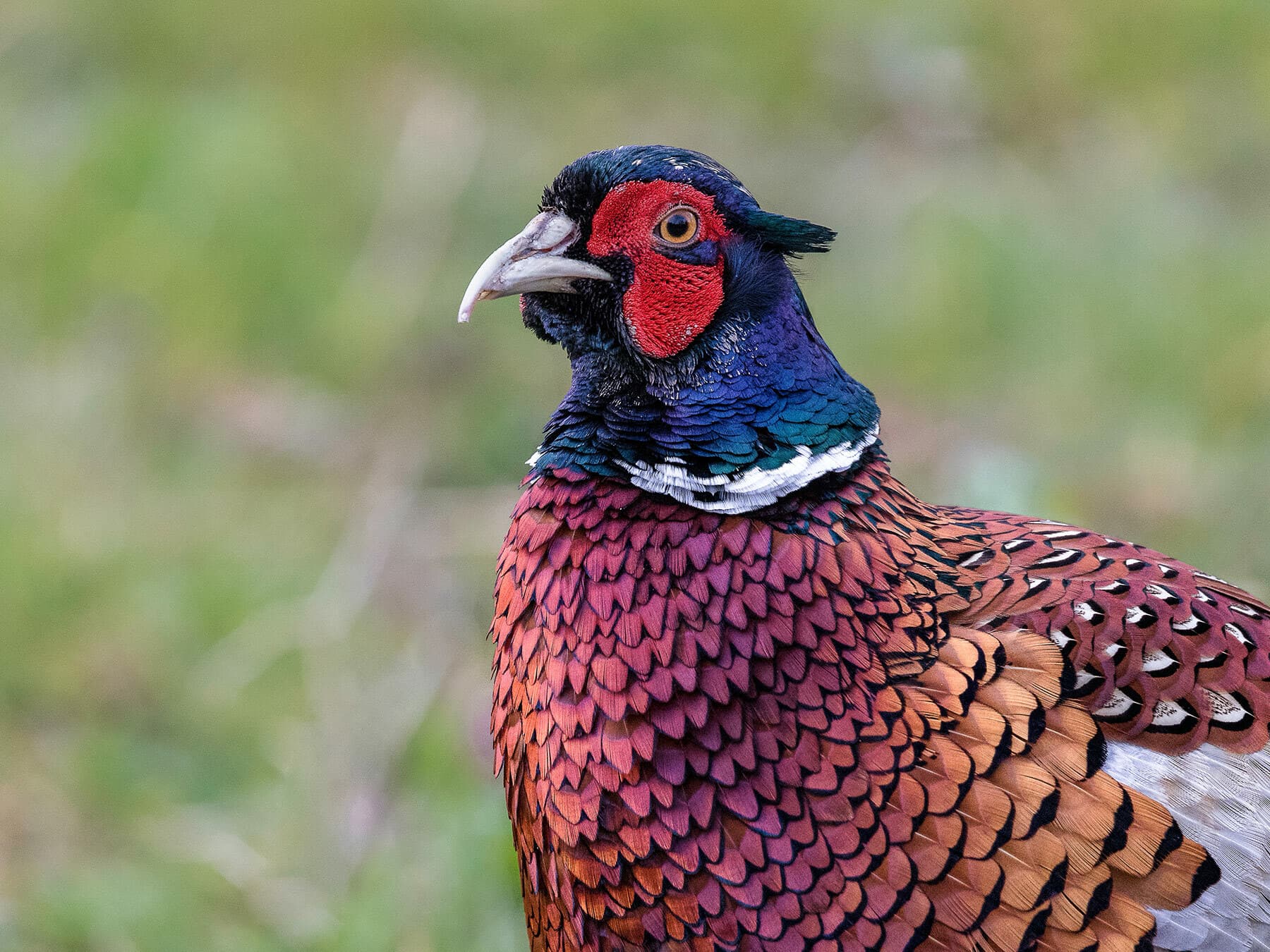 Common PheasantPhasianus colchicusResidentCommon50–90 cmRegularly Feb–May · 1.95% in Feb
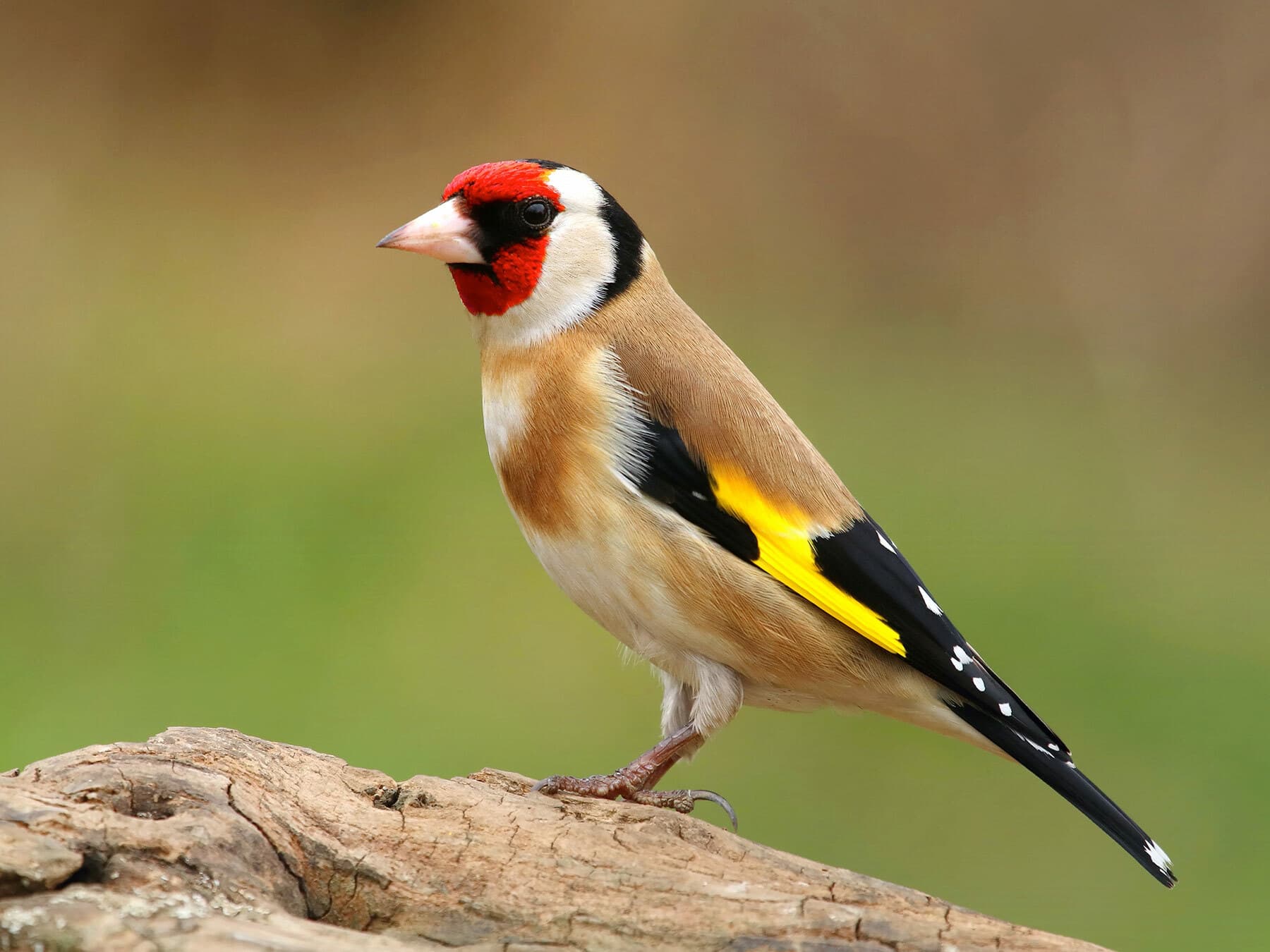 European GoldfinchCarduelis carduelisResidentCommon12–13 cmRegularly Dec–May · 1.95% in Feb
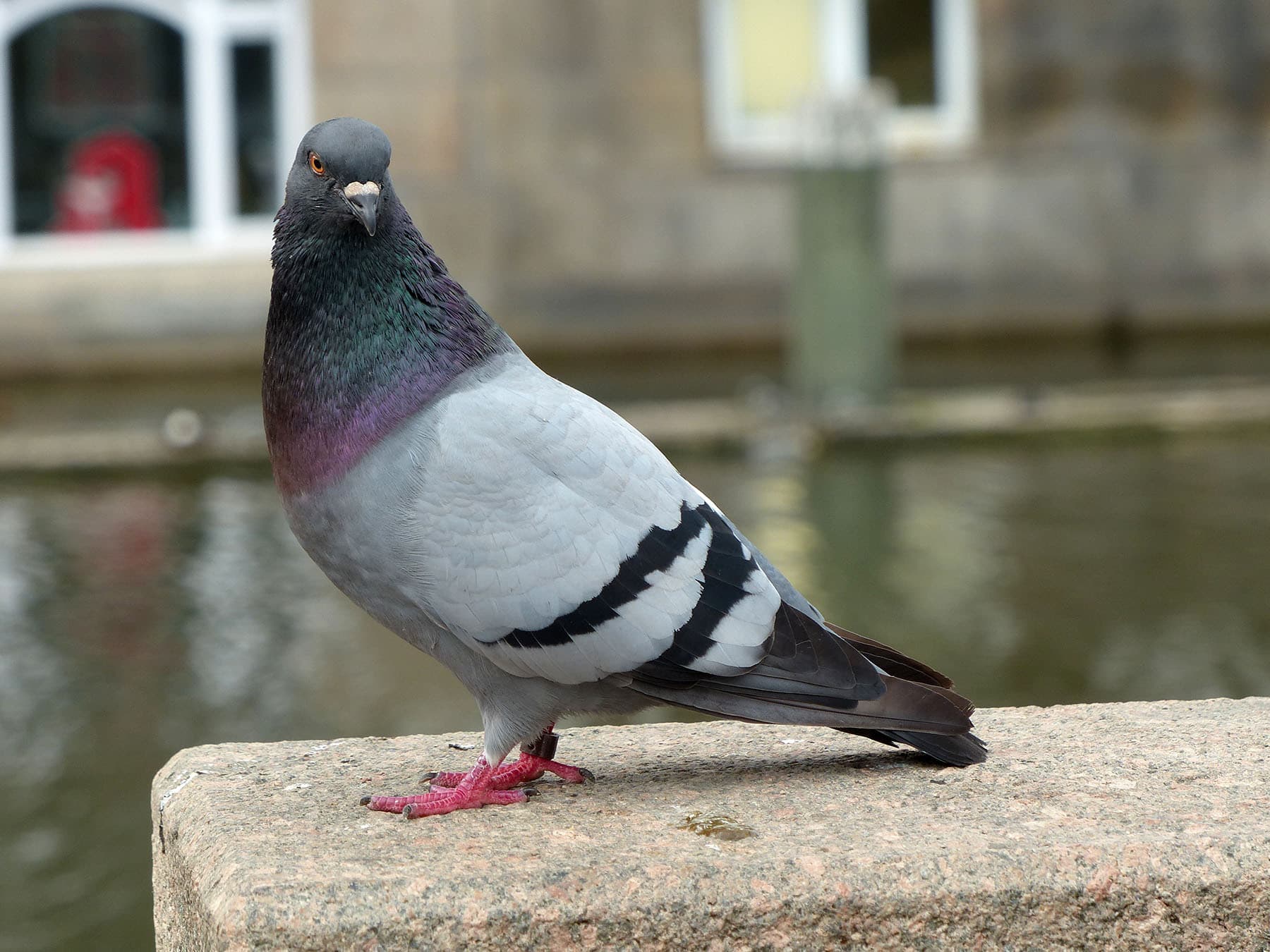 Rock DoveColumba liviaResidentCommon31–34 cmRegularly Oct–May · 1.95% in Feb
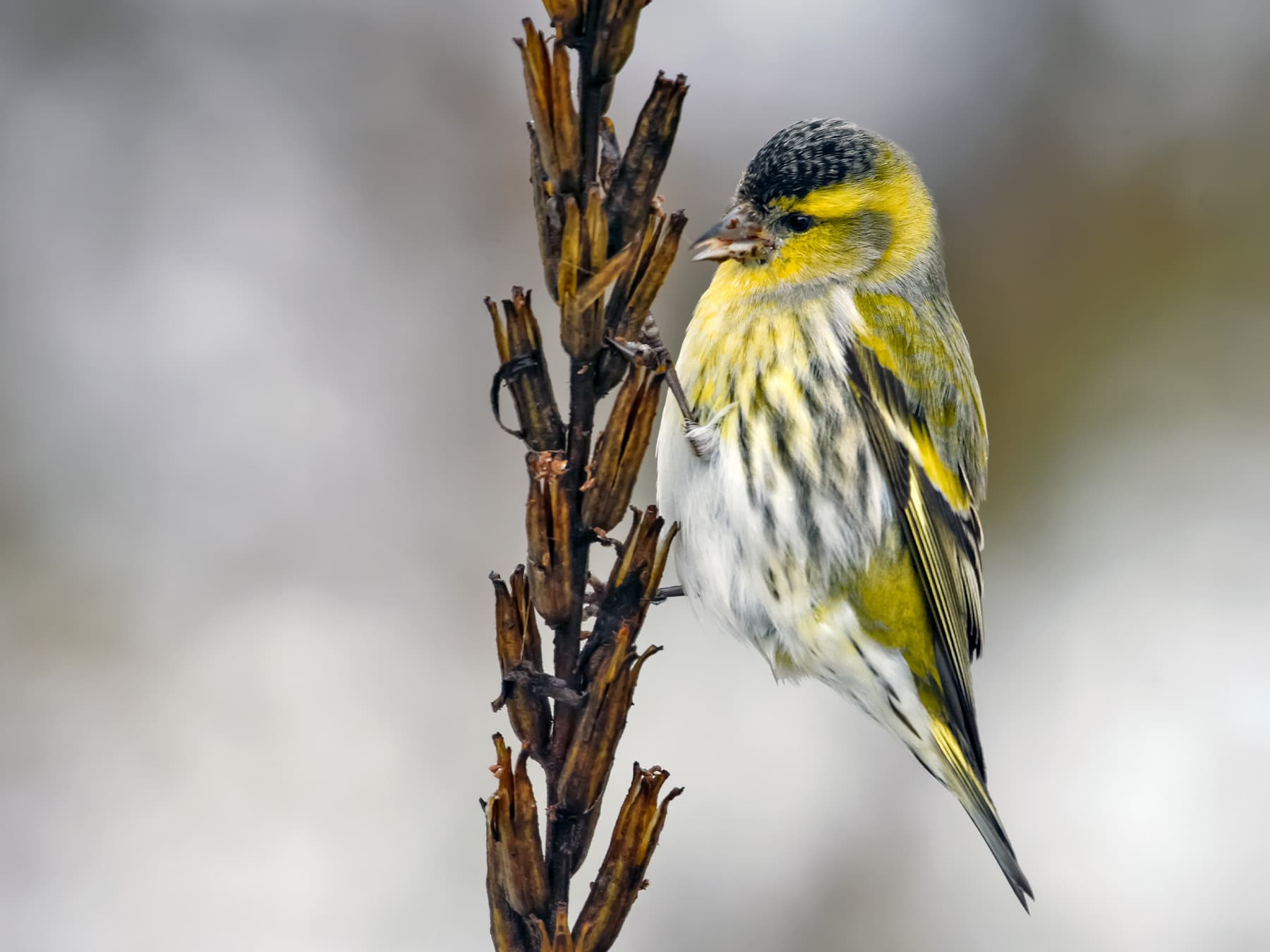 Eurasian SiskinSpinus spinusResidentCommon11–13 cmRegularly Feb · 1.67% in Feb
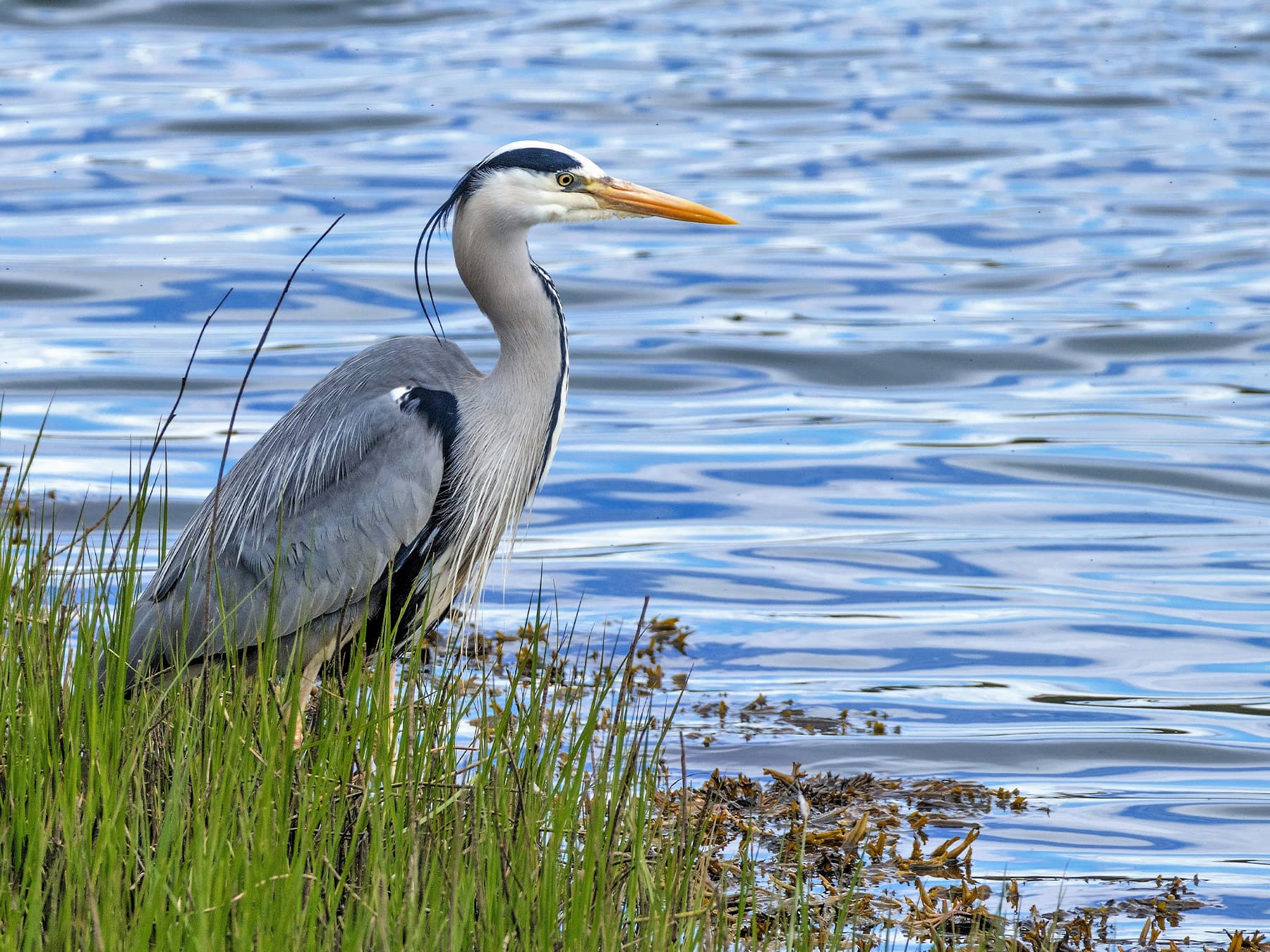 Grey HeronArdea cinereaResidentCommon90–98 cmRegularly Feb–May · 1.39% in Feb
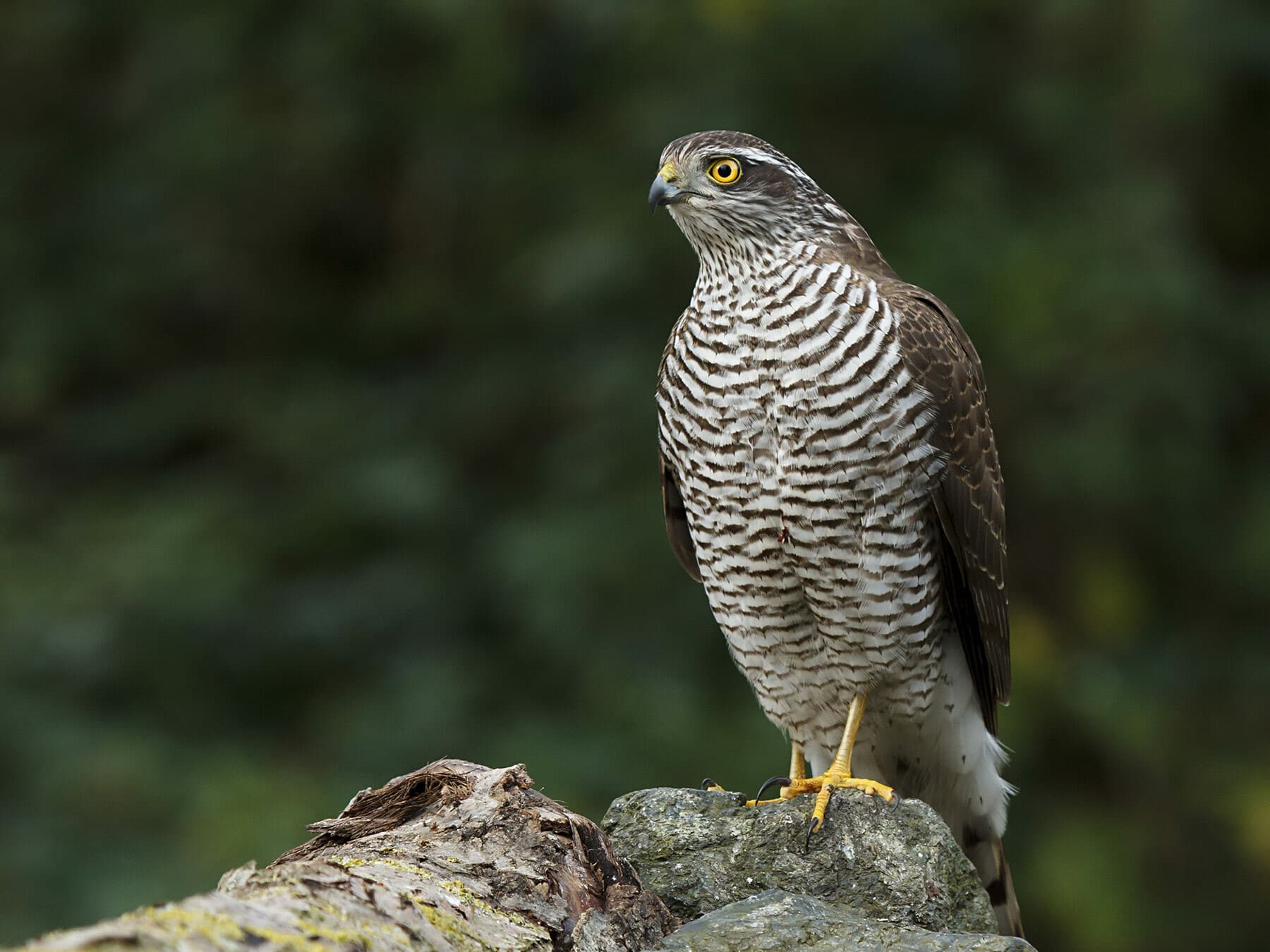 SparrowhawkAccipiter nisusResidentCommon28–38 cmRegularly Feb · 0.84% in Feb
Smallest to largest
Length, cm- Eurasian Wren 9–10 cm
- Blue Tit 11–12 cm
- Eurasian Siskin 11–13 cm
- European Goldfinch 12–13 cm
- Bullfinch 15–17 cm
- Song Thrush 20–23 cm
- Common Starling 21–23 cm
- Golden Plover 26–29 cm
- Mistle Thrush 26–29 cm
- Rock Dove 31–34 cm
- Sparrowhawk 28–38 cm
- Woodpigeon 40–42 cm
- Rook 45–47 cm
- Buzzard 51–57 cm
- Mallard 50–65 cm
- Common Pheasant 50–90 cm
- Grey Heron 90–98 cm
Body length, bill to tail. Rare birds in grey.
Data: EOD – eBird Observation Dataset (Cornell Lab of Ornithology), accessed via GBIF.org, CC BY 4.0. Records from 2019–2024, aggregated and filtered by Birdfact. How these lists are made