


Birds to See in Cape Verde in May
27 bird species on our list for Cape Verde are recorded regularly in May
Of these, the most often recorded are Rock Dove, Eurasian Collared Dove, Cattle Egret, Kestrel and Blackcap.
On the move in May
GBIF · MayFrom Cape Verde’s bird records, 2019–2024: arriving birds are regular this month but not last; leaving birds are regular this month but not next.
Other months
All 27 birds in May
27 birds
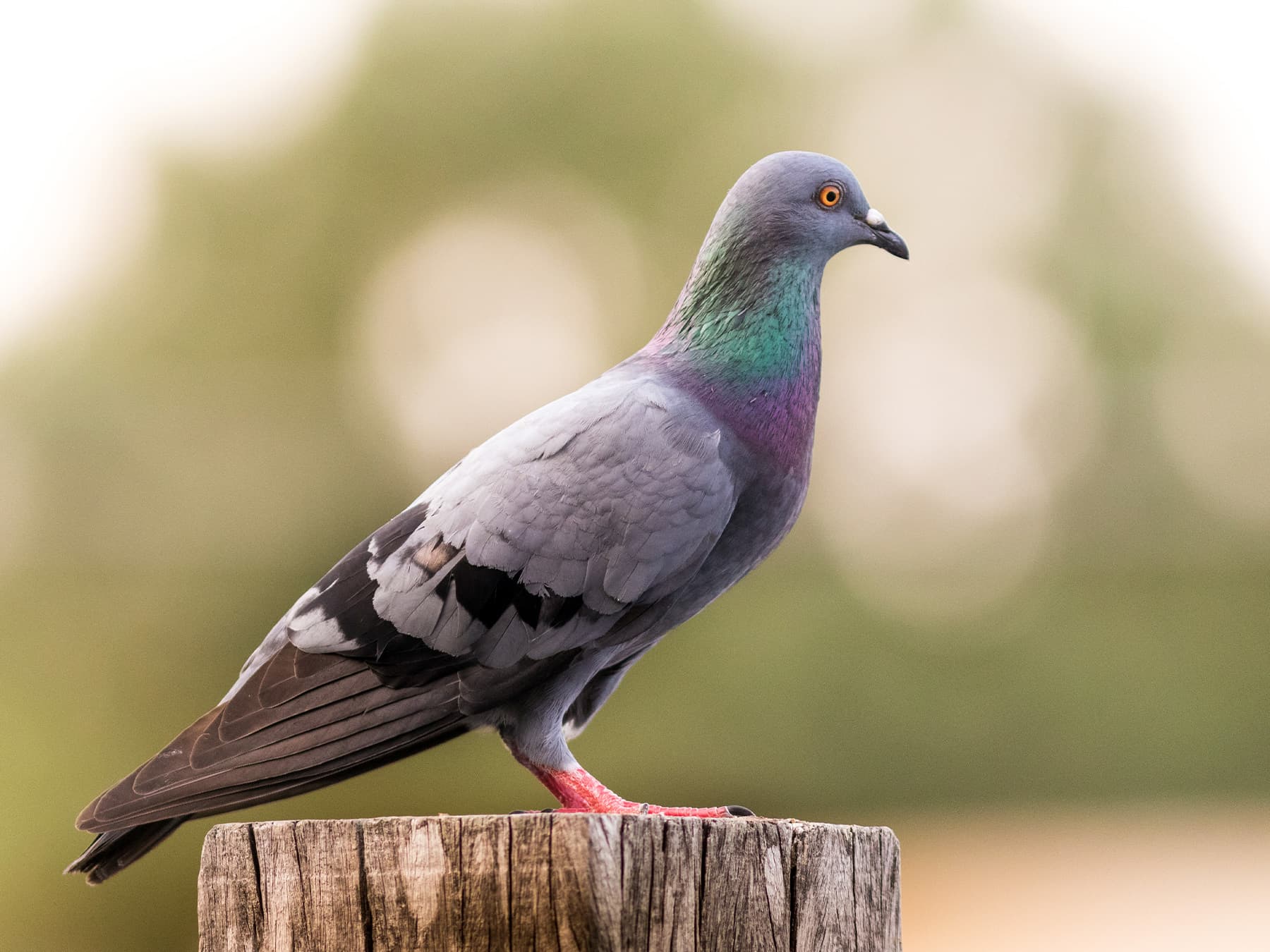 Rock DoveColumba liviaResidentCommon29–37 cmRecorded all year · 5.97% in May
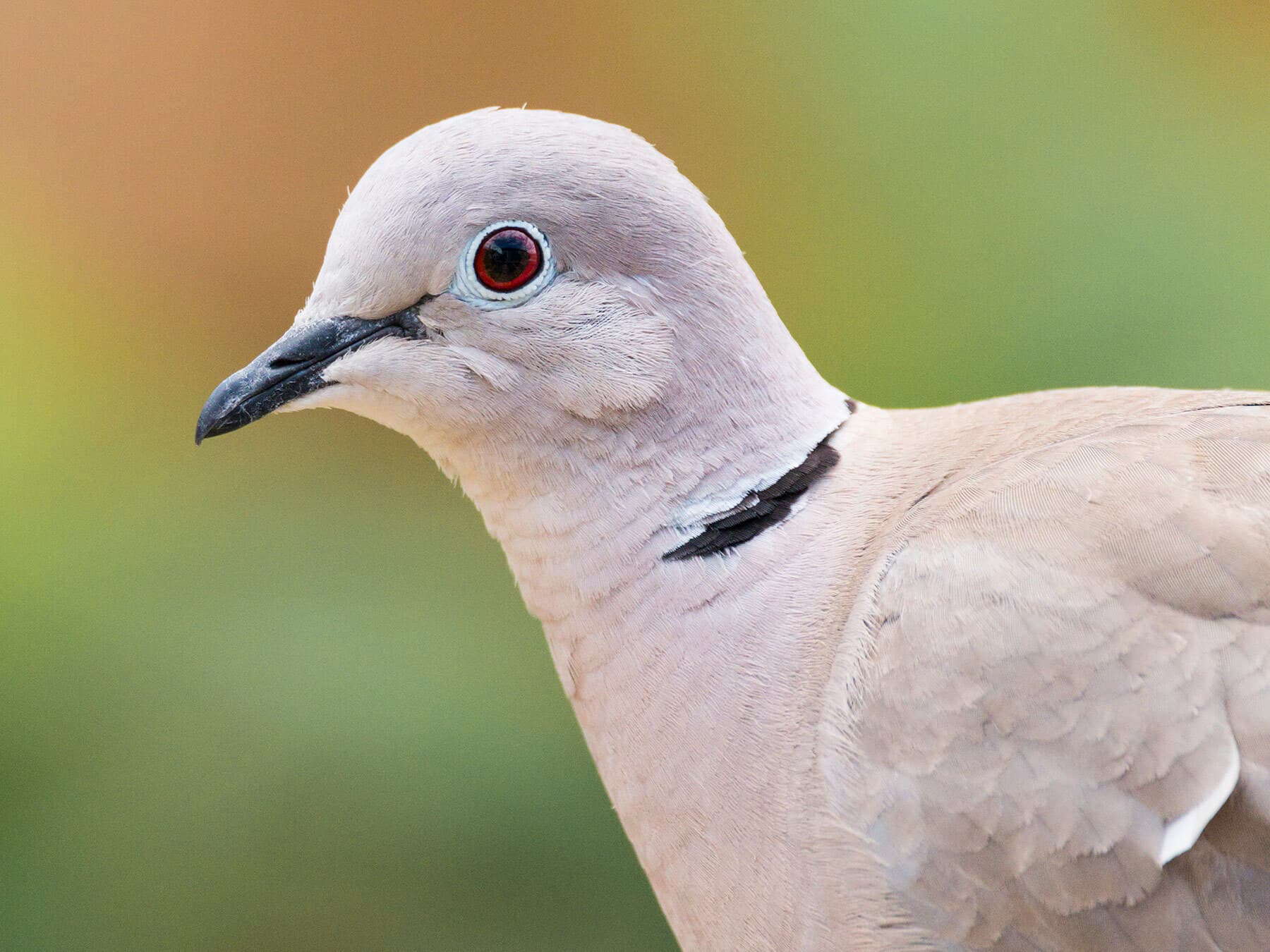 Eurasian Collared DoveStreptopelia decaoctoResidentCommon30–32 cmRecorded all year · 5.81% in May
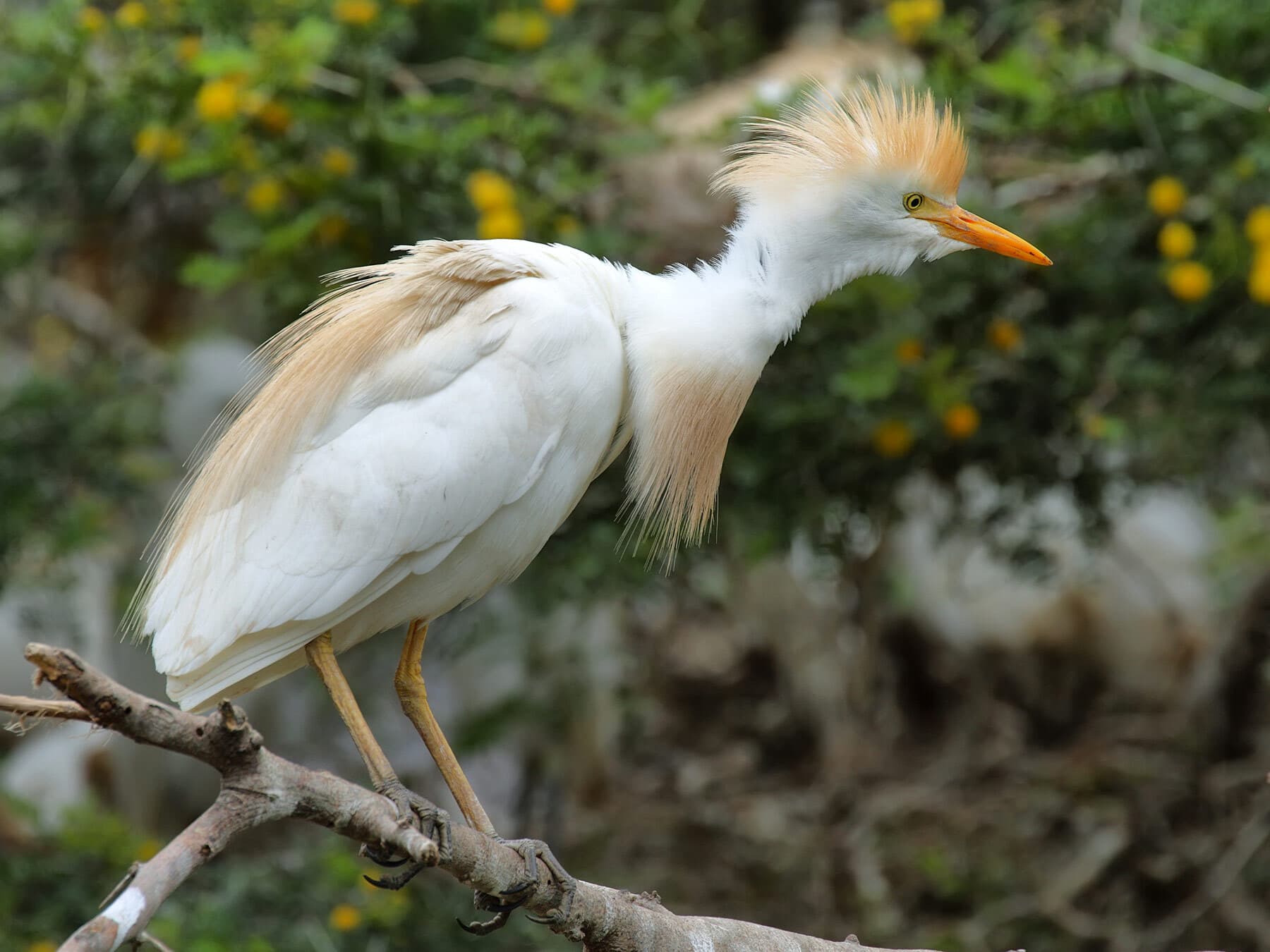 Cattle EgretArdea ibisResidentCommon46–56 cmRecorded all year · 4.59% in May
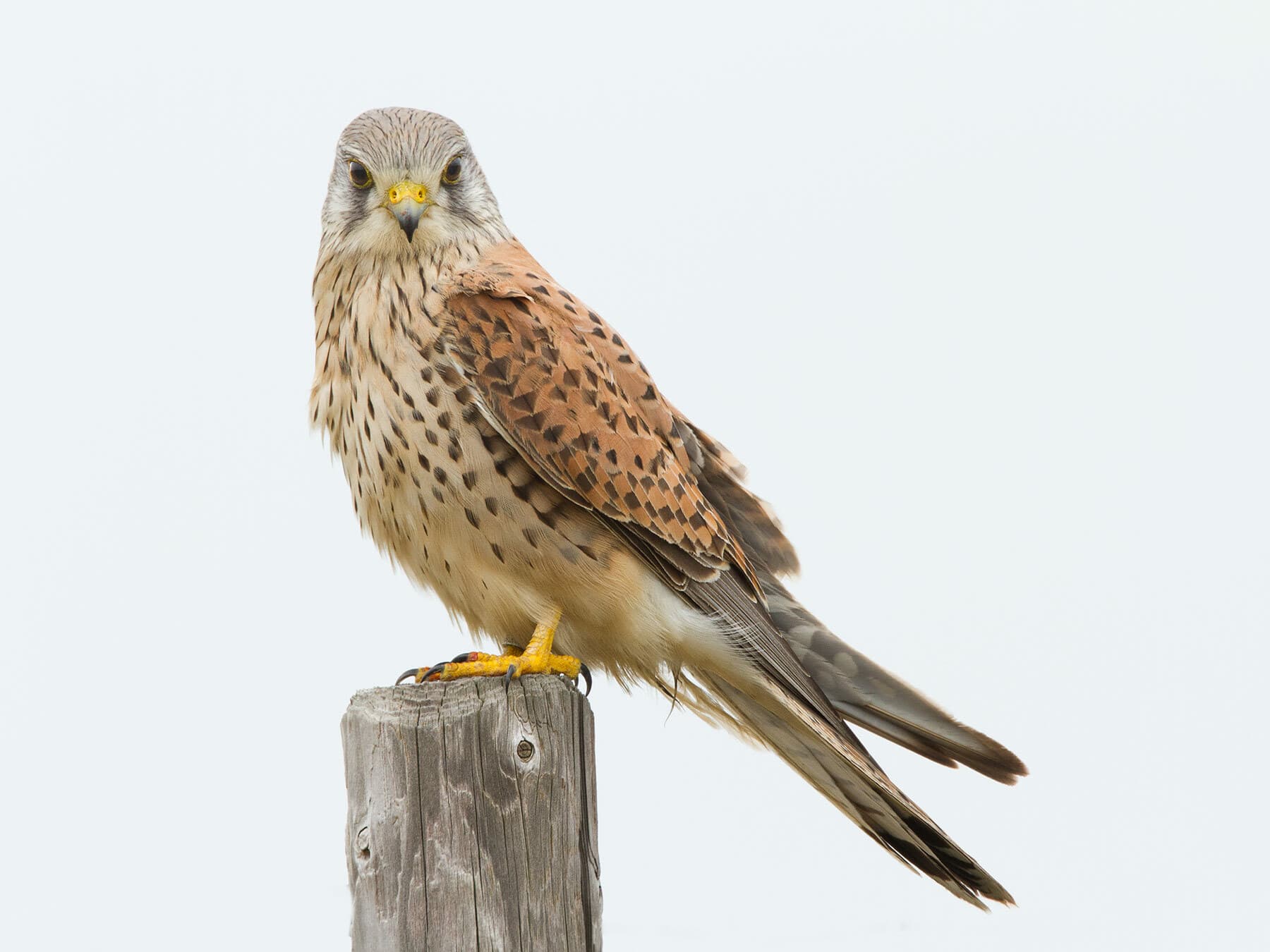 KestrelFalco tinnunculusResidentCommon32–39 cmRecorded all year · 4.17% in May
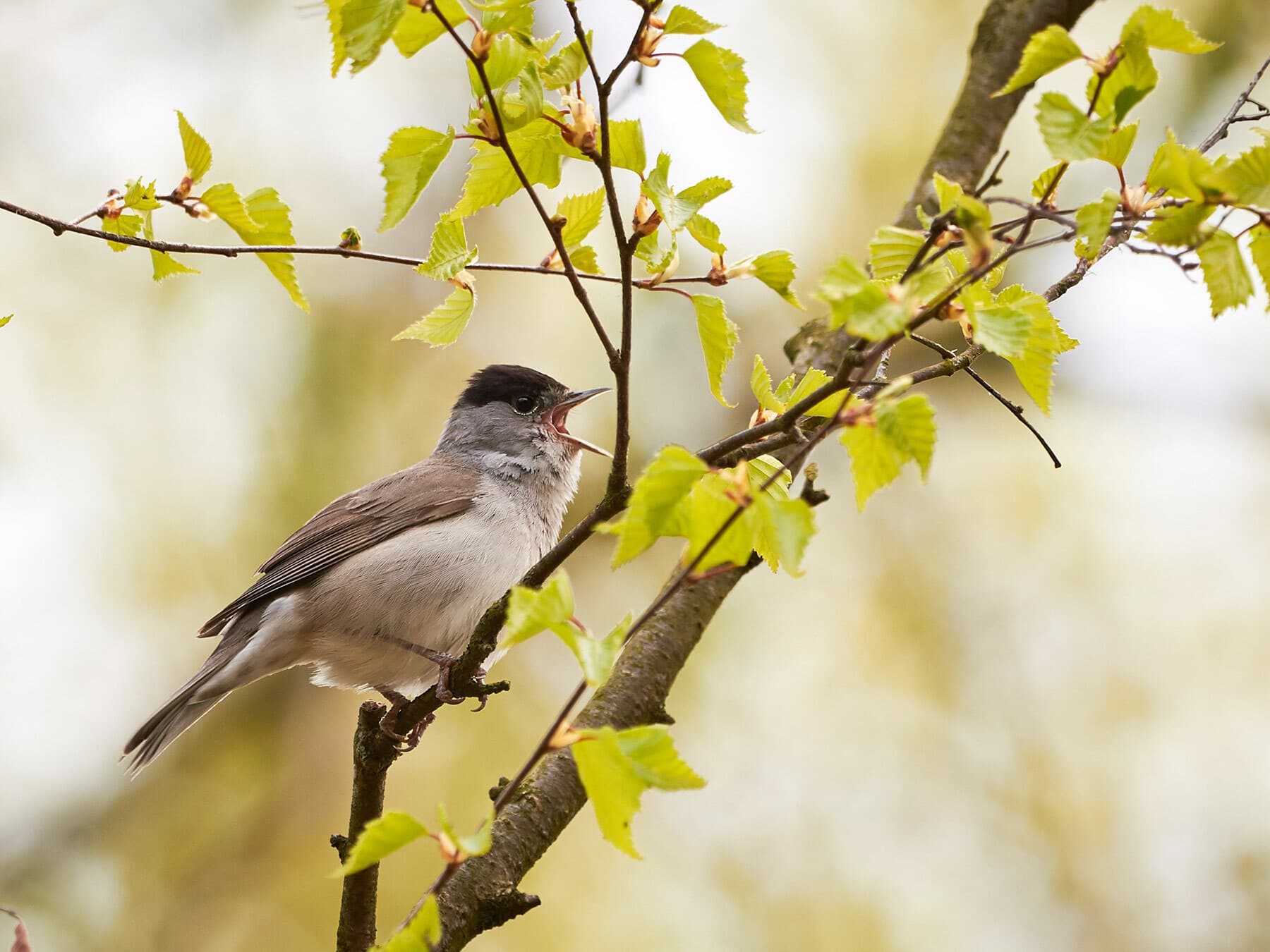 BlackcapSylvia atricapillaWinter visitorCommon13–15 cmRegularly Aug–Jun · 3.85% in May
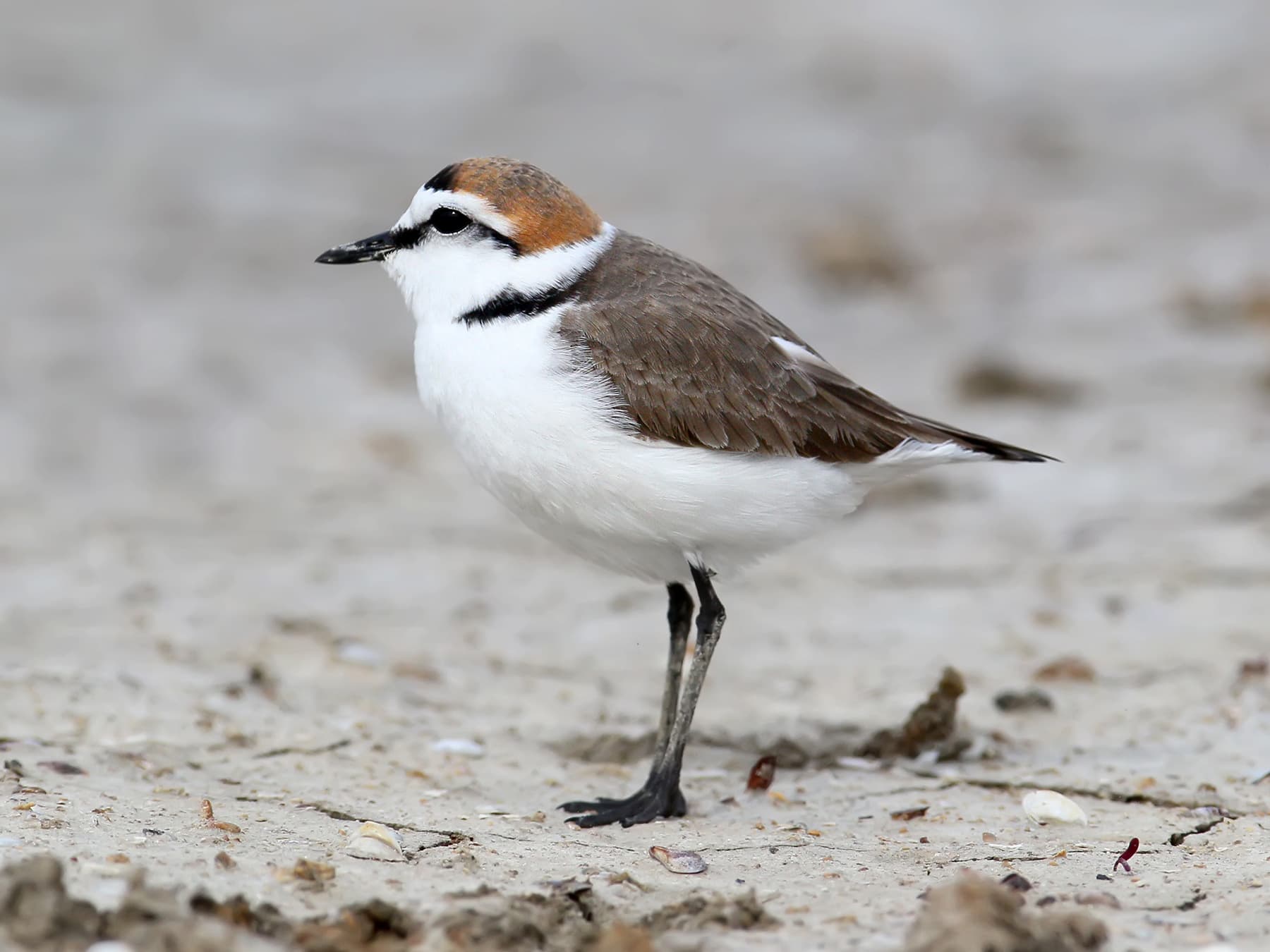 Kentish PloverCharadrius alexandrinusResidentCommon15–17 cmRecorded all year · 2.89% in May
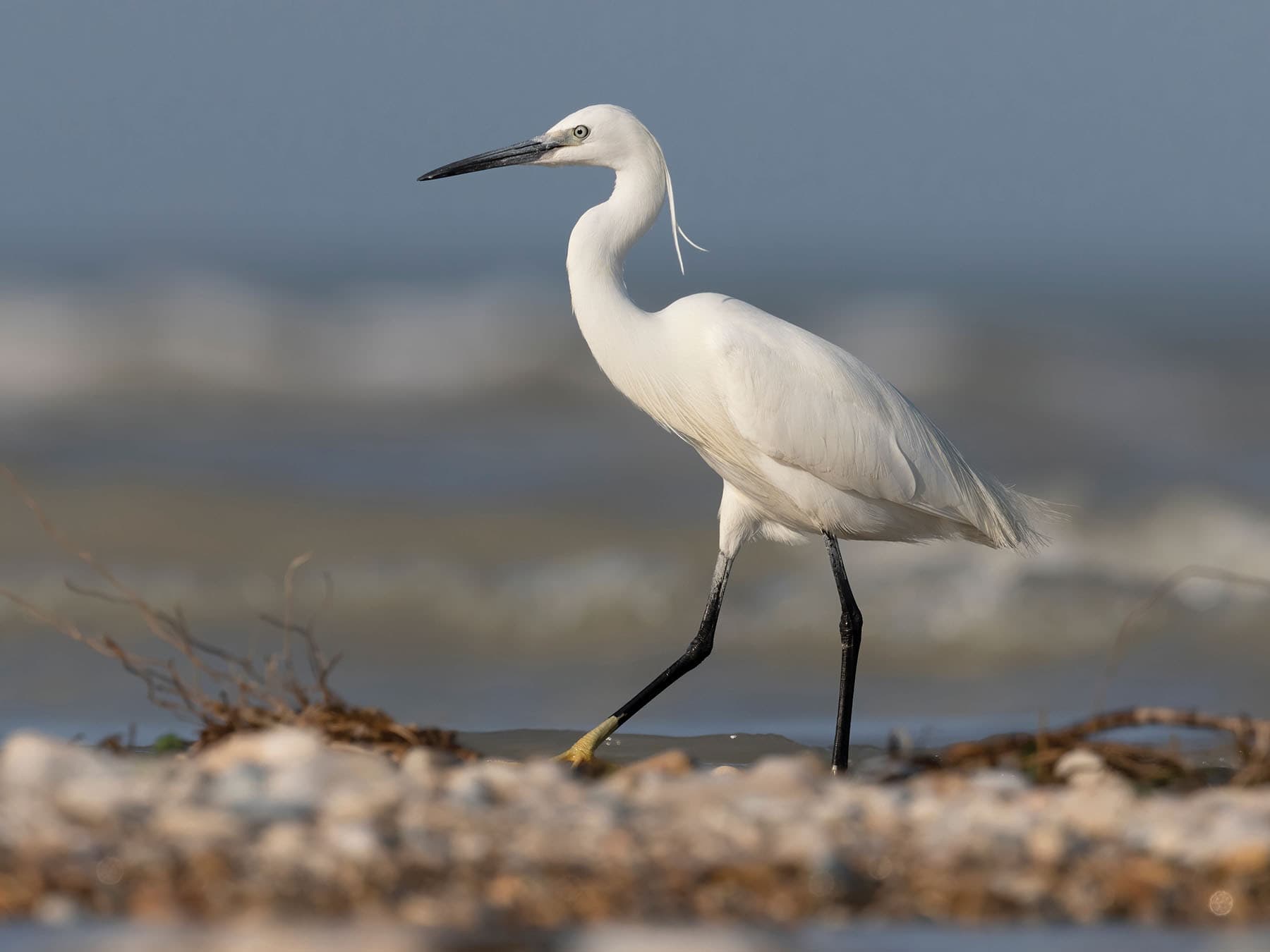 Little EgretEgretta garzettaResidentCommon55–65 cmRecorded all year · 2.76% in May
 Ruddy TurnstoneArenaria interpresResidentCommon21–24 cmRecorded all year · 1.89% in May
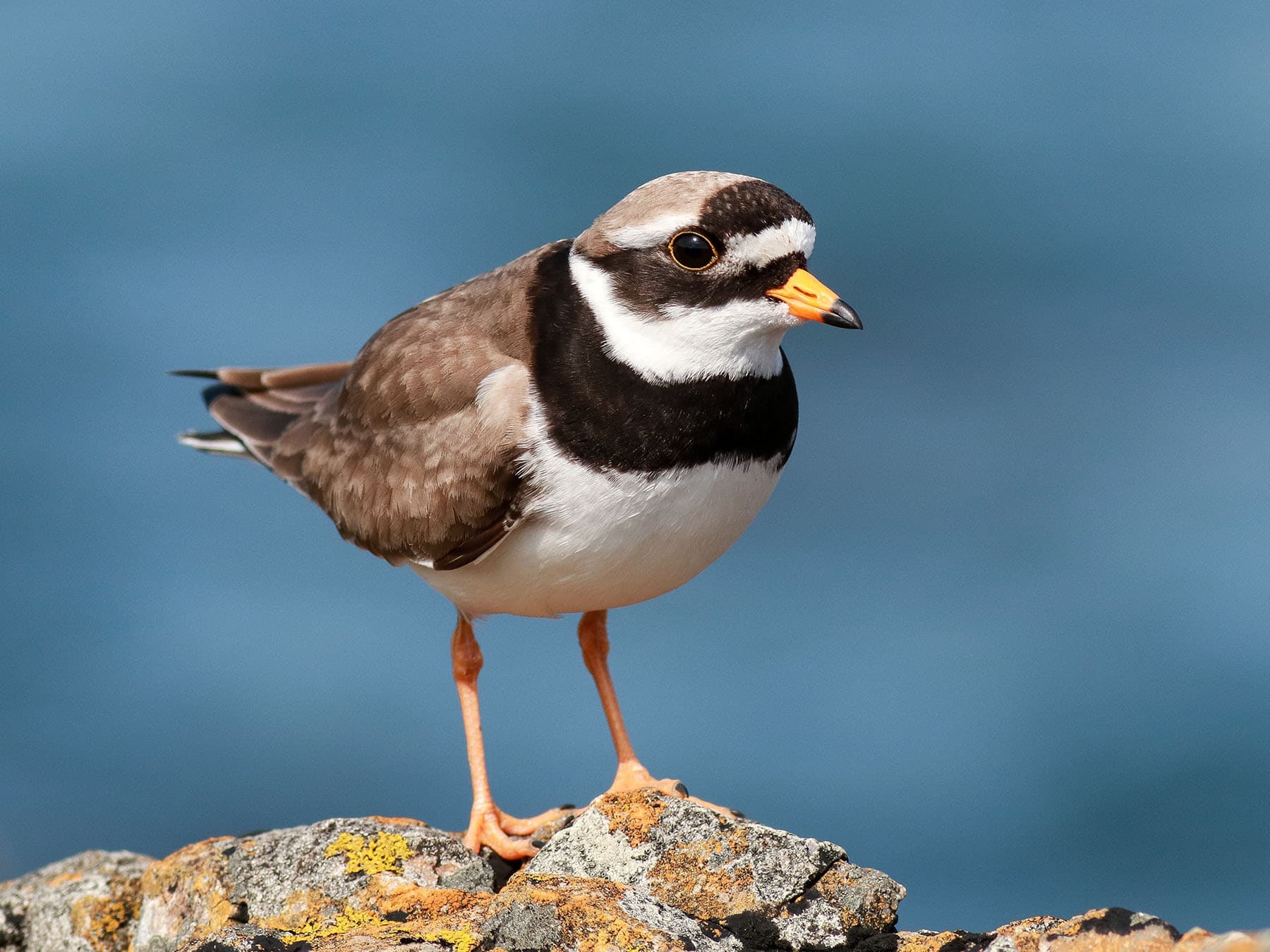 Ringed PloverCharadrius hiaticulaWinter visitorCommon17–19 cmRegularly Aug–May · 1.64% in May
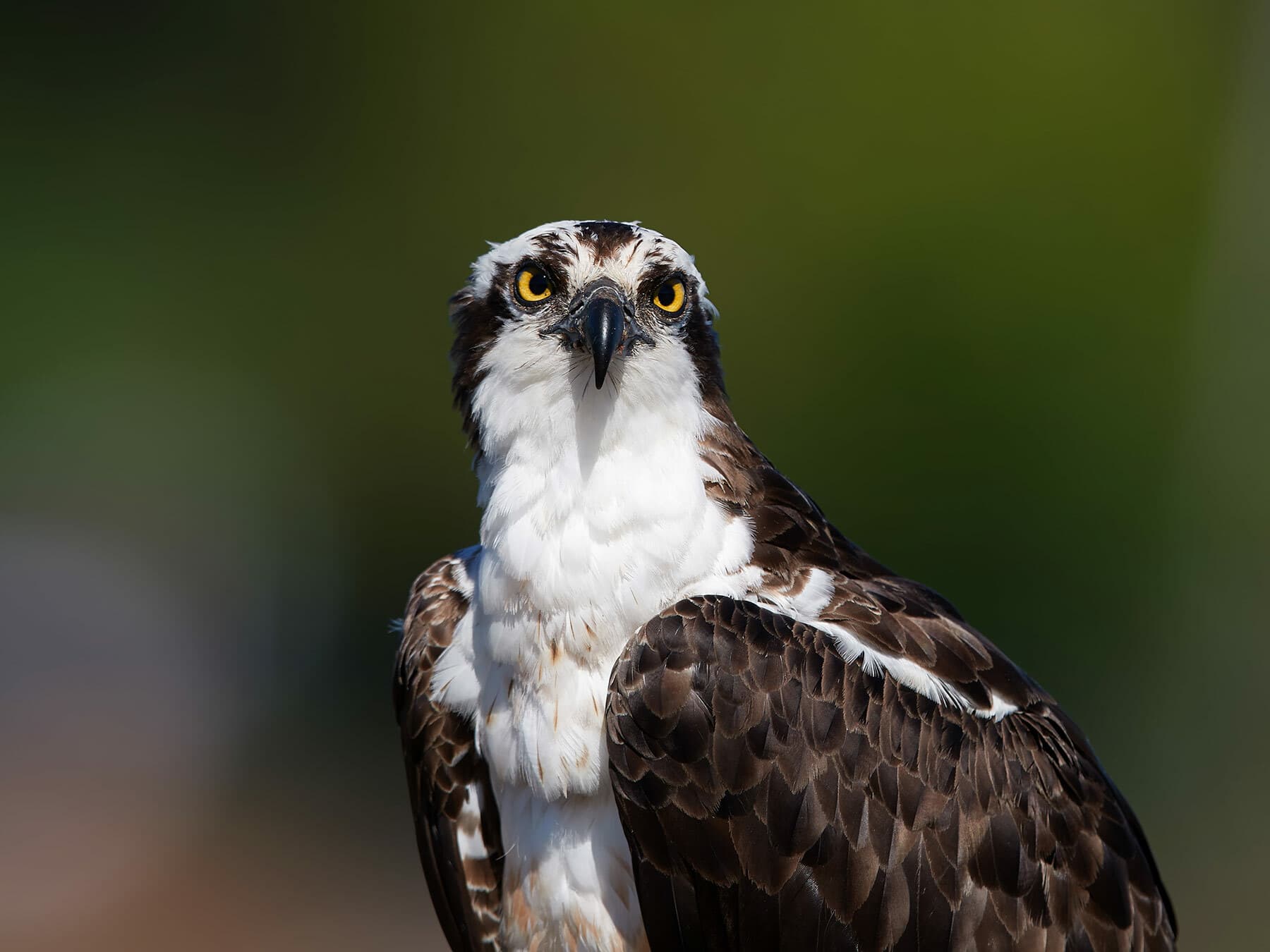 OspreyPandion haliaetusResidentCommon54–58 cmRecorded all year · 1.61% in May
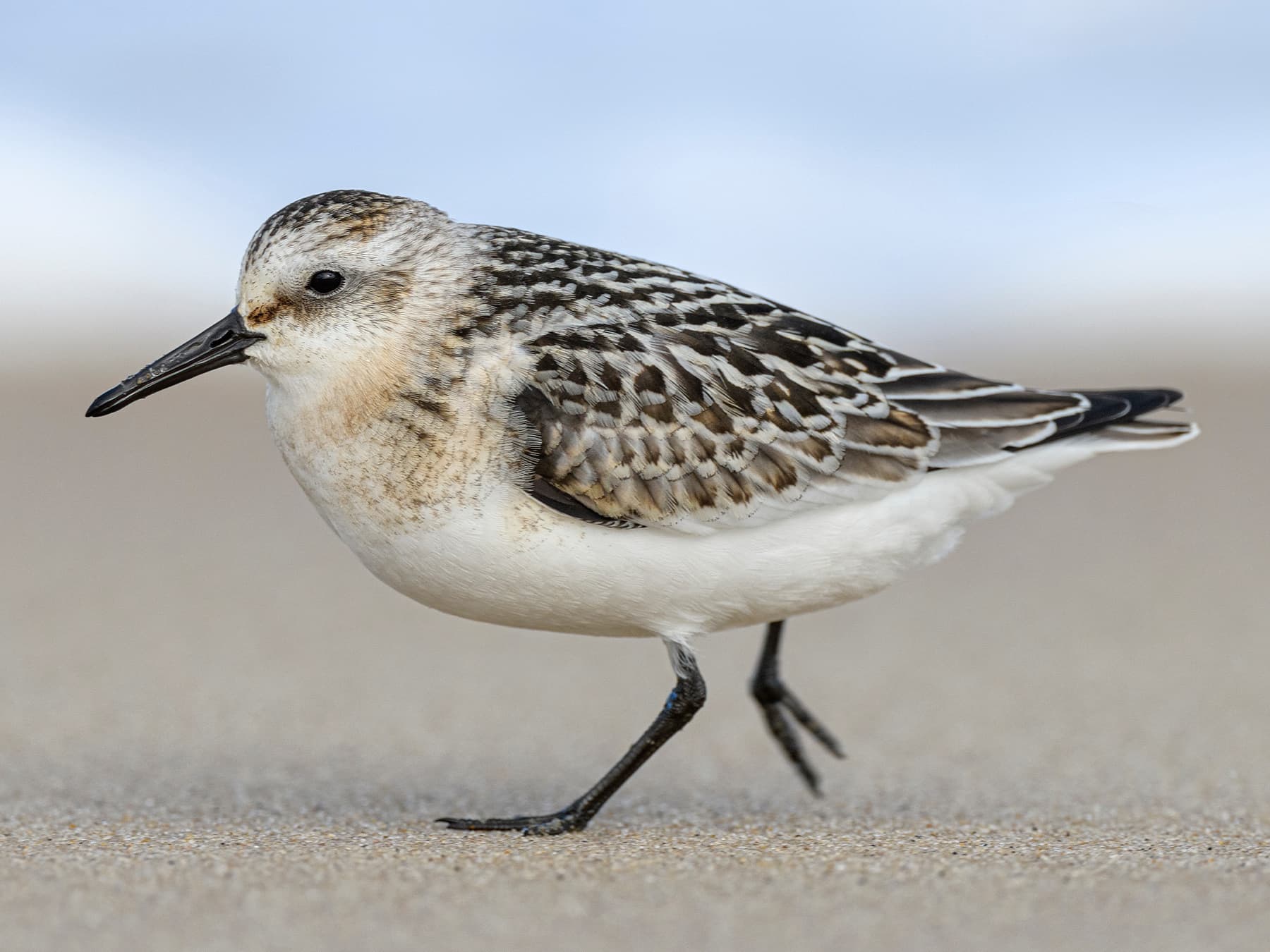 SanderlingCalidris albaResidentCommon18–20 cmRecorded all year · 1.54% in May
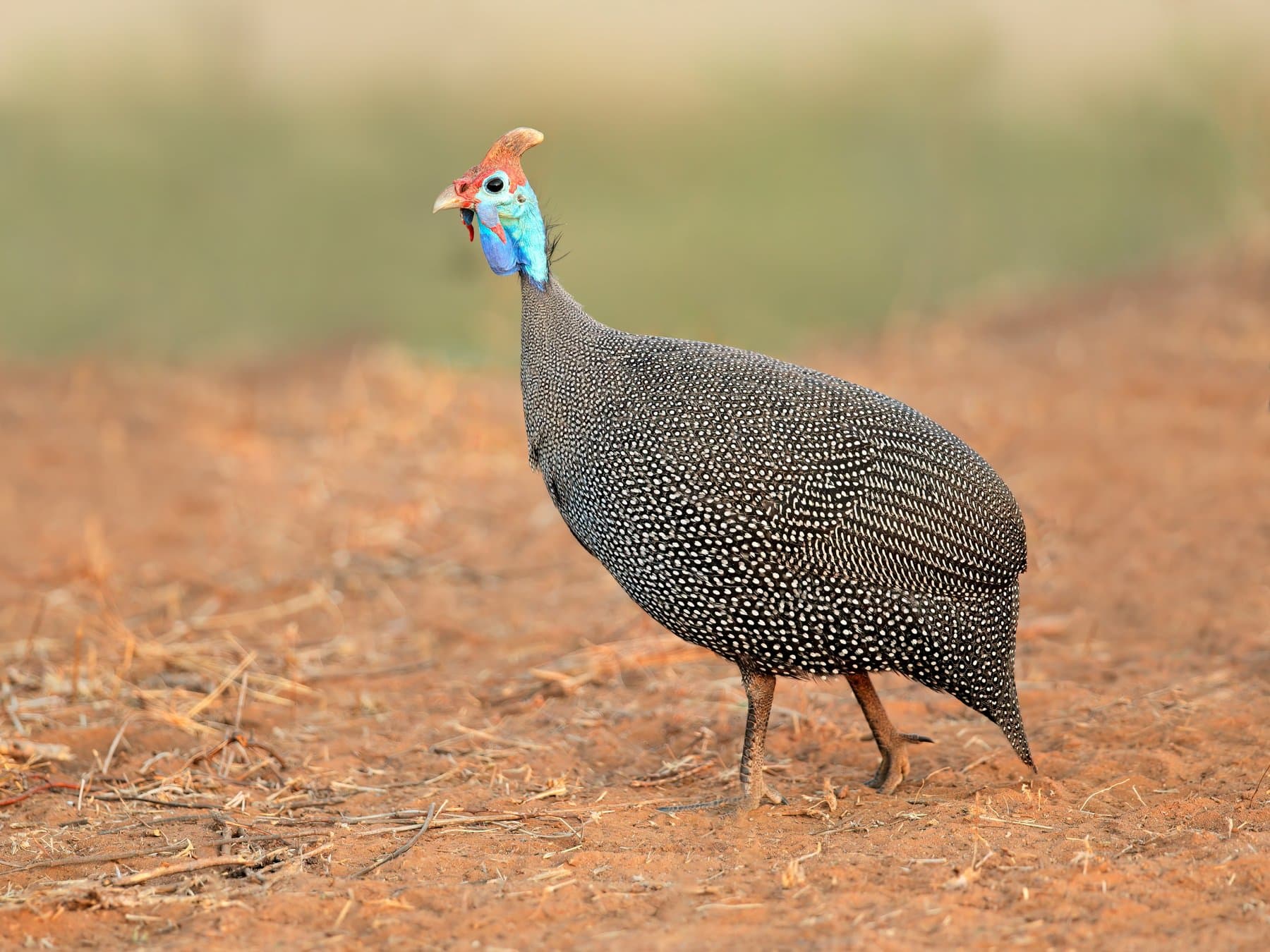 Helmeted GuineafowlNumida meleagrisResidentCommon53–63 cmRecorded all year · 1.48% in May
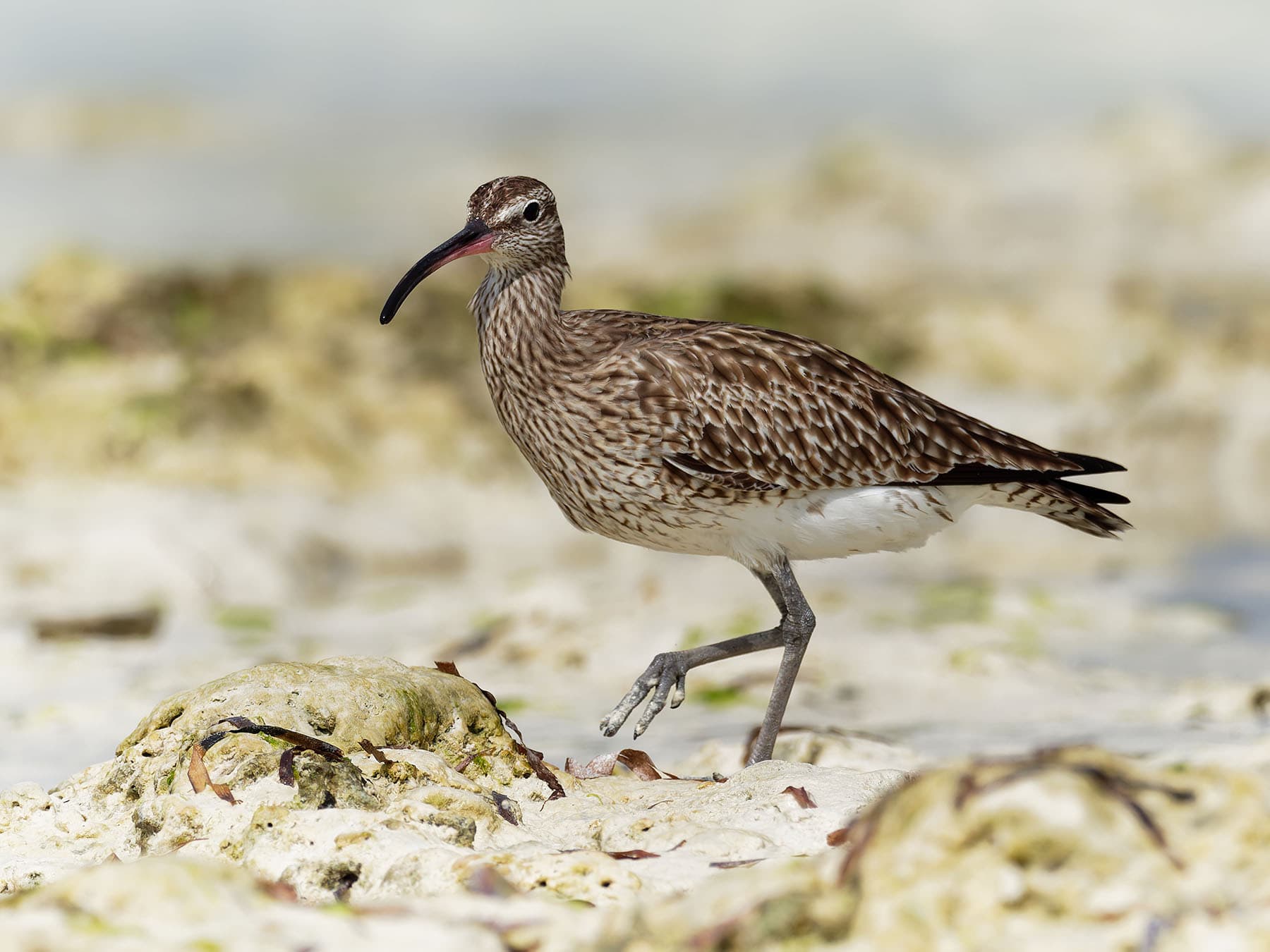 WhimbrelNumenius phaeopusWinter visitorCommon40–46 cmRegularly Jul–May · 1.48% in May
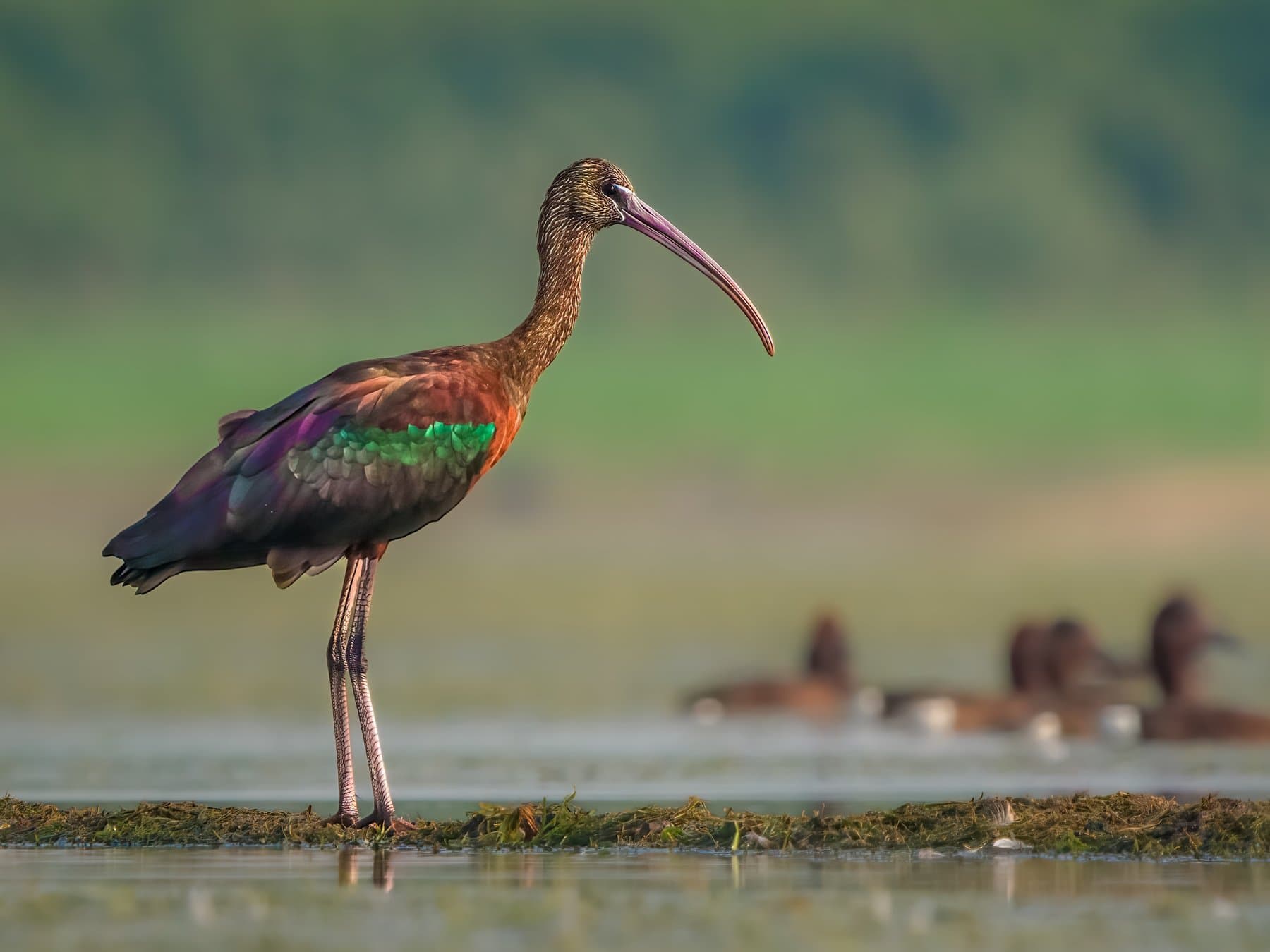 Glossy IbisPlegadis falcinellusWinter visitorCommon48–66 cmRegularly Oct–May · 1.35% in May
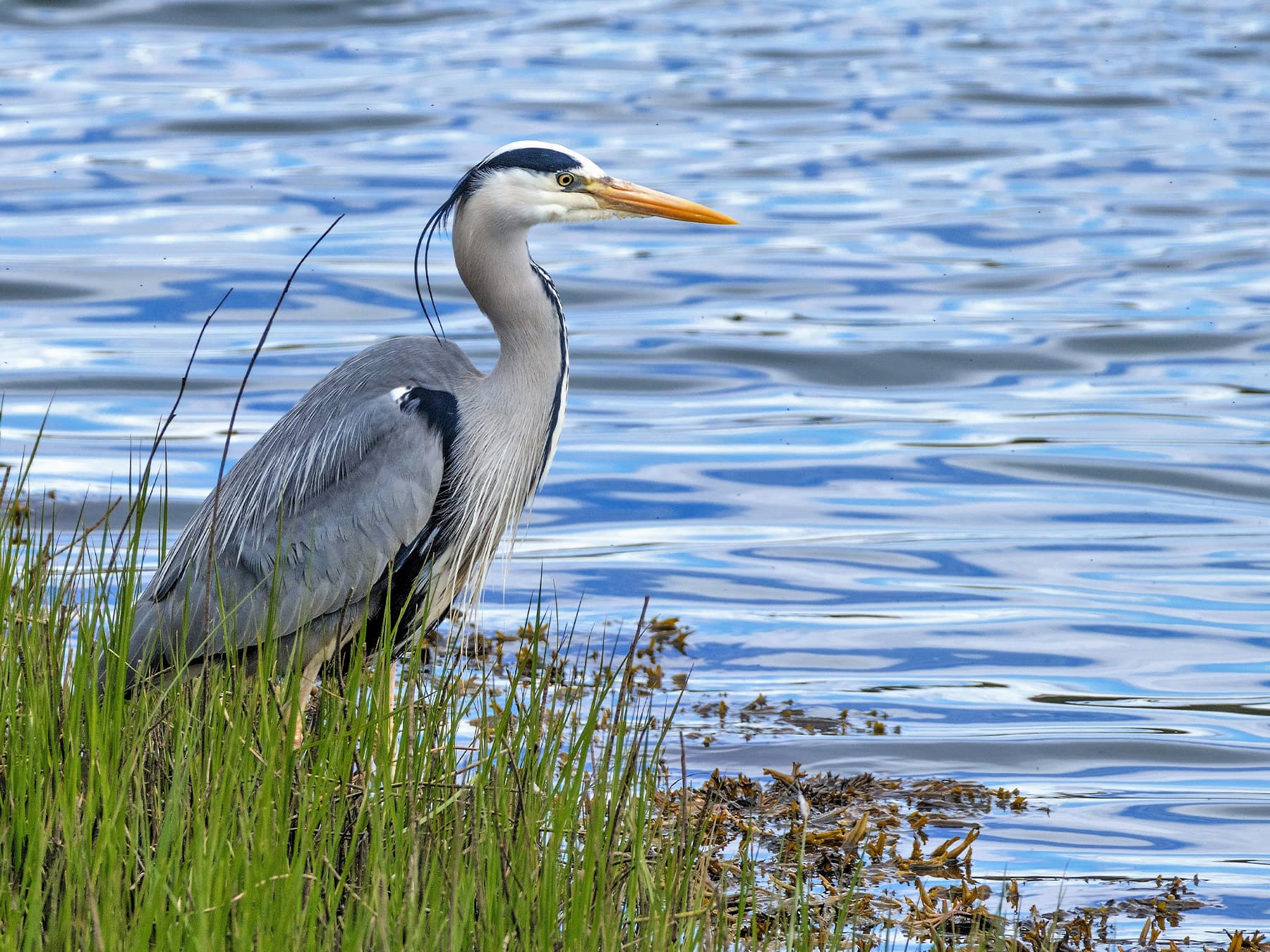 Grey HeronArdea cinereaResidentCommon90–98 cmRecorded all year · 1.03% in May
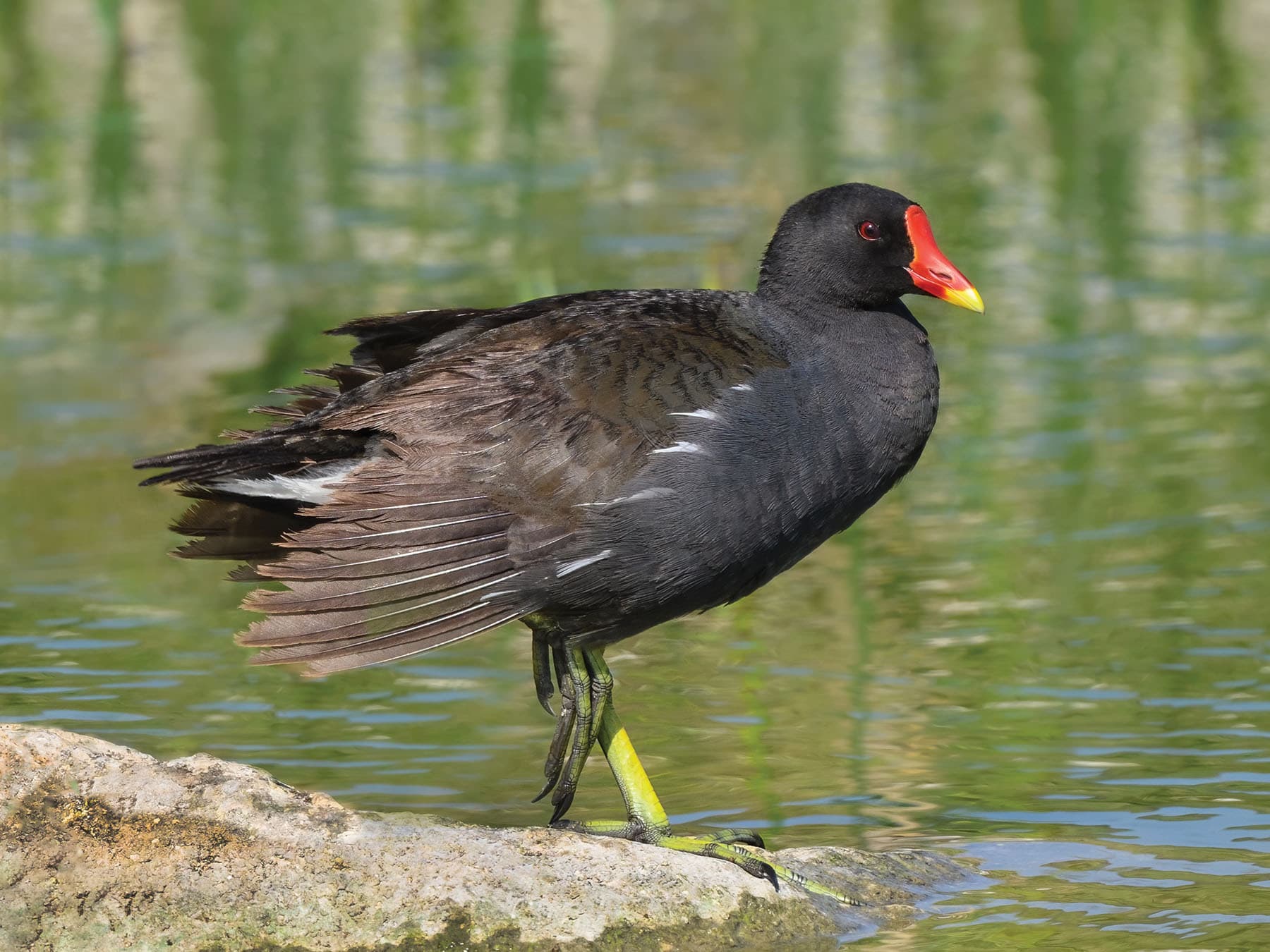 MoorhenGallinula chloropusWinter visitorCommon30–38 cmRegularly Aug–May · 0.93% in May
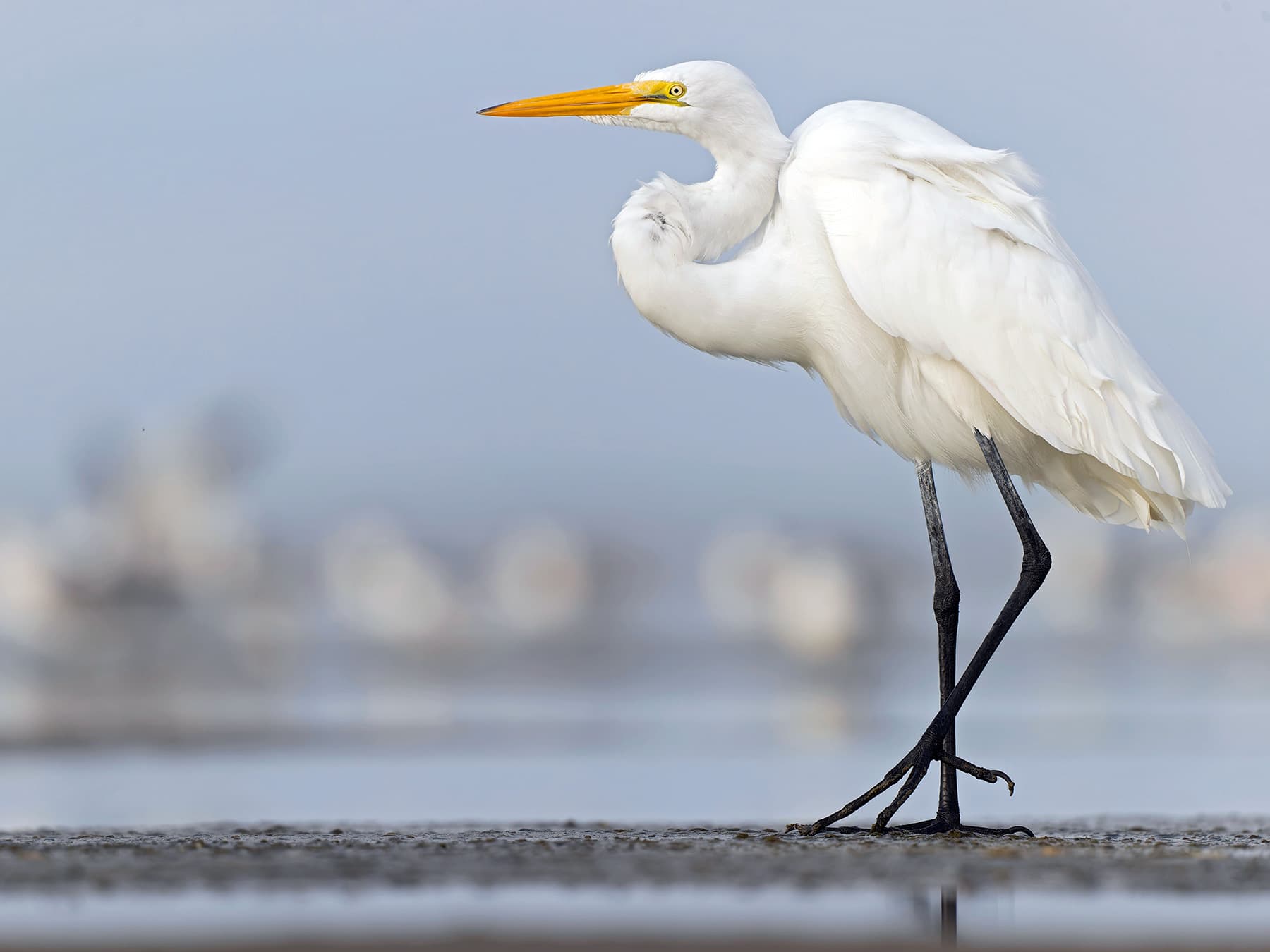 Great White EgretArdea albaPassage migrantCommon80–104 cmRegularly Nov–May · 0.90% in May
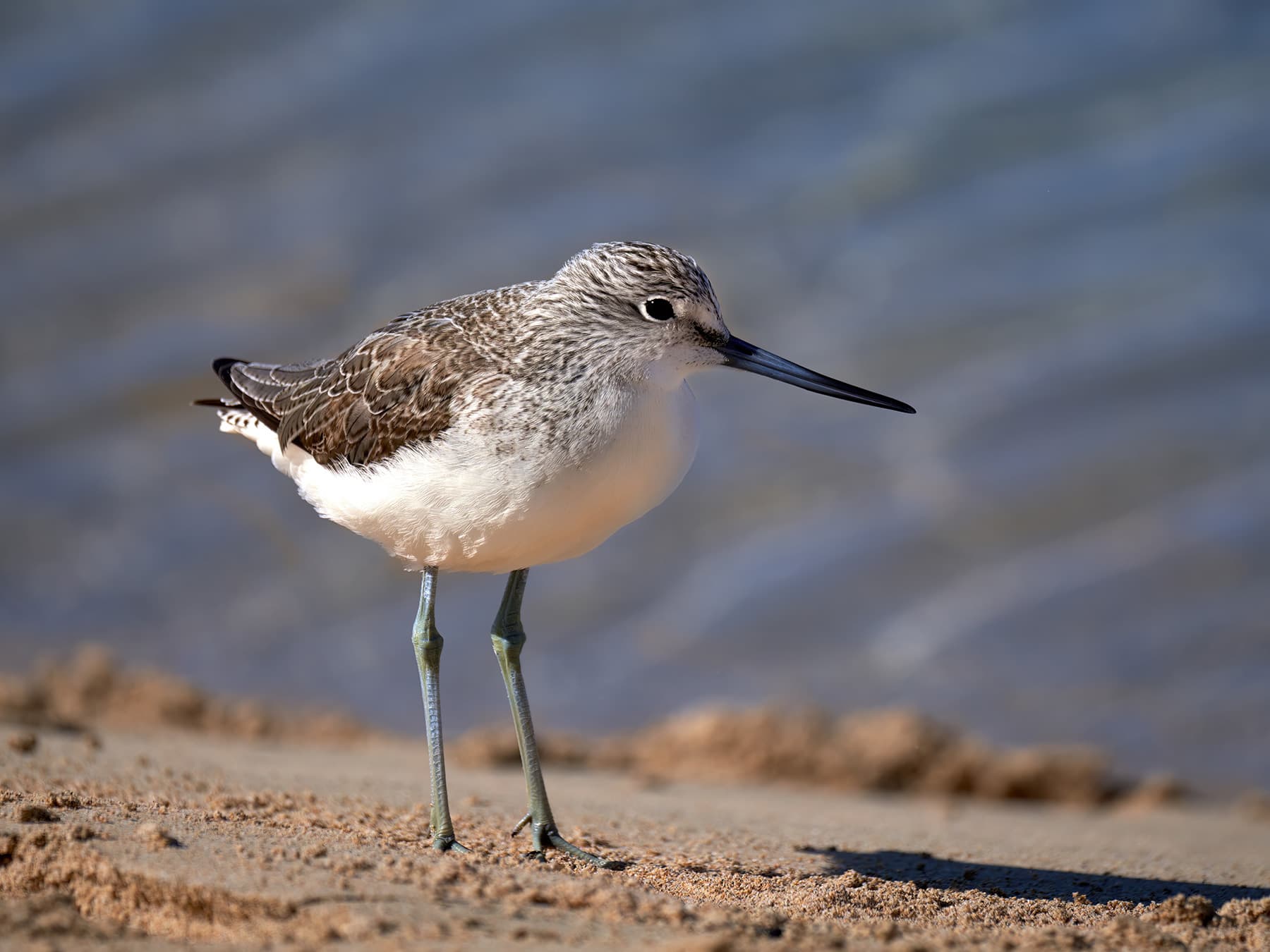 GreenshankTringa nebulariaWinter visitorCommon30–35 cmRegularly Aug–May · 0.87% in May
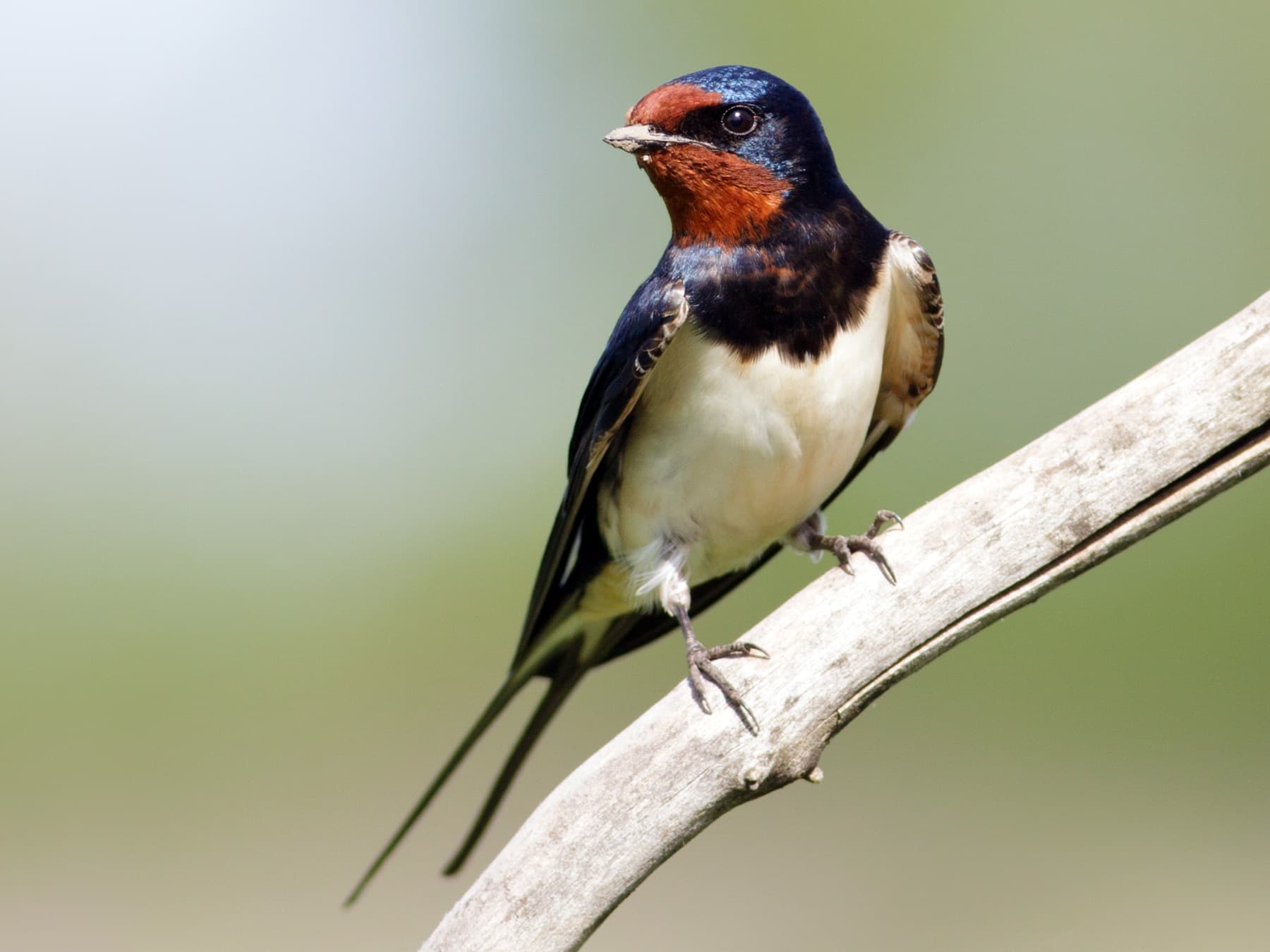 Barn SwallowHirundo rusticaPassage migrantCommon17–19 cmRegularly Nov–May · 0.71% in May
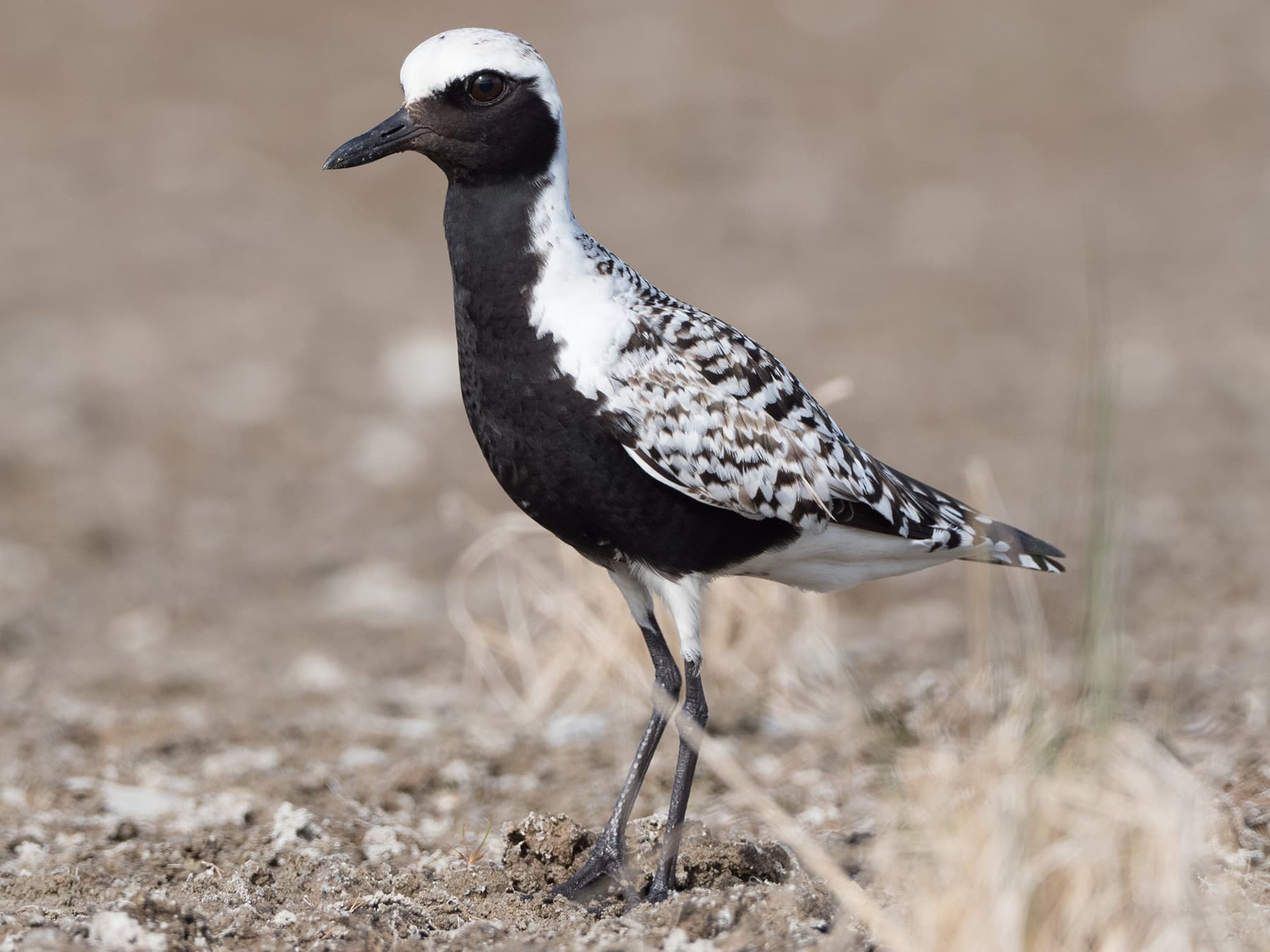 Grey PloverPluvialis squatarolaWinter visitorCommon27–30 cmRegularly Oct–May · 0.71% in May
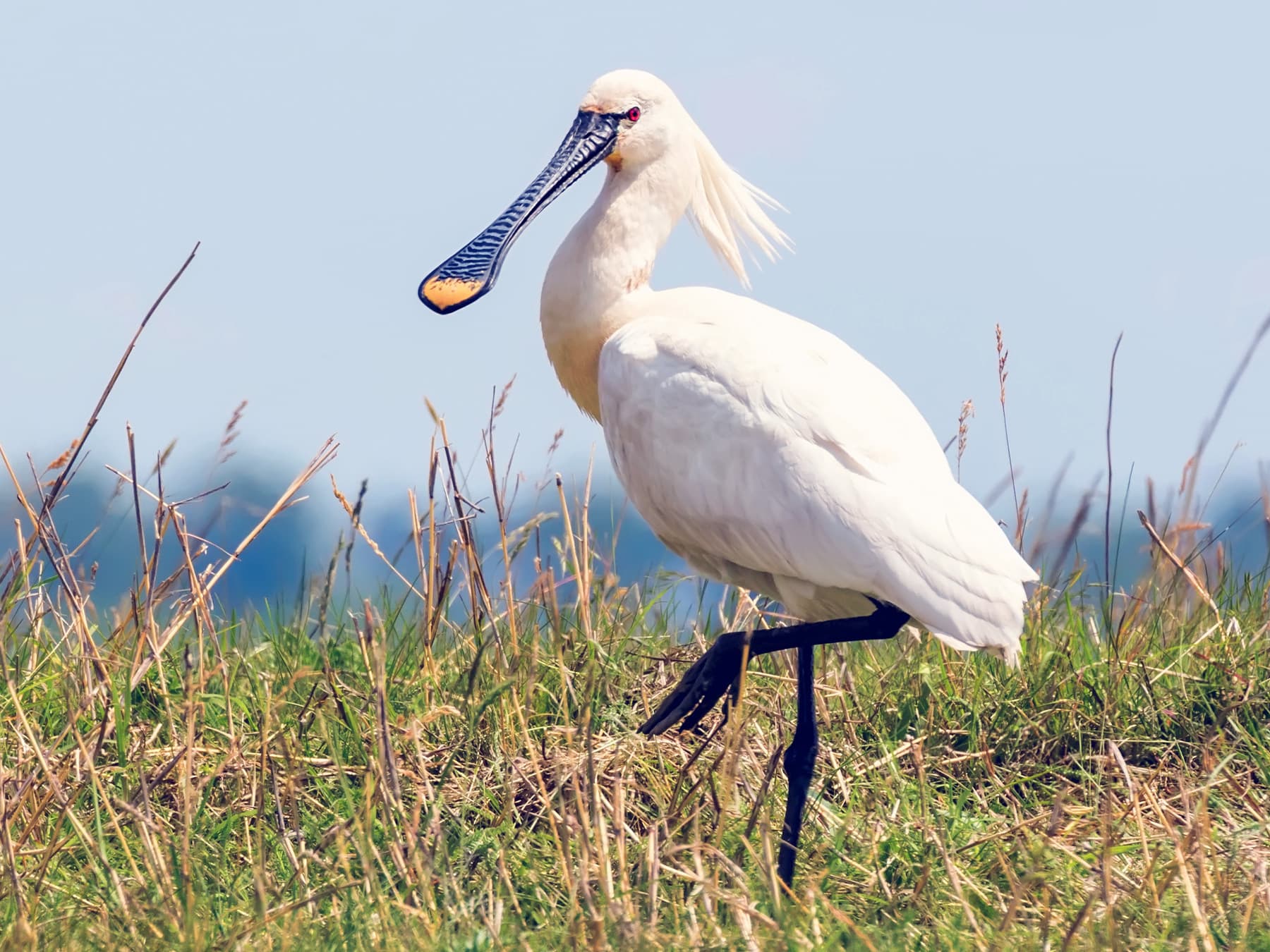 Eurasian SpoonbillPlatalea leucorodiaPassage migrantCommon80–90 cmRegularly Aug–Jun · 0.48% in May
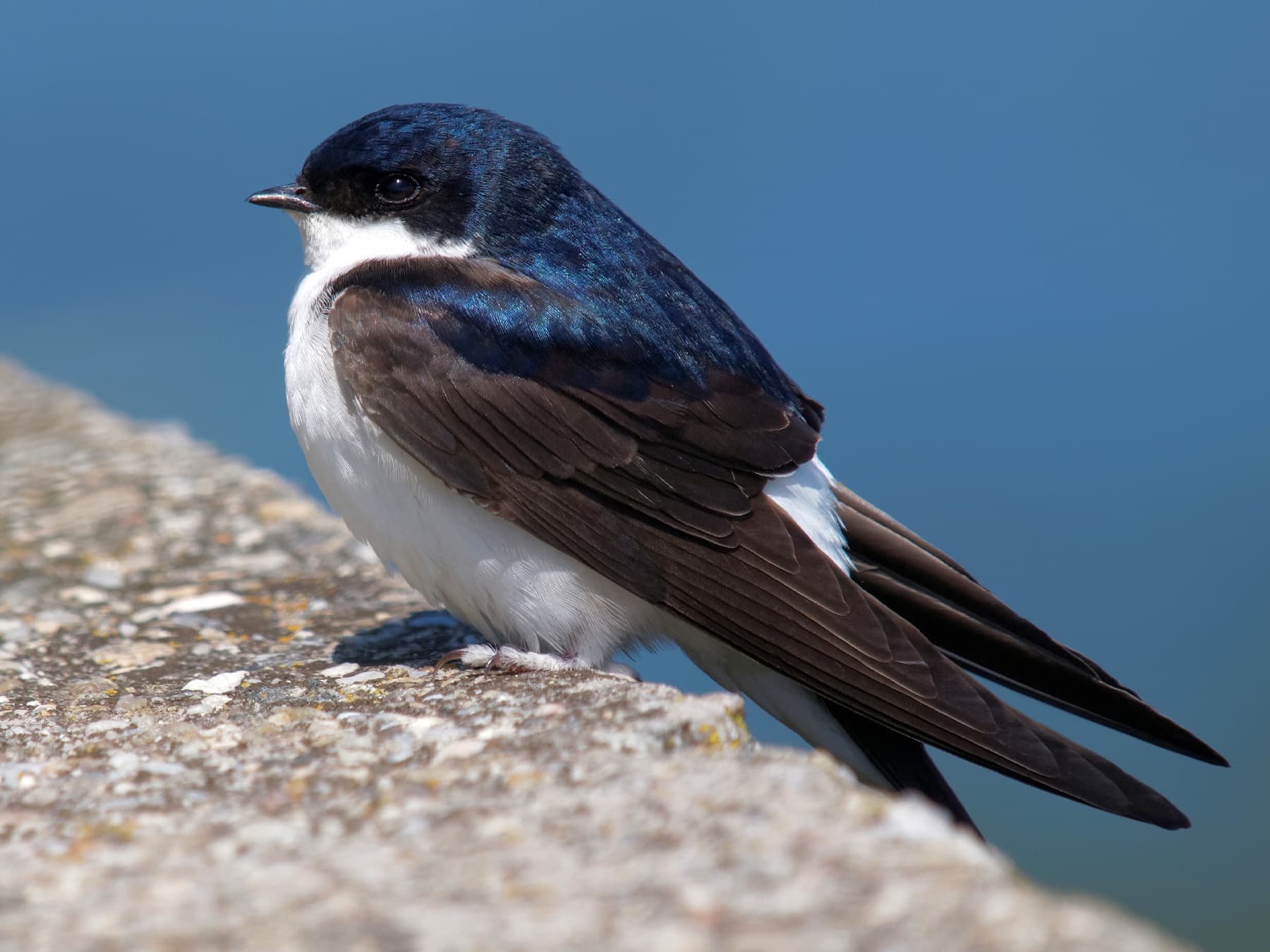 House MartinDelichon urbicumPassage migrantCommon13–15 cmRegularly Mar–May · 0.45% in May
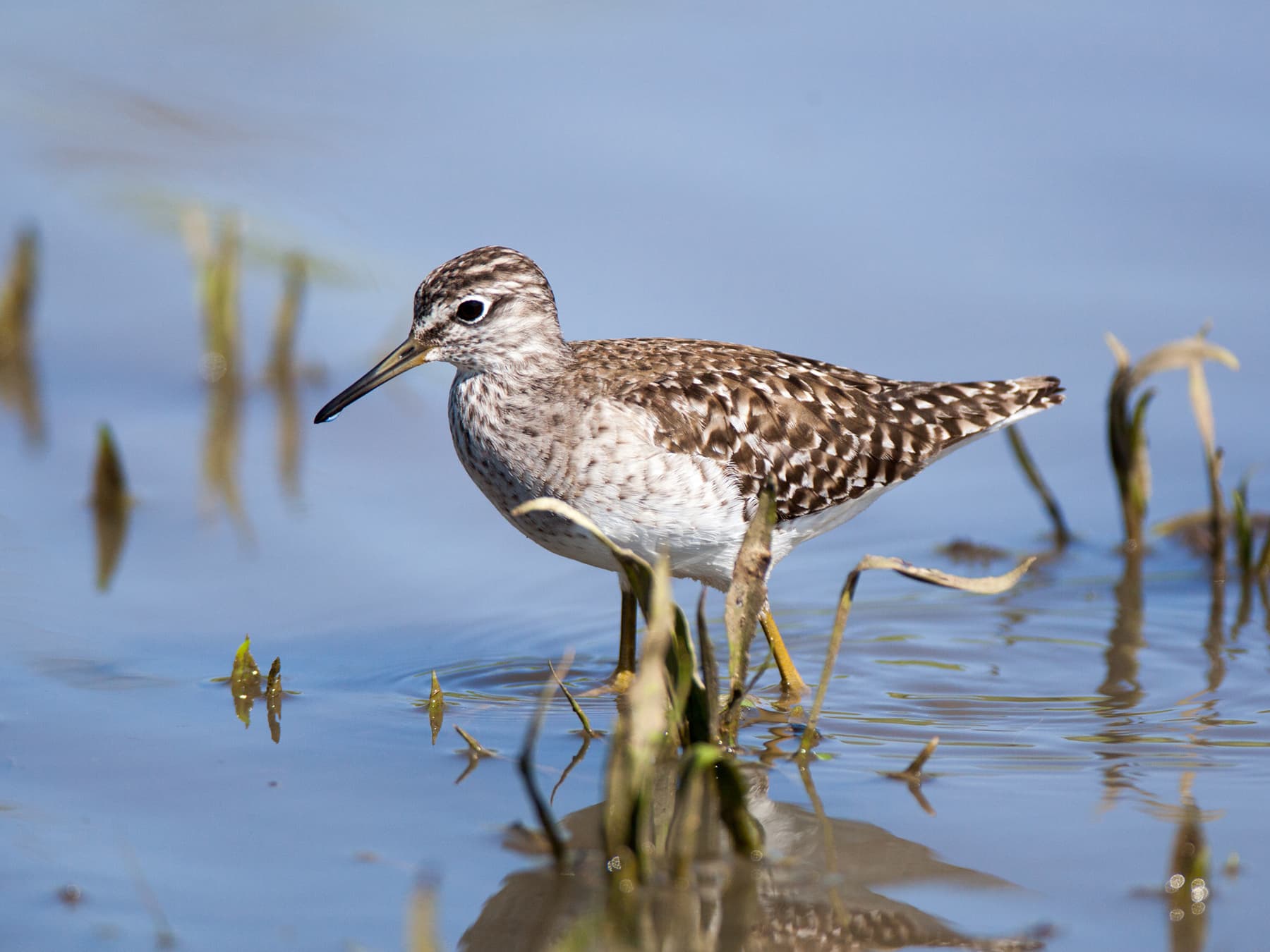 Wood SandpiperTringa glareolaPassage migrantCommon19–21 cmRegularly Aug–May · 0.42% in May
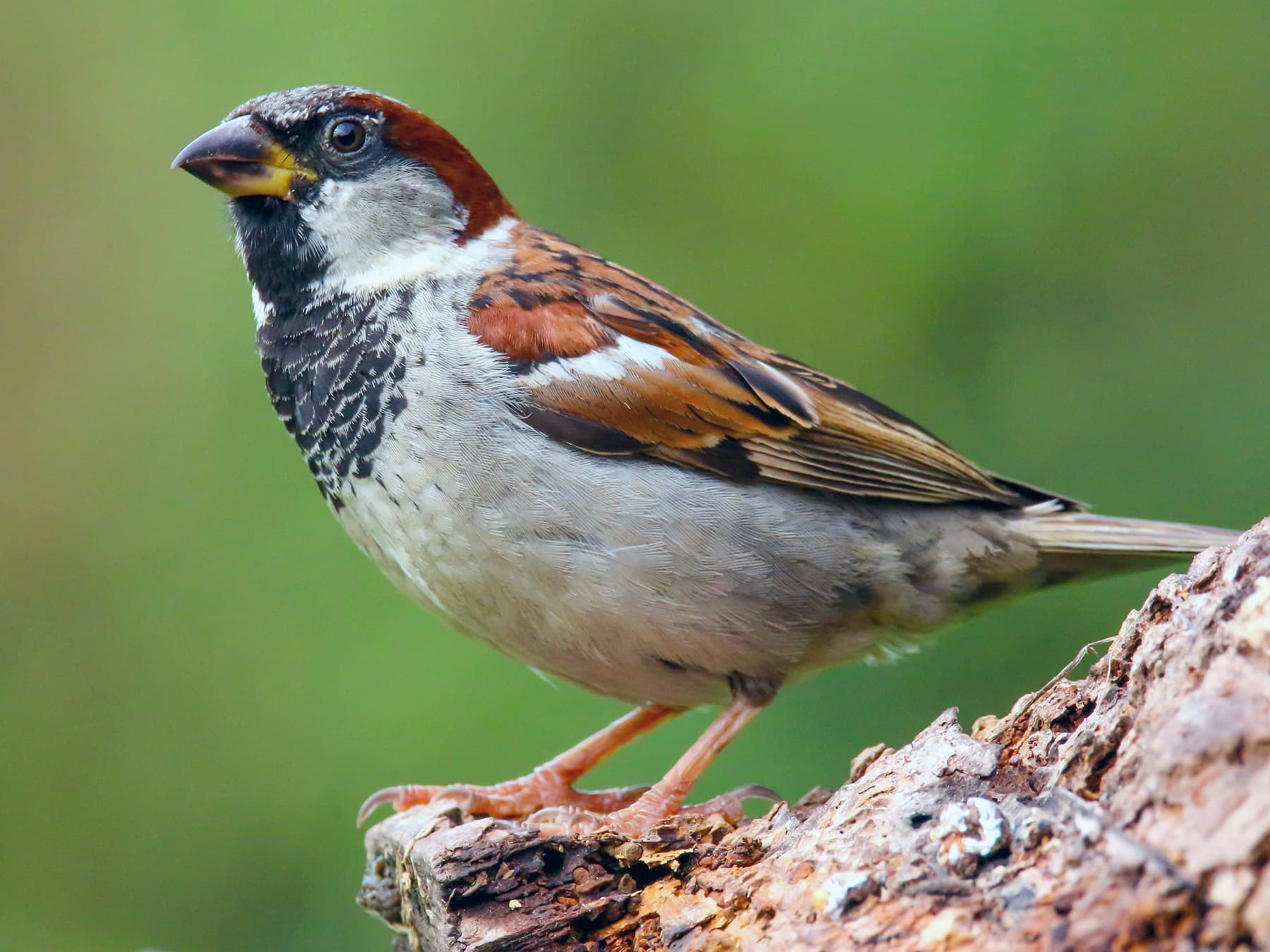 House SparrowPasser domesticusResidentCommon14–17 cmRegularly Oct–Jul · 0.35% in May
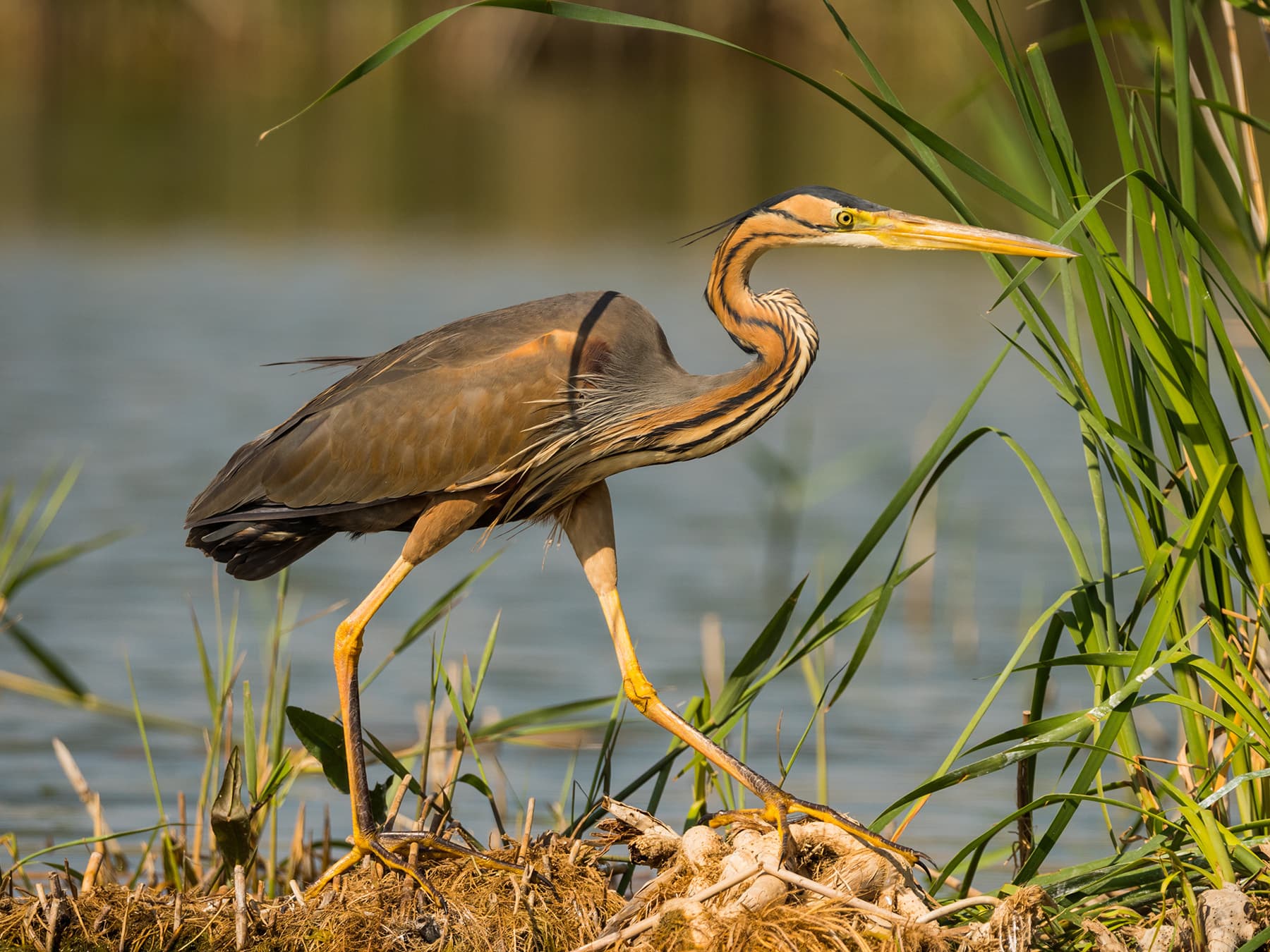 Purple HeronArdea purpureaWinter visitorCommon78–90 cmRegularly Nov–May · 0.35% in May
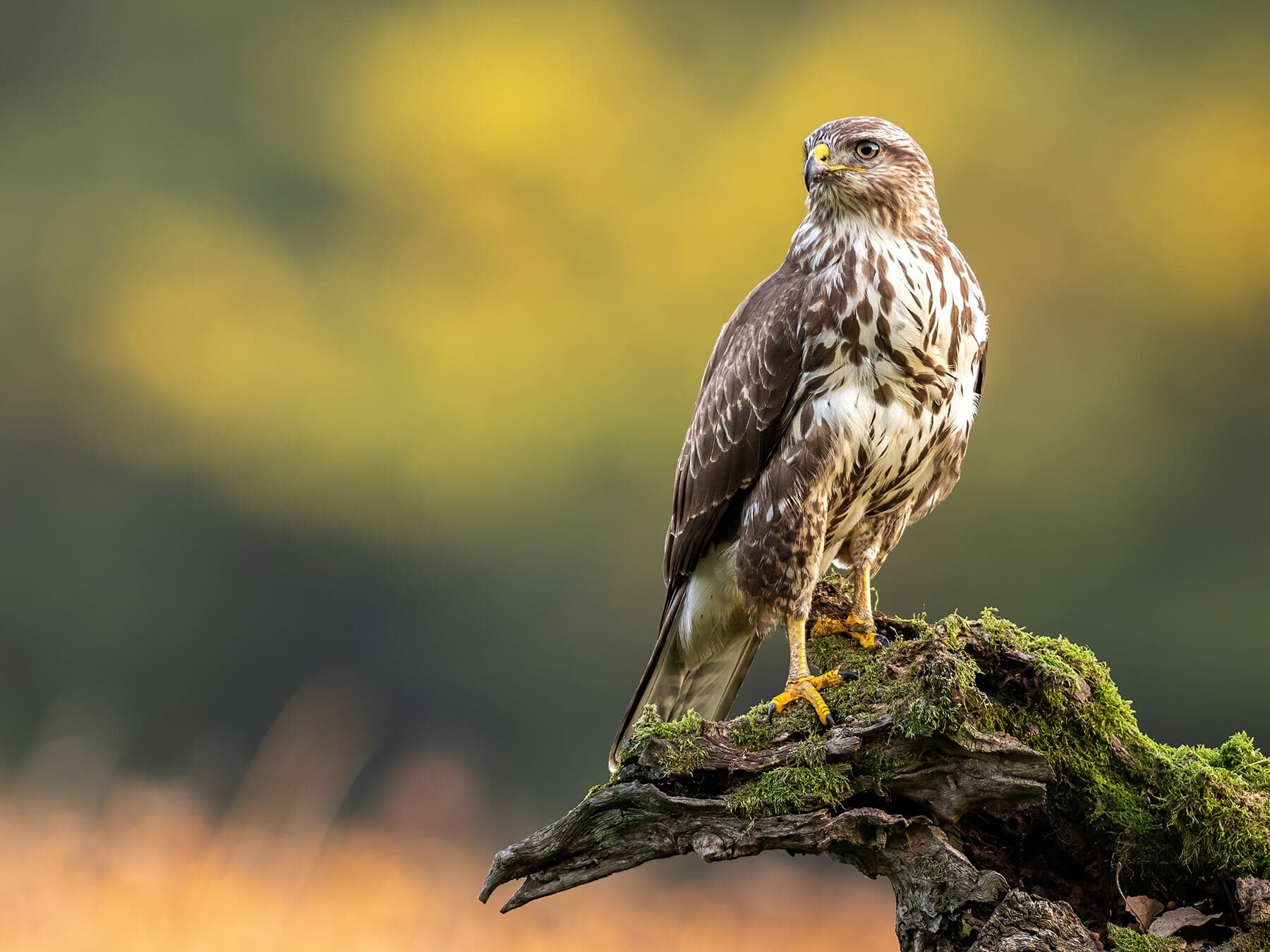 BuzzardButeo buteoWinter visitorCommon51–57 cmRegularly Nov–Jun · 0.29% in May
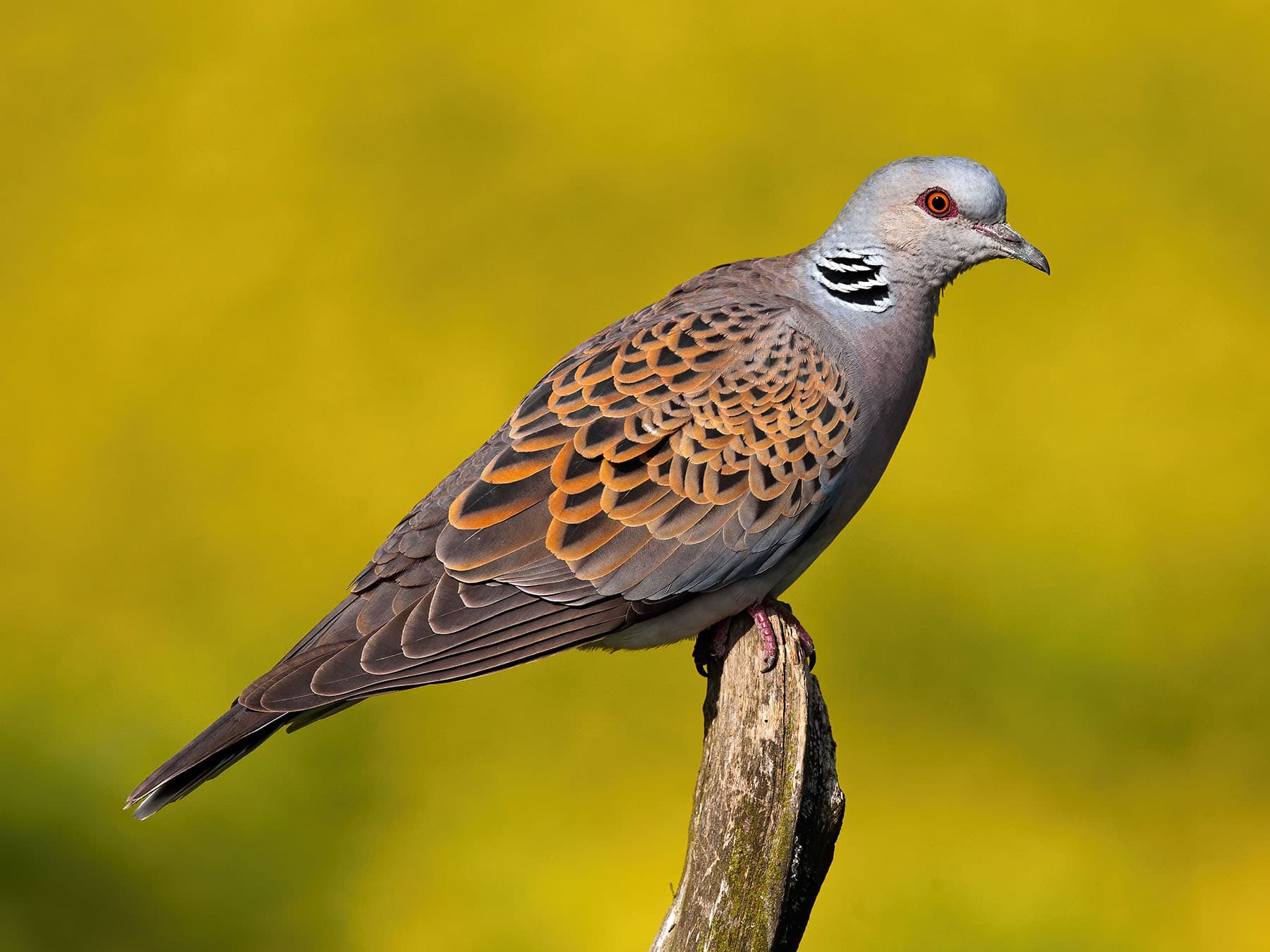 European Turtle-doveStreptopelia turturPassage migrantCommon26–28 cmRegularly Apr–Sep · 0.19% in May
Smallest to largest
Length, cm- Blackcap 13–15 cm
- House Martin 13–15 cm
- House Sparrow 14–17 cm
- Kentish Plover 15–17 cm
- Ringed Plover 17–19 cm
- Barn Swallow 17–19 cm
- Sanderling 18–20 cm
- Wood Sandpiper 19–21 cm
- Ruddy Turnstone 21–24 cm
- European Turtle-dove 26–28 cm
- Grey Plover 27–30 cm
- Eurasian Collared Dove 30–32 cm
- Greenshank 30–35 cm
- Rock Dove 29–37 cm
- Moorhen 30–38 cm
- Kestrel 32–39 cm
- Whimbrel 40–46 cm
- Cattle Egret 46–56 cm
- Buzzard 51–57 cm
- Osprey 54–58 cm
- Glossy Ibis 48–66 cm
- Helmeted Guineafowl 53–63 cm
- Little Egret 55–65 cm
- Purple Heron 78–90 cm
- Eurasian Spoonbill 80–90 cm
- Great White Egret 80–104 cm
- Grey Heron 90–98 cm
Body length, bill to tail. Rare birds in grey.
Data: EOD – eBird Observation Dataset (Cornell Lab of Ornithology), accessed via GBIF.org, CC BY 4.0. Records from 2019–2024, aggregated and filtered by Birdfact. How these lists are made