


Birds to See in Laois in July
25 bird species on our list for Laois are recorded regularly in July
Of these, the most often recorded are Woodpigeon, Barn Swallow, Hooded Crow, Buzzard and Chaffinch. New this month: Chaffinch, Coal Tit, Bullfinch and Blackcap and 3 more.
On the move in July
GBIF · JulArriving
At their peak
From Laois’s bird records, 2019–2024: arriving birds are regular this month but not last; leaving birds are regular this month but not next.
Other months
All 25 birds in July
25 birds
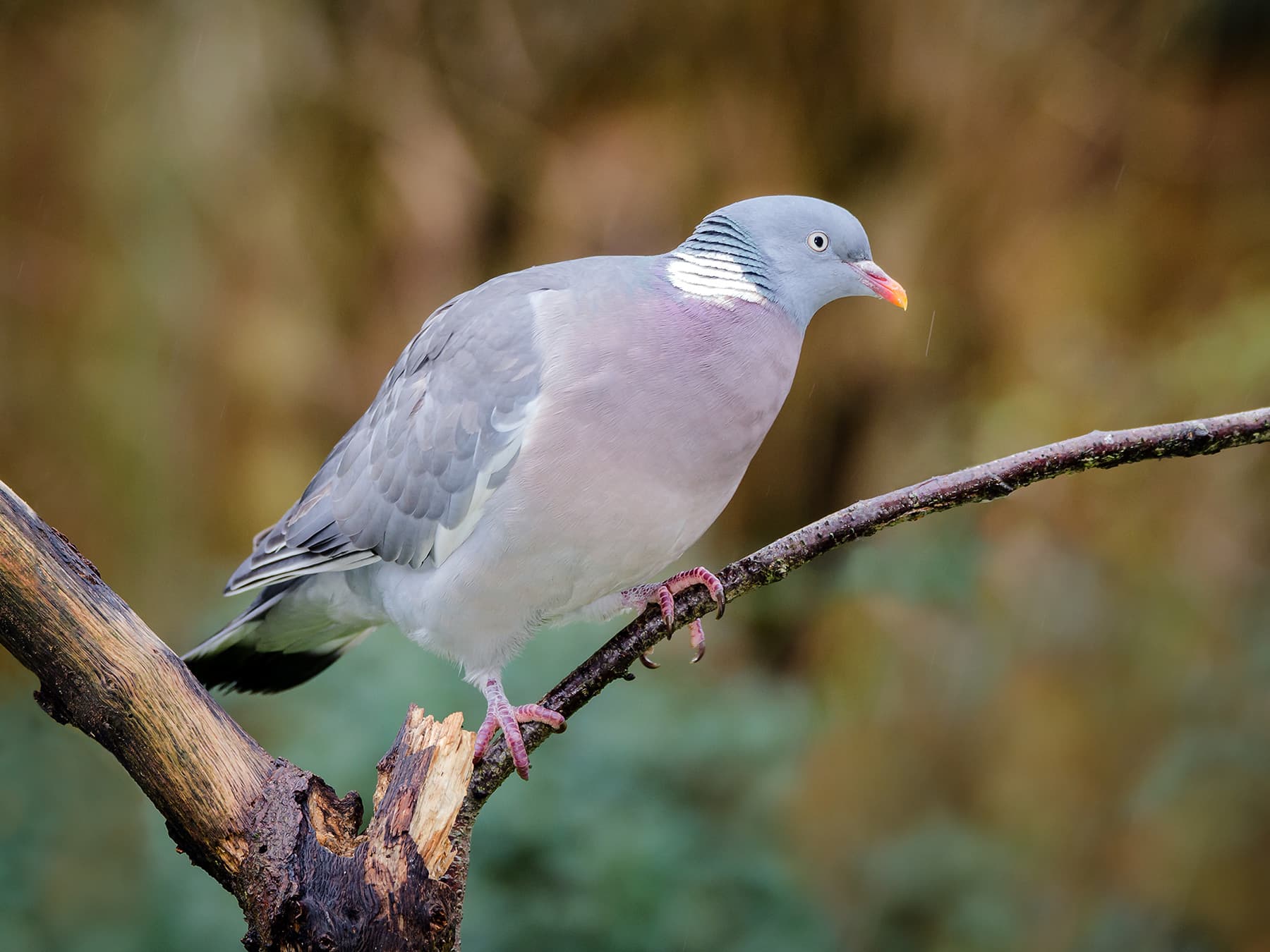 WoodpigeonColumba palumbusSummer visitorCommon40–42 cmRegularly Mar–Dec · 8.21% in Jul
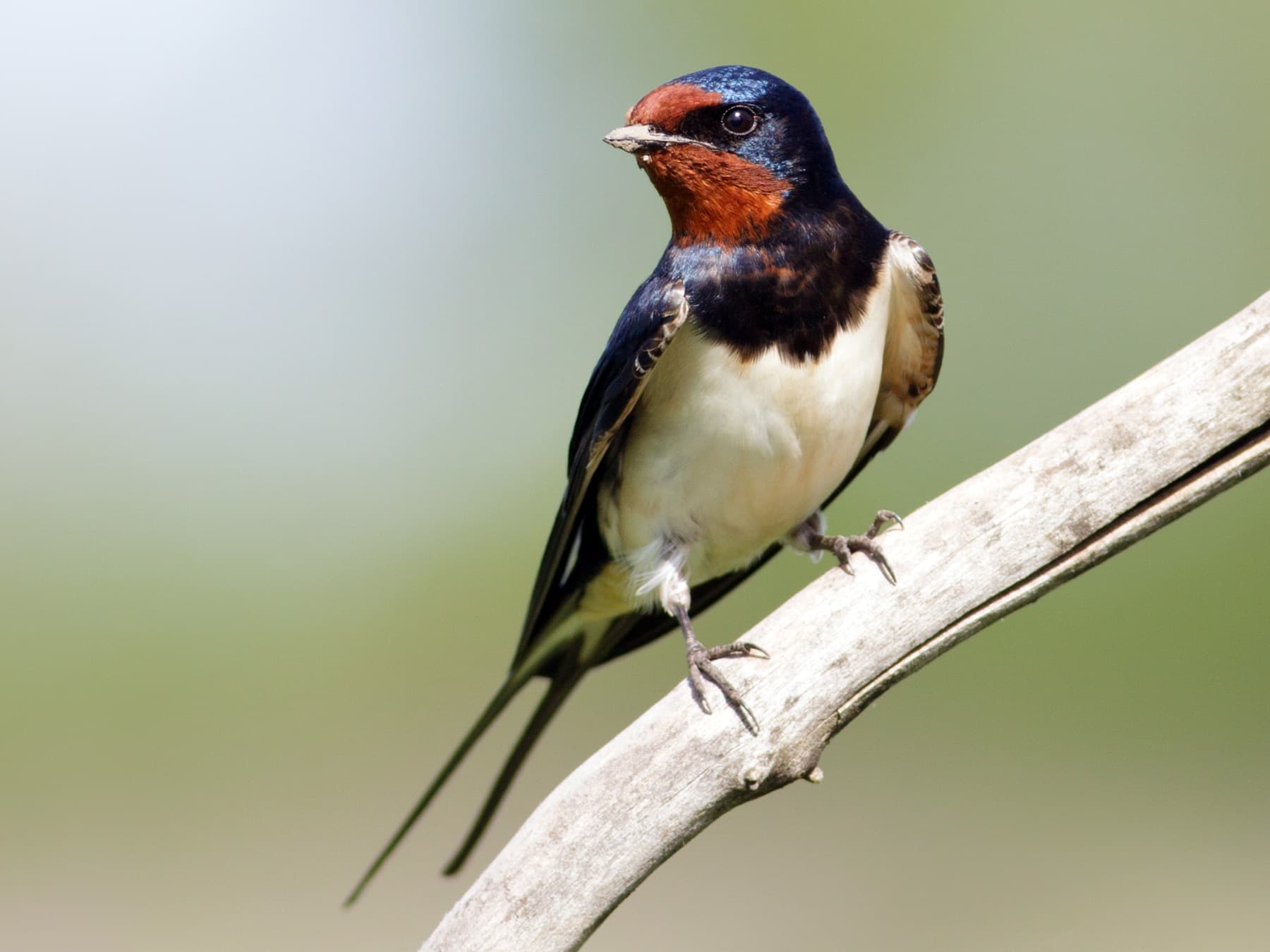 Barn SwallowHirundo rusticaSummer visitorCommon17–19 cmRegularly Apr–Sep · 6.43% in Jul
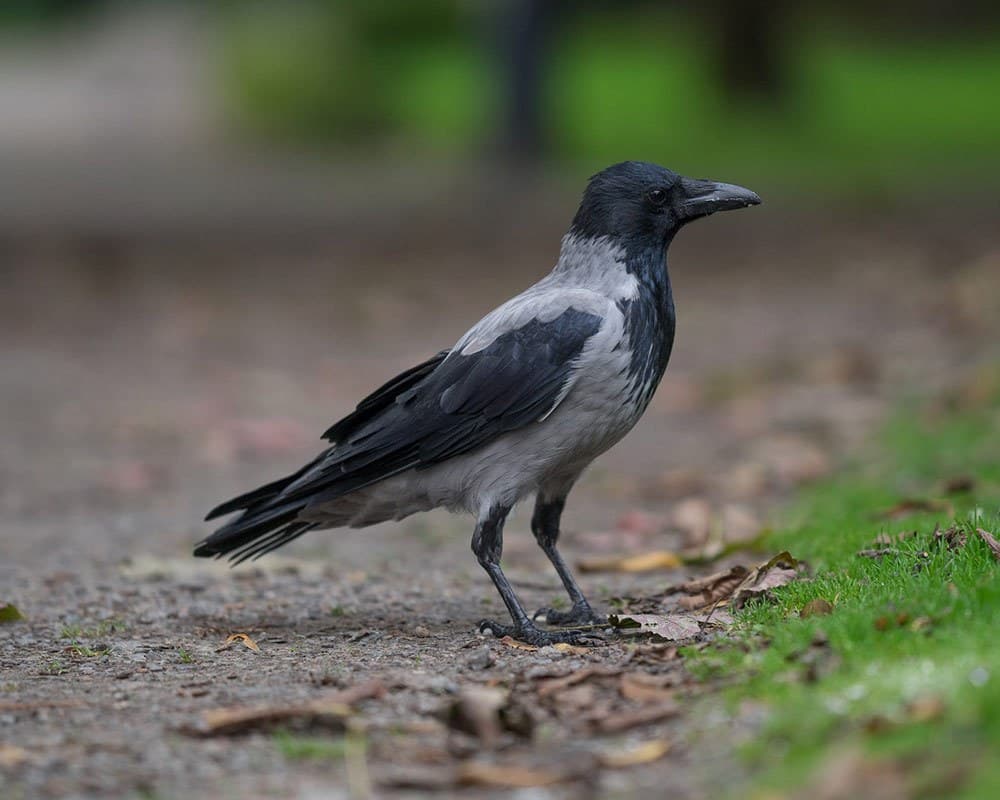 Hooded CrowCorvus cornixSummer visitorCommon44–51 cmRegularly Jan–Nov · 5.00% in Jul
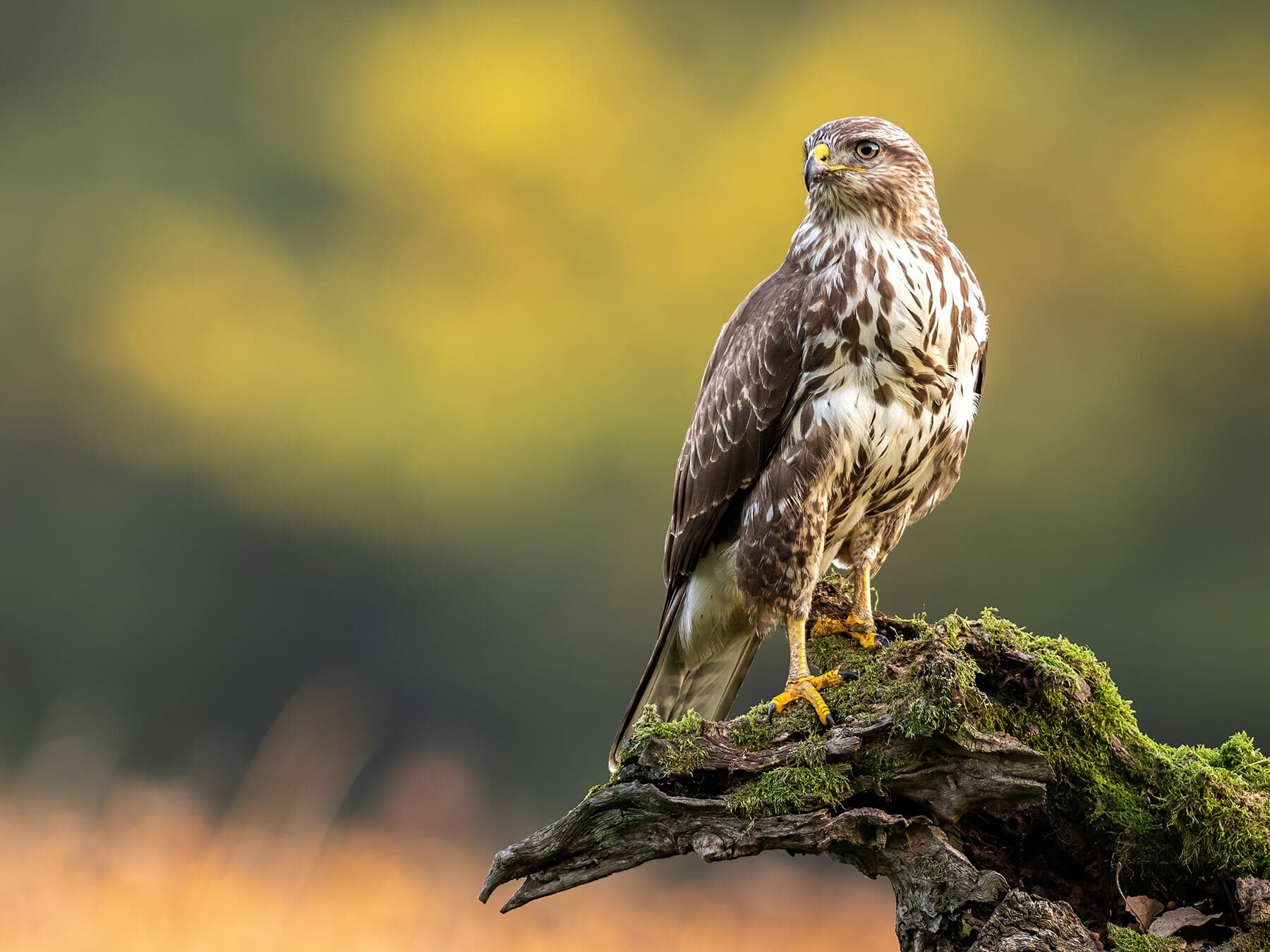 BuzzardButeo buteoSummer visitorCommon51–57 cmRegularly Oct–Aug · 4.64% in Jul
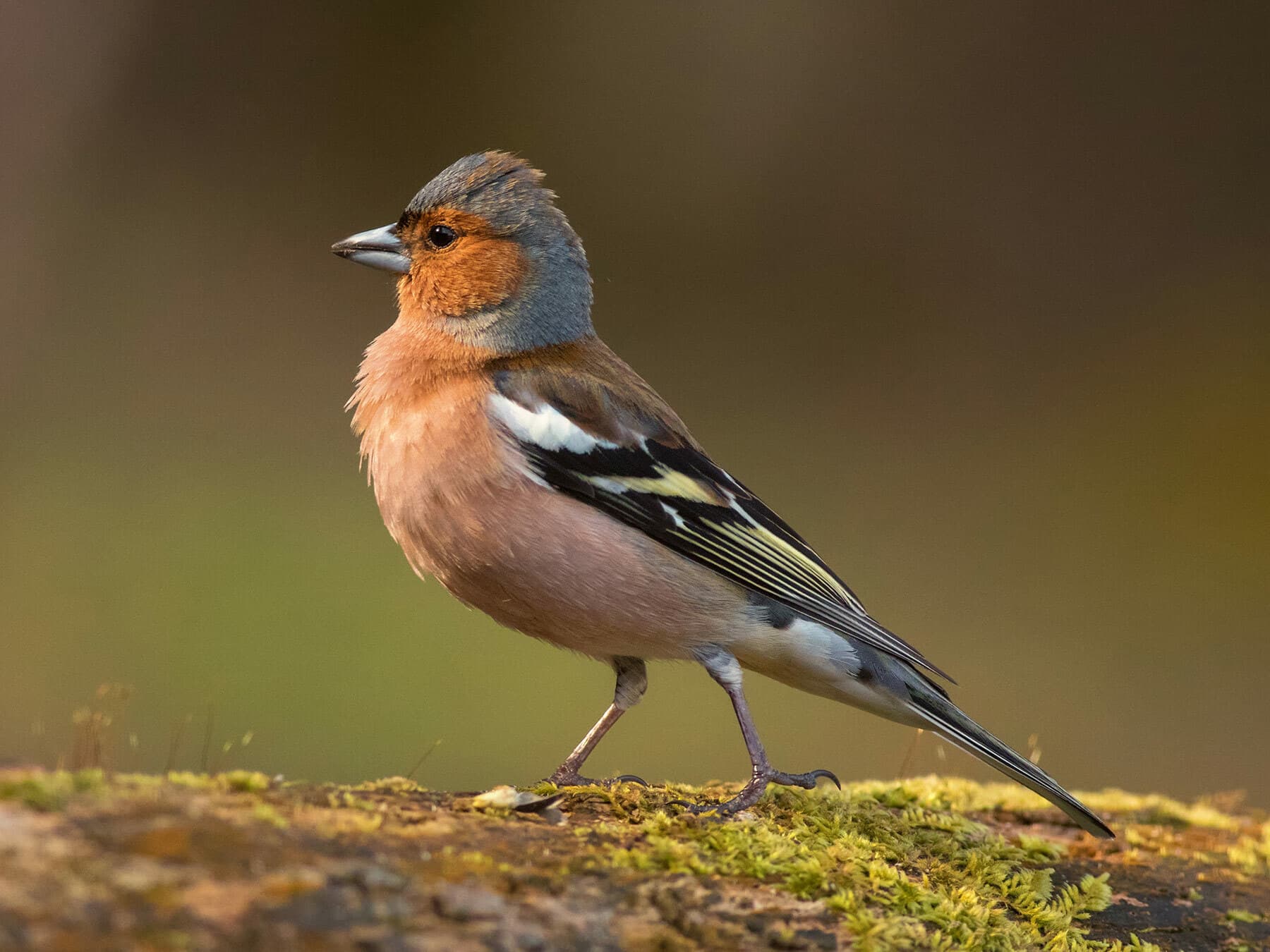 ChaffinchFringilla coelebsResidentCommon14–16 cmRegularly Mar–Nov · 4.29% in Jul
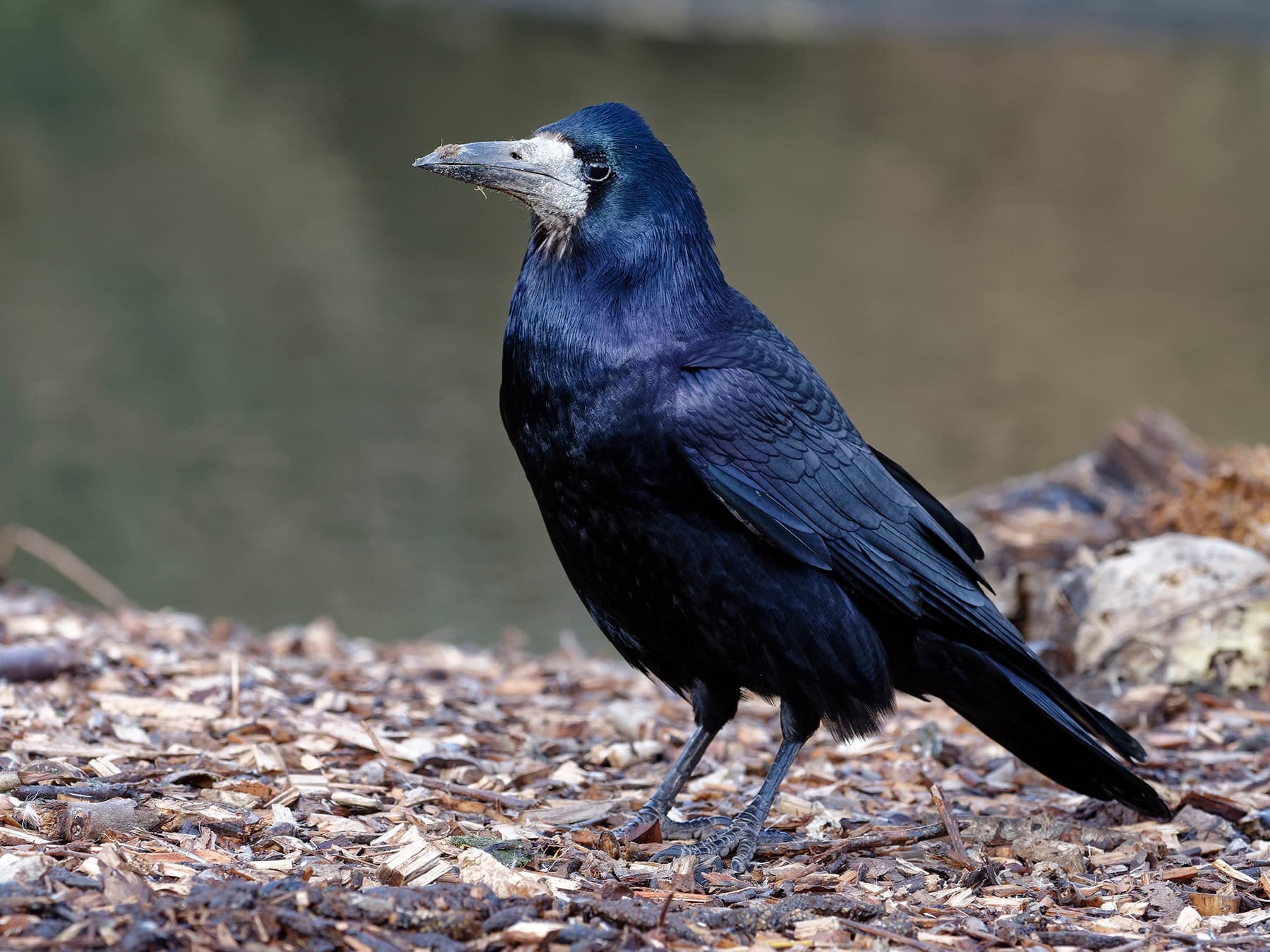 RookCorvus frugilegusSummer visitorCommon45–47 cmRegularly Mar–Dec · 4.29% in Jul
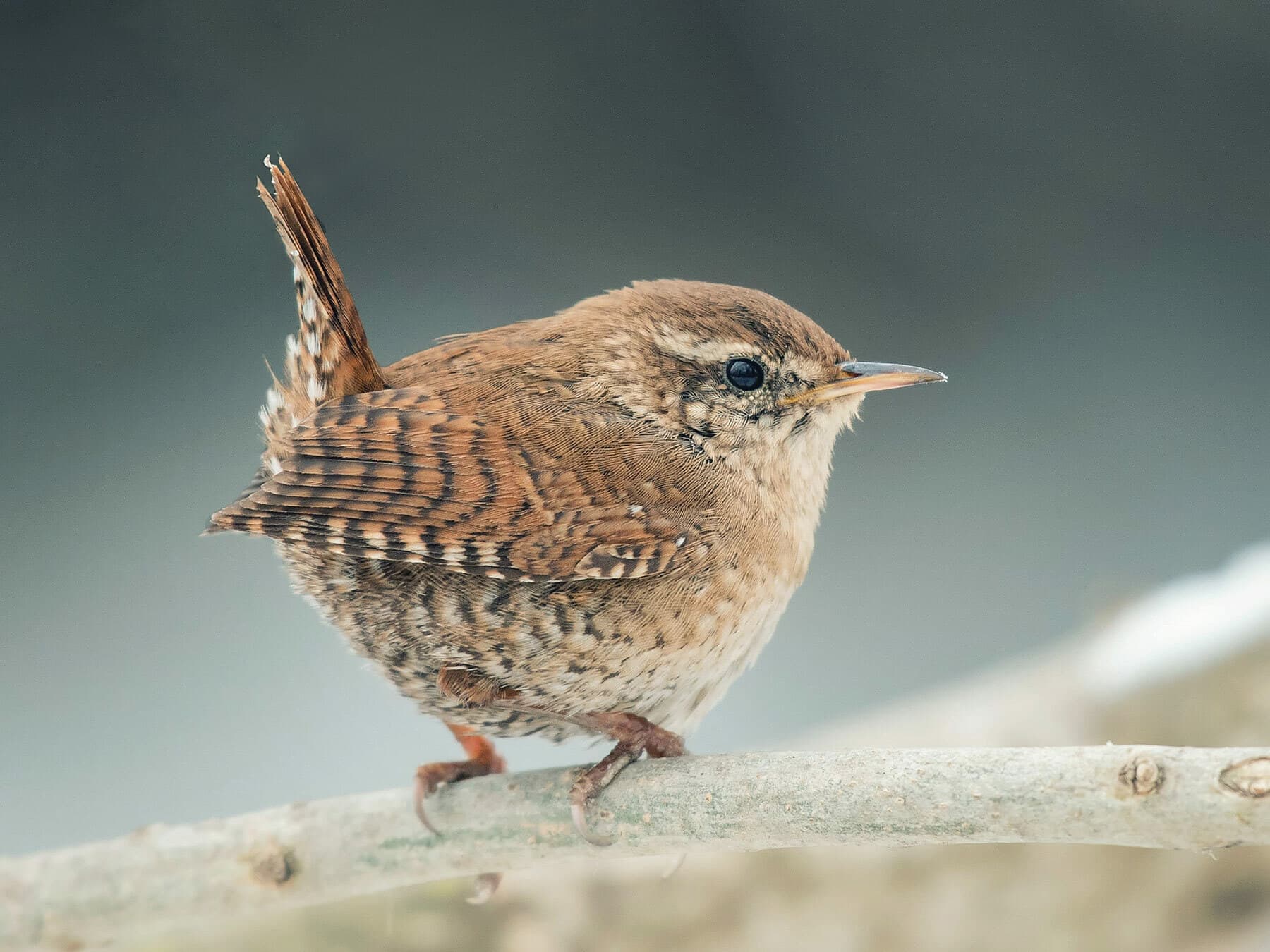 Eurasian WrenTroglodytes troglodytesSummer visitorCommon9–10 cmRegularly Mar–Jan · 3.93% in Jul
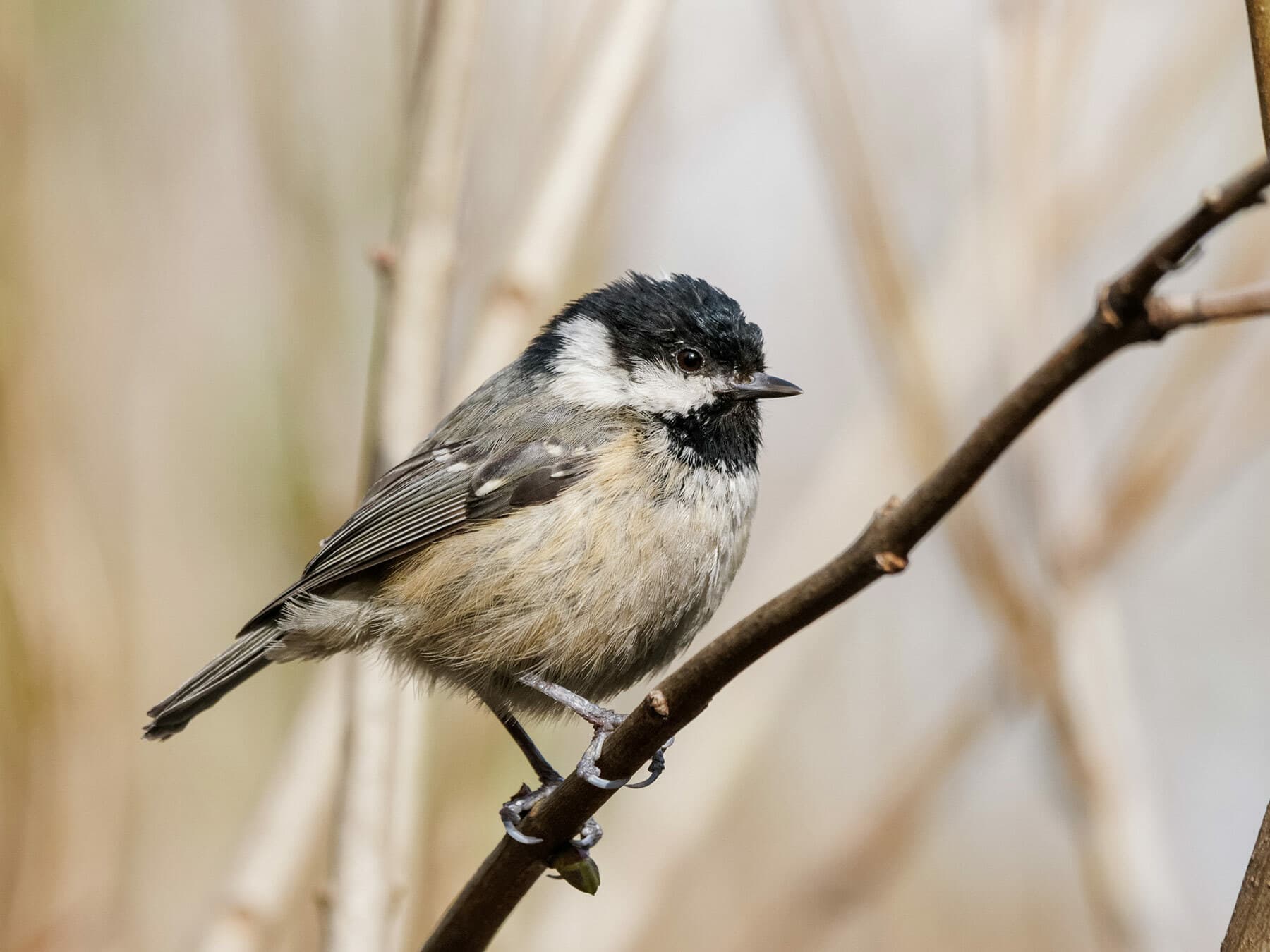 Coal TitPeriparus aterResidentCommon10–12 cmRegularly Jul–Mar · 2.86% in Jul
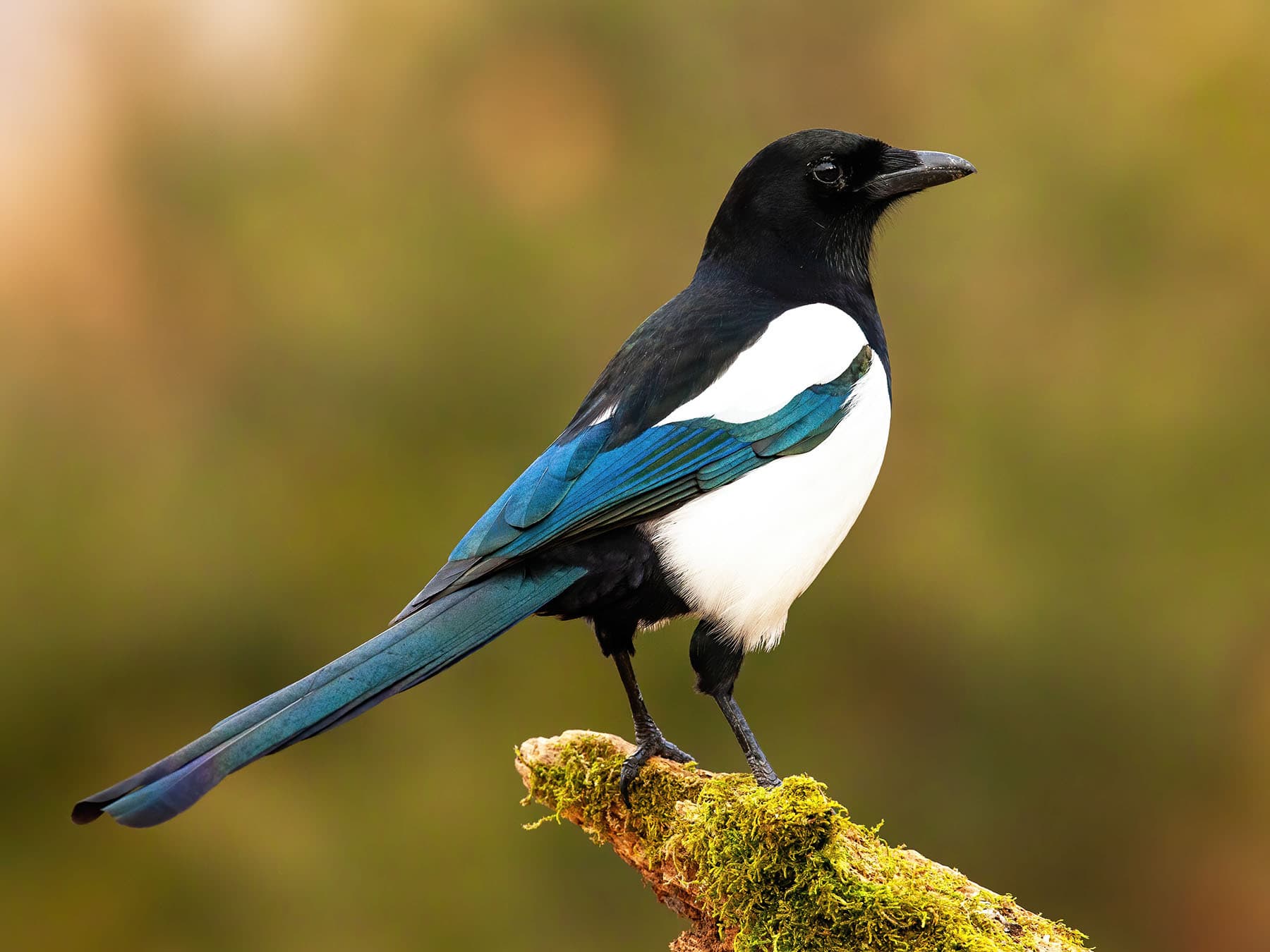 MagpiePica picaSummer visitorCommon44–46 cmRegularly Mar–Nov · 2.86% in Jul
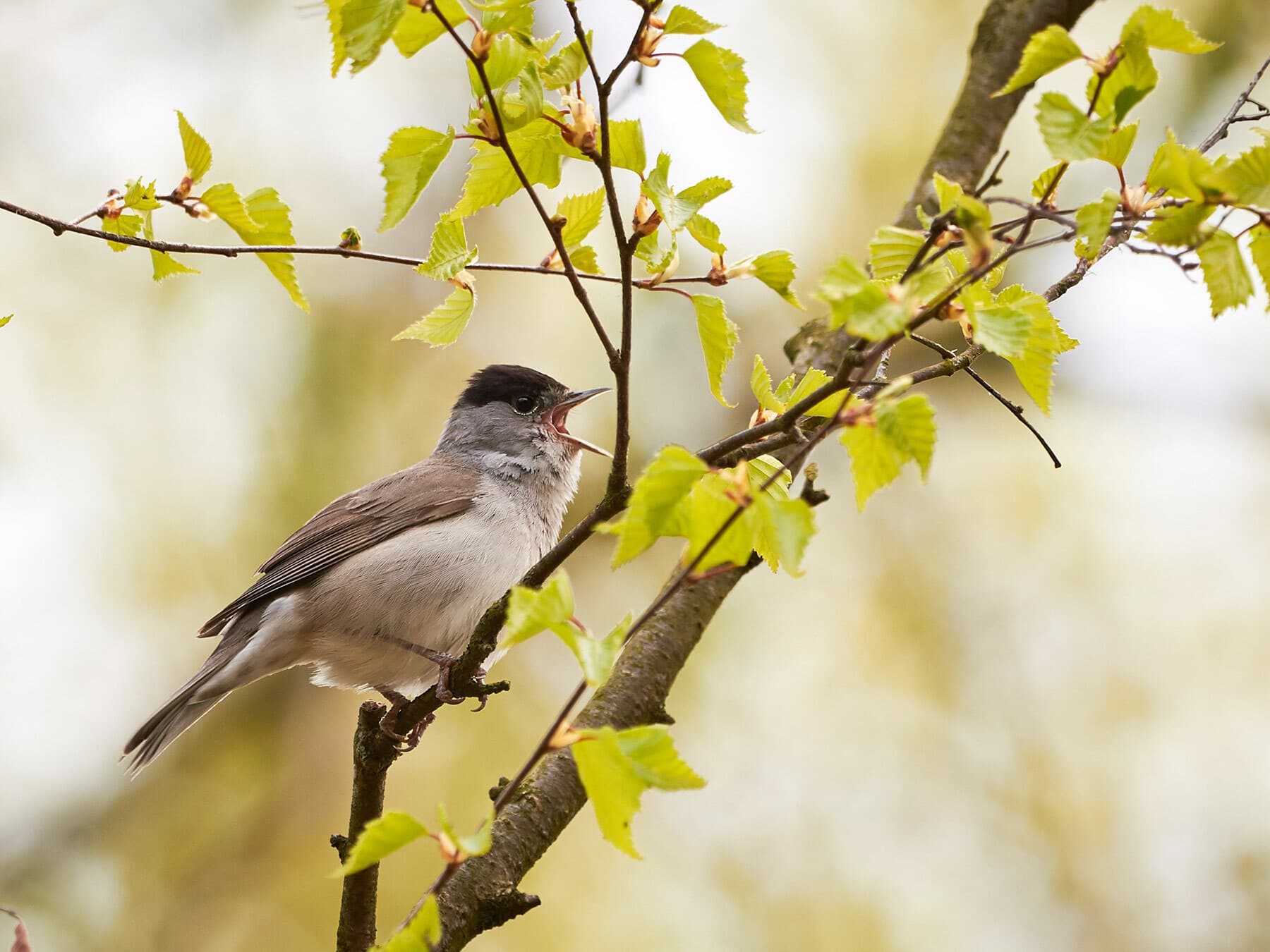 BlackcapSylvia atricapillaResidentCommon13–15 cmRegularly May–Jul · 2.50% in Jul
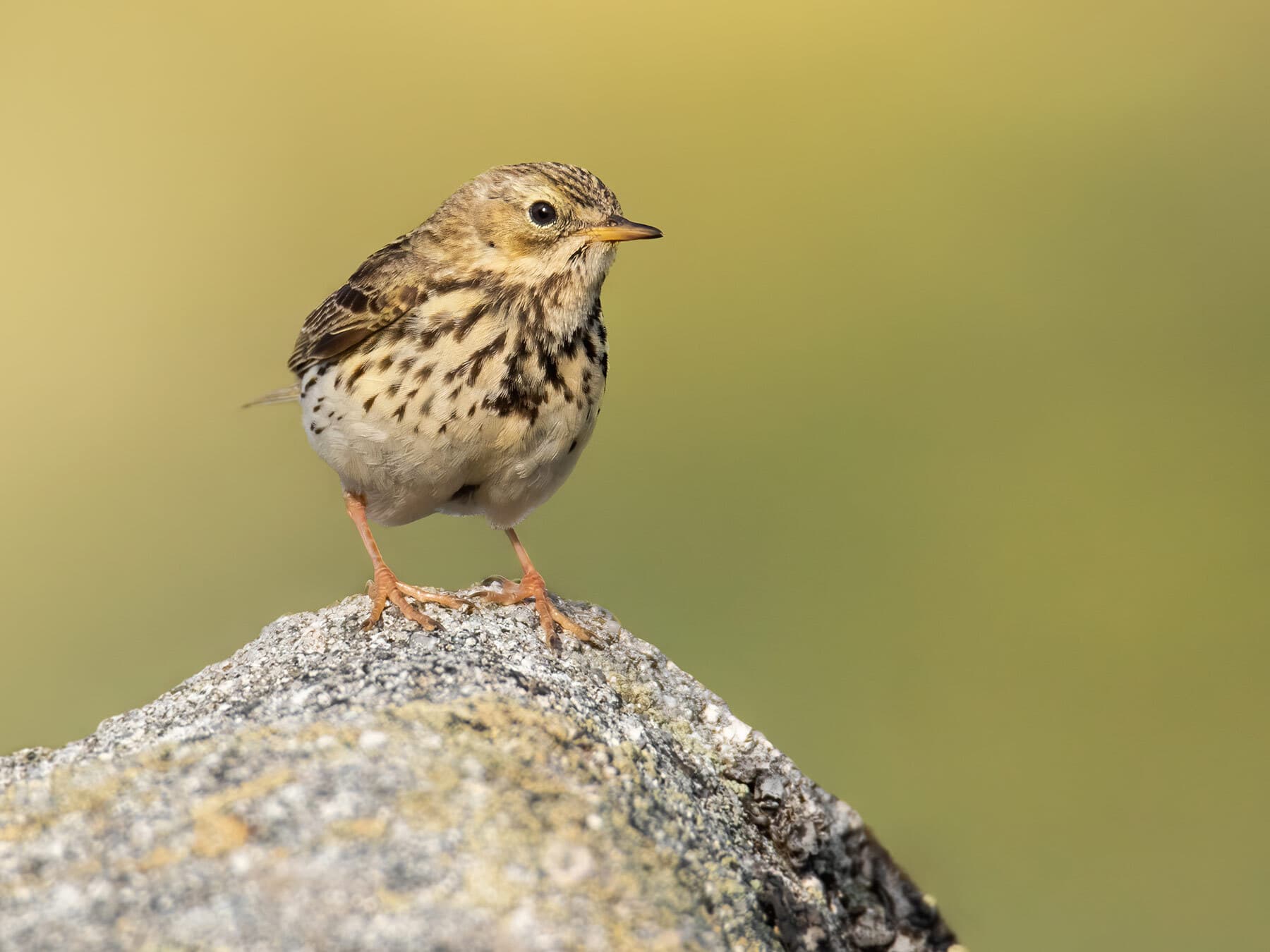 Meadow PipitAnthus pratensisSummer visitorCommon14–15 cmRegularly Apr–Oct · 2.50% in Jul
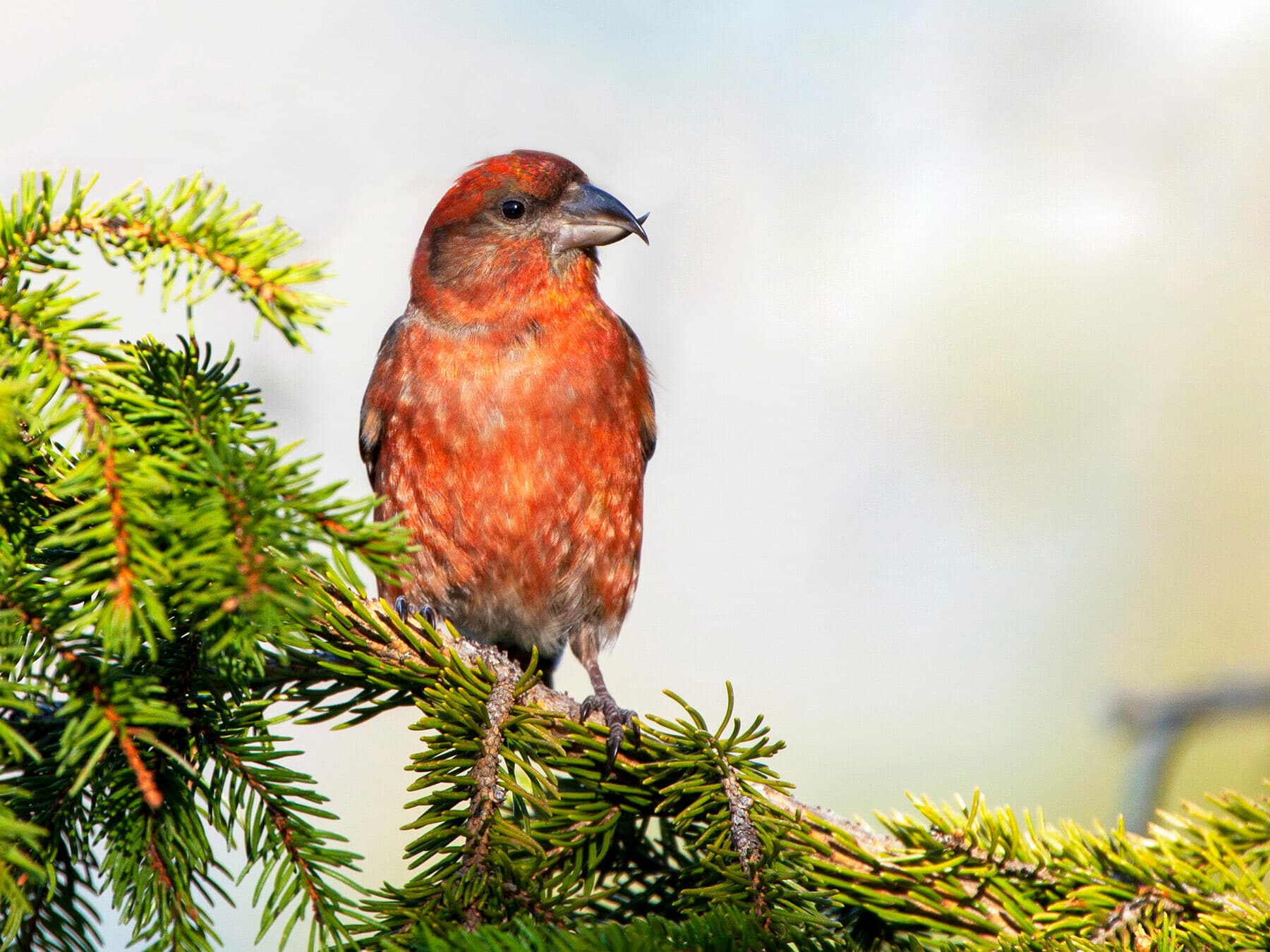 Red CrossbillLoxia curvirostraSummer visitorCommon15–17 cmRegularly Oct–Jul · 2.50% in Jul
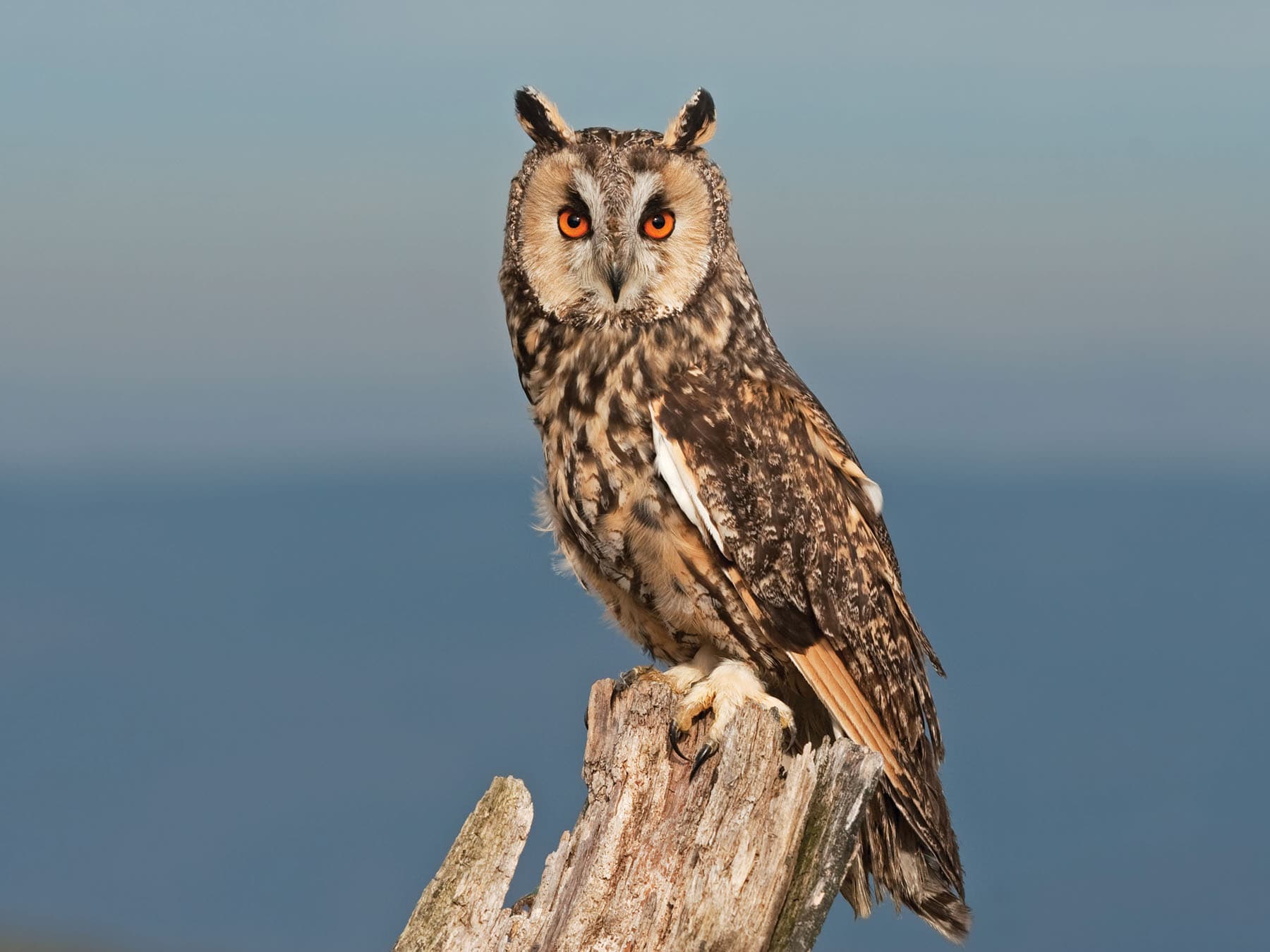 Long-eared OwlAsio otusResidentCommon35–40 cmRegularly Jun–Jul · 2.14% in Jul
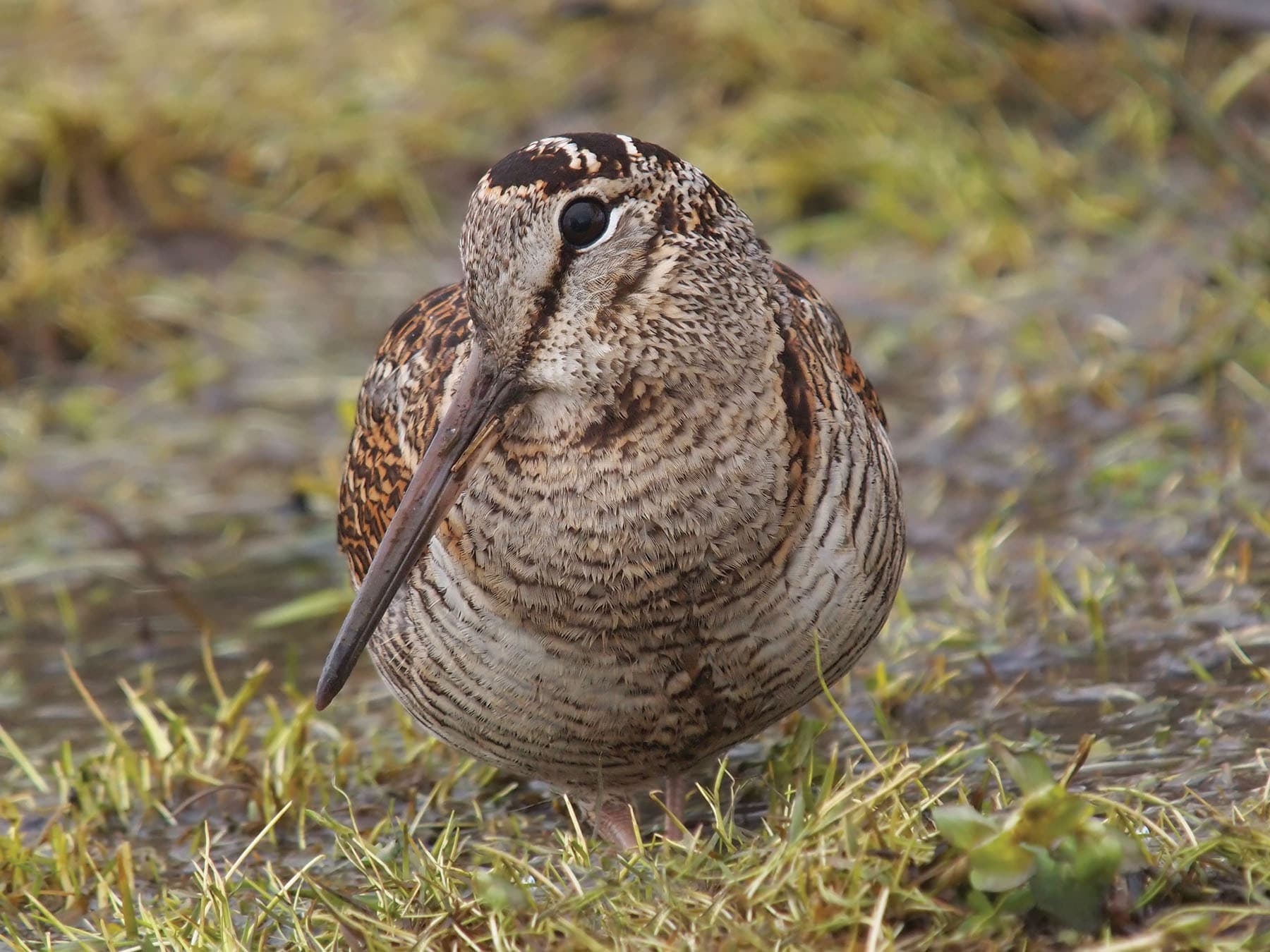 Eurasian WoodcockScolopax rusticolaSummer visitorCommon33–38 cmRegularly Nov–Jul · 1.79% in Jul
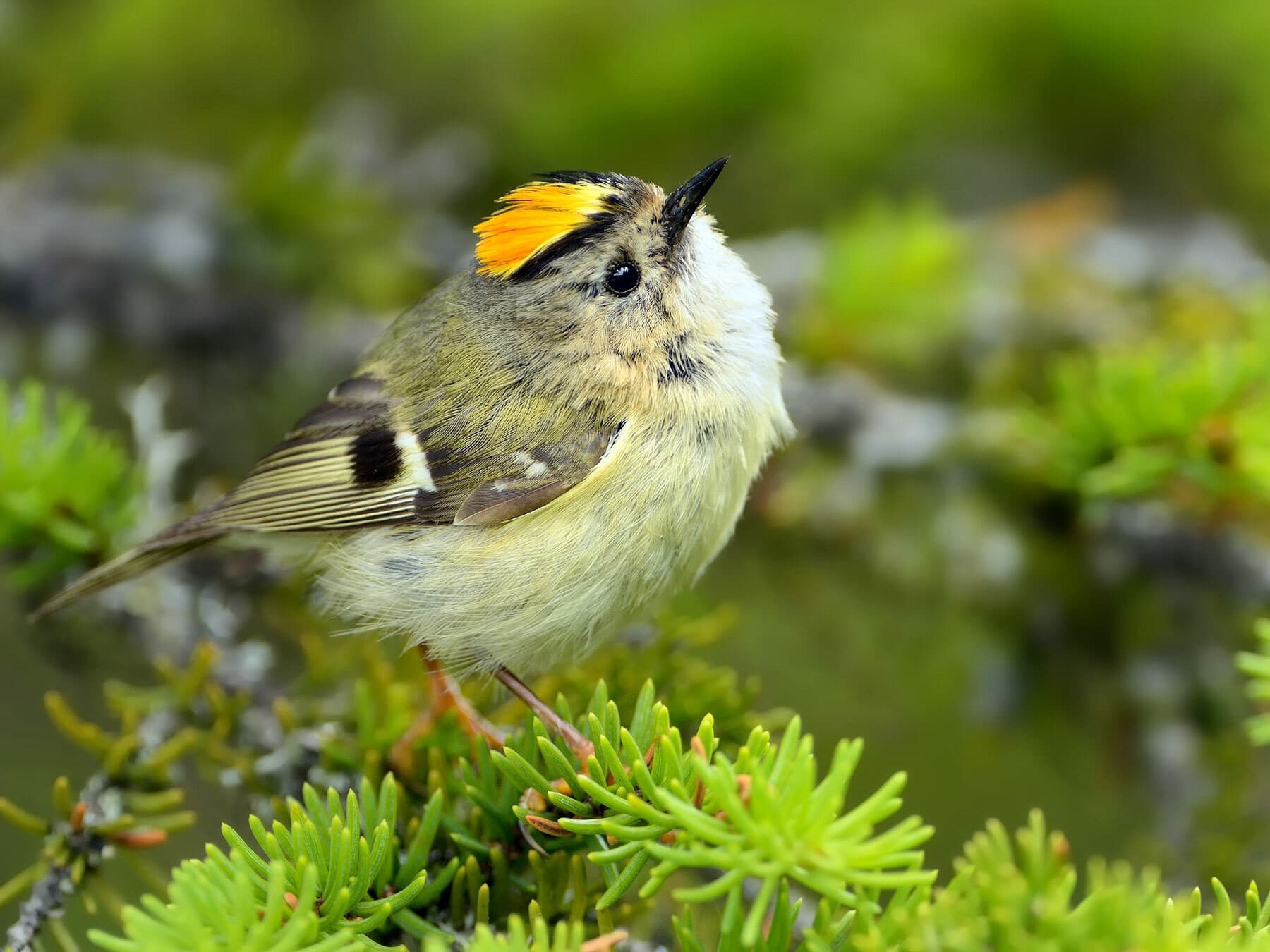 GoldcrestRegulus regulusResidentCommon9–10 cmRegularly Mar–Nov · 1.79% in Jul
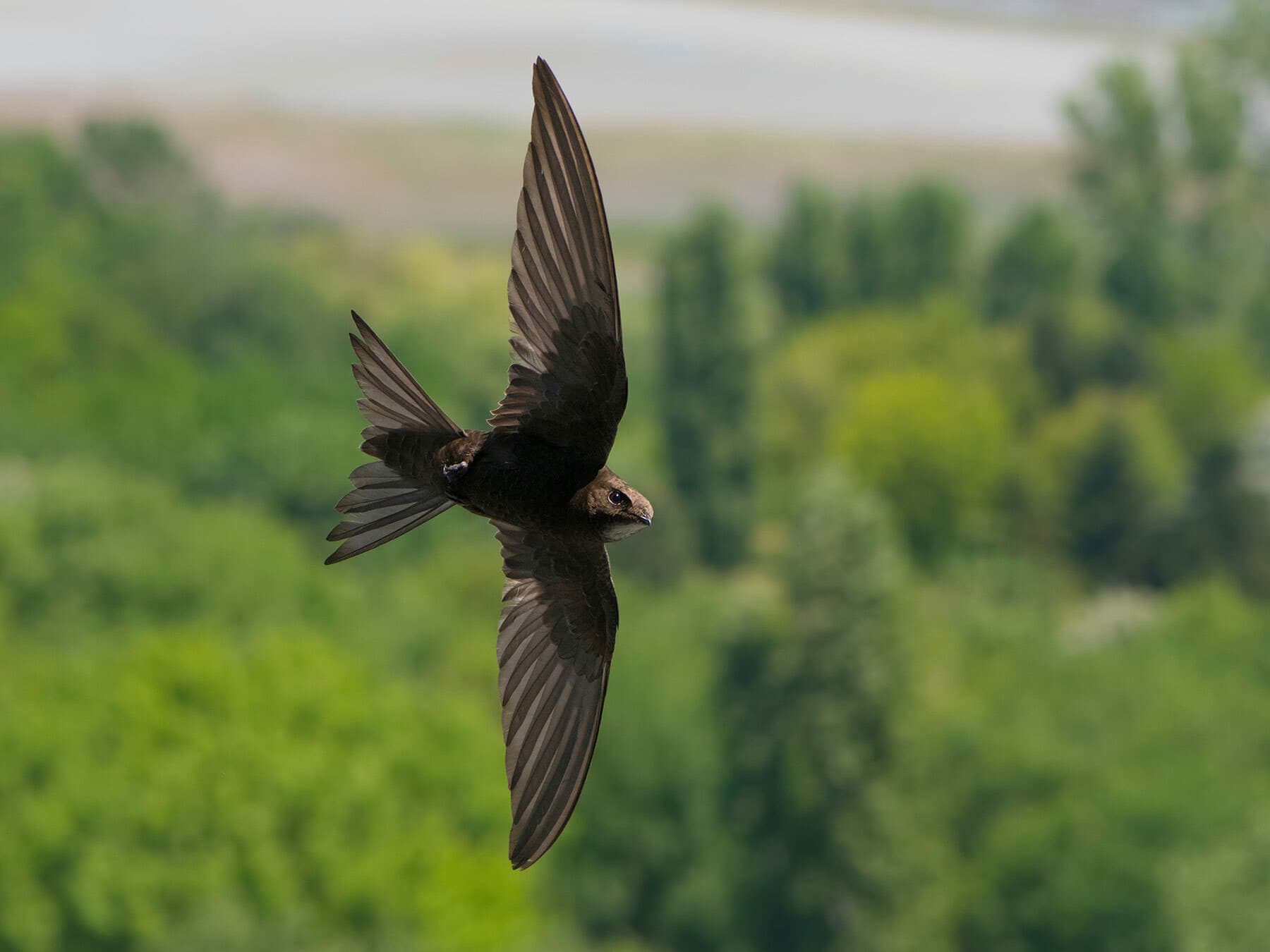 Common SwiftApus apusPassage migrantCommon16–17 cmRegularly May–Jul · 1.43% in Jul
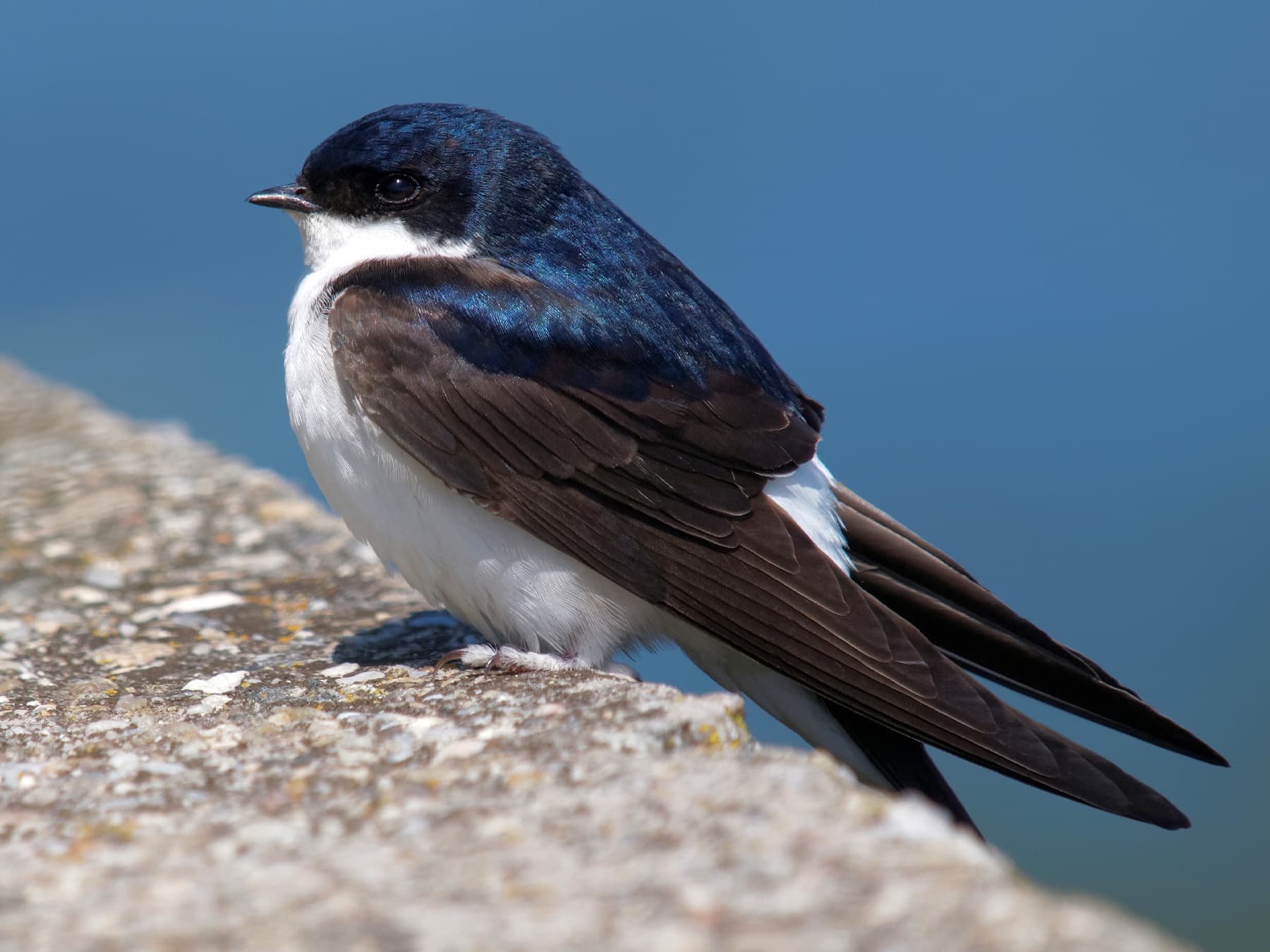 House MartinDelichon urbicumSummer visitorCommon13–15 cmRegularly May–Aug · 1.43% in Jul
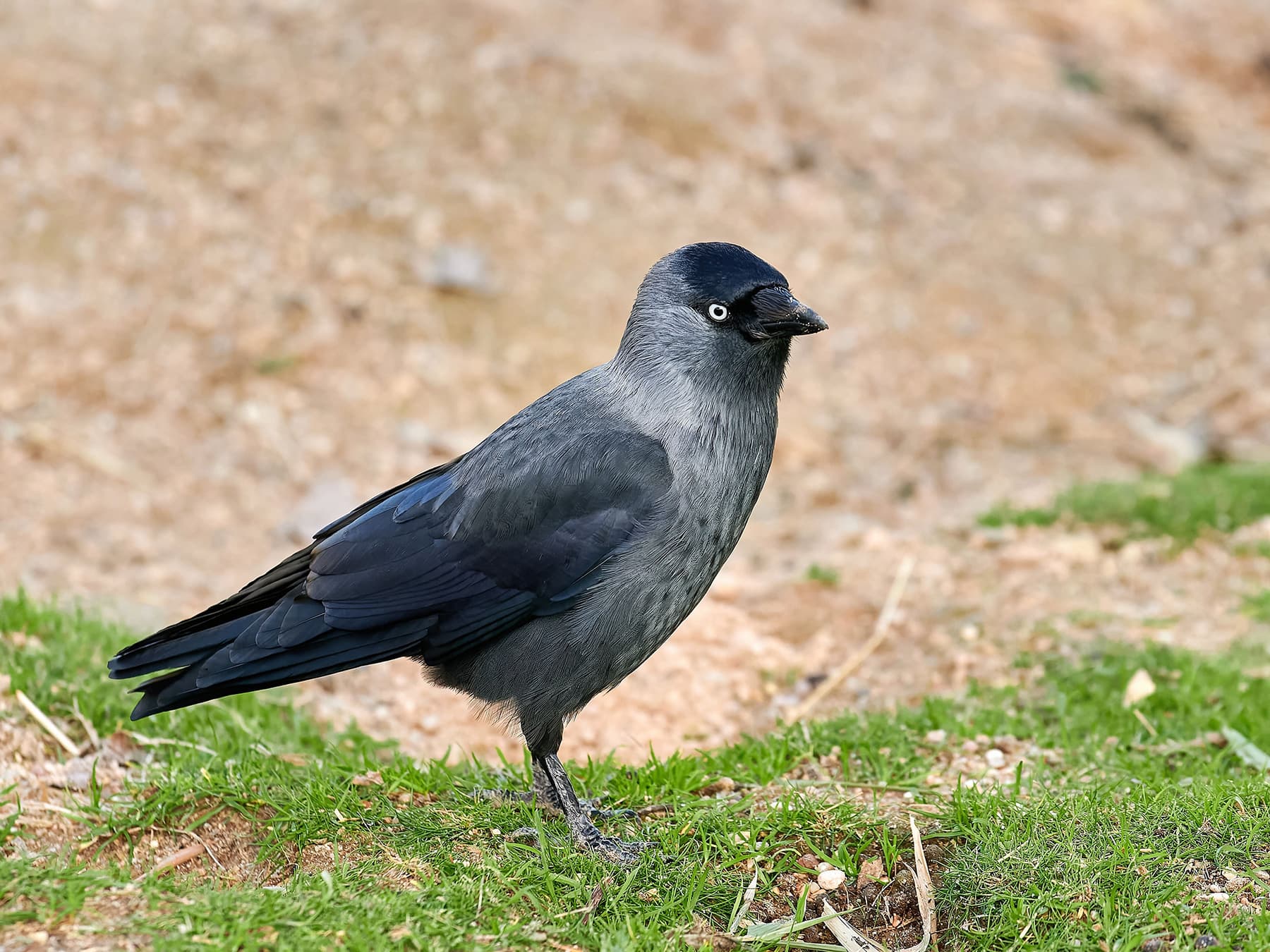 JackdawColoeus monedulaSummer visitorCommon34–39 cmRegularly Mar–Nov · 1.43% in Jul
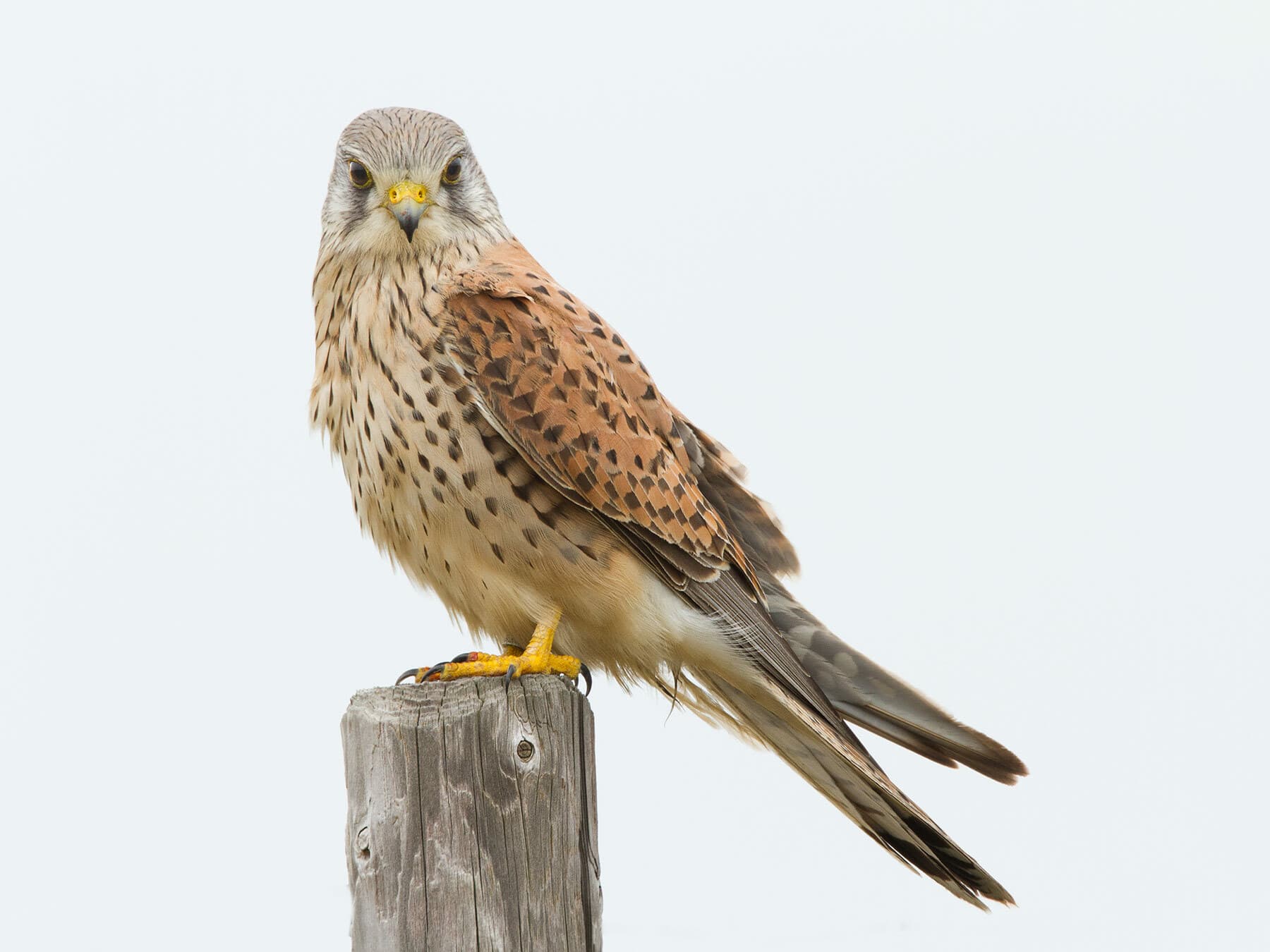 KestrelFalco tinnunculusResidentCommon32–39 cmRegularly Jun–Nov · 1.43% in Jul
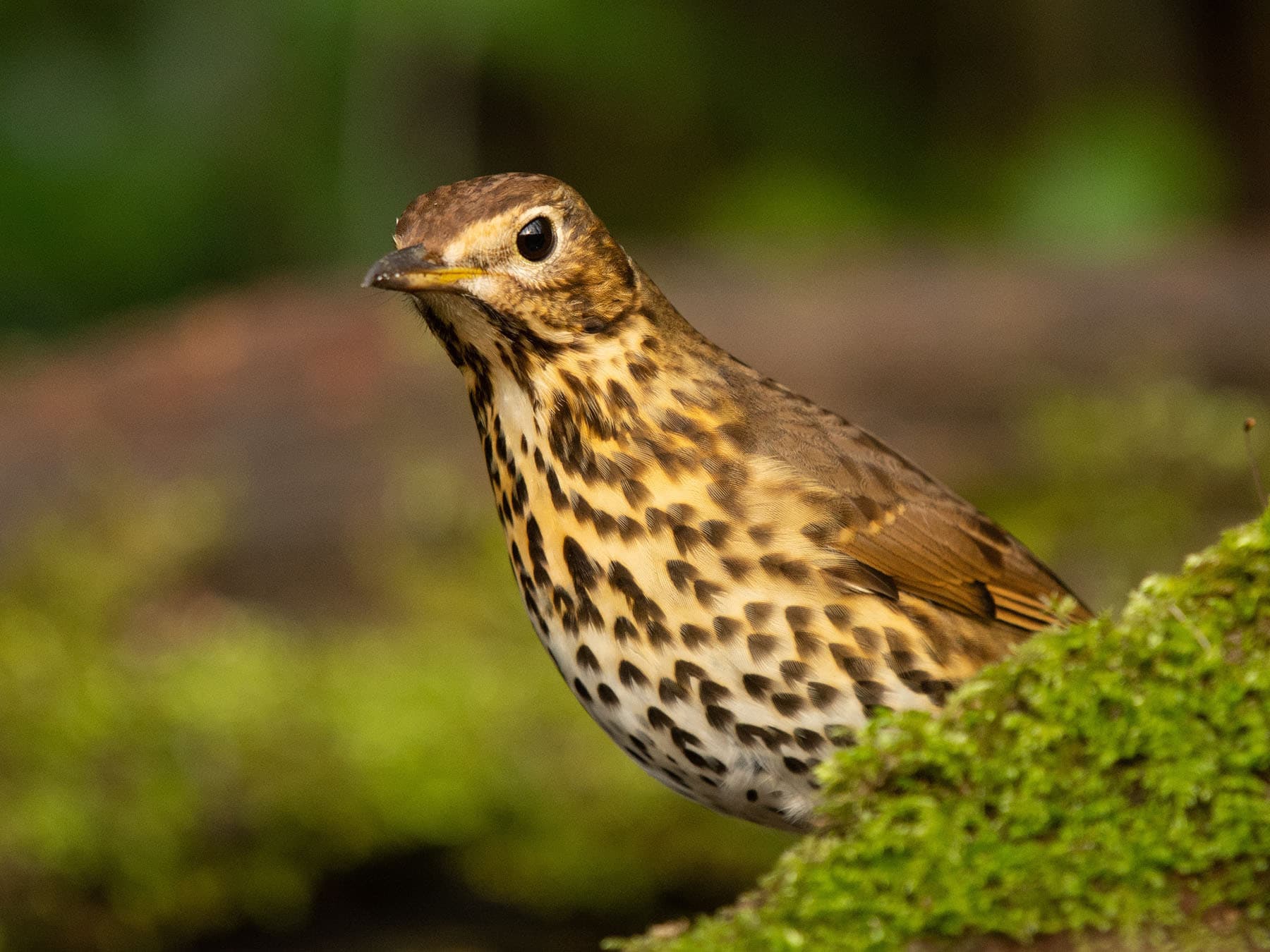 Song ThrushTurdus philomelosResidentCommon20–23 cmRegularly Nov–Jul · 1.43% in Jul
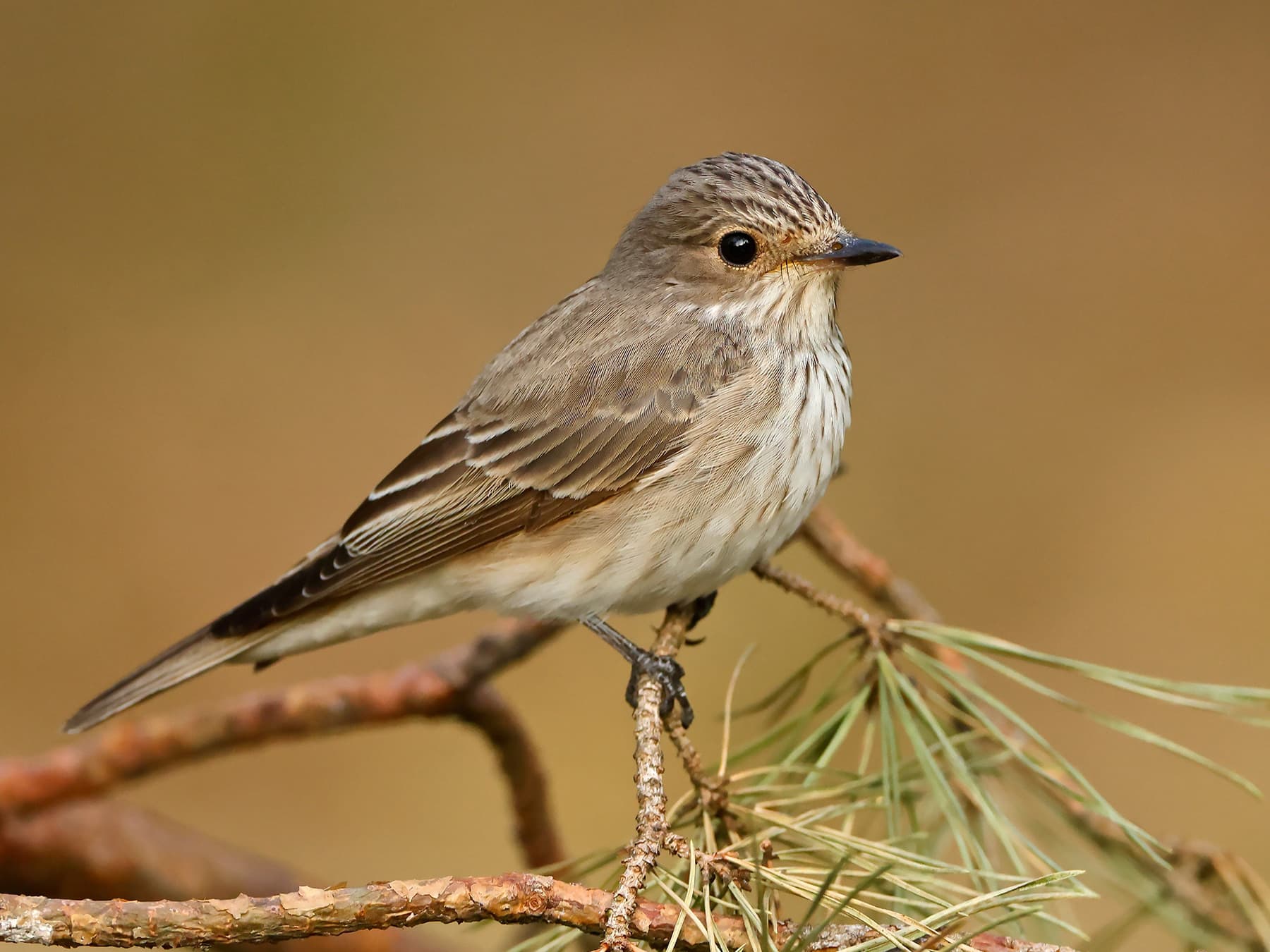 Spotted FlycatcherMuscicapa striataSummer visitorCommon14–16 cmRegularly May–Jul · 1.43% in Jul
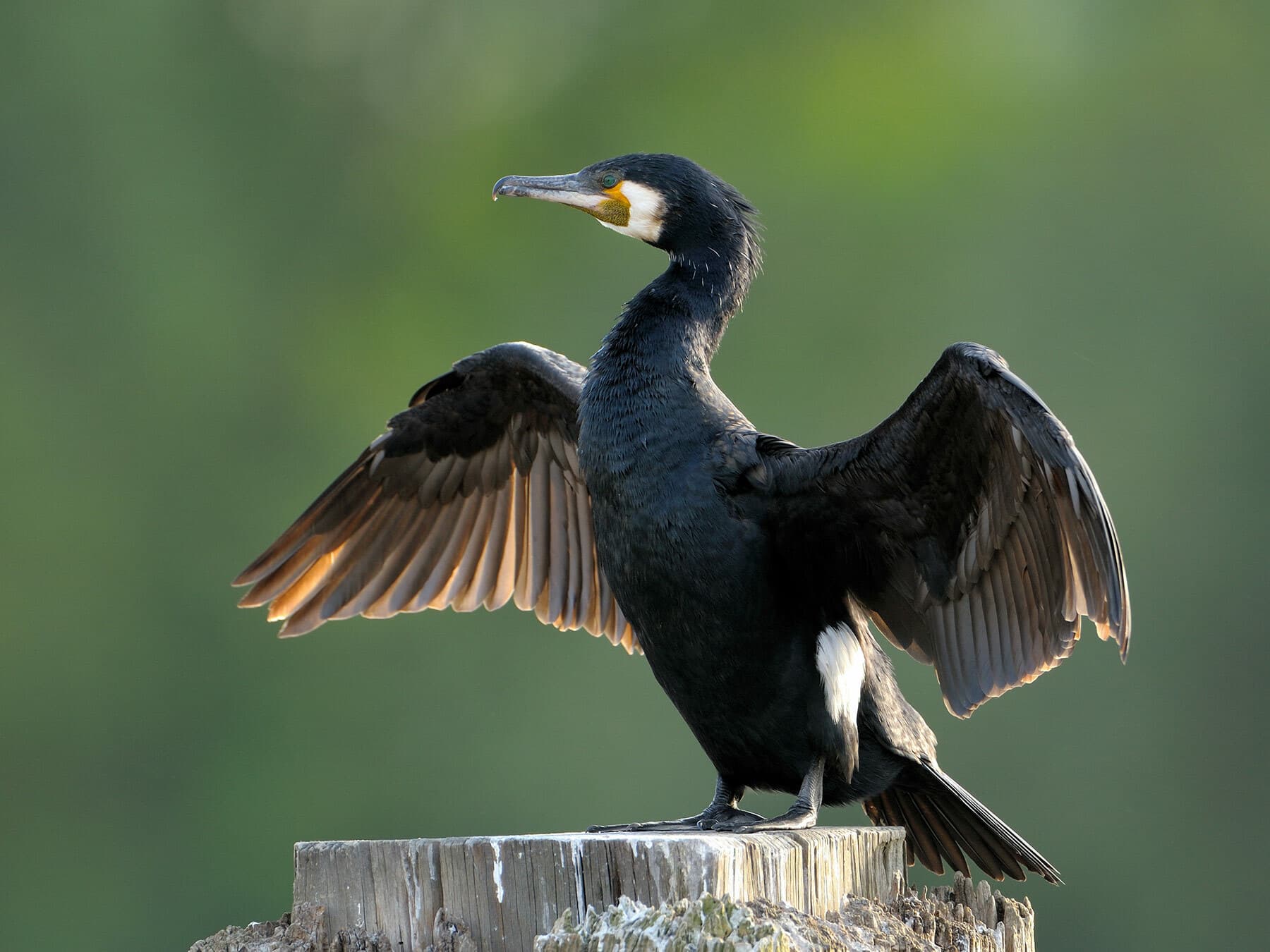 Great CormorantPhalacrocorax carboResidentCommon80–100 cmRegularly Mar–Jul · records held back in Jul (protected)
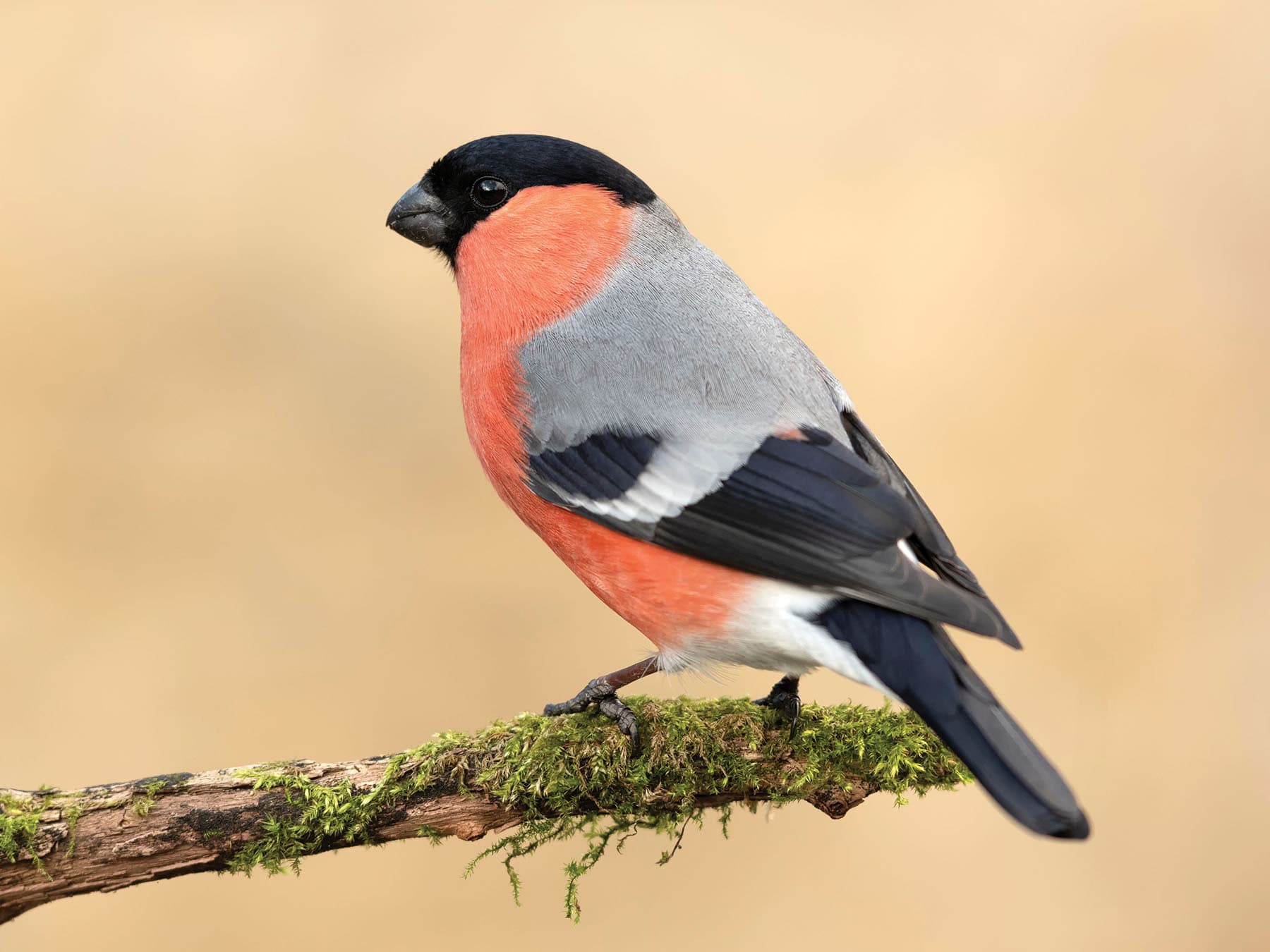 BullfinchPyrrhula pyrrhulaResidentCommon15–17 cmRegularly Apr–Oct · 1.07% in Jul
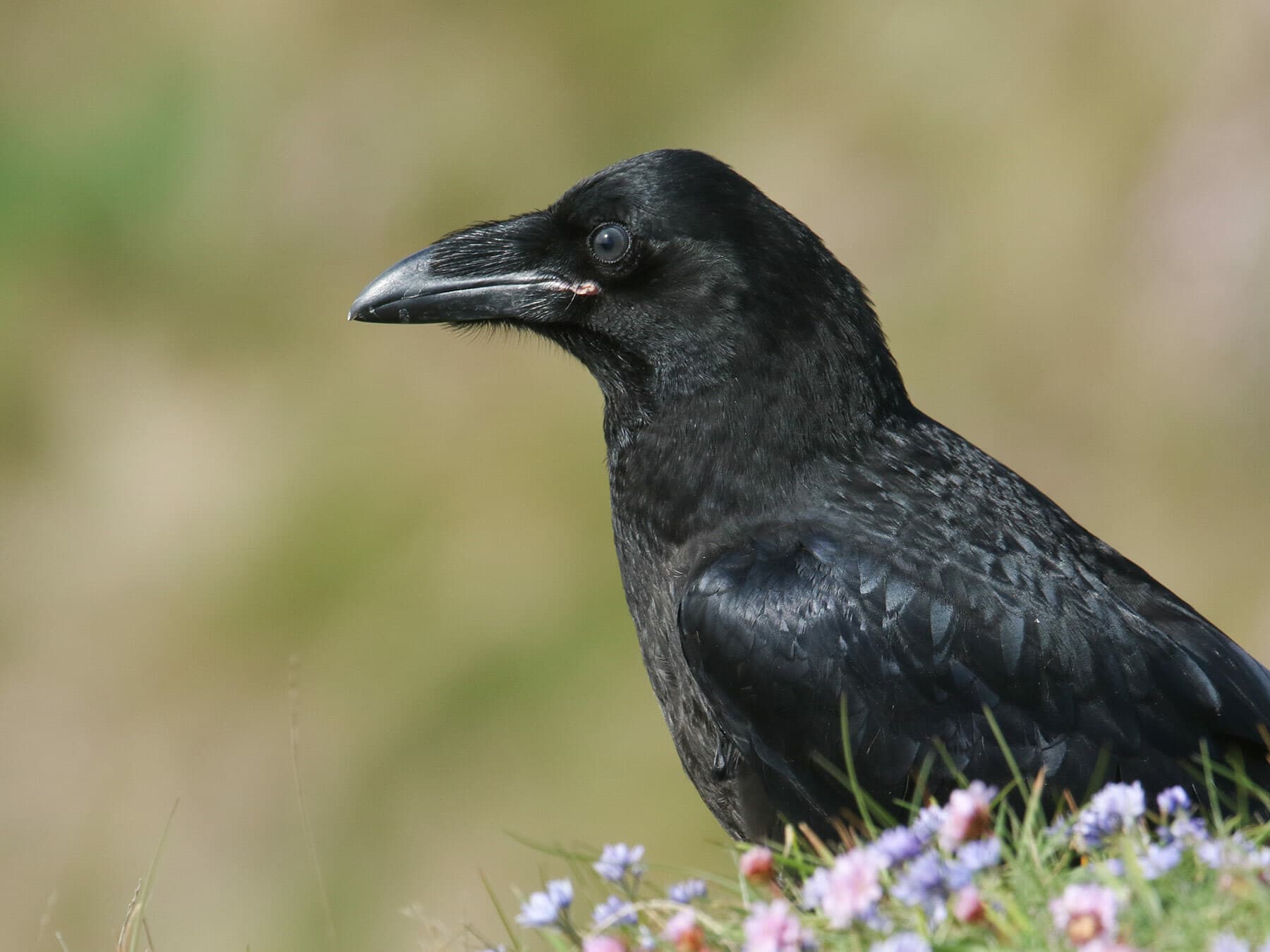 Common RavenCorvus coraxSummer visitorCommon54–67 cmRegularly Apr–Oct · 1.07% in Jul
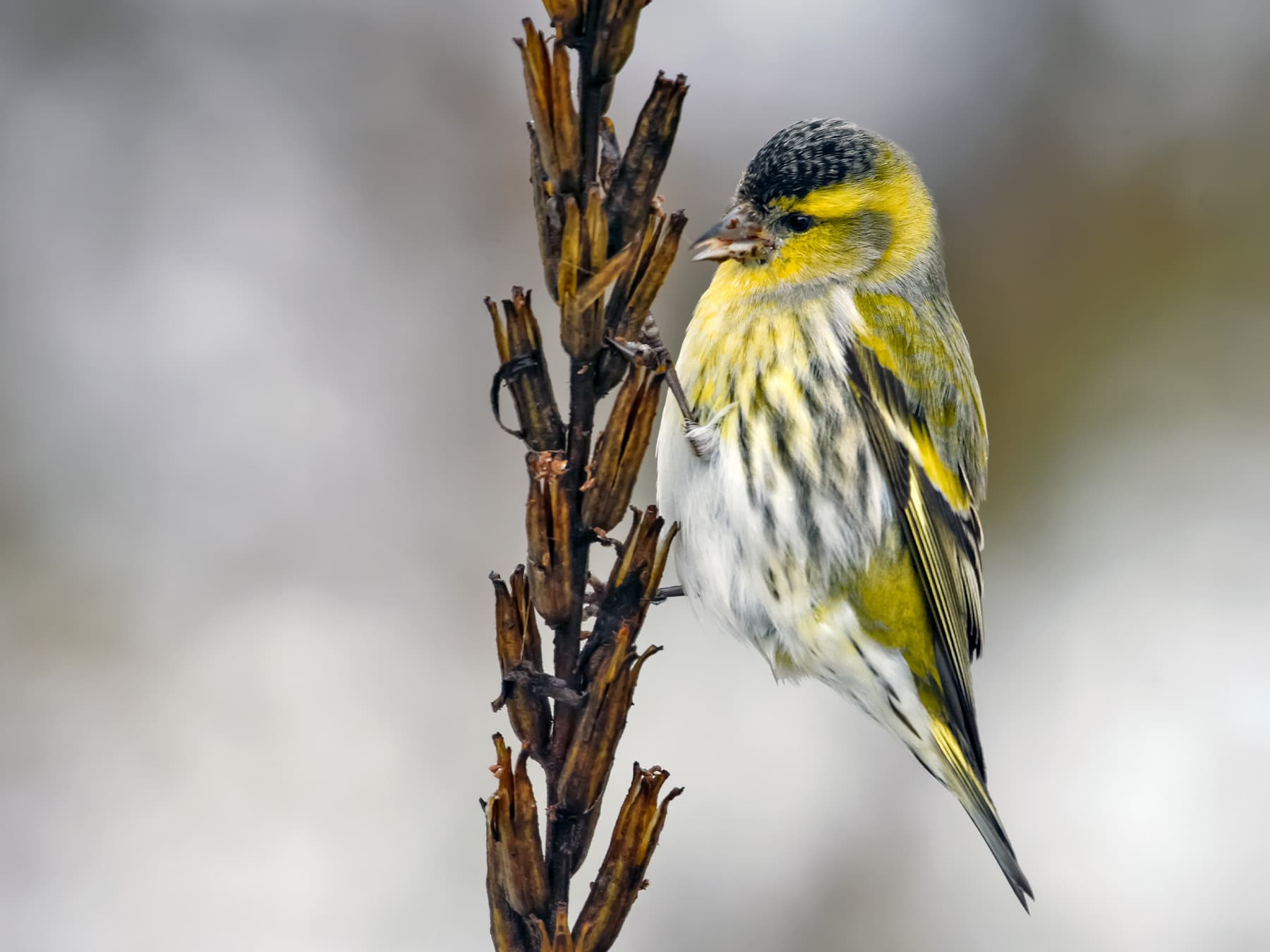 Eurasian SiskinSpinus spinusResidentCommon11–13 cmRegularly Jul · 1.07% in Jul
Smallest to largest
Length, cm- Goldcrest 9–10 cm
- Eurasian Wren 9–10 cm
- Coal Tit 10–12 cm
- Eurasian Siskin 11–13 cm
- Blackcap 13–15 cm
- House Martin 13–15 cm
- Meadow Pipit 14–15 cm
- Chaffinch 14–16 cm
- Spotted Flycatcher 14–16 cm
- Bullfinch 15–17 cm
- Red Crossbill 15–17 cm
- Common Swift 16–17 cm
- Barn Swallow 17–19 cm
- Song Thrush 20–23 cm
- Eurasian Woodcock 33–38 cm
- Kestrel 32–39 cm
- Jackdaw 34–39 cm
- Long-eared Owl 35–40 cm
- Woodpigeon 40–42 cm
- Magpie 44–46 cm
- Rook 45–47 cm
- Hooded Crow 44–51 cm
- Buzzard 51–57 cm
- Common Raven 54–67 cm
- Great Cormorant 80–100 cm
Body length, bill to tail. Rare birds in grey.
Data: EOD – eBird Observation Dataset (Cornell Lab of Ornithology), accessed via GBIF.org, CC BY 4.0. Records from 2019–2024, aggregated and filtered by Birdfact. How these lists are made