


Birds to See in Fermanagh in June
25 bird species on our list for Fermanagh are recorded regularly in June
Of these, the most often recorded are Hooded Crow, Barn Swallow, Blackbird, European Robin and House Martin. New this month: Great Spotted Woodpecker, Mute Swan, Goldcrest and Great Crested Grebe and 4 more.
On the move in June
GBIF · JunArriving
From Fermanagh’s bird records, 2019–2024: arriving birds are regular this month but not last; leaving birds are regular this month but not next.
Other months
All 25 birds in June
25 birds
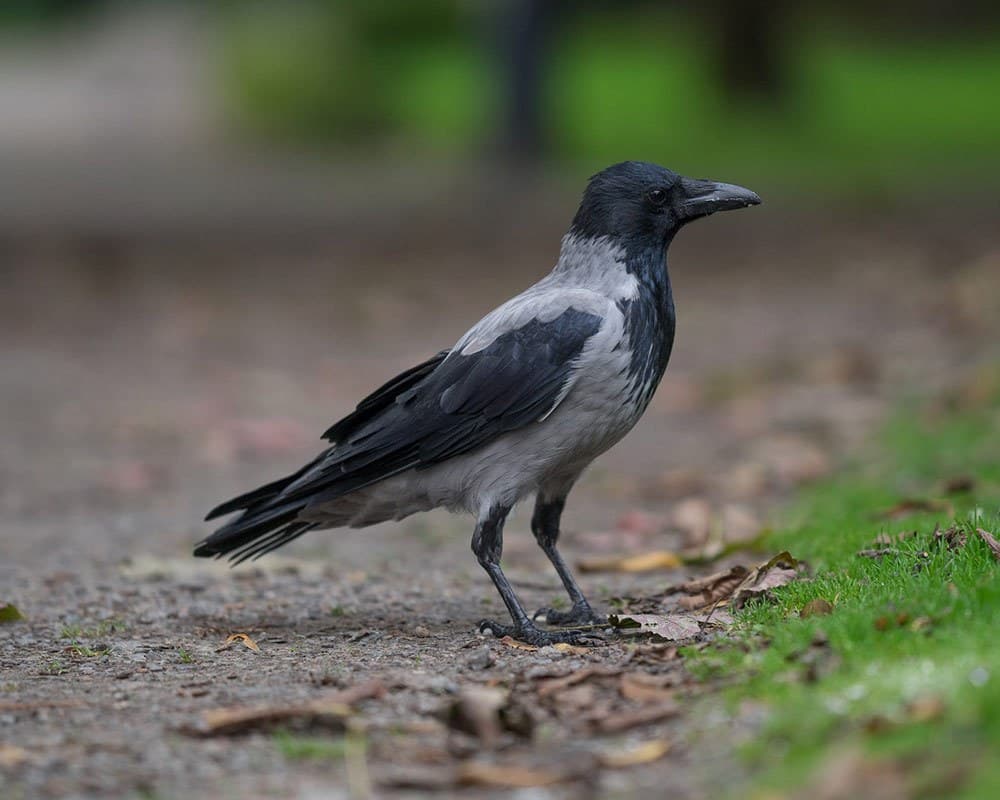 Hooded CrowCorvus cornixSummer visitorCommon44–51 cmRegularly Mar–Dec · 3.52% in Jun
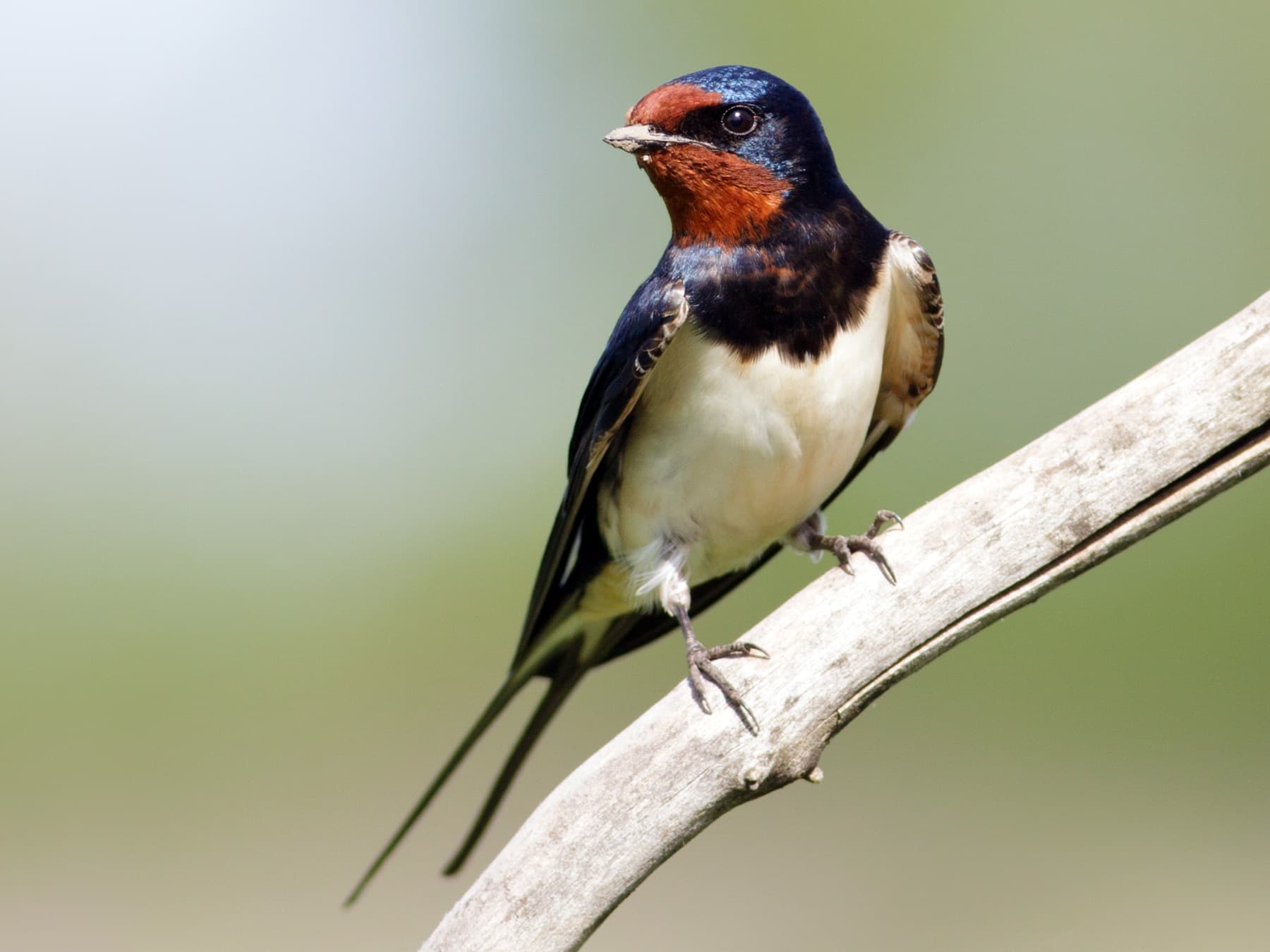 Barn SwallowHirundo rusticaSummer visitorCommon17–19 cmRegularly May–Sep · 3.25% in Jun
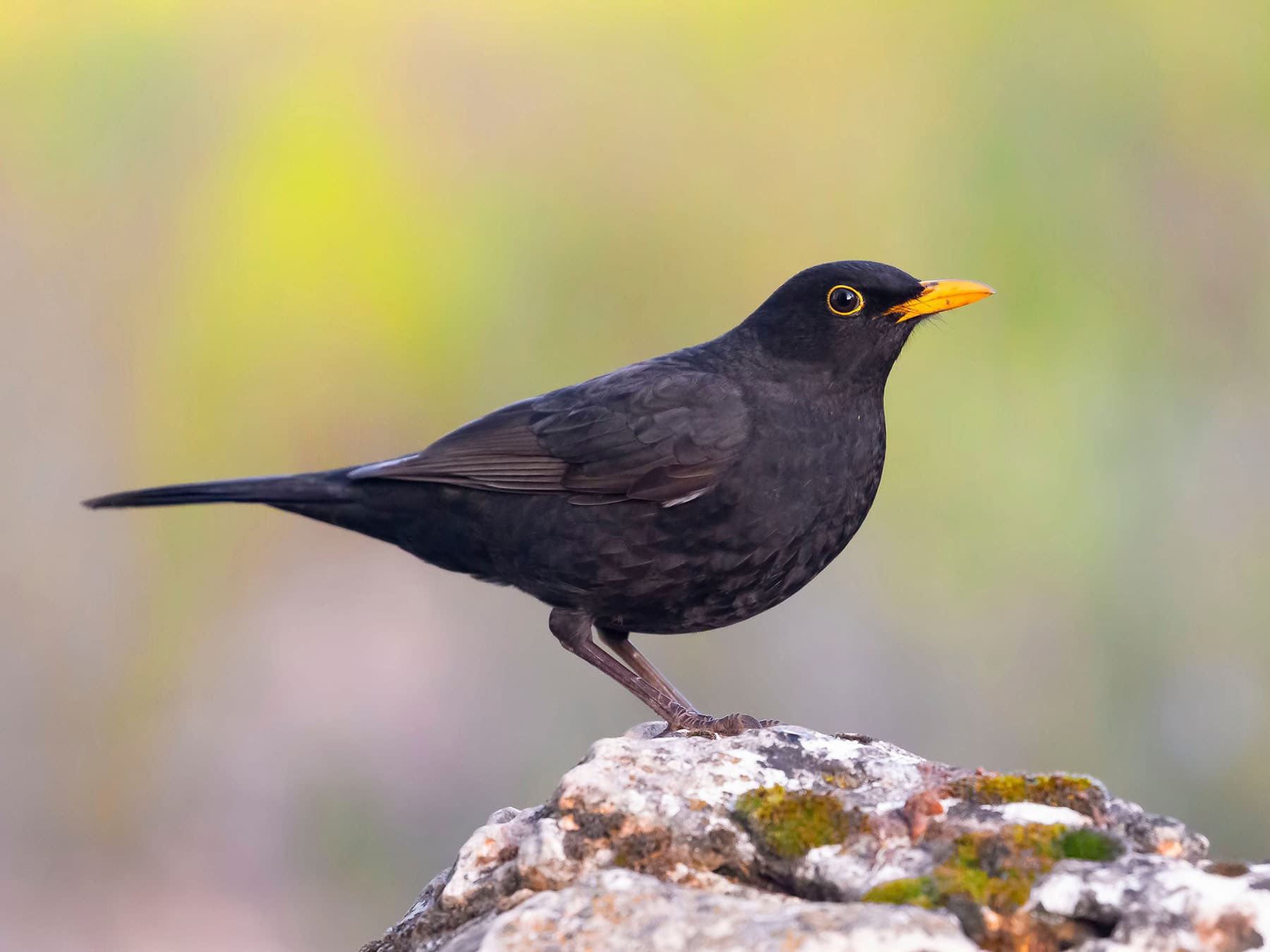 BlackbirdTurdus merulaResidentCommon24–25 cmRegularly Mar–Dec · 3.25% in Jun
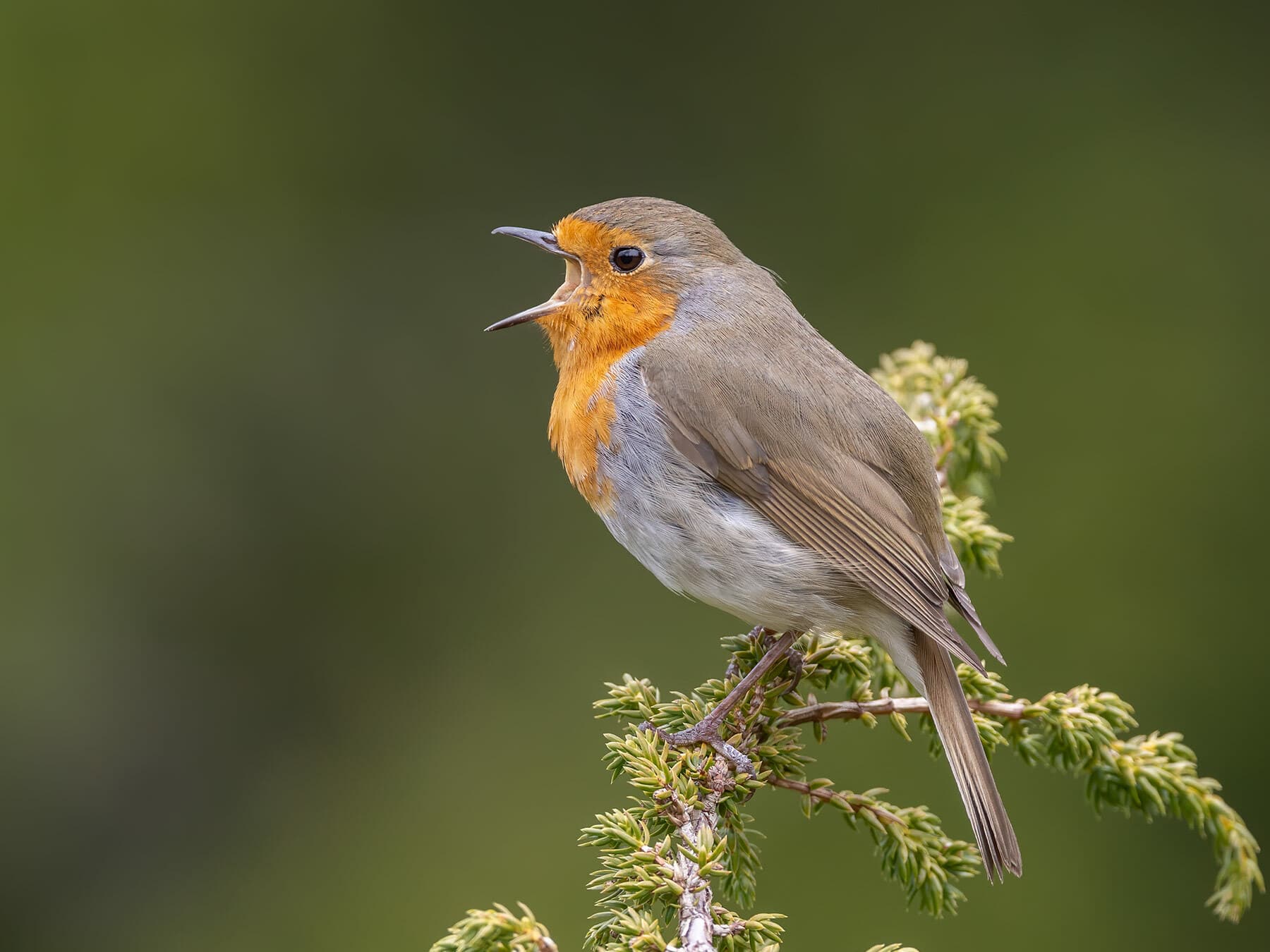 European RobinErithacus rubeculaSummer visitorCommon13–14 cmRegularly Mar–Dec · 2.98% in Jun
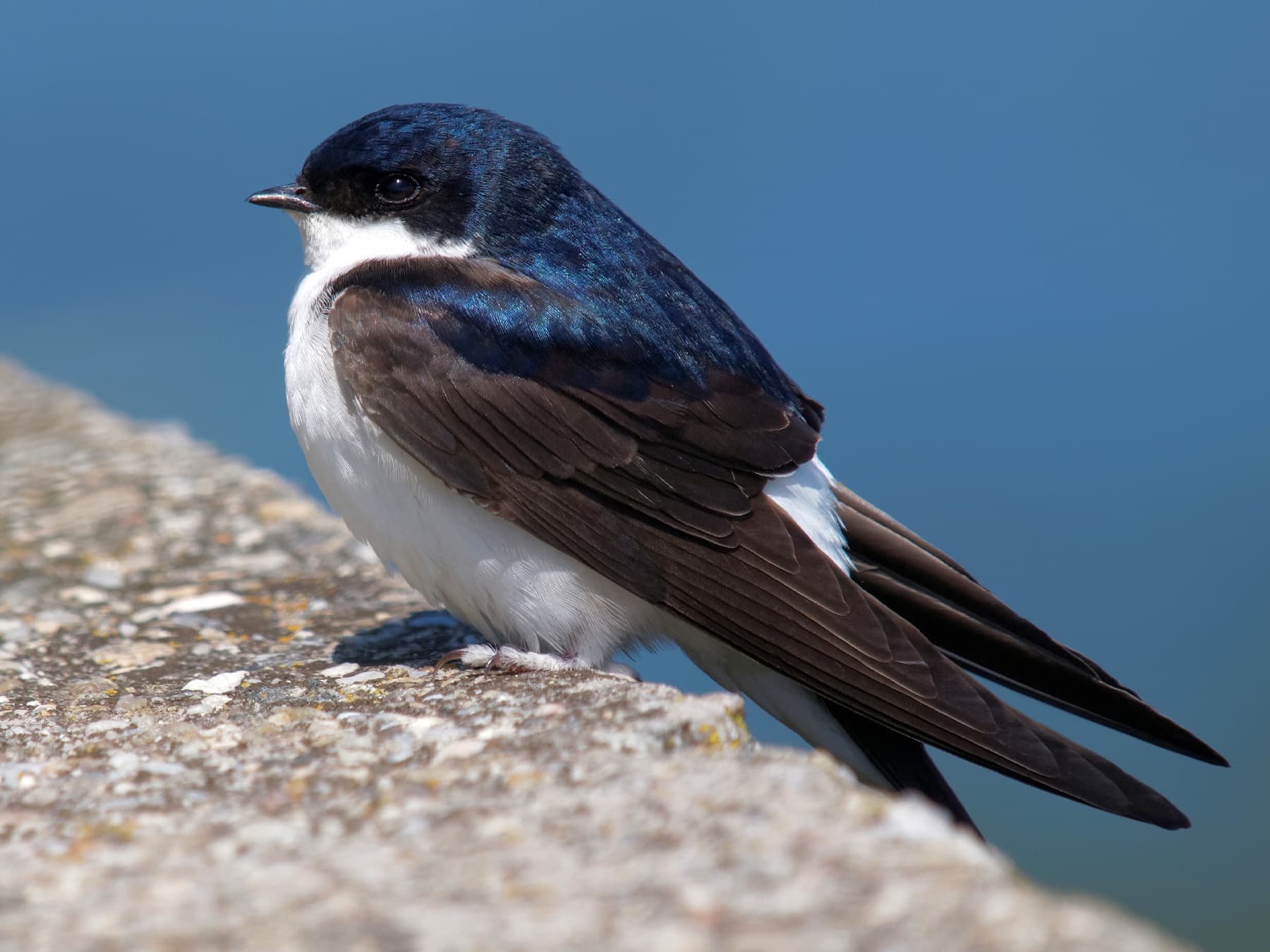 House MartinDelichon urbicumSummer visitorCommon13–15 cmRegularly May–Aug · 2.98% in Jun
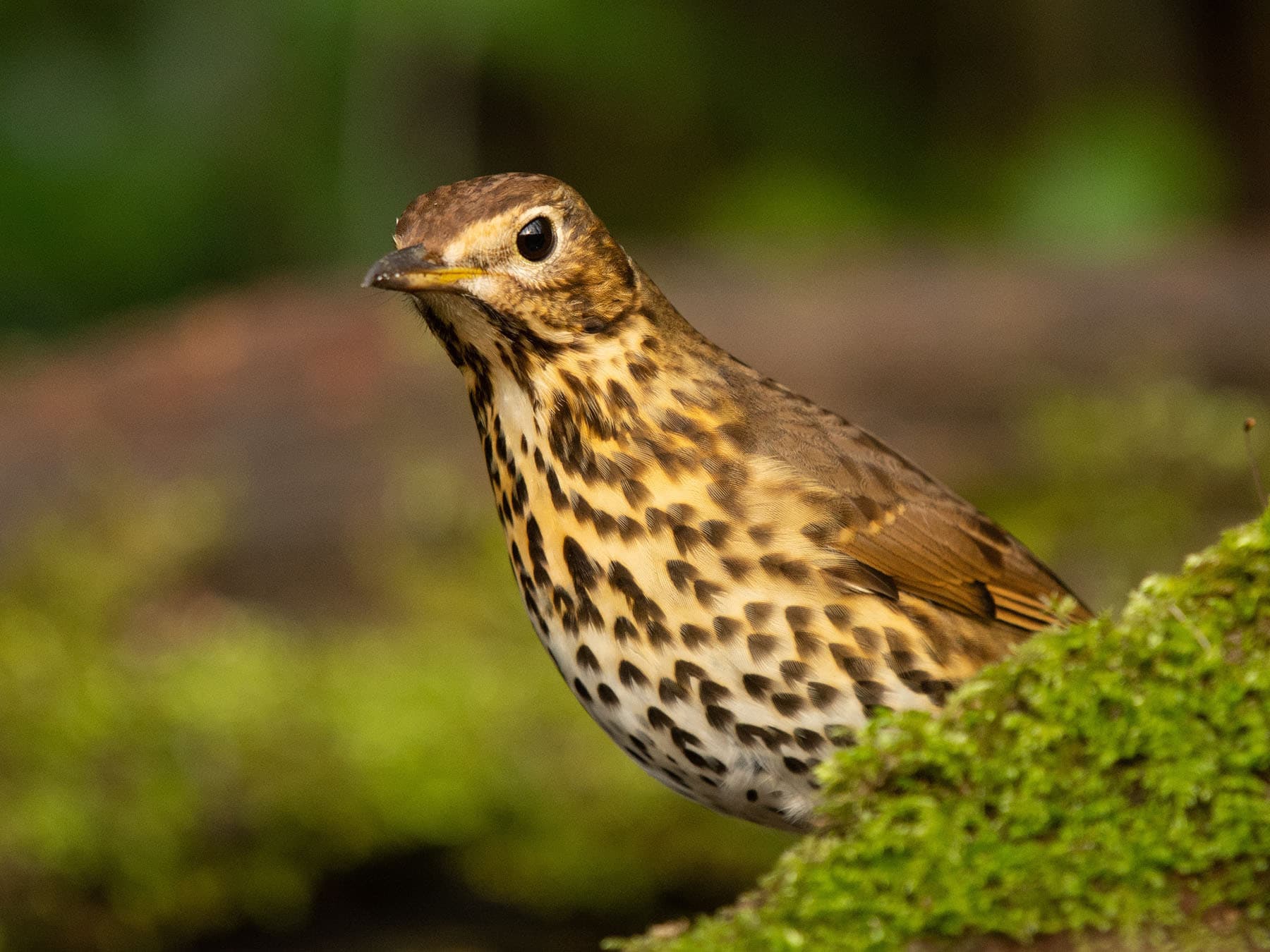 Song ThrushTurdus philomelosResidentCommon20–23 cmRegularly Mar–Jun · 2.98% in Jun
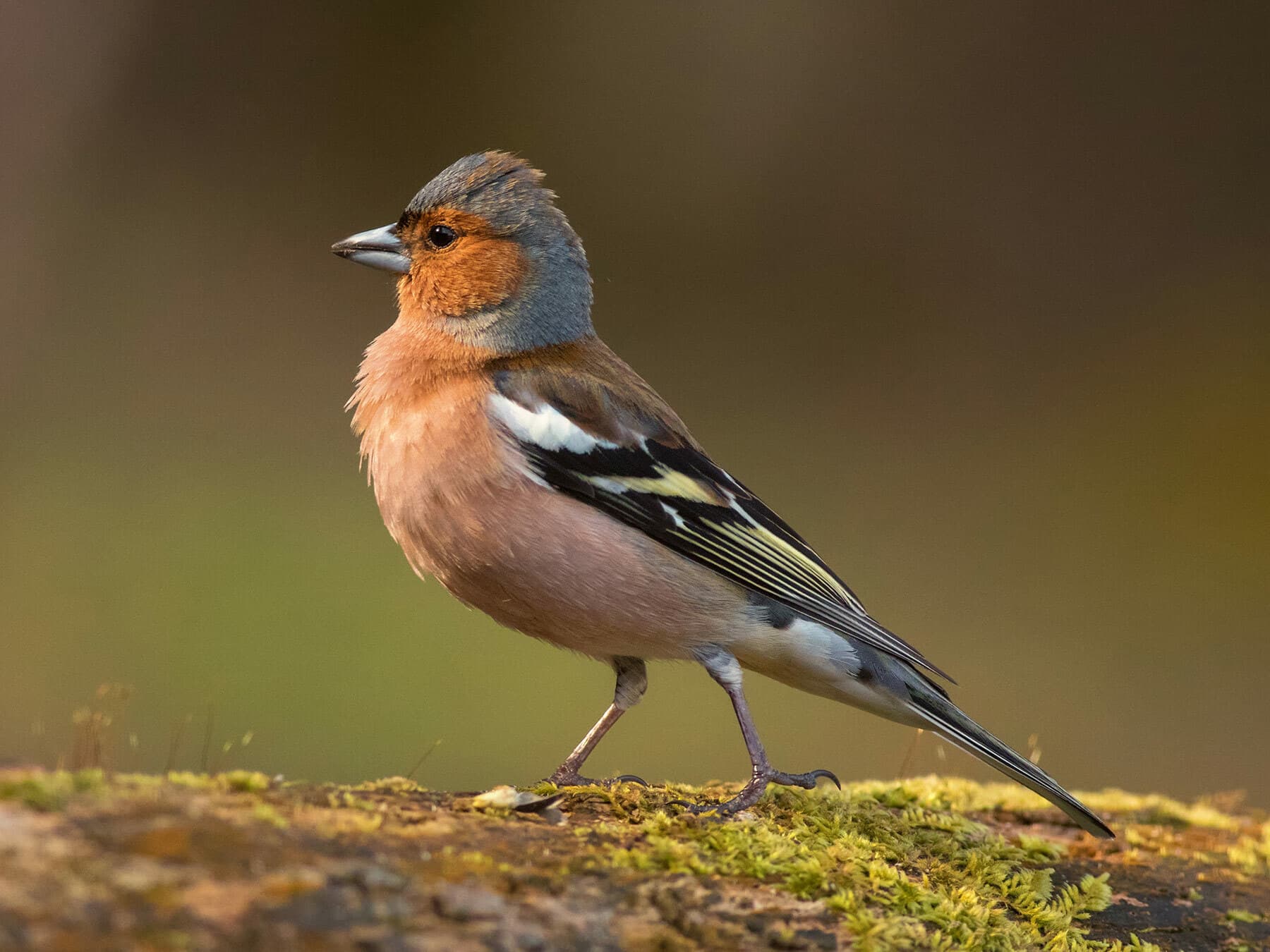 ChaffinchFringilla coelebsResidentCommon14–16 cmRegularly Dec–Aug · 2.71% in Jun
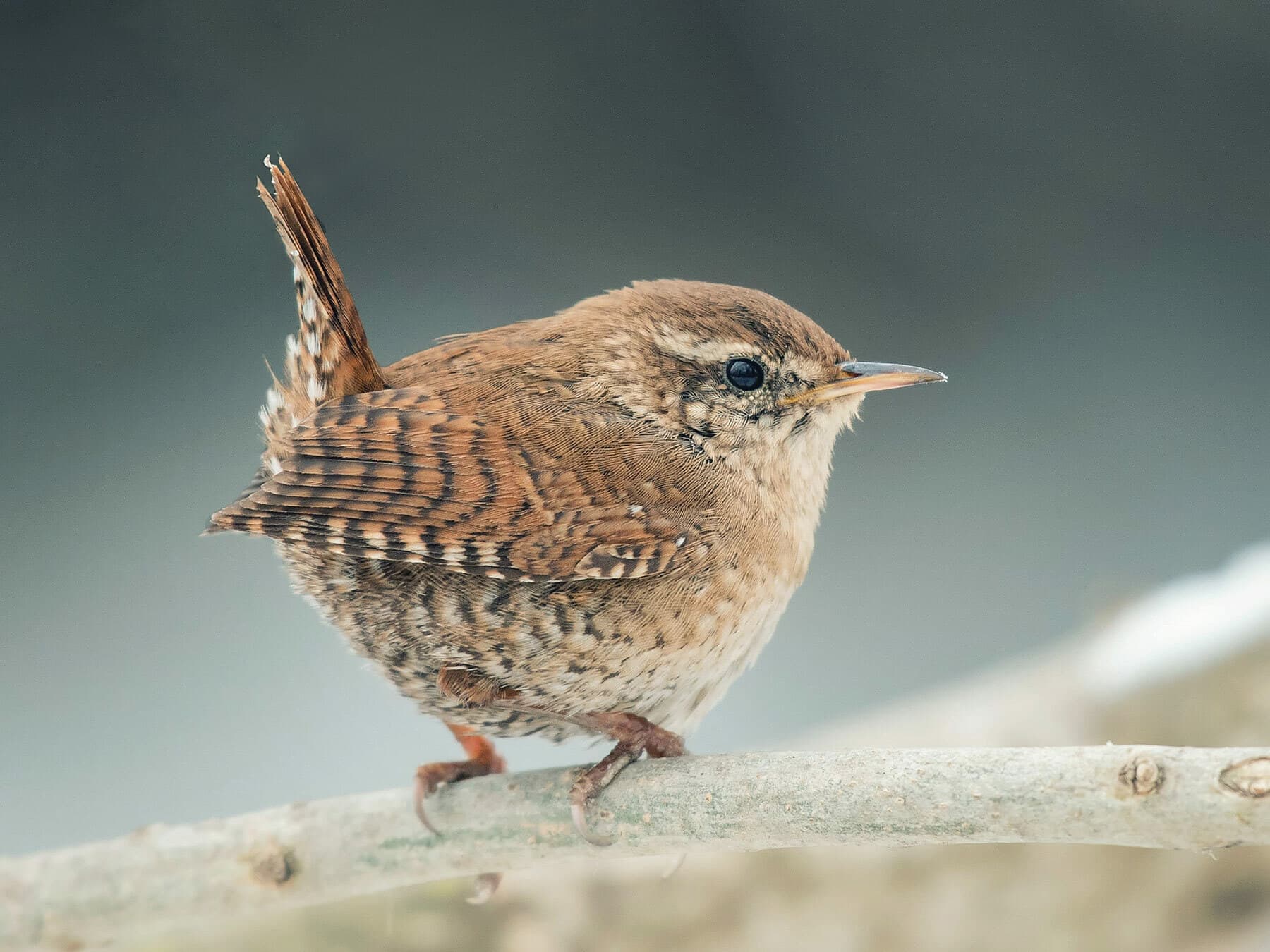 Eurasian WrenTroglodytes troglodytesSummer visitorCommon9–10 cmRegularly Mar–Dec · 2.71% in Jun
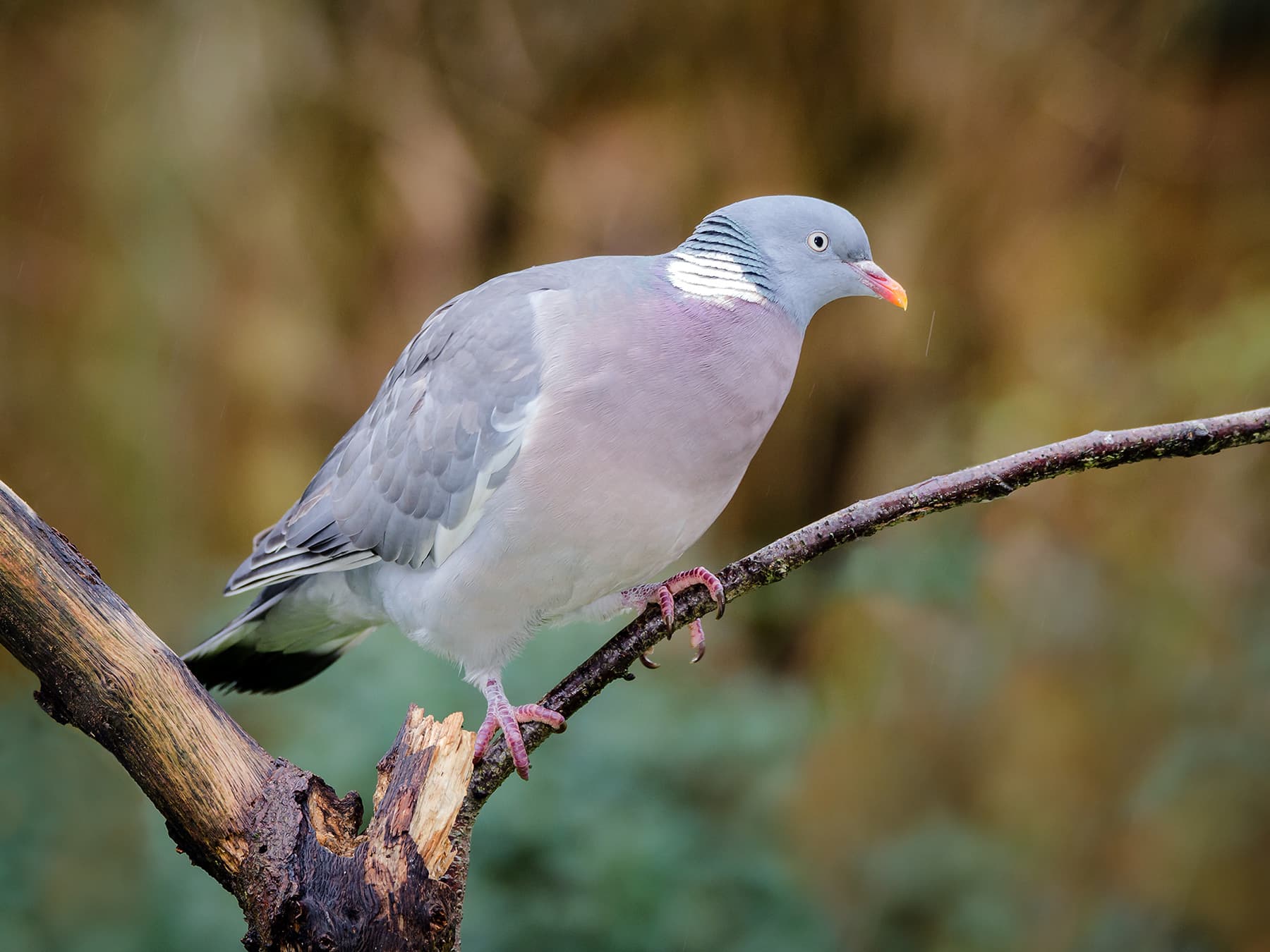 WoodpigeonColumba palumbusSummer visitorCommon40–42 cmRegularly Mar–Dec · 2.71% in Jun
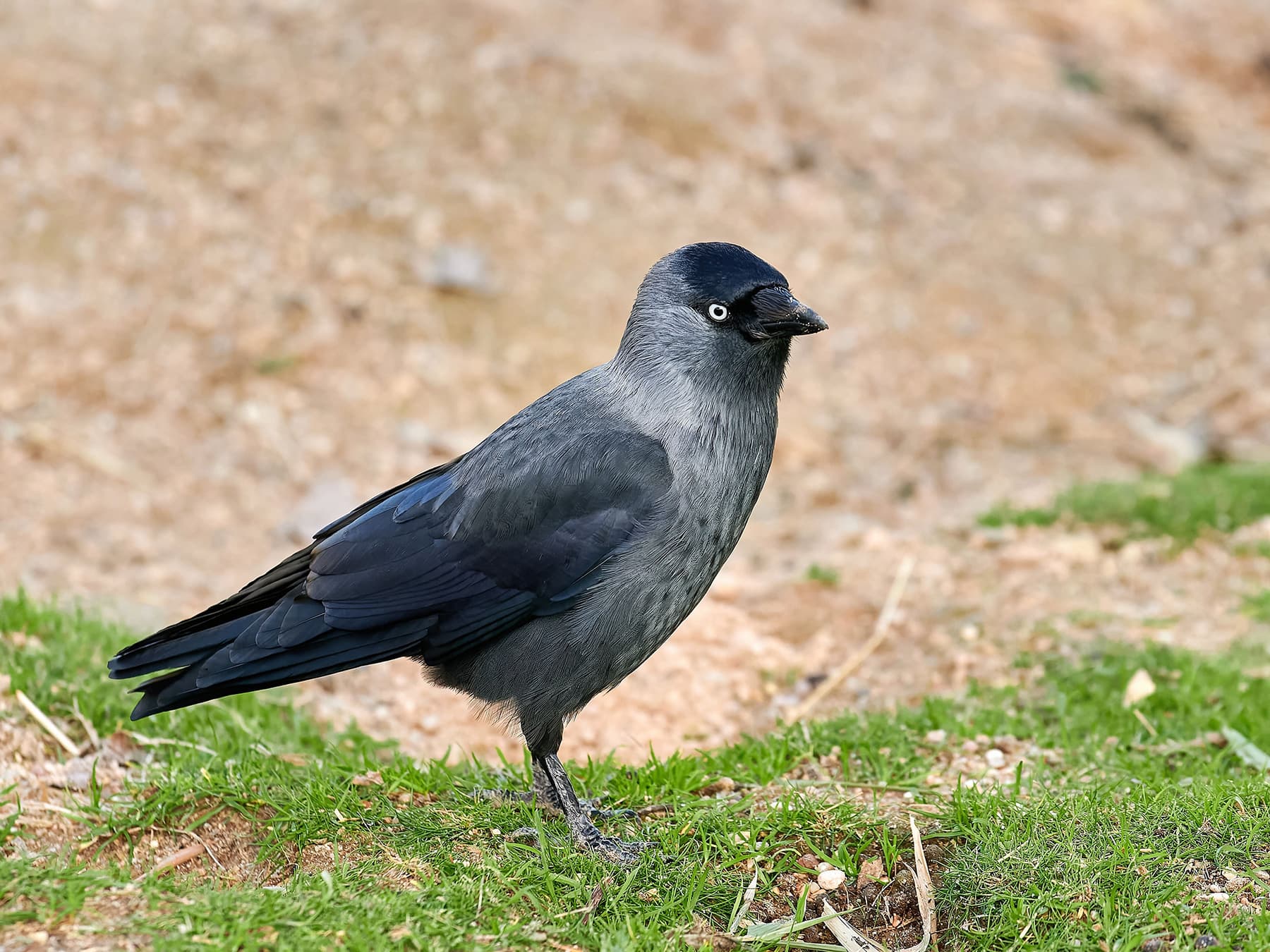 JackdawColoeus monedulaSummer visitorCommon34–39 cmRegularly Mar–Dec · 2.44% in Jun
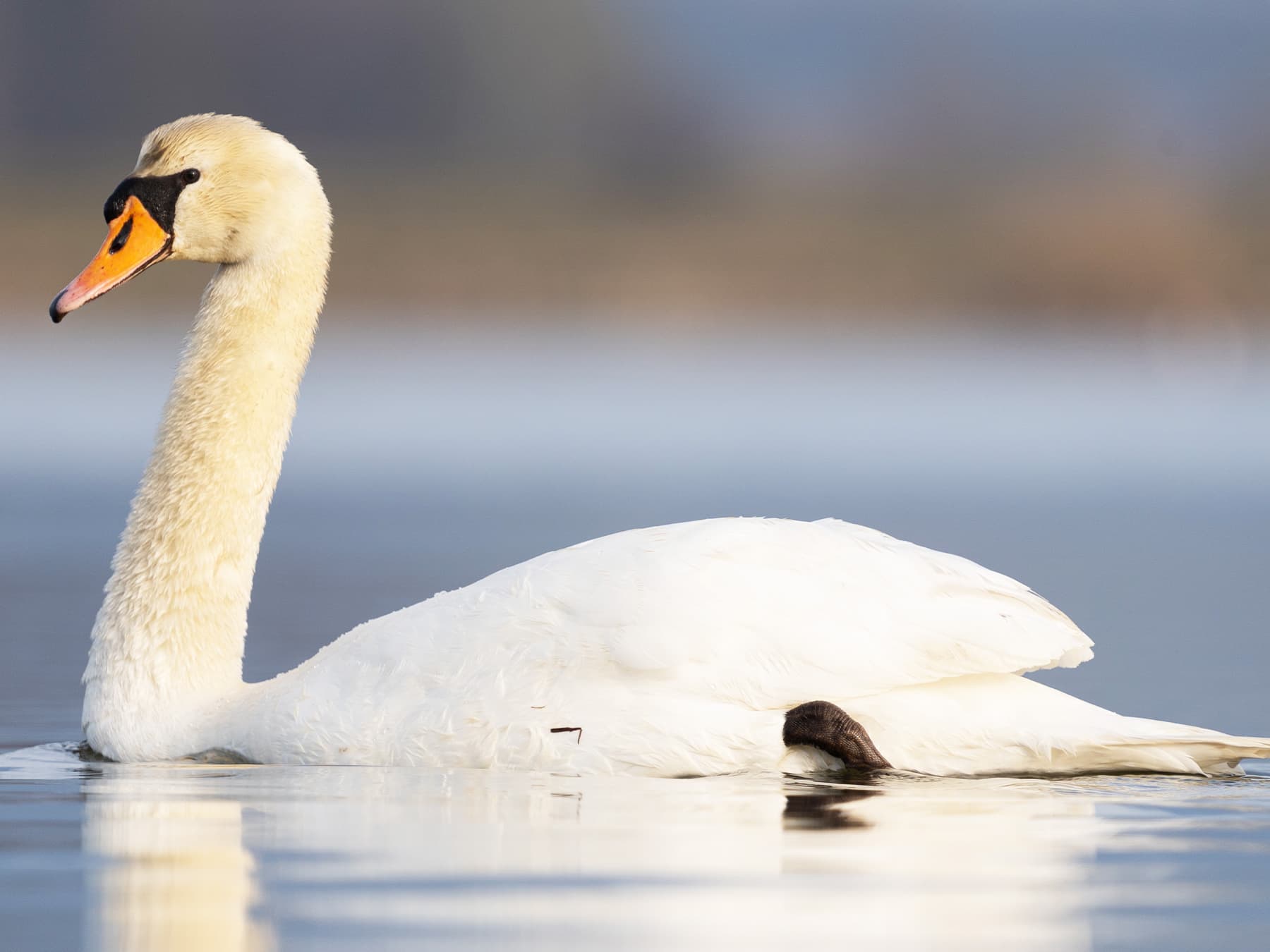 Mute SwanCygnus olorResidentCommon140–160 cmRegularly Dec–Sep · 2.44% in Jun
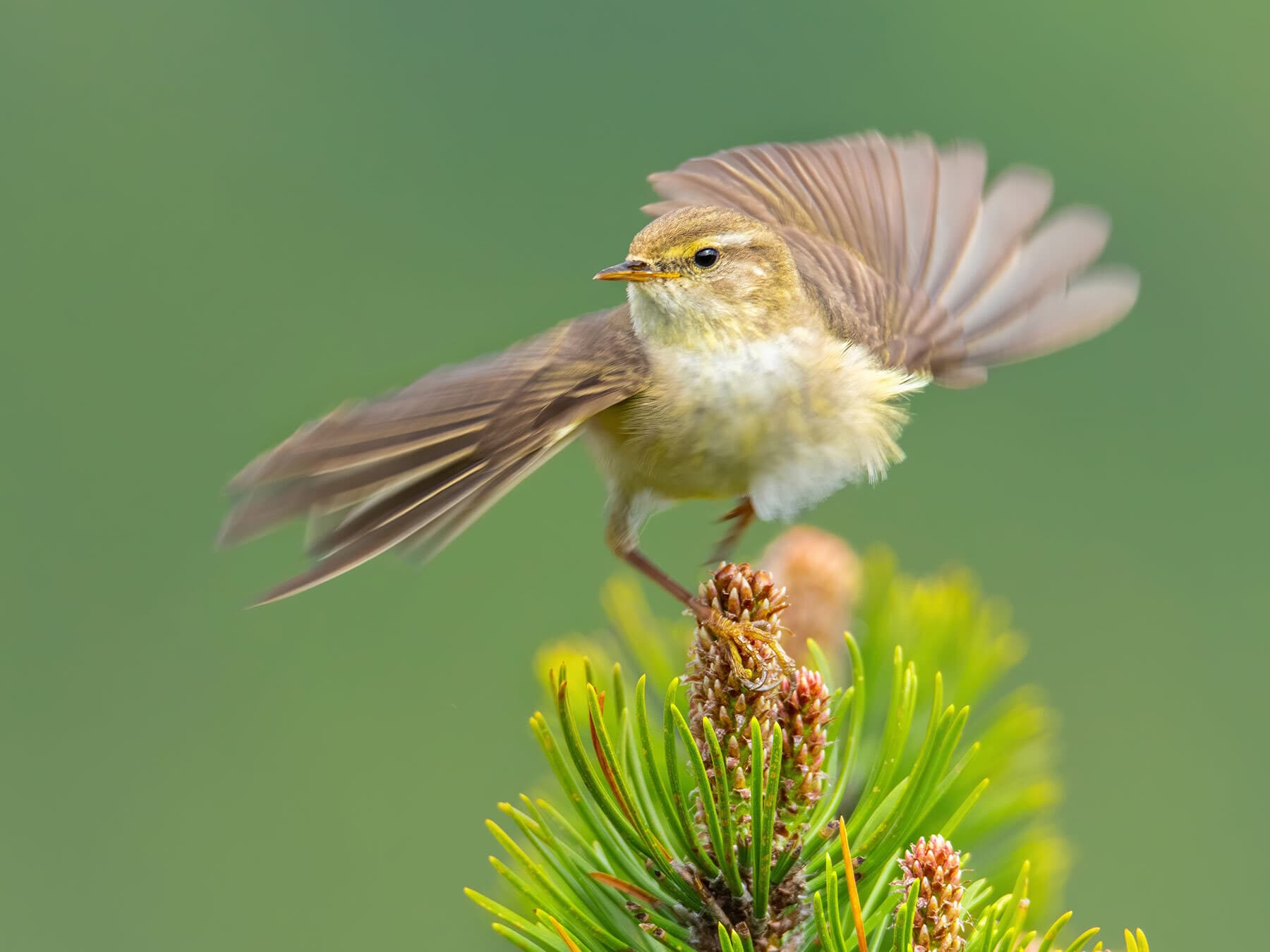 Willow WarblerPhylloscopus trochilusPassage migrantCommon11–13 cmRegularly Apr–Jun · 2.17% in Jun
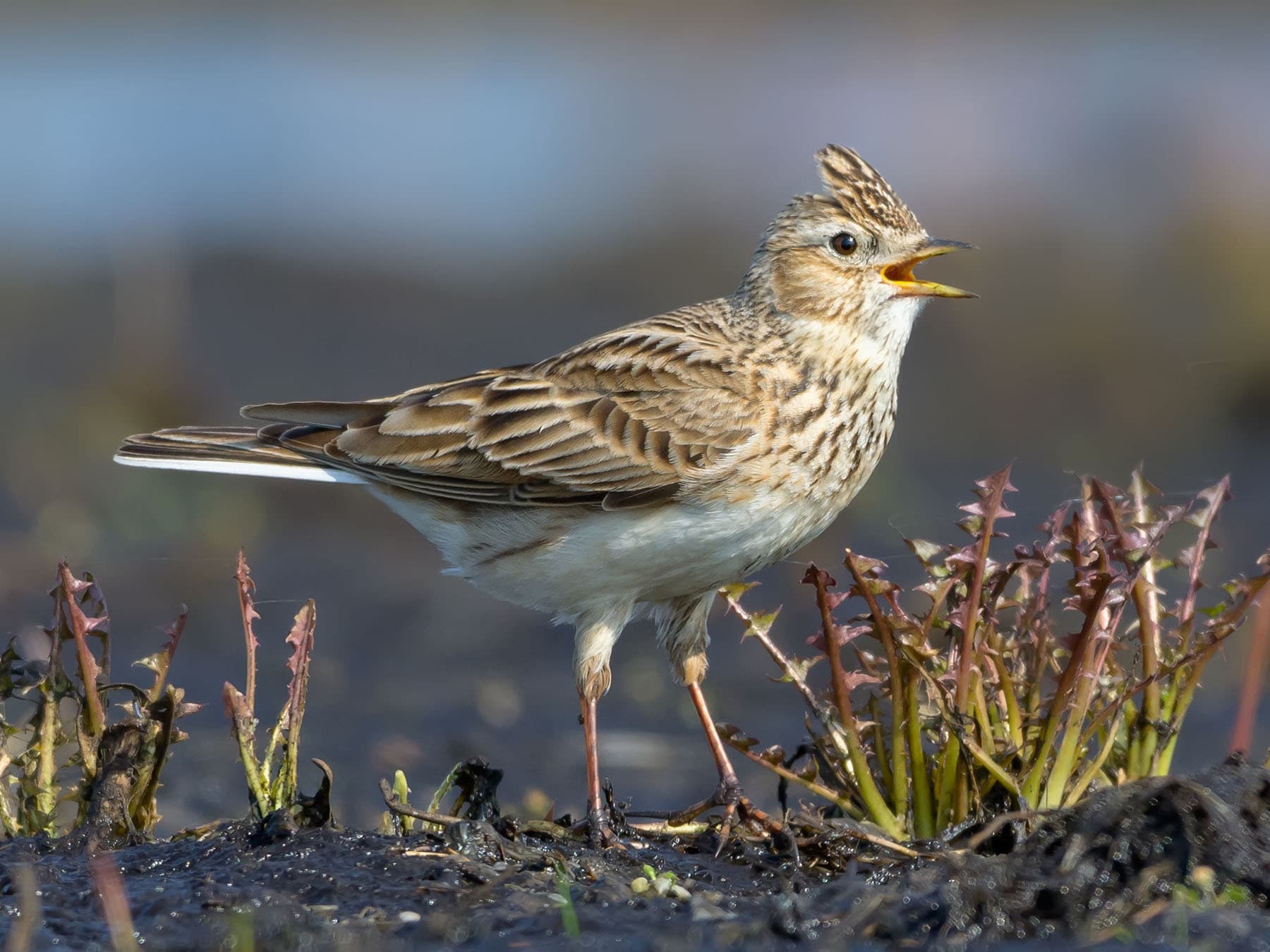 Eurasian SkylarkAlauda arvensisResidentCommon16–18 cmRegularly Mar–Jun · 1.90% in Jun
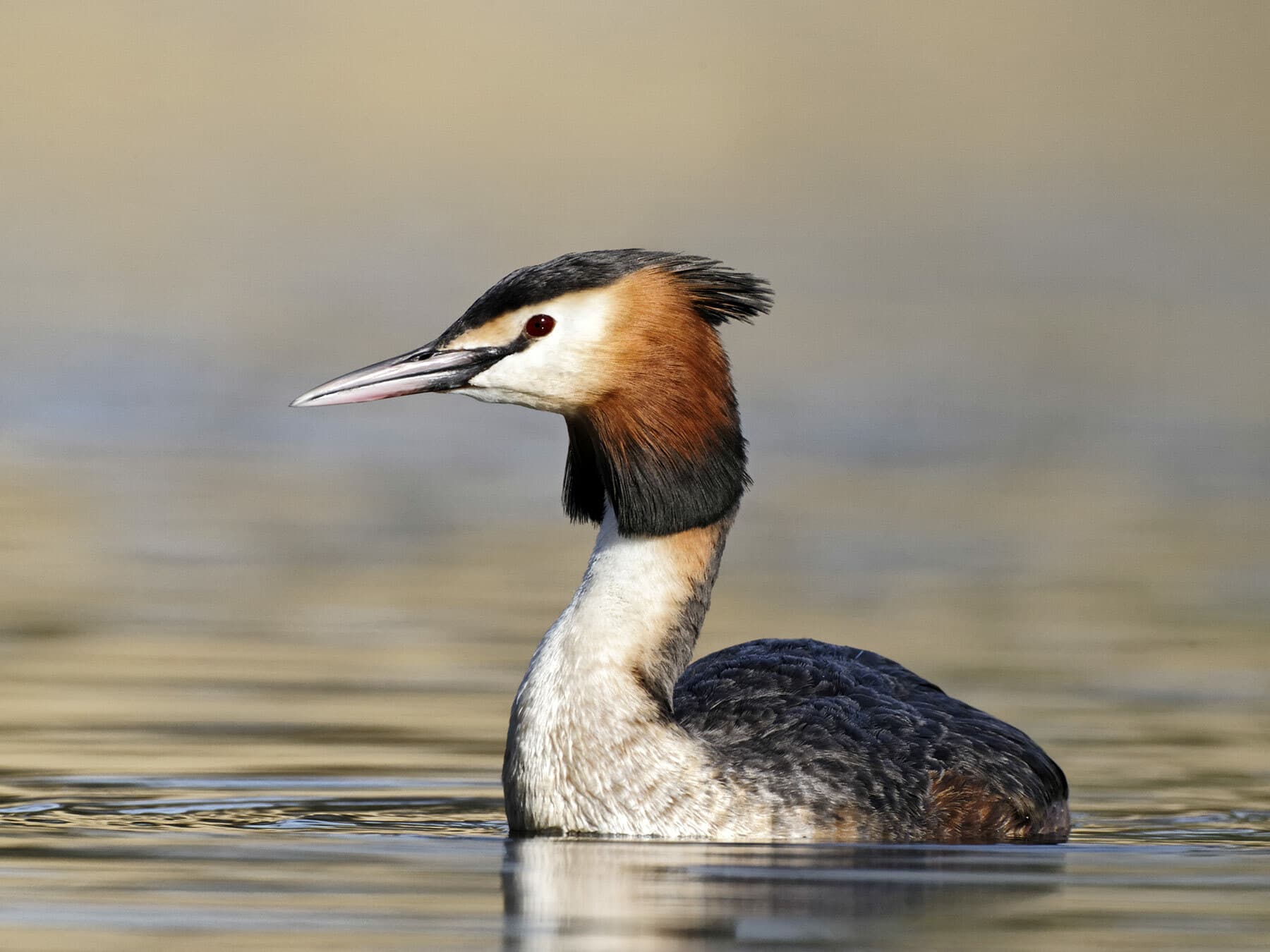 Great Crested GrebePodiceps cristatusResidentCommon46–51 cmRegularly Mar–Dec · 1.90% in Jun
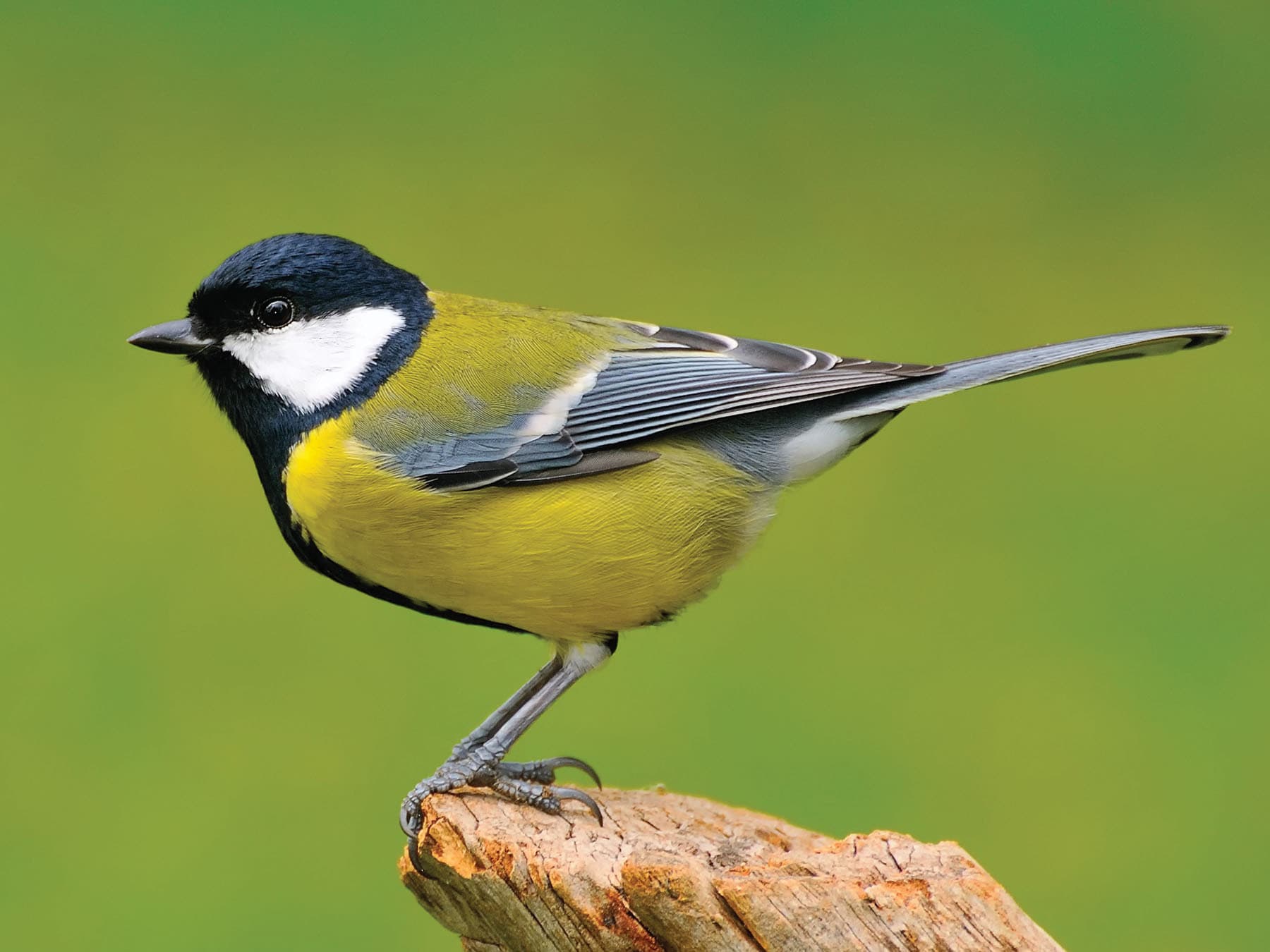 Great TitParus majorResidentCommonRegularly May–Sep · 1.90% in Jun
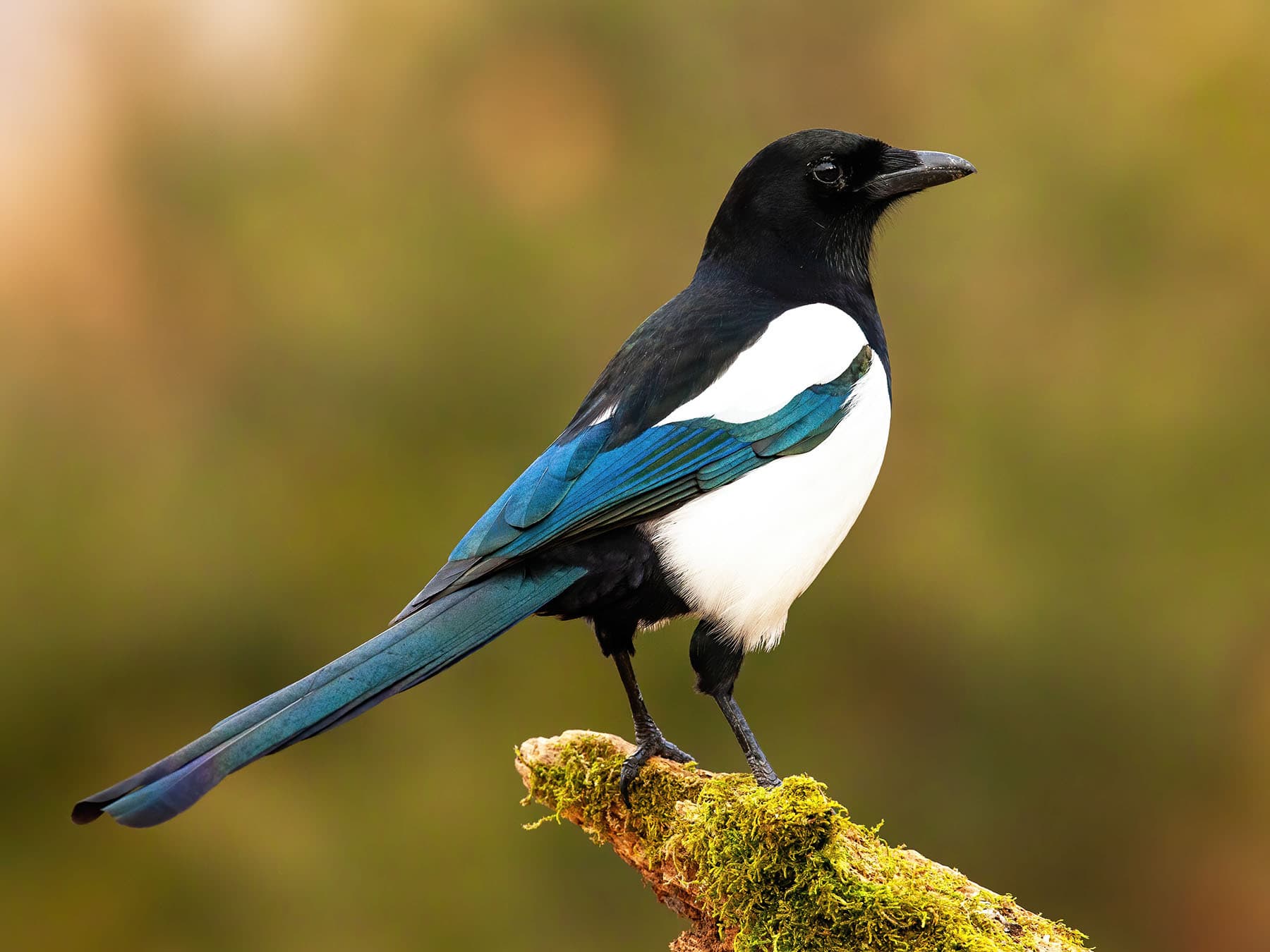 MagpiePica picaSummer visitorCommon44–46 cmRegularly Apr–Dec · 1.90% in Jun
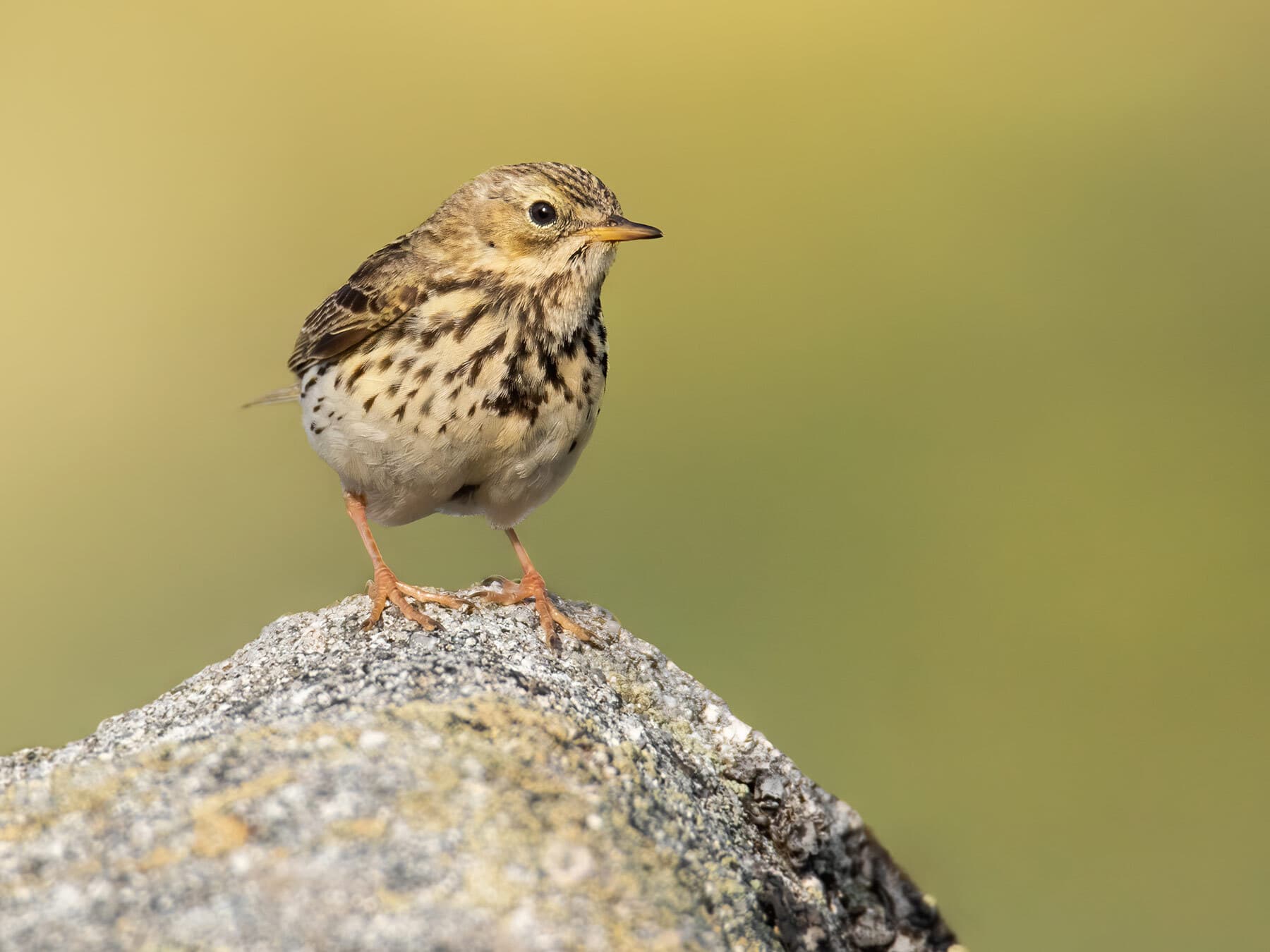 Meadow PipitAnthus pratensisResidentCommon14–15 cmRegularly Mar–Aug · 1.90% in Jun
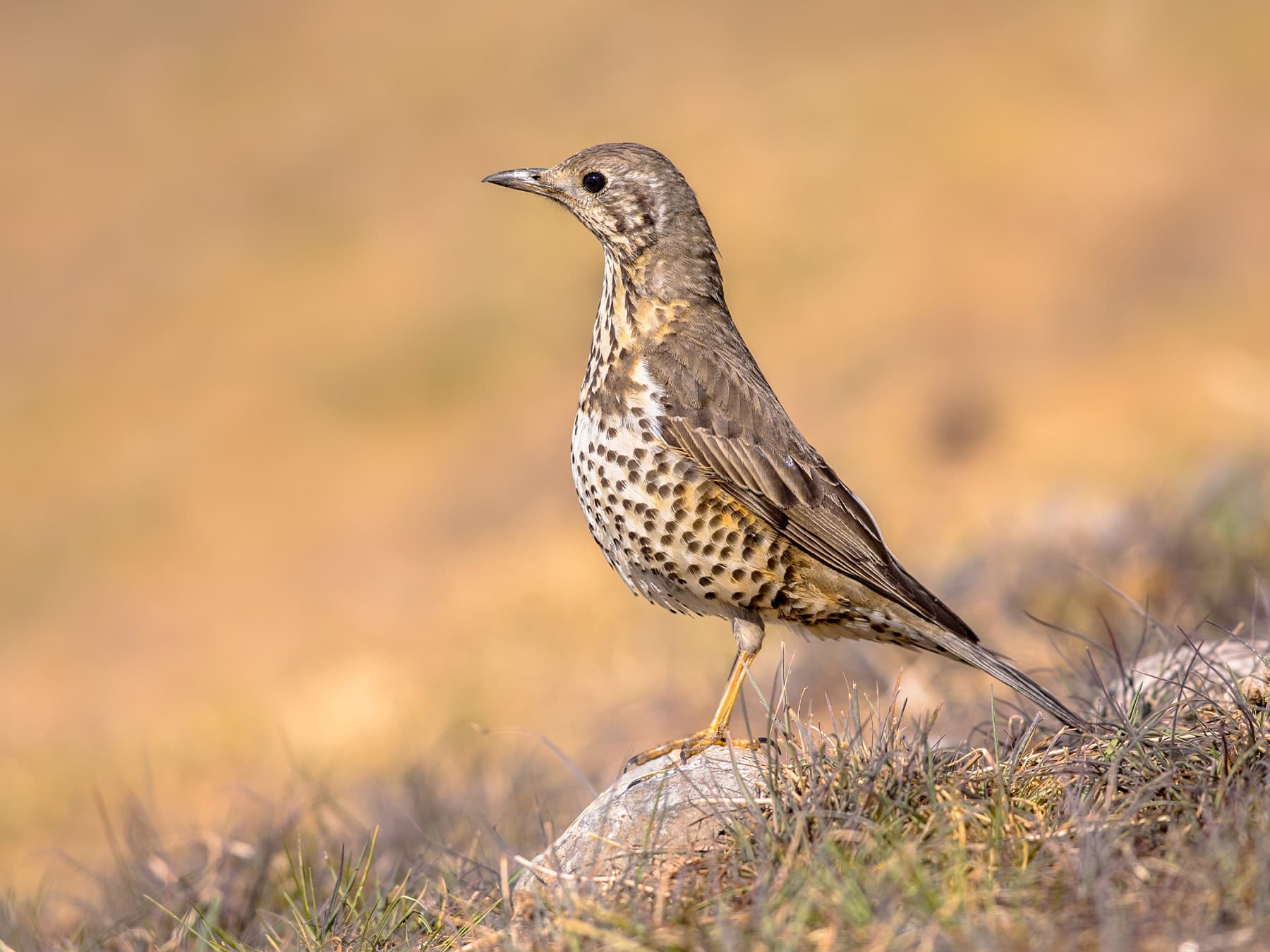 Mistle ThrushTurdus viscivorusResidentCommon26–29 cmRegularly Mar–Jun · 1.90% in Jun
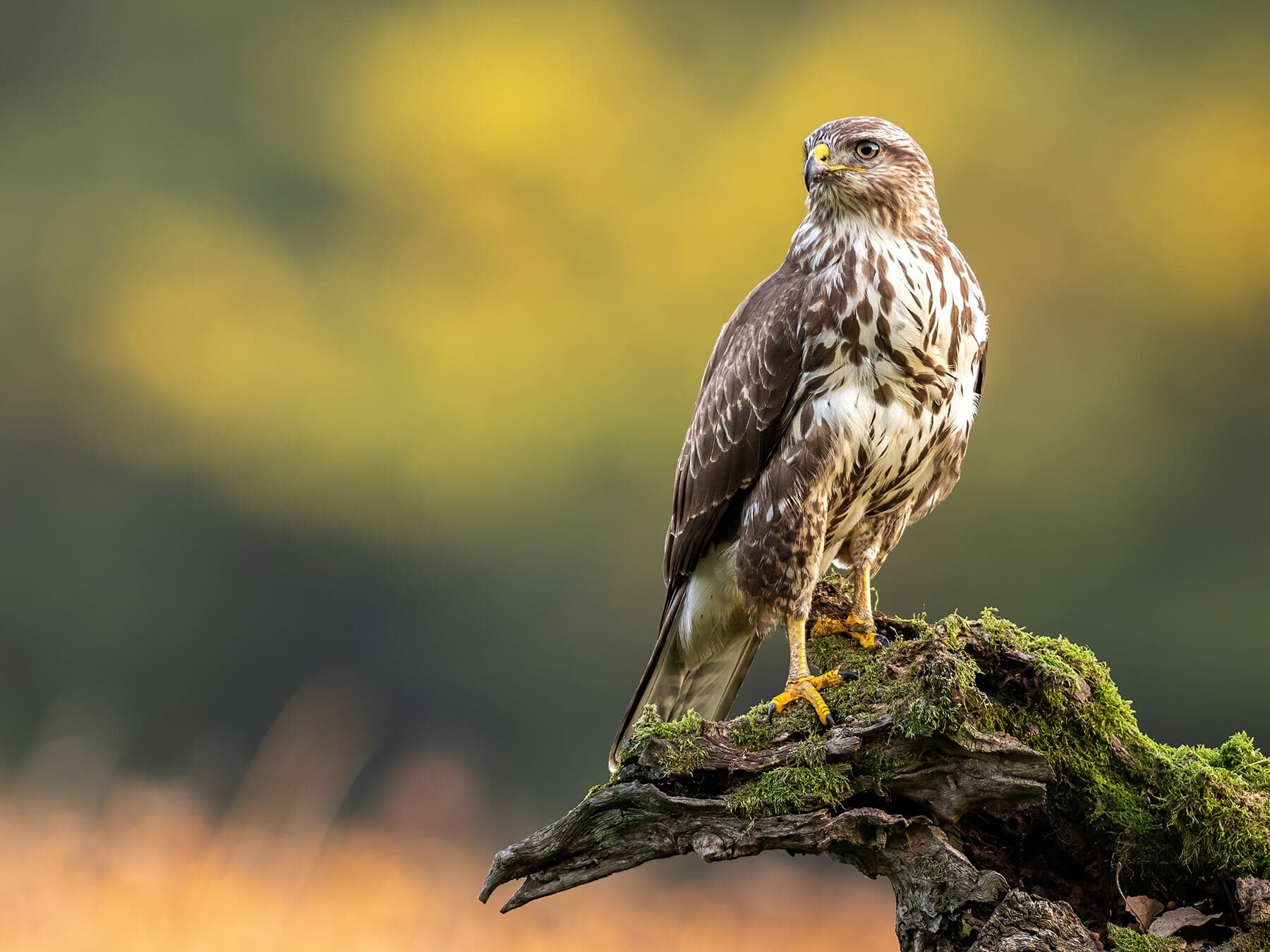 BuzzardButeo buteoResidentCommon51–57 cmRegularly Jan–Jul · 1.63% in Jun
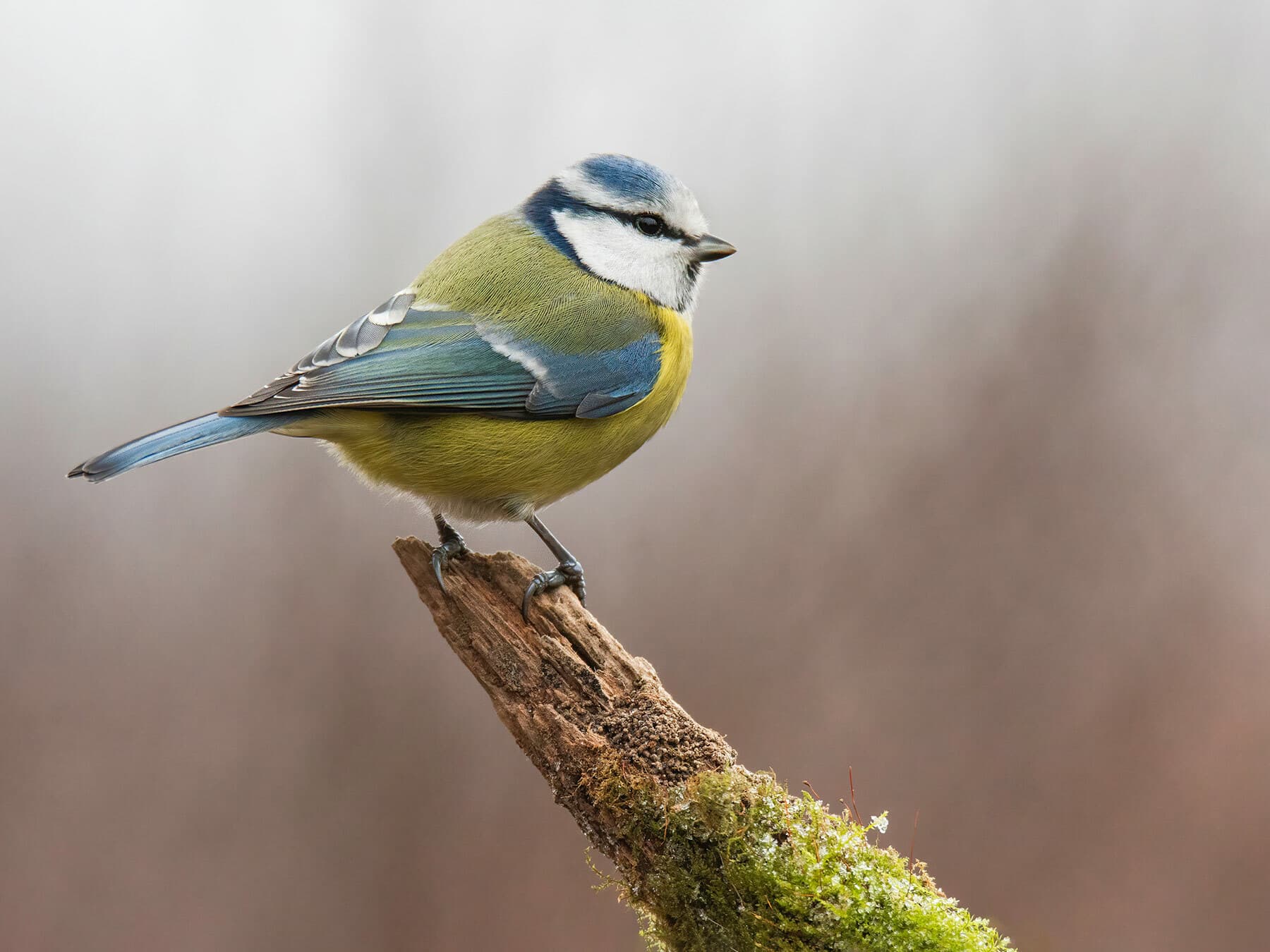 Blue TitCyanistes caeruleusResidentCommon11–12 cmRegularly Apr–Dec · 1.36% in Jun
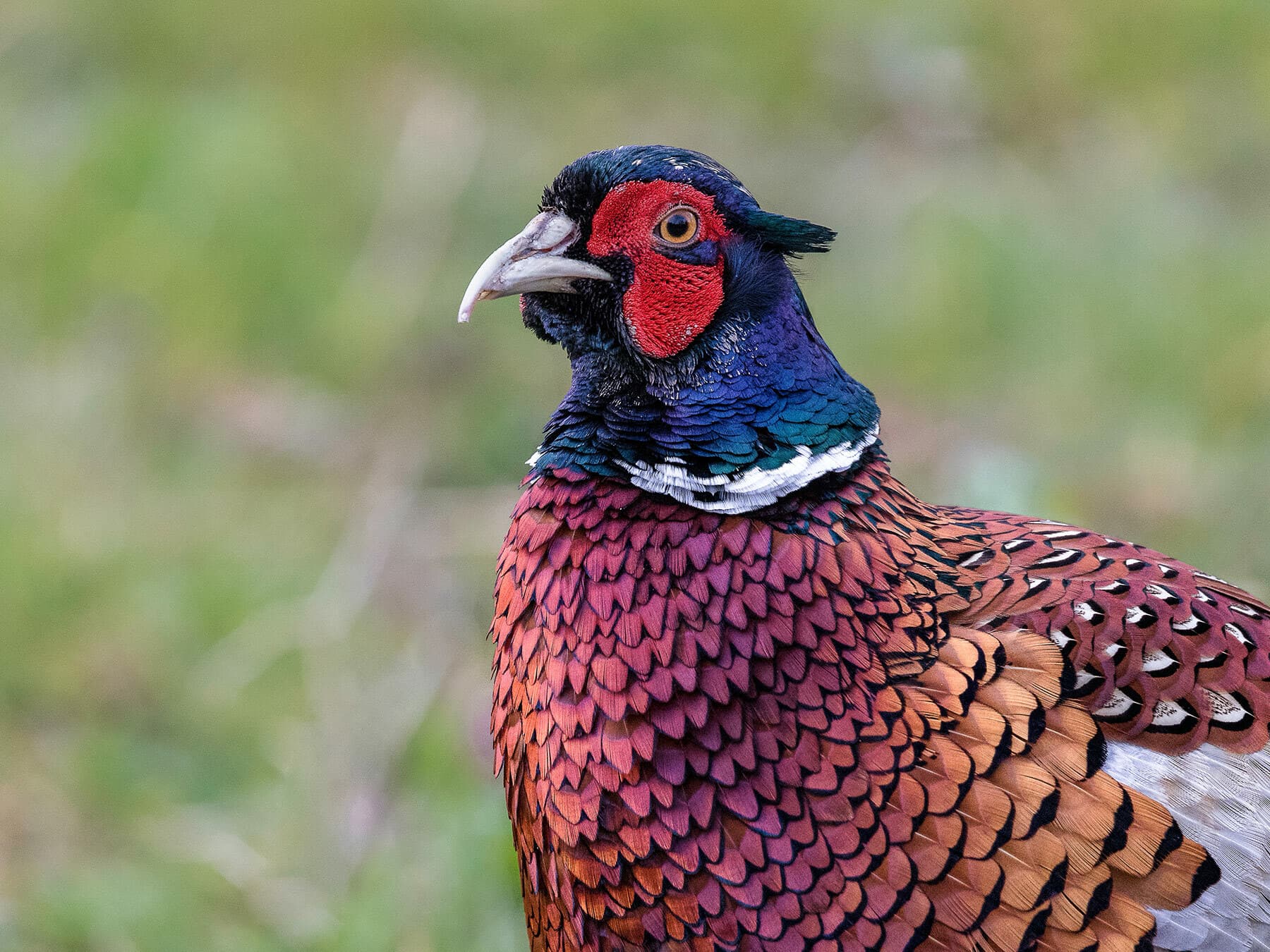 Common PheasantPhasianus colchicusResidentCommon50–90 cmRegularly Jun · 1.36% in Jun
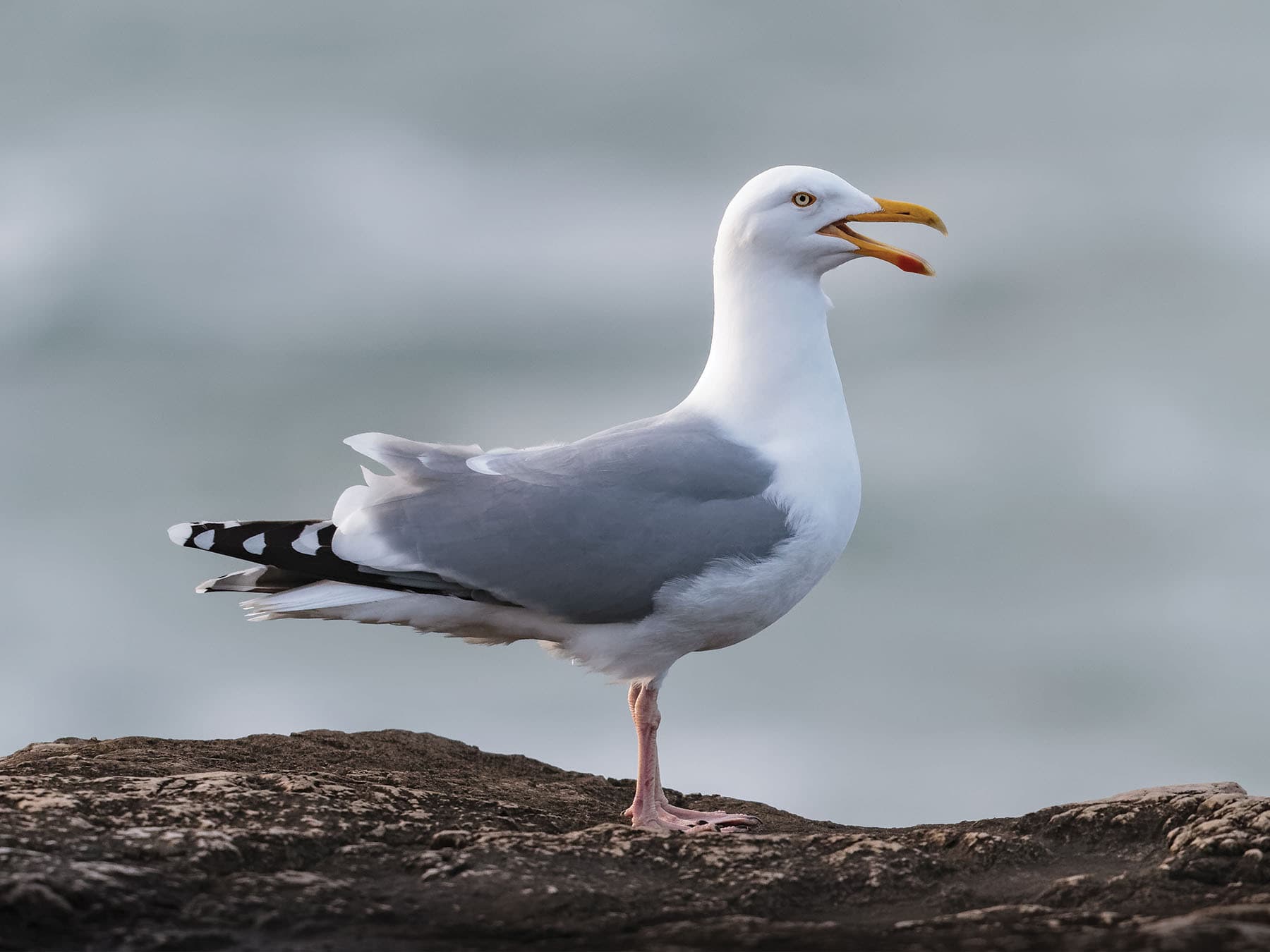 European Herring GullLarus argentatusResidentCommon55–67 cmRegularly Dec–Aug · 1.36% in Jun
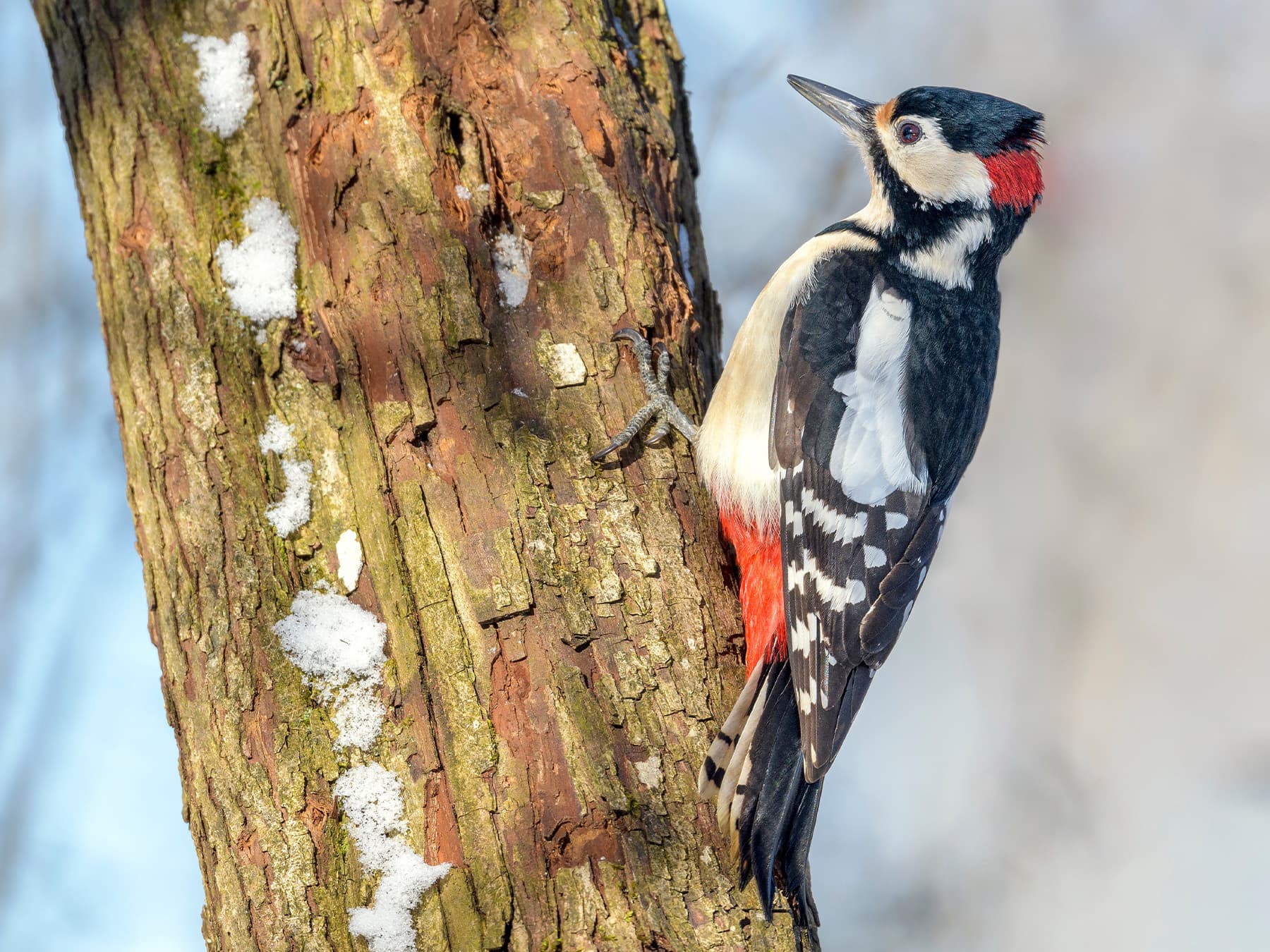 Great Spotted WoodpeckerDendrocopos majorPassage migrantCommon23–26 cmRegularly Jun · 1.08% in Jun
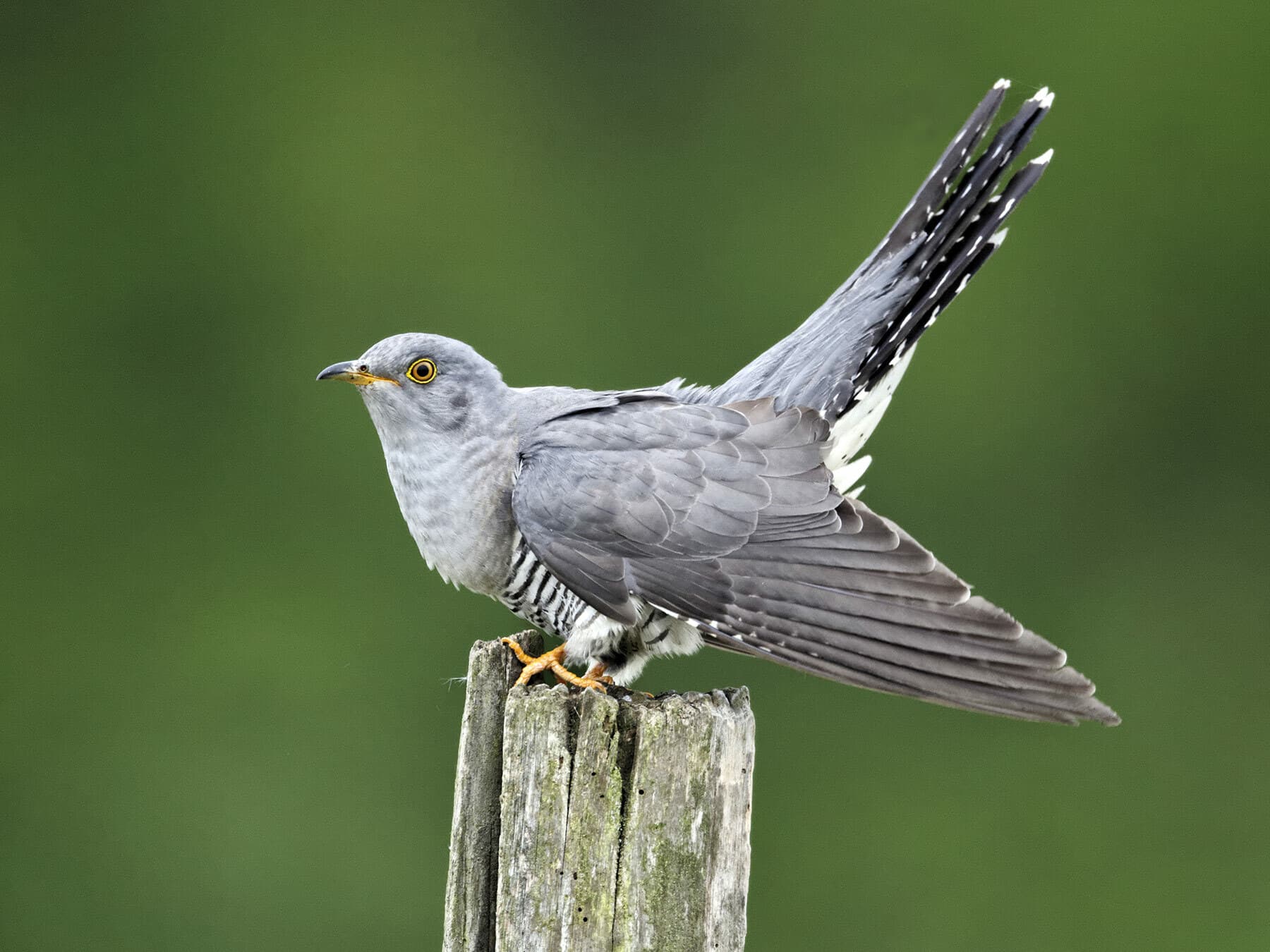 CuckooCuculus canorusPassage migrantCommon32–34 cmRegularly May–Jun · 0.81% in Jun
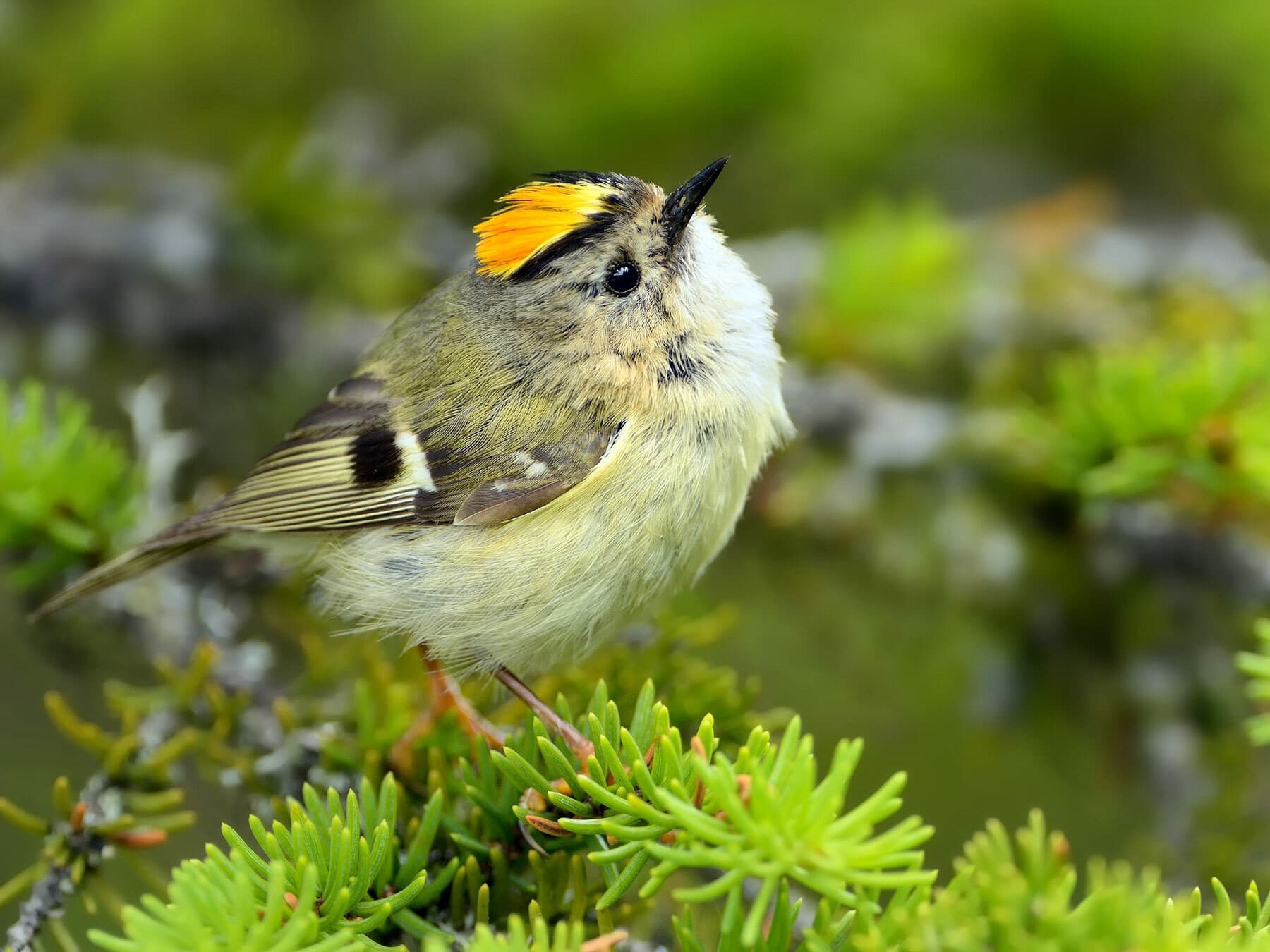 GoldcrestRegulus regulusResidentCommon9–10 cmRegularly Apr–Dec · 0.81% in Jun
Smallest to largest
Length, cm- Goldcrest 9–10 cm
- Eurasian Wren 9–10 cm
- Blue Tit 11–12 cm
- Willow Warbler 11–13 cm
- European Robin 13–14 cm
- House Martin 13–15 cm
- Meadow Pipit 14–15 cm
- Chaffinch 14–16 cm
- Eurasian Skylark 16–18 cm
- Barn Swallow 17–19 cm
- Song Thrush 20–23 cm
- Blackbird 24–25 cm
- Great Spotted Woodpecker 23–26 cm
- Mistle Thrush 26–29 cm
- Cuckoo 32–34 cm
- Jackdaw 34–39 cm
- Woodpigeon 40–42 cm
- Magpie 44–46 cm
- Hooded Crow 44–51 cm
- Great Crested Grebe 46–51 cm
- Buzzard 51–57 cm
- European Herring Gull 55–67 cm
- Common Pheasant 50–90 cm
- Mute Swan 140–160 cm
Body length, bill to tail. Rare birds in grey.
Data: EOD – eBird Observation Dataset (Cornell Lab of Ornithology), accessed via GBIF.org, CC BY 4.0. Records from 2019–2024, aggregated and filtered by Birdfact. How these lists are made