


Birds to See in Derry in January
25 bird species on our list for Derry are recorded regularly in January
Of these, the most often recorded are European Herring Gull, Great Black-backed Gull, Great Cormorant, Black-headed Gull and Ruddy Turnstone. New this month: Chaffinch, Eider, Purple Sandpiper and Dunlin.
On the move in January
GBIF · JanArriving
At their peak
From Derry’s bird records, 2019–2024: arriving birds are regular this month but not last; leaving birds are regular this month but not next.
Other months
All 25 birds in January
25 birds
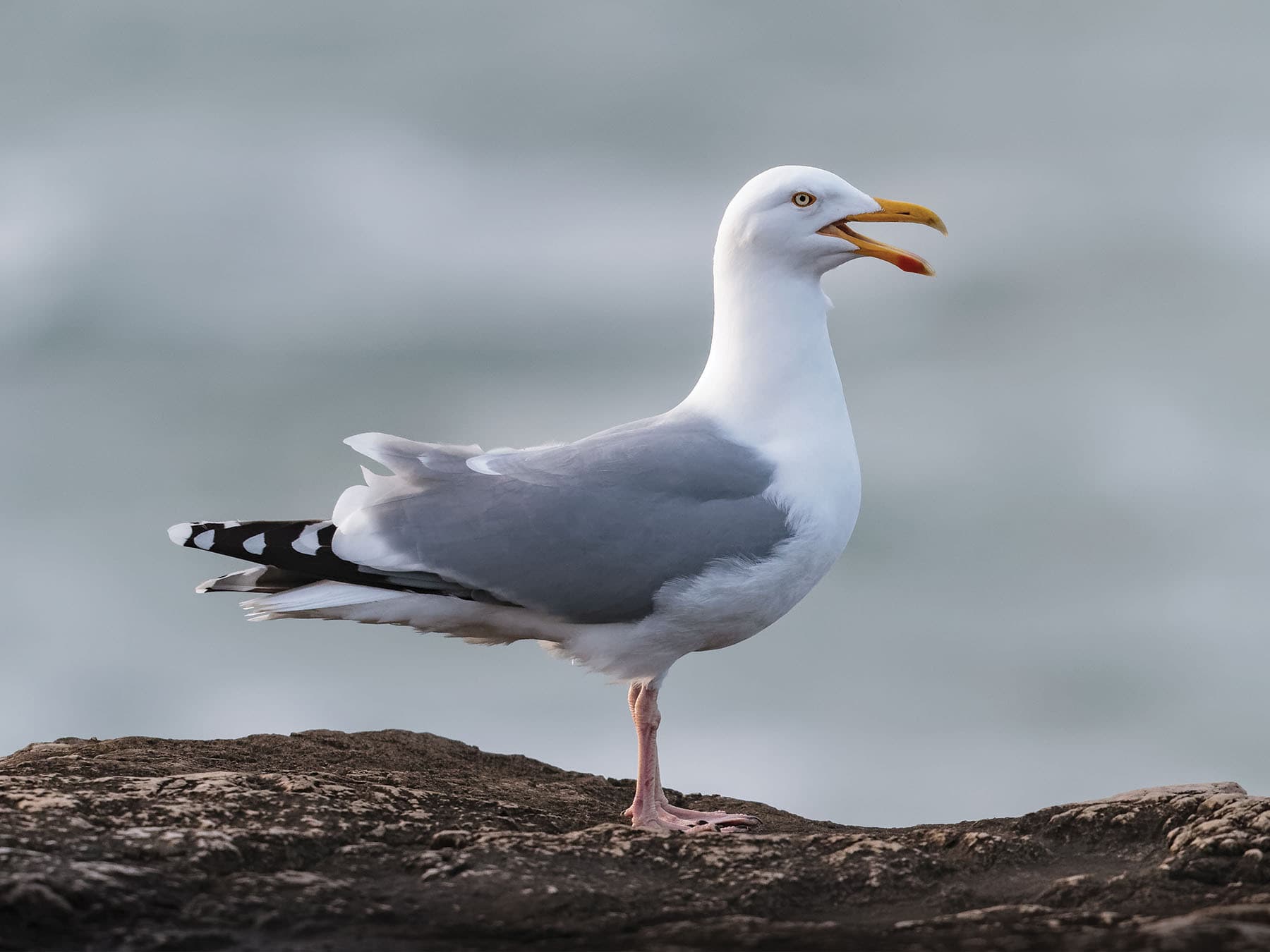 European Herring GullLarus argentatusSummer visitorCommon55–67 cmRegularly Mar–Jan · 5.96% in Jan
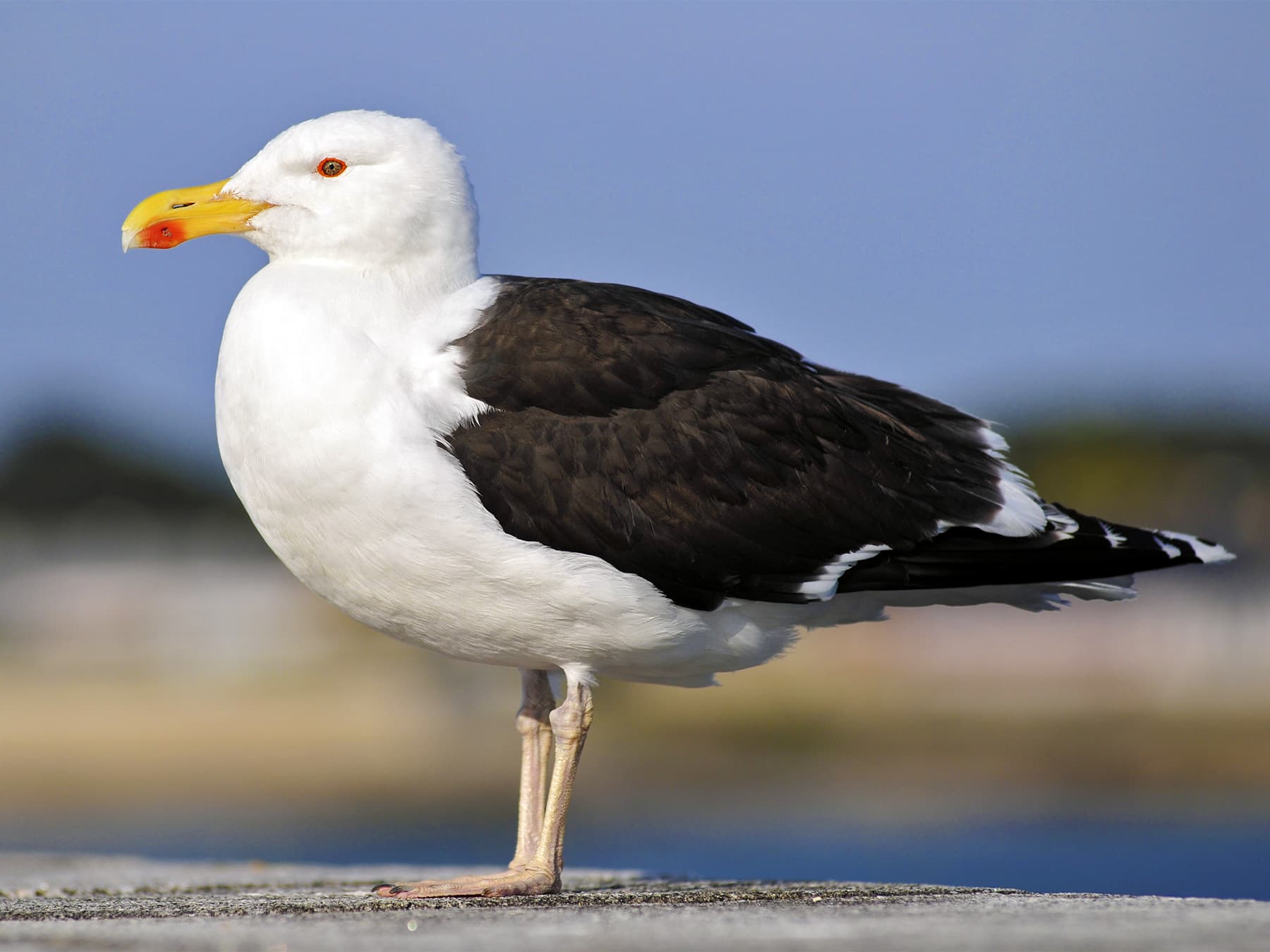 Great Black-backed GullLarus marinusResidentCommon64–79 cmRecorded all year · 5.21% in Jan
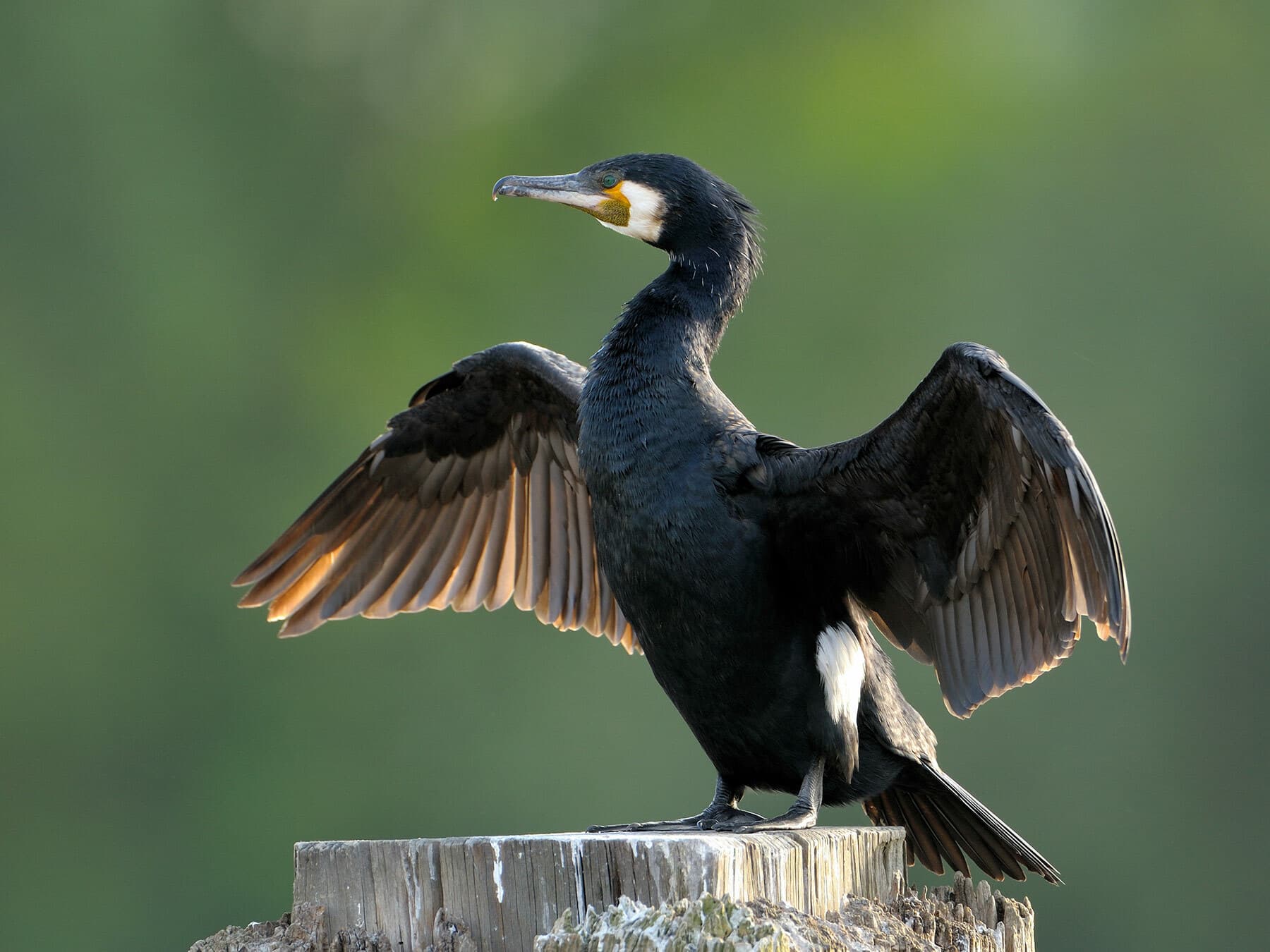 Great CormorantPhalacrocorax carboResidentCommon80–100 cmRecorded all year · 4.71% in Jan
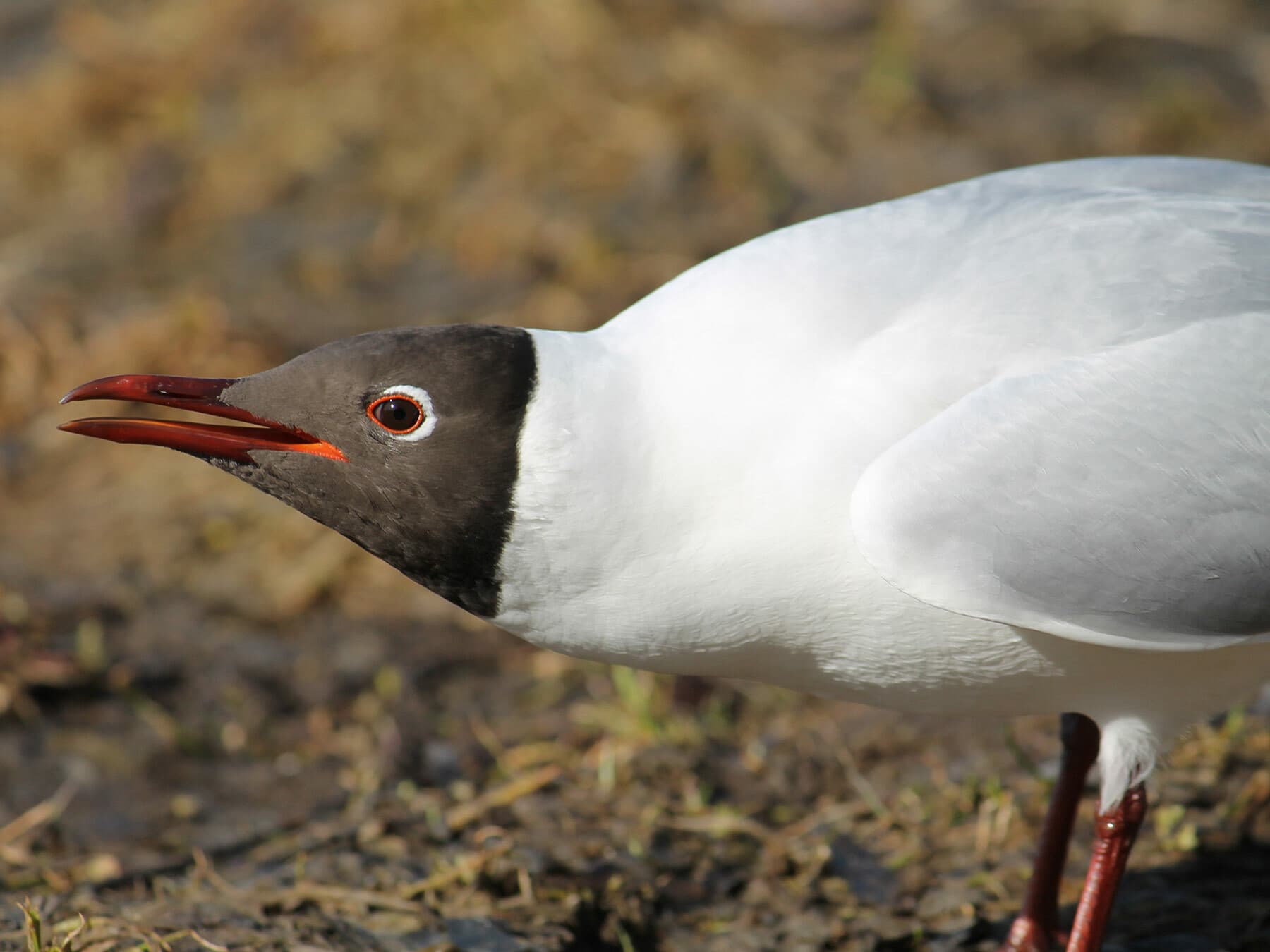 Black-headed GullChroicocephalus ridibundusResidentCommon38–44 cmRecorded all year · 4.22% in Jan
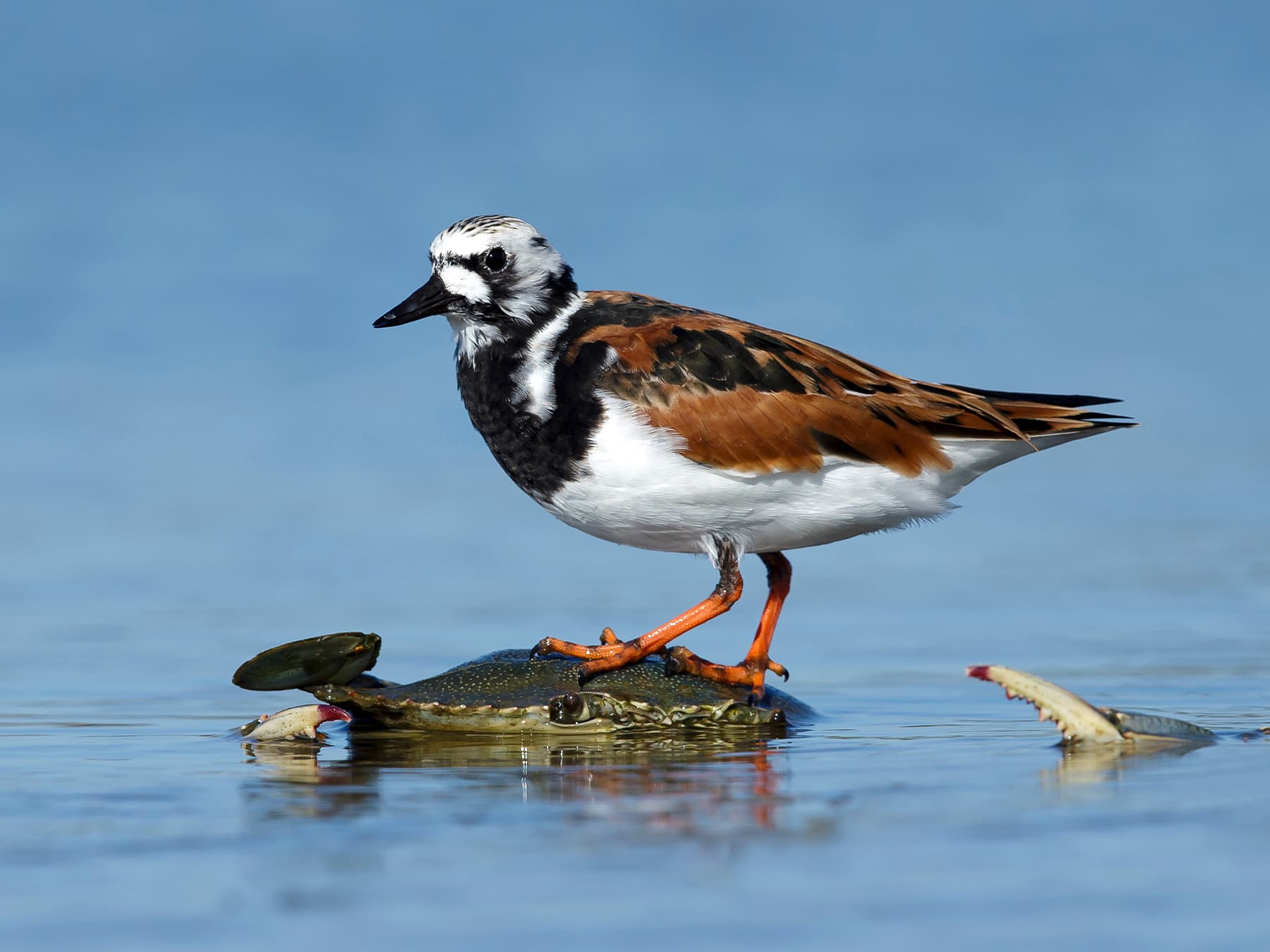 Ruddy TurnstoneArenaria interpresPassage migrantCommon21–24 cmRegularly Aug–May · 4.22% in Jan
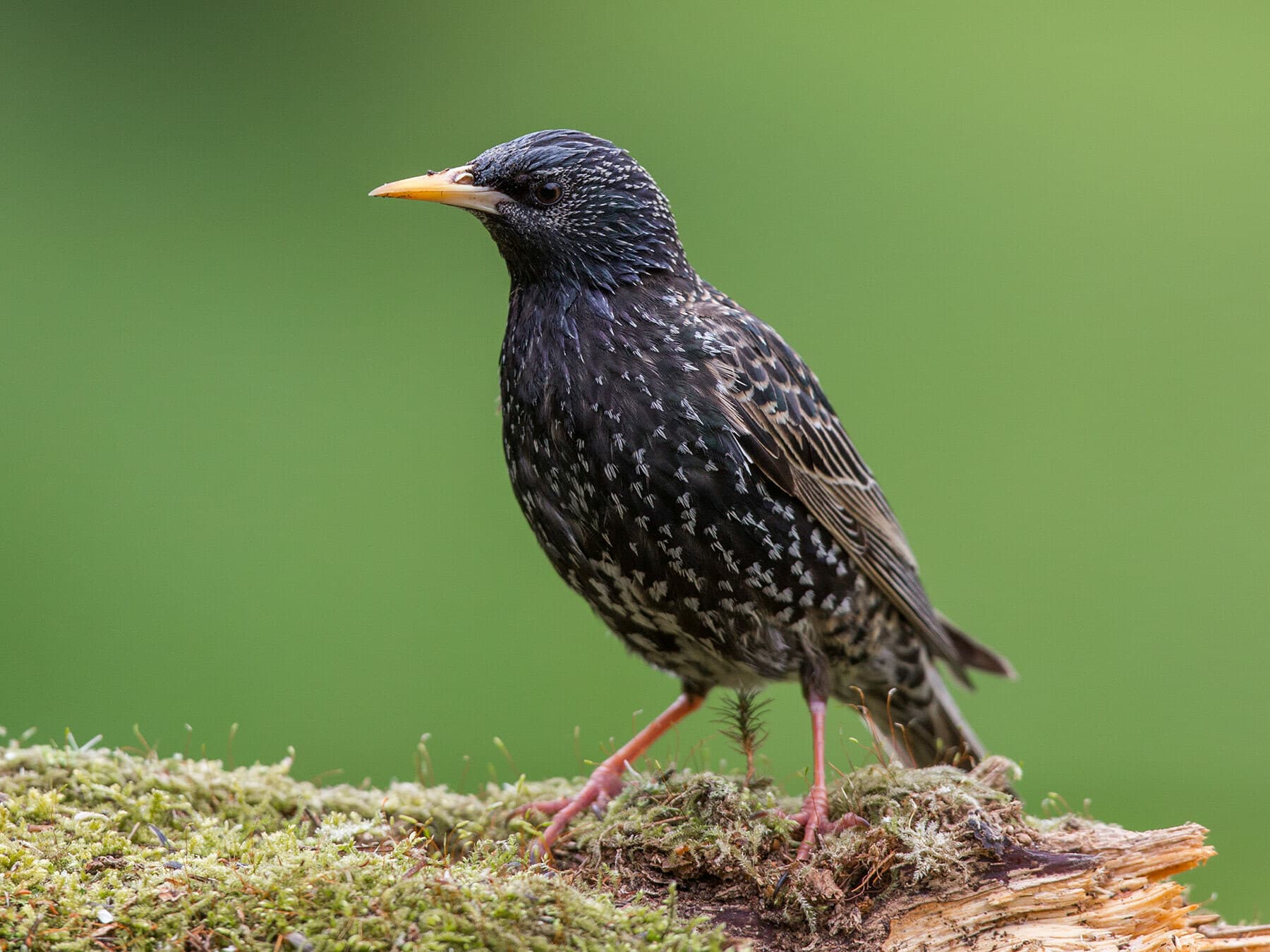 Common StarlingSturnus vulgarisResidentCommon21–23 cmRecorded all year · 3.97% in Jan
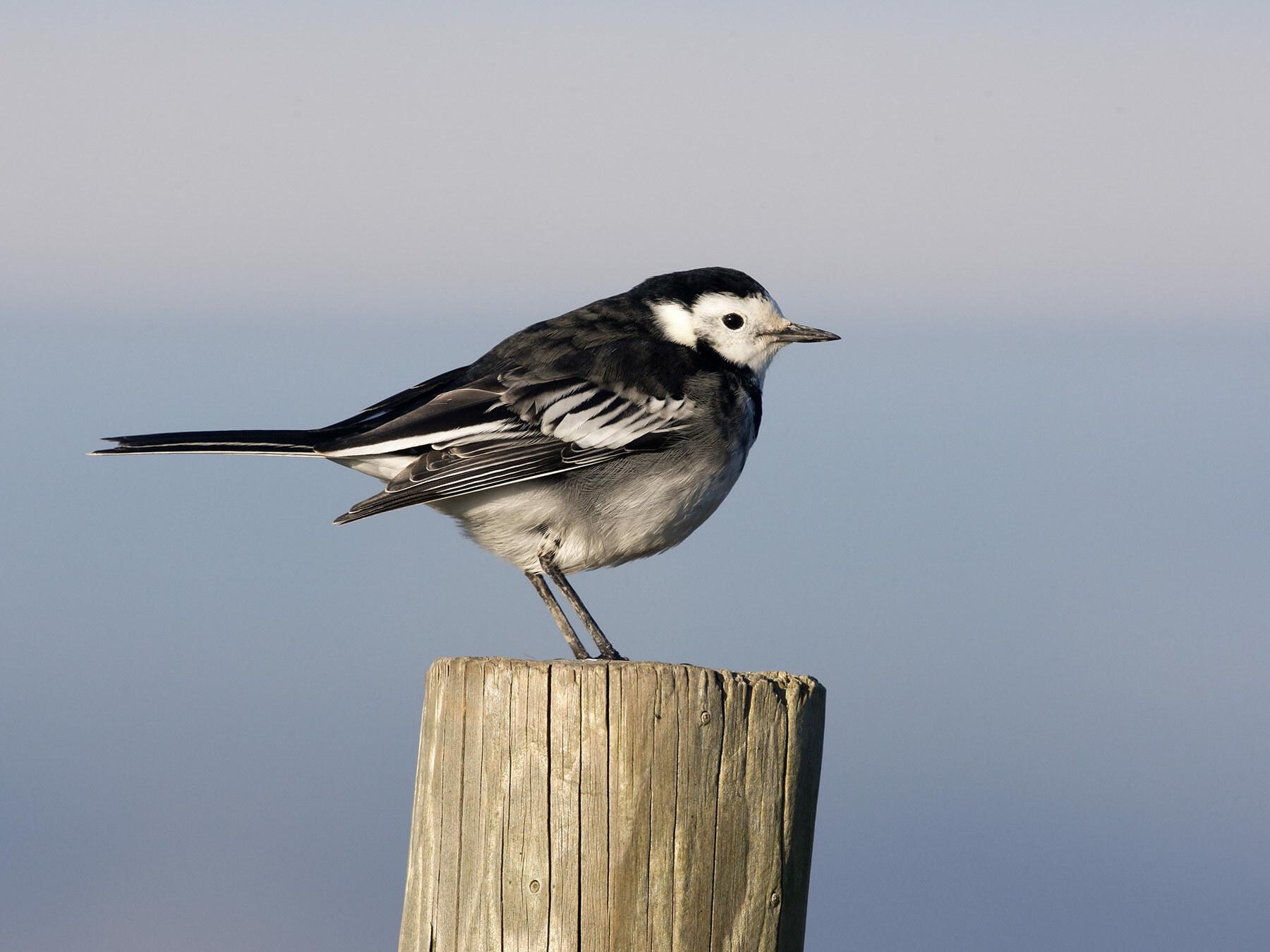 Pied WagtailMotacilla albaResidentCommon17–18 cmRecorded all year · 3.72% in Jan
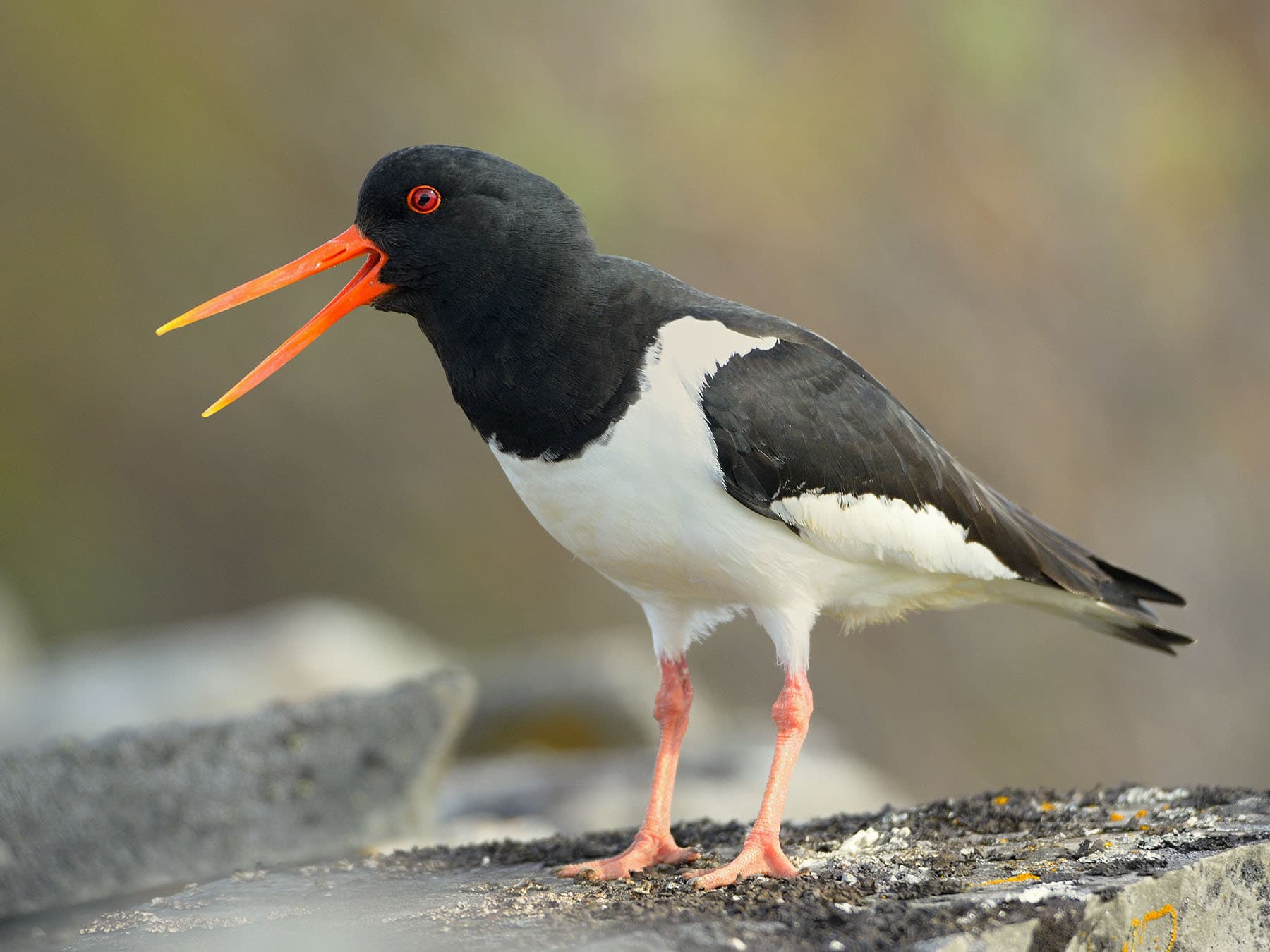 Eurasian OystercatcherHaematopus ostralegusResidentCommon40–45 cmRecorded all year · 3.23% in Jan
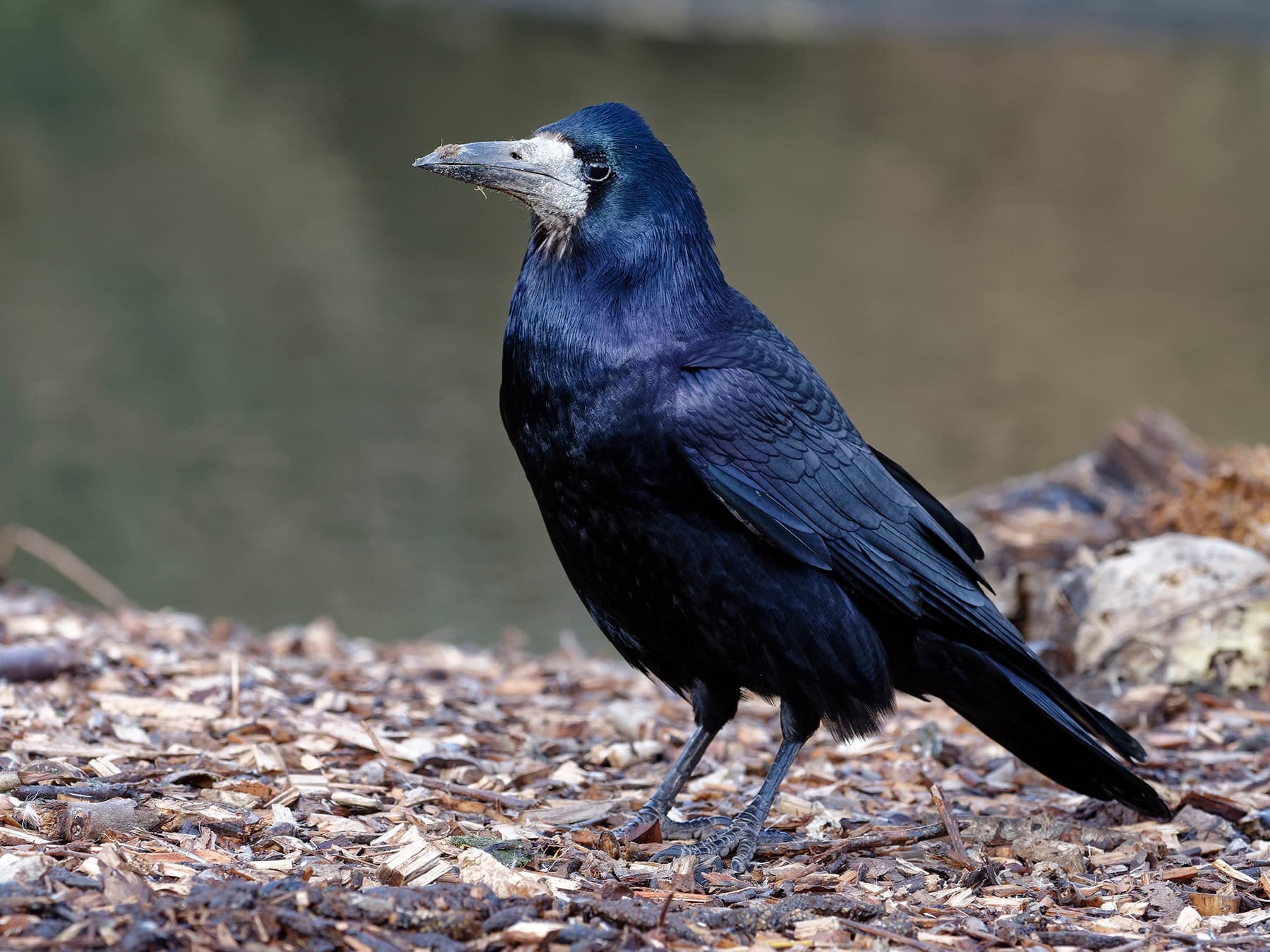 RookCorvus frugilegusResidentCommon45–47 cmRecorded all year · 3.23% in Jan
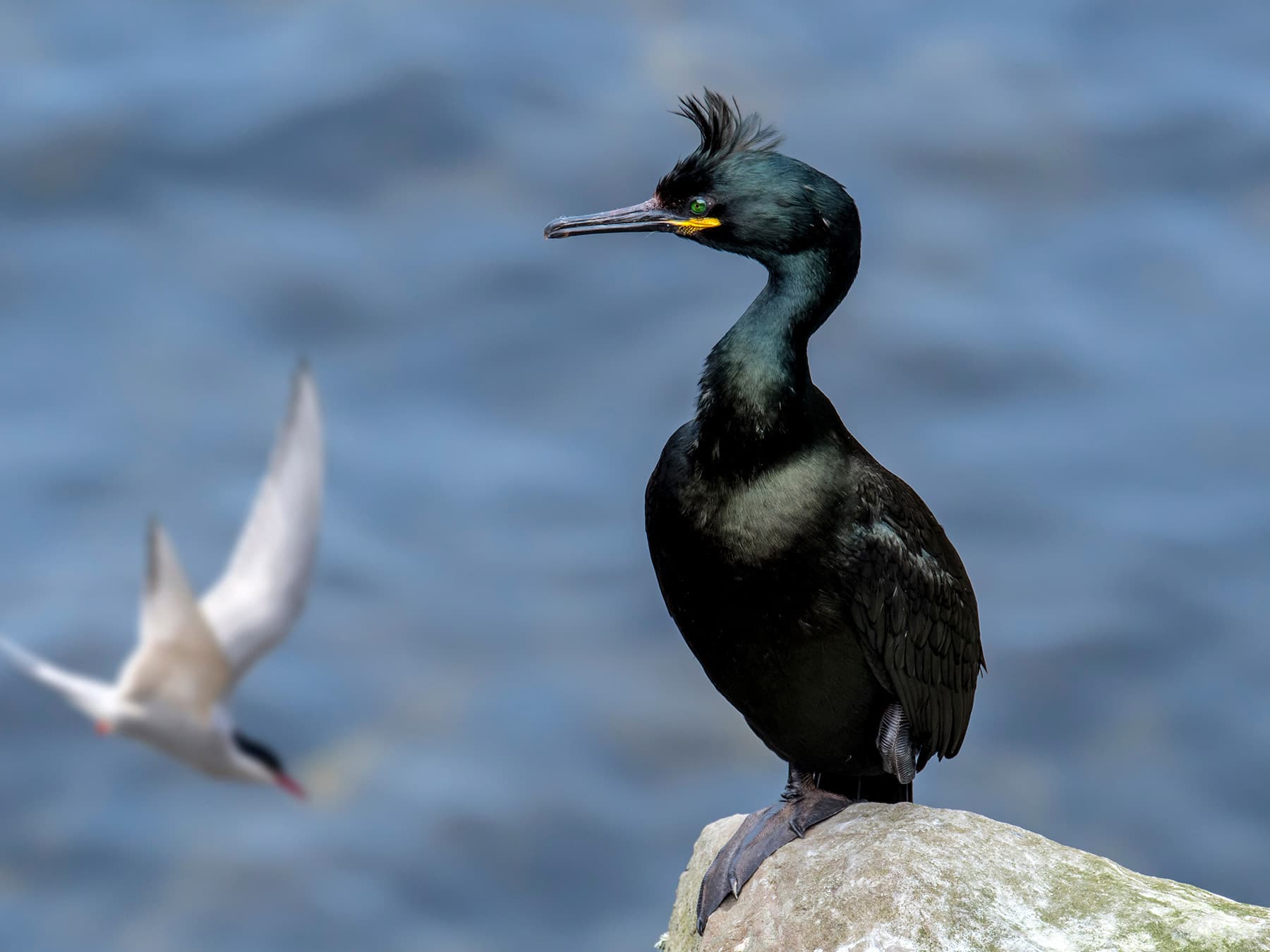 European ShagGulosus aristotelisSummer visitorCommon65–80 cmRegularly Apr–Jan · 2.98% in Jan
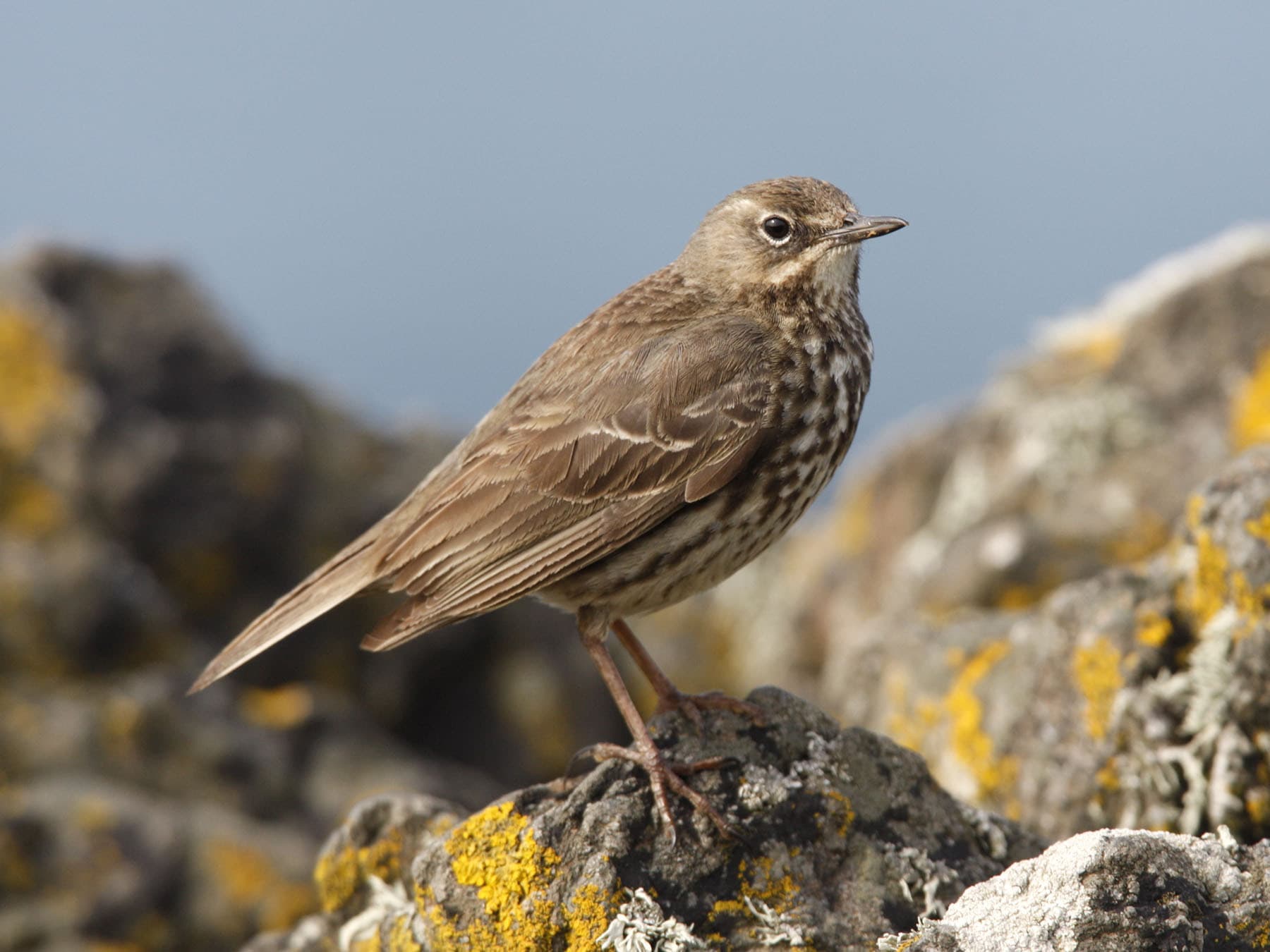 Rock PipitAnthus petrosusSummer visitorCommon16–18 cmRegularly Mar–Jan · 2.73% in Jan
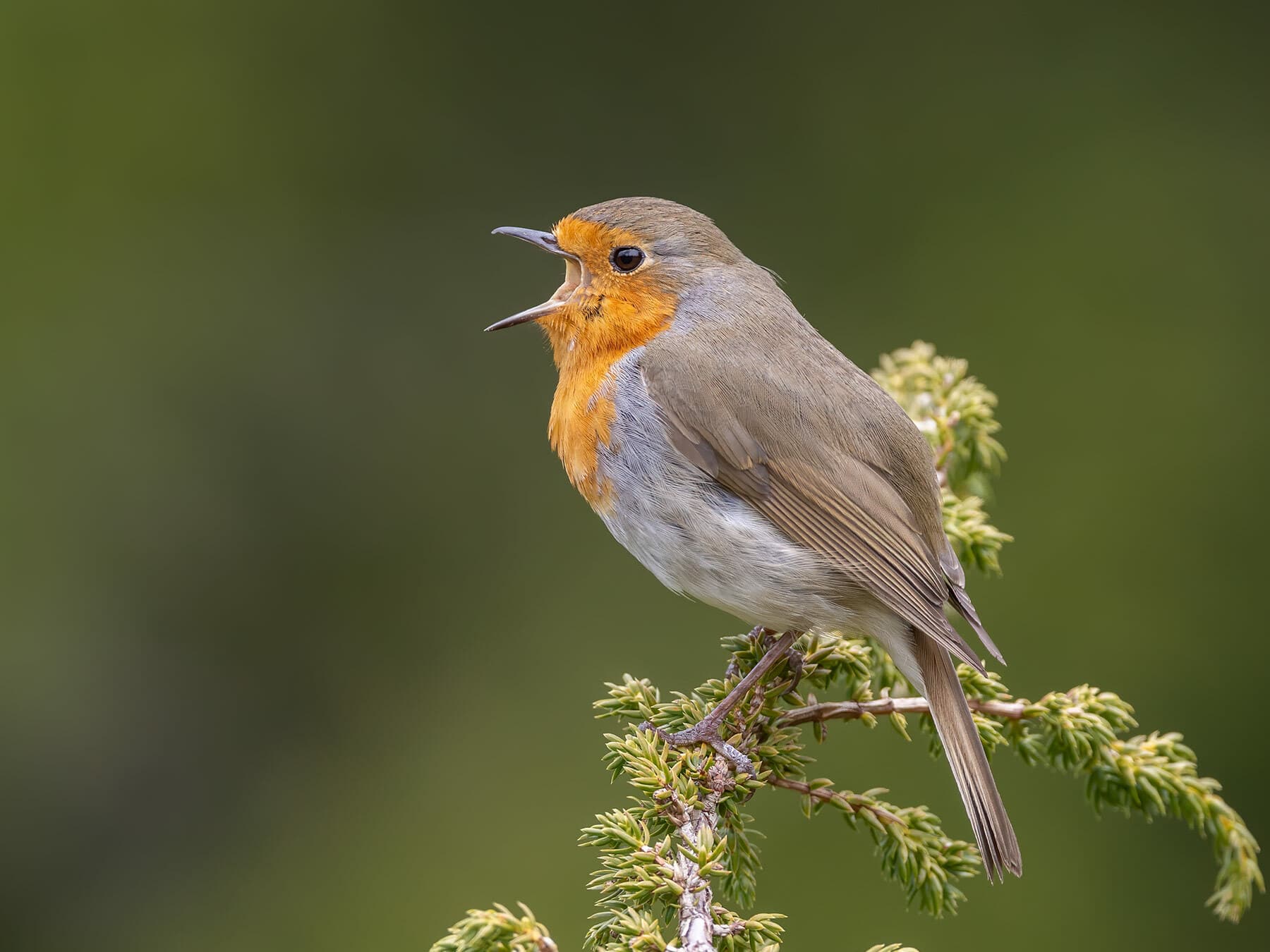 European RobinErithacus rubeculaResidentCommon13–14 cmRecorded all year · 2.48% in Jan
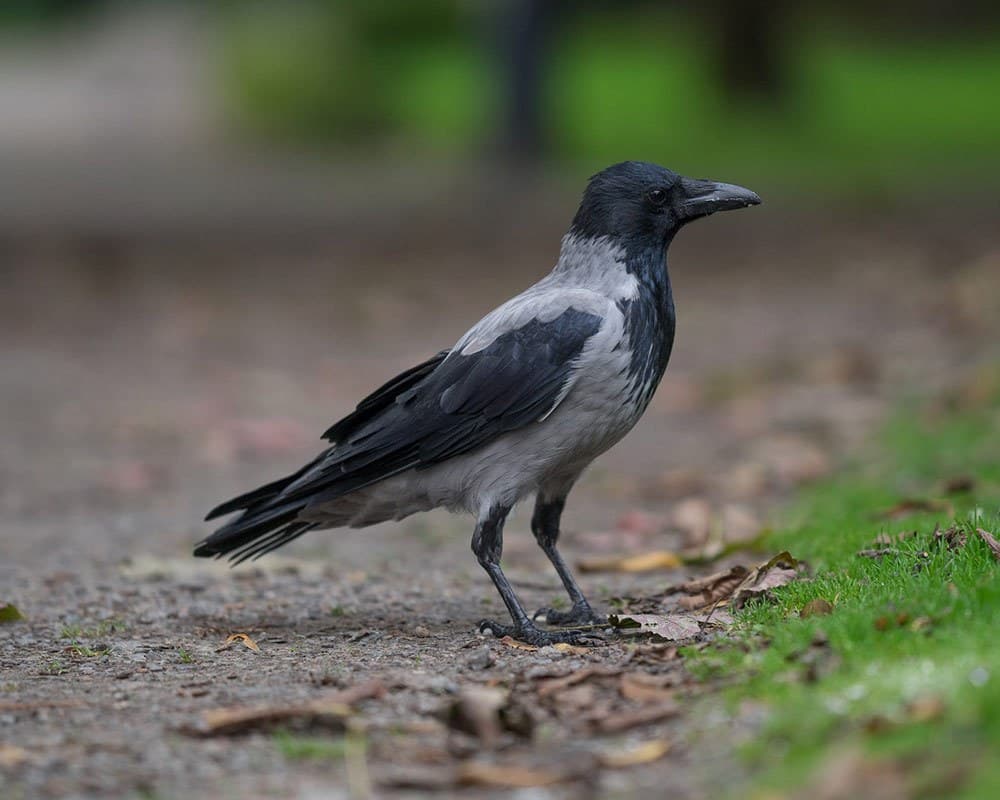 Hooded CrowCorvus cornixSummer visitorCommon44–51 cmRegularly Mar–Jan · 2.48% in Jan
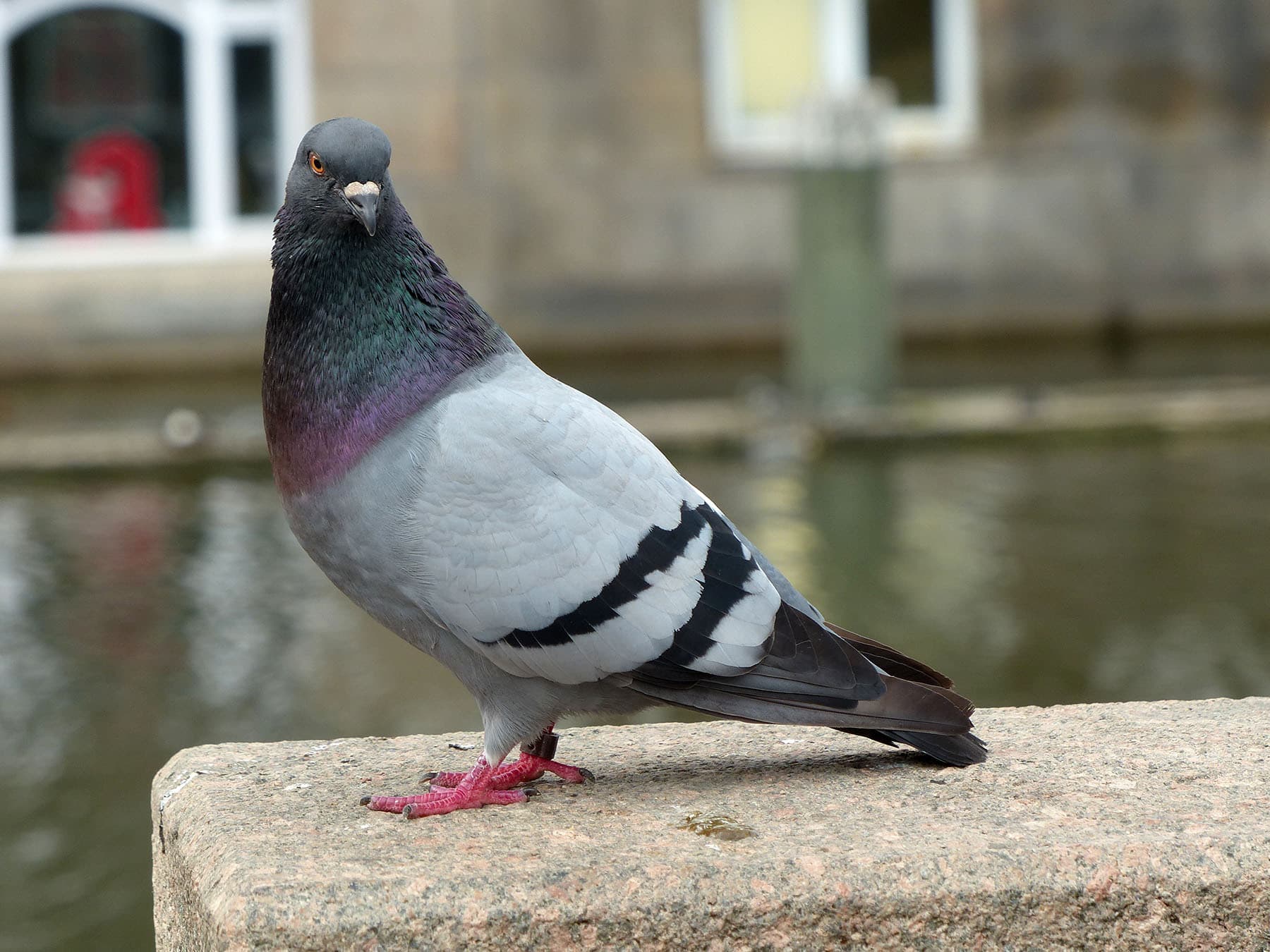 Rock DoveColumba liviaResidentCommon31–34 cmRecorded all year · 2.48% in Jan
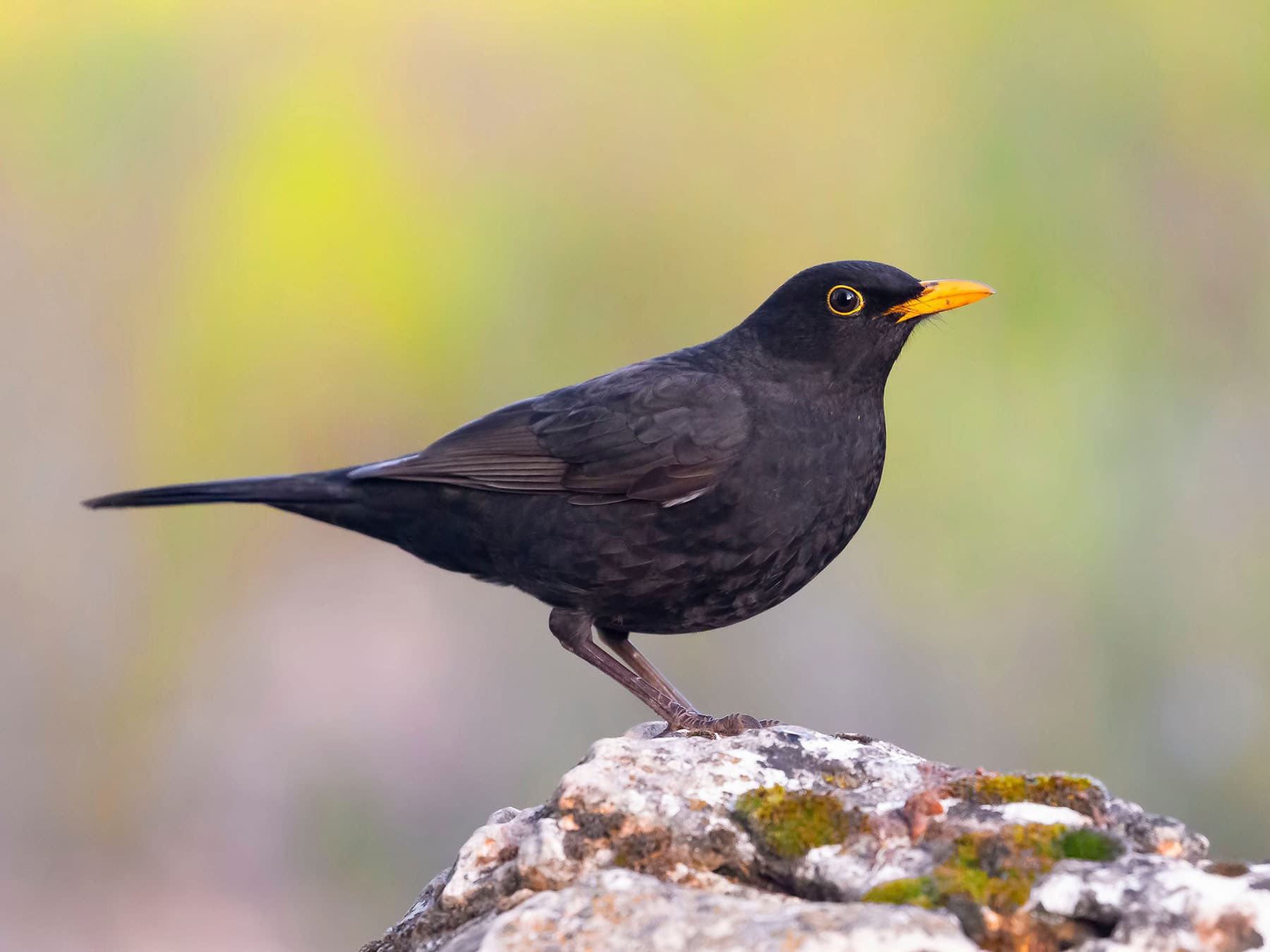 BlackbirdTurdus merulaResidentCommon24–25 cmRegularly Dec–Oct · 2.23% in Jan
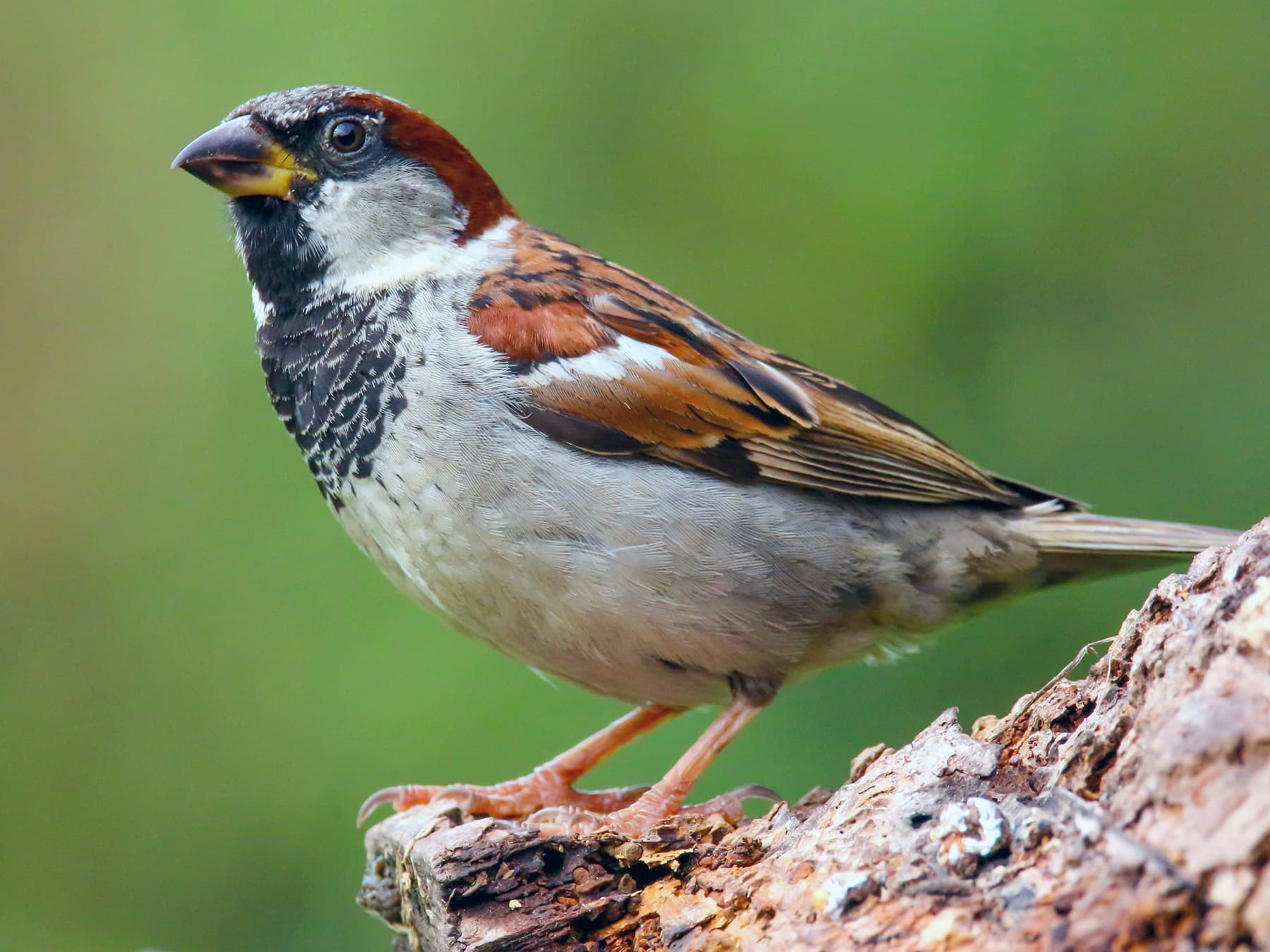 House SparrowPasser domesticusResidentCommon14–17 cmRecorded all year · 2.23% in Jan
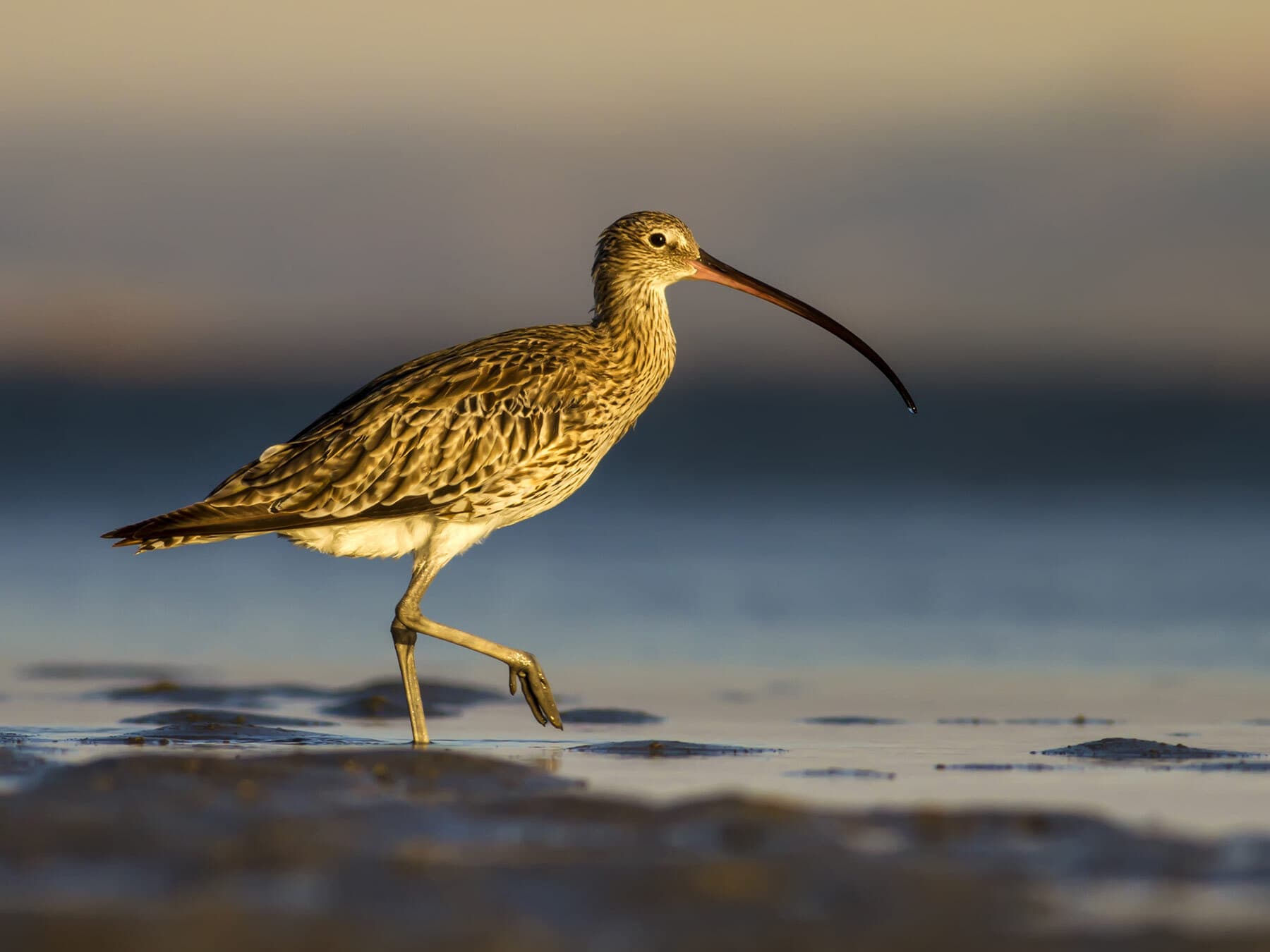 CurlewNumenius arquataSummer visitorCommon50–60 cmRegularly Mar–Jan · 1.99% in Jan
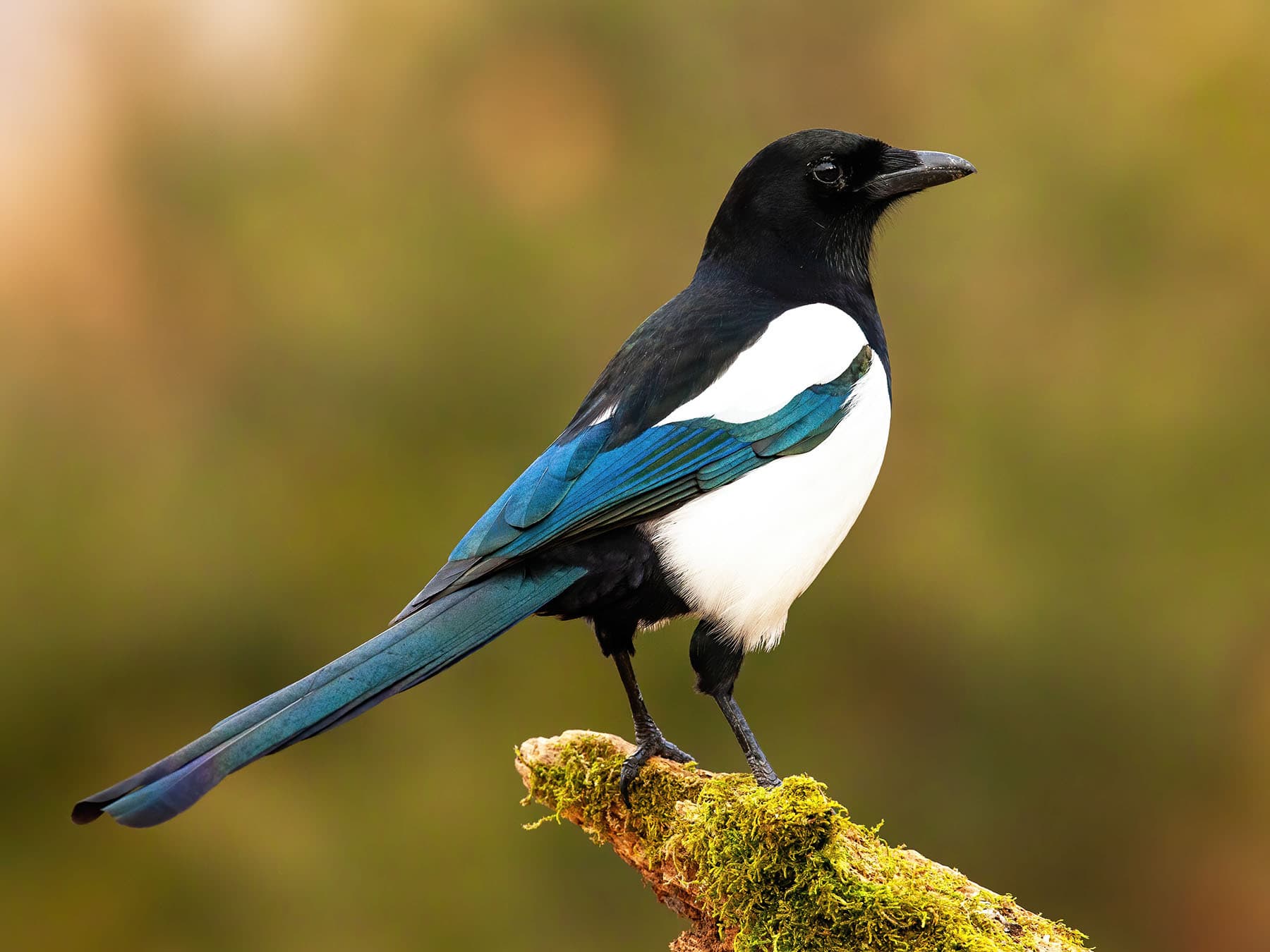 MagpiePica picaResidentCommon44–46 cmRecorded all year · 1.99% in Jan
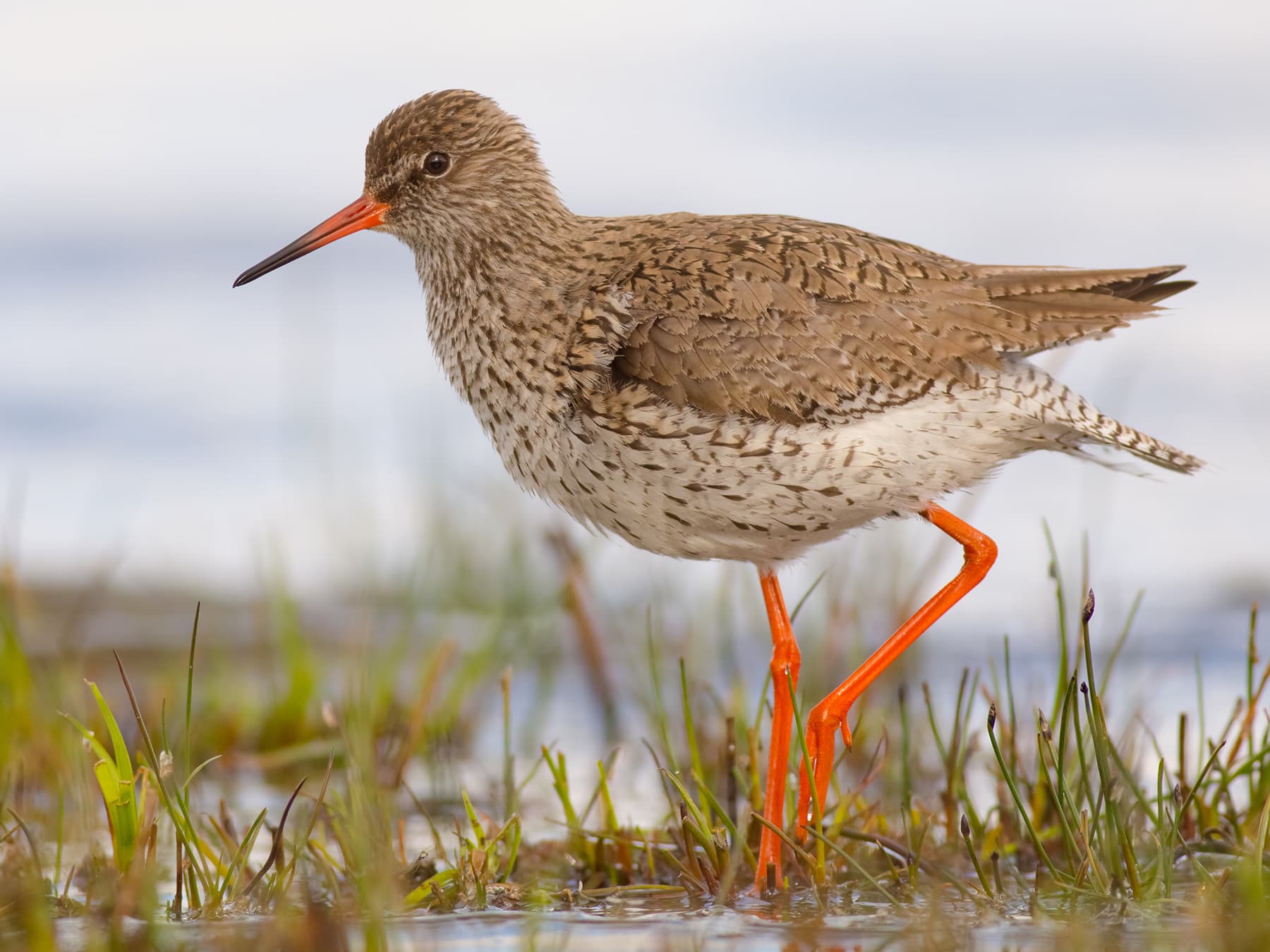 RedshankTringa totanusPassage migrantCommon27–29 cmRegularly Jul–Apr · 1.99% in Jan
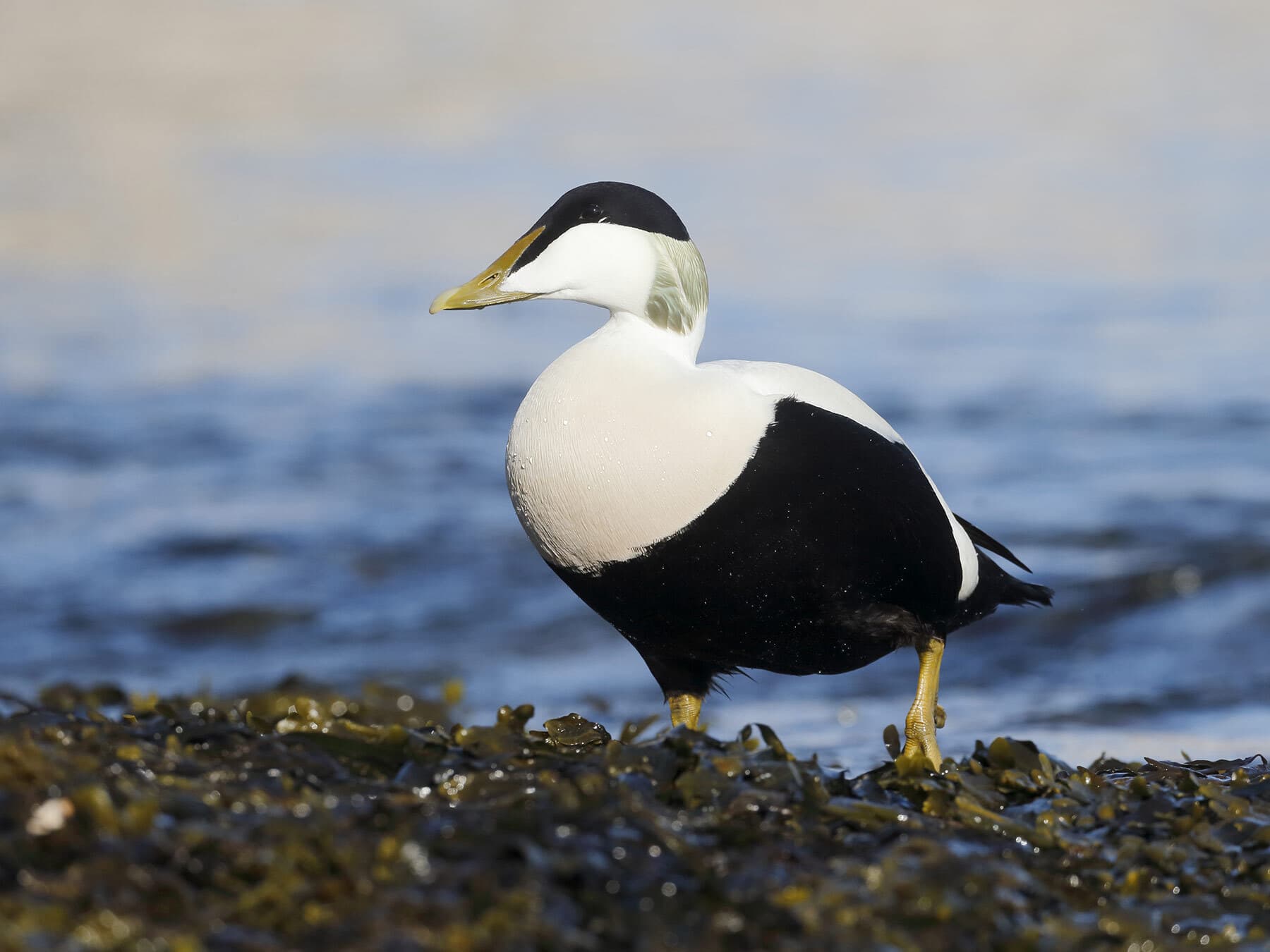 EiderSomateria mollissimaSummer visitorCommon50–71 cmRegularly Jan–Sep · 1.74% in Jan
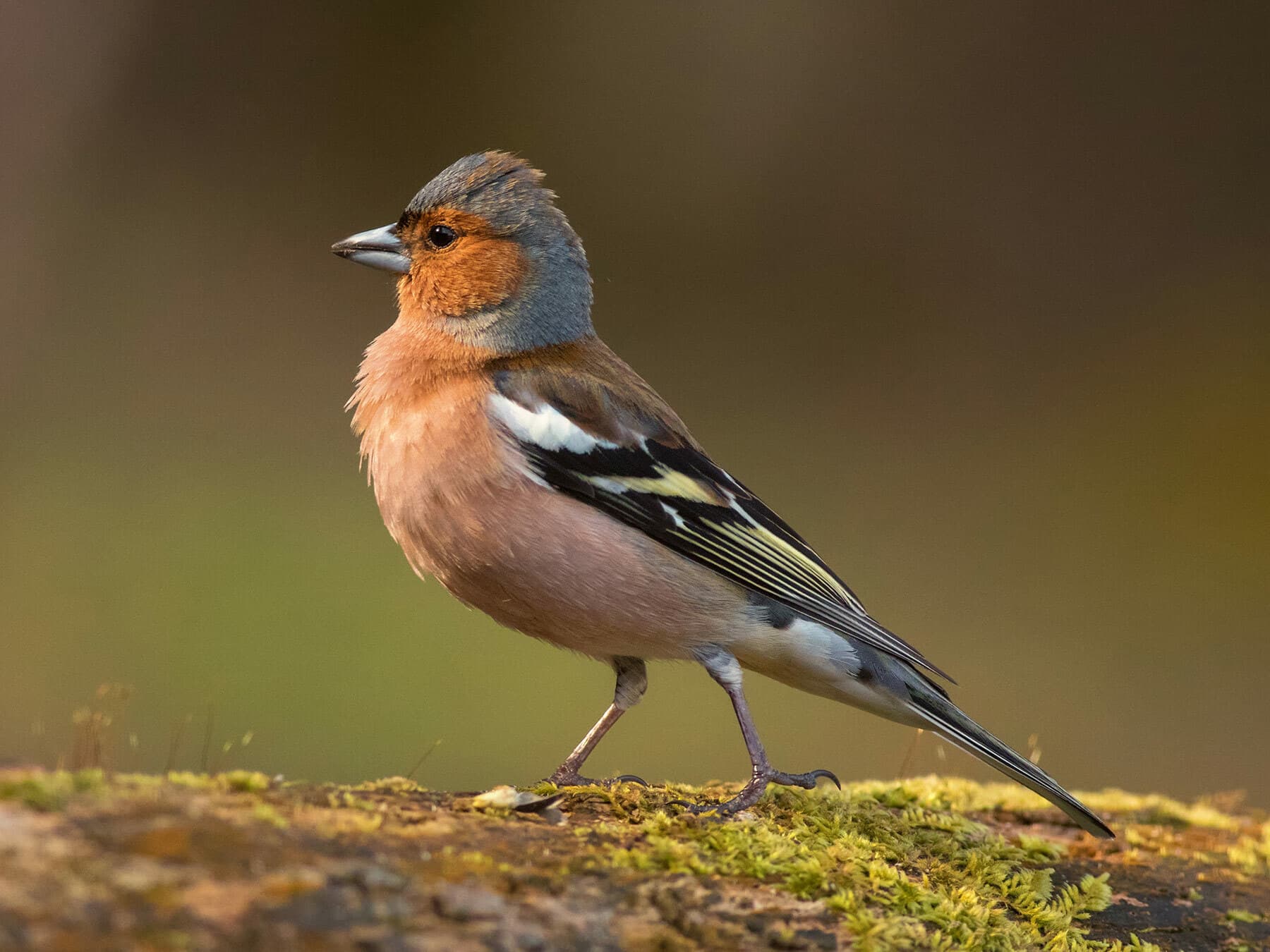 ChaffinchFringilla coelebsSummer visitorCommon14–16 cmRegularly Jan–Sep · 1.49% in Jan
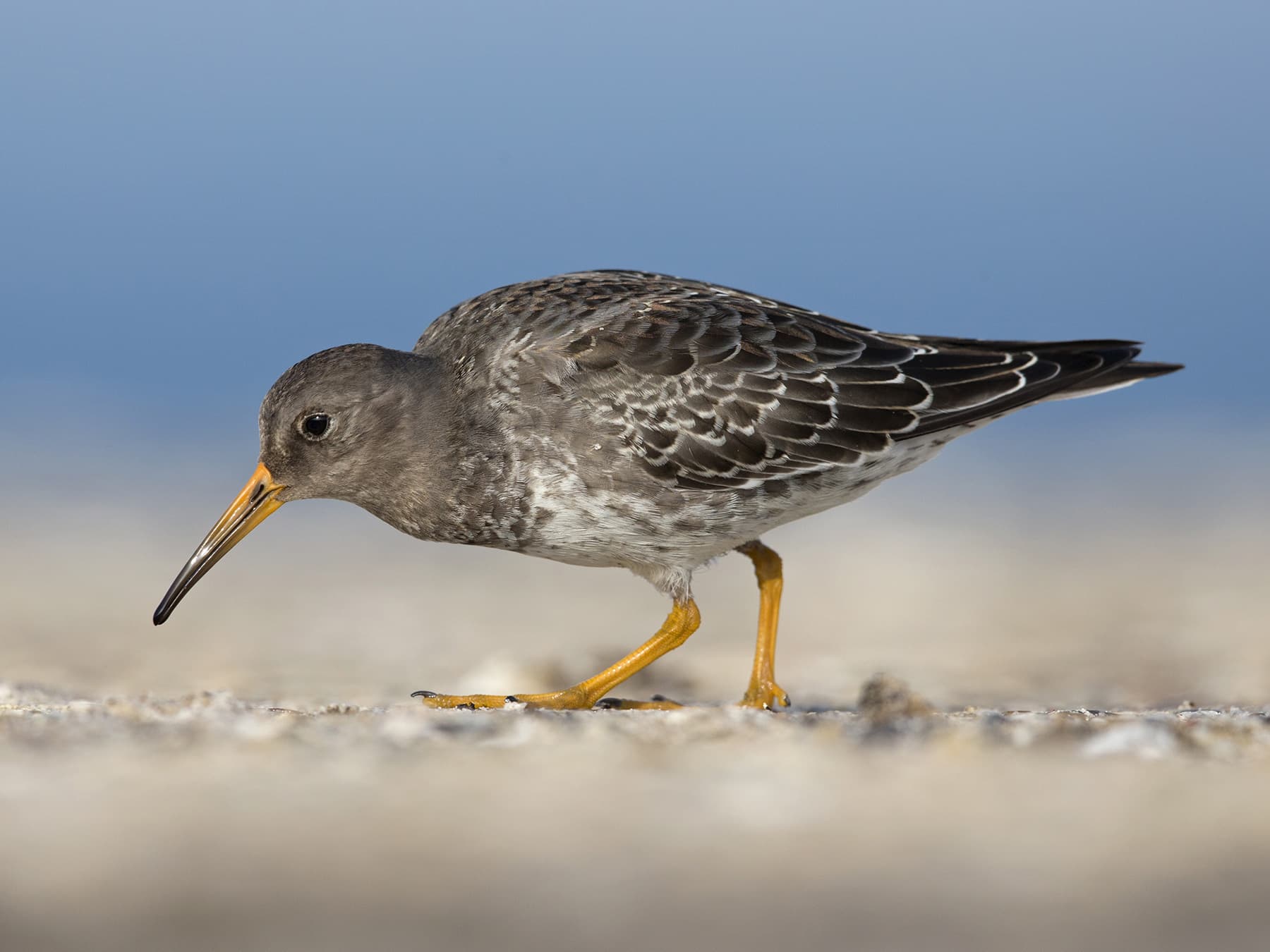 Purple SandpiperCalidris maritimaPassage migrantCommon20–22 cmRegularly Oct–Jan · 1.49% in Jan
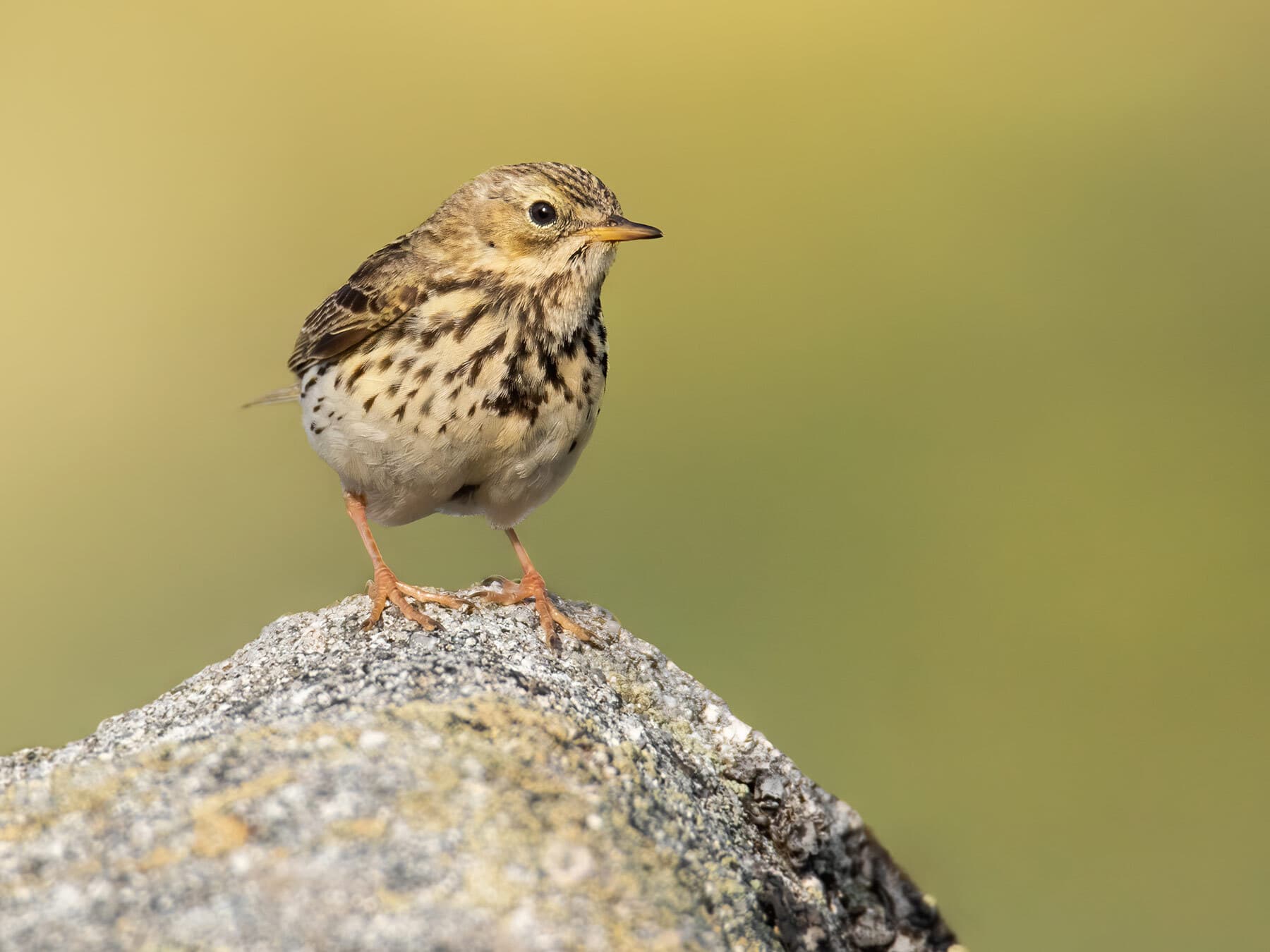 Meadow PipitAnthus pratensisSummer visitorCommon14–15 cmRegularly Mar–Jan · 1.24% in Jan
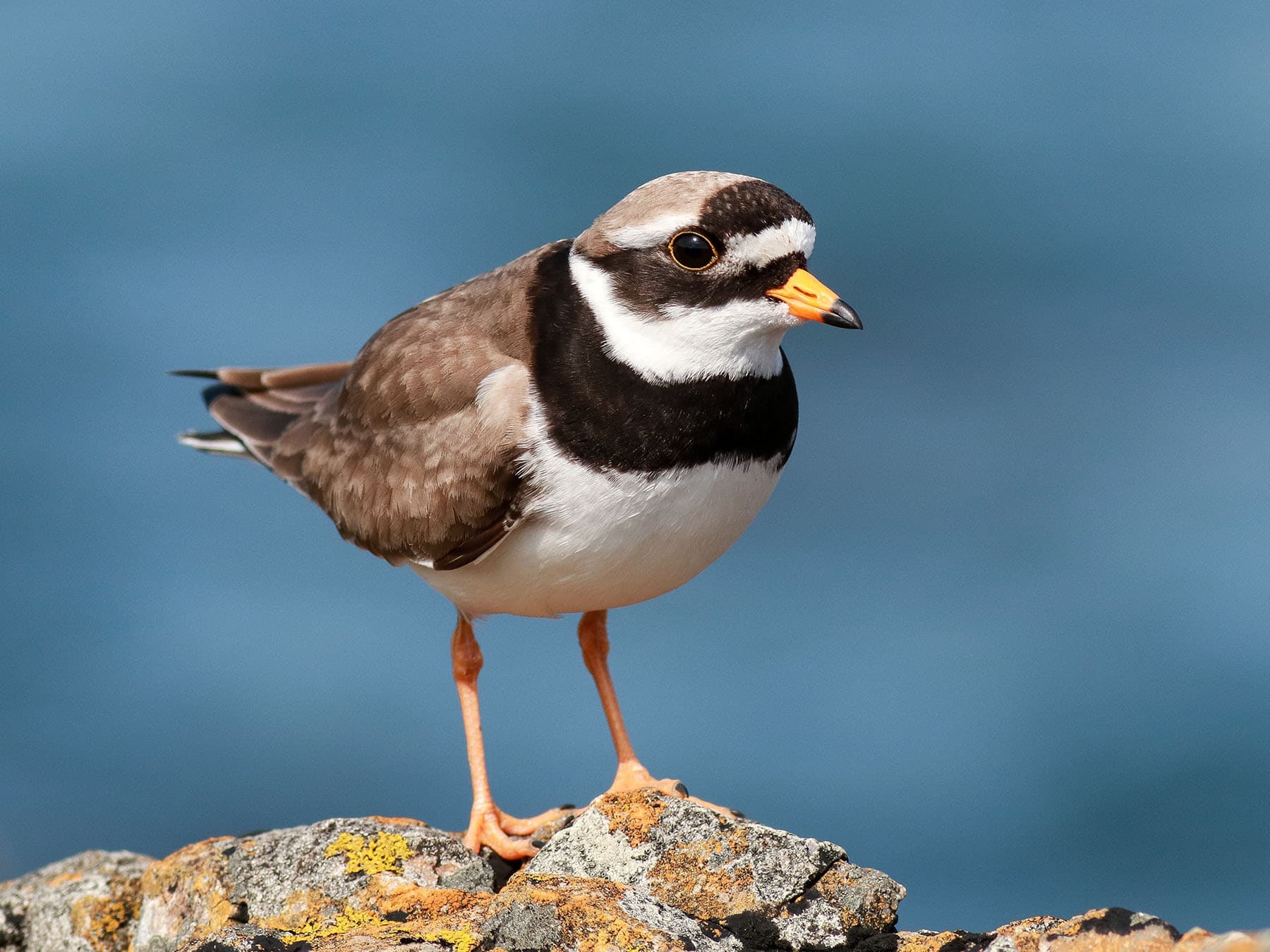 Ringed PloverCharadrius hiaticulaResidentCommon17–19 cmRegularly Apr–Jan · 0.99% in Jan
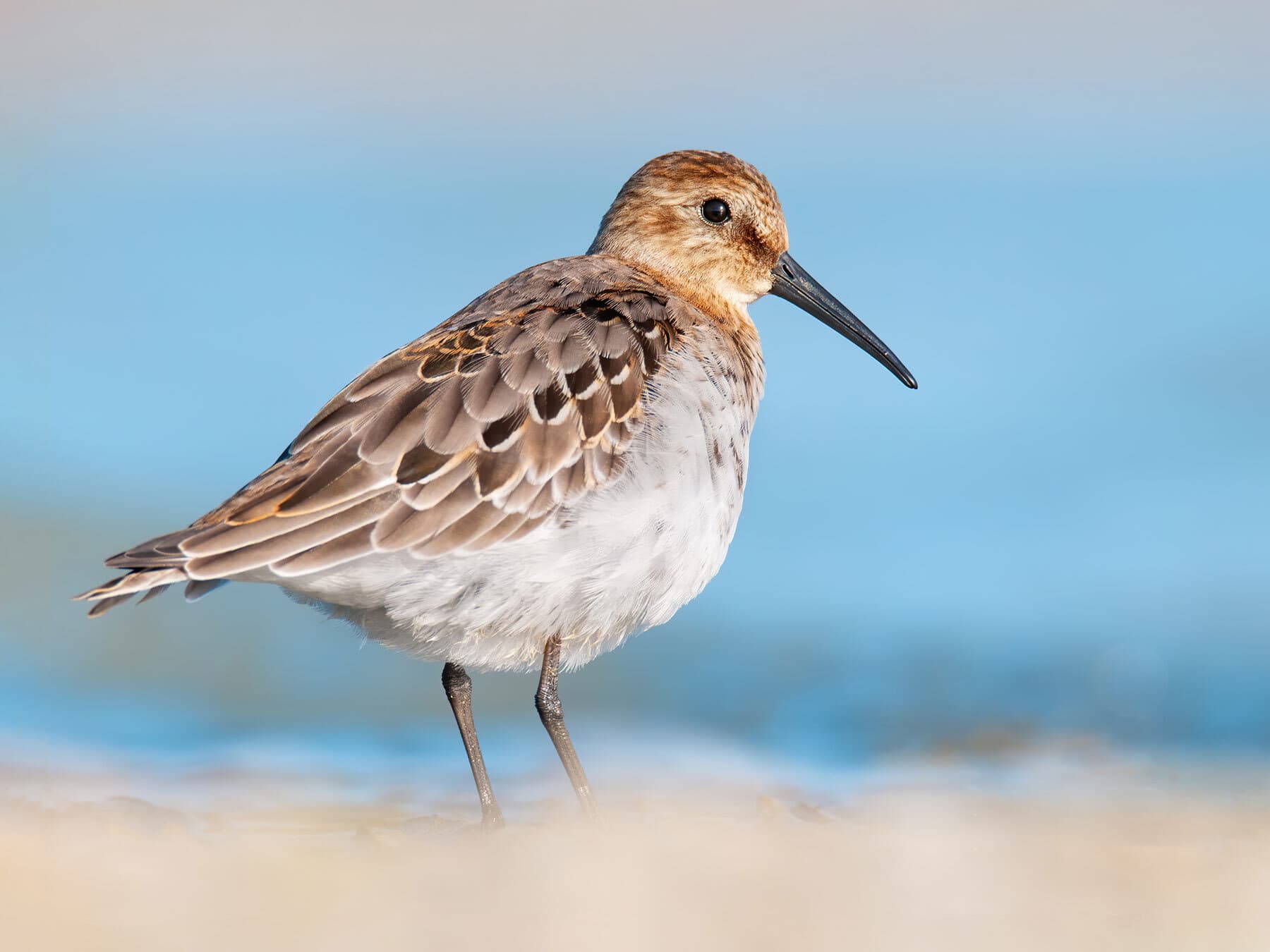 DunlinCalidris alpinaResidentCommon16–22 cmRegularly Apr–Jan · 0.74% in Jan
Smallest to largest
Length, cm- European Robin 13–14 cm
- Meadow Pipit 14–15 cm
- Chaffinch 14–16 cm
- House Sparrow 14–17 cm
- Rock Pipit 16–18 cm
- Pied Wagtail 17–18 cm
- Ringed Plover 17–19 cm
- Dunlin 16–22 cm
- Purple Sandpiper 20–22 cm
- Common Starling 21–23 cm
- Ruddy Turnstone 21–24 cm
- Blackbird 24–25 cm
- Redshank 27–29 cm
- Rock Dove 31–34 cm
- Black-headed Gull 38–44 cm
- Eurasian Oystercatcher 40–45 cm
- Magpie 44–46 cm
- Rook 45–47 cm
- Hooded Crow 44–51 cm
- Curlew 50–60 cm
- Eider 50–71 cm
- European Herring Gull 55–67 cm
- Great Black-backed Gull 64–79 cm
- European Shag 65–80 cm
- Great Cormorant 80–100 cm
Body length, bill to tail. Rare birds in grey.
Data: EOD – eBird Observation Dataset (Cornell Lab of Ornithology), accessed via GBIF.org, CC BY 4.0. Records from 2019–2024, aggregated and filtered by Birdfact. How these lists are made