


Birds to See in Kilkenny in February
24 bird species on our list for Kilkenny are recorded regularly in February
Of these, the most often recorded are Common Snipe, European Robin, Blackbird, Fieldfare and Blue Tit. New this month: Eurasian Wren, European Goldfinch, Dunnock and Black-headed Gull and 3 more.
On the move in February
GBIF · FebArriving
From Kilkenny’s bird records, 2019–2024: arriving birds are regular this month but not last; leaving birds are regular this month but not next.
Other months
All 24 birds in February
24 birds
 Common SnipeGallinago gallinagoWinter visitorCommon25–27 cmRegularly Oct–Apr · 6.19% in Feb
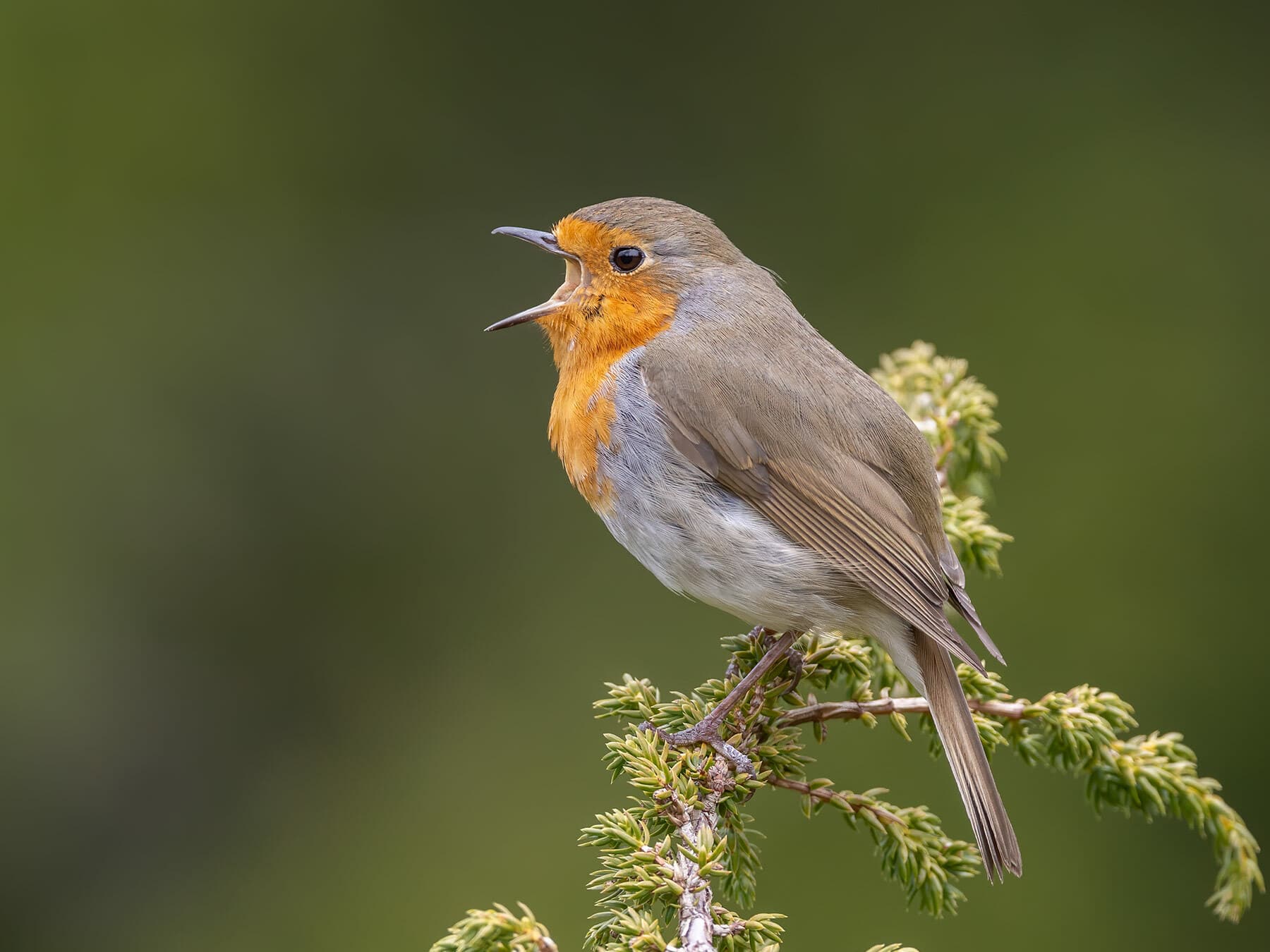 European RobinErithacus rubeculaResidentCommon13–14 cmRecorded all year · 5.75% in Feb
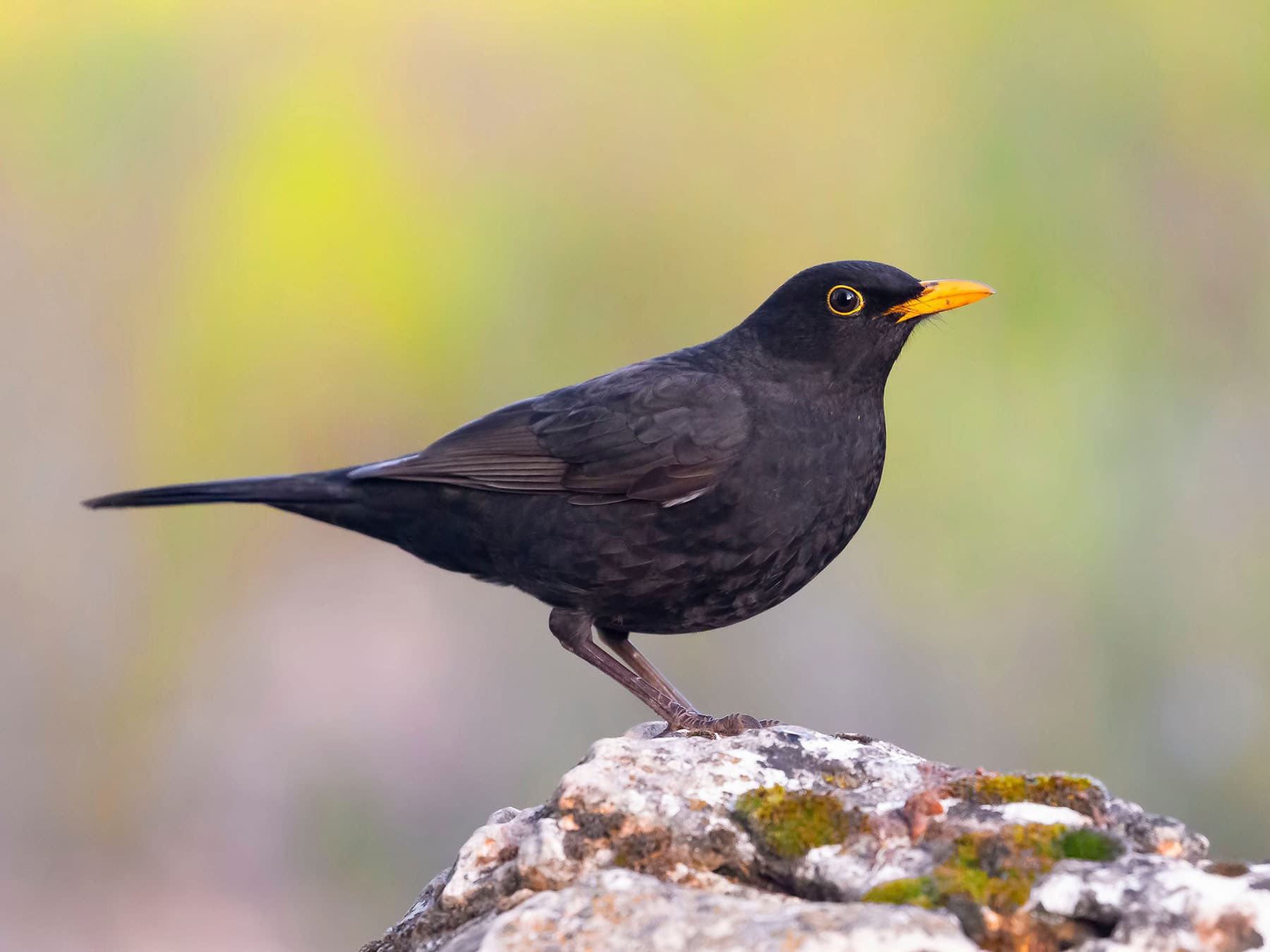 BlackbirdTurdus merulaSummer visitorCommon24–25 cmRegularly Jan–Oct · 5.31% in Feb
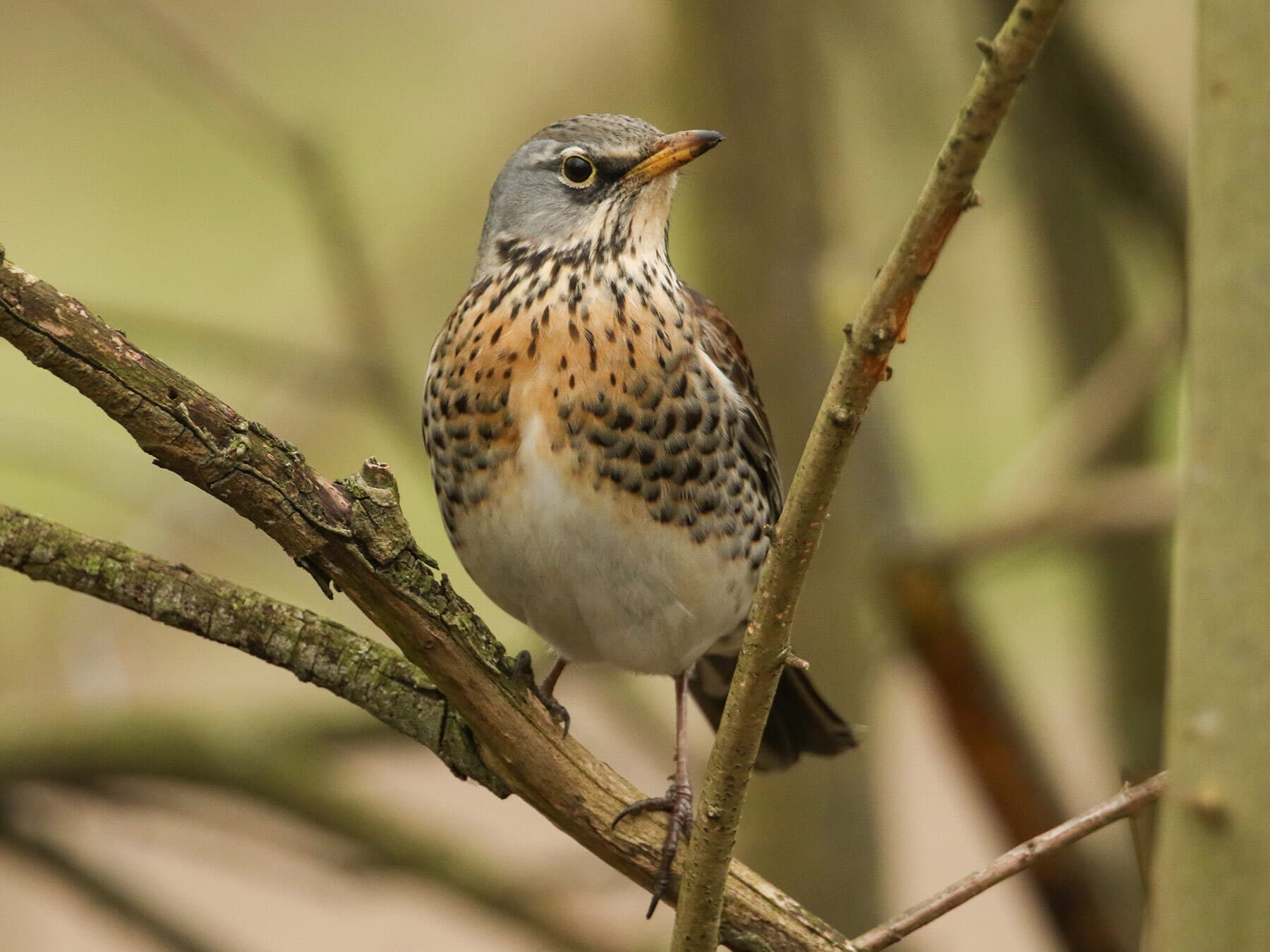 FieldfareTurdus pilarisWinter visitorCommon22–27 cmRegularly Nov–Mar · 4.42% in Feb
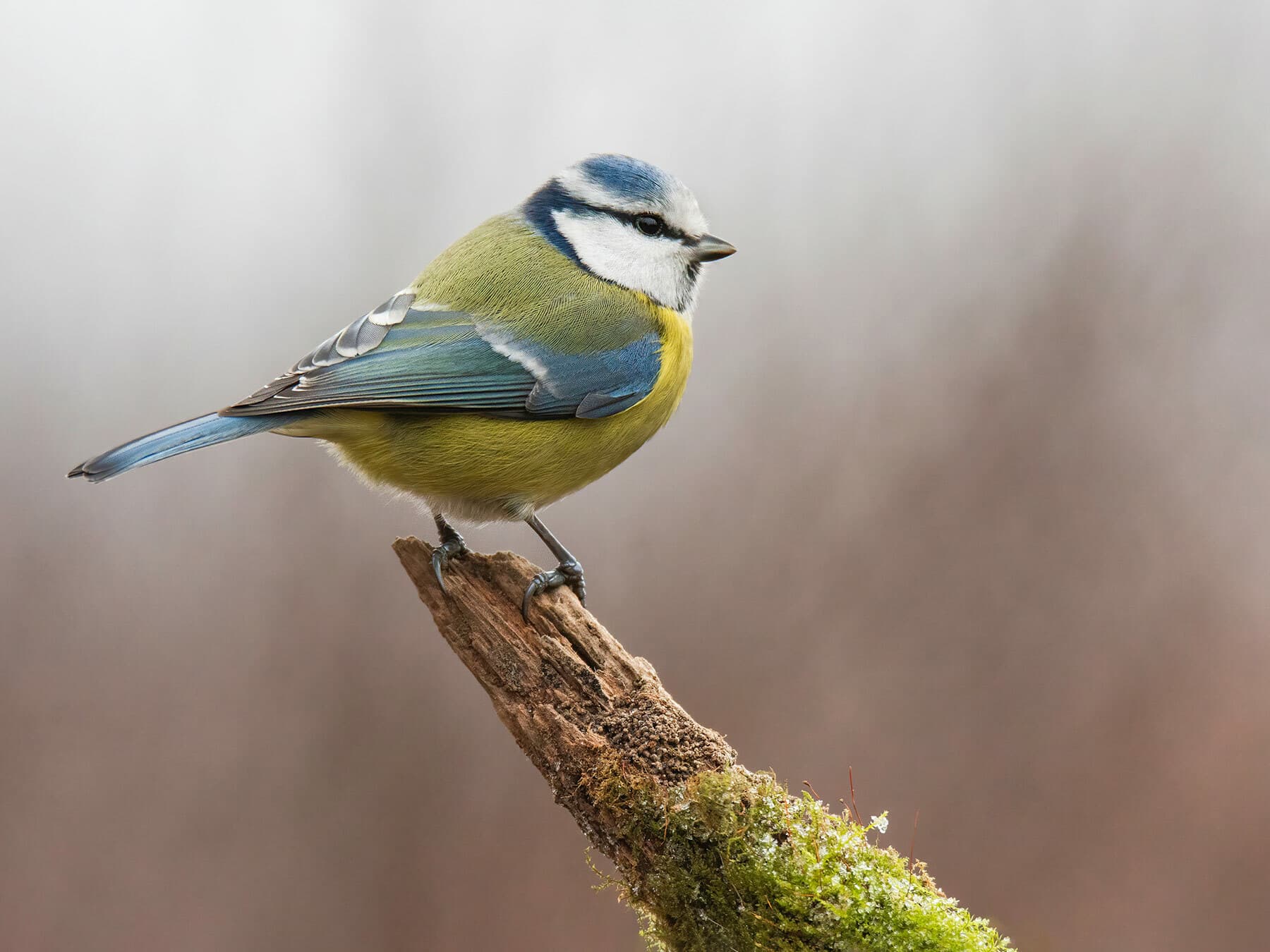 Blue TitCyanistes caeruleusResidentCommon11–12 cmRecorded all year · 3.98% in Feb
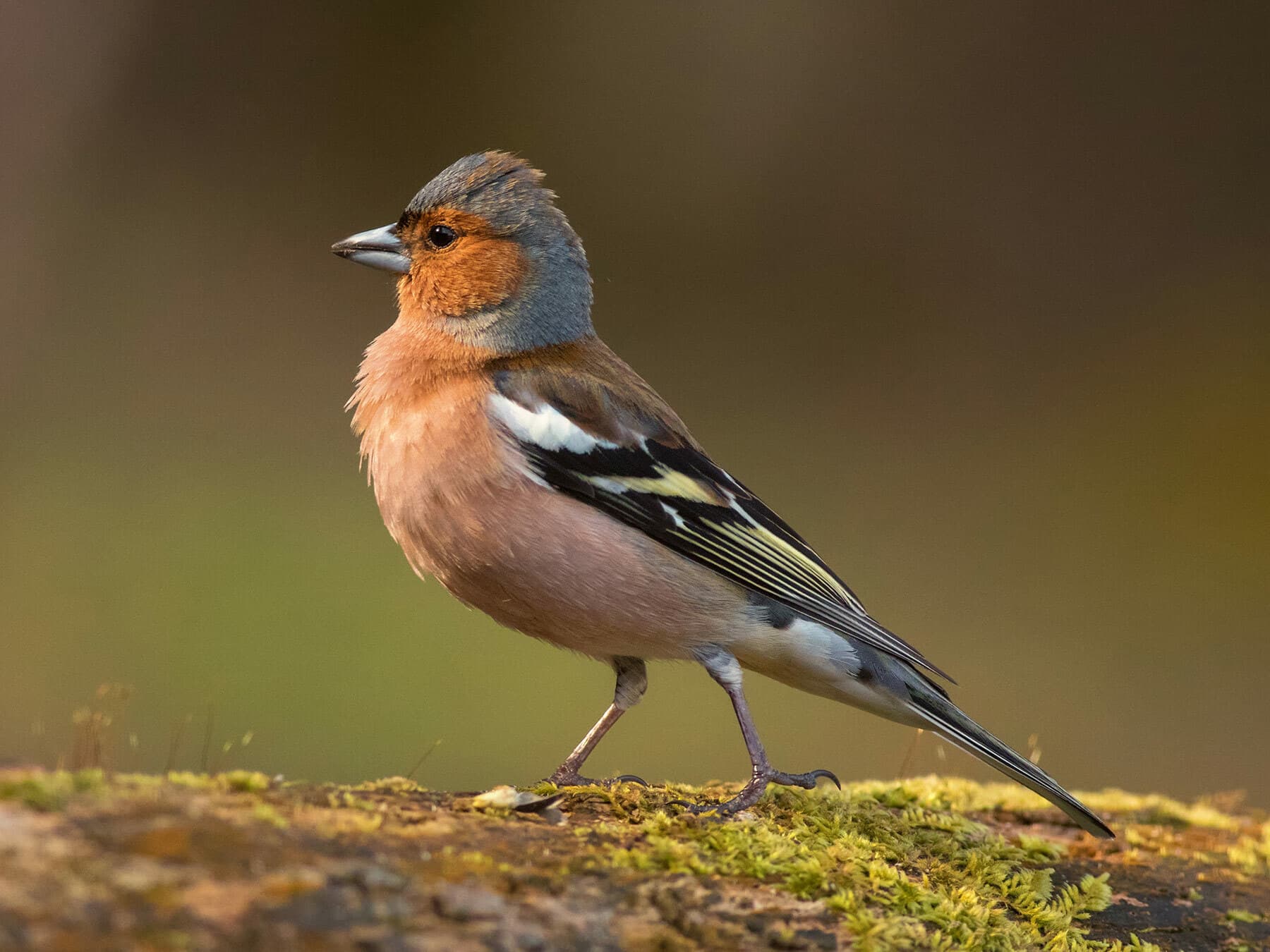 ChaffinchFringilla coelebsResidentCommon14–16 cmRegularly Apr–Feb · 3.98% in Feb
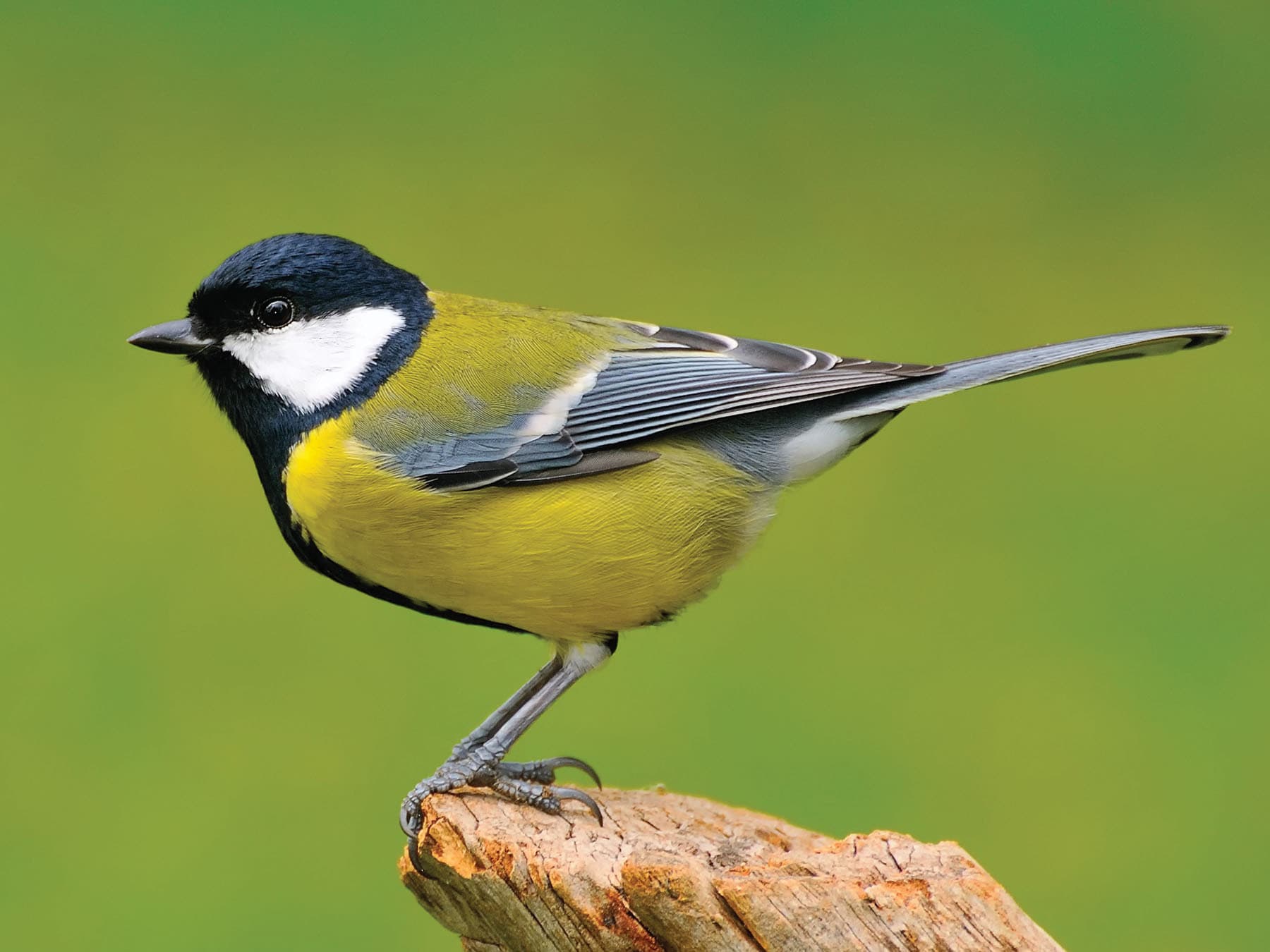 Great TitParus majorResidentCommonRegularly Apr–Feb · 3.98% in Feb
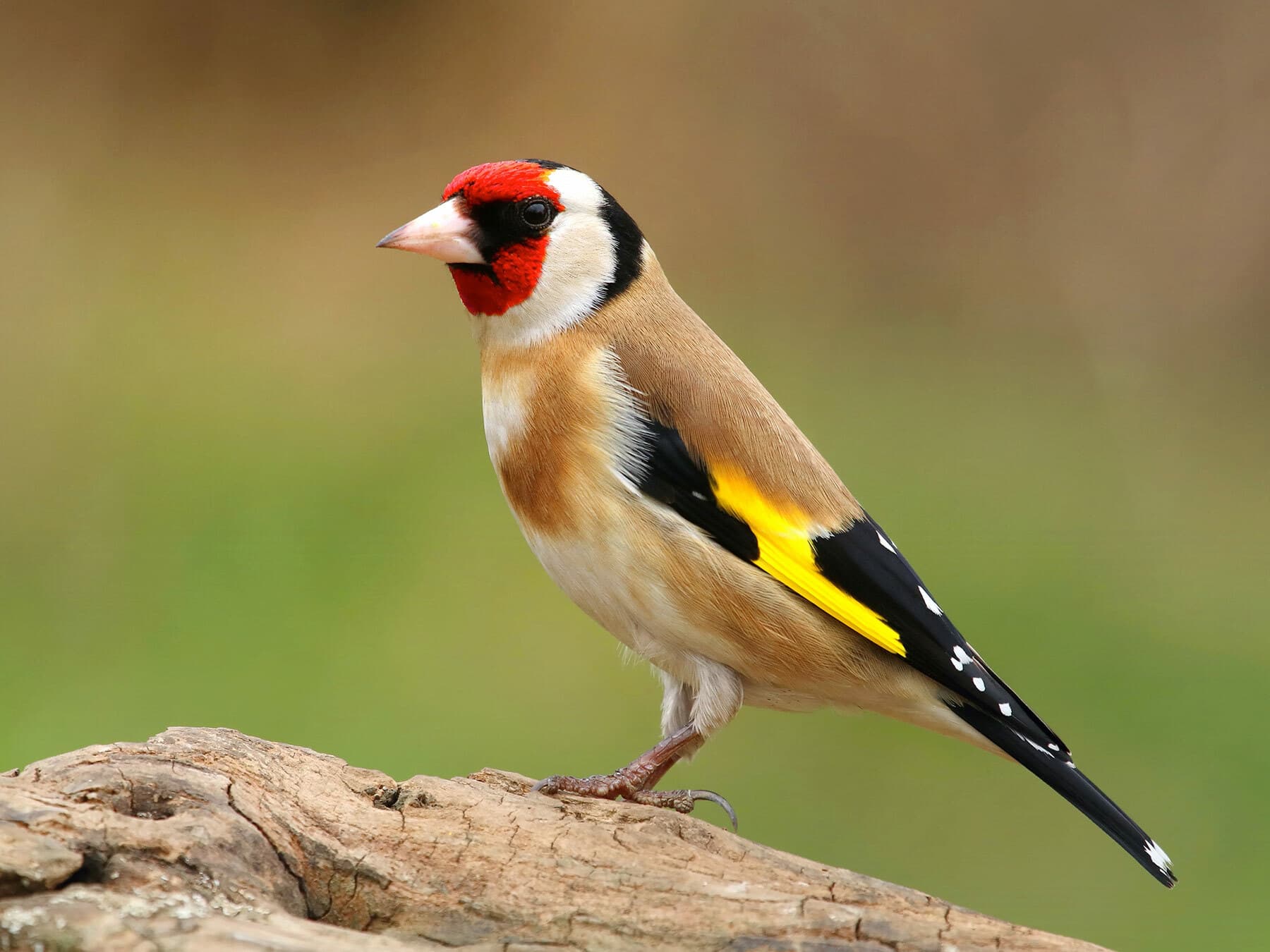 European GoldfinchCarduelis carduelisSummer visitorCommon12–13 cmRegularly Feb–Oct · 3.54% in Feb
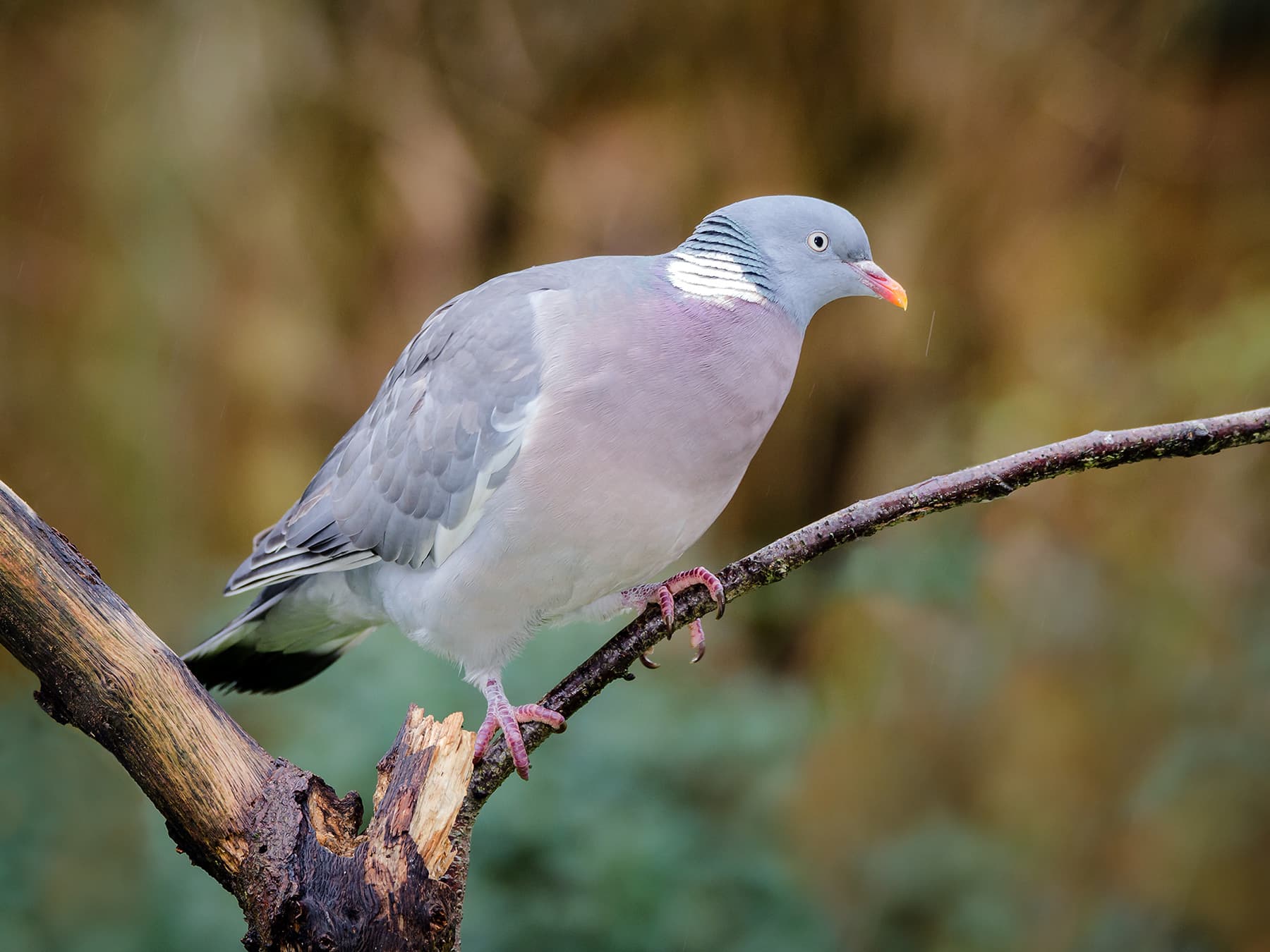 WoodpigeonColumba palumbusResidentCommon40–42 cmRecorded all year · 3.54% in Feb
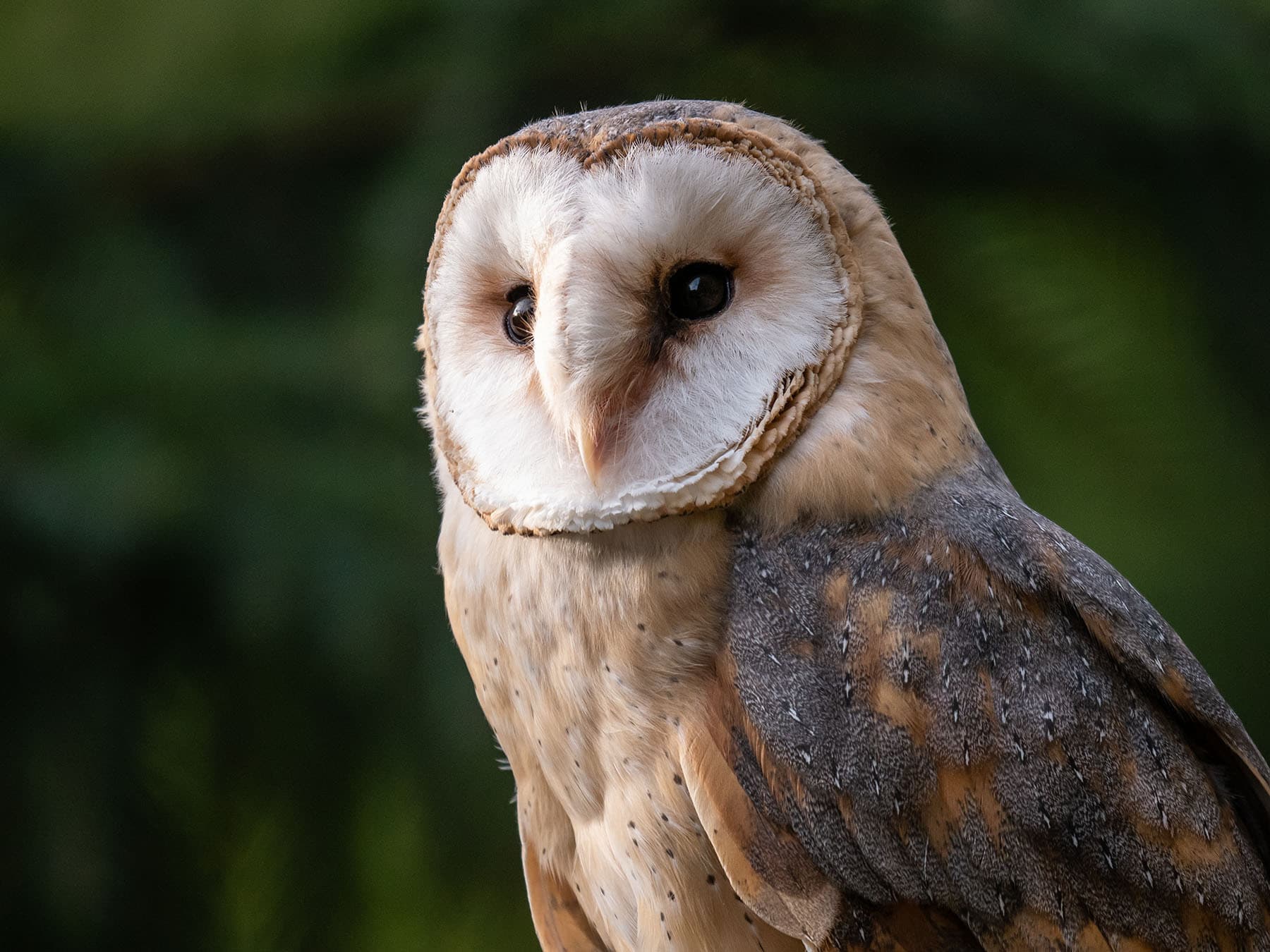 Barn OwlTyto albaWinter visitorCommon33–39 cmRegularly Jun–Mar · 3.10% in Feb
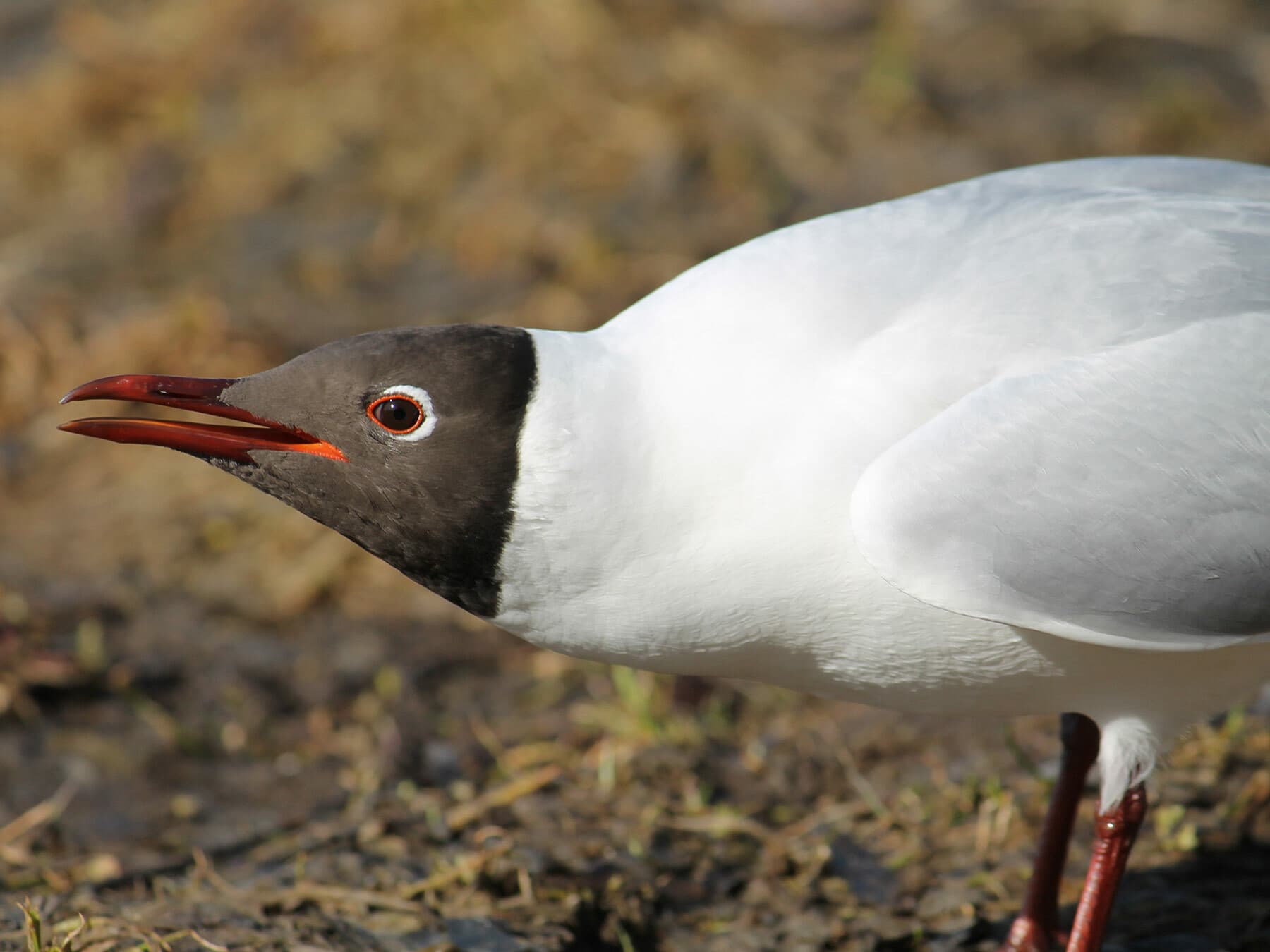 Black-headed GullChroicocephalus ridibundusResidentCommon38–44 cmRegularly Feb–Aug · 3.10% in Feb
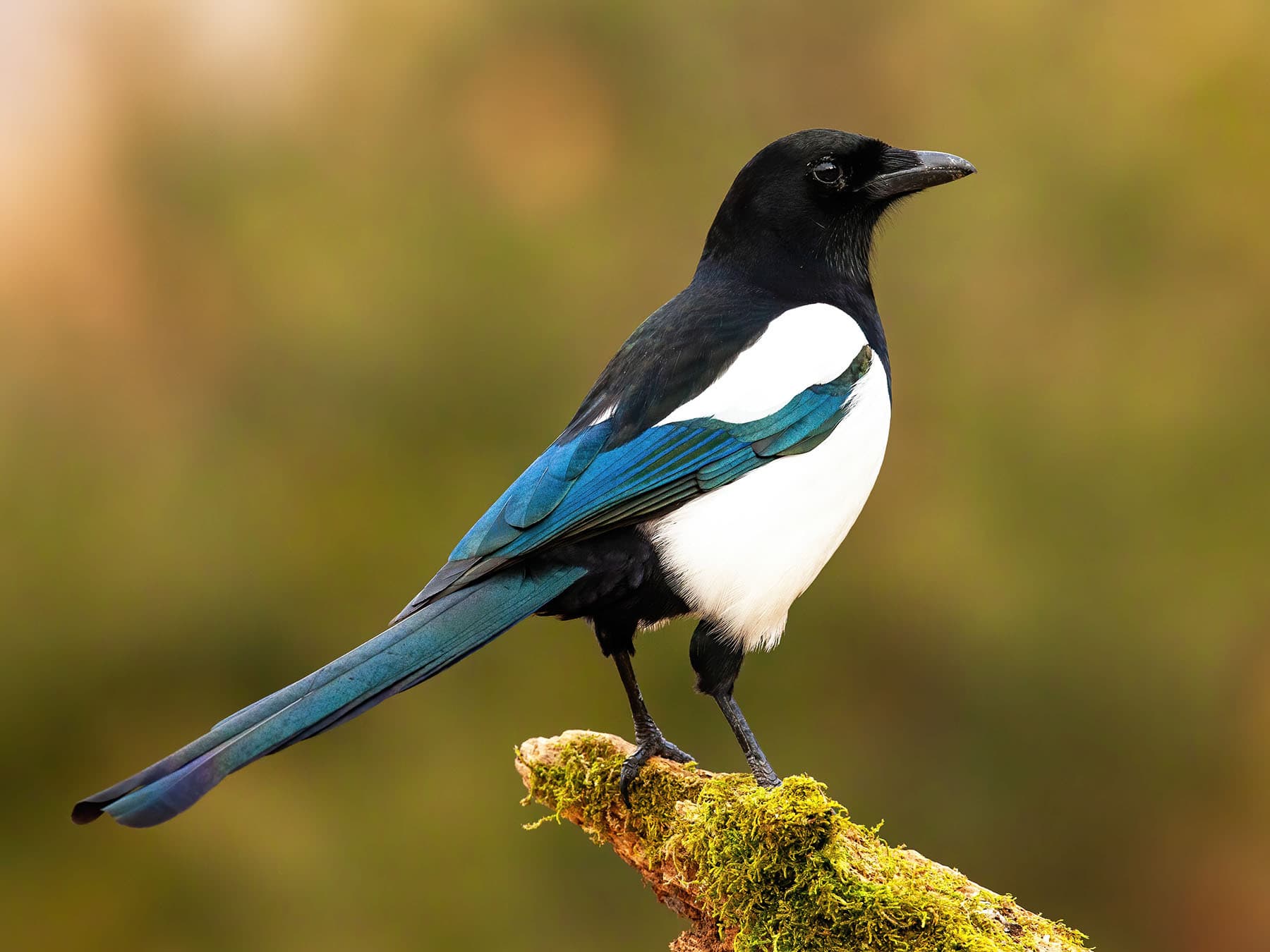 MagpiePica picaResidentCommon44–46 cmRecorded all year · 3.10% in Feb
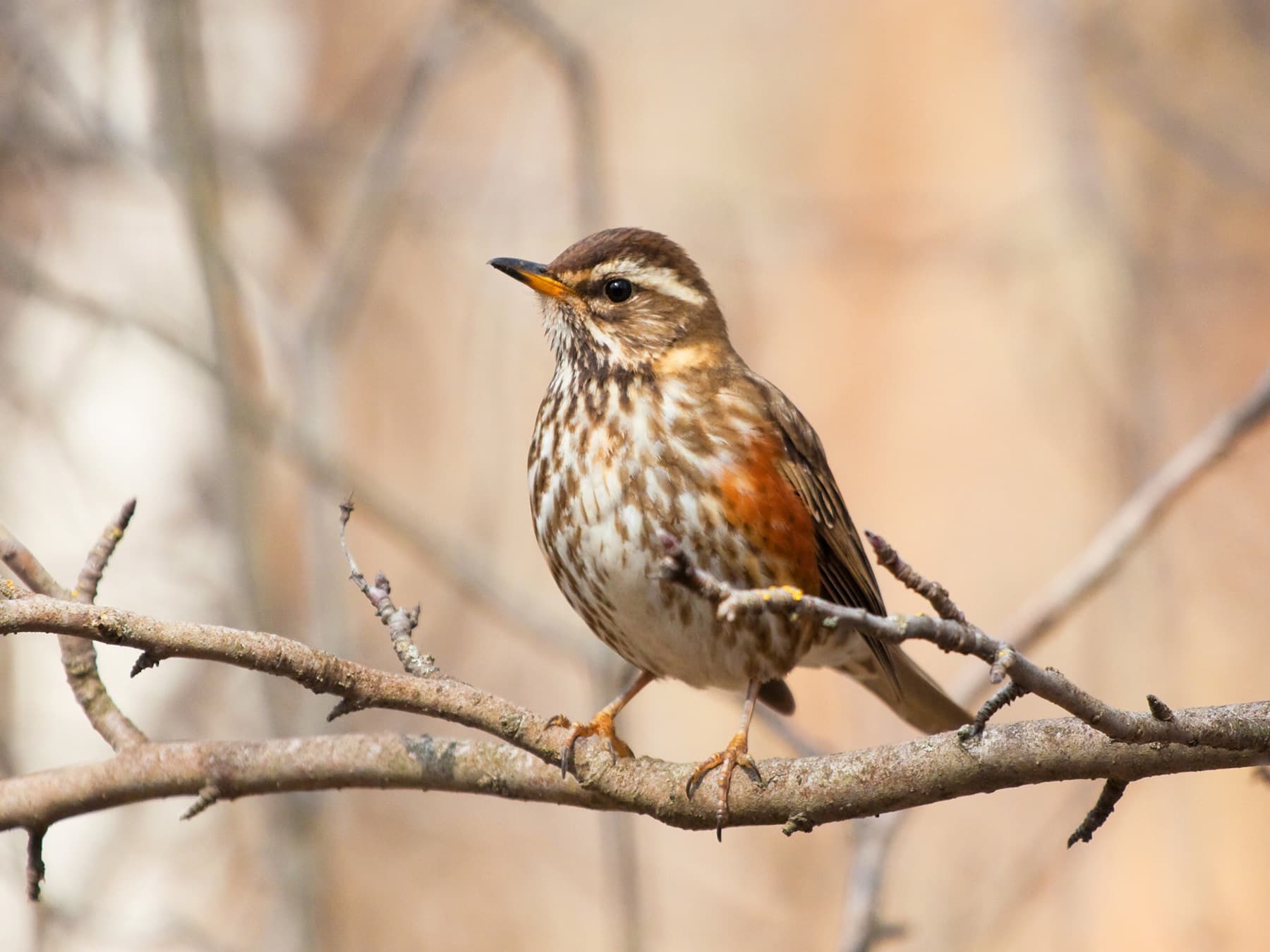 RedwingTurdus iliacusPassage migrantCommon20–24 cmRegularly Jan–Mar · 3.10% in Feb
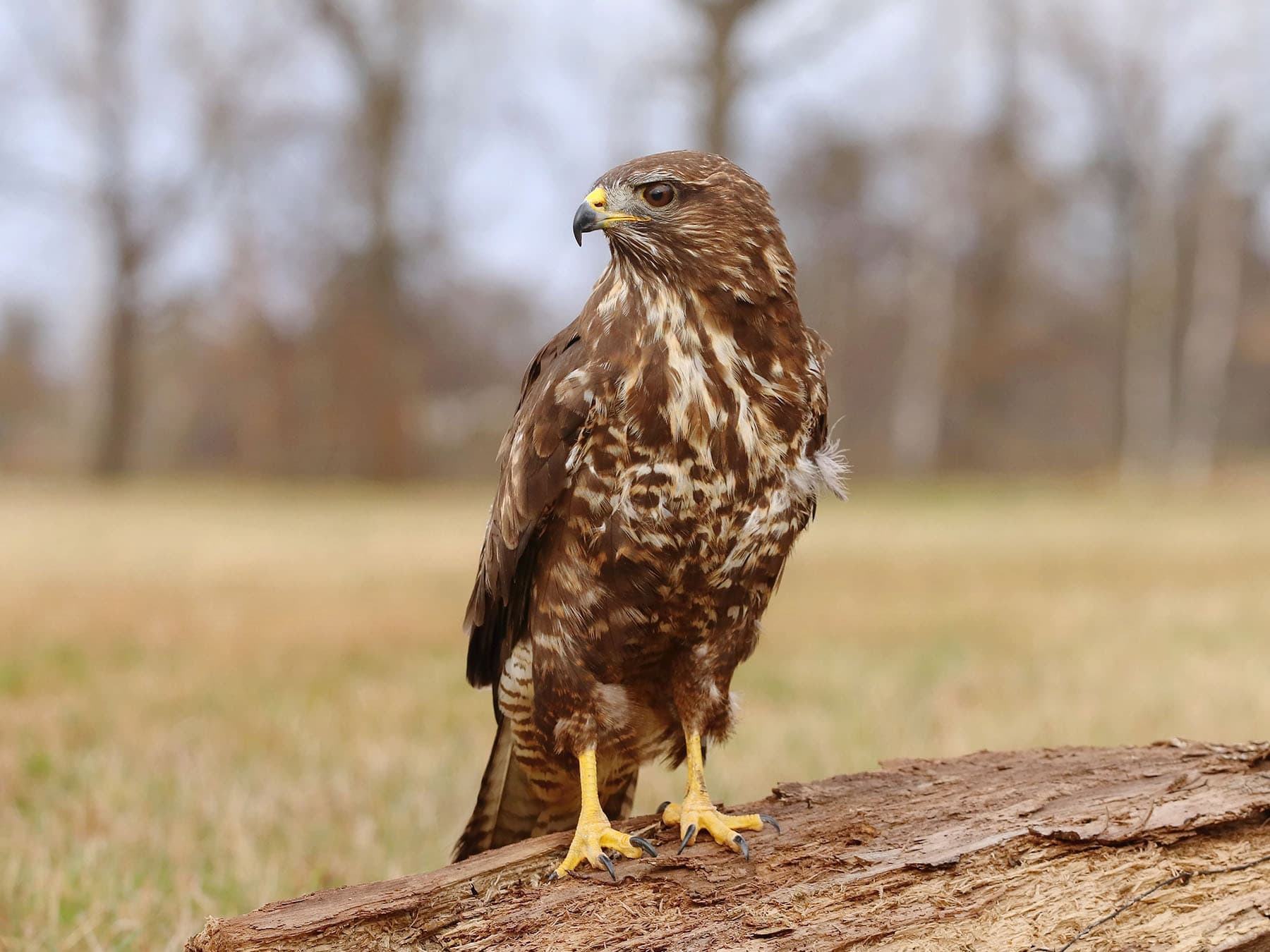 BuzzardButeo buteoSummer visitorCommon51–57 cmRegularly May–Feb · 2.65% in Feb
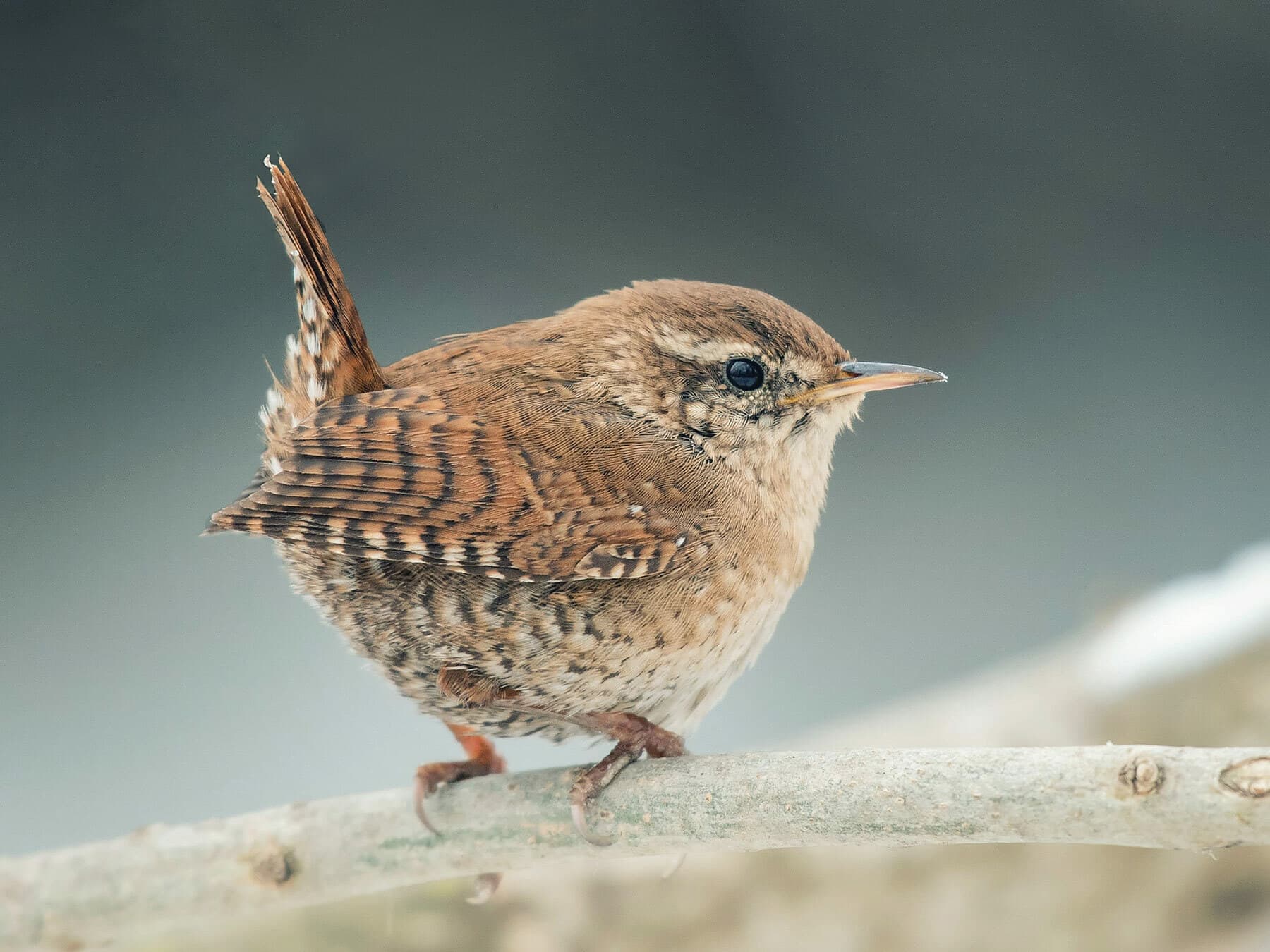 Eurasian WrenTroglodytes troglodytesSummer visitorCommon9–10 cmRegularly Feb–Dec · 2.65% in Feb
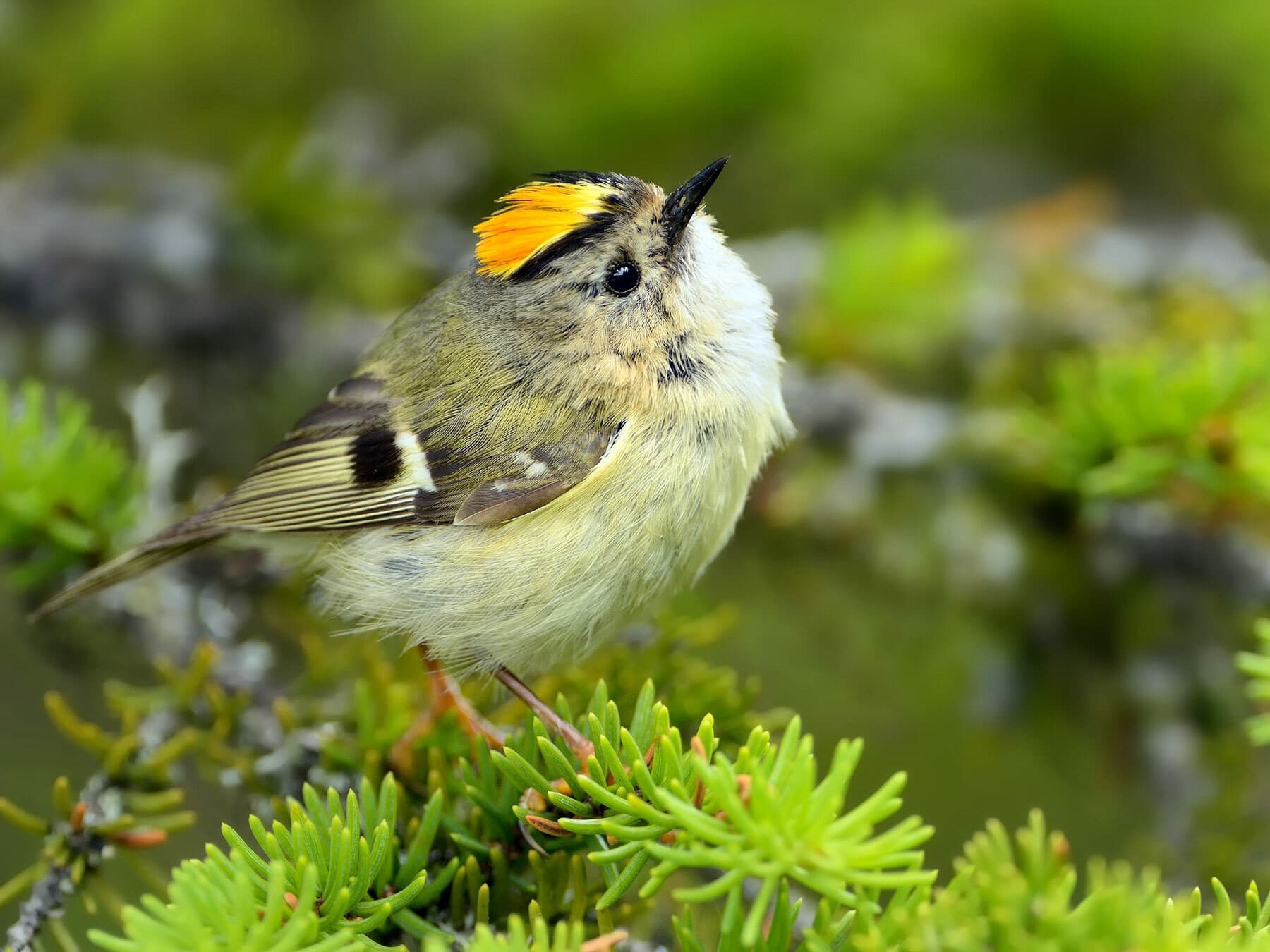 GoldcrestRegulus regulusWinter visitorCommon9–10 cmRegularly May–Feb · 2.65% in Feb
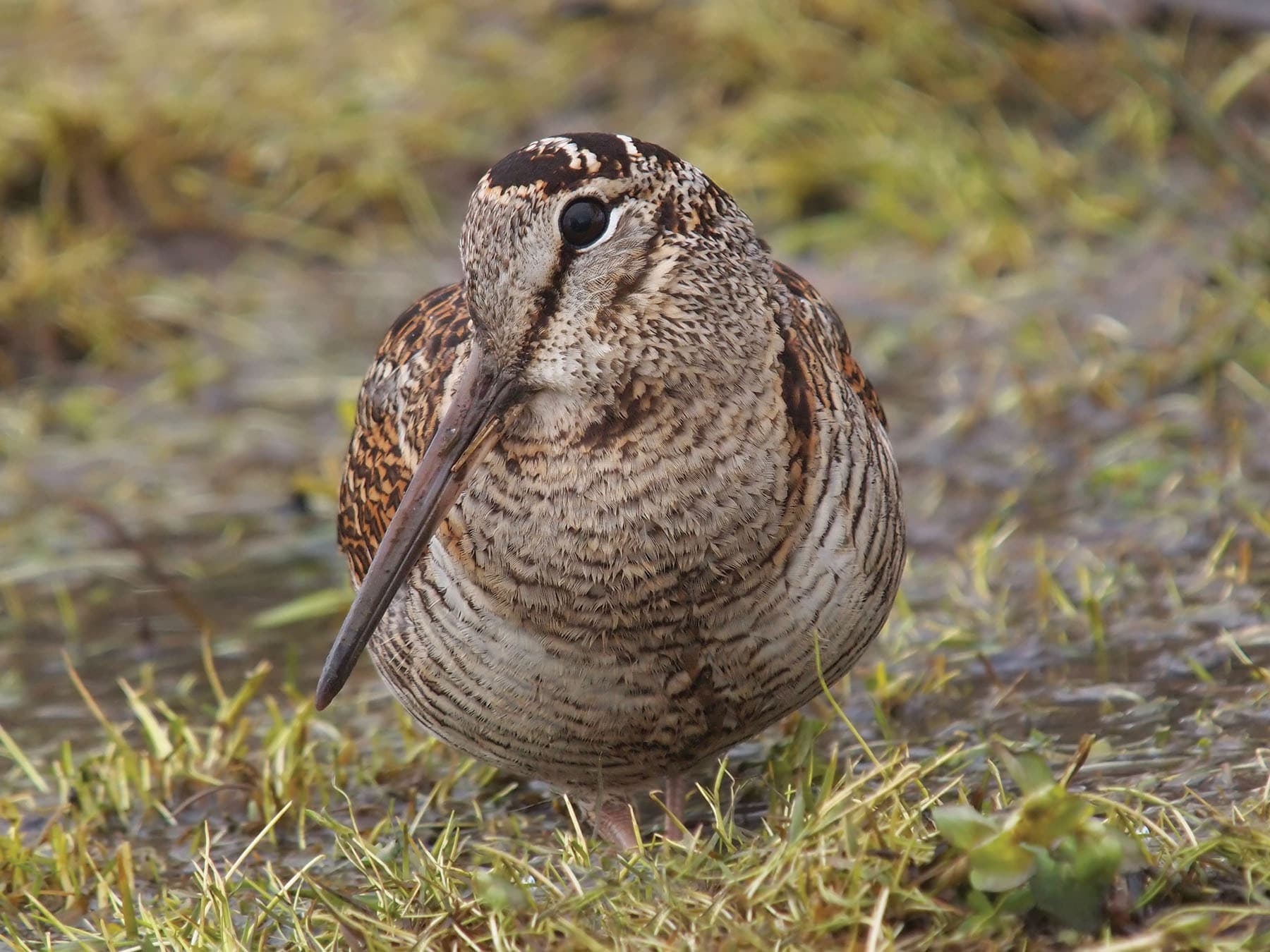 Eurasian WoodcockScolopax rusticolaPassage migrantCommon33–38 cmRegularly Feb–May · 2.21% in Feb
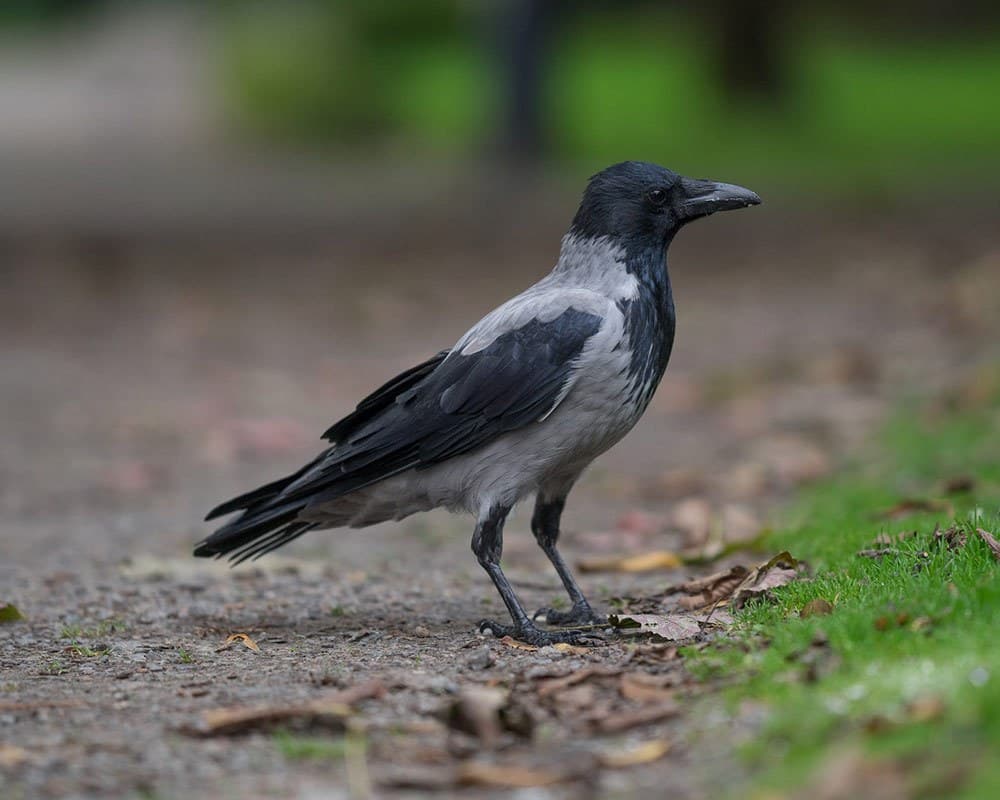 Hooded CrowCorvus cornixSummer visitorCommon44–51 cmRegularly Jan–Nov · 2.21% in Feb
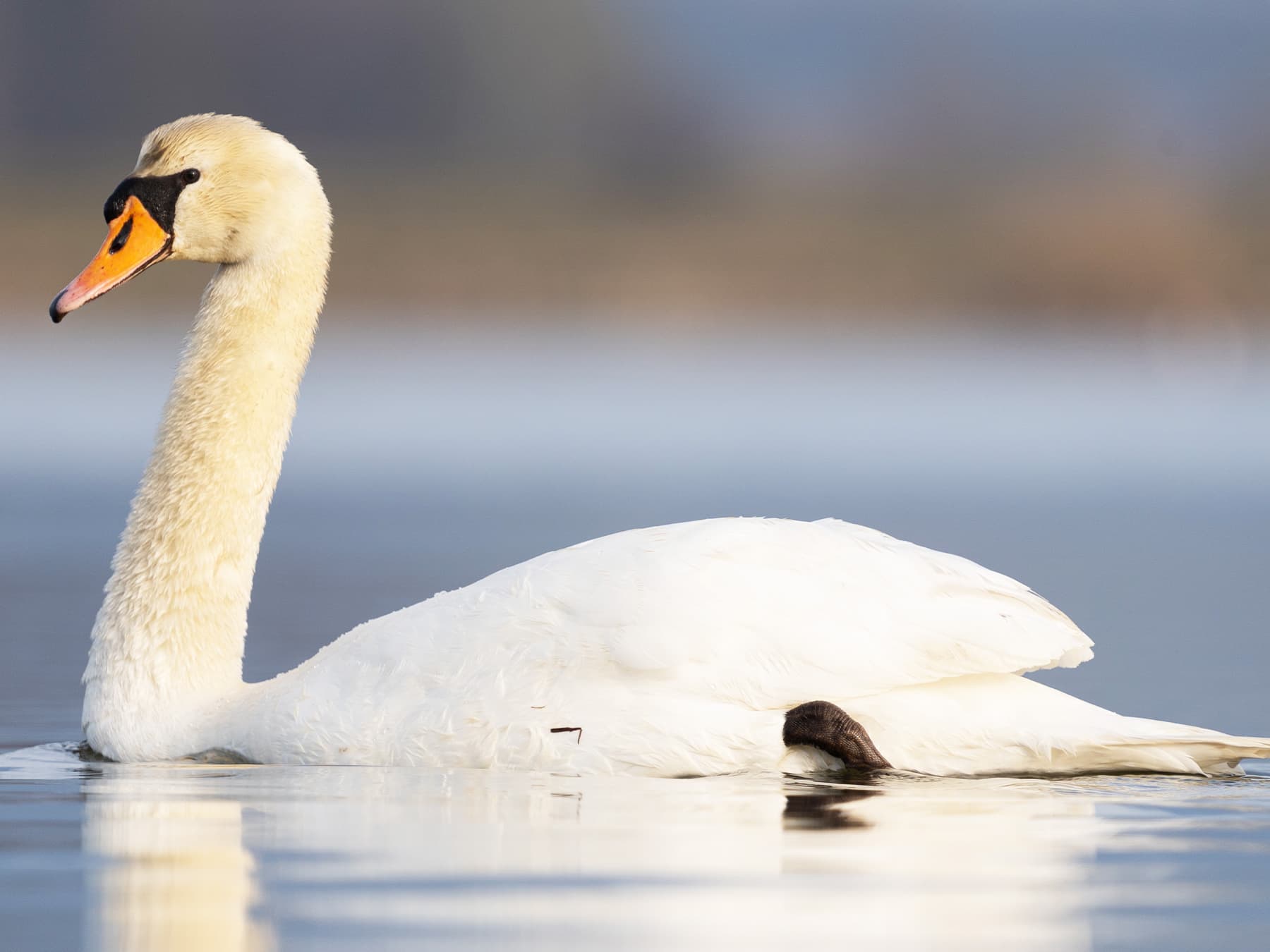 Mute SwanCygnus olorSummer visitorCommon140–160 cmRegularly Jan–Oct · 2.21% in Feb
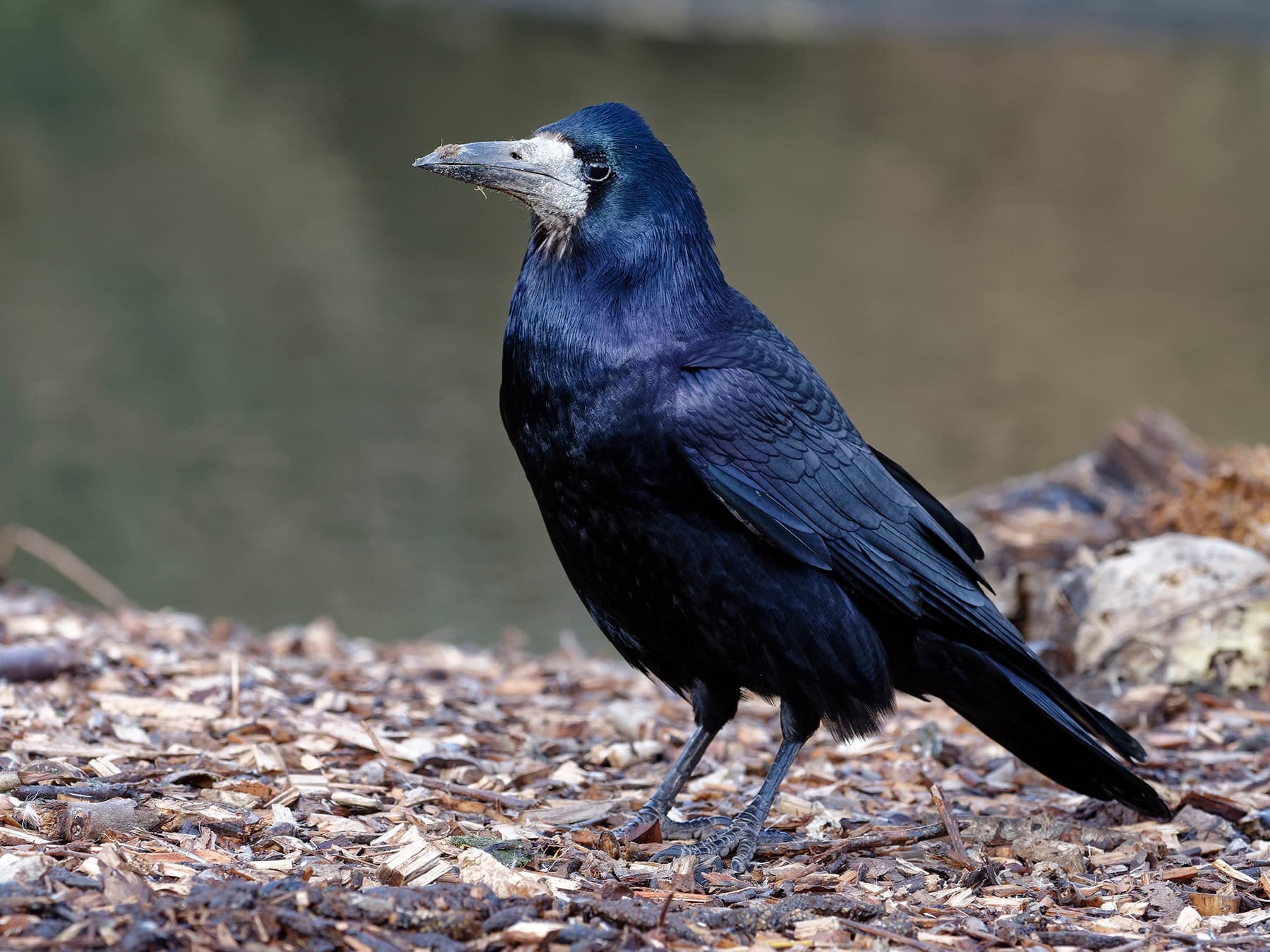 RookCorvus frugilegusResidentCommon45–47 cmRegularly Dec–Oct · 2.21% in Feb
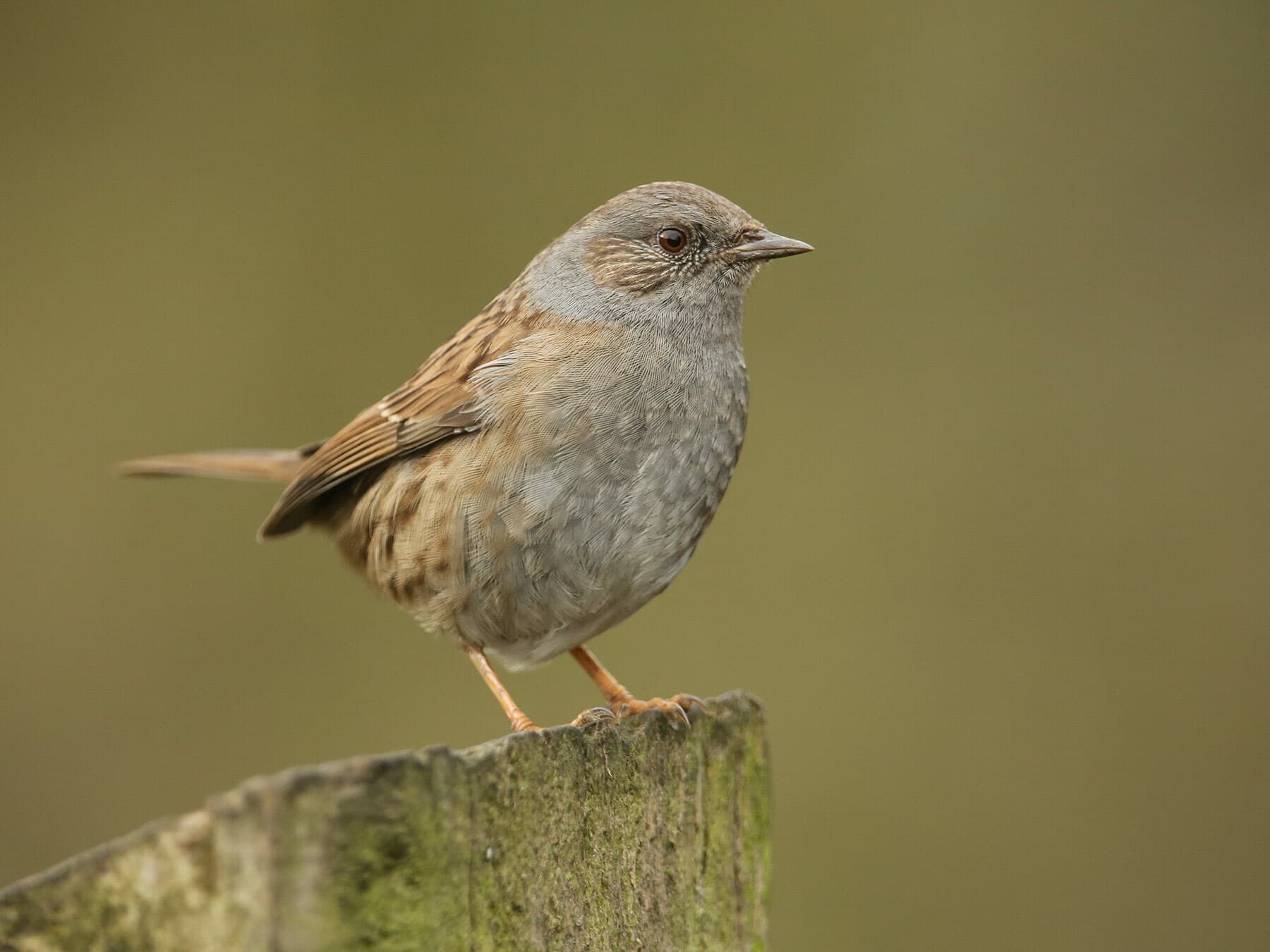 DunnockPrunella modularisSummer visitorCommon14–15 cmRegularly Feb–Oct · 1.77% in Feb
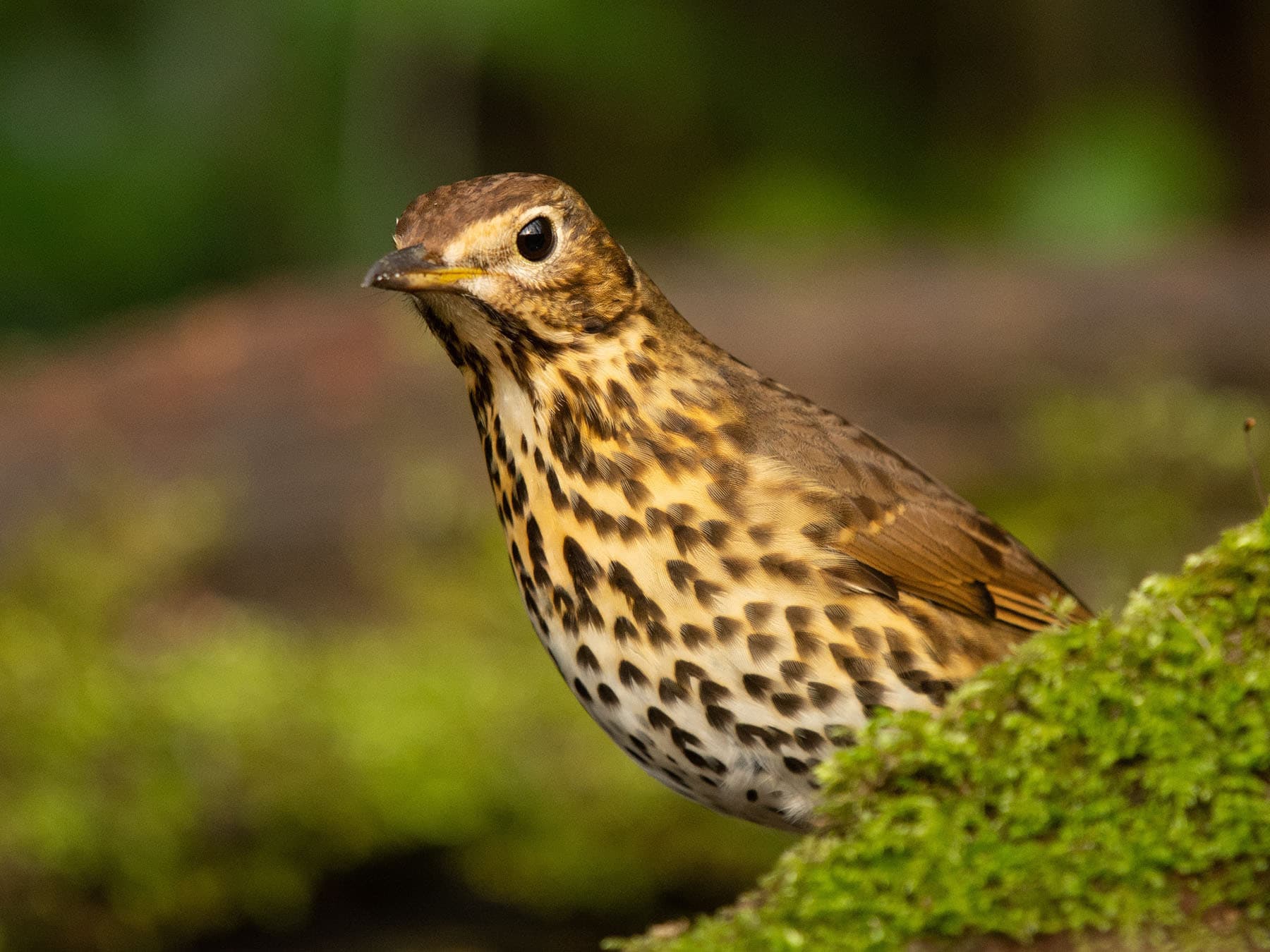 Song ThrushTurdus philomelosSummer visitorCommon20–23 cmRegularly Jan–Aug · 1.77% in Feb
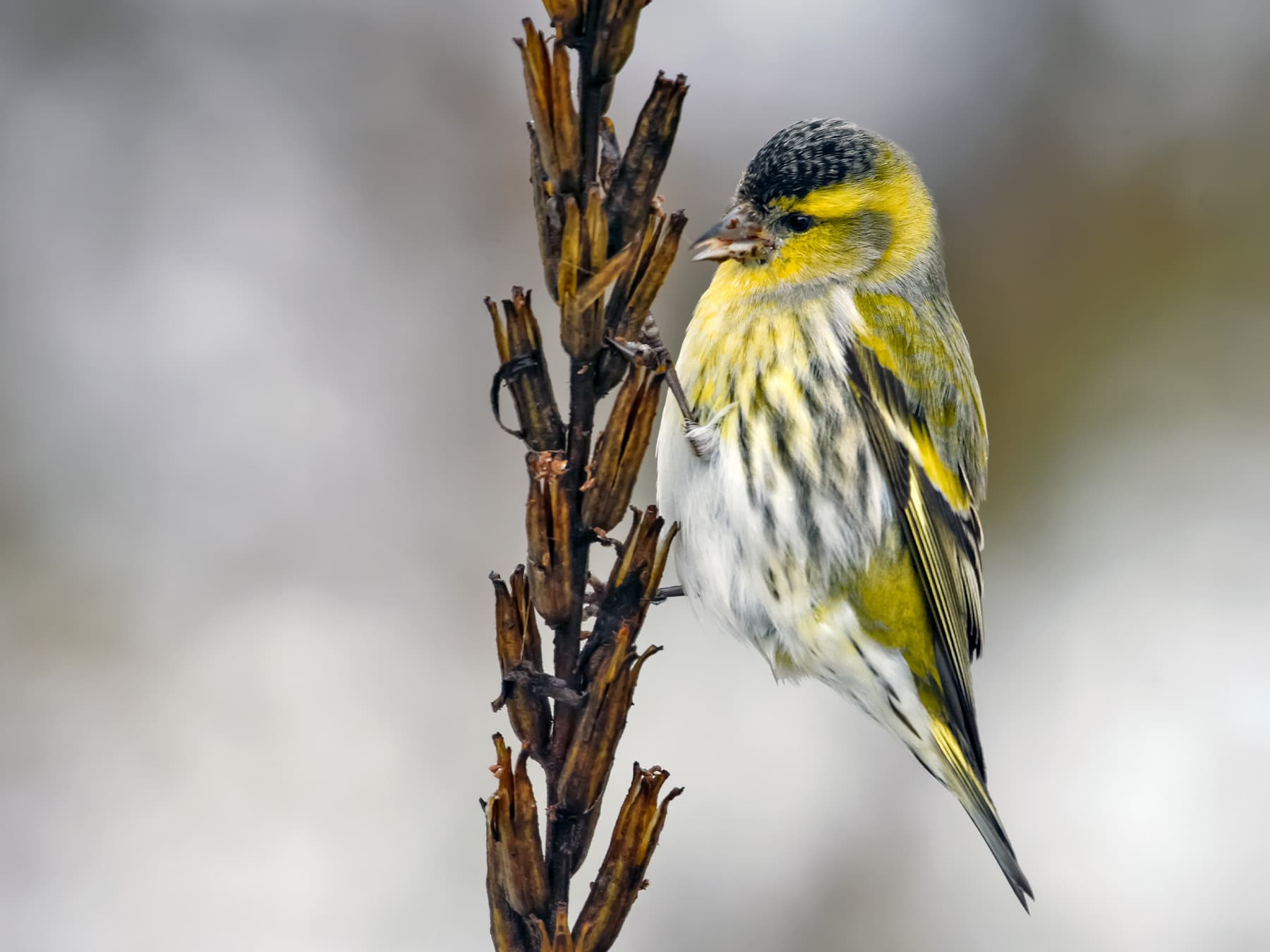 Eurasian SiskinSpinus spinusResidentCommon11–13 cmRegularly Feb · 1.33% in Feb
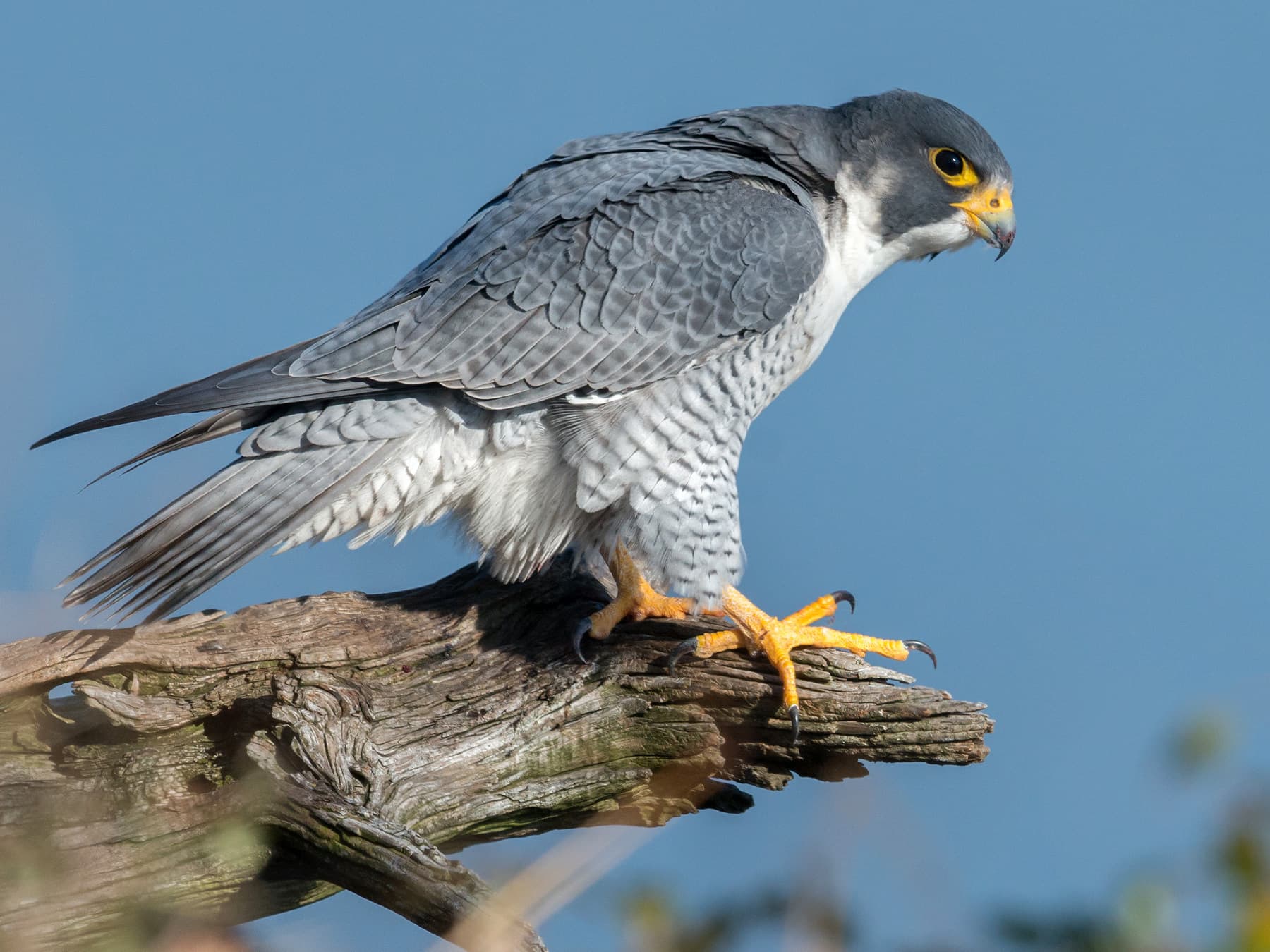 Peregrine FalconFalco peregrinusScarceCommon34–58 cmRegularly Feb–Jun · records held back in Feb (protected)
Smallest to largest
Length, cm- Goldcrest 9–10 cm
- Eurasian Wren 9–10 cm
- Blue Tit 11–12 cm
- Eurasian Siskin 11–13 cm
- European Goldfinch 12–13 cm
- European Robin 13–14 cm
- Dunnock 14–15 cm
- Chaffinch 14–16 cm
- Song Thrush 20–23 cm
- Redwing 20–24 cm
- Blackbird 24–25 cm
- Fieldfare 22–27 cm
- Common Snipe 25–27 cm
- Eurasian Woodcock 33–38 cm
- Barn Owl 33–39 cm
- Woodpigeon 40–42 cm
- Black-headed Gull 38–44 cm
- Magpie 44–46 cm
- Rook 45–47 cm
- Peregrine Falcon 34–58 cm
- Hooded Crow 44–51 cm
- Buzzard 51–57 cm
- Mute Swan 140–160 cm
Body length, bill to tail. Rare birds in grey.
Data: EOD – eBird Observation Dataset (Cornell Lab of Ornithology), accessed via GBIF.org, CC BY 4.0. Records from 2019–2024, aggregated and filtered by Birdfact. How these lists are made