


Birds to See in Angola in June
24 bird species on our list for Angola are recorded regularly in June
Of these, the most often recorded are Lesser Striped Swallow, Pied Crow, Fork-tailed Drongo, Cape Starling and Rock Dove. New this month: African Marsh Harrier, Greenshank, Helmeted Guineafowl and Black-crowned Night-heron and 7 more.
On the move in June
GBIF · JunFrom Angola’s bird records, 2019–2024: arriving birds are regular this month but not last; leaving birds are regular this month but not next.
Other months
All 24 birds in June
24 birds
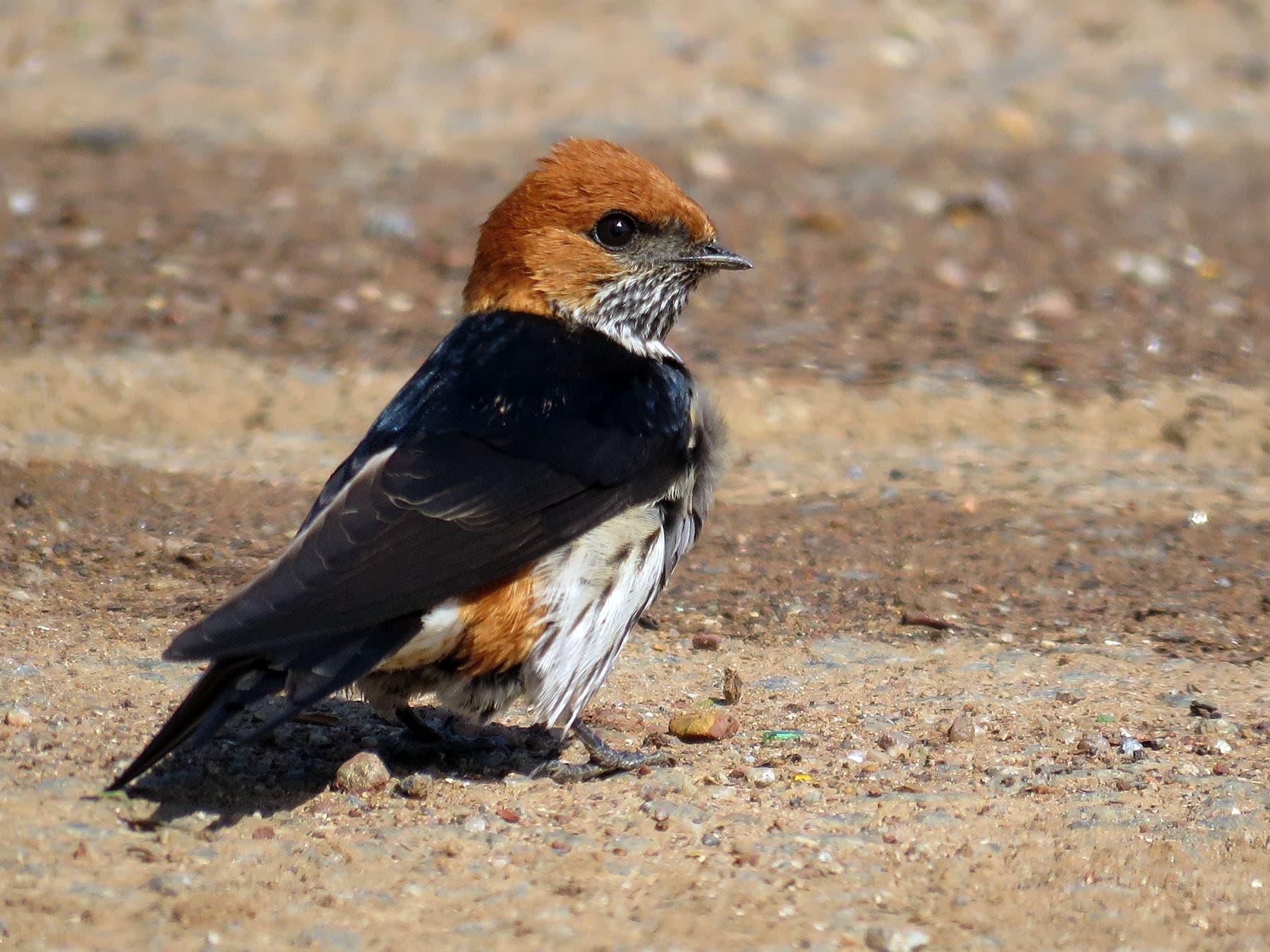 Lesser Striped SwallowCecropis abyssinicaWinter visitorCommon15–19 cmRegularly Feb–Nov · 1.49% in Jun
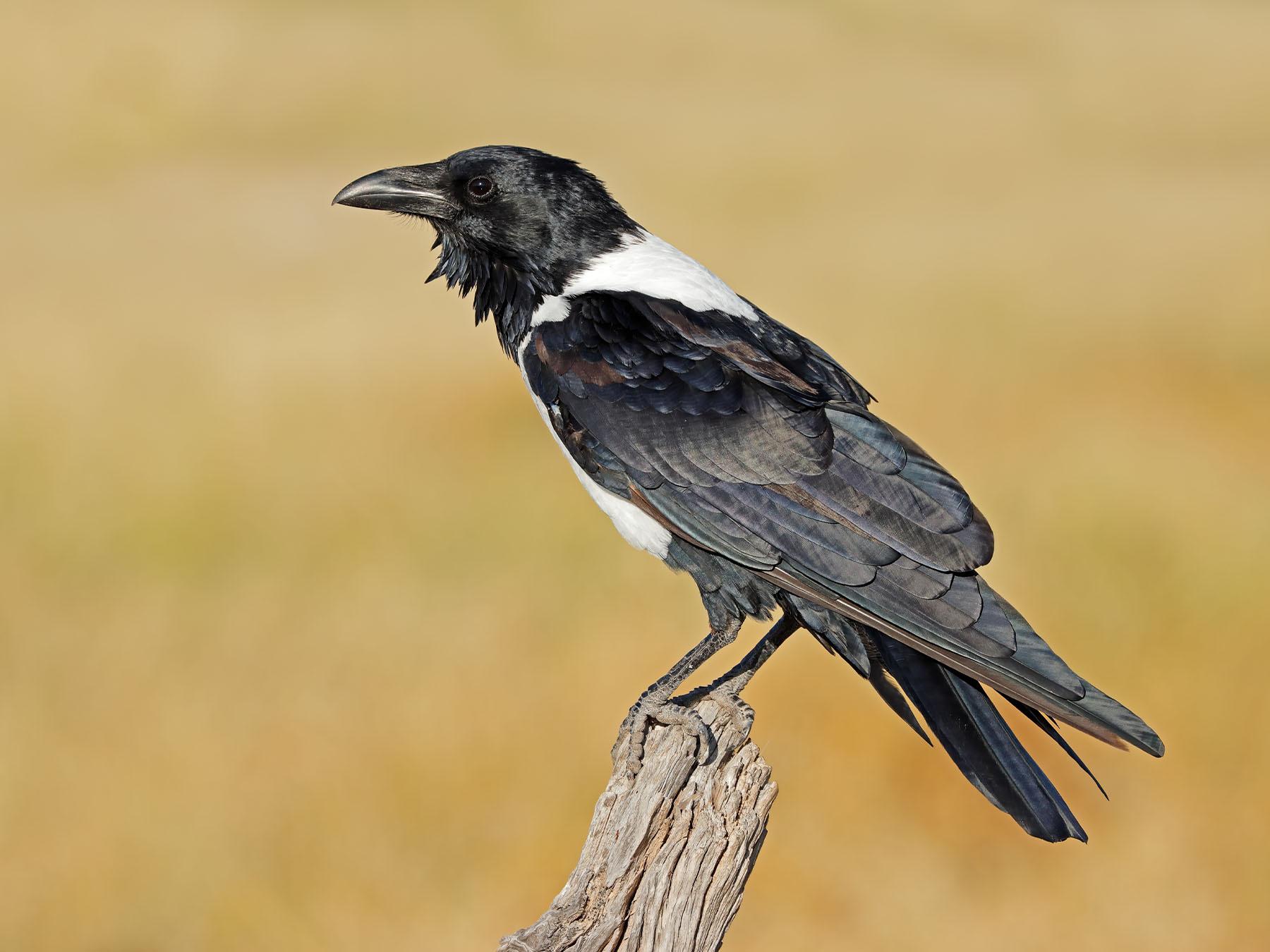 Pied CrowCorvus albusResidentCommon45–45 cmRecorded all year · 1.16% in Jun
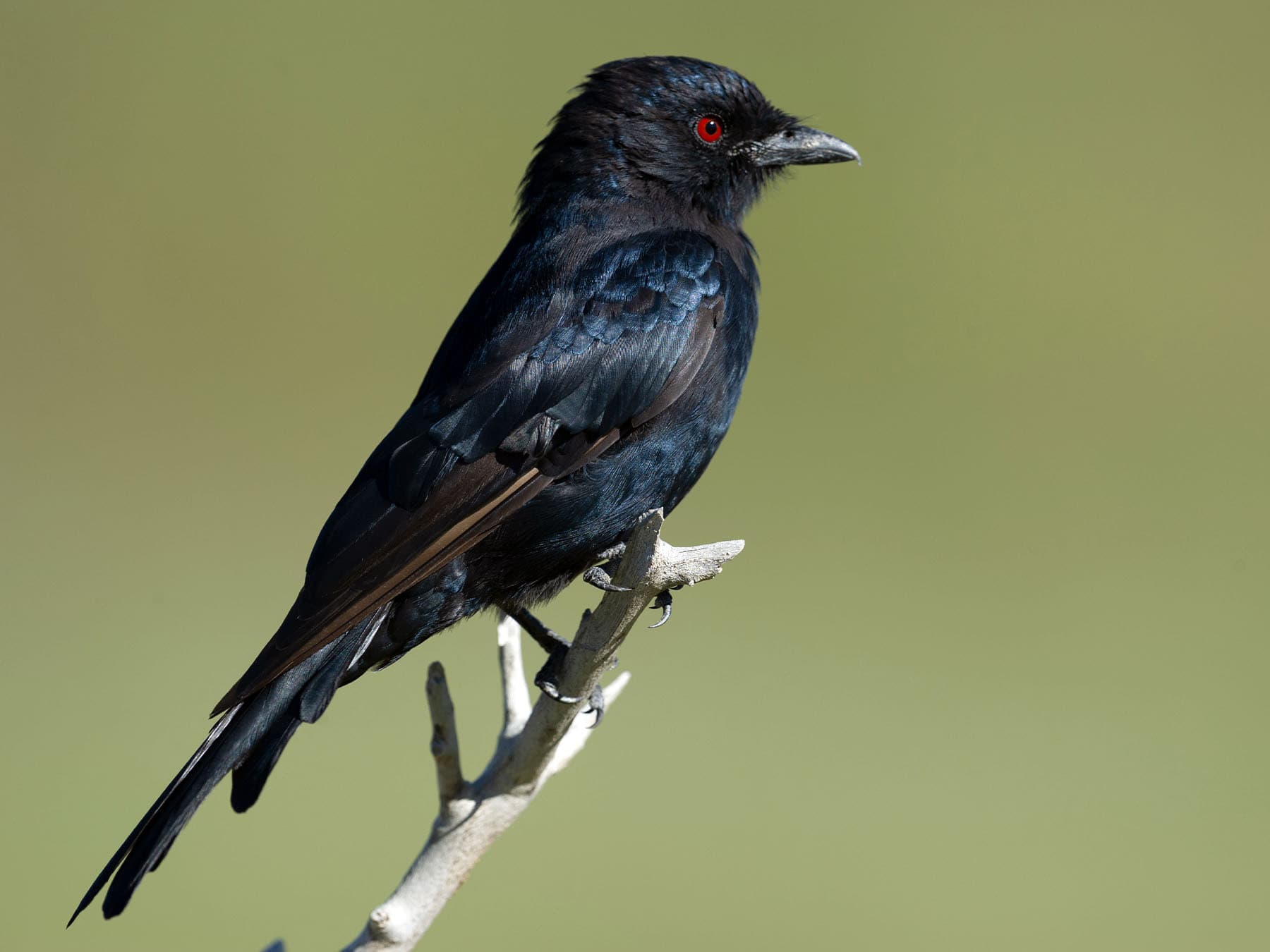 Fork-tailed DrongoDicrurus adsimilisResidentCommon23–26 cmRecorded all year · 1.07% in Jun
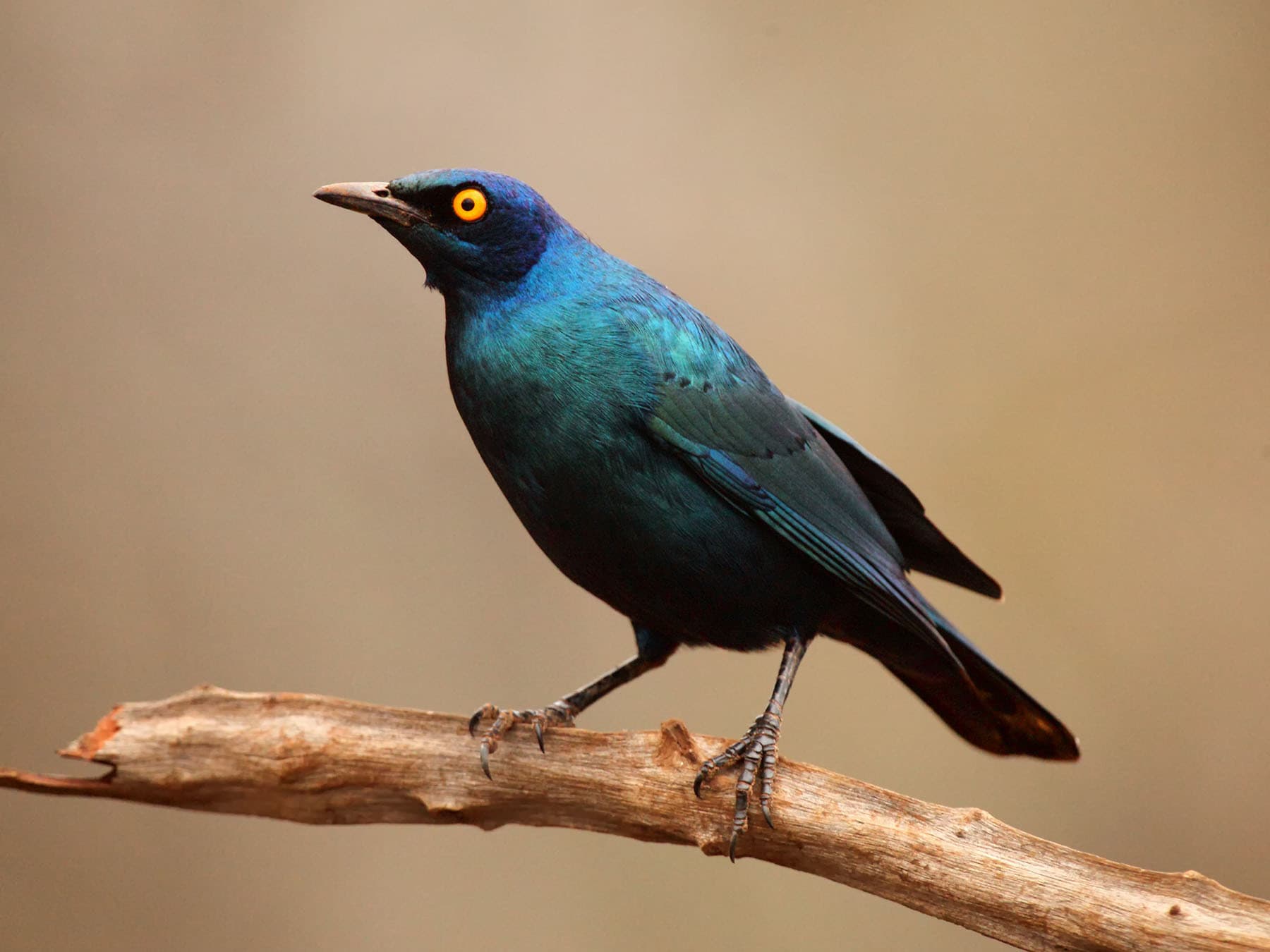 Cape StarlingLamprotornis nitensResidentCommon25–25 cmRecorded all year · 0.68% in Jun
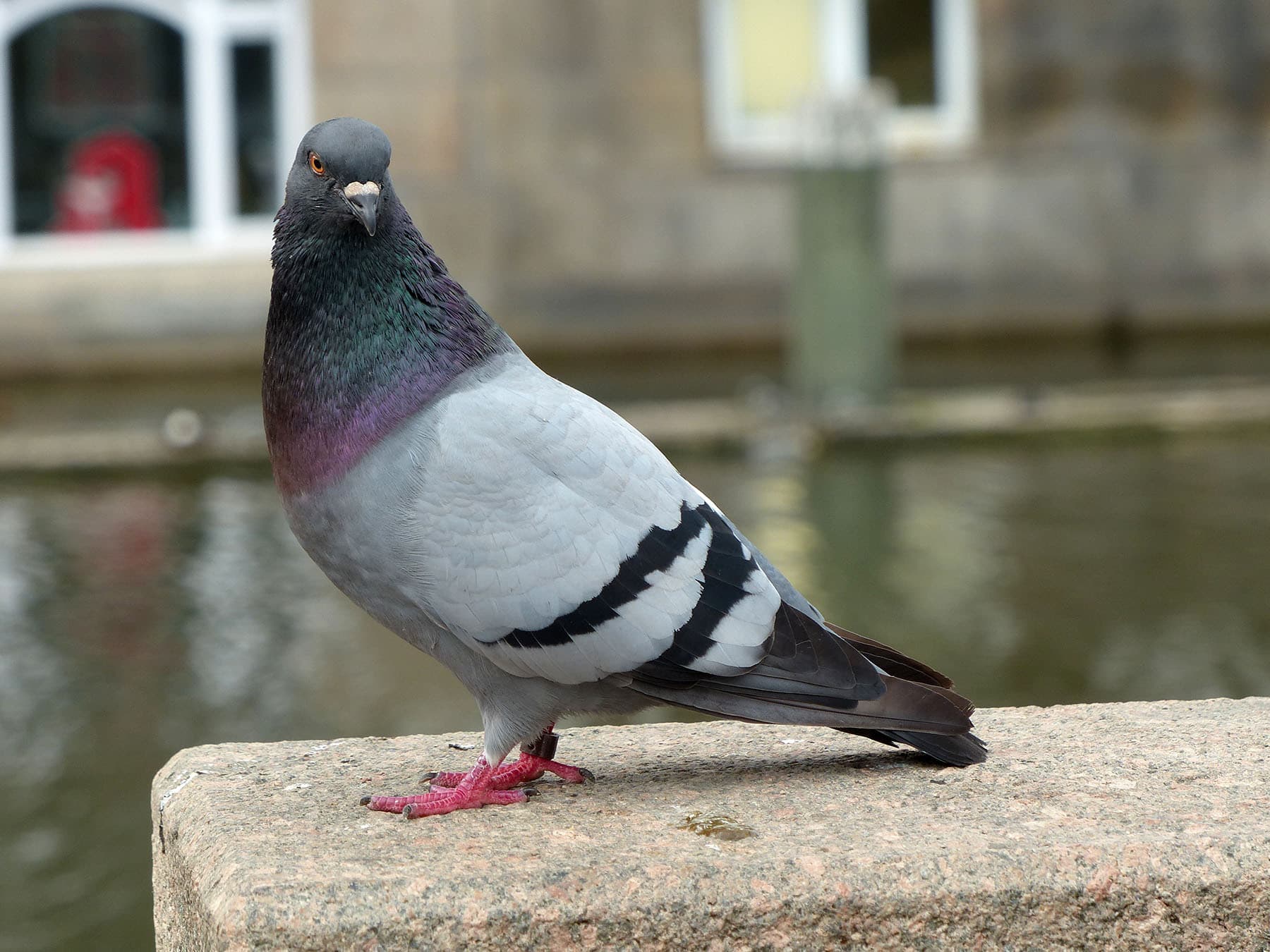 Rock DoveColumba liviaResidentCommon31–34 cmRecorded all year · 0.54% in Jun
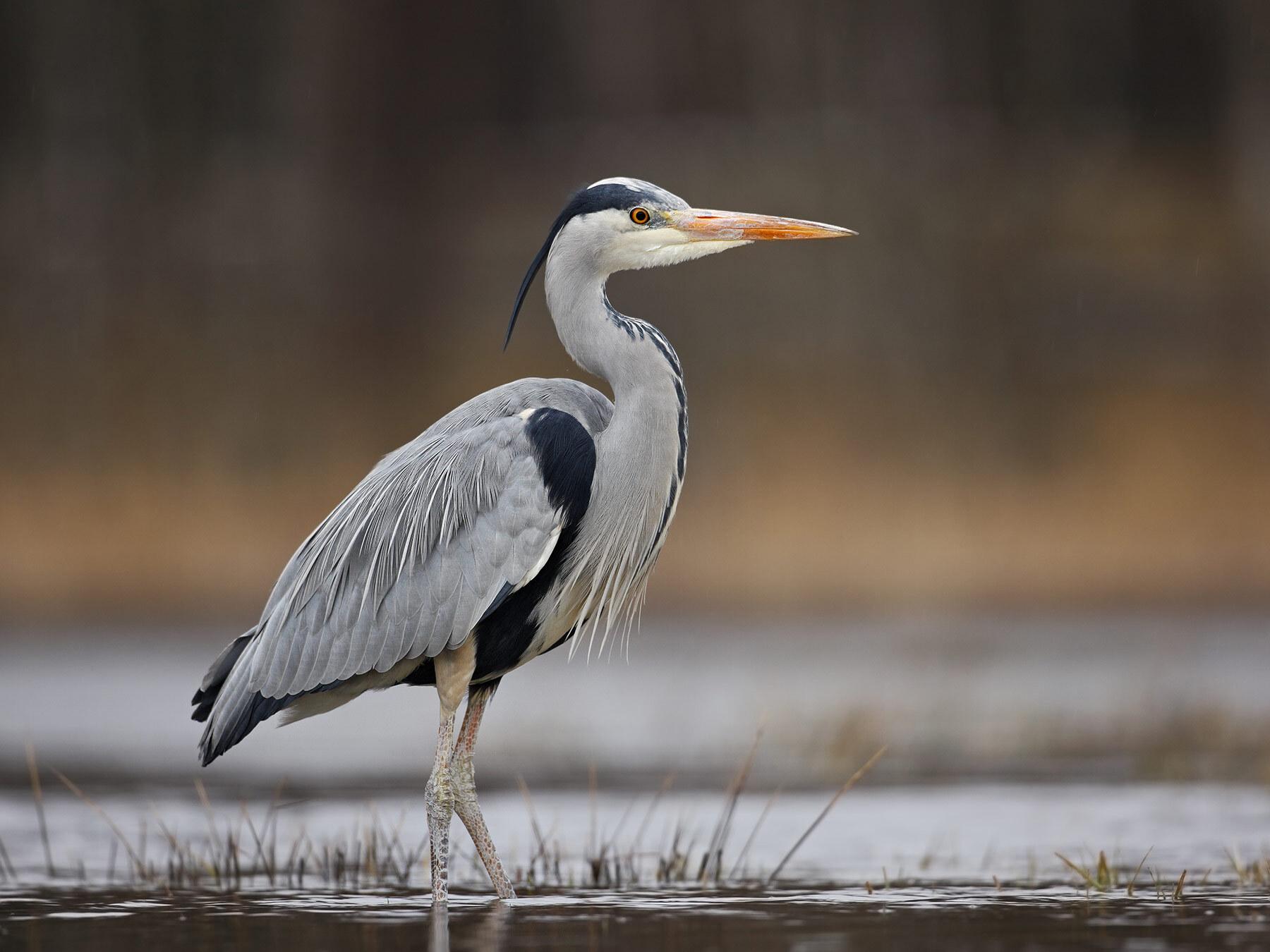 Grey HeronArdea cinereaResidentCommon90–98 cmRecorded all year · 0.52% in Jun
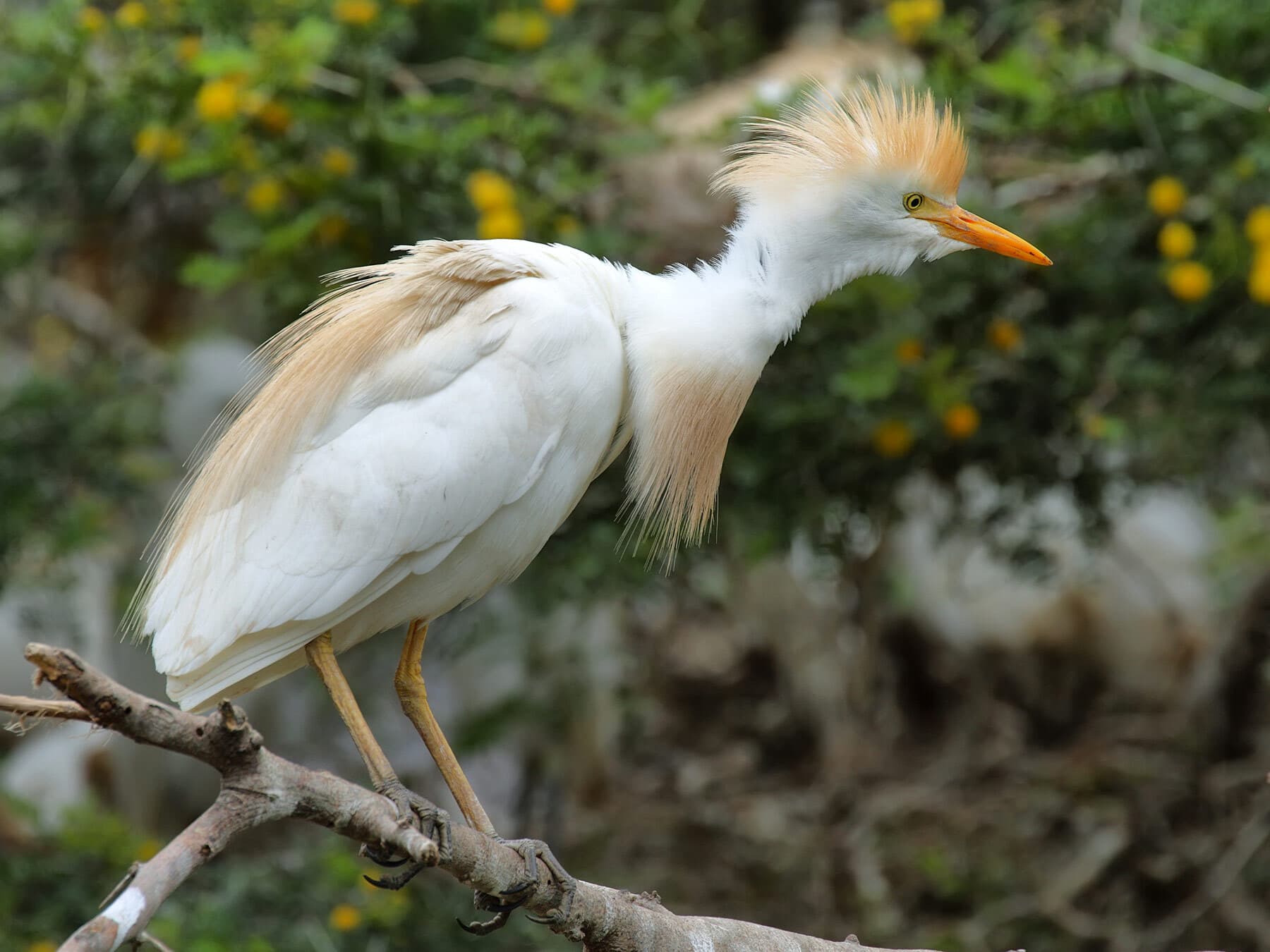 Cattle EgretArdea ibisSummer visitorCommon46–56 cmRecorded all year · 0.44% in Jun
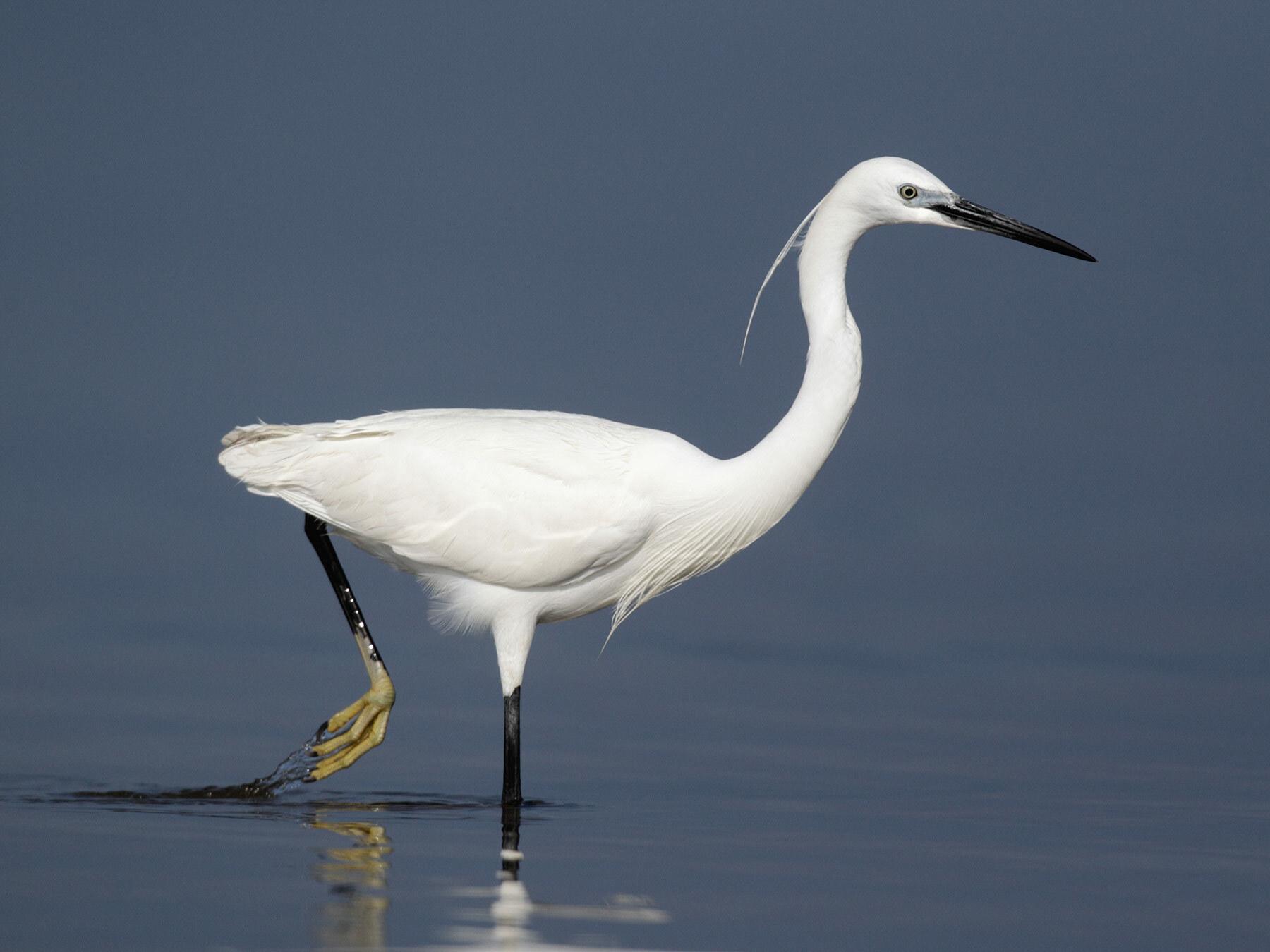 Little EgretEgretta garzettaWinter visitorCommon55–65 cmRegularly Feb–Dec · 0.37% in Jun
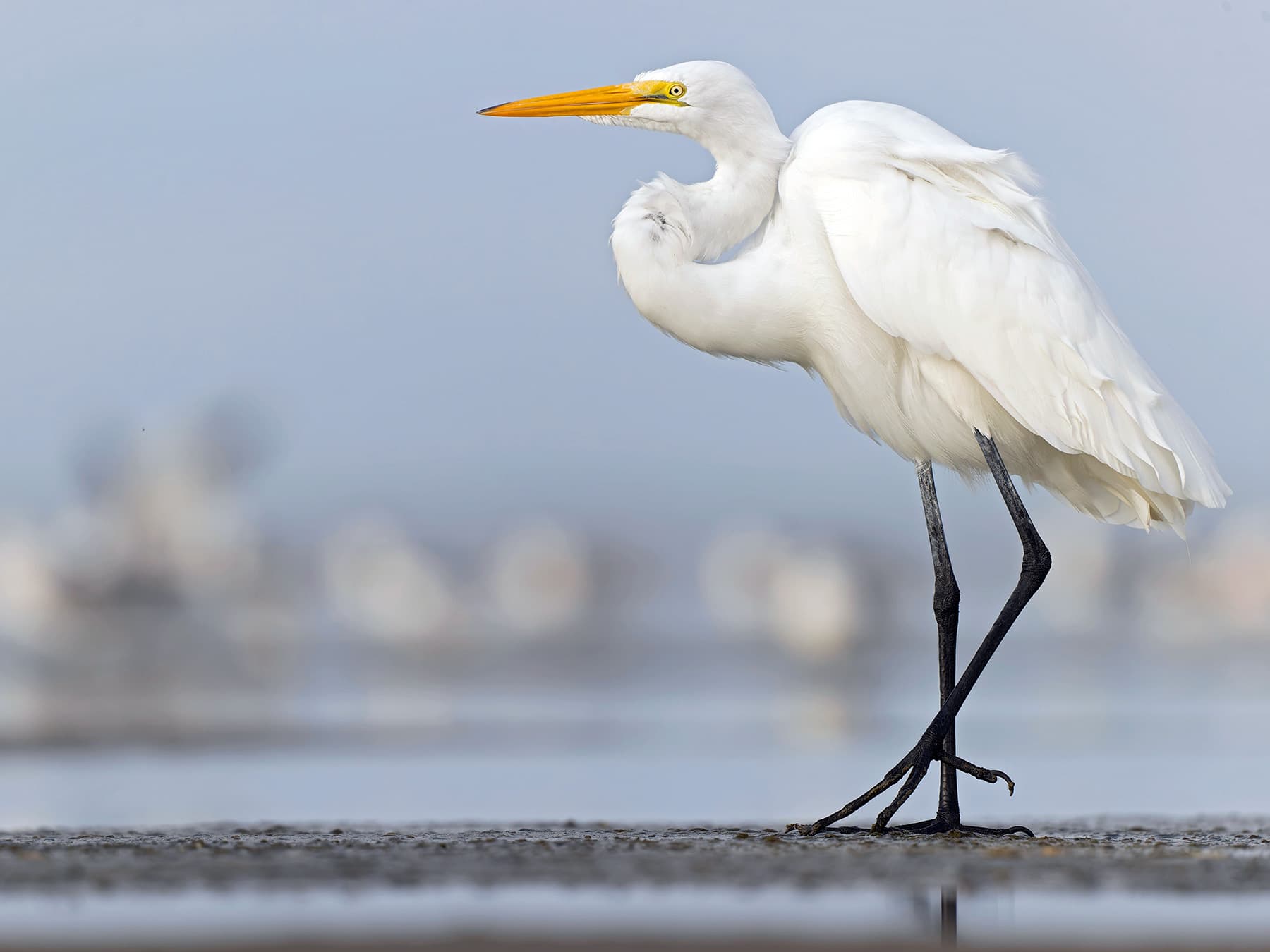 Great White EgretArdea albaWinter visitorCommon80–104 cmRegularly Apr–Dec · 0.36% in Jun
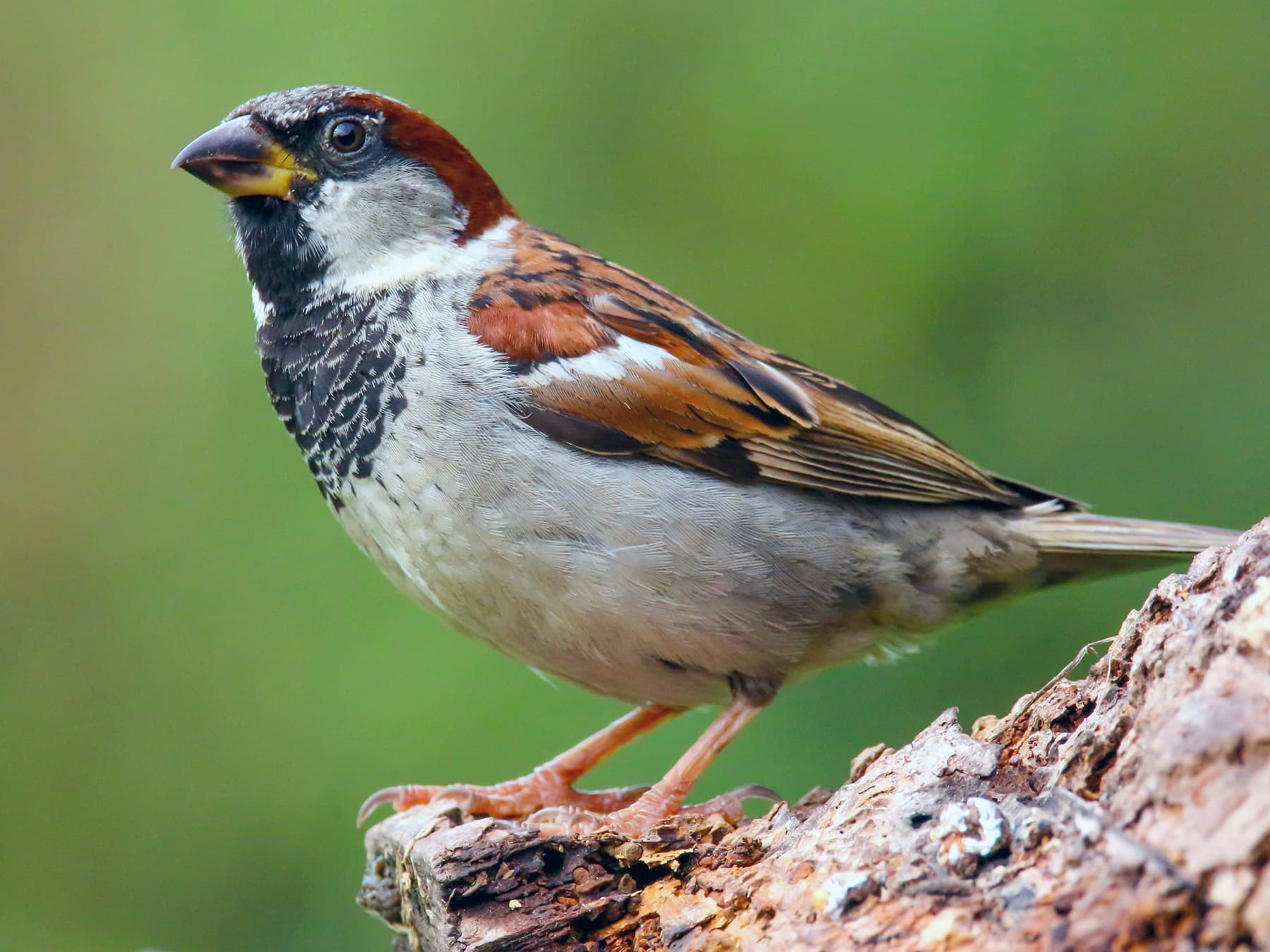 House SparrowPasser domesticusSummer visitorCommon14–17 cmRecorded all year · 0.26% in Jun
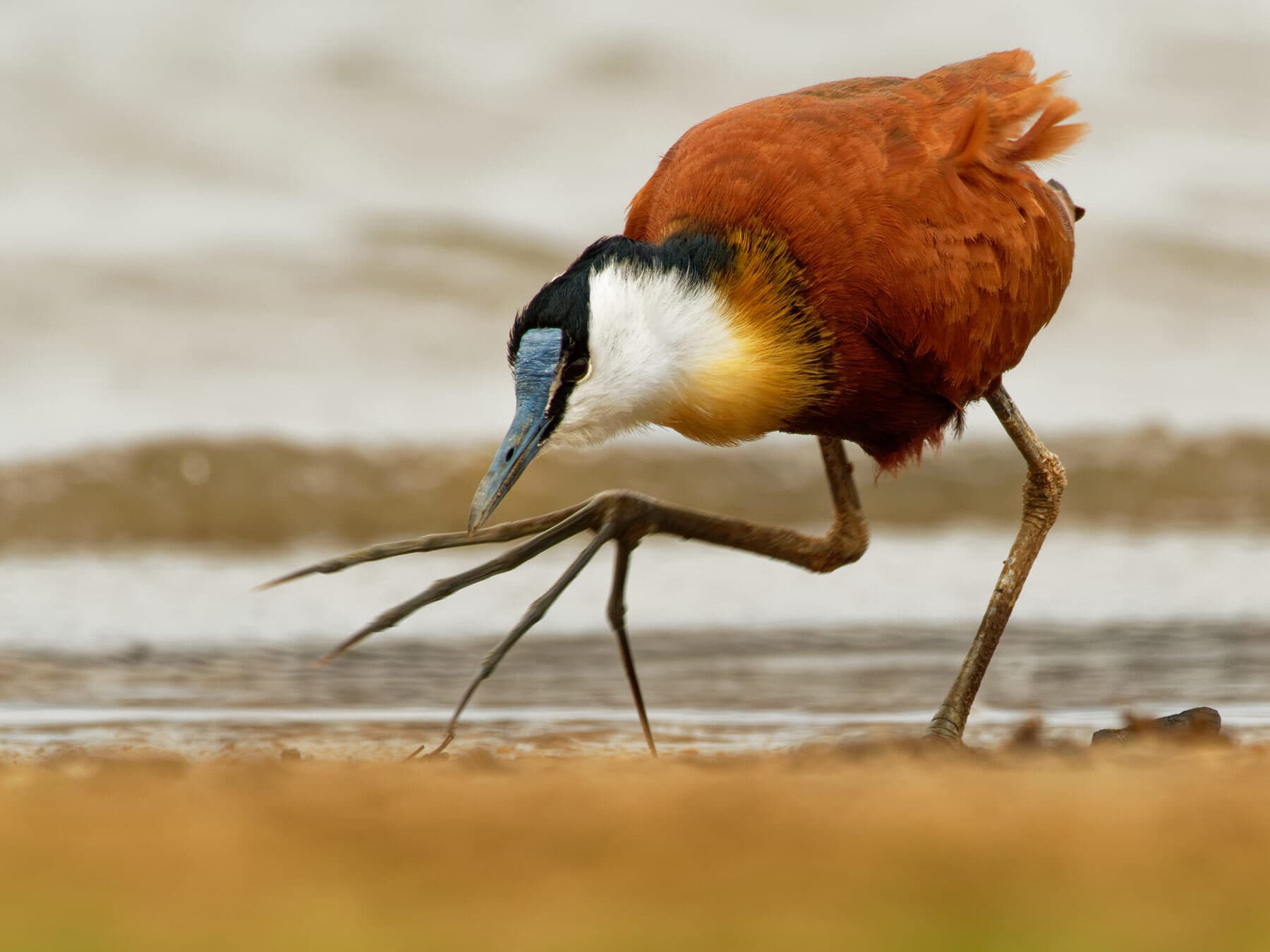 African JacanaActophilornis africanusWinter visitorCommon23–31 cmRegularly May–Feb · 0.19% in Jun
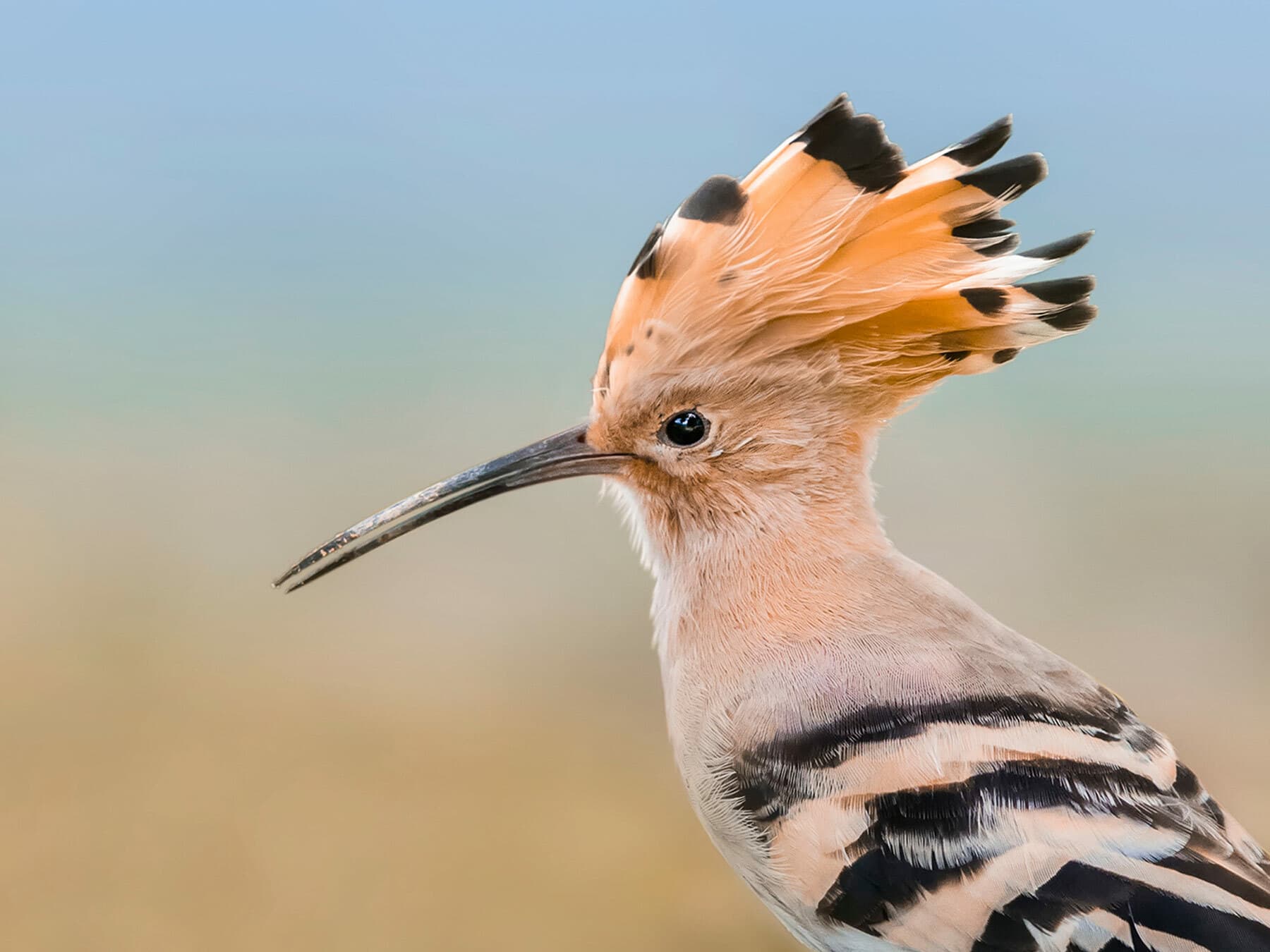 HoopoeUpupa epopsWinter visitorCommon26–28 cmRegularly May–Feb · 0.17% in Jun
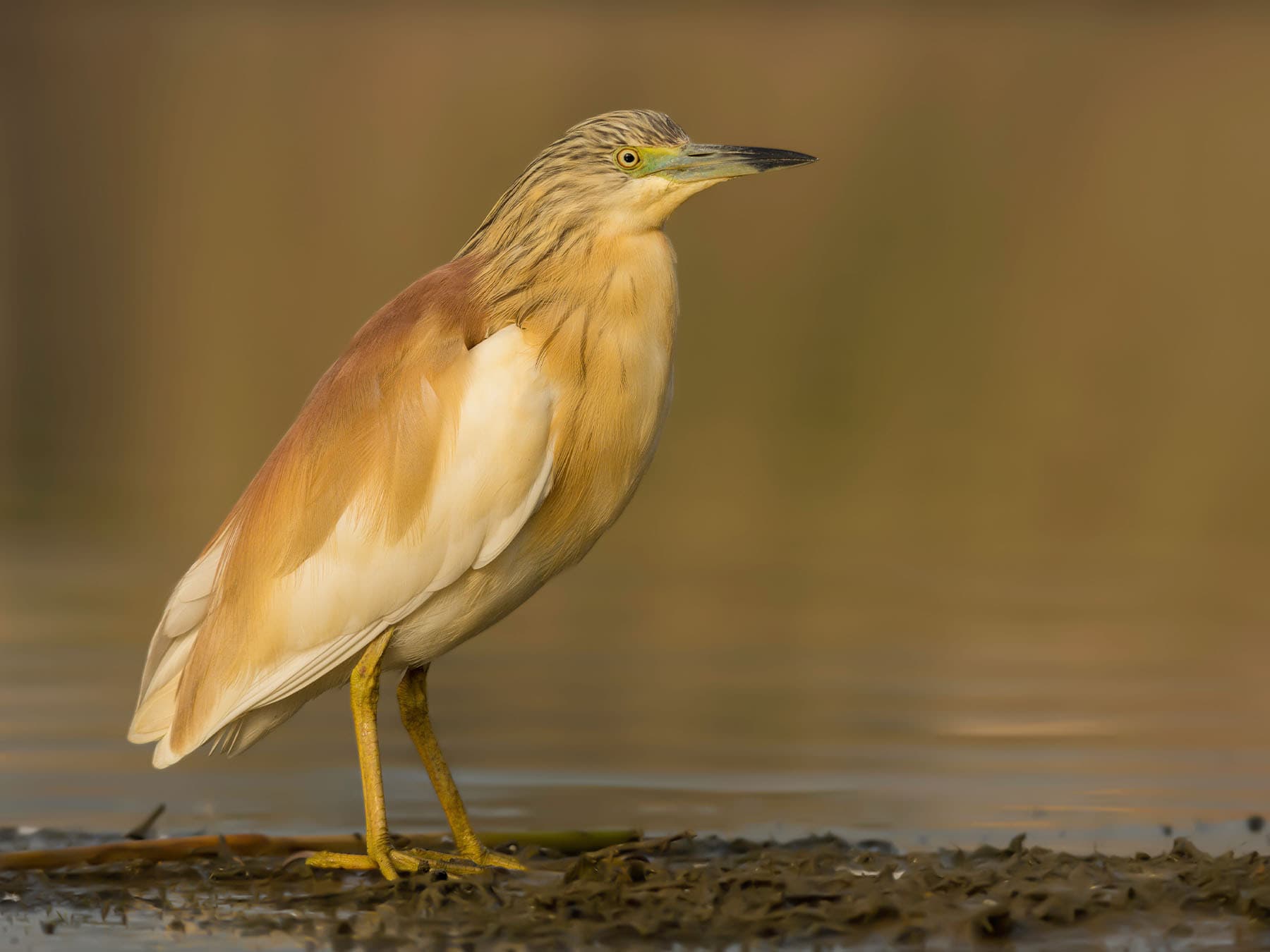 Squacco HeronArdeola ralloidesWinter visitorCommon40–49 cmRegularly May–Feb · 0.17% in Jun
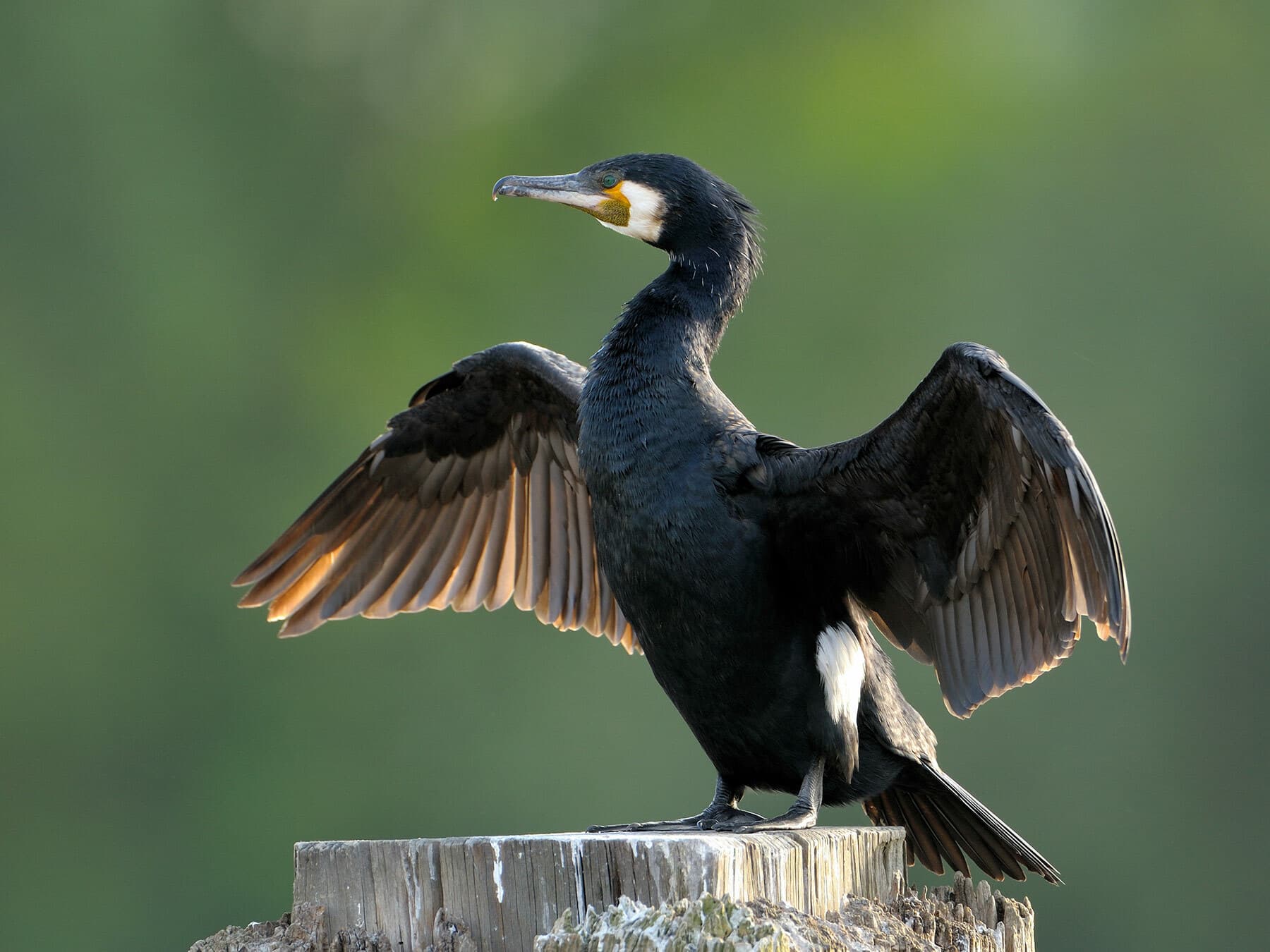 Great CormorantPhalacrocorax carboPassage migrantUncommon80–100 cmRegularly Jun–Dec · 0.16% in Jun
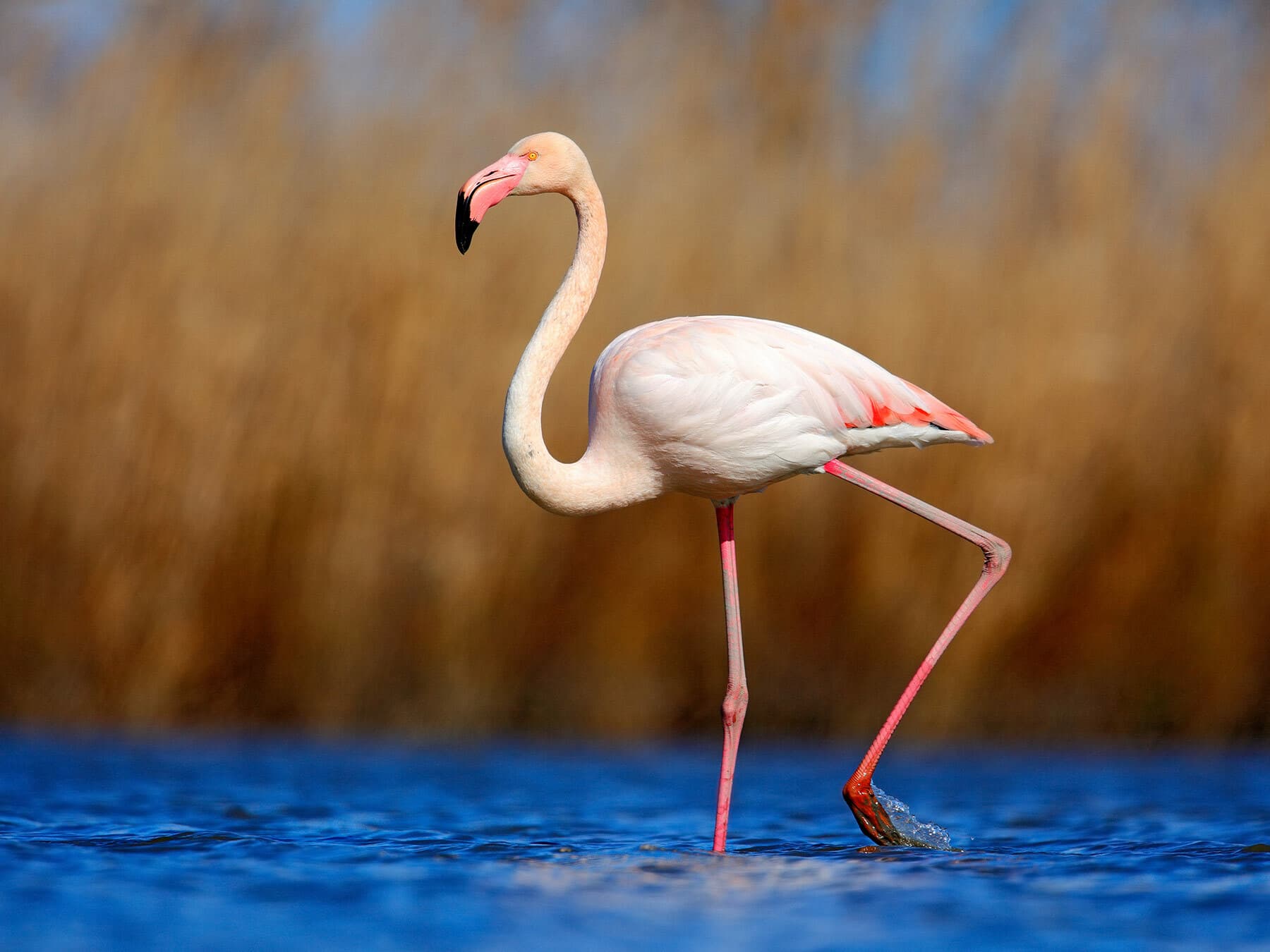 Greater FlamingoPhoenicopterus roseusWinter visitorUncommon120–145 cmRegularly Jun–Sep · 0.14% in Jun
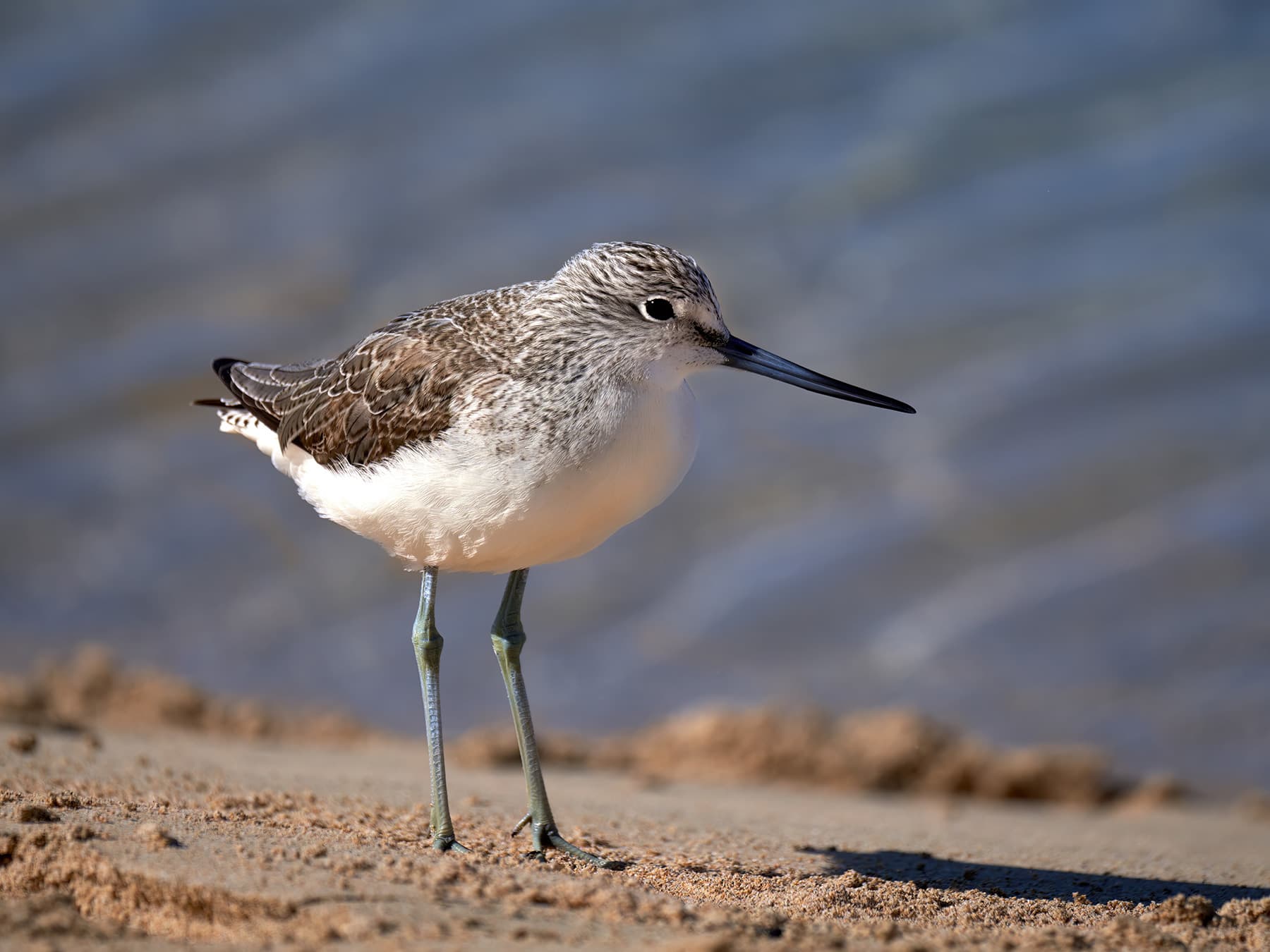 GreenshankTringa nebulariaPassage migrantCommon30–35 cmRegularly Jun–Nov · 0.14% in Jun
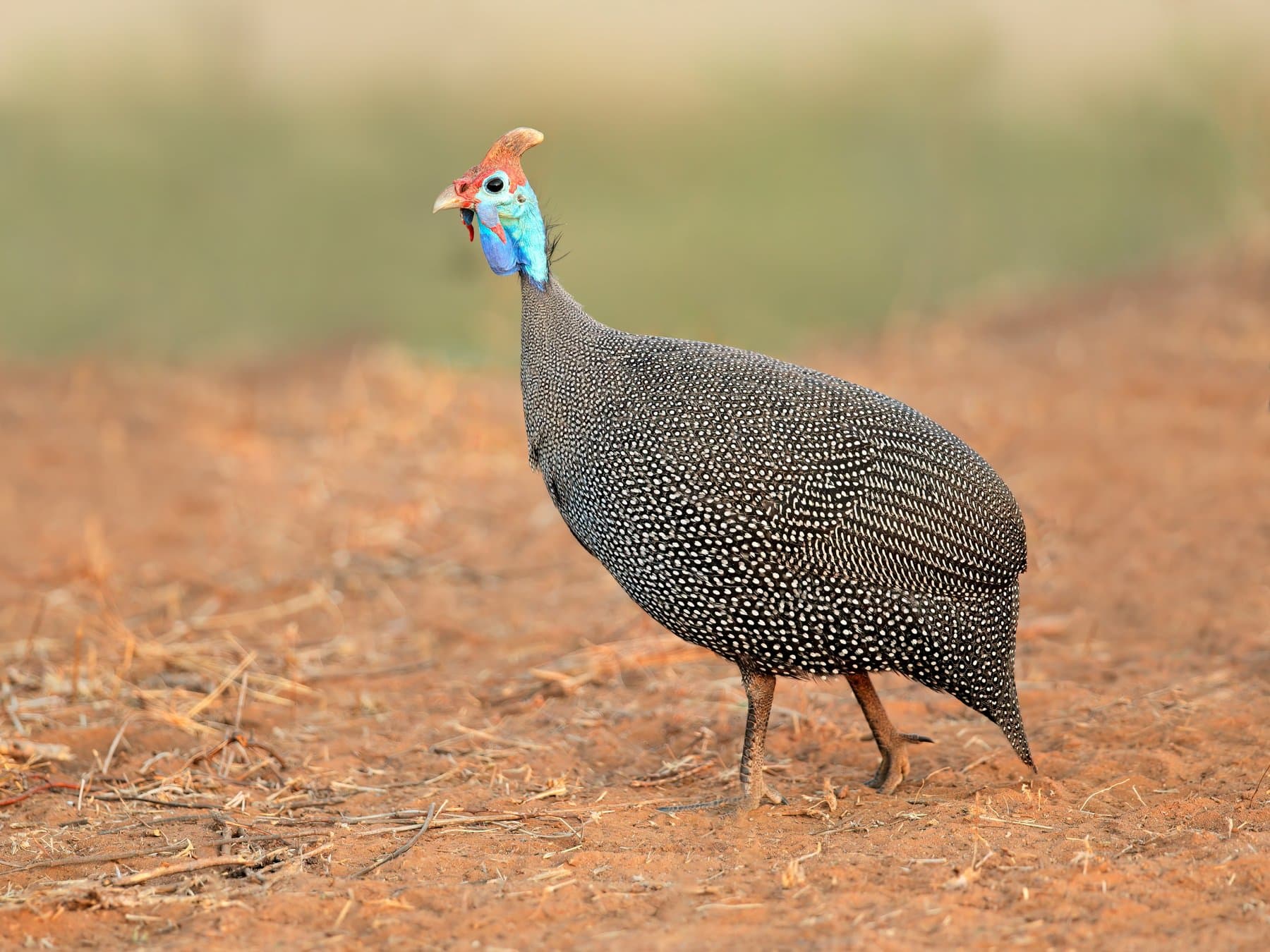 Helmeted GuineafowlNumida meleagrisWinter visitorCommon53–63 cmRegularly Jun–Nov · 0.10% in Jun
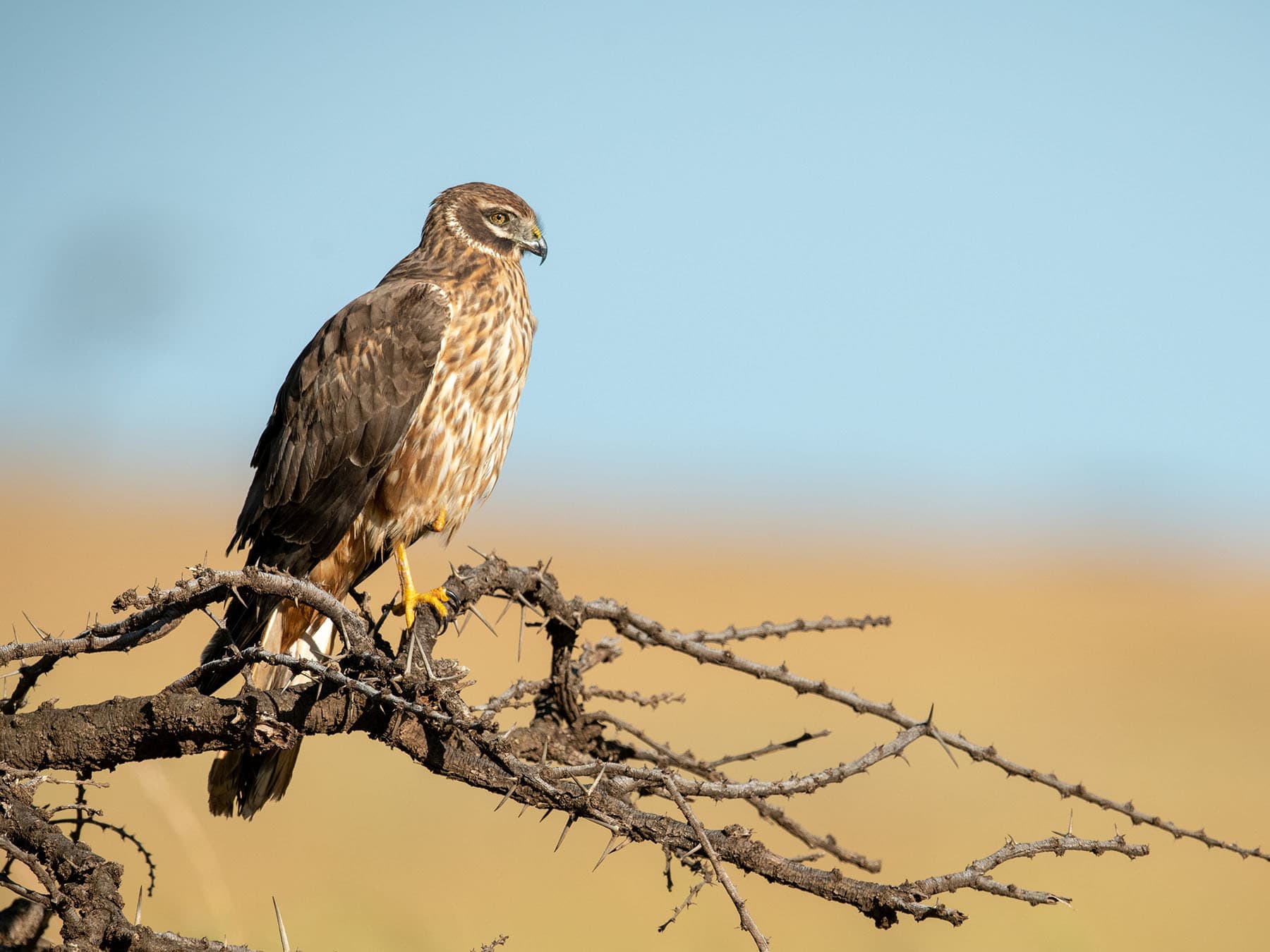 African Marsh HarrierCircus ranivorusPassage migrantCommon44–52 cmRegularly Jun–Oct · 0.08% in Jun
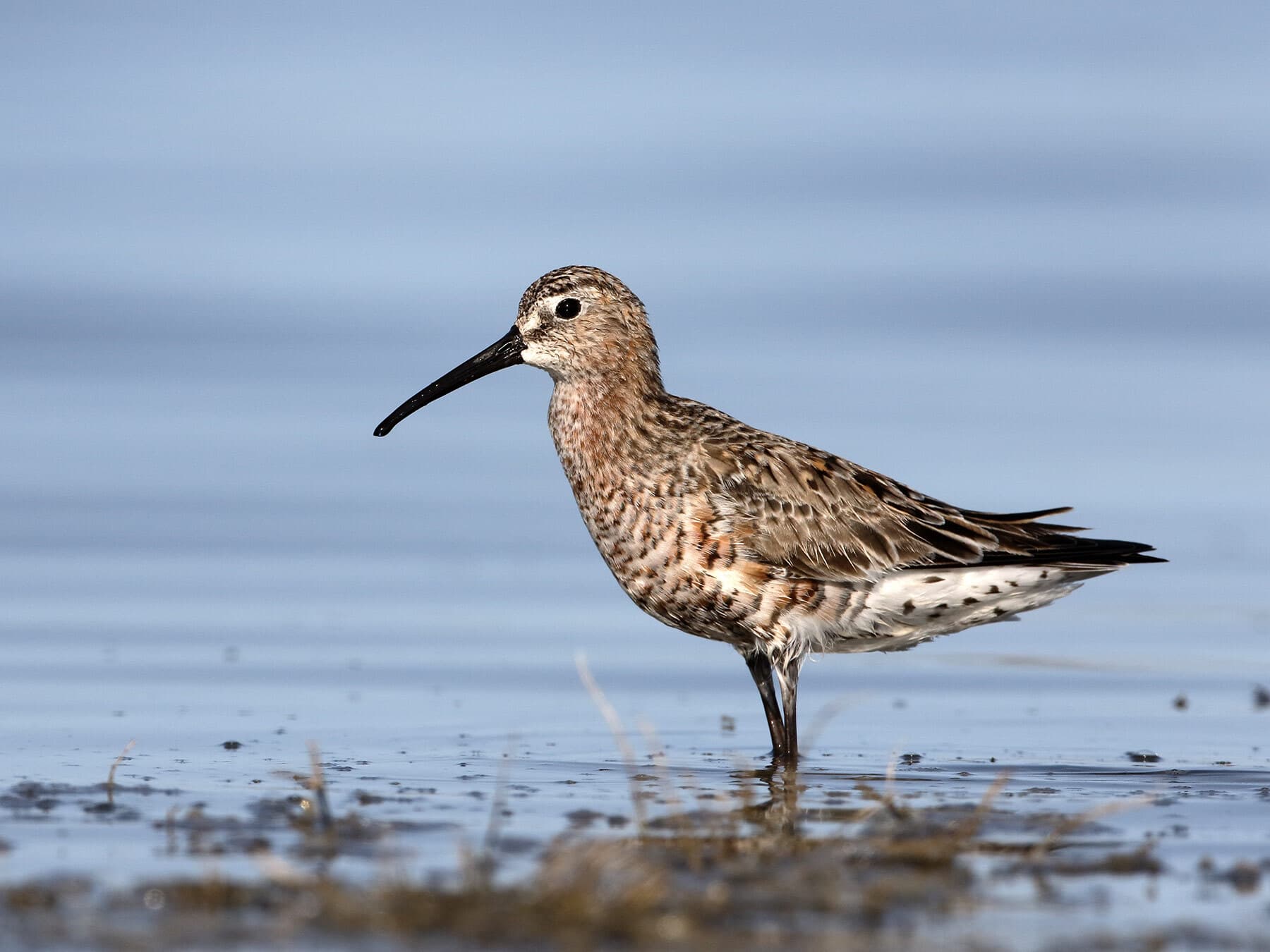 Curlew SandpiperCalidris ferrugineaPassage migrantUncommon18–23 cmRegularly Jun–Oct · 0.08% in Jun
 Little GrebeTachybaptus ruficollisWinter visitorUncommon25–29 cmRegularly Apr–Oct · 0.07% in Jun
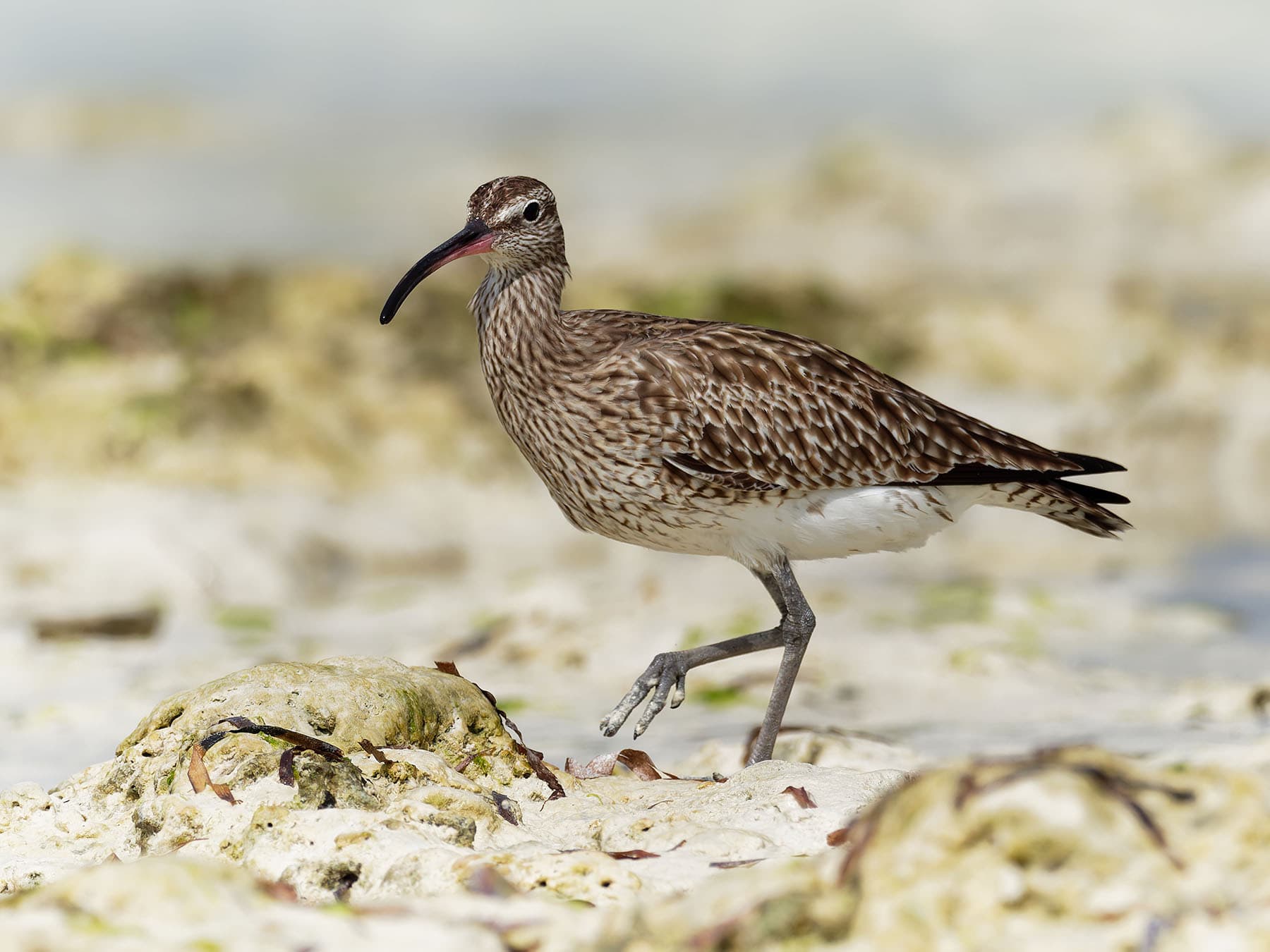 WhimbrelNumenius phaeopusPassage migrantUncommon40–46 cmRegularly Jun–Oct · 0.07% in Jun
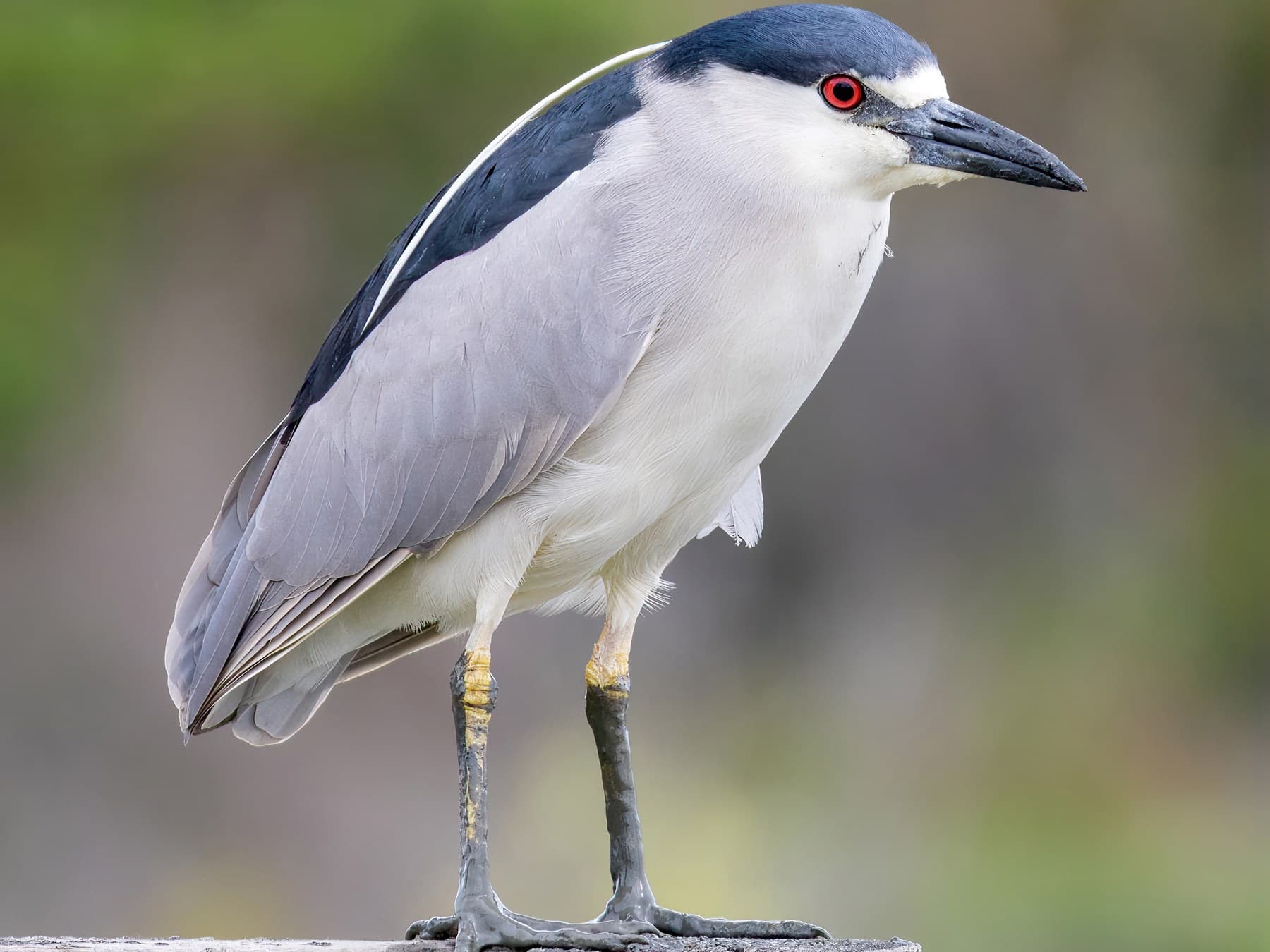 Black-crowned Night-heronNycticorax nycticoraxPassage migrantUncommon58–66 cmRegularly Mar–Nov · 0.06% in Jun
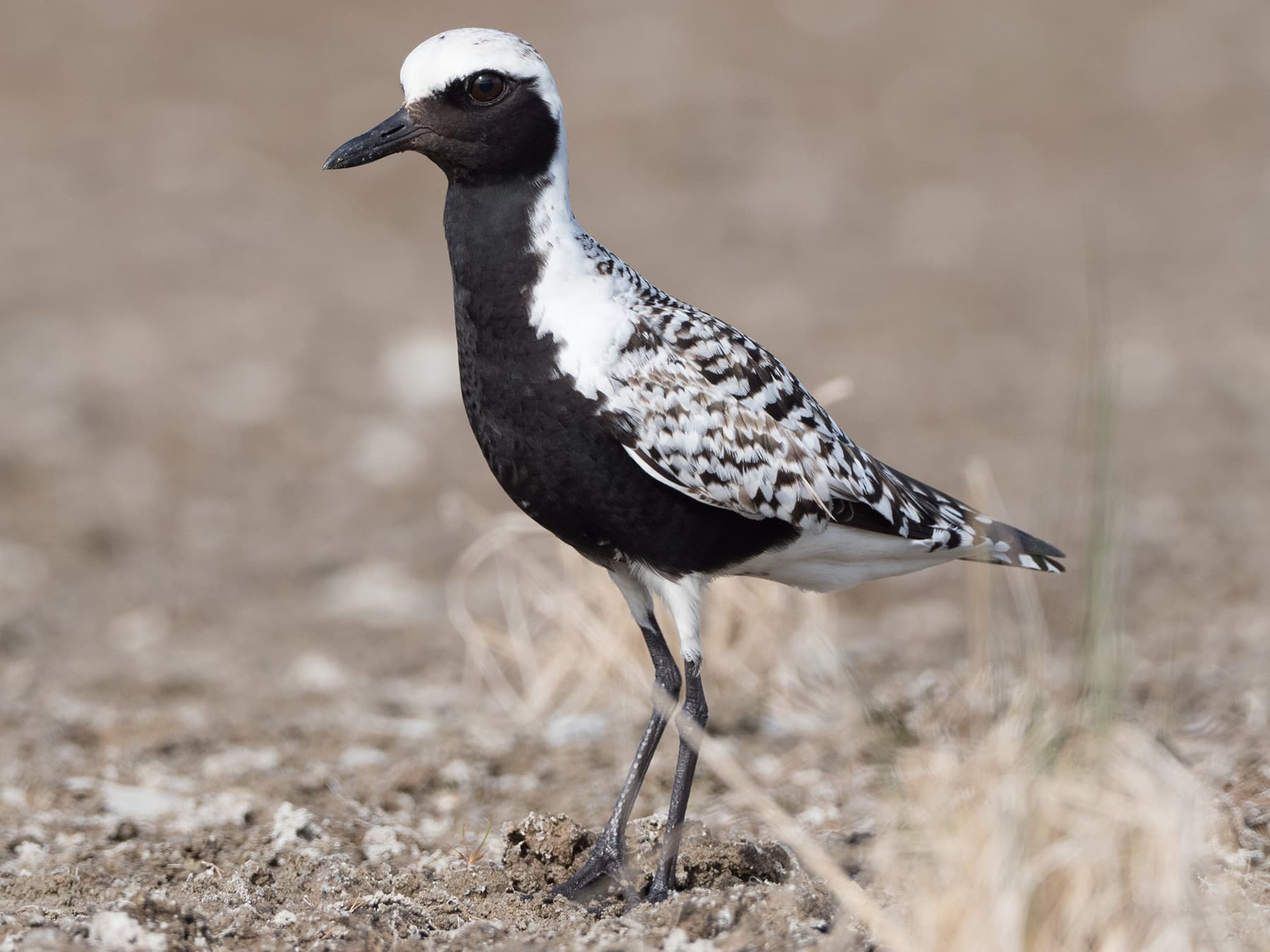 Grey PloverPluvialis squatarolaPassage migrantUncommon27–30 cmRegularly Jun–Oct · 0.06% in Jun
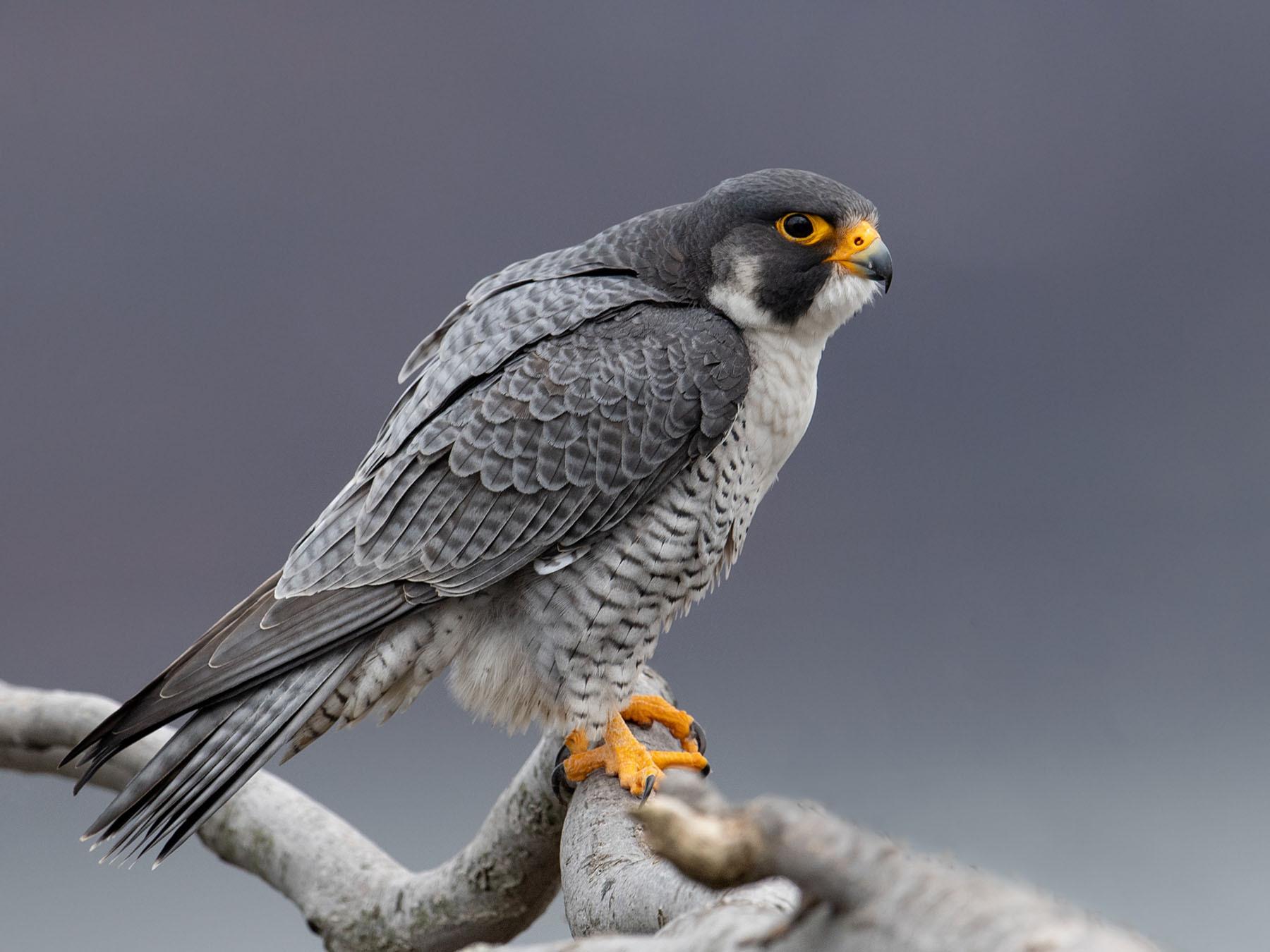 Peregrine FalconFalco peregrinusPassage migrantUncommon36–58 cmRegularly Feb–Sep · 0.06% in Jun
Smallest to largest
Length, cm- House Sparrow 14–17 cm
- Lesser Striped Swallow 15–19 cm
- Curlew Sandpiper 18–23 cm
- Fork-tailed Drongo 23–26 cm
- Cape Starling 25–25 cm
- African Jacana 23–31 cm
- Hoopoe 26–28 cm
- Little Grebe 25–29 cm
- Grey Plover 27–30 cm
- Rock Dove 31–34 cm
- Greenshank 30–35 cm
- Whimbrel 40–46 cm
- Squacco Heron 40–49 cm
- Pied Crow 45–45 cm
- Peregrine Falcon 36–58 cm
- African Marsh Harrier 44–52 cm
- Cattle Egret 46–56 cm
- Helmeted Guineafowl 53–63 cm
- Little Egret 55–65 cm
- Black-crowned Night-heron 58–66 cm
- Great Cormorant 80–100 cm
- Great White Egret 80–104 cm
- Grey Heron 90–98 cm
- Greater Flamingo 120–145 cm
Body length, bill to tail. Rare birds in grey.
Data: EOD – eBird Observation Dataset (Cornell Lab of Ornithology), accessed via GBIF.org, CC BY 4.0. Records from 2019–2024, aggregated and filtered by Birdfact. How these lists are made