


Birds to See in Angola in February
24 bird species on our list for Angola are recorded regularly in February
Of these, the most often recorded are Cattle Egret, Pied Crow, European Bee-eater, Fork-tailed Drongo and Rock Dove. New this month: Lesser Striped Swallow, Little Egret, European Bee-eater and African Jacana and 10 more.
On the move in February
GBIF · FebArriving
At their peak
From Angola’s bird records, 2019–2024: arriving birds are regular this month but not last; leaving birds are regular this month but not next.
Other months
All 24 birds in February
24 birds
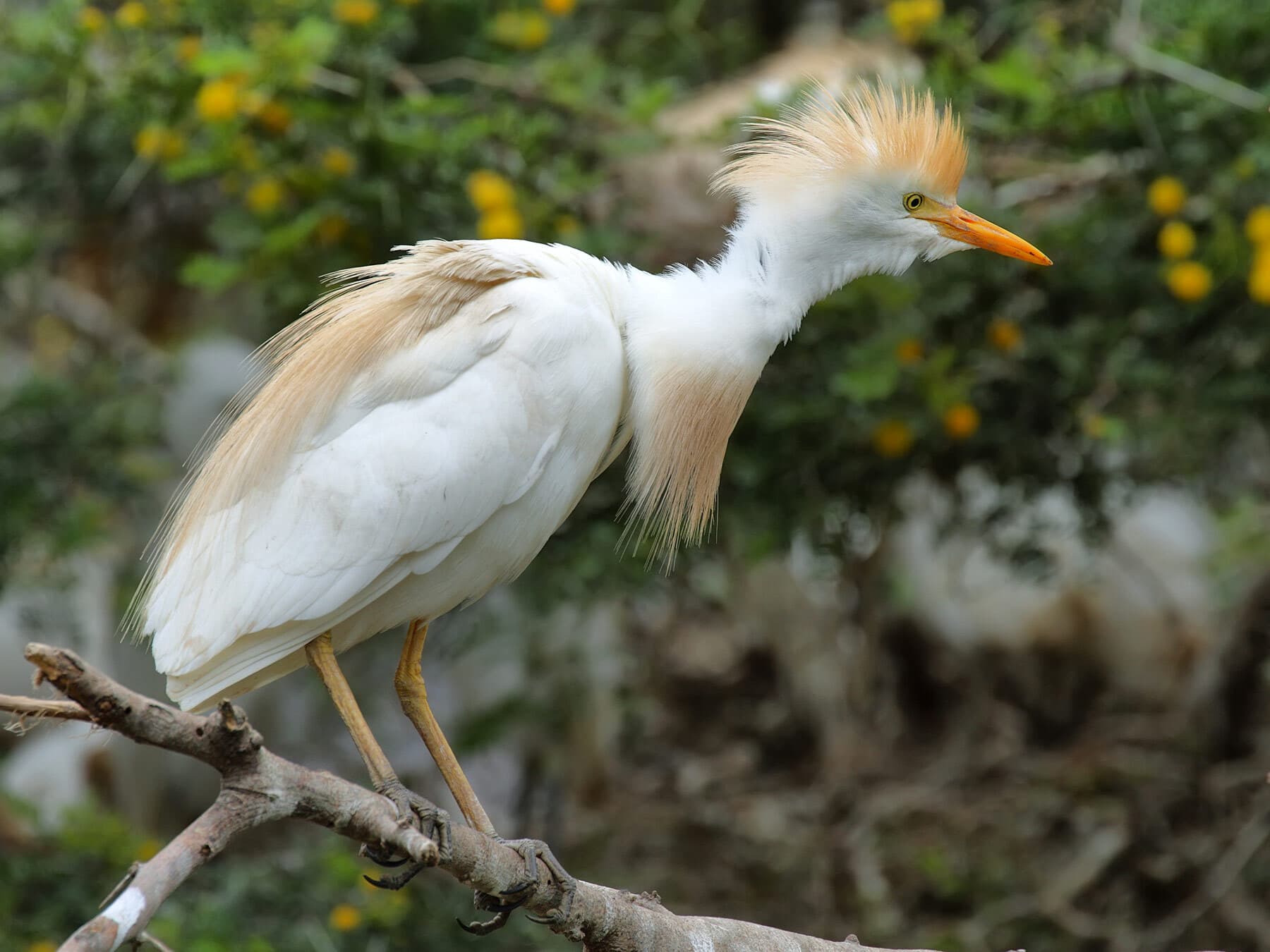 Cattle EgretArdea ibisSummer visitorCommon46–56 cmRecorded all year · 1.78% in Feb
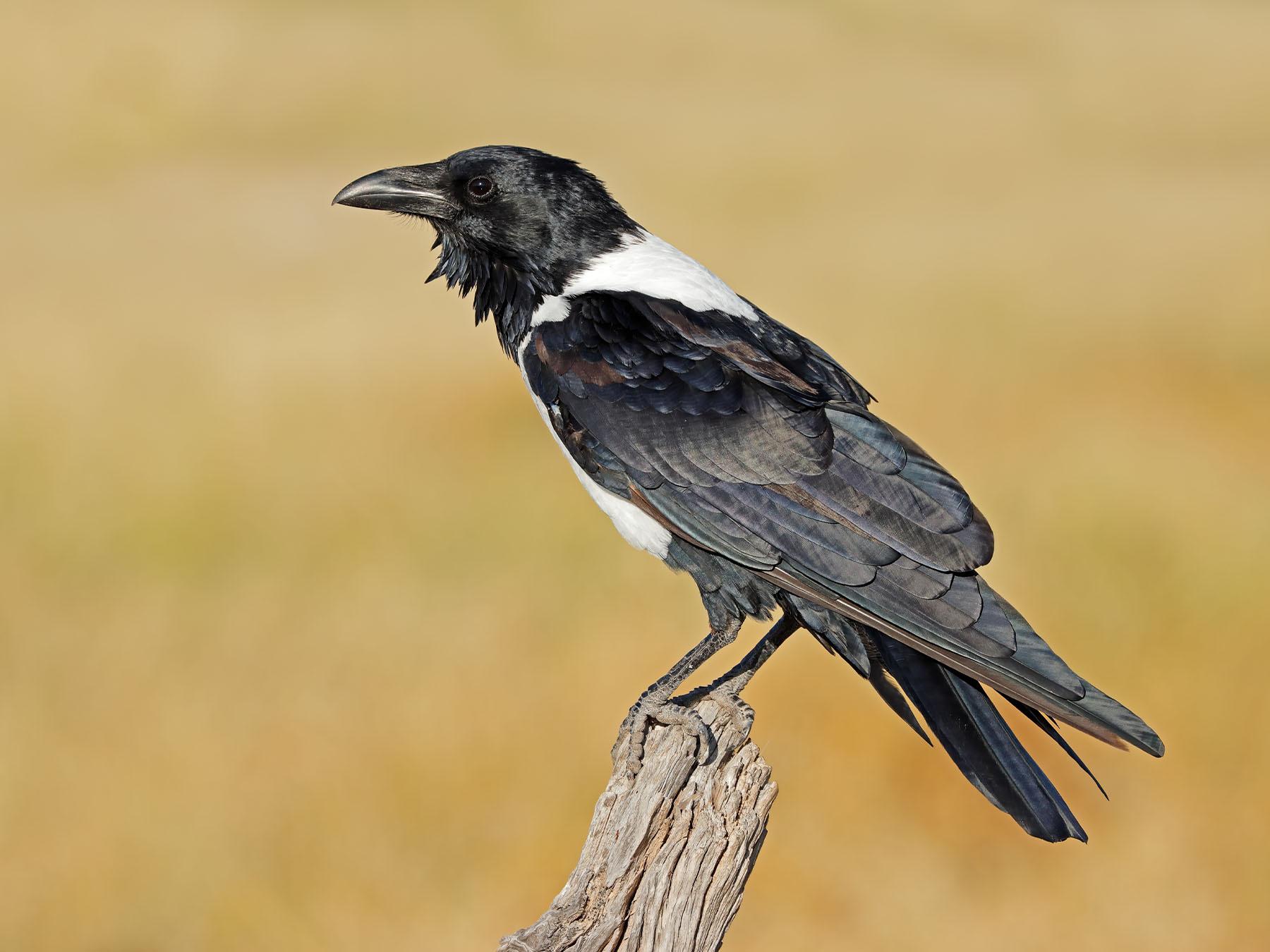 Pied CrowCorvus albusResidentCommon45–45 cmRecorded all year · 1.49% in Feb
 European Bee-eaterMerops apiasterPassage migrantCommon27–29 cmRegularly Oct–Feb · 0.98% in Feb
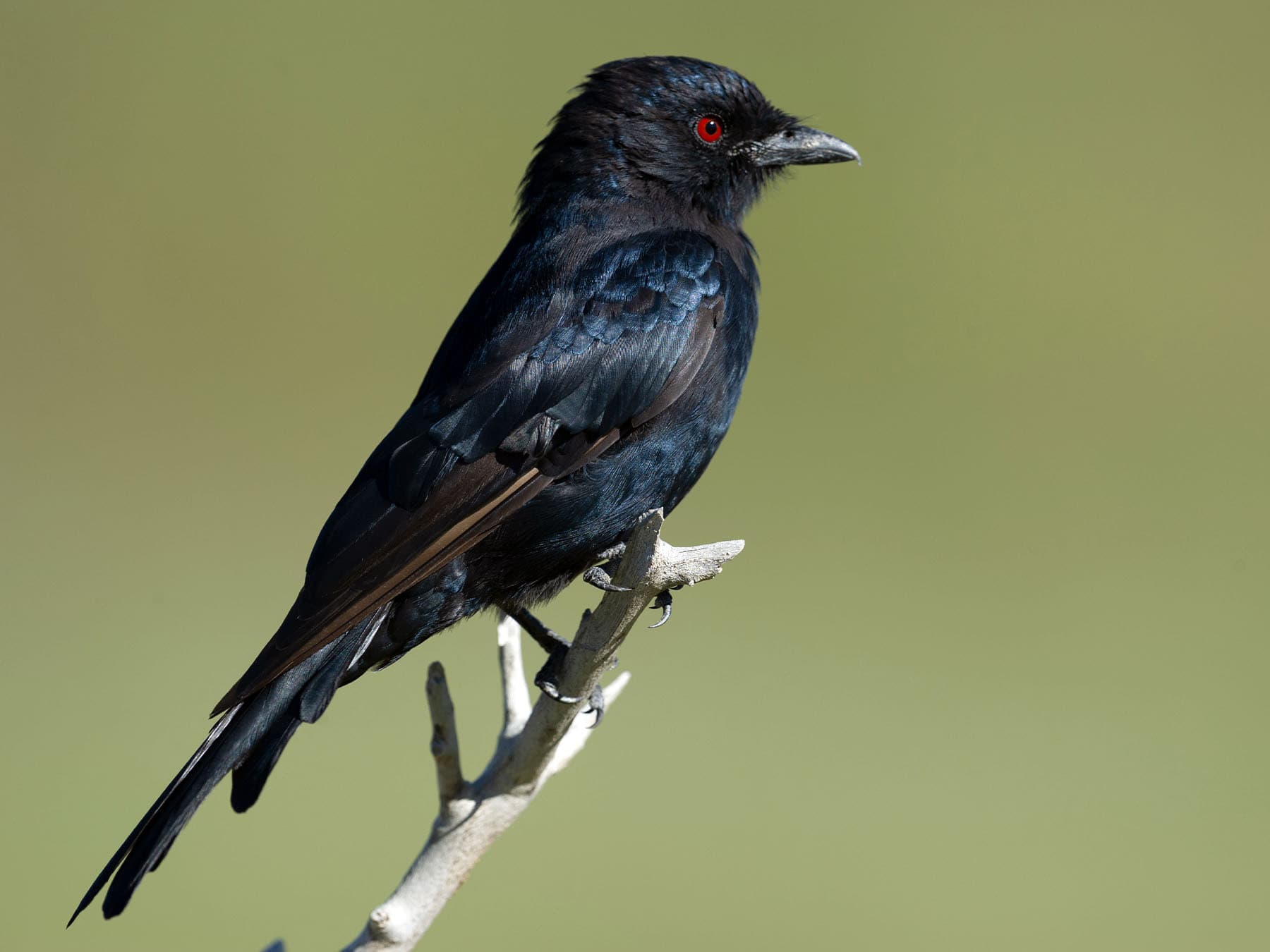 Fork-tailed DrongoDicrurus adsimilisResidentCommon23–26 cmRecorded all year · 0.92% in Feb
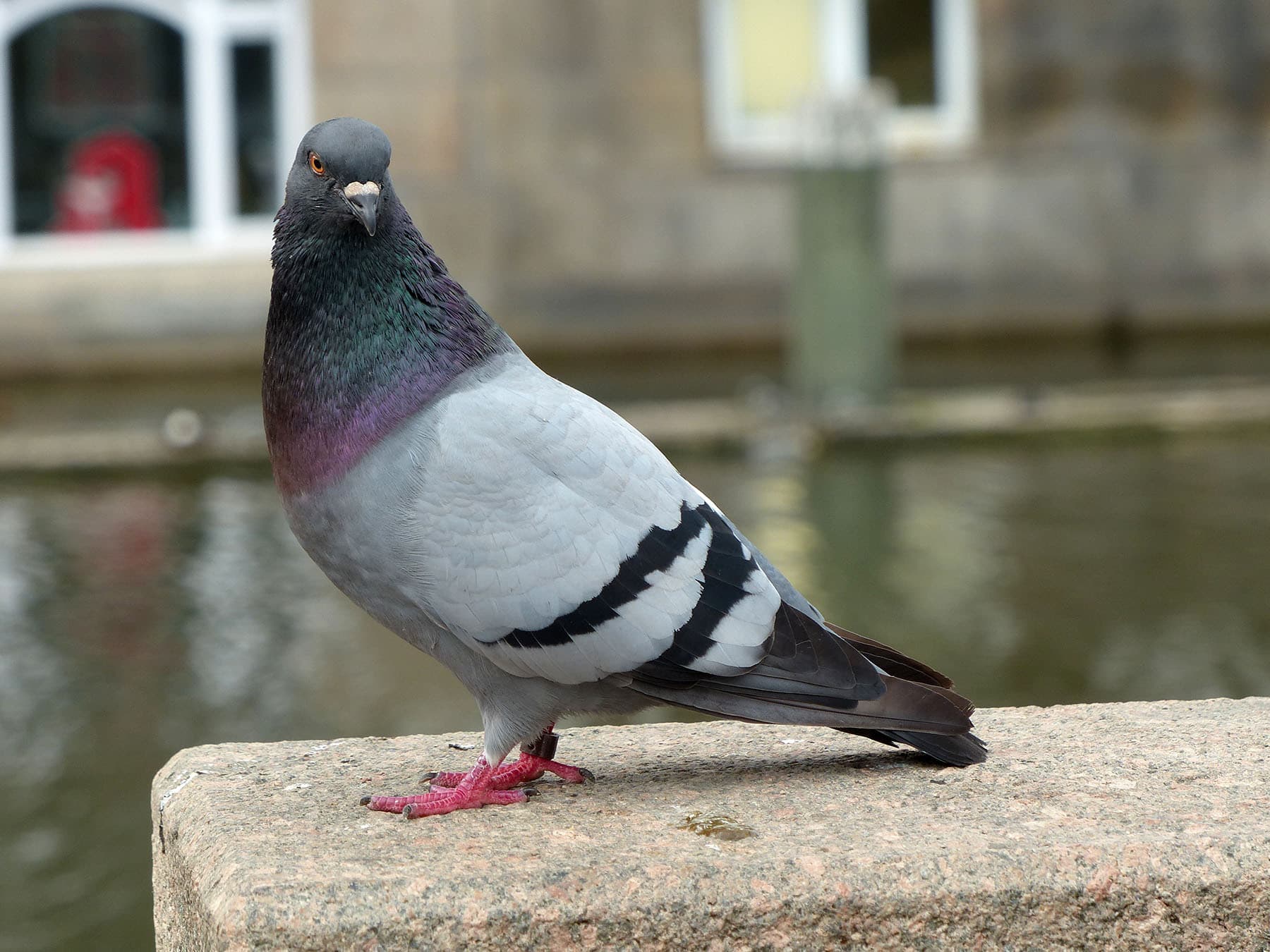 Rock DoveColumba liviaResidentCommon31–34 cmRecorded all year · 0.86% in Feb
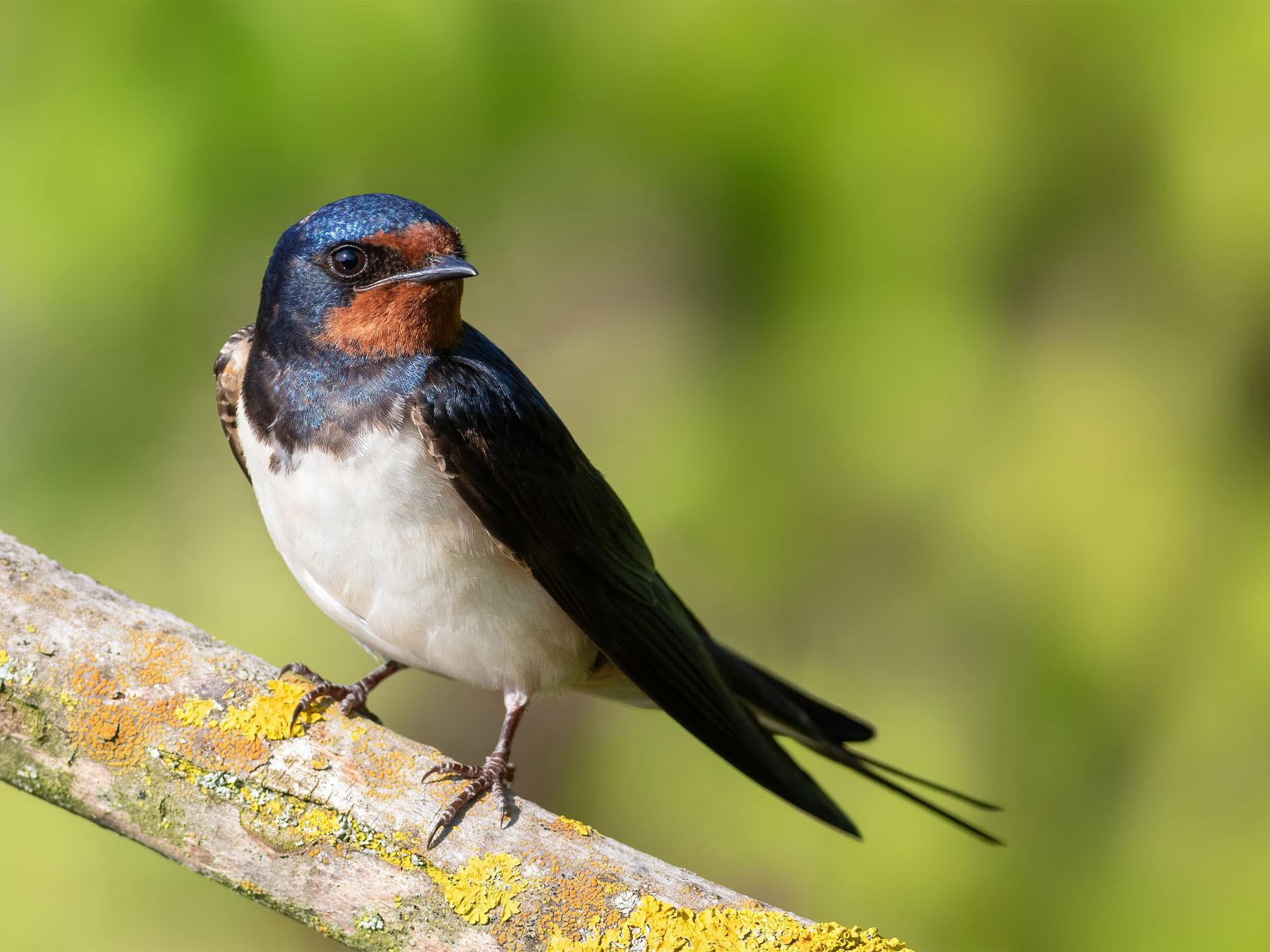 Barn SwallowHirundo rusticaPassage migrantCommon17–19 cmRegularly Oct–Apr · 0.80% in Feb
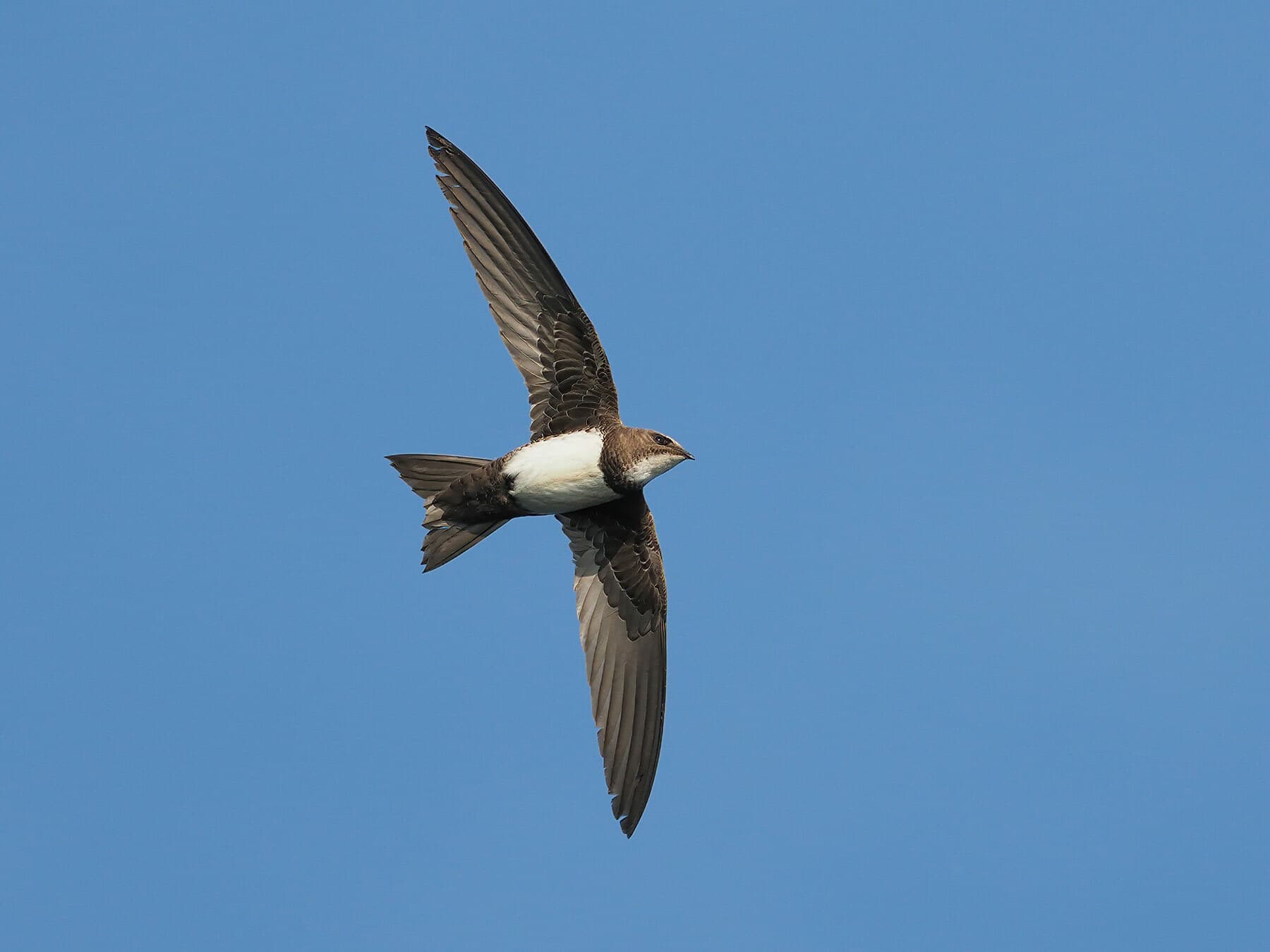 Alpine SwiftTachymarptis melbaPassage migrantCommon20–23 cmRegularly Jul–Feb · 0.69% in Feb
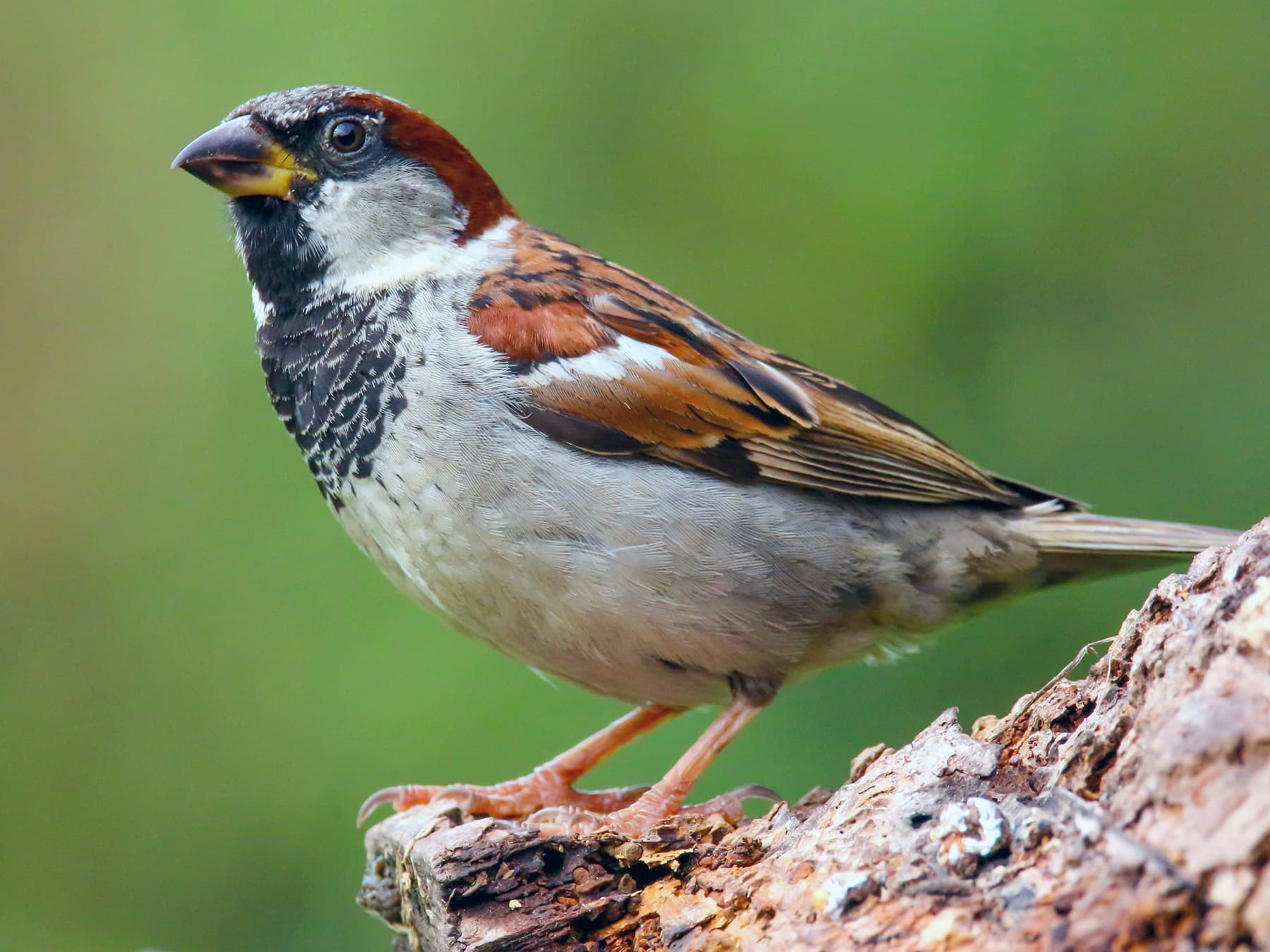 House SparrowPasser domesticusSummer visitorCommon14–17 cmRecorded all year · 0.69% in Feb
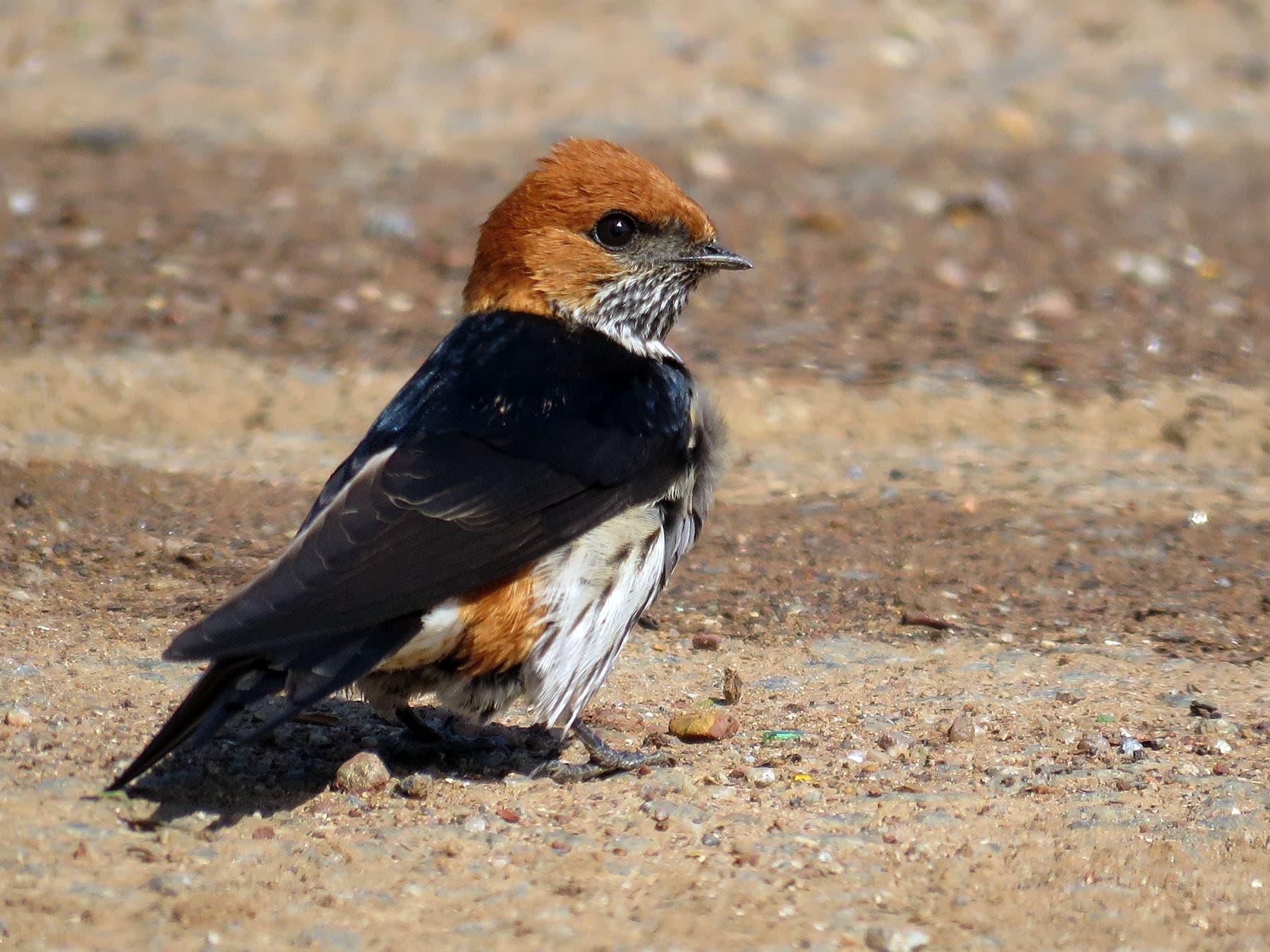 Lesser Striped SwallowCecropis abyssinicaWinter visitorCommon15–19 cmRegularly Feb–Nov · 0.63% in Feb
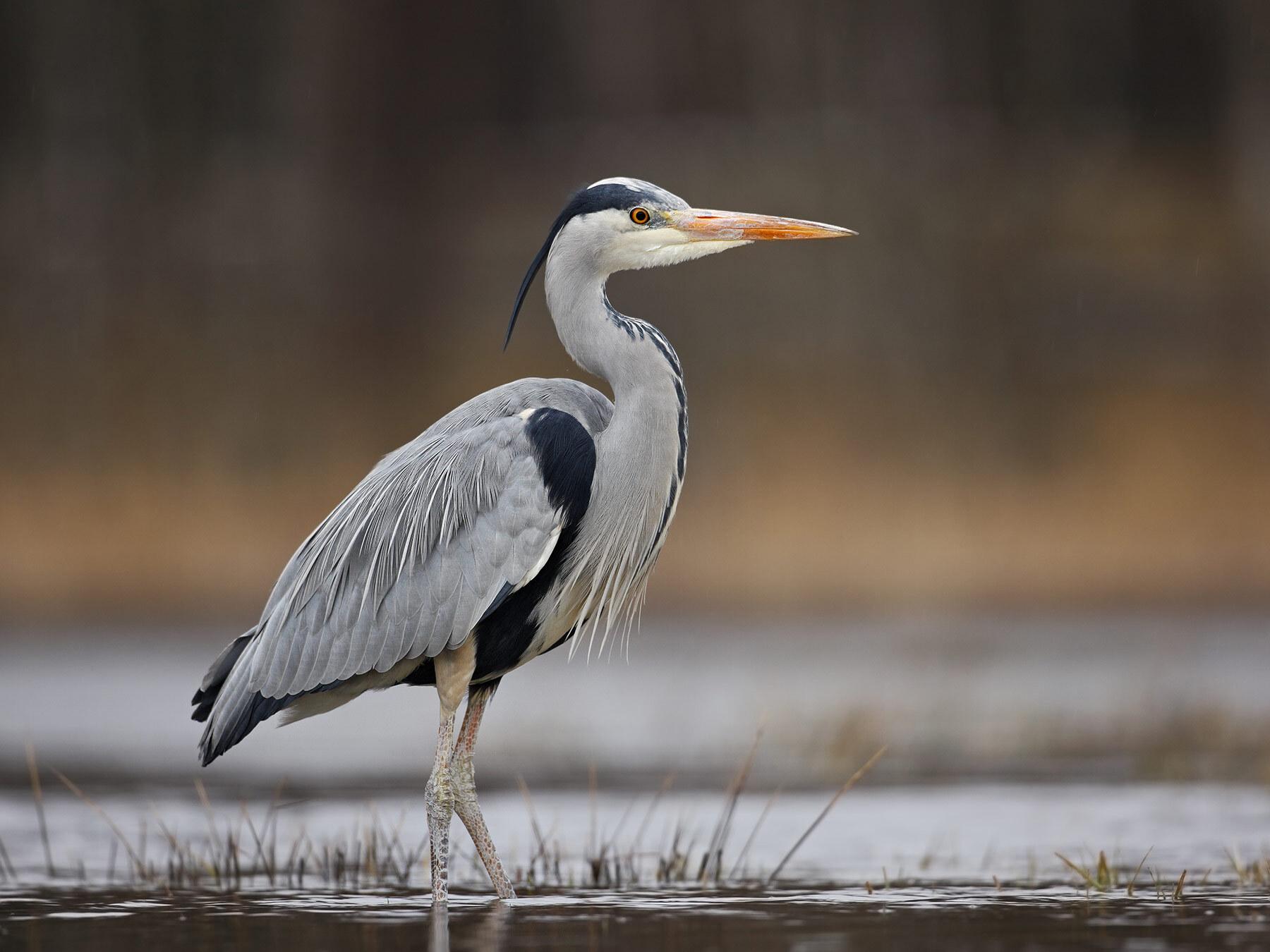 Grey HeronArdea cinereaResidentCommon90–98 cmRecorded all year · 0.57% in Feb
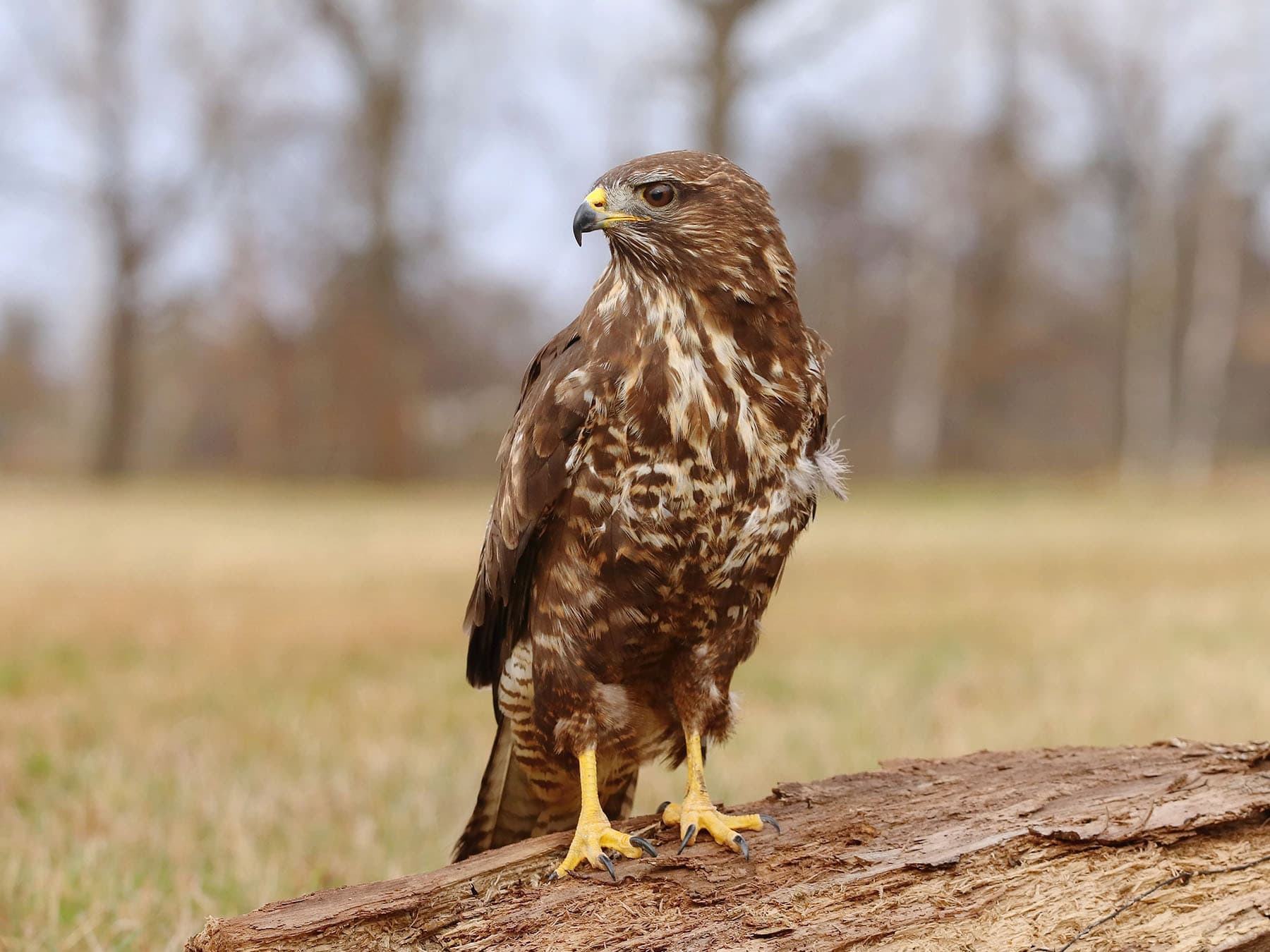 BuzzardButeo buteoPassage migrantCommon51–57 cmRegularly Oct–Feb · 0.52% in Feb
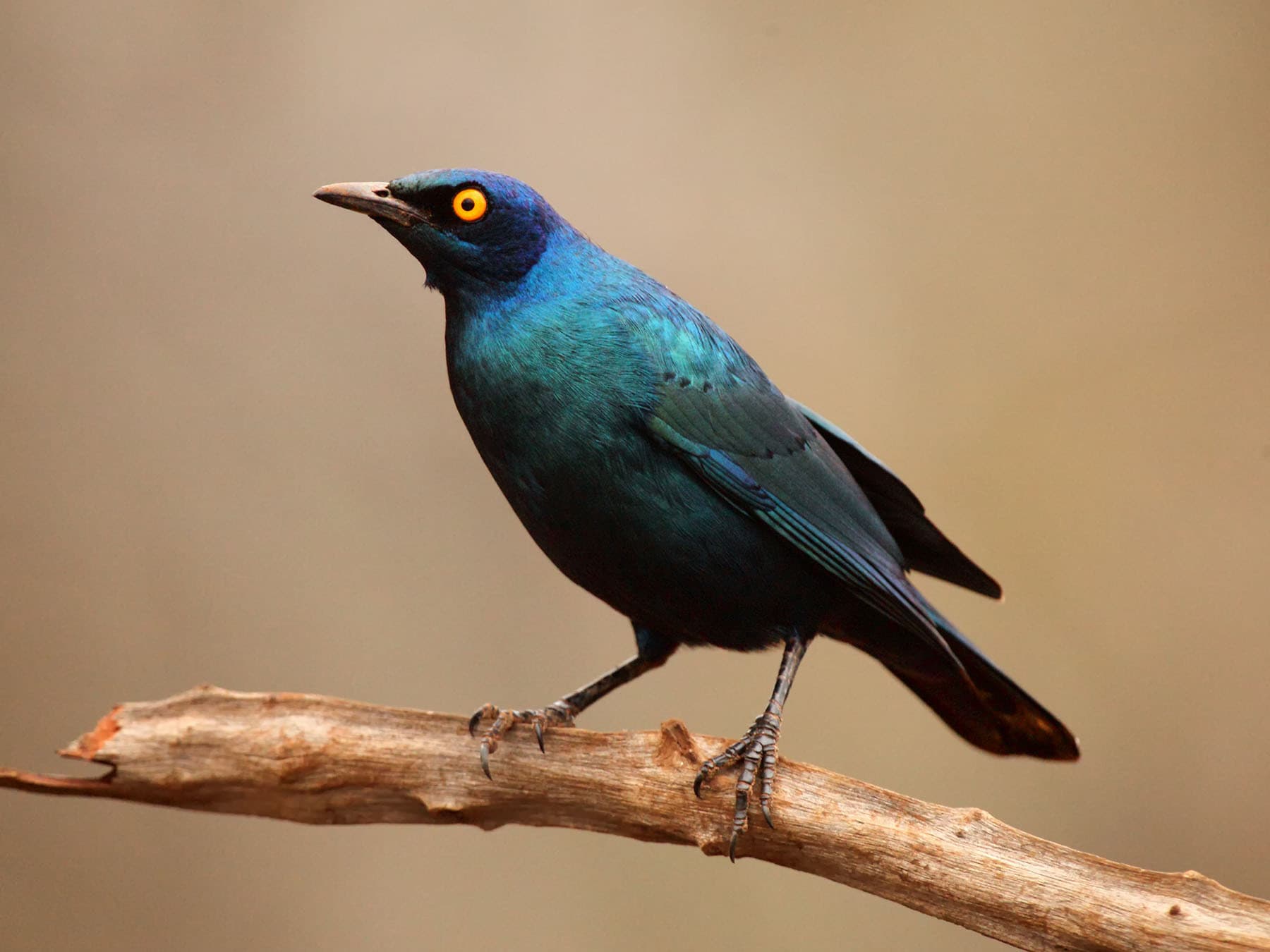 Cape StarlingLamprotornis nitensResidentCommon25–25 cmRecorded all year · 0.52% in Feb
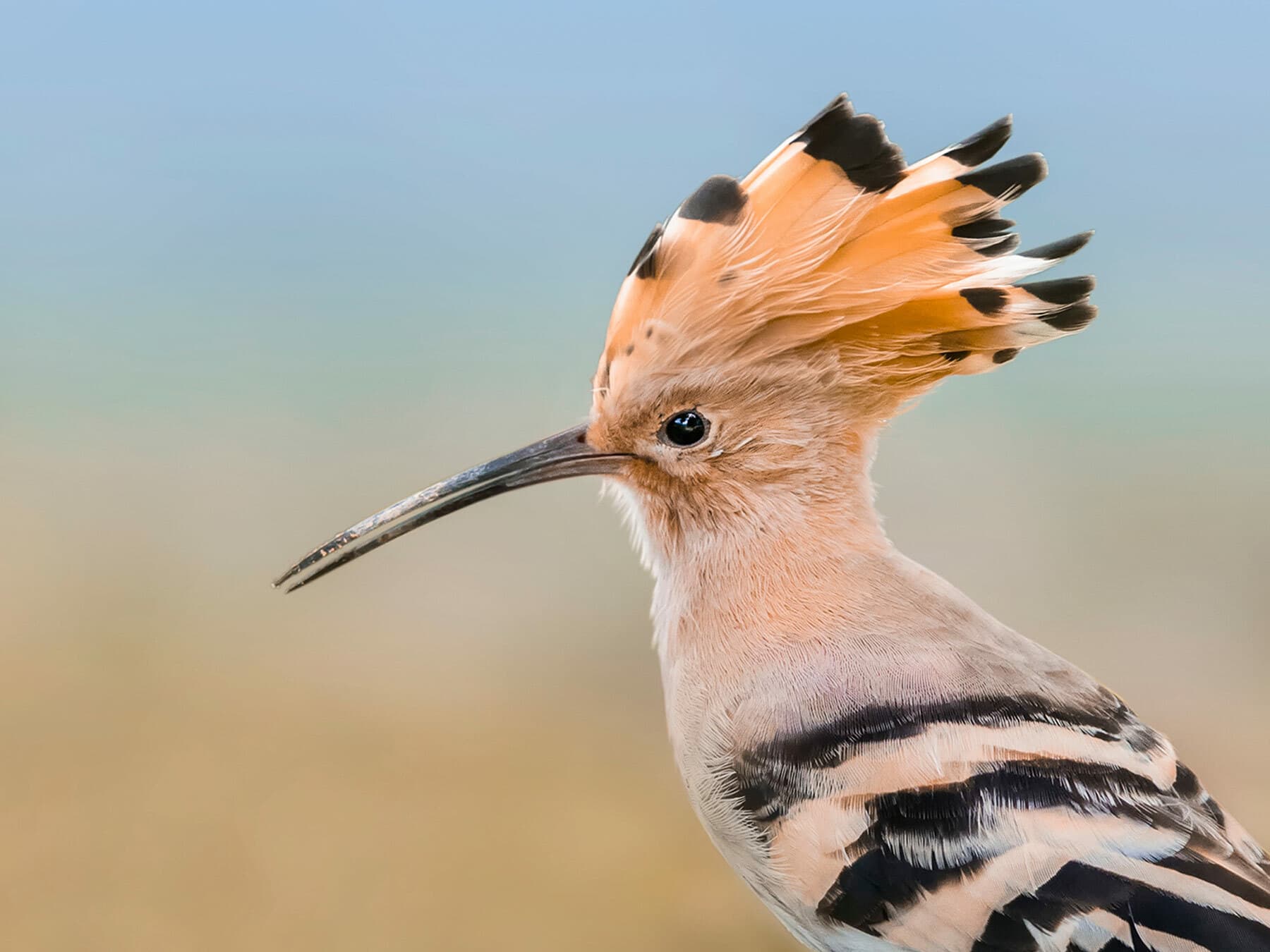 HoopoeUpupa epopsWinter visitorCommon26–28 cmRegularly May–Feb · 0.52% in Feb
 Purple HeronArdea purpureaPassage migrantUncommon78–90 cmRegularly Feb–Oct · 0.40% in Feb
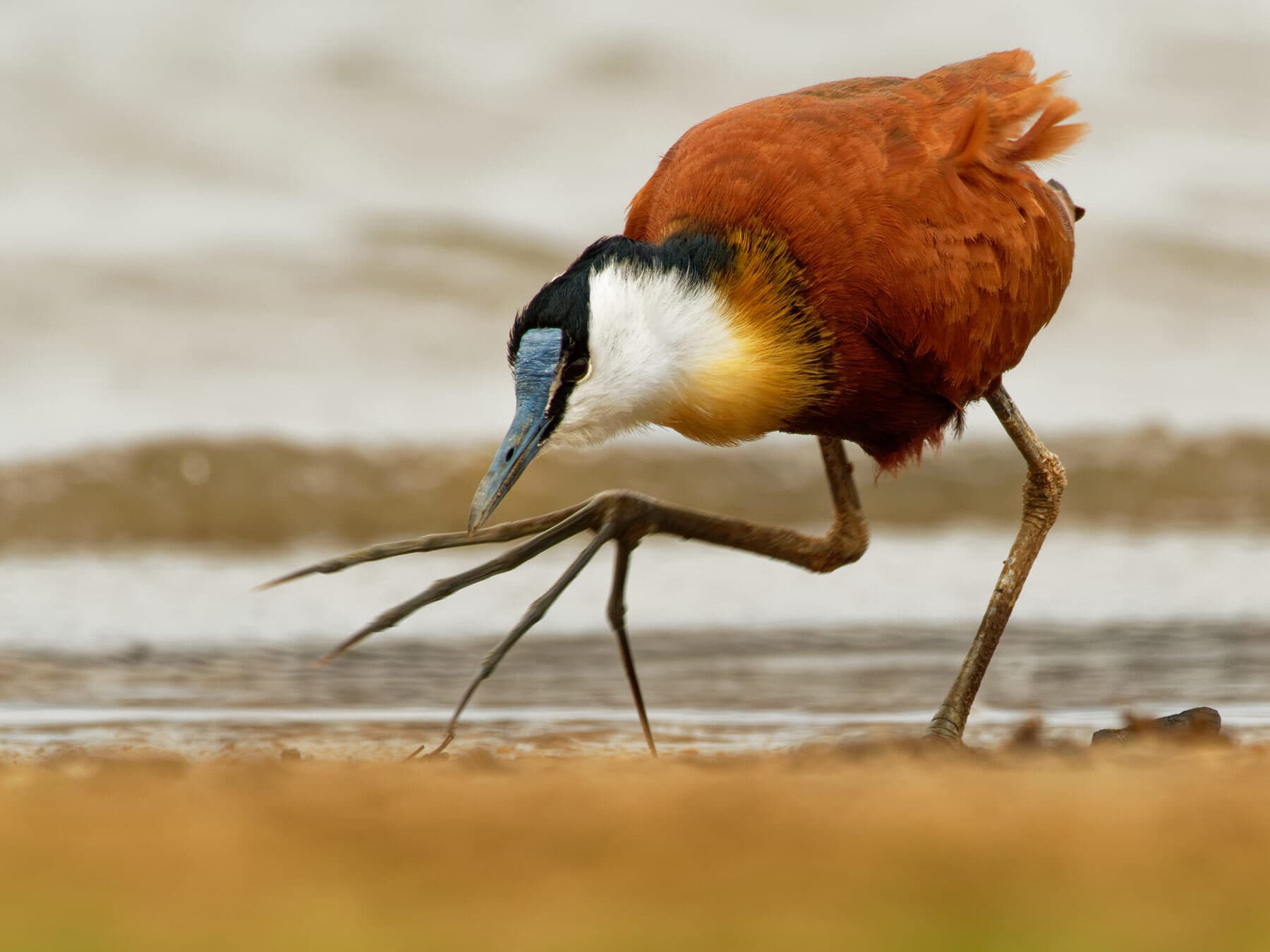 African JacanaActophilornis africanusWinter visitorCommon23–31 cmRegularly May–Feb · 0.34% in Feb
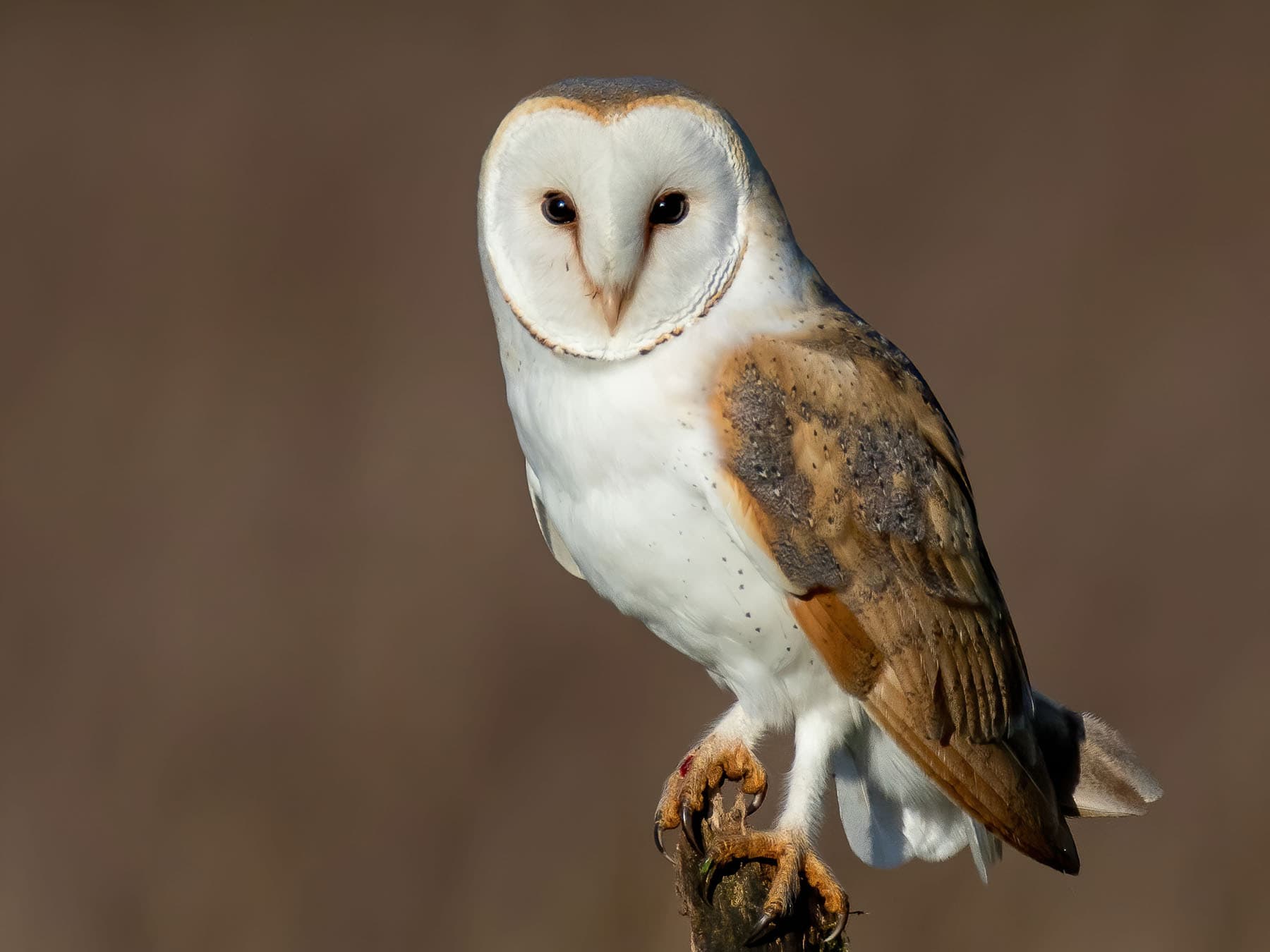 Barn OwlTyto albaPassage migrantUncommon33–39 cmRegularly Aug–Feb · 0.34% in Feb
 Common SwiftApus apusPassage migrantCommon16–17 cmRegularly Sep–Apr · 0.34% in Feb
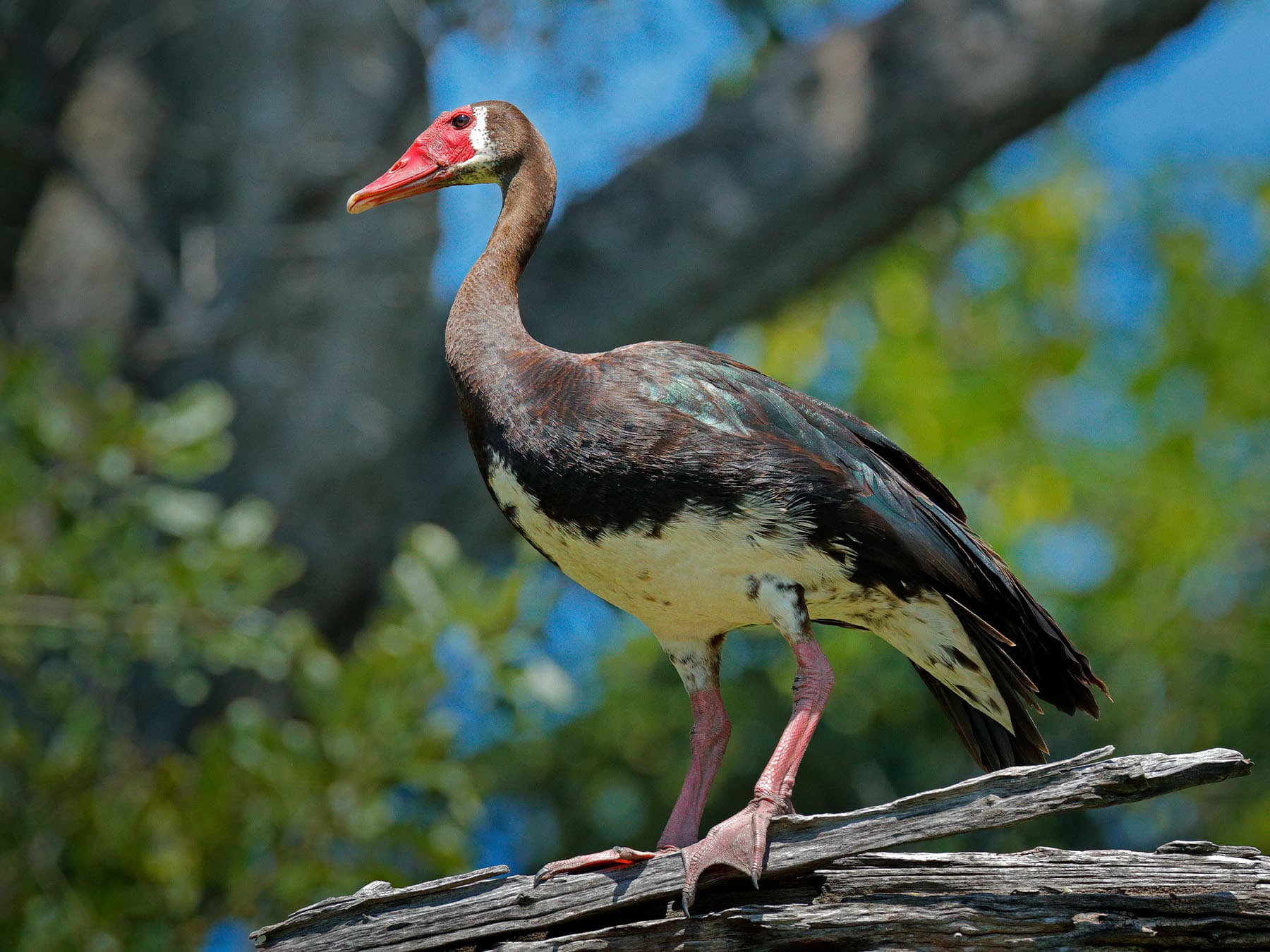 Spur-winged GoosePlectropterus gambensisPassage migrantUncommon75–115 cmRegularly Feb–May · 0.34% in Feb
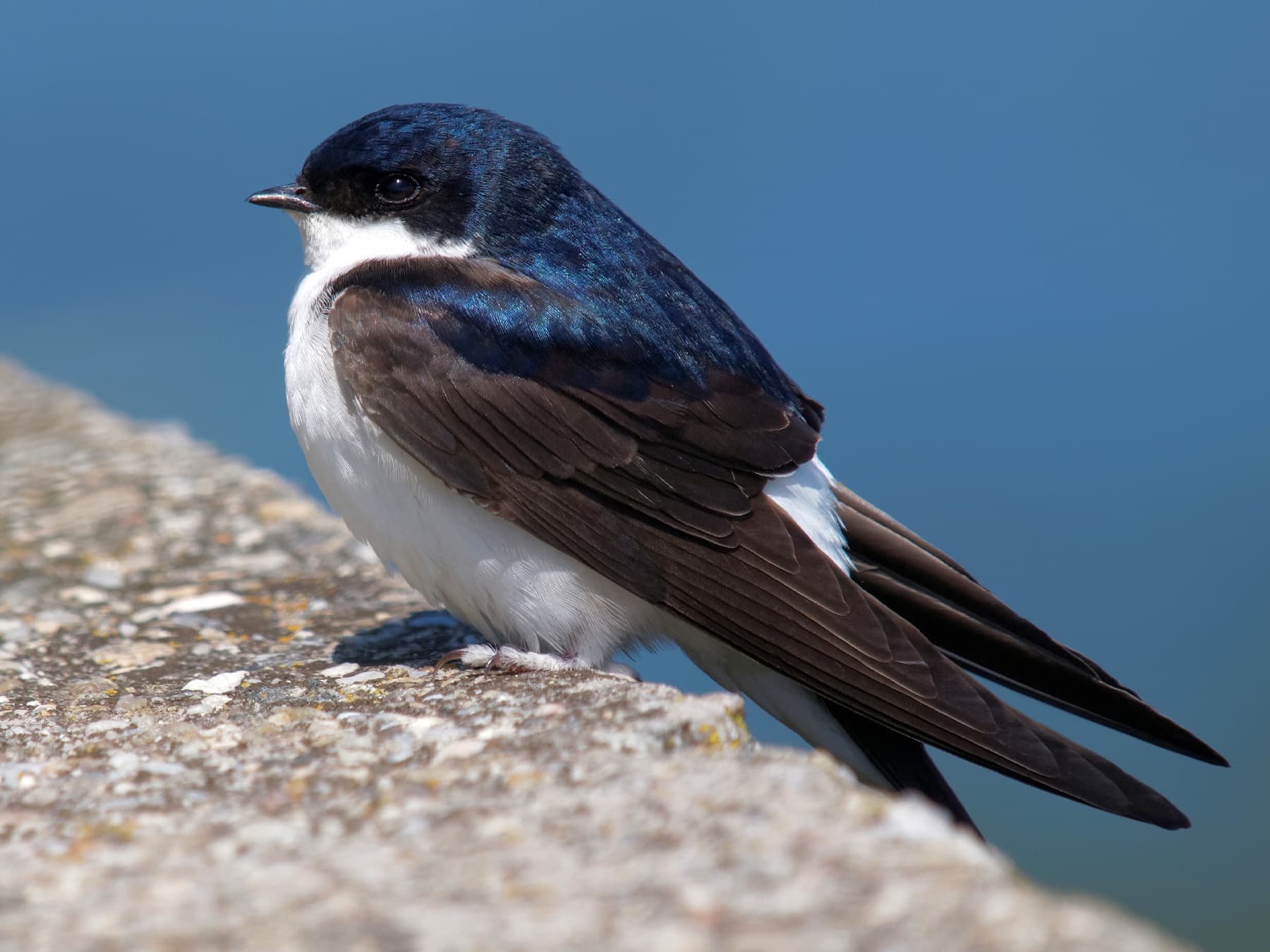 House MartinDelichon urbicumPassage migrantUncommon12–14 cmRegularly Oct–Feb · 0.29% in Feb
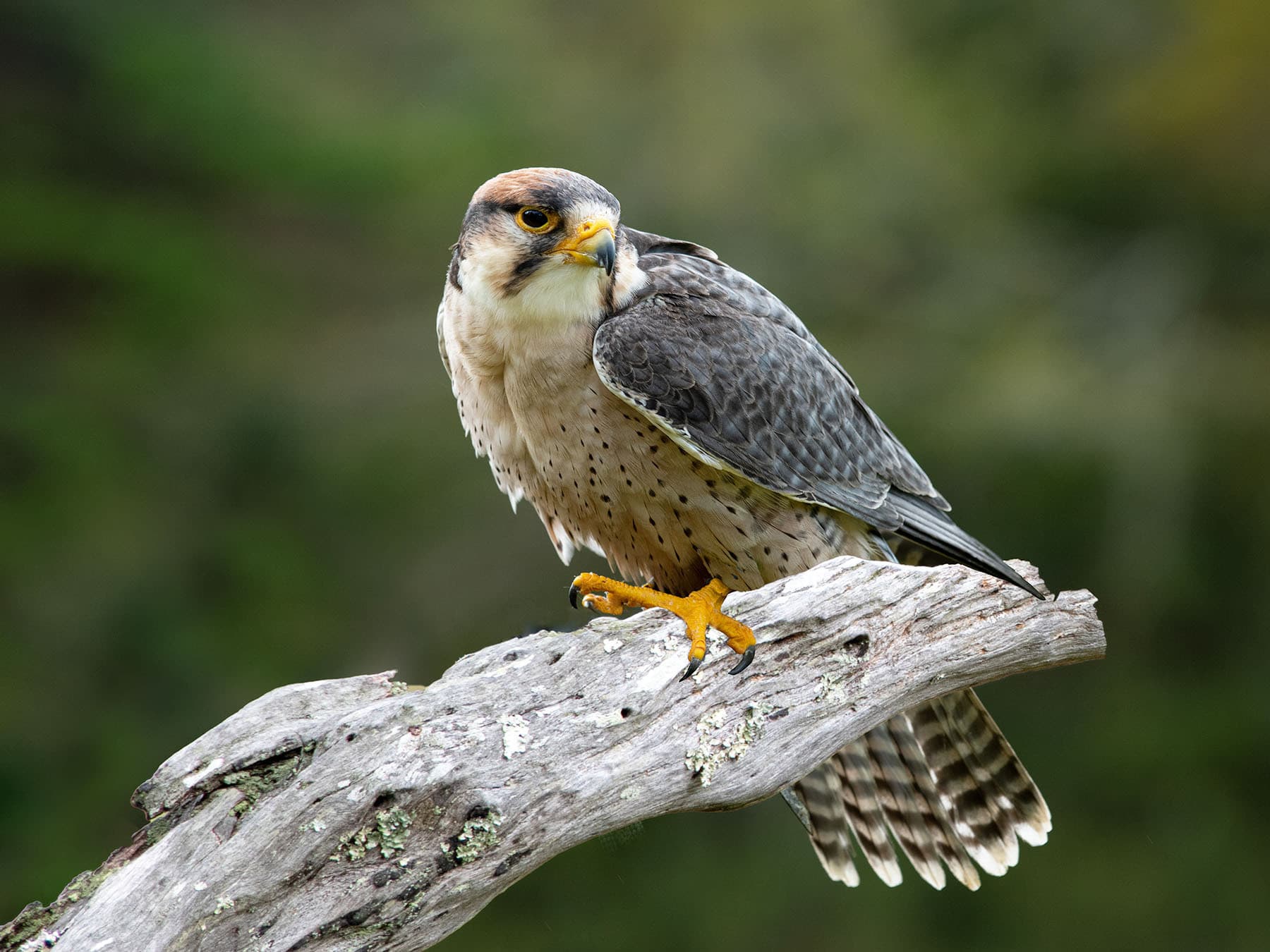 Lanner FalconFalco biarmicusPassage migrantUncommon43–50 cmRegularly Jul–Feb · 0.29% in Feb
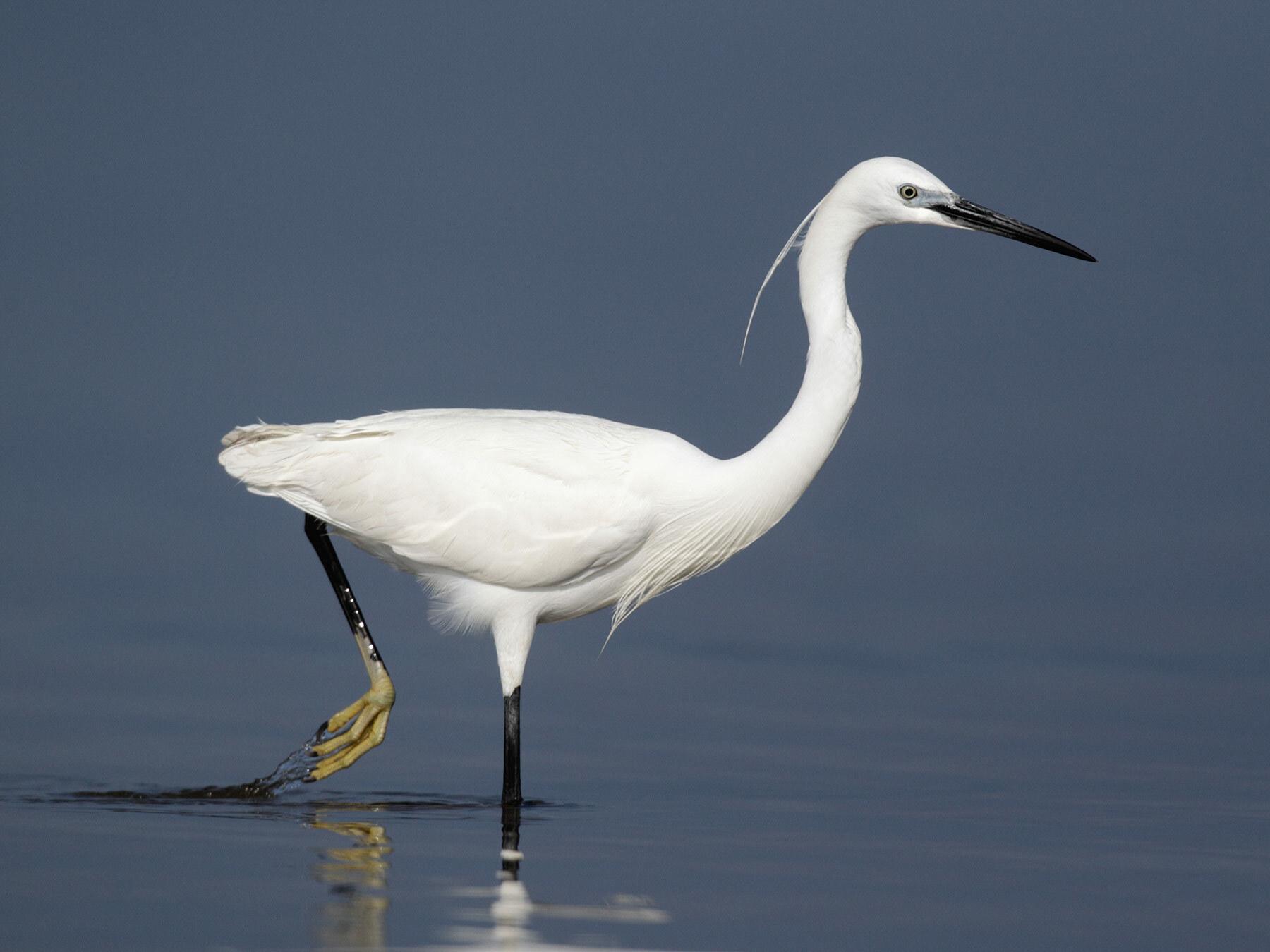 Little EgretEgretta garzettaWinter visitorCommon55–65 cmRegularly Feb–Dec · 0.29% in Feb
 Squacco HeronArdeola ralloidesWinter visitorCommon40–49 cmRegularly May–Feb · 0.29% in Feb
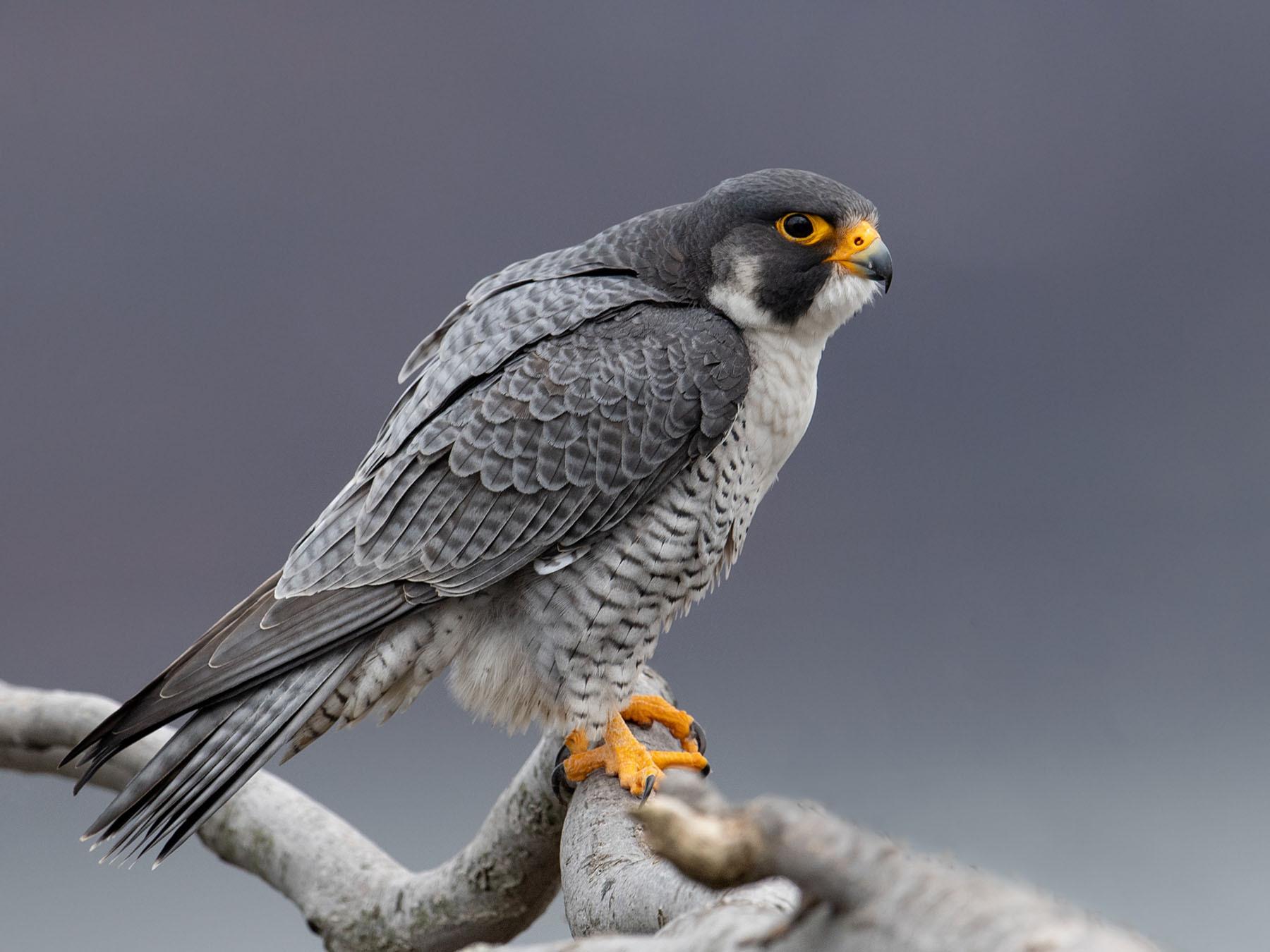 Peregrine FalconFalco peregrinusPassage migrantUncommon36–58 cmRegularly Feb–Sep · 0.23% in Feb
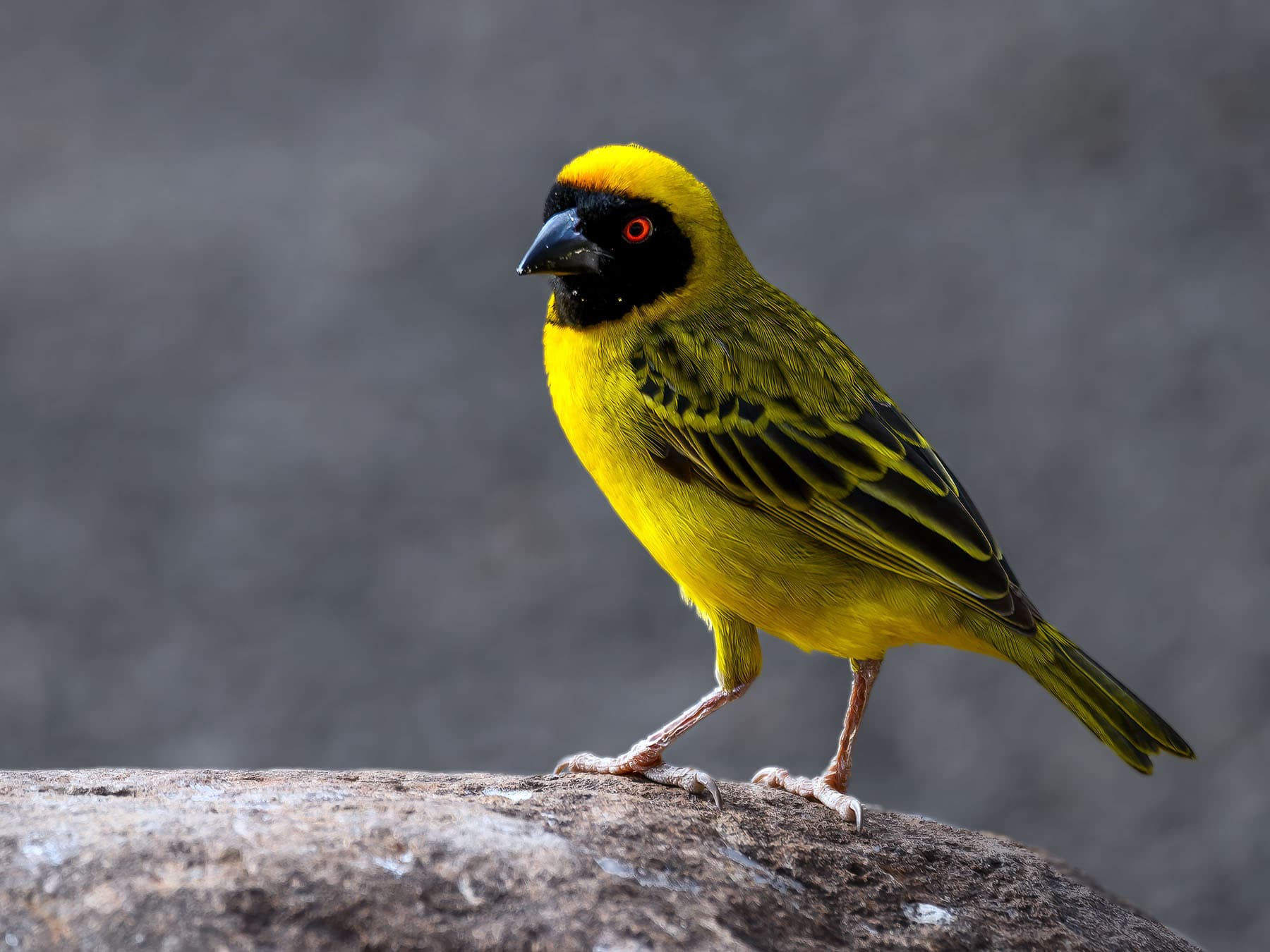 Southern Masked WeaverPloceus velatusPassage migrantUncommon13–15 cmRegularly Feb–Oct · 0.23% in Feb
Smallest to largest
Length, cm- House Martin 12–14 cm
- Southern Masked Weaver 13–15 cm
- House Sparrow 14–17 cm
- Common Swift 16–17 cm
- Lesser Striped Swallow 15–19 cm
- Barn Swallow 17–19 cm
- Alpine Swift 20–23 cm
- Fork-tailed Drongo 23–26 cm
- Cape Starling 25–25 cm
- Hoopoe 26–28 cm
- African Jacana 23–31 cm
- European Bee-eater 27–29 cm
- Rock Dove 31–34 cm
- Barn Owl 33–39 cm
- Squacco Heron 40–49 cm
- Pied Crow 45–45 cm
- Lanner Falcon 43–50 cm
- Peregrine Falcon 36–58 cm
- Cattle Egret 46–56 cm
- Buzzard 51–57 cm
- Little Egret 55–65 cm
- Purple Heron 78–90 cm
- Grey Heron 90–98 cm
- Spur-winged Goose 75–115 cm
Body length, bill to tail. Rare birds in grey.
Data: EOD – eBird Observation Dataset (Cornell Lab of Ornithology), accessed via GBIF.org, CC BY 4.0. Records from 2019–2024, aggregated and filtered by Birdfact. How these lists are made