


Alpine Swift
White-bellied Swift · Tachymarptis melba
By the Birdfact teamChecked by Nathan Cope
On this page14 sections
How to recognise it
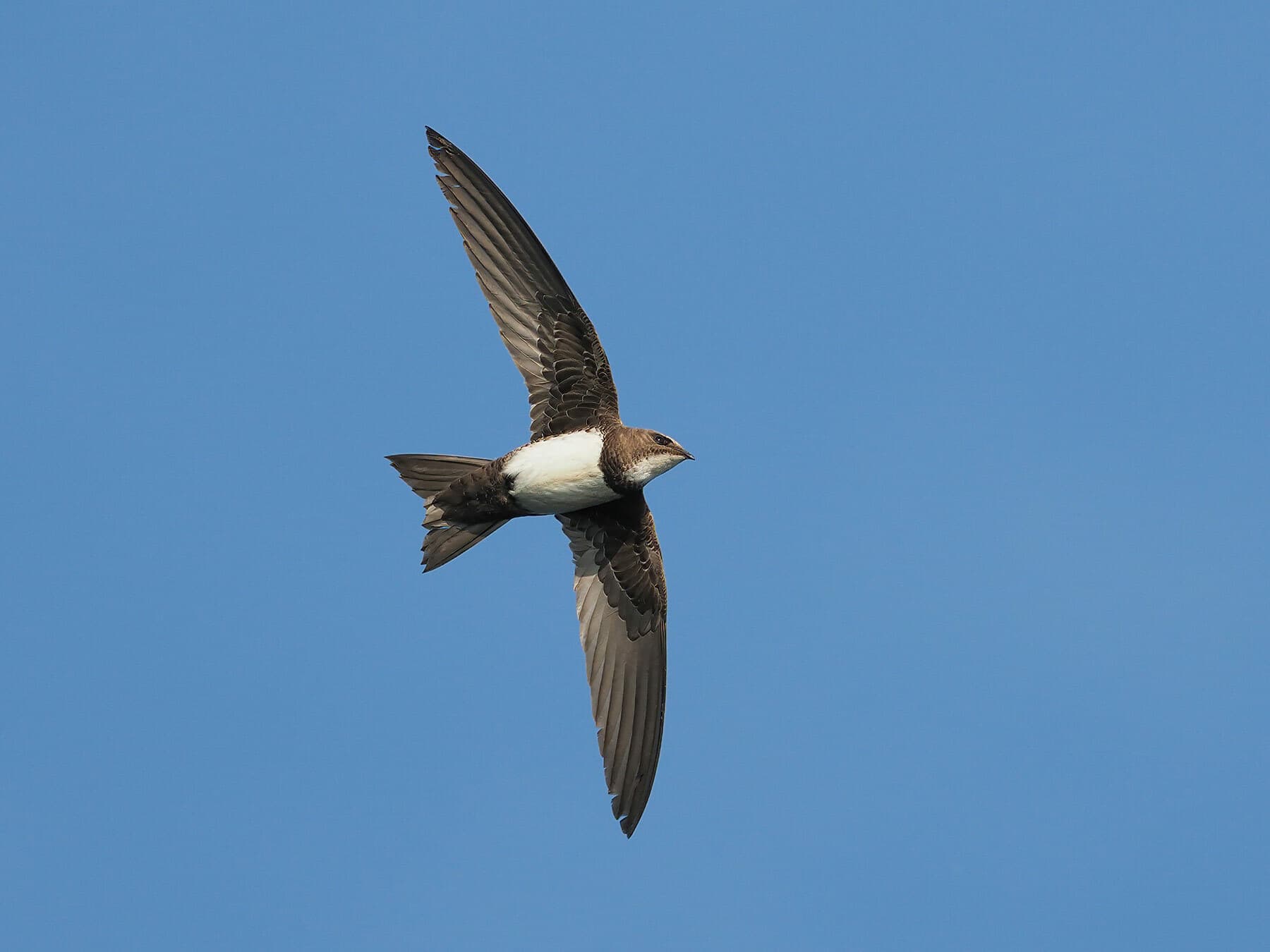
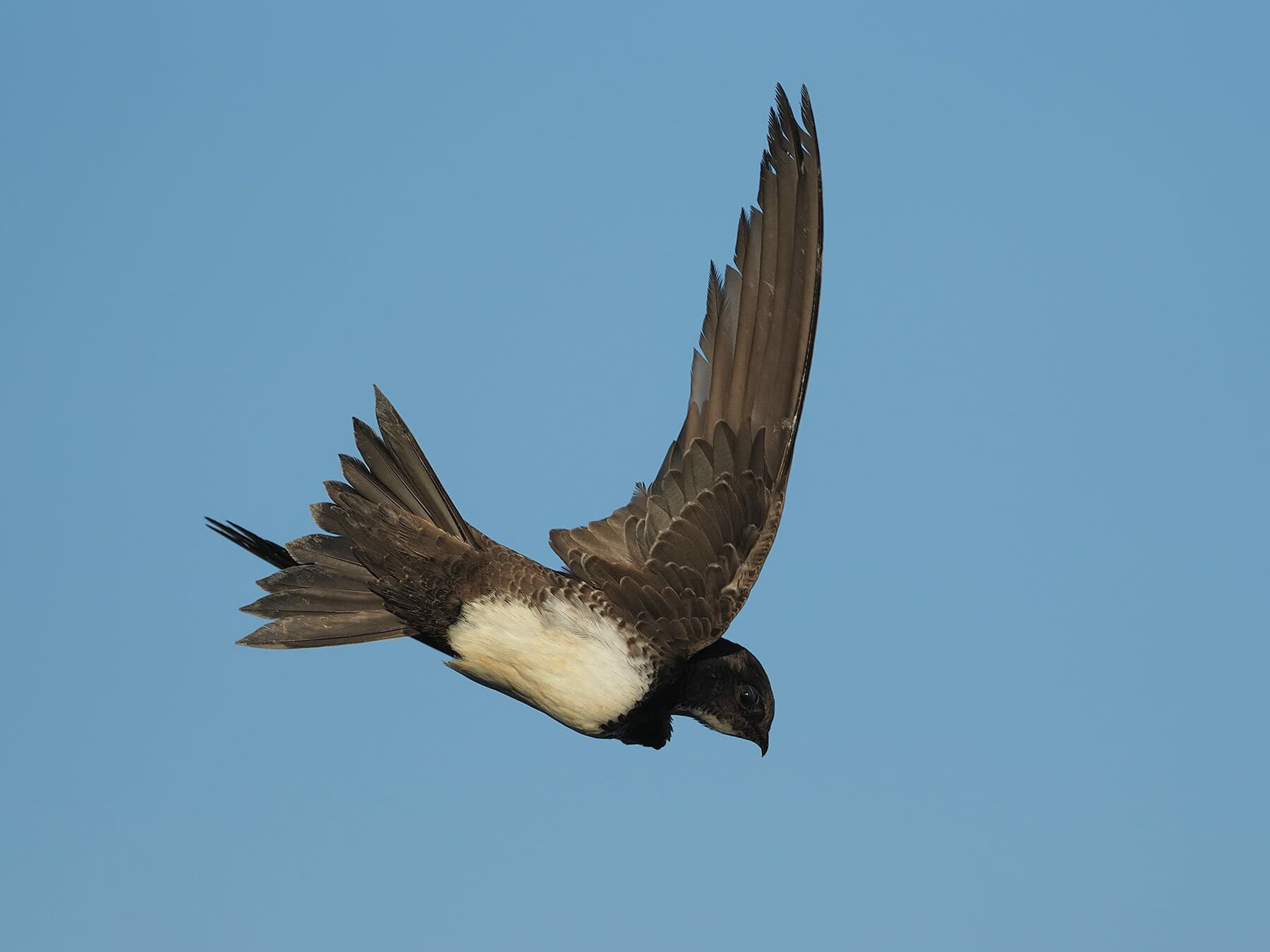
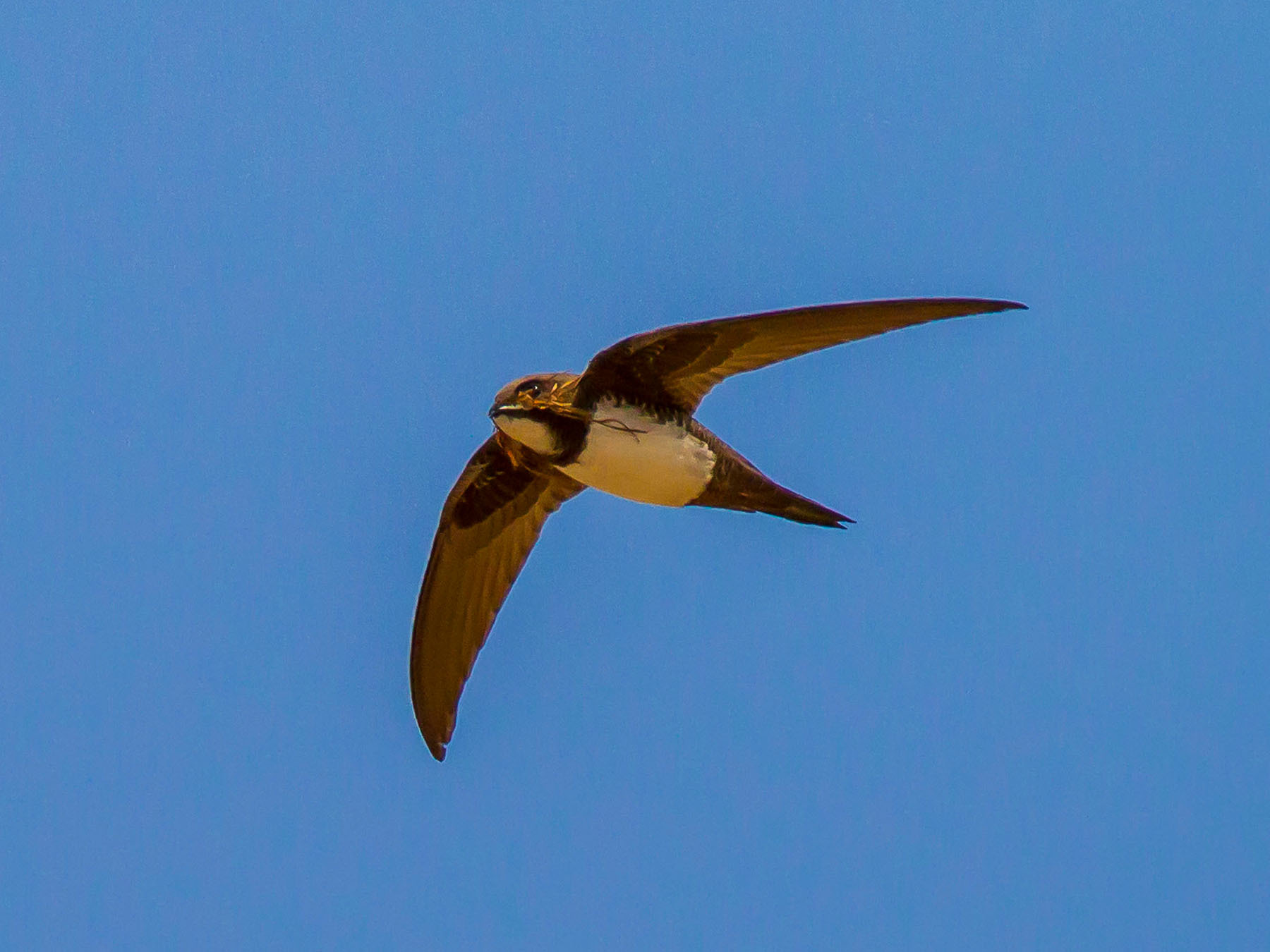
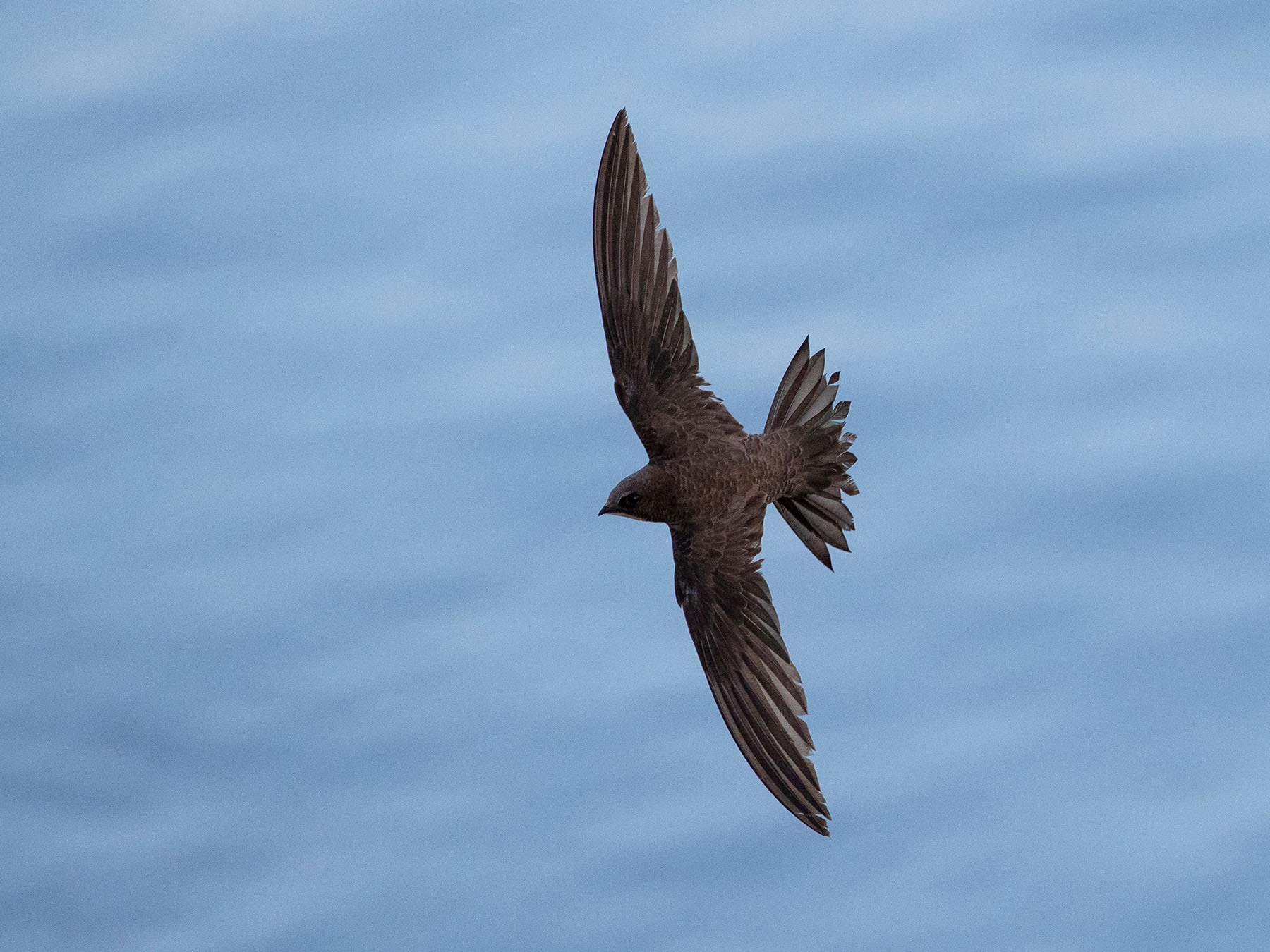
The Alpine Swift is characterised by its large size among swifts, with a sleek, streamlined body. Its upperparts are a uniform dark brown, contrasting sharply with a white belly and throat, separated by a brown breast band. Their long, narrow, and sickle-shaped wings are perfectly adapted for sustained flight.
Both sexes are similar in appearance, with juveniles closely resembling adults but showing slightly paler feather edges. The bird maintains this plumage year-round, with no significant seasonal variations.
Its size
Adults- Length
- 20–23 cm
- Wingspan
- 54–60 cm
- Weight
- 76–120 g
Its song and calls
They are often seen in flocks where they emit a loud rising and falling metallic trilling chorus of ‘peee – ti – ti – tititititititi - ti – ti’.
- Flight call0:00 / 0:47
Recorded in Decentralized Administration of Macedonia and Thrace, Greece · June 2019
When and where to see it
OctoberMostly absent
Not regularly recorded in October
Each dot is a county, state or province: the bigger and darker, the larger the bird’s share of that place’s bird records that month. Grey dots: no regular records. The ringed point is the centre of the bird’s records this month; the arrow shows how it moved since last month, and the dashed loop its path through the year. “Arrivals” colours places where it becomes regular this month (orange) or is in its last regular month (grey). GBIF eBird Observation Dataset, 2019–2024. Map data: Natural Earth, US Census Bureau; place centres © OpenStreetMap contributors.
In your area
See when the Alpine Swift is recorded in your county, state or province.
How often the Alpine Swift turns up in the UK through the year, from birdwatchers' records.
United Kingdom
Passage migrant · regularly Apr · most records in March
Show as a table
| Month | United Kingdom |
|---|---|
| January | – |
| February | – |
| March | 0.012% |
| April | 0.002% (regular) |
| May | <0.001% |
| June | <0.001% |
| July | <0.001% |
| August | <0.001% |
| September | <0.001% |
| October | – |
| November | – |
| December | – |
Recorded regularly in
Worldwide: recorded regularly in 71 countries
Countries where it was recorded in at least 3 of the 6 years 2019–2024. Linked countries have their own bird list.
Europe (28)
- Albania
- Andorra
- Austria
- Bosnia & Herzegovina
- Bulgaria
- Croatia
- France
- Germany
- Gibraltar
- Greece
- Hungary
- Italy
- Liechtenstein
- Malta
- Monaco
- Montenegro
- Netherlands
- North Macedonia
- Portugal
- Romania
- Russia
- Serbia
- Slovakia
- Slovenia
- Spain
- Switzerland
- Ukraine
- United Kingdom
Africa (20)
Asia (23)
- Afghanistan
- Armenia
- Azerbaijan
- Bhutan
- Cyprus
- Georgia
- India
- Iran
- Iraq
- Israel
- Jordan
- Kazakhstan
- Kyrgyzstan
- Lebanon
- Nepal
- Oman
- Pakistan
- Palestinian Territories
- Saudi Arabia
- Sri Lanka
- Tajikistan
- Turkey
- Uzbekistan
Data: EOD – eBird Observation Dataset (Cornell Lab of Ornithology), accessed via GBIF.org, CC BY 4.0. Records from 2019–2024, aggregated and filtered by Birdfact. How these lists are made
Alpine swifts and their subspecies can be found in southern Europe, Morocco, Libya, Asia minor, western, eastern and southern Africa, Madagascar, Middle East, Indian sub-continent and Sri Lanka and have even been reported in China.
Signs and Spotting tips
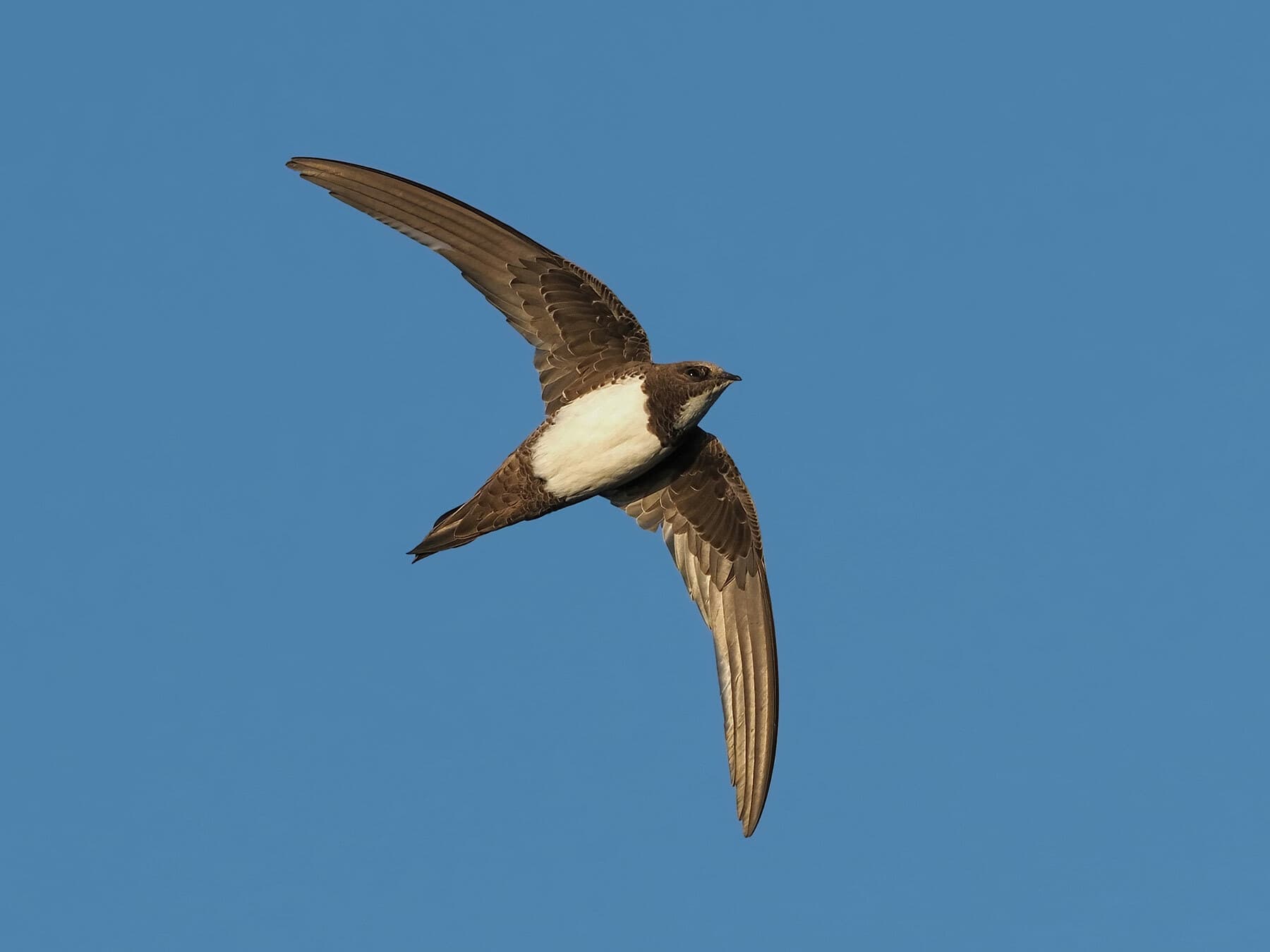
The alpine swift is a particularly graceful bird in the air with large broad wings, often swept back in a ‘boomerang shape, as it glides, swoops and soars in its almost continuous ariel ballet. Look out for its prominent white underbelly and flanks.
Frequently seen in large flocks flying low in Mediterranean climes, many of those breeding in temperate zones will migrate to Africa to over winter, attaining vast heights as they do so.
What it eats
Although the alpine swift is equipped with a very tiny beak it has an extremely large mouth in comparison which enables it to catch flying insects whilst it itself is in flight. Their diet consists of bees, wasps, lacewings, cicadas, aphids and butterflies.
Nesting and breeding
Nesting takes place in shallow cups of grass and feathers ‘cemented’ together with spittle on cliff tops and in crags or holes in buildings and often forms part of a larger nesting colony.
Between 1 and 4 eggs are laid, usually 3 and incubated for a period of 3 weeks. Fledging occurs some 53 to 66 days after hatching. Pairs mate for life and will return to the same nest year after year.
Behaviour
Alpine Swifts are supremely adapted for an aerial lifestyle and can stay aloft for incredibly long periods. They feed, drink, and even sleep on the wing, rarely landing except to nest.
These birds are highly social, often seen in large, screaming flocks, particularly during migration and in feeding areas.
Lifespan and predators
Life expectancy for alpine swifts is between ten to fifteen years.
Conservation
While the Alpine Swift is currently listed as Least Concern, it faces threats from climate change affecting its mountain habitats. Urban development can provide nesting sites on buildings and pose risks through collisions.
Conservation efforts focus on protecting natural nesting sites and creating safe urban habitats.
What does an Alpine Swift look like?
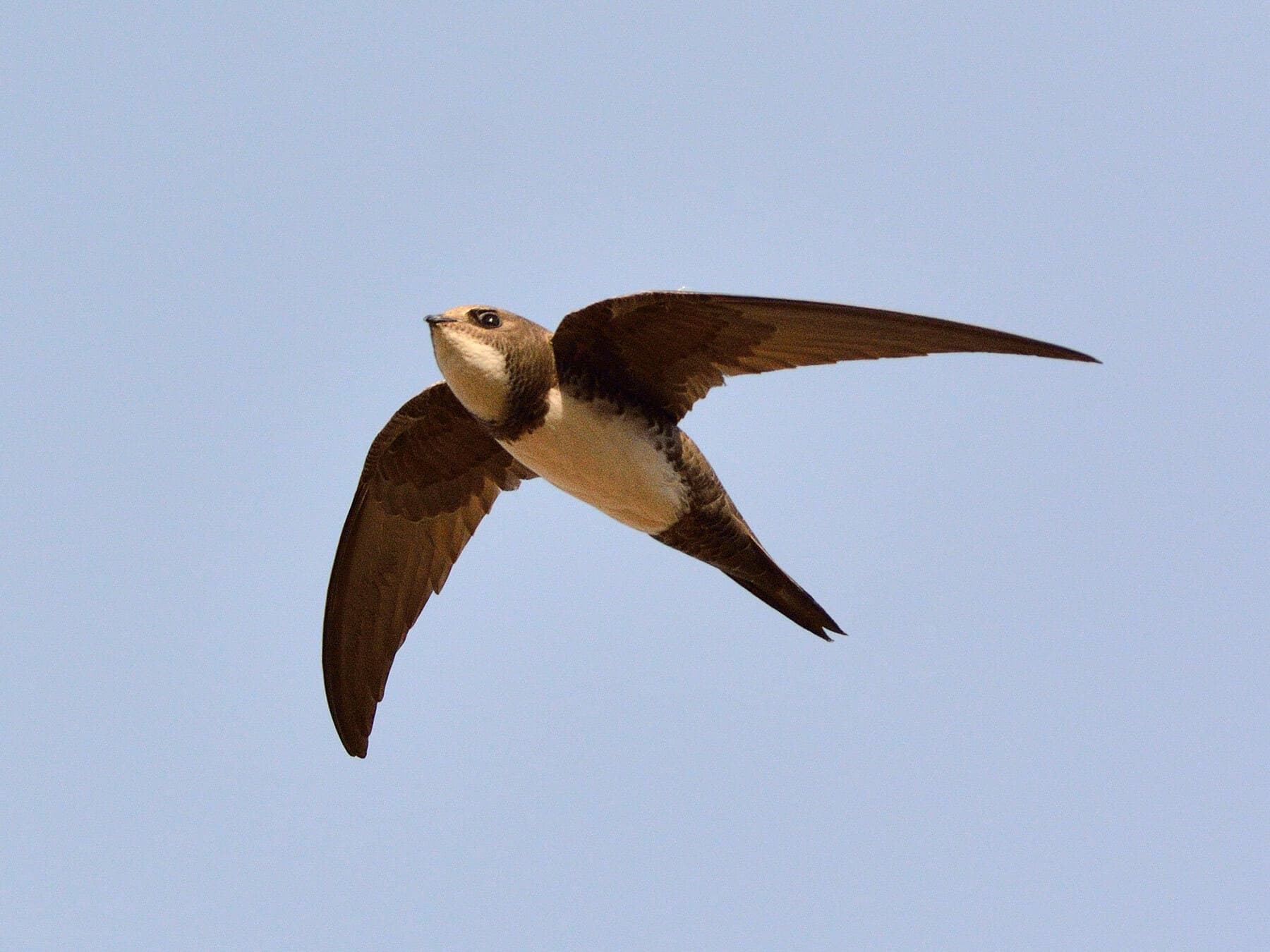
The alpine swift is a very large swift with broad wings and a short, forked tail. Upper parts, including the head on the adult bird, are olive-brown.
The chin and throat are white, and there is a large white patch covering the breast and both flanks, separated from the throat by an olive-brown breast band extending down from the head and circling the base of the bird’s neck. The lower belly area and vent are olive-brown with the undertail coverts a darker brown than the rest of the body.
The bill is tiny and very dark in colour, and the legs and feet are small and short. Adult males and females are similar in appearance.
Similar birds
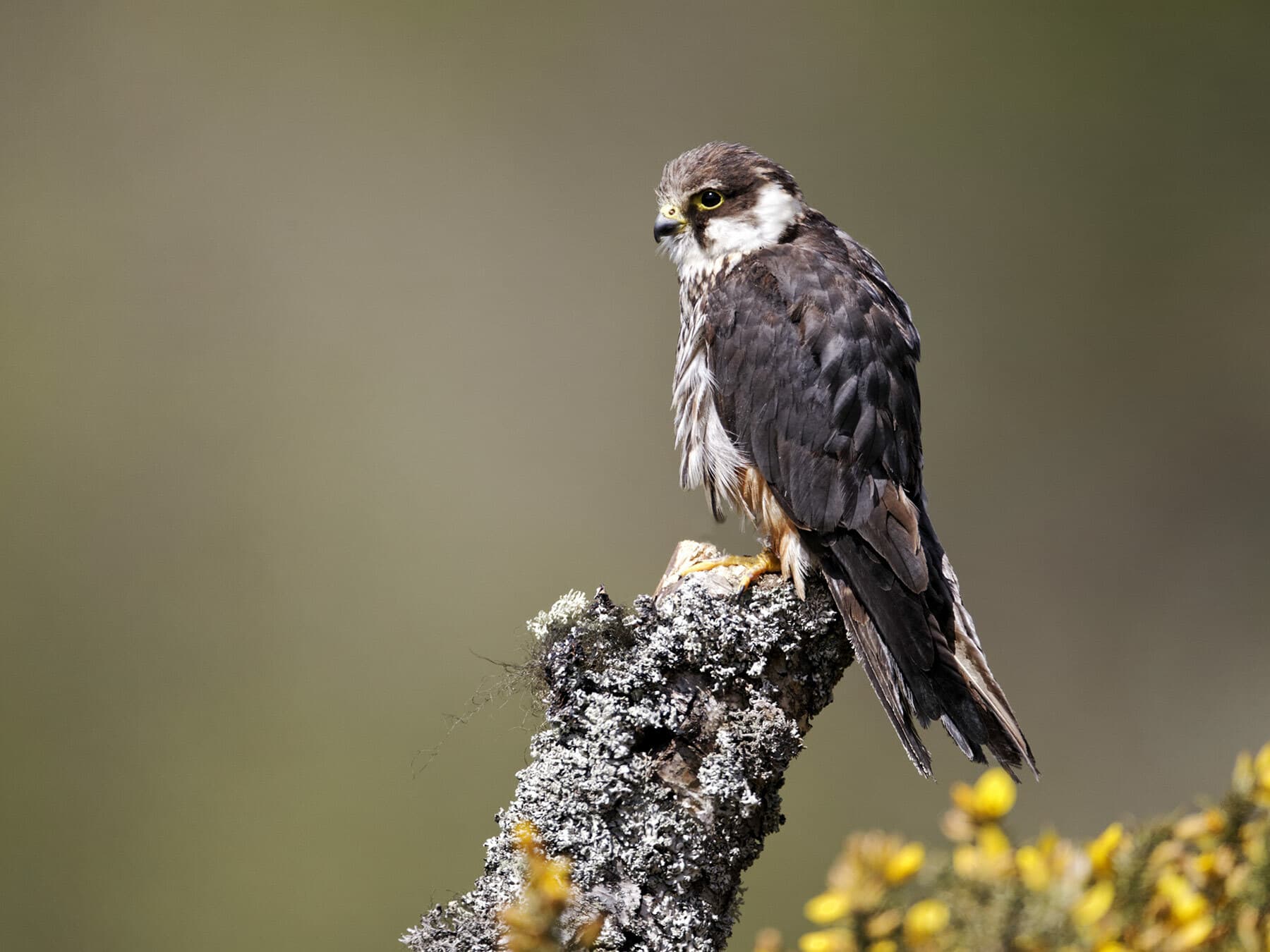
Often mistaken for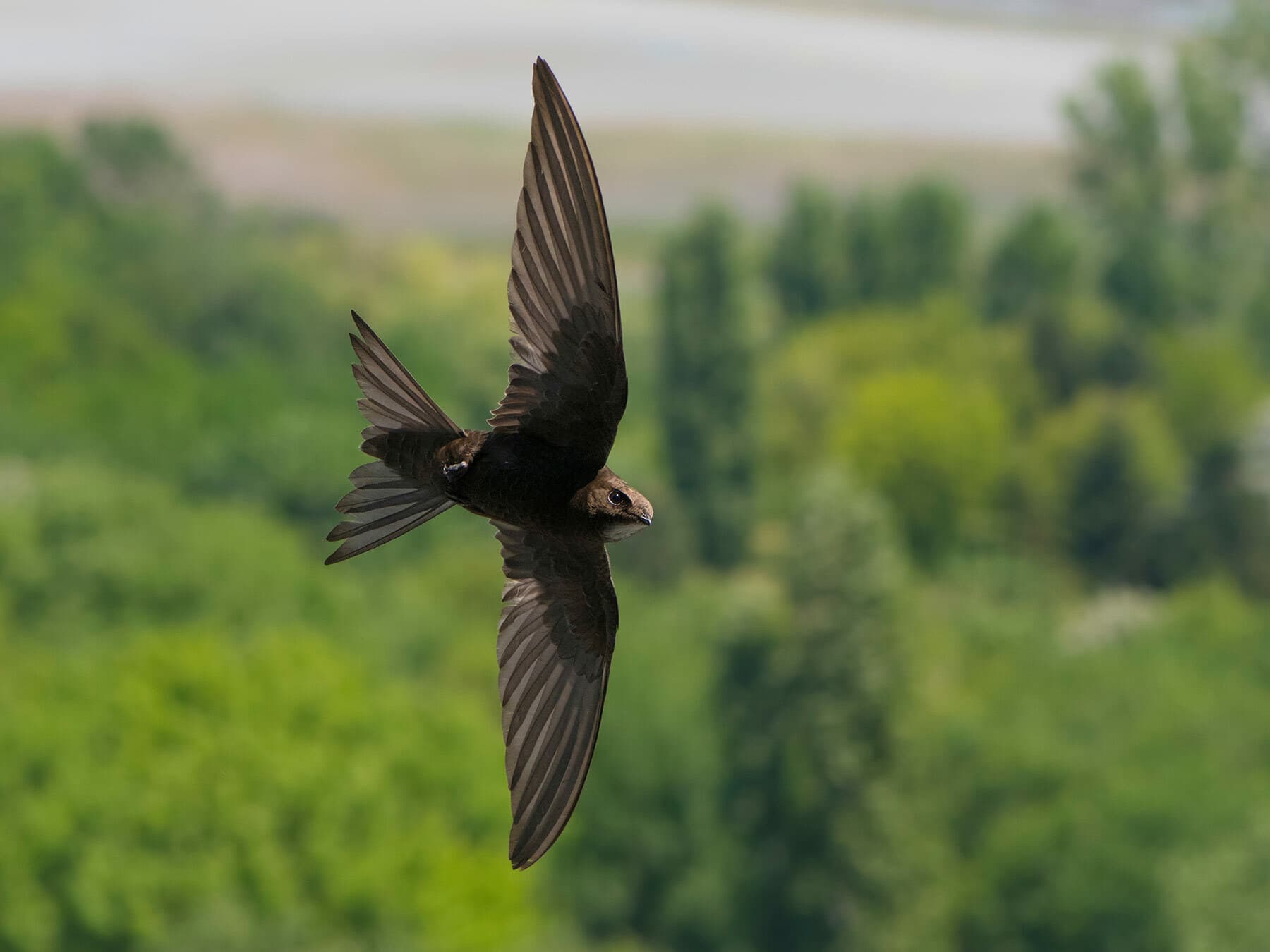
More photos
3 photos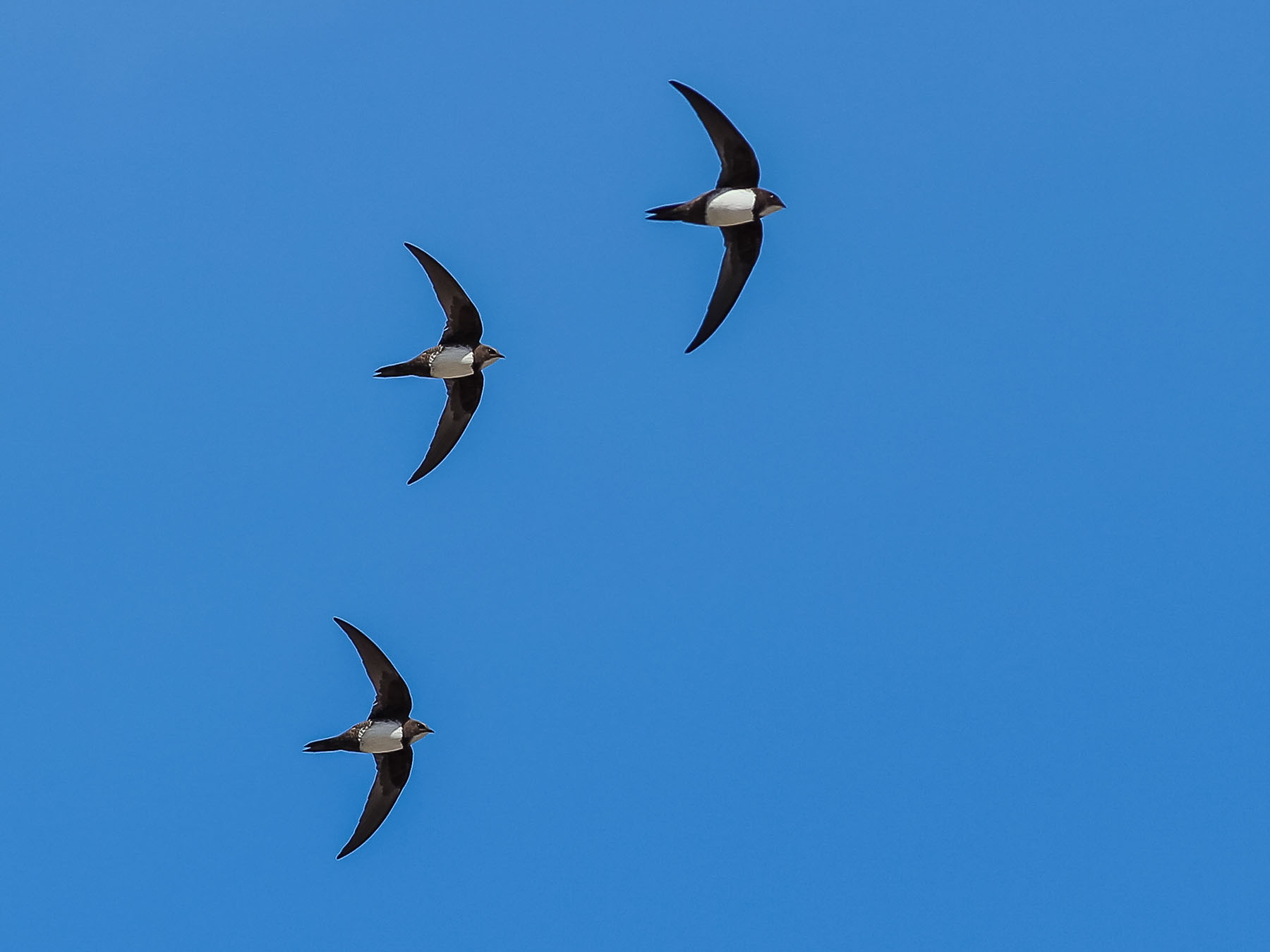
Quick facts
- Length
- 20–23 cm
- Wingspan
- 54–60 cm
- Weight
- 76–120 g
- Lifespan
- 10–15 years · oldest recorded 26 years
- Family
- Swifts
- Migration
- Long-distance Migrant
- Global status (IUCN)
- Least Concern
- World population
- 1,000,000 - 2,100,000 mature individuals
- Population trend
- Stable
- Also called
- White-bellied Swift
- Scientific name
- Tachymarptis melba
Sources
4- 1BirdLife International. 2016. Tachymarptis melba. The IUCN Red List of Threatened Species 2016: e.T22686774A86109107. Source (opens in a new tab)
- 2BirdLife International. 2016. Tachymarptis melba. The IUCN Red List of Threatened Species 2016: e.T22686774A86109107. Source (opens in a new tab)
- 3BirdLife International. 2016. Tachymarptis melba. The IUCN Red List of Threatened Species 2016: e.T22686774A86109107. Source (opens in a new tab)
- 4Moller, Sociality, age at first reproduction and senescence: comparative analyses of birds, J Evol Biol, 19:682-689 (2006) Source (opens in a new tab)

Checked by
Nathan Cope, founder and editor
Nathan founded Birdfact and leads its writers and contributors in the UK, the US and Canada. He has watched and studied birds for more than ten years, and checks every article and species guide before it’s published.