


Birds to See in Newry and Mourne in June
25 bird species on our list for Newry and Mourne are recorded regularly in June
Of these, the most often recorded are Blackbird, Hooded Crow, Woodpigeon, Chaffinch and Eurasian Wren. New this month: European Herring Gull, Rook, Eurasian Oystercatcher and Barn Swallow and 14 more.
Fewer birdwatchers' records come from Newry and Mourne than from better-watched areas, so this list is less complete. For a fuller picture, see the list for Northern Ireland.
On the move in June
GBIF · JunArriving
From Newry and Mourne’s bird records, 2019–2024: arriving birds are regular this month but not last; leaving birds are regular this month but not next.
Other months
All 25 birds in June
25 birds
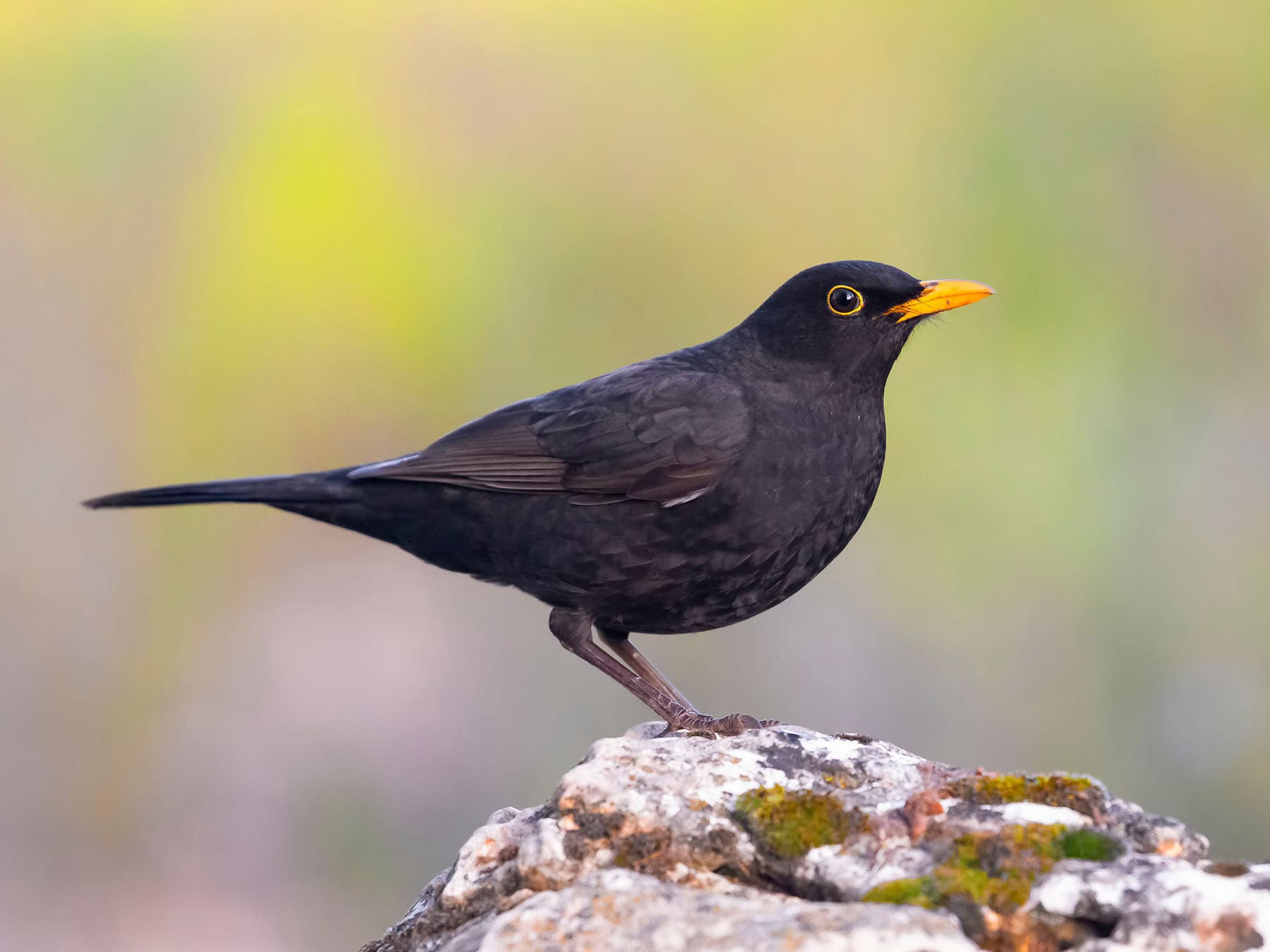 BlackbirdTurdus merulaResidentCommon24–25 cmRegularly Jan–Jun · 5.00% in Jun
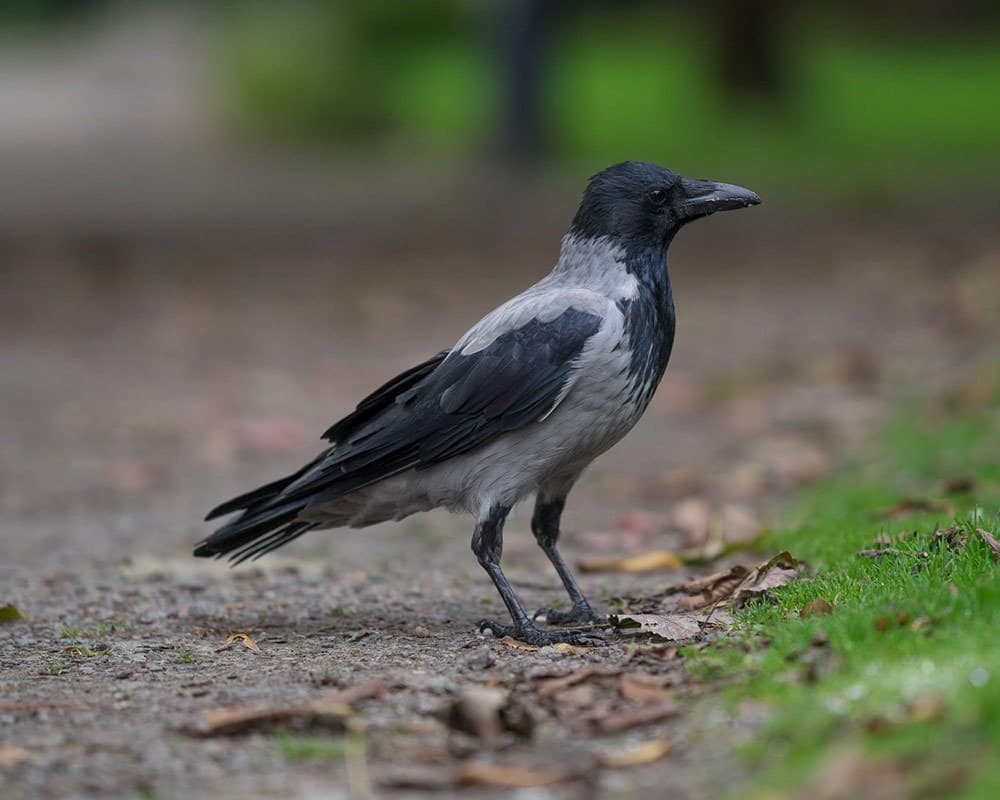 Hooded CrowCorvus cornixResidentCommon44–51 cmRegularly May–Feb · 4.79% in Jun
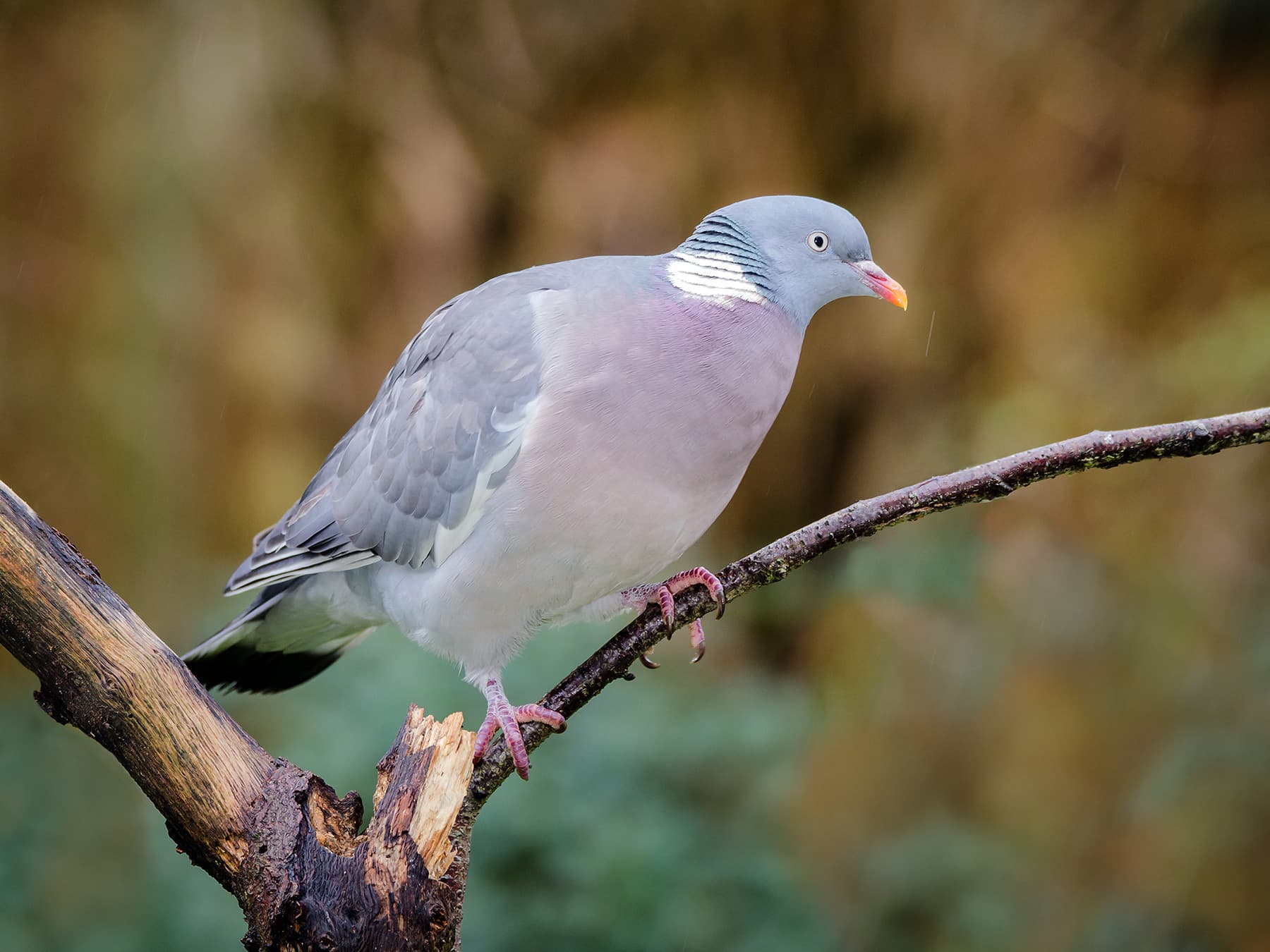 WoodpigeonColumba palumbusSummer visitorCommon40–42 cmRegularly May–Feb · 4.79% in Jun
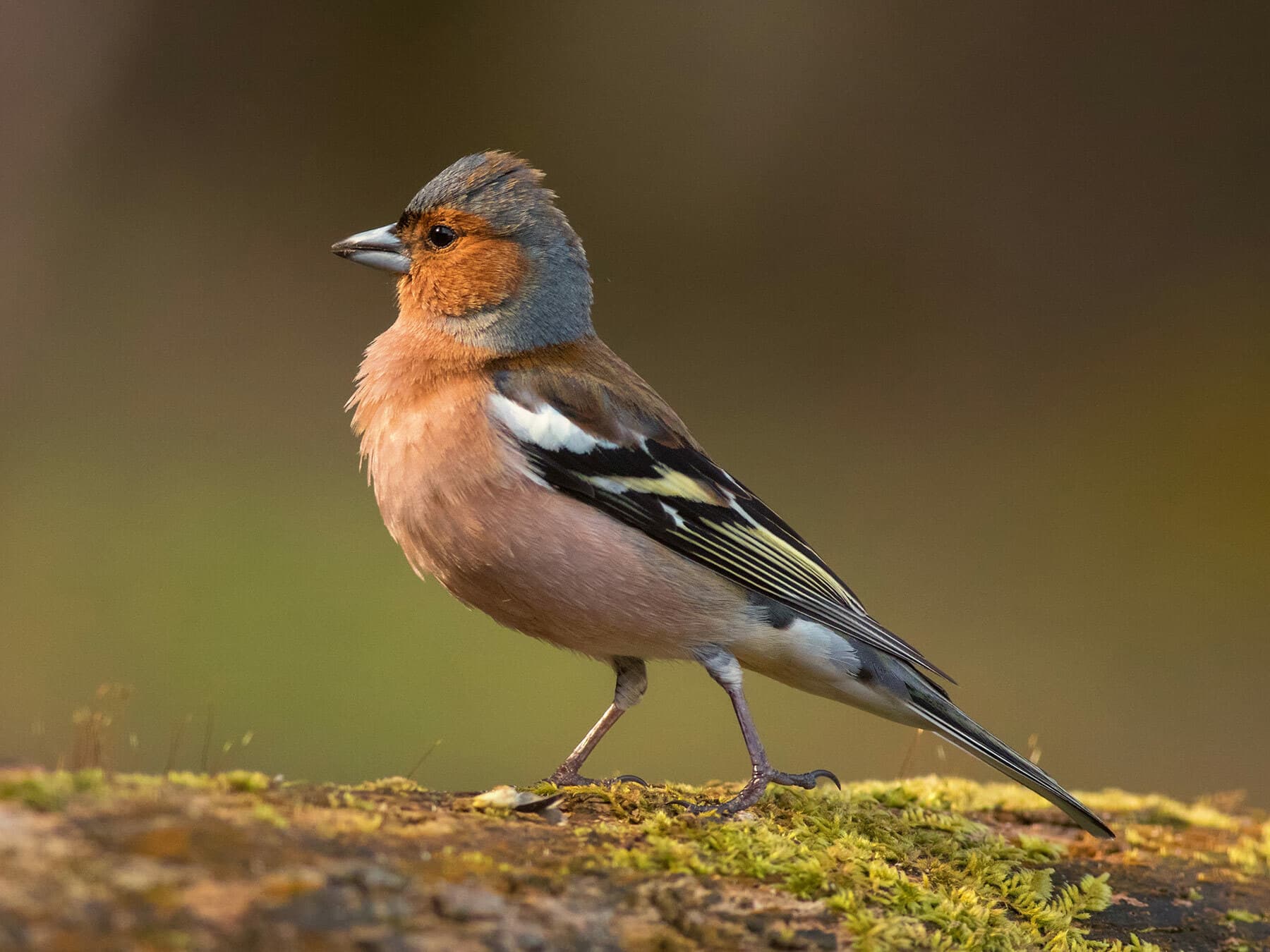 ChaffinchFringilla coelebsResidentCommon14–16 cmRegularly Oct–Jun · 4.38% in Jun
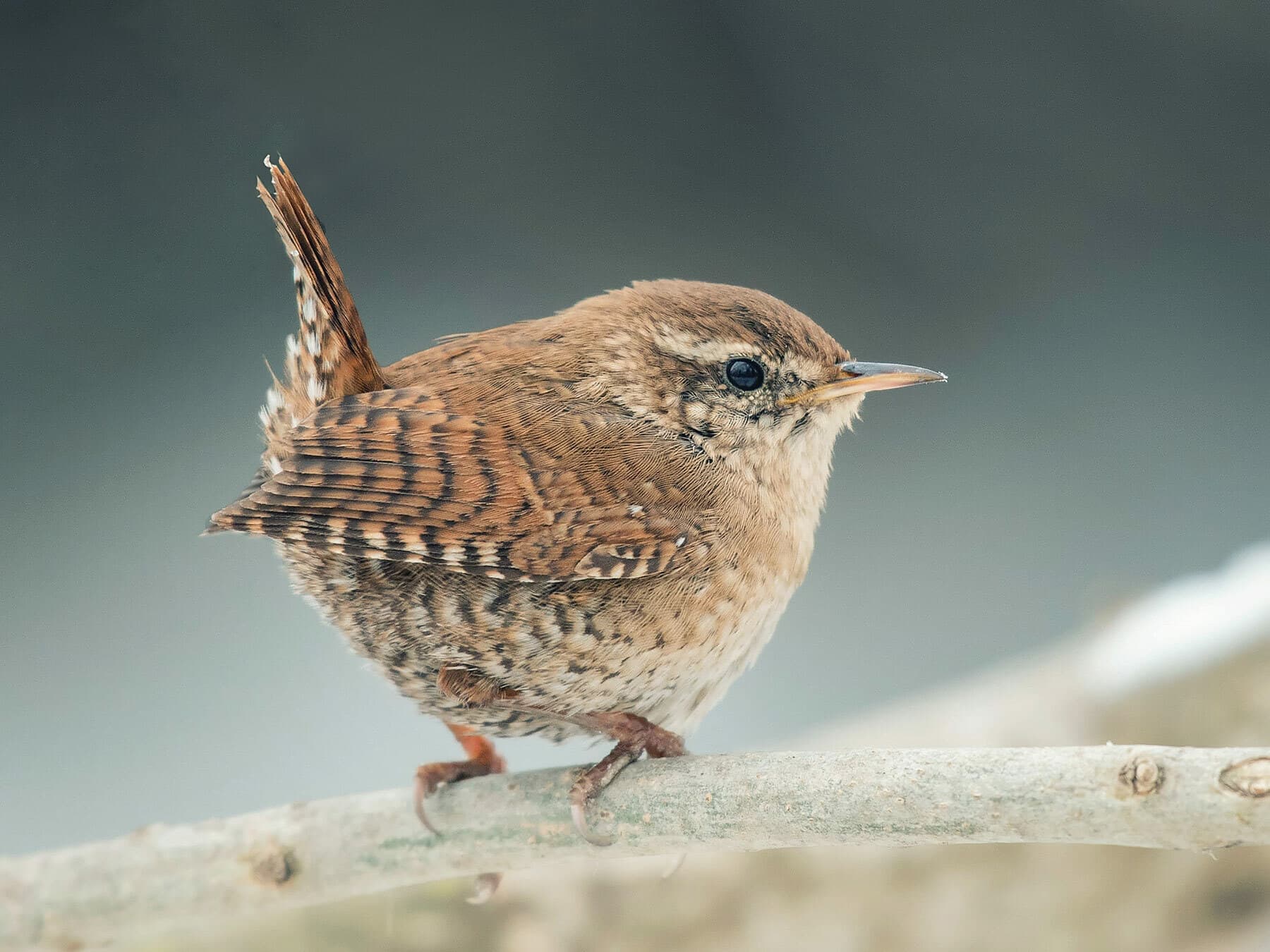 Eurasian WrenTroglodytes troglodytesResidentCommon9–10 cmRegularly Jan–Jun · 4.38% in Jun
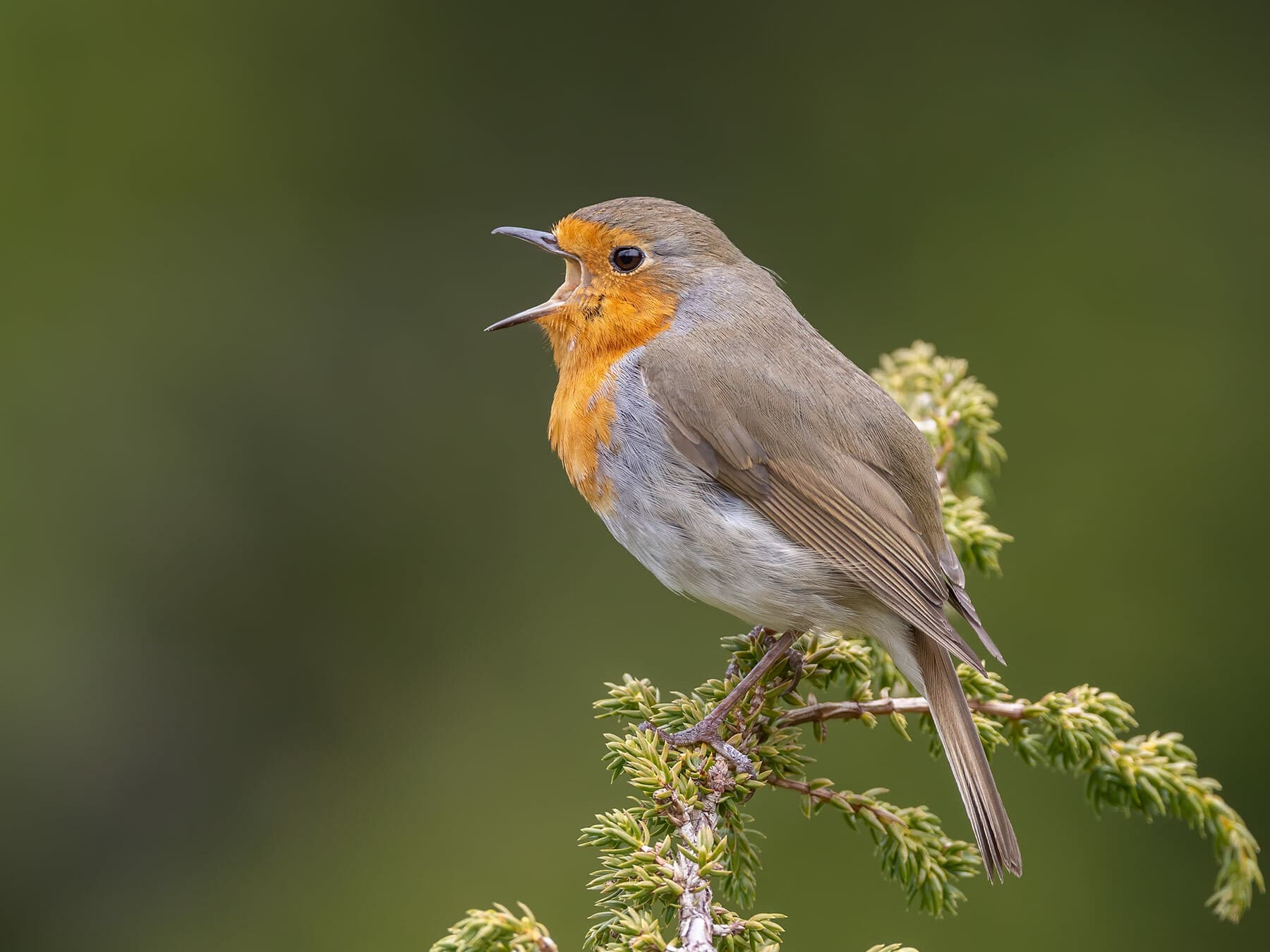 European RobinErithacus rubeculaResidentCommon13–14 cmRegularly Oct–Jun · 3.75% in Jun
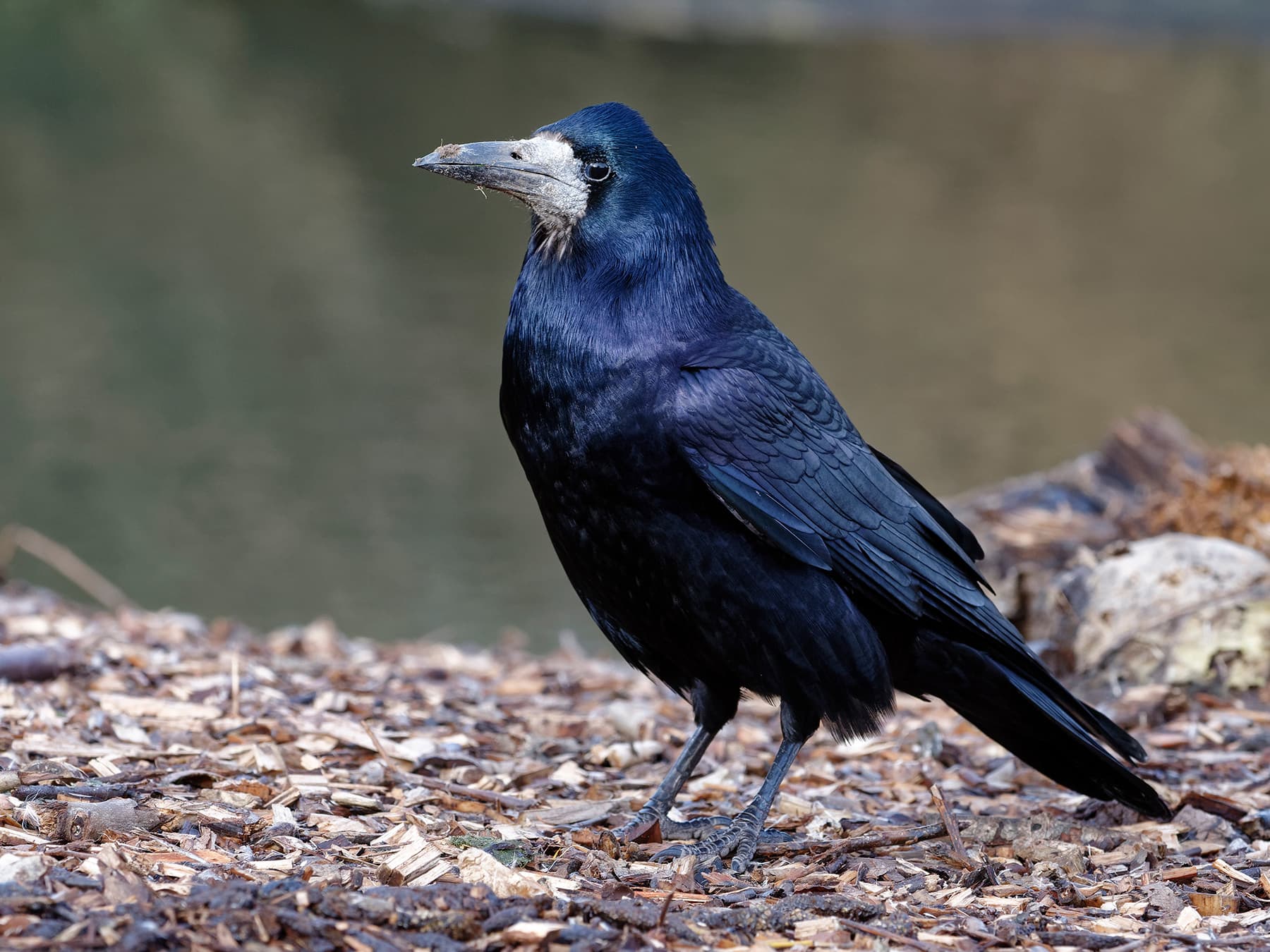 RookCorvus frugilegusResidentCommon45–47 cmRegularly Jun–Feb · 3.54% in Jun
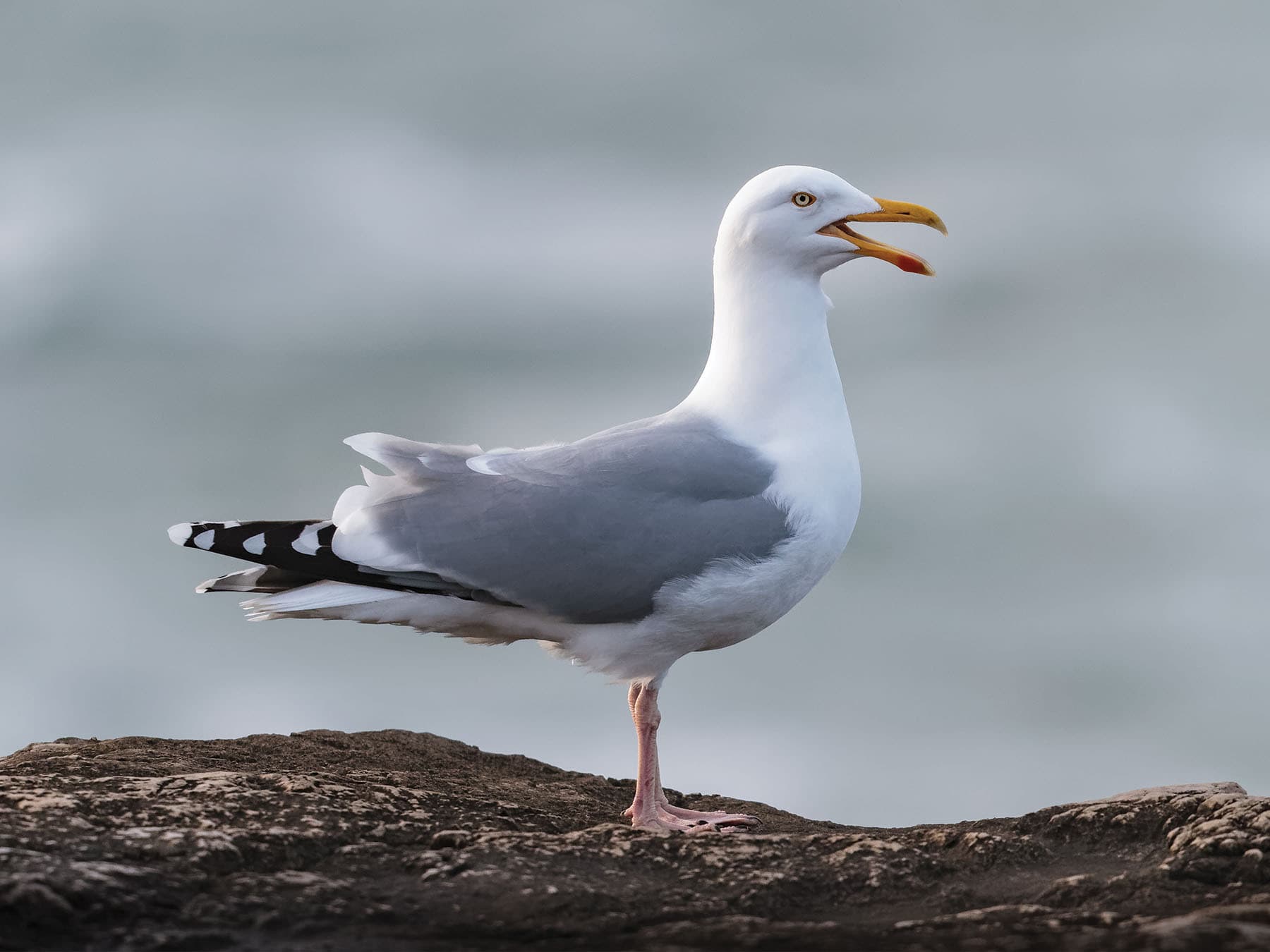 European Herring GullLarus argentatusResidentCommon55–67 cmRegularly Feb–Aug · 3.33% in Jun
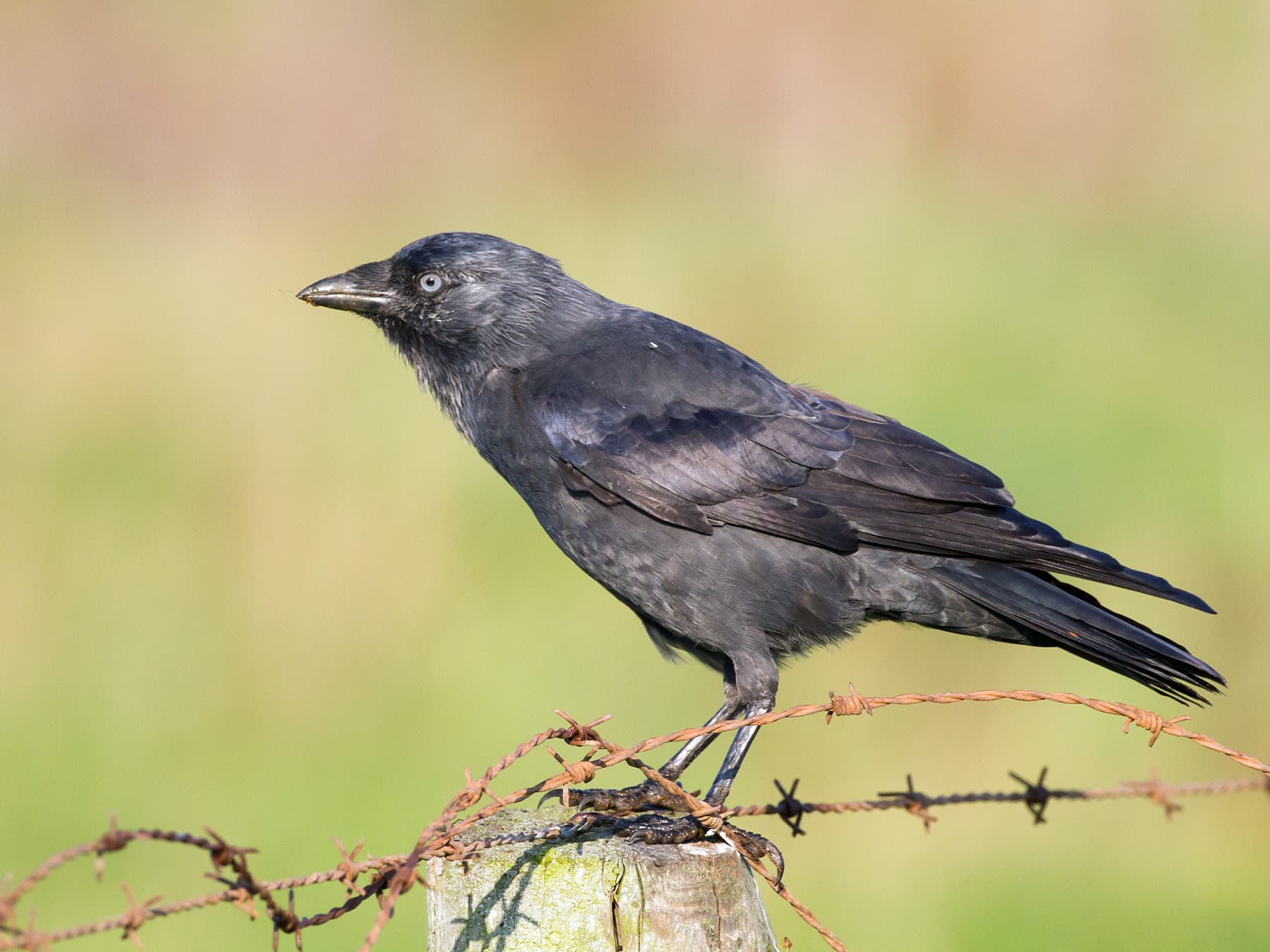 JackdawColoeus monedulaSummer visitorCommon34–39 cmRegularly Feb–Oct · 3.13% in Jun
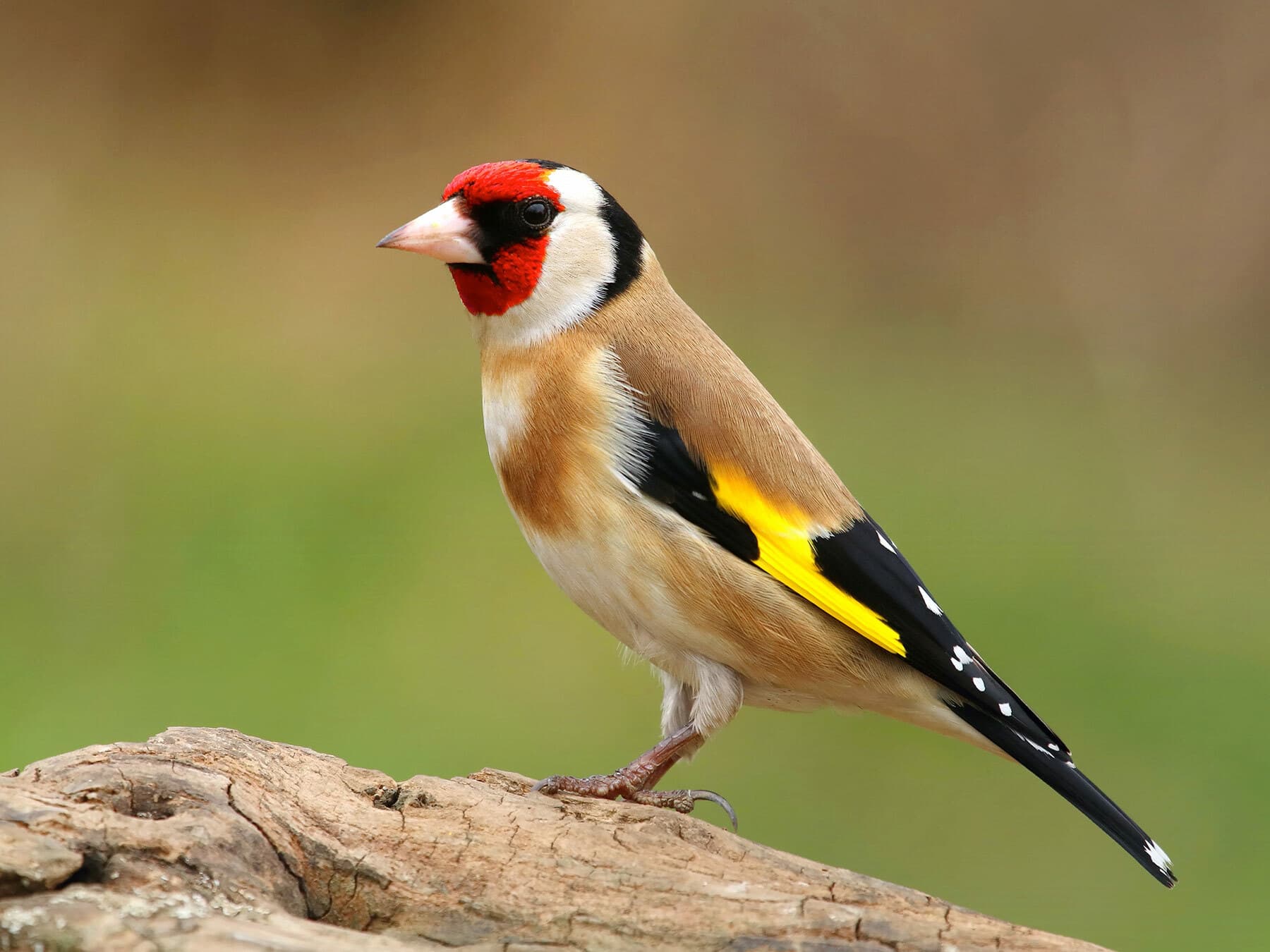 European GoldfinchCarduelis carduelisResidentCommon12–13 cmRegularly Jun · 2.92% in Jun
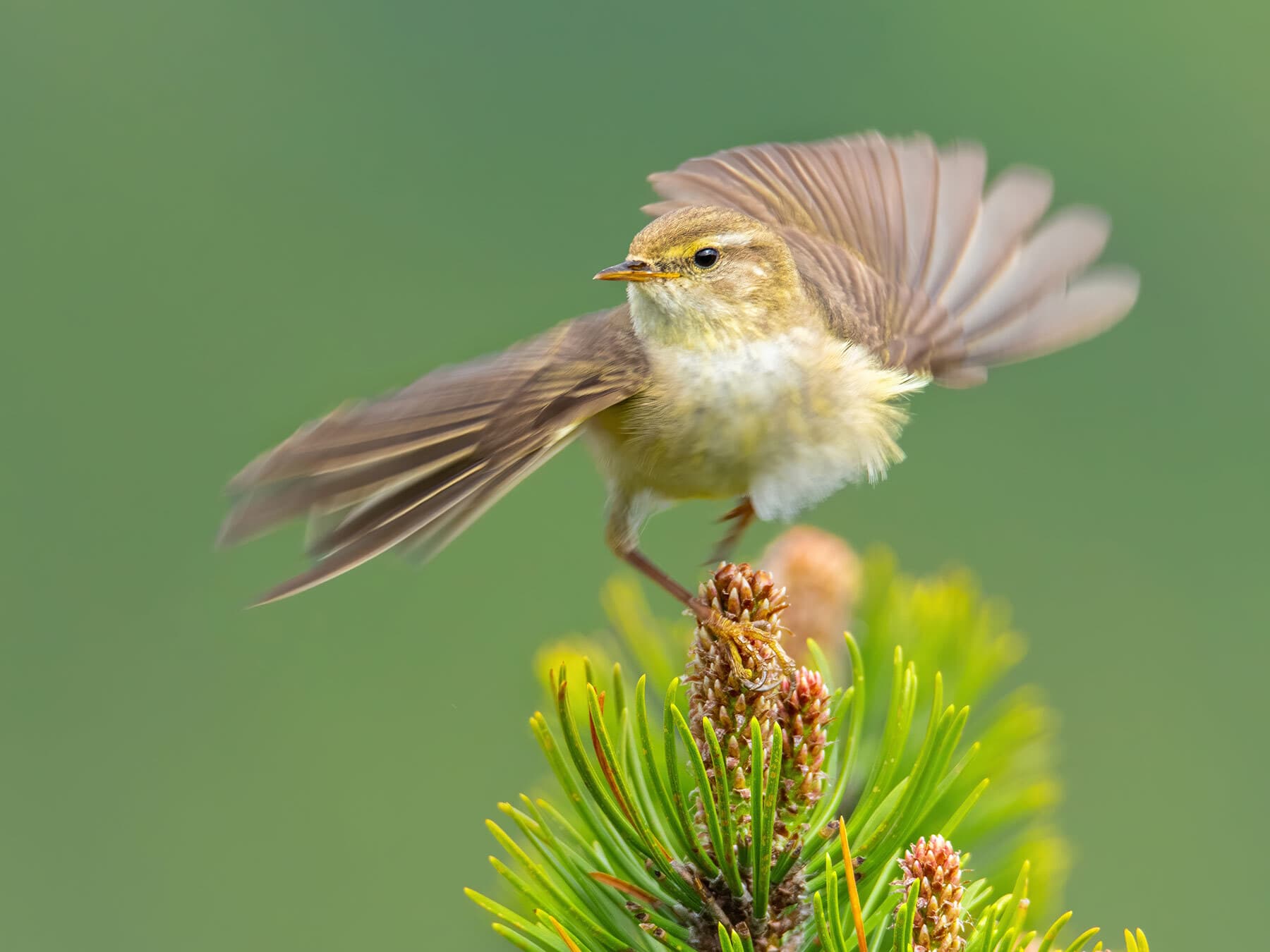 Willow WarblerPhylloscopus trochilusPassage migrantCommon11–13 cmRegularly Apr–Jun · 2.71% in Jun
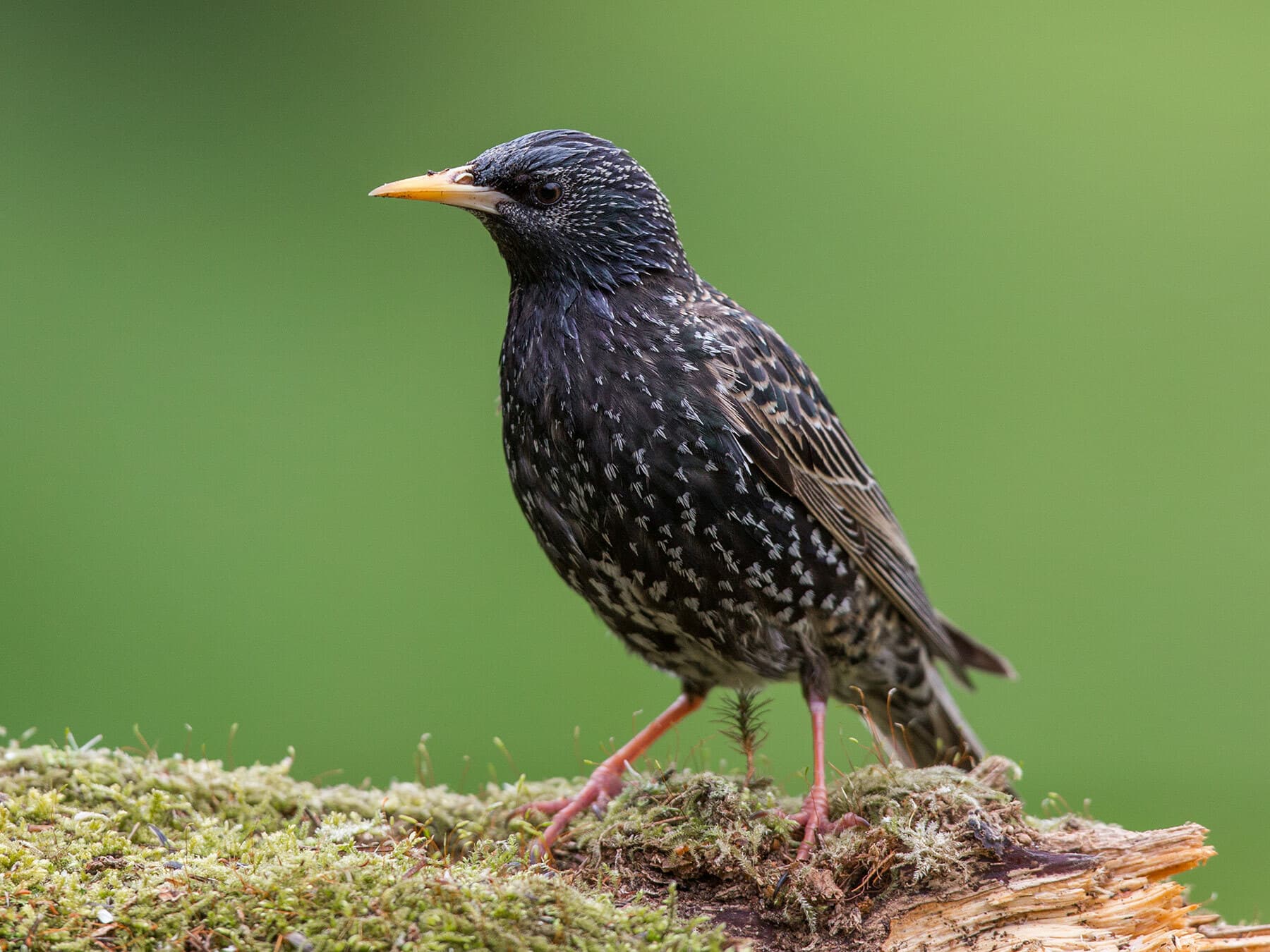 Common StarlingSturnus vulgarisResidentCommon21–23 cmRegularly Jun–Feb · 2.50% in Jun
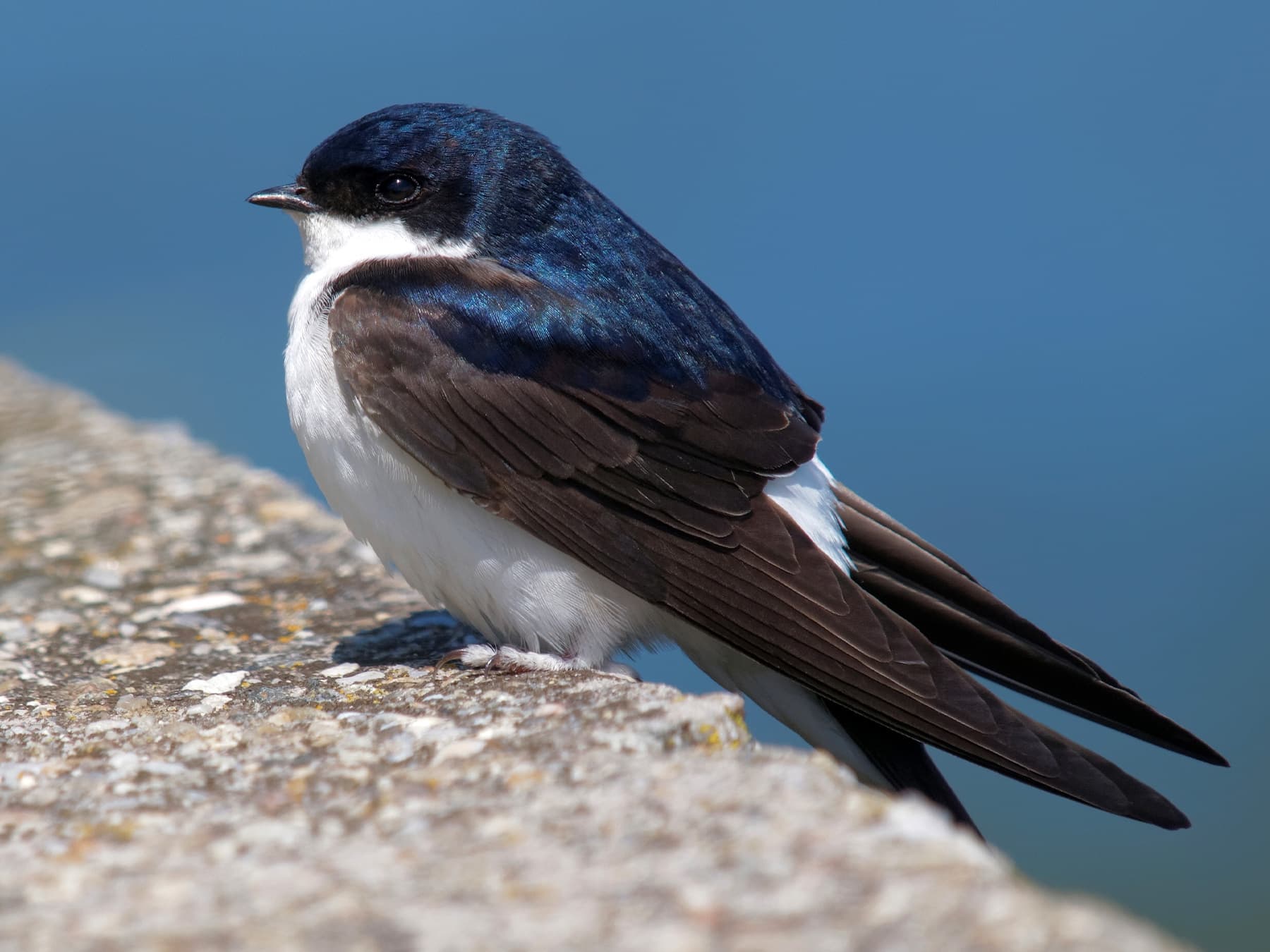 House MartinDelichon urbicumPassage migrantCommon13–15 cmRegularly May–Jun · 2.50% in Jun
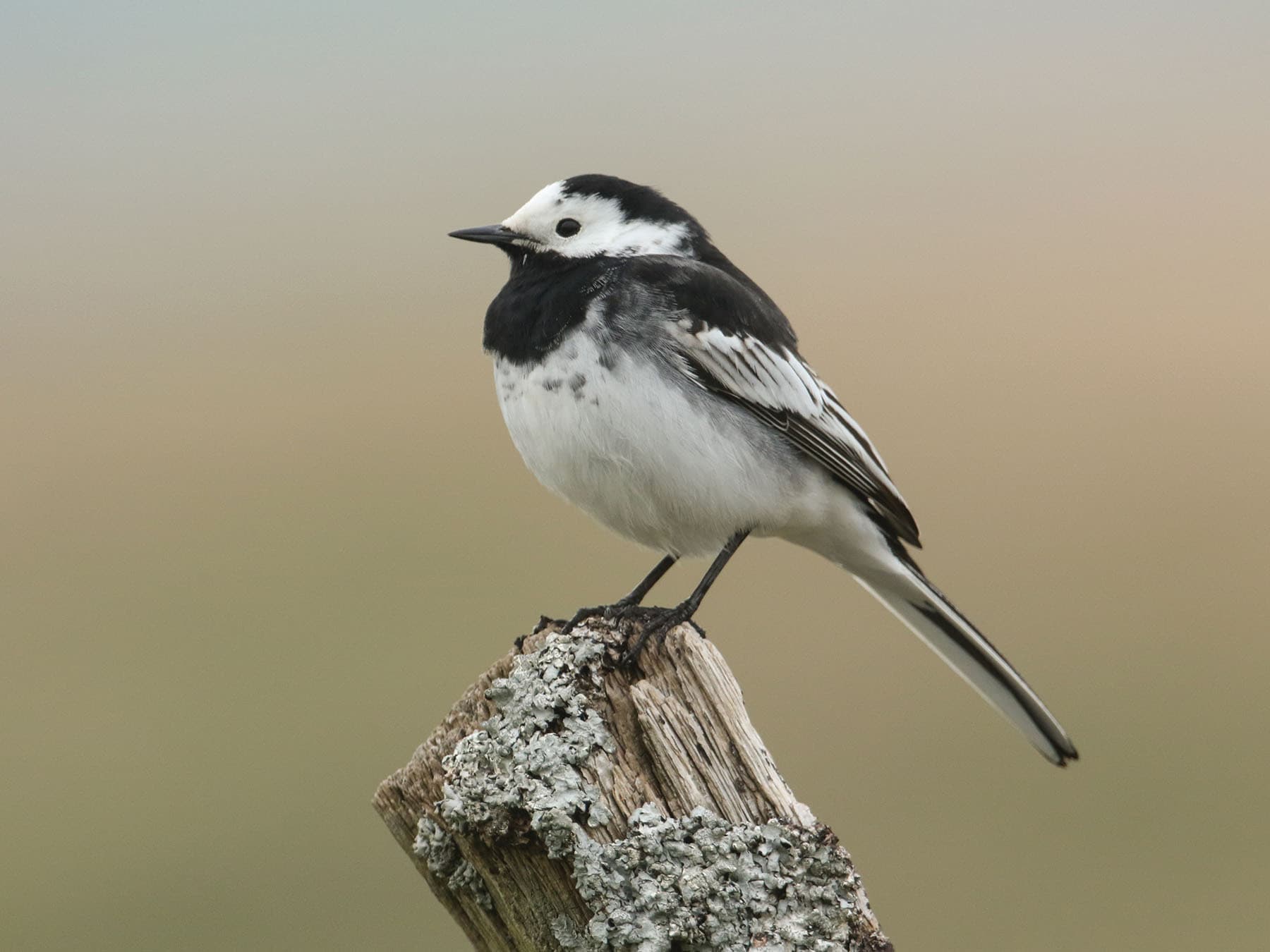 Pied WagtailMotacilla albaResidentCommon17–19 cmRegularly May–Oct · 2.50% in Jun
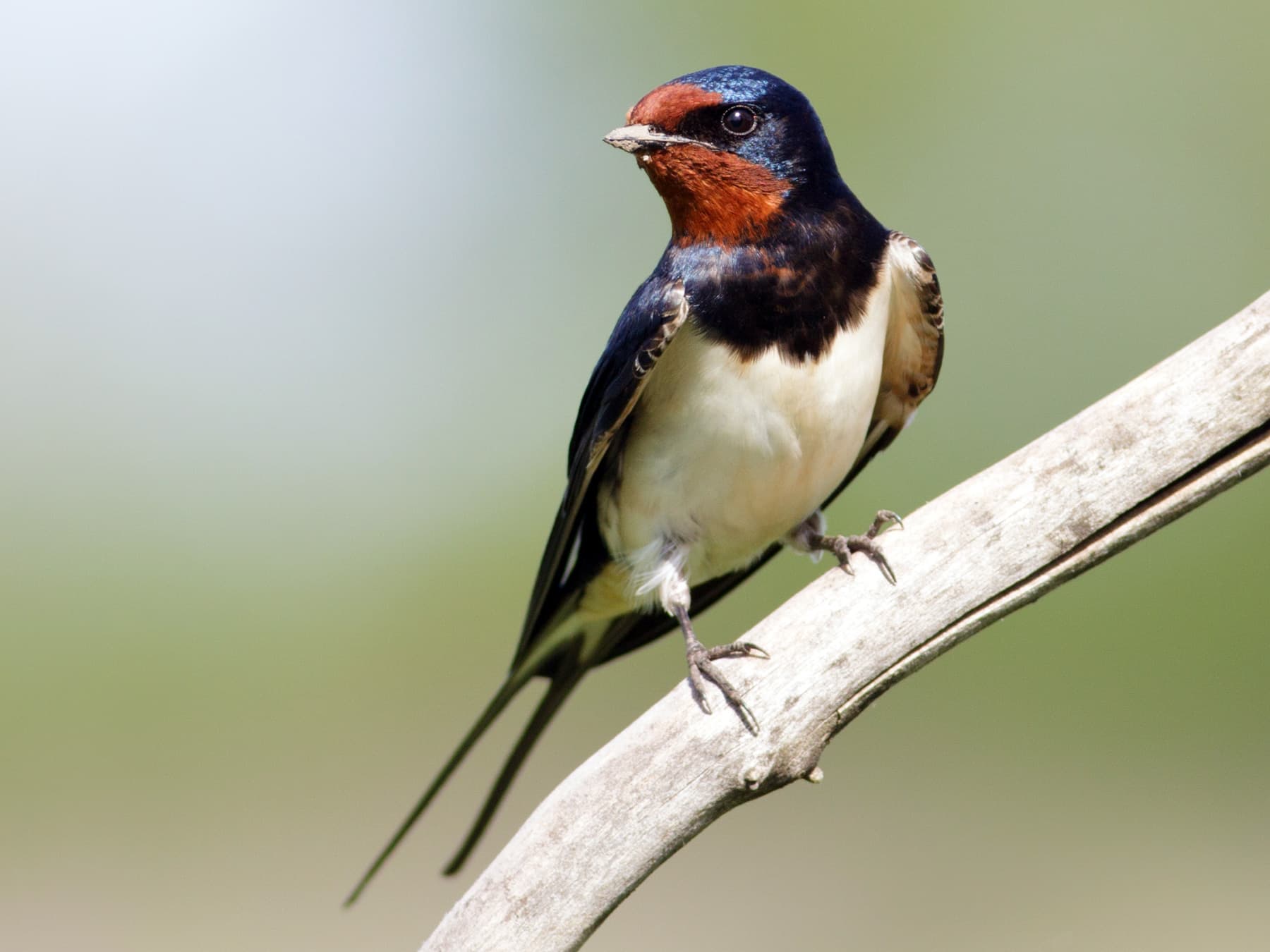 Barn SwallowHirundo rusticaPassage migrantCommon17–19 cmRegularly Jun–Jul · 2.29% in Jun
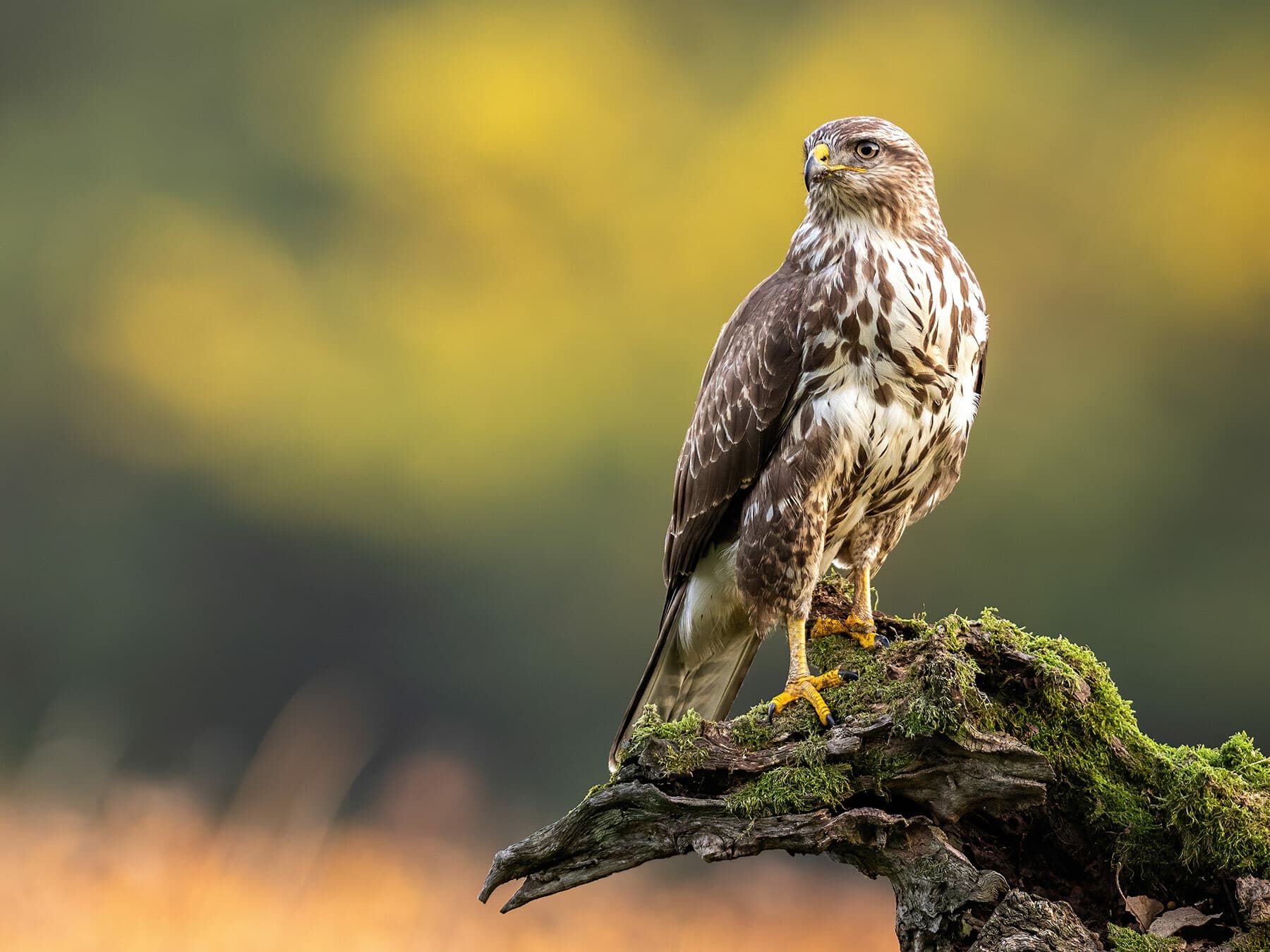 BuzzardButeo buteoResidentCommon51–57 cmRegularly Jun–Oct · 2.29% in Jun
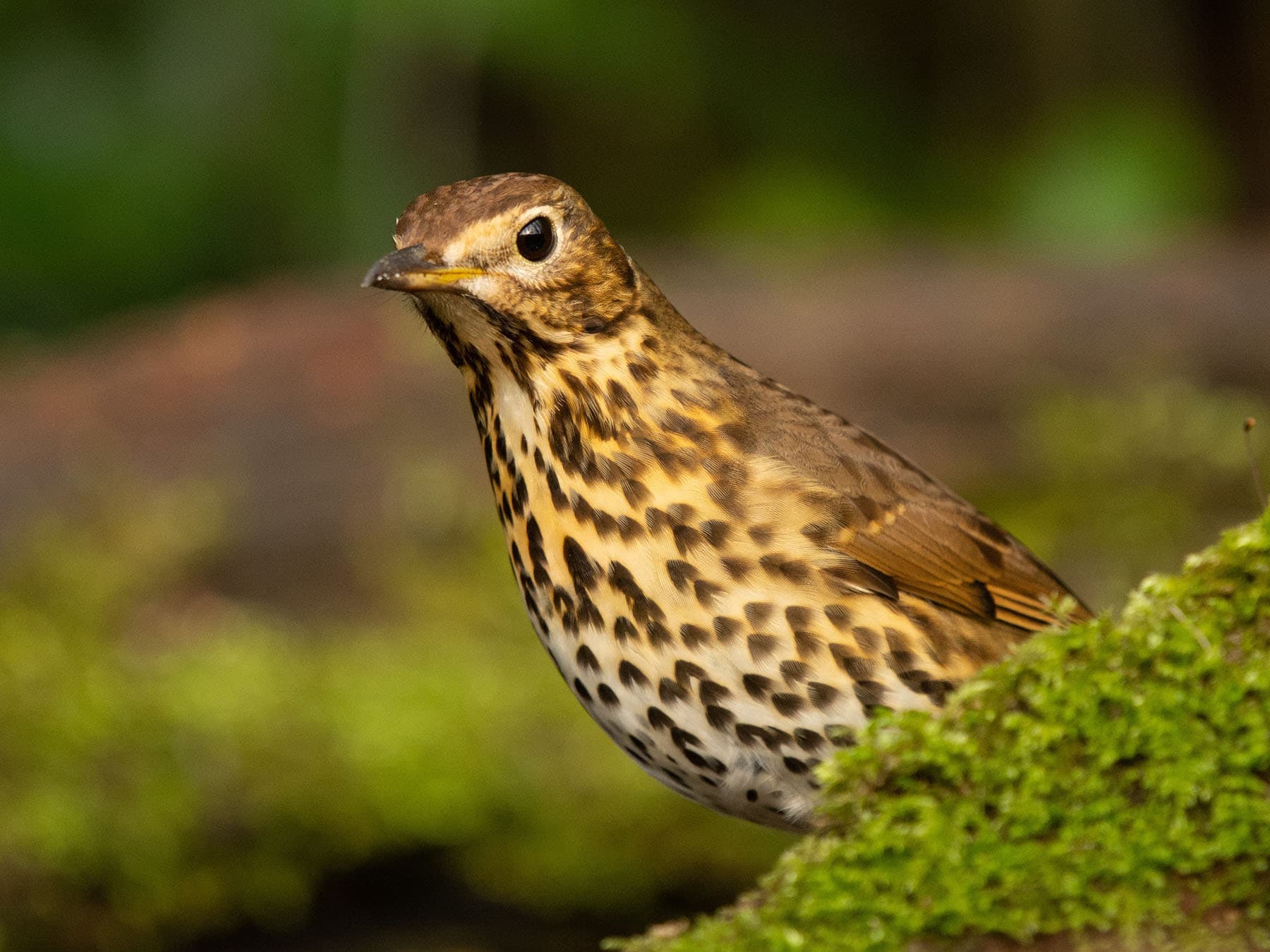 Song ThrushTurdus philomelosResidentCommon20–23 cmRegularly Jun · 2.08% in Jun
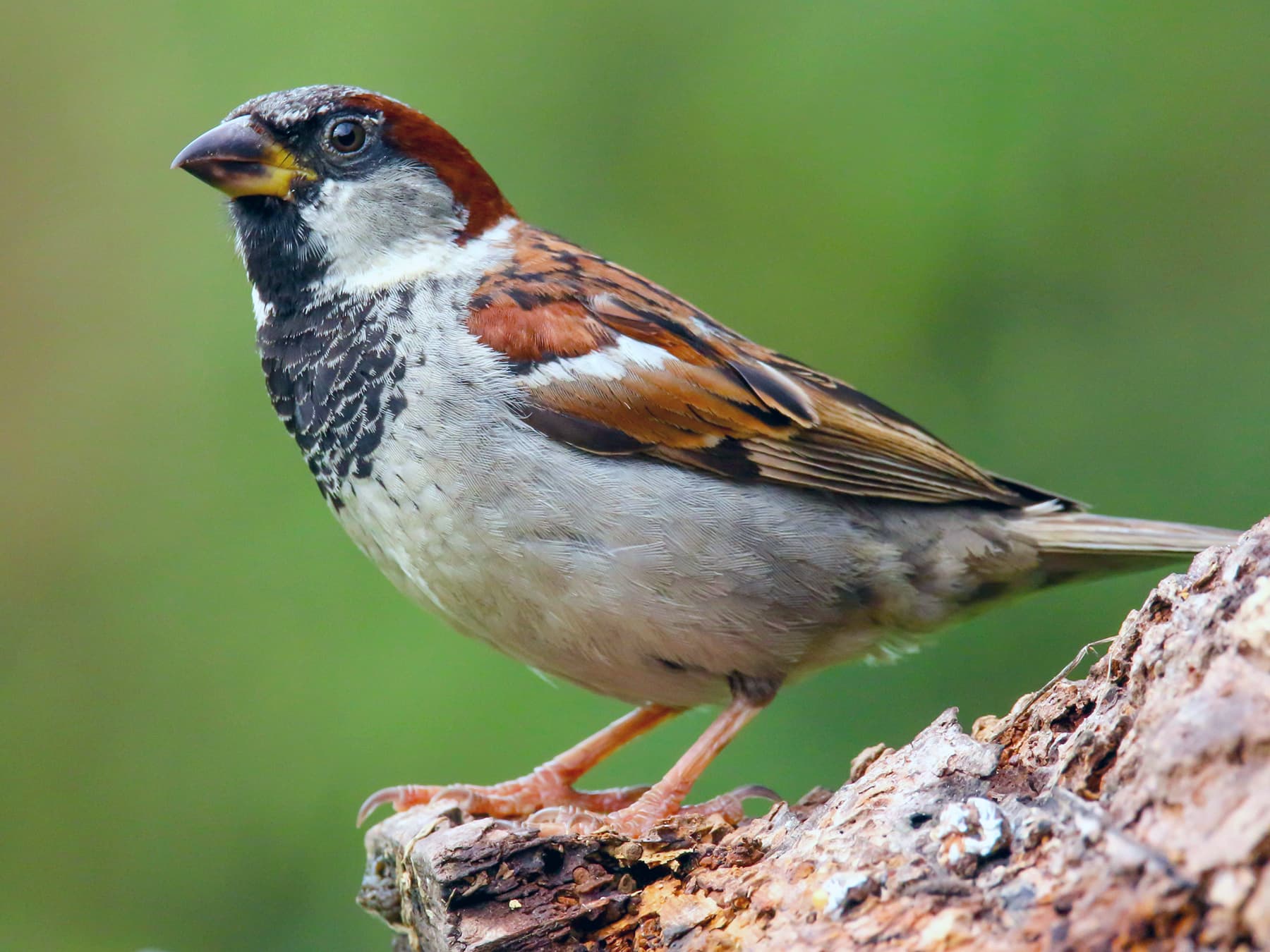 House SparrowPasser domesticusResidentCommon14–17 cmRegularly Jun–Jan · 1.88% in Jun
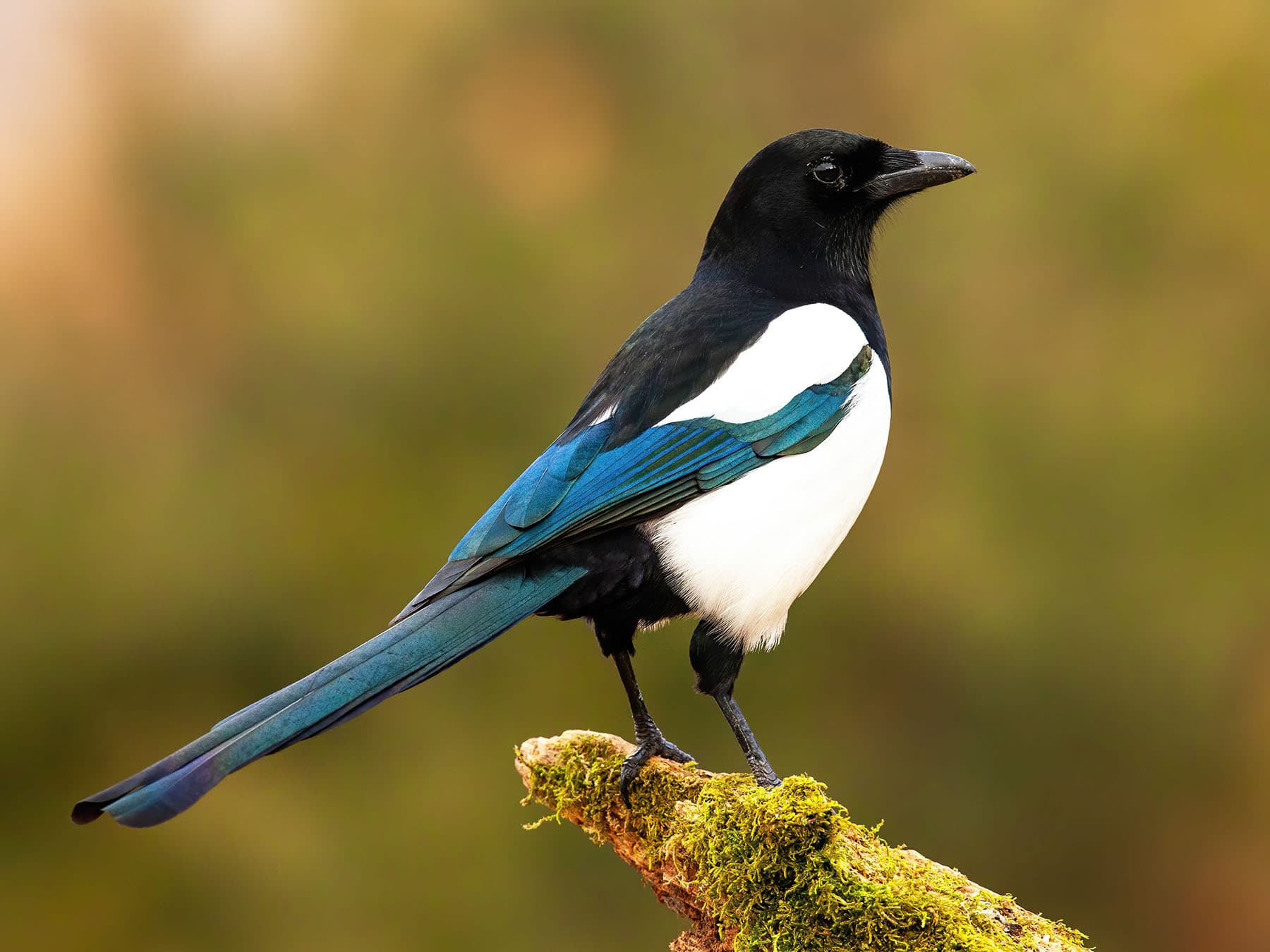 MagpiePica picaResidentCommon44–46 cmRegularly May–Feb · 1.88% in Jun
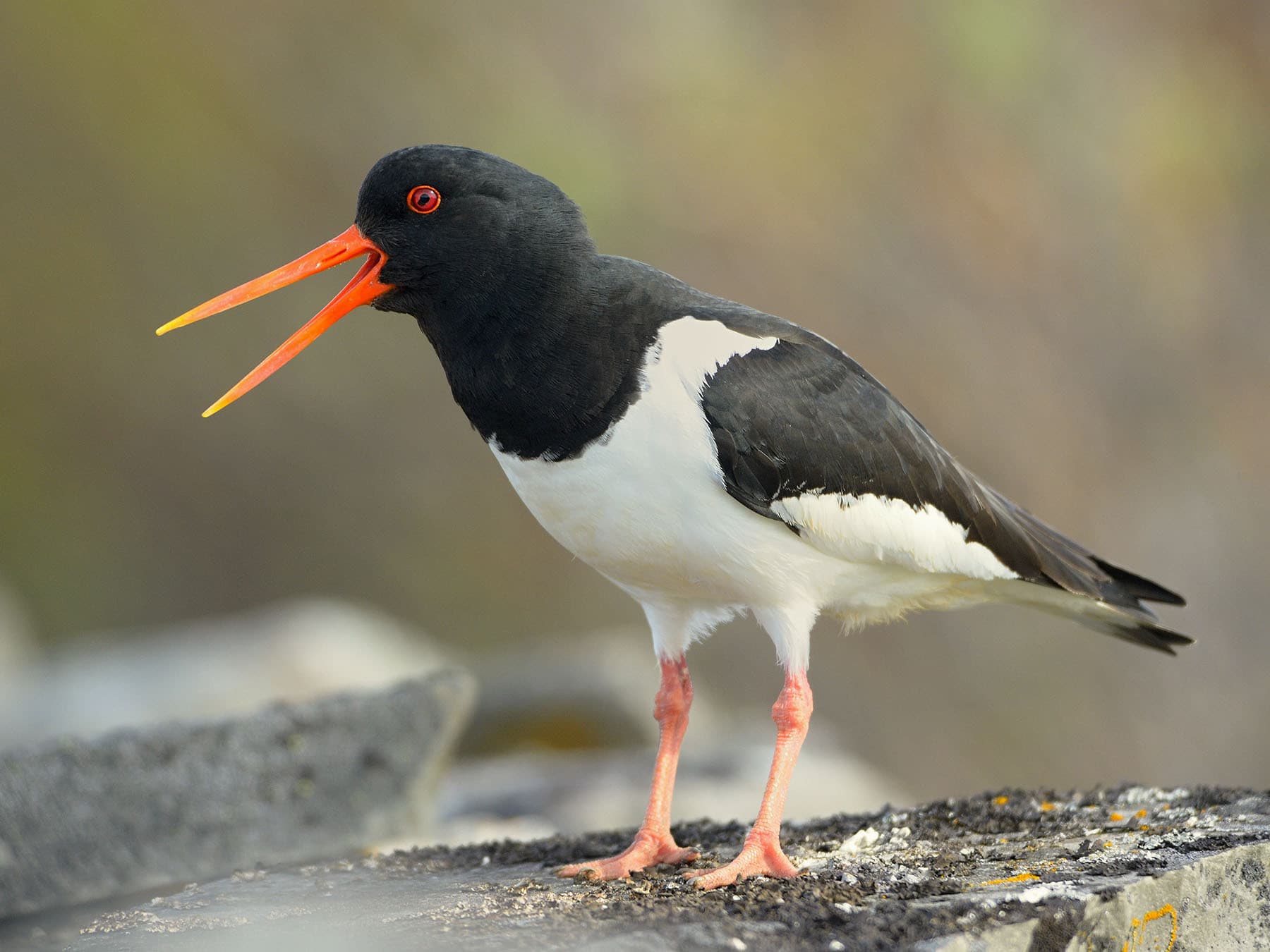 Eurasian OystercatcherHaematopus ostralegusResidentCommon40–45 cmRegularly Jun · 1.25% in Jun
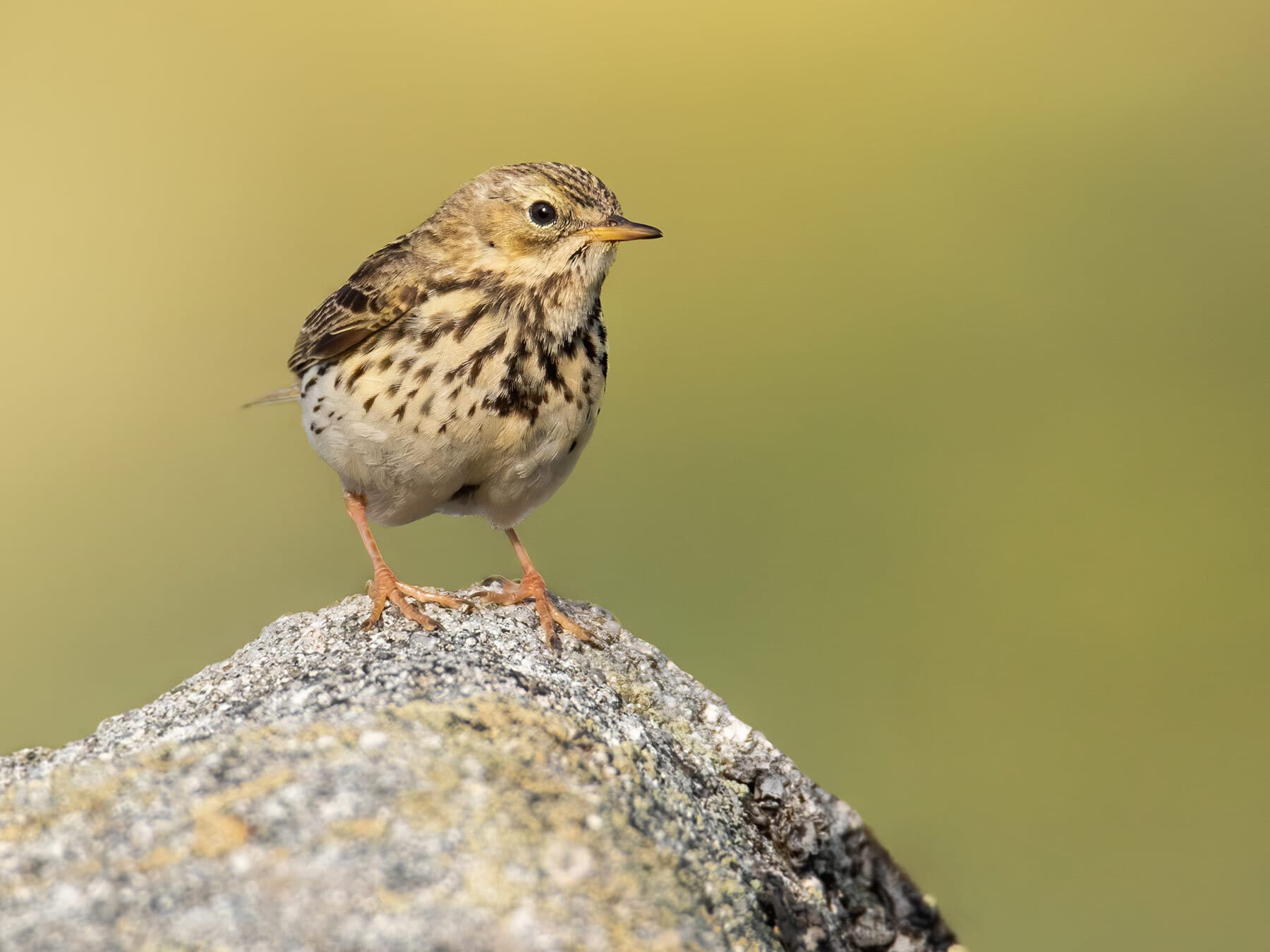 Meadow PipitAnthus pratensisResidentCommon14–15 cmRegularly Apr–Jun · 1.25% in Jun
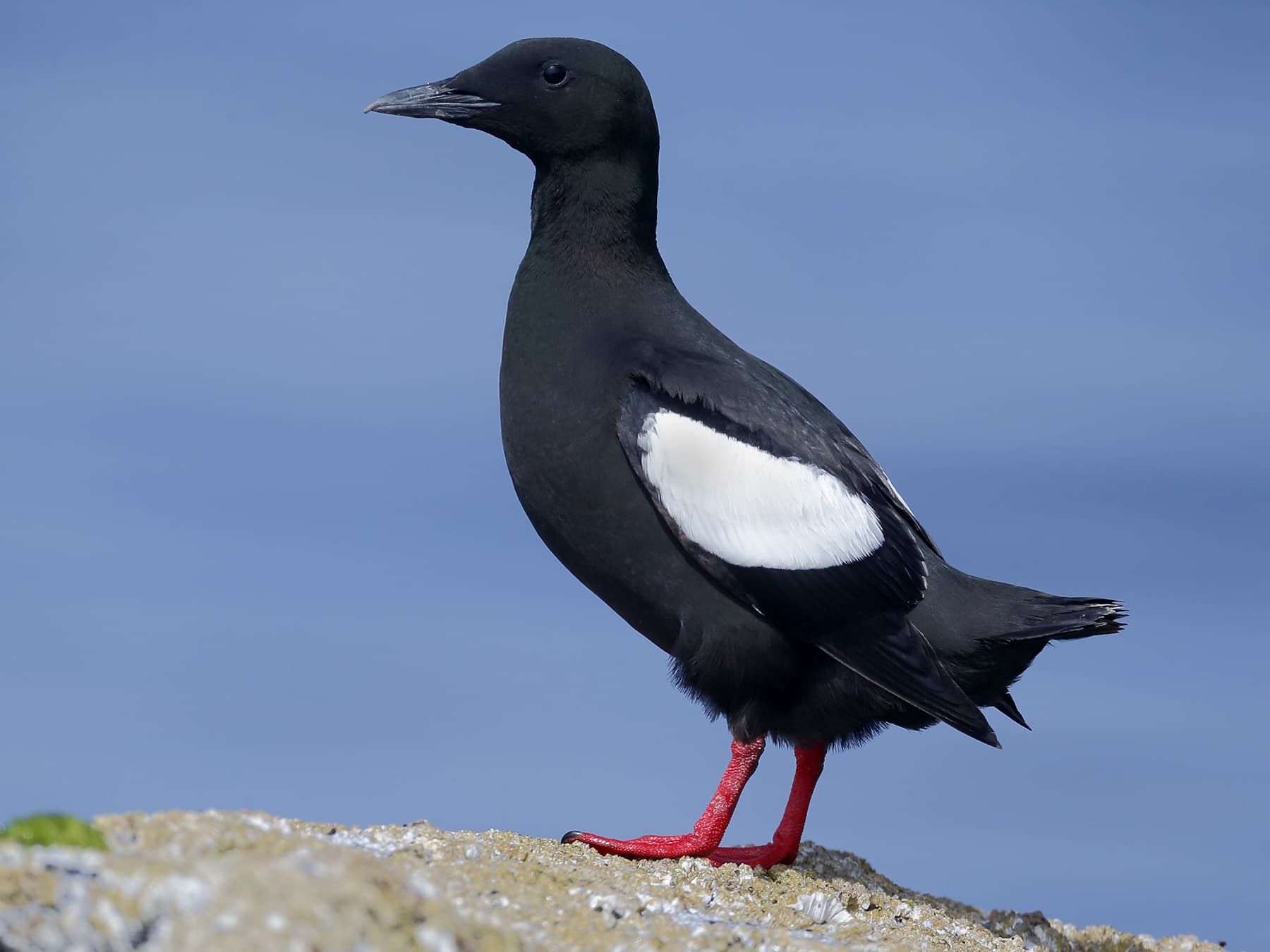 Black GuillemotCepphus grylleResidentCommon30–32 cmRegularly Jun · 1.04% in Jun
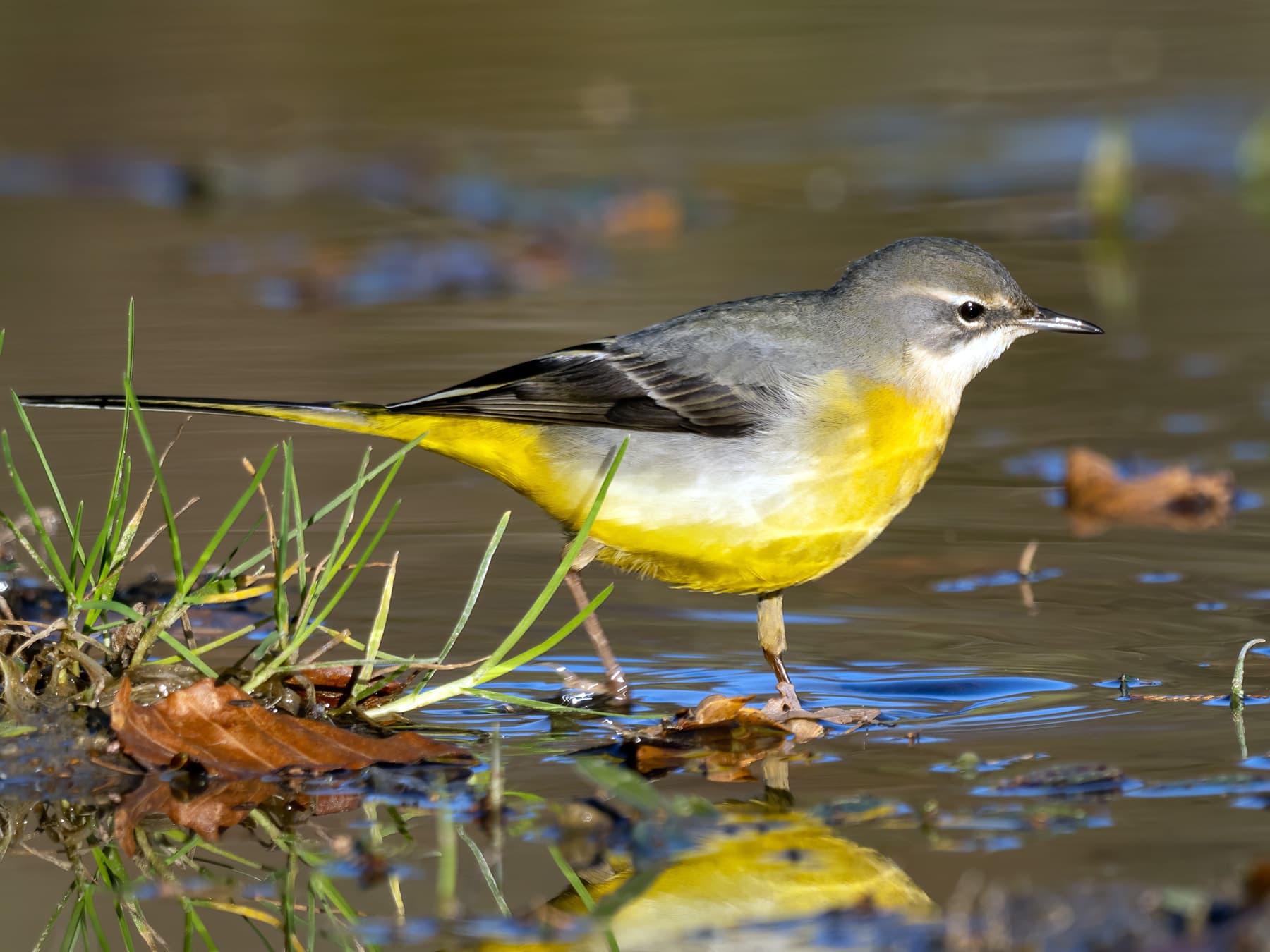 Grey WagtailMotacilla cinereaResidentCommon17–20 cmRegularly Jun · 1.04% in Jun
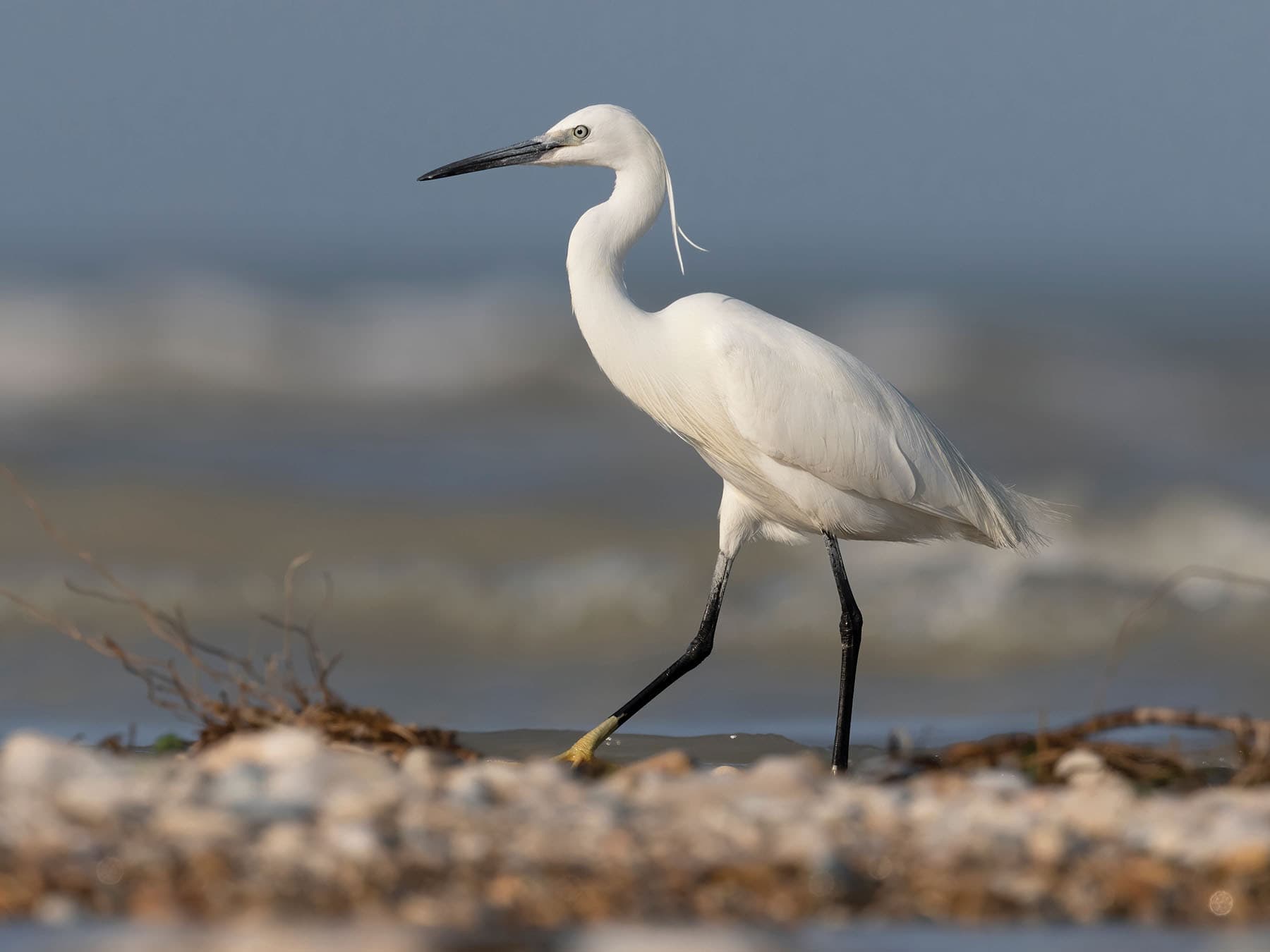 Little EgretEgretta garzettaScarceCommon55–65 cmRegularly Jun · 0.83% in Jun
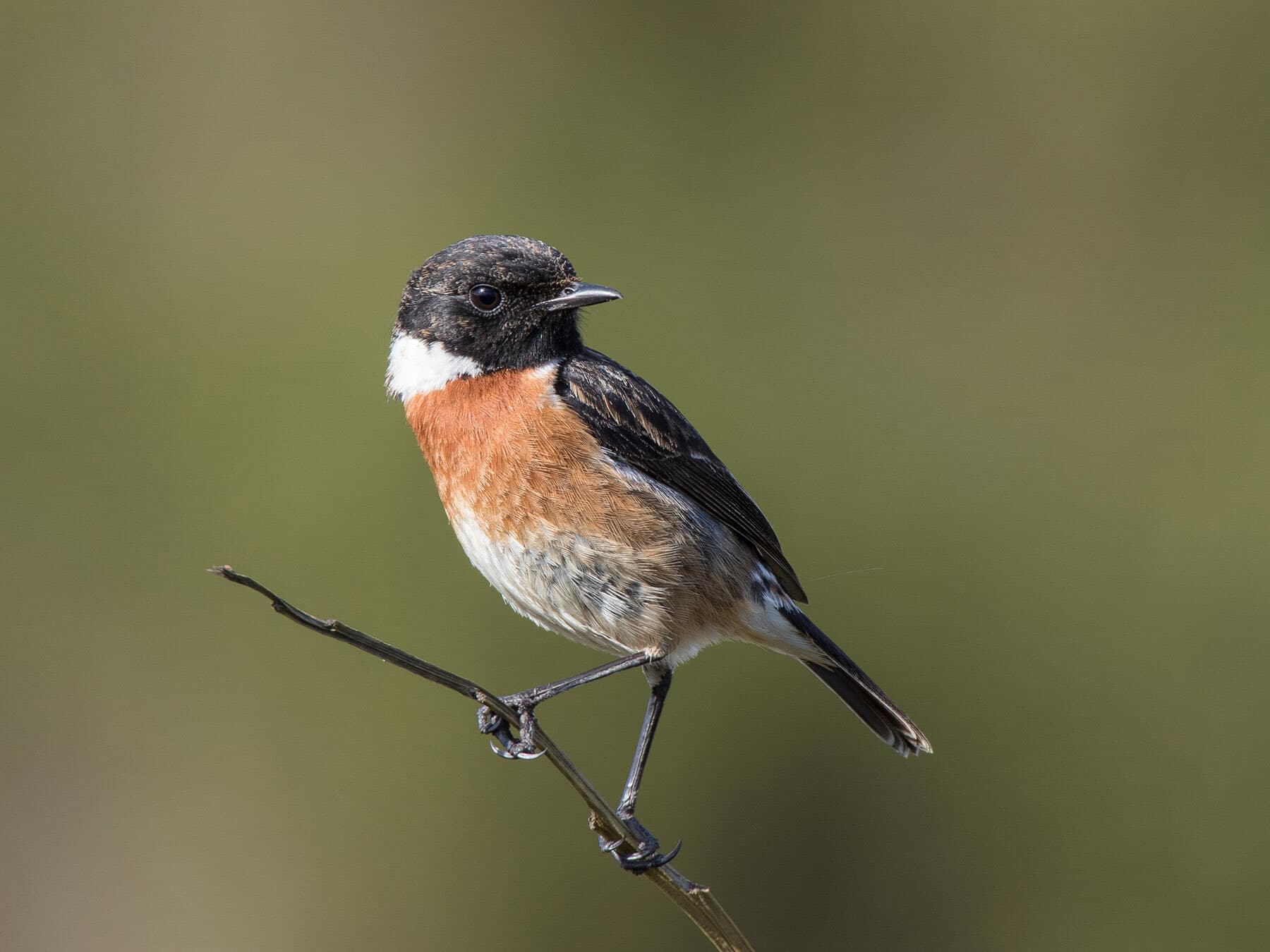 StonechatSaxicola rubicolaResidentCommon12–13 cmRegularly Jun · 0.83% in Jun
Smallest to largest
Length, cm- Eurasian Wren 9–10 cm
- Willow Warbler 11–13 cm
- Stonechat 12–13 cm
- European Goldfinch 12–13 cm
- European Robin 13–14 cm
- House Martin 13–15 cm
- Meadow Pipit 14–15 cm
- Chaffinch 14–16 cm
- House Sparrow 14–17 cm
- Pied Wagtail 17–19 cm
- Barn Swallow 17–19 cm
- Grey Wagtail 17–20 cm
- Song Thrush 20–23 cm
- Common Starling 21–23 cm
- Blackbird 24–25 cm
- Black Guillemot 30–32 cm
- Jackdaw 34–39 cm
- Woodpigeon 40–42 cm
- Eurasian Oystercatcher 40–45 cm
- Magpie 44–46 cm
- Rook 45–47 cm
- Hooded Crow 44–51 cm
- Buzzard 51–57 cm
- Little Egret 55–65 cm
- European Herring Gull 55–67 cm
Body length, bill to tail. Rare birds in grey.
Data: EOD – eBird Observation Dataset (Cornell Lab of Ornithology), accessed via GBIF.org, CC BY 4.0. Records from 2019–2024, aggregated and filtered by Birdfact. How these lists are made