Birds in England
Explore 274 species found in this region.
England is home to an impressive diversity of birdlife, with 257 recorded species found across its varied landscapes — from coastal estuaries and chalk downlands to ancient woodlands and upland moors. Notable species include the striking Bluethroat, the charismatic Dotterel of mountain plateaux, and the elegant Eurasian Woodcock hidden among forest floors. Whether you're watching Great Tits in a suburban garden or scanning mudflats for Common Shelduck, England offers outstanding birding opportunities throughout the year.
Visiting in July? Look out for Greater Scaup and Horned Grebe arriving this month, and American Golden-Plover and Common Loon depart for the season.
Explore by Region


Get a monthly guide to birds in England
Find out which birds are visiting your area this month, with seasonal tips and garden advice
Get Your Free DigestShowing 116–138 of 274 species
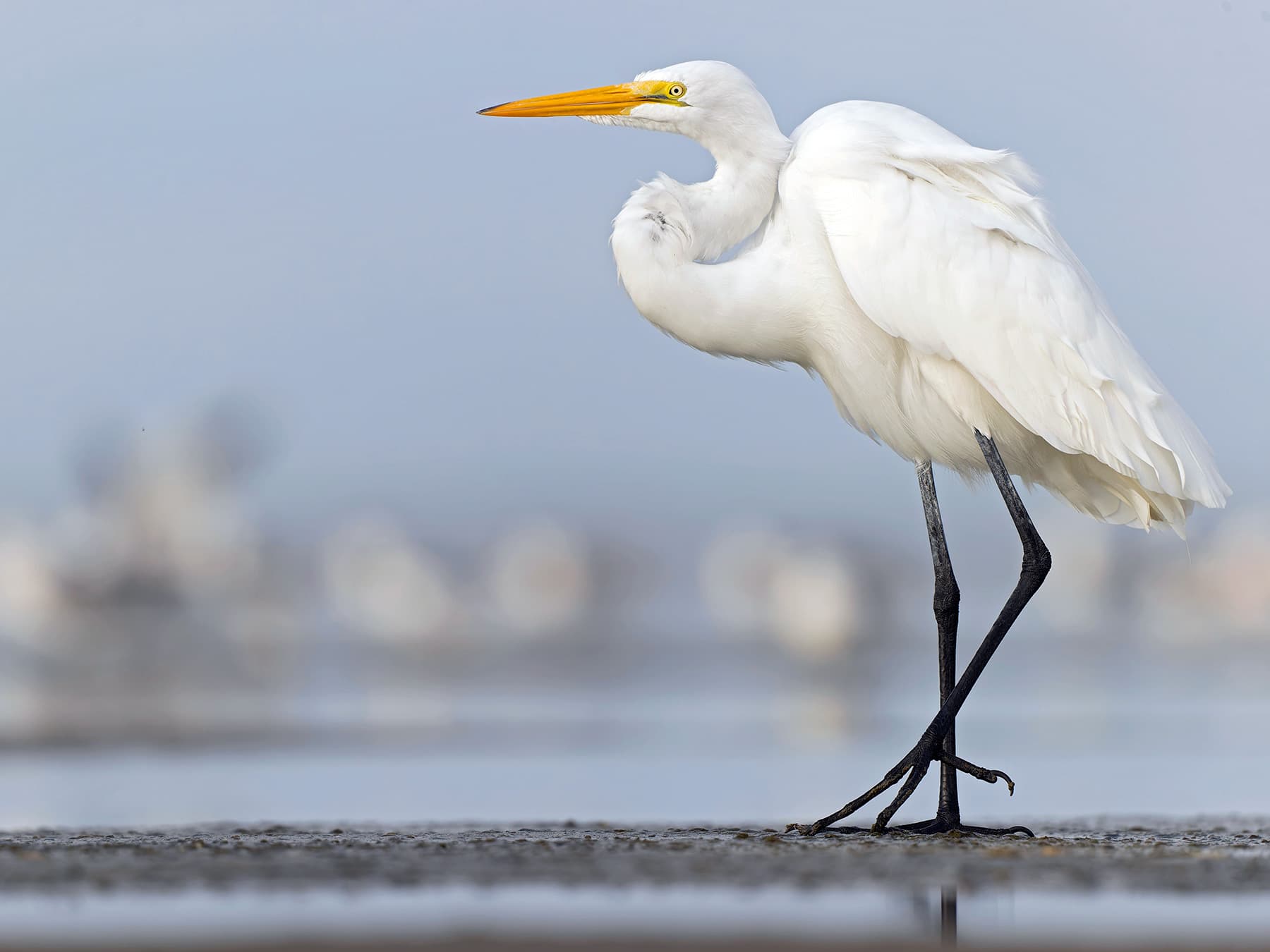
Great White Egret
Ardea albaLC
An increasingly common resident of wetlands and flooded fields. Numbers have surged in recent years, with breeding now established.
Year-round
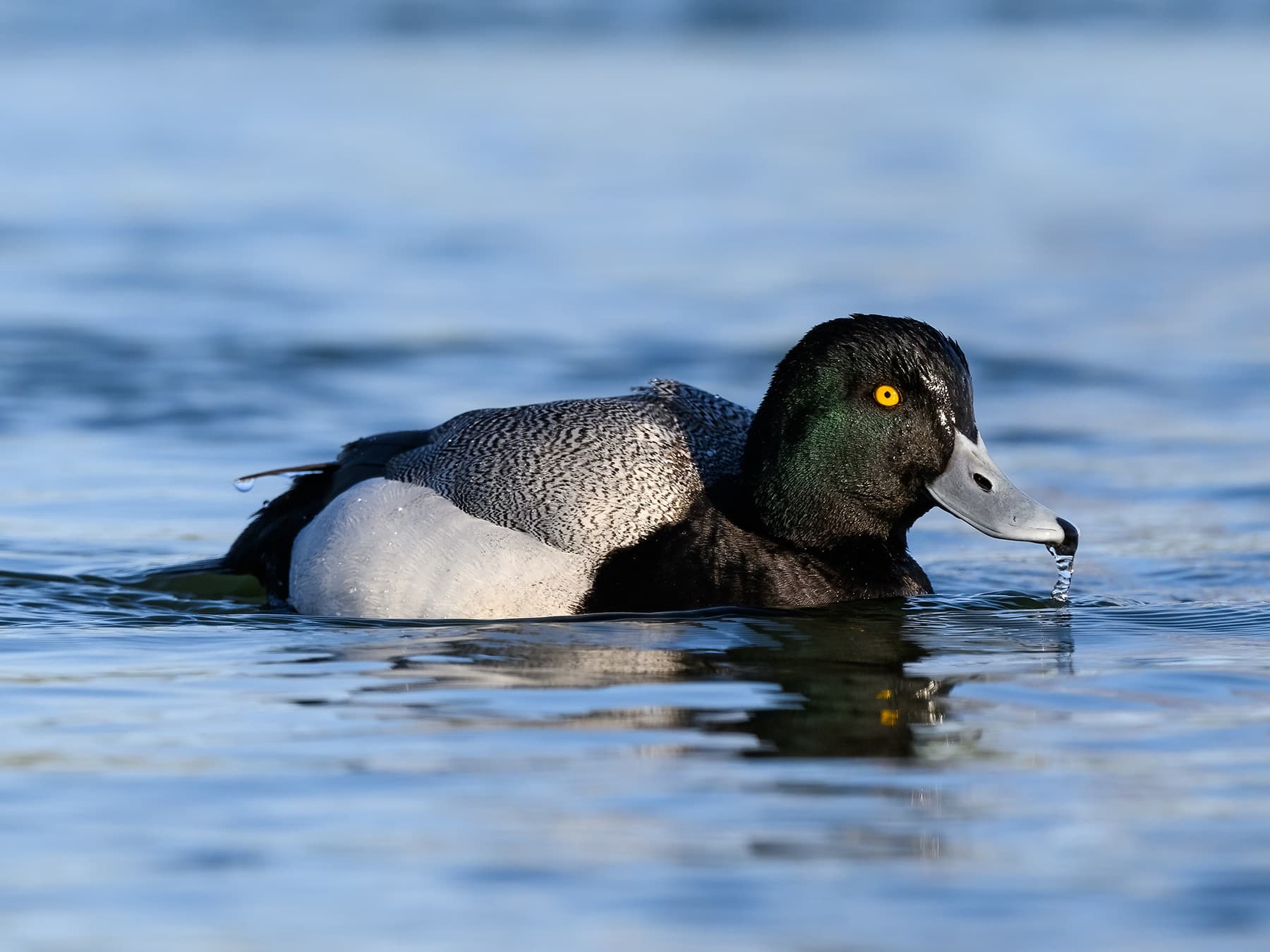
Greater Scaup
Aythya marilaLC
An uncommon diving duck found mainly on coastal waters, estuaries and large reservoirs. Numbers peak in winter with arrivals from northern breeding grounds.
Jul–May
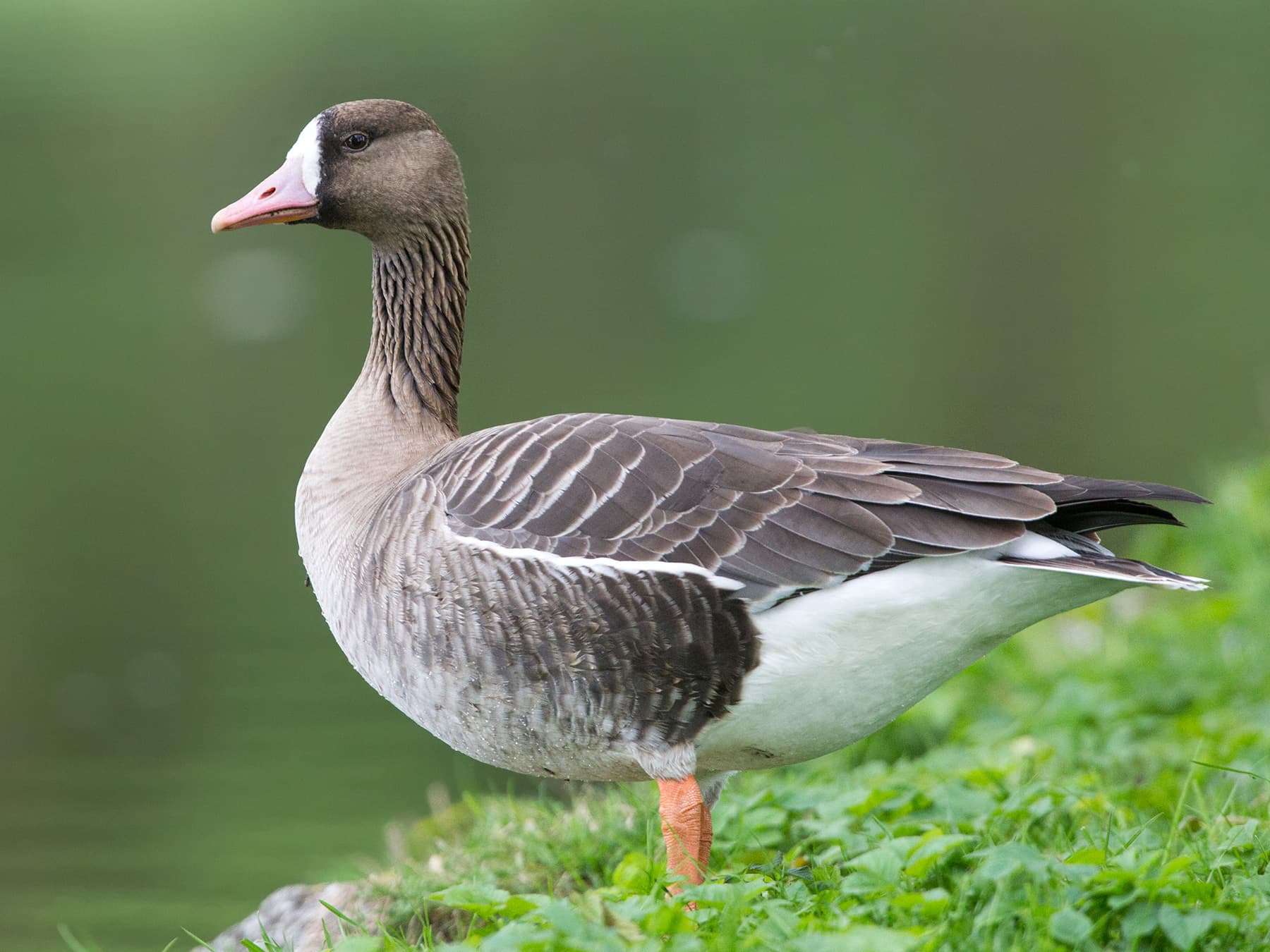
Greater White-fronted Goose
Anser albifronsLC
Winters in small numbers at traditional sites such as the Severn Estuary and Kent marshes. Grazes on wet grasslands alongside other wintering geese.
Year-round
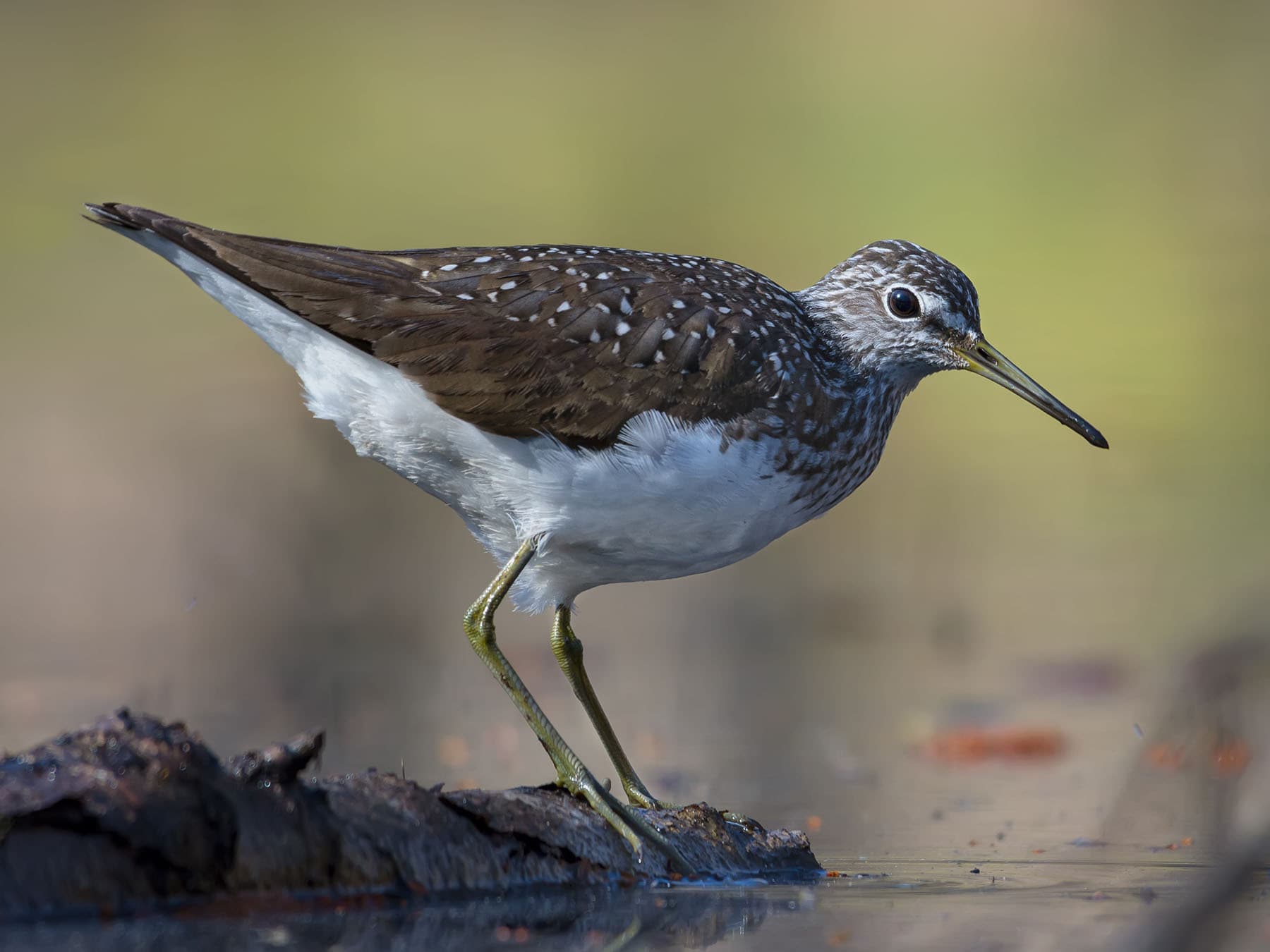
Green Sandpiper
Tringa ochropusLC
A common but often solitary wader found along freshwater streams, ditches and lake margins. Bobs its tail distinctively and flushes with a sharp call.
Jun–Apr
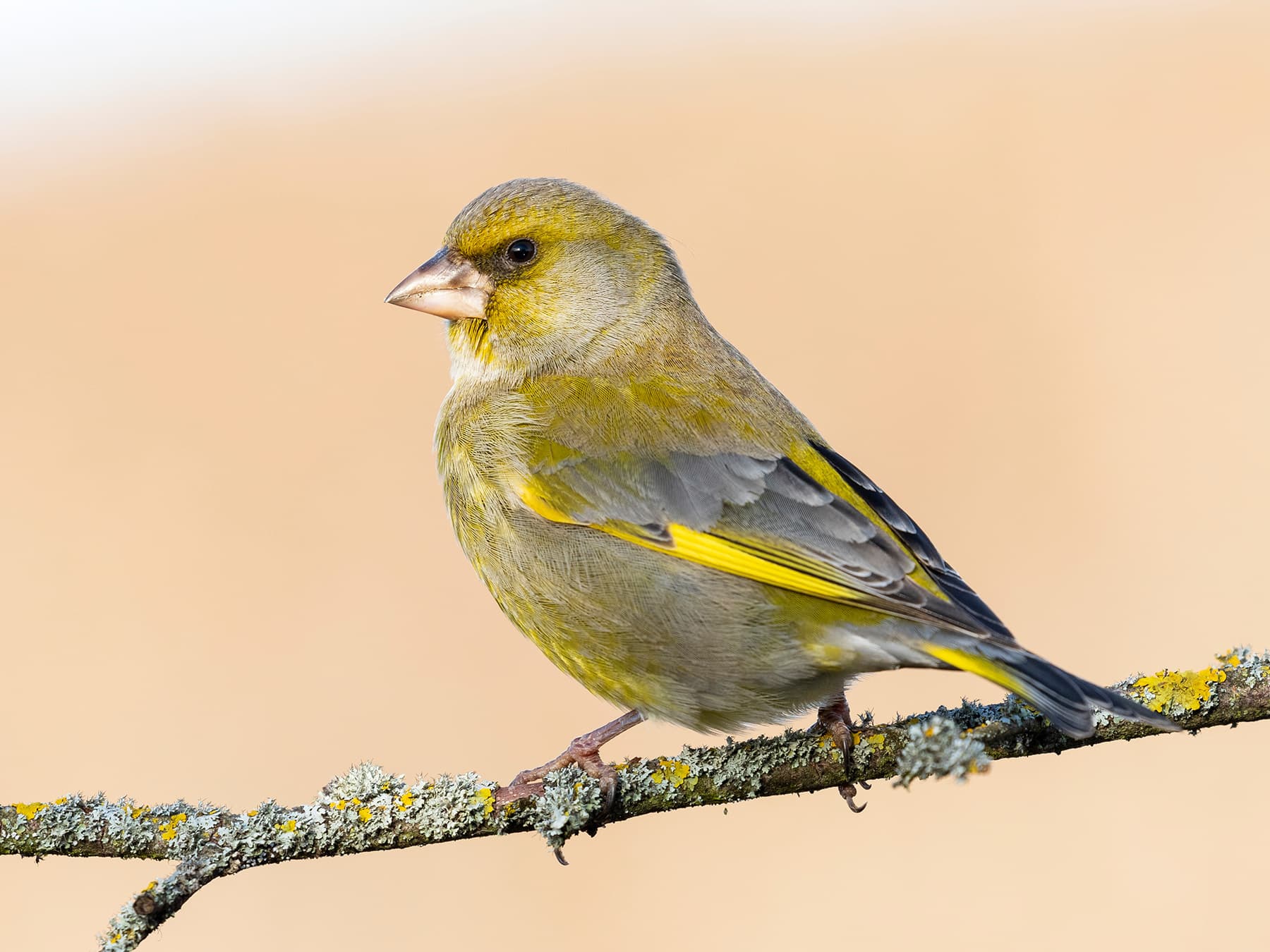
Greenfinch
Chloris chlorisLC
A common year-round resident of gardens, hedgerows, and farmland. Numbers have declined sharply due to trichomonosis disease but it remains a familiar garden visitor.
Year-round
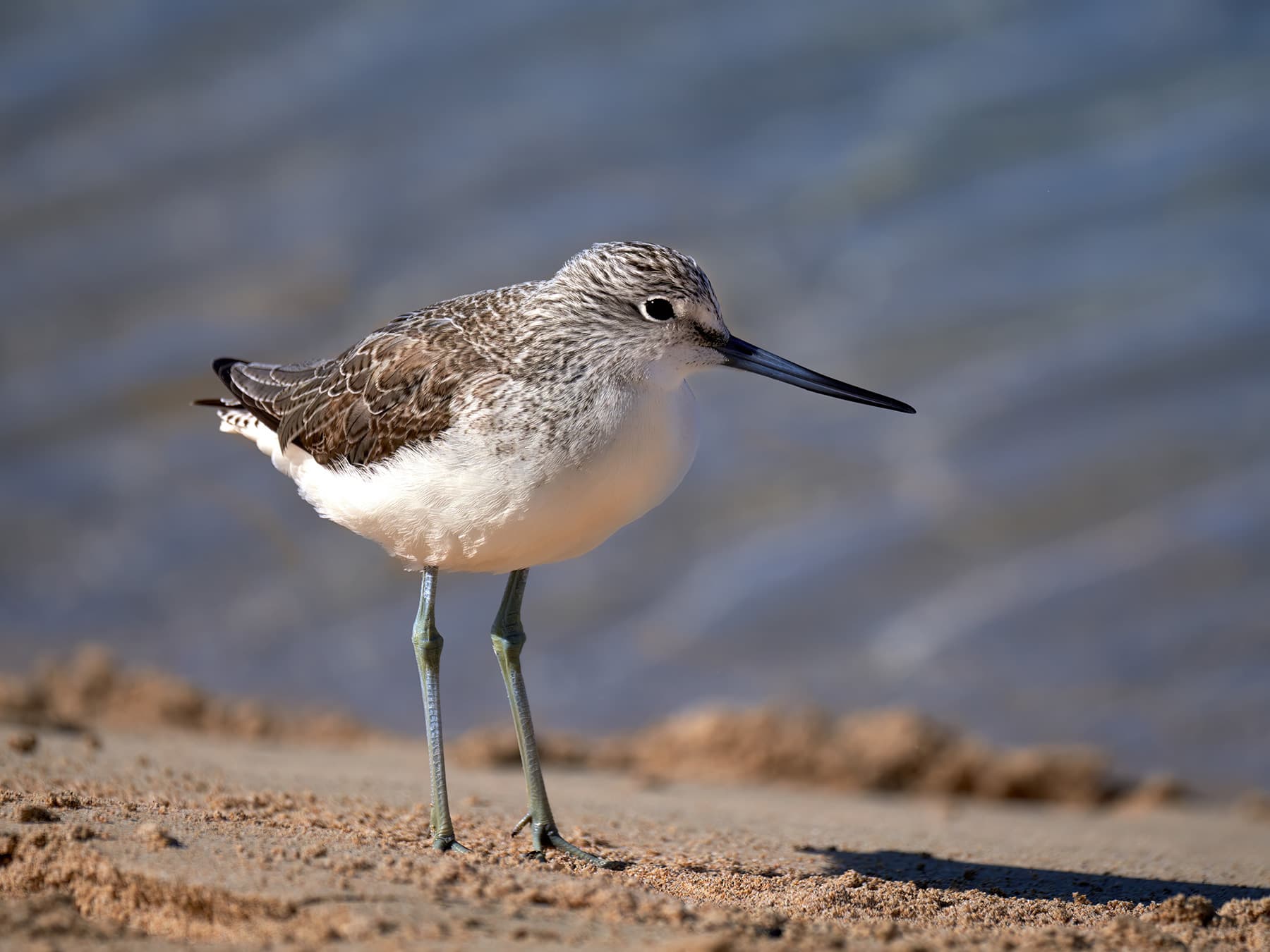
Greenshank
Tringa nebulariaLC
An uncommon but year-round wader, most often seen on estuaries and coastal marshes during passage and winter months.
Year-round
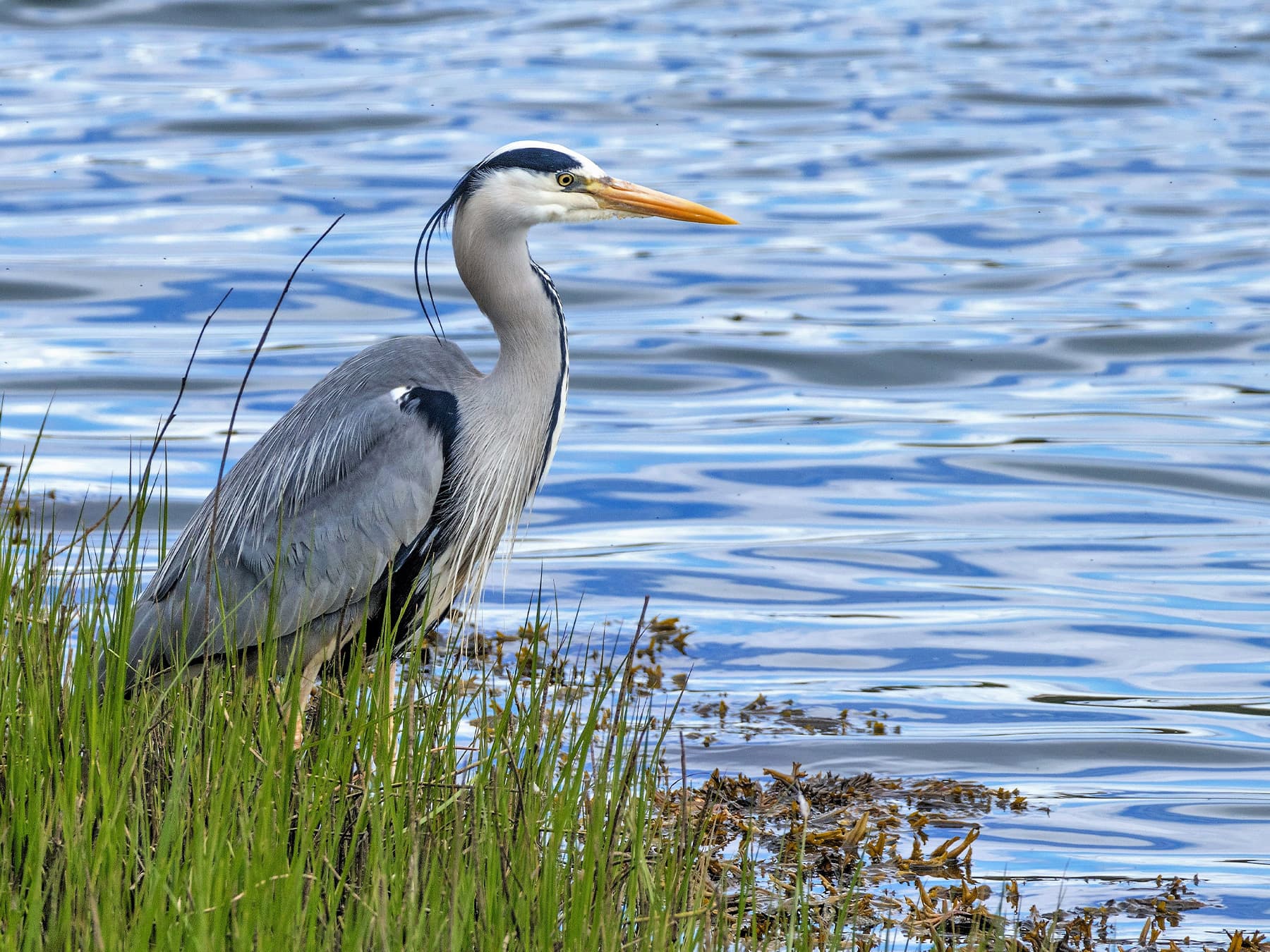
Grey Heron
Ardea cinereaLC
A familiar year-round resident found along rivers, lakes, and garden ponds. Often seen standing motionless at the water's edge.
Year-round
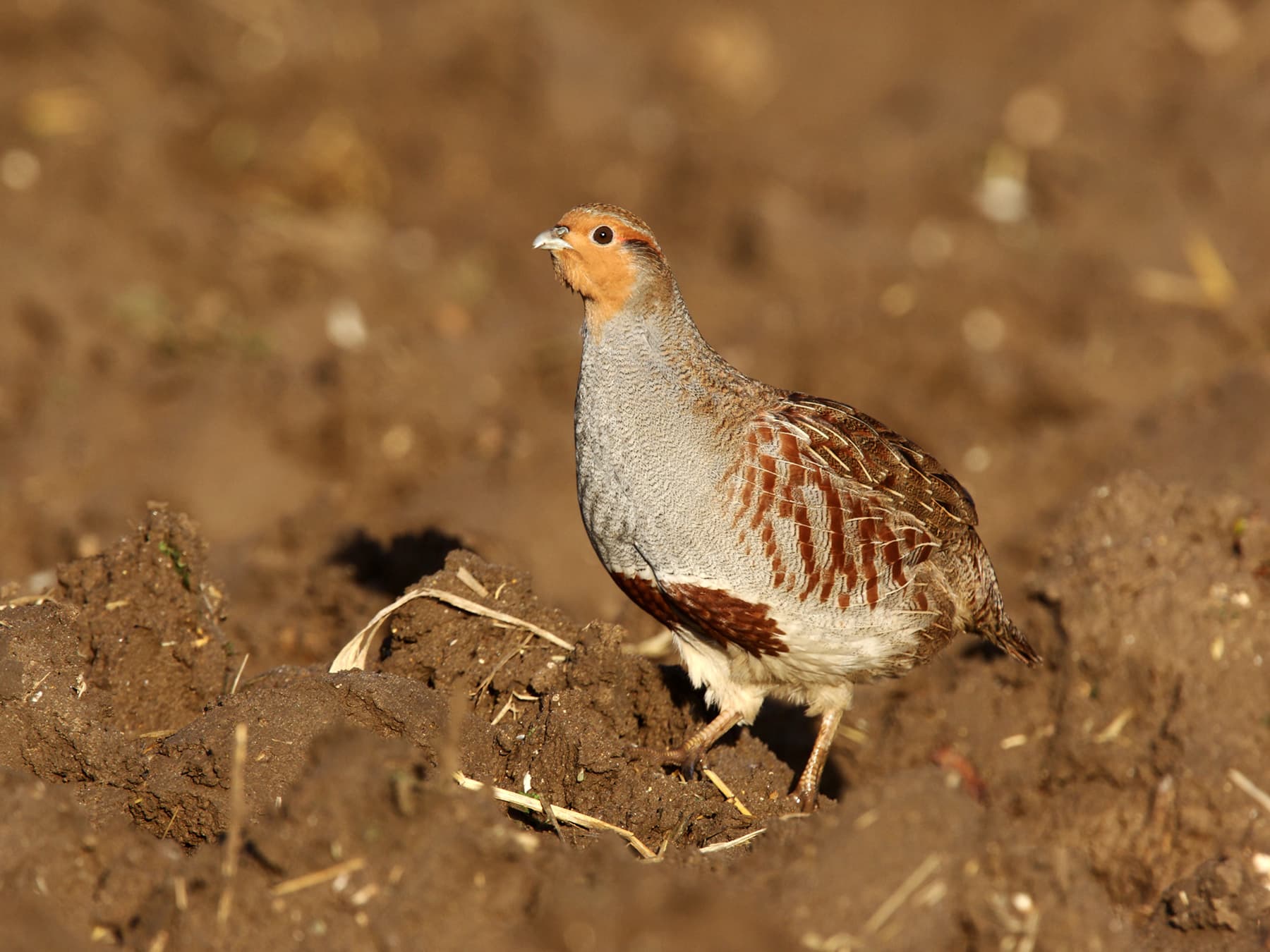
Grey Partridge
Perdix perdixLC
An uncommon and declining resident of arable farmland. Once widespread, it has suffered badly from agricultural intensification.
Year-round
Spotted something?
Upload a photo to identify it
Identify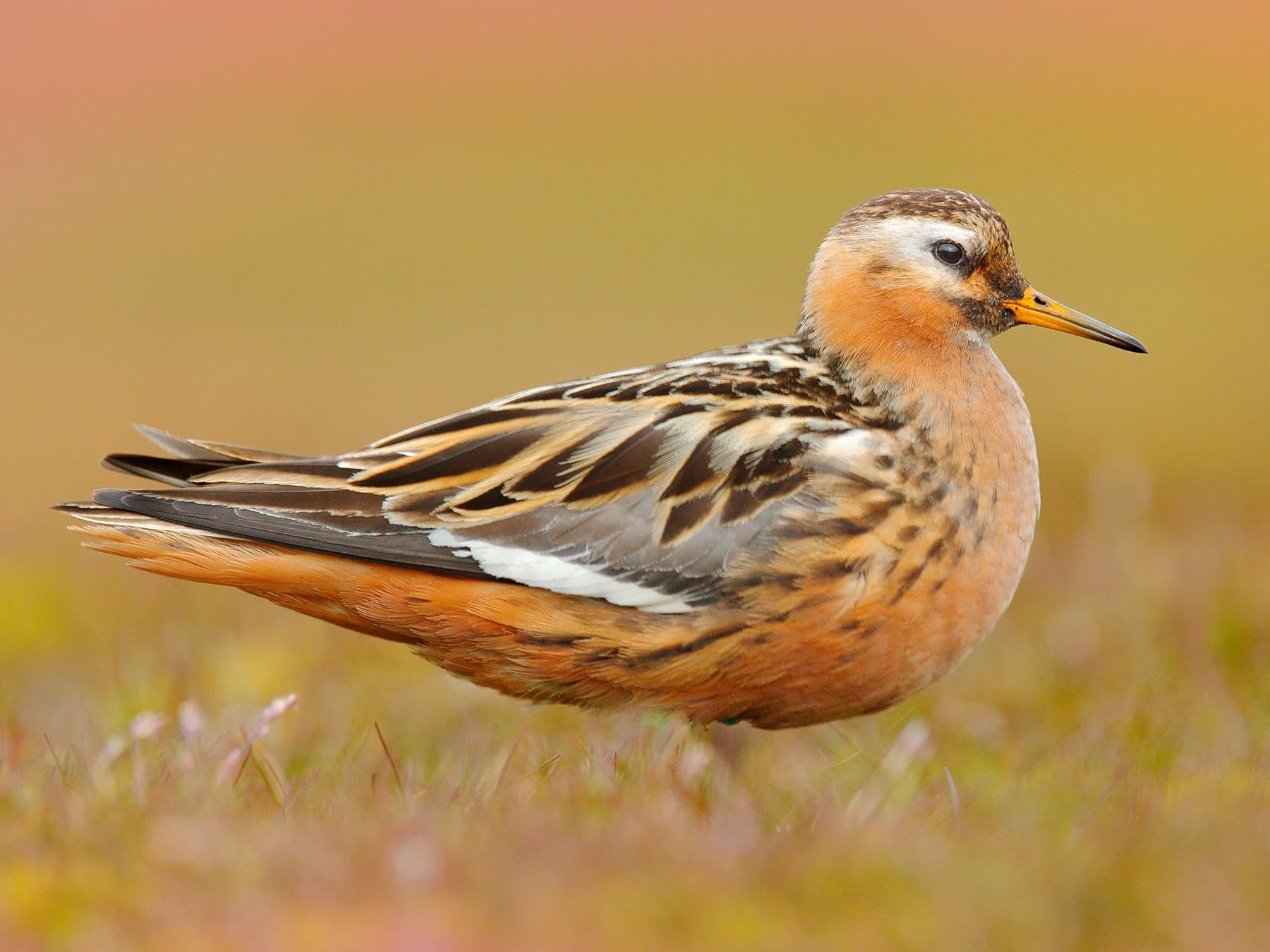
Grey Phalarope
Phalaropus fulicariusLC
A rare autumn and winter passage visitor, typically driven inshore by Atlantic storms. Most often seen at coastal headlands and harbours.
Aug–Dec
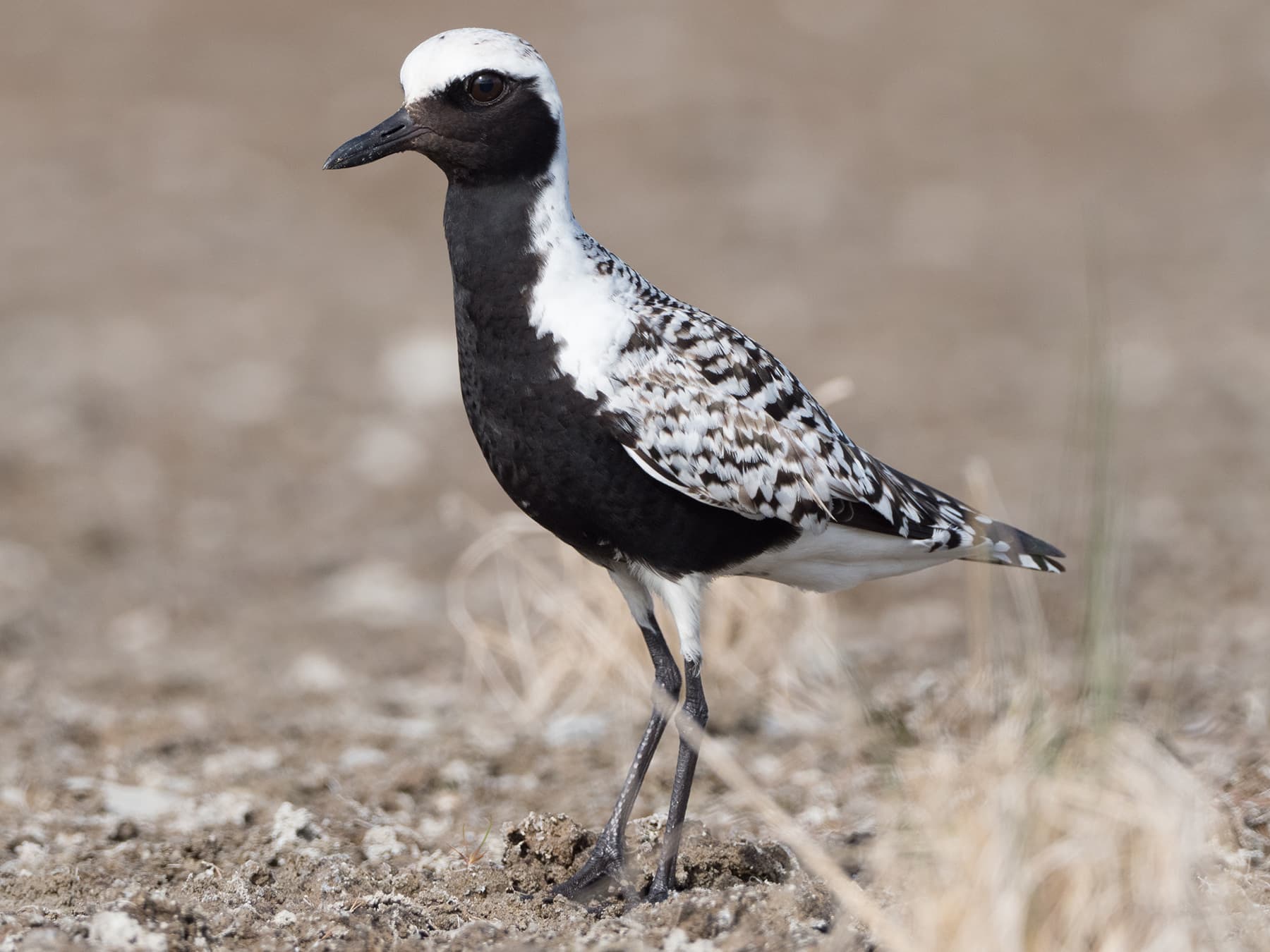
Grey Plover
Pluvialis squatarolaLC
An uncommon wader of muddy estuaries and coastal flats, most numerous in winter. Its plaintive three-note whistle and black axillary patches in flight aid identification.
Year-round
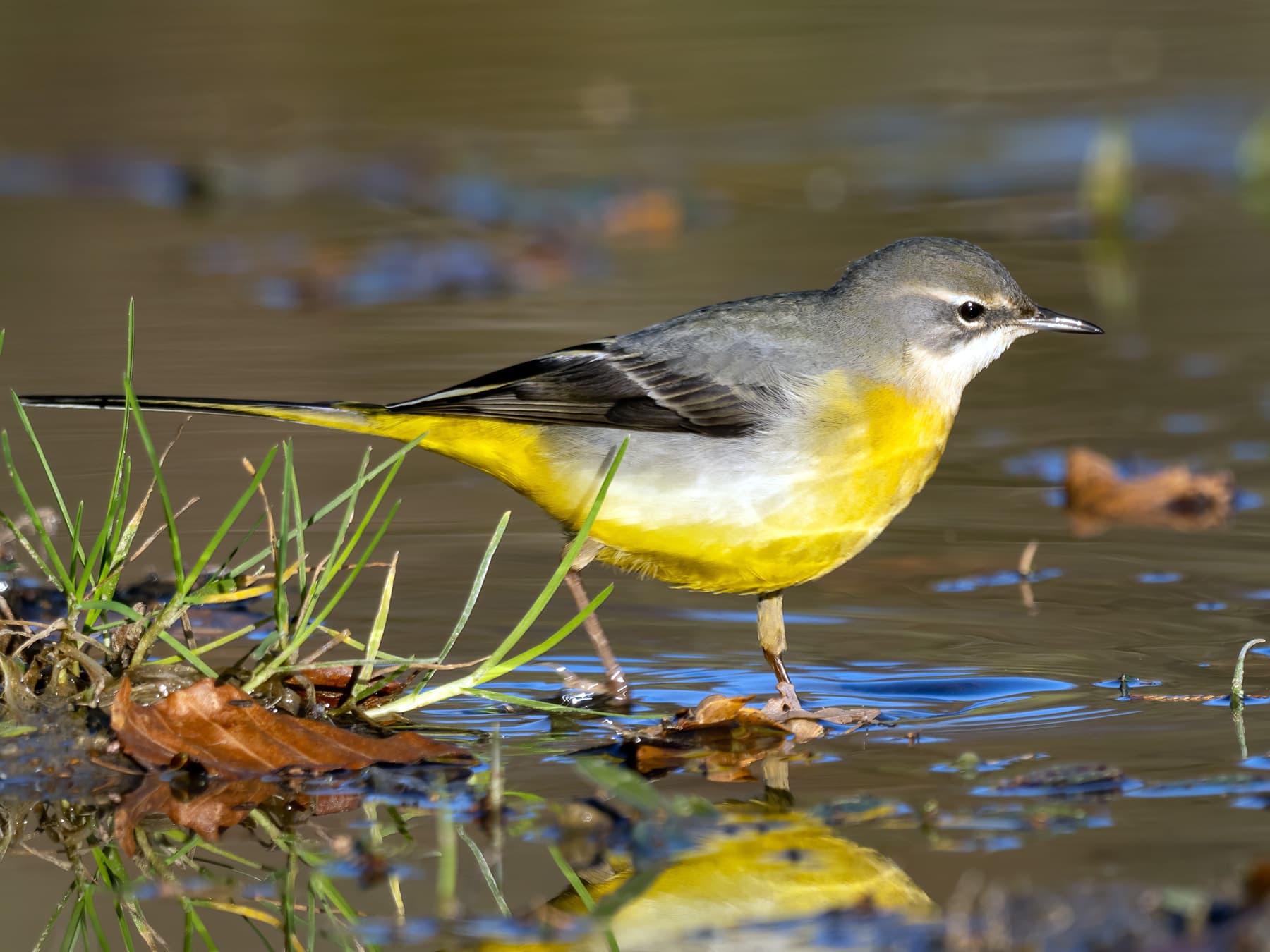
Grey Wagtail
Motacilla cinereaLC
A graceful resident of fast-flowing streams and rivers, constantly bobbing its long tail. In winter, birds often move to lowland waterways, canals, and even urban puddles.
Year-round
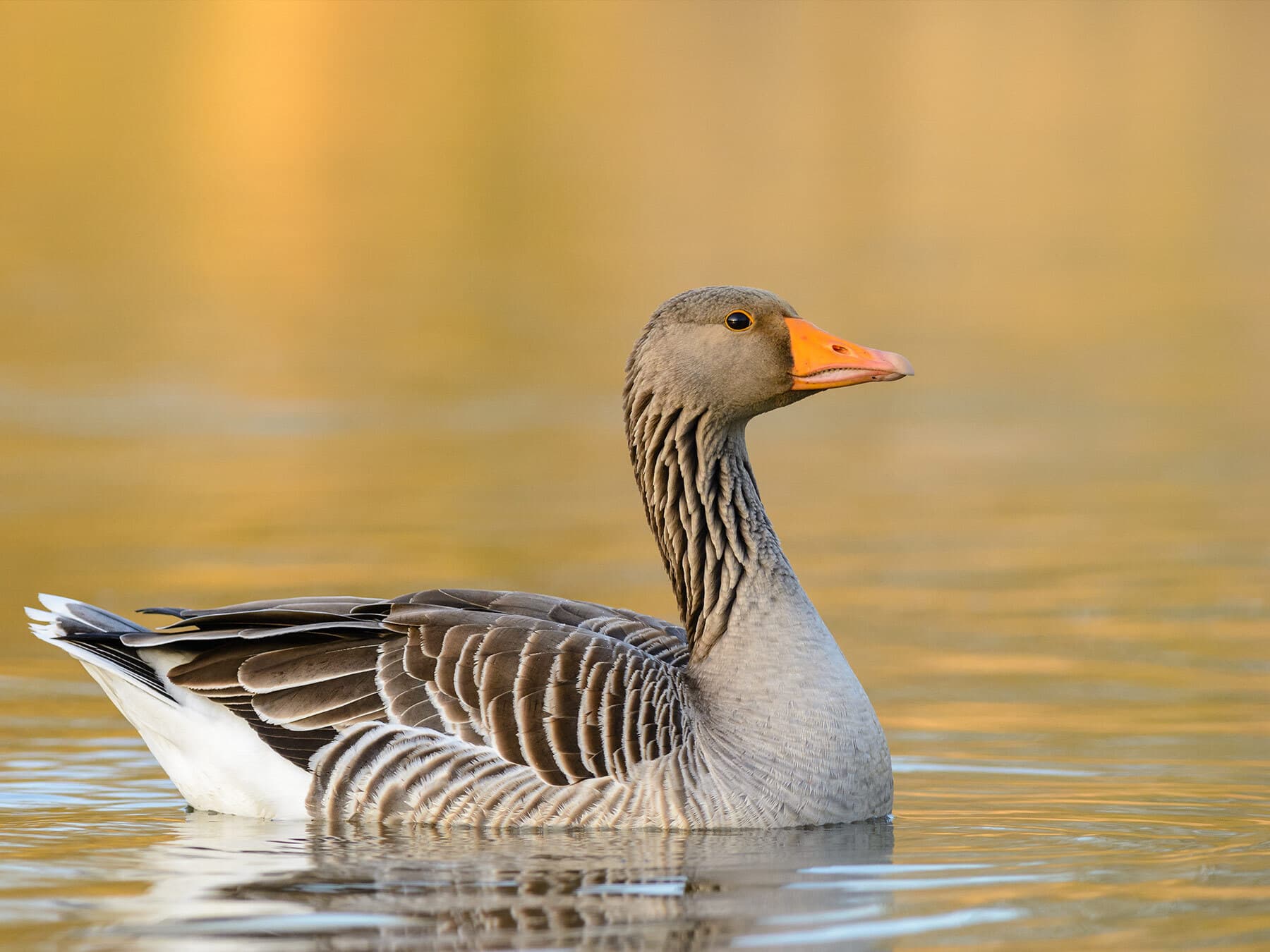
Greylag Goose
Anser anserLC
A common resident found on lakes, reservoirs, and farmland year-round. Feral populations are well established alongside wintering birds from Iceland.
Year-round
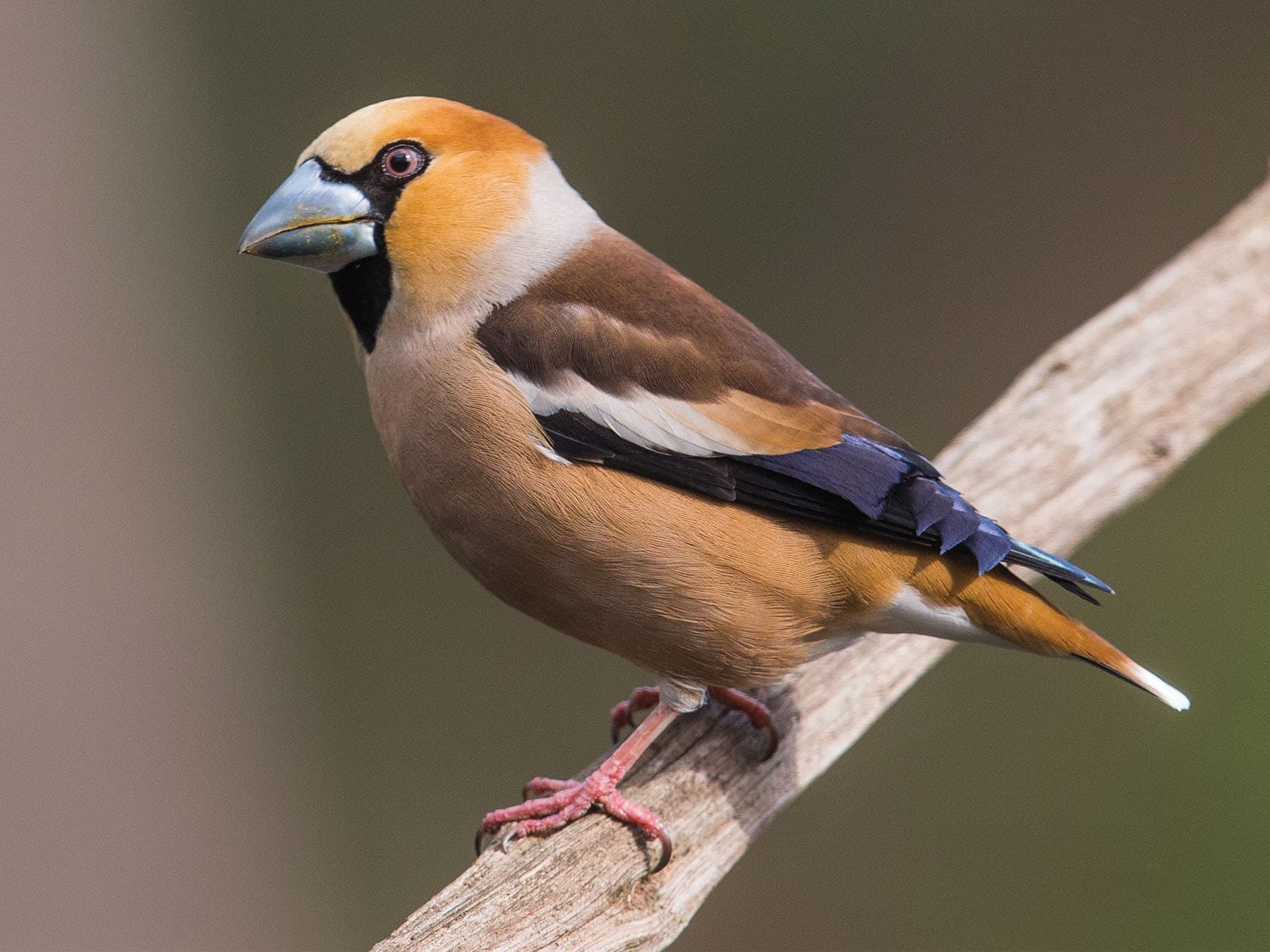
Hawfinch
Coccothraustes coccothraustesLC
A rare and elusive resident of mature broadleaved woodland. Best looked for in winter when small flocks gather beneath hornbeams and yews.
Aug–Jun
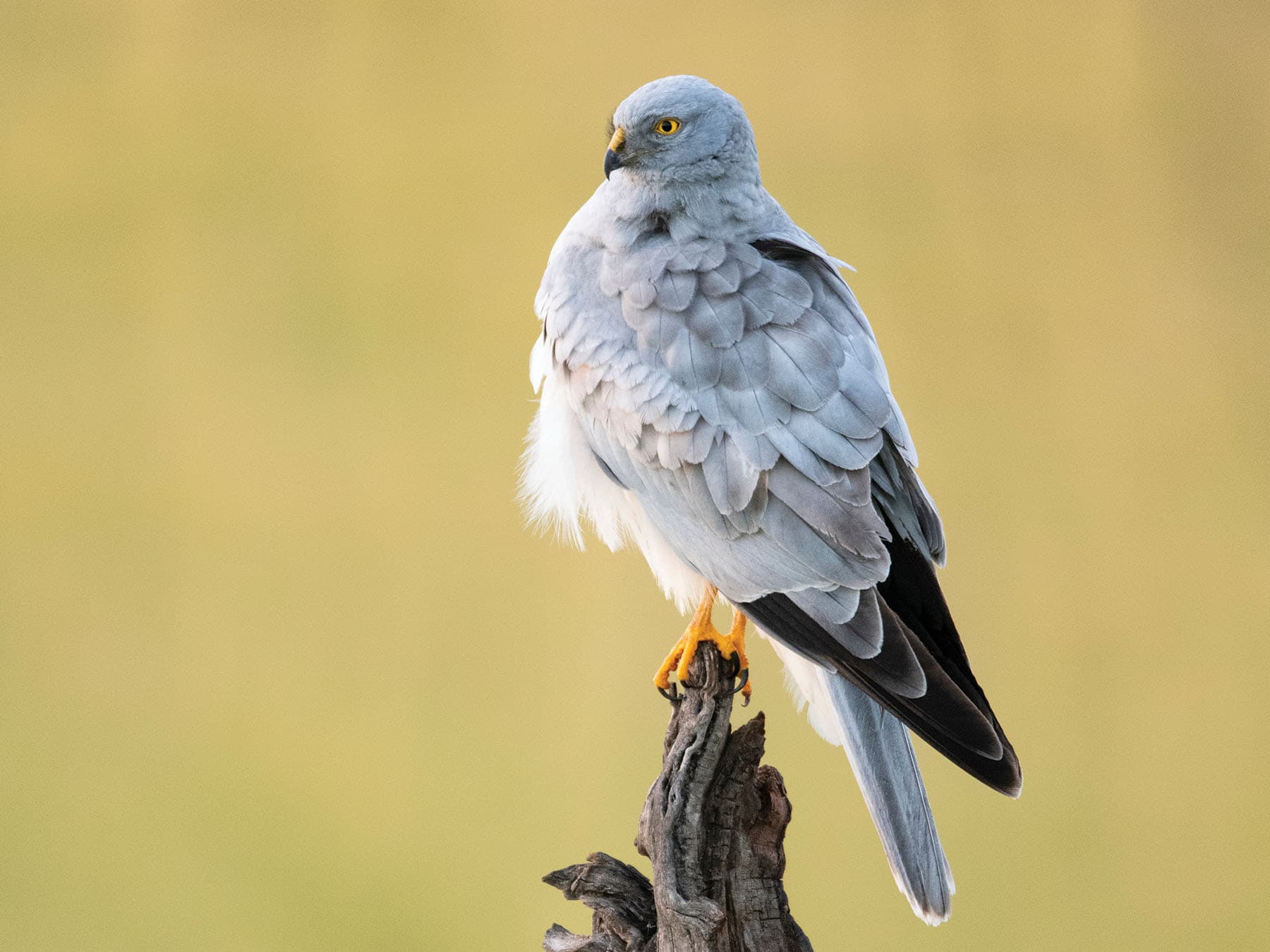
Hen Harrier
Circus cyaneusLC
An uncommon resident, breeding on upland moorland but wintering more widely on lowland marshes and farmland. Heavily persecuted, it remains a conservation priority.
Year-round
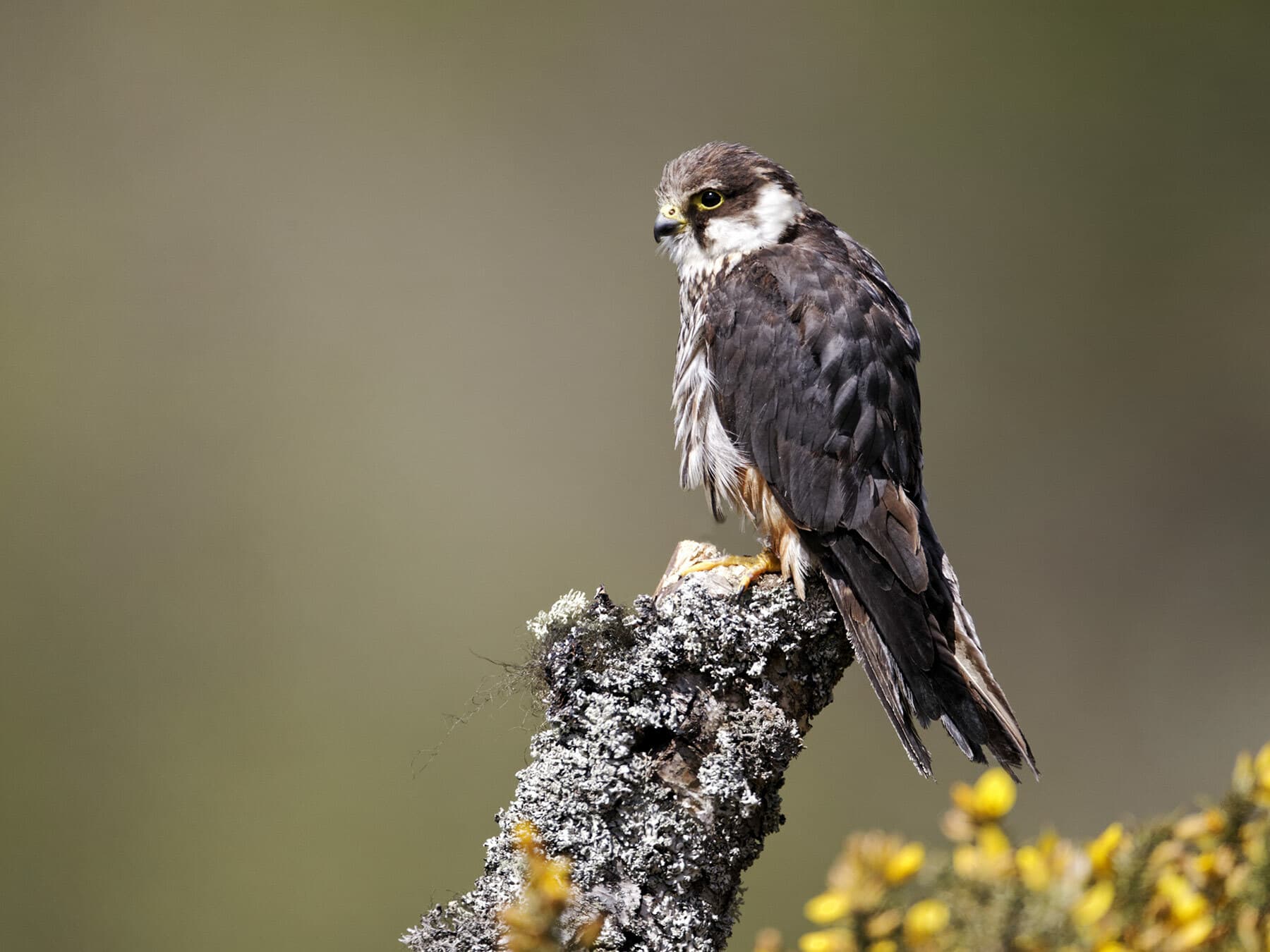
Hobby
Falco subbuteoLC
An elegant summer visitor arriving in April, hunting dragonflies and small birds over heathland, wetlands, and farmland across southern England.
Apr–Oct
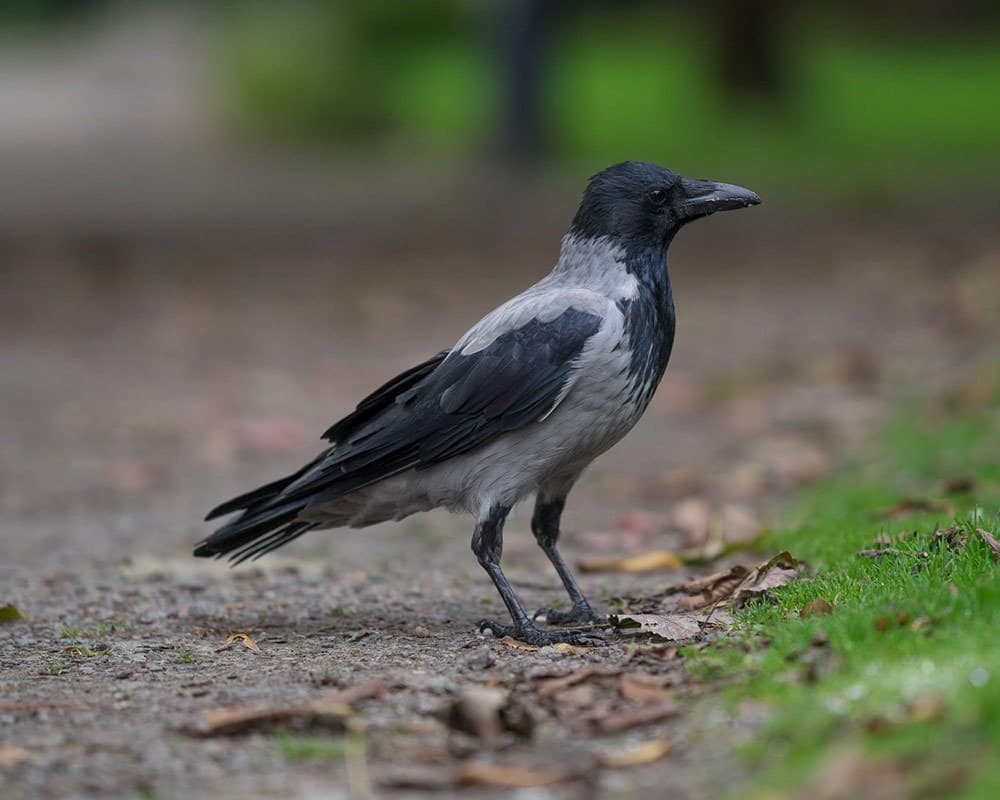
Hooded Crow
Corvus cornixLC
A rare non-breeding visitor, occasionally seen in eastern and northern England during winter. Easily distinguished from Carrion Crow by its grey body.
Oct–Apr
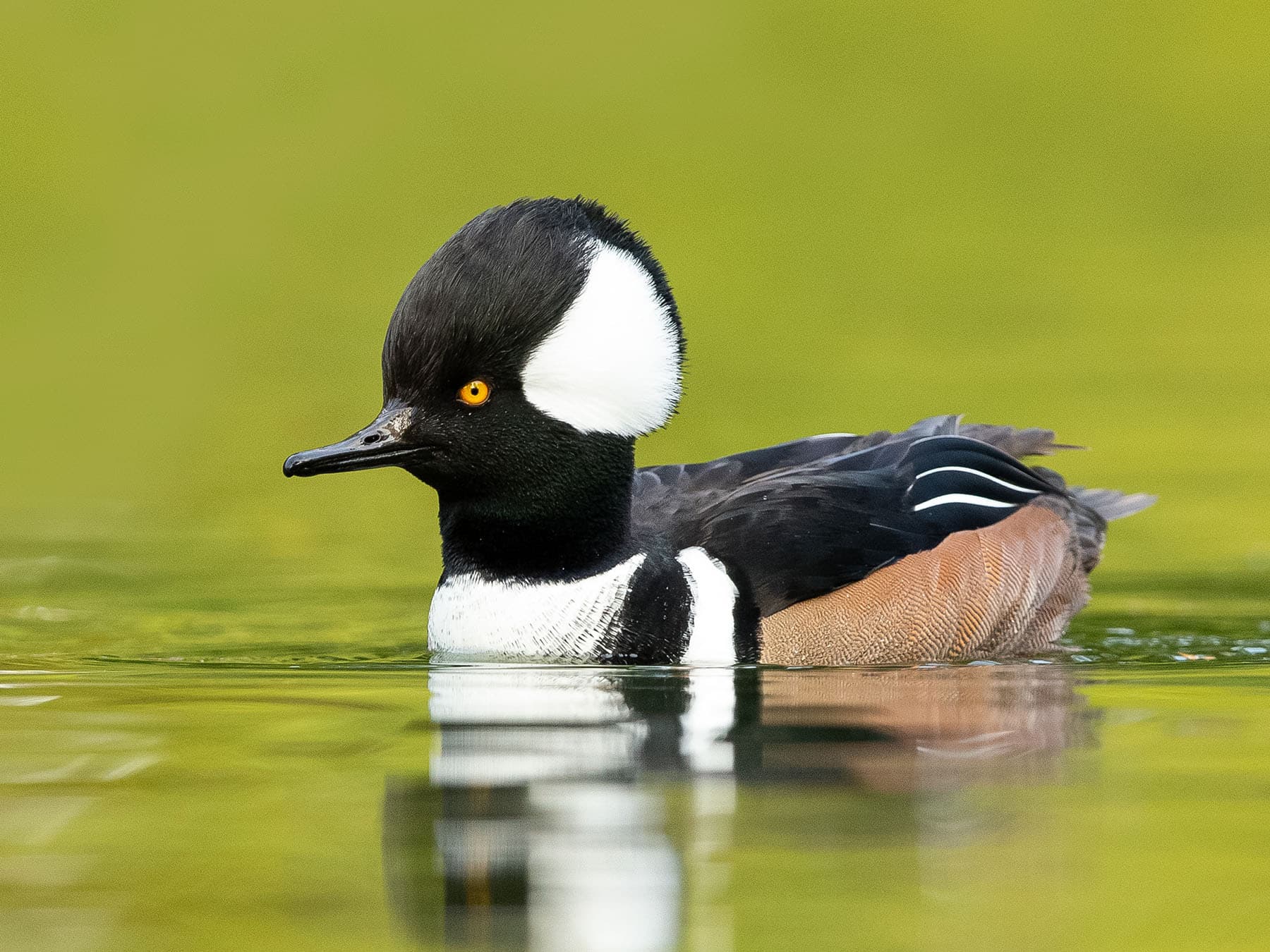
Hooded Merganser
Lophodytes cucullatusLC
A rare North American vagrant; English records are debated as some may involve escapes. Occasionally found on lakes and reservoirs in winter.
Dec–May
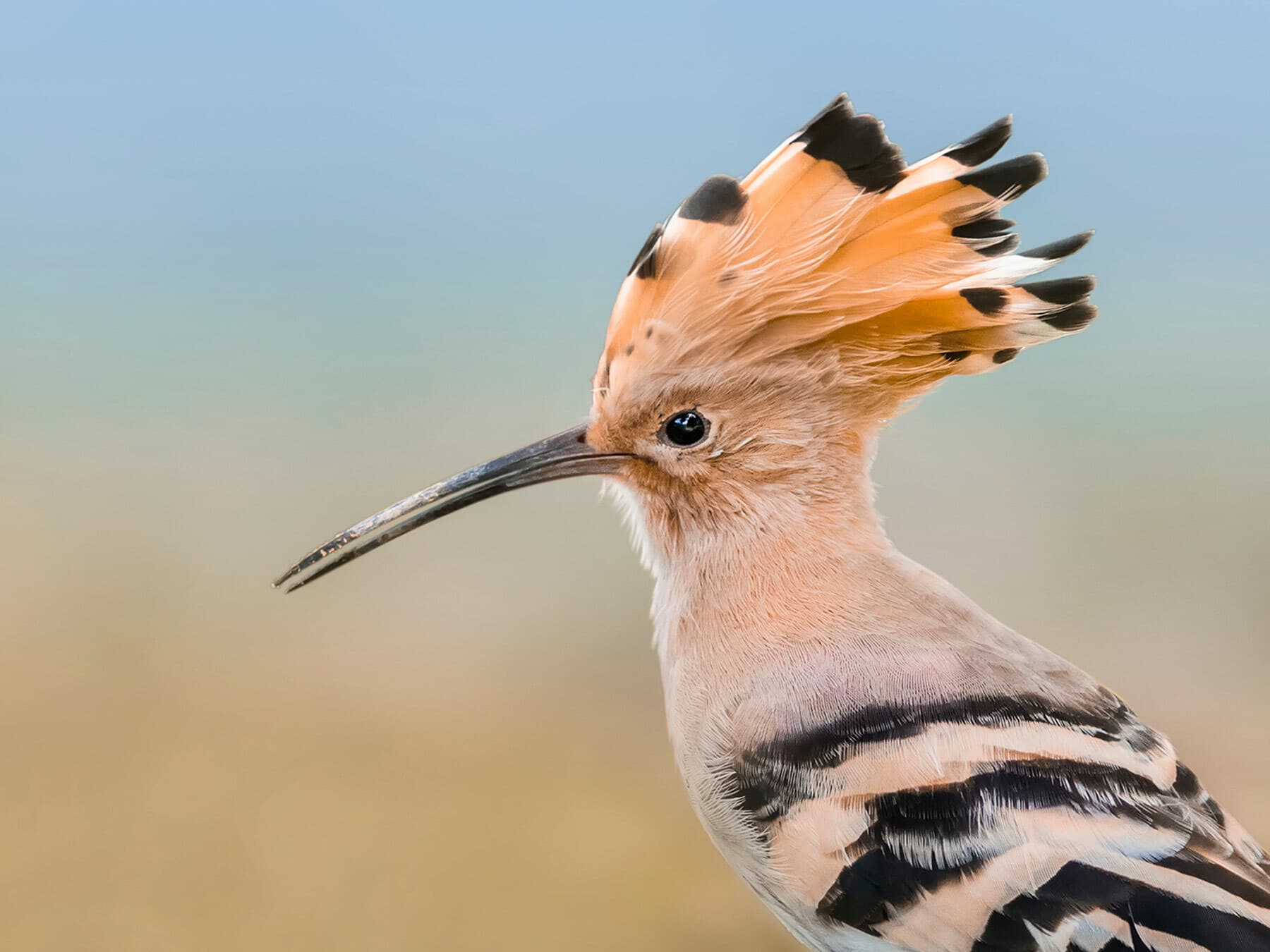
Hoopoe
Upupa epopsLC
A rare but eagerly sought passage migrant, mainly in spring. Most records come from southern coastal counties of England.
Mar–Nov
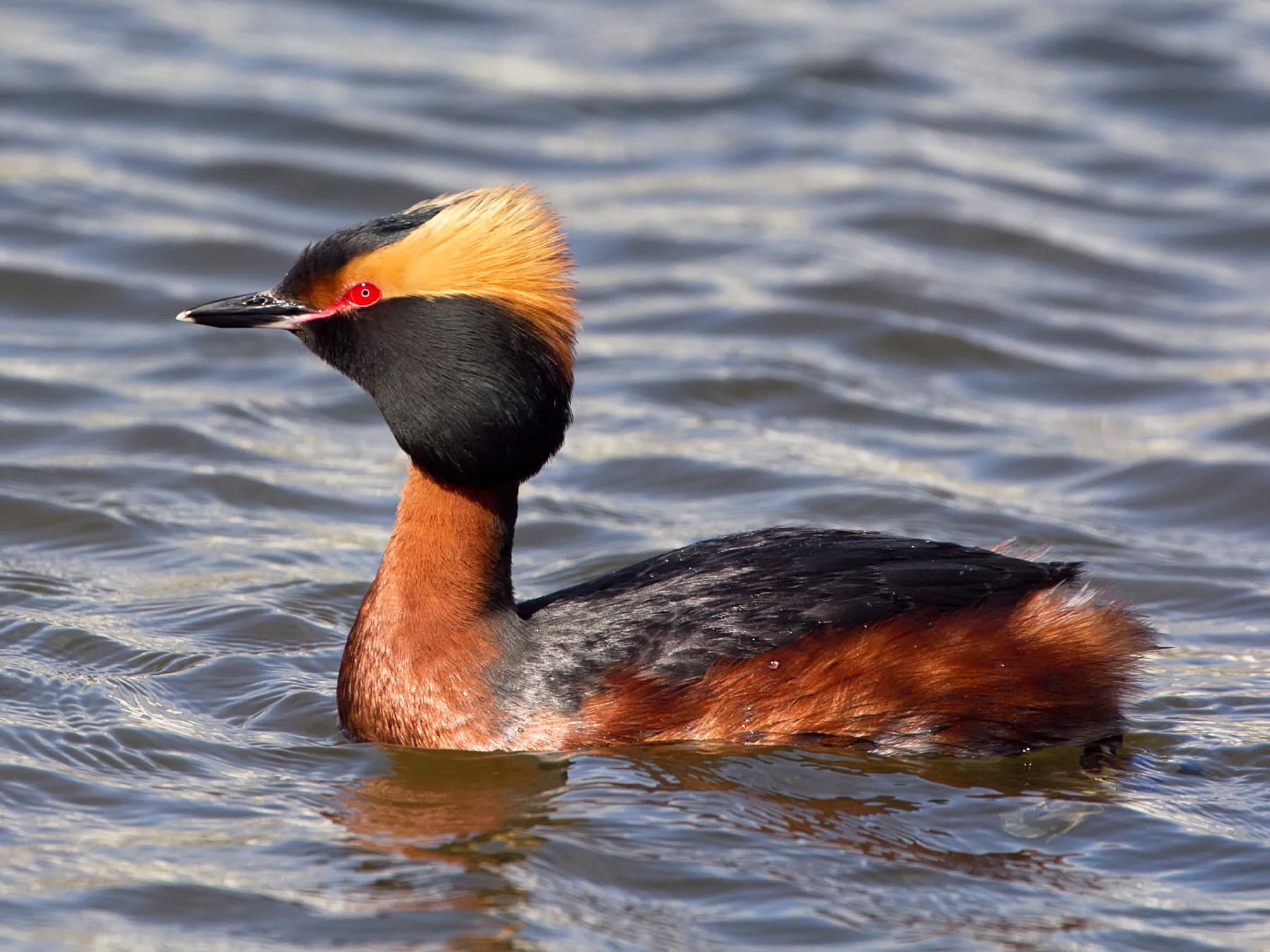
Horned Grebe
Podiceps auritusVU
An uncommon grebe mainly seen in winter on sheltered coasts and estuaries. A very scarce breeder in England, with most nesting in Scotland.
Oct–Jul
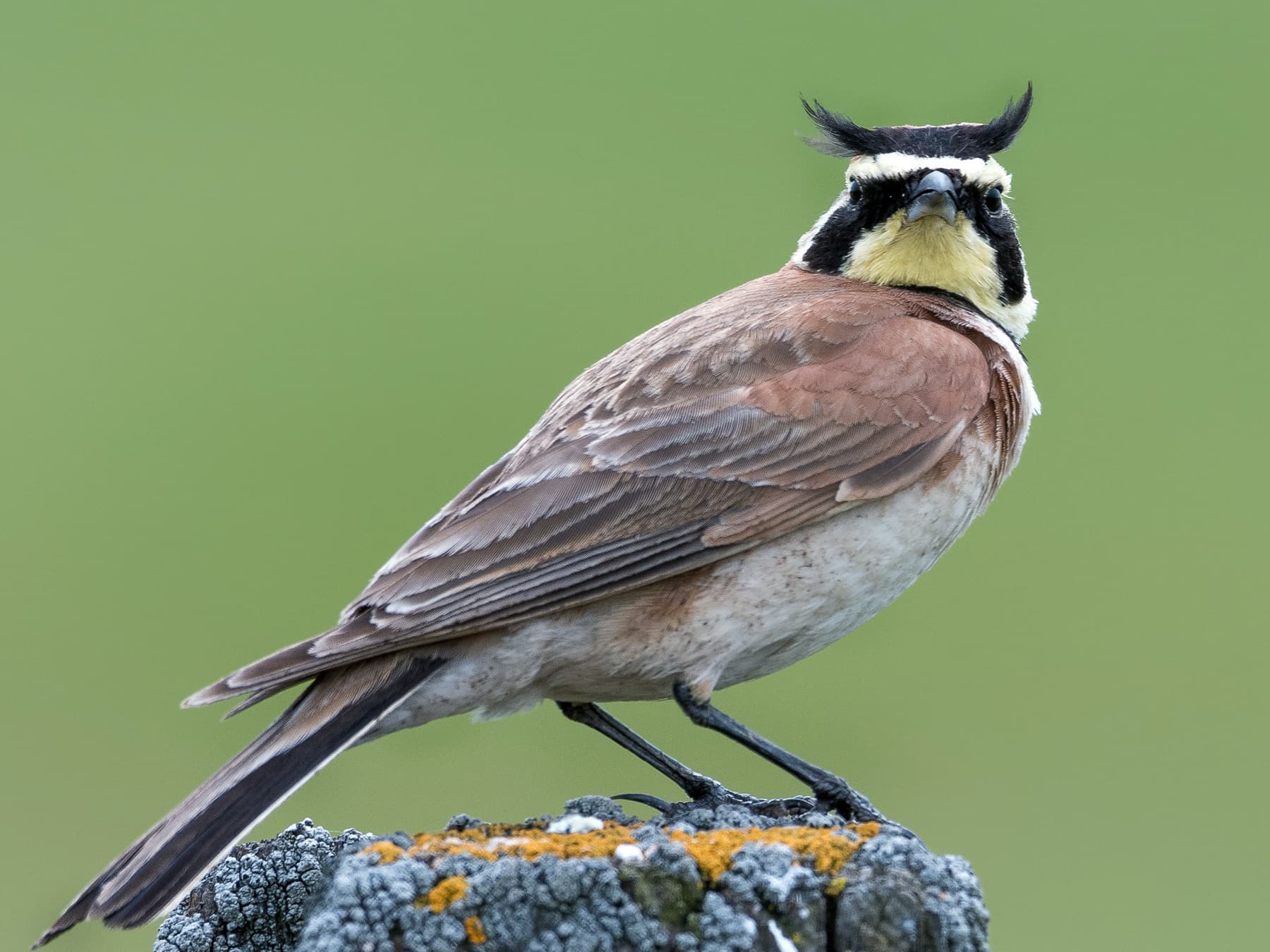
Horned Lark
Eremophila alpestrisLC
A rare non-breeding visitor wintering on shingle beaches and saltmarshes along the east coast. Often found alongside Snow Buntings.
Oct–Mar
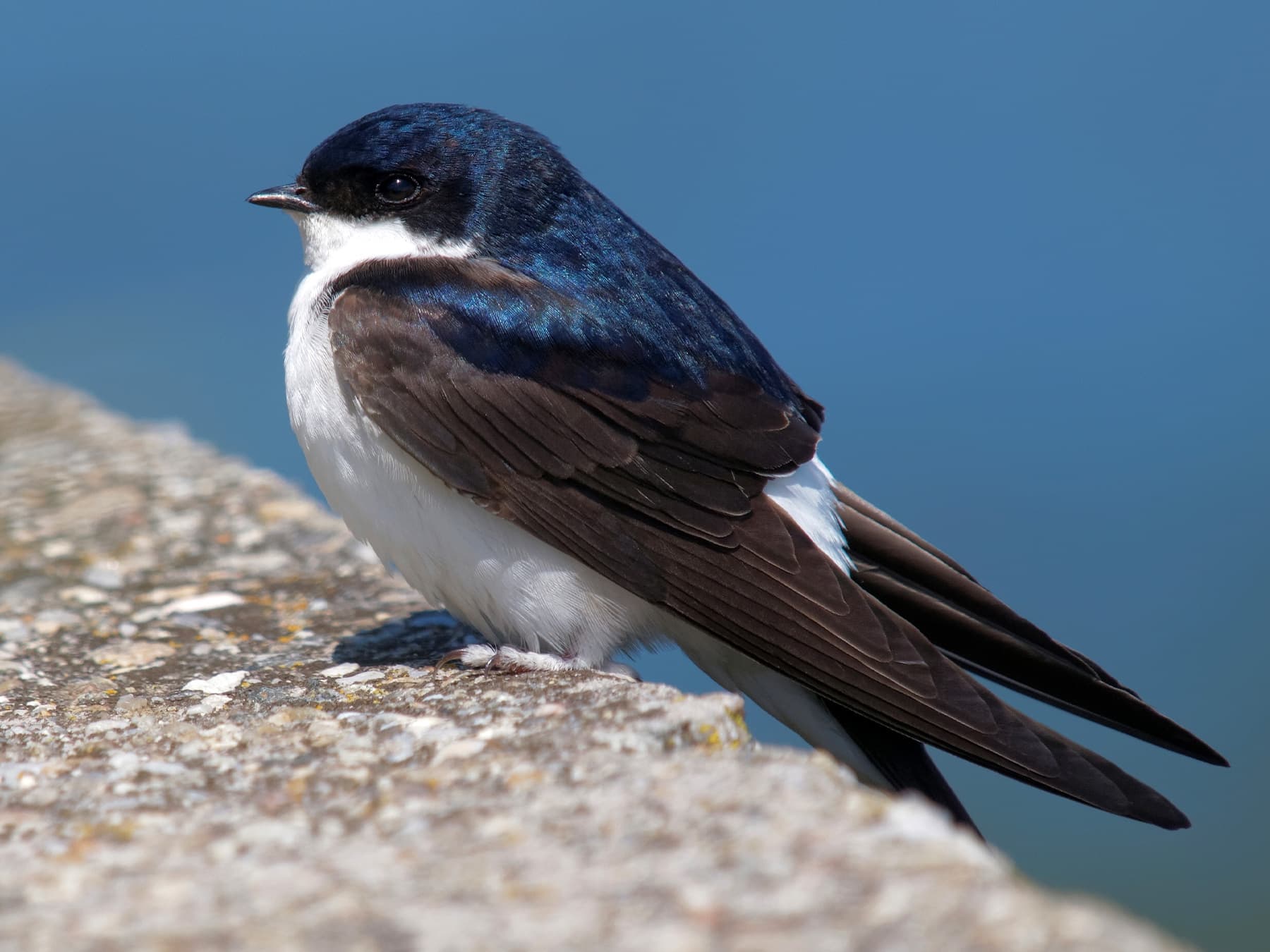
House Martin
Delichon urbicumLC
A common summer breeder arriving from March, nesting under eaves in towns and villages. Numbers have declined in recent decades despite remaining widespread.
Mar–Nov
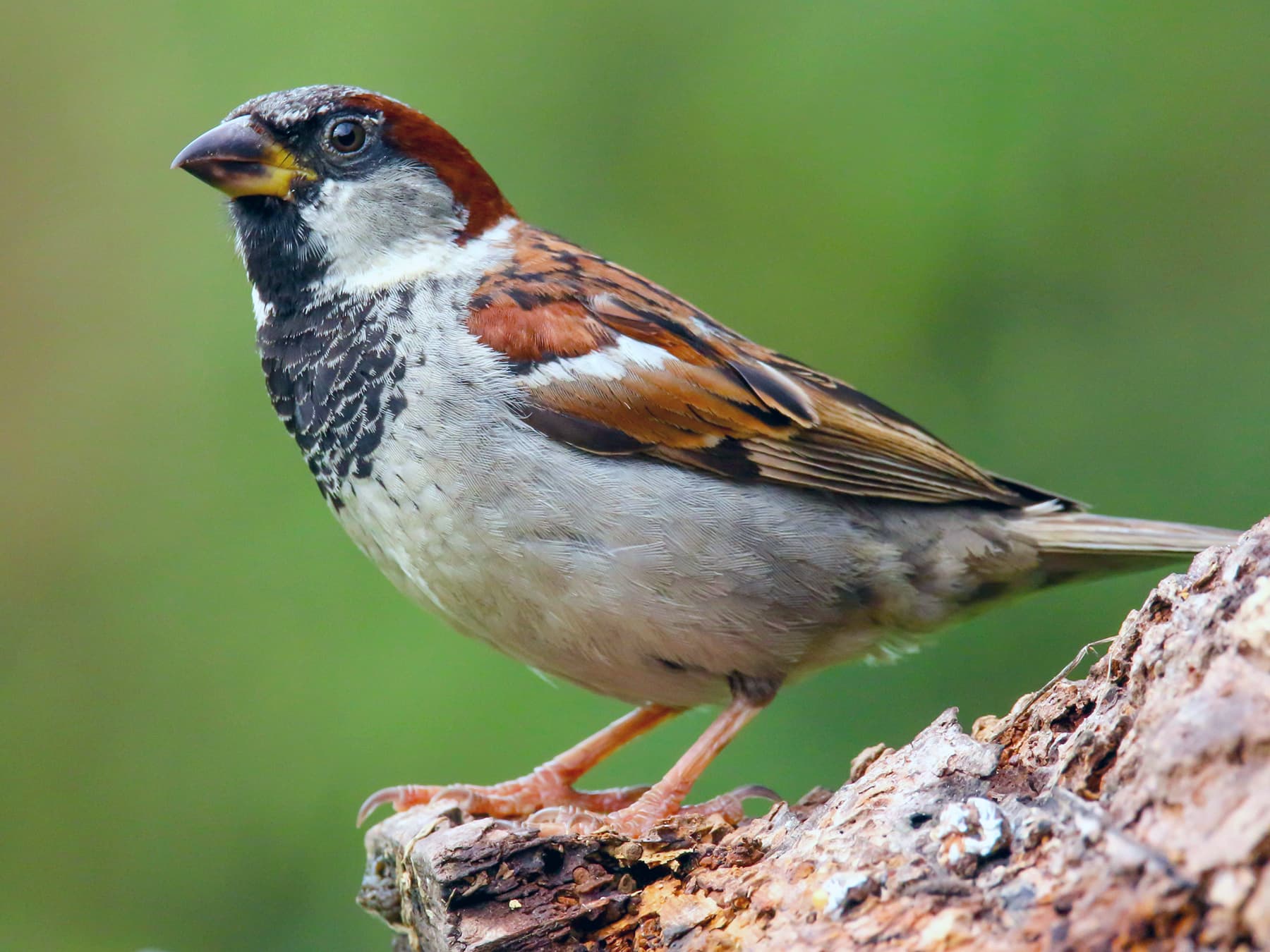
House Sparrow
Passer domesticusLC
A familiar year-round resident of gardens, hedgerows, and urban areas. Despite significant long-term declines, it remains one of England's most recognisable birds.
Year-round
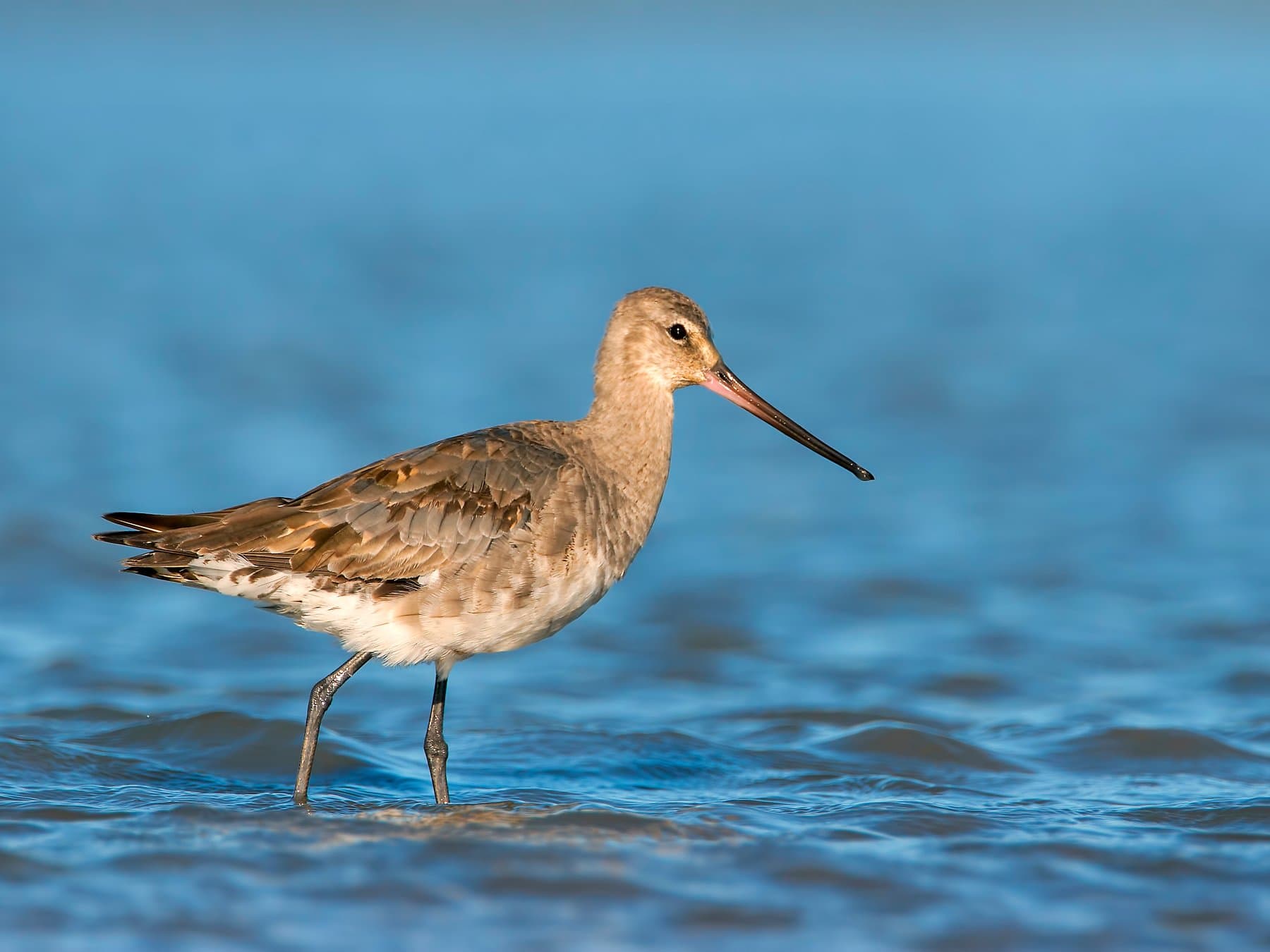
Hudsonian Godwit
Limosa haemasticaVU
An extremely rare transatlantic vagrant, with only a handful of English records. Most likely to appear at coastal estuaries during spring or autumn passage.
May–Aug