Birds in England
Explore 274 species found in this region.
England is home to an impressive diversity of birdlife, with 257 recorded species found across its varied landscapes — from coastal estuaries and chalk downlands to ancient woodlands and upland moors. Notable species include the striking Bluethroat, the charismatic Dotterel of mountain plateaux, and the elegant Eurasian Woodcock hidden among forest floors. Whether you're watching Great Tits in a suburban garden or scanning mudflats for Common Shelduck, England offers outstanding birding opportunities throughout the year.
Visiting in July? Look out for Greater Scaup and Horned Grebe arriving this month, and American Golden-Plover and Common Loon depart for the season.
Explore by Region


Get a monthly guide to birds in England
Find out which birds are visiting your area this month, with seasonal tips and garden advice
Get Your Free DigestShowing 93–115 of 274 species
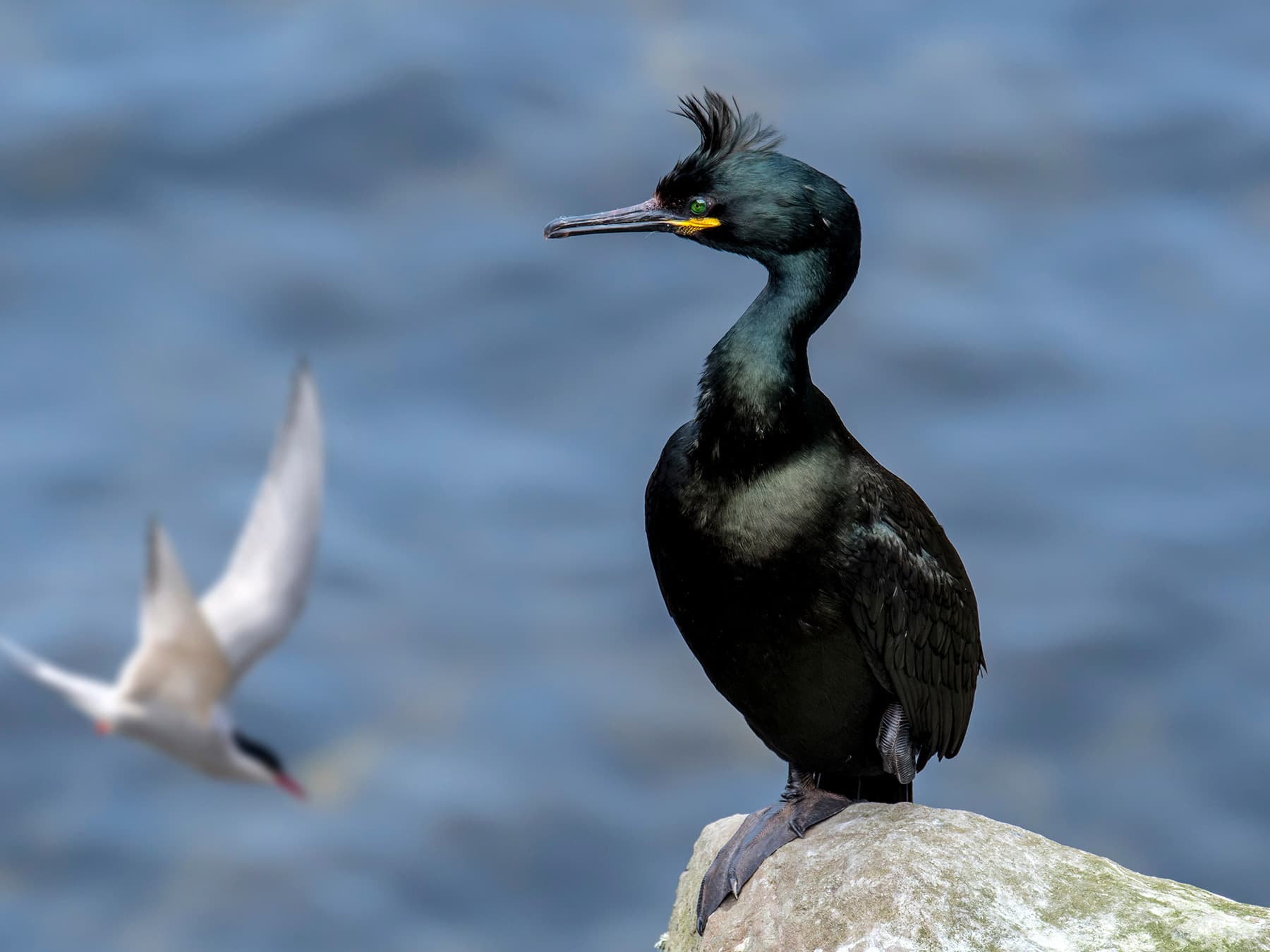
European Shag
Phalacrocorax aristotelisLC
A common resident of rocky coasts and sea cliffs, often seen perched with wings outstretched. Breeds colonially on coastal ledges.
Year-round
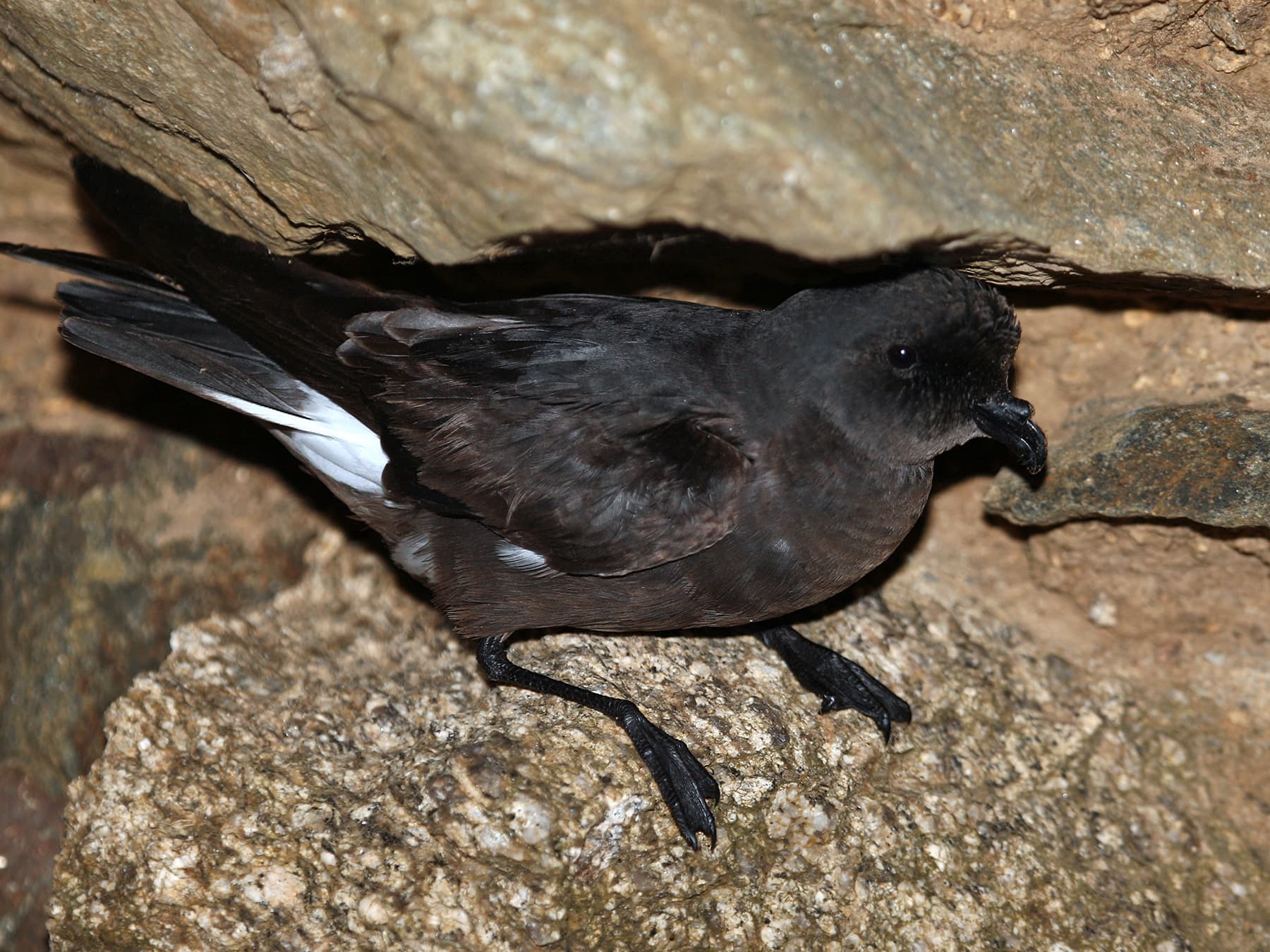
European Storm-petrel
Hydrobates pelagicusLC
An uncommon breeding seabird nesting on offshore islands, spending most of its life at sea and visiting colonies nocturnally from May to November.
May–Nov
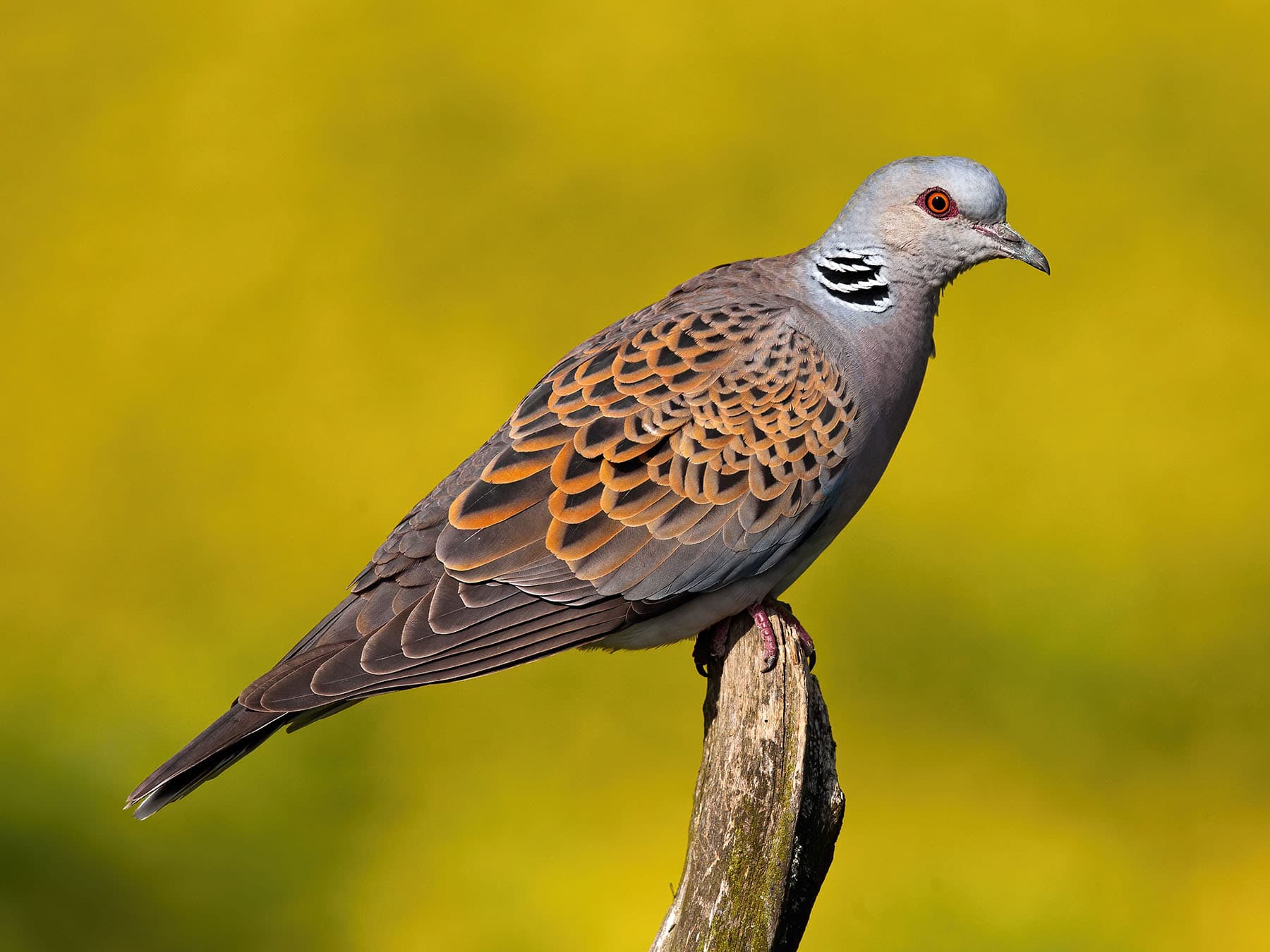
European Turtle-dove
Streptopelia turturVU
A declining summer breeder now largely restricted to south-east England. Favours farmland with thick hedgerows; its purring song is increasingly scarce.
Apr–Oct
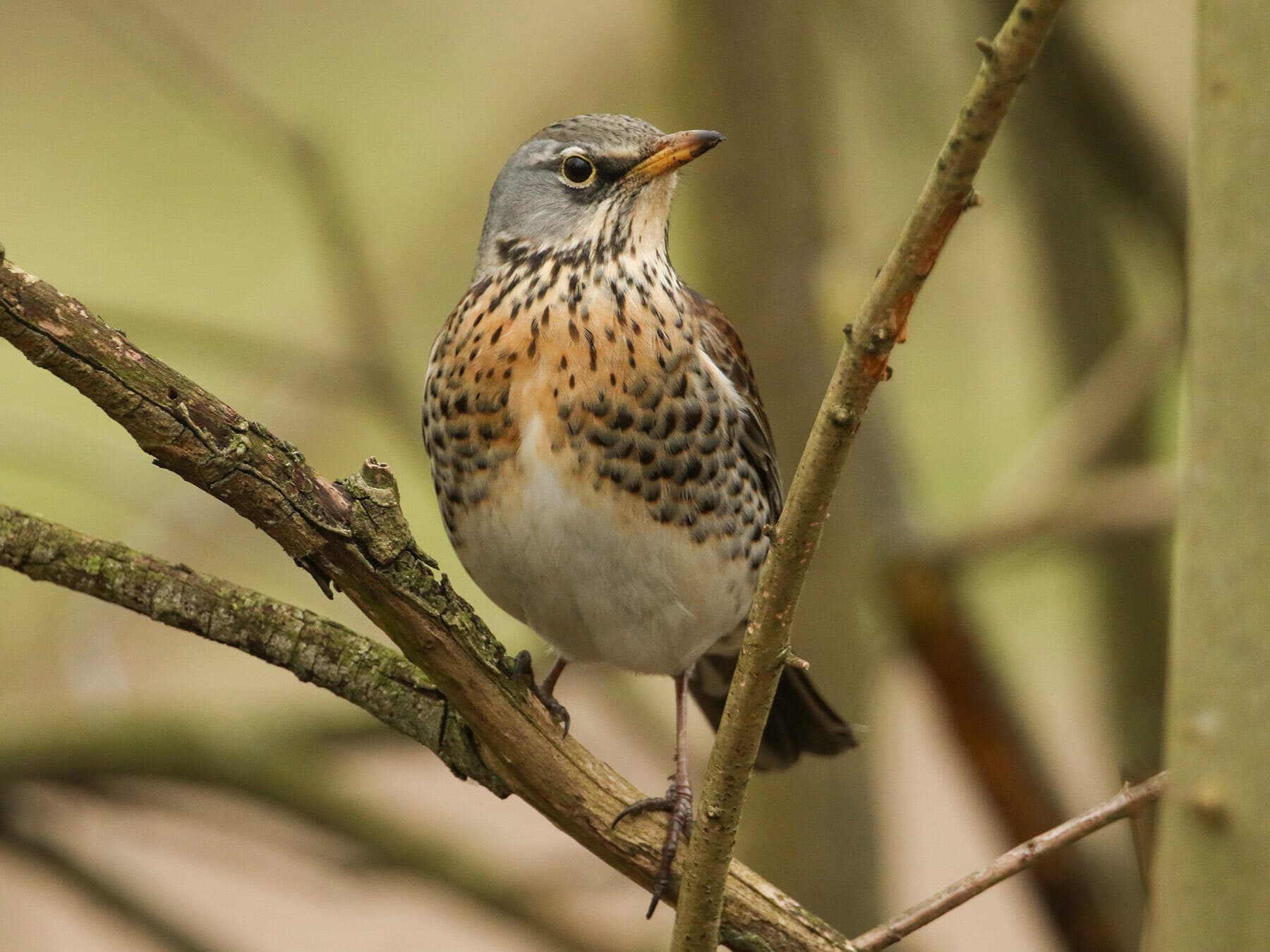
Fieldfare
Turdus pilarisLC
A common winter thrush arriving from Scandinavia in large flocks from October. Feeds on berries in hedgerows and on invertebrates in open fields.
Sep–May
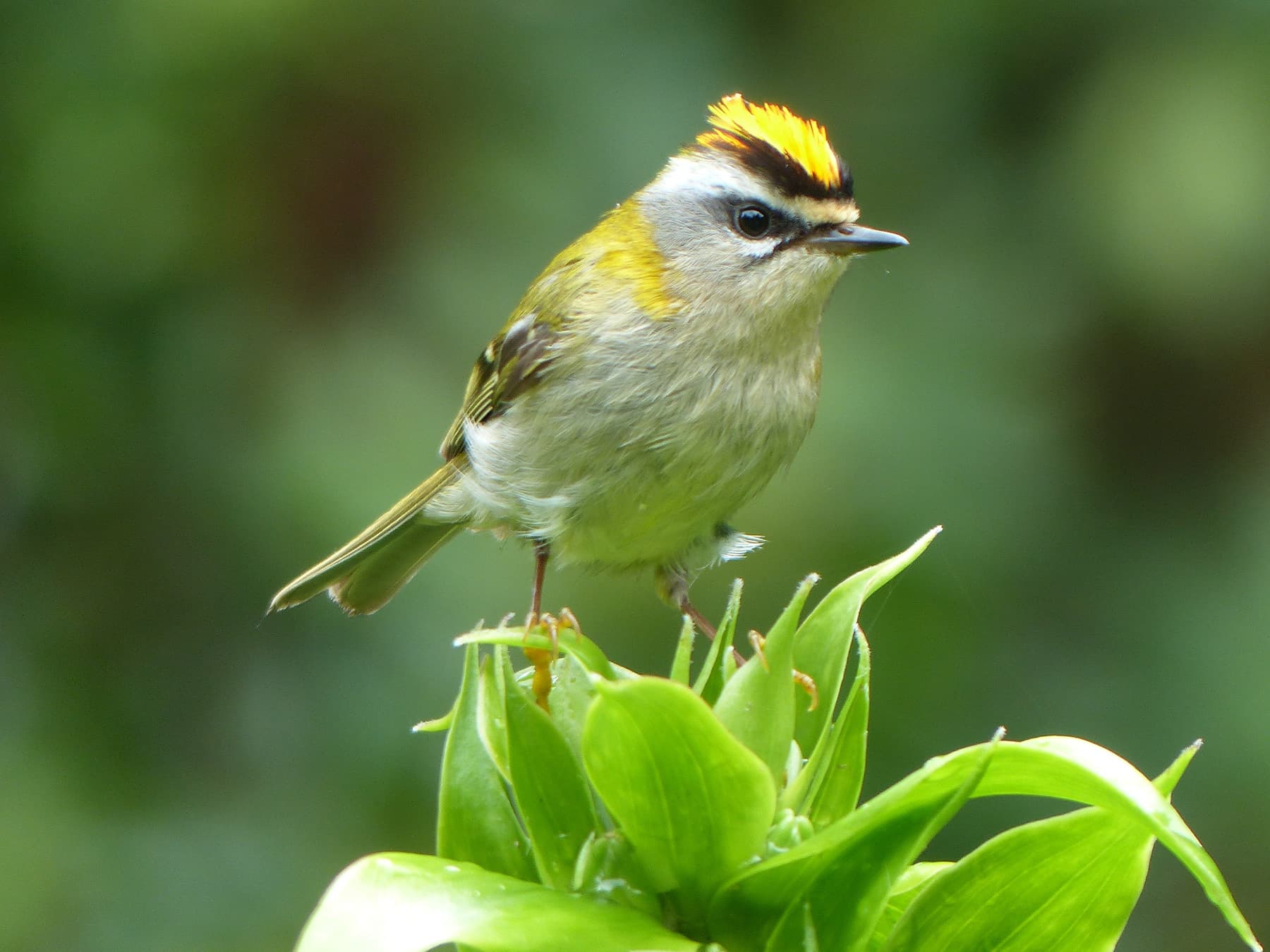
Firecrest
Regulus ignicapillaLC
A tiny, jewel-like bird with a striking orange crown stripe, found in coniferous and mixed woodland. Has increased as a breeding resident in southern England.
Year-round
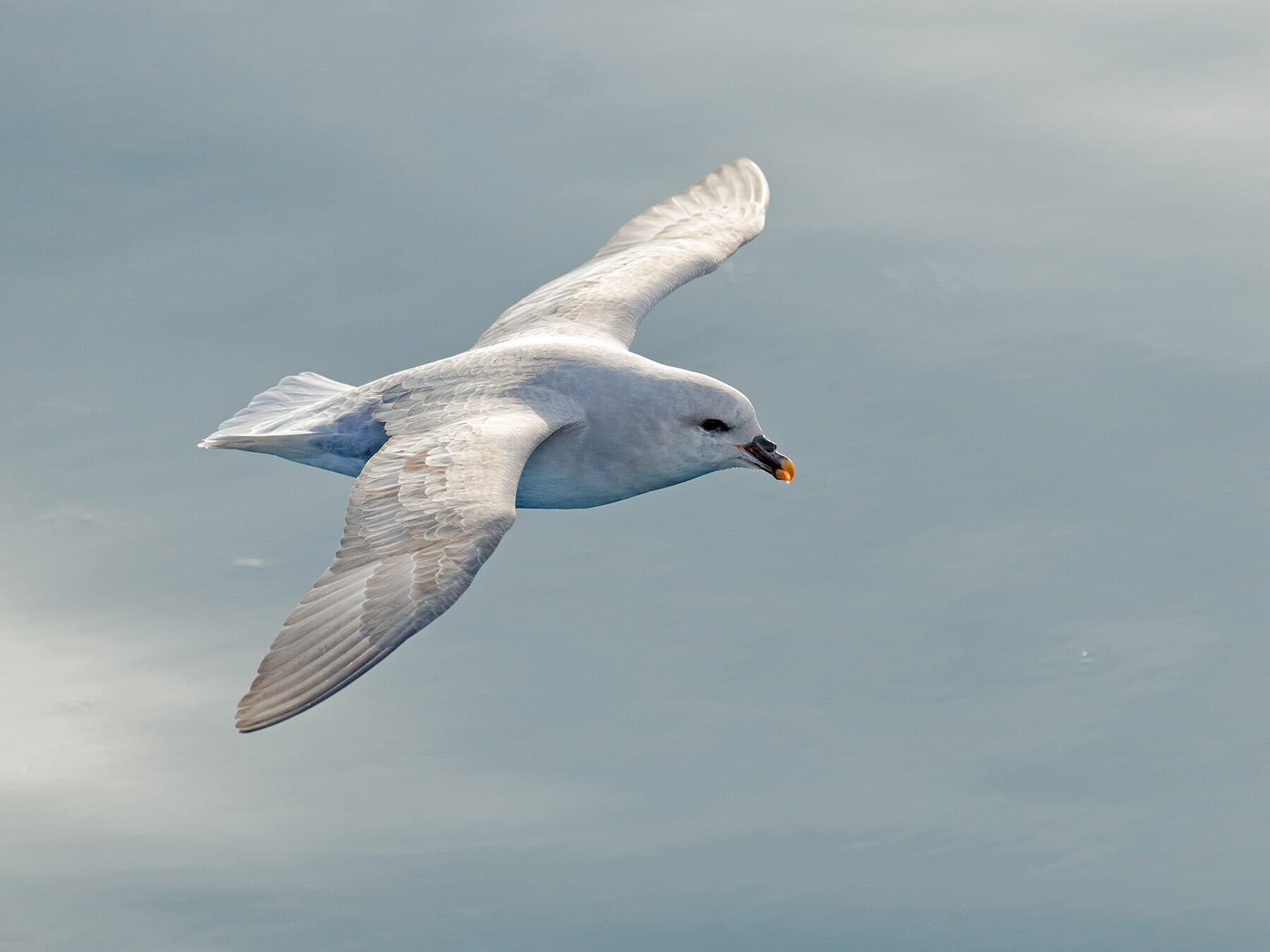
Fulmar
Fulmarus glacialisLC
An uncommon resident of sea cliffs, nesting in colonies along the English coastline. Often seen gliding stiff-winged over the waves in all seasons.
Year-round
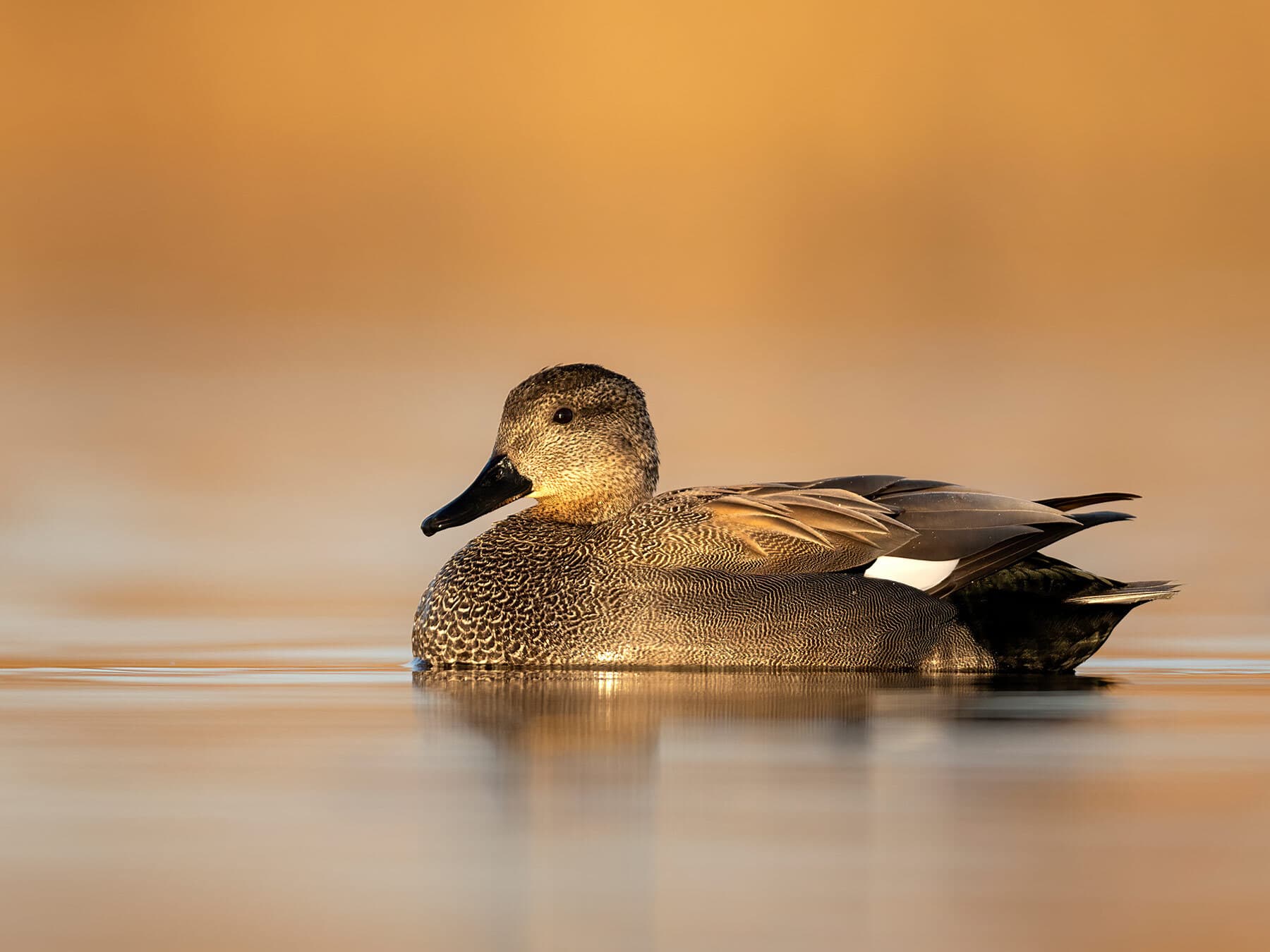
Gadwall
Mareca streperaLC
A common resident of lakes, reservoirs, and gravel pits. Numbers have increased steadily, particularly across central and southern England.
Year-round
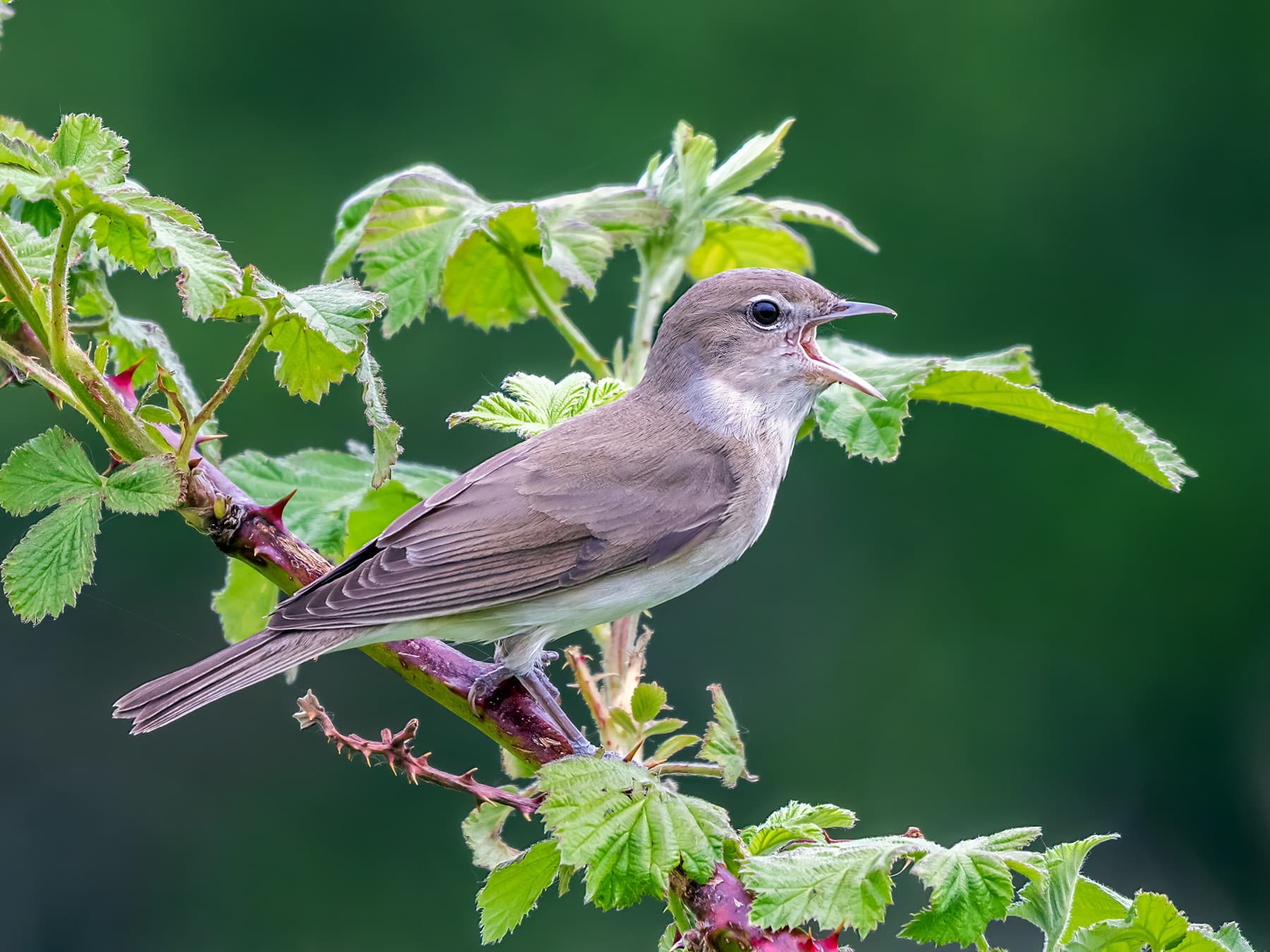
Garden Warbler
Sylvia borinLC
A summer breeding visitor to woodland and scrubby habitats from April to October. More often heard than seen, with a rich, melodious warbling song.
Apr–Oct
Spotted something?
Upload a photo to identify it
Identify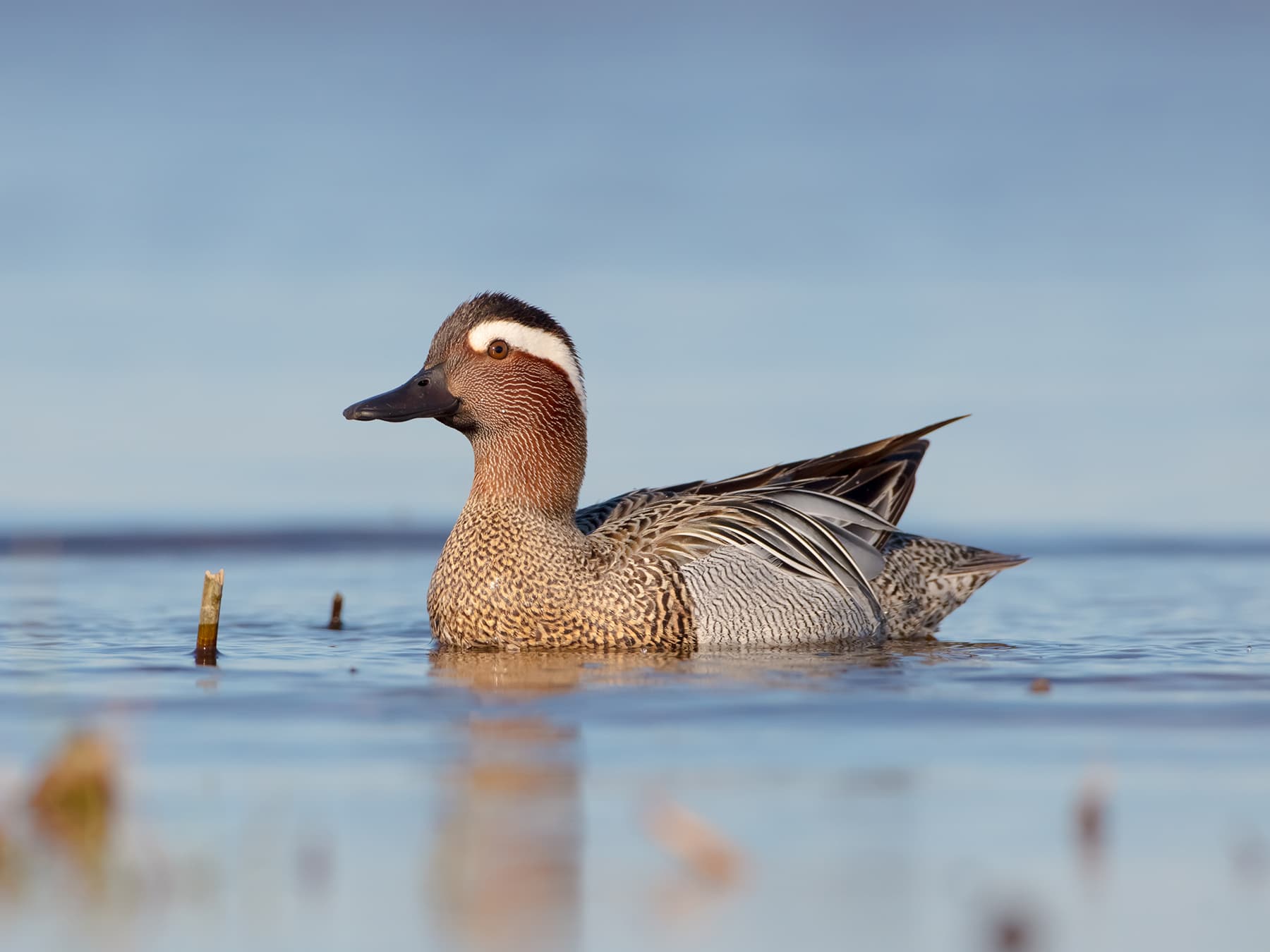
Garganey
Spatula querquedulaLC
An uncommon summer breeder on lowland marshes and flooded meadows, mainly in southeast England. Arrives in March and departs by October.
Mar–Oct
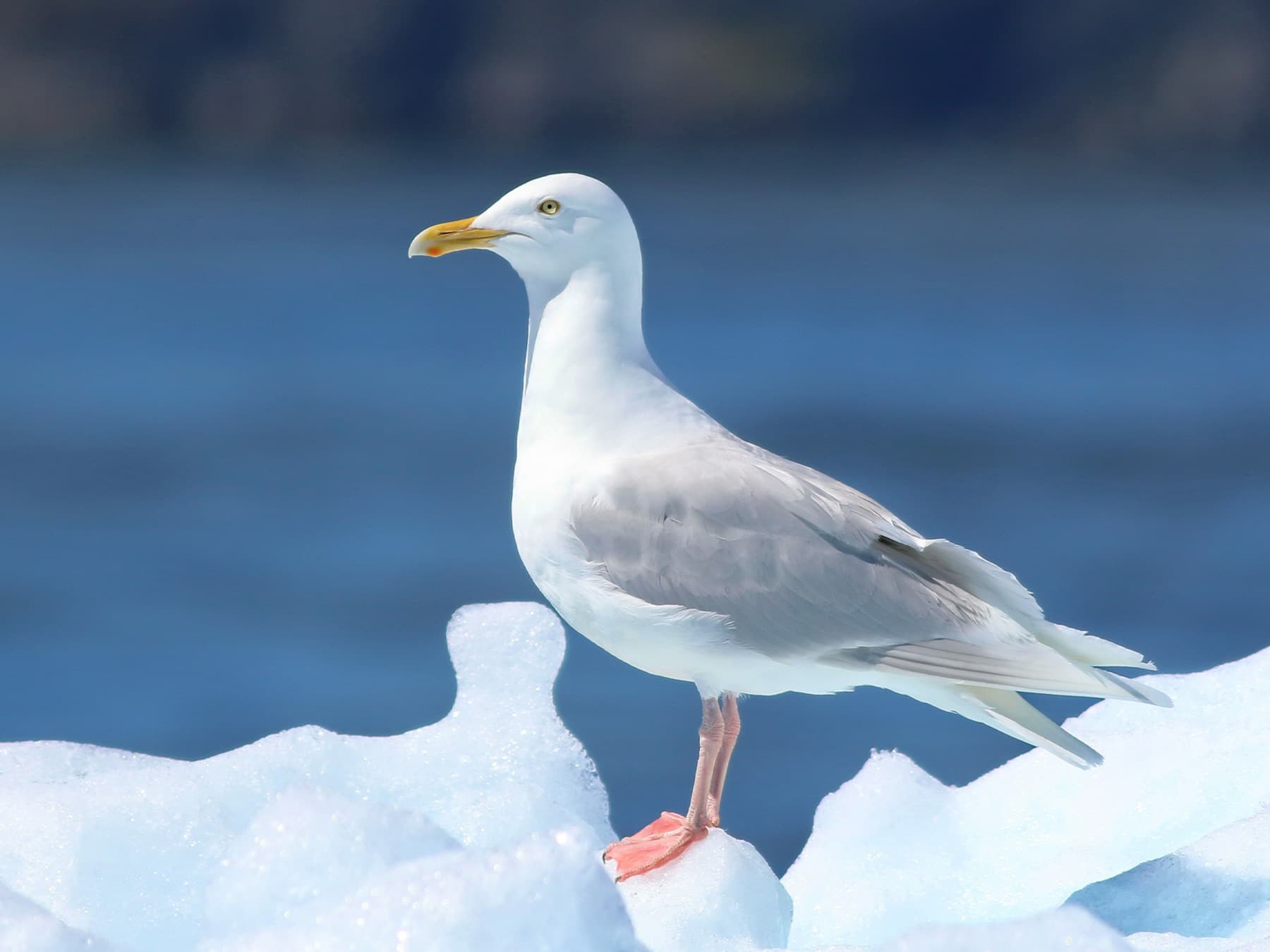
Glaucous Gull
Larus hyperboreusLC
A rare winter visitor from the Arctic, appearing at harbours, landfill sites, and coastal roosts between November and March.
Nov–Mar
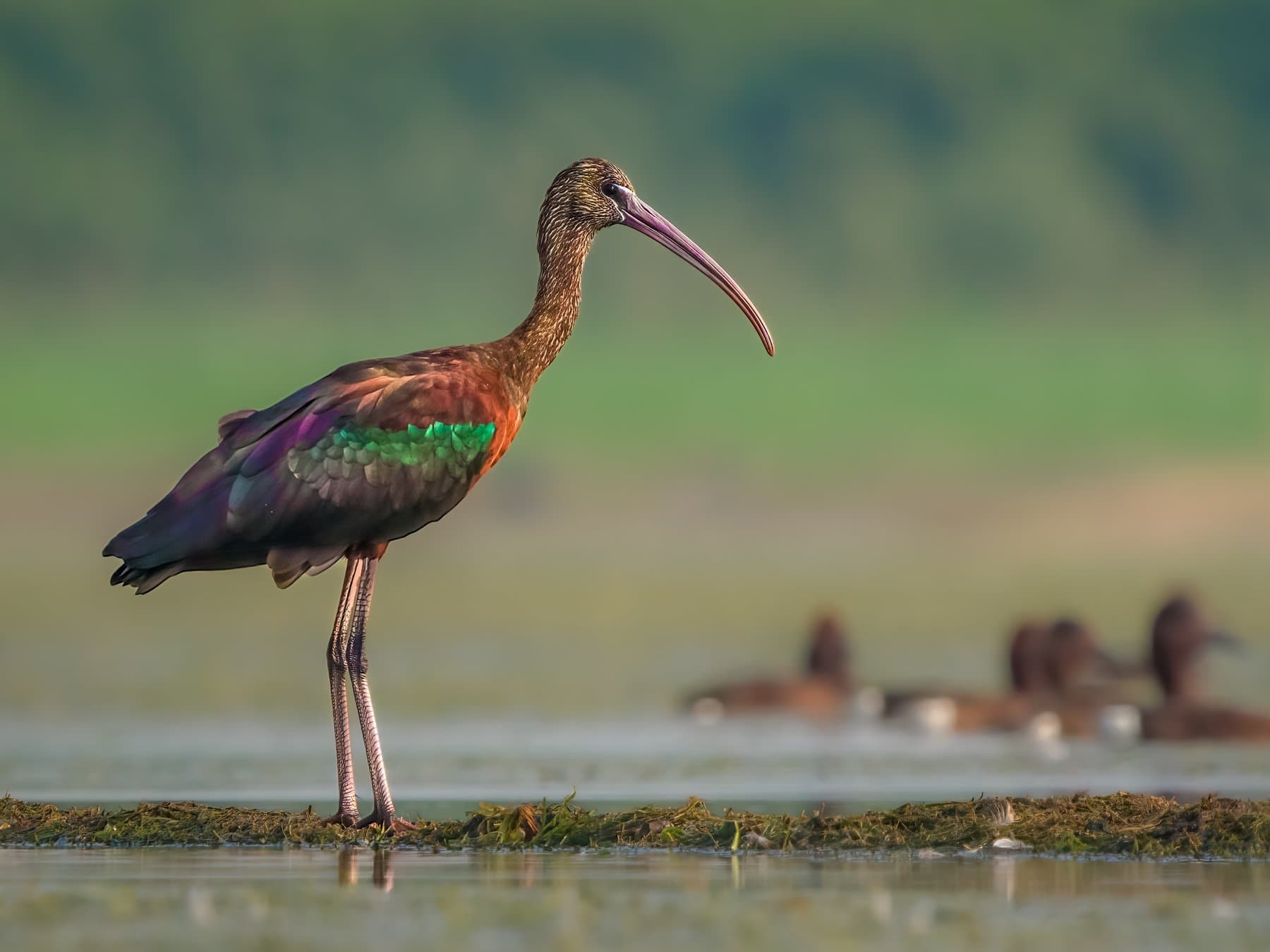
Glossy Ibis
Plegadis falcinellusLC
An uncommon but increasingly regular resident of marshes and wetlands. Numbers have risen in recent years, especially in southern England.
Year-round
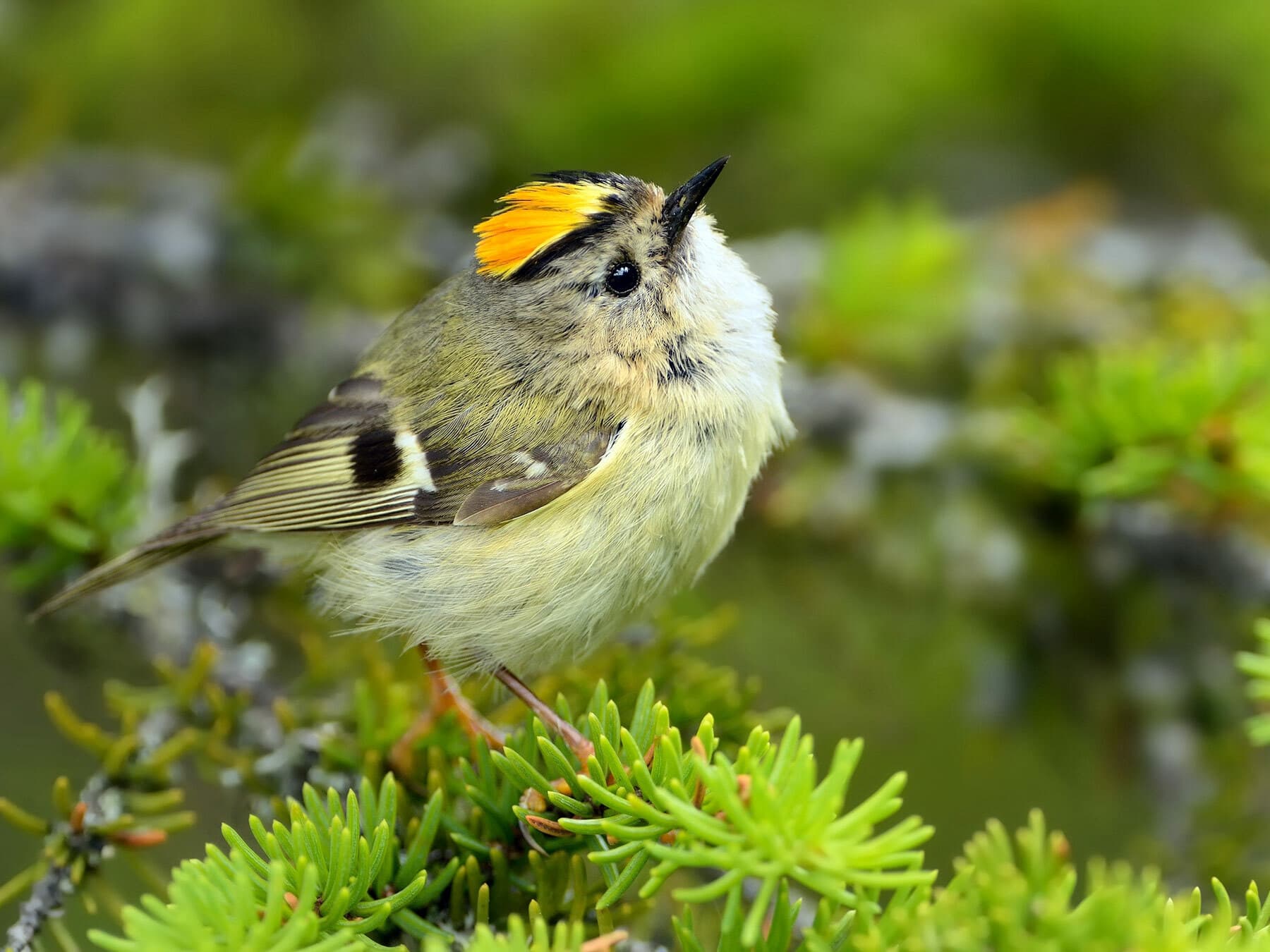
Goldcrest
Regulus regulusLC
Britain's smallest bird, common year-round in coniferous and mixed woodland. Numbers swell in autumn with continental migrants.
Year-round
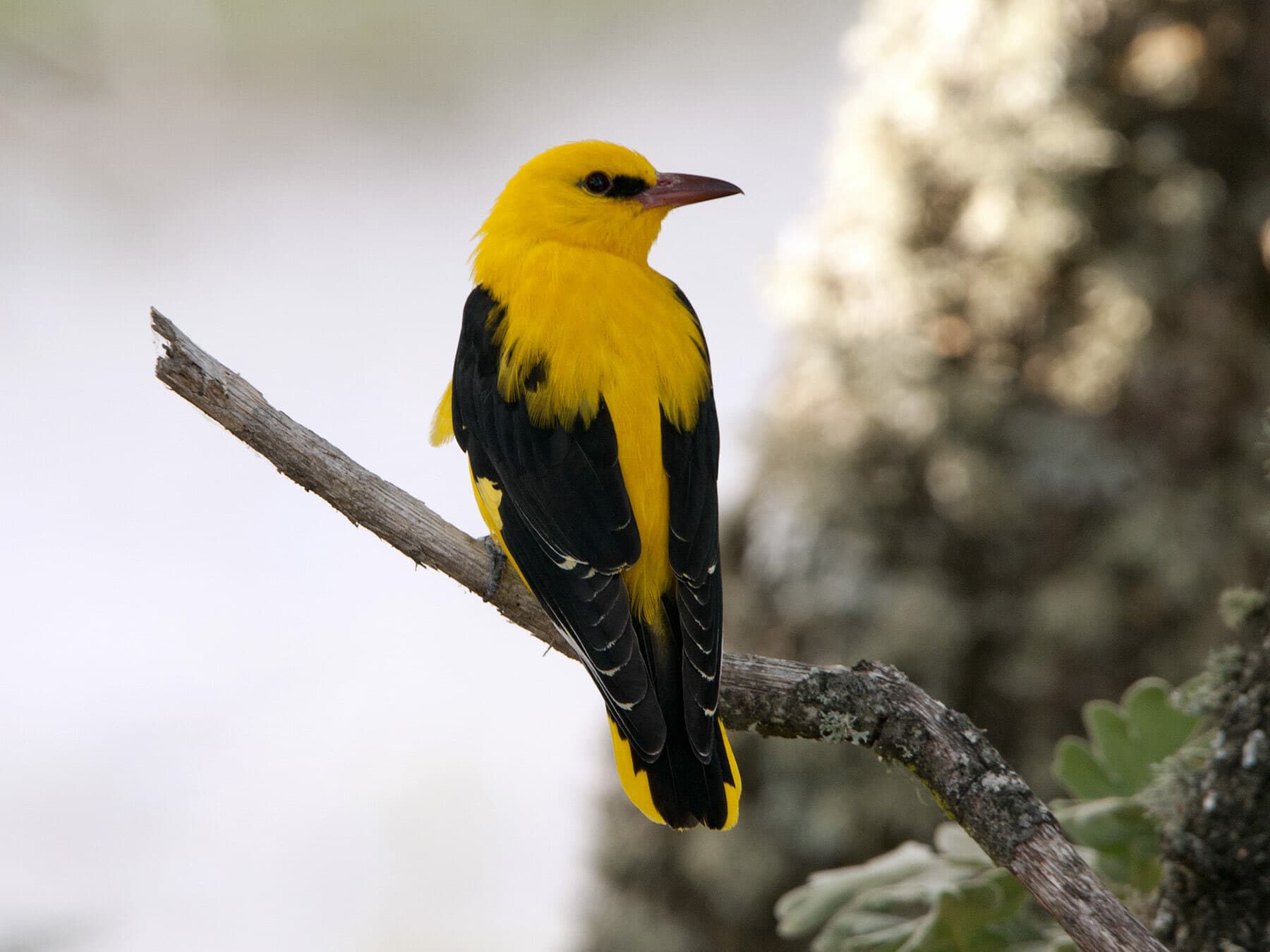
Golden Oriole
Oriolus oriolusLC
A rare spring passage visitor, occasionally heard singing from dense canopy in southeast England. Has bred in the past but now extremely scarce.
May–Jun
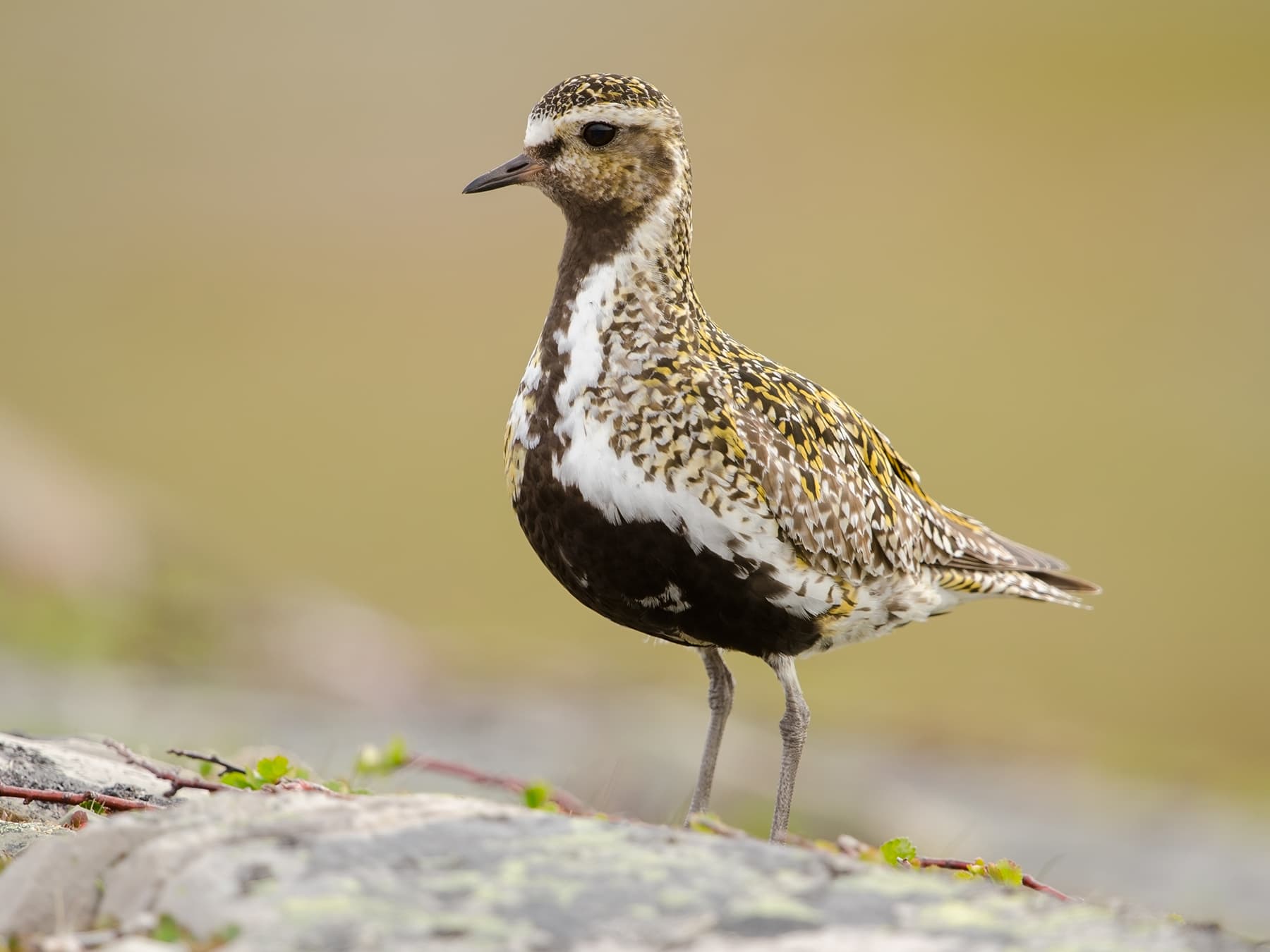
Golden Plover
Pluvialis apricariaLC
Breeds on upland moorlands in the north and winters in large flocks on lowland farmland. Present year-round, with numbers boosted by continental birds in winter.
Year-round
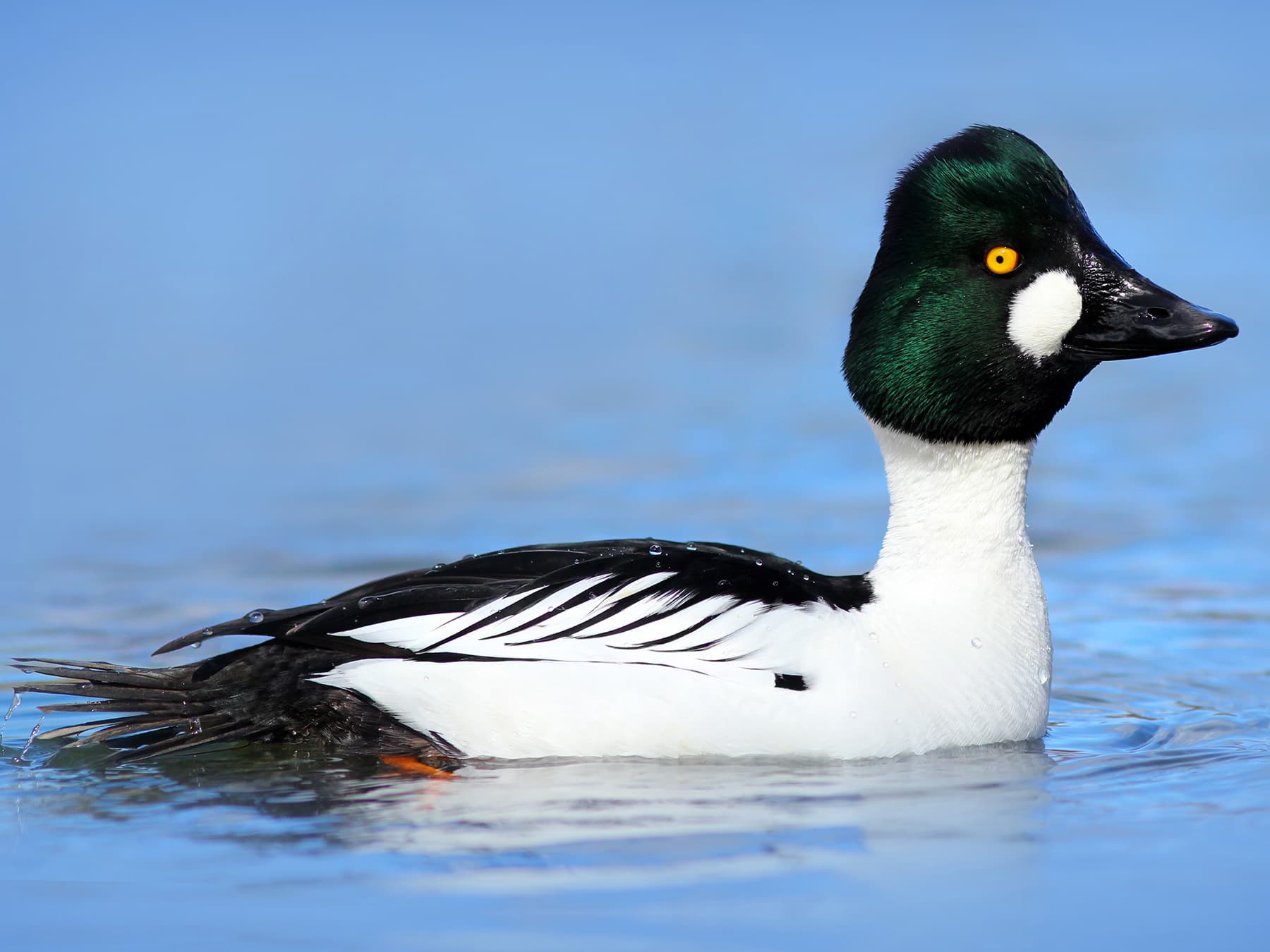
Goldeneye
Bucephala clangulaLC
Found year-round on lakes, reservoirs, and sheltered coasts, with numbers peaking in winter. Males display a distinctive white face patch and golden eye.
Year-round
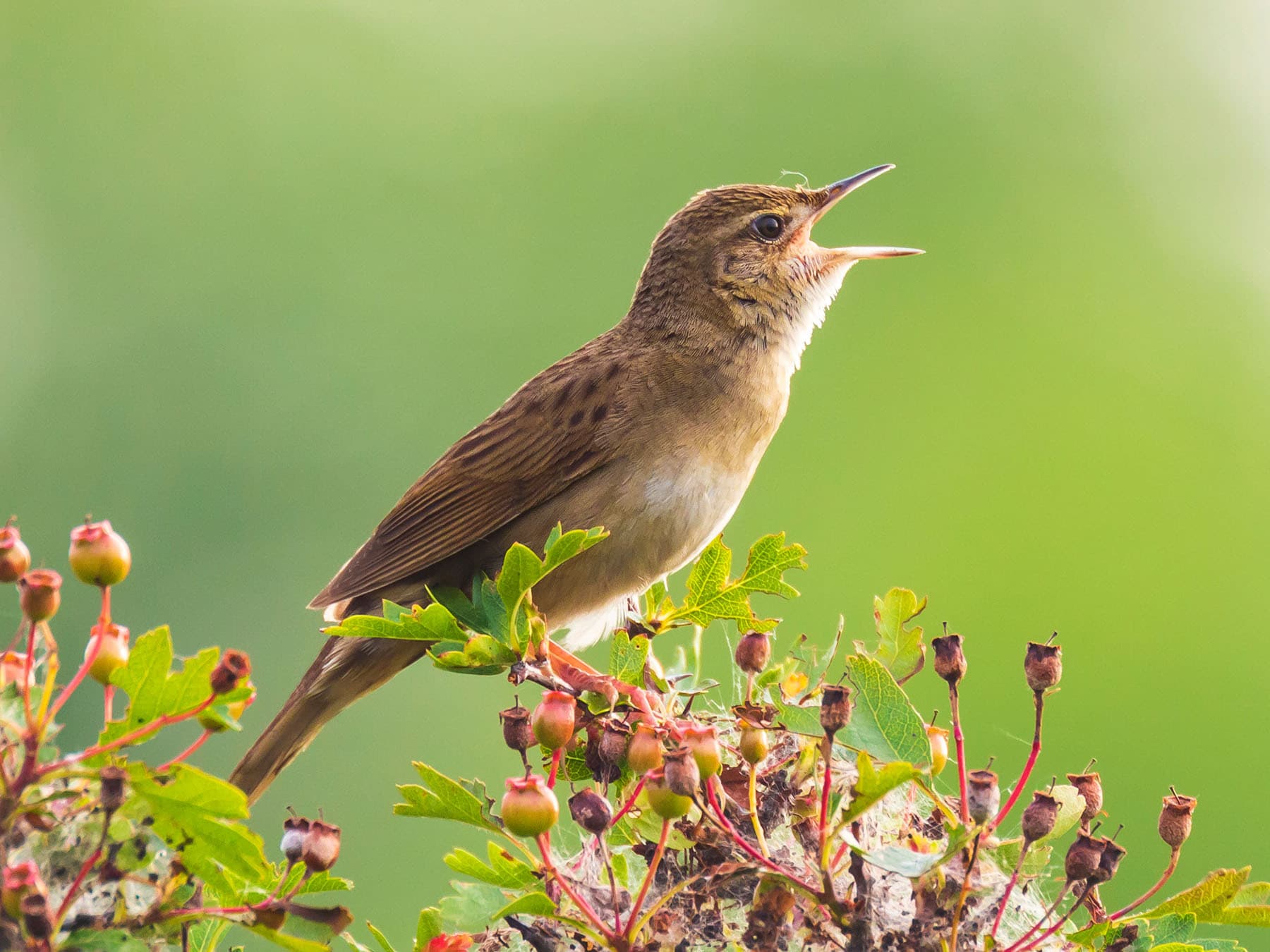
Grasshopper Warbler
Locustella naeviaLC
An uncommon and declining summer breeder in dense grassland and scrub, best detected by its distinctive insect-like reeling song.
Apr–Sep
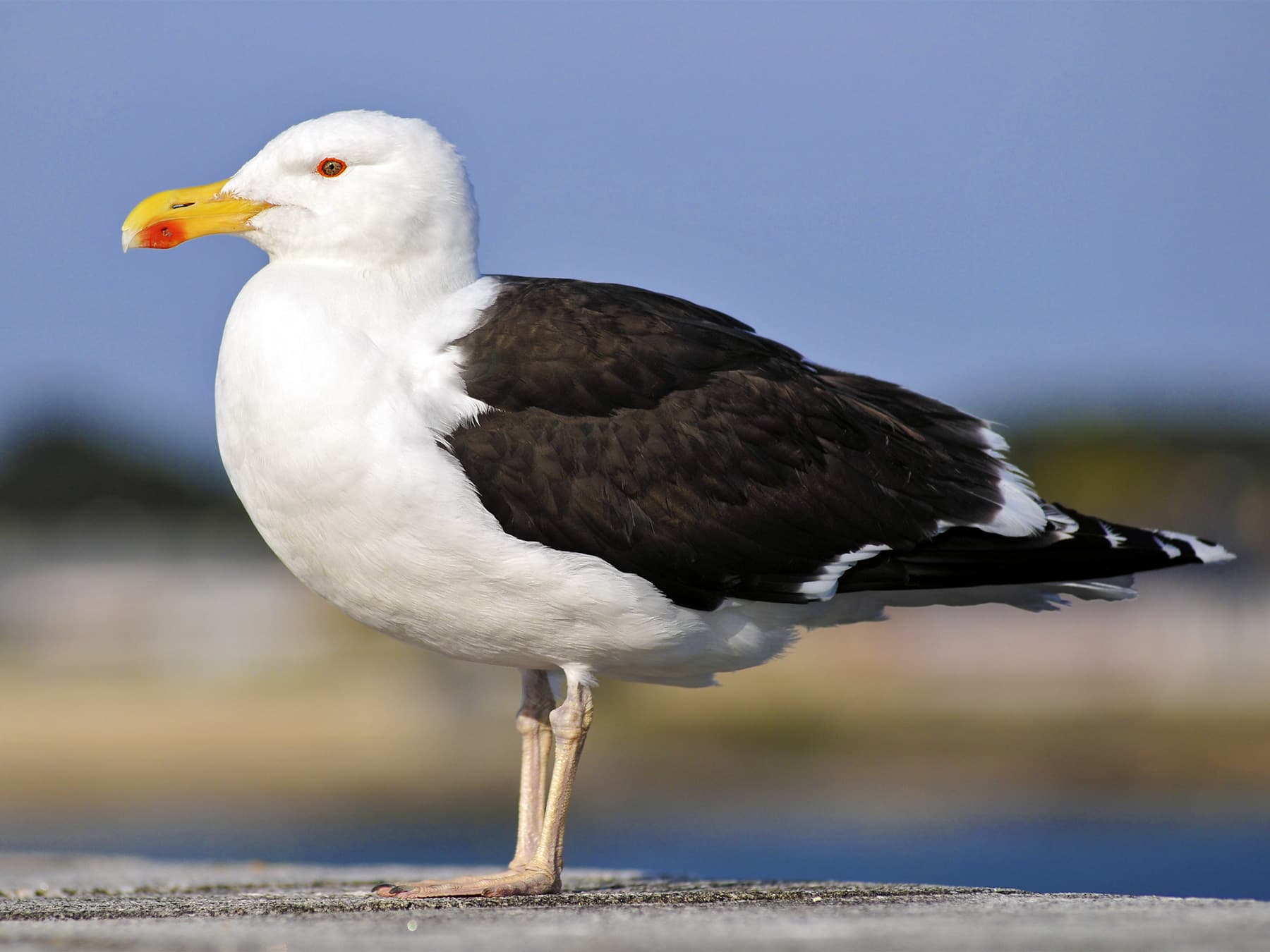
Great Black-backed Gull
Larus marinusLC
A common and imposing resident of coasts, harbours, and rubbish tips year-round. The largest British gull, increasingly seen inland at reservoirs and landfill sites.
Year-round
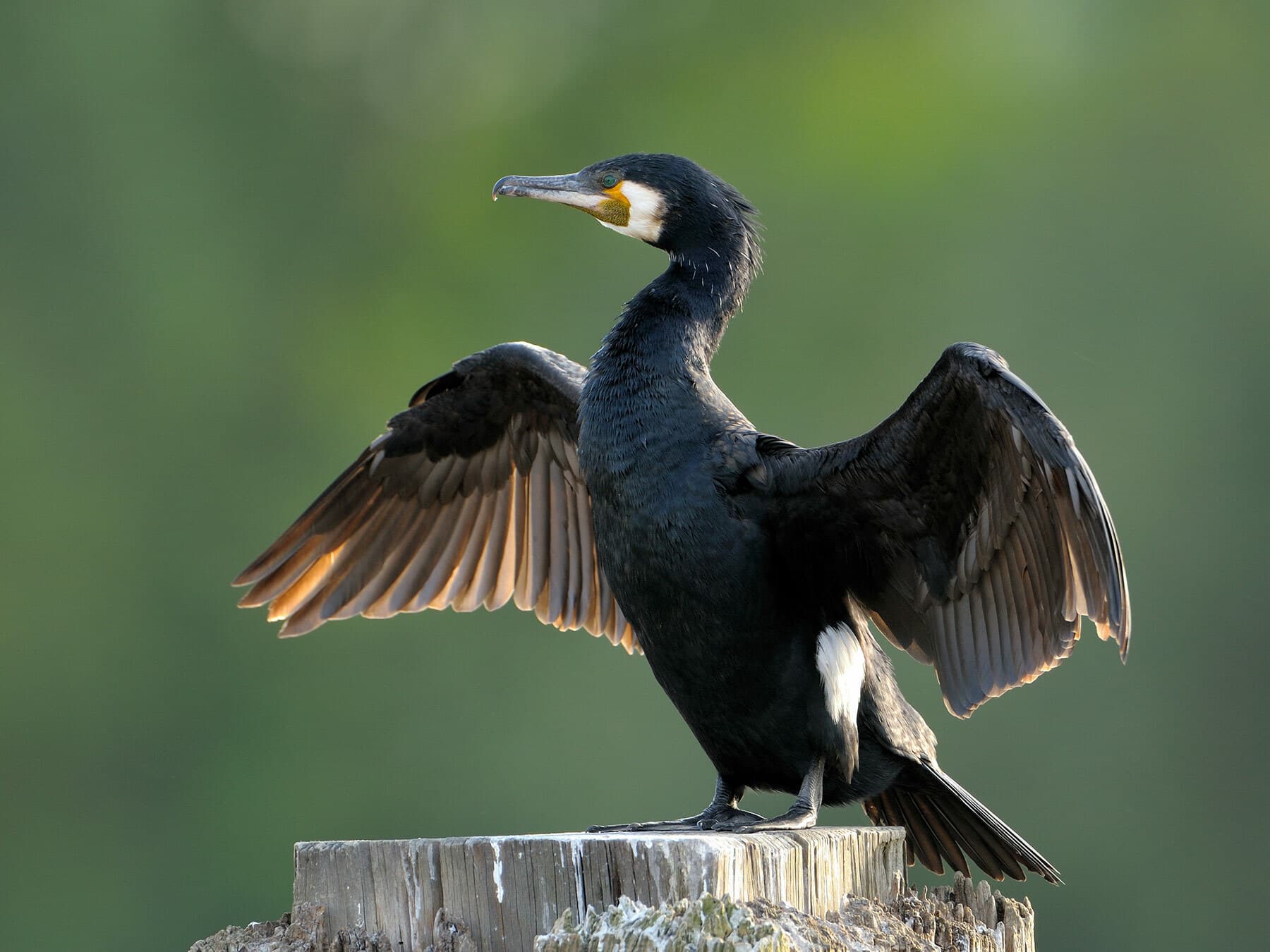
Great Cormorant
Phalacrocorax carboLC
A common and widespread resident, found on coasts, rivers, and inland reservoirs. Often seen perched with wings outstretched to dry after diving for fish.
Year-round
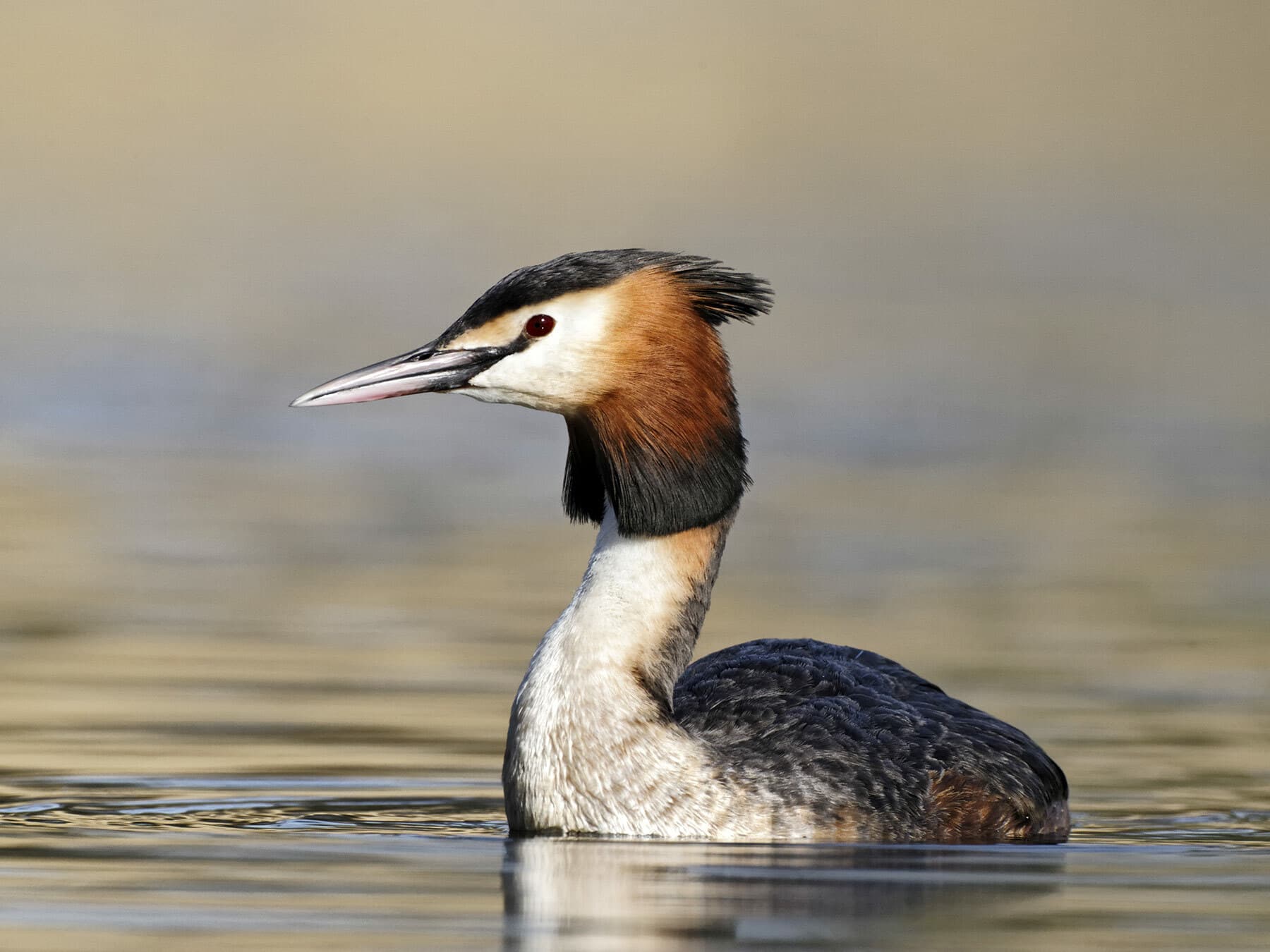
Great Crested Grebe
Podiceps cristatusLC
A common resident on lakes, reservoirs and gravel pits. Its elaborate courtship display is a highlight of spring on English waterways.
Year-round
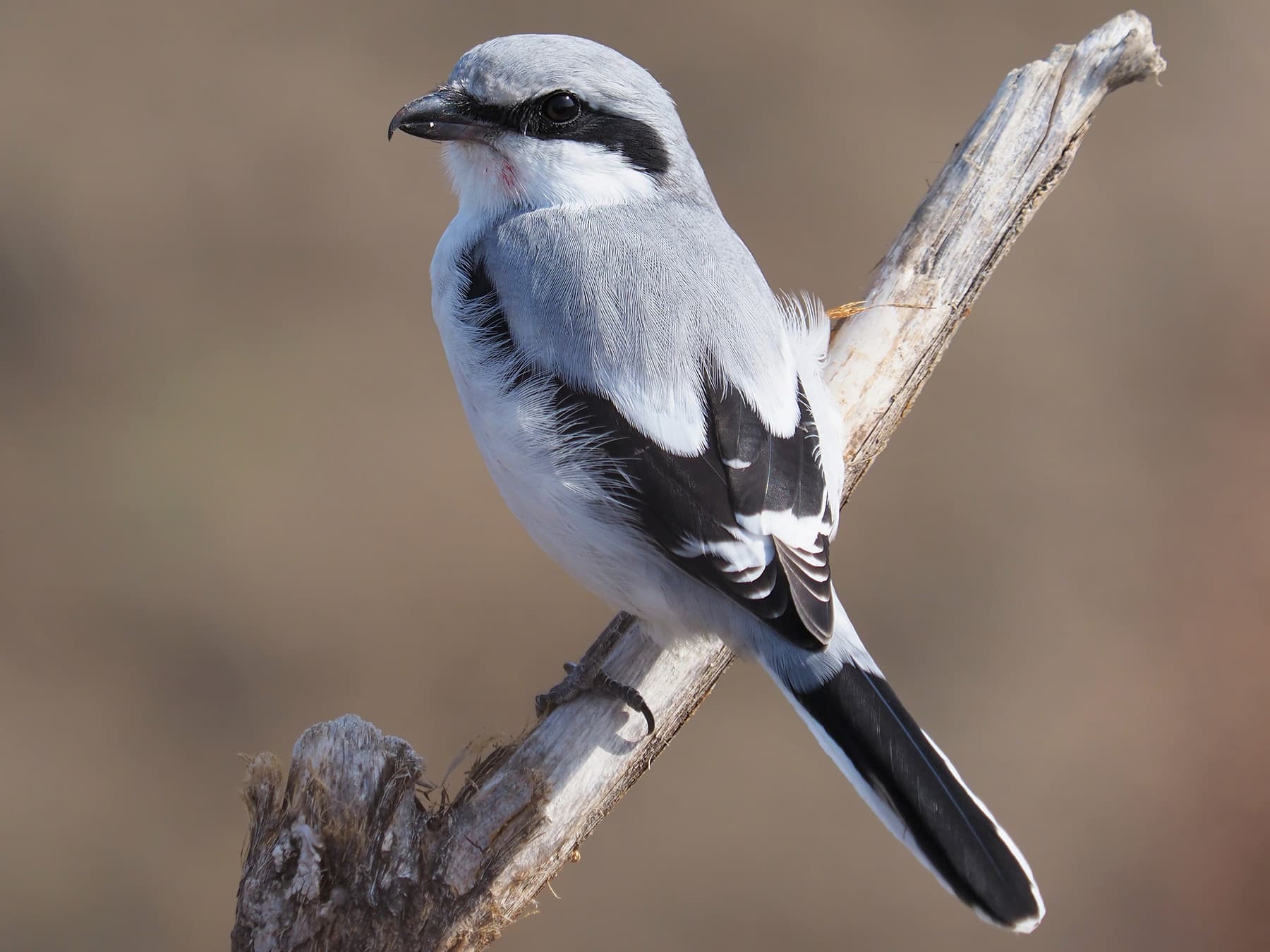
Great Grey Shrike
Lanius excubitorLC
A rare winter visitor favouring heathland and scrubby commons, mainly in southern England. Perches prominently on bushes and treetops while hunting.
Oct–Mar
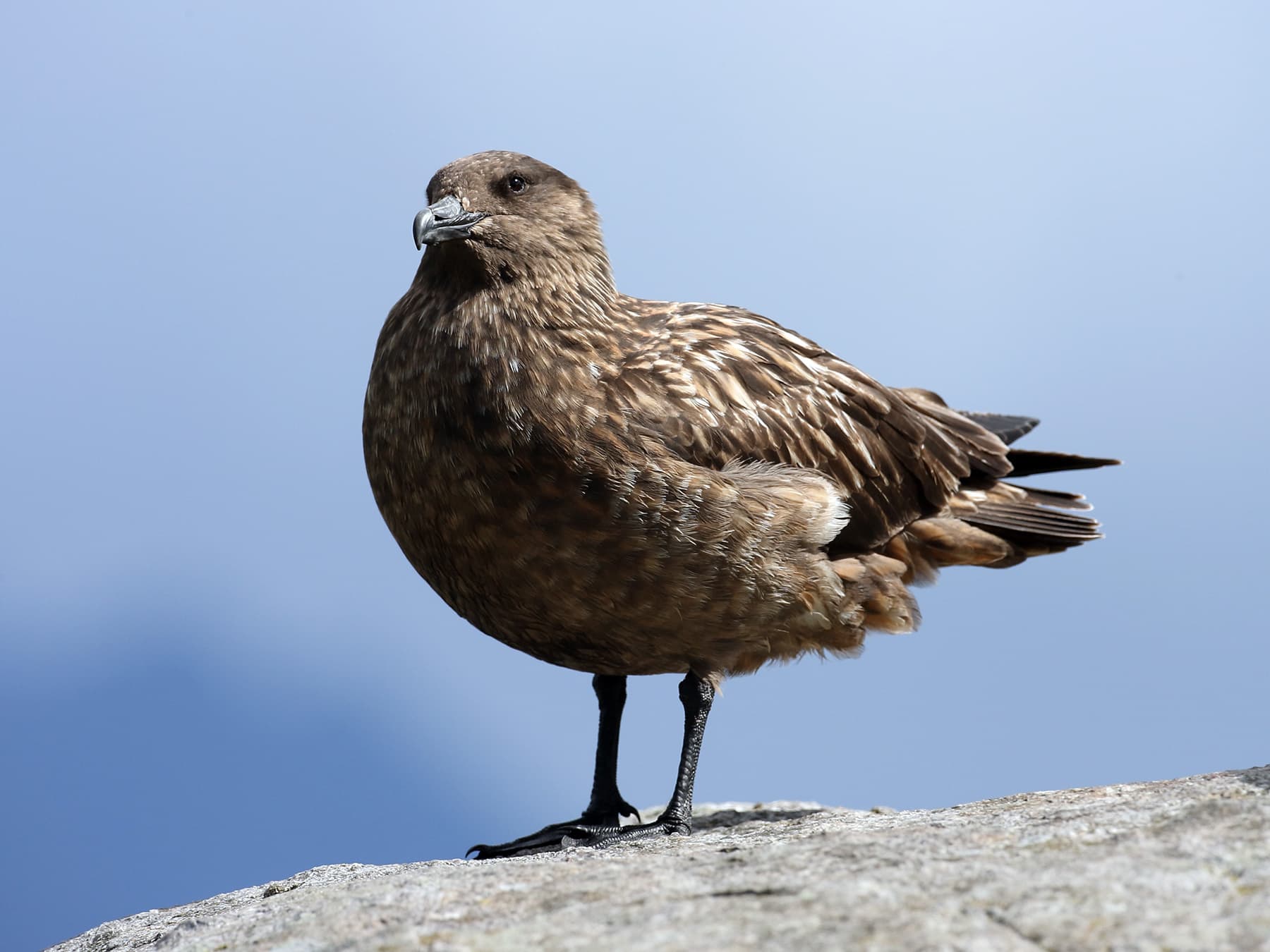
Great Skua
Catharacta skuaLC
An uncommon but powerful seabird, most often seen from coastal headlands during autumn passage. Known for aggressively pirating food from other seabirds.
Year-round
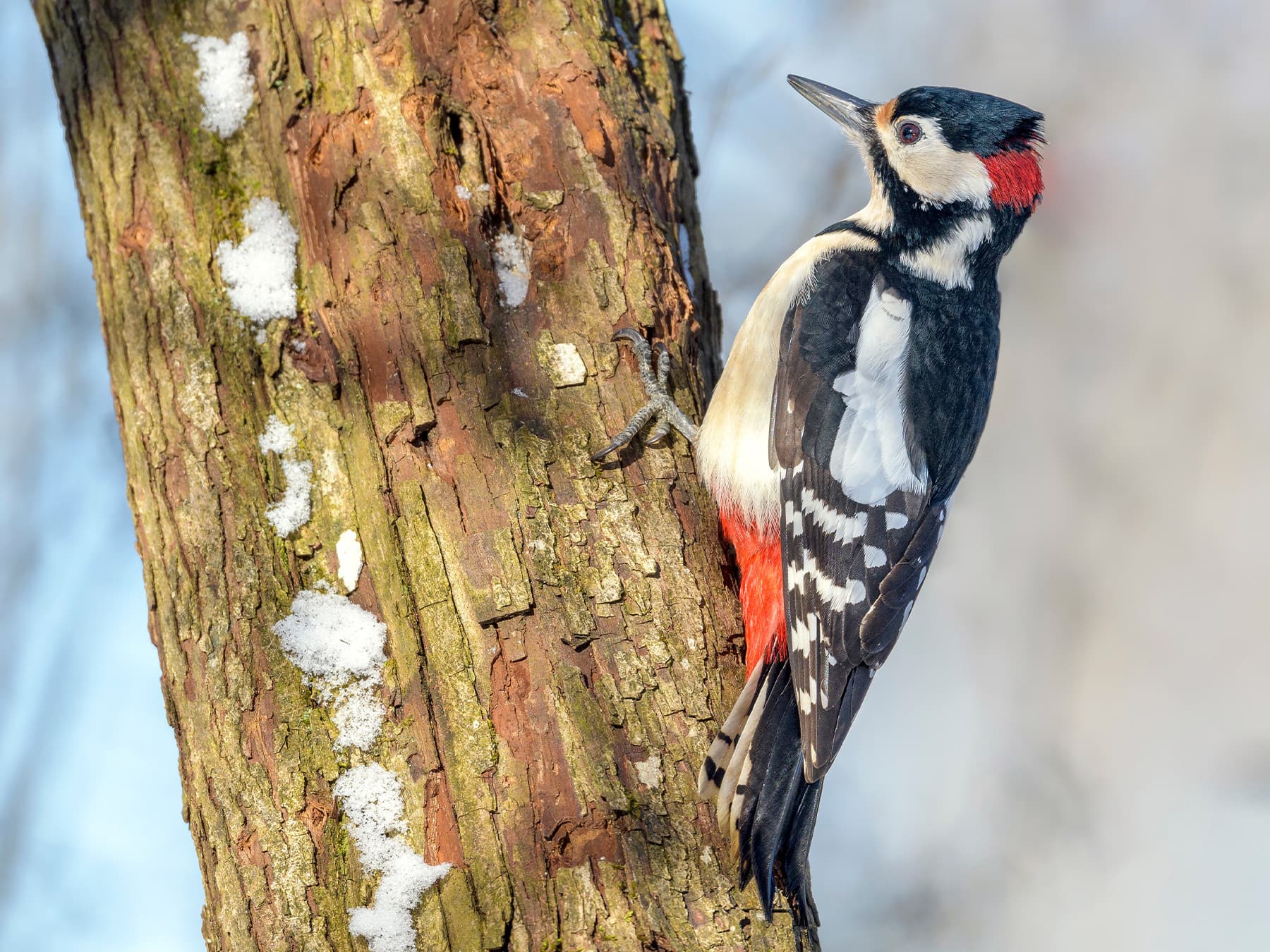
Great Spotted Woodpecker
Dendrocopos majorLC
A common and widespread resident of woodland, parks, and gardens. Its loud drumming on branches is heard mainly in spring.
Year-round
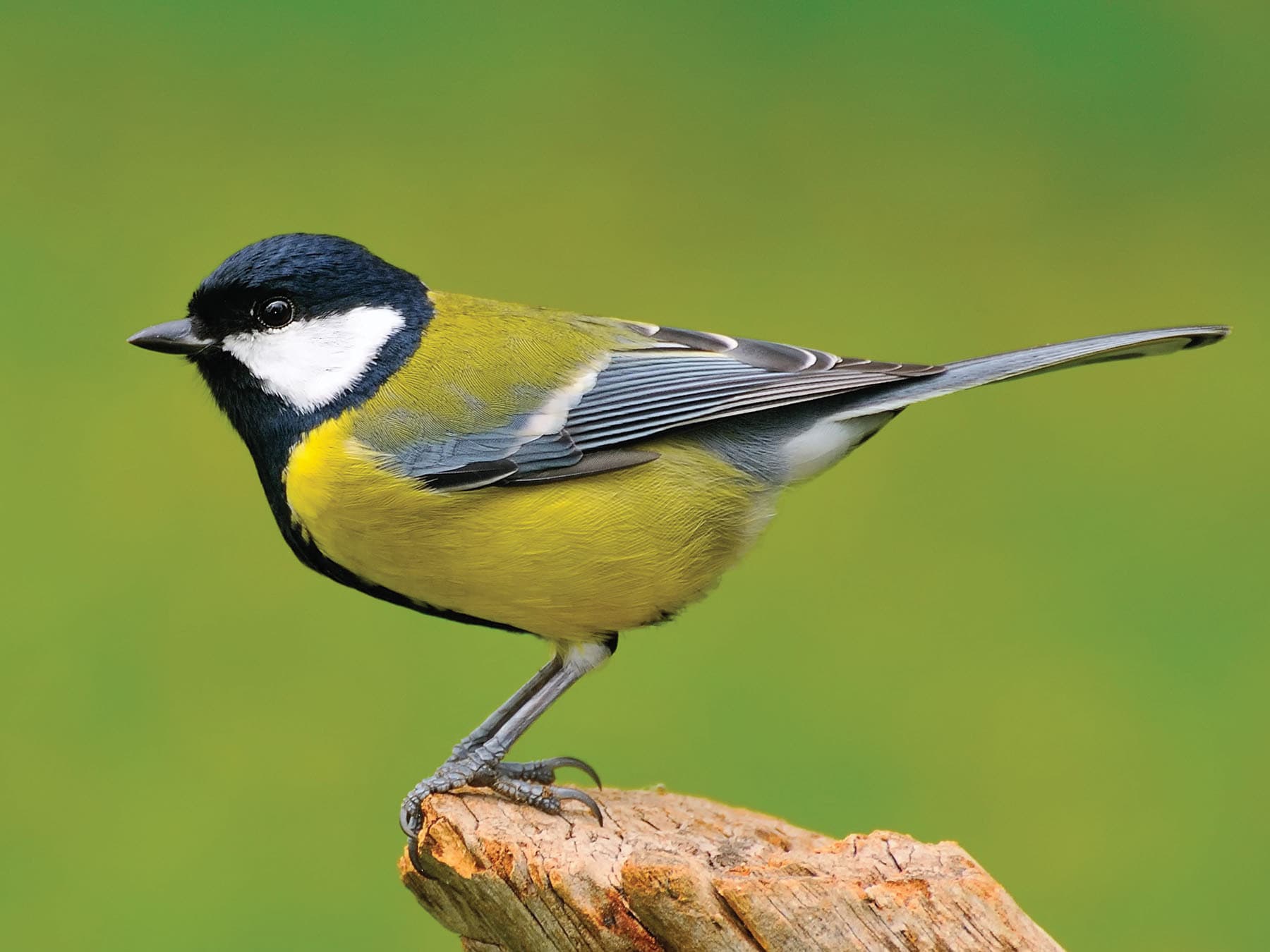
Great Tit
Parus majorLC
One of England's most familiar garden birds, present year-round. Bold and vocal, it readily visits feeders and nests in garden nest boxes.
Year-round