Birds in England
Explore 274 species found in this region.
England is home to an impressive diversity of birdlife, with 257 recorded species found across its varied landscapes — from coastal estuaries and chalk downlands to ancient woodlands and upland moors. Notable species include the striking Bluethroat, the charismatic Dotterel of mountain plateaux, and the elegant Eurasian Woodcock hidden among forest floors. Whether you're watching Great Tits in a suburban garden or scanning mudflats for Common Shelduck, England offers outstanding birding opportunities throughout the year.
Visiting in July? Look out for Greater Scaup and Horned Grebe arriving this month, and American Golden-Plover and Common Loon depart for the season.
Explore by Region


Get a monthly guide to birds in England
Find out which birds are visiting your area this month, with seasonal tips and garden advice
Get Your Free DigestShowing 139–161 of 274 species
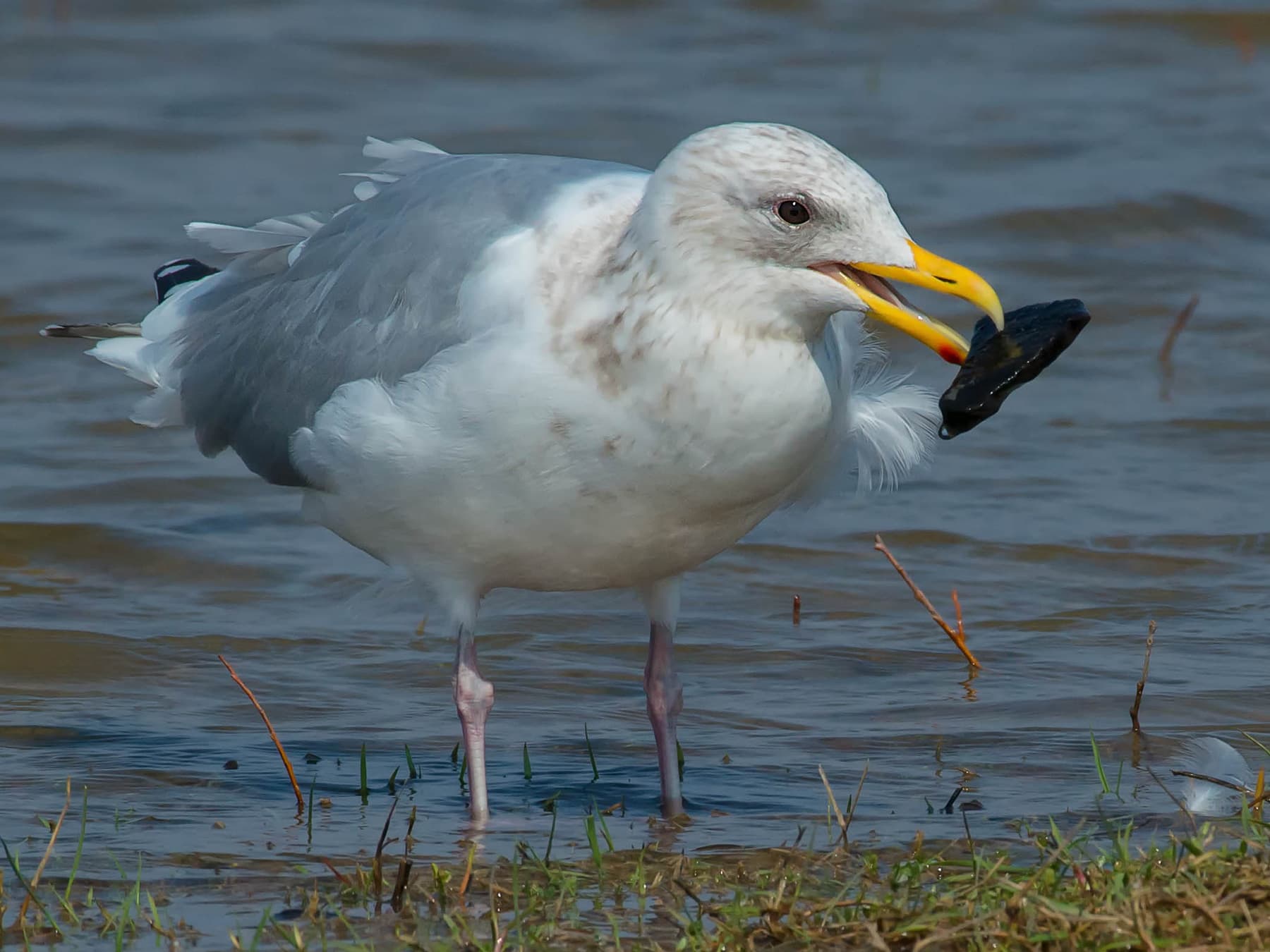
Iceland Gull
Larus glaucoidesLC
A rare winter visitor from the Arctic, typically seen at harbours and rubbish tips between November and early spring.
Nov–May
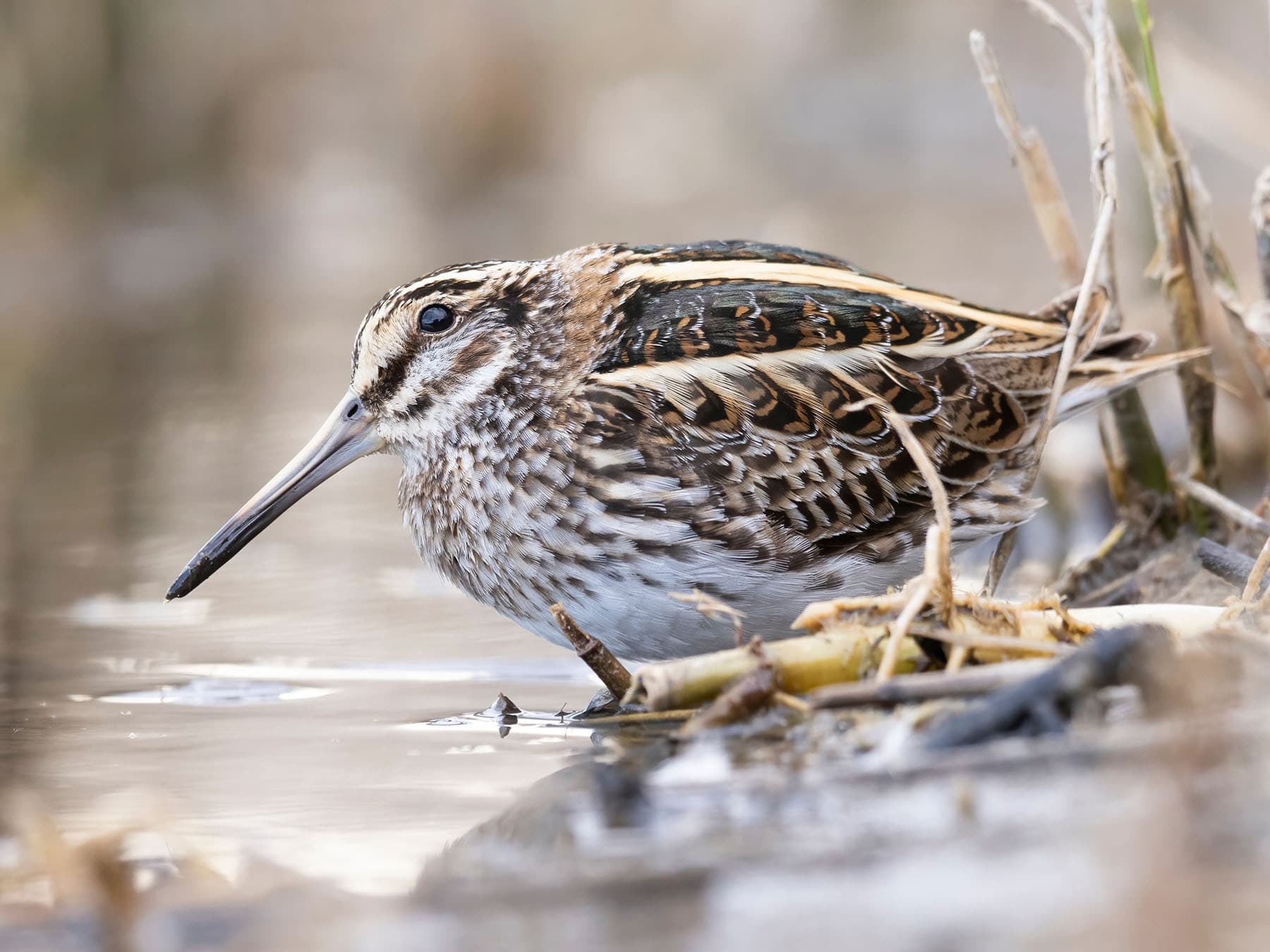
Jack Snipe
Lymnocryptes minimusLC
A secretive winter visitor to boggy marshes and wet meadows, arriving from northern breeding grounds. Often sits tight and flushes silently at close range.
Sep–Apr
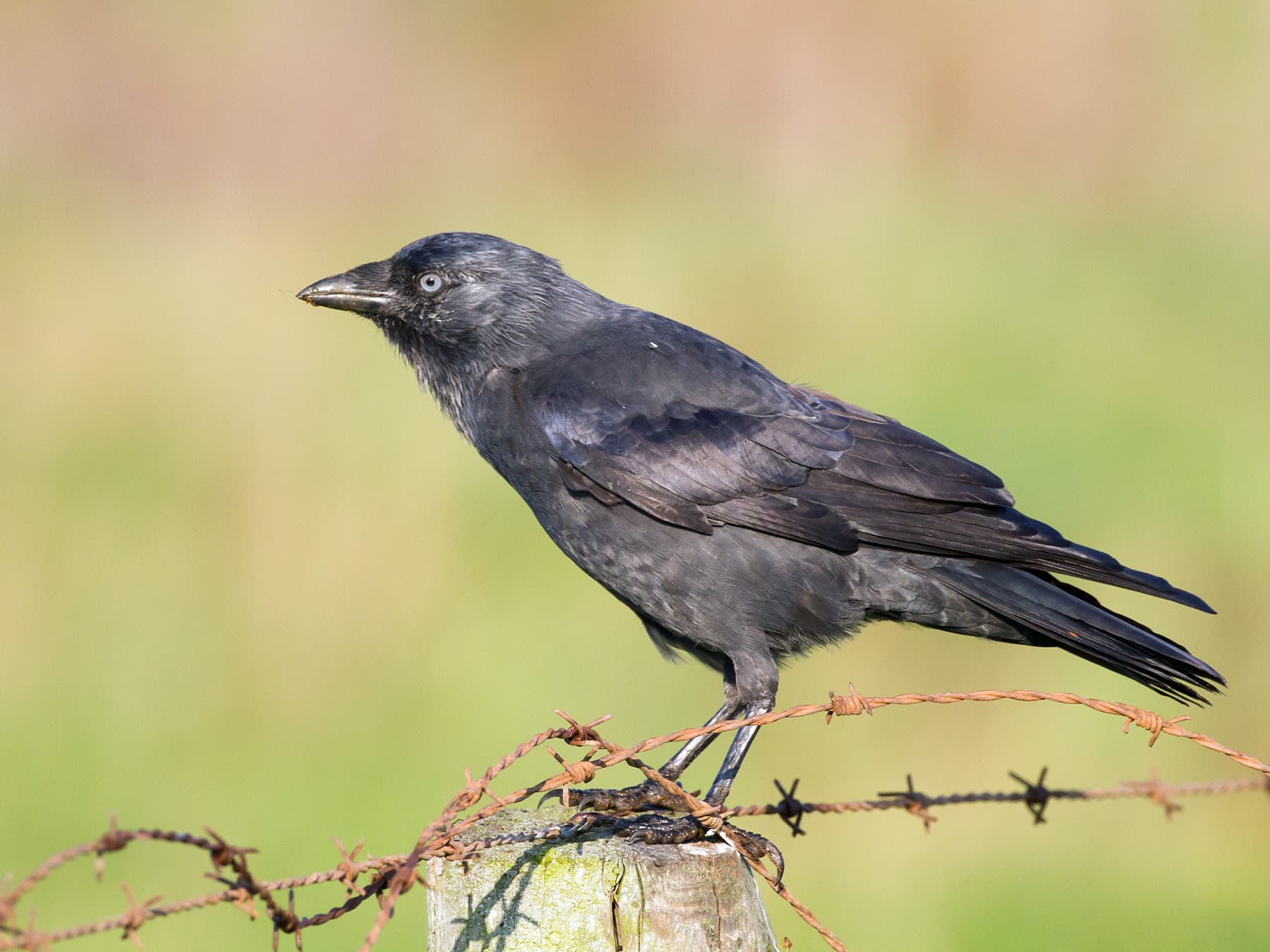
Jackdaw
Coloeus monedulaLC
A sociable and common resident found in towns, villages and farmland year-round. Often nests in chimneys and church towers across England.
Year-round
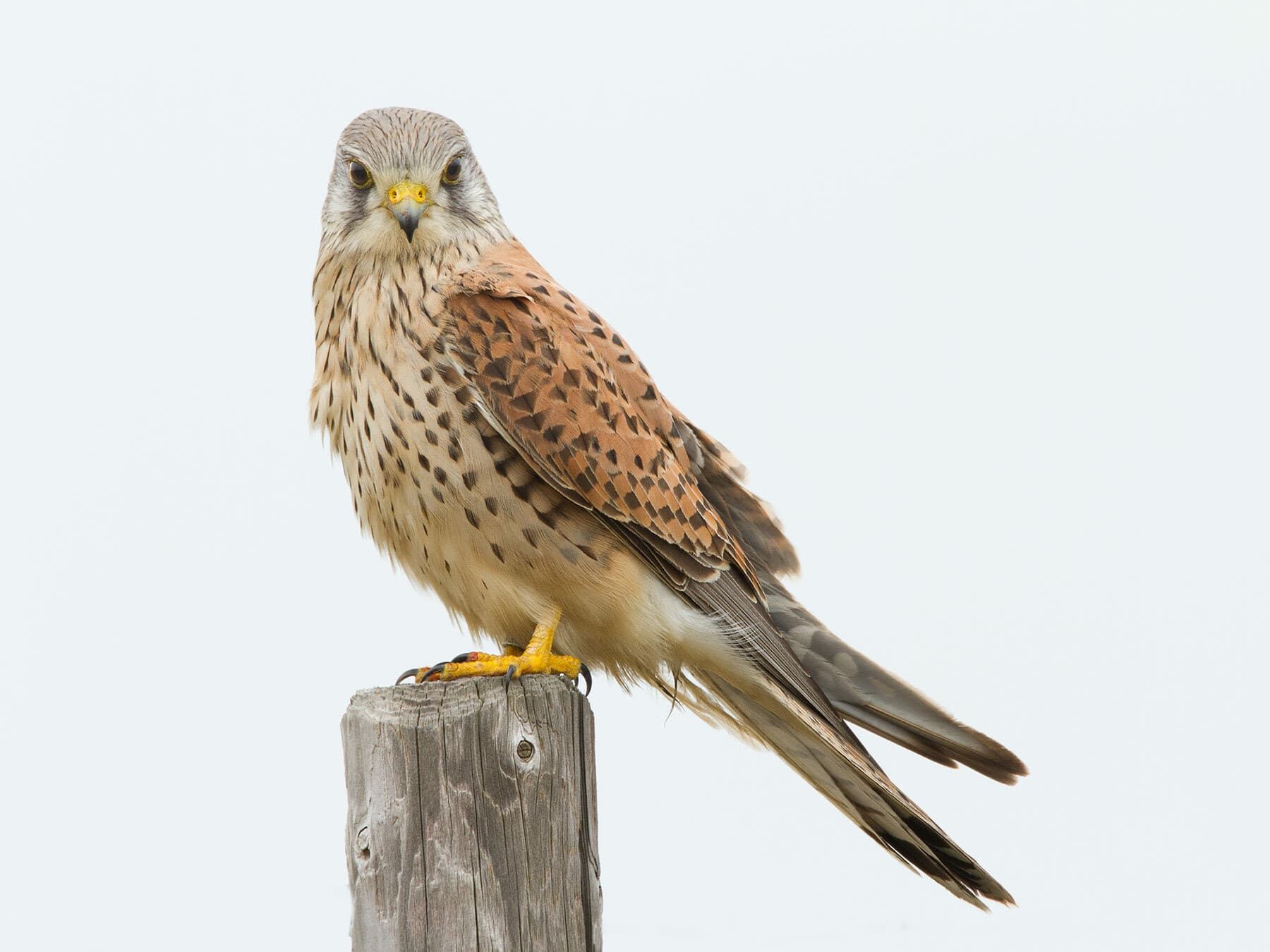
Kestrel
Falco tinnunculusLC
A common resident seen hovering over motorway verges, farmland and grasslands year-round, though numbers have declined in recent decades.
Year-round
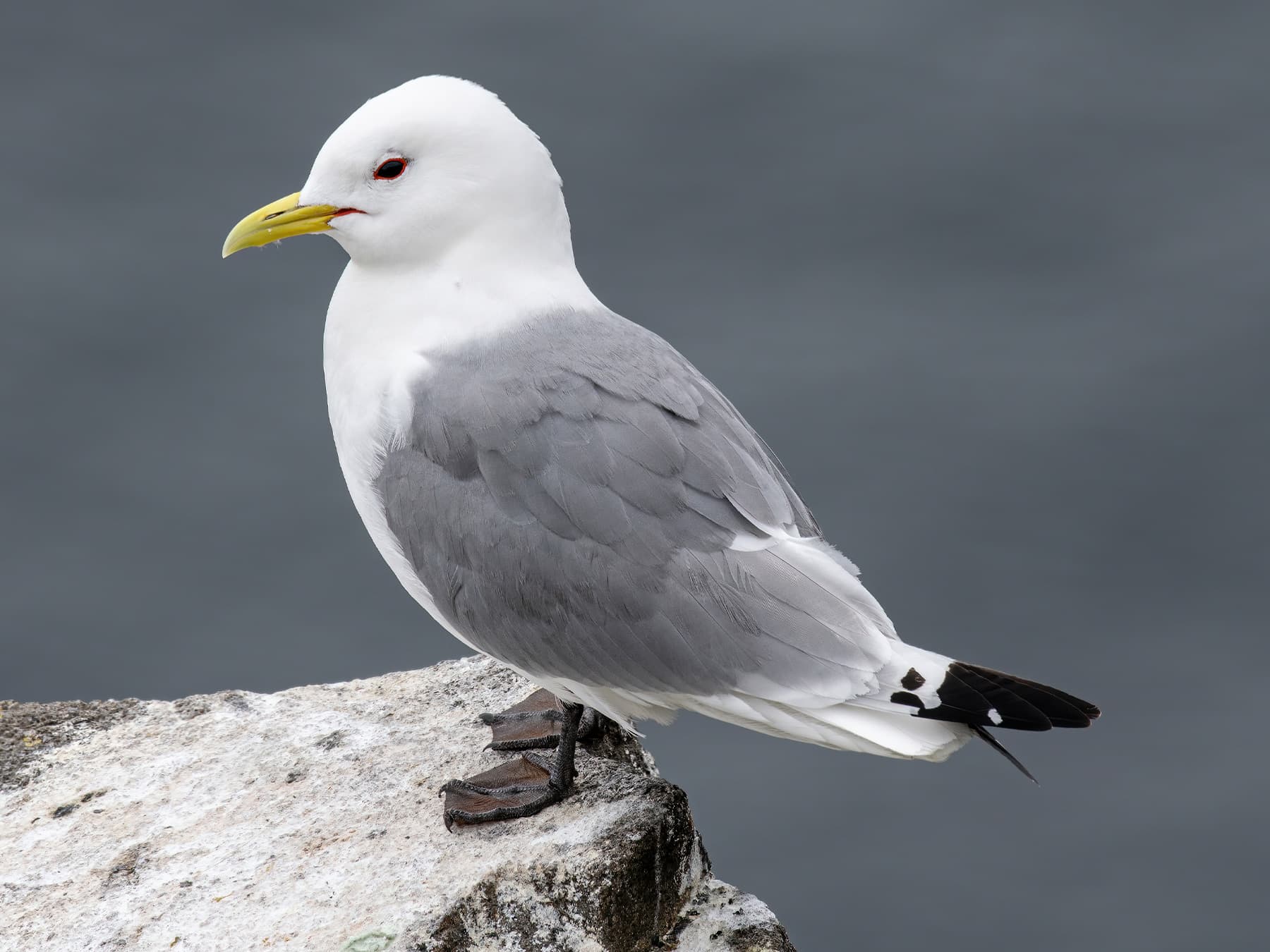
Kittiwake
Rissa tridactylaVU
Nests on coastal cliffs, notably at Bempton and along the northeast coast. Numbers have declined sharply in recent decades due to food shortages.
Year-round
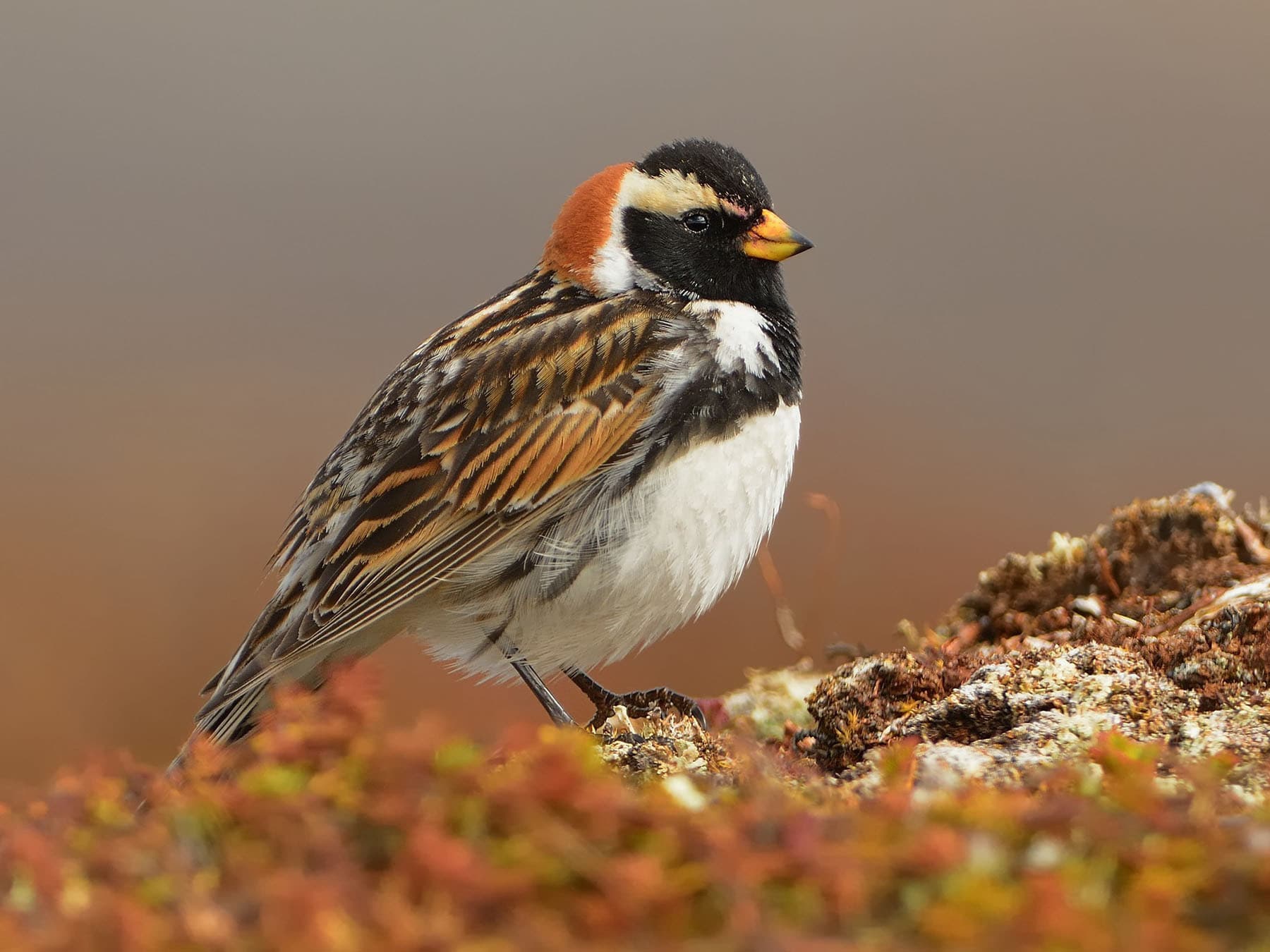
Lapland Longspur
Calcarius lapponicusLC
A rare winter visitor to coastal stubble fields and saltmarshes, mainly along the east and north coasts. Most often seen from September to March.
Sep–Mar
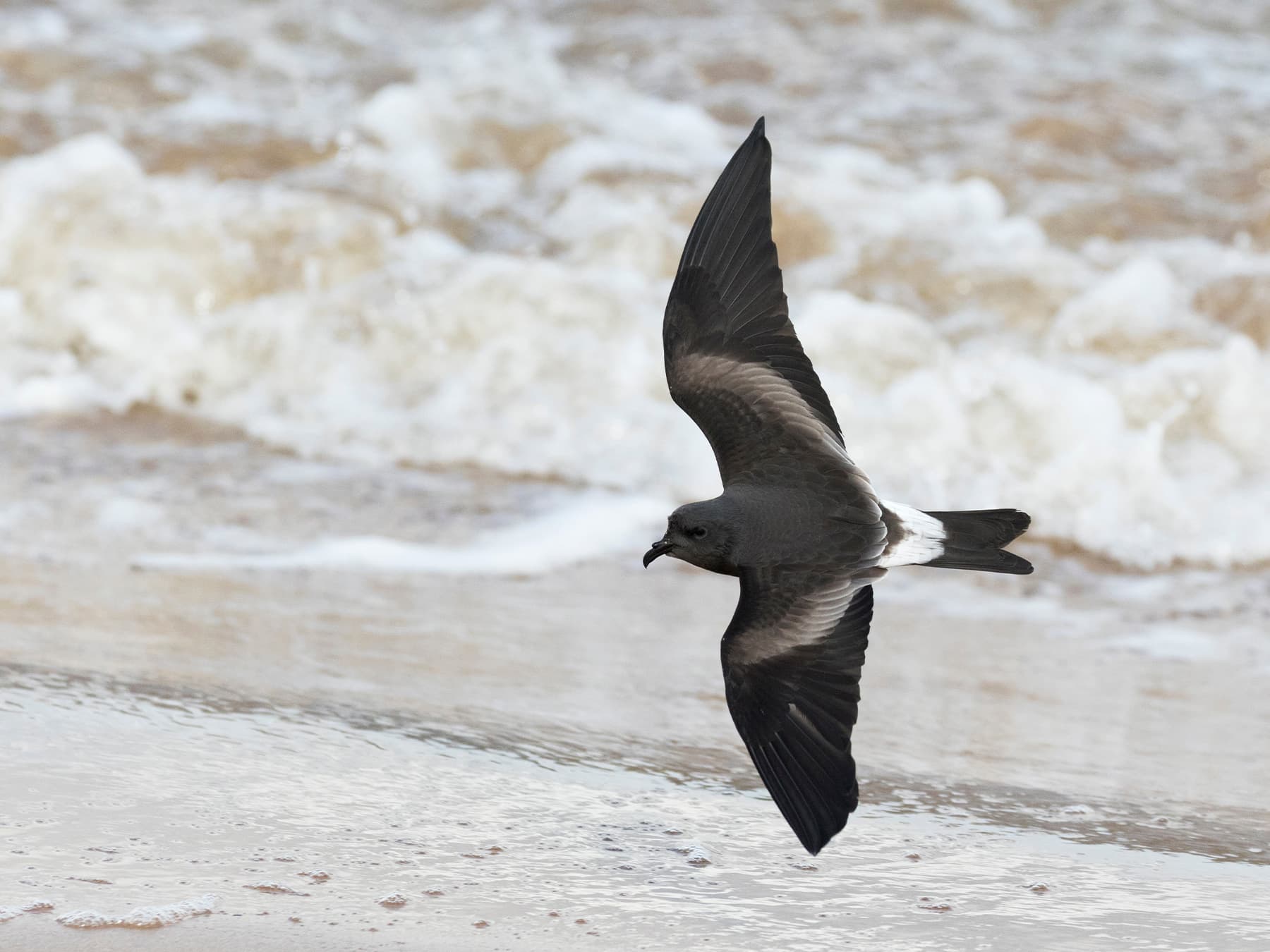
Leach's Storm-petrel
Hydrobates leucorhousVU
A rare autumn passage visitor, most often seen from headlands during strong westerly gales between September and November. Breeds far offshore on remote Atlantic islands.
Sep–Nov
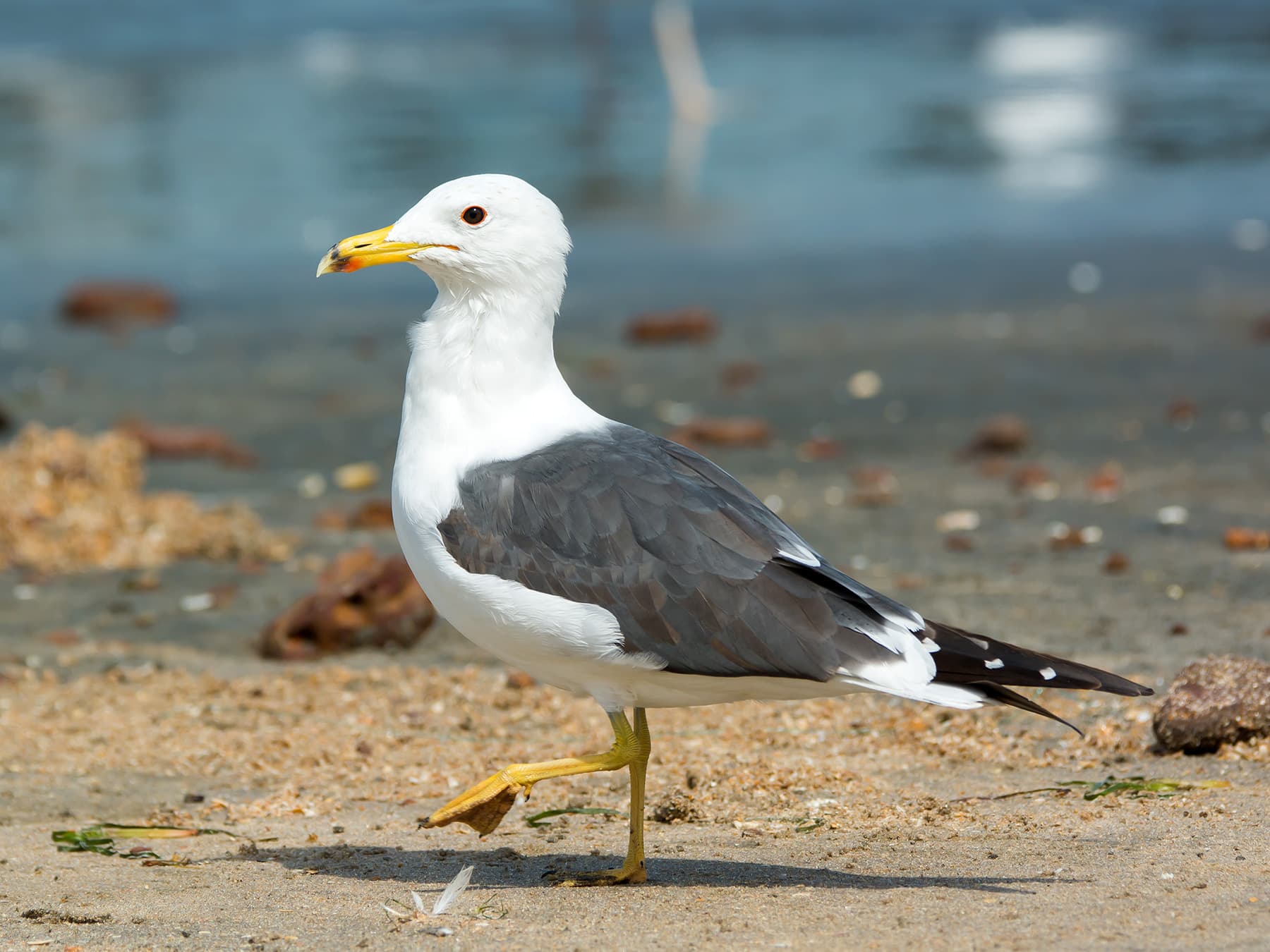
Lesser Black-backed Gull
Larus fuscusLC
A common resident found year-round on coasts, landfill sites and urban rooftops. Numbers swell in summer when breeding colonies are active.
Year-round
Spotted something?
Upload a photo to identify it
Identify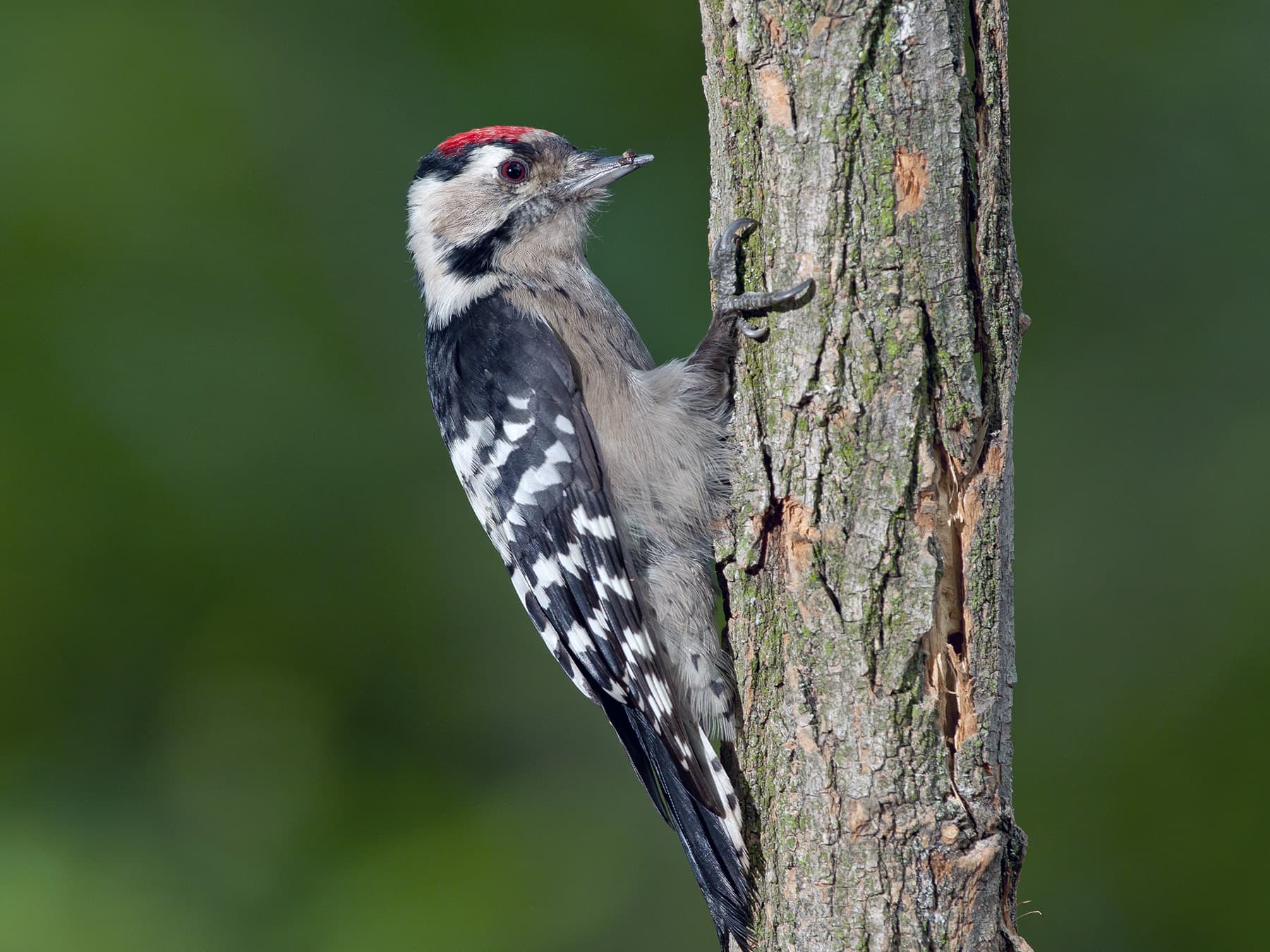
Lesser Spotted Woodpecker
Dryobates minorLC
England's smallest and most elusive woodpecker, now seriously declining. Favours mature broadleaved woodland, mainly in southern and central England.
Nov–Sep
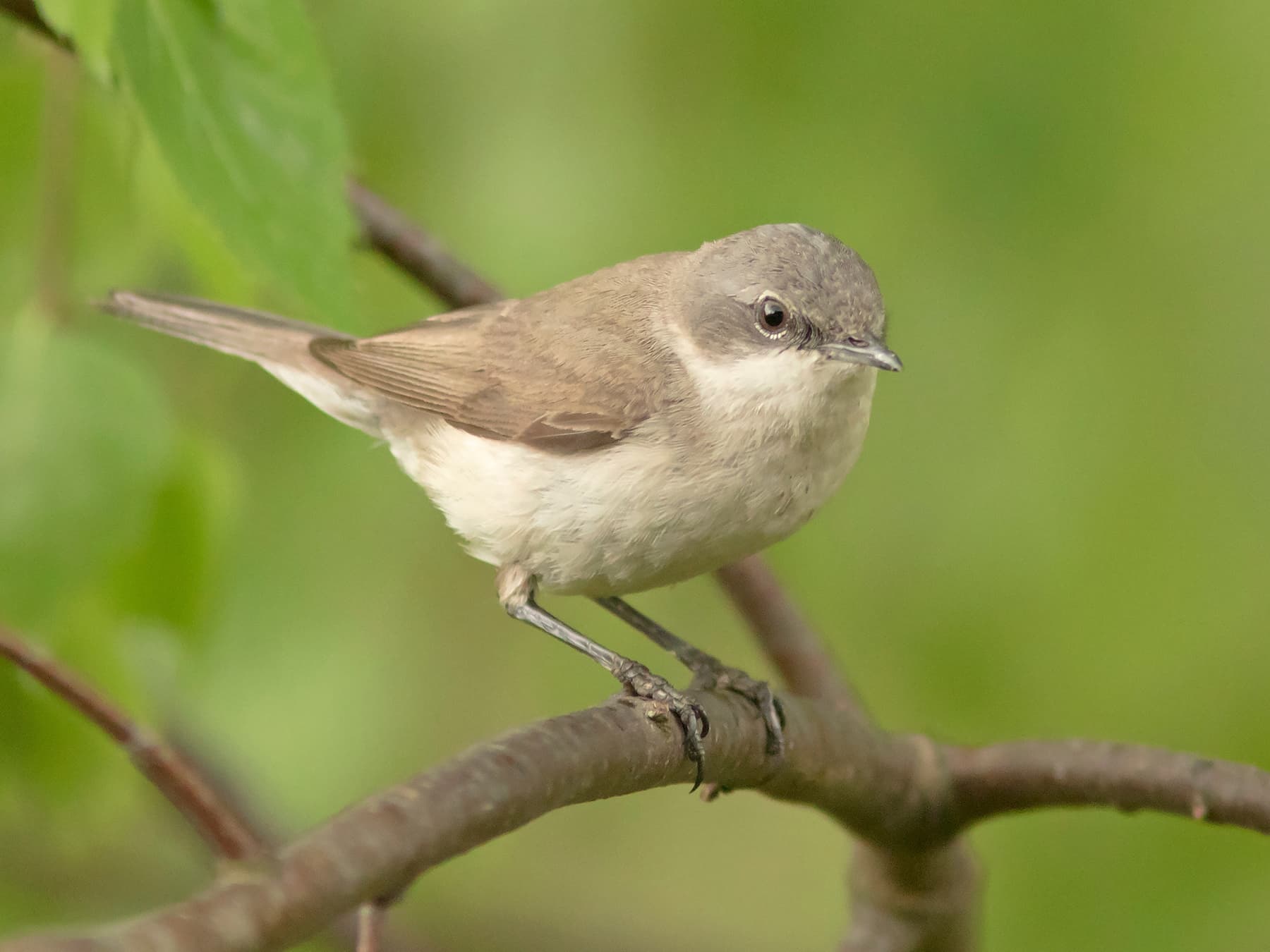
Lesser Whitethroat
Curruca currucaLC
An uncommon summer breeder in hedgerows and scrubby habitats, arriving in April and departing by October. Has a distinctive rattling song.
Apr–Oct
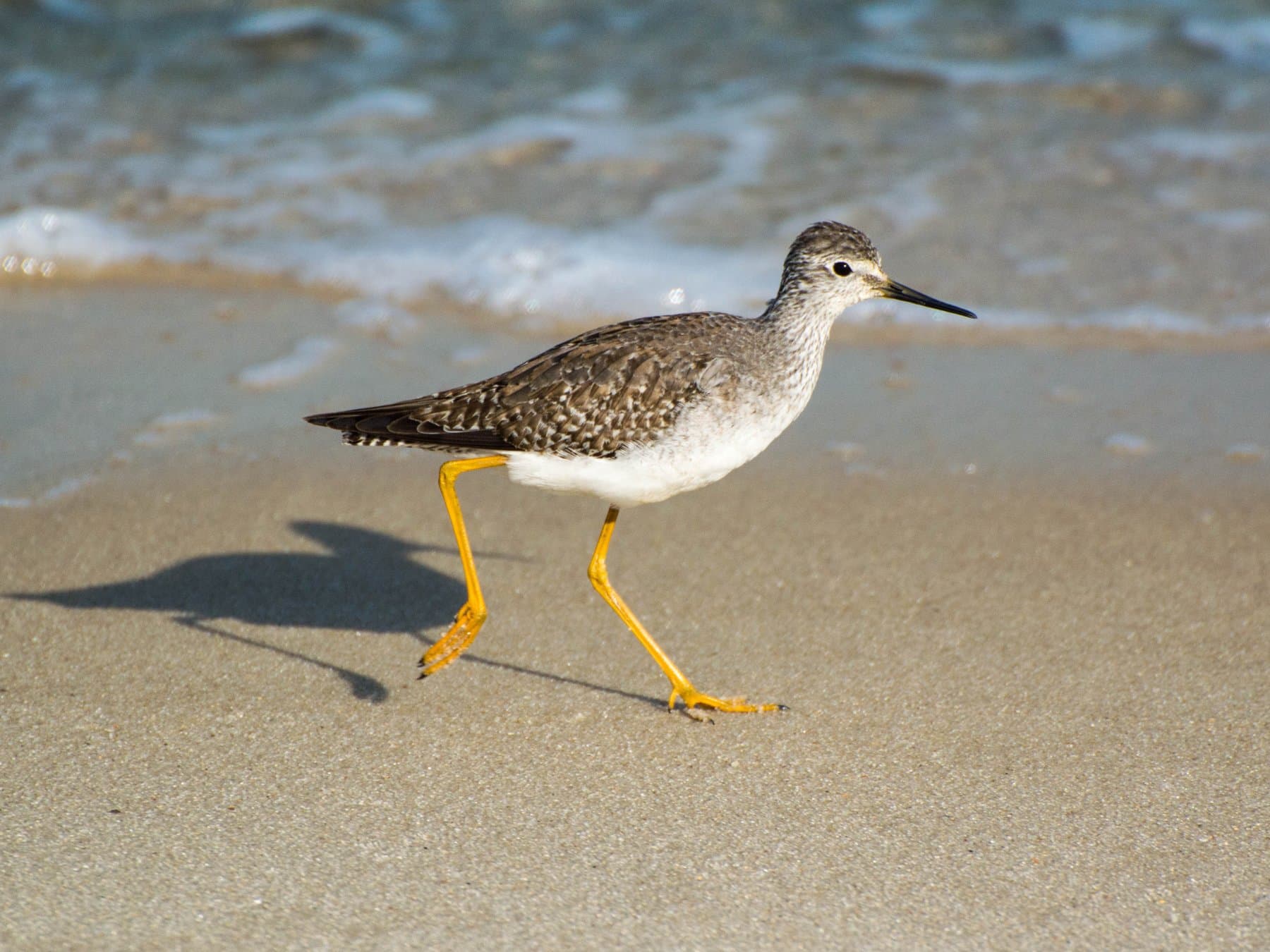
Lesser Yellowlegs
Tringa flavipesVU
An uncommon Nearctic wader occasionally recorded at freshwater pools and coastal marshes. A prized find for birders, most likely at well-watched wetland reserves.
Year-round
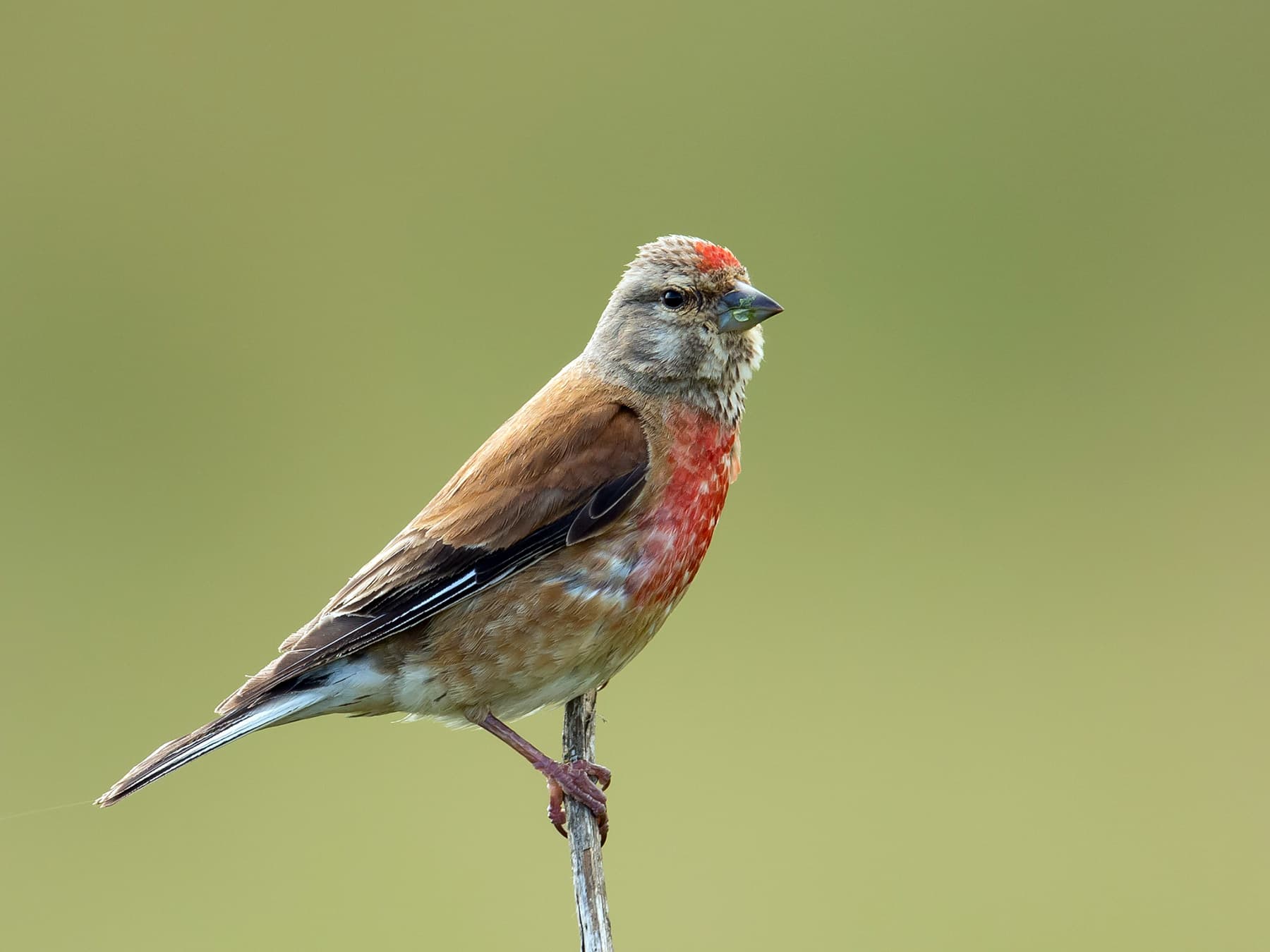
Linnet
Linaria cannabinaLC
A common resident of farmland, heathland and coastal scrub. Often seen in flocks outside the breeding season, though numbers have declined in recent decades.
Year-round
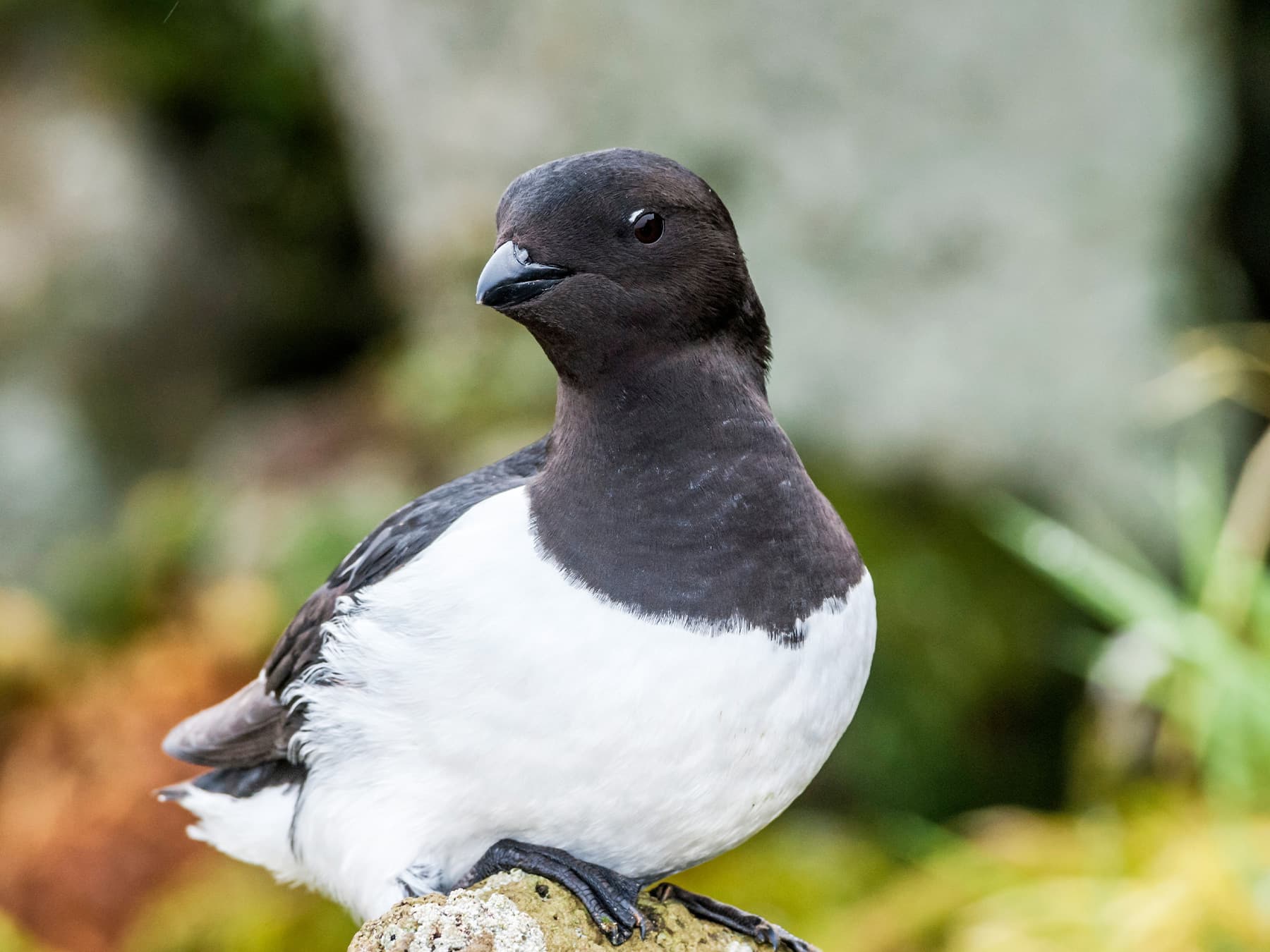
Little Auk
Alle alleLC
A rare winter visitor to English waters, sometimes driven ashore by autumn and winter storms. Tiny and compact, it is the smallest member of the auk family.
Oct–Jan
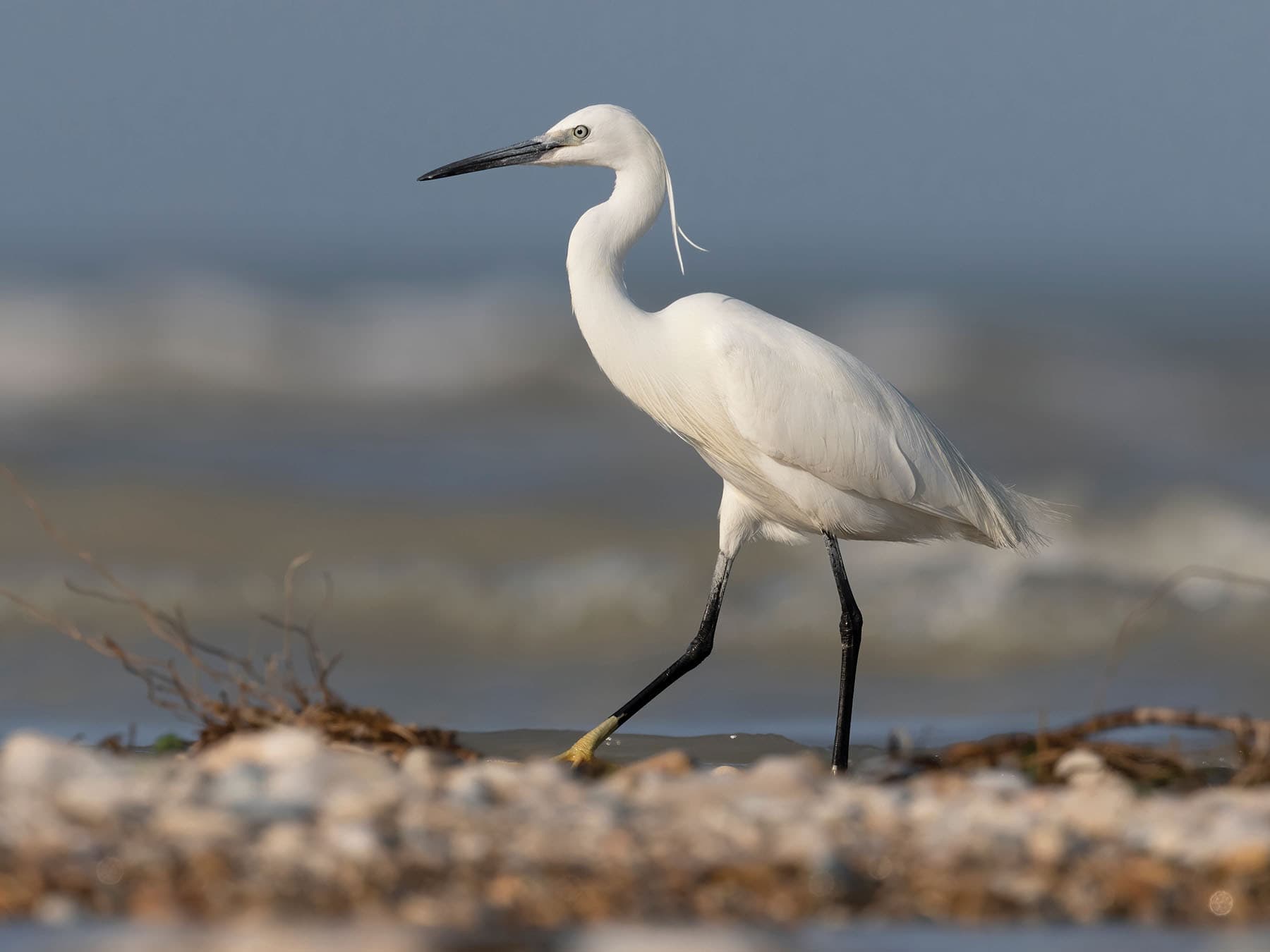
Little Egret
Egretta garzettaLC
A striking white heron now common year-round across England, having colonised rapidly since the 1990s. Frequents estuaries, marshes, and coastal lagoons.
Year-round
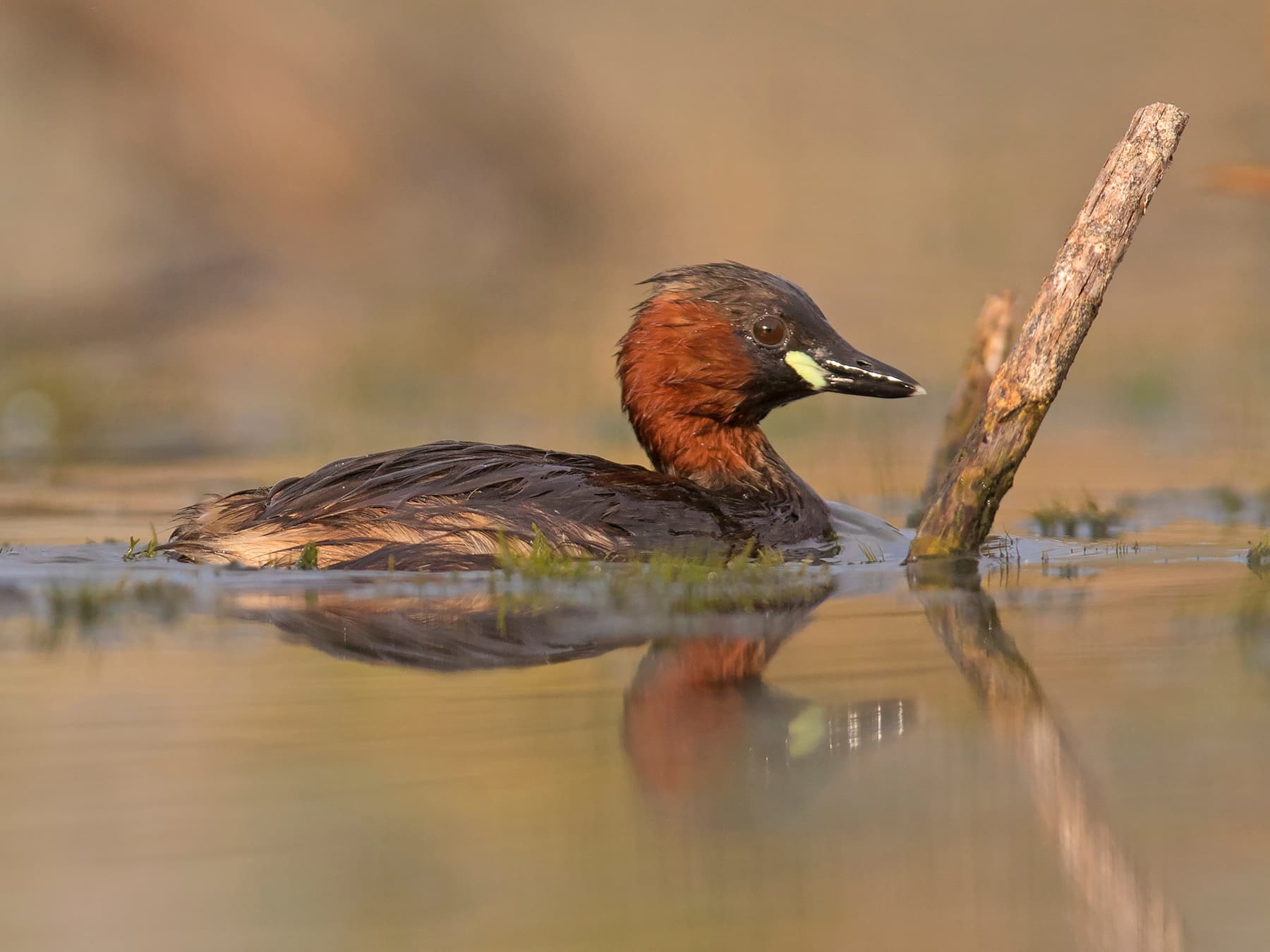
Little Grebe
Tachybaptus ruficollisLC
A common year-round resident of ponds, lakes, and slow-flowing rivers. Often heard before seen, with a distinctive whinnying trill.
Year-round
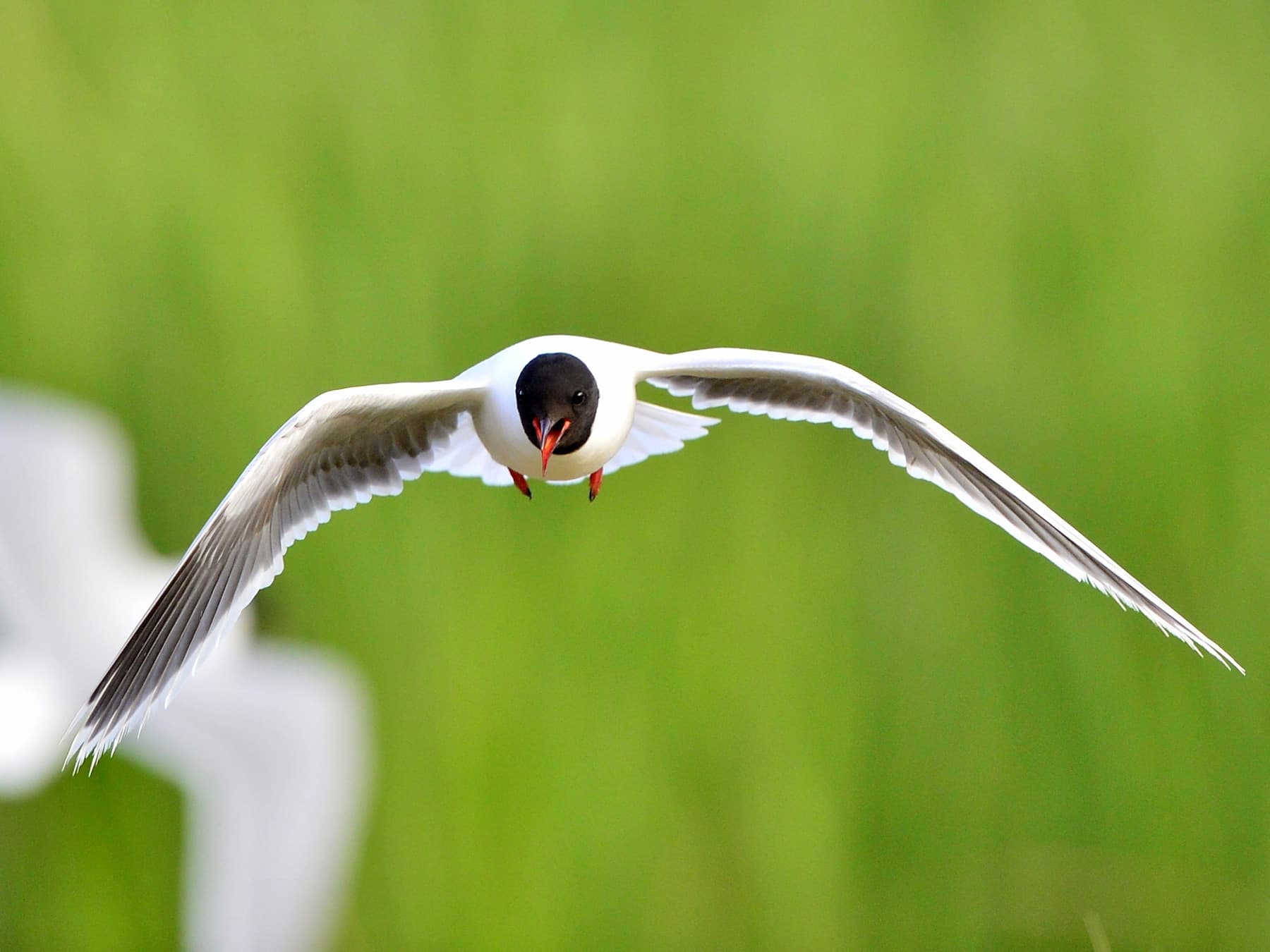
Little Gull
Hydrocoloeus minutusLC
An uncommon but regular gull, seen year-round at reservoirs, coastal waters and estuaries. The world's smallest gull, with a buoyant flight.
Year-round
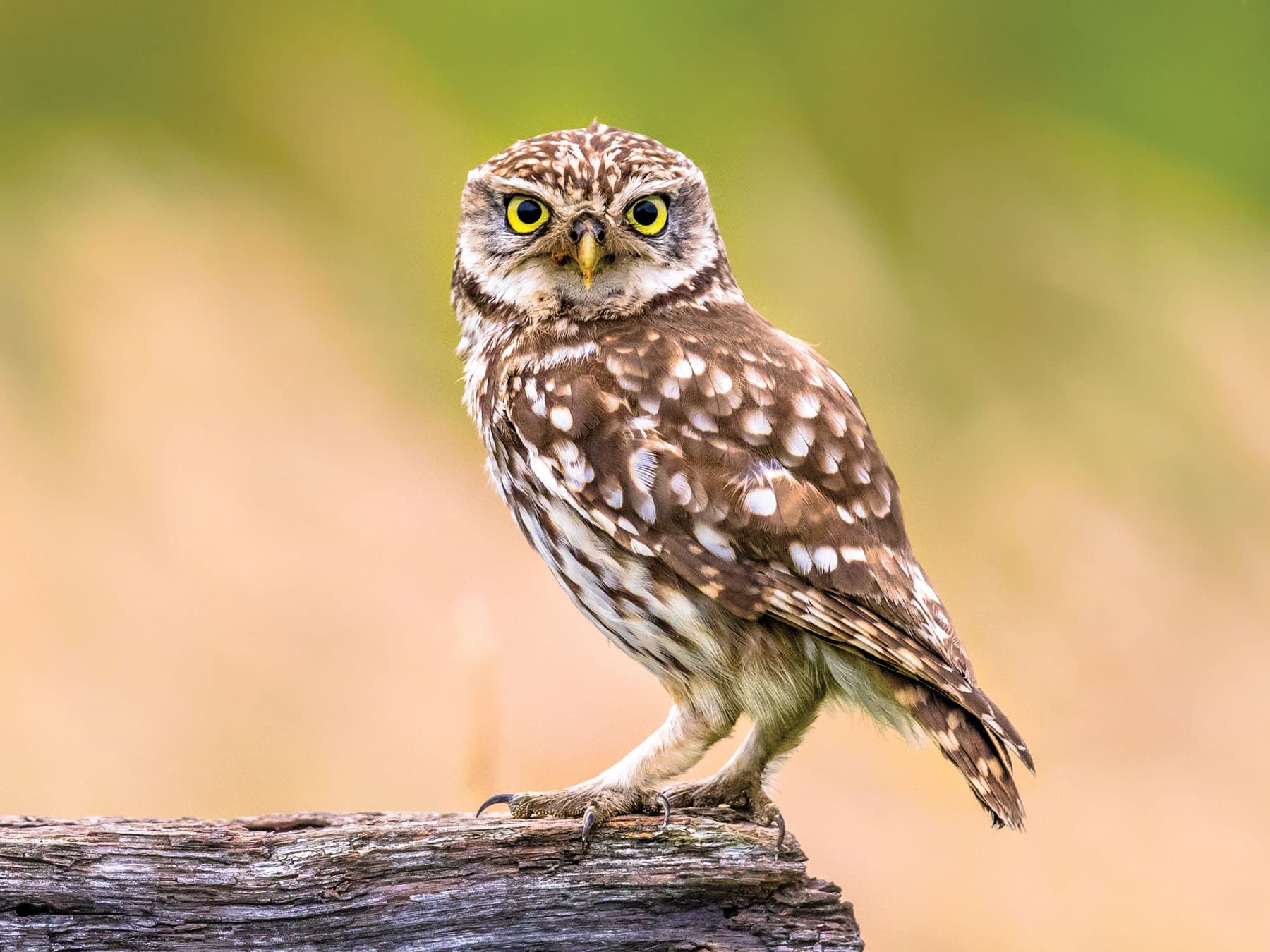
Little Owl
Athene noctuaLC
An introduced resident found in farmland, orchards, and parkland year-round. Often perches prominently on posts and walls.
Year-round
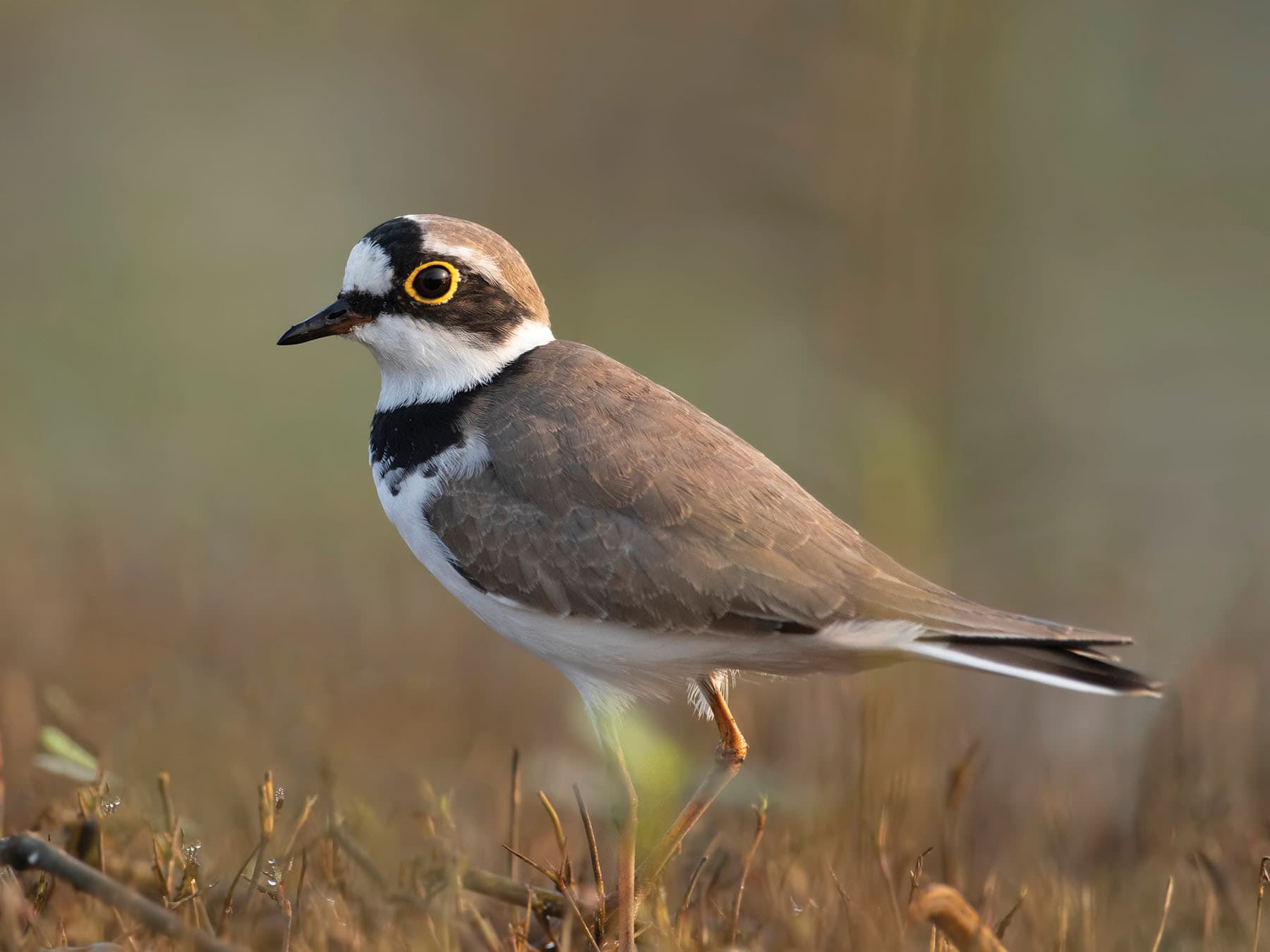
Little Ringed Plover
Charadrius dubiusLC
A summer visitor breeding on gravel pits, reservoirs and river shingle across England from March to September. Distinguished from Ringed Plover by its yellow eye-ring.
Mar–Sep
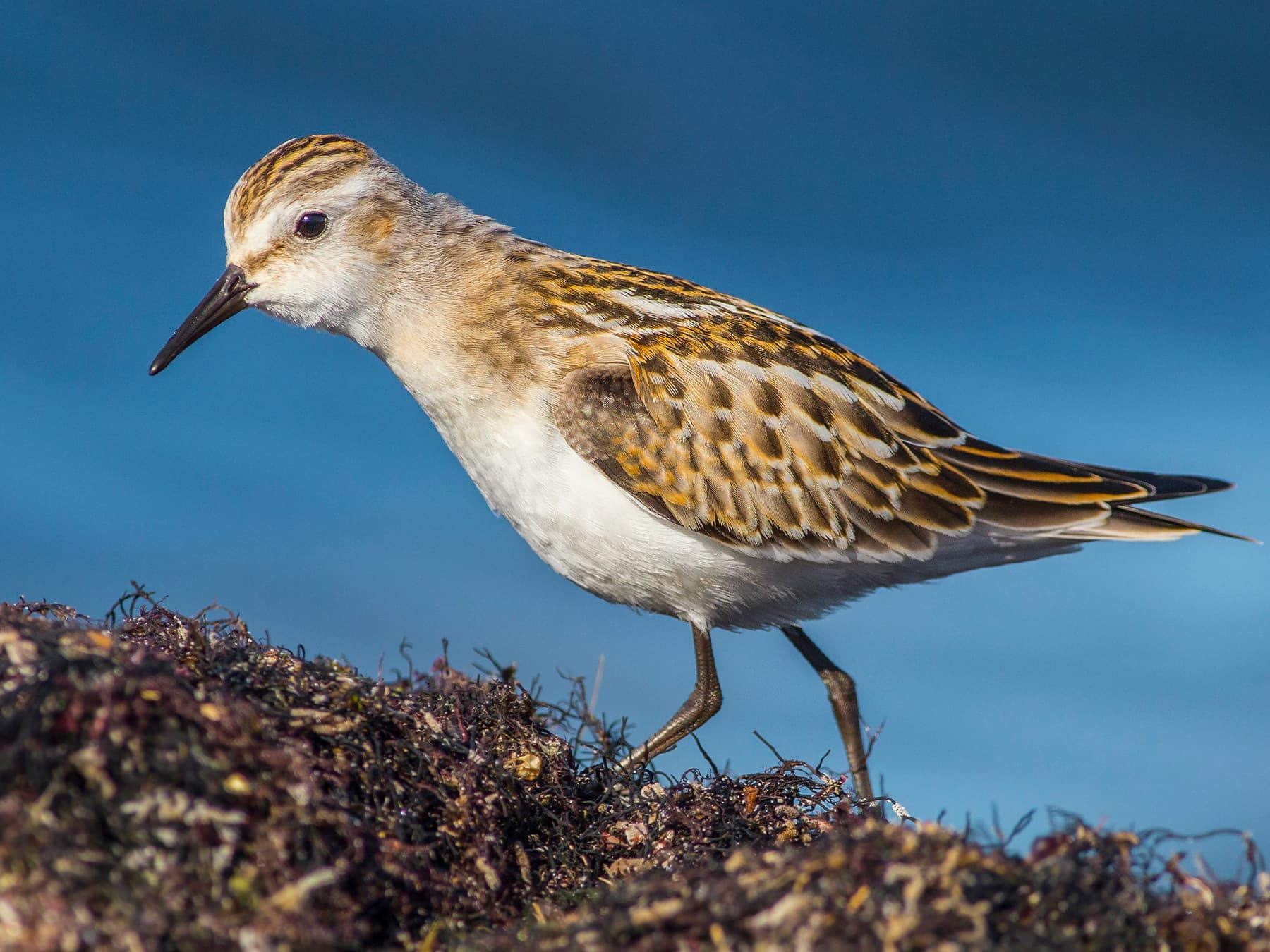
Little Stint
Calidris minutaLC
An uncommon but regular wader, most numerous on passage at coastal pools and estuaries in autumn. A tiny, active bird often feeding alongside Dunlin.
Year-round
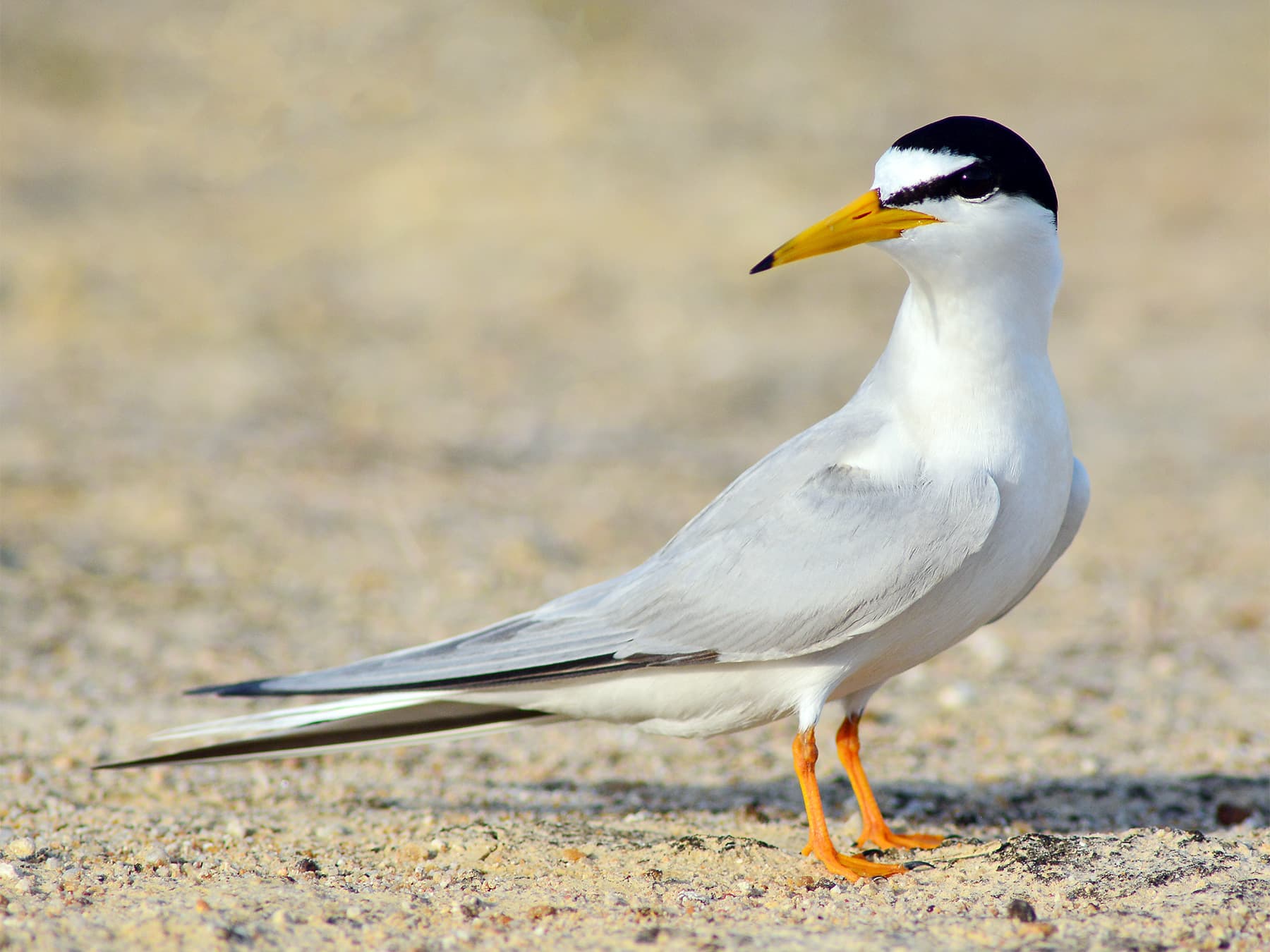
Little Tern
Sternula albifronsLC
An uncommon summer breeder on shingle and sandy beaches. Declining and heavily protected, with key colonies along the English east coast.
Apr–Sep
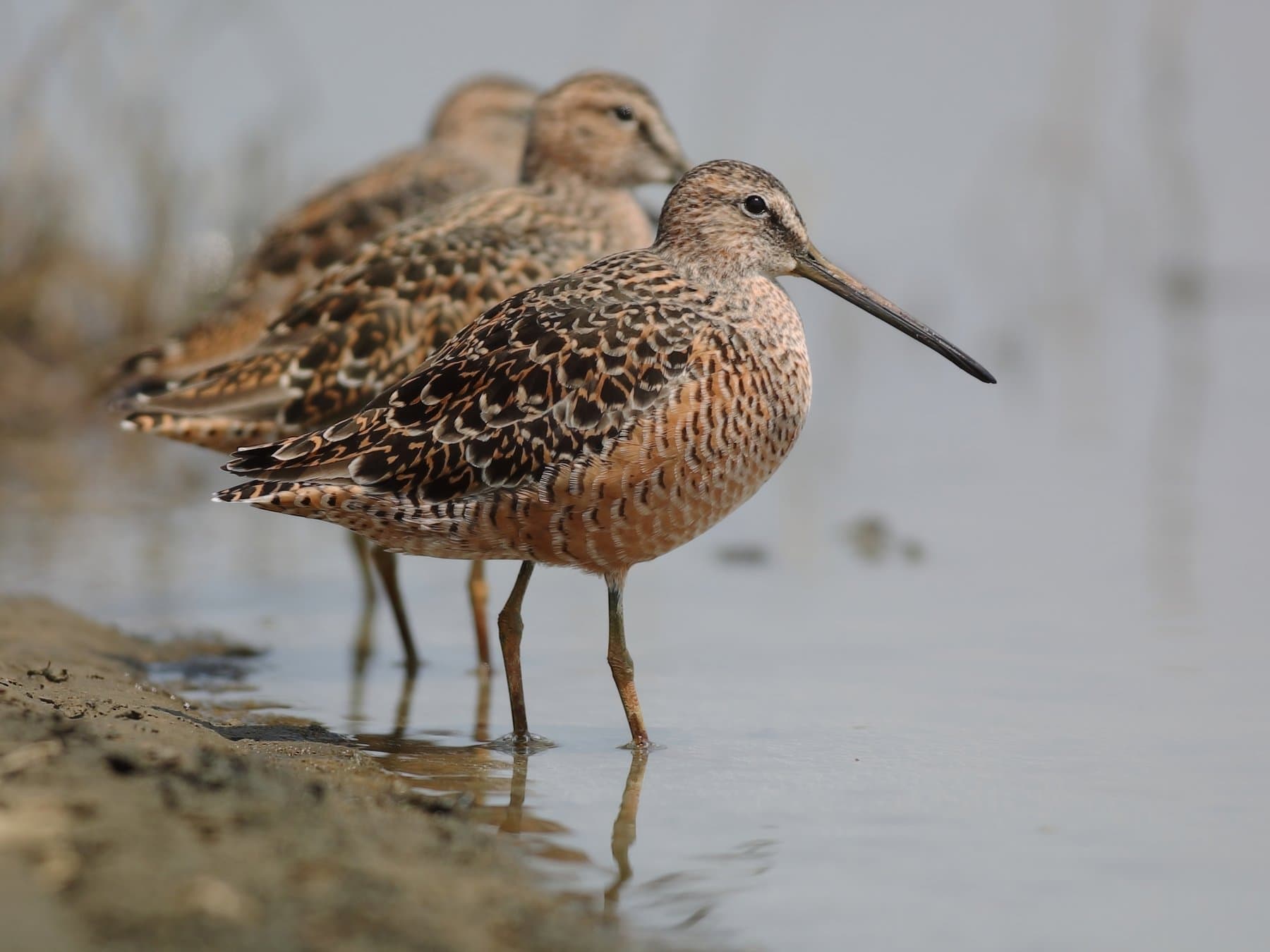
Long-billed Dowitcher
Limnodromus scolopaceusNT
A rare Nearctic wader occasionally found at freshwater marshes and reservoirs, most often in autumn. Long-staying individuals sometimes overwinter.
Jul–Apr
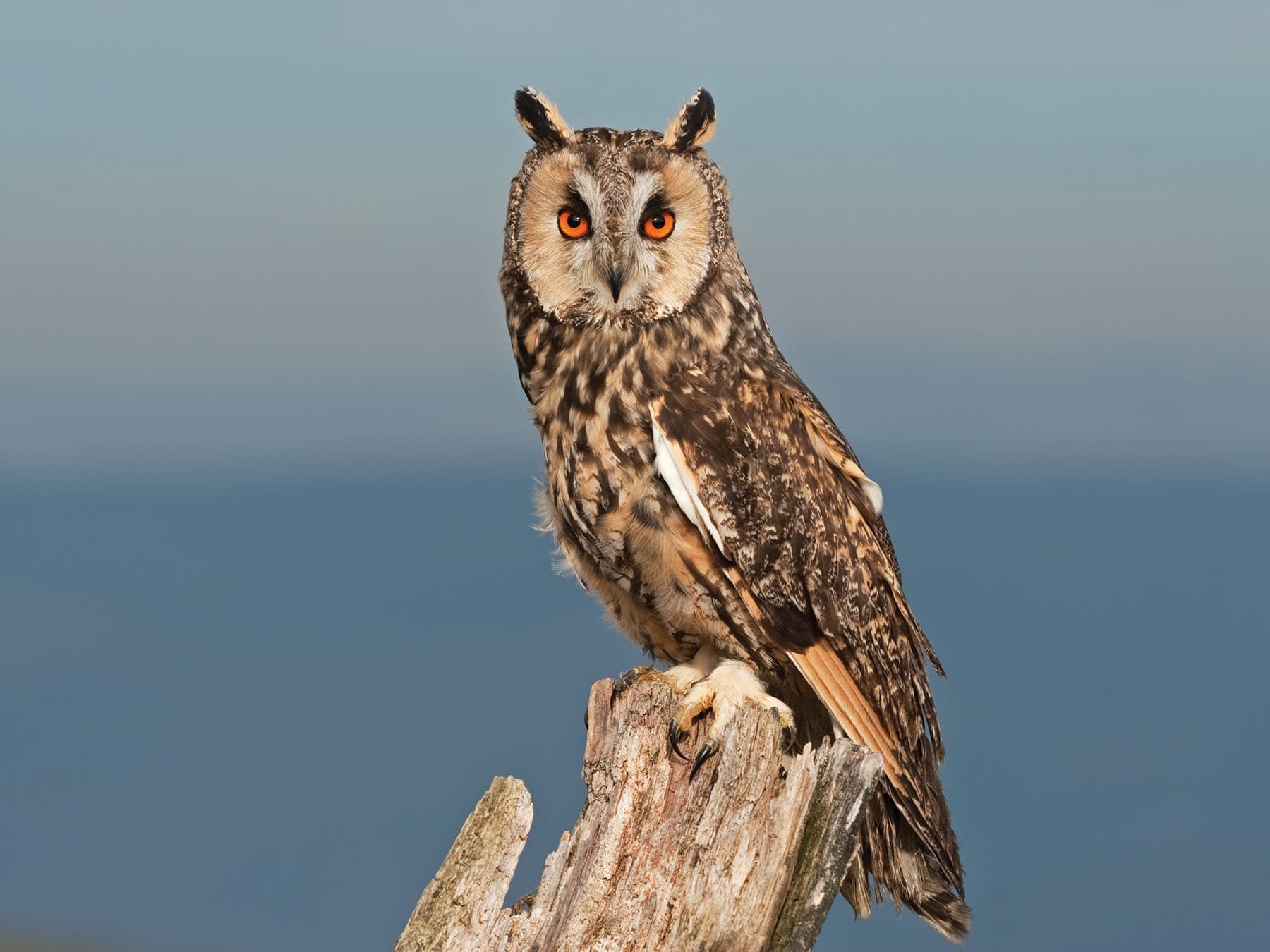
Long-eared Owl
Asio otusLC
A secretive, uncommon resident of dense woodland and conifer plantations. Strictly nocturnal and easily overlooked year-round.
Year-round
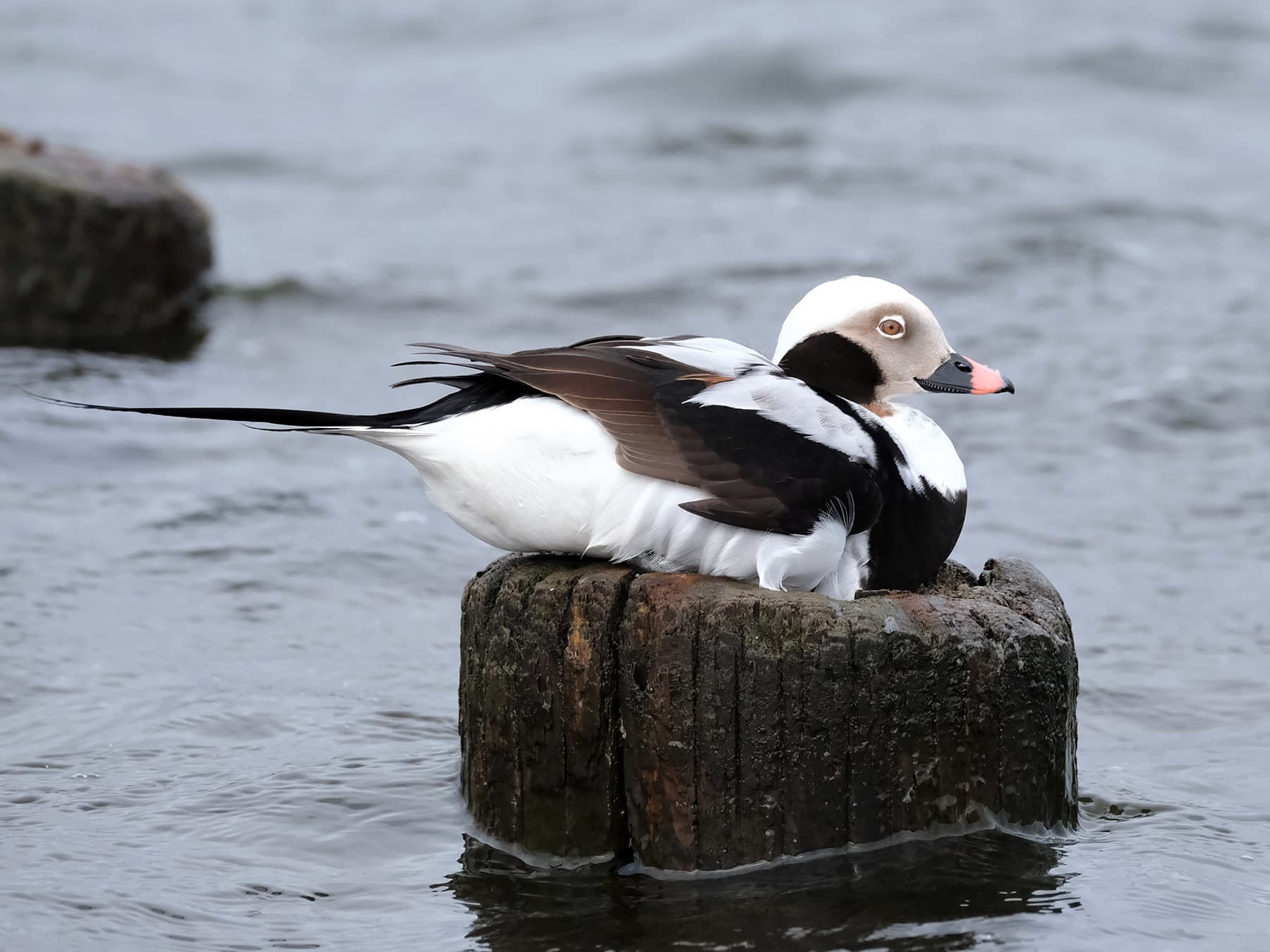
Long-tailed Duck
Clangula hyemalisVU
An uncommon winter visitor to coastal waters and offshore areas, arriving from Arctic breeding grounds. Most regularly seen off the east coast.
Sep–Apr