


Birds to See in Liechtenstein in November
25 bird species on our list for Liechtenstein are recorded regularly in November
Of these, the most often recorded are Carrion Crow, Great Tit, Buzzard, Magpie and Blue Tit. New this month: Buzzard, Rock Dove, Alpine Chough and Great White Egret and 1 more.
On the move in November
GBIF · NovArriving
At their peak
From Liechtenstein’s bird records, 2019–2024: arriving birds are regular this month but not last; leaving birds are regular this month but not next.
Other months
All 25 birds in November
25 birds
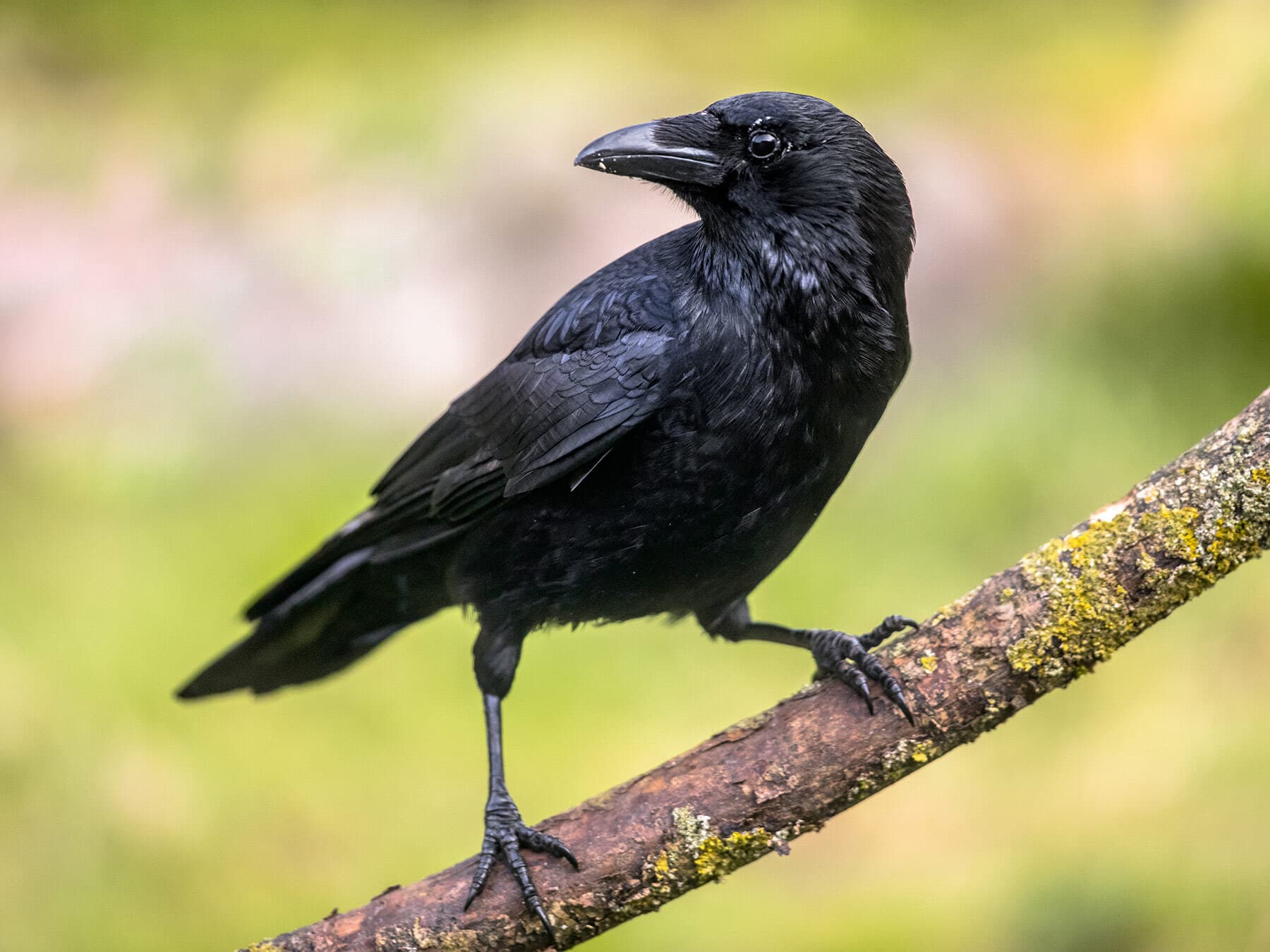 Carrion CrowCorvus coroneSummer visitorCommon45–47 cmRegularly Mar–Jan · 6.98% in Nov
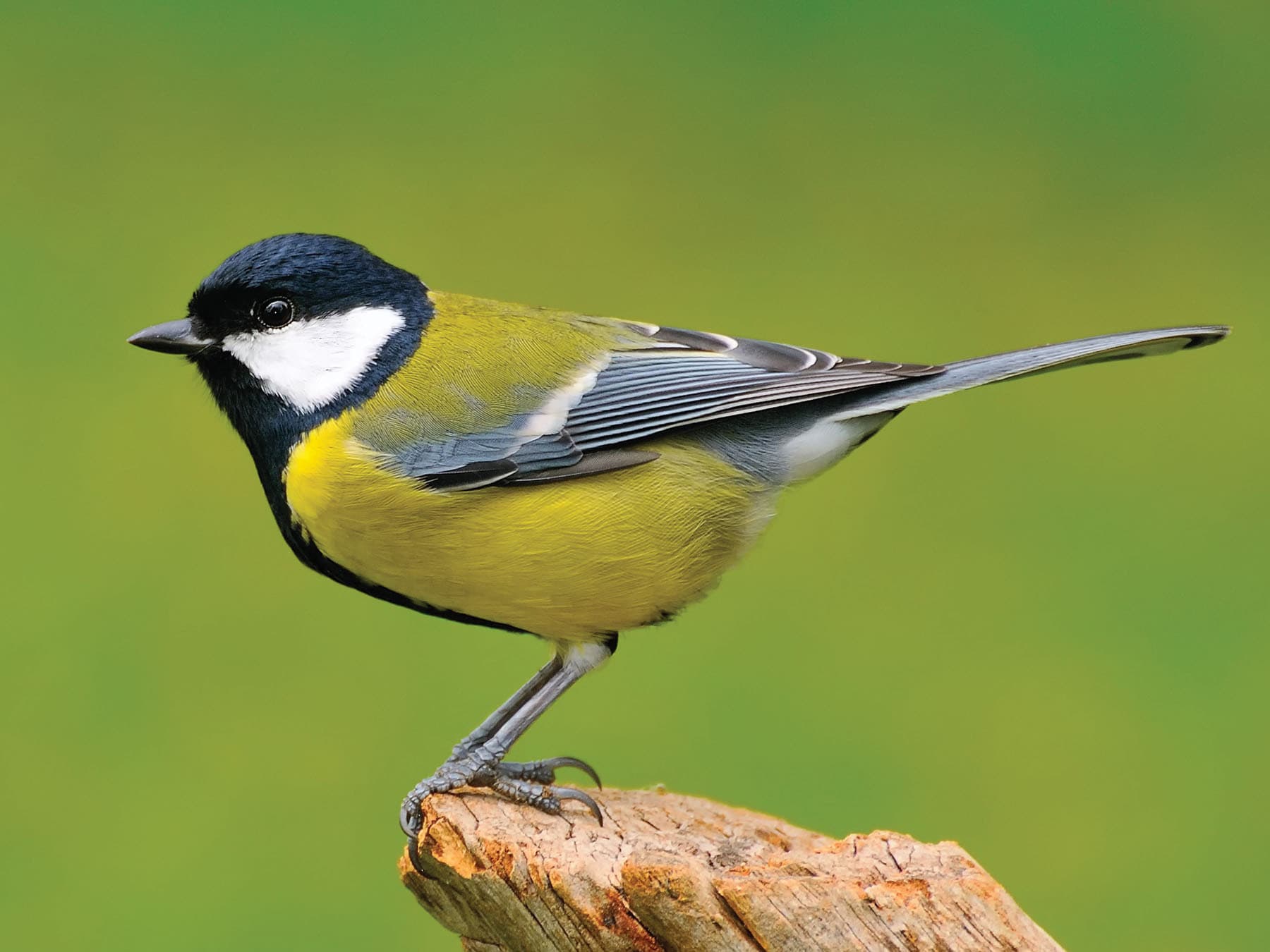 Great TitParus majorResidentCommonRecorded all year · 5.08% in Nov
 BuzzardButeo buteoSummer visitorCommon51–57 cmRegularly Mar–Nov · 4.13% in Nov
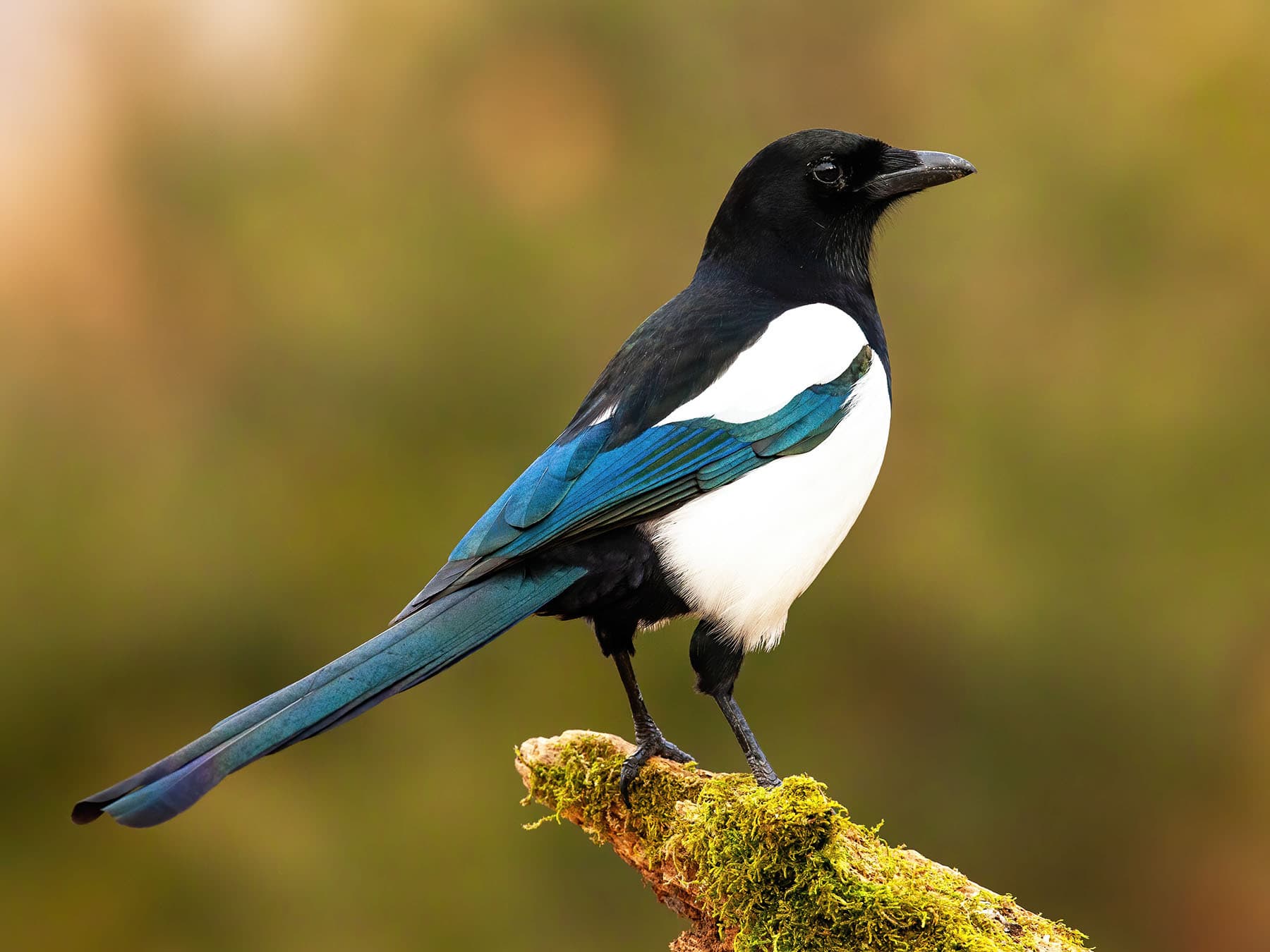 MagpiePica picaSummer visitorCommon44–46 cmRegularly Mar–Jan · 4.13% in Nov
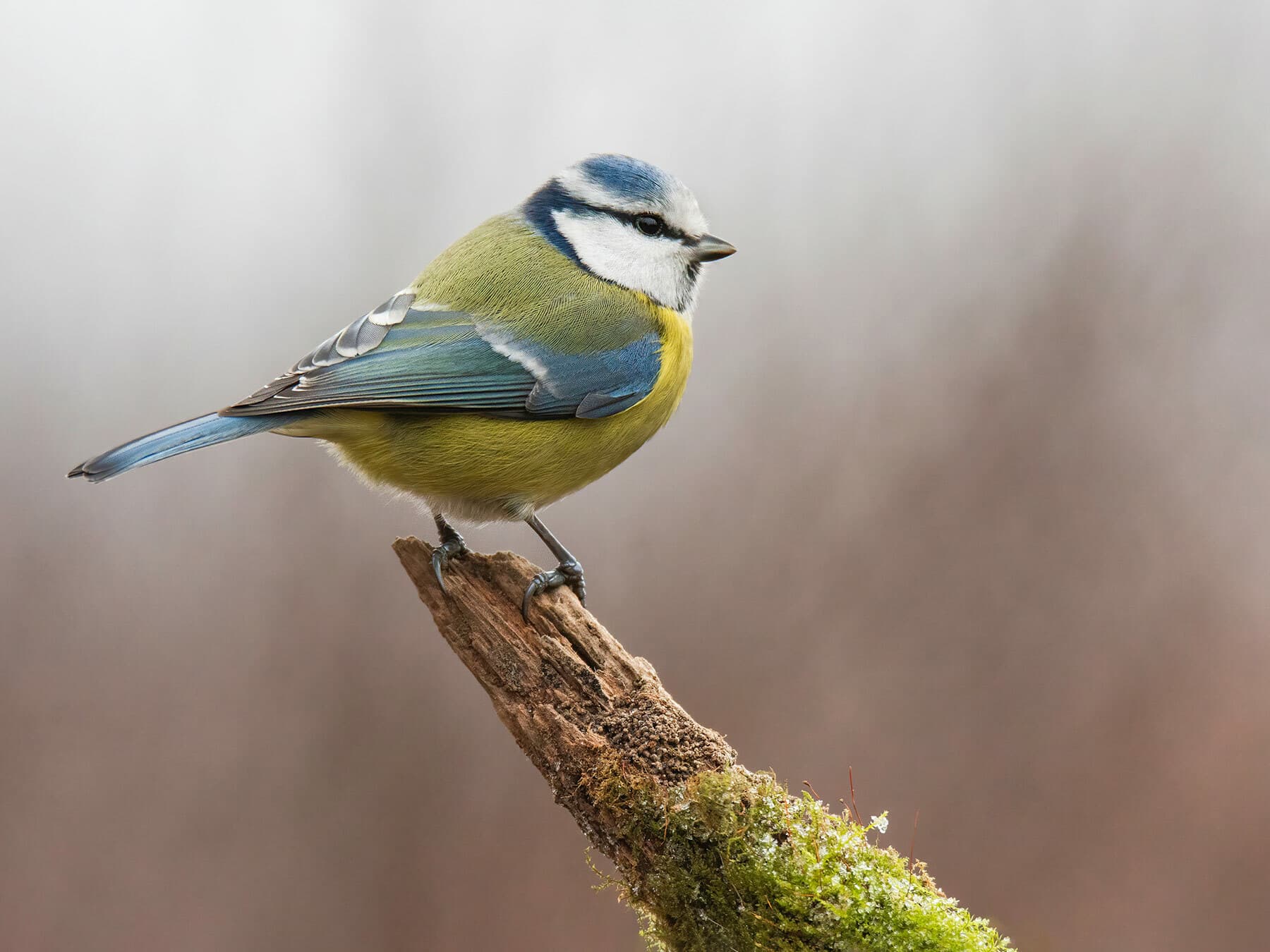 Blue TitCyanistes caeruleusPassage migrantCommon11–12 cmRegularly Aug–May · 3.81% in Nov
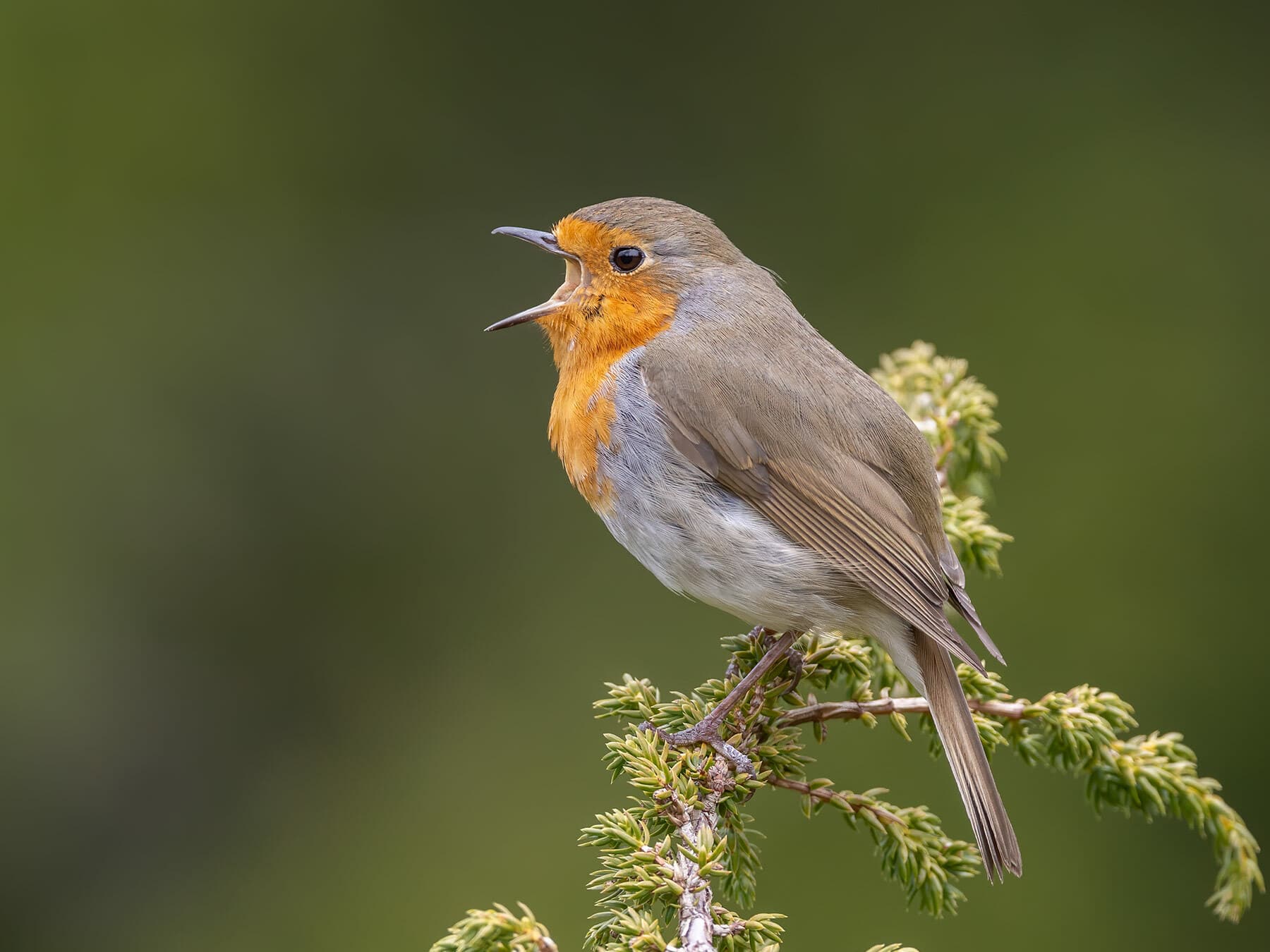 European RobinErithacus rubeculaPassage migrantCommon13–14 cmRegularly Apr–Jan · 3.81% in Nov
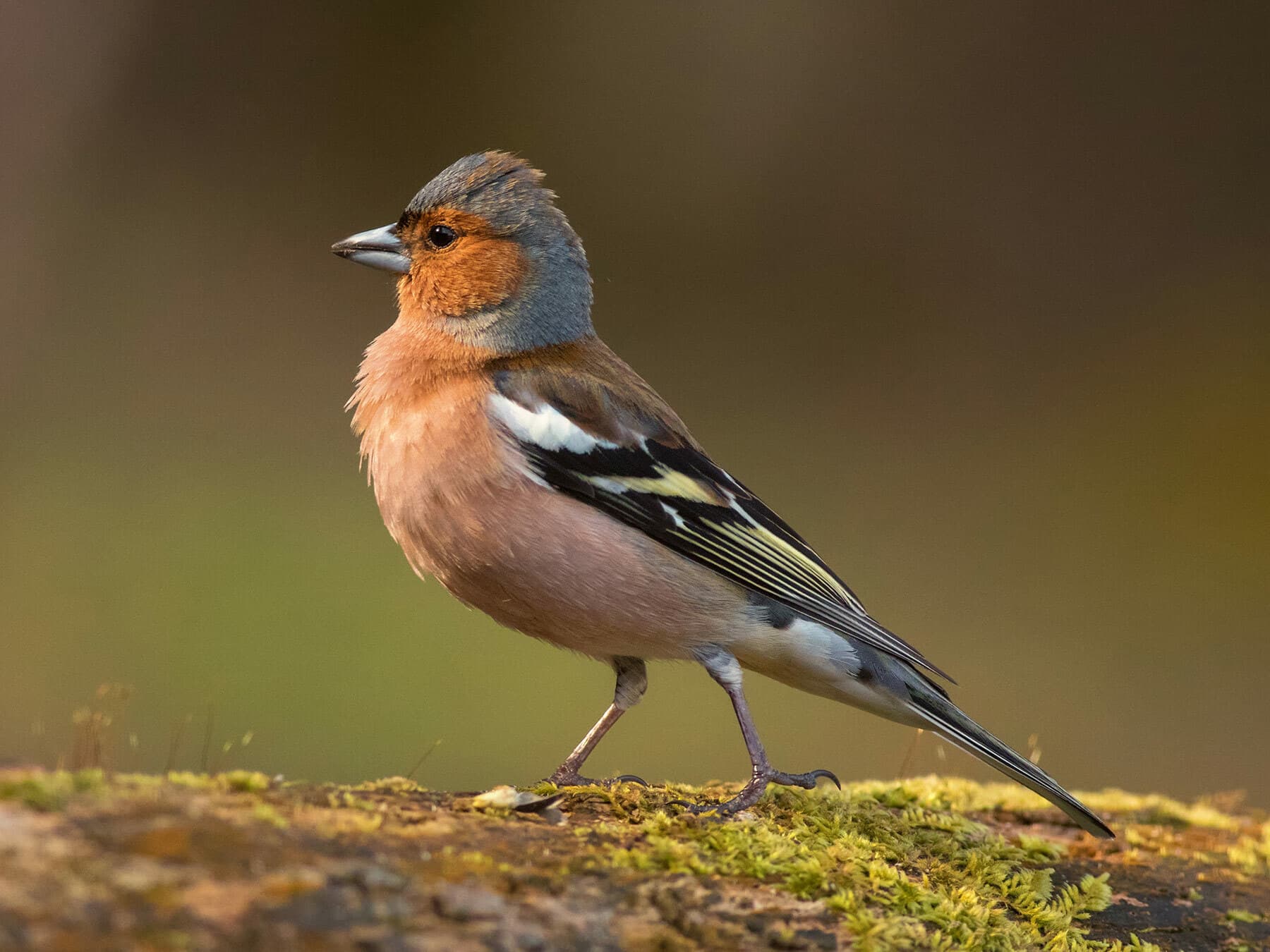 ChaffinchFringilla coelebsSummer visitorCommon14–16 cmRegularly Mar–Dec · 3.49% in Nov
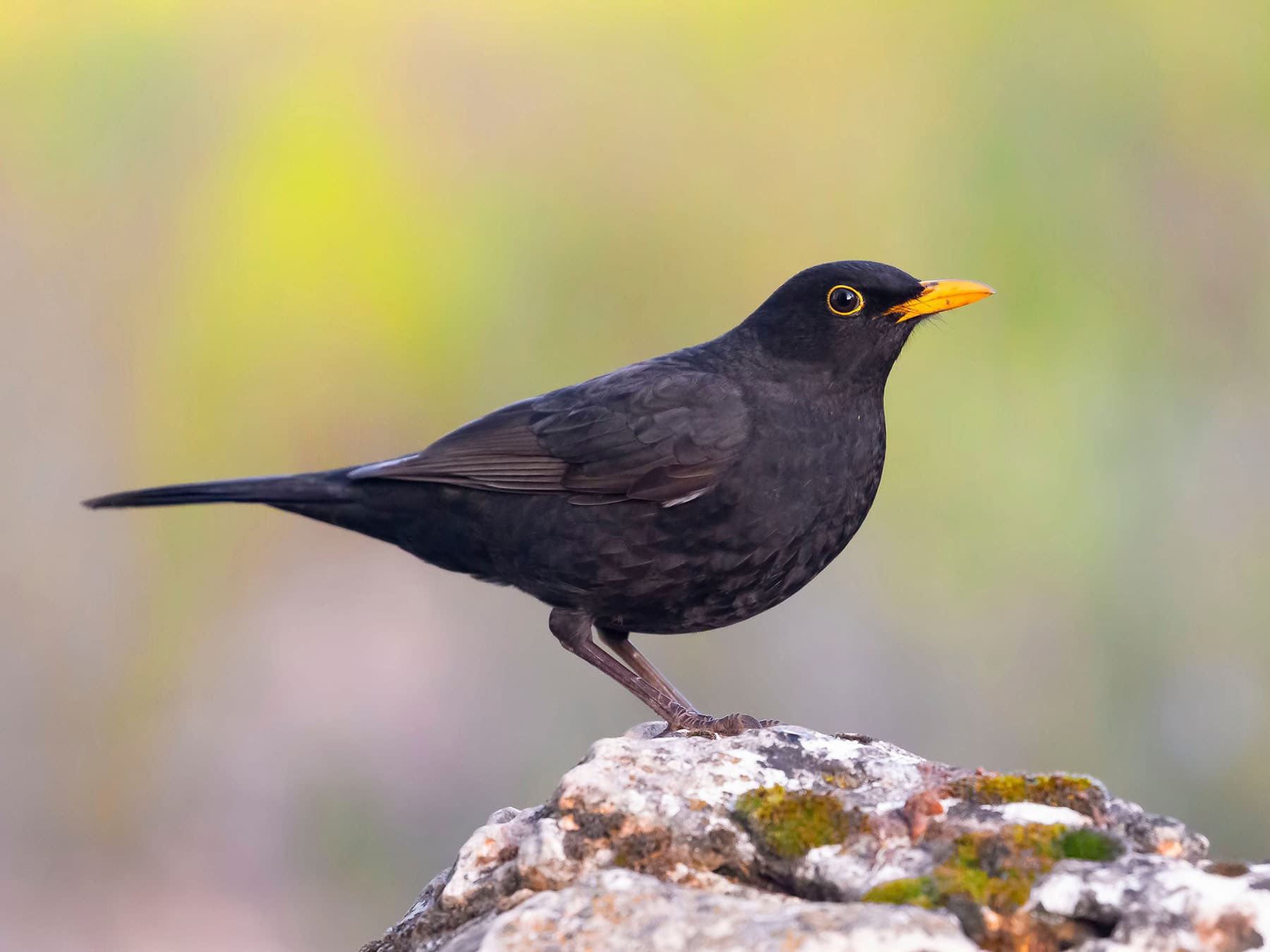 BlackbirdTurdus merulaSummer visitorCommon24–25 cmRegularly Jan–Nov · 3.17% in Nov
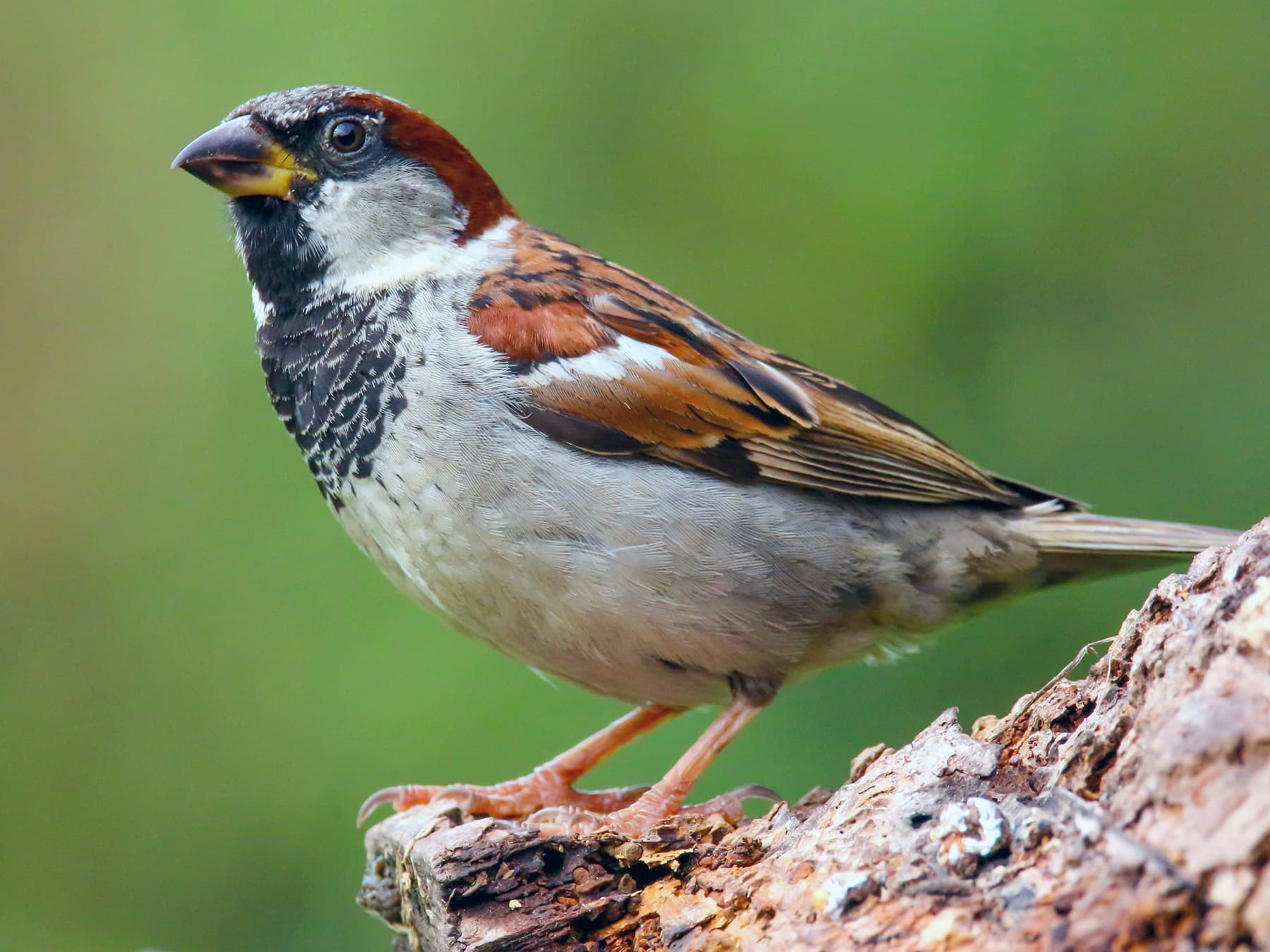 House SparrowPasser domesticusSummer visitorCommon14–17 cmRegularly Mar–Dec · 3.17% in Nov
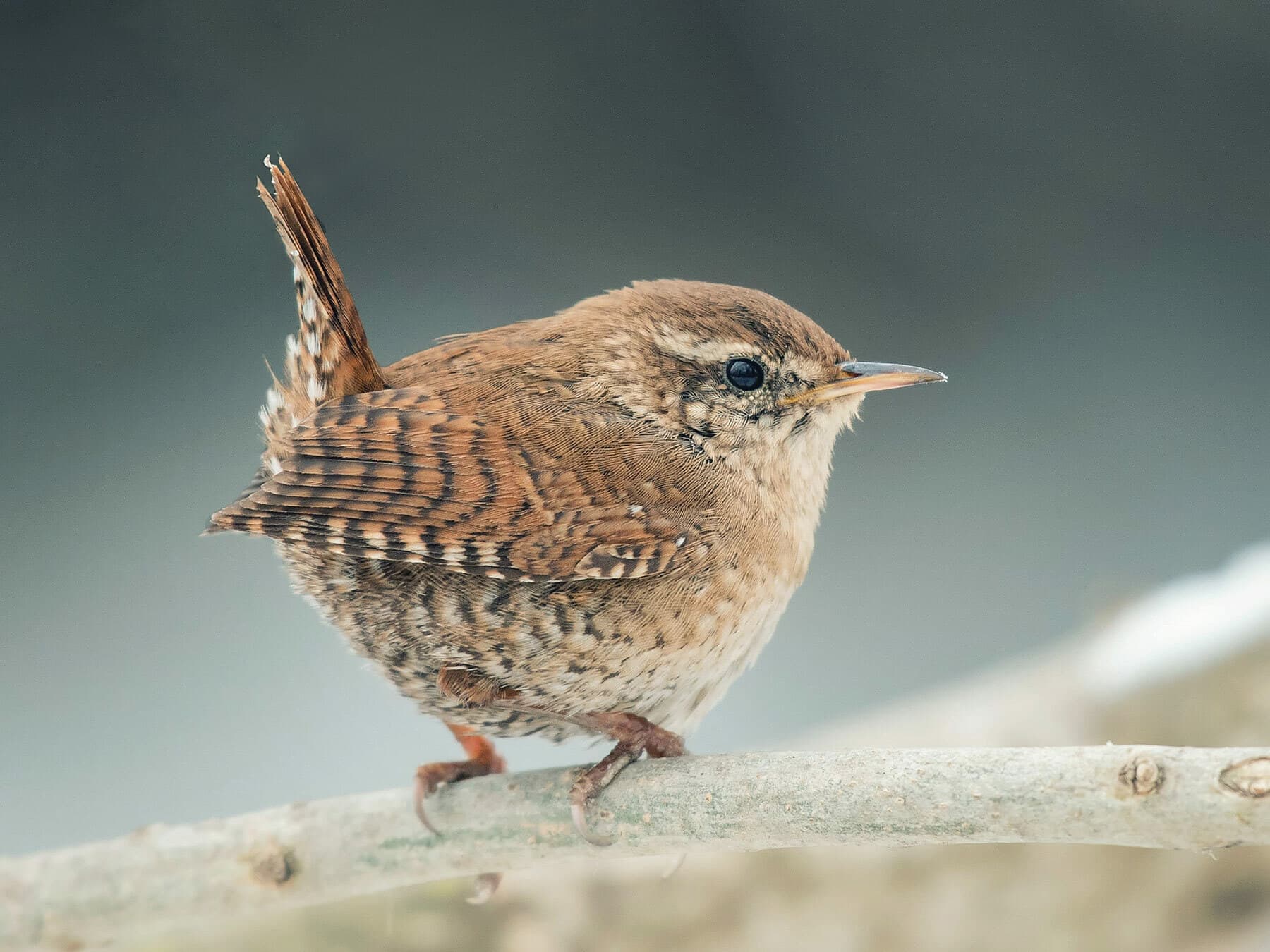 Eurasian WrenTroglodytes troglodytesPassage migrantCommon9–10 cmRegularly Apr–Nov · 2.86% in Nov
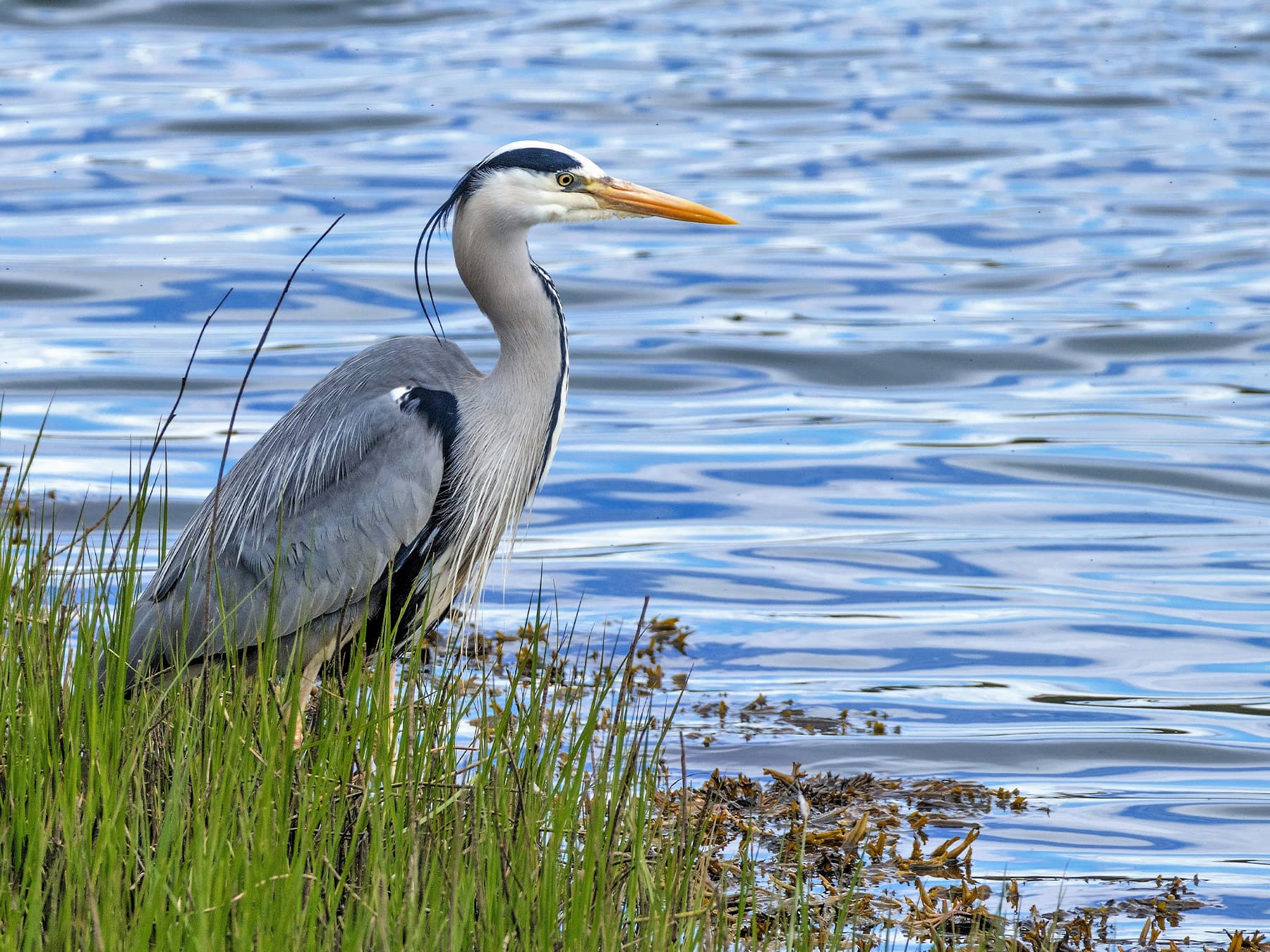 Grey HeronArdea cinereaSummer visitorCommon90–98 cmRegularly Apr–Dec · 2.54% in Nov
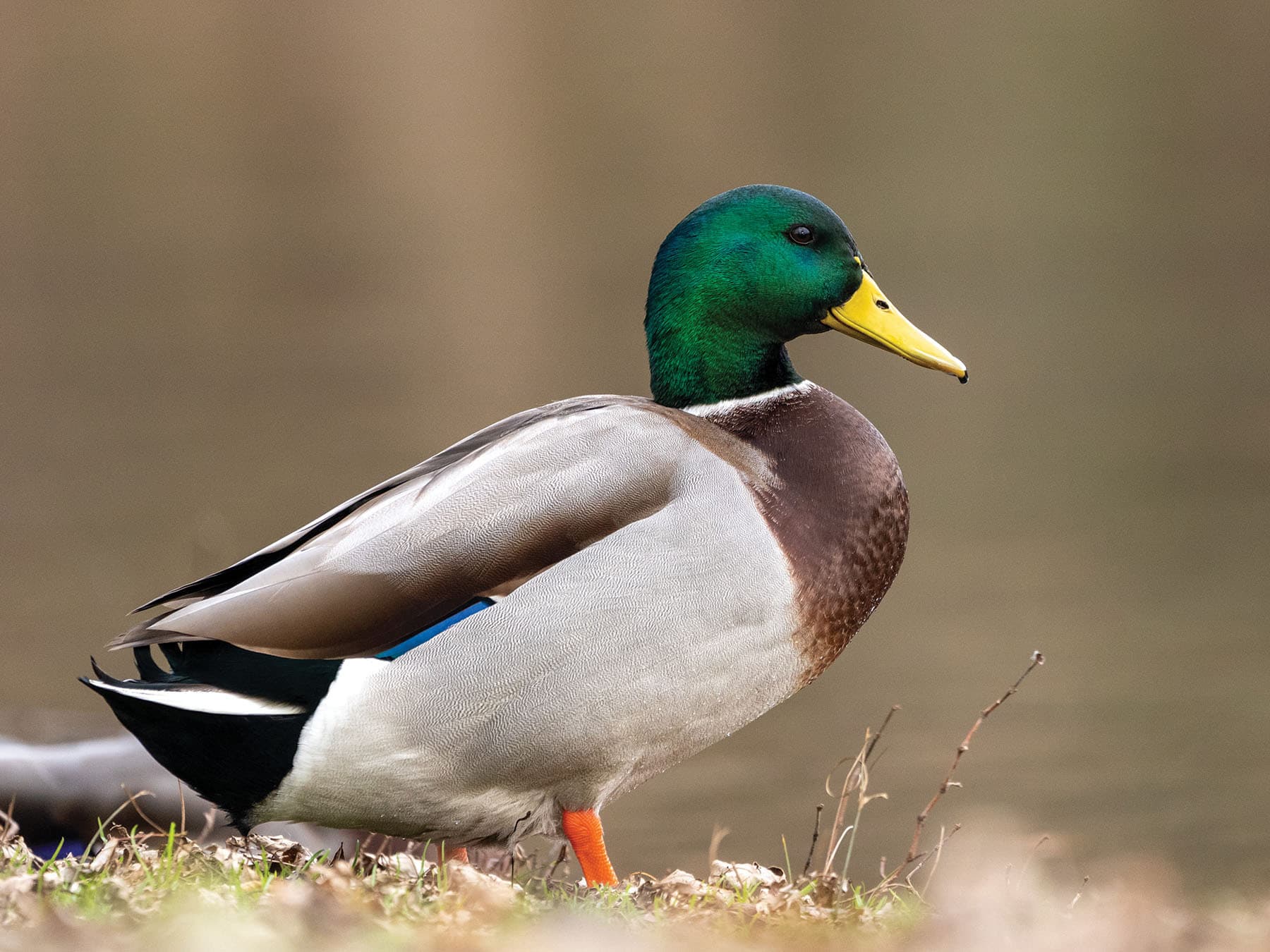 MallardAnas platyrhynchosSummer visitorCommon50–65 cmRegularly Oct–Aug · 2.54% in Nov
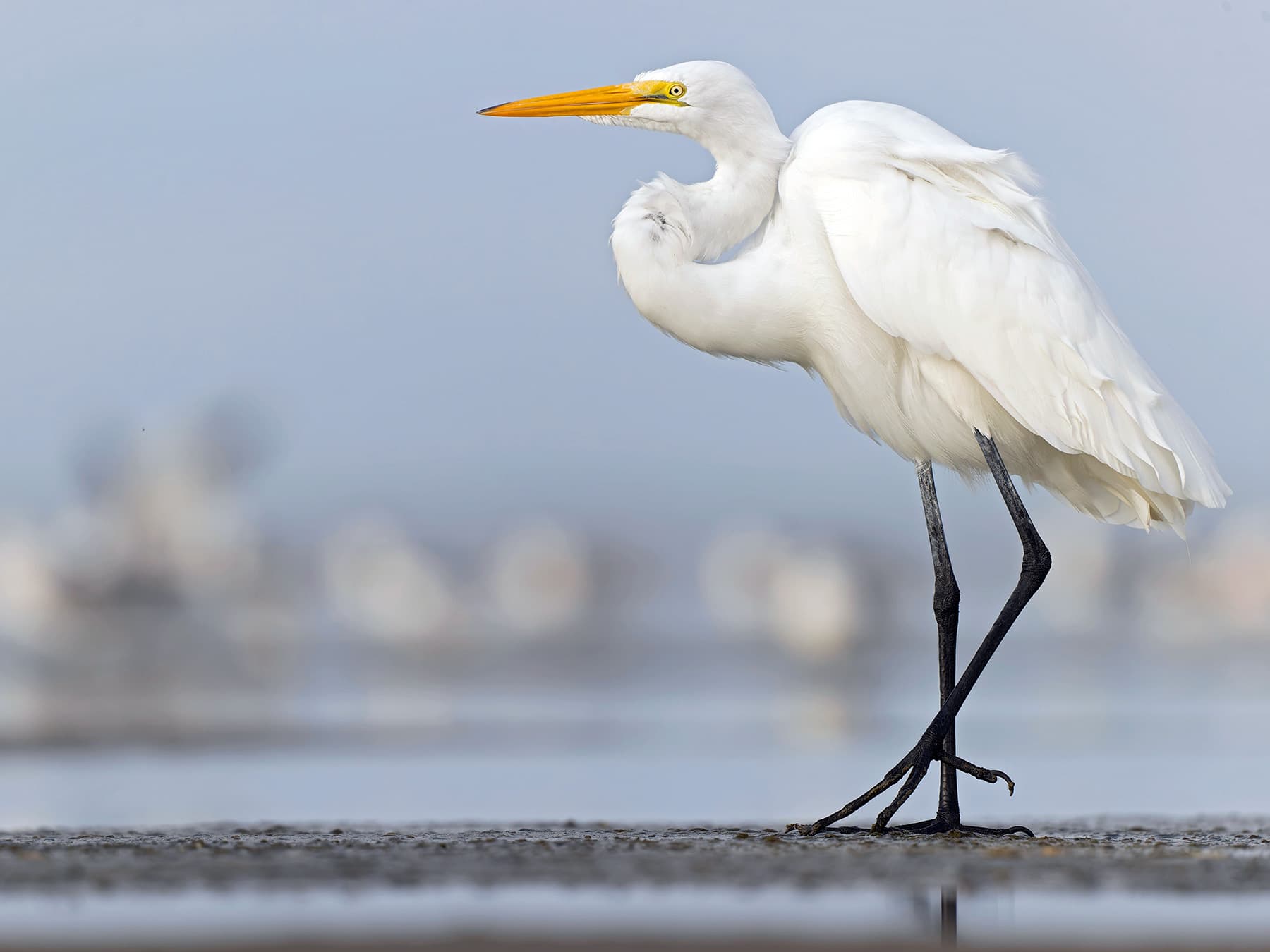 Great White EgretArdea albaPassage migrantCommon80–104 cmRegularly Nov · 2.22% in Nov
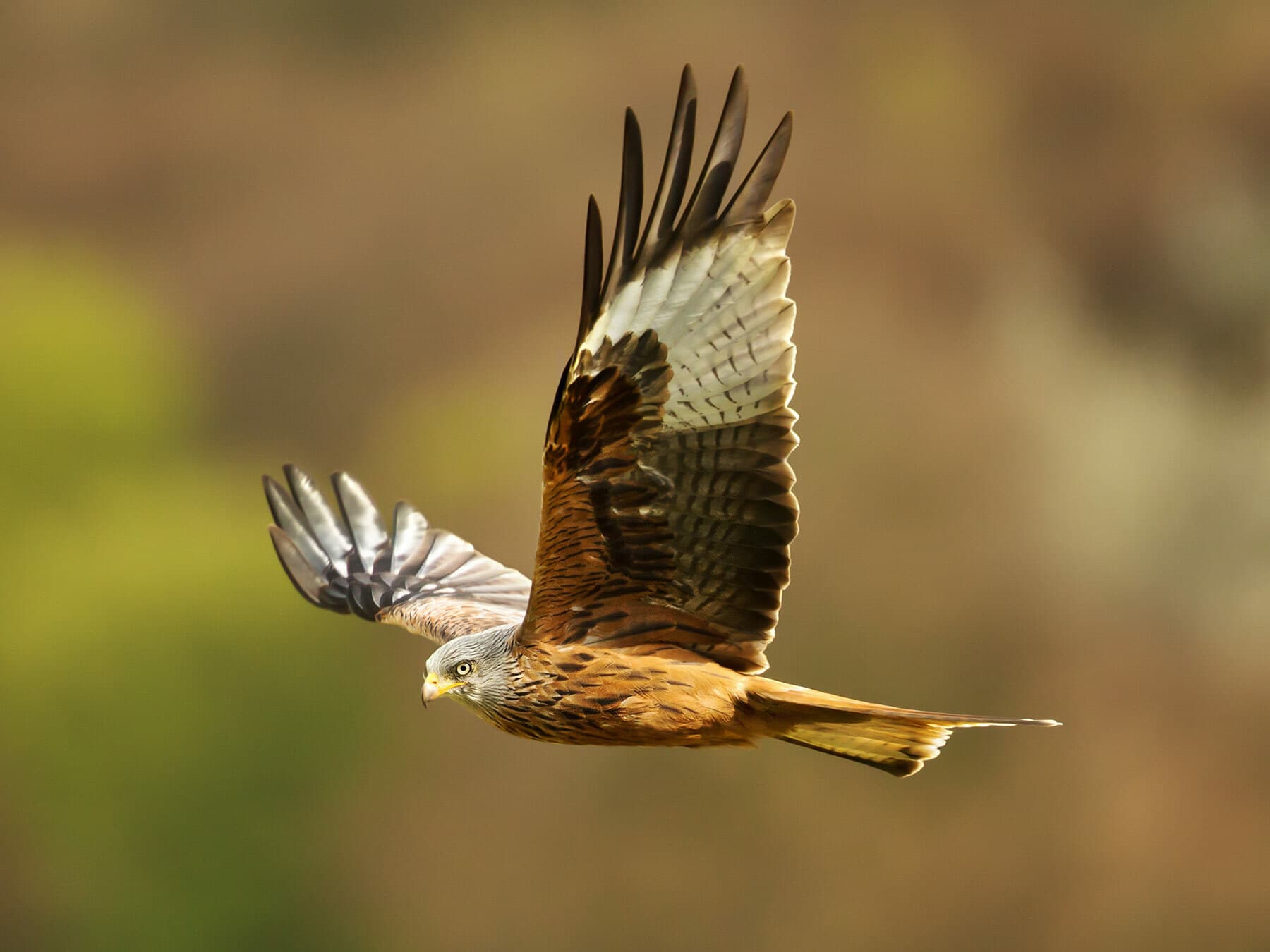 Red KiteMilvus milvusResidentCommon60–66 cmRecorded all year · 2.22% in Nov
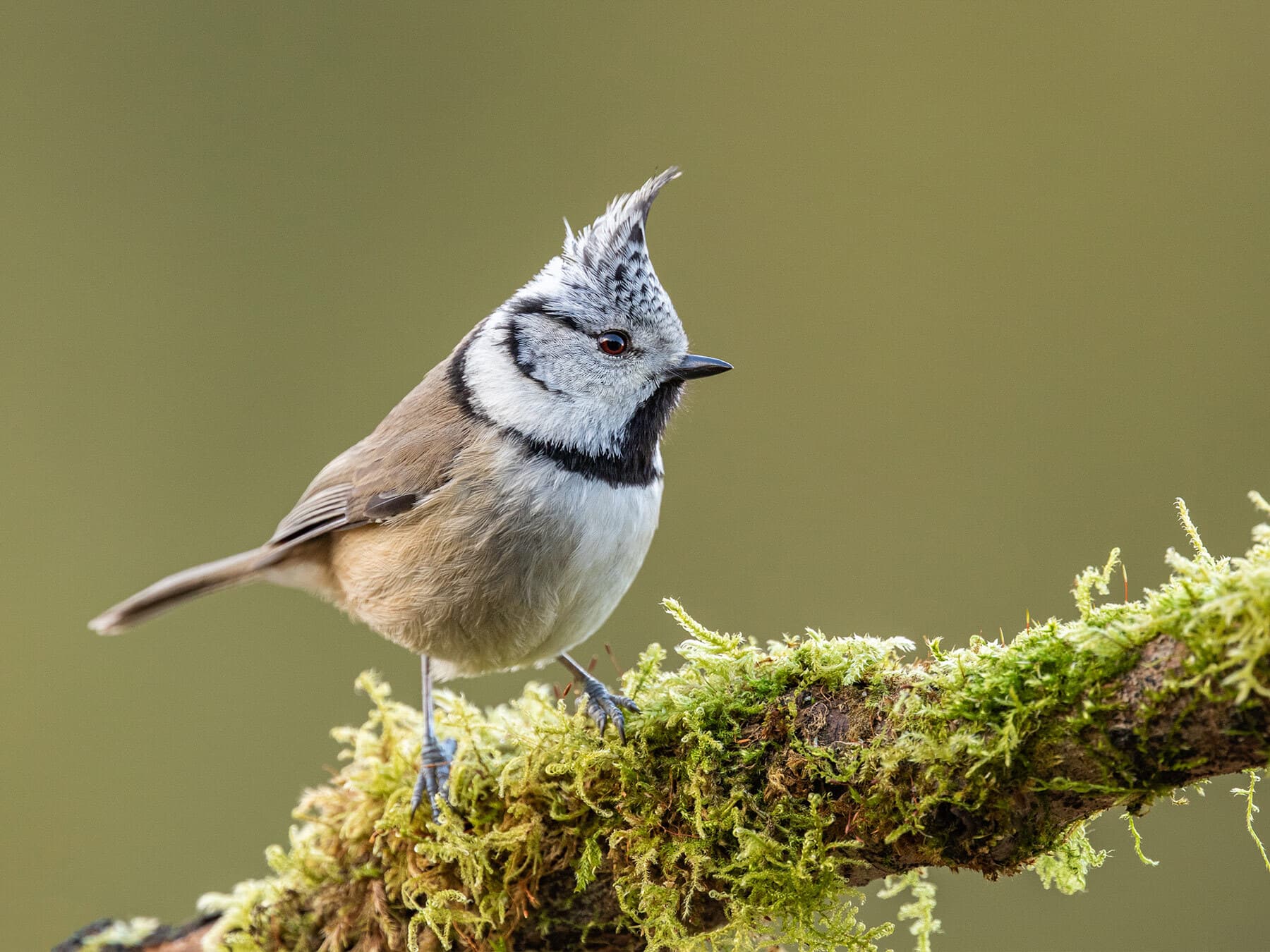 Crested TitLophophanes cristatusPassage migrantCommon11–12 cmRegularly Oct–Nov · 1.90% in Nov
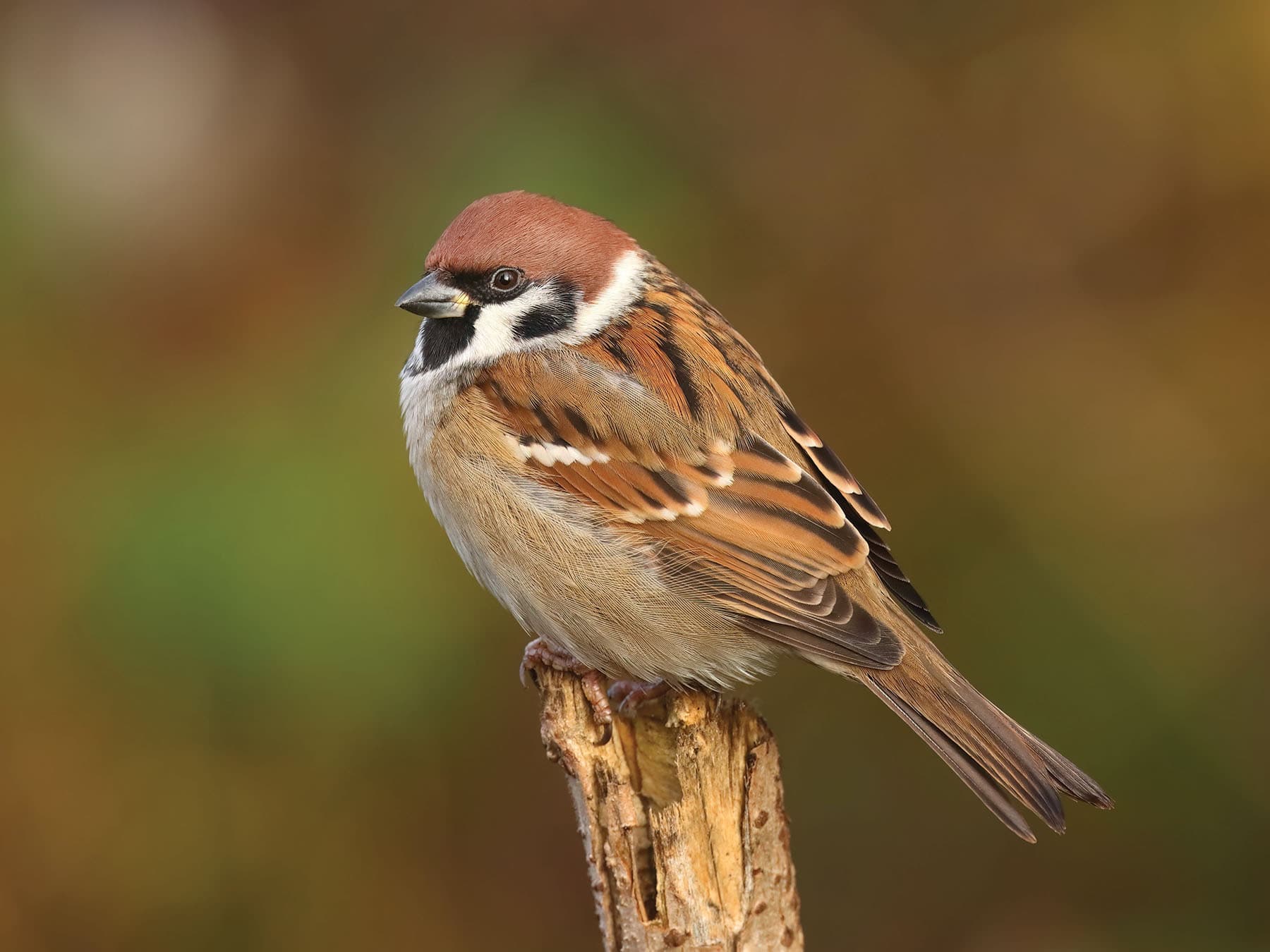 Eurasian Tree SparrowPasser montanusSummer visitorCommon13–14 cmRegularly Mar–Nov · 1.90% in Nov
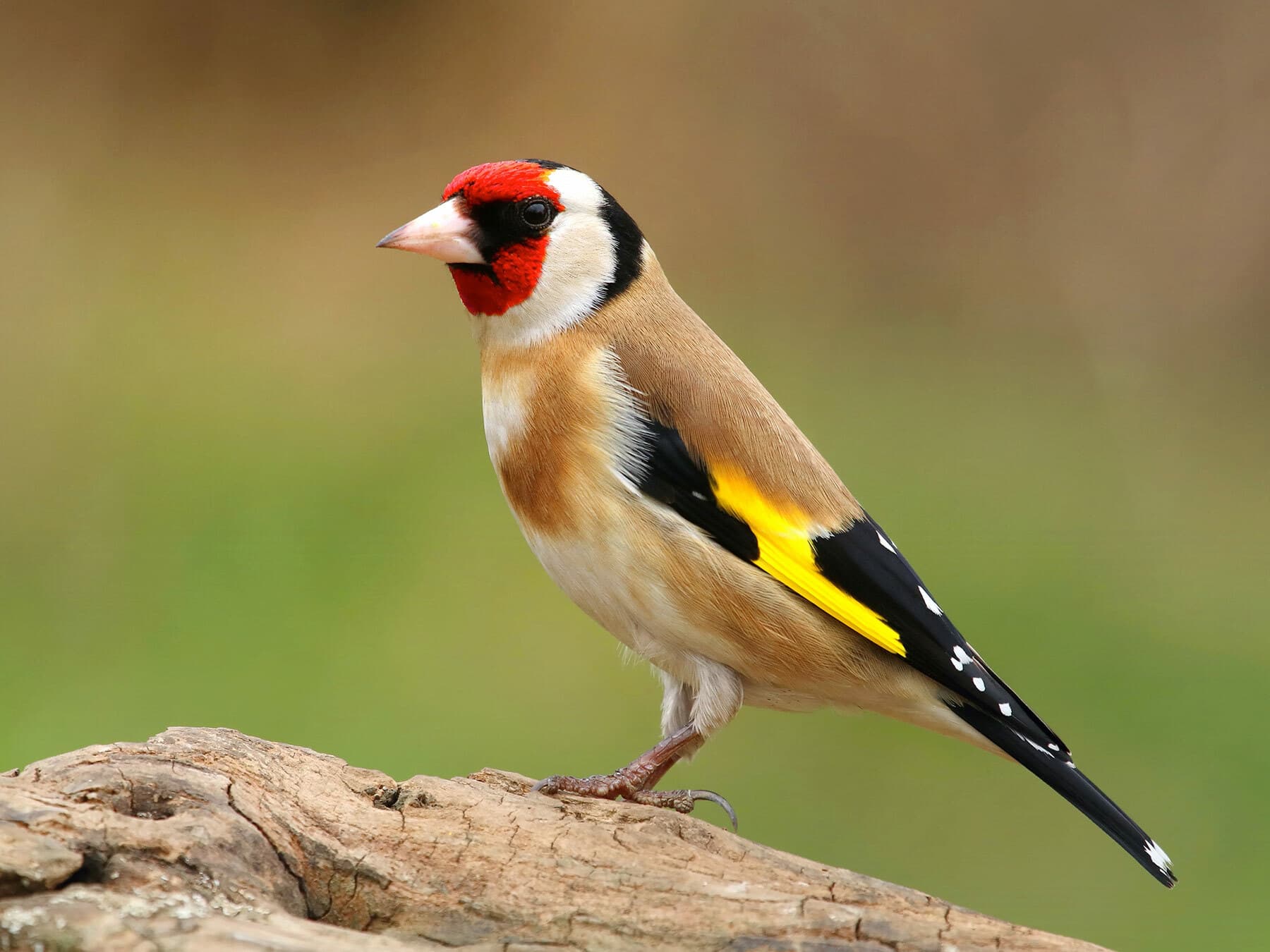 European GoldfinchCarduelis carduelisPassage migrantCommon12–13 cmRegularly Apr–Nov · 1.90% in Nov
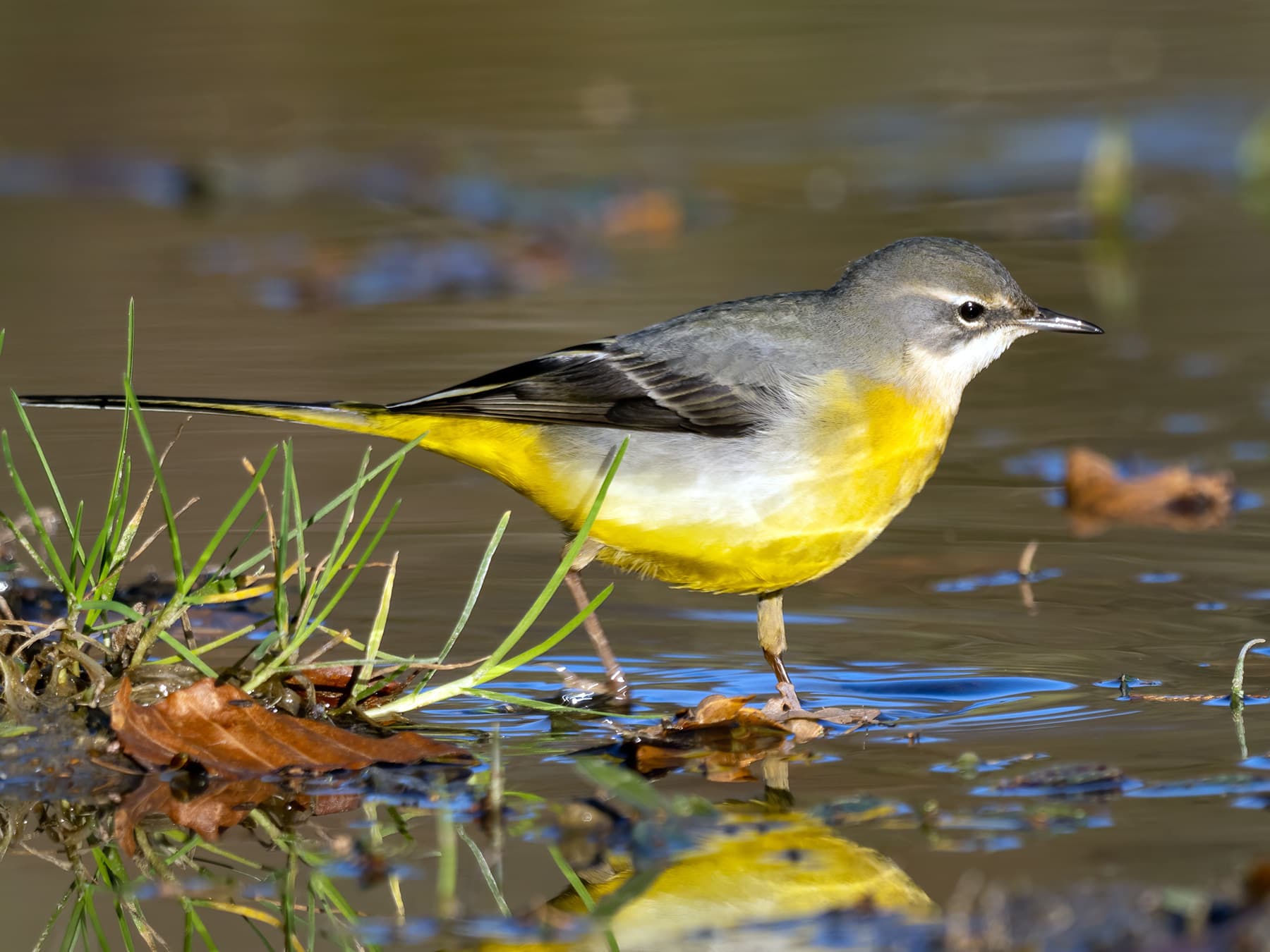 Grey WagtailMotacilla cinereaPassage migrantCommon17–20 cmRegularly Jun–Nov · 1.90% in Nov
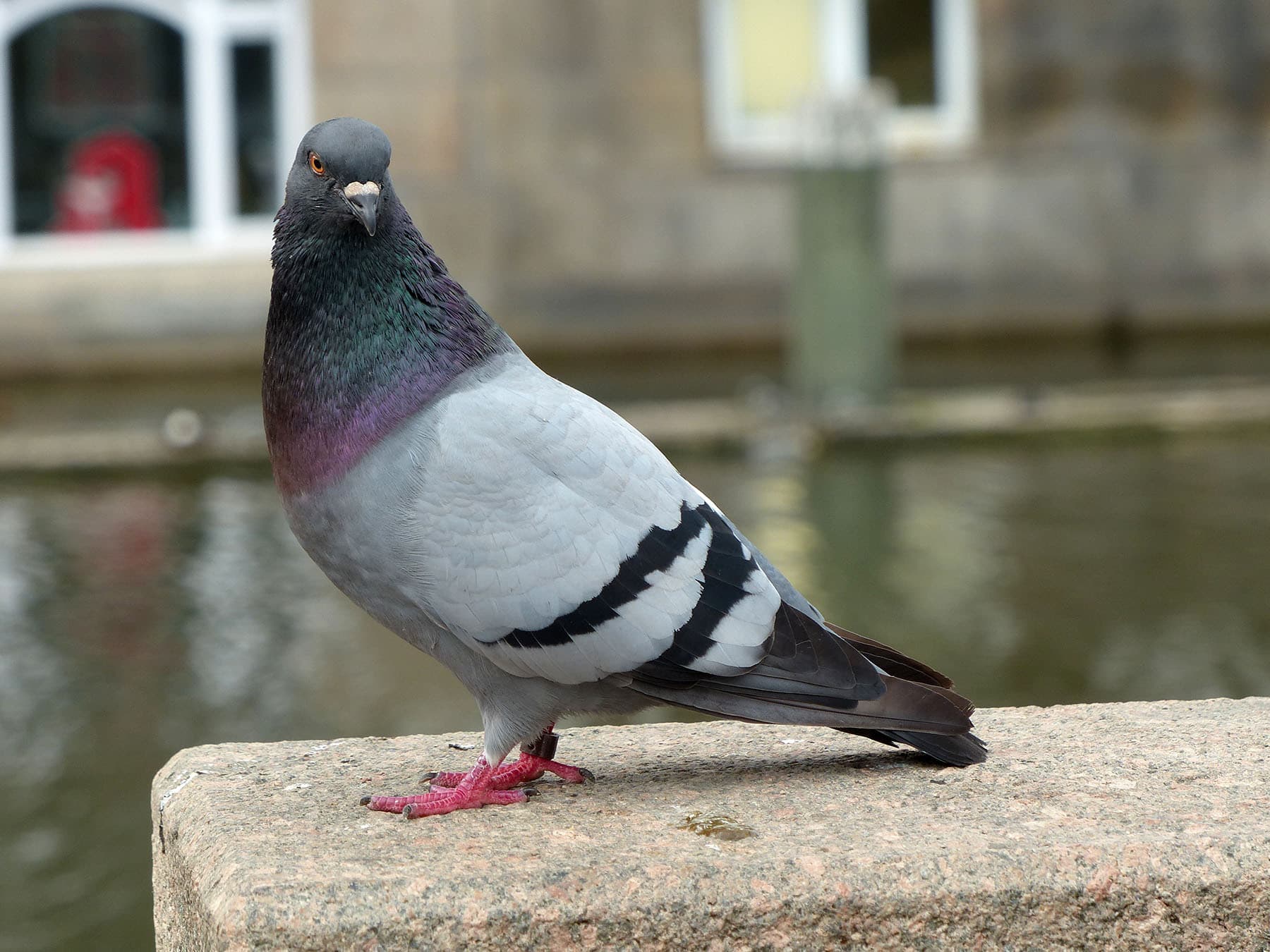 Rock DoveColumba liviaSummer visitorCommon31–34 cmRegularly Apr–Nov · 1.90% in Nov
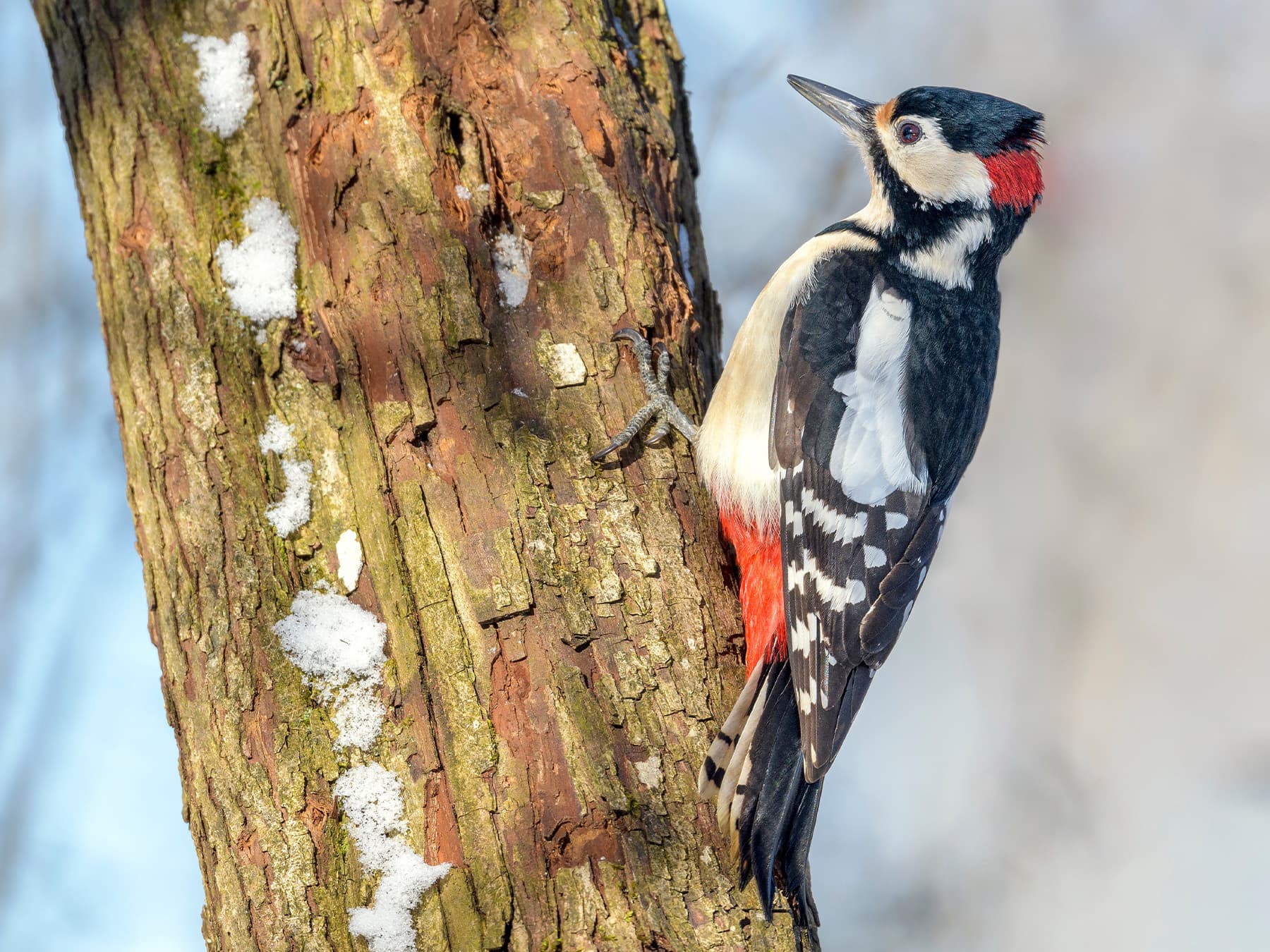 Great Spotted WoodpeckerDendrocopos majorSummer visitorCommon23–26 cmRegularly May–Nov · 1.59% in Nov
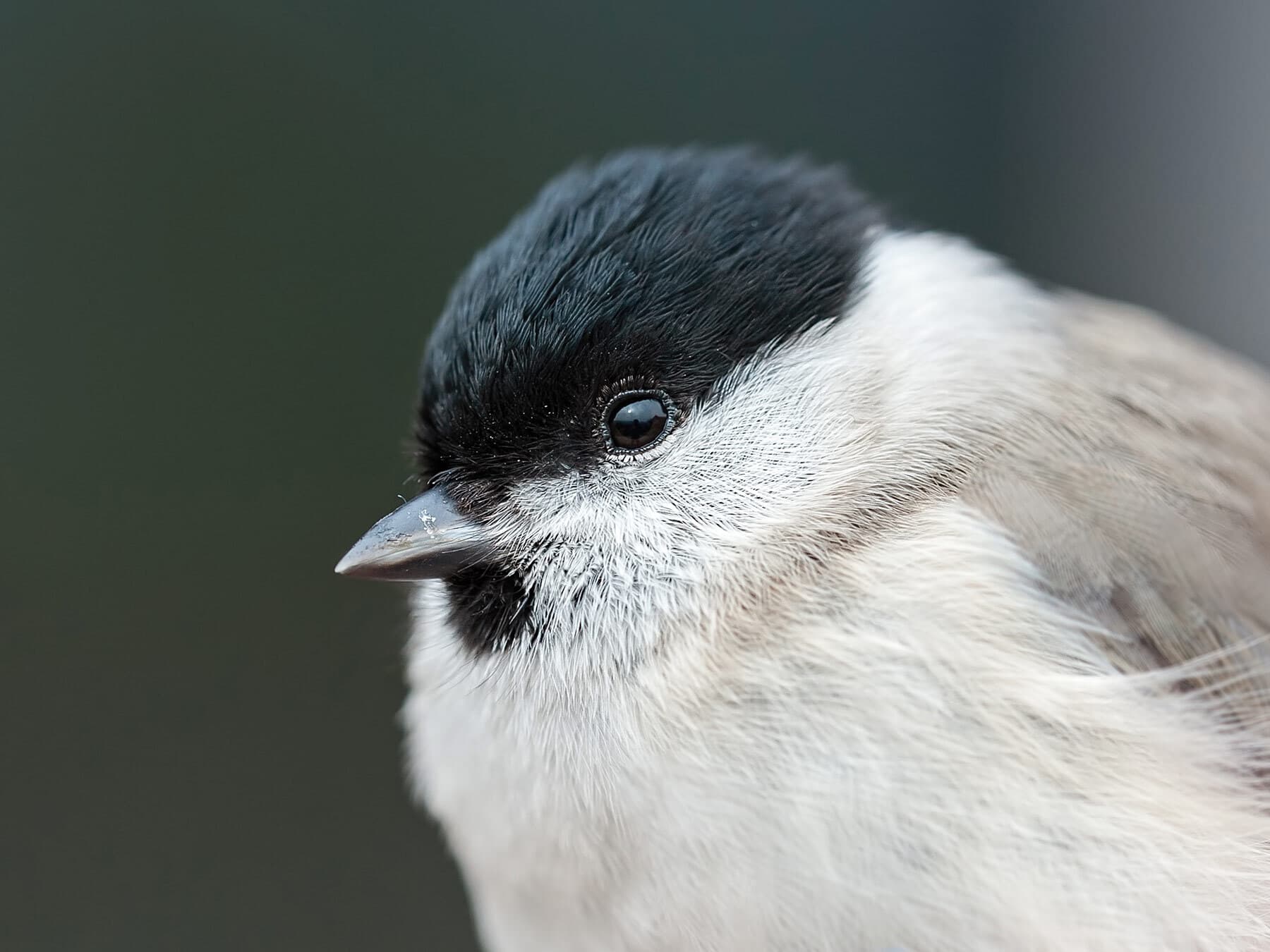 Marsh TitPoecile palustrisPassage migrantCommon12–13 cmRegularly Oct–Jan · 1.59% in Nov
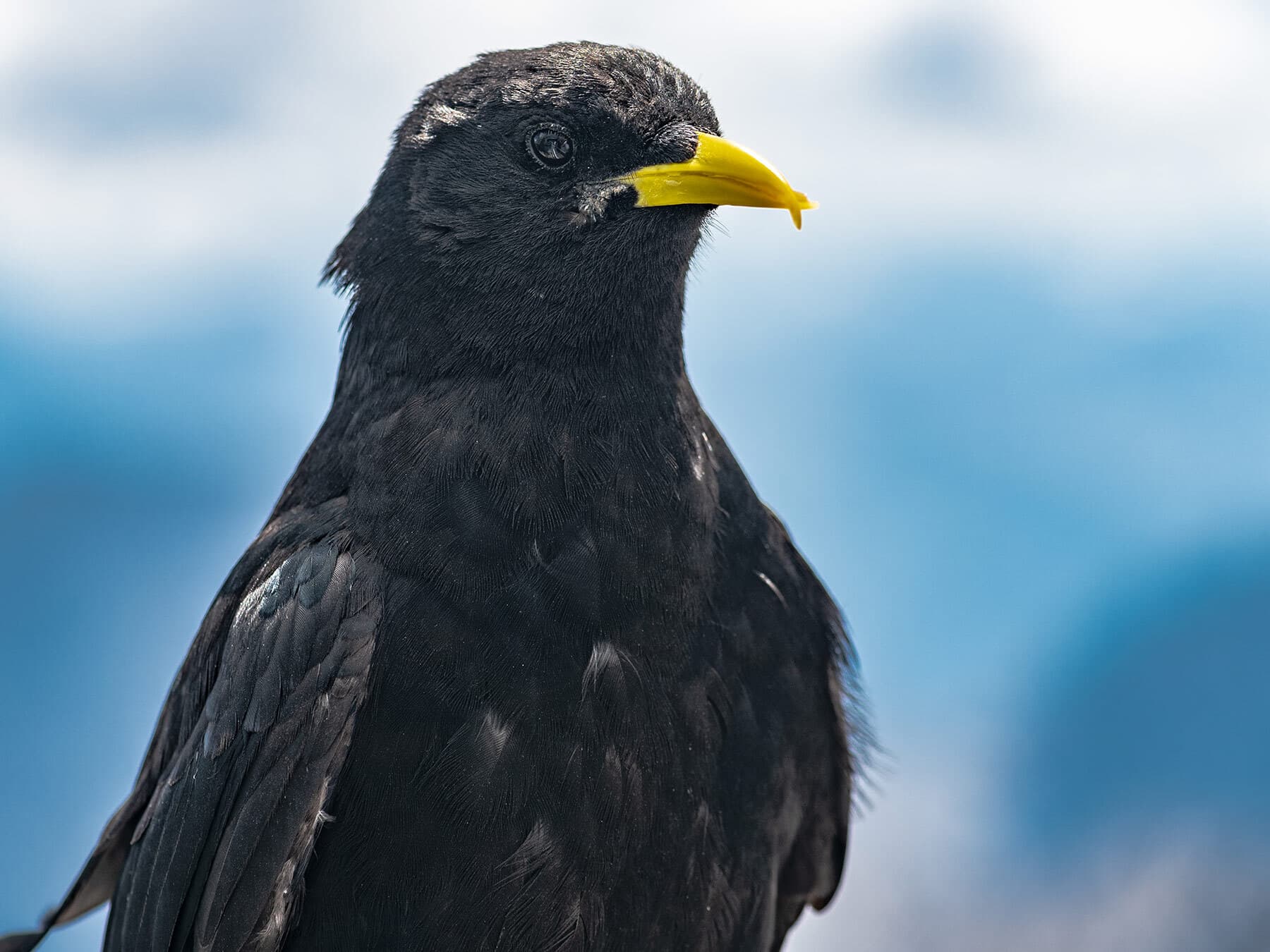 Alpine ChoughPyrrhocorax graculusPassage migrantCommon36–39 cmRegularly Nov–Jun · 1.27% in Nov
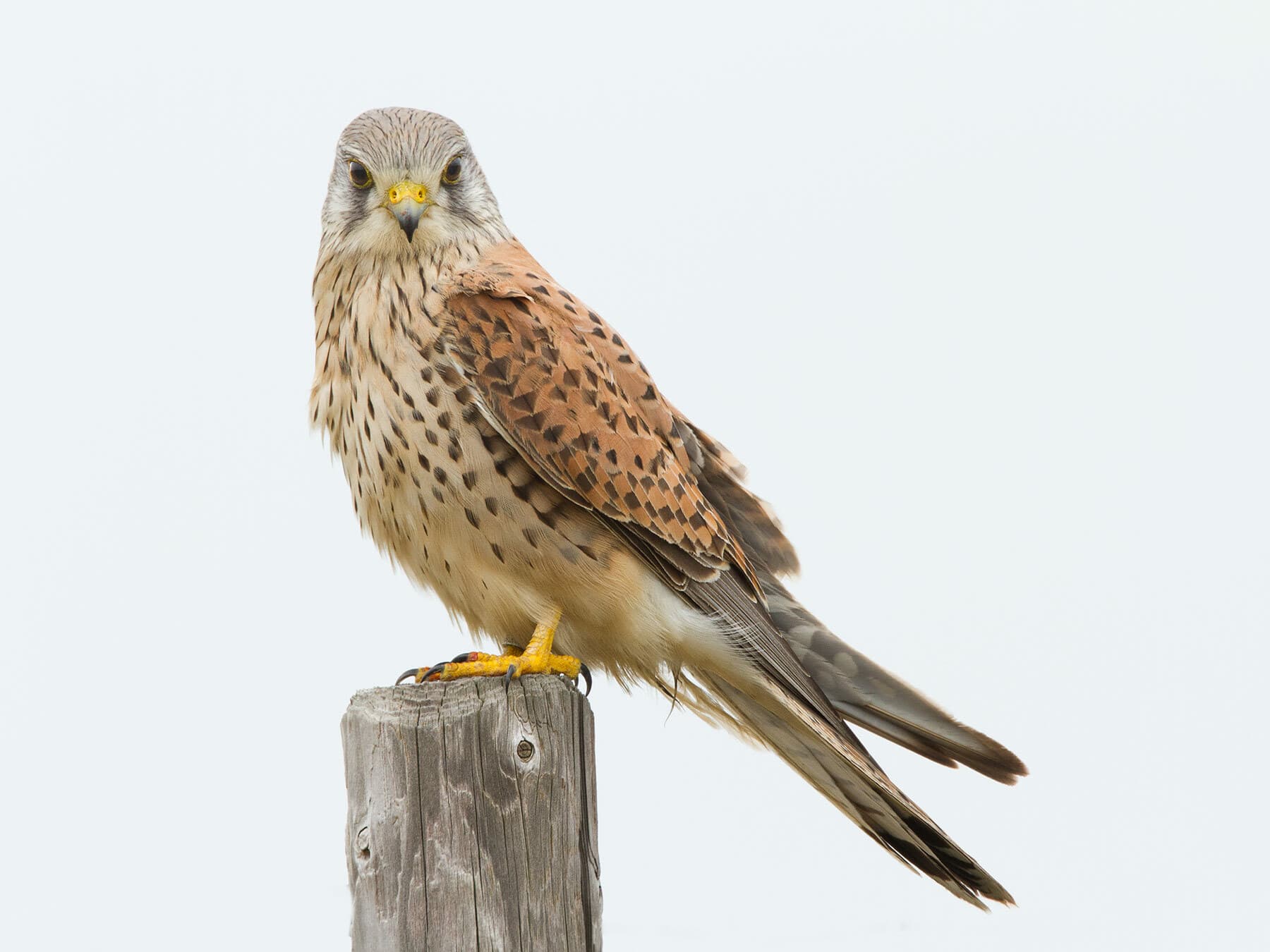 KestrelFalco tinnunculusSummer visitorCommon32–39 cmRegularly Apr–Nov · 1.27% in Nov
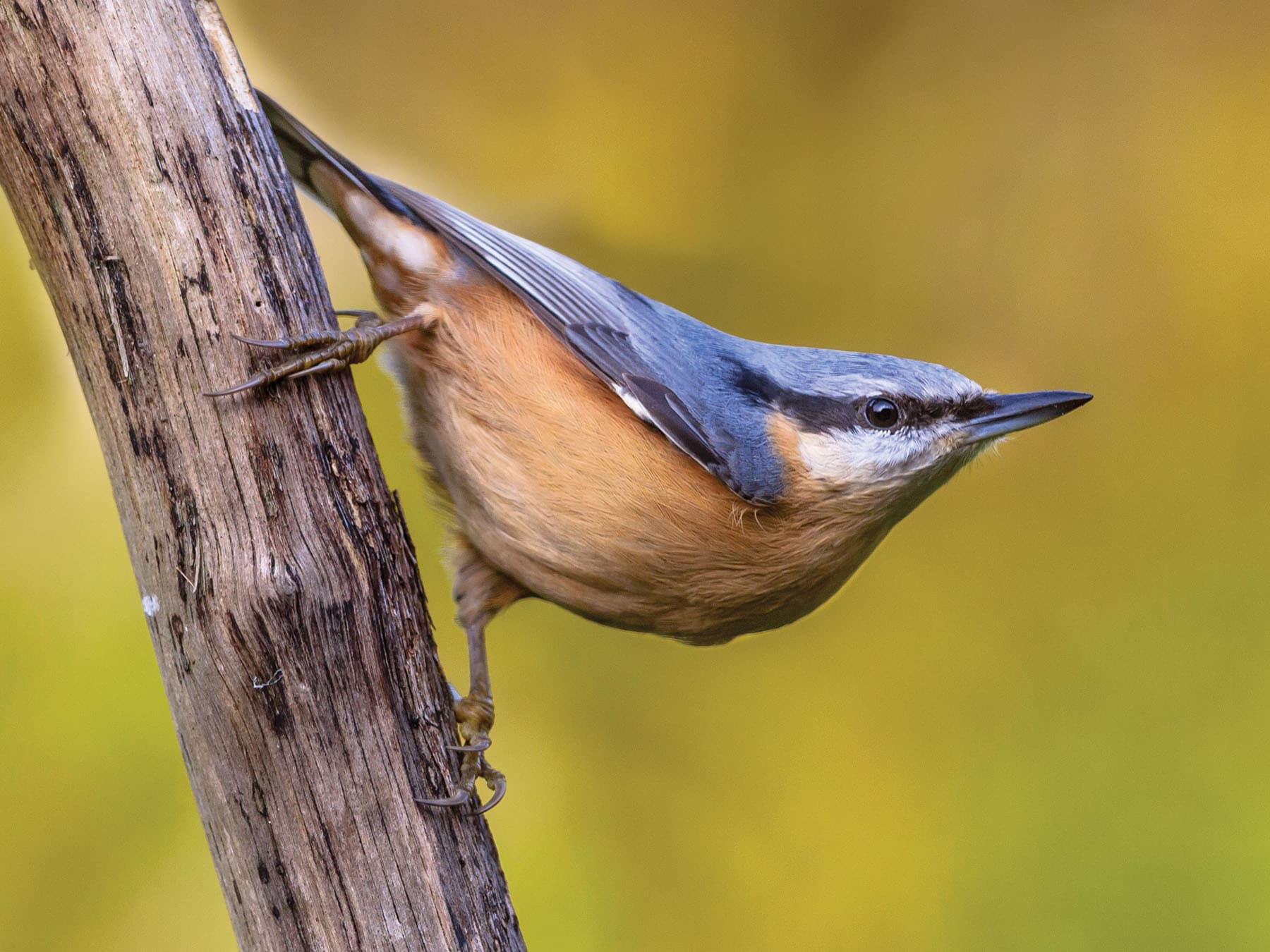 Eurasian NuthatchSitta europaeaPassage migrantCommon12–15 cmRegularly Aug–Mar · 0.95% in Nov
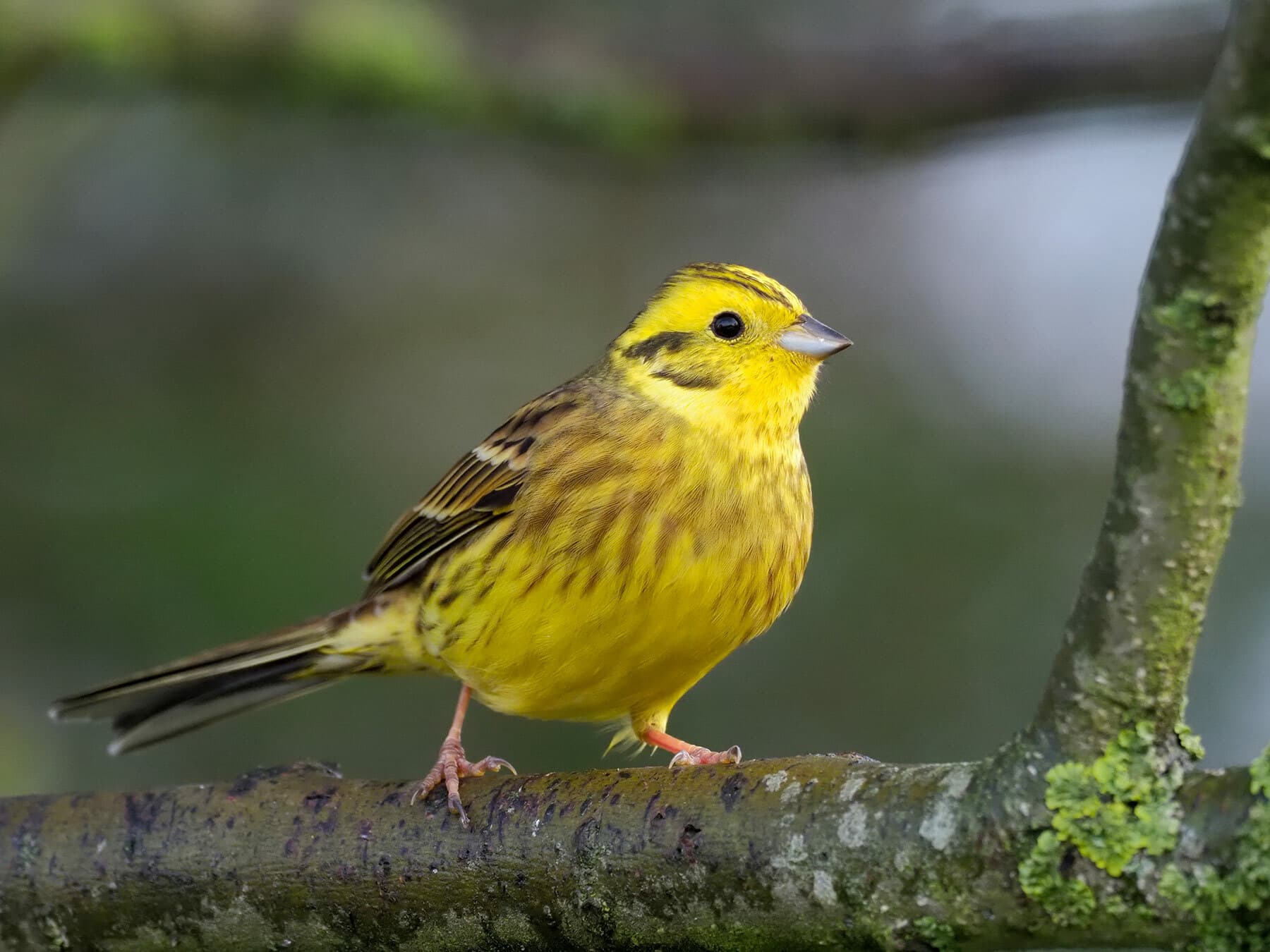 YellowhammerEmberiza citrinellaPassage migrantCommon16–17 cmRegularly May–Nov · 0.95% in Nov
Smallest to largest
Length, cm- Eurasian Wren 9–10 cm
- Blue Tit 11–12 cm
- Crested Tit 11–12 cm
- Marsh Tit 12–13 cm
- European Goldfinch 12–13 cm
- European Robin 13–14 cm
- Eurasian Tree Sparrow 13–14 cm
- Eurasian Nuthatch 12–15 cm
- Chaffinch 14–16 cm
- House Sparrow 14–17 cm
- Yellowhammer 16–17 cm
- Grey Wagtail 17–20 cm
- Blackbird 24–25 cm
- Great Spotted Woodpecker 23–26 cm
- Rock Dove 31–34 cm
- Kestrel 32–39 cm
- Alpine Chough 36–39 cm
- Magpie 44–46 cm
- Carrion Crow 45–47 cm
- Buzzard 51–57 cm
- Mallard 50–65 cm
- Red Kite 60–66 cm
- Great White Egret 80–104 cm
- Grey Heron 90–98 cm
Body length, bill to tail. Rare birds in grey.
Data: EOD – eBird Observation Dataset (Cornell Lab of Ornithology), accessed via GBIF.org, CC BY 4.0. Records from 2019–2024, aggregated and filtered by Birdfact. How these lists are made