
Birds to See in Libya in October
24 bird species on our list for Libya are recorded regularly in October
Of these, the most often recorded are Little Egret, Grey Heron, Great Grey Shrike, Kentish Plover and Western Marsh-harrier. New this month: Great Grey Shrike, Little Egret, Barn Swallow and Curlew and 20 more.
On the move in October
GBIF · OctArriving
From Libya’s bird records, 2019–2024: arriving birds are regular this month but not last; leaving birds are regular this month but not next.
Other months
All 24 birds in October
24 birds
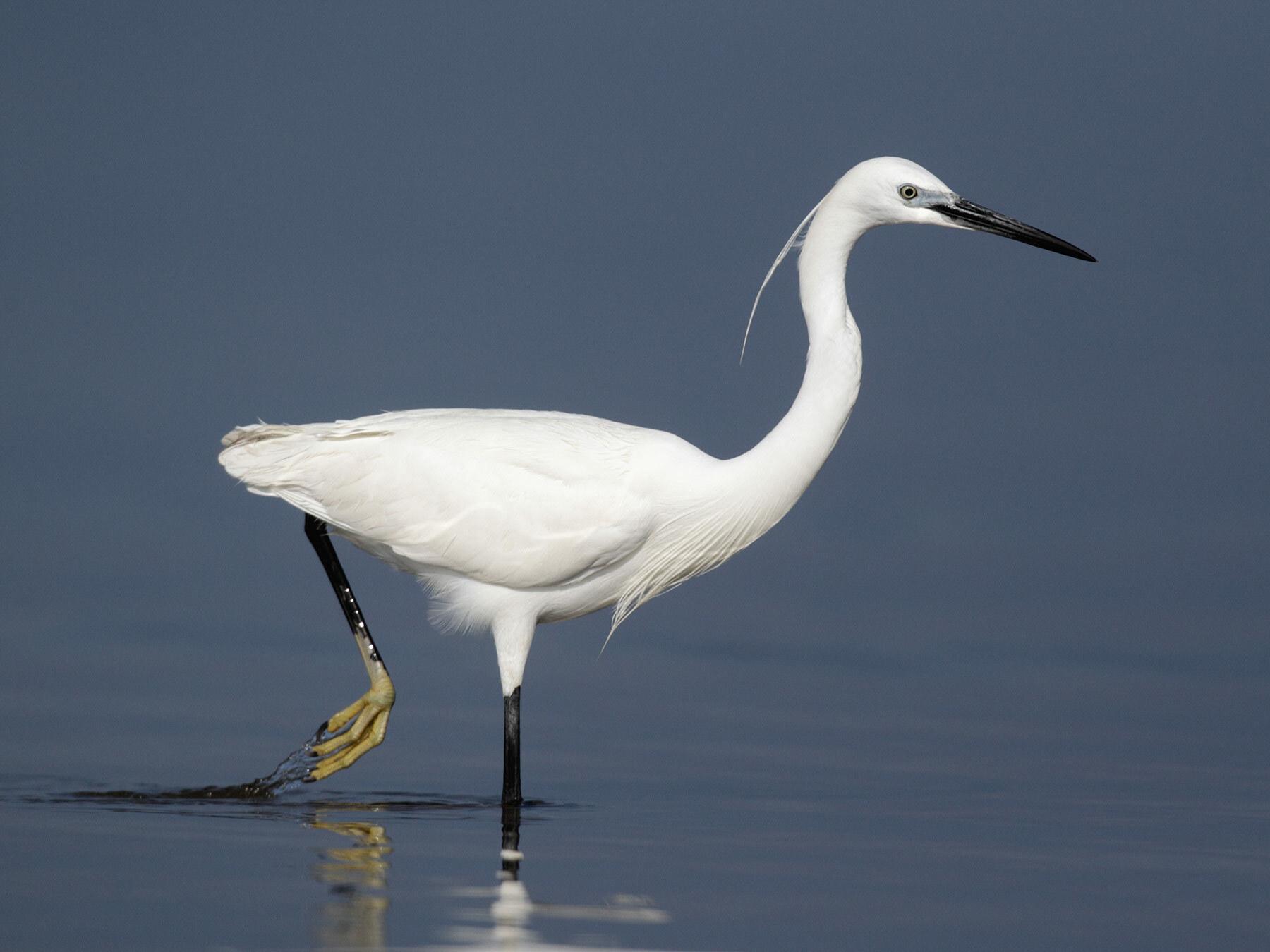 Little EgretEgretta garzettaPassage migrantCommon55–65 cmRegularly May–Oct · 6.93% in Oct
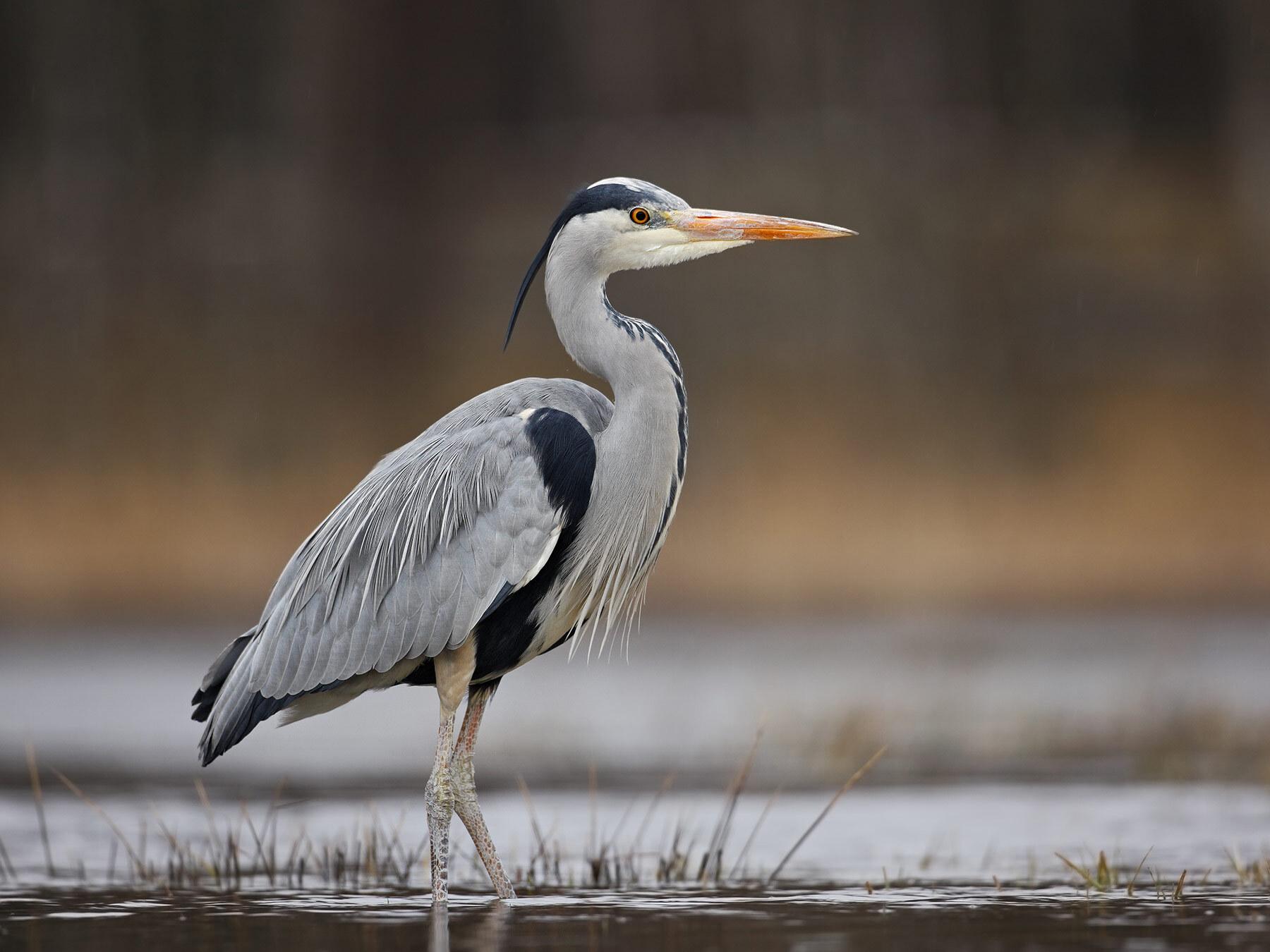 Grey HeronArdea cinereaPassage migrantCommon90–98 cmRegularly Oct · 3.63% in Oct
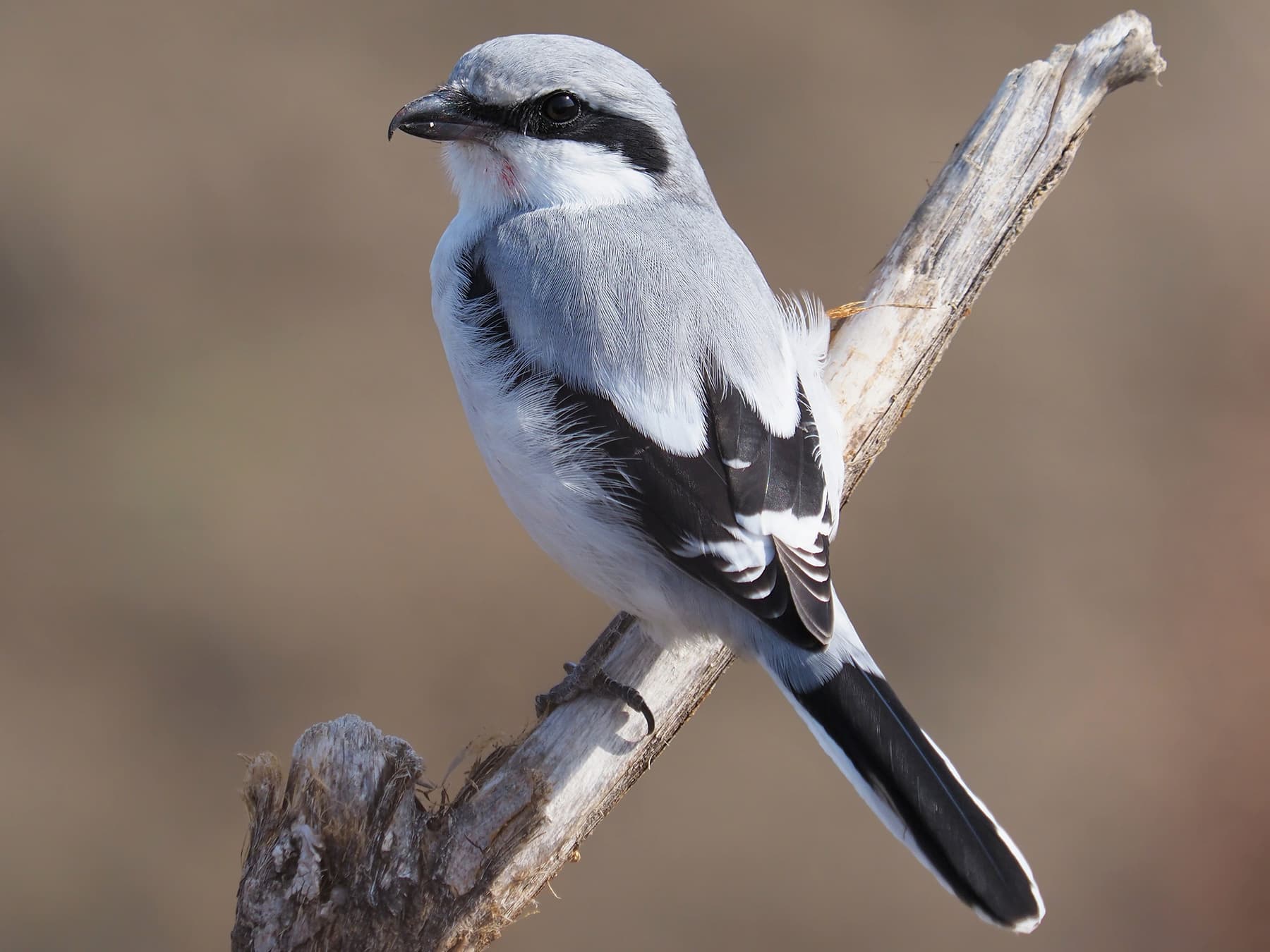 Great Grey ShrikeLanius excubitorPassage migrantCommon24–25 cmRegularly May–Oct · 3.30% in Oct
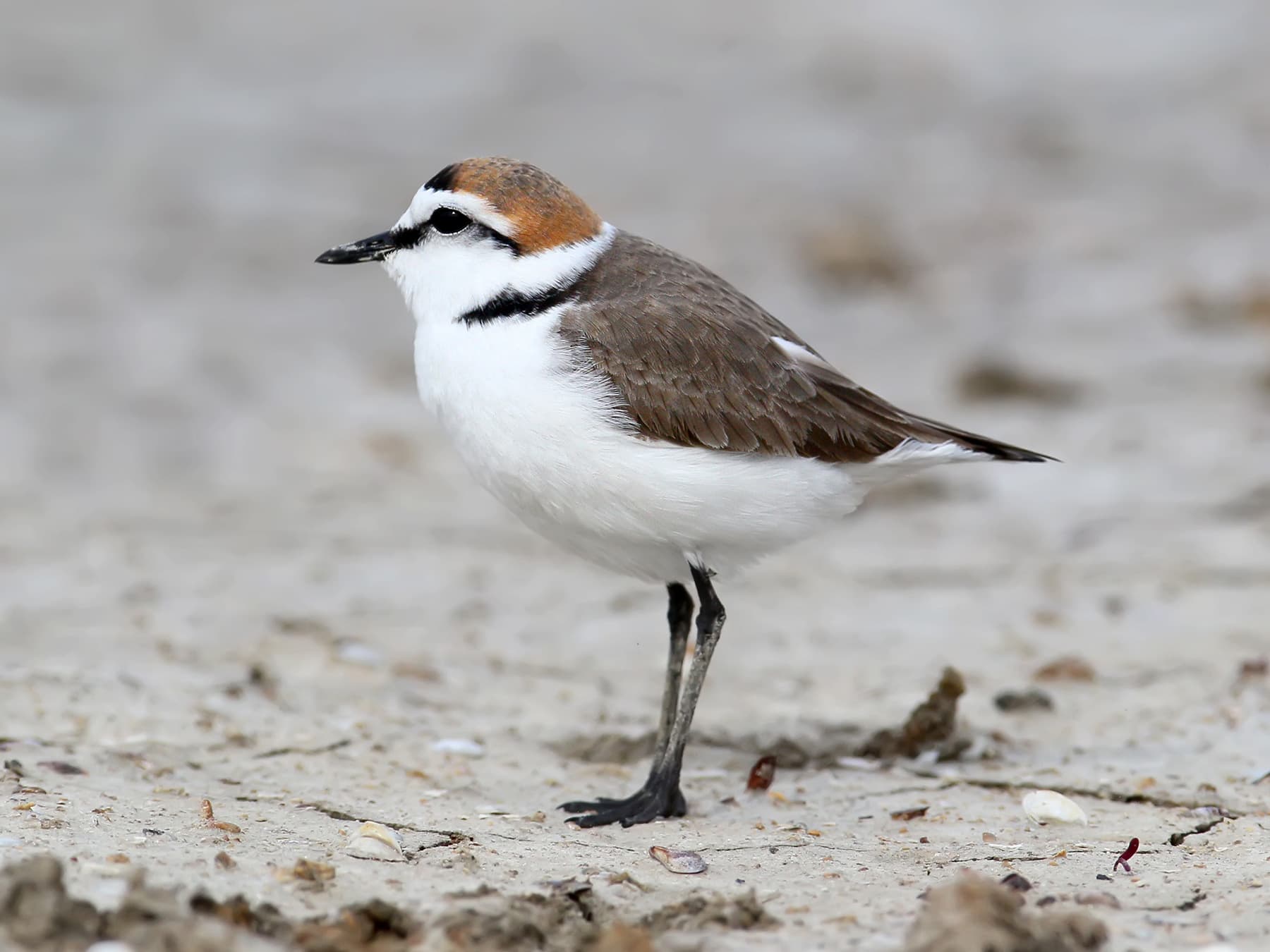 Kentish PloverCharadrius alexandrinusPassage migrantCommon15–17 cmRegularly May–Oct · 2.97% in Oct
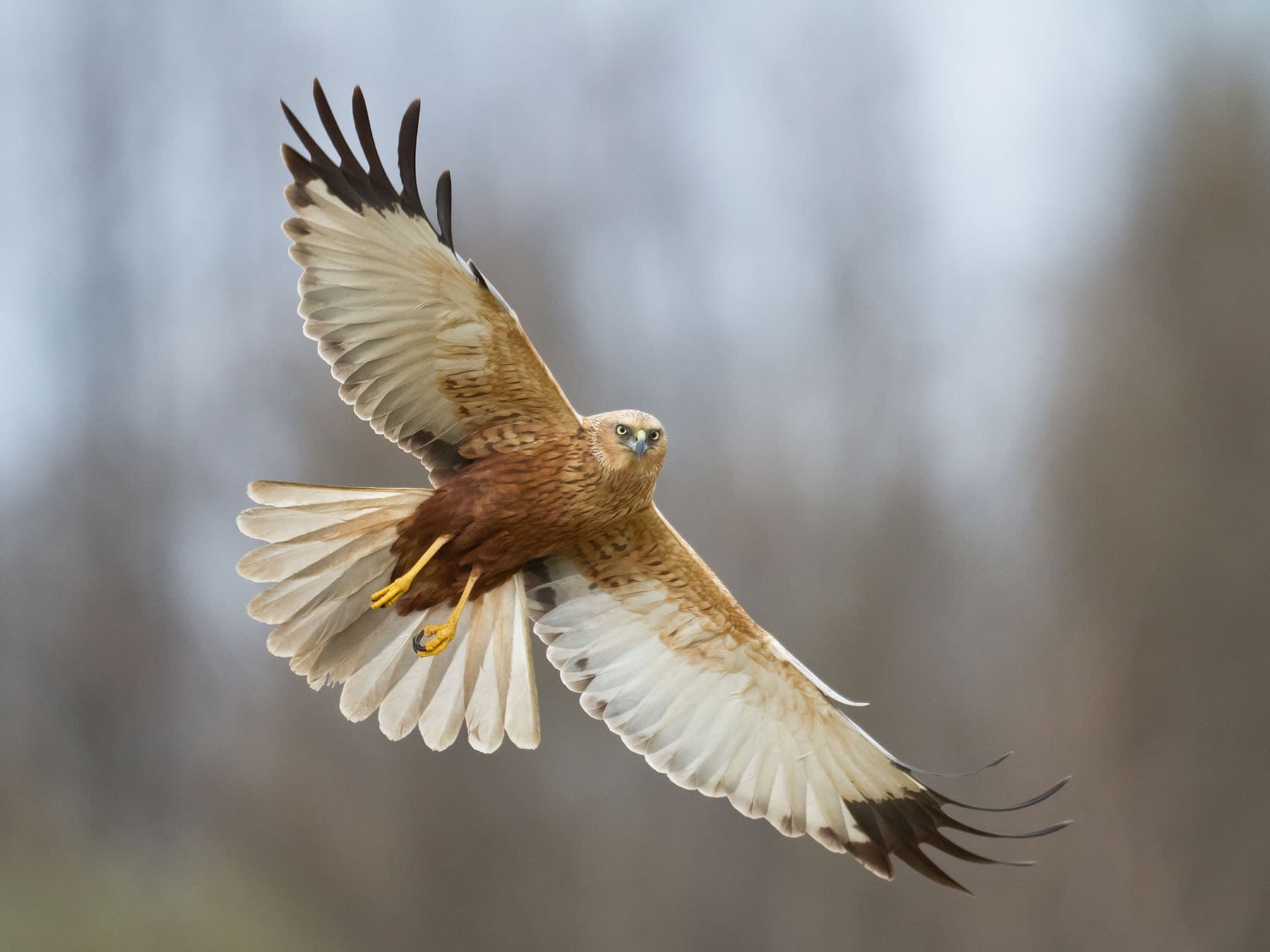 Western Marsh-harrierCircus aeruginosusPassage migrantCommon48–56 cmRegularly Oct · 2.64% in Oct
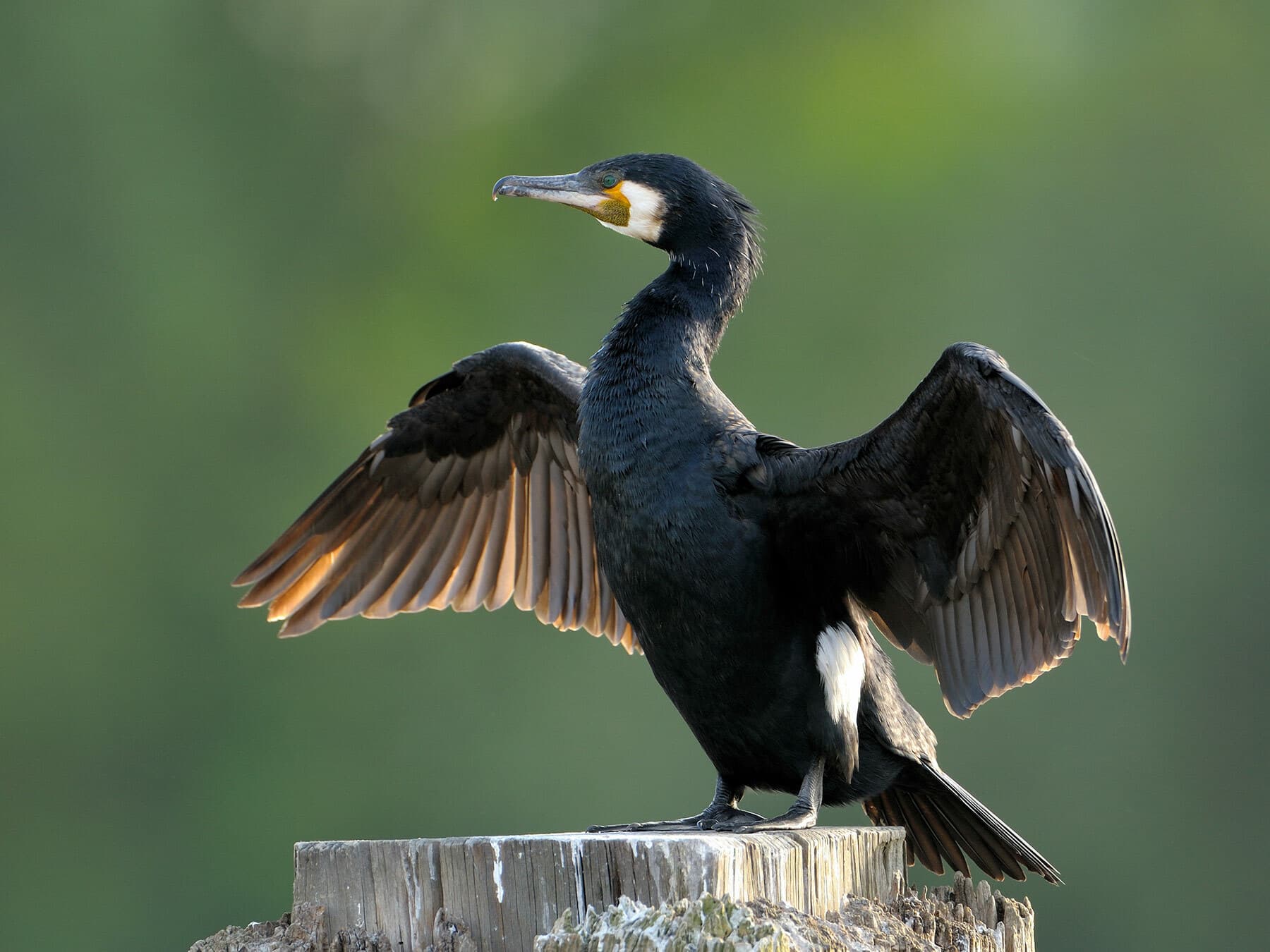 Great CormorantPhalacrocorax carboPassage migrantCommon80–100 cmRegularly Oct · 2.31% in Oct
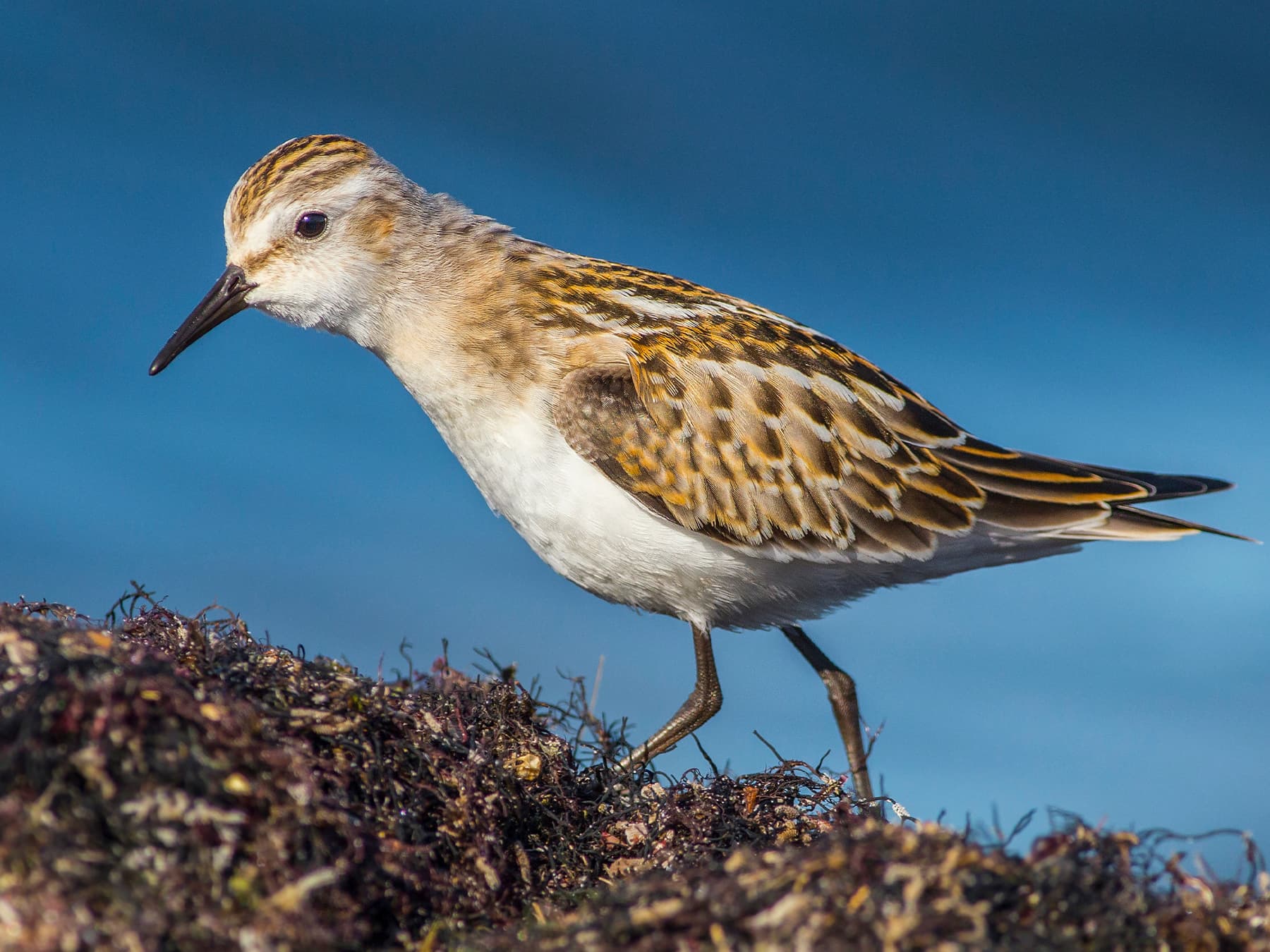 Little StintCalidris minutaPassage migrantCommon13–15 cmRegularly May–Oct · 2.31% in Oct
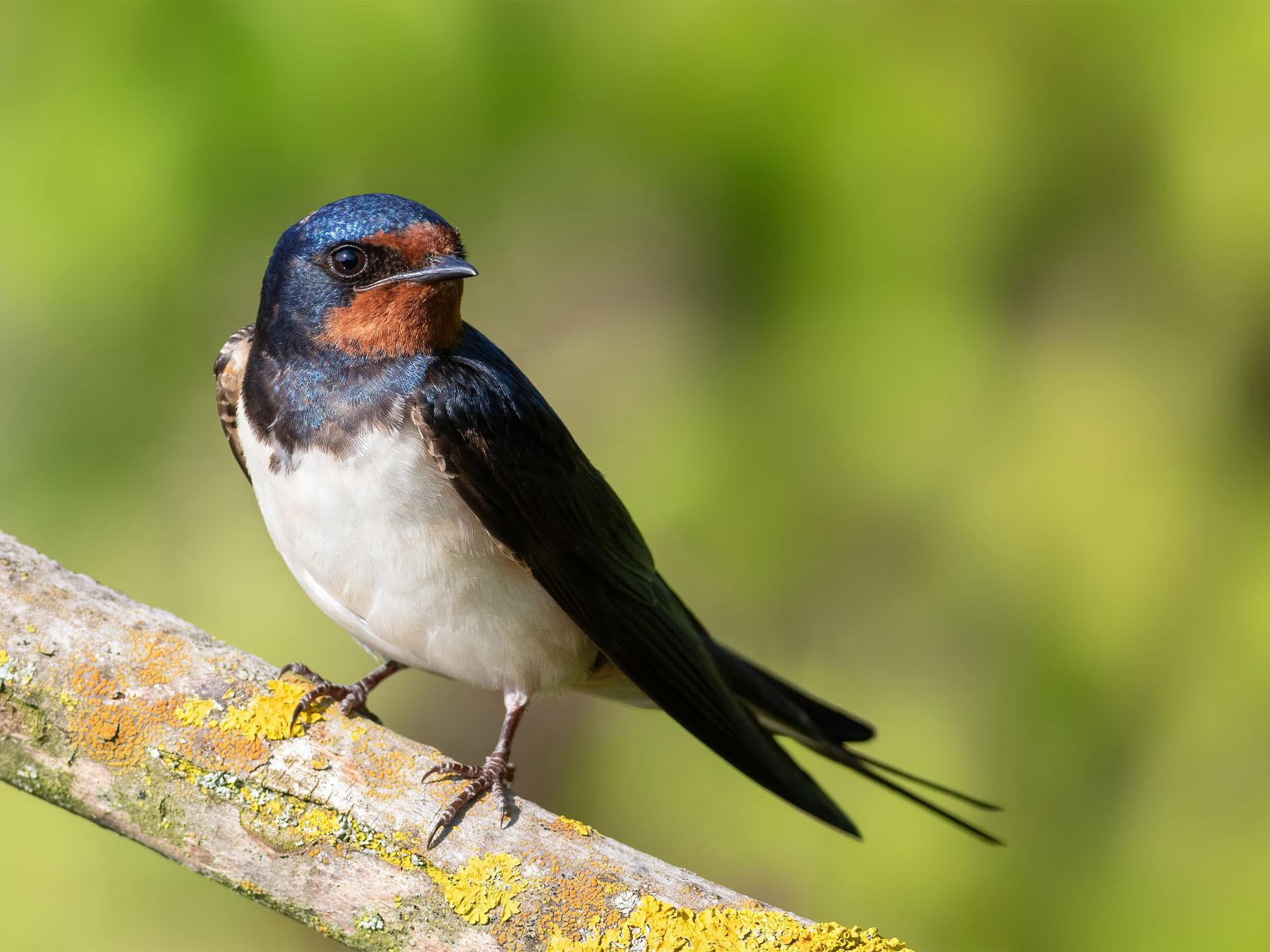 Barn SwallowHirundo rusticaPassage migrantCommon17–19 cmRegularly May–Oct · 1.98% in Oct
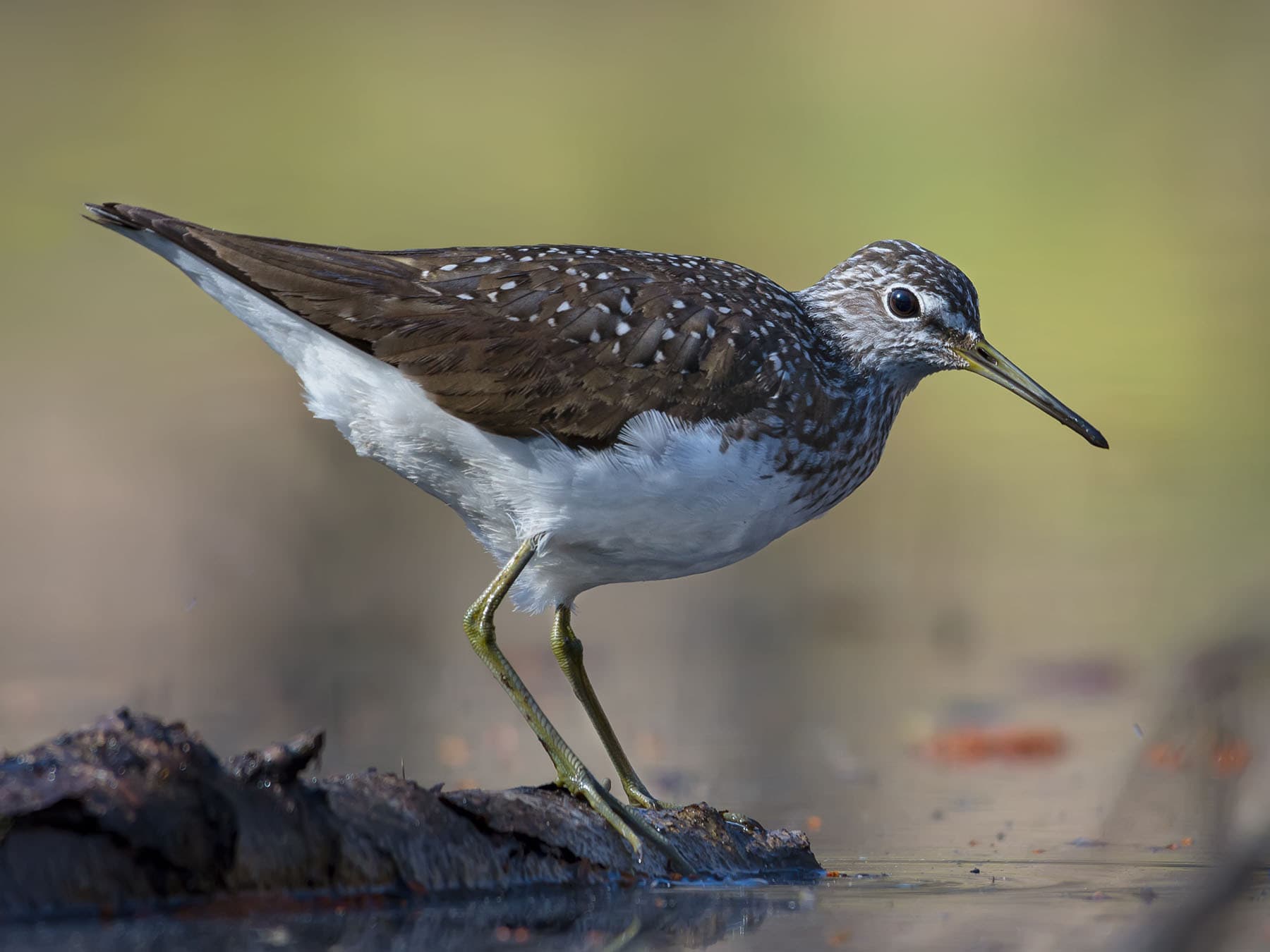 Green SandpiperTringa ochropusPassage migrantCommon21–24 cmRegularly Oct · 1.98% in Oct
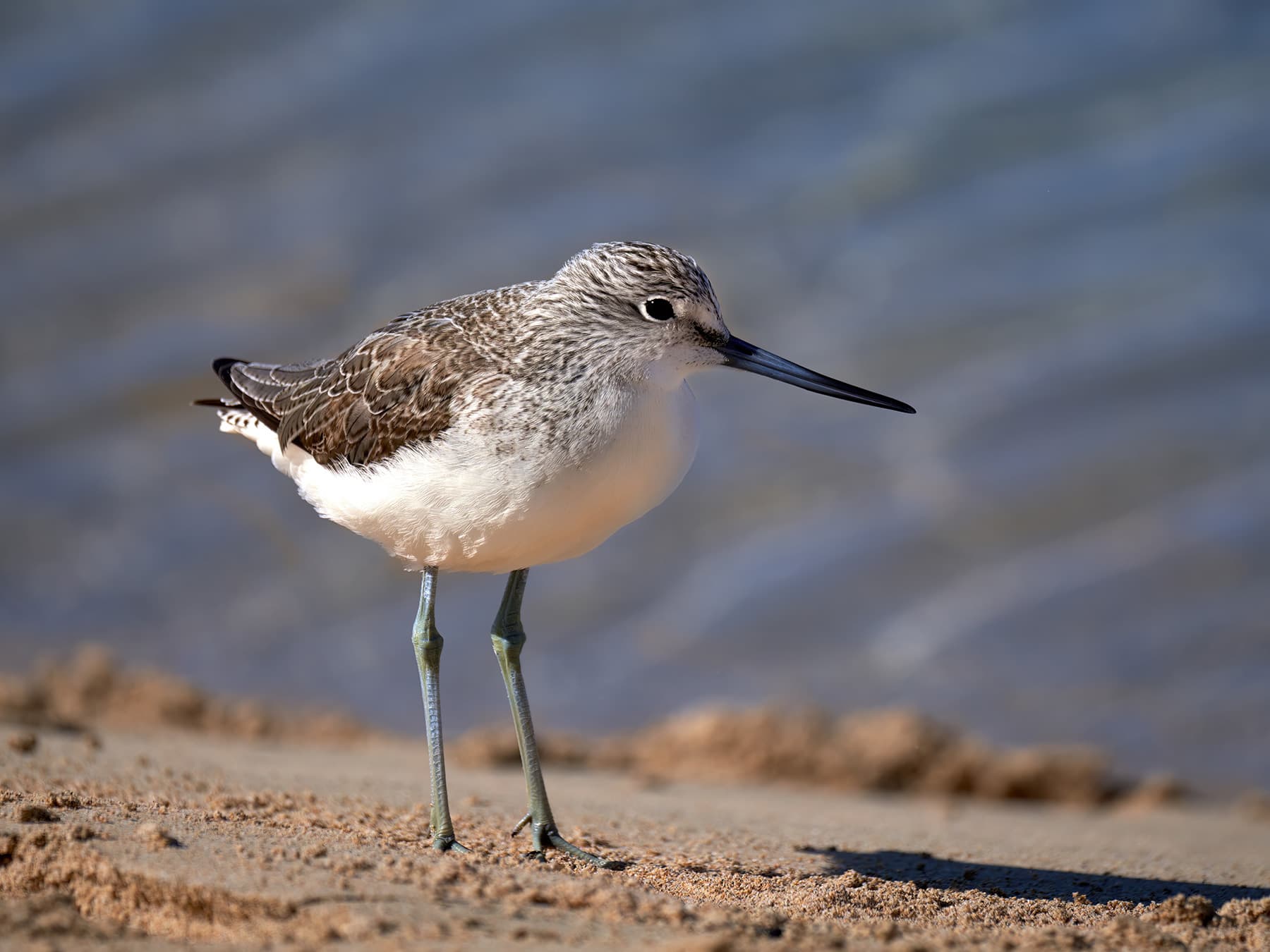 GreenshankTringa nebulariaPassage migrantCommon30–35 cmRegularly May–Oct · 1.98% in Oct
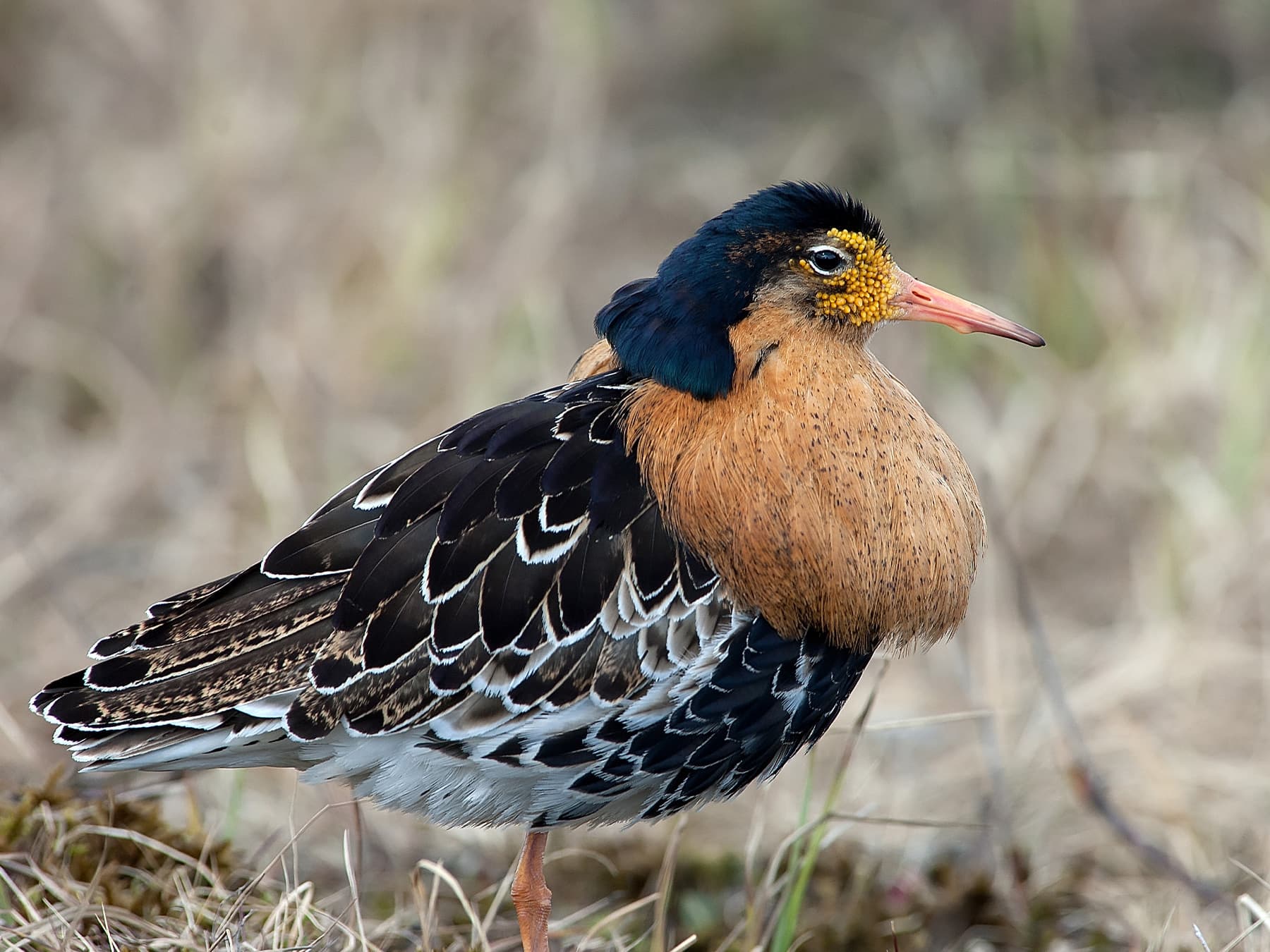 RuffCalidris pugnaxPassage migrantCommon20–32 cmRegularly May–Oct · 1.98% in Oct
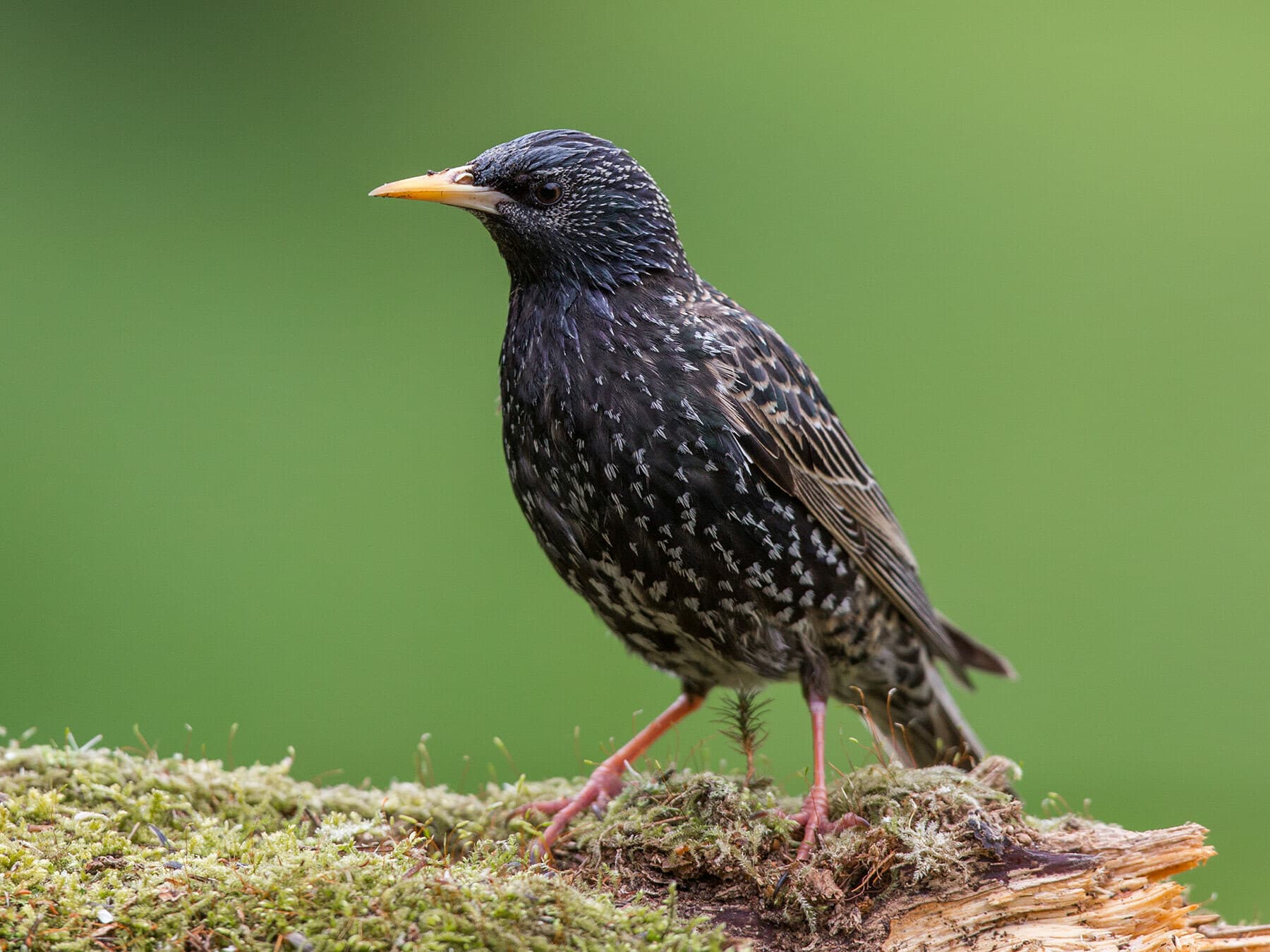 Common StarlingSturnus vulgarisPassage migrantCommon21–23 cmRegularly Oct · 1.65% in Oct
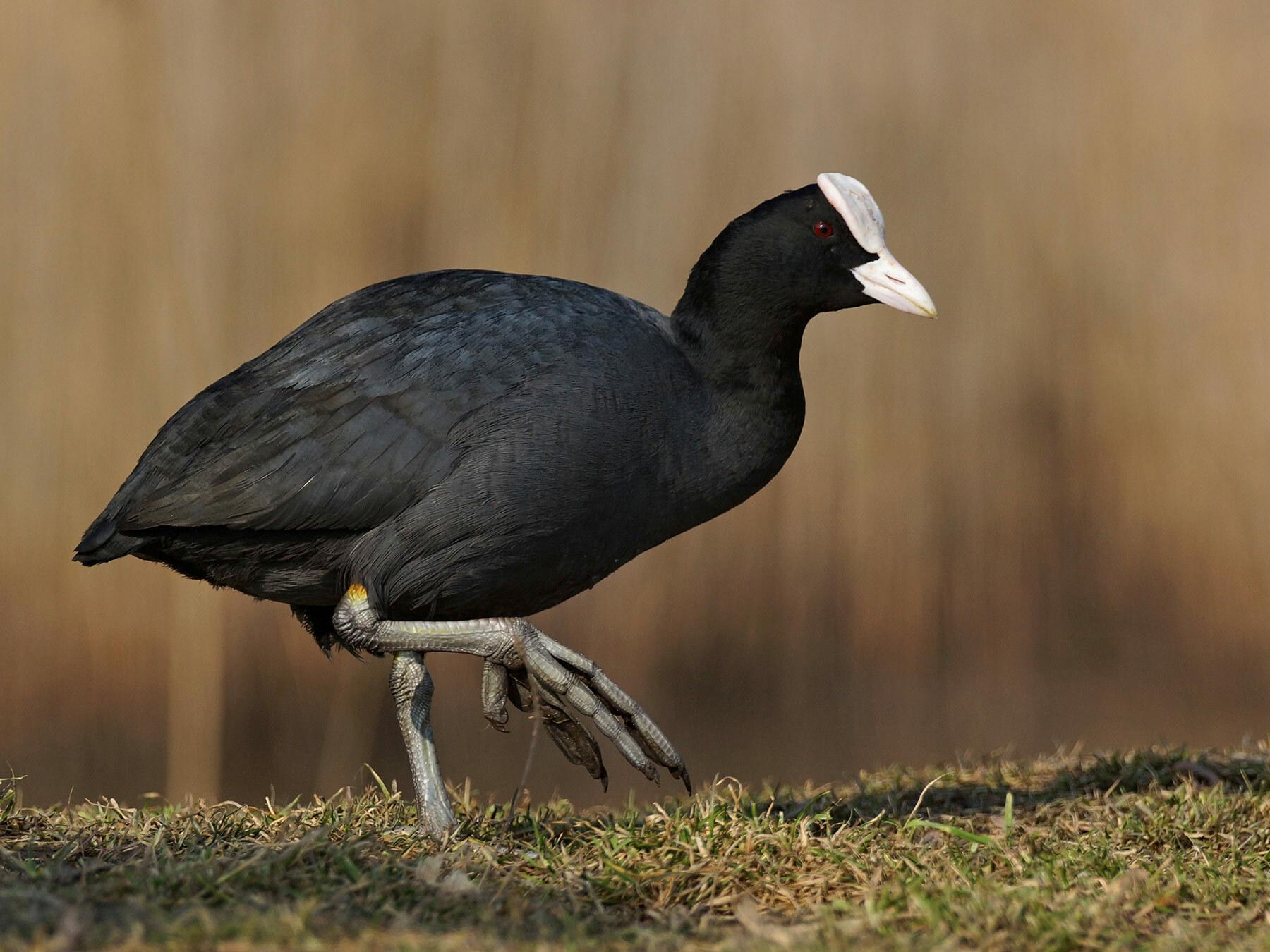 CootFulica atraPassage migrantCommon36–38 cmRegularly Oct · 1.65% in Oct
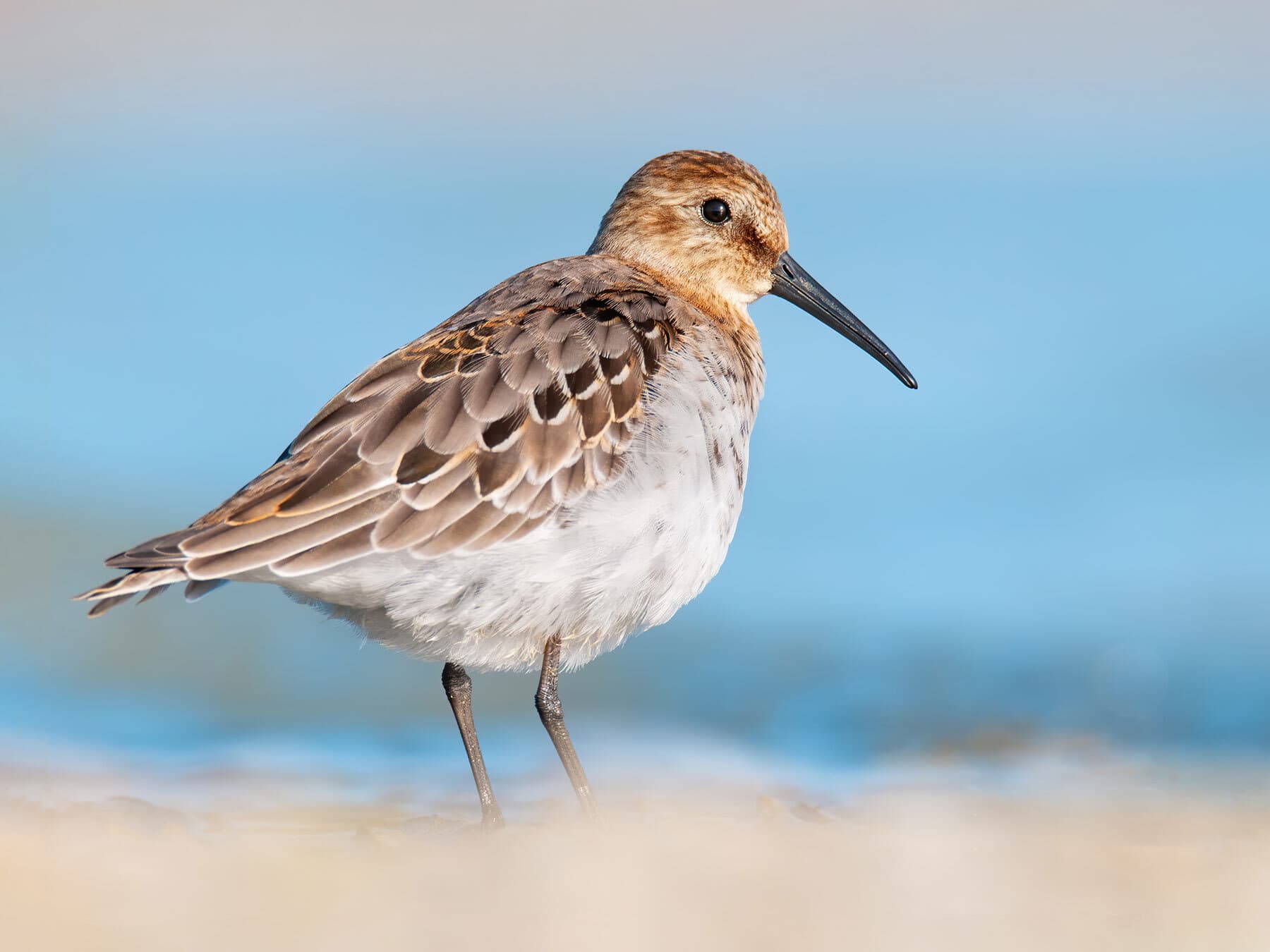 DunlinCalidris alpinaScarceCommon16–22 cmRegularly Oct · 1.65% in Oct
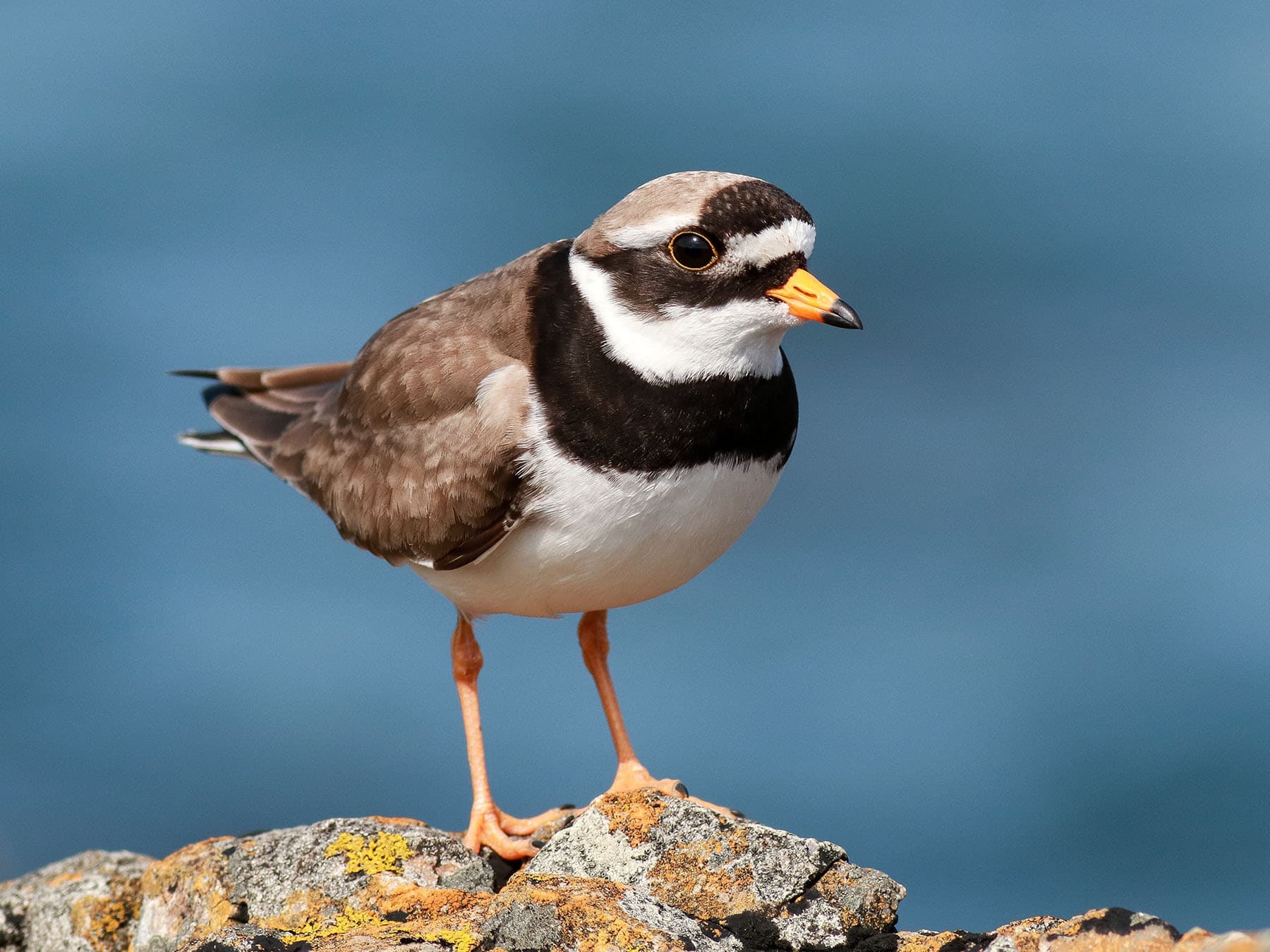 Ringed PloverCharadrius hiaticulaPassage migrantCommon17–19 cmRegularly Oct · 1.65% in Oct
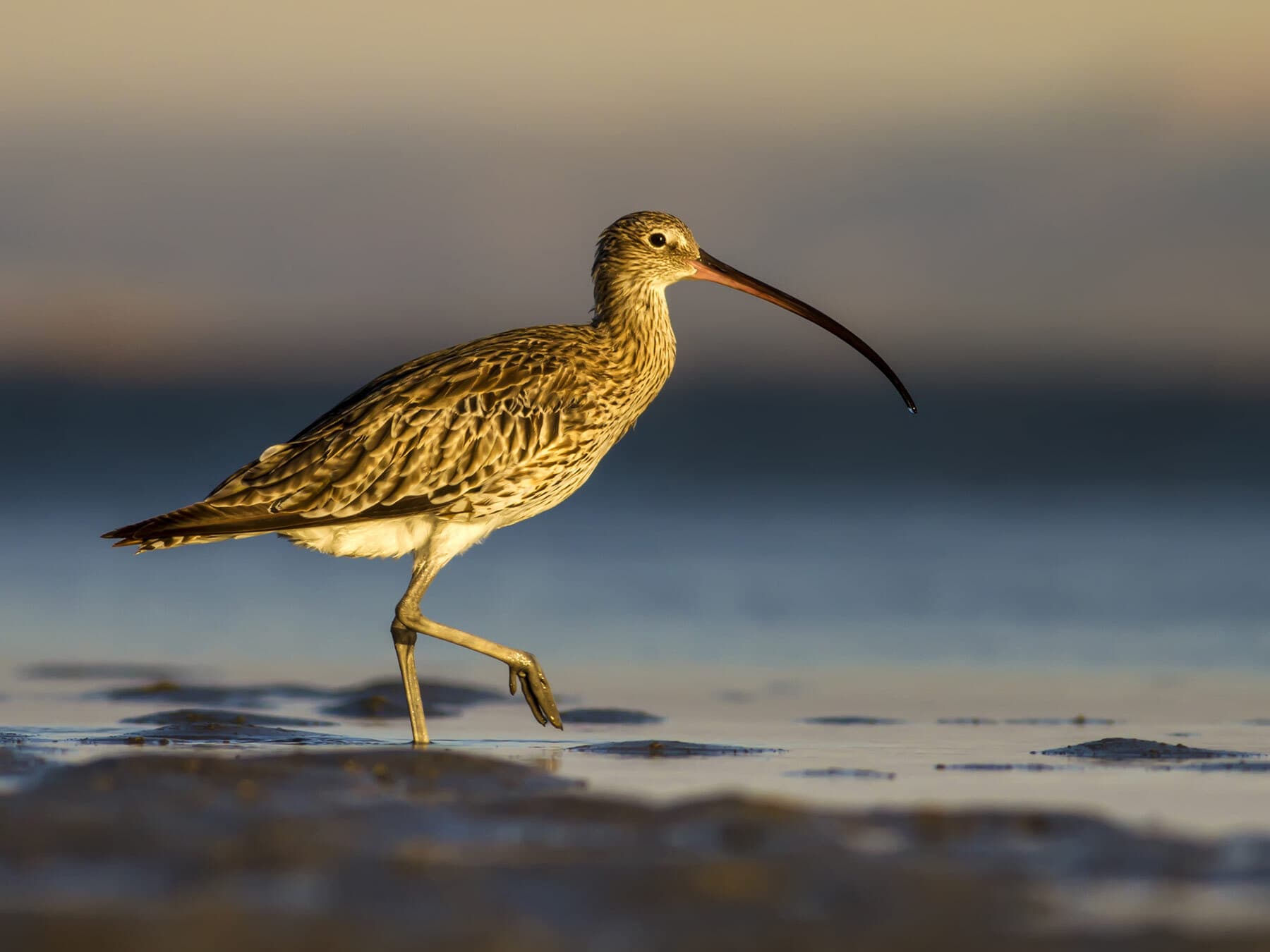 CurlewNumenius arquataScarceCommon50–60 cmRegularly Oct · 1.32% in Oct
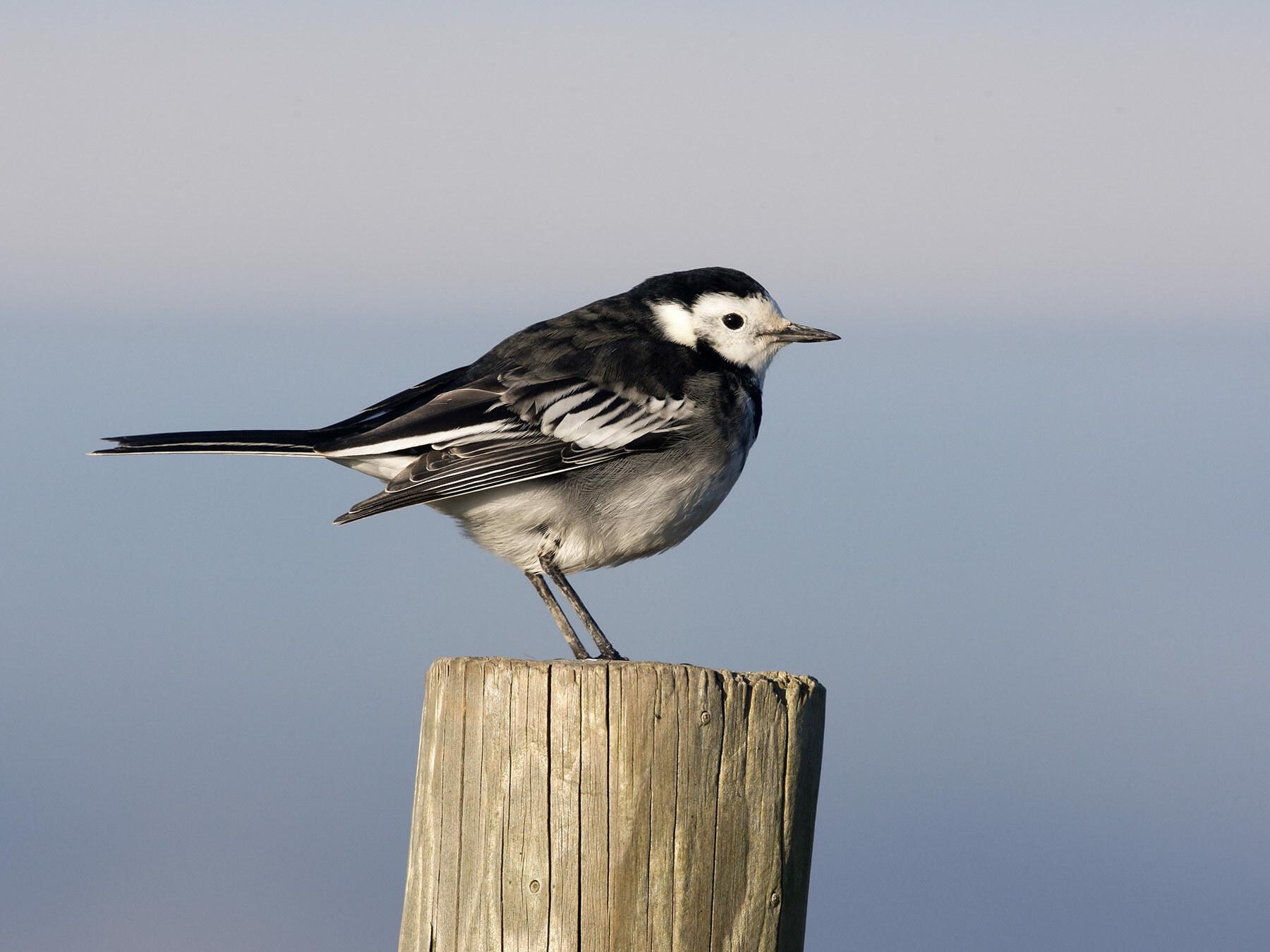 Pied WagtailMotacilla albaPassage migrantCommon17–18 cmRegularly Oct · 1.32% in Oct
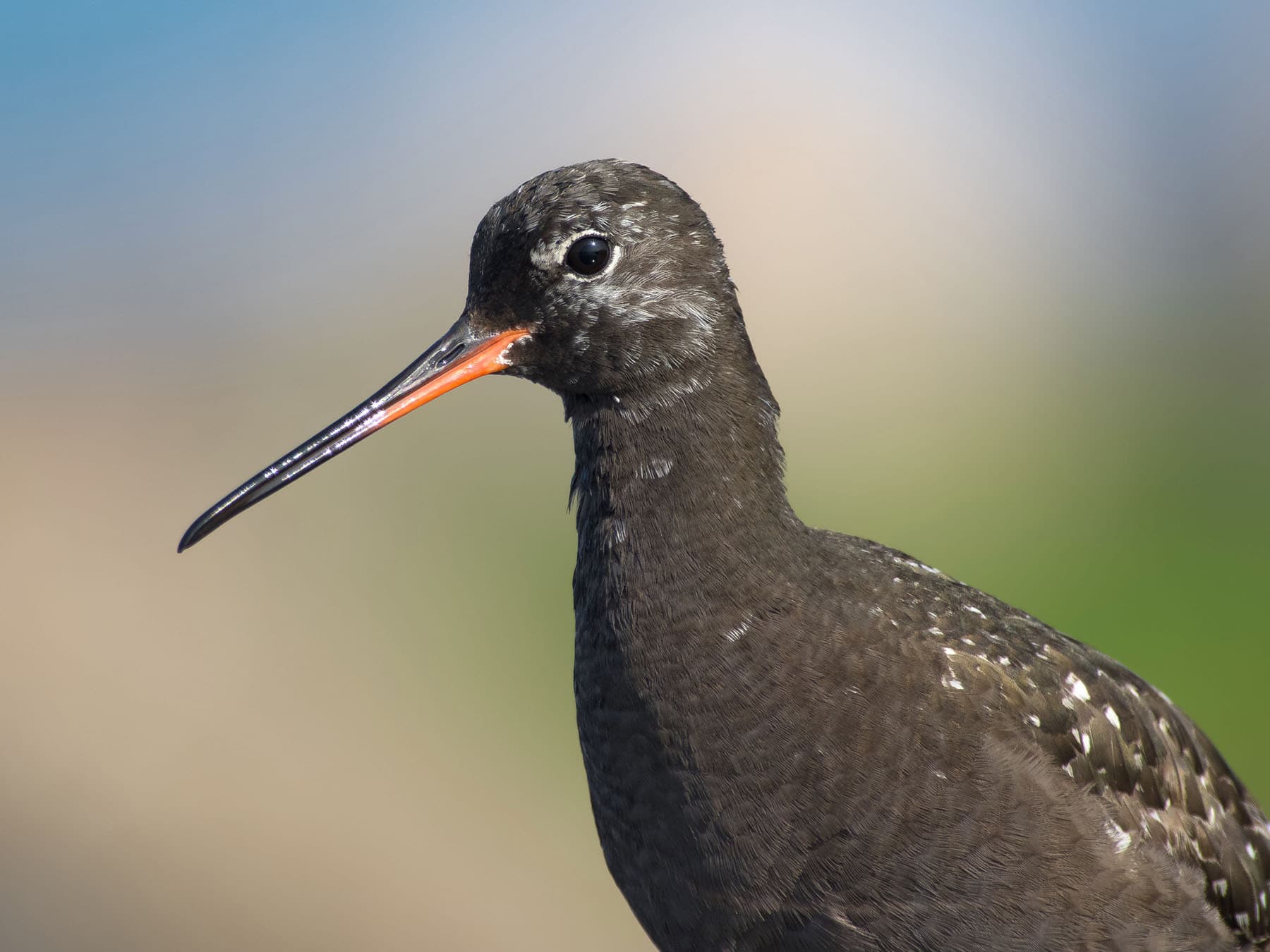 Spotted RedshankTringa erythropusPassage migrantCommon29–31 cmRegularly Oct · 1.32% in Oct
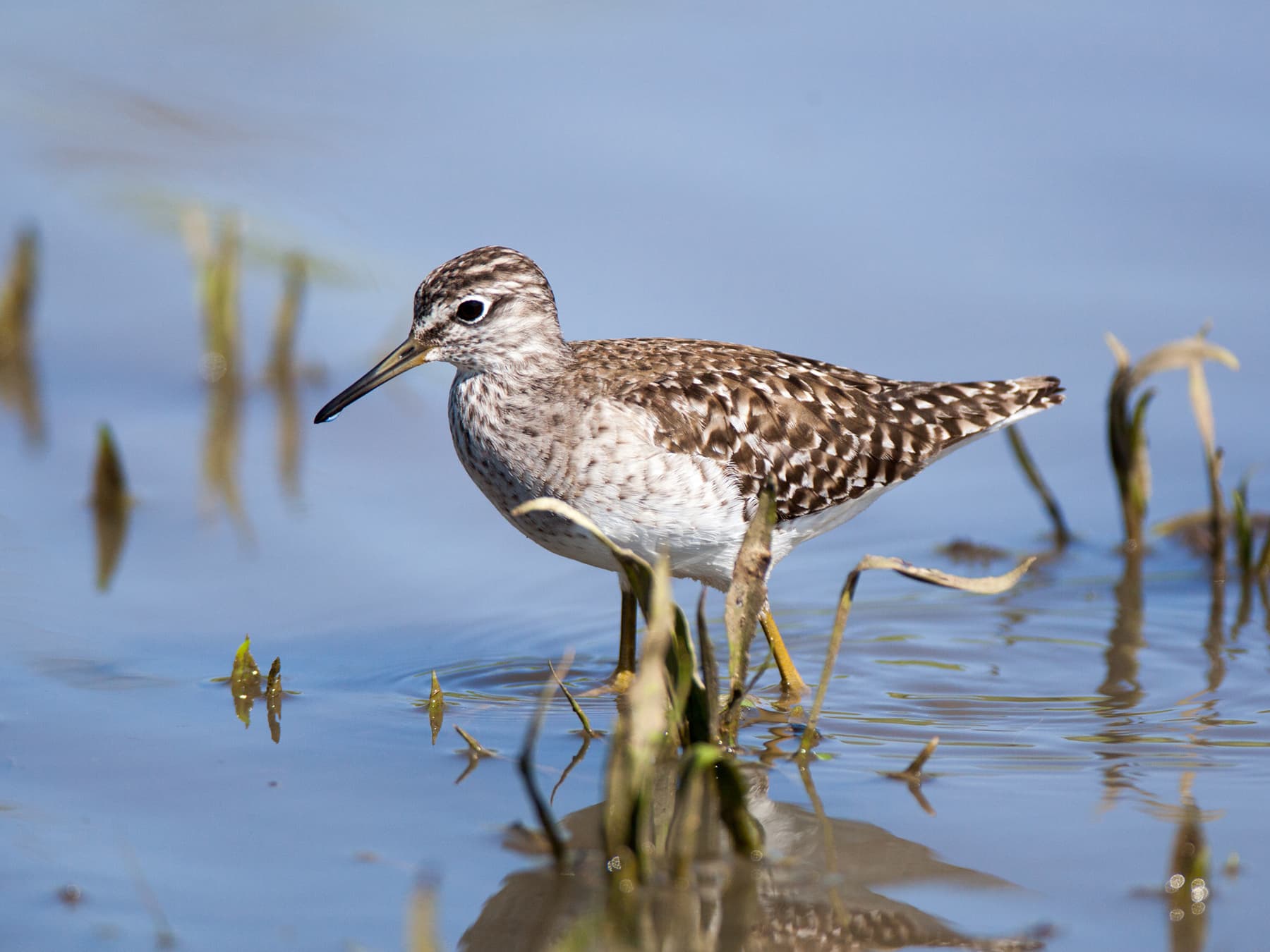 Wood SandpiperTringa glareolaPassage migrantCommon19–21 cmRegularly May–Oct · 1.32% in Oct
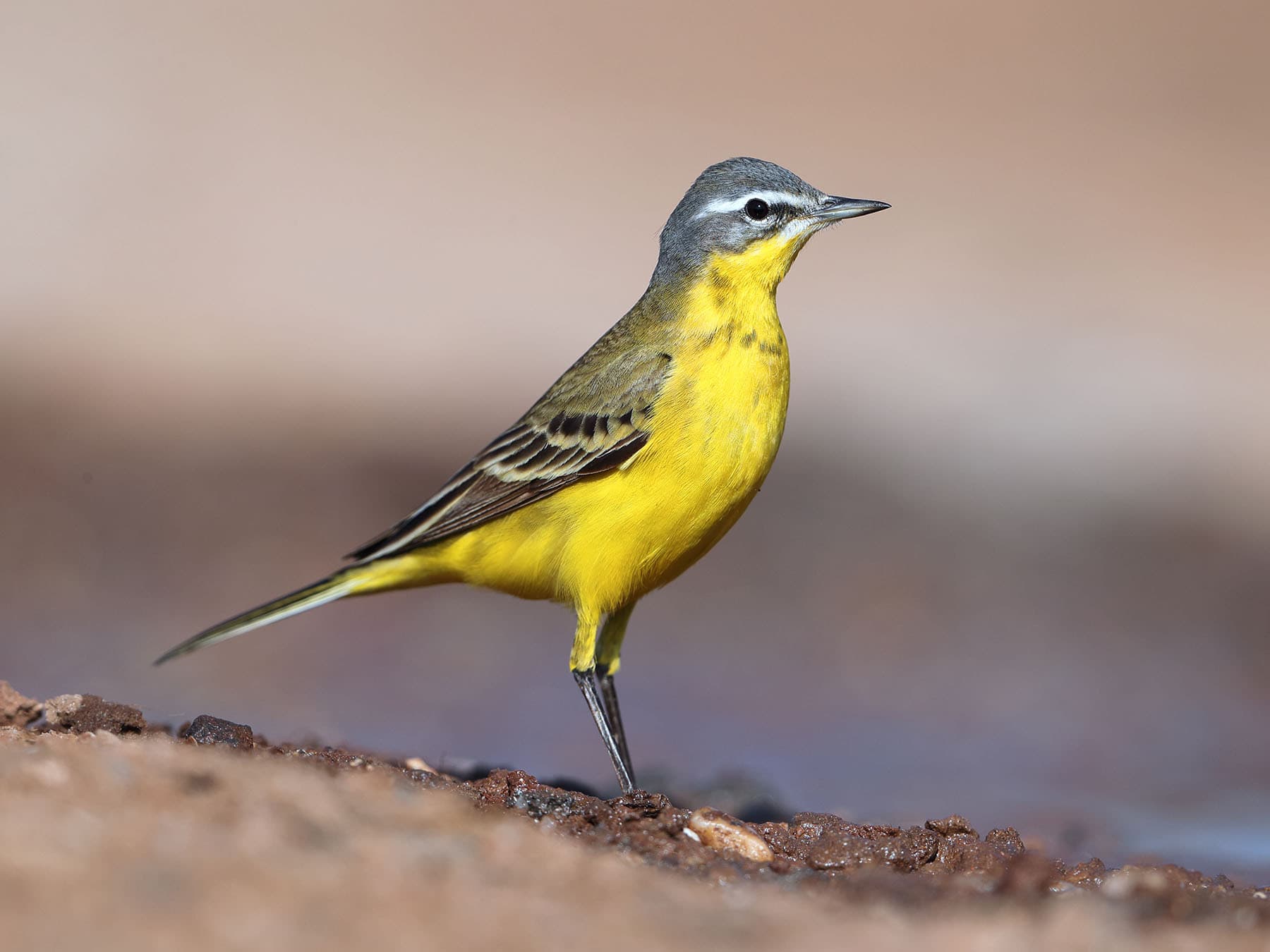 Yellow WagtailMotacilla flavaScarceCommon15–17 cmRegularly Oct · 1.32% in Oct
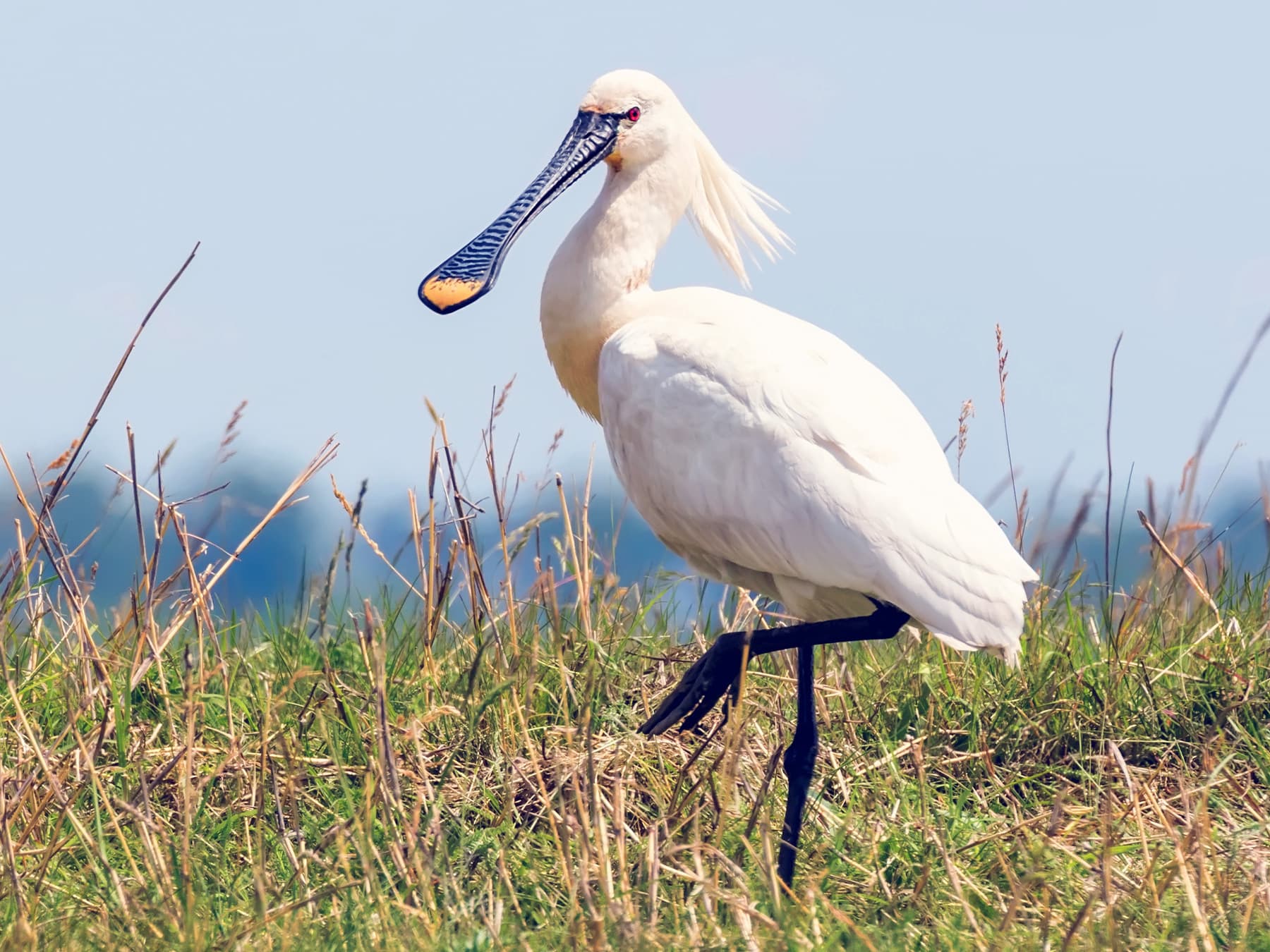 Eurasian SpoonbillPlatalea leucorodiaPassage migrantCommon80–90 cmRegularly Oct · 0.99% in Oct
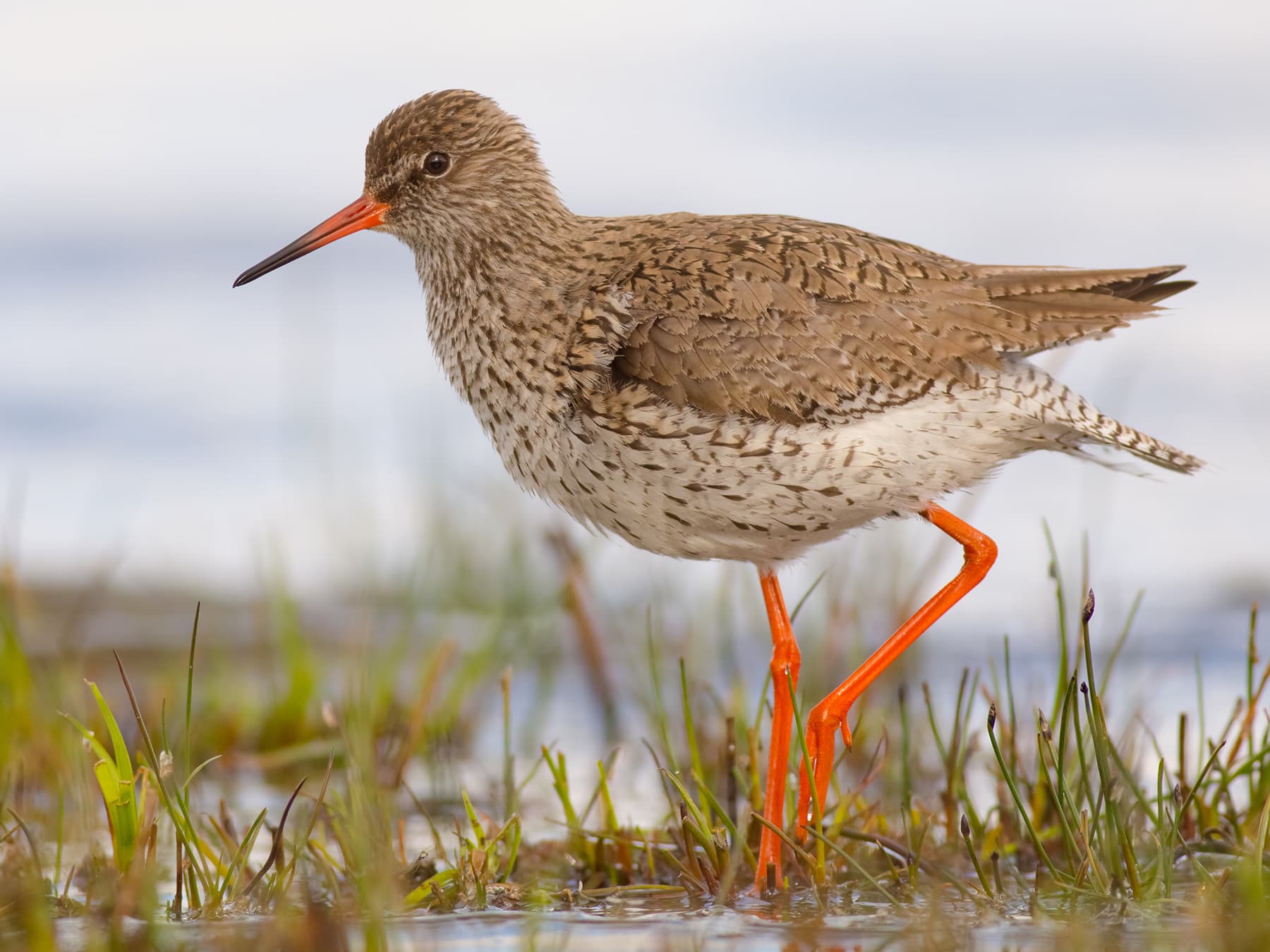 RedshankTringa totanusScarceCommon27–29 cmRegularly Oct · 0.99% in Oct
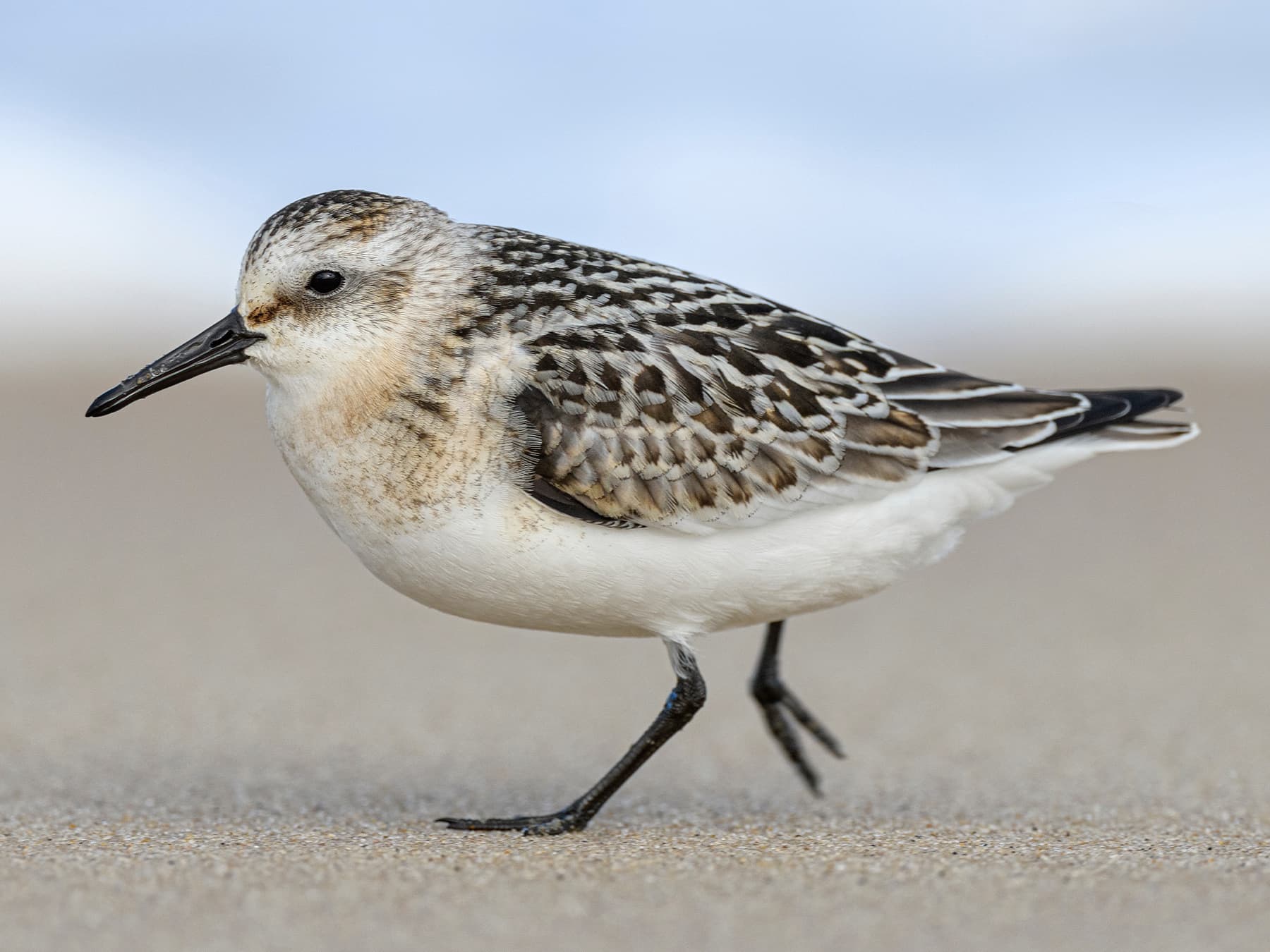 SanderlingCalidris albaScarceCommon18–20 cmRegularly Oct · 0.99% in Oct
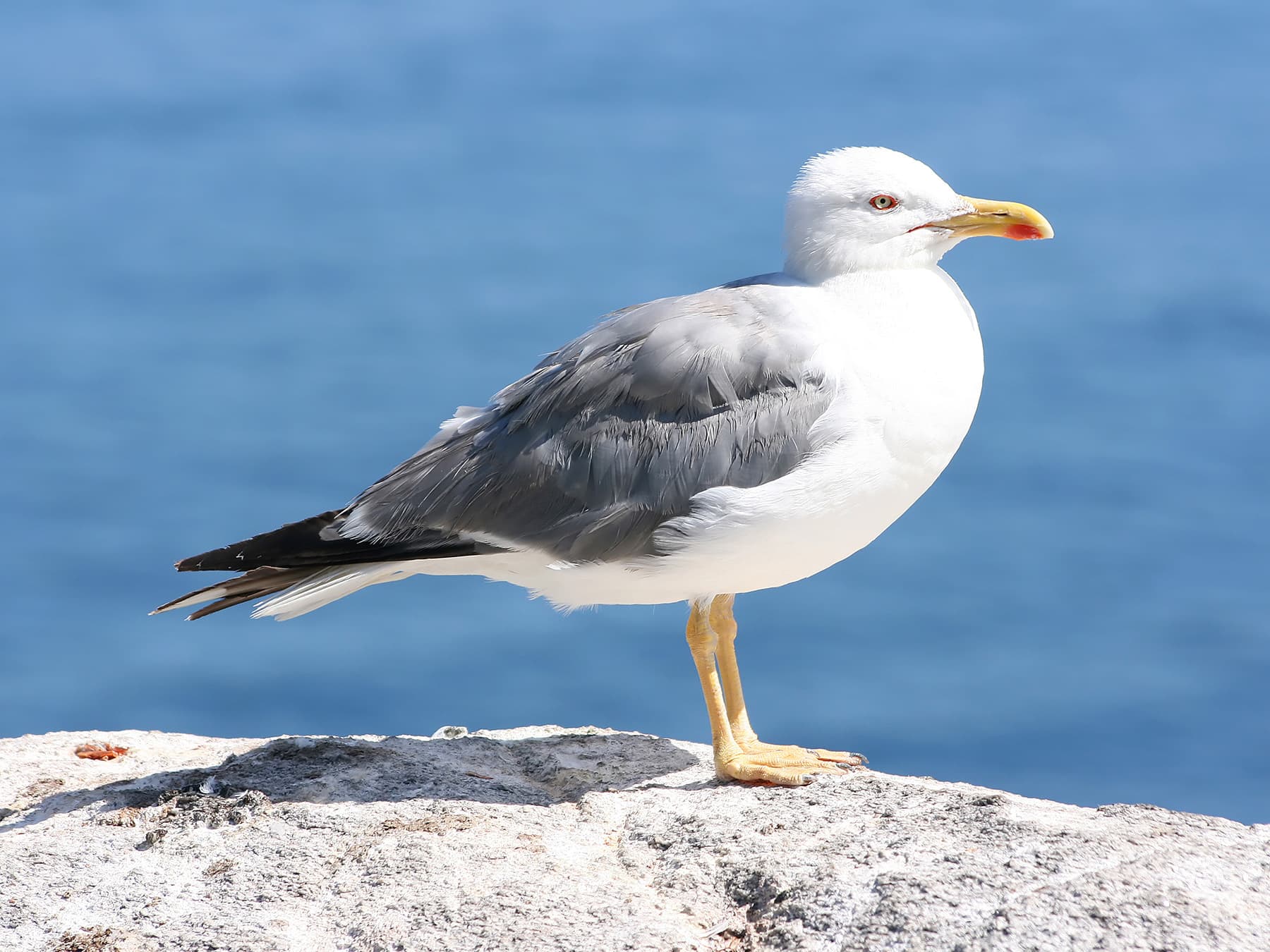 Yellow-legged GullLarus michahellisPassage migrantCommon52–68 cmRegularly Oct · 0.99% in Oct
Smallest to largest
Length, cm- Little Stint 13–15 cm
- Kentish Plover 15–17 cm
- Yellow Wagtail 15–17 cm
- Pied Wagtail 17–18 cm
- Barn Swallow 17–19 cm
- Ringed Plover 17–19 cm
- Dunlin 16–22 cm
- Sanderling 18–20 cm
- Wood Sandpiper 19–21 cm
- Common Starling 21–23 cm
- Green Sandpiper 21–24 cm
- Great Grey Shrike 24–25 cm
- Ruff 20–32 cm
- Redshank 27–29 cm
- Spotted Redshank 29–31 cm
- Greenshank 30–35 cm
- Coot 36–38 cm
- Western Marsh-harrier 48–56 cm
- Curlew 50–60 cm
- Little Egret 55–65 cm
- Yellow-legged Gull 52–68 cm
- Eurasian Spoonbill 80–90 cm
- Great Cormorant 80–100 cm
- Grey Heron 90–98 cm
Body length, bill to tail. Rare birds in grey.
Data: EOD – eBird Observation Dataset (Cornell Lab of Ornithology), accessed via GBIF.org, CC BY 4.0. Records from 2019–2024, aggregated and filtered by Birdfact. How these lists are made