


Birds to See in Merthyr Tydfil in January
23 bird species on our list for Merthyr Tydfil are recorded regularly in January
Of these, the most often recorded are Carrion Crow, Buzzard, Blackbird, Blue Tit and Great Tit. New this month: Carrion Crow, Buzzard, Woodpigeon and Blackbird and 9 more.
On the move in January
GBIF · JanArriving
At their peak
From Merthyr Tydfil’s bird records, 2019–2024: arriving birds are regular this month but not last; leaving birds are regular this month but not next.
Other months
All 23 birds in January
23 birds
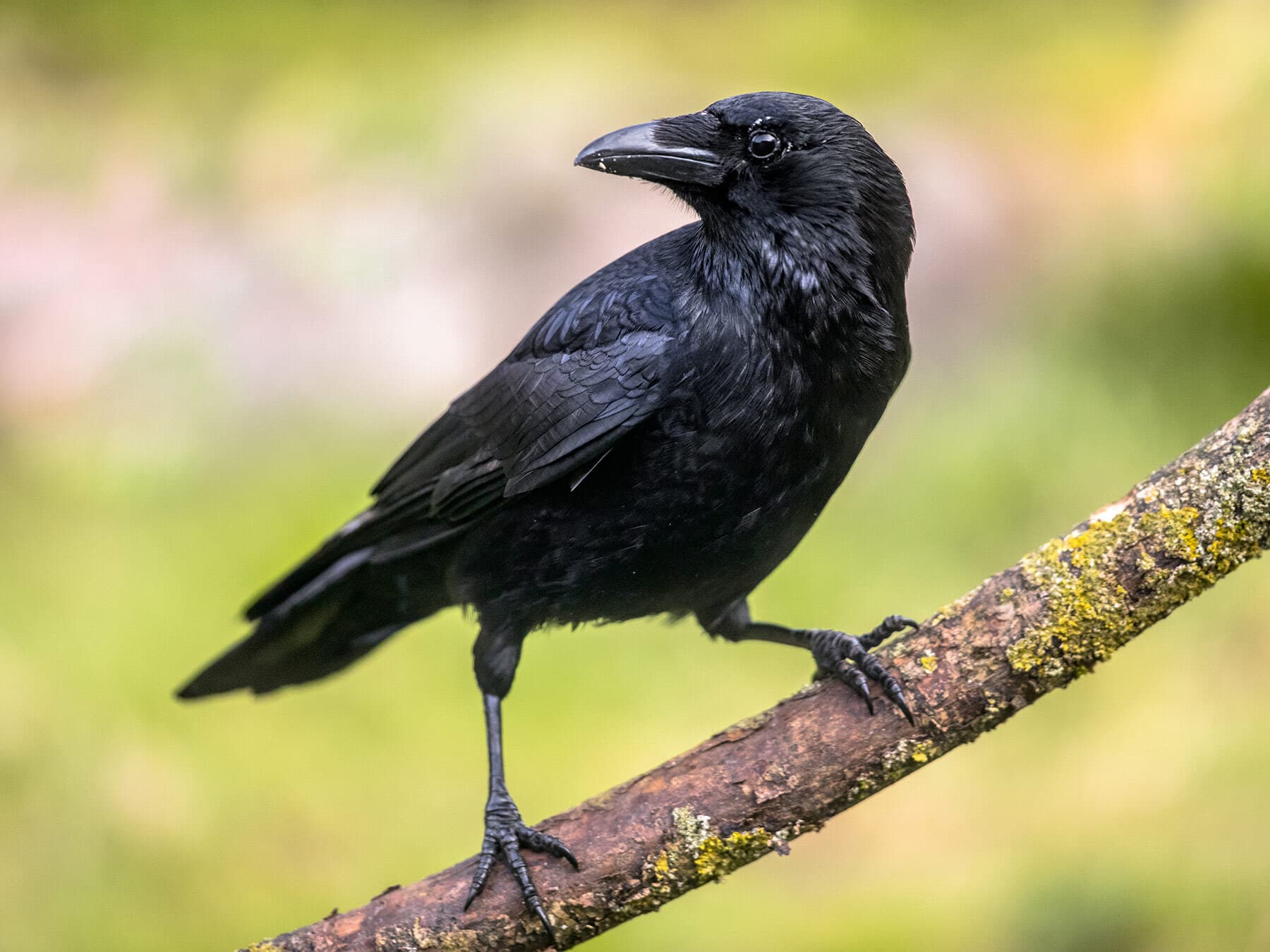 Carrion CrowCorvus coroneSummer visitorCommon45–47 cmRegularly Oct–Jul · 6.21% in Jan
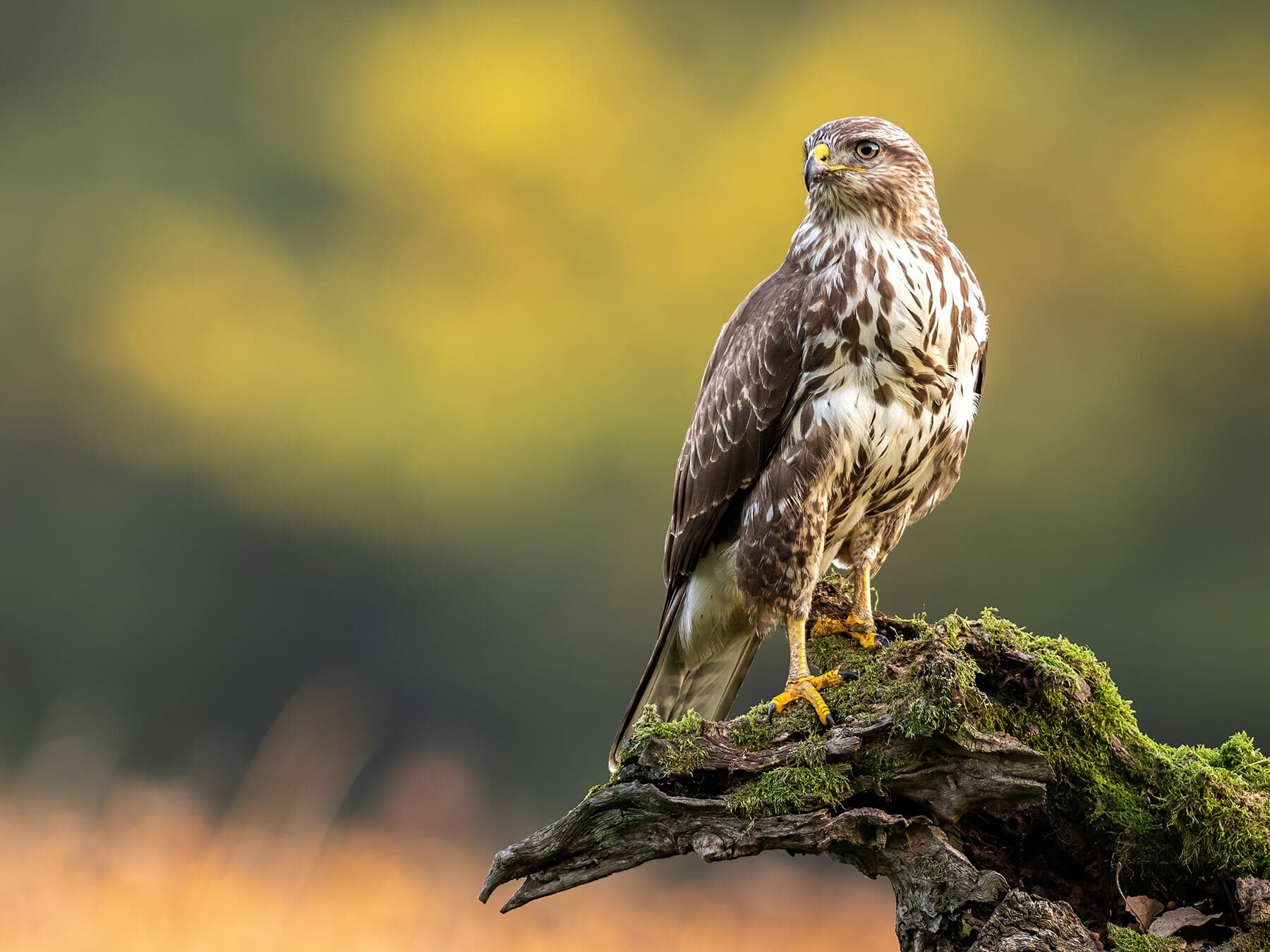 BuzzardButeo buteoResidentCommon51–57 cmRegularly Aug–May · 5.52% in Jan
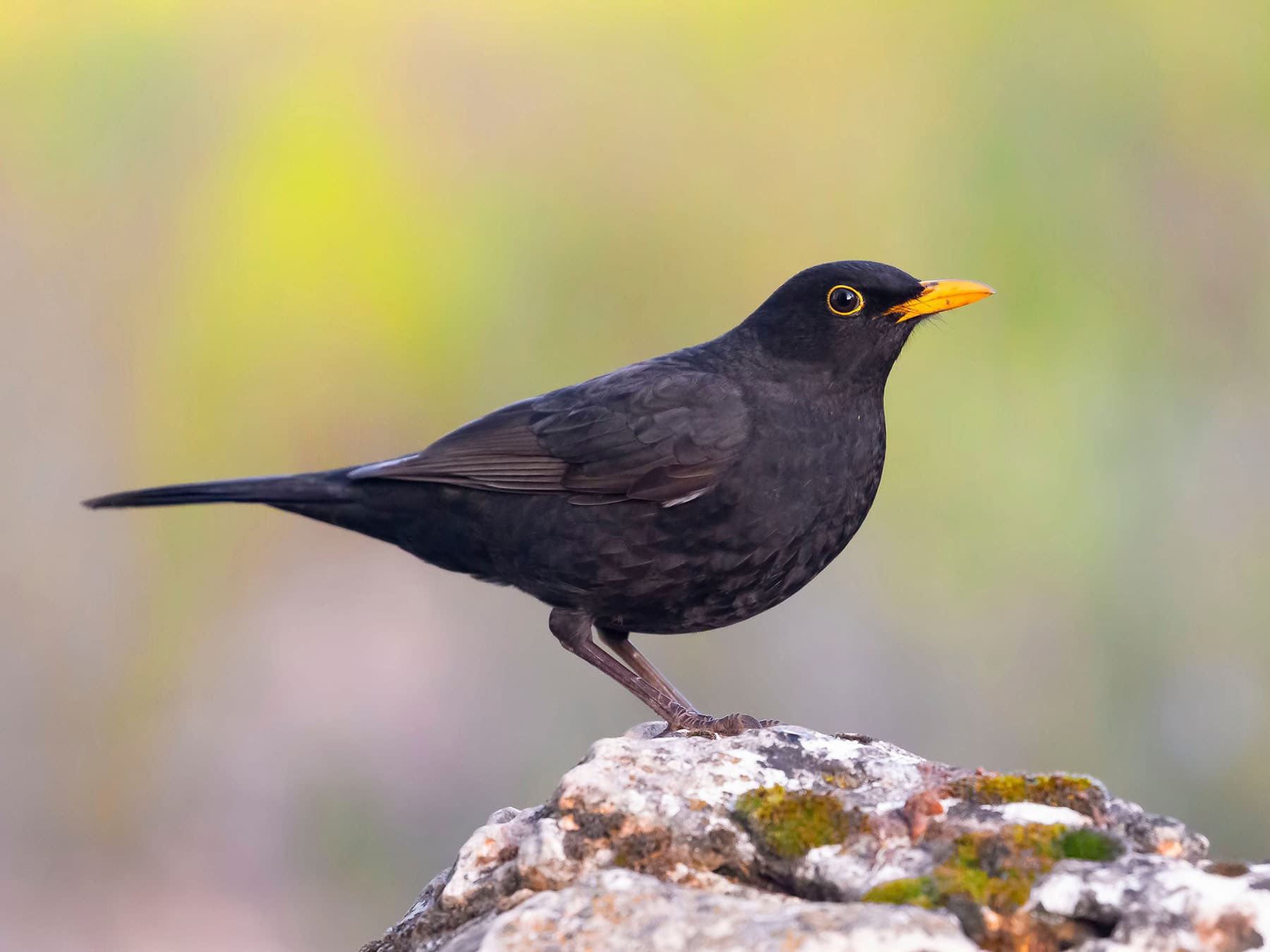 BlackbirdTurdus merulaResidentCommon24–25 cmRegularly Oct–Jun · 4.83% in Jan
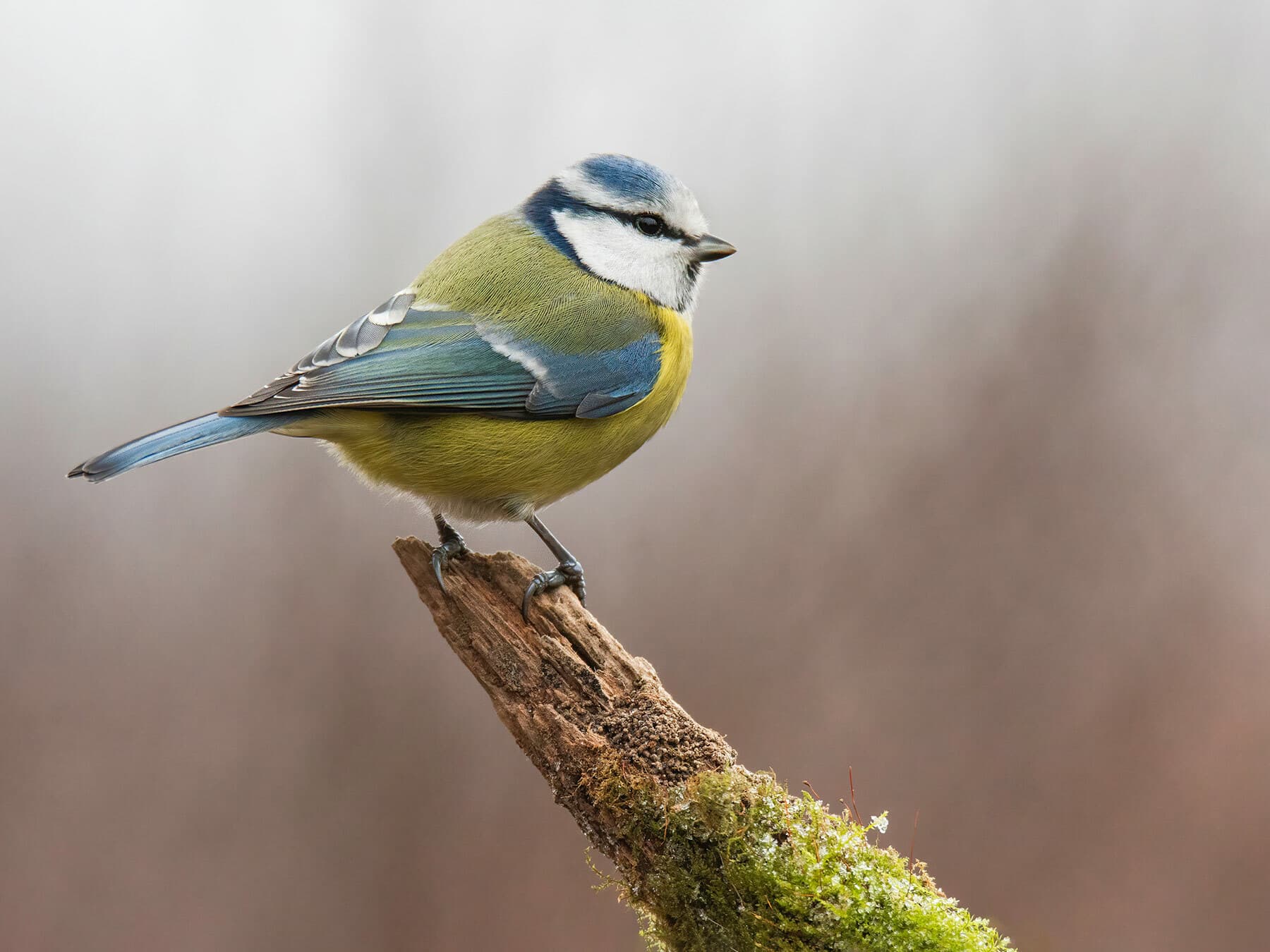 Blue TitCyanistes caeruleusWinter visitorCommon11–12 cmRegularly Nov–Jun · 4.83% in Jan
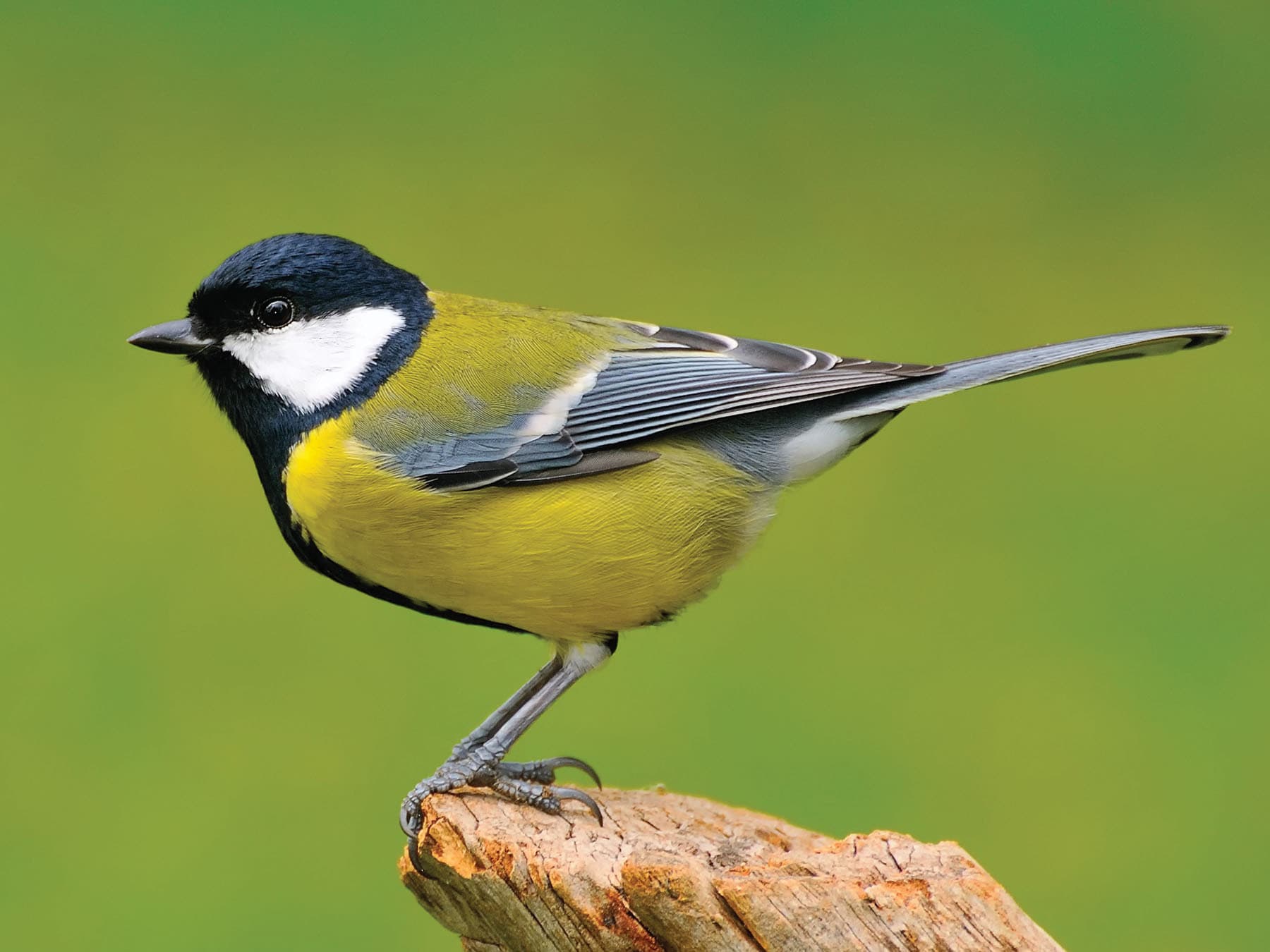 Great TitParus majorWinter visitorCommonRegularly Nov–Jun · 4.83% in Jan
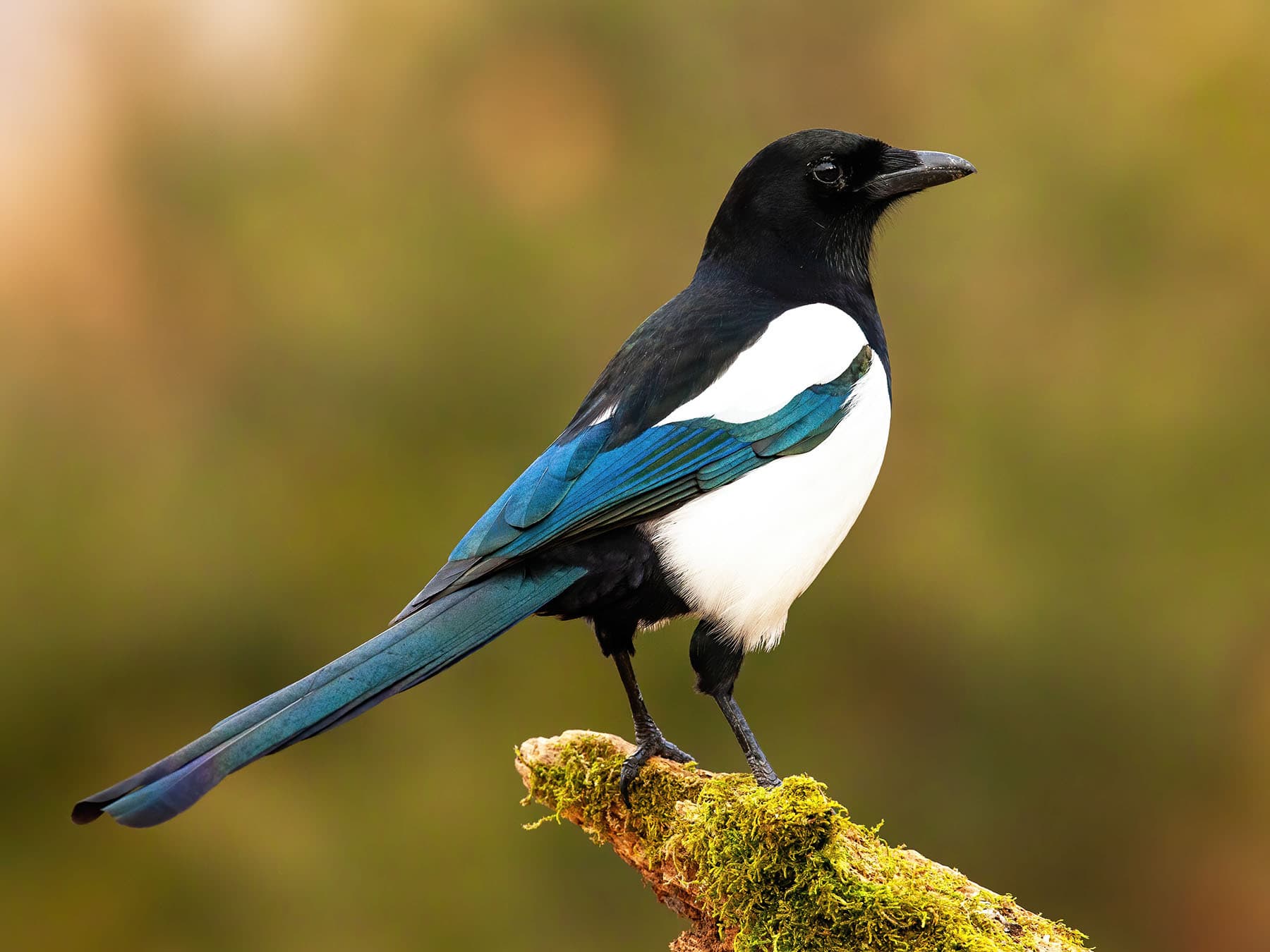 MagpiePica picaResidentCommon44–46 cmRegularly Oct–Jun · 4.83% in Jan
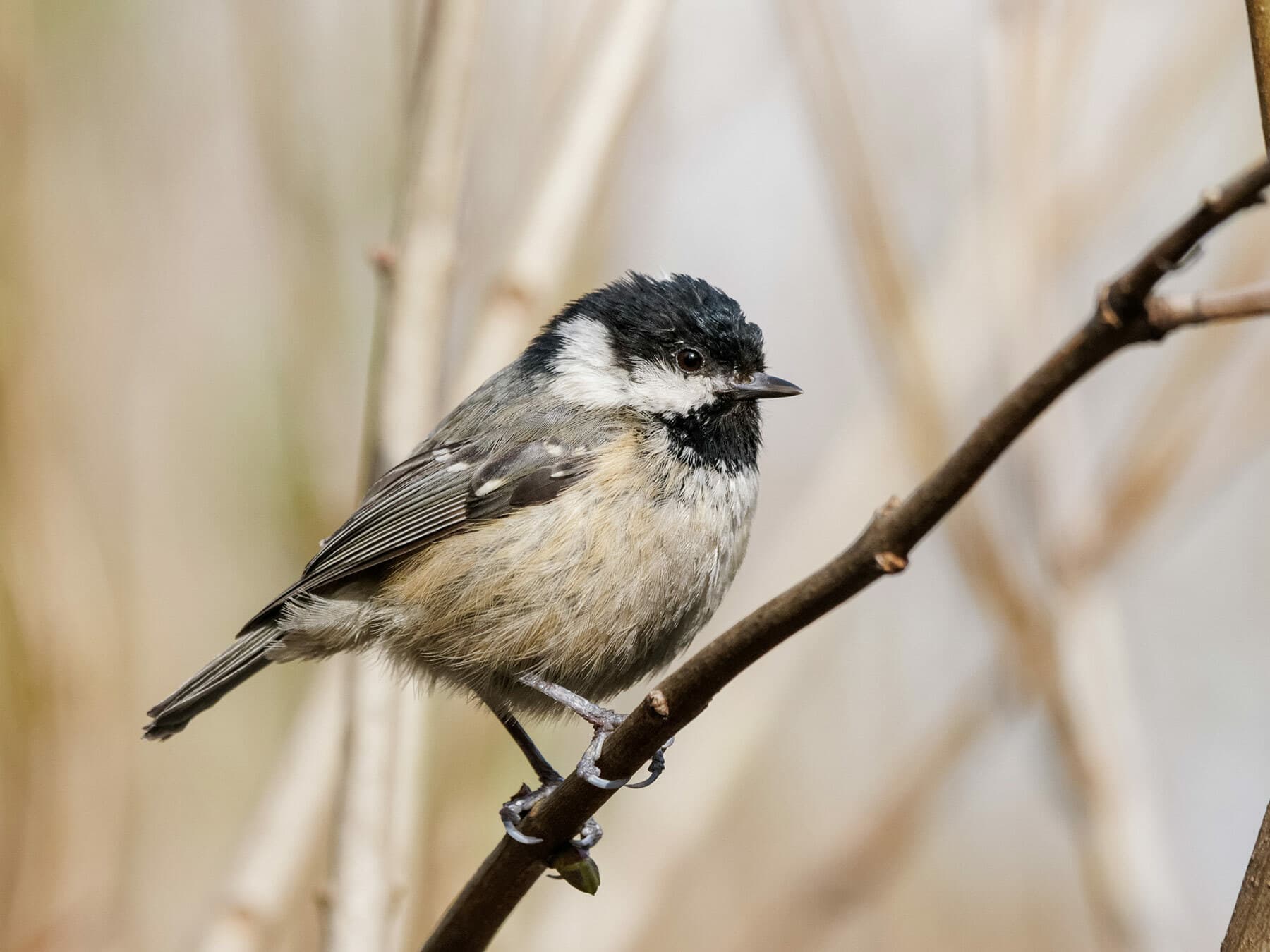 Coal TitPeriparus aterResidentCommon10–12 cmRegularly Nov–Mar · 4.14% in Jan
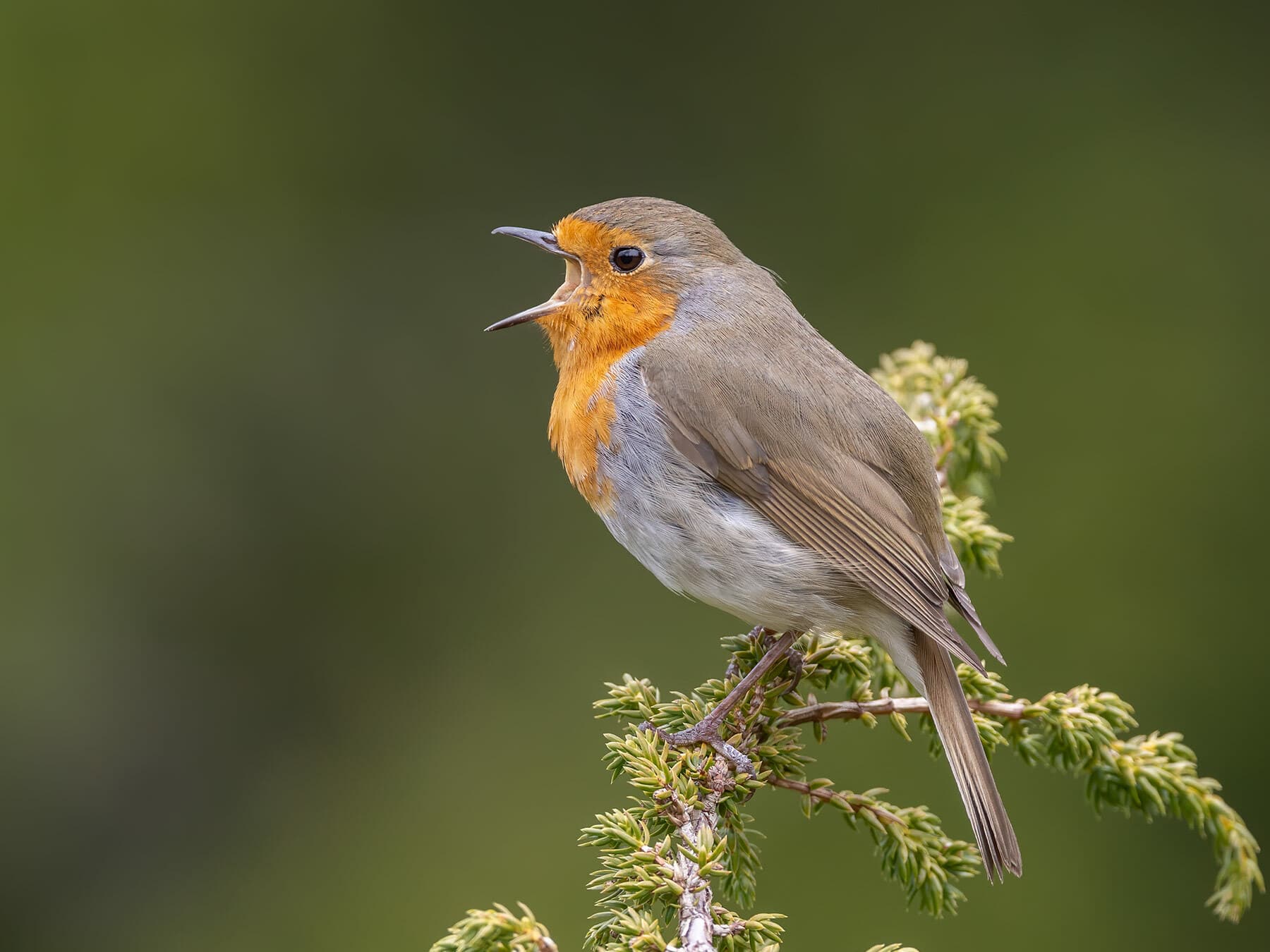 European RobinErithacus rubeculaWinter visitorCommon13–14 cmRegularly Oct–Jun · 4.14% in Jan
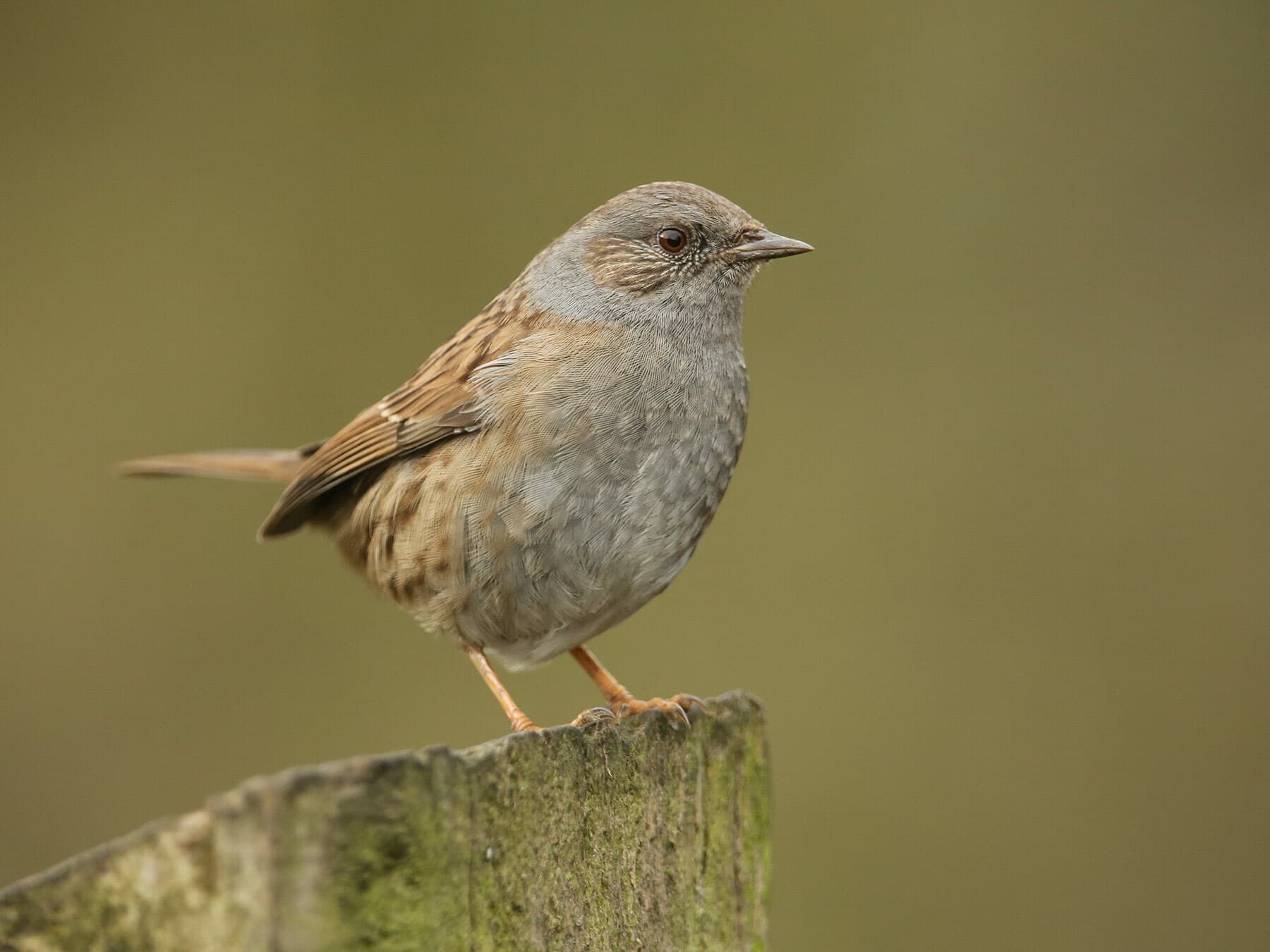 DunnockPrunella modularisResidentCommon14–15 cmRegularly Oct–May · 3.45% in Jan
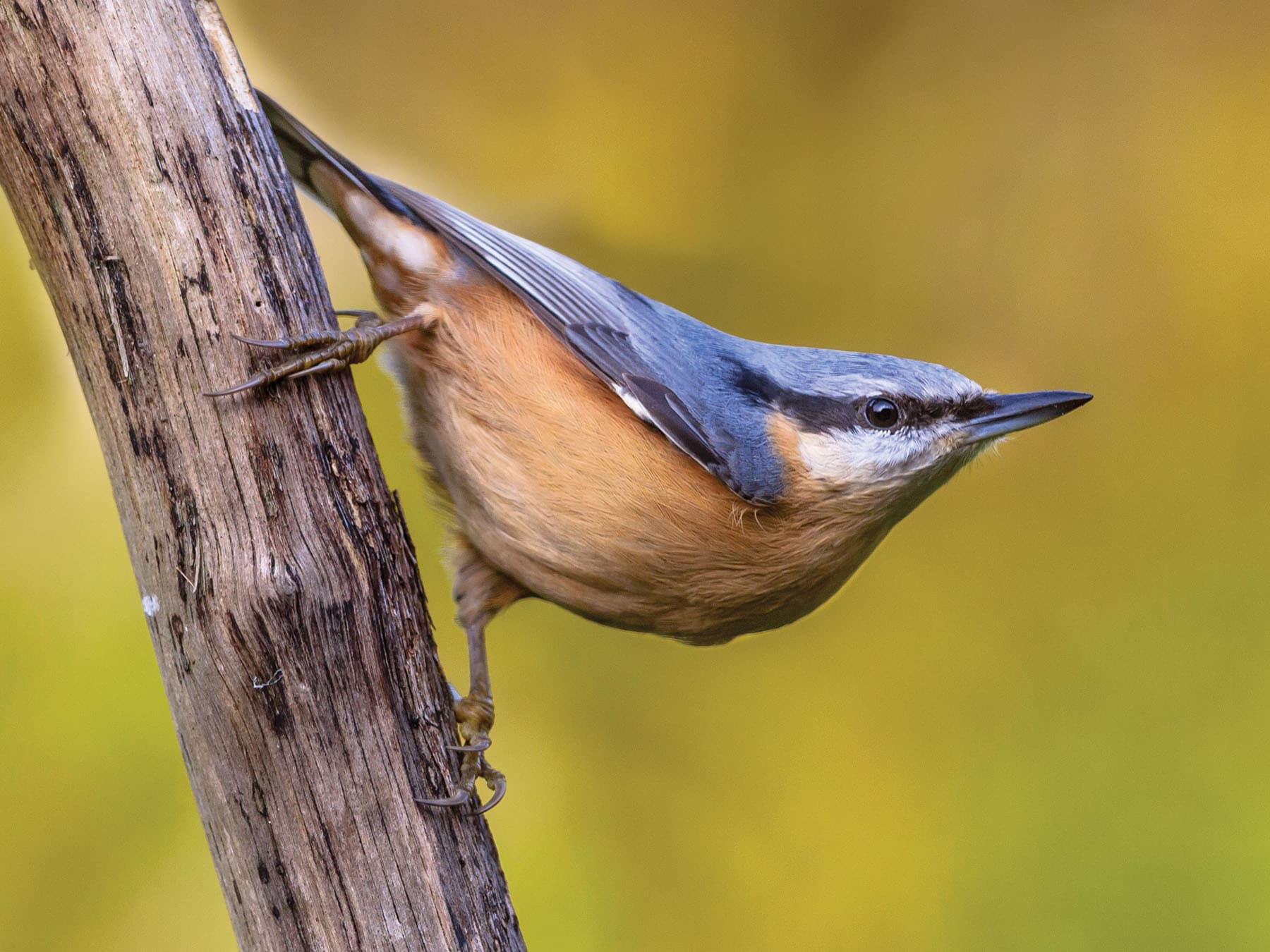 Eurasian NuthatchSitta europaeaResidentCommon12–15 cmRegularly Oct–Jun · 3.45% in Jan
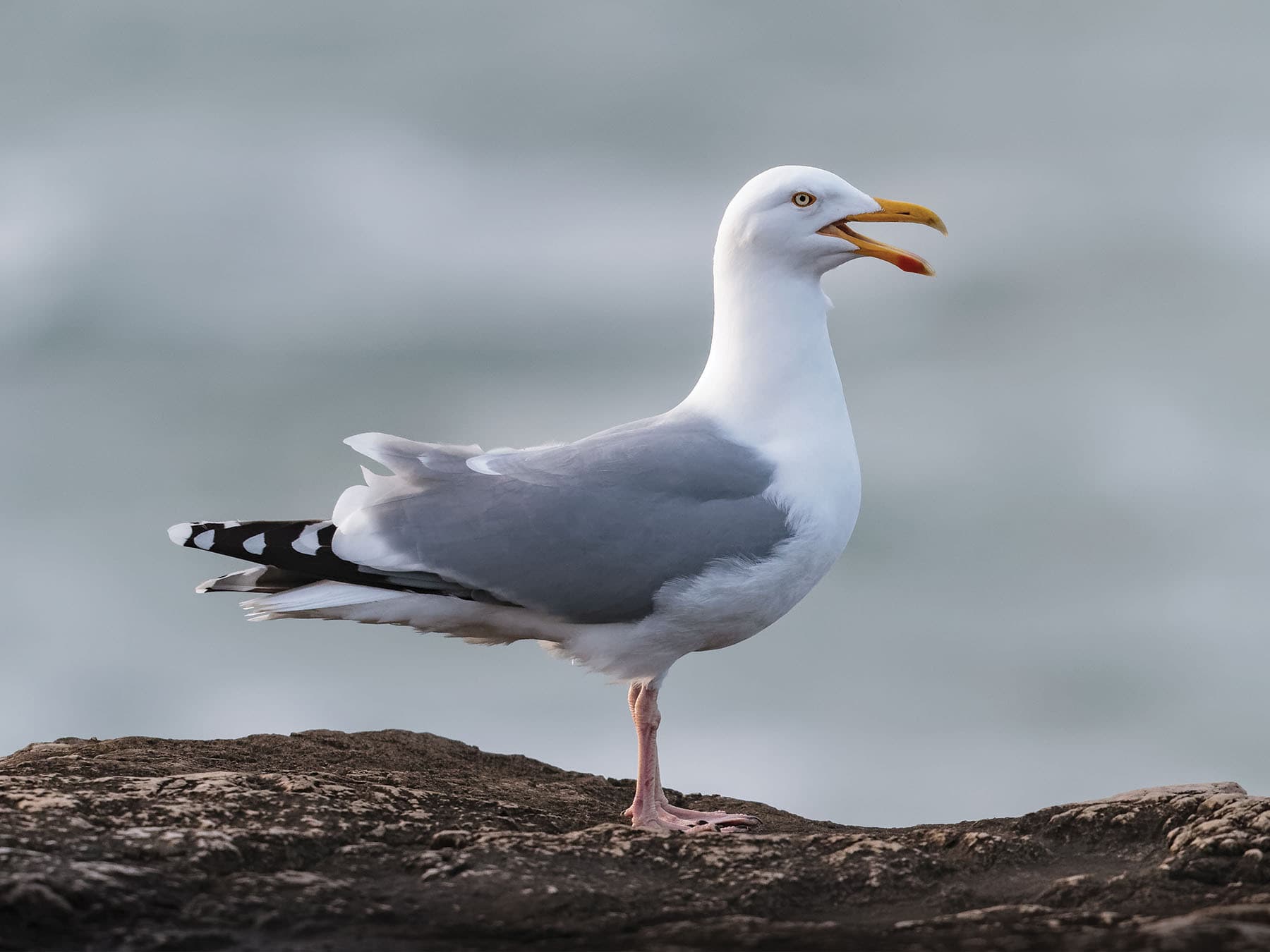 European Herring GullLarus argentatusResidentCommon55–67 cmRegularly Oct–Apr · 3.45% in Jan
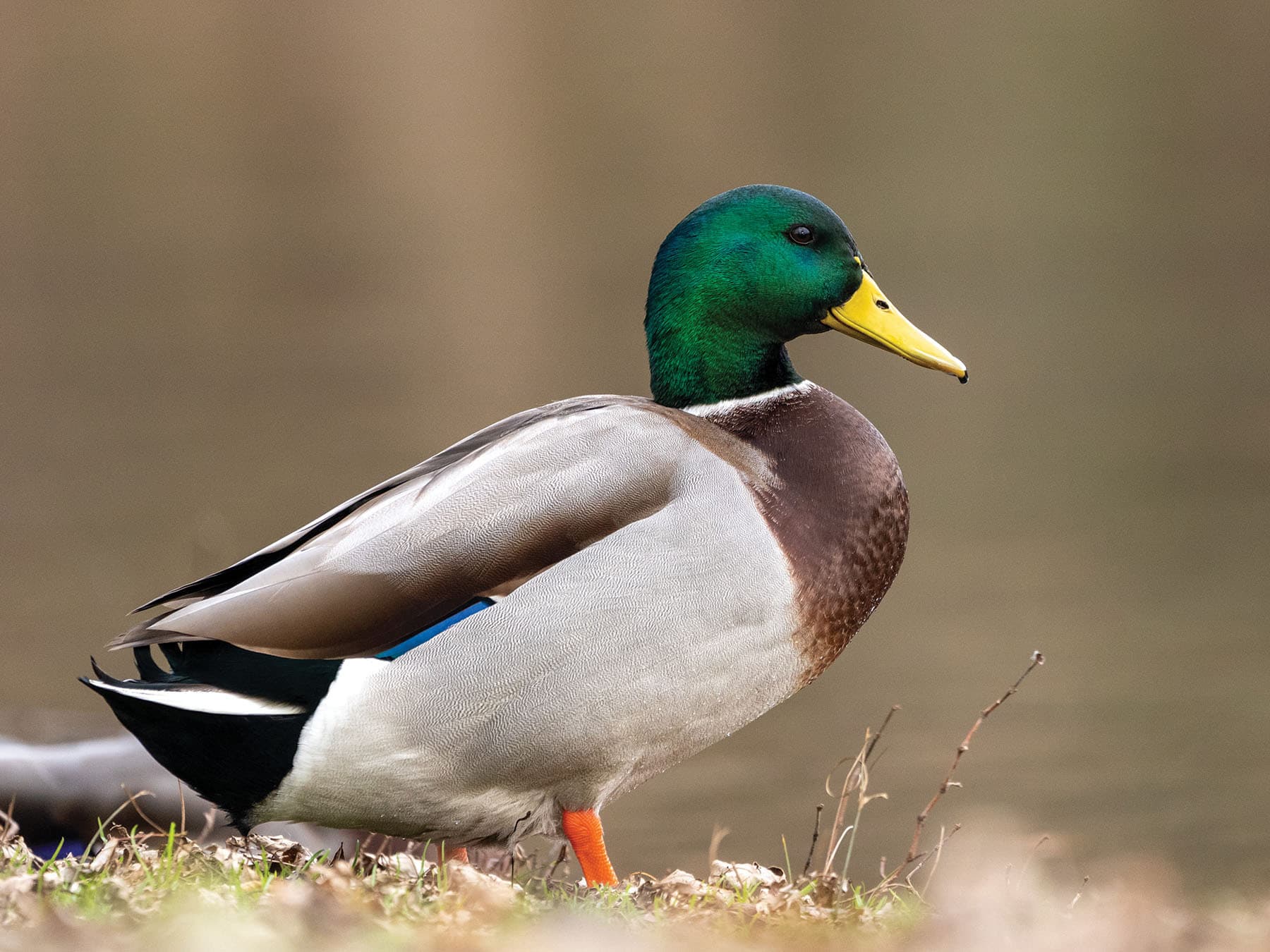 MallardAnas platyrhynchosResidentCommon50–65 cmRegularly Oct–Jun · 3.45% in Jan
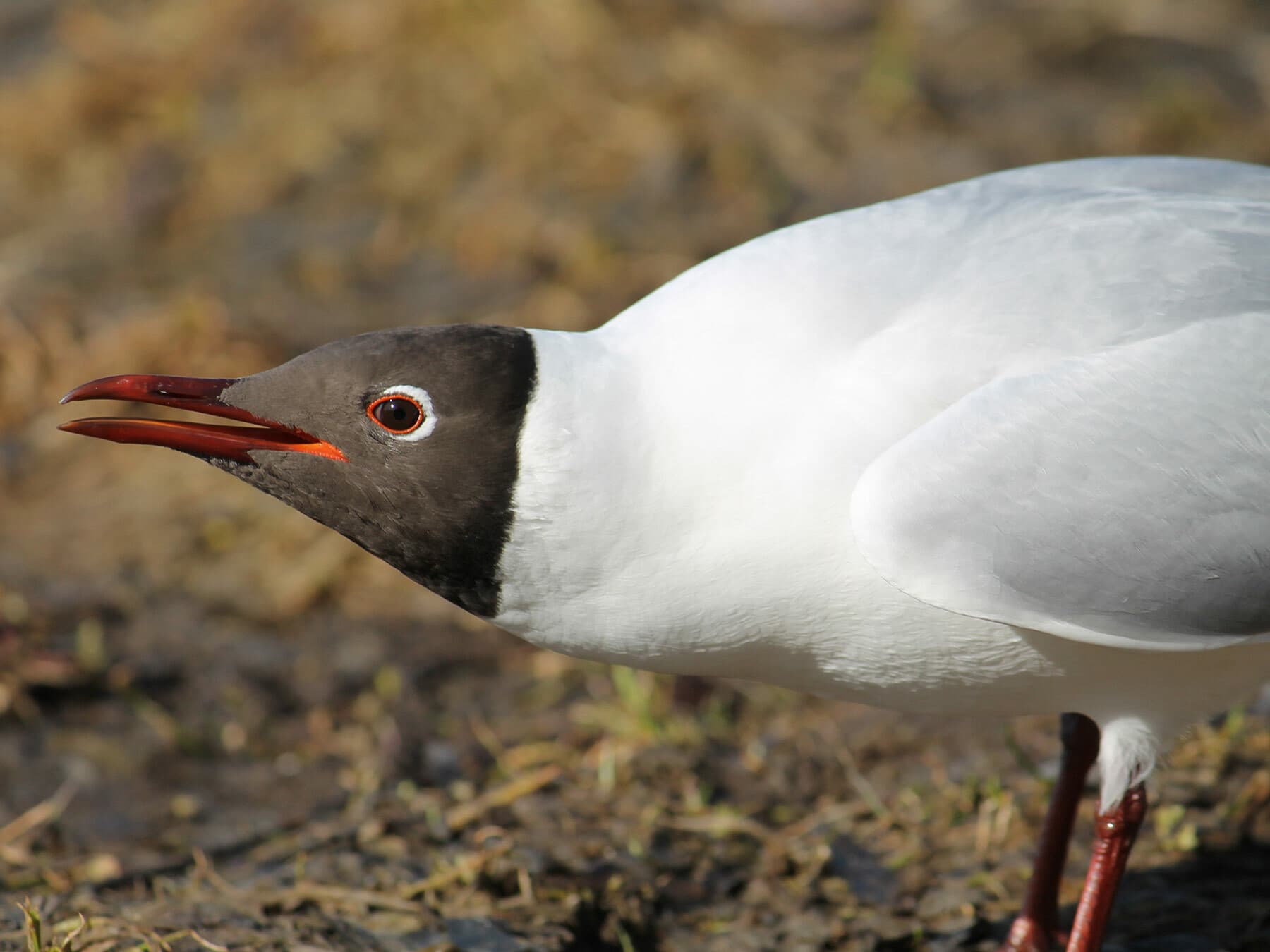 Black-headed GullChroicocephalus ridibundusResidentCommon38–44 cmRegularly Jan · 2.76% in Jan
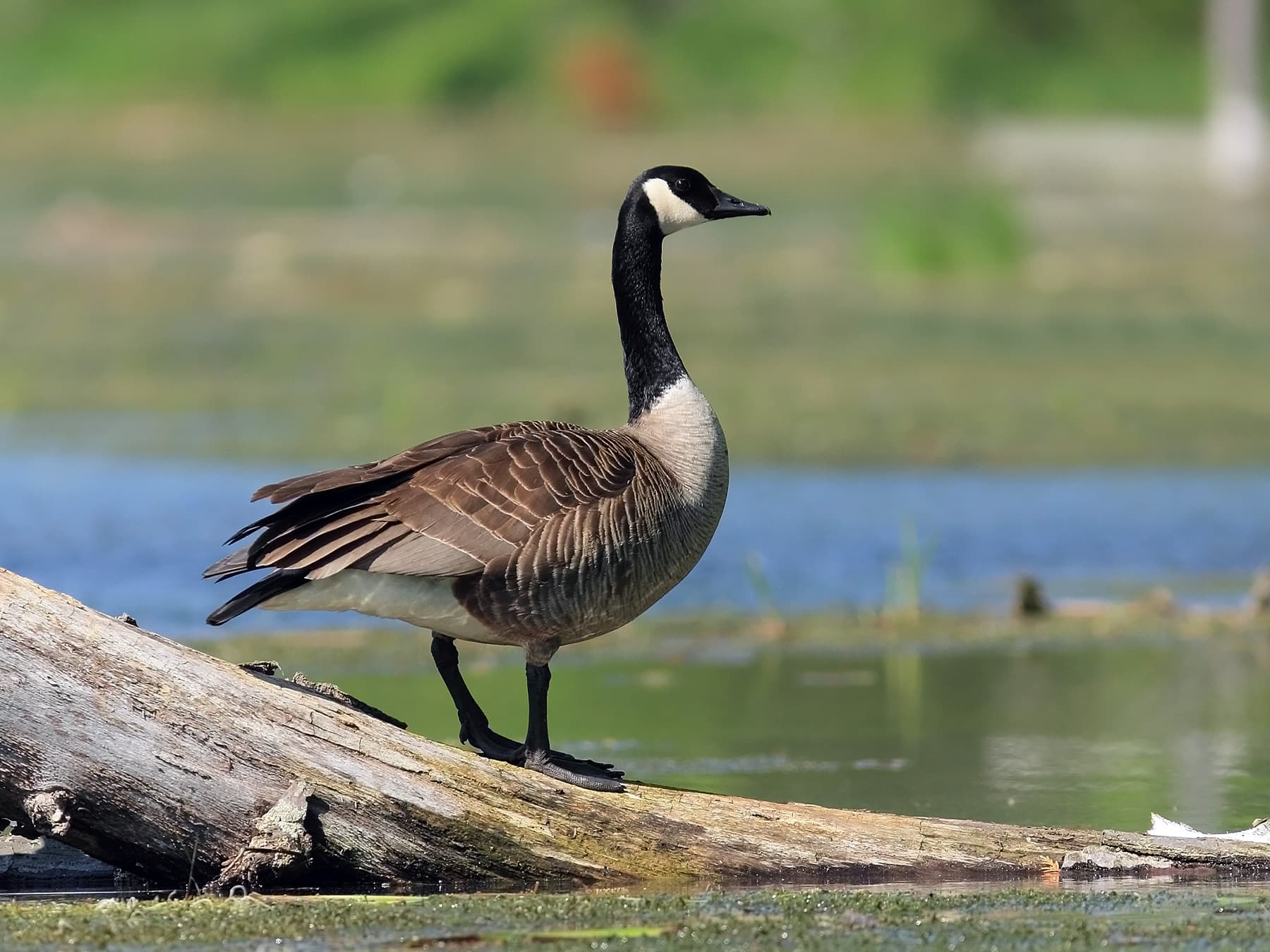 Canada GooseBranta canadensisResidentCommon76–110 cmRegularly Oct–Jun · 2.76% in Jan
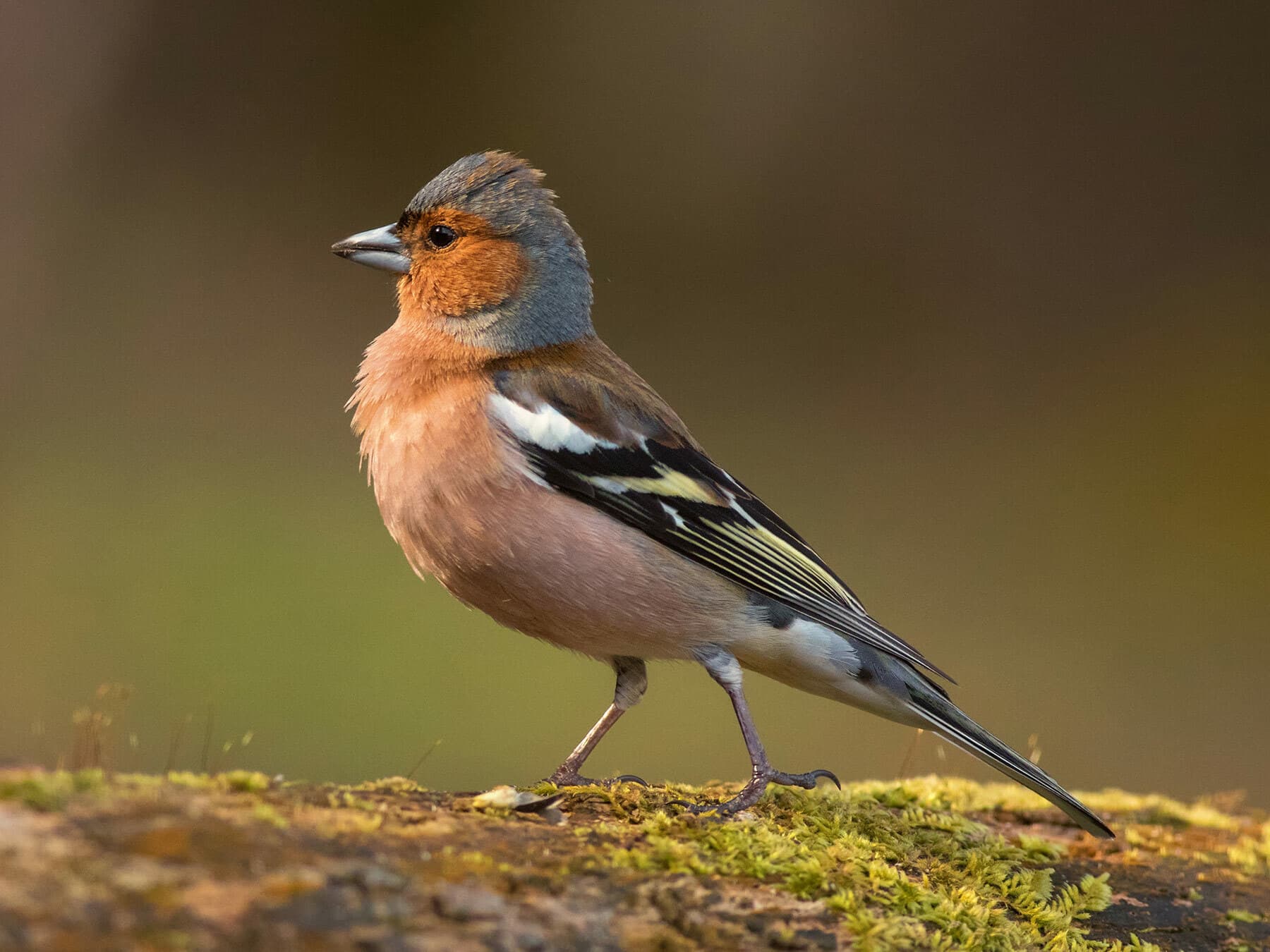 ChaffinchFringilla coelebsResidentCommon14–16 cmRegularly Jan–Jun · 2.76% in Jan
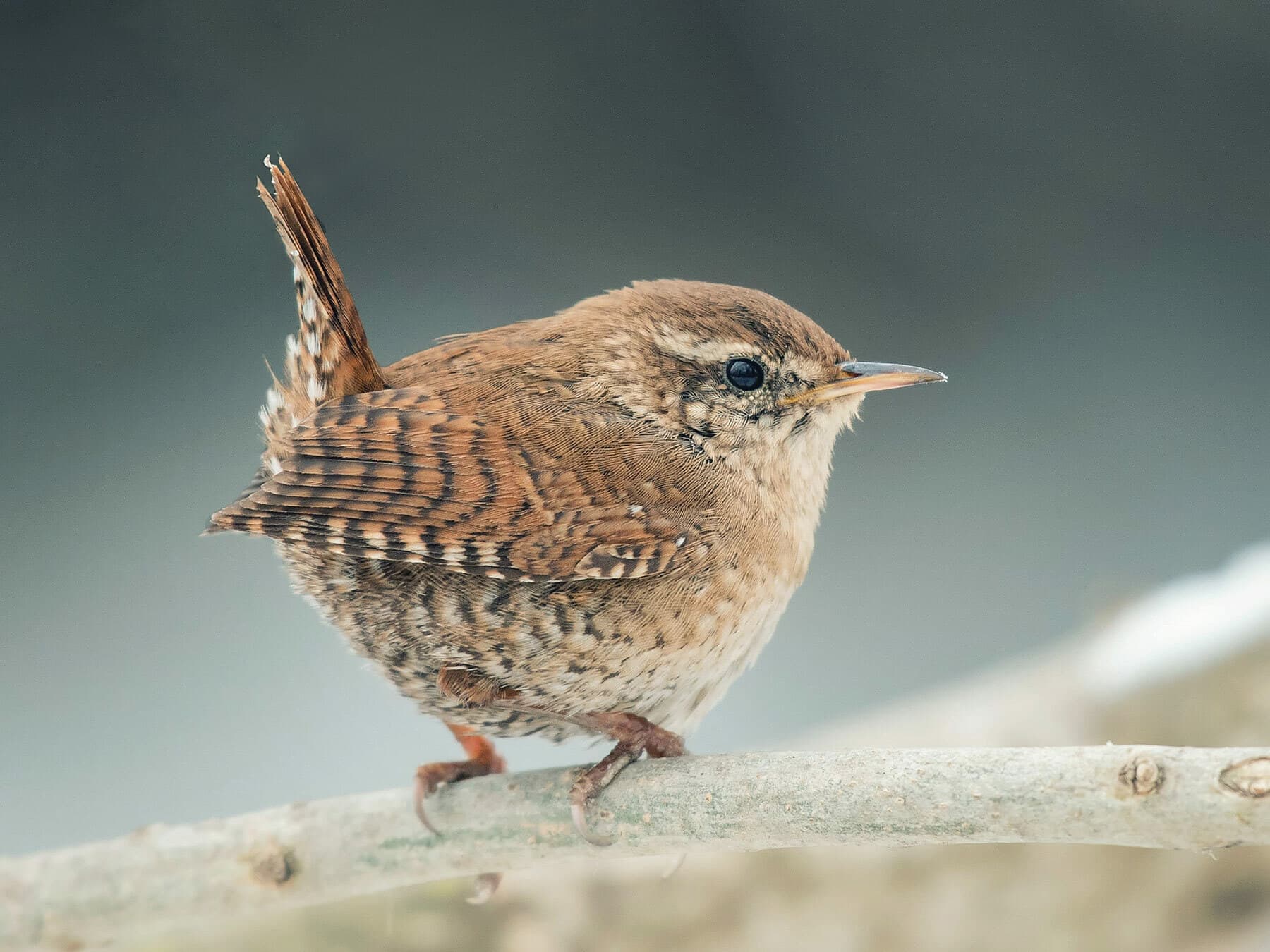 Eurasian WrenTroglodytes troglodytesSummer visitorCommon9–10 cmRegularly Oct–Jul · 2.76% in Jan
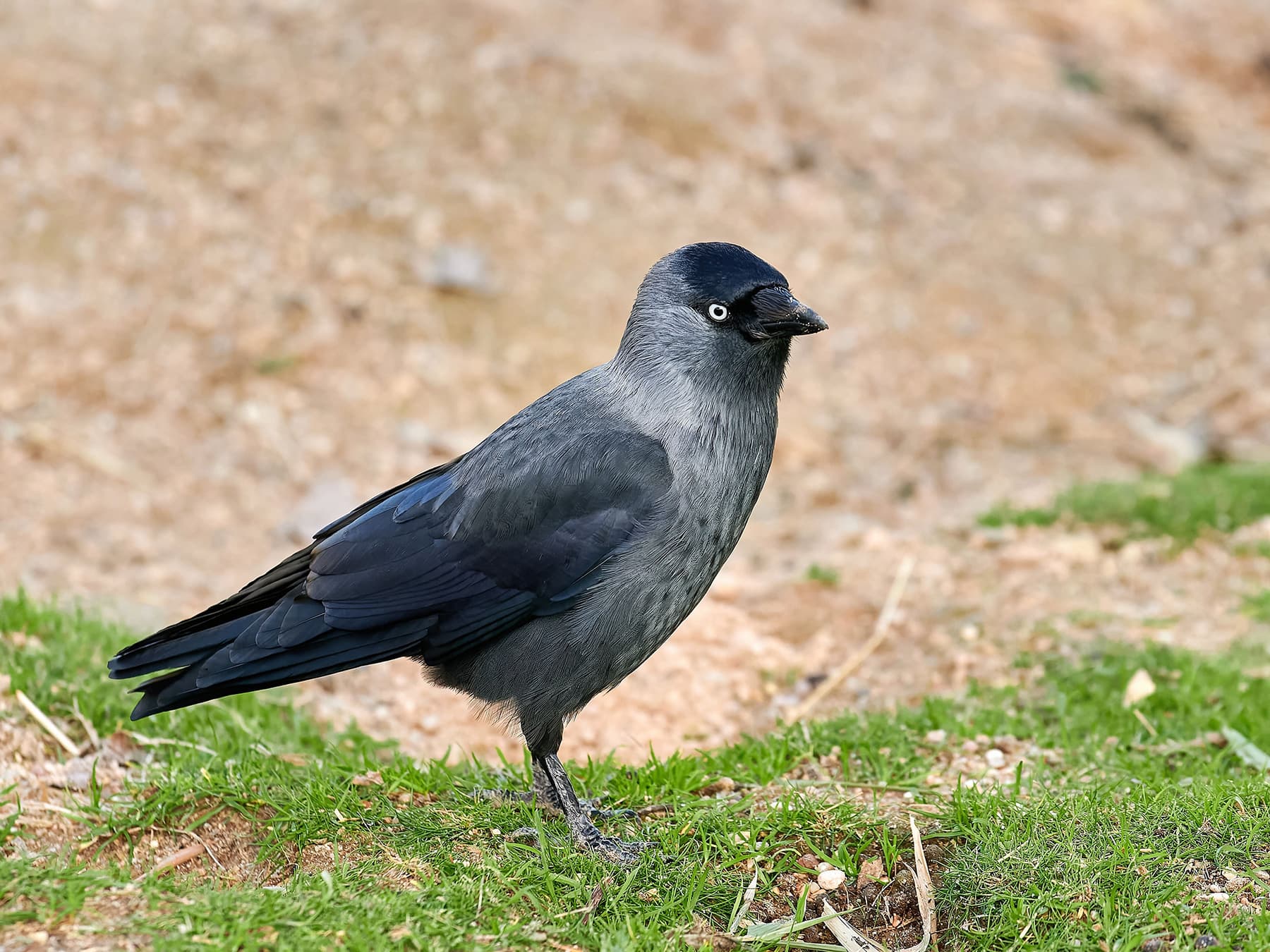 JackdawColoeus monedulaWinter visitorCommon34–39 cmRegularly Oct–Jun · 2.76% in Jan
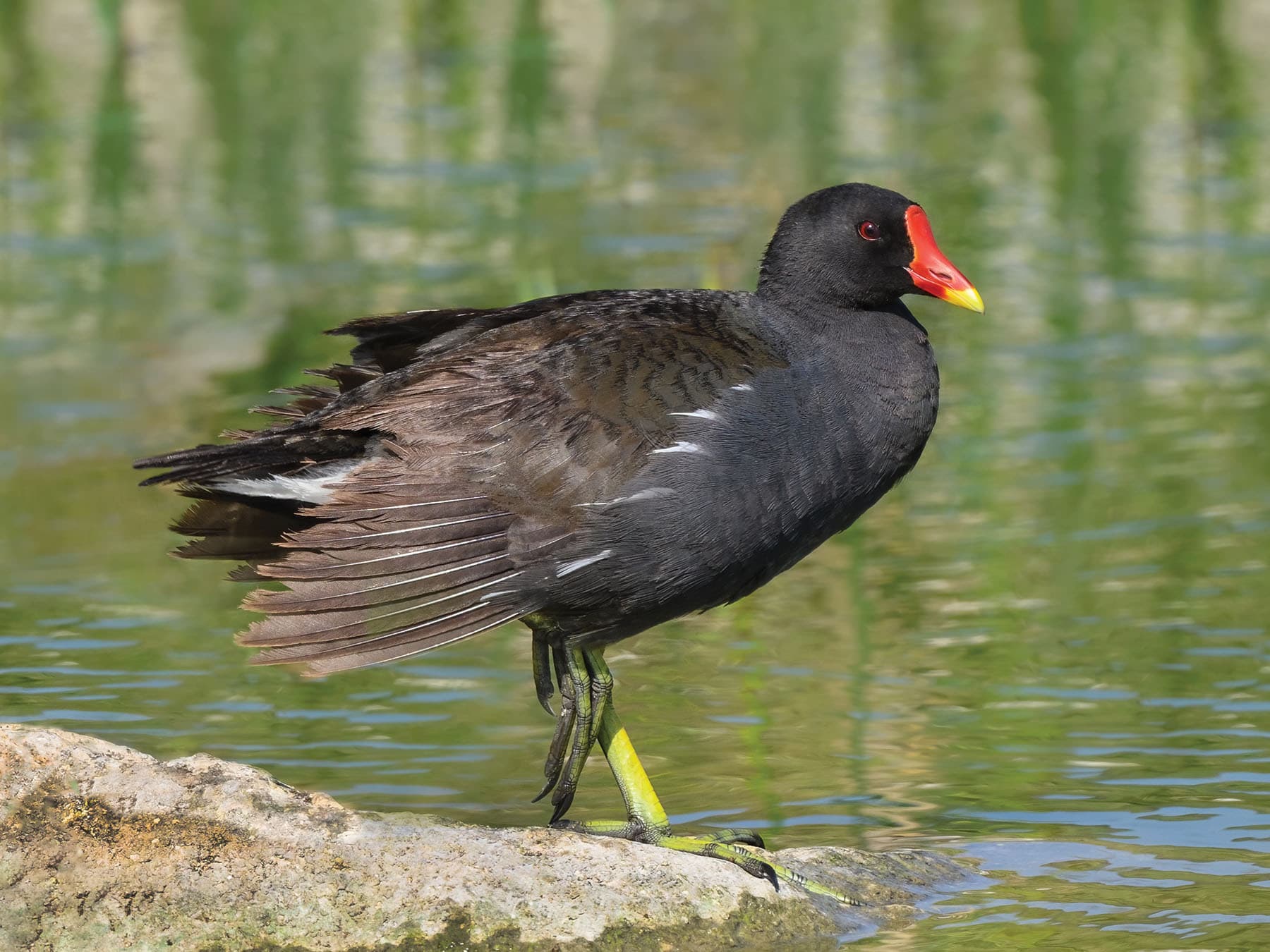 MoorhenGallinula chloropusResidentCommon30–38 cmRegularly Jan–Feb · 2.76% in Jan
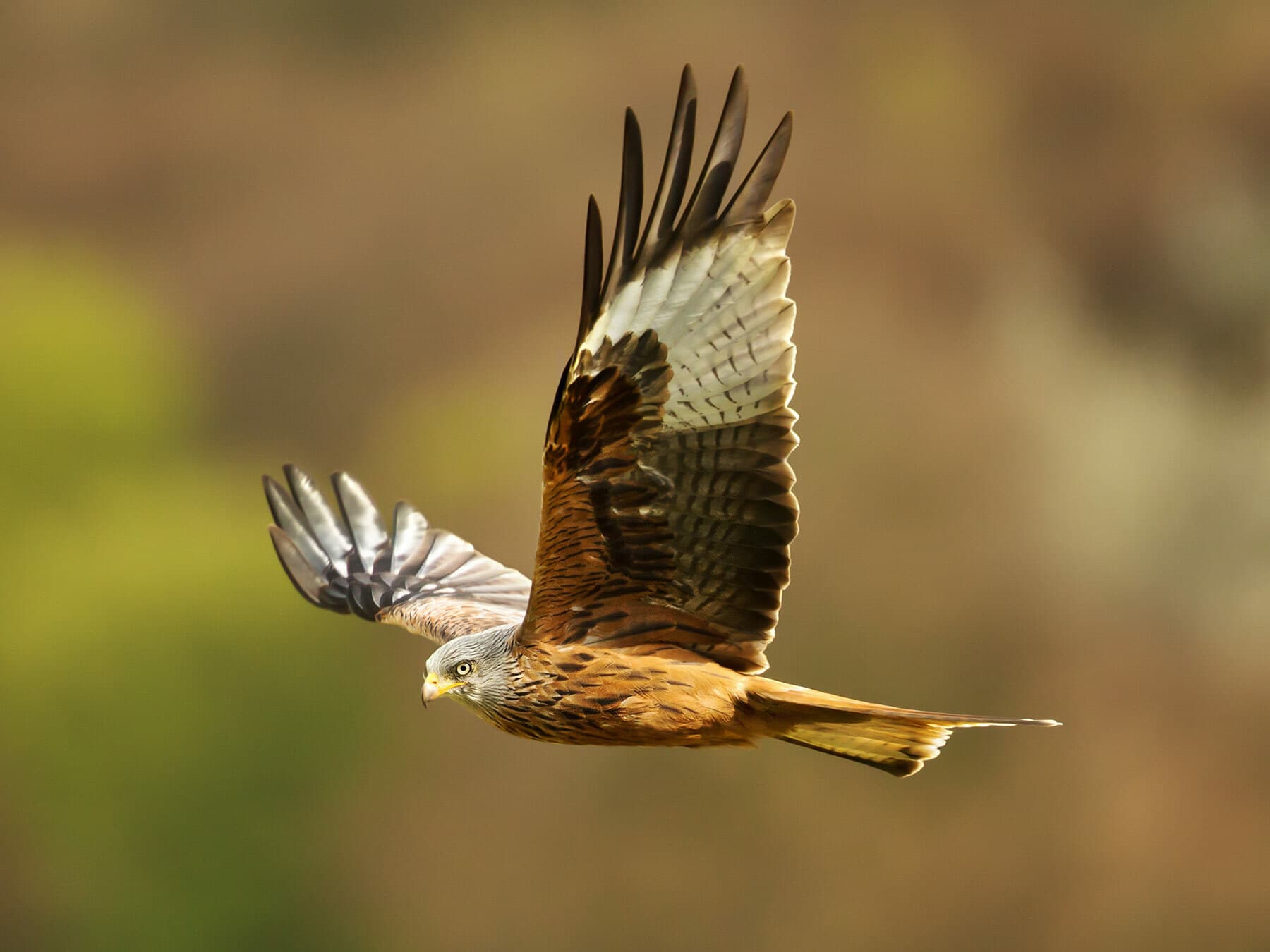 Red KiteMilvus milvusResidentCommon60–66 cmRegularly Oct–Apr · 2.76% in Jan
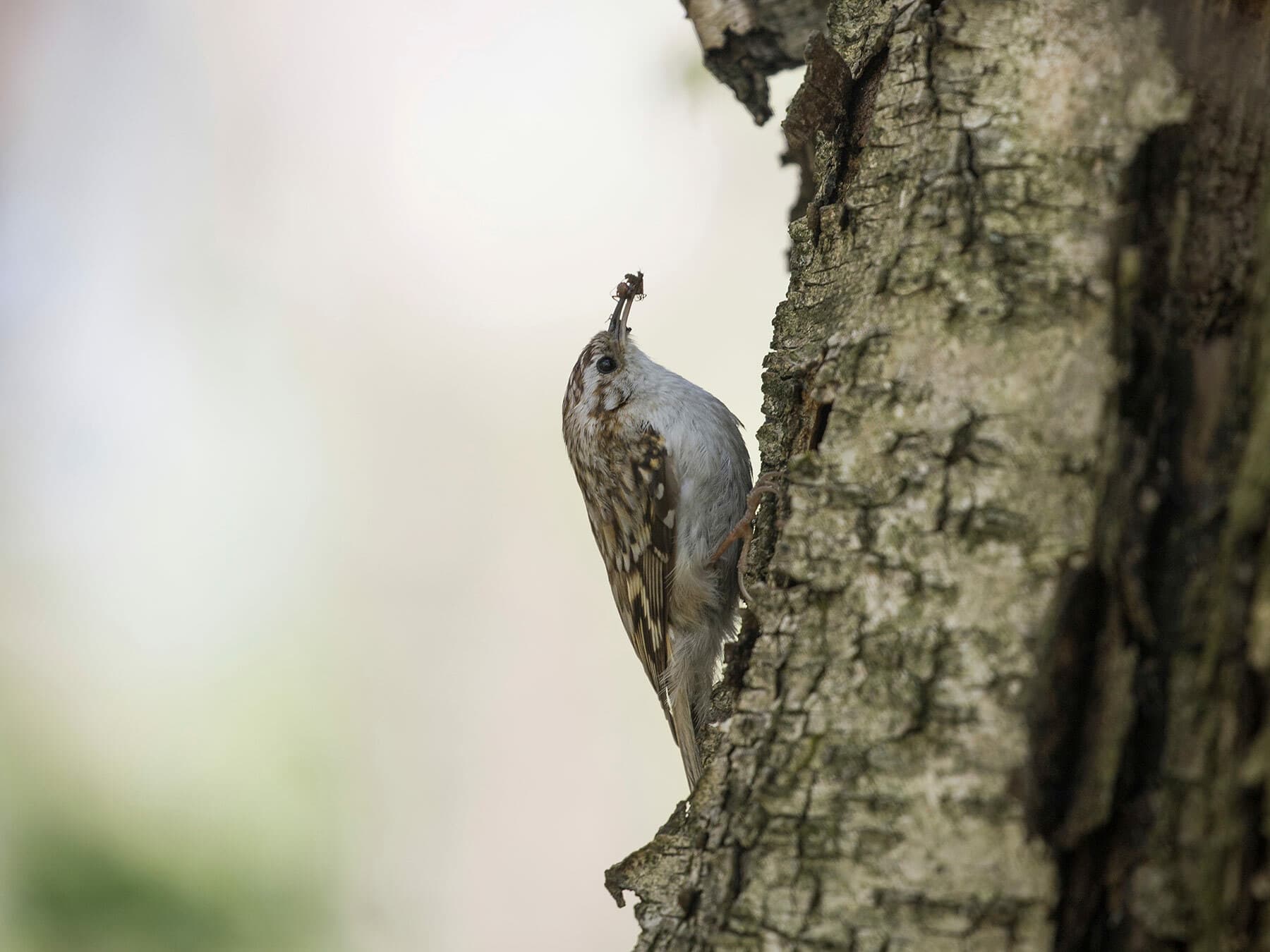 TreecreeperCerthia familiarisResidentCommon12–14 cmRegularly Dec–Mar · 2.76% in Jan
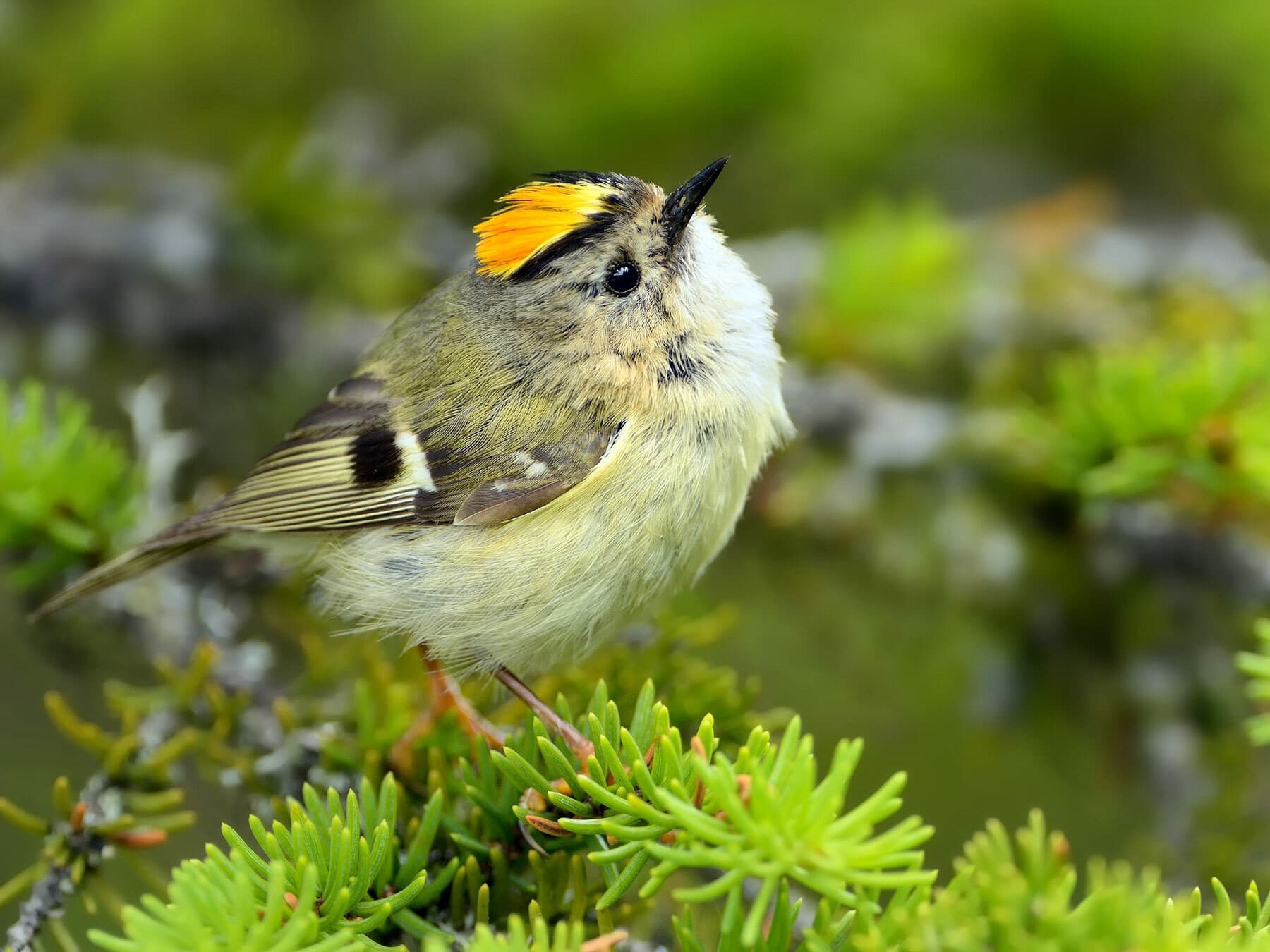 GoldcrestRegulus regulusResidentCommon9–10 cmRegularly Jan–Jun · 2.07% in Jan
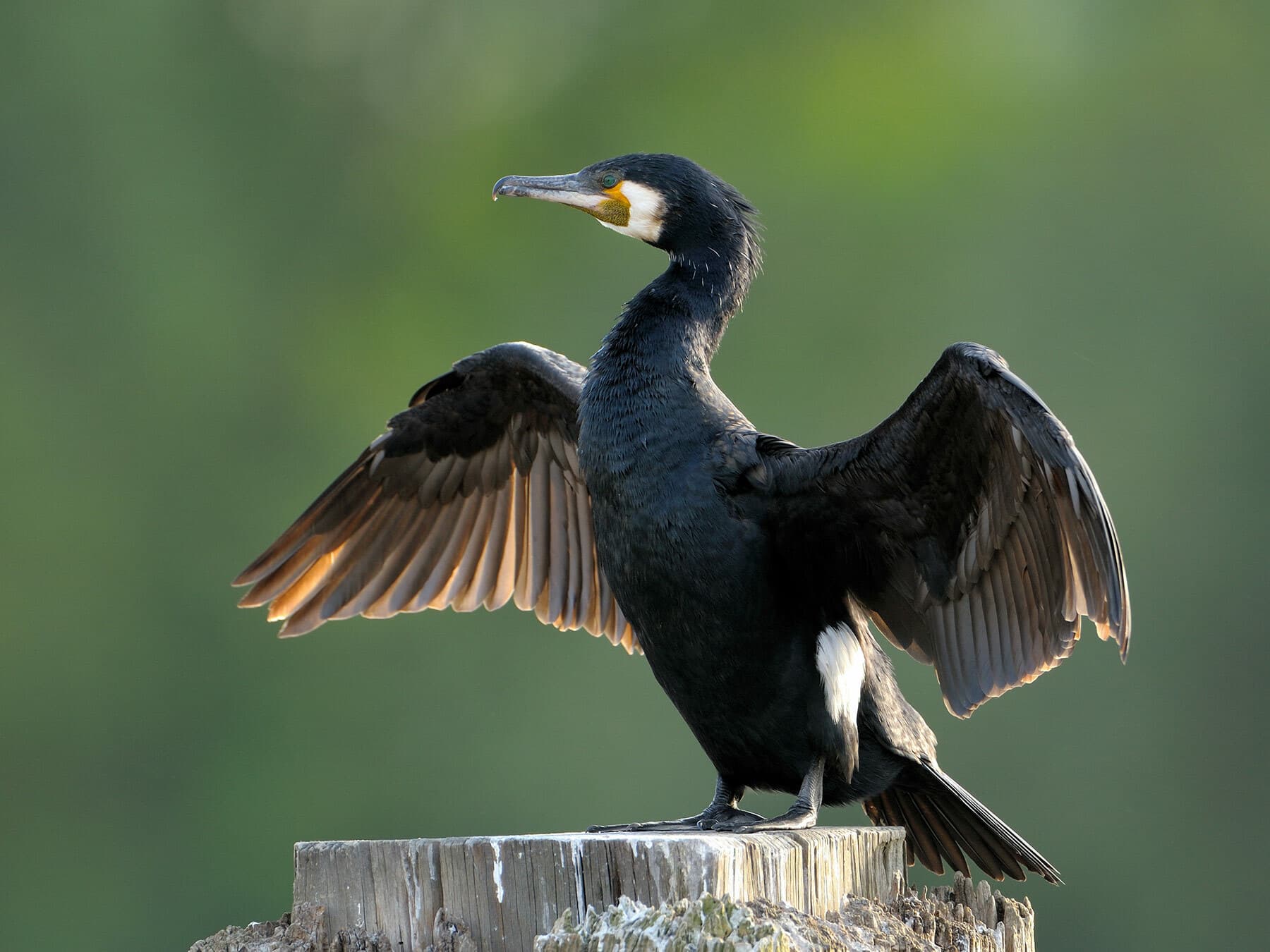 Great CormorantPhalacrocorax carboResidentCommon80–100 cmRegularly Jan · 2.07% in Jan
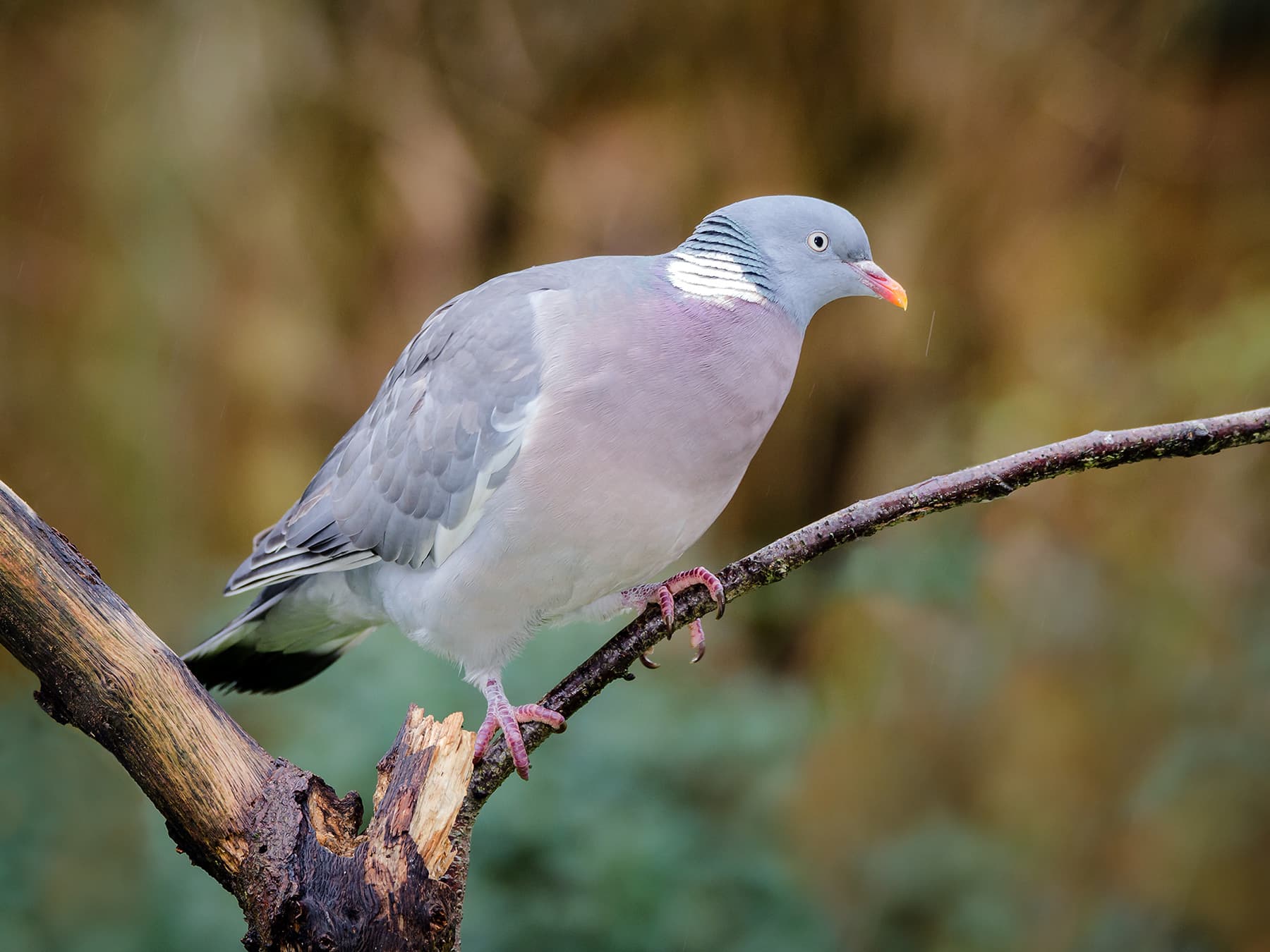 WoodpigeonColumba palumbusSummer visitorCommon40–42 cmRegularly Oct–Jul · 2.07% in Jan
Smallest to largest
Length, cm- Goldcrest 9–10 cm
- Eurasian Wren 9–10 cm
- Coal Tit 10–12 cm
- Blue Tit 11–12 cm
- Treecreeper 12–14 cm
- European Robin 13–14 cm
- Eurasian Nuthatch 12–15 cm
- Dunnock 14–15 cm
- Chaffinch 14–16 cm
- Blackbird 24–25 cm
- Moorhen 30–38 cm
- Jackdaw 34–39 cm
- Black-headed Gull 38–44 cm
- Woodpigeon 40–42 cm
- Magpie 44–46 cm
- Carrion Crow 45–47 cm
- Buzzard 51–57 cm
- Mallard 50–65 cm
- European Herring Gull 55–67 cm
- Red Kite 60–66 cm
- Great Cormorant 80–100 cm
- Canada Goose 76–110 cm
Body length, bill to tail. Rare birds in grey.
Data: EOD – eBird Observation Dataset (Cornell Lab of Ornithology), accessed via GBIF.org, CC BY 4.0. Records from 2019–2024, aggregated and filtered by Birdfact. How these lists are made