


Sandpipers & Snipes in Shetland Islands
Our list for Shetland Islands has 23 sandpipers & snipes recorded regularly there: 6 residents, 5 summer visitors, 4 winter visitors and 8 passage migrants
Most likely in October
GBIF · OctShare of all bird records in Shetland Islands in October, 2019–2024. Each month links to that month’s page.
All 23, most common first
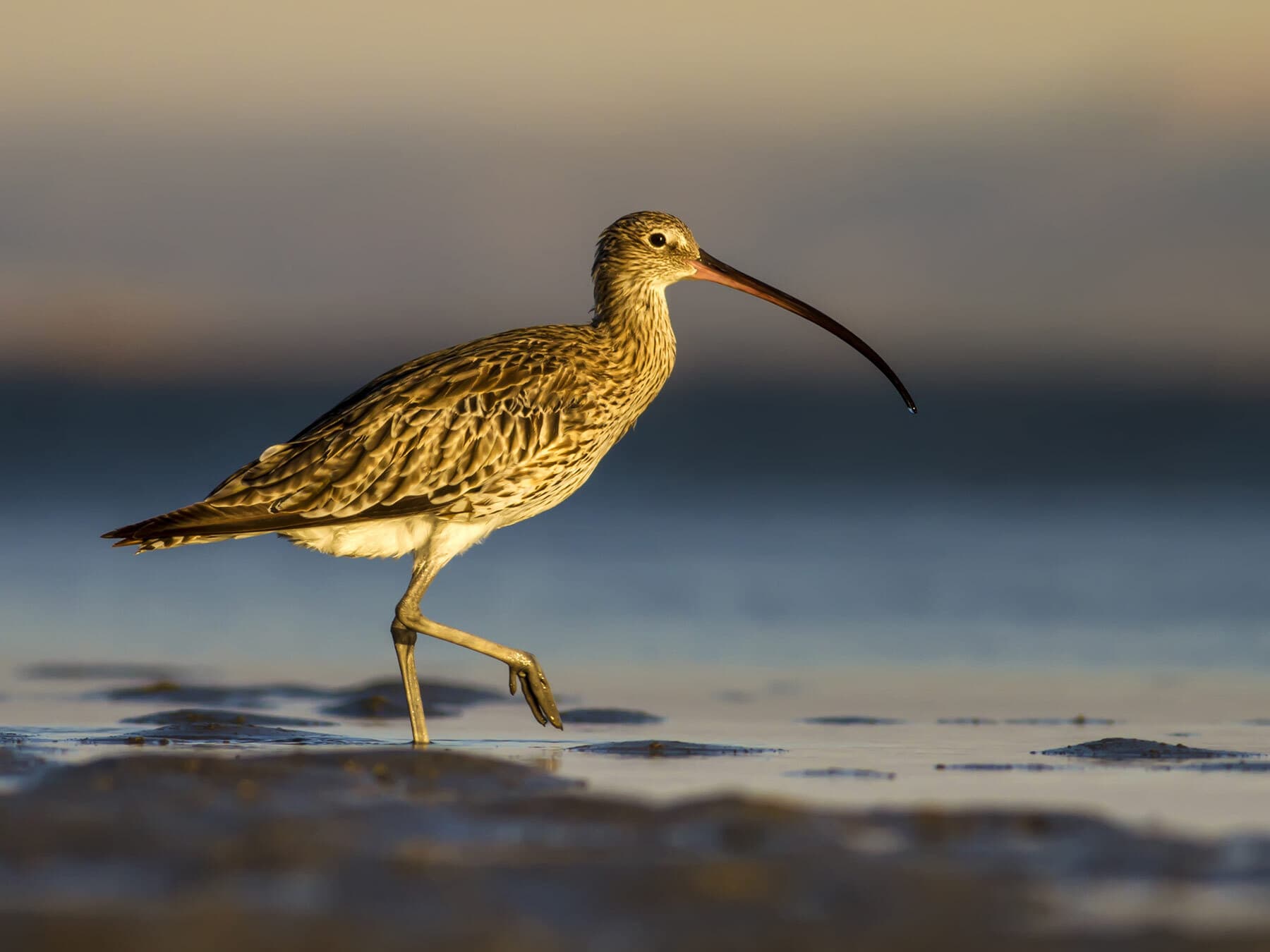 CurlewNumenius arquataResidentCommon50–60 cmRecorded all year
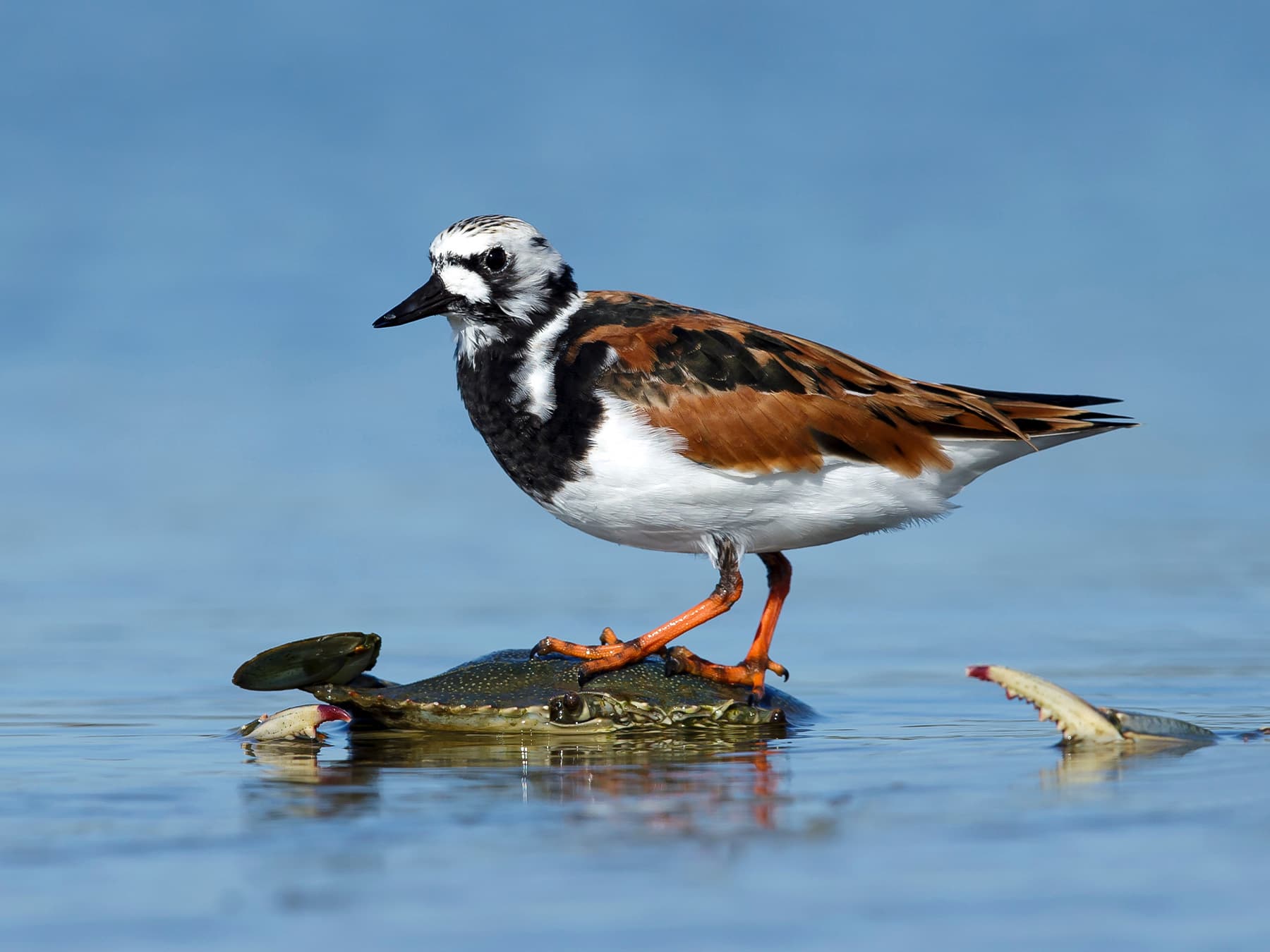 Ruddy TurnstoneArenaria interpresResidentCommon21–24 cmRecorded all year
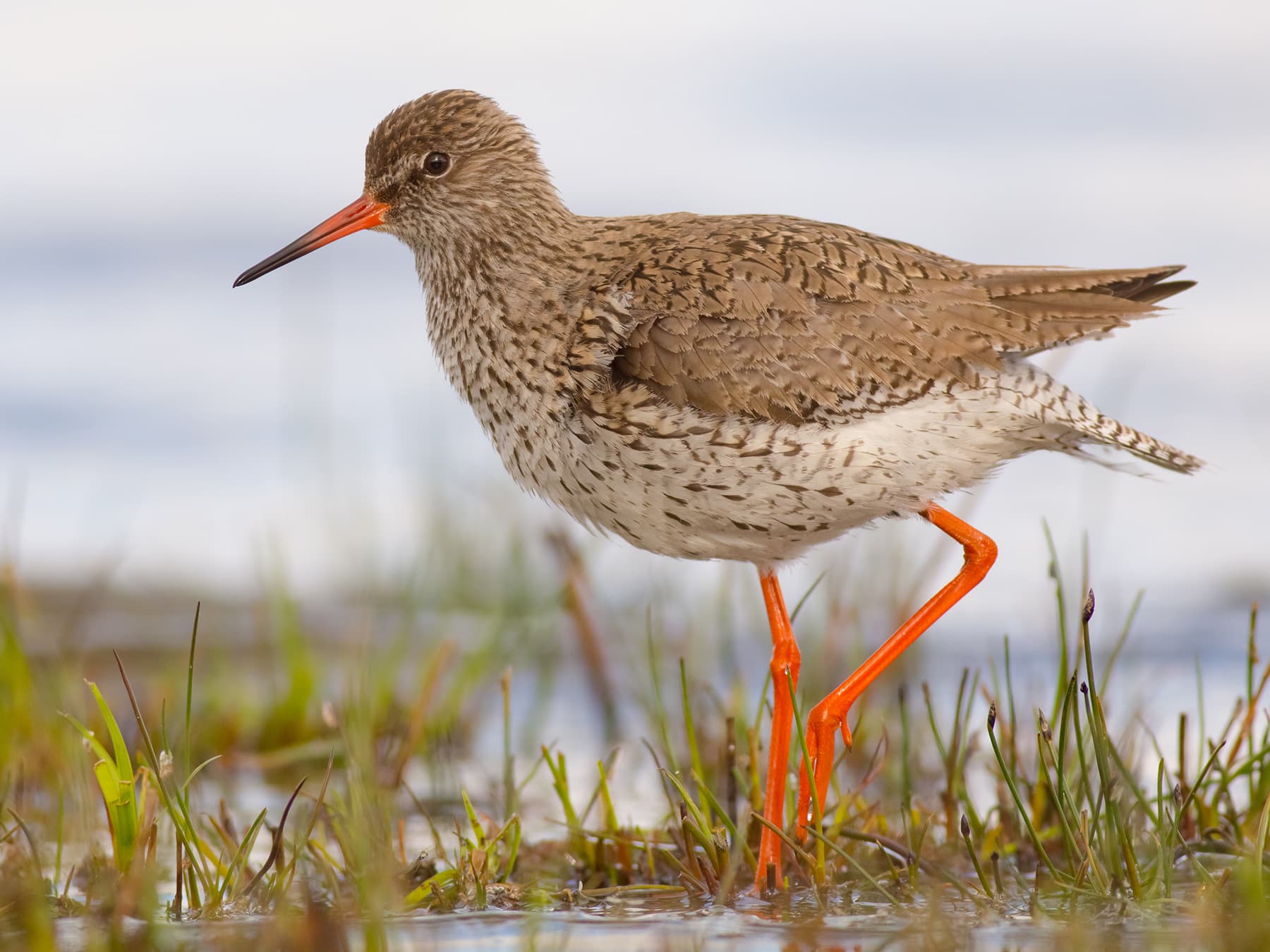 RedshankTringa totanusResidentCommon27–29 cmRecorded all year
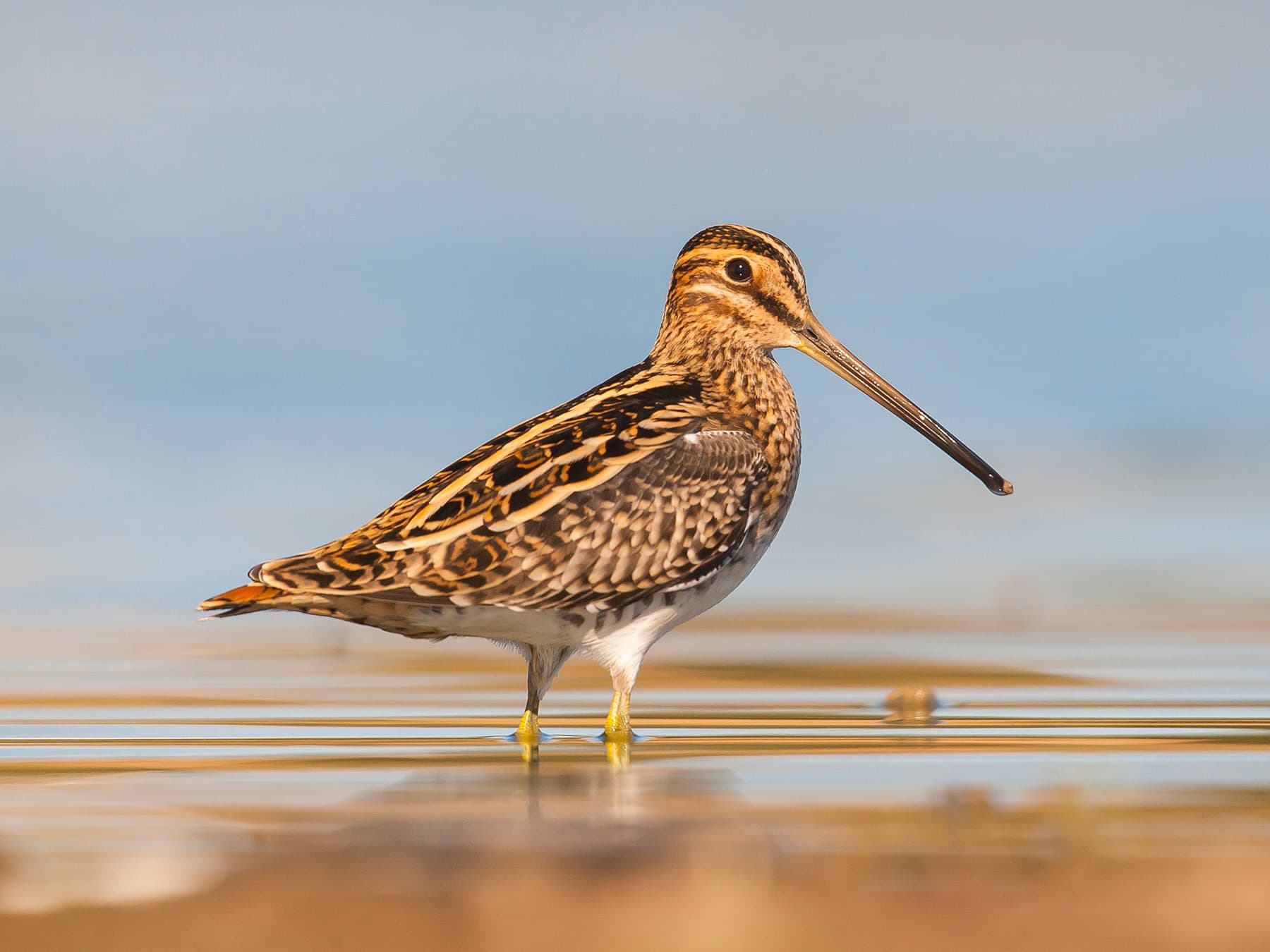 Common SnipeGallinago gallinagoResidentCommon25–27 cmRecorded all year
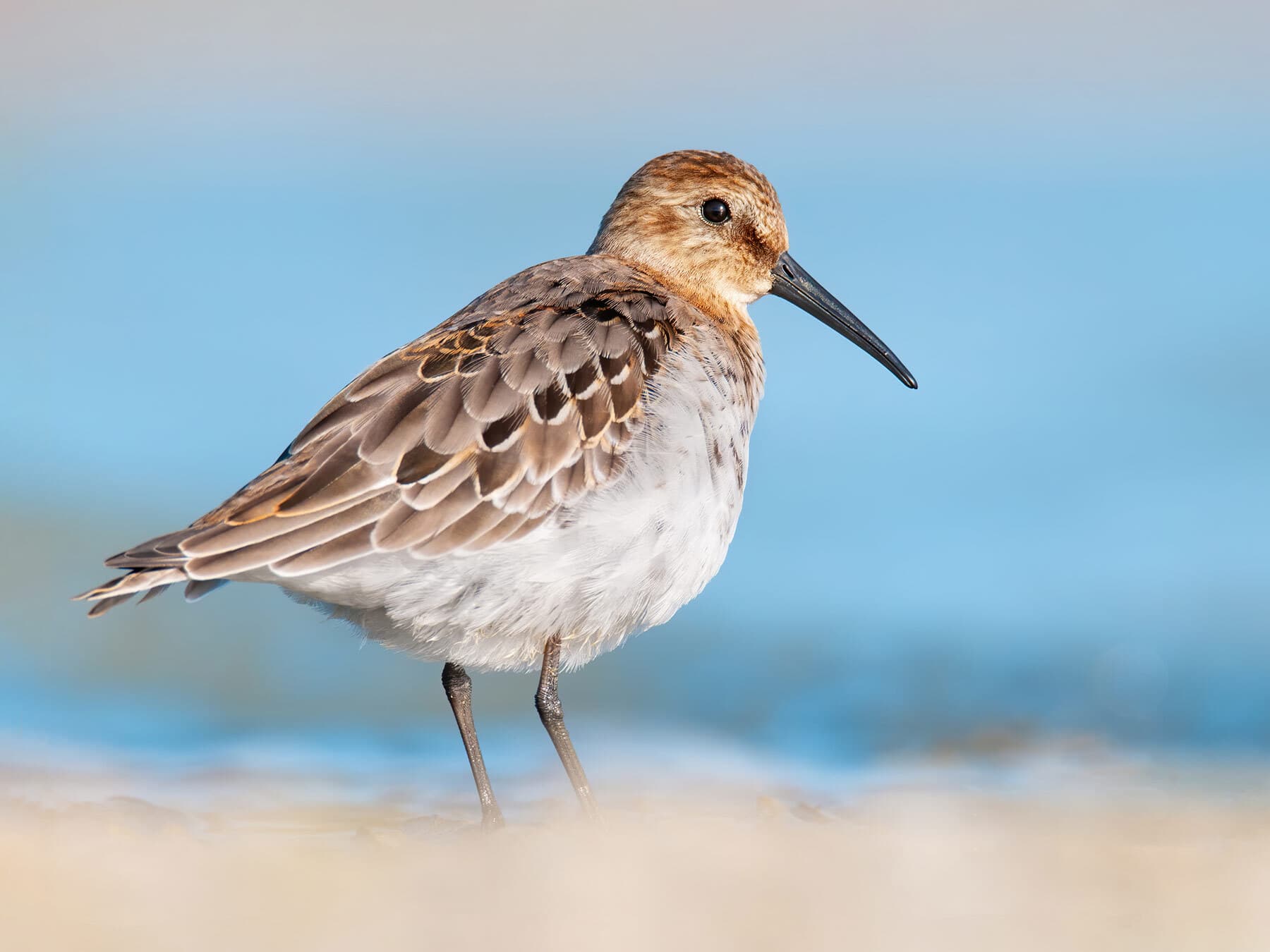 DunlinCalidris alpinaResidentCommon16–22 cmRecorded all year
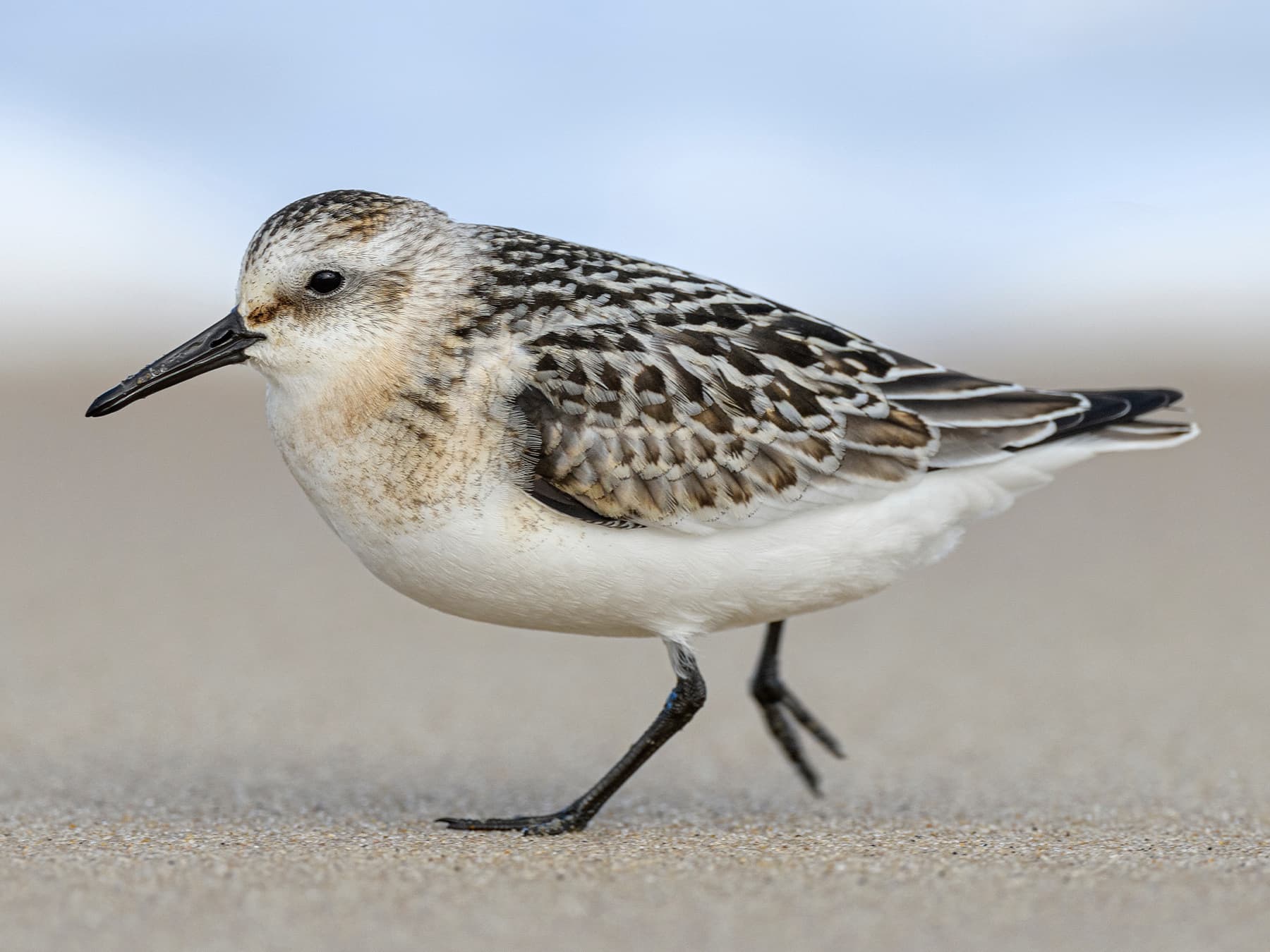 SanderlingCalidris albaSummer visitorCommon18–20 cmRegularly May–Mar
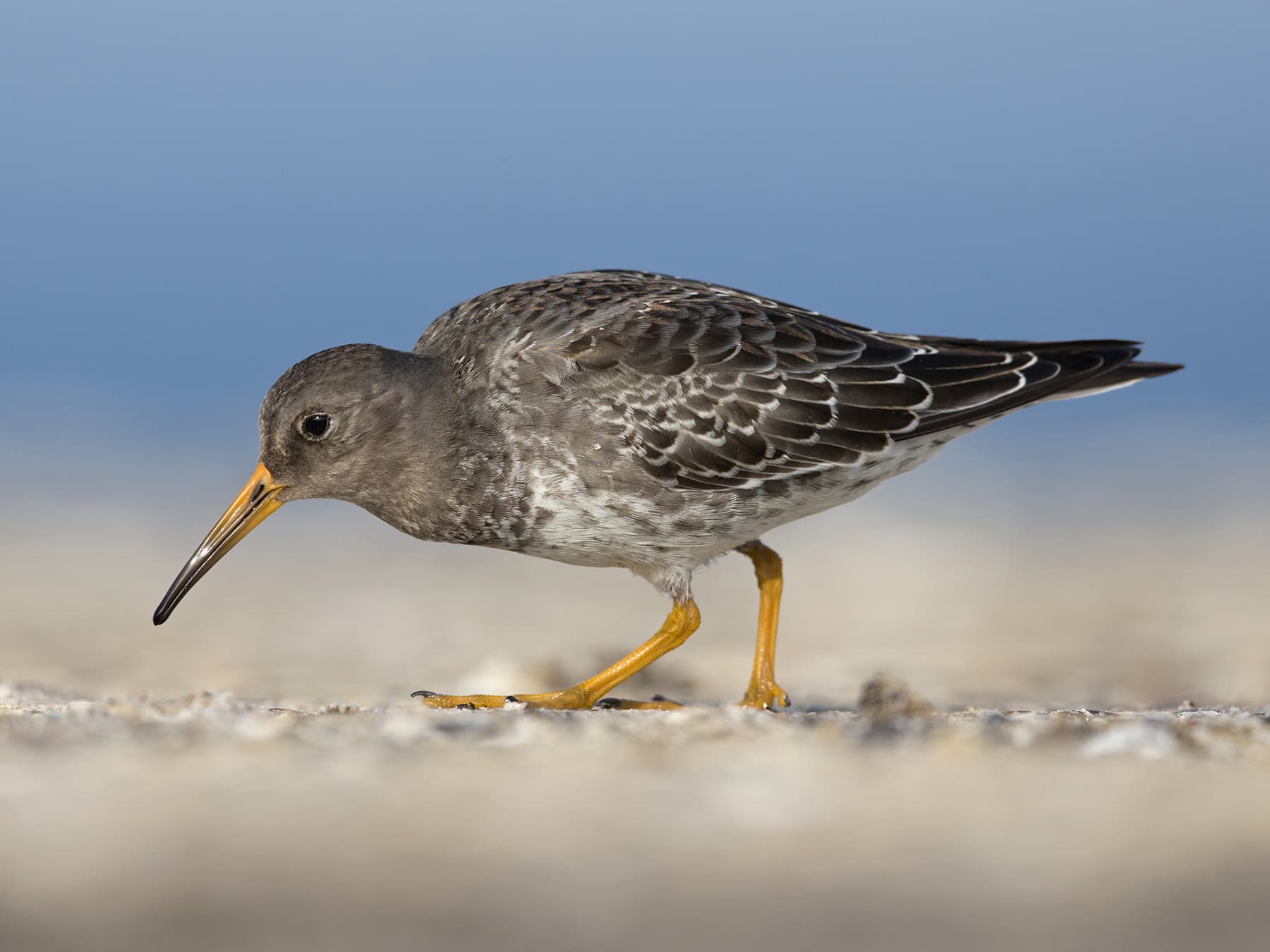 Purple SandpiperCalidris maritimaWinter visitorCommon20–22 cmRegularly Aug–Apr
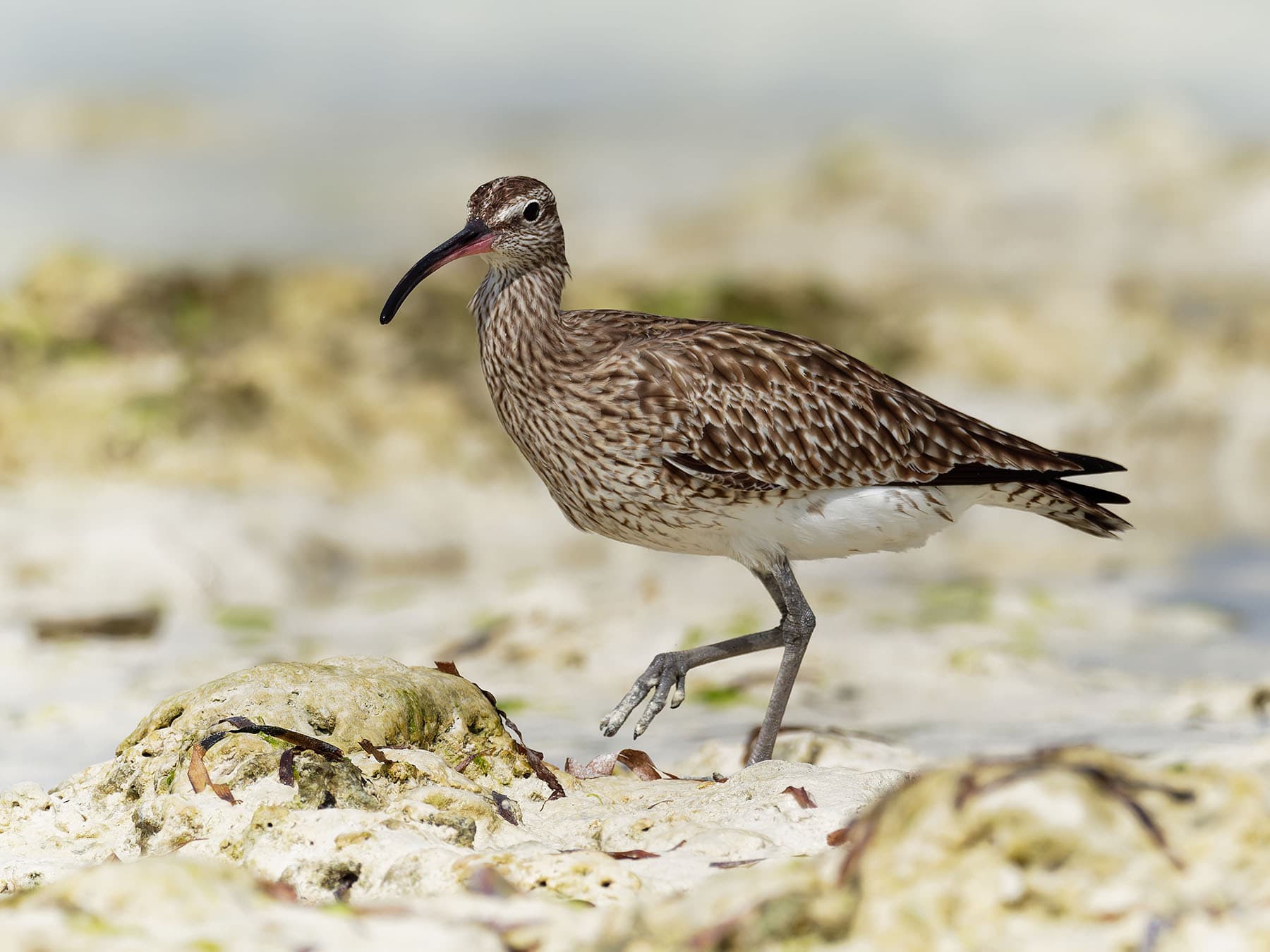 WhimbrelNumenius phaeopusSummer visitorCommon40–46 cmRegularly Apr–Sep
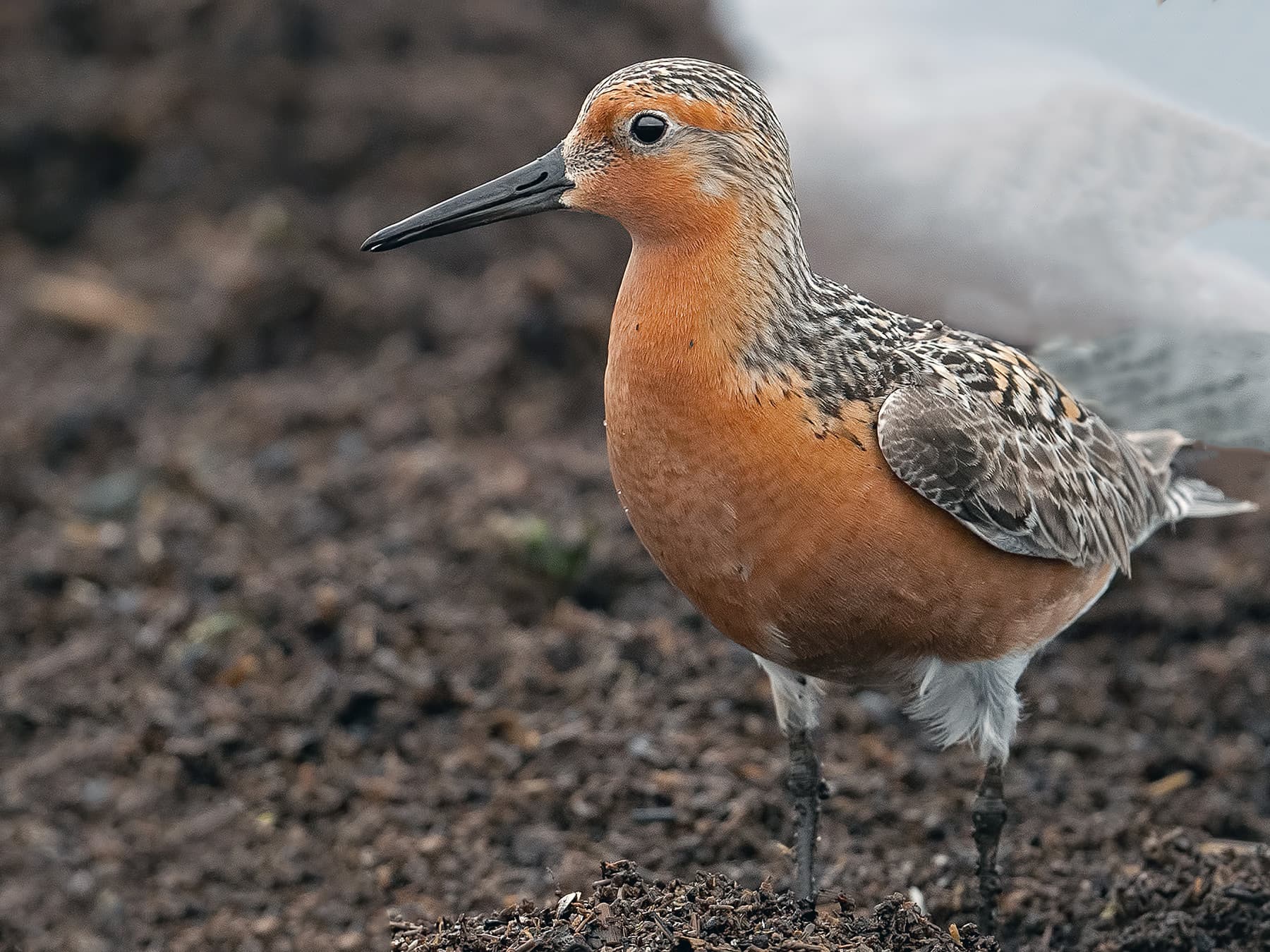 Red KnotCalidris canutusWinter visitorCommon23–26 cmRegularly Jul–May
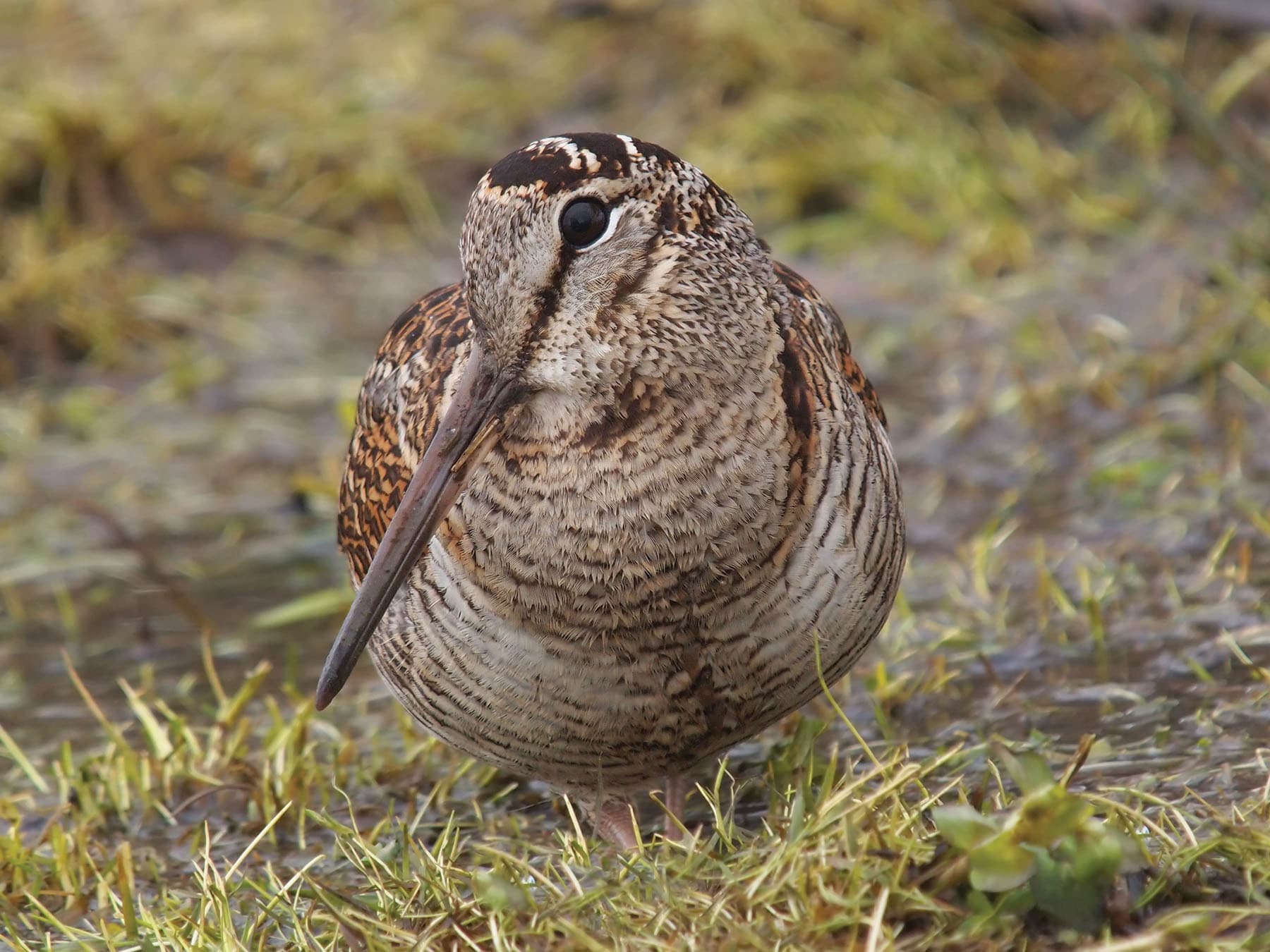 Eurasian WoodcockScolopax rusticolaWinter visitorCommon33–38 cmRegularly Oct–Mar
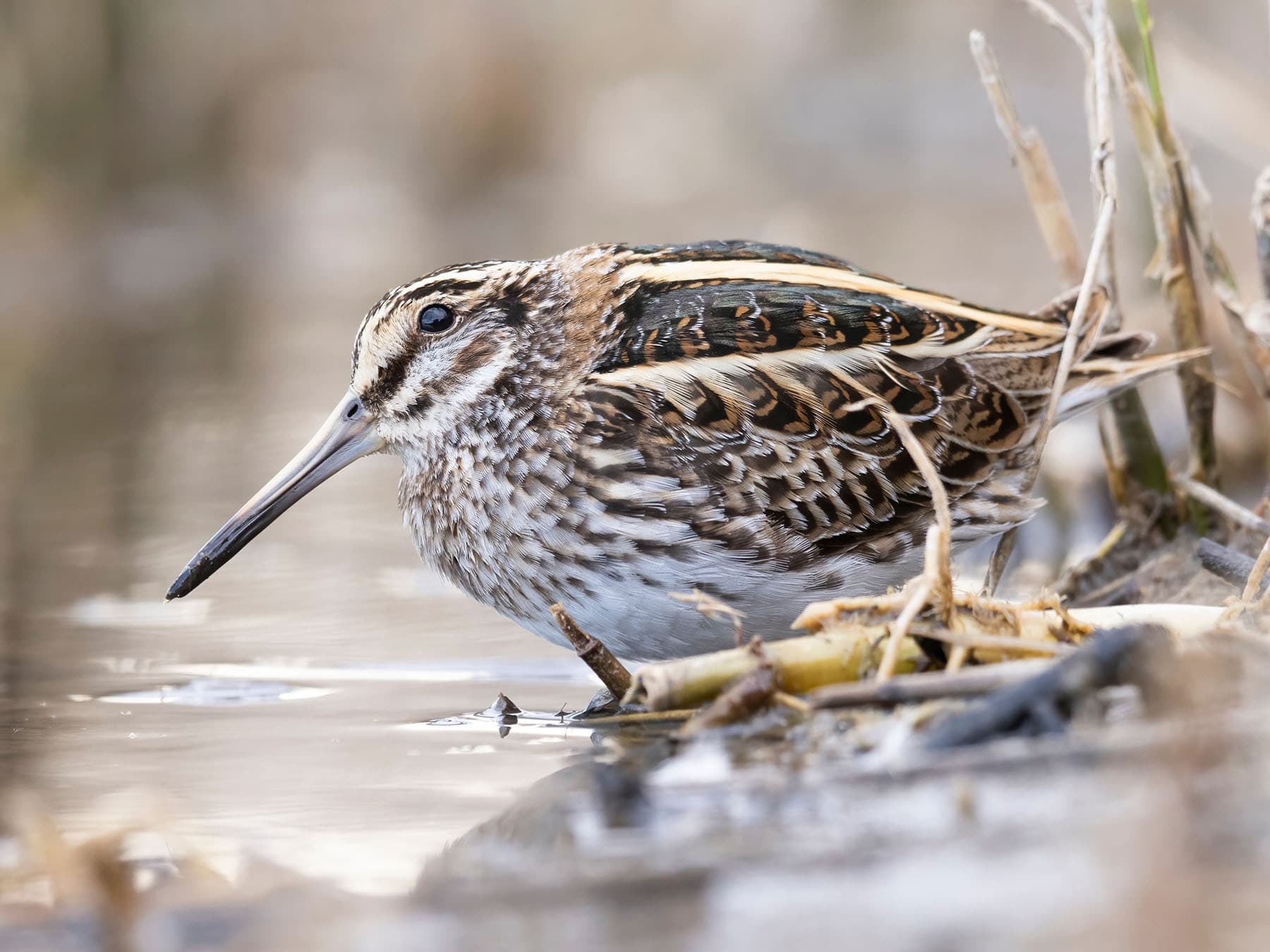 Jack SnipeLymnocryptes minimusWinter visitorCommon17–19 cmRegularly Sep–Apr
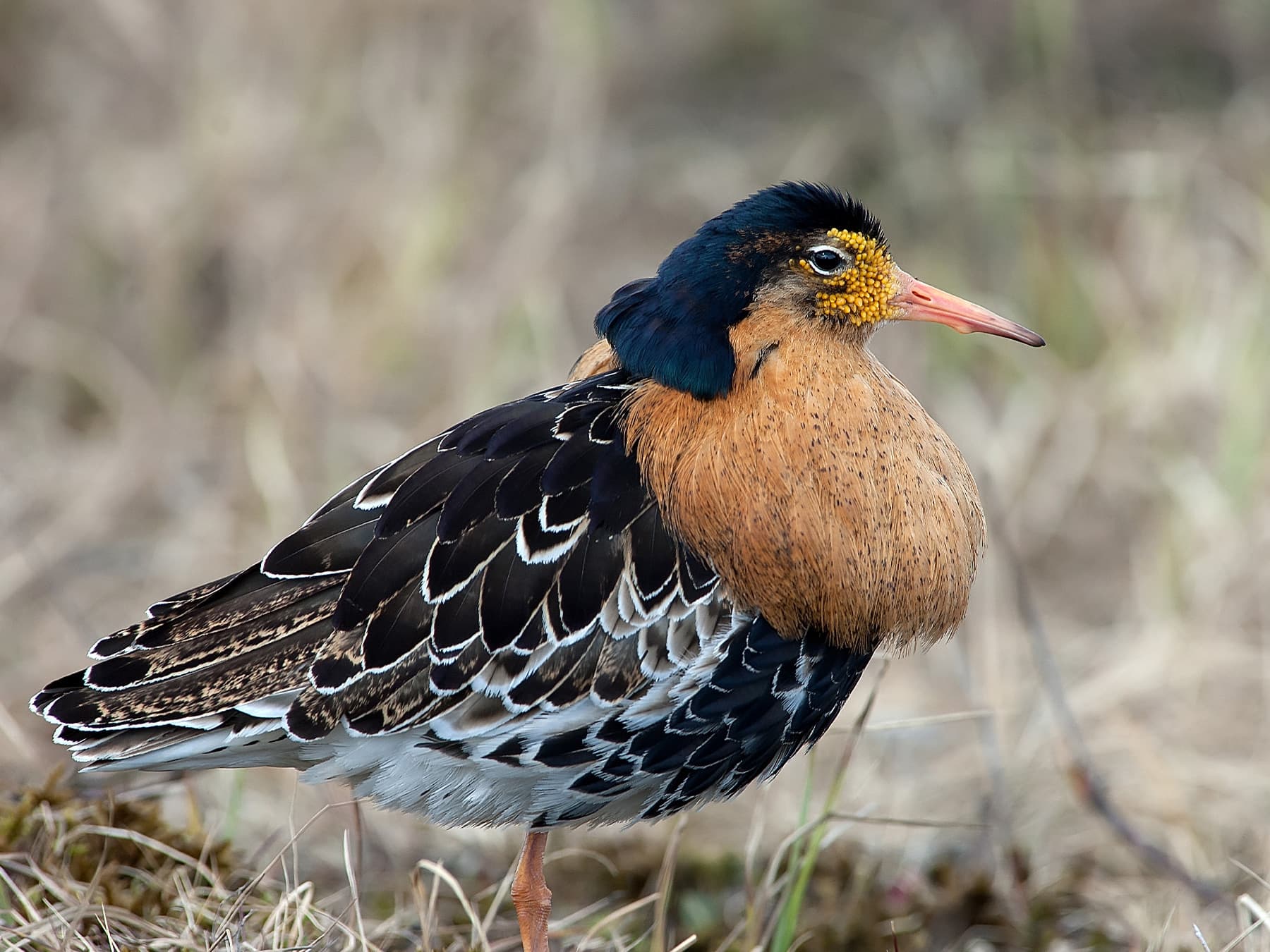 RuffCalidris pugnaxPassage migrantUncommon20–32 cmRegularly May–Oct
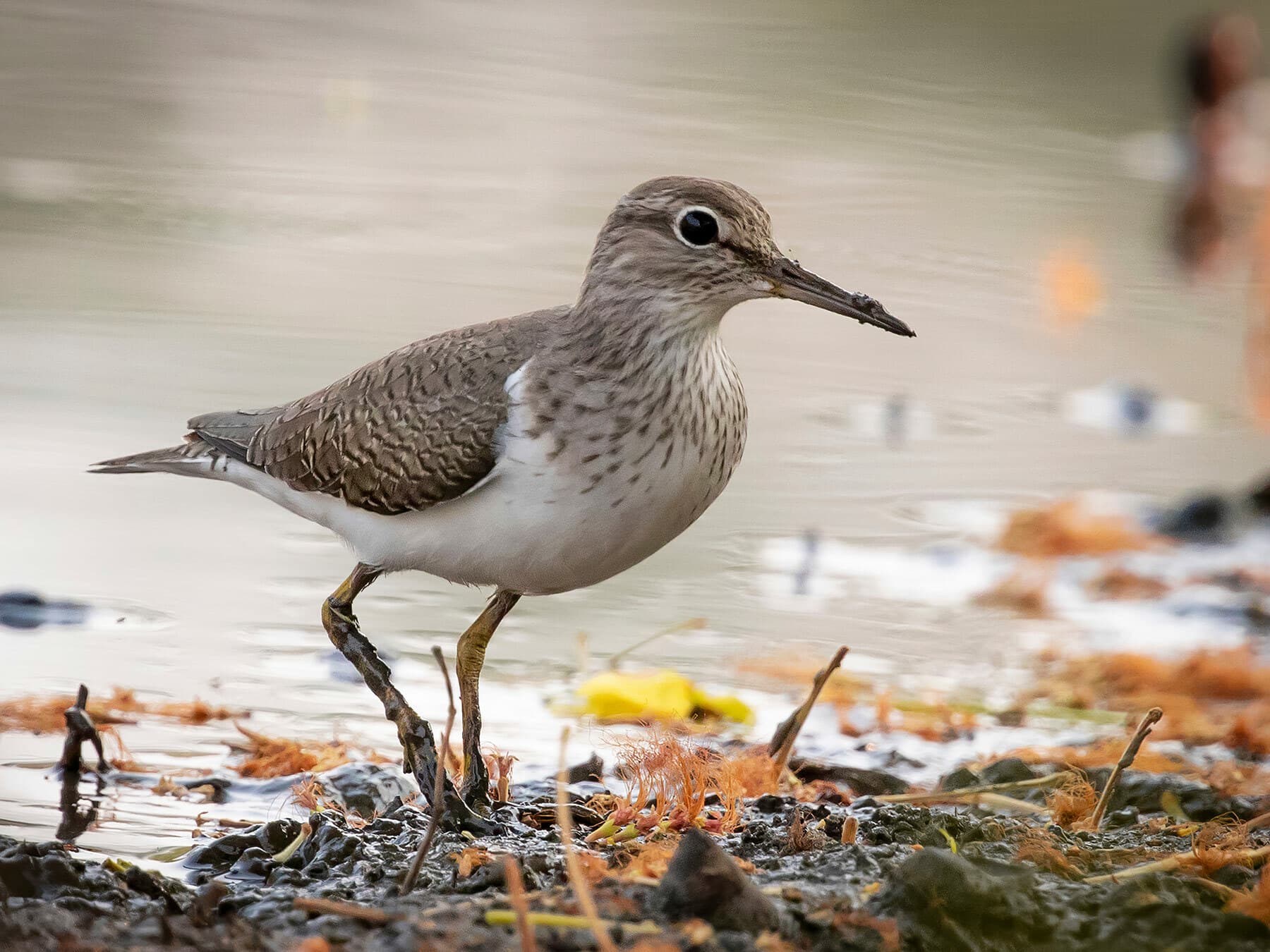 Common SandpiperActitis hypoleucosSummer visitorUncommon18–20 cmRegularly Apr–Sep
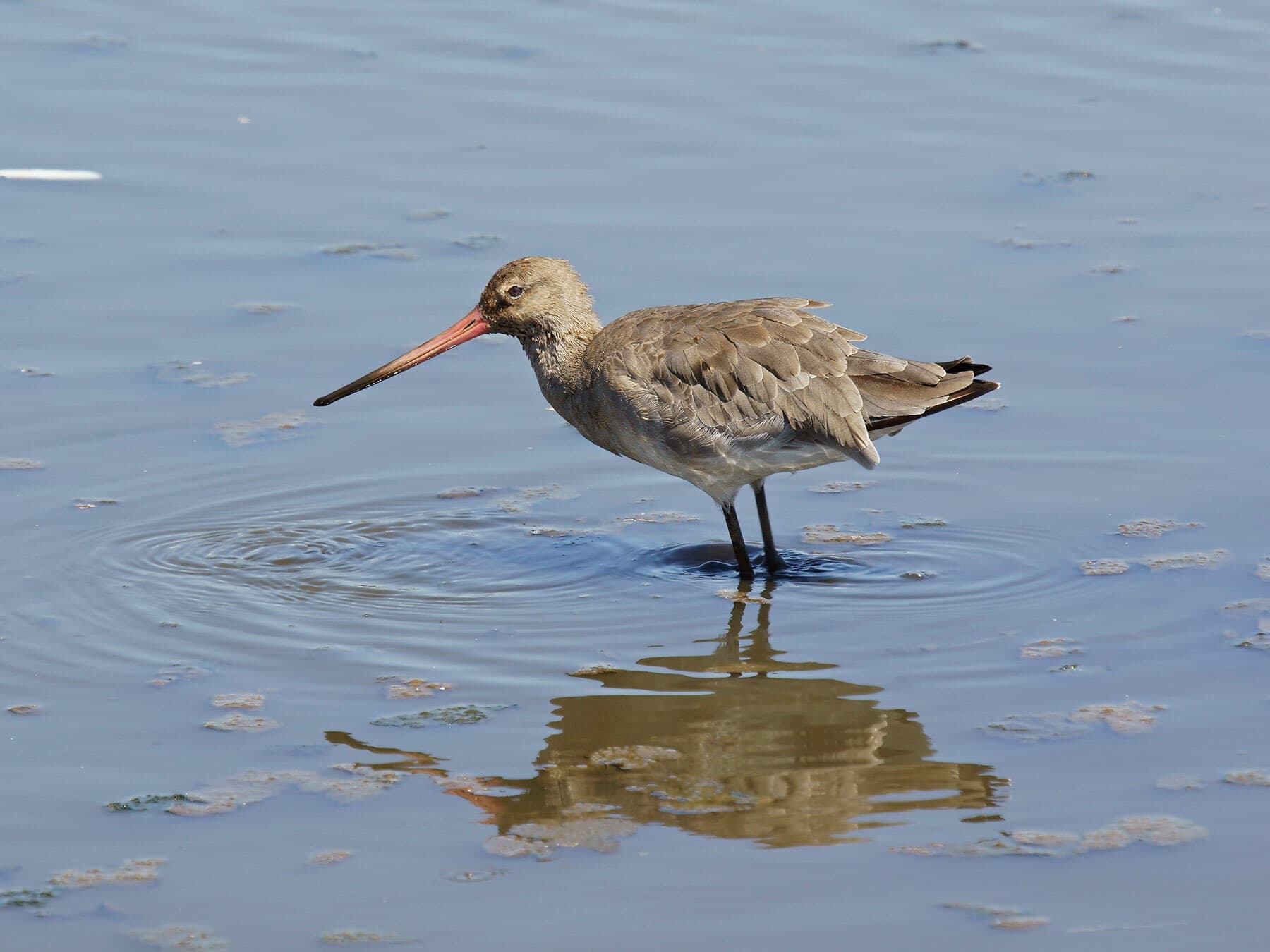 Black-tailed GodwitLimosa limosaSummer visitorUncommon40–44 cmRegularly Apr–Oct
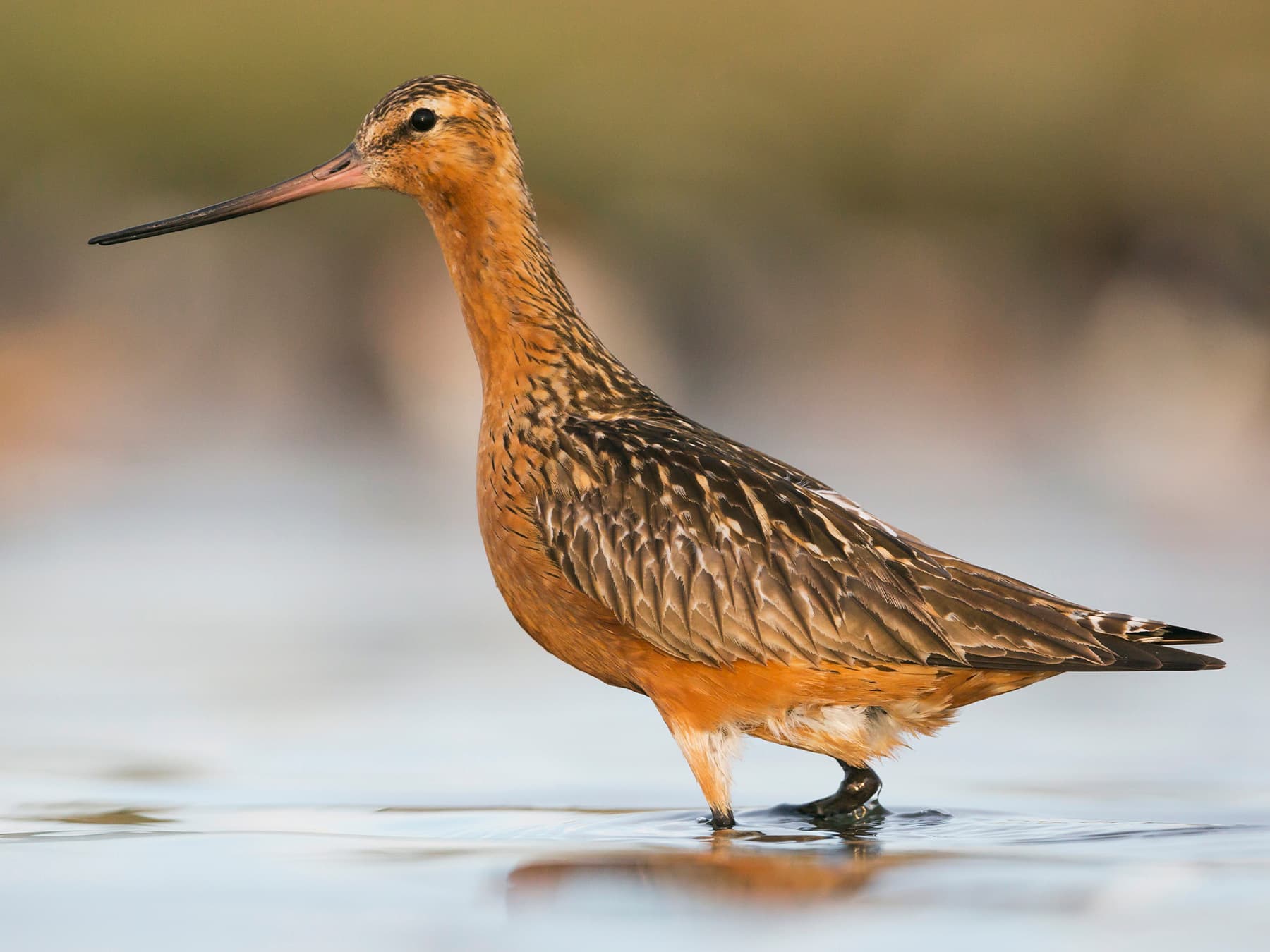 Bar-tailed GodwitLimosa lapponicaSummer visitorUncommon37–41 cmRegularly Jan–Nov
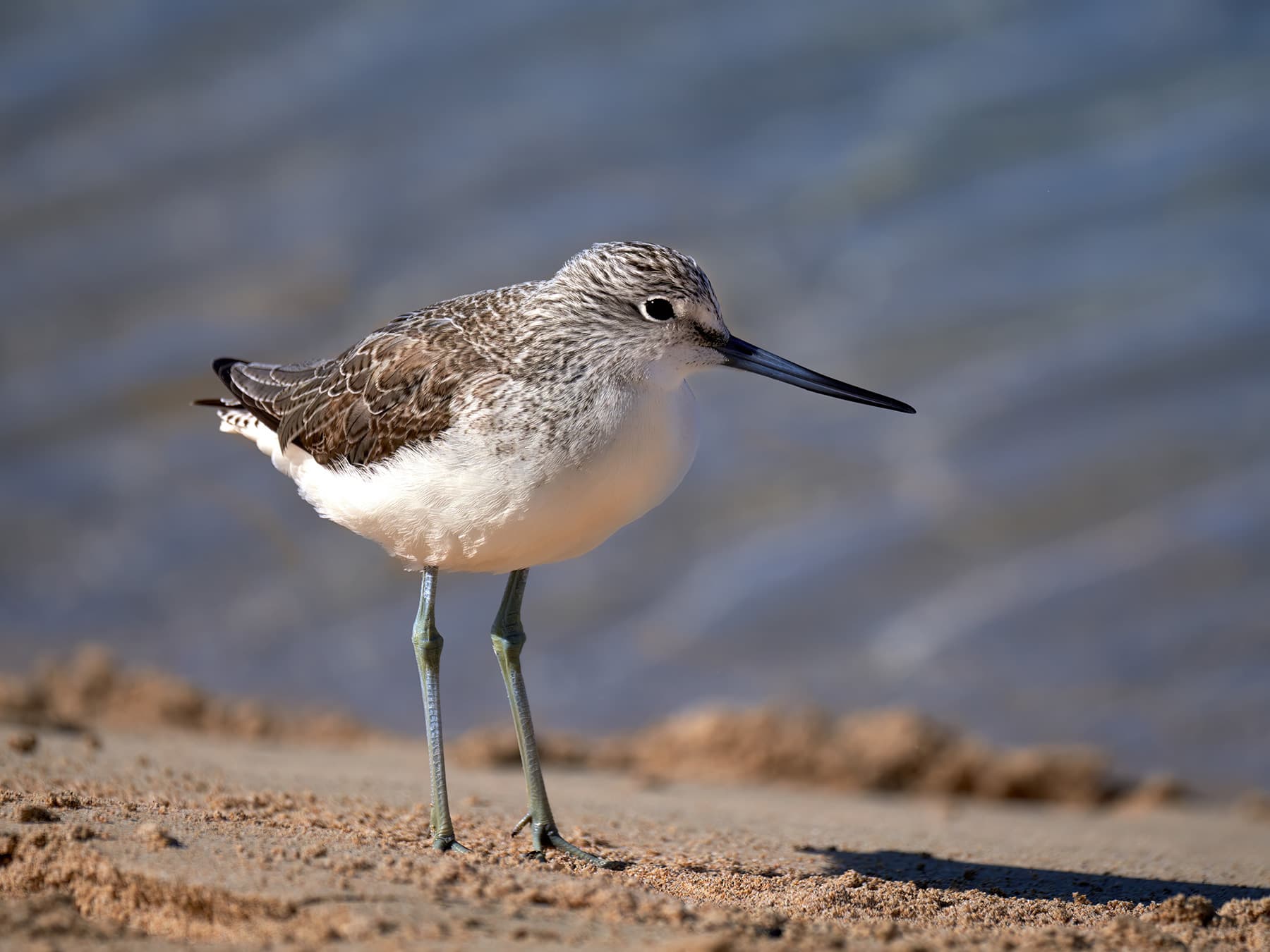 GreenshankTringa nebulariaPassage migrantUncommon30–35 cmRegularly Aug–Oct
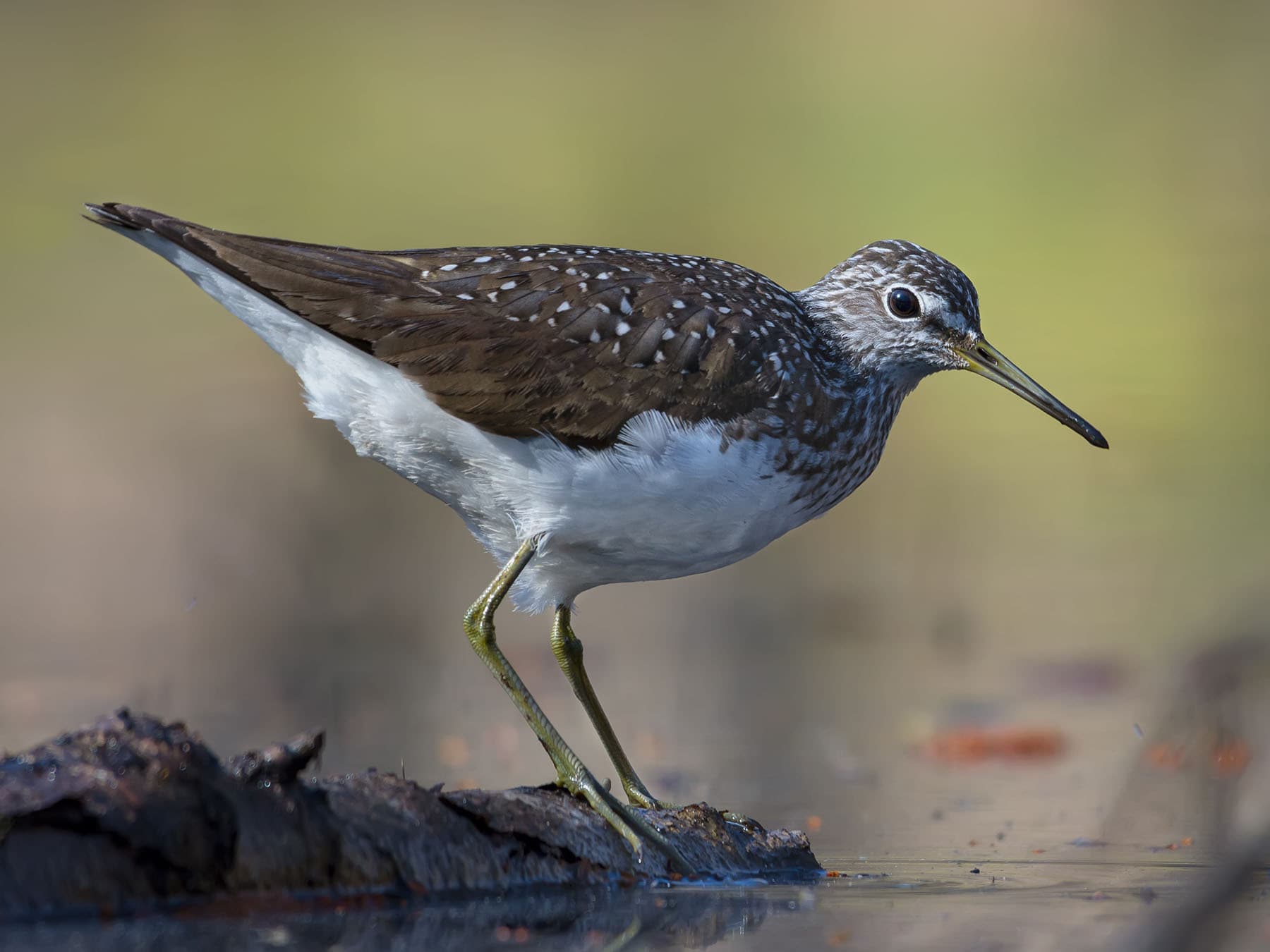 Green SandpiperTringa ochropusPassage migrantUncommon21–24 cmRegularly Aug–Sep
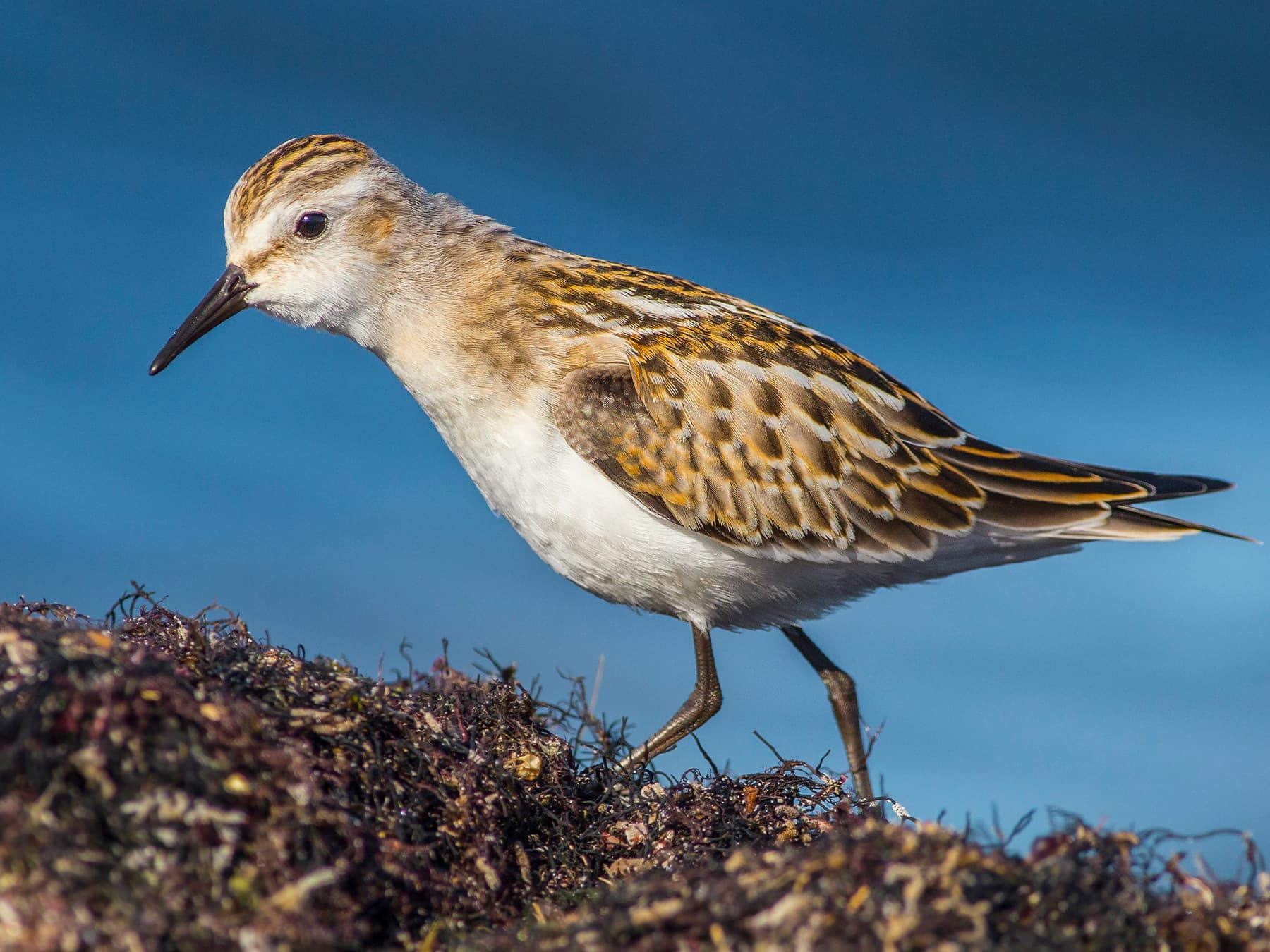 Little StintCalidris minutaPassage migrantUncommon13–15 cmRegularly May–Oct
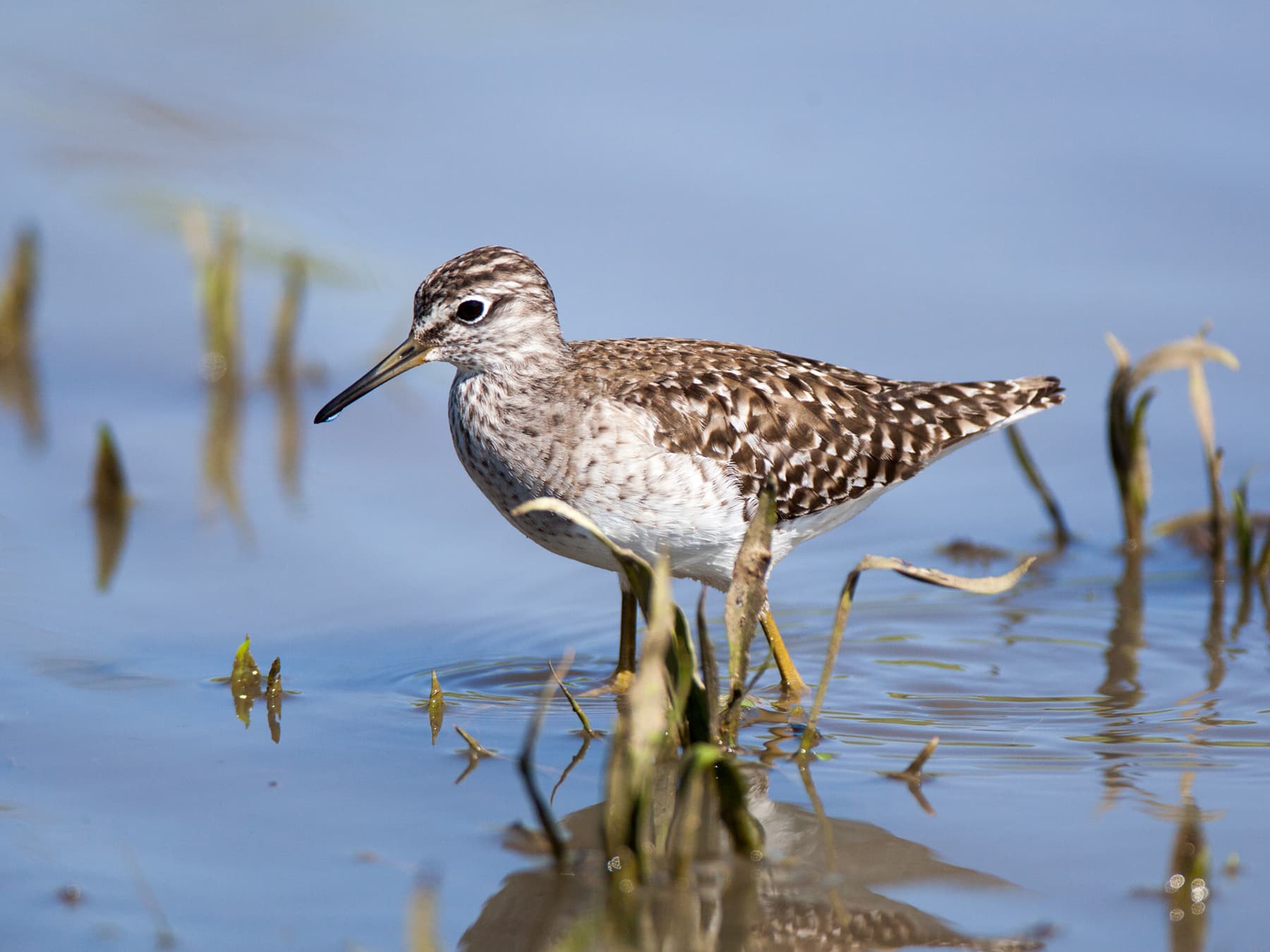 Wood SandpiperTringa glareolaPassage migrantUncommon19–21 cmRegularly Aug
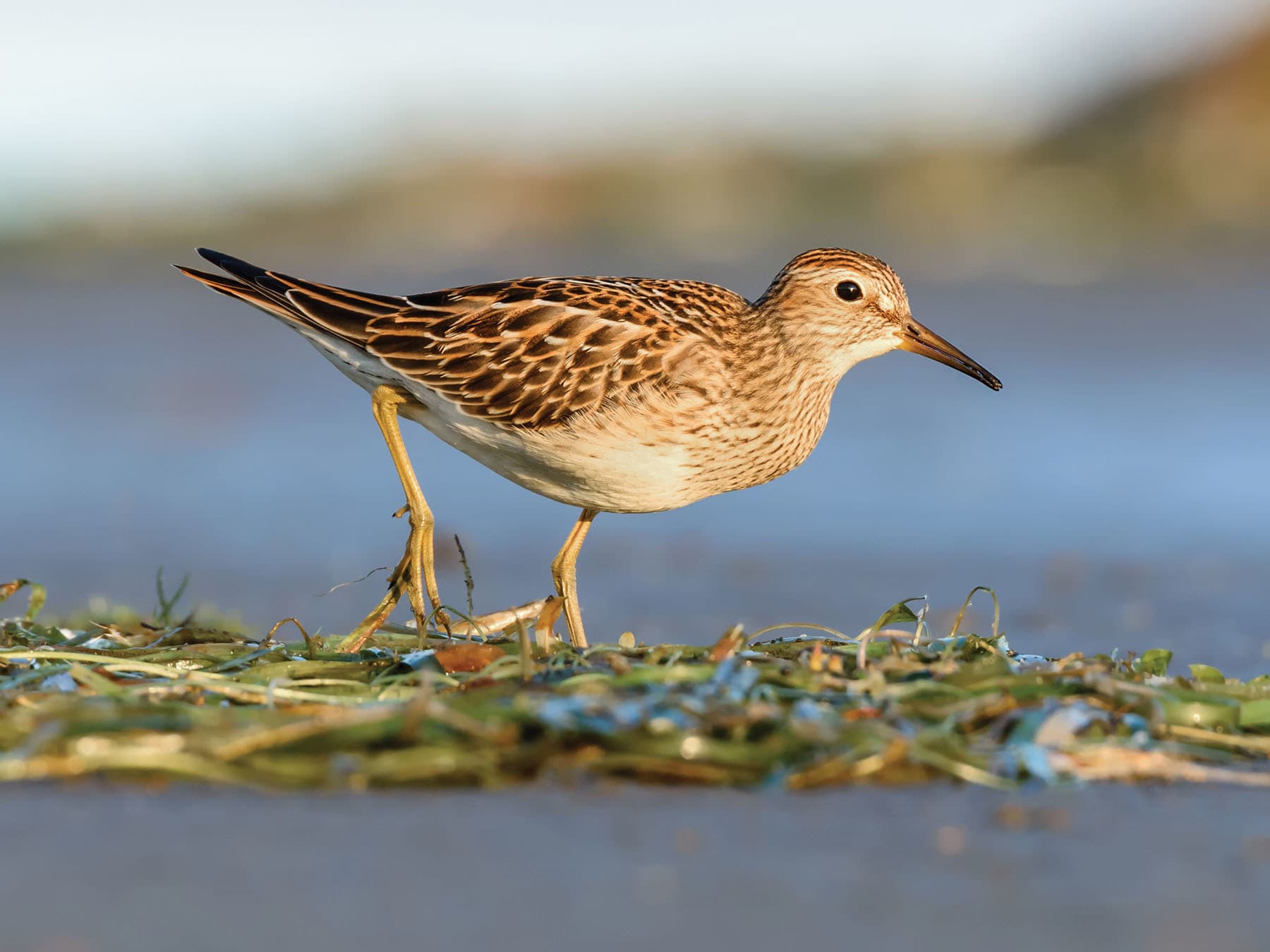 Pectoral SandpiperCalidris melanotosPassage migrantRare19–23 cmRegularly Sep–Oct
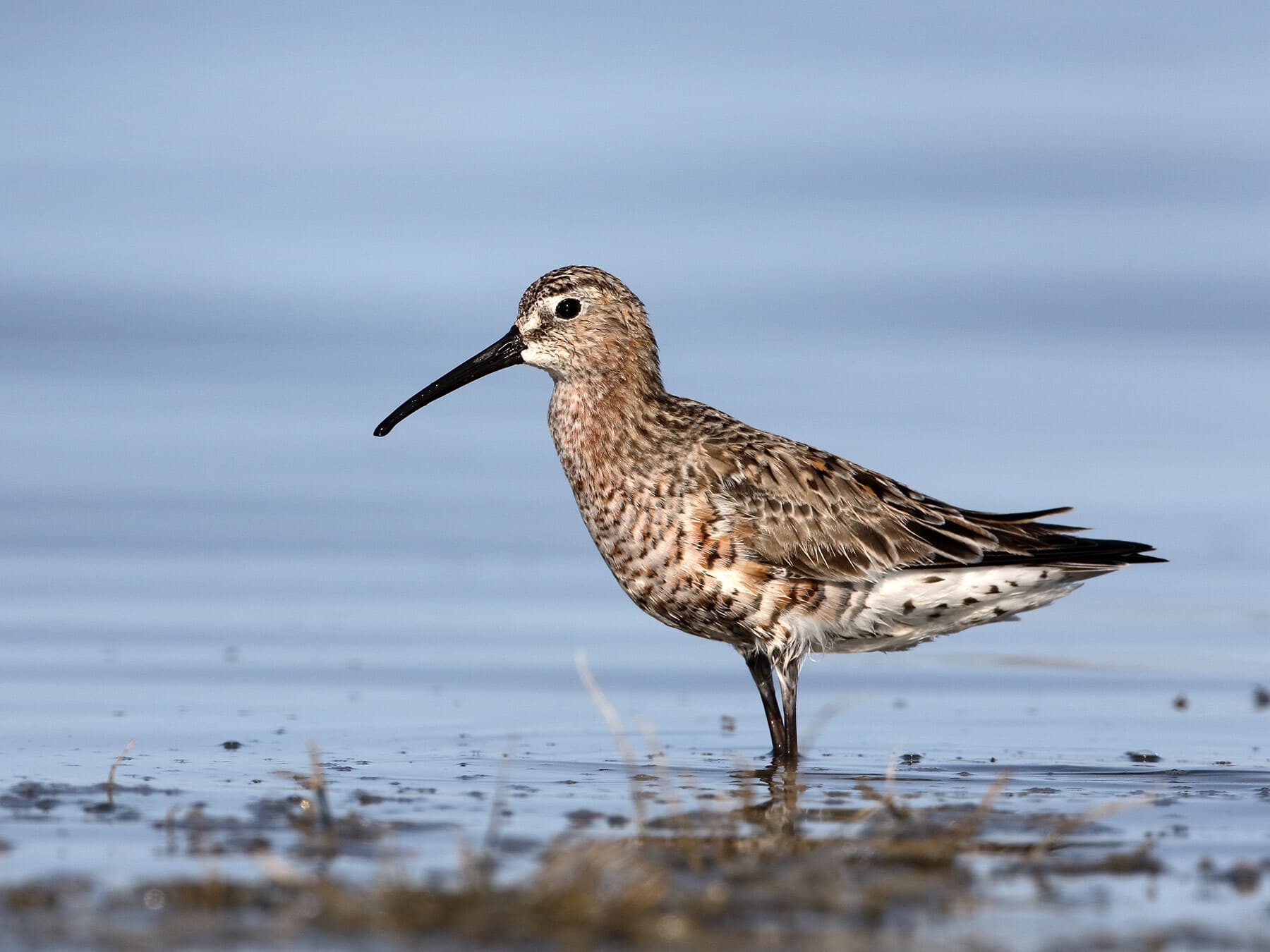 Curlew SandpiperCalidris ferrugineaPassage migrantRare18–23 cmRegularly Jun–Sep
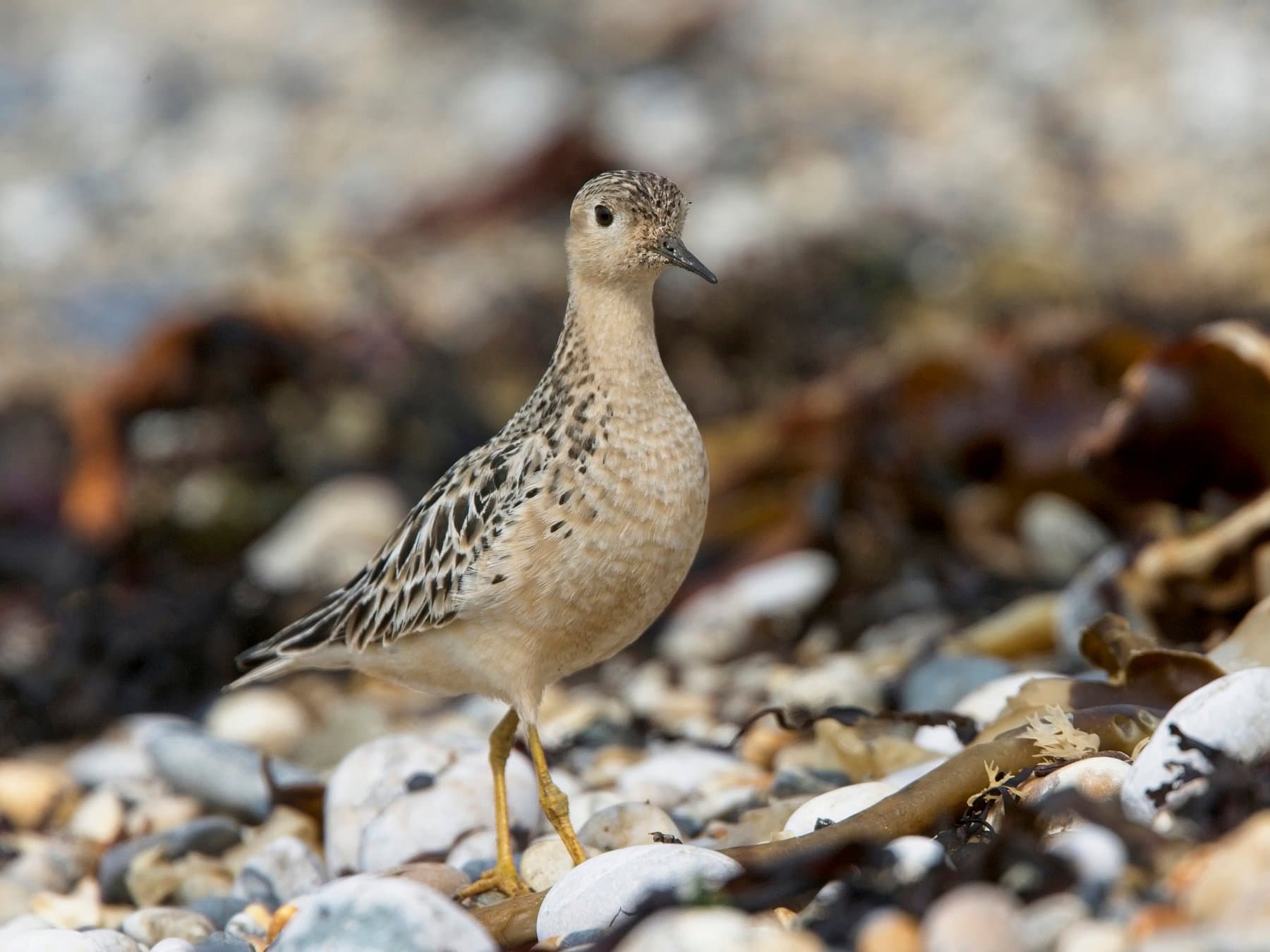 Buff-breasted SandpiperCalidris subruficollisPassage migrantRare18–20 cmRegularly Sep
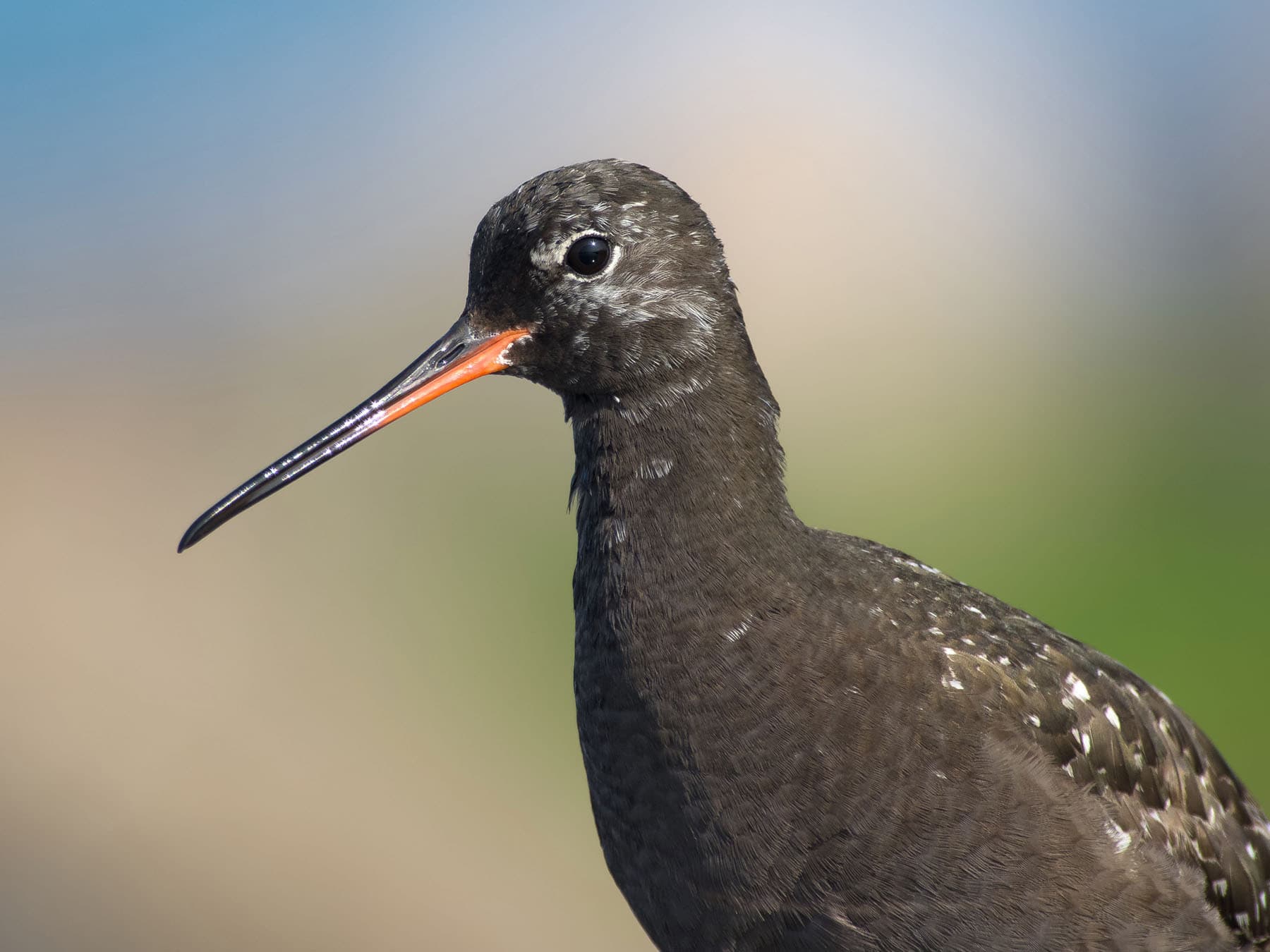 Spotted RedshankTringa erythropusResidentRare29–31 cmRegularly May
Smallest to largest
Length, cm- Little Stint 13–15 cm
- Jack Snipe 17–19 cm
- Dunlin 16–22 cm
- Sanderling 18–20 cm
- Common Sandpiper 18–20 cm
- Buff-breasted Sandpiper 18–20 cm
- Wood Sandpiper 19–21 cm
- Curlew Sandpiper 18–23 cm
- Purple Sandpiper 20–22 cm
- Pectoral Sandpiper 19–23 cm
- Ruddy Turnstone 21–24 cm
- Green Sandpiper 21–24 cm
- Red Knot 23–26 cm
- Common Snipe 25–27 cm
- Ruff 20–32 cm
- Redshank 27–29 cm
- Spotted Redshank 29–31 cm
- Greenshank 30–35 cm
- Eurasian Woodcock 33–38 cm
- Bar-tailed Godwit 37–41 cm
- Black-tailed Godwit 40–44 cm
- Whimbrel 40–46 cm
- Curlew 50–60 cm
Body length, bill to tail. Rare birds in grey.
Data: EOD – eBird Observation Dataset (Cornell Lab of Ornithology), accessed via GBIF.org, CC BY 4.0. Records from 2019–2024, aggregated and filtered by Birdfact. How these lists are made