Birds in England
Explore 274 species found in this region.
England is home to an impressive diversity of birdlife, with 257 recorded species found across its varied landscapes — from coastal estuaries and chalk downlands to ancient woodlands and upland moors. Notable species include the striking Bluethroat, the charismatic Dotterel of mountain plateaux, and the elegant Eurasian Woodcock hidden among forest floors. Whether you're watching Great Tits in a suburban garden or scanning mudflats for Common Shelduck, England offers outstanding birding opportunities throughout the year.
Visiting in July? Look out for Greater Scaup and Horned Grebe arriving this month, and American Golden-Plover and Common Loon depart for the season.
Explore by Region


Get a monthly guide to birds in England
Find out which birds are visiting your area this month, with seasonal tips and garden advice
Get Your Free DigestShowing 231–253 of 274 species
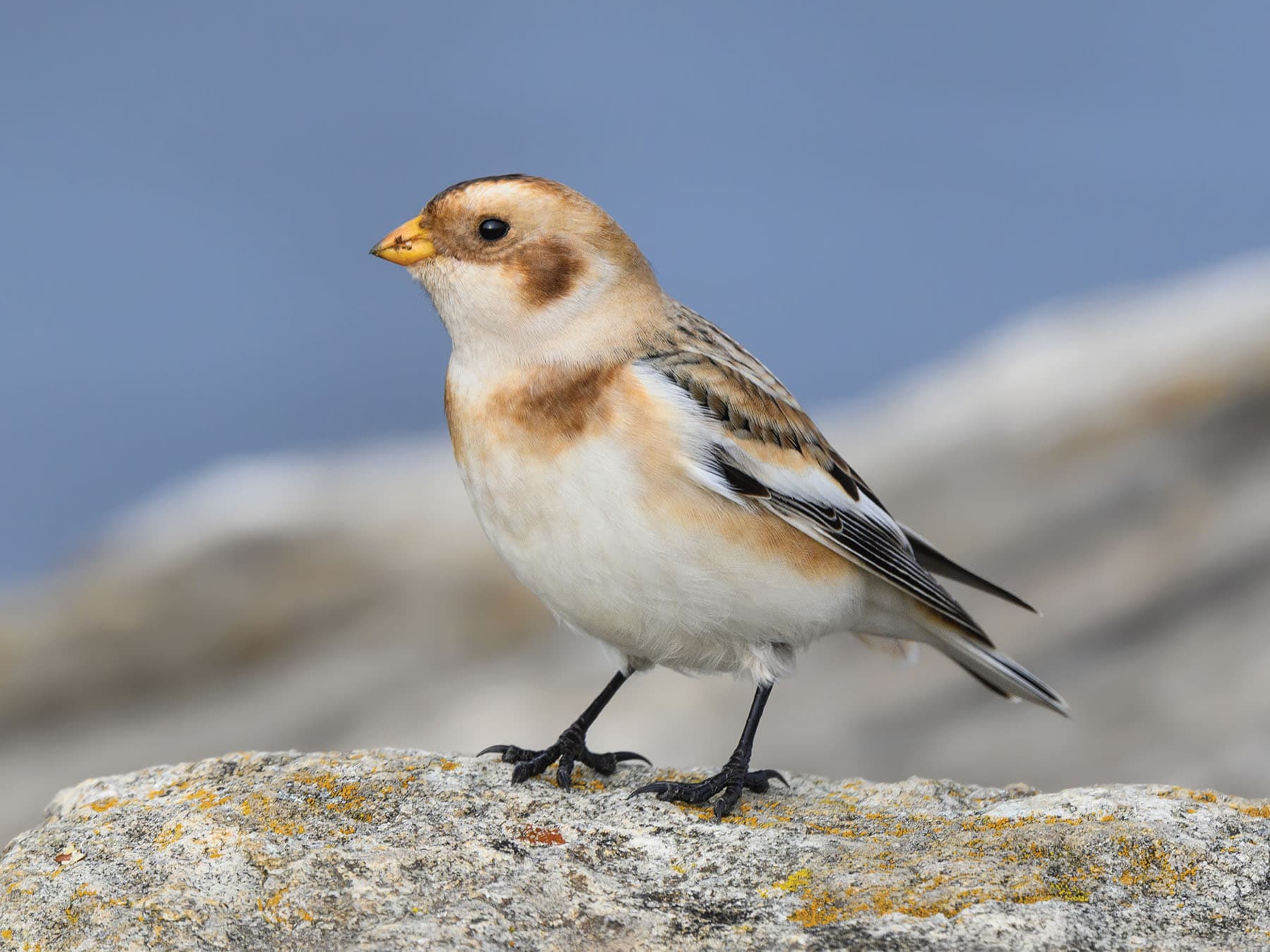
Snow Bunting
Plectrophenax nivalisLC
An uncommon non-breeding visitor to shingle beaches and coastal fields from October to March. Most reliably found along the Norfolk and Suffolk coasts.
Oct–Mar
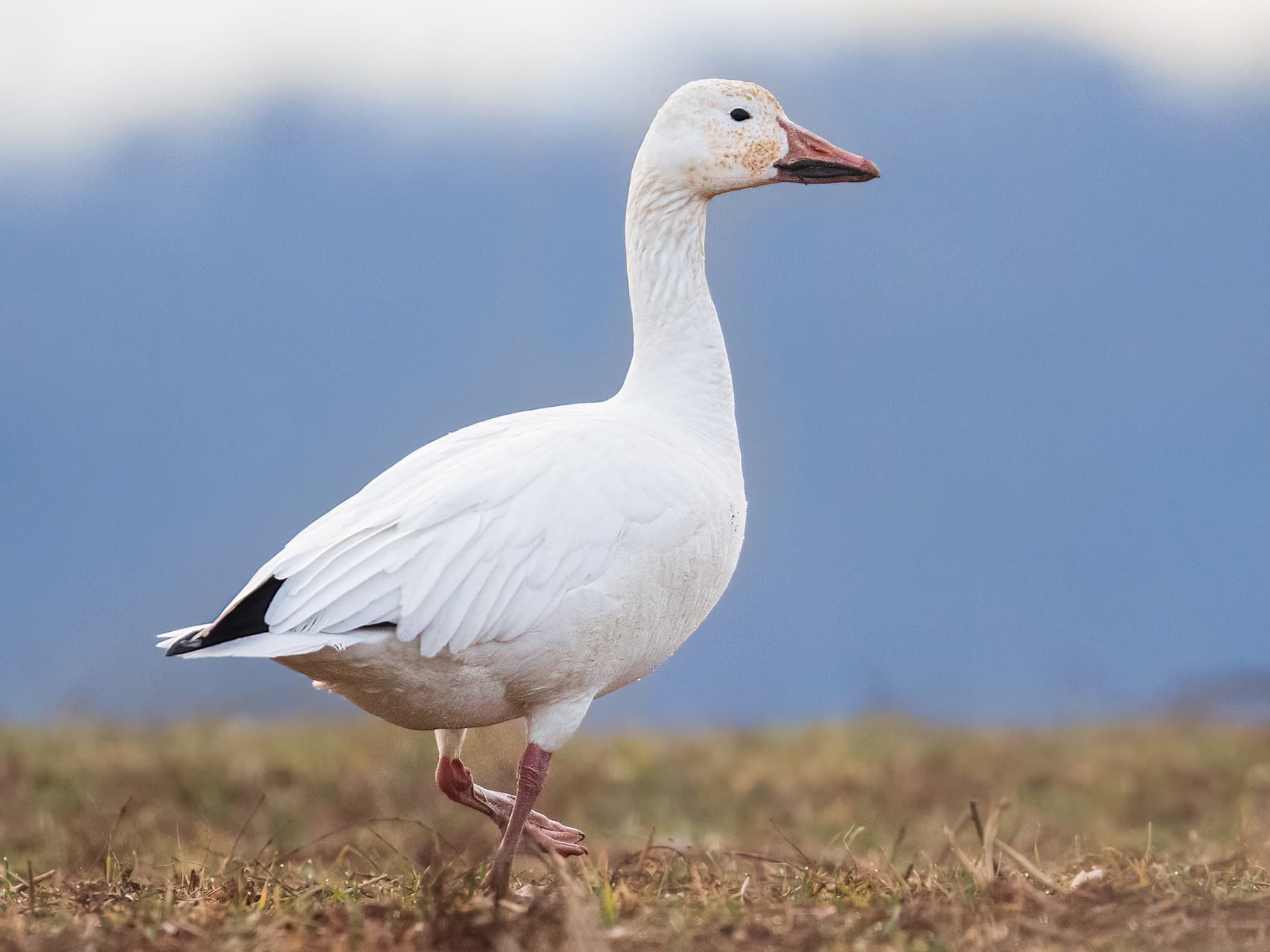
Snow Goose
Anser caerulescensLC
A rare visitor, with most English records likely involving feral or escaped birds. Occasionally seen among wild goose flocks.
Aug–May
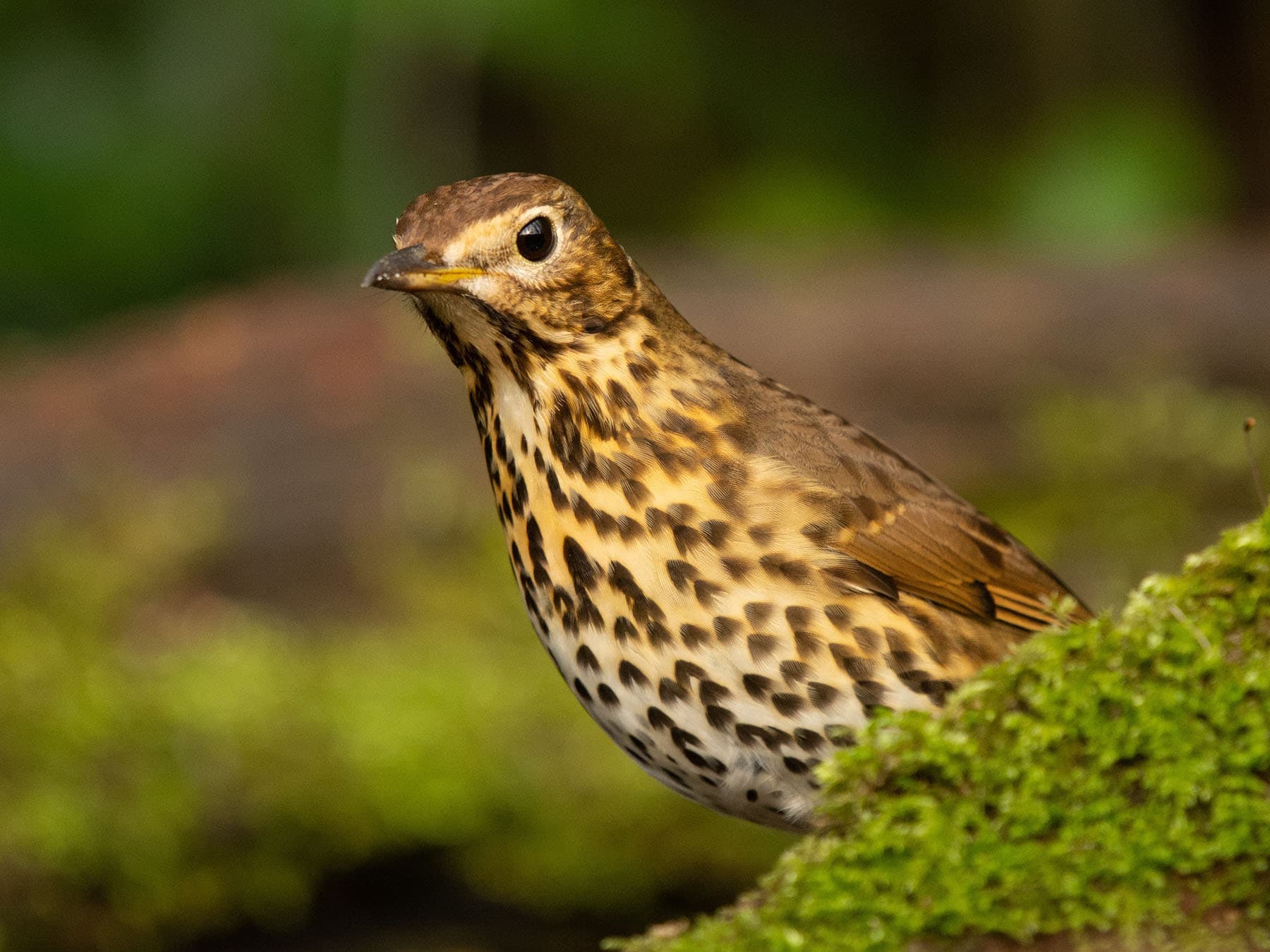
Song Thrush
Turdus philomelosLC
A familiar garden and woodland bird with a rich, repeating song delivered from prominent perches. Resident year-round, though numbers are bolstered by continental migrants in winter.
Year-round
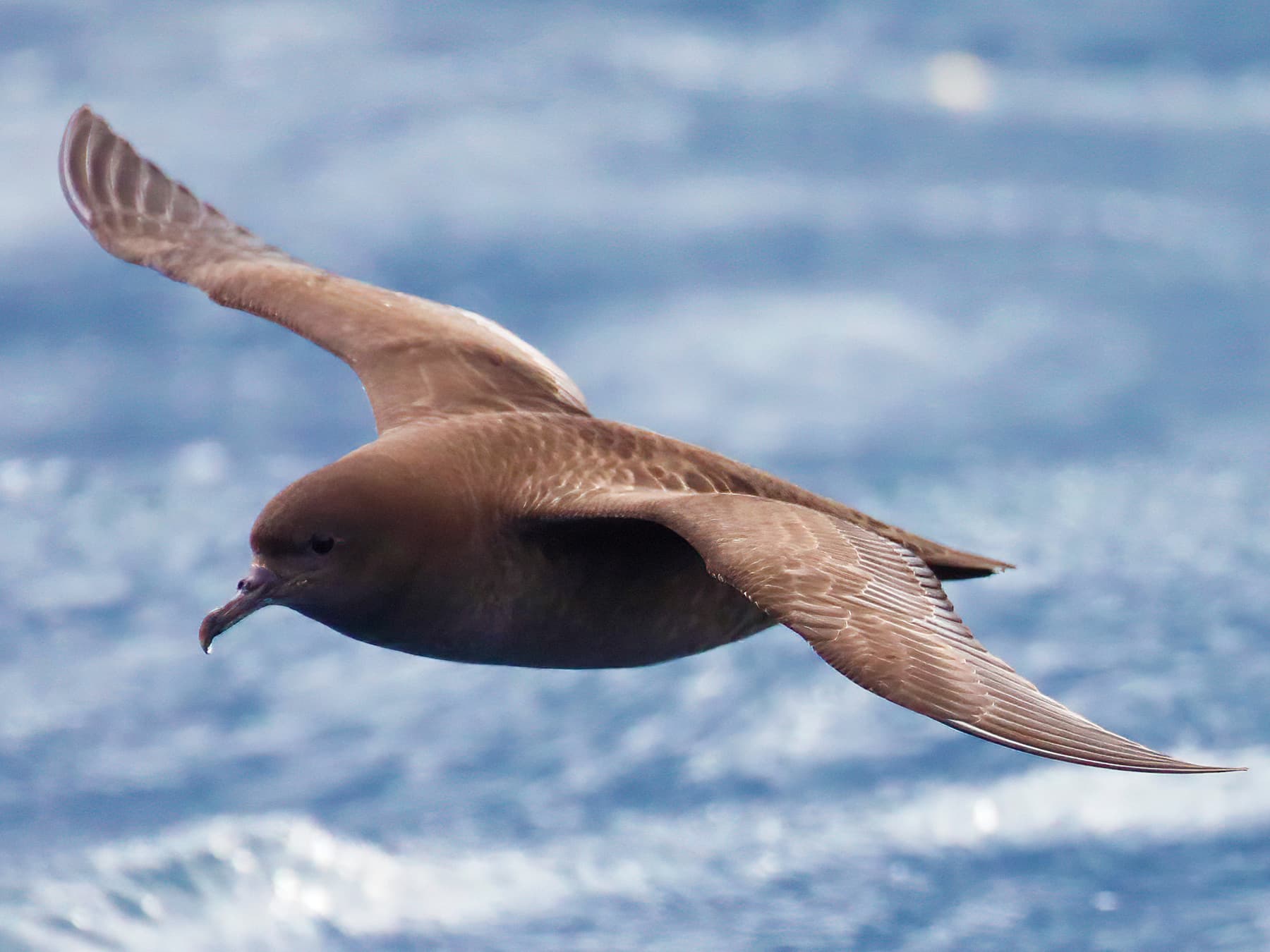
Sooty Shearwater
Ardenna griseaNT
An uncommon pelagic visitor seen offshore from late summer to autumn, often during seawatches in strong onshore winds.
Jun–Nov
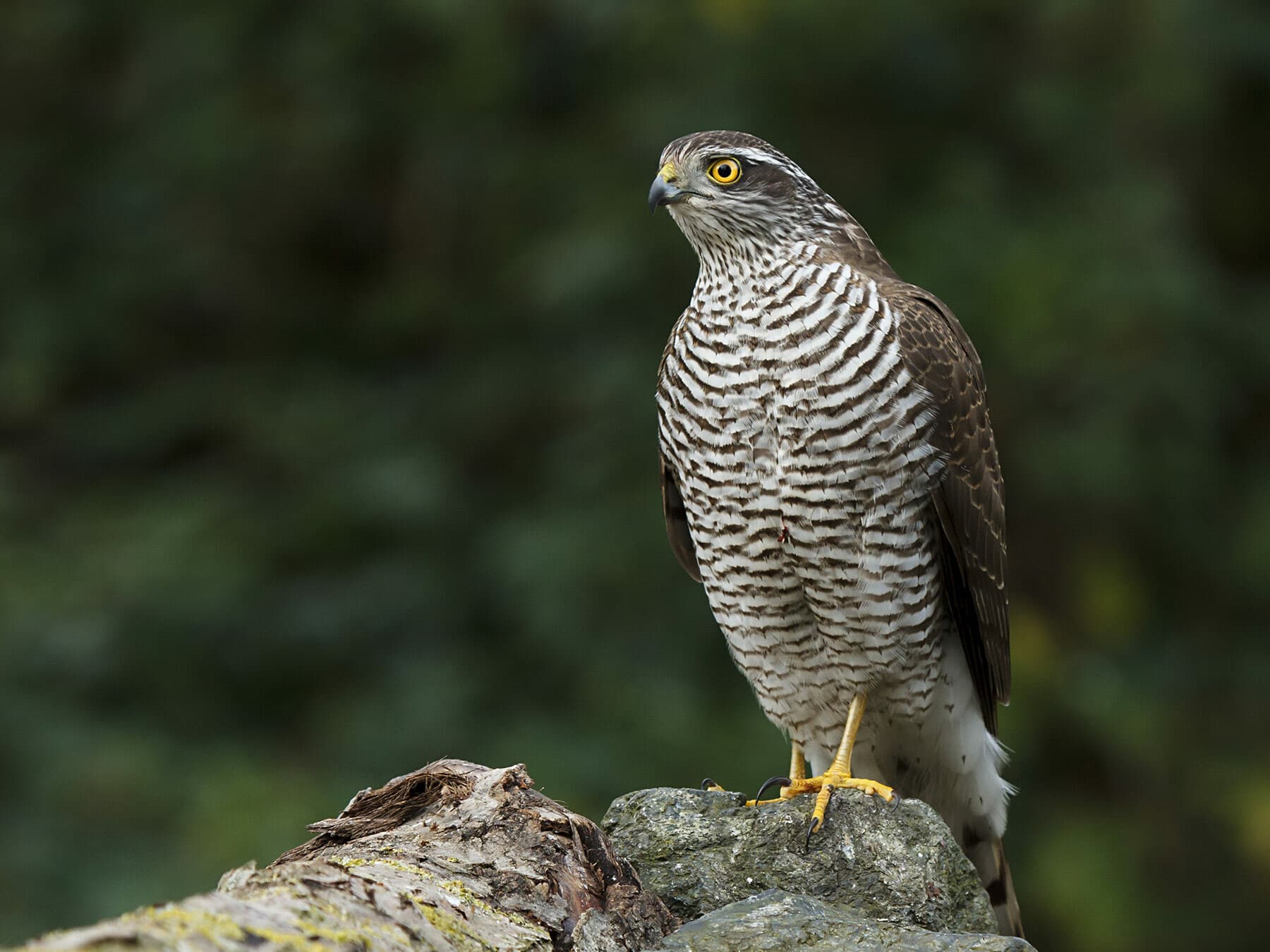
Sparrowhawk
Accipiter nisusLC
A widespread resident raptor found in woodlands, parks, and gardens throughout England. Often seen dashing low along hedgerows in pursuit of small birds.
Year-round
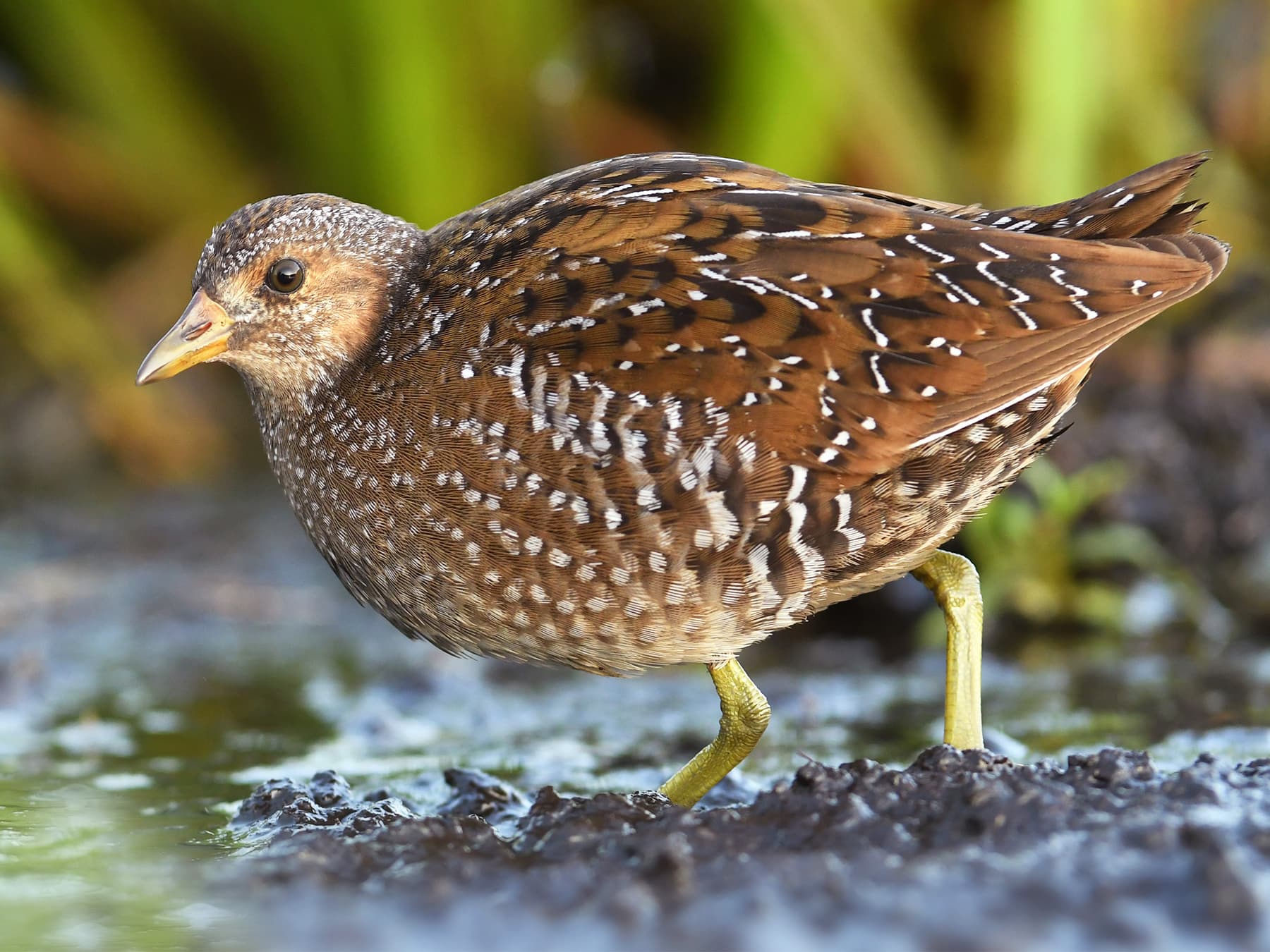
Spotted Crake
Porzana porzanaLC
A rare and secretive passage migrant through English wetlands in spring and autumn. Skulks in dense marshy vegetation and is extremely difficult to observe.
Apr–Oct
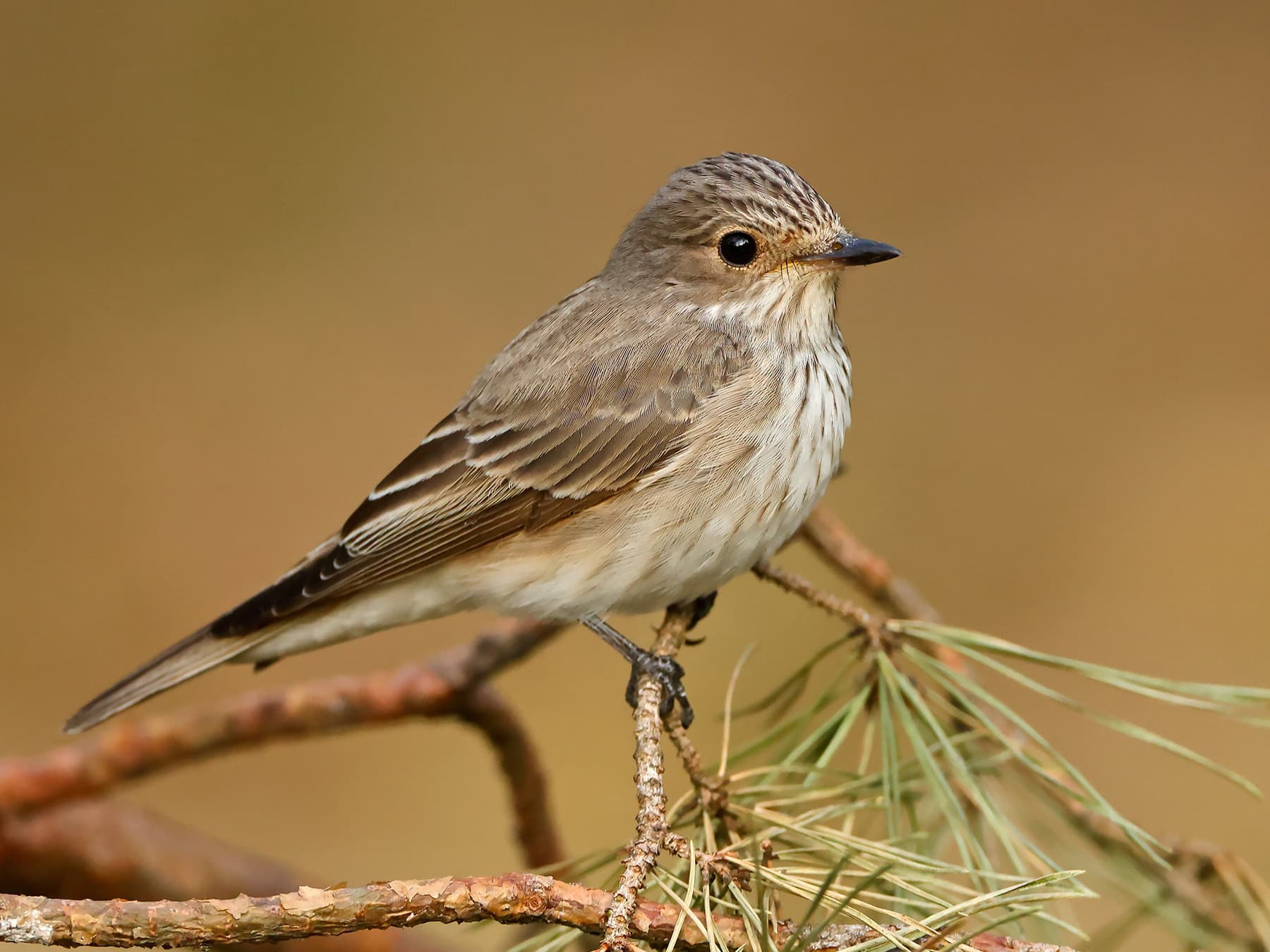
Spotted Flycatcher
Muscicapa striataLC
A declining summer visitor to open woodland, parks, and large gardens. Catches insects in flight from exposed perches.
May–Oct
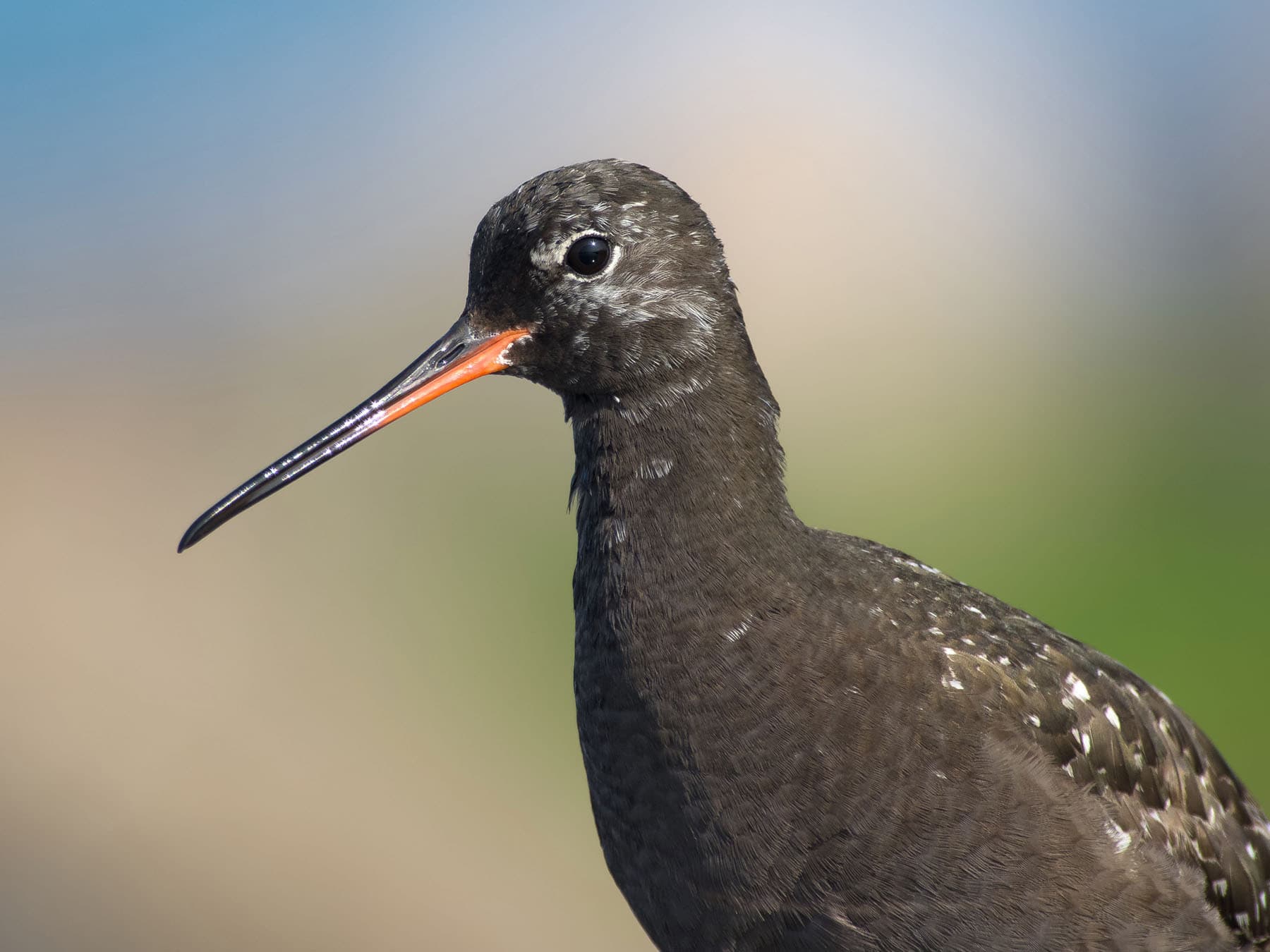
Spotted Redshank
Tringa erythropusLC
An uncommon wader found mainly on coastal marshes and estuaries. Most numerous on autumn passage, with small numbers lingering through winter.
Year-round
Spotted something?
Upload a photo to identify it
Identify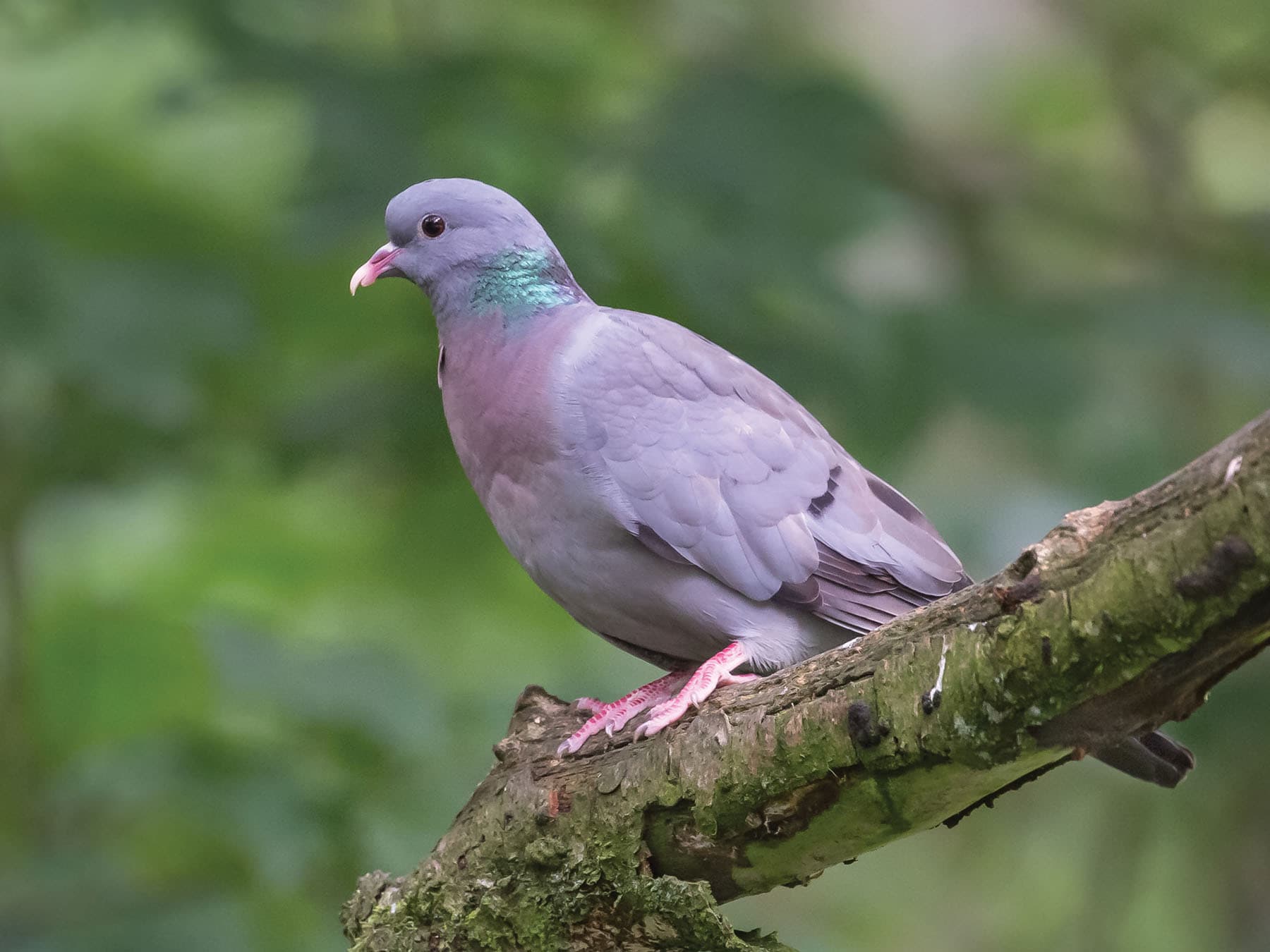
Stock Dove
Columba oenasLC
A common year-round resident of farmland, parkland and woodland edges. Nests in tree holes and is often overlooked alongside Wood Pigeons.
Year-round
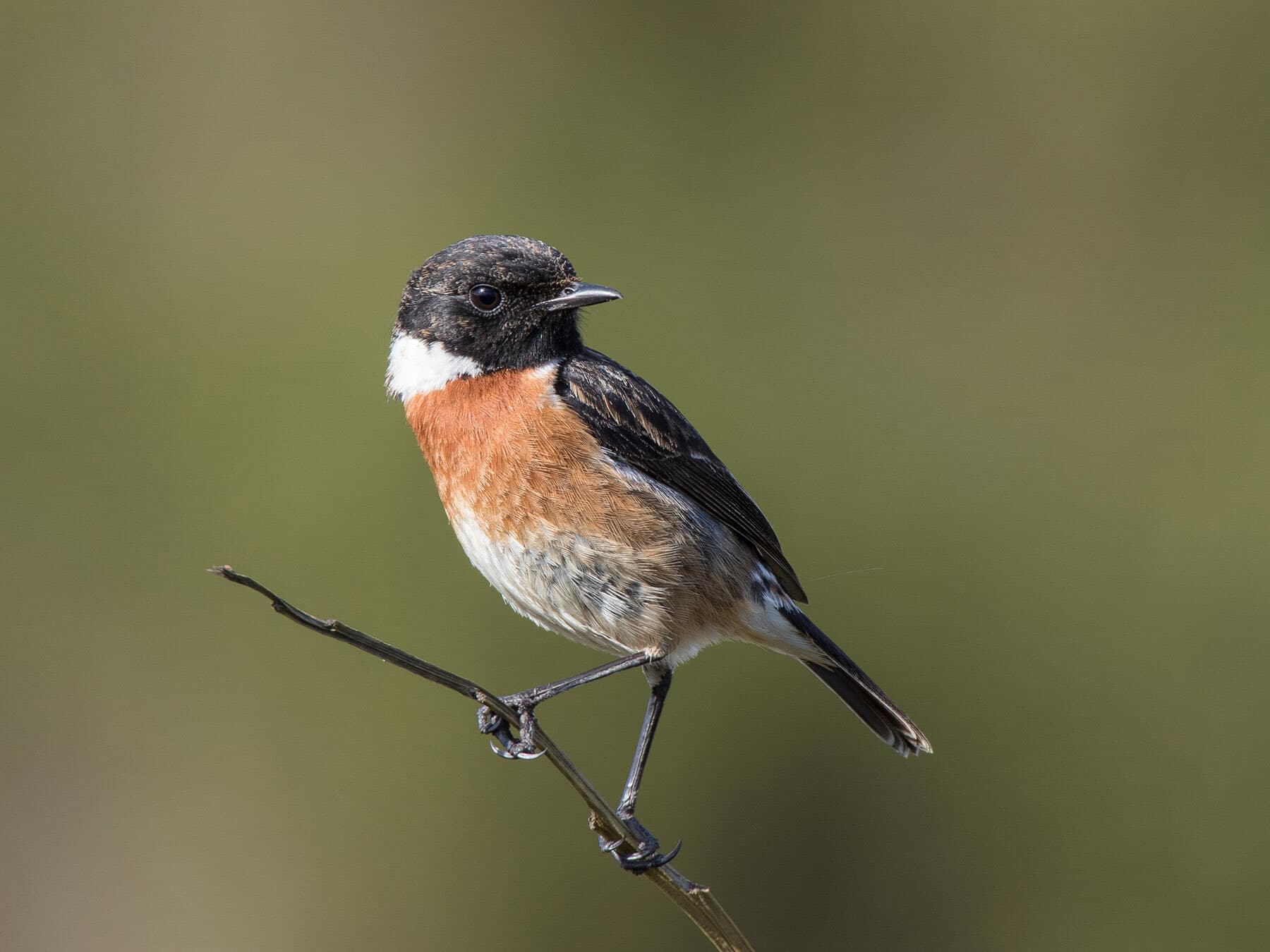
Stonechat
Saxicola torquatusLC
A common resident of heathland, gorse-covered hillsides, and coastal scrub. Males are striking with dark heads and bright orange breasts year-round.
Year-round
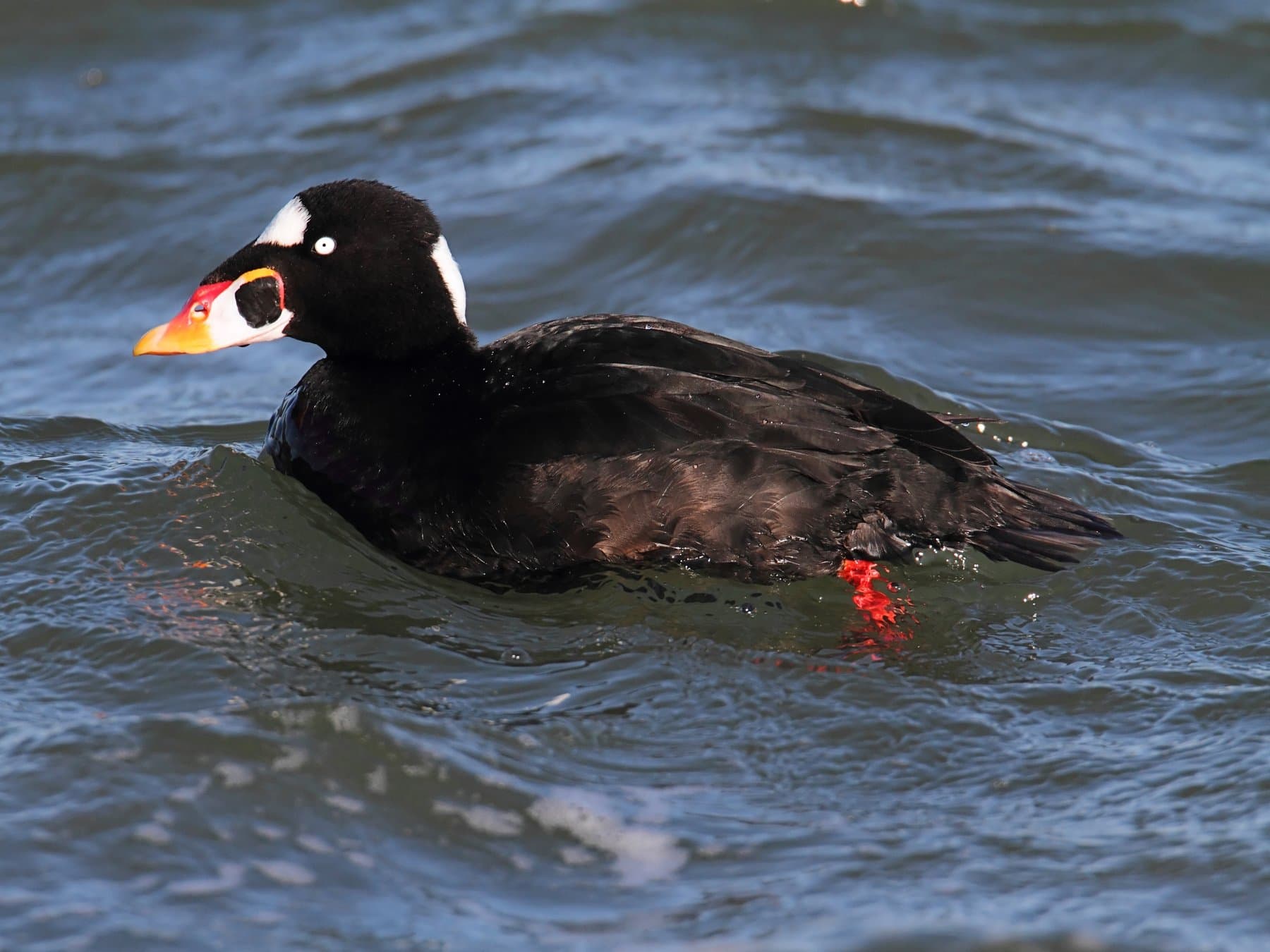
Surf Scoter
Melanitta perspicillataLC
A rare winter visitor from North America, occasionally spotted among flocks of Common Scoter off the coast. Most records come from November to January.
Nov–Jan
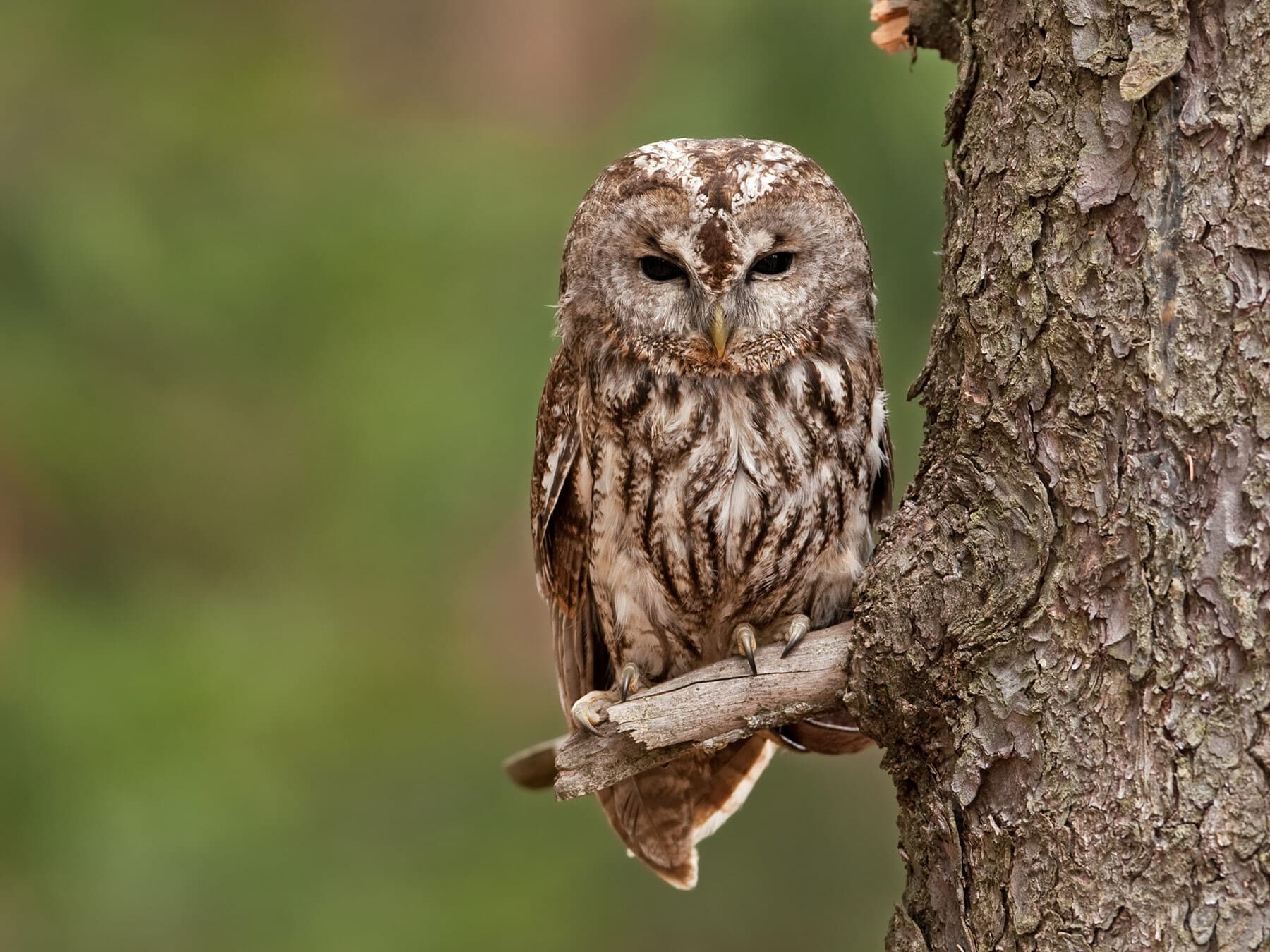
Tawny Owl
Strix alucoLC
A widespread but nocturnal resident of mature woodland, parks, and churchyards. Its familiar hooting call is heard year-round.
Year-round
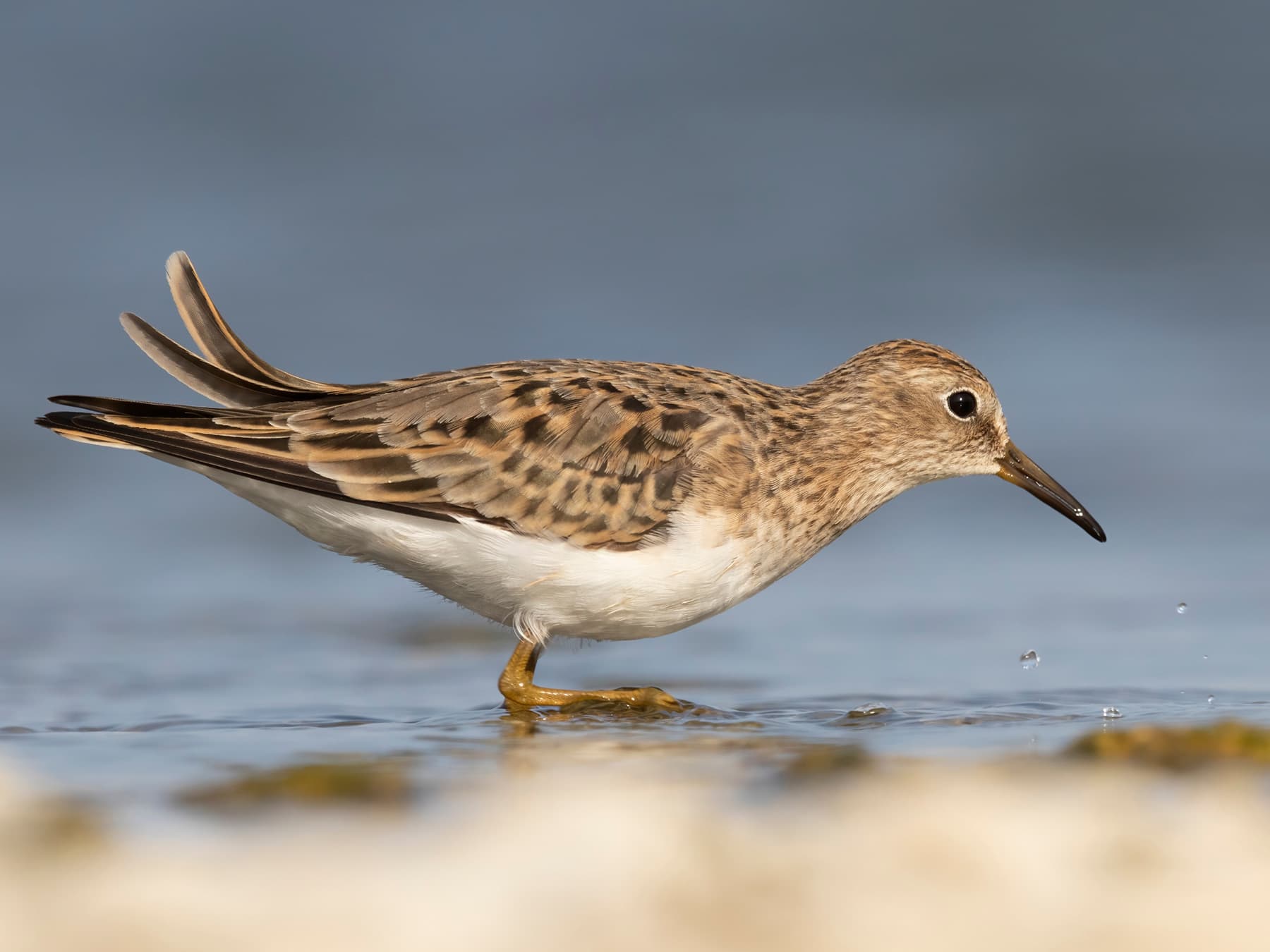
Temminck's Stint
Calidris temminckiiLC
A rare passage migrant, mainly in spring and autumn, favouring freshwater pool margins. Most records come from eastern England.
May–Dec
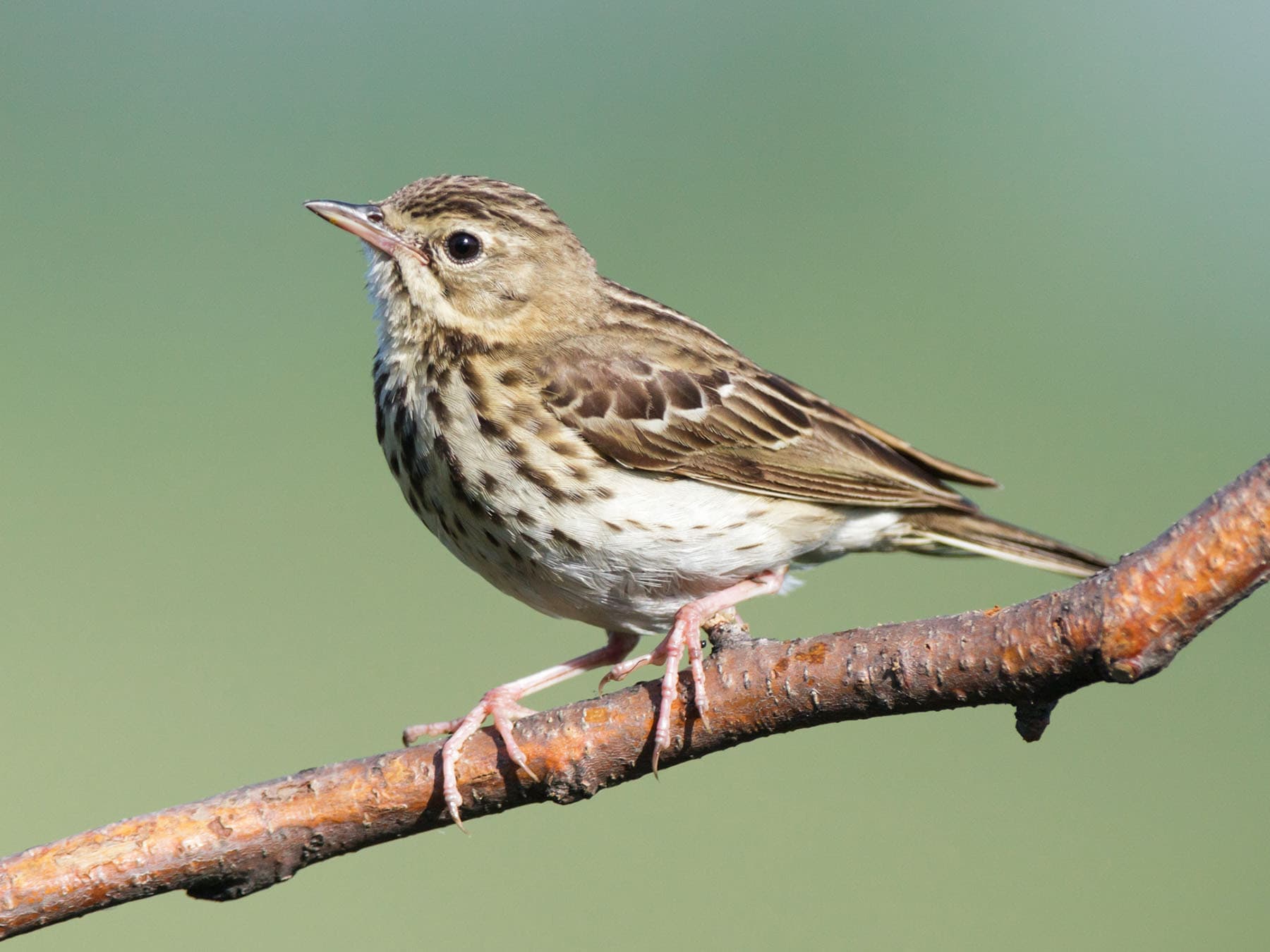
Tree Pipit
Anthus trivialisLC
An uncommon and declining summer visitor to open woodland and heathland. Its distinctive parachuting song flight is heard from April to July.
Apr–Oct
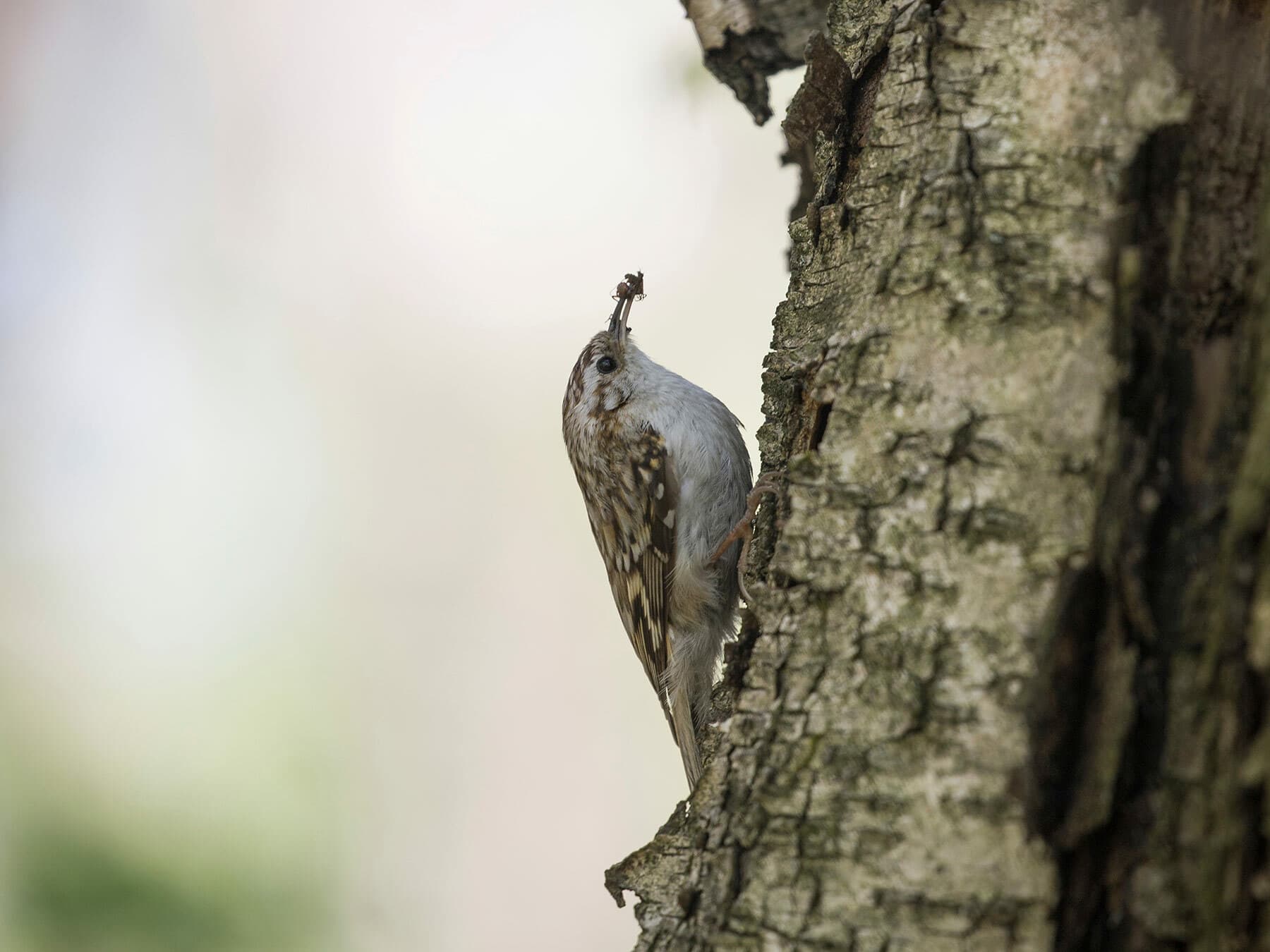
Treecreeper
Certhia familiarisLC
A common resident of mature woodland, spiralling up tree trunks in search of insects. Present year-round but easily overlooked.
Year-round
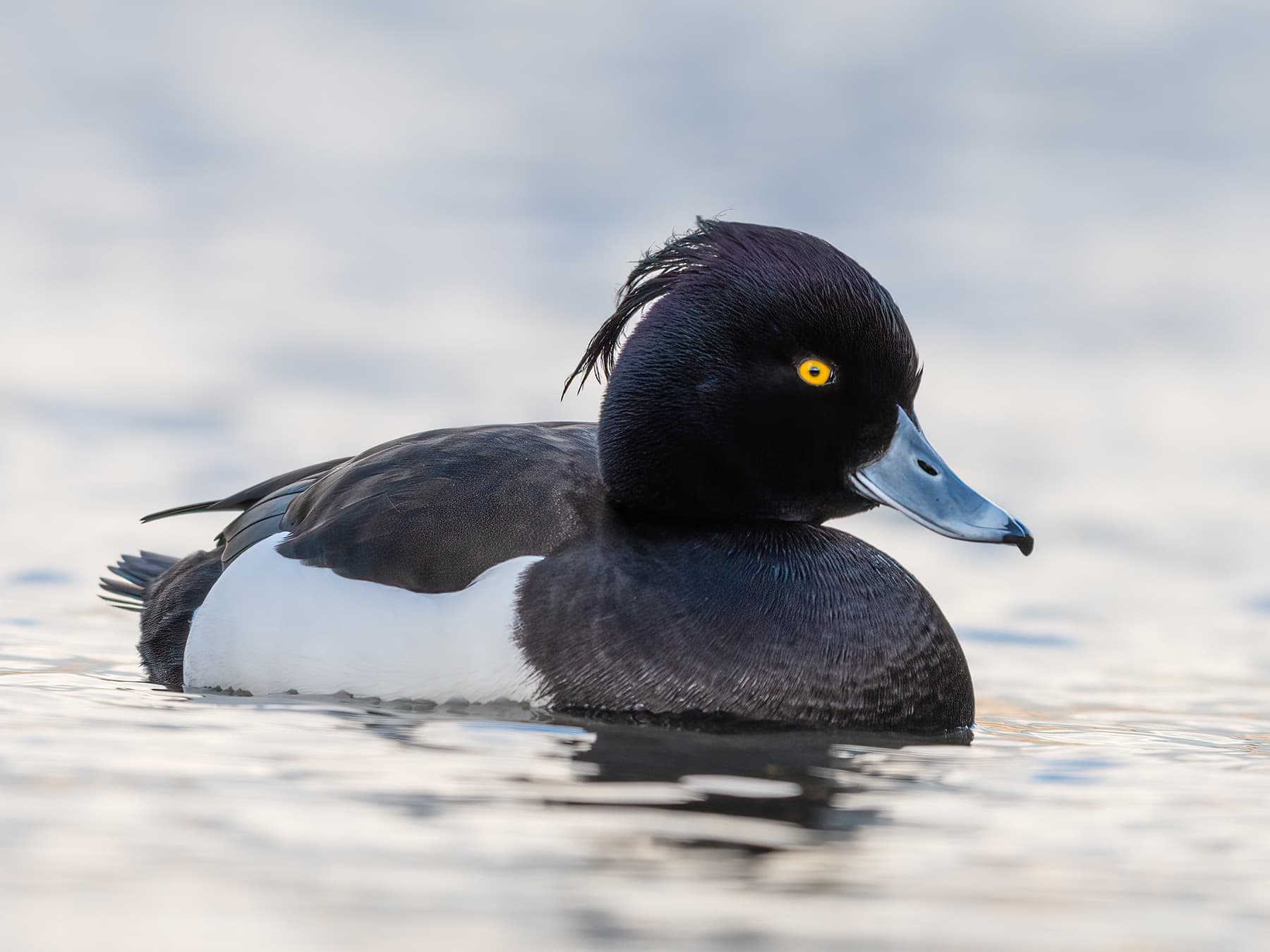
Tufted Duck
Aythya fuligulaLC
A common diving duck found year-round on lakes, reservoirs and park ponds across England. Males sport a distinctive drooping head crest in breeding plumage.
Year-round
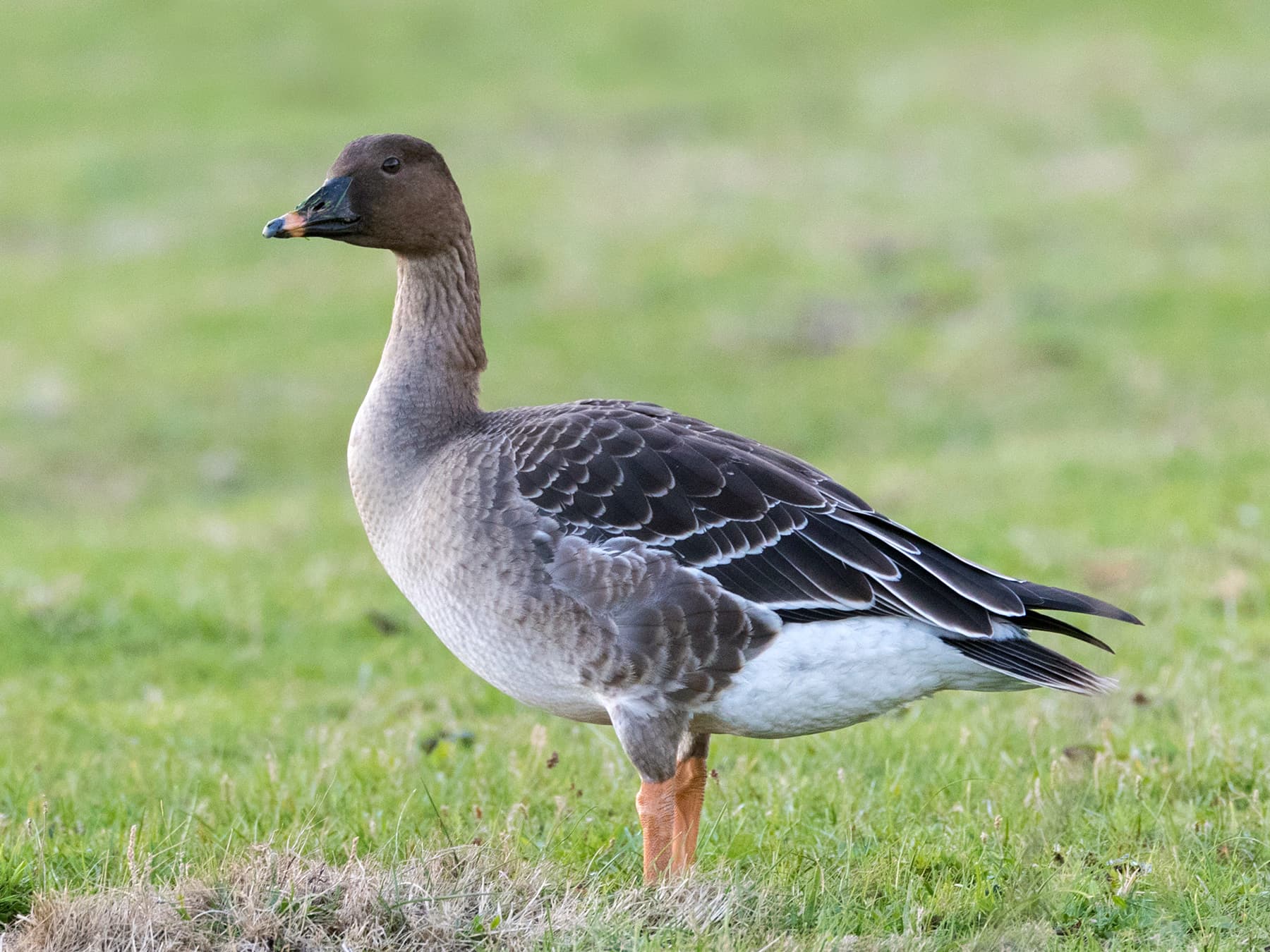
Tundra Bean Goose
Anser serrirostrisLC
A rare non-breeding visitor, with small flocks wintering mainly in Norfolk's Yare Valley. Careful separation from Taiga Bean Goose is required.
Jul–Mar
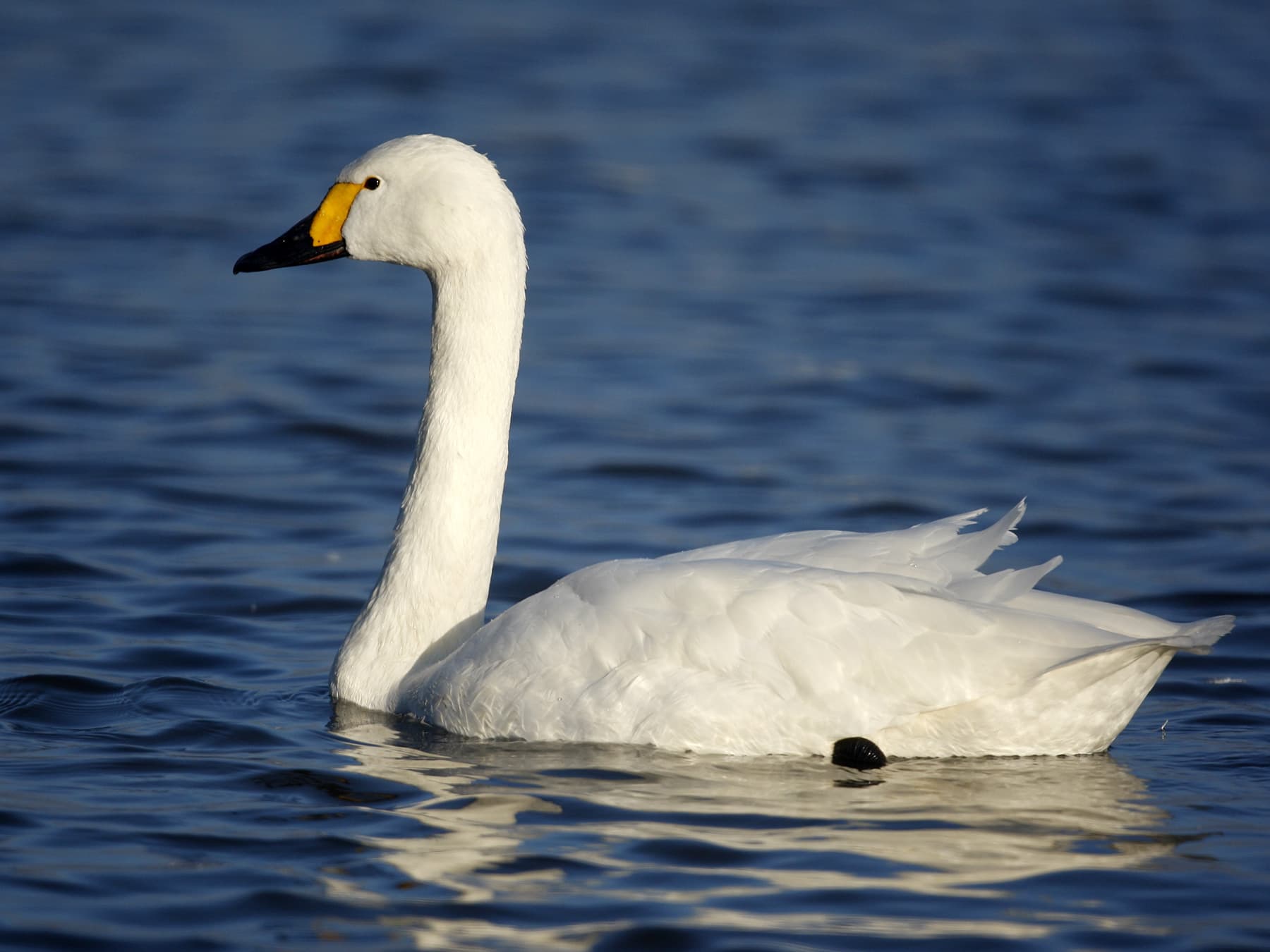
Tundra Swan
Cygnus columbianusLC
An uncommon winter visitor from Arctic Russia, arriving from October. Favours flooded grasslands and wetlands, notably in the Somerset Levels.
Oct–Mar
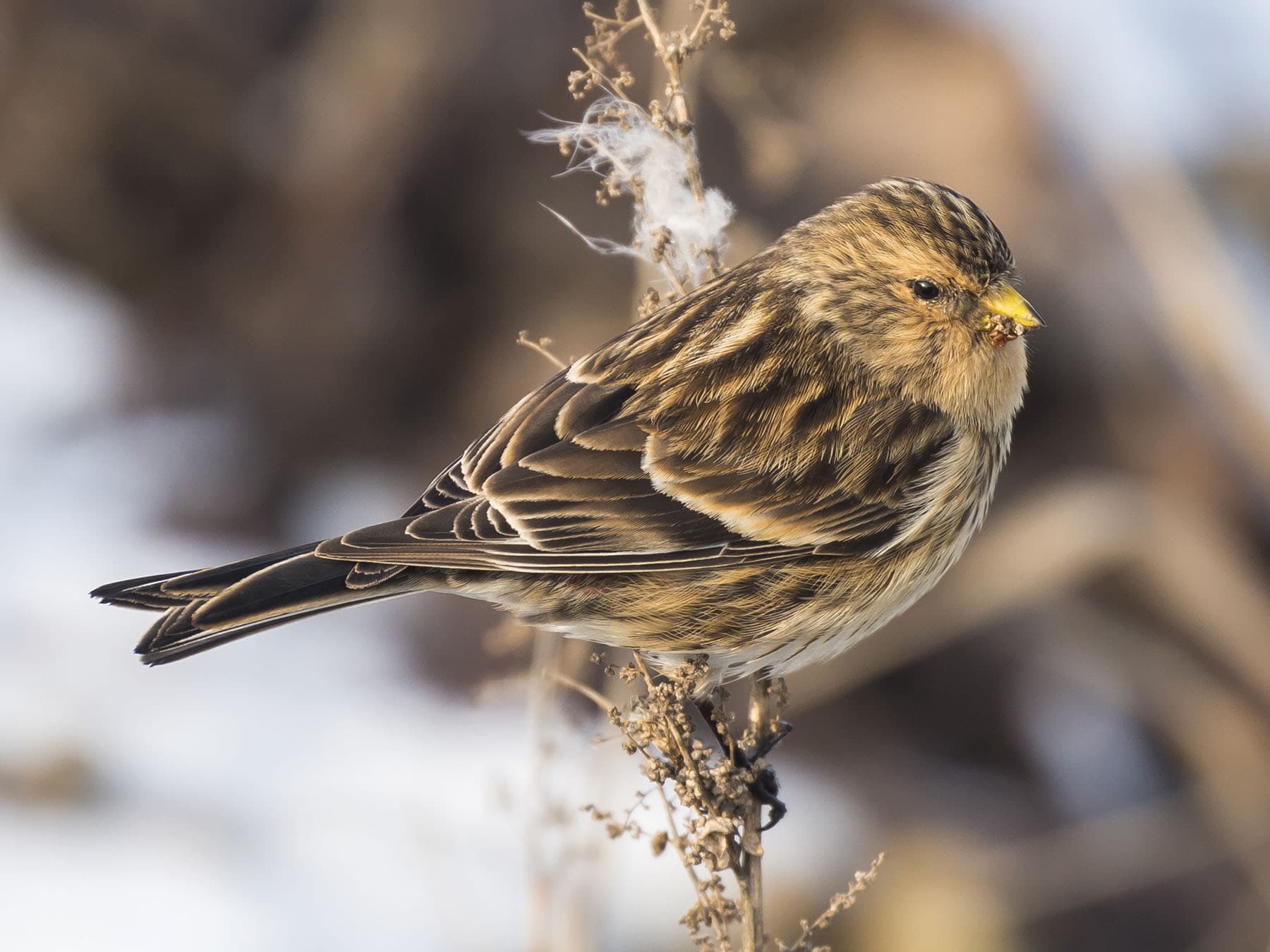
Twite
Linaria flavirostrisLC
An uncommon non-breeding visitor to English saltmarshes and coastal fields from autumn to spring. Breeds in the uplands of northern Britain.
Oct–Apr
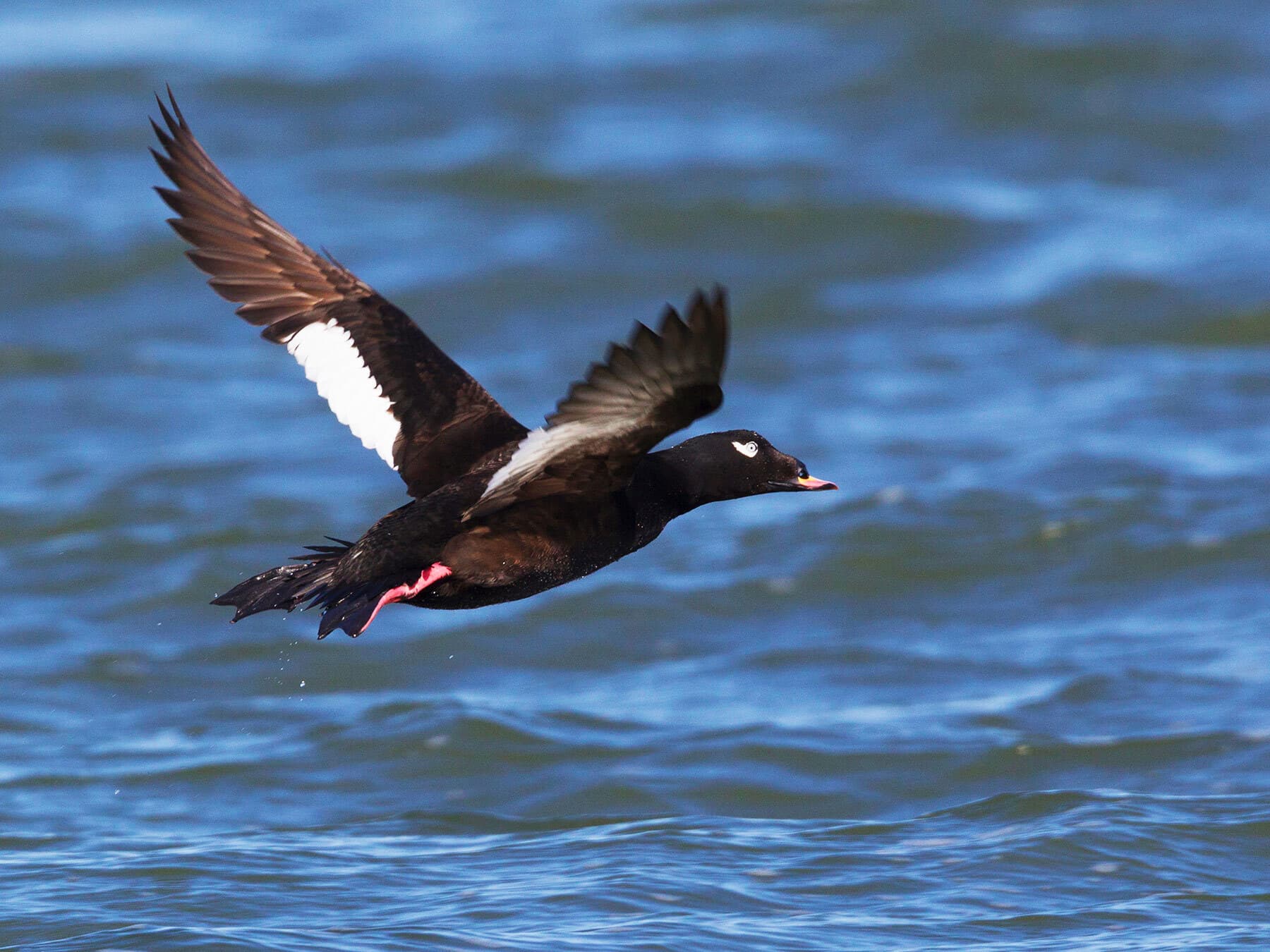
Velvet Scoter
Melanitta fuscaVU
A rare sea duck found in small numbers off the east and north-east coasts. Often associates with Common Scoter flocks; best spotted by seawatching.
Jun–Apr
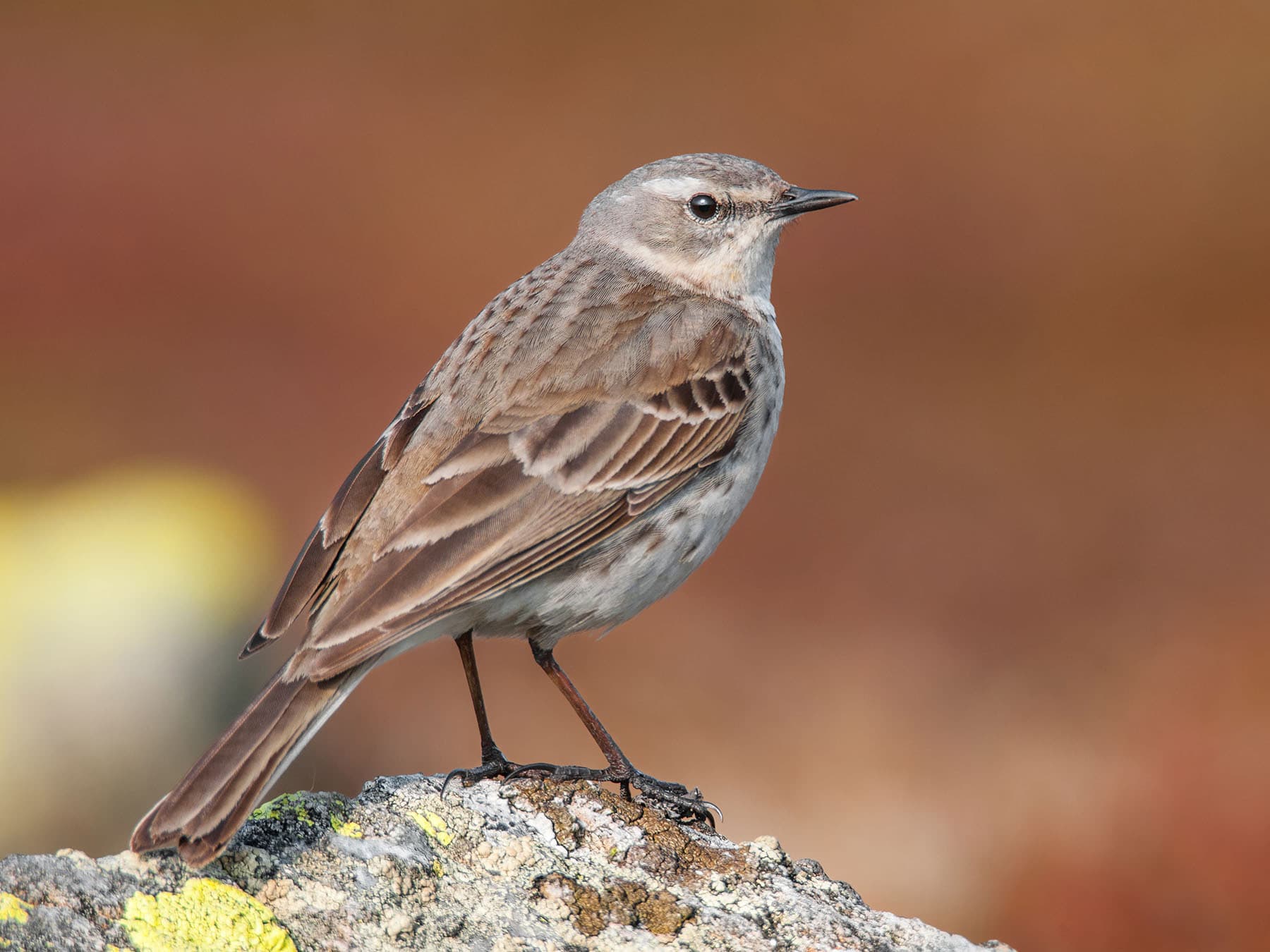
Water Pipit
Anthus spinolettaLC
A rare non-breeding visitor to watercress beds, marshes and reservoir margins from October to April. Easily confused with the commoner Rock Pipit.
Oct–Apr
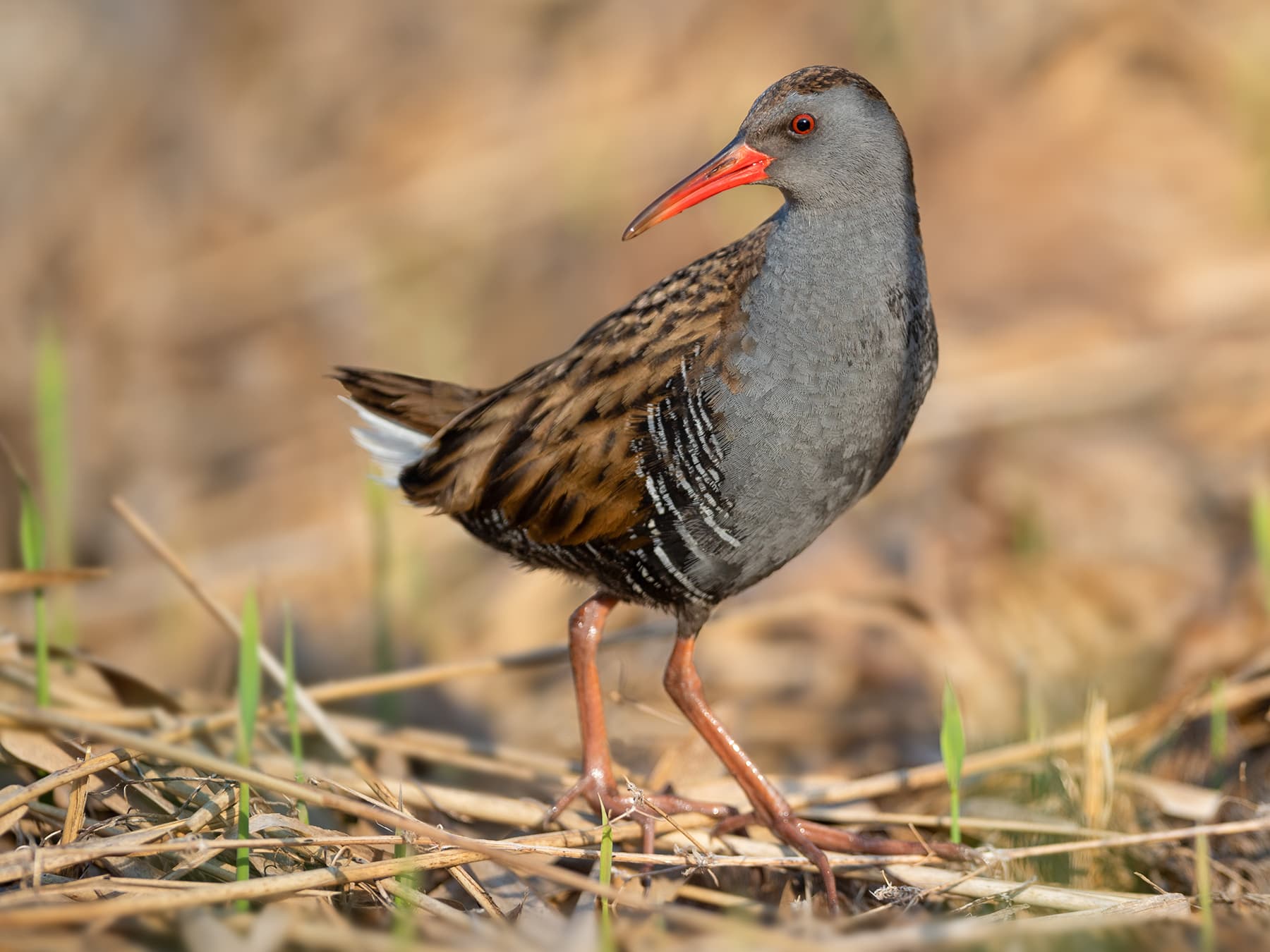
Water Rail
Rallus aquaticusLC
A secretive resident of marshes and reedbeds, more often heard than seen. Its pig-like squealing call from dense vegetation is a characteristic sound of English wetlands.
Year-round
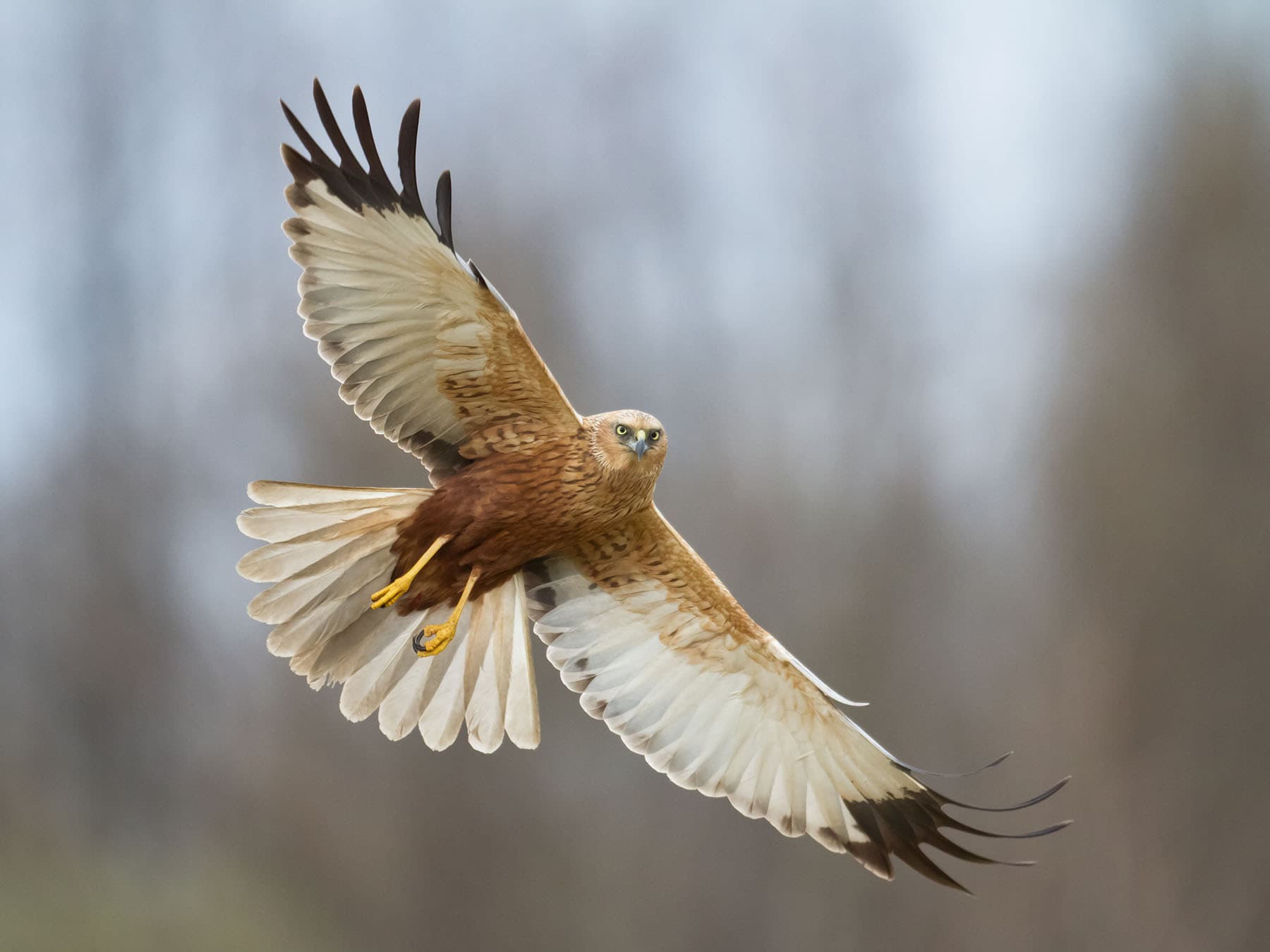
Western Marsh-harrier
Circus aeruginosusLC
A year-round resident of reedbeds and marshes, now thriving after a dramatic recovery. East Anglian wetlands remain a stronghold.
Year-round