Birds in England
Explore 274 species found in this region.
England is home to an impressive diversity of birdlife, with 257 recorded species found across its varied landscapes — from coastal estuaries and chalk downlands to ancient woodlands and upland moors. Notable species include the striking Bluethroat, the charismatic Dotterel of mountain plateaux, and the elegant Eurasian Woodcock hidden among forest floors. Whether you're watching Great Tits in a suburban garden or scanning mudflats for Common Shelduck, England offers outstanding birding opportunities throughout the year.
Visiting in July? Look out for Greater Scaup and Horned Grebe arriving this month, and American Golden-Plover and Common Loon depart for the season.
Explore by Region


Get a monthly guide to birds in England
Find out which birds are visiting your area this month, with seasonal tips and garden advice
Get Your Free DigestShowing 254–274 of 274 species
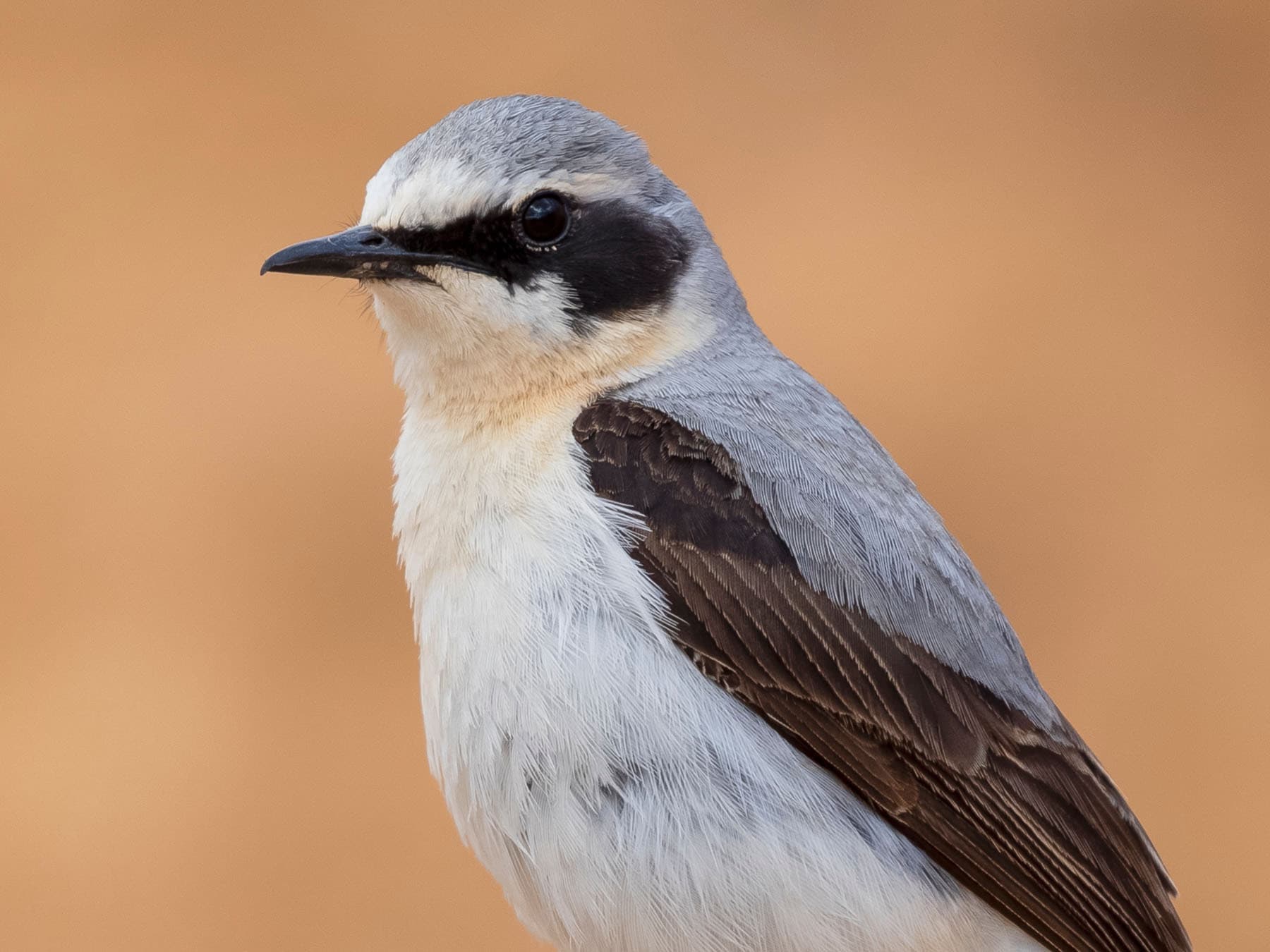
Wheatear
Oenanthe oenantheLC
A summer breeder on upland moors and coastal grasslands, arriving from March. Passage birds also appear at lowland sites in spring and autumn.
Mar–Nov
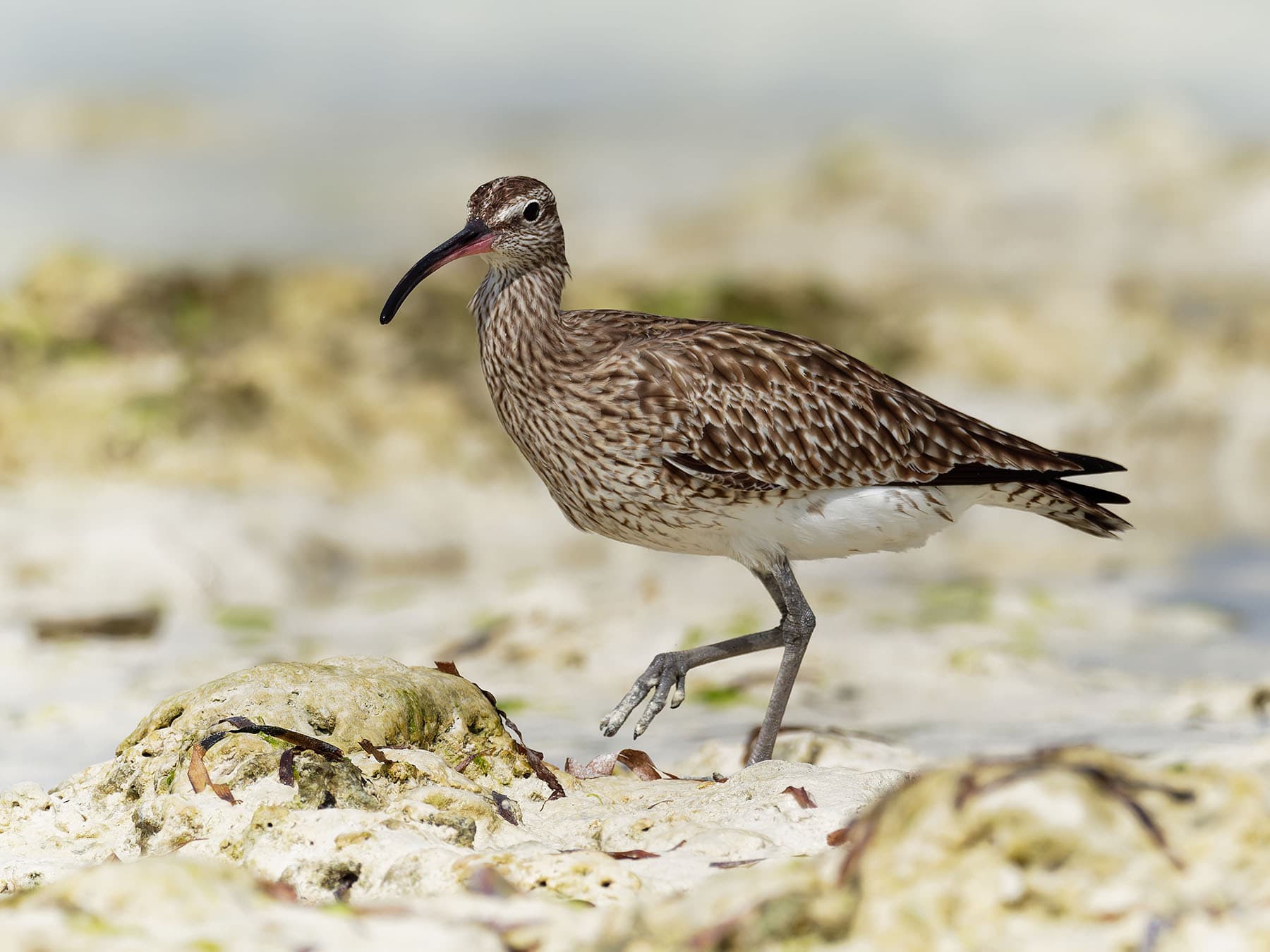
Whimbrel
Numenius phaeopusLC
An uncommon wader present year-round but most conspicuous on spring and autumn passage along coasts. Its distinctive rippling call carries far across estuaries.
Year-round
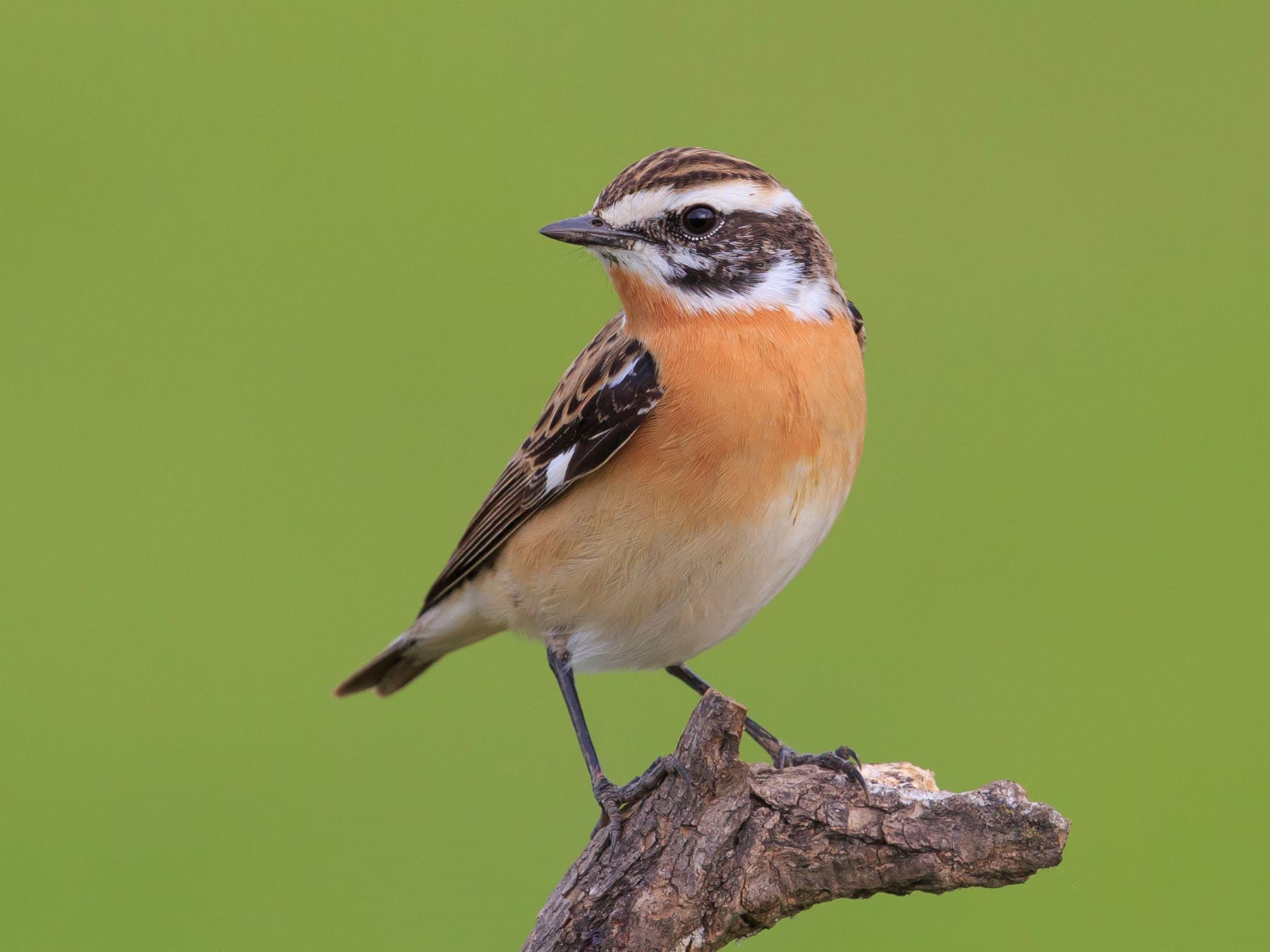
Whinchat
Saxicola rubetraLC
An uncommon summer visitor to upland meadows and moorland edges, now declining as a breeder. Most easily seen on passage in autumn.
Apr–Oct
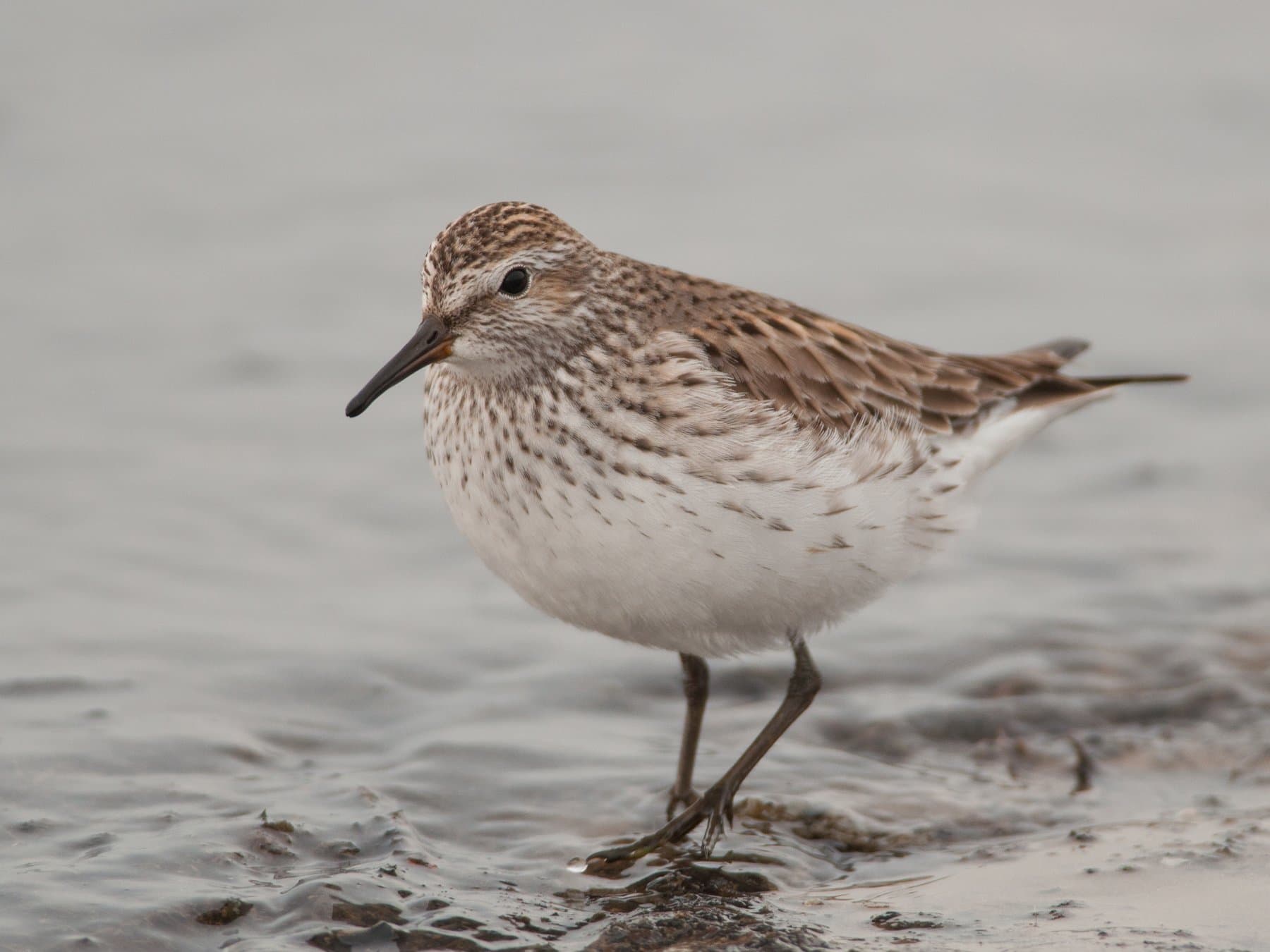
White-rumped Sandpiper
Calidris fuscicollisVU
A rare transatlantic vagrant, most likely seen at coastal pools and estuaries during autumn passage from July to November.
Jul–Feb
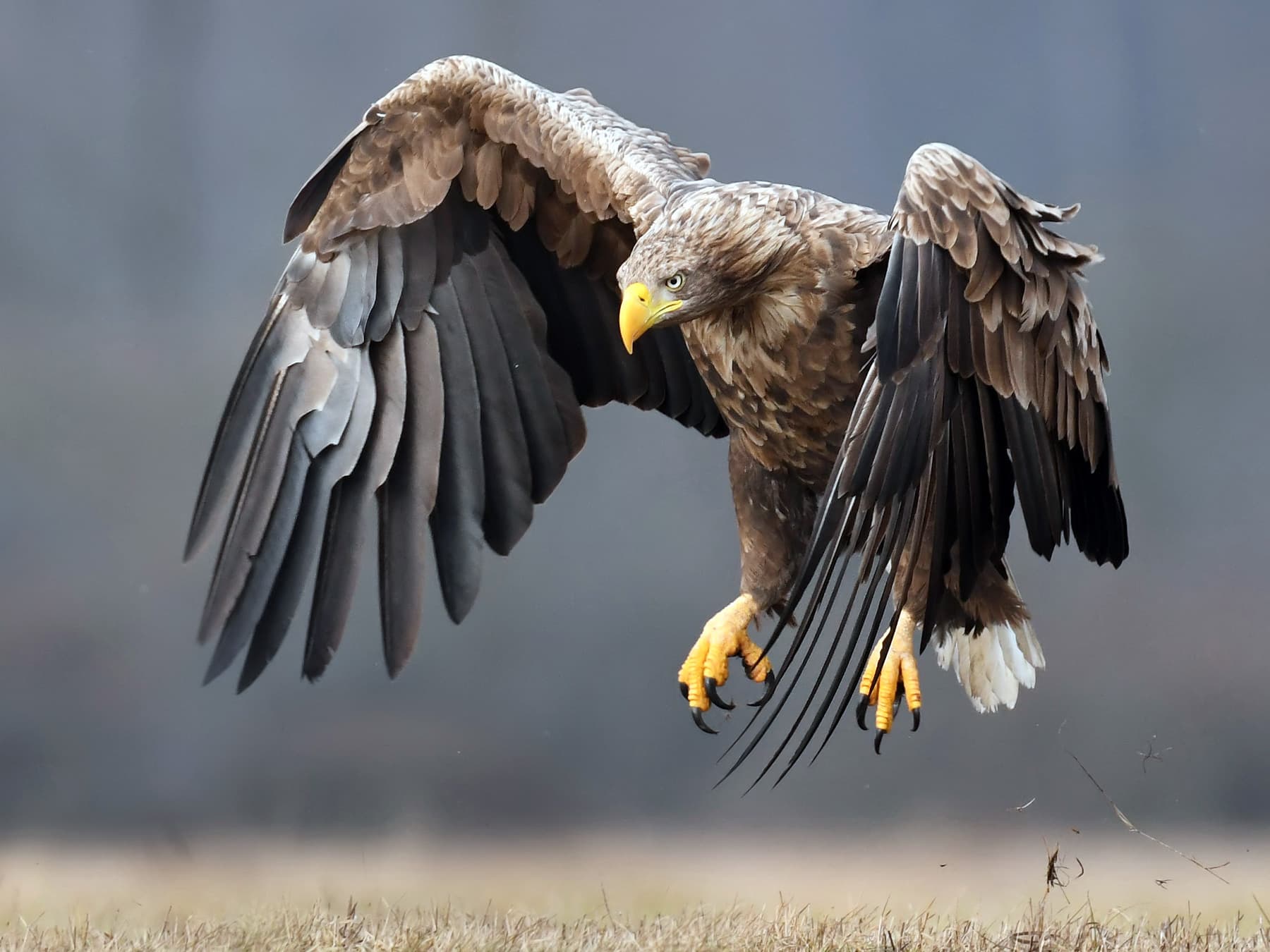
White-tailed Sea-eagle
Haliaeetus albicillaLC
Recently reintroduced to England, this impressive raptor is an uncommon resident. The Isle of Wight programme has established a small but growing population.
Year-round
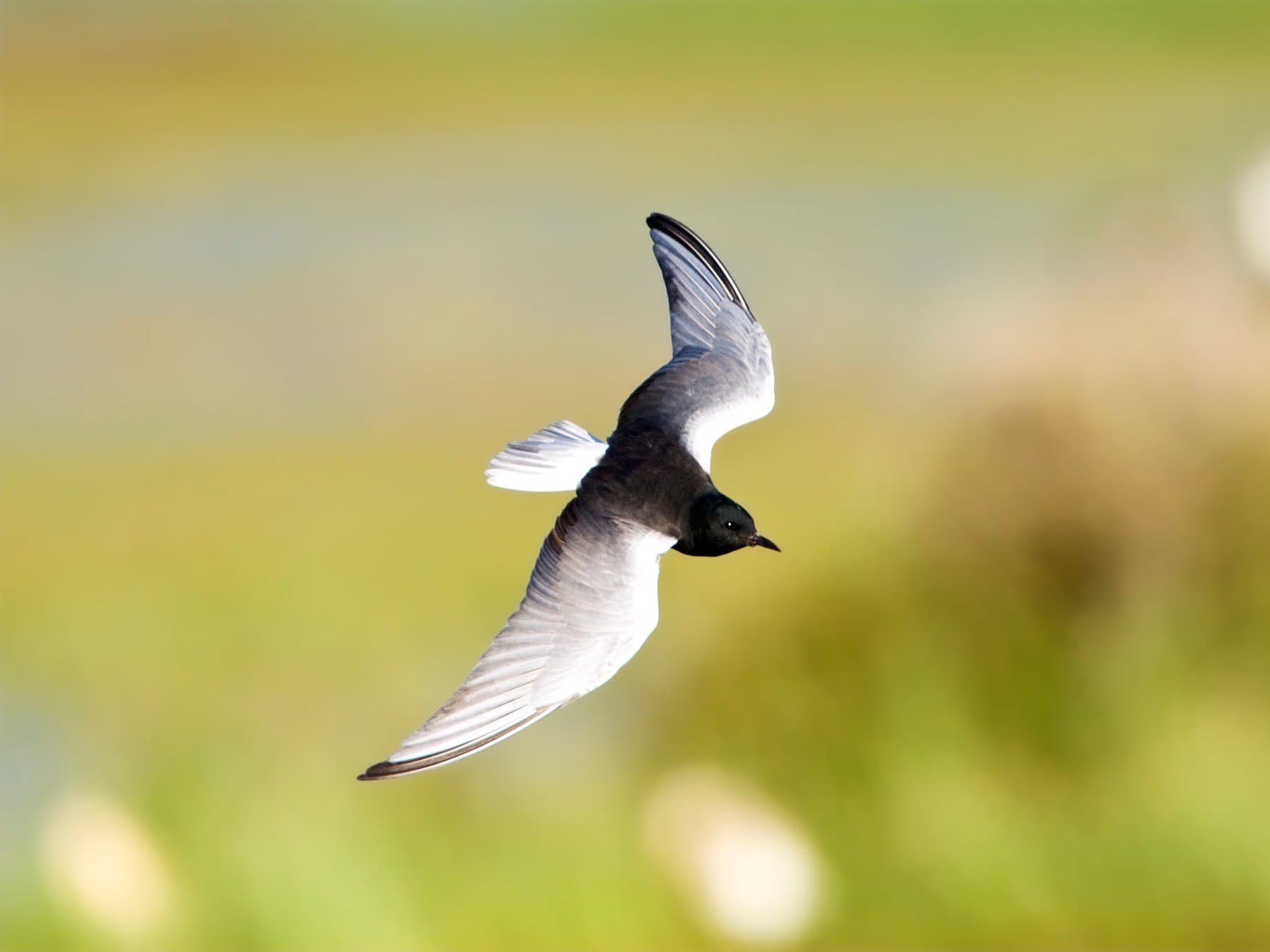
White-winged Tern
Chlidonias leucopterusLC
A rare passage migrant from eastern Europe, occasionally appearing at freshwater marshes and lakes between April and September.
Apr–Sep
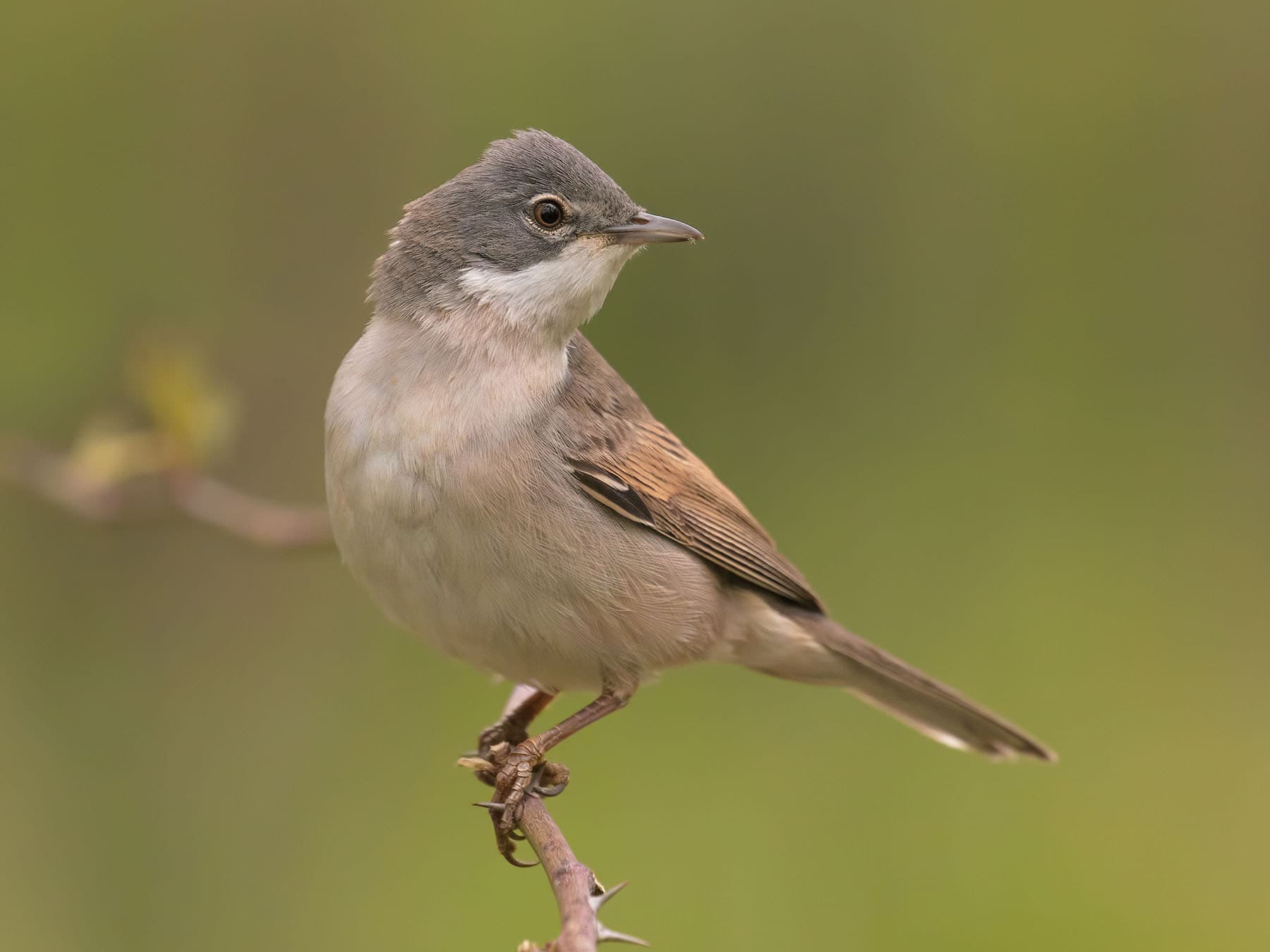
Whitethroat
Curruca communisLC
A common summer visitor breeding in hedgerows, scrub and bramble patches from April to October. Its scratchy song is a characteristic sound of the English countryside.
Apr–Oct
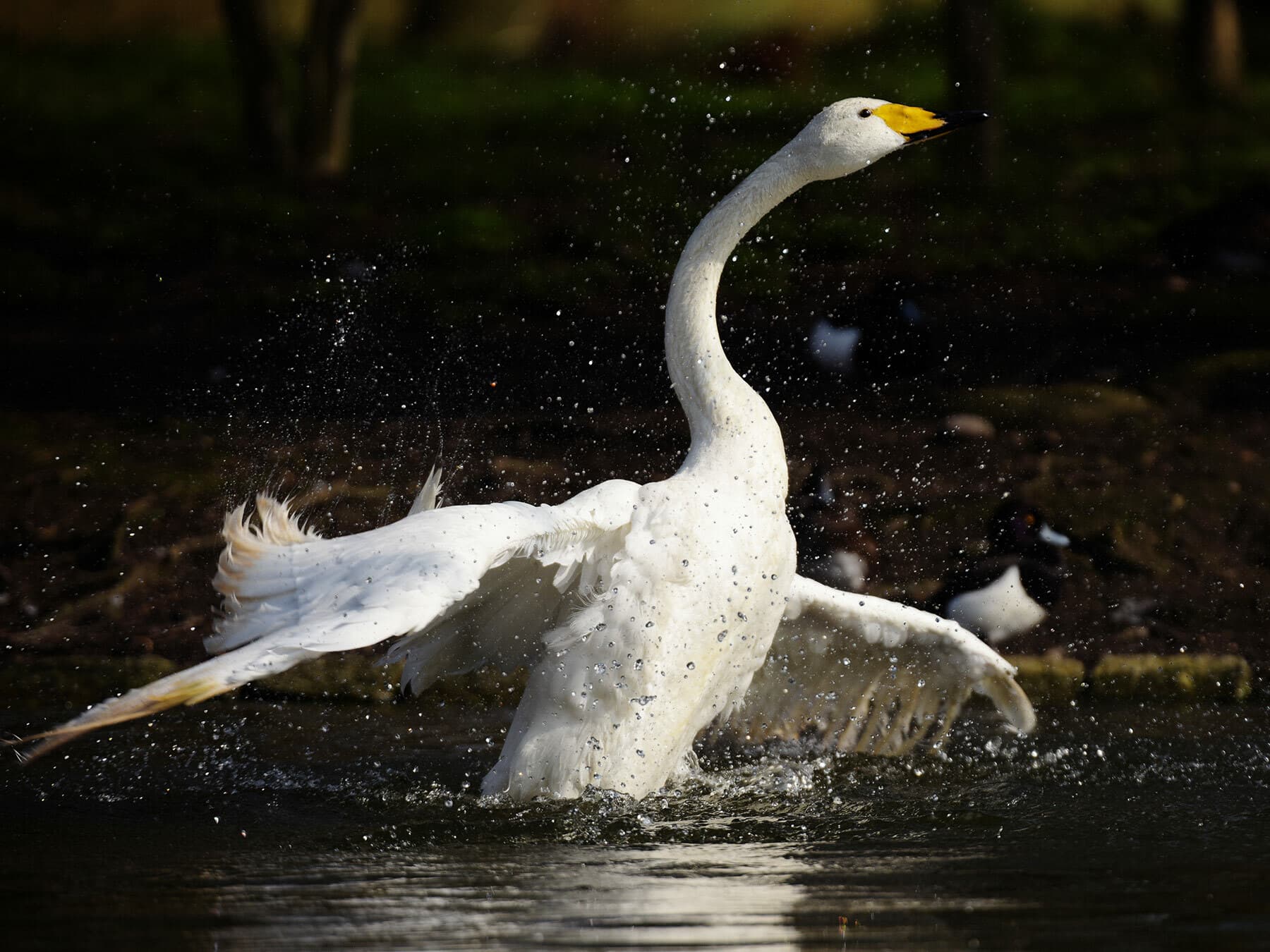
Whooper Swan
Cygnus cygnusLC
An uncommon winter visitor from Iceland and Scandinavia, favouring flooded fields and large lakes. Its bugling call distinguishes it from the resident Mute Swan.
Year-round
Spotted something?
Upload a photo to identify it
Identify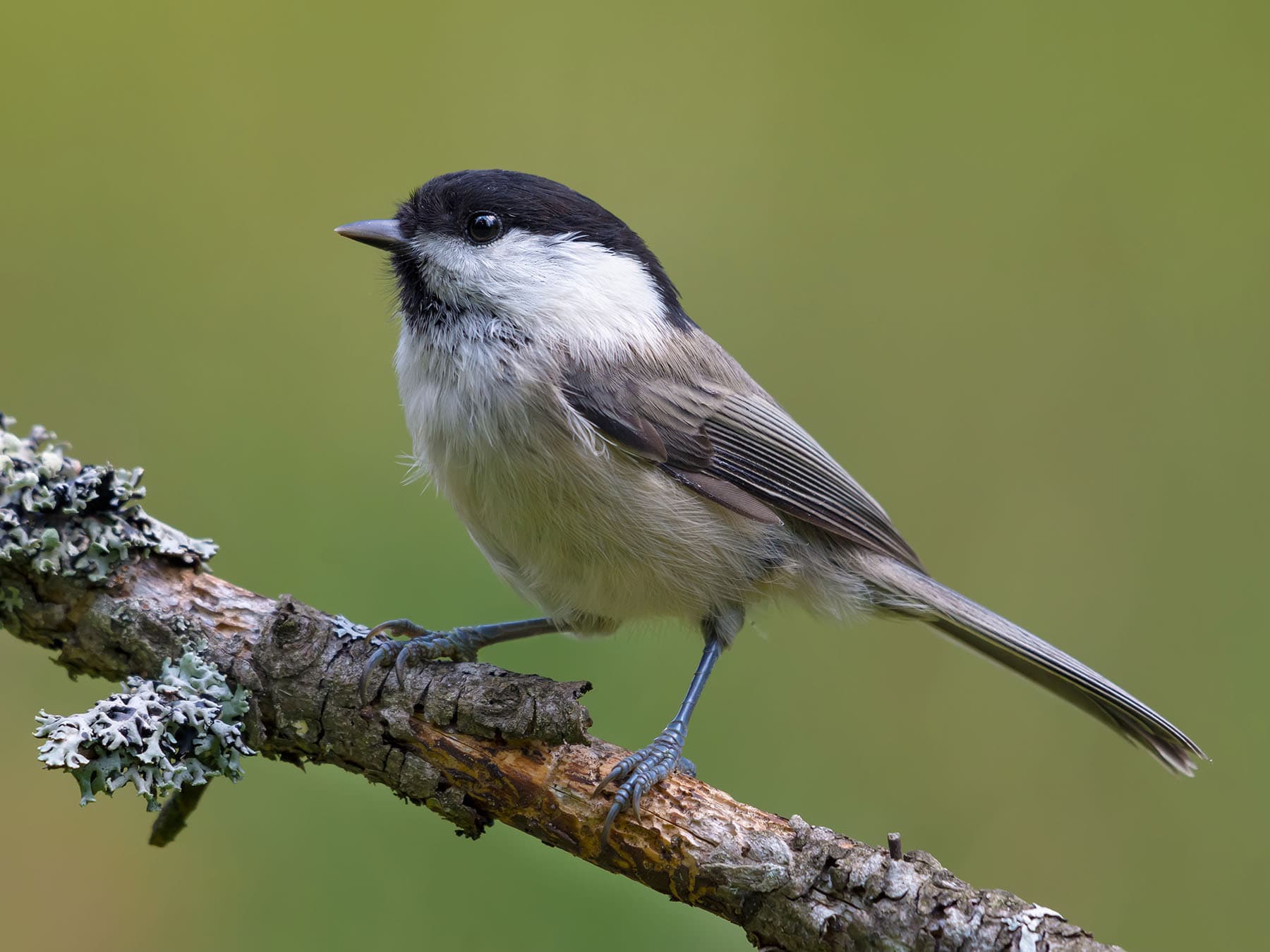
Willow Tit
Poecile montanusLC
An uncommon and rapidly declining resident of damp woodland and scrub. Now largely restricted to parts of central and northern England.
Year-round
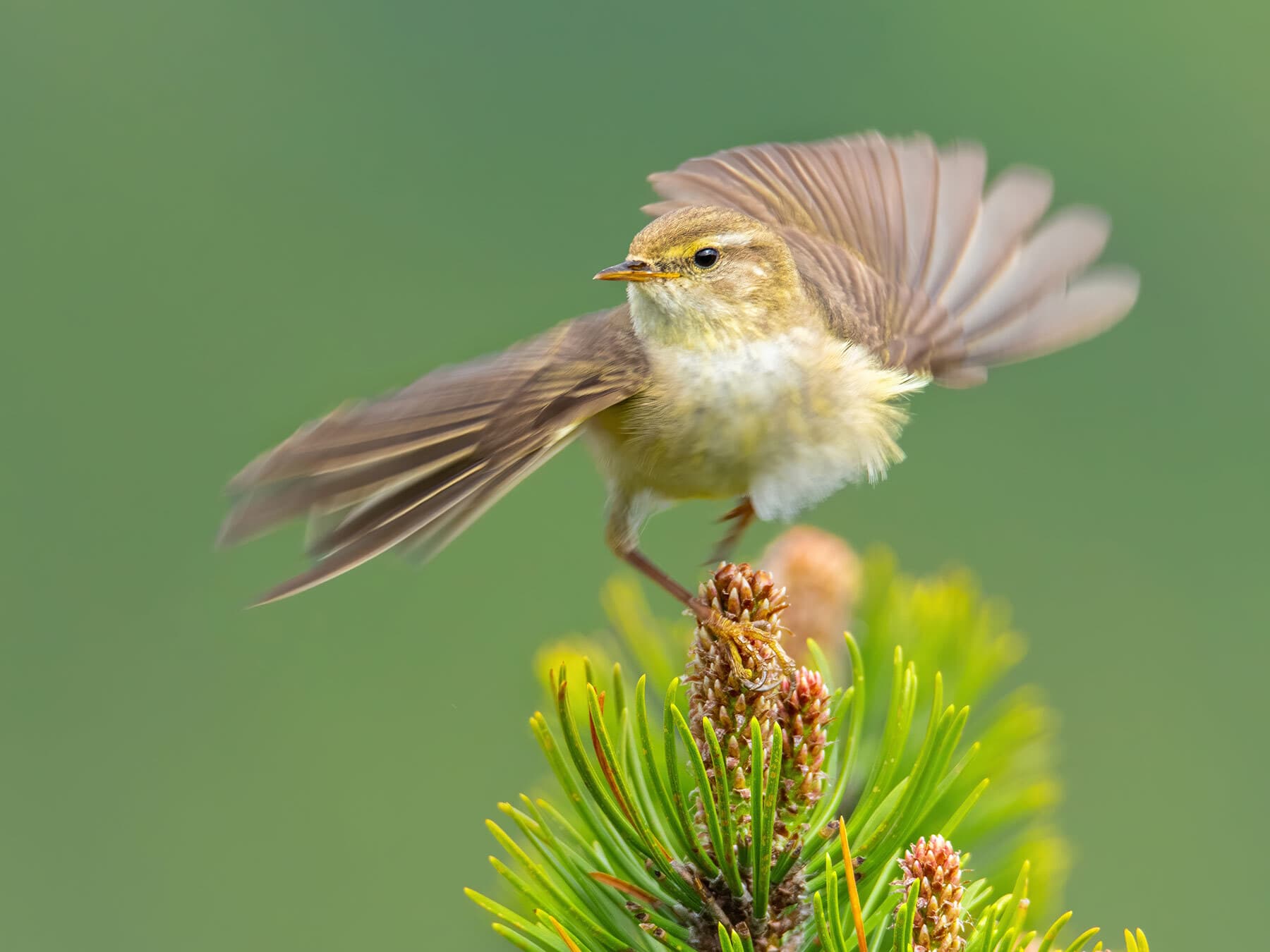
Willow Warbler
Phylloscopus trochilusLC
A common summer breeder arriving from March, favouring woodland edges, scrub and heathland. Its distinctive descending song is a hallmark of the English spring.
Mar–Nov
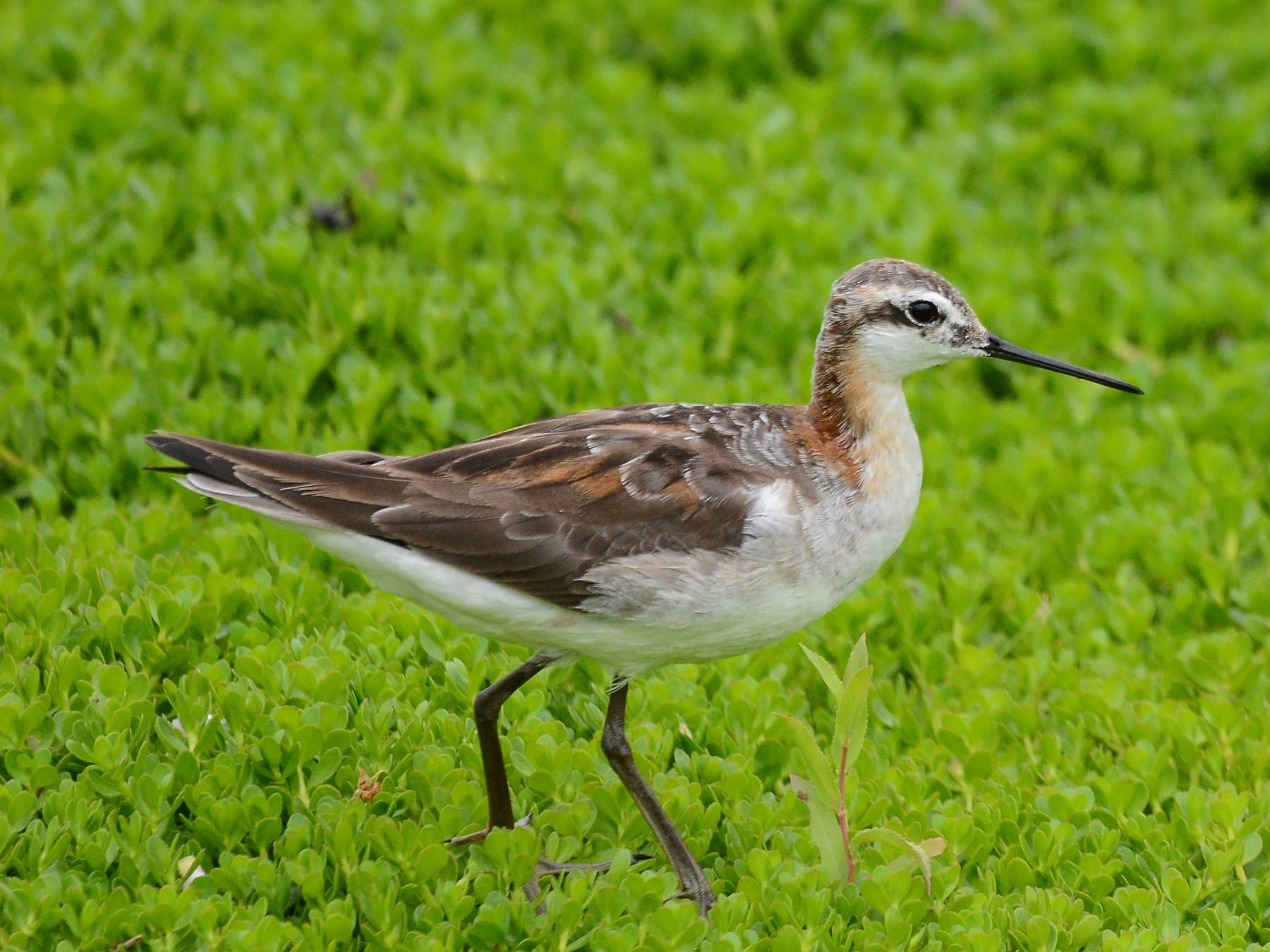
Wilson's Phalarope
Phalaropus tricolorLC
A rare autumn vagrant from the Americas, occasionally found at freshwater pools and marshes between September and November.
Sep–Nov
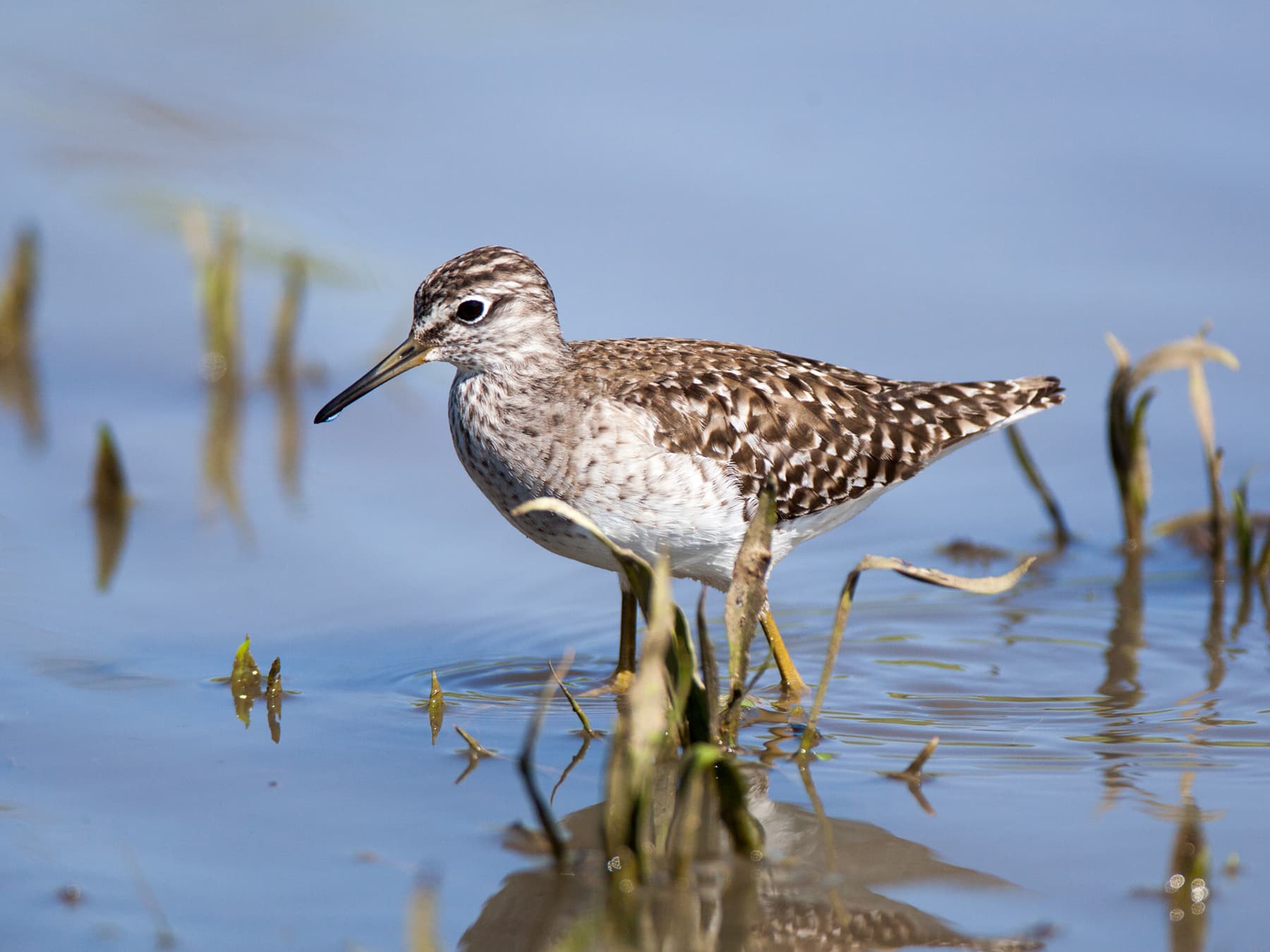
Wood Sandpiper
Tringa glareolaLC
An uncommon passage and scarce breeding wader, favouring freshwater marshes and pool edges. Most frequently encountered in autumn on migration.
Apr–Oct
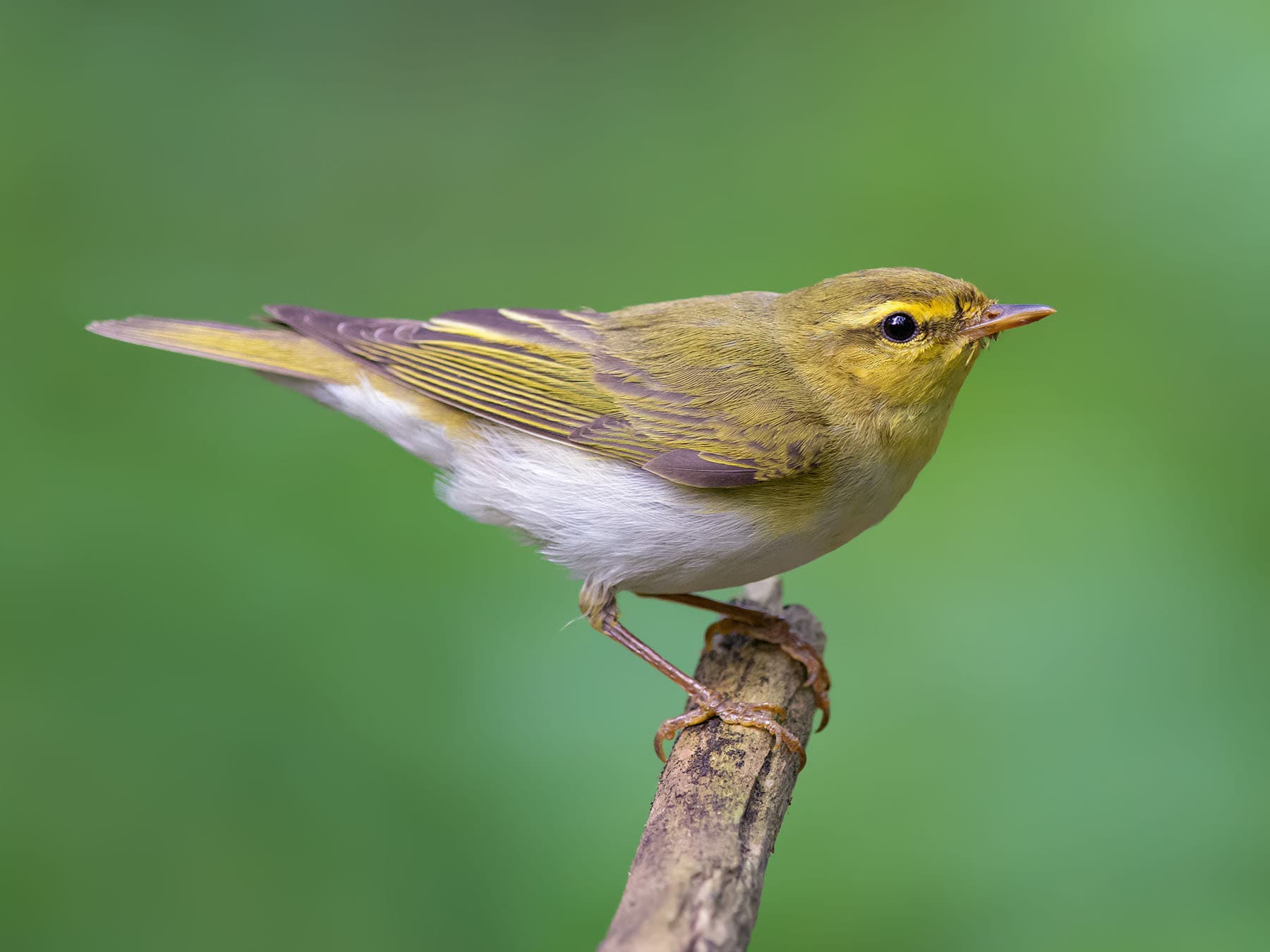
Wood Warbler
Phylloscopus sibilatrixLC
An uncommon breeding visitor to mature oak and beech woodlands, mainly in western England. Declining in range; arrives in April and departs by late summer.
Apr–Sep
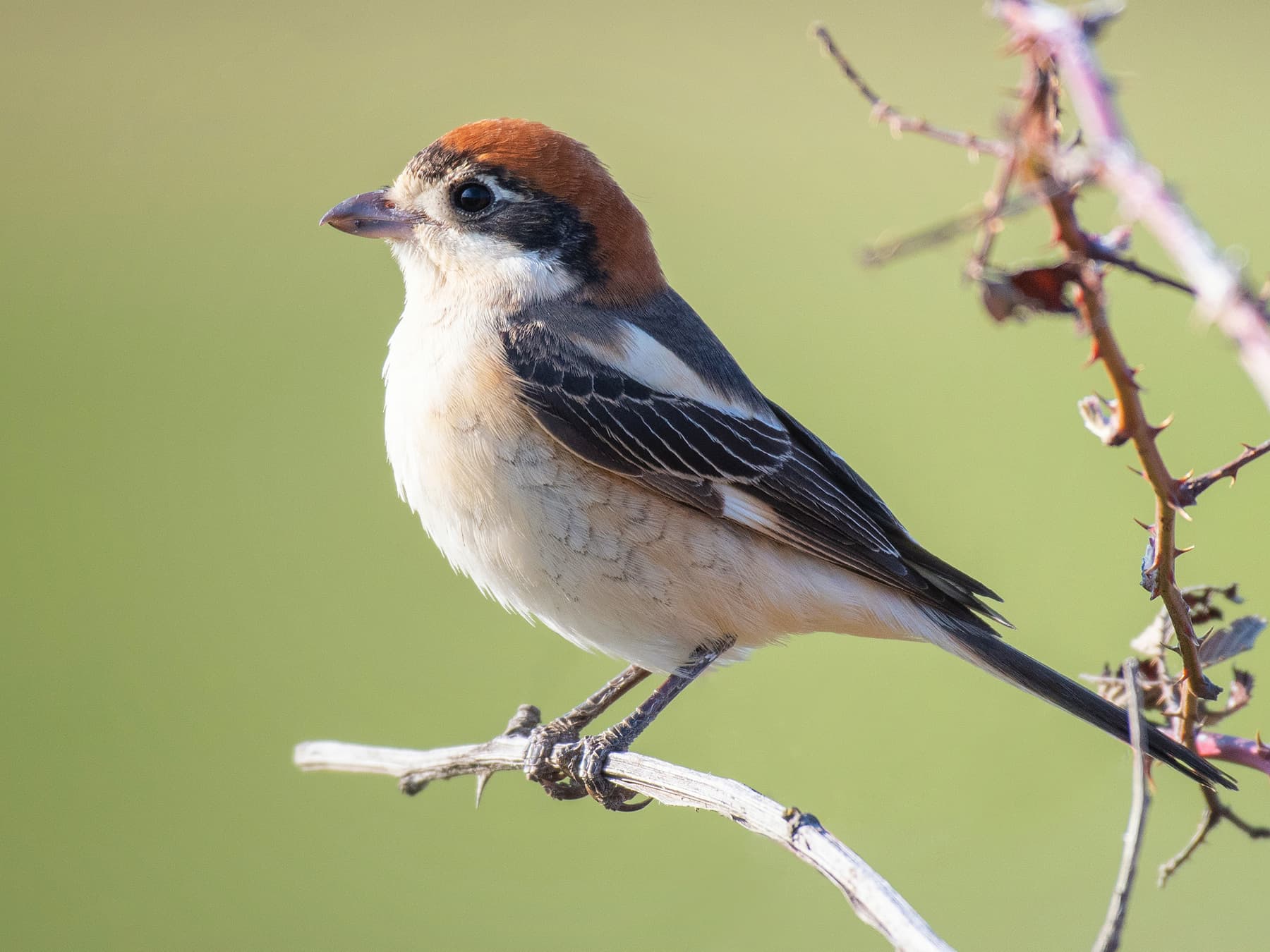
Woodchat Shrike
Lanius senatorNT
A rare passage migrant from southern Europe, mainly recorded on the south and east coasts in spring and early autumn. A prized find for birders.
Apr–Sep
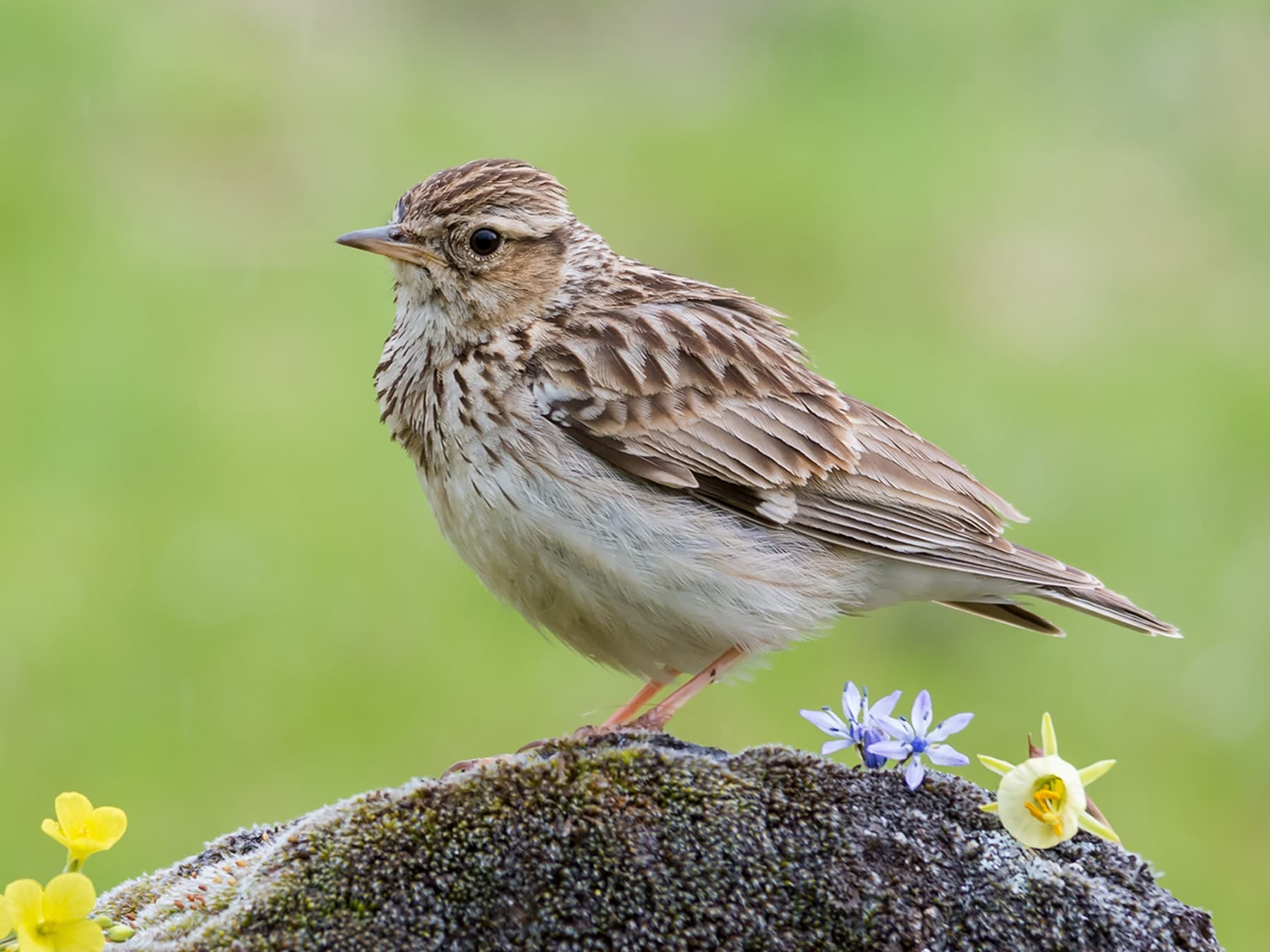
Woodlark
Lullula arboreaLC
An uncommon year-round resident of lowland heaths and forest clearings, mainly in southern England. Its sweet, descending song is a hallmark of sandy heathland.
Year-round
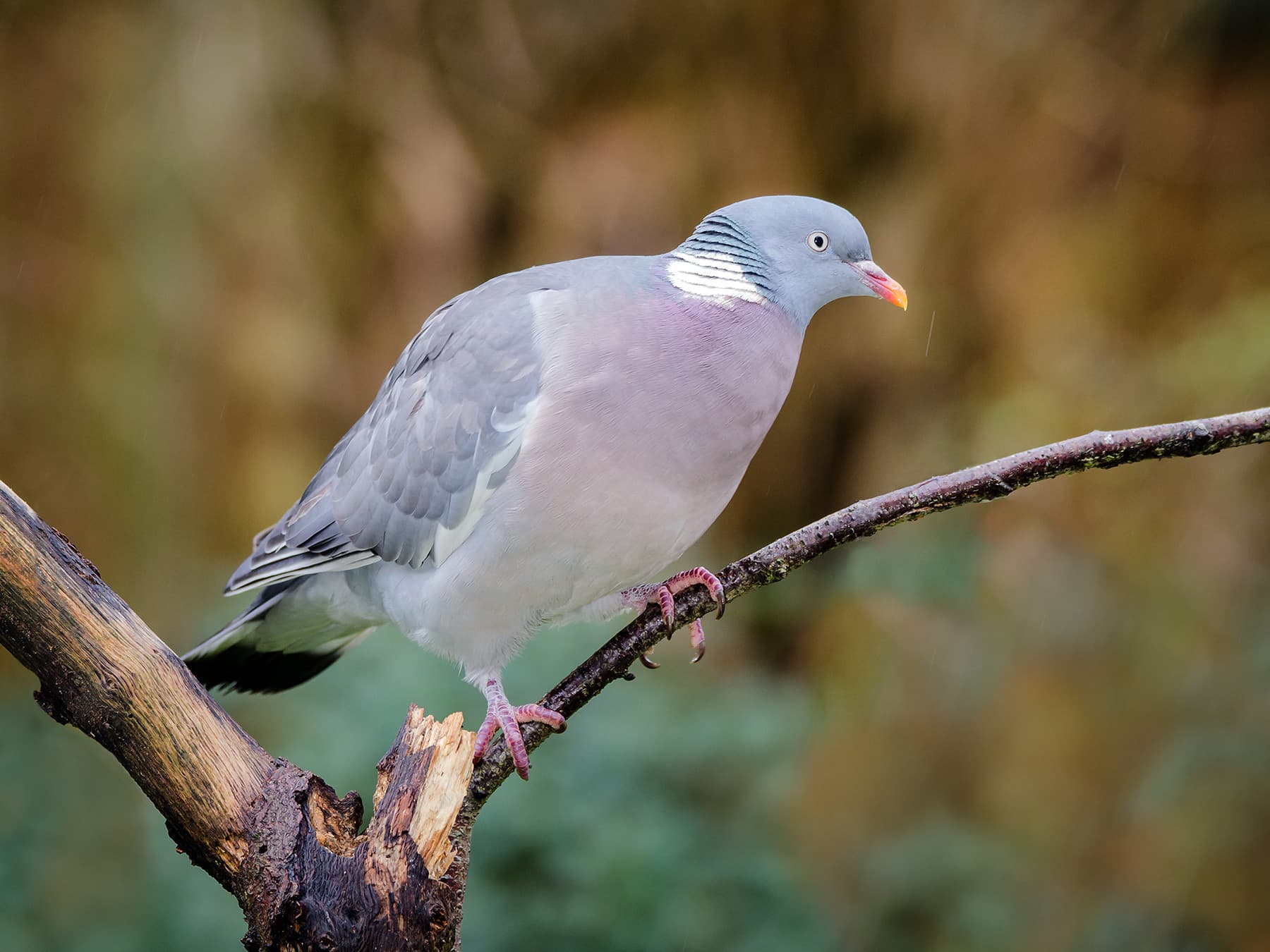
Woodpigeon
Columba palumbusLC
One of England's most abundant and familiar birds, found year-round in gardens, parks, farmland, and woodland. Its cooing song is a ubiquitous countryside sound.
Year-round
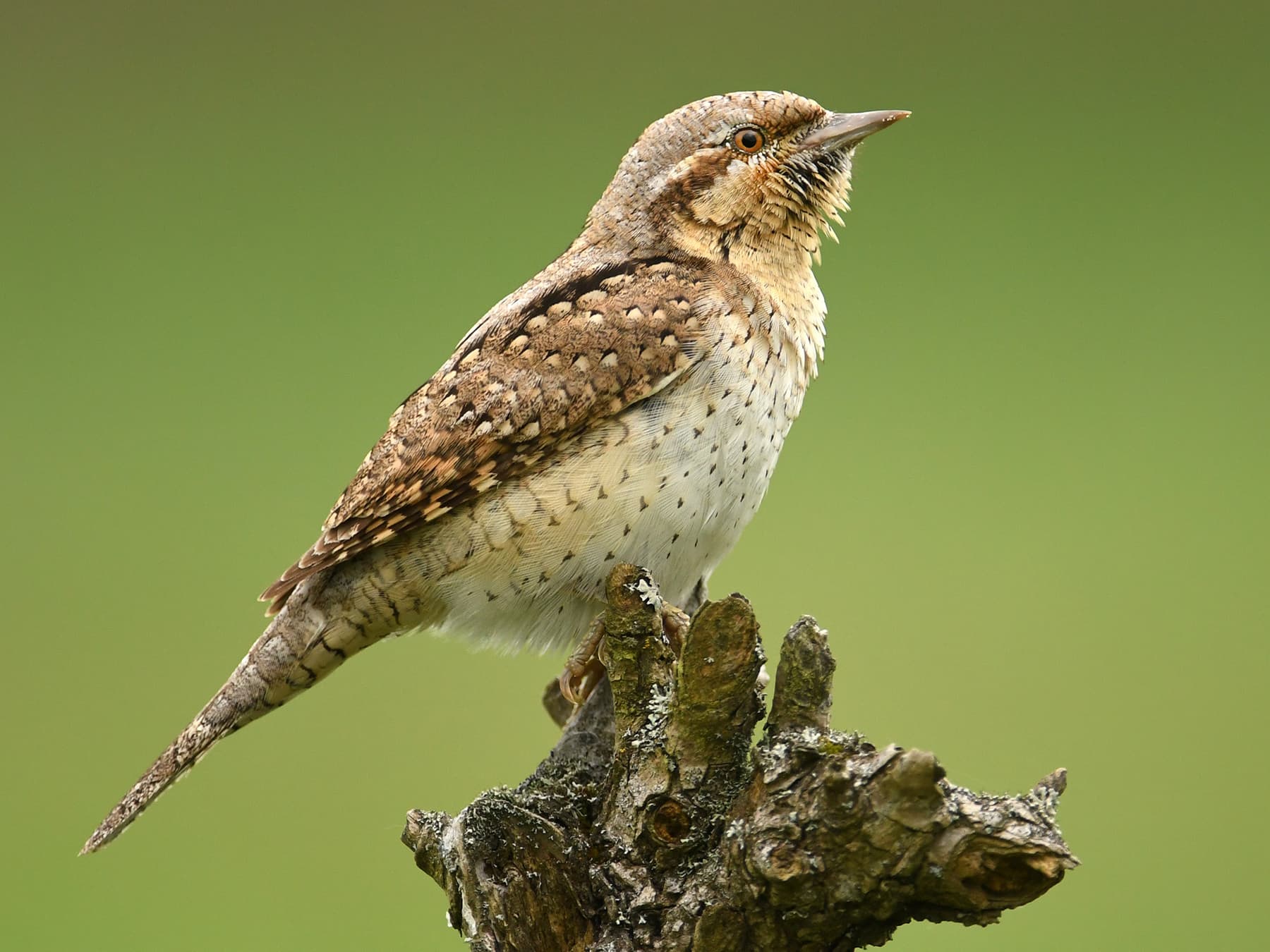
Wryneck
Jynx torquillaLC
A rare autumn passage migrant, most often found along the east coast in August and September. Once bred in England but is now virtually extinct as a breeder.
Aug–Oct
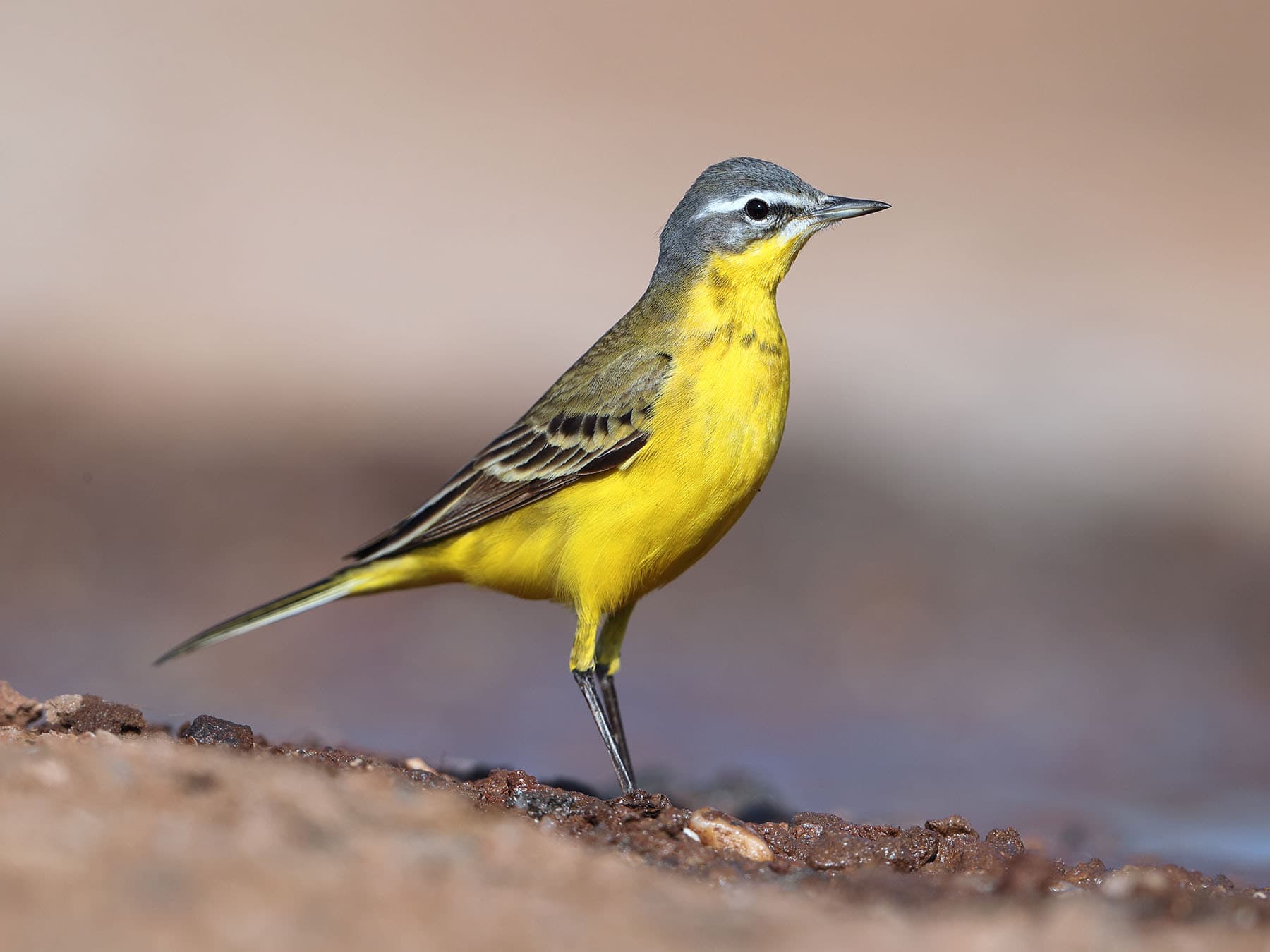
Yellow Wagtail
Motacilla flavaLC
Breeds in lowland wet meadows and arable fields from spring to autumn. A declining species in England, favouring damp grasslands and pastures.
Mar–Oct
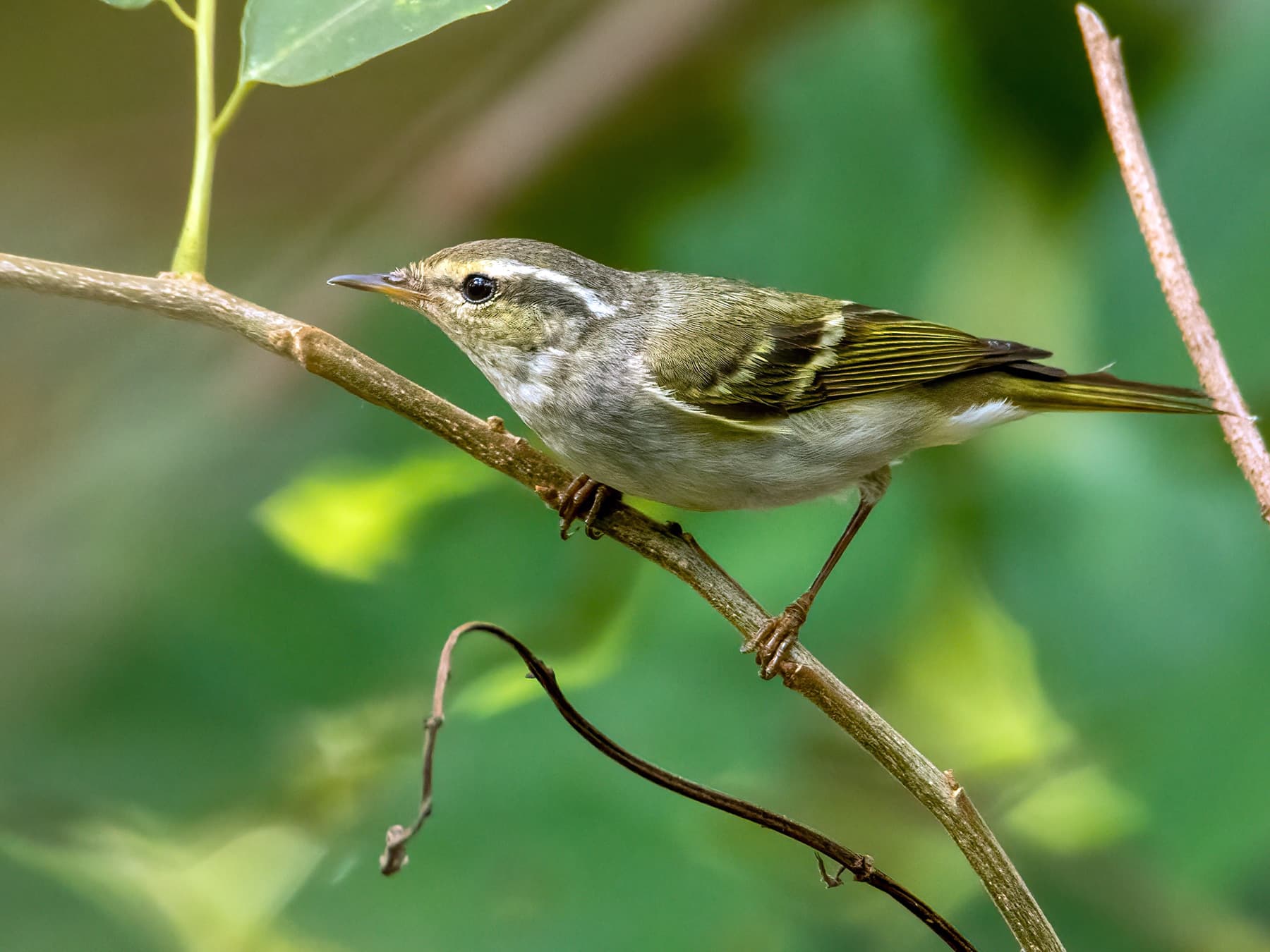
Yellow-browed Warbler
Phylloscopus inornatusLC
An uncommon autumn visitor from Siberia, mainly seen along the east coast in October. Increasingly recorded in recent years.
Sep–Jan
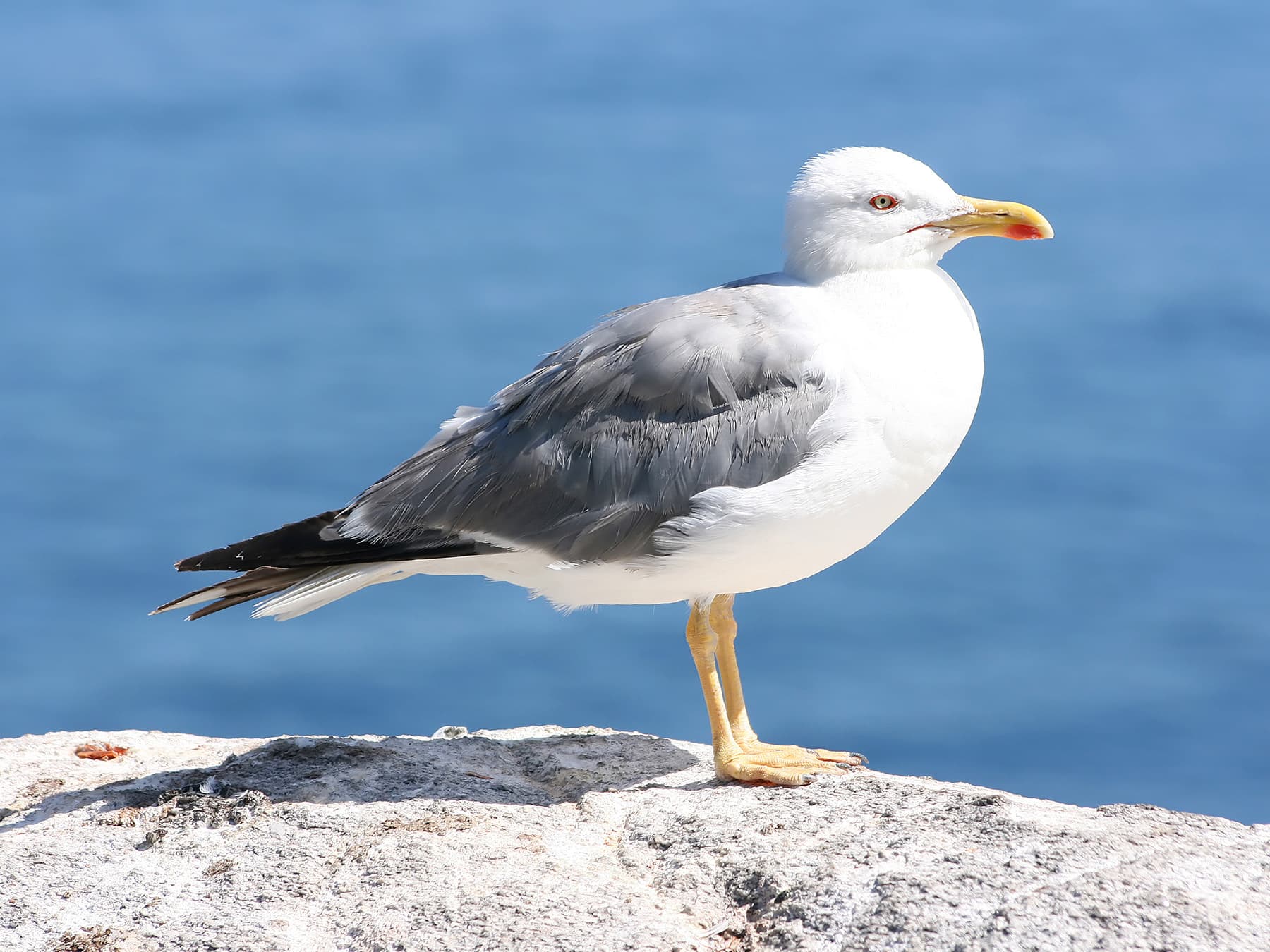
Yellow-legged Gull
Larus michahellisLC
An uncommon but increasing resident, often mixed in with Herring Gull flocks. Most frequent in southern England, especially in late summer.
Year-round
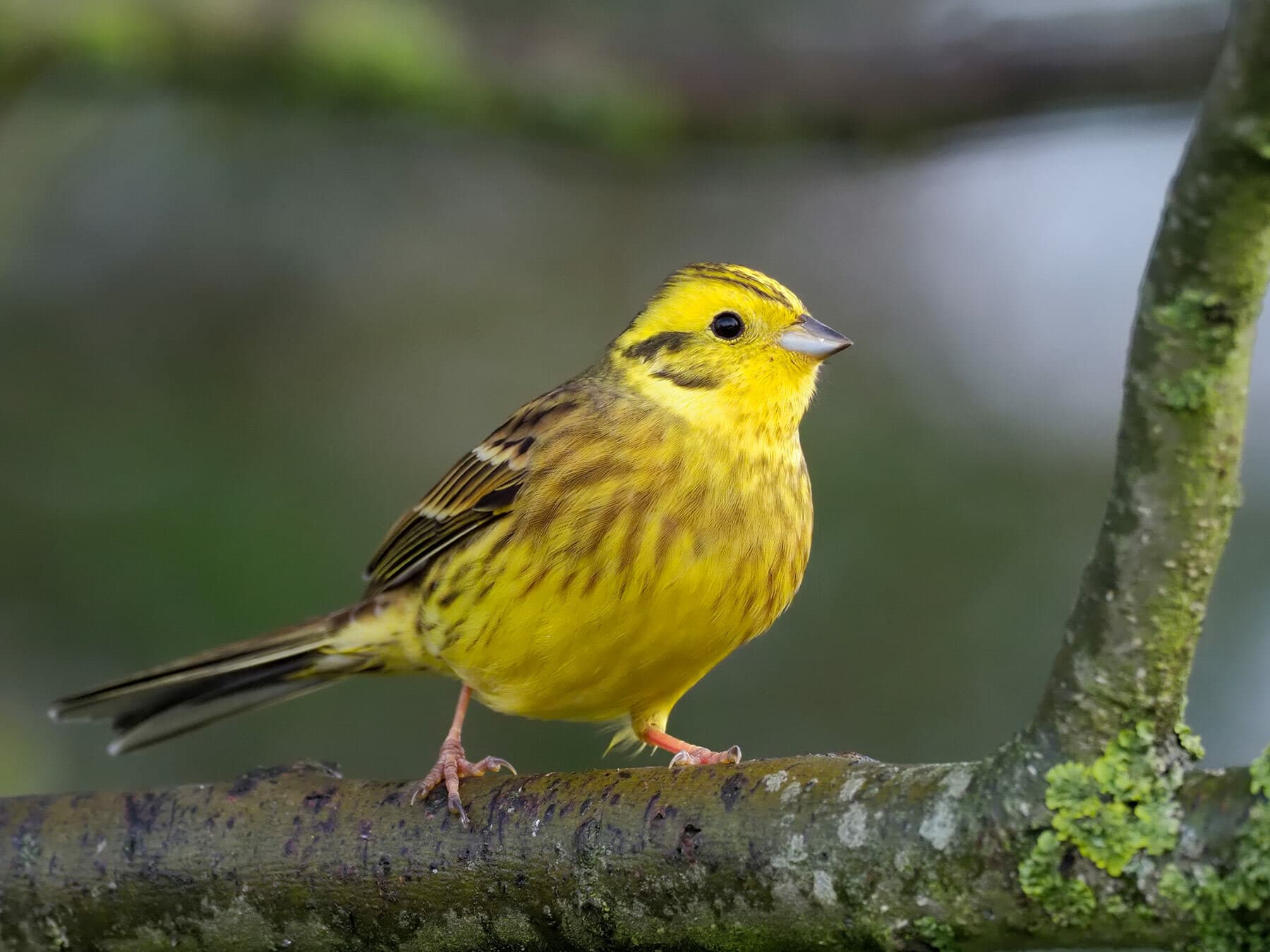
Yellowhammer
Emberiza citrinellaLC
A common resident of hedgerows and farmland, though declining in many areas. Its bright song is a familiar sound of the English countryside.
Year-round