Rare Birds in Durham
107 species matching this filter.
Durham's diverse landscapes—from the rugged North Sea coastline to the upland moors of the Pennines—provide habitat for an impressive array of rare bird species. With 105 species classified as rare across the county, patient observers may be rewarded with sightings of Arctic Jaeger, Little Stint, and Barn Owl, among others. Coastal headlands, river valleys, and ancient woodlands each offer distinct opportunities for encountering these elusive visitors and scarce residents.


Showing 24–46 of 107 species
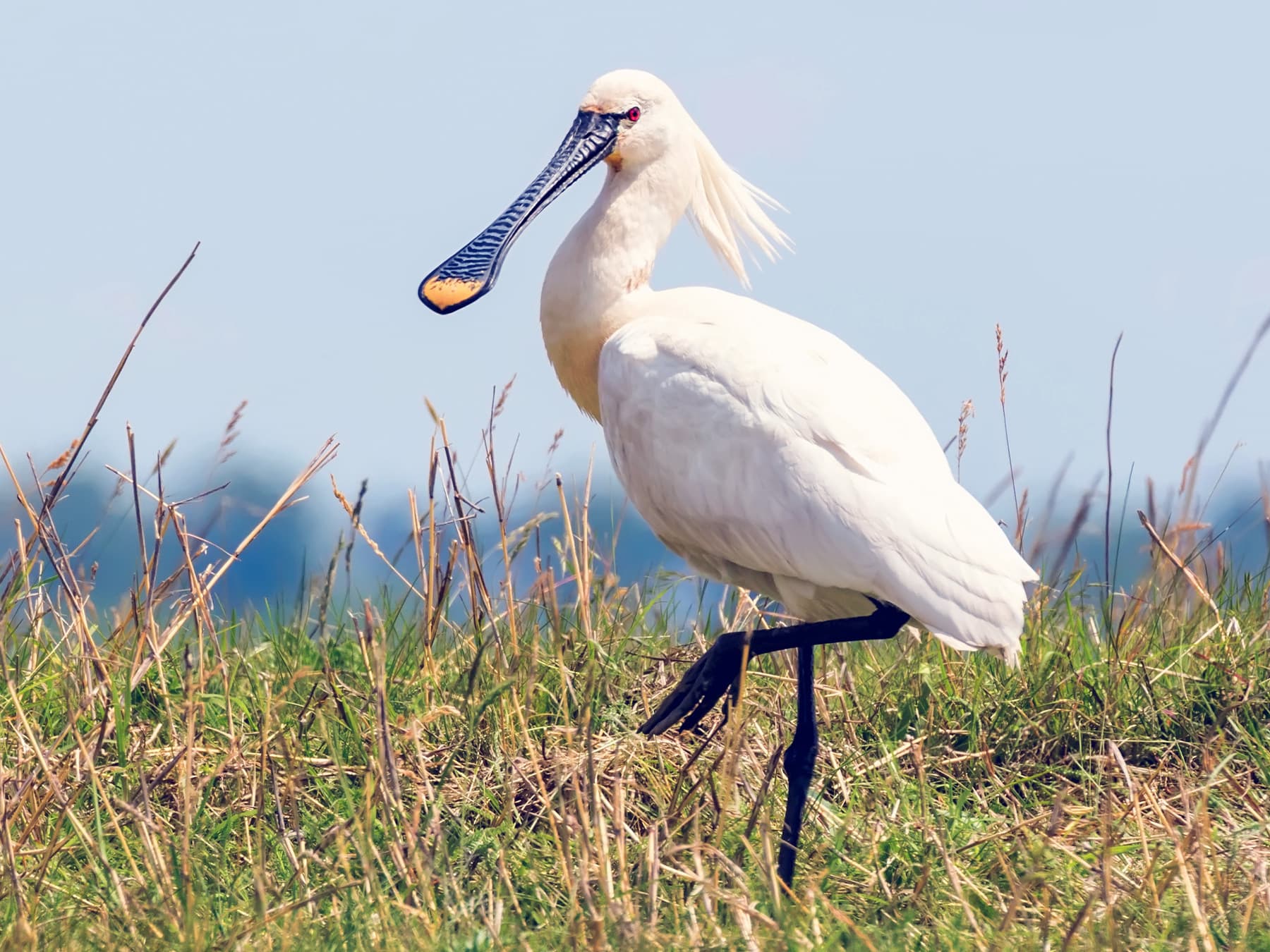
Eurasian Spoonbill
Platalea leucorodiaLC
A rare passage visitor, occasionally recorded at coastal wetlands. Sightings in Durham remain scarce but are increasing nationally.
Sep–Jan
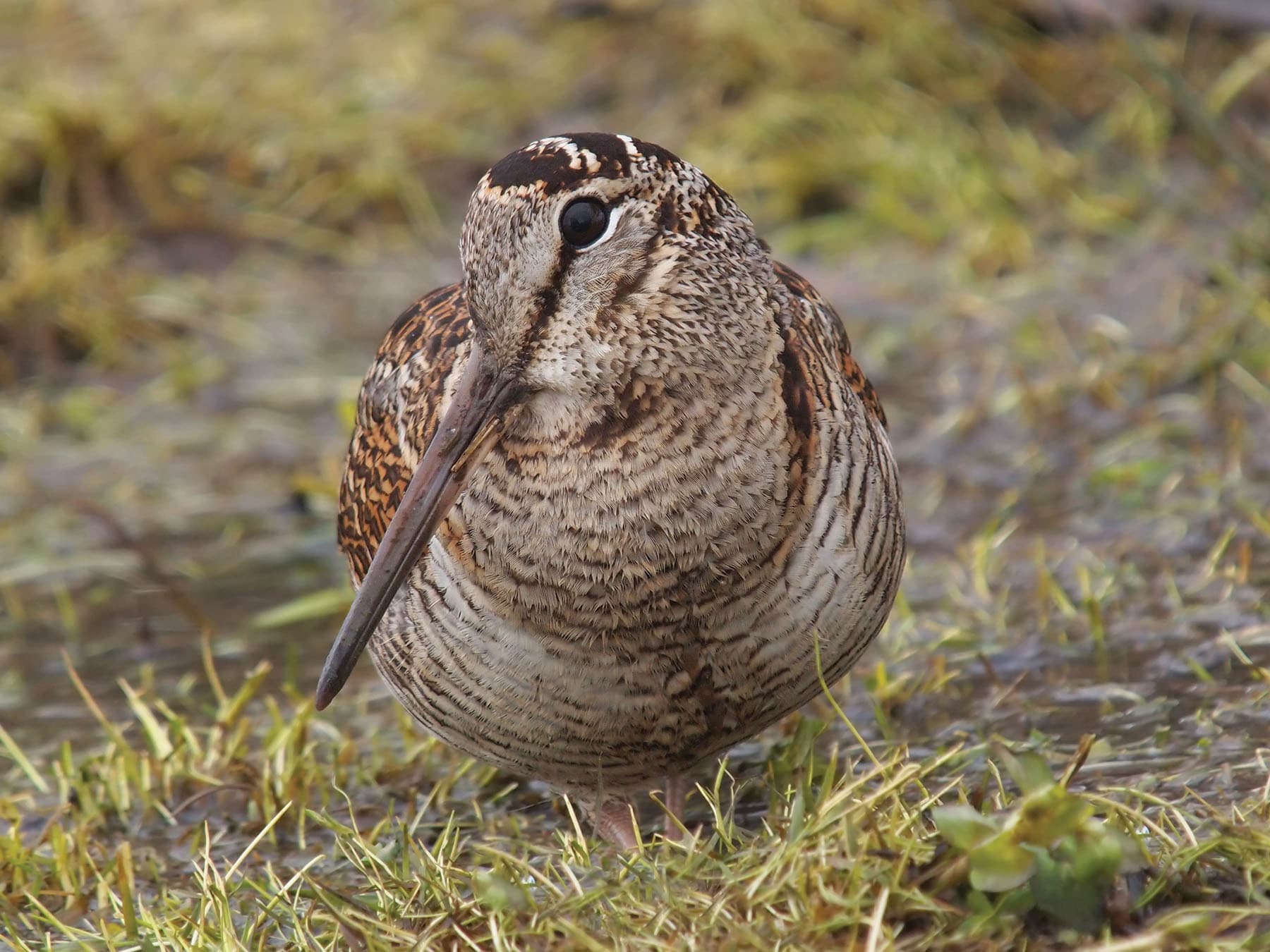
Eurasian Woodcock
Scolopax rusticolaLC
A scarce resident of Durham's mature woodlands, most often seen during its roding display flights at dusk in spring. Winter numbers boosted by continental arrivals.
Oct–Jun
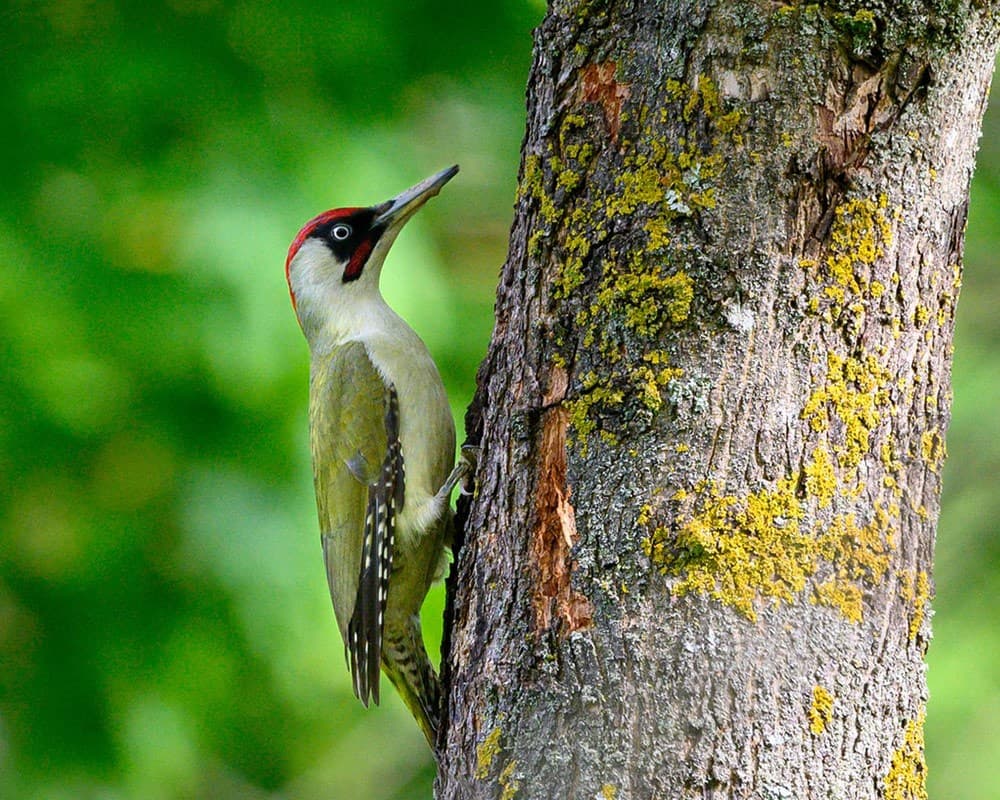
European Green Woodpecker
Picus viridisLC
A rare resident near the northern edge of its UK range. Its loud, laughing call carries across parkland and woodland edges.
Jan–Oct
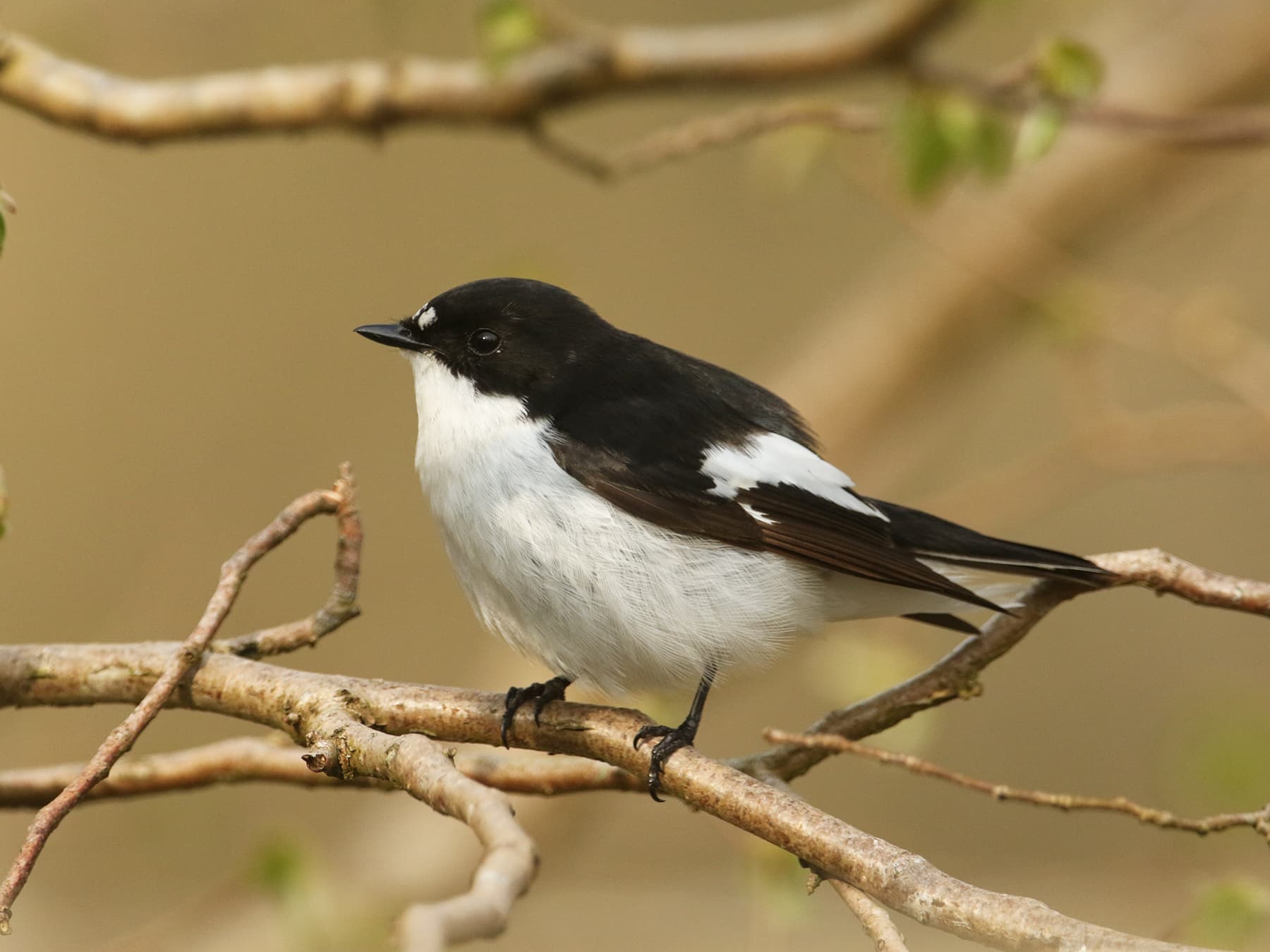
European Pied Flycatcher
Ficedula hypoleucaLC
A rare breeding visitor to mature oak woodland, particularly in the western dales. Readily takes to nestboxes where provided.
Apr–Sep
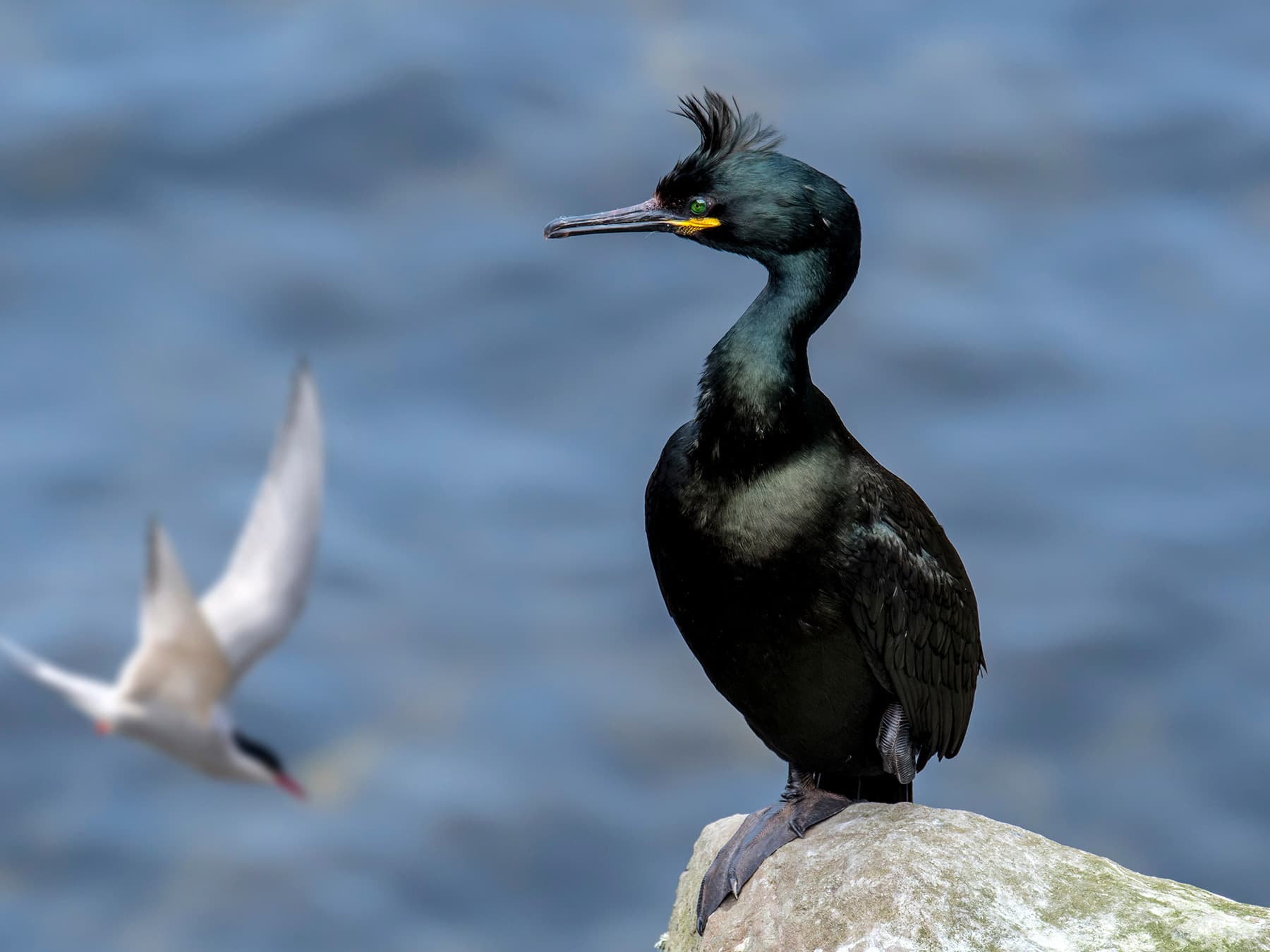
European Shag
Phalacrocorax aristotelisLC
A rare resident along Durham's rocky coastline. Smaller and darker than the Great Cormorant, with a distinctive wispy crest in spring.
Jun–Mar
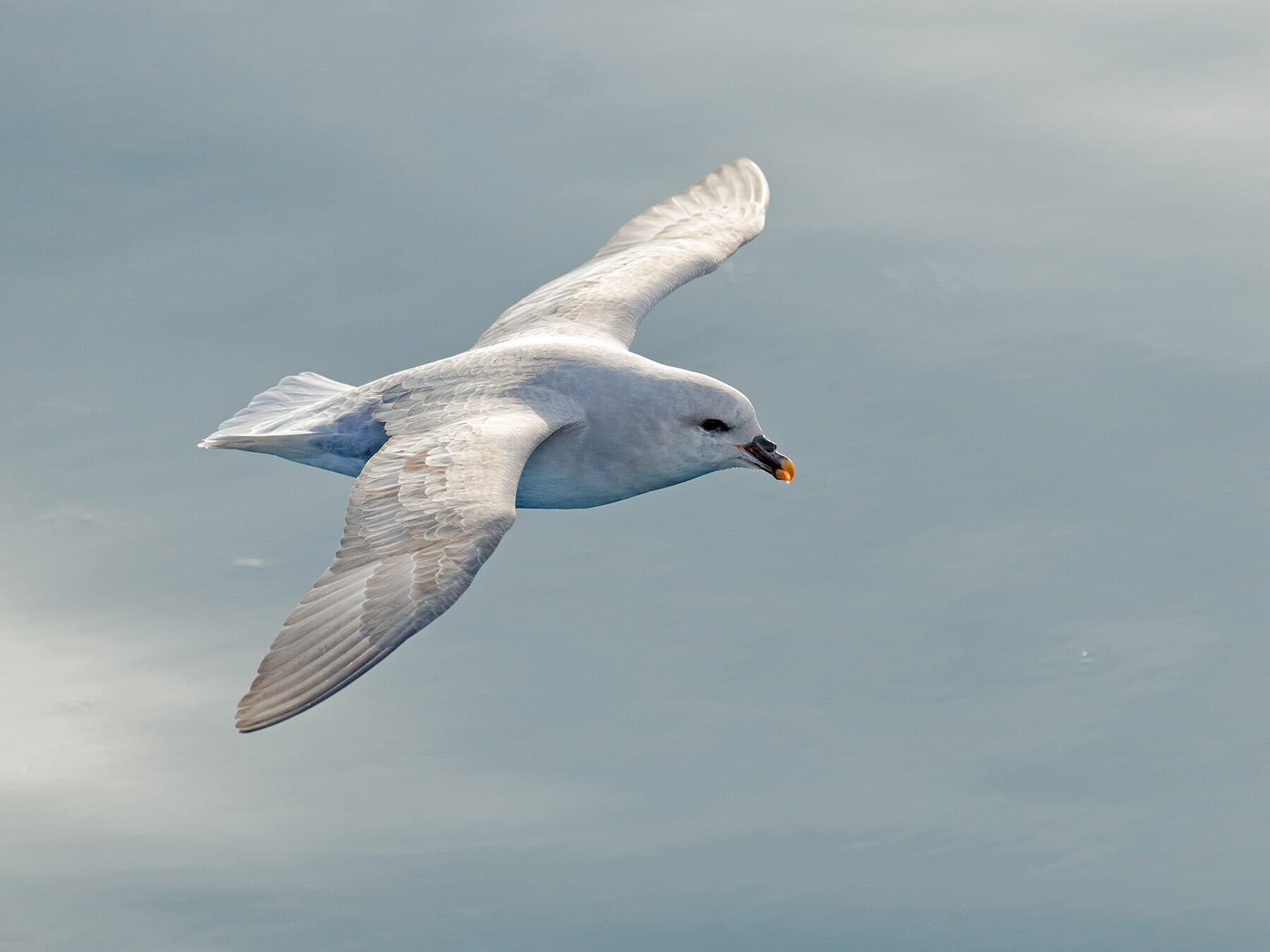
Fulmar
Fulmarus glacialisLC
A rare breeder along Durham's coastal cliffs, present from spring through autumn. Stiff-winged flight distinguishes it from gulls offshore.
Jan–Sep
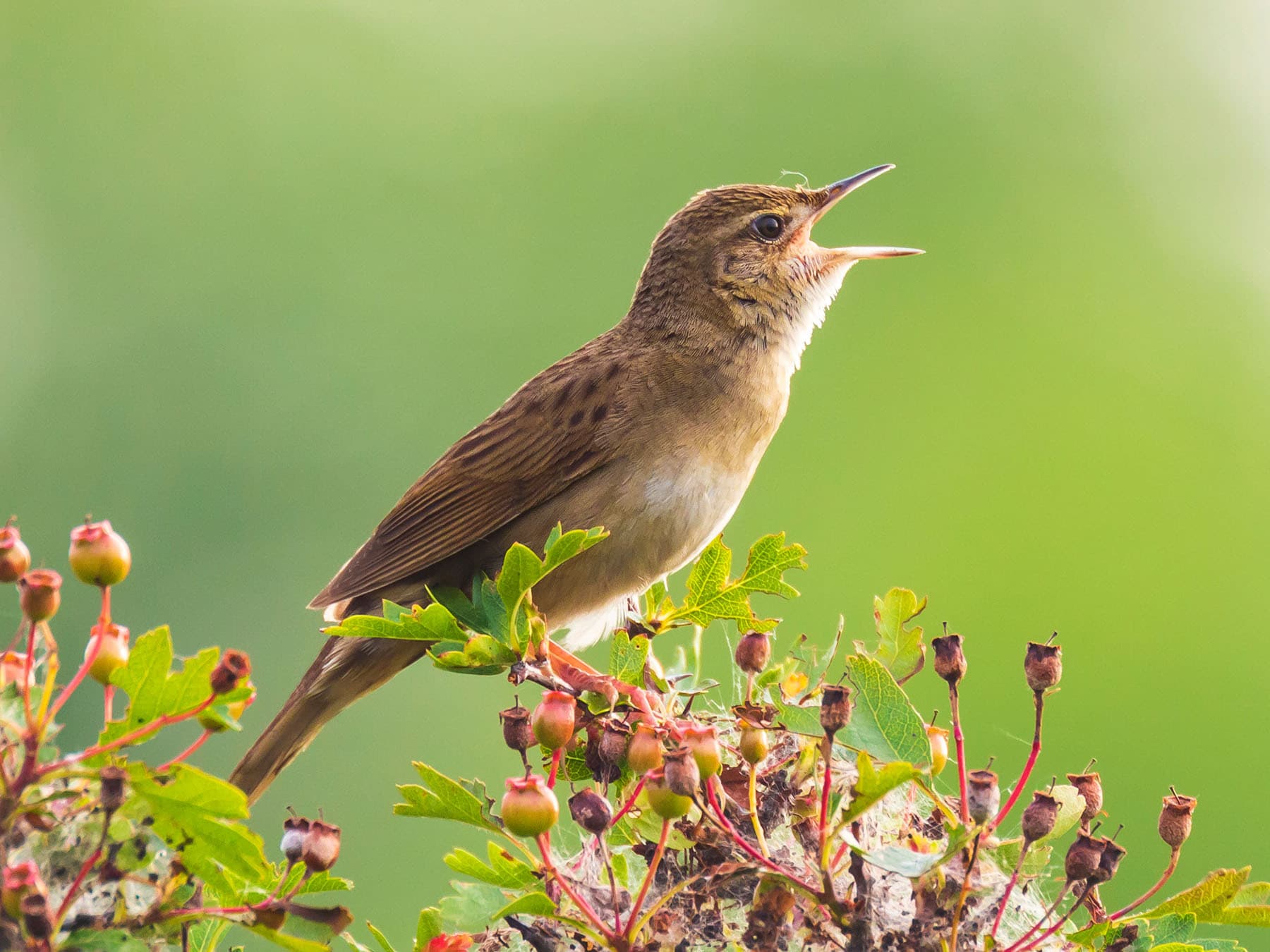
Grasshopper Warbler
Locustella naeviaLC
A rare and secretive summer breeder, more often heard reeling from dense scrub and rough grassland than seen.
Apr–Jul
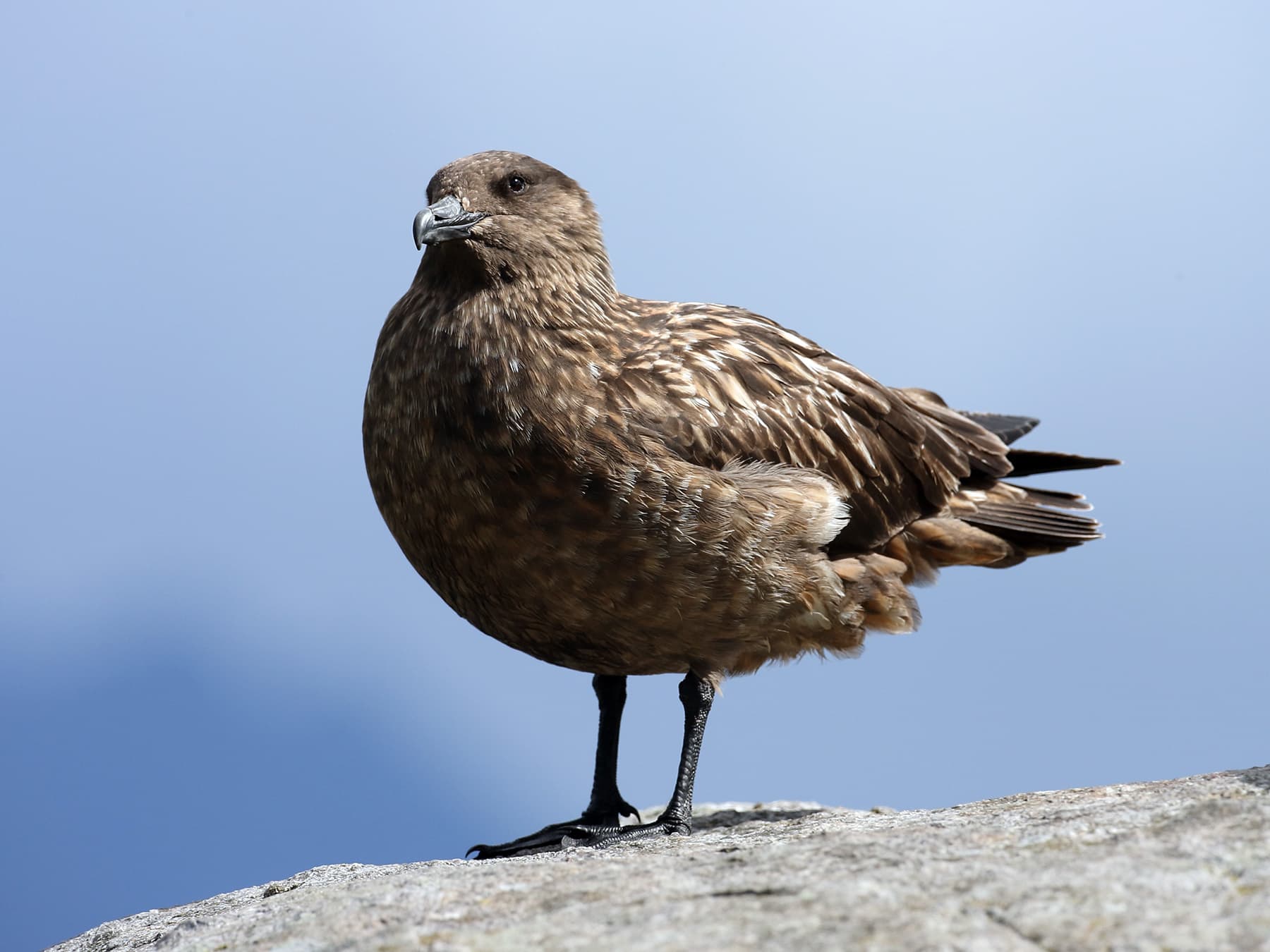
Great Skua
Catharacta skuaLC
A rare passage visitor off the Durham coast in August and September, often seen harassing other seabirds during autumn seawatching sessions.
Aug–Sep
Spotted something?
Upload a photo to identify it
Identify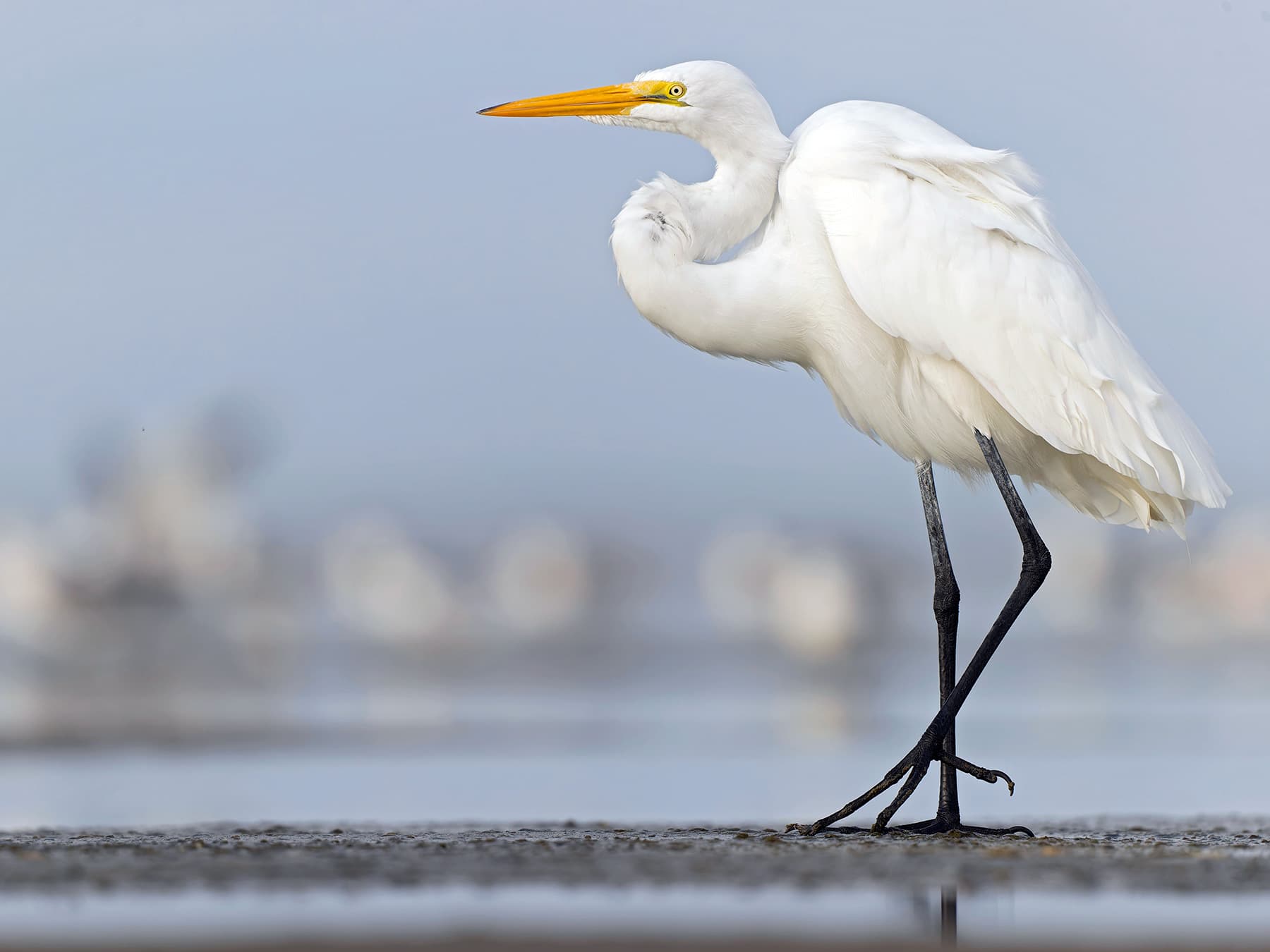
Great White Egret
Ardea albaLC
A rare non-breeding visitor to wetlands and reservoirs, mainly in autumn and winter. Part of a recent national range expansion.
Aug–Feb
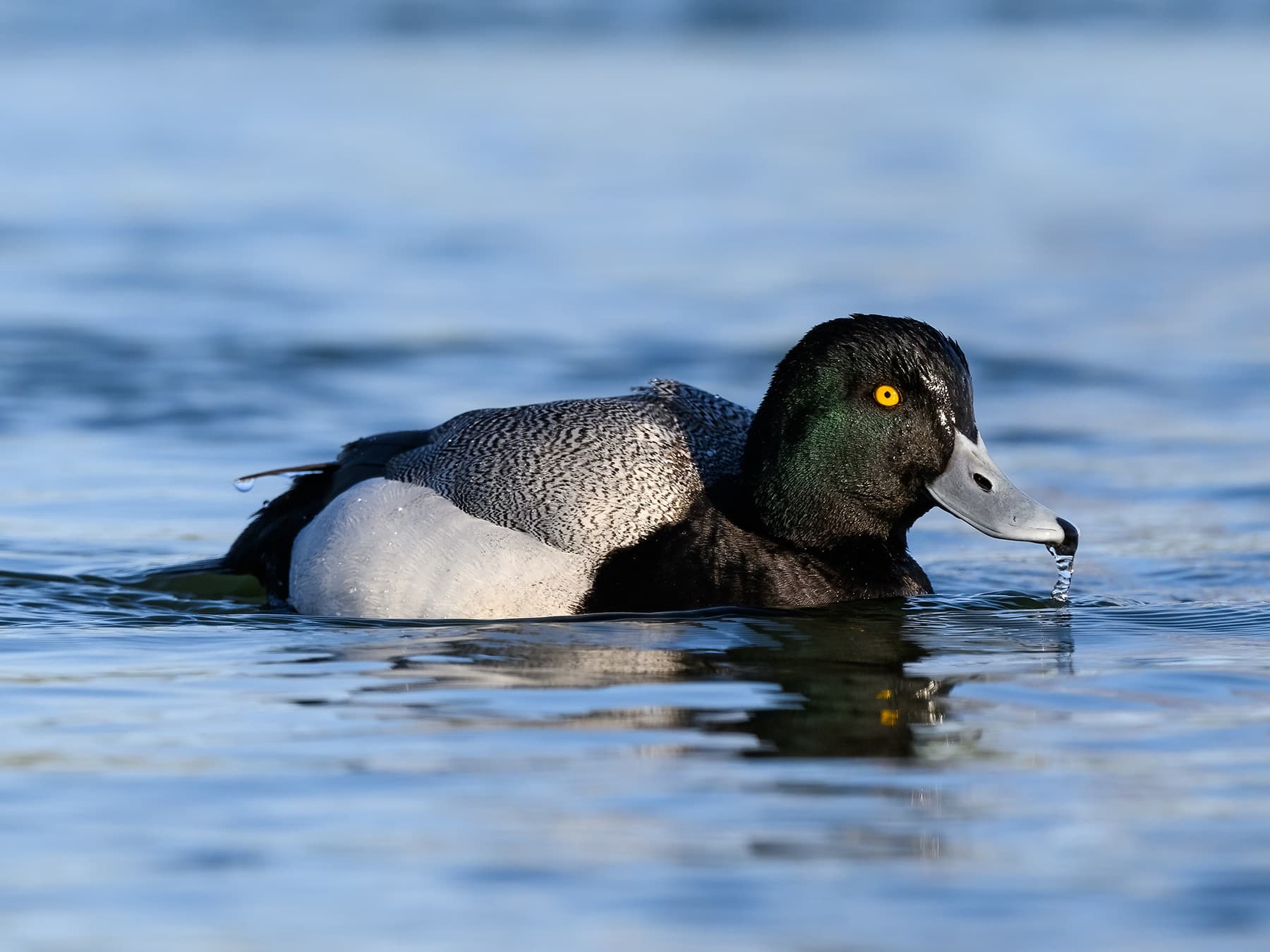
Greater Scaup
Aythya marilaLC
A rare visitor, with occasional records in summer. Most likely seen on coastal waters or larger inland reservoirs.
Jul
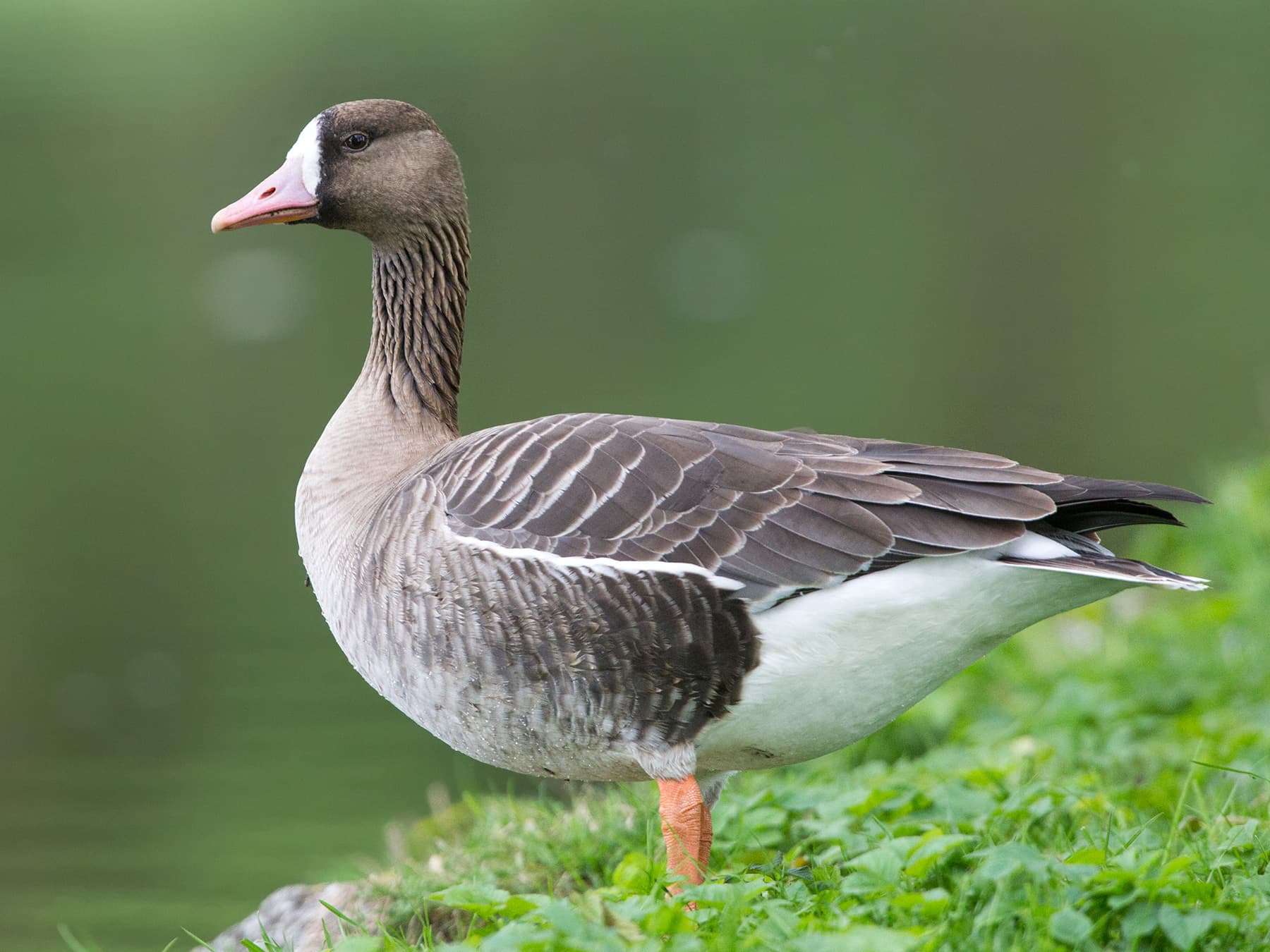
Greater White-fronted Goose
Anser albifronsLC
A rare winter visitor, occasionally recorded in January among flocks of other grey geese on farmland and wetlands.
Jan
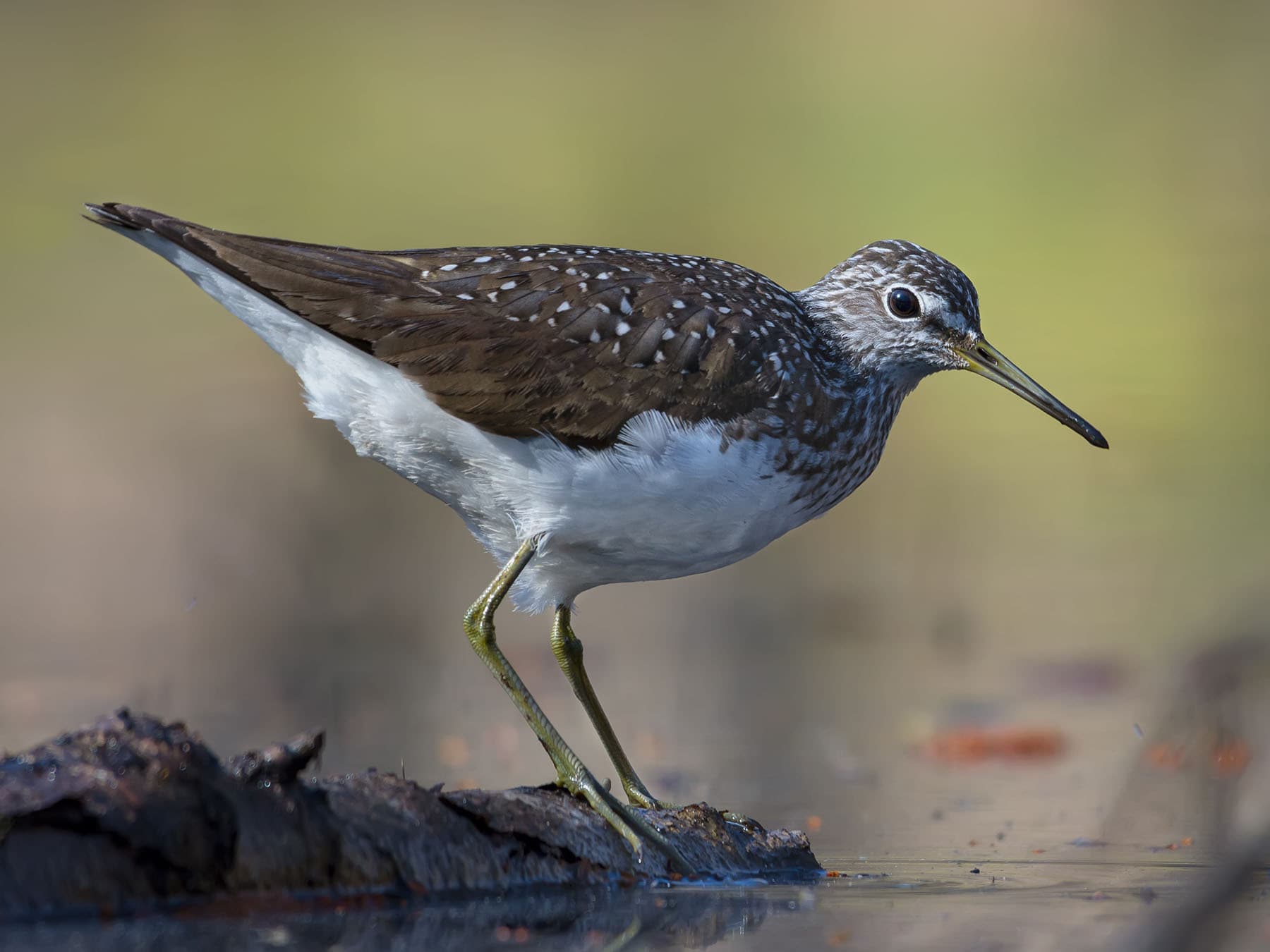
Green Sandpiper
Tringa ochropusLC
A rare autumn passage migrant, typically seen at freshwater pools and muddy margins in August and September. Often solitary and easily overlooked.
Aug–Sep
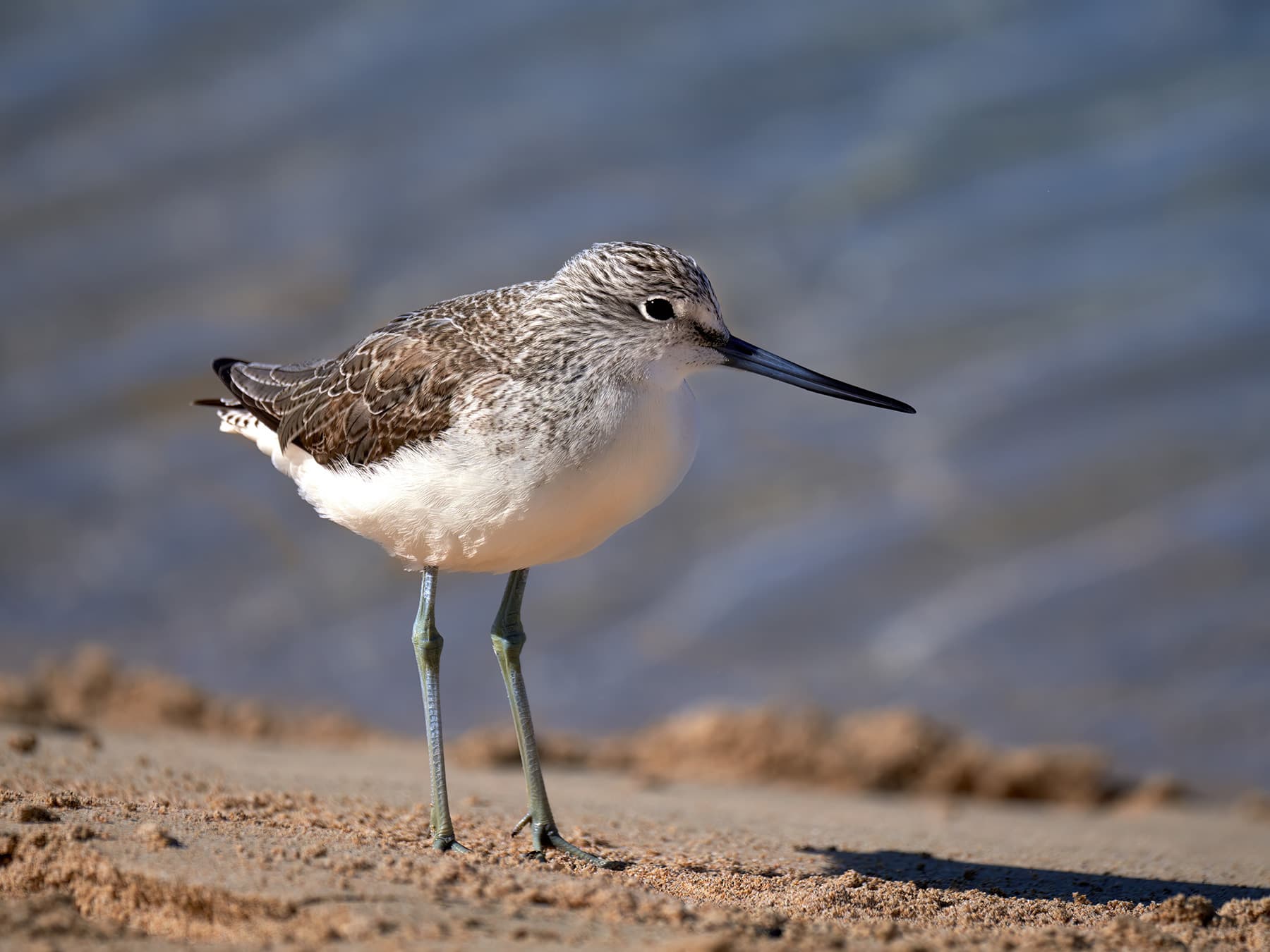
Greenshank
Tringa nebulariaLC
A rare but regular visitor, mainly on autumn passage from July to October at reservoirs and coastal wetlands. Distinctive ringing call aids identification.
Jul–Mar
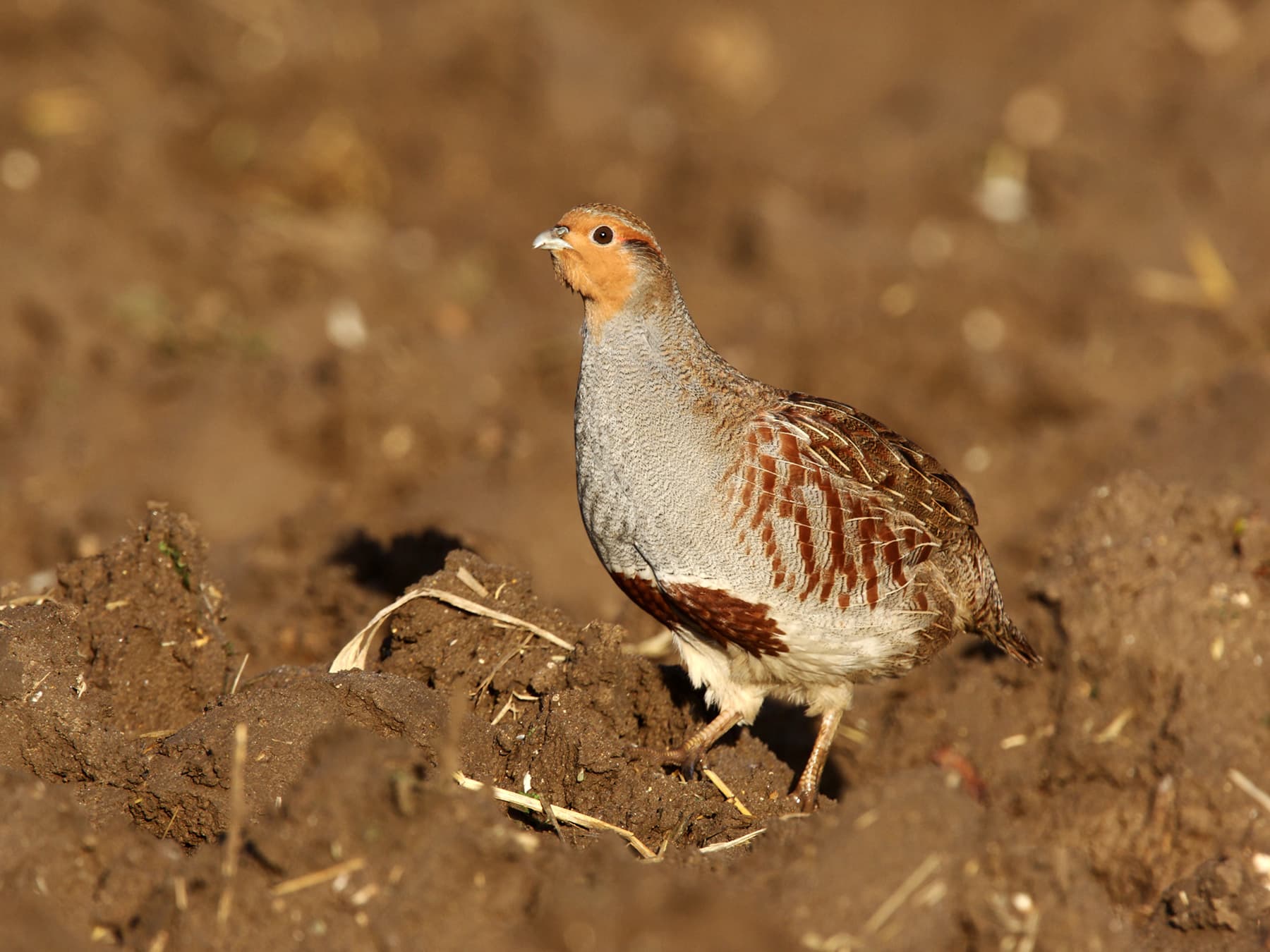
Grey Partridge
Perdix perdixLC
A rare and declining resident of arable farmland in lowland Durham. Numbers have fallen sharply due to agricultural intensification.
Year-round
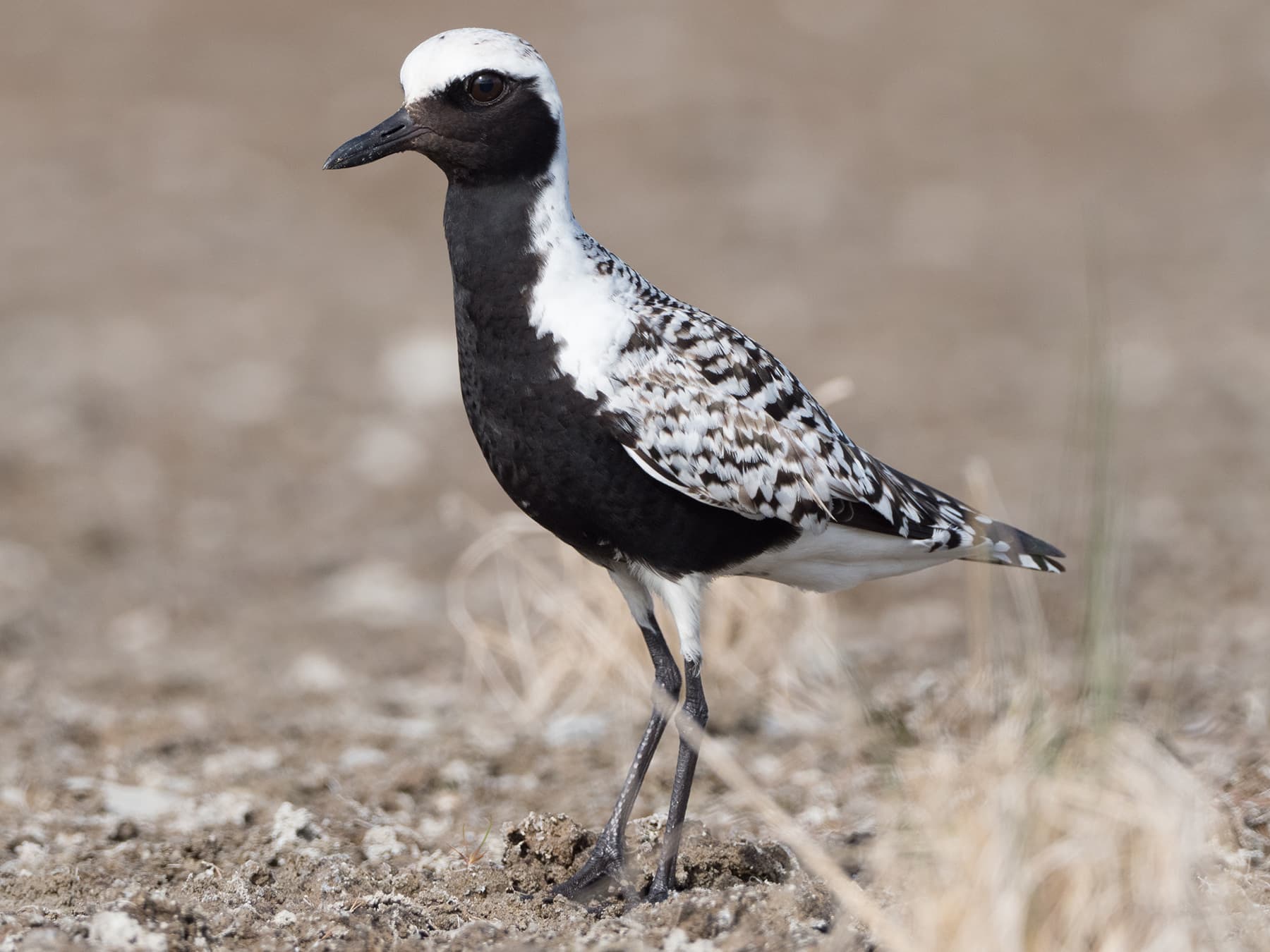
Grey Plover
Pluvialis squatarolaLC
A rare non-breeding visitor to the Durham coastline, found on mudflats and rocky shores mainly from late summer through winter.
Aug–Feb
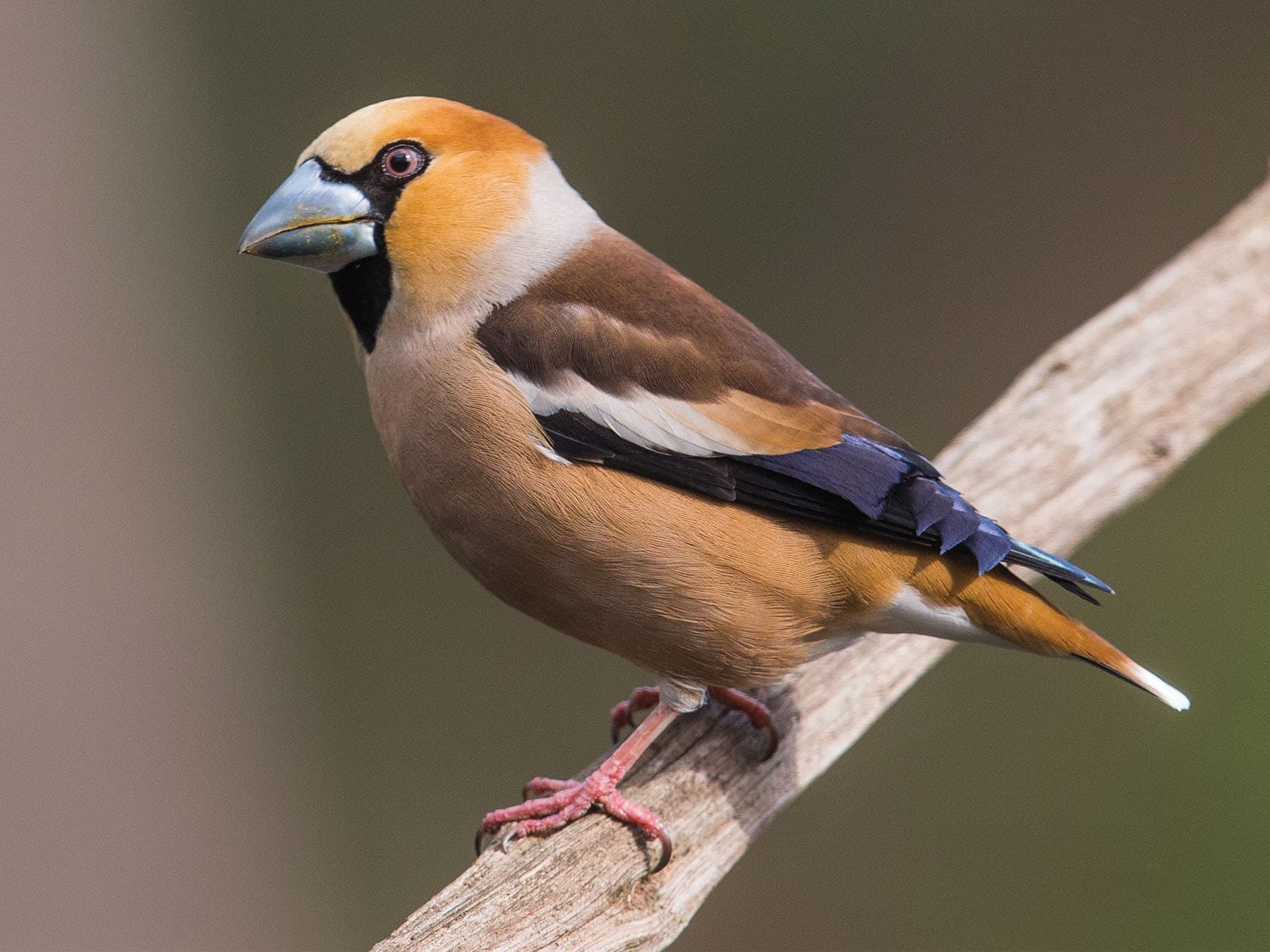
Hawfinch
Coccothraustes coccothraustesLC
A rare and elusive passage visitor, occasionally recorded in Durham's mature woodlands during winter months.
Jan–Feb
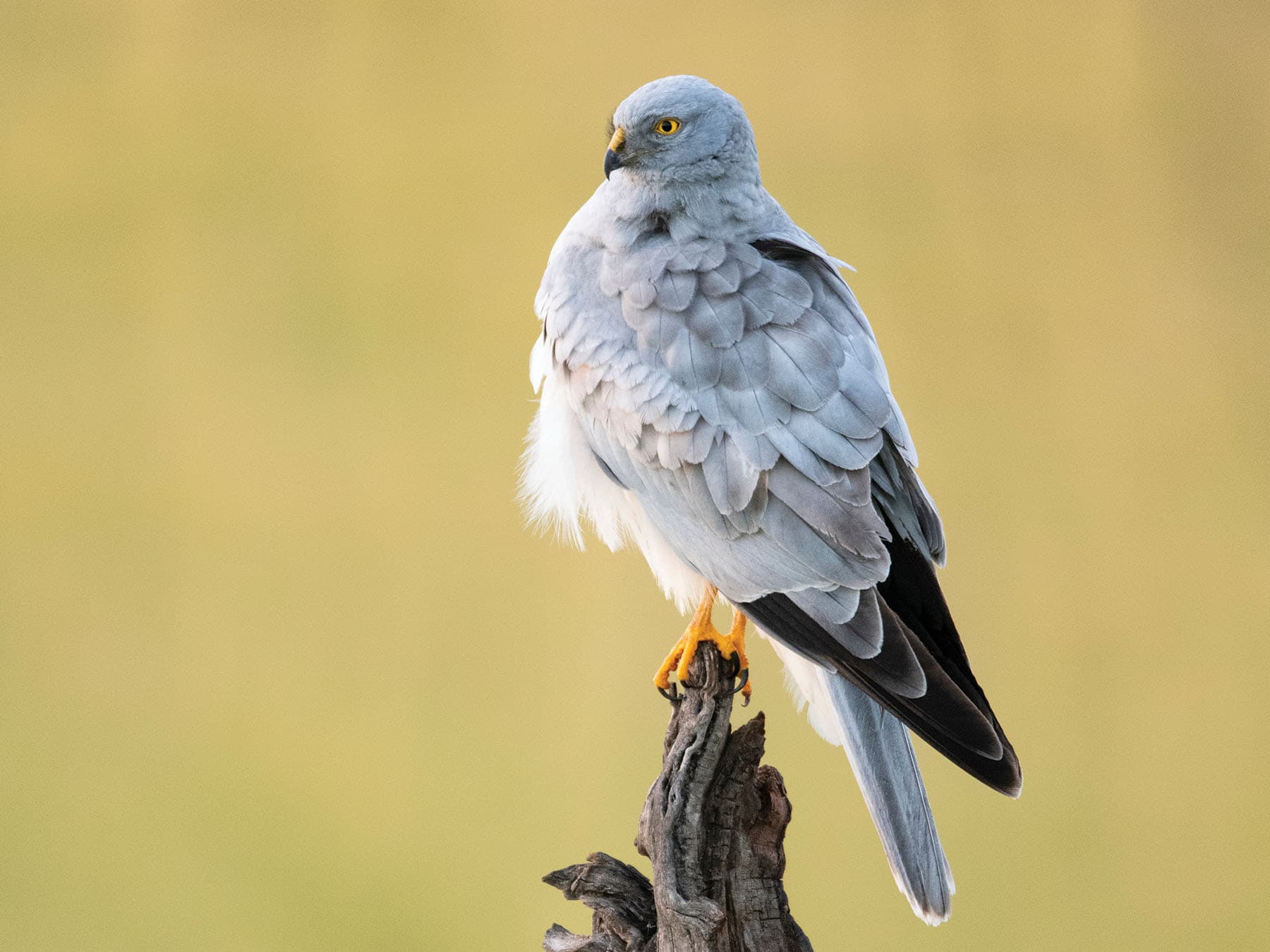
Hen Harrier
Circus cyaneusLC
A rare passage visitor in late summer, occasionally seen quartering over moorland and coastal fields in August and September.
Aug–Sep
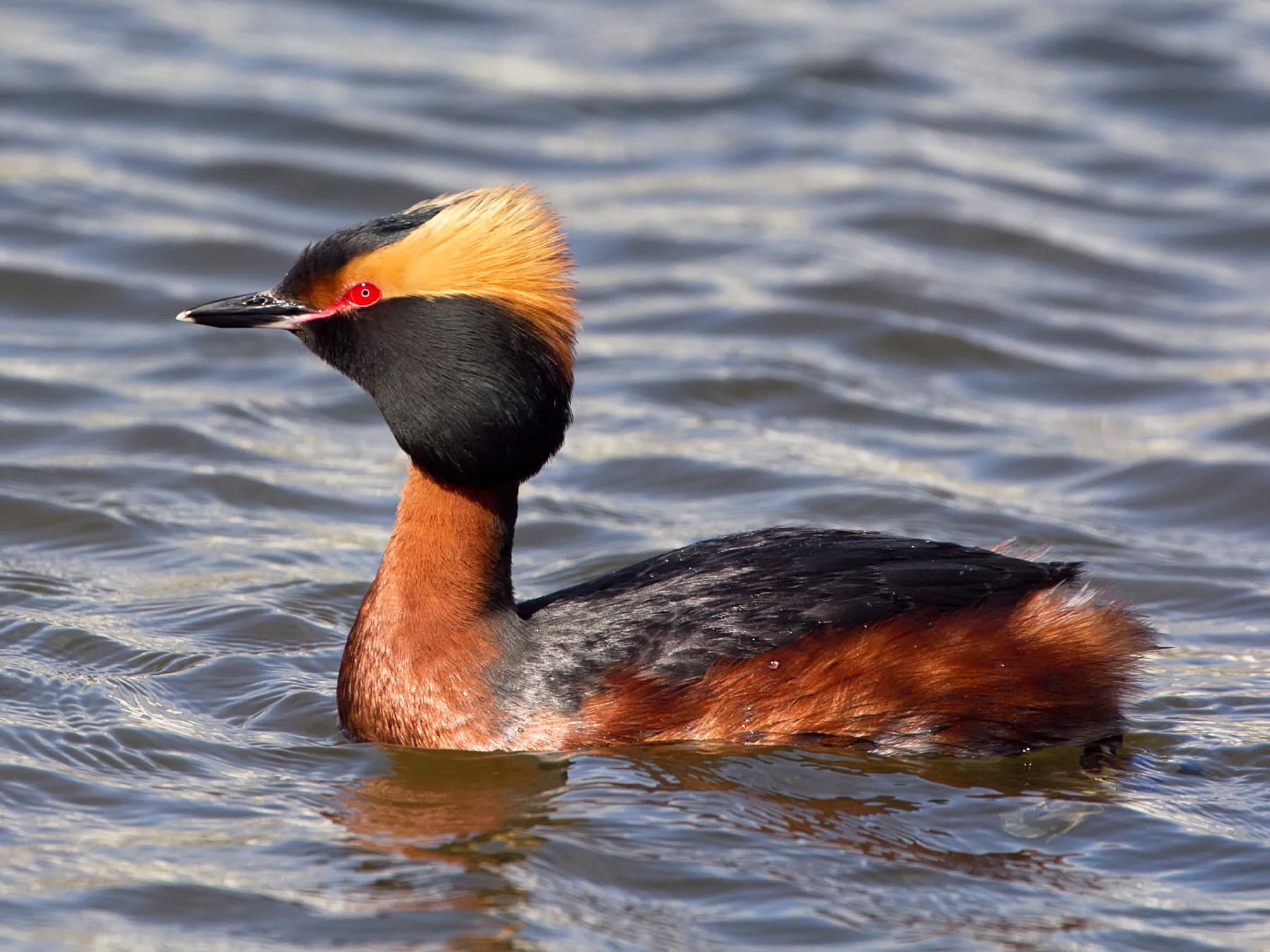
Horned Grebe
Podiceps auritusVU
A rare passage visitor in winter and autumn, occasionally found on sheltered coastal waters or larger inland reservoirs.
Oct–Feb
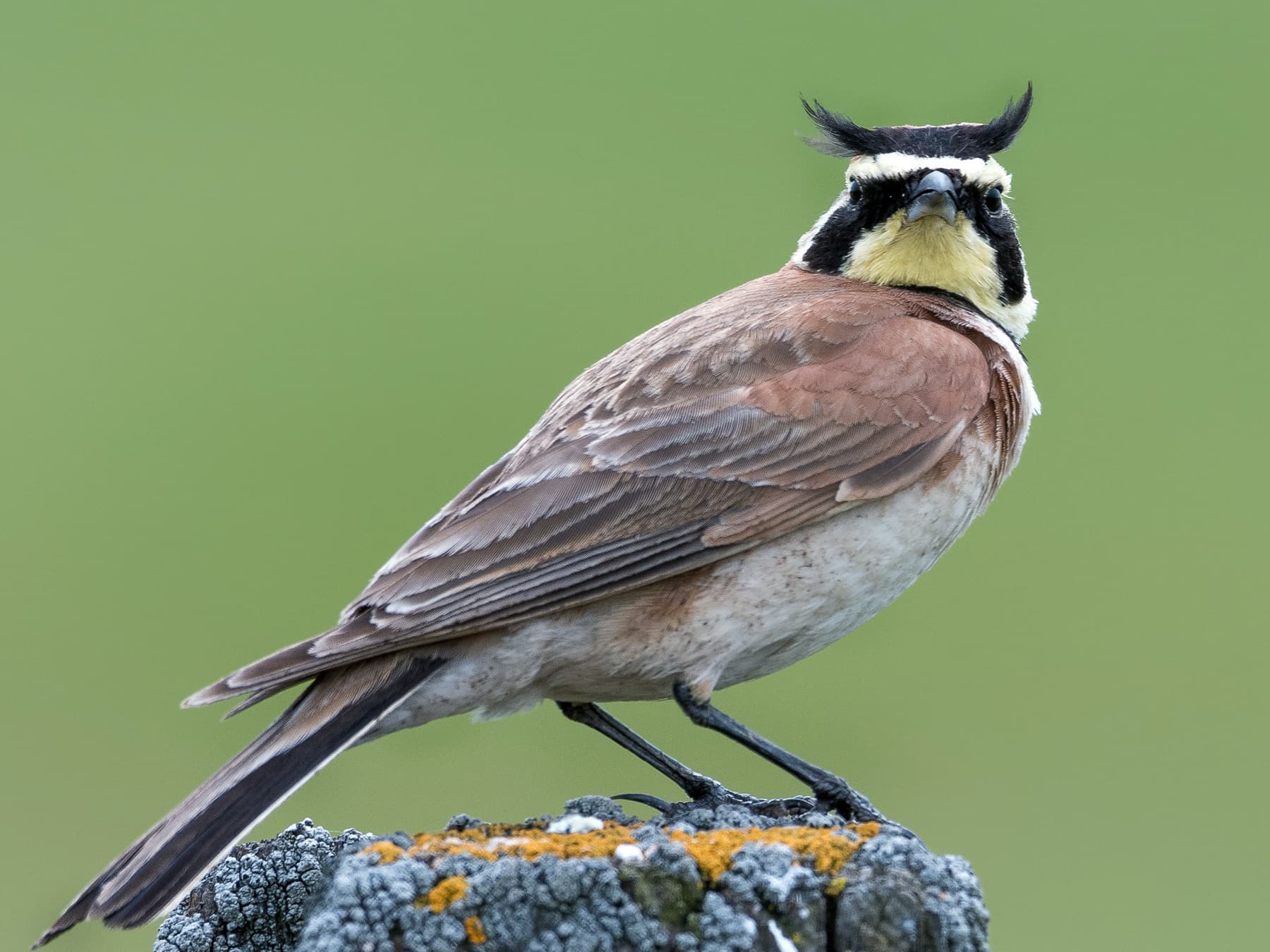
Horned Lark
Eremophila alpestrisLC
A rare passage visitor, occasionally recorded along the Durham coast in late winter. Favours short-cropped coastal grassland.
Feb
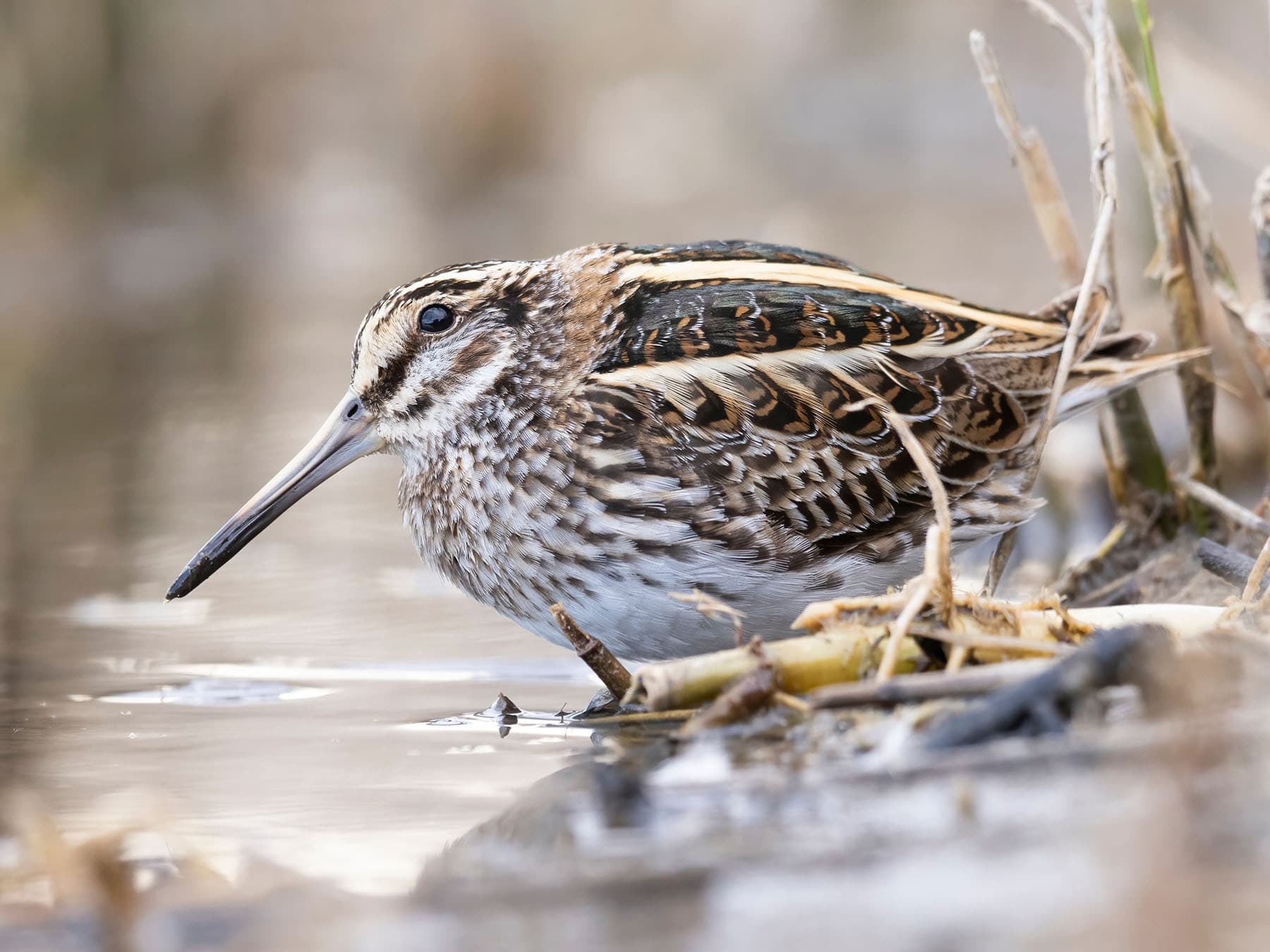
Jack Snipe
Lymnocryptes minimusLC
A secretive and rare passage visitor, occasionally flushed from boggy margins and wet meadows. Most likely encountered in late winter.
Feb
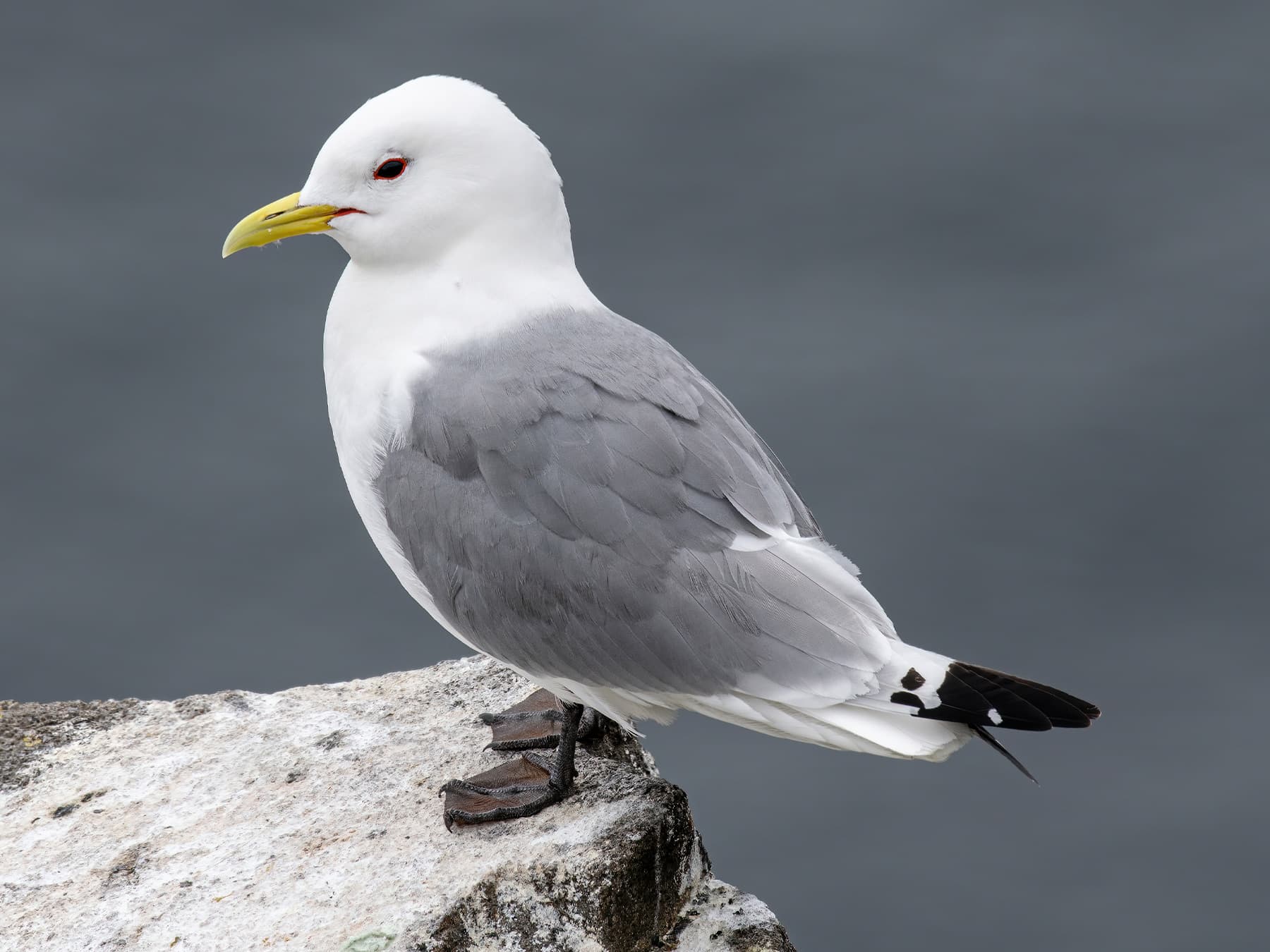
Kittiwake
Rissa tridactylaVU
Breeds in small numbers on Durham's coastal cliffs from spring through autumn. This declining species is increasingly scarce across the UK.
Mar–Nov
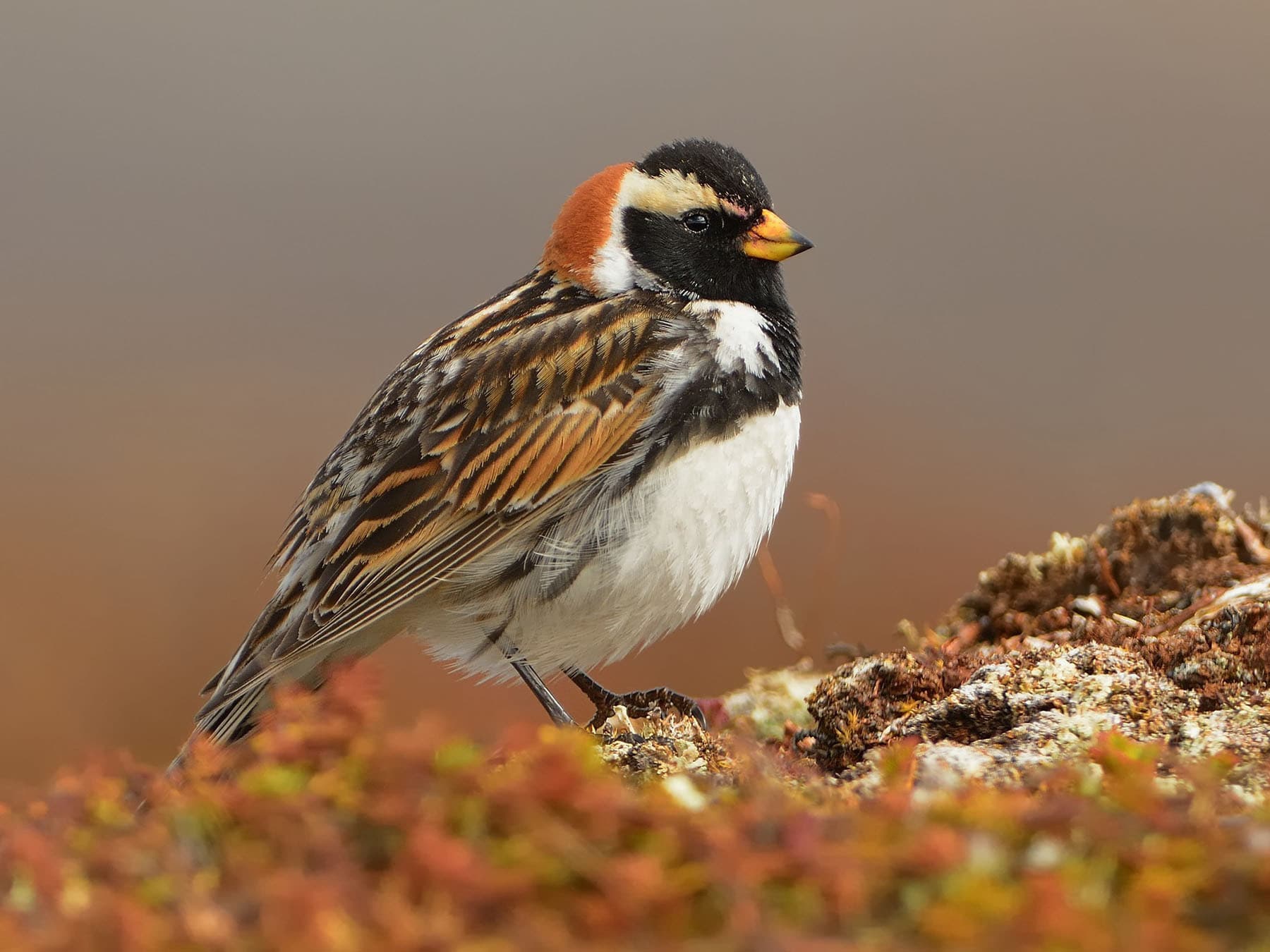
Lapland Longspur
Calcarius lapponicusLC
A rare autumn passage migrant, occasionally recorded on coastal stubble fields and short grassland around Durham in September.
Sep
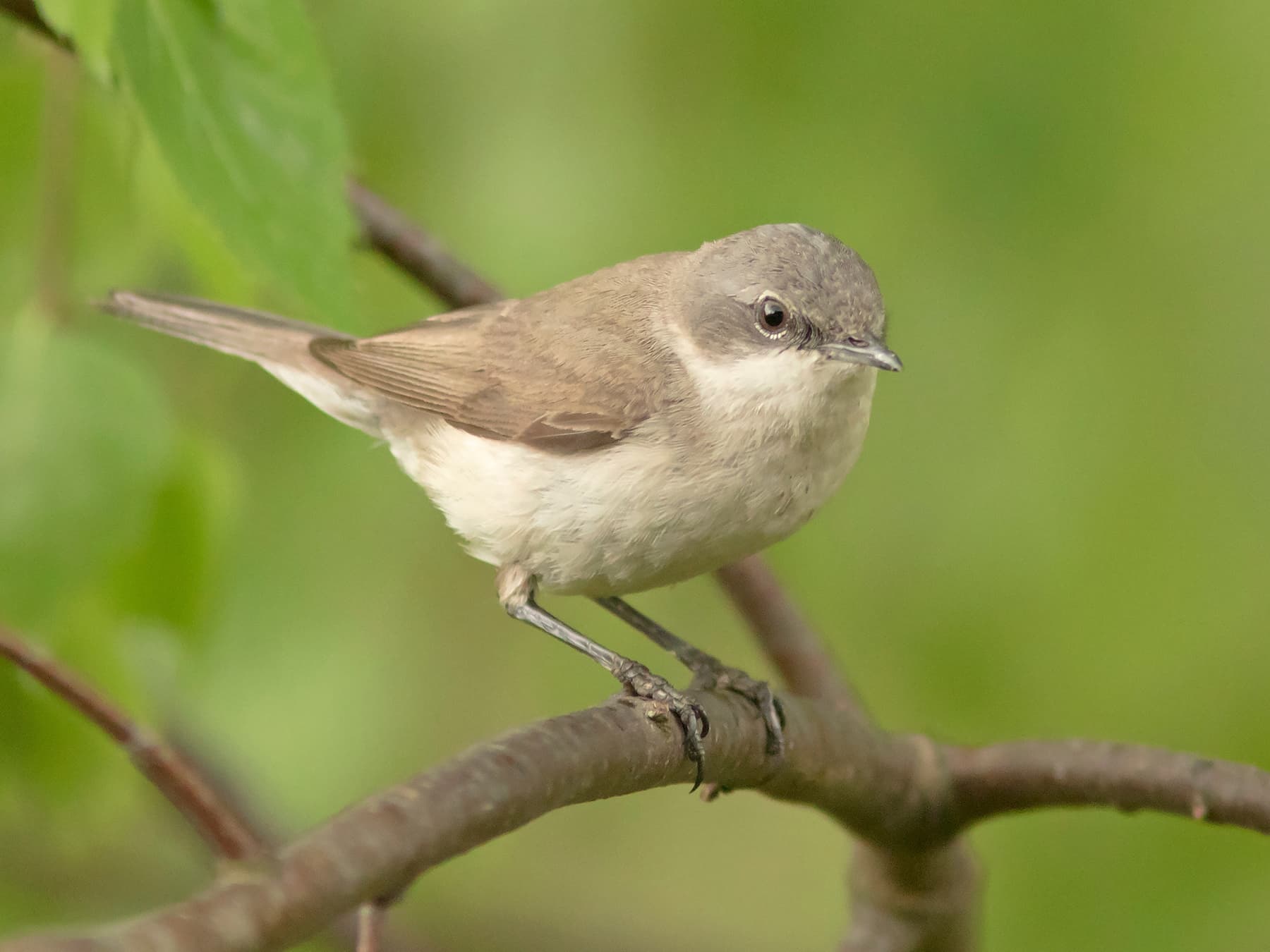
Lesser Whitethroat
Curruca currucaLC
A rare breeding visitor favouring tall hedgerows and scrubby thickets. Near the northern edge of its English range in Durham.
Apr–Oct