Rare Birds in Durham
107 species matching this filter.
Durham's diverse landscapes—from the rugged North Sea coastline to the upland moors of the Pennines—provide habitat for an impressive array of rare bird species. With 105 species classified as rare across the county, patient observers may be rewarded with sightings of Arctic Jaeger, Little Stint, and Barn Owl, among others. Coastal headlands, river valleys, and ancient woodlands each offer distinct opportunities for encountering these elusive visitors and scarce residents.


Showing 1–23 of 107 species
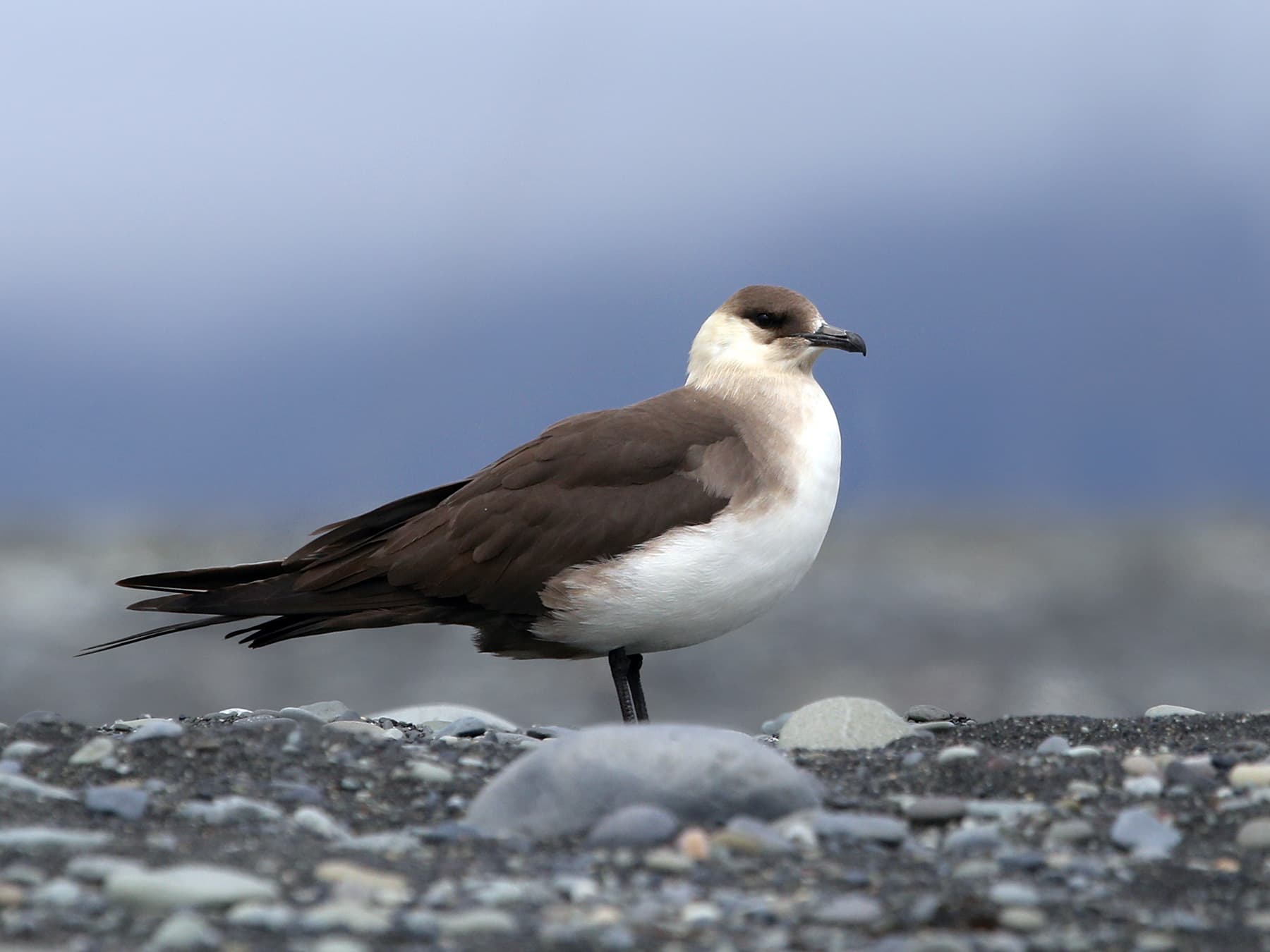
Arctic Jaeger
Stercorarius parasiticusLC
A rare passage migrant seen offshore from Durham's coast in late summer and autumn, often harassing terns and gulls for food.
Jul–Oct
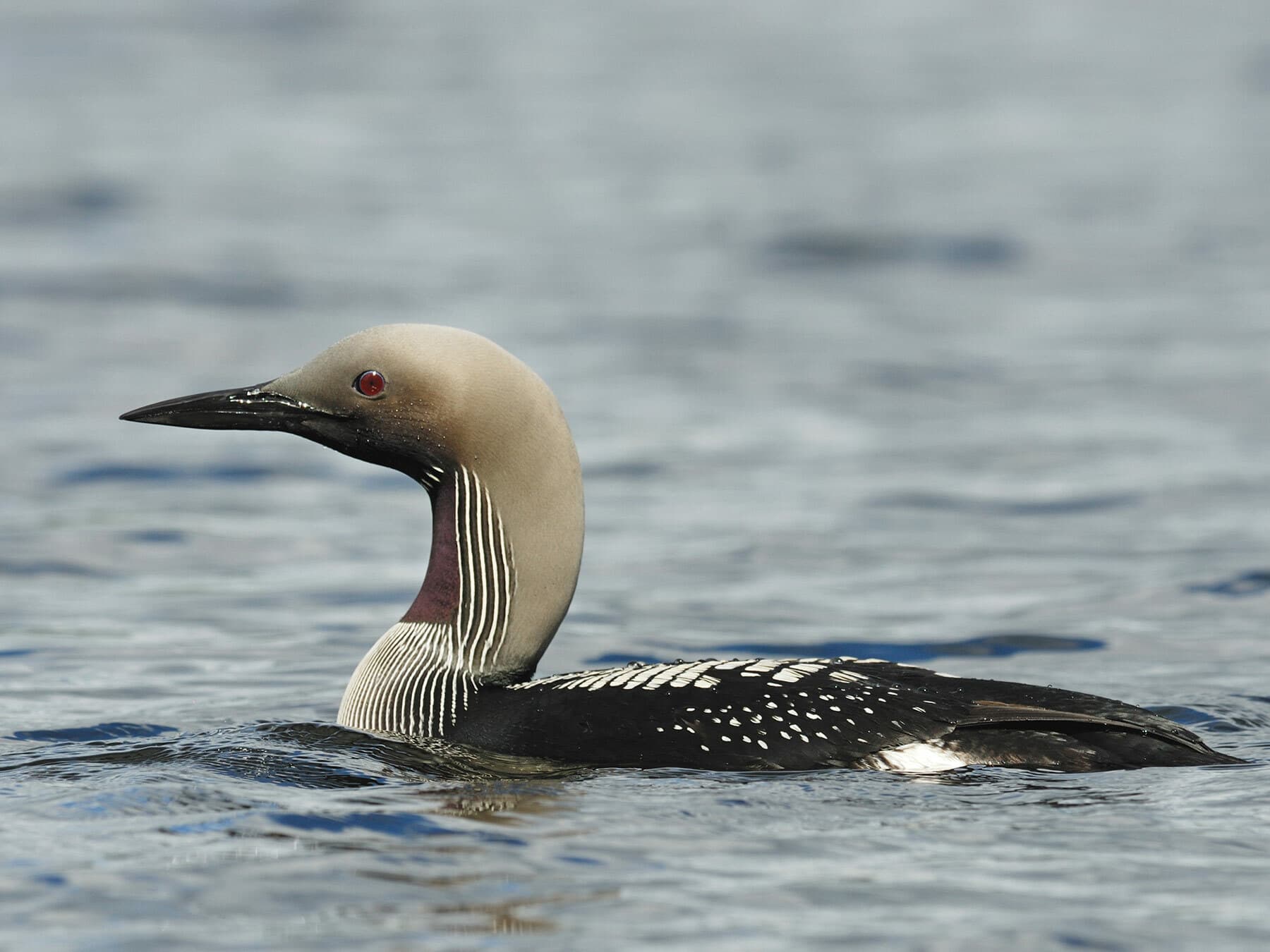
Arctic Loon
Gavia arcticaLC
A rare non-breeding visitor in winter months, occasionally seen offshore or on larger reservoirs. Scarcer than Red-throated Loon.
Oct–Feb
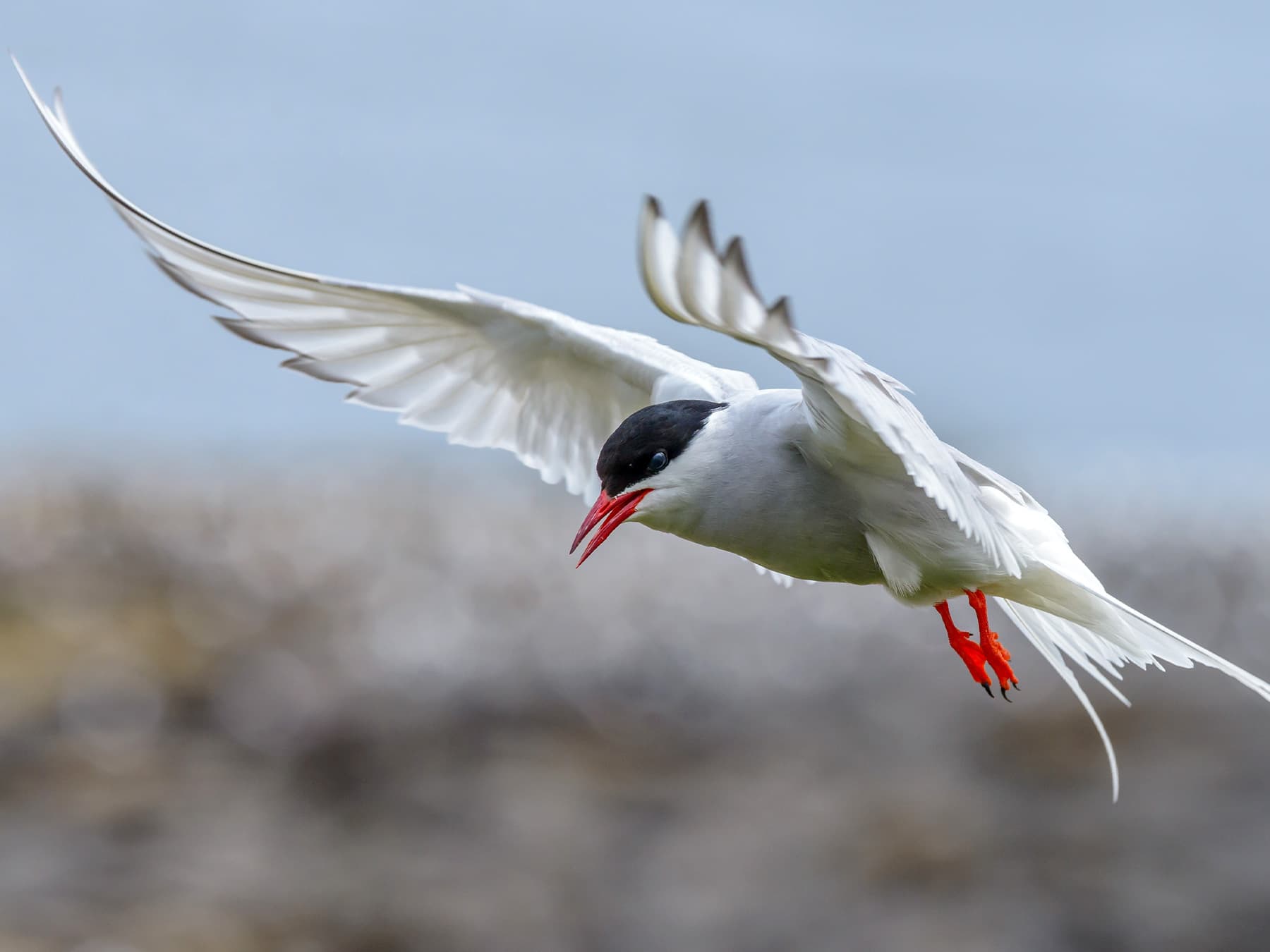
Arctic Tern
Sterna paradisaeaLC
A rare passage migrant from July to September, seen offshore during autumn seawatches. Breeds further north on the Farne Islands.
Jul–Sep
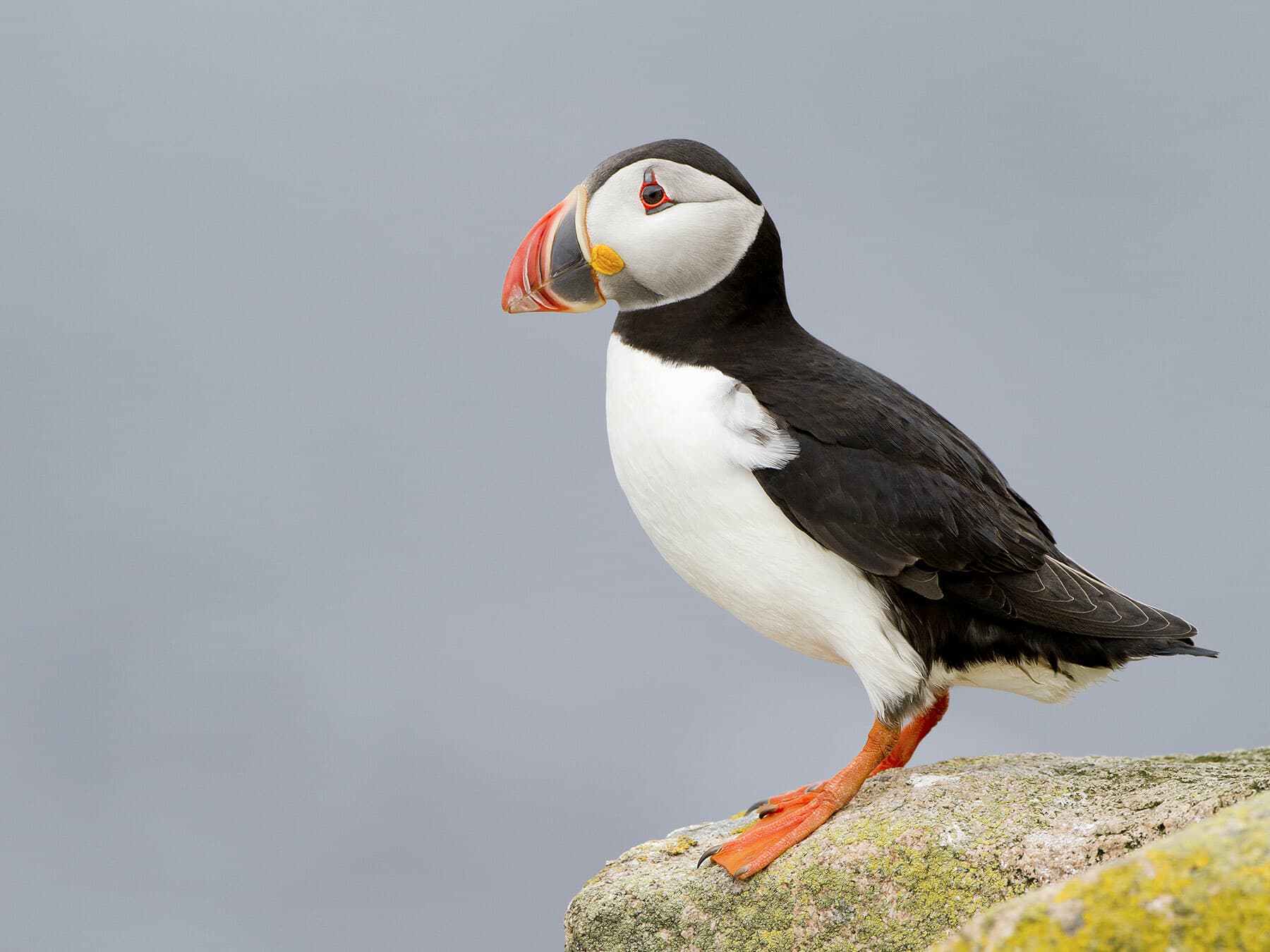
Atlantic Puffin
Fratercula arcticaVU
Rarely seen offshore in June, occasionally passing Durham's coast. The nearest breeding colonies lie further north on the Farne Islands.
Jun
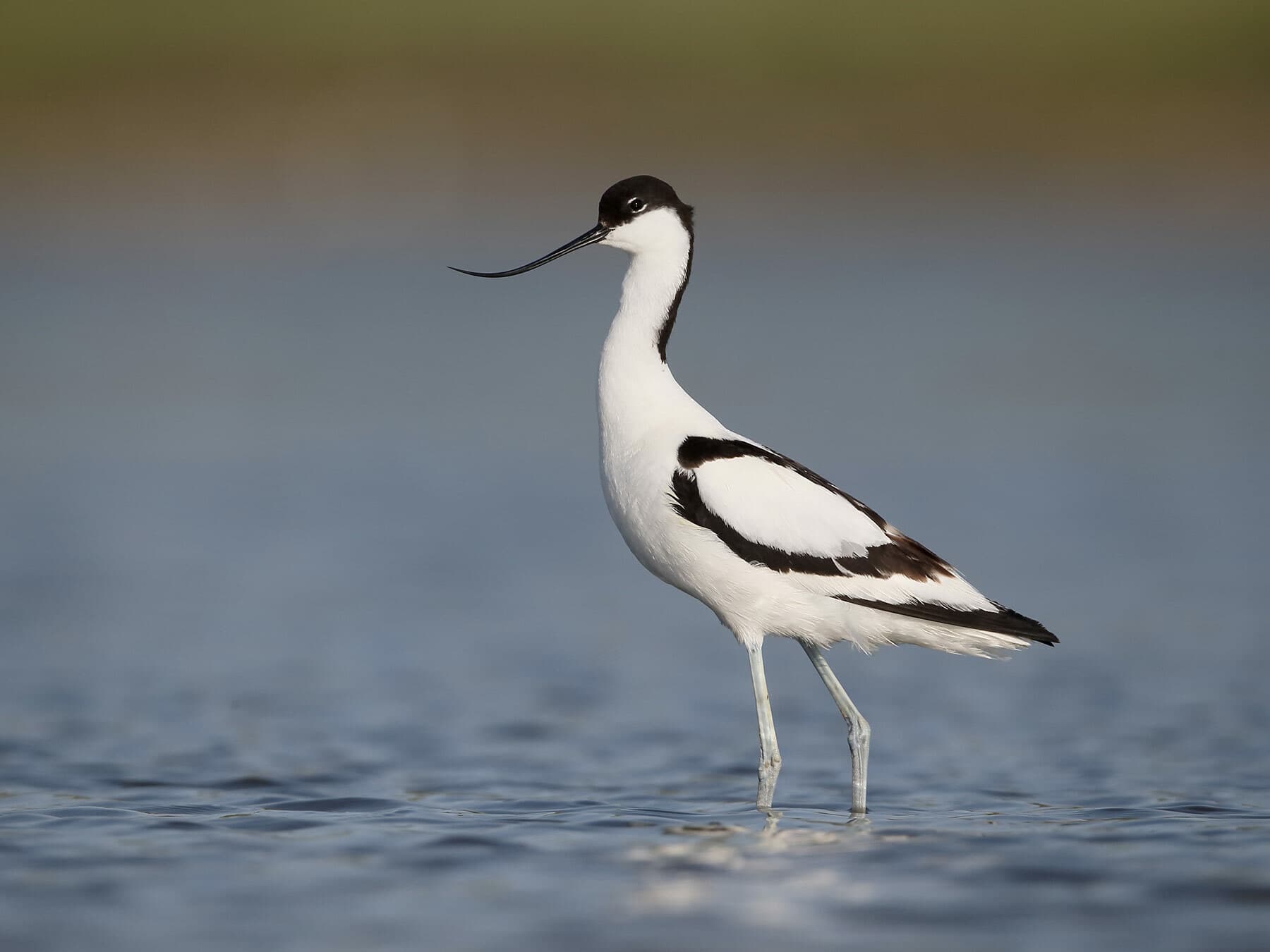
Avocet
Recurvirostra avosettaLC
A rare breeding visitor, part of the species' northward expansion. Present at coastal wetlands from late winter through autumn.
Feb–Oct
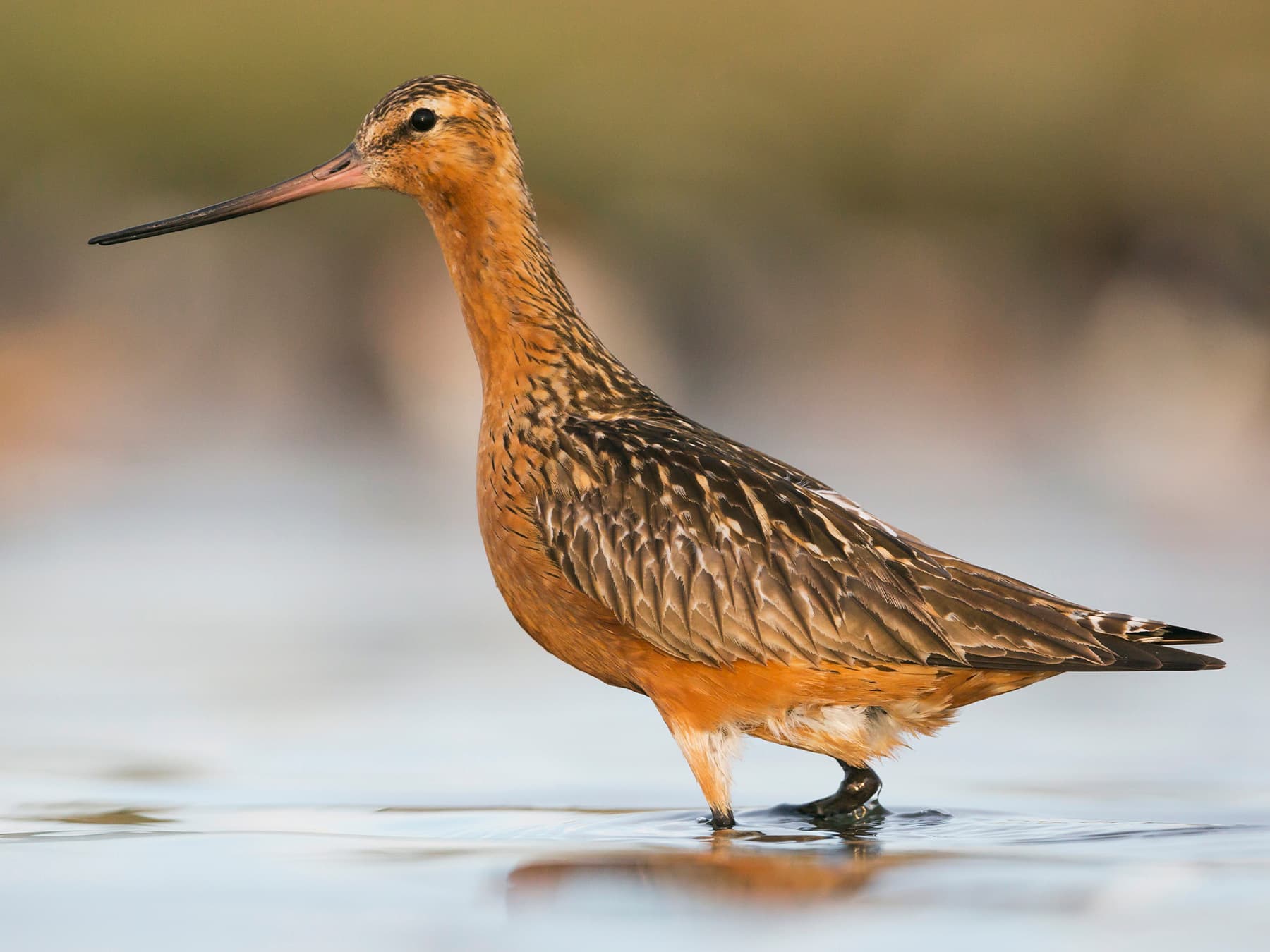
Bar-tailed Godwit
Limosa lapponicaNT
A rare non-breeding visitor to the Durham coast, mainly seen on passage at estuaries and rocky shores outside the summer months.
Jul–Mar
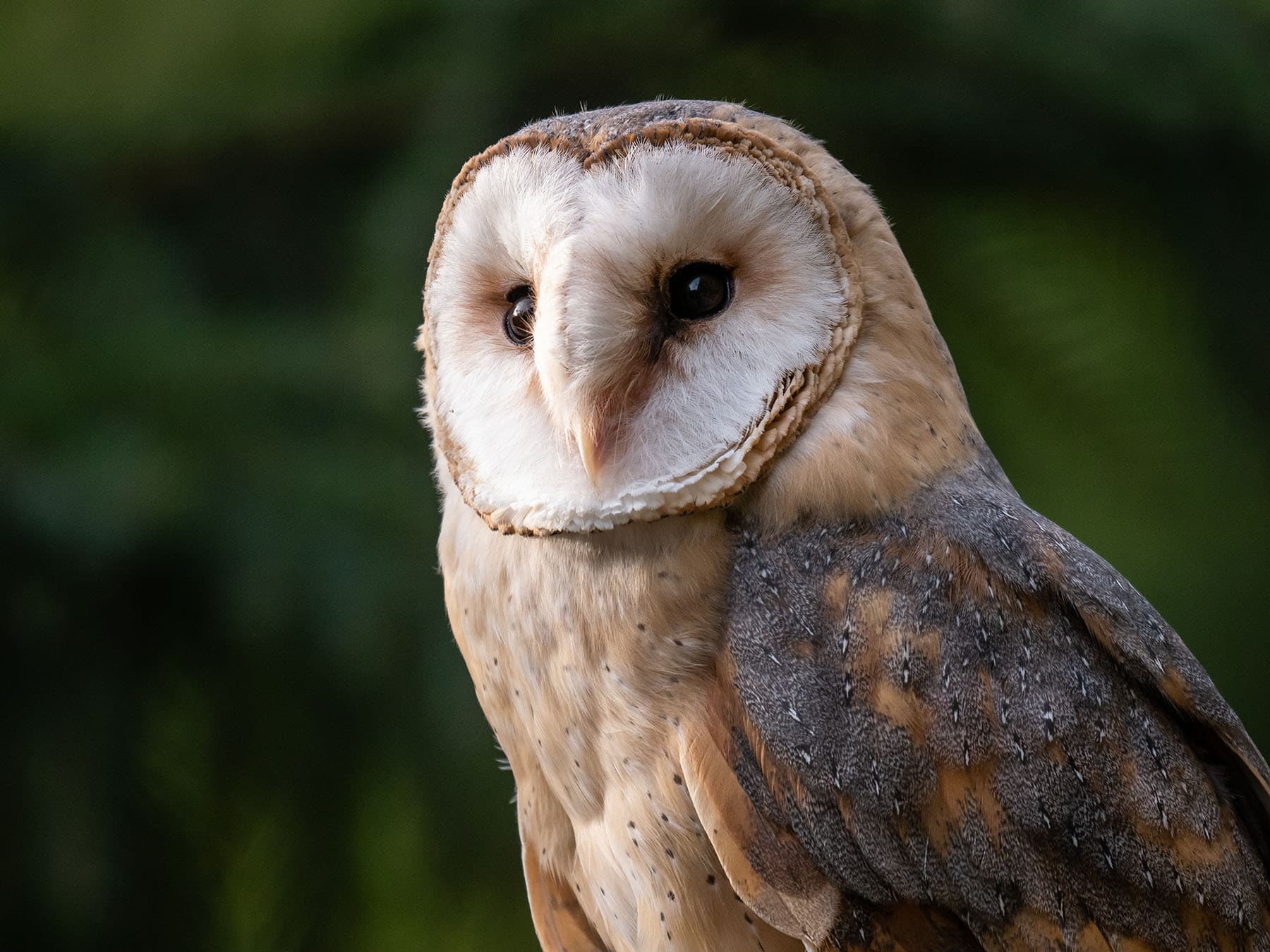
Barn Owl
Tyto albaLC
A rare but year-round resident, hunting over rough grassland and farmland. Ghostly white form sometimes seen at dusk along country lanes.
Year-round
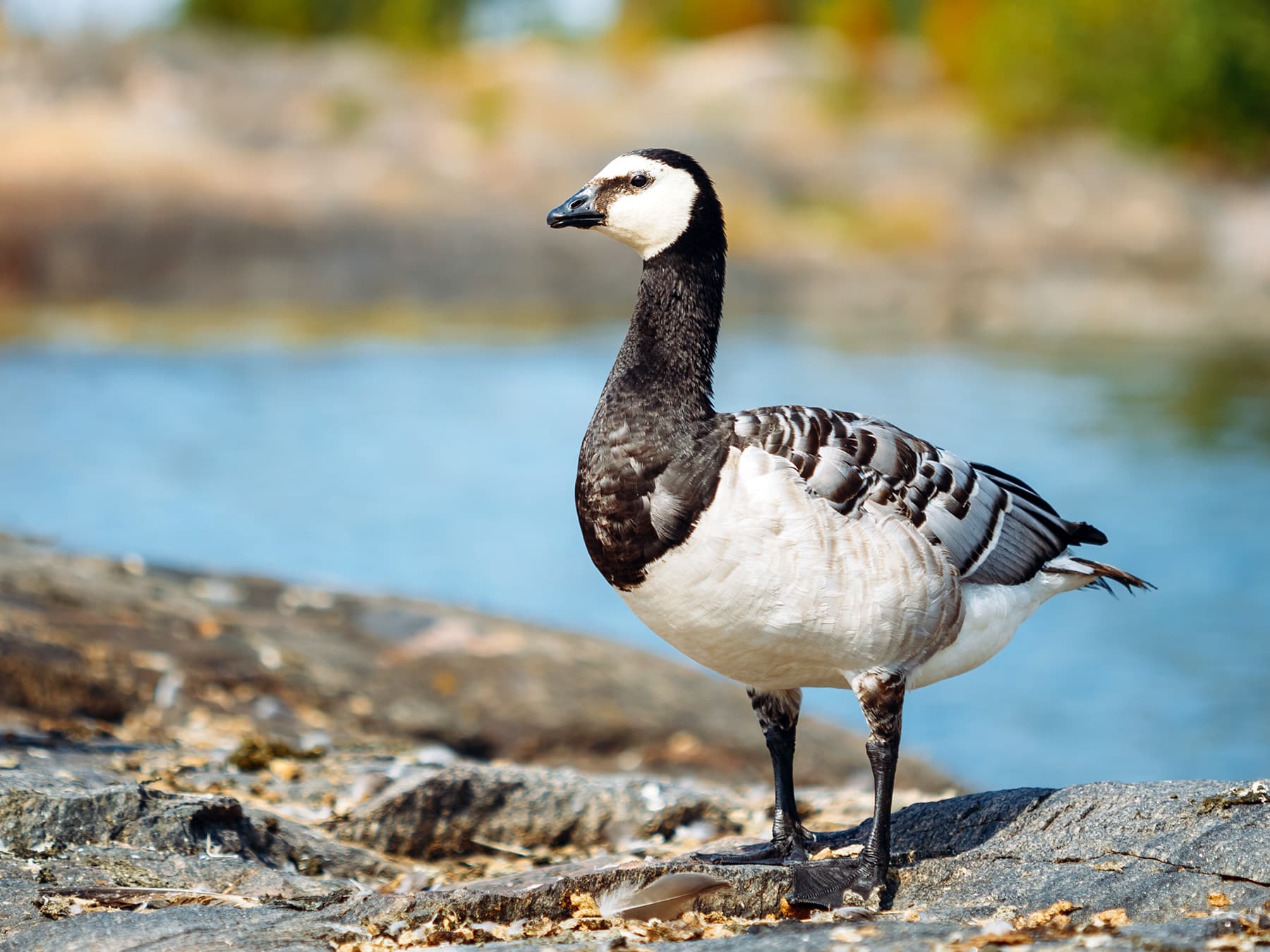
Barnacle Goose
Branta leucopsisLC
A rare passage visitor recorded in February and October. Most sightings likely involve wild birds from the Svalbard population.
Oct–Feb
Spotted something?
Upload a photo to identify it
Identify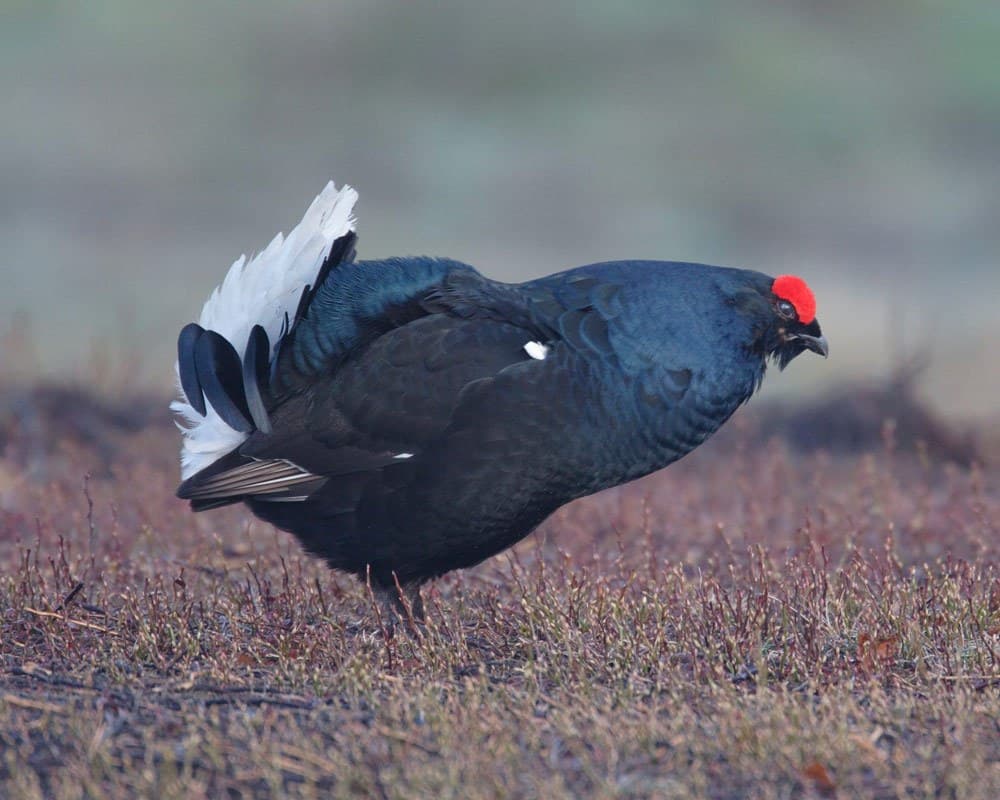
Black Grouse
Lyrurus tetrixLC
A rare and declining resident of moorland edges and rough pasture in the Durham dales. Males display at traditional lek sites in spring.
Year-round
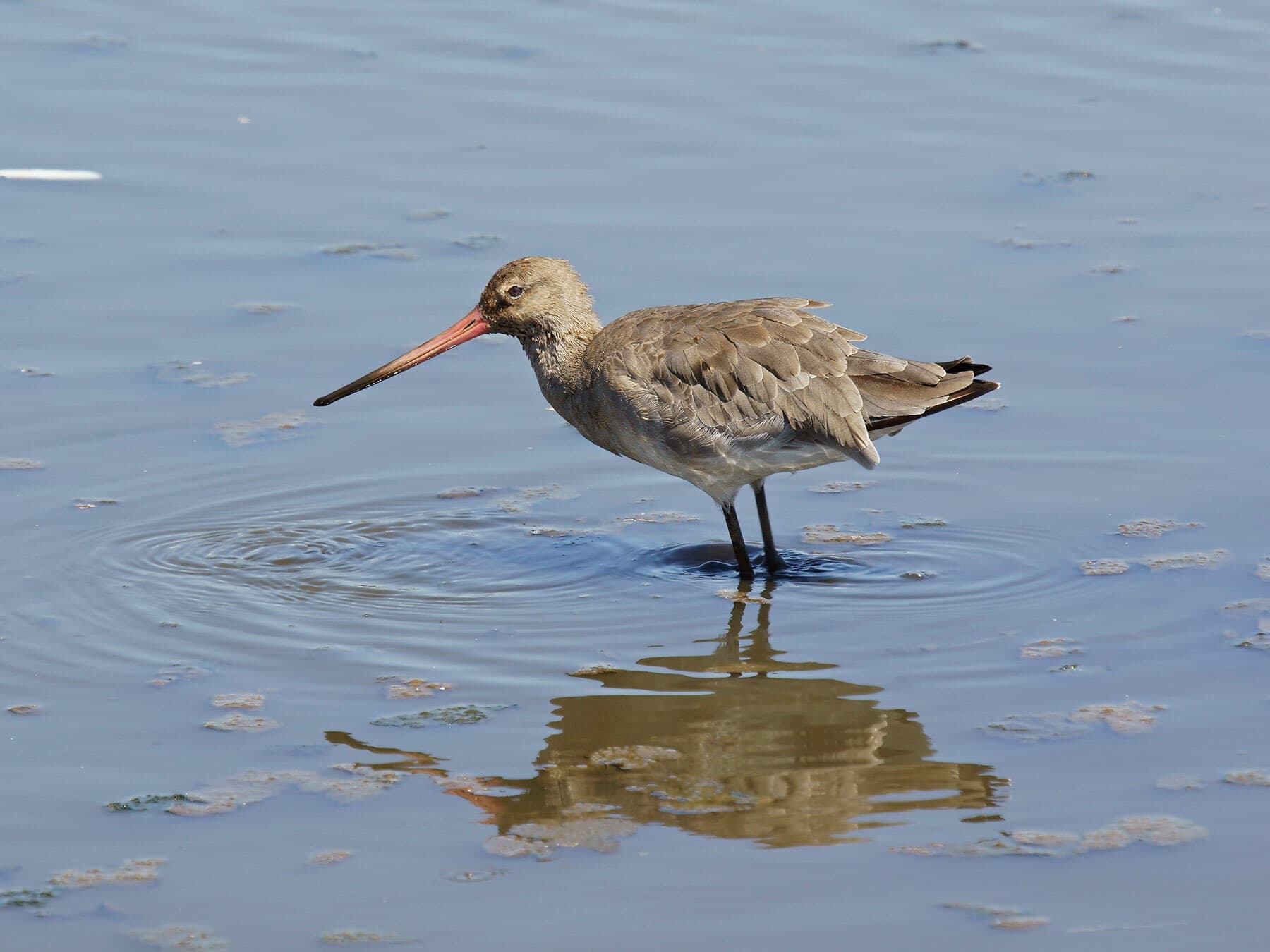
Black-tailed Godwit
Limosa limosaNT
A rare year-round visitor to Durham's wetlands and coastal mudflats. Numbers have increased nationally but sightings here remain scarce.
Jun–Apr
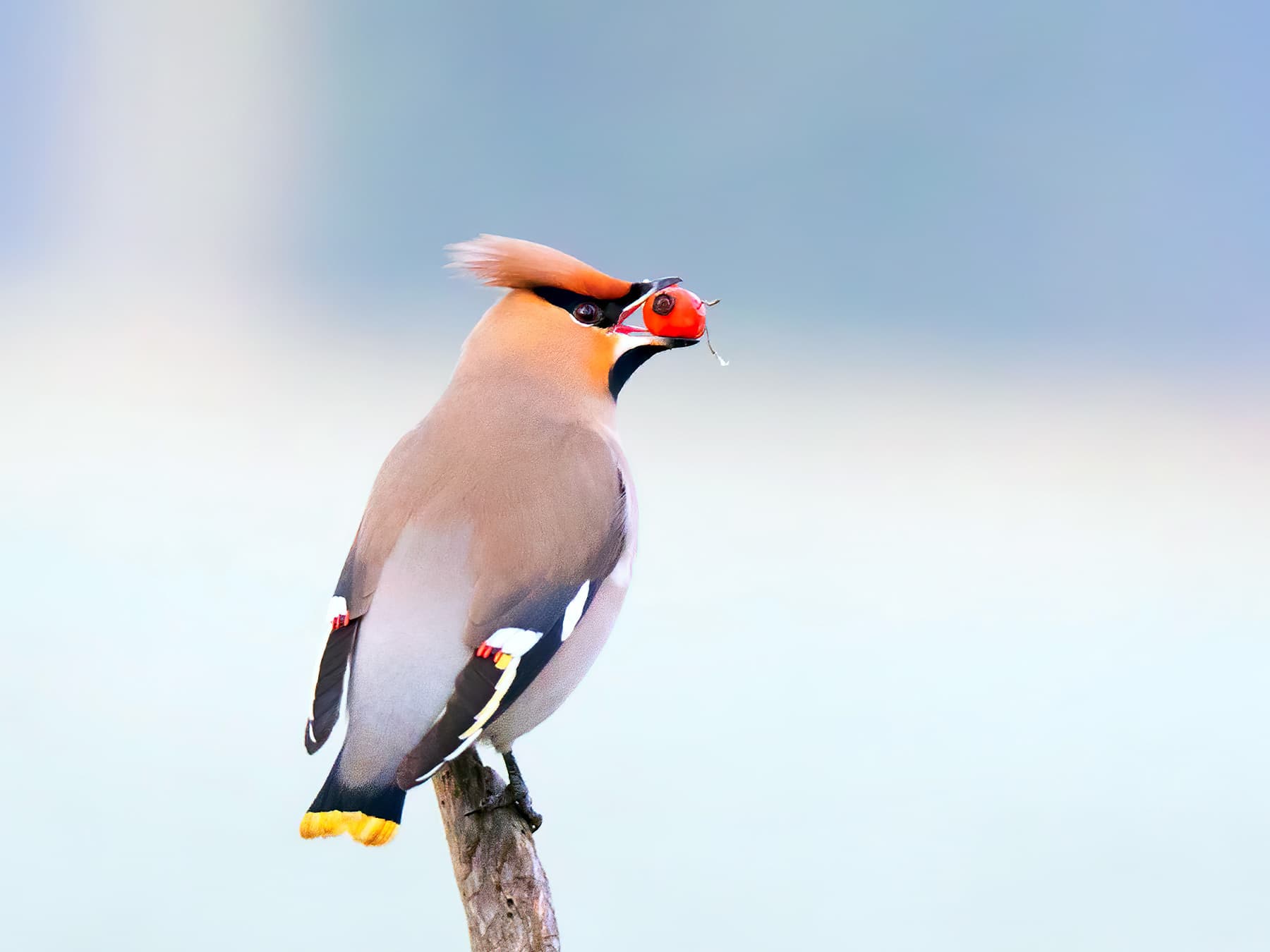
Bohemian Waxwing
Bombycilla garrulusLC
An irruptive winter visitor, occasionally descending on Durham's berry-laden trees in towns during cold spells from December to February.
Dec–Feb
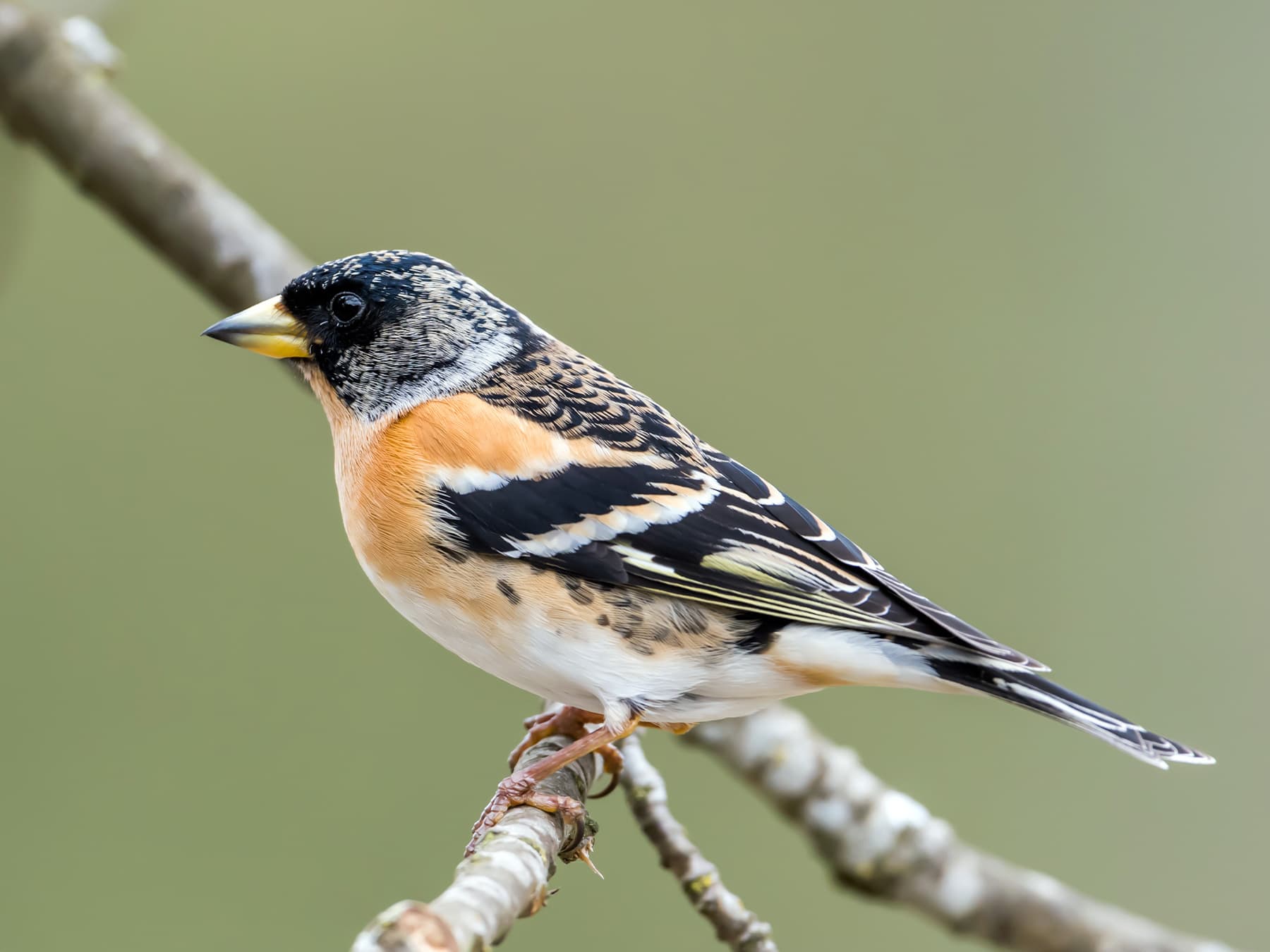
Brambling
Fringilla montifringillaLC
A rare winter visitor from Scandinavia, sometimes joining chaffinch flocks at woodland edges and farmland from October to April.
Oct–Apr
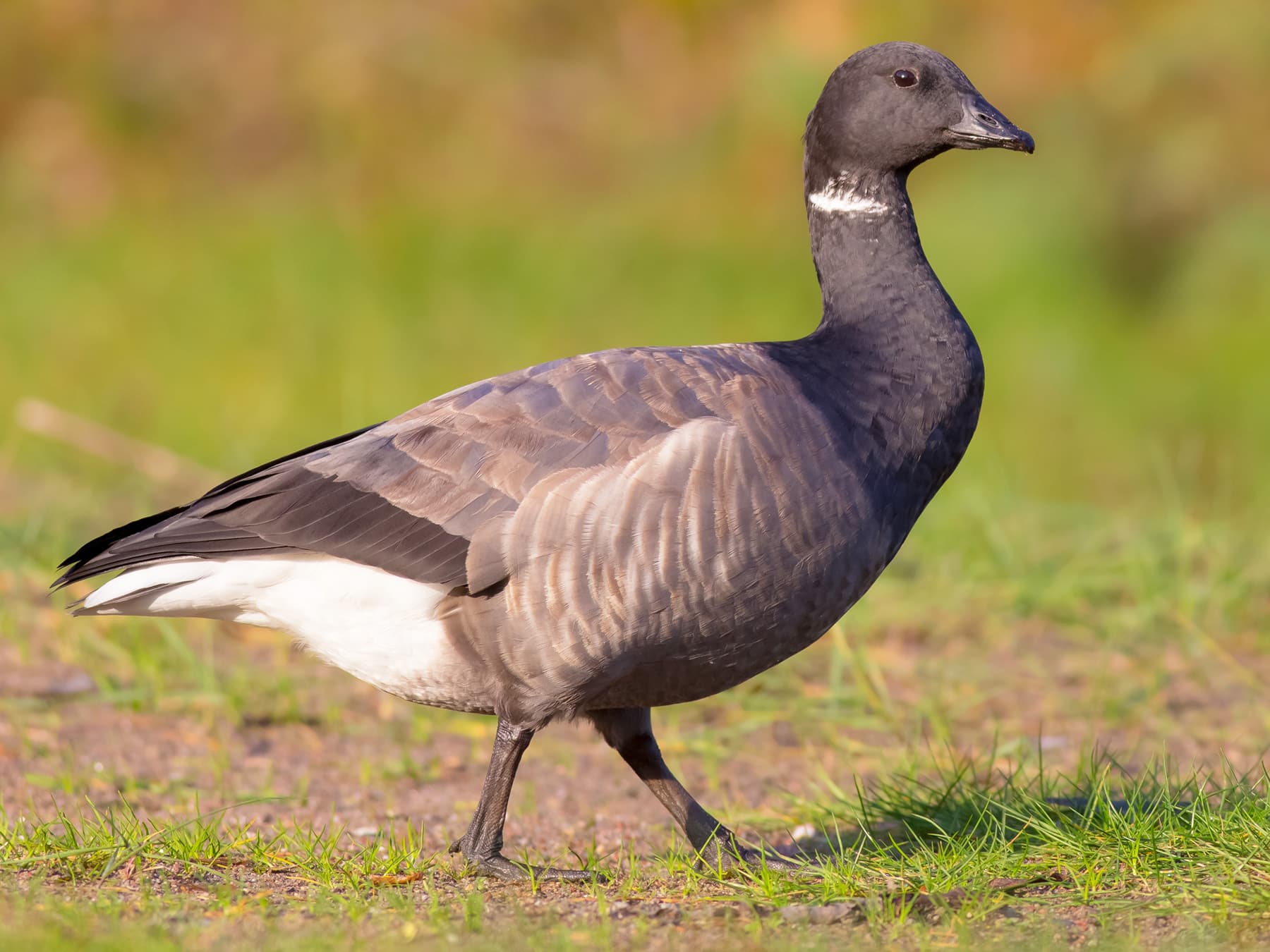
Brent Goose
Branta berniclaLC
A rare autumn passage migrant, occasionally seen along the Durham coast between September and November.
Sep–Nov
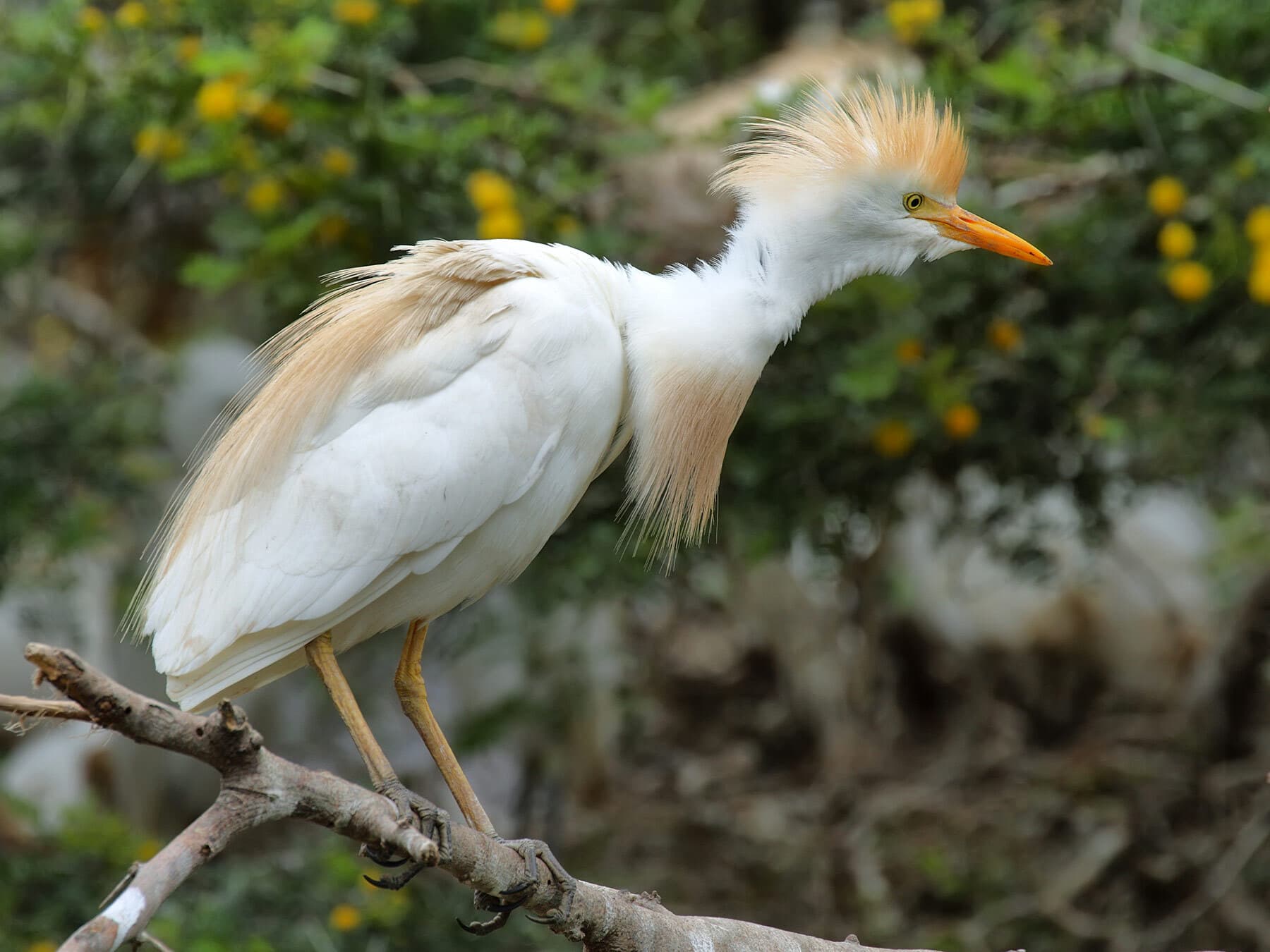
Cattle Egret
Bubulcus ibisLC
A rare autumn passage visitor reflecting the species' recent northward expansion in Britain. Typically found near livestock in lowland pastures.
Oct
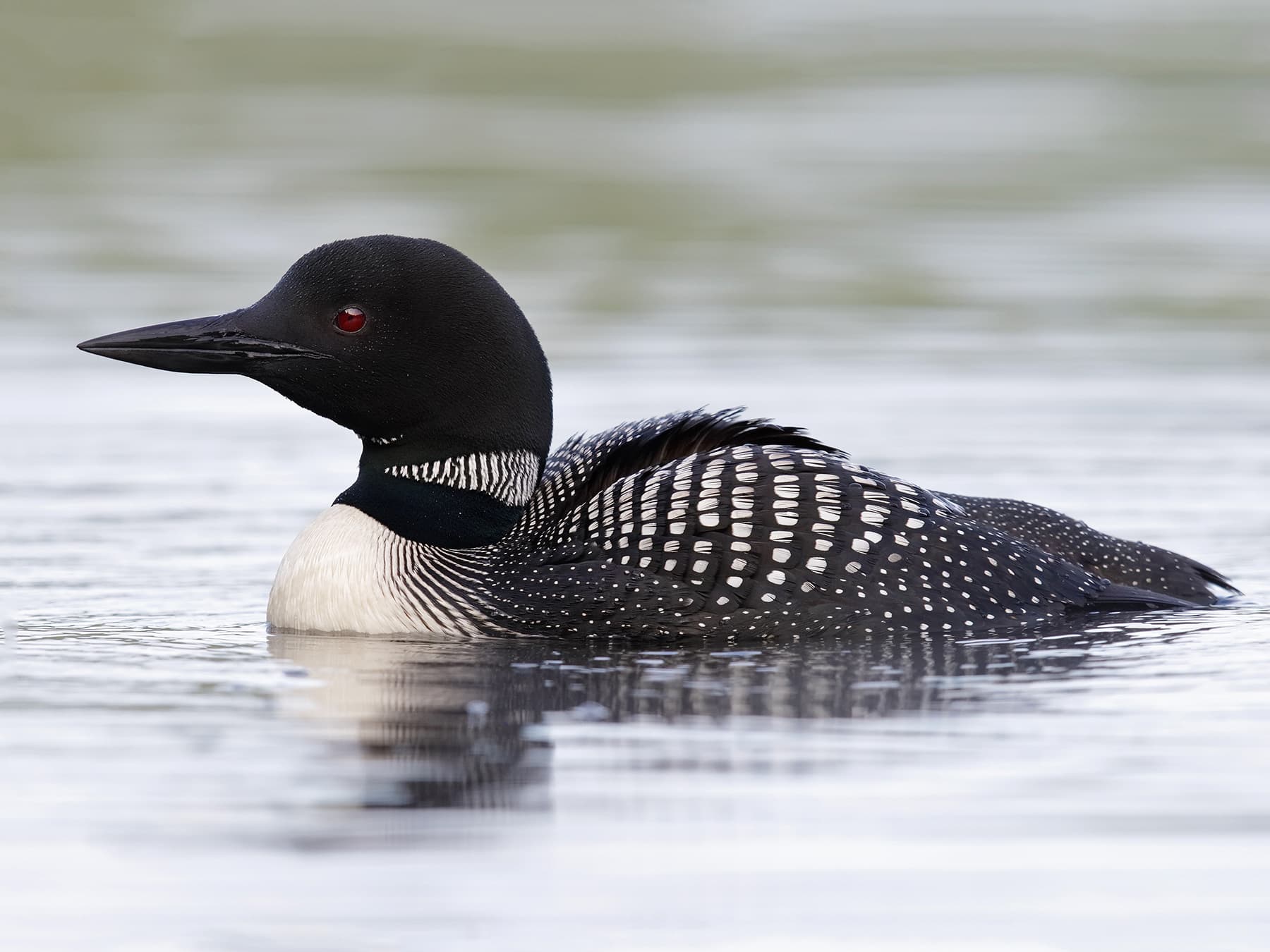
Common Loon
Gavia immerLC
A rare winter visitor in December to February, occasionally found offshore or on large inland water bodies during cold spells.
Dec–Feb
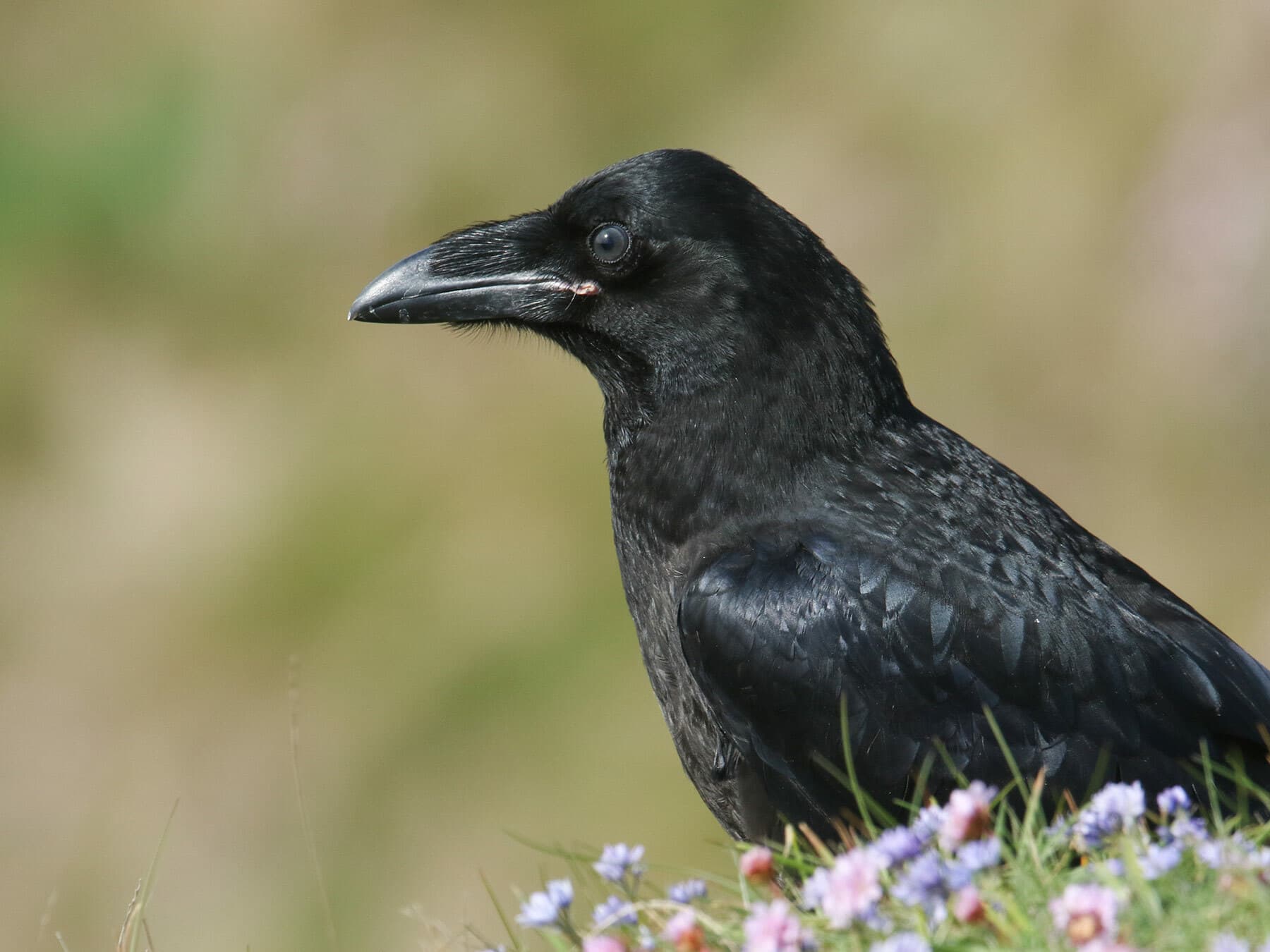
Common Raven
Corvus coraxLC
A rare but increasing resident, favouring the western uplands and Pennine fringe. Deep cronking calls betray its presence.
Aug–May
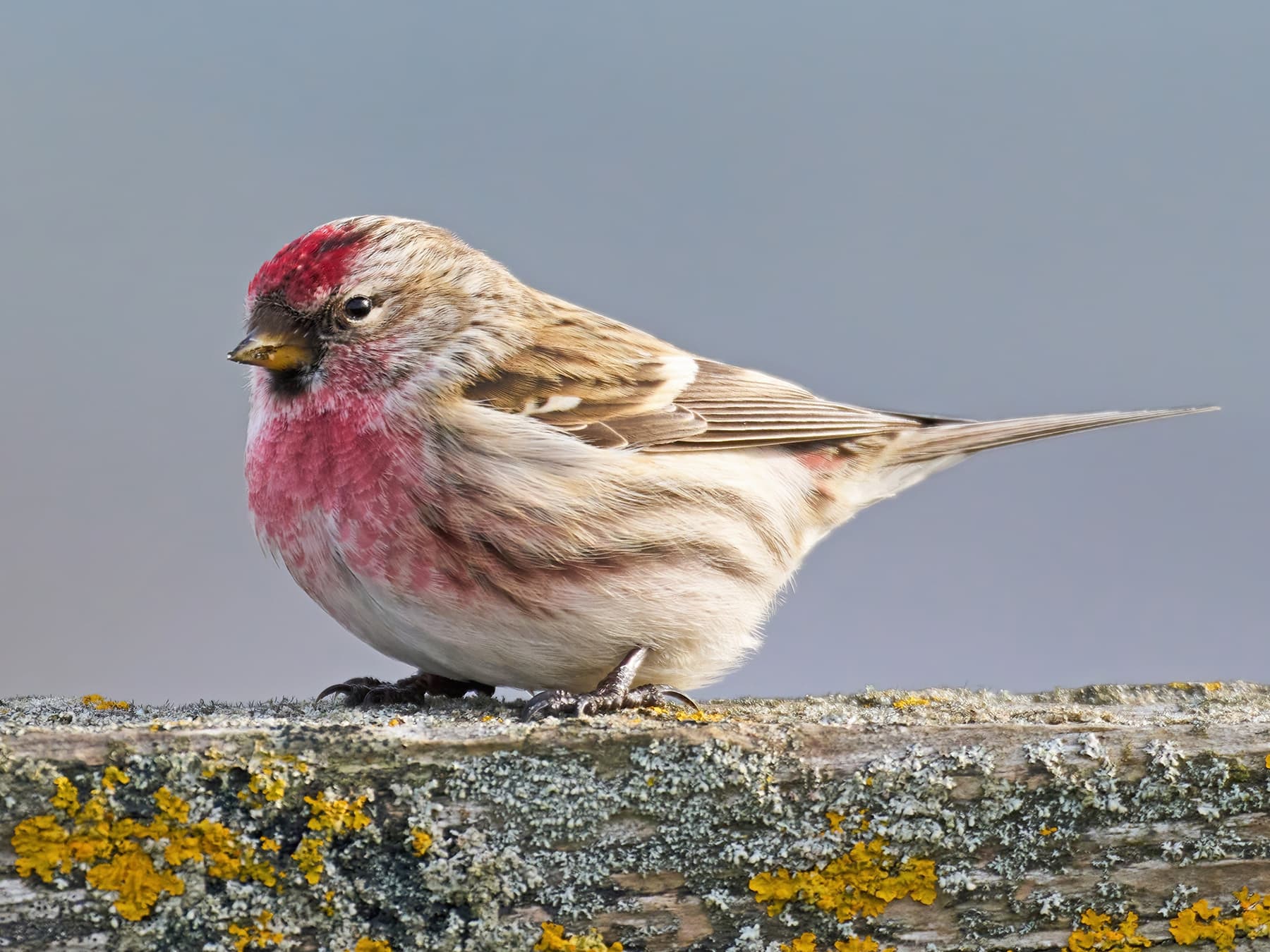
Common Redpoll
Acanthis flammeaLC
A rare resident found in birch and alder woodland, sometimes visiting garden feeders in winter with siskin flocks.
Year-round
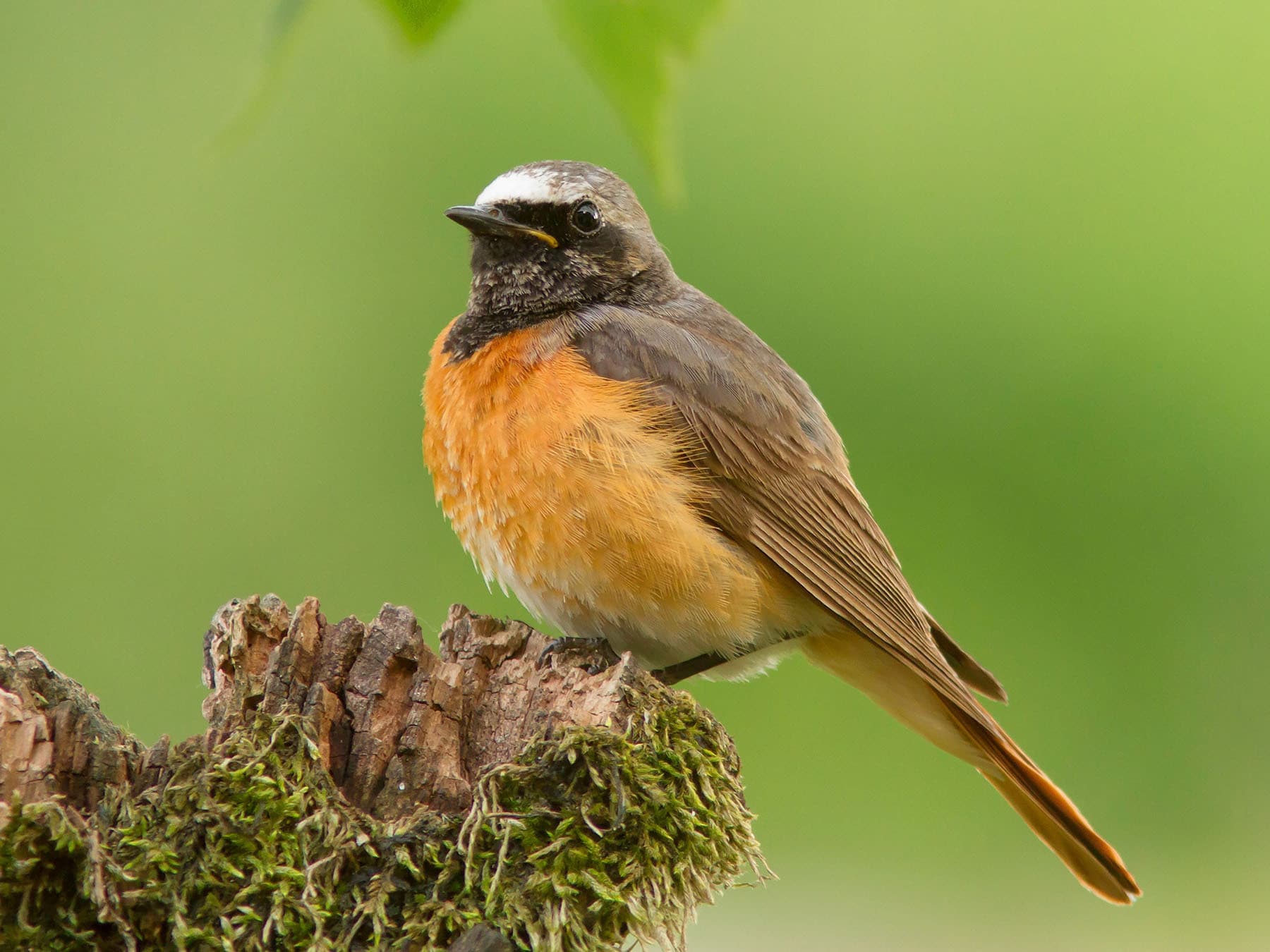
Common Redstart
Phoenicurus phoenicurusLC
A rare breeding visitor to Durham's upland oak woodlands from April to September, favouring mature trees with nest holes.
Apr–Sep
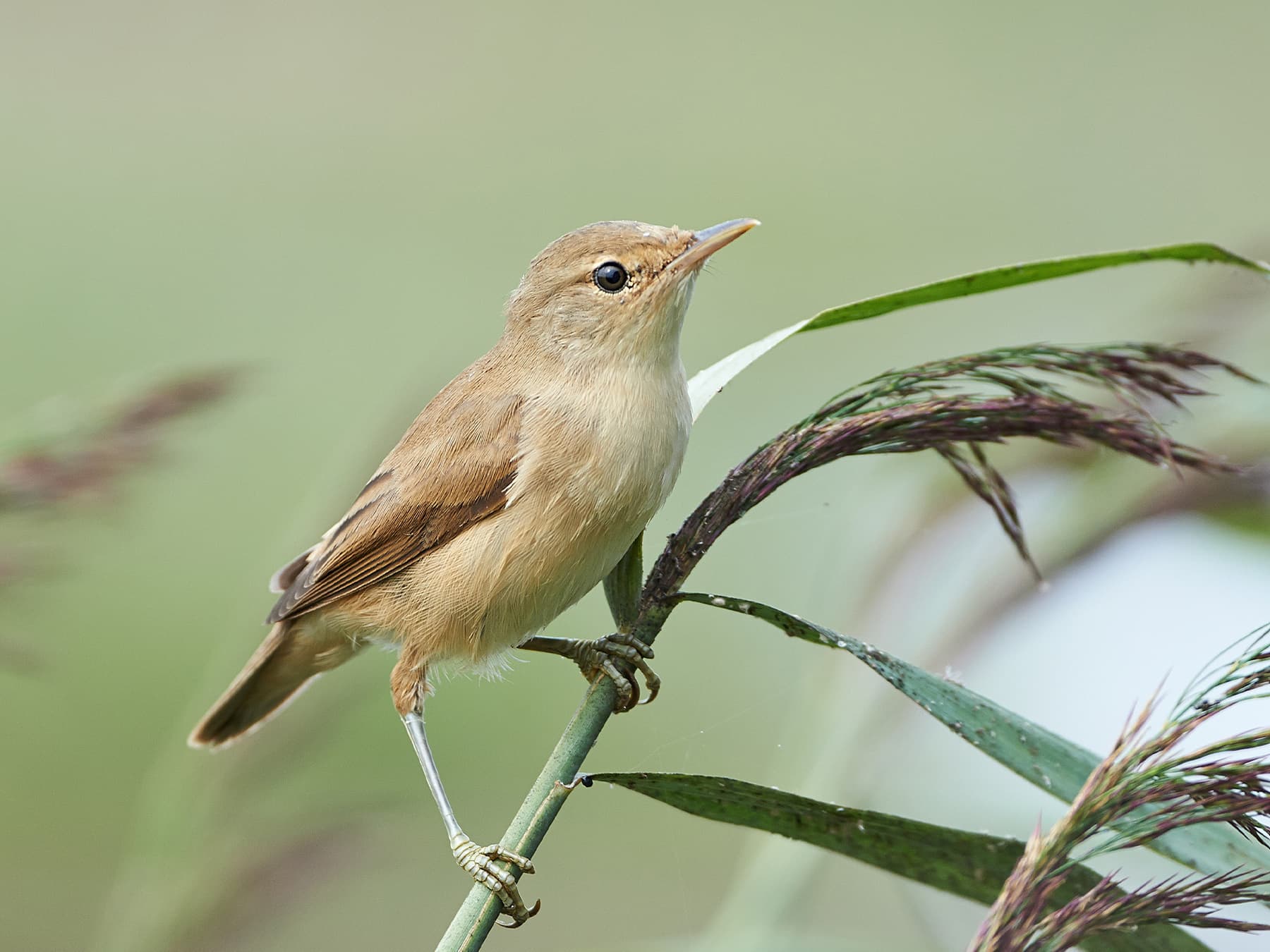
Common Reed-warbler
Acrocephalus scirpaceusLC
A rare breeding visitor near the northern limit of its range, found in reedbeds from April to August.
Apr–Aug
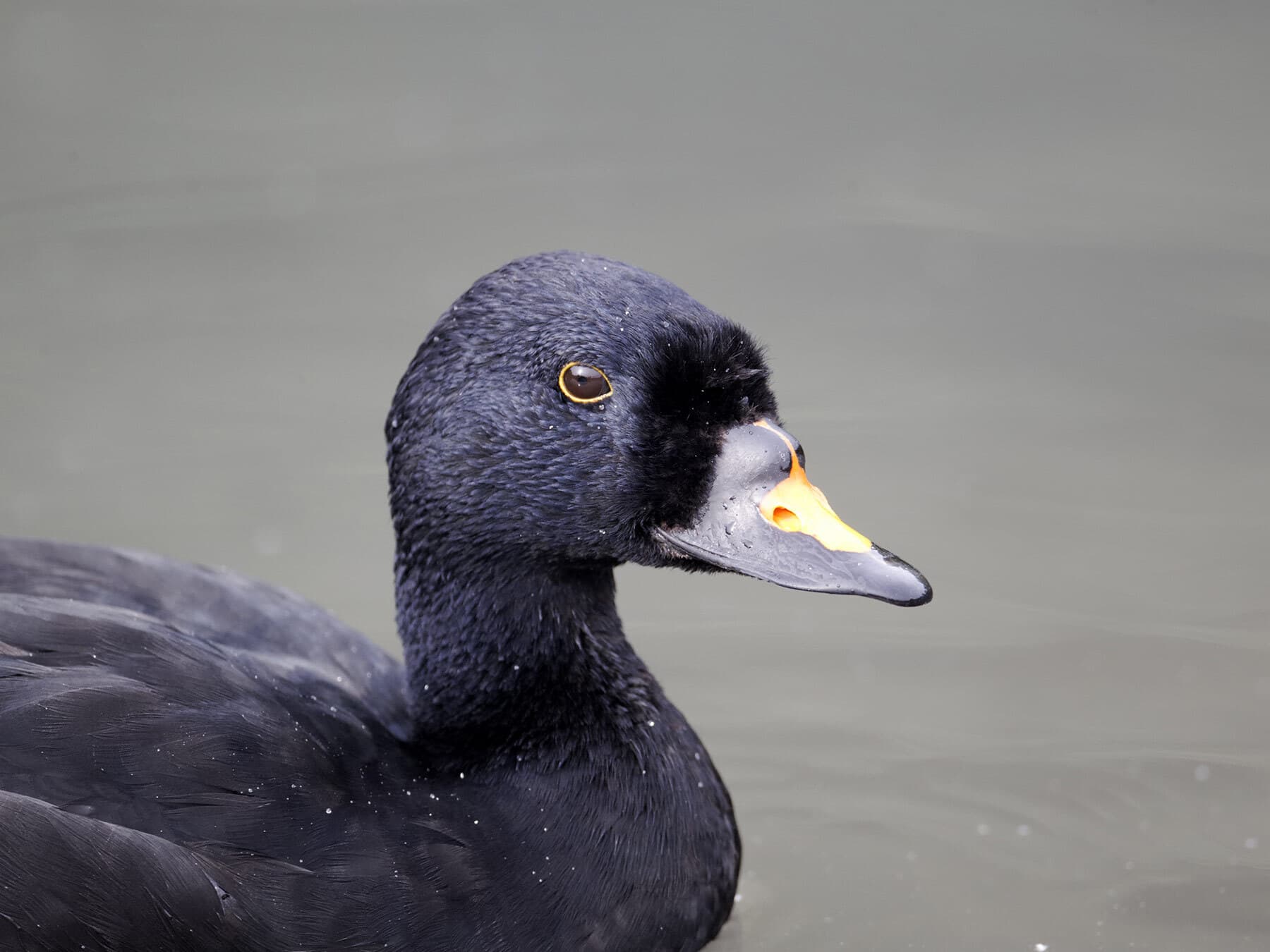
Common Scoter
Melanitta nigraLC
A rare but near year-round presence offshore. Small flocks are seen from the Durham coast, with numbers peaking during passage.
May–Mar
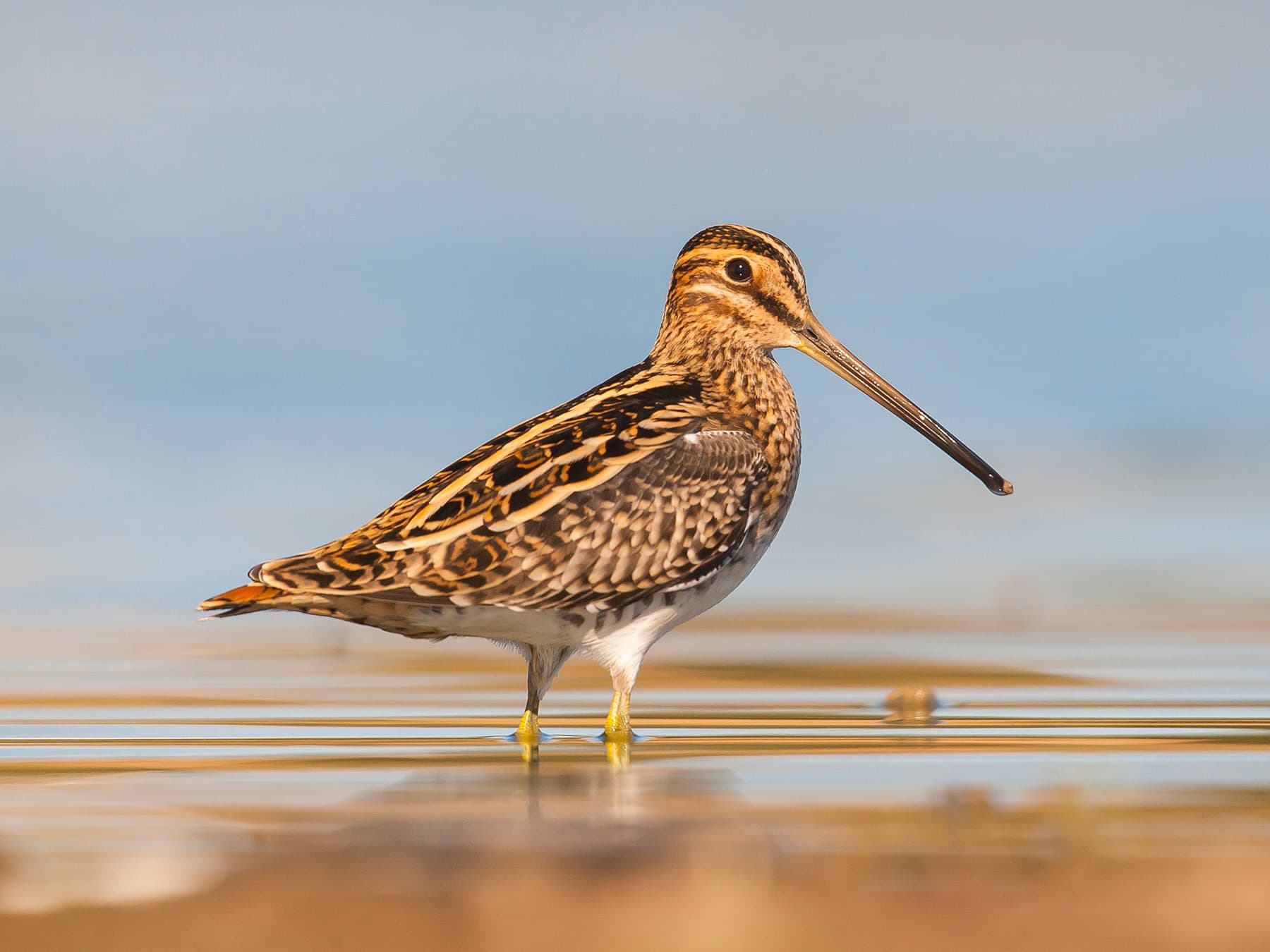
Common Snipe
Gallinago gallinagoLC
A scarce year-round resident of boggy moorland and wet meadows. Its drumming display in spring is heard on Durham's uplands but declining breeding numbers.
Year-round
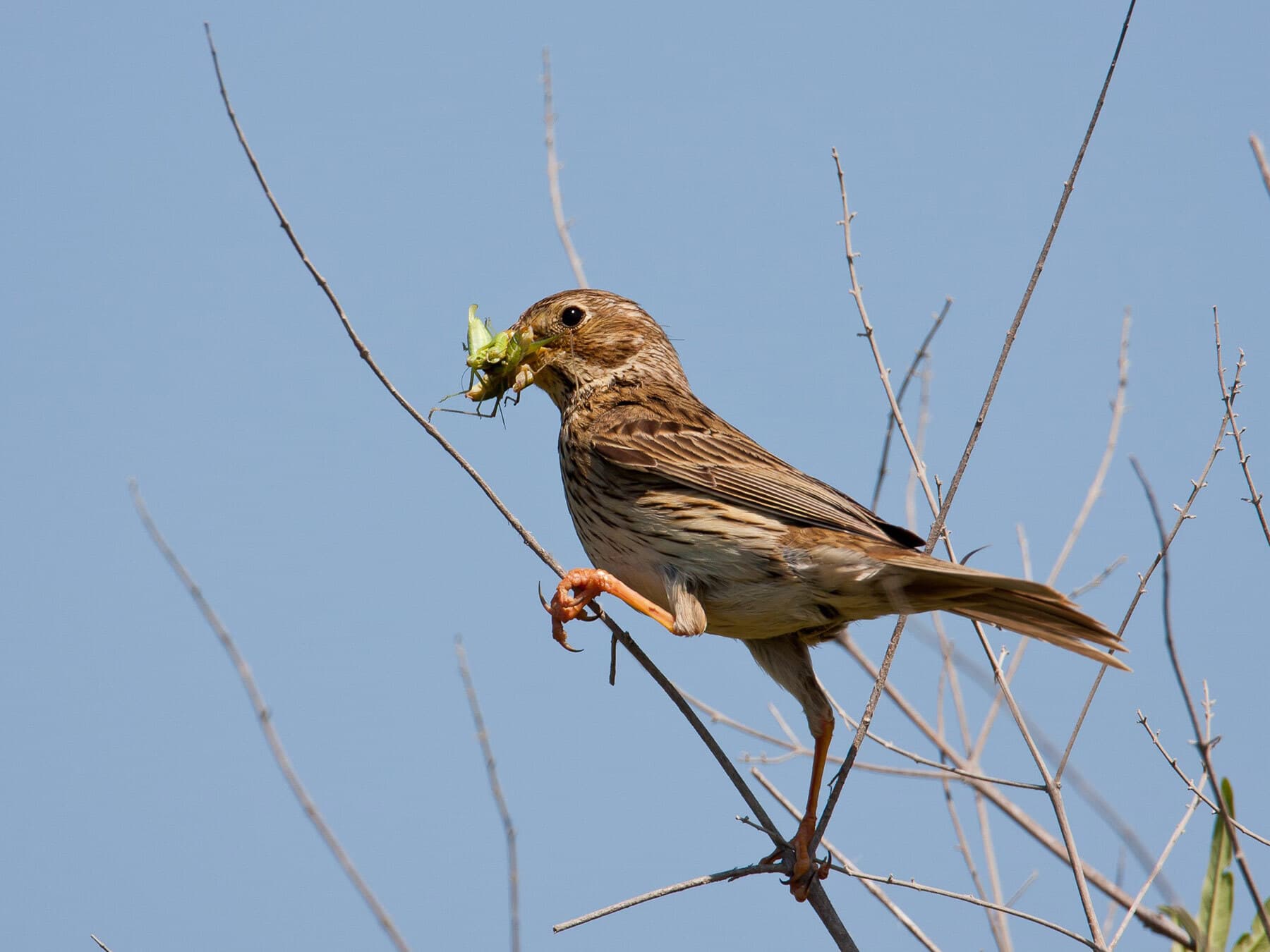
Corn Bunting
Emberiza calandraLC
A rare and declining breeding species, clinging on in scattered arable farmland pockets. Its jangling song is now seldom heard in the county.
May–Jul
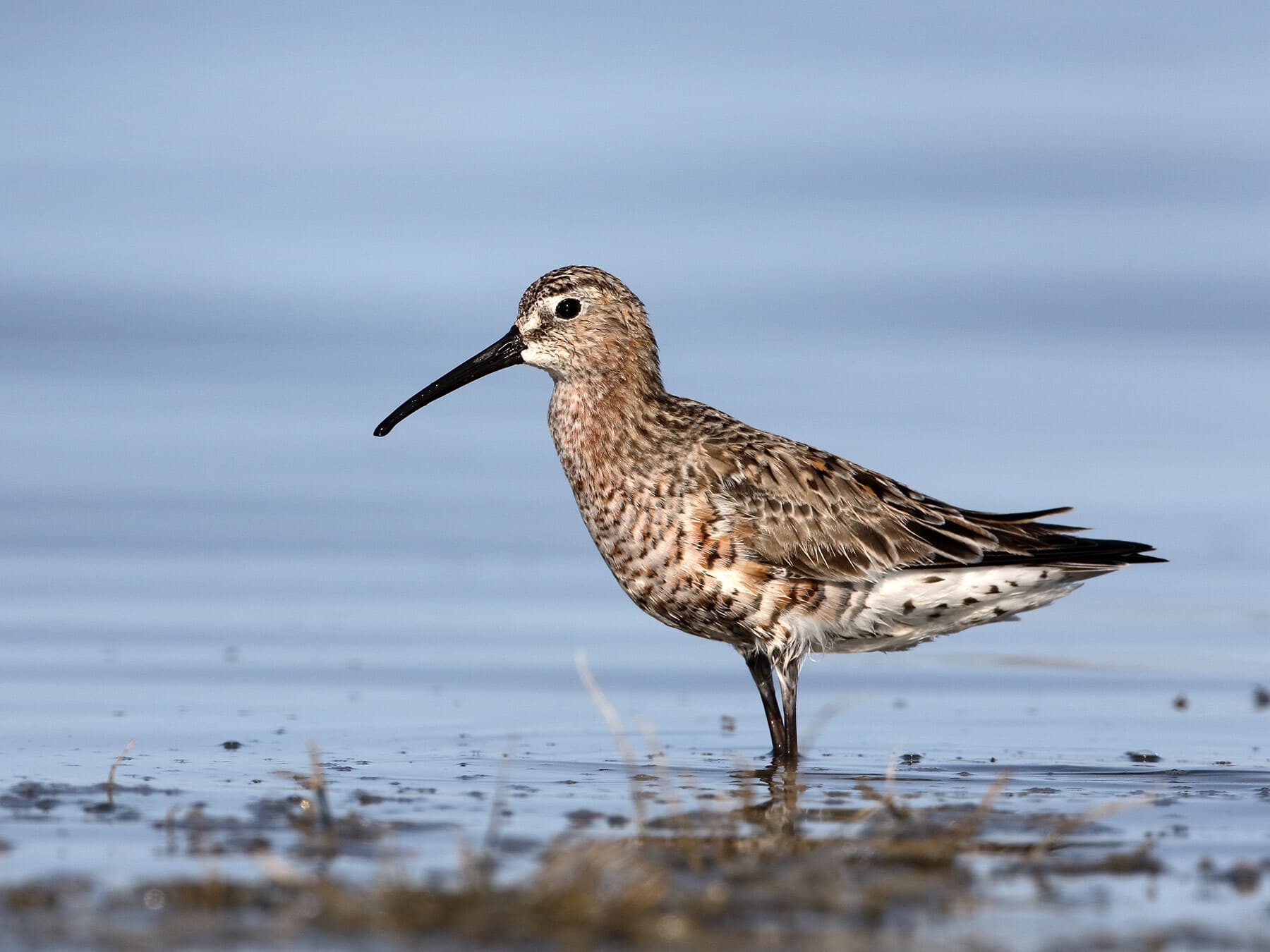
Curlew Sandpiper
Calidris ferrugineaNT
A rare autumn passage migrant, typically appearing at coastal pools and mudflats in August–September. Often found feeding alongside Dunlin.
Aug–Sep