Rare Birds in Durham
107 species matching this filter.
Durham's diverse landscapes—from the rugged North Sea coastline to the upland moors of the Pennines—provide habitat for an impressive array of rare bird species. With 105 species classified as rare across the county, patient observers may be rewarded with sightings of Arctic Jaeger, Little Stint, and Barn Owl, among others. Coastal headlands, river valleys, and ancient woodlands each offer distinct opportunities for encountering these elusive visitors and scarce residents.


Showing 47–69 of 107 species
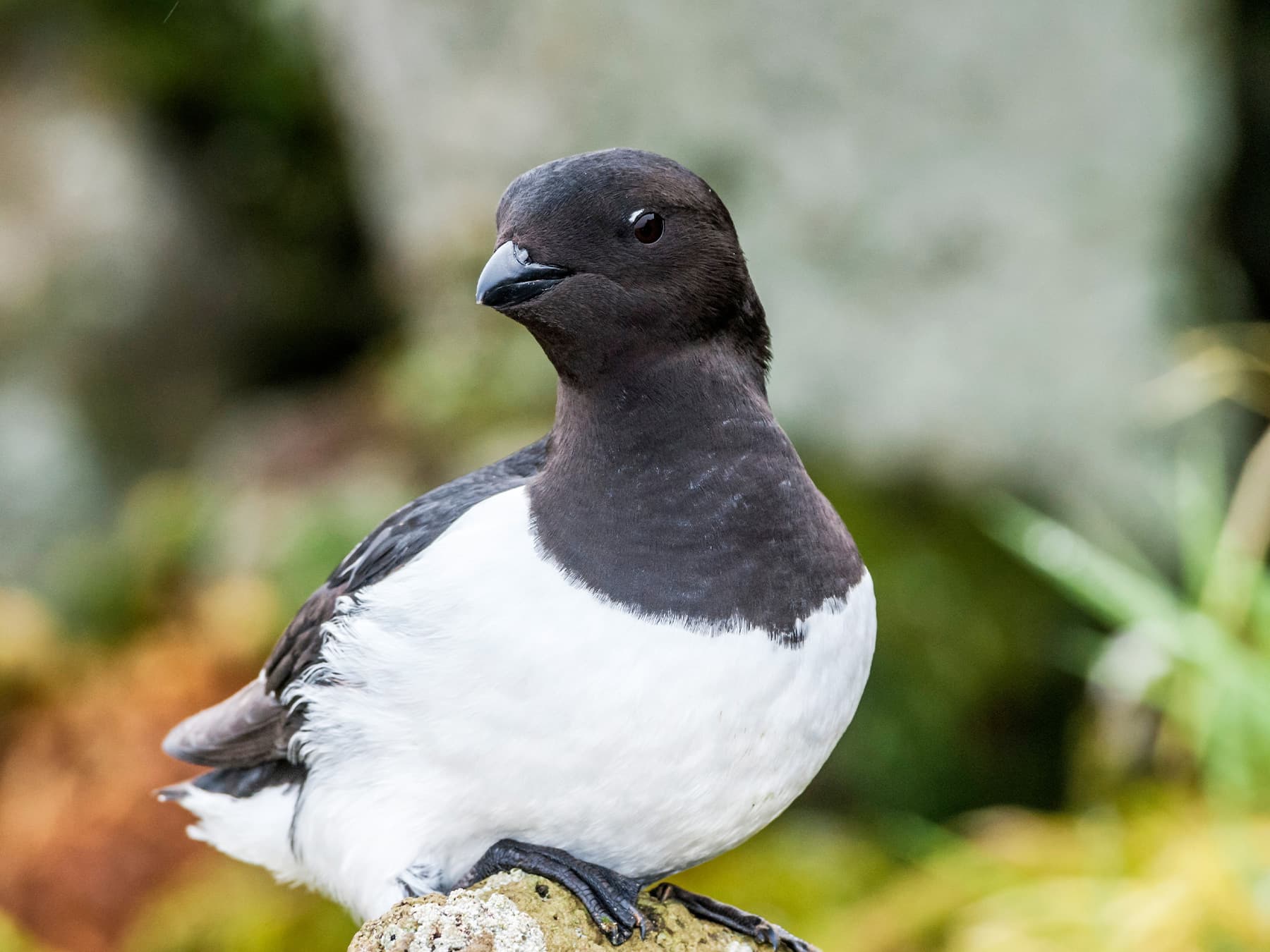
Little Auk
Alle alleLC
A rare November visitor, sometimes driven close inshore or even inland by strong North Sea gales. A prized find for seawatchers.
Nov
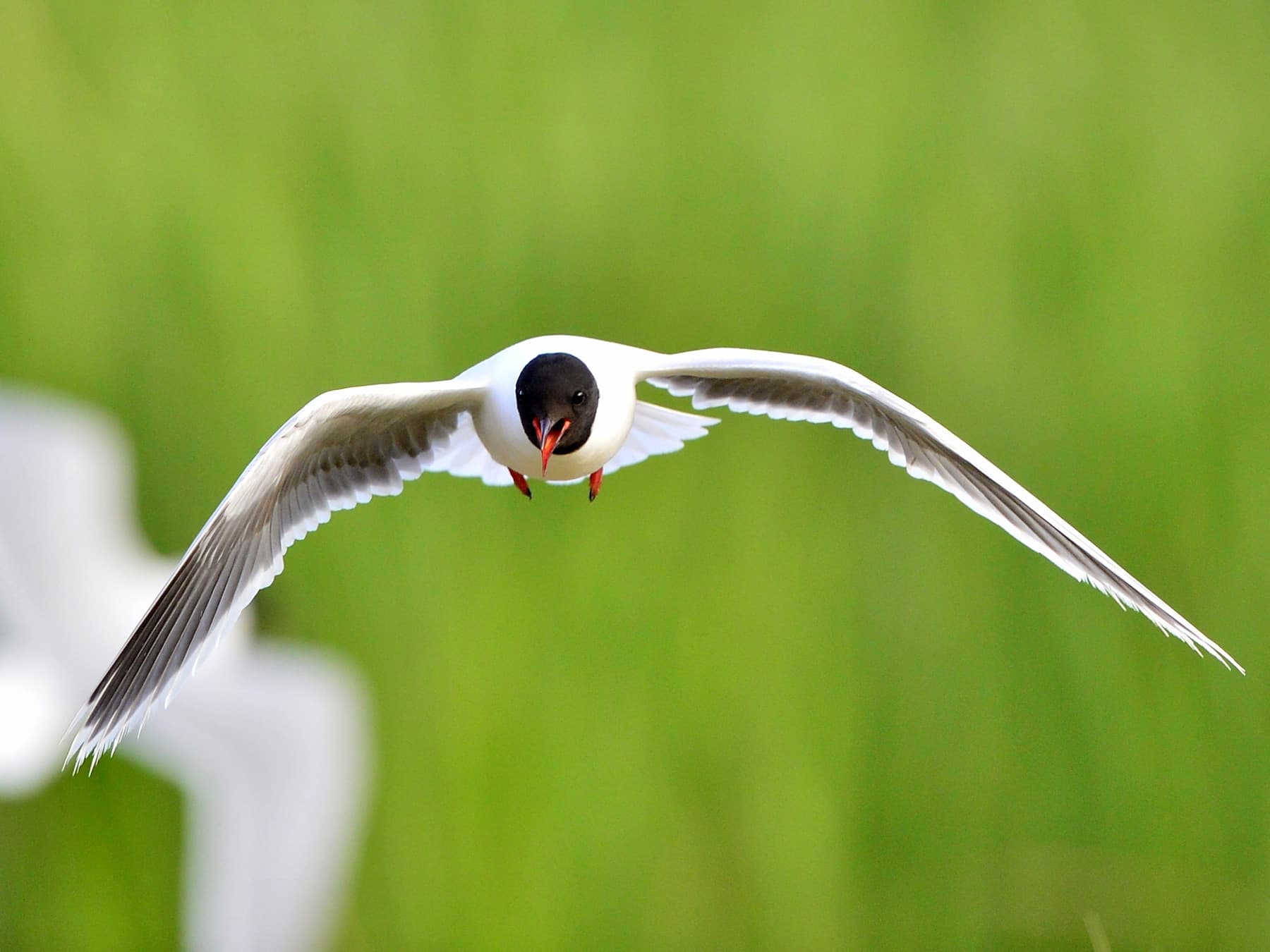
Little Gull
Hydrocoloeus minutusLC
A rare passage migrant in September, occasionally spotted at coastal pools or offshore. Its dainty, buoyant flight is distinctive.
Sep
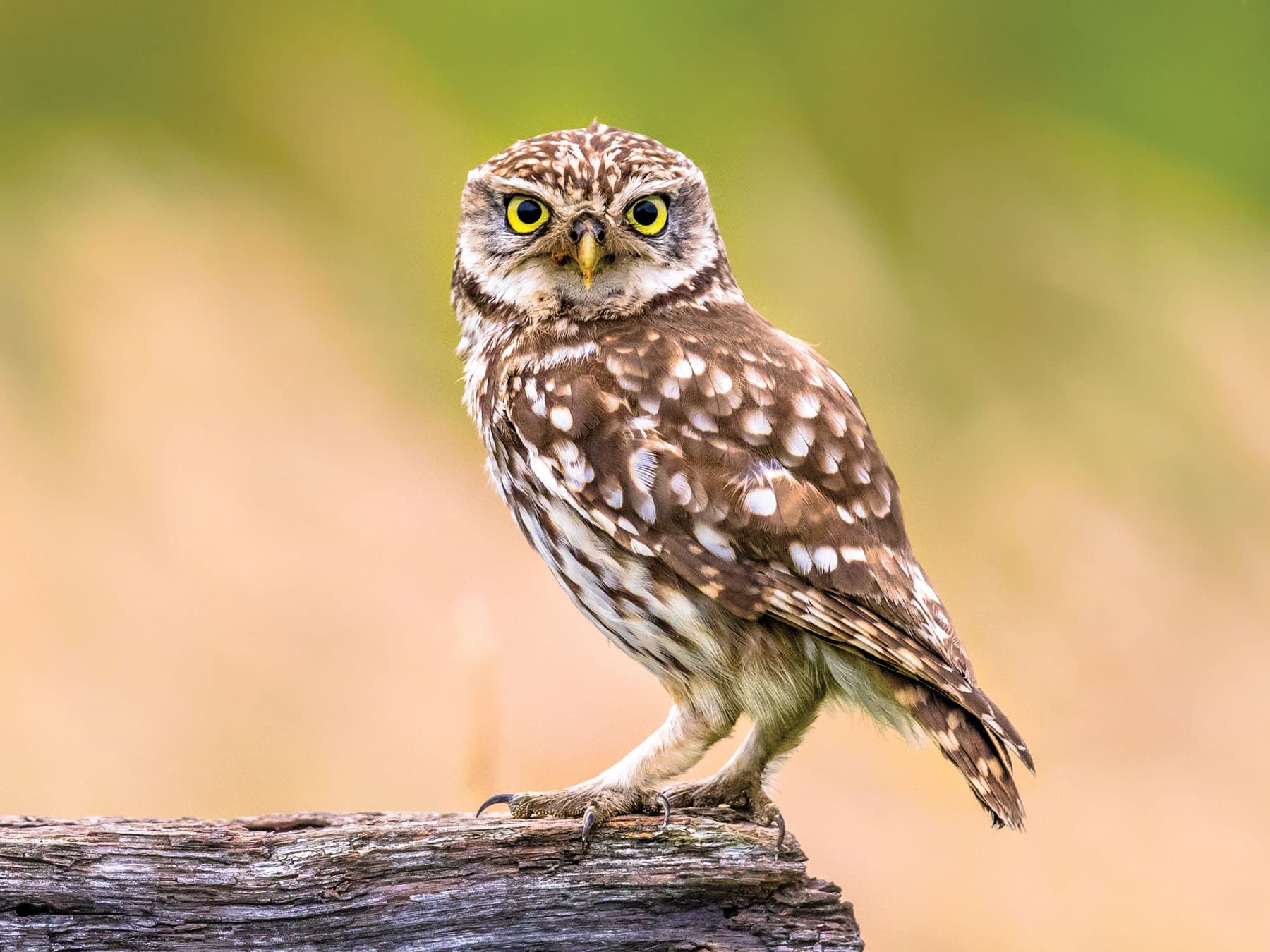
Little Owl
Athene noctuaLC
A rare resident of lowland farmland with old trees and stone walls. Often bobs comically when perched; most active at dawn and dusk.
Nov–Sep
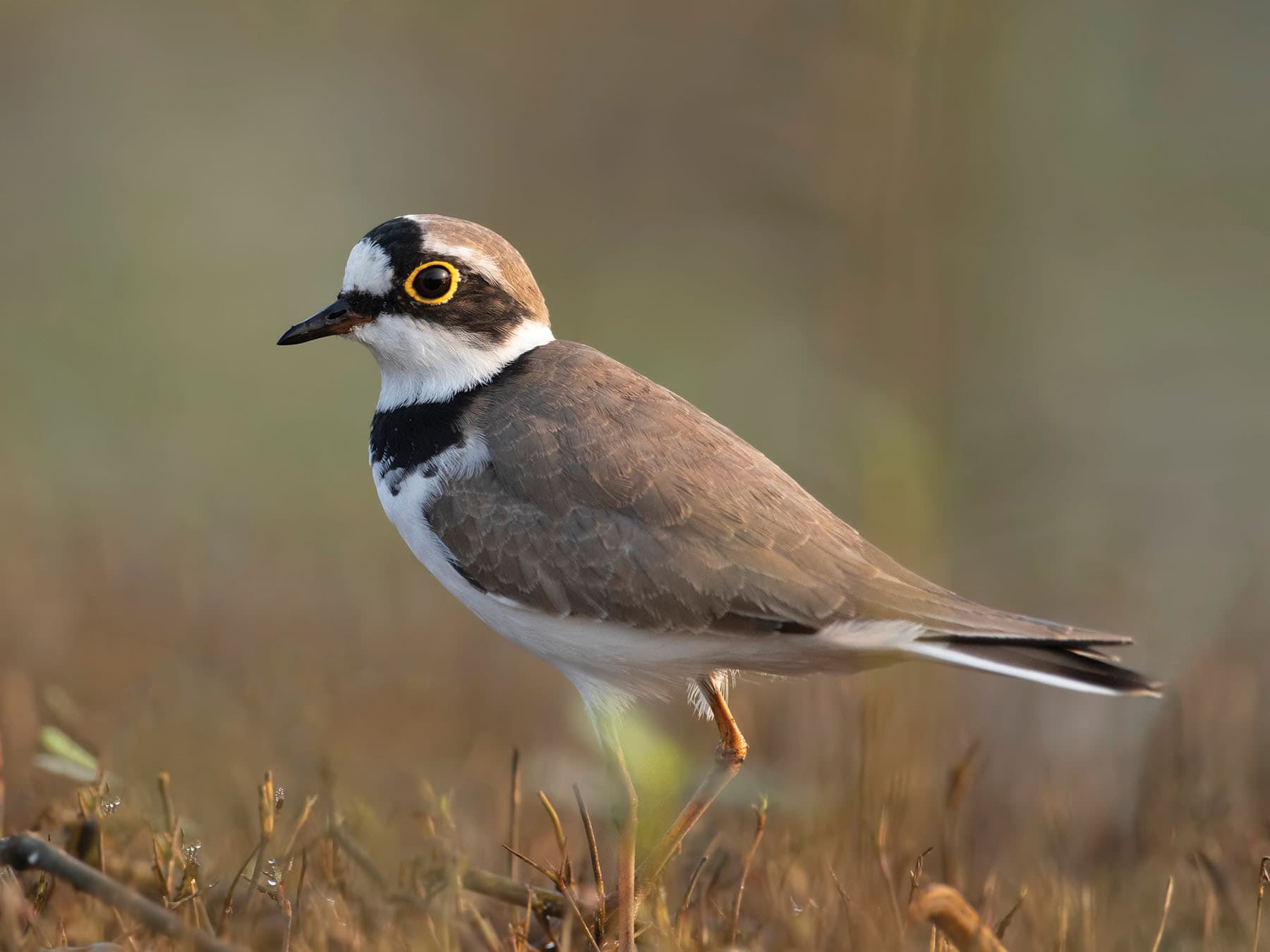
Little Ringed Plover
Charadrius dubiusLC
A rare summer breeder favouring gravel pits and reservoir margins. One of the earliest spring migrants, arriving from April.
Apr–Aug
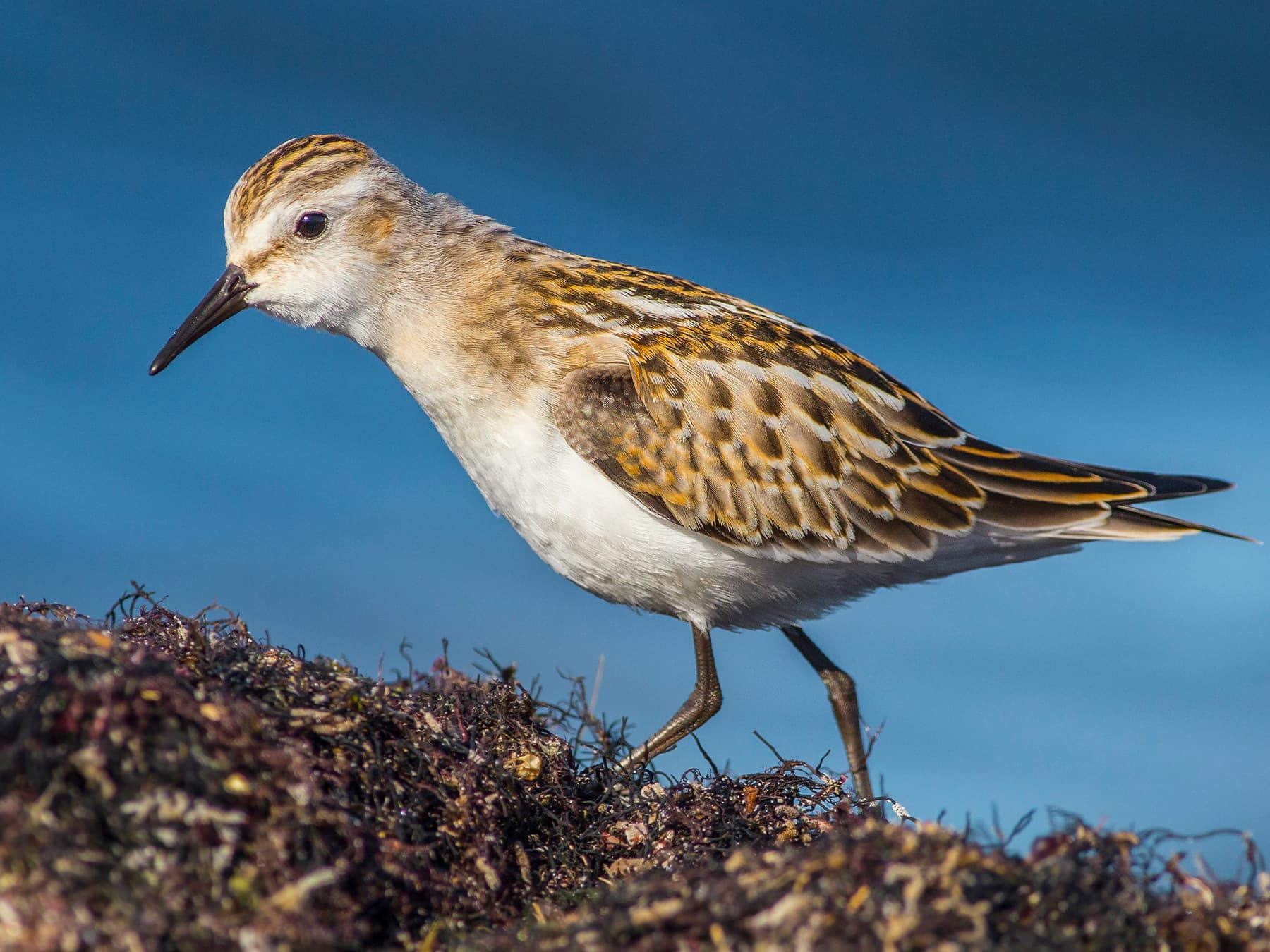
Little Stint
Calidris minutaLC
A rare autumn passage migrant in August–September, found at coastal scrapes and freshwater margins. Tiny size helps distinguish it from Dunlin.
Aug–Sep
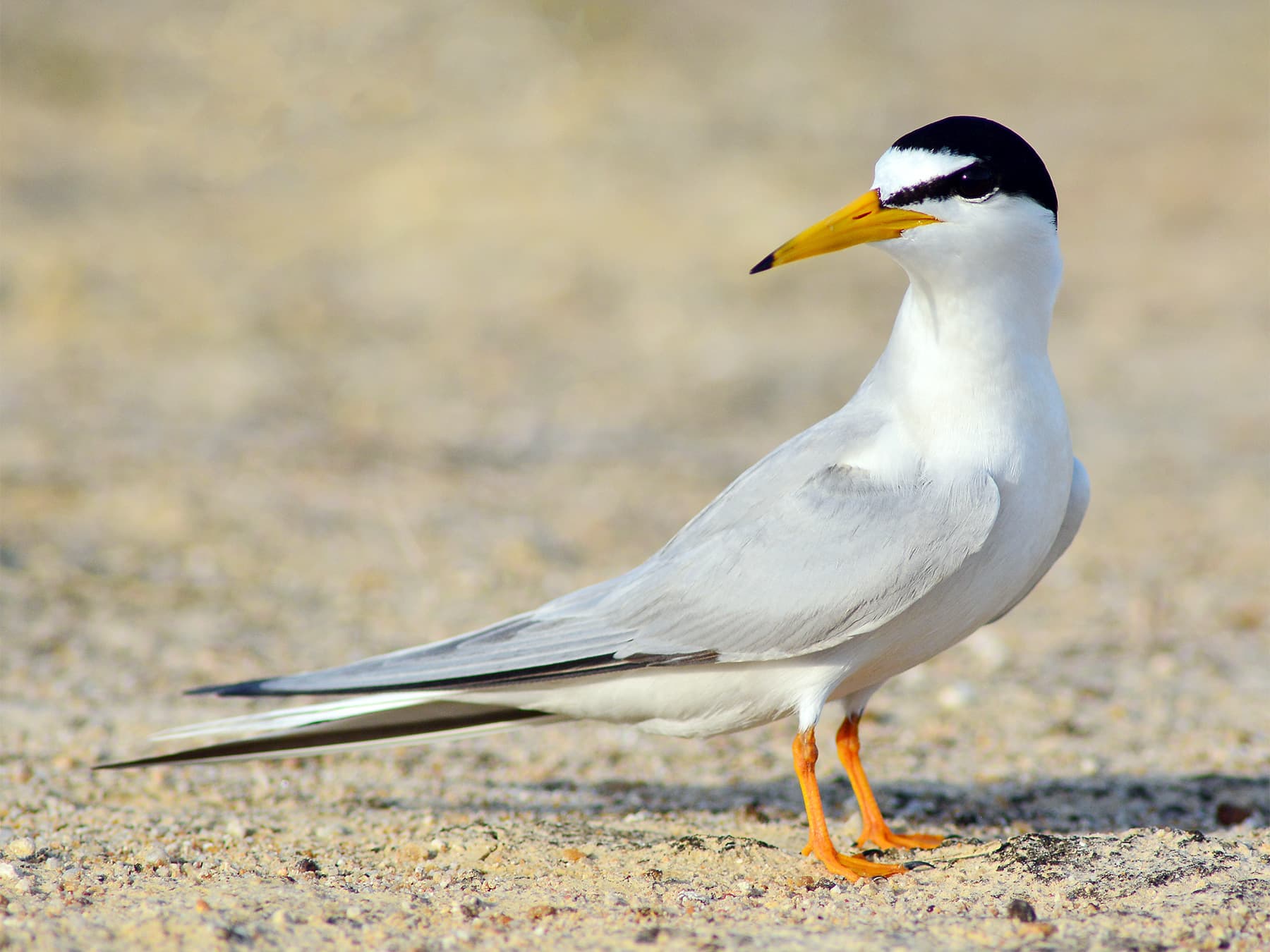
Little Tern
Sternula albifronsLC
A rare summer breeder from May to August, nesting on shingle beaches along the Durham coast. Vulnerable to disturbance and declining.
May–Aug
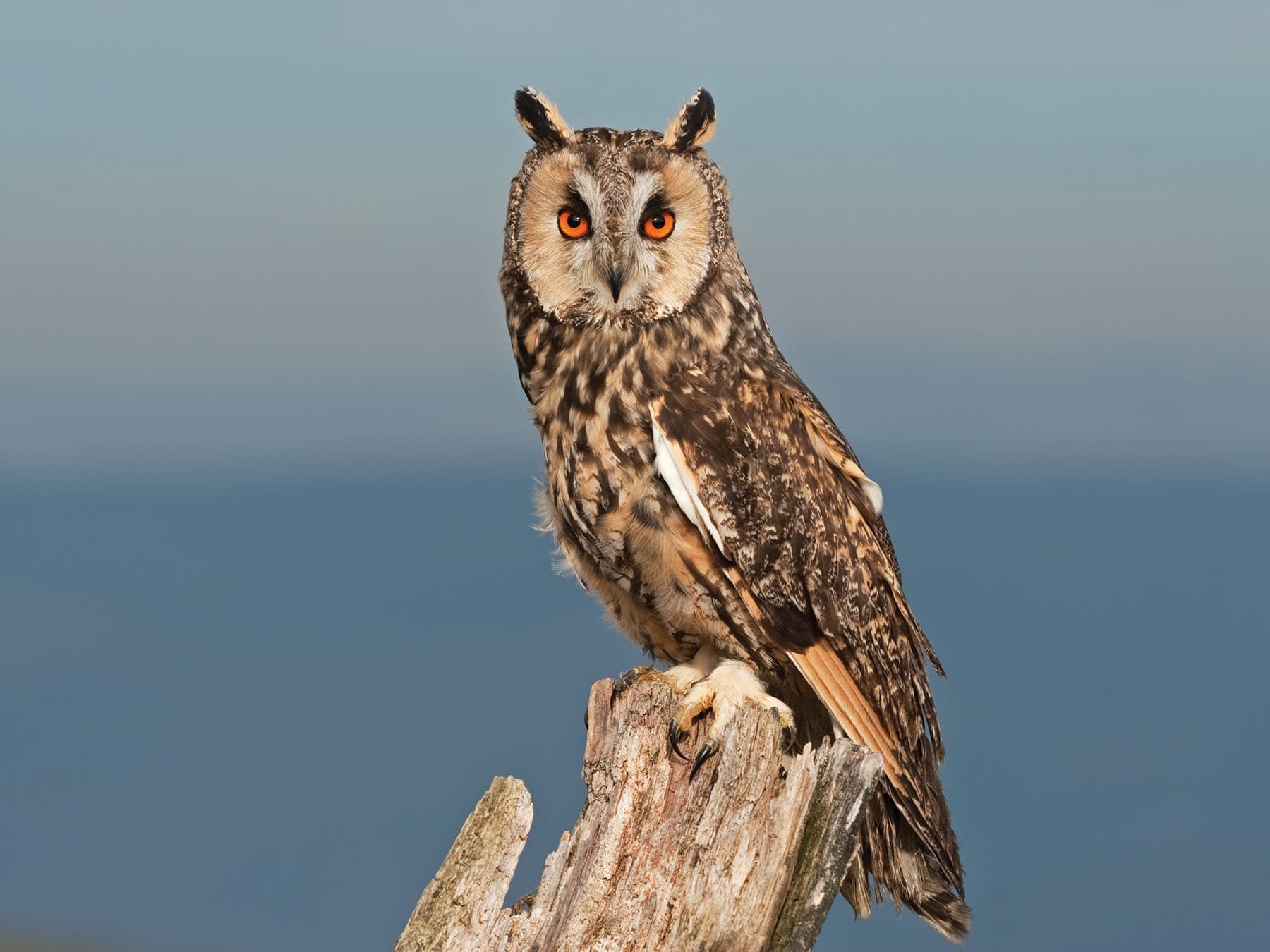
Long-eared Owl
Asio otusLC
A rare and secretive passage visitor, occasionally recorded in summer. Roosts in dense cover and is easily overlooked.
Jul
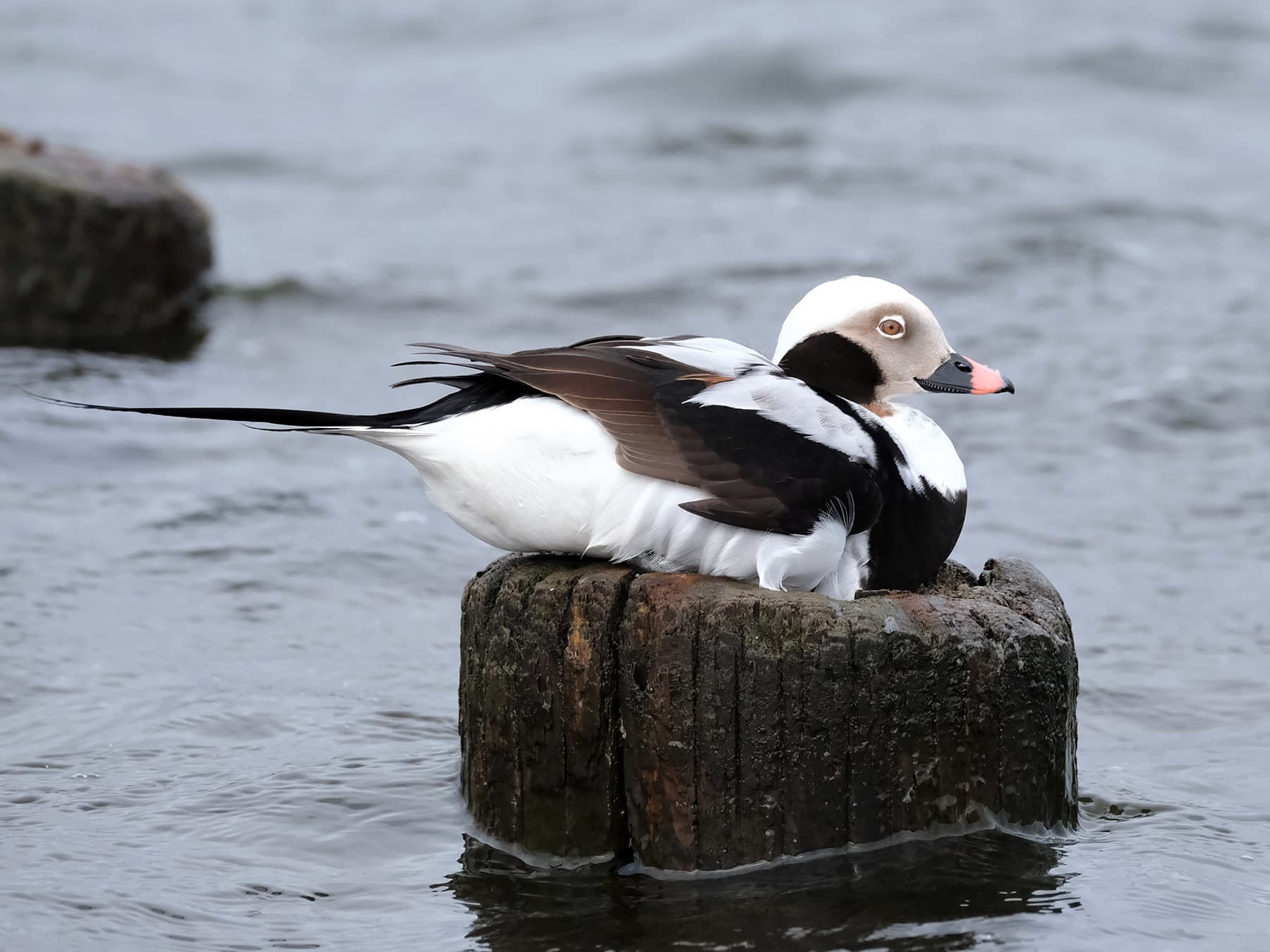
Long-tailed Duck
Clangula hyemalisVU
A rare autumn passage visitor, occasionally seen on the Durham coast or larger reservoirs during October and November.
Oct–Nov
Spotted something?
Upload a photo to identify it
Identify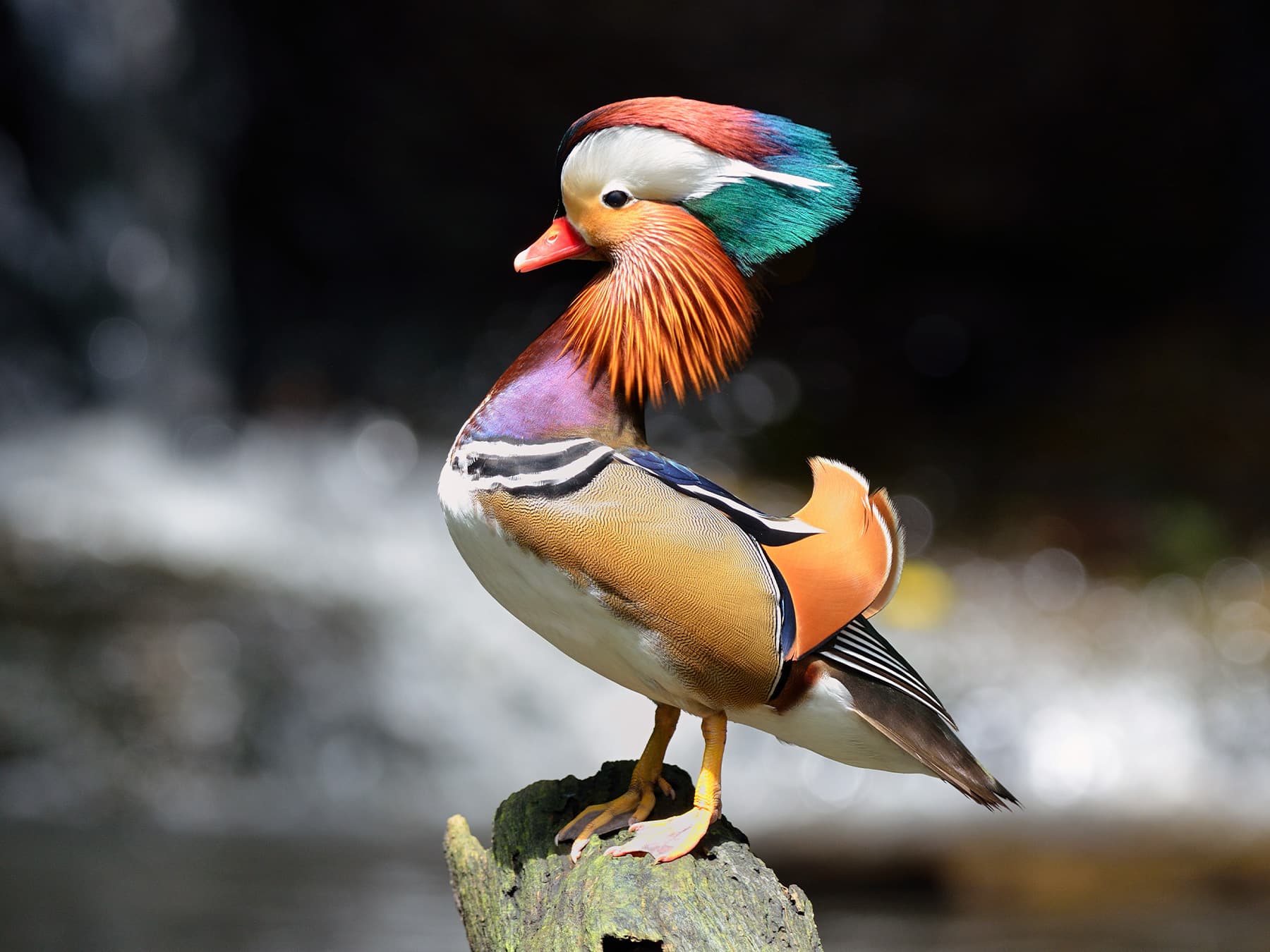
Mandarin Duck
Aix galericulataLC
A rare but increasing breeder found on wooded rivers and lakes from spring through autumn. A striking exotic addition to the county.
Mar–Oct
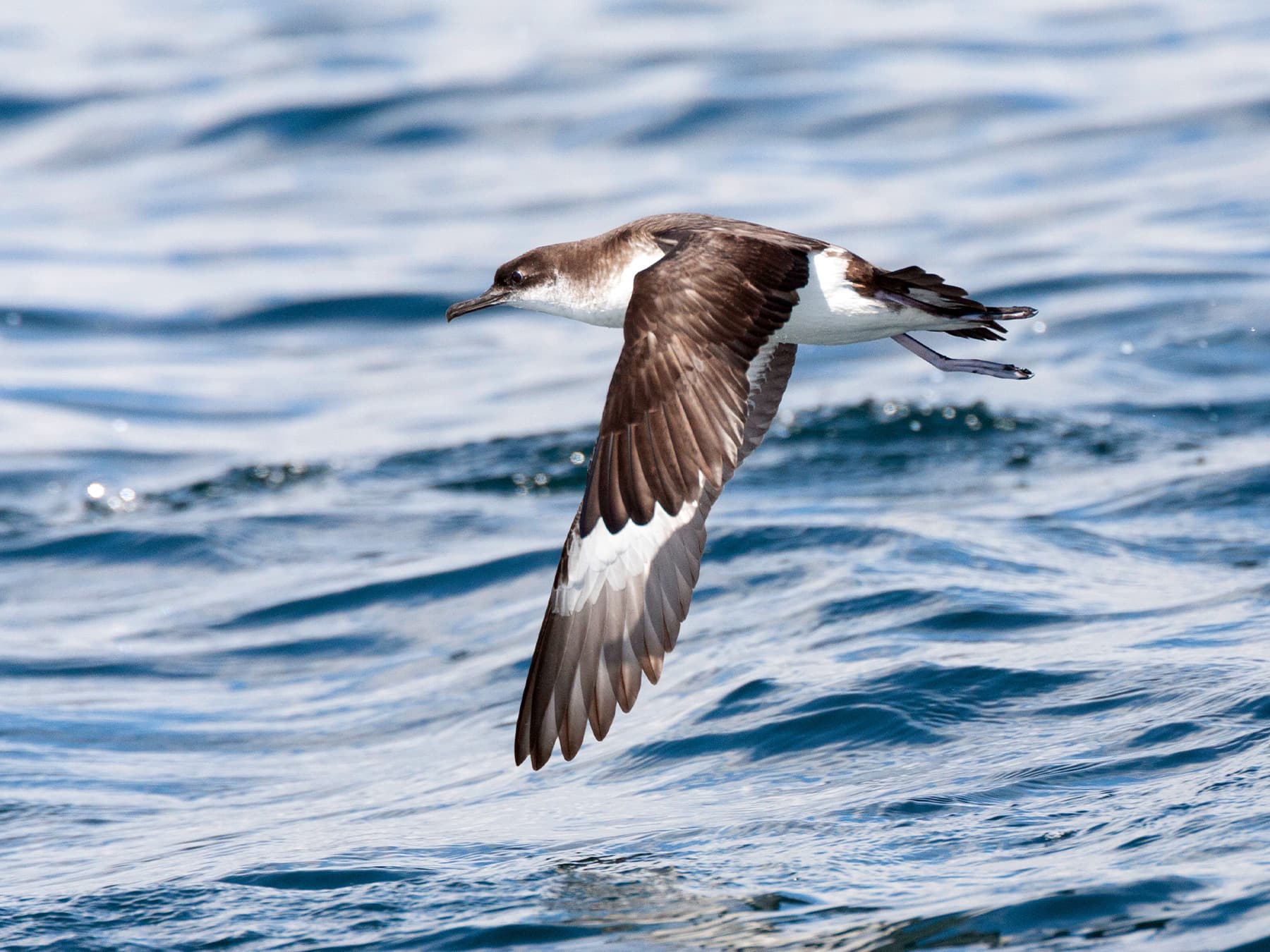
Manx Shearwater
Puffinus puffinusLC
Rare passage migrant seen offshore from July to October. Best spotted during seawatches at coastal headlands in easterly winds.
Jul–Oct
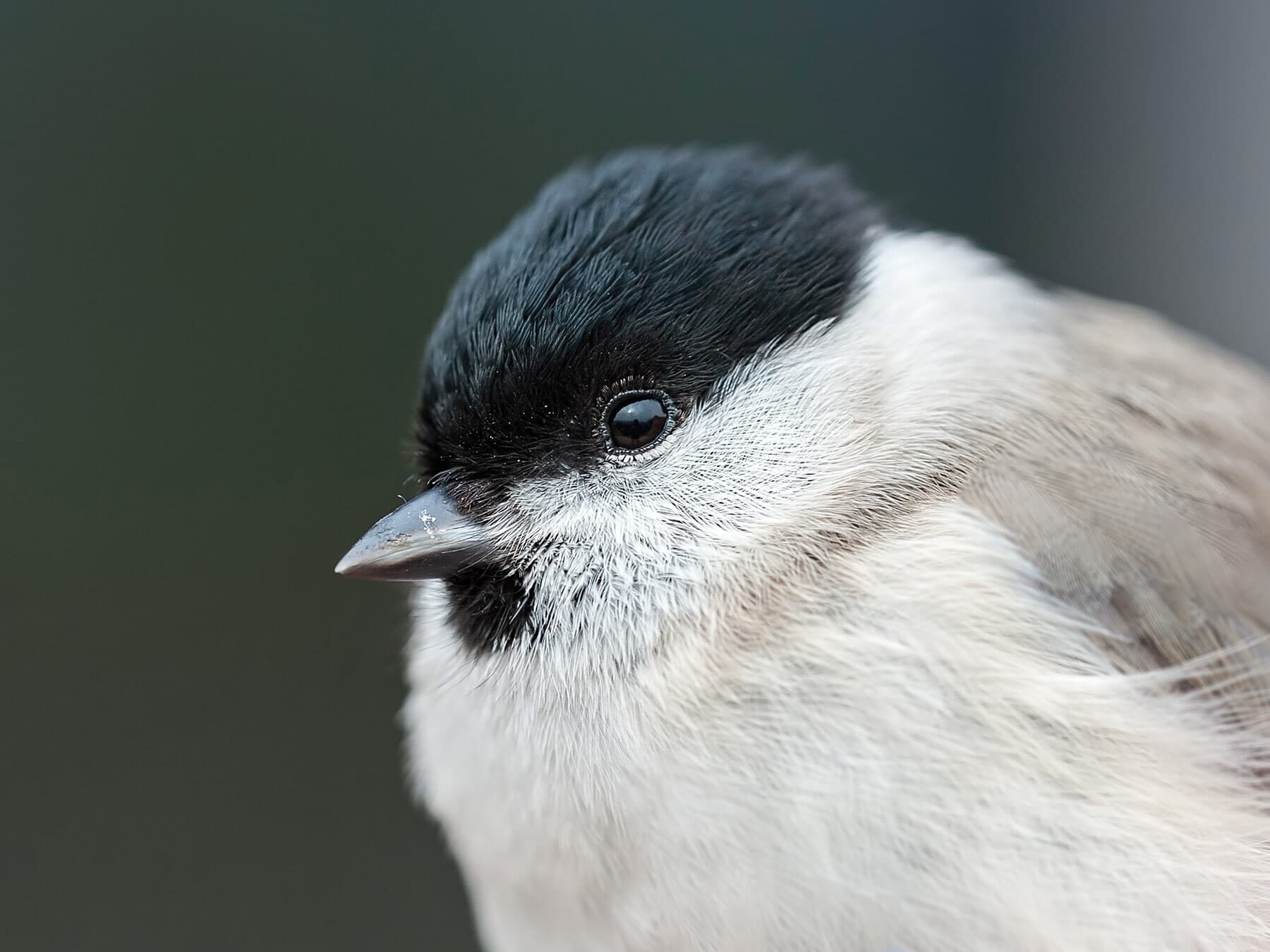
Marsh Tit
Poecile palustrisLC
A rare and declining resident near the northern edge of its UK range. Favours mature deciduous woodland with dense understorey.
Year-round
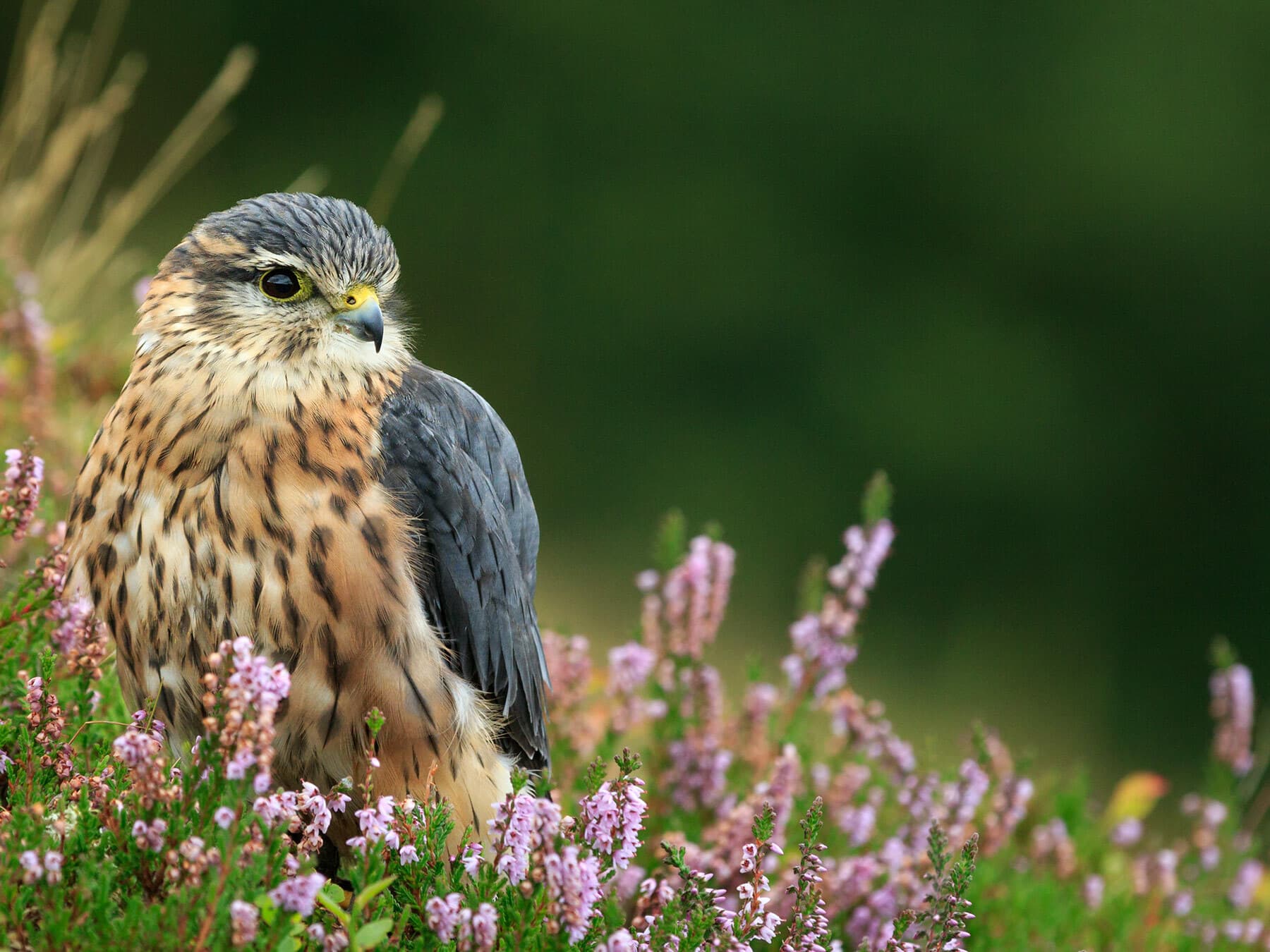
Merlin
Falco columbariusLC
A rare passage migrant, mainly in spring and autumn. This small, dashing falcon breeds on nearby upland moors but is scarce in lowland Durham.
Mar–Sep
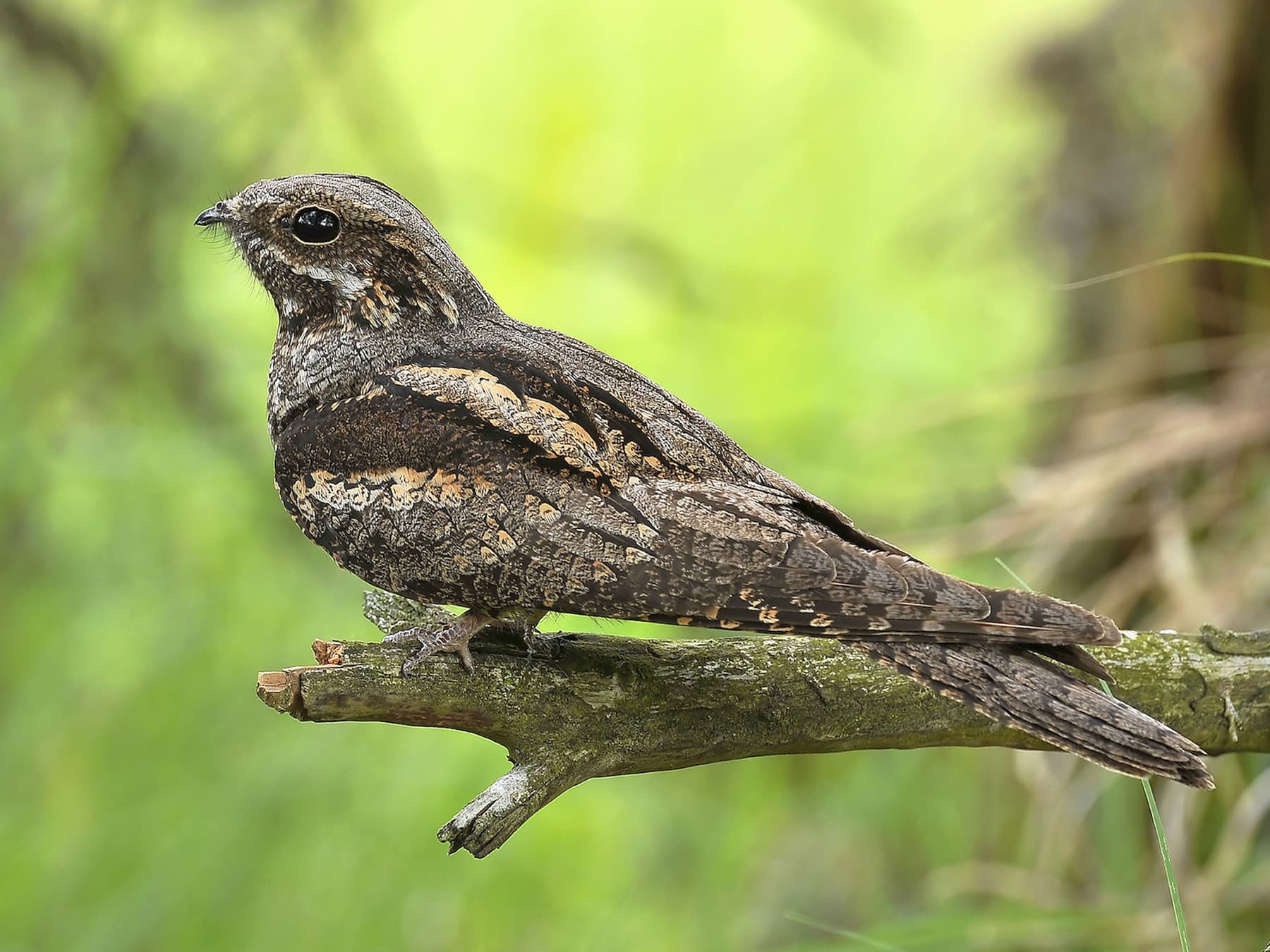
Nightjar
Caprimulgus europaeusLC
A rare passage visitor in late spring, occasionally recorded on heathland and young conifer plantations in the Durham uplands.
May–Jun
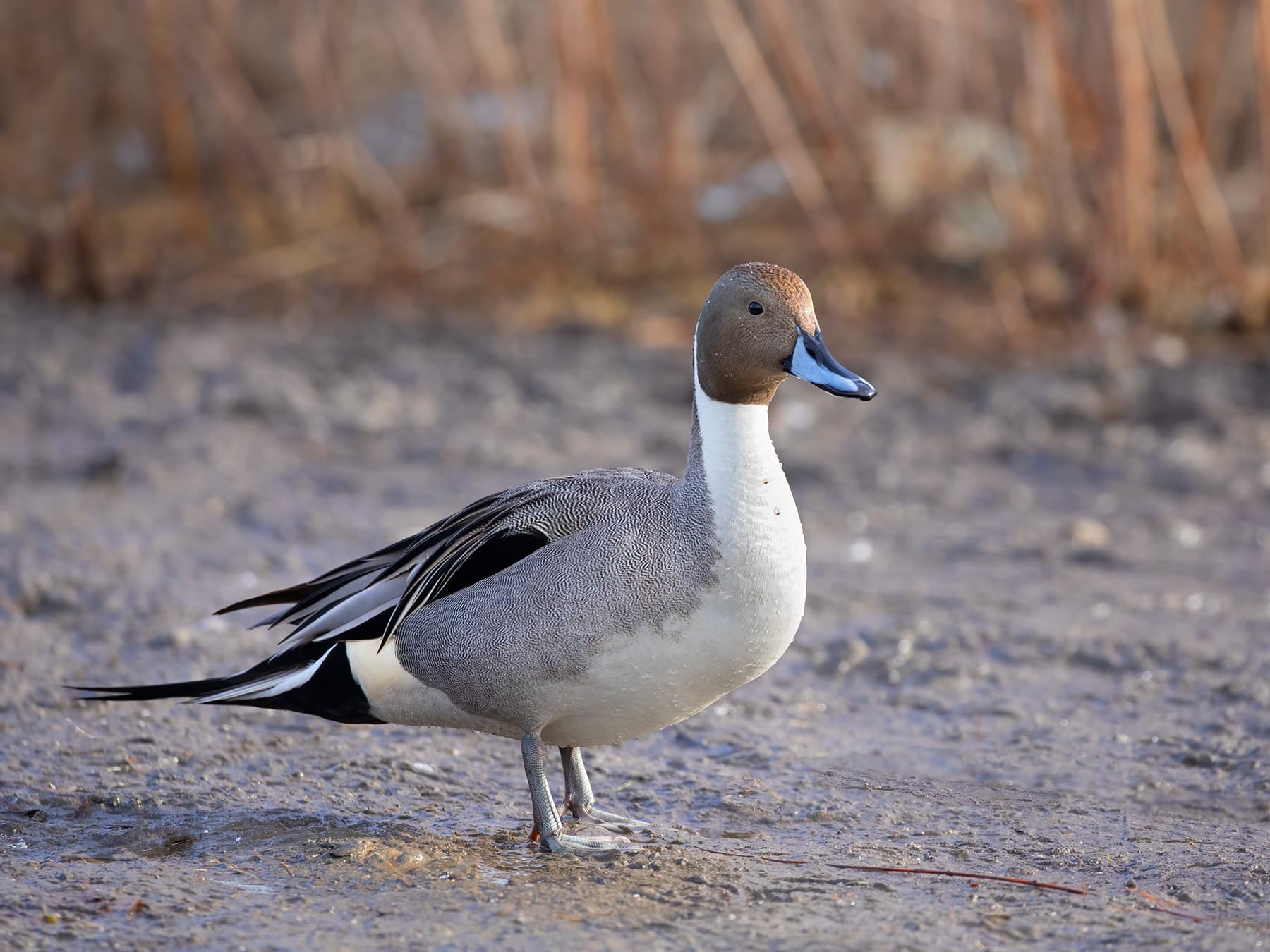
Northern Pintail
Anas acutaLC
A rare passage visitor in autumn and late winter. This elegant dabbling duck favours shallow wetlands and reservoir margins.
Sep–Feb
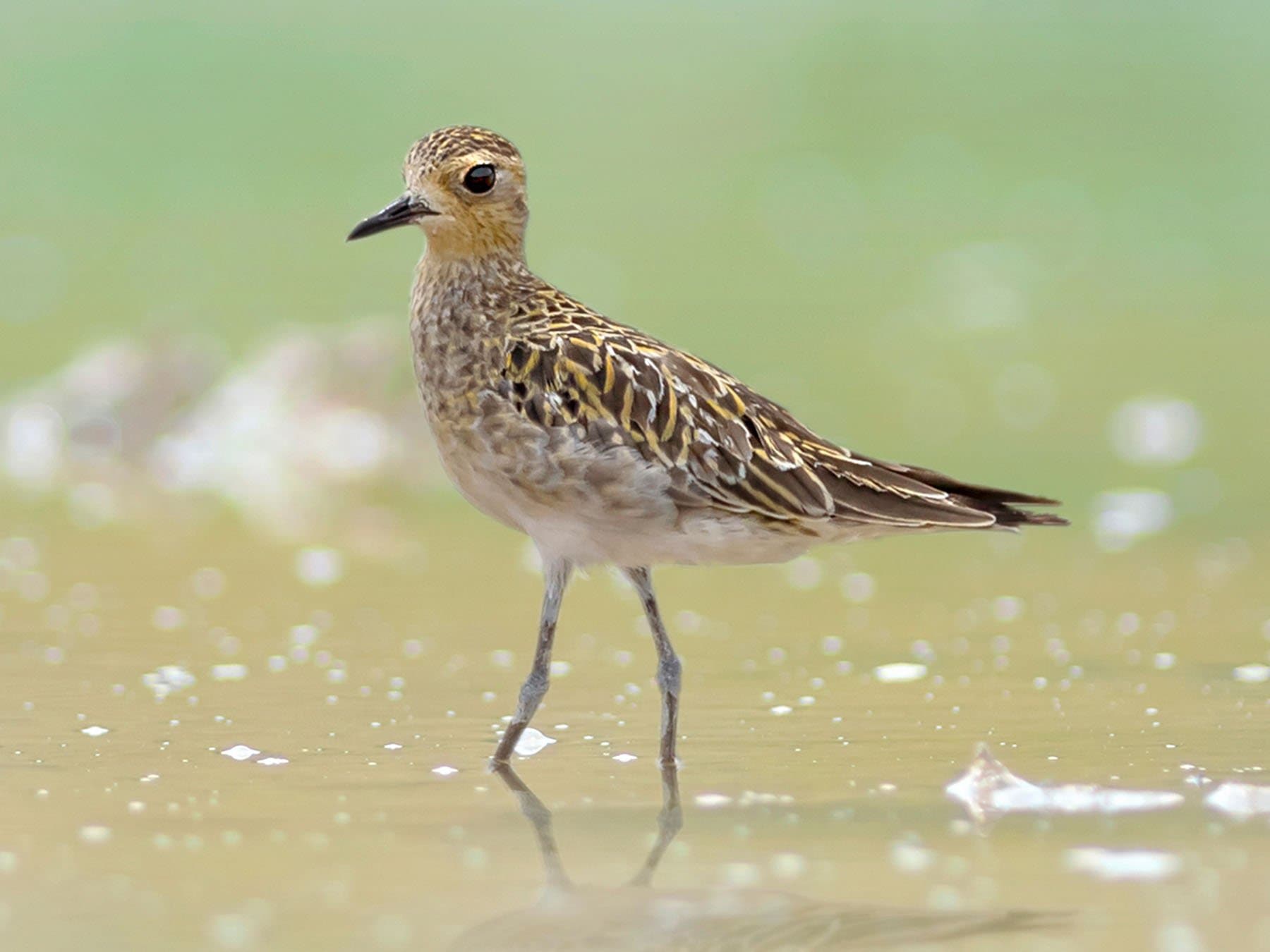
Pacific Golden-Plover
Pluvialis fulvaLC
An exceptionally rare passage vagrant, recorded in June. Any sighting in Durham would be a notable county record.
Jun
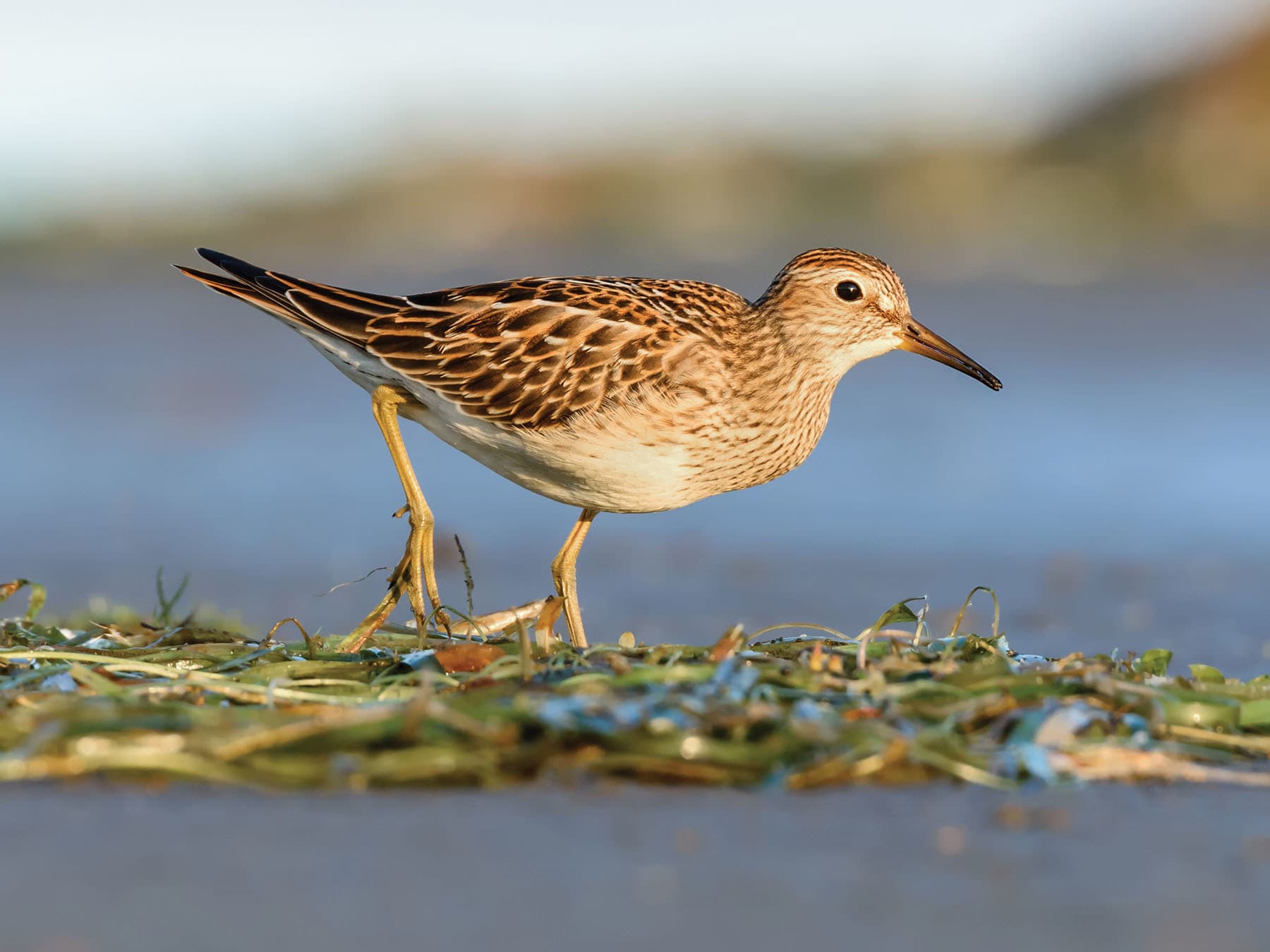
Pectoral Sandpiper
Calidris melanotosLC
A rare Nearctic vagrant, occasionally appearing at freshwater pools in September. A prized find for Durham's birdwatchers during autumn passage.
Sep
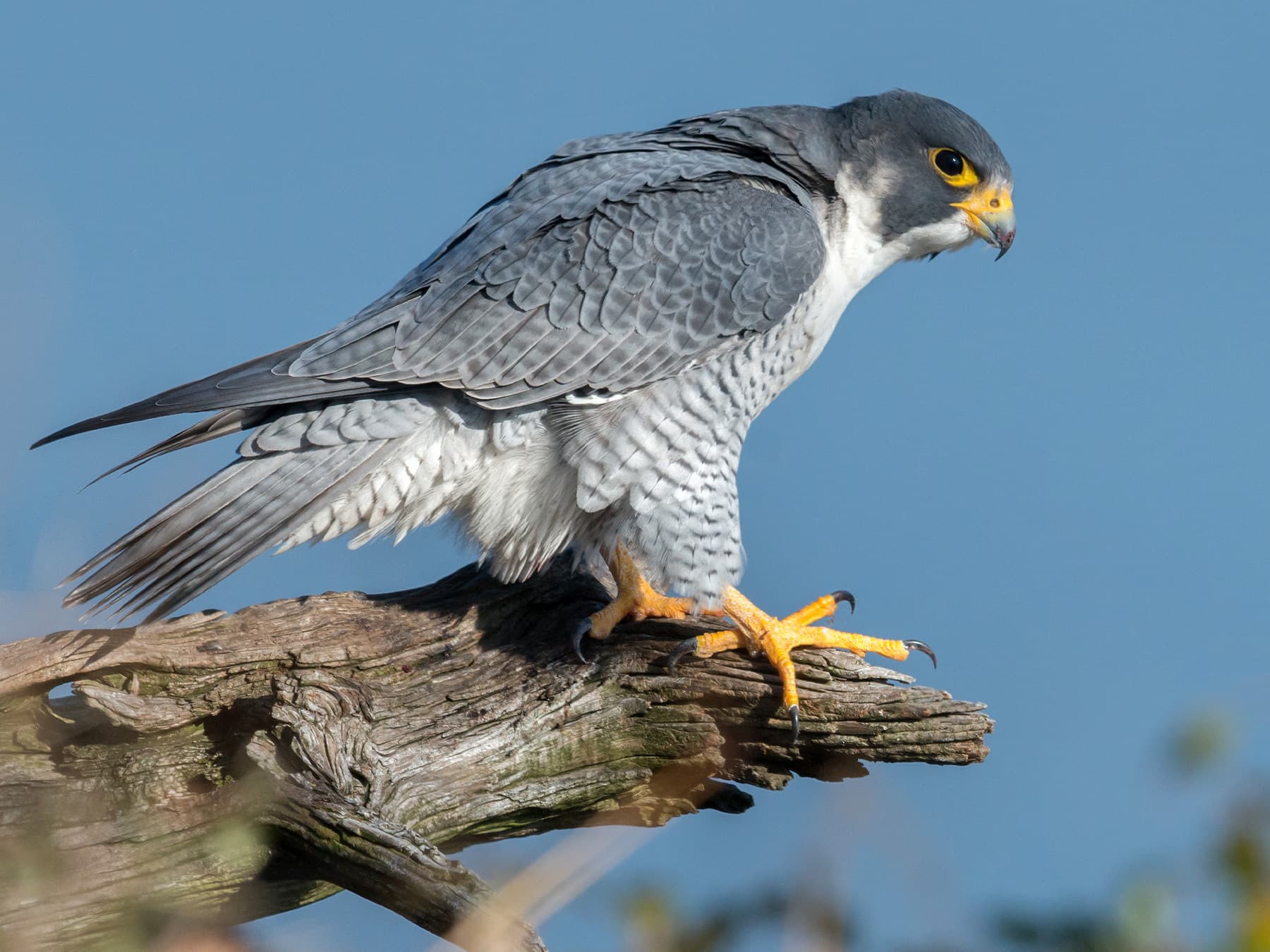
Peregrine Falcon
Falco peregrinusLC
Rare resident, famously nesting on Durham Cathedral. Hunts pigeons over the city rooftops and along the river corridor.
Jun–Apr
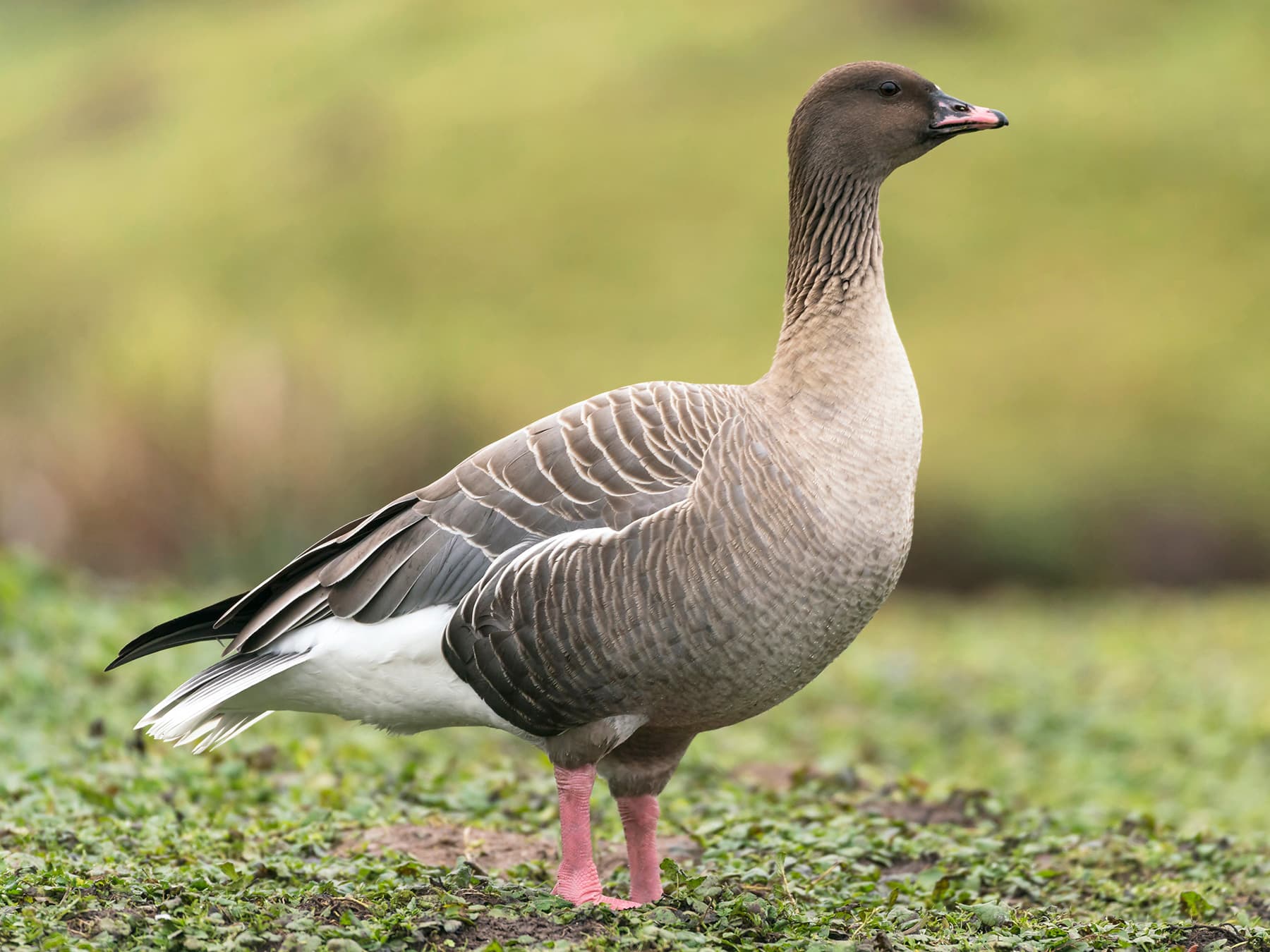
Pink-footed Goose
Anser brachyrhynchusLC
A rare non-breeding visitor from autumn through to spring. Skeins may pass overhead, with small flocks occasionally settling on farmland.
Sep–Mar
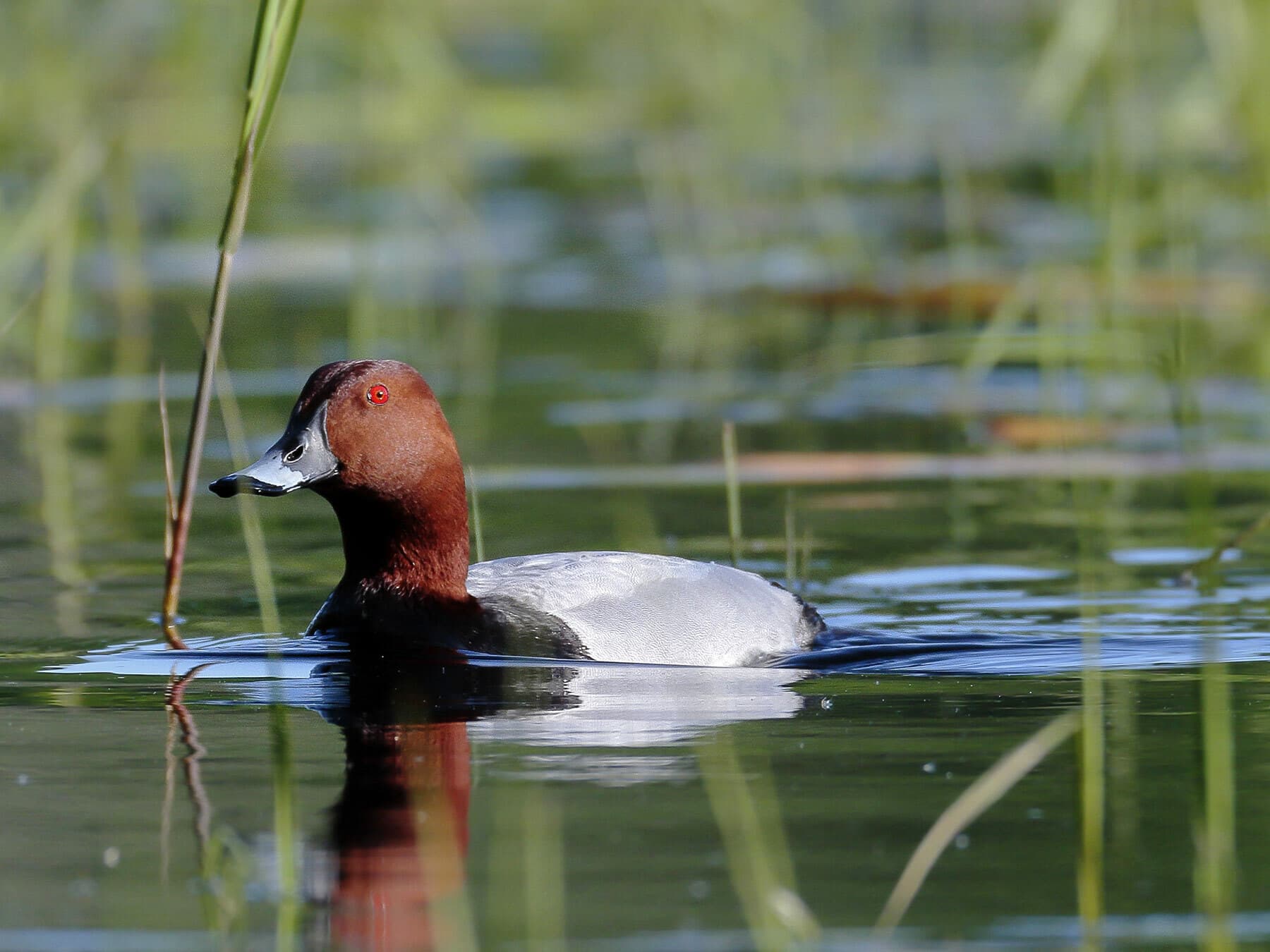
Pochard
Aythya ferinaVU
A rare year-round resident on deeper lakes and reservoirs. Numbers have declined significantly in recent decades across the UK.
Year-round
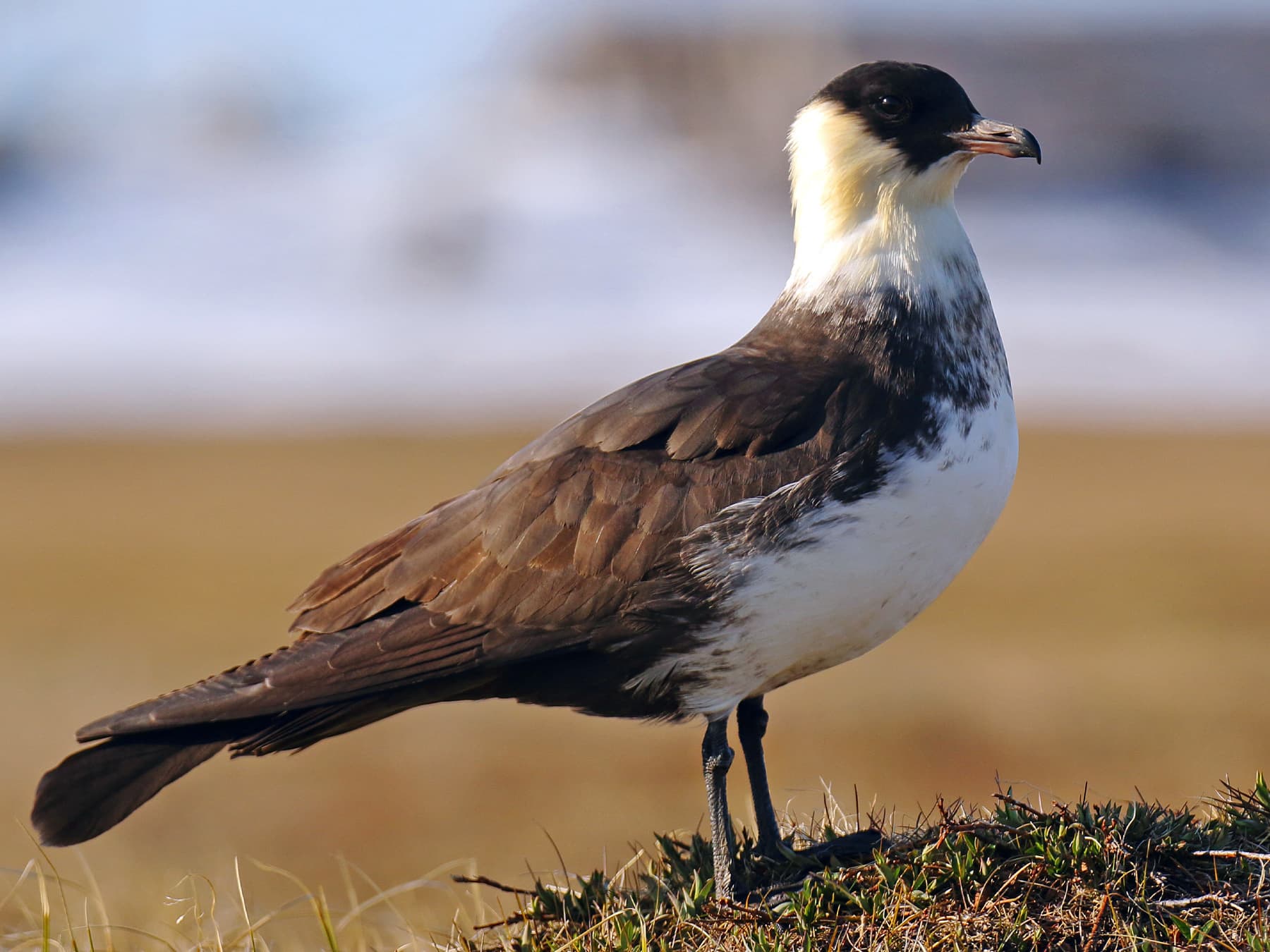
Pomarine Jaeger
Stercorarius pomarinusLC
A rare autumn seabird, occasionally spotted from Durham's headlands in September during strong onshore winds. Bulkier than the Arctic Jaeger.
Sep
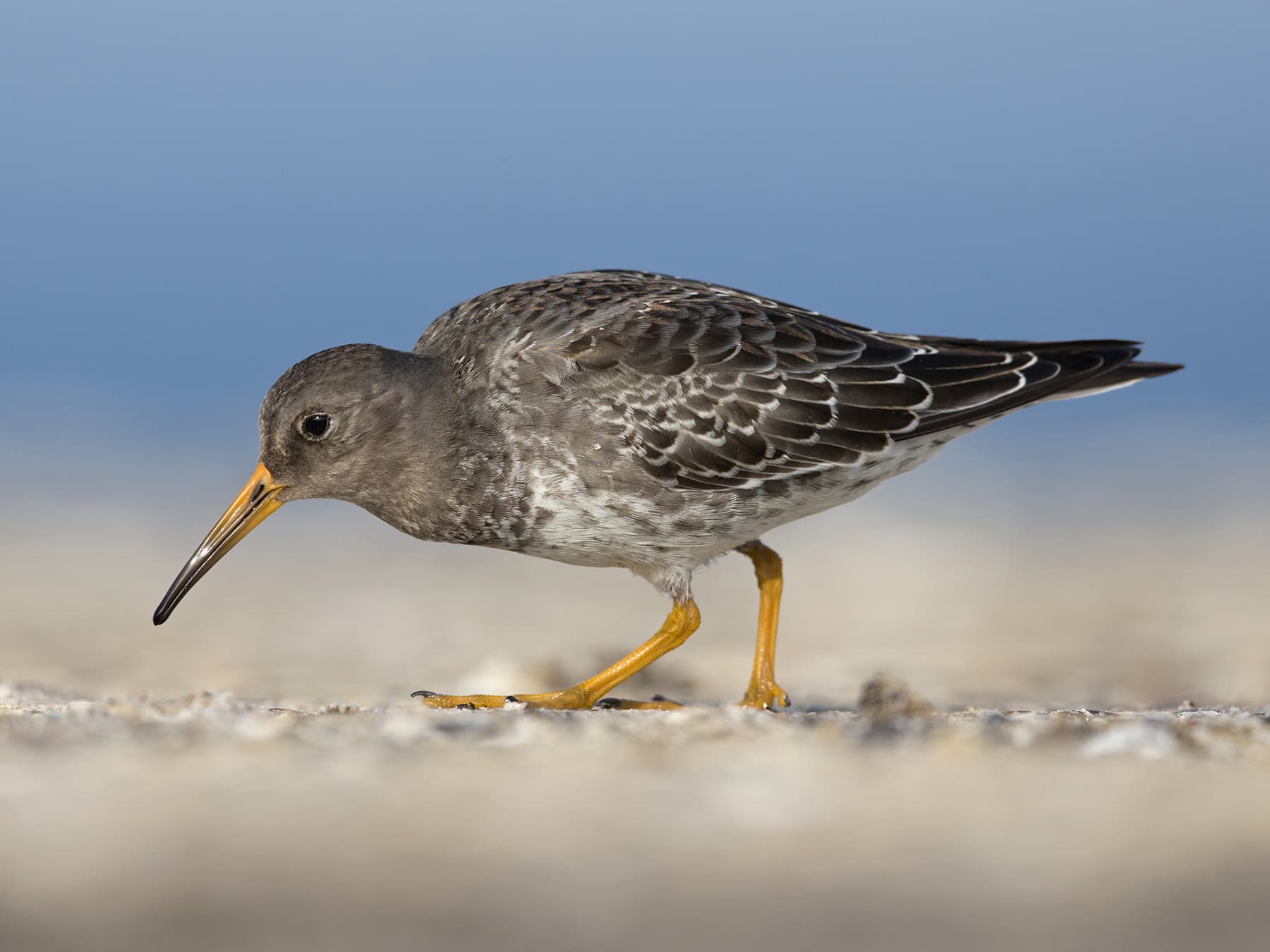
Purple Sandpiper
Calidris maritimaLC
A rare winter visitor to Durham's rocky coastline, favouring wave-washed piers and headlands. Departs by spring to breed in the Arctic.
Sep–Mar
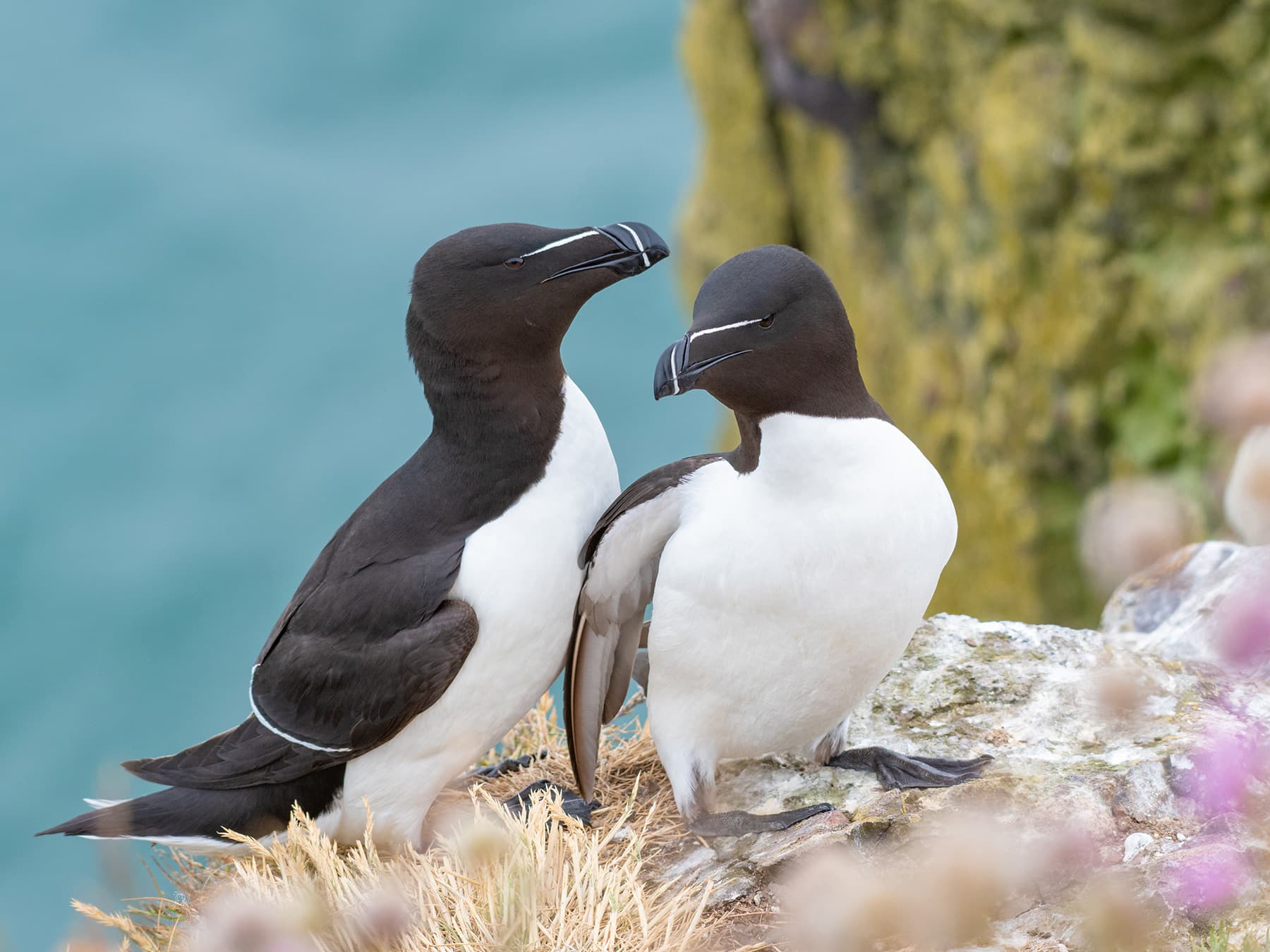
Razorbill
Alca tordaLC
A rare resident seen offshore mainly in late summer and autumn, with some midwinter records. Best spotted from coastal headlands.
Jul–Jan
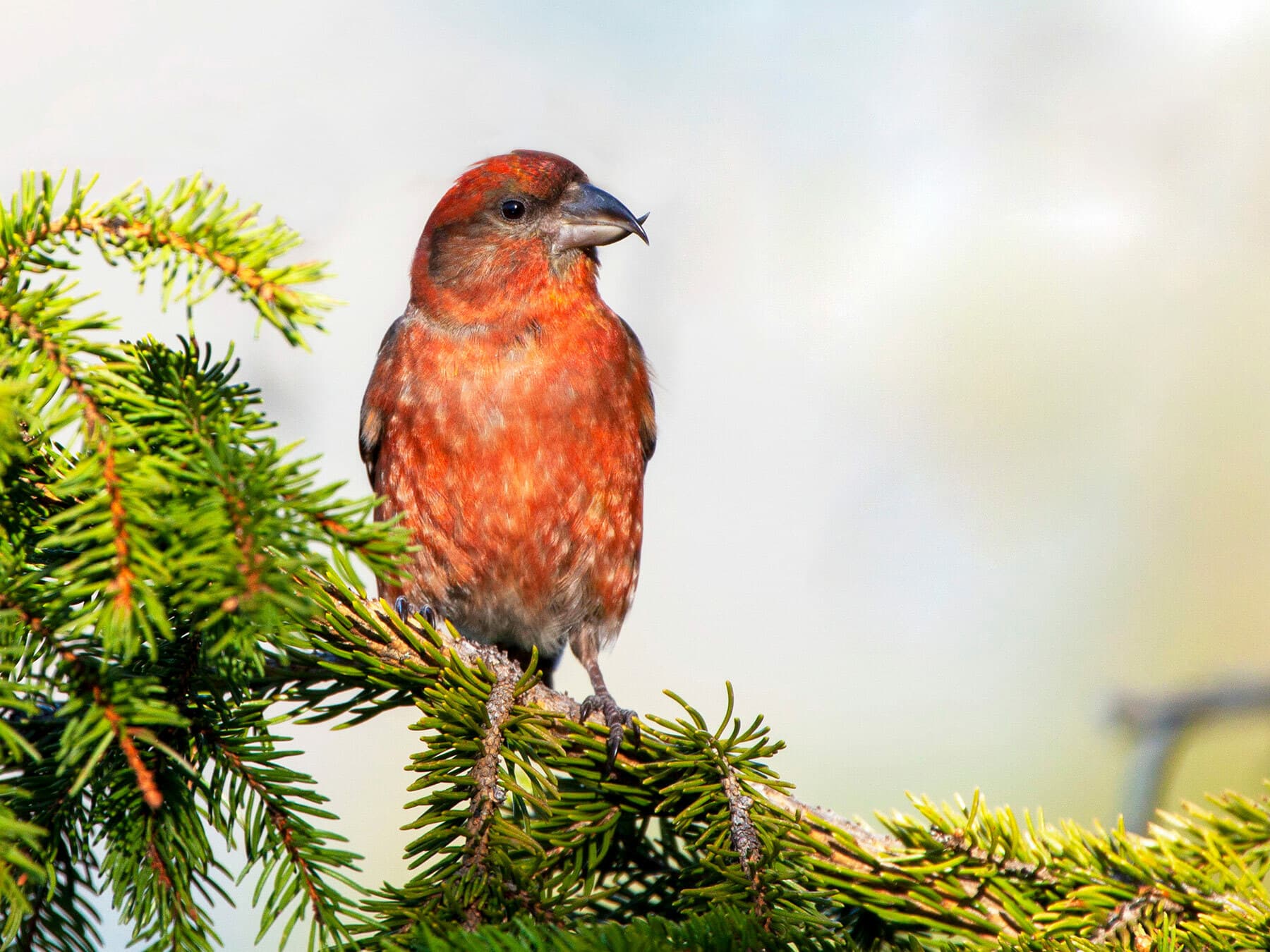
Red Crossbill
Loxia curvirostraLC
A rare and nomadic resident of Durham's conifer plantations, with erratic appearances linked to spruce cone crops.
Jun–Mar