


Birds to See in Liberia in February
23 bird species on our list for Liberia are recorded regularly in February
Of these, the most often recorded are Pied Crow, Cattle Egret, Barn Swallow, Yellow Wagtail and Common Swift. New this month: Sanderling, Ringed Plover, Little Egret and Moorhen and 3 more.
On the move in February
GBIF · FebArriving
At their peak
From Liberia’s bird records, 2019–2024: arriving birds are regular this month but not last; leaving birds are regular this month but not next.
Other months
All 23 birds in February
23 birds
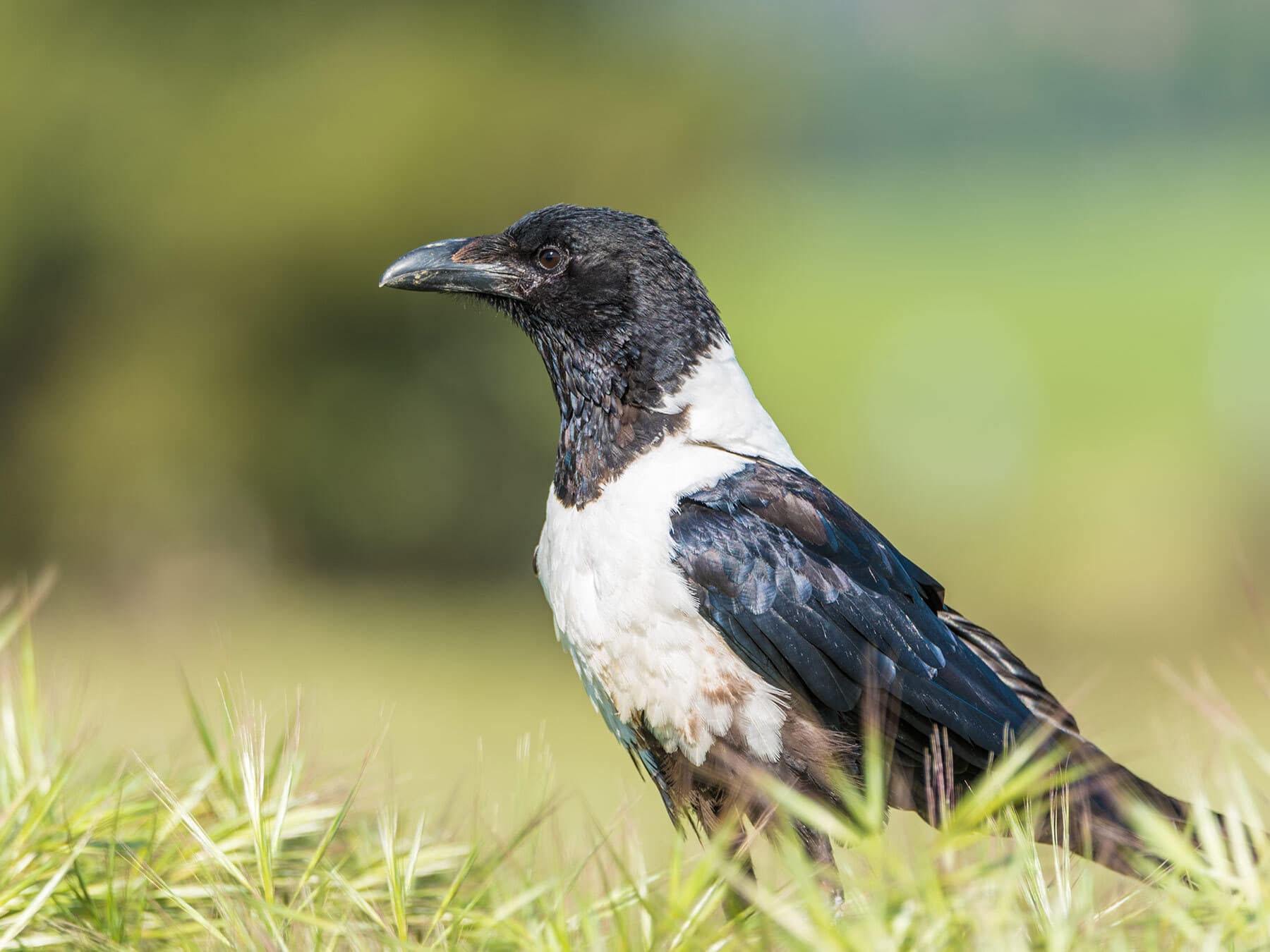 Pied CrowCorvus albusSummer visitorCommon46–52 cmRecorded all year · 2.24% in Feb
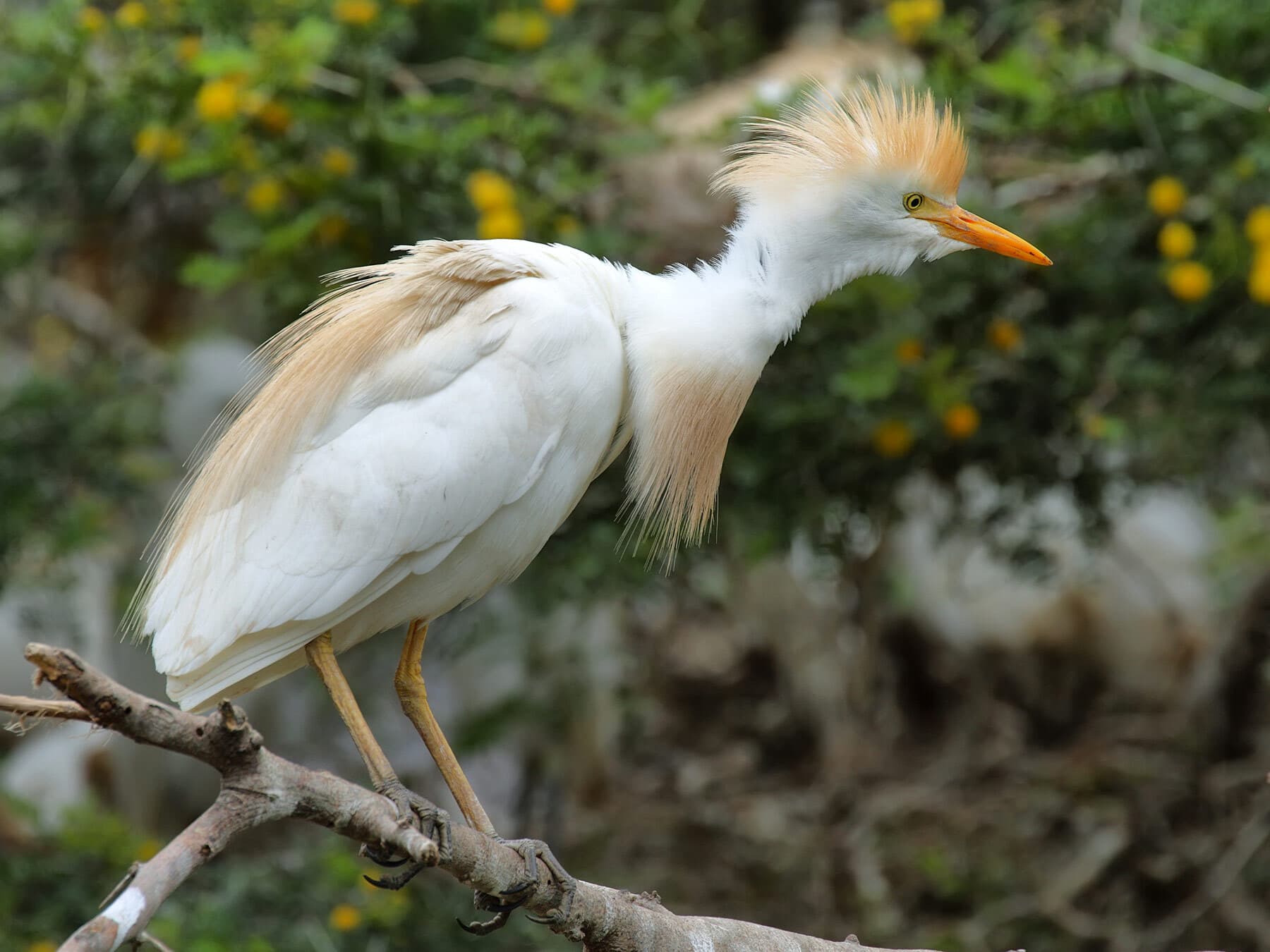 Cattle EgretArdea ibisWinter visitorCommon46–56 cmRegularly Nov–May · 2.12% in Feb
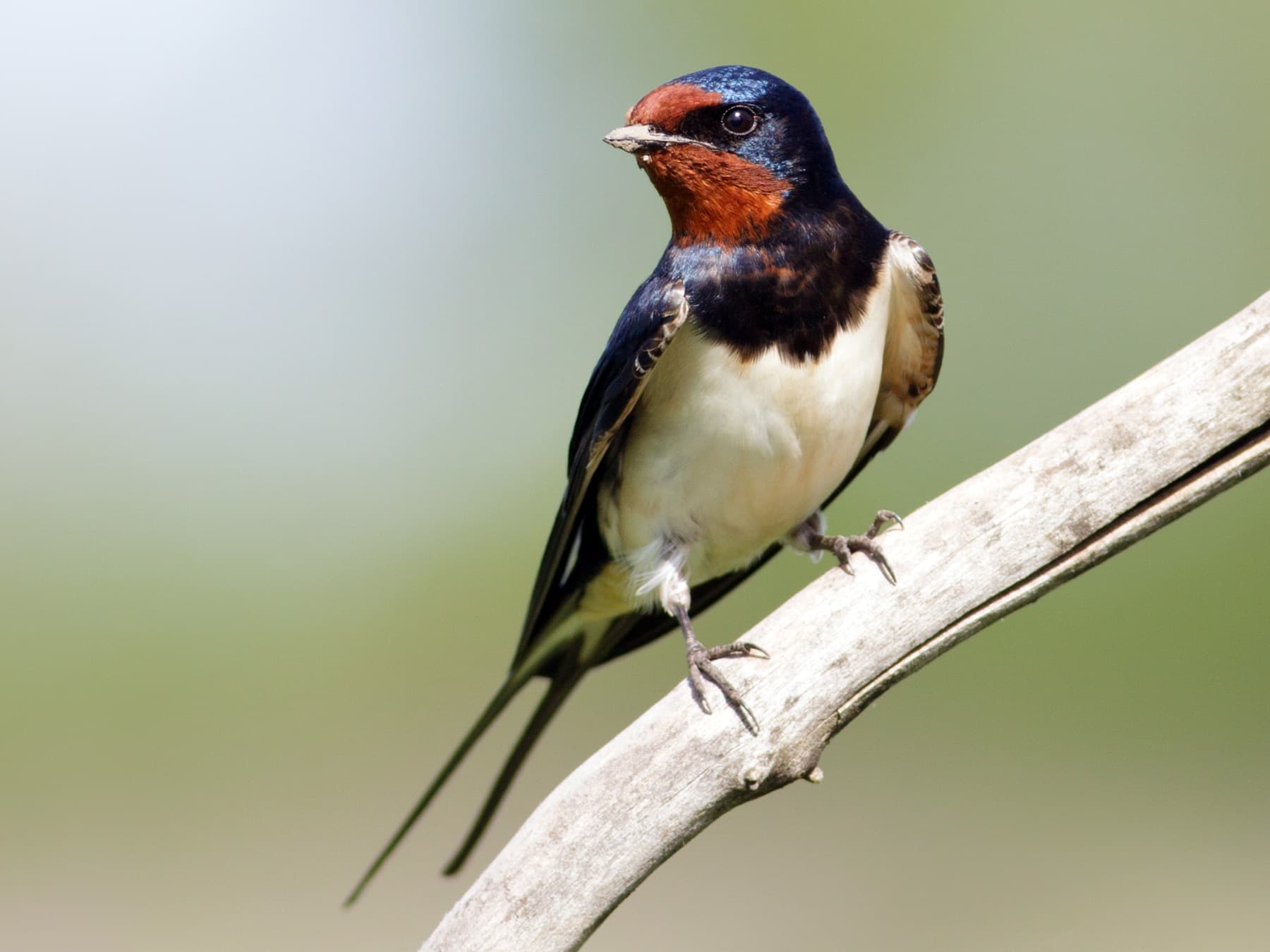 Barn SwallowHirundo rusticaWinter visitorCommon17–19 cmRegularly Aug–Apr · 1.85% in Feb
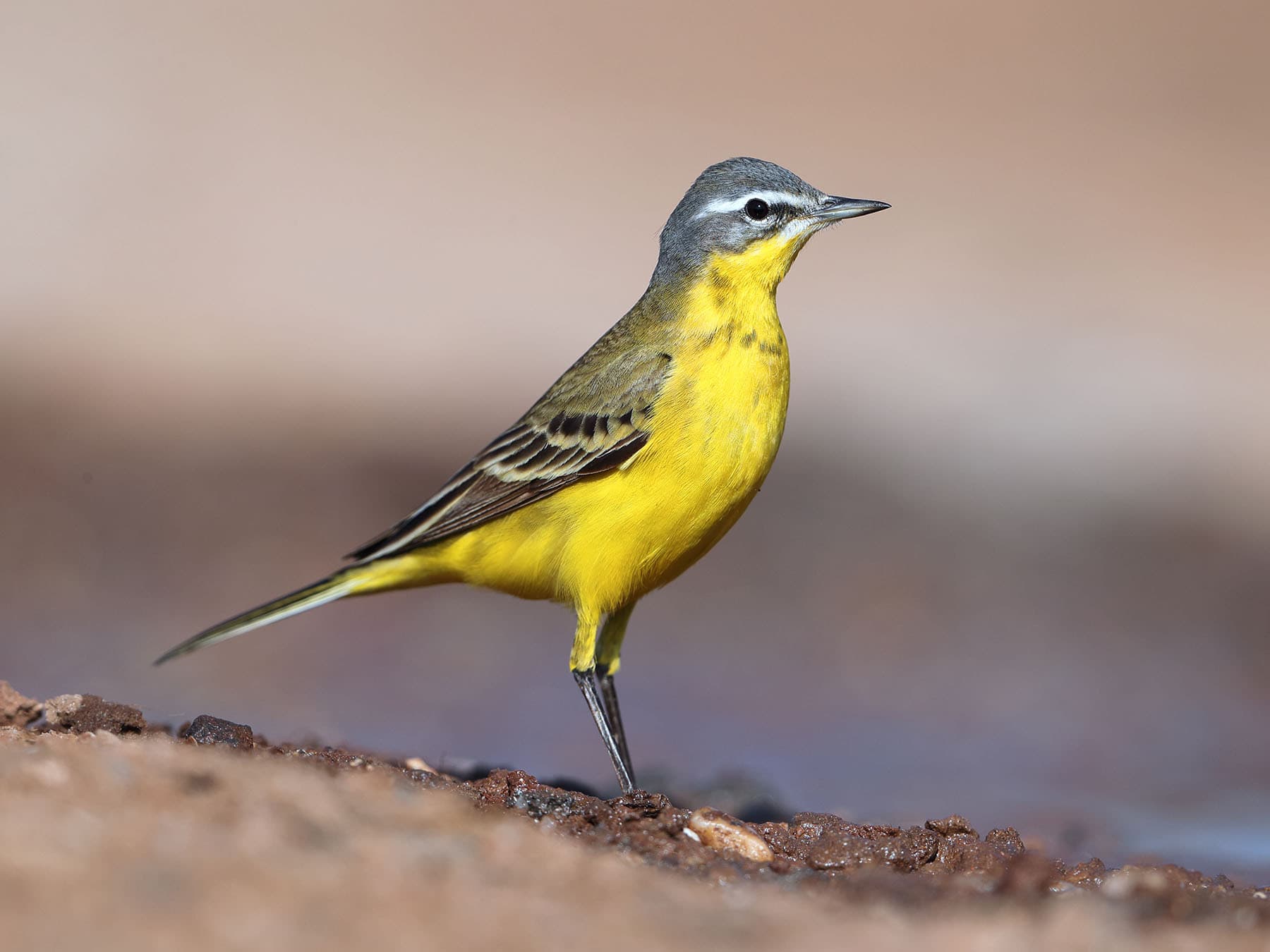 Yellow WagtailMotacilla flavaWinter visitorCommon15–17 cmRegularly Oct–Apr · 0.93% in Feb
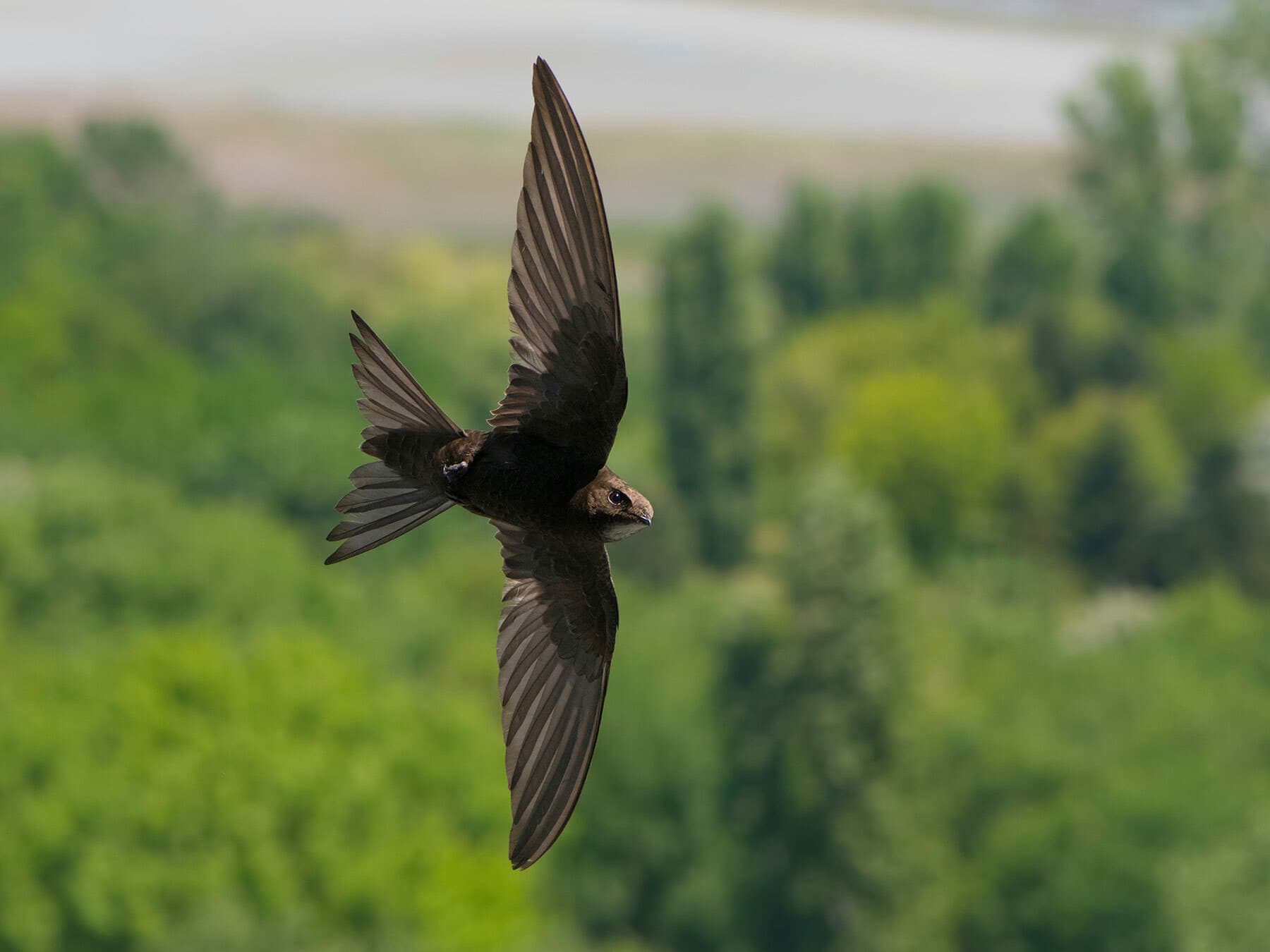 Common SwiftApus apusWinter visitorCommon16–17 cmRegularly Oct–May · 0.89% in Feb
 Common SandpiperActitis hypoleucosWinter visitorCommon18–20 cmRegularly Sep–Apr · 0.62% in Feb
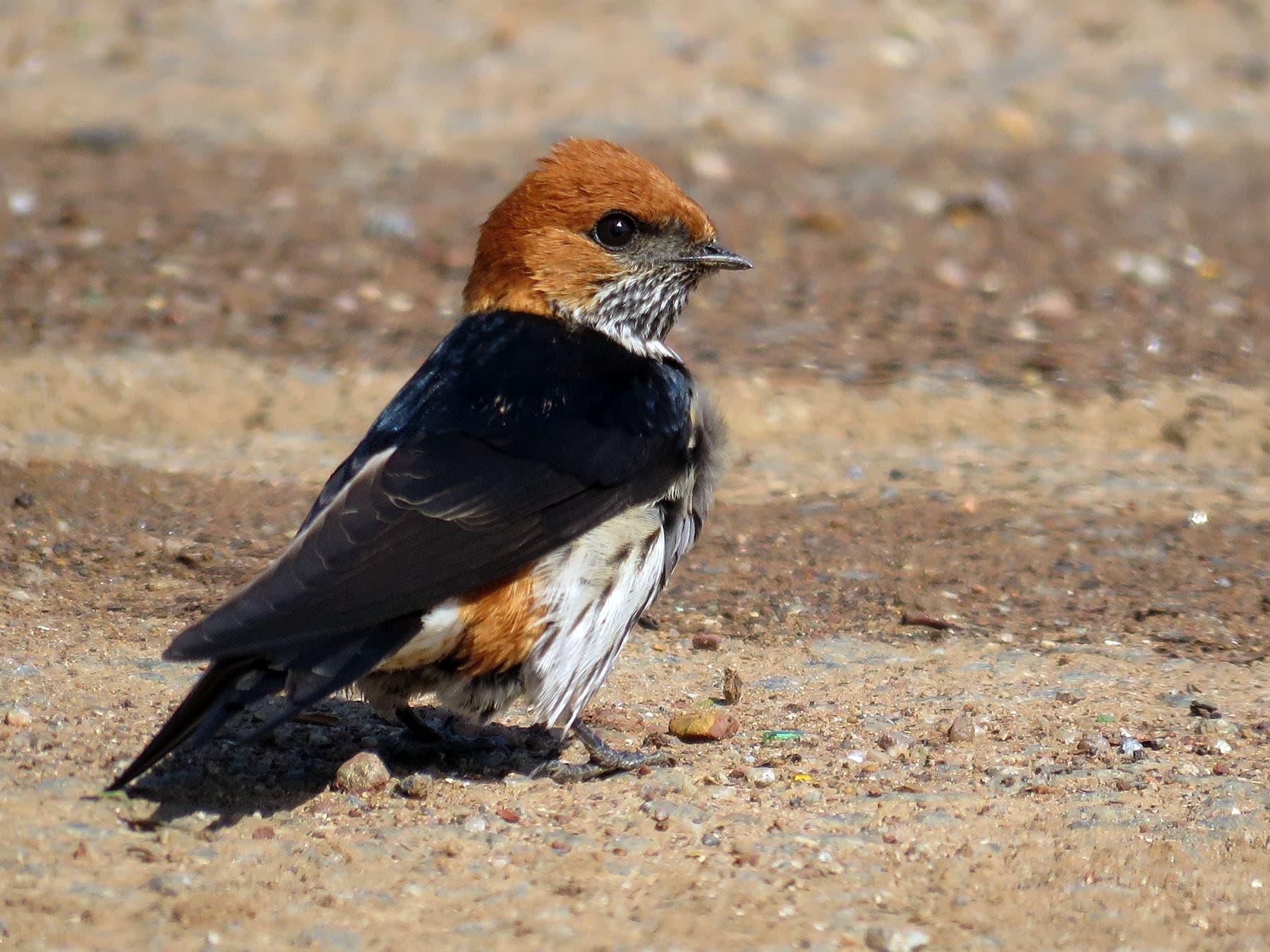 Lesser Striped SwallowCecropis abyssinicaWinter visitorCommon15–19 cmRegularly Aug–Jun · 0.58% in Feb
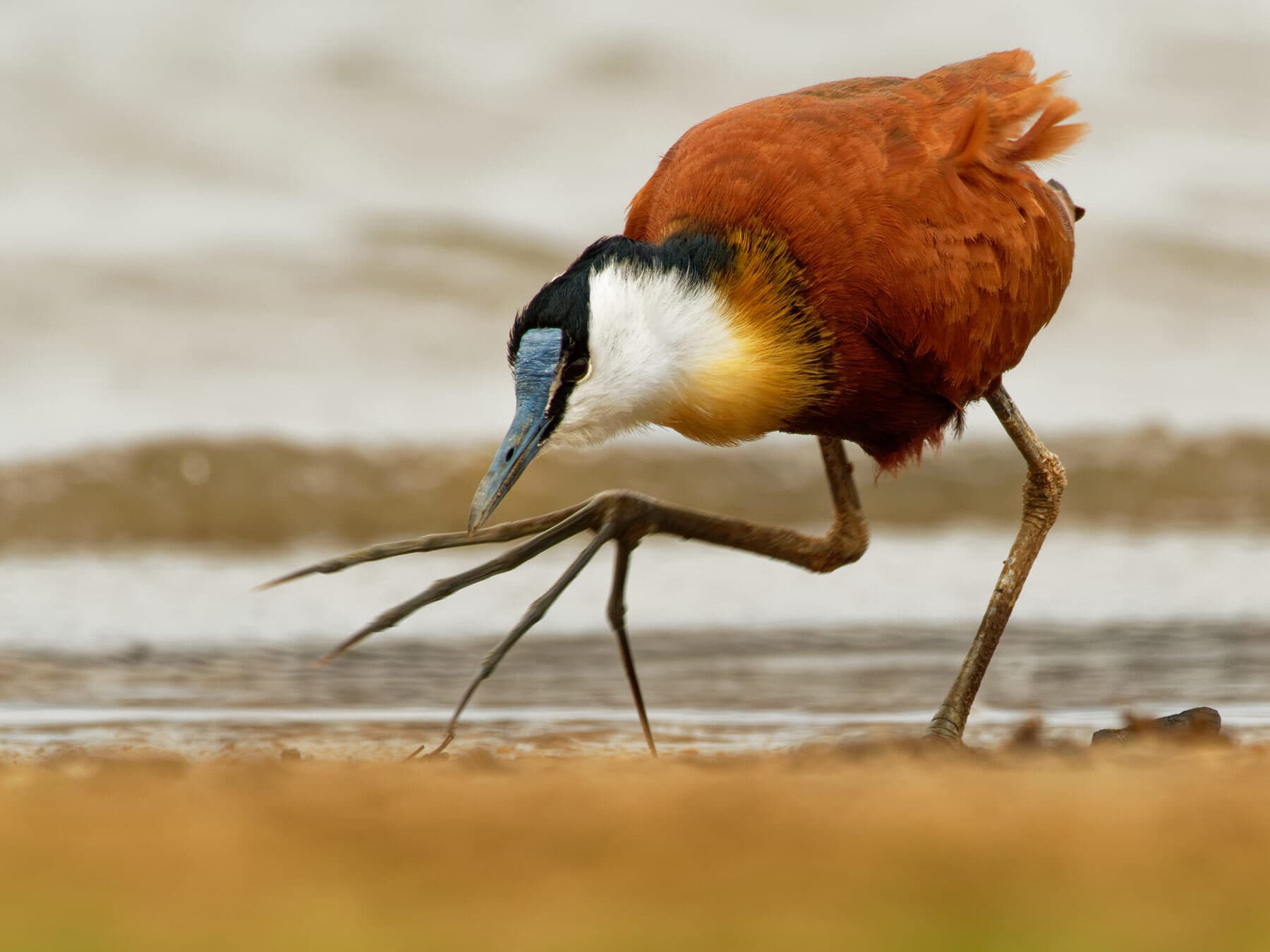 African JacanaActophilornis africanusWinter visitorUncommon23–31 cmRegularly Dec–Feb · 0.39% in Feb
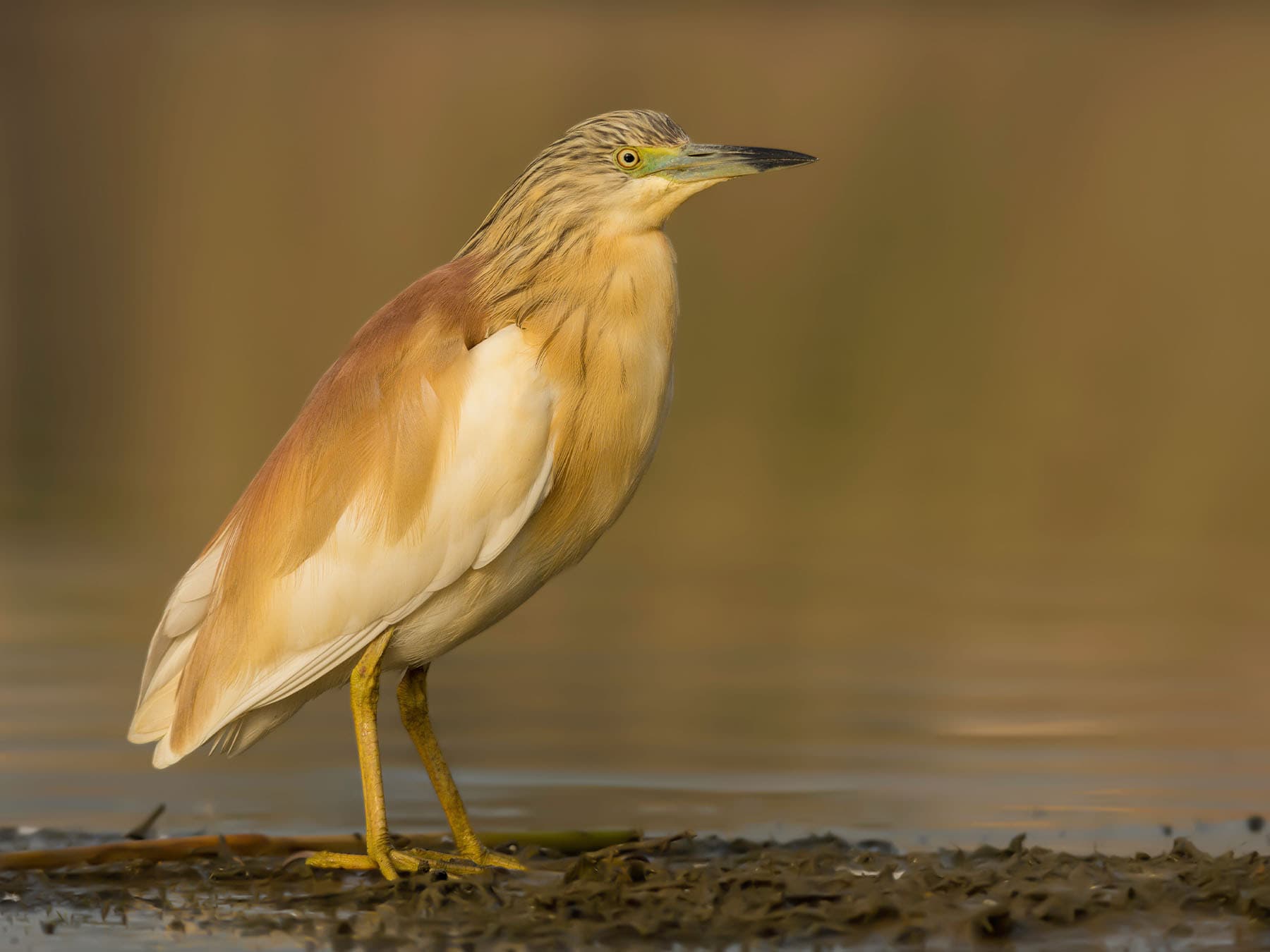 Squacco HeronArdeola ralloidesPassage migrantUncommon40–49 cmRegularly Jan–Mar · 0.39% in Feb
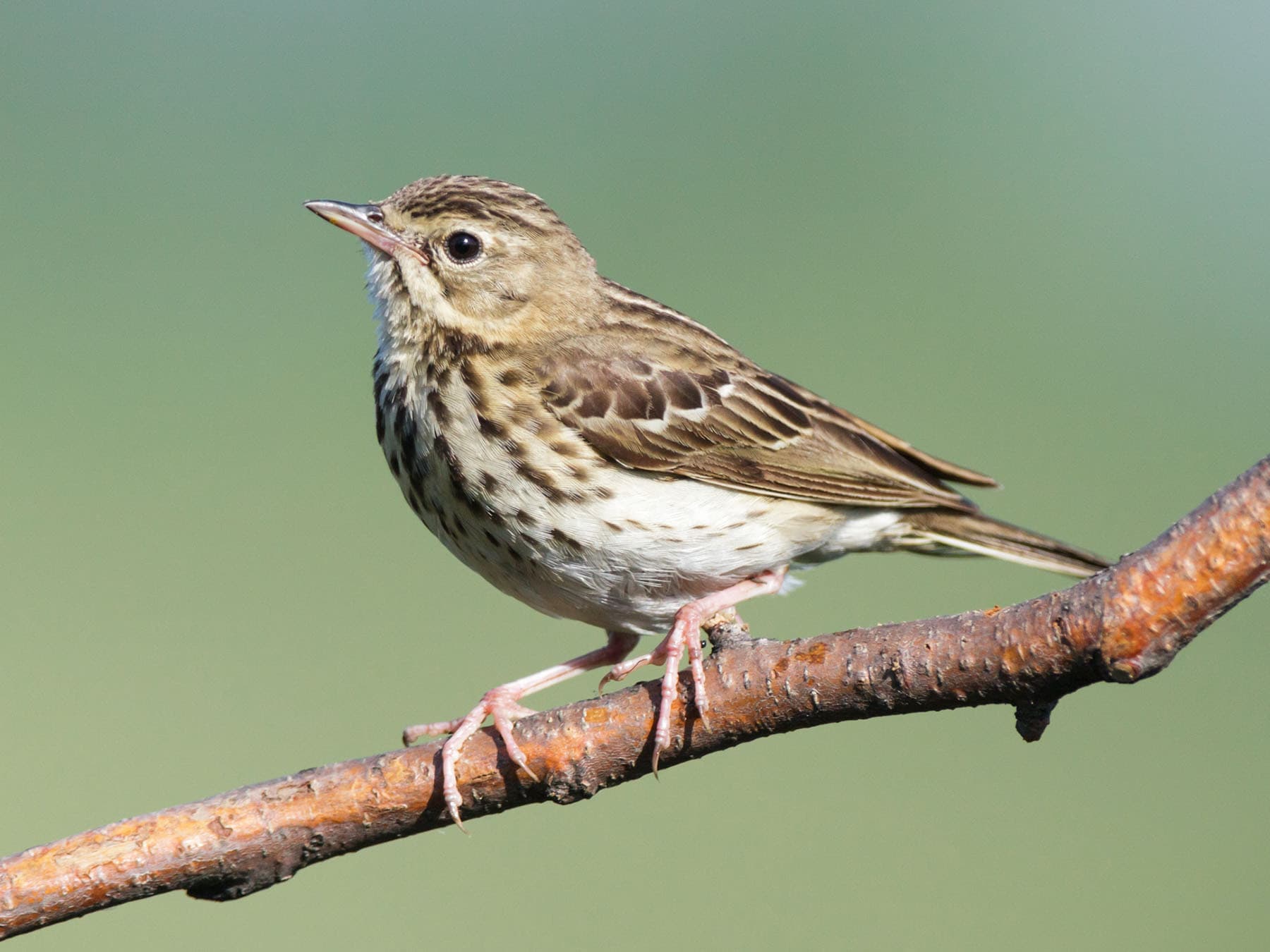 Tree PipitAnthus trivialisPassage migrantUncommon14–16 cmRegularly Jan–Mar · 0.39% in Feb
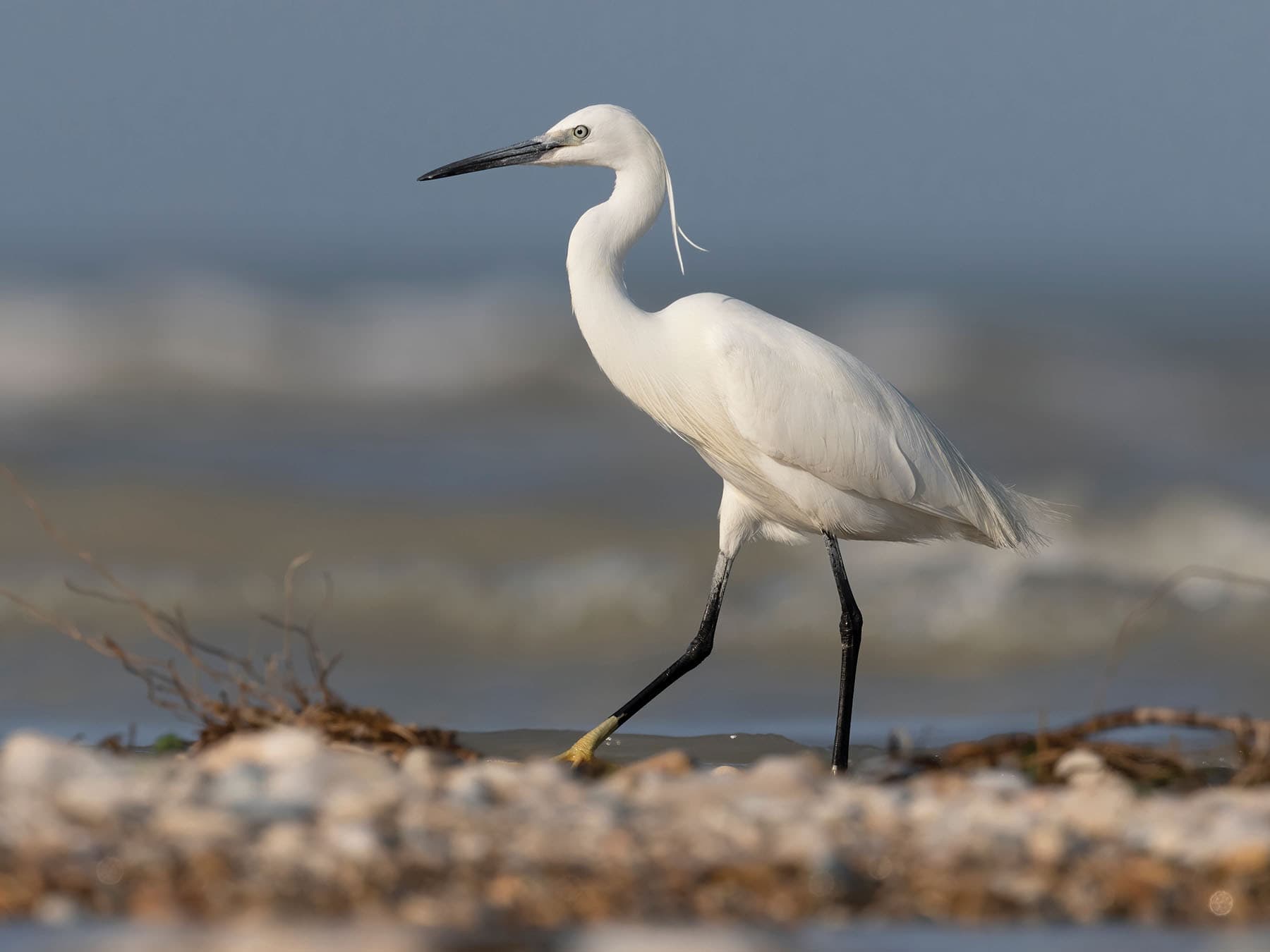 Little EgretEgretta garzettaPassage migrantUncommon55–65 cmRegularly Feb · 0.31% in Feb
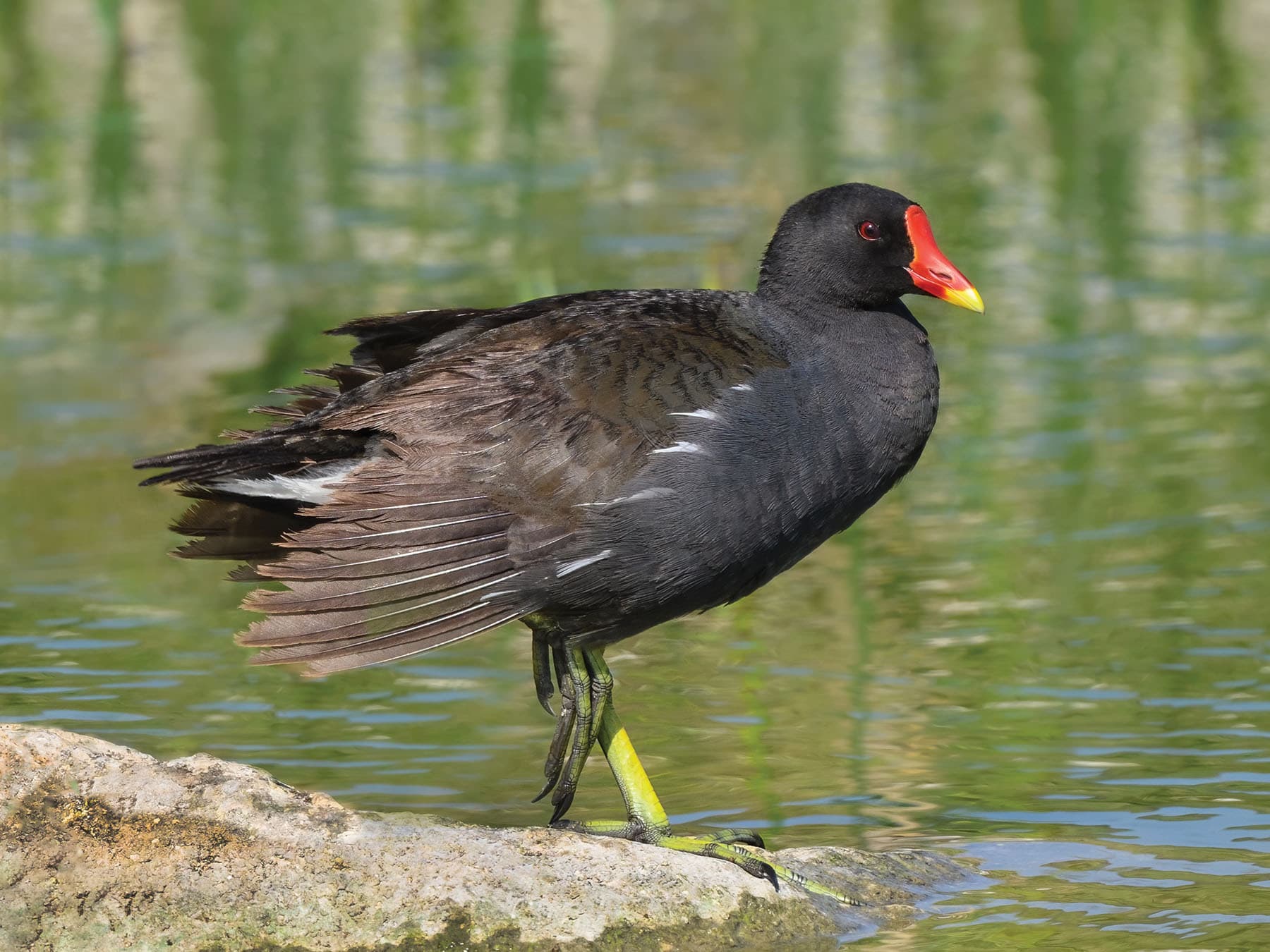 MoorhenGallinula chloropusPassage migrantUncommon30–38 cmRegularly Feb · 0.31% in Feb
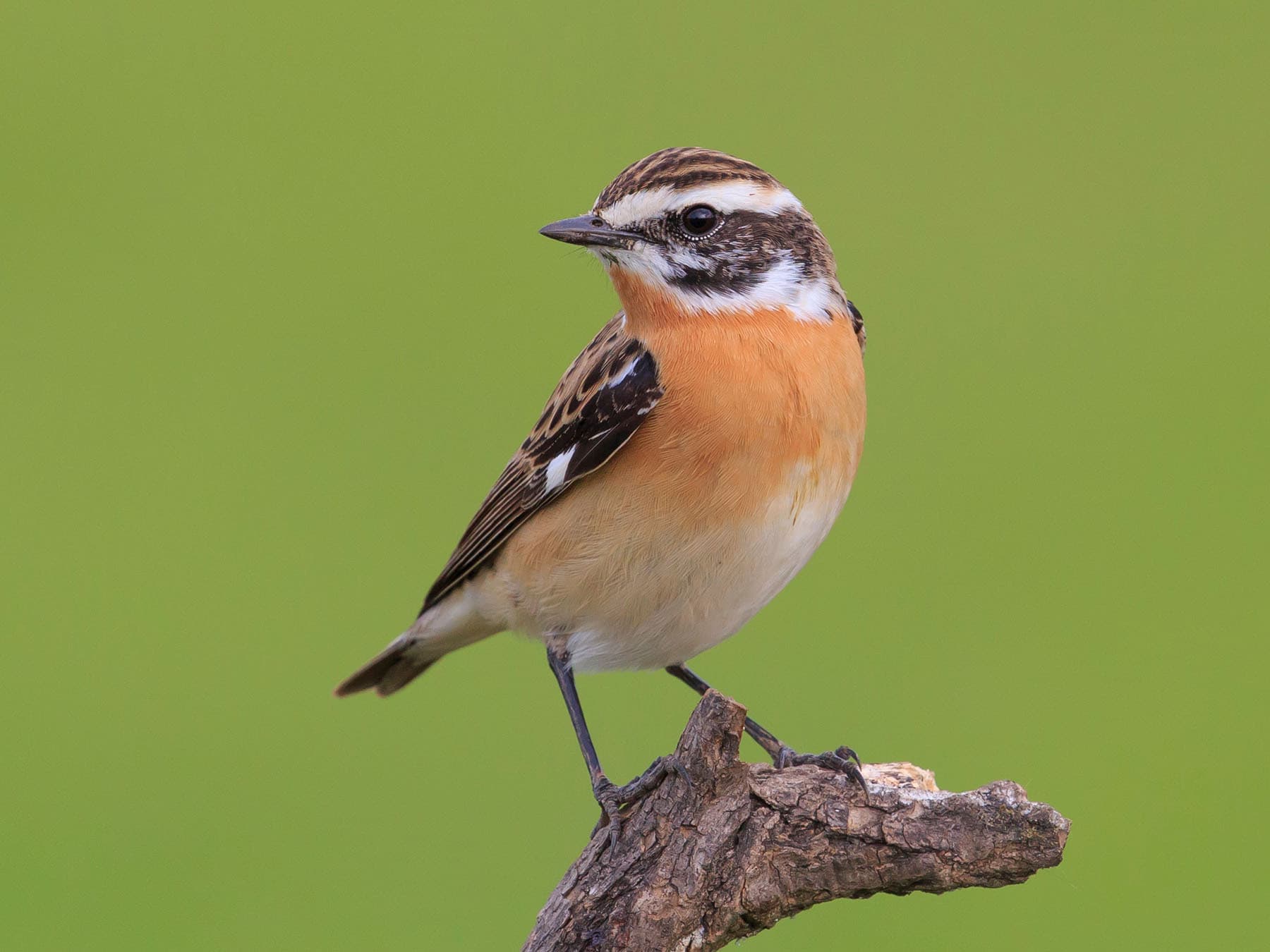 WhinchatSaxicola rubetraWinter visitorUncommon12–14 cmRegularly Nov–Mar · 0.31% in Feb
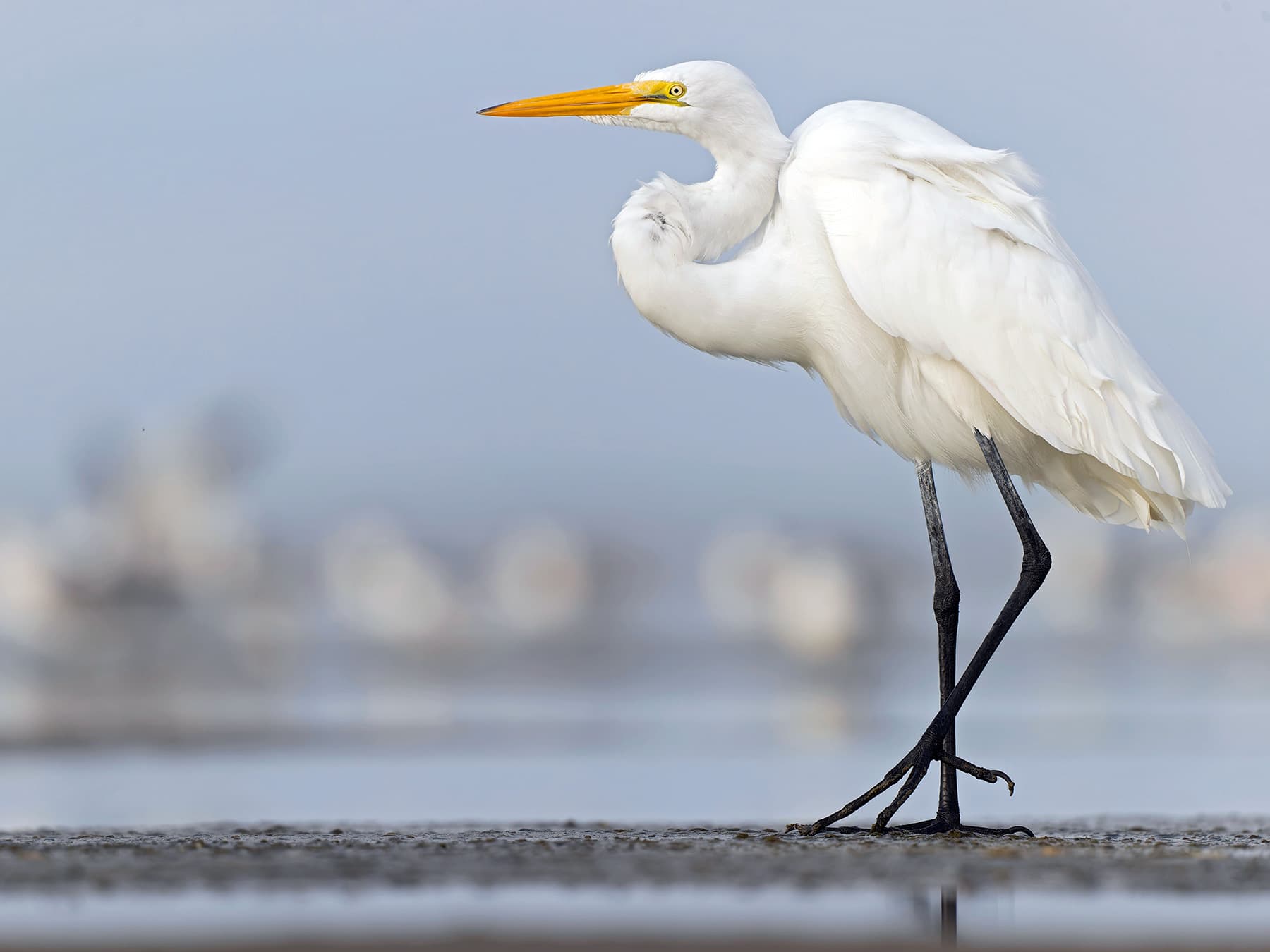 Great White EgretArdea albaWinter visitorUncommon80–104 cmRegularly Dec–Mar · 0.23% in Feb
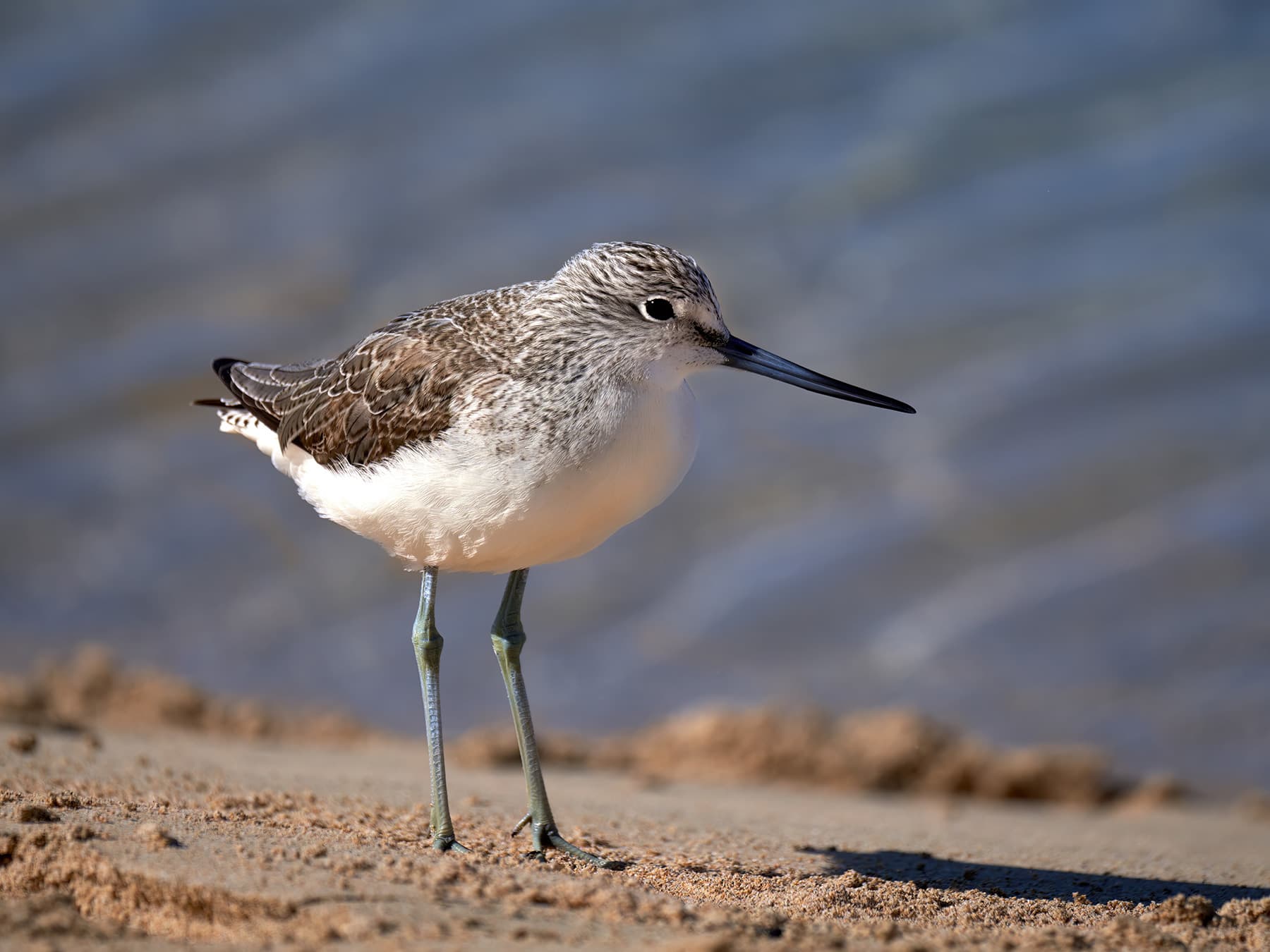 GreenshankTringa nebulariaWinter visitorUncommon30–35 cmRegularly Dec–Mar · 0.23% in Feb
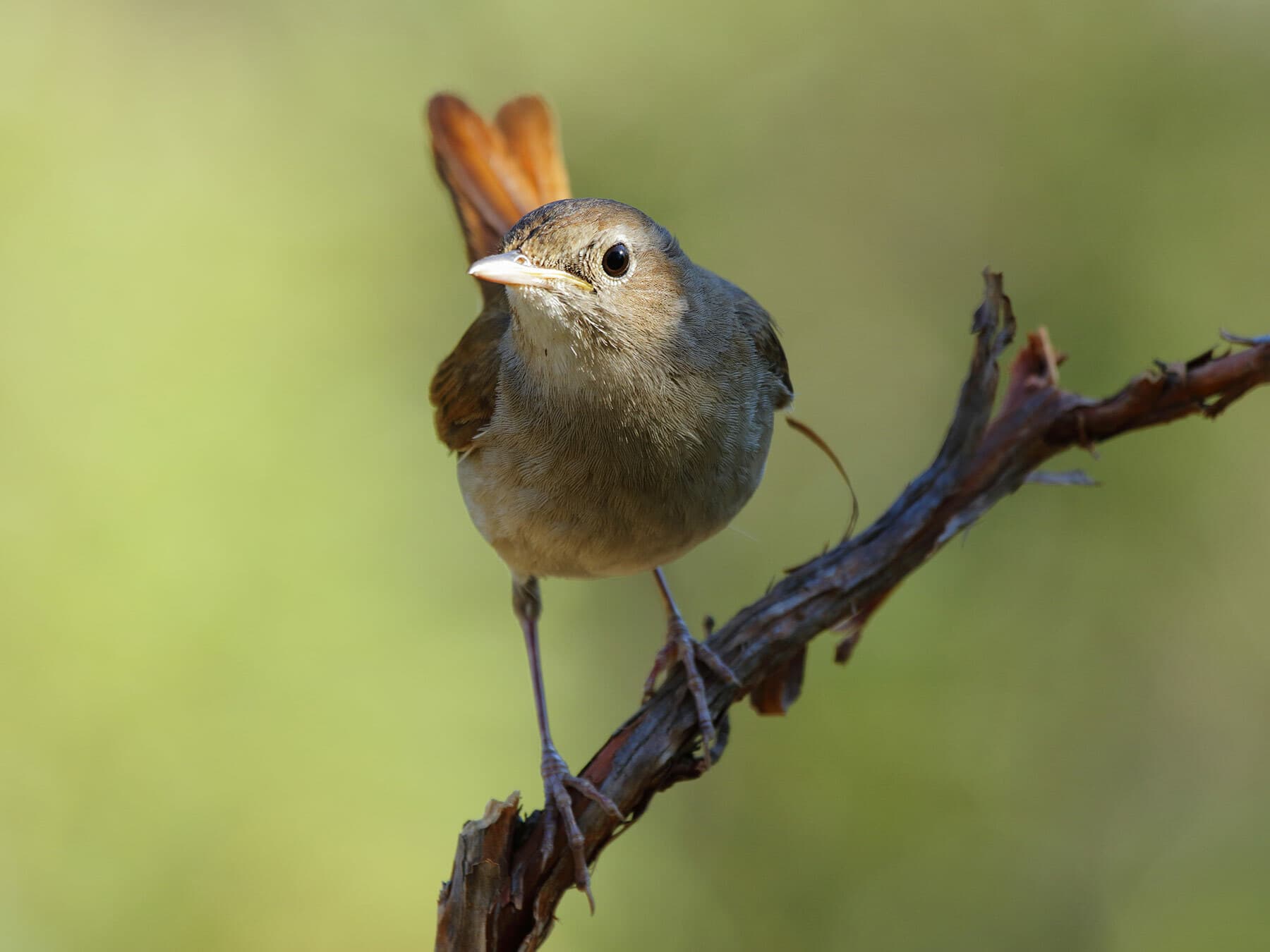 NightingaleLuscinia megarhynchosWinter visitorCommon15–17 cmRegularly Nov–Feb · 0.23% in Feb
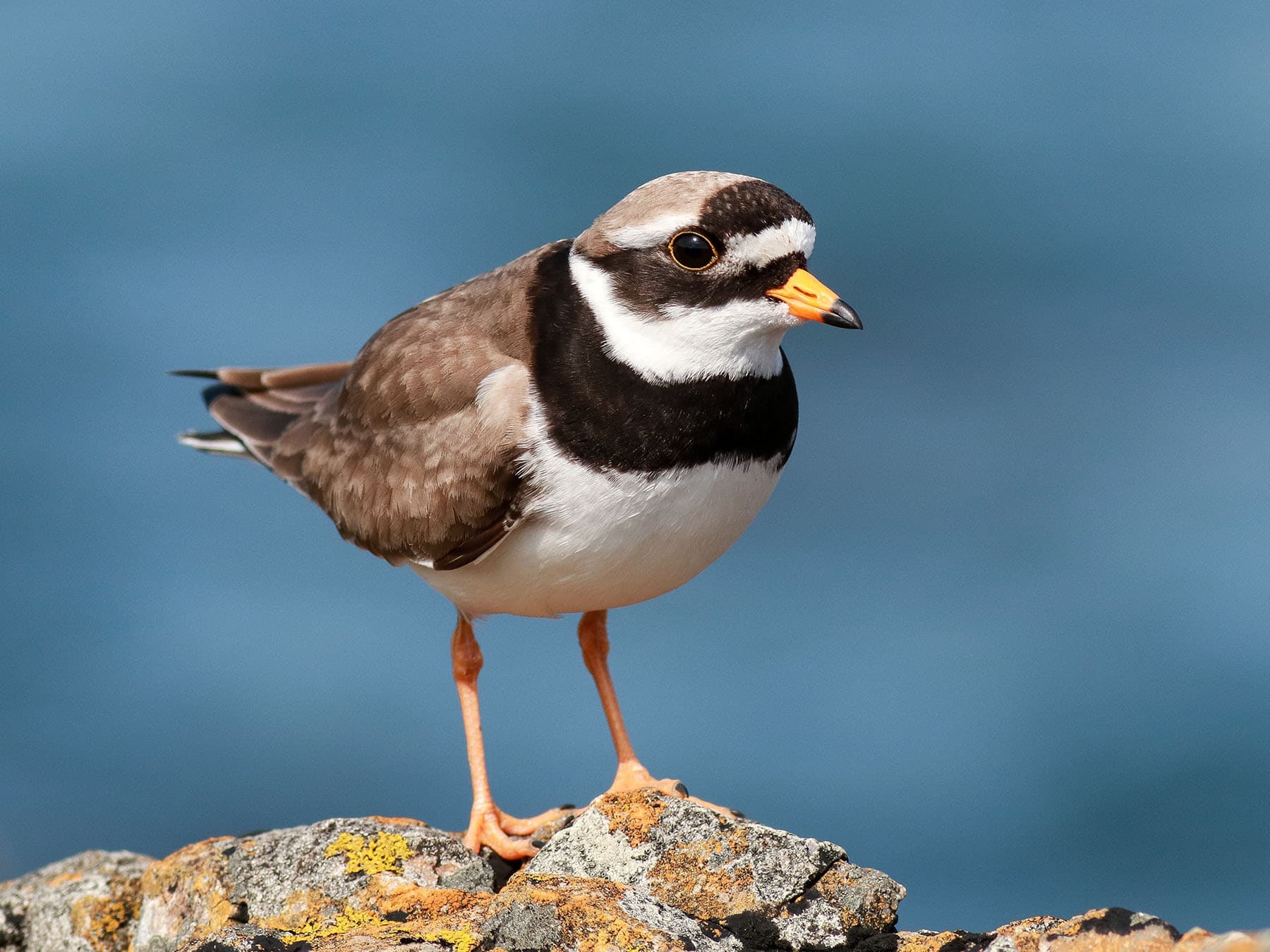 Ringed PloverCharadrius hiaticulaPassage migrantCommon17–19 cmRegularly Sep–Feb · 0.23% in Feb
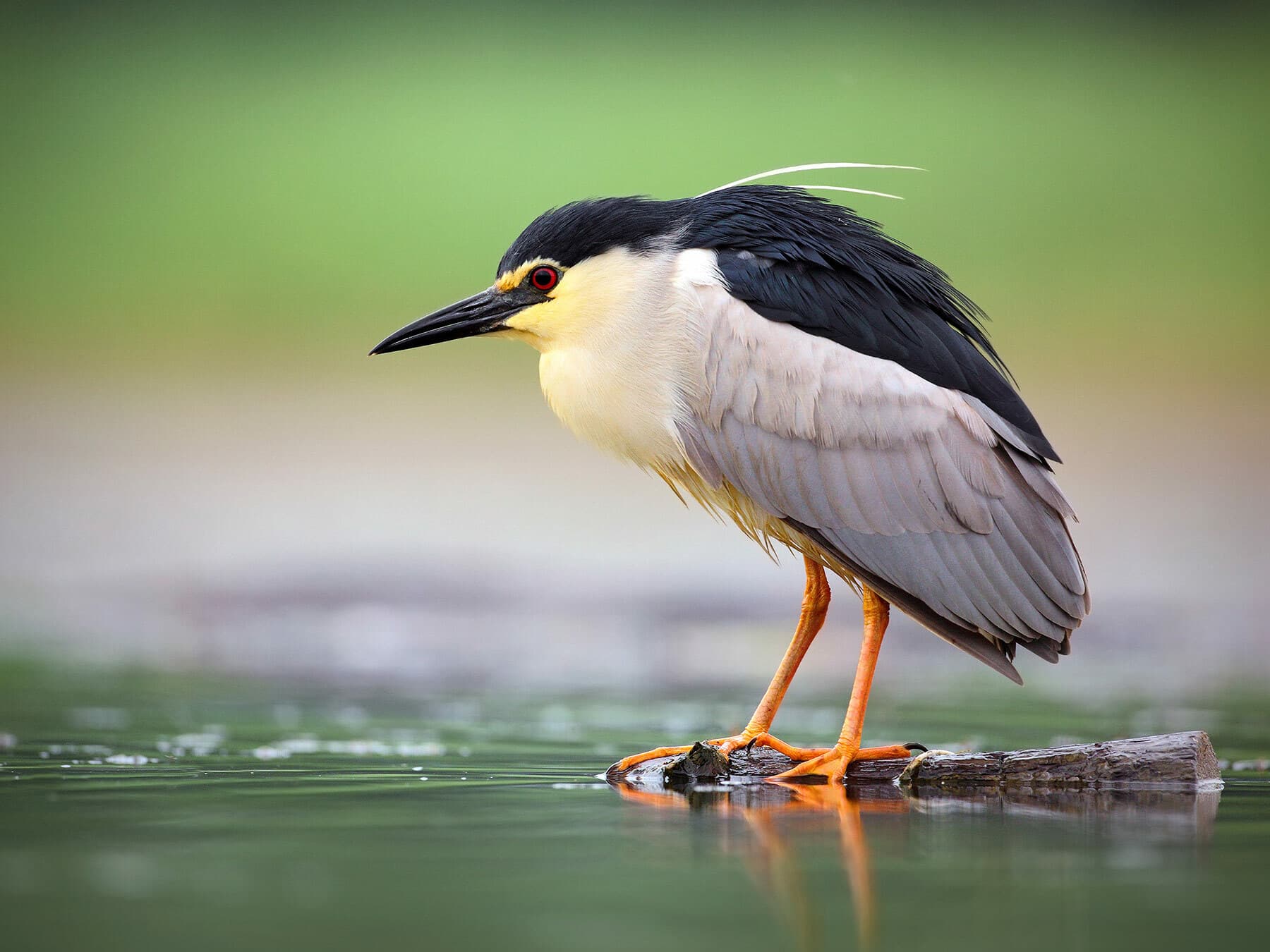 Black-crowned Night-heronNycticorax nycticoraxPassage migrantUncommon58–65 cmRegularly Feb · 0.19% in Feb
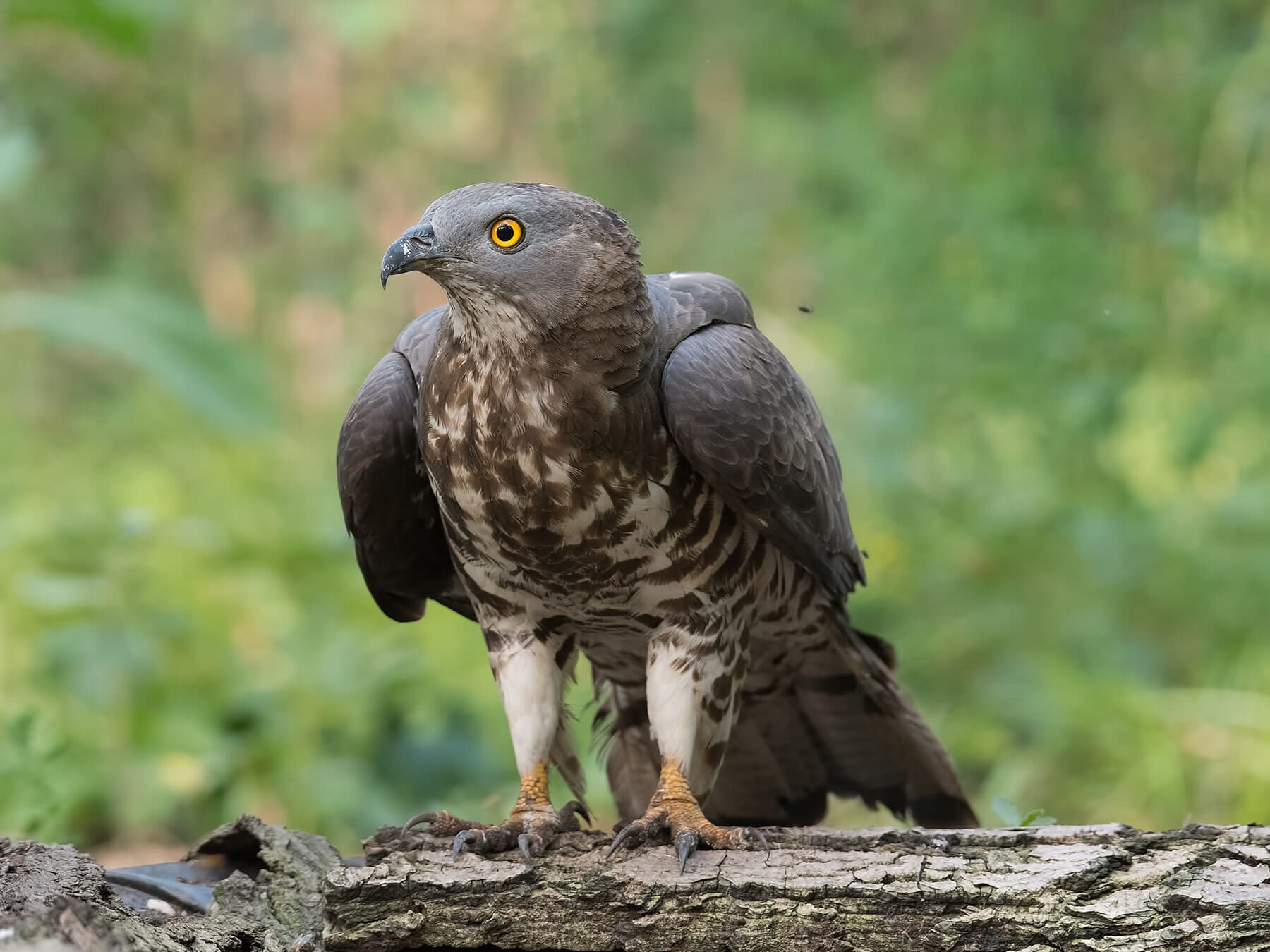 European Honey-buzzardPernis apivorusPassage migrantUncommon52–60 cmRegularly Feb · 0.15% in Feb
 Little GrebeTachybaptus ruficollisPassage migrantUncommon23–29 cmRegularly Dec–Mar · 0.15% in Feb
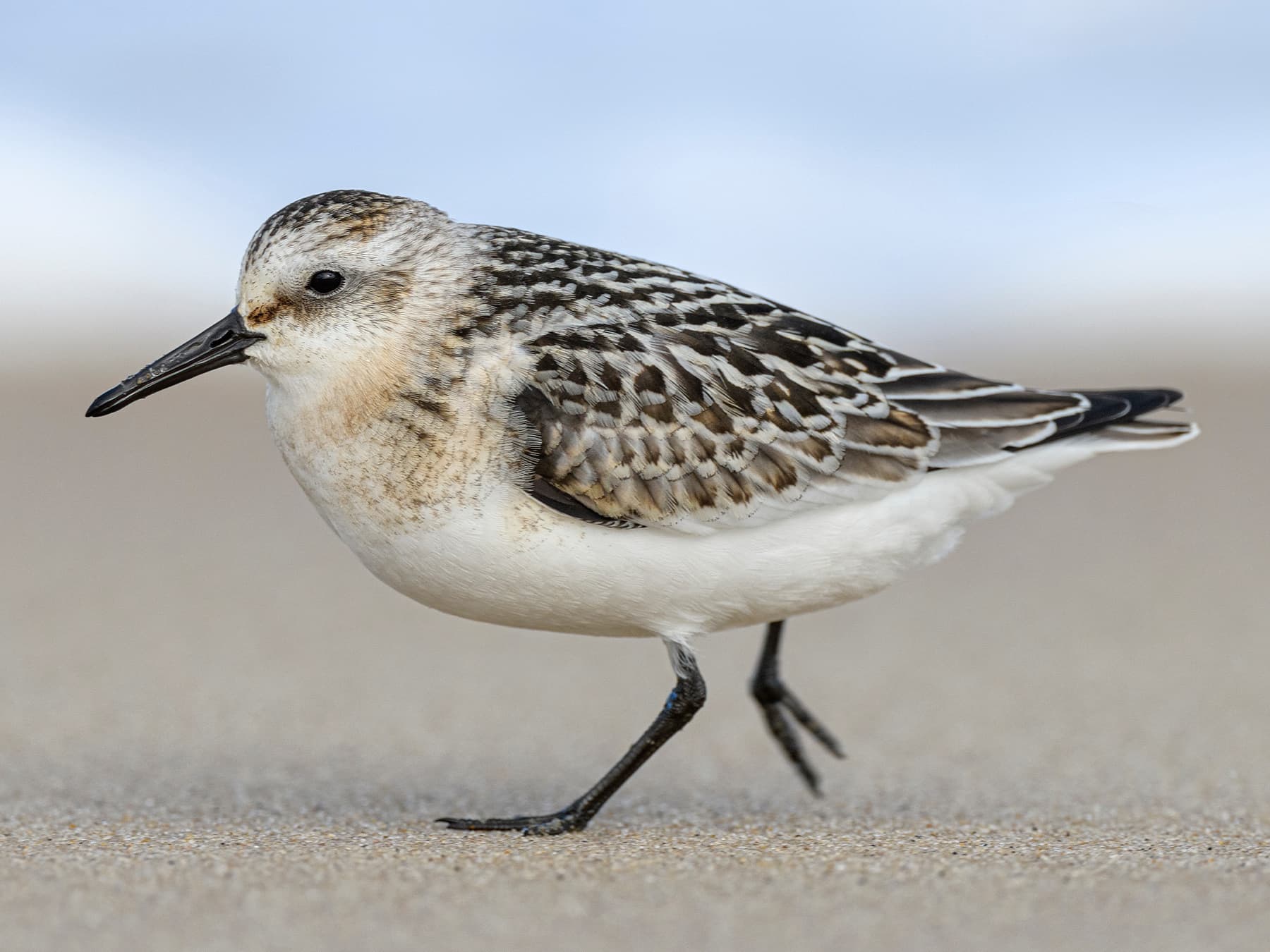 SanderlingCalidris albaPassage migrantCommon18–20 cmRegularly Sep–Feb · 0.15% in Feb
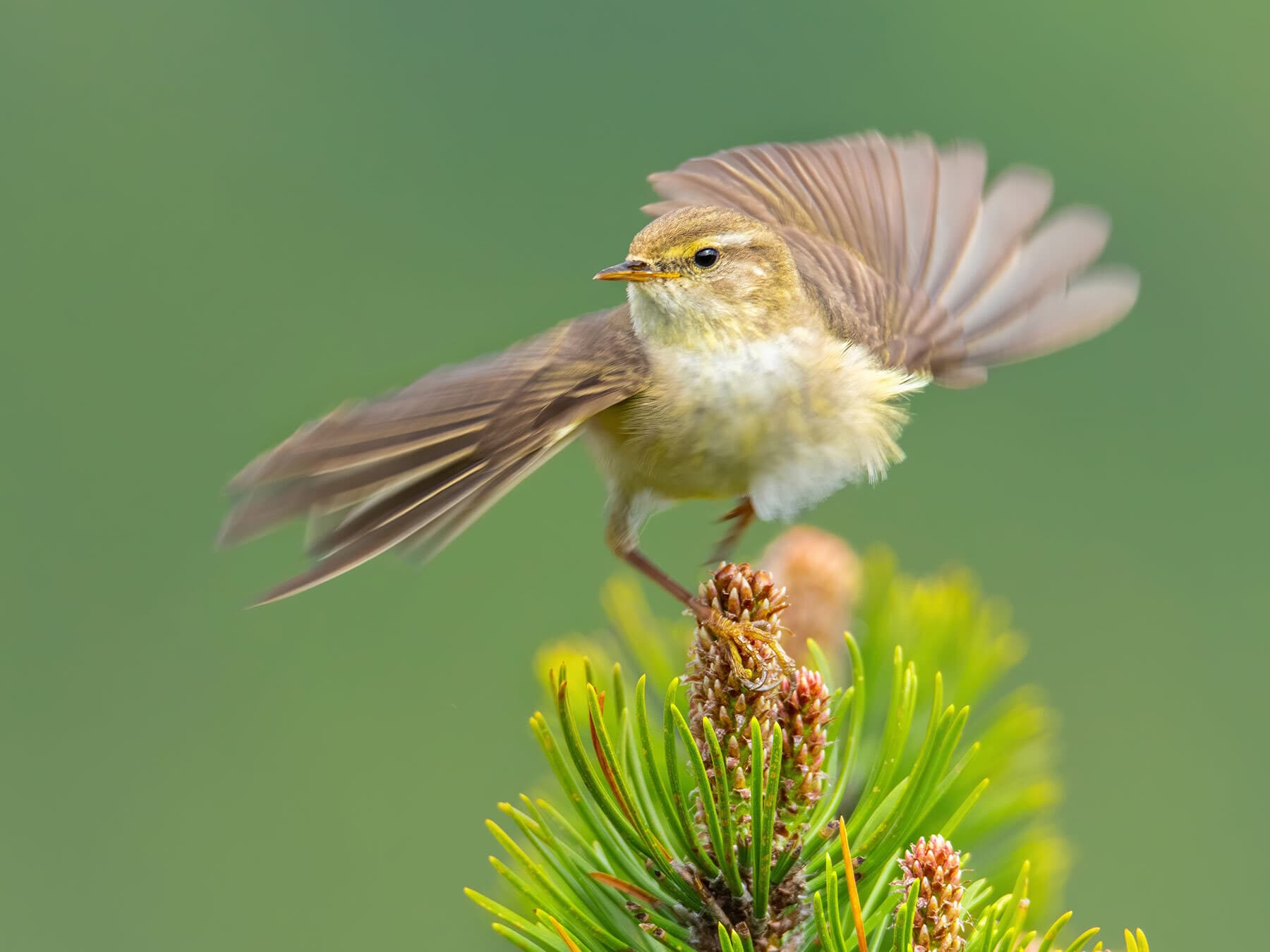 Willow WarblerPhylloscopus trochilusWinter visitorUncommon11–13 cmRegularly Dec–Mar · 0.15% in Feb
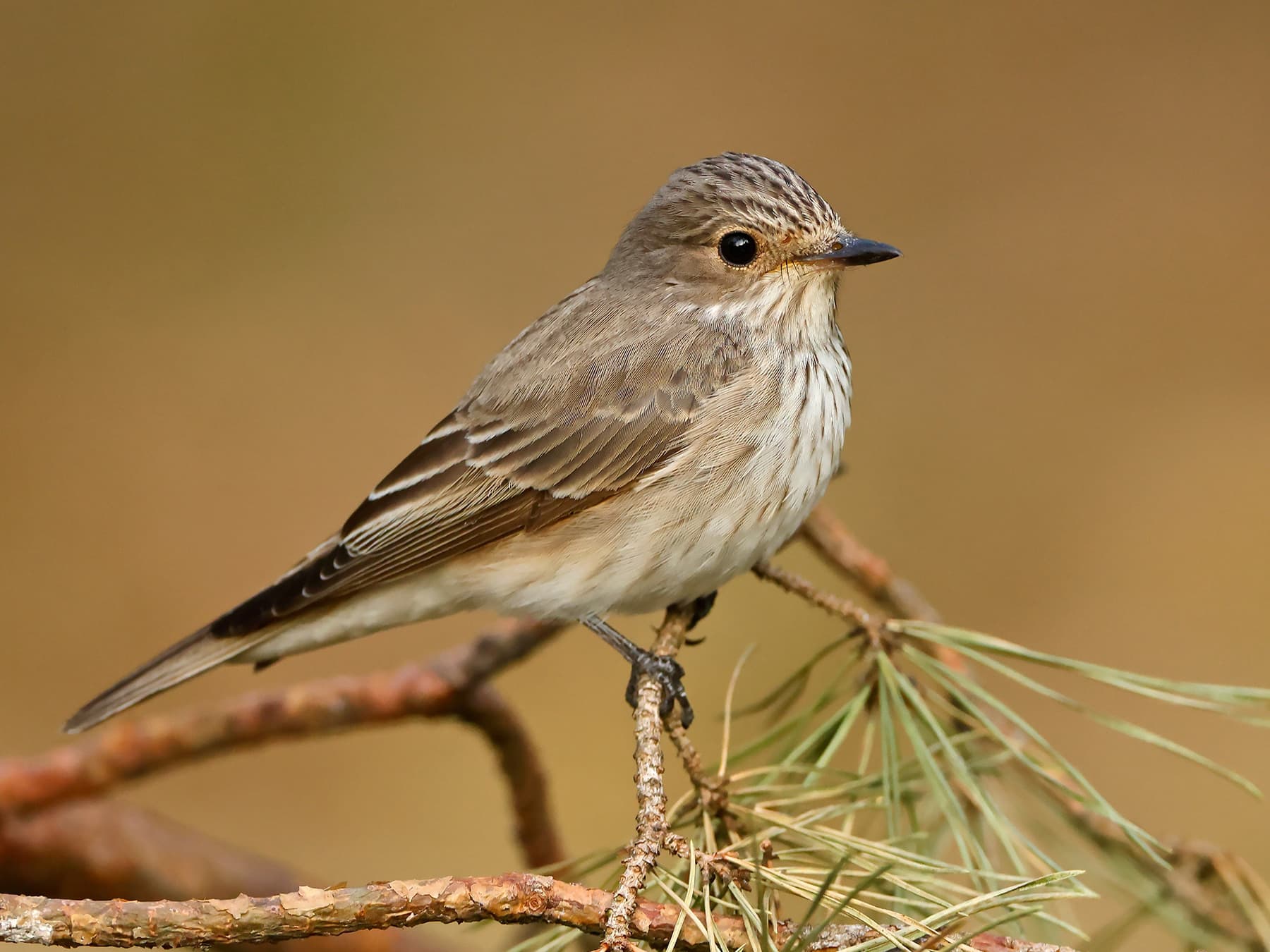 Spotted FlycatcherMuscicapa striataWinter visitorCommon14–16 cmRegularly Oct–Apr · 0.12% in Feb
Smallest to largest
Length, cm- Willow Warbler 11–13 cm
- Whinchat 12–14 cm
- Tree Pipit 14–16 cm
- Spotted Flycatcher 14–16 cm
- Nightingale 15–17 cm
- Yellow Wagtail 15–17 cm
- Common Swift 16–17 cm
- Lesser Striped Swallow 15–19 cm
- Barn Swallow 17–19 cm
- Ringed Plover 17–19 cm
- Common Sandpiper 18–20 cm
- Sanderling 18–20 cm
- Little Grebe 23–29 cm
- African Jacana 23–31 cm
- Greenshank 30–35 cm
- Moorhen 30–38 cm
- Squacco Heron 40–49 cm
- Pied Crow 46–52 cm
- Cattle Egret 46–56 cm
- European Honey-buzzard 52–60 cm
- Little Egret 55–65 cm
- Black-crowned Night-heron 58–65 cm
- Great White Egret 80–104 cm
Body length, bill to tail. Rare birds in grey.
Data: EOD – eBird Observation Dataset (Cornell Lab of Ornithology), accessed via GBIF.org, CC BY 4.0. Records from 2019–2024, aggregated and filtered by Birdfact. How these lists are made