


Birds to See in Eswatini in January
22 bird species on our list for Eswatini are recorded regularly in January
Of these, the most often recorded are Barn Swallow, Fork-tailed Drongo, Cape Starling, Lesser Striped Swallow and European Bee-eater. New this month: Common Sandpiper, House Martin, Rock Dove and Glossy Ibis.
On the move in January
GBIF · JanArriving
From Eswatini’s bird records, 2019–2024: arriving birds are regular this month but not last; leaving birds are regular this month but not next.
Other months
All 22 birds in January
22 birds
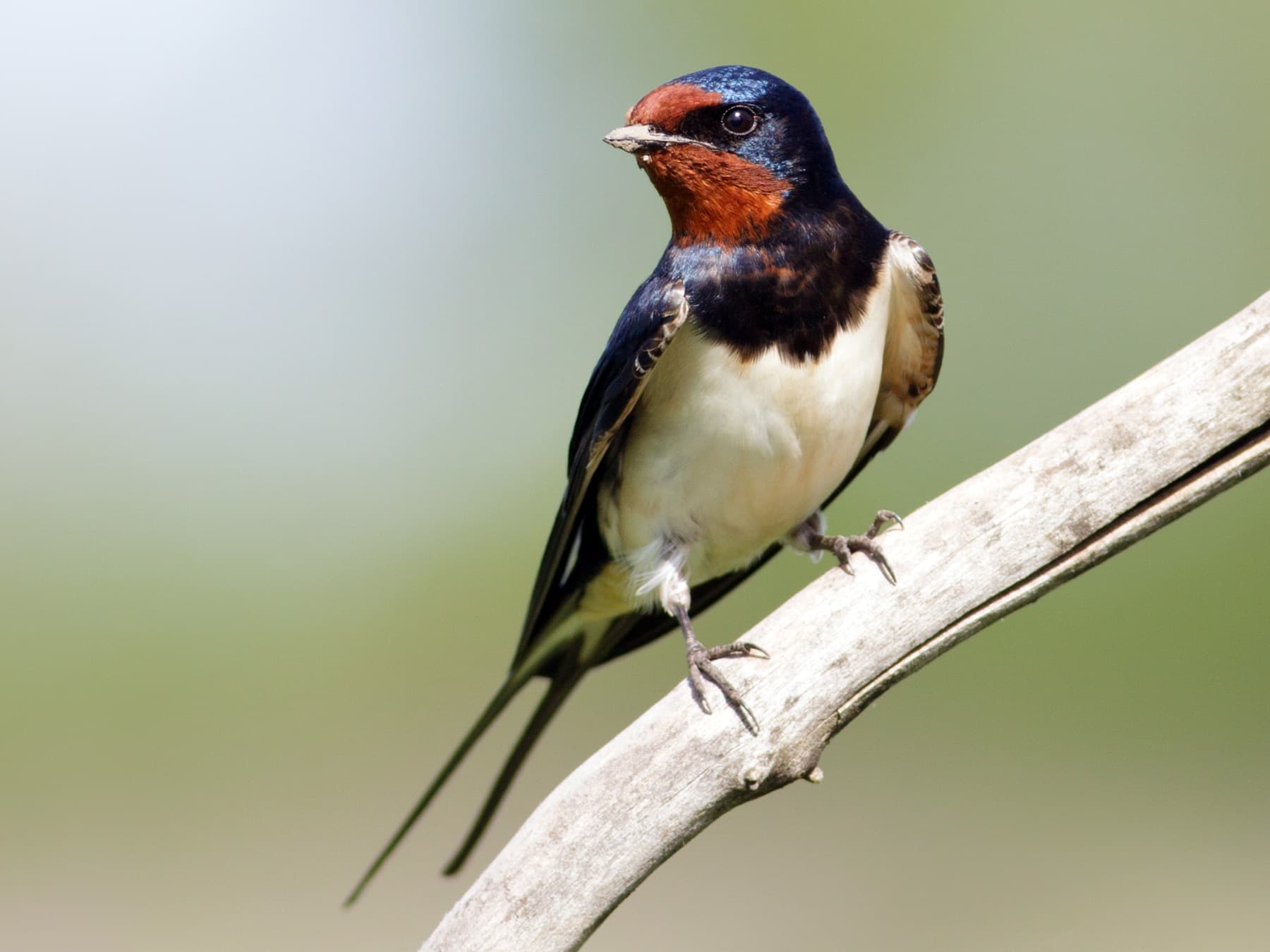 Barn SwallowHirundo rusticaSummer visitorCommon17–19 cmRegularly Oct–Apr · 1.61% in Jan
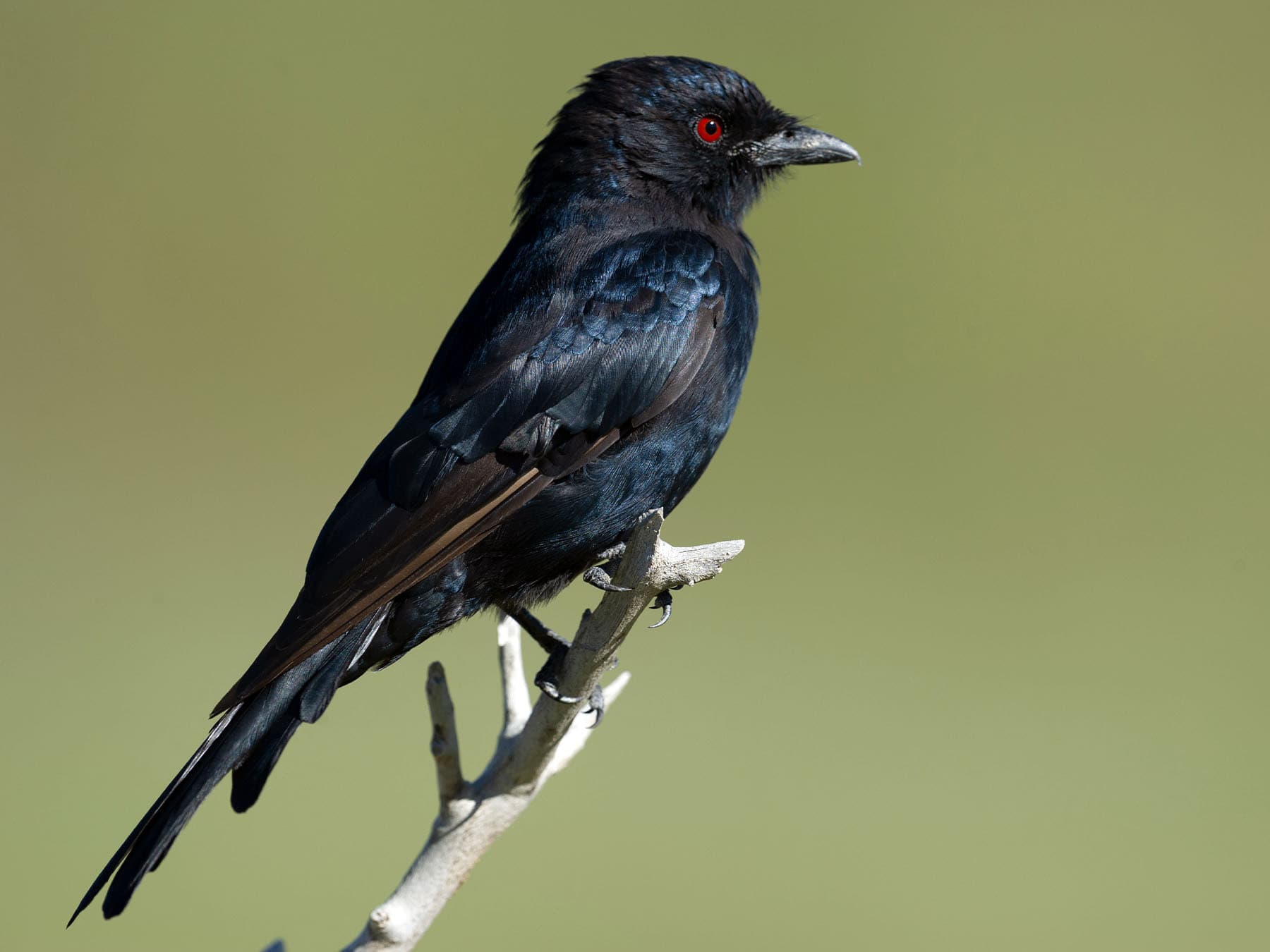 Fork-tailed DrongoDicrurus adsimilisResidentCommon23–26 cmRecorded all year · 1.11% in Jan
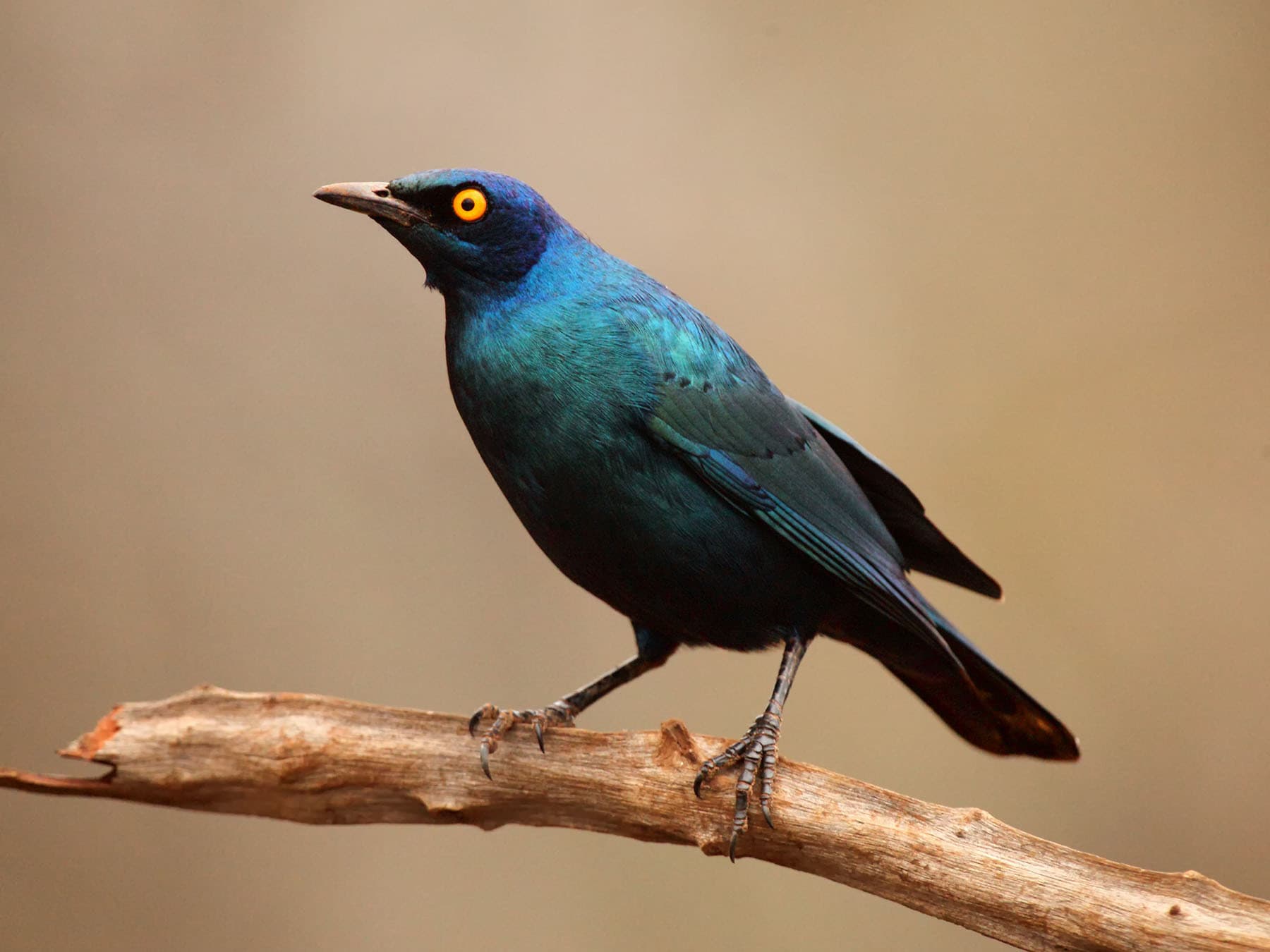 Cape StarlingLamprotornis nitensResidentCommon25–28 cmRecorded all year · 0.97% in Jan
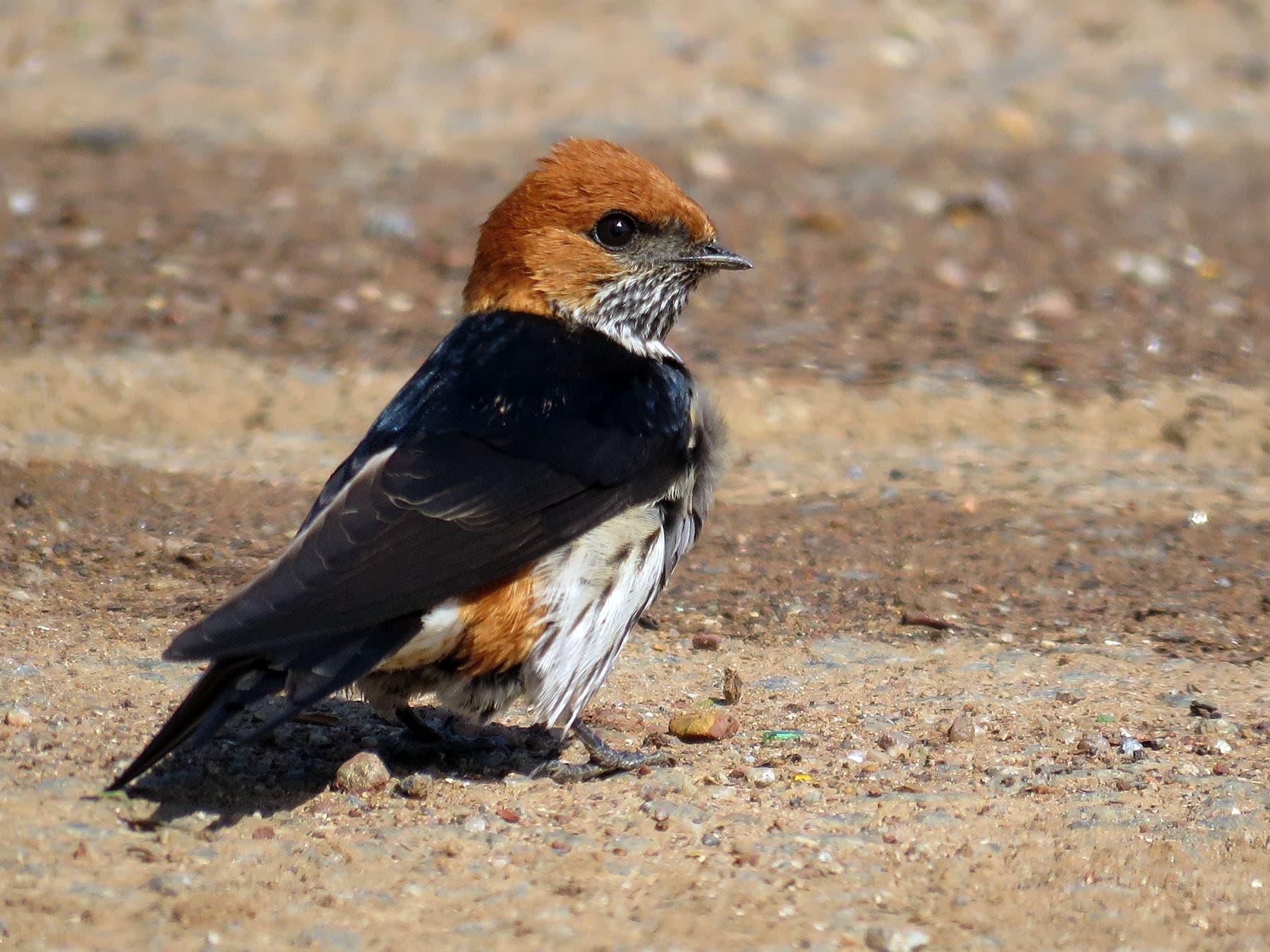 Lesser Striped SwallowCecropis abyssinicaSummer visitorCommon15–19 cmRegularly Jul–Apr · 0.97% in Jan
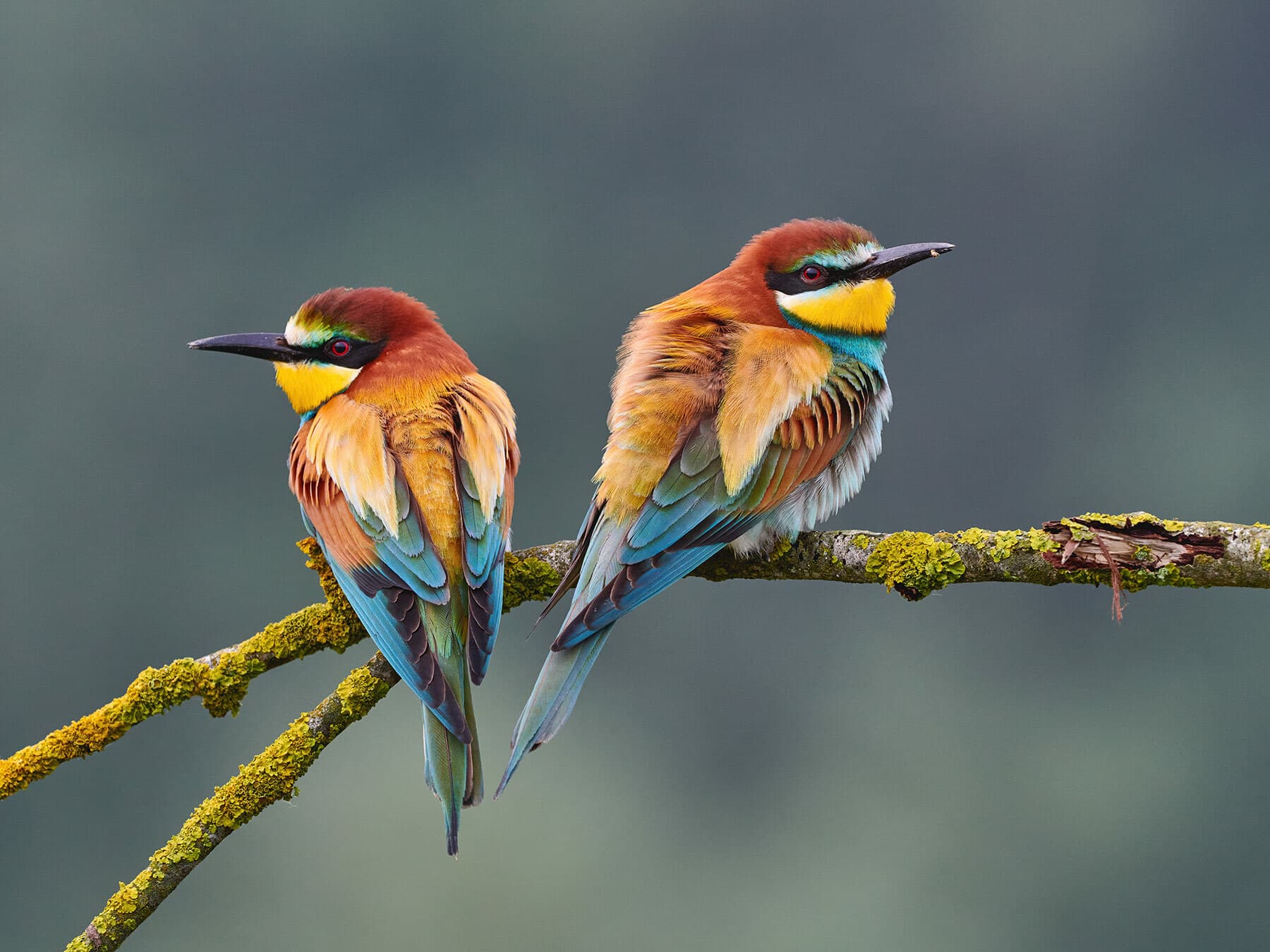 European Bee-eaterMerops apiasterSummer visitorCommon27–29 cmRegularly Oct–Apr · 0.91% in Jan
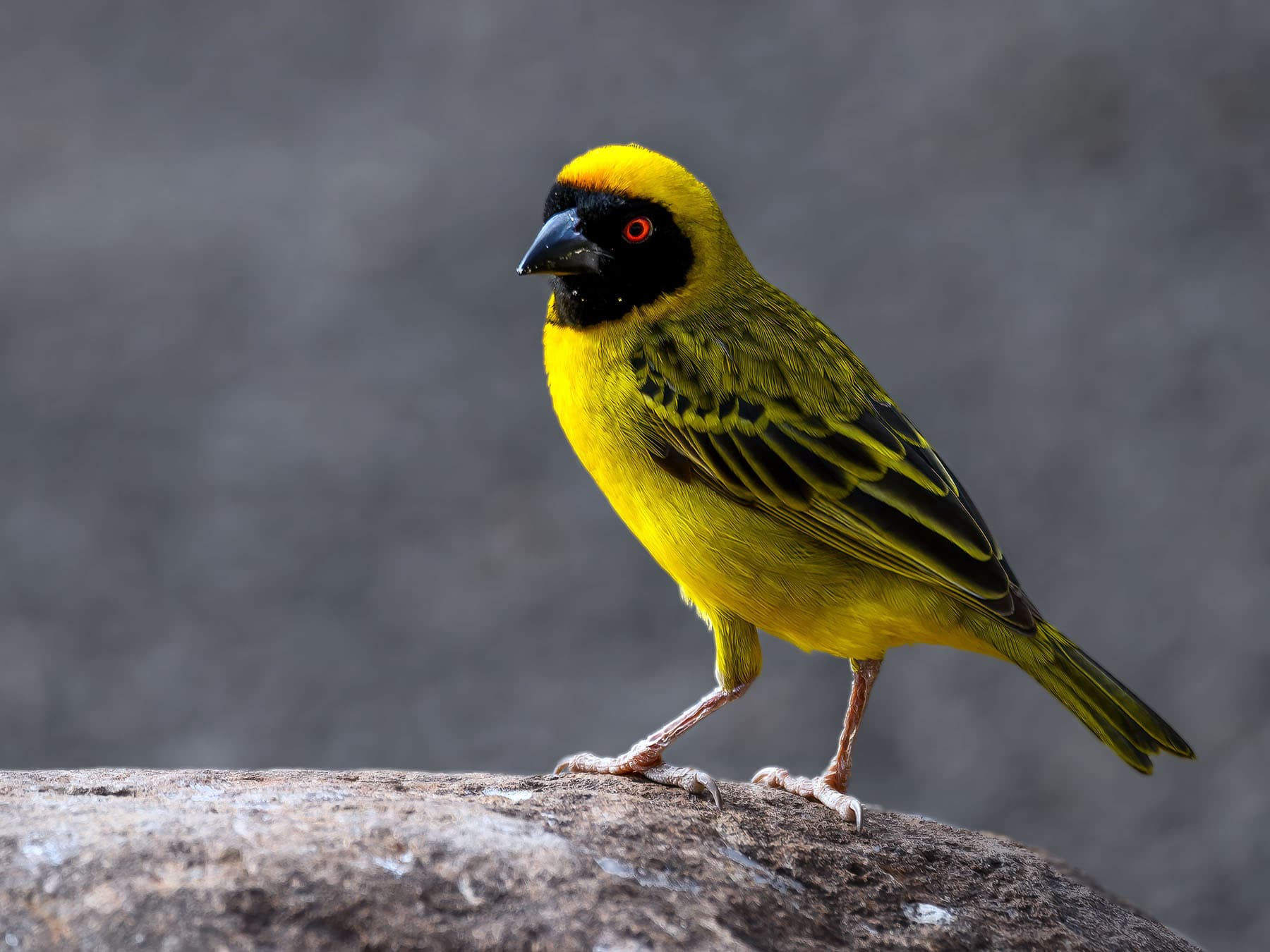 Southern Masked WeaverPloceus velatusResidentCommon13–15 cmRegularly May–Mar · 0.76% in Jan
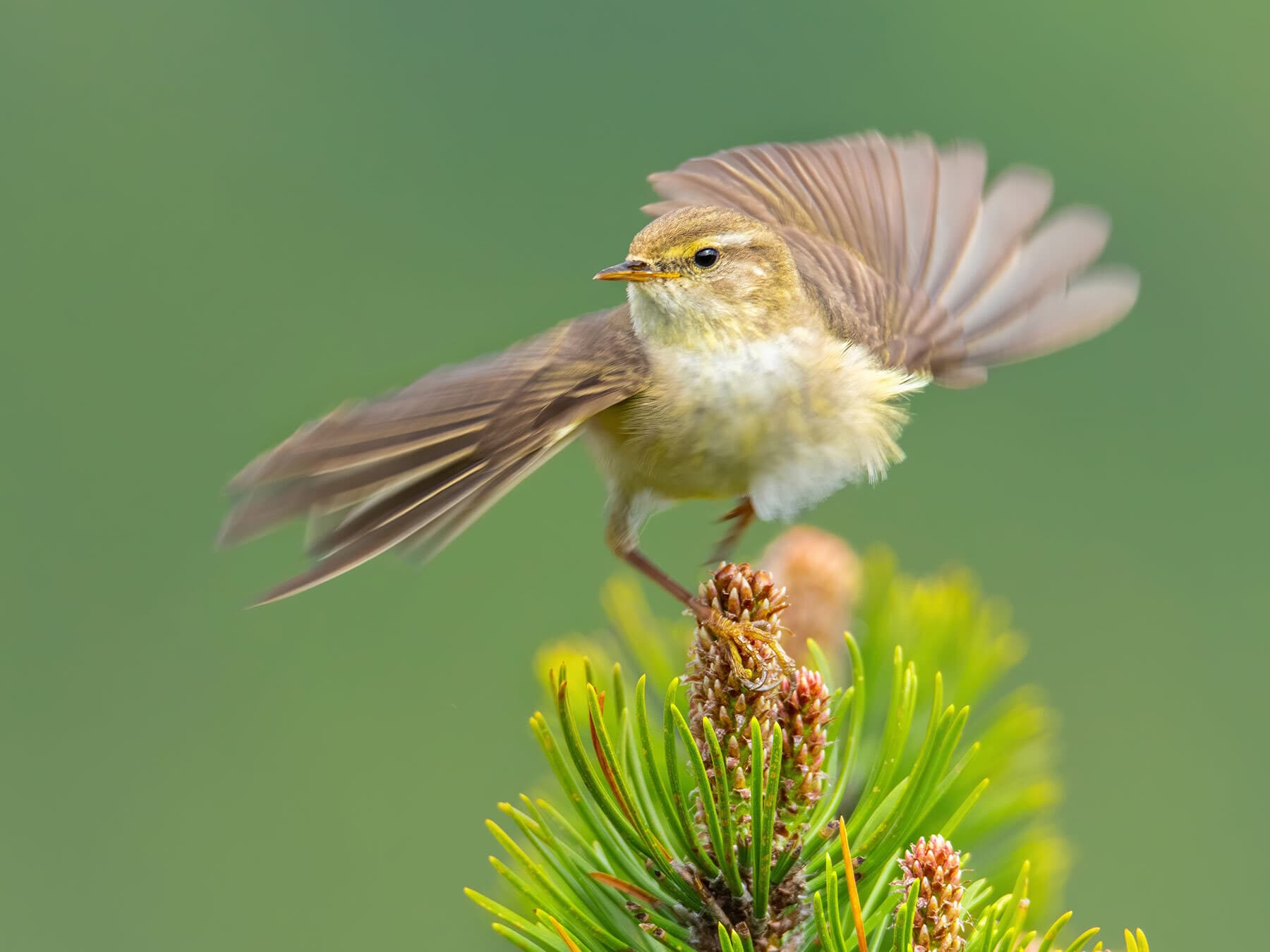 Willow WarblerPhylloscopus trochilusSummer visitorCommon11–13 cmRegularly Oct–Mar · 0.67% in Jan
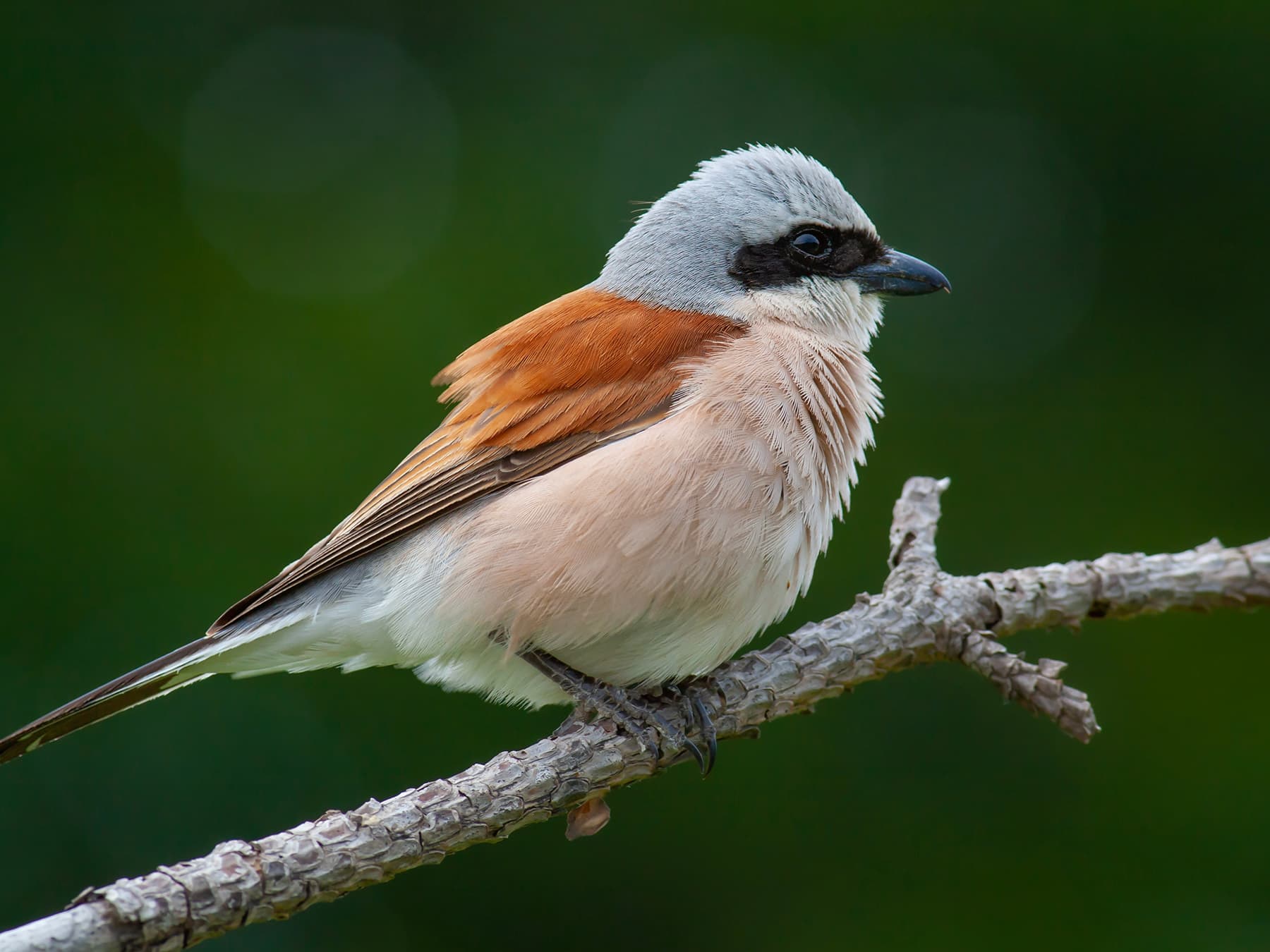 Red-backed ShrikeLanius collurioSummer visitorCommon16–18 cmRegularly Nov–Apr · 0.64% in Jan
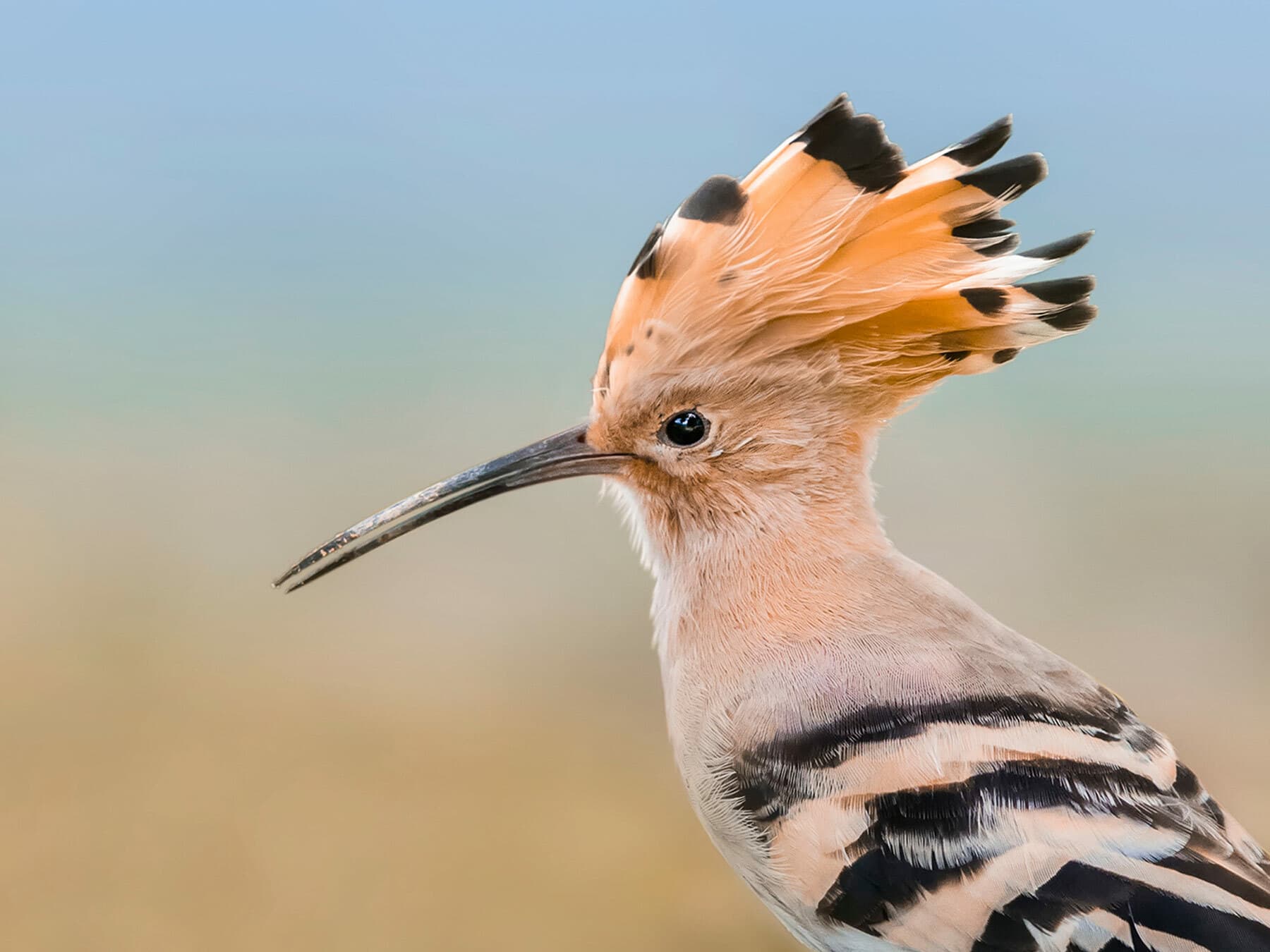 HoopoeUpupa epopsResidentCommon25–32 cmRecorded all year · 0.44% in Jan
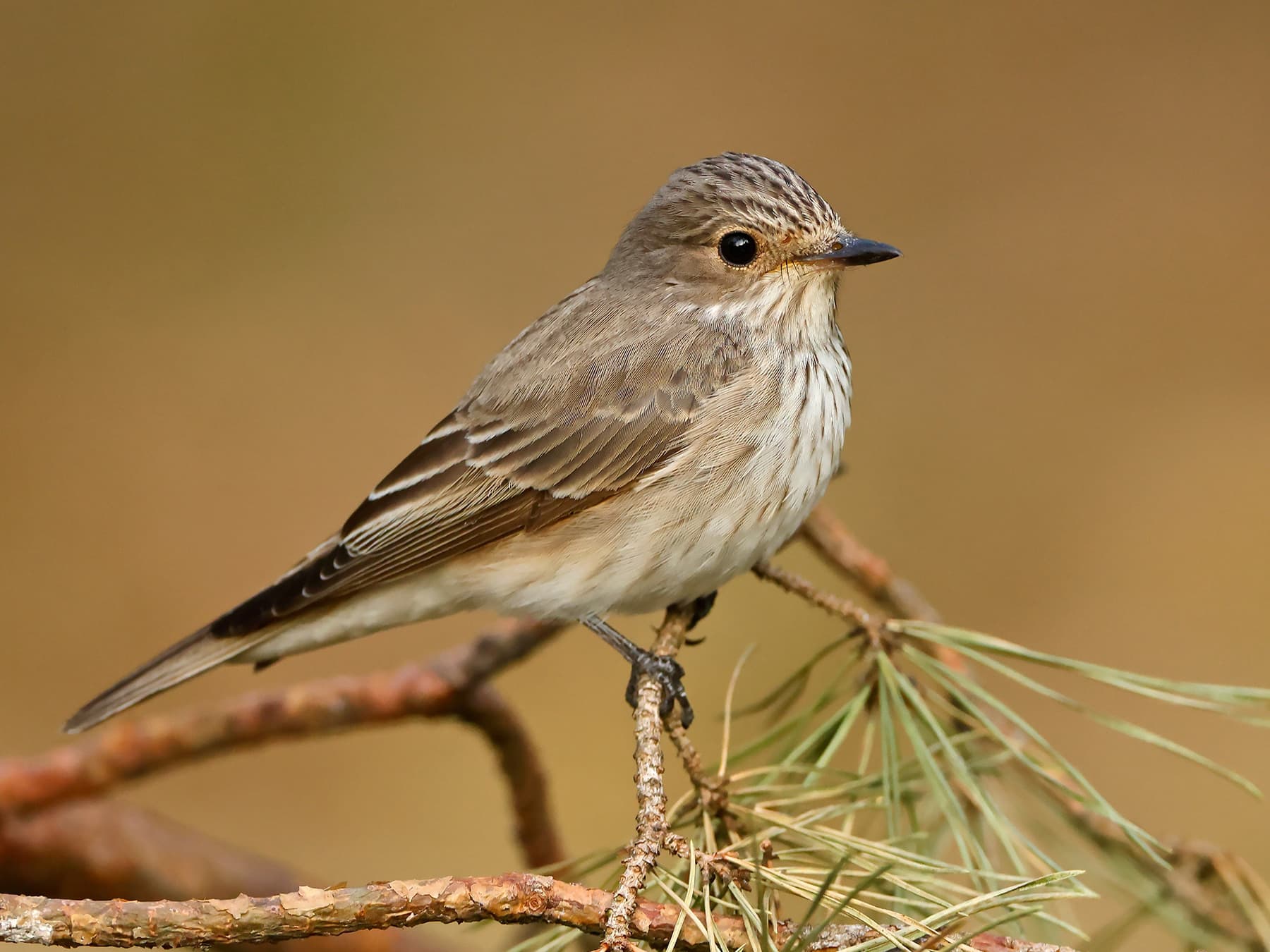 Spotted FlycatcherMuscicapa striataSummer visitorUncommon14–16 cmRegularly Nov–Jan · 0.44% in Jan
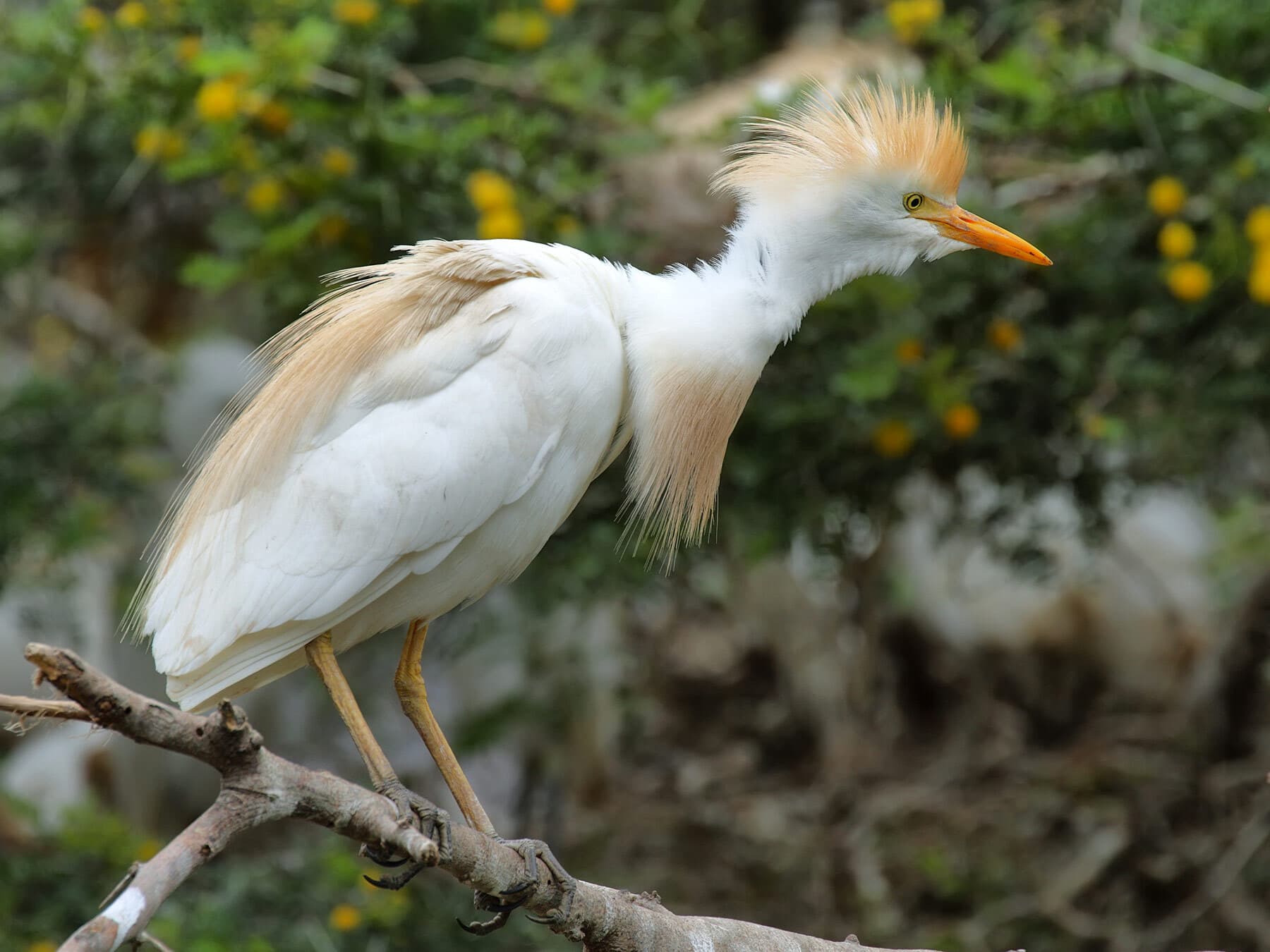 Cattle EgretArdea ibisResidentCommon46–56 cmRegularly May–Mar · 0.41% in Jan
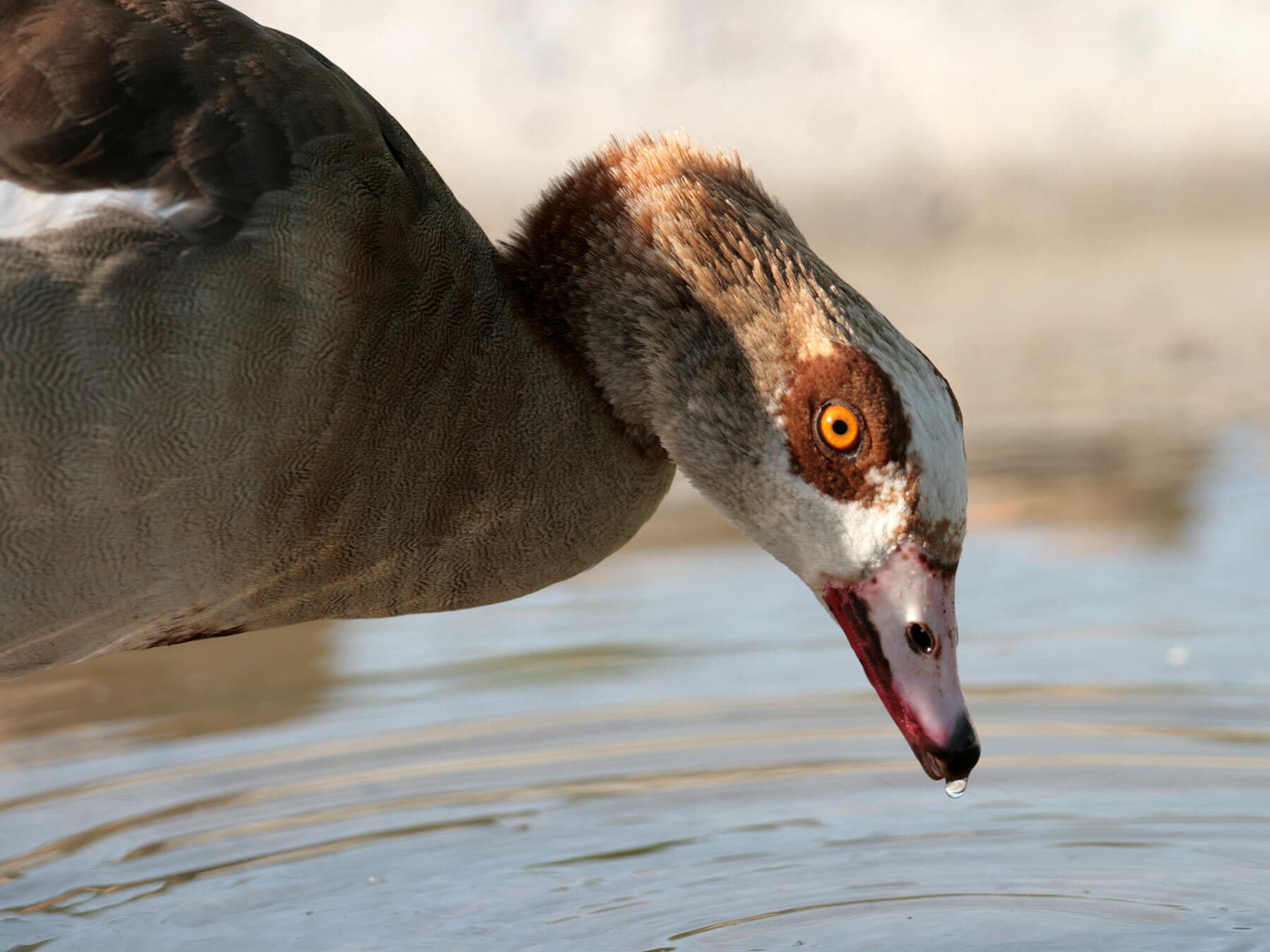 Egyptian GooseAlopochen aegyptiacaResidentCommon63–73 cmRecorded all year · 0.41% in Jan
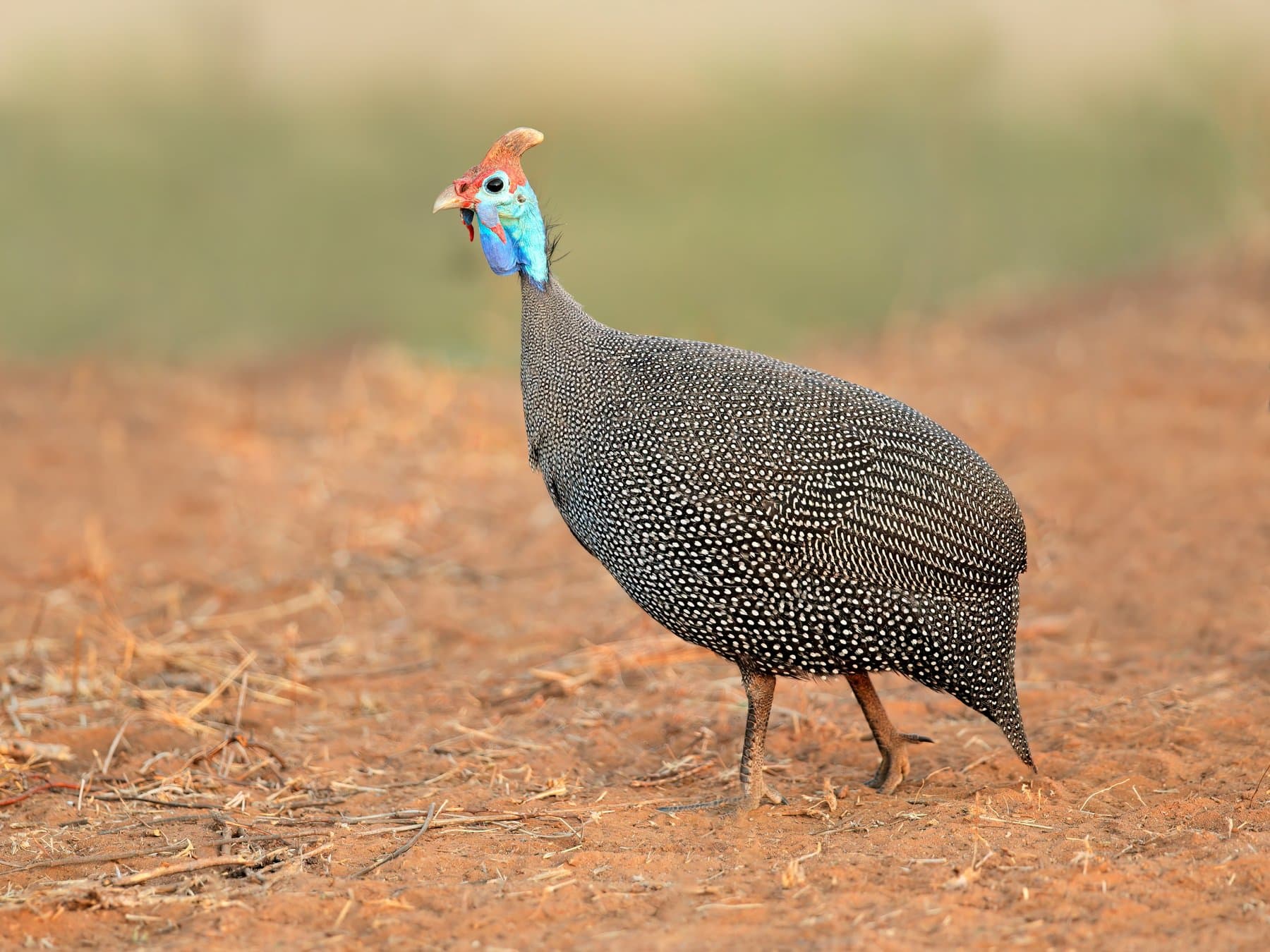 Helmeted GuineafowlNumida meleagrisResidentCommon53–63 cmRecorded all year · 0.41% in Jan
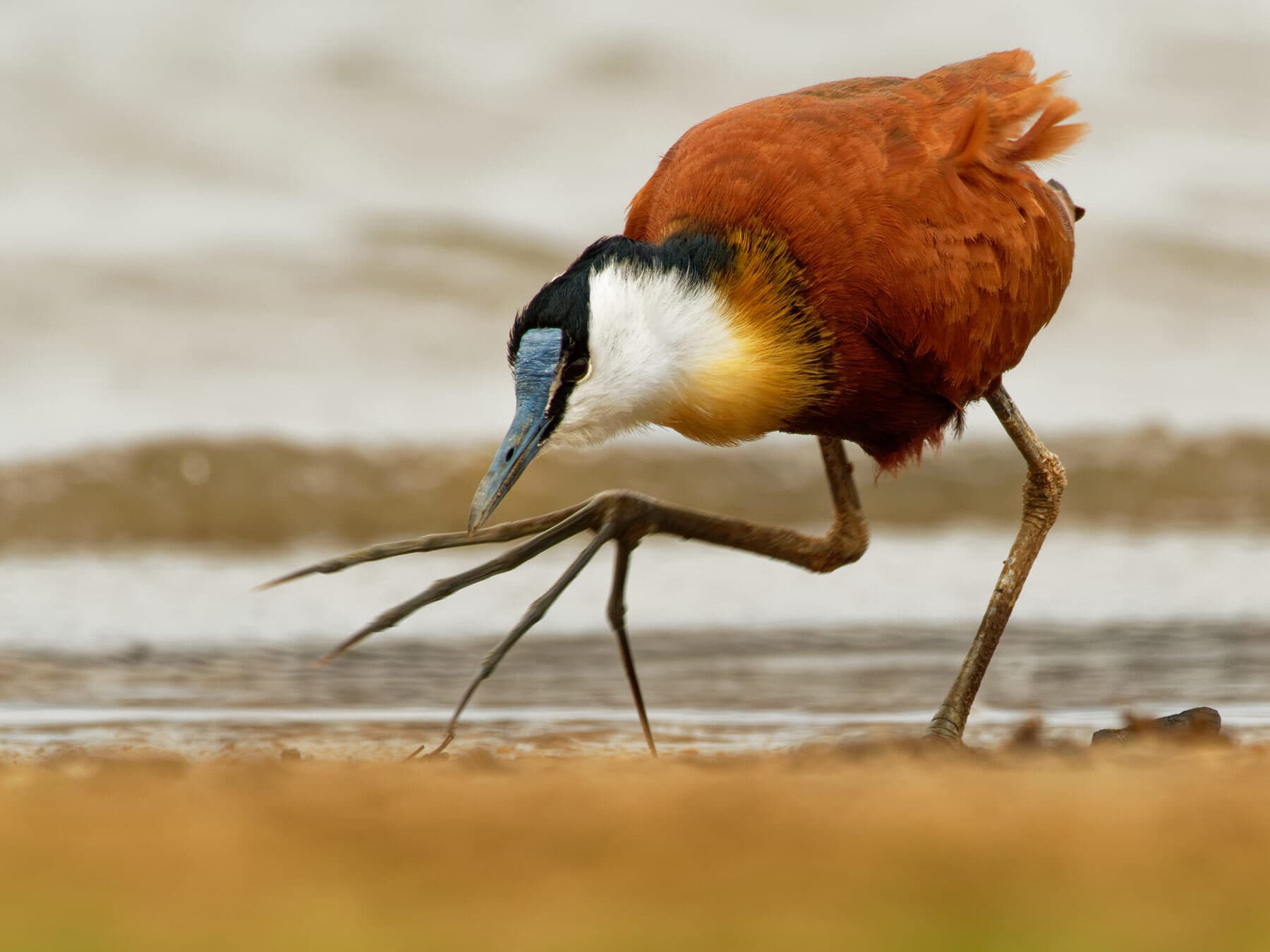 African JacanaActophilornis africanusSummer visitorCommon23–31 cmRegularly Mar–Jan · 0.35% in Jan
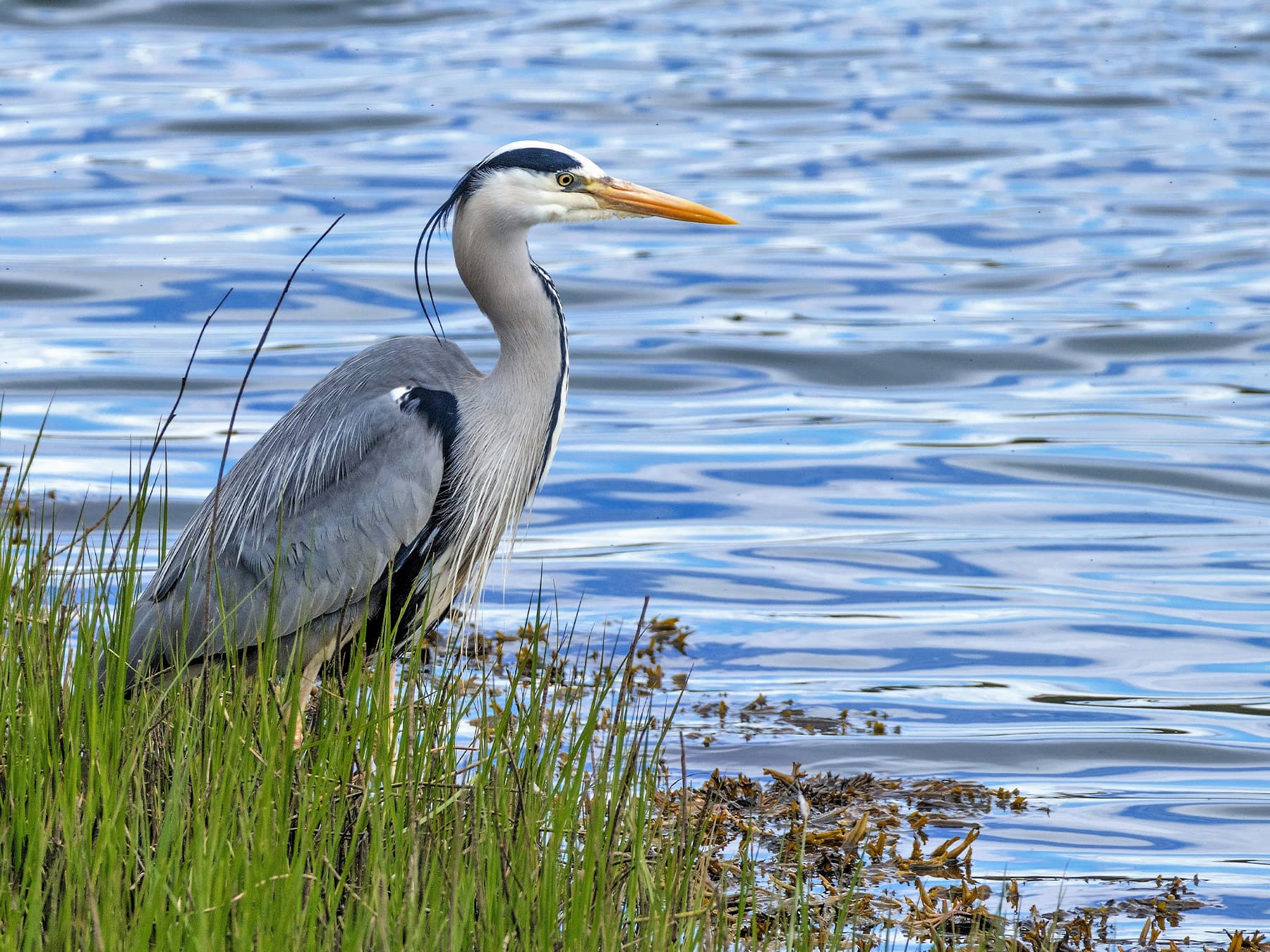 Grey HeronArdea cinereaResidentCommon90–98 cmRegularly Apr–Feb · 0.35% in Jan
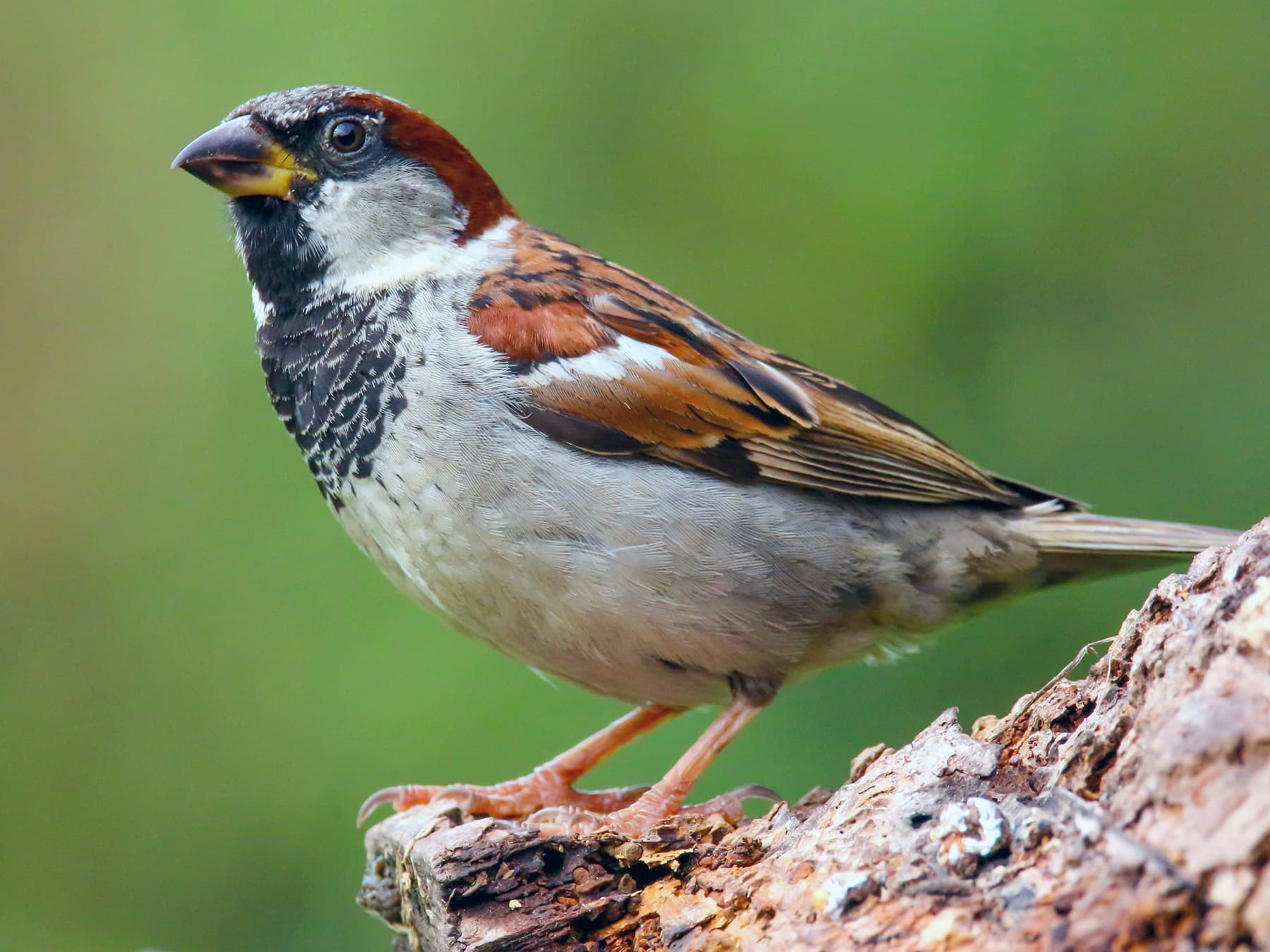 House SparrowPasser domesticusResidentCommon14–17 cmRecorded all year · 0.32% in Jan
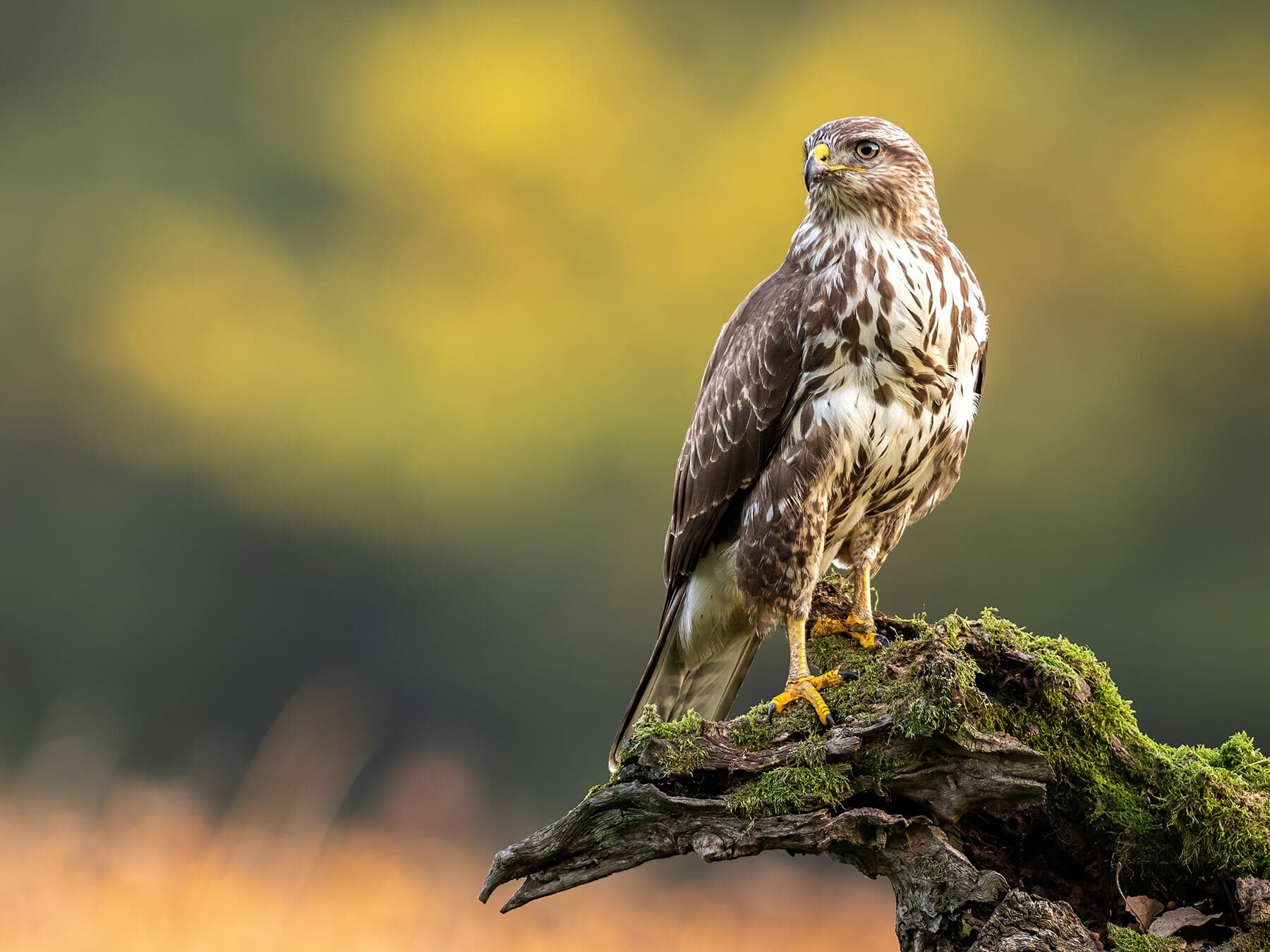 BuzzardButeo buteoSummer visitorCommon51–57 cmRegularly Nov–Feb · 0.29% in Jan
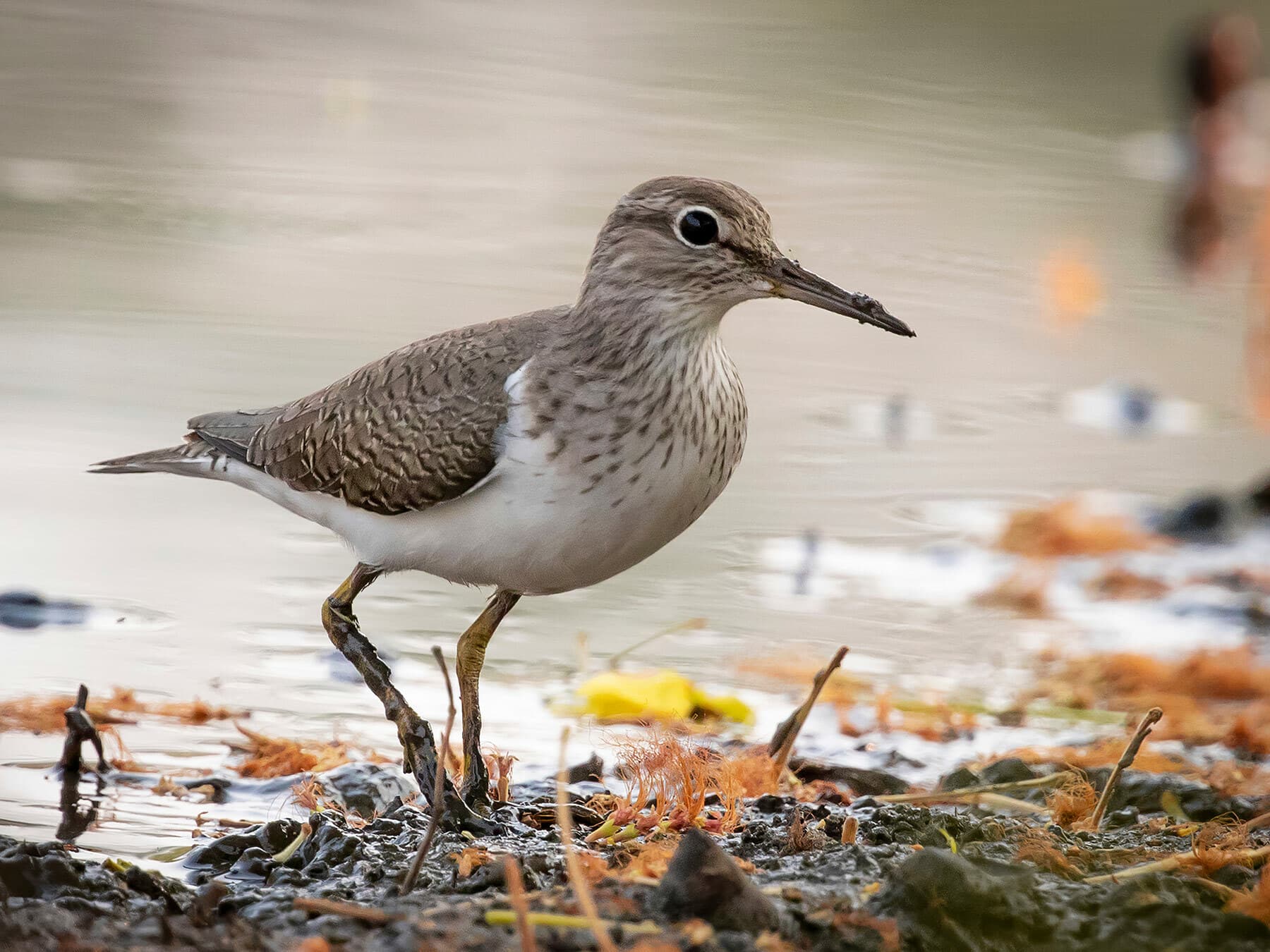 Common SandpiperActitis hypoleucosPassage migrantUncommon18–20 cmRegularly Aug–Jan · 0.29% in Jan
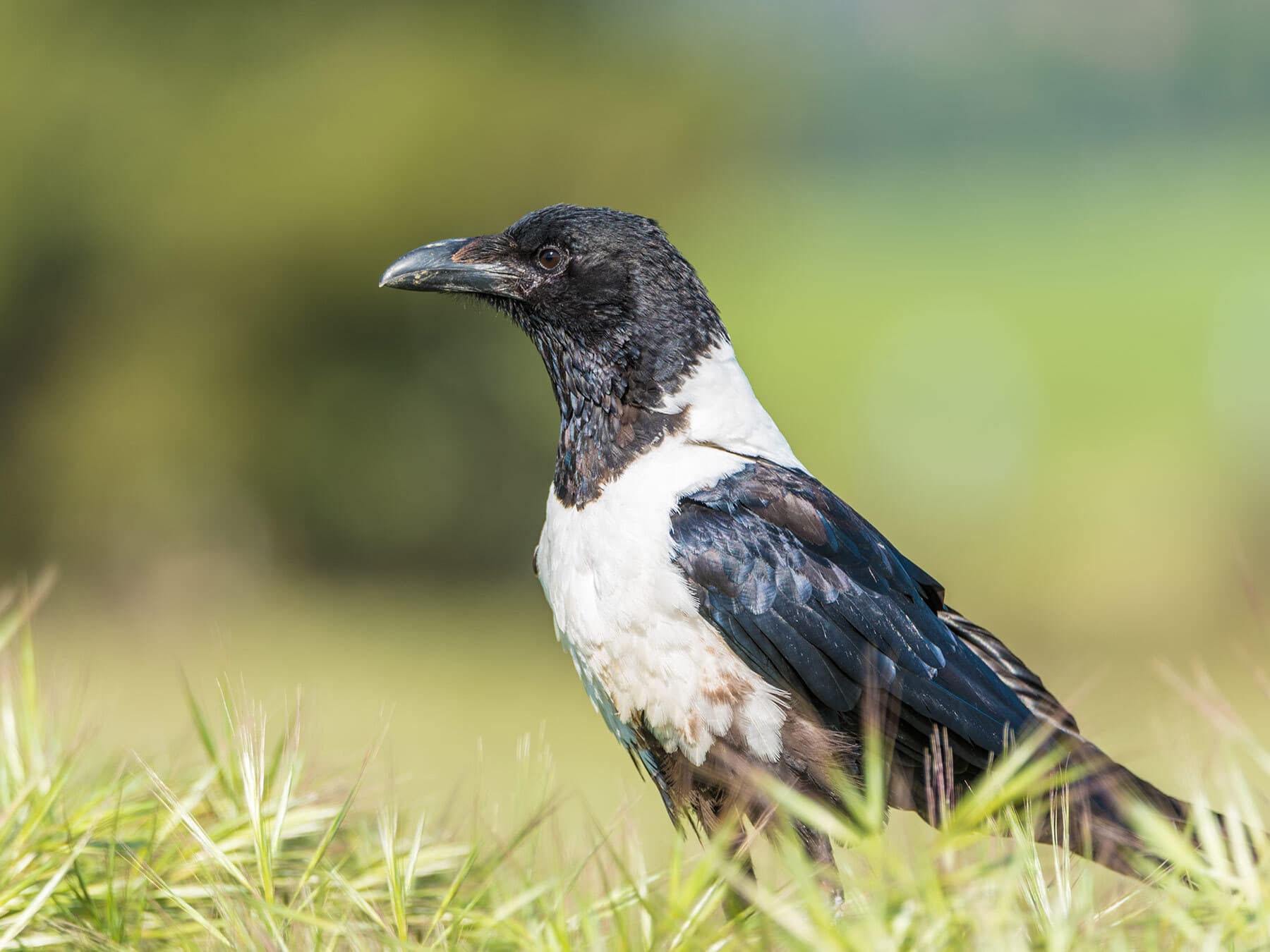 Pied CrowCorvus albusResidentCommon46–52 cmRecorded all year · 0.29% in Jan
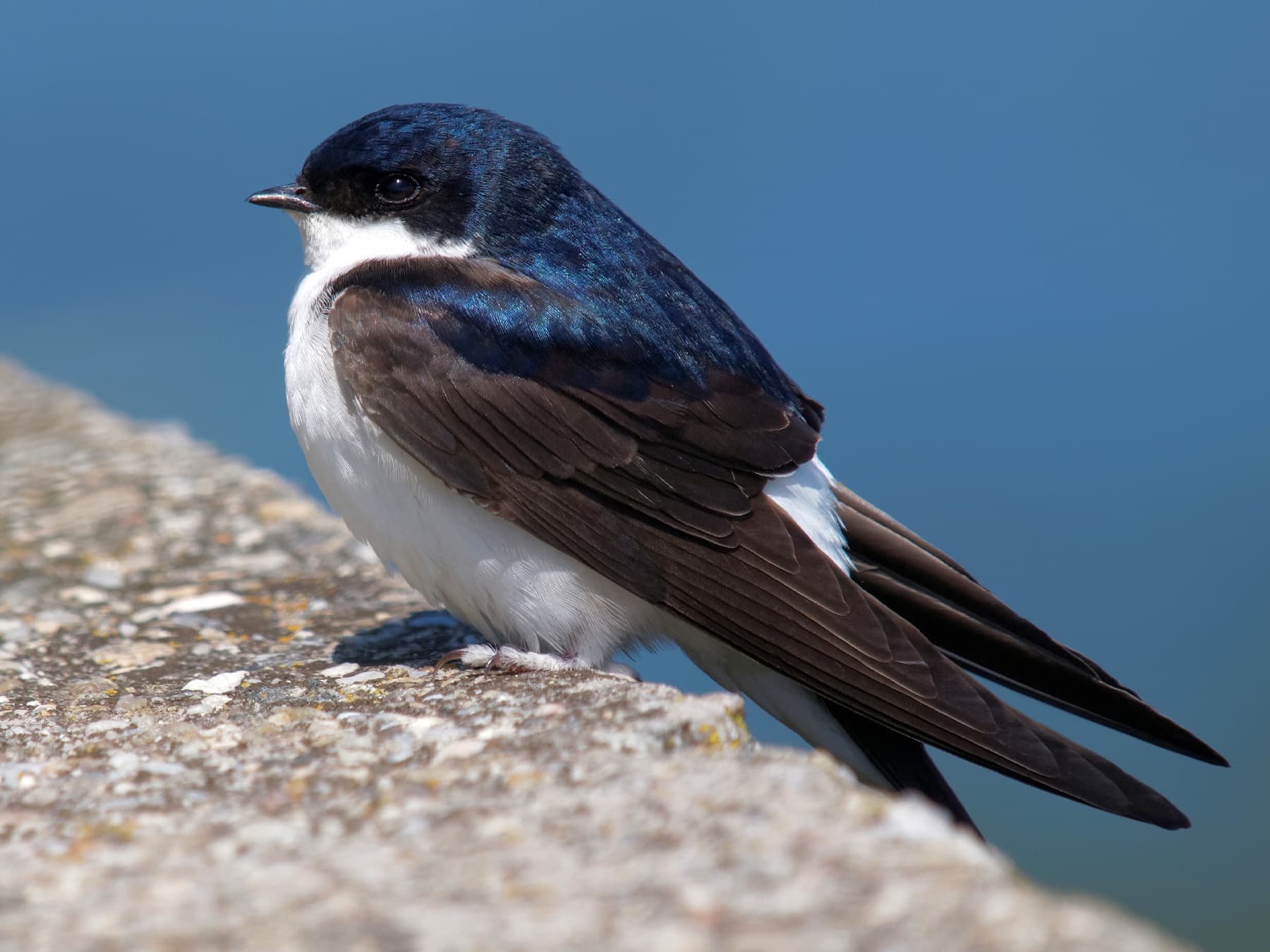 House MartinDelichon urbicumPassage migrantUncommon13–15 cmRegularly Nov–Jan · 0.26% in Jan
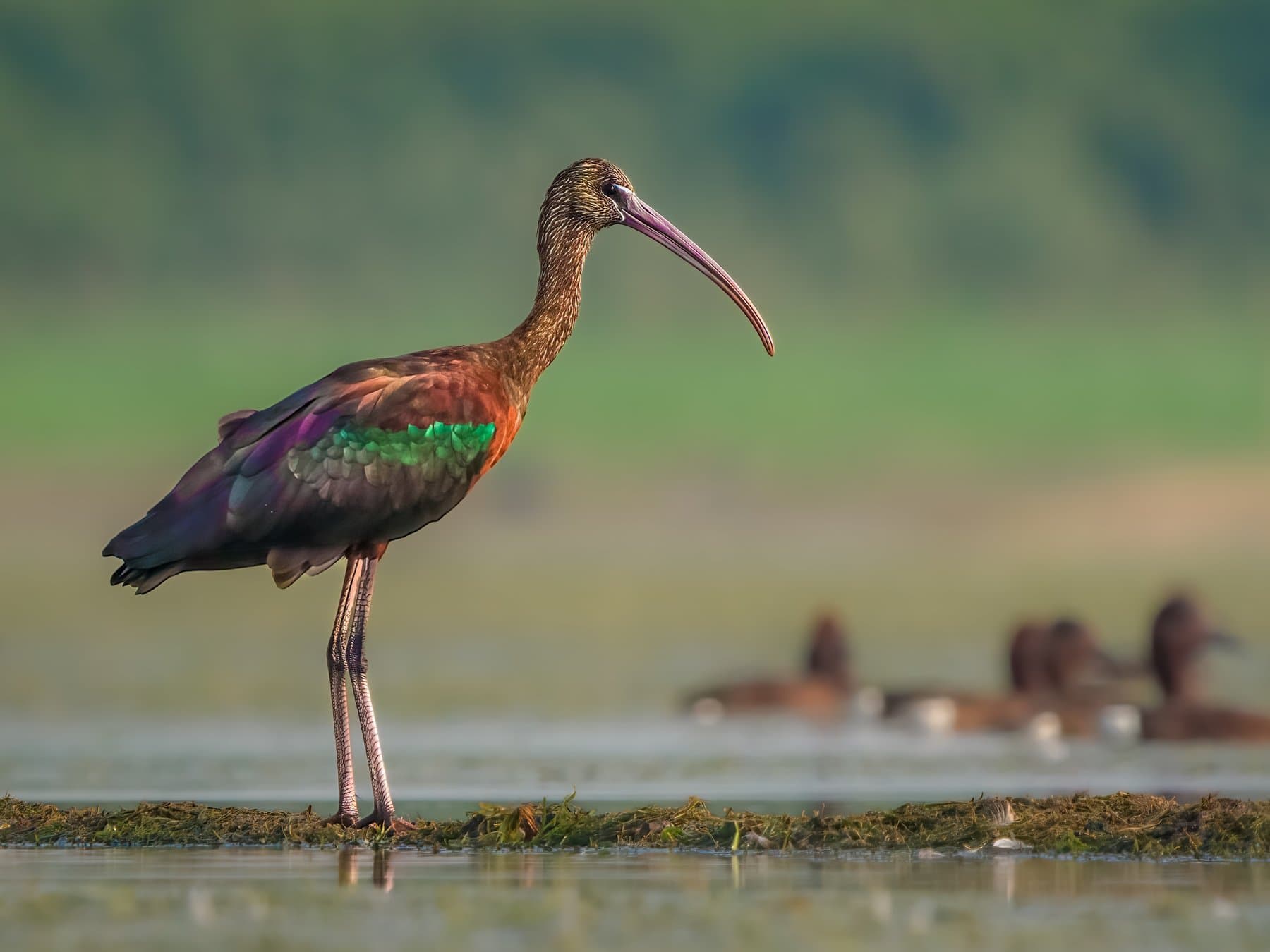 Glossy IbisPlegadis falcinellusPassage migrantUncommon48–66 cmRegularly Oct–May · 0.09% in Jan
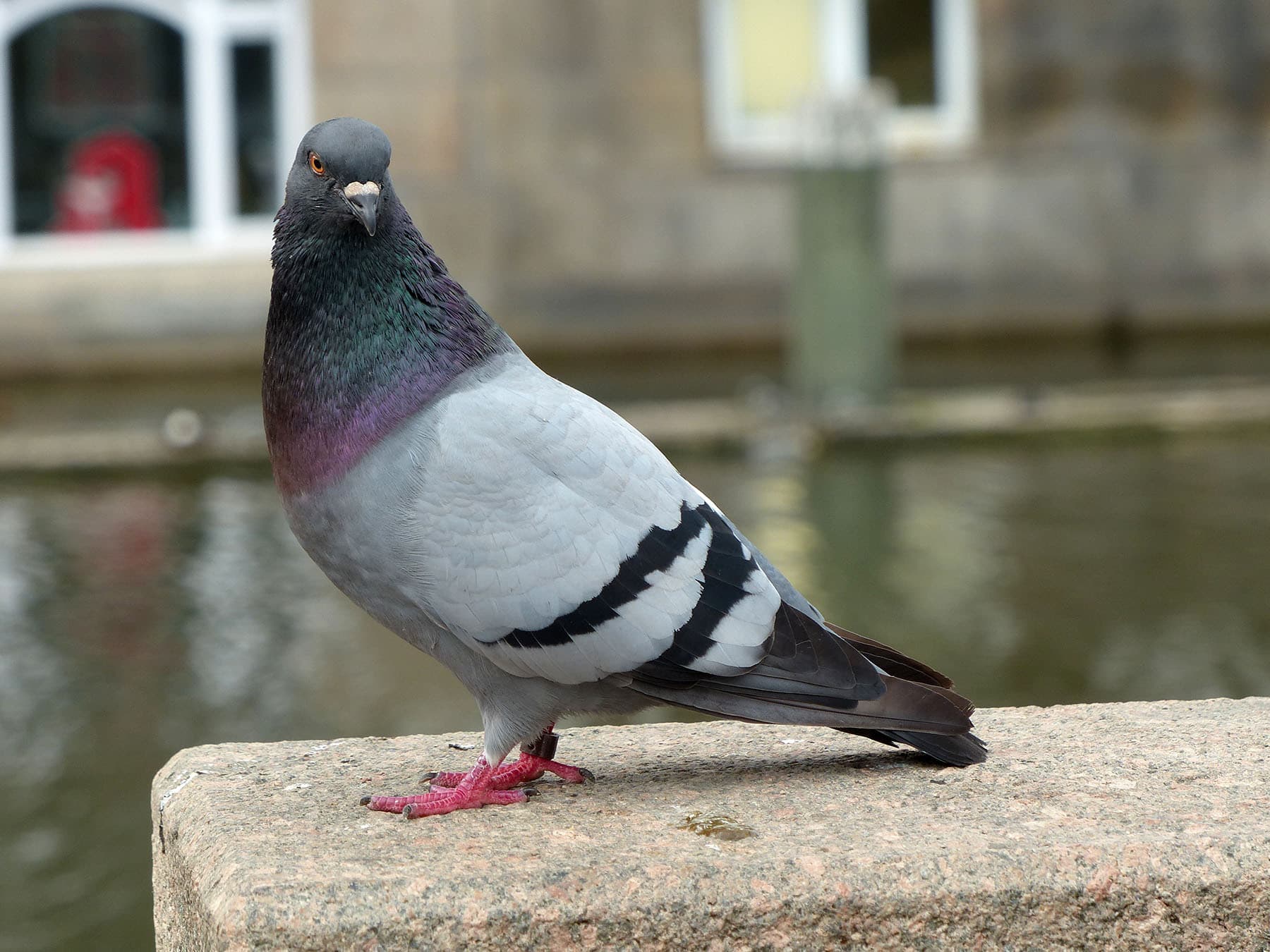 Rock DoveColumba liviaPassage migrantUncommon31–34 cmRegularly Sep–Feb · 0.09% in Jan
Smallest to largest
Length, cm- Willow Warbler 11–13 cm
- Southern Masked Weaver 13–15 cm
- House Martin 13–15 cm
- Spotted Flycatcher 14–16 cm
- House Sparrow 14–17 cm
- Lesser Striped Swallow 15–19 cm
- Red-backed Shrike 16–18 cm
- Barn Swallow 17–19 cm
- Common Sandpiper 18–20 cm
- Fork-tailed Drongo 23–26 cm
- Cape Starling 25–28 cm
- African Jacana 23–31 cm
- European Bee-eater 27–29 cm
- Hoopoe 25–32 cm
- Rock Dove 31–34 cm
- Pied Crow 46–52 cm
- Cattle Egret 46–56 cm
- Buzzard 51–57 cm
- Glossy Ibis 48–66 cm
- Helmeted Guineafowl 53–63 cm
- Egyptian Goose 63–73 cm
- Grey Heron 90–98 cm
Body length, bill to tail. Rare birds in grey.
Data: EOD – eBird Observation Dataset (Cornell Lab of Ornithology), accessed via GBIF.org, CC BY 4.0. Records from 2019–2024, aggregated and filtered by Birdfact. How these lists are made