


Birds to See in Eswatini in February
18 bird species on our list for Eswatini are recorded regularly in February
Of these, the most often recorded are Barn Swallow, Cattle Egret, Lesser Striped Swallow, Buzzard and Cape Starling. New this month: Spur-winged Goose and Magpie Shrike.
On the move in February
GBIF · FebAt their peak
From Eswatini’s bird records, 2019–2024: arriving birds are regular this month but not last; leaving birds are regular this month but not next.
Other months
All 18 birds in February
18 birds
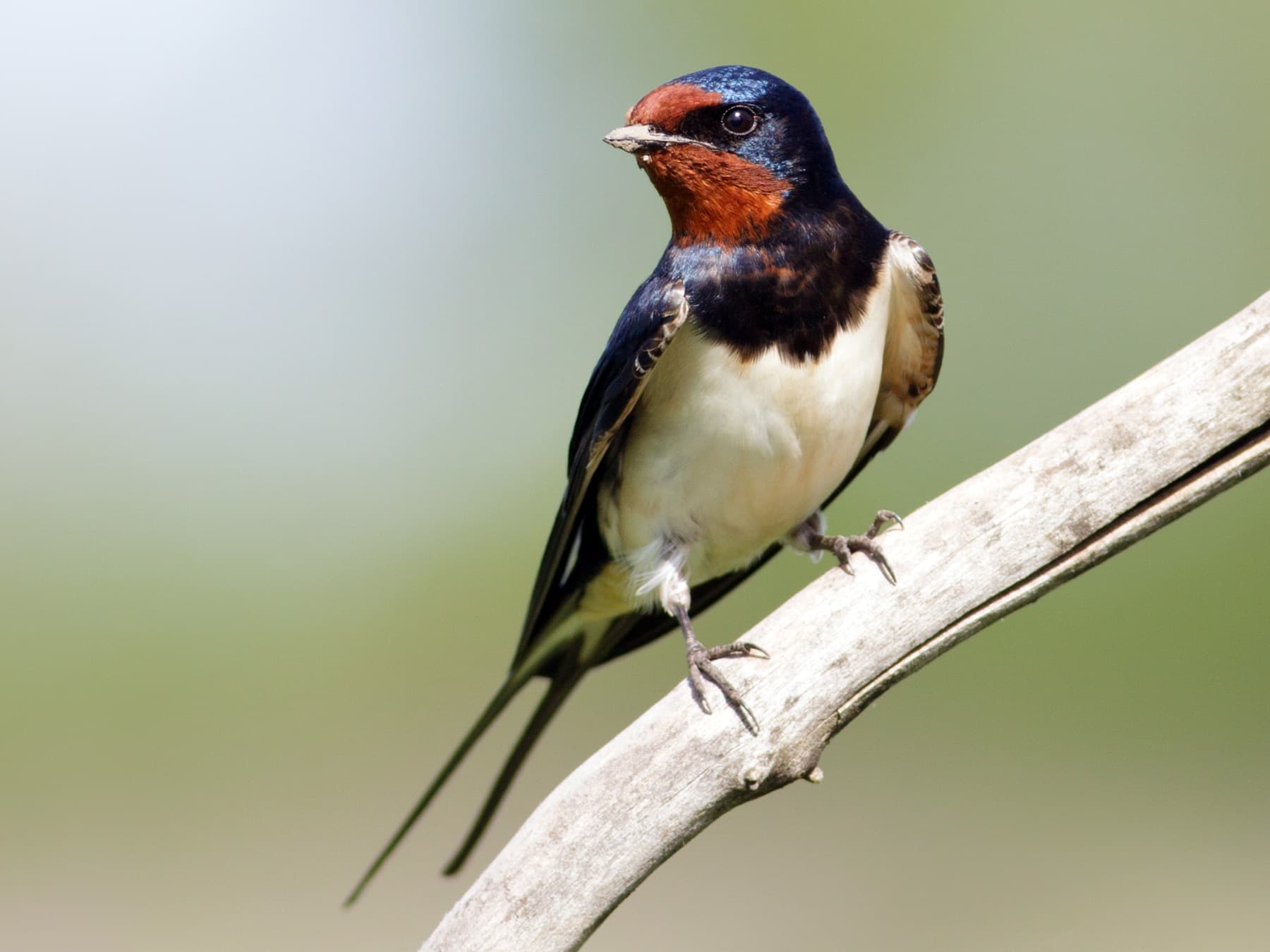 Barn SwallowHirundo rusticaSummer visitorCommon17–19 cmRegularly Oct–Apr · 2.69% in Feb
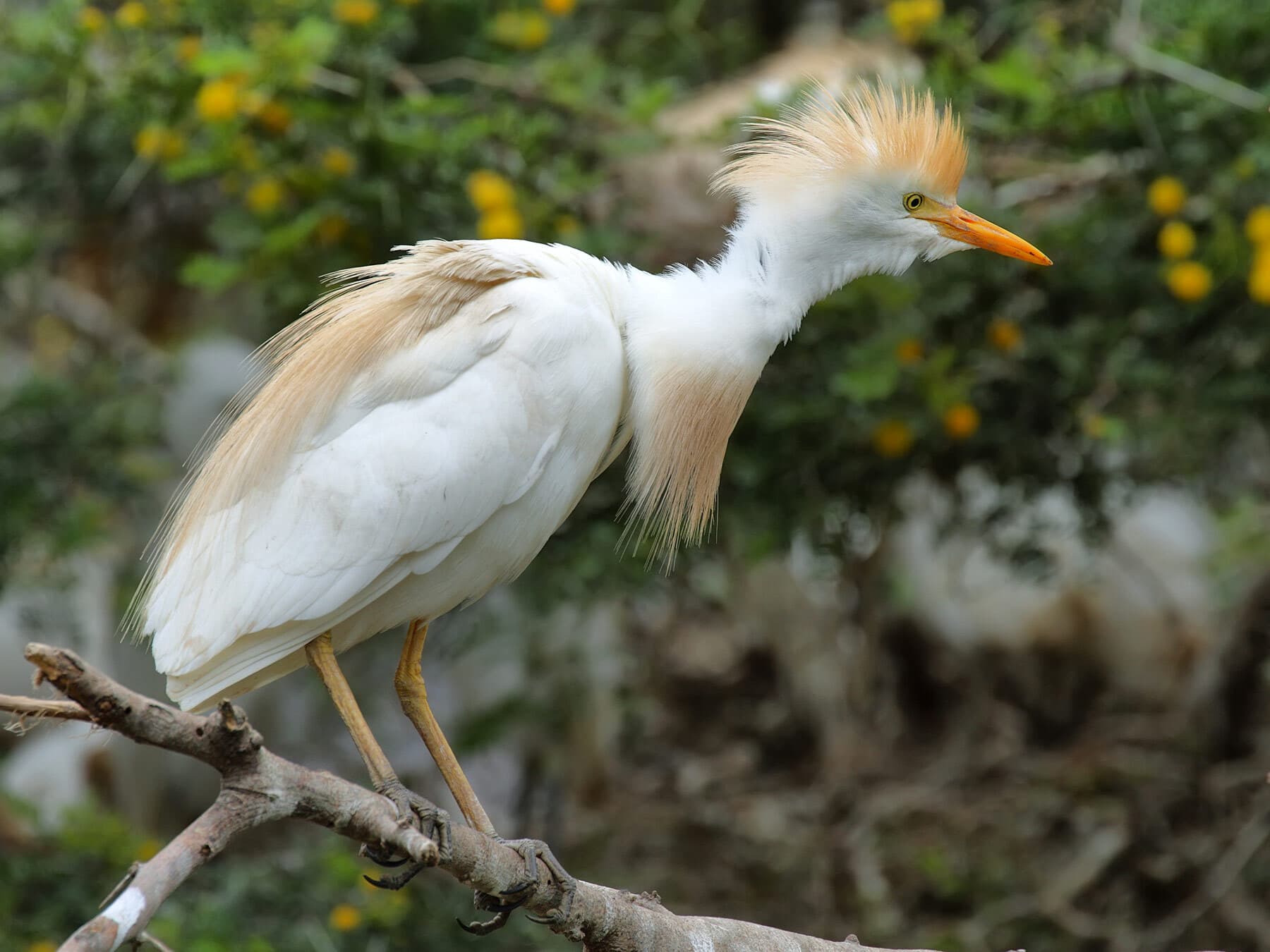 Cattle EgretArdea ibisResidentCommon46–56 cmRegularly May–Mar · 1.14% in Feb
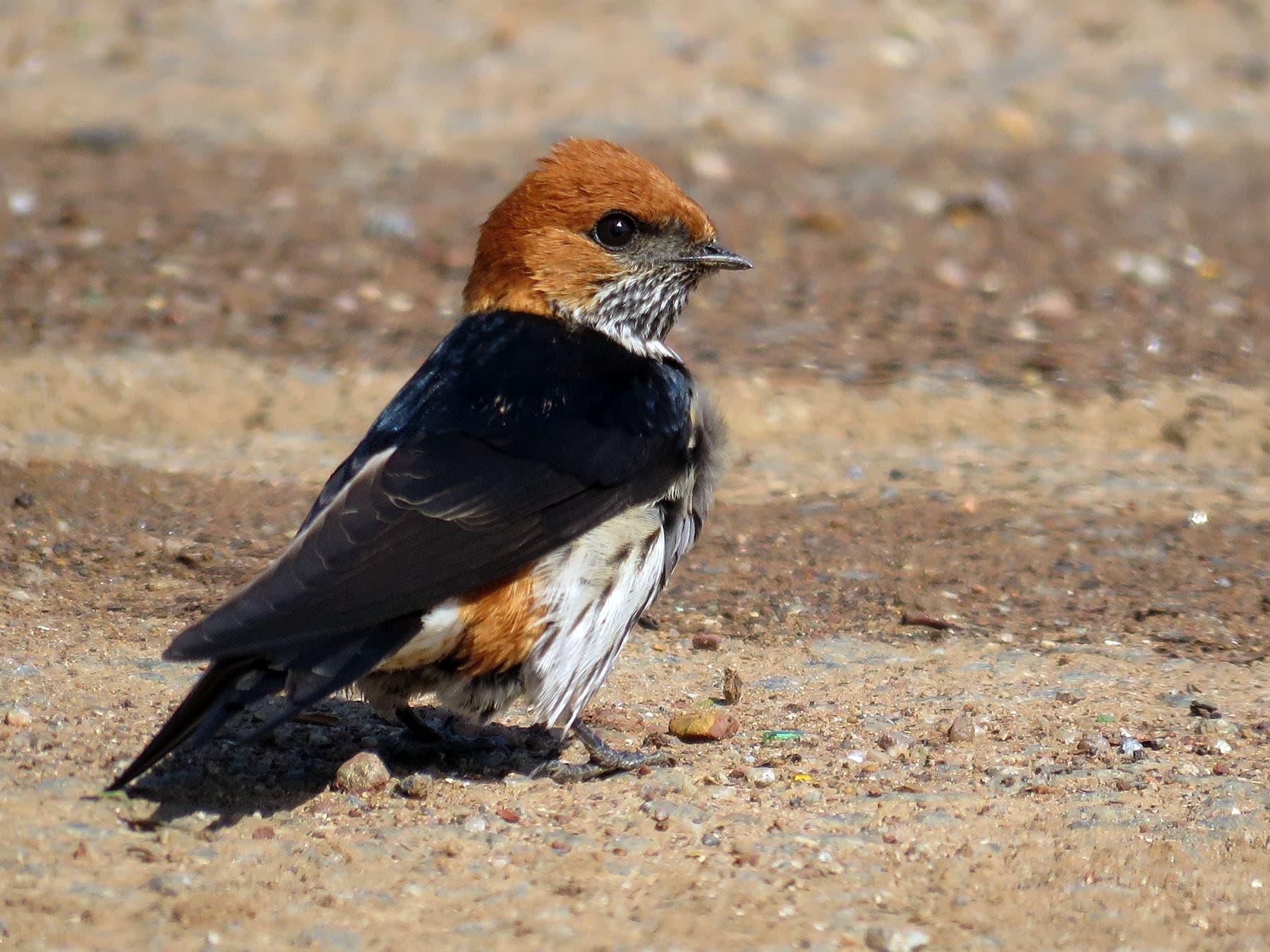 Lesser Striped SwallowCecropis abyssinicaSummer visitorCommon15–19 cmRegularly Jul–Apr · 1.05% in Feb
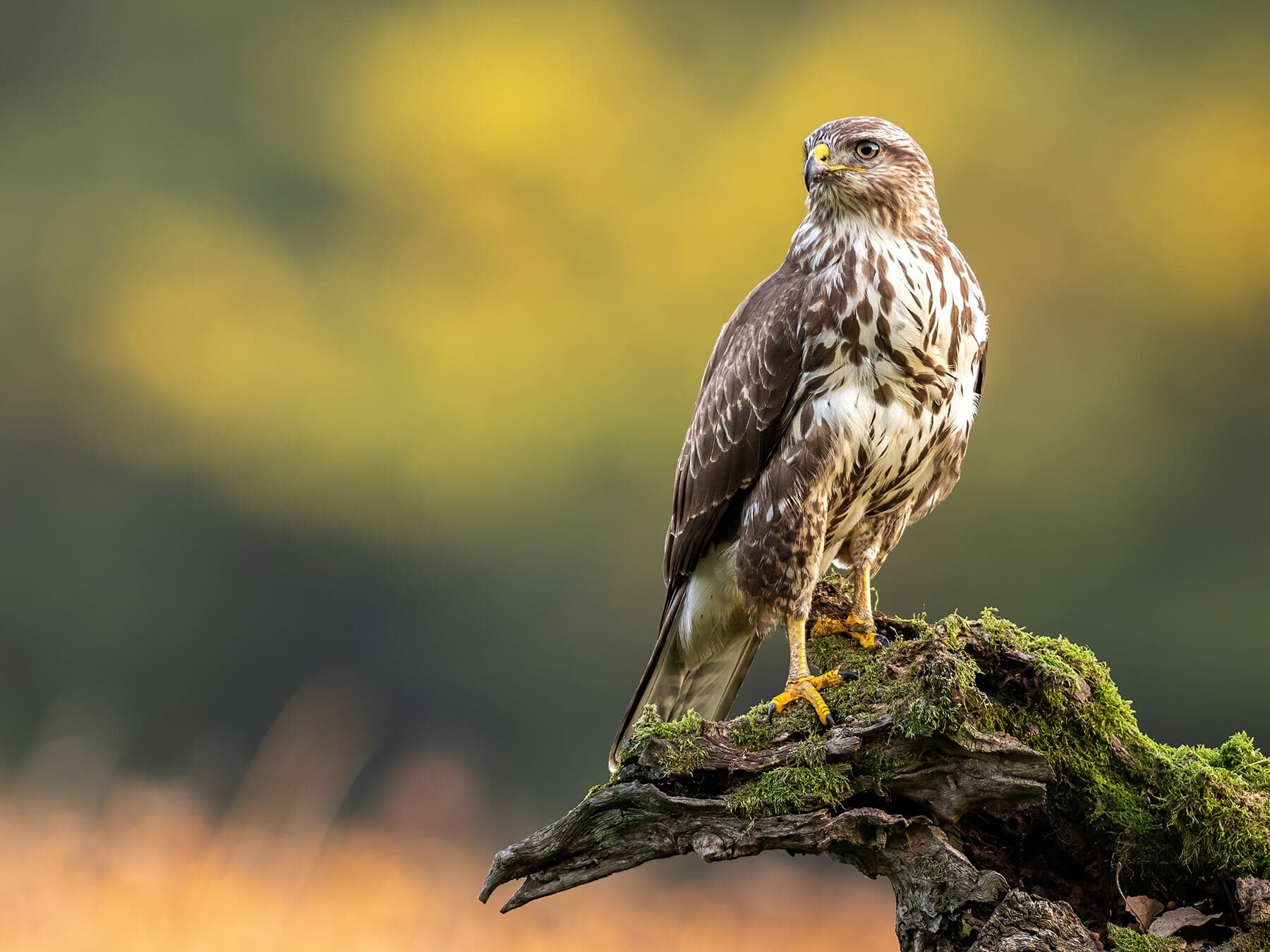 BuzzardButeo buteoSummer visitorCommon51–57 cmRegularly Nov–Feb · 1.02% in Feb
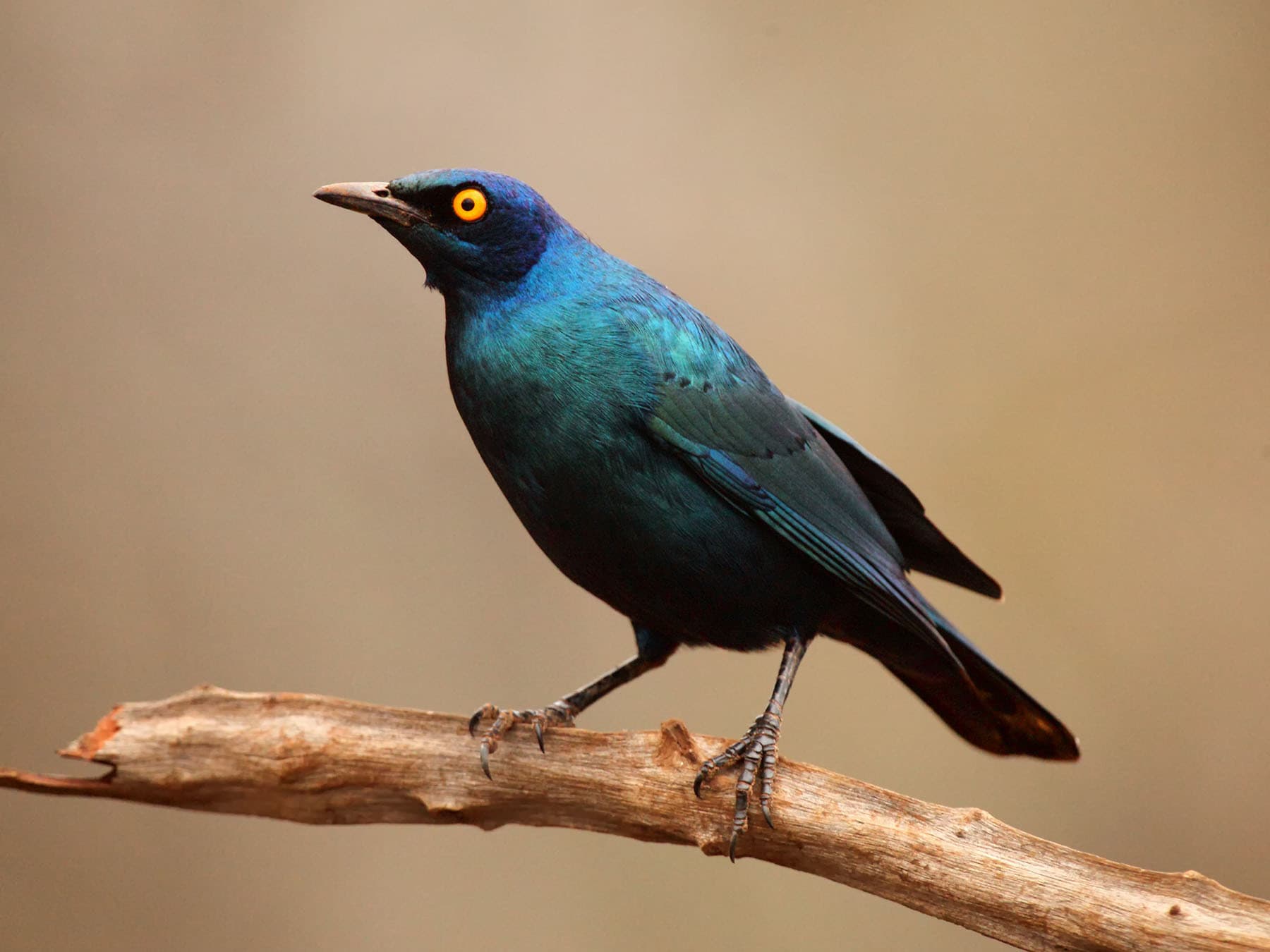 Cape StarlingLamprotornis nitensResidentCommon25–28 cmRecorded all year · 1.02% in Feb
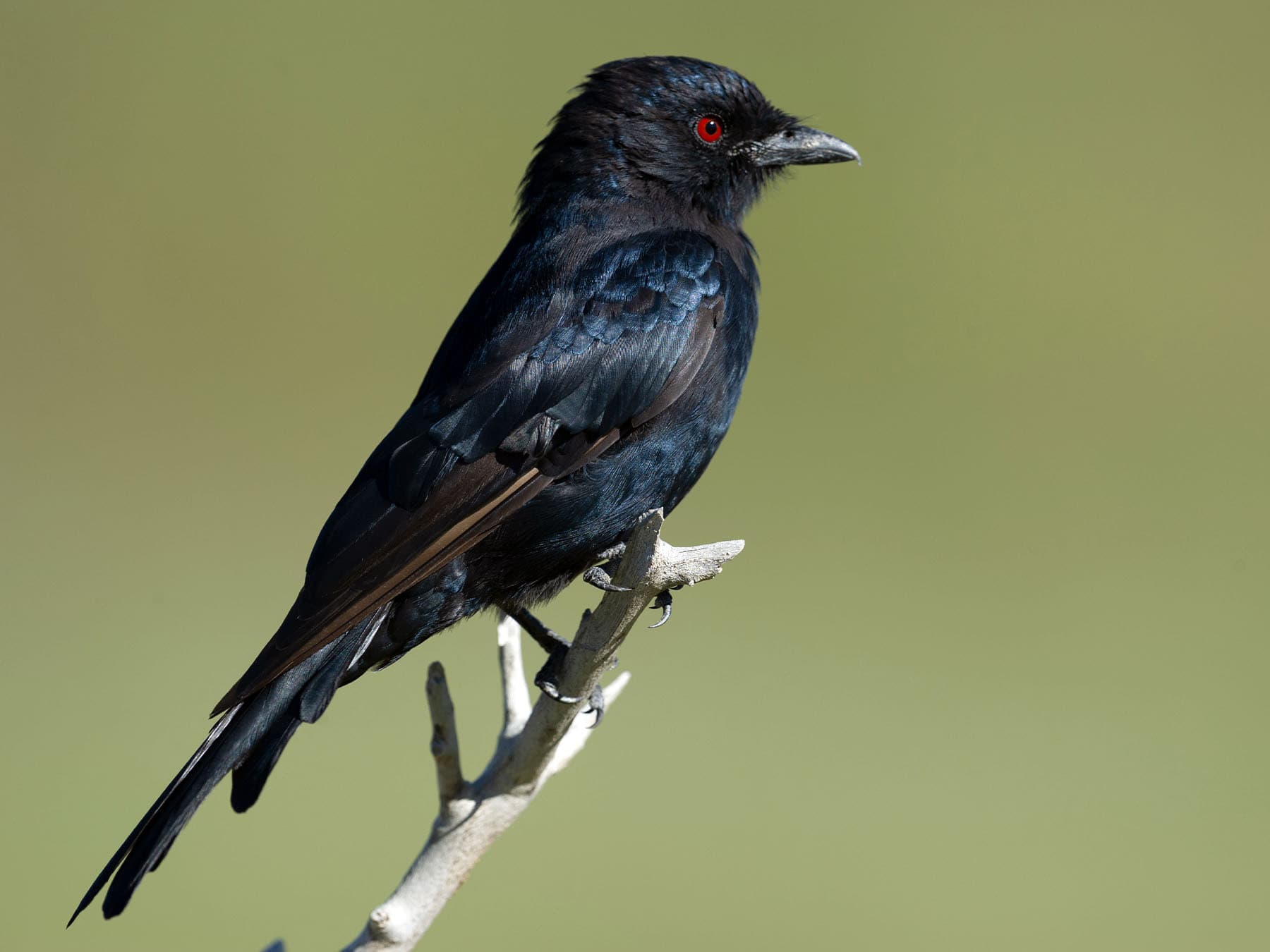 Fork-tailed DrongoDicrurus adsimilisResidentCommon23–26 cmRecorded all year · 0.91% in Feb
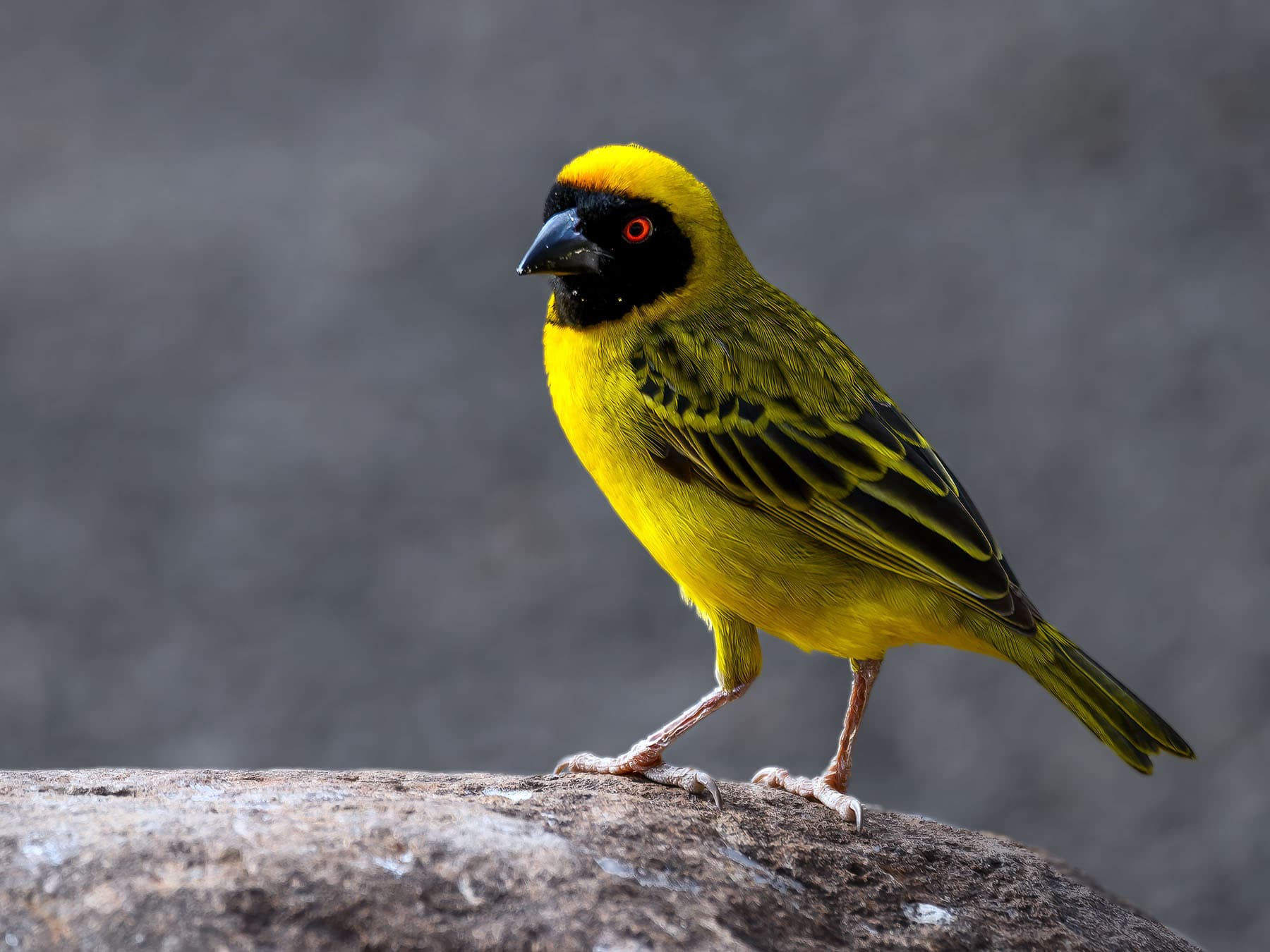 Southern Masked WeaverPloceus velatusResidentCommon13–15 cmRegularly May–Mar · 0.88% in Feb
 European Bee-eaterMerops apiasterSummer visitorCommon27–29 cmRegularly Oct–Apr · 0.85% in Feb
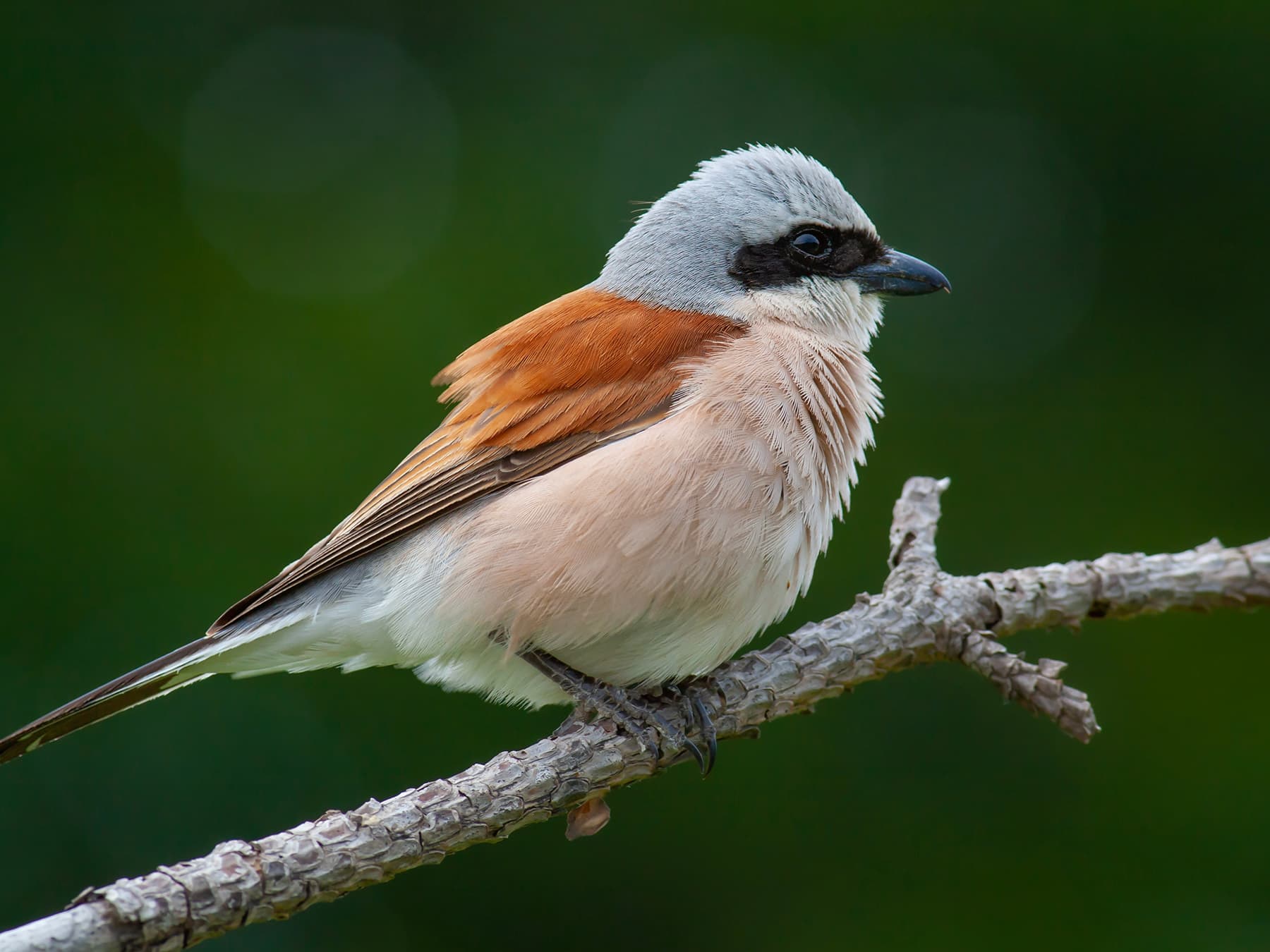 Red-backed ShrikeLanius collurioSummer visitorCommon16–18 cmRegularly Nov–Apr · 0.64% in Feb
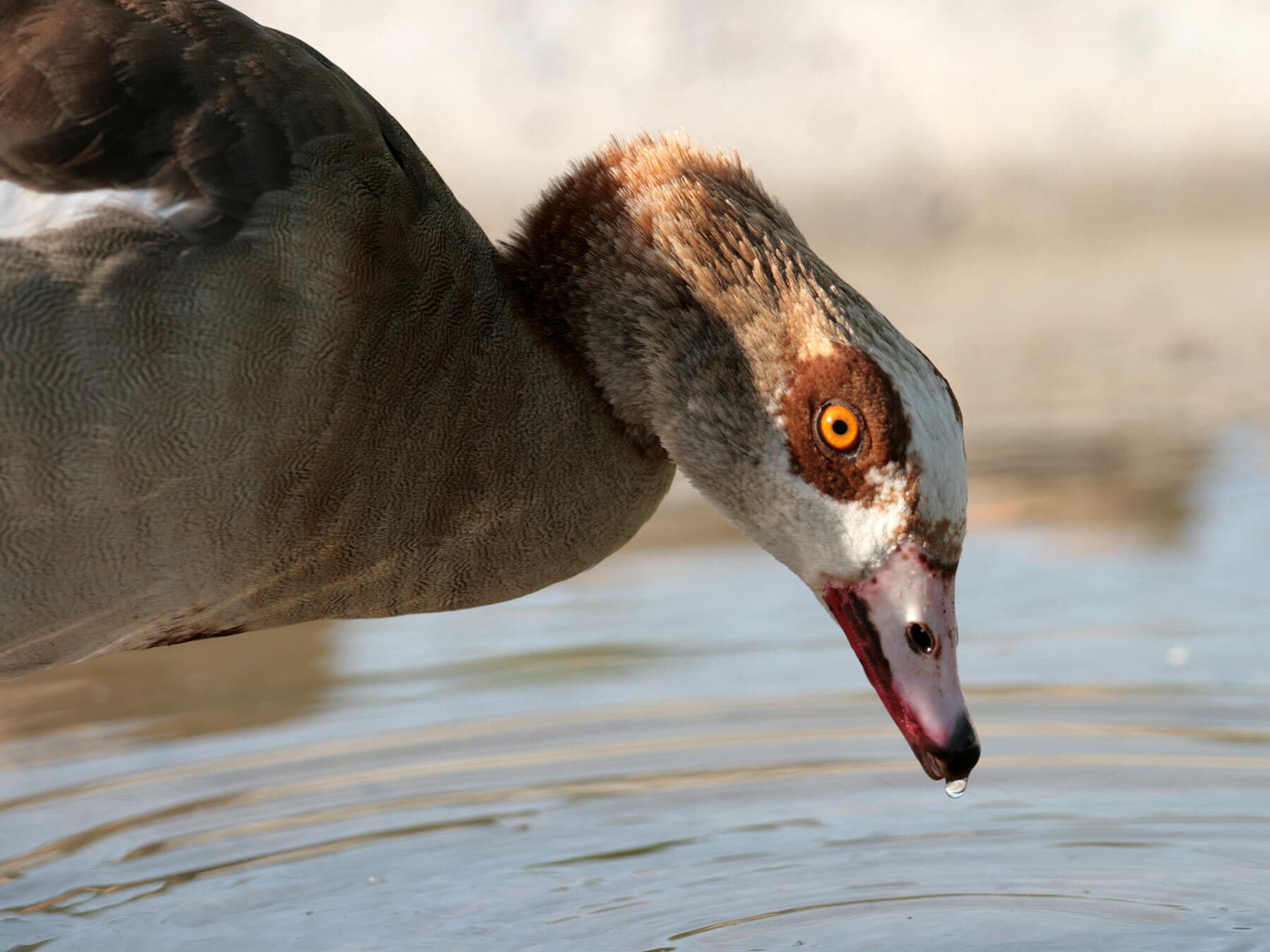 Egyptian GooseAlopochen aegyptiacaResidentCommon63–73 cmRecorded all year · 0.61% in Feb
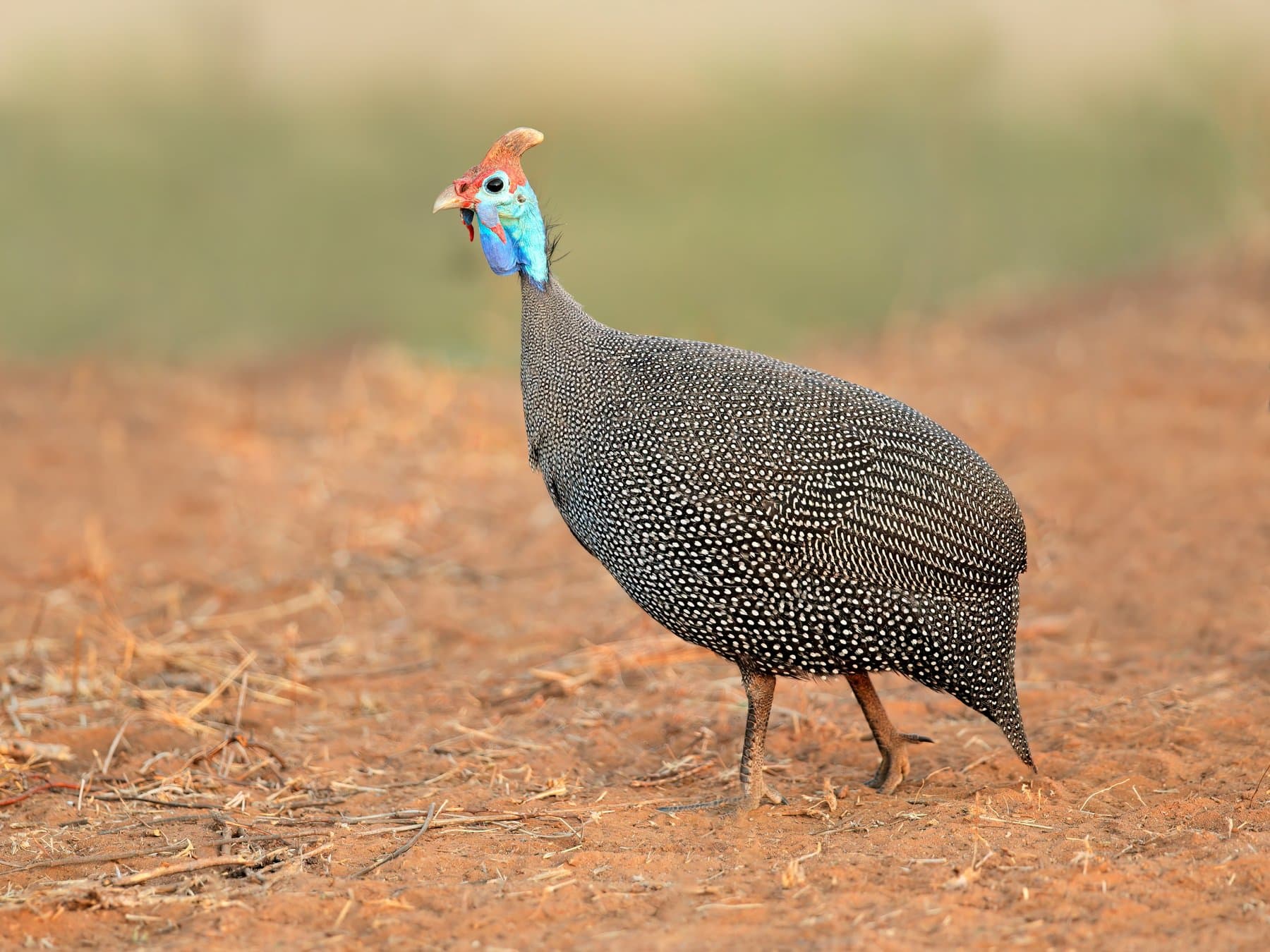 Helmeted GuineafowlNumida meleagrisResidentCommon53–63 cmRecorded all year · 0.61% in Feb
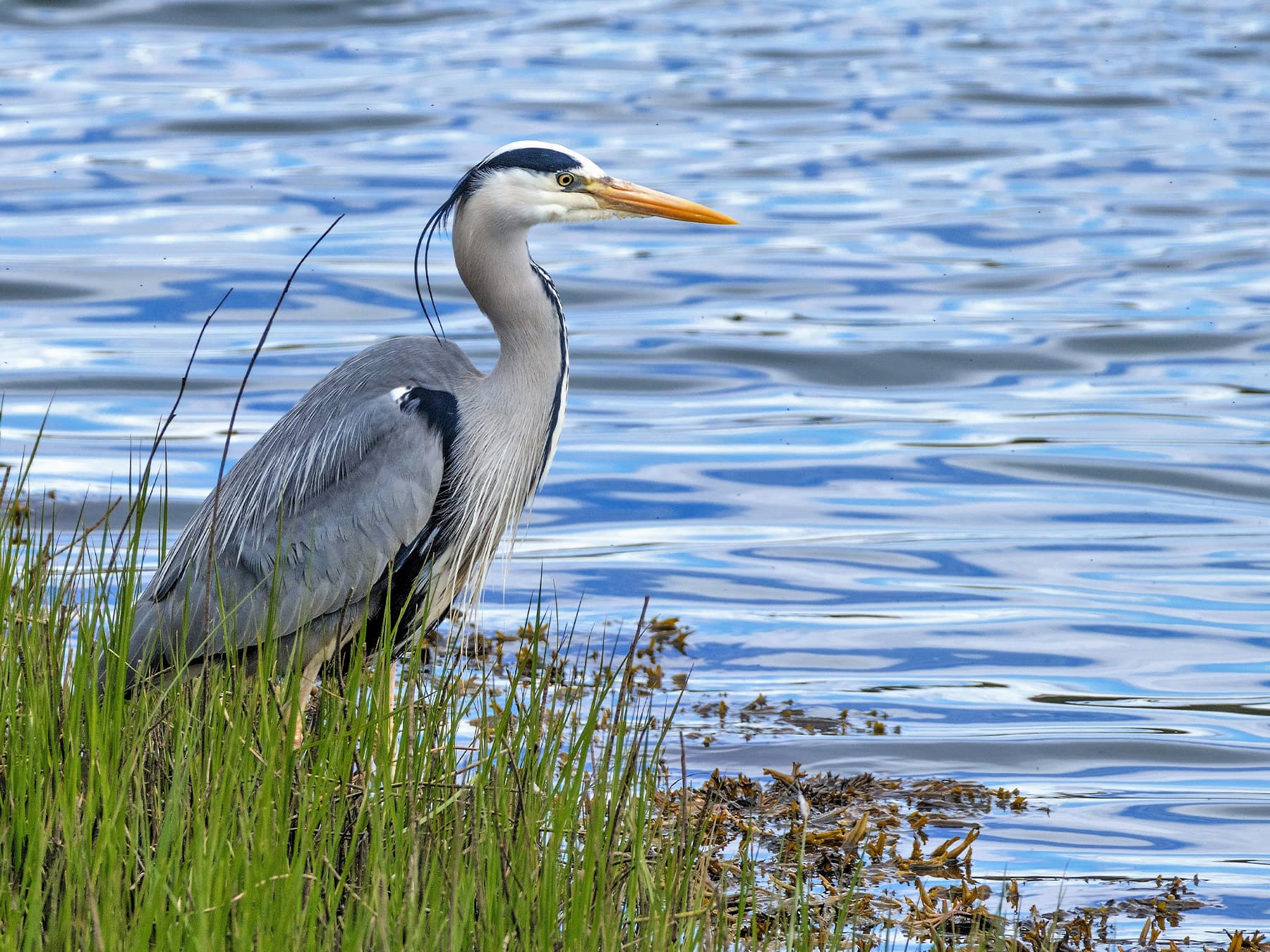 Grey HeronArdea cinereaResidentCommon90–98 cmRegularly Apr–Feb · 0.56% in Feb
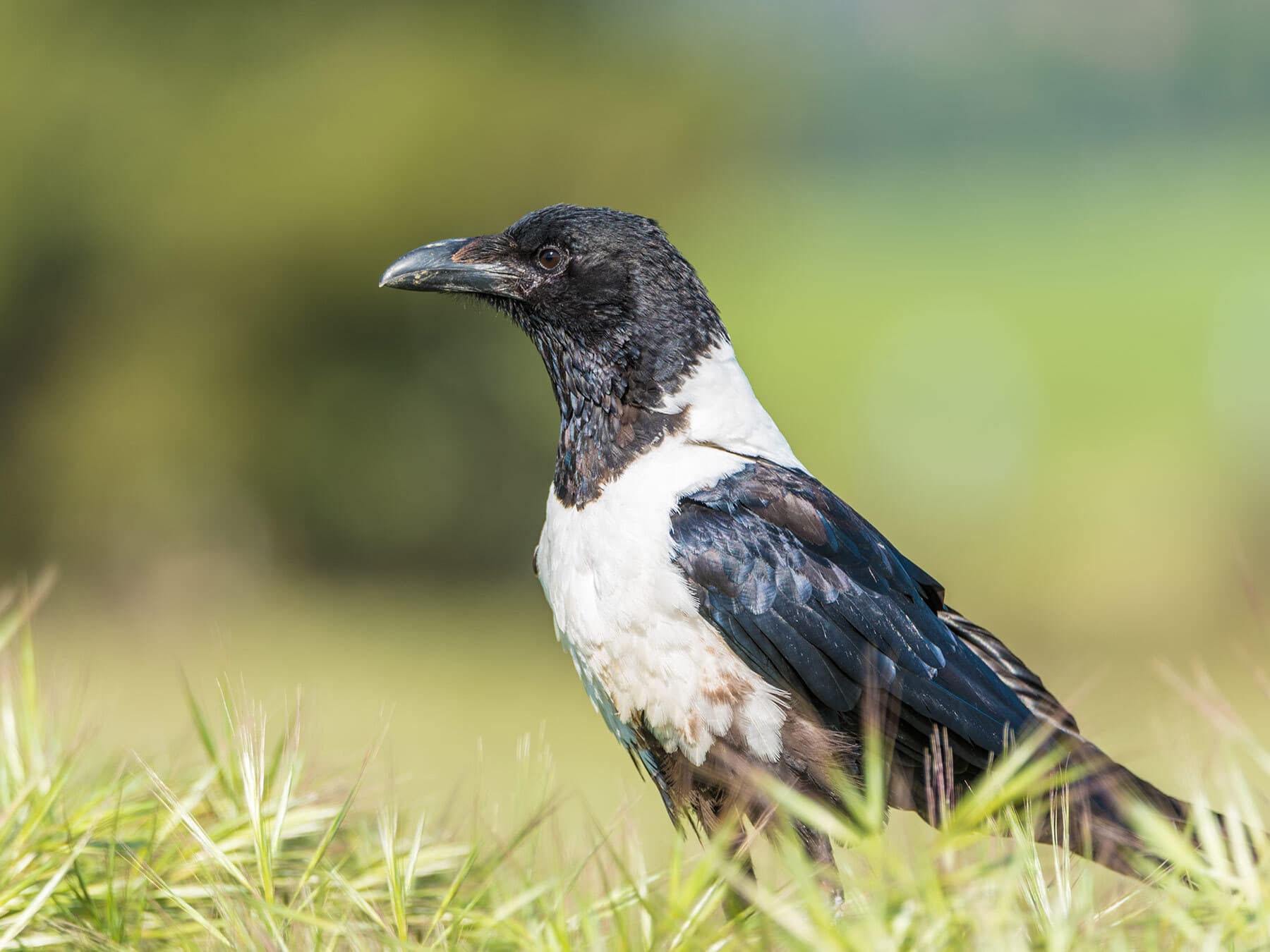 Pied CrowCorvus albusResidentCommon46–52 cmRecorded all year · 0.56% in Feb
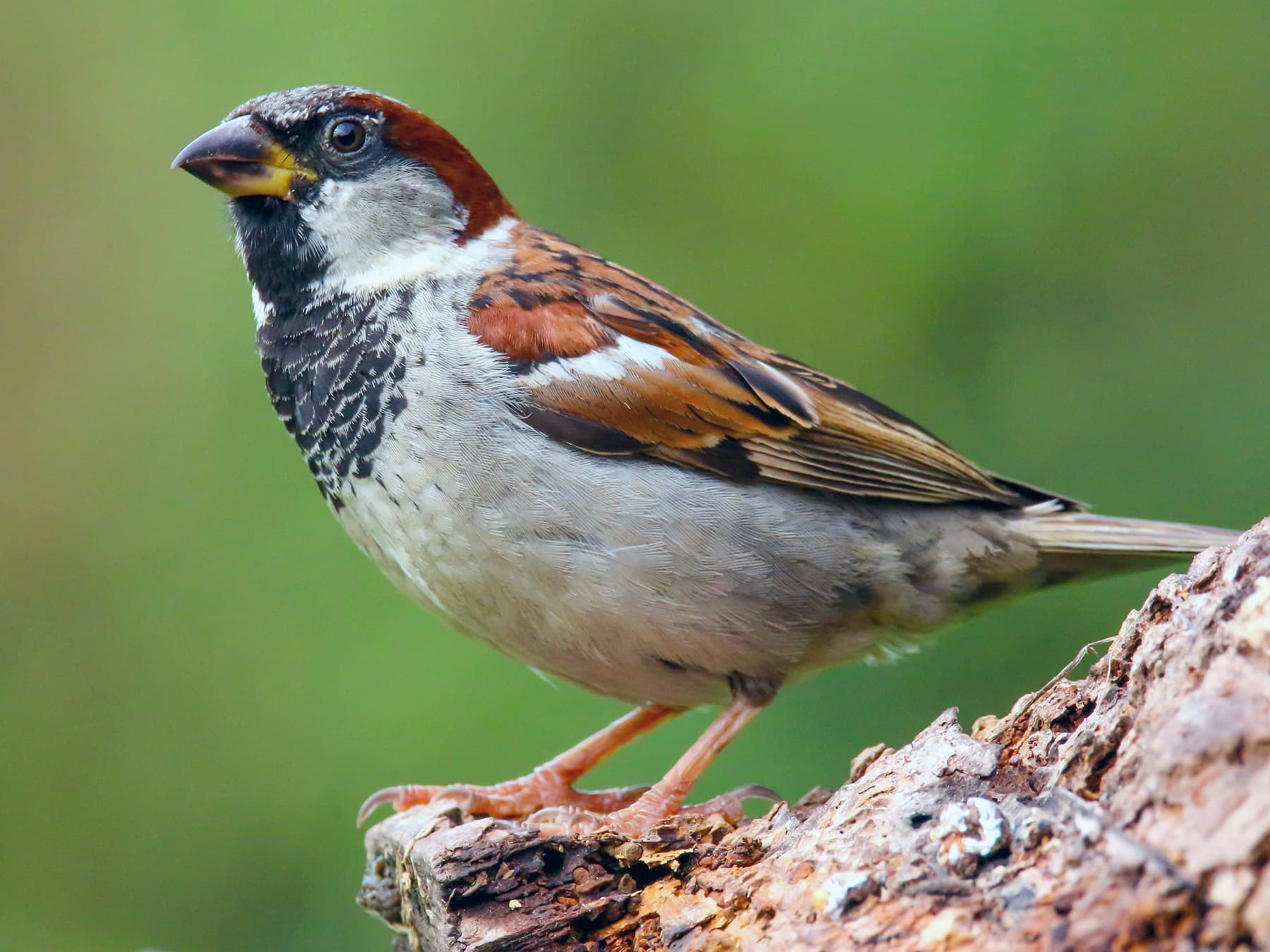 House SparrowPasser domesticusResidentCommon14–17 cmRecorded all year · 0.47% in Feb
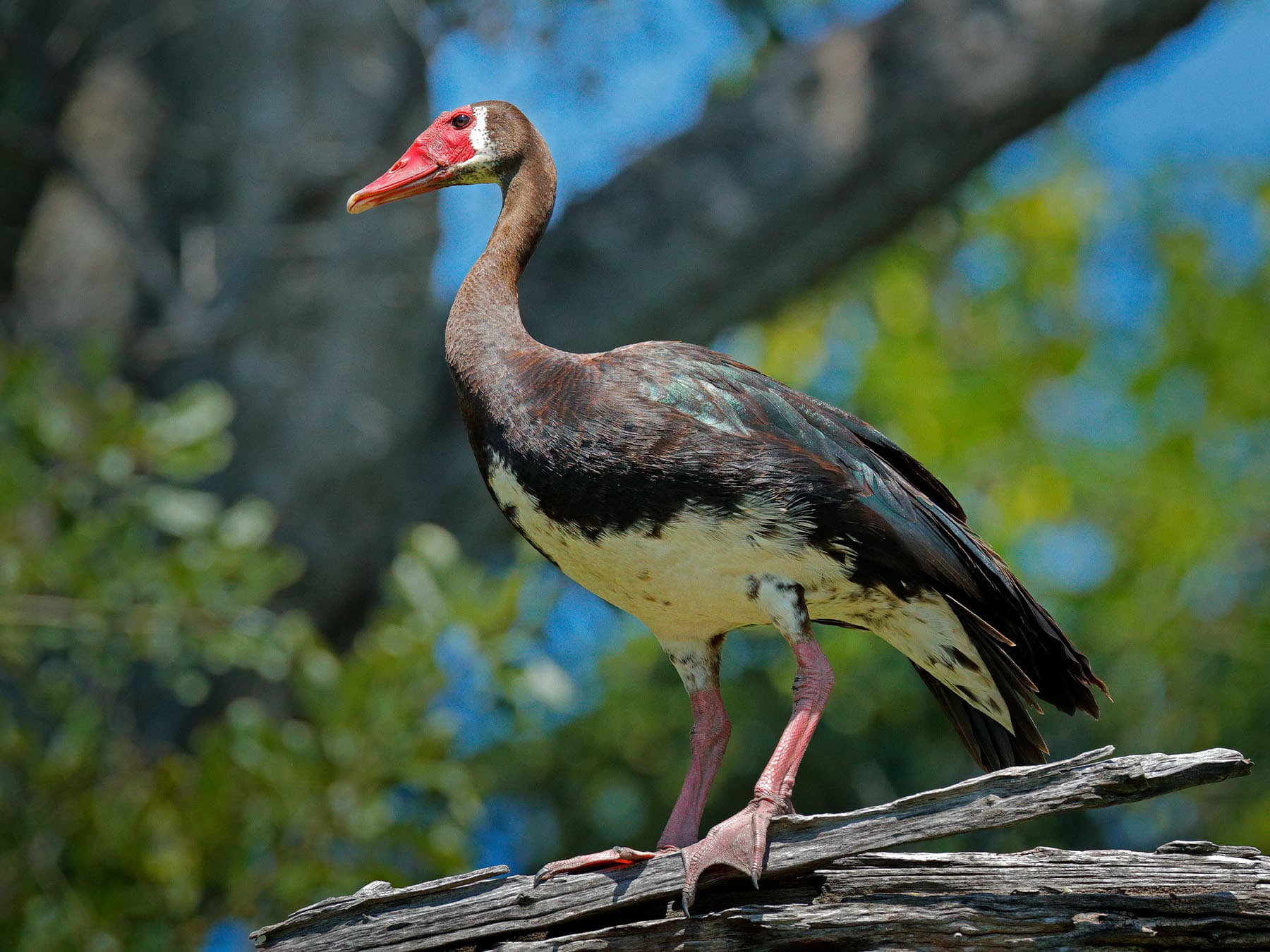 Spur-winged GoosePlectropterus gambensisPassage migrantCommon75–115 cmRegularly May–Feb · 0.35% in Feb
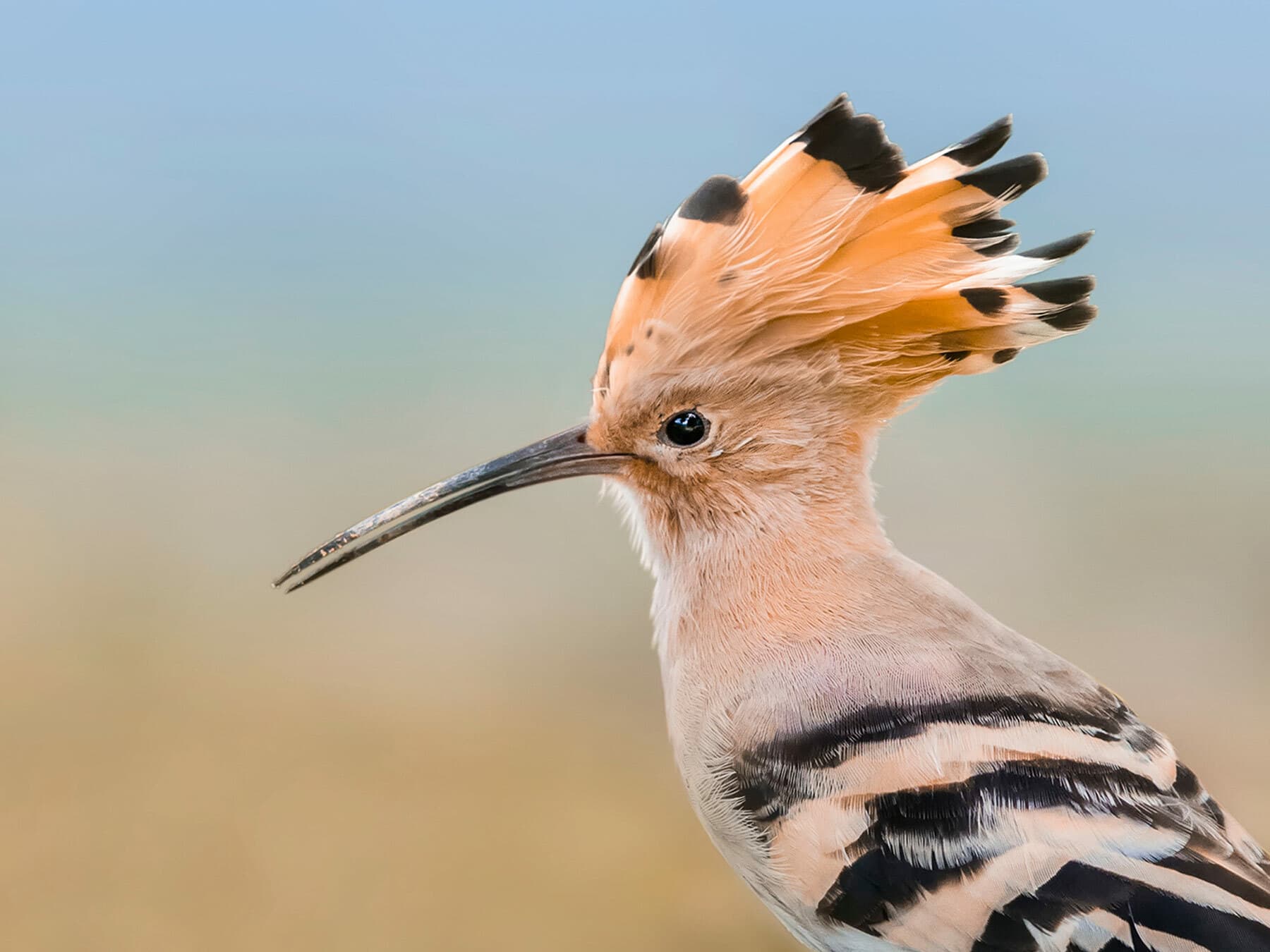 HoopoeUpupa epopsResidentCommon25–32 cmRecorded all year · 0.29% in Feb
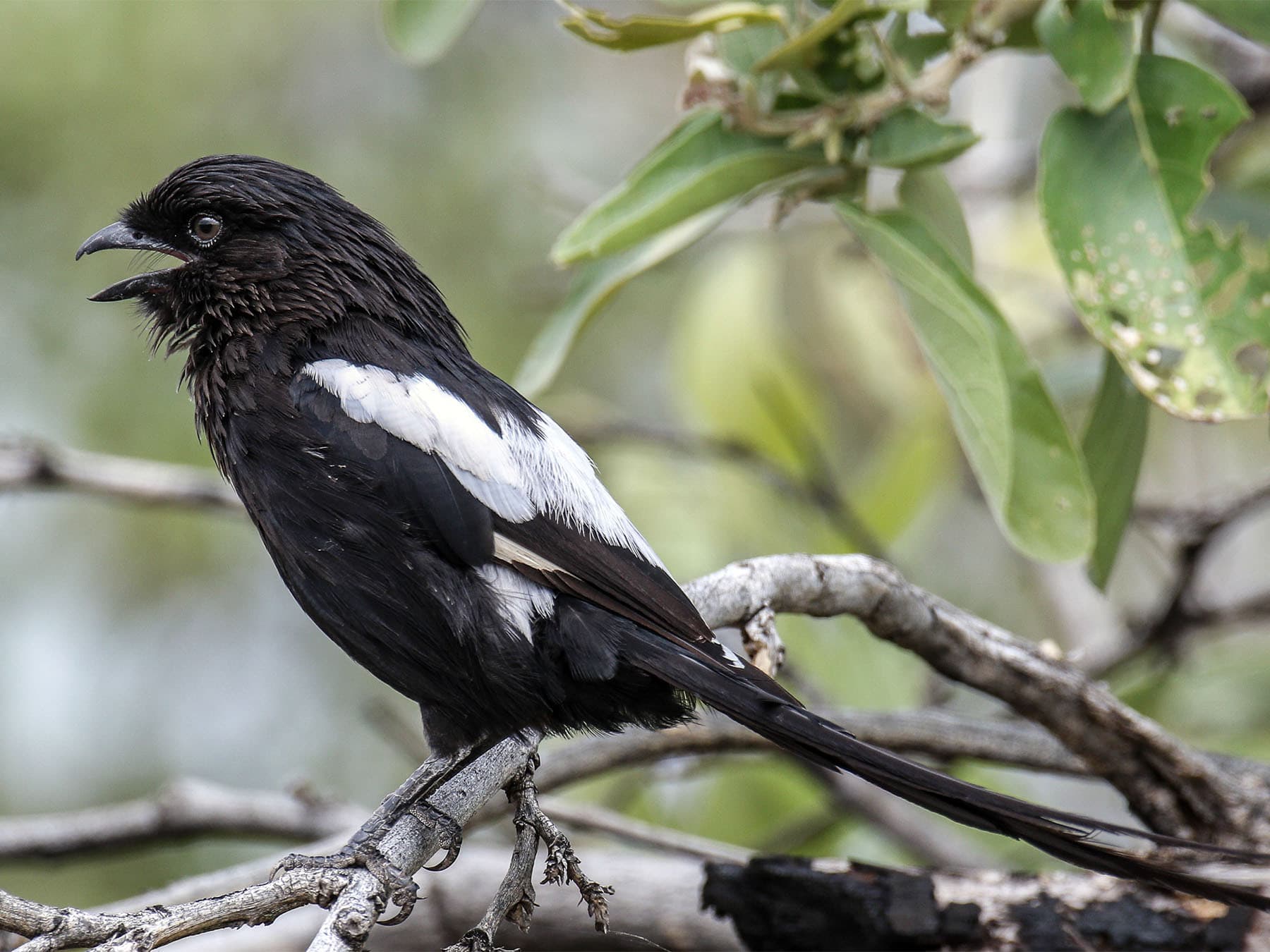 Magpie ShrikeUrolestes melanoleucusPassage migrantCommon35–50 cmRegularly Jul–Feb · 0.29% in Feb
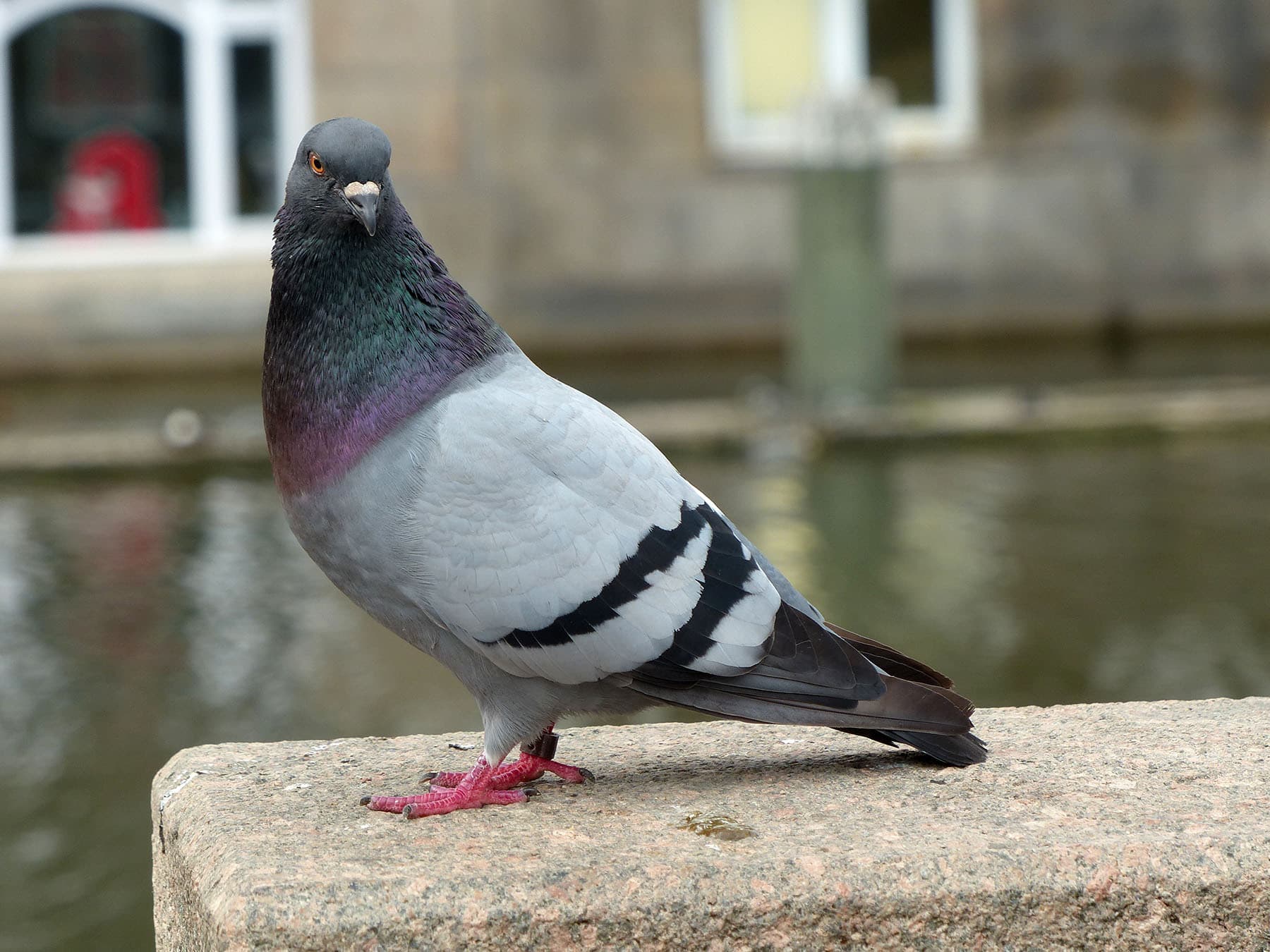 Rock DoveColumba liviaPassage migrantUncommon31–34 cmRegularly Sep–Feb · 0.29% in Feb
Smallest to largest
Length, cm- Southern Masked Weaver 13–15 cm
- House Sparrow 14–17 cm
- Lesser Striped Swallow 15–19 cm
- Red-backed Shrike 16–18 cm
- Barn Swallow 17–19 cm
- Fork-tailed Drongo 23–26 cm
- Cape Starling 25–28 cm
- European Bee-eater 27–29 cm
- Hoopoe 25–32 cm
- Rock Dove 31–34 cm
- Magpie Shrike 35–50 cm
- Pied Crow 46–52 cm
- Cattle Egret 46–56 cm
- Buzzard 51–57 cm
- Helmeted Guineafowl 53–63 cm
- Egyptian Goose 63–73 cm
- Grey Heron 90–98 cm
- Spur-winged Goose 75–115 cm
Body length, bill to tail. Rare birds in grey.
Data: EOD – eBird Observation Dataset (Cornell Lab of Ornithology), accessed via GBIF.org, CC BY 4.0. Records from 2019–2024, aggregated and filtered by Birdfact. How these lists are made