


Birds to See in Brunei in October
23 bird species on our list for Brunei are recorded regularly in October
Of these, the most often recorded are Little Egret, Common Sandpiper, Eurasian Tree Sparrow, Great White Egret and Chestnut Munia. New this month: Eurasian Tree Sparrow, Little Ringed Plover, Wood Sandpiper and Blue-eared Barbet and 11 more.
On the move in October
GBIF · OctArriving
At their peak
From Brunei’s bird records, 2019–2024: arriving birds are regular this month but not last; leaving birds are regular this month but not next.
Other months
All 23 birds in October
23 birds
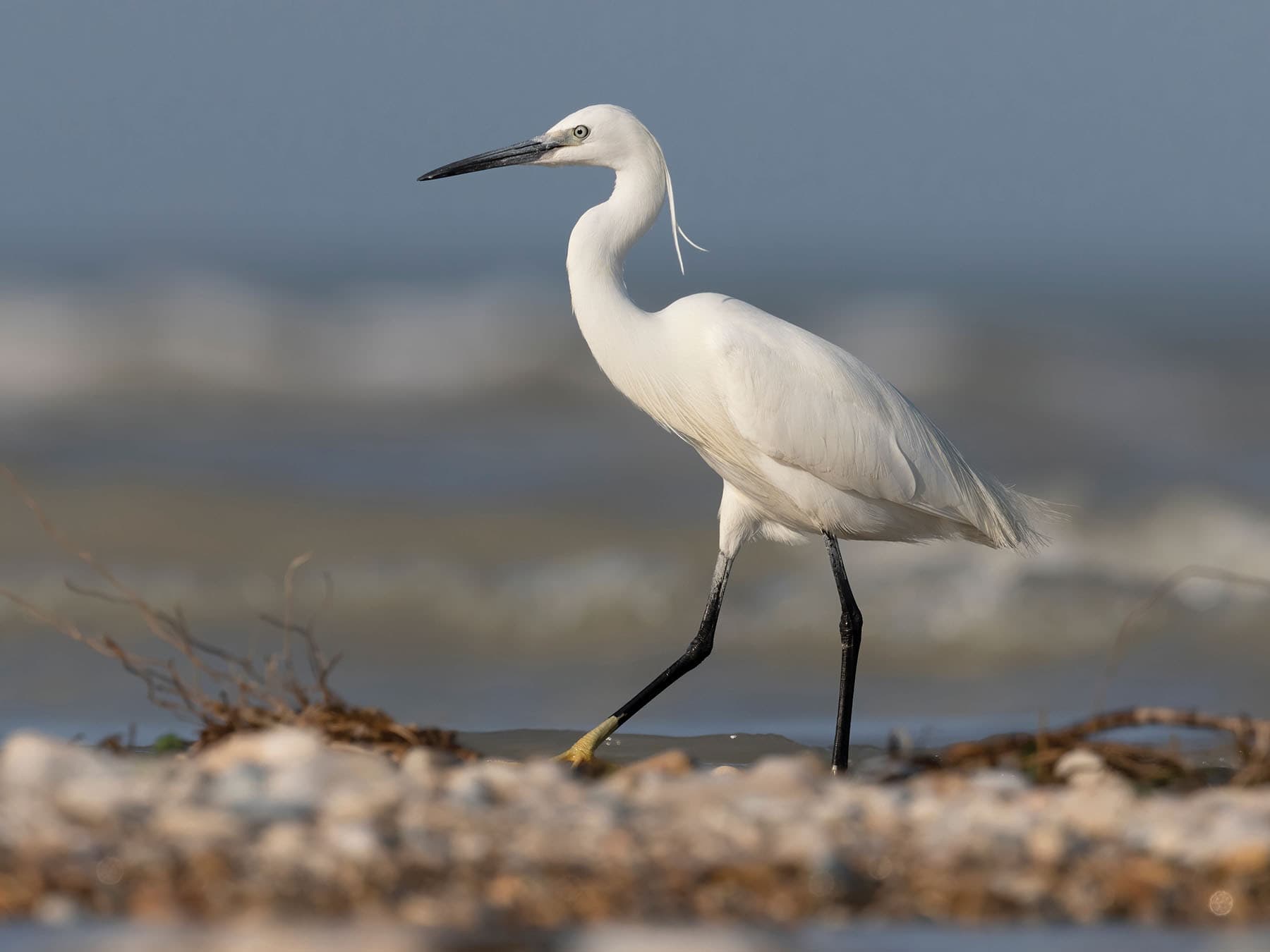 Little EgretEgretta garzettaWinter visitorCommon55–65 cmRegularly Jun–Apr · 2.03% in Oct
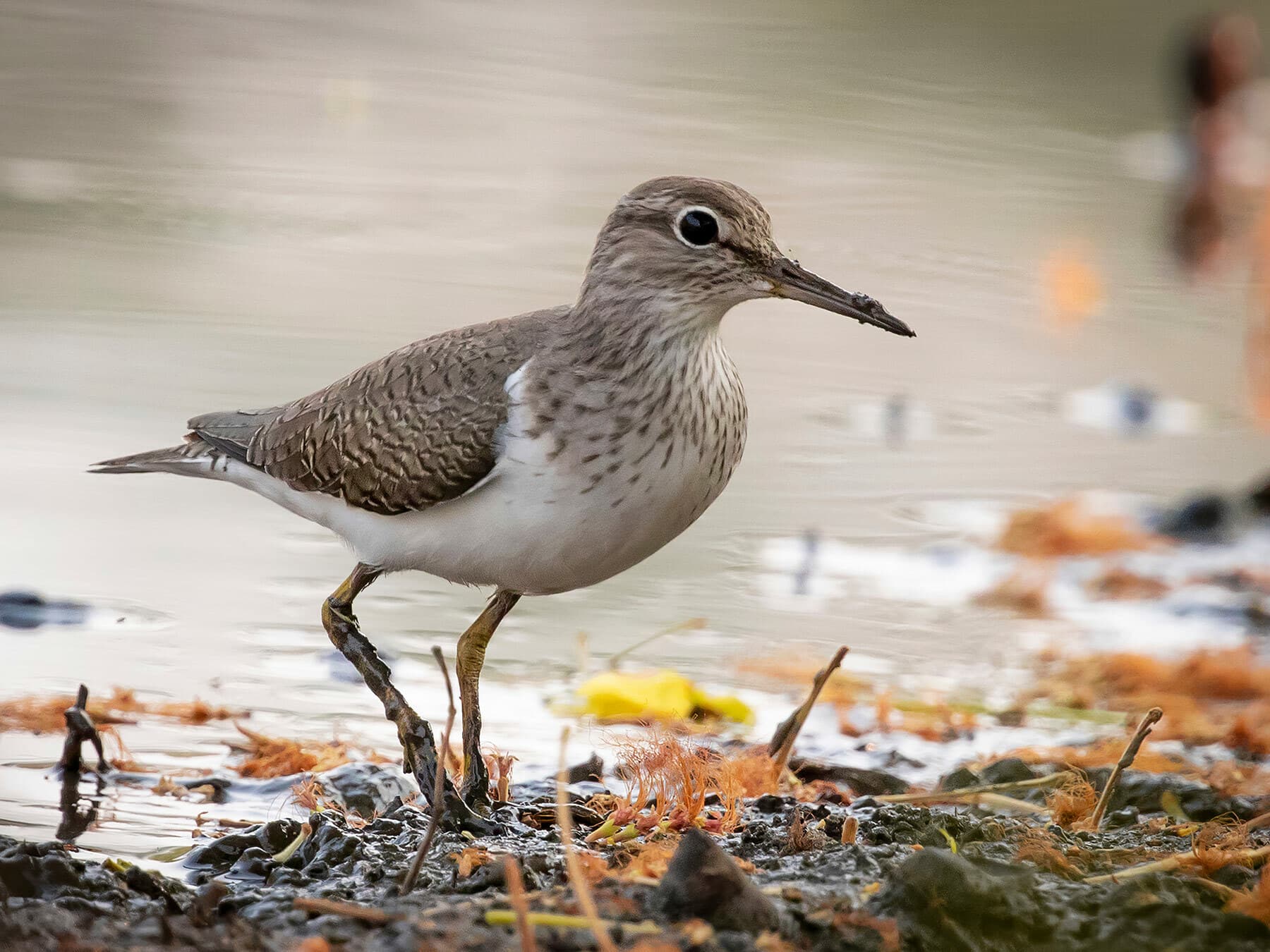 Common SandpiperActitis hypoleucosWinter visitorCommon18–20 cmRegularly Jul–Apr · 1.87% in Oct
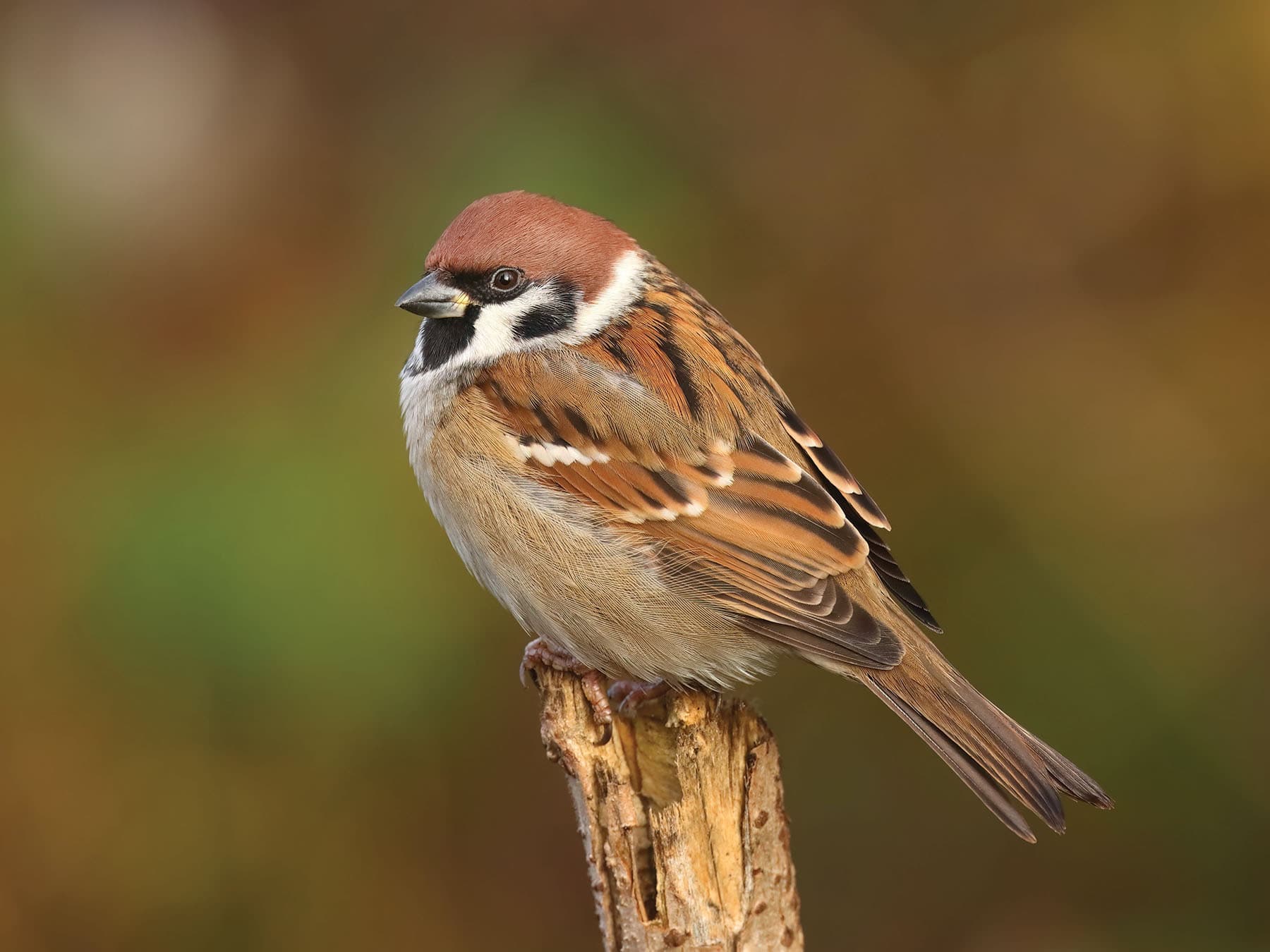 Eurasian Tree SparrowPasser montanusWinter visitorCommon14–15 cmRegularly Jul–Apr · 1.87% in Oct
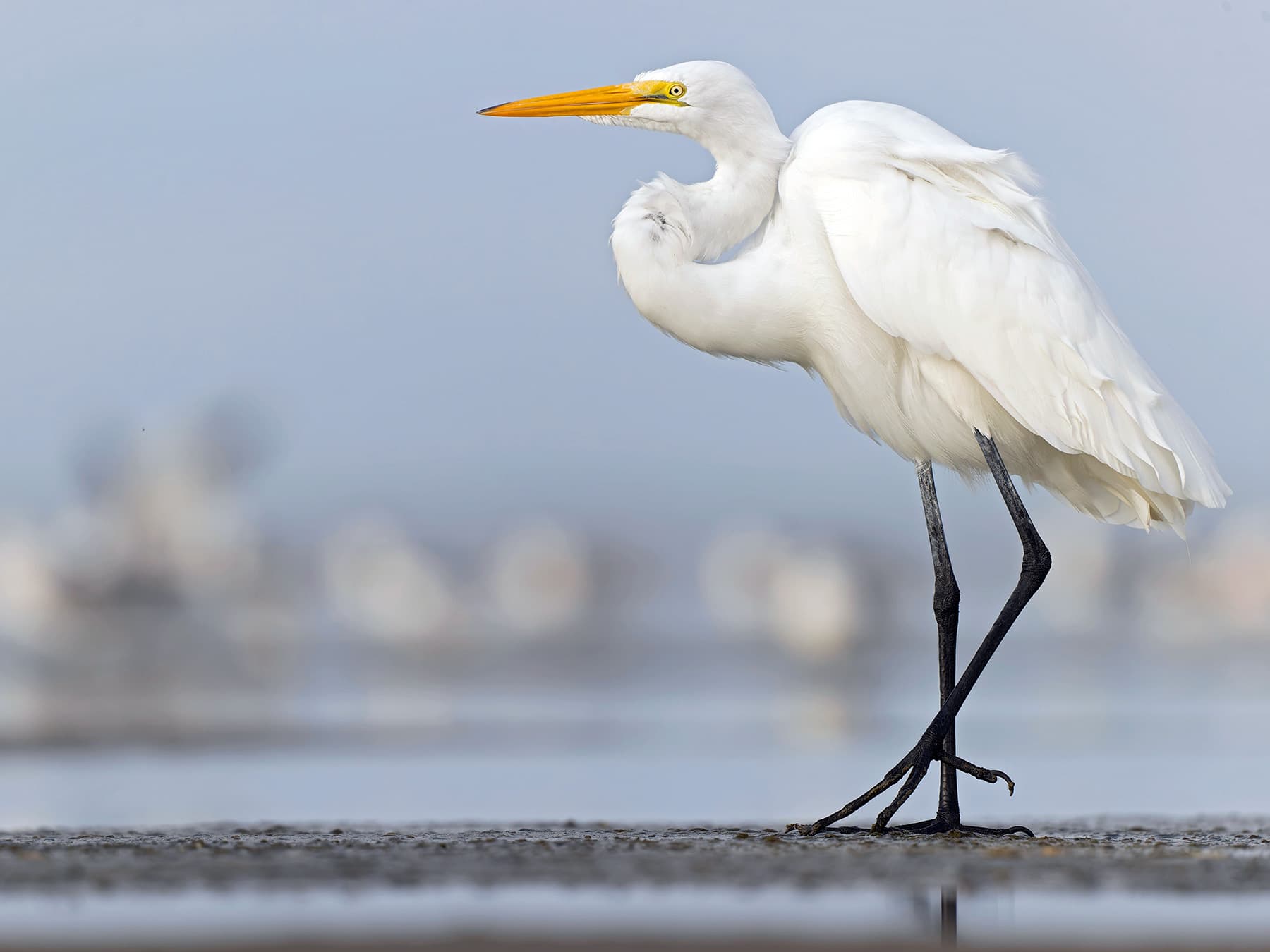 Great White EgretArdea albaWinter visitorCommon80–104 cmRegularly Jul–Apr · 1.65% in Oct
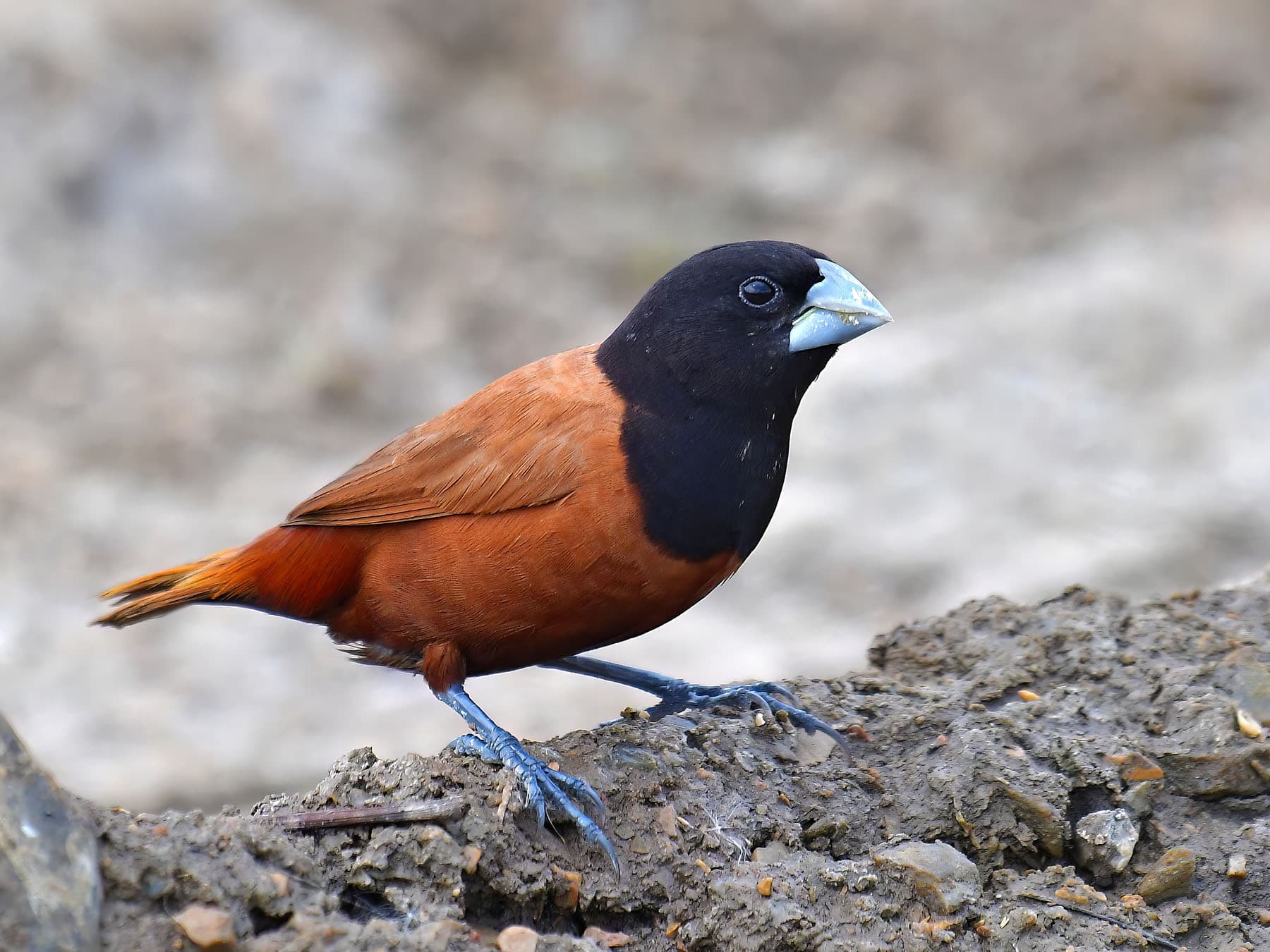 Chestnut MuniaLonchura atricapillaWinter visitorCommon10–11 cmRegularly Jun–Apr · 1.21% in Oct
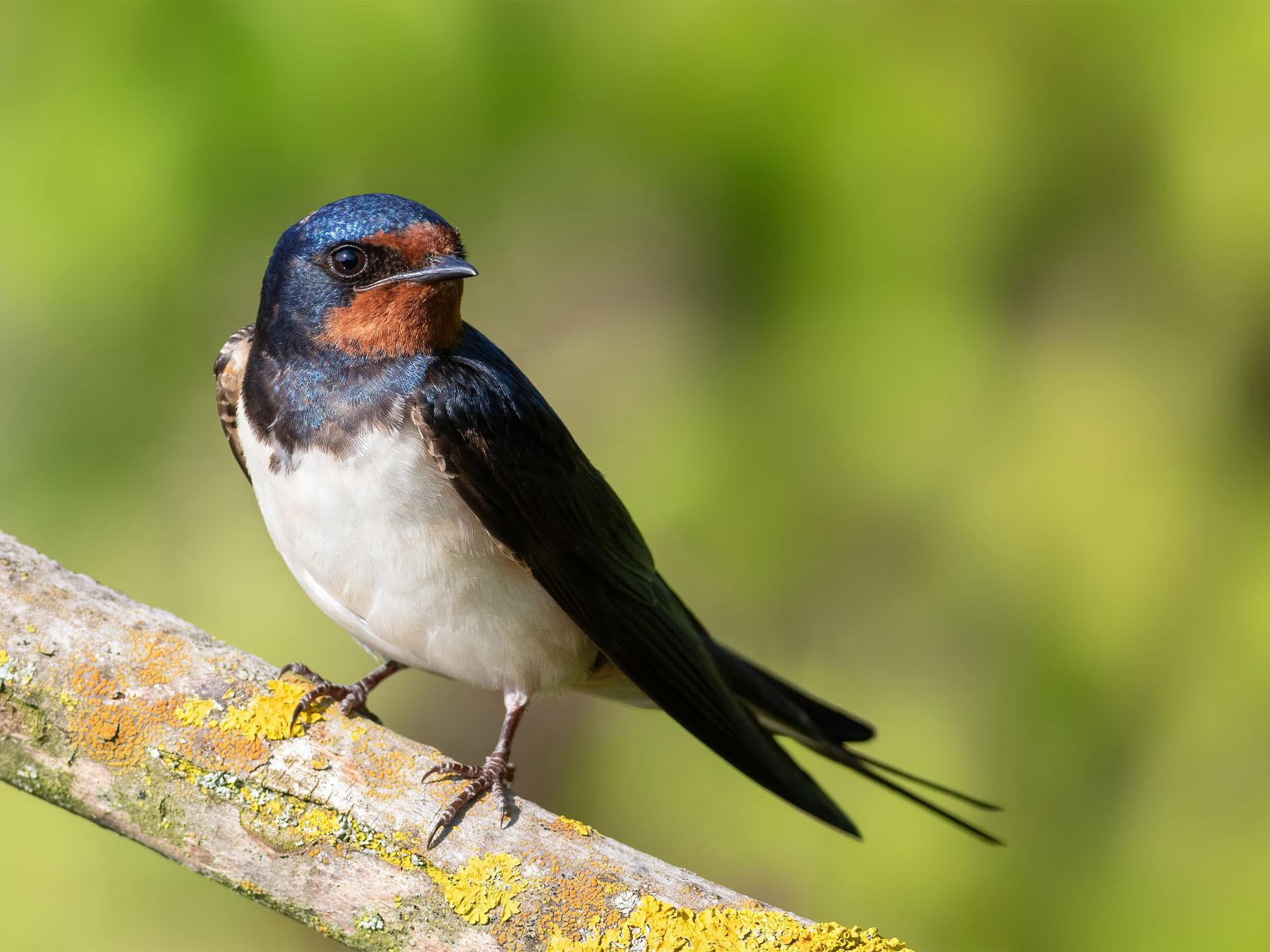 Barn SwallowHirundo rusticaPassage migrantCommon17–19 cmRegularly Jul–Mar · 0.99% in Oct
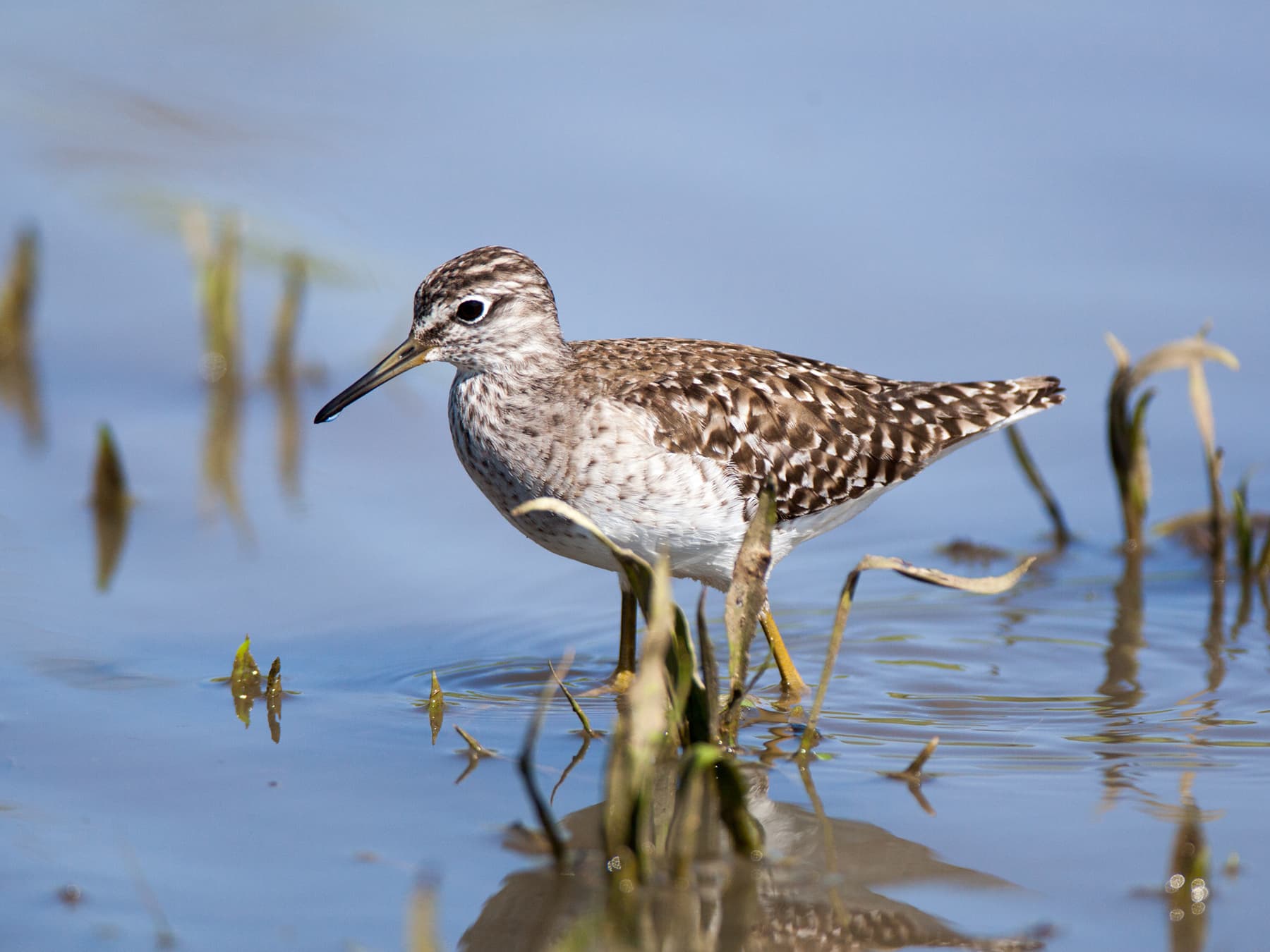 Wood SandpiperTringa glareolaPassage migrantCommon19–21 cmRegularly Oct–Apr · 0.99% in Oct
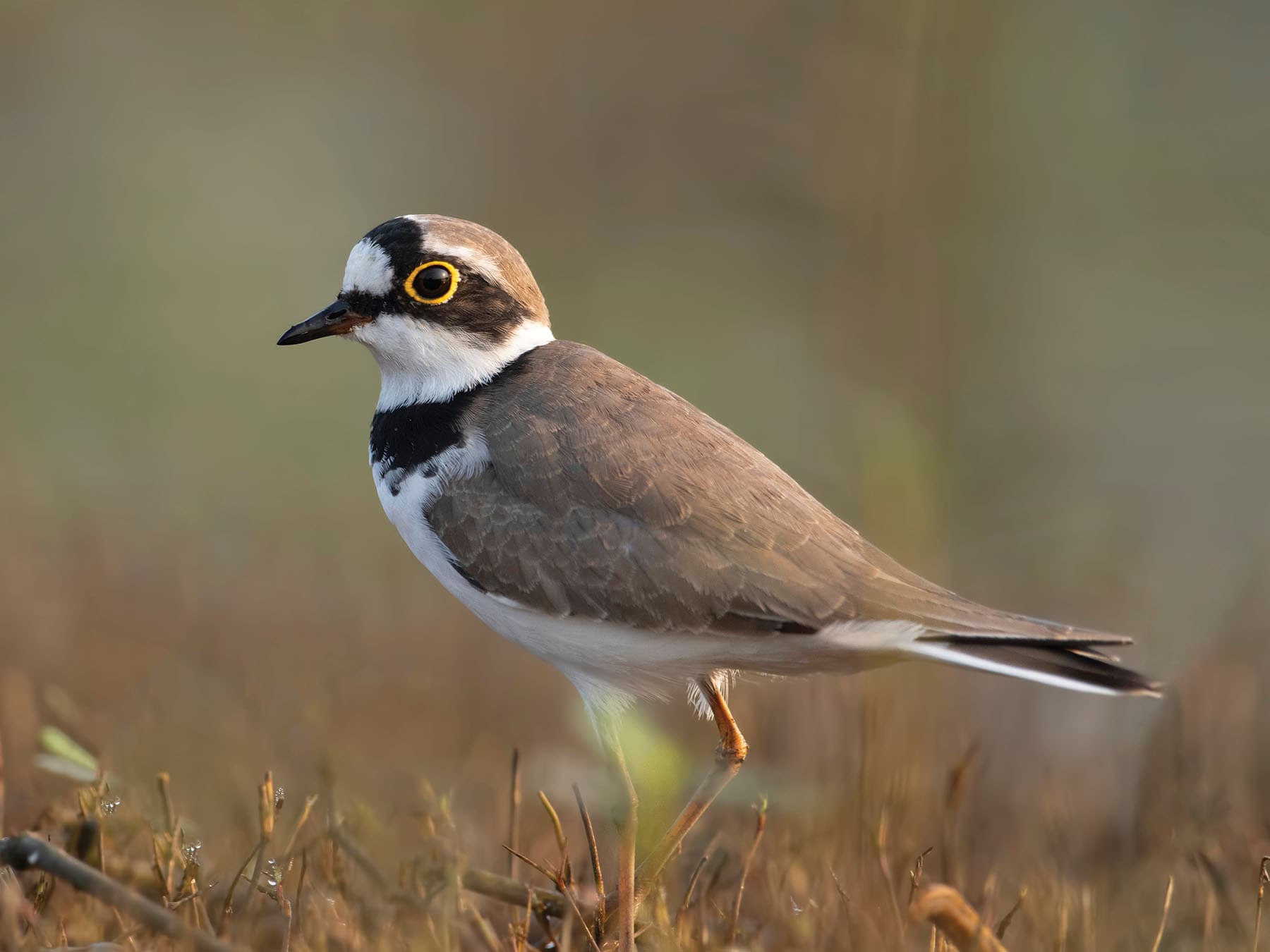 Little Ringed PloverThinornis dubiusPassage migrantCommon14–17 cmRegularly Oct · 0.82% in Oct
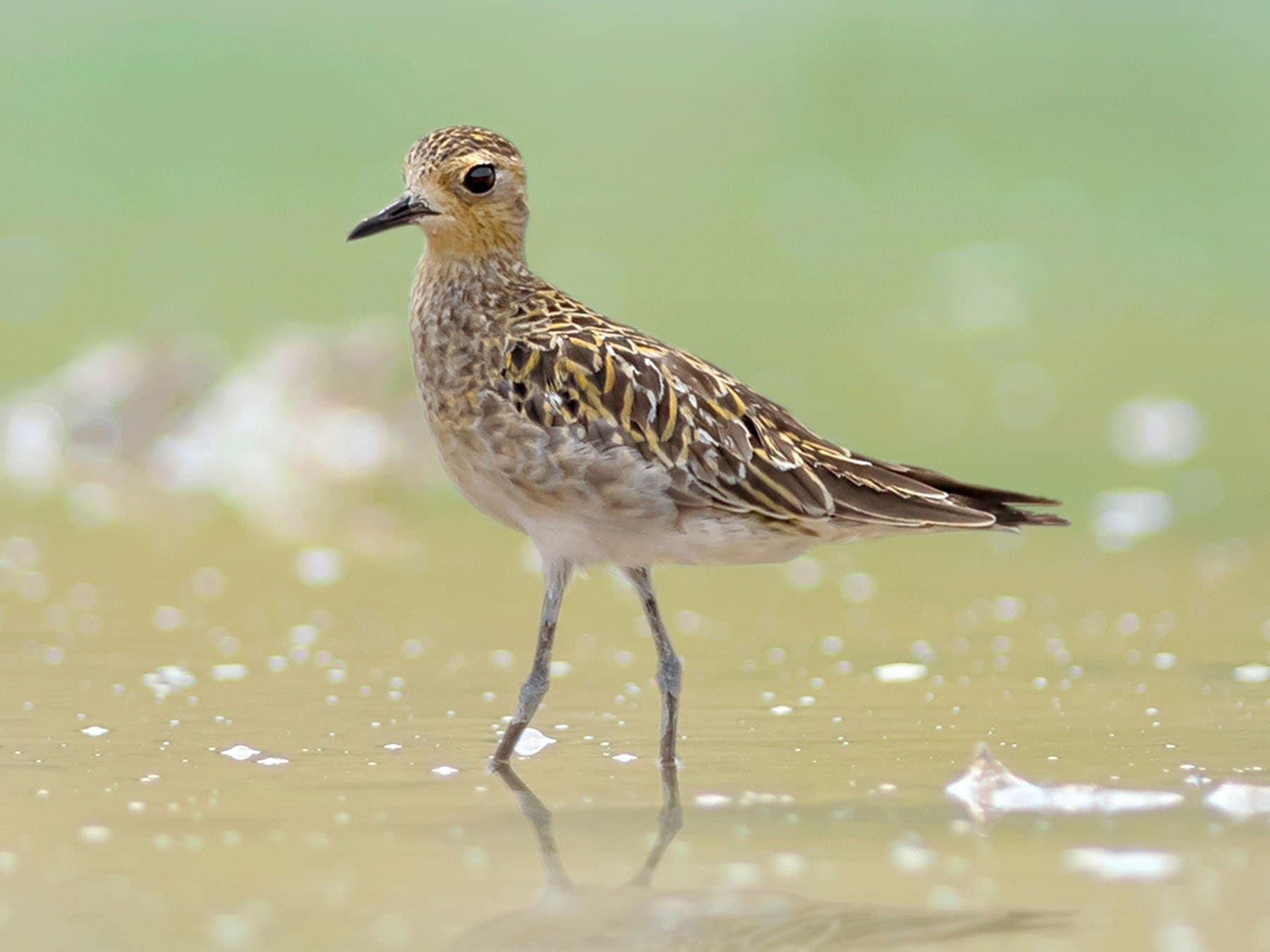 Pacific Golden-PloverPluvialis fulvaPassage migrantCommon23–26 cmRegularly Aug–Nov · 0.82% in Oct
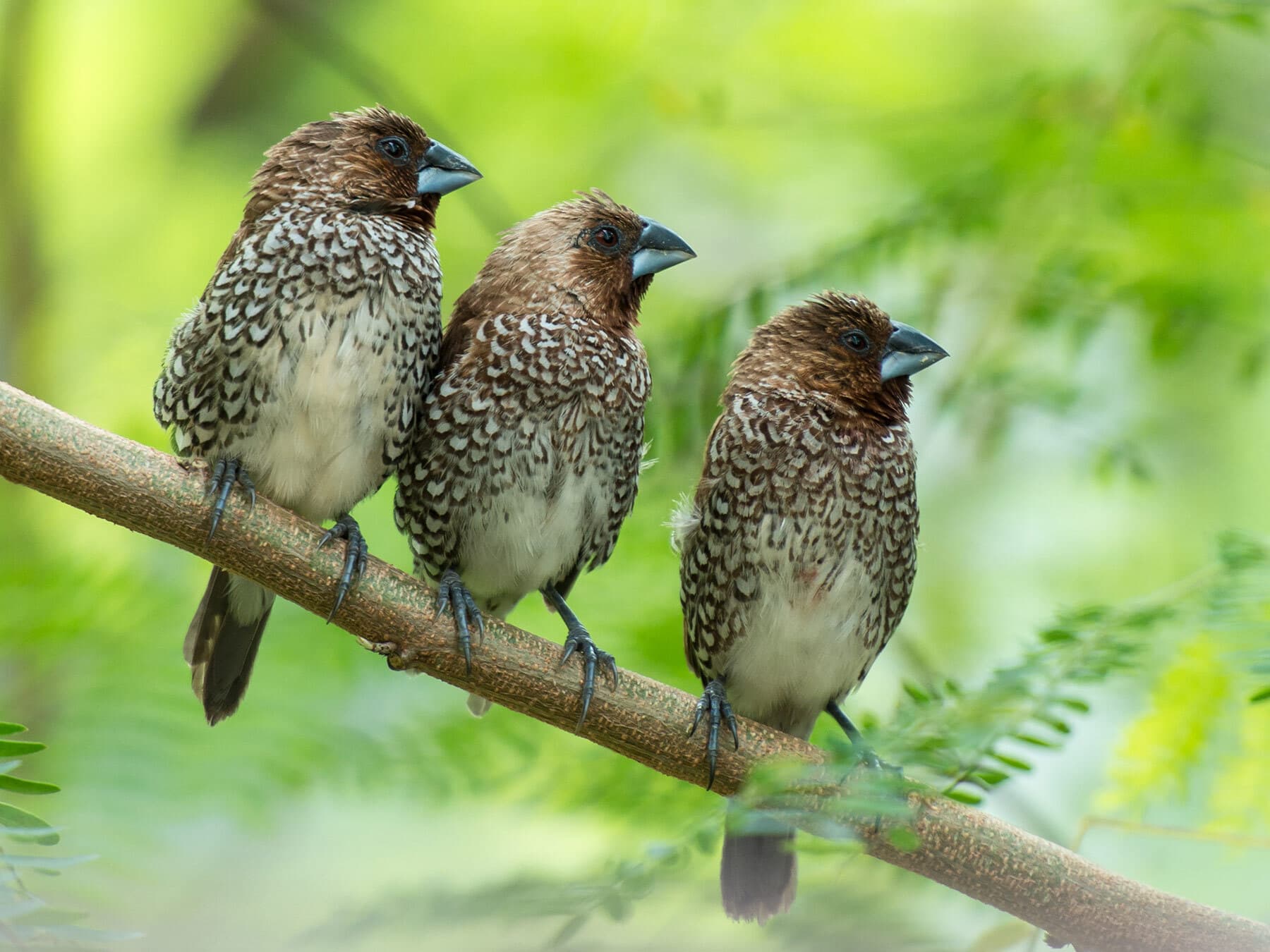 Scaly-breasted MuniaLonchura punctulataPassage migrantCommon11–12 cmRegularly Jul–Apr · 0.71% in Oct
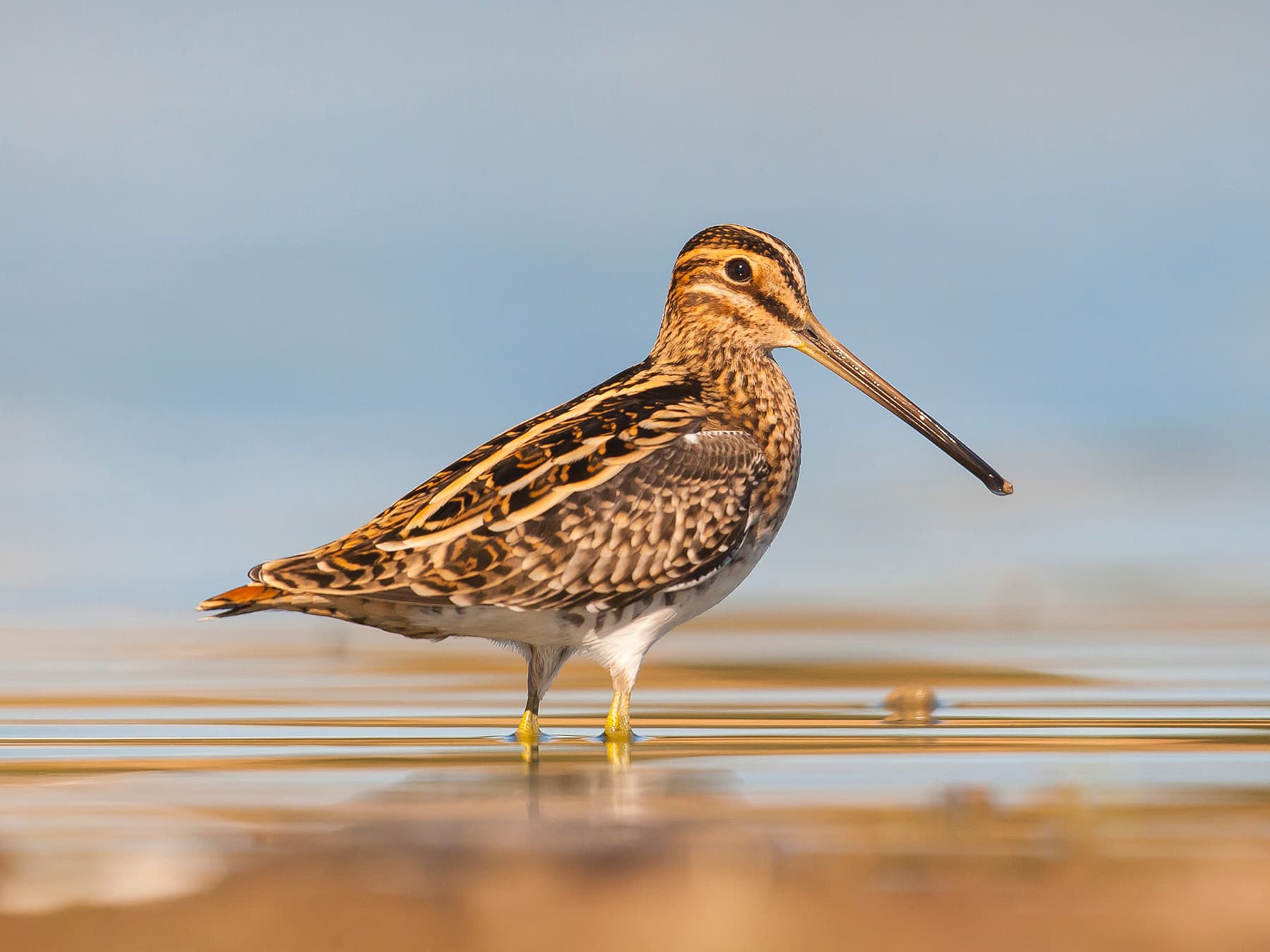 Common SnipeGallinago gallinagoScarceUncommon25–27 cmRegularly Oct · 0.49% in Oct
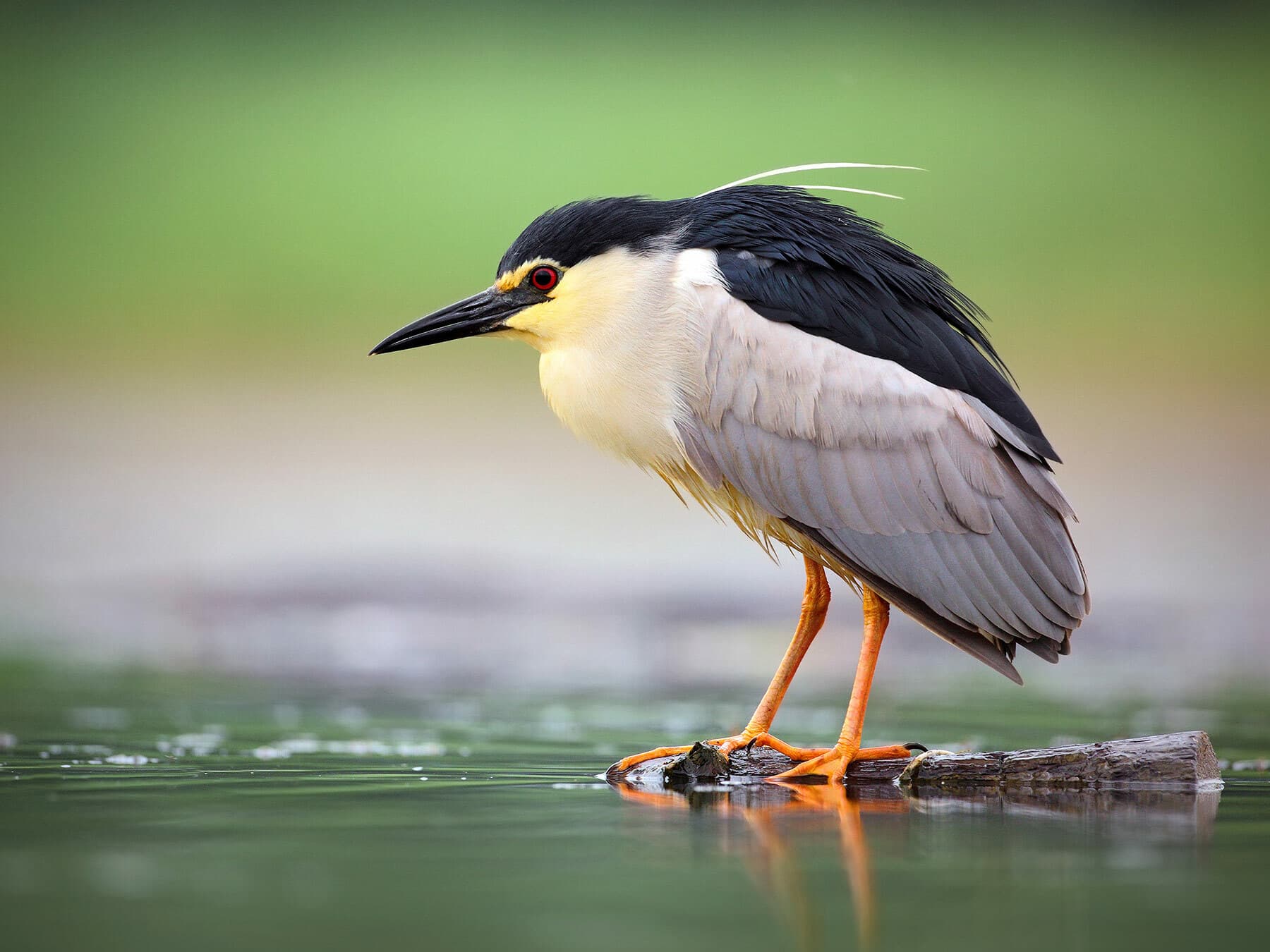 Black-crowned Night-heronNycticorax nycticoraxPassage migrantCommon58–65 cmRegularly Oct–Apr · 0.44% in Oct
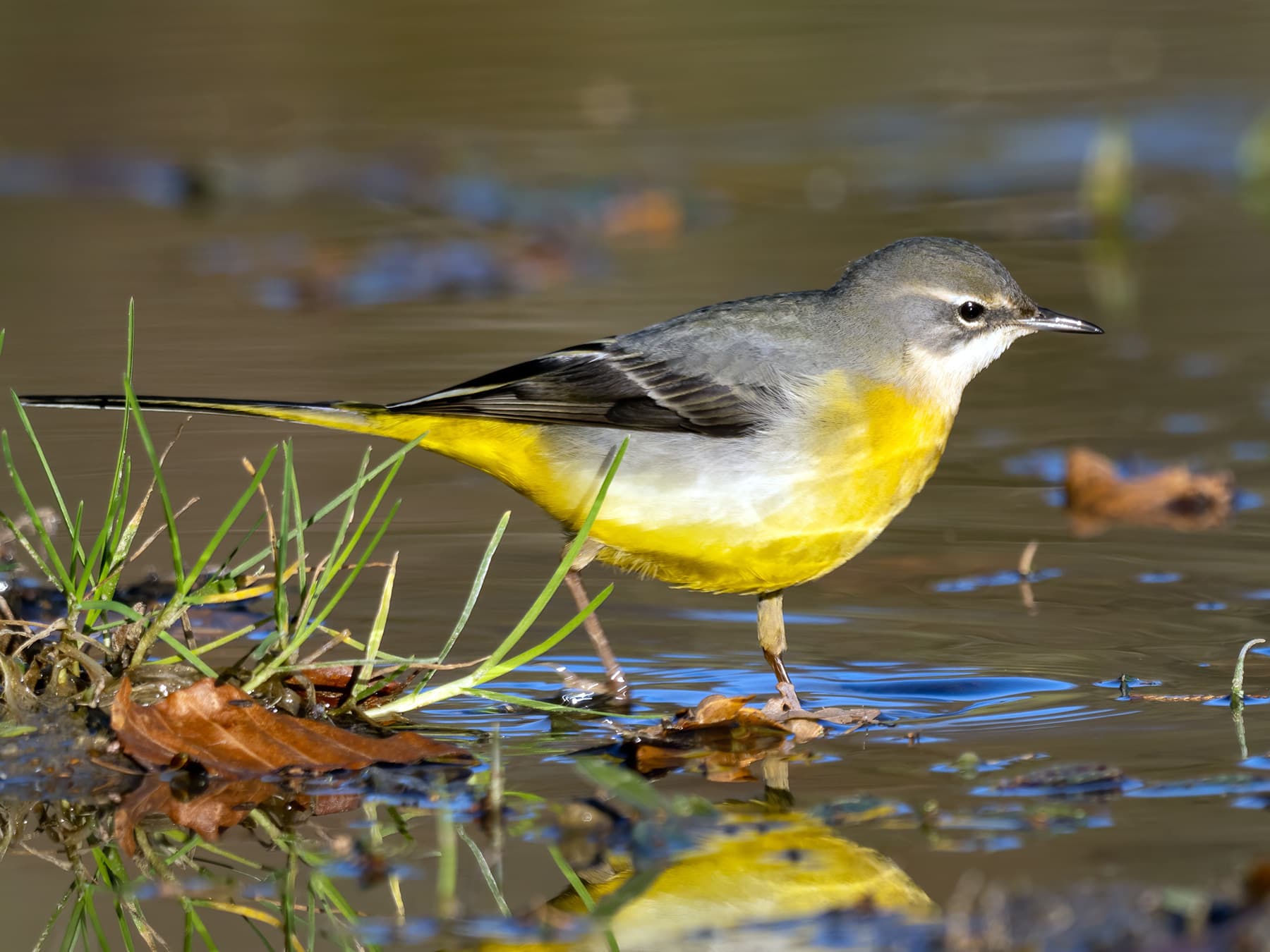 Grey WagtailMotacilla cinereaPassage migrantUncommon17–20 cmRegularly Oct · 0.44% in Oct
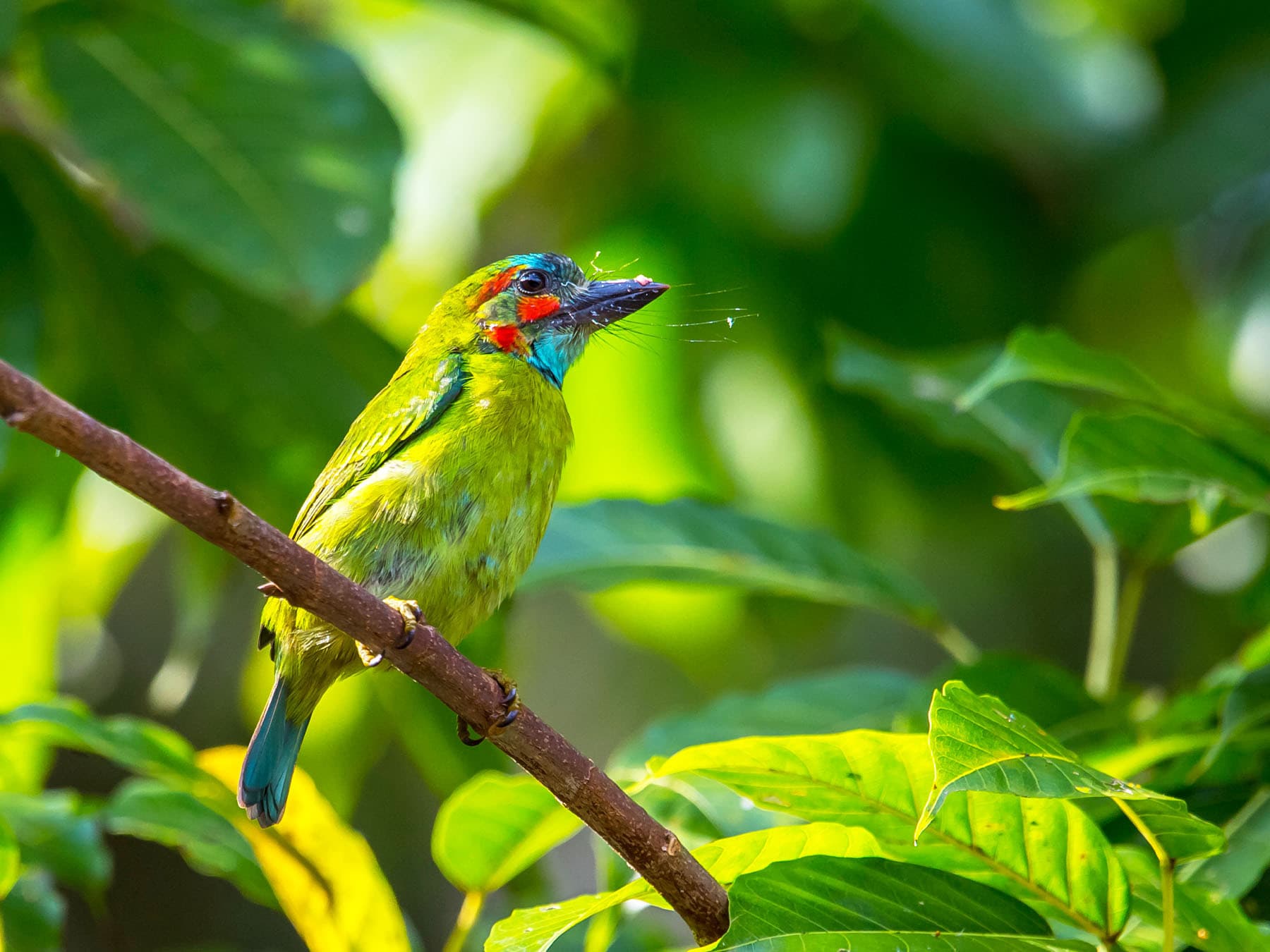 Blue-eared BarbetPsilopogon cyanotisPassage migrantCommon20–23 cmRegularly Aug–Apr · 0.33% in Oct
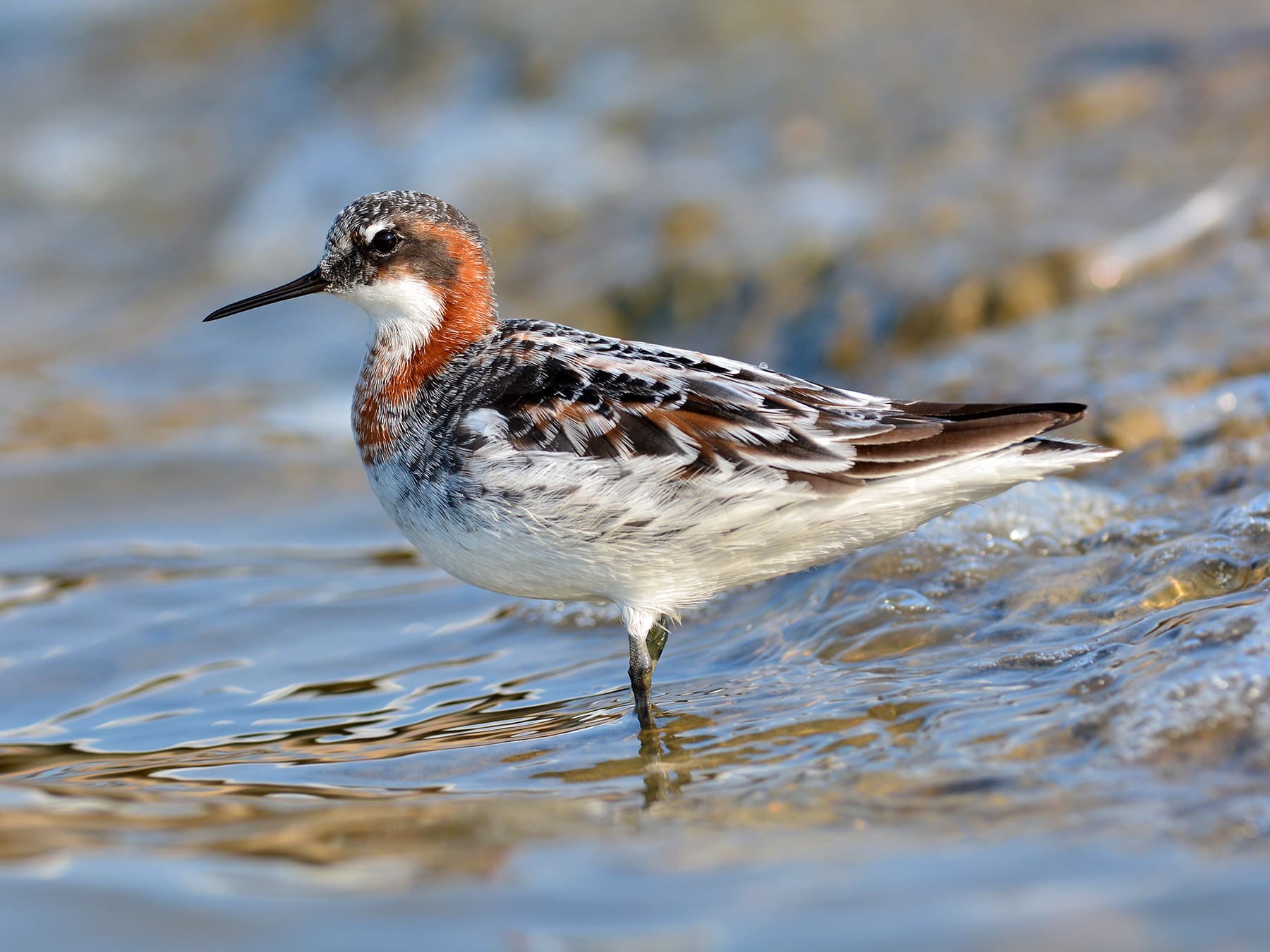 Red-necked PhalaropePhalaropus lobatusPassage migrantUncommon18–19 cmRegularly Oct · 0.33% in Oct
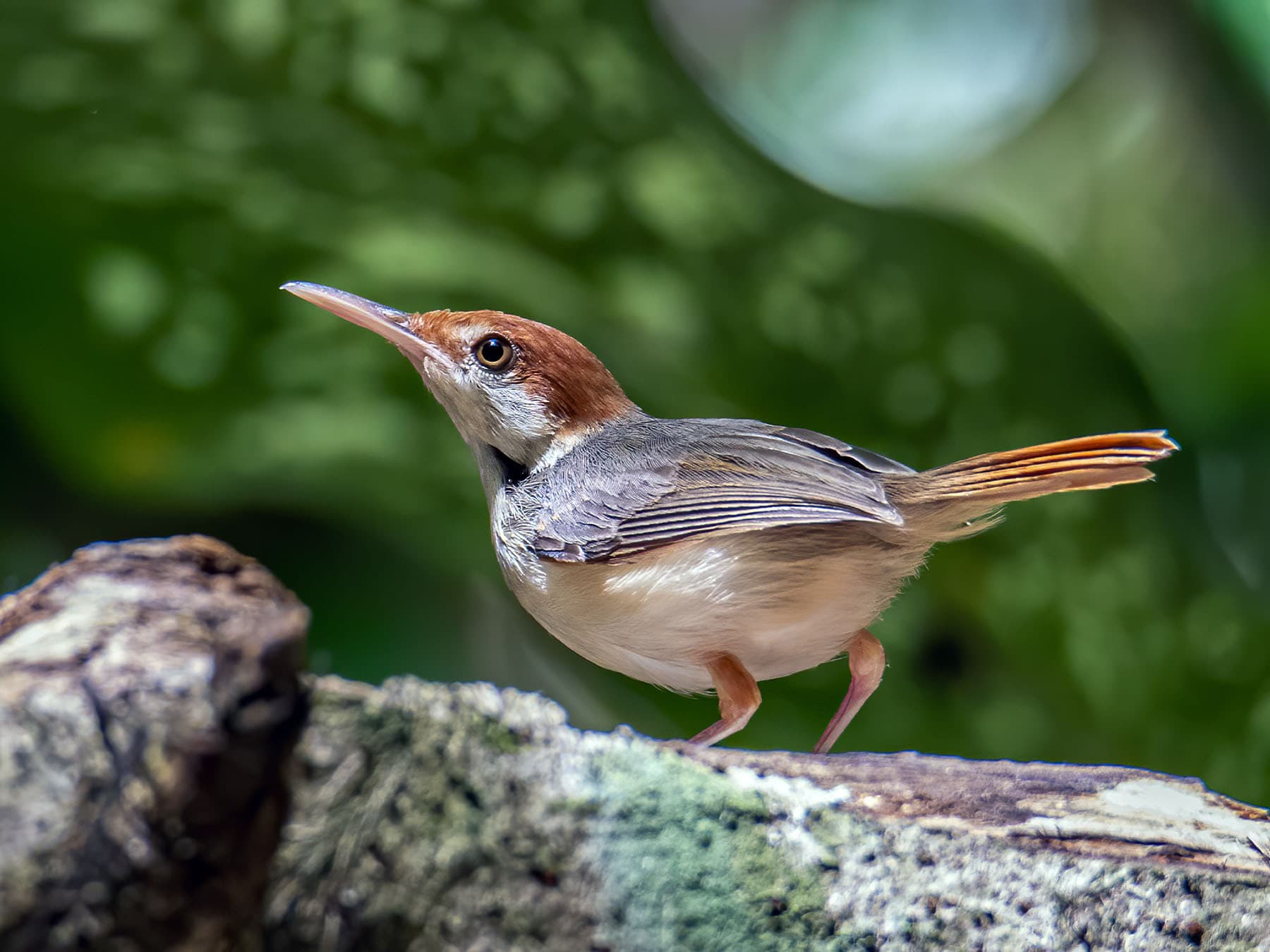 Rufous-tailed TailorbirdOrthotomus sericeusPassage migrantCommon10–14 cmRegularly Oct–Apr · 0.33% in Oct
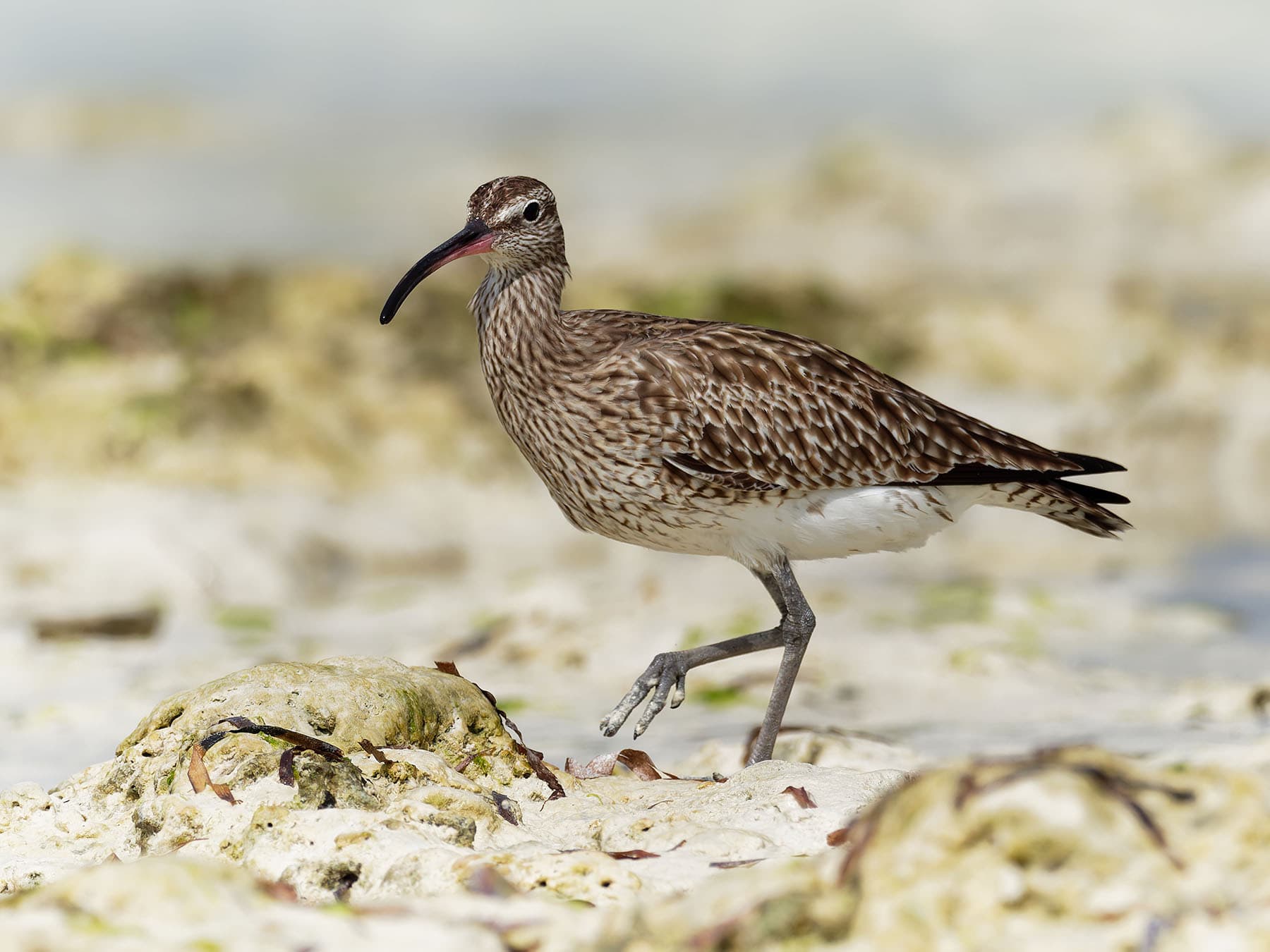 WhimbrelNumenius phaeopusPassage migrantCommon40–46 cmRegularly Apr–Oct · 0.33% in Oct
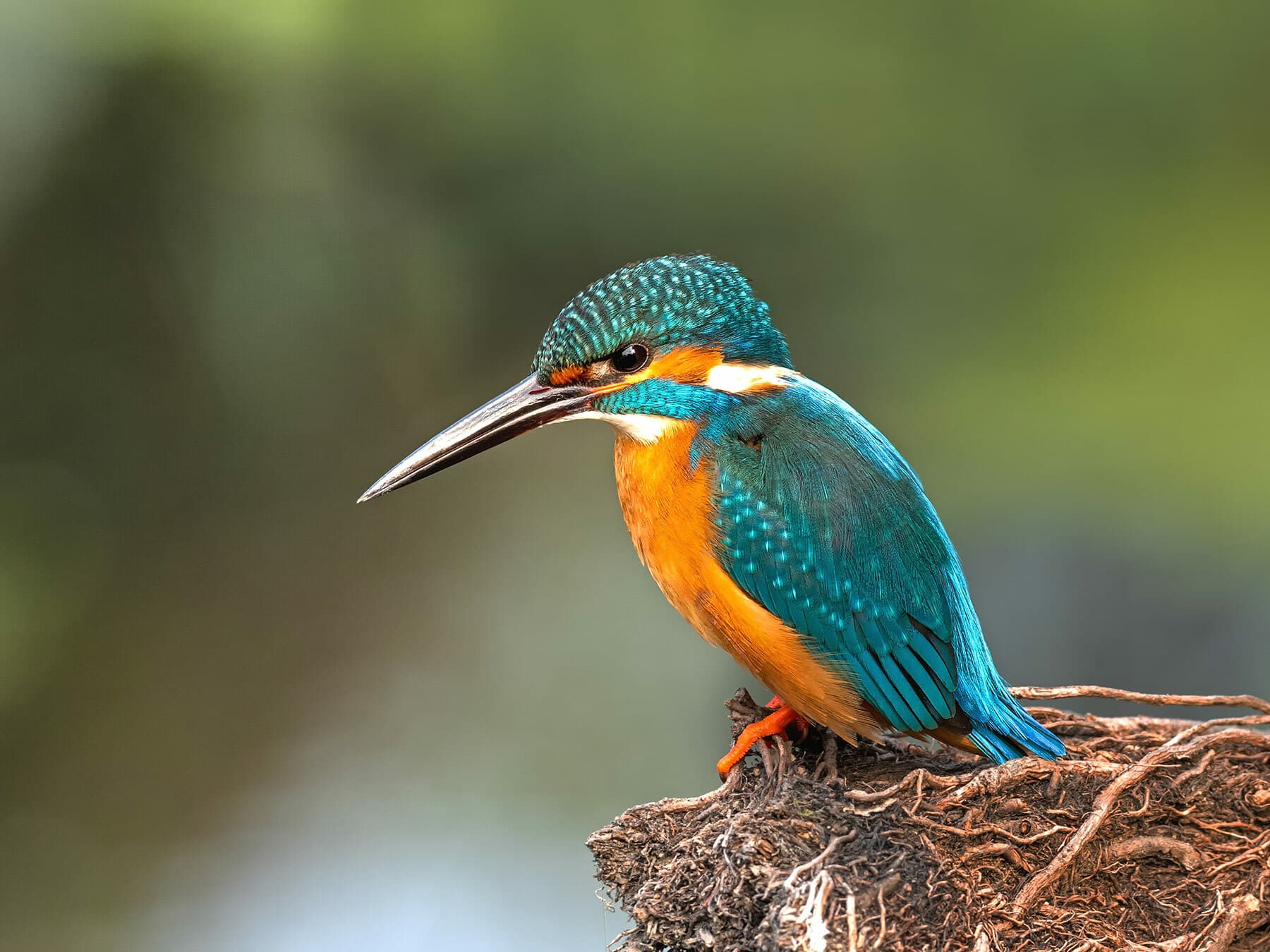 Common KingfisherAlcedo atthisPassage migrantCommon16–17 cmRegularly Oct–Feb · 0.27% in Oct
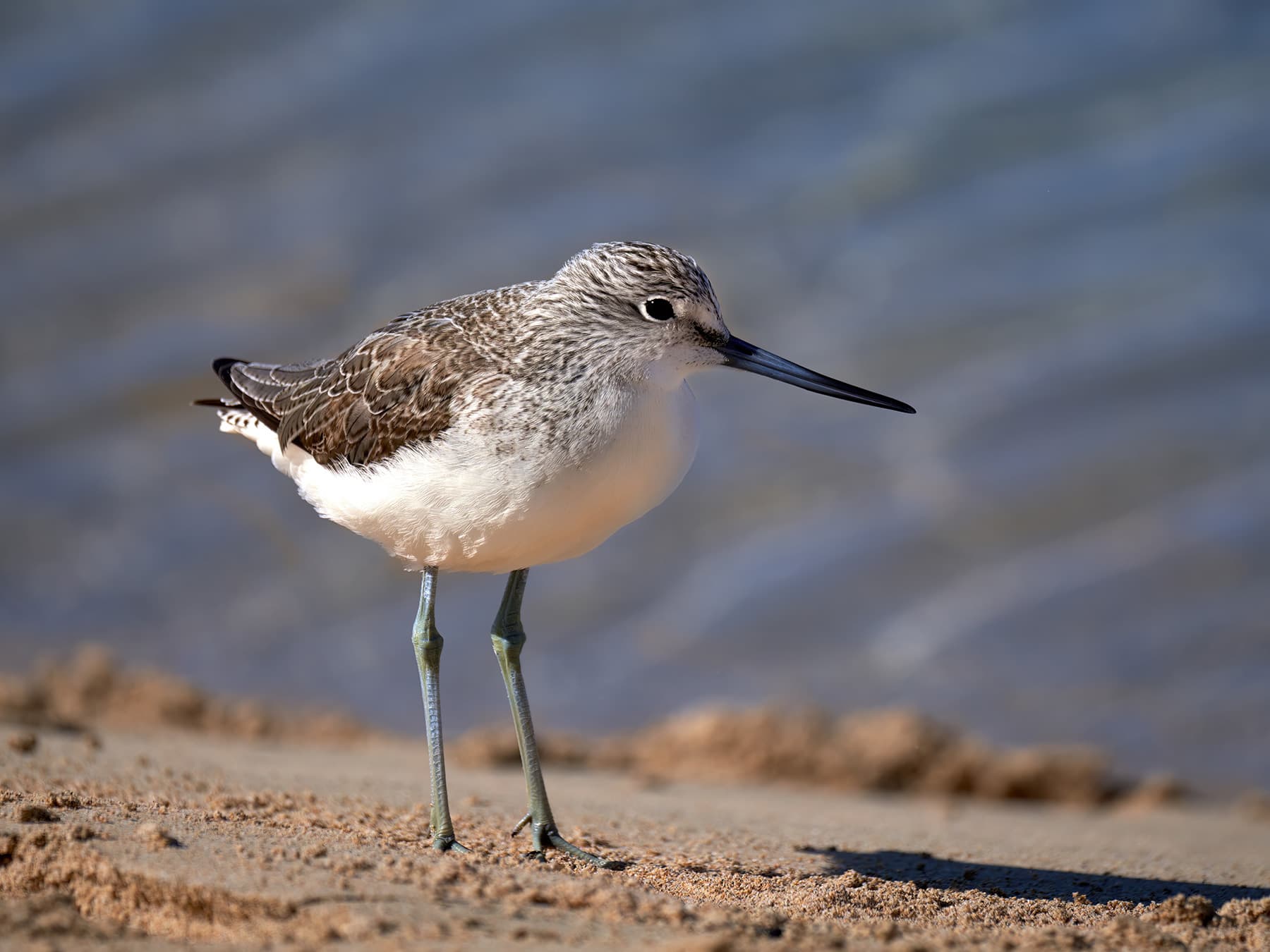 GreenshankTringa nebulariaScarceCommon30–35 cmRegularly Oct–Dec · 0.27% in Oct
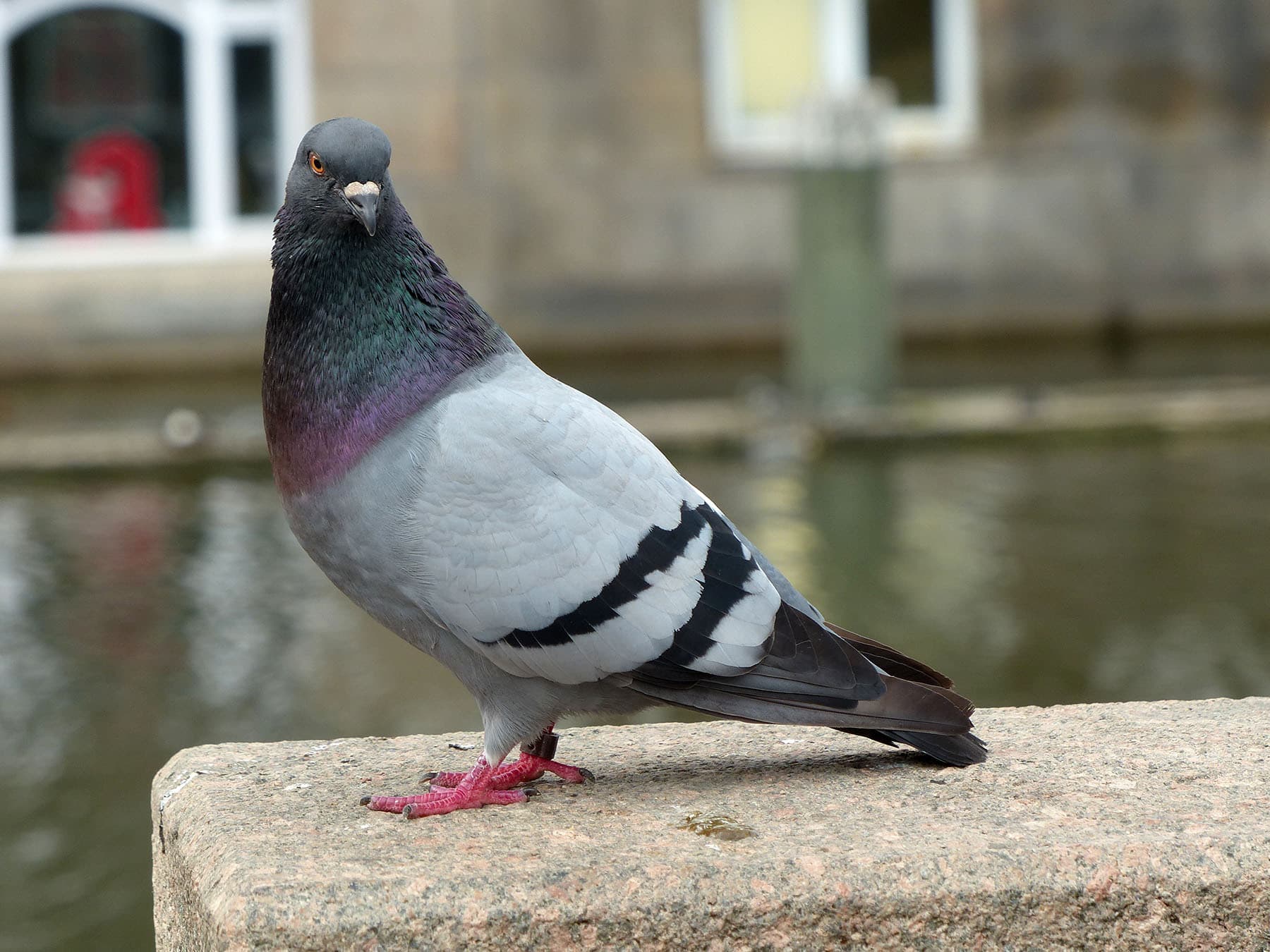 Rock DoveColumba liviaPassage migrantCommon31–34 cmRegularly Sep–Apr · 0.27% in Oct
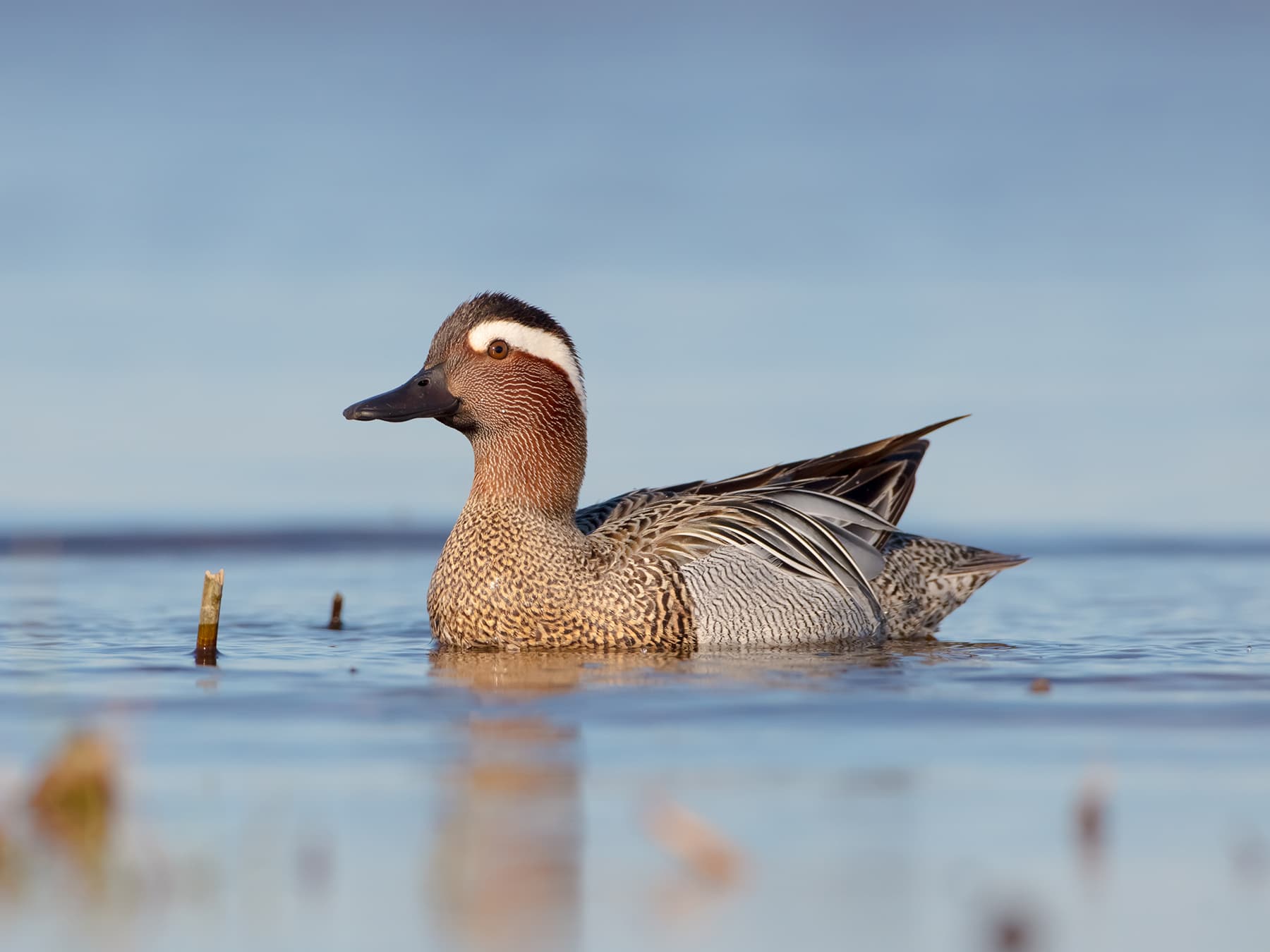 GarganeySpatula querquedulaScarceUncommon37–41 cmRegularly Oct · 0.22% in Oct
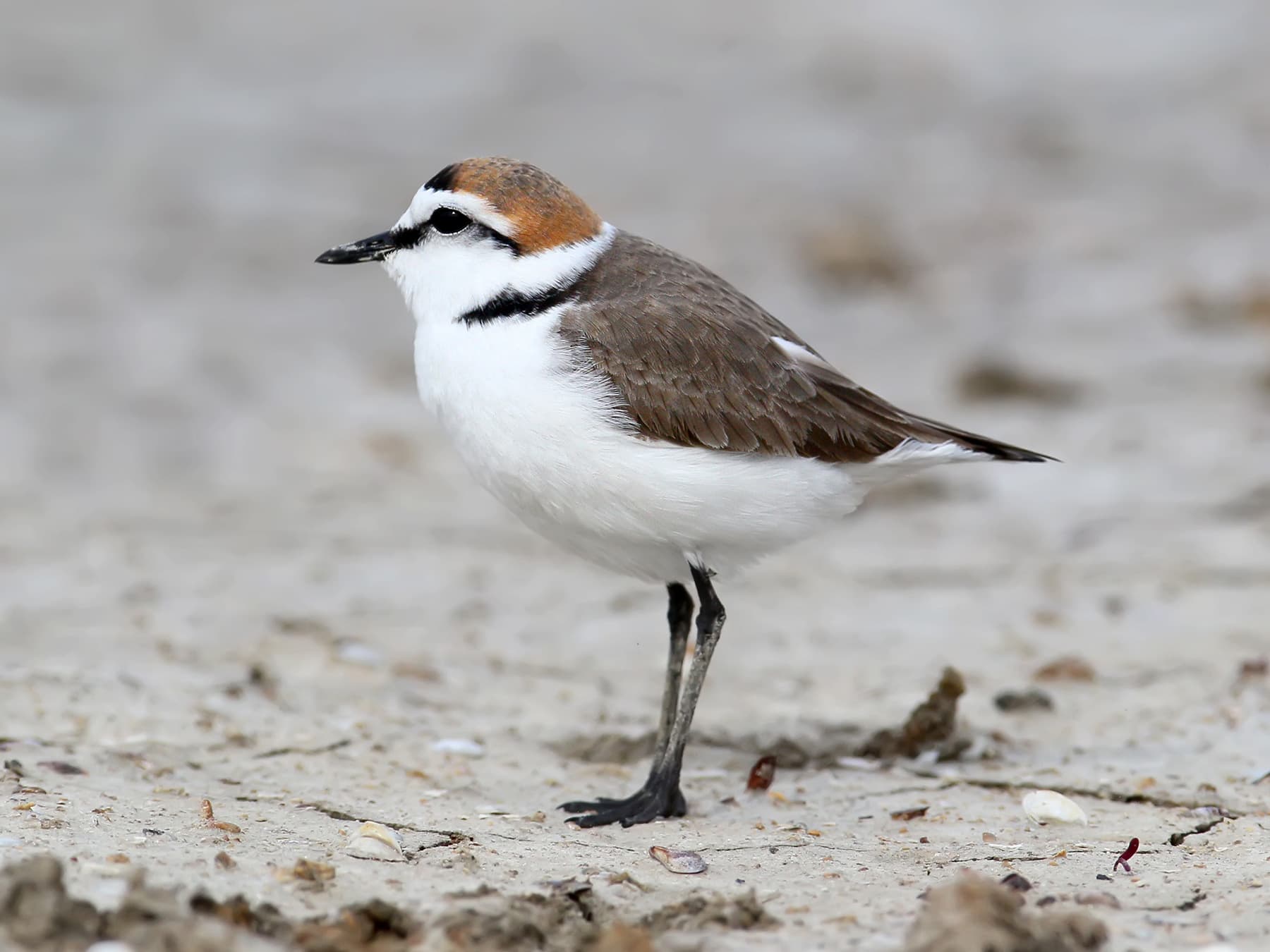 Kentish PloverCharadrius alexandrinusPassage migrantUncommon15–17 cmRegularly Oct · 0.22% in Oct
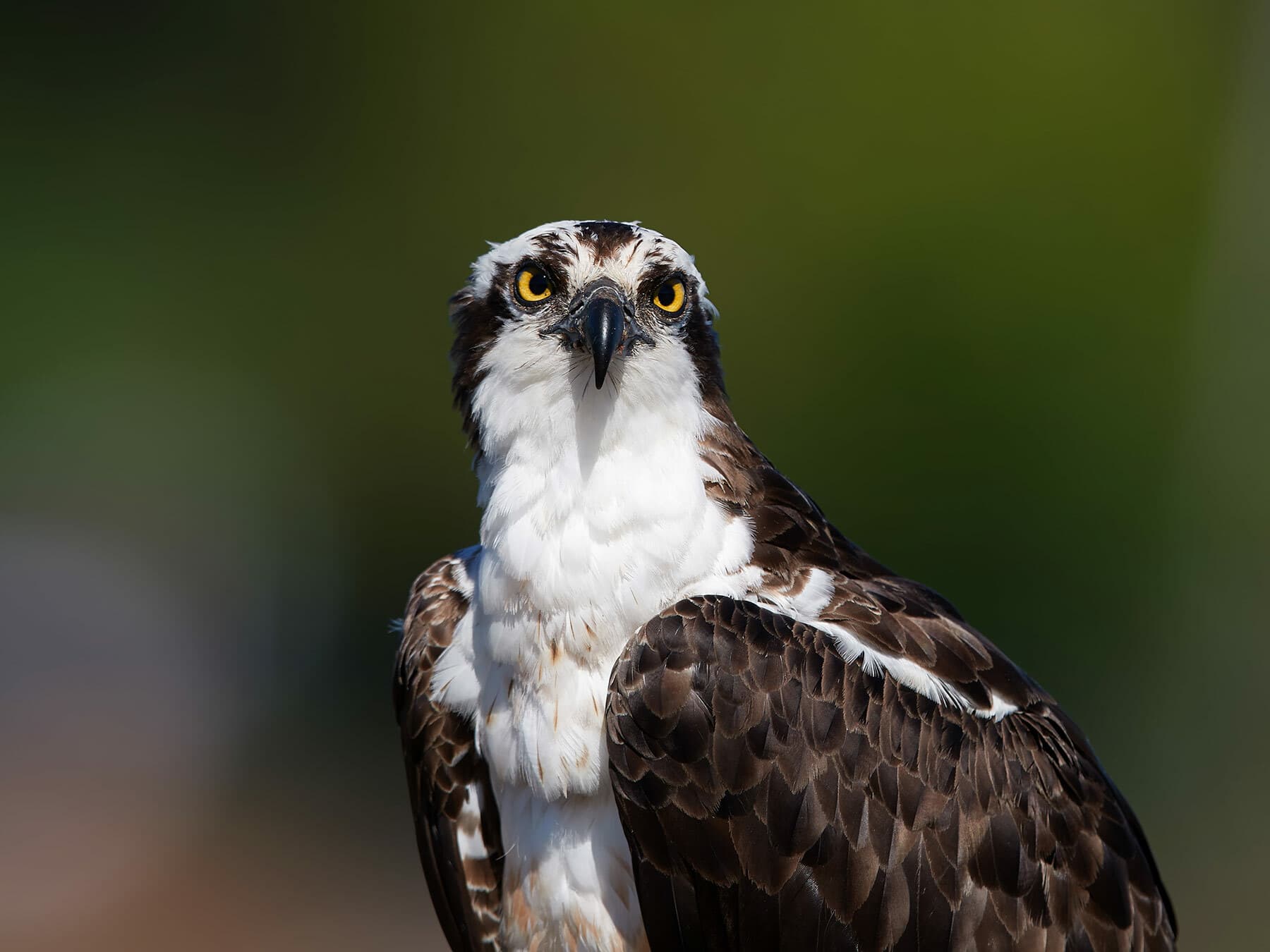 OspreyPandion haliaetusPassage migrantUncommon54–58 cmRegularly Oct · 0.16% in Oct
Smallest to largest
Length, cm- Chestnut Munia 10–11 cm
- Scaly-breasted Munia 11–12 cm
- Rufous-tailed Tailorbird 10–14 cm
- Eurasian Tree Sparrow 14–15 cm
- Little Ringed Plover 14–17 cm
- Kentish Plover 15–17 cm
- Common Kingfisher 16–17 cm
- Barn Swallow 17–19 cm
- Grey Wagtail 17–20 cm
- Red-necked Phalarope 18–19 cm
- Common Sandpiper 18–20 cm
- Wood Sandpiper 19–21 cm
- Blue-eared Barbet 20–23 cm
- Pacific Golden-Plover 23–26 cm
- Common Snipe 25–27 cm
- Greenshank 30–35 cm
- Rock Dove 31–34 cm
- Garganey 37–41 cm
- Whimbrel 40–46 cm
- Osprey 54–58 cm
- Little Egret 55–65 cm
- Black-crowned Night-heron 58–65 cm
- Great White Egret 80–104 cm
Body length, bill to tail. Rare birds in grey.
Data: EOD – eBird Observation Dataset (Cornell Lab of Ornithology), accessed via GBIF.org, CC BY 4.0. Records from 2019–2024, aggregated and filtered by Birdfact. How these lists are made