


Birds to See in East Ayrshire in February
22 bird species on our list for East Ayrshire are recorded regularly in February
Of these, the most often recorded are Carrion Crow, Chaffinch, Blue Tit, Mute Swan and Common Raven. New this month: Eurasian Siskin, Eurasian Oystercatcher and Common Gull.
On the move in February
GBIF · FebArriving
From East Ayrshire’s bird records, 2019–2024: arriving birds are regular this month but not last; leaving birds are regular this month but not next.
Other months
All 22 birds in February
22 birds
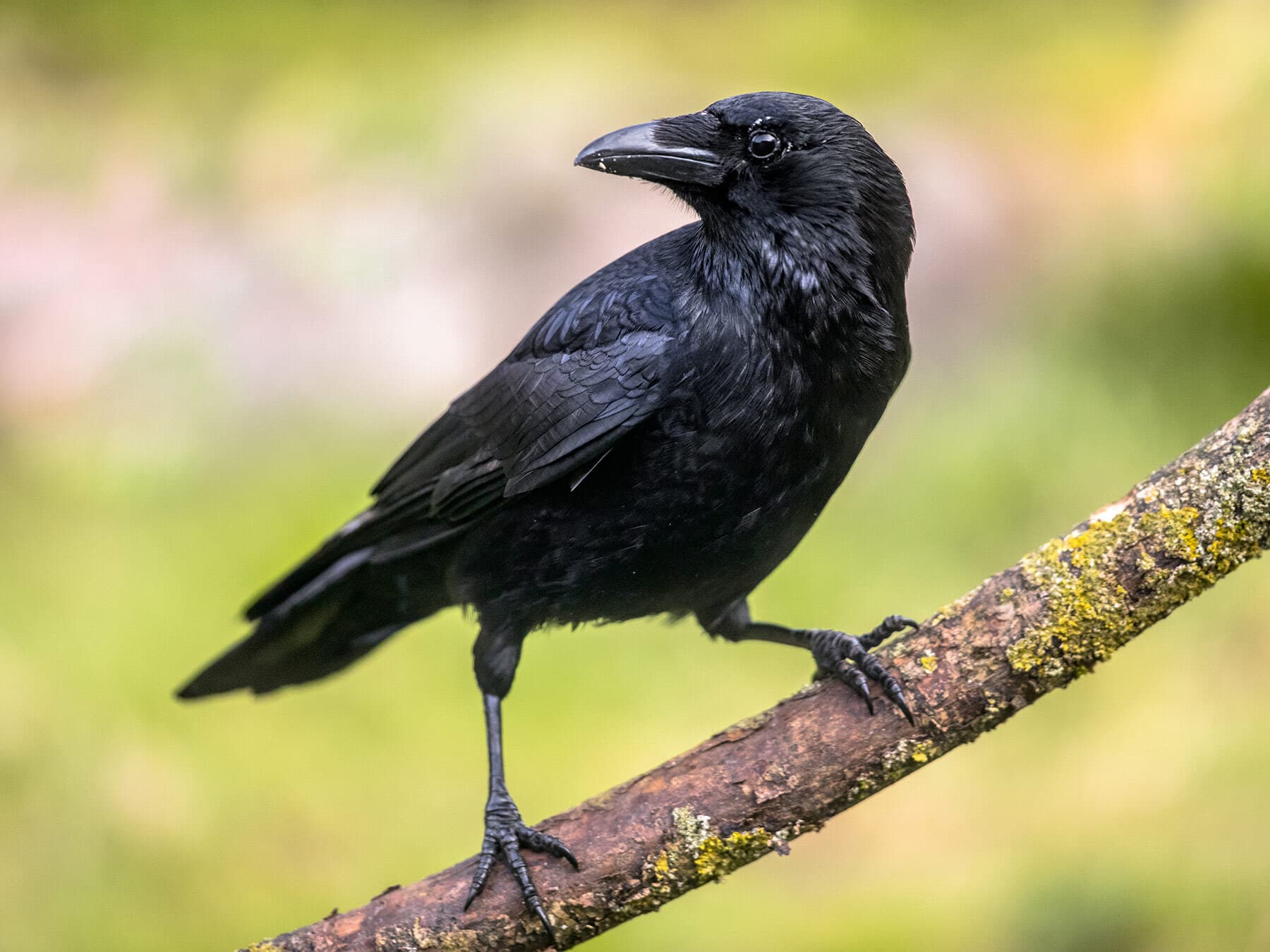 Carrion CrowCorvus coroneResidentCommon45–47 cmRecorded all year · 5.92% in Feb
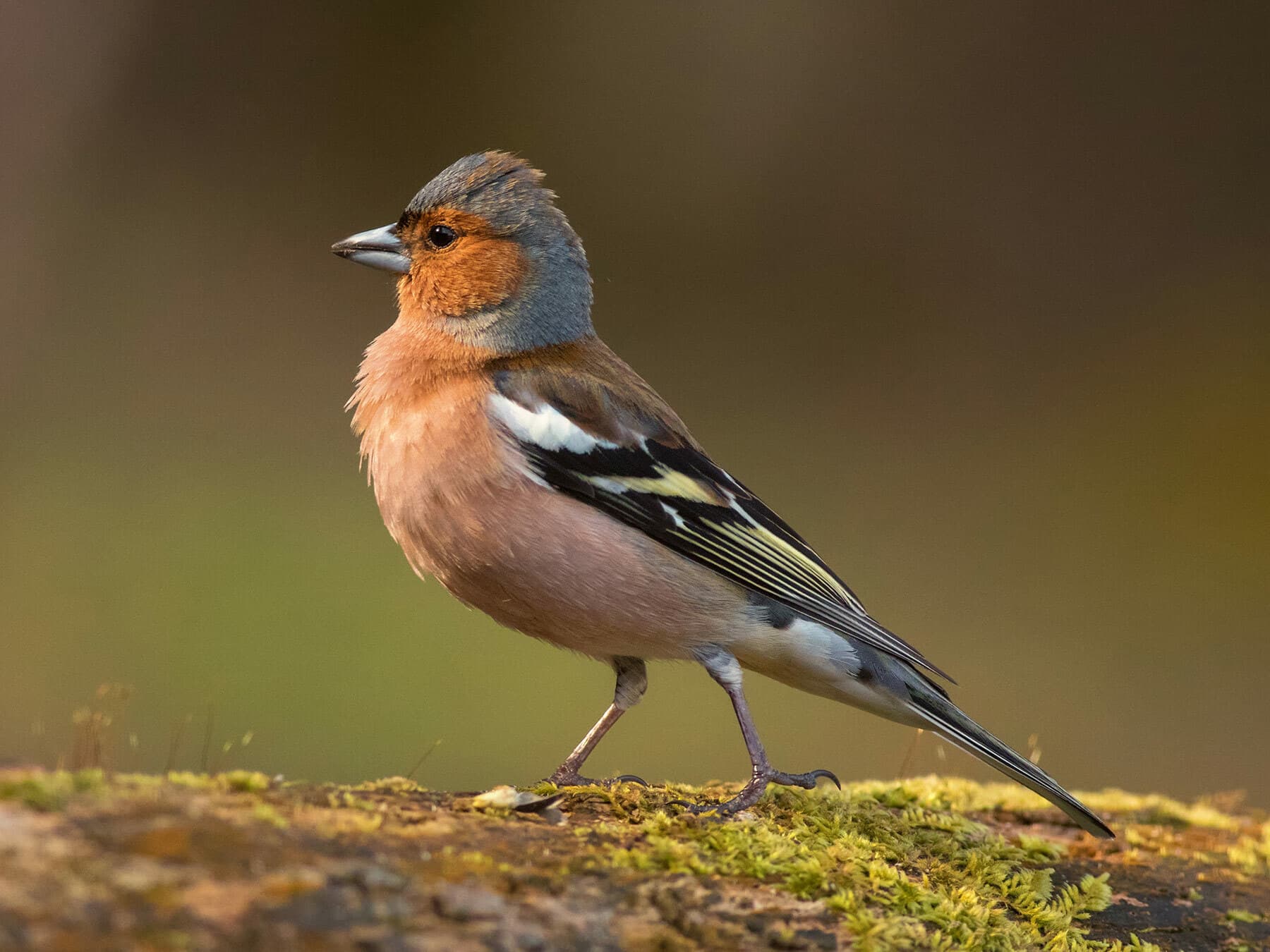 ChaffinchFringilla coelebsResidentCommon14–16 cmRegularly Nov–Sep · 5.62% in Feb
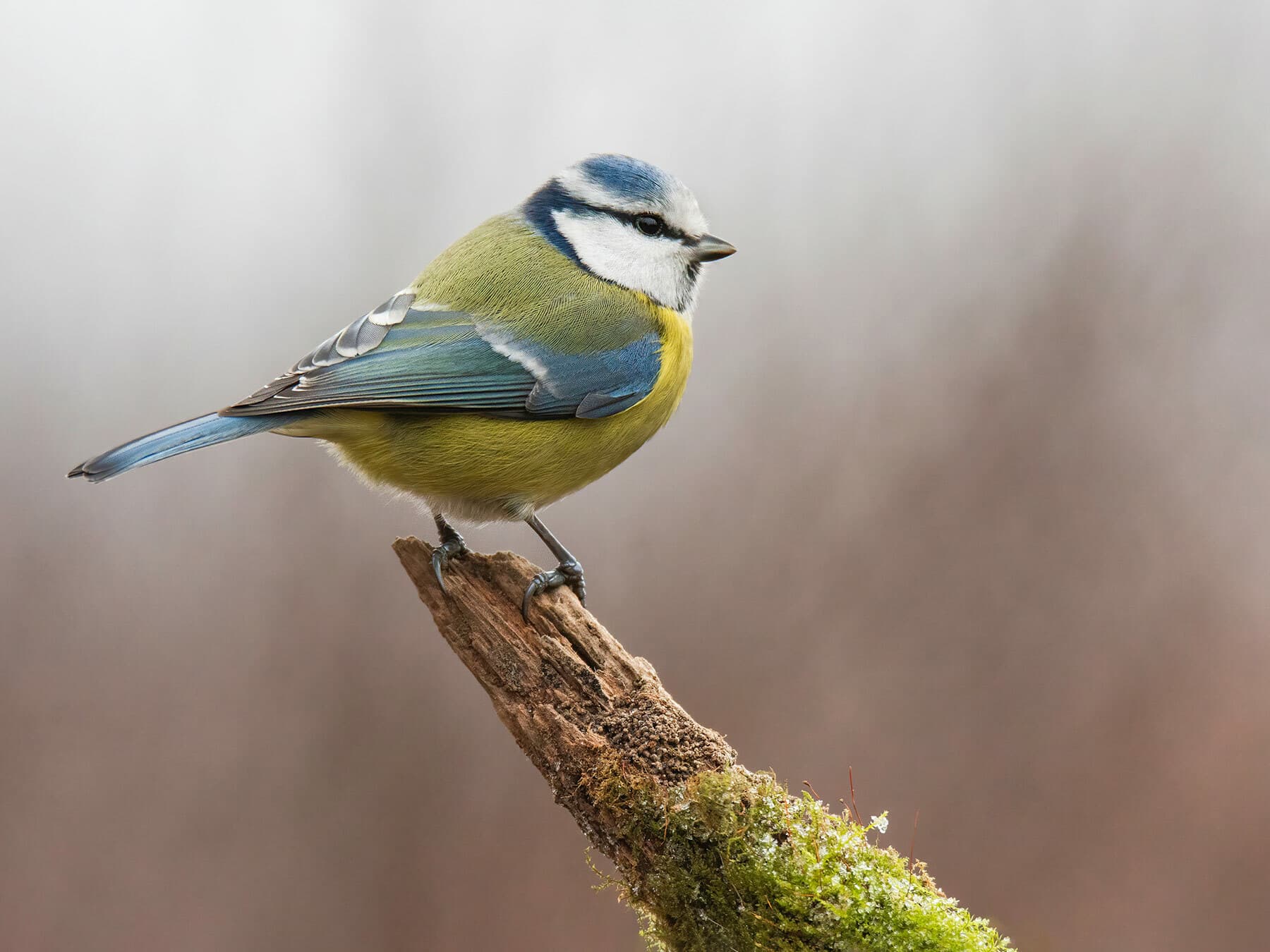 Blue TitCyanistes caeruleusSummer visitorCommon11–12 cmRegularly Nov–Sep · 3.55% in Feb
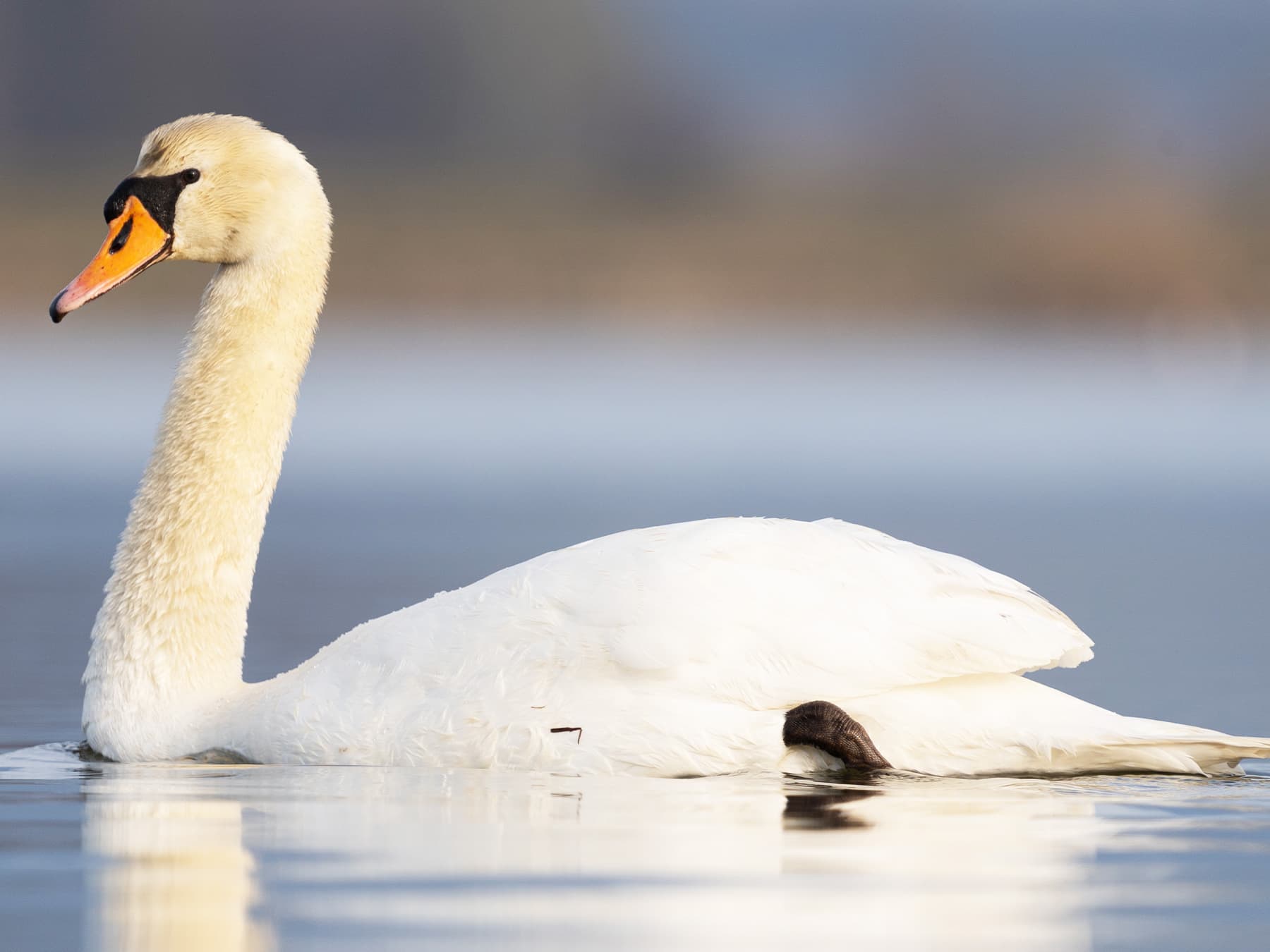 Mute SwanCygnus olorResidentCommon140–160 cmRegularly Jan–Sep · 3.55% in Feb
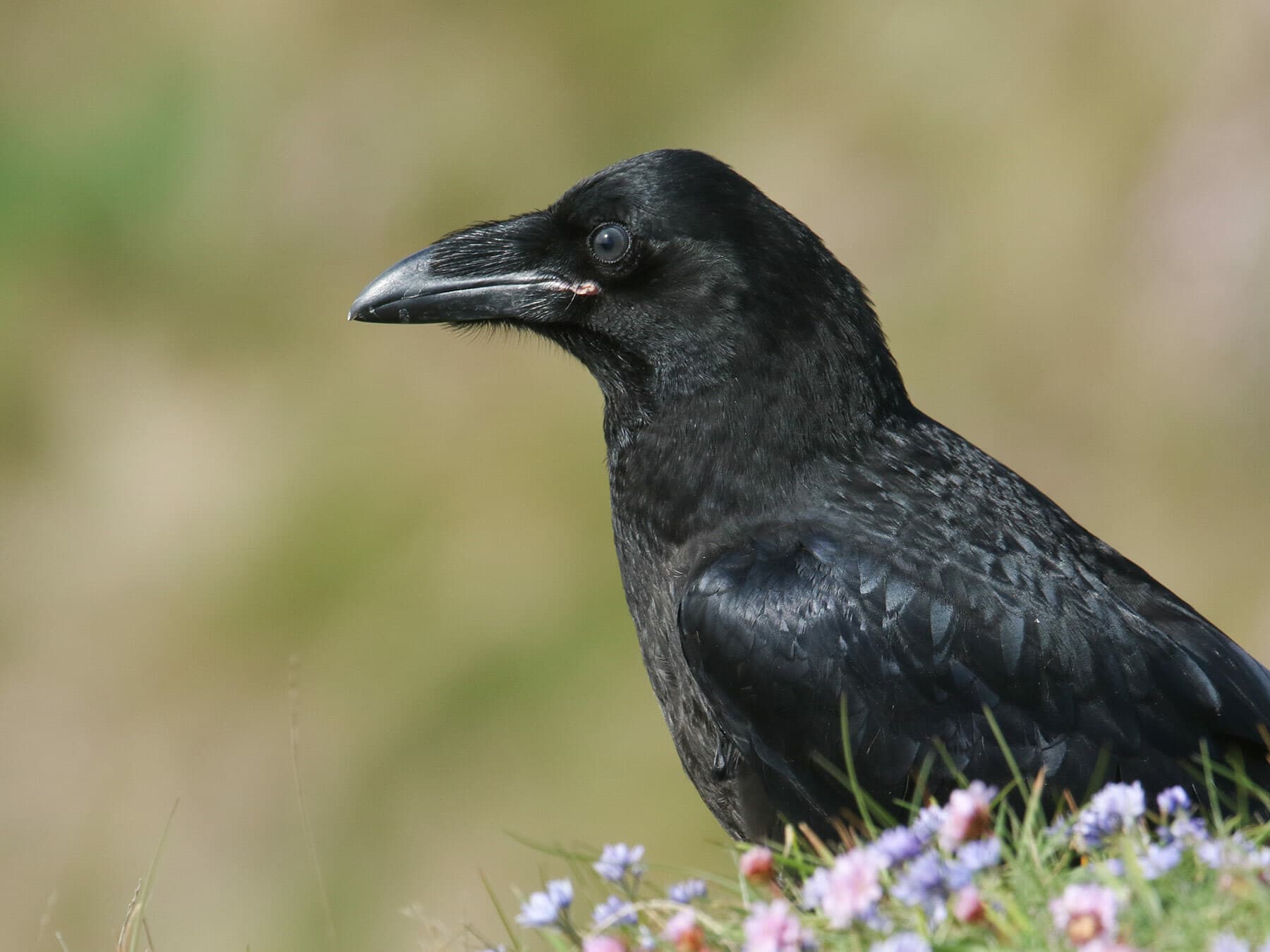 Common RavenCorvus coraxResidentCommon54–67 cmRegularly Jan–Aug · 2.96% in Feb
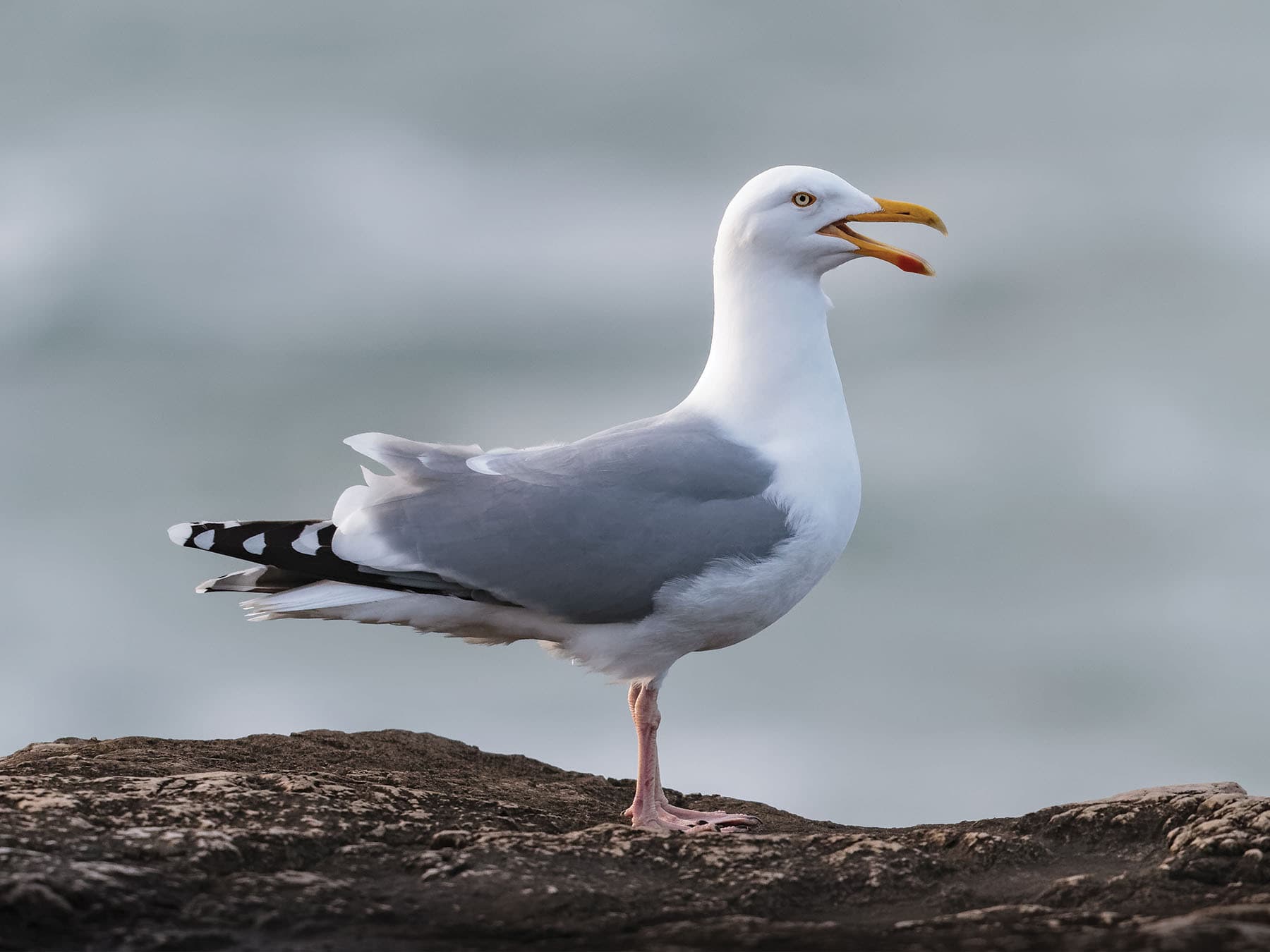 European Herring GullLarus argentatusResidentCommon55–67 cmRegularly Nov–Jul · 2.66% in Feb
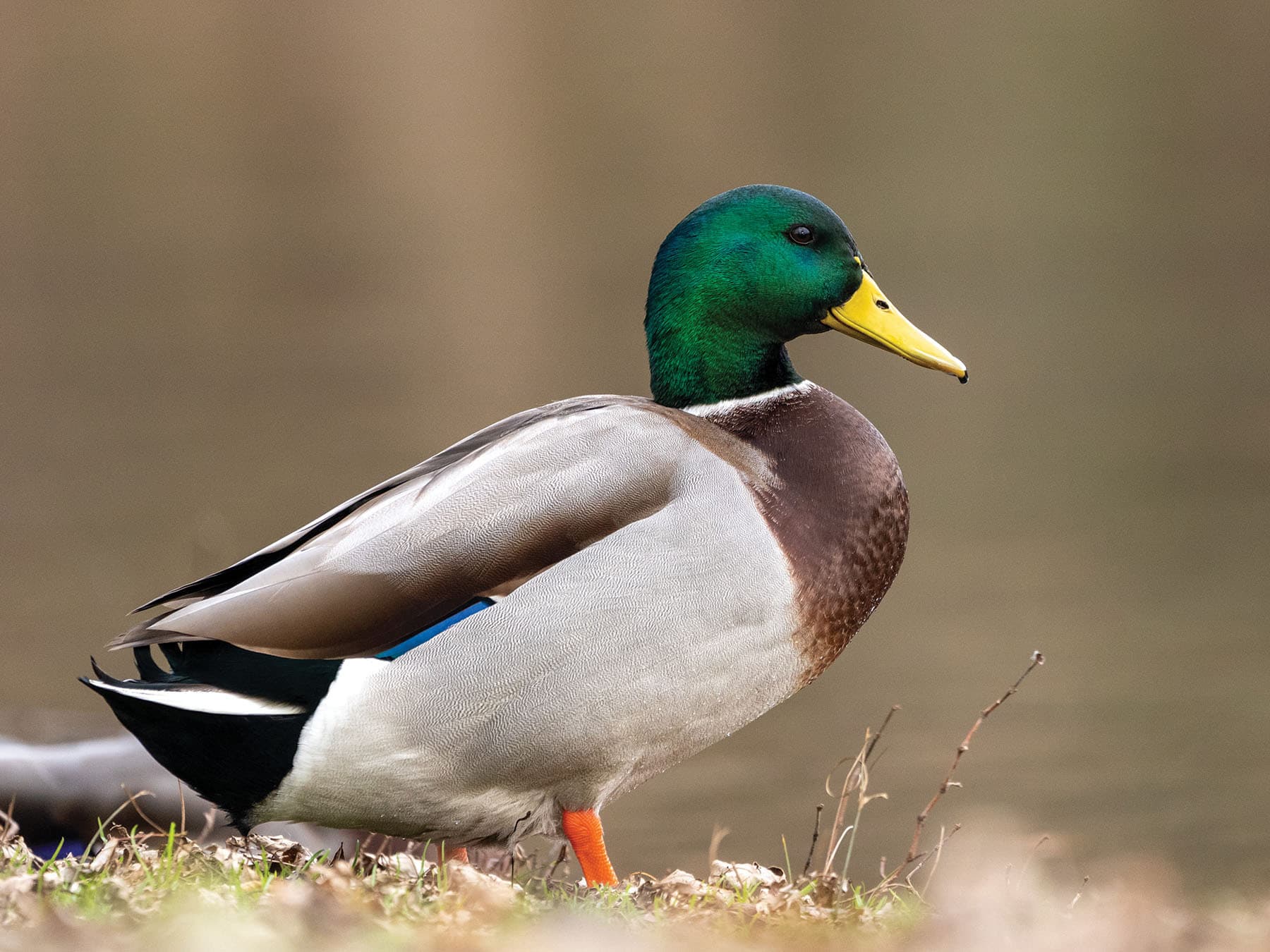 MallardAnas platyrhynchosResidentCommon50–65 cmRegularly Nov–Sep · 2.66% in Feb
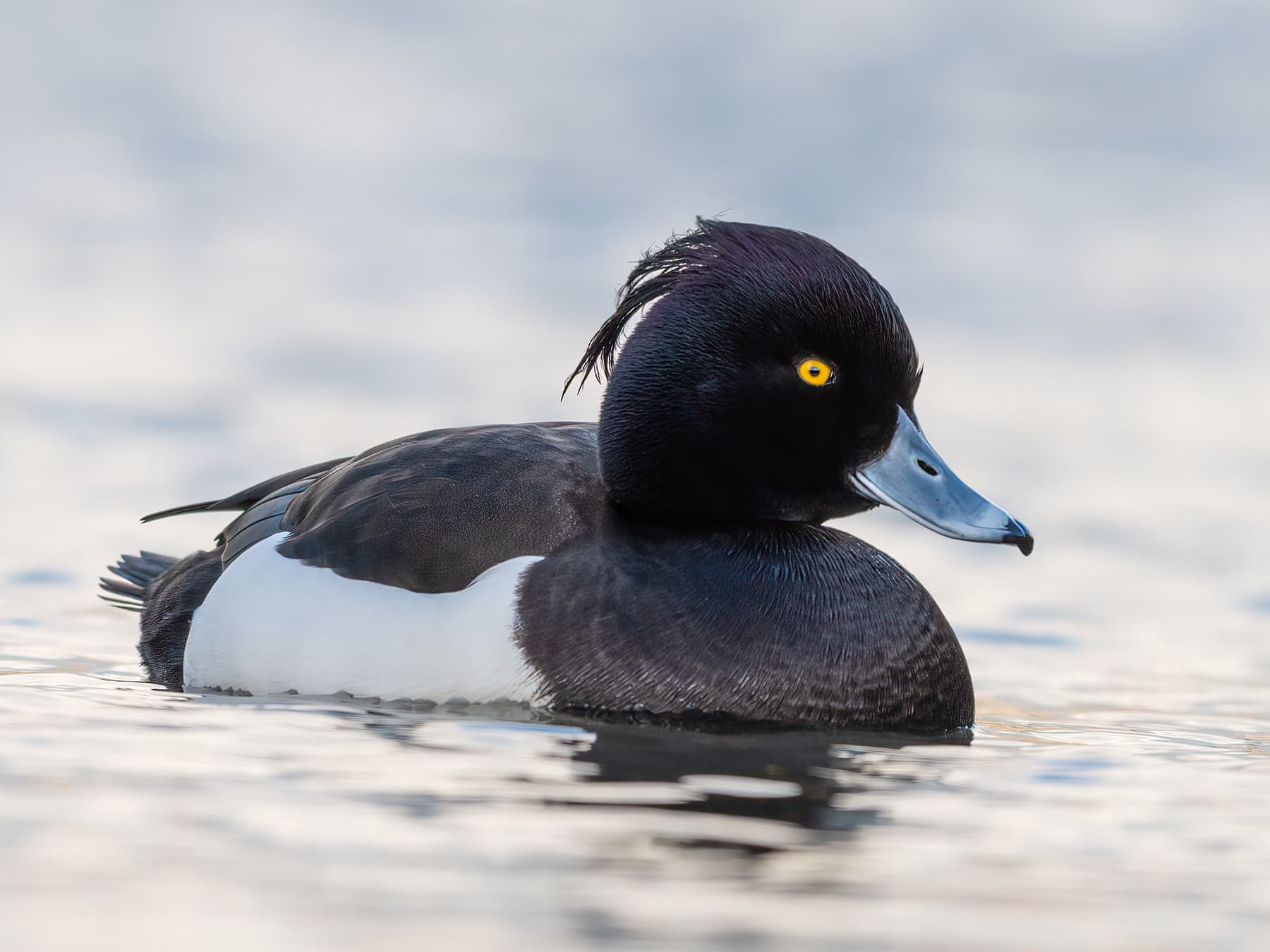 Tufted DuckAythya fuligulaResidentCommon40–47 cmRegularly Sep–Mar · 2.66% in Feb
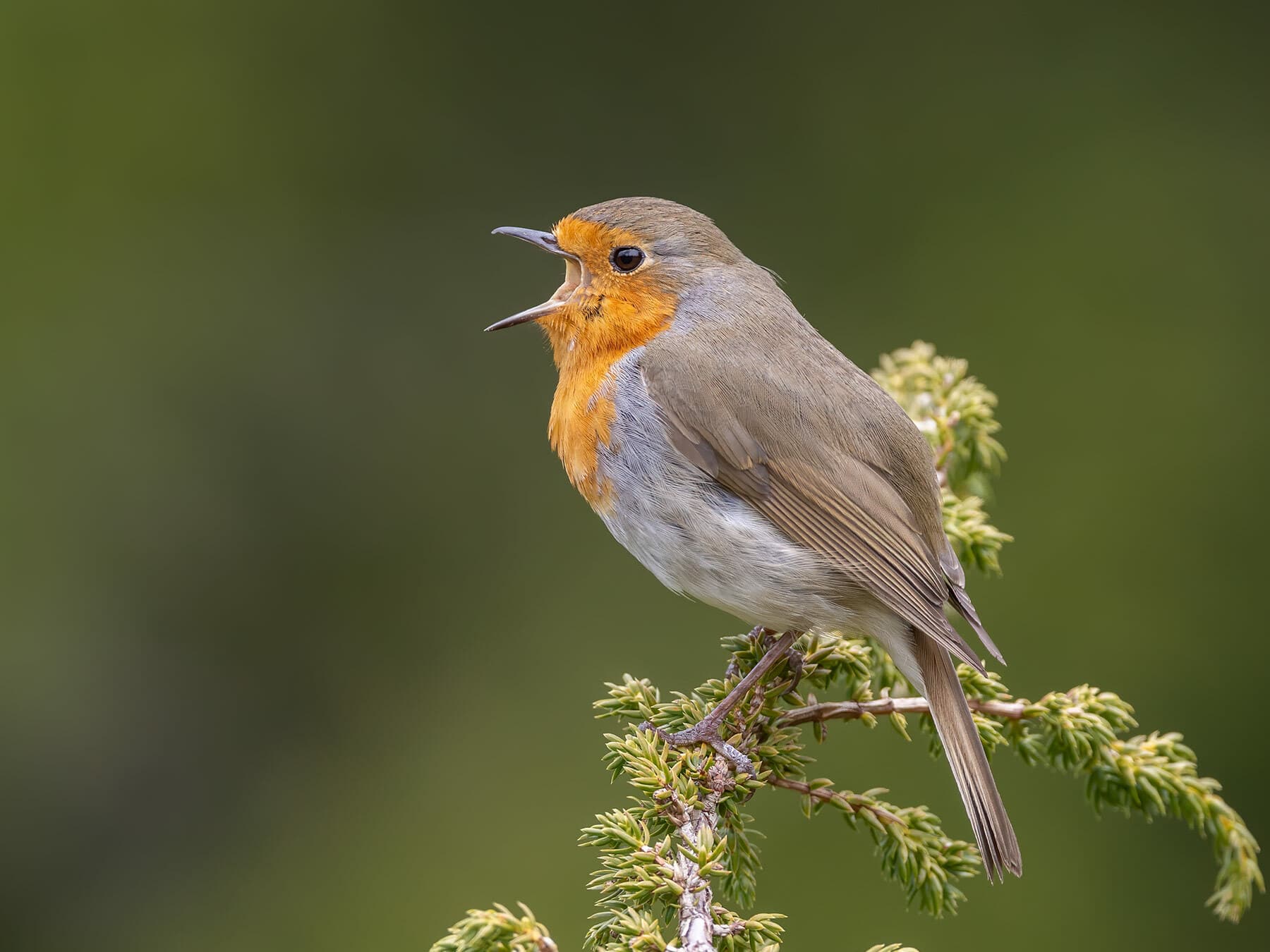 European RobinErithacus rubeculaSummer visitorCommon13–14 cmRegularly Nov–Sep · 2.37% in Feb
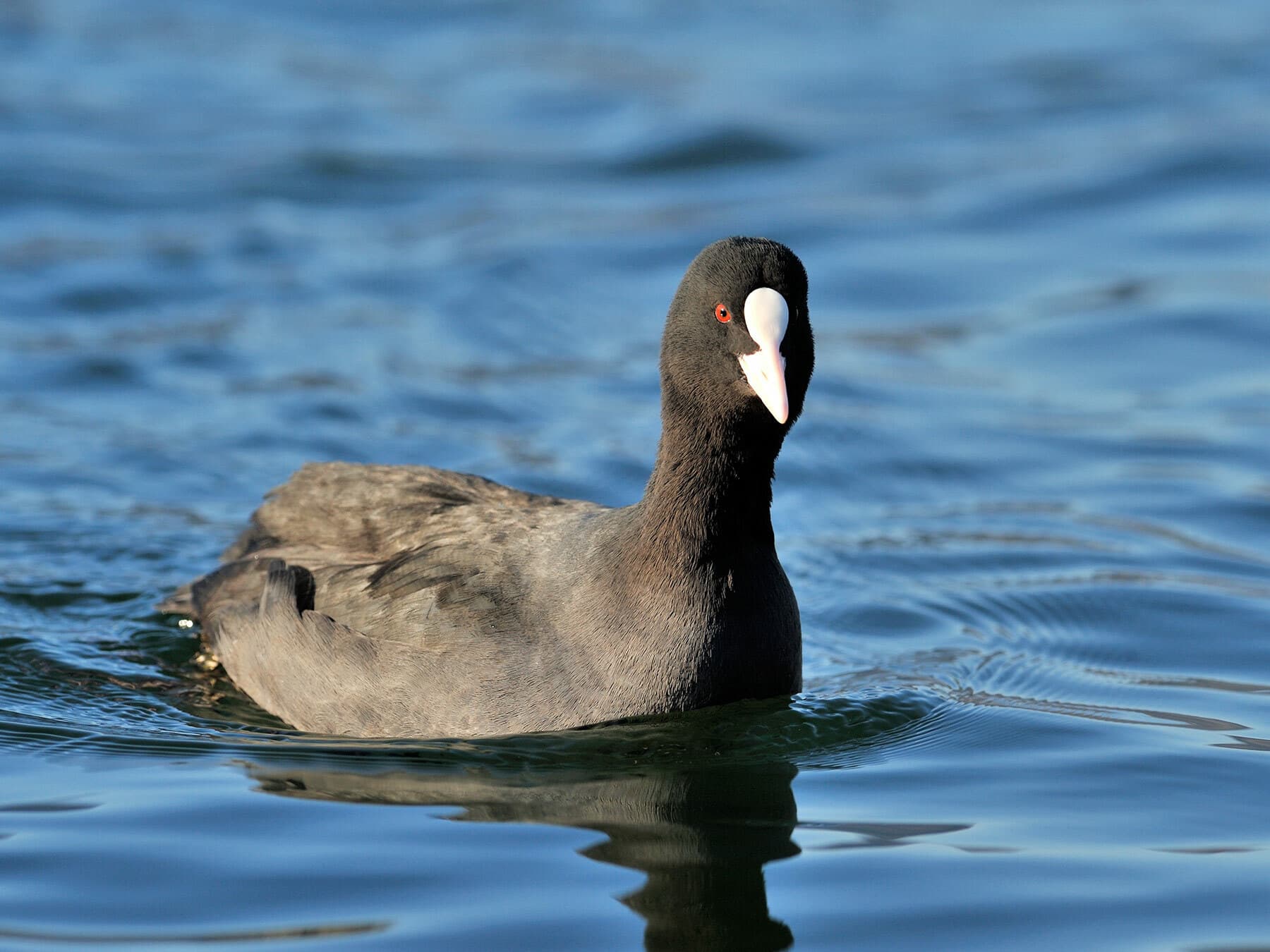 CootFulica atraResidentCommon36–42 cmRegularly Nov–Jul · 2.07% in Feb
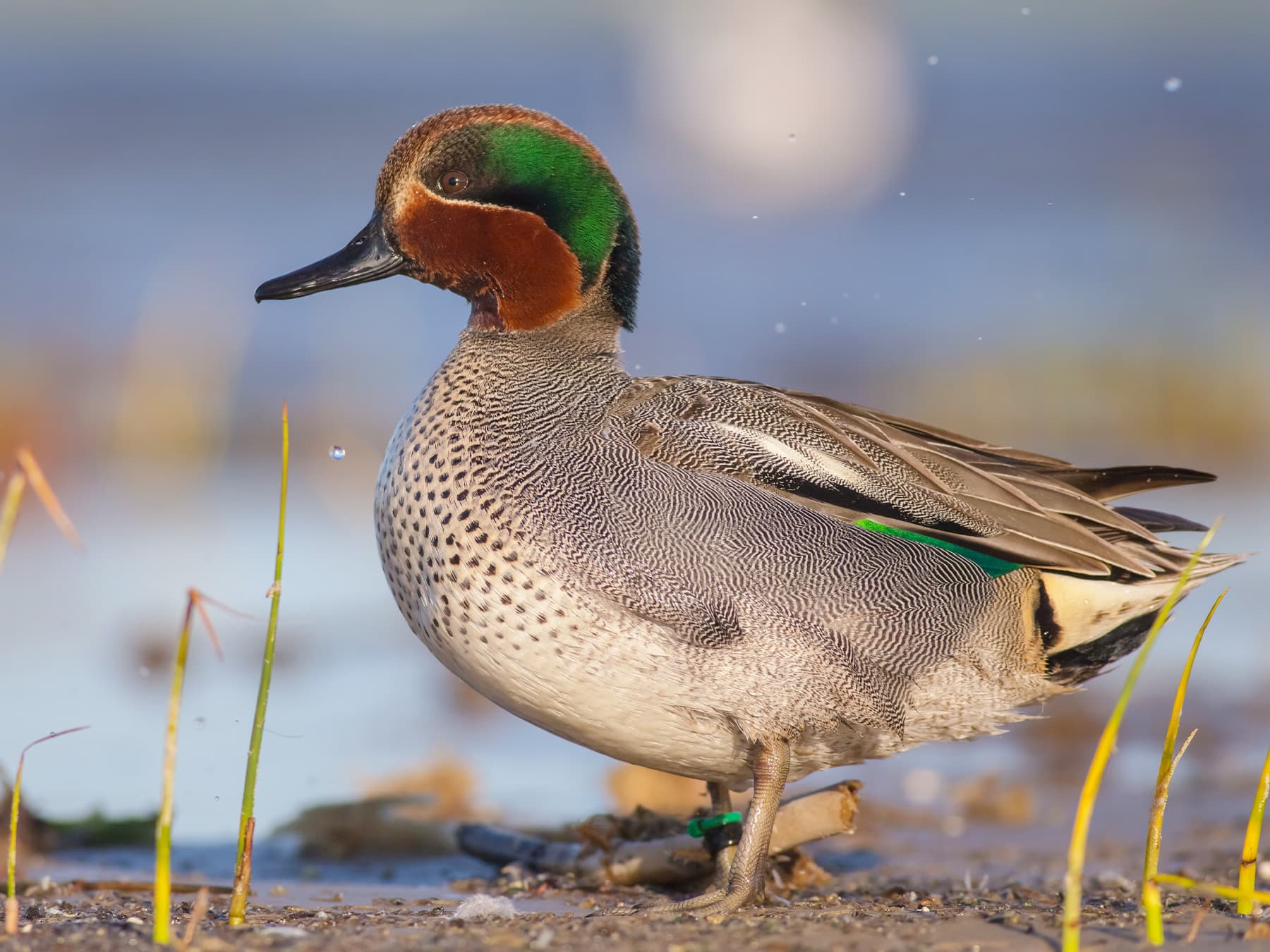 Eurasian TealAnas creccaPassage migrantCommon34–38 cmRegularly Sep–Mar · 2.07% in Feb
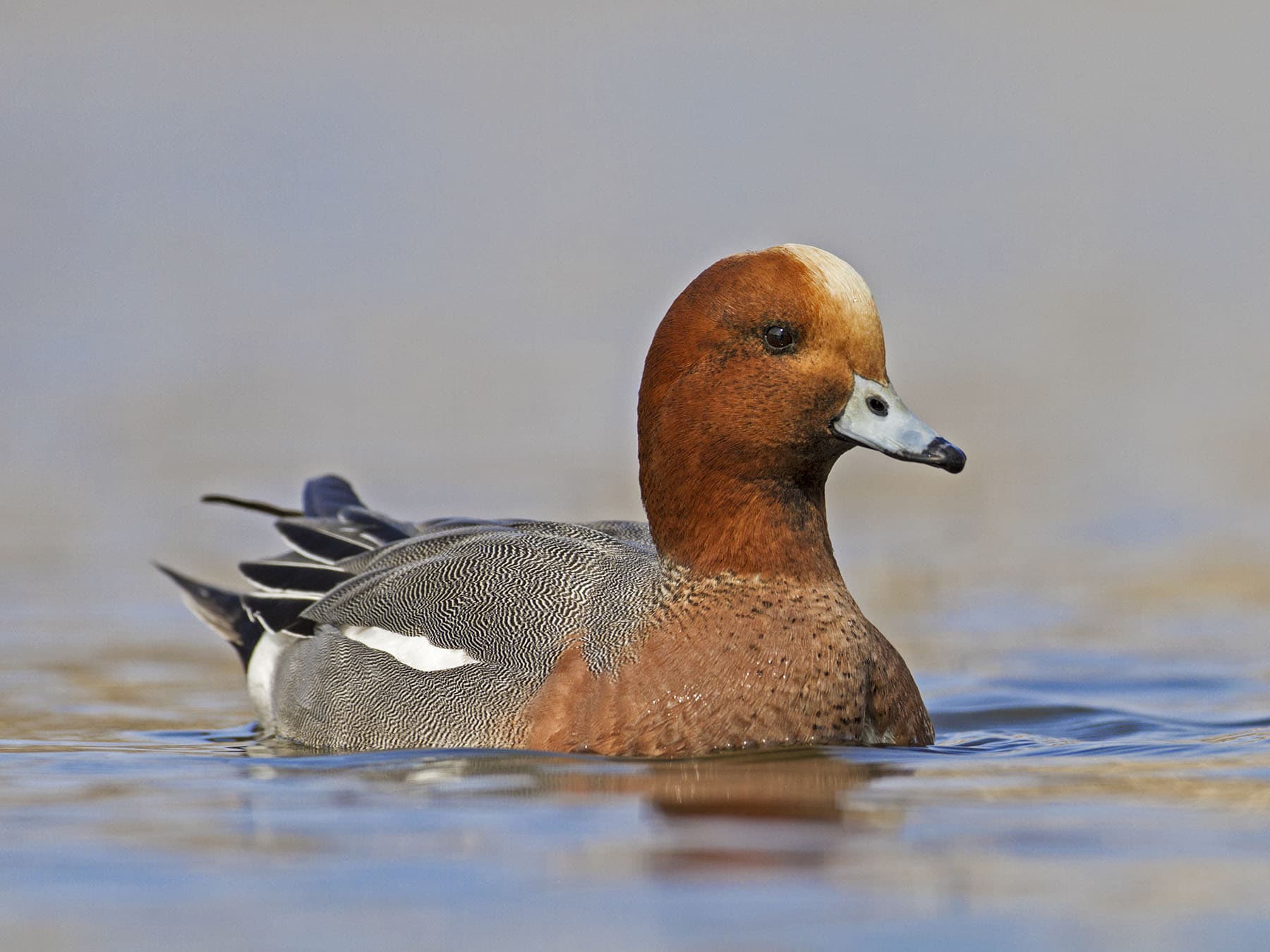 Eurasian WigeonMareca penelopePassage migrantCommon42–51 cmRegularly Sep–Mar · 2.07% in Feb
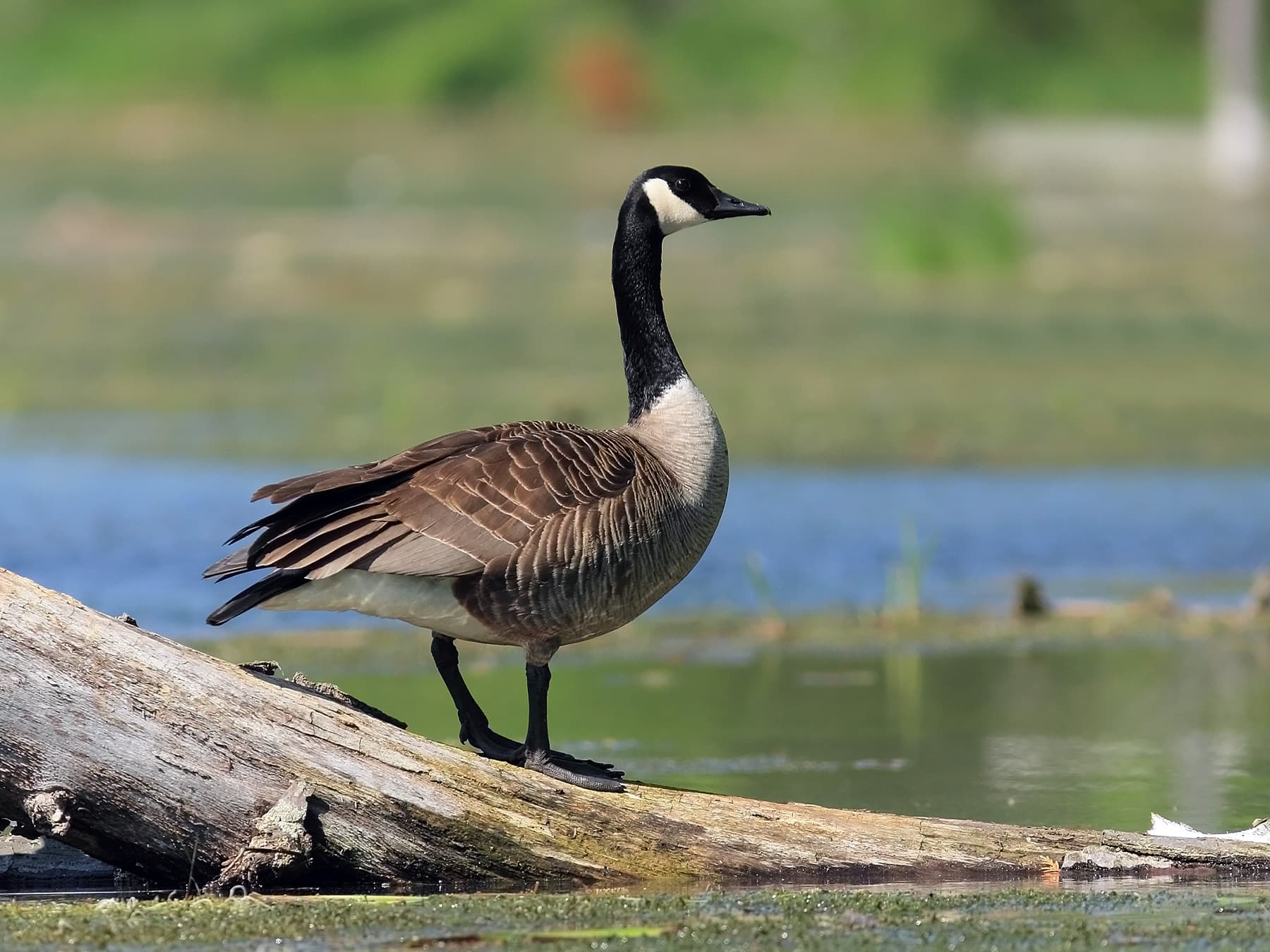 Canada GooseBranta canadensisSummer visitorCommon76–110 cmRegularly Sep–Jul · 1.78% in Feb
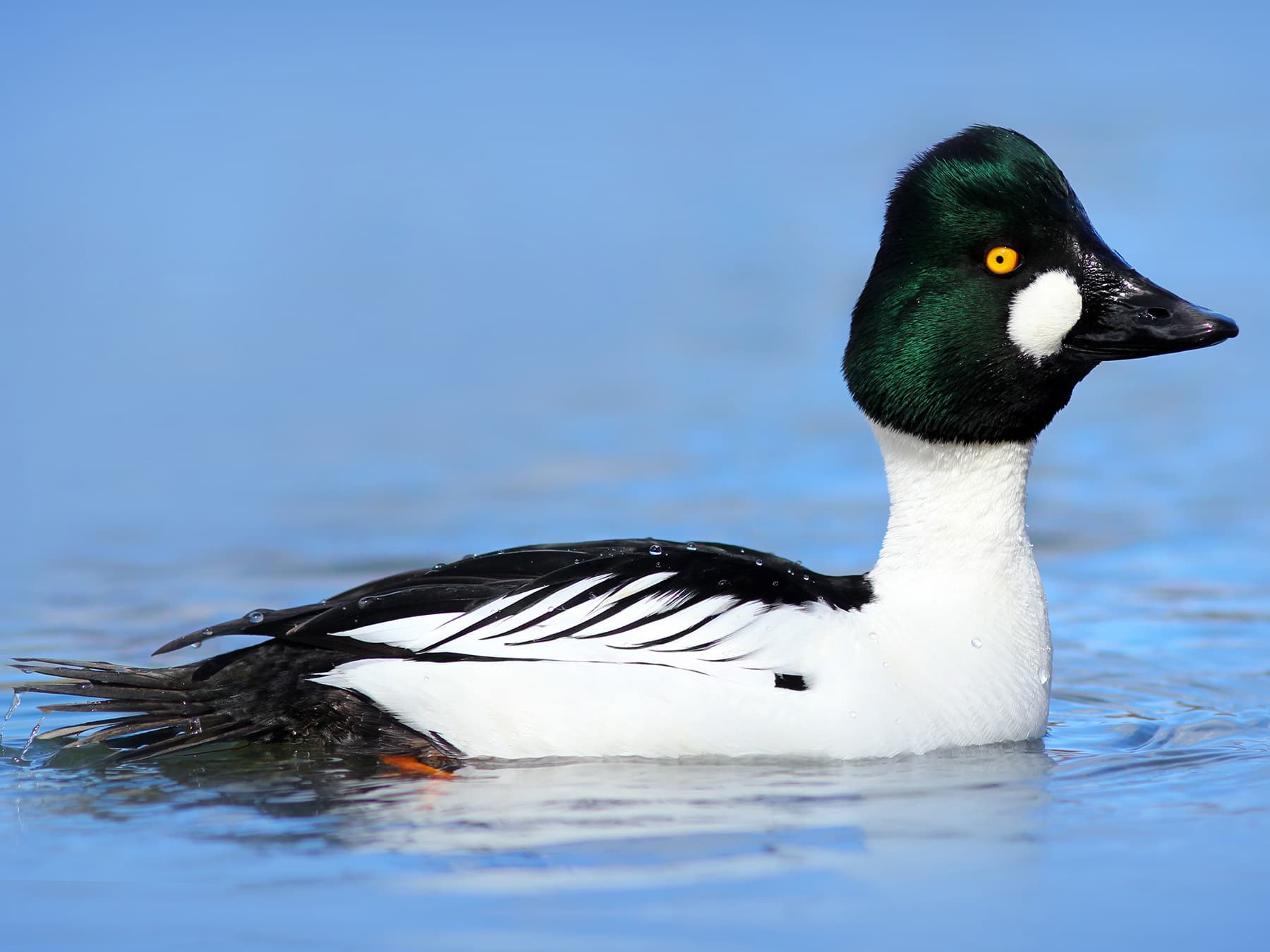 GoldeneyeBucephala clangulaPassage migrantCommon40–51 cmRegularly Jan–Mar · 1.78% in Feb
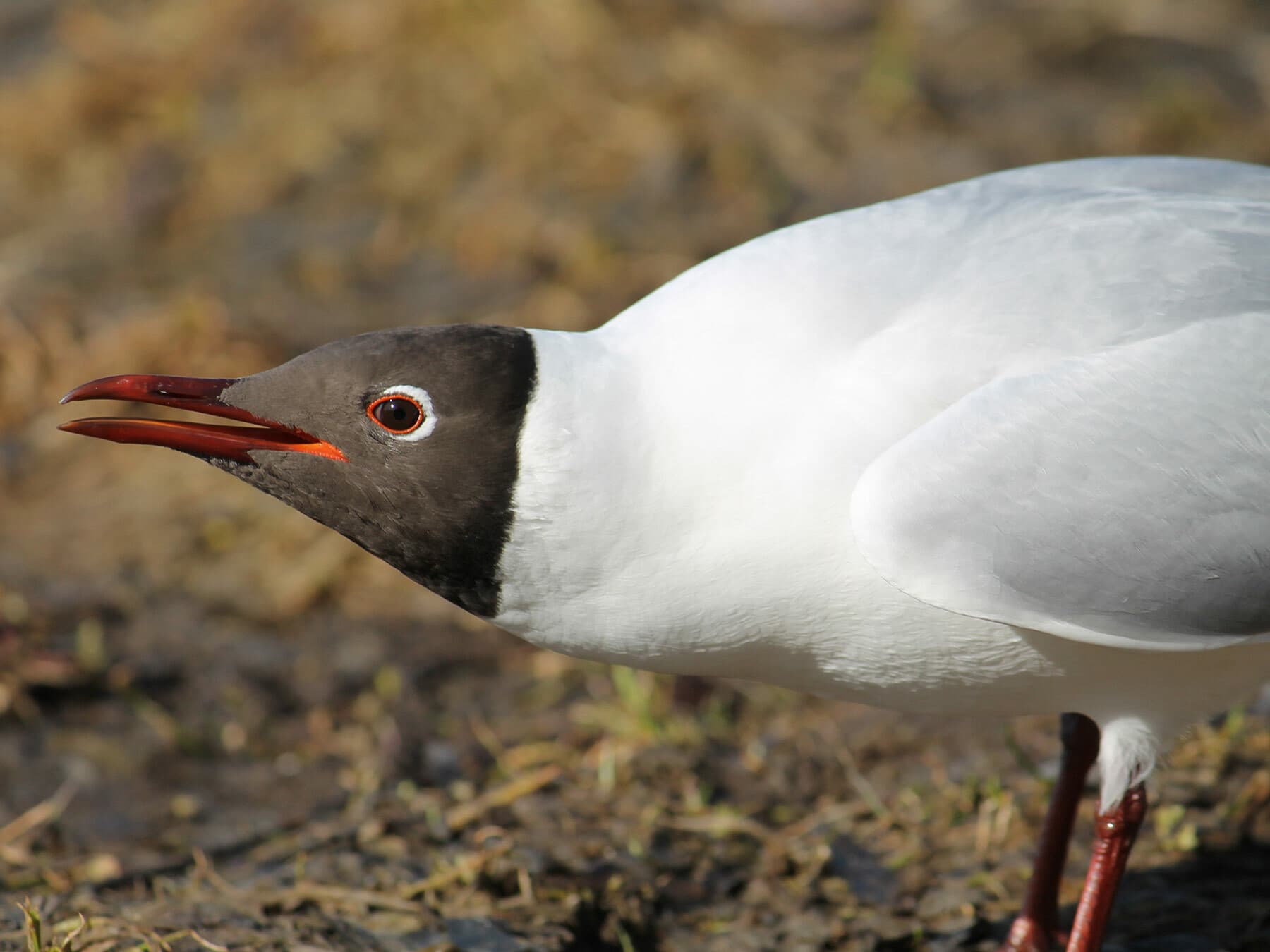 Black-headed GullChroicocephalus ridibundusSummer visitorCommon38–44 cmRegularly Jan–Jul · 1.48% in Feb
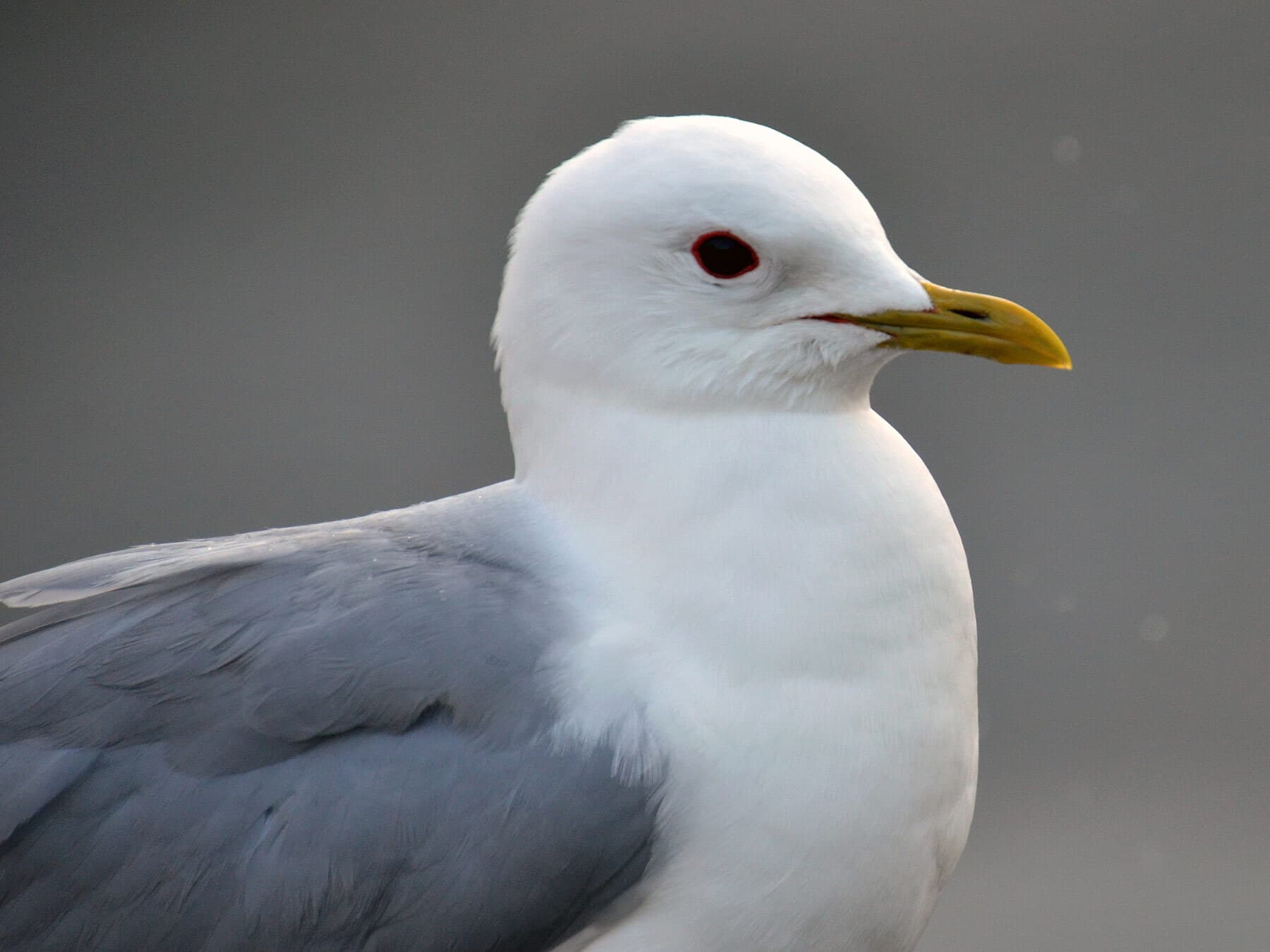 Common GullLarus canusResidentCommon40–46 cmRegularly Feb–Jun · 1.48% in Feb
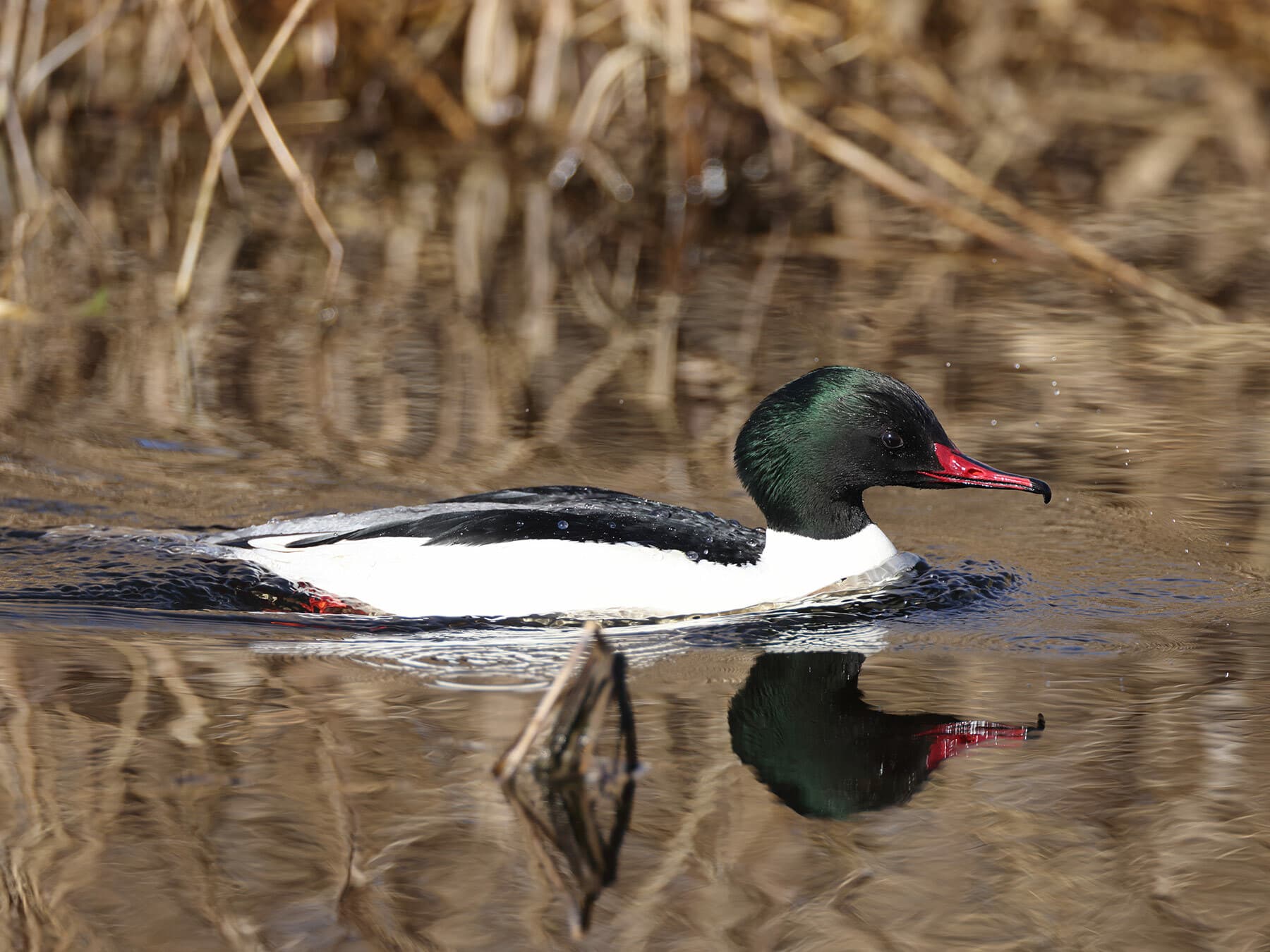 Common MerganserMergus merganserResidentCommon58–68 cmRegularly Jan–May · 1.48% in Feb
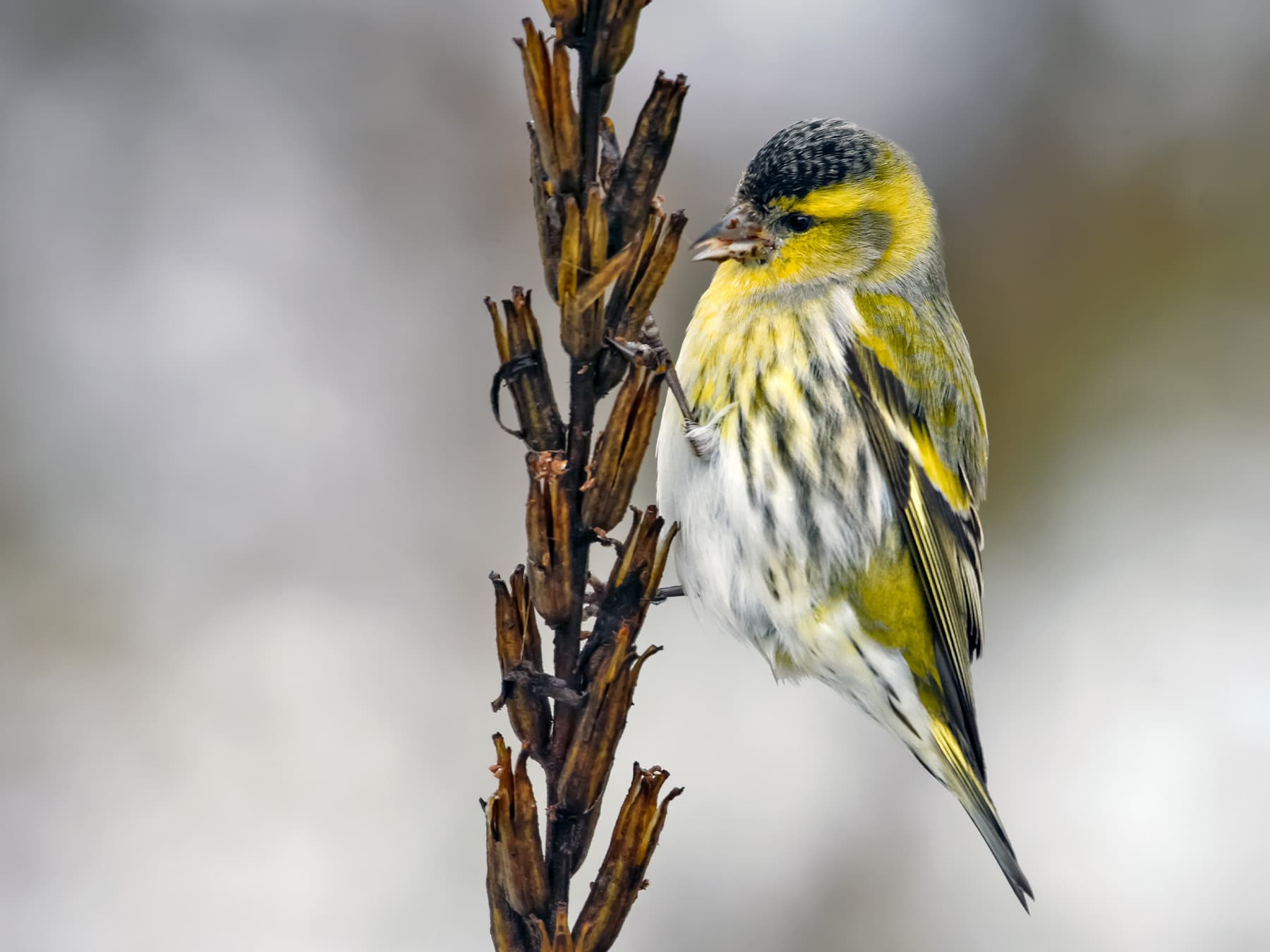 Eurasian SiskinSpinus spinusSummer visitorCommon11–13 cmRegularly Dec–Sep · 1.48% in Feb
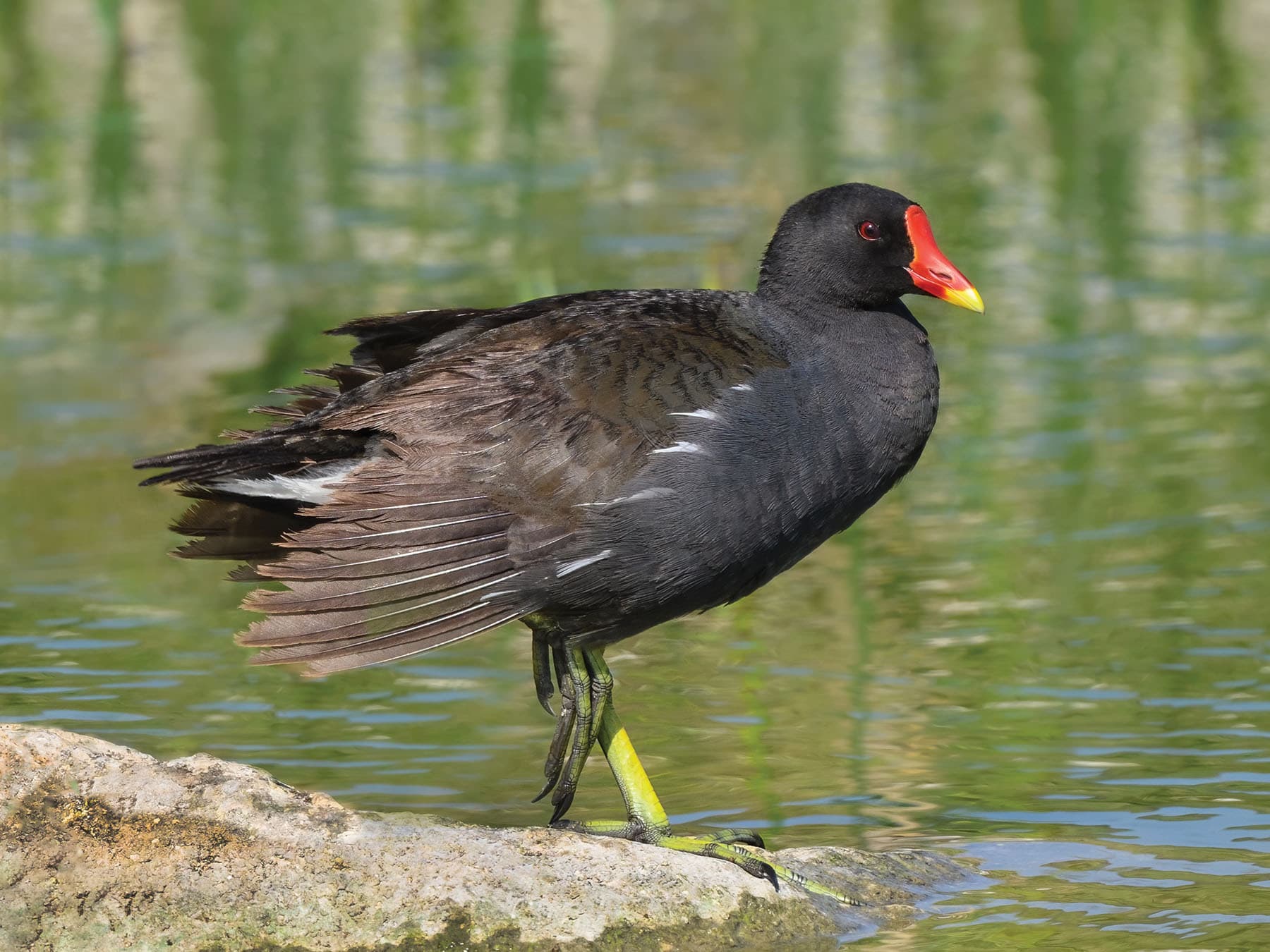 MoorhenGallinula chloropusResidentCommon30–38 cmRegularly Jan–Jul · 1.48% in Feb
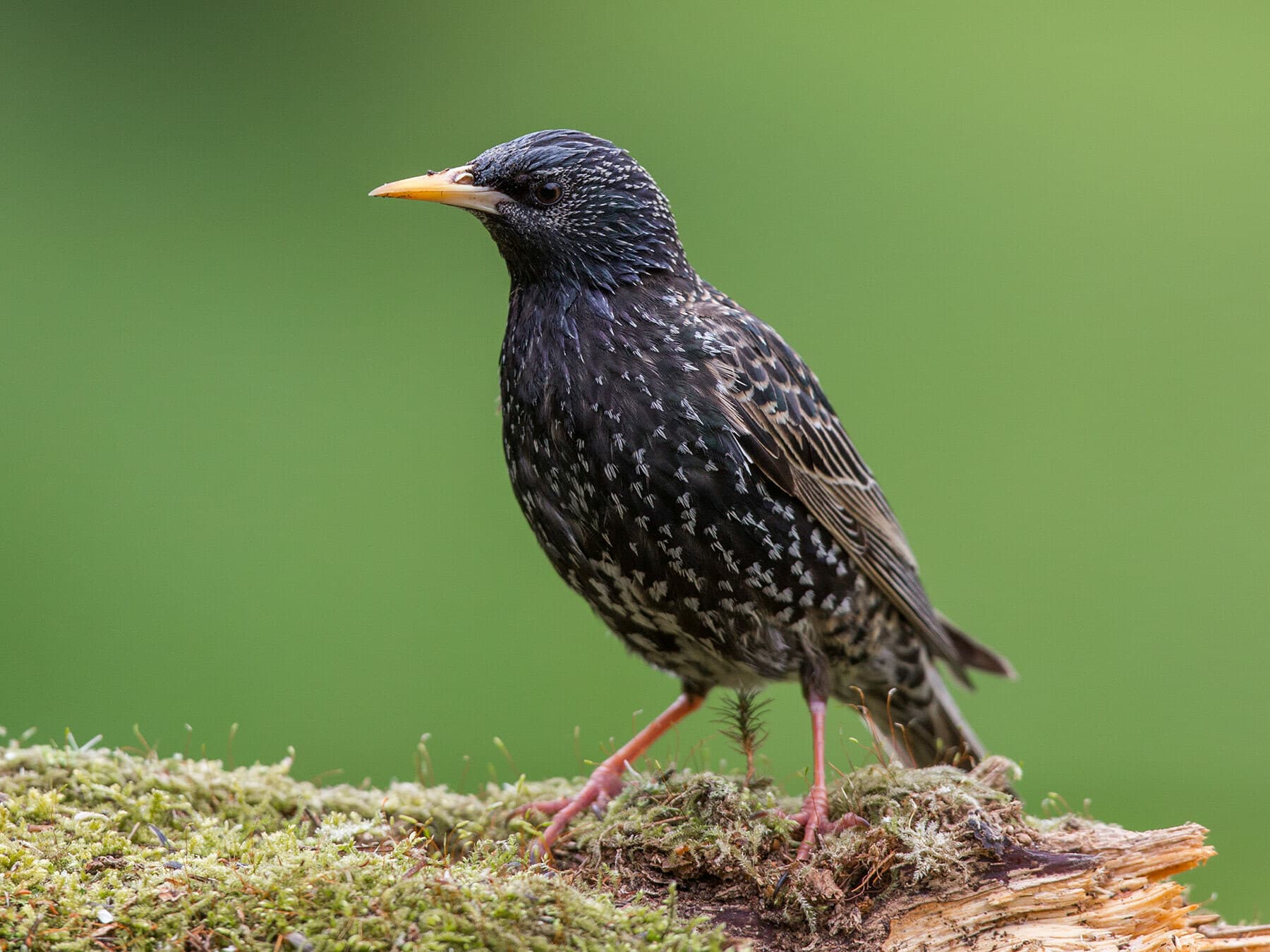 Common StarlingSturnus vulgarisResidentCommon21–23 cmRegularly Dec–Aug · 1.18% in Feb
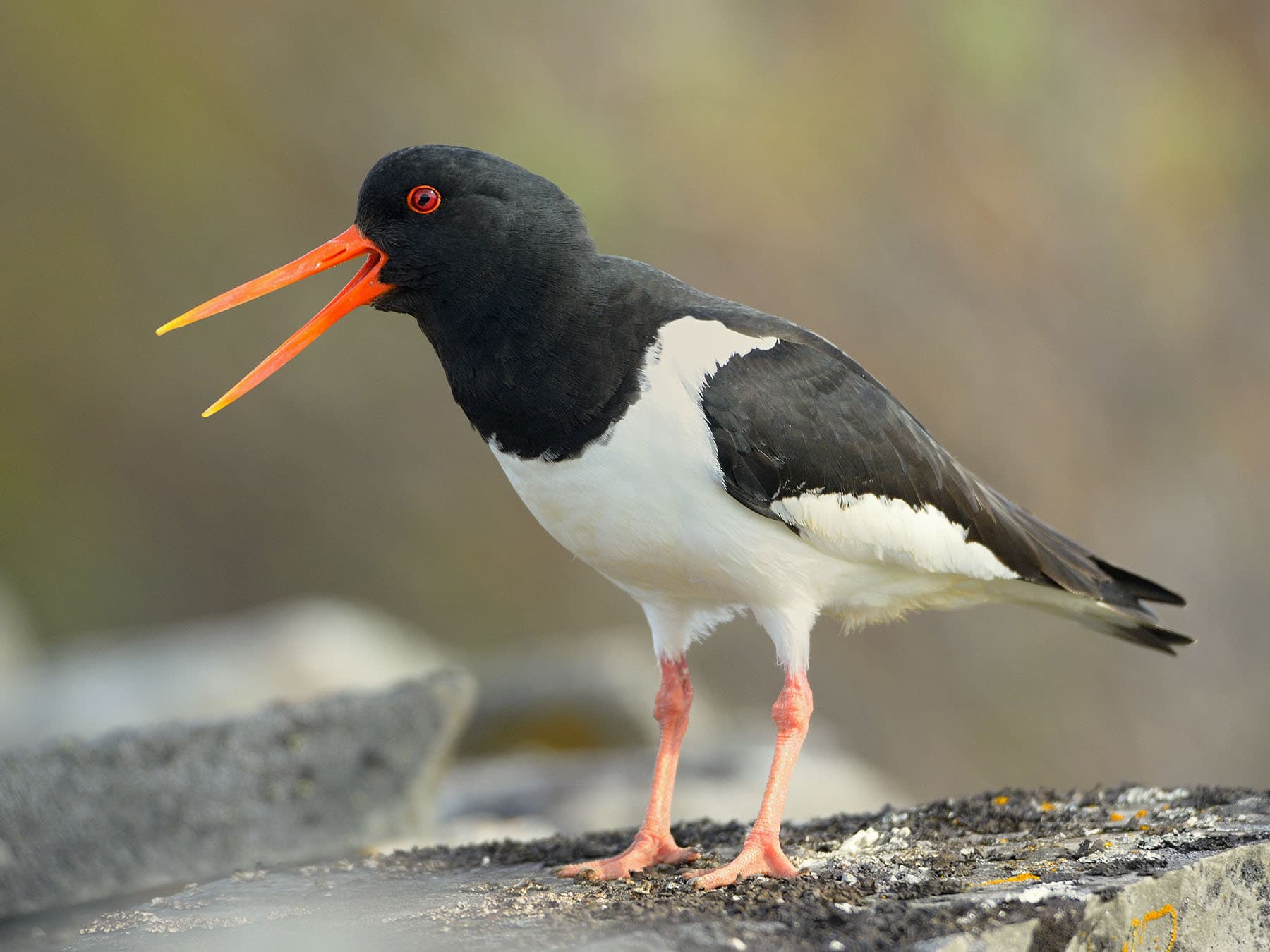 Eurasian OystercatcherHaematopus ostralegusSummer visitorCommon40–45 cmRegularly Feb–Jul · 1.18% in Feb
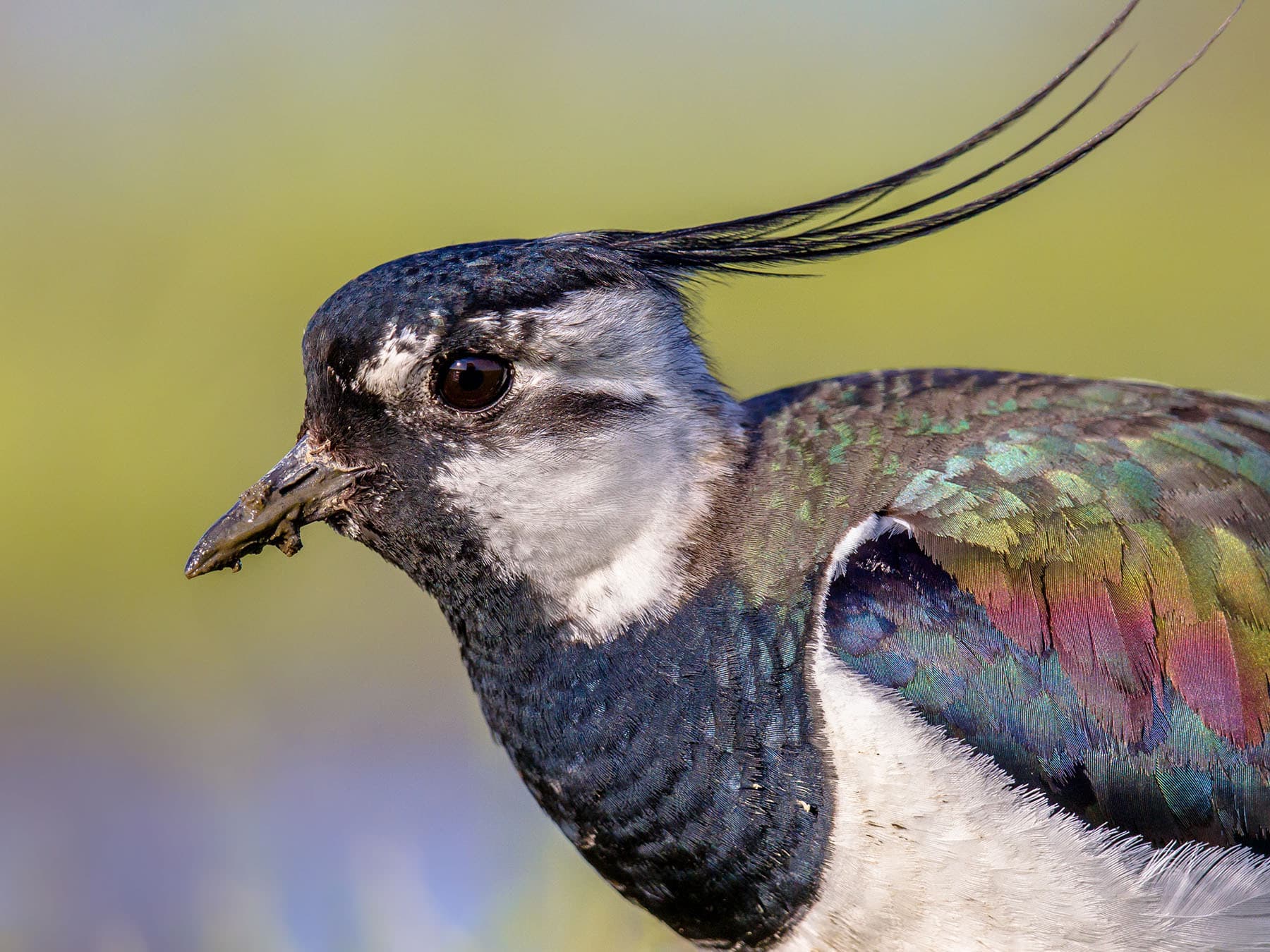 Northern LapwingVanellus vanellusResidentCommon28–31 cmRegularly Jan–May · 1.18% in Feb
Smallest to largest
Length, cm- Blue Tit 11–12 cm
- Eurasian Siskin 11–13 cm
- European Robin 13–14 cm
- Chaffinch 14–16 cm
- Common Starling 21–23 cm
- Northern Lapwing 28–31 cm
- Moorhen 30–38 cm
- Eurasian Teal 34–38 cm
- Coot 36–42 cm
- Black-headed Gull 38–44 cm
- Eurasian Oystercatcher 40–45 cm
- Common Gull 40–46 cm
- Tufted Duck 40–47 cm
- Goldeneye 40–51 cm
- Carrion Crow 45–47 cm
- Eurasian Wigeon 42–51 cm
- Mallard 50–65 cm
- Common Raven 54–67 cm
- European Herring Gull 55–67 cm
- Common Merganser 58–68 cm
- Canada Goose 76–110 cm
- Mute Swan 140–160 cm
Body length, bill to tail. Rare birds in grey.
Data: EOD – eBird Observation Dataset (Cornell Lab of Ornithology), accessed via GBIF.org, CC BY 4.0. Records from 2019–2024, aggregated and filtered by Birdfact. How these lists are made