Birds in West Sussex
Explore 211 species found in this region.
West Sussex is home to an impressive 207 recorded bird species, reflecting the county's rich diversity of habitats — from the chalk downlands of the South Downs to the coastal mudflats and harbours of Chichester and Pagham. Birdwatchers can enjoy sightings ranging from familiar garden visitors like the Great Tit and Magpie to scarcer species such as the Great Grey Shrike and the elegant Northern Pintail. The county's wetlands, woodlands, and estuaries make it one of the most rewarding birding destinations in southern England.
Visiting in July? Look out for Brent Goose and Common Snipe arriving this month, and American Golden-Plover and Cirl Bunting depart for the season.


Showing 24–46 of 211 species
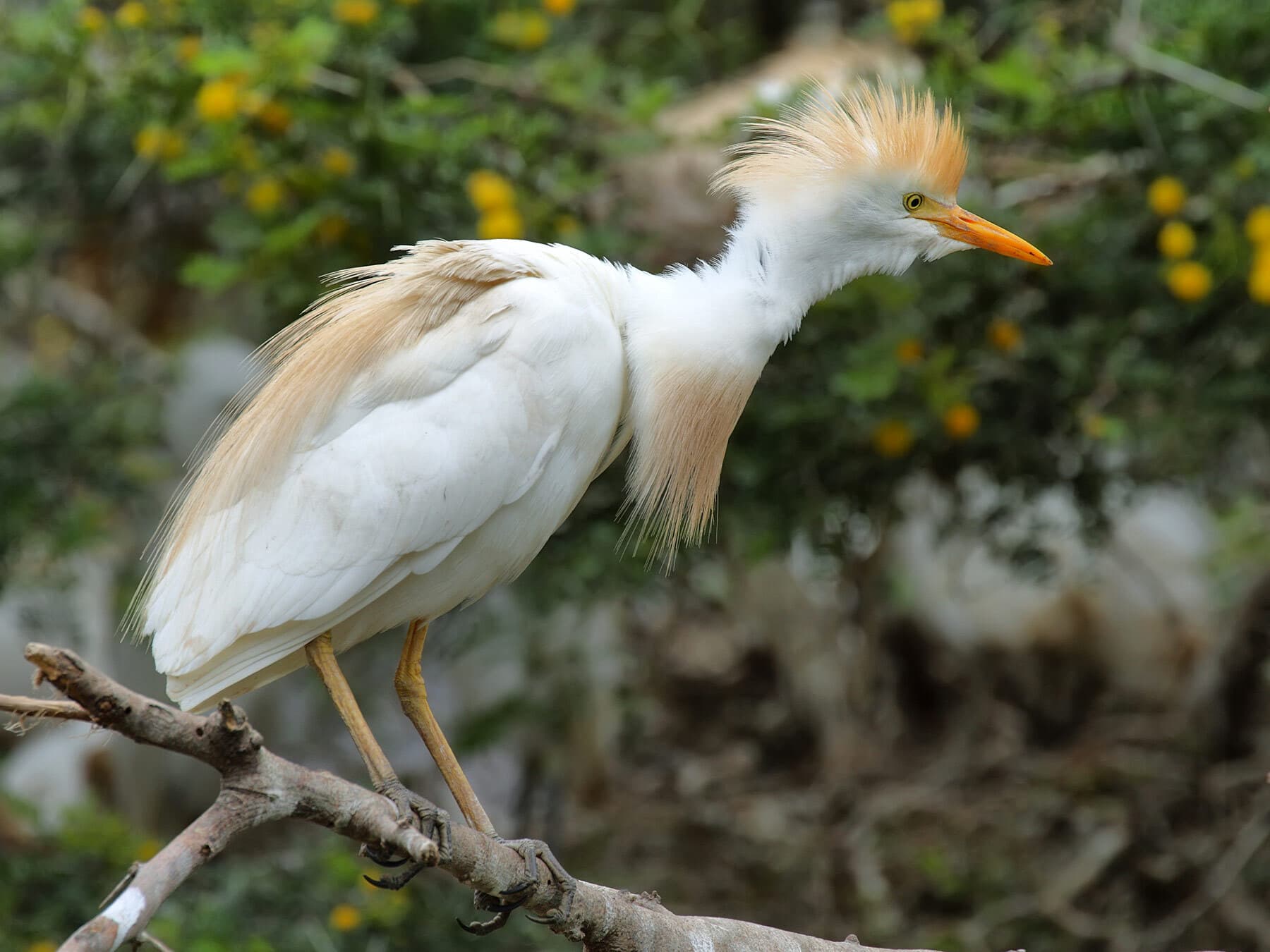
Cattle Egret
Bubulcus ibisLC
An uncommon but increasingly established resident, often seen alongside livestock on the coastal levels and river valleys.
Year-round
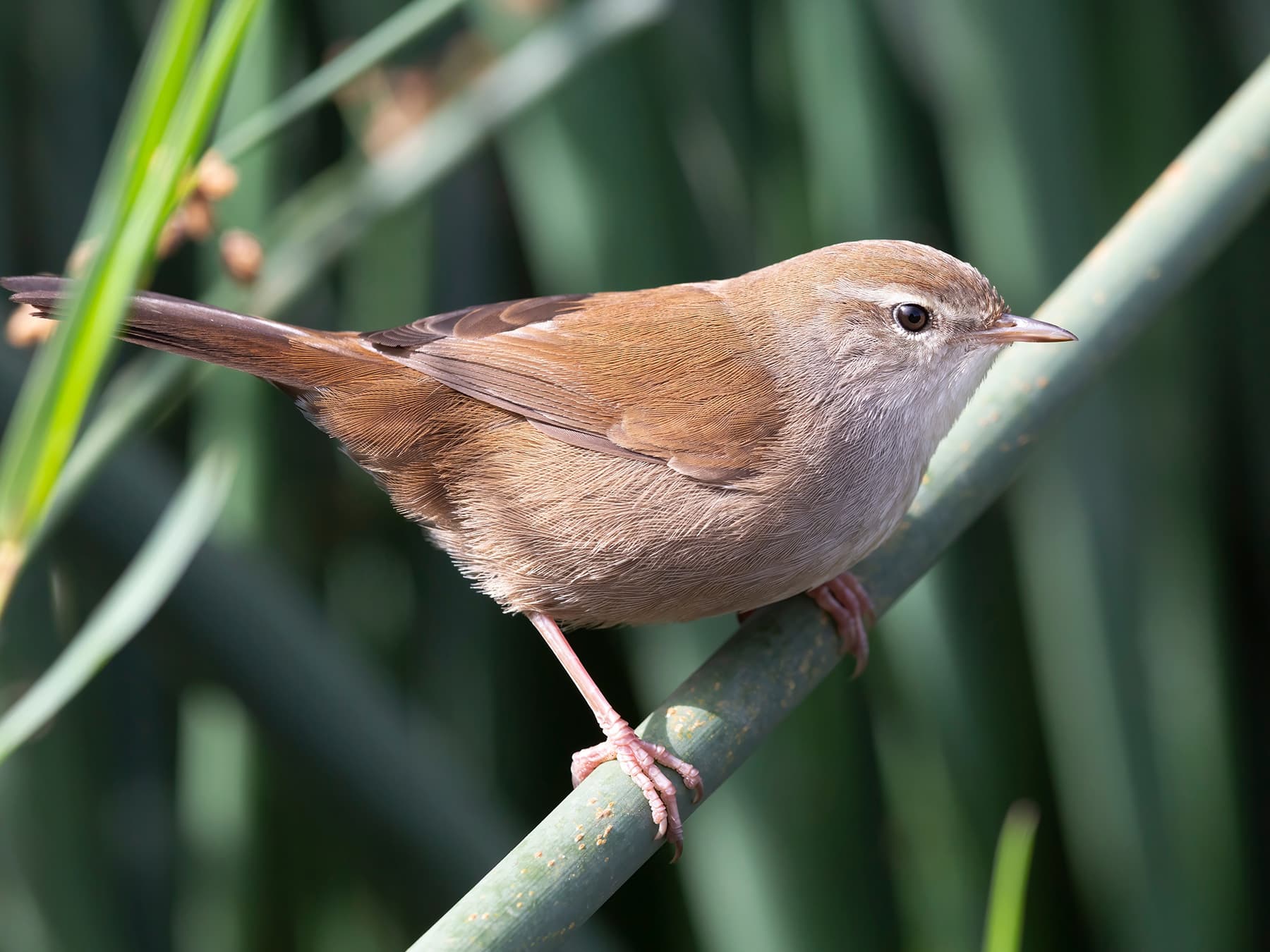
Cetti's Warbler
Cettia cettiLC
A resident of dense wetland scrub, more often heard than seen. Has spread across the county's reedbeds and marshes in recent decades.
Year-round
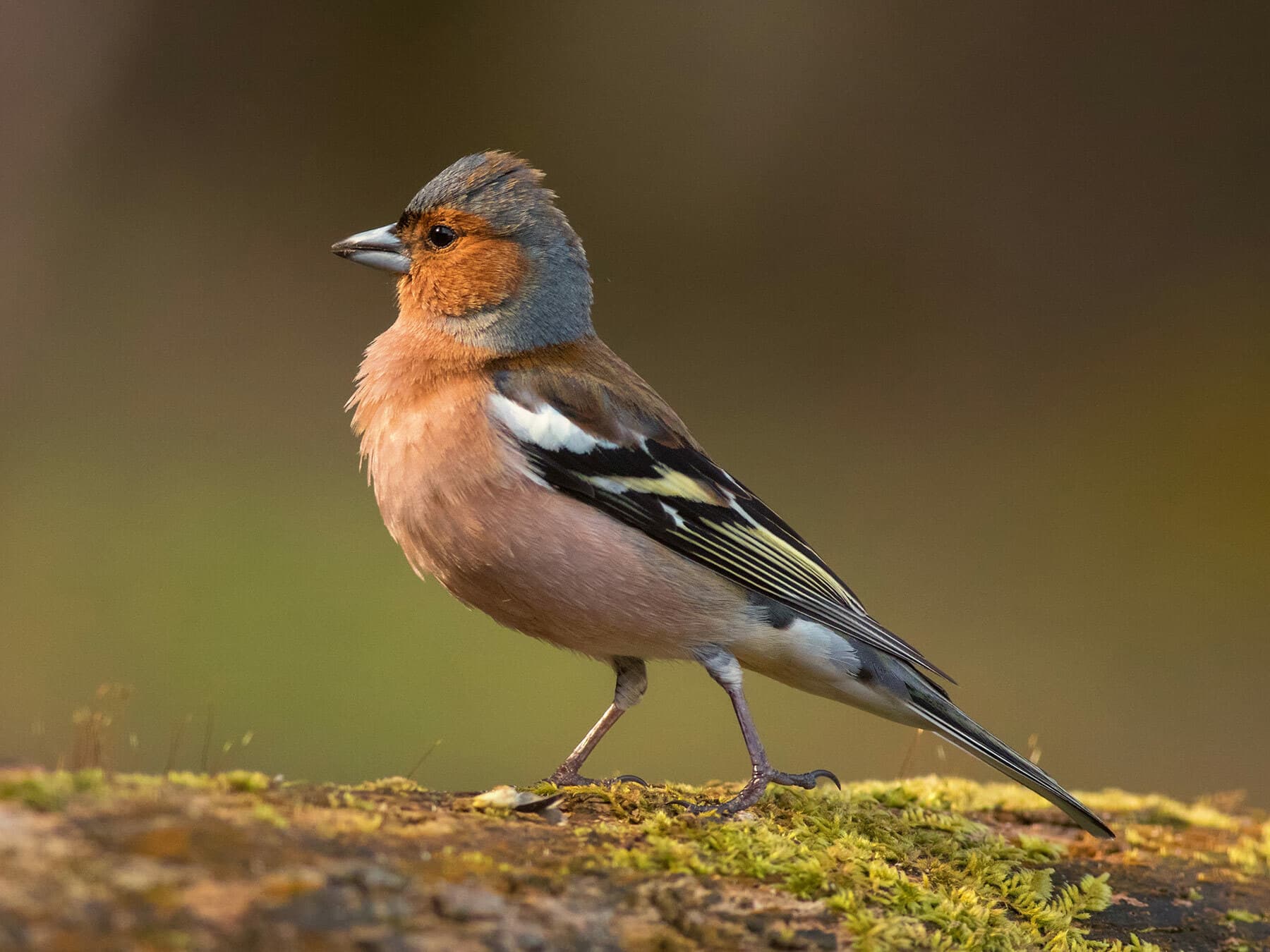
Chaffinch
Fringilla coelebsLC
A common resident of woodland, hedgerows, and gardens throughout the county. Continental birds swell numbers in autumn and winter.
Year-round
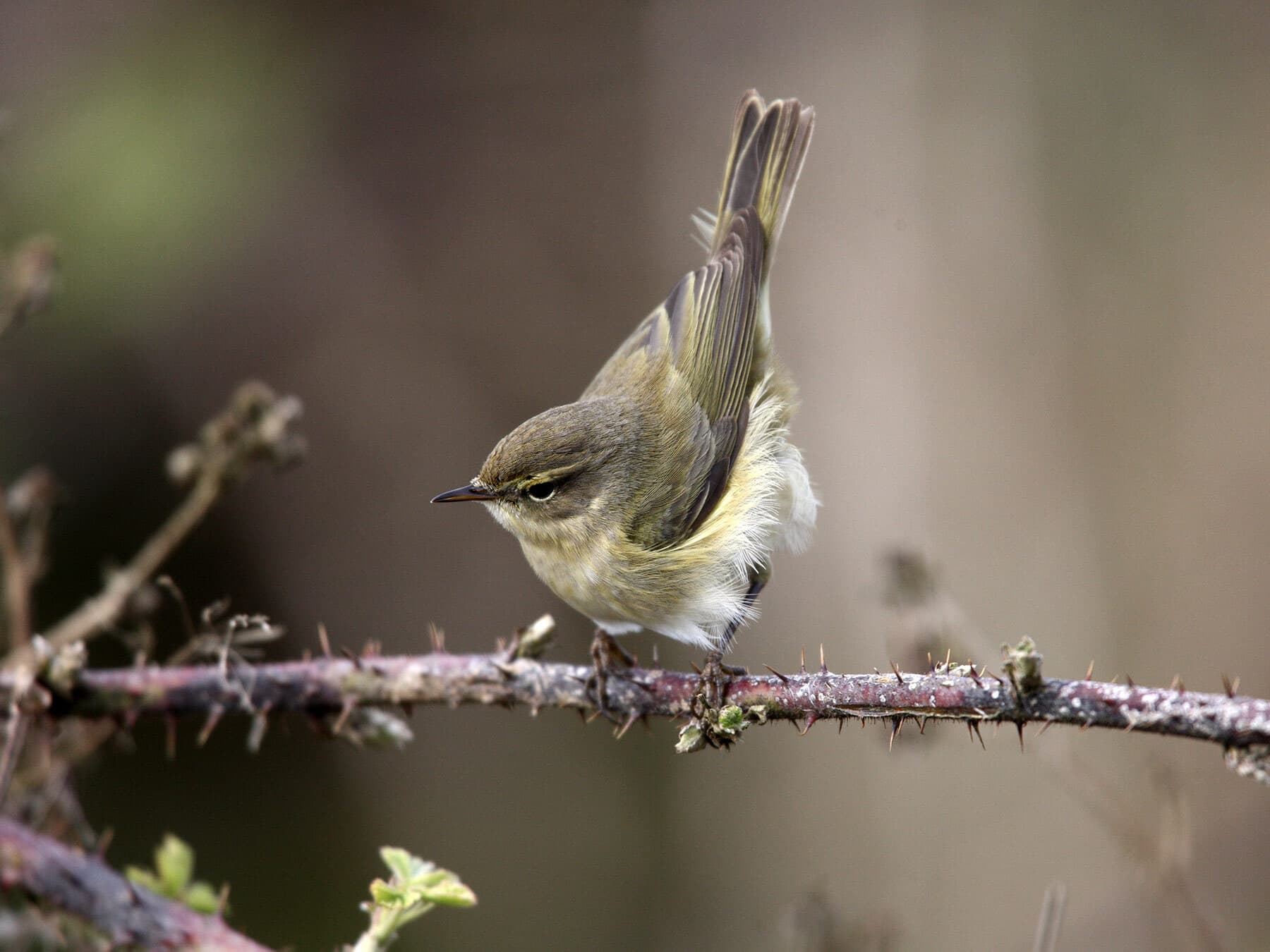
Chiffchaff
Phylloscopus collybitaLC
A common year-round resident whose repetitive song is heard in woodland and gardens. Numbers bolstered by continental birds in winter.
Year-round
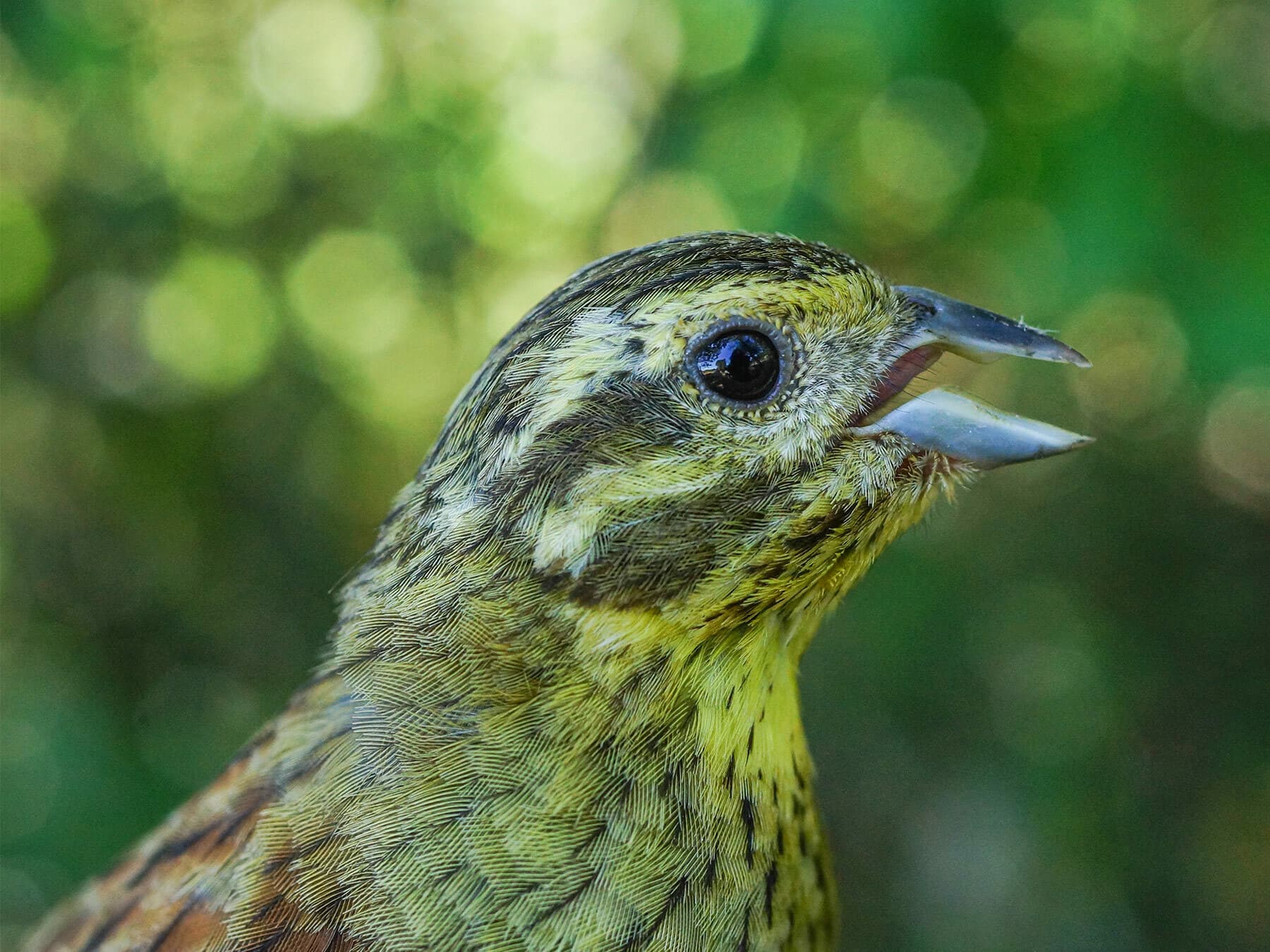
Cirl Bunting
Emberiza cirlusLC
A rare passage visitor, with the main UK population confined to Devon. June records likely involve wandering birds.
Jun
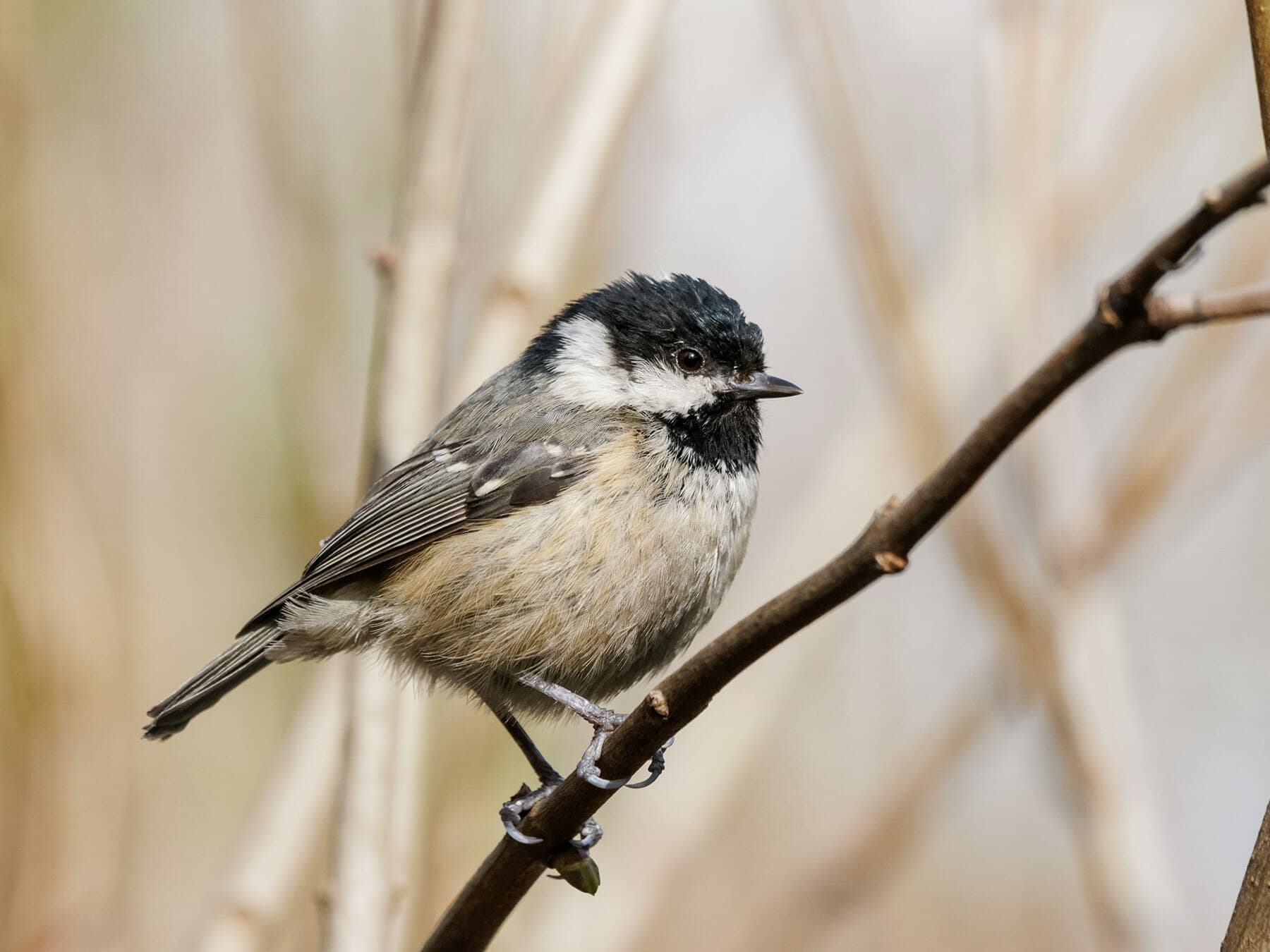
Coal Tit
Periparus aterLC
A resident of coniferous and mixed woodland, less frequent at garden feeders than other tits. Present year-round but thinly distributed.
Year-round
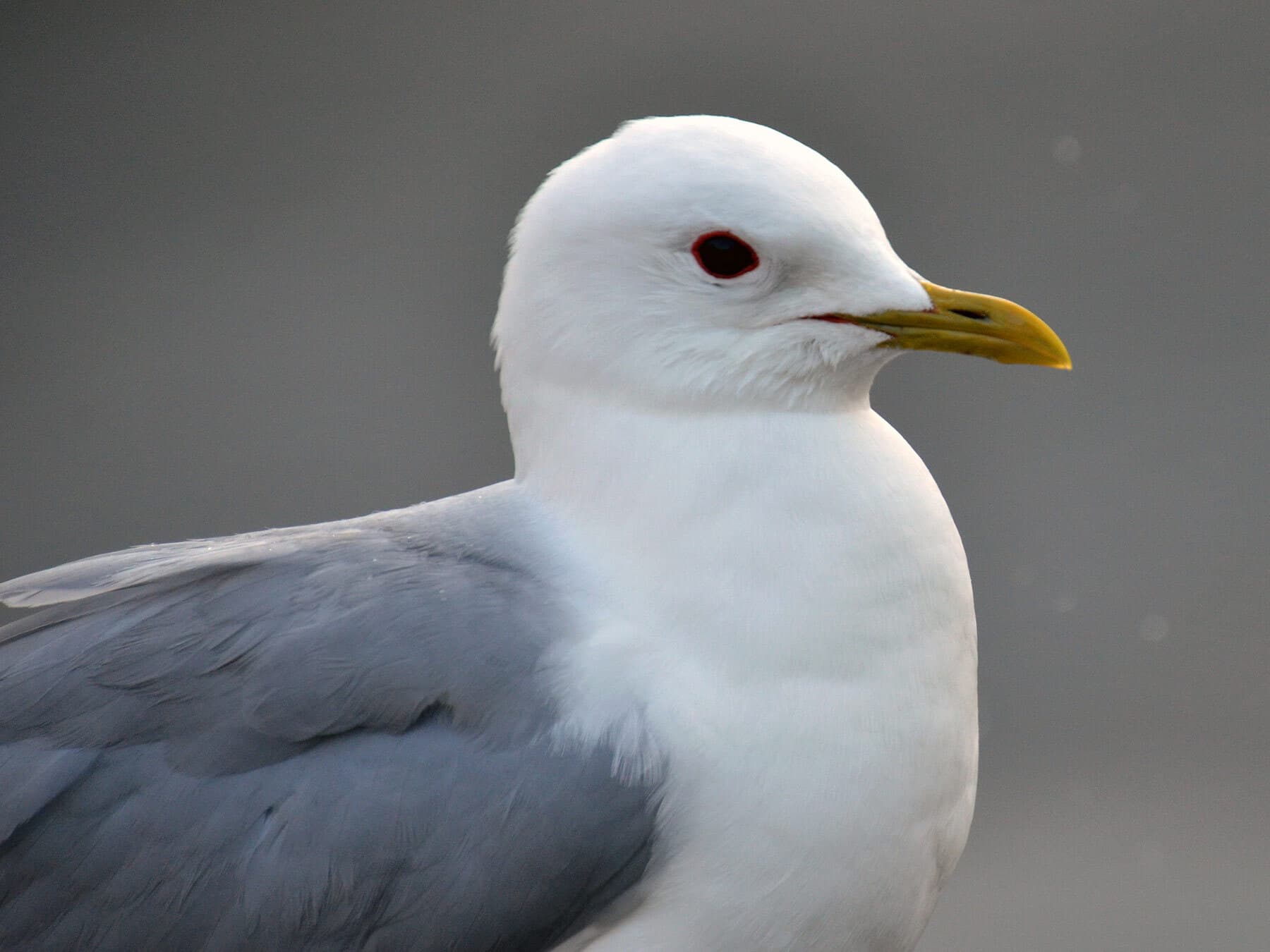
Common Gull
Larus canusLC
Present all year but uncommon, frequenting playing fields, farmland, and coastal areas, with numbers boosted in winter.
Year-round
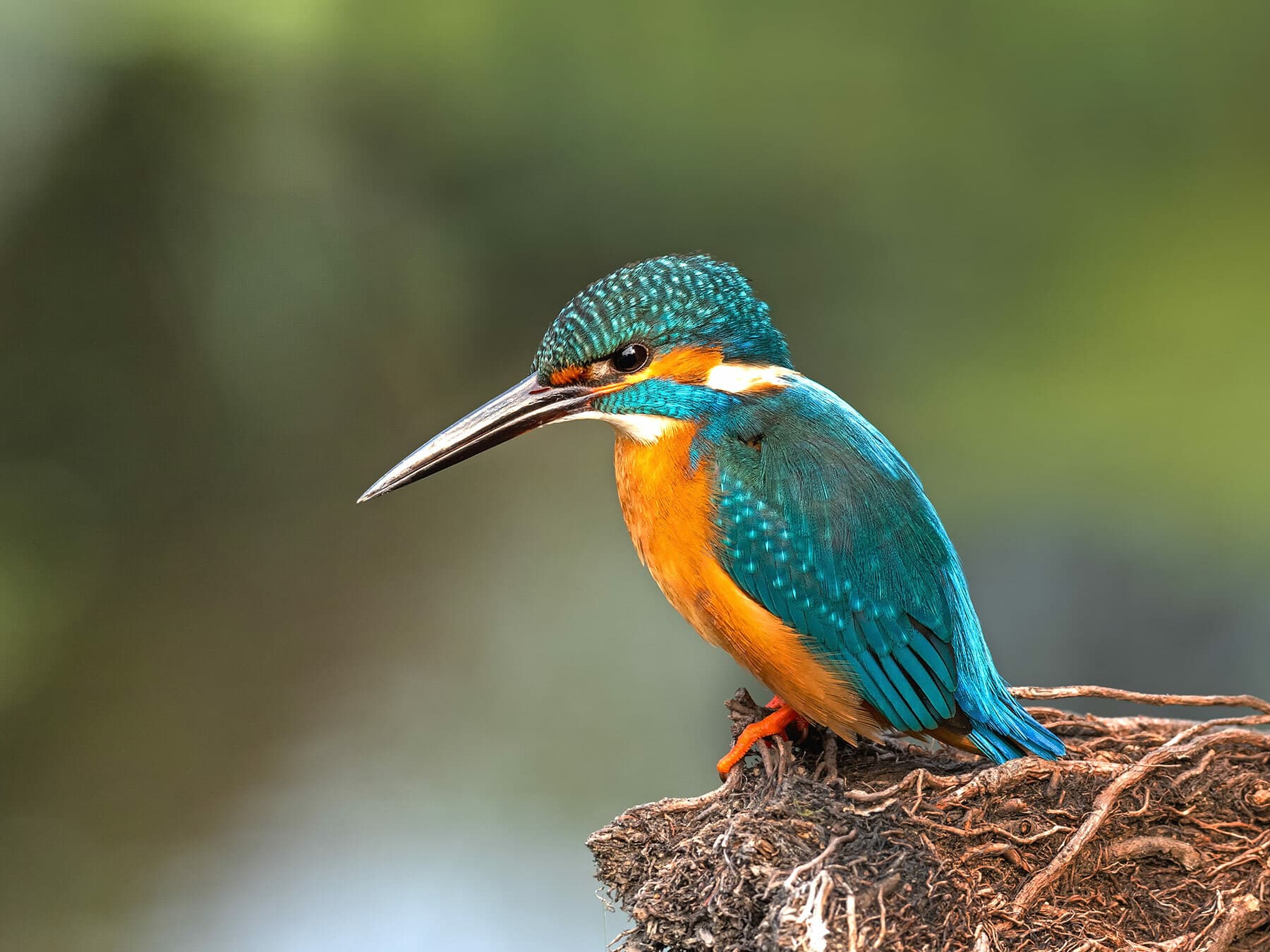
Common Kingfisher
Alcedo atthisLC
An uncommon but year-round resident along clean rivers and streams, often glimpsed as a flash of electric blue.
Year-round
Spotted something?
Upload a photo to identify it
Identify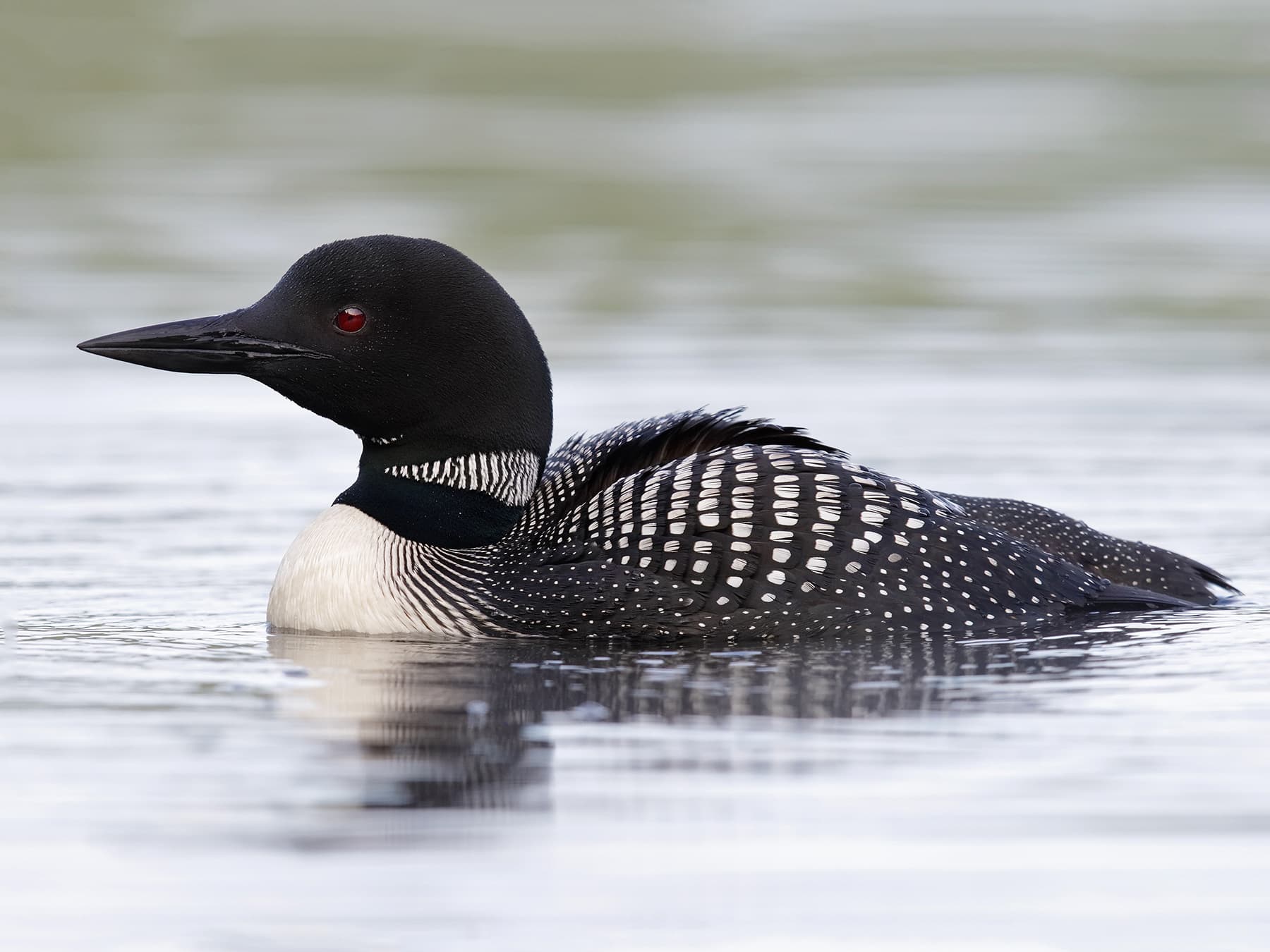
Common Loon
Gavia immerLC
A rare visitor to coastal waters from late autumn through spring, occasionally lingering offshore or in Chichester Harbour.
Nov–May
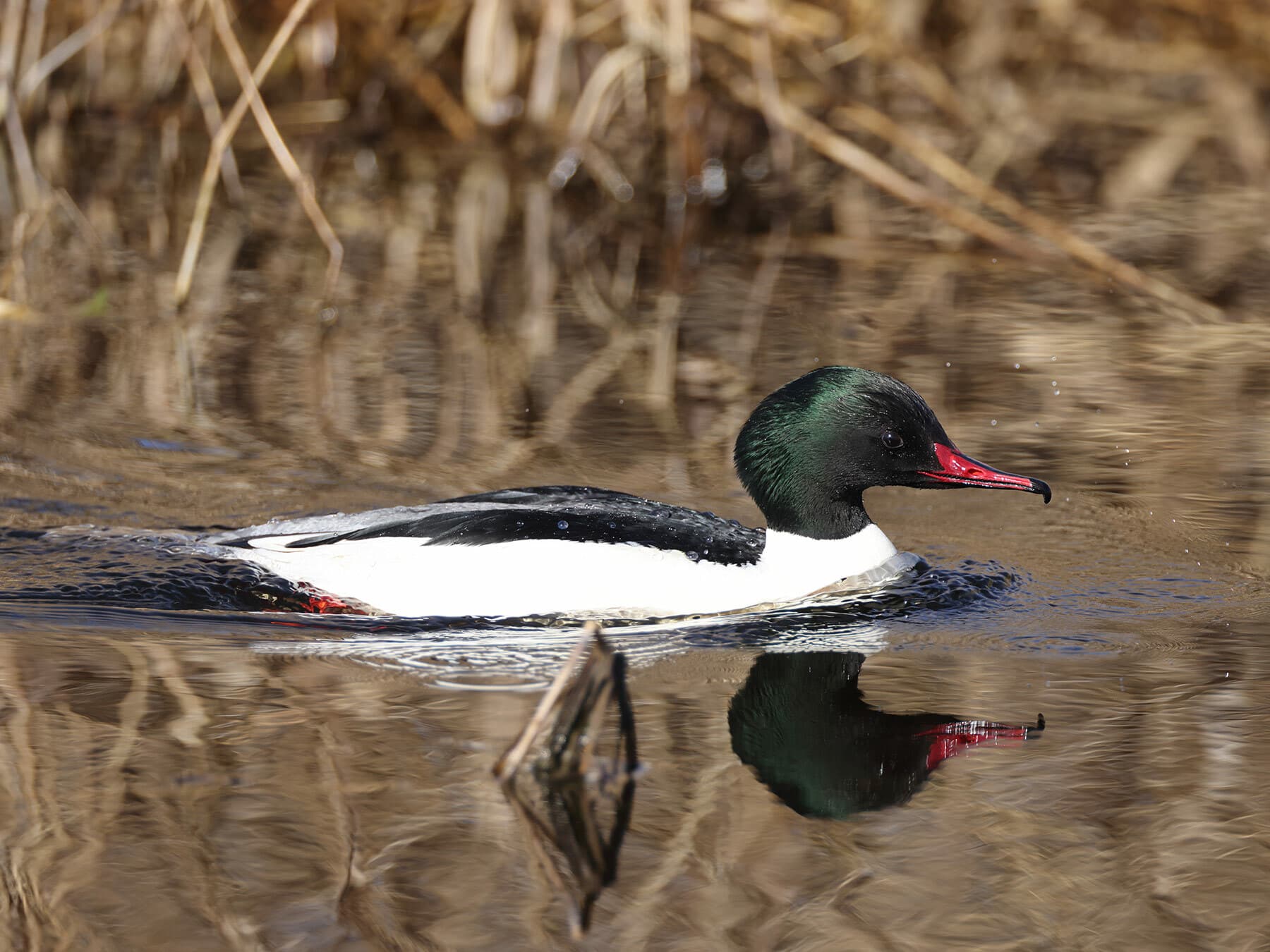
Common Merganser
Mergus merganserLC
A scarce winter visitor to rivers and reservoirs from November to March. Small groups occasionally appear on the Arun or Adur.
Nov–Mar
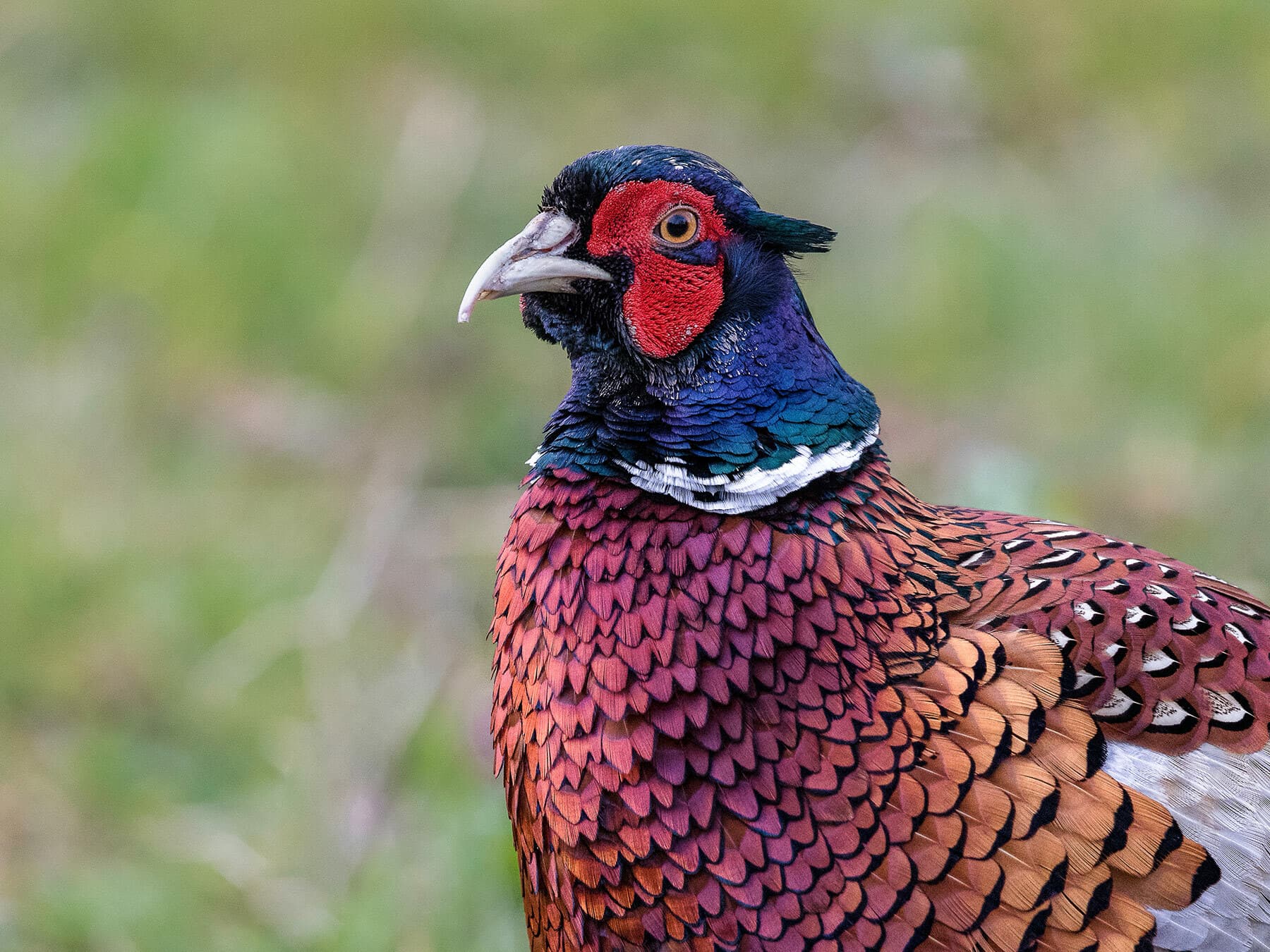
Common Pheasant
Phasianus colchicusLC
A common resident of farmland, woodland edges and hedgerows throughout the county. Populations are sustained by regular releases.
Year-round
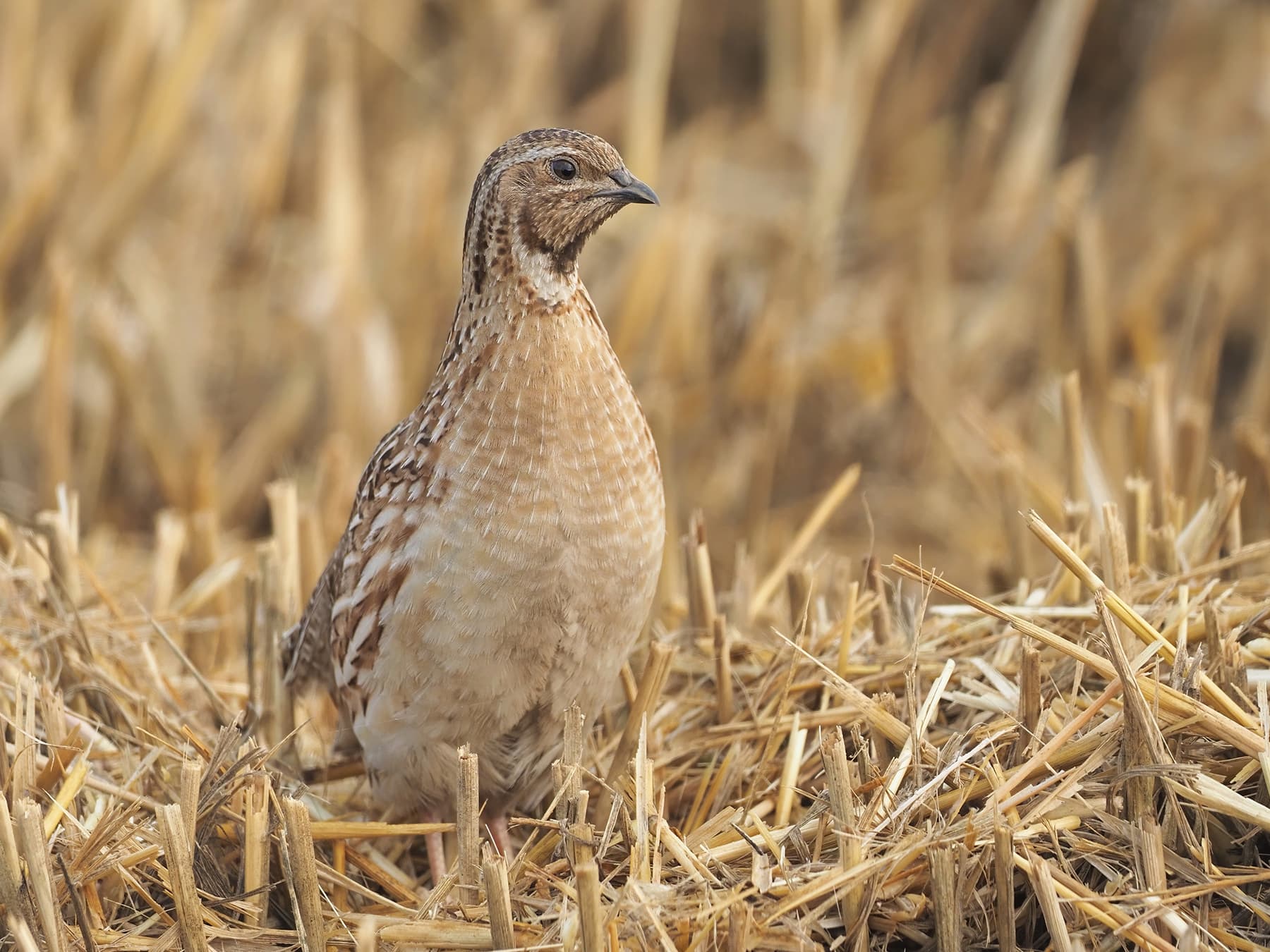
Common Quail
Coturnix coturnixLC
A rare and elusive summer visitor, more often heard than seen calling from arable fields and downland in June.
Jun
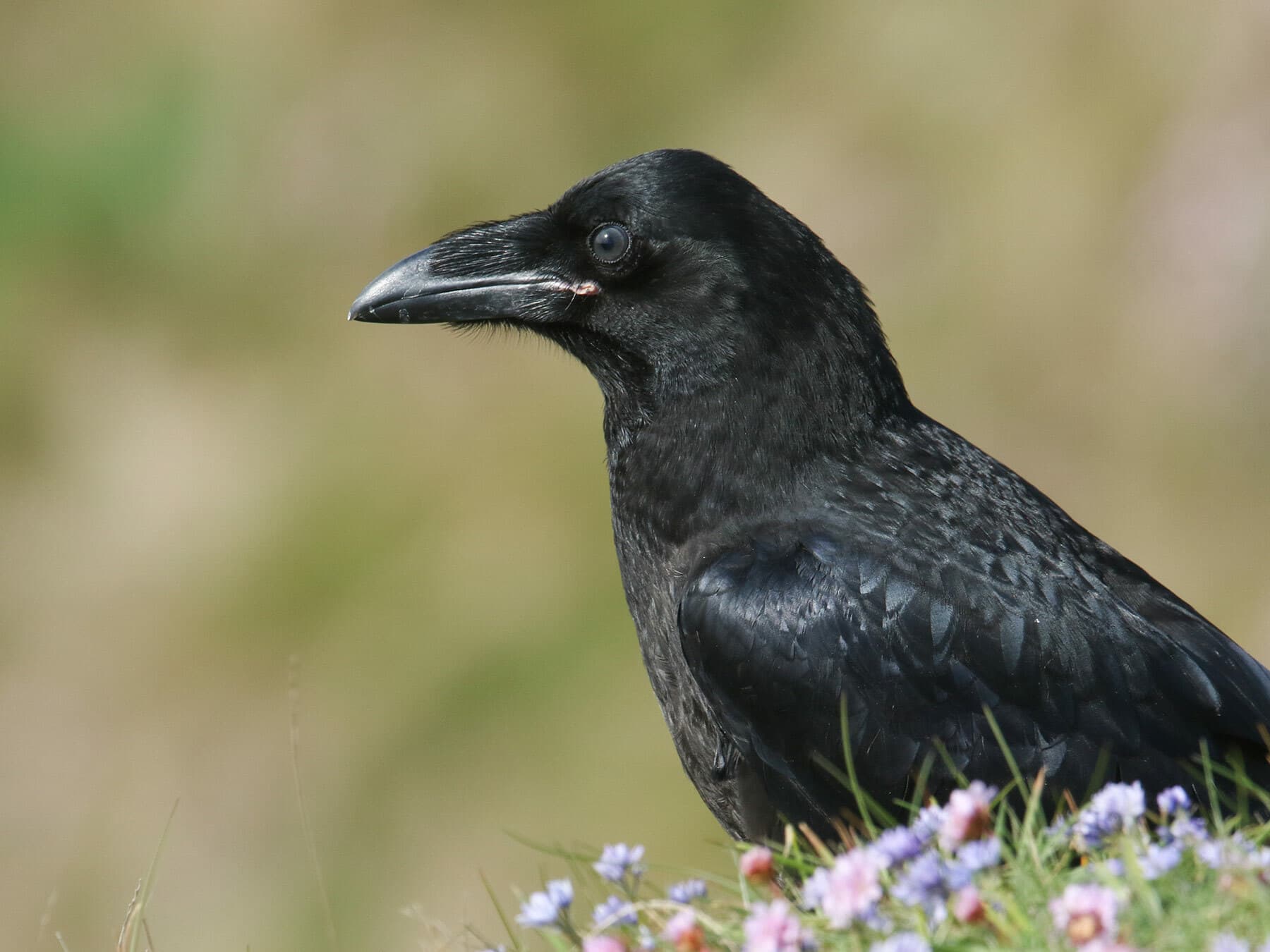
Common Raven
Corvus coraxLC
An uncommon but increasing resident, now regularly seen and heard cronking over the South Downs and wooded valleys.
Year-round
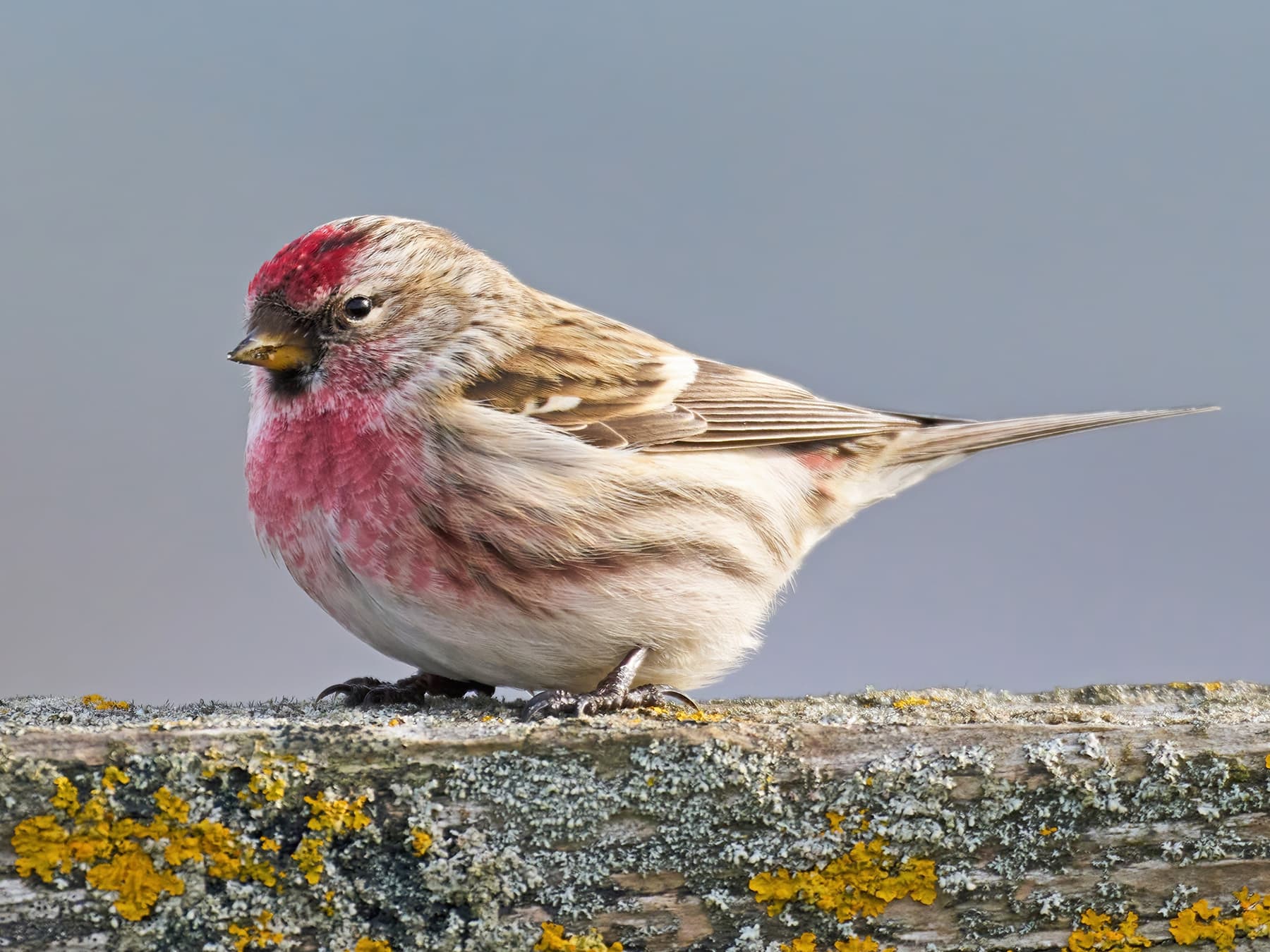
Common Redpoll
Acanthis flammeaLC
An uncommon winter visitor to birch and alder woodland, present from October to April. Numbers vary considerably between years.
Oct–Apr
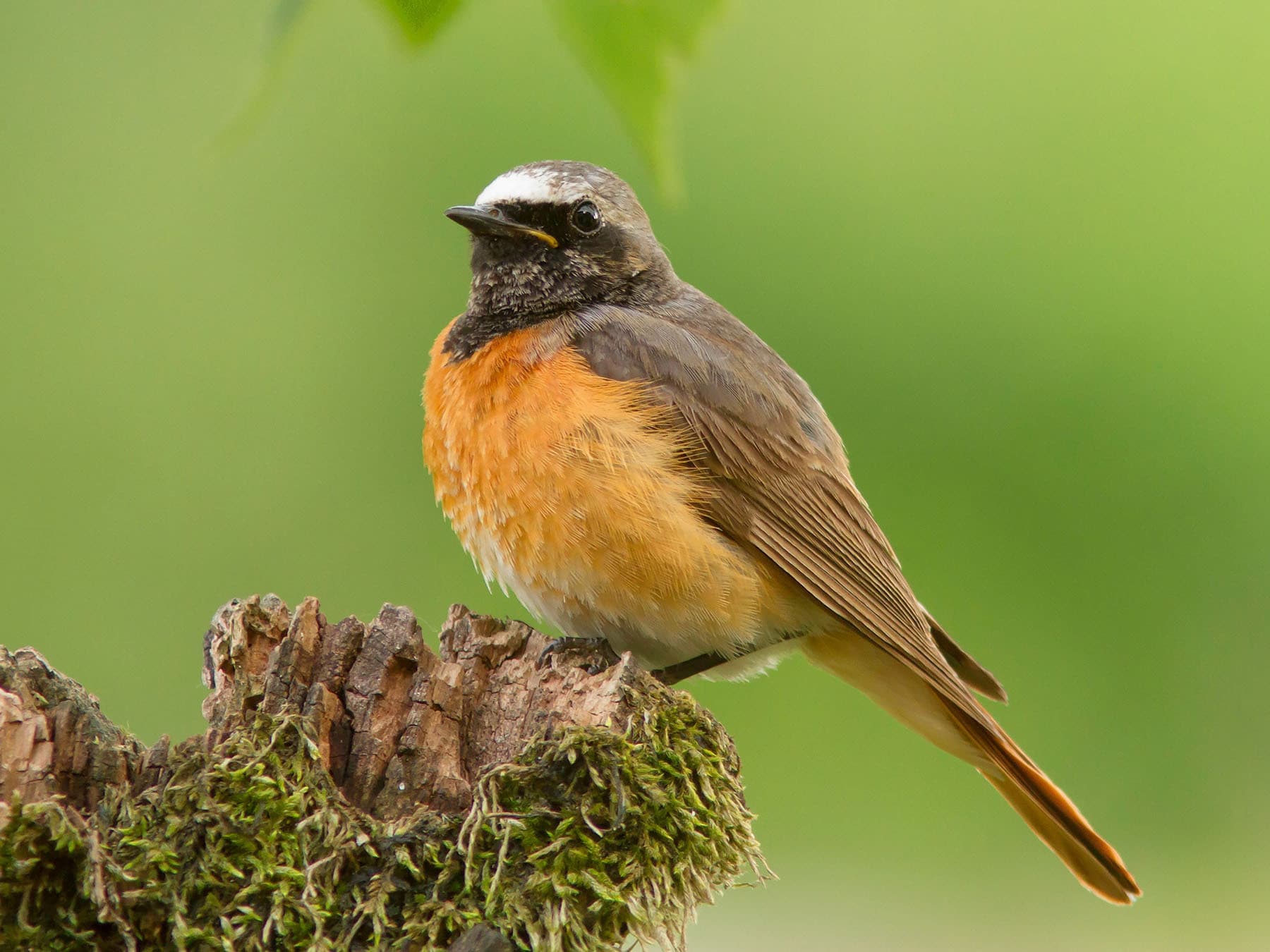
Common Redstart
Phoenicurus phoenicurusLC
A rare breeding visitor from April to September, favouring mature oak woodland on the South Downs and wooded heathland edges.
Apr–Sep
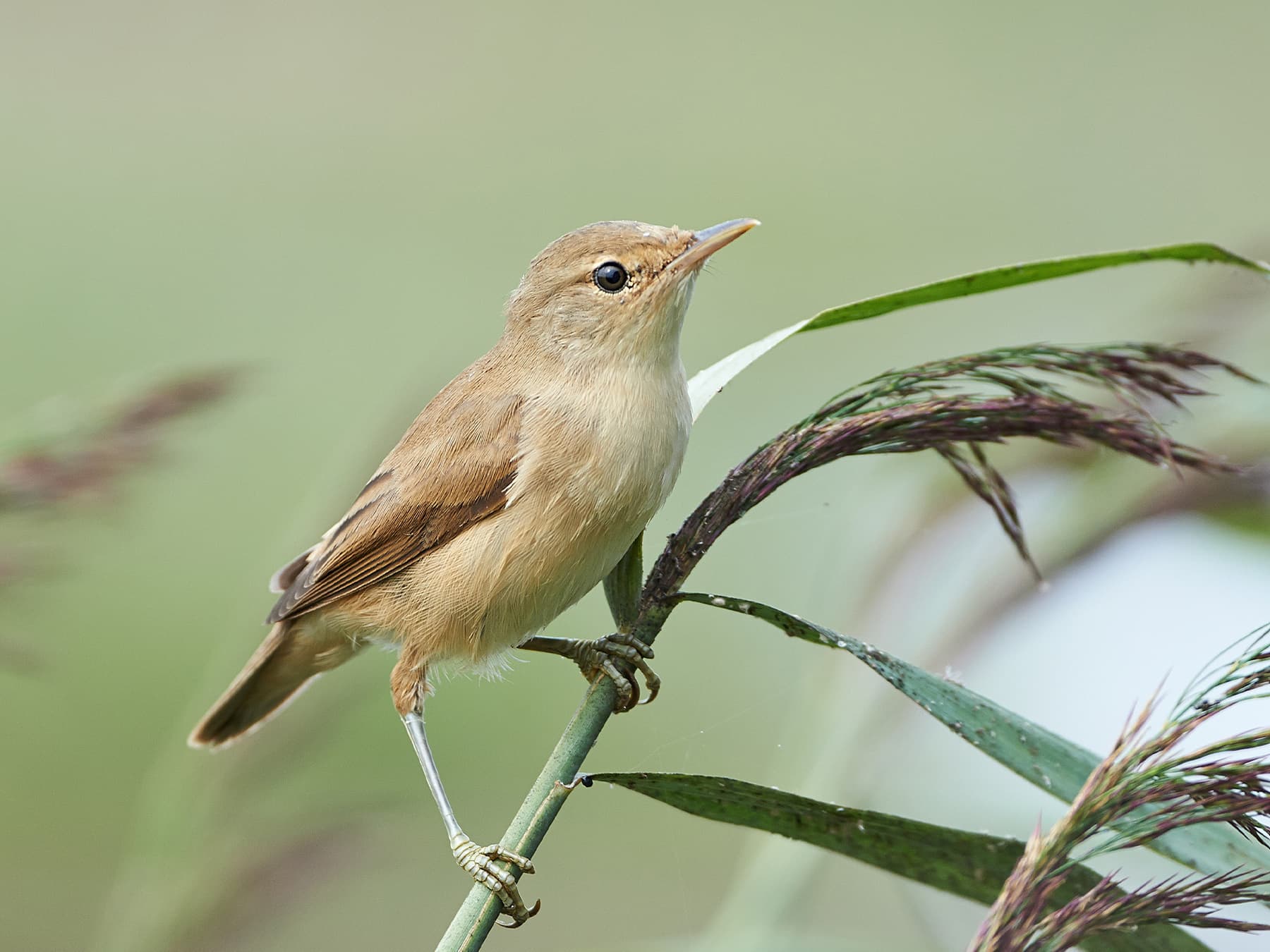
Common Reed-warbler
Acrocephalus scirpaceusLC
An uncommon summer breeder arriving in April, nesting in reedbeds at Pagham Harbour and the Arun valley wetlands.
Apr–Oct
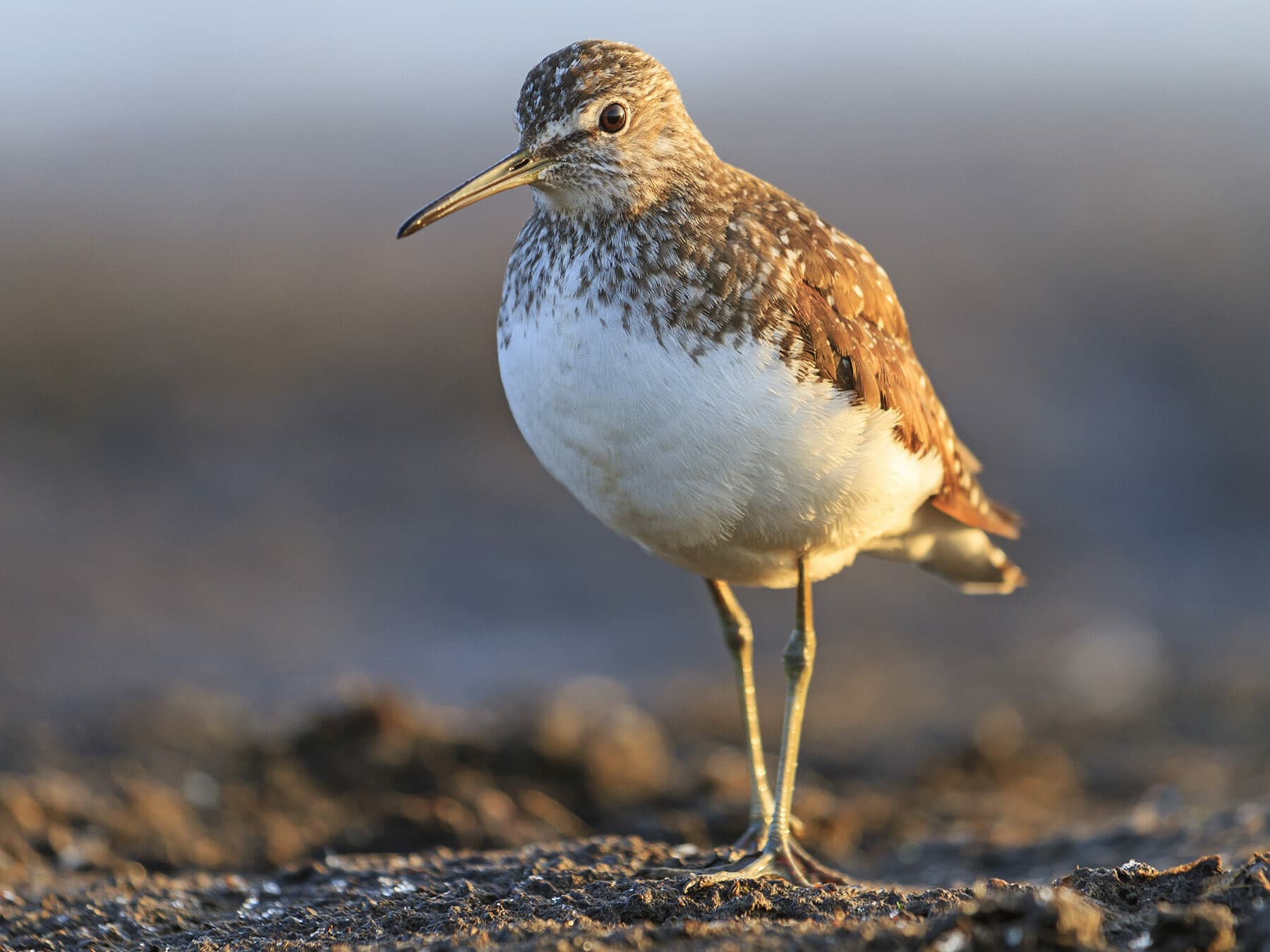
Common Sandpiper
Actitis hypoleucosLC
An uncommon passage and summer visitor, bobbing along riverbanks and reservoir edges, mainly from April to October.
Apr–Jan
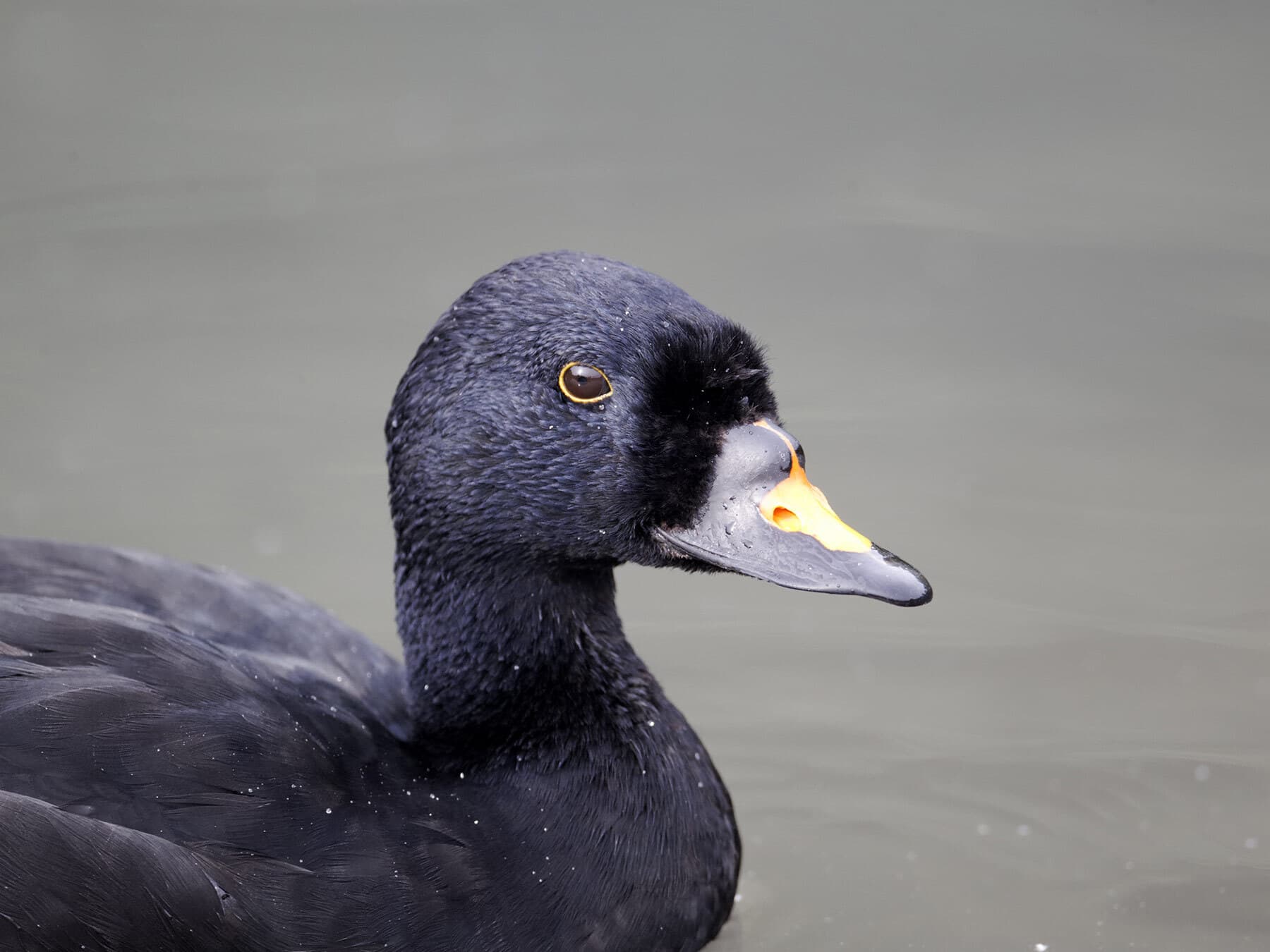
Common Scoter
Melanitta nigraLC
Small numbers linger offshore year-round, often visible as dark rafts on the sea from coastal vantage points.
Year-round
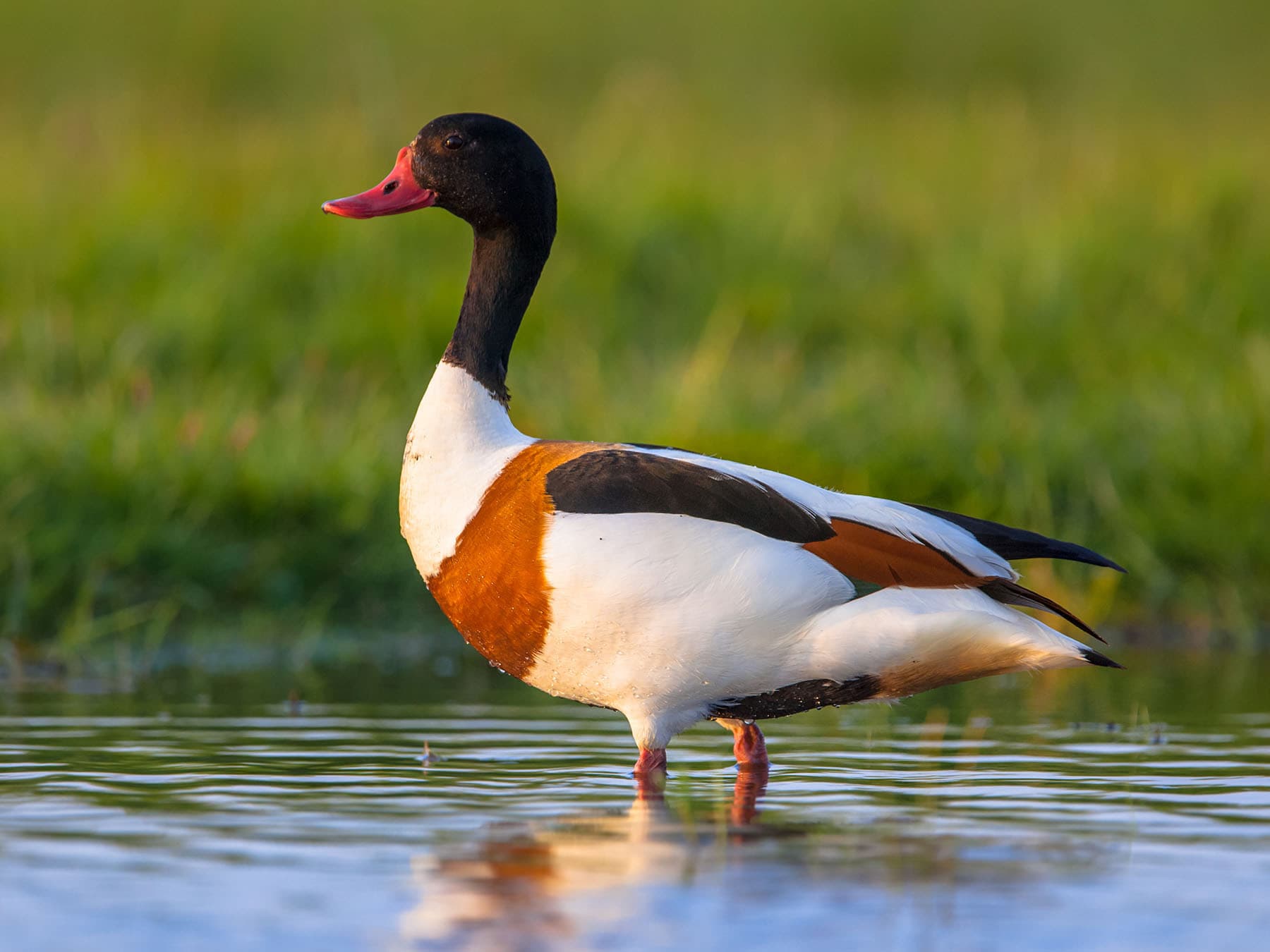
Common Shelduck
Tadorna tadornaLC
A common resident of estuaries and harbours, easily spotted at Pagham and Chichester Harbours year-round.
Year-round
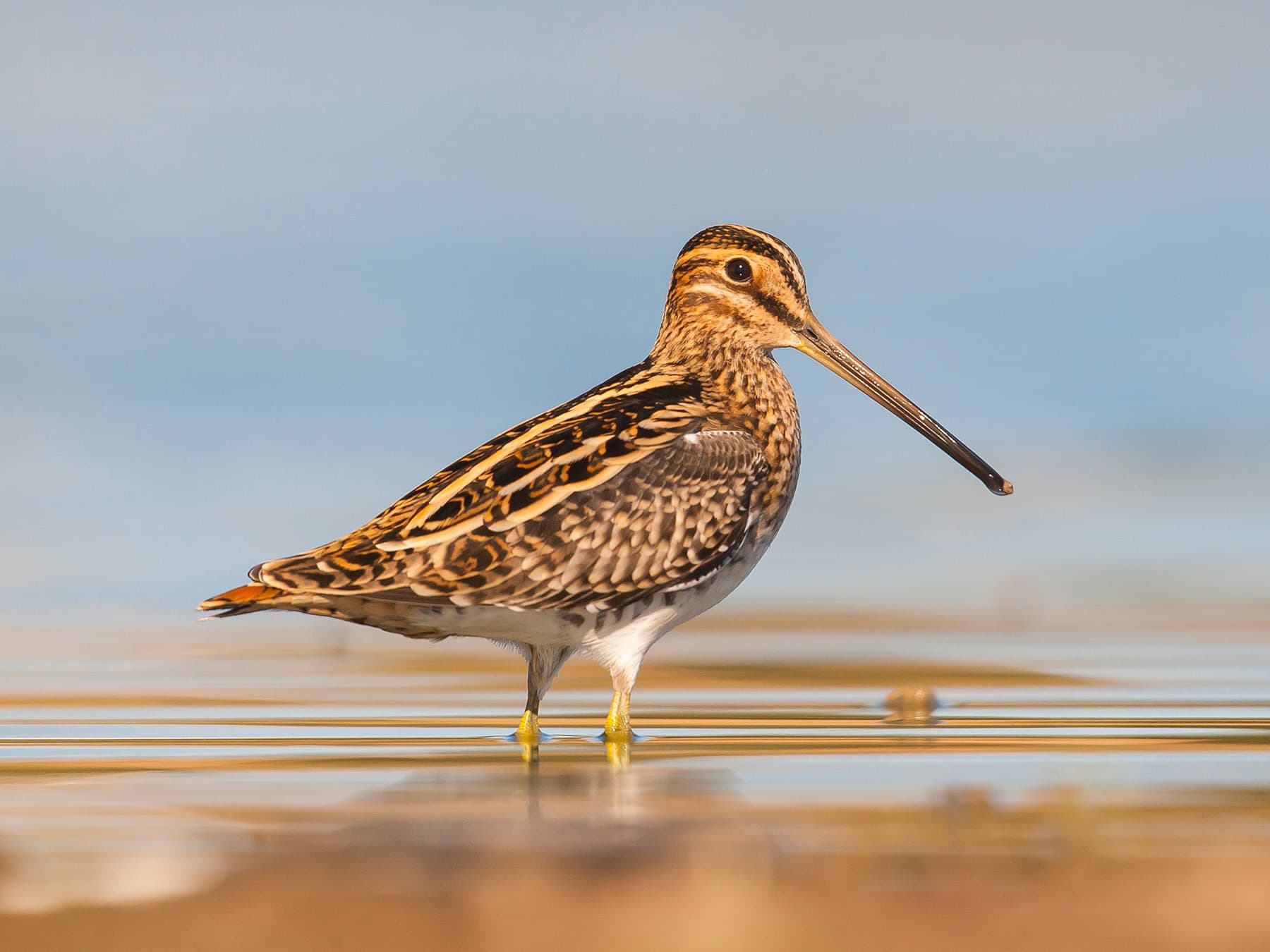
Common Snipe
Gallinago gallinagoLC
An uncommon resident of marshy fields and wetland margins, most conspicuous in winter when flushed from ditches and boggy ground.
Jul–Apr
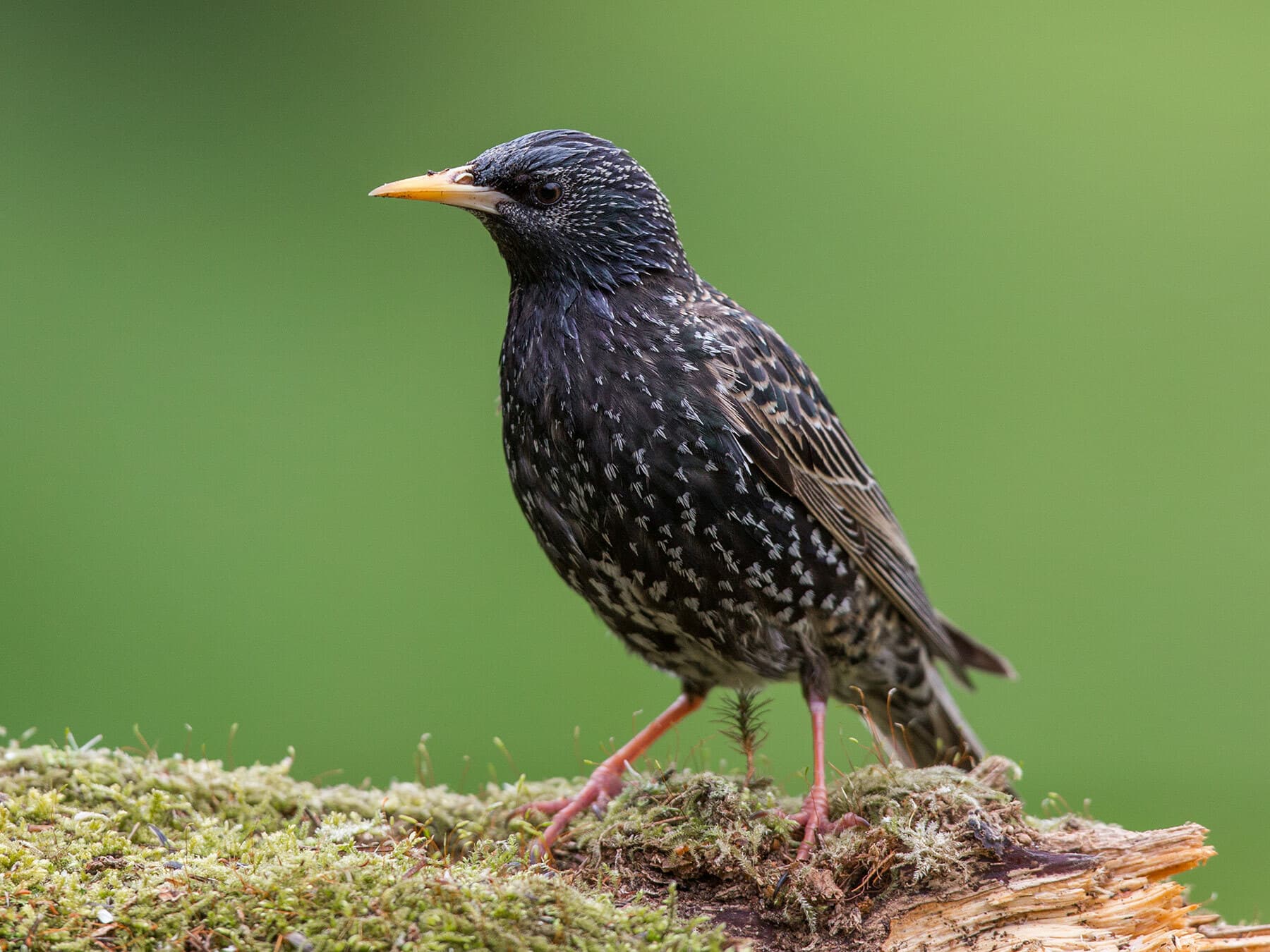
Common Starling
Sturnus vulgarisLC
A common resident, with numbers boosted in winter by continental arrivals. Famous for spectacular murmurations over Brighton Pier.
Year-round
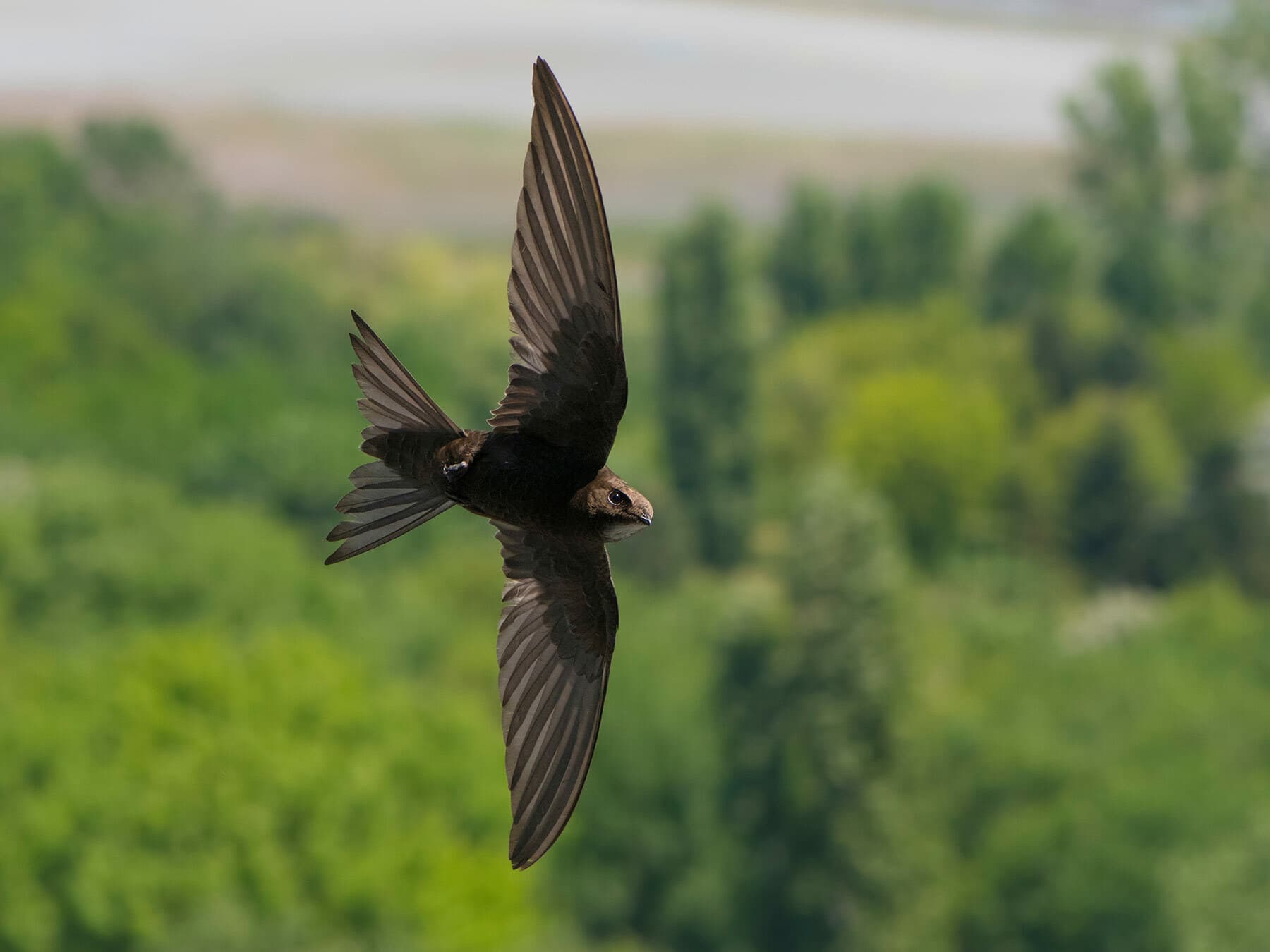
Common Swift
Apus apusLC
A common summer breeder screaming over towns and villages from April to September, nesting under eaves and in roof spaces.
Apr–Sep
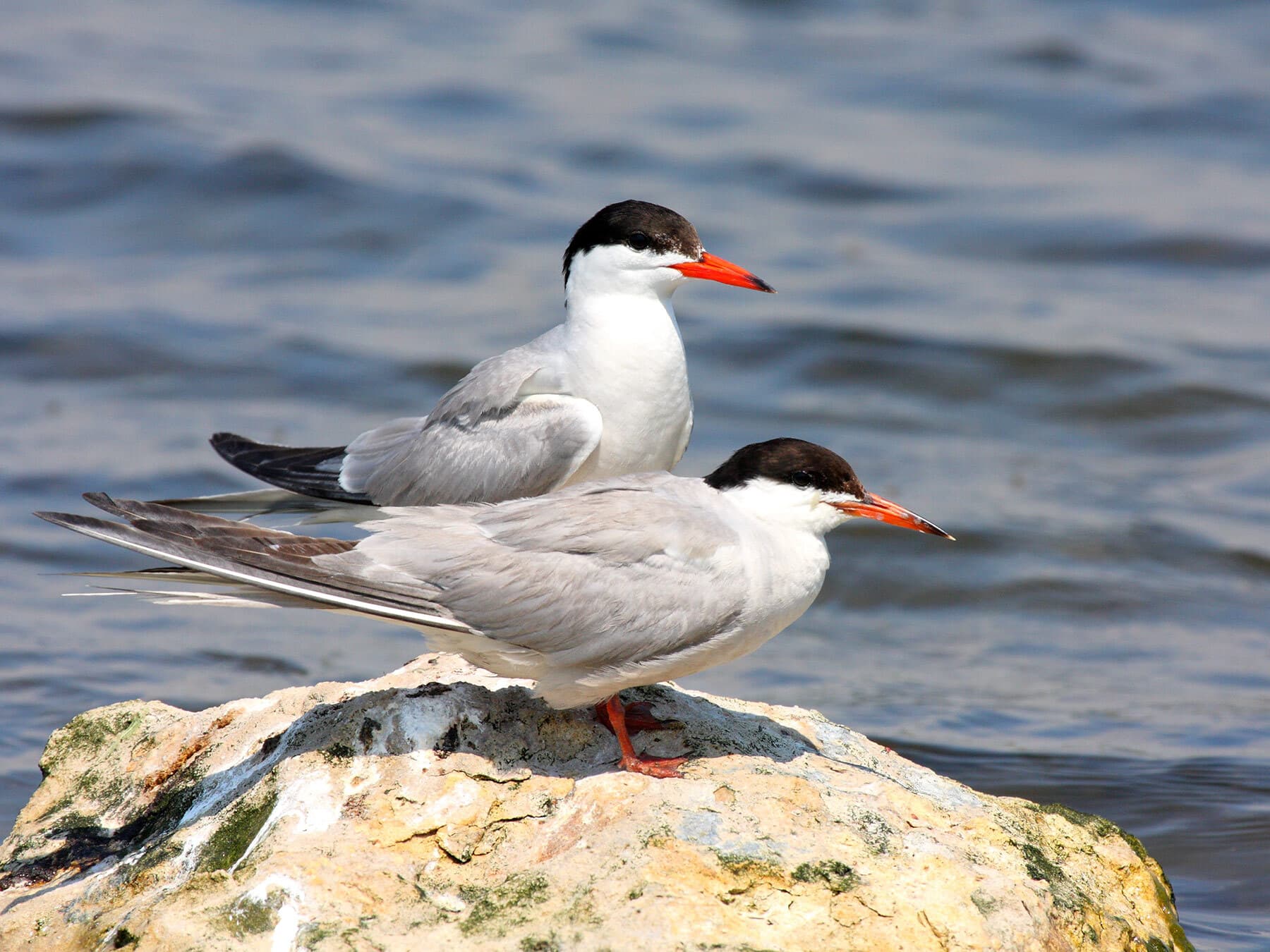
Common Tern
Sterna hirundoLC
An uncommon summer breeder, nesting at protected coastal and gravel pit sites from April to September.
Apr–Sep