Birds in West Sussex
Explore 211 species found in this region.
West Sussex is home to an impressive 207 recorded bird species, reflecting the county's rich diversity of habitats — from the chalk downlands of the South Downs to the coastal mudflats and harbours of Chichester and Pagham. Birdwatchers can enjoy sightings ranging from familiar garden visitors like the Great Tit and Magpie to scarcer species such as the Great Grey Shrike and the elegant Northern Pintail. The county's wetlands, woodlands, and estuaries make it one of the most rewarding birding destinations in southern England.
Visiting in July? Look out for Brent Goose and Common Snipe arriving this month, and American Golden-Plover and Cirl Bunting depart for the season.


Showing 47–69 of 211 species
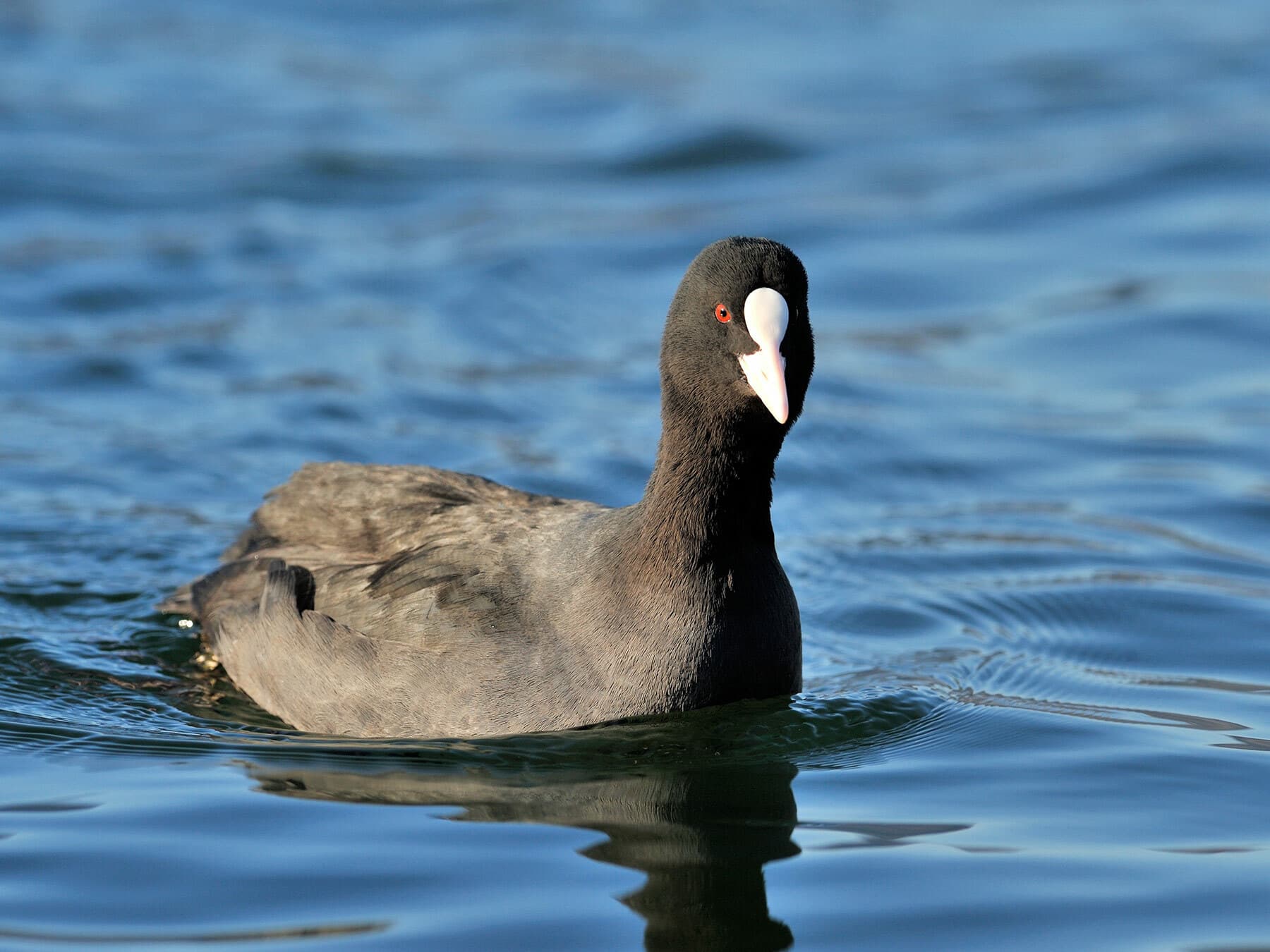
Coot
Fulica atraLC
A common year-round resident of lakes, reservoirs, and flooded gravel pits, often forming large winter flocks.
Year-round
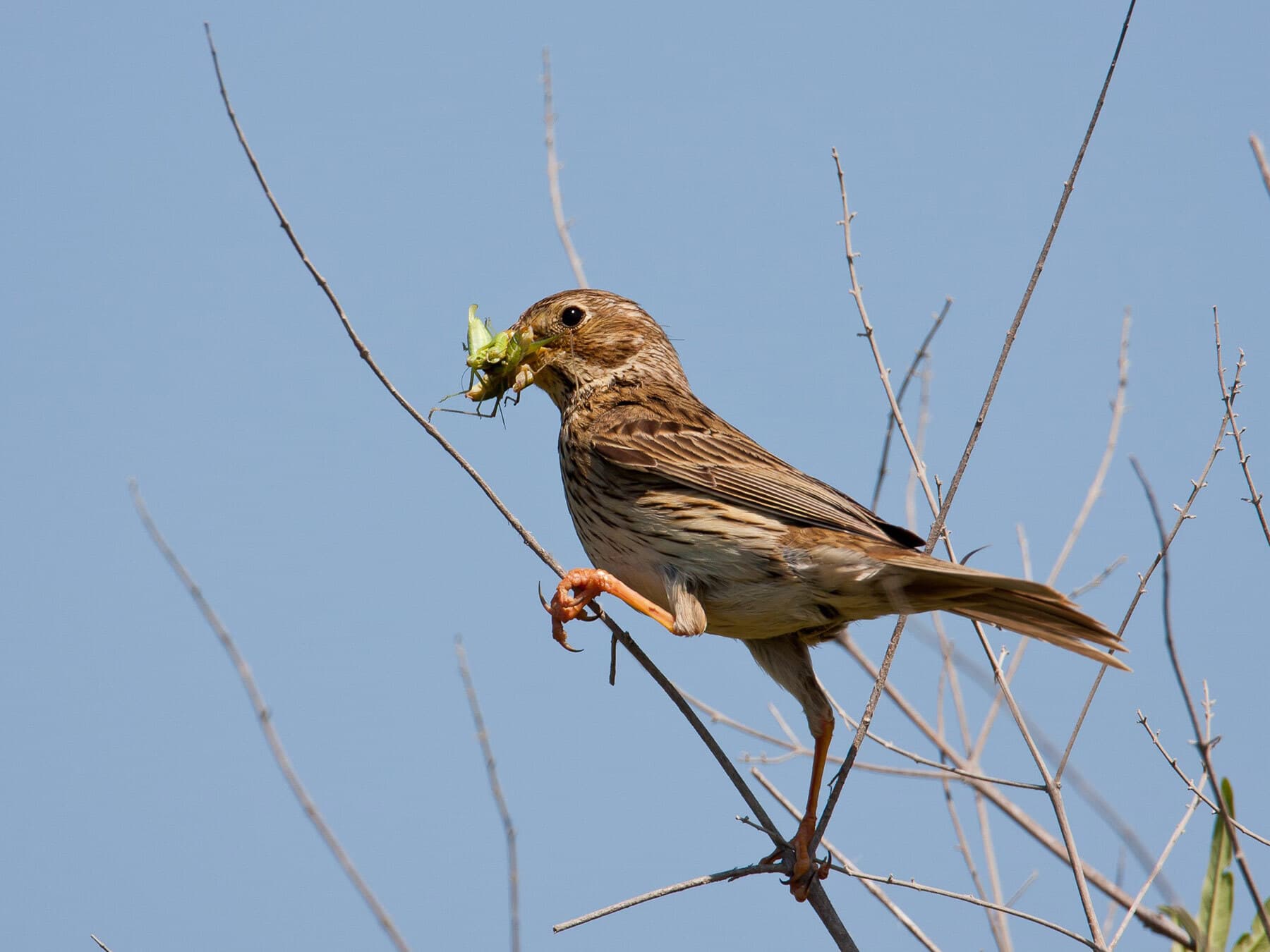
Corn Bunting
Emberiza calandraLC
A rare and declining resident of open arable farmland. One of the county's most threatened breeding birds.
Year-round
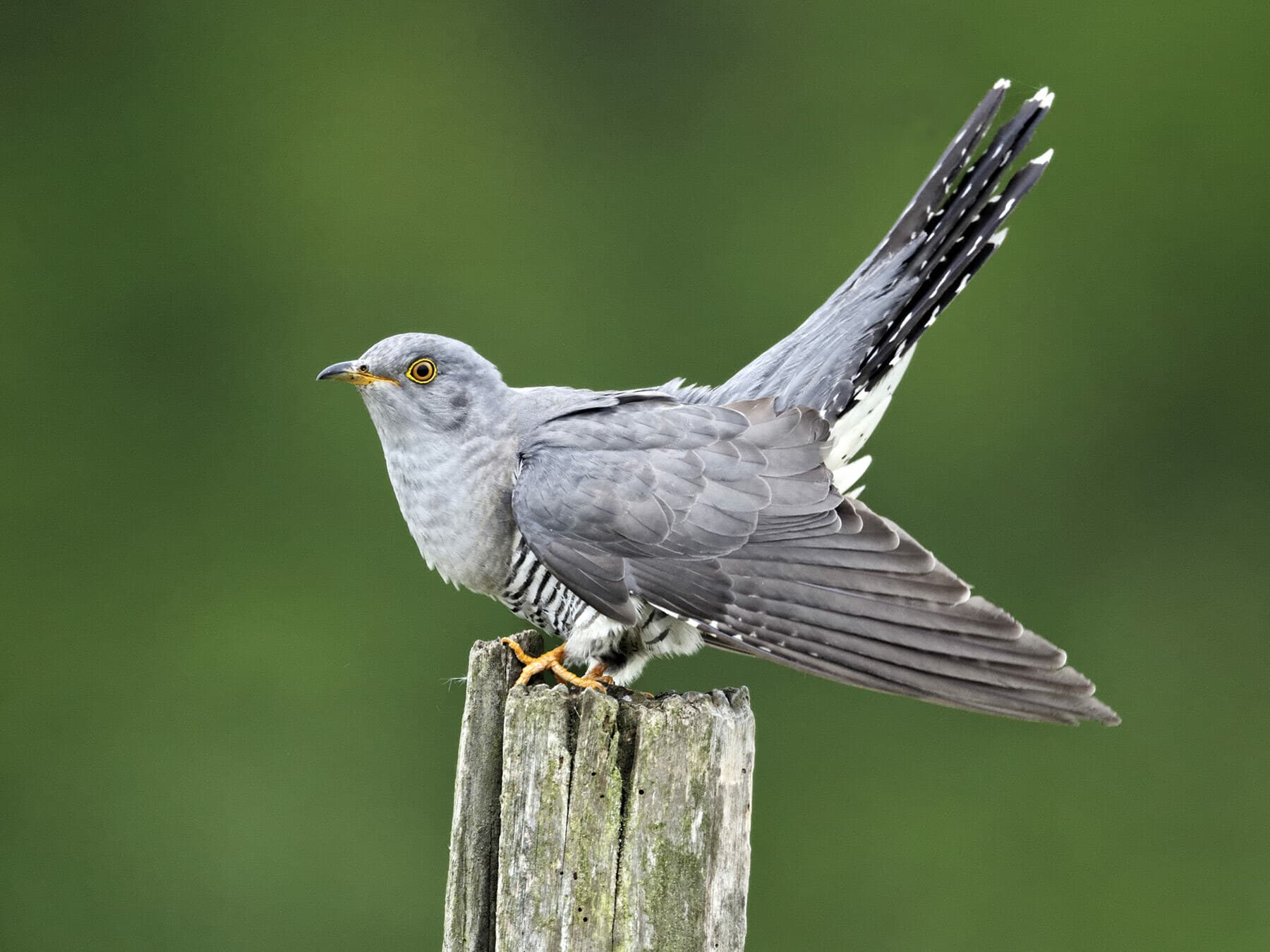
Cuckoo
Cuculus canorusLC
An uncommon summer visitor heard calling across heathland and woodland edges from April to July. Numbers are declining nationally.
Apr–Jul
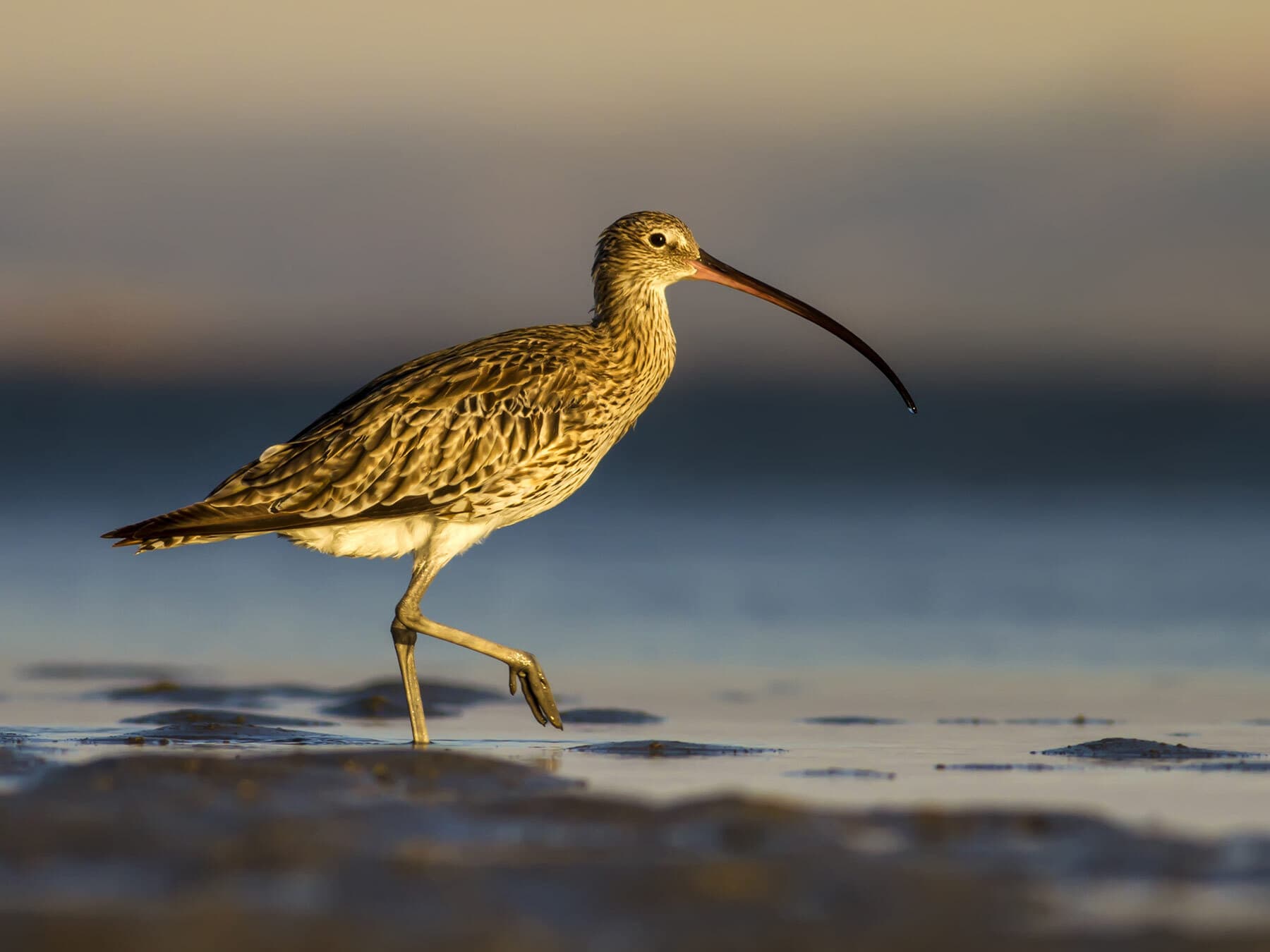
Curlew
Numenius arquataNT
Present year-round but uncommon, favouring estuaries and wet grassland. Its evocative call carries across harbours and the Downs.
Year-round
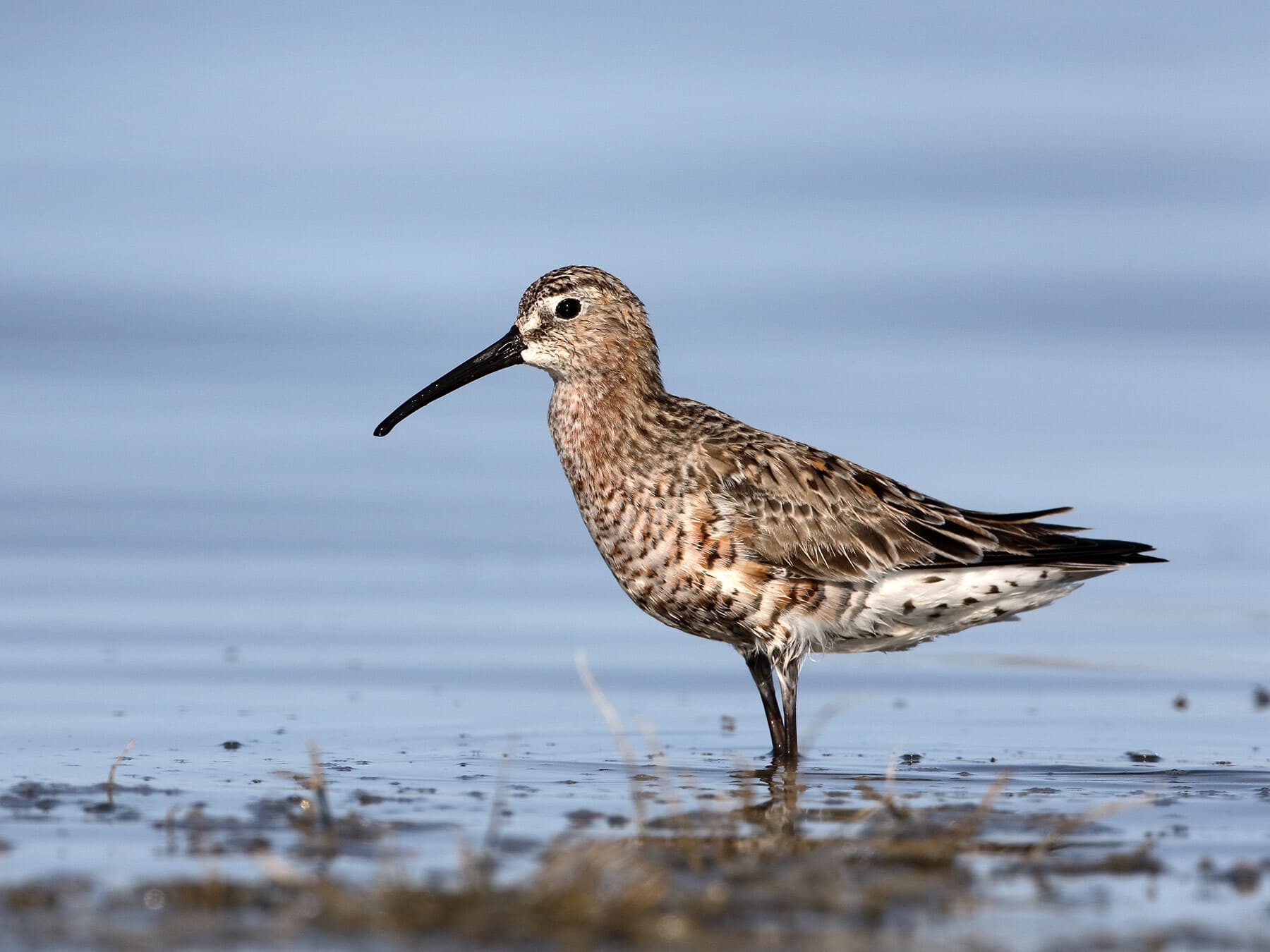
Curlew Sandpiper
Calidris ferrugineaNT
A rare autumn passage wader seen at coastal pools and mudflats from July to October, often among Dunlin flocks at sites like Pagham Harbour.
Jul–Oct
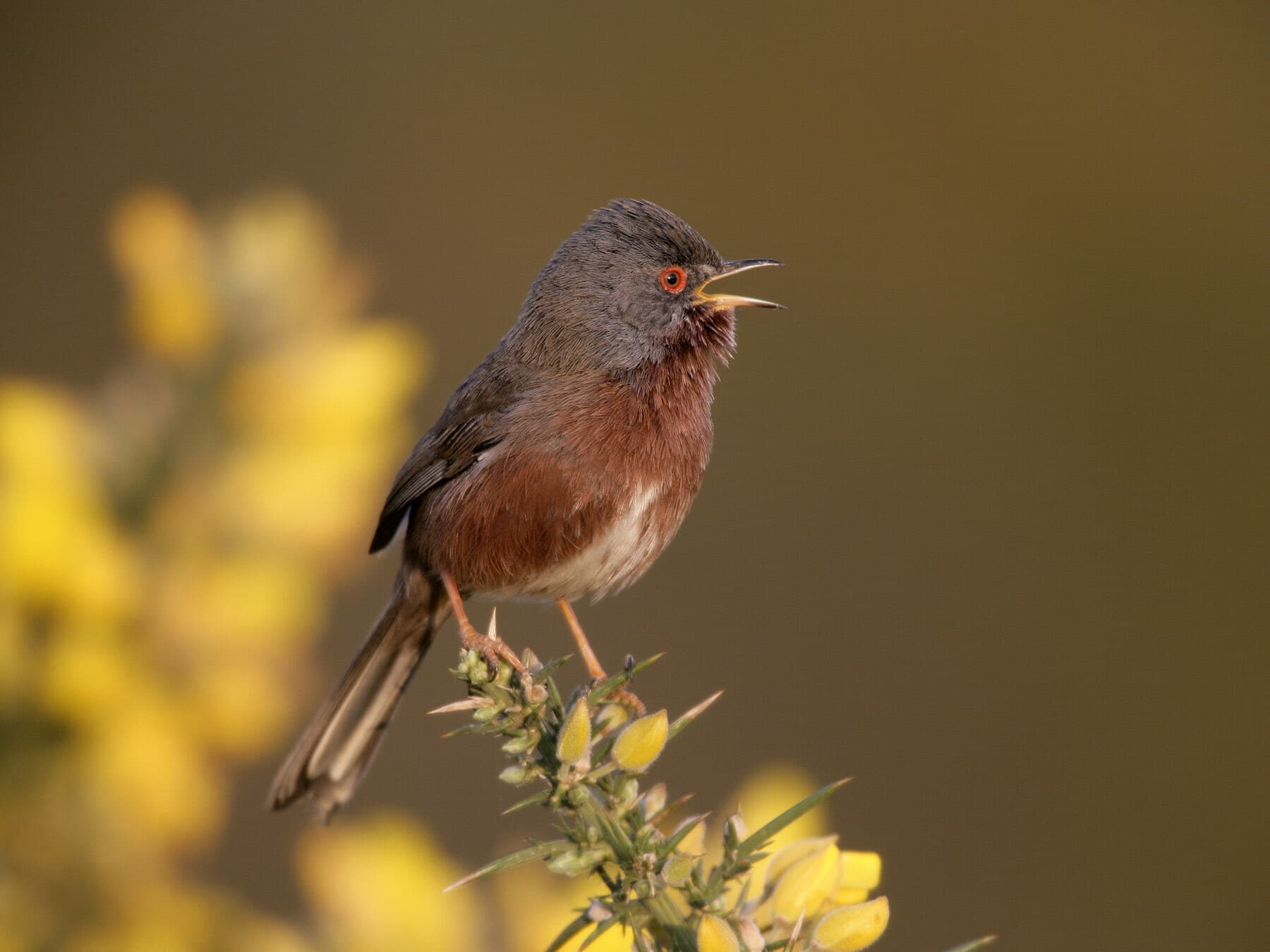
Dartford Warbler
Curruca undataNT
A rare but year-round resident of lowland heathland, notably at Iping Common. Vulnerable to harsh winters.
Year-round
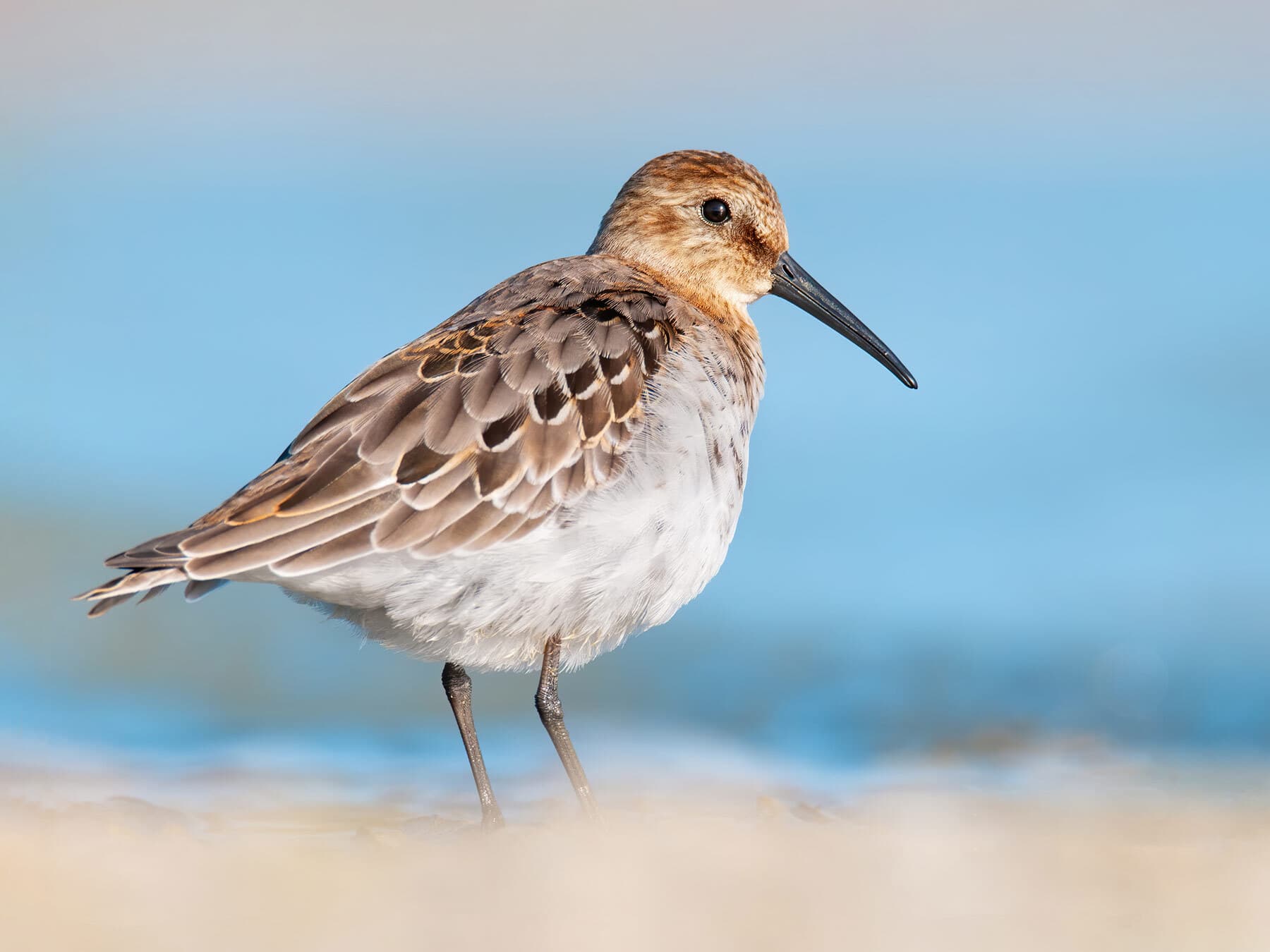
Dunlin
Calidris alpinaLC
An uncommon wader present year-round on coastal mudflats, with numbers peaking in winter at Chichester and Pagham harbours.
Year-round
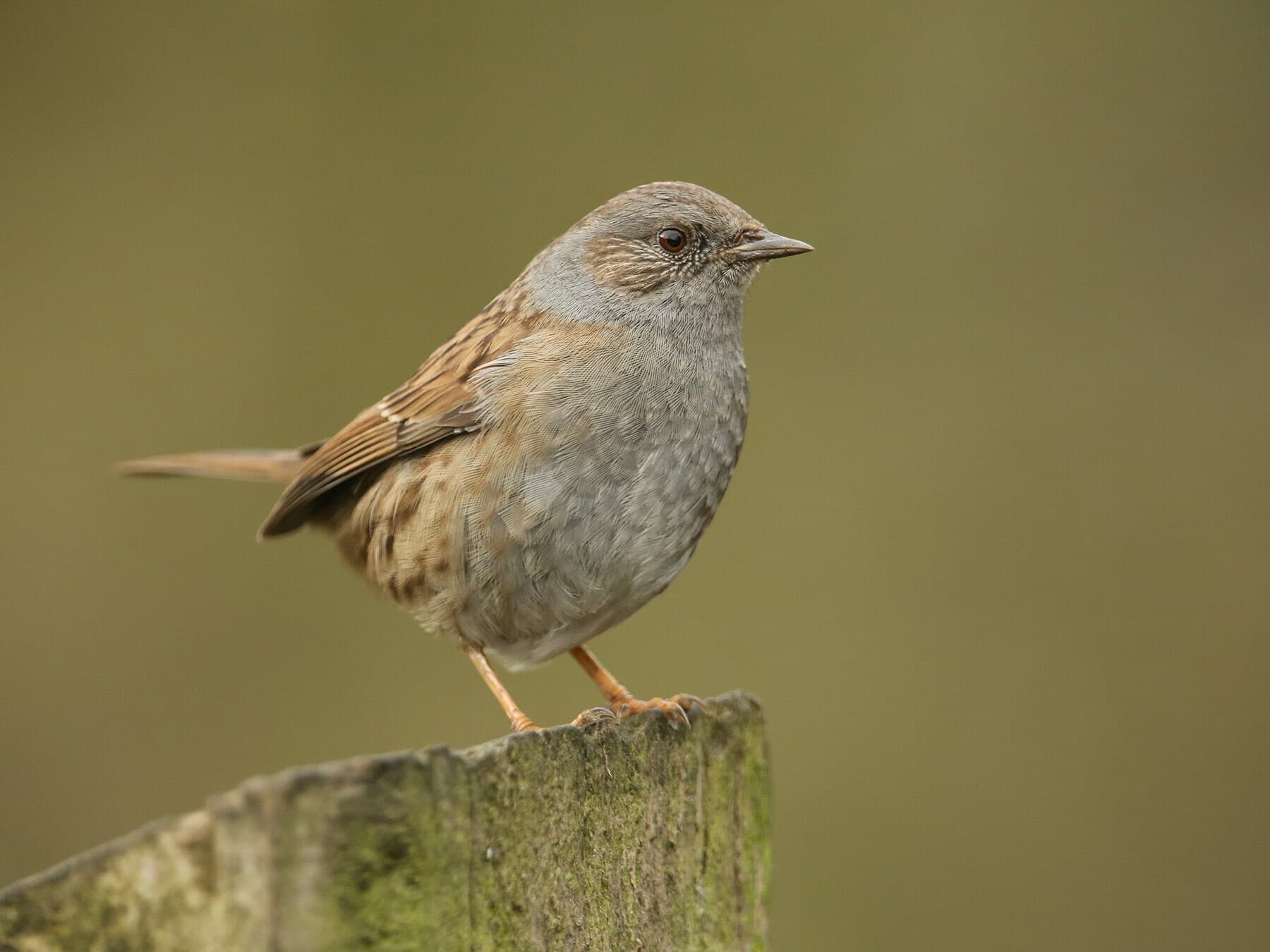
Dunnock
Prunella modularisLC
A common and widespread resident of gardens, hedgerows, and woodland edges. Often seen shuffling quietly beneath bird feeders.
Year-round
Spotted something?
Upload a photo to identify it
Identify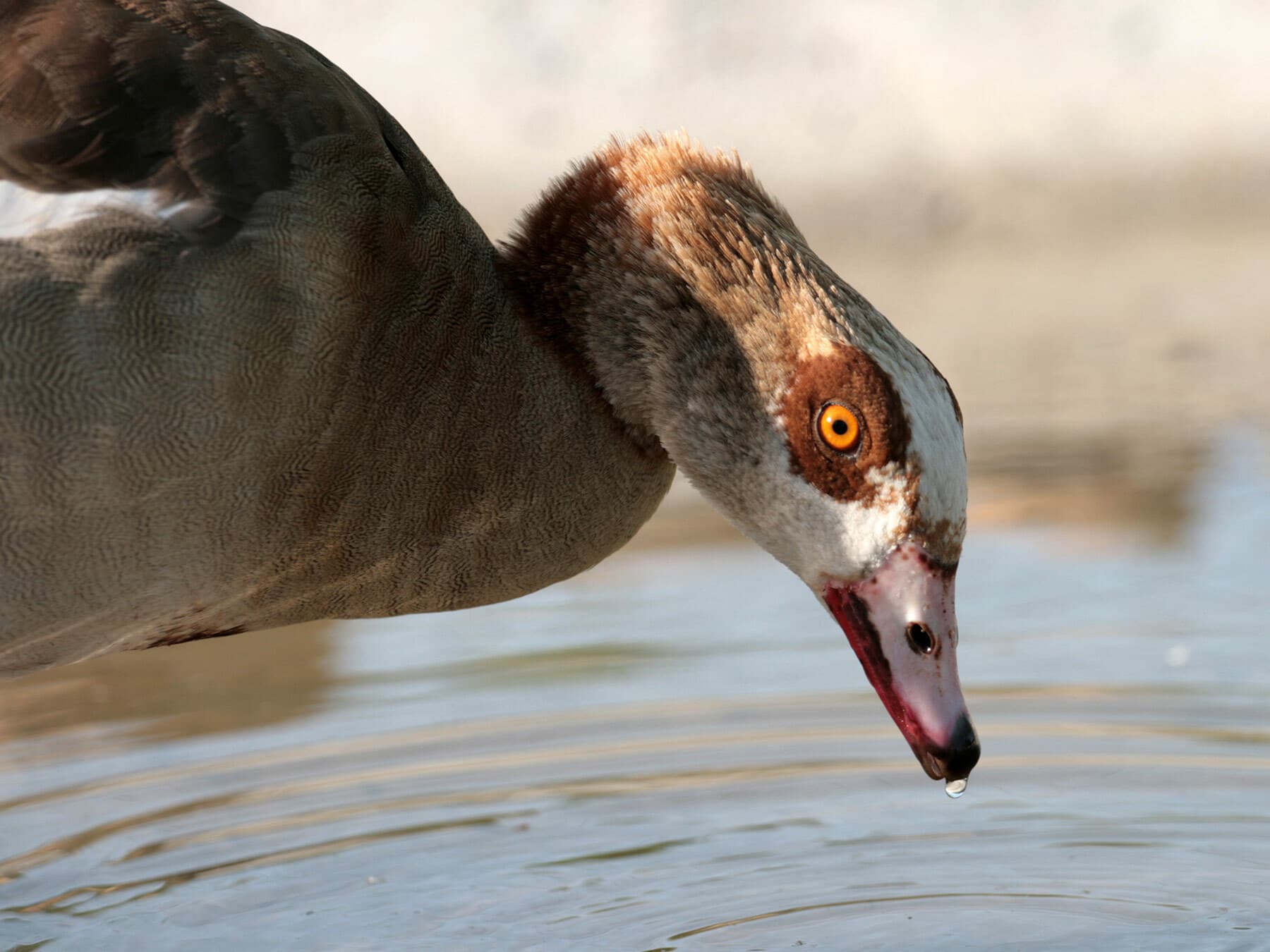
Egyptian Goose
Alopochen aegyptiacaLC
An established but uncommon resident, favouring parkland lakes and gravel pits. This naturalised species is slowly spreading across the county.
Year-round
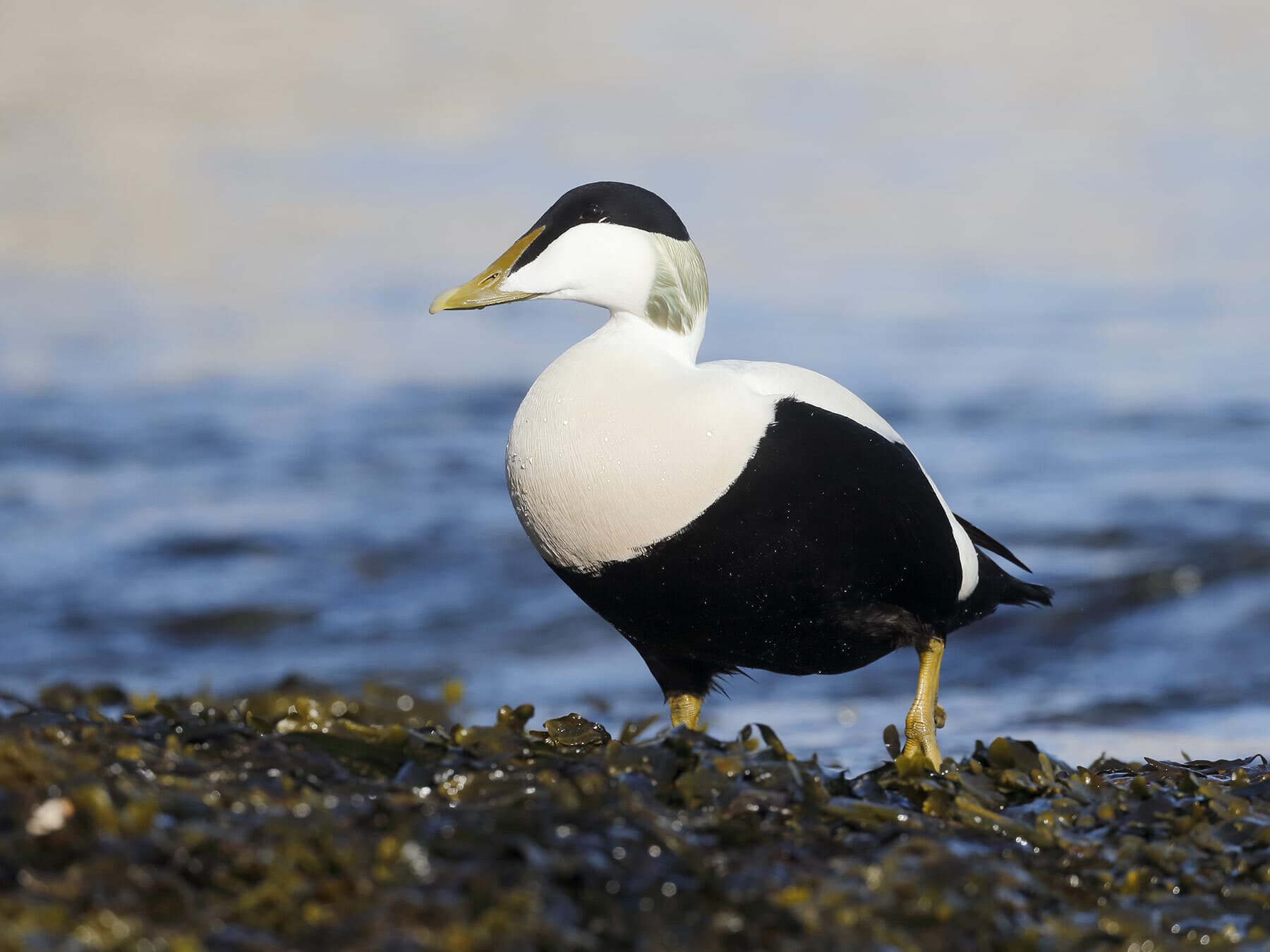
Eider
Somateria mollissimaNT
A scarce coastal resident seen mainly in the cooler months, favouring inshore waters off Selsey and the harbour approaches.
Oct–May
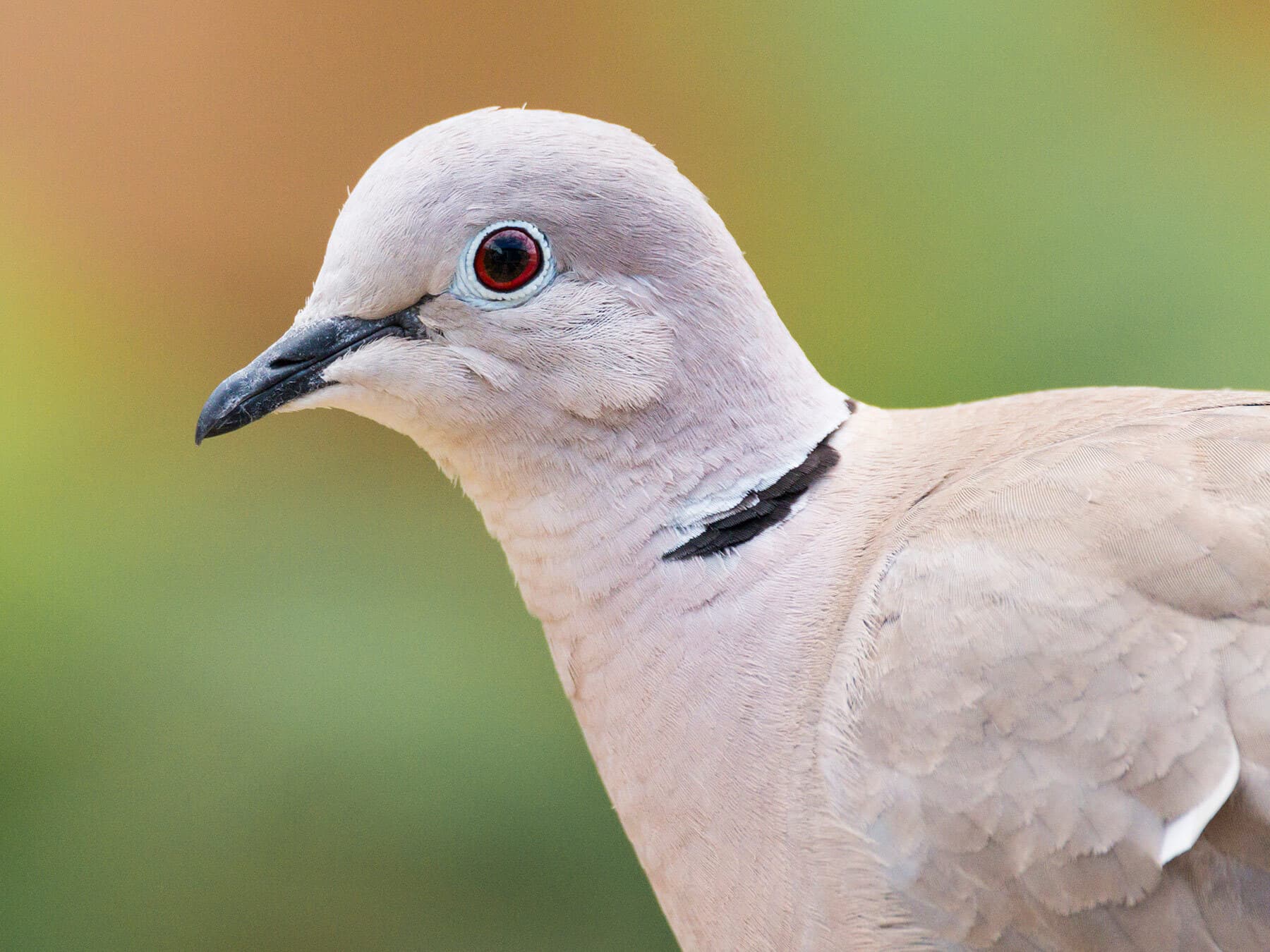
Eurasian Collared Dove
Streptopelia decaoctoLC
A common and familiar resident of gardens, farms, and villages throughout the county, heard calling year-round.
Year-round
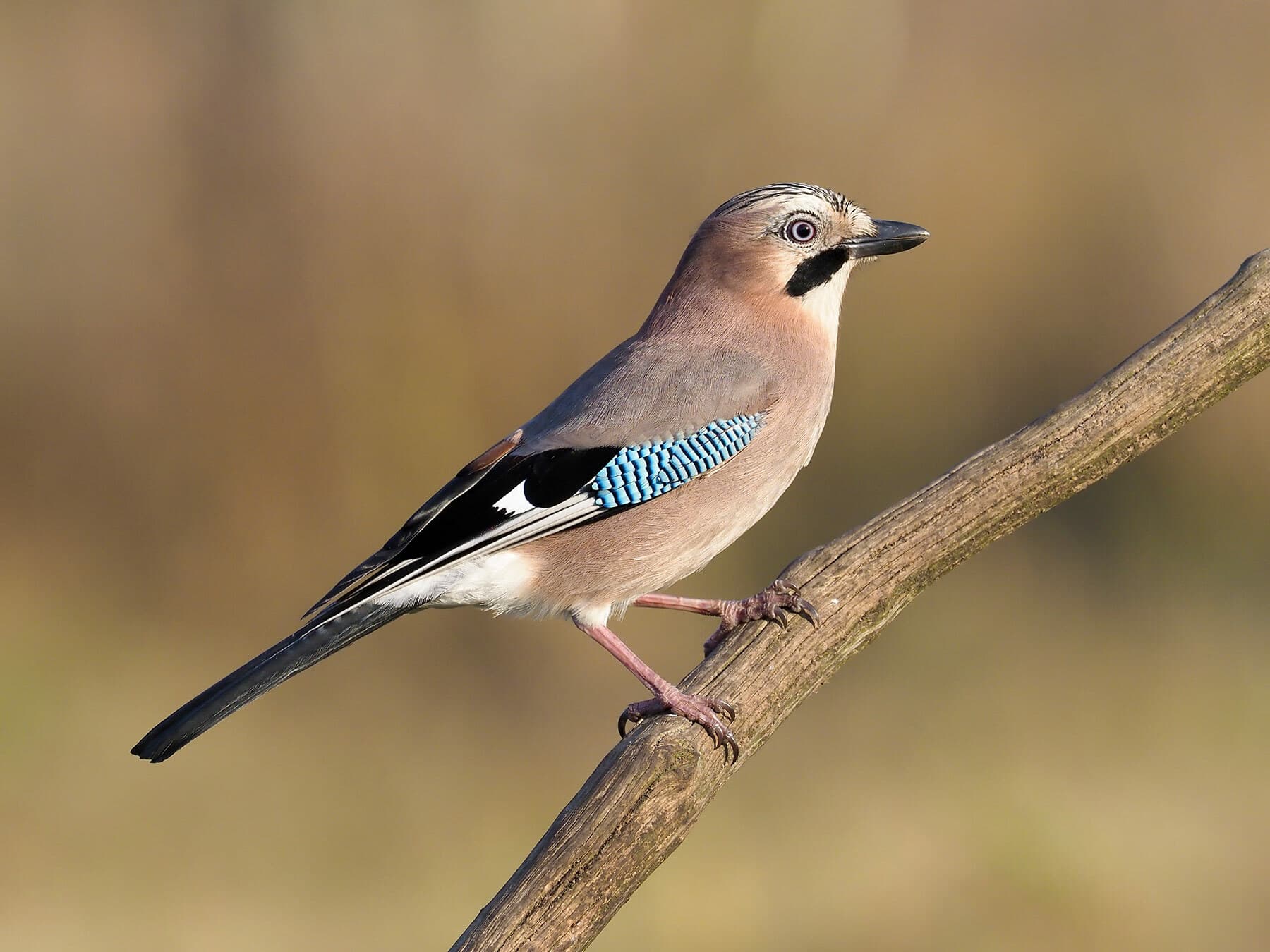
Eurasian Jay
Garrulus glandariusLC
A common and colourful resident of broadleaved woodland and mature gardens, busy caching acorns each autumn.
Year-round
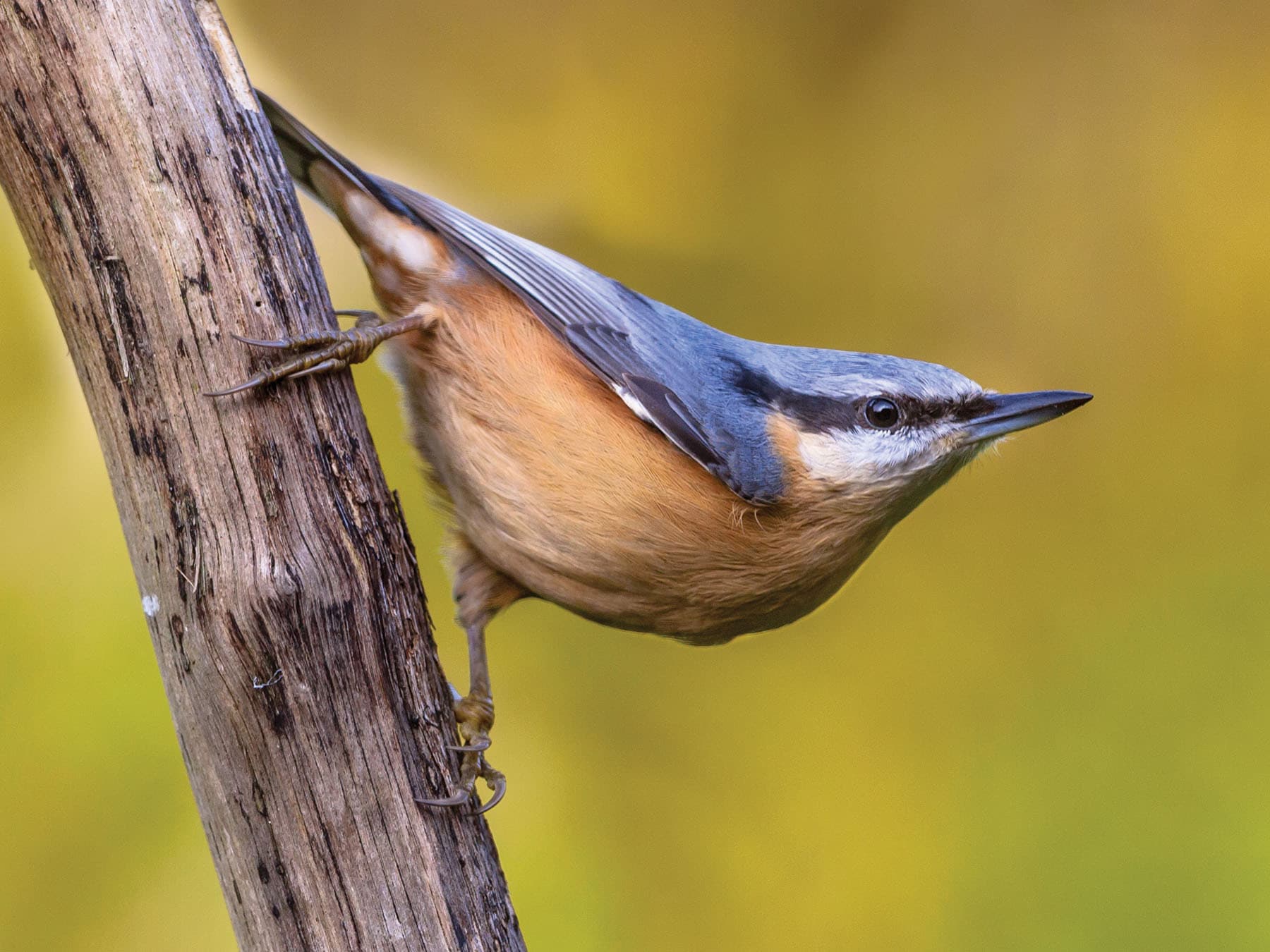
Eurasian Nuthatch
Sitta europaeaLC
An uncommon resident of mature broadleaved woodland, often heard before seen as it calls loudly from oak and beech trees.
Year-round
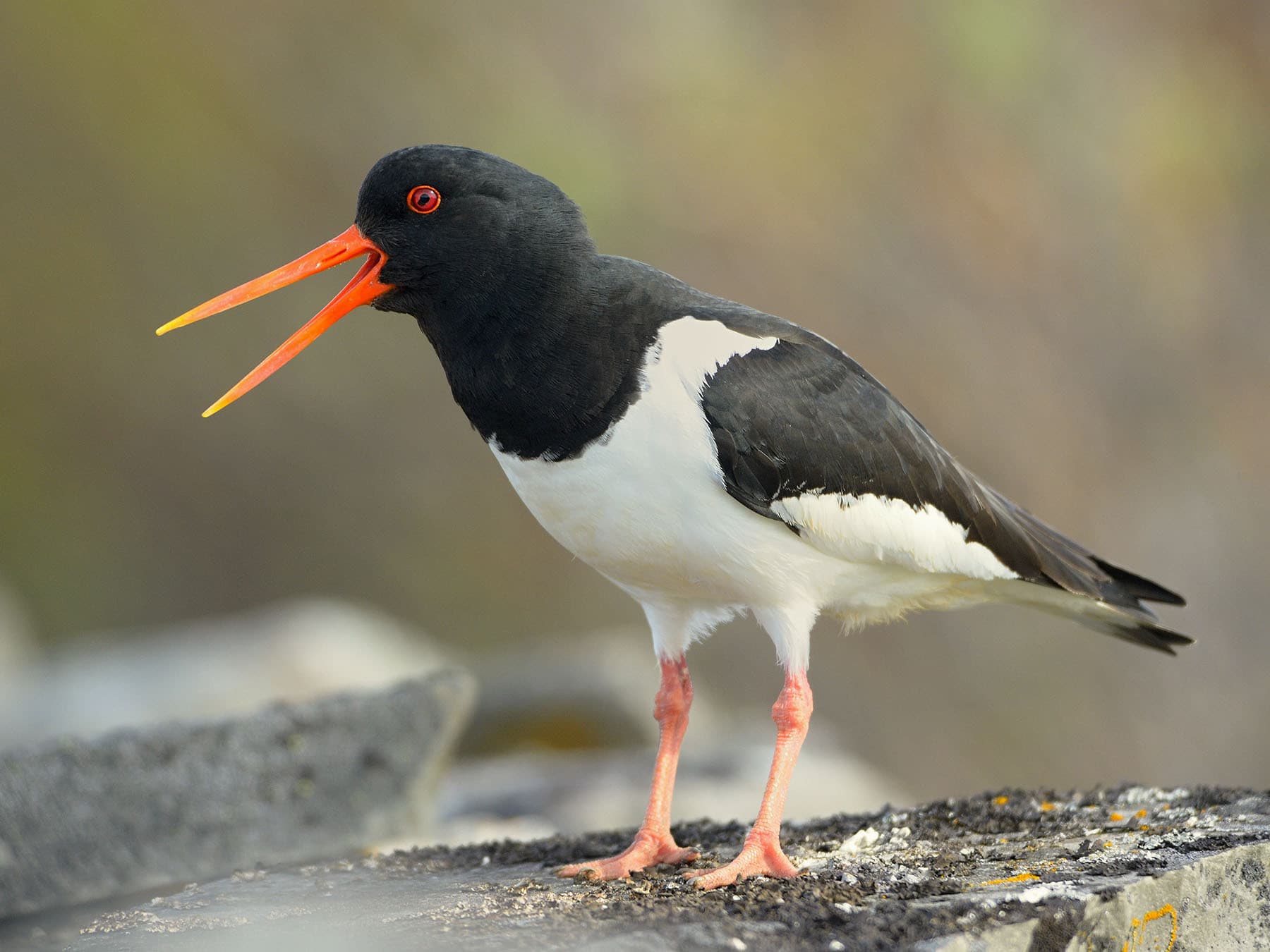
Eurasian Oystercatcher
Haematopus ostralegusNT
An uncommon but year-round resident of shingle beaches and estuaries, breeding at coastal sites like Pagham and Rye Harbour.
Year-round
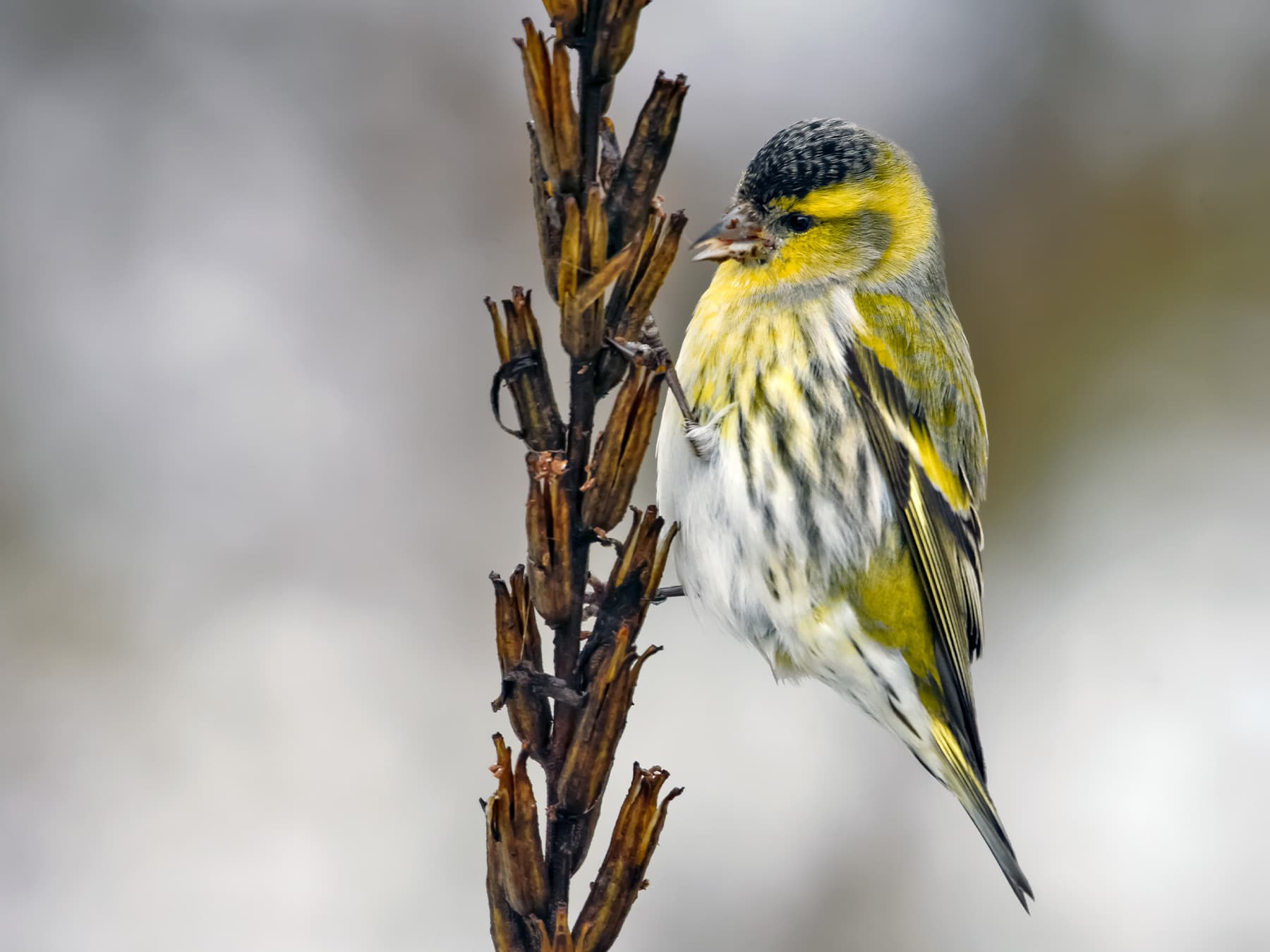
Eurasian Siskin
Spinus spinusLC
An uncommon resident, most conspicuous in winter when flocks visit alder and birch trees. Occasionally seen at garden feeders.
Year-round
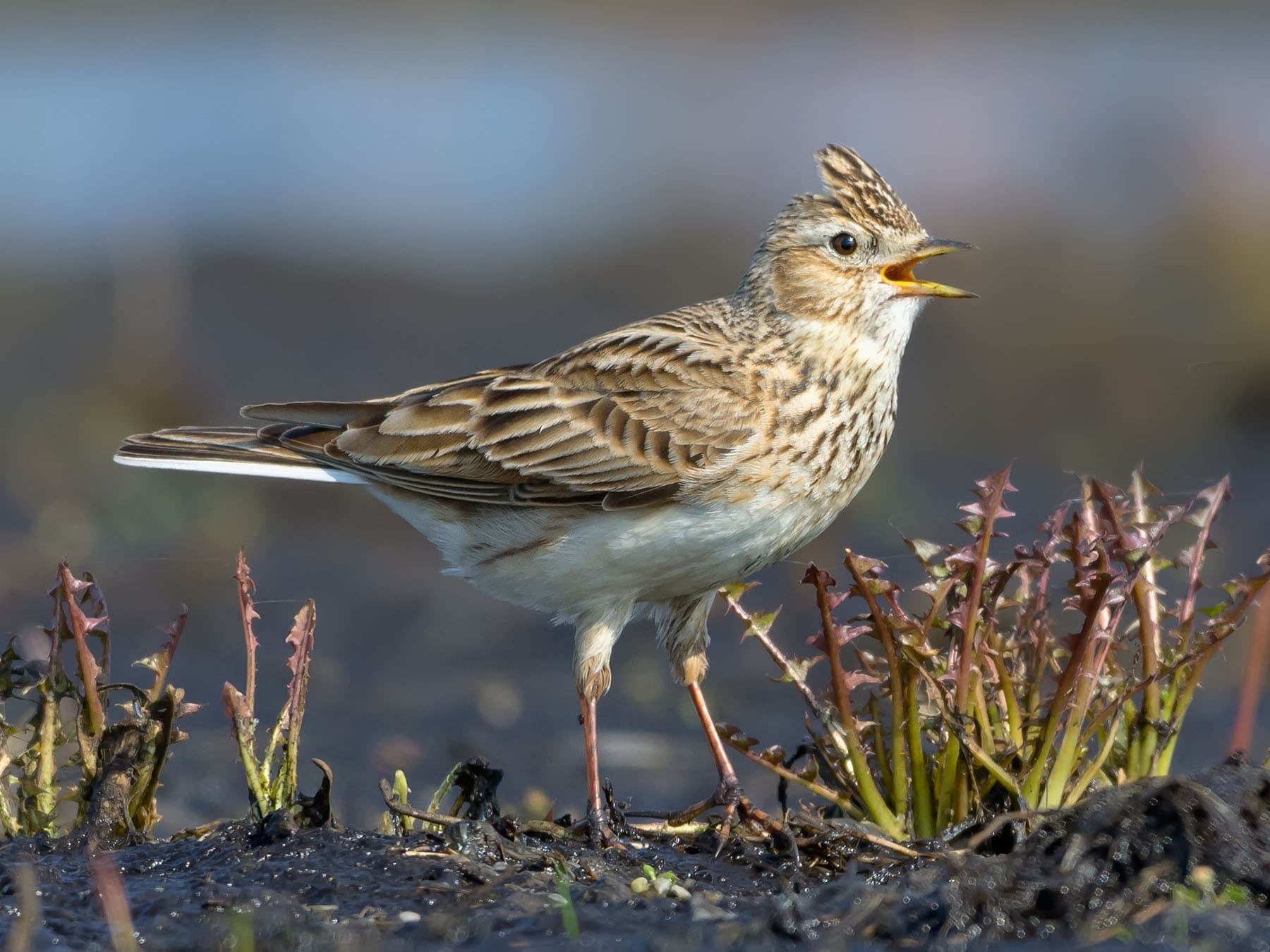
Eurasian Skylark
Alauda arvensisLC
A common resident of open farmland and the South Downs, singing in hovering flight from early spring. Declining nationally.
Year-round
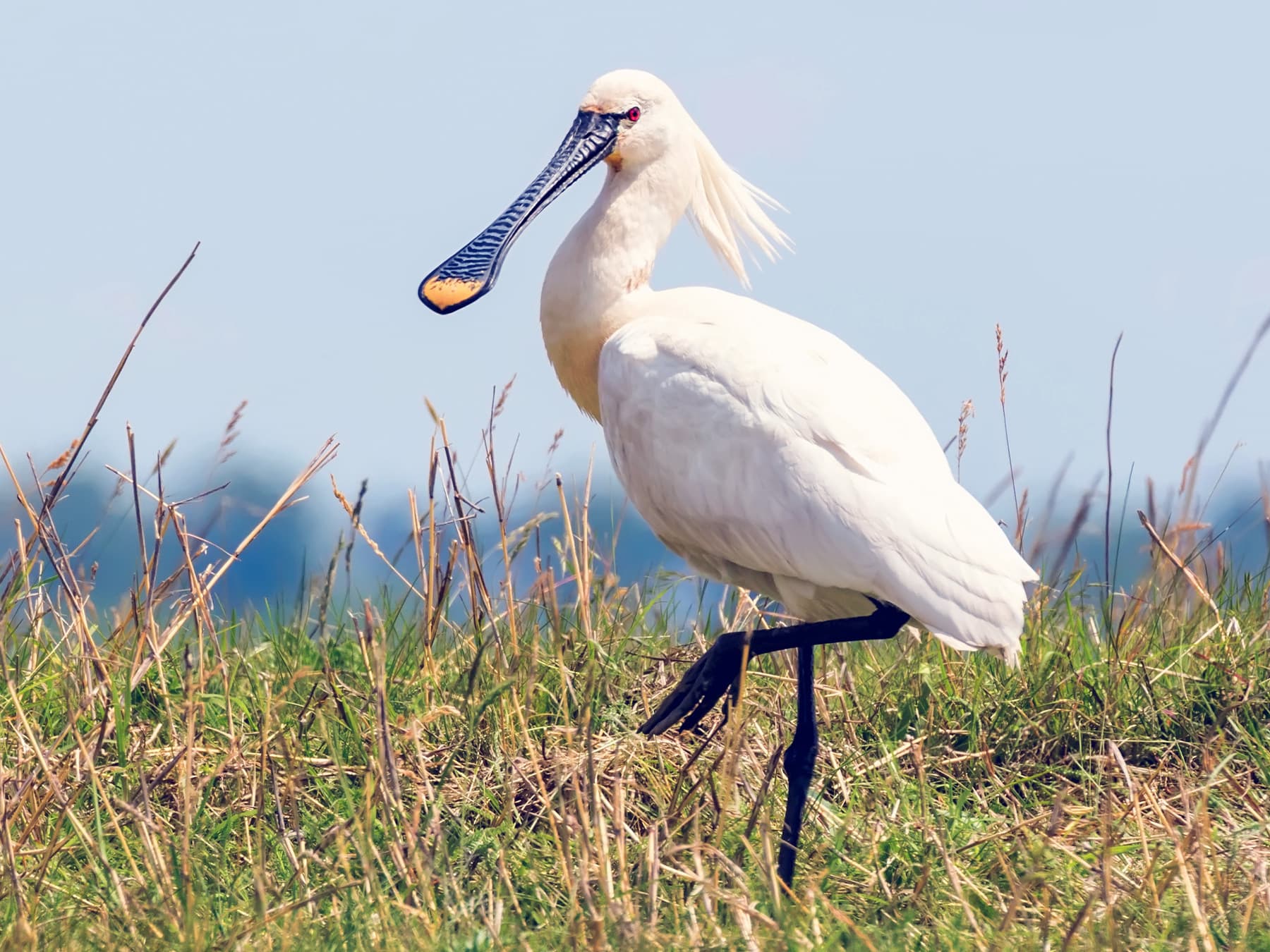
Eurasian Spoonbill
Platalea leucorodiaLC
A rare but increasingly regular passage visitor, seen at Pagham Harbour and Pulborough Brooks in summer and early autumn.
Jun–Oct
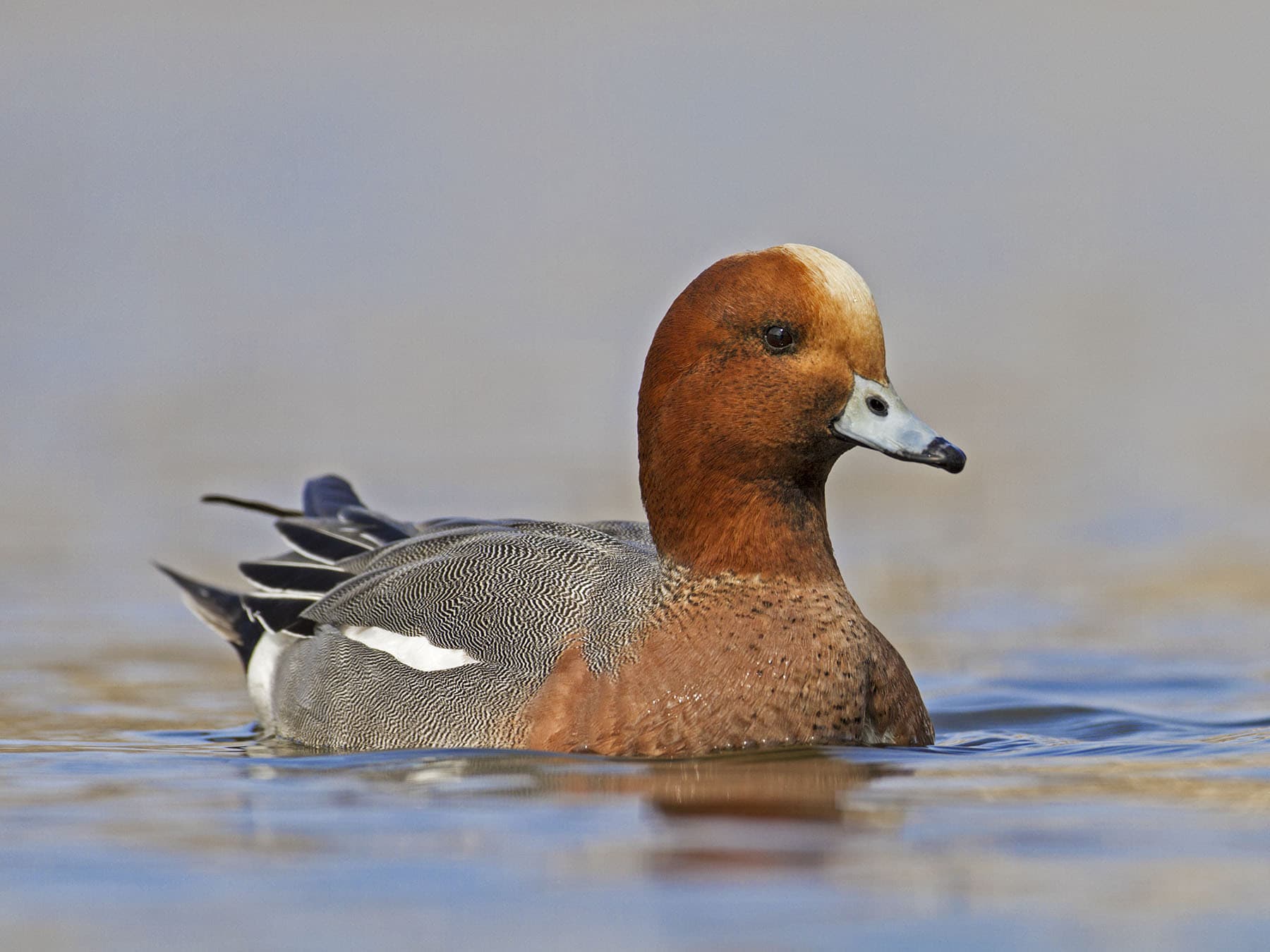
Eurasian Wigeon
Mareca penelopeLC
Common on coastal marshes and flooded fields, with large wintering flocks at Pulborough Brooks and Chichester Harbour.
Year-round
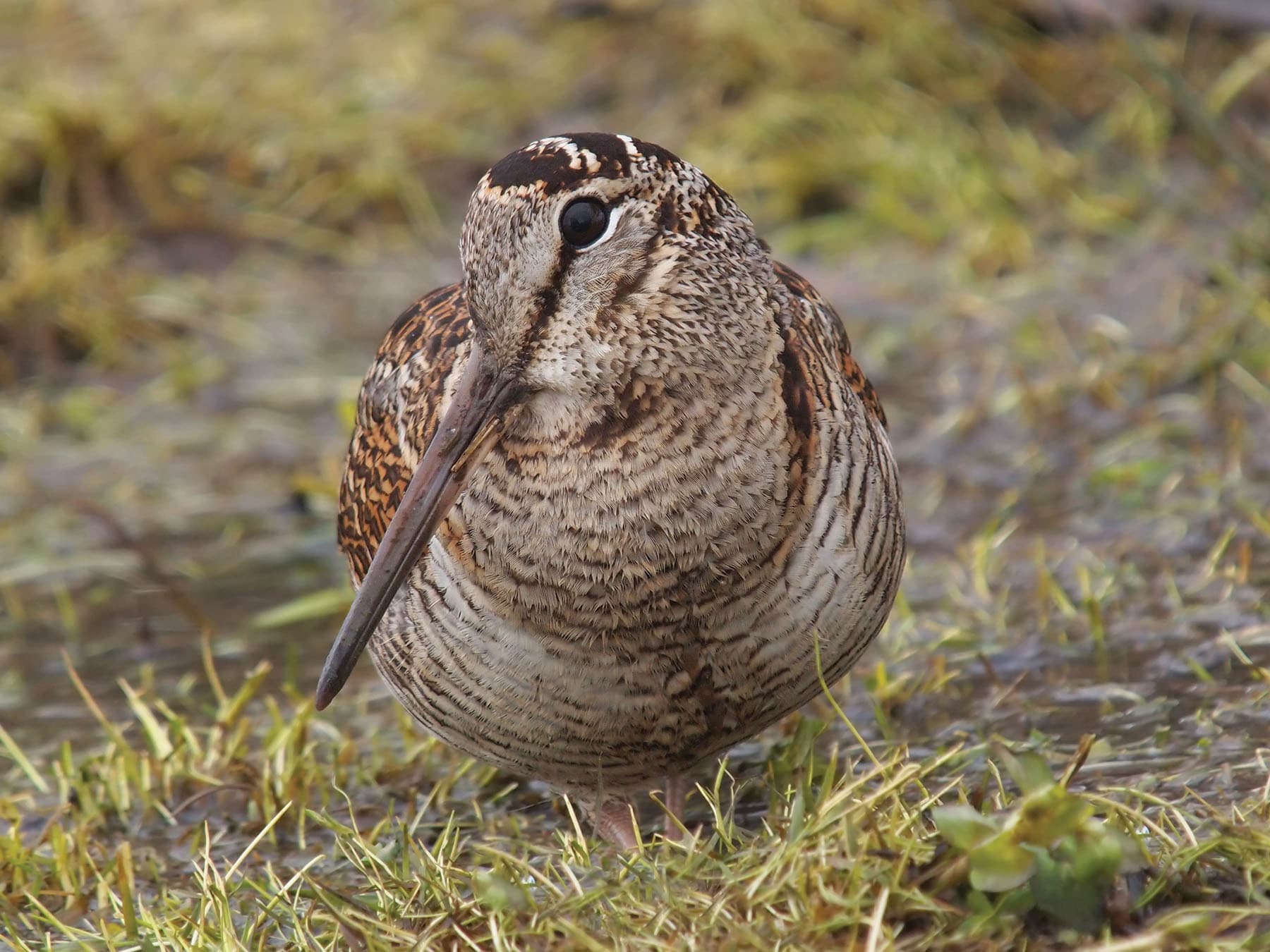
Eurasian Woodcock
Scolopax rusticolaLC
A rare and secretive winter visitor to damp woodland and hedgerows, most often flushed from cover during cold weather.
Nov–Jun
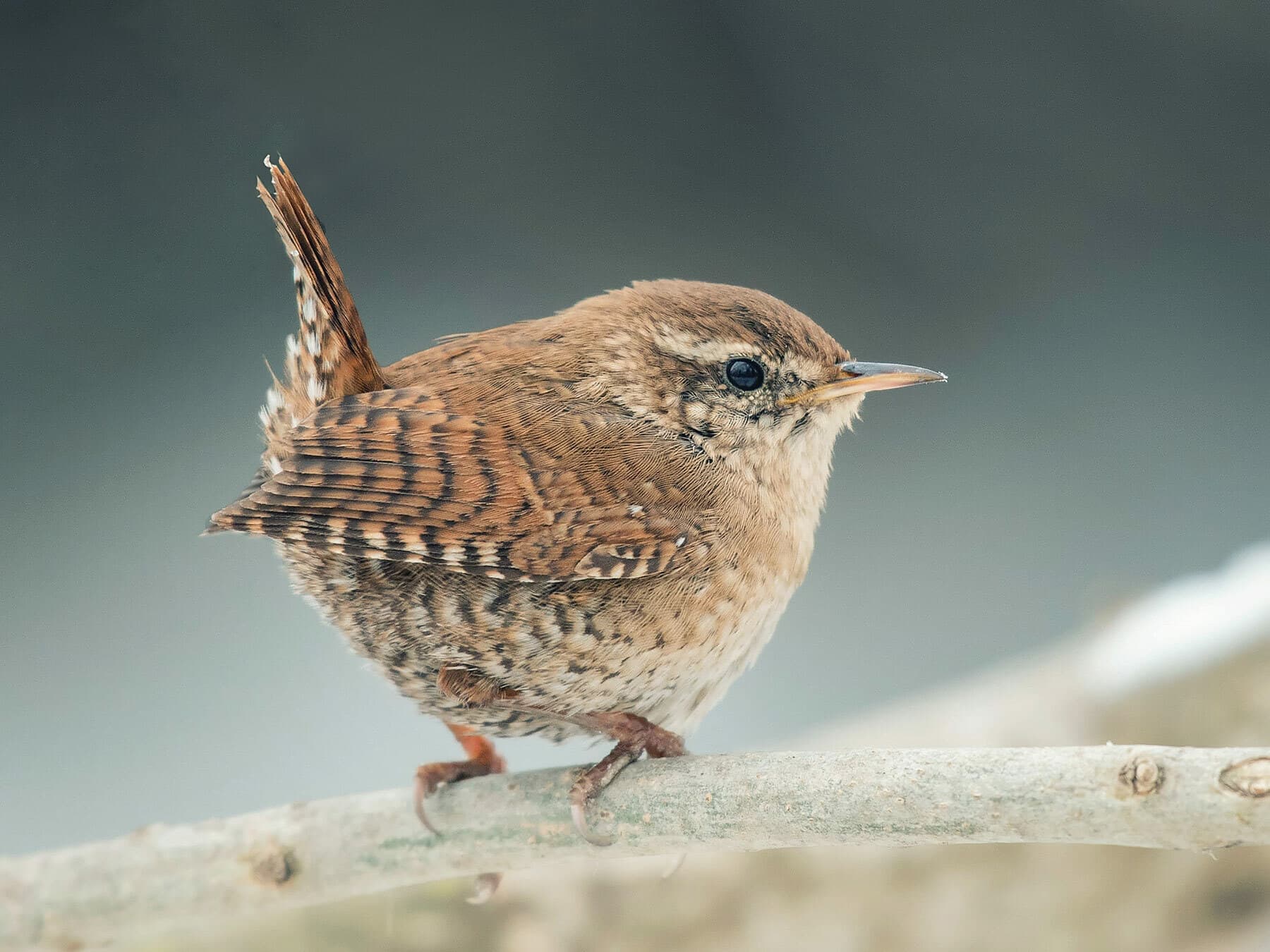
Eurasian Wren
Troglodytes troglodytesLC
A loud and assertive resident found in virtually every habitat with dense cover. One of the county's most widespread breeding birds.
Year-round
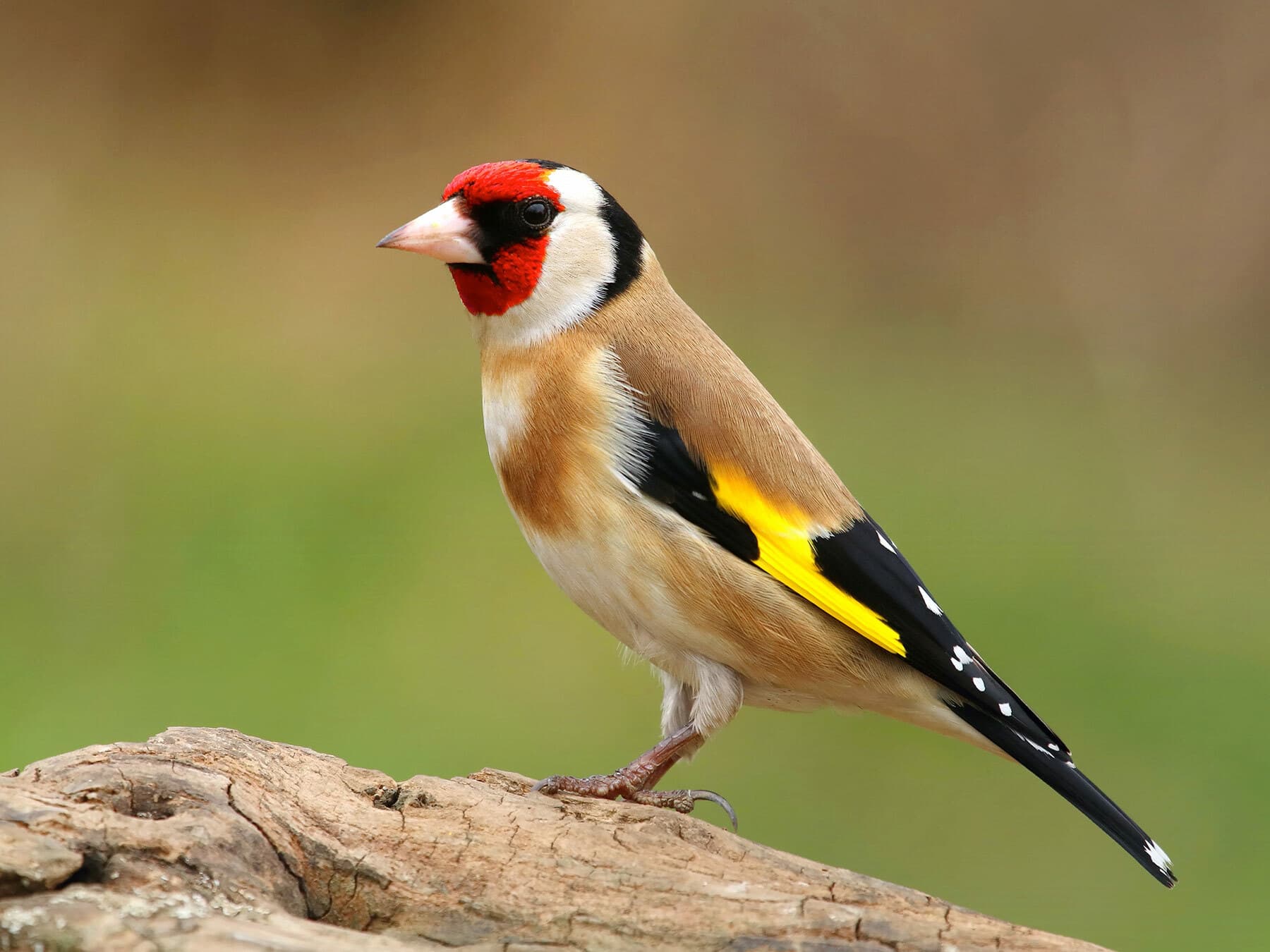
European Goldfinch
Carduelis carduelisLC
A common and colourful resident, frequently visiting garden feeders. Flocks gather on teasel and thistle heads in autumn.
Year-round
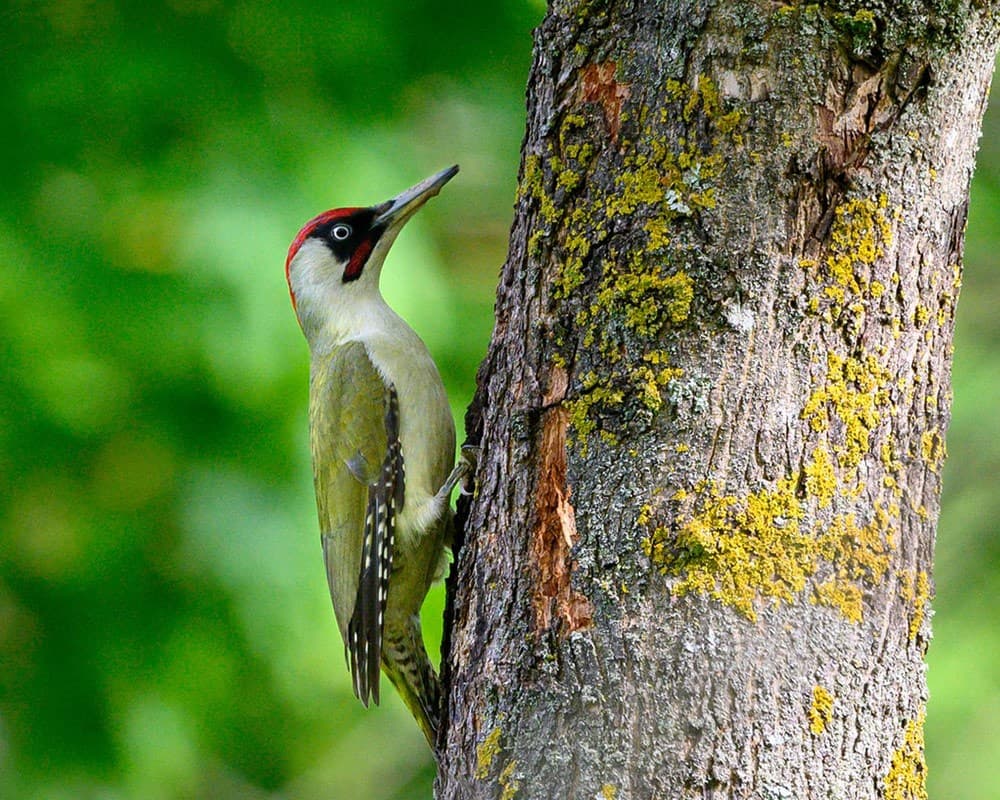
European Green Woodpecker
Picus viridisLC
A common resident of parkland and downland turf, often heard giving its loud, laughing 'yaffle' call year-round.
Year-round
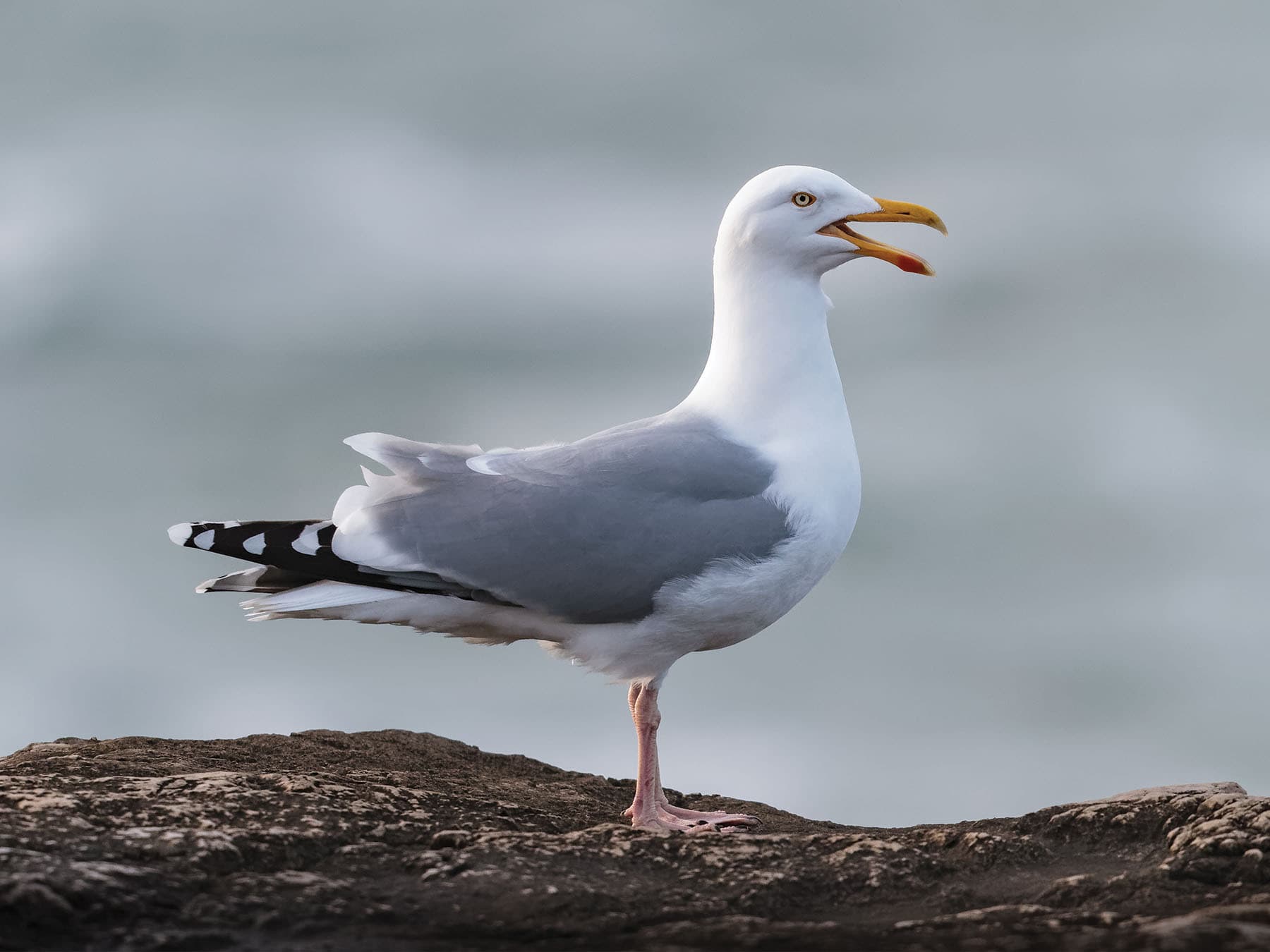
European Herring Gull
Larus argentatusLC
A common and conspicuous year-round resident, nesting on rooftops in coastal towns and foraging widely inland.
Year-round