Uncommon Birds in England
99 species matching this filter.
England is home to around 95 uncommon bird species that reward patient and knowledgeable observers with truly memorable sightings. From the ethereal Barn Owl quartering farmland at dusk to the striking Eurasian Stone-curlew on dry heathlands and the elegant Common Crane returning to eastern wetlands, these birds occupy a fascinating range of habitats across the country. Whether scanning coastal waters for Arctic Jaegers and Great Skuas or exploring ancient woodlands for Eurasian Woodcock, birders willing to venture beyond the usual hotspots will find England's uncommon species well worth the effort.


Showing 47–69 of 99 species
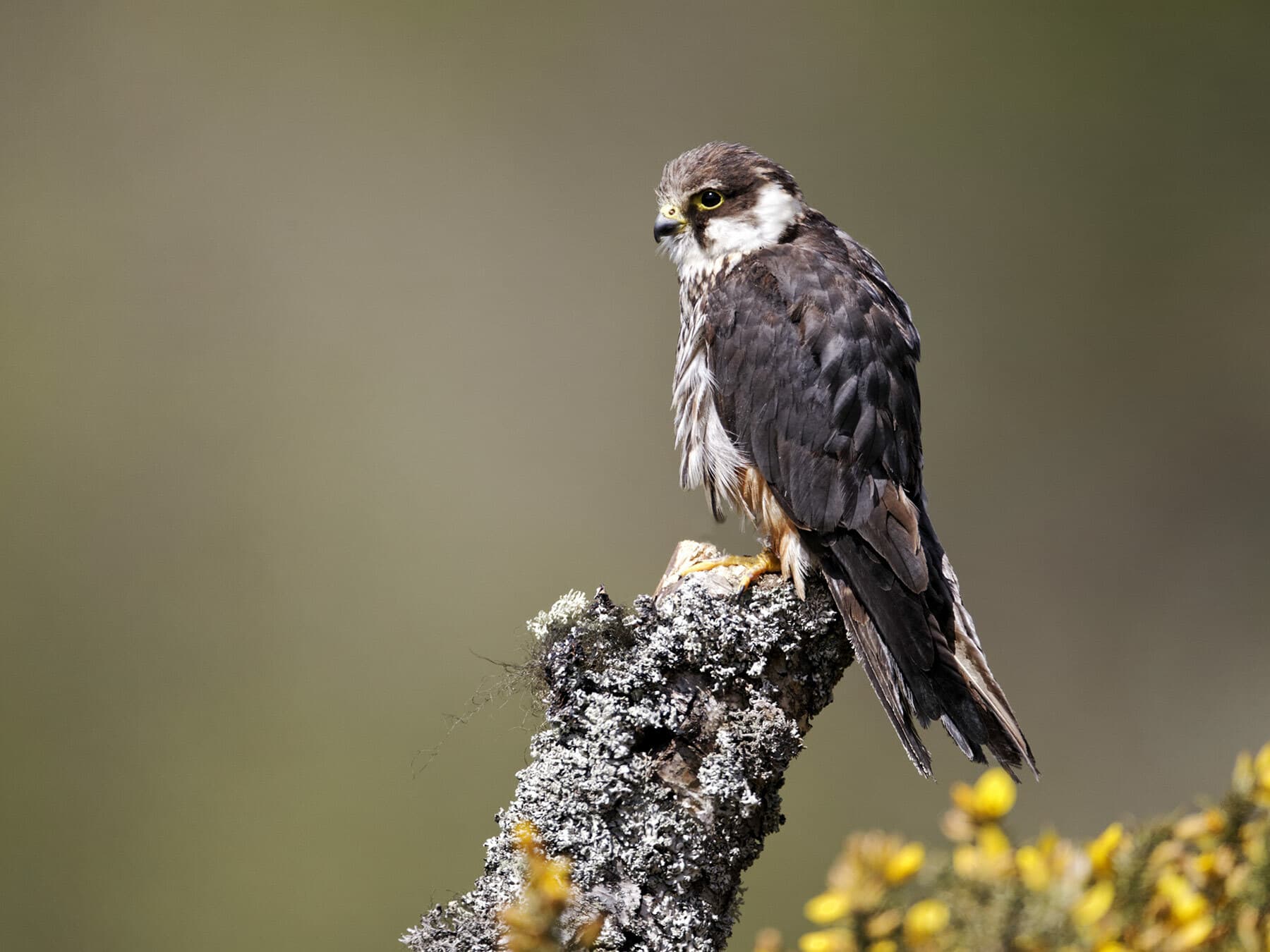
Hobby
Falco subbuteoLC
An elegant summer visitor arriving in April, hunting dragonflies and small birds over heathland, wetlands, and farmland across southern England.
Apr–Oct
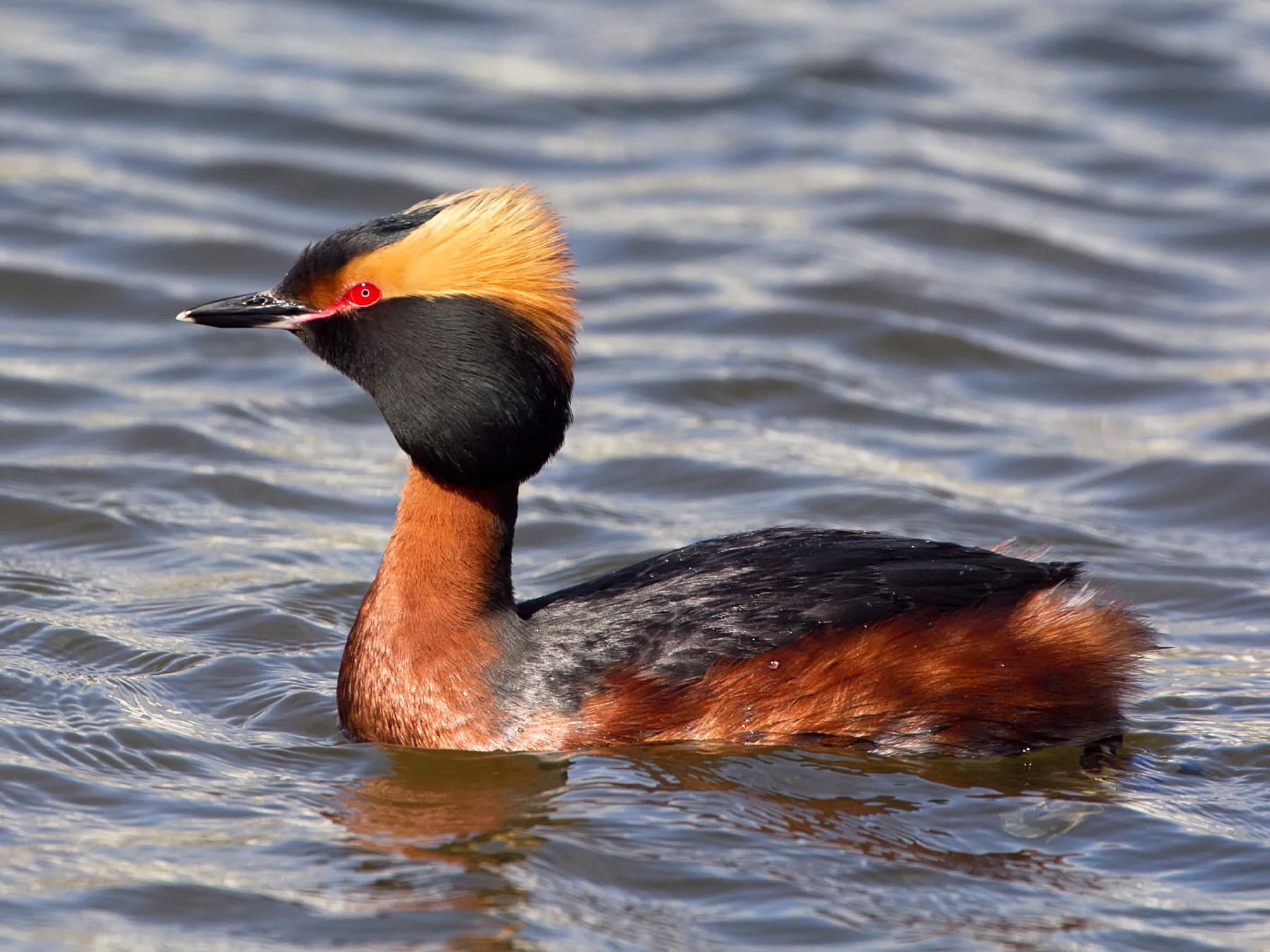
Horned Grebe
Podiceps auritusVU
An uncommon grebe mainly seen in winter on sheltered coasts and estuaries. A very scarce breeder in England, with most nesting in Scotland.
Oct–Jul
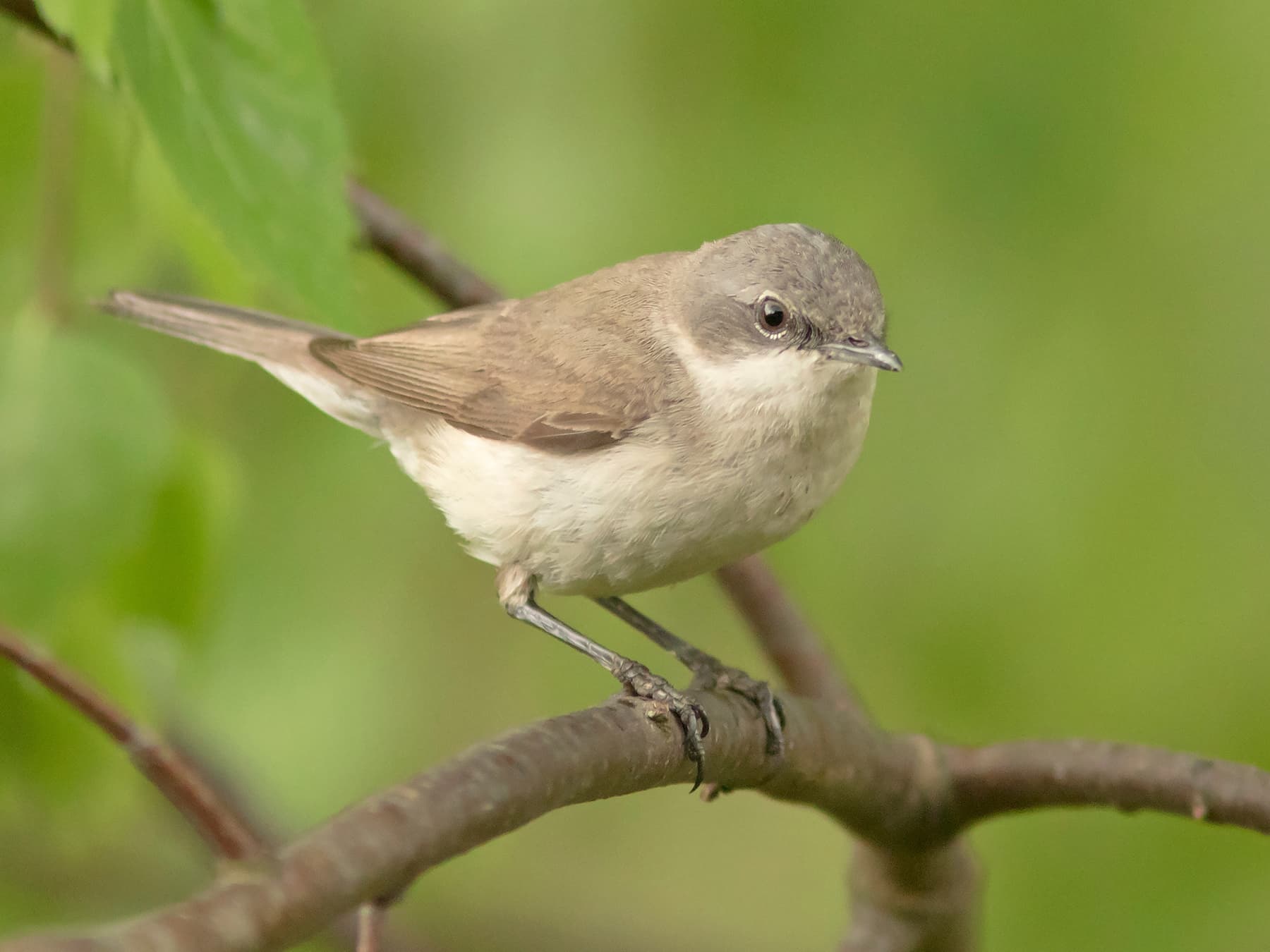
Lesser Whitethroat
Curruca currucaLC
An uncommon summer breeder in hedgerows and scrubby habitats, arriving in April and departing by October. Has a distinctive rattling song.
Apr–Oct
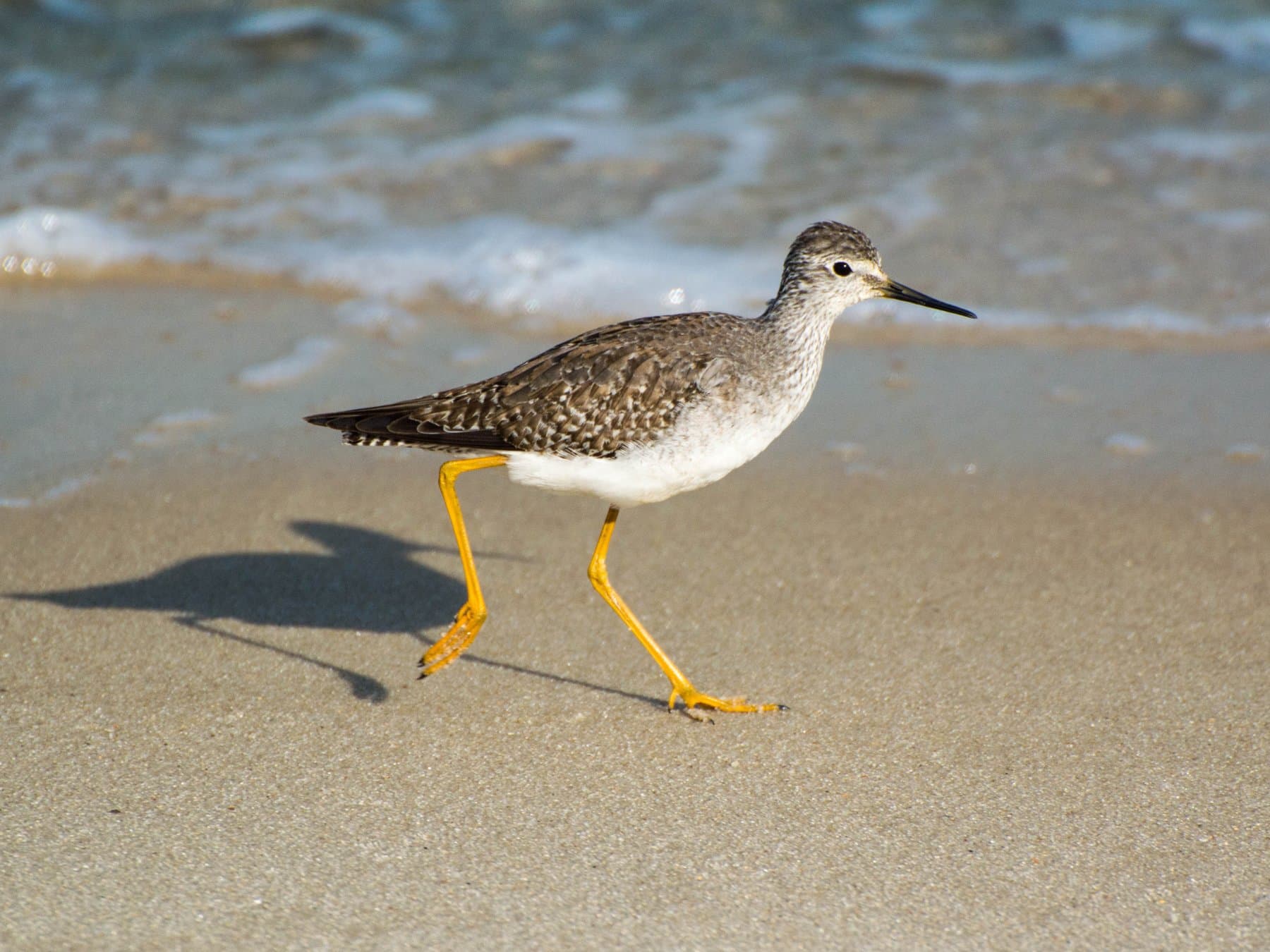
Lesser Yellowlegs
Tringa flavipesVU
An uncommon Nearctic wader occasionally recorded at freshwater pools and coastal marshes. A prized find for birders, most likely at well-watched wetland reserves.
Year-round
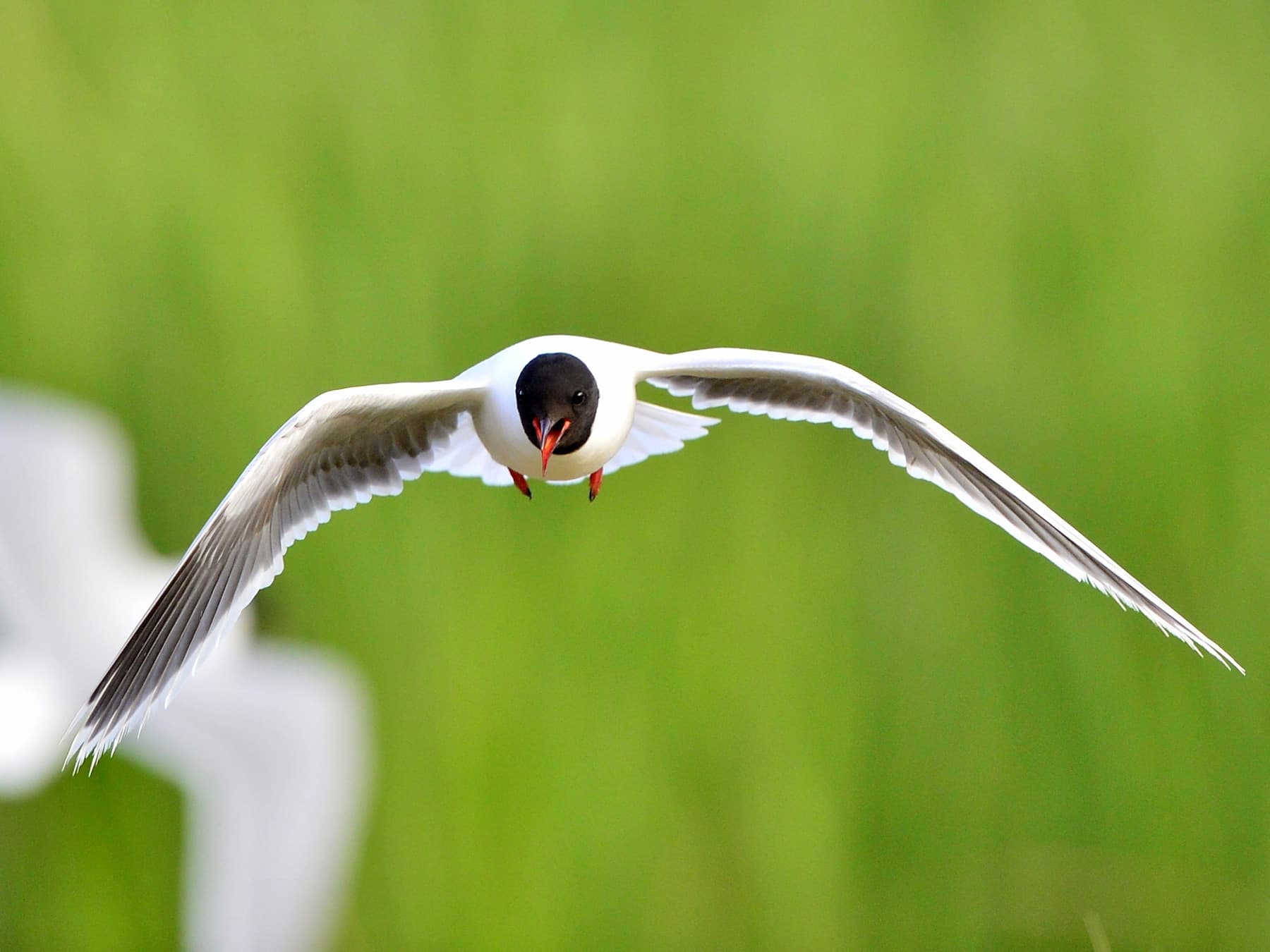
Little Gull
Hydrocoloeus minutusLC
An uncommon but regular gull, seen year-round at reservoirs, coastal waters and estuaries. The world's smallest gull, with a buoyant flight.
Year-round
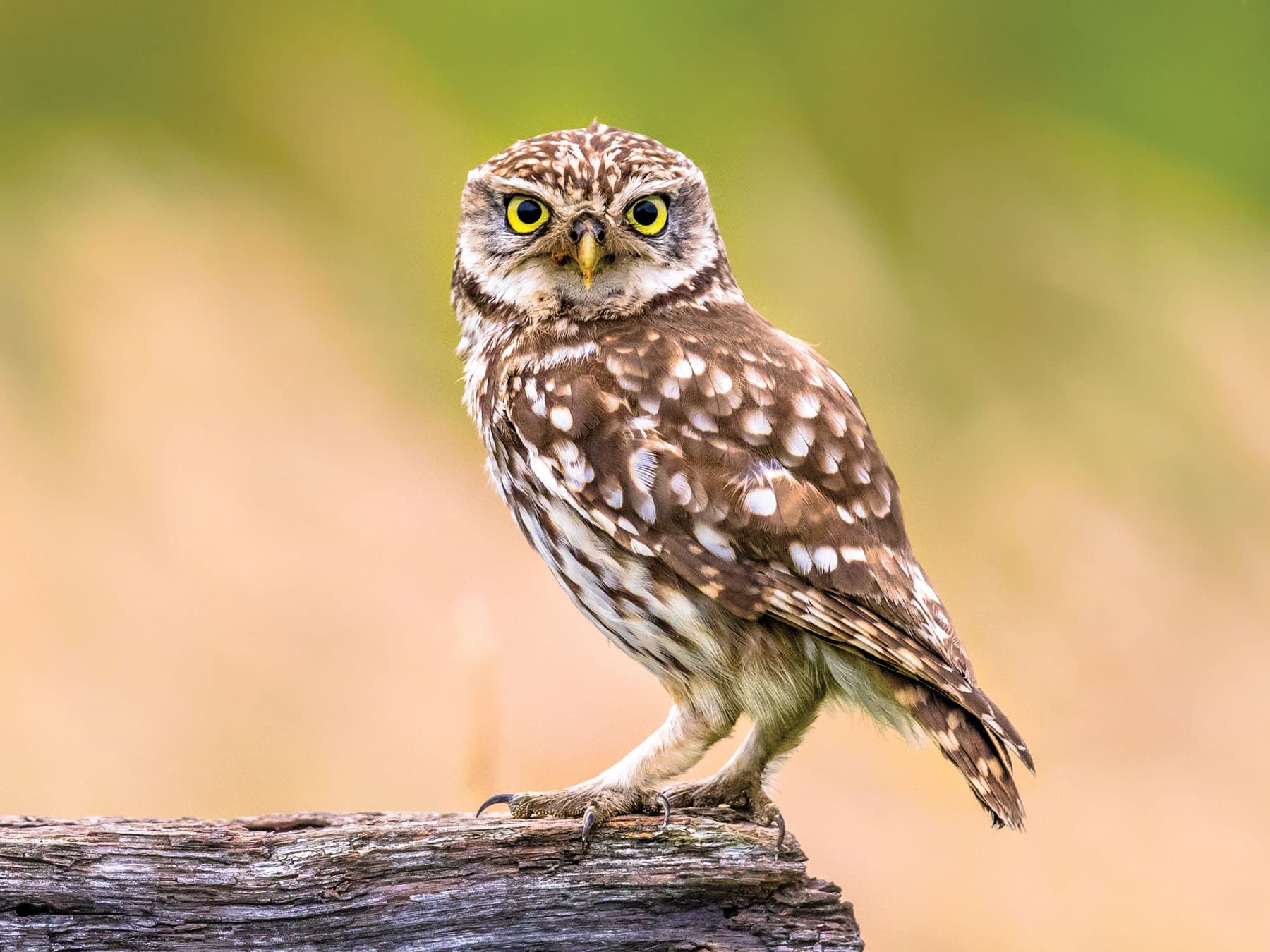
Little Owl
Athene noctuaLC
An introduced resident found in farmland, orchards, and parkland year-round. Often perches prominently on posts and walls.
Year-round
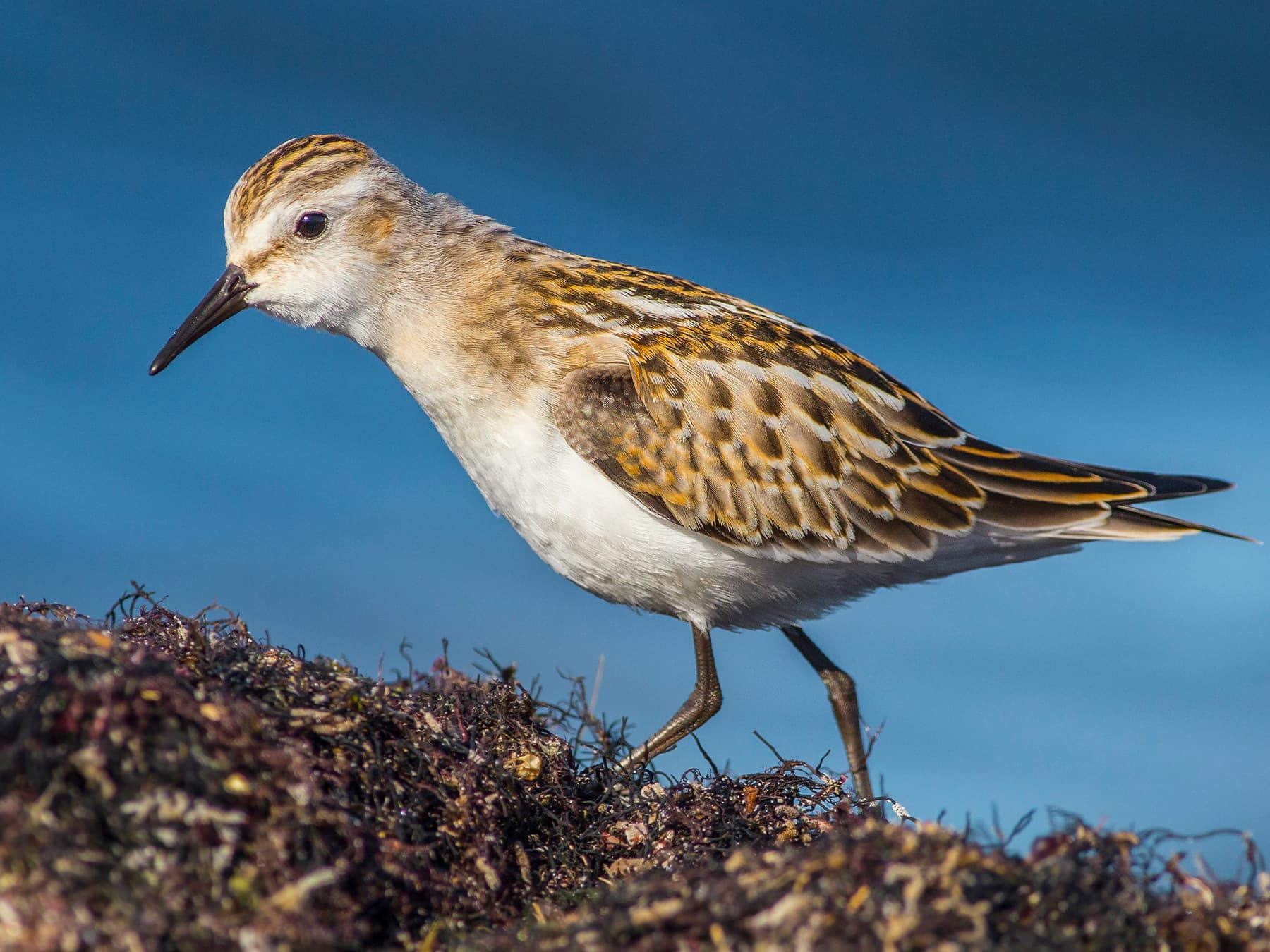
Little Stint
Calidris minutaLC
An uncommon but regular wader, most numerous on passage at coastal pools and estuaries in autumn. A tiny, active bird often feeding alongside Dunlin.
Year-round
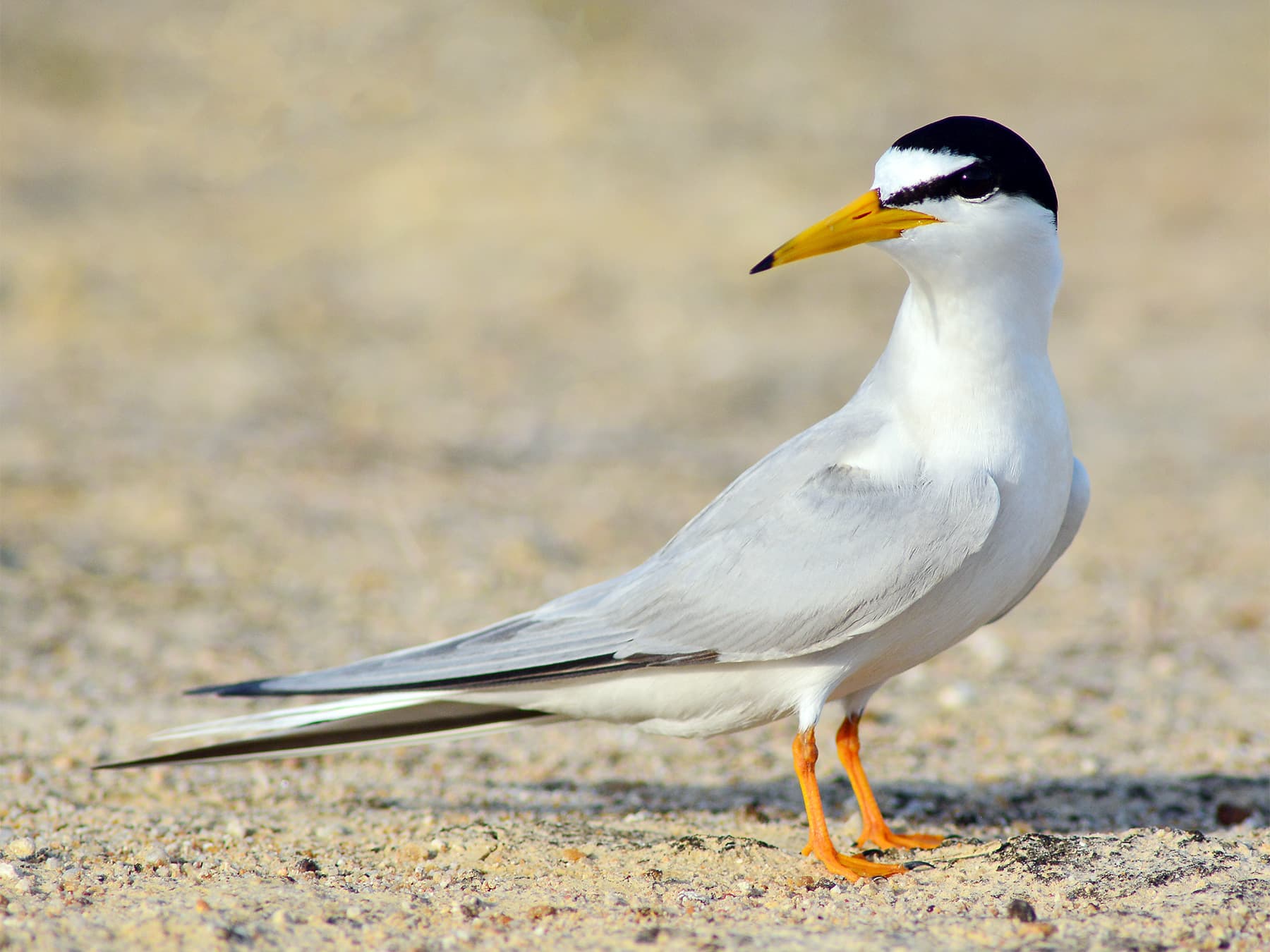
Little Tern
Sternula albifronsLC
An uncommon summer breeder on shingle and sandy beaches. Declining and heavily protected, with key colonies along the English east coast.
Apr–Sep
Spotted something?
Upload a photo to identify it
Identify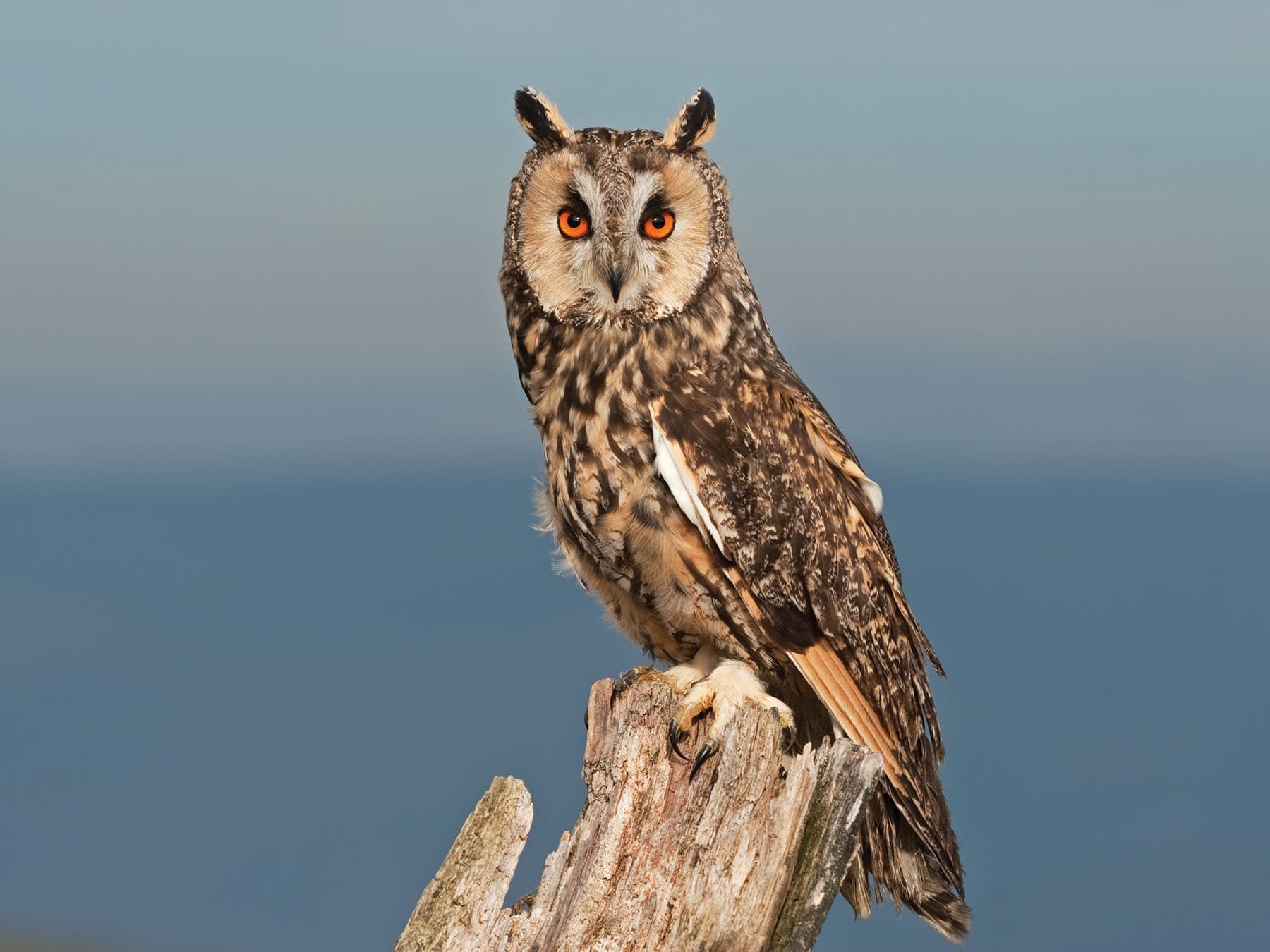
Long-eared Owl
Asio otusLC
A secretive, uncommon resident of dense woodland and conifer plantations. Strictly nocturnal and easily overlooked year-round.
Year-round
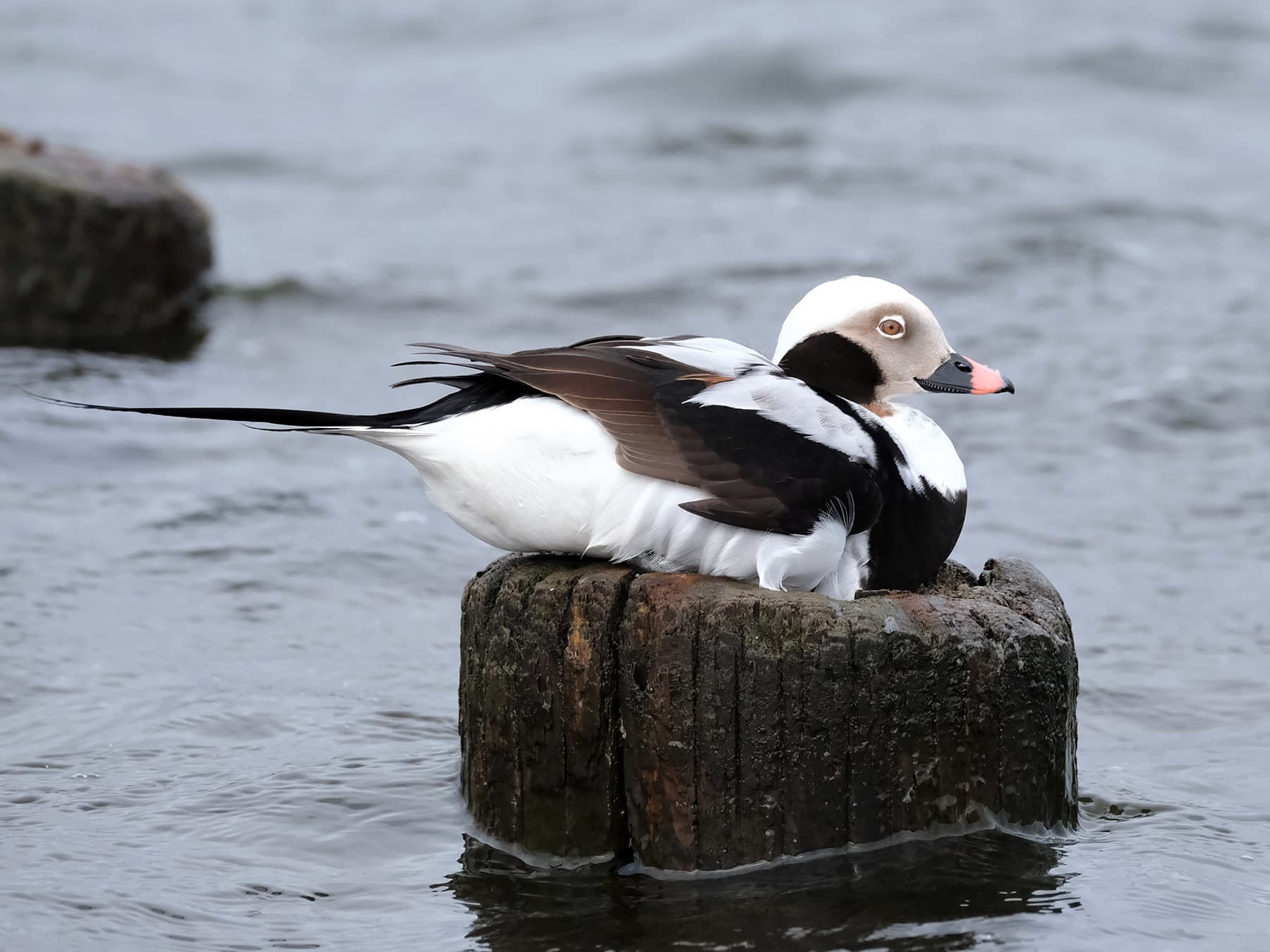
Long-tailed Duck
Clangula hyemalisVU
An uncommon winter visitor to coastal waters and offshore areas, arriving from Arctic breeding grounds. Most regularly seen off the east coast.
Sep–Apr
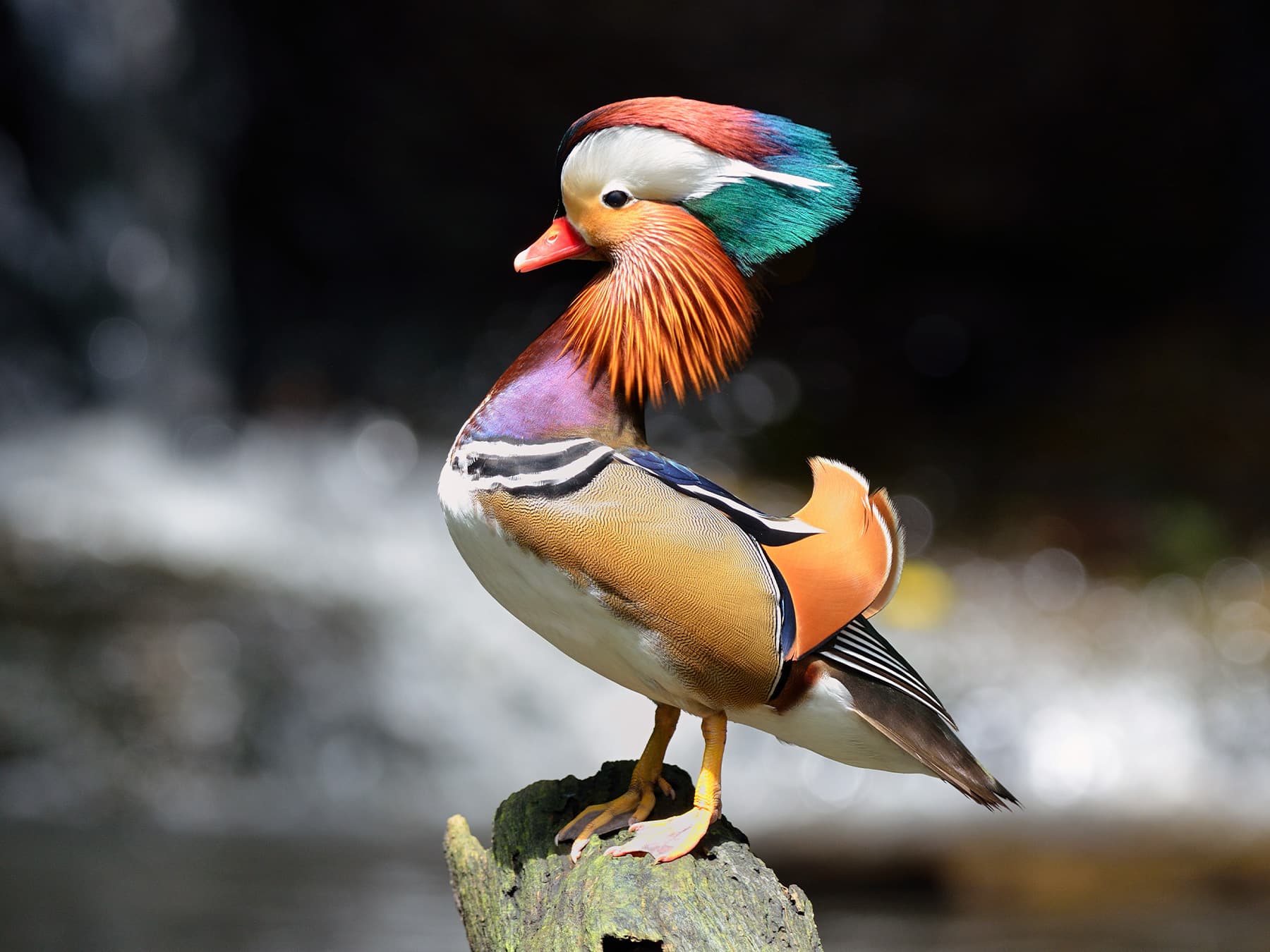
Mandarin Duck
Aix galericulataLC
An uncommon but established resident of wooded lakes and rivers. Originally from East Asia, feral populations thrive in southern England.
Year-round
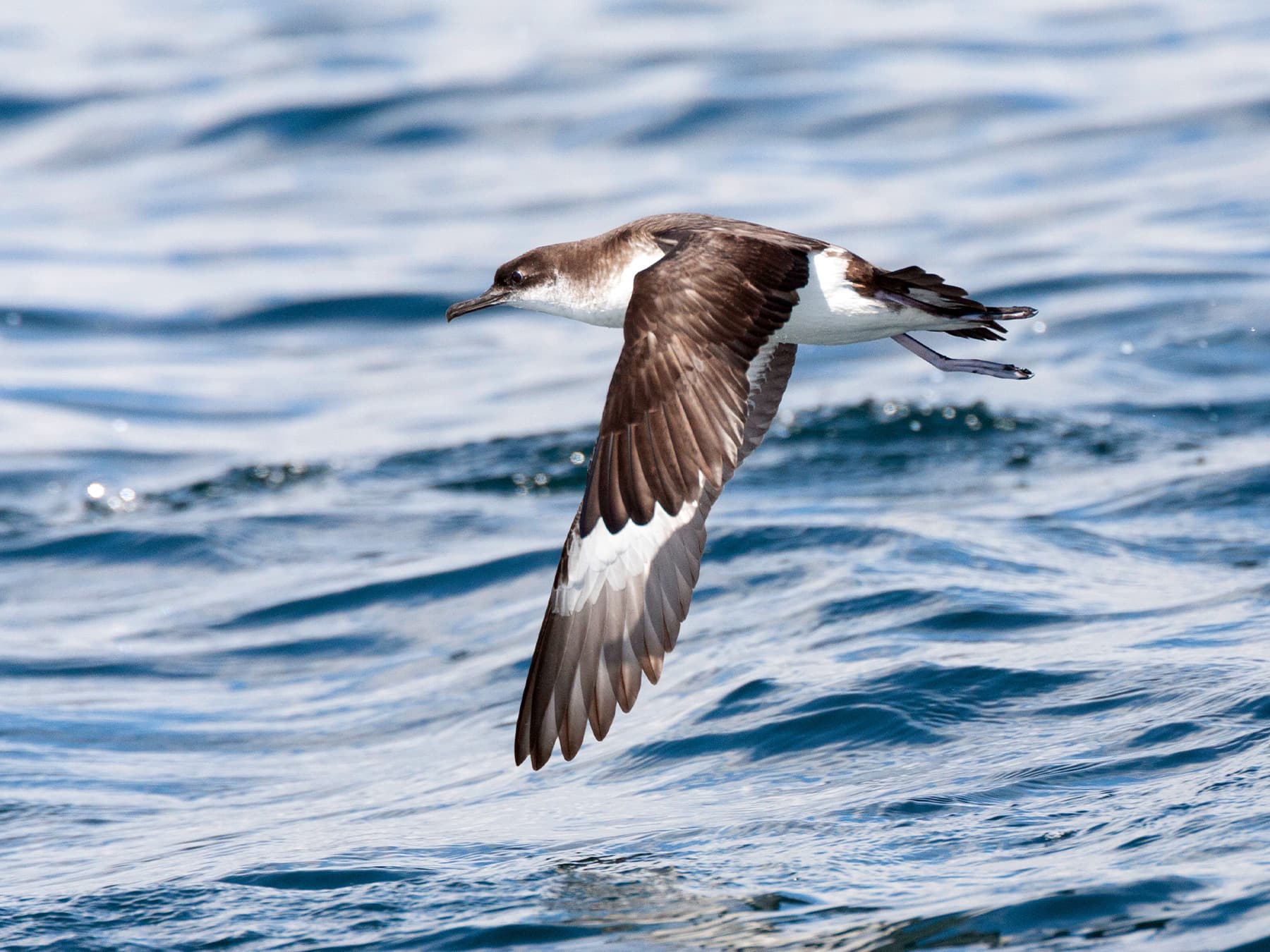
Manx Shearwater
Puffinus puffinusLC
An uncommon pelagic species regularly seen offshore, especially from southwest headlands. Breeds on western islands but passes English waters on feeding trips.
Year-round
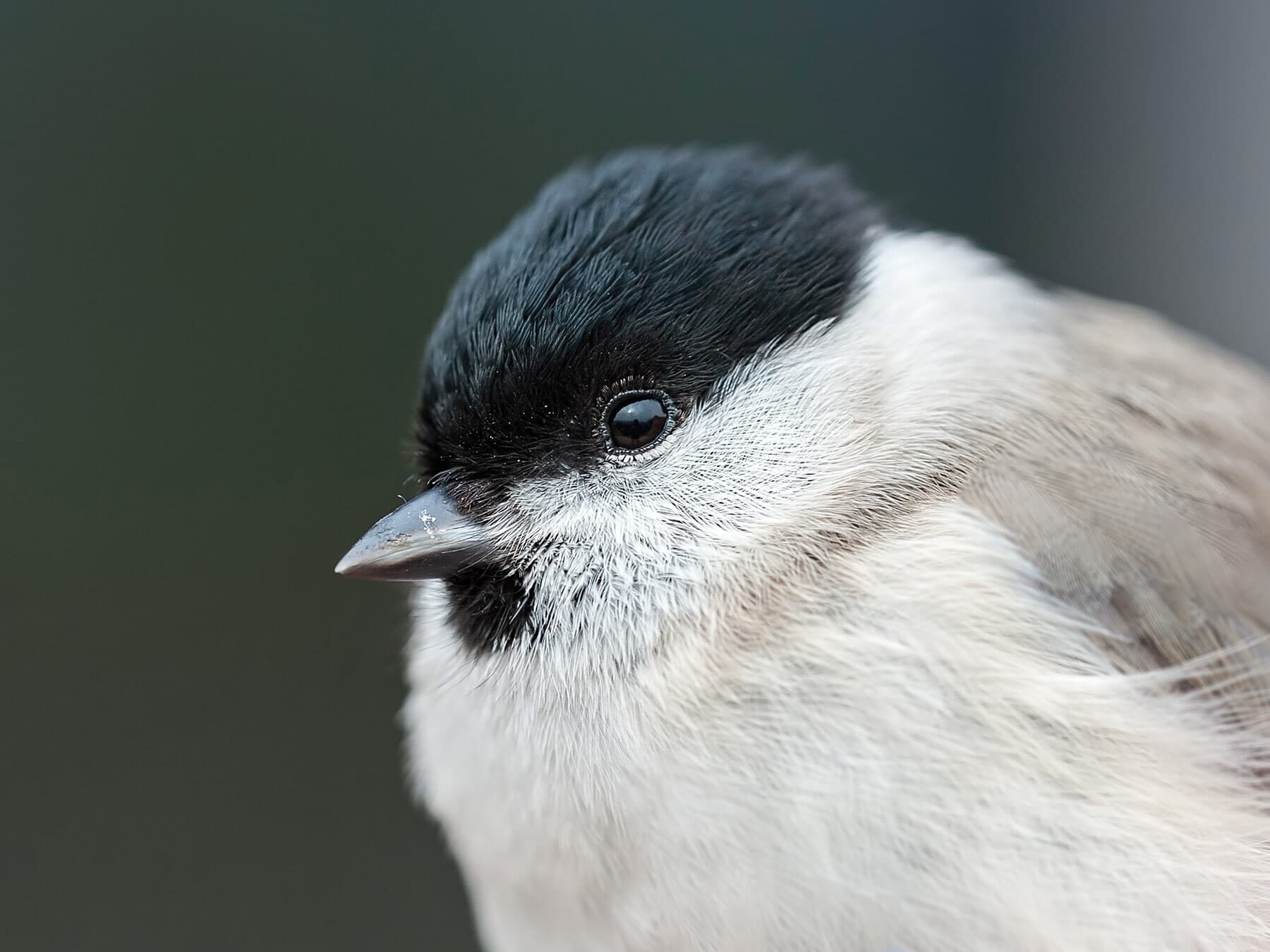
Marsh Tit
Poecile palustrisLC
A resident of mature deciduous woodland, particularly in southern and central England. Declining in recent decades, it is distinguished from Willow Tit by its bright cap and calls.
Year-round
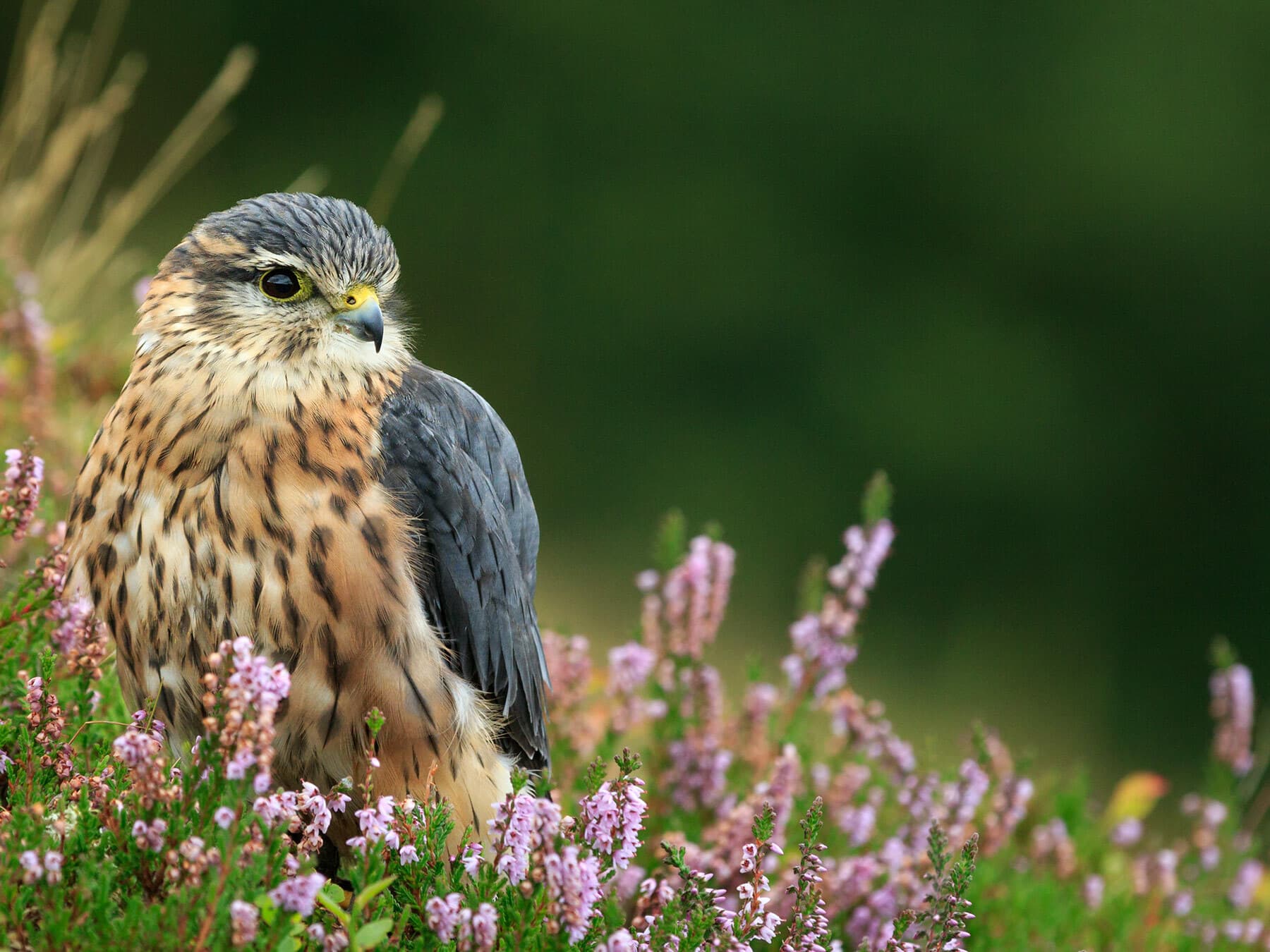
Merlin
Falco columbariusLC
An uncommon resident breeding on upland moors in northern England and dispersing to lowland coasts and marshes in winter.
Year-round
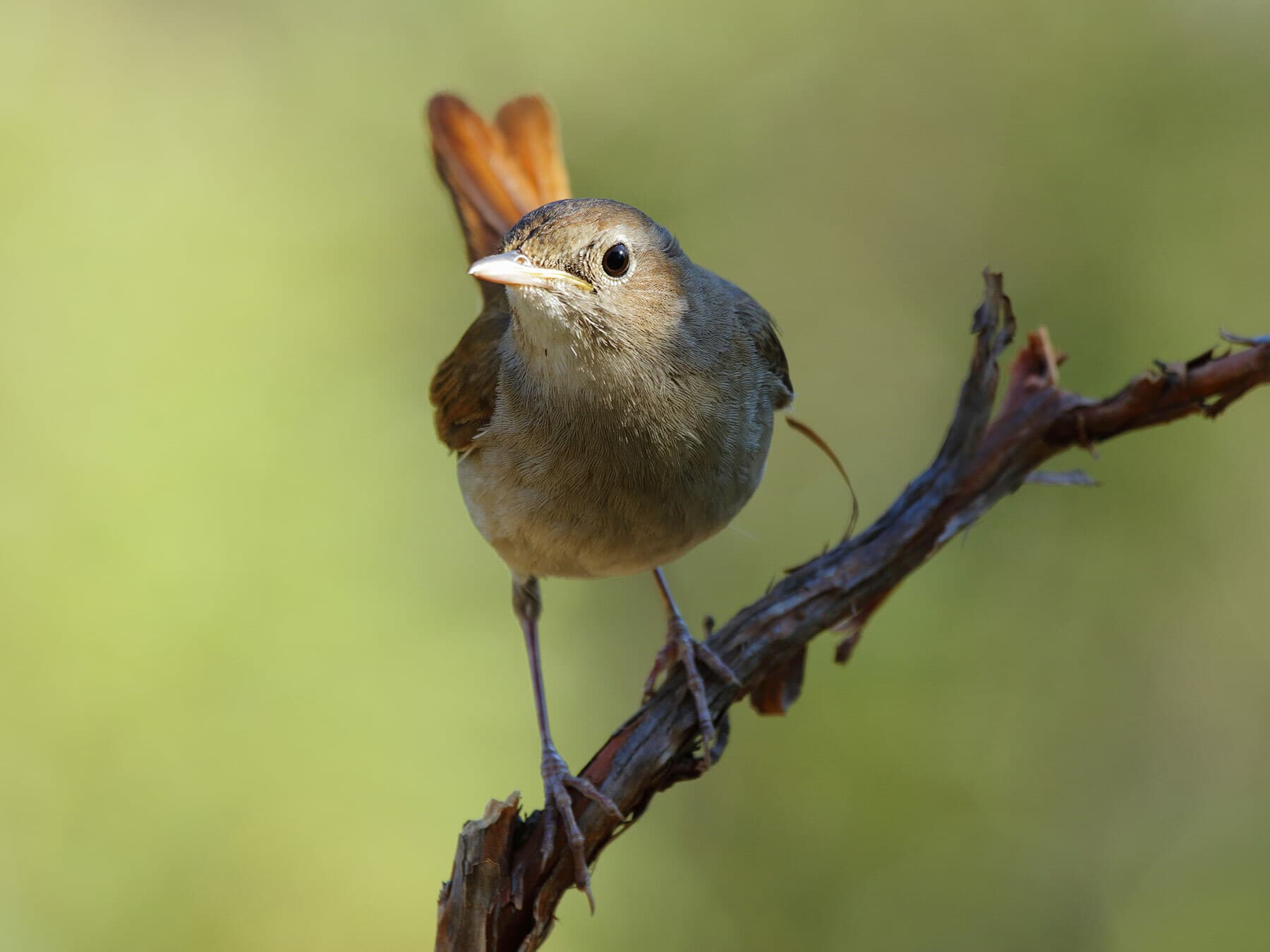
Nightingale
Luscinia megarhynchosLC
An uncommon summer breeder arriving in April, largely confined to south-east England. Its rich, powerful song is best heard in May.
Apr–Aug
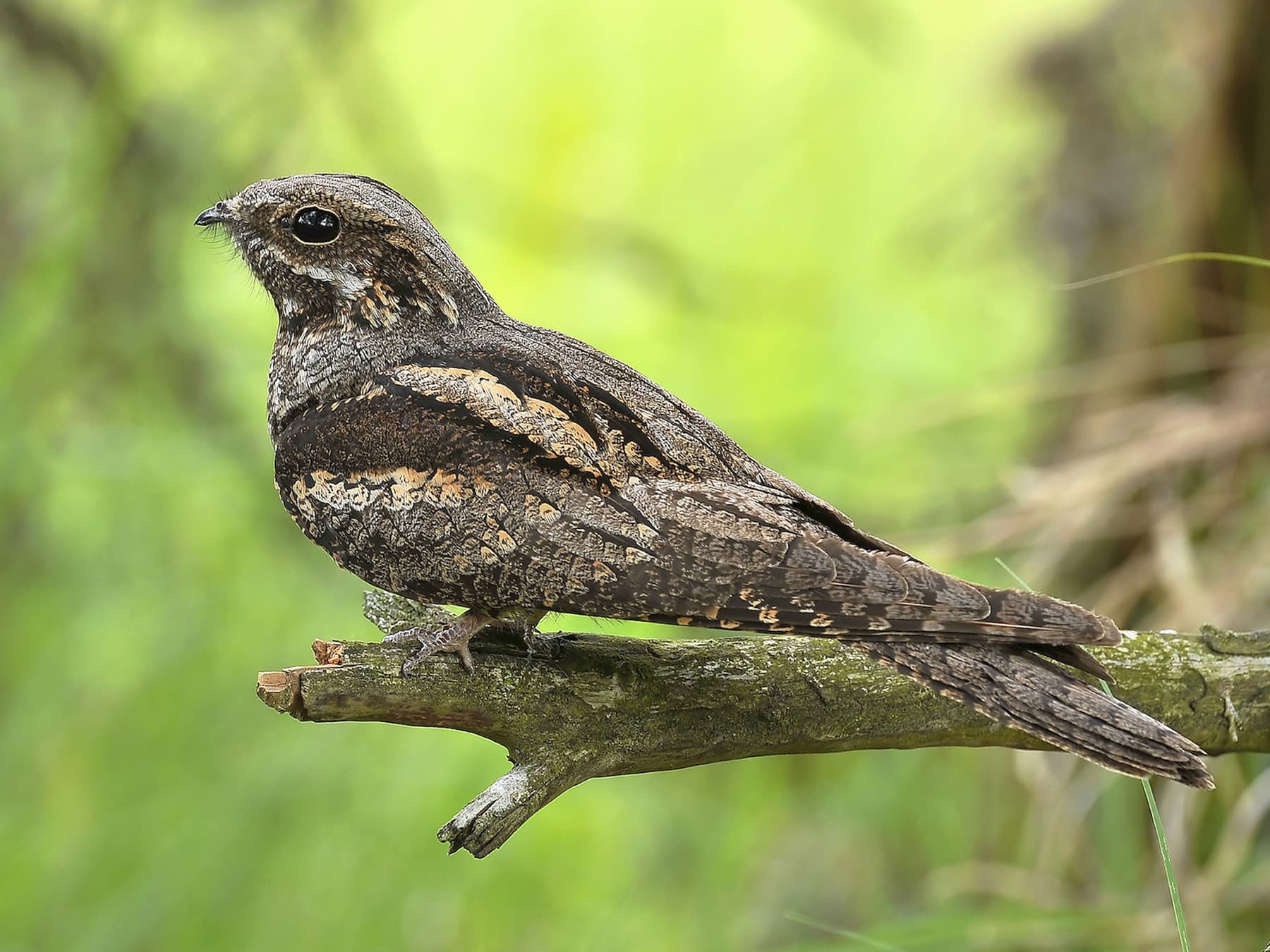
Nightjar
Caprimulgus europaeusLC
A summer visitor to lowland heaths and open woodland, arriving in May. Best detected at dusk by its extraordinary churring song, which can last for minutes on end.
May–Sep
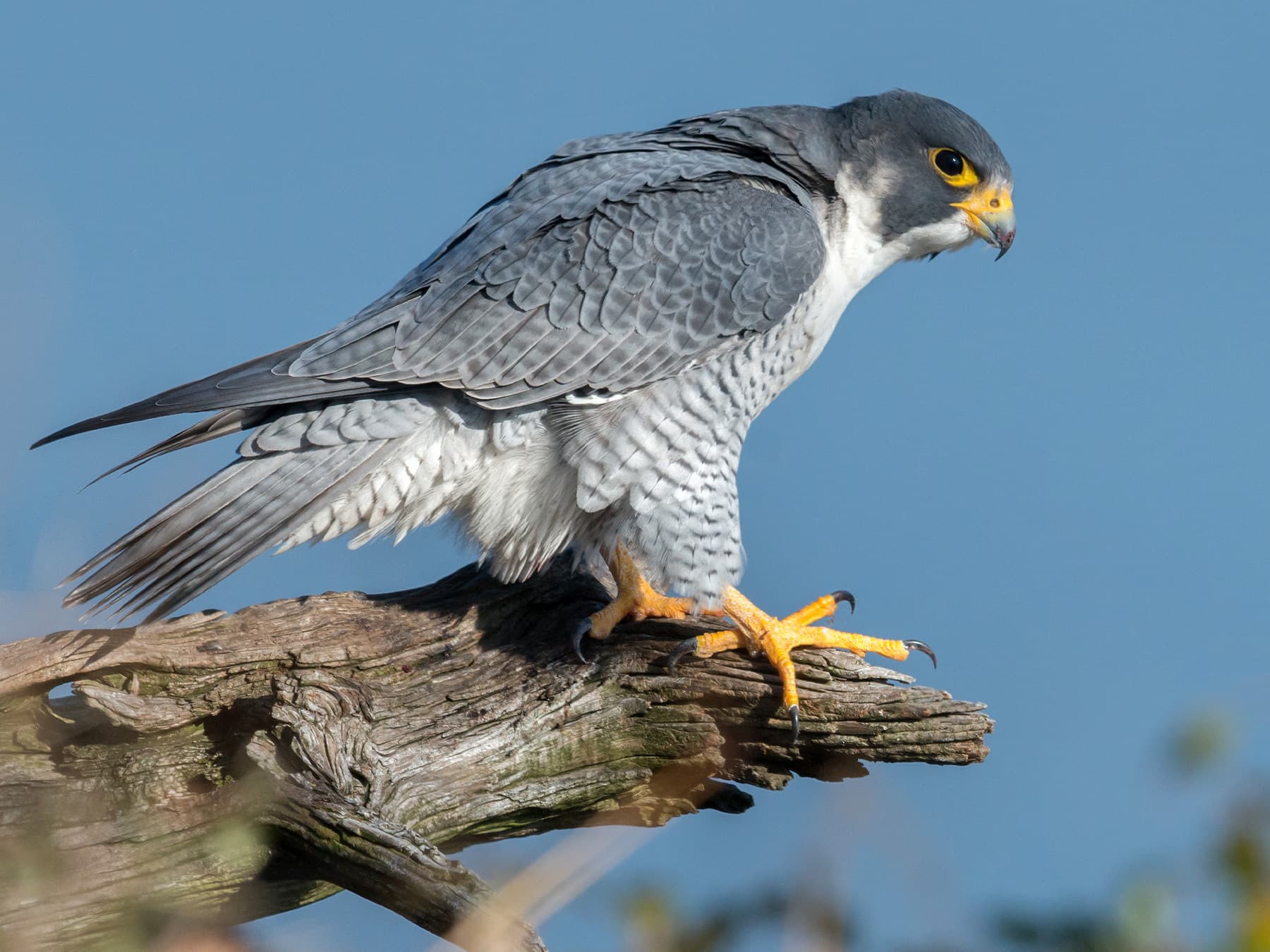
Peregrine Falcon
Falco peregrinusLC
An uncommon but increasing year-round resident, now nesting on cathedrals and tower blocks in many English cities as well as traditional cliff sites.
Year-round
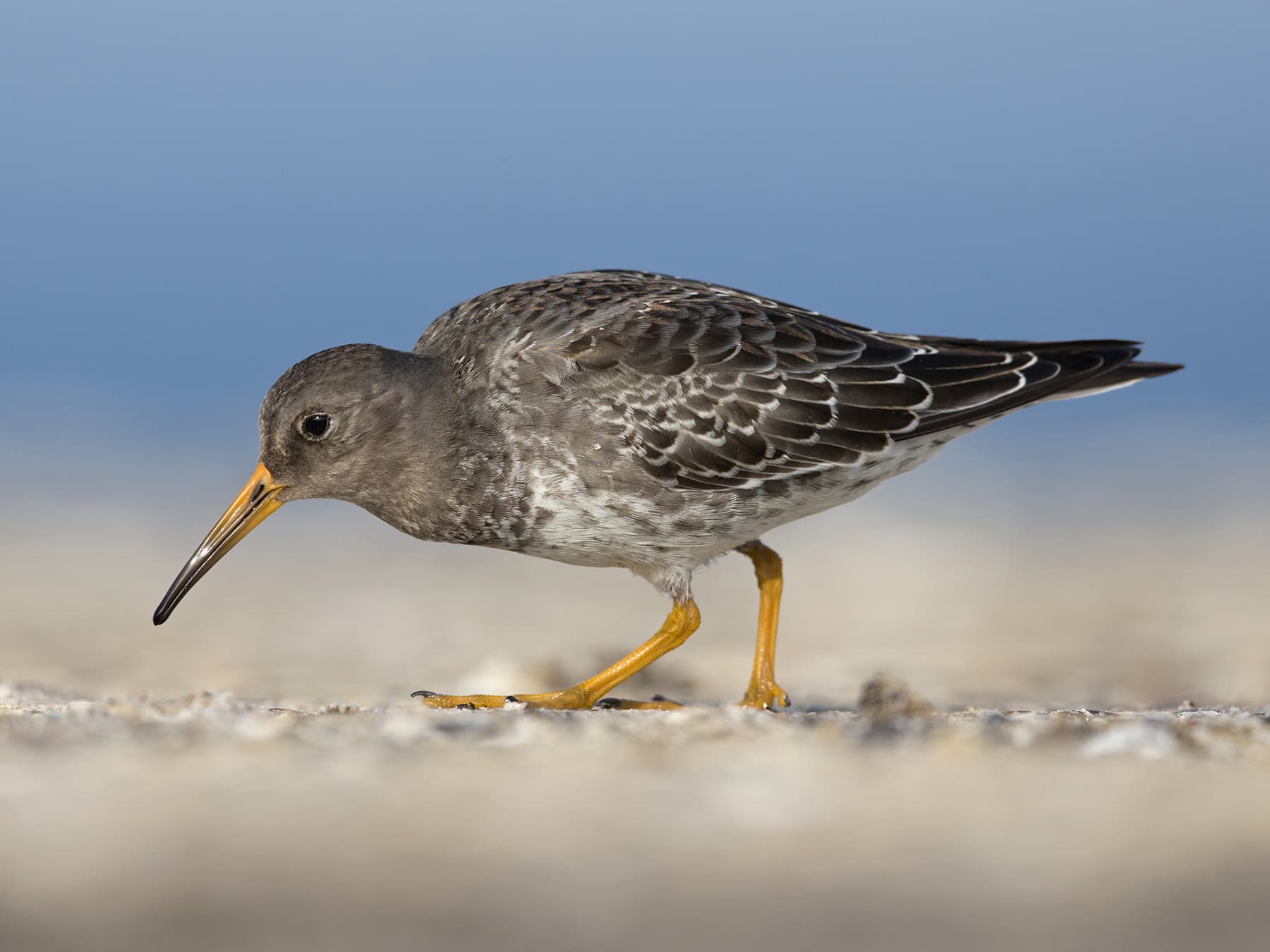
Purple Sandpiper
Calidris maritimaLC
An uncommon wader favouring rocky coasts and harbour walls, mainly in winter. Scarce in June but otherwise present most of the year.
Jul–May
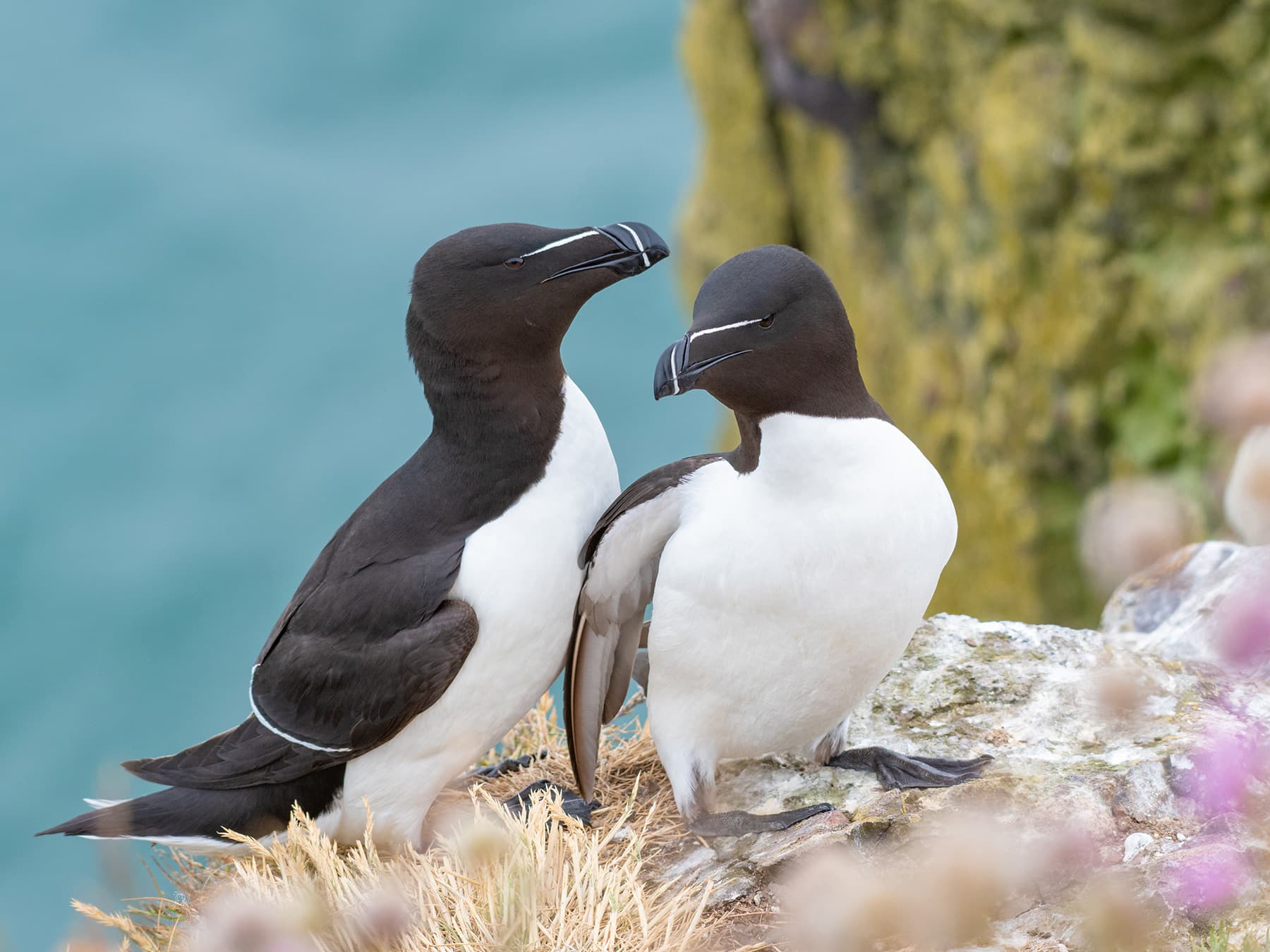
Razorbill
Alca tordaLC
An uncommon resident seabird found on rocky coasts and offshore islands. Breeds on cliff ledges and disperses to coastal waters outside the breeding season.
Year-round
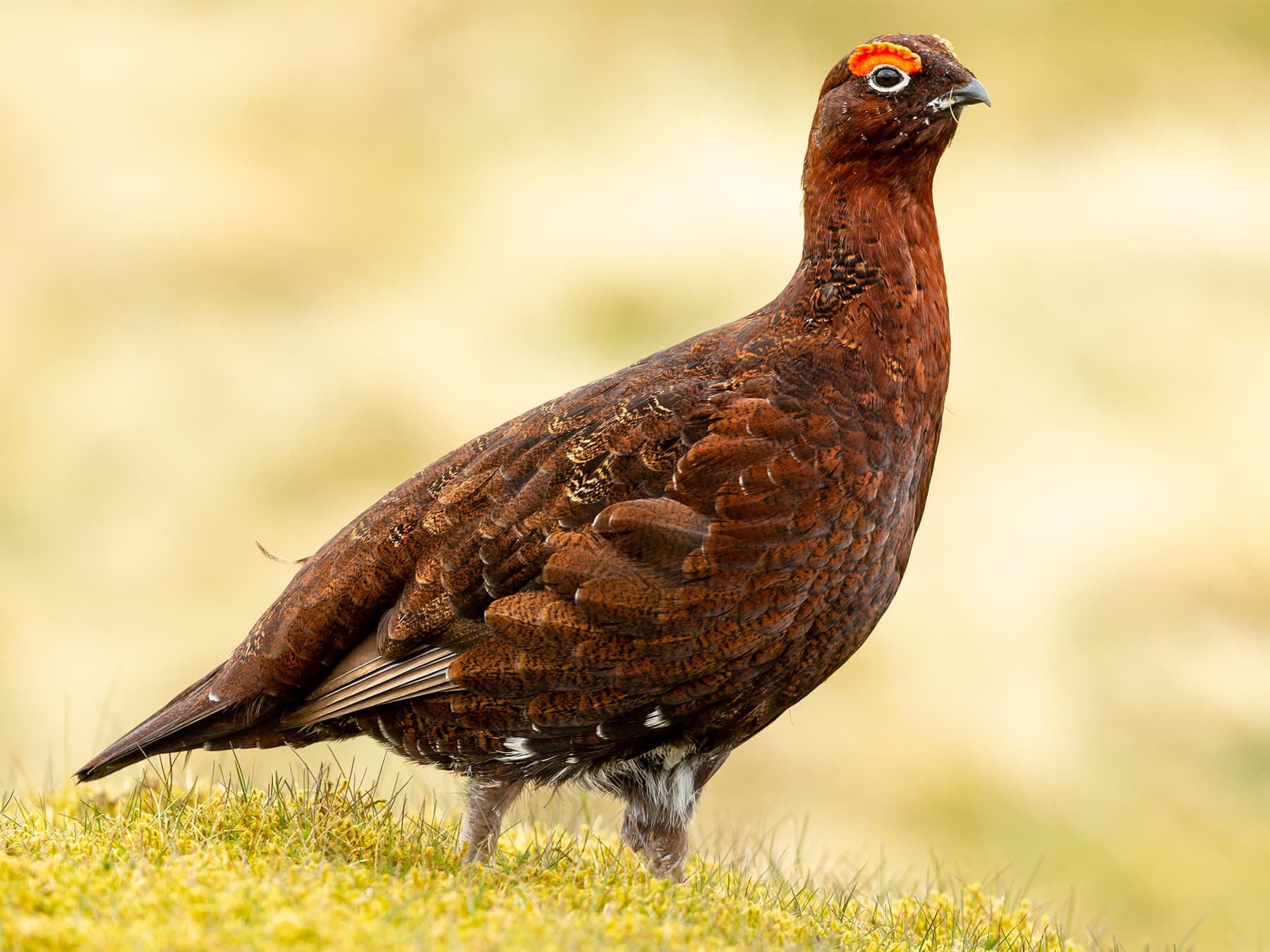
Red Grouse
Lagopus lagopus scoticaLC
A resident grouse of northern moorland and heather-clad uplands. Iconic in the Pennines and North York Moors, closely tied to managed heather habitat.
Year-round
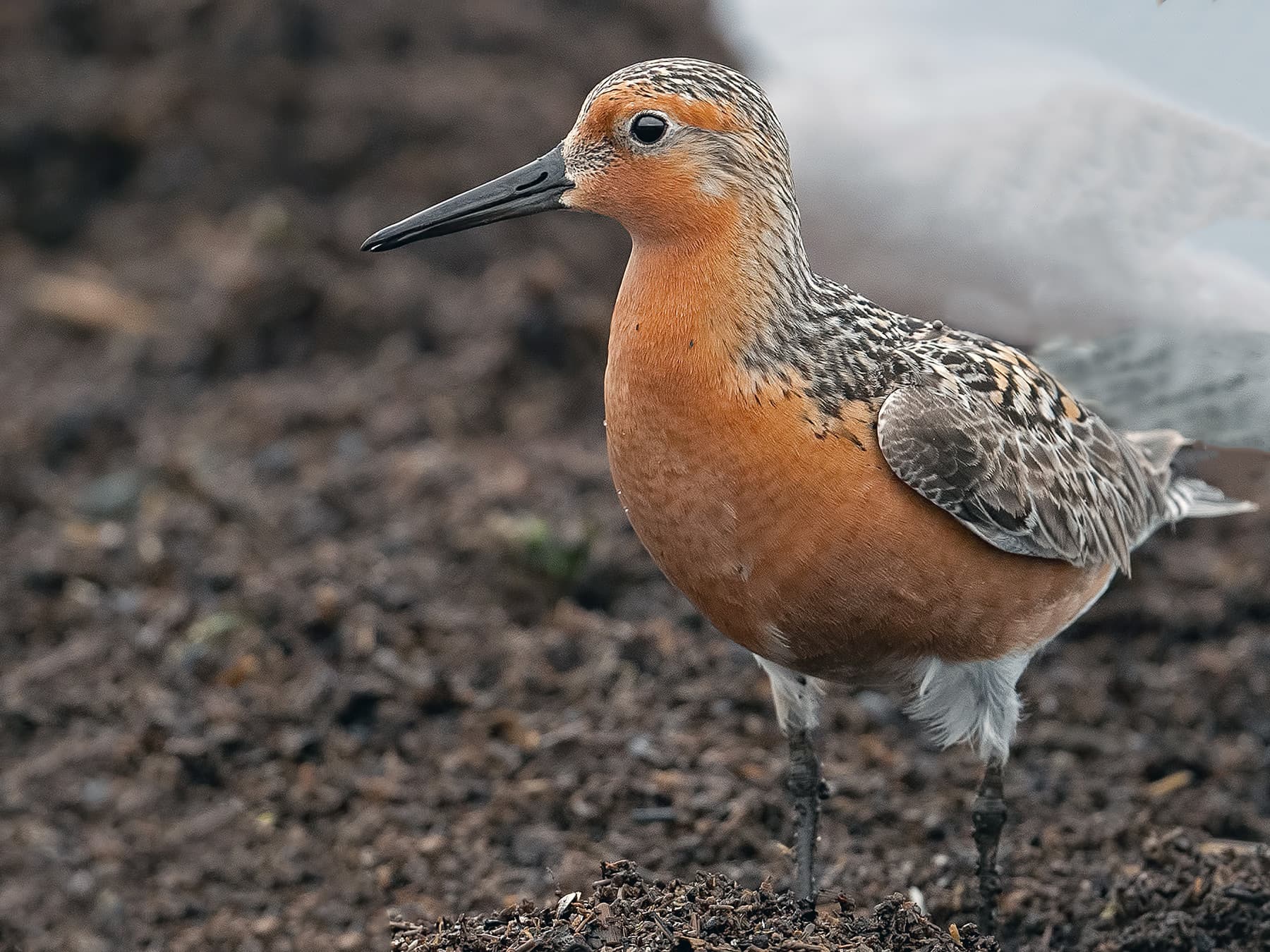
Red Knot
Calidris canutusNT
An uncommon but locally abundant wader on estuaries and mudflats, with large winter flocks gathering at sites like the Wash and Morecambe Bay.
Year-round
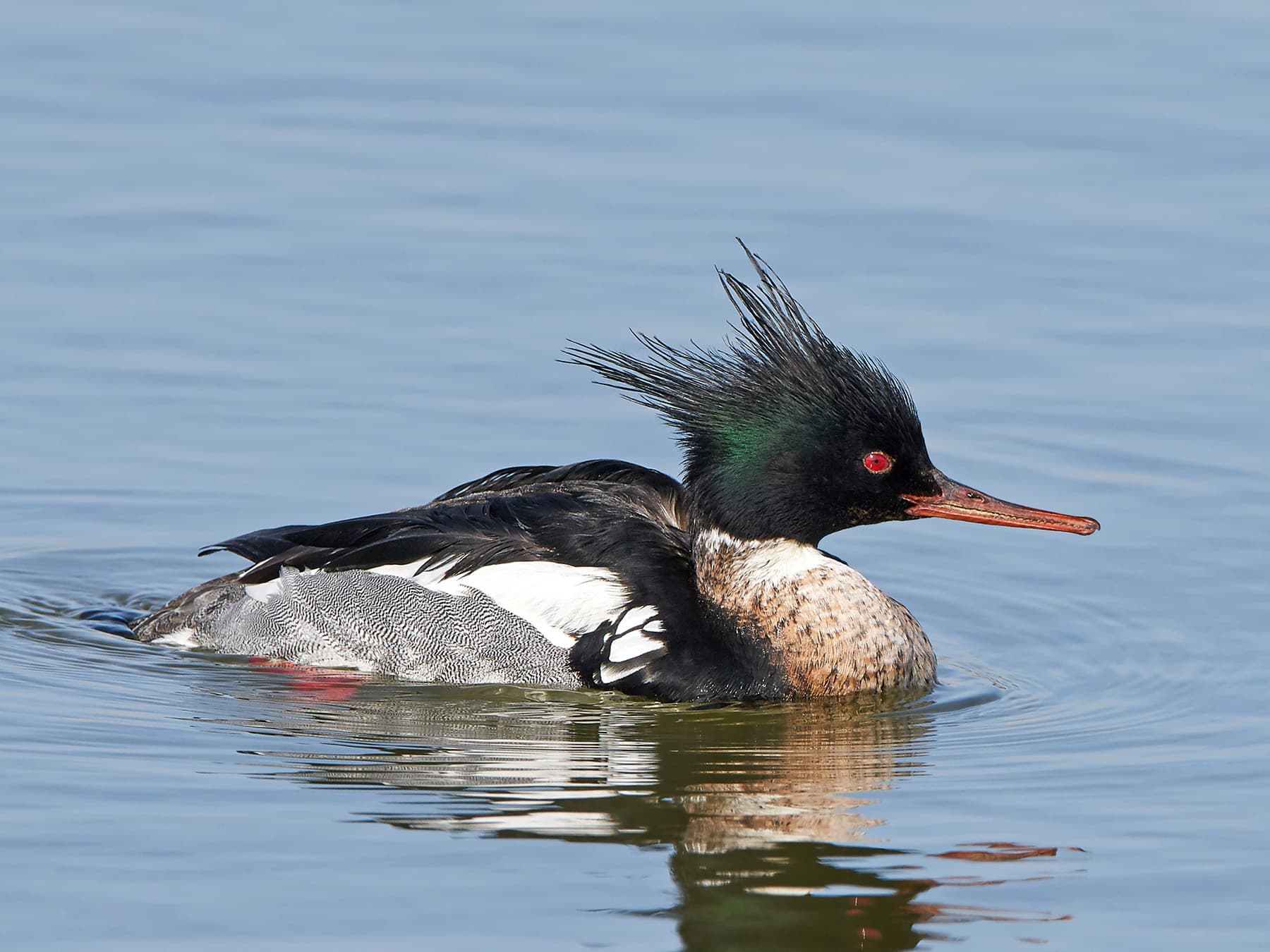
Red-breasted Merganser
Mergus serratorLC
Found year-round on estuaries and sheltered coasts, with numbers boosted in winter by continental arrivals. Breeds sparingly in northern England.
Year-round
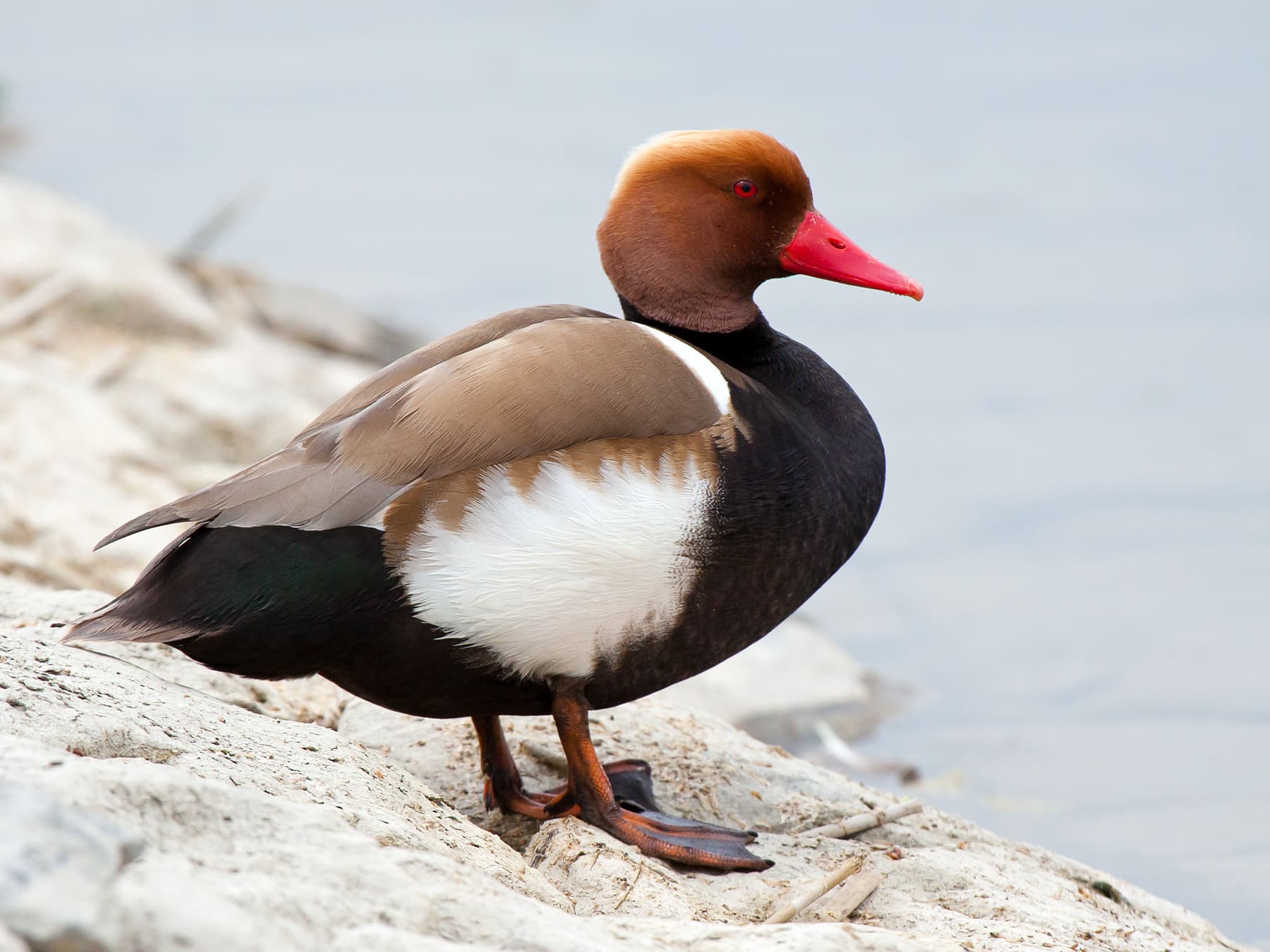
Red-crested Pochard
Netta rufinaLC
An uncommon resident centred on lakes and reservoirs in southeast England. The feral population has become established and is slowly increasing.
Year-round