Uncommon Birds in England
99 species matching this filter.
England is home to around 95 uncommon bird species that reward patient and knowledgeable observers with truly memorable sightings. From the ethereal Barn Owl quartering farmland at dusk to the striking Eurasian Stone-curlew on dry heathlands and the elegant Common Crane returning to eastern wetlands, these birds occupy a fascinating range of habitats across the country. Whether scanning coastal waters for Arctic Jaegers and Great Skuas or exploring ancient woodlands for Eurasian Woodcock, birders willing to venture beyond the usual hotspots will find England's uncommon species well worth the effort.


Showing 24–46 of 99 species
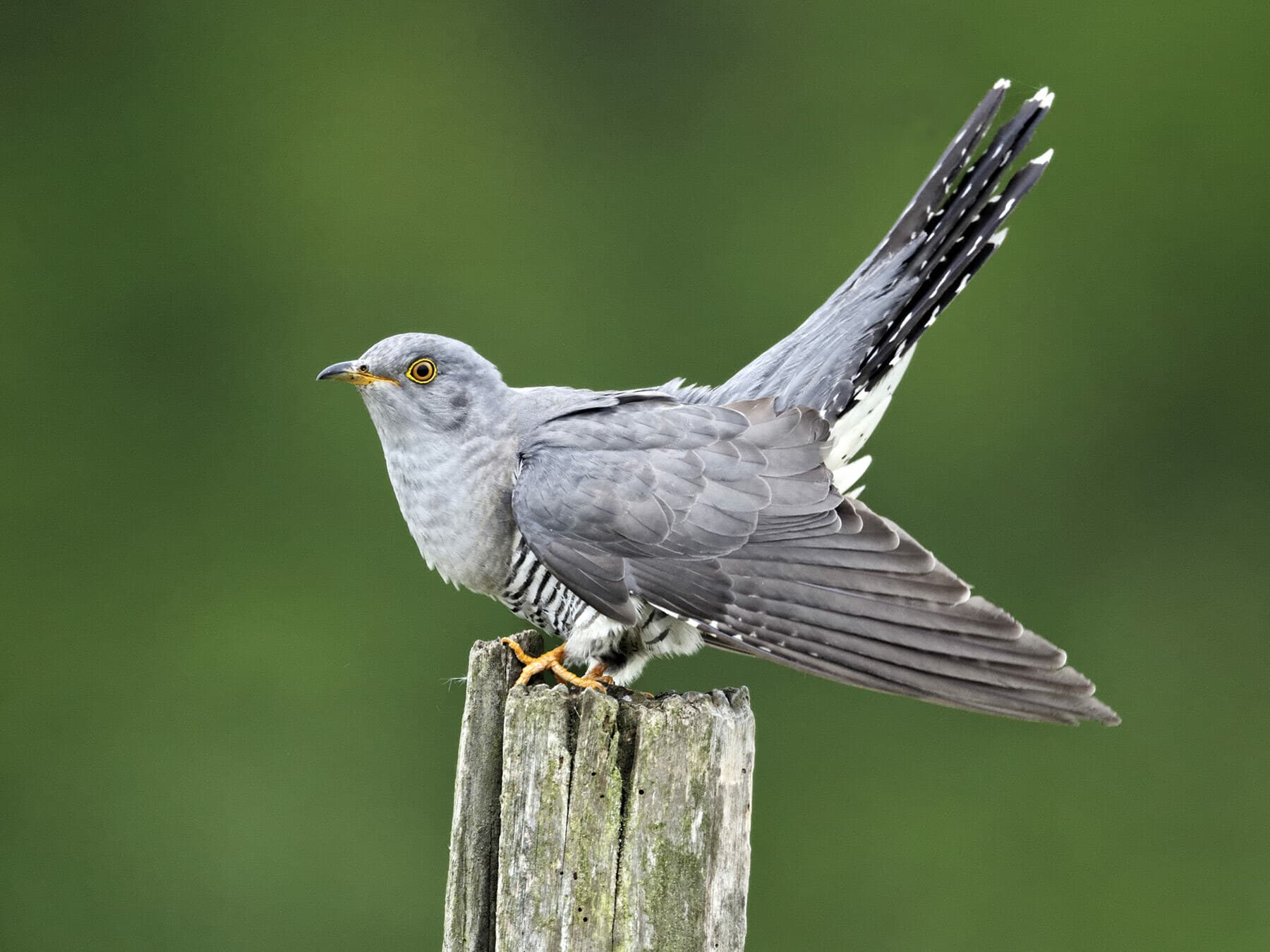
Cuckoo
Cuculus canorusLC
An uncommon summer visitor arriving in April, now declining across England. Its distinctive call echoes through woodland and farmland.
Apr–Sep
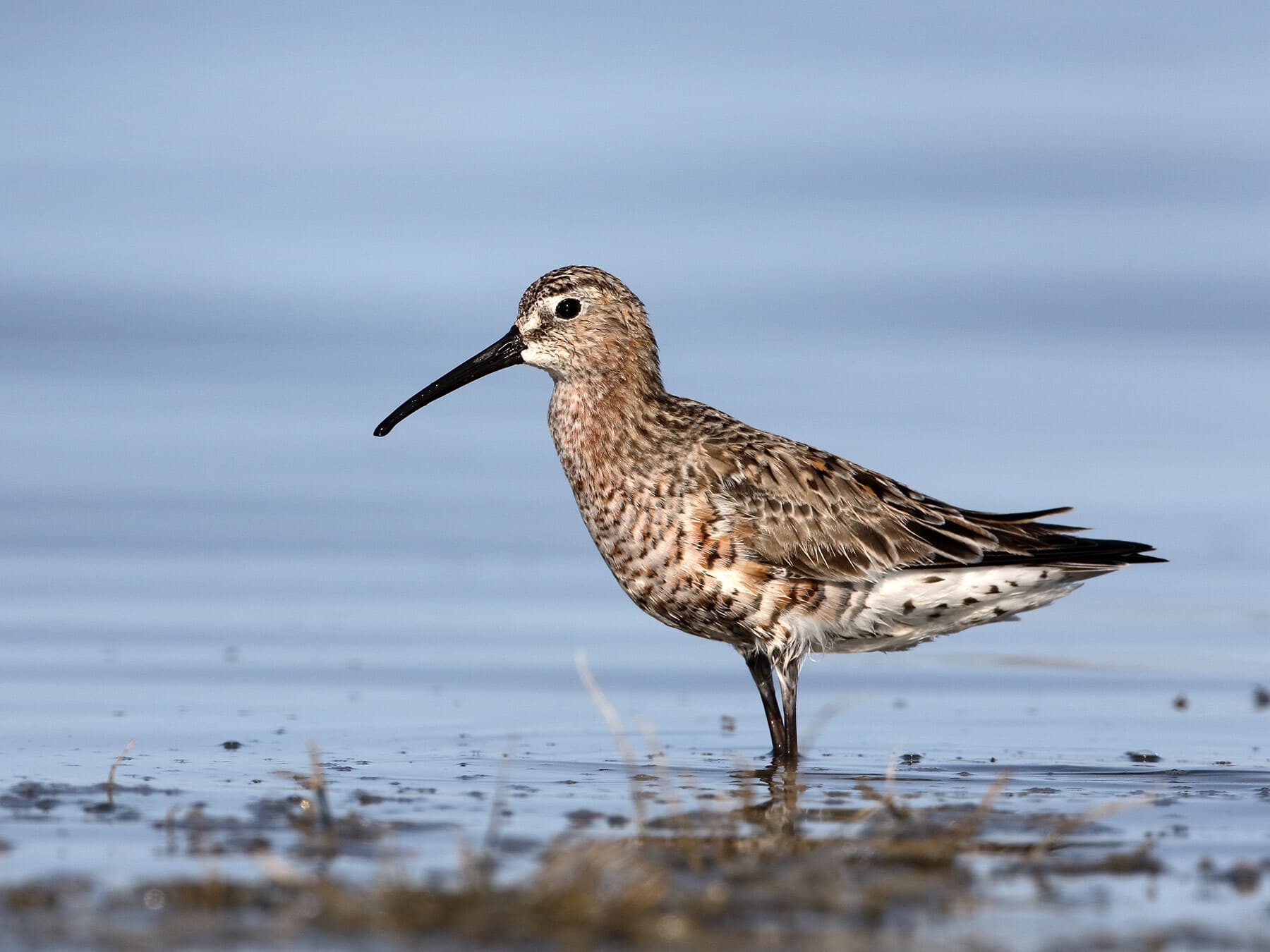
Curlew Sandpiper
Calidris ferrugineaNT
An uncommon passage wader seen on coastal mudflats and estuaries, mainly from late summer into autumn. Numbers vary greatly year to year.
Apr–Nov
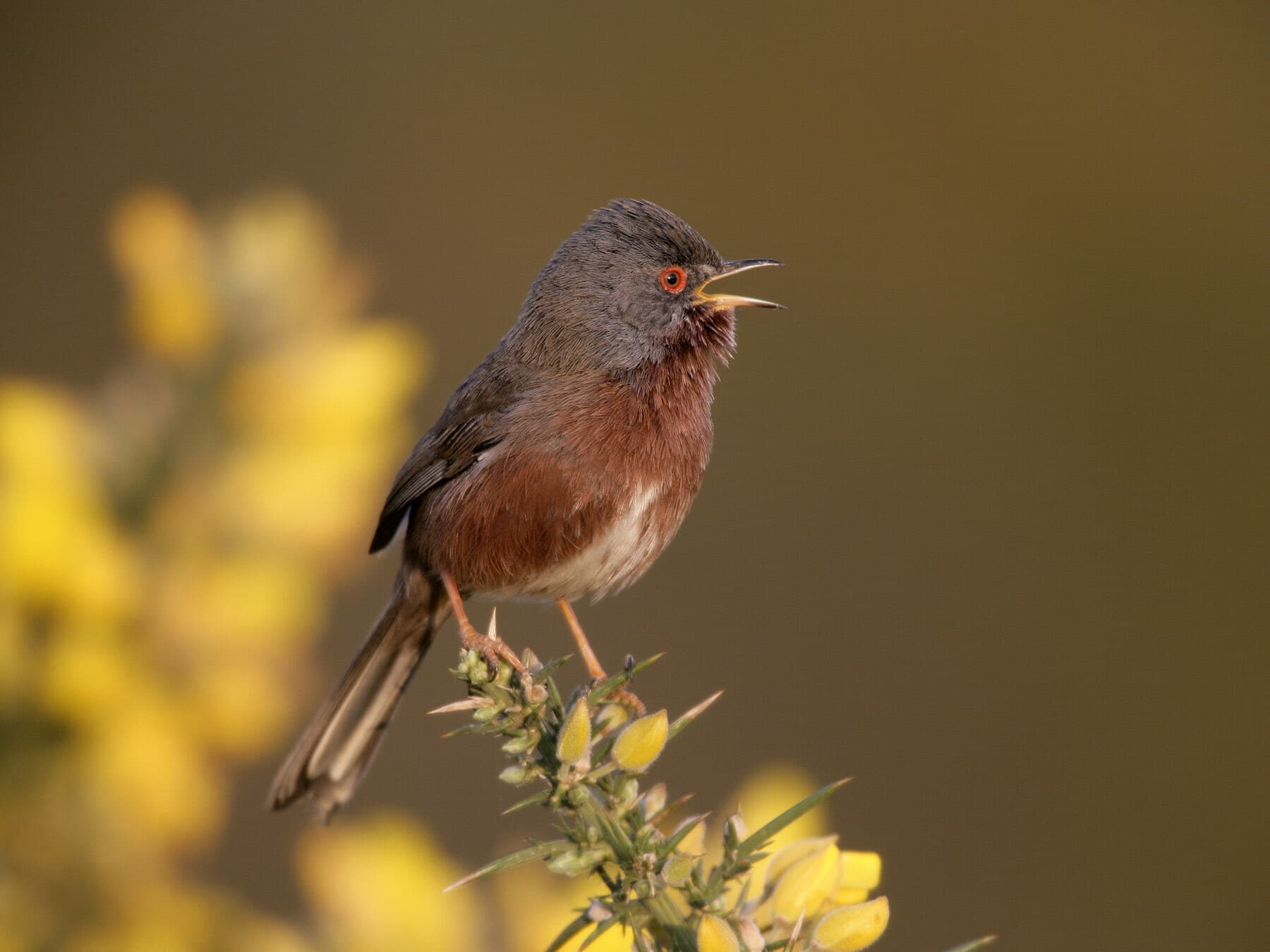
Dartford Warbler
Curruca undataNT
An uncommon resident of lowland heathland, mainly in southern England. Vulnerable to harsh winters but has recovered and spread northward in recent decades.
Year-round
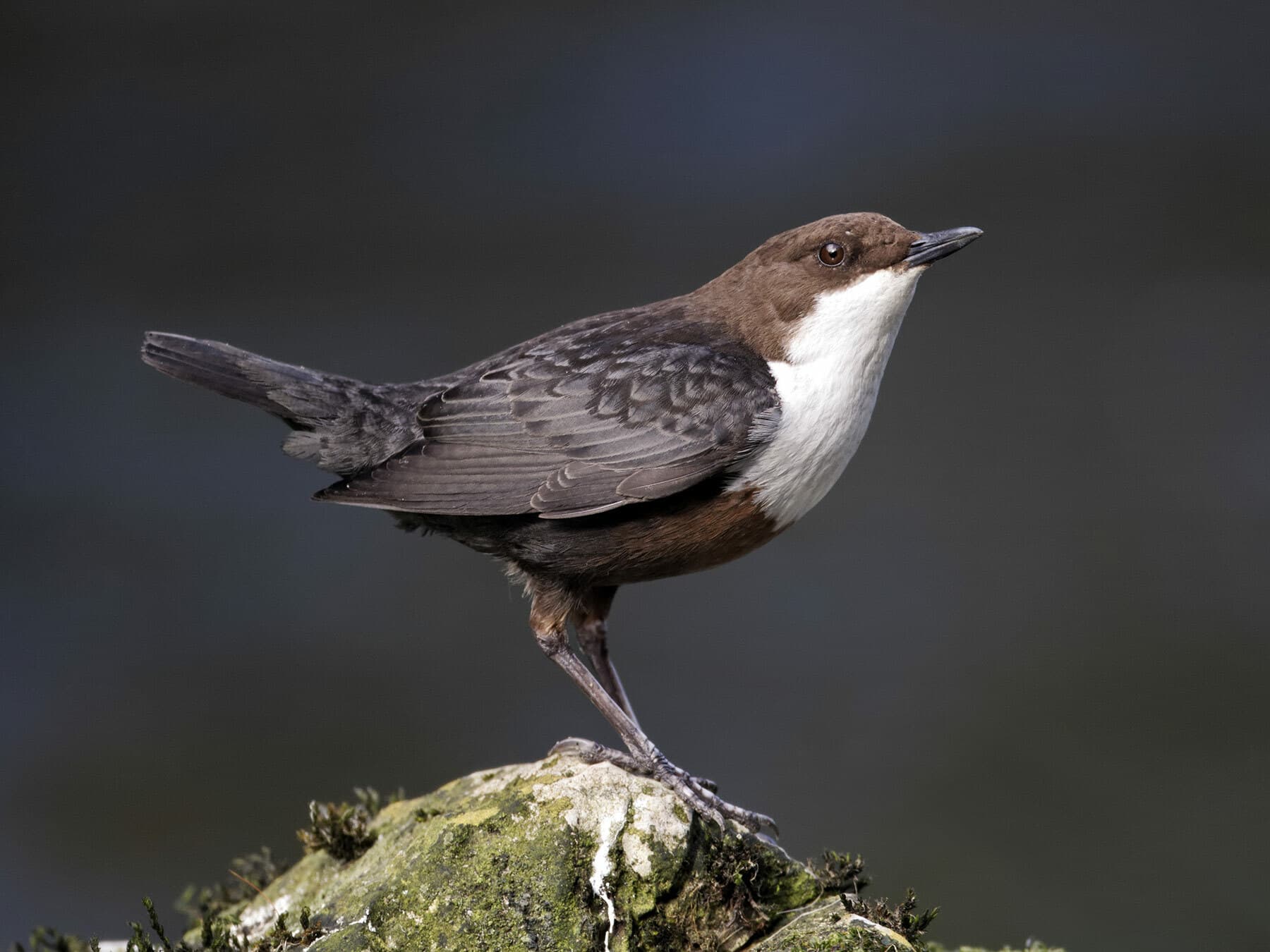
Dipper
Cinclus cinclusLC
An uncommon resident of fast-flowing upland streams, mainly in northern and western England. Bobs characteristically on rocks and walks underwater to feed.
Year-round
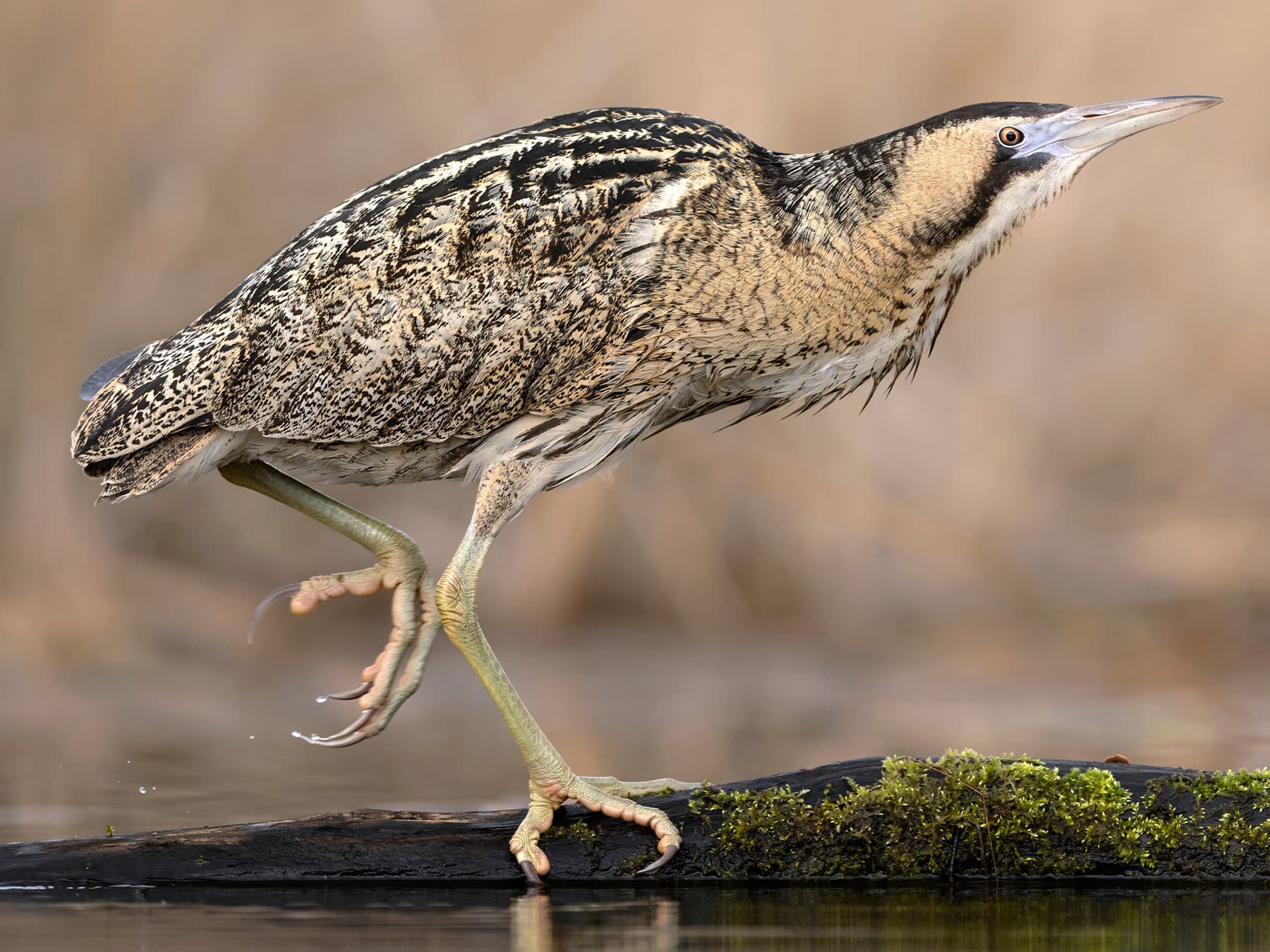
Eurasian Bittern
Botaurus stellarisLC
A secretive heron of reedbeds, best known for the male's booming call in spring. Conservation efforts have helped this once-rare resident recover at key wetland sites.
Year-round
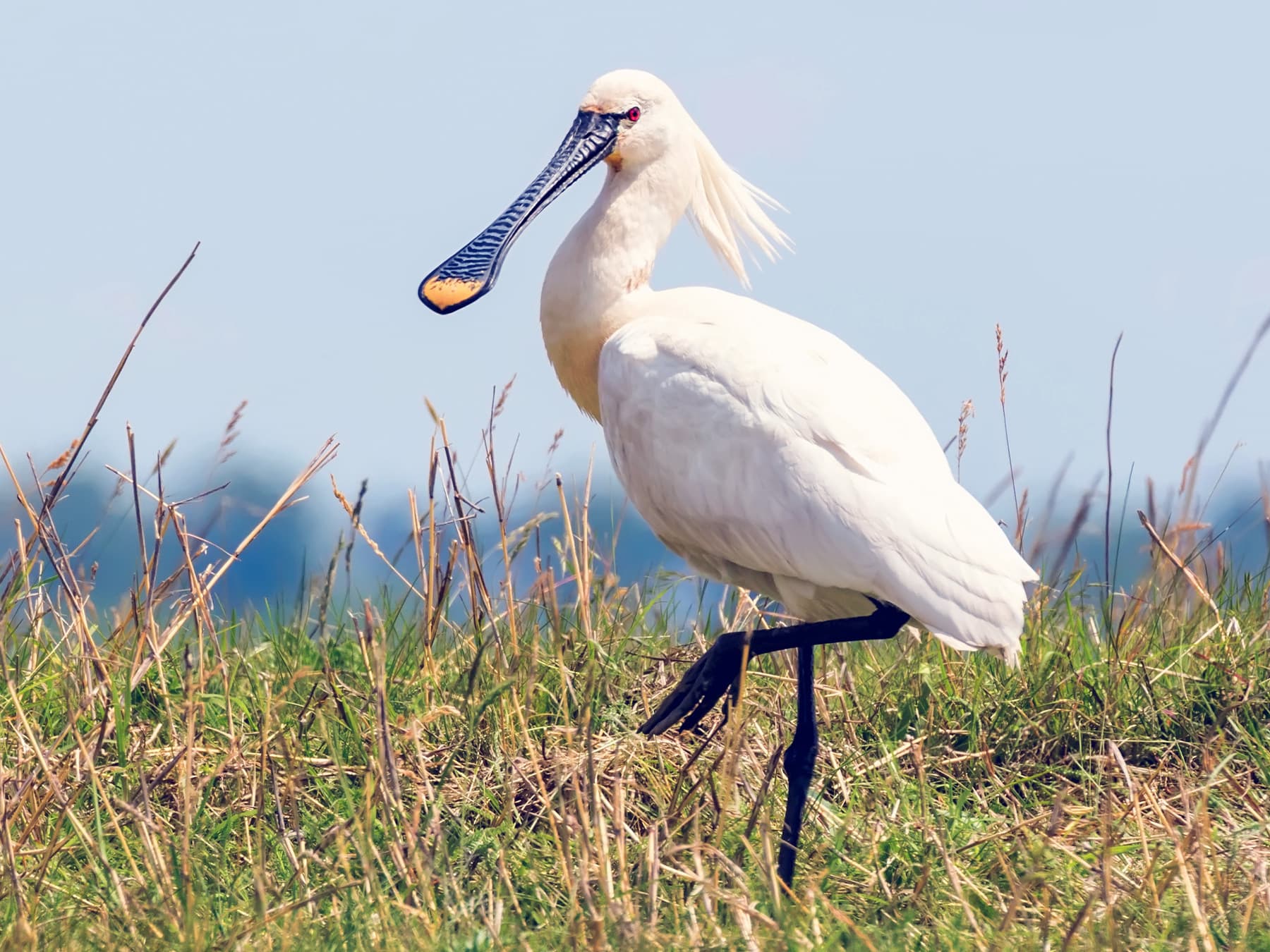
Eurasian Spoonbill
Platalea leucorodiaLC
An uncommon but increasing resident, now breeding at a handful of sites. Most reliably seen at coastal wetlands in Norfolk and Suffolk.
Year-round
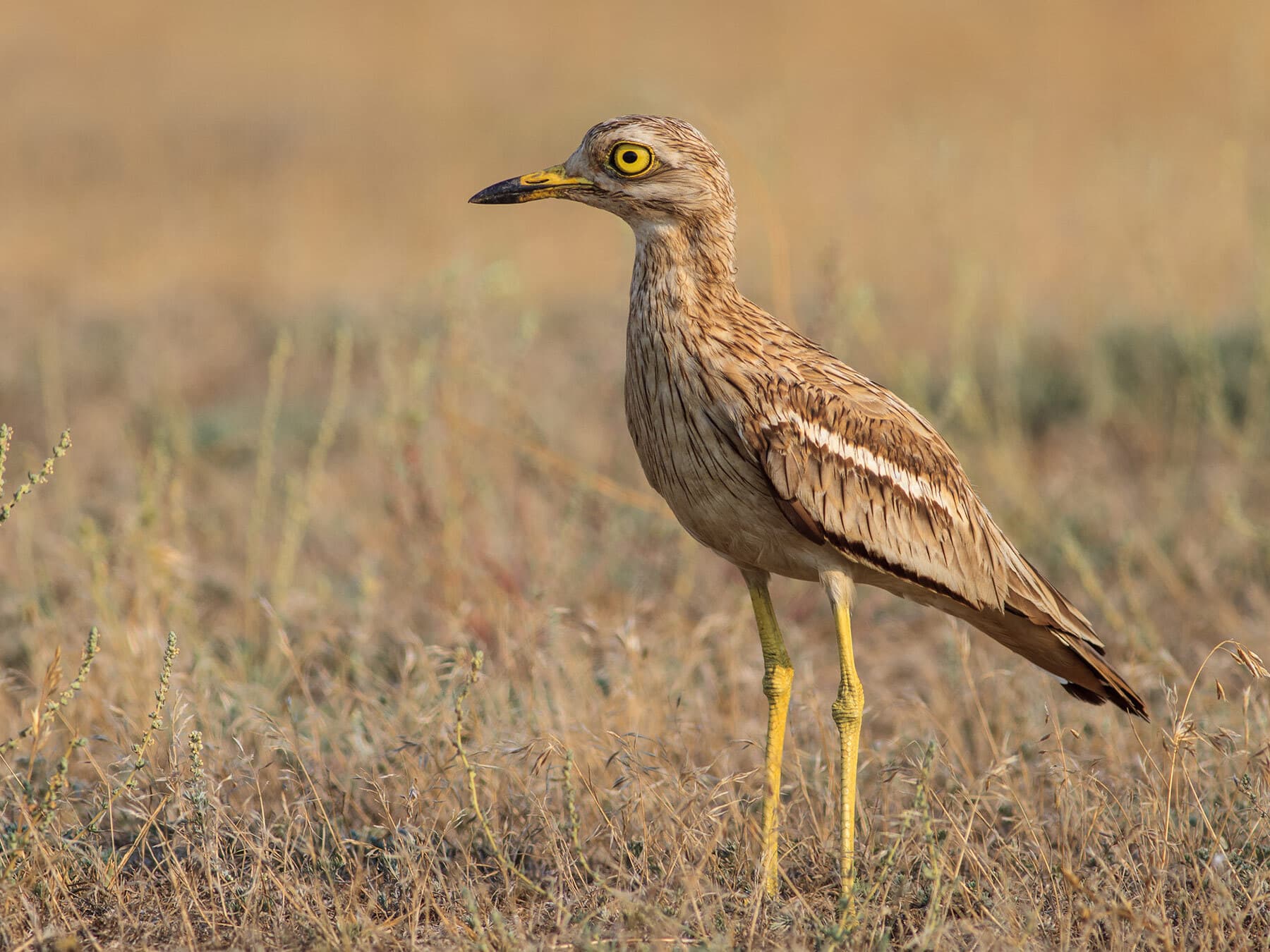
Eurasian Stone-curlew
Burhinus oedicnemusLC
An uncommon breeding visitor to dry heathlands and chalk grasslands, mainly in East Anglia and Wessex, arriving from March and departing by October.
Mar–Oct
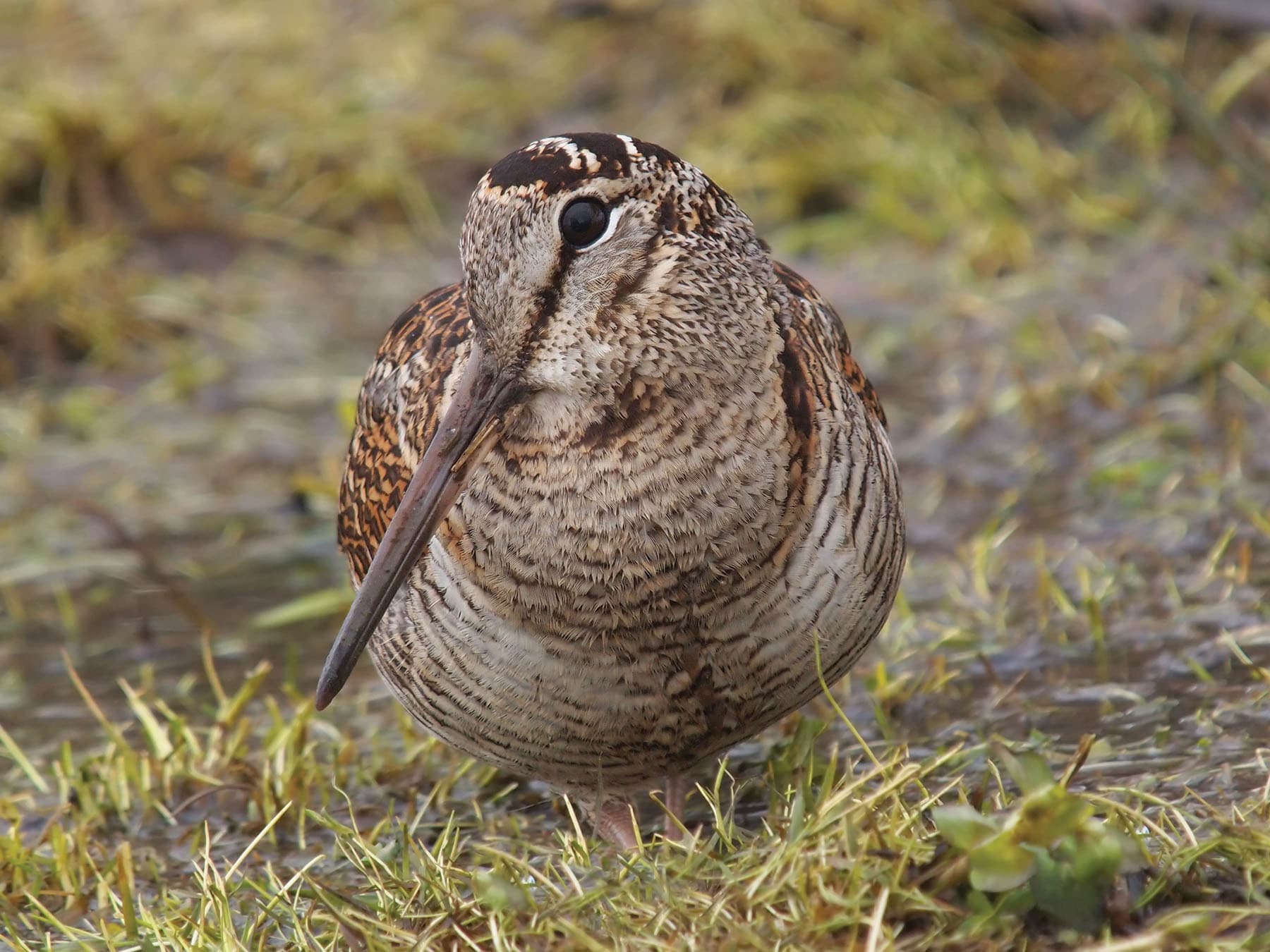
Eurasian Woodcock
Scolopax rusticolaLC
An uncommon resident of damp woodlands, with numbers swelled by continental arrivals in autumn. Most easily seen during its roding display flights.
Oct–Jul
Spotted something?
Upload a photo to identify it
Identify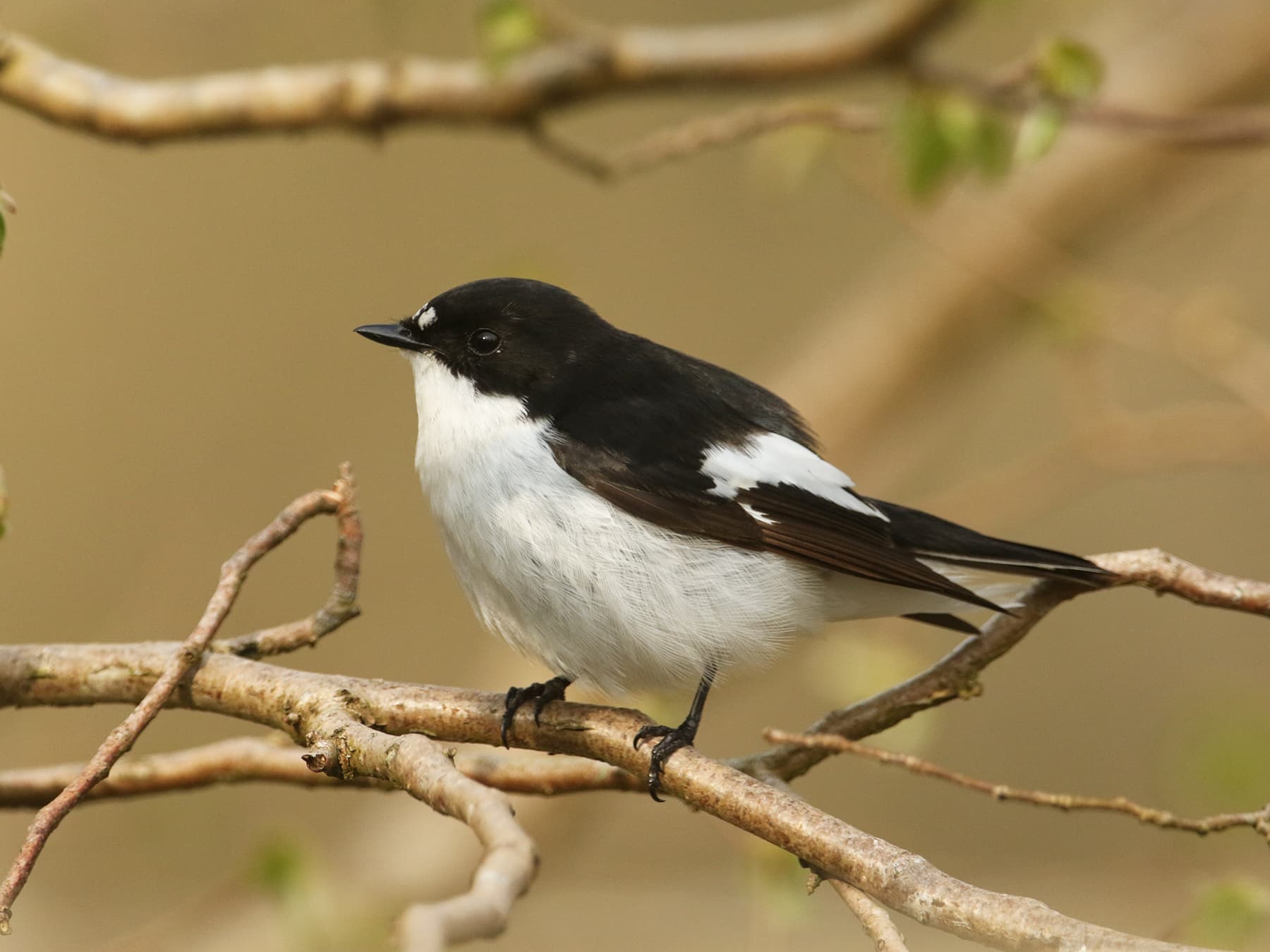
European Pied Flycatcher
Ficedula hypoleucaLC
An uncommon summer visitor favouring oak woodlands, mainly in western and northern England. Readily uses nestboxes where provided.
Apr–Oct
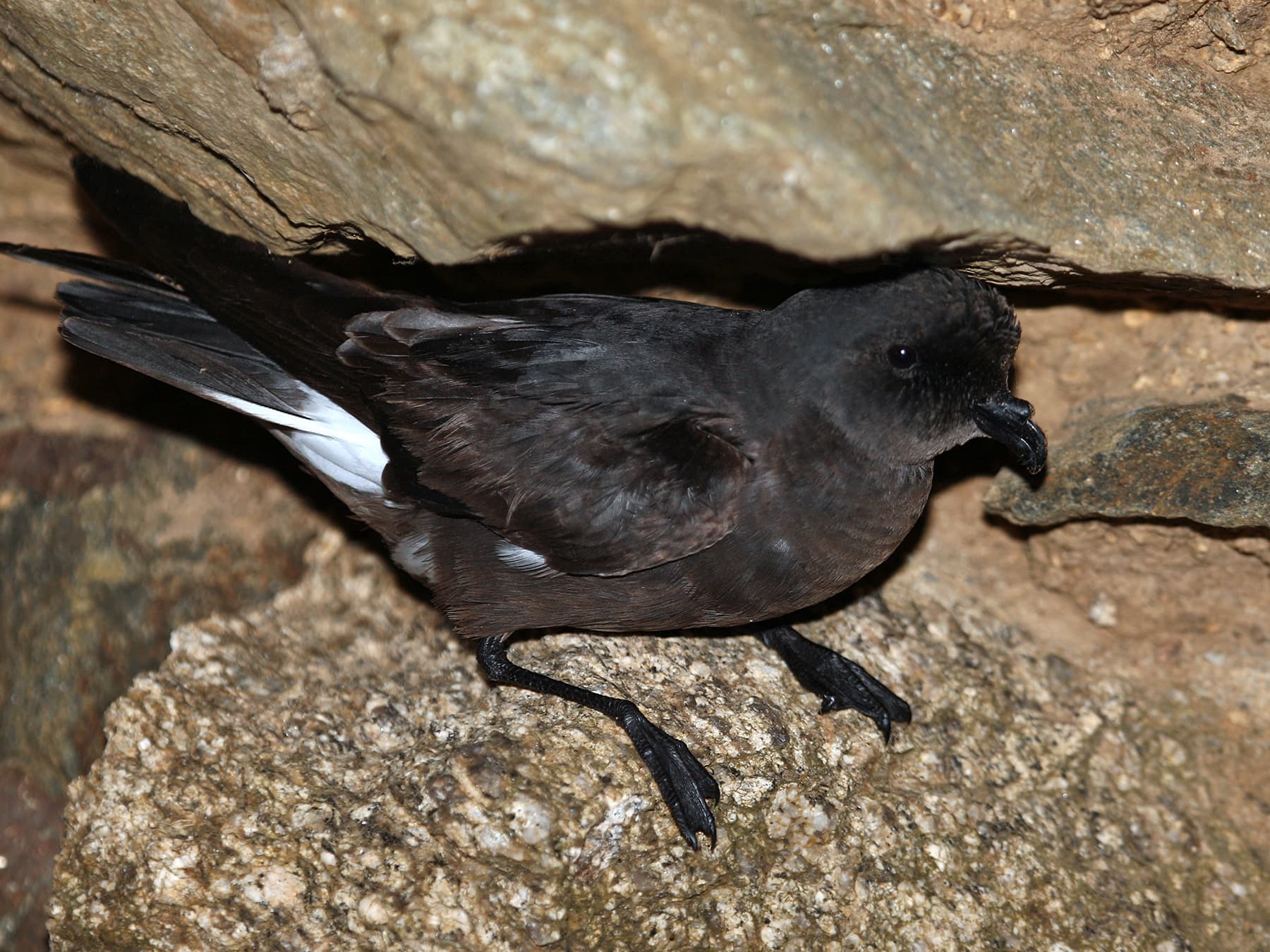
European Storm-petrel
Hydrobates pelagicusLC
An uncommon breeding seabird nesting on offshore islands, spending most of its life at sea and visiting colonies nocturnally from May to November.
May–Nov
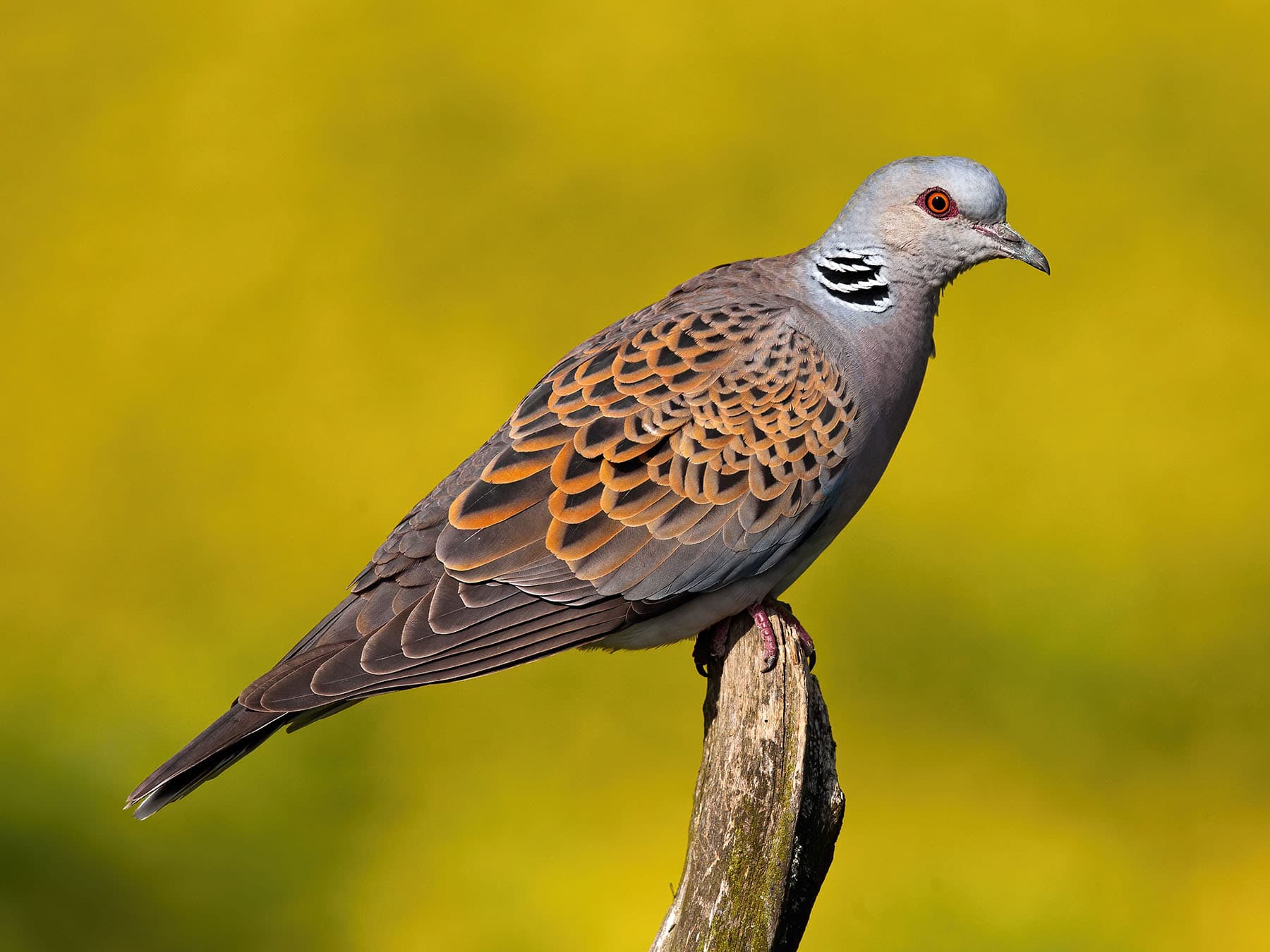
European Turtle-dove
Streptopelia turturVU
A declining summer breeder now largely restricted to south-east England. Favours farmland with thick hedgerows; its purring song is increasingly scarce.
Apr–Oct
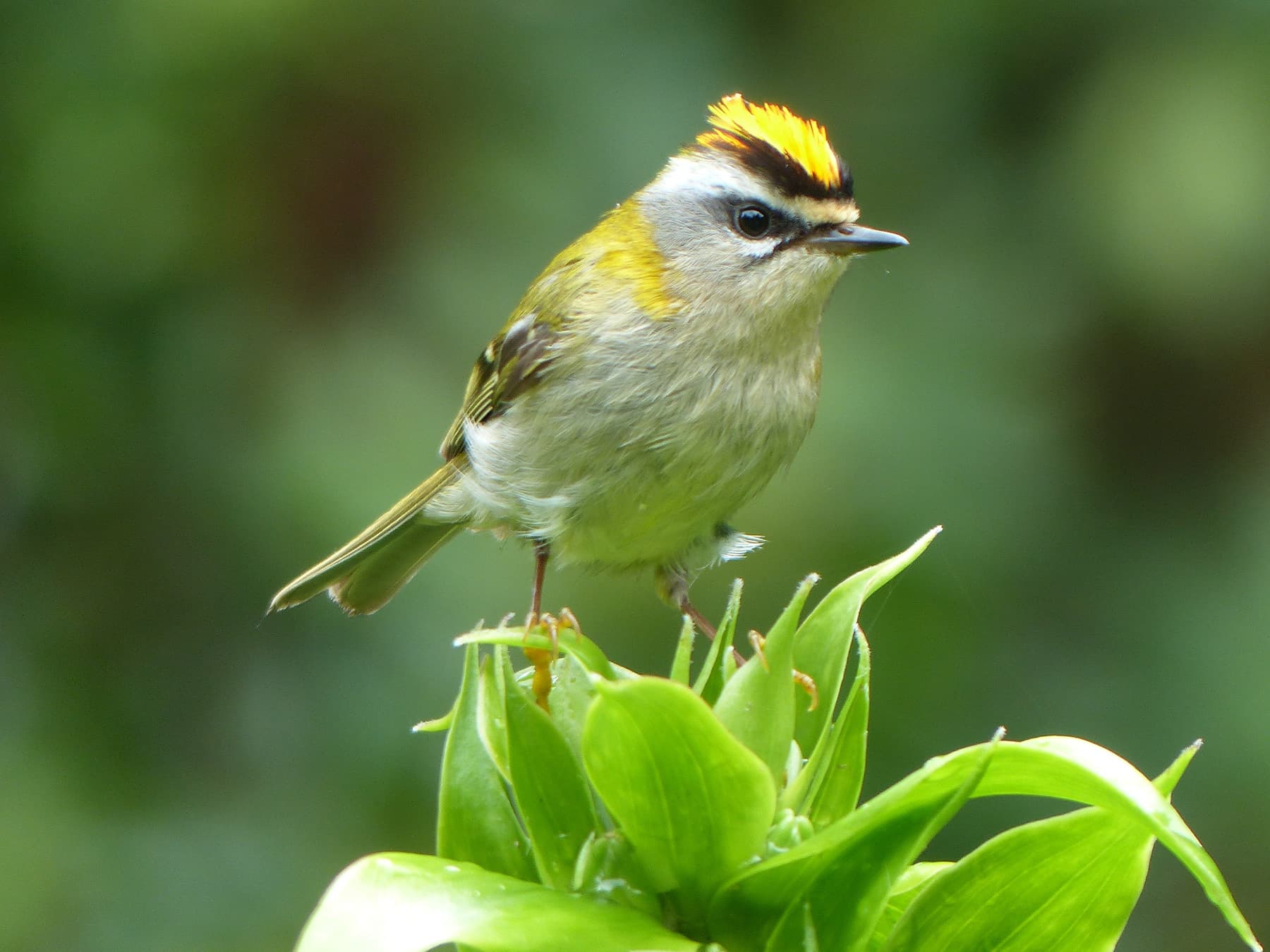
Firecrest
Regulus ignicapillaLC
A tiny, jewel-like bird with a striking orange crown stripe, found in coniferous and mixed woodland. Has increased as a breeding resident in southern England.
Year-round
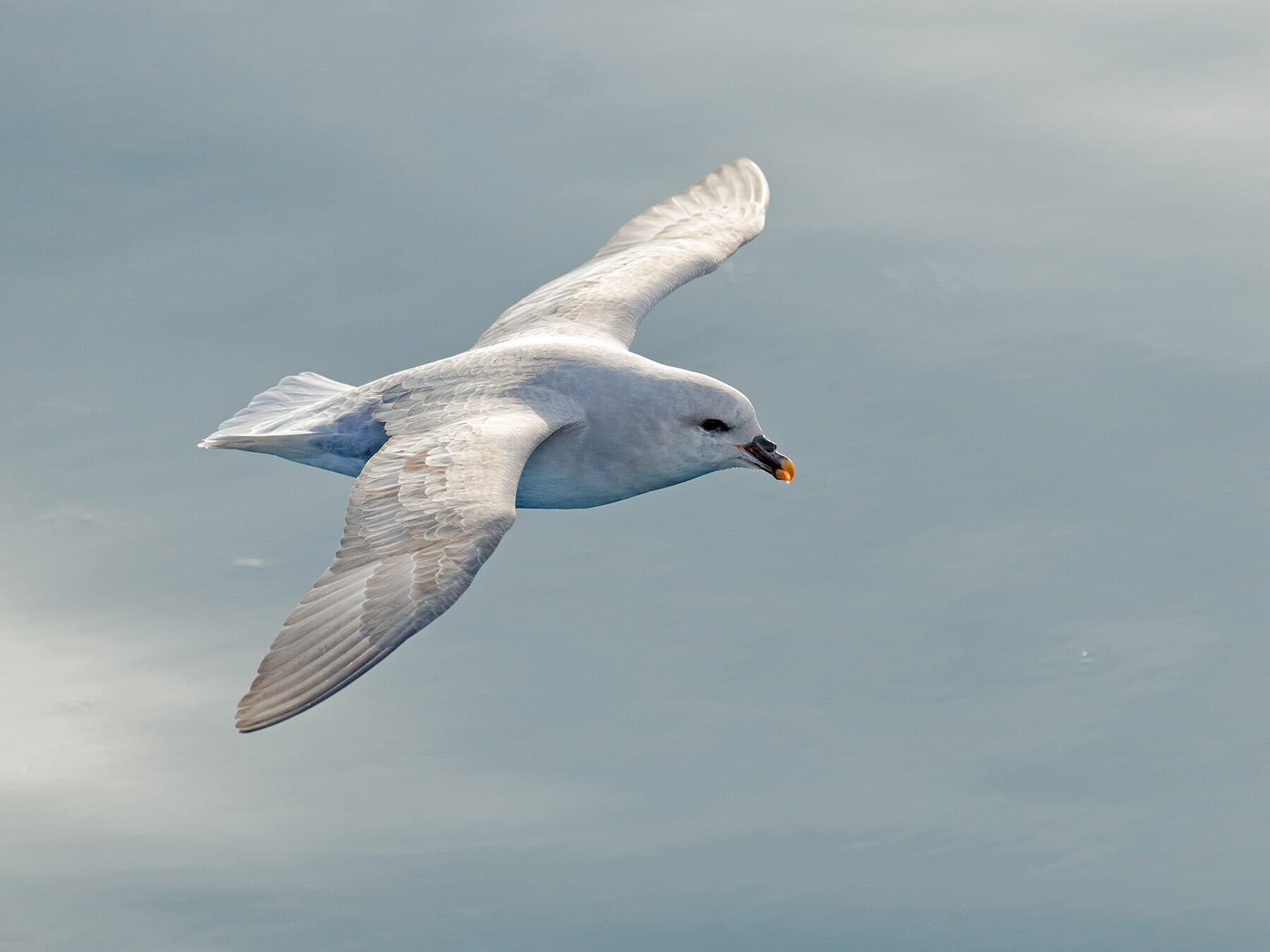
Fulmar
Fulmarus glacialisLC
An uncommon resident of sea cliffs, nesting in colonies along the English coastline. Often seen gliding stiff-winged over the waves in all seasons.
Year-round
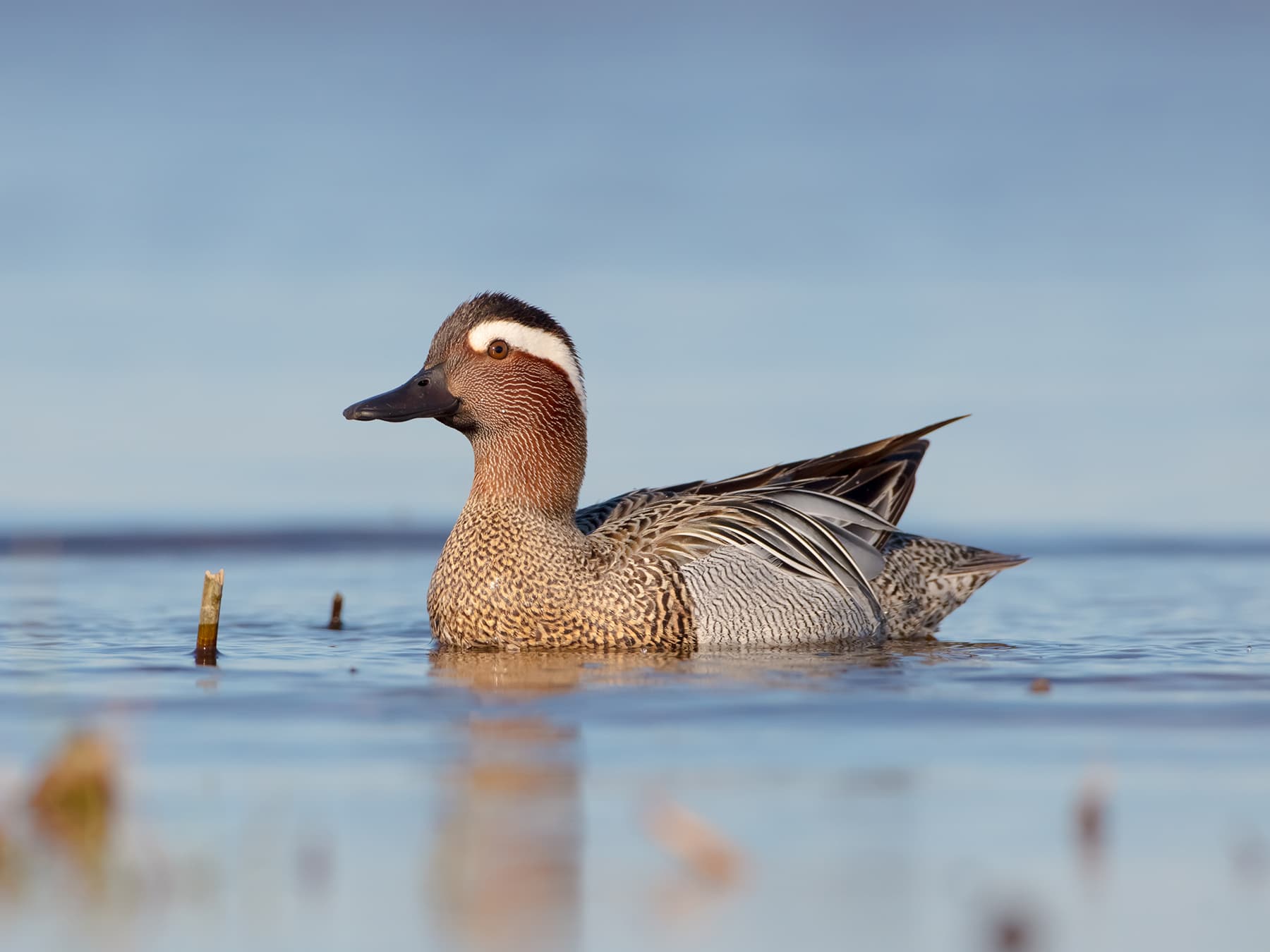
Garganey
Spatula querquedulaLC
An uncommon summer breeder on lowland marshes and flooded meadows, mainly in southeast England. Arrives in March and departs by October.
Mar–Oct
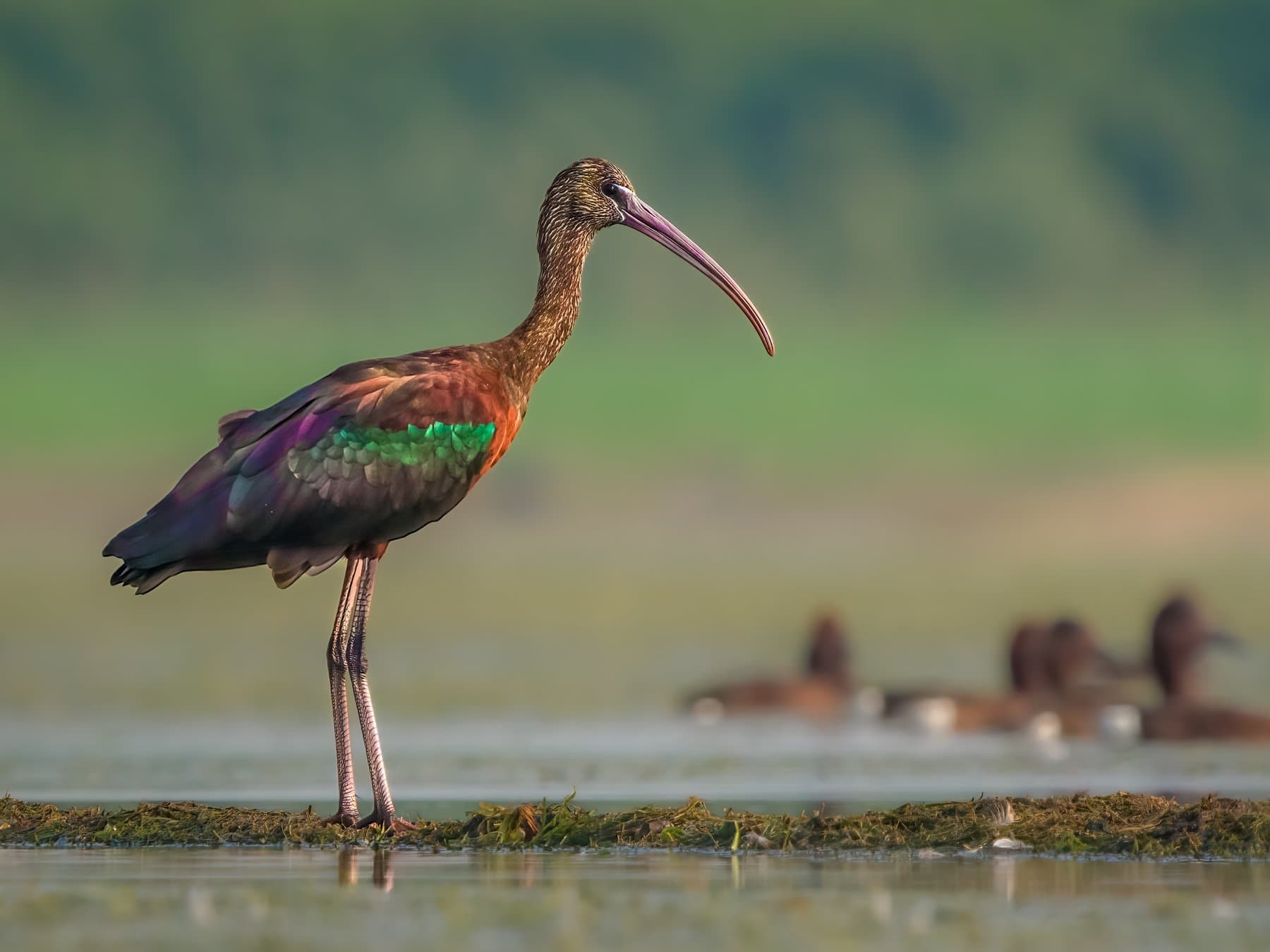
Glossy Ibis
Plegadis falcinellusLC
An uncommon but increasingly regular resident of marshes and wetlands. Numbers have risen in recent years, especially in southern England.
Year-round
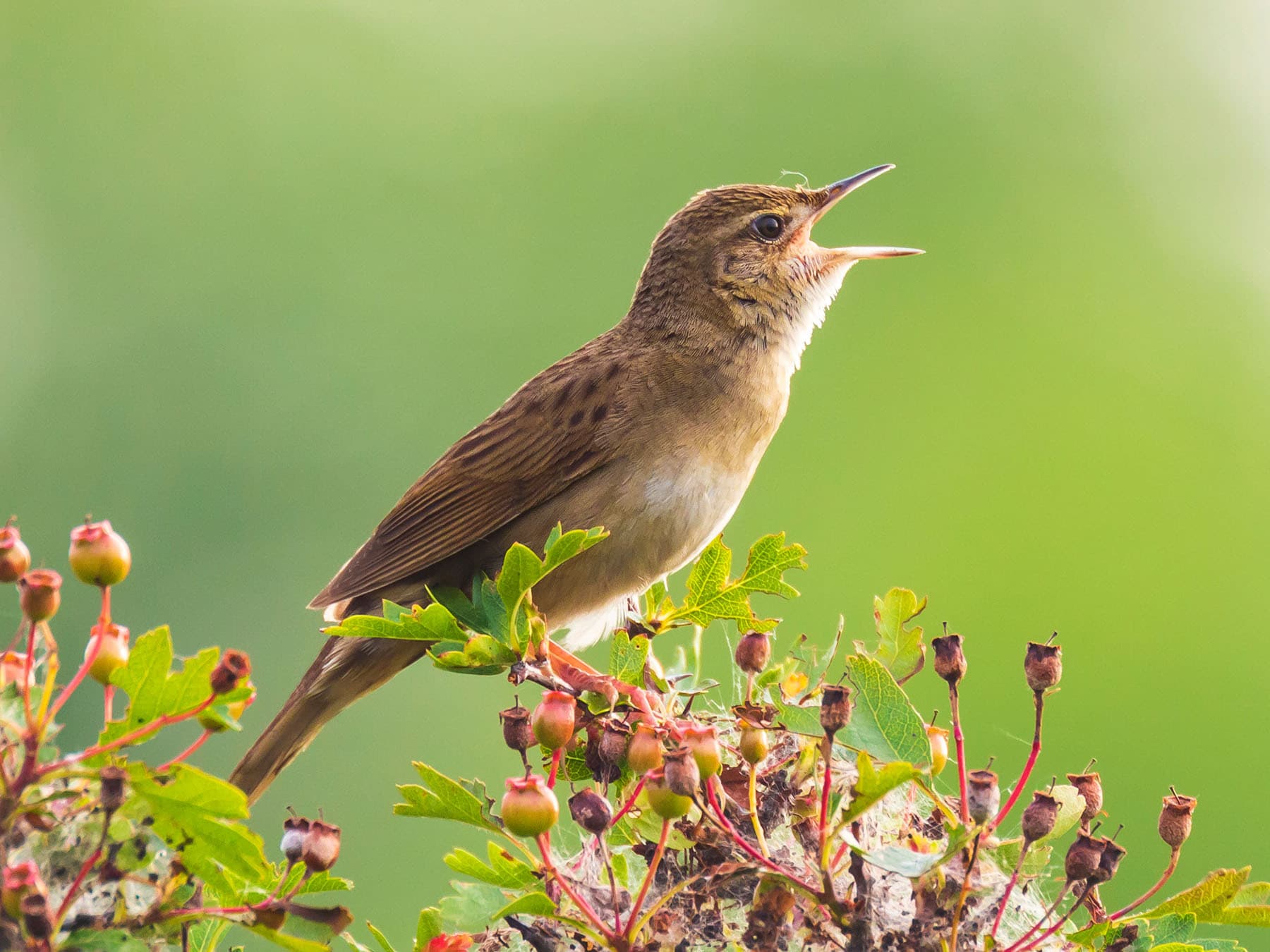
Grasshopper Warbler
Locustella naeviaLC
An uncommon and declining summer breeder in dense grassland and scrub, best detected by its distinctive insect-like reeling song.
Apr–Sep
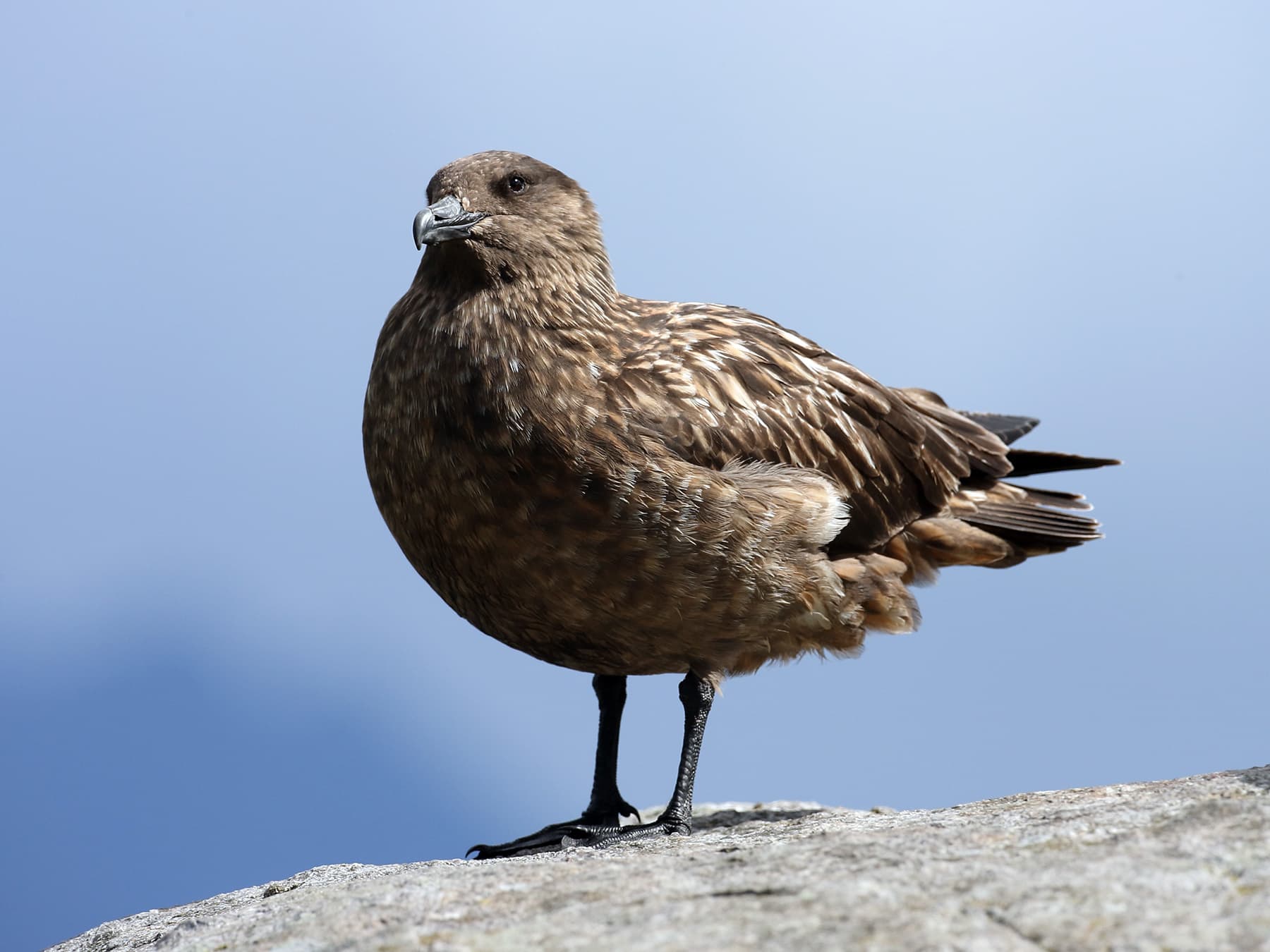
Great Skua
Catharacta skuaLC
An uncommon but powerful seabird, most often seen from coastal headlands during autumn passage. Known for aggressively pirating food from other seabirds.
Year-round
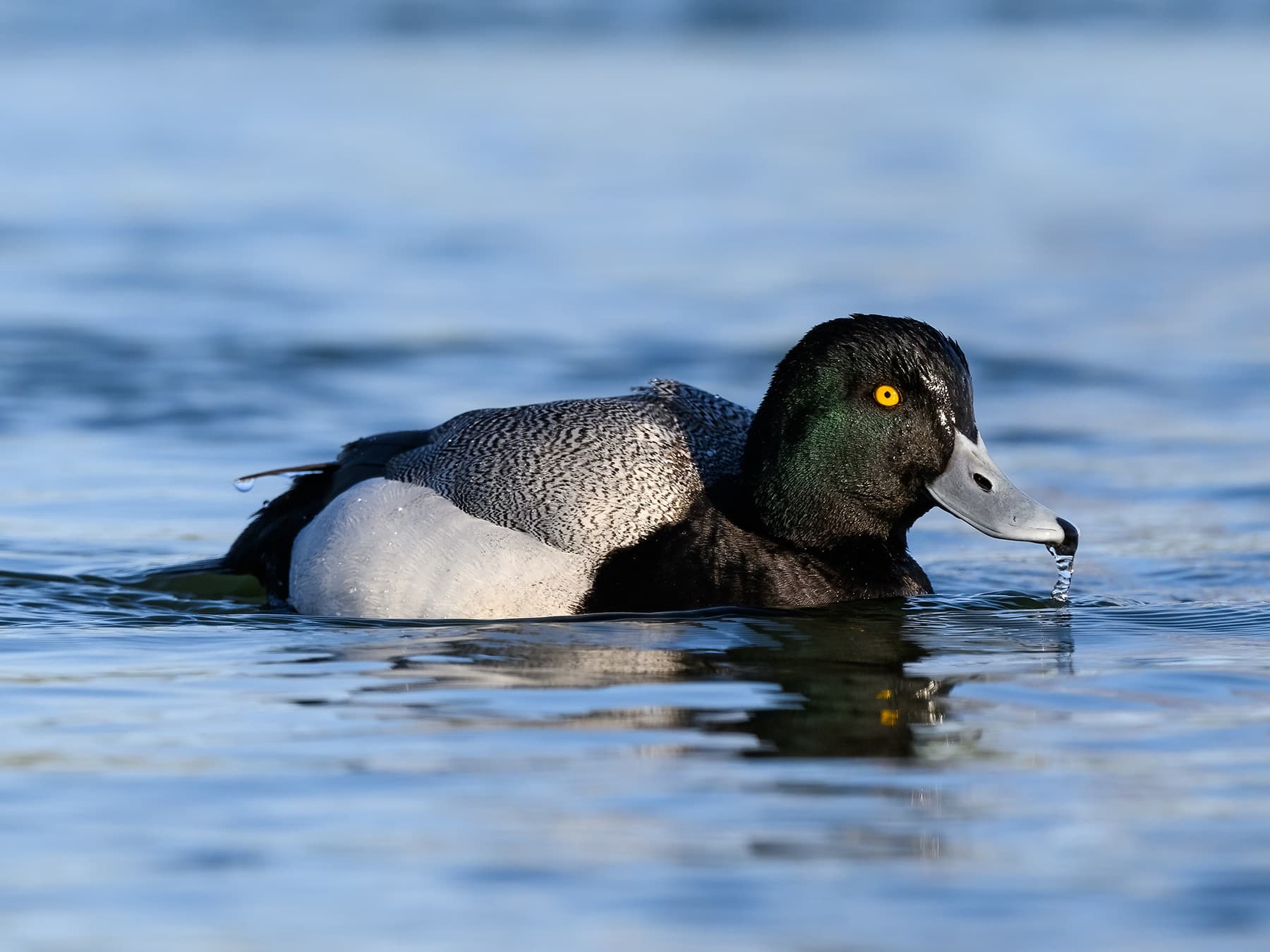
Greater Scaup
Aythya marilaLC
An uncommon diving duck found mainly on coastal waters, estuaries and large reservoirs. Numbers peak in winter with arrivals from northern breeding grounds.
Jul–May
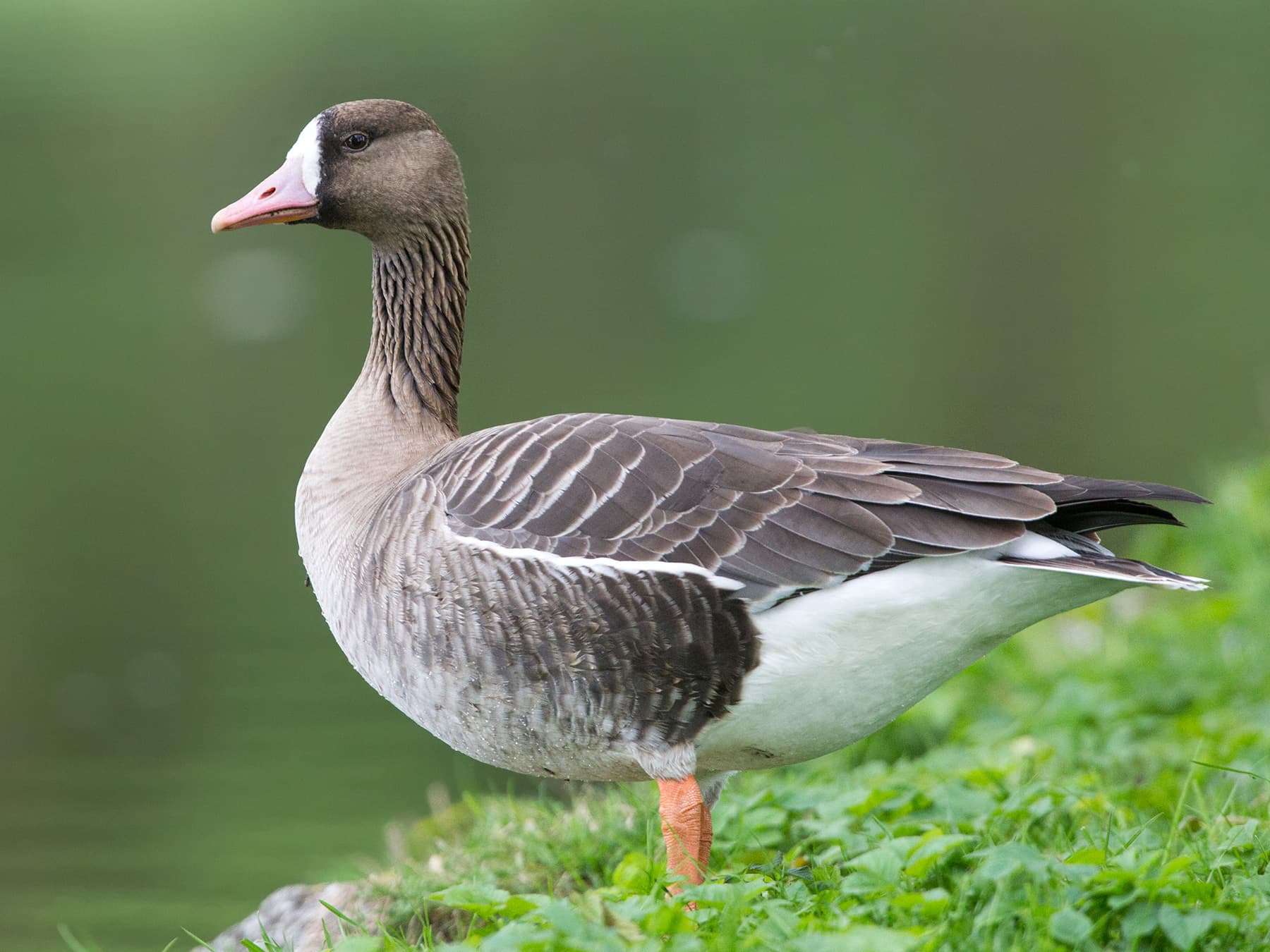
Greater White-fronted Goose
Anser albifronsLC
Winters in small numbers at traditional sites such as the Severn Estuary and Kent marshes. Grazes on wet grasslands alongside other wintering geese.
Year-round
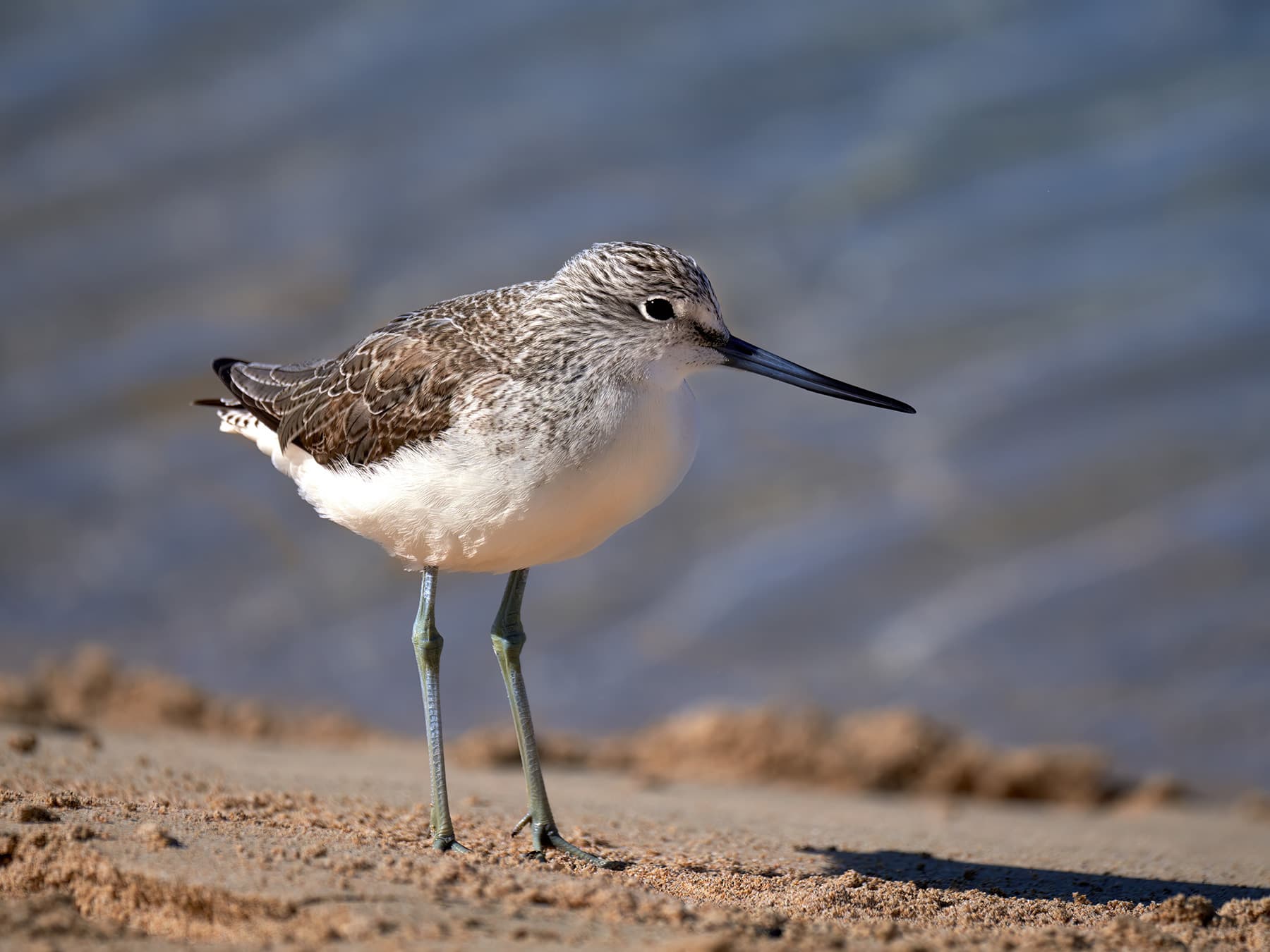
Greenshank
Tringa nebulariaLC
An uncommon but year-round wader, most often seen on estuaries and coastal marshes during passage and winter months.
Year-round
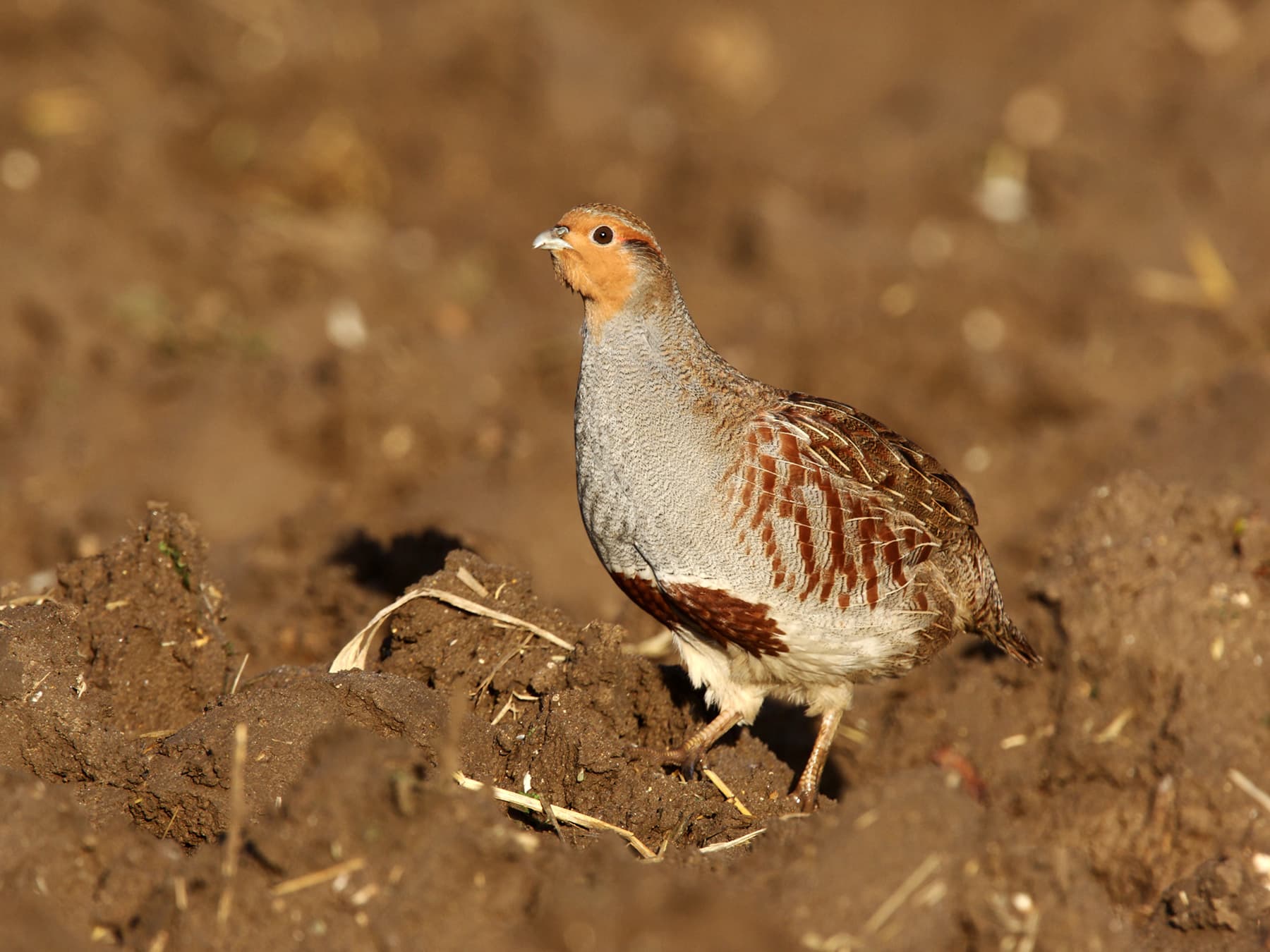
Grey Partridge
Perdix perdixLC
An uncommon and declining resident of arable farmland. Once widespread, it has suffered badly from agricultural intensification.
Year-round
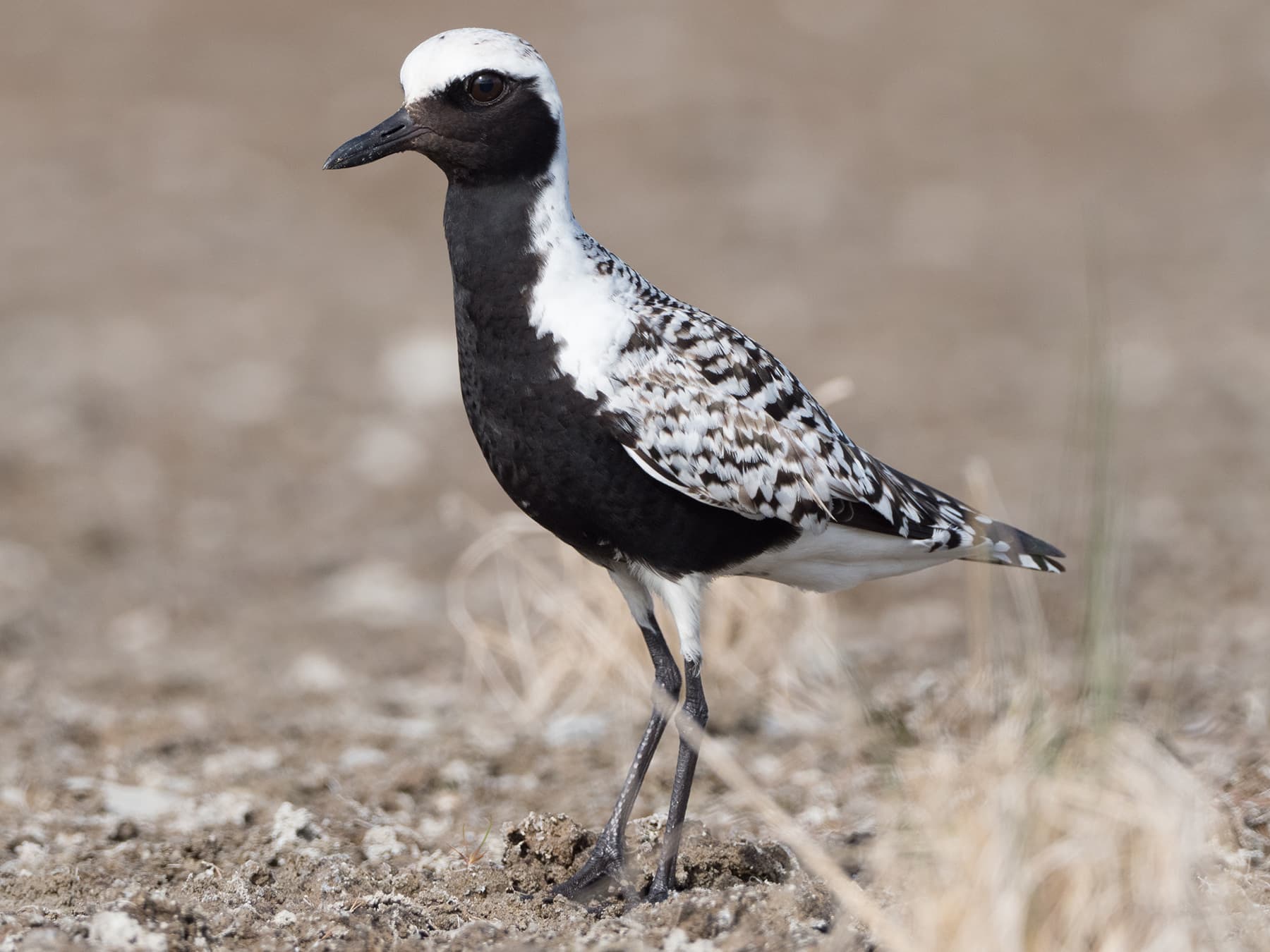
Grey Plover
Pluvialis squatarolaLC
An uncommon wader of muddy estuaries and coastal flats, most numerous in winter. Its plaintive three-note whistle and black axillary patches in flight aid identification.
Year-round
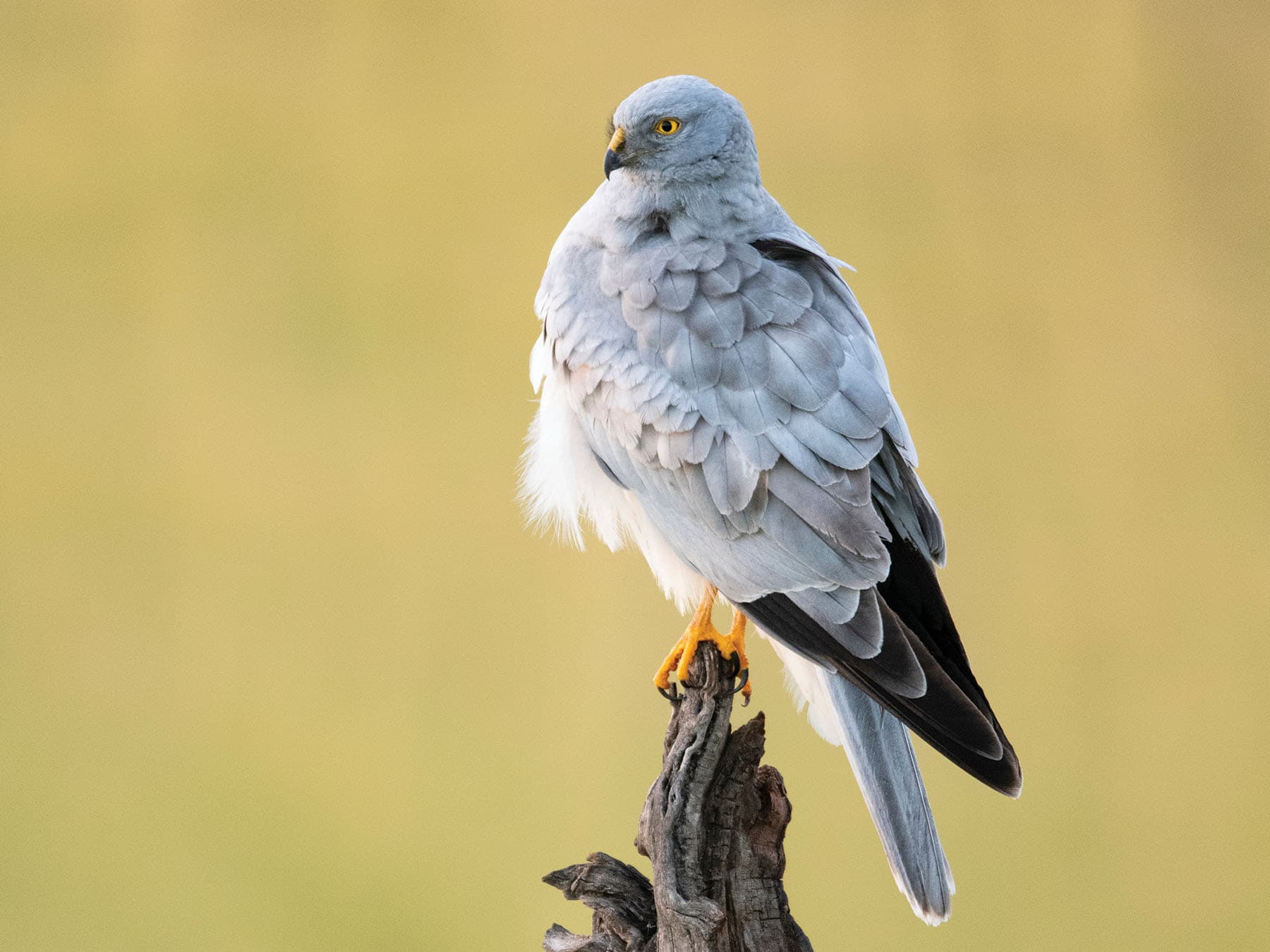
Hen Harrier
Circus cyaneusLC
An uncommon resident, breeding on upland moorland but wintering more widely on lowland marshes and farmland. Heavily persecuted, it remains a conservation priority.
Year-round