Uncommon Birds in England
99 species matching this filter.
England is home to around 95 uncommon bird species that reward patient and knowledgeable observers with truly memorable sightings. From the ethereal Barn Owl quartering farmland at dusk to the striking Eurasian Stone-curlew on dry heathlands and the elegant Common Crane returning to eastern wetlands, these birds occupy a fascinating range of habitats across the country. Whether scanning coastal waters for Arctic Jaegers and Great Skuas or exploring ancient woodlands for Eurasian Woodcock, birders willing to venture beyond the usual hotspots will find England's uncommon species well worth the effort.


Showing 1–23 of 99 species
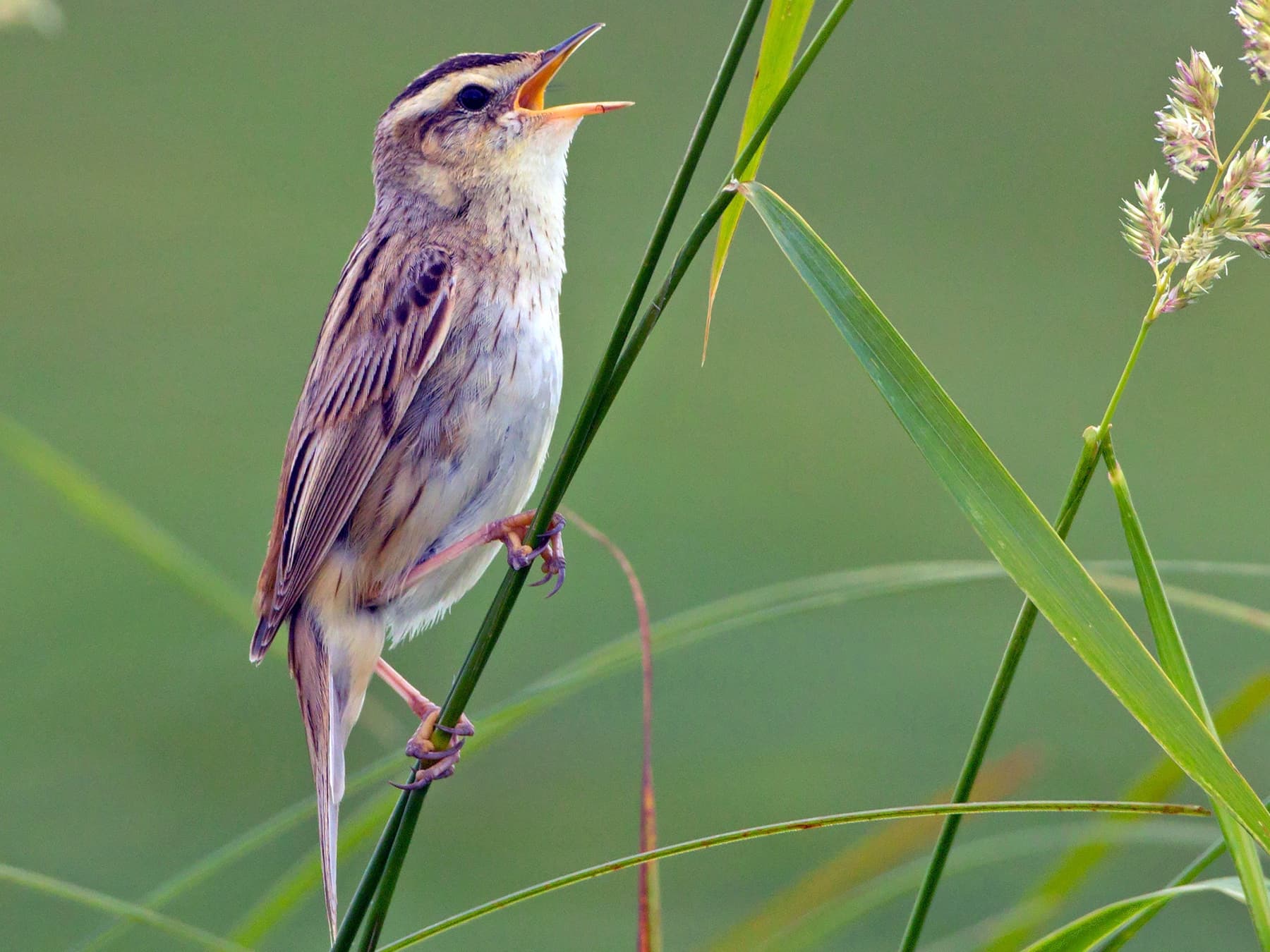
Aquatic Warbler
Acrocephalus paludicolaVU
A rare passage migrant through southern coastal wetlands, mainly in autumn. Best looked for in sedge beds along the south coast, particularly in Dorset and Sussex.
Jun–Sep
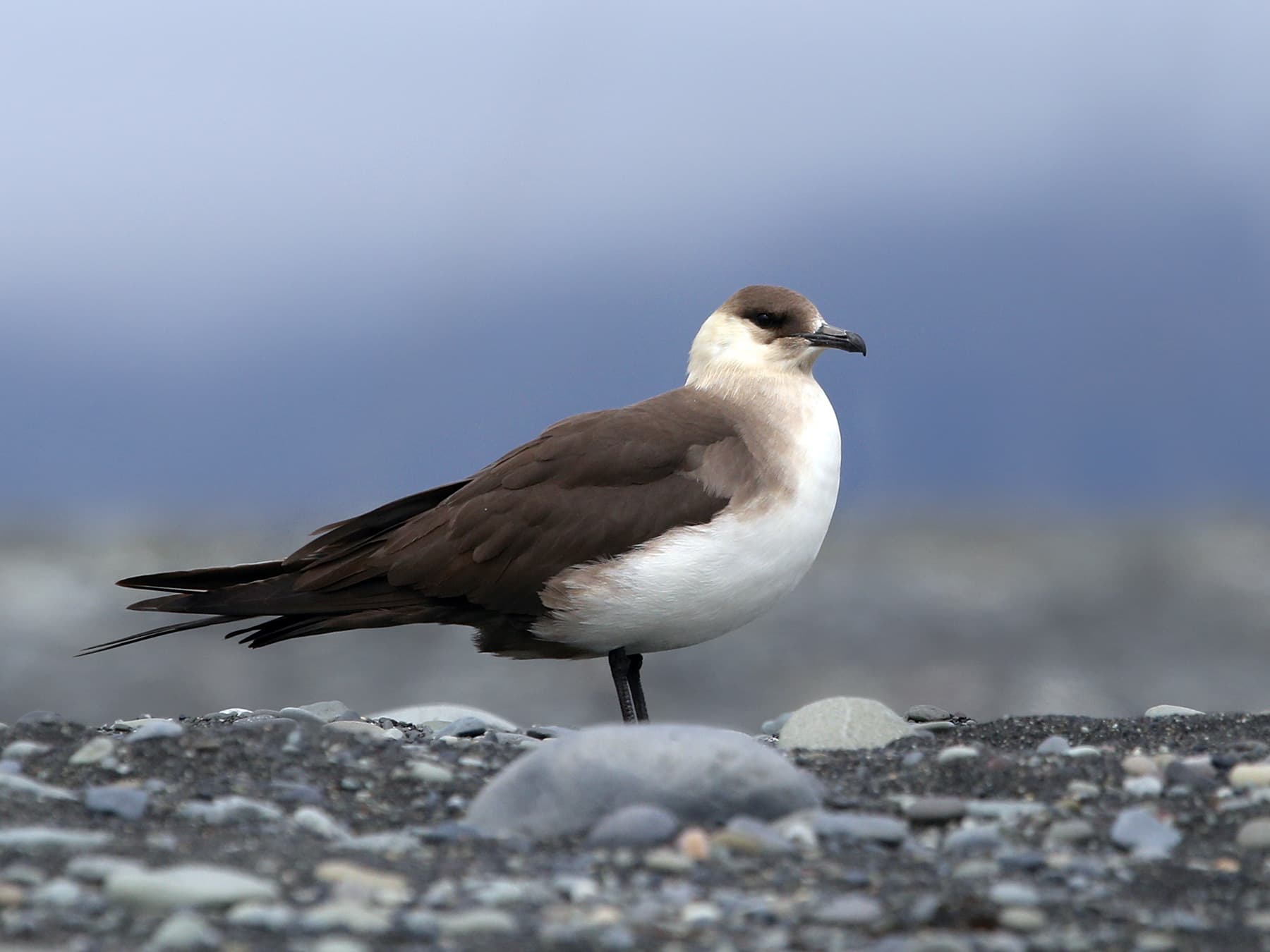
Arctic Jaeger
Stercorarius parasiticusLC
An uncommon seabird seen mainly on passage off the coast from spring to autumn. Harasses terns and gulls to steal food in acrobatic aerial pursuits.
Mar–Dec
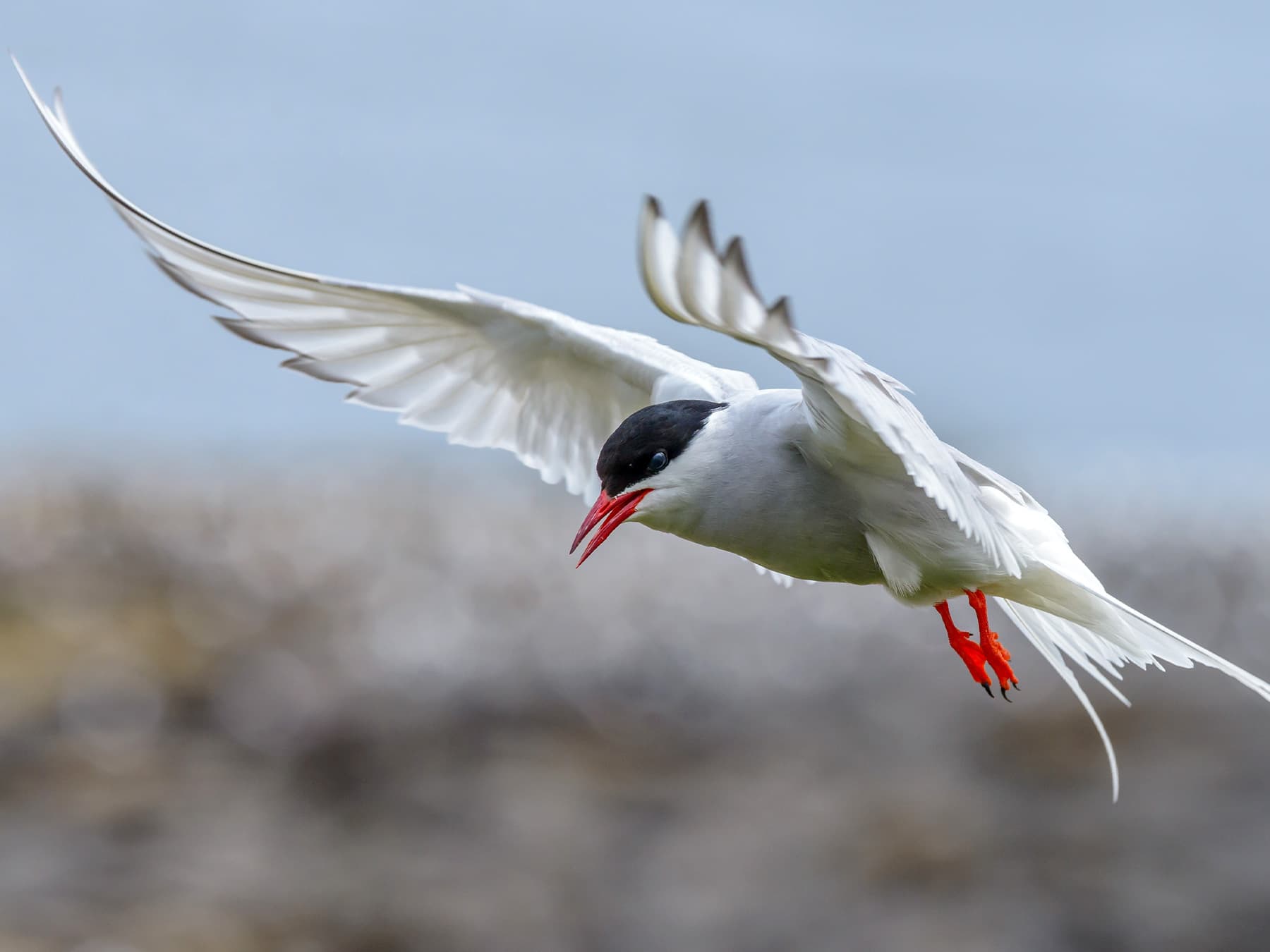
Arctic Tern
Sterna paradisaeaLC
An uncommon breeder on northern English coasts, present from April to November. Farne Islands hosts notable colonies of this long-distance migrant.
Apr–Nov
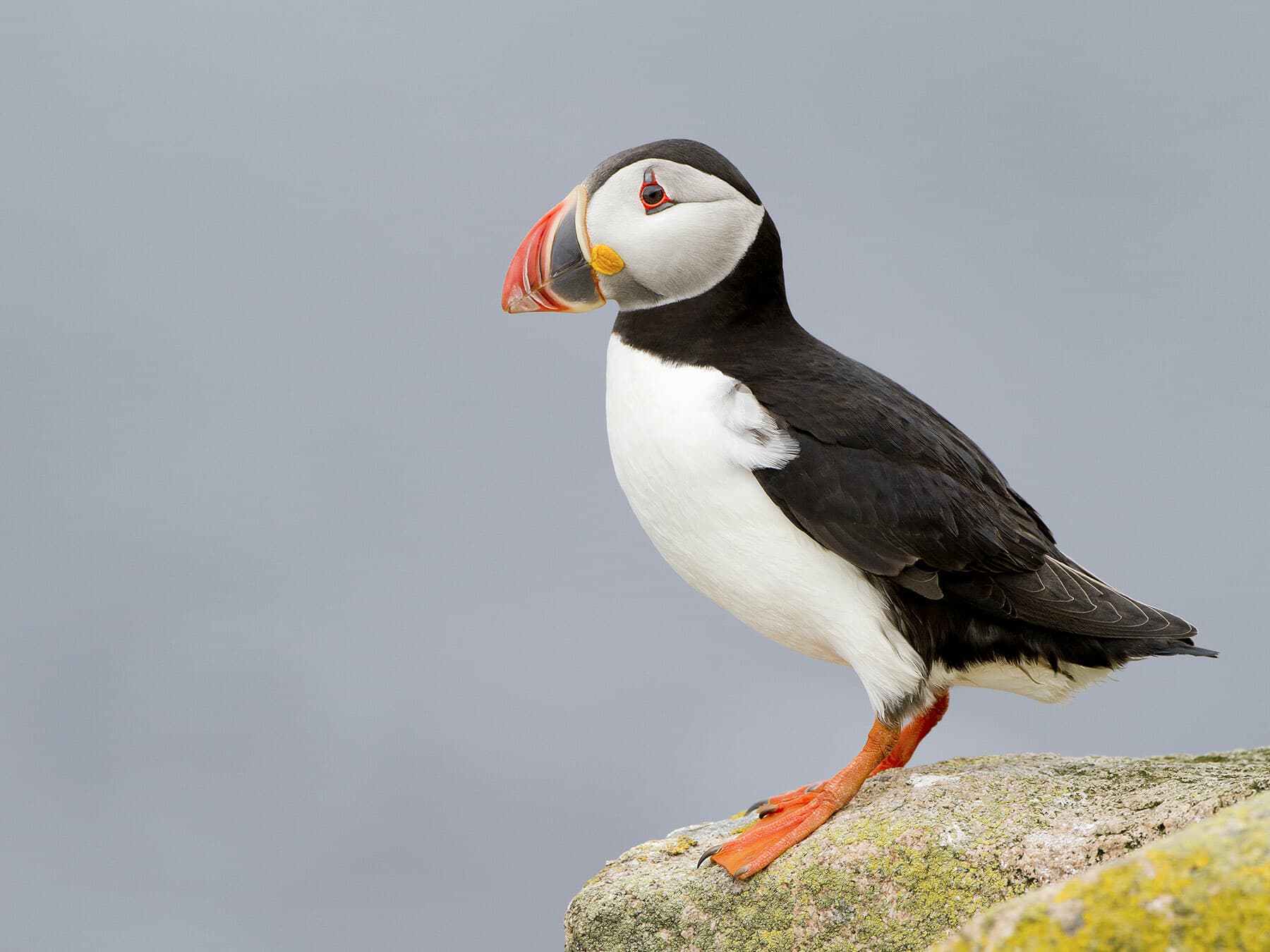
Atlantic Puffin
Fratercula arcticaVU
Breeds at a few seabird colonies along the English coast, notably the Farne Islands. Spends much of the year at sea, returning to clifftop burrows in spring.
Year-round
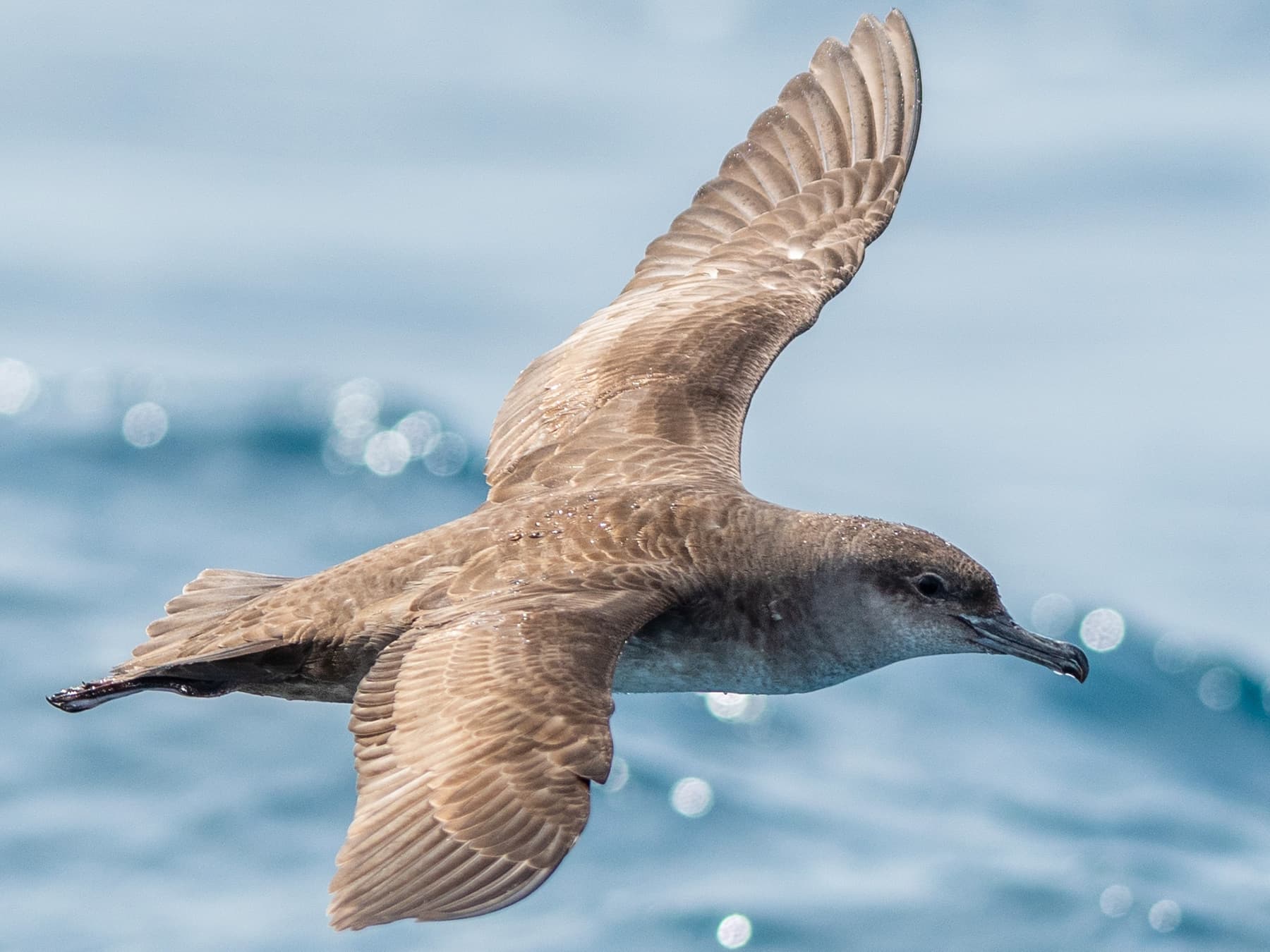
Balearic Shearwater
Puffinus mauretanicusCR
An uncommon seabird seen offshore from June to November, mainly from southern and south-western coasts. Critically endangered globally, making English sightings significant.
Jun–Nov
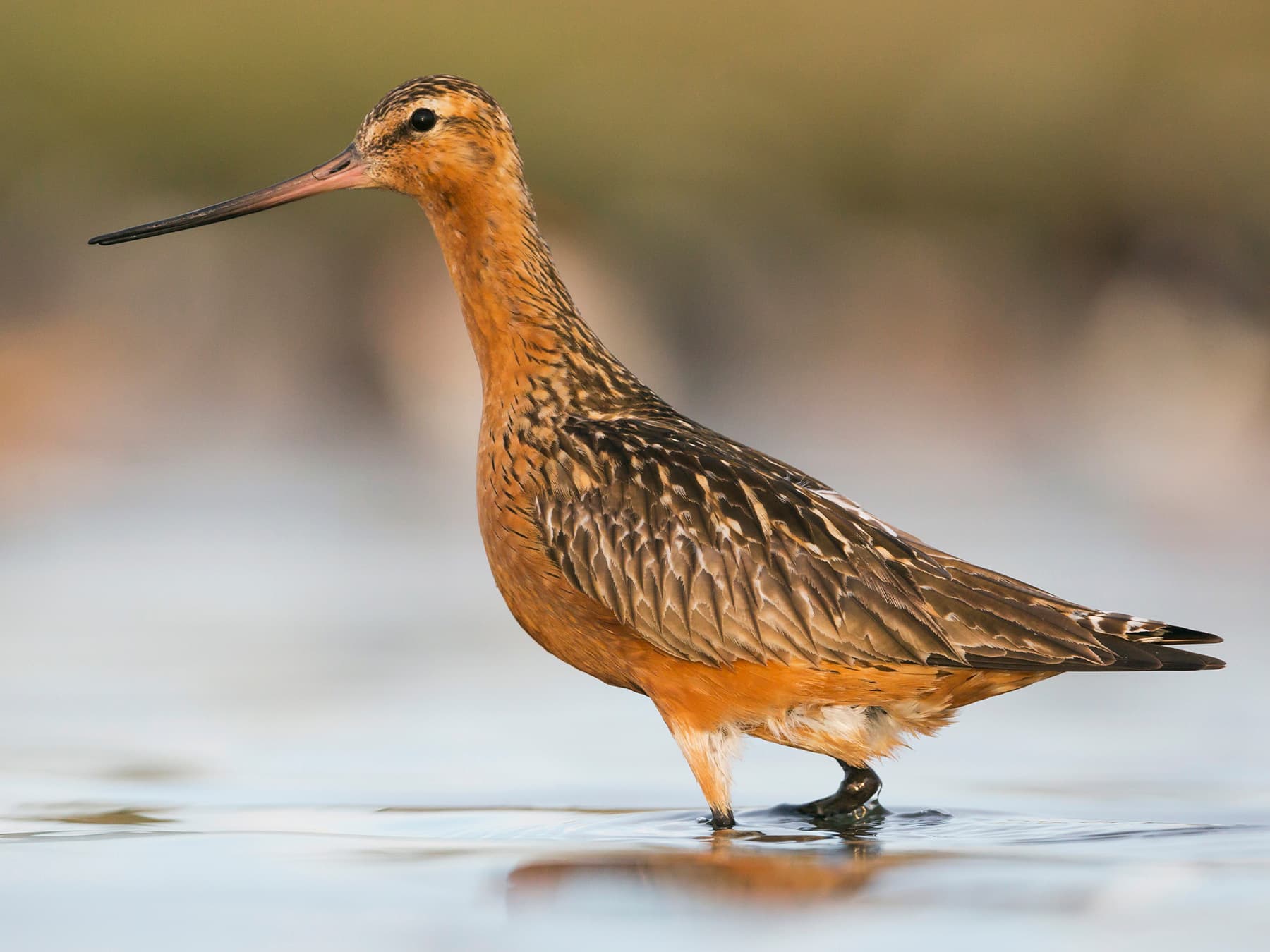
Bar-tailed Godwit
Limosa lapponicaNT
An uncommon wader found on estuaries and sandy shores year-round, with peak numbers in winter when Arctic breeders arrive.
Year-round
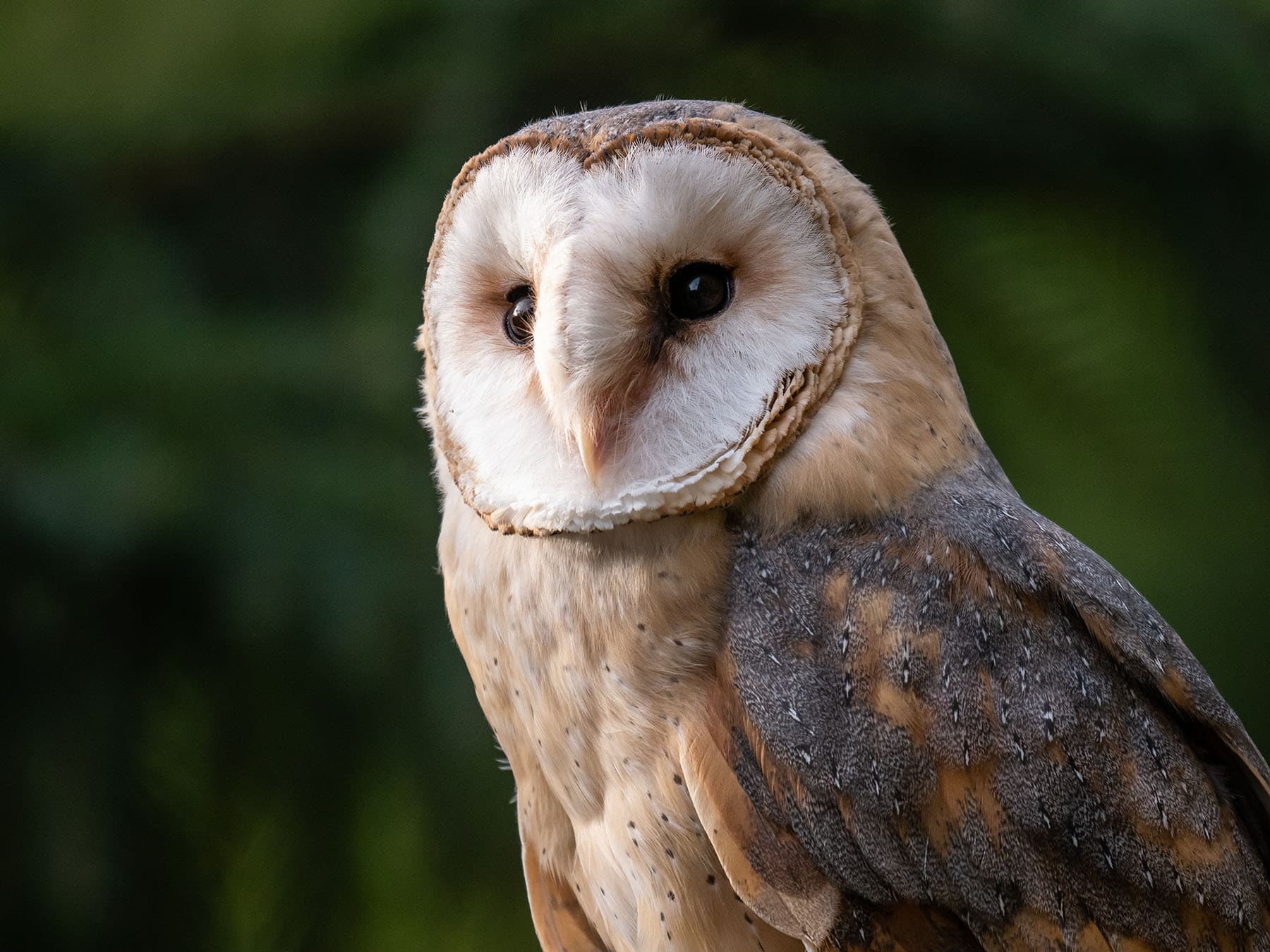
Barn Owl
Tyto albaLC
A year-round resident of farmland, rough grassland, and church towers. Often seen hunting at dusk along field margins; populations have partially recovered after past declines.
Year-round
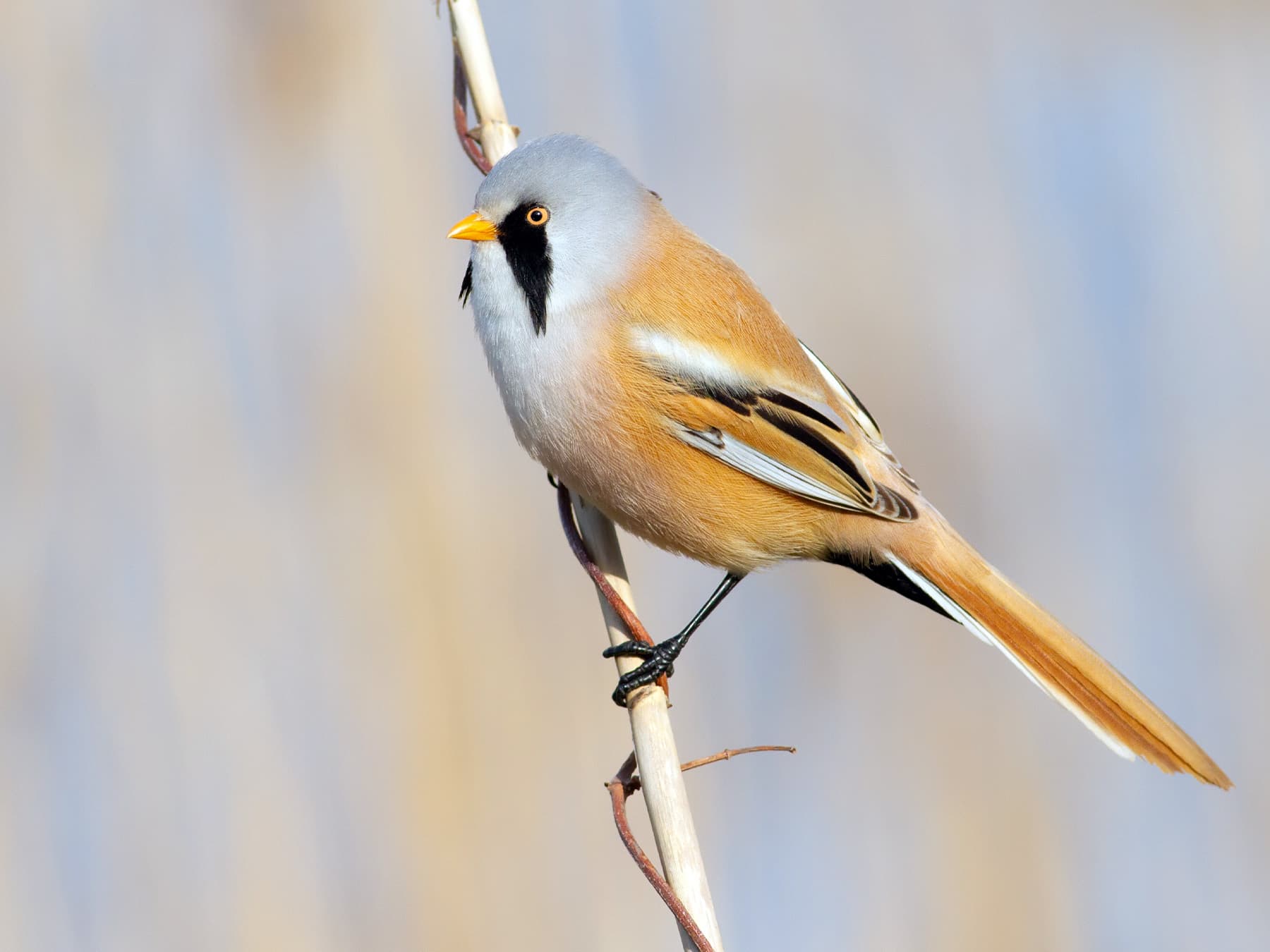
Bearded Tit
Panurus biarmicusLC
An uncommon resident of extensive reedbeds, with strongholds in East Anglia and the Somerset Levels. Often detected by distinctive pinging calls in autumn.
Year-round
Spotted something?
Upload a photo to identify it
Identify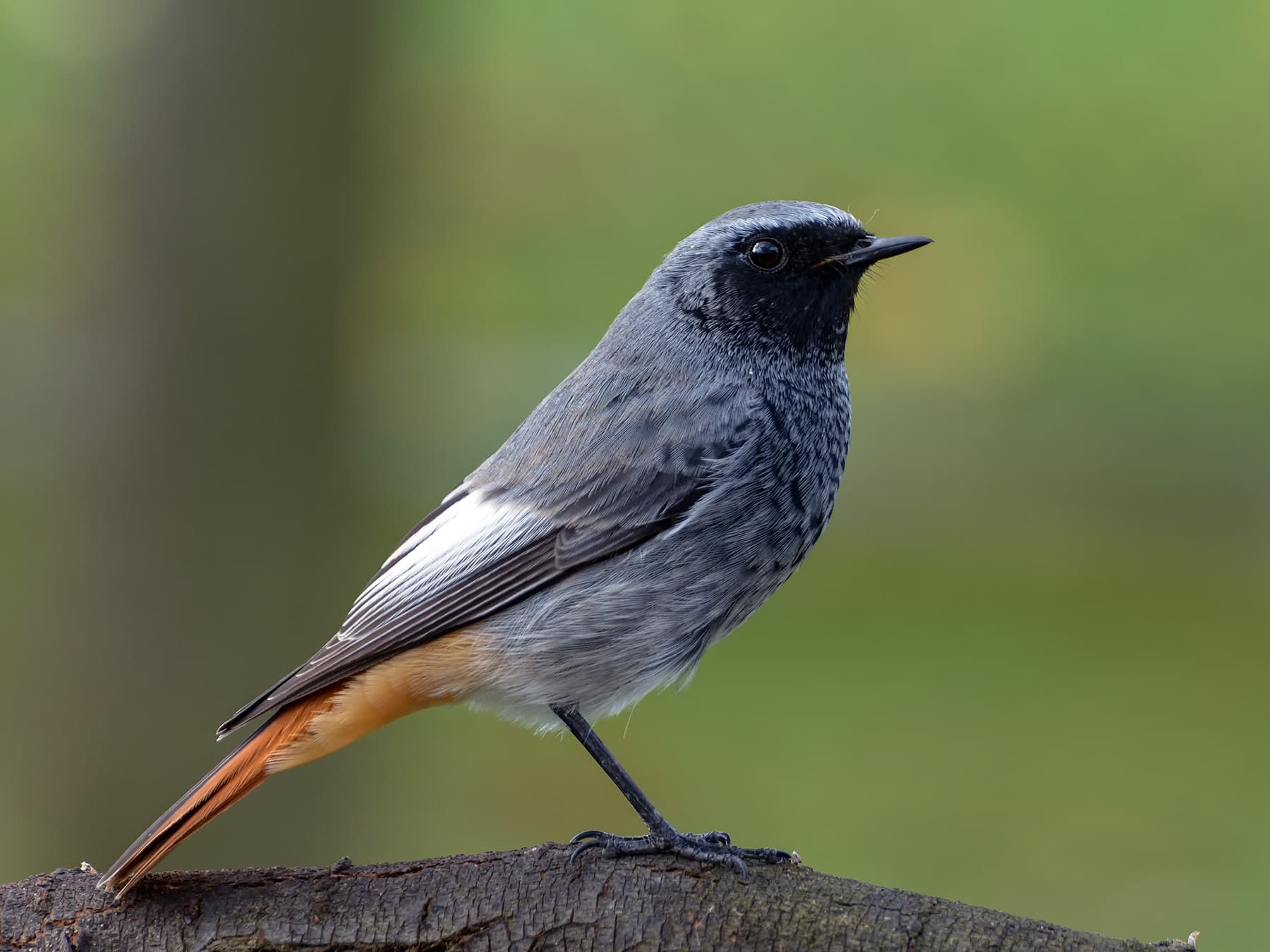
Black Redstart
Phoenicurus ochrurosLC
An uncommon year-round resident, favouring industrial sites, power stations and urban buildings. Scarce as a breeder but more widespread in winter.
Year-round
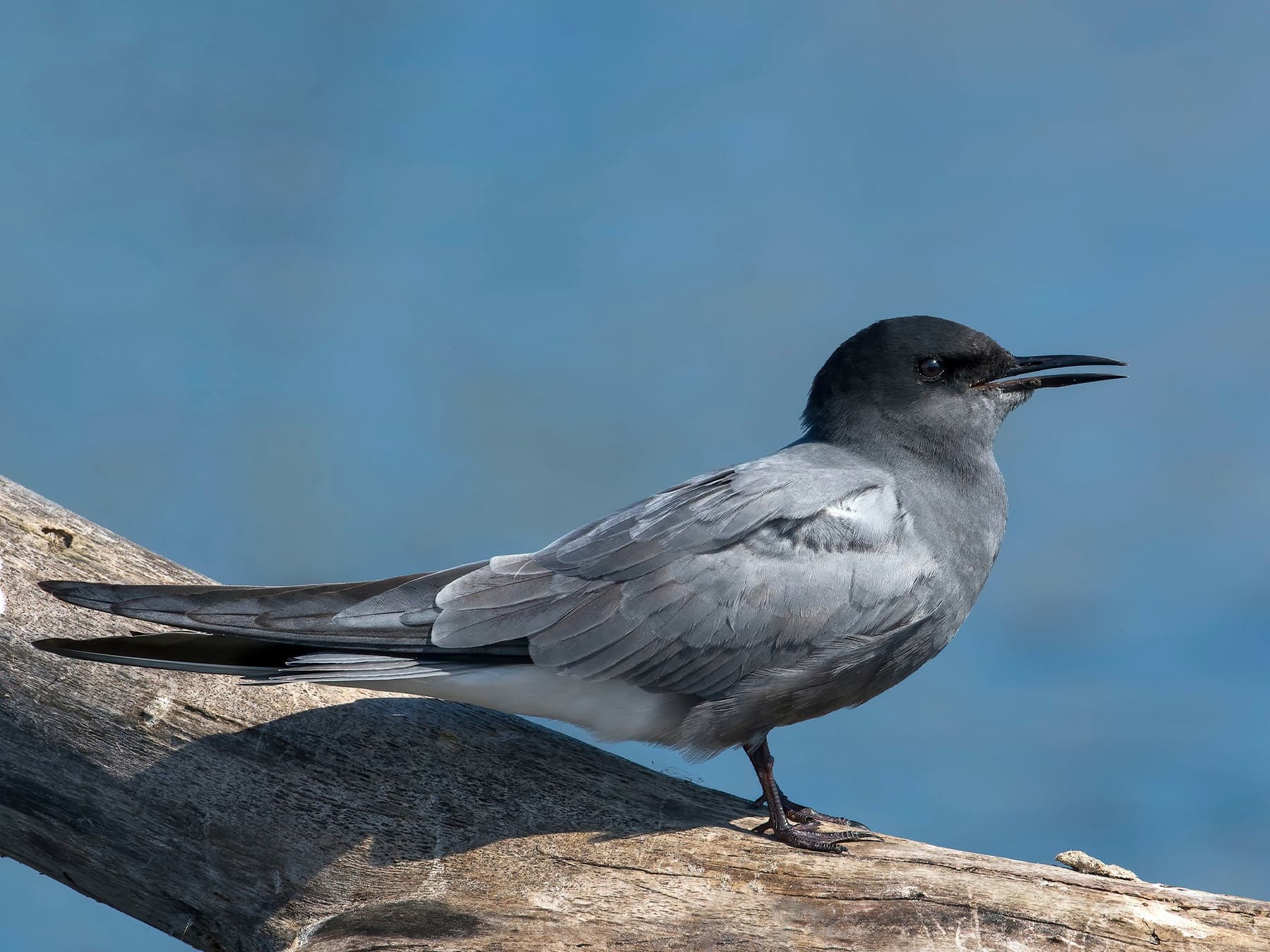
Black Tern
Chlidonias nigerLC
An uncommon passage and summer visitor to freshwater lakes and reservoirs. Most regularly seen at inland wetlands during spring and autumn migration.
Apr–Nov
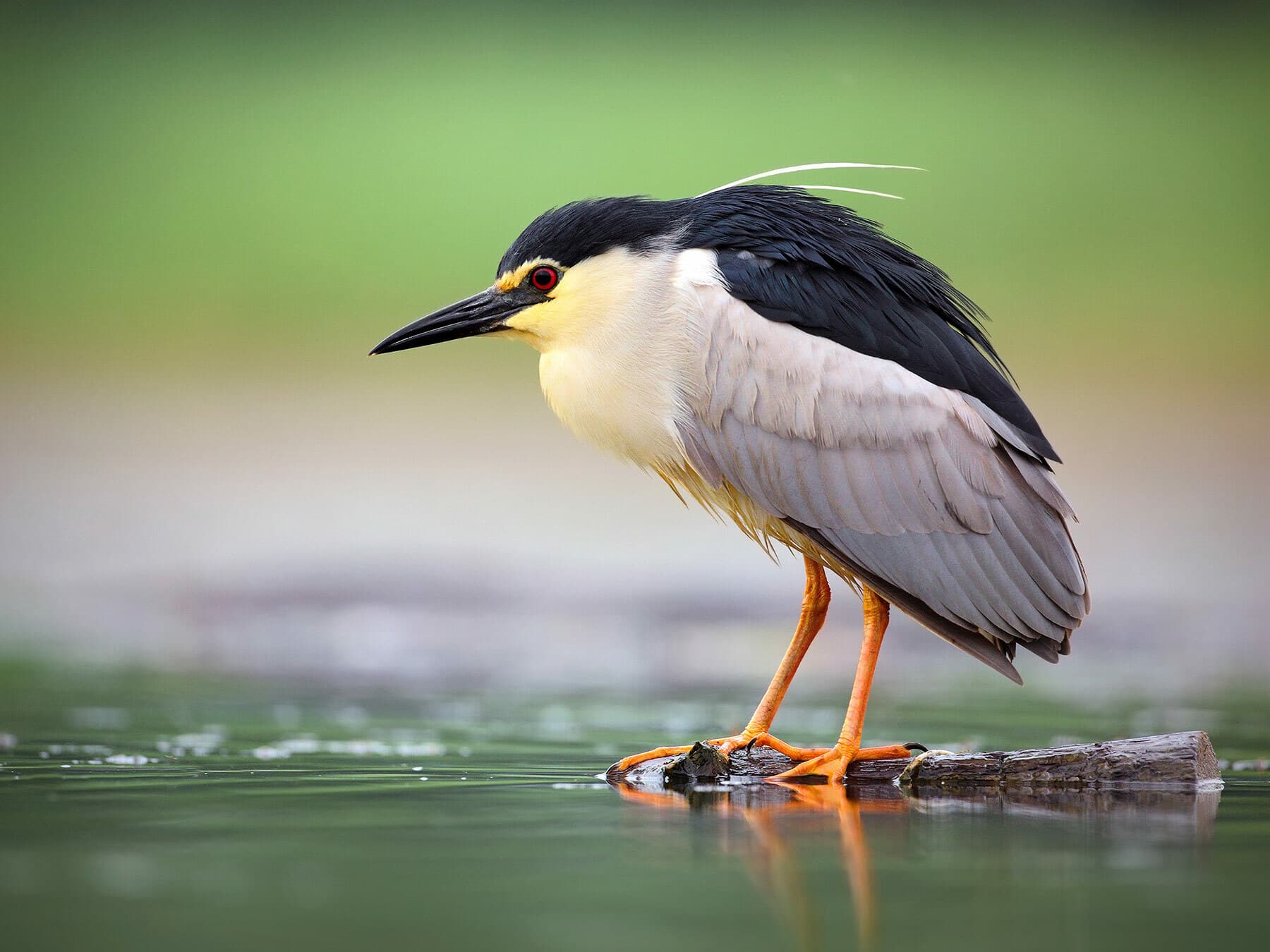
Black-crowned Night-heron
Nycticorax nycticoraxLC
An uncommon passage visitor to wetlands and reedbeds, most often seen between April and August. A small breeding population is becoming established.
Apr–Aug
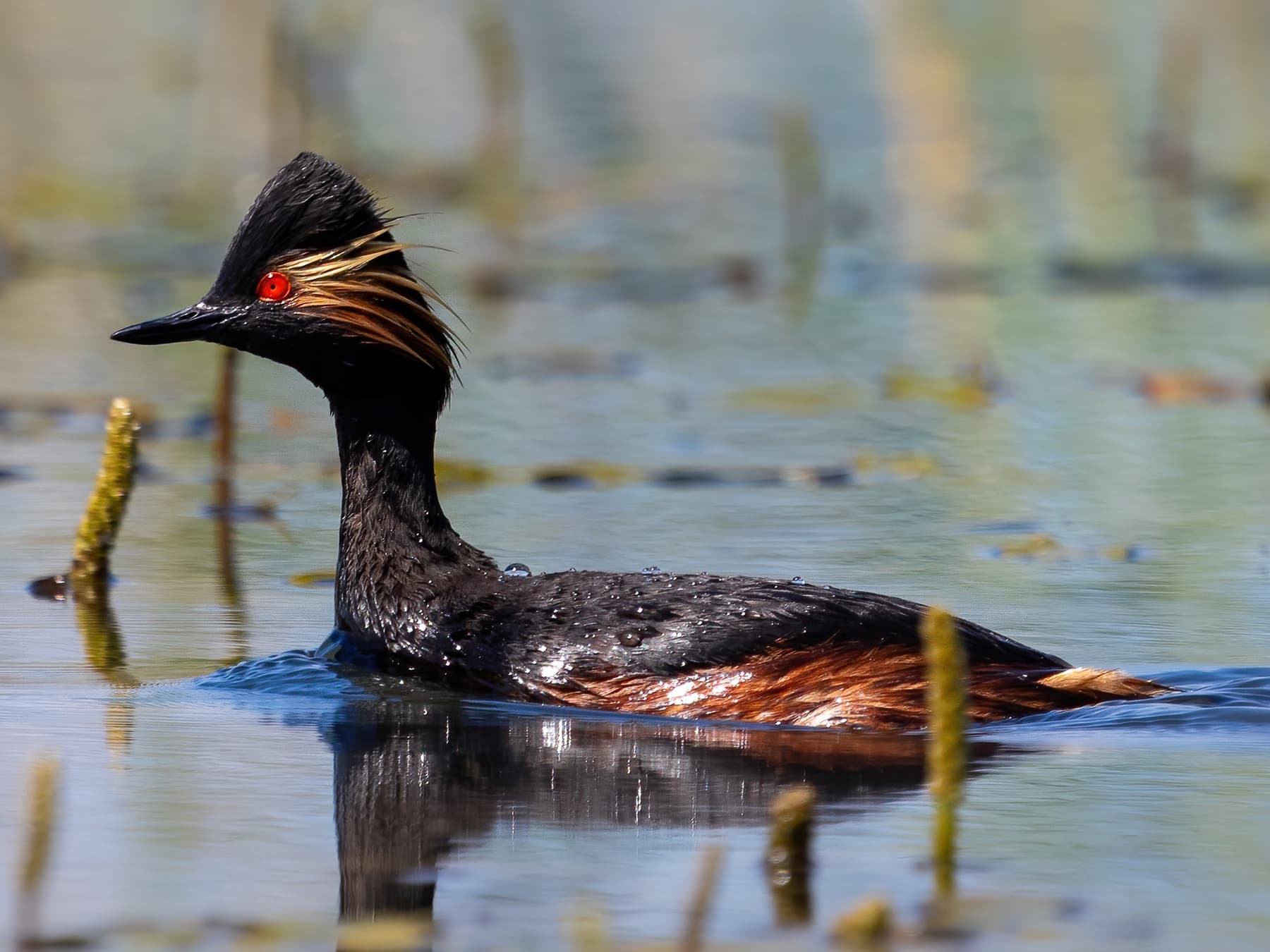
Black-necked Grebe
Podiceps nigricollisLC
An uncommon resident grebe breeding at a handful of shallow lakes. In winter, gathers in small flocks on reservoirs and sheltered coastal waters.
Year-round
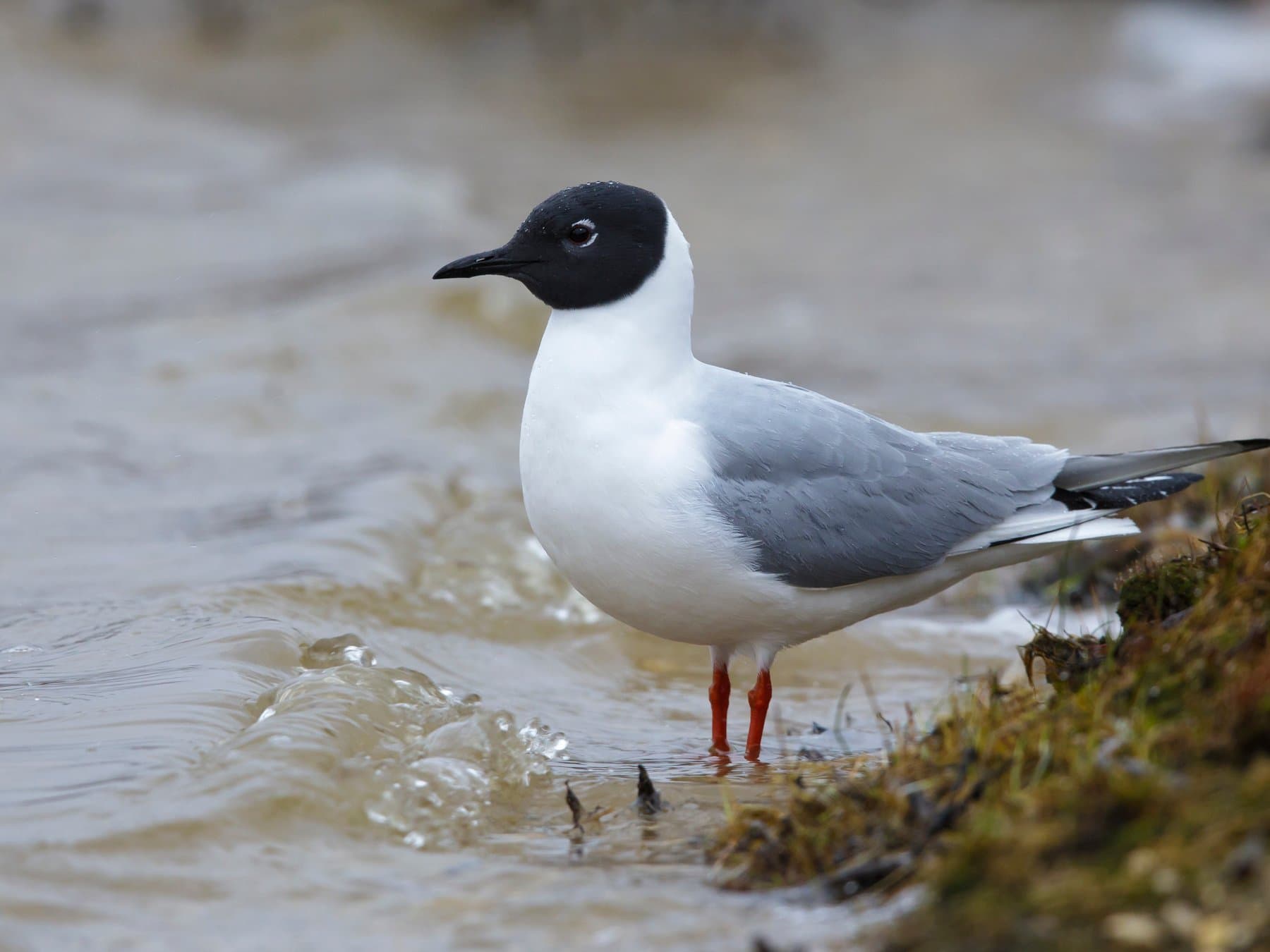
Bonaparte's Gull
Chroicocephalus philadelphiaLC
An uncommon Nearctic vagrant, occasionally lingering at reservoirs and coastal sites. Most records come from spring through summer among flocks of Black-headed Gulls.
Apr–Jan
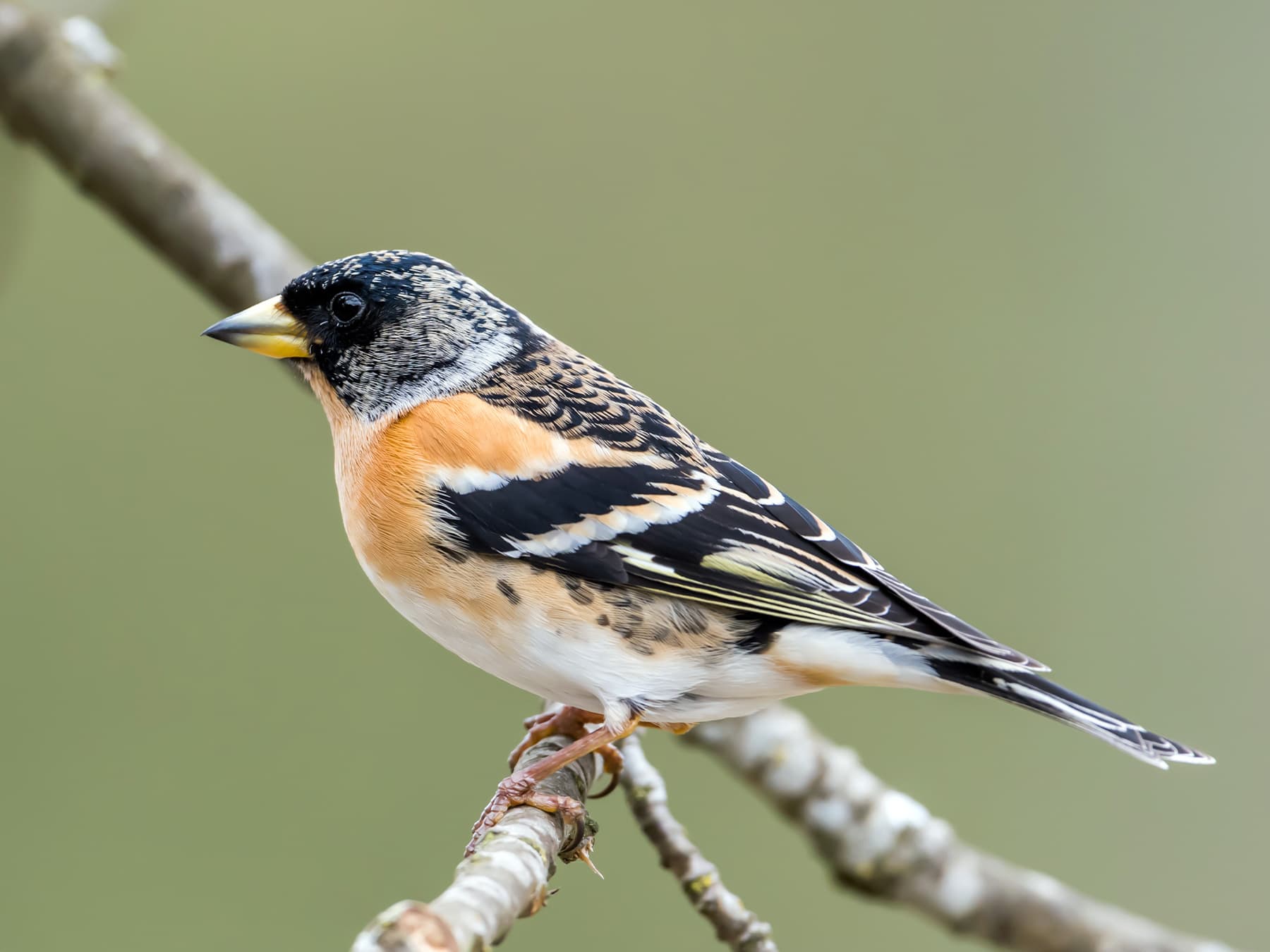
Brambling
Fringilla montifringillaLC
An uncommon winter visitor from Scandinavia, often joining Chaffinch flocks in woodland and farmland. Numbers vary considerably from year to year.
Sep–Apr
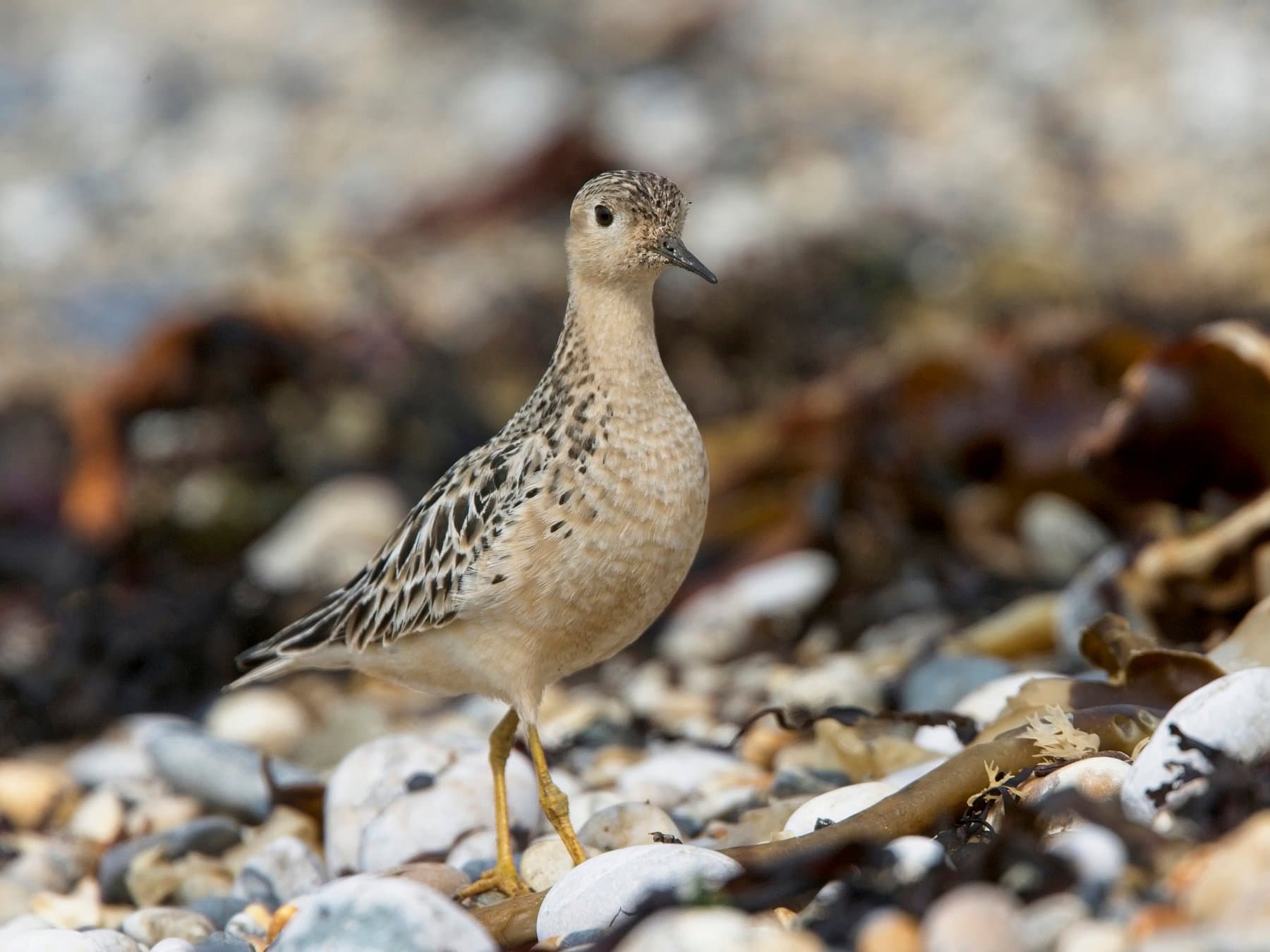
Buff-breasted Sandpiper
Calidris subruficollisVU
An uncommon autumn passage migrant from North America, favouring short-grass coastal fields. Most records come from south-west England in September.
May–Oct
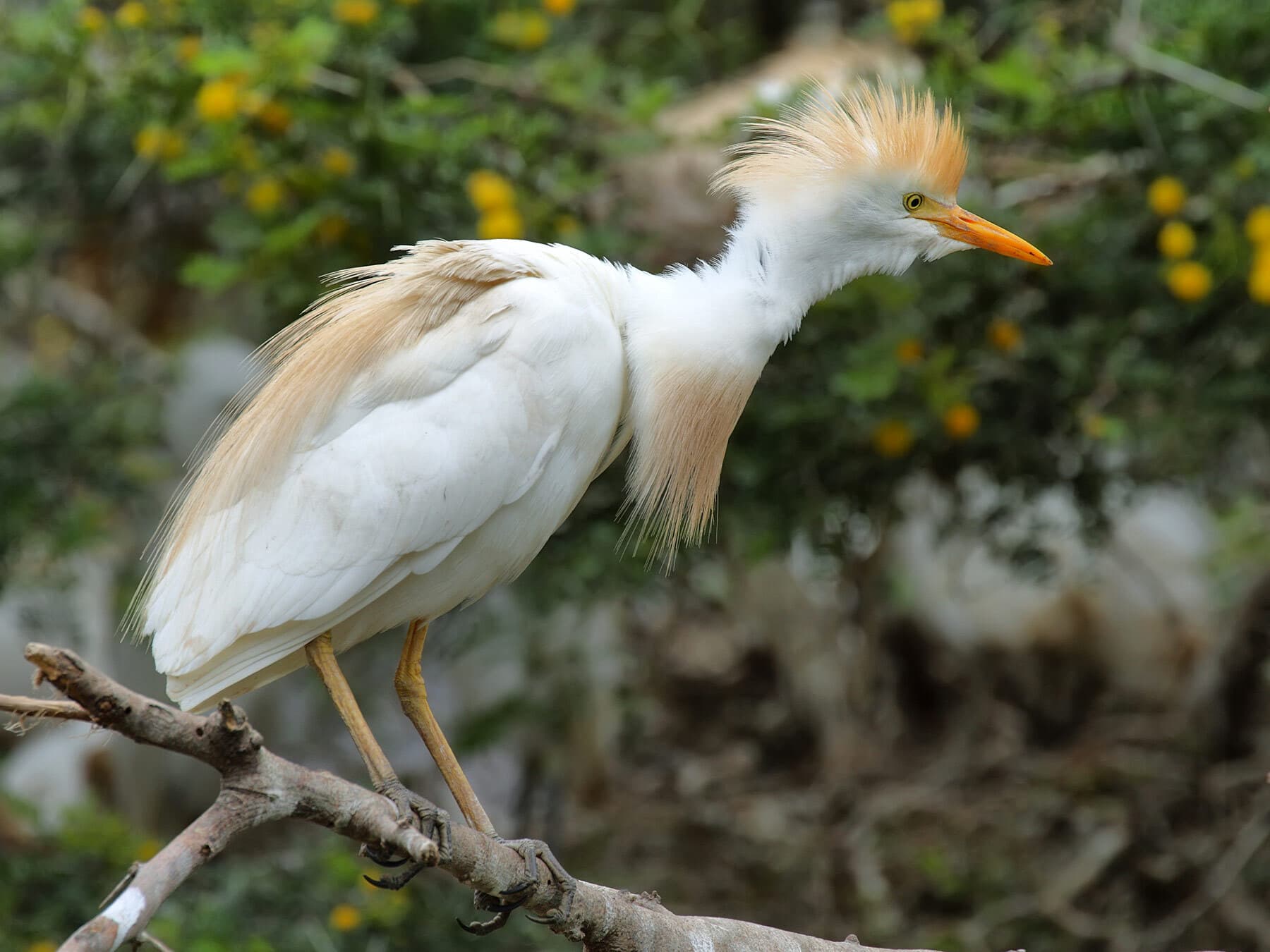
Cattle Egret
Bubulcus ibisLC
A recent colonist now breeding in southern England, often seen alongside livestock in damp pastures. Numbers have increased rapidly since the 2000s.
Year-round
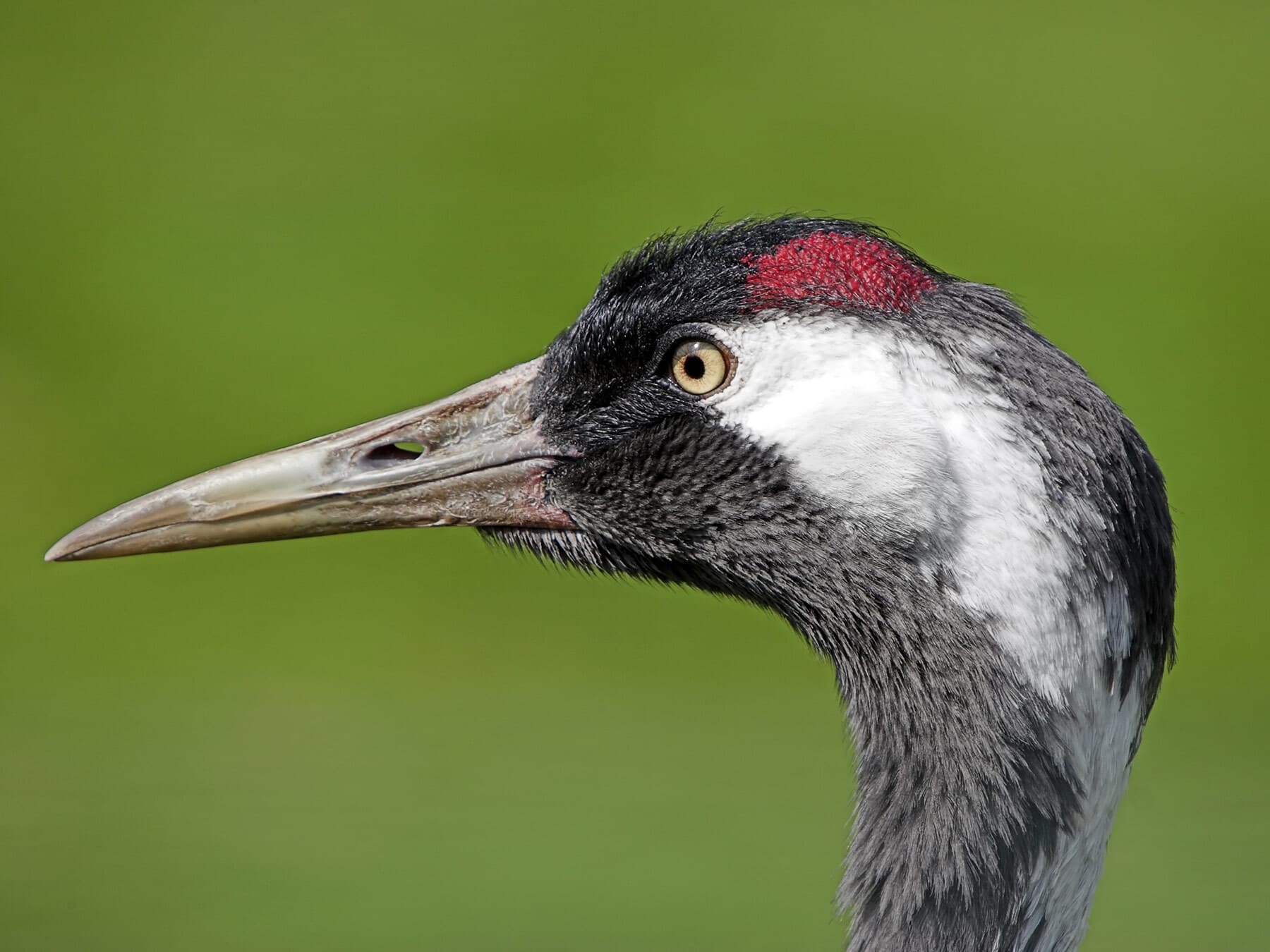
Common Crane
Grus grusLC
A recovering resident breeder, mainly found in the Norfolk Broads and Somerset Levels. Numbers are slowly increasing thanks to reintroduction efforts.
Year-round
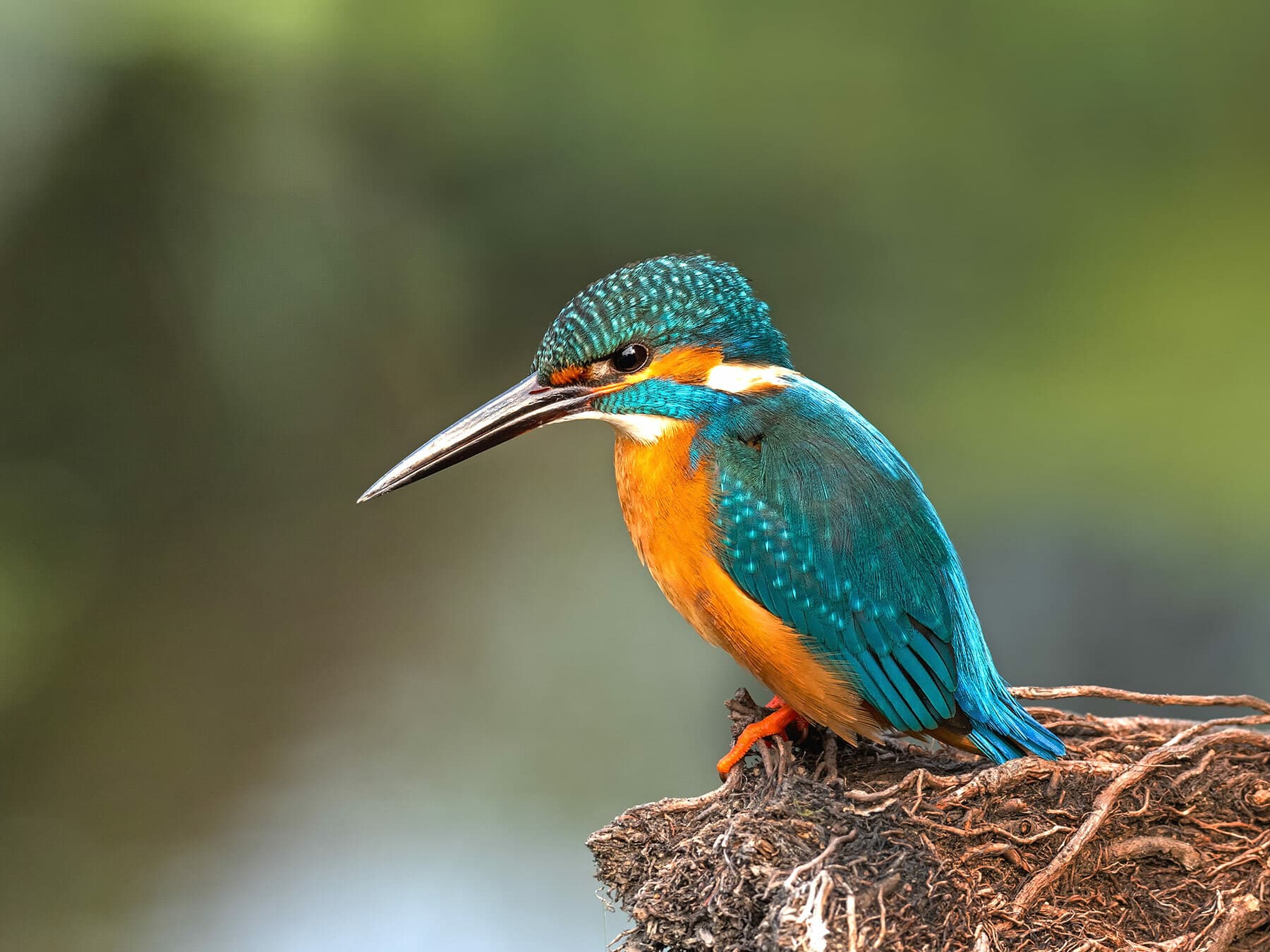
Common Kingfisher
Alcedo atthisLC
An uncommon but widespread resident along clean, slow-flowing rivers and streams. A brilliant flash of blue is often the first sign of its presence.
Year-round
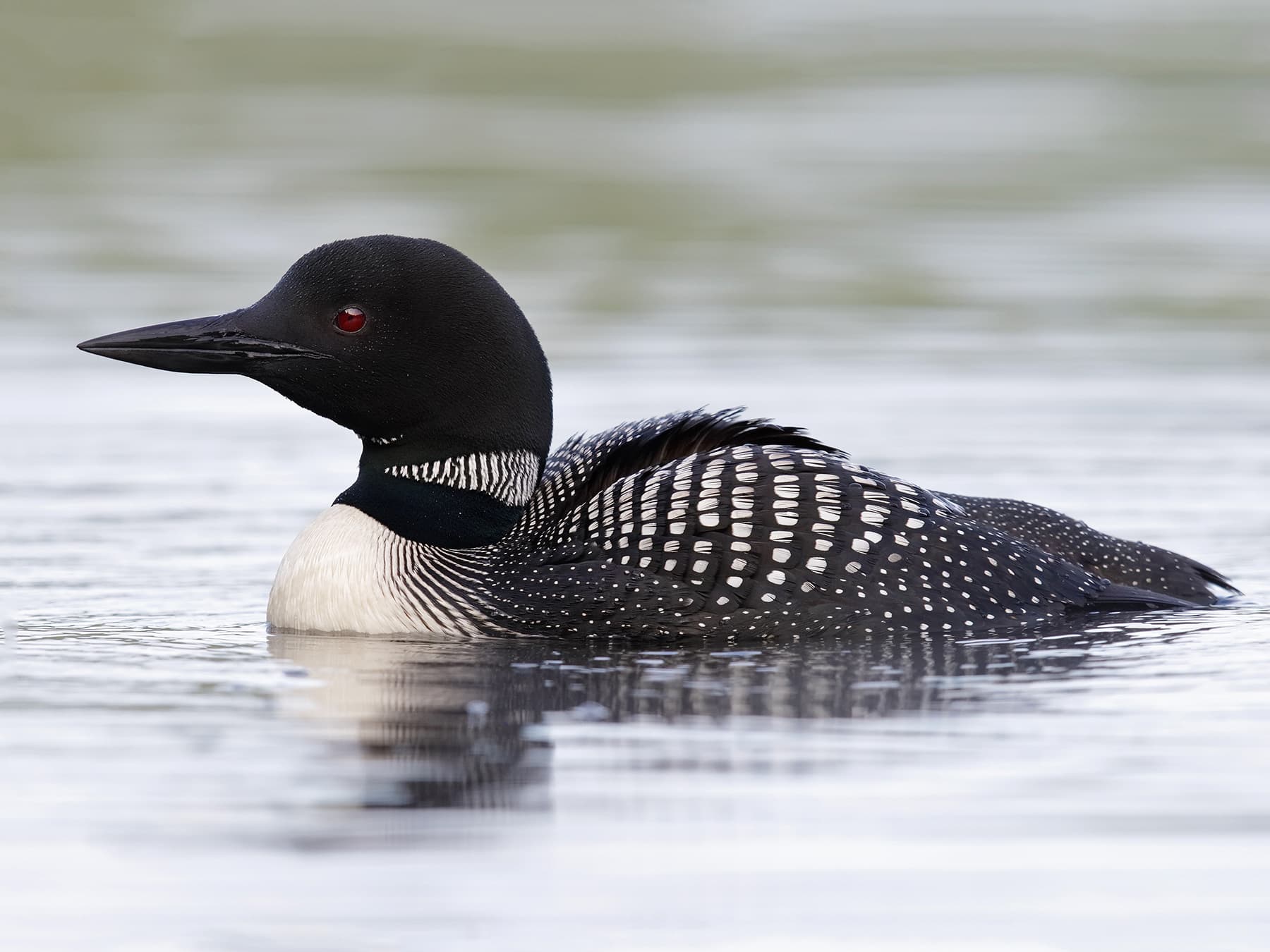
Common Loon
Gavia immerLC
An uncommon visitor found mainly on coastal waters and large reservoirs, most frequently seen during winter months along southern and western coasts.
Aug–Jun
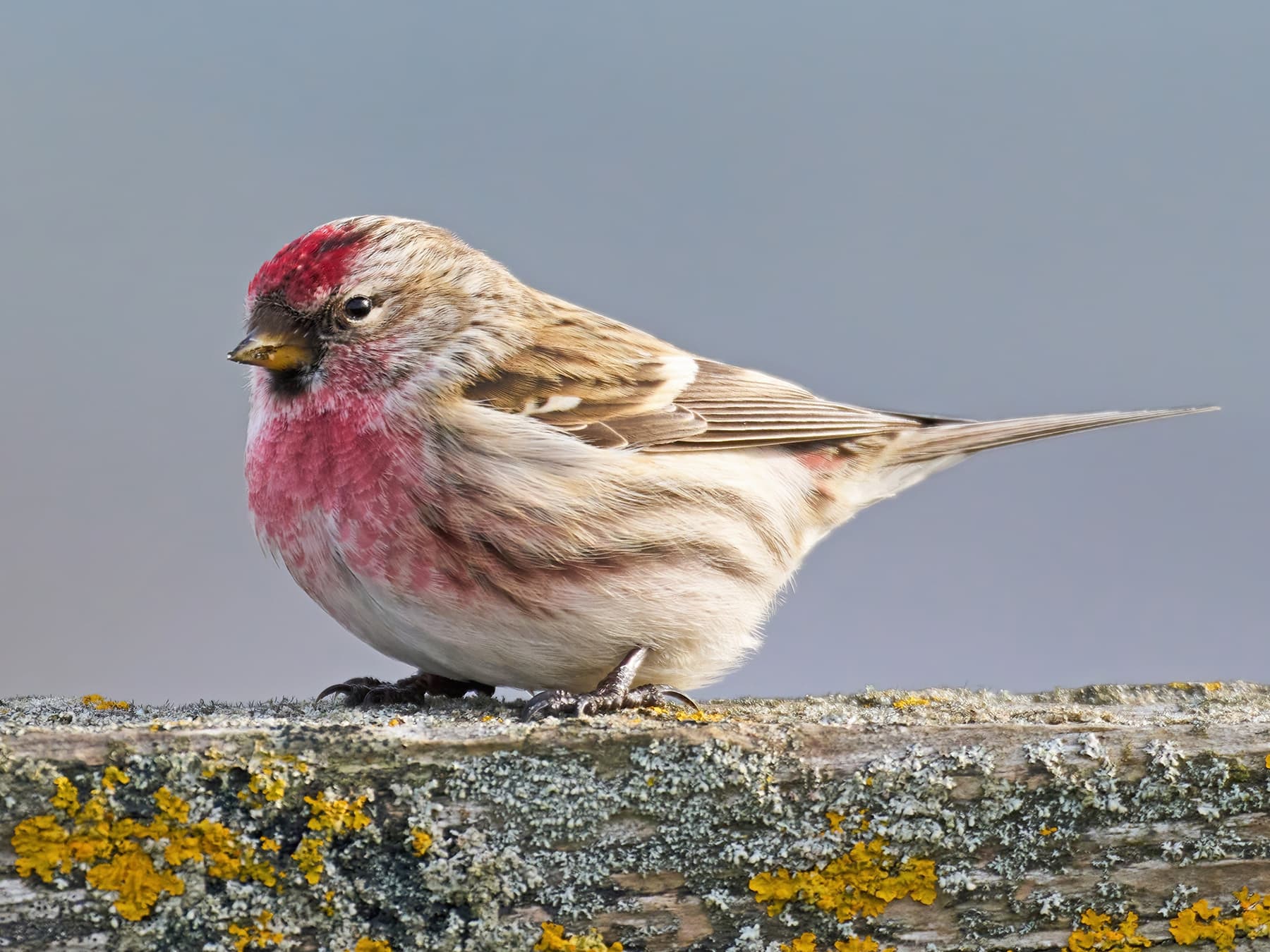
Common Redpoll
Acanthis flammeaLC
An uncommon resident and winter visitor found in birch woodland, scrubby areas and weedy fields. Numbers fluctuate with periodic irruptions from the north.
Year-round
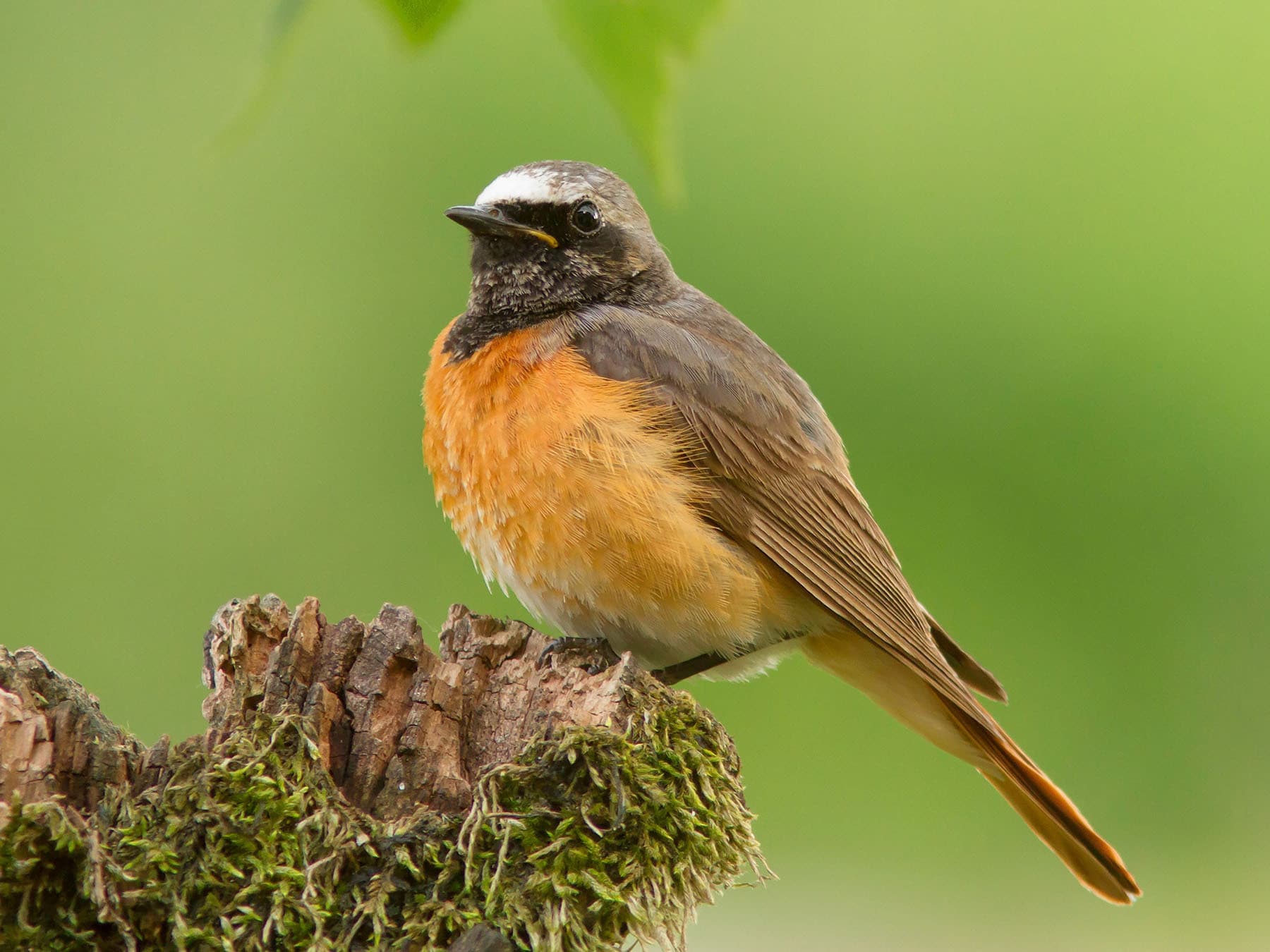
Common Redstart
Phoenicurus phoenicurusLC
A summer visitor breeding in mature oak woodlands, mainly in western and northern England. Males flash a vivid orange-red tail from song perches.
Apr–Oct
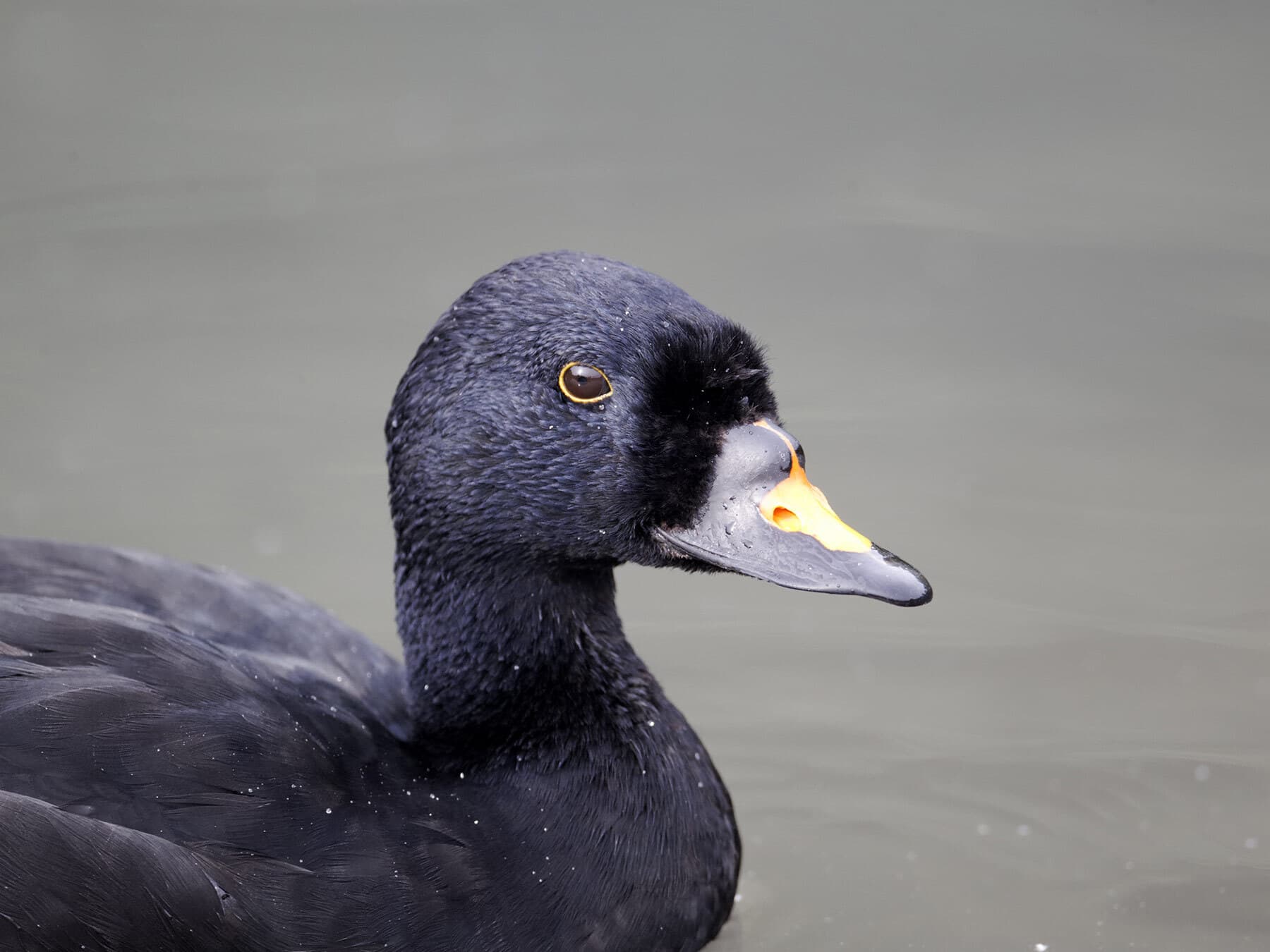
Common Scoter
Melanitta nigraLC
An uncommon year-round resident of coastal waters, often seen in dark rafts offshore. Breeds sparingly; numbers increase in winter with Continental arrivals.
Year-round
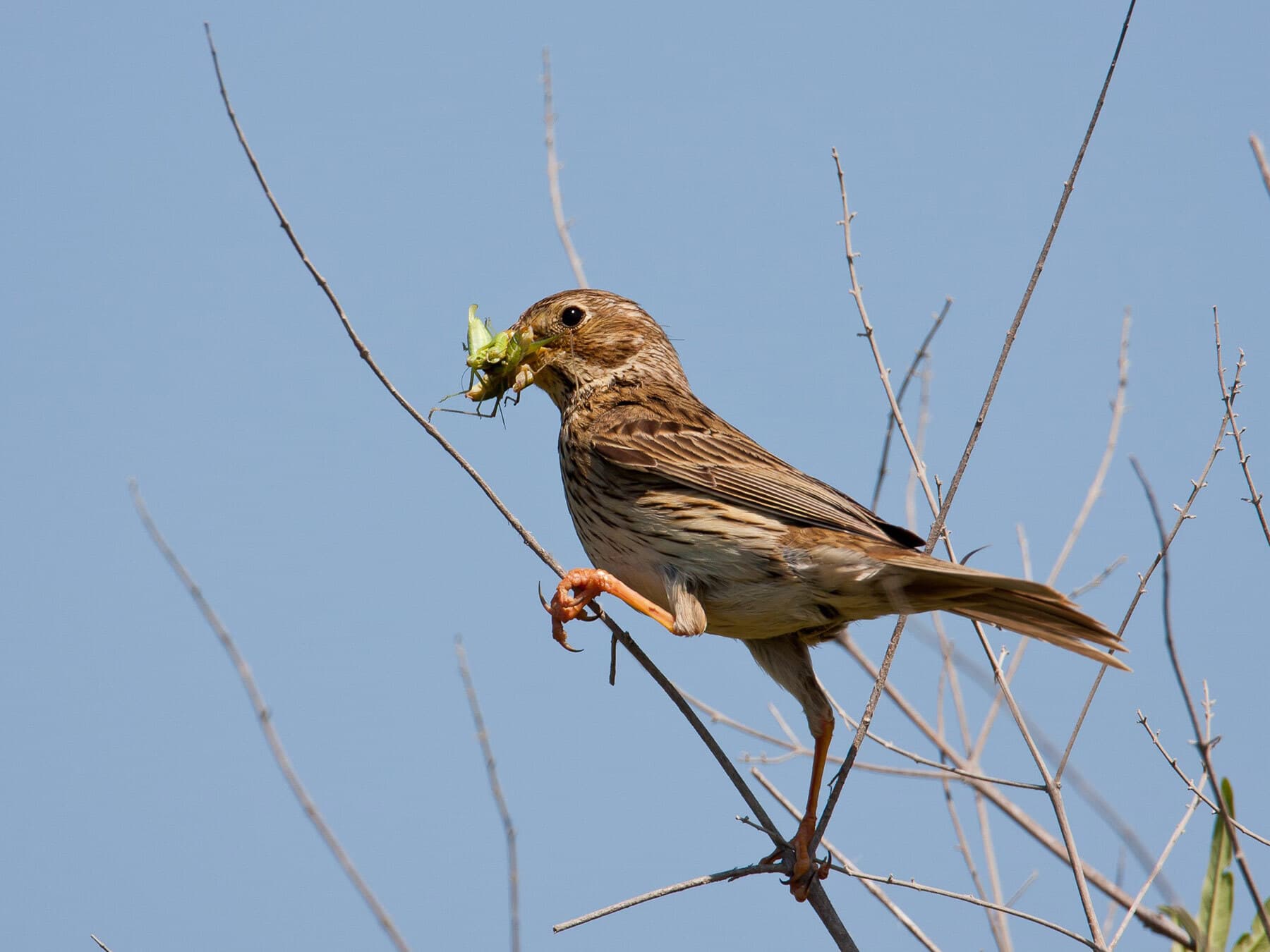
Corn Bunting
Emberiza calandraLC
An uncommon year-round resident of open arable farmland, now largely restricted to parts of southern and eastern England. Has suffered severe population declines.
Year-round