Uncommon Birds in England
99 species matching this filter.
England is home to around 95 uncommon bird species that reward patient and knowledgeable observers with truly memorable sightings. From the ethereal Barn Owl quartering farmland at dusk to the striking Eurasian Stone-curlew on dry heathlands and the elegant Common Crane returning to eastern wetlands, these birds occupy a fascinating range of habitats across the country. Whether scanning coastal waters for Arctic Jaegers and Great Skuas or exploring ancient woodlands for Eurasian Woodcock, birders willing to venture beyond the usual hotspots will find England's uncommon species well worth the effort.


Showing 70–92 of 99 species
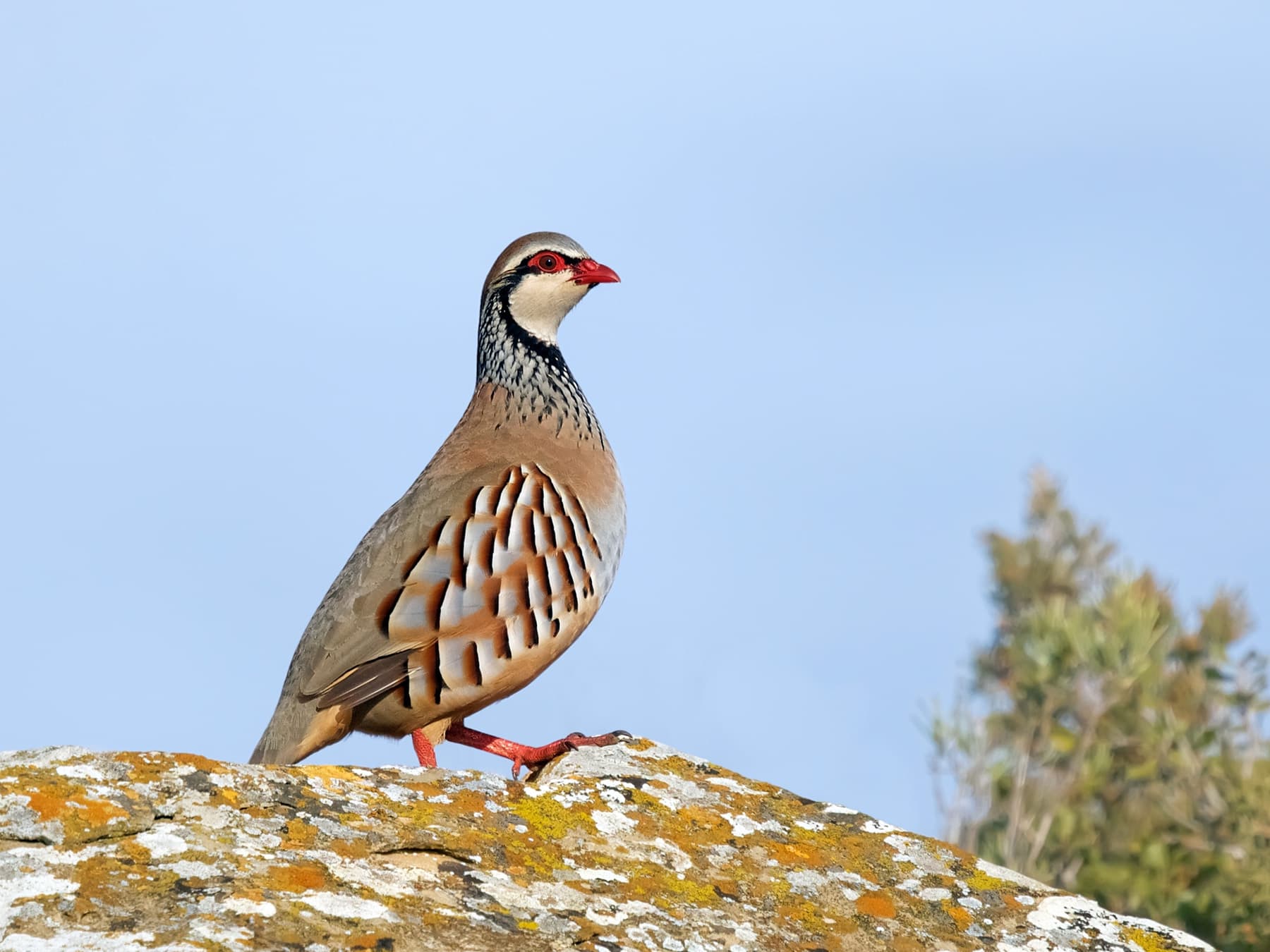
Red-legged Partridge
Alectoris rufaNT
An introduced resident most common on farmland in eastern and southern England. Often seen in small coveys along field margins and tracks.
Year-round
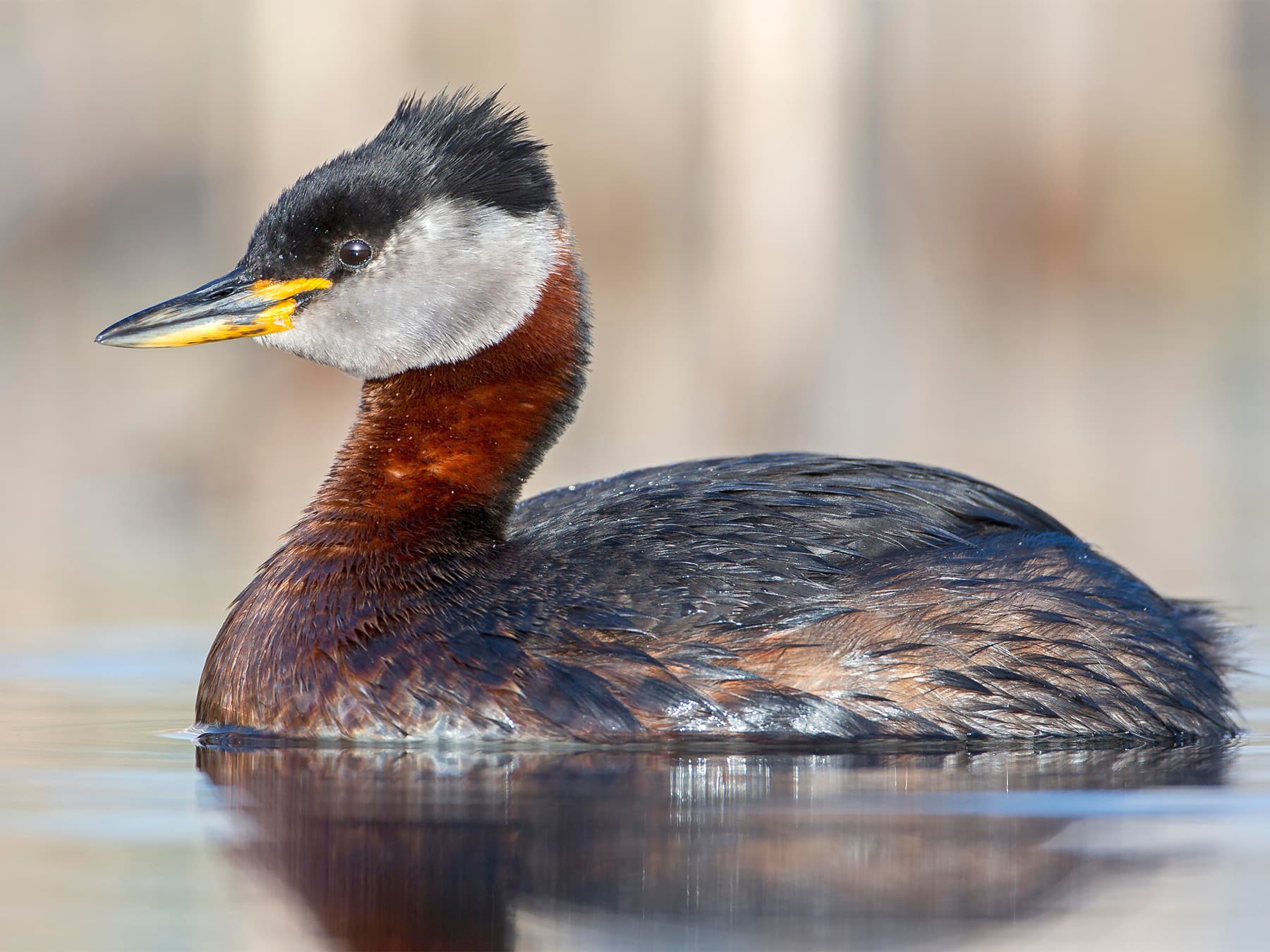
Red-necked Grebe
Podiceps grisegenaLC
An uncommon visitor, most frequently seen along the east coast in winter. Occasionally breeds at a handful of English sites in recent years.
Jul–May
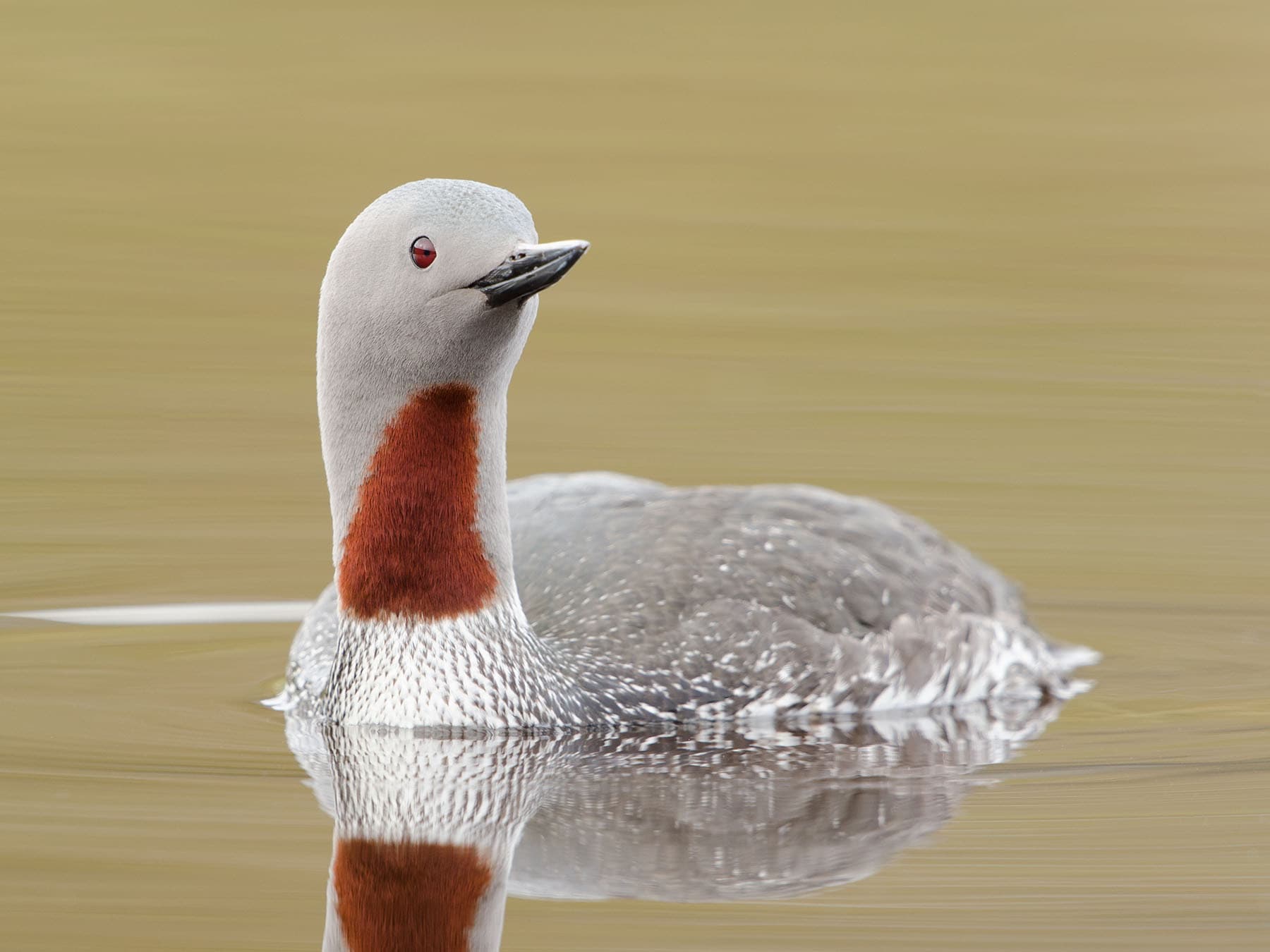
Red-throated Loon
Gavia stellataLC
Present year-round but uncommon, mainly seen off coasts in winter. Breeds sparingly in northern England.
Year-round
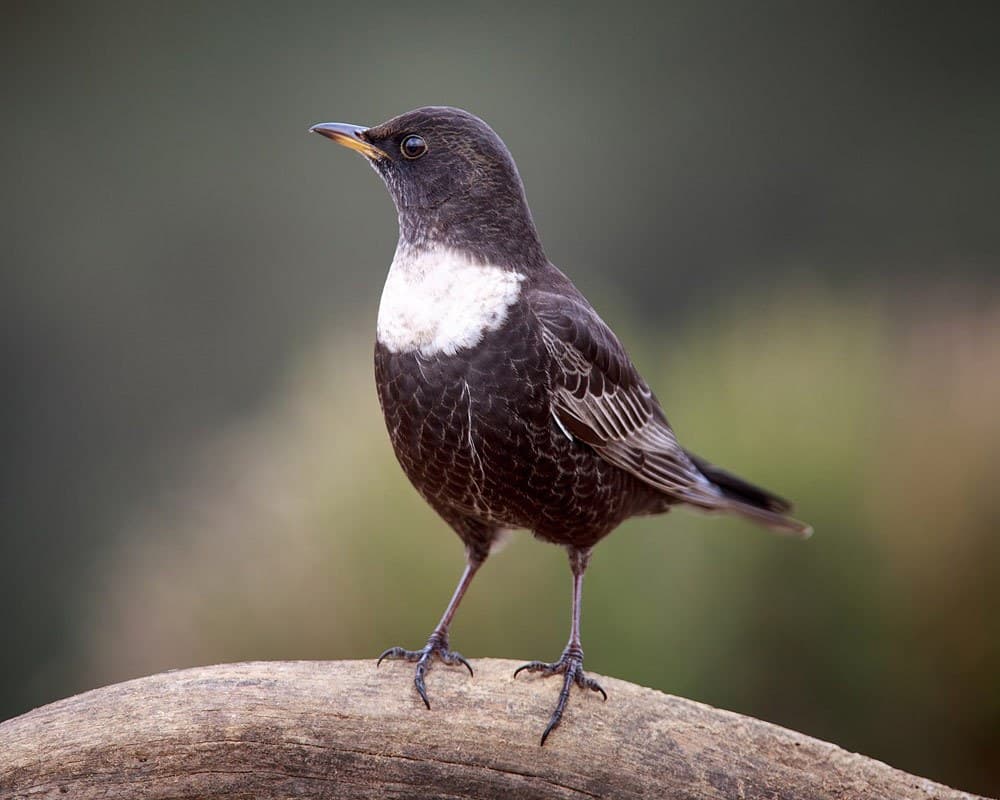
Ring Ouzel
Turdus torquatusLC
An uncommon summer visitor to upland moorland and crags, mainly in northern England. Passage birds appear on coasts in autumn.
Apr–Nov
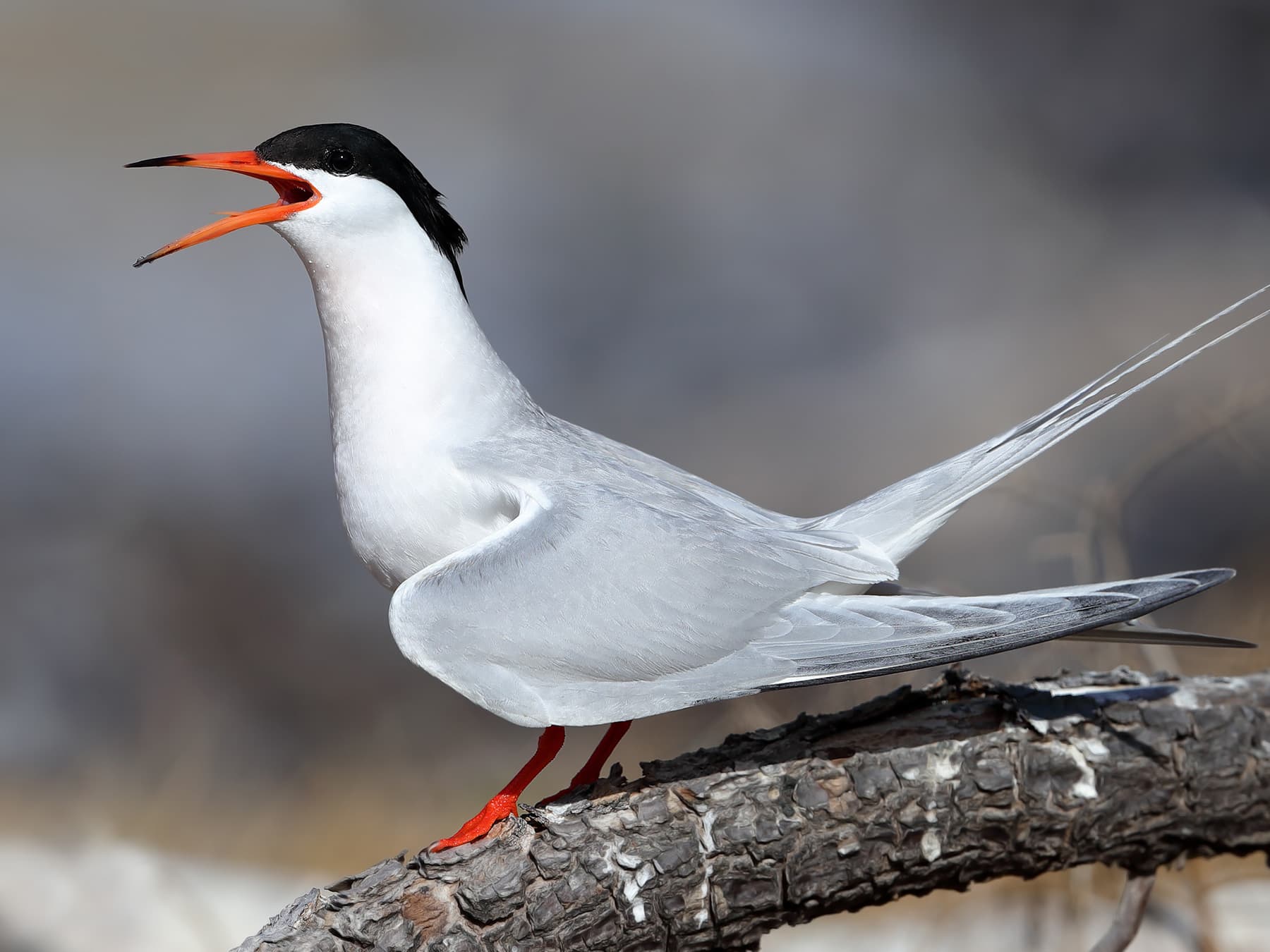
Roseate Tern
Sterna dougalliiLC
A rare and declining breeding tern, nesting at a handful of coastal colonies from May to September. One of the UK's scarcest seabirds.
May–Sep
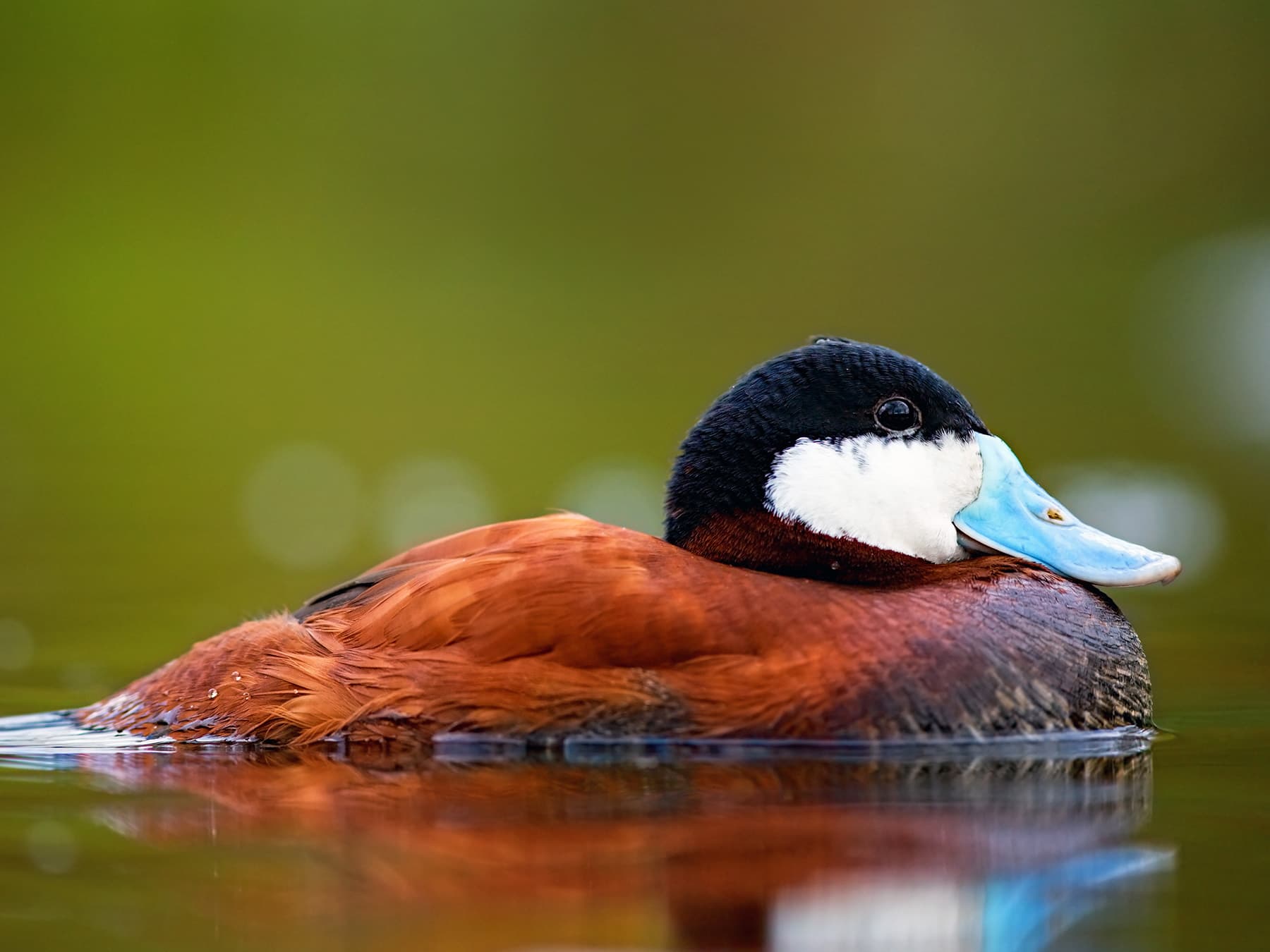
Ruddy Duck
Oxyura jamaicensisLC
An uncommon resident, now heavily reduced by an eradication programme. Small numbers persist on lakes and reservoirs in the West Midlands.
Year-round
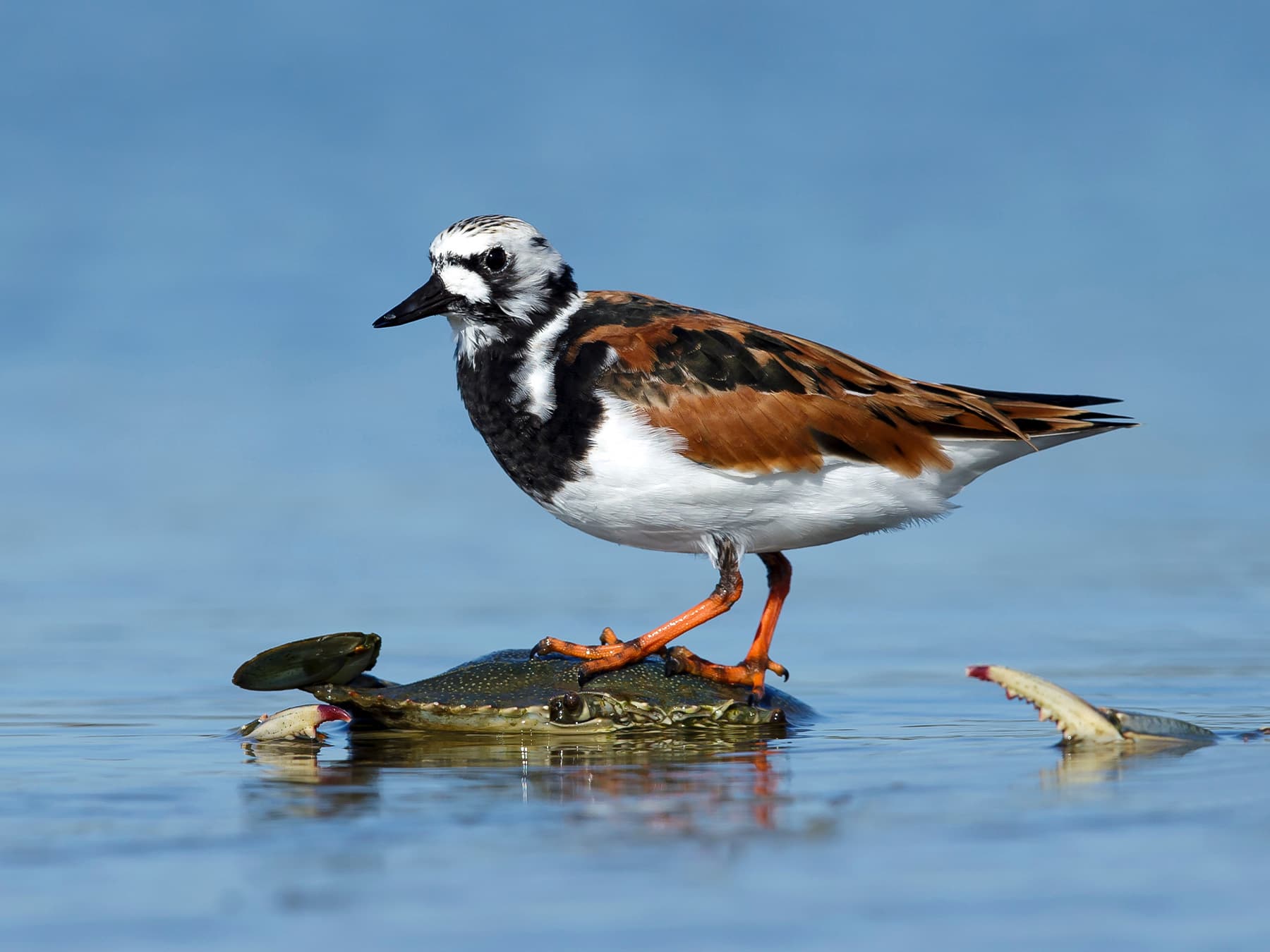
Ruddy Turnstone
Arenaria interpresLC
An uncommon but widespread coastal wader, flipping stones and seaweed to find invertebrates. Present year-round, with numbers highest outside the breeding season.
Year-round
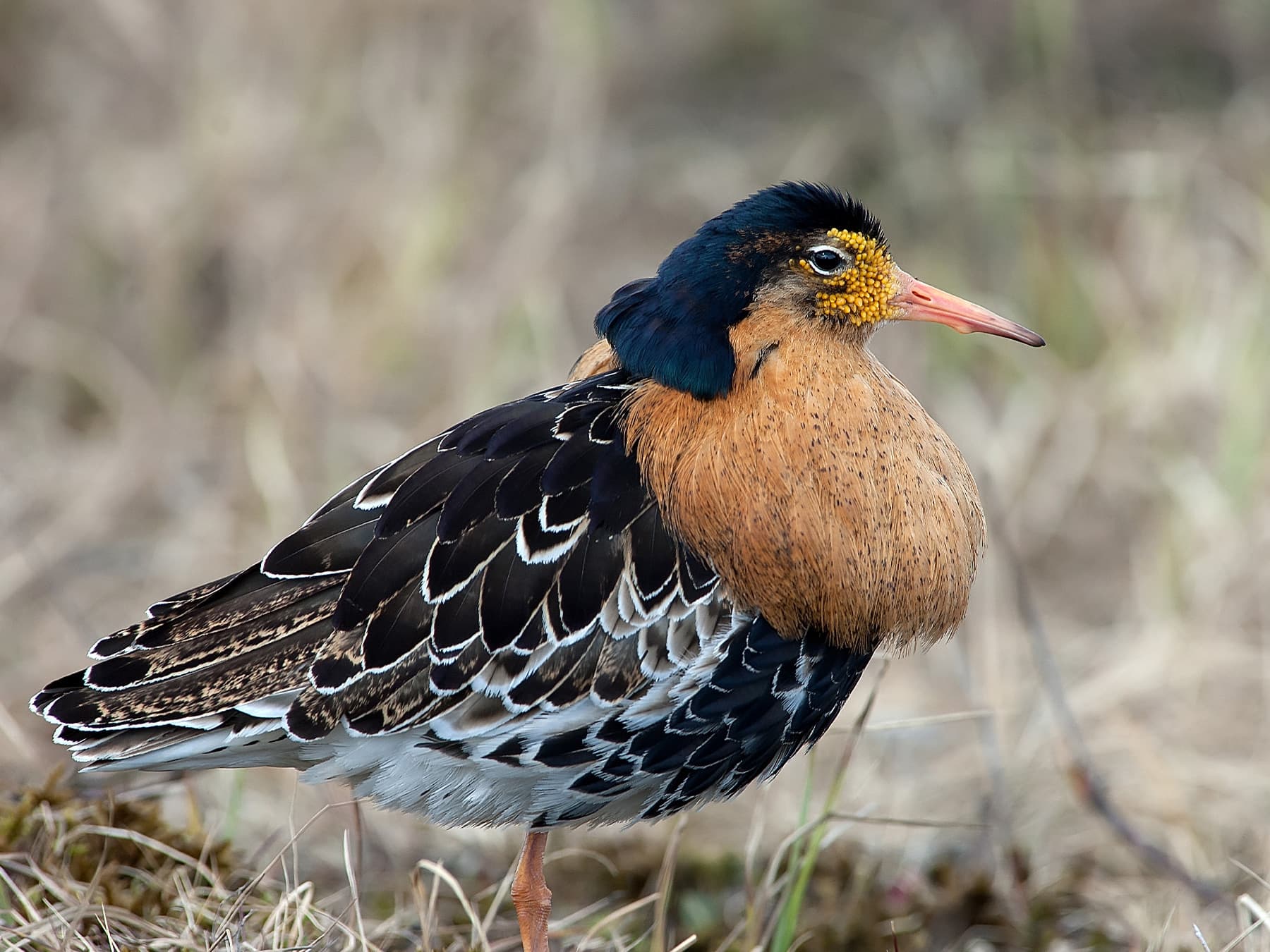
Ruff
Philomachus pugnaxLC
An uncommon wader found on coastal marshes and flooded fields. Numbers peak on passage, though a few breed at fenland reserves in eastern England.
Year-round
Spotted something?
Upload a photo to identify it
Identify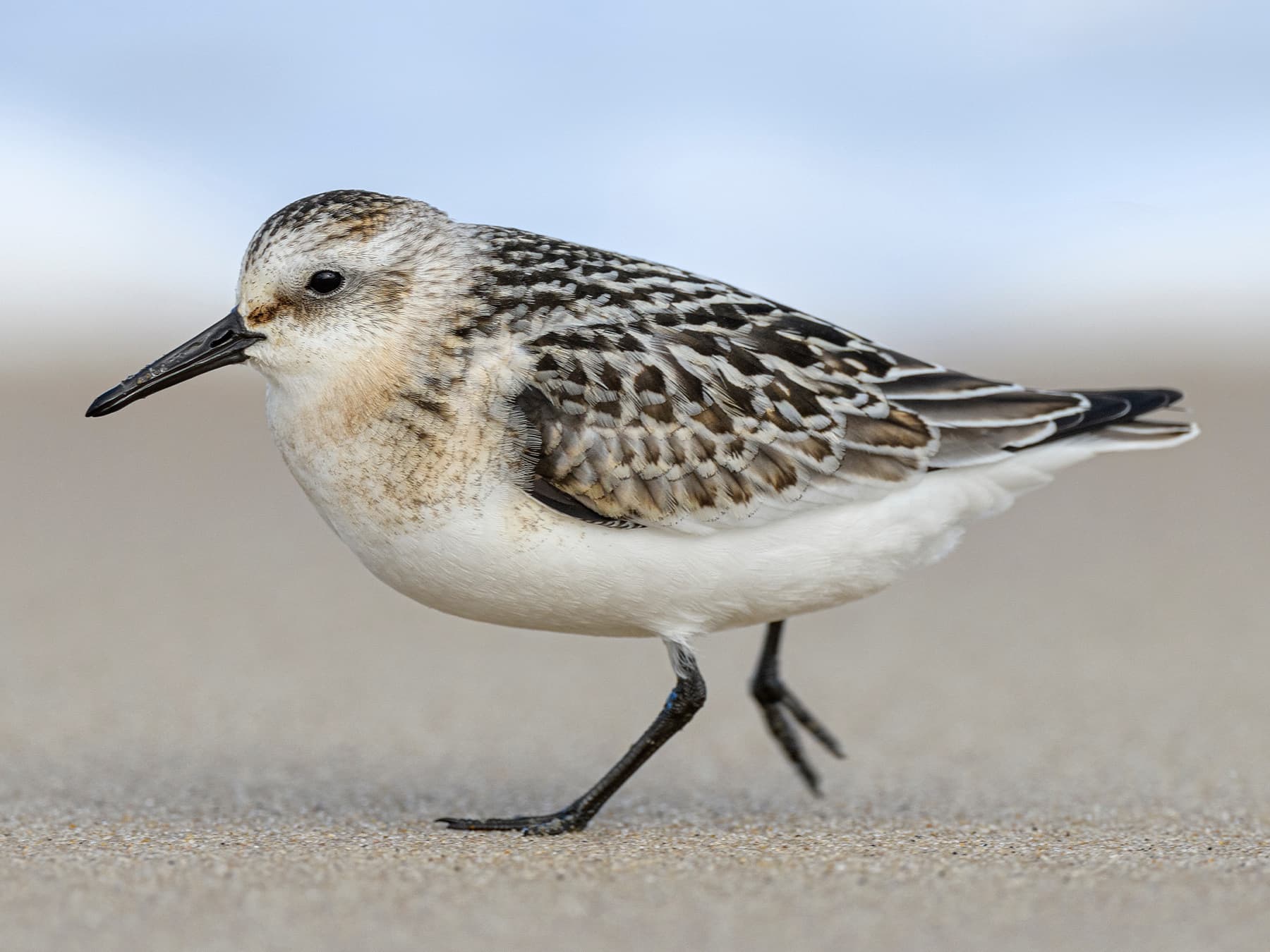
Sanderling
Calidris albaLC
An uncommon but regular wader found year-round on sandy beaches, running along the tideline in small flocks. Numbers peak during autumn and winter passage.
Year-round
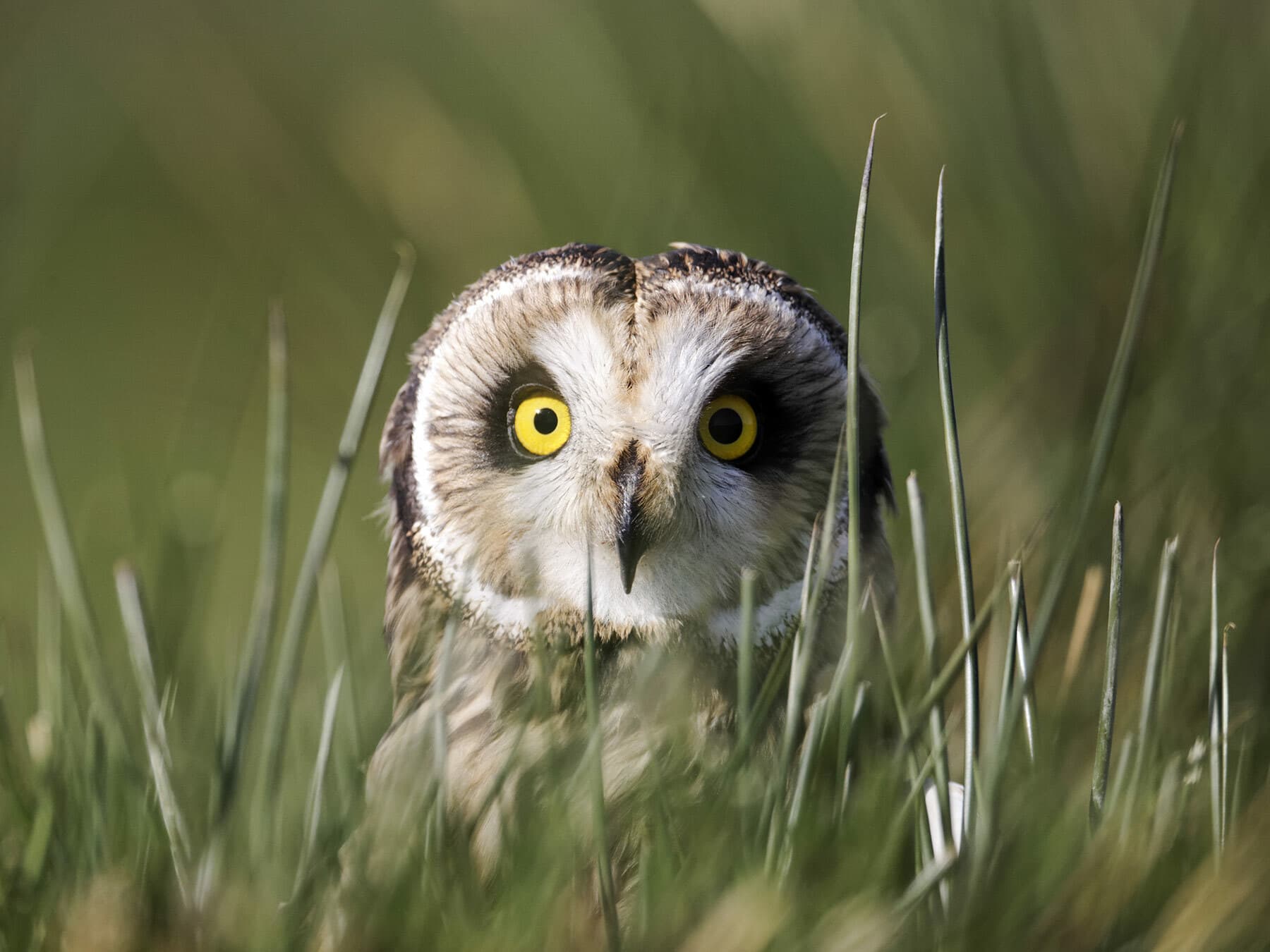
Short-eared Owl
Asio flammeusLC
An uncommon resident of open moorland and rough grassland. Hunts by day with buoyant, wavering flight; winter birds frequent coastal marshes and fens.
Year-round
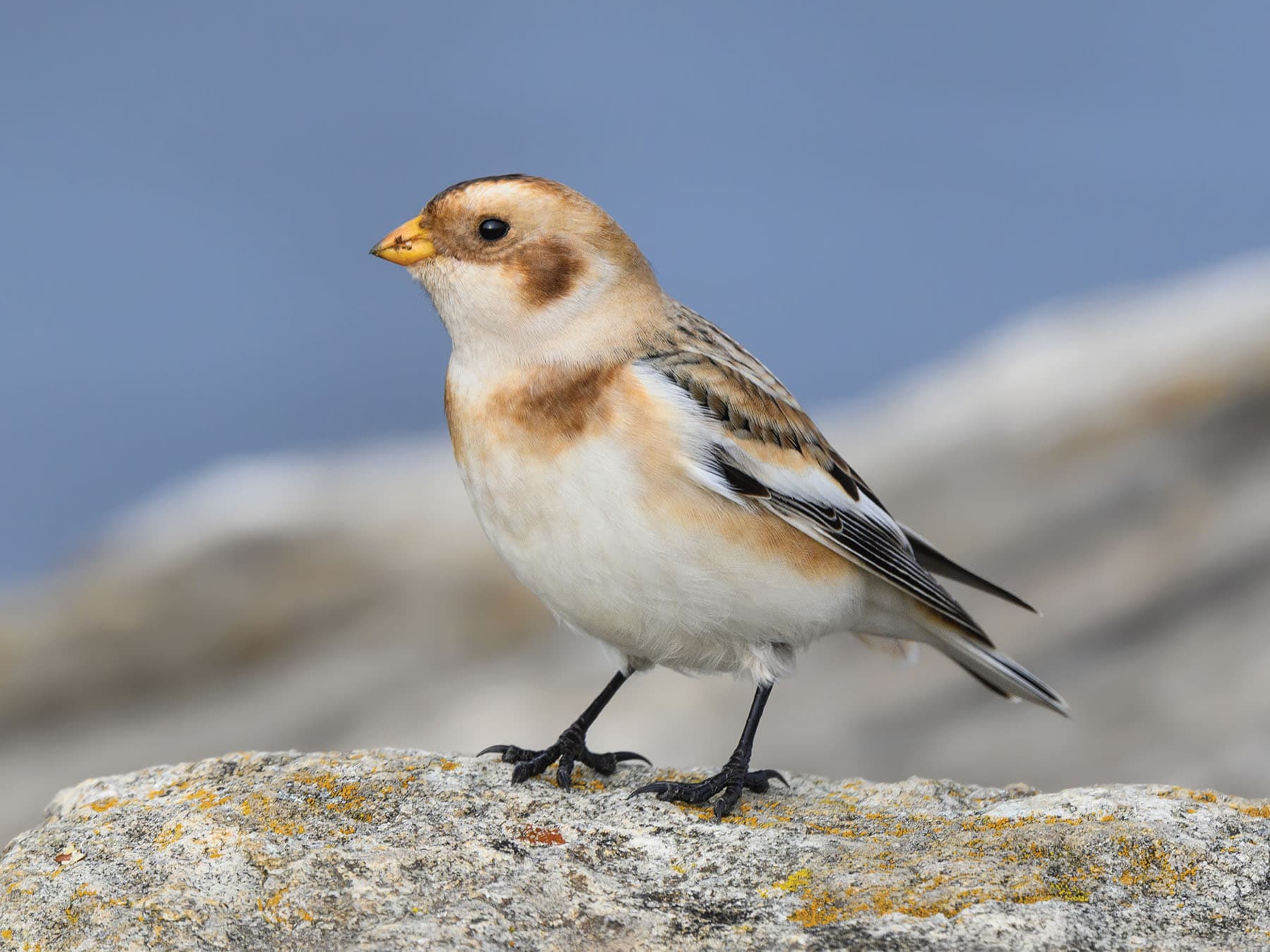
Snow Bunting
Plectrophenax nivalisLC
An uncommon non-breeding visitor to shingle beaches and coastal fields from October to March. Most reliably found along the Norfolk and Suffolk coasts.
Oct–Mar
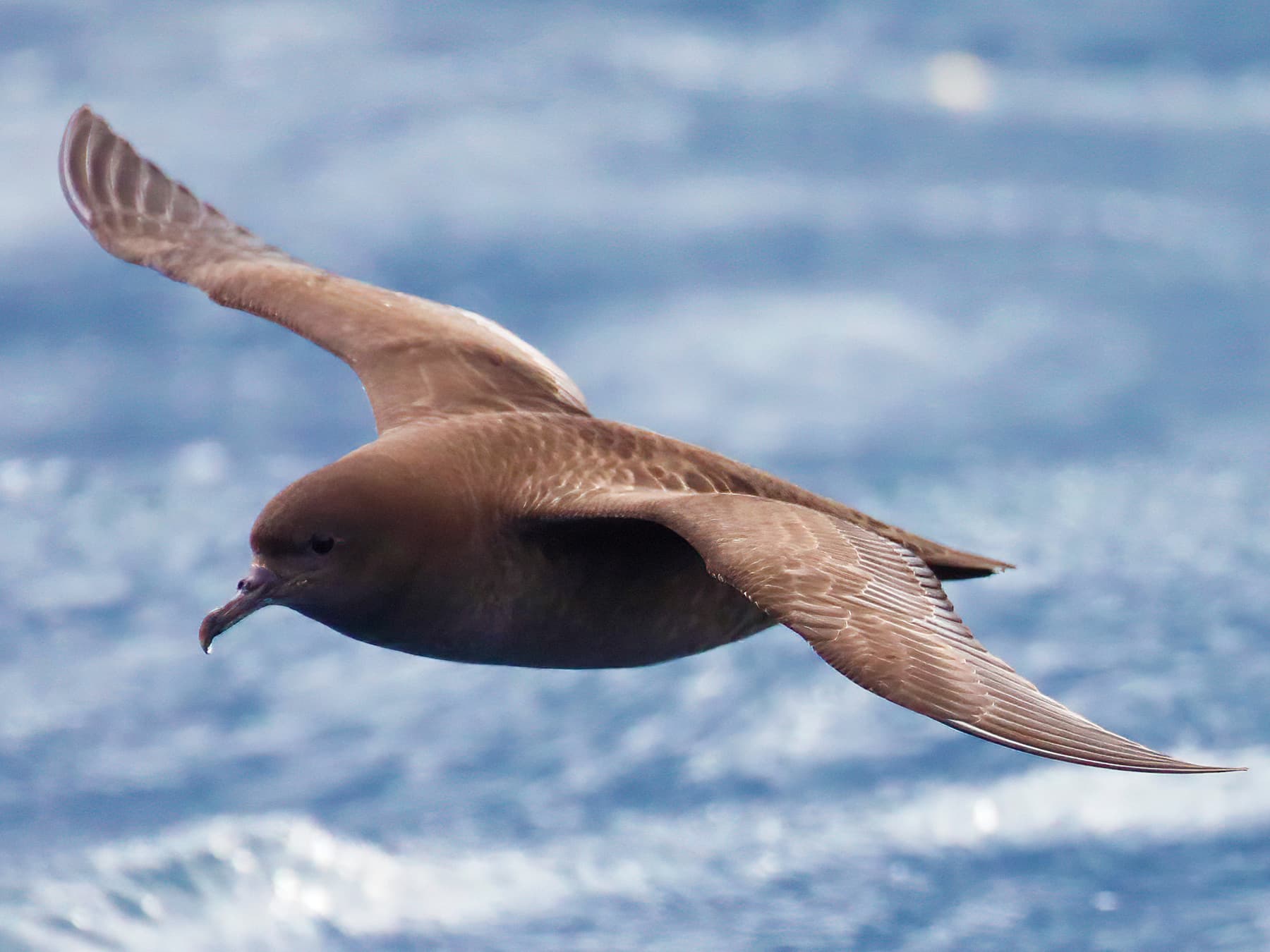
Sooty Shearwater
Ardenna griseaNT
An uncommon pelagic visitor seen offshore from late summer to autumn, often during seawatches in strong onshore winds.
Jun–Nov
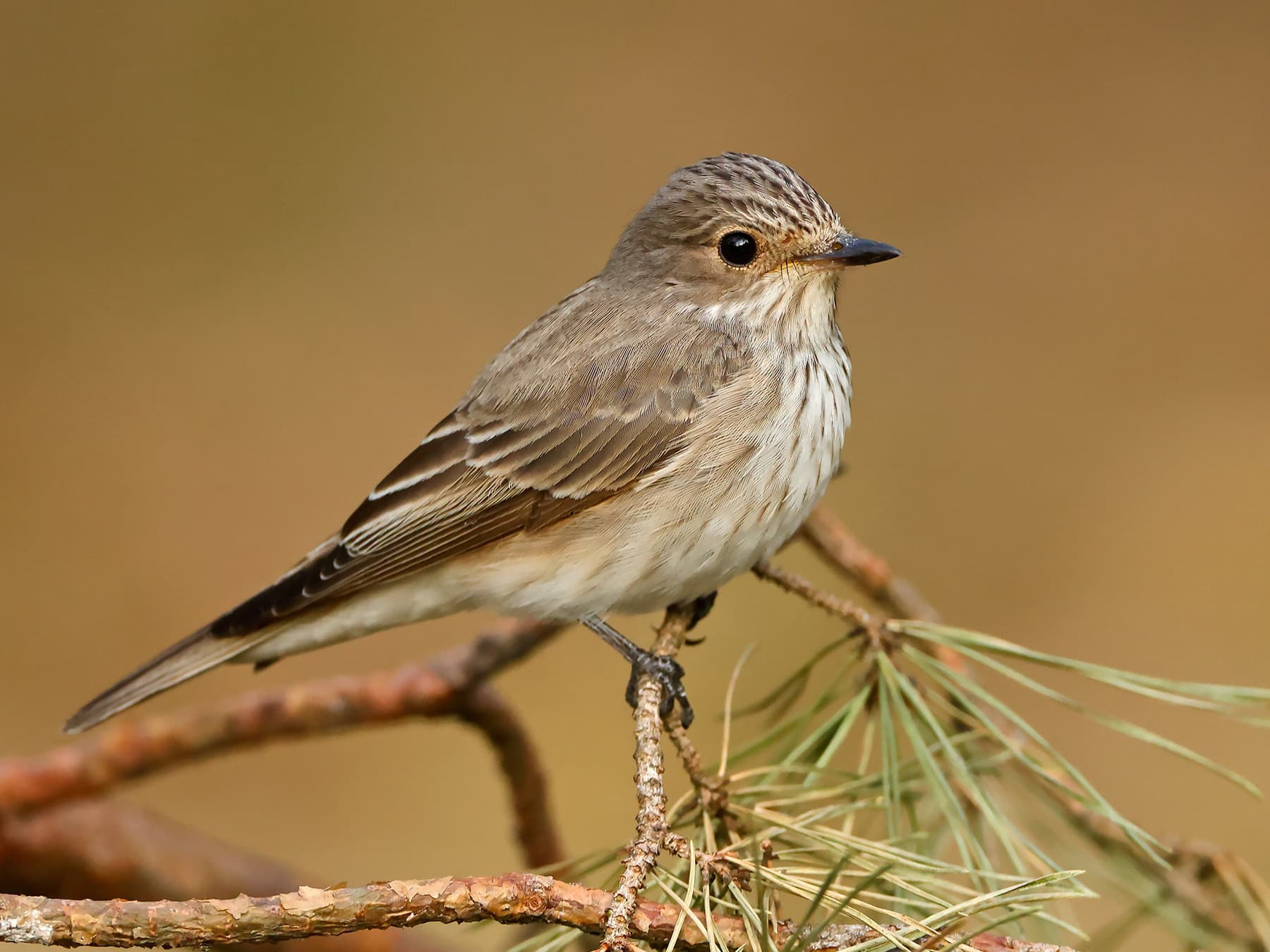
Spotted Flycatcher
Muscicapa striataLC
A declining summer visitor to open woodland, parks, and large gardens. Catches insects in flight from exposed perches.
May–Oct
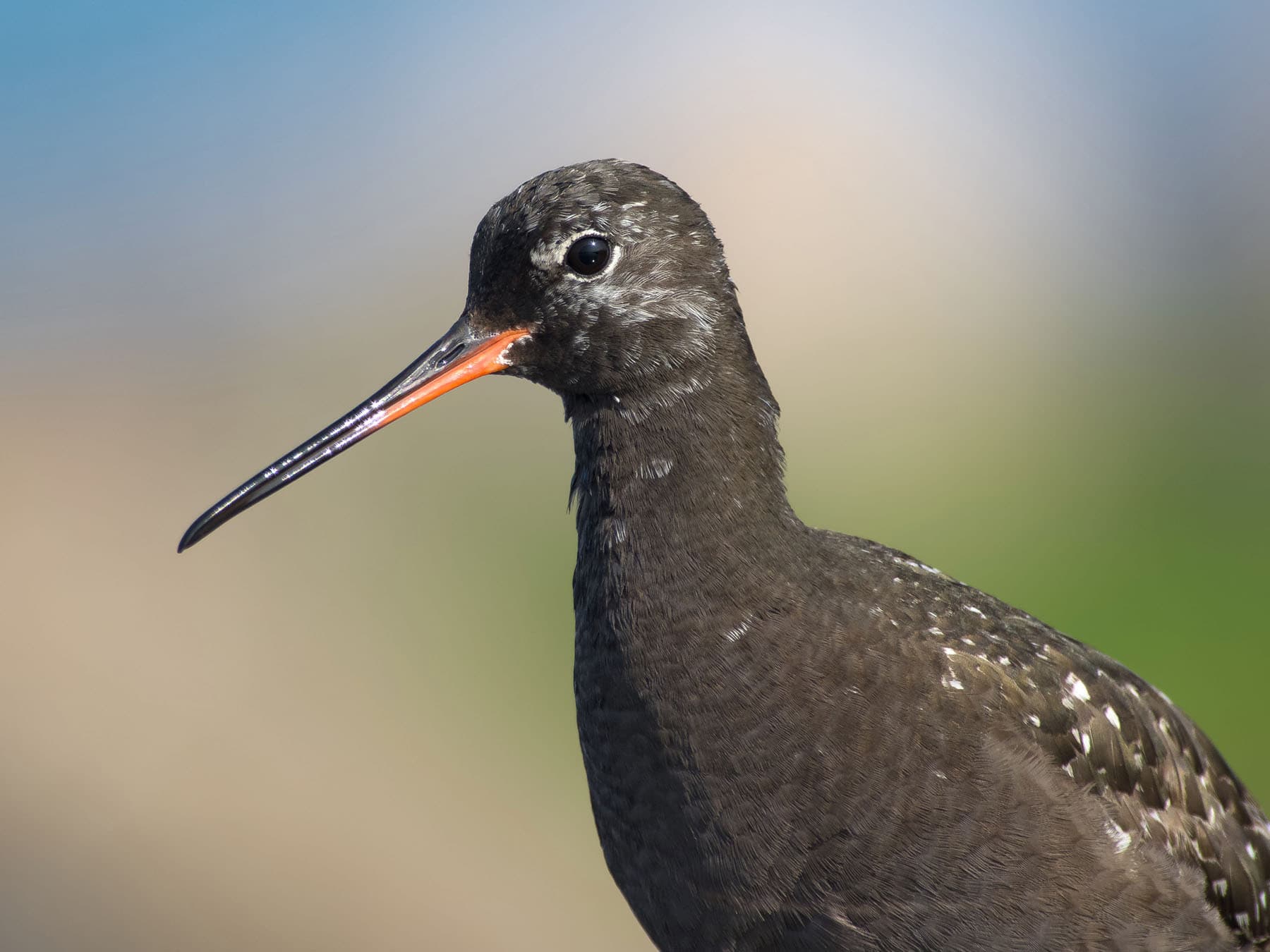
Spotted Redshank
Tringa erythropusLC
An uncommon wader found mainly on coastal marshes and estuaries. Most numerous on autumn passage, with small numbers lingering through winter.
Year-round
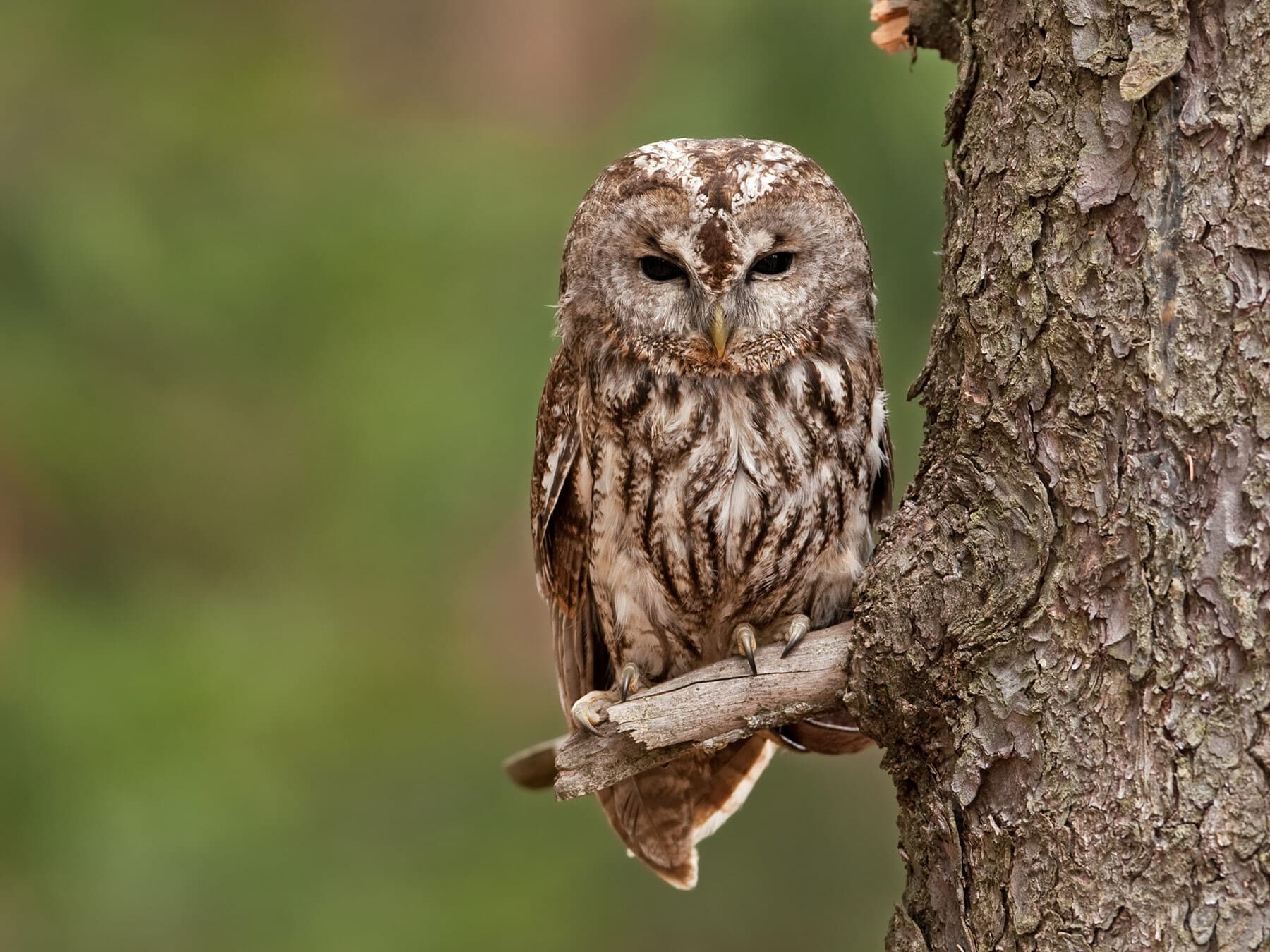
Tawny Owl
Strix alucoLC
A widespread but nocturnal resident of mature woodland, parks, and churchyards. Its familiar hooting call is heard year-round.
Year-round
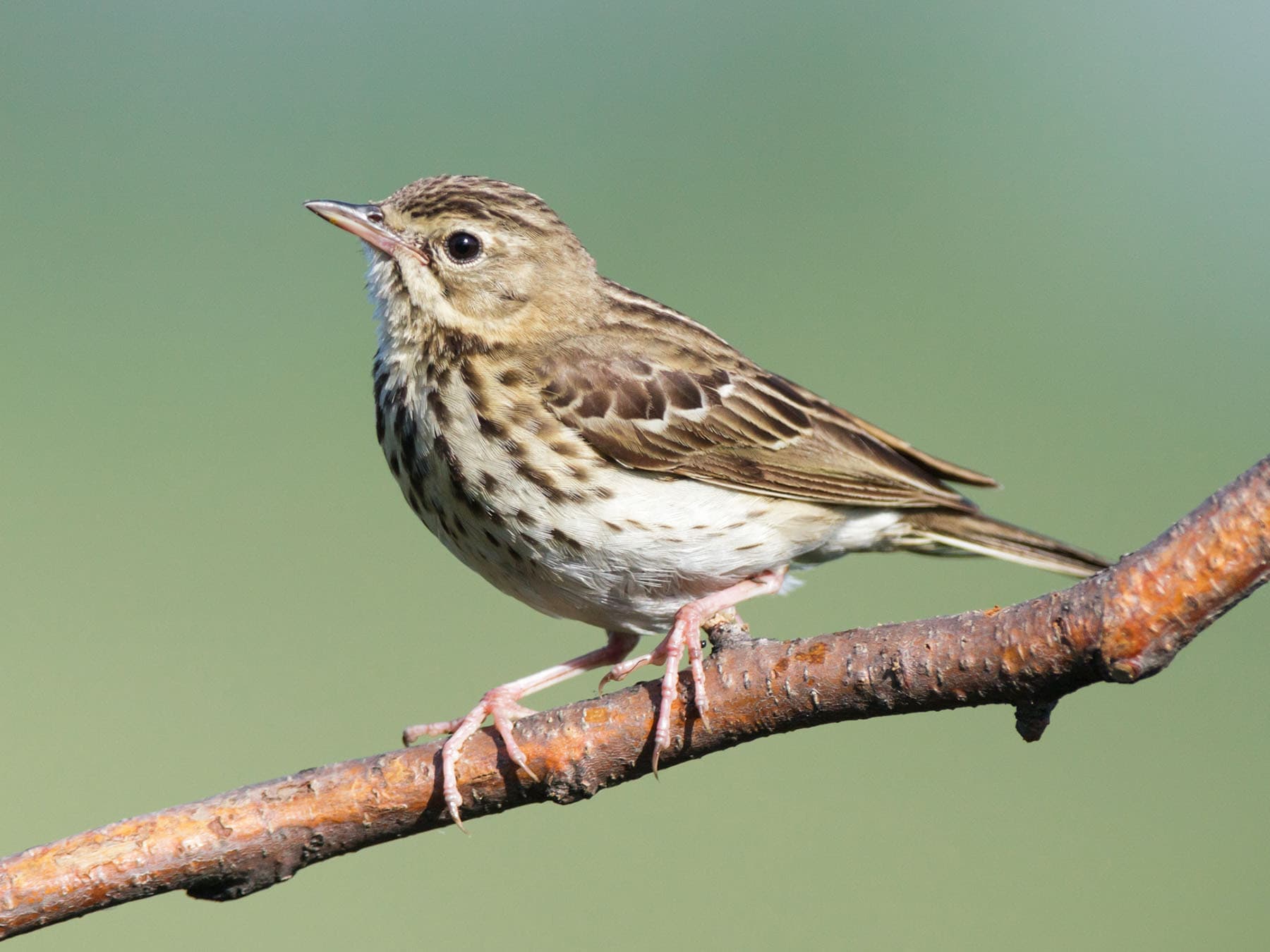
Tree Pipit
Anthus trivialisLC
An uncommon and declining summer visitor to open woodland and heathland. Its distinctive parachuting song flight is heard from April to July.
Apr–Oct
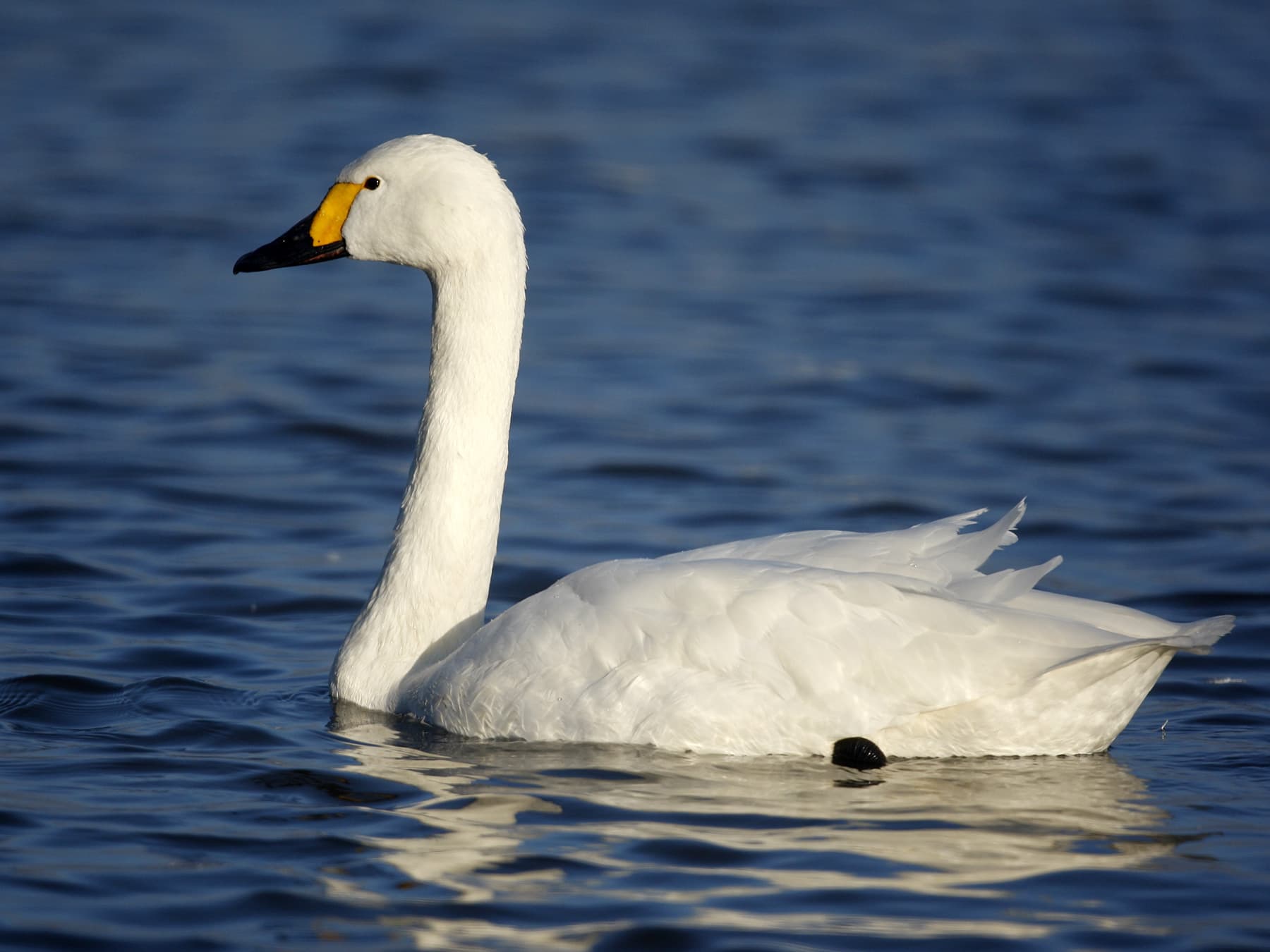
Tundra Swan
Cygnus columbianusLC
An uncommon winter visitor from Arctic Russia, arriving from October. Favours flooded grasslands and wetlands, notably in the Somerset Levels.
Oct–Mar
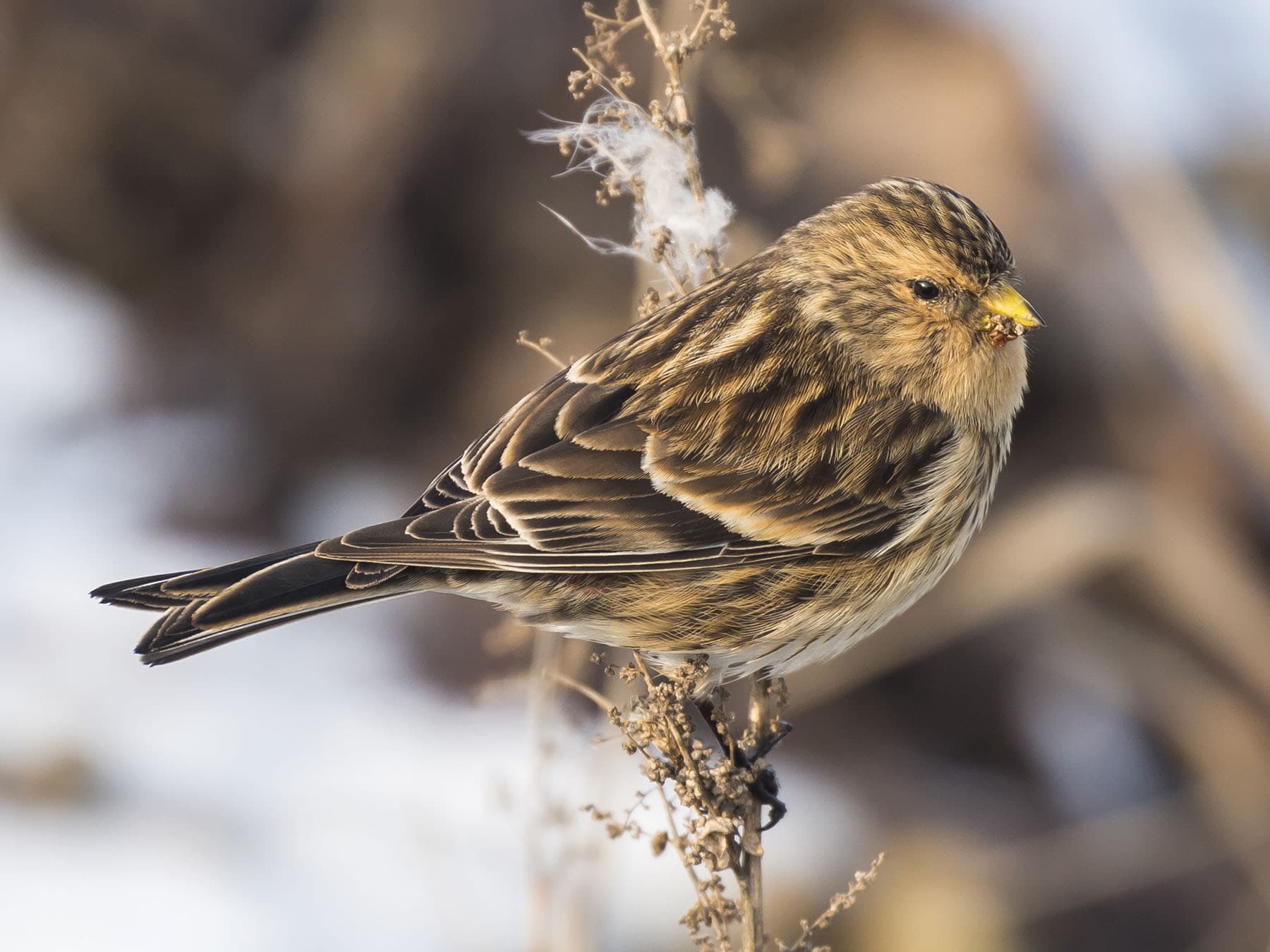
Twite
Linaria flavirostrisLC
An uncommon non-breeding visitor to English saltmarshes and coastal fields from autumn to spring. Breeds in the uplands of northern Britain.
Oct–Apr
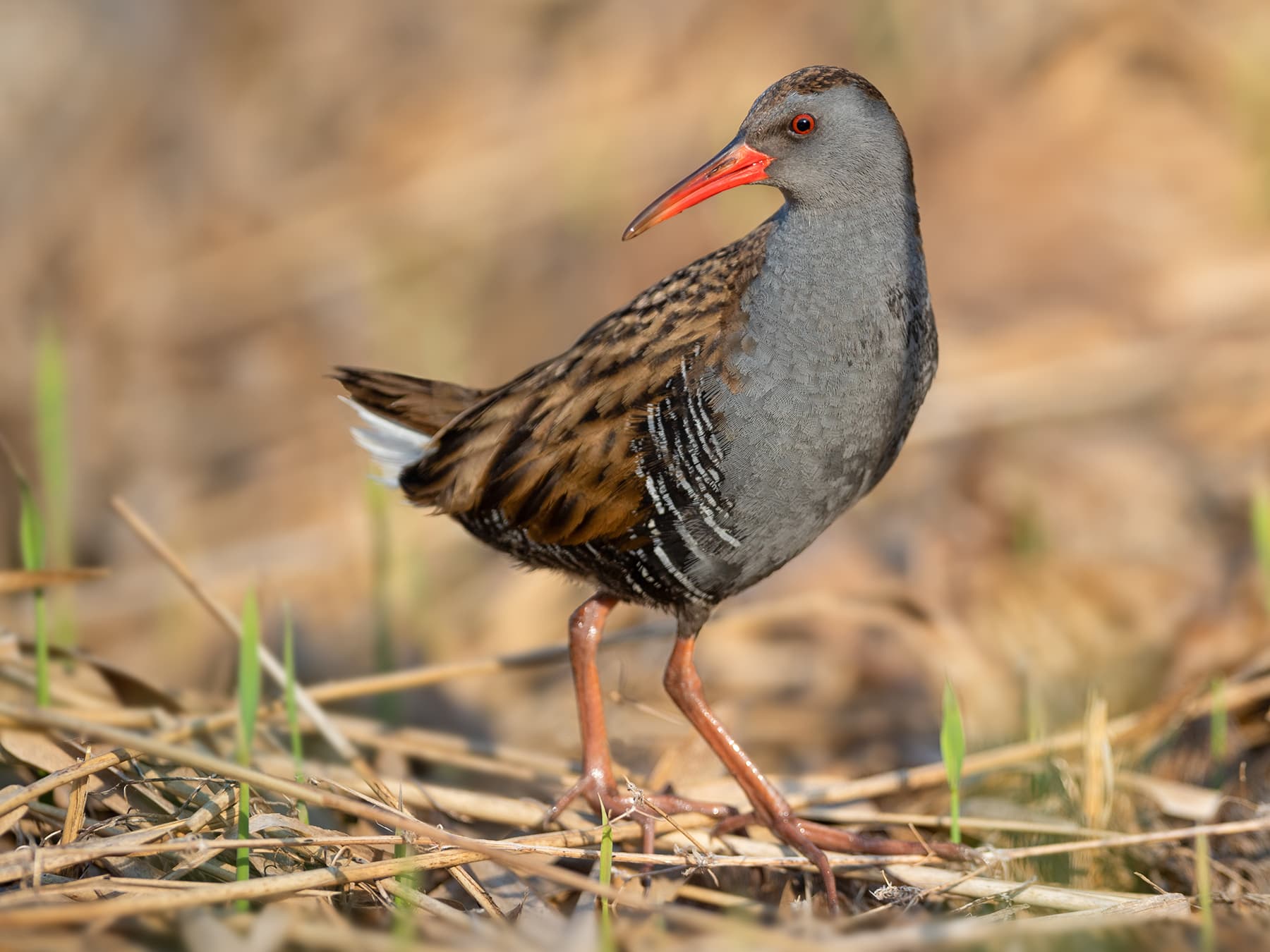
Water Rail
Rallus aquaticusLC
A secretive resident of marshes and reedbeds, more often heard than seen. Its pig-like squealing call from dense vegetation is a characteristic sound of English wetlands.
Year-round
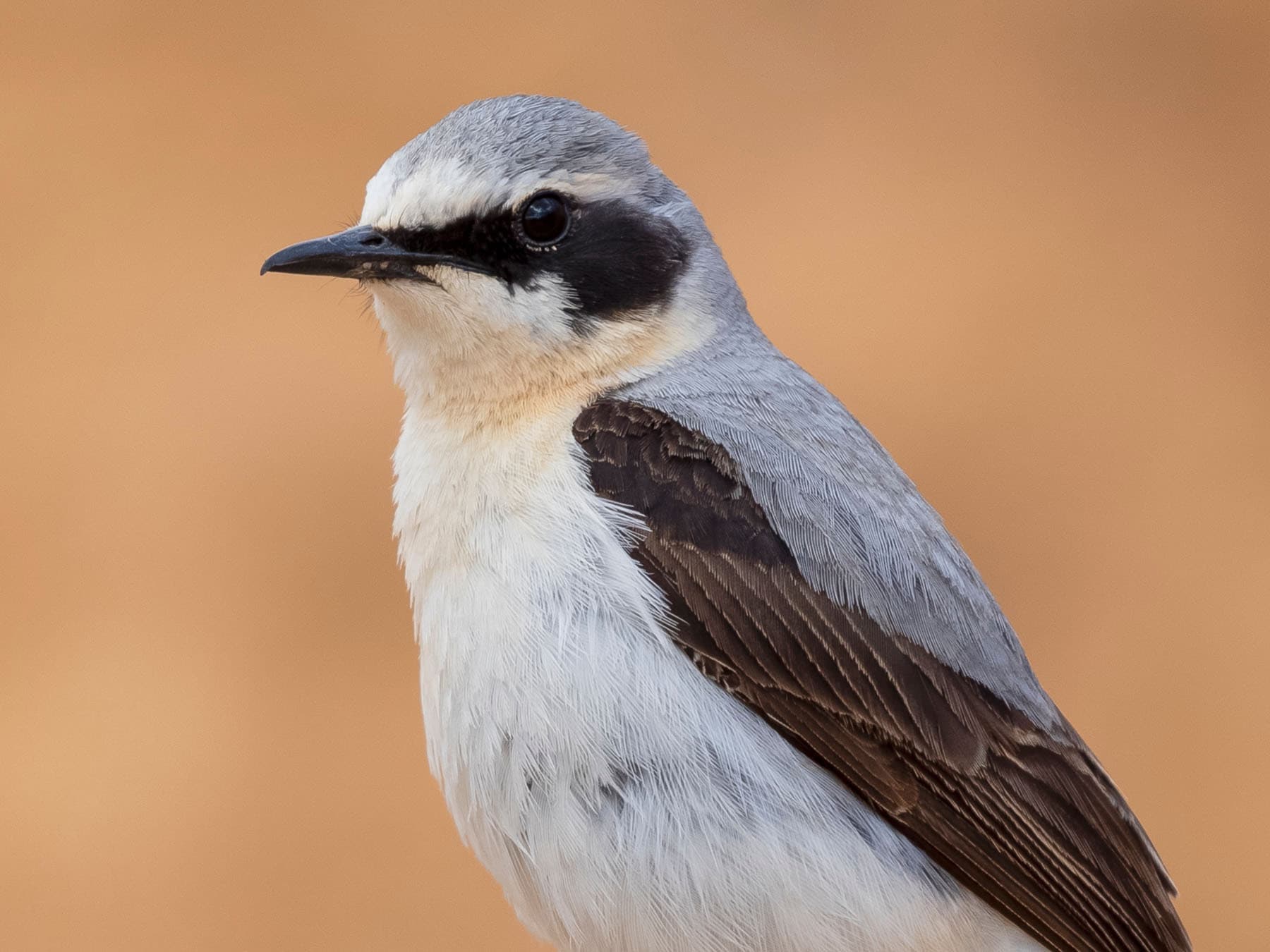
Wheatear
Oenanthe oenantheLC
A summer breeder on upland moors and coastal grasslands, arriving from March. Passage birds also appear at lowland sites in spring and autumn.
Mar–Nov
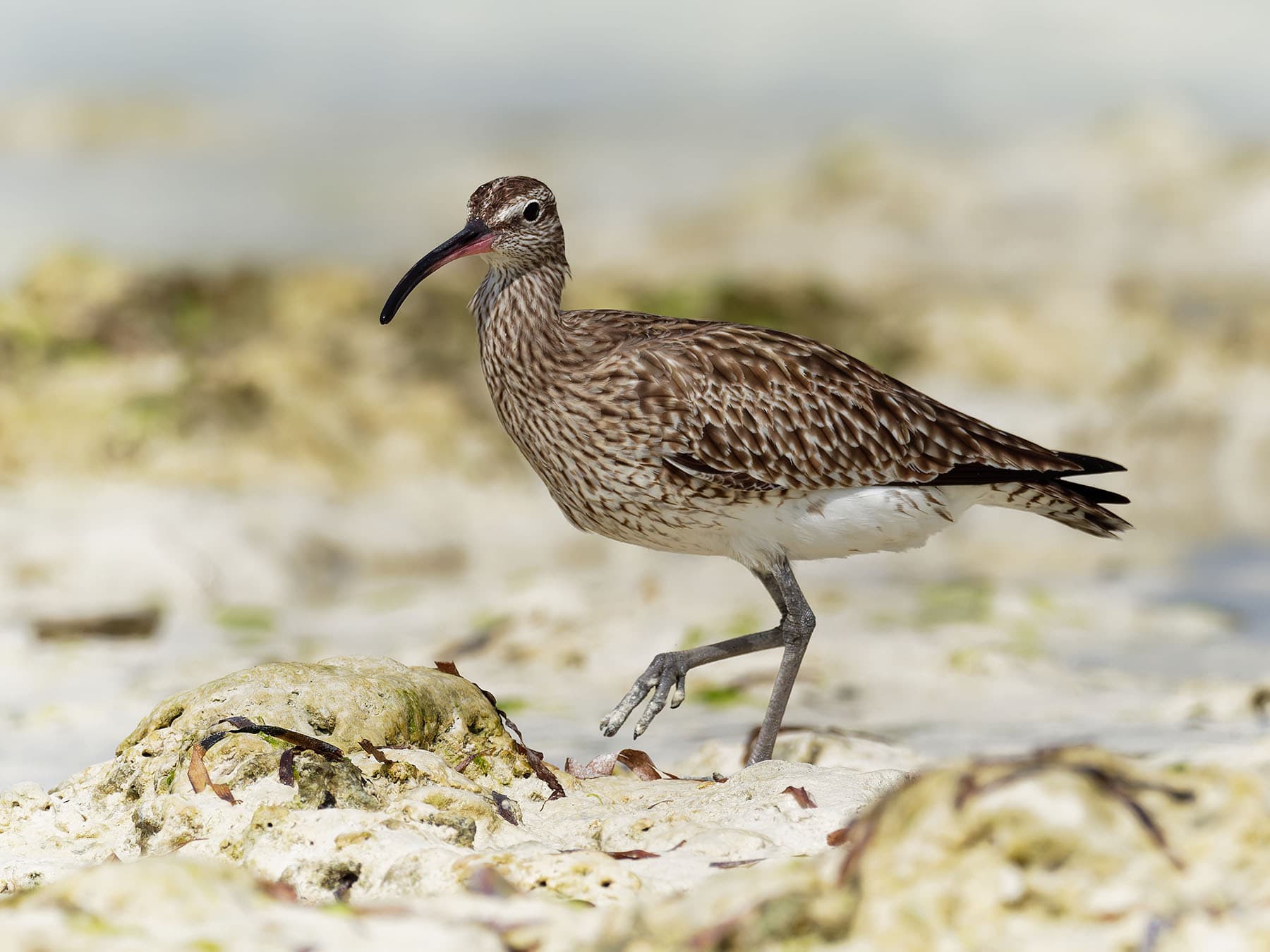
Whimbrel
Numenius phaeopusLC
An uncommon wader present year-round but most conspicuous on spring and autumn passage along coasts. Its distinctive rippling call carries far across estuaries.
Year-round
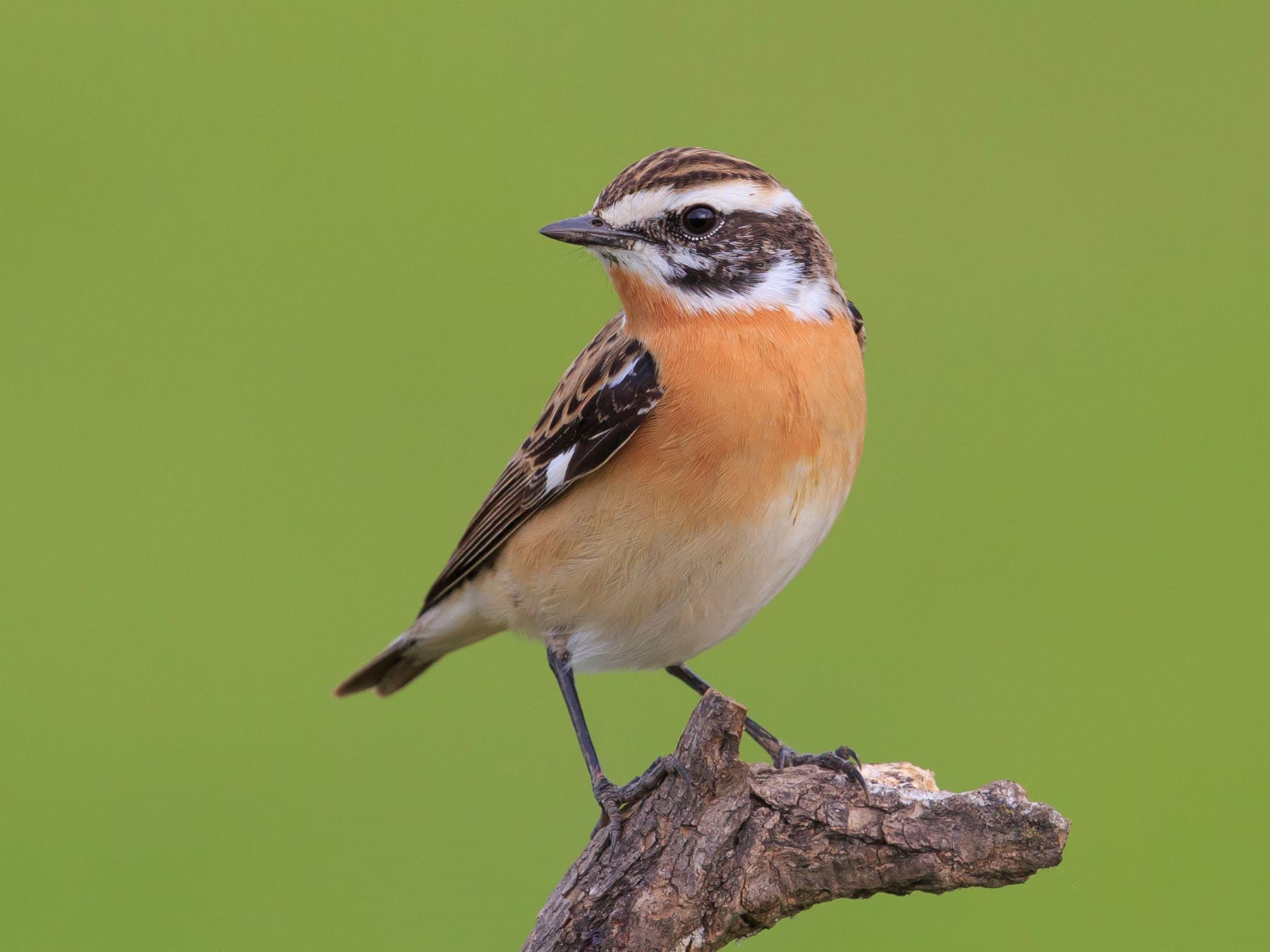
Whinchat
Saxicola rubetraLC
An uncommon summer visitor to upland meadows and moorland edges, now declining as a breeder. Most easily seen on passage in autumn.
Apr–Oct
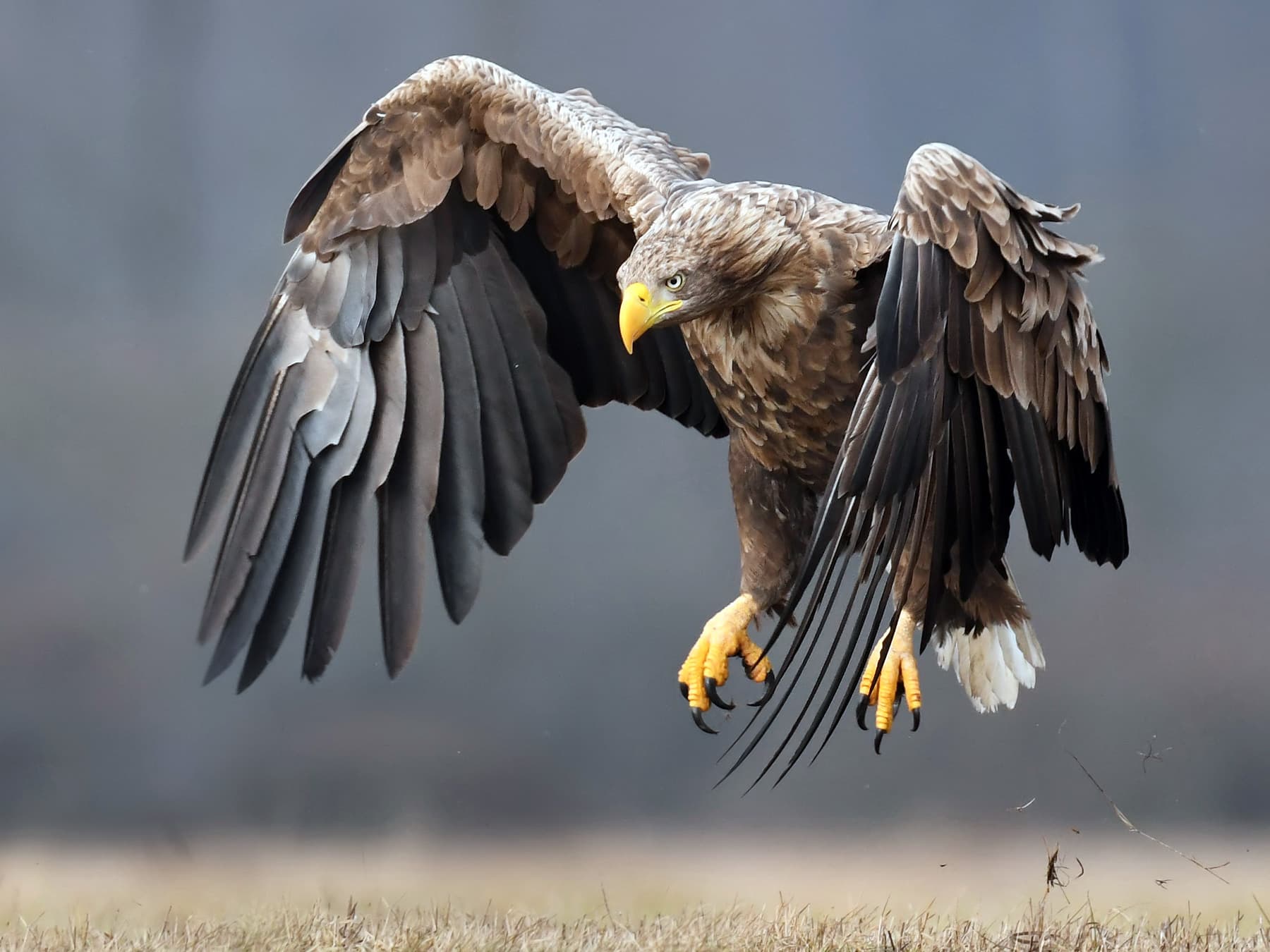
White-tailed Sea-eagle
Haliaeetus albicillaLC
Recently reintroduced to England, this impressive raptor is an uncommon resident. The Isle of Wight programme has established a small but growing population.
Year-round