Birds in Nottinghamshire
Explore 180 species found in this region.
Nottinghamshire supports a rich diversity of birdlife, with 177 species recorded across the county's varied habitats, from the ancient woodlands of Sherwood Forest to the wetlands of the Trent Valley. The county's rivers, reservoirs, and gravel pits attract notable species such as Common Merganser, Northern Pintail, and Mandarin Duck, while farmland and heathland provide important habitat for Northern Lapwing and Eurasian Woodcock. Whether you're exploring urban parks where Great Tits and Magpies thrive or venturing to wilder areas in search of scarcer visitors like the Great Grey Shrike, Nottinghamshire offers rewarding birding throughout the year.
Visiting in September? Look out for Common Merganser and Curlew Sandpiper arriving this month, and Avocet and Common Redstart depart for the season.


Showing 139–161 of 180 species
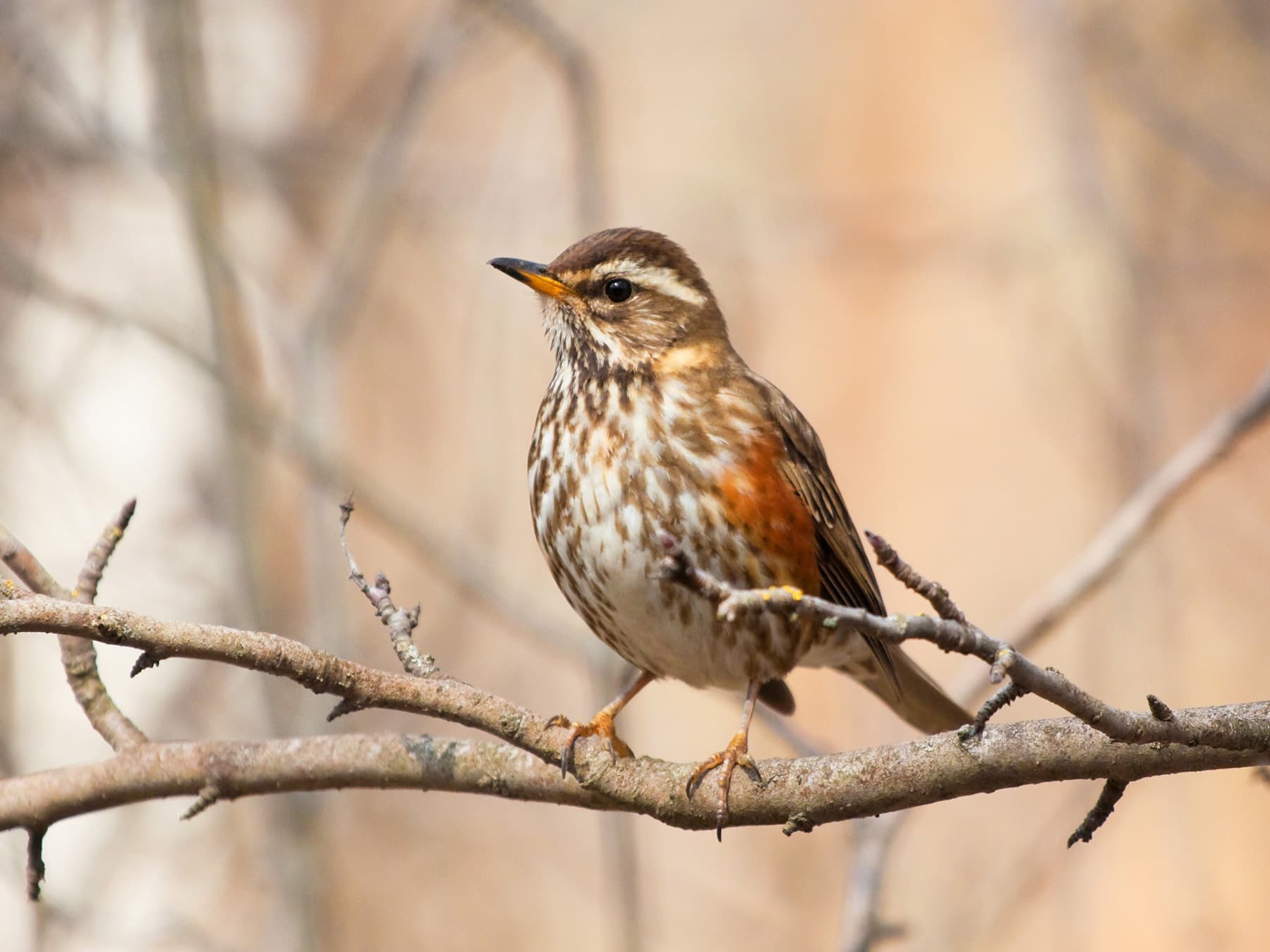
Redwing
Turdus iliacusNT
A common winter visitor from Scandinavia, arriving in October and foraging in hedgerows and fields. Often found alongside Fieldfares in berry-laden hawthorns.
Oct–Apr
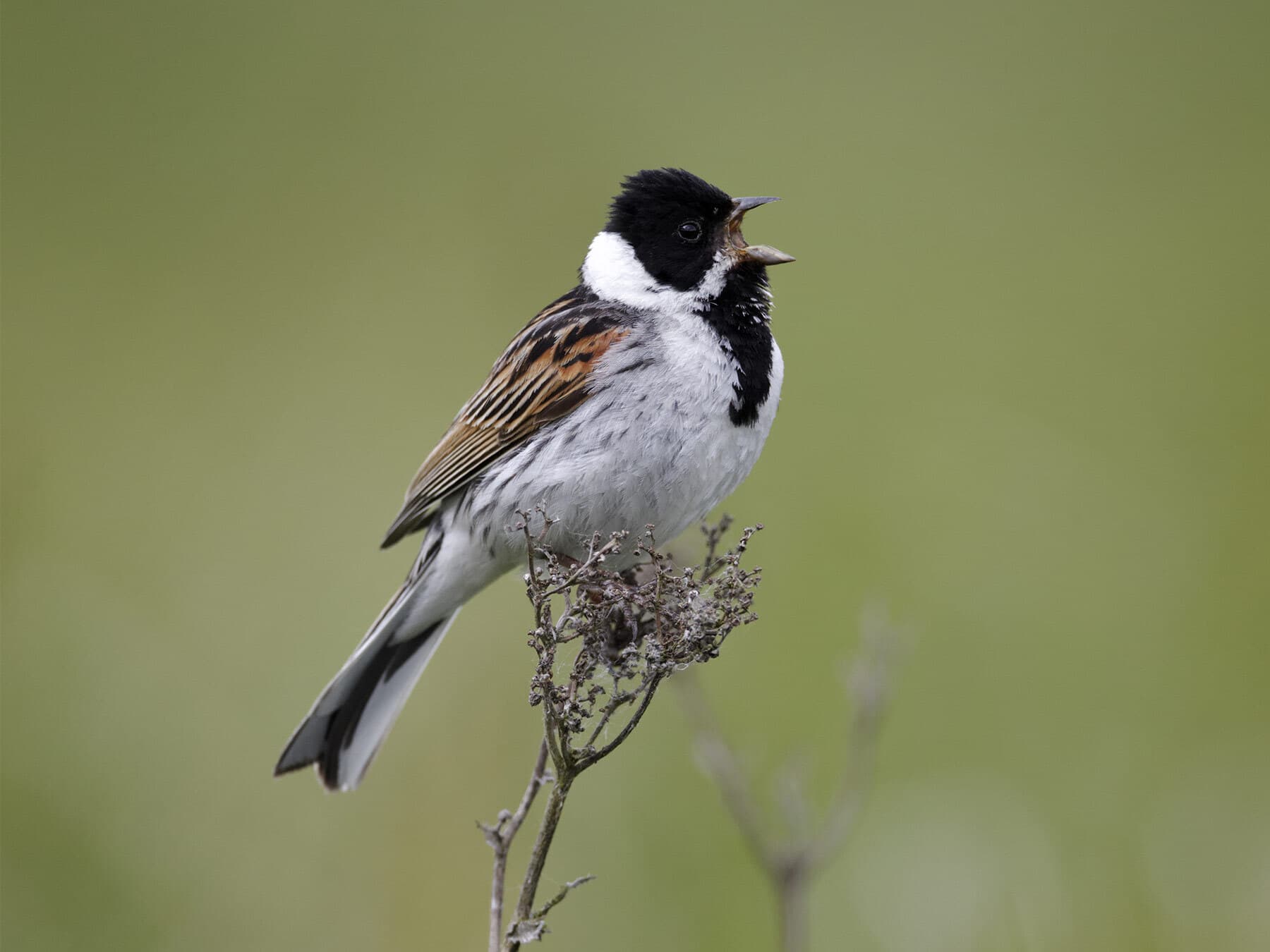
Reed Bunting
Emberiza schoeniclusLC
A common resident of reedbeds, ditches, and wetland margins across the county. Males are easily spotted by their black head and white collar.
Year-round
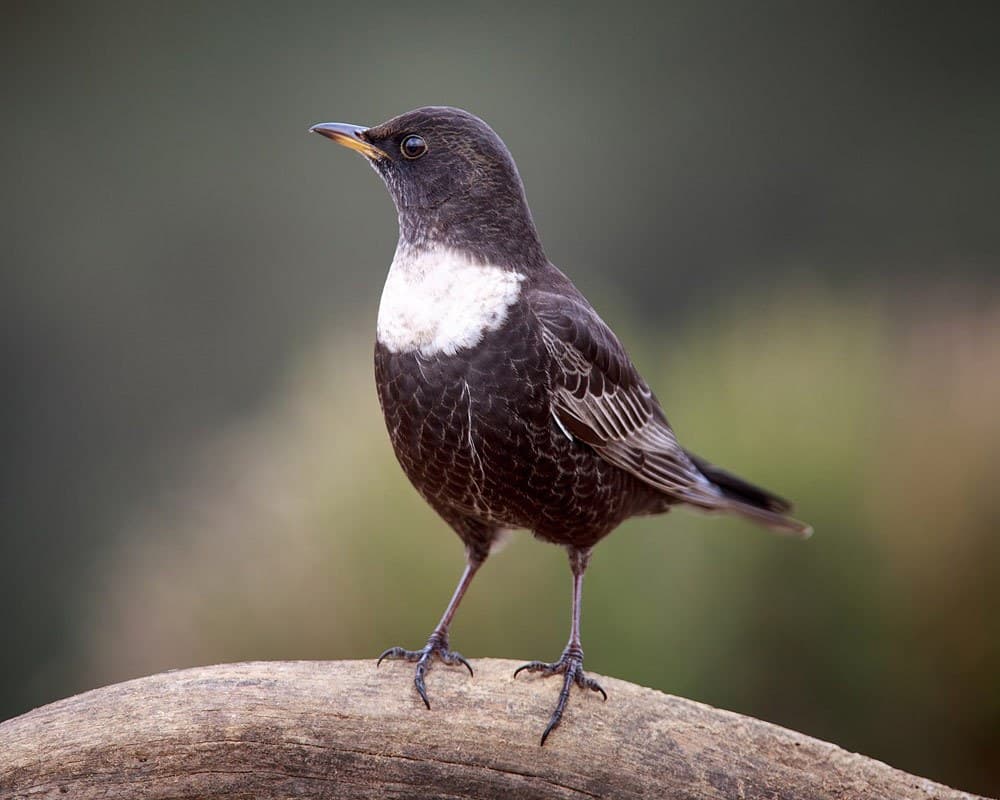
Ring Ouzel
Turdus torquatusLC
A rare spring passage migrant, briefly passing through in April en route to upland breeding grounds. Occasionally recorded on open heathland and hilltops.
Apr
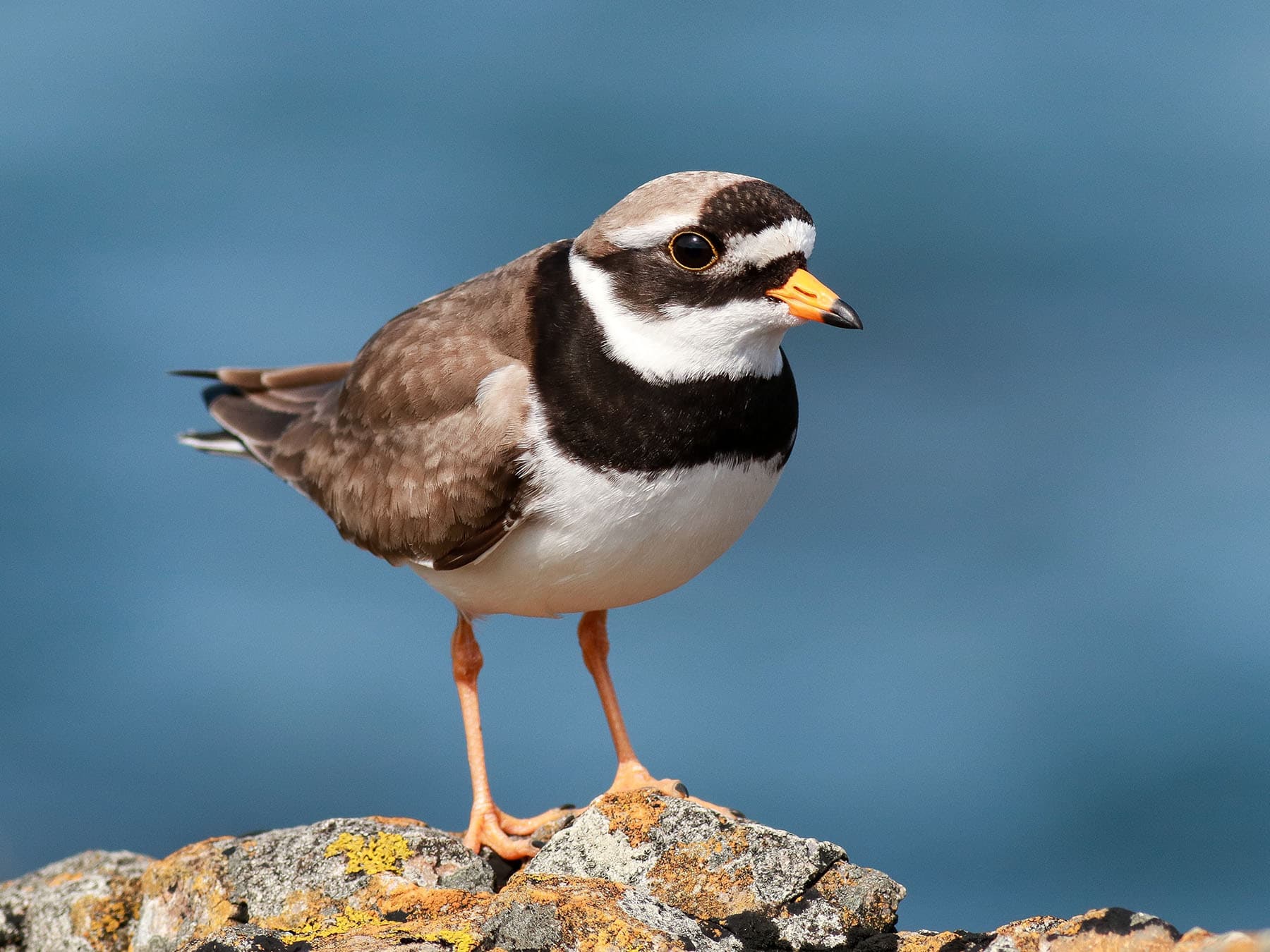
Ringed Plover
Charadrius hiaticulaLC
A rare breeding bird on bare gravel and reservoir margins, with small numbers on passage at wetland sites from March to October.
Mar–Oct
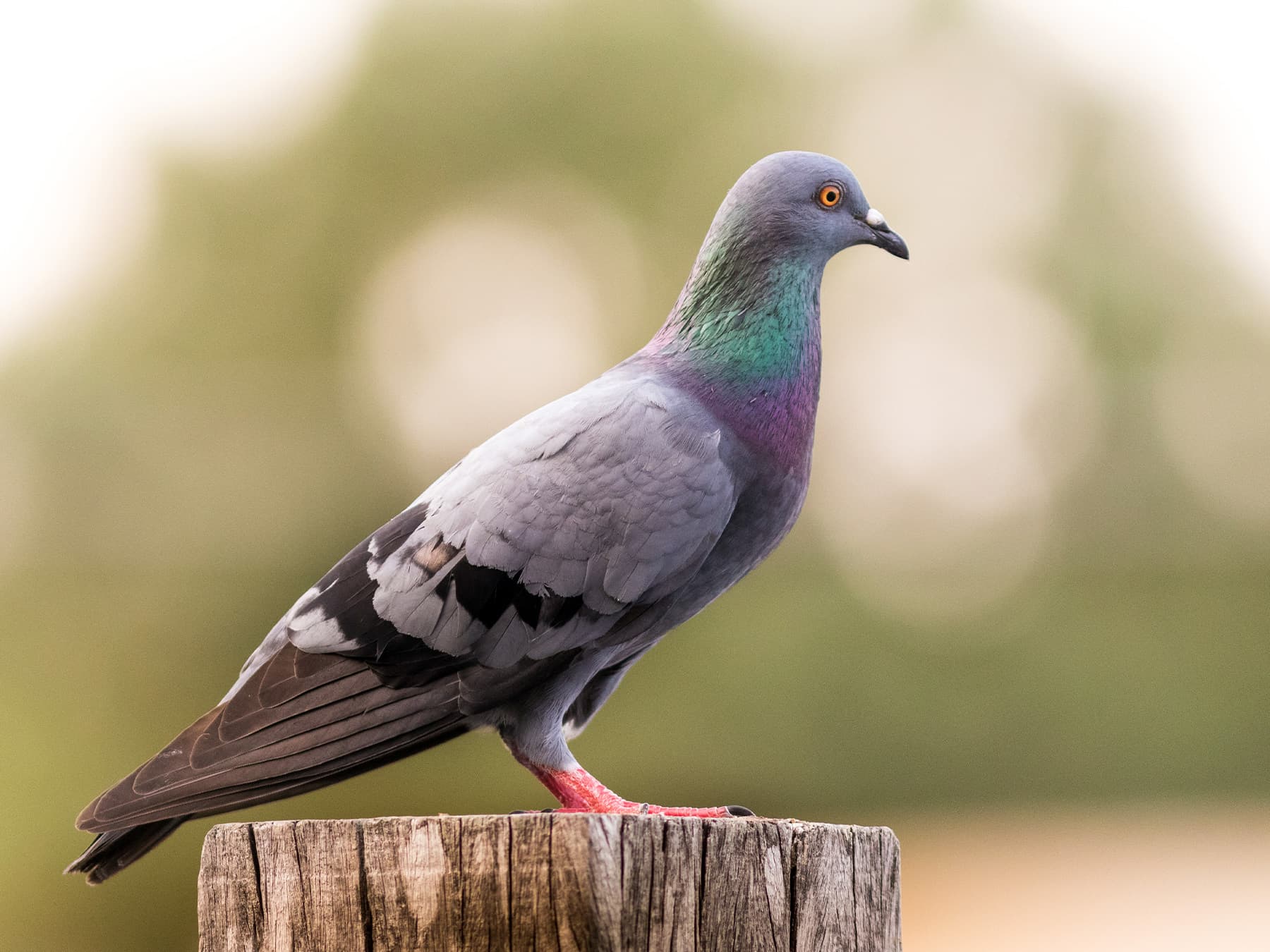
Rock Dove
Columba liviaLC
Feral populations are widespread in Nottingham's urban areas year-round. True wild-type birds are scarce; most show varied plumage from domestic ancestry.
Year-round
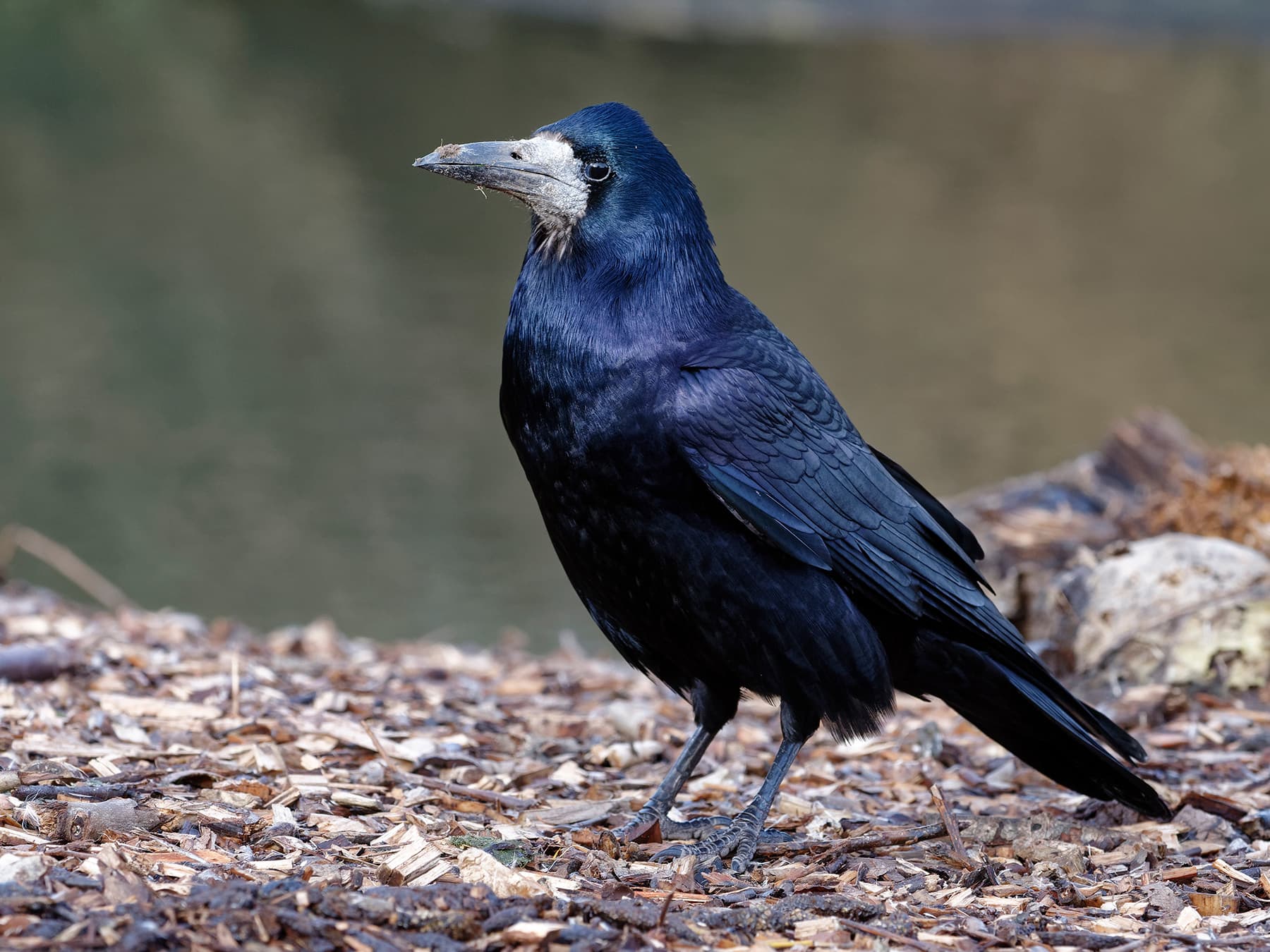
Rook
Corvus frugilegusLC
A common and conspicuous resident of farmland, nesting colonially in tall trees. Noisy rookeries are a familiar feature of the county's villages.
Year-round
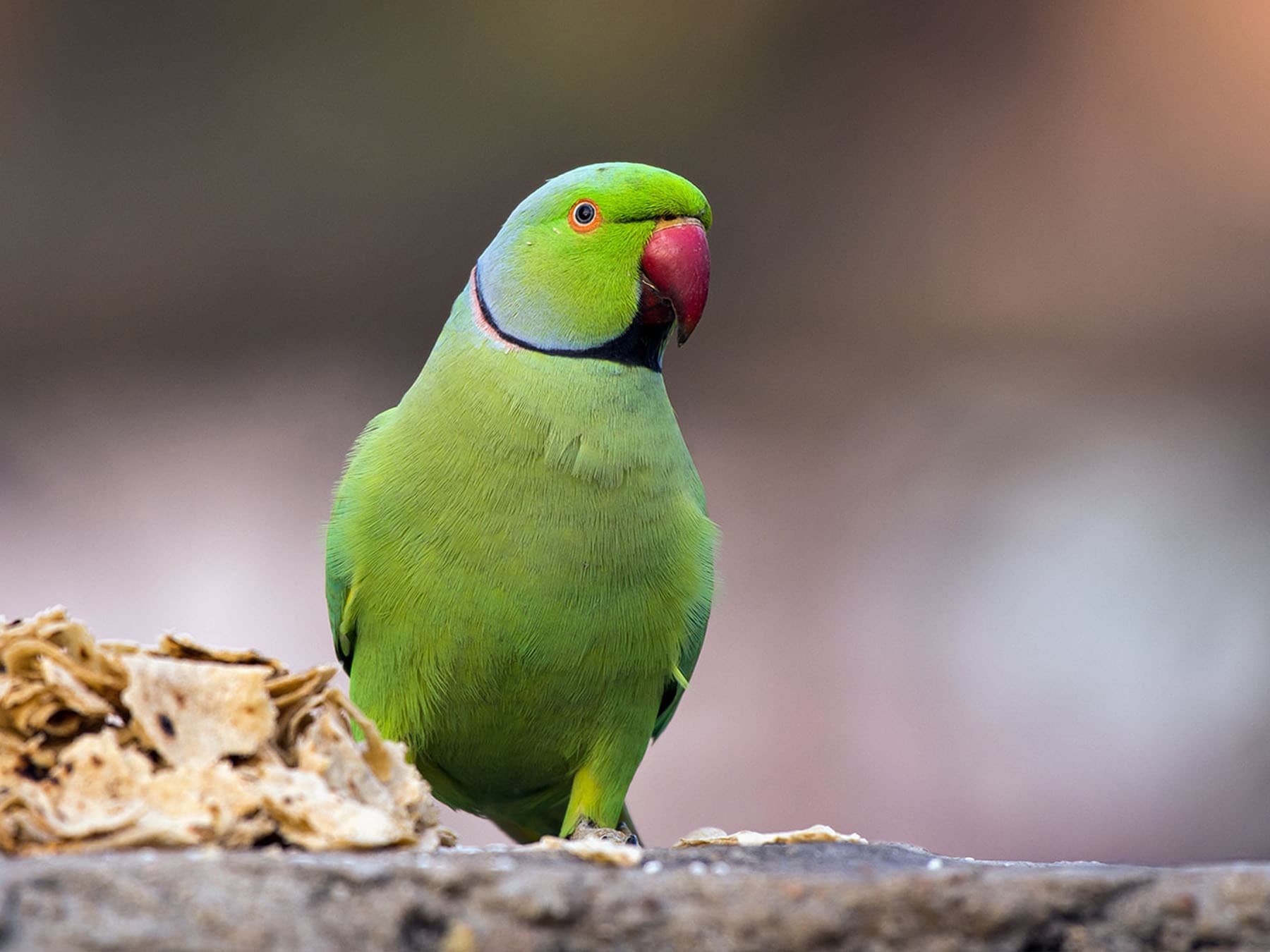
Rose-ringed Parakeet
Alexandrinus krameriLC
A rare resident, part of the slowly expanding feral population. Occasionally seen around suburban parks and gardens in the county.
Aug–Jun
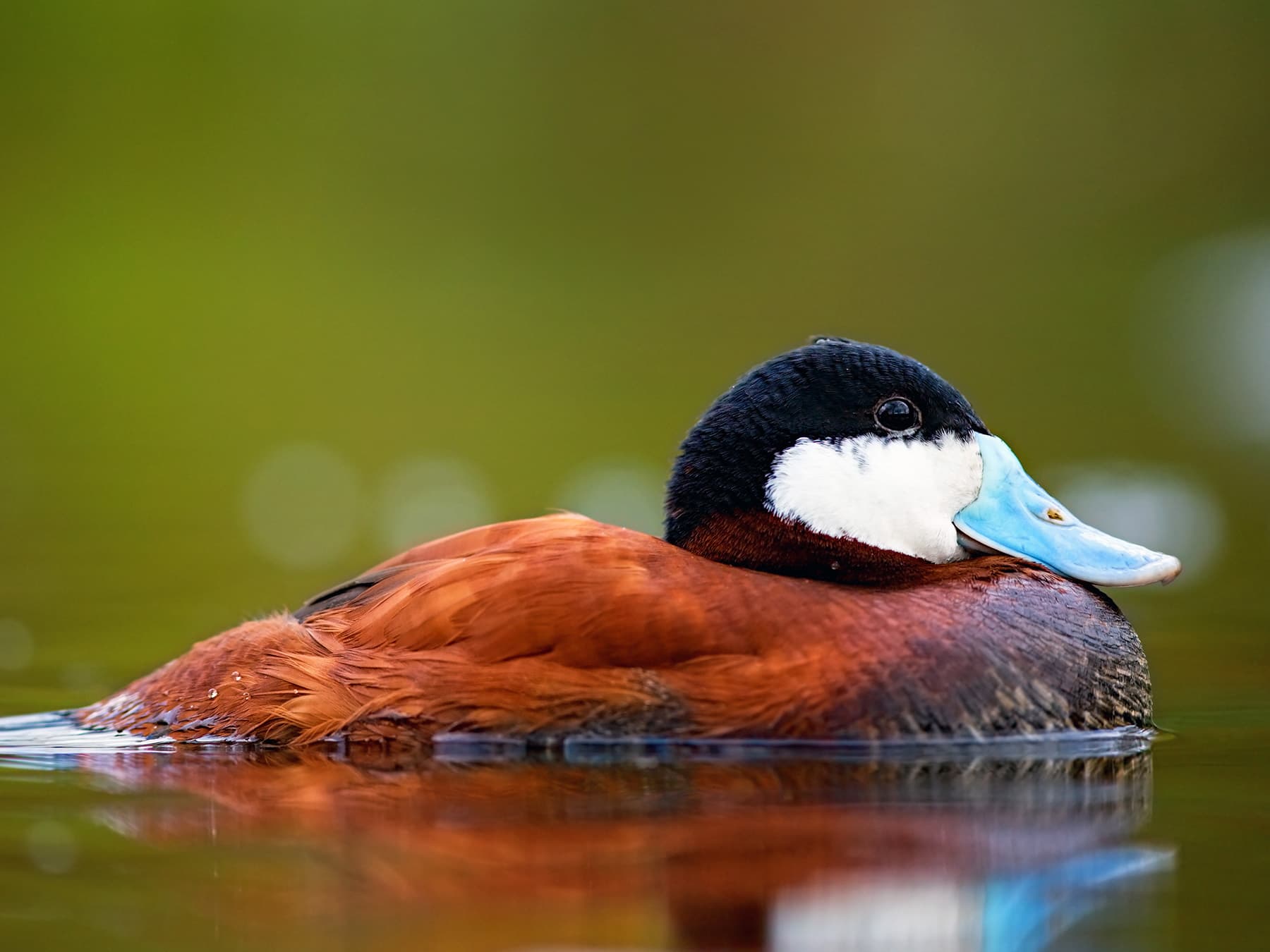
Ruddy Duck
Oxyura jamaicensisLC
A rare resident, now largely eradicated through national culling programmes. Any remaining birds on county lakes are increasingly unusual sightings.
Year-round
Spotted something?
Upload a photo to identify it
Identify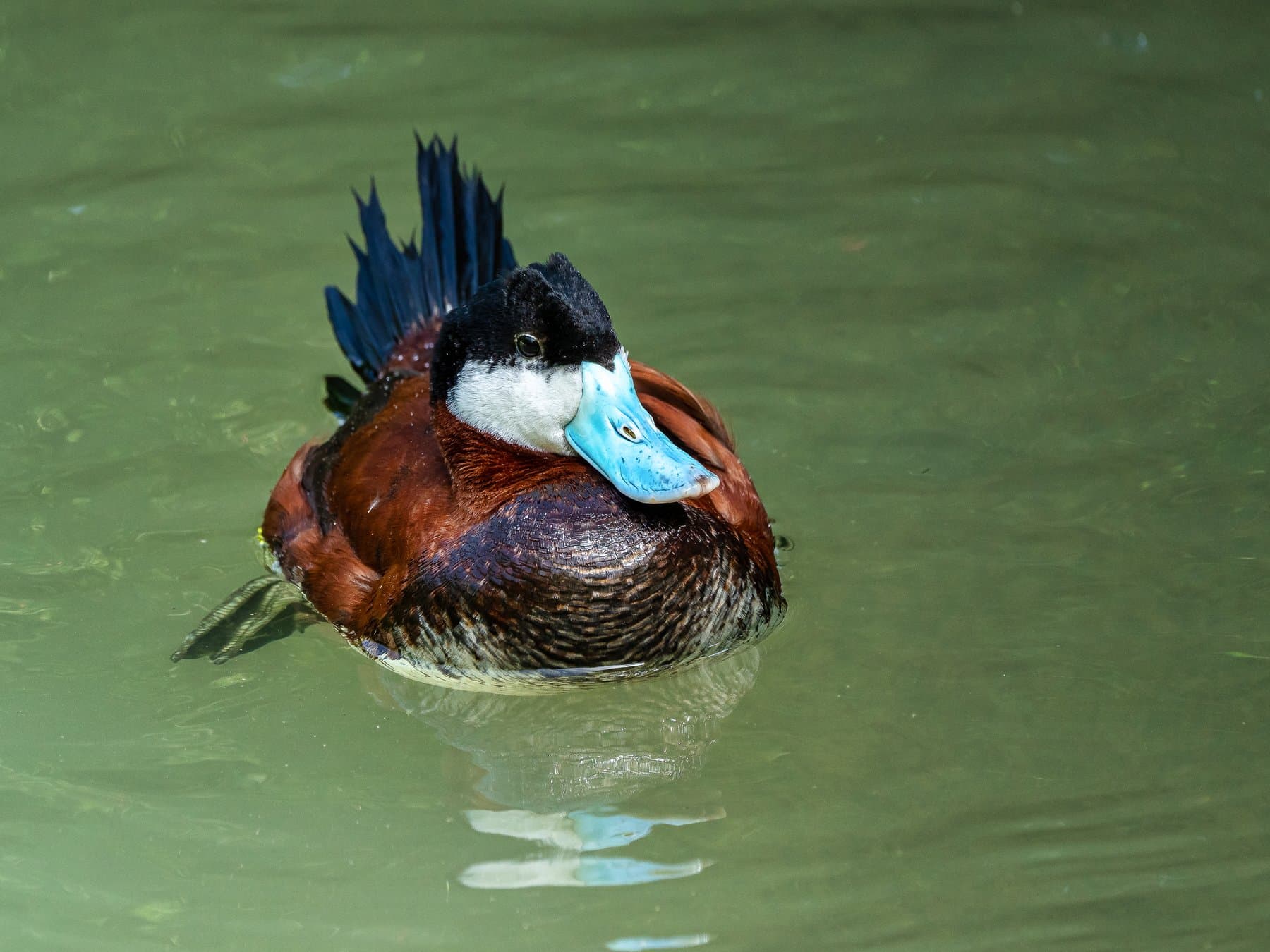
Ruddy Shelduck
Tadorna ferrugineaLC
A rare and unexpected visitor; records likely involve escapes from collections. Occasionally noted on gravel pits and lakes in late winter.
Feb
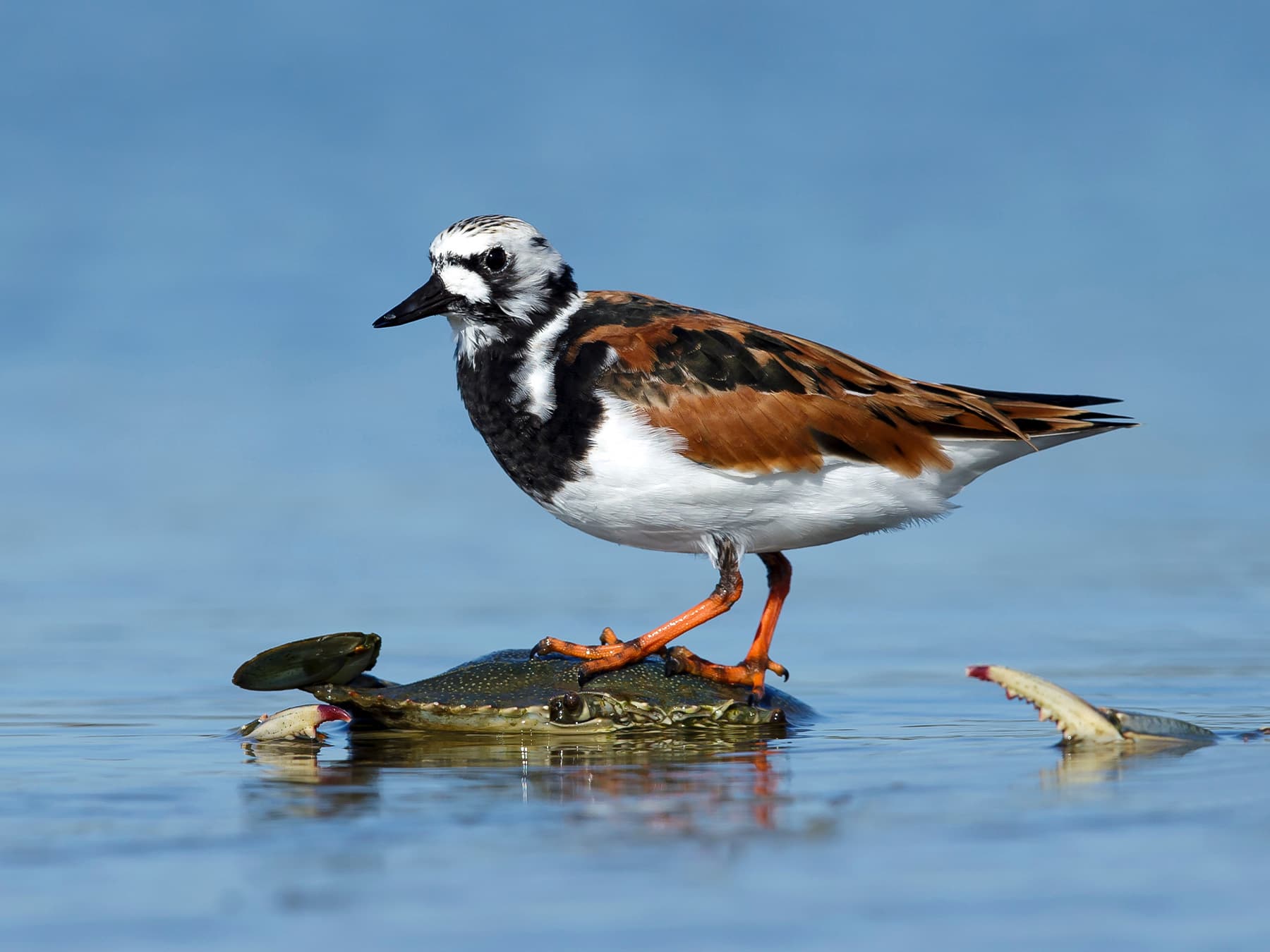
Ruddy Turnstone
Arenaria interpresLC
A rare passage visitor in May, this coastal wader occasionally turns up at inland reservoirs and gravel pits in the county.
May
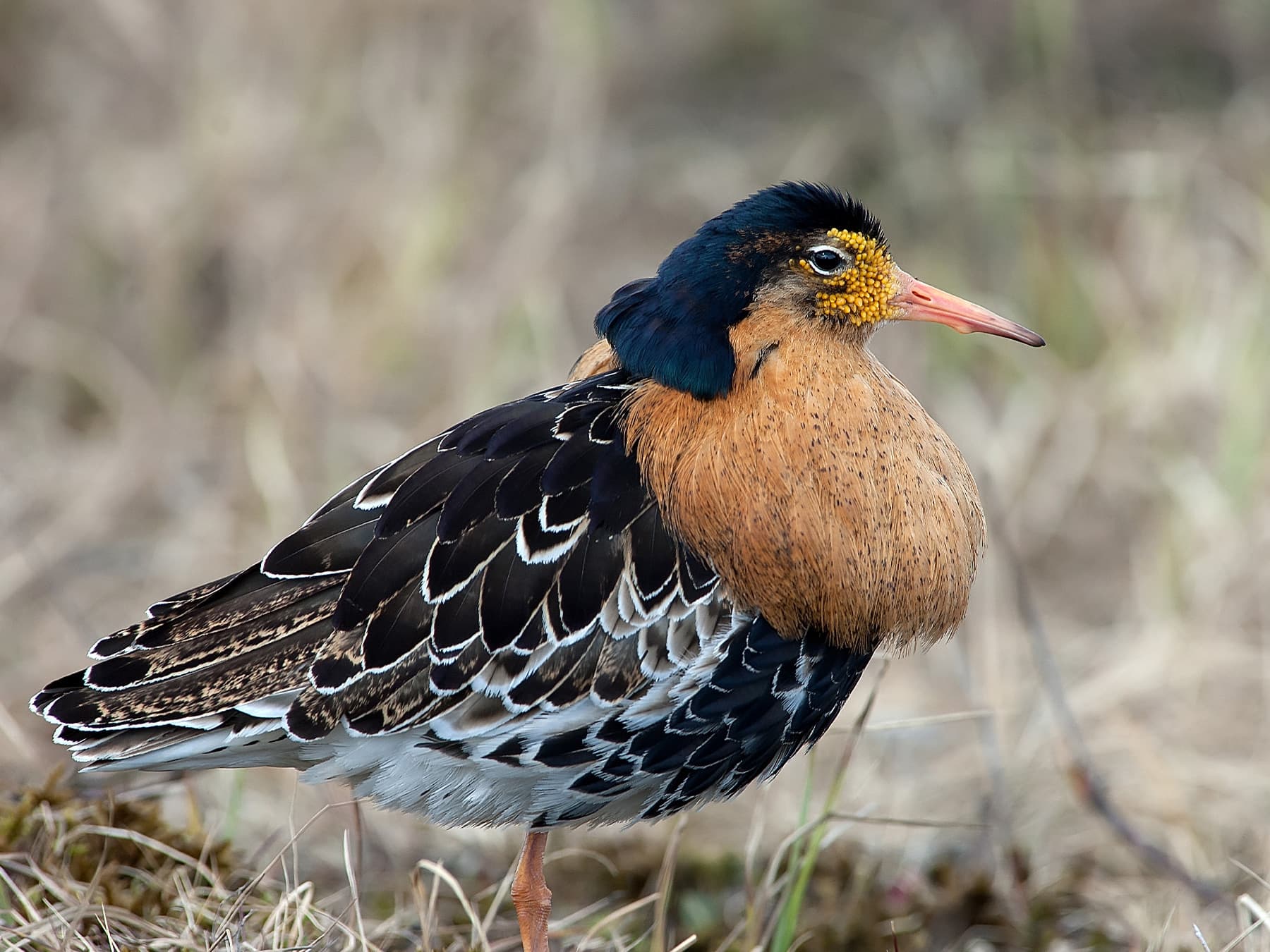
Ruff
Philomachus pugnaxLC
A rare but near year-round visitor to shallow scrapes and flooded fields. Small numbers linger at key wetland reserves along the Trent Valley.
Jul–May
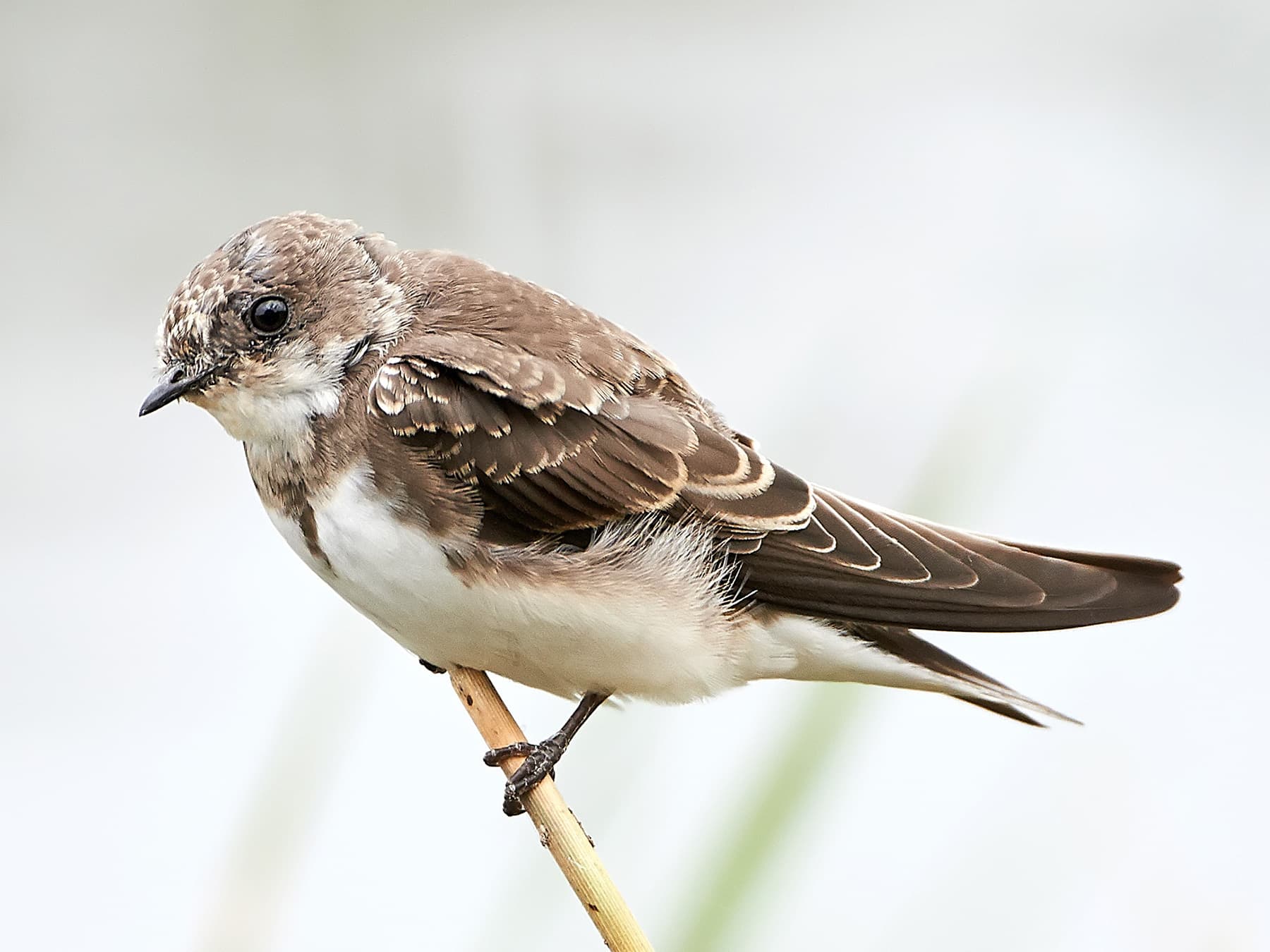
Sand Martin
Riparia ripariaLC
A common summer visitor breeding colonially in sandy riverbanks and quarry faces along the Trent valley, arriving from March.
Mar–Sep
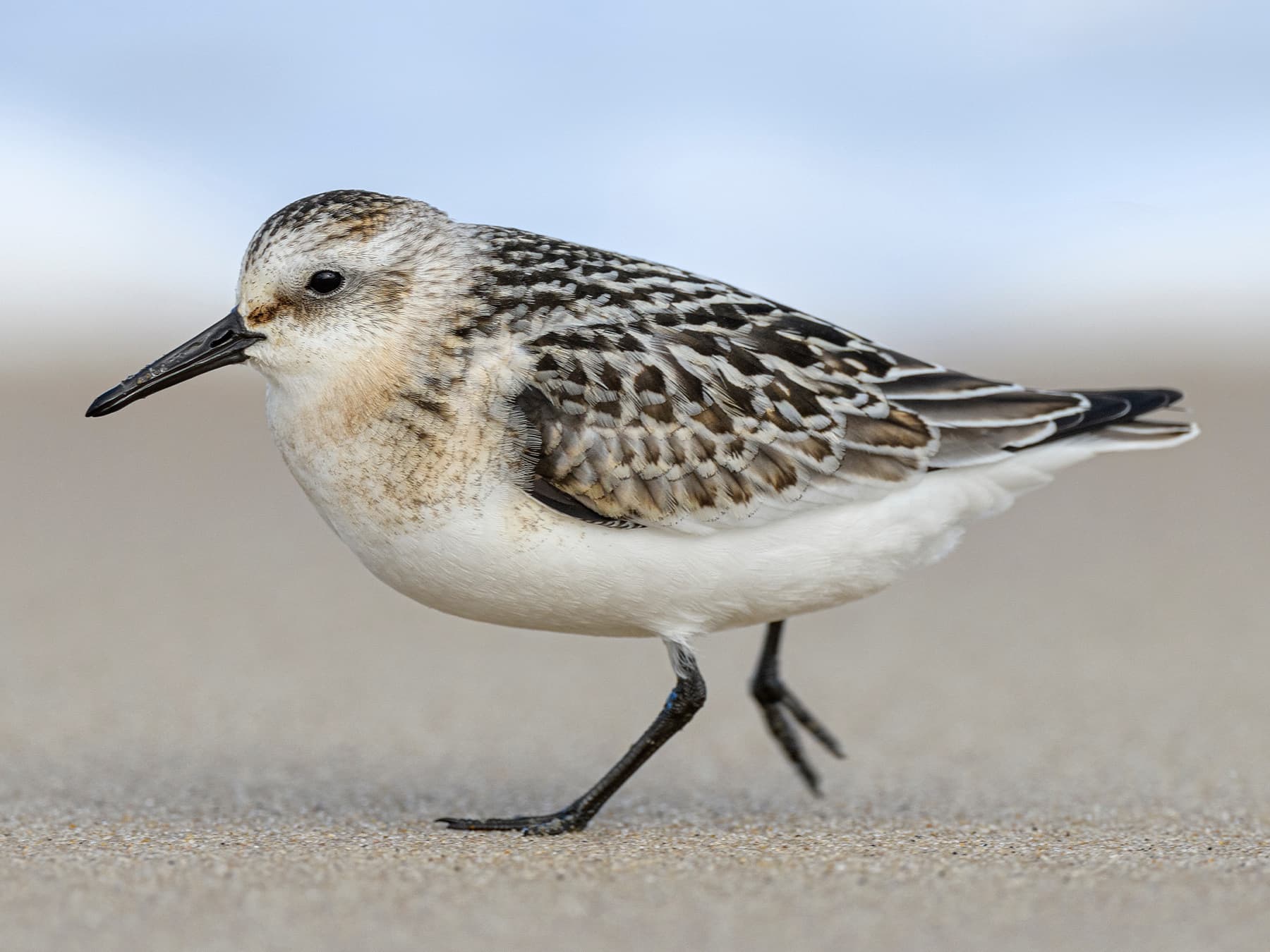
Sanderling
Calidris albaLC
A rare inland passage migrant, occasionally noted at reservoir edges and gravel pits in May. Far more typical on coastal beaches.
May
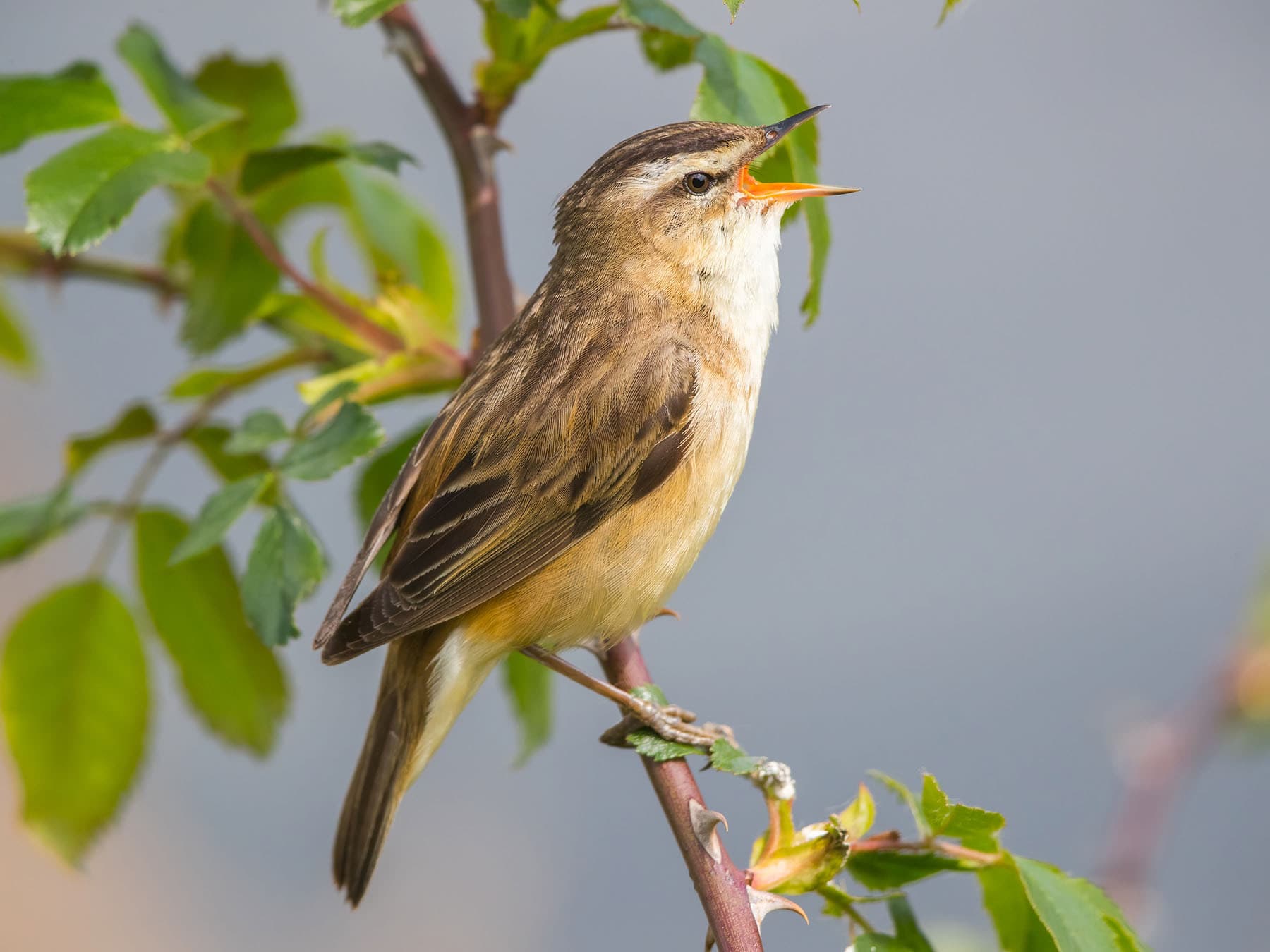
Sedge Warbler
Acrocephalus schoenobaenusLC
A common summer breeder arriving in April, singing its rapid, chattering song from reedbeds and waterside vegetation across the Trent valley.
Apr–Sep
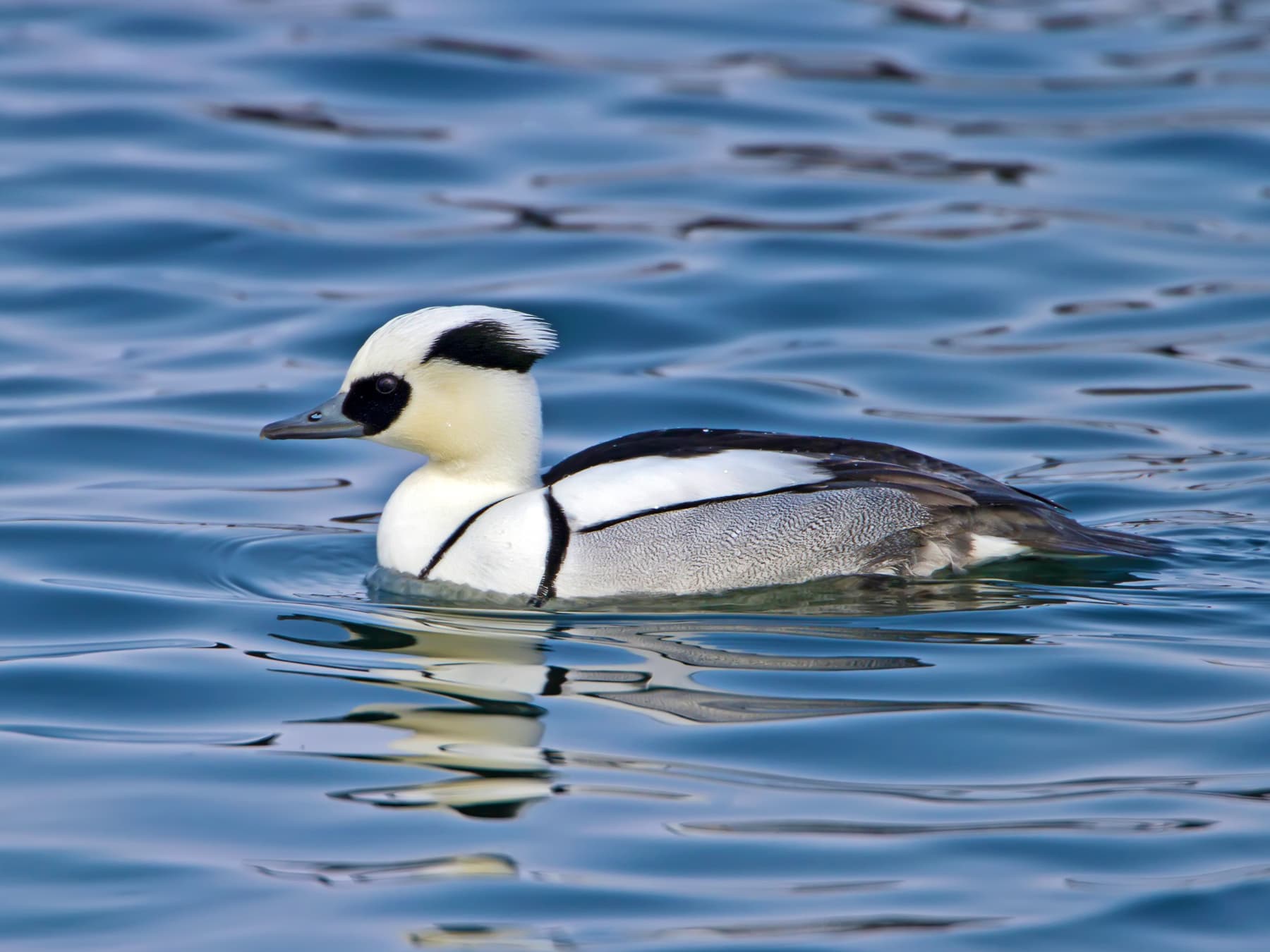
Smew
Mergellus albellusLC
A rare and prized winter visitor, with smart black-and-white drakes occasionally appearing on Trent Valley lakes in cold winters.
Nov–Mar
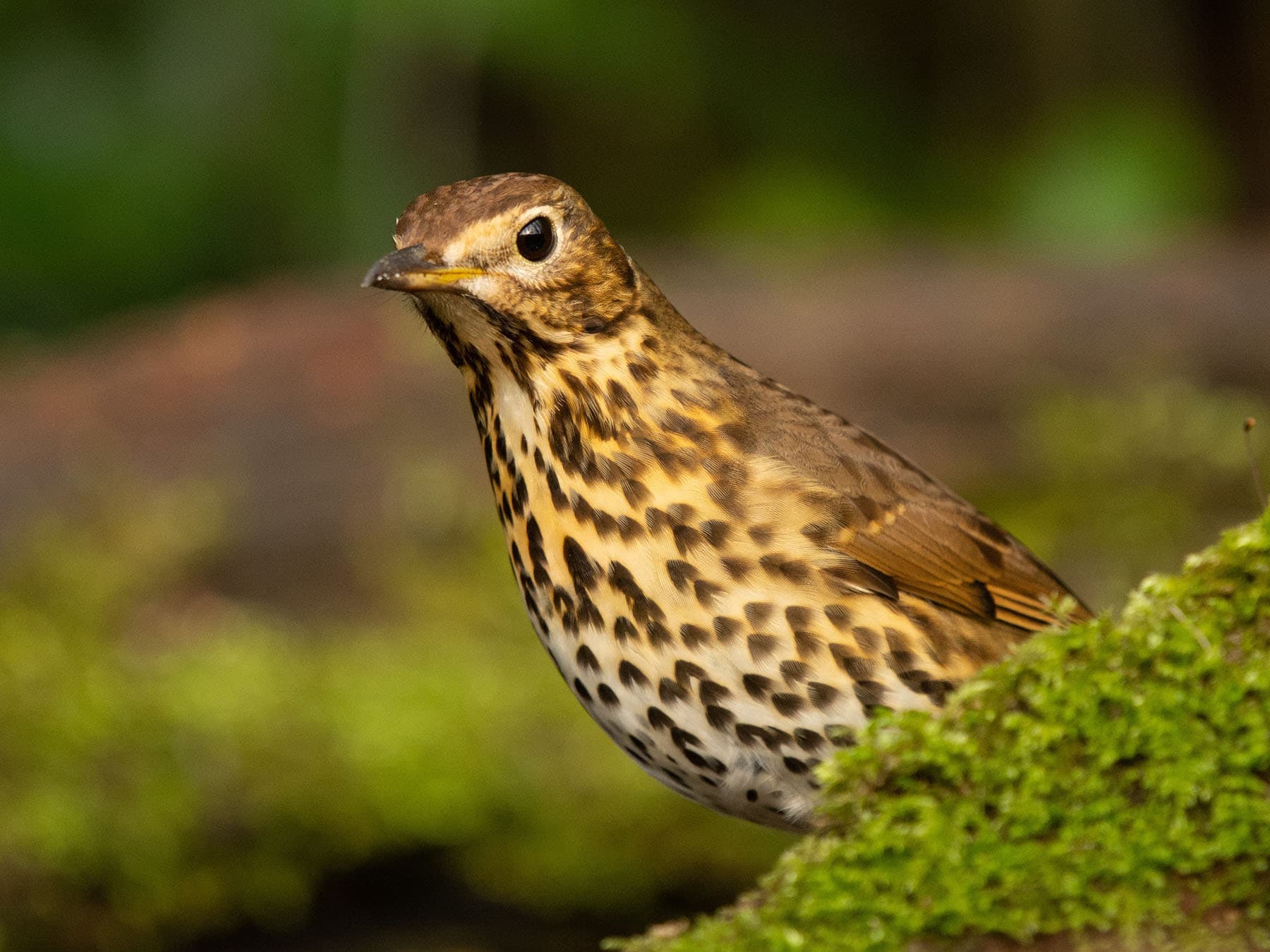
Song Thrush
Turdus philomelosLC
A common year-round resident of gardens, parks, and woodland. Often seen smashing snails on a favourite stone 'anvil'.
Year-round
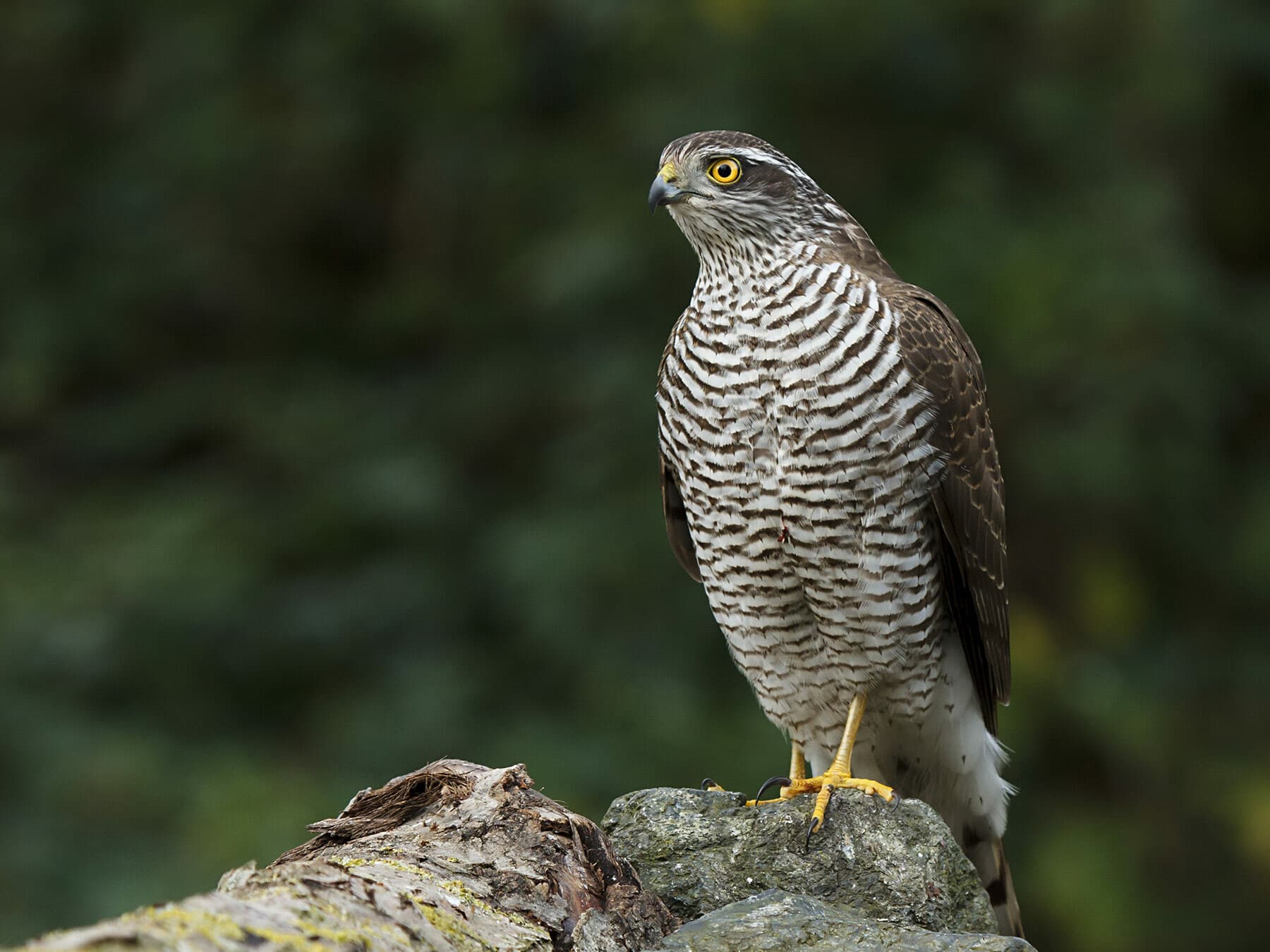
Sparrowhawk
Accipiter nisusLC
A secretive resident of woodlands and suburban gardens, often detected by panicked songbird alarm calls. Hunts along hedgerows and garden bird feeders year-round.
Year-round
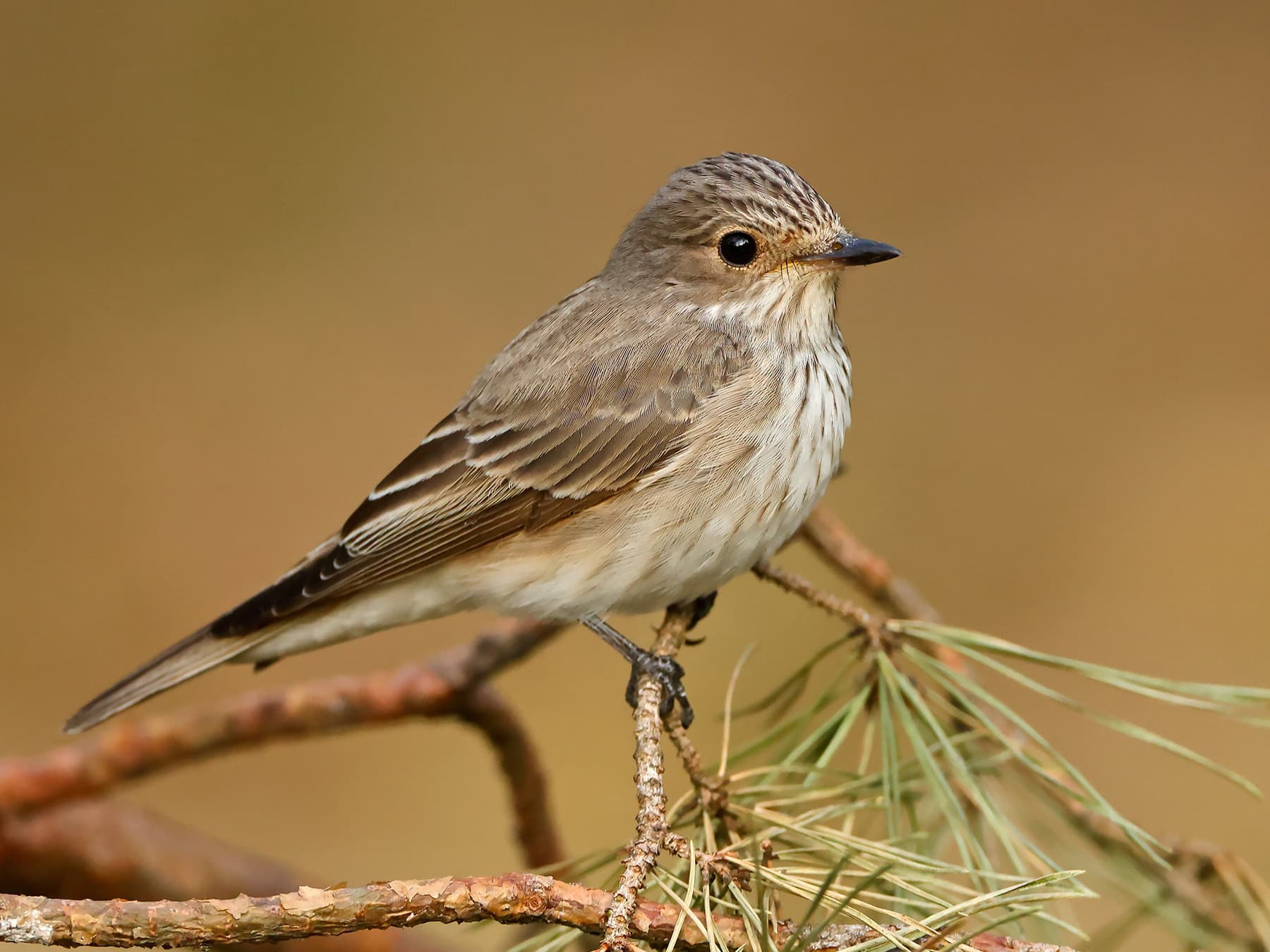
Spotted Flycatcher
Muscicapa striataLC
A rare and declining summer breeder, arriving in May to nest in mature woodland edges and parkland. Sherwood Forest holds occasional pairs.
May–Sep
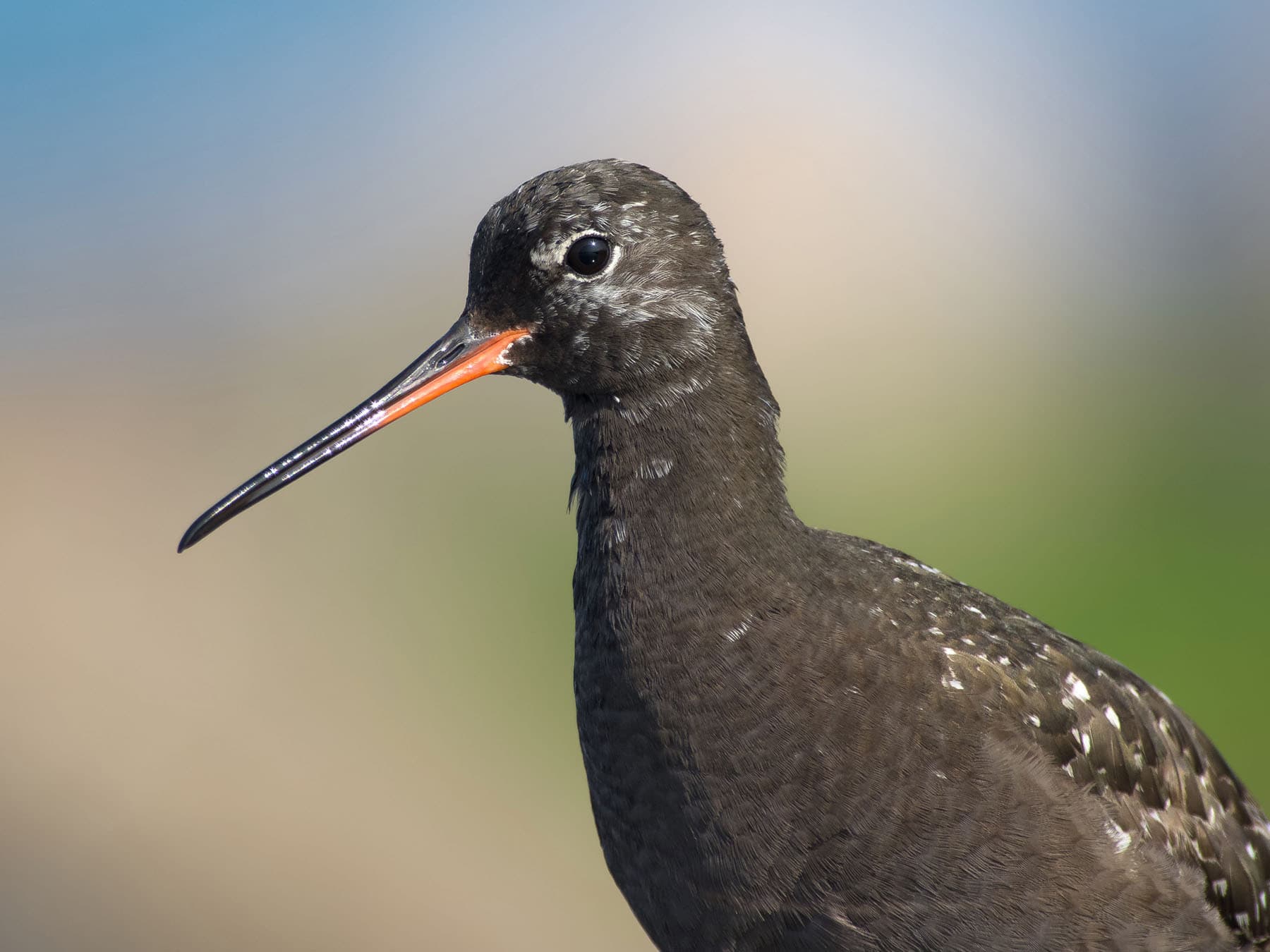
Spotted Redshank
Tringa erythropusLC
A rare autumn passage wader, occasionally stopping at muddy reservoir edges and gravel pits during September.
Sep
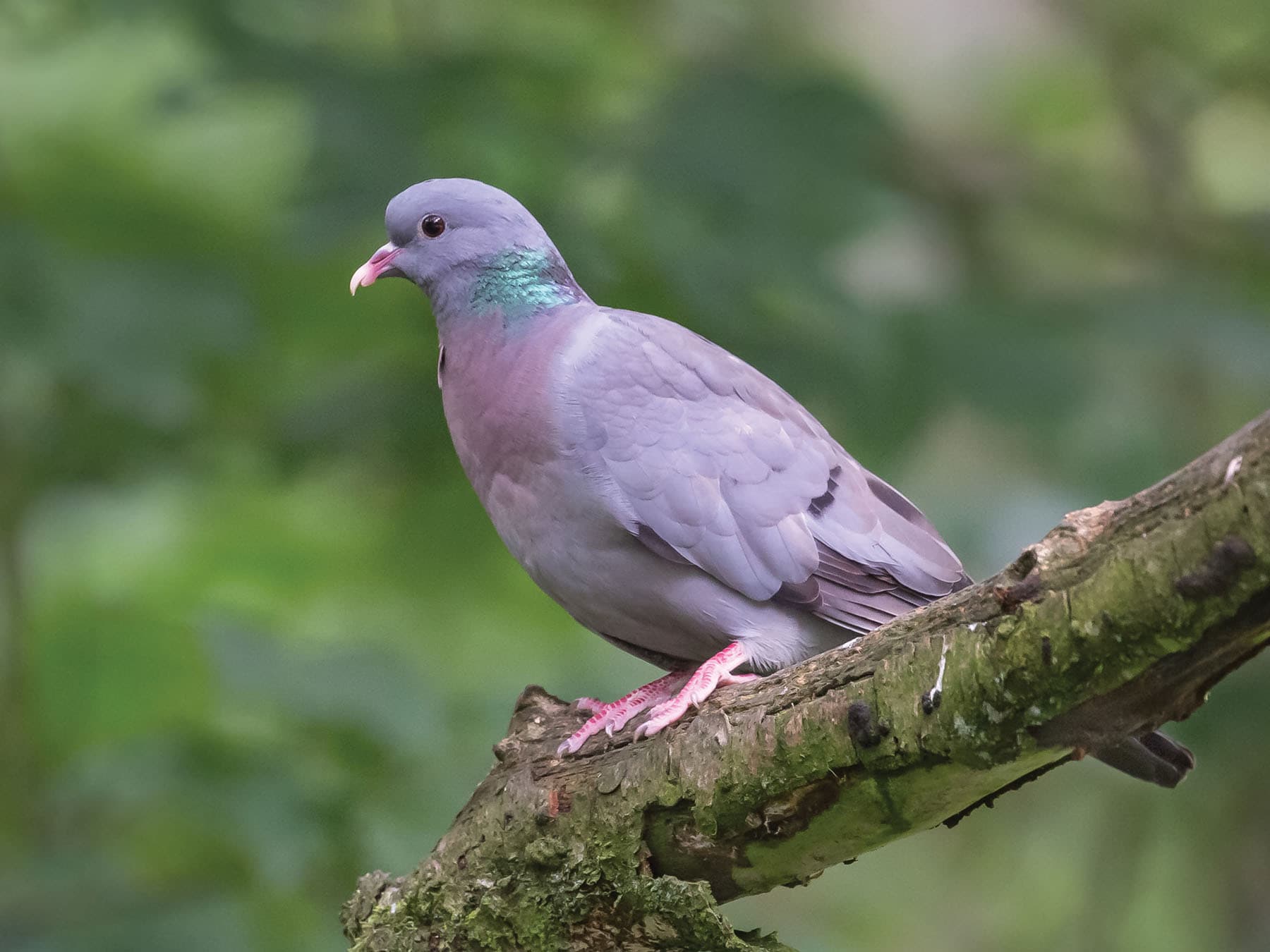
Stock Dove
Columba oenasLC
A common resident found year-round in parkland, mature woodland and farmland with old trees providing nest holes across the county.
Year-round
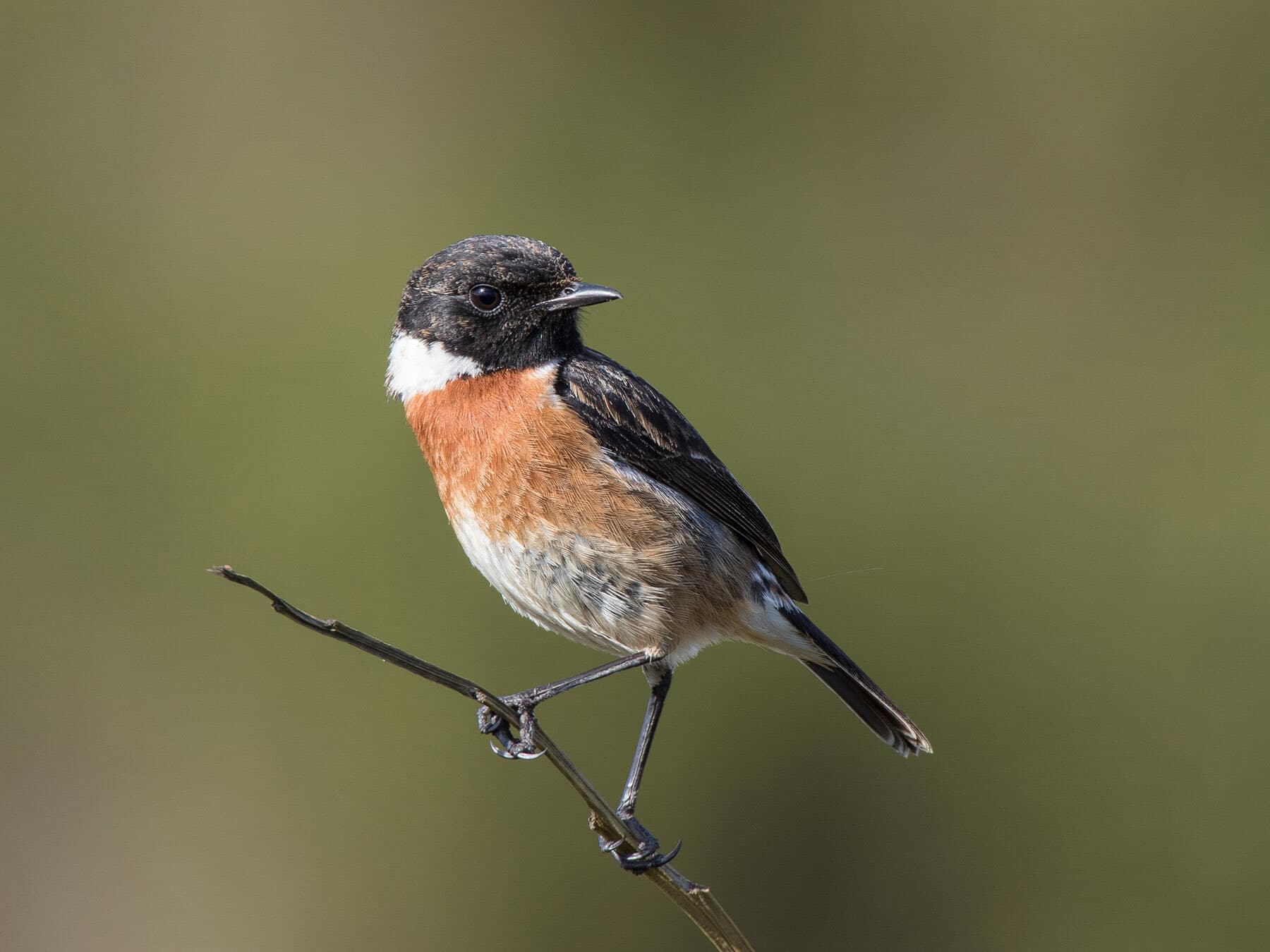
Stonechat
Saxicola torquatusLC
An uncommon resident found year-round on heathland and scrubby margins, often perching prominently on gorse or fence posts.
Year-round
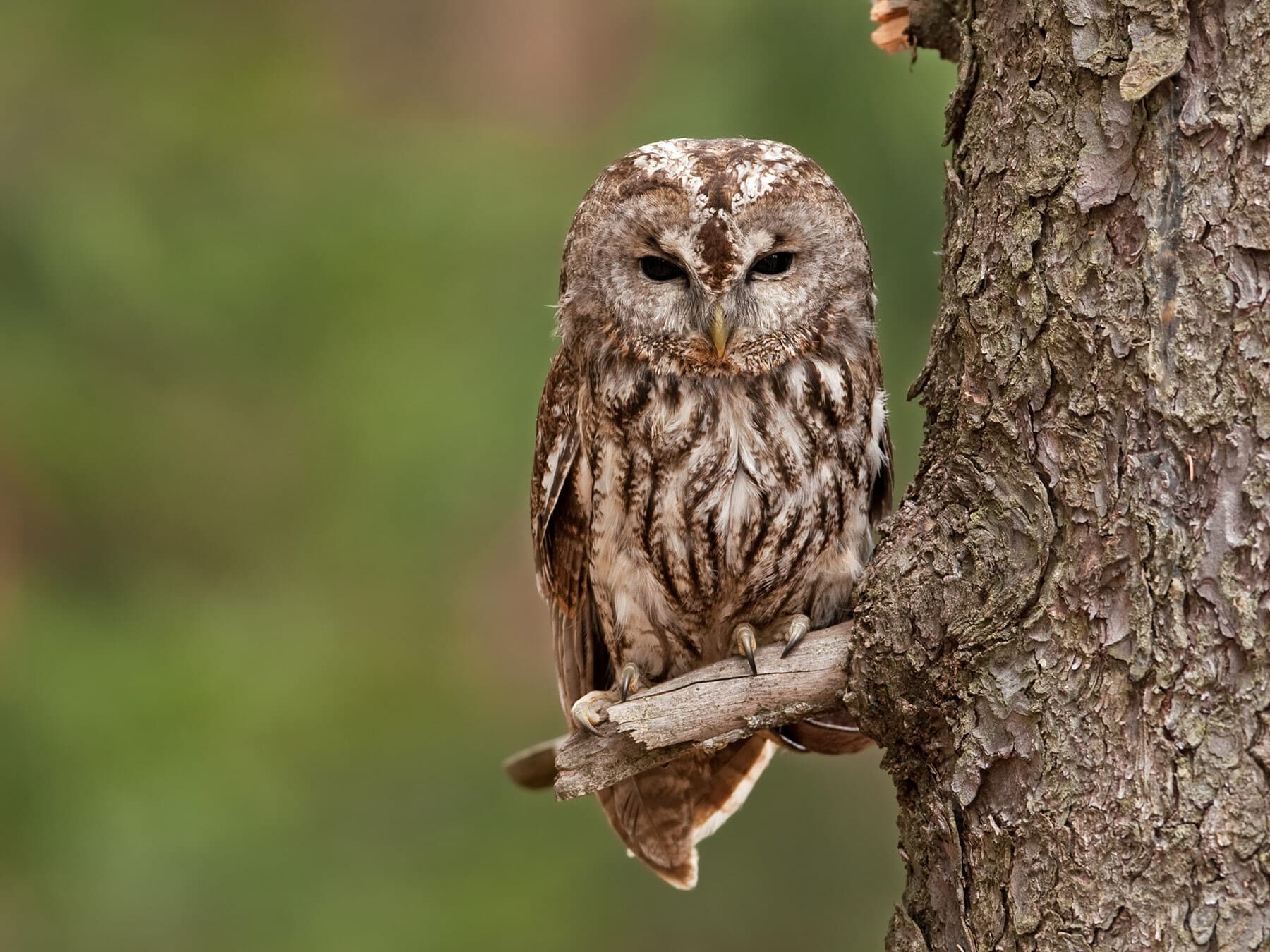
Tawny Owl
Strix alucoLC
A scarce but resident owl of mature woodland, including Sherwood Forest. Its familiar hooting carries through Nottinghamshire's ancient oaks on still nights.
Year-round
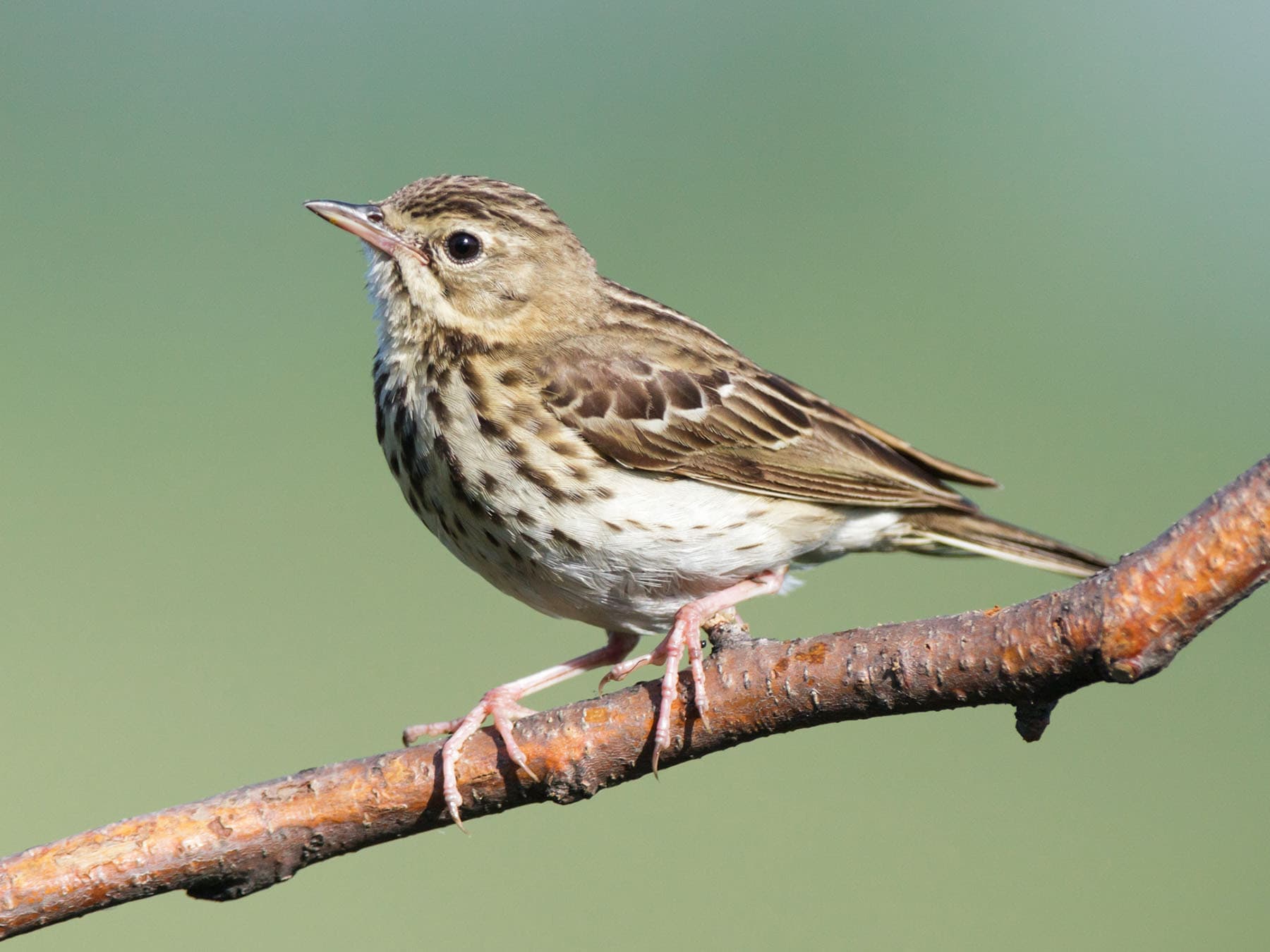
Tree Pipit
Anthus trivialisLC
A rare summer breeder arriving in April, favouring heathland and open woodland clearings. Its distinctive parachuting song flight is a highlight.
Apr–Jul