Birds in Nottinghamshire
Explore 180 species found in this region.
Nottinghamshire supports a rich diversity of birdlife, with 177 species recorded across the county's varied habitats, from the ancient woodlands of Sherwood Forest to the wetlands of the Trent Valley. The county's rivers, reservoirs, and gravel pits attract notable species such as Common Merganser, Northern Pintail, and Mandarin Duck, while farmland and heathland provide important habitat for Northern Lapwing and Eurasian Woodcock. Whether you're exploring urban parks where Great Tits and Magpies thrive or venturing to wilder areas in search of scarcer visitors like the Great Grey Shrike, Nottinghamshire offers rewarding birding throughout the year.
Visiting in September? Look out for Common Merganser and Curlew Sandpiper arriving this month, and Avocet and Common Redstart depart for the season.


Showing 116–138 of 180 species
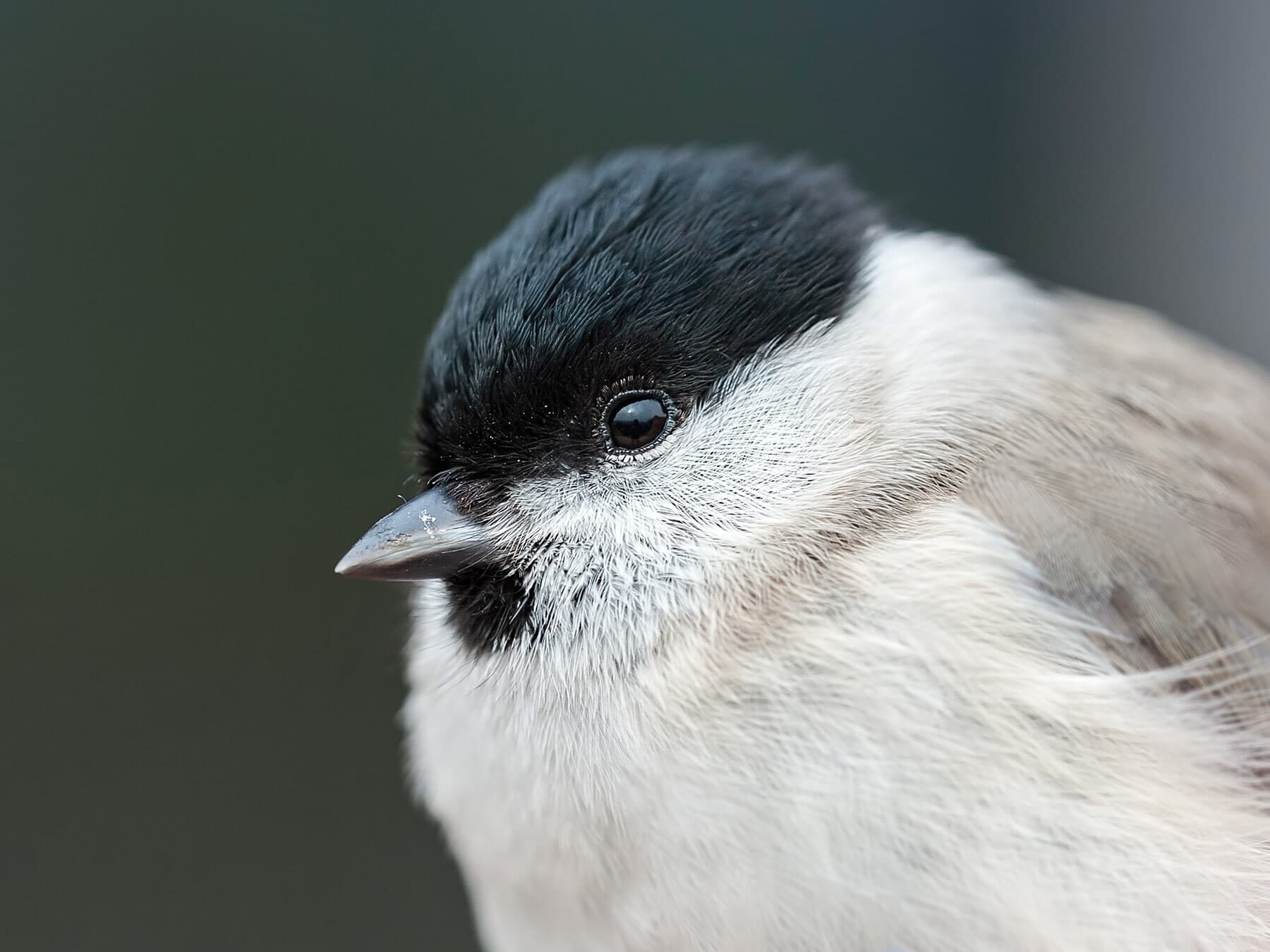
Marsh Tit
Poecile palustrisLC
A scarce resident of mature deciduous woodland, found at sites like Sherwood Forest and Clumber Park. Declining nationally, making local populations valuable.
Year-round
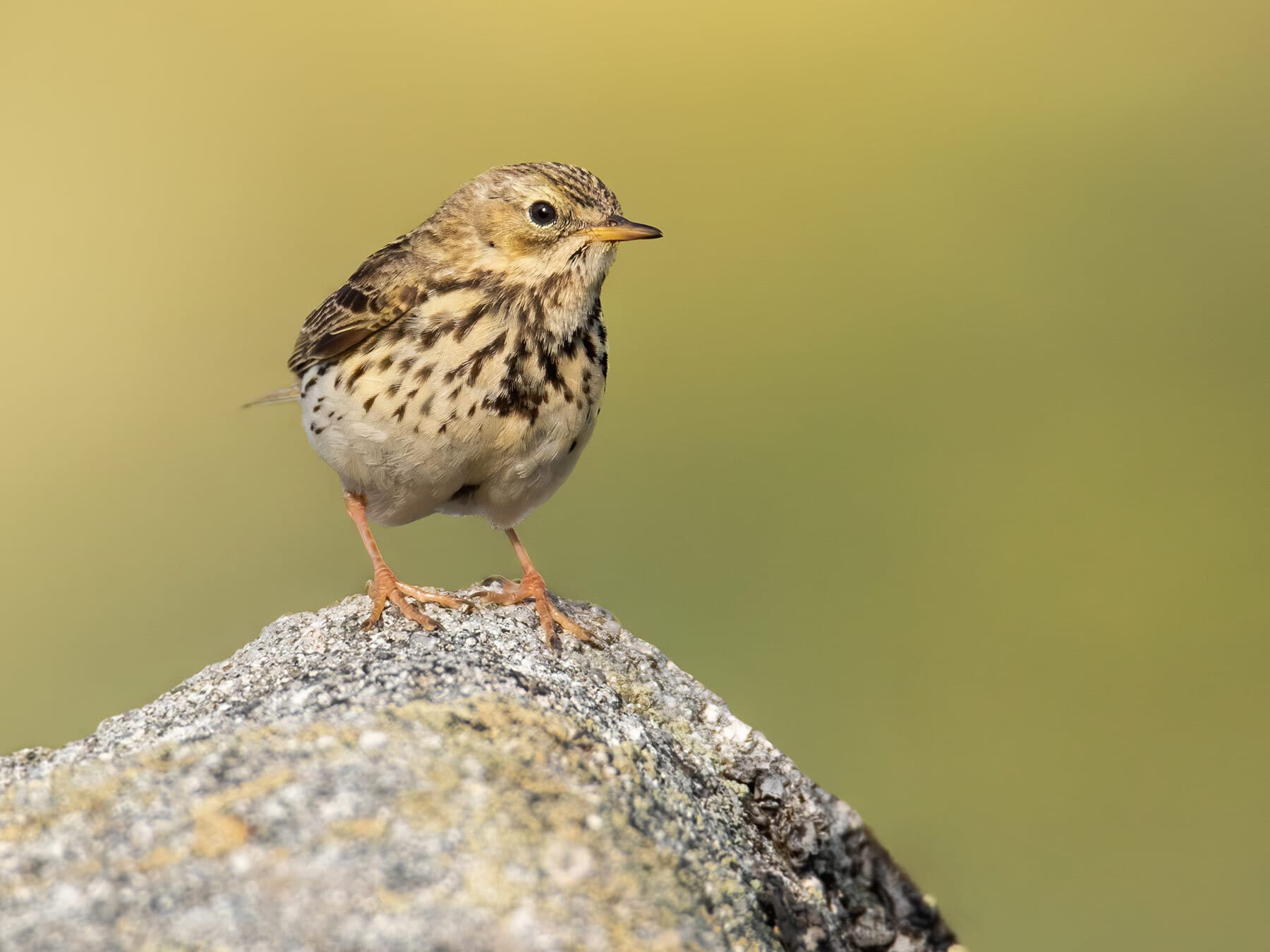
Meadow Pipit
Anthus pratensisLC
An uncommon resident of rough grassland and heathland, more conspicuous in winter when numbers are boosted by migrants.
Year-round
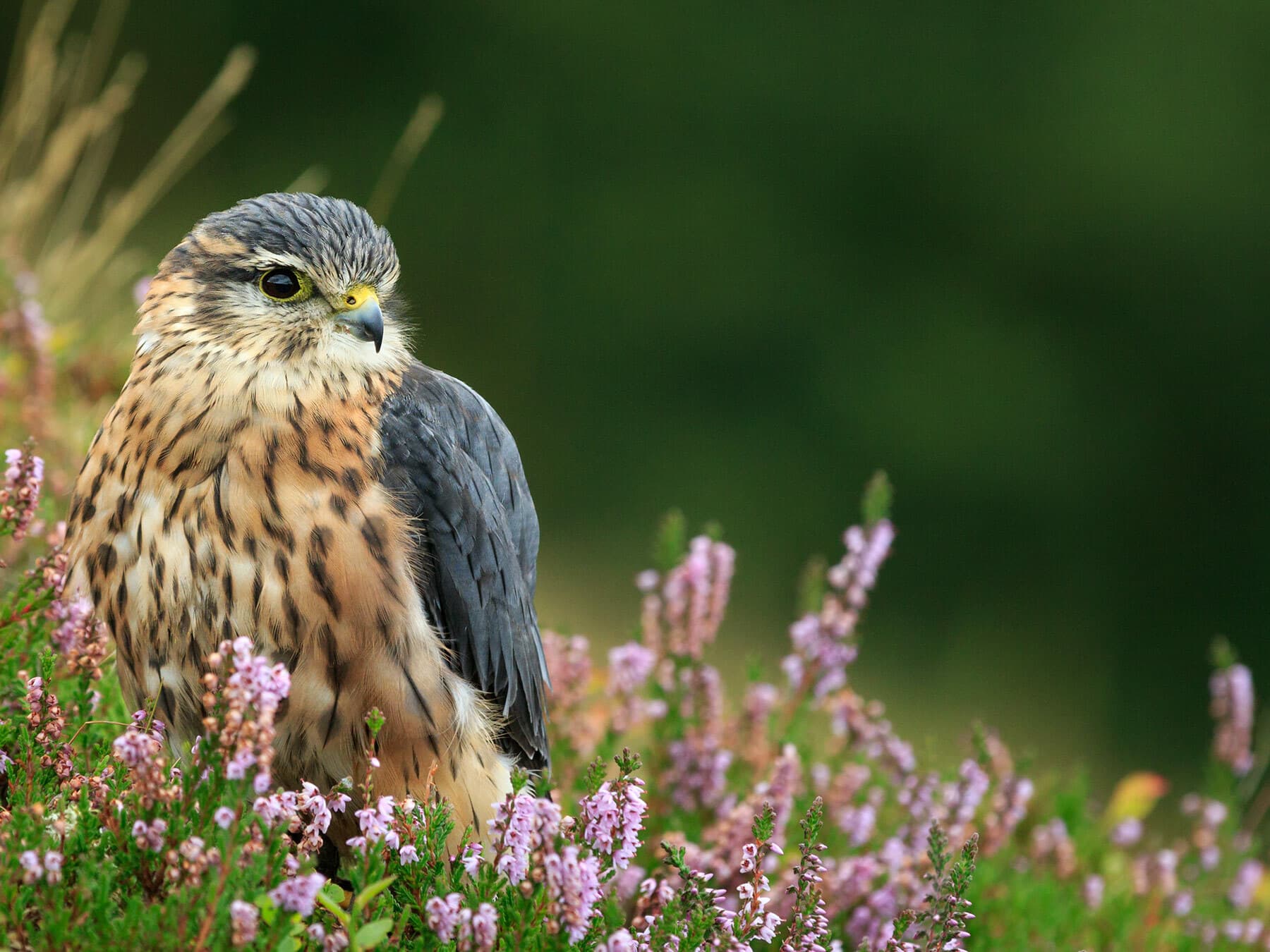
Merlin
Falco columbariusLC
A rare passage visitor, most likely glimpsed in November dashing low over open ground in pursuit of small birds and pipits.
Nov
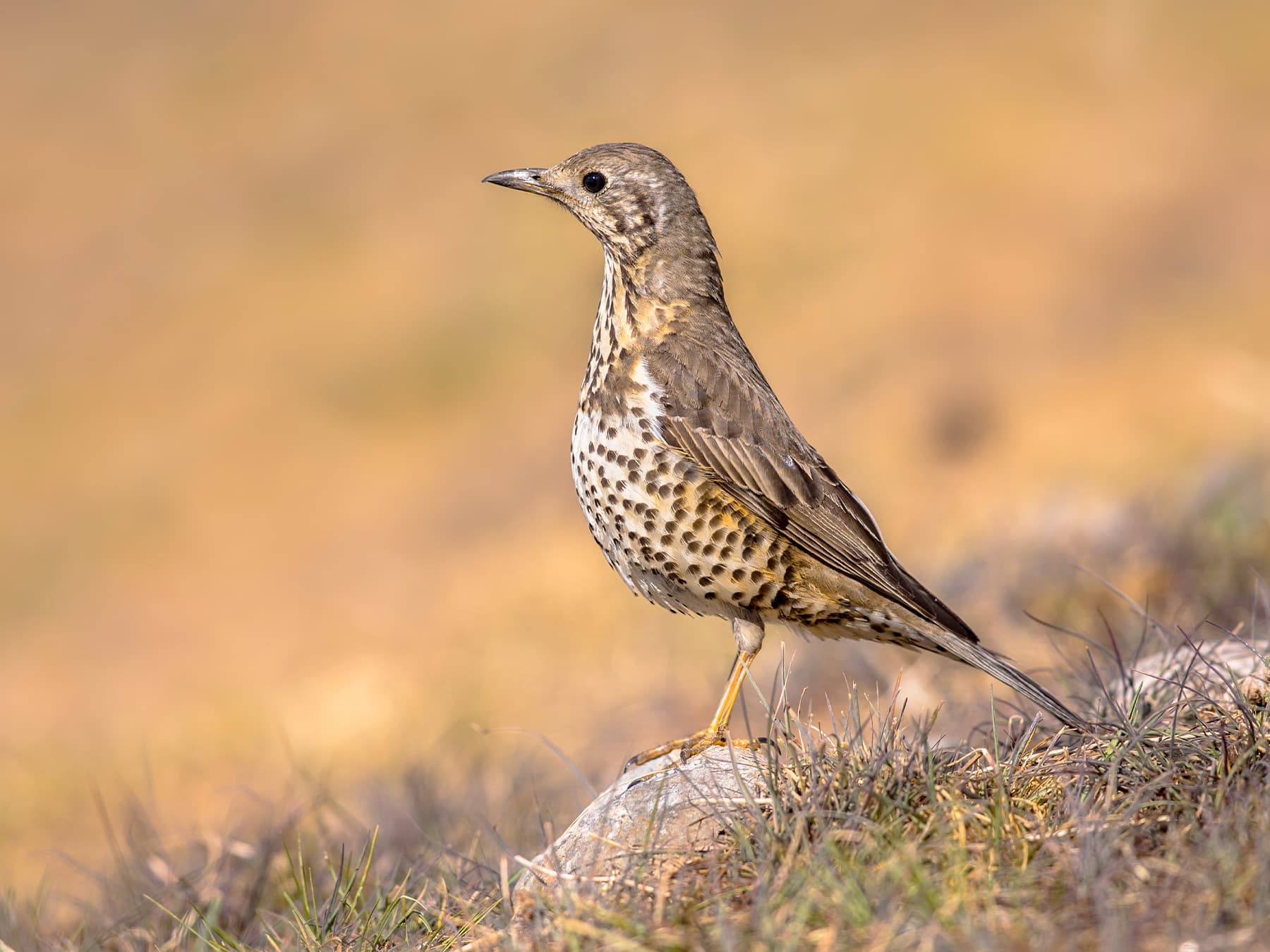
Mistle Thrush
Turdus viscivorusLC
An uncommon but vocal resident of parkland and open woodland. Often the first thrush to sing, sometimes from January.
Year-round
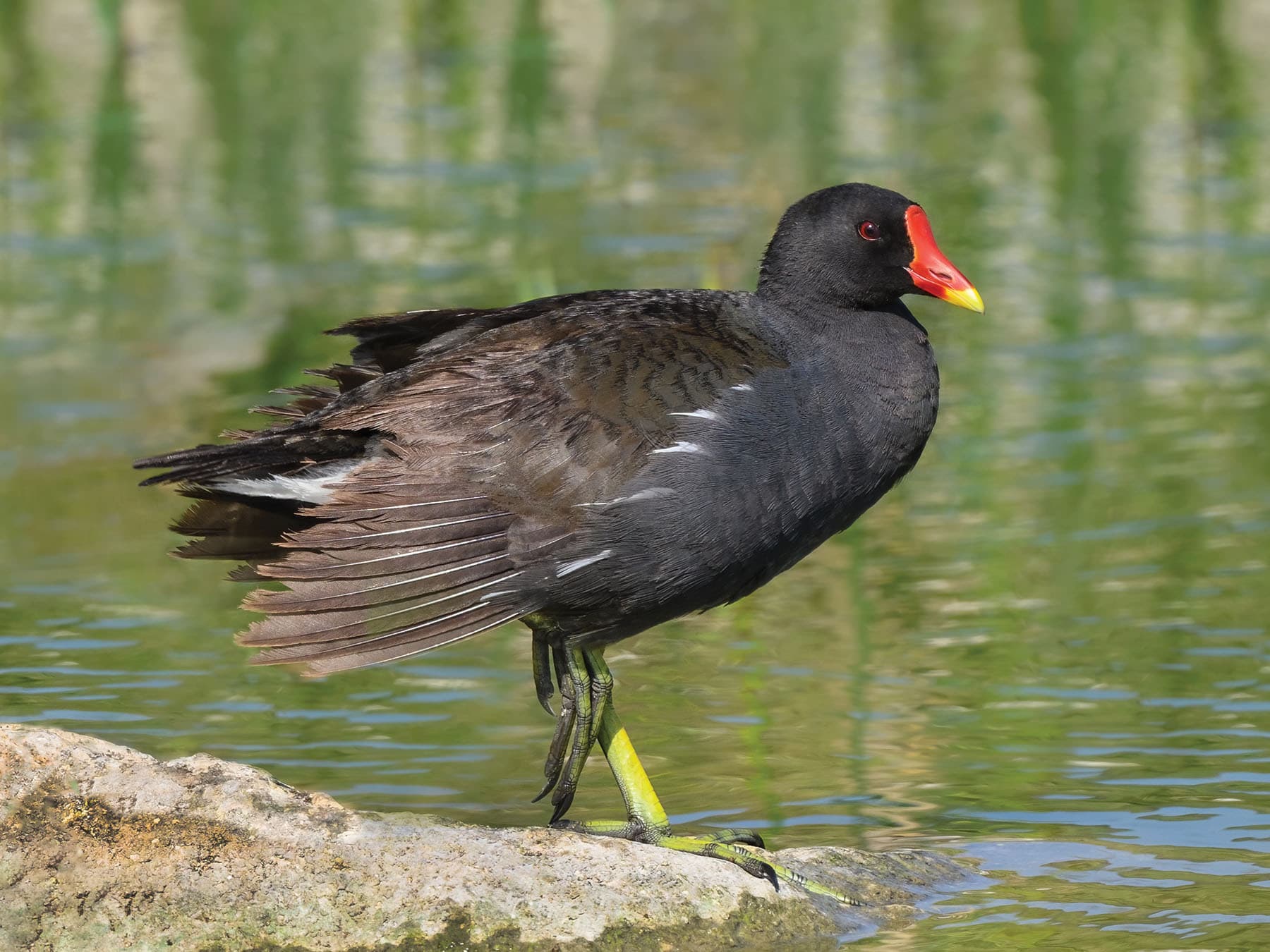
Moorhen
Gallinula chloropusLC
A common resident of ponds, ditches and waterways throughout the county. Easily seen skulking along vegetated margins of even small urban waters.
Year-round
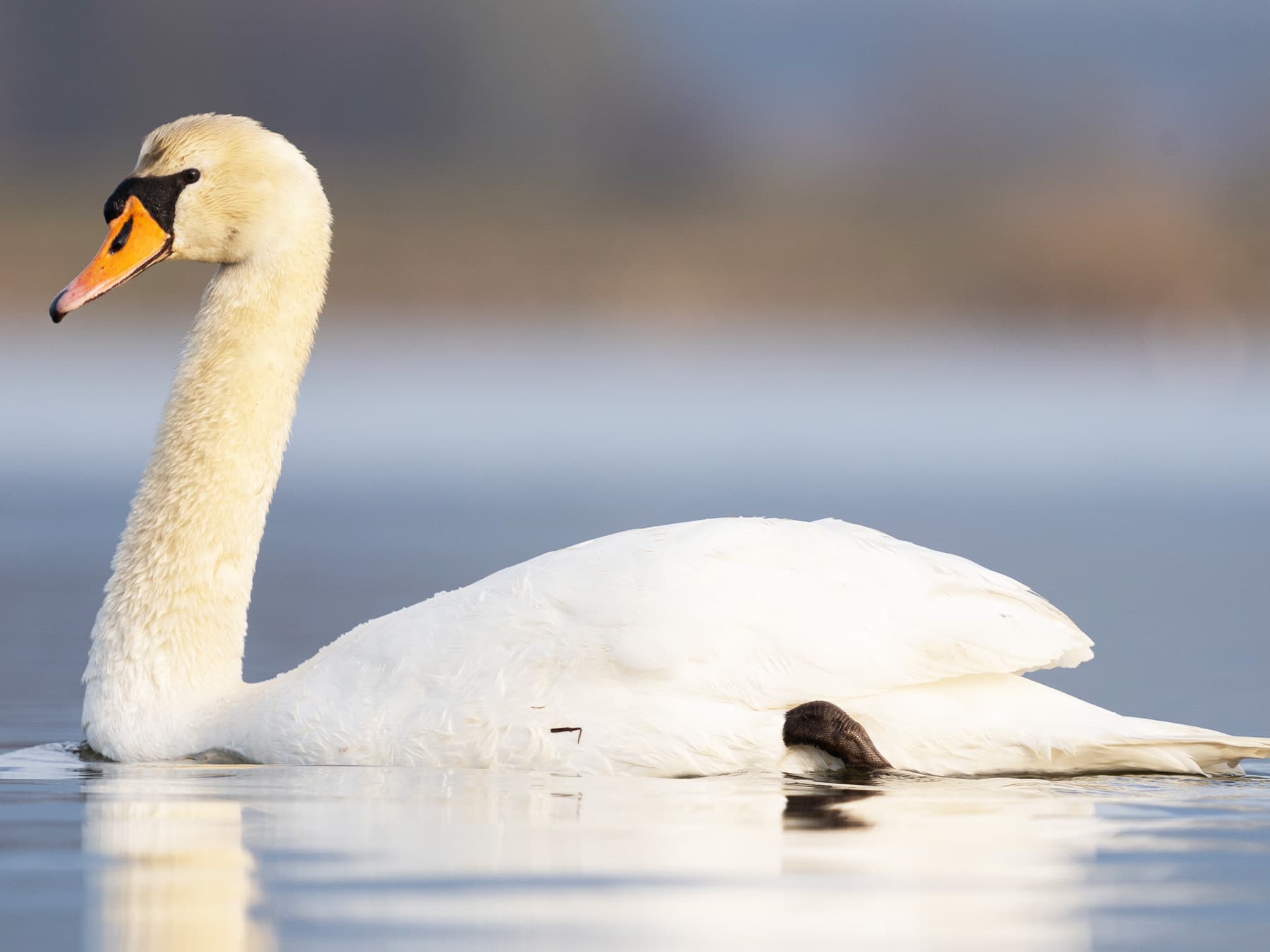
Mute Swan
Cygnus olorLC
A familiar year-round resident gracing rivers, lakes and canals across the county. Breeds readily on the Trent and at urban park lakes.
Year-round
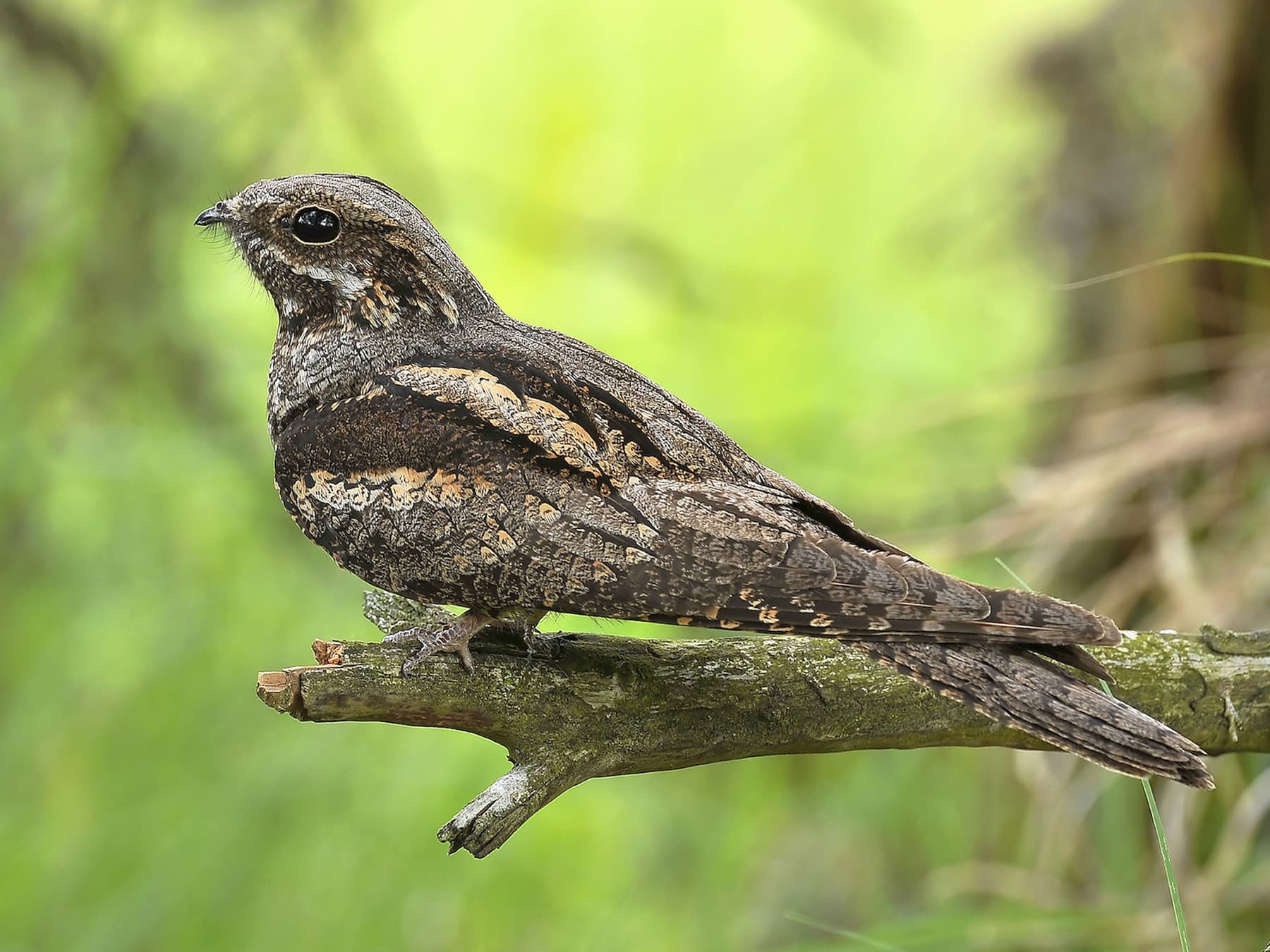
Nightjar
Caprimulgus europaeusLC
A rare summer breeder found on heathland in Sherwood Forest, best detected by its churring song at dusk from May to July.
May–Jul
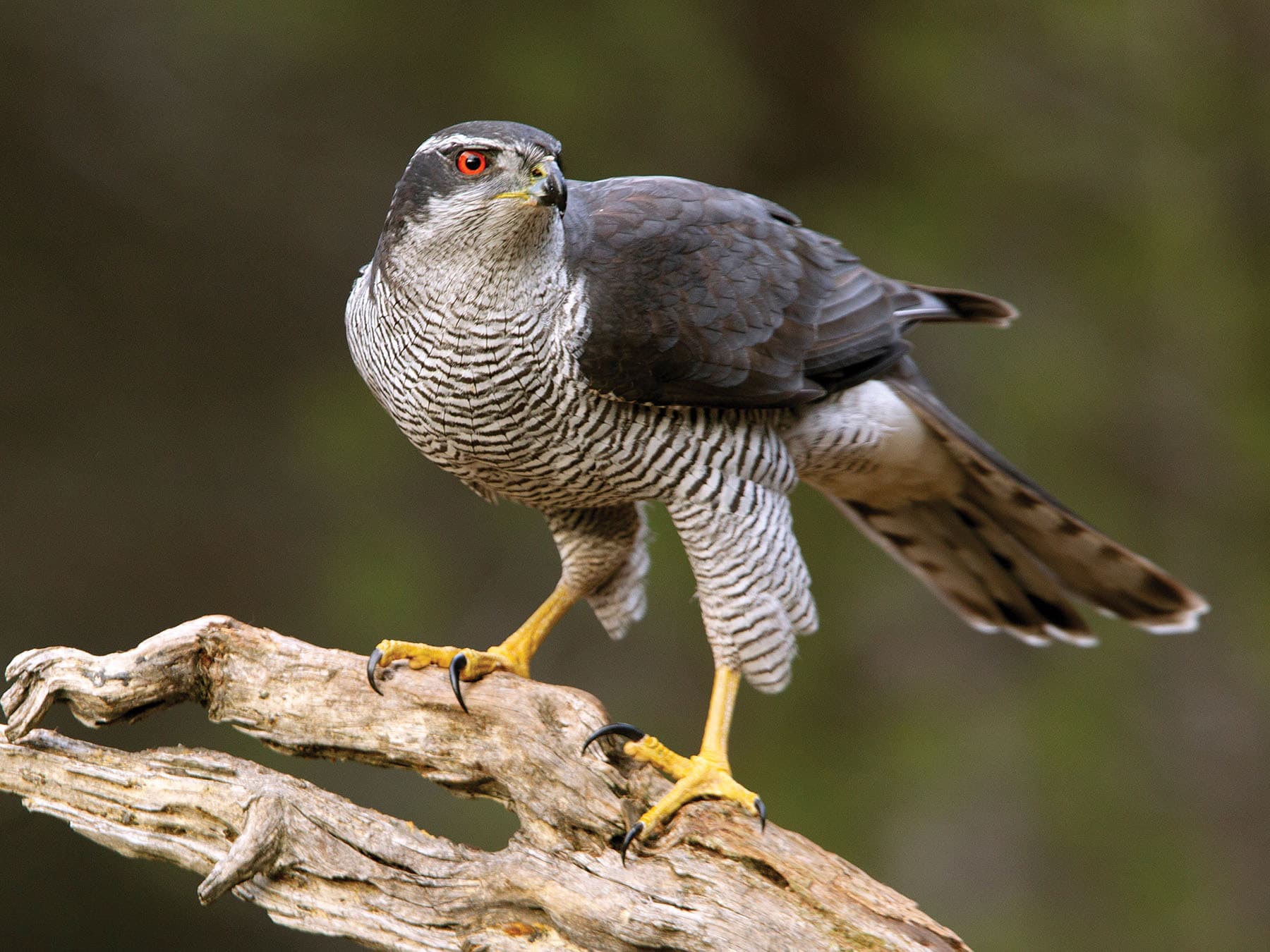
Northern Goshawk
Accipiter gentilisLC
A rare breeding raptor centred on large woodland blocks such as Sherwood Forest. Secretive but increasingly established.
Feb–Aug
Spotted something?
Upload a photo to identify it
Identify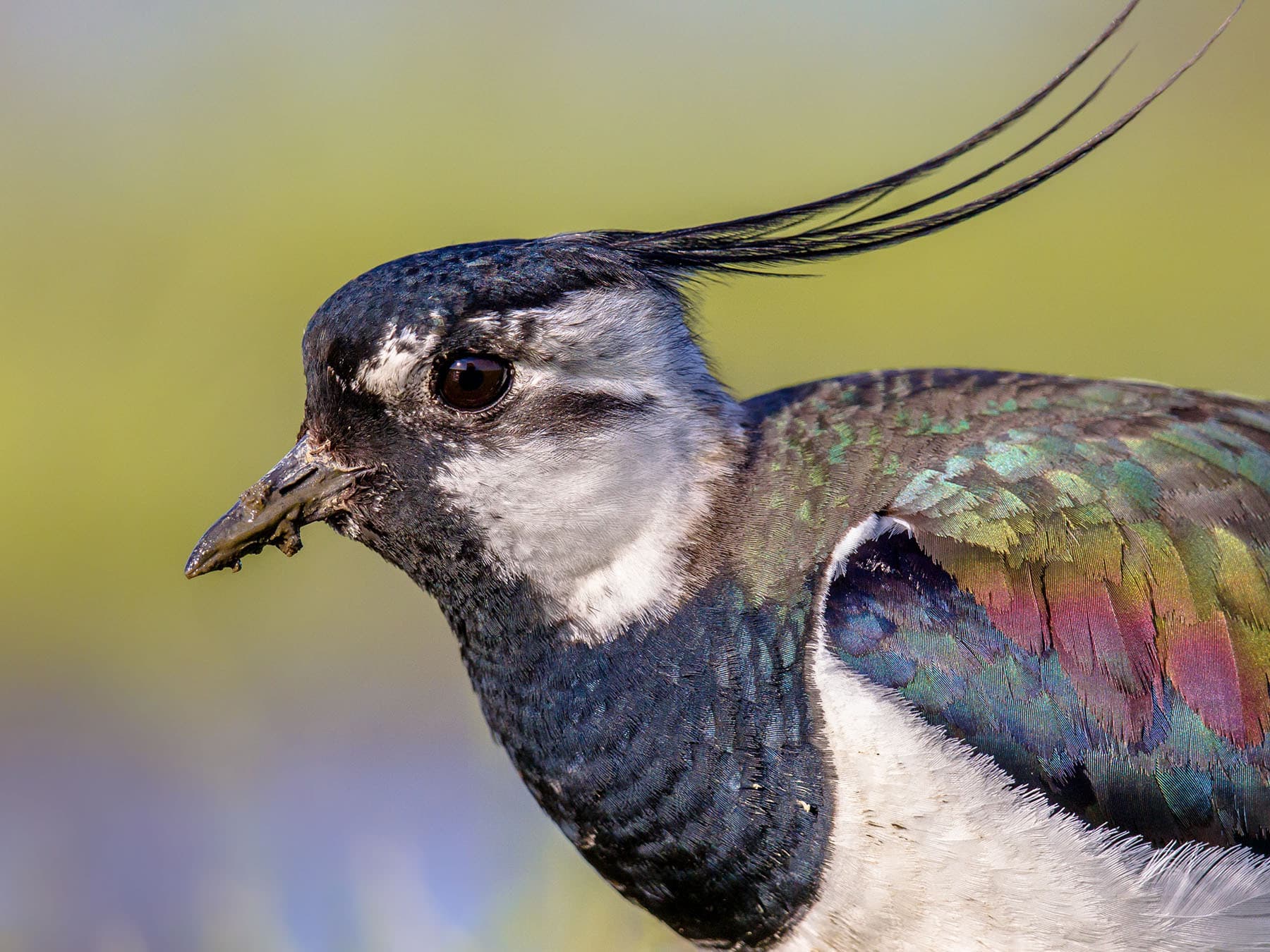
Northern Lapwing
Vanellus vanellusNT
A common but declining resident breeding on farmland and wet meadows, with numbers boosted by continental birds in winter.
Year-round
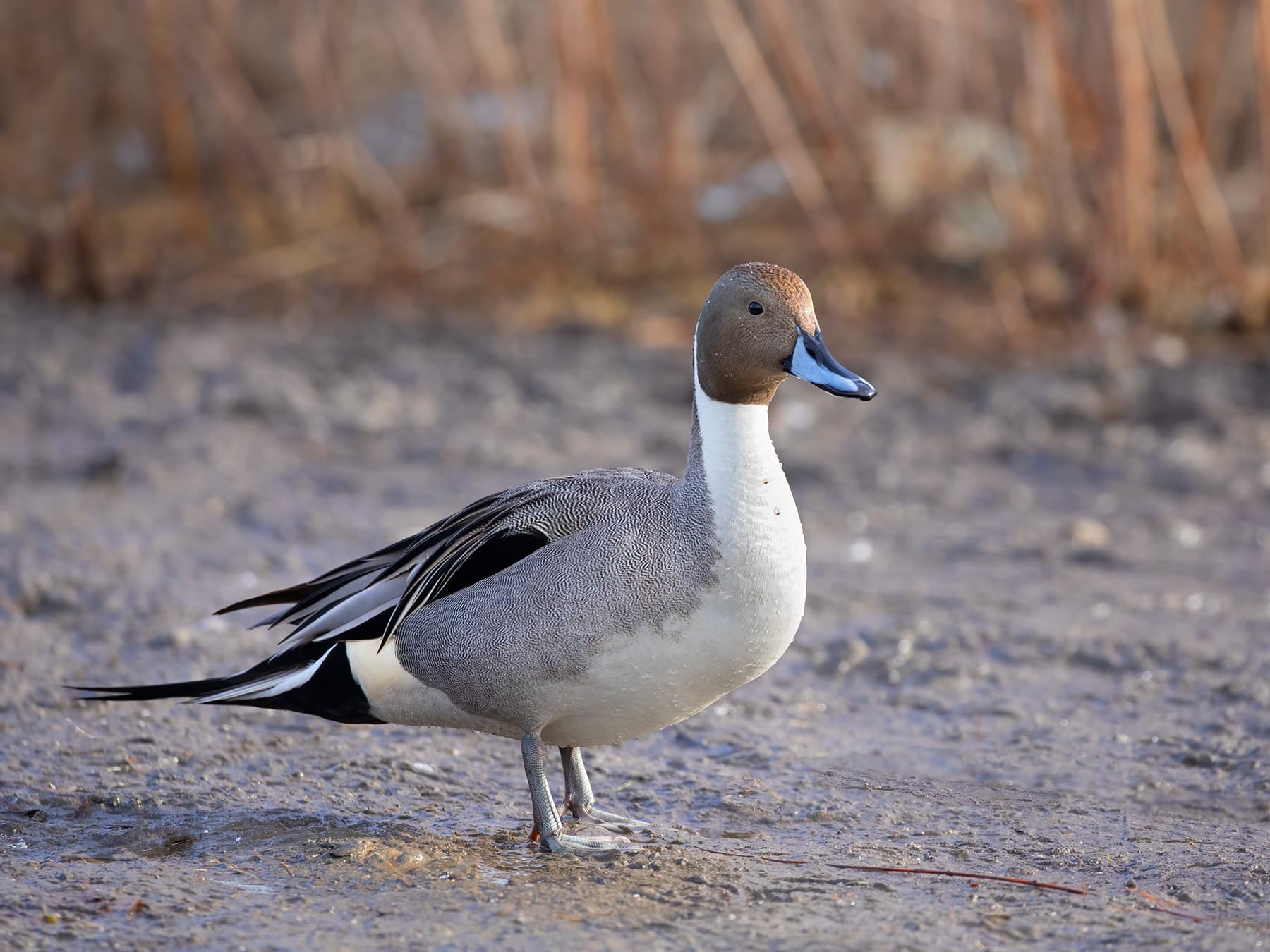
Northern Pintail
Anas acutaLC
An uncommon winter visitor to Trent Valley gravel pits and flooded fields, with elegant drakes arriving from autumn.
Sep–Apr
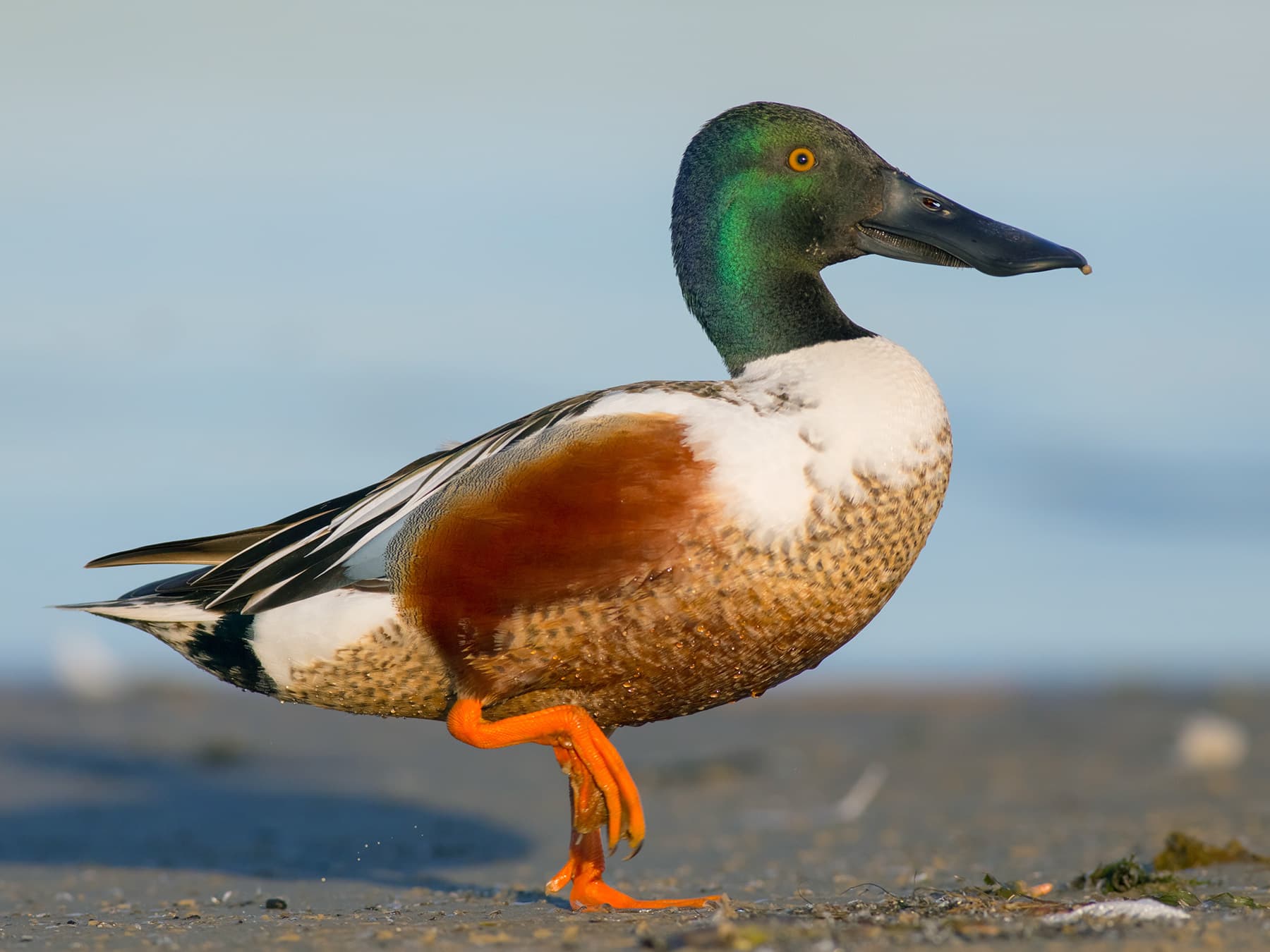
Northern Shoveler
Spatula clypeataLC
A common resident on shallow lakes and marshes, sweeping its broad bill through the water. Readily found at Attenborough and Idle Valley reserves.
Year-round
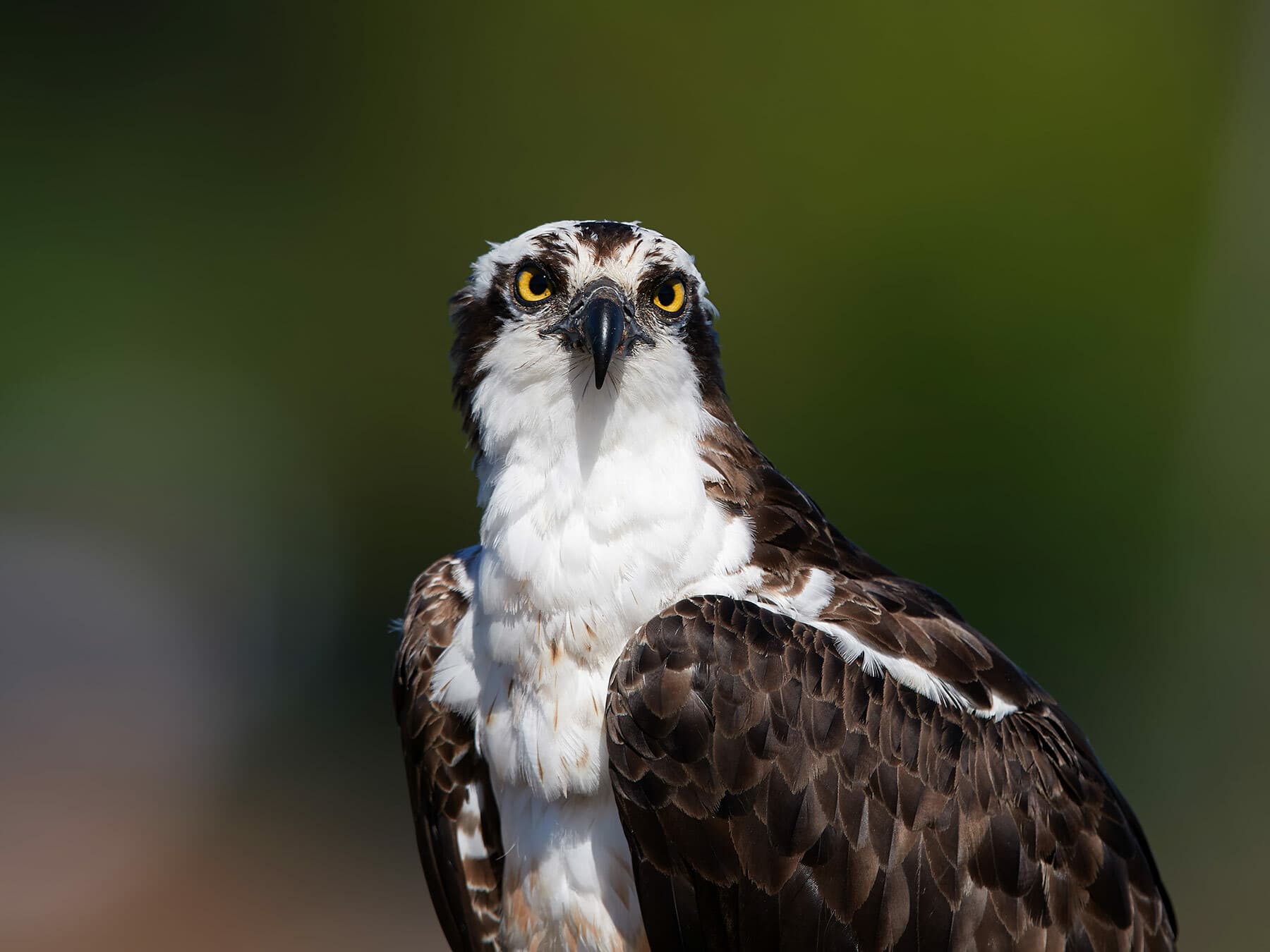
Osprey
Pandion haliaetusLC
A rare but eagerly awaited passage visitor in summer, seen fishing at larger lakes and reservoirs in the Trent Valley.
Jun–Jul
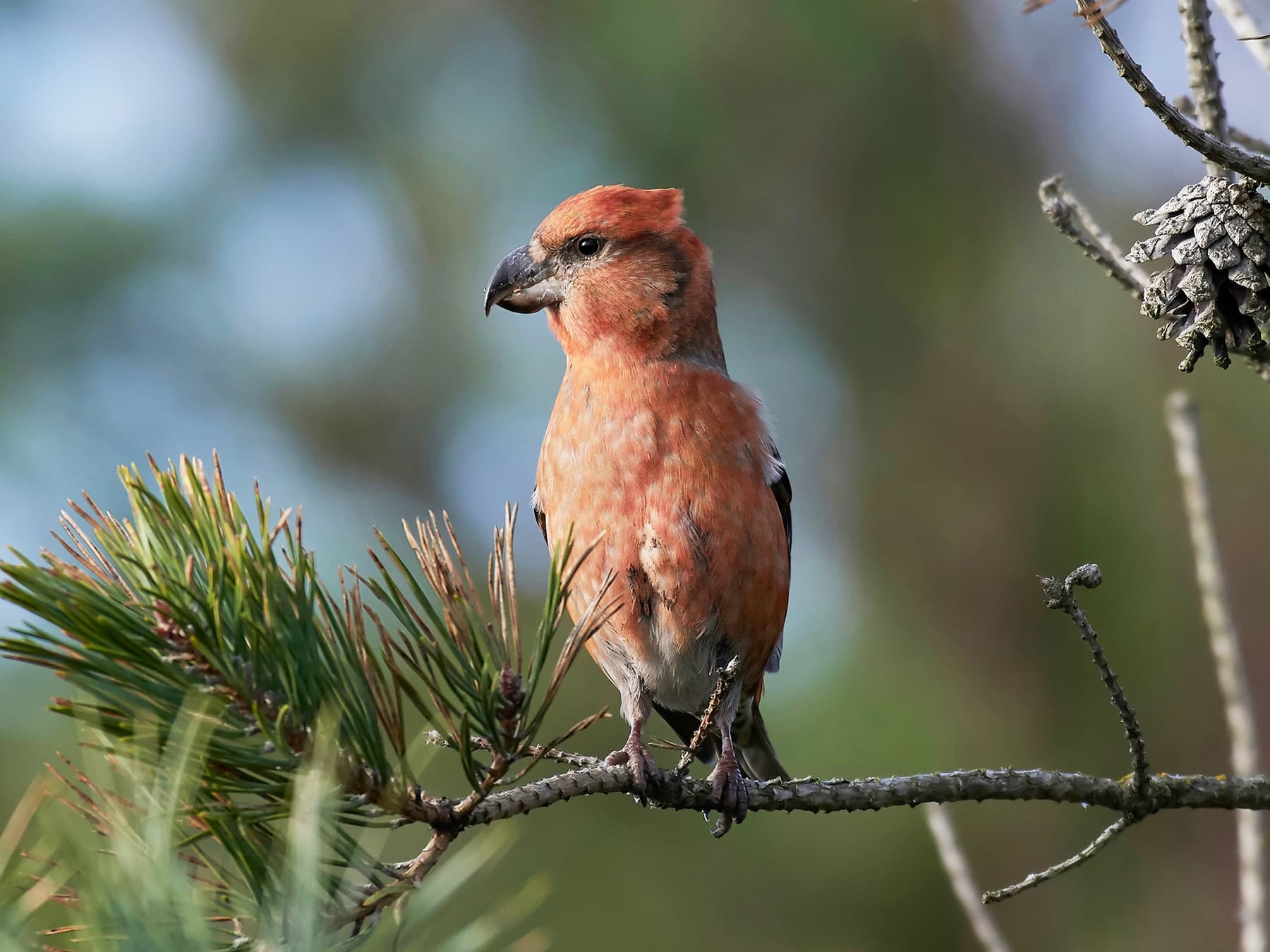
Parrot Crossbill
Loxia pytyopsittacusLC
An extremely rare irruptive visitor; occasionally recorded in conifer plantations during invasion years.
Dec
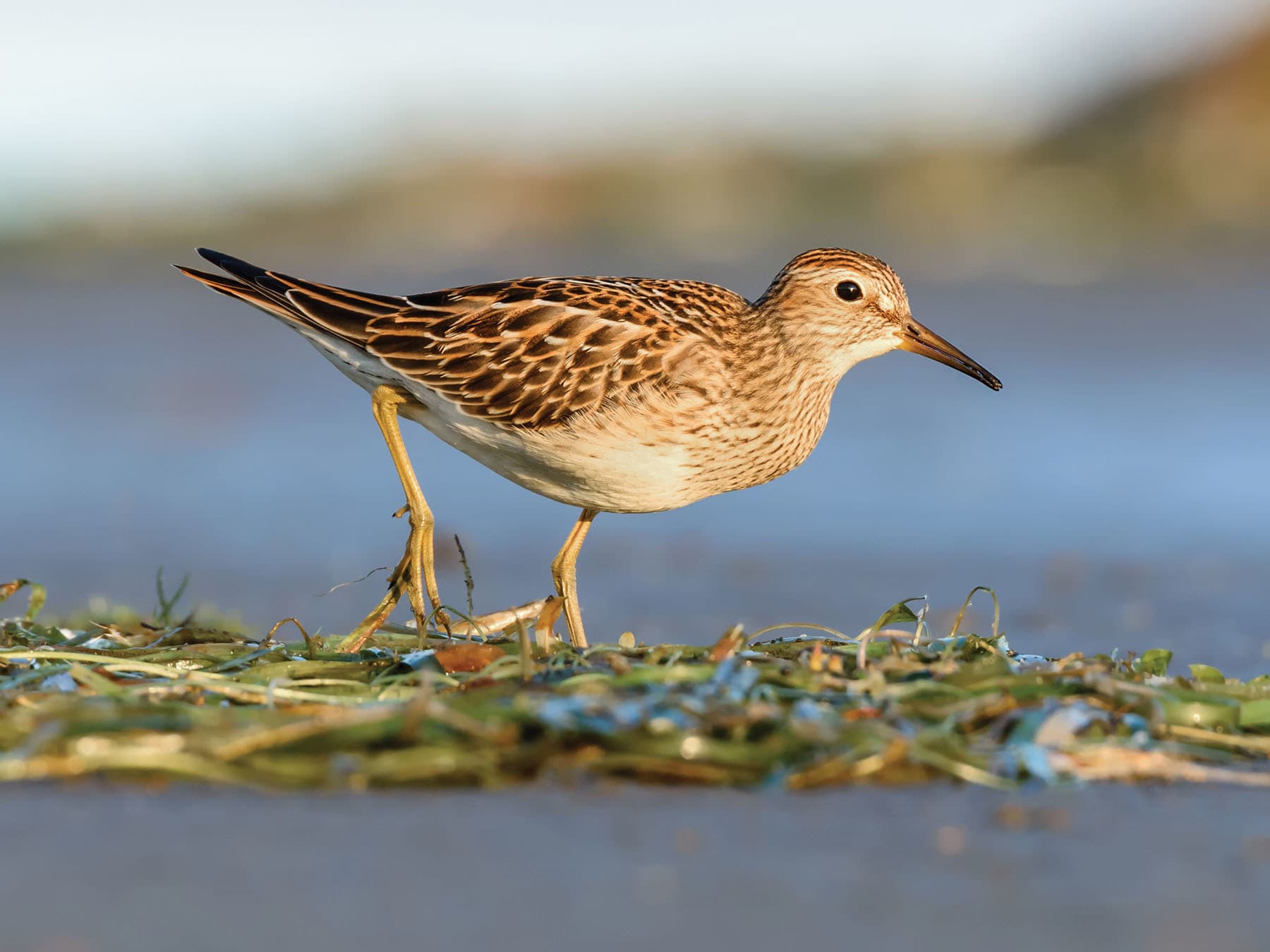
Pectoral Sandpiper
Calidris melanotosLC
A rare Nearctic vagrant appearing on autumn passage in September and October. A prized find at any of the county's wetland reserves.
Sep–Oct
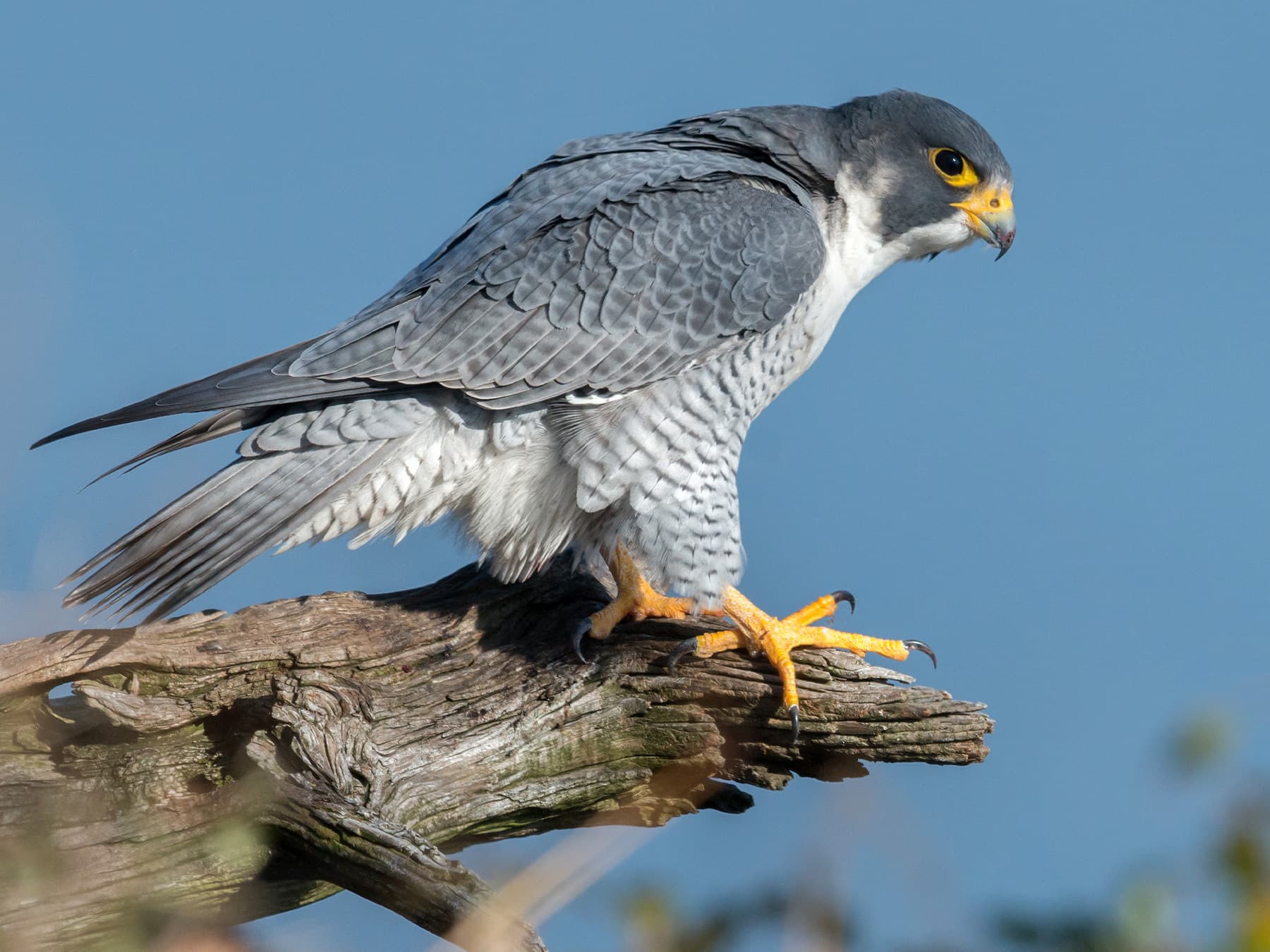
Peregrine Falcon
Falco peregrinusLC
A rare but year-round resident, nesting on tall buildings in Nottingham city centre. Occasionally seen hunting over wetland reserves.
Year-round
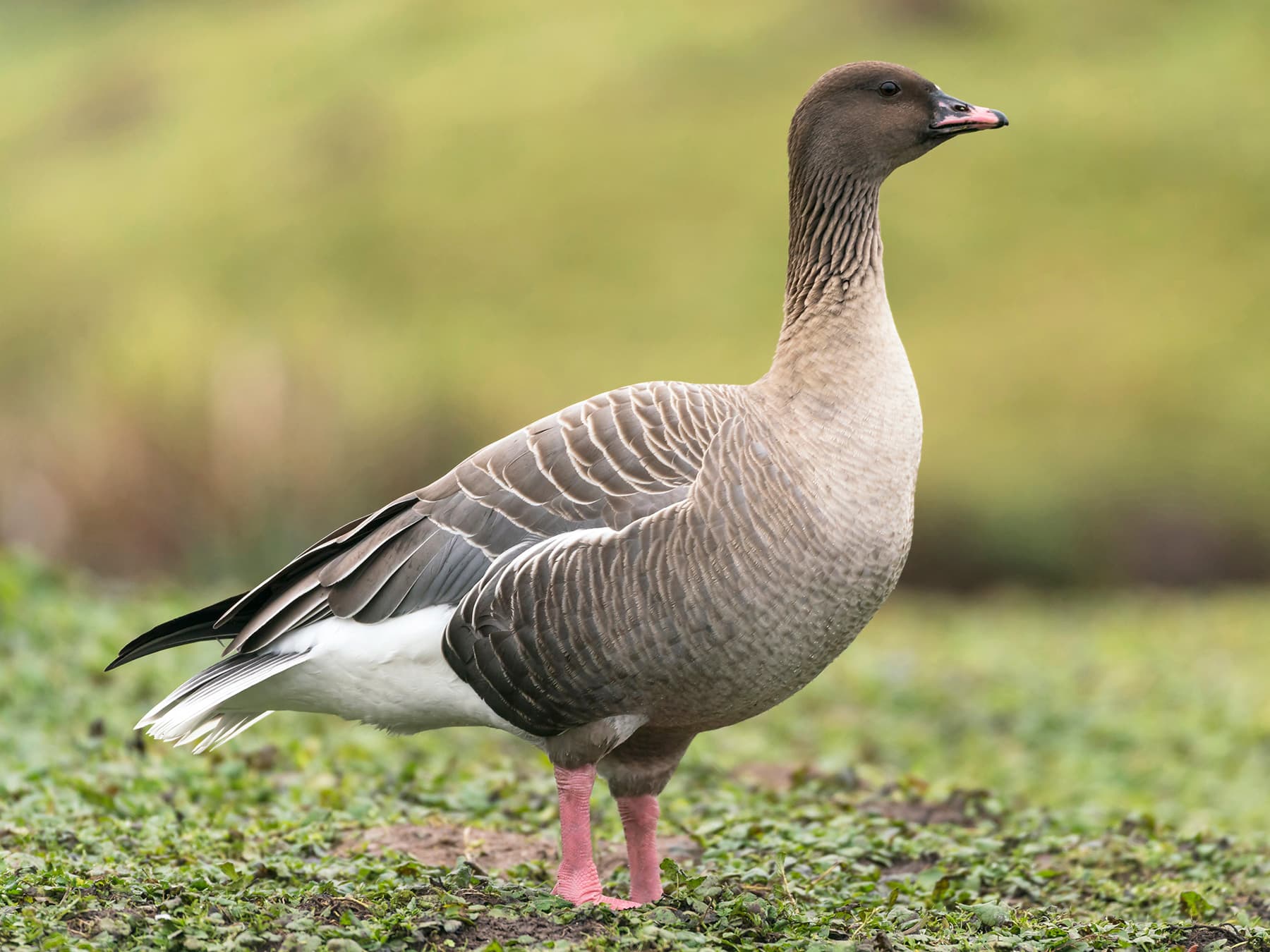
Pink-footed Goose
Anser brachyrhynchusLC
Rare but regular, mainly seen in winter and early spring on Trent valley farmland. Skeins are sometimes spotted overhead during autumn migration.
Sep–May
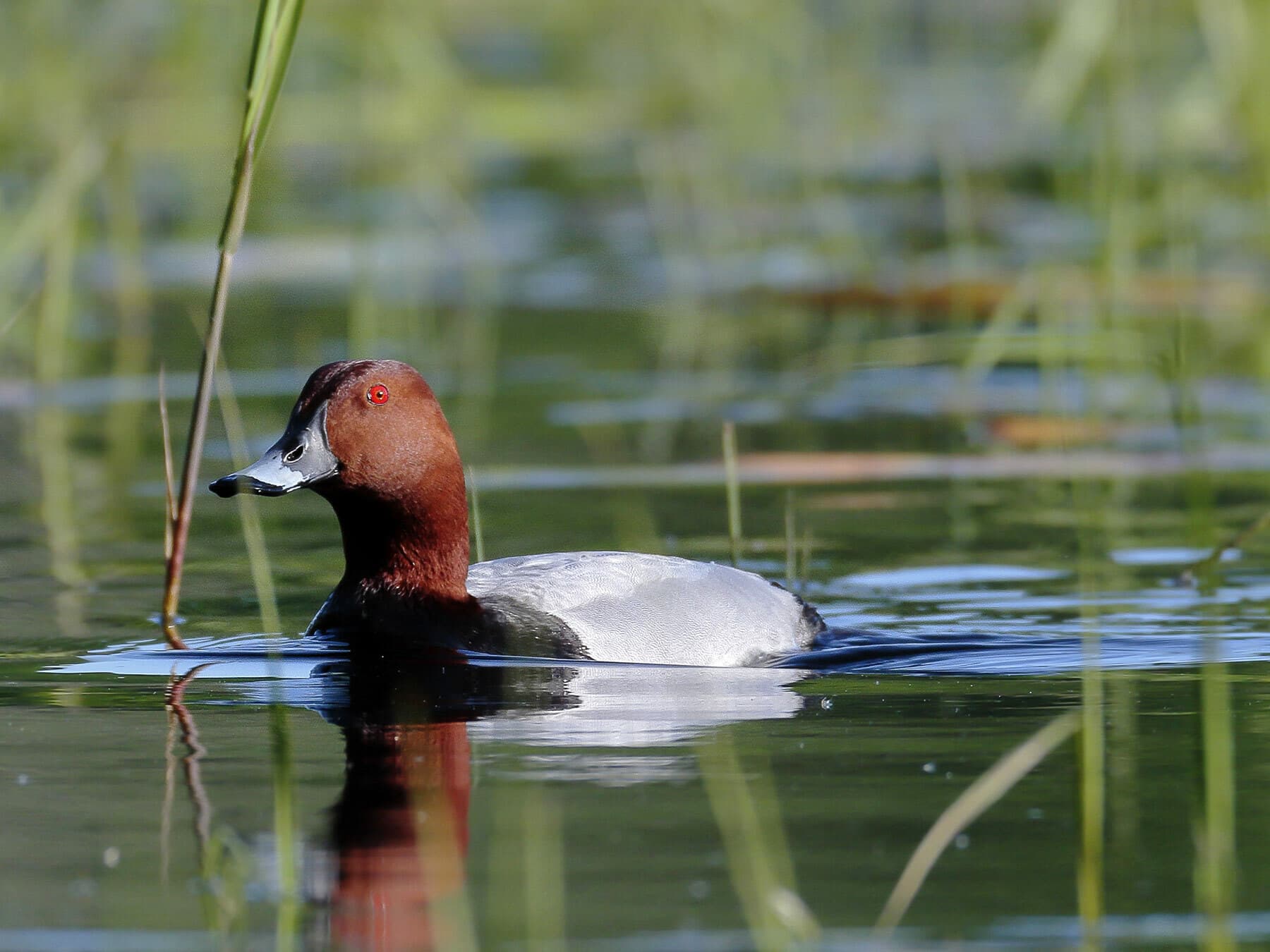
Pochard
Aythya ferinaVU
A common resident on lakes and gravel pits, though nationally declining. Winter flocks gather at Attenborough and other Trent Valley sites.
Year-round
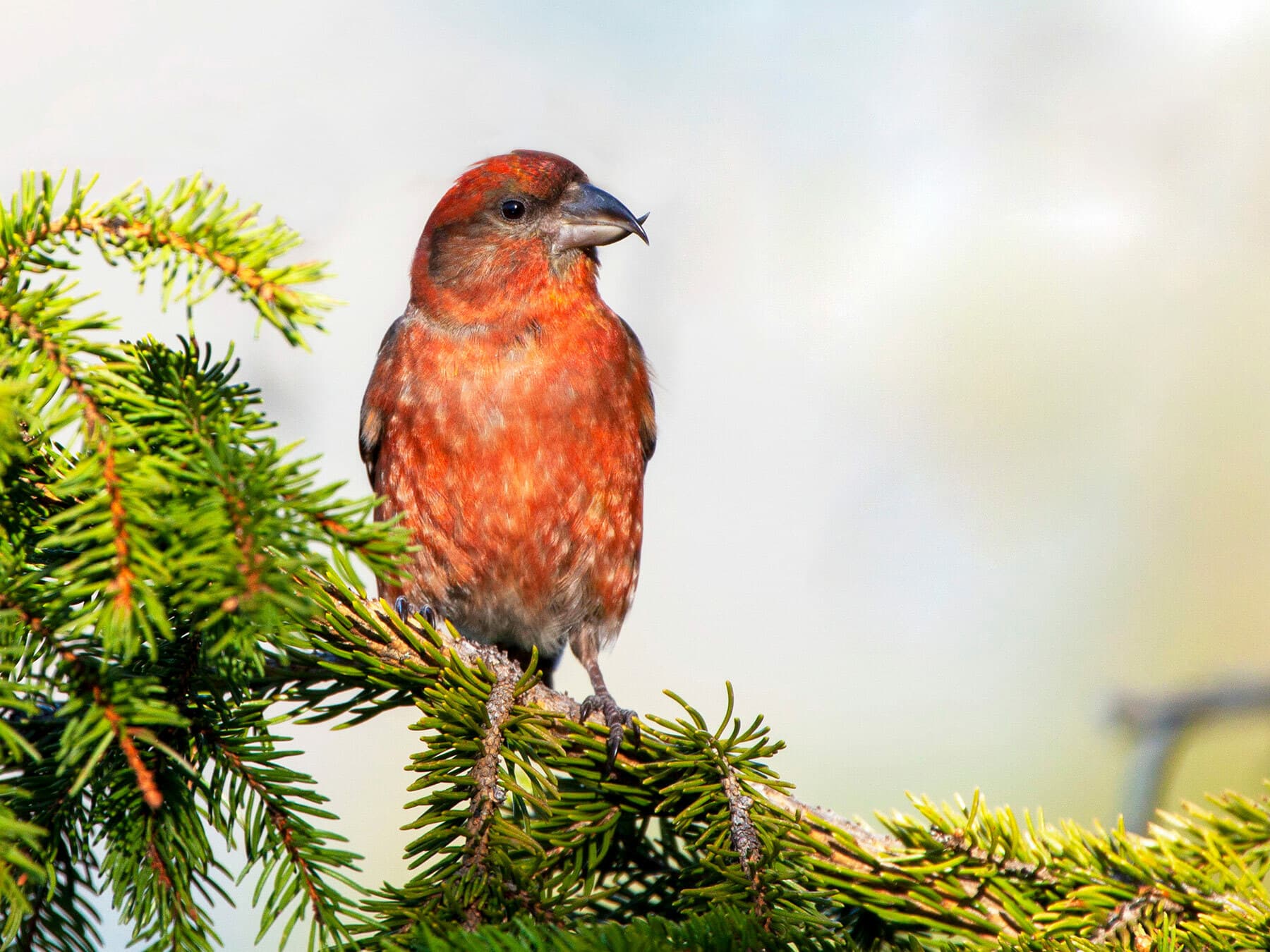
Red Crossbill
Loxia curvirostraLC
A rare and irruptive visitor to conifer plantations, most likely in autumn and late winter. Numbers vary greatly between years.
Oct–Apr
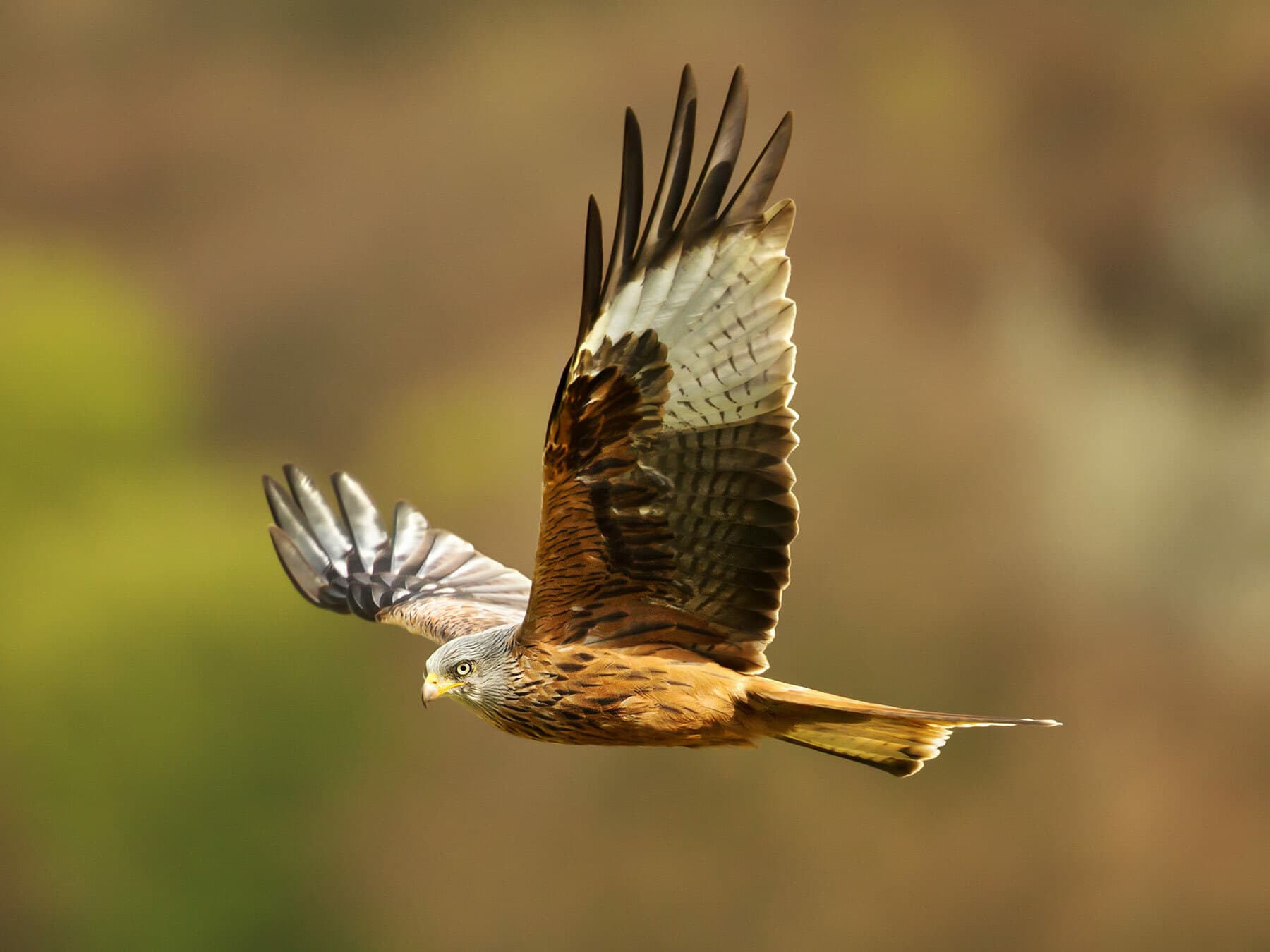
Red Kite
Milvus milvusLC
Once persecuted to near-extinction, now slowly recolonising. Seen year-round soaring over farmland and woodland edges.
Year-round
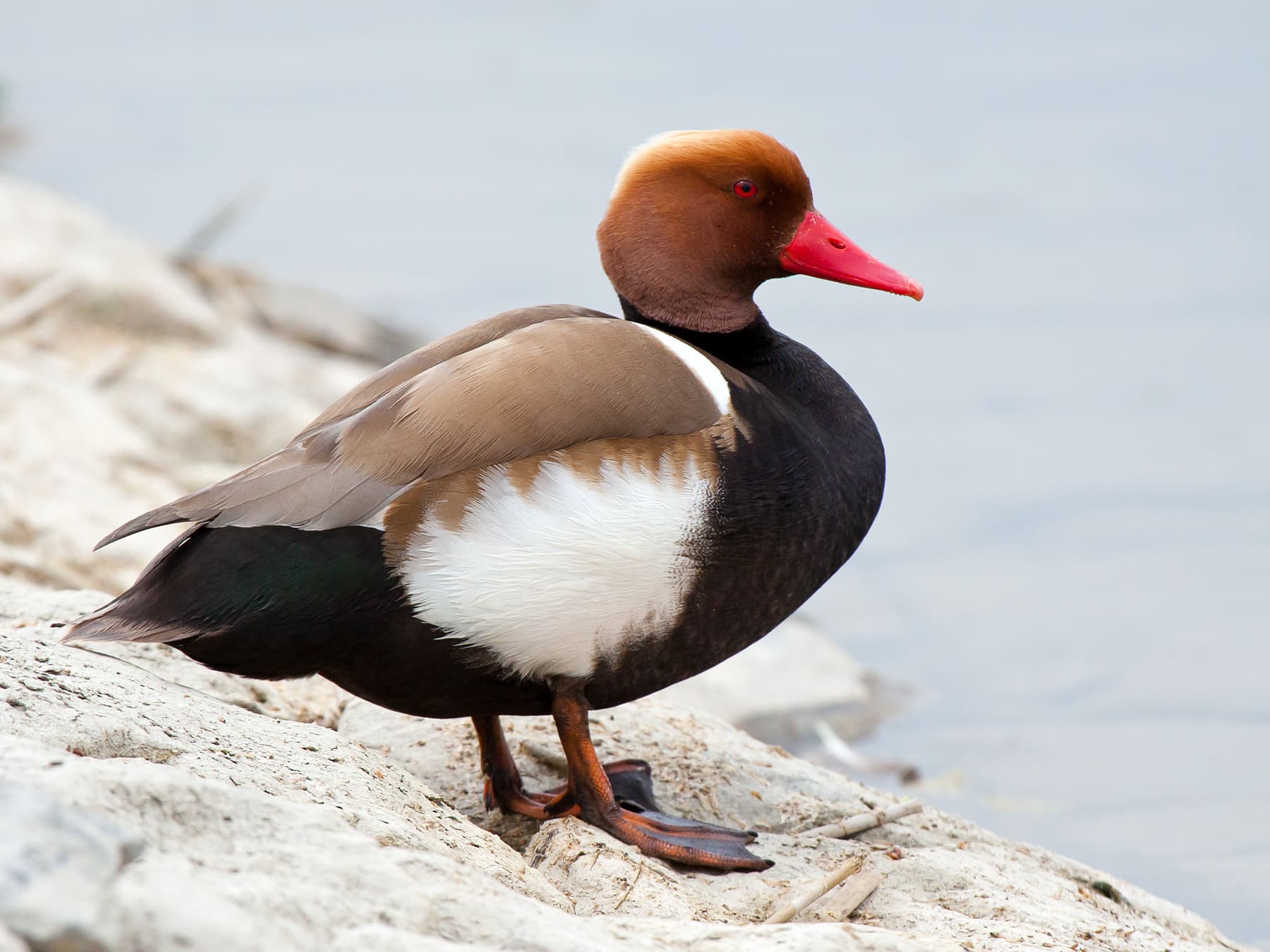
Red-crested Pochard
Netta rufinaLC
An uncommon resident on larger lakes and gravel pits. The striking orange-headed males are increasingly seen, likely of mixed feral and wild origin.
Year-round
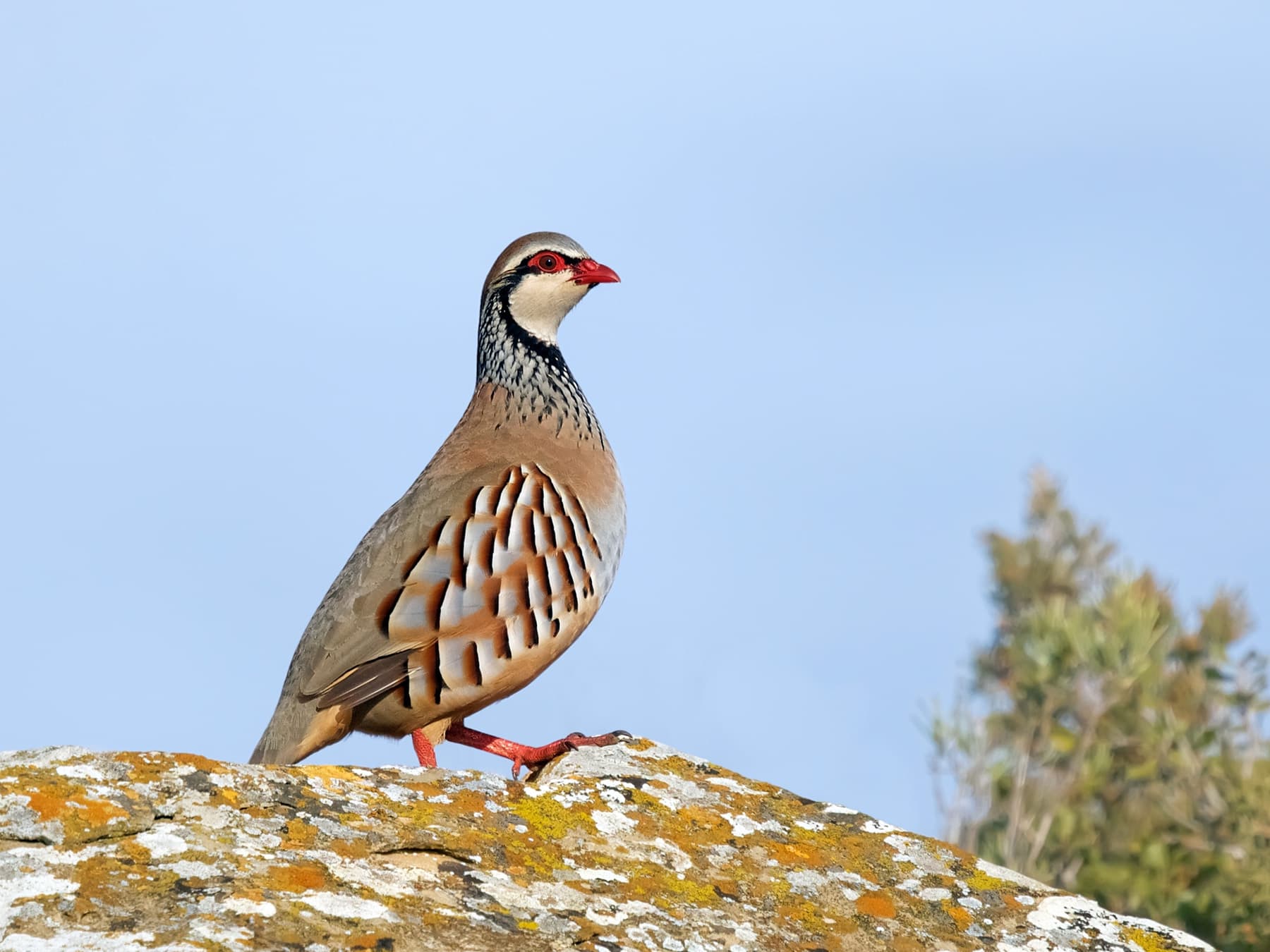
Red-legged Partridge
Alectoris rufaNT
A rare resident of arable farmland, occasionally encountered on open fields but far less numerous than the Common Pheasant.
Year-round
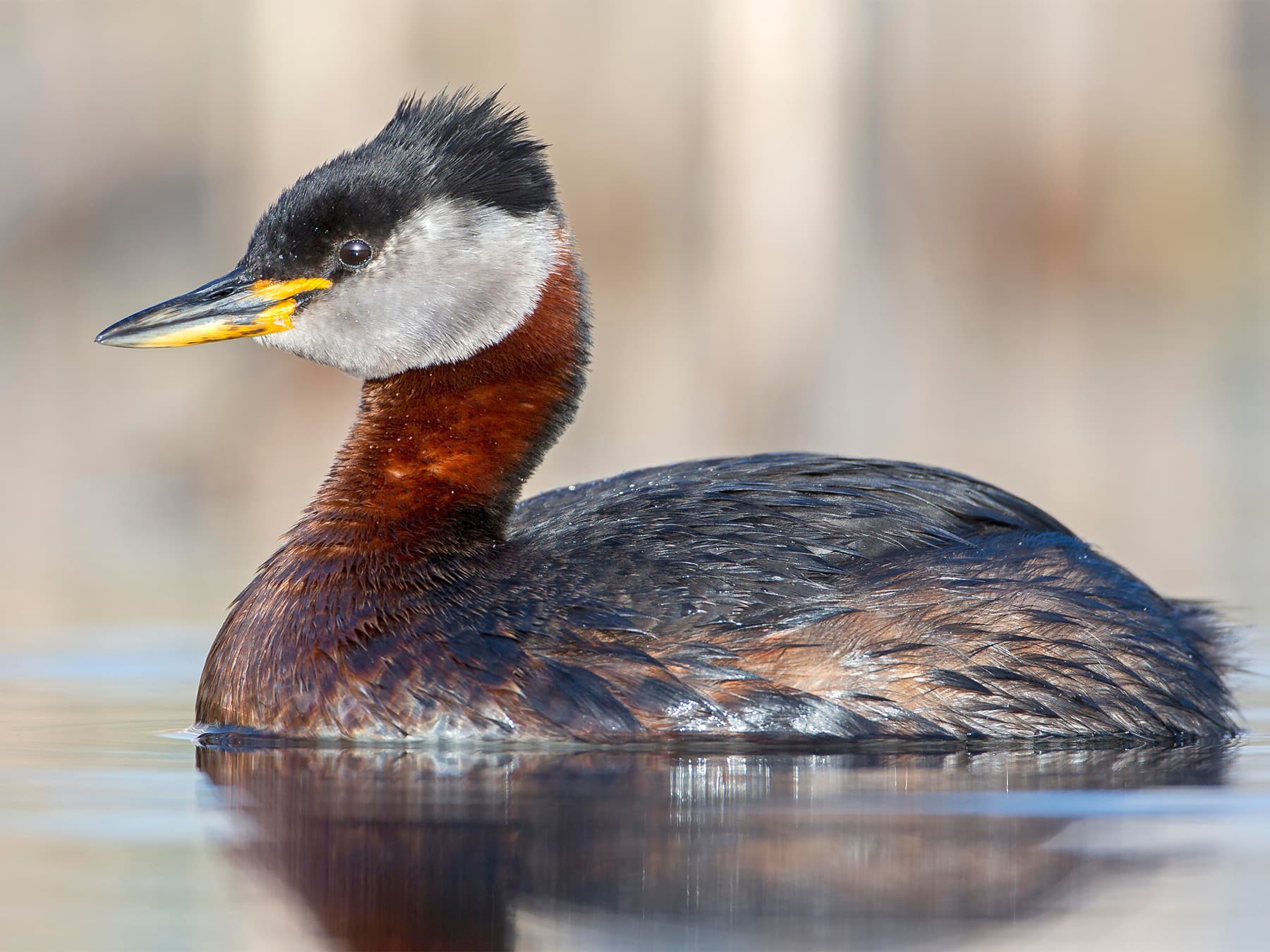
Red-necked Grebe
Podiceps grisegenaLC
A rare winter vagrant, very occasionally turning up on larger lakes and reservoirs during December cold spells.
Dec
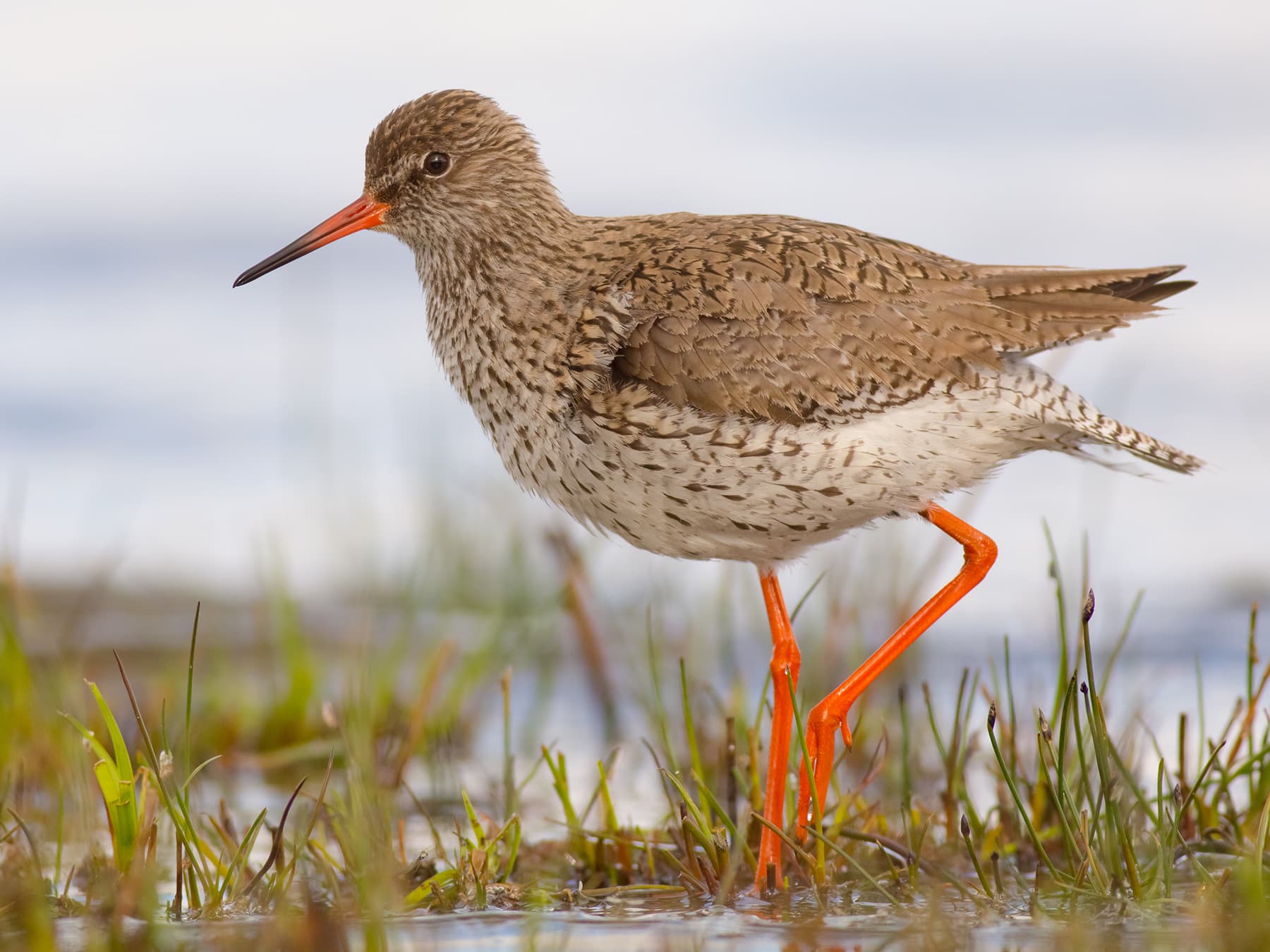
Redshank
Tringa totanusLC
An uncommon resident breeding on wet grasslands and marshes. Present all year at sites like the Idle Valley, with noisy alarm calls in spring.
Year-round