Birds in Nottinghamshire
Explore 180 species found in this region.
Nottinghamshire supports a rich diversity of birdlife, with 177 species recorded across the county's varied habitats, from the ancient woodlands of Sherwood Forest to the wetlands of the Trent Valley. The county's rivers, reservoirs, and gravel pits attract notable species such as Common Merganser, Northern Pintail, and Mandarin Duck, while farmland and heathland provide important habitat for Northern Lapwing and Eurasian Woodcock. Whether you're exploring urban parks where Great Tits and Magpies thrive or venturing to wilder areas in search of scarcer visitors like the Great Grey Shrike, Nottinghamshire offers rewarding birding throughout the year.
Visiting in September? Look out for Common Merganser and Curlew Sandpiper arriving this month, and Avocet and Common Redstart depart for the season.


Showing 162–180 of 180 species
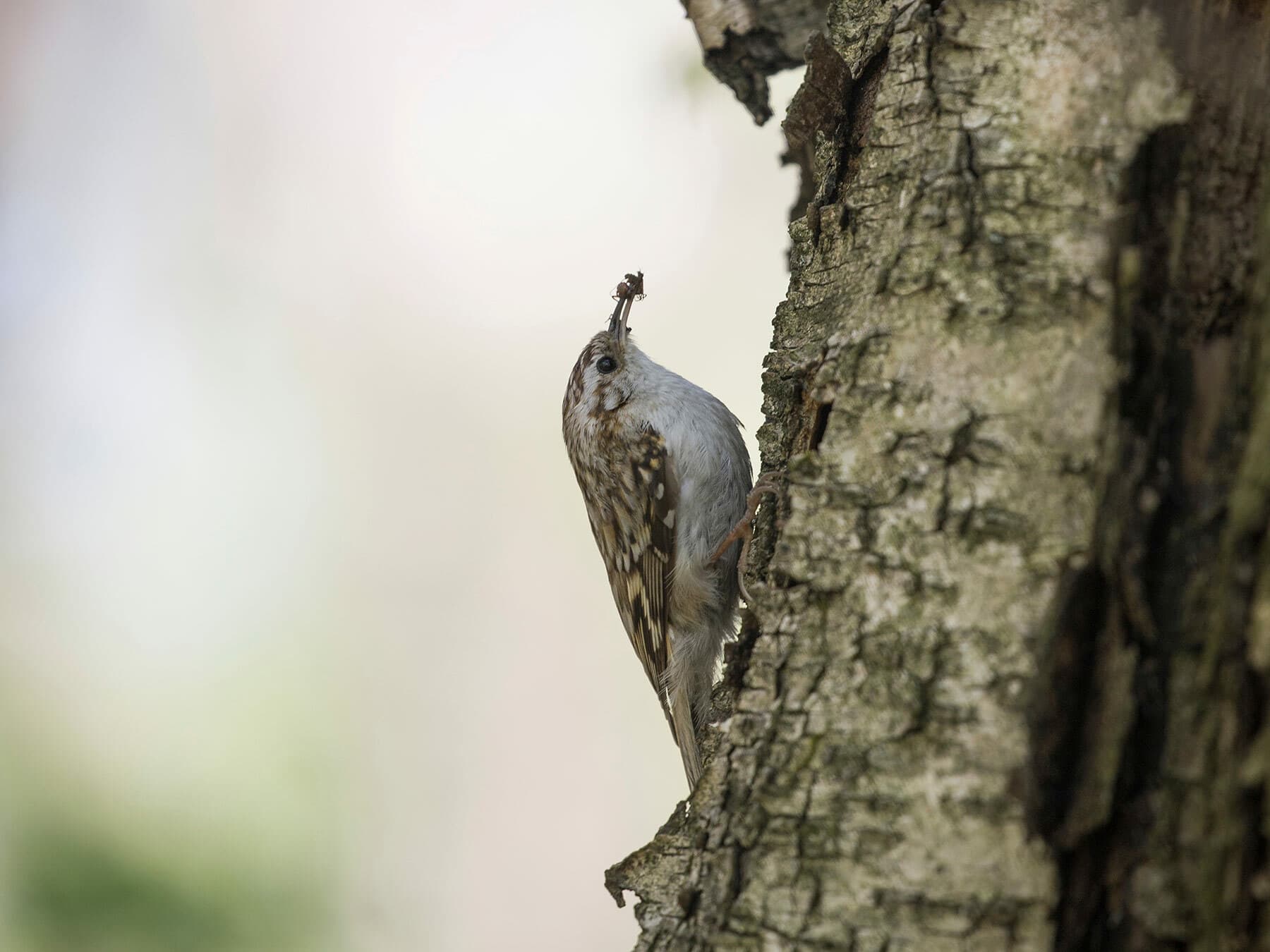
Treecreeper
Certhia familiarisLC
A quiet resident of mature woodland, spiralling up tree trunks in Sherwood Forest and other wooded areas throughout the year.
Year-round
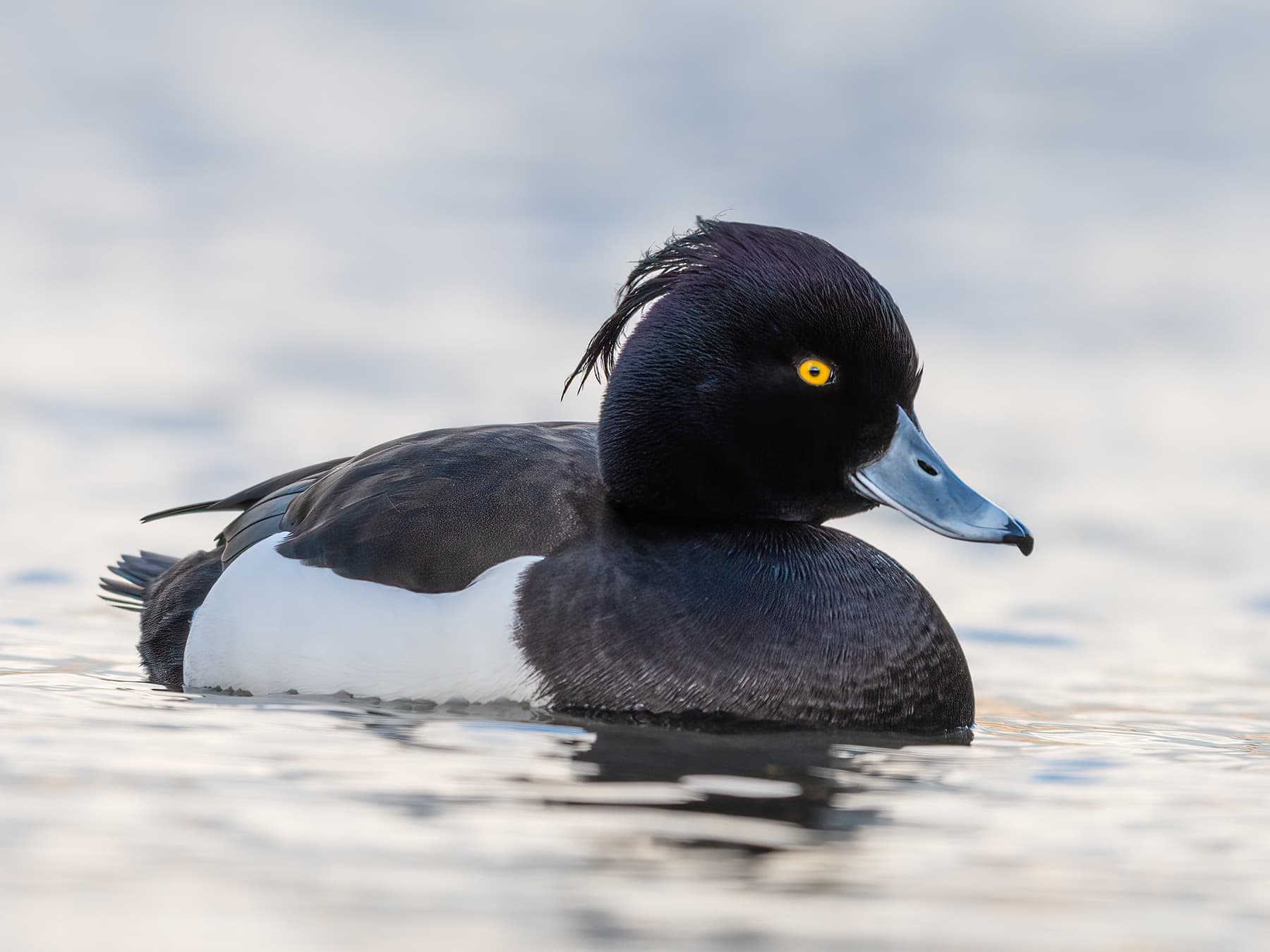
Tufted Duck
Aythya fuligulaLC
A common diving duck found year-round on gravel pits, reservoirs and park lakes, with numbers peaking in winter.
Year-round
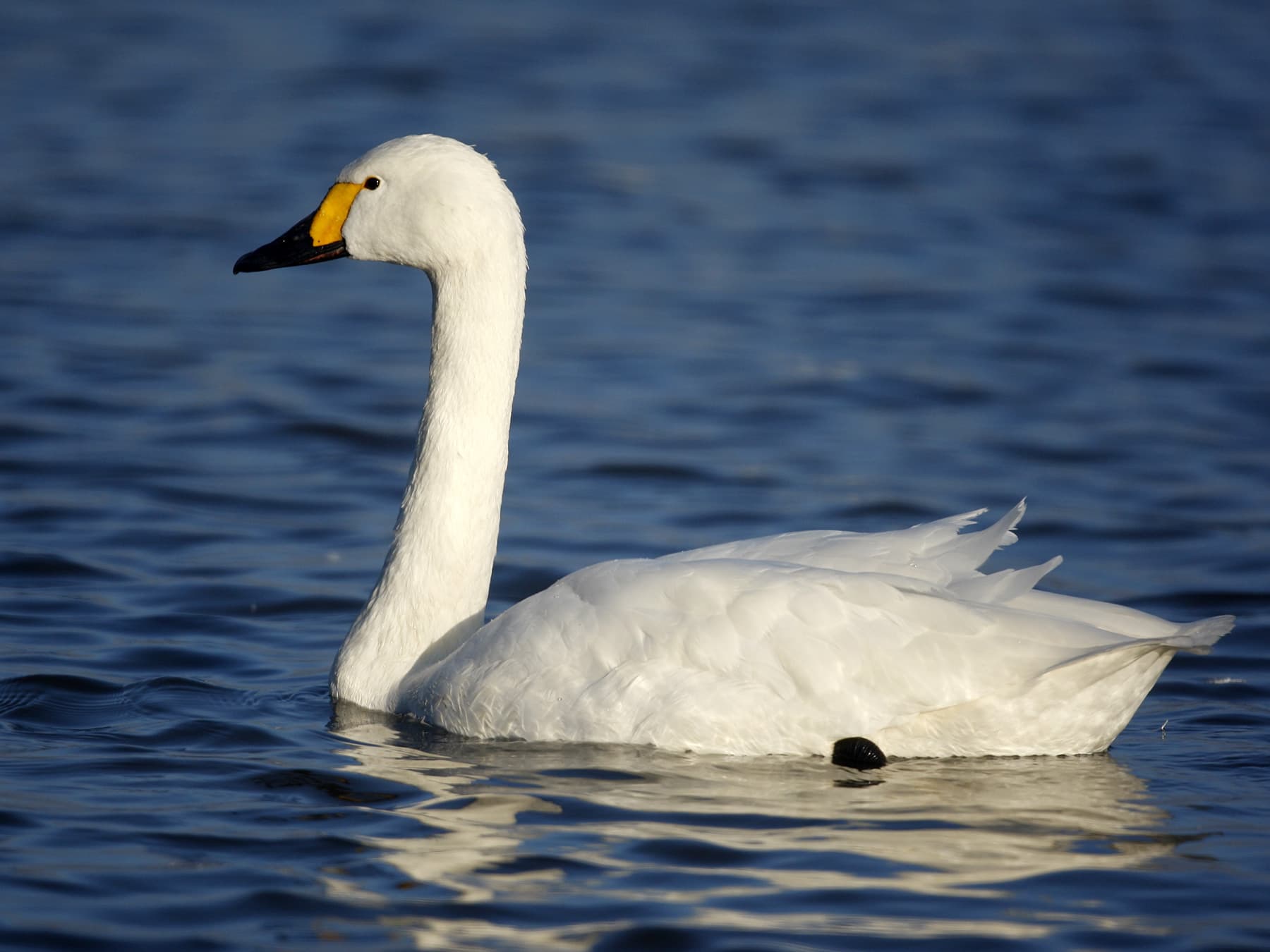
Tundra Swan
Cygnus columbianusLC
A rare winter visitor, occasionally turning up on Trent valley floodwaters or larger reservoirs, typically in harsh weather further north.
Jan
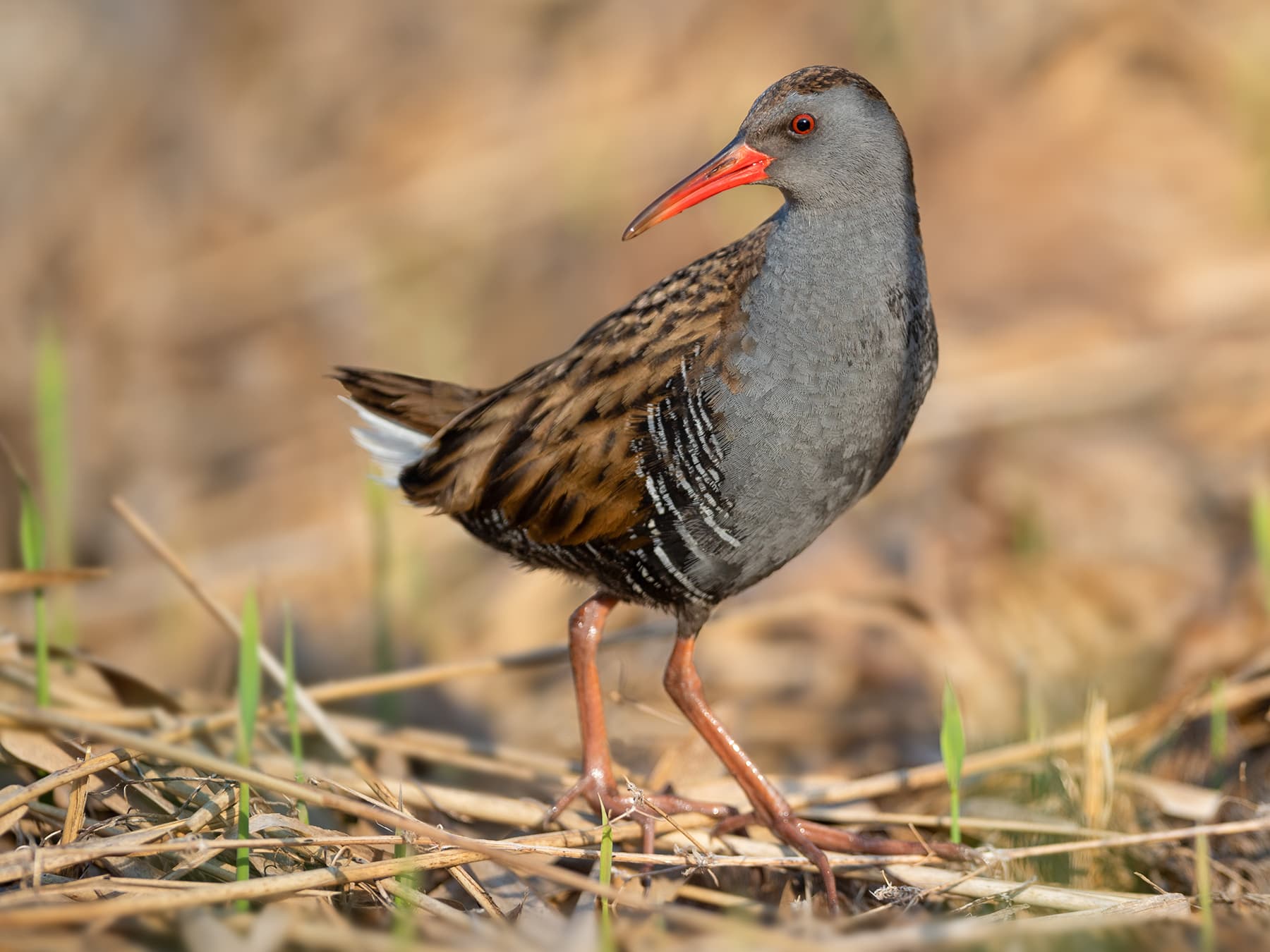
Water Rail
Rallus aquaticusLC
A secretive resident of reedbeds and marshy margins, more often heard squealing than seen. Sites like Attenborough hold birds year-round.
Year-round
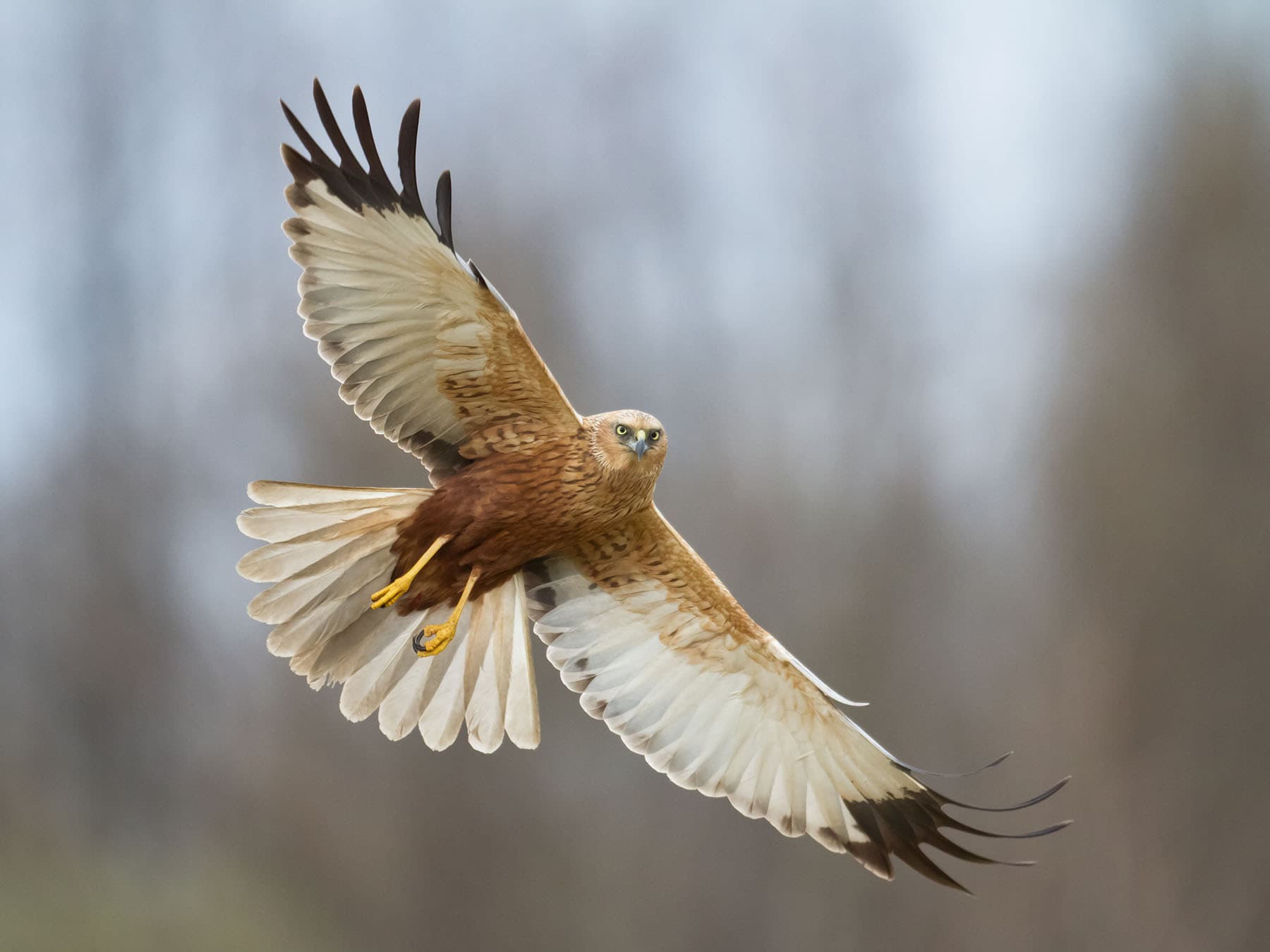
Western Marsh-harrier
Circus aeruginosusLC
A rare but increasing resident, breeding at wetland reserves such as Attenborough and Idle Valley with their extensive reedbeds.
Year-round
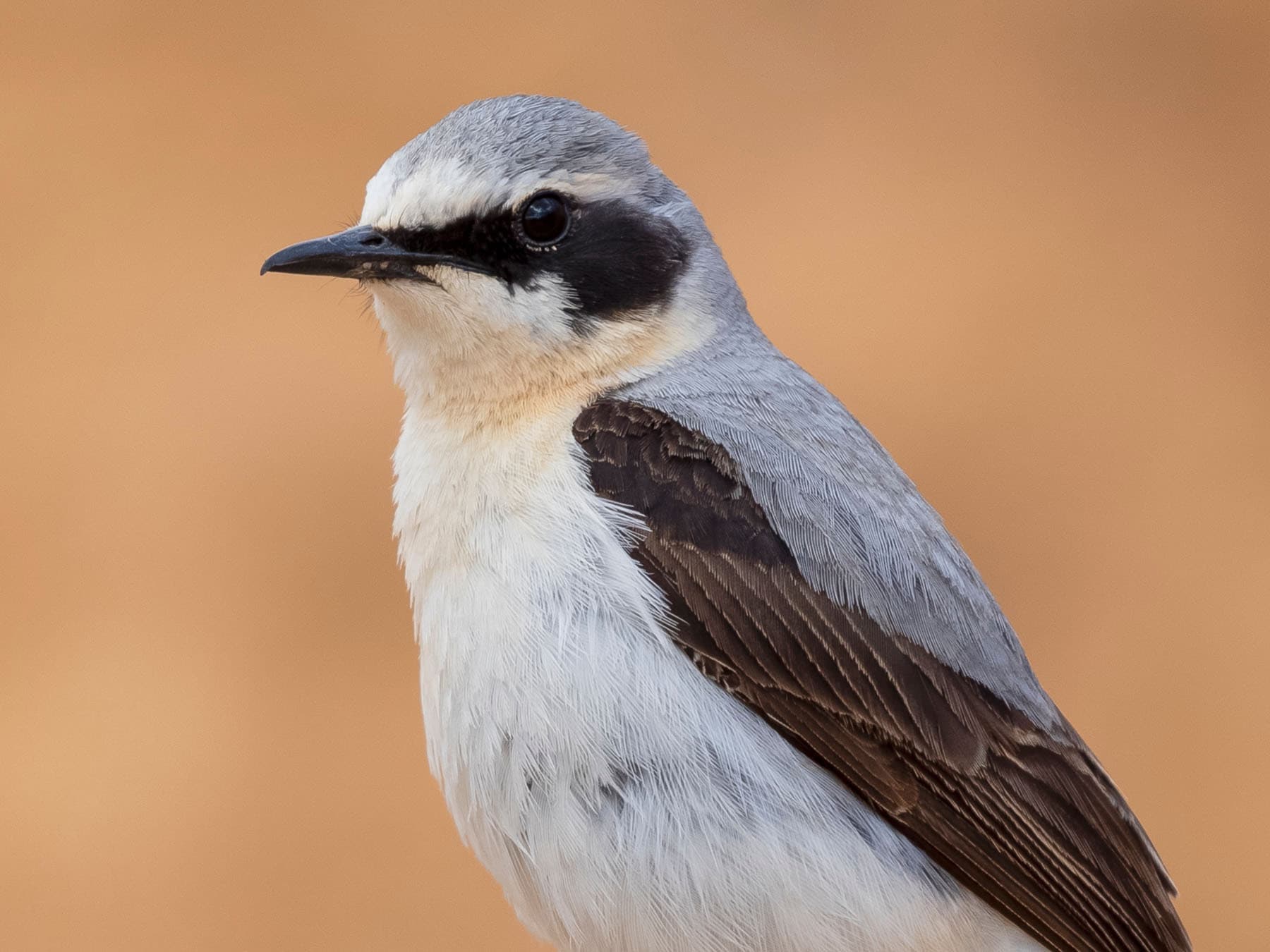
Wheatear
Oenanthe oenantheLC
A rare passage visitor seen on open farmland and gravel pits in spring and autumn, rarely lingering long.
Mar–Sep
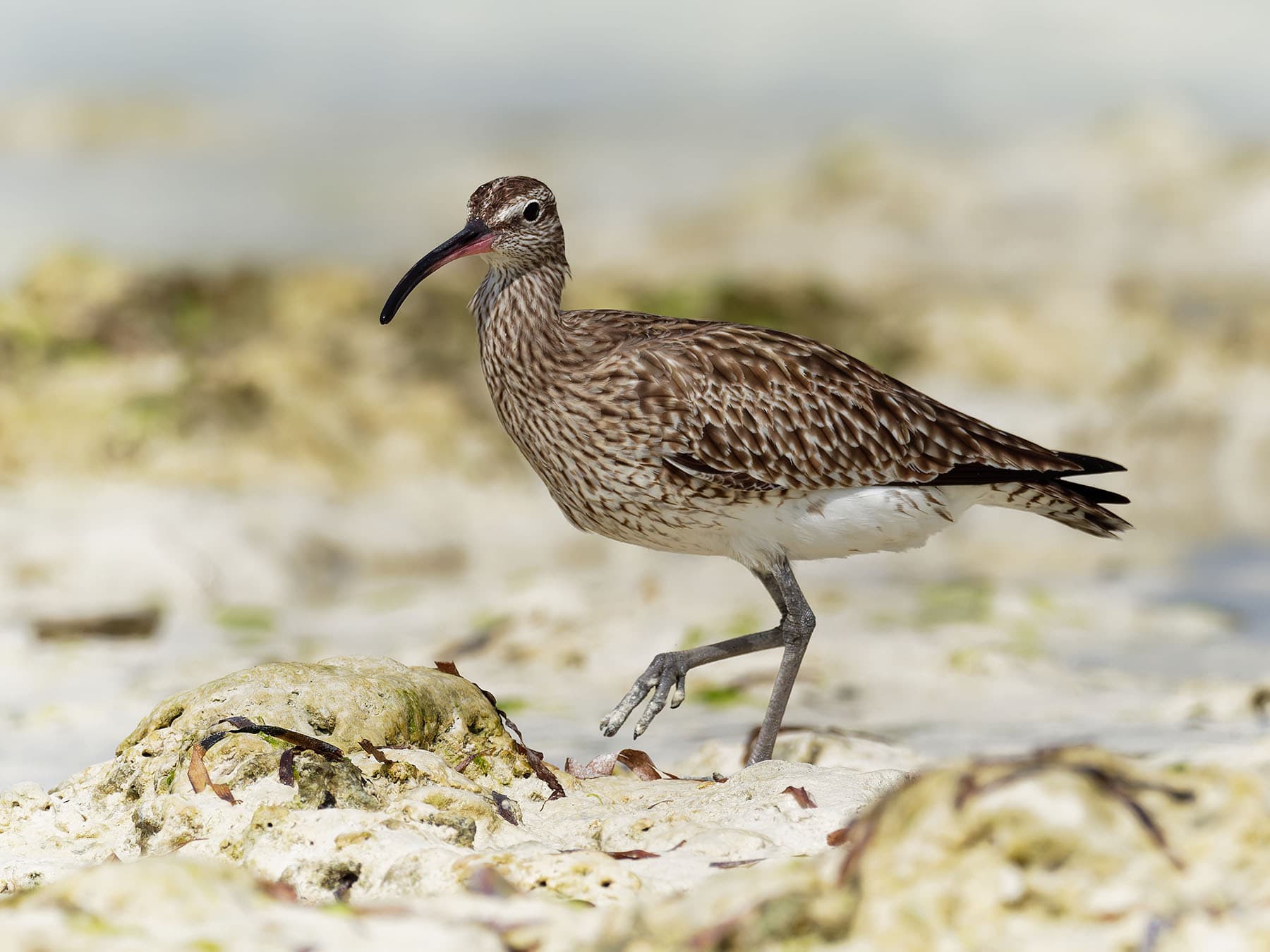
Whimbrel
Numenius phaeopusLC
A rare spring passage migrant in April and May, occasionally stopping at wetland sites and flooded fields en route north.
Apr–May
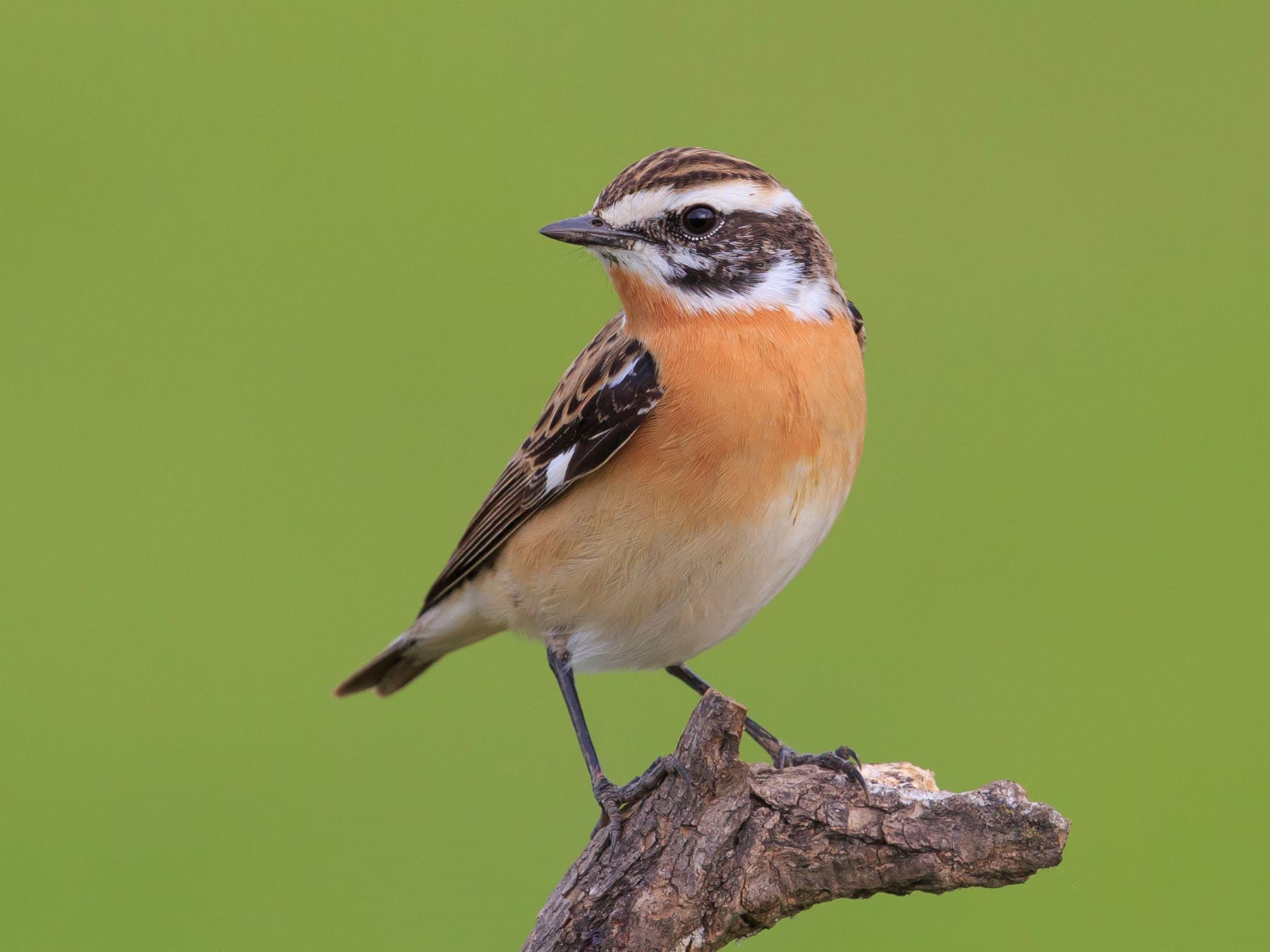
Whinchat
Saxicola rubetraLC
A rare autumn passage migrant, occasionally pausing on rough grassland and scrubby margins during August and September.
Aug–Sep
Spotted something?
Upload a photo to identify it
Identify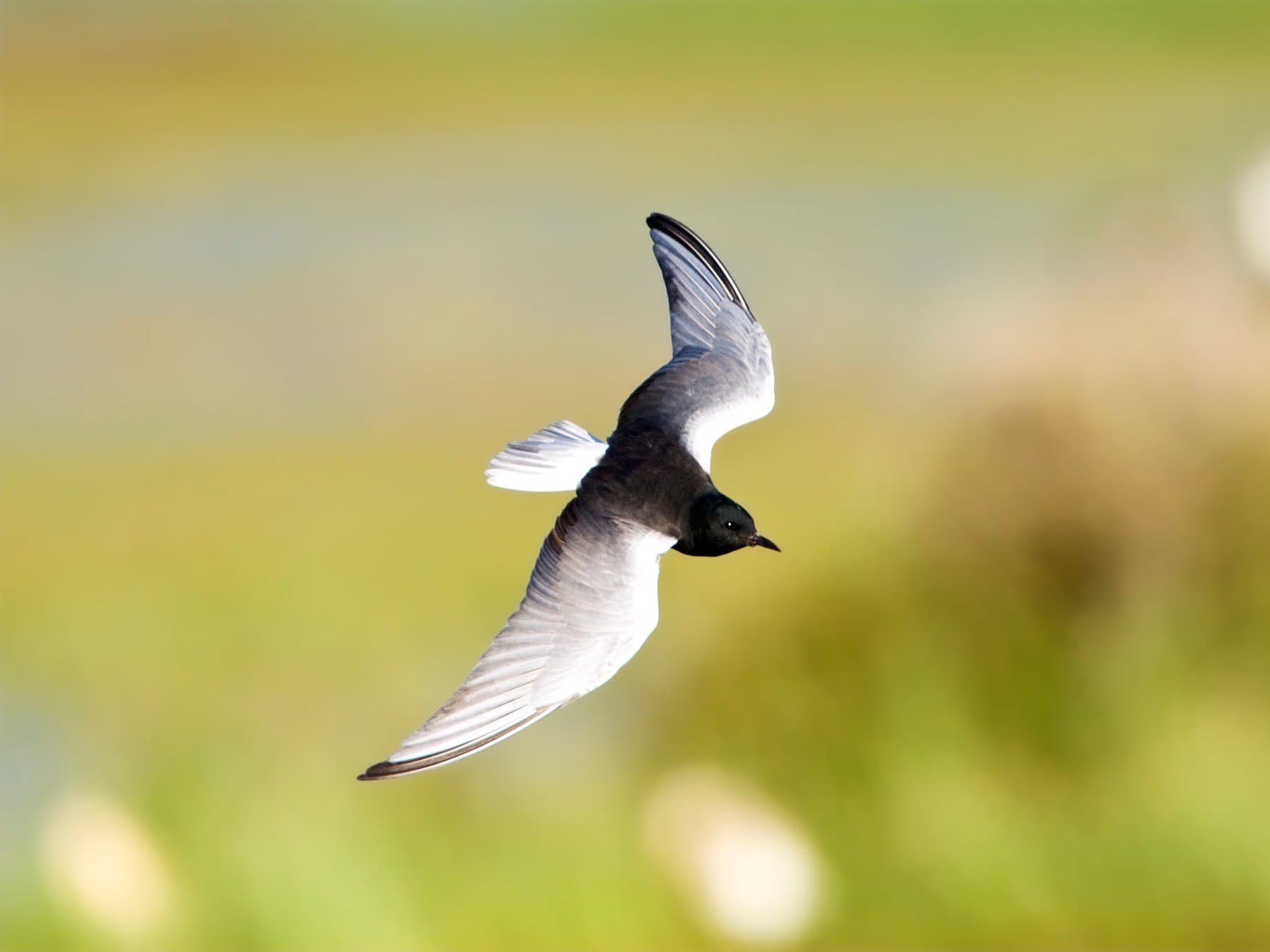
White-winged Tern
Chlidonias leucopterusLC
A rare September passage vagrant, very occasionally recorded at county wetlands. Any sighting is a notable county record.
Sep
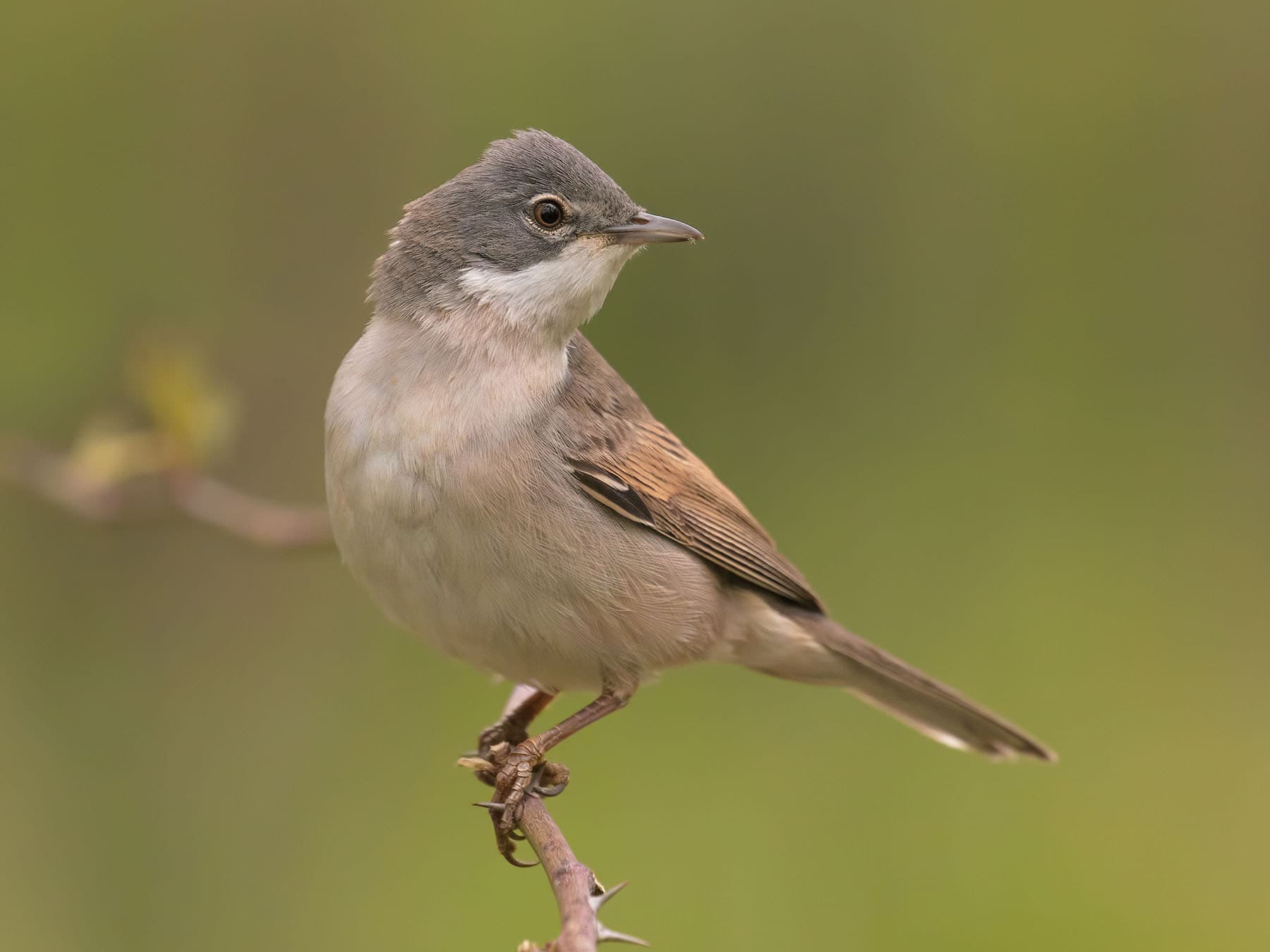
Whitethroat
Curruca communisLC
A common summer visitor breeding in hedgerows and scrubby field margins from April to September. Males sing from exposed perches.
Apr–Sep
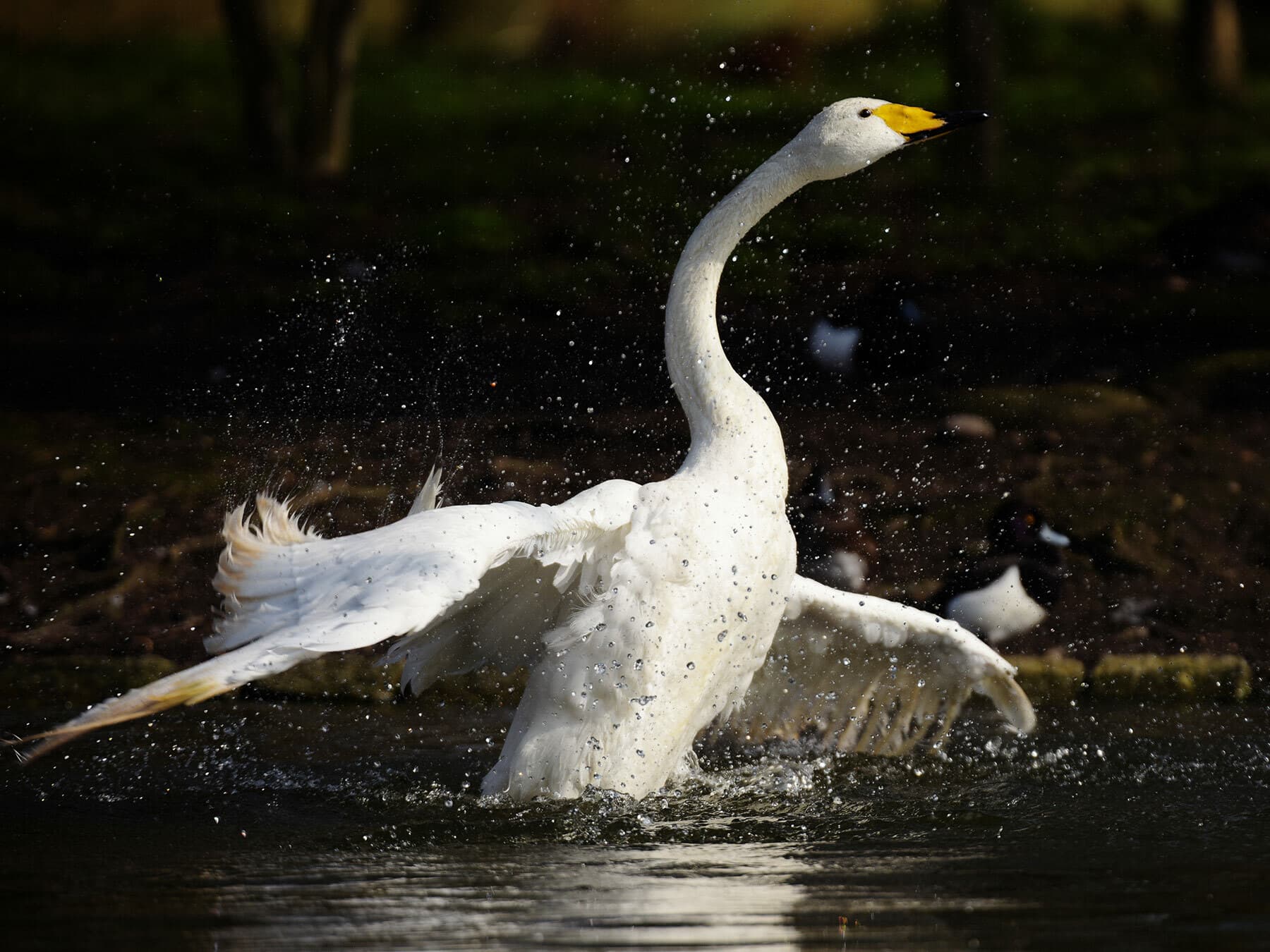
Whooper Swan
Cygnus cygnusLC
A rare winter visitor from Iceland, occasionally found on Trent valley floodplain and larger waters between October and April.
Oct–Apr
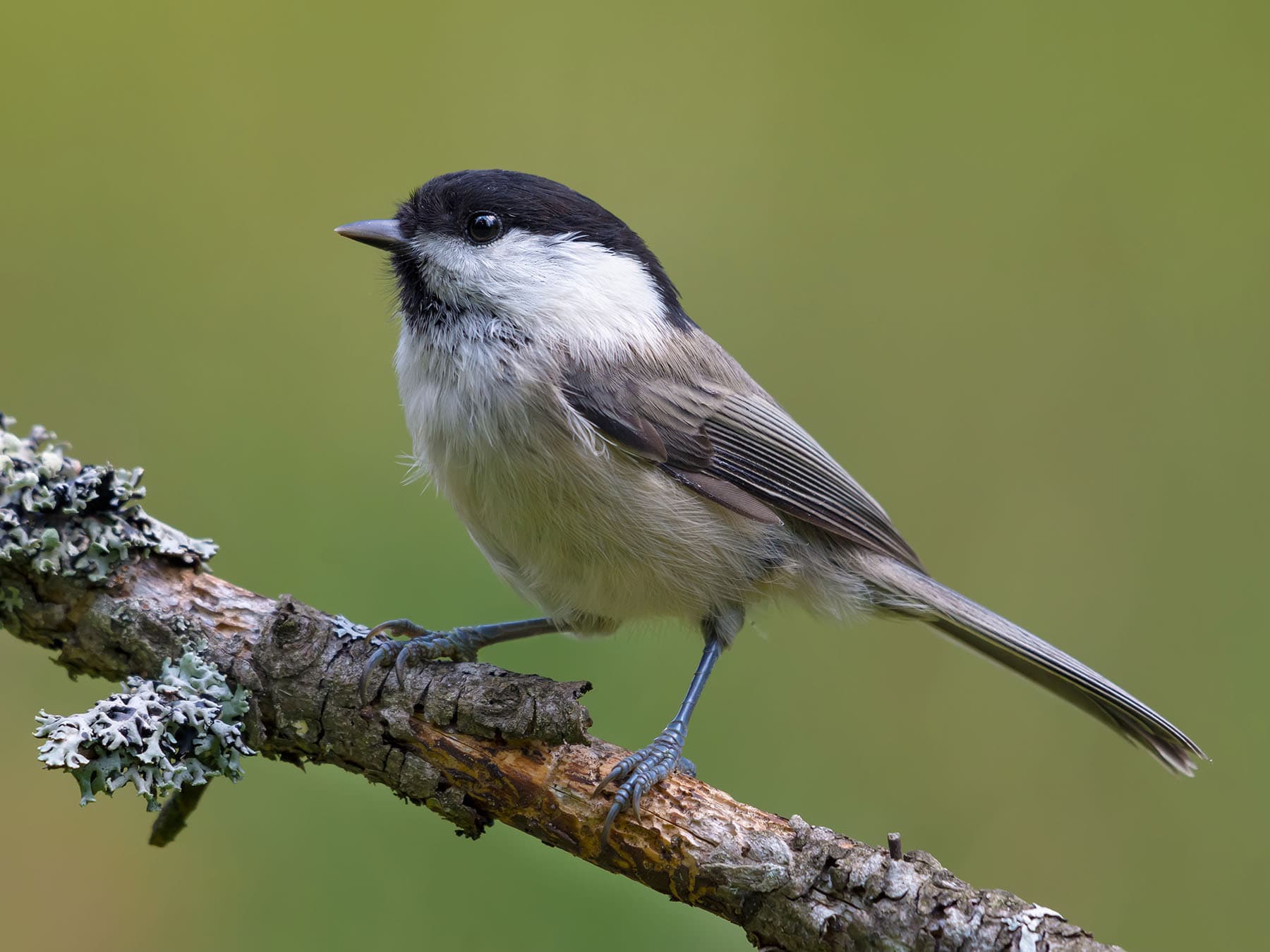
Willow Tit
Poecile montanusLC
A rare and rapidly declining resident of damp woodland with standing deadwood. One of the UK's most threatened species; Nottinghamshire is a stronghold.
Year-round
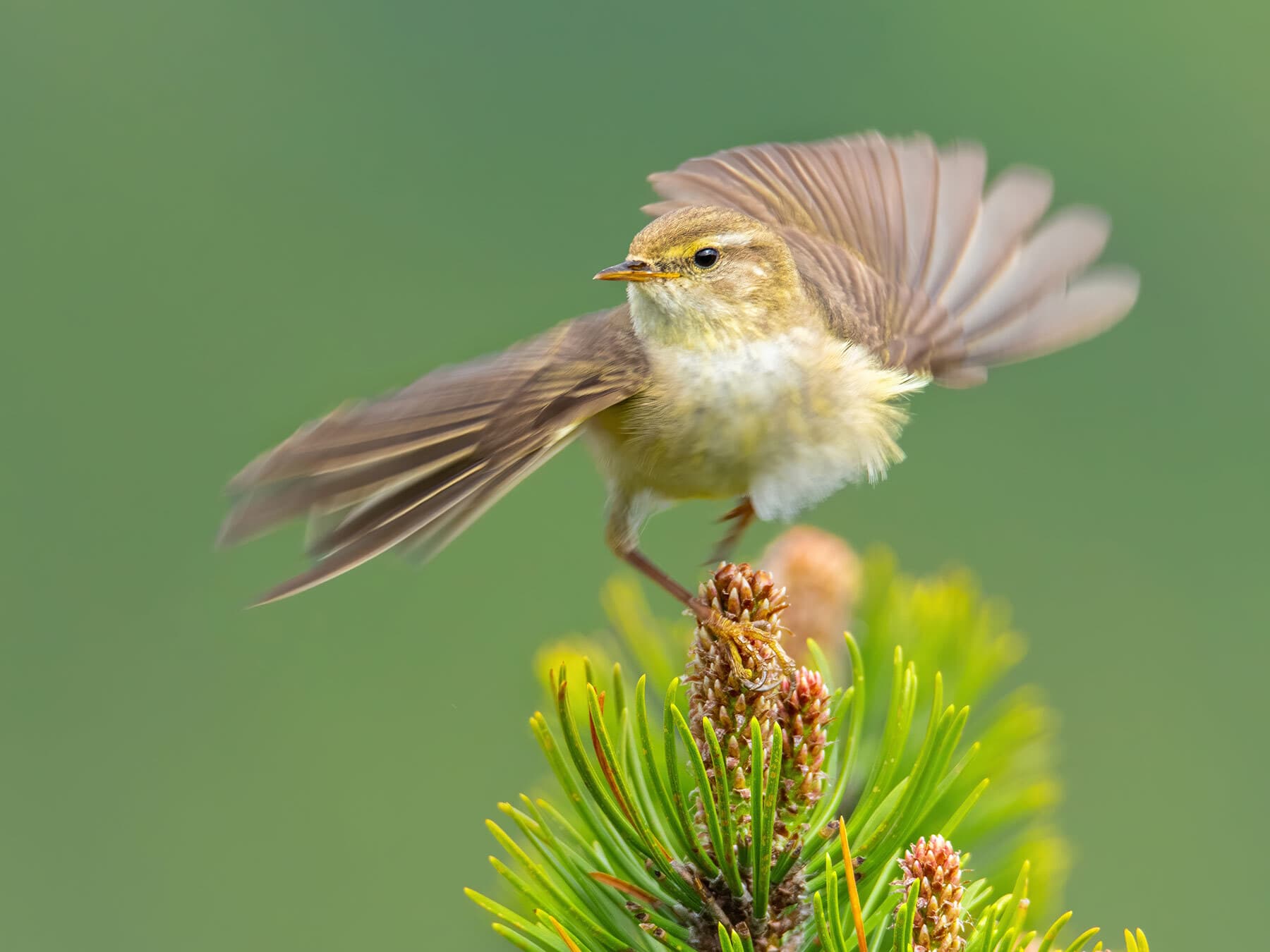
Willow Warbler
Phylloscopus trochilusLC
A common summer breeder arriving from March, filling woodlands and scrub with its sweet descending song. Favours birch and willow at heathland edges.
Mar–Oct
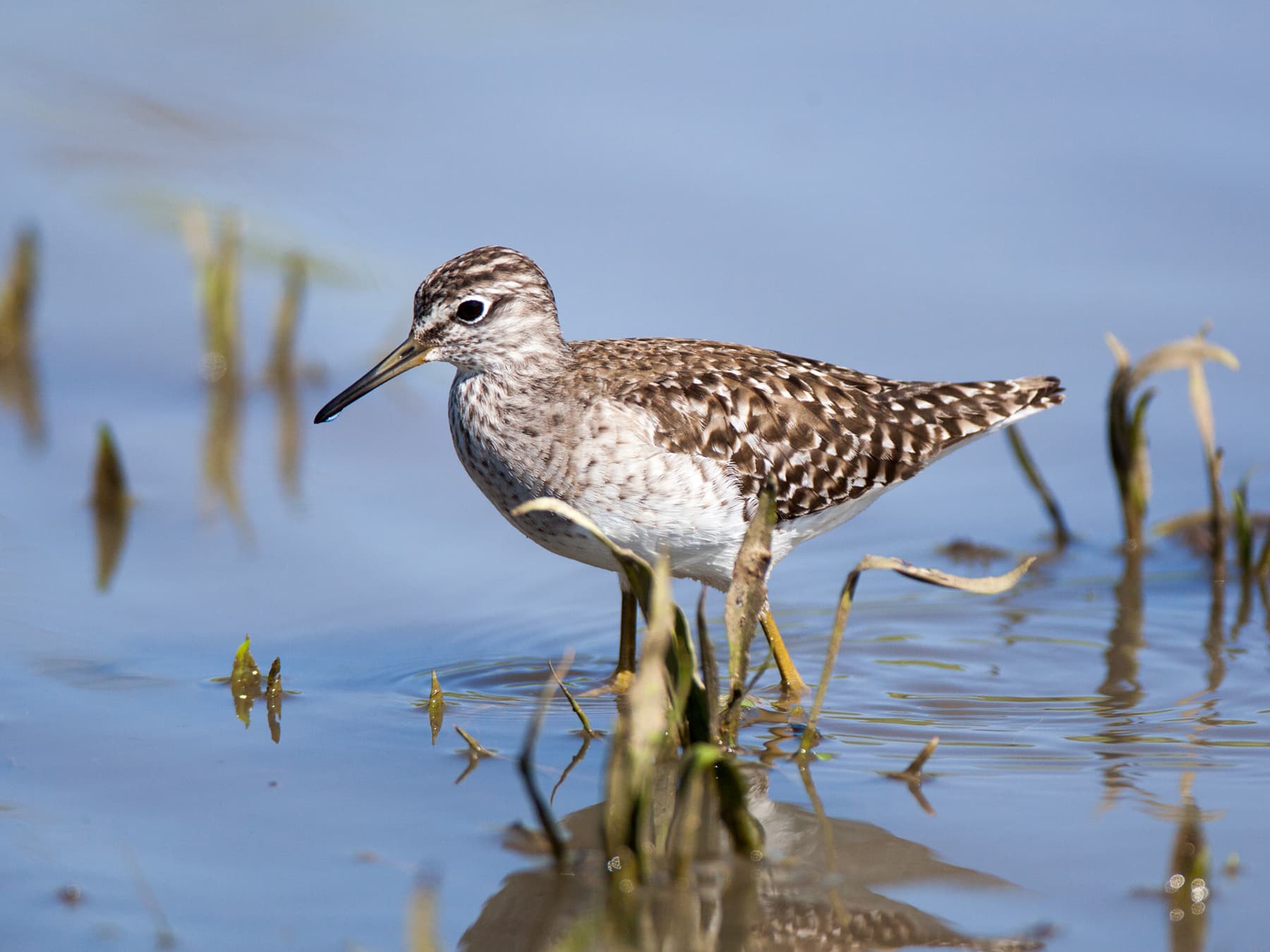
Wood Sandpiper
Tringa glareolaLC
A rare summer visitor from May to August, occasionally breeding at marshy pools and flooded gravel pits in the Trent Valley.
May–Aug
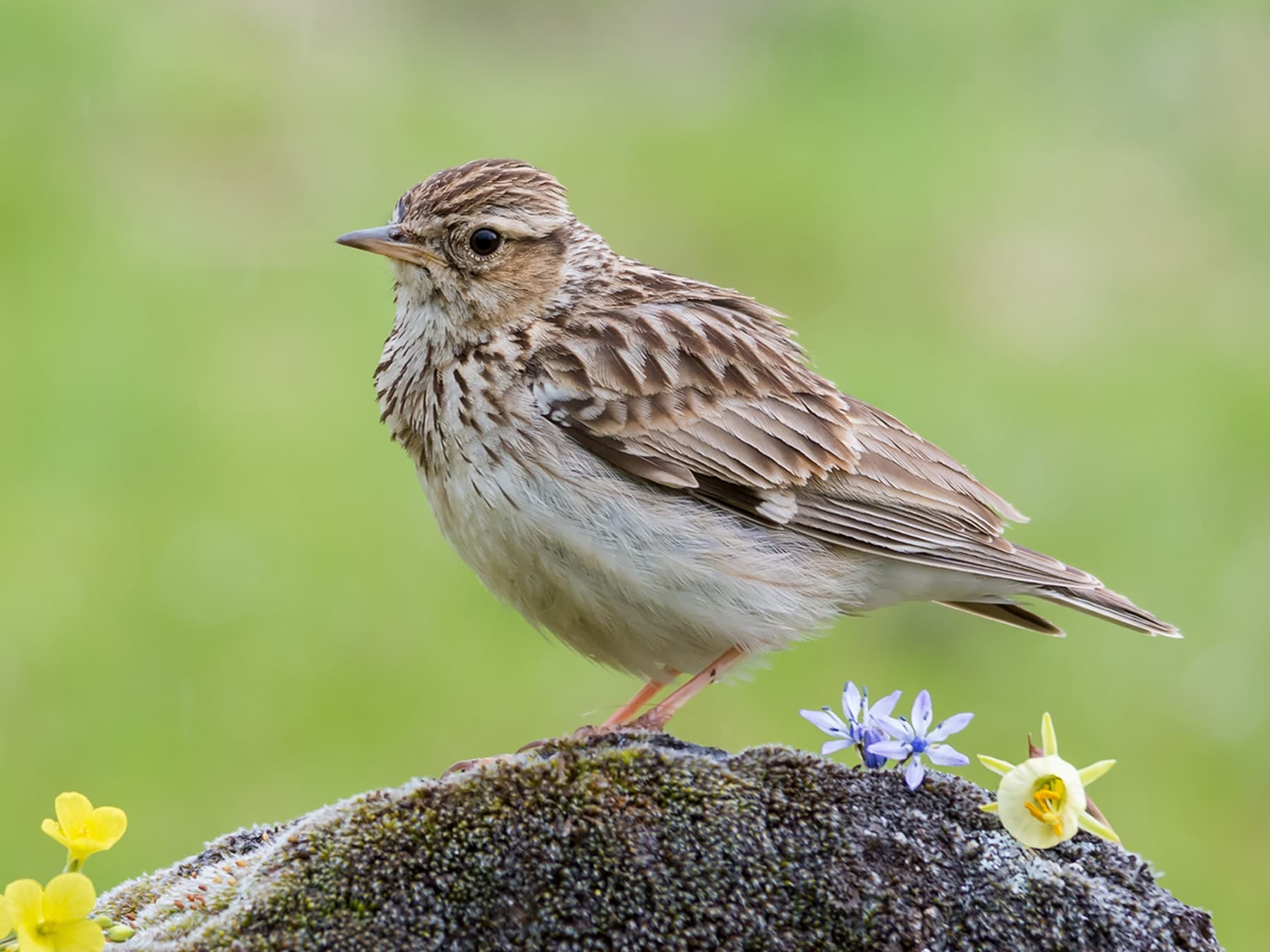
Woodlark
Lullula arboreaLC
A rare breeding visitor to heathland areas, arriving from February. Sherwood's sandy heaths offer scarce but suitable habitat.
Feb–Jul
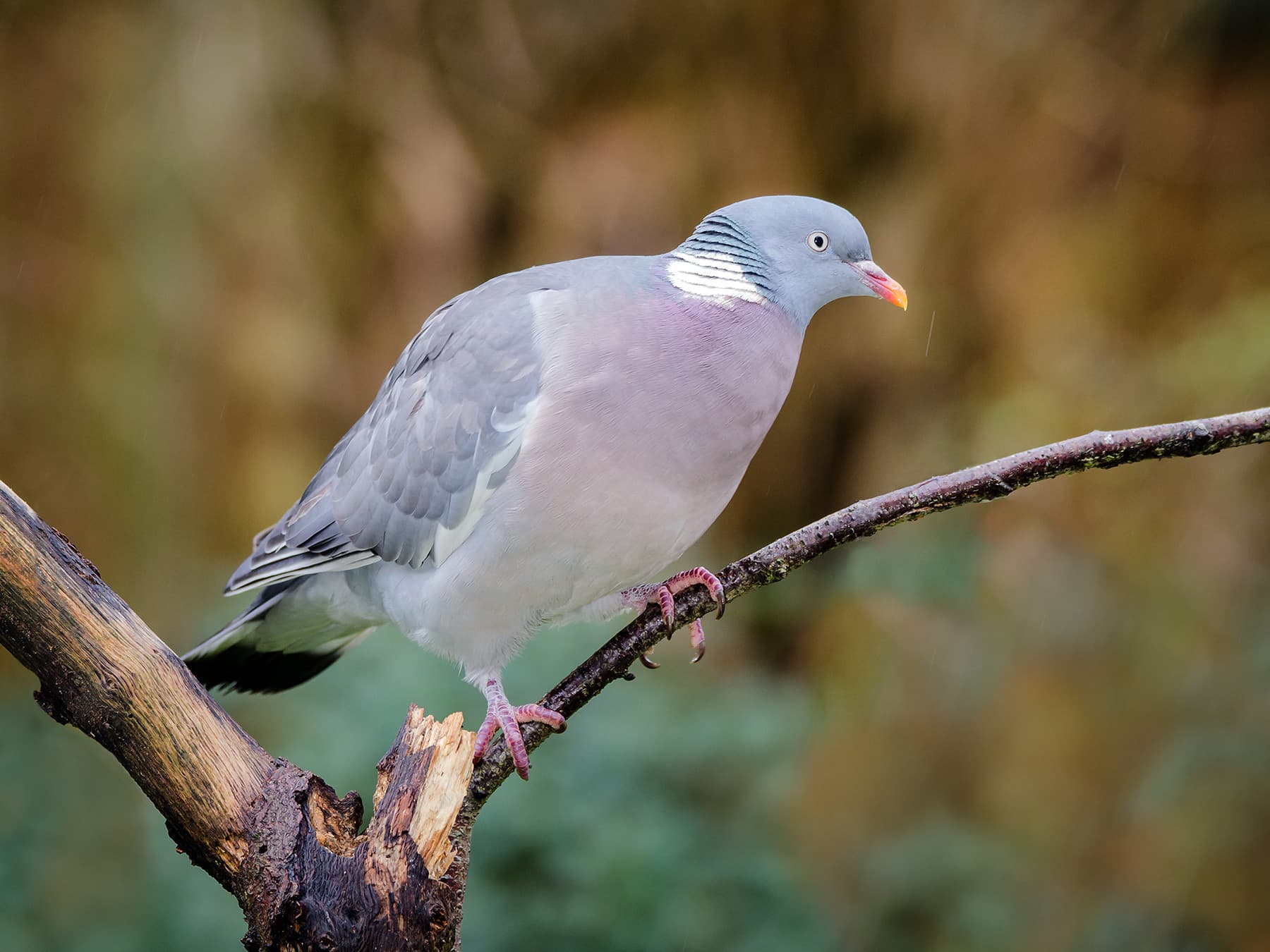
Woodpigeon
Columba palumbusLC
An abundant resident found in virtually every habitat from city centres to farmland. Numbers peak in autumn.
Year-round
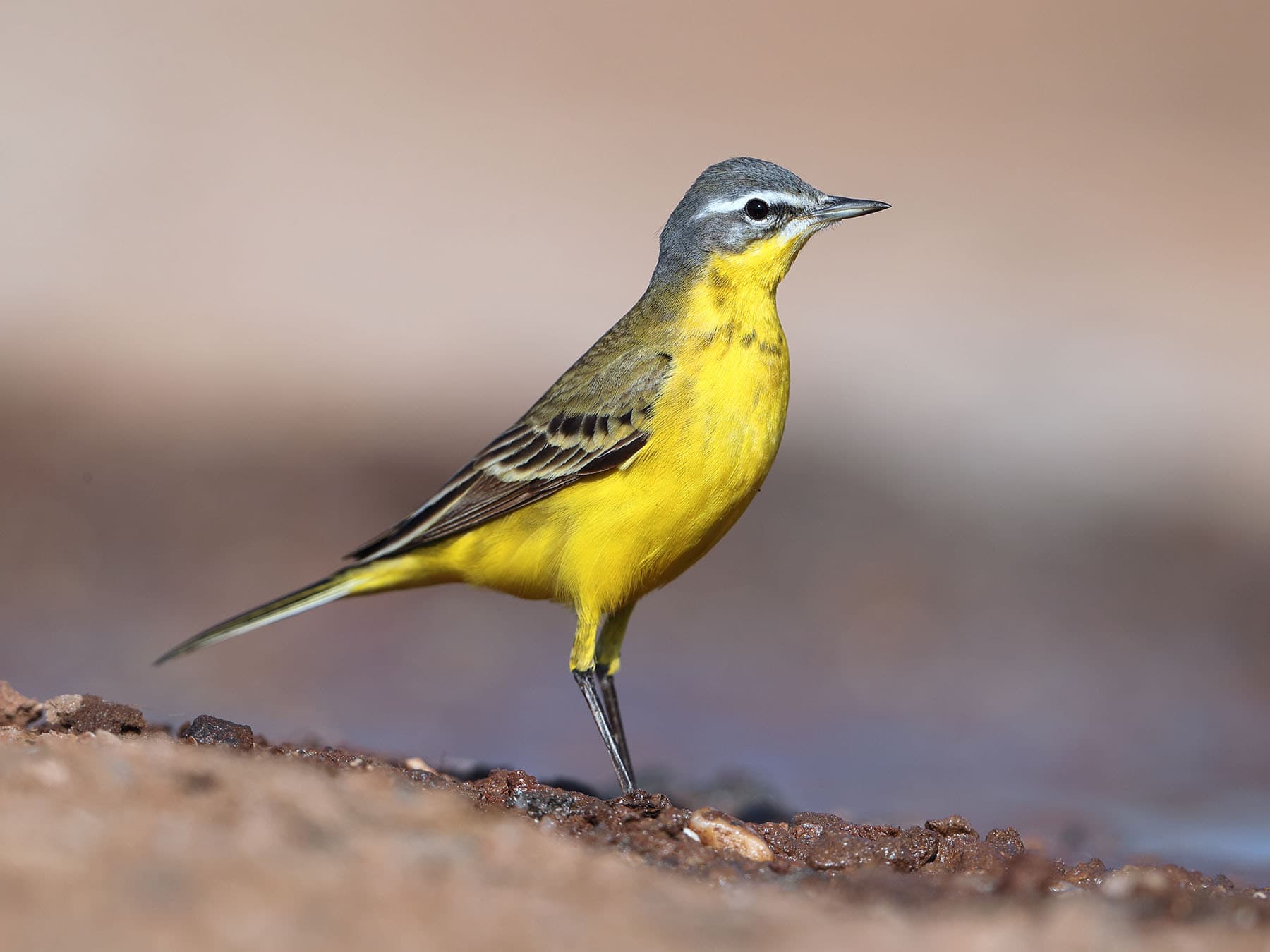
Yellow Wagtail
Motacilla flavaLC
An uncommon summer breeder on lowland pastures and arable fields along the Trent Valley. A declining species nationally.
Apr–Sep
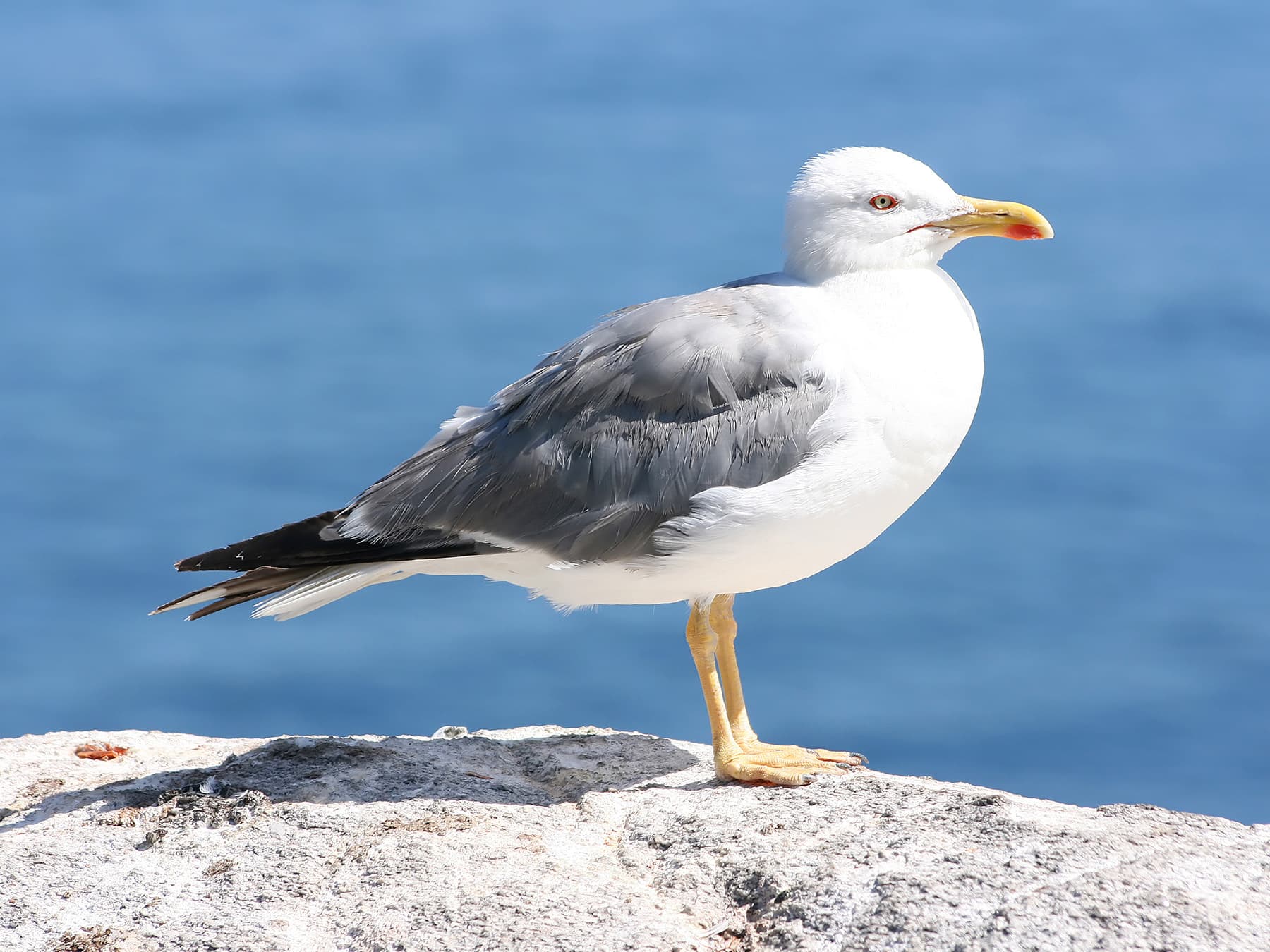
Yellow-legged Gull
Larus michahellisLC
A rare breeder recorded from May to July, sometimes nesting among large gull colonies at reservoirs and gravel pits.
Jun–Jan
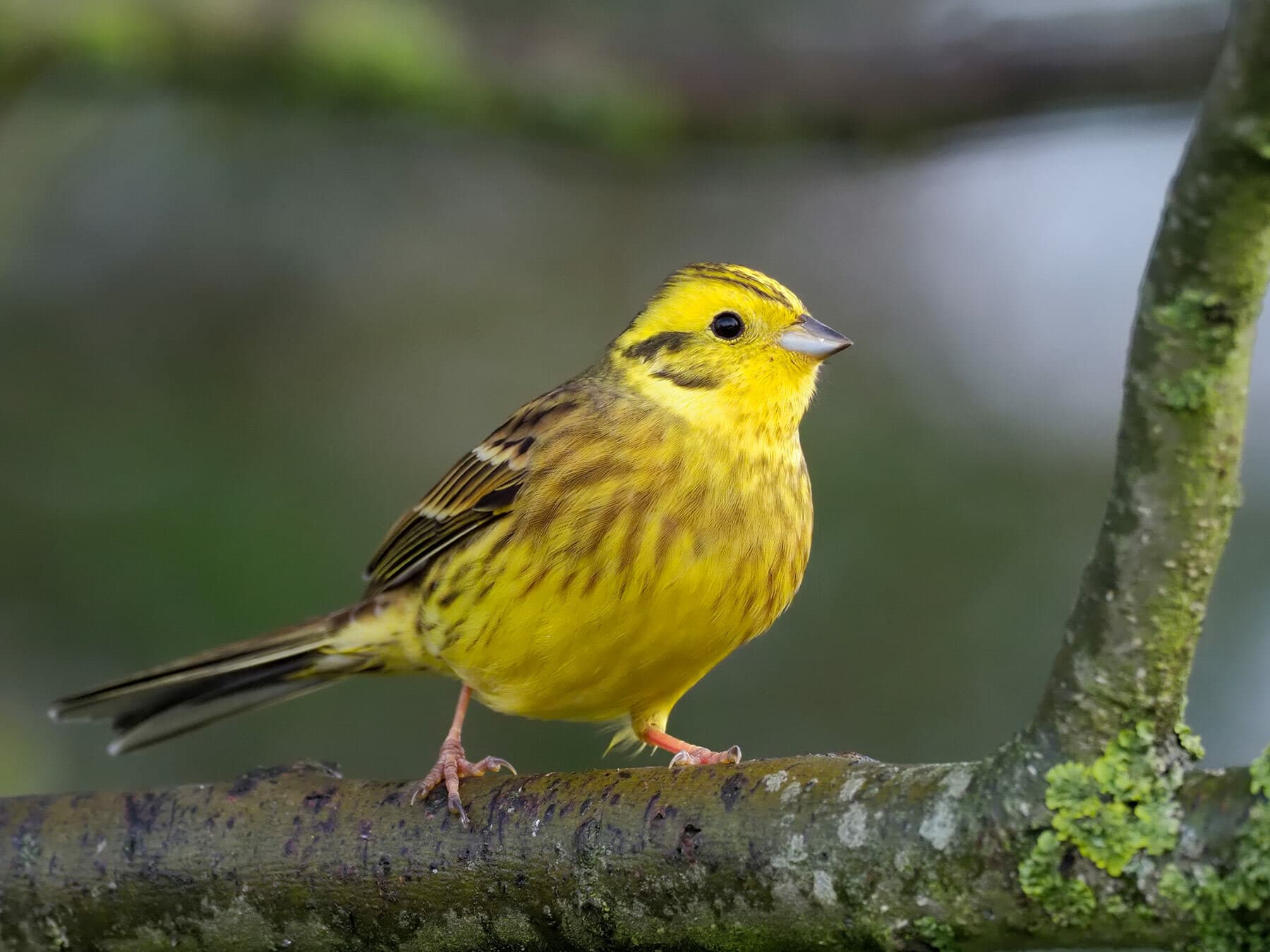
Yellowhammer
Emberiza citrinellaLC
A year-round resident of farmland hedgerows, though declining. Listen for its distinctive 'a-little-bit-of-bread-and-no-cheese' song.
Year-round