Birds in Northumberland
Explore 230 species found in this region.
Northumberland is one of England's most rewarding counties for birdwatching, with 218 recorded species found across its diverse landscapes of rugged coastline, upland moors, ancient woodlands, and estuarine mudflats. From the Farne Islands' famous seabird colonies to the high Cheviot Hills where Dotterel and Horned Lark breed, the county offers exceptional birding throughout the year. Notable species include Great Grey Shrike on winter heathlands, Eurasian Woodcock in dense woodland, and the striking Mandarin Duck along sheltered river valleys.
Visiting in July? Look out for Common Kingfisher and Curlew Sandpiper arriving this month, and Eurasian Woodcock and European Pied Flycatcher depart for the season.


Showing 162–184 of 230 species
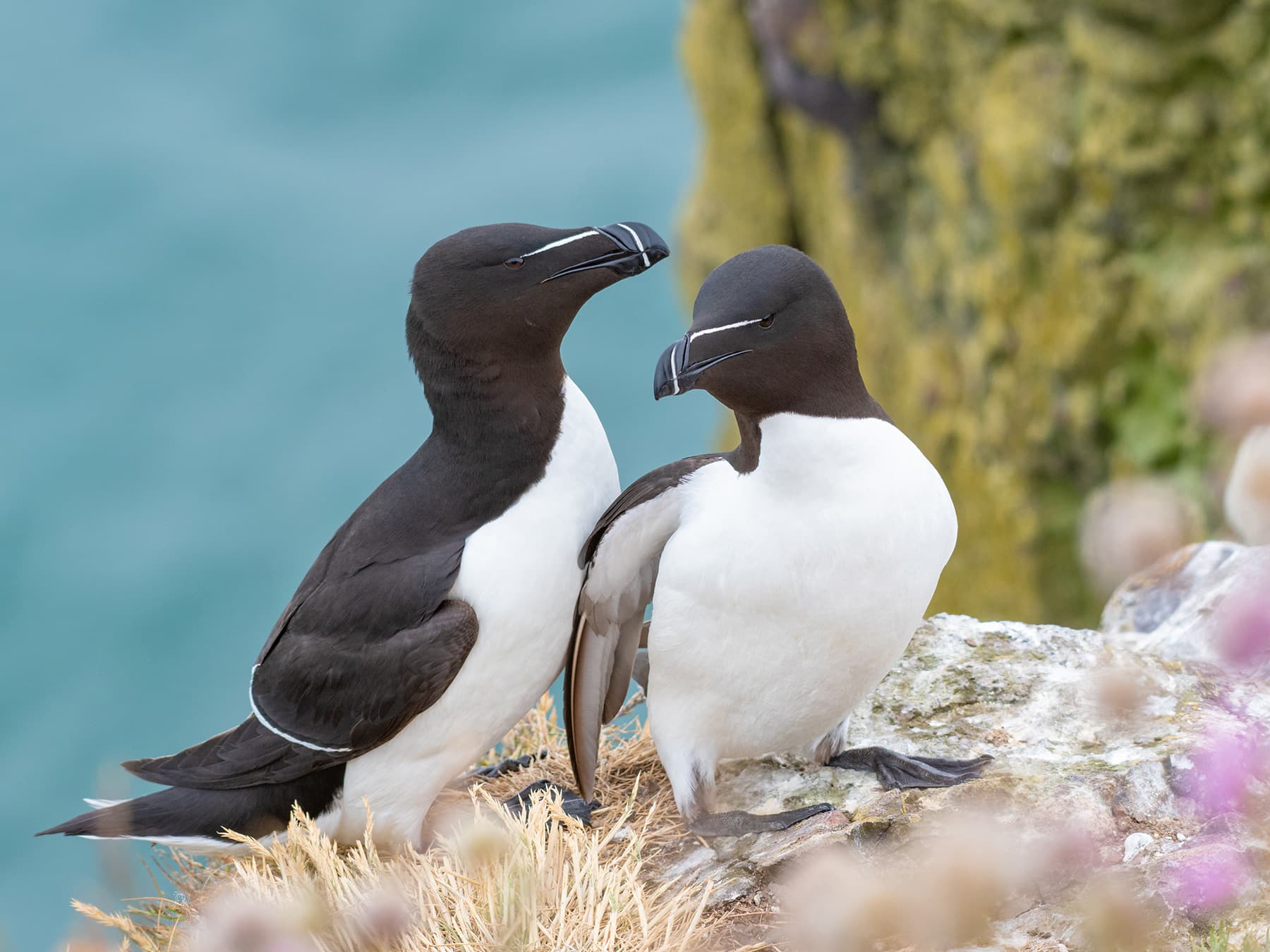
Razorbill
Alca tordaLC
Breeds on the Farne Islands cliffs and winters at sea, often visible from shore in large rafts during the nesting season.
Year-round
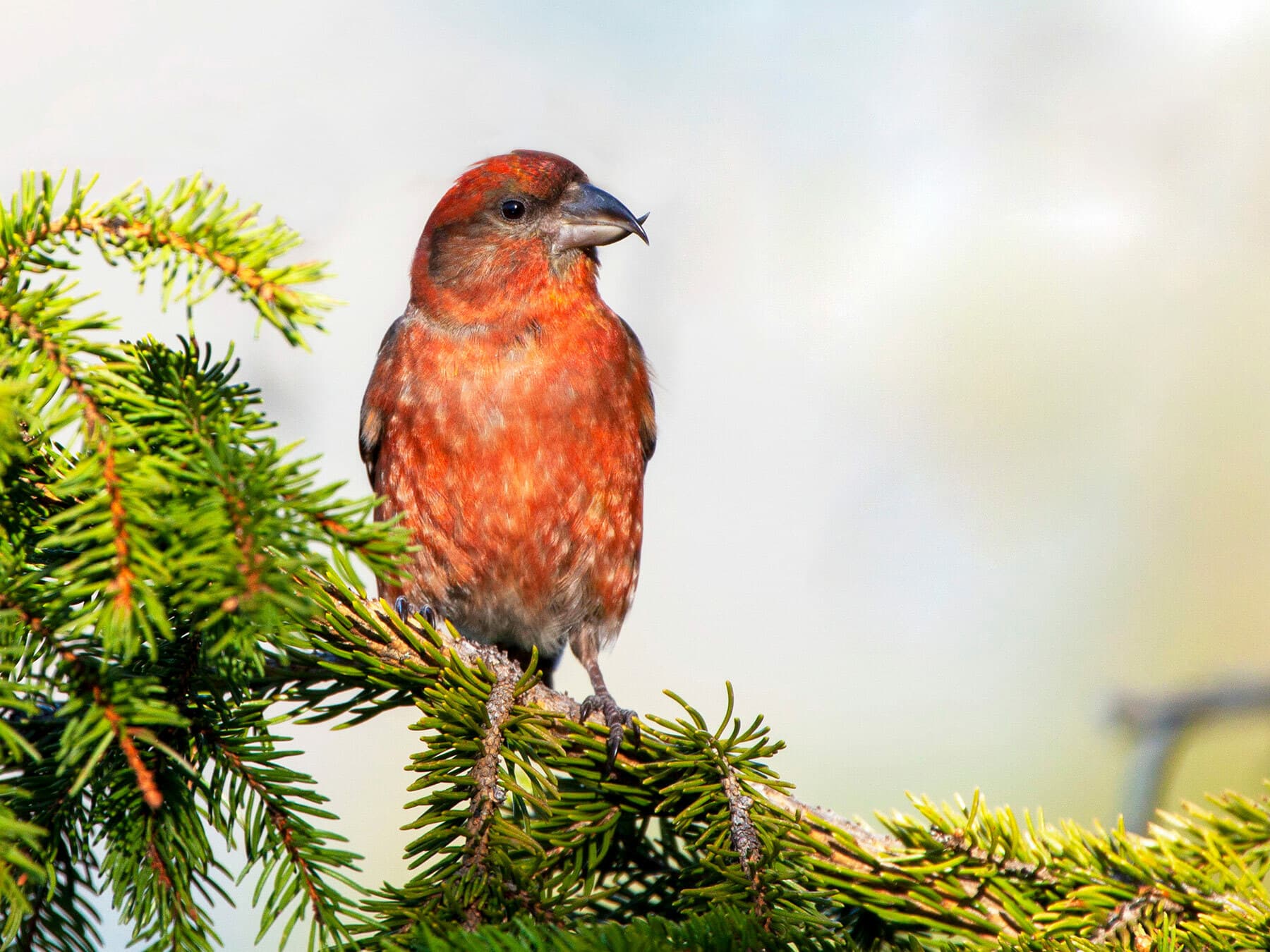
Red Crossbill
Loxia curvirostraLC
A rare resident of conifer plantations, especially around Kielder. Numbers fluctuate with cone crop availability.
Year-round
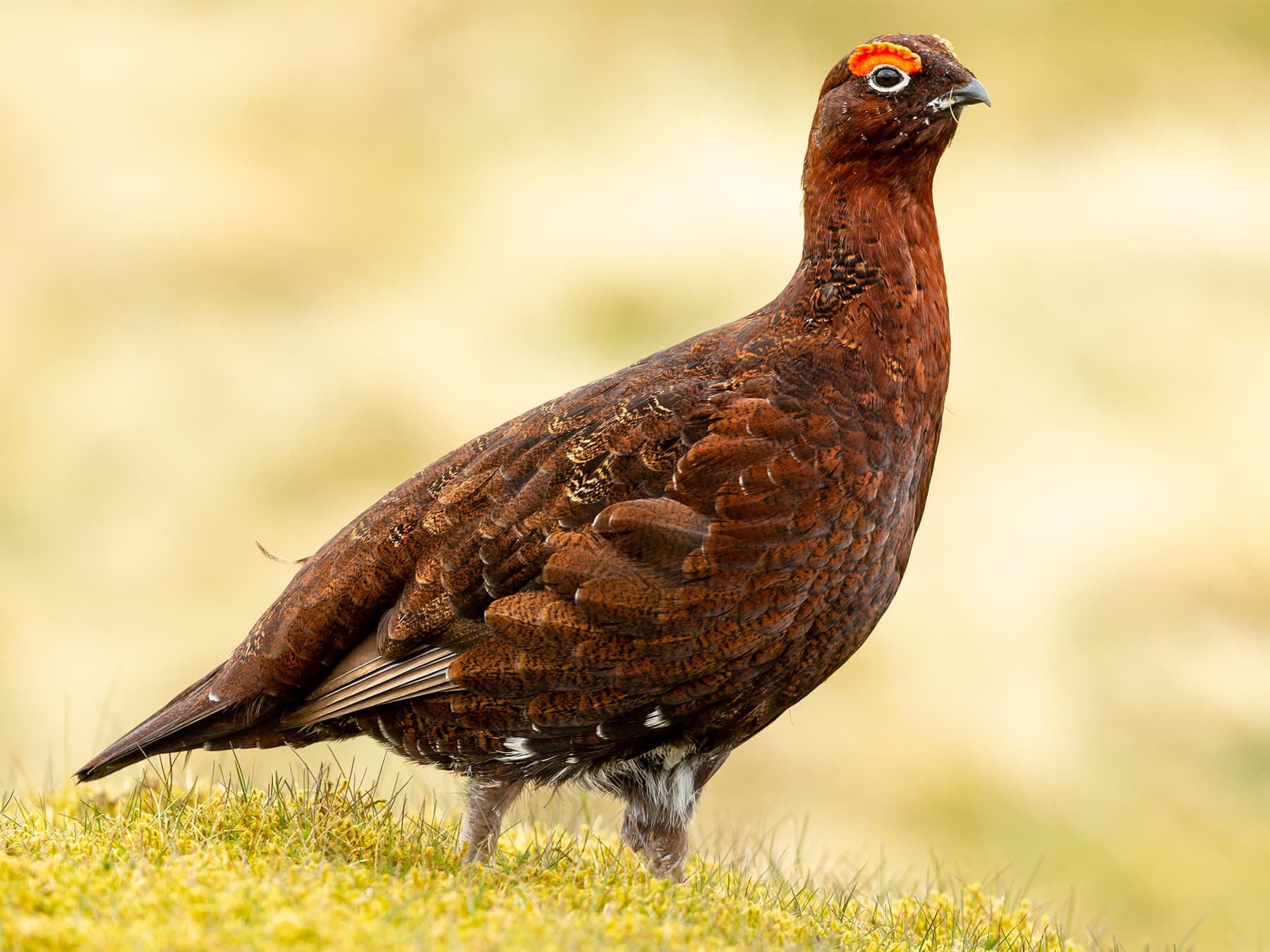
Red Grouse
Lagopus lagopus scoticaLC
A scarce resident of heather moorland in the Cheviot Hills and upland estates. Its distinctive cackling call carries across the moors.
Nov–Aug
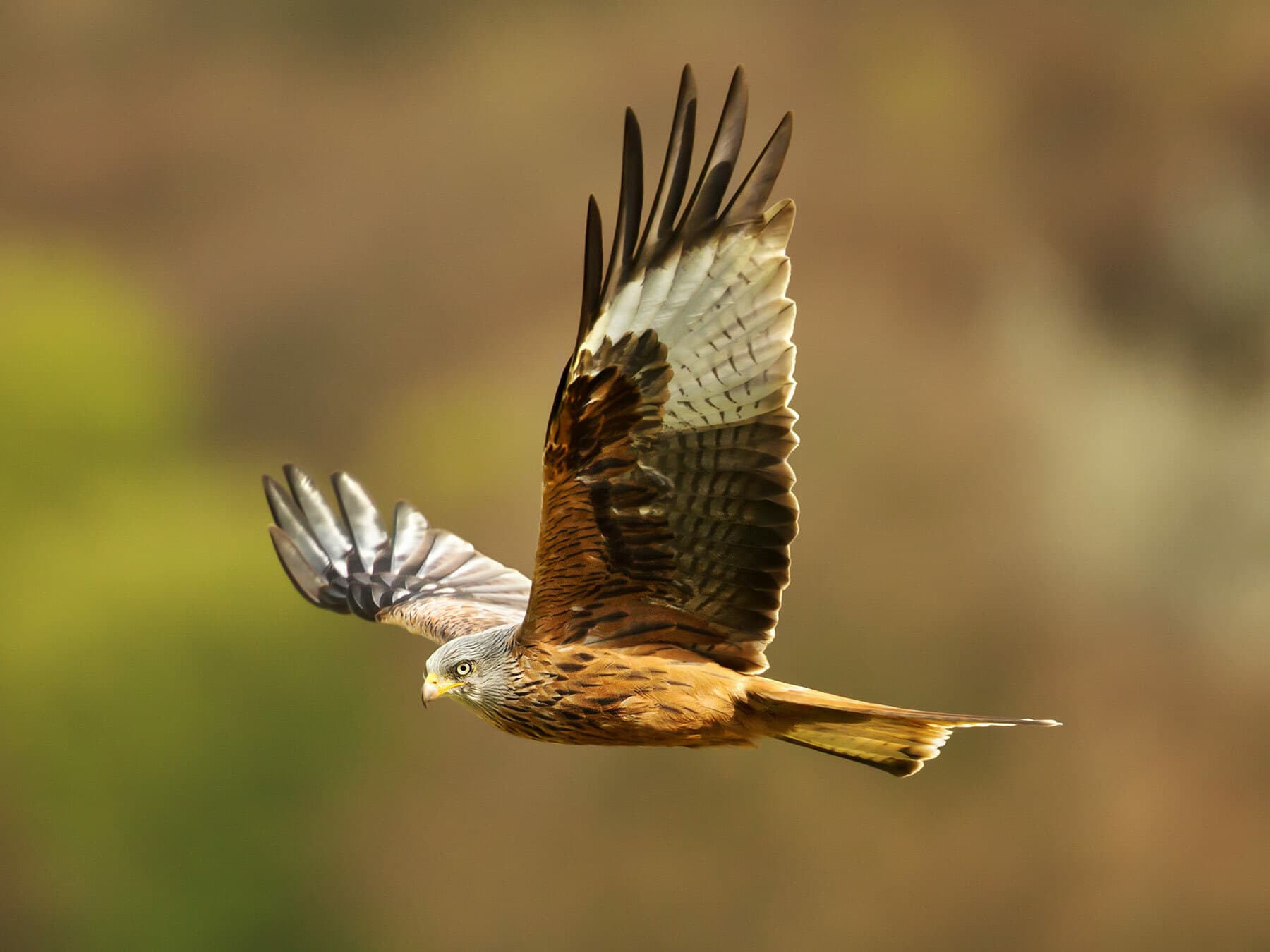
Red Kite
Milvus milvusLC
A rare passage visitor, occasionally seen soaring over valleys and farmland in late winter and spring. Still scarce this far north.
Feb–Jun
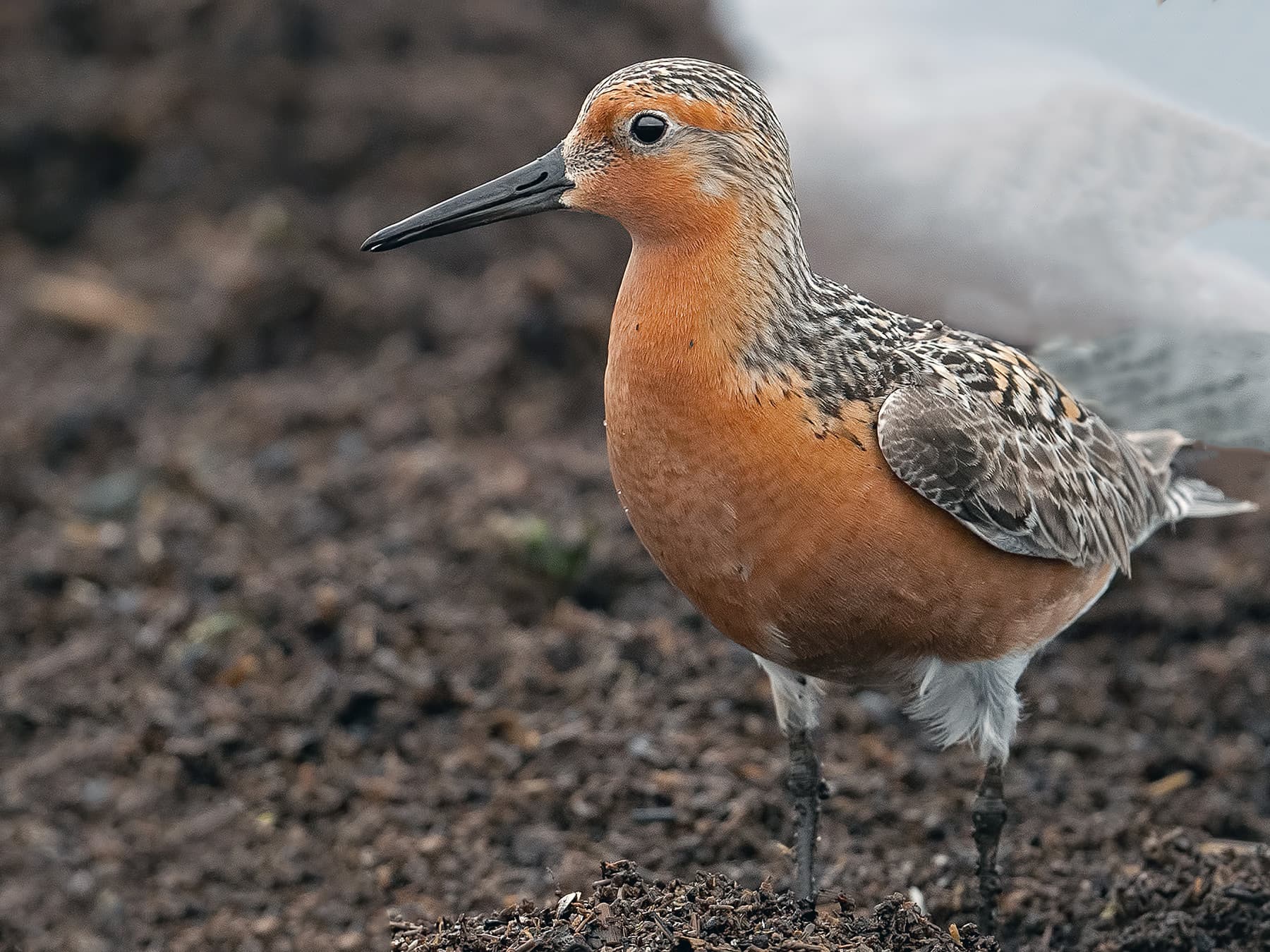
Red Knot
Calidris canutusNT
Gathers in large winter flocks on Lindisfarne's mudflats, with smaller numbers lingering through summer months.
Year-round
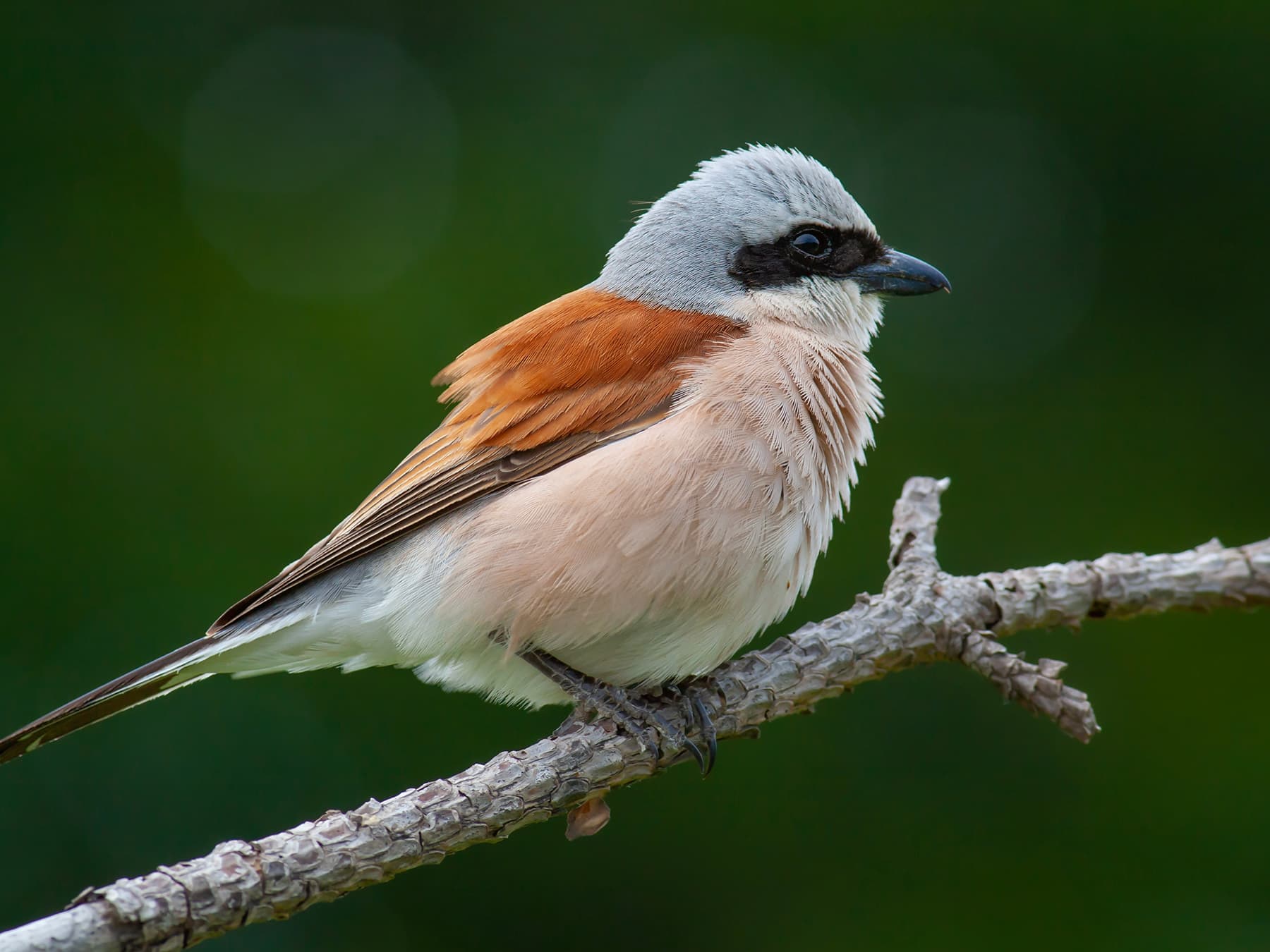
Red-backed Shrike
Lanius collurioLC
A rare passage migrant appearing briefly in May or September, typically at coastal migration hotspots like Holy Island.
May–Sep
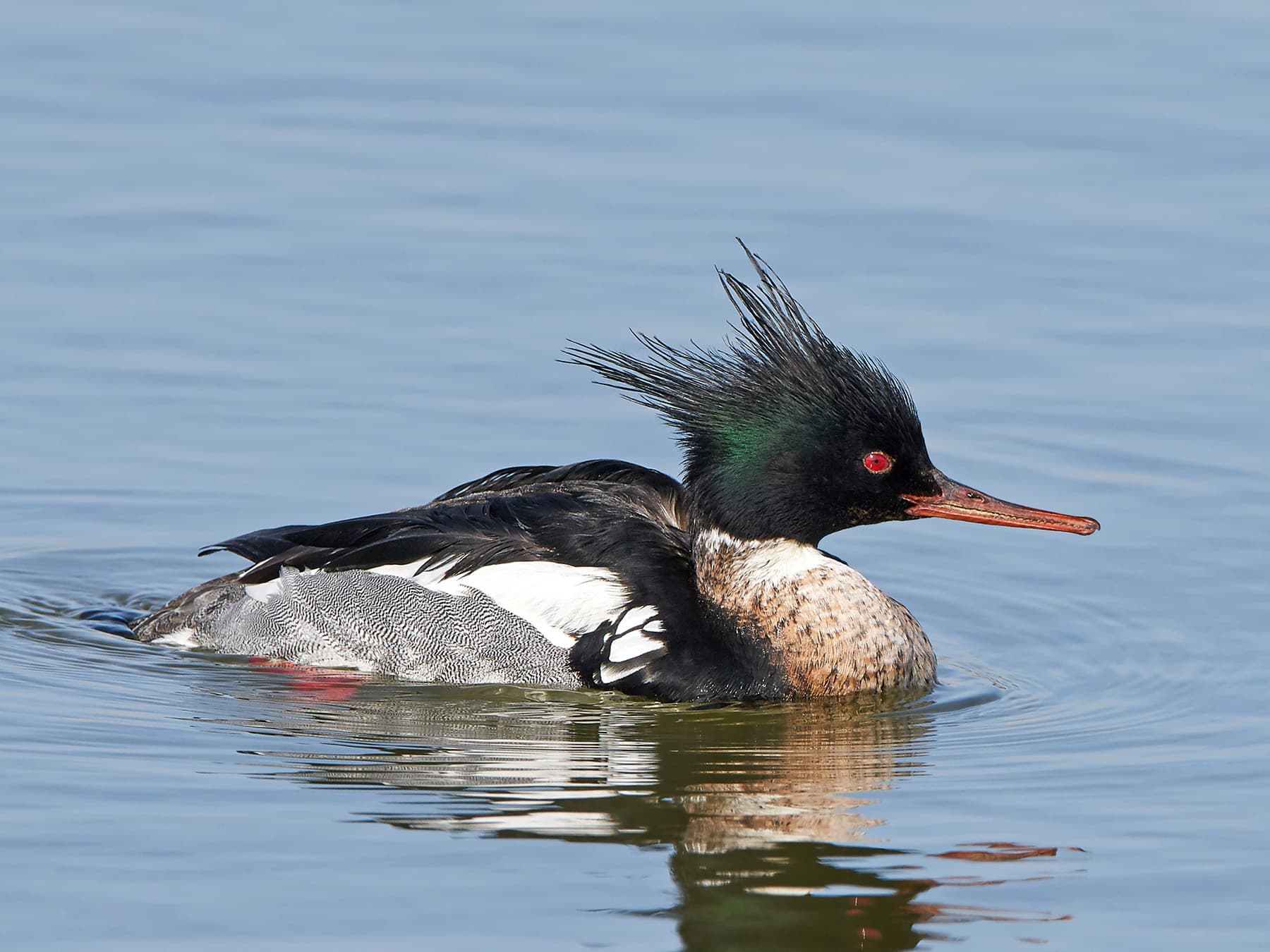
Red-breasted Merganser
Mergus serratorLC
Present year-round along the coast and on larger rivers. Often seen fishing in estuaries and sheltered bays throughout the county.
Year-round
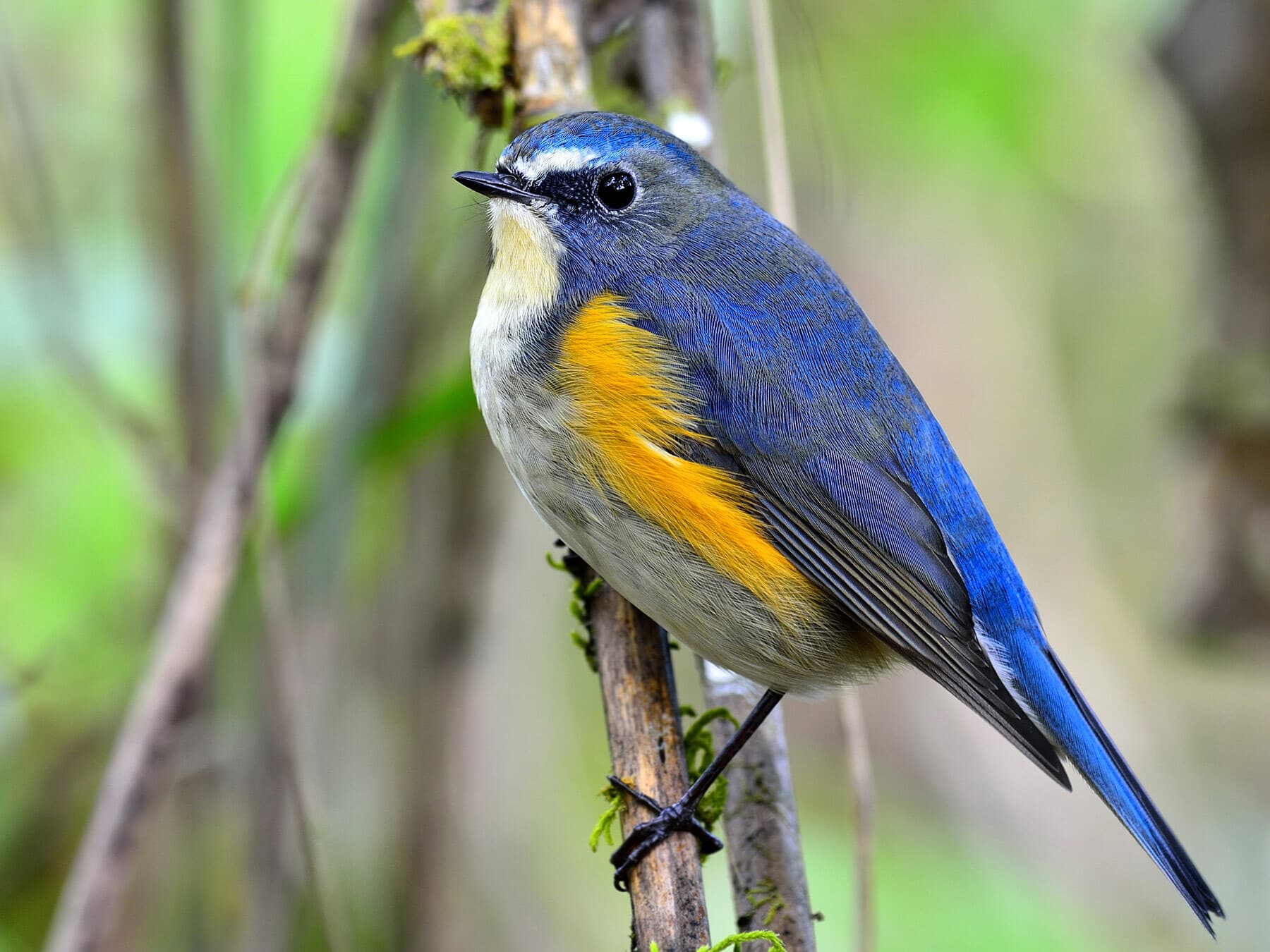
Red-flanked Bluetail
Tarsiger cyanurusLC
A rare October vagrant from Siberia, occasionally found in coastal scrub and denes along the Northumberland shoreline.
Oct
Spotted something?
Upload a photo to identify it
Identify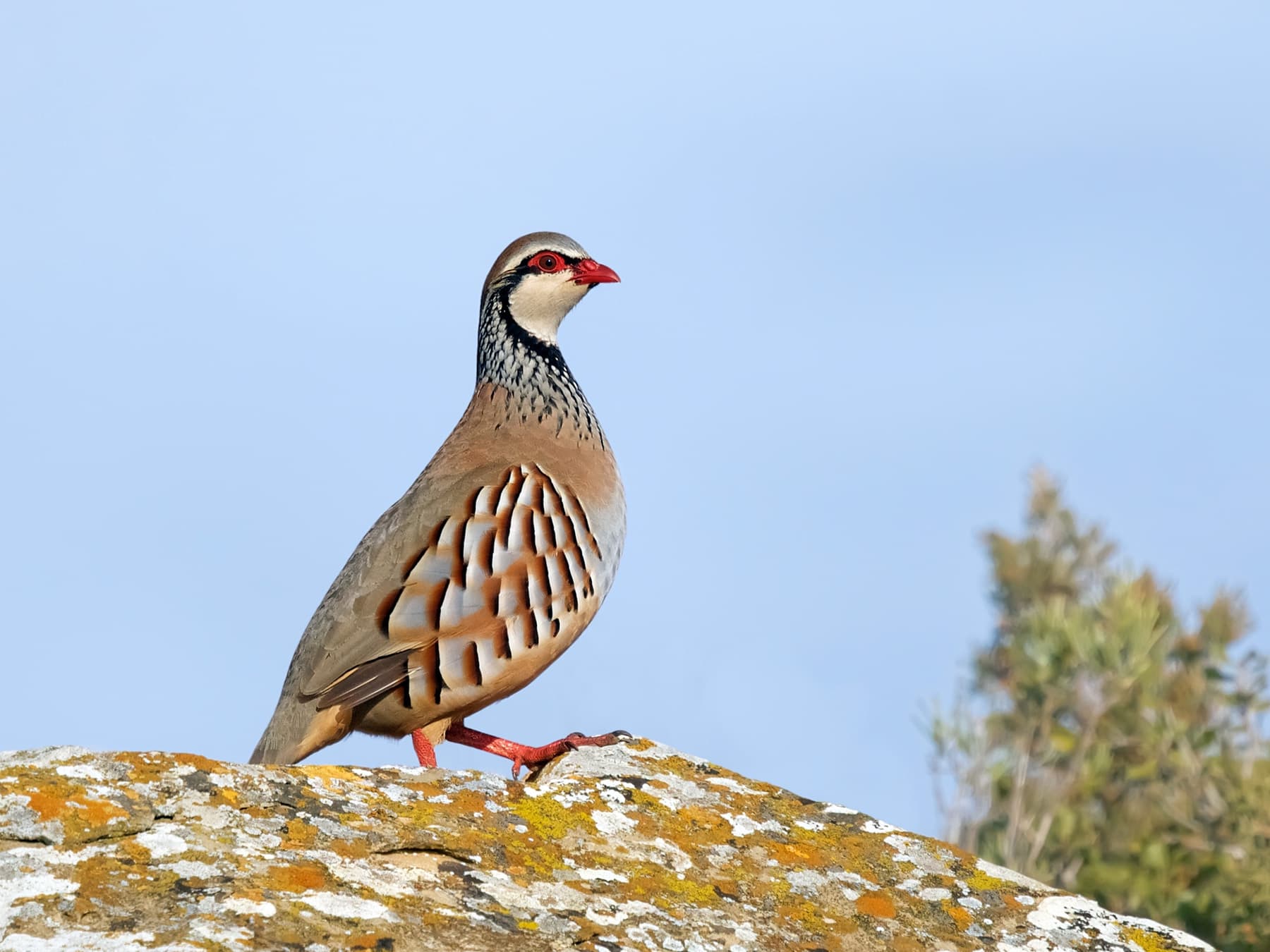
Red-legged Partridge
Alectoris rufaNT
A rare resident near the southern edge of its English range. Found on arable farmland, mainly in the lowland south of the county.
Year-round
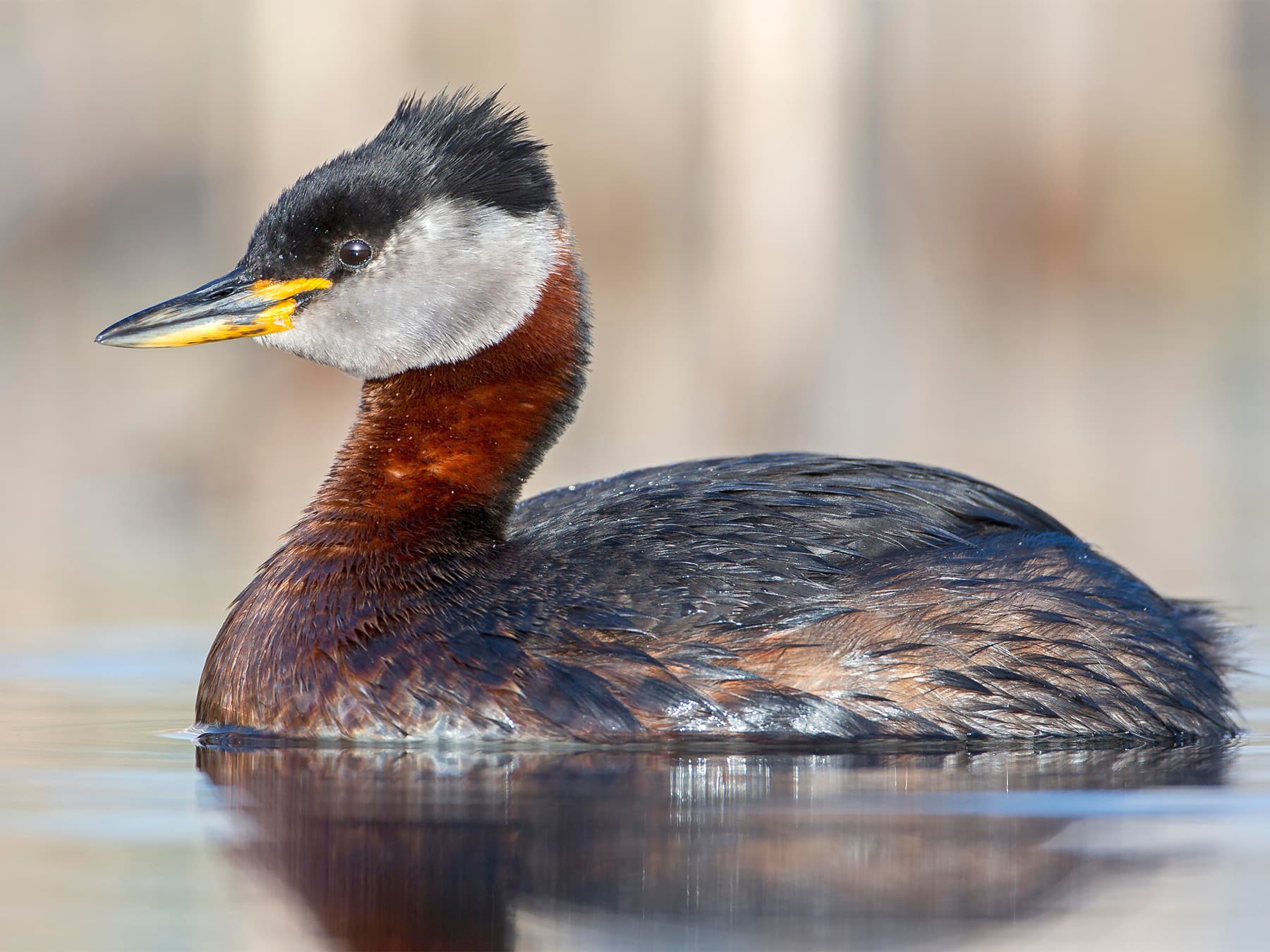
Red-necked Grebe
Podiceps grisegenaLC
A rare non-breeding visitor to coastal waters and sheltered bays, most likely seen between autumn and early spring.
Sep–Mar
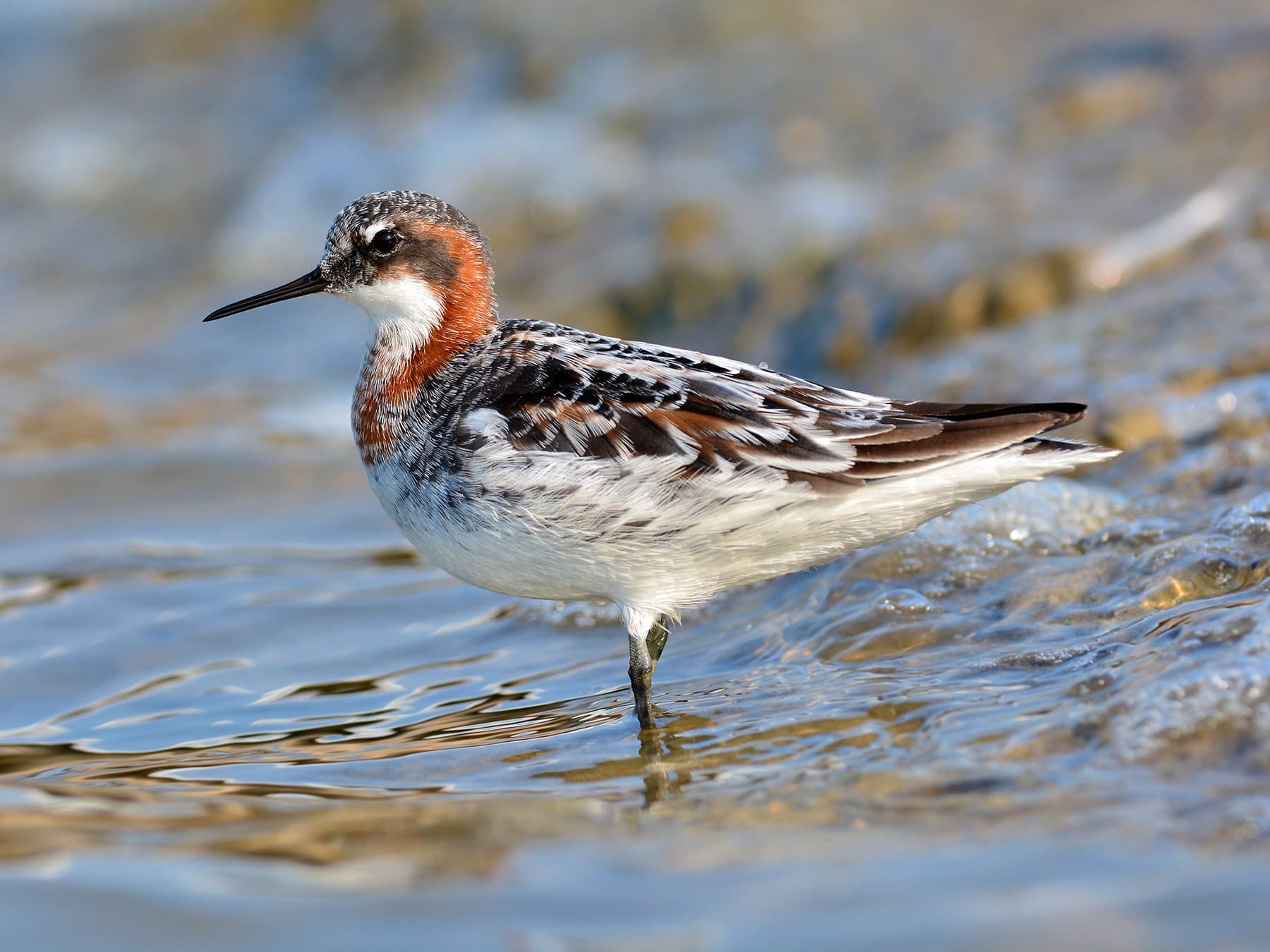
Red-necked Phalarope
Phalaropus lobatusLC
A rare spring passage visitor, occasionally seen spinning on pools at coastal wetlands in May. One of the UK's scarcest regular migrants.
May
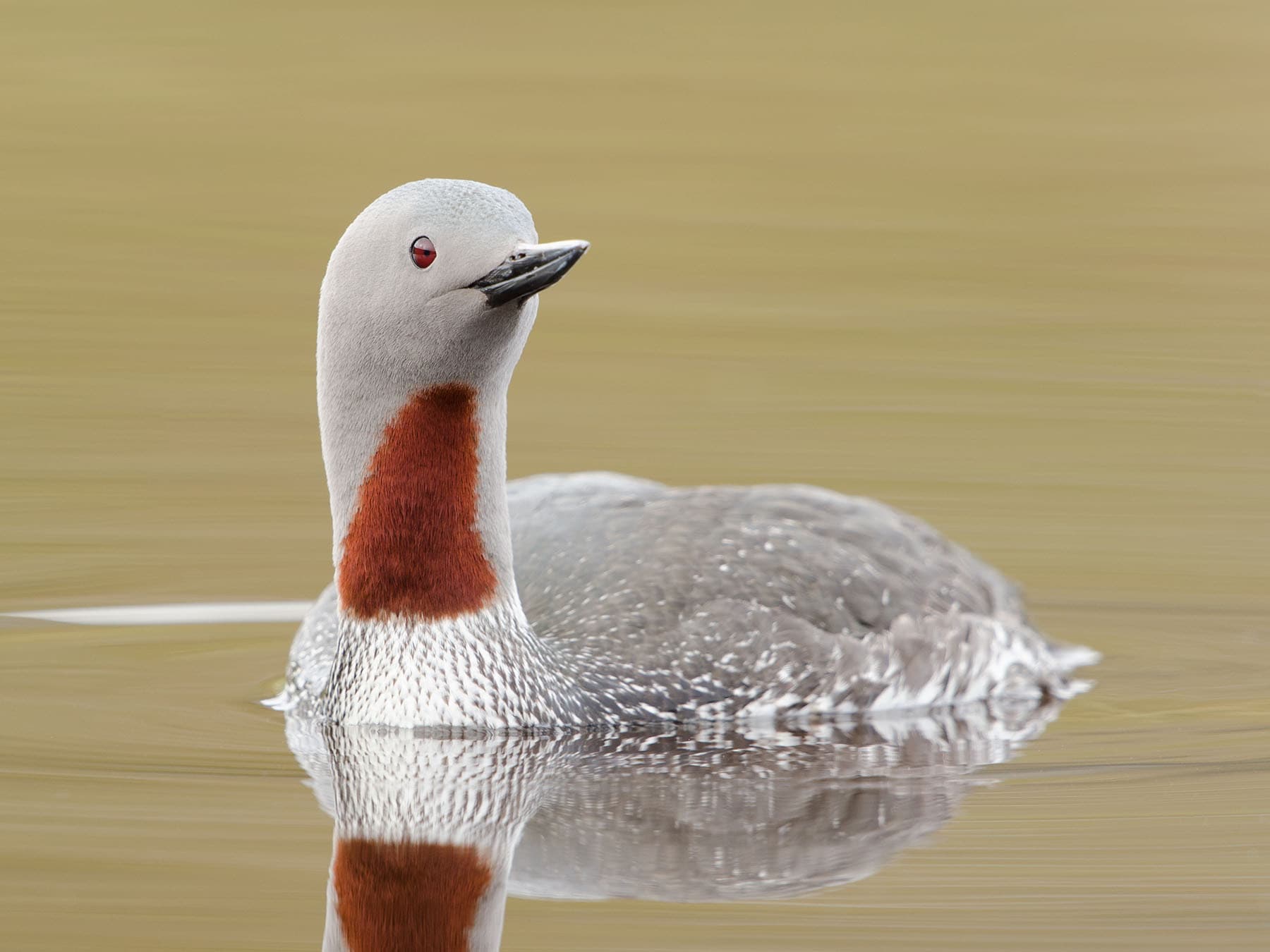
Red-throated Loon
Gavia stellataLC
An uncommon year-round resident seen offshore, with numbers boosted in winter. Breeds on remote upland lochs near the Scottish border.
Year-round
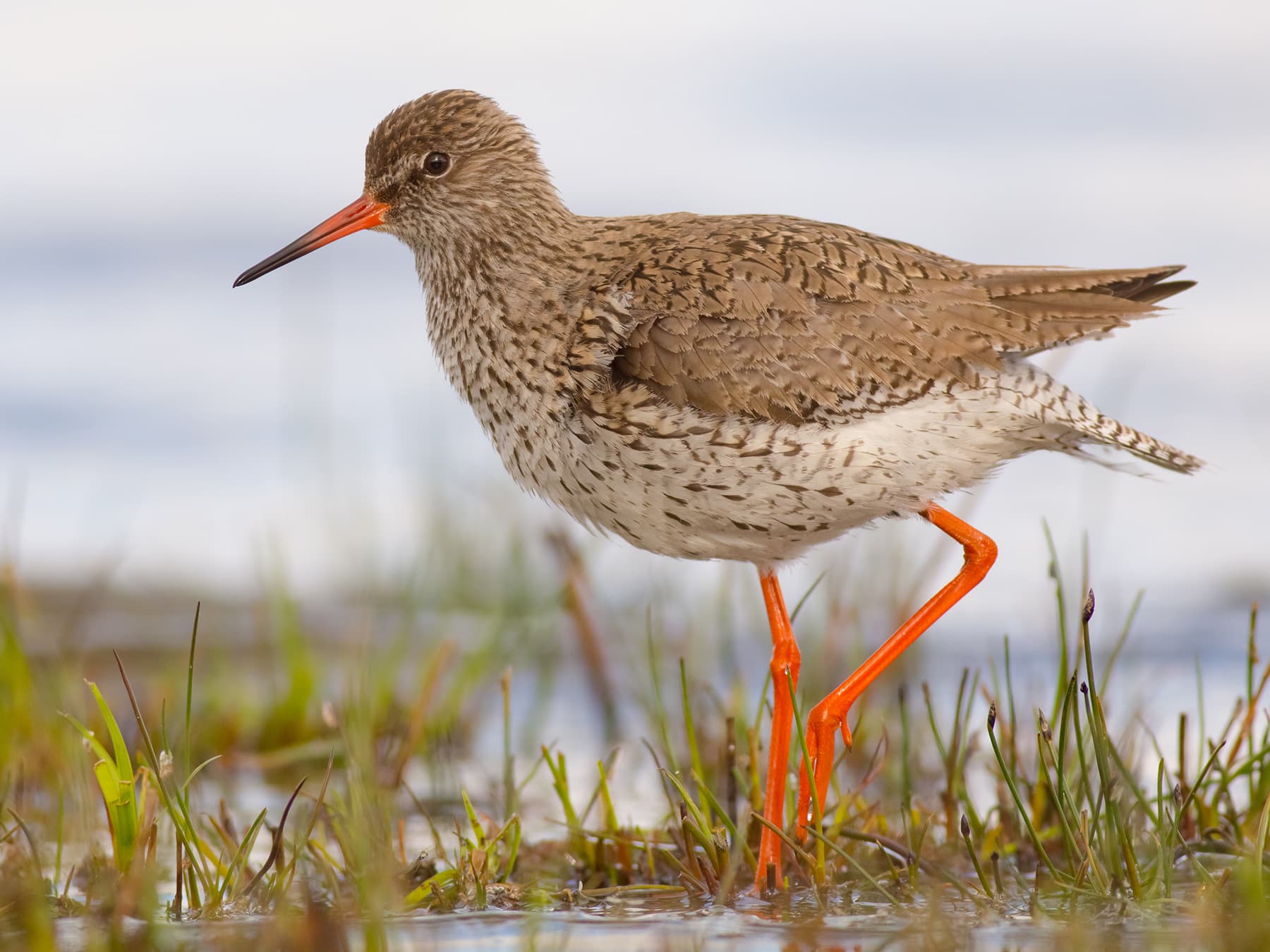
Redshank
Tringa totanusLC
Common on estuaries, saltmarshes and wet pastures year-round, with Lindisfarne and the Tweed estuary holding key flocks.
Year-round
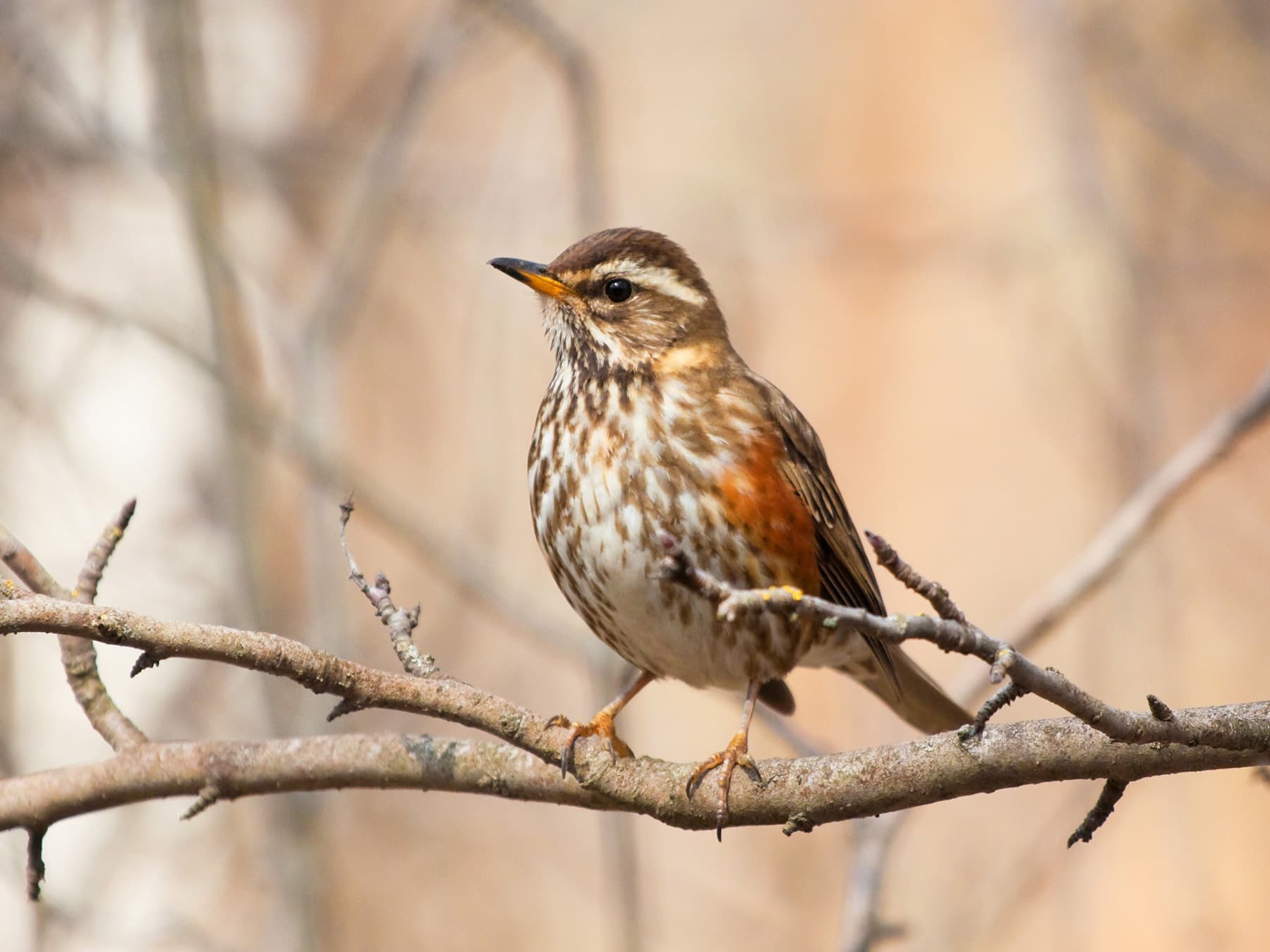
Redwing
Turdus iliacusNT
A winter visitor arriving from Scandinavia in autumn, foraging in hedgerows and berry-laden hawthorns across the county's fields and gardens.
Sep–Apr
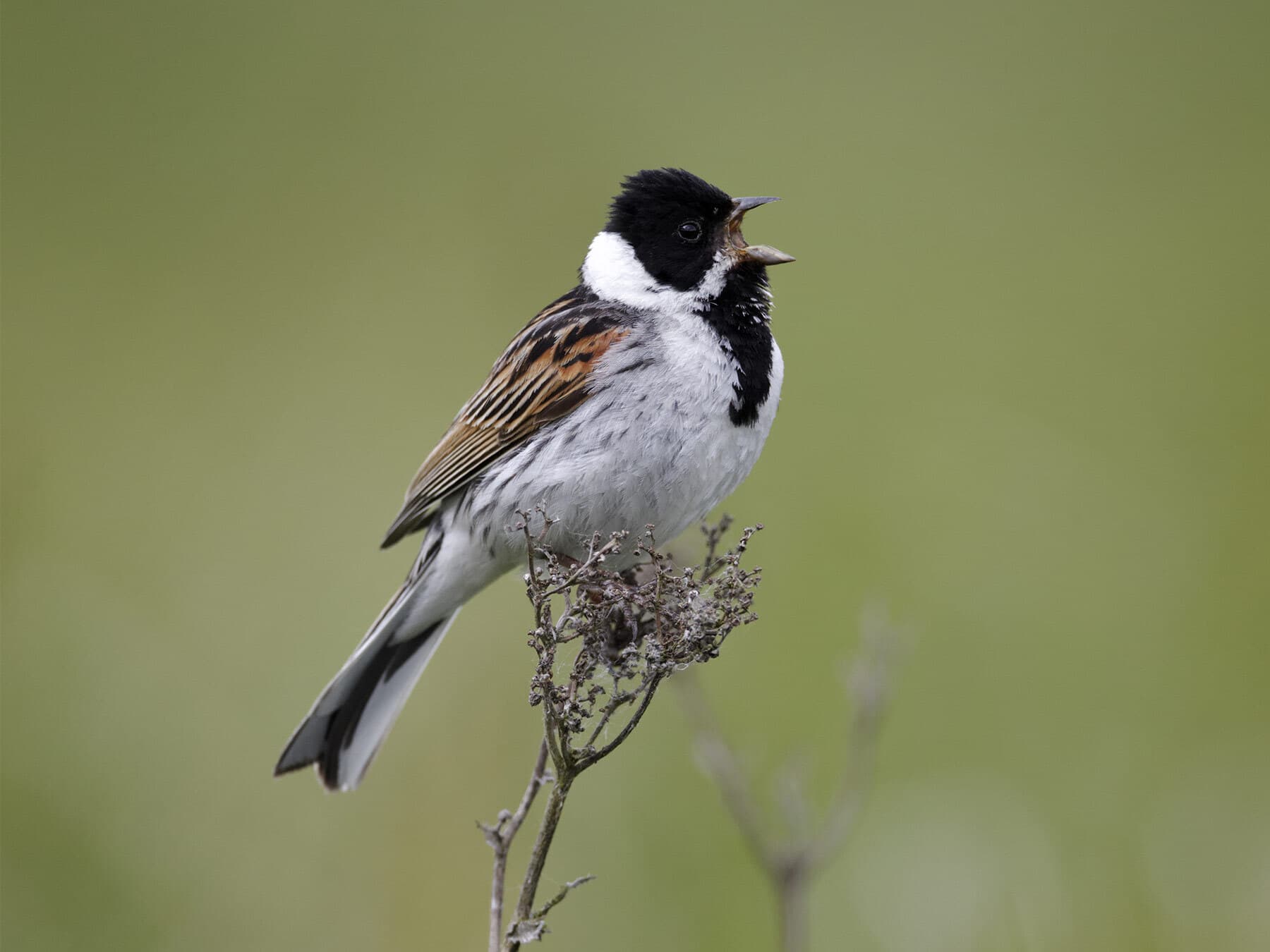
Reed Bunting
Emberiza schoeniclusLC
An uncommon resident of reedbeds, damp ditches, and wetland margins, often seen at sites like Druridge Bay and the coastal pools.
Year-round
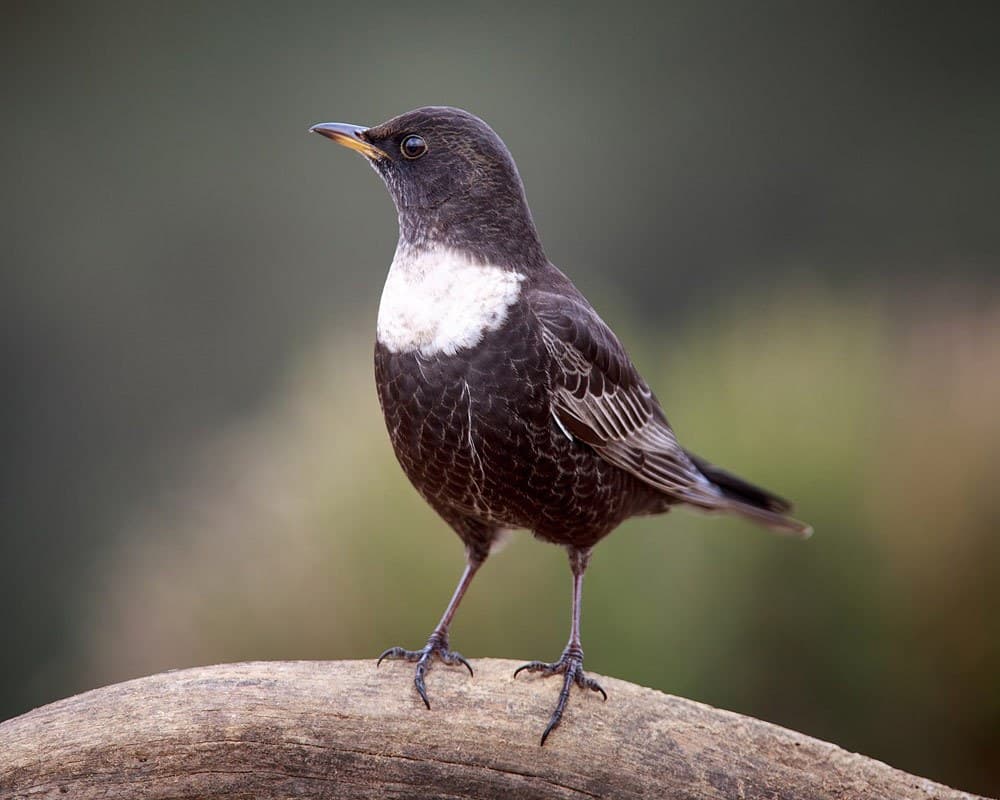
Ring Ouzel
Turdus torquatusLC
A rare passage migrant seen briefly in spring and autumn, favouring upland crags and moorland edges in the Cheviots.
Apr–Oct
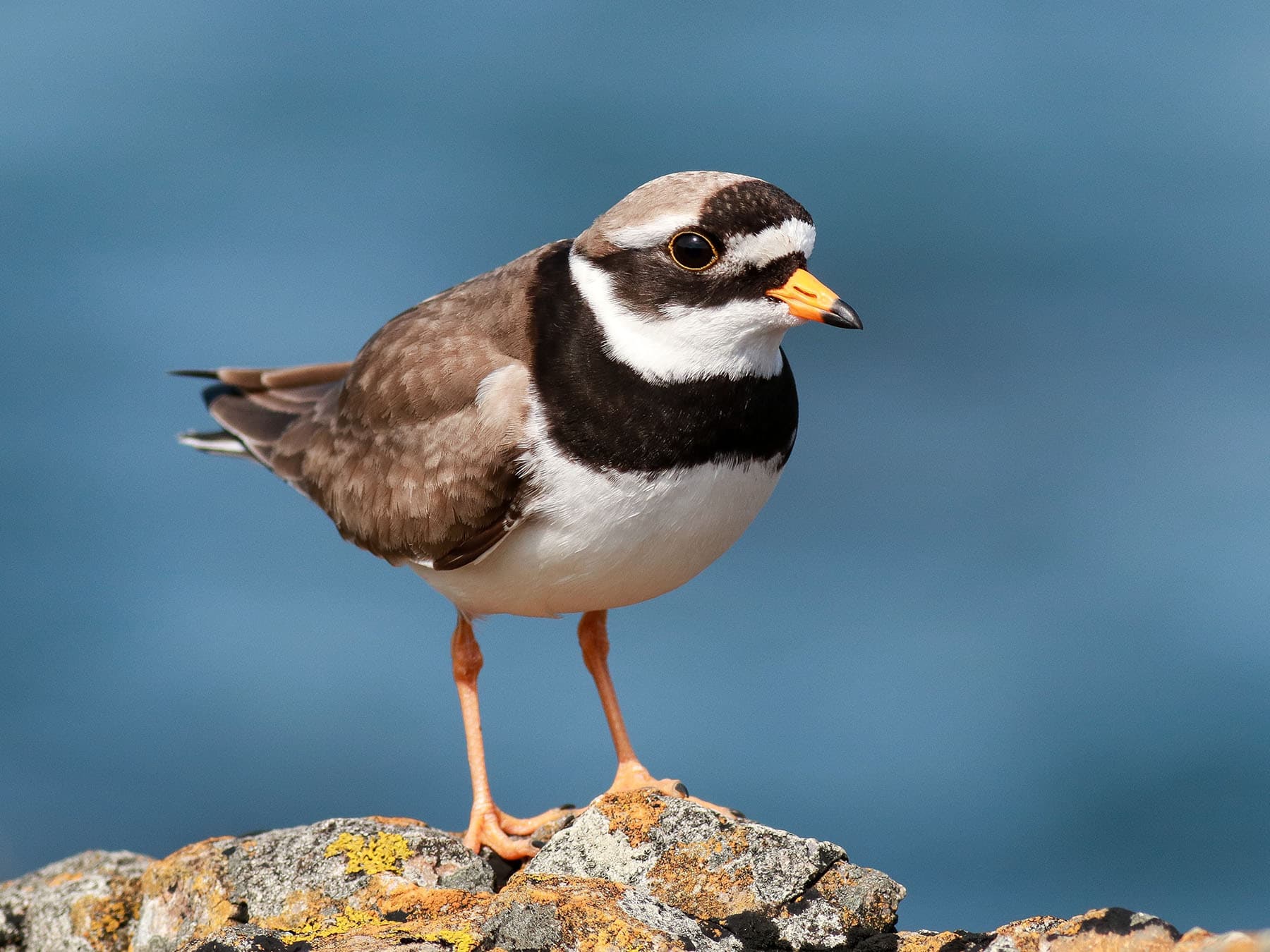
Ringed Plover
Charadrius hiaticulaLC
Breeds on shingle beaches and dune systems along the coast. Present year-round but uncommon, with numbers boosted by passage birds in autumn.
Year-round
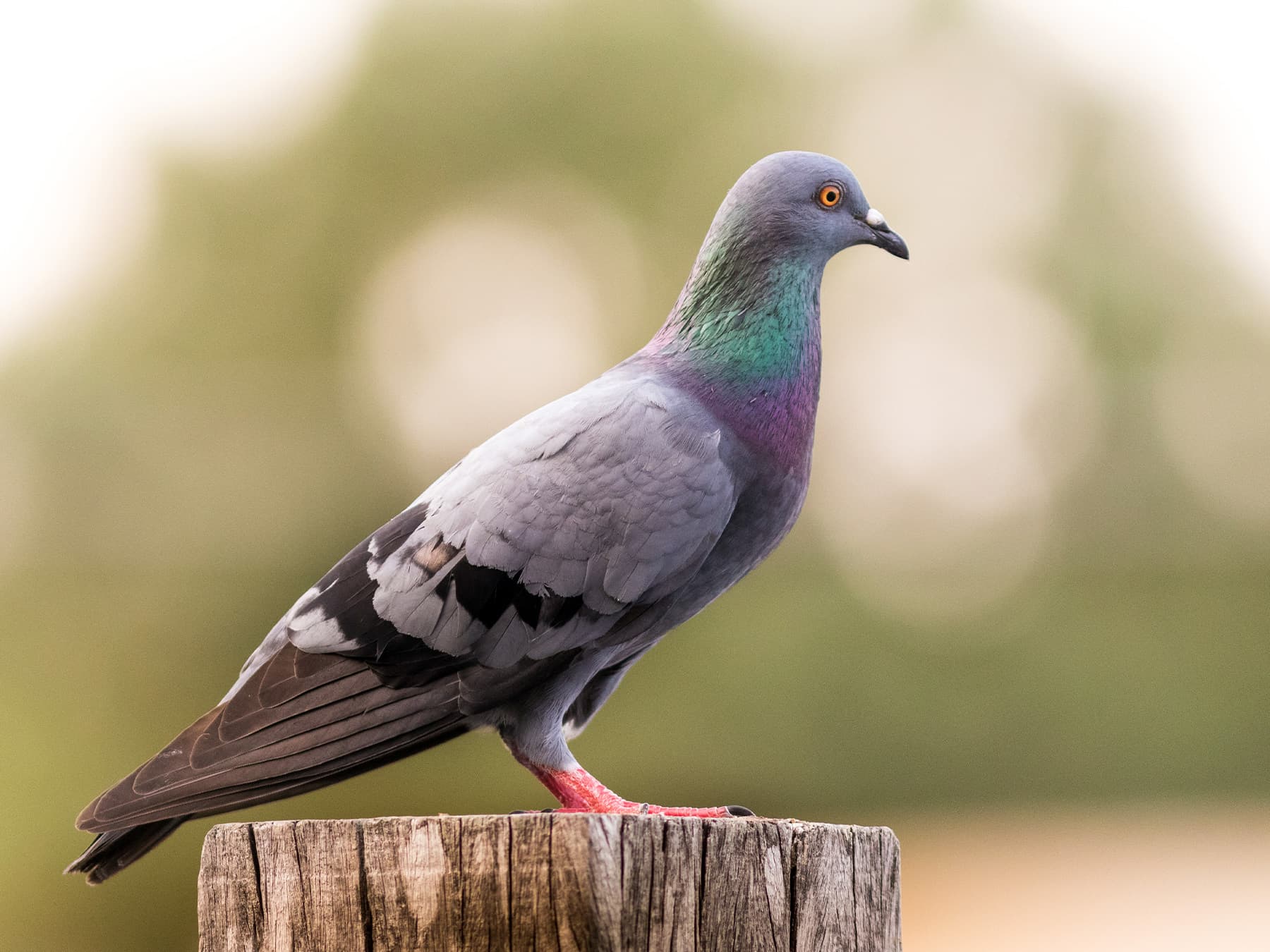
Rock Dove
Columba liviaLC
Truly wild birds cling to remote sea cliffs along the Northumberland coast, far outnumbered by their feral descendants in towns.
Year-round
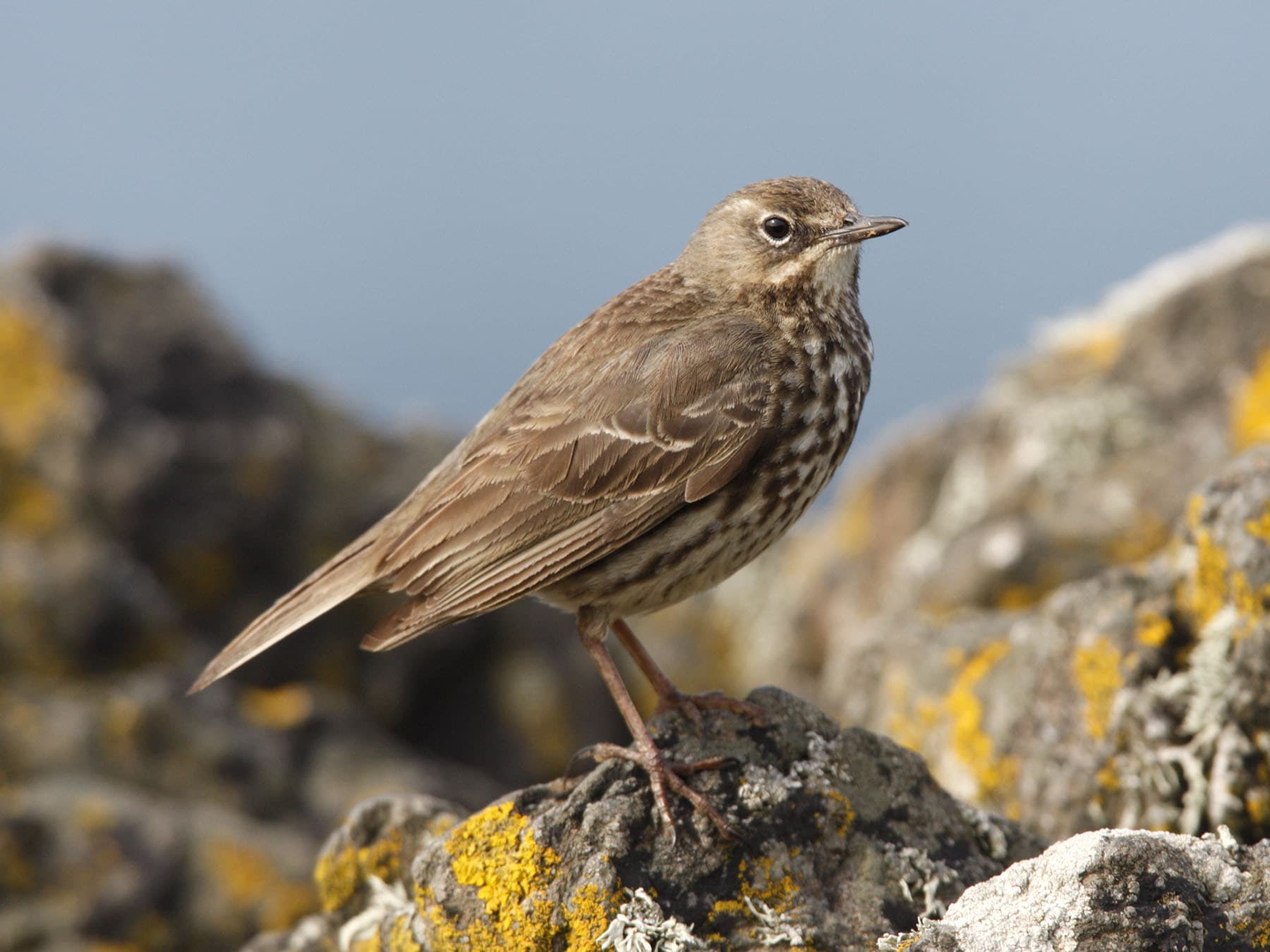
Rock Pipit
Anthus petrosusLC
Found year-round along Northumberland's rocky coastline and wave-cut platforms, often feeding among seaweed at the tideline.
Year-round
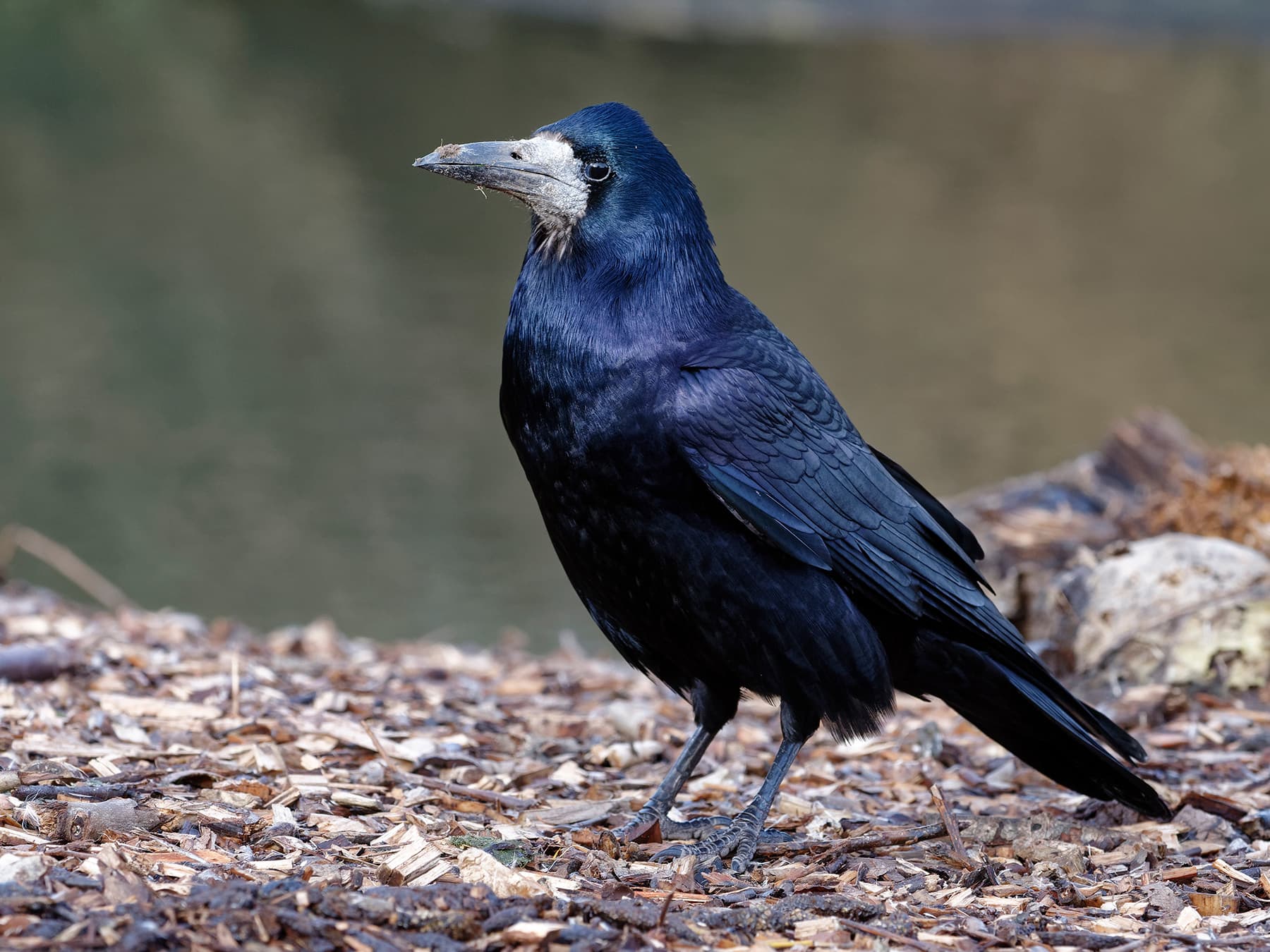
Rook
Corvus frugilegusLC
A common resident forming noisy rookeries in tall trees across farmland. Large flocks forage in ploughed fields year-round.
Year-round
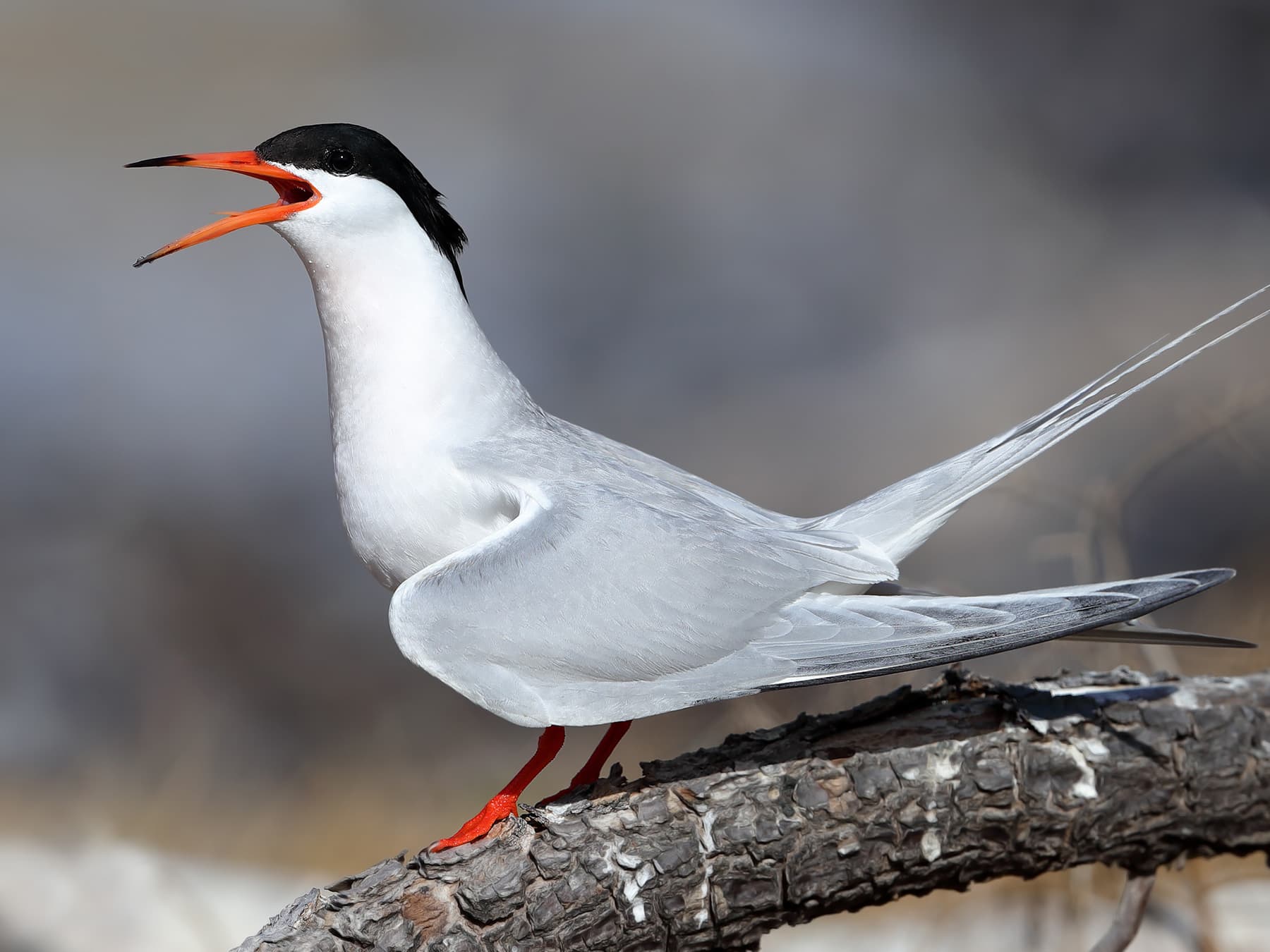
Roseate Tern
Sterna dougalliiLC
An uncommon breeder on the Farne Islands and Coquet Island from May to September. One of the UK's rarest breeding seabirds.
May–Sep
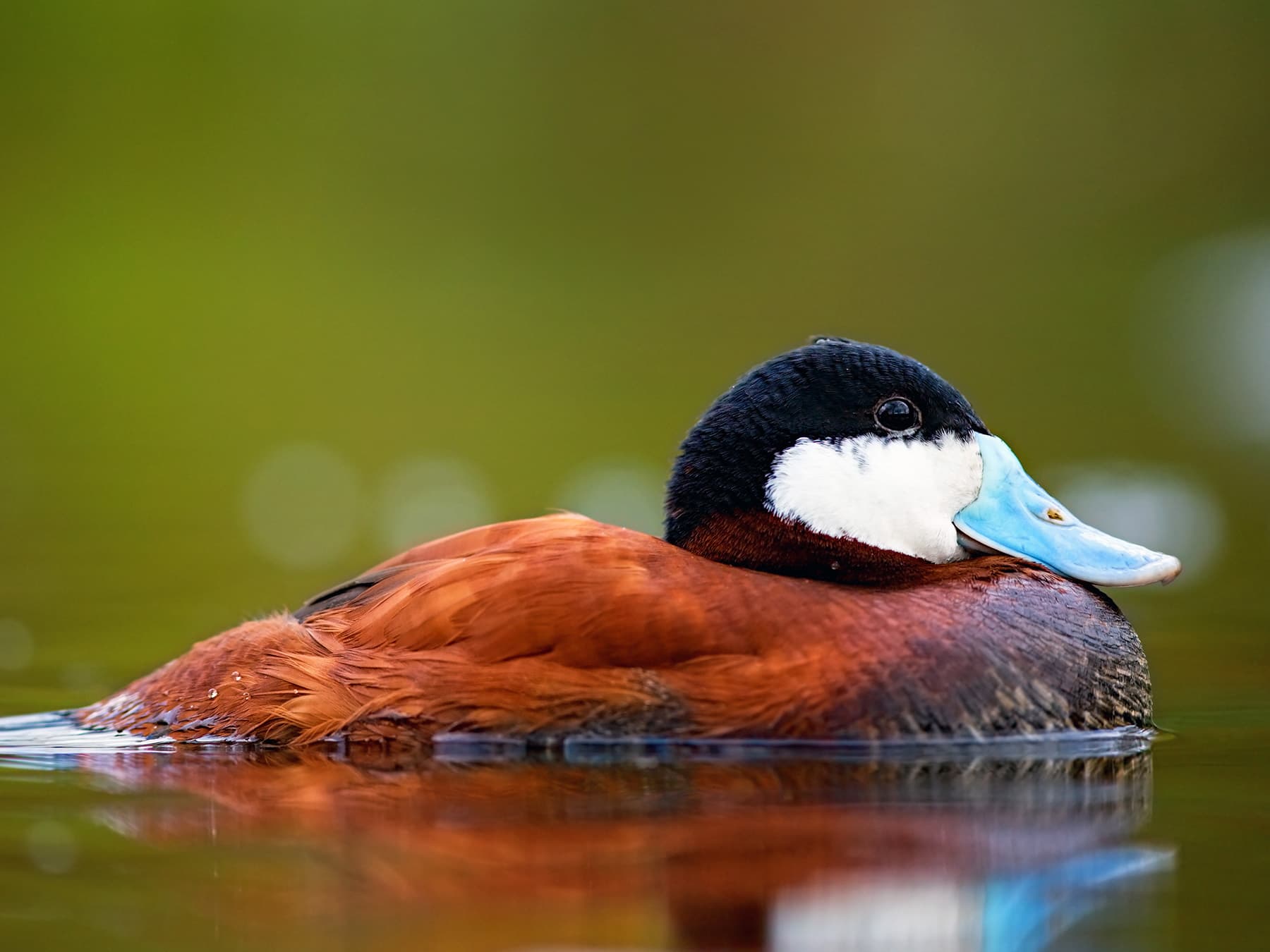
Ruddy Duck
Oxyura jamaicensisLC
A rare non-native breeder at freshwater lakes from April to September. Subject to national eradication efforts, sightings have become increasingly scarce.
Apr–Sep
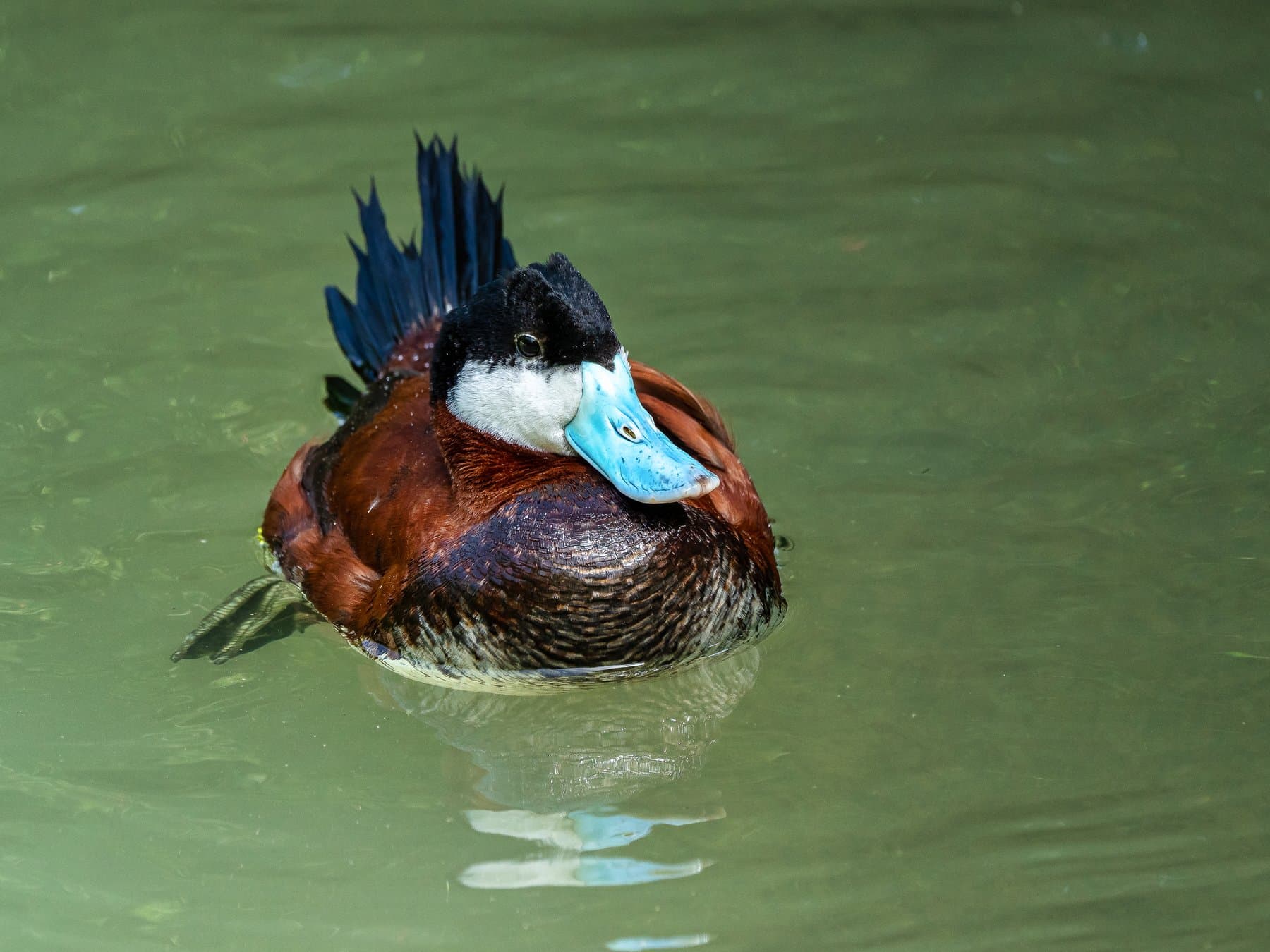
Ruddy Shelduck
Tadorna ferrugineaLC
A rare and unpredictable visitor, with sporadic records in late spring and summer. Origins of individuals are often debated.
May–Aug