Birds in Northumberland
Explore 230 species found in this region.
Northumberland is one of England's most rewarding counties for birdwatching, with 218 recorded species found across its diverse landscapes of rugged coastline, upland moors, ancient woodlands, and estuarine mudflats. From the Farne Islands' famous seabird colonies to the high Cheviot Hills where Dotterel and Horned Lark breed, the county offers exceptional birding throughout the year. Notable species include Great Grey Shrike on winter heathlands, Eurasian Woodcock in dense woodland, and the striking Mandarin Duck along sheltered river valleys.
Visiting in August? Look out for Brent Goose and European Pied Flycatcher arriving this month, and Barnacle Goose and Long-eared Owl depart for the season.


Showing 139–161 of 230 species
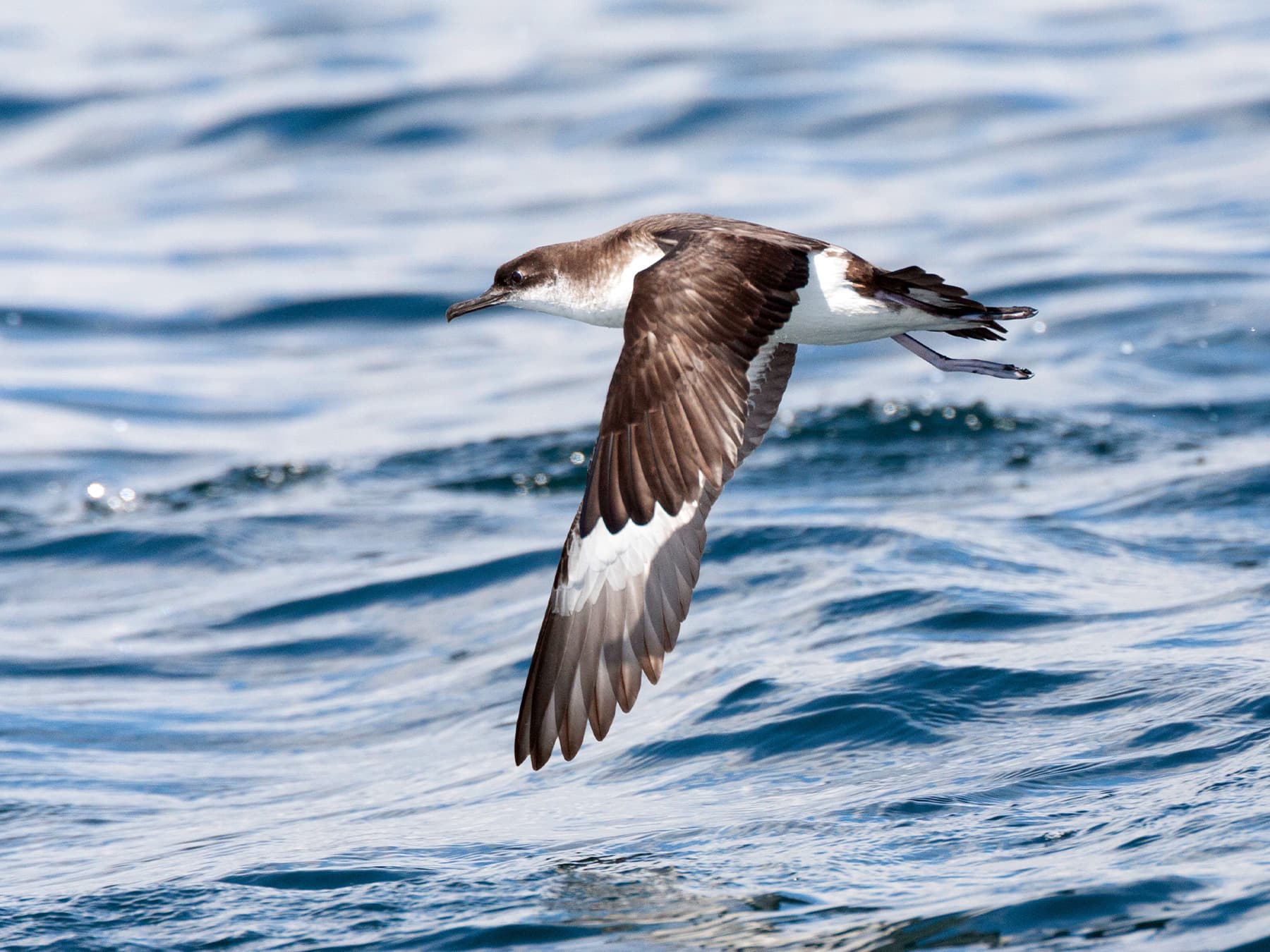
Manx Shearwater
Puffinus puffinusLC
An uncommon breeder, seen offshore from May to October. Best spotted from coastal headlands as birds skim low over the North Sea waves.
May–Oct
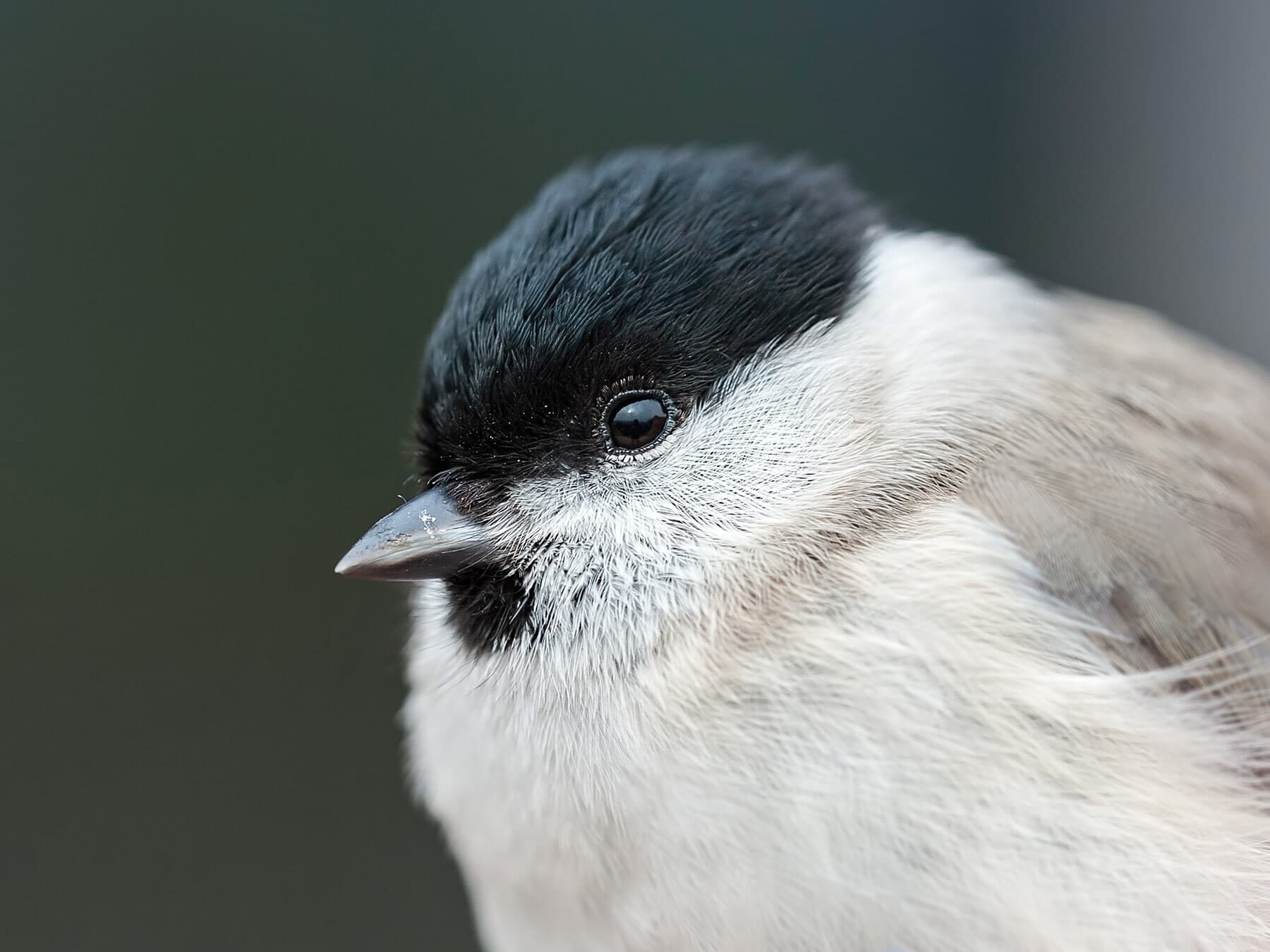
Marsh Tit
Poecile palustrisLC
A rare non-breeding visitor, near the northern edge of its English range. Occasionally found in mature woodland from autumn to spring.
Nov–Apr
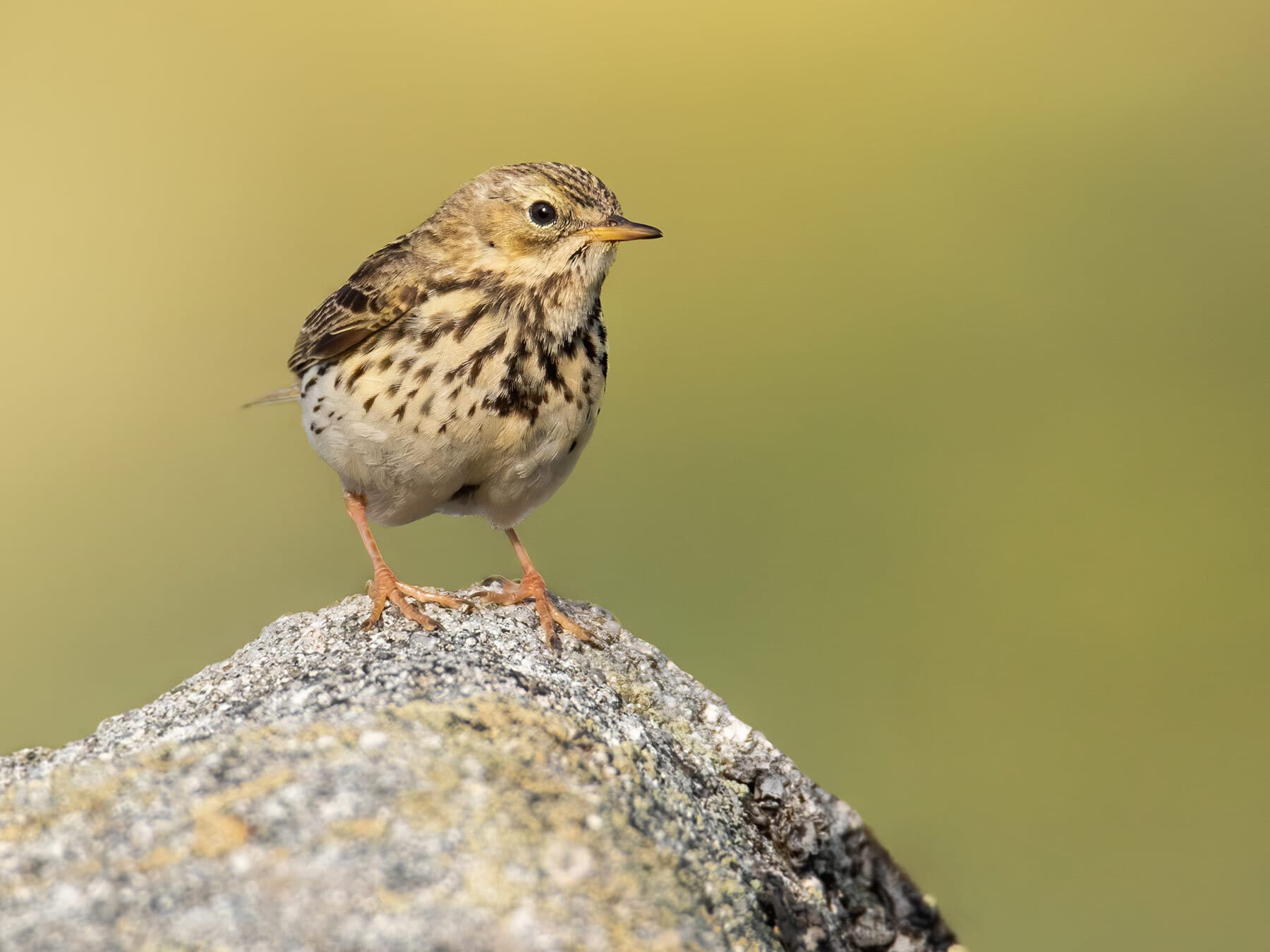
Meadow Pipit
Anthus pratensisLC
A common resident of Northumberland's open moorlands and rough grasslands, its thin call a constant soundtrack to the upland Cheviots.
Year-round
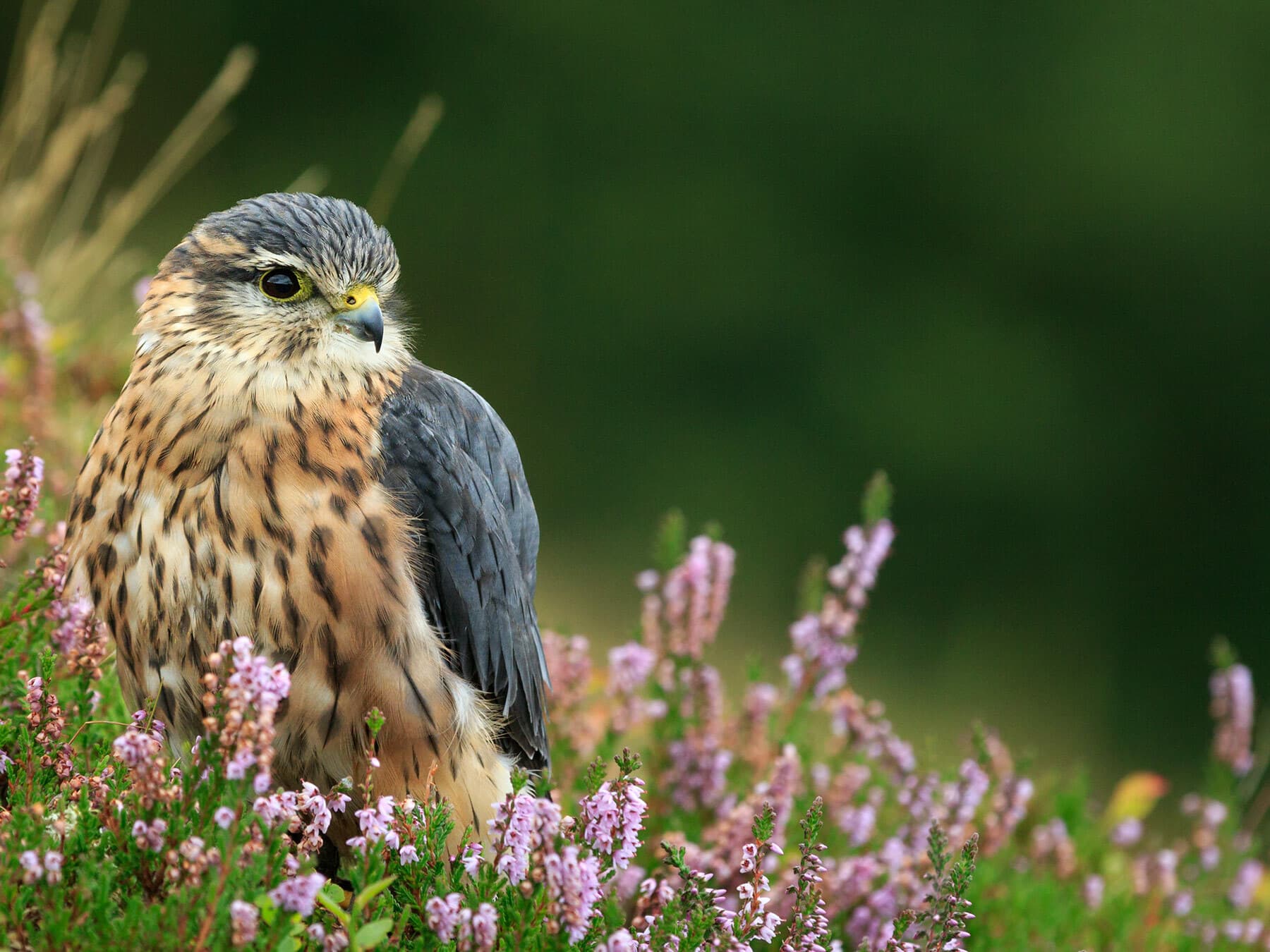
Merlin
Falco columbariusLC
A rare resident breeding on upland moorland. More visible in autumn and winter when birds move to lower ground and the coast.
Jul–Apr
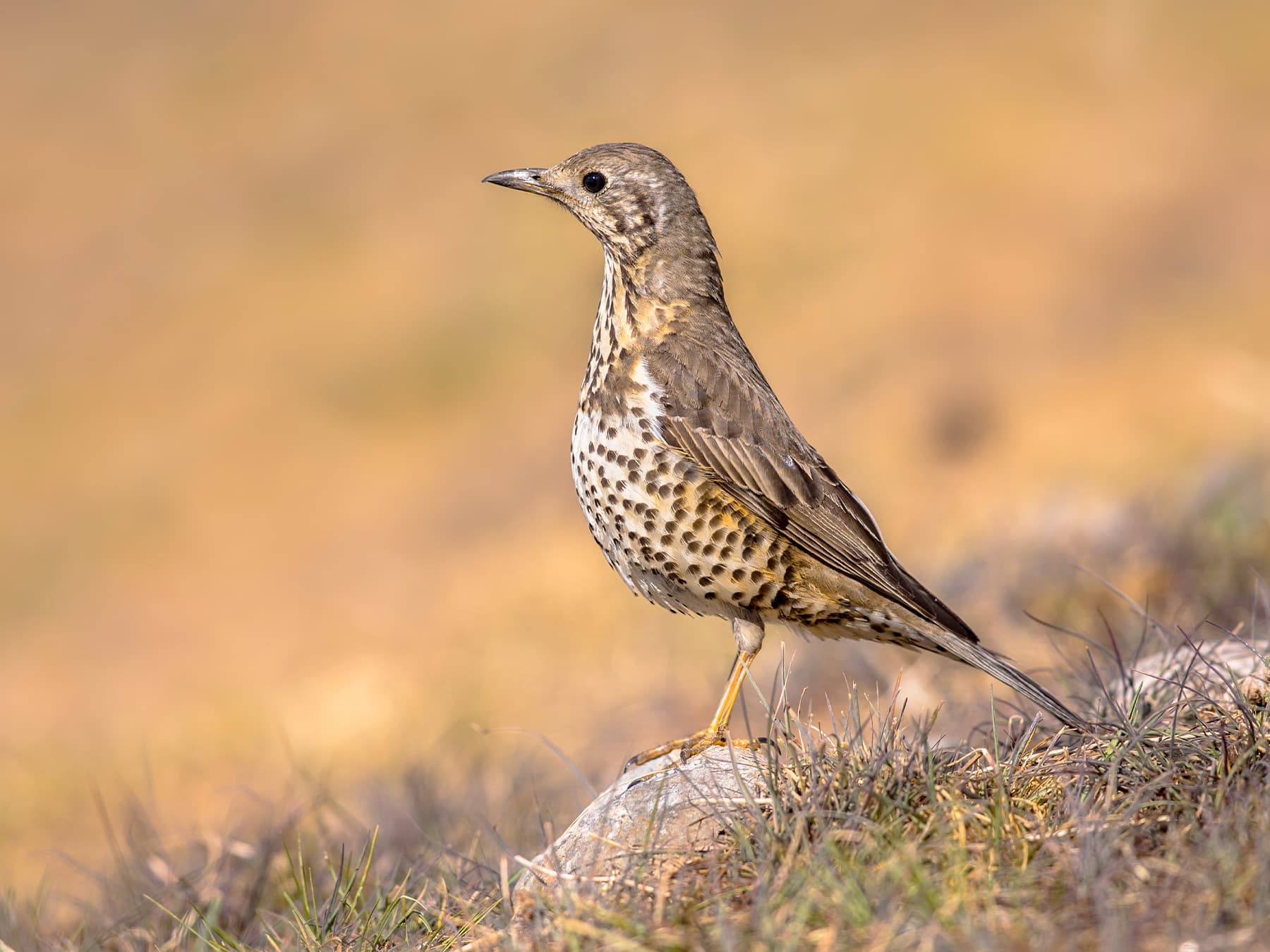
Mistle Thrush
Turdus viscivorusLC
An uncommon resident of parkland and open woodland, often singing boldly from treetops even in midwinter storms.
Year-round
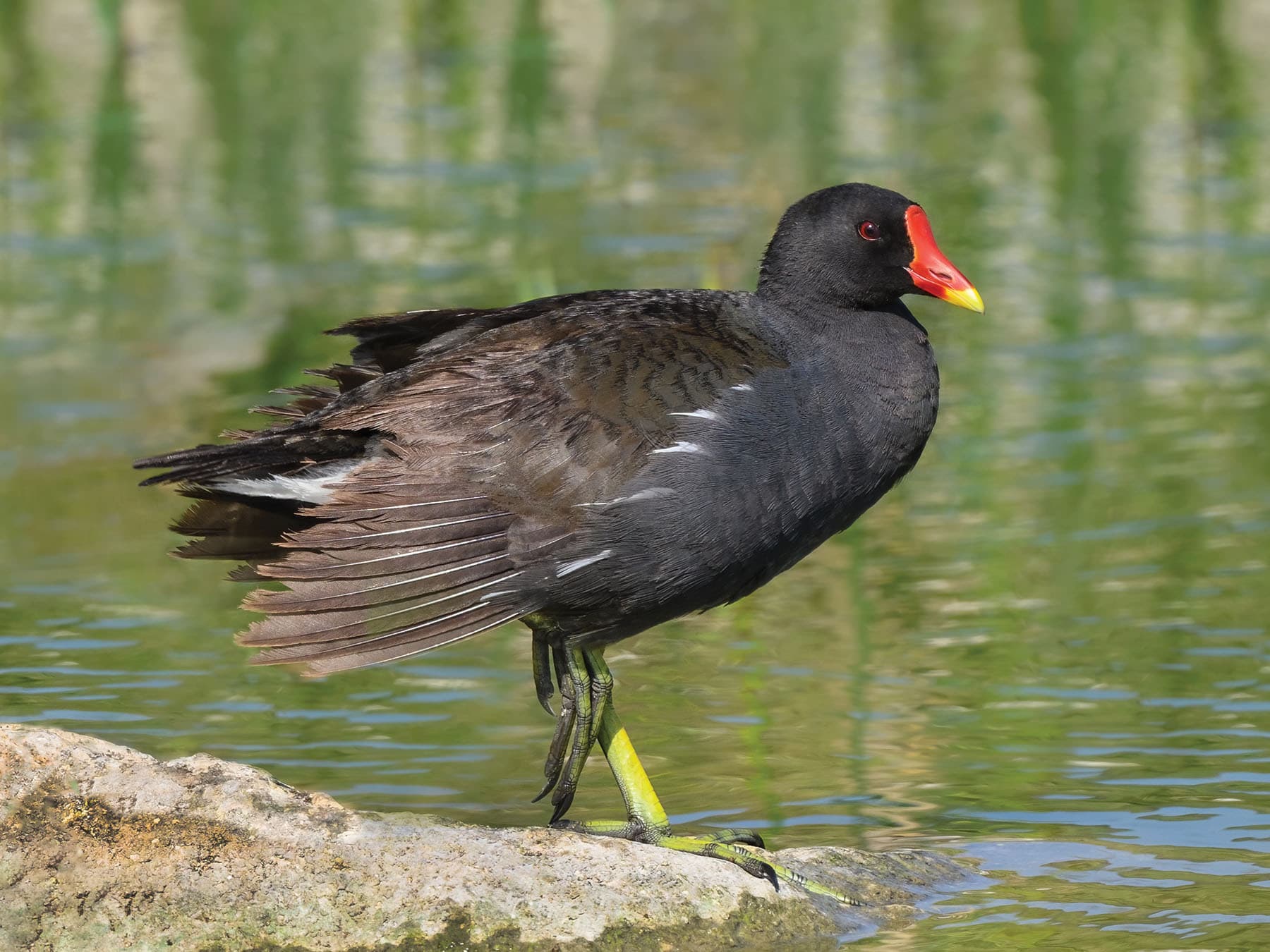
Moorhen
Gallinula chloropusLC
A common year-round resident found on ponds, rivers and village lakes, often seen flicking its white undertail as it forages.
Year-round
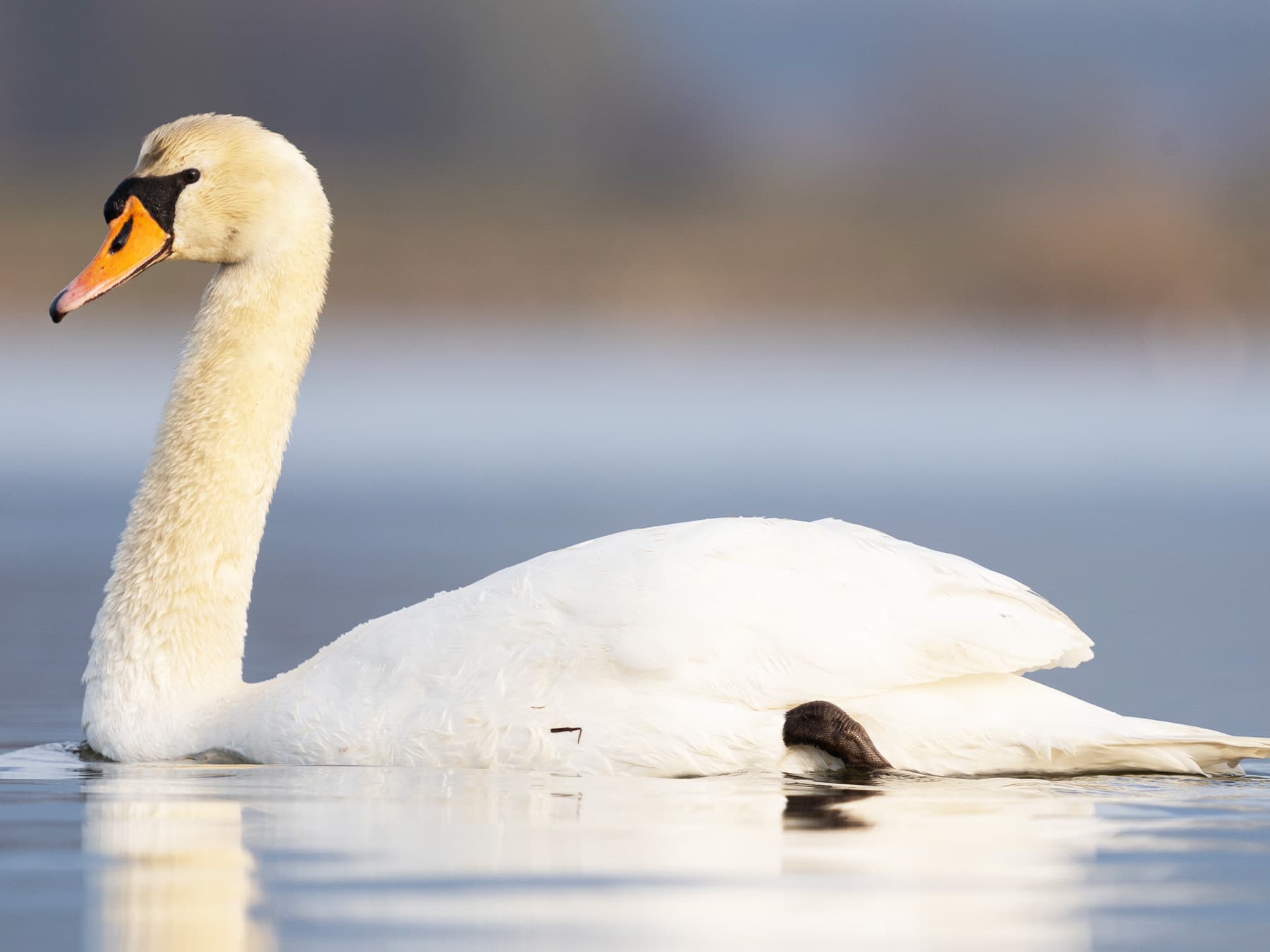
Mute Swan
Cygnus olorLC
A familiar year-round resident on rivers, lakes and sheltered coastal waters. Pairs nest along the Tyne and other lowland waterways across the county.
Year-round
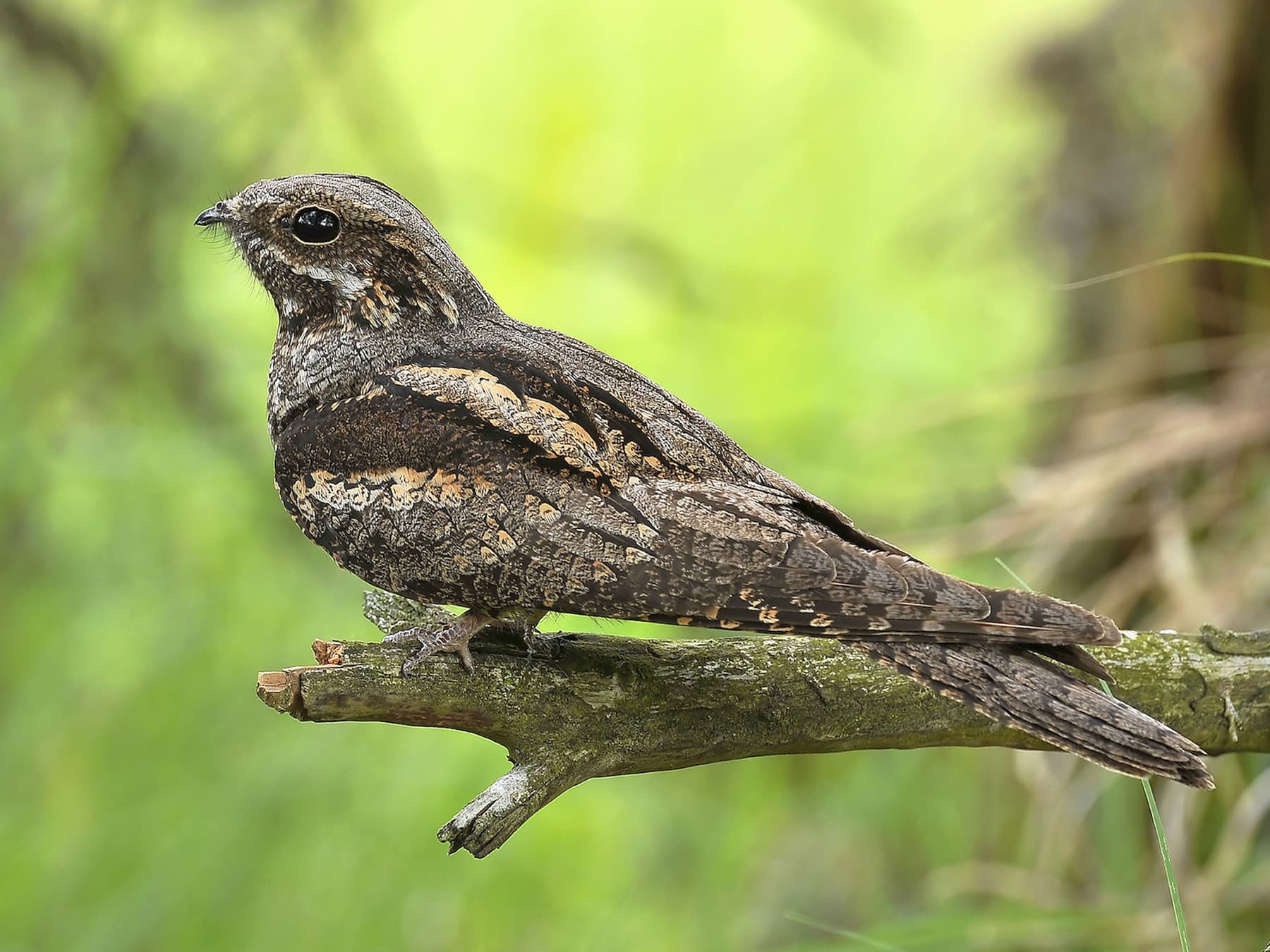
Nightjar
Caprimulgus europaeusLC
A rare passage visitor in June, occasionally noted on heathland edges in southern Northumberland during northward movement.
Jun
Spotted something?
Upload a photo to identify it
Identify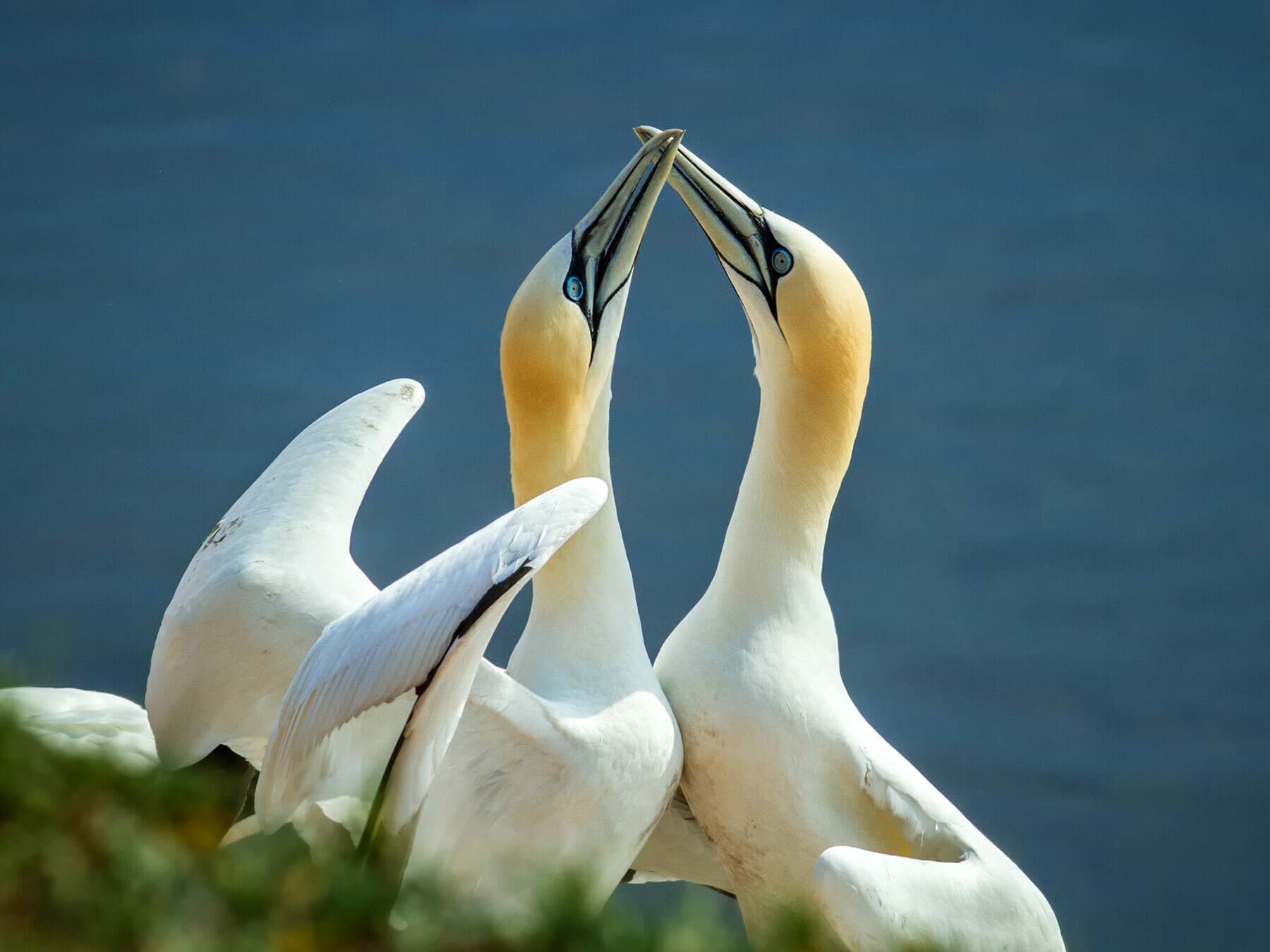
Northern Gannet
Morus bassanusLC
Regularly seen offshore year-round, often plunge-diving spectacularly. Passes close to shore near the Farne Islands and Bamburgh.
Year-round
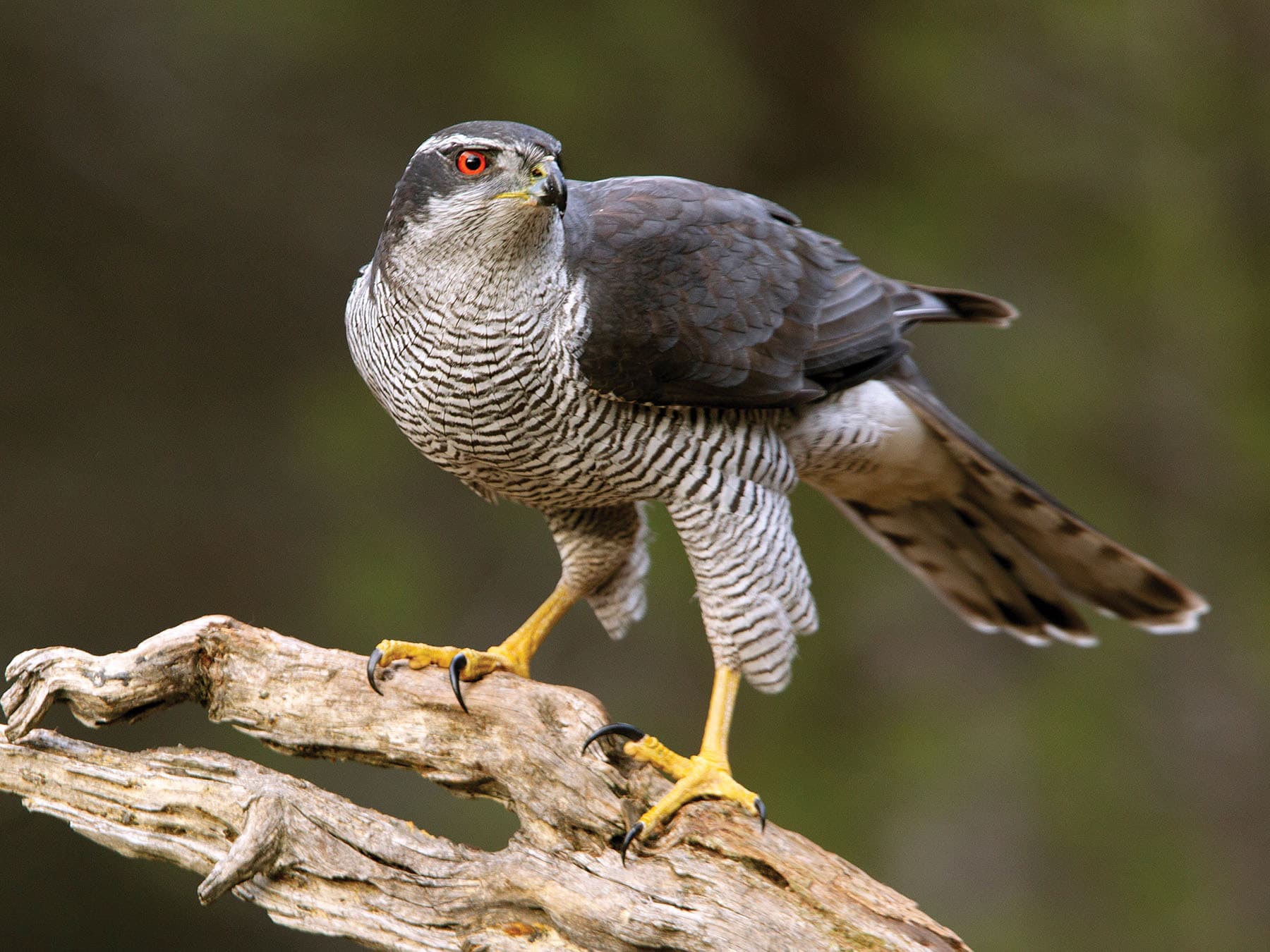
Northern Goshawk
Accipiter gentilisLC
A rare passage visitor in late winter and spring, occasionally seen hunting over Kielder Forest and upland valleys.
Feb–Apr
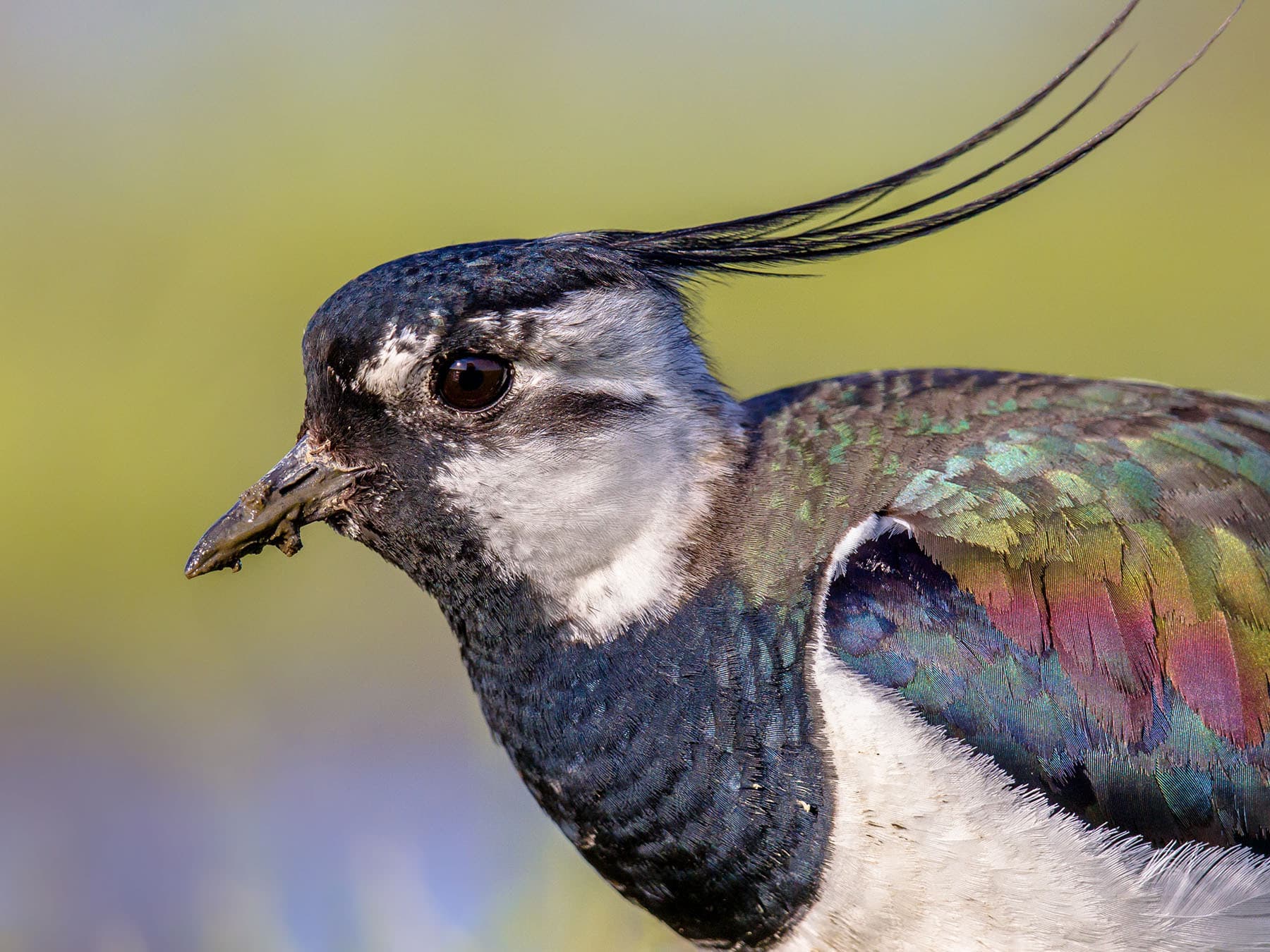
Northern Lapwing
Vanellus vanellusNT
A common but declining resident of farmland and wetland margins. Large winter flocks form on ploughed fields across Northumberland's lowlands.
Year-round
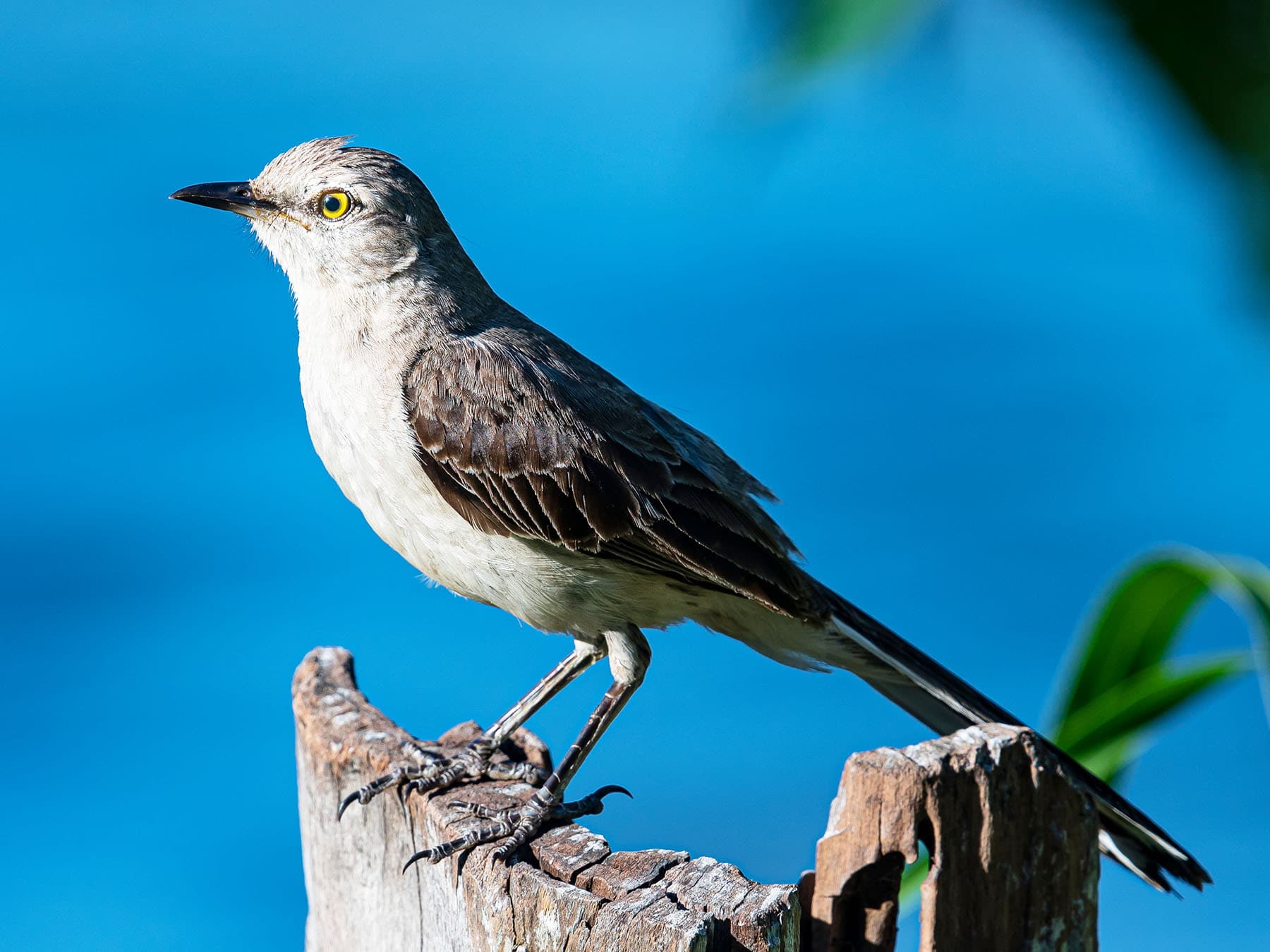
Northern Mockingbird
Mimus polyglottosLC
An exceptionally rare transatlantic vagrant. Any May record in Northumberland would be a major county rarity.
May
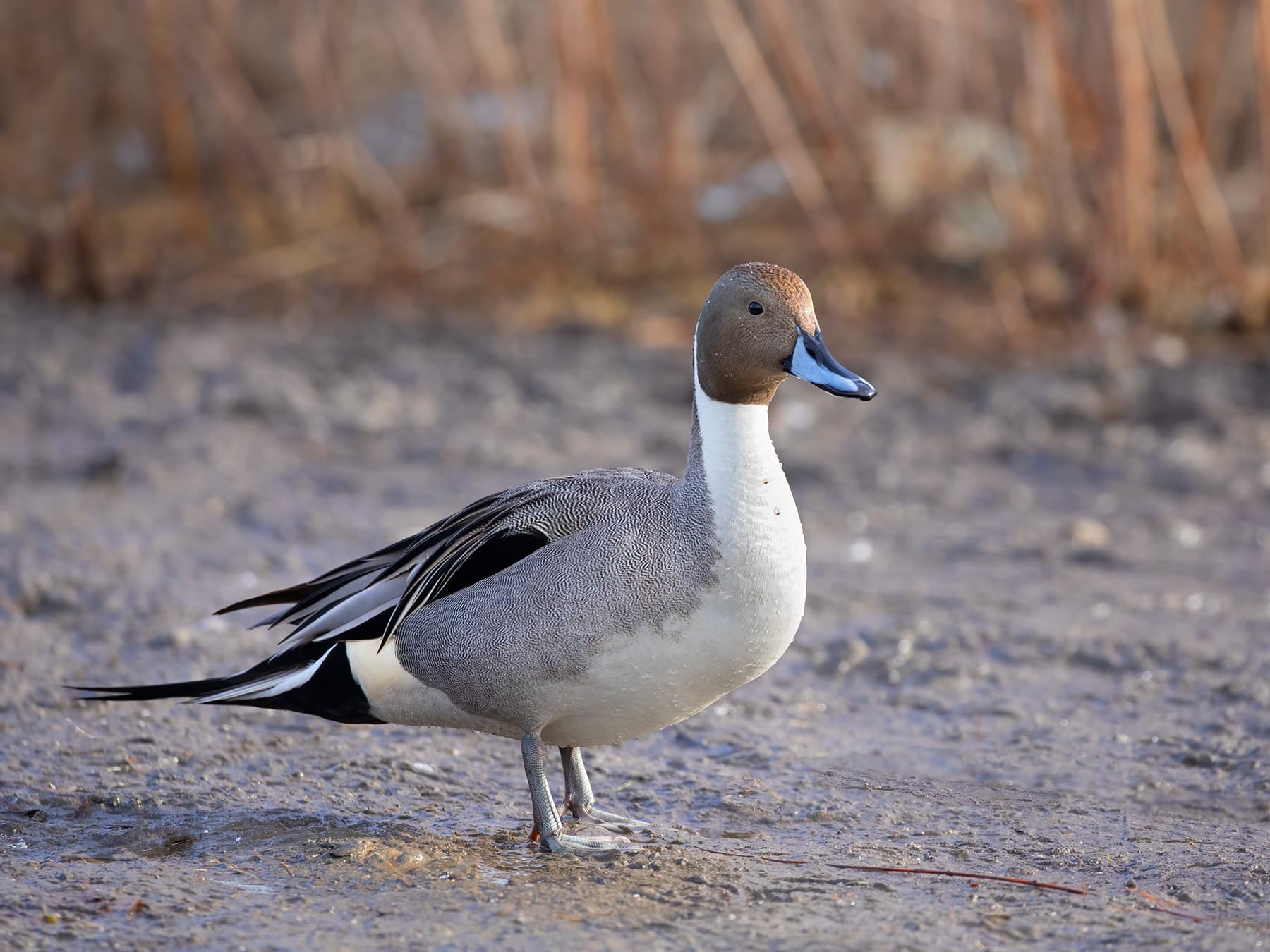
Northern Pintail
Anas acutaLC
A rare resident, most likely seen in winter on coastal pools and estuaries. Largely absent during midsummer months.
Aug–May
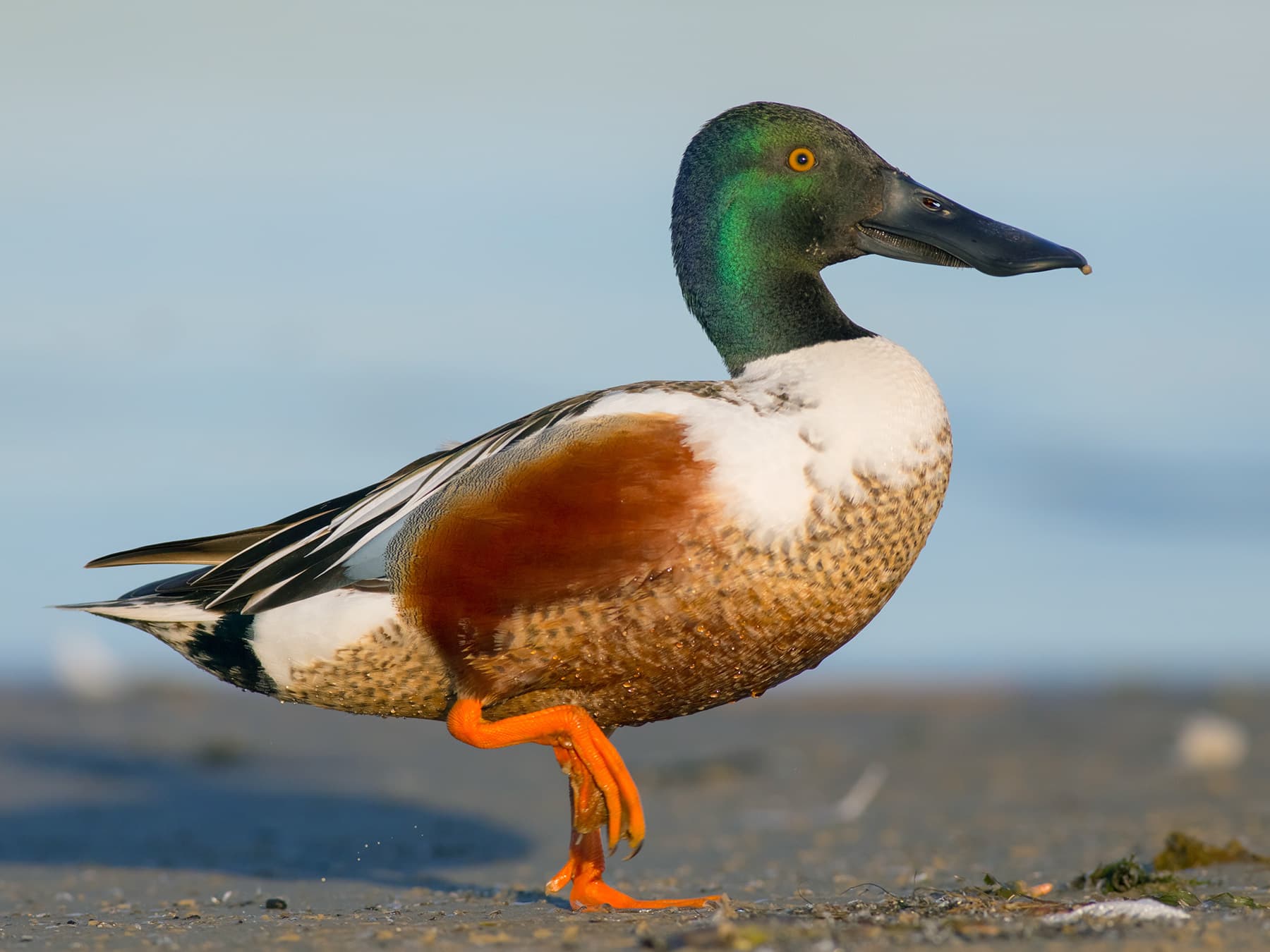
Northern Shoveler
Spatula clypeataLC
An uncommon resident of shallow wetlands and flooded fields, using its distinctive broad bill to filter-feed. Numbers increase in winter.
Year-round
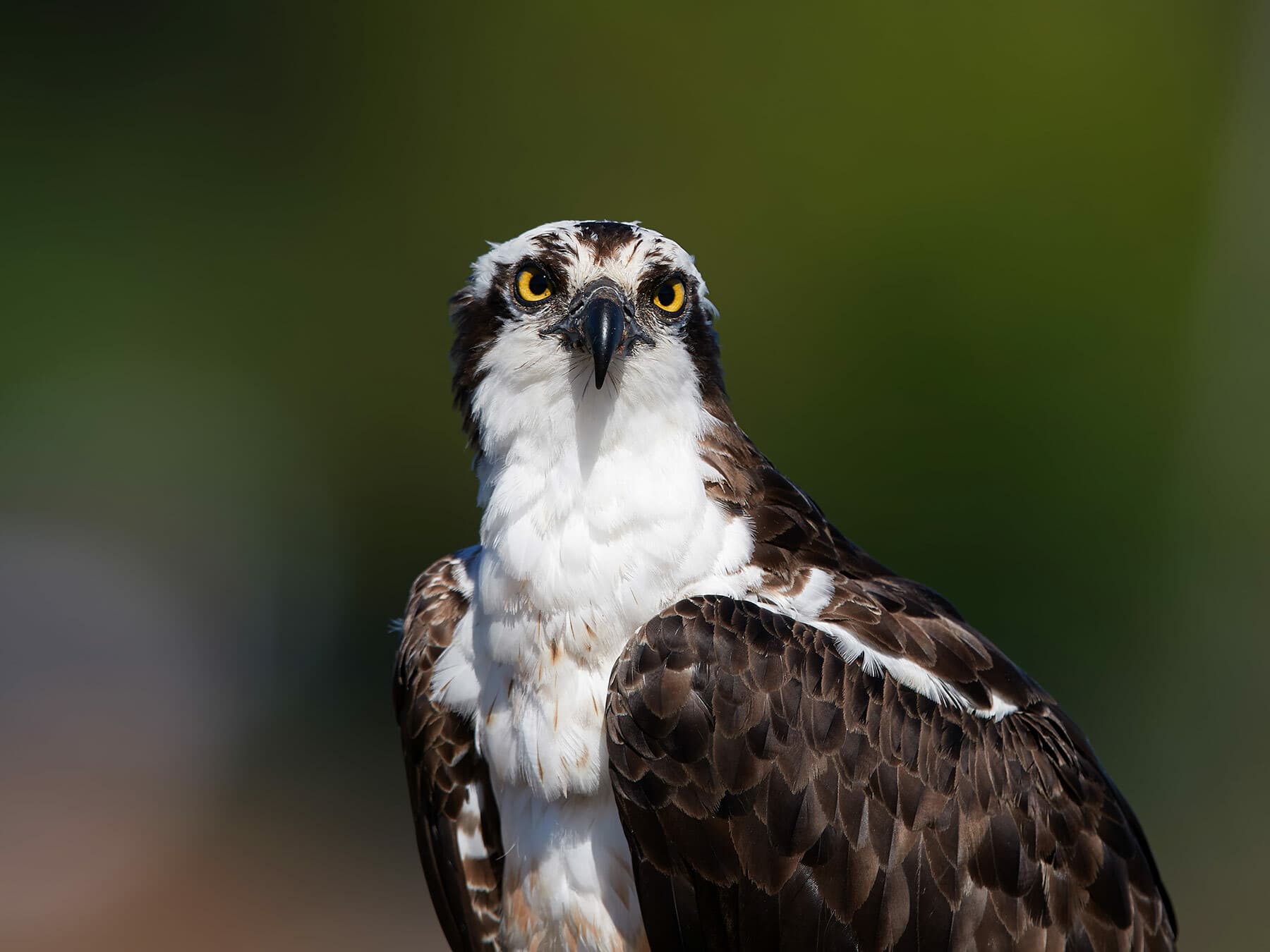
Osprey
Pandion haliaetusLC
A rare but increasingly seen passage visitor in late summer, sometimes fishing at Kielder Water or coastal pools.
Aug
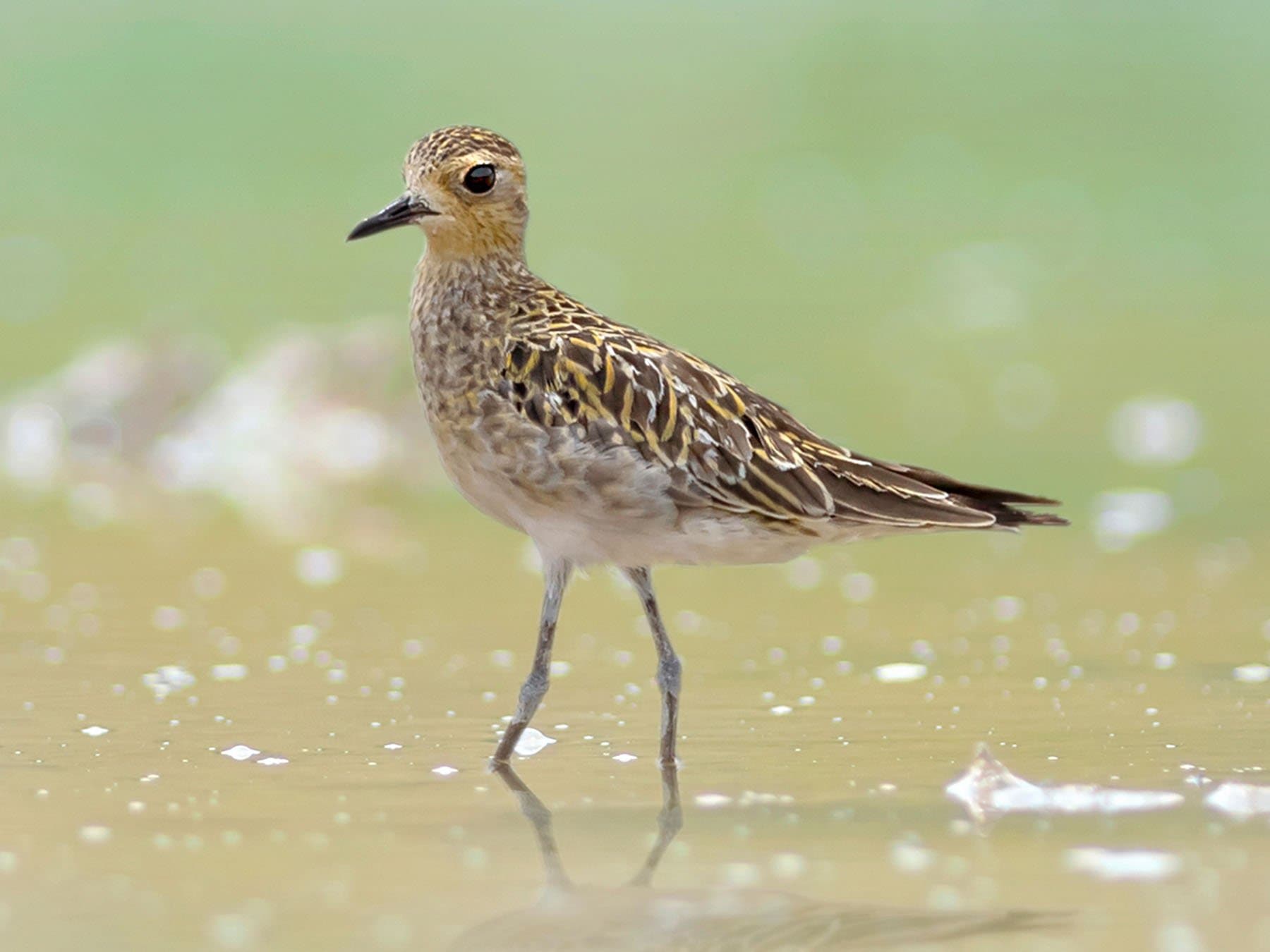
Pacific Golden-Plover
Pluvialis fulvaLC
An extremely rare passage vagrant, with occasional August records on coastal pools and estuarine mudflats.
Aug

Pacific Loon
Gavia pacificaLC
An extremely rare vagrant from North America, with only occasional winter records off the Northumberland coast.
Jan
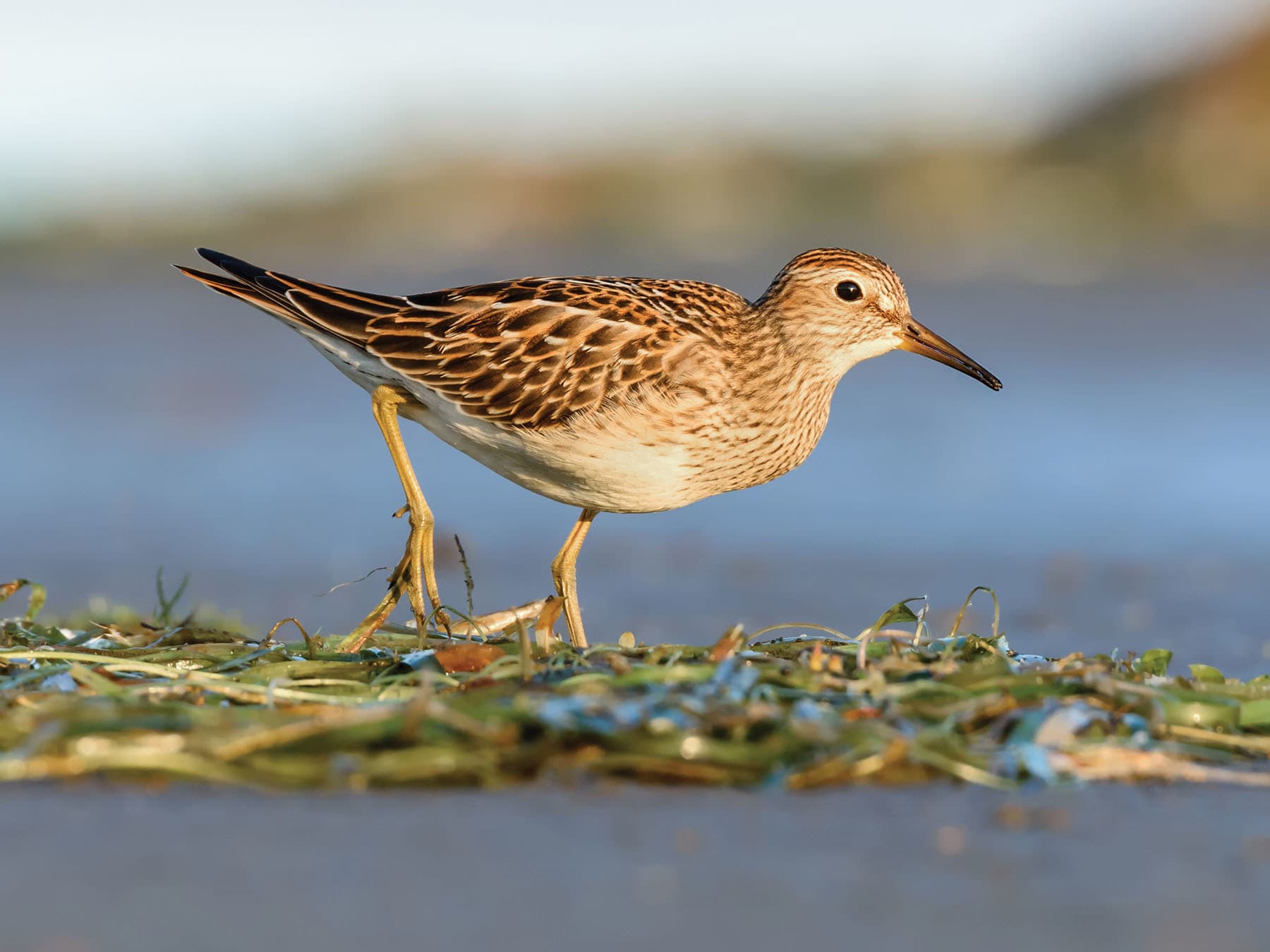
Pectoral Sandpiper
Calidris melanotosLC
A rare Nearctic vagrant, occasionally turning up at coastal pools in July and September. Any record draws keen birders to the county's wetland sites.
Jul–Sep
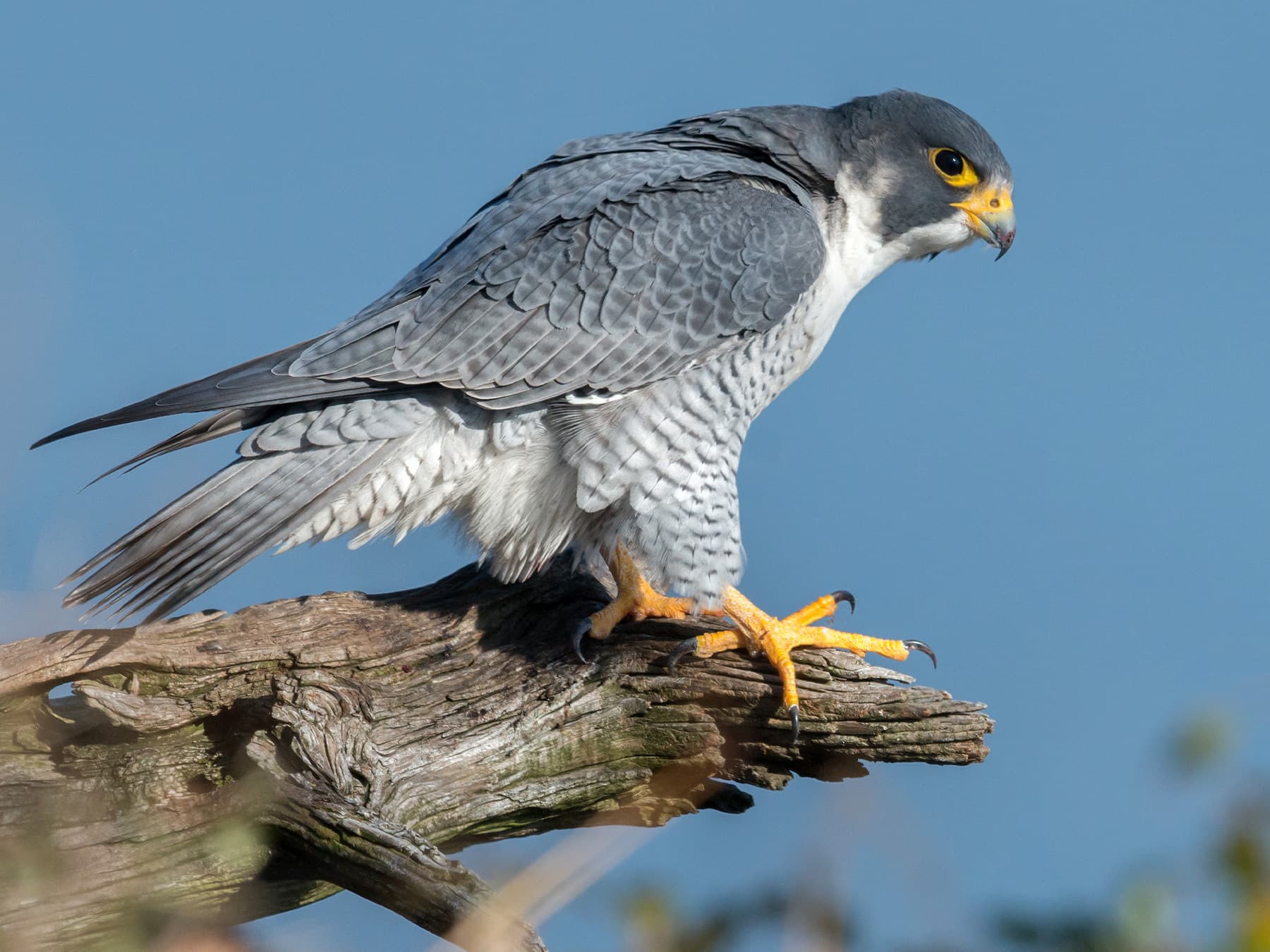
Peregrine Falcon
Falco peregrinusLC
A rare but year-round resident nesting on crags and tall buildings. Hunts over the coast and moorland across the county.
Year-round
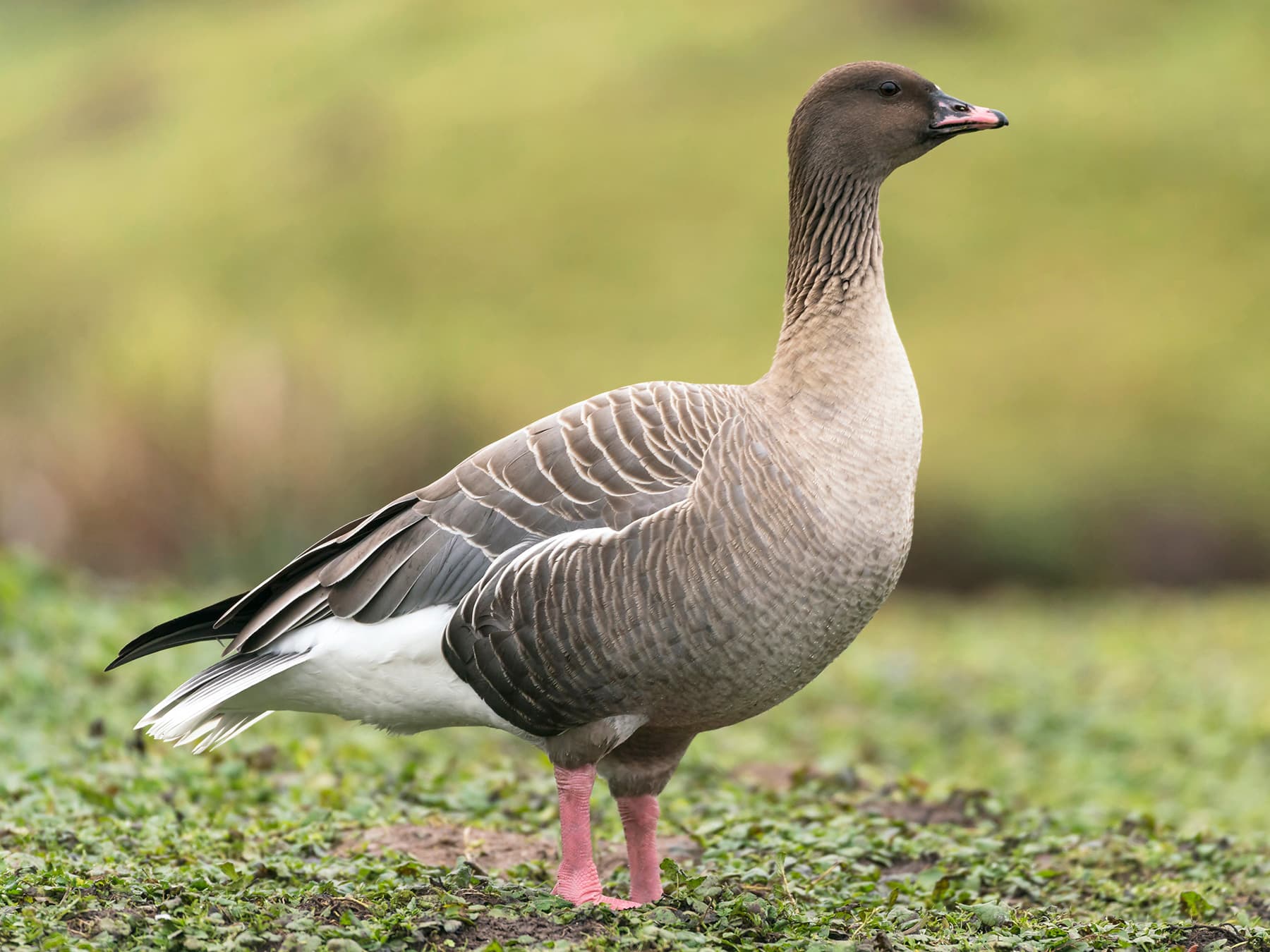
Pink-footed Goose
Anser brachyrhynchusLC
Winters in large skeins around Lindisfarne and coastal fields from September to April. One of Northumberland's great wildlife spectacles at dawn and dusk.
Sep–May
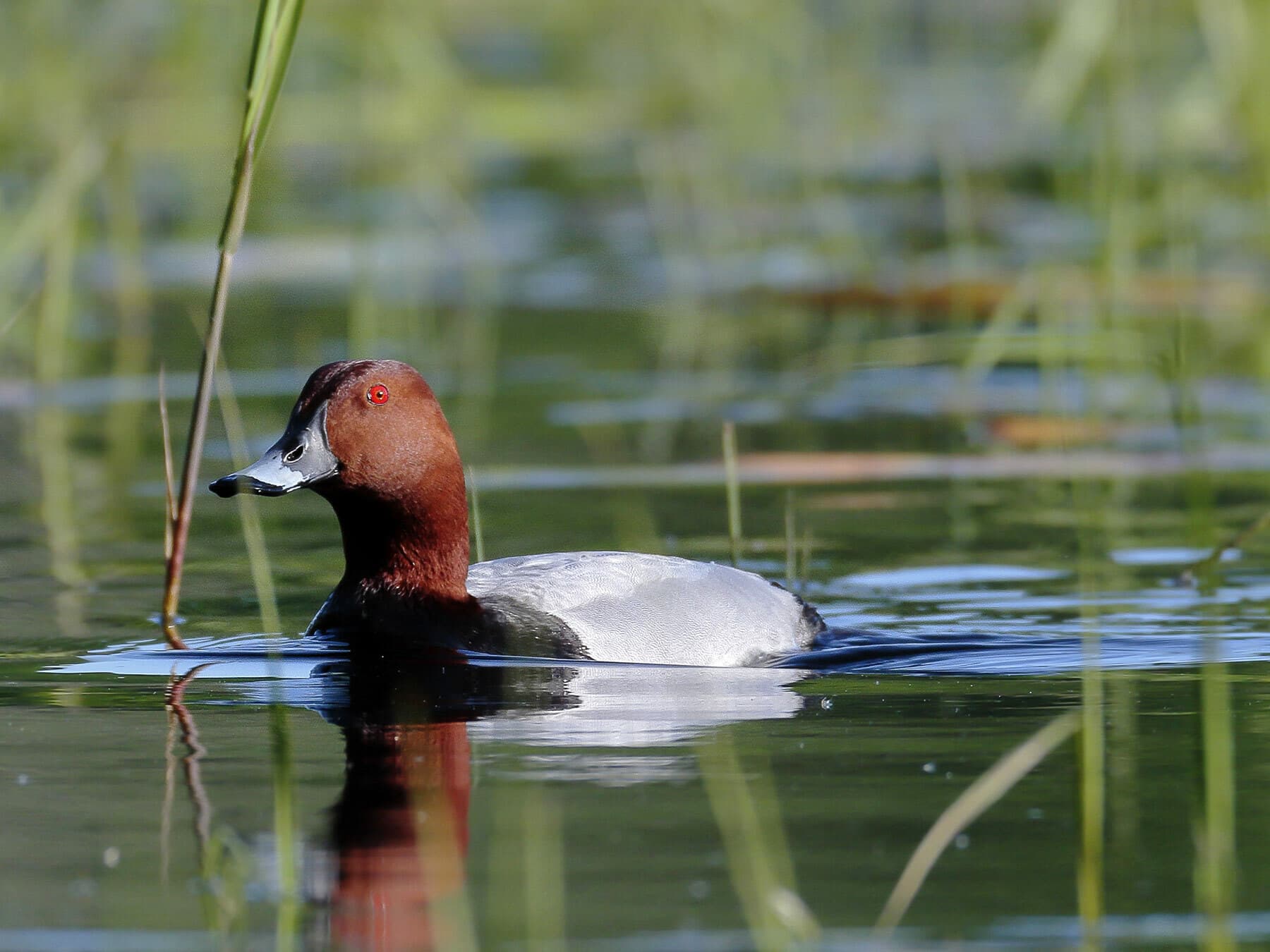
Pochard
Aythya ferinaVU
An uncommon year-round resident on lakes and reservoirs, though nationally declining. Winter numbers may be boosted by continental arrivals.
Year-round
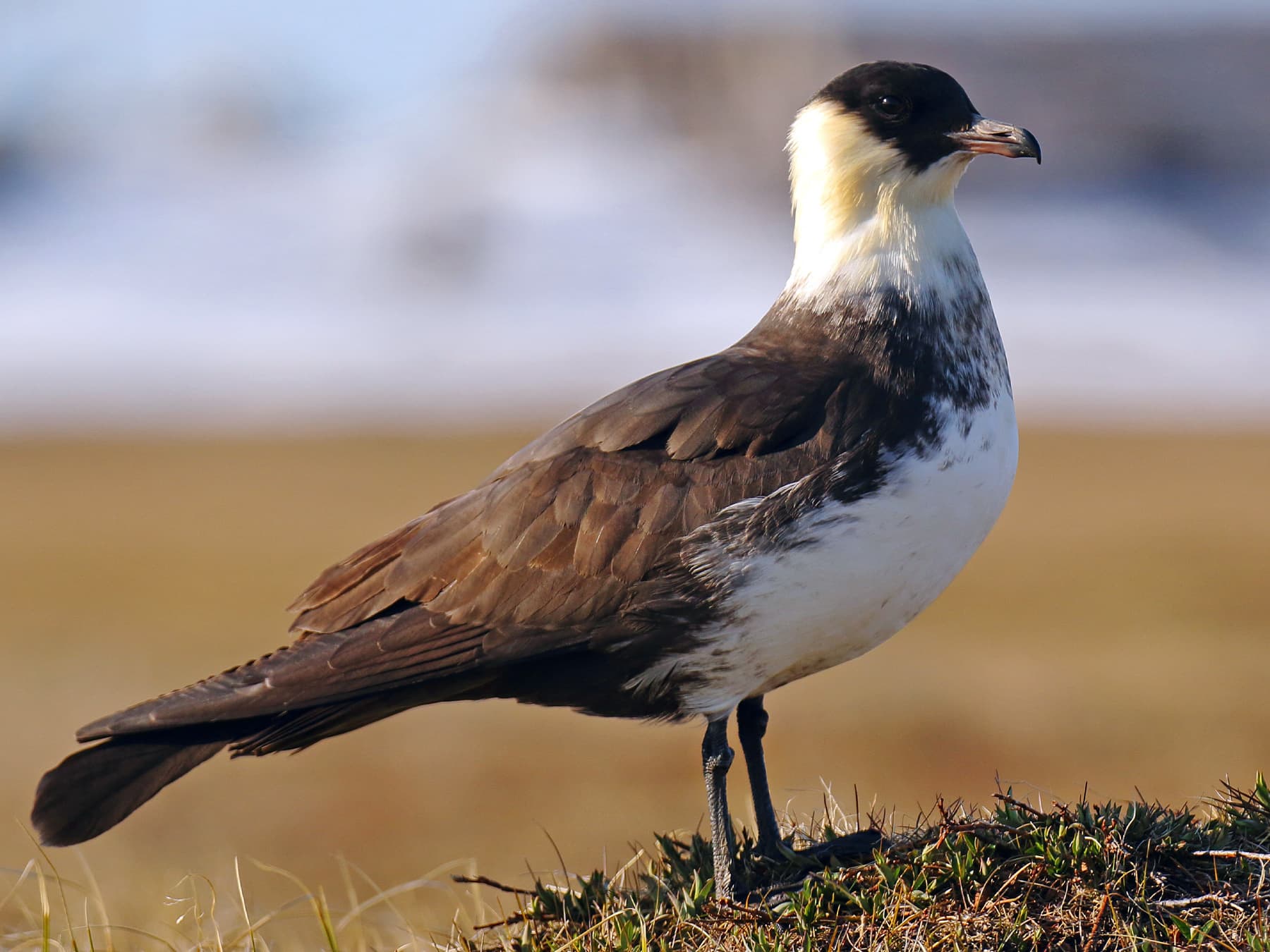
Pomarine Jaeger
Stercorarius pomarinusLC
A rare autumn passage seabird, best spotted during seawatches from headlands in August and September. Distinguished by its heavy build and twisted tail.
Aug–Sep
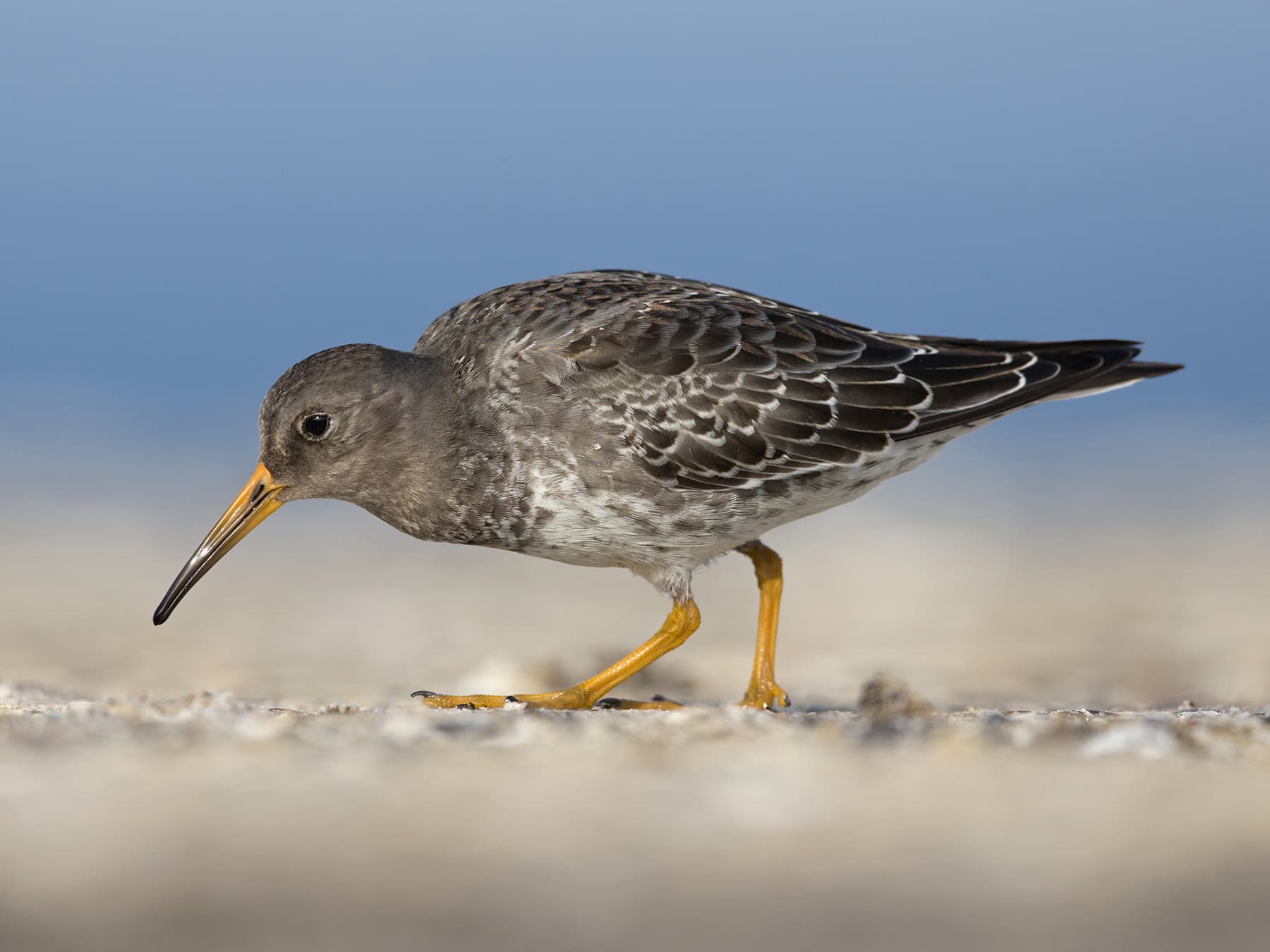
Purple Sandpiper
Calidris maritimaLC
Clings to rocky shorelines and harbour walls nearly year-round. The Farne Islands, Seahouses, and Amble piers are reliable spots.
Jul–May