Birds in Northumberland
Explore 230 species found in this region.
Northumberland is one of England's most rewarding counties for birdwatching, with 218 recorded species found across its diverse landscapes of rugged coastline, upland moors, ancient woodlands, and estuarine mudflats. From the Farne Islands' famous seabird colonies to the high Cheviot Hills where Dotterel and Horned Lark breed, the county offers exceptional birding throughout the year. Notable species include Great Grey Shrike on winter heathlands, Eurasian Woodcock in dense woodland, and the striking Mandarin Duck along sheltered river valleys.
Visiting in July? Look out for Common Kingfisher and Curlew Sandpiper arriving this month, and Eurasian Woodcock and European Pied Flycatcher depart for the season.


Showing 185–207 of 230 species
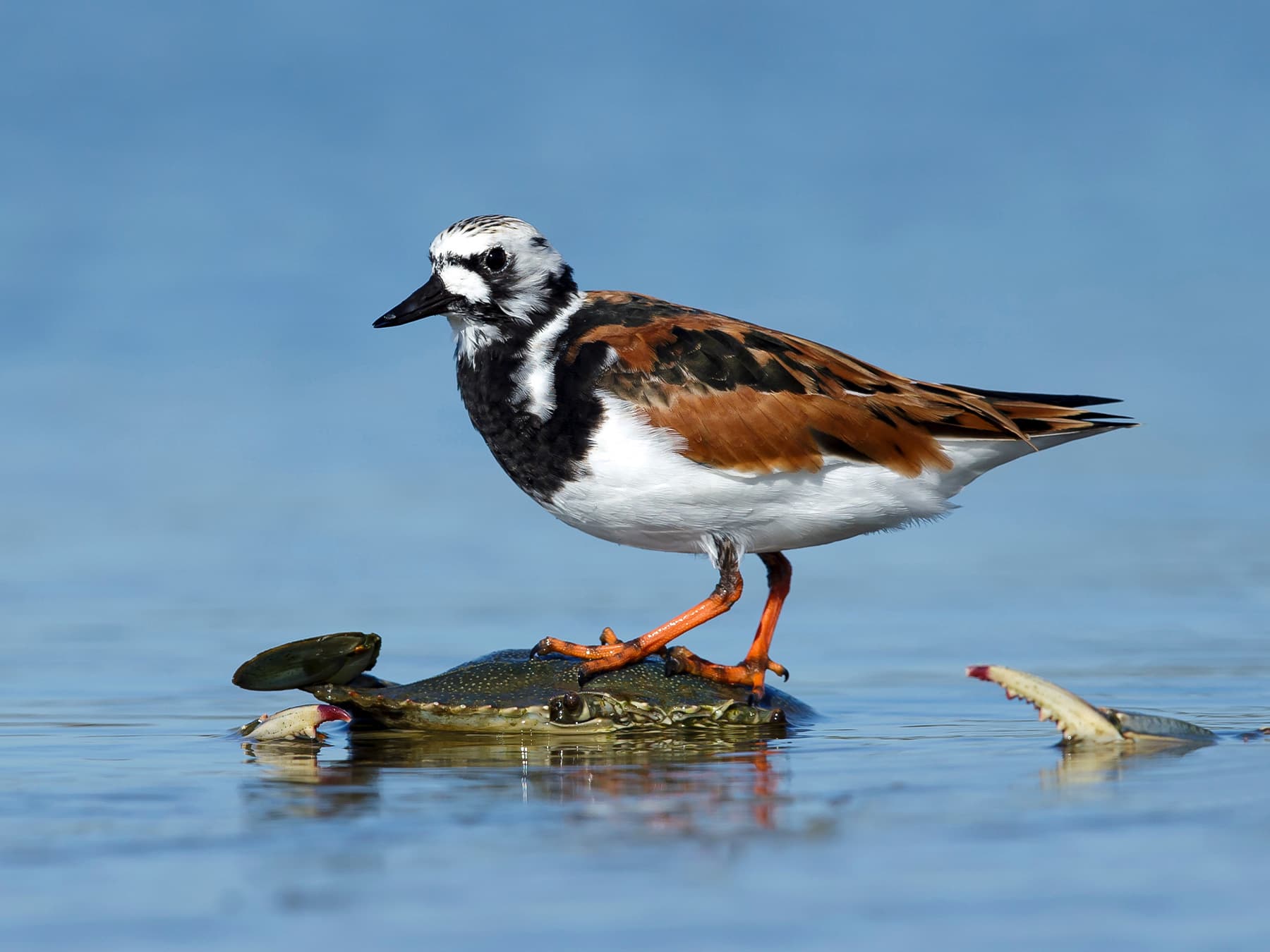
Ruddy Turnstone
Arenaria interpresLC
Frequents rocky shorelines and harbour walls year-round, flipping stones and seaweed to find invertebrates. Most numerous in winter along the coast.
Year-round
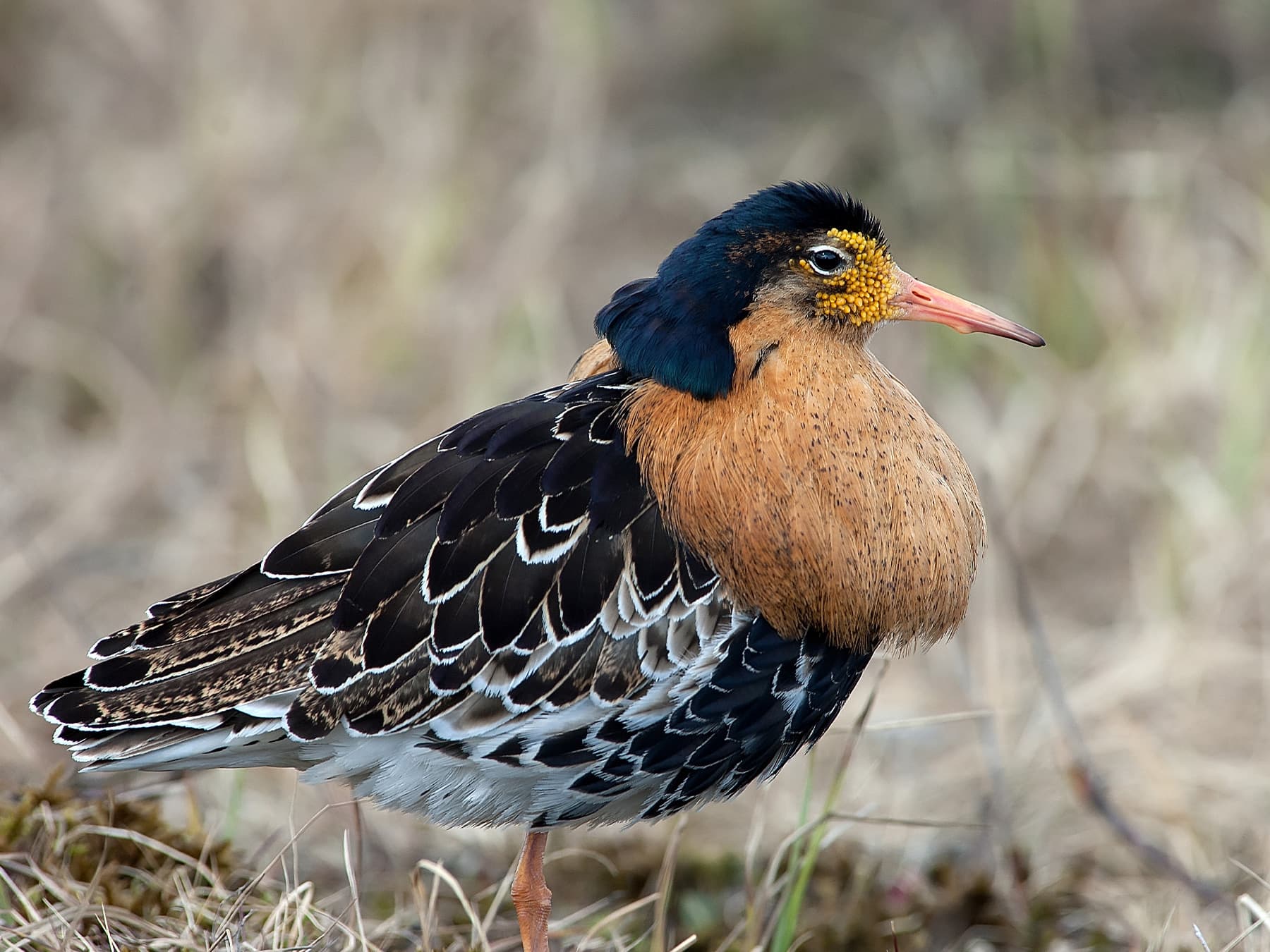
Ruff
Philomachus pugnaxLC
Present year-round but uncommon, favouring wet grasslands and coastal lagoons. Numbers peak on autumn passage at sites like Druridge Bay.
Year-round
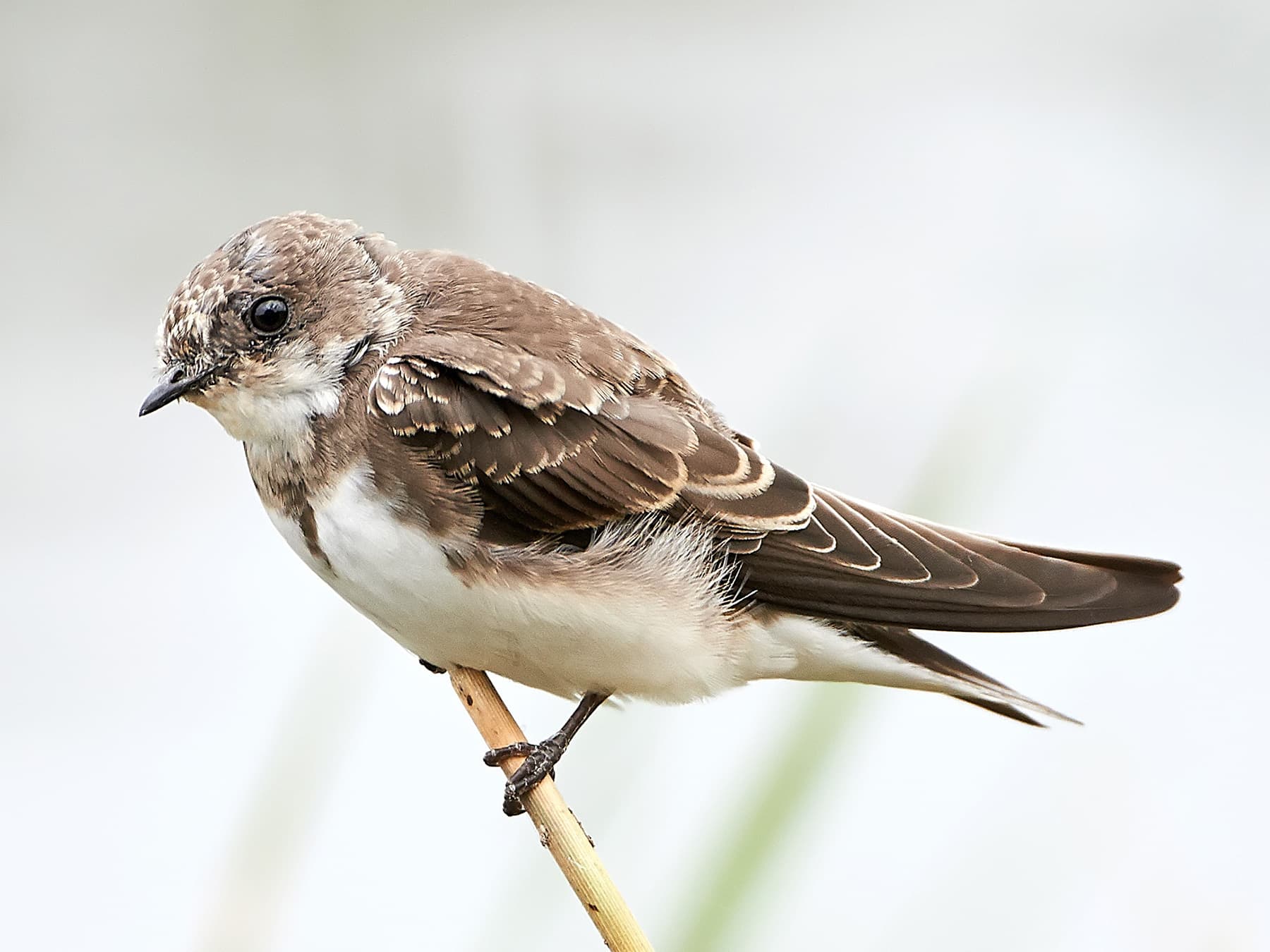
Sand Martin
Riparia ripariaLC
A common summer breeder nesting colonially in sandy riverbanks along the Tyne, Coquet, and other waterways from March to September.
Mar–Sep
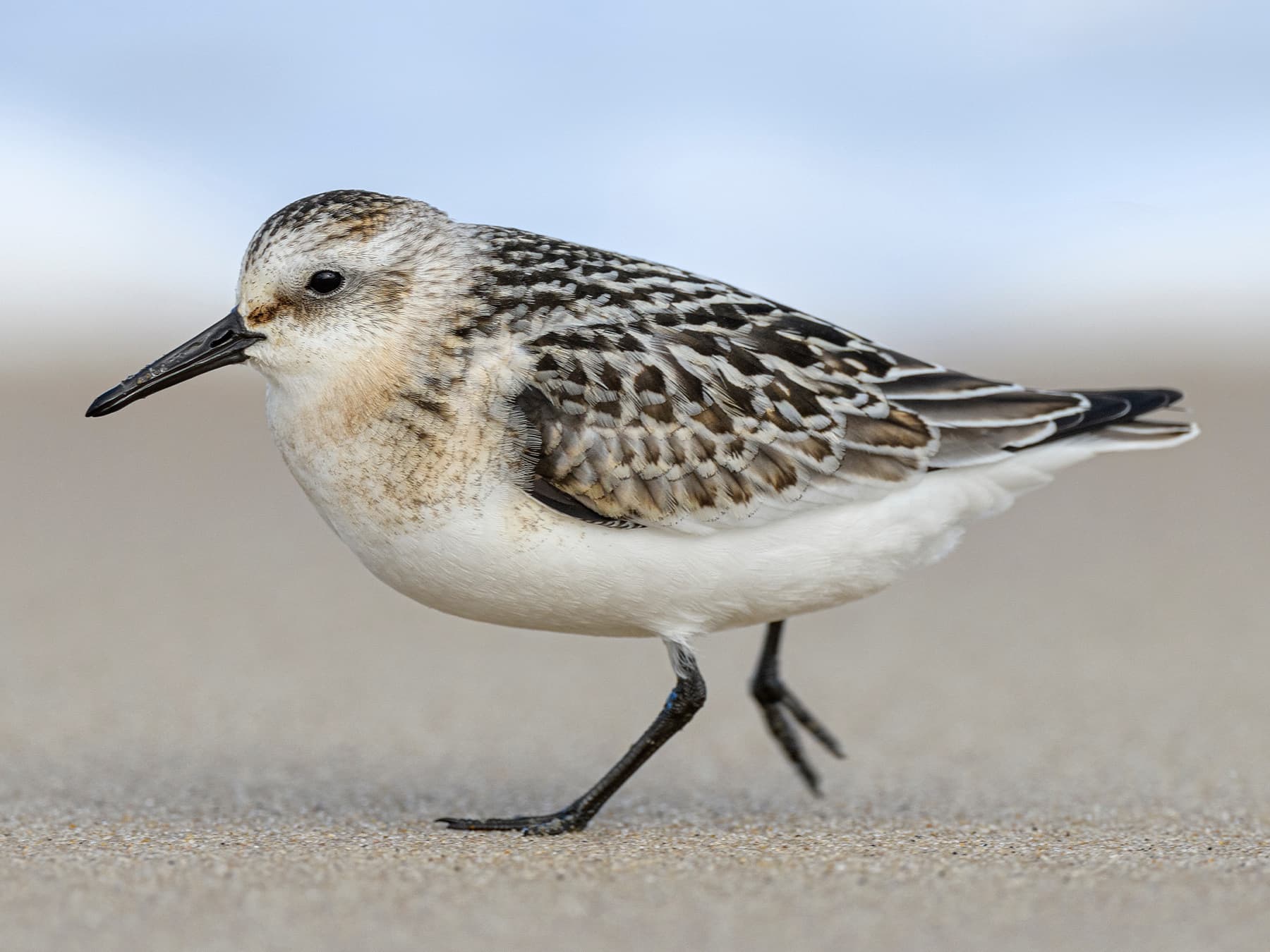
Sanderling
Calidris albaLC
Runs along sandy beaches year-round, chasing retreating waves for food. Most conspicuous in winter flocks on broad stretches of Northumberland's coast.
Year-round
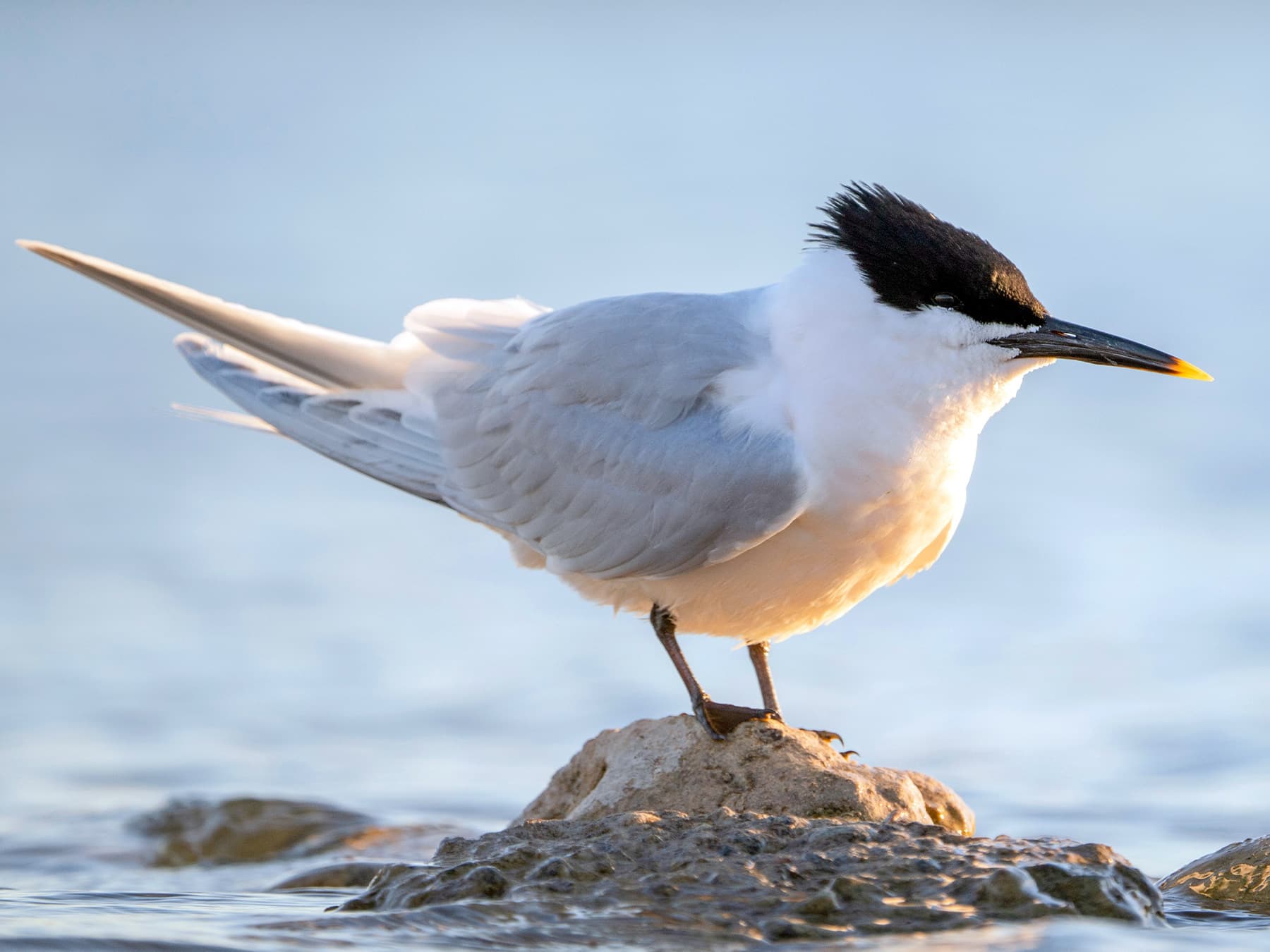
Sandwich Tern
Thalasseus sandvicensisLC
A common summer breeder with important colonies on the Farne Islands. Plunge-dives for fish along the coast from April to October.
Apr–Oct
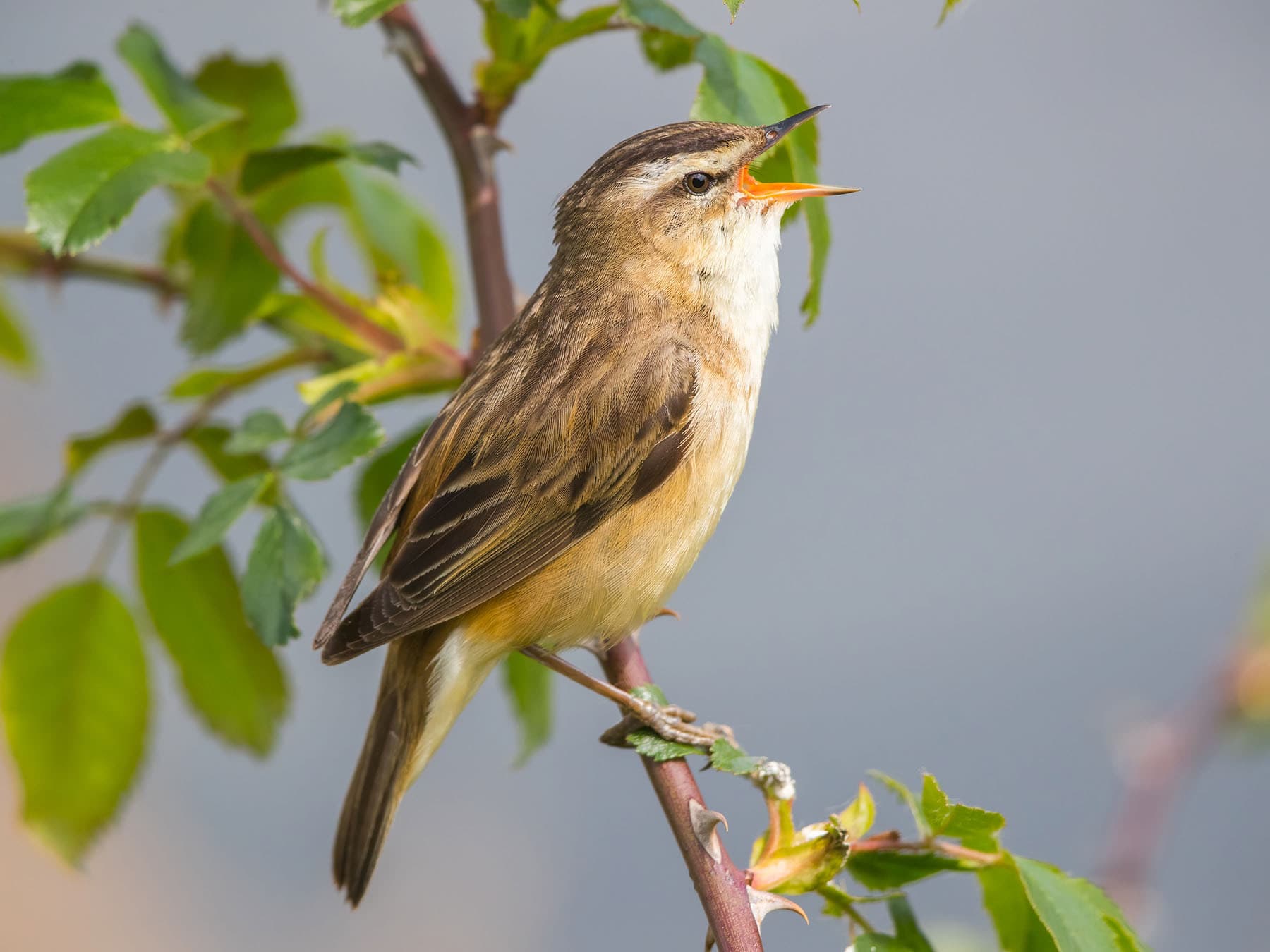
Sedge Warbler
Acrocephalus schoenobaenusLC
An uncommon summer breeder arriving in April. Favours reedbeds, ditches and waterside scrub, singing its chattering song into July.
Apr–Sep
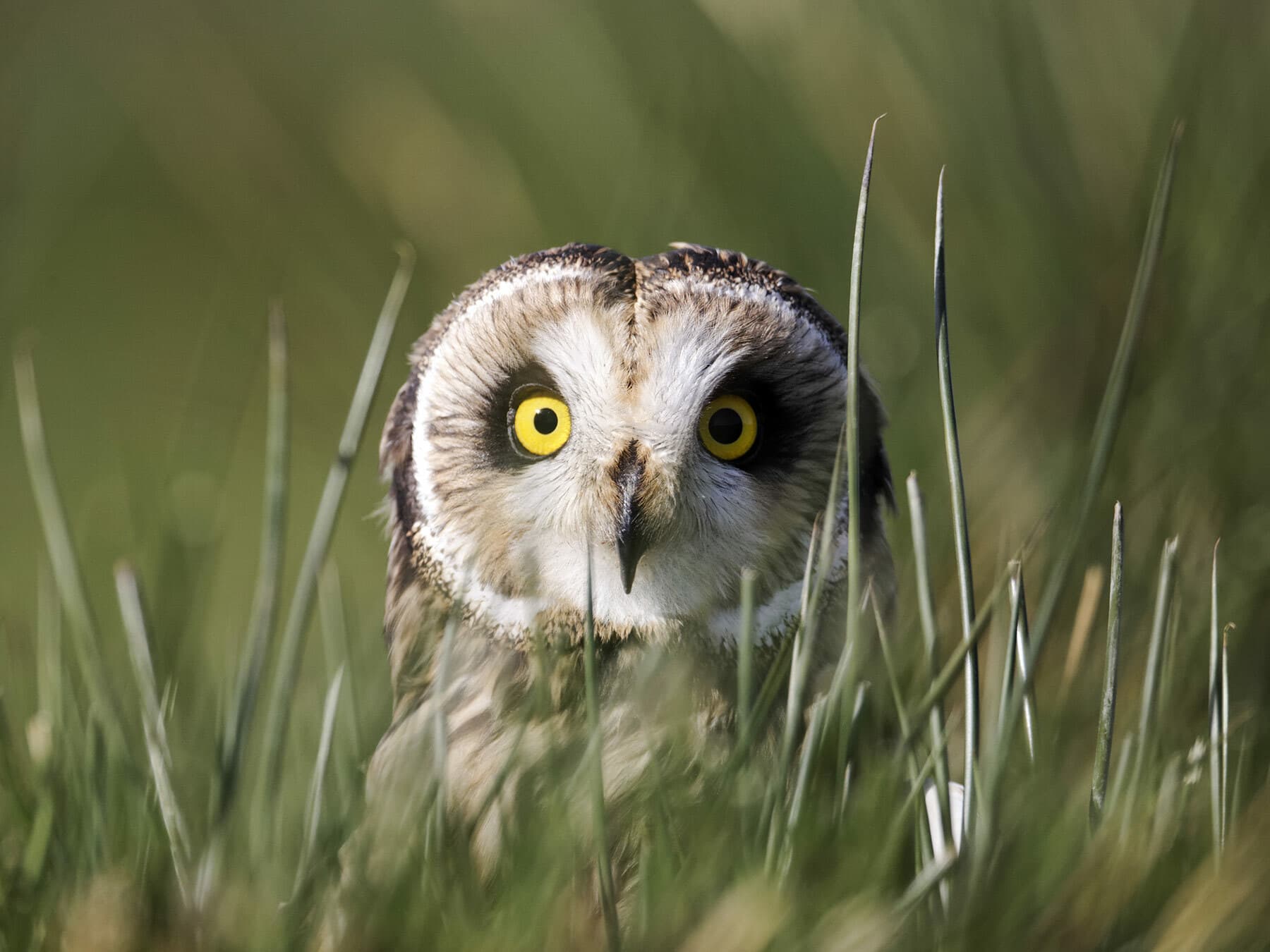
Short-eared Owl
Asio flammeusLC
A rare resident of upland moorland and rough grassland. Numbers bolstered in winter by continental arrivals to coastal marshes.
Sep–May
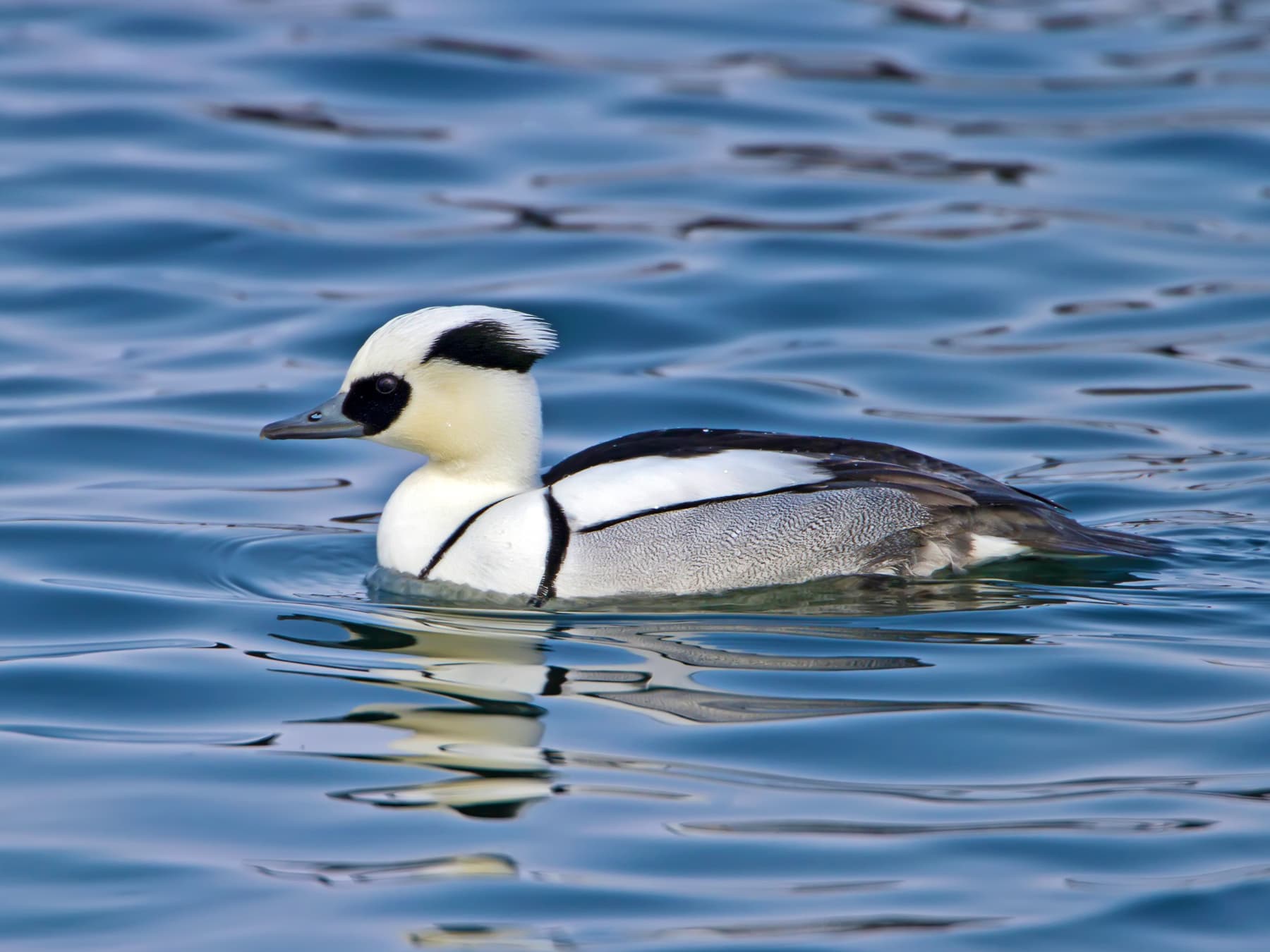
Smew
Mergellus albellusLC
A rare winter visitor, occasionally appearing on inland lakes and reservoirs between November and March. Always a sought-after find.
Nov–Mar
Spotted something?
Upload a photo to identify it
Identify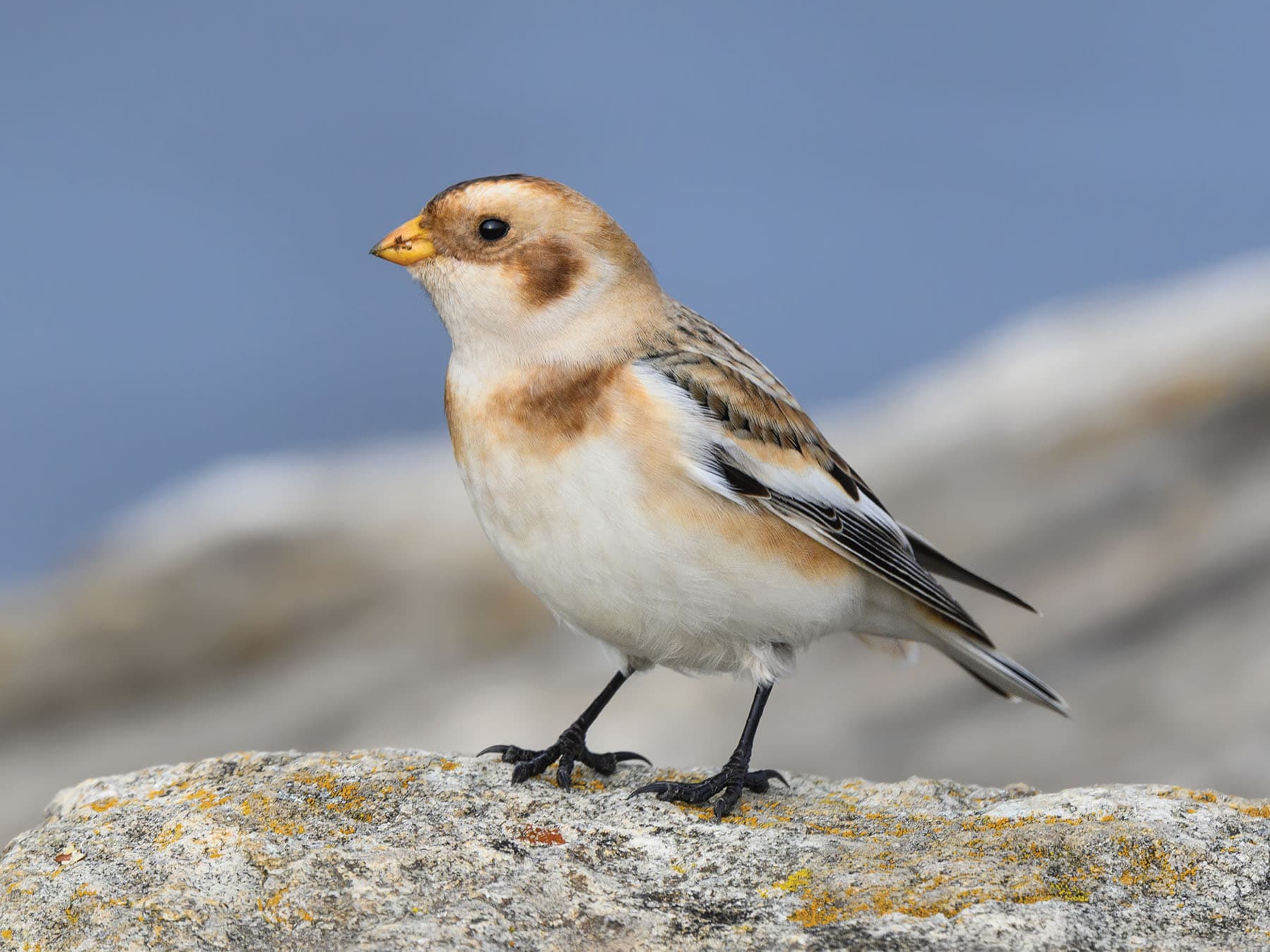
Snow Bunting
Plectrophenax nivalisLC
A rare winter visitor to the Northumberland coast, favouring shingle beaches and dune tops, often near Holy Island or the Farnes.
Oct–Mar
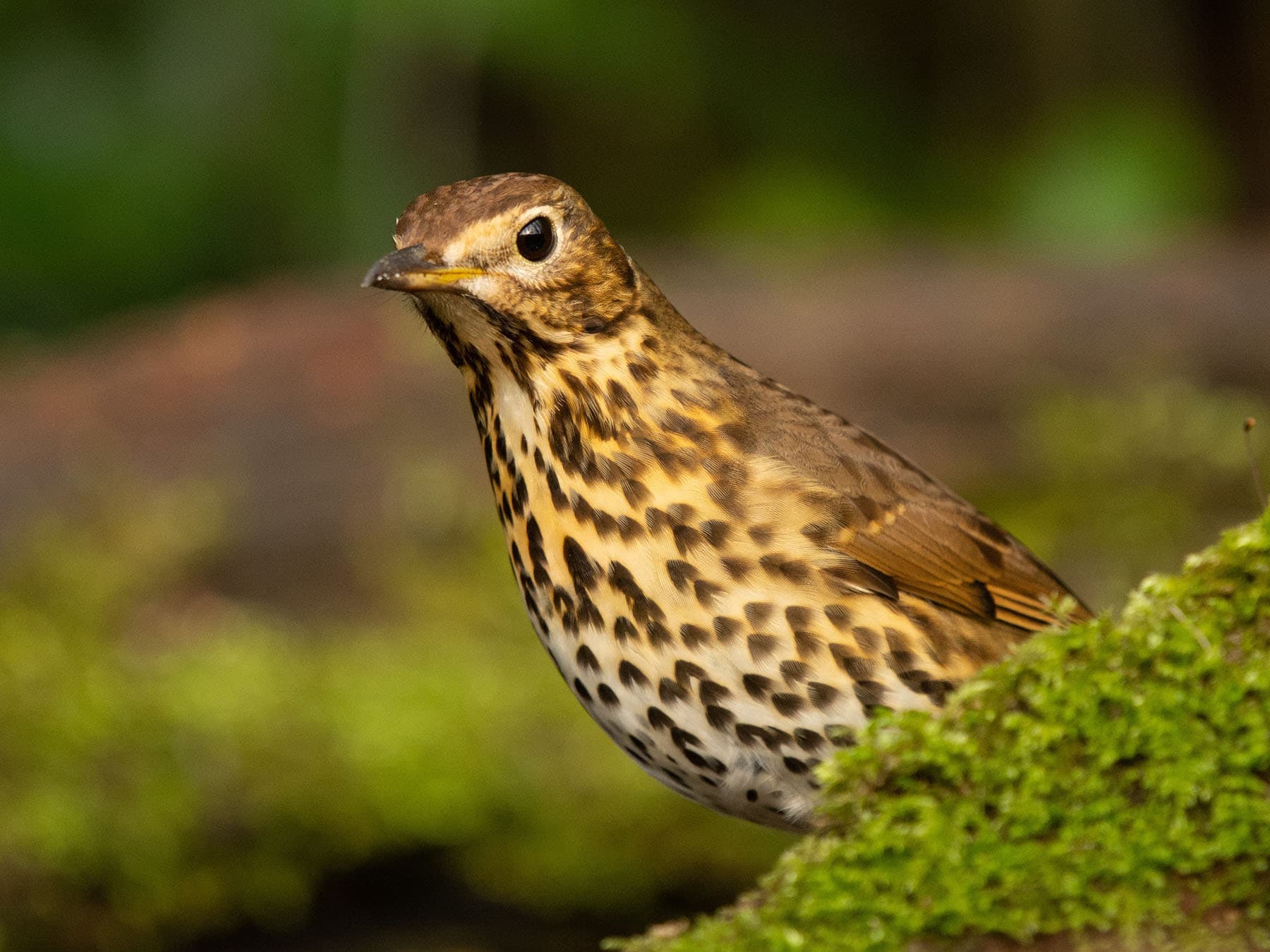
Song Thrush
Turdus philomelosLC
An uncommon but widespread resident of woodland and gardens. Its rich, repetitive song is a familiar spring sound.
Year-round
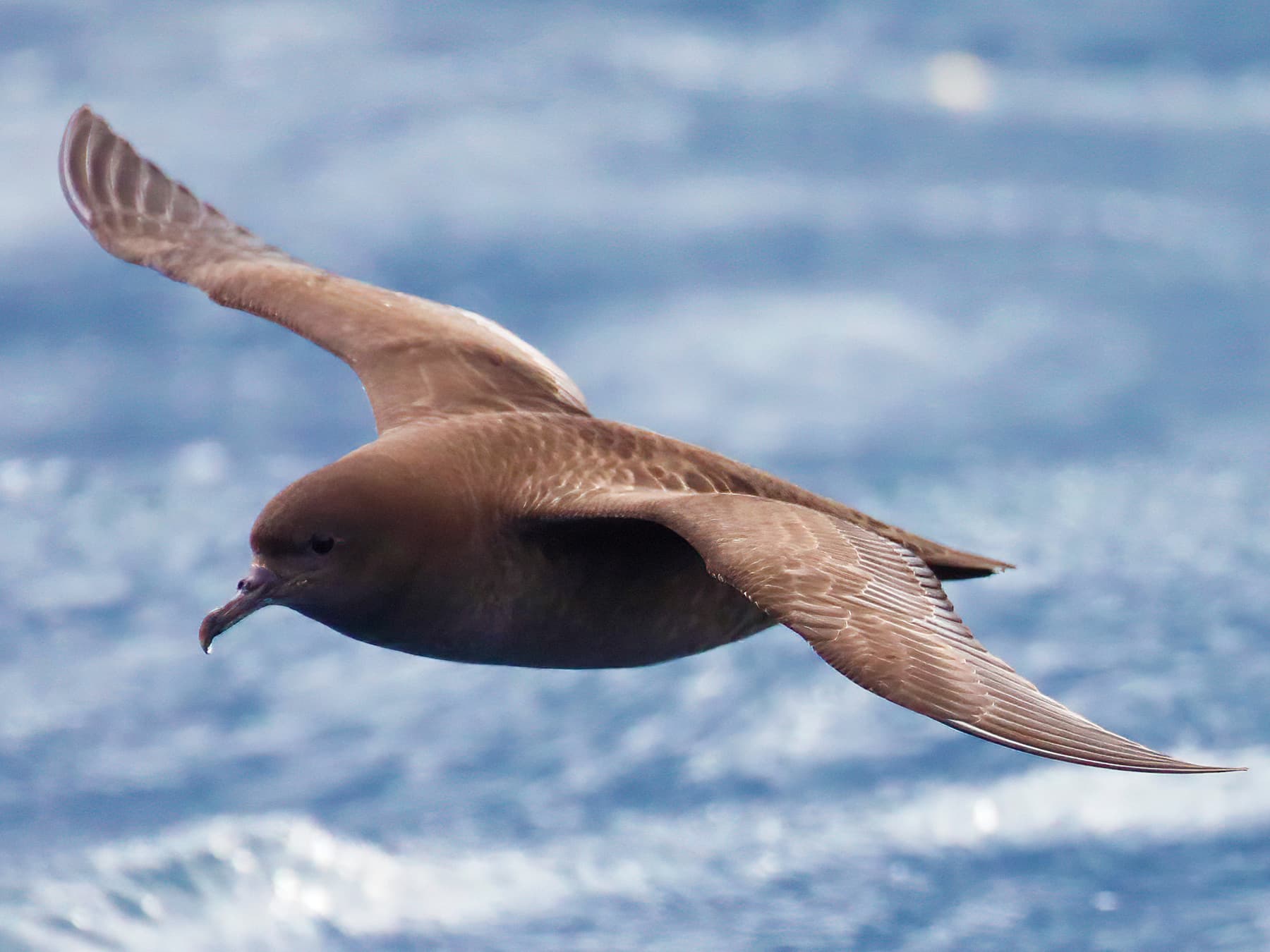
Sooty Shearwater
Ardenna griseaNT
A rare but regular autumn passage visitor seen from coastal headlands during seawatches, mainly from August to October.
Aug–Oct
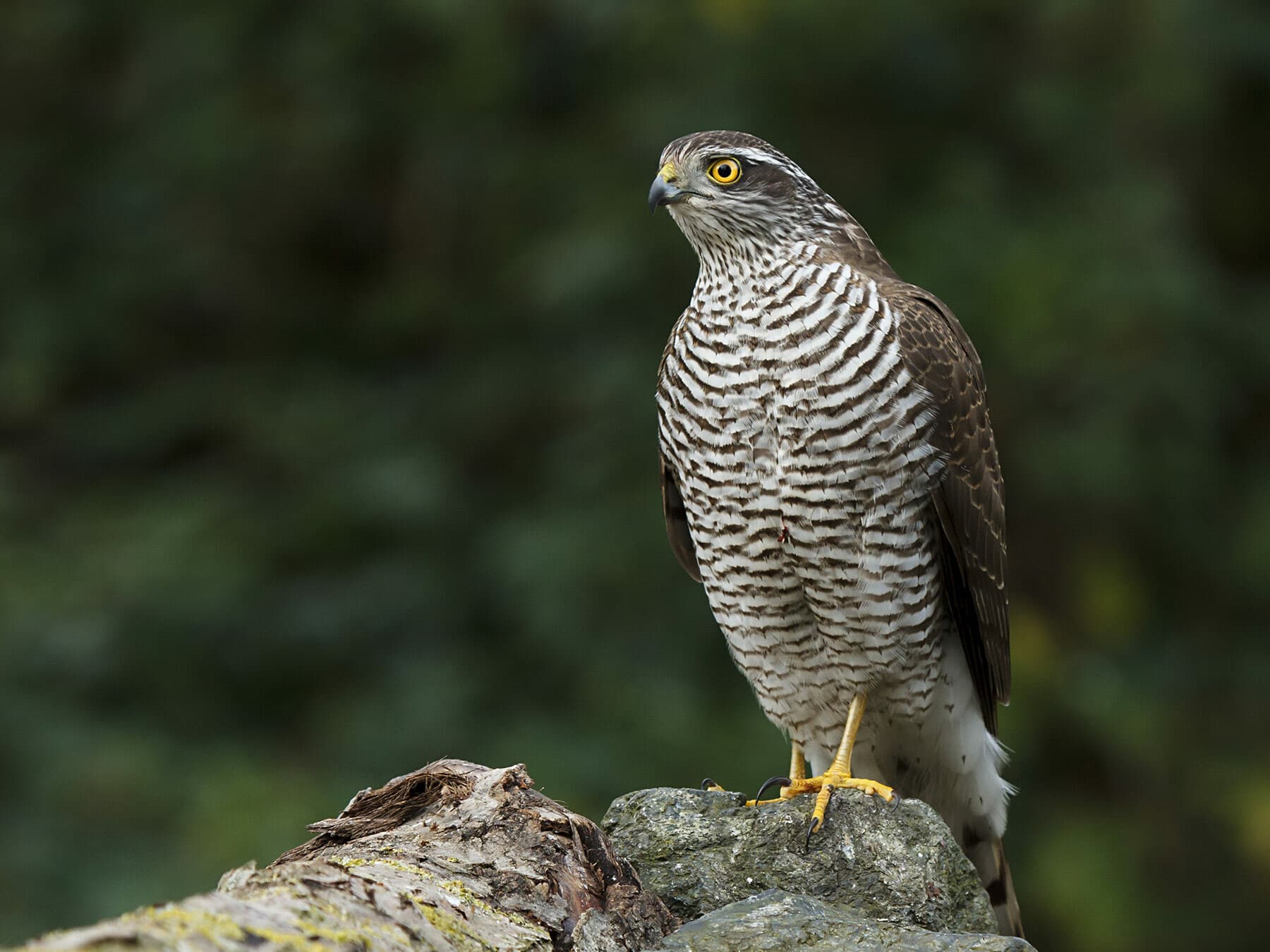
Sparrowhawk
Accipiter nisusLC
An uncommon but widespread resident hunting small birds in woodland, hedgerows, and gardens throughout the year.
Year-round
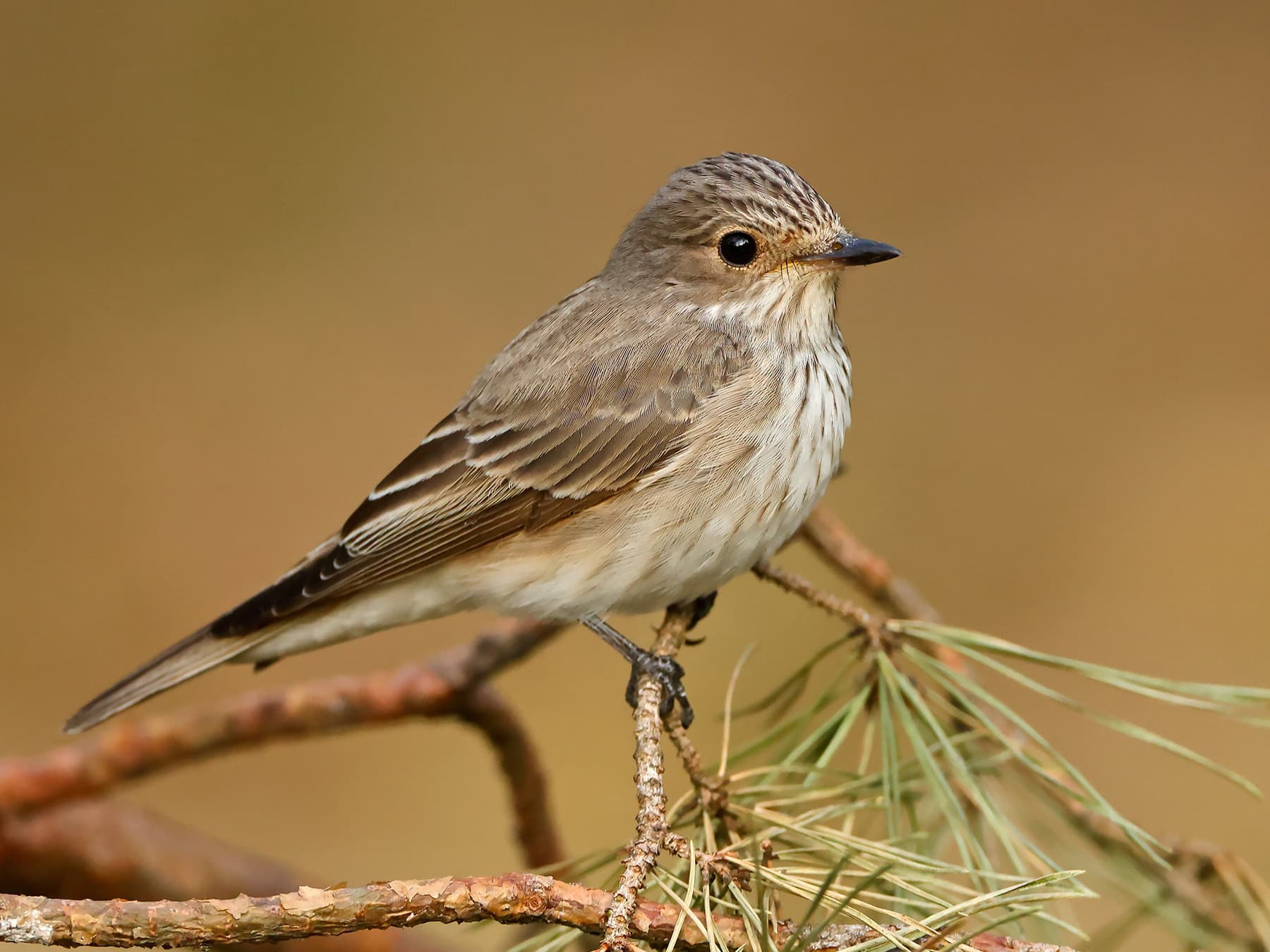
Spotted Flycatcher
Muscicapa striataLC
A rare and declining summer breeder, favouring mature woodland edges and churchyards. Sallies for insects from exposed perches.
May–Sep
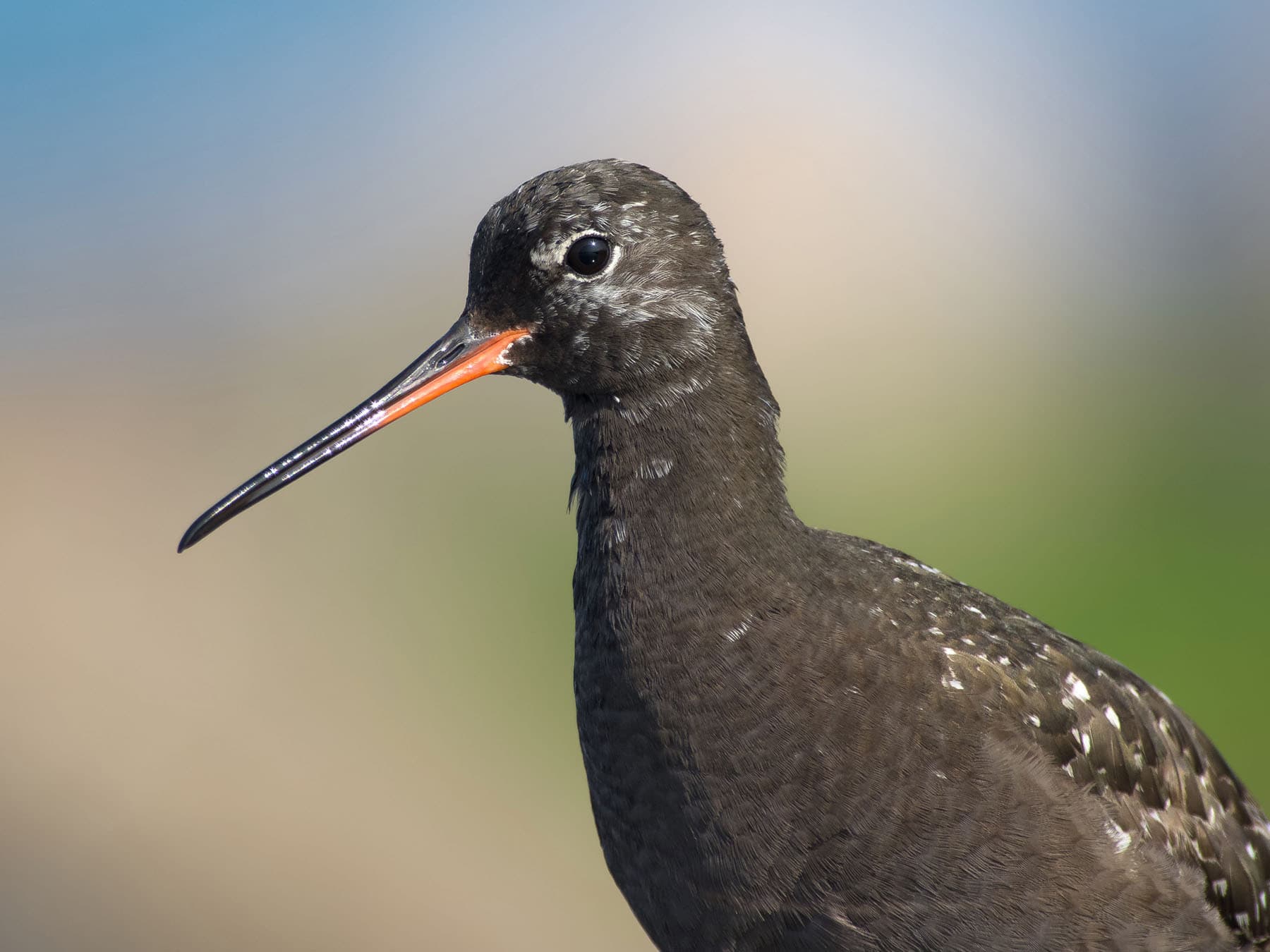
Spotted Redshank
Tringa erythropusLC
A rare but regular visitor to estuarine mudflats, present in most months except midwinter. Often seen alongside commoner redshanks at sites like Budle Bay.
Jan–Oct
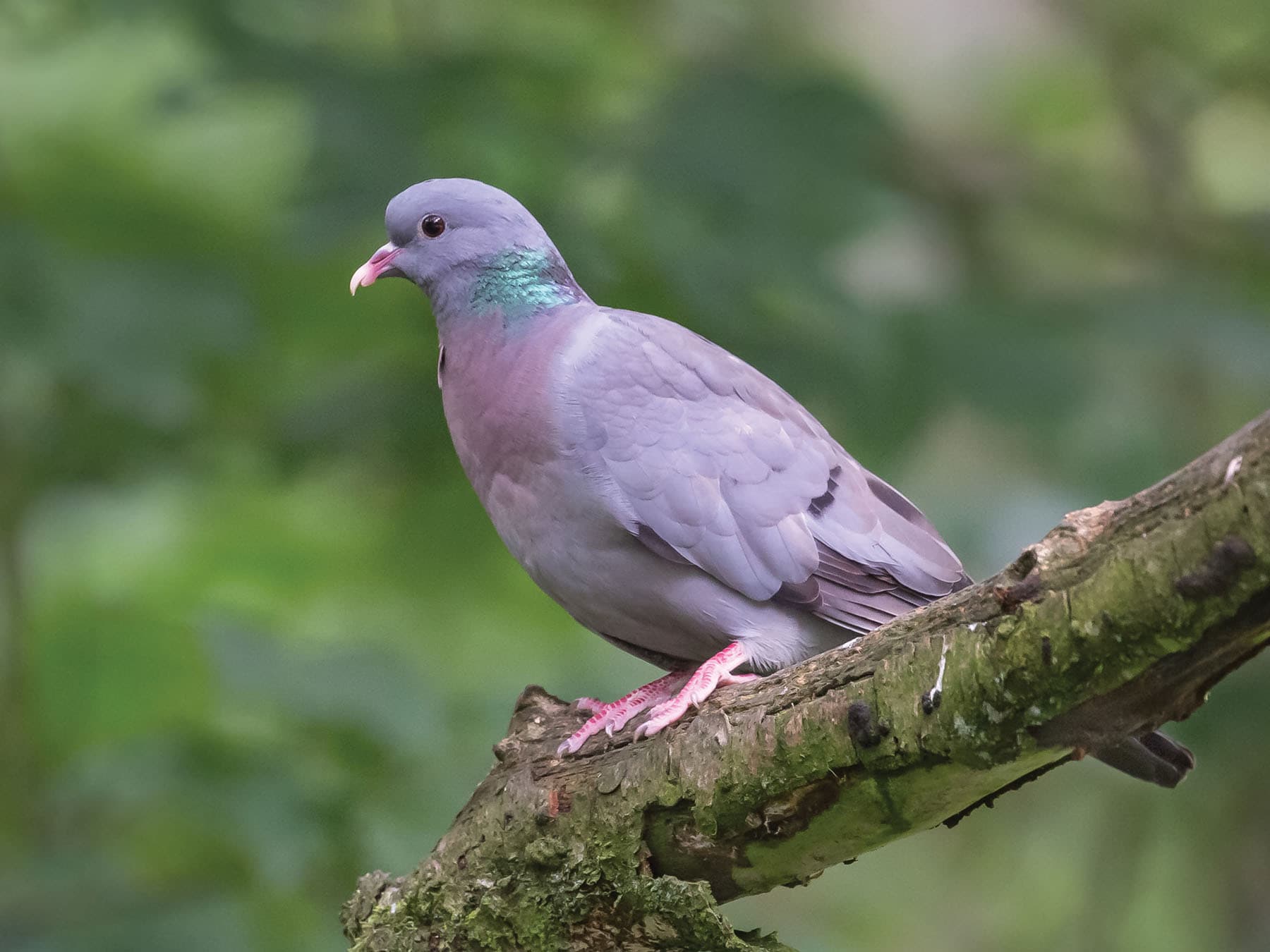
Stock Dove
Columba oenasLC
An uncommon but widespread resident, nesting in tree holes and old buildings. Quieter and less conspicuous than the ubiquitous Woodpigeon.
Year-round
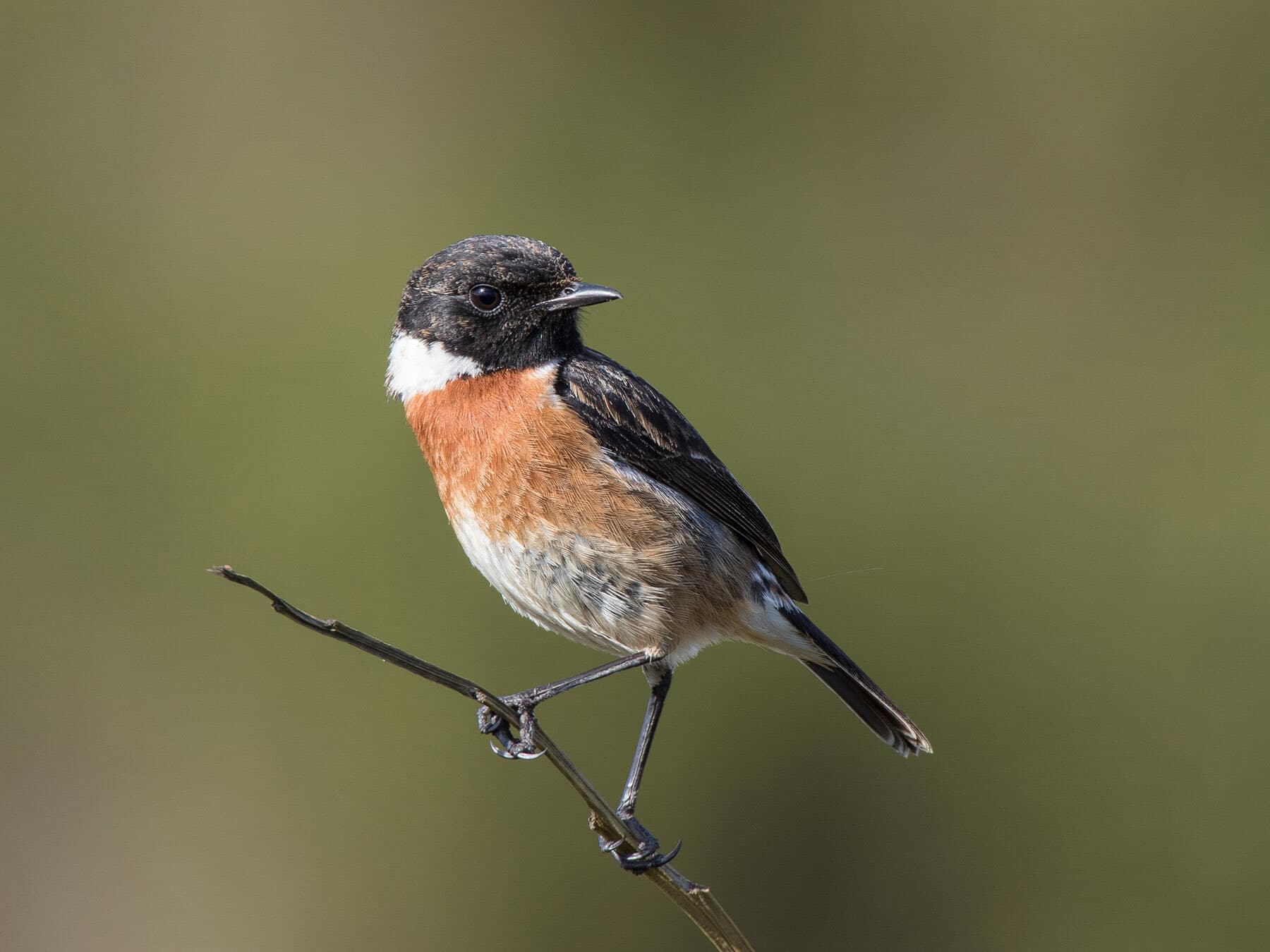
Stonechat
Saxicola torquatusLC
An uncommon resident of gorse-covered heathland and coastal scrub. Hardy birds persist through Northumberland's cold winters.
Year-round
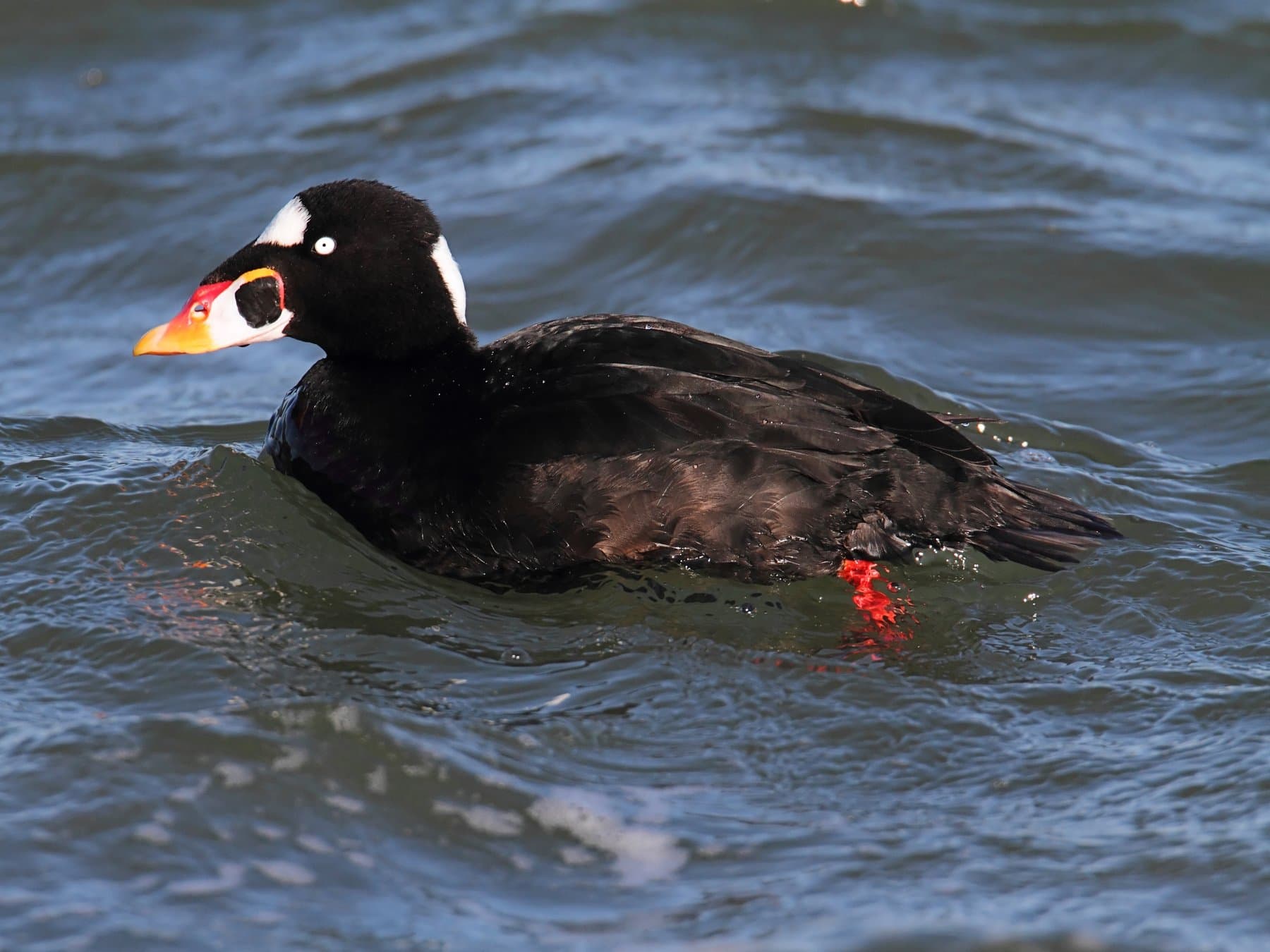
Surf Scoter
Melanitta perspicillataLC
A rare Nearctic sea duck occasionally spotted offshore in late autumn and early winter. Often associates with Common Scoter flocks off the coast.
Nov–Dec
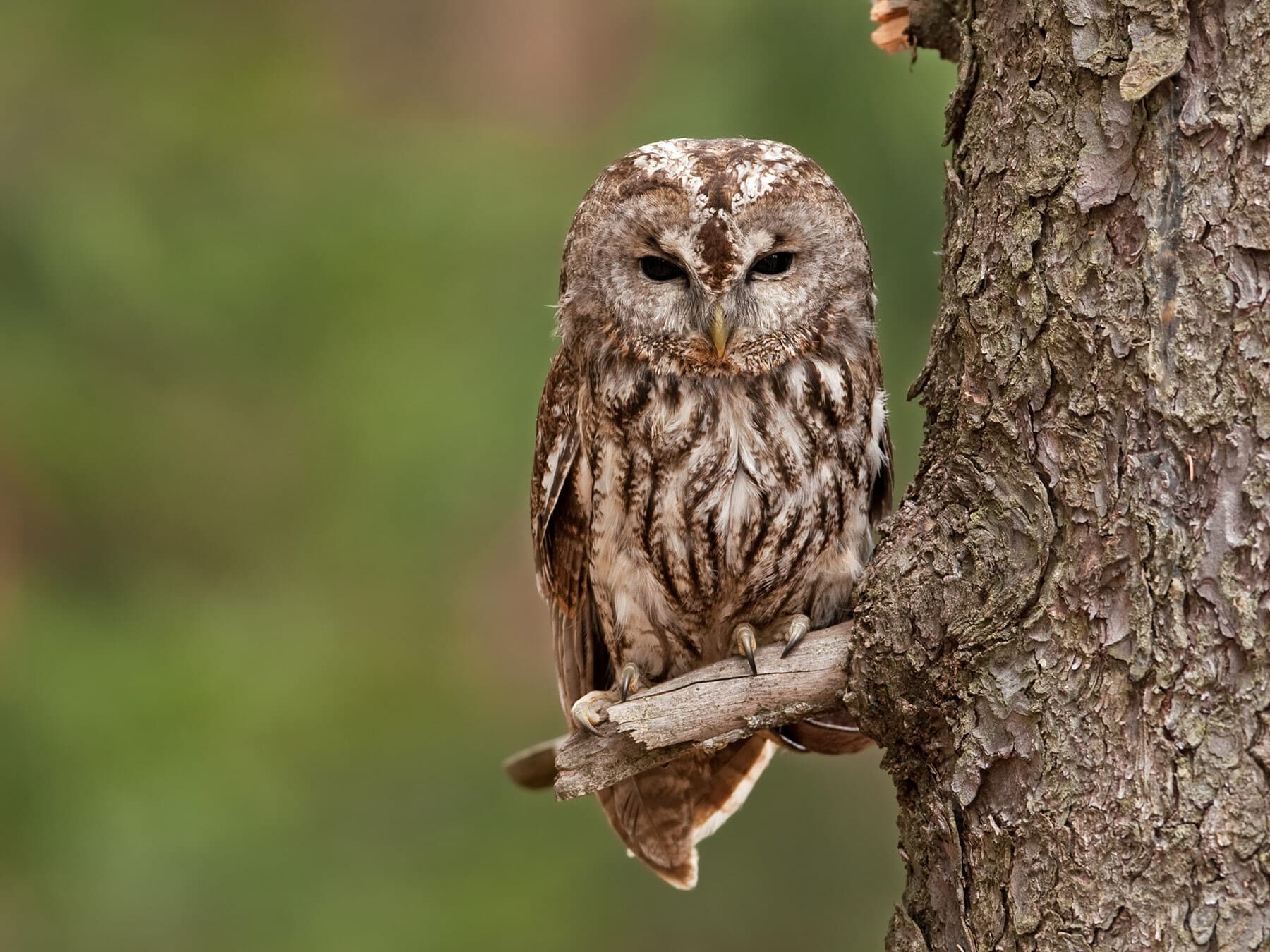
Tawny Owl
Strix alucoLC
A scarce resident of mature woodland and parkland. Its familiar hooting call echoes through Northumberland's river valleys at night.
Nov–Sep
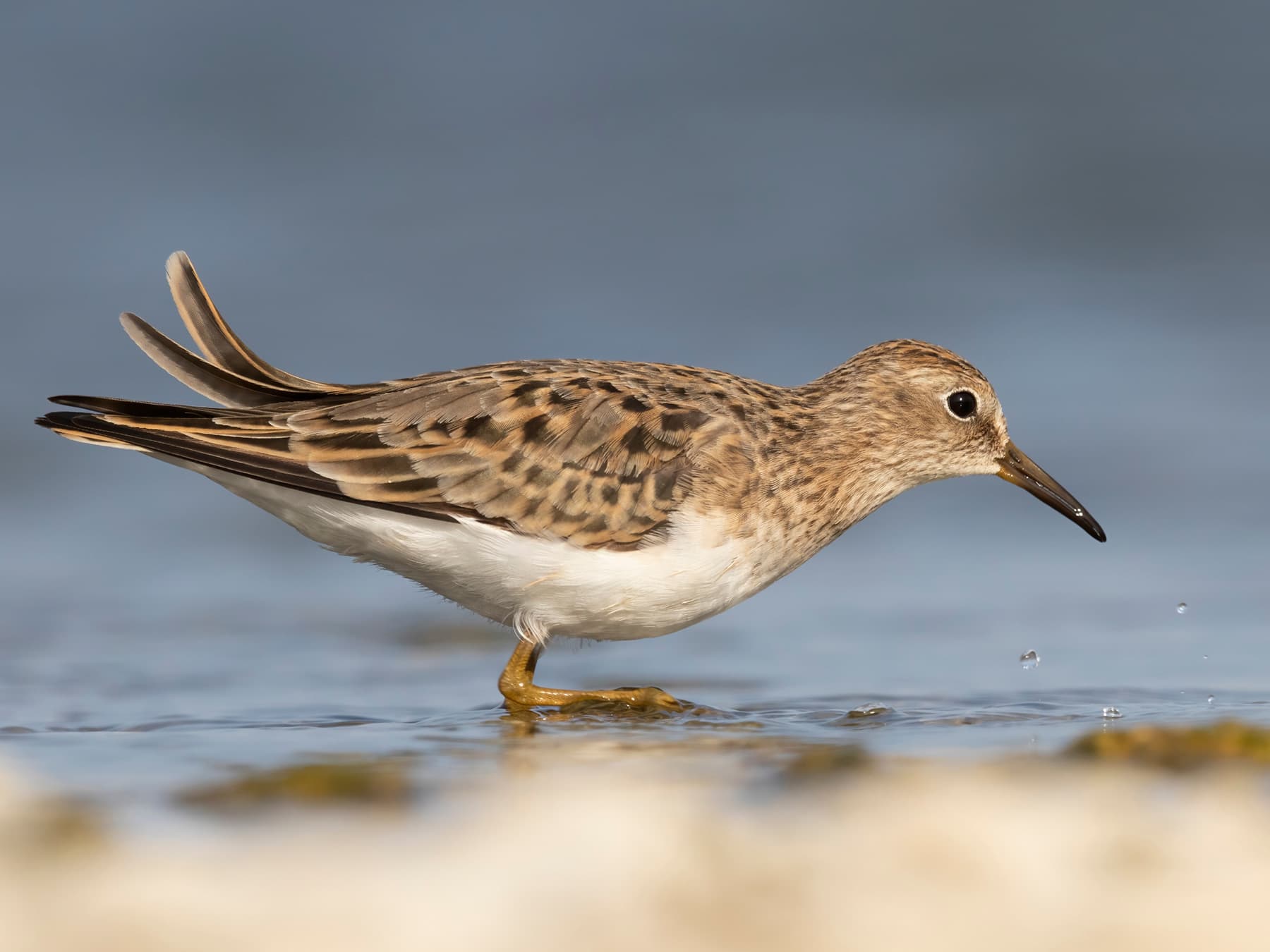
Temminck's Stint
Calidris temminckiiLC
A rare spring passage migrant, occasionally stopping at freshwater pool margins in May. Smaller and more skulking than the commoner Little Stint.
May
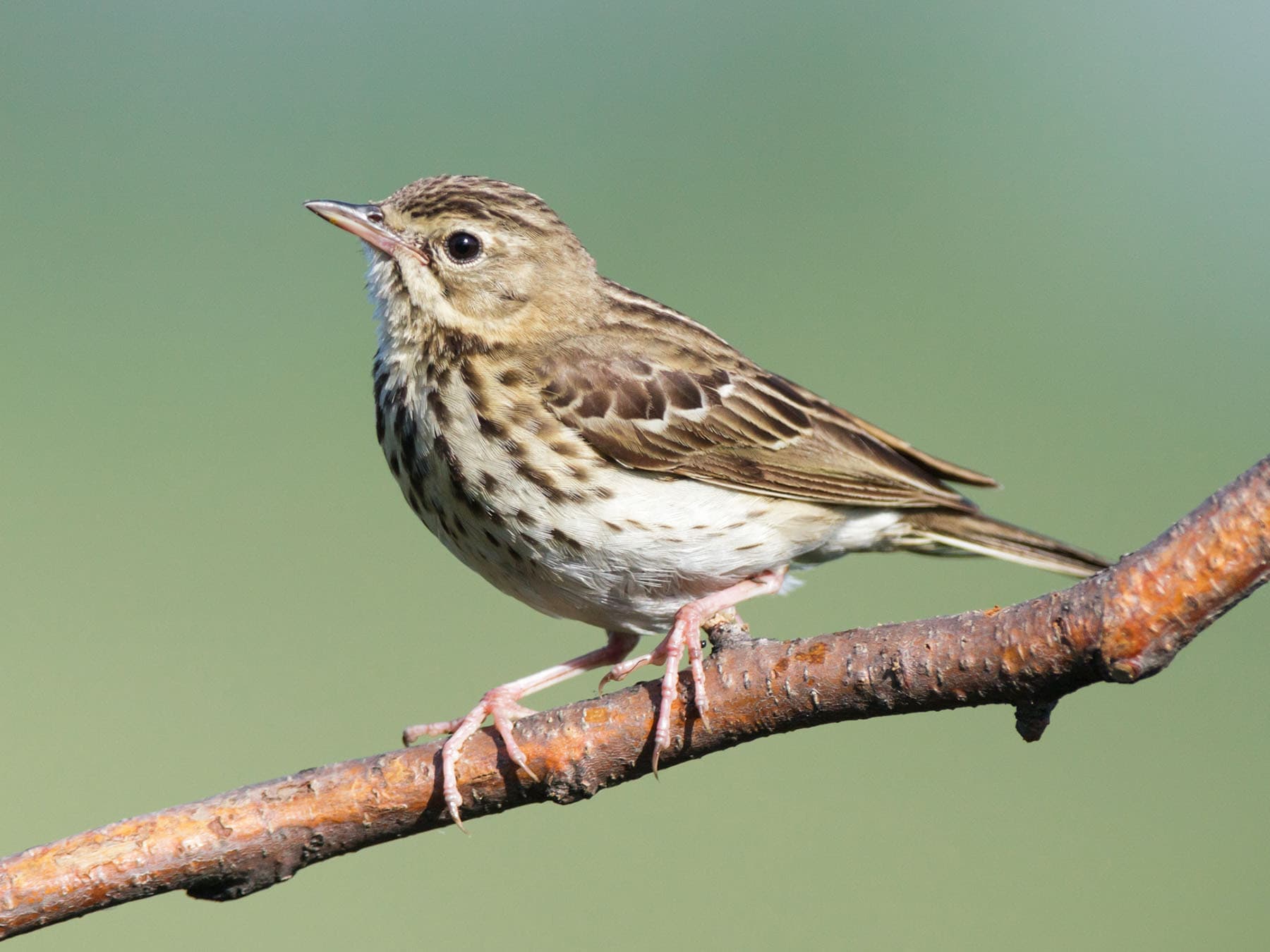
Tree Pipit
Anthus trivialisLC
A rare summer breeder in open woodland and forest clearings. Its parachuting song flight is a highlight of spring.
Apr–Sep
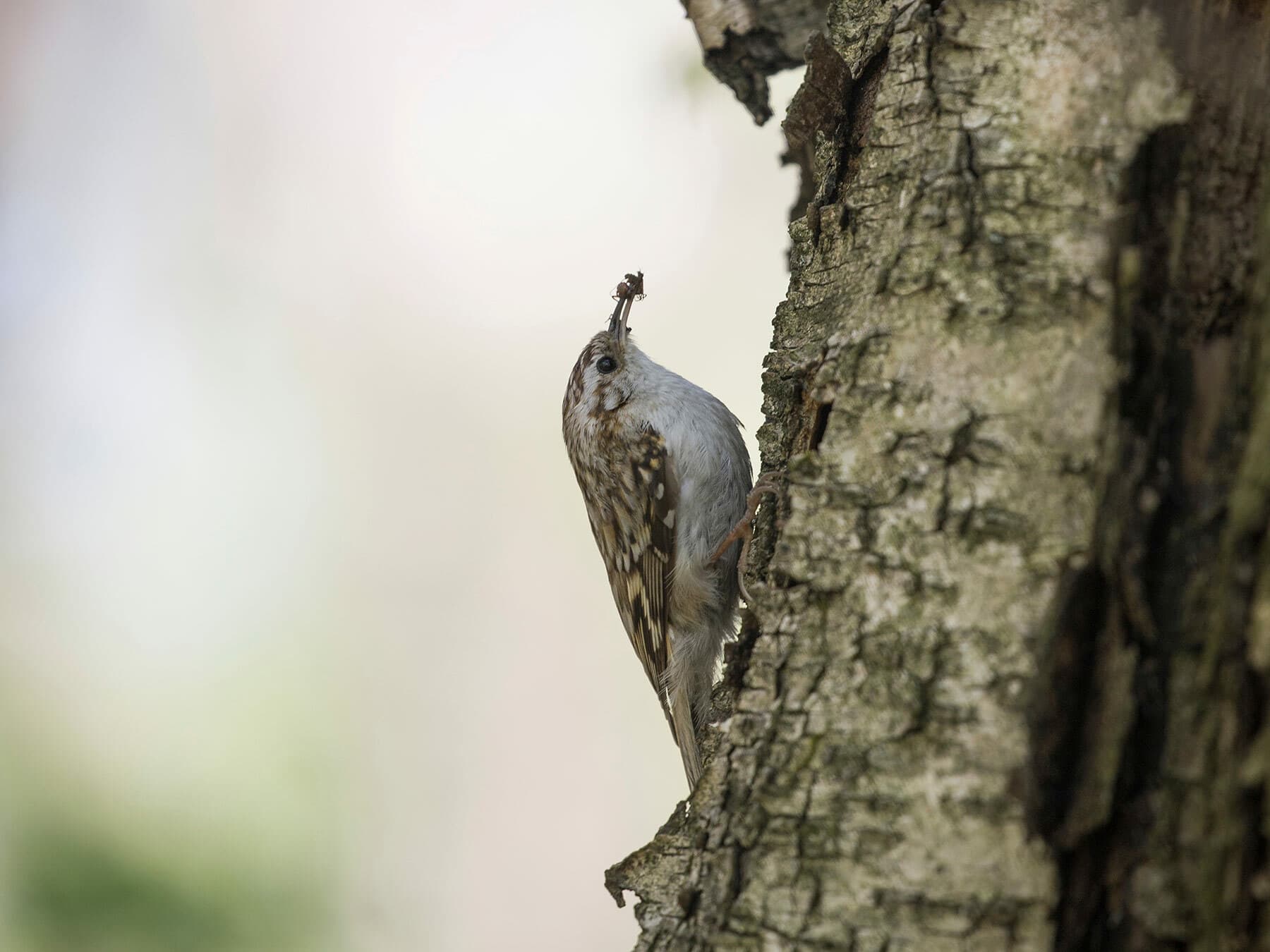
Treecreeper
Certhia familiarisLC
A rare but year-round resident, creeping mouse-like up tree trunks in mature woodland. Easily overlooked but present across the county.
Year-round
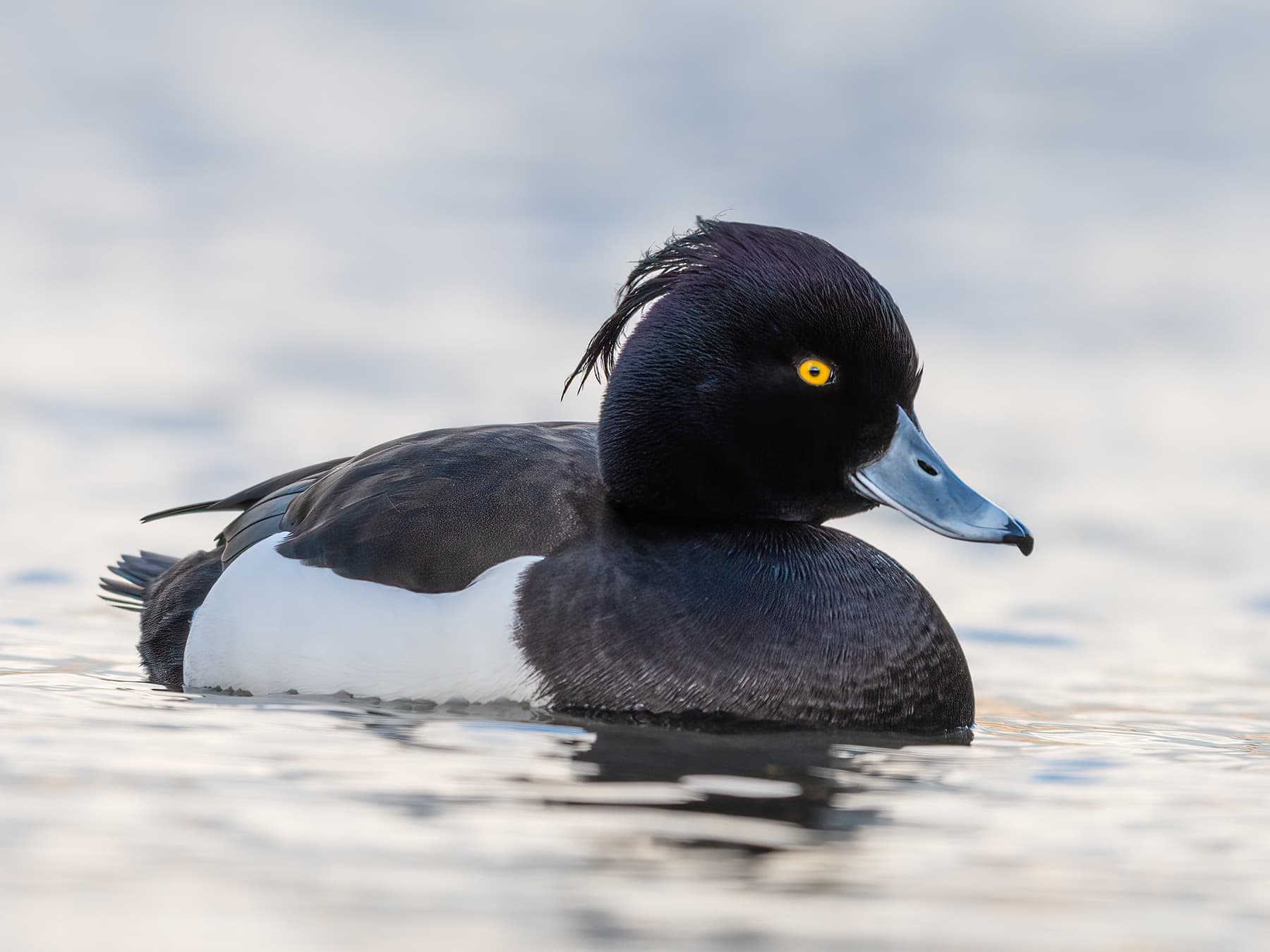
Tufted Duck
Aythya fuligulaLC
A common diving duck found year-round on freshwater lakes and reservoirs across Northumberland. Breeds locally and gathers in larger winter flocks.
Year-round
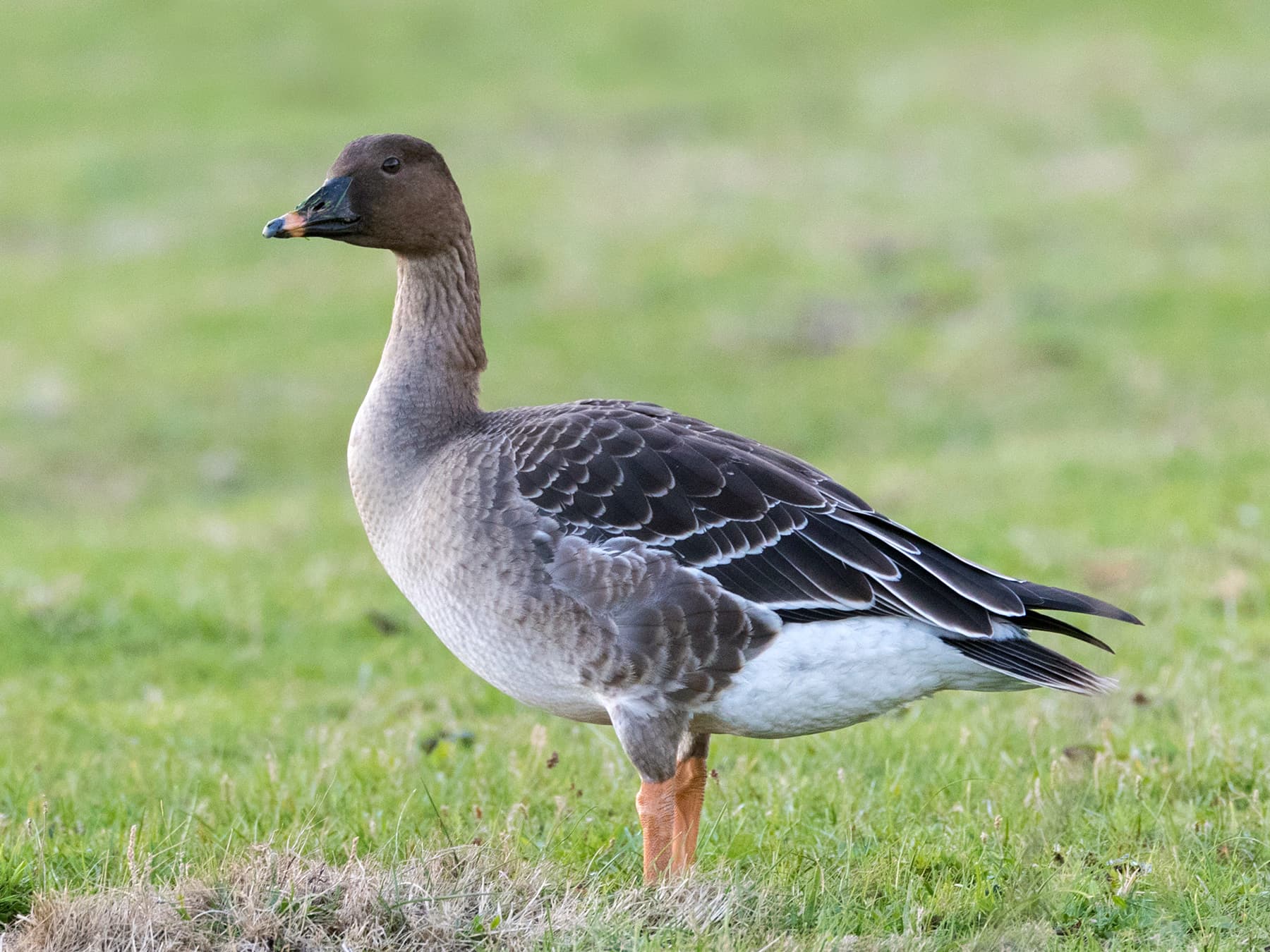
Tundra Bean Goose
Anser serrirostrisLC
A rare passage visitor in late winter, sometimes found among Pink-footed Goose flocks on coastal fields in February and March.
Feb–Mar