Birds in Northumberland
Explore 230 species found in this region.
Northumberland is one of England's most rewarding counties for birdwatching, with 218 recorded species found across its diverse landscapes of rugged coastline, upland moors, ancient woodlands, and estuarine mudflats. From the Farne Islands' famous seabird colonies to the high Cheviot Hills where Dotterel and Horned Lark breed, the county offers exceptional birding throughout the year. Notable species include Great Grey Shrike on winter heathlands, Eurasian Woodcock in dense woodland, and the striking Mandarin Duck along sheltered river valleys.
Visiting in July? Look out for Common Kingfisher and Curlew Sandpiper arriving this month, and Eurasian Woodcock and European Pied Flycatcher depart for the season.


Showing 208–230 of 230 species
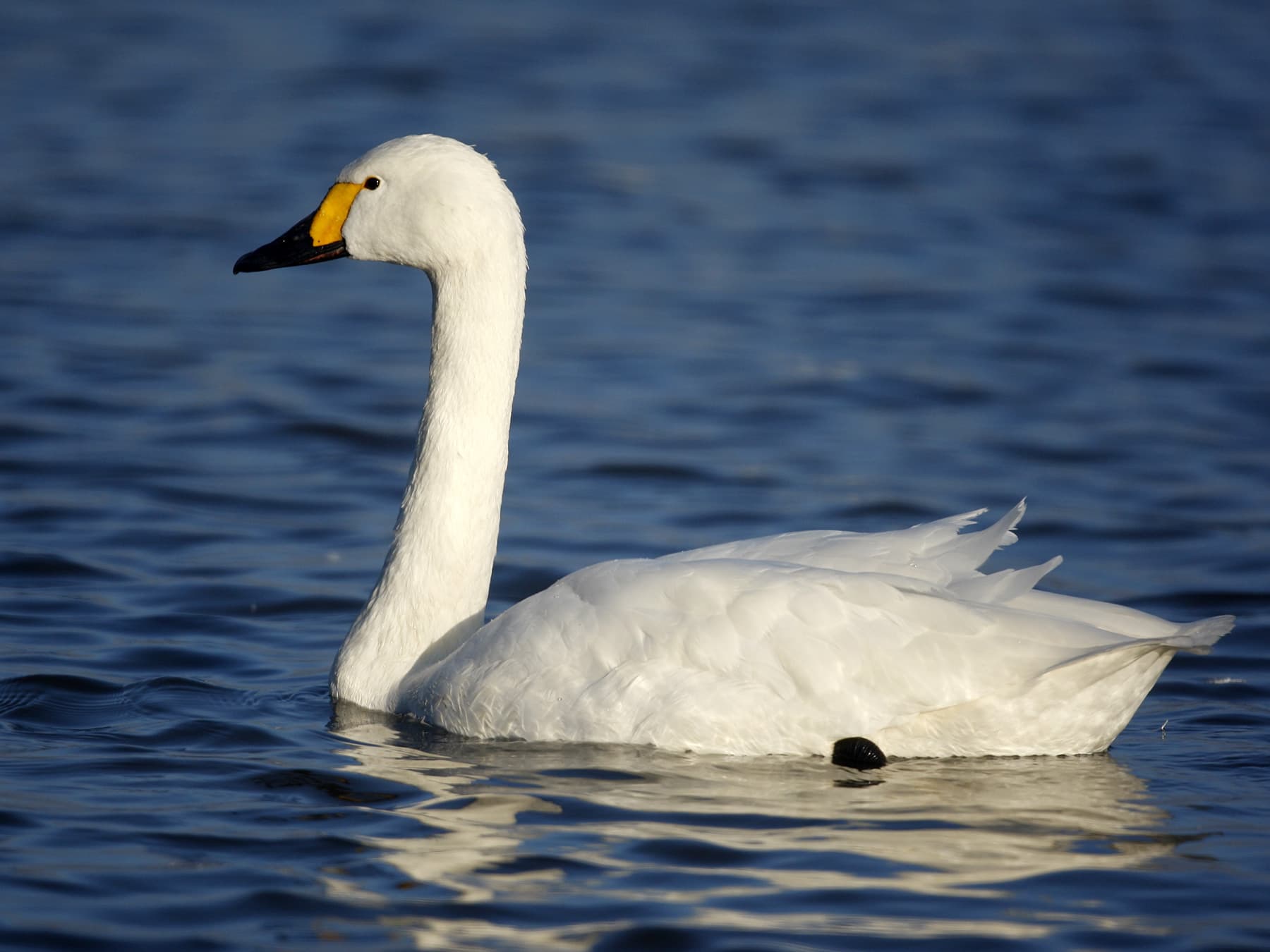
Tundra Swan
Cygnus columbianusLC
A rare passage visitor in November, occasionally stopping at wetlands or joining Whooper Swan flocks on farmland near the coast.
Nov
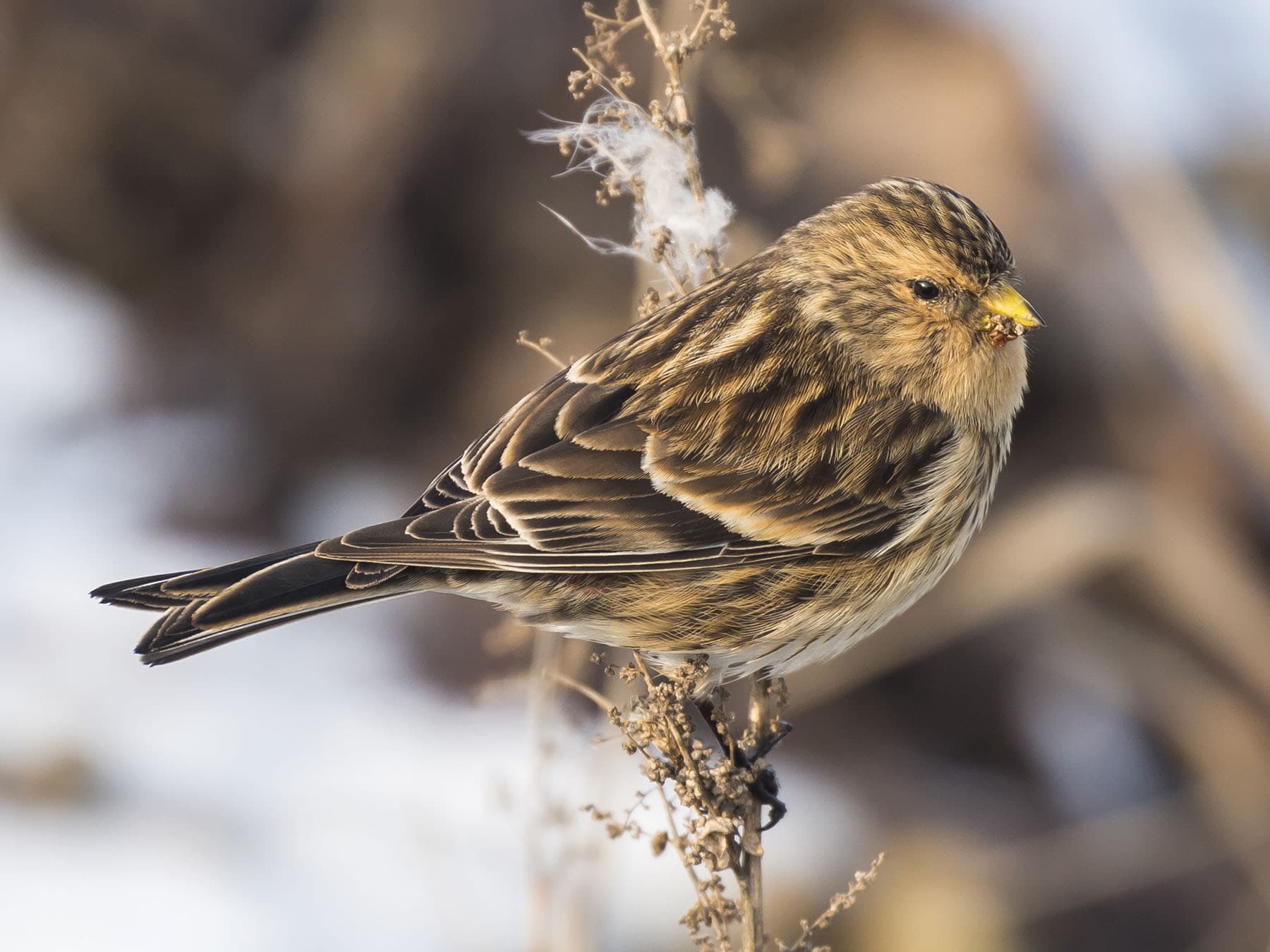
Twite
Linaria flavirostrisLC
An uncommon non-breeding visitor to coastal stubble fields and saltmarshes, present from autumn through early spring.
Oct–Apr
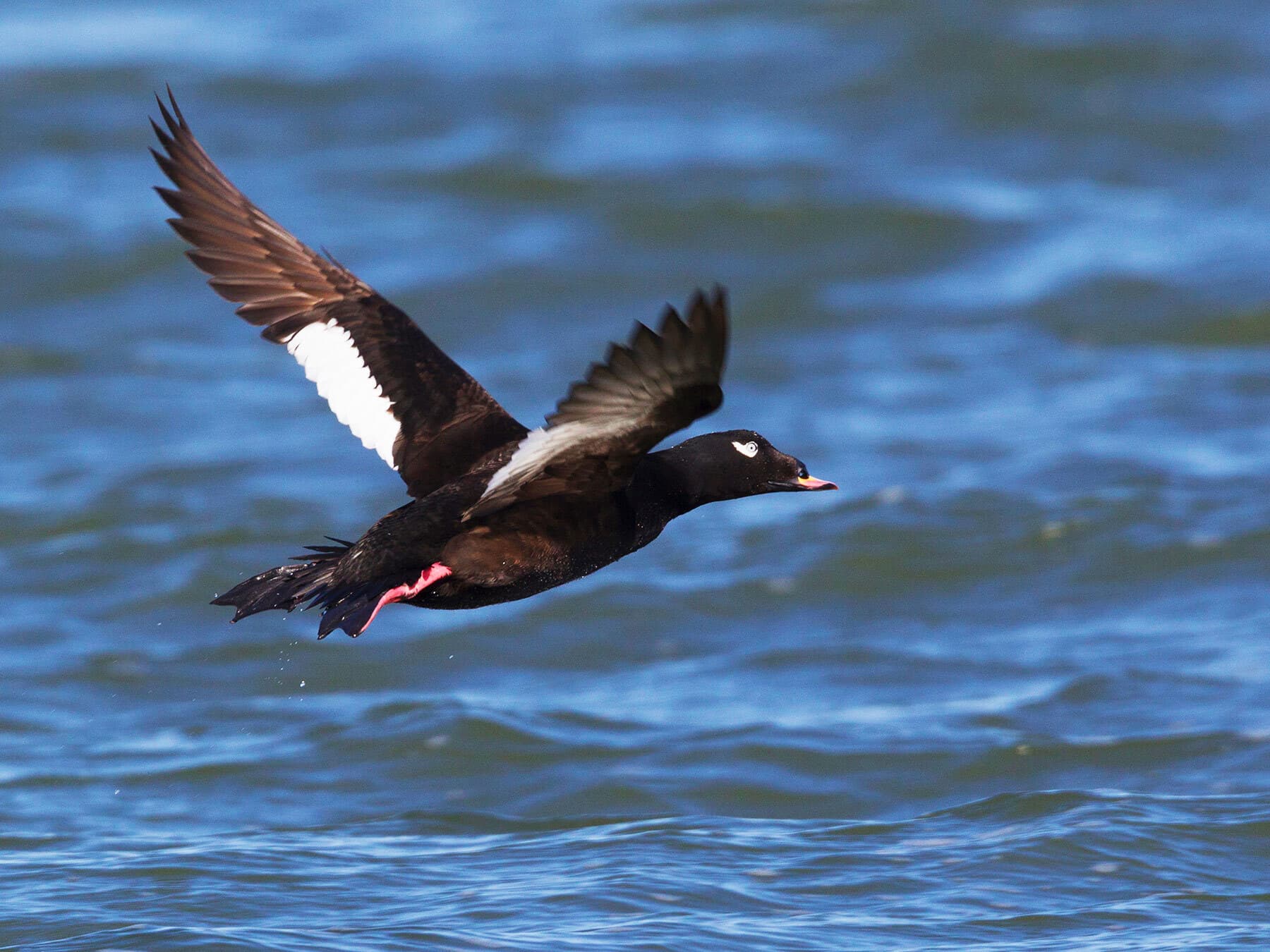
Velvet Scoter
Melanitta fuscaVU
A rare non-breeding visitor to offshore waters, mainly seen from late summer through winter. Often associates with Common Scoter flocks.
Jul–Feb
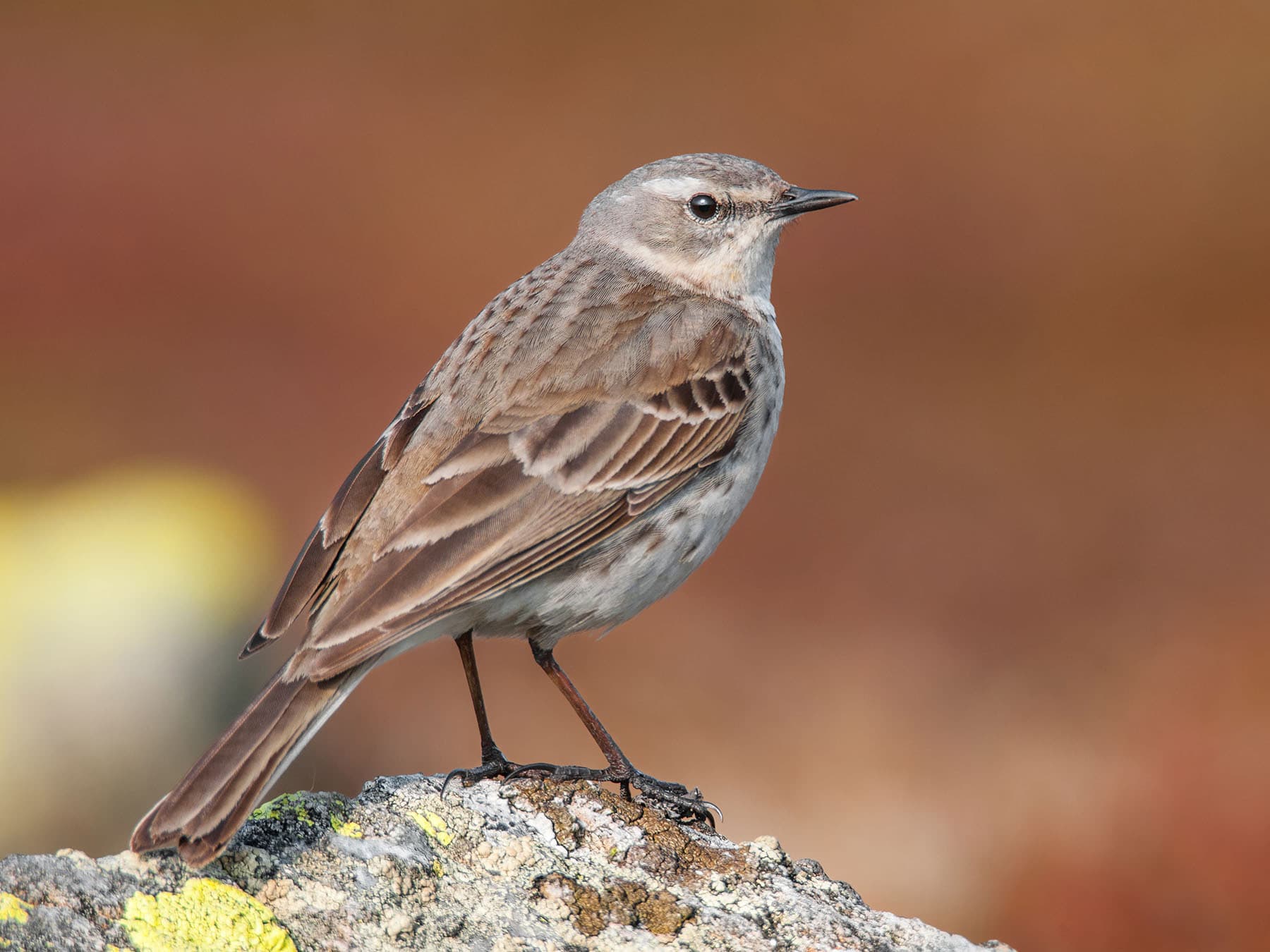
Water Pipit
Anthus spinolettaLC
A rare passage visitor found at wetland margins and watercress beds, mainly in winter months and early spring.
Dec–Mar
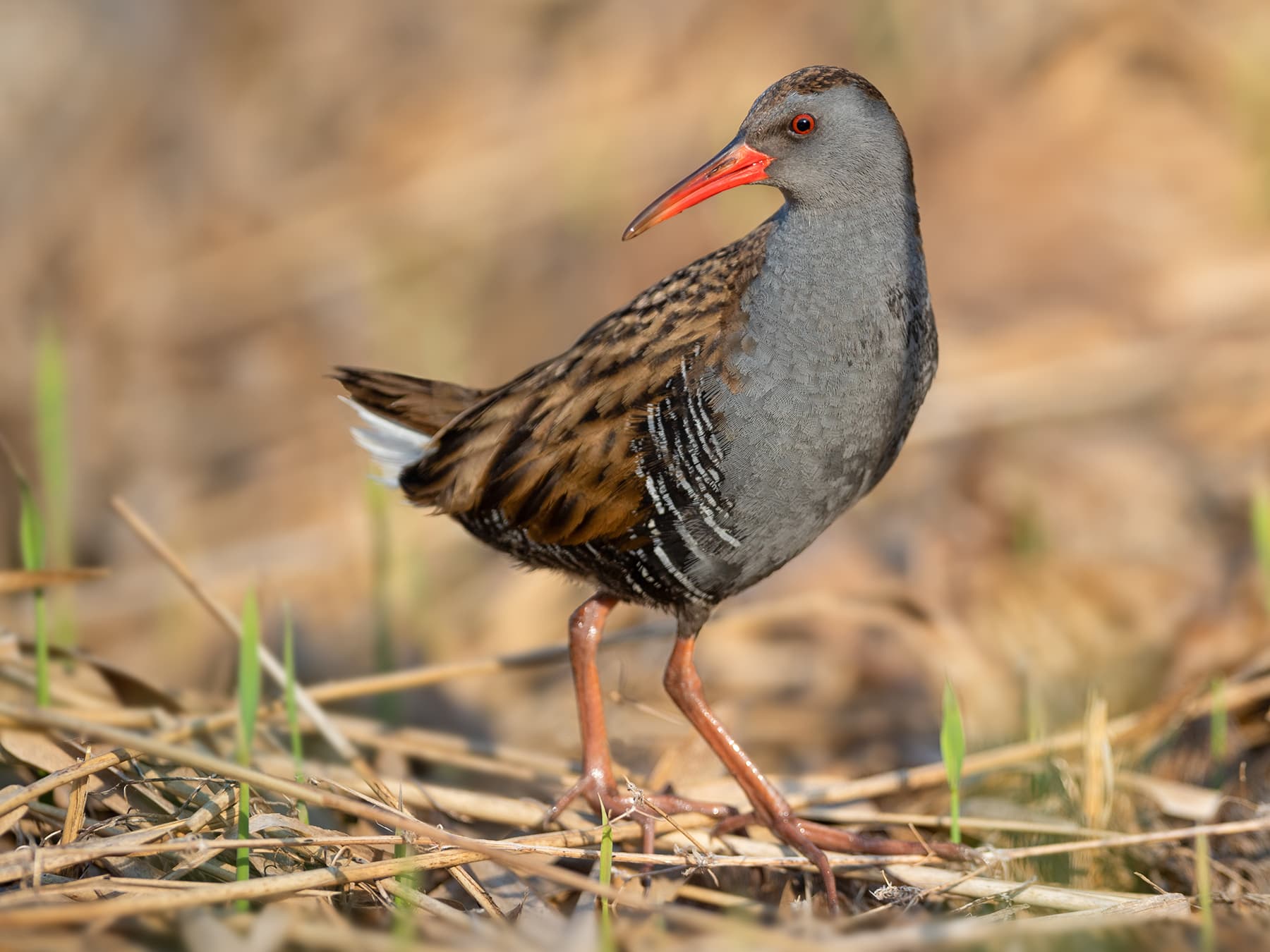
Water Rail
Rallus aquaticusLC
A secretive resident of reedbeds and marshy ditches, more often heard giving its pig-like squeal than seen in the open.
Jun–Apr
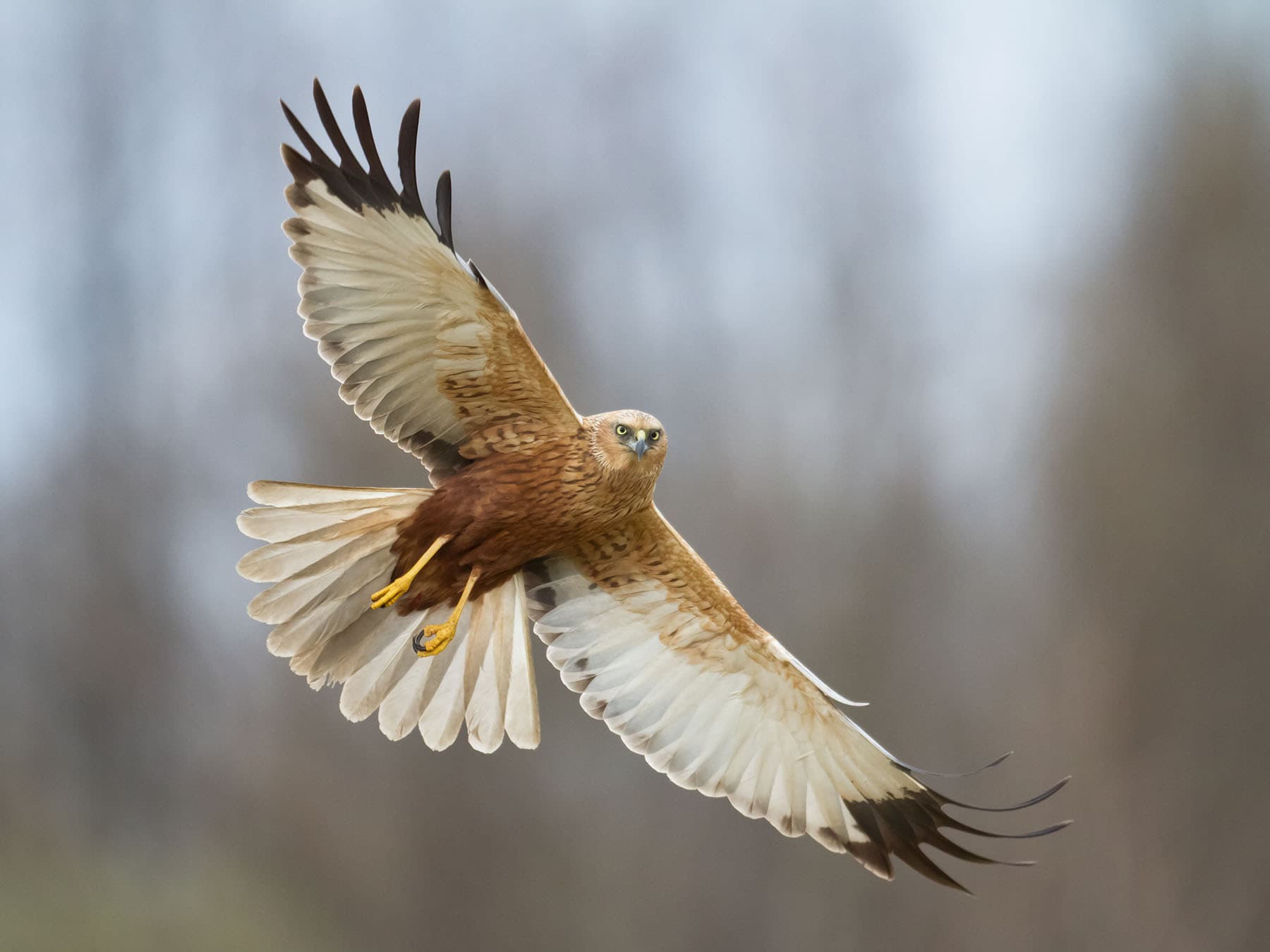
Western Marsh-harrier
Circus aeruginosusLC
An uncommon resident of lowland wetlands and reedbeds. Increasingly established in Northumberland after decades of expansion northward.
Year-round
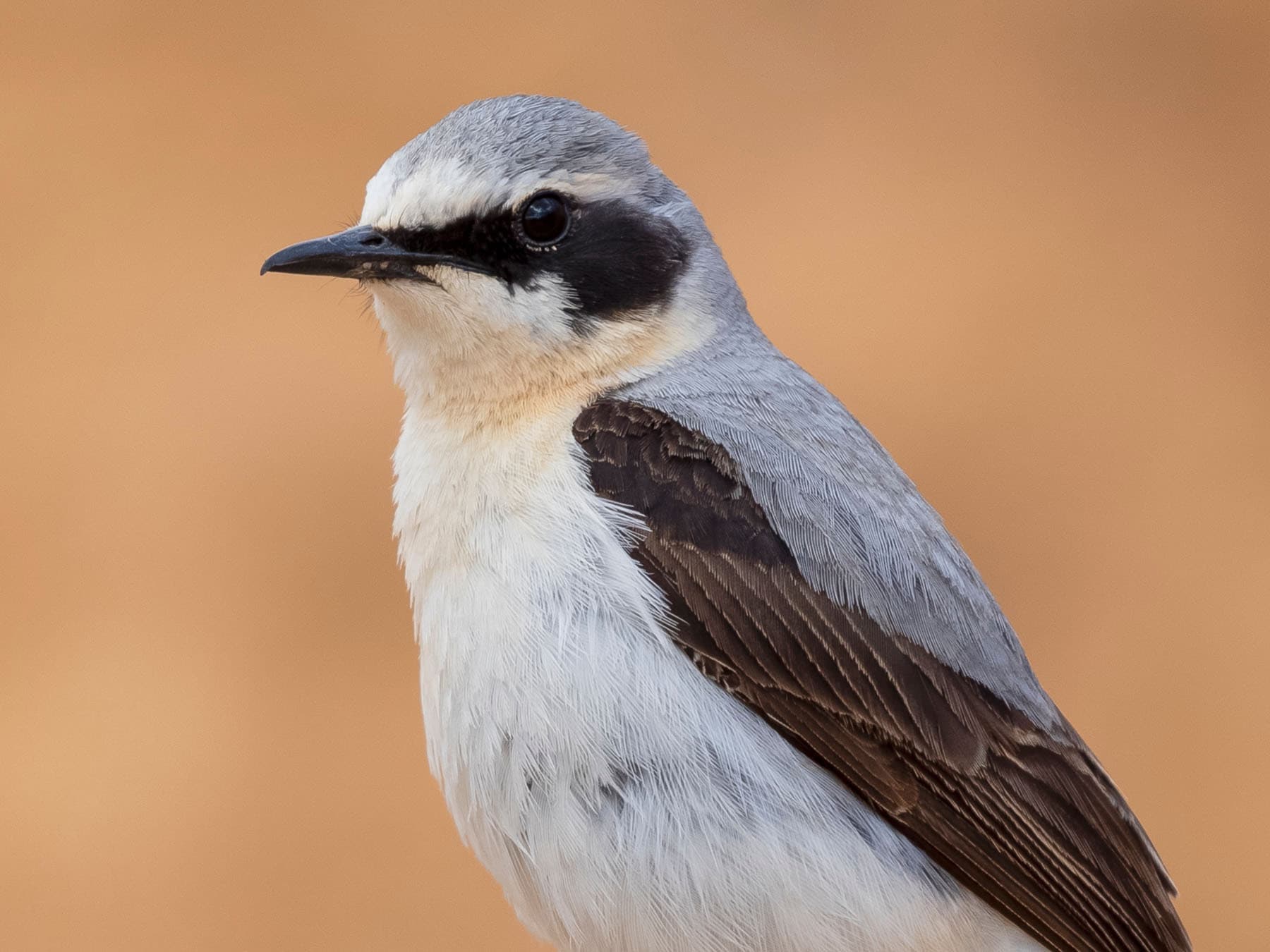
Wheatear
Oenanthe oenantheLC
An uncommon summer breeder on upland pastures and moorland. Coastal migrants pass through in spring and autumn.
Mar–Oct
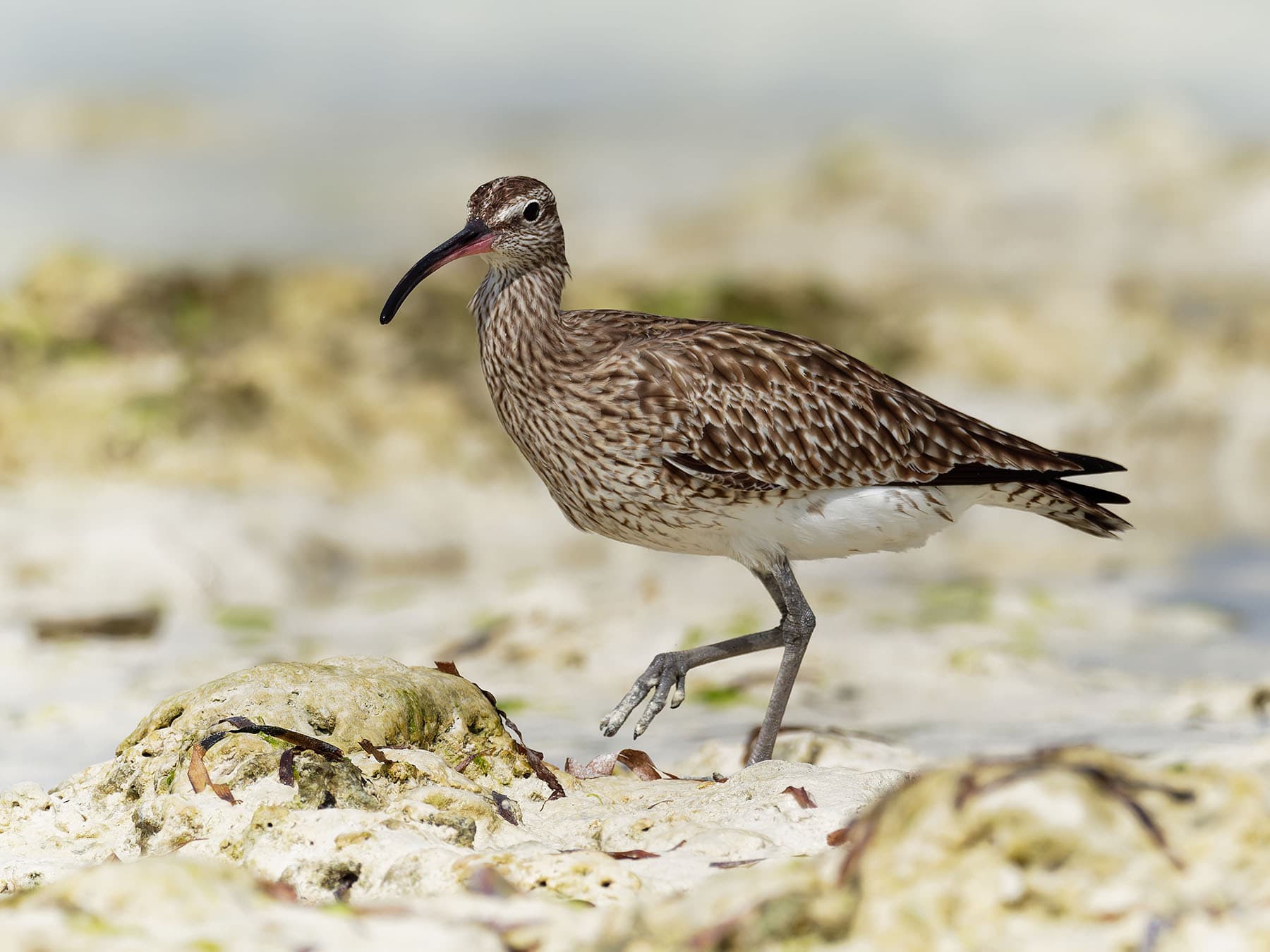
Whimbrel
Numenius phaeopusLC
An uncommon breeder on upland moorland, also seen on passage along the coast from April to September.
Apr–Sep
Spotted something?
Upload a photo to identify it
Identify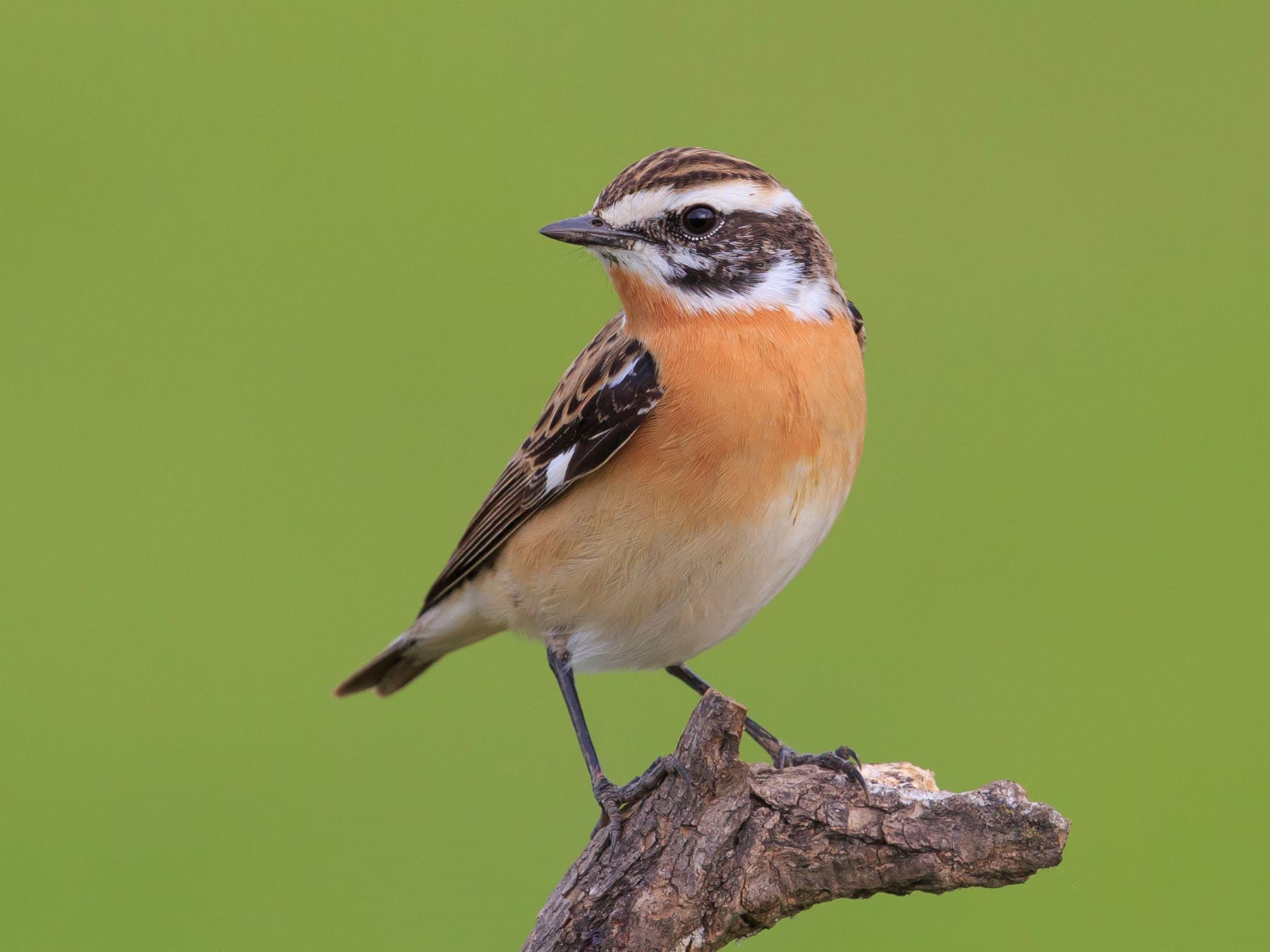
Whinchat
Saxicola rubetraLC
A rare and declining breeder on upland moorland edges, arriving in April and departing by September.
Apr–Sep
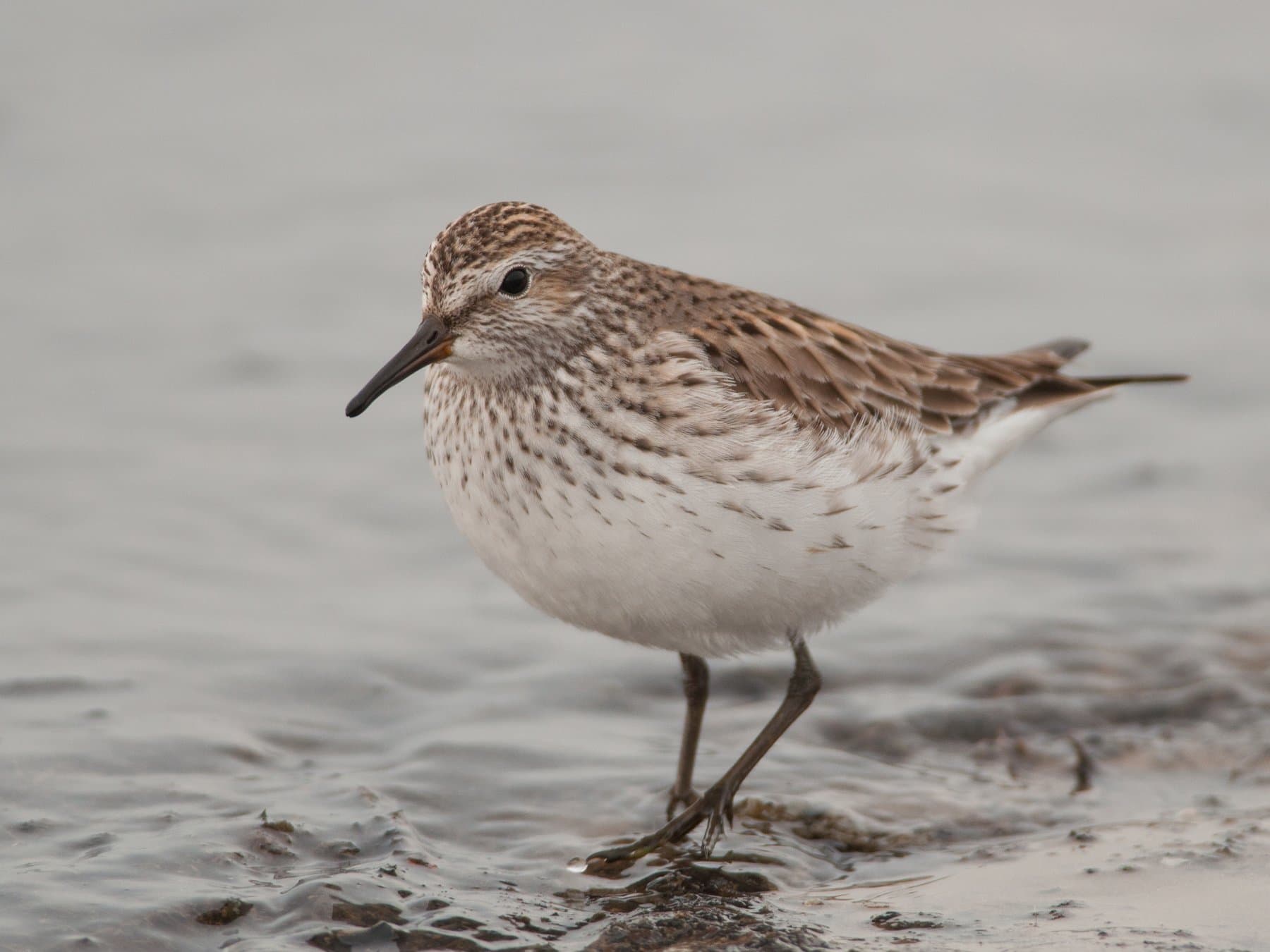
White-rumped Sandpiper
Calidris fuscicollisVU
A rare transatlantic vagrant, occasionally found among flocks of small waders at coastal pools in August.
Aug
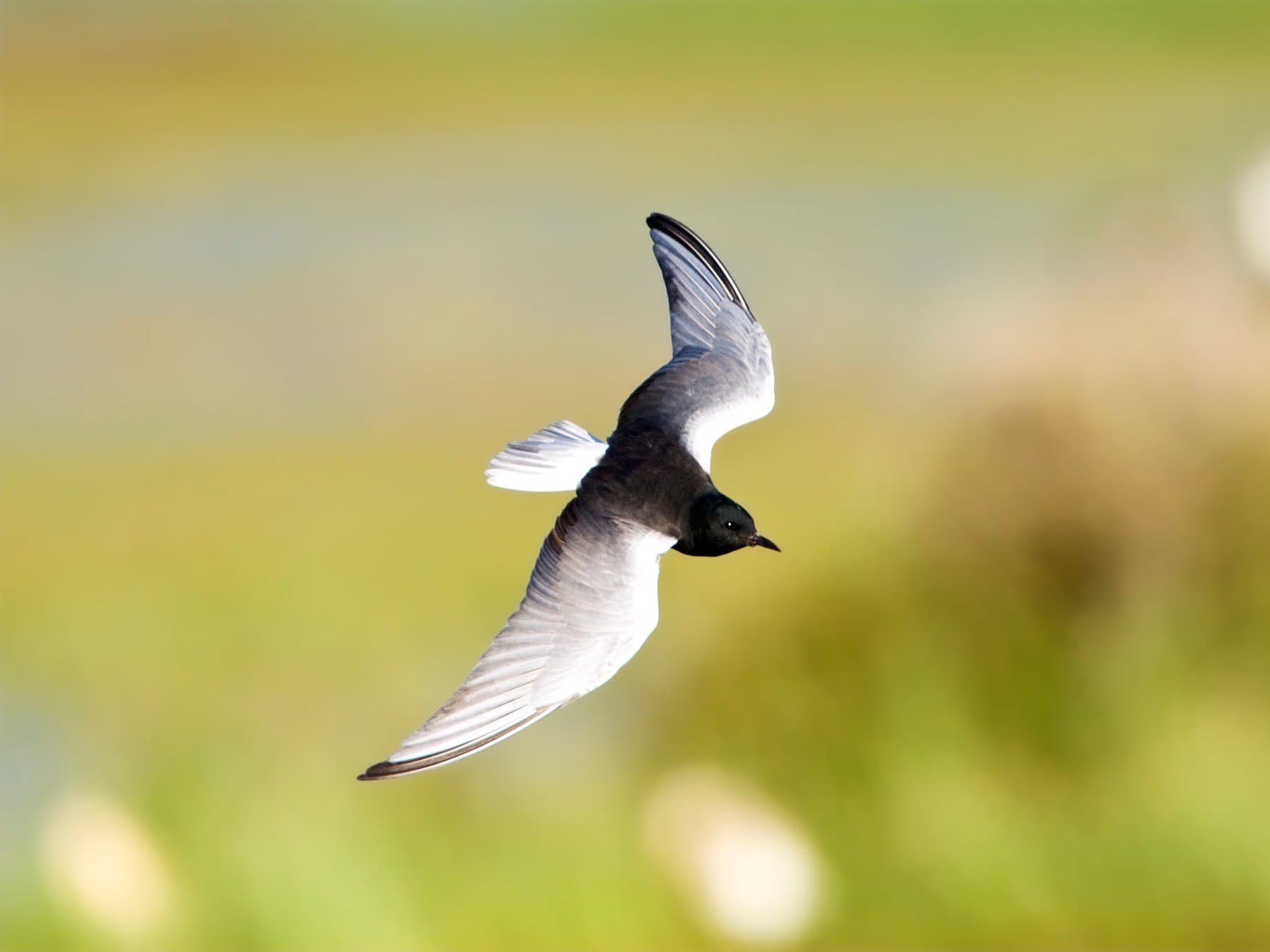
White-winged Tern
Chlidonias leucopterusLC
A rare passage migrant, occasionally recorded in August along the coast. A striking marsh tern more typical of eastern Europe.
Aug
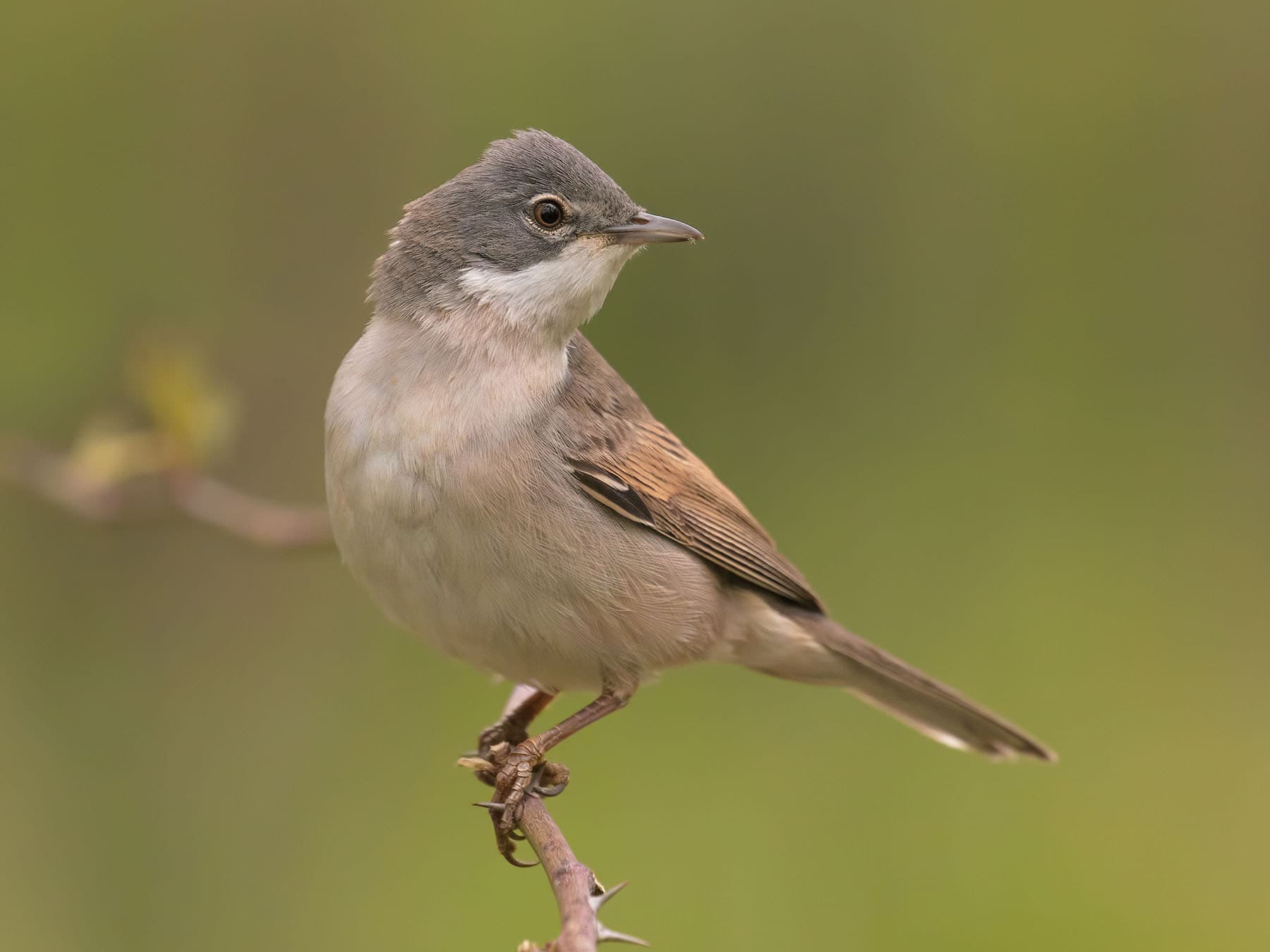
Whitethroat
Curruca communisLC
An uncommon summer breeder of hedgerows and scrubby field margins, arriving in April and delivering its scratchy song into late summer.
Apr–Sep
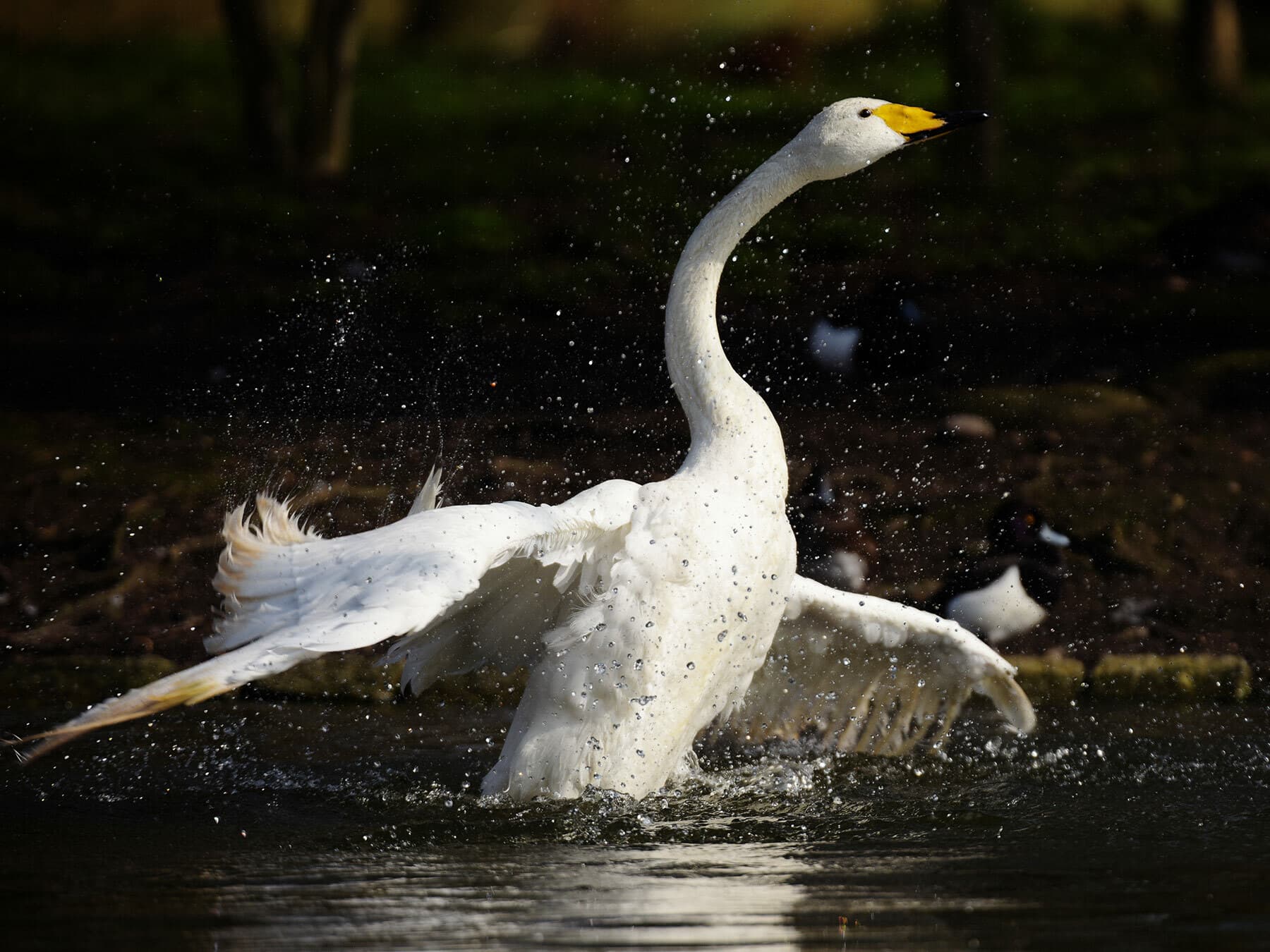
Whooper Swan
Cygnus cygnusLC
Present year-round but most prominent in winter, when Icelandic birds gather on flooded fields and lakes. Bugling calls carry across Northumberland's wetlands.
Year-round
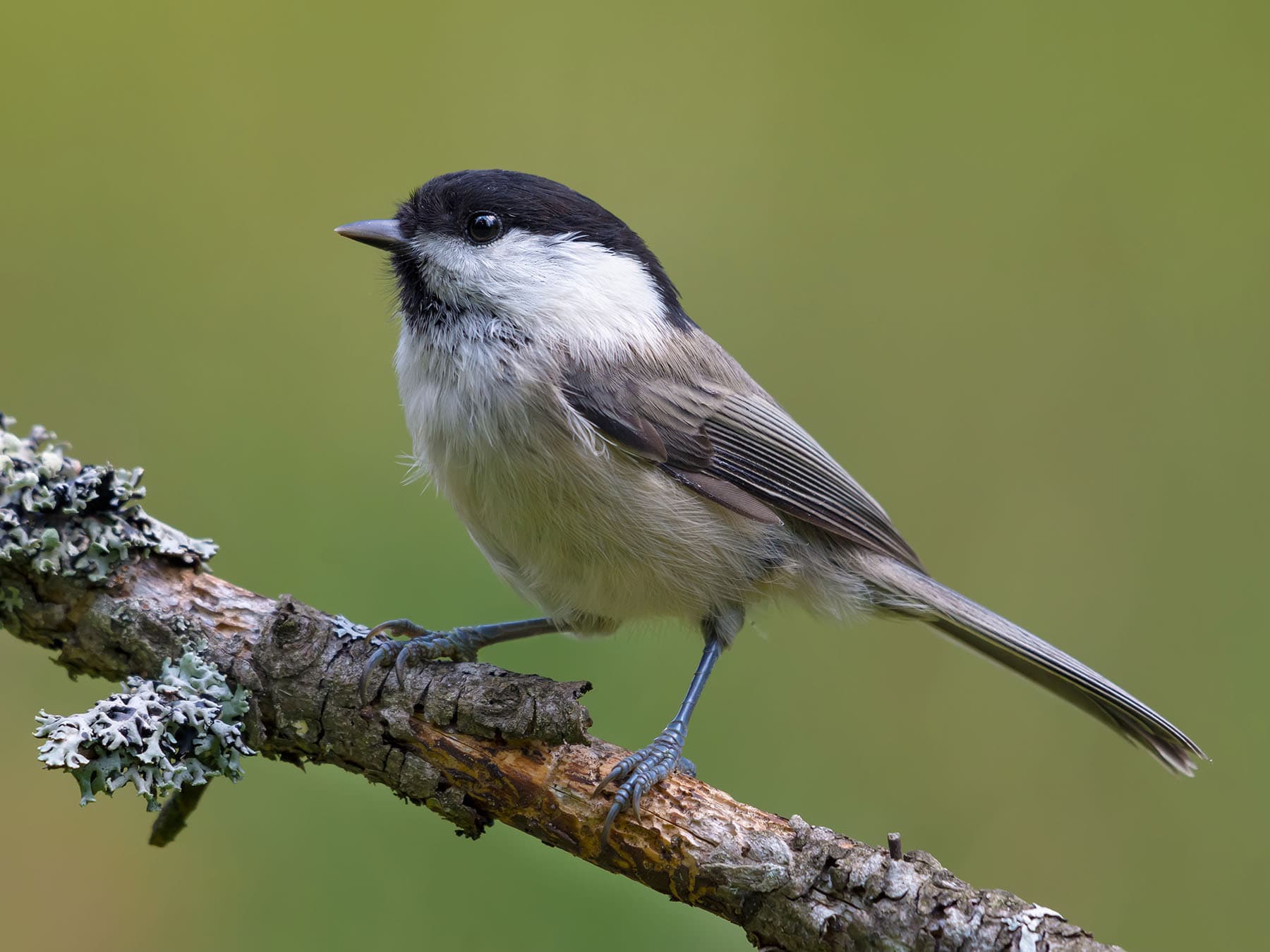
Willow Tit
Poecile montanusLC
A rare and declining resident found in damp willow and birch woodland. One of the UK's fastest-declining species, now very scarce in the county.
Year-round
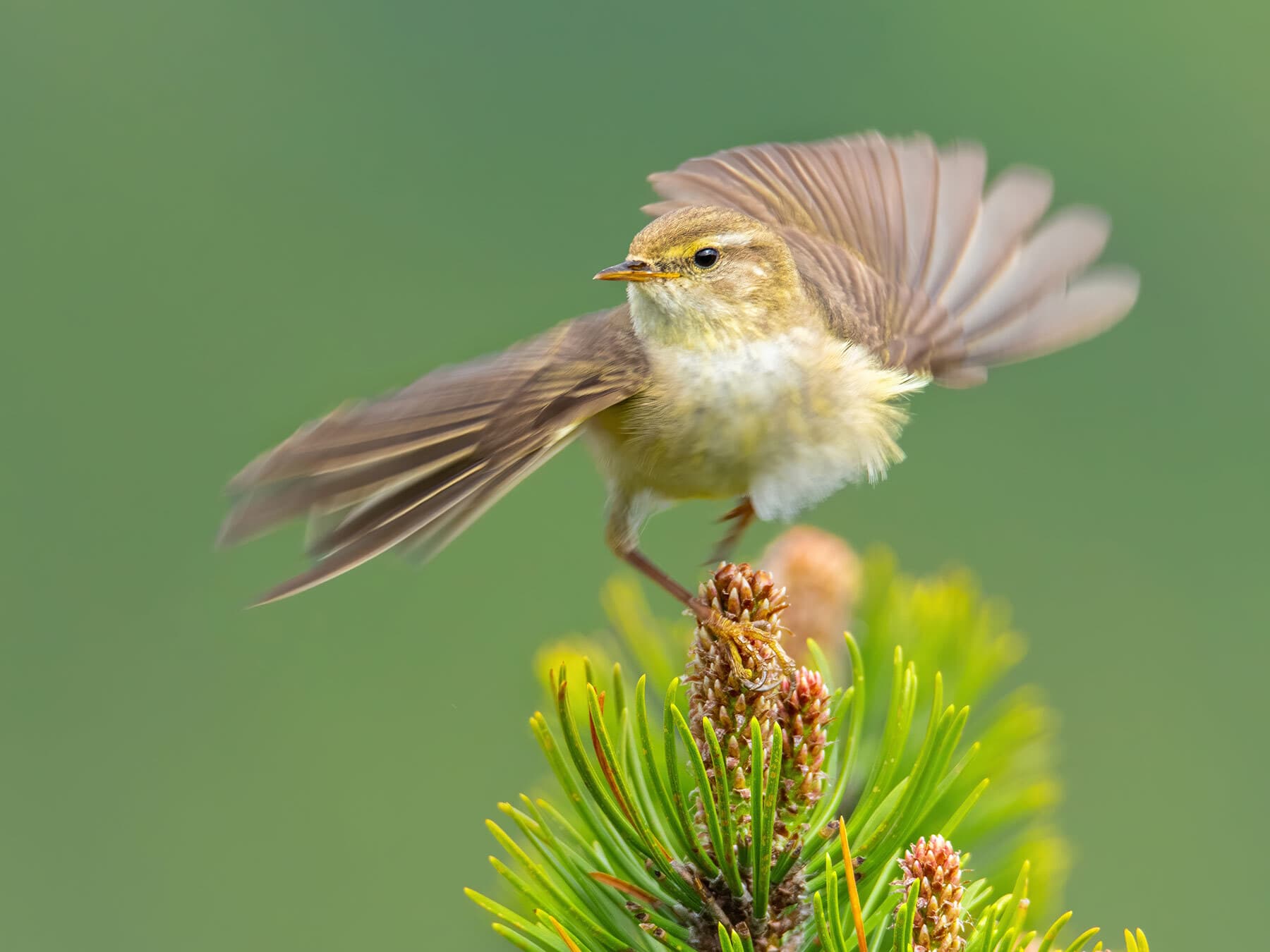
Willow Warbler
Phylloscopus trochilusLC
An uncommon summer breeder favouring birch and willow scrub on moorland edges. Its gentle descending song is heard from April to July.
Apr–Oct
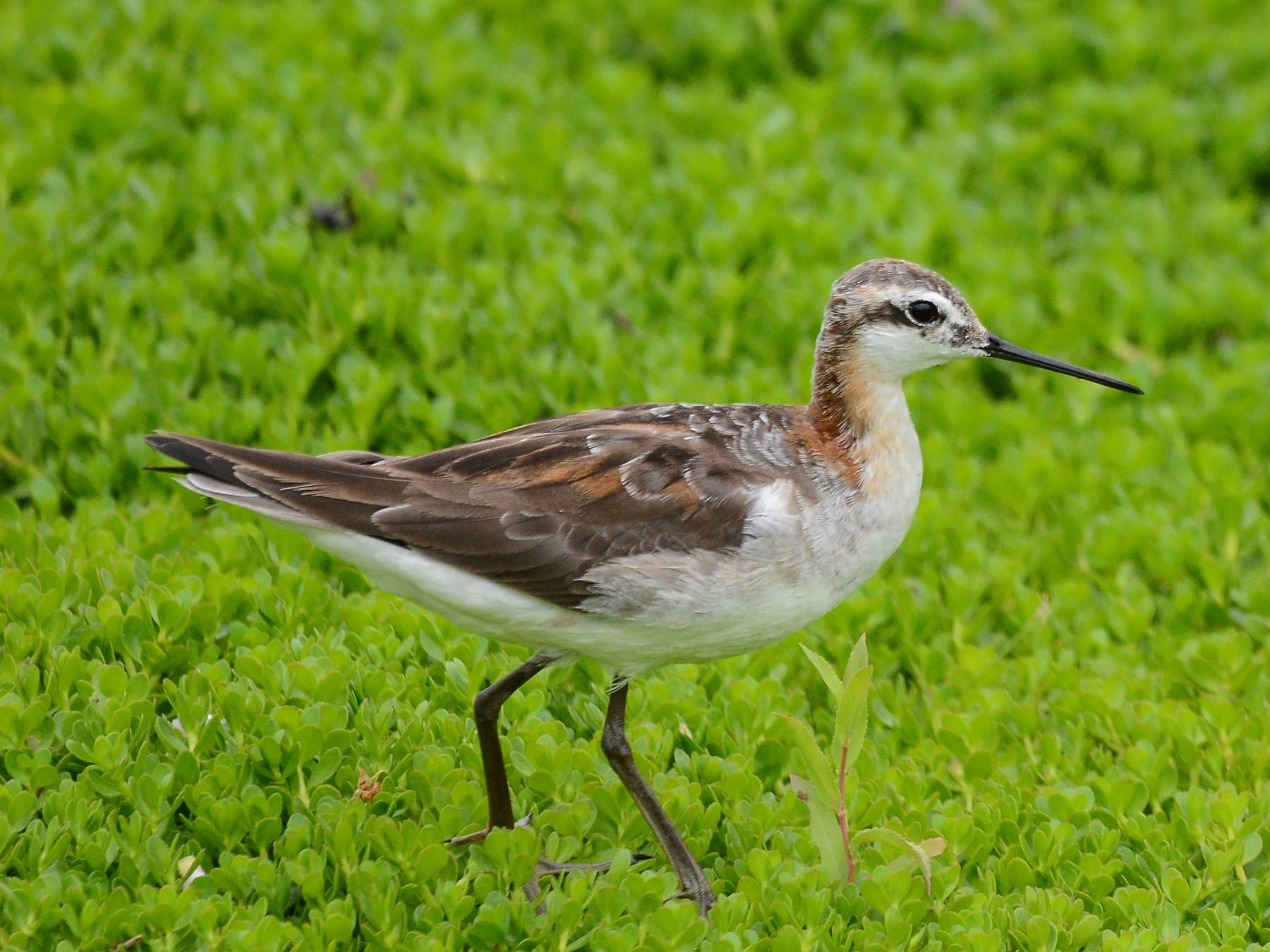
Wilson's Phalarope
Phalaropus tricolorLC
An extremely rare transatlantic vagrant, with occasional November records at coastal pools and wetland scrapes.
Nov
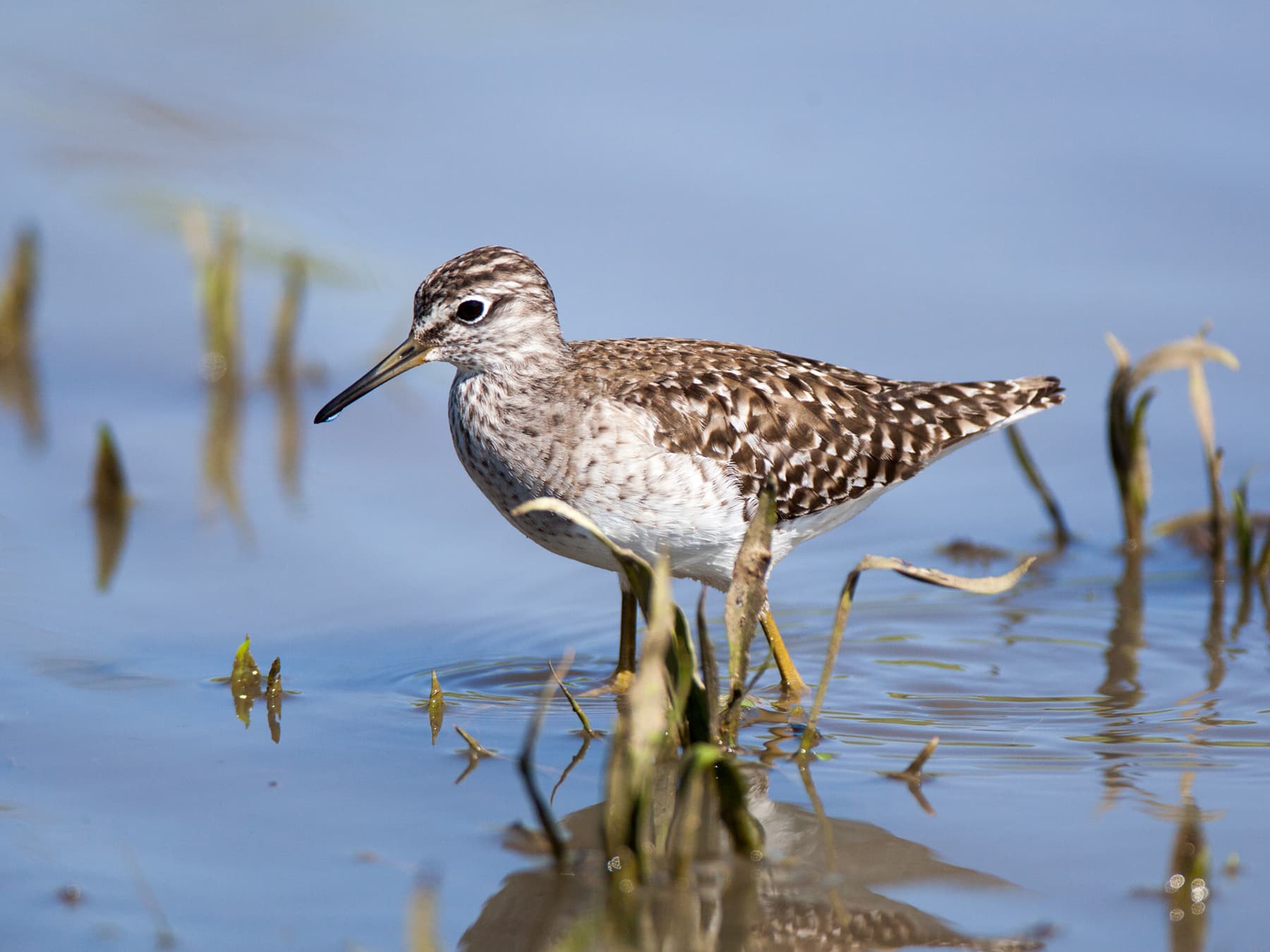
Wood Sandpiper
Tringa glareolaLC
A rare breeding species found at secluded boggy pools in the uplands from May to September. Northumberland is one of very few English breeding sites.
May–Sep
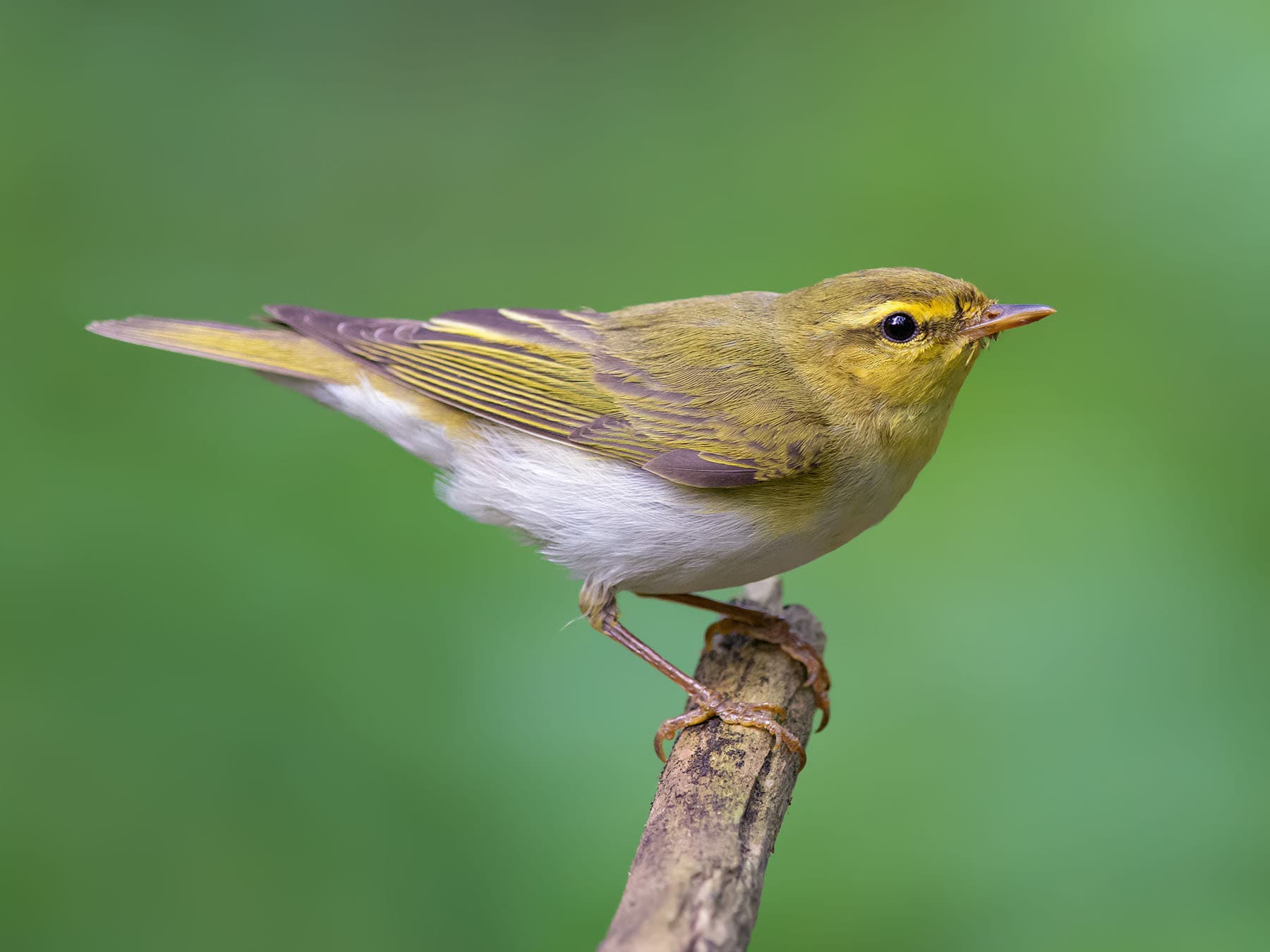
Wood Warbler
Phylloscopus sibilatrixLC
A rare passage migrant in May and June. May briefly visit oak woodlands but does not typically linger to breed in the county.
May–Jun
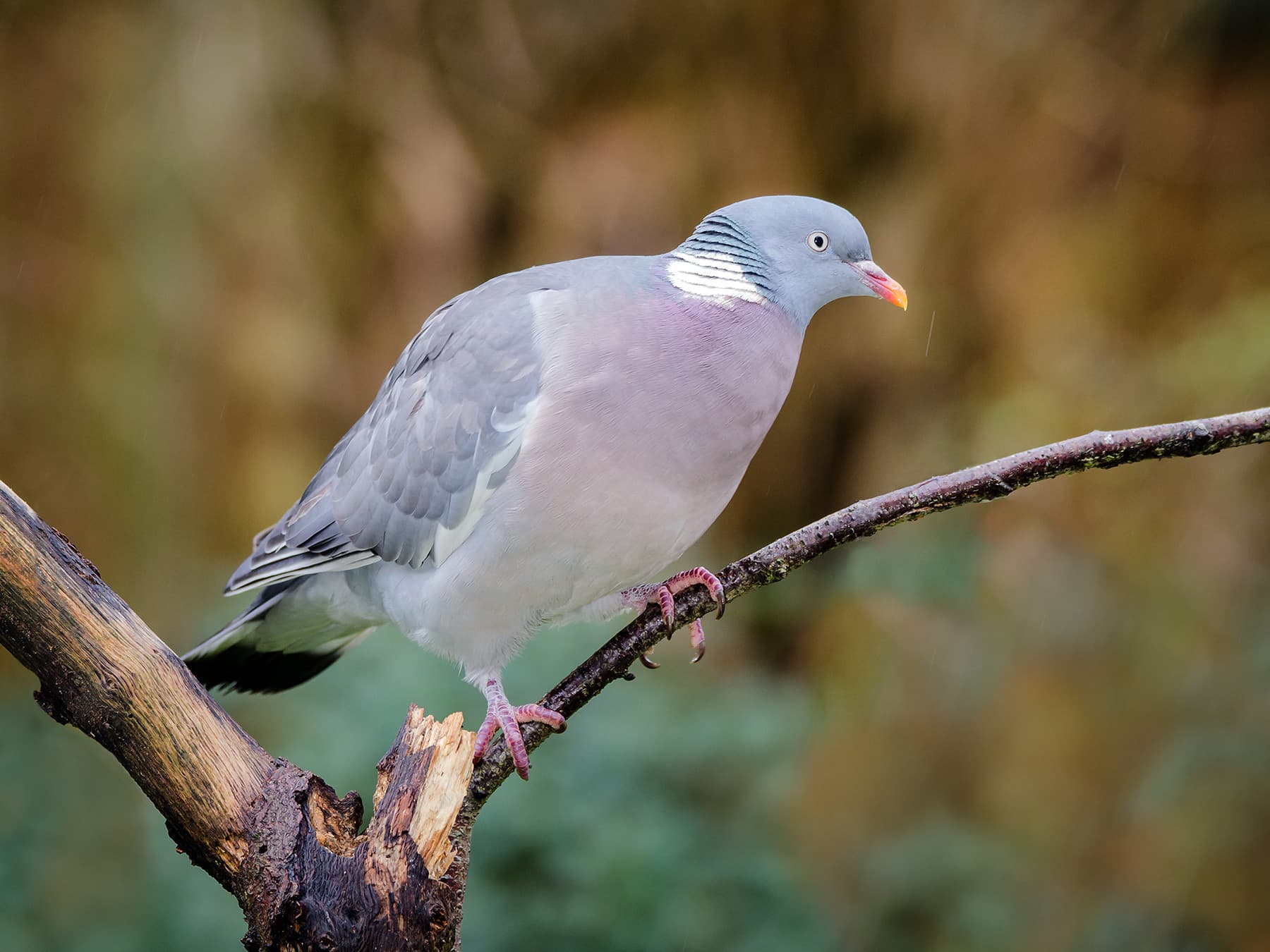
Woodpigeon
Columba palumbusLC
Abundant year-round in woodlands, parks, and farmland, often gathering in large flocks on arable fields during autumn and winter.
Year-round
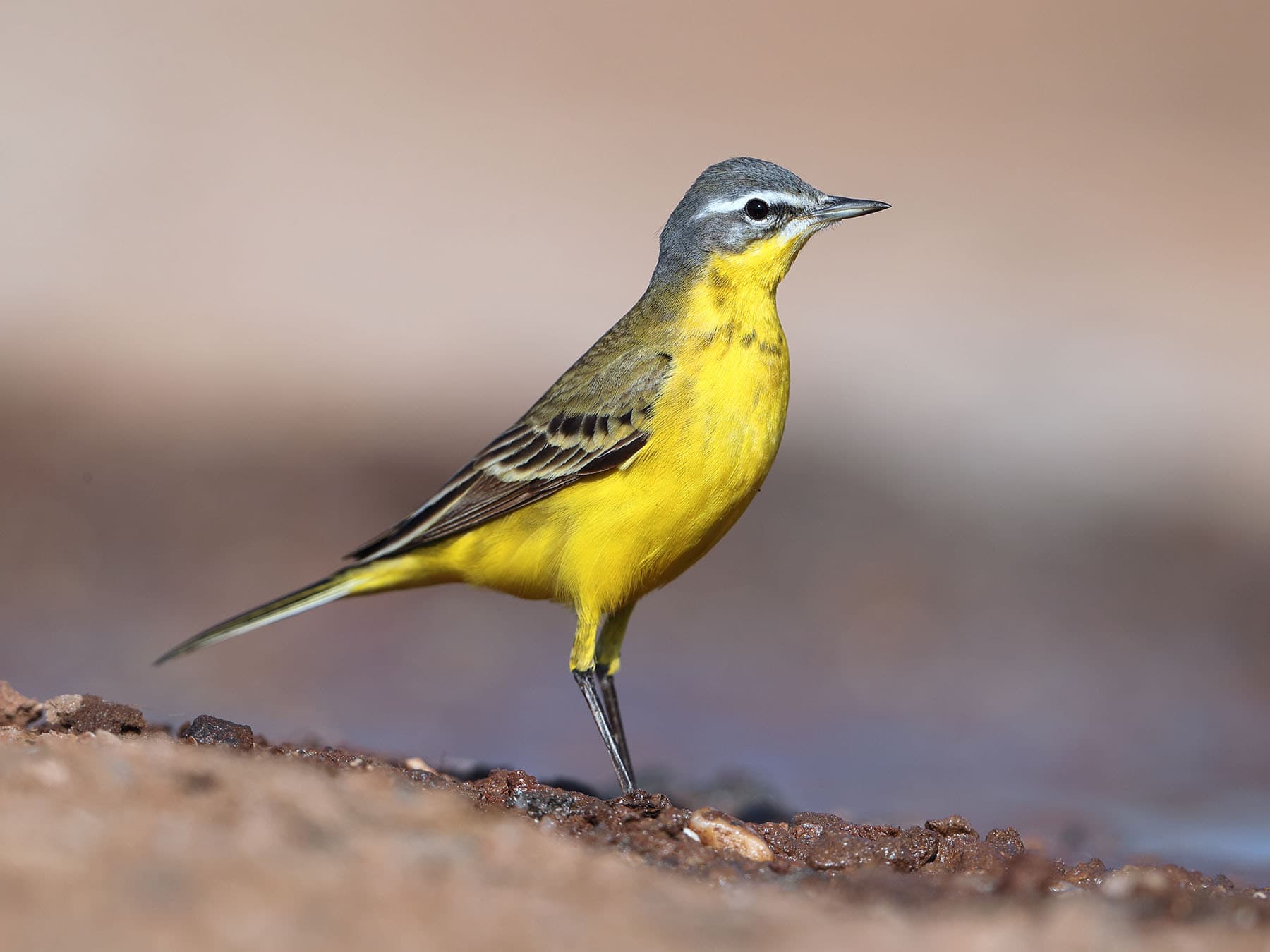
Yellow Wagtail
Motacilla flavaLC
An uncommon summer breeder arriving in April, favouring lowland pastures and arable fields. Numbers have declined significantly across northern England.
Apr–Sep
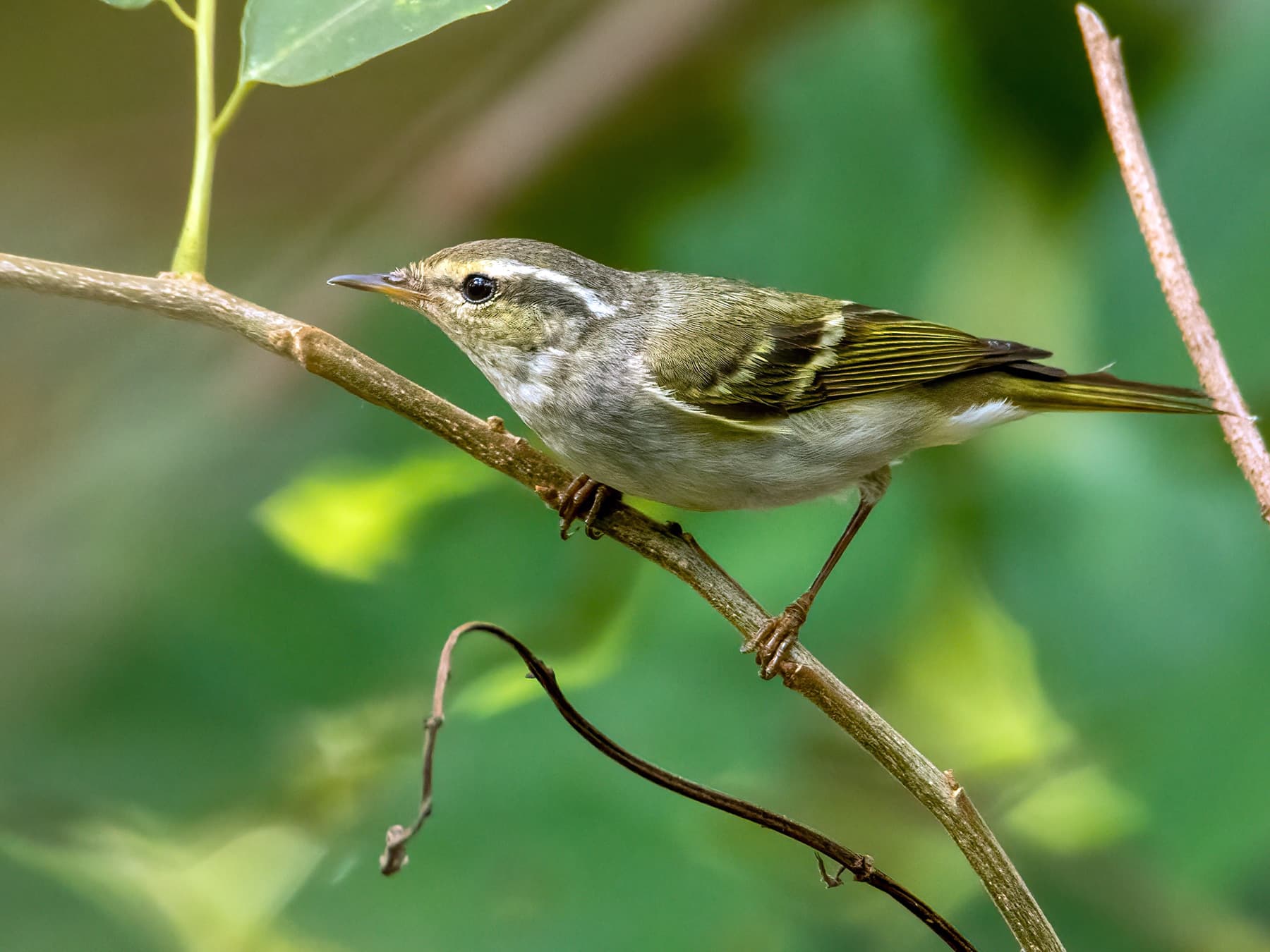
Yellow-browed Warbler
Phylloscopus inornatusLC
An uncommon autumn passage migrant from Siberia, arriving in September and October. The Northumberland coast is a prime spot in Britain.
Sep–Oct
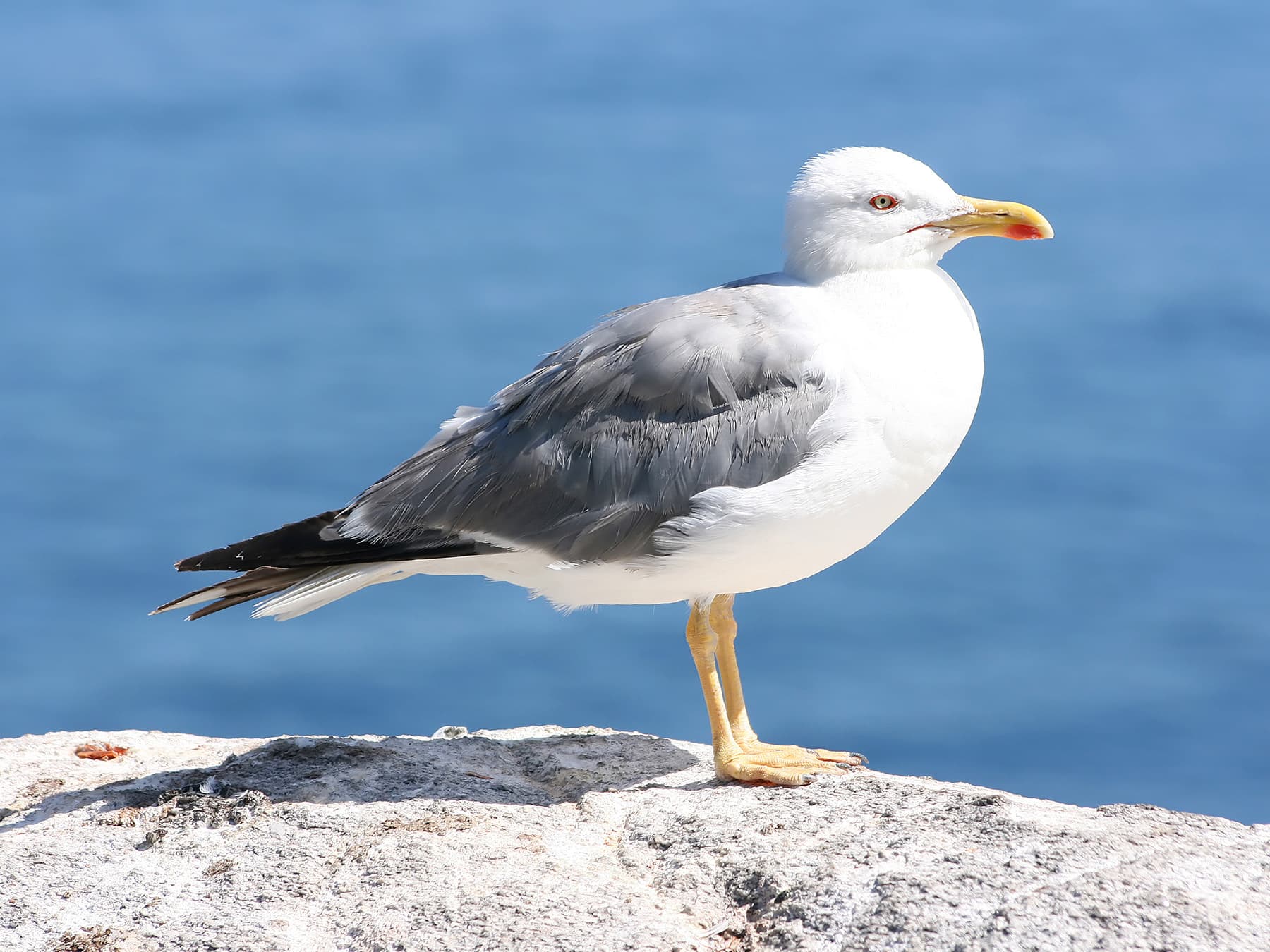
Yellow-legged Gull
Larus michahellisLC
An uncommon but increasingly regular gull found along the coast and at reservoirs, present in most months. Requires careful identification.
Jun–Apr
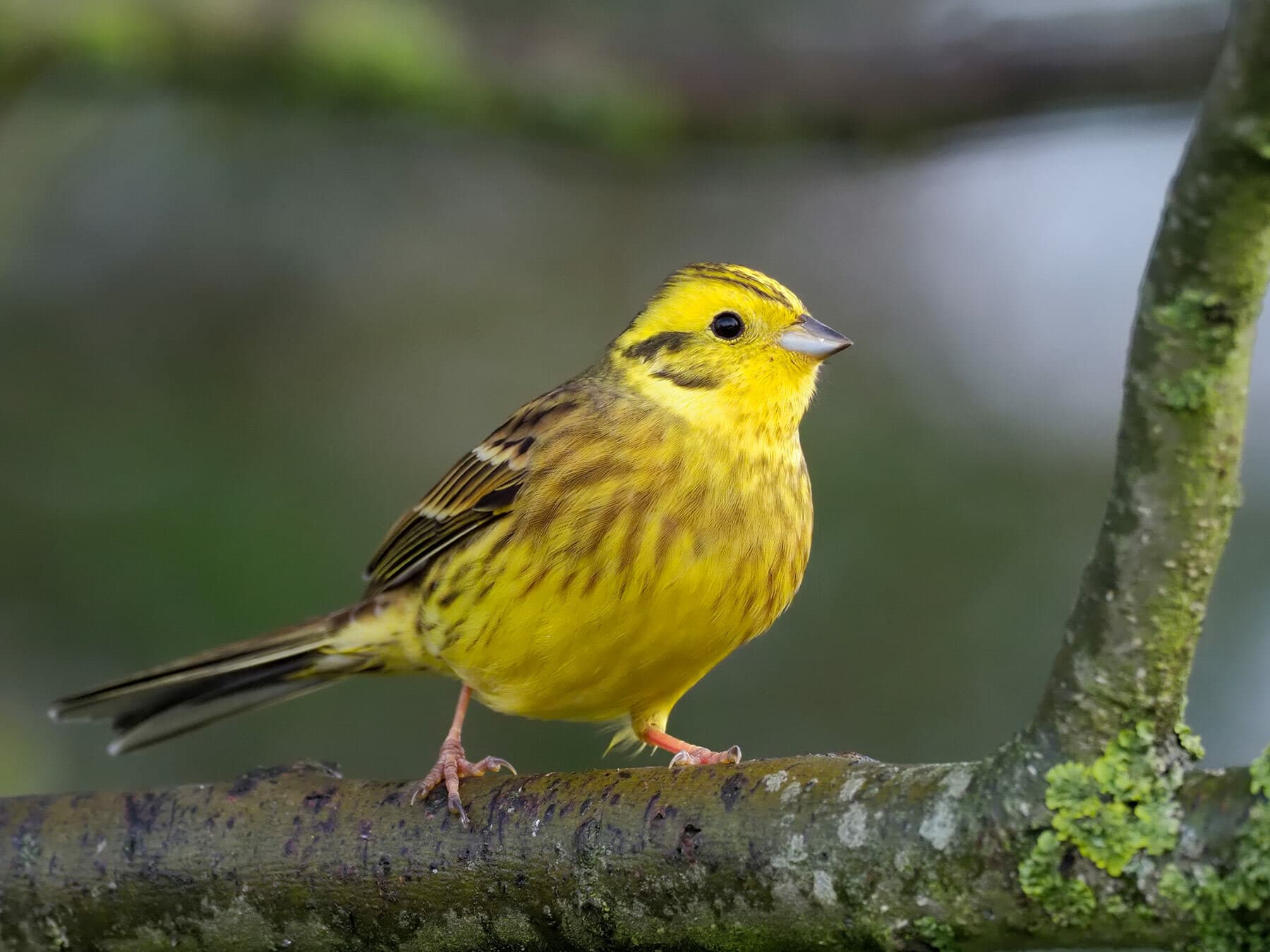
Yellowhammer
Emberiza citrinellaLC
An uncommon year-round resident of farmland hedgerows and field margins, its bright song a feature of rural Northumberland in spring.
Year-round