Rare Birds in Northumberland
106 species matching this filter.
Northumberland's diverse landscapes — from the rugged North Sea coastline and the Farne Islands to the upland moors of the Cheviot Hills and the wetlands of the Northumbrian river valleys — attract a remarkable variety of rare bird species. With 94 species classified as rare in the county, patient birders may encounter elusive visitors such as Bohemian Waxwing, Eurasian Bittern, Great White Egret, and Hen Harrier. The county's position on the east coast migration flyway makes it a prime destination for unexpected vagrants and scarce passage migrants throughout the year.


Showing 70–92 of 106 species
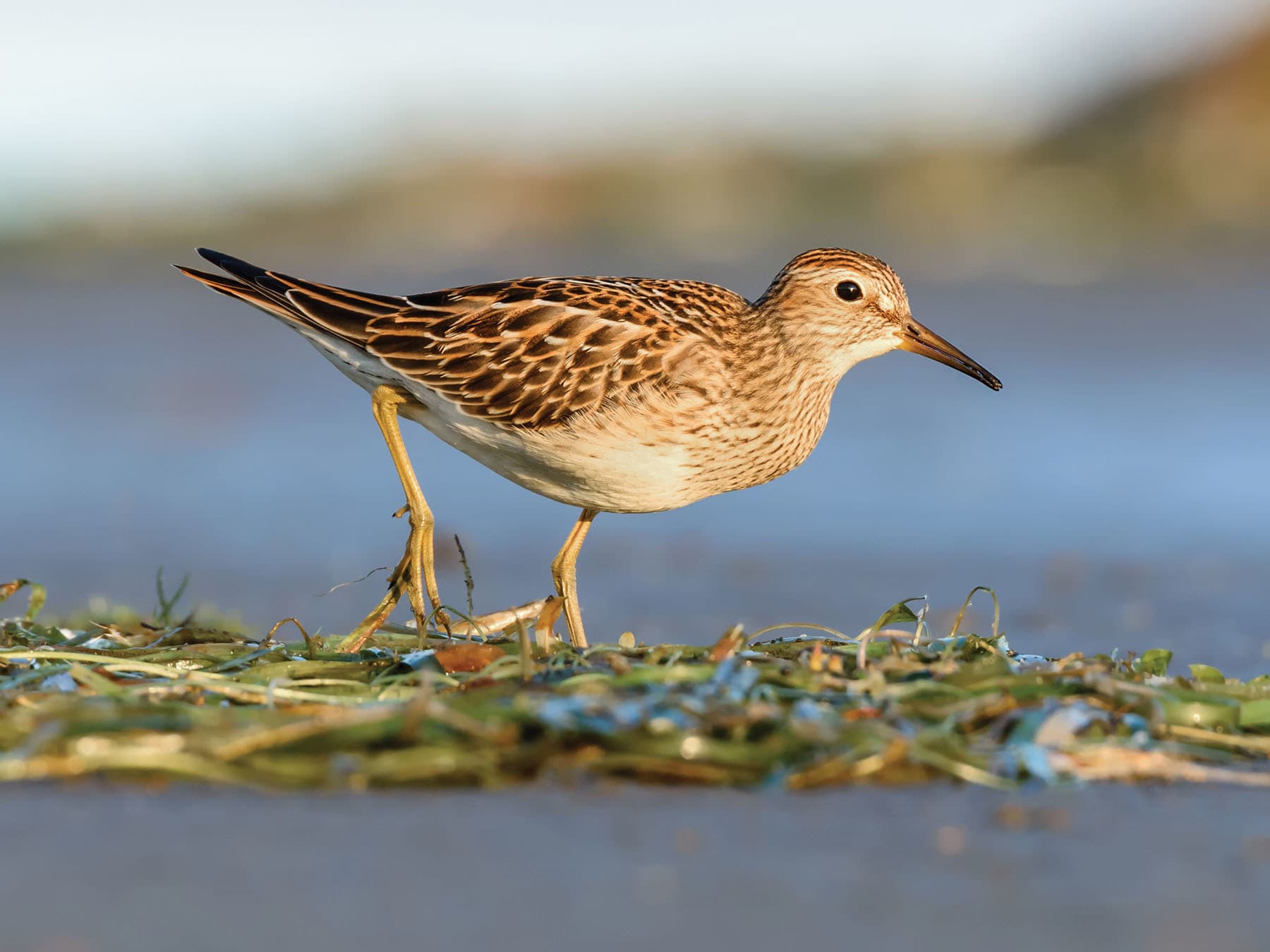
Pectoral Sandpiper
Calidris melanotosLC
A rare Nearctic vagrant, occasionally turning up at coastal pools in July and September. Any record draws keen birders to the county's wetland sites.
Jul–Sep
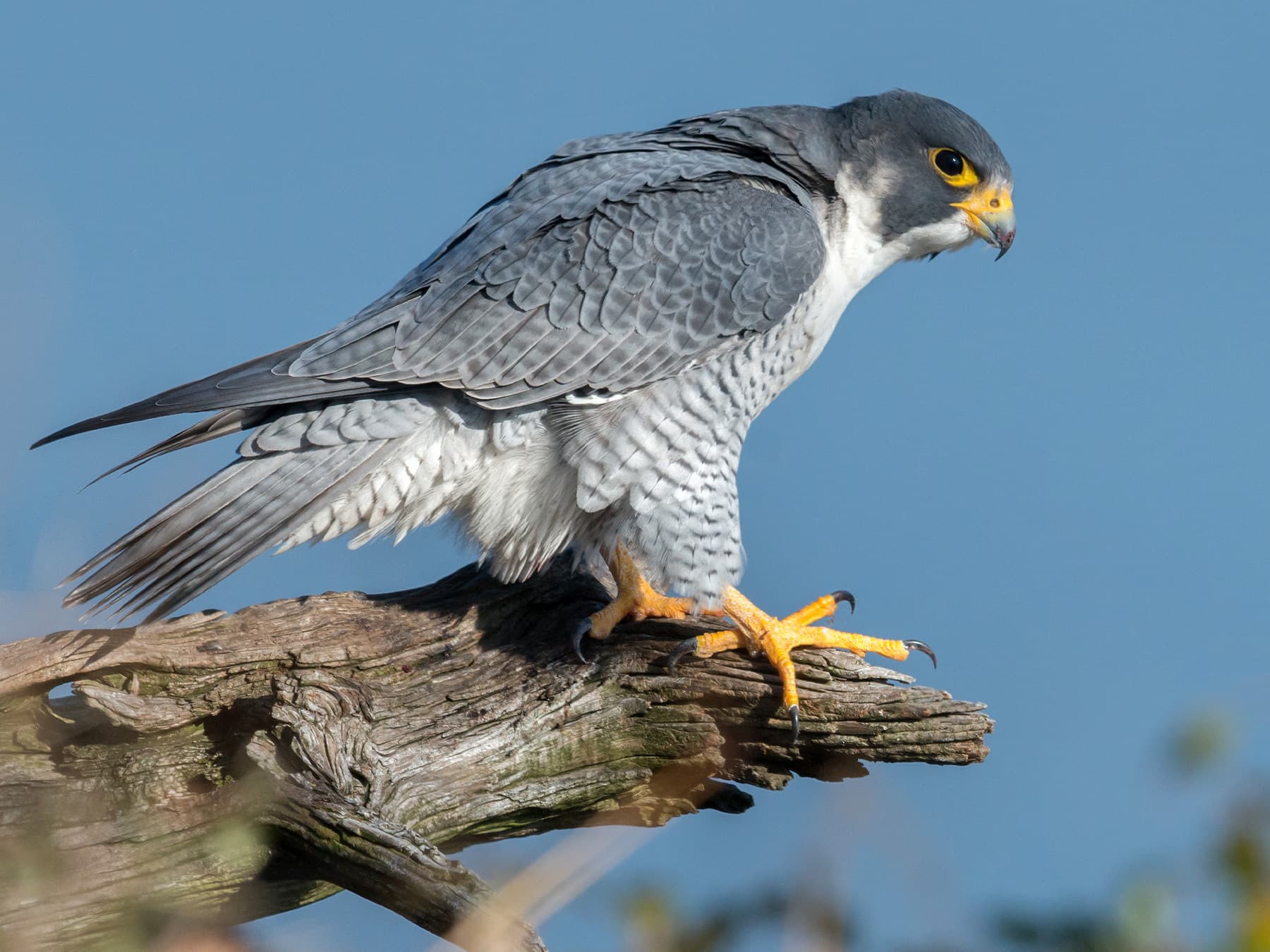
Peregrine Falcon
Falco peregrinusLC
A rare but year-round resident nesting on crags and tall buildings. Hunts over the coast and moorland across the county.
Year-round
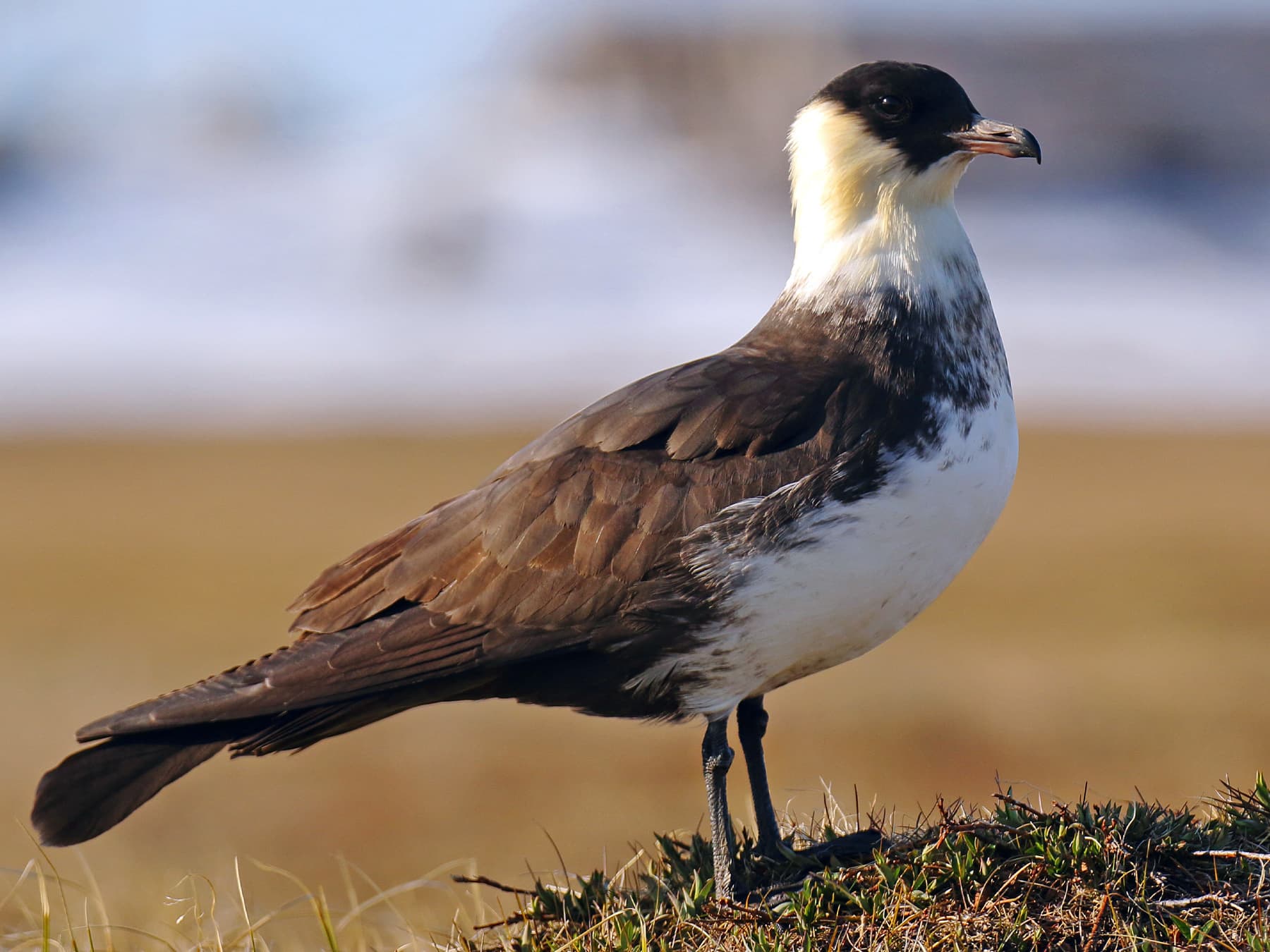
Pomarine Jaeger
Stercorarius pomarinusLC
A rare autumn passage seabird, best spotted during seawatches from headlands in August and September. Distinguished by its heavy build and twisted tail.
Aug–Sep
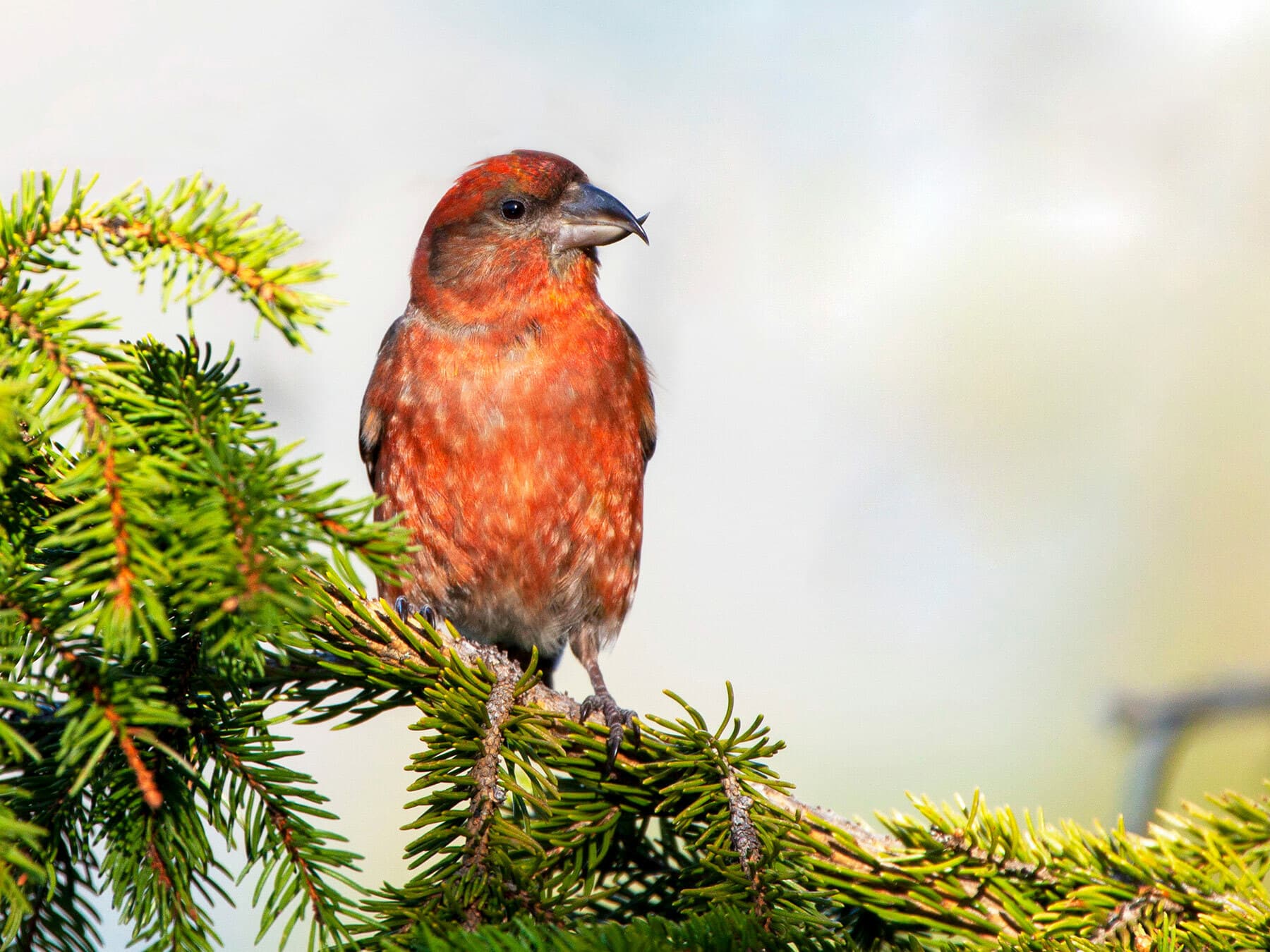
Red Crossbill
Loxia curvirostraLC
A rare resident of conifer plantations, especially around Kielder. Numbers fluctuate with cone crop availability.
Year-round
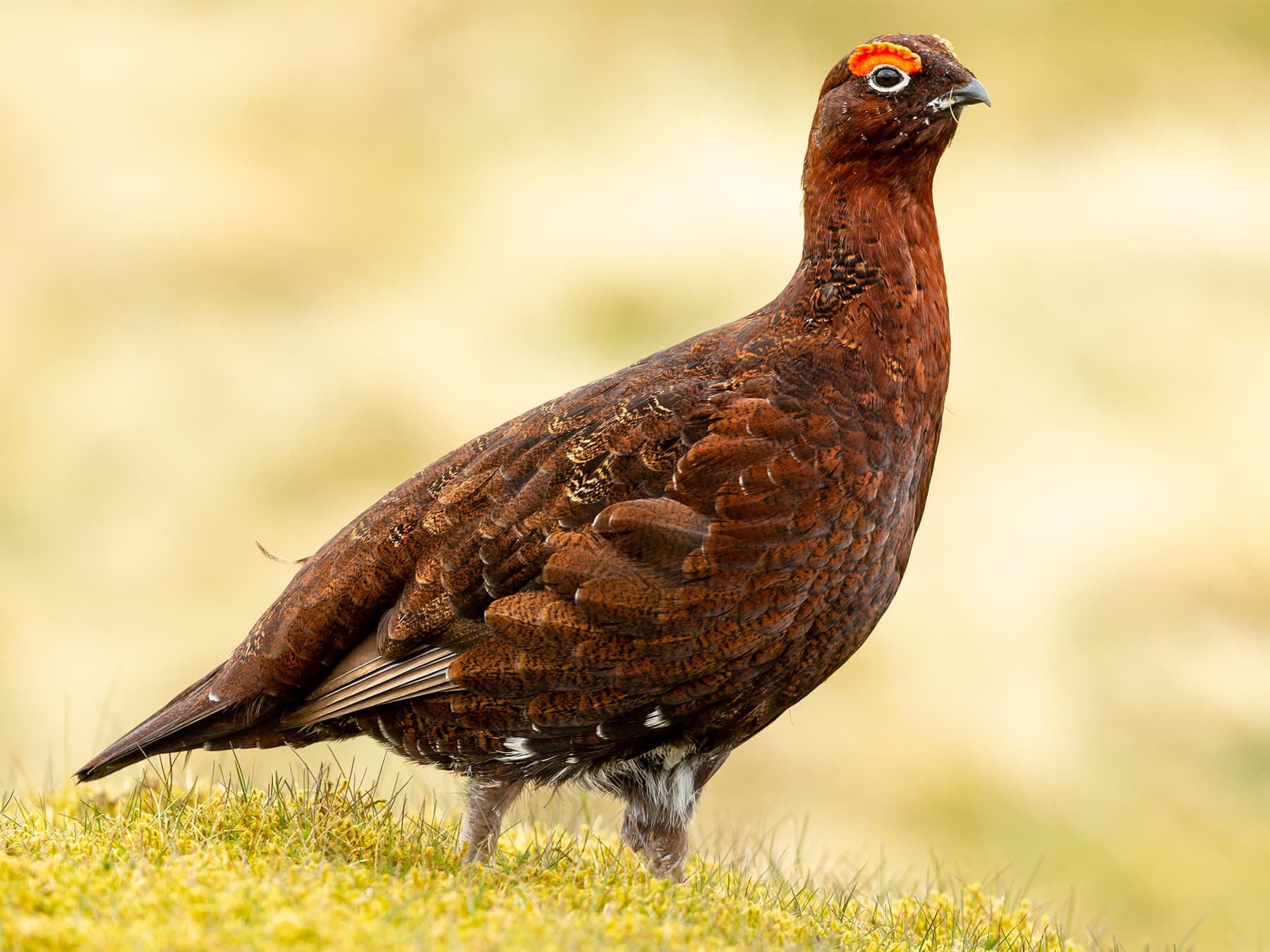
Red Grouse
Lagopus lagopus scoticaLC
A scarce resident of heather moorland in the Cheviot Hills and upland estates. Its distinctive cackling call carries across the moors.
Nov–Aug
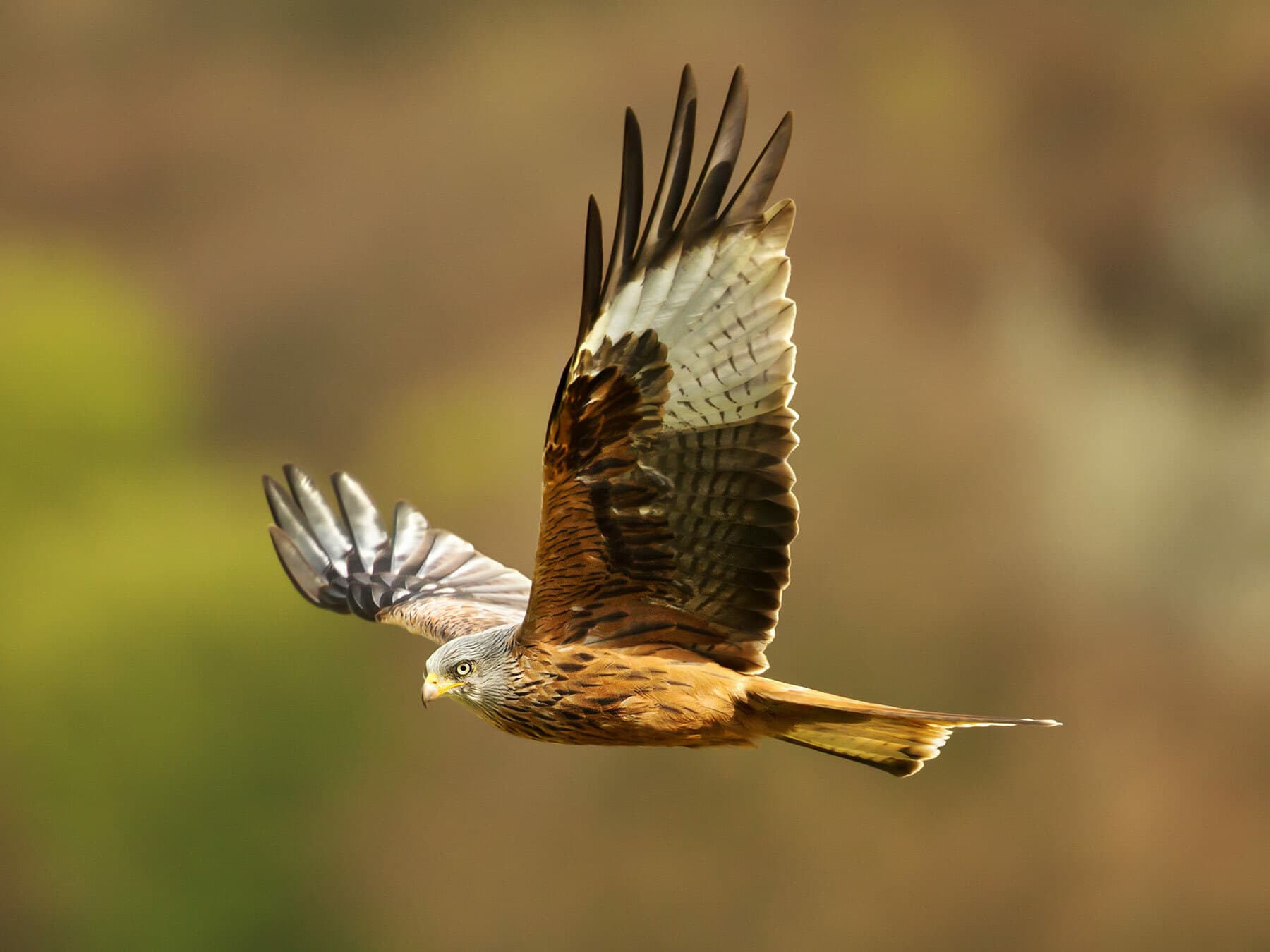
Red Kite
Milvus milvusLC
A rare passage visitor, occasionally seen soaring over valleys and farmland in late winter and spring. Still scarce this far north.
Feb–Jun
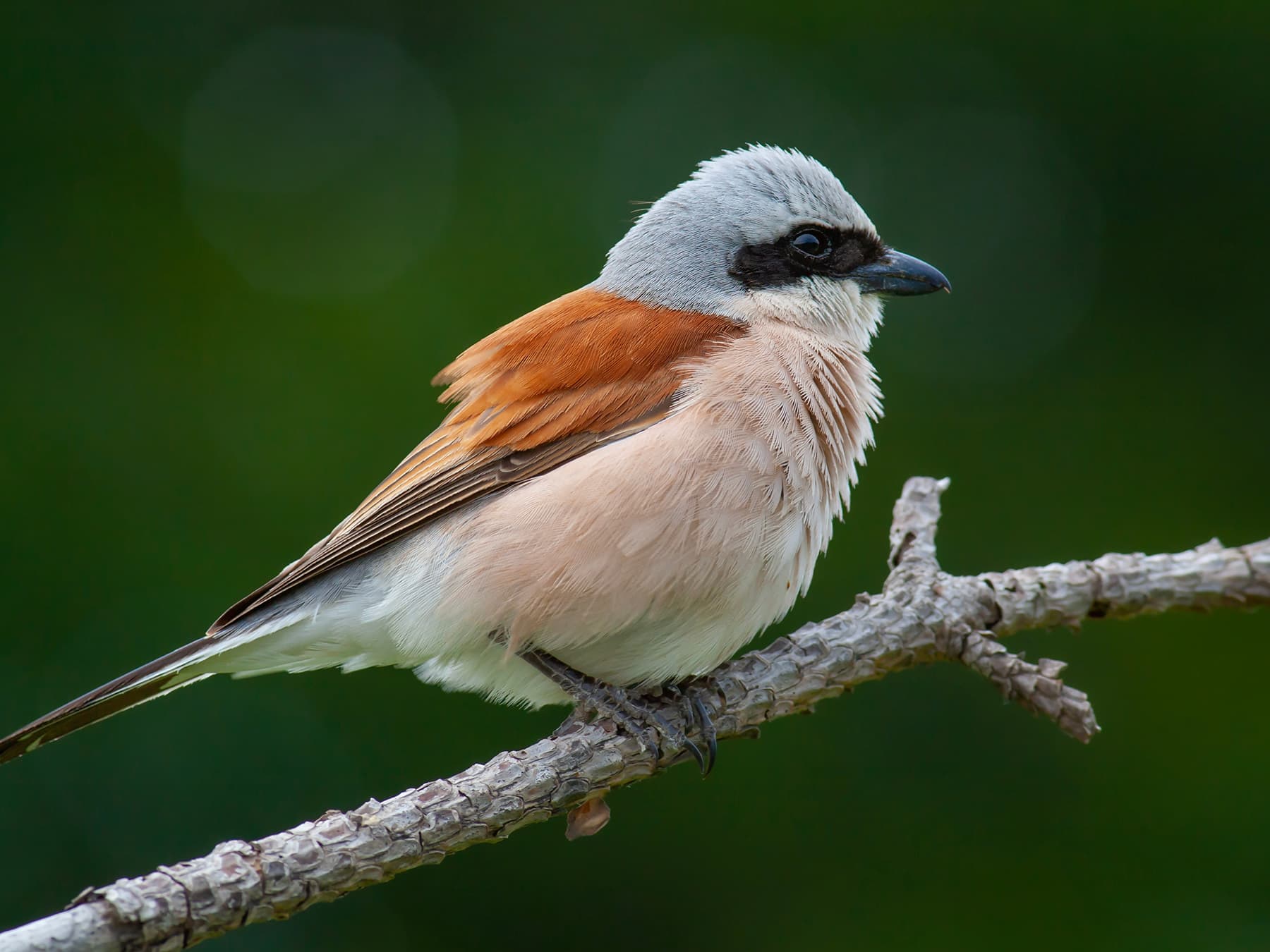
Red-backed Shrike
Lanius collurioLC
A rare passage migrant appearing briefly in May or September, typically at coastal migration hotspots like Holy Island.
May–Sep
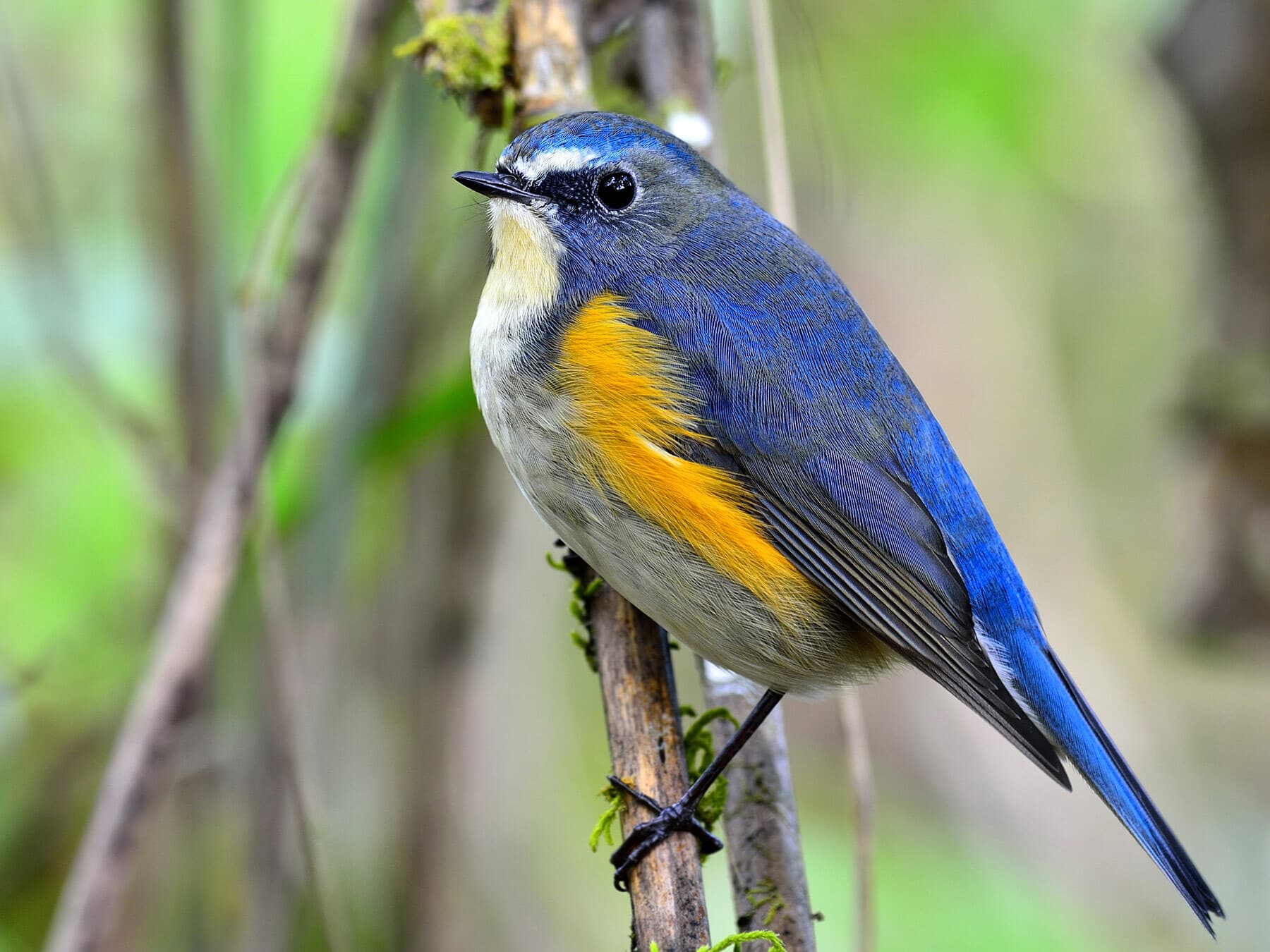
Red-flanked Bluetail
Tarsiger cyanurusLC
A rare October vagrant from Siberia, occasionally found in coastal scrub and denes along the Northumberland shoreline.
Oct
Spotted something?
Upload a photo to identify it
Identify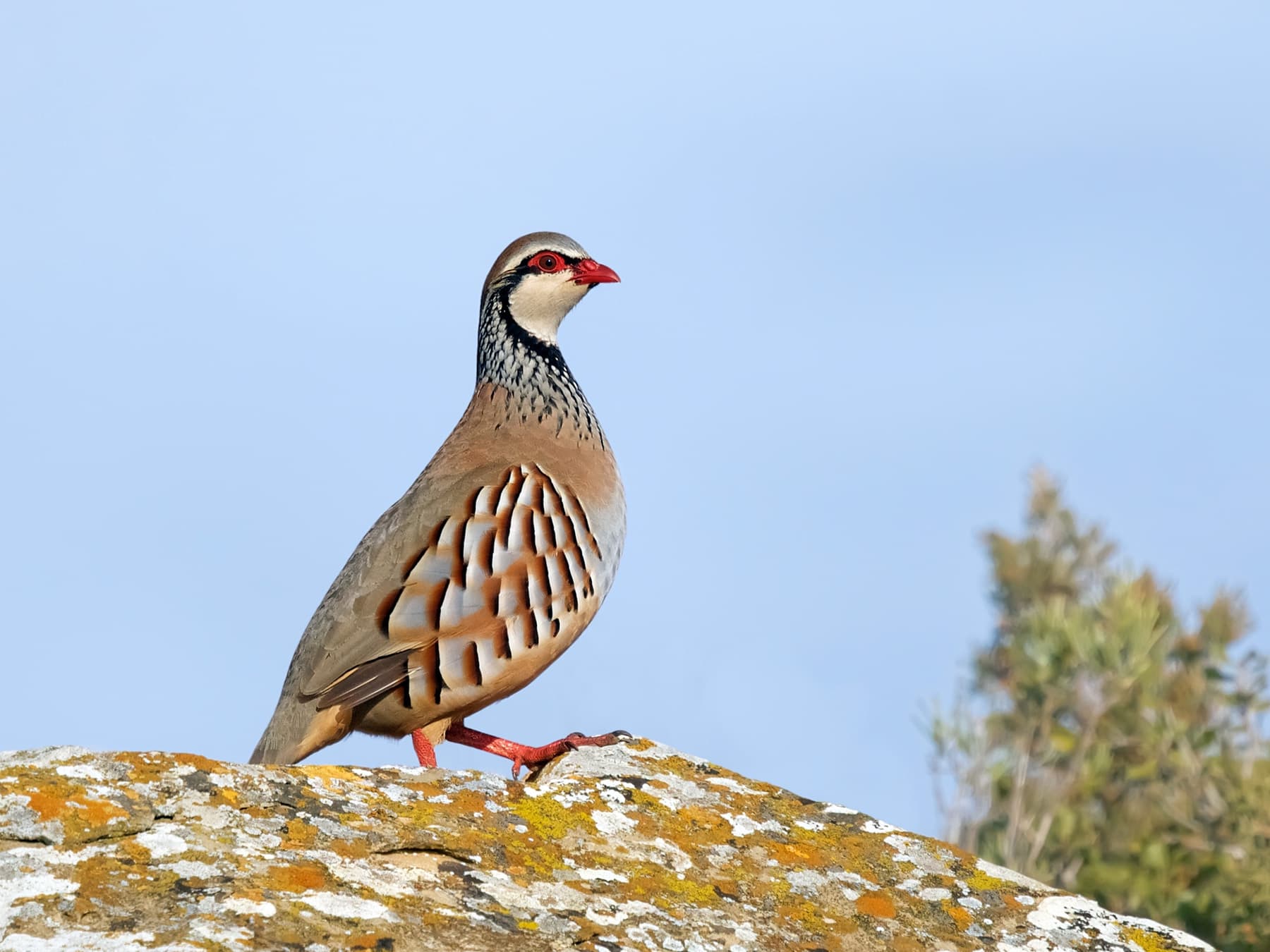
Red-legged Partridge
Alectoris rufaNT
A rare resident near the southern edge of its English range. Found on arable farmland, mainly in the lowland south of the county.
Year-round
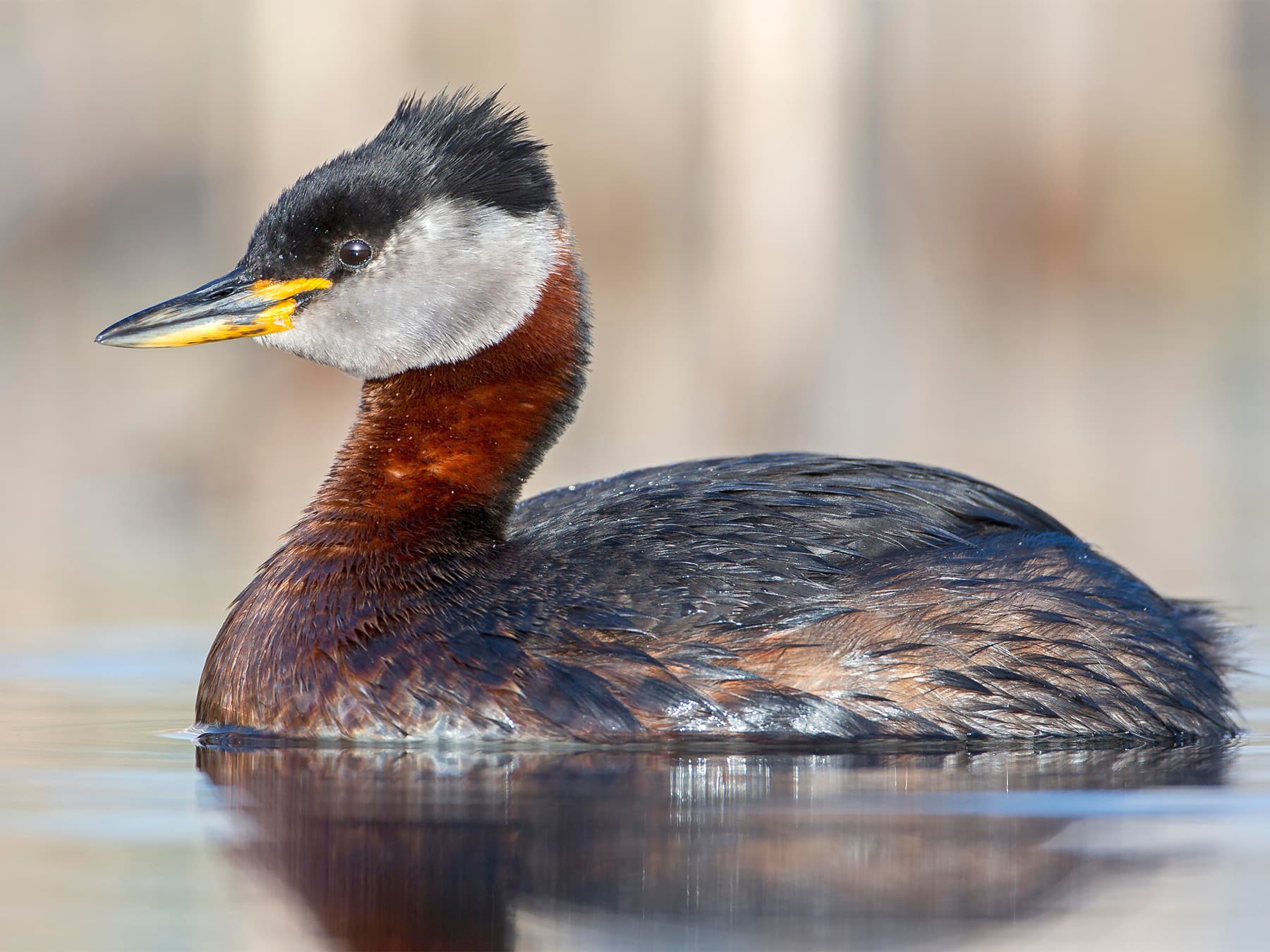
Red-necked Grebe
Podiceps grisegenaLC
A rare non-breeding visitor to coastal waters and sheltered bays, most likely seen between autumn and early spring.
Sep–Mar
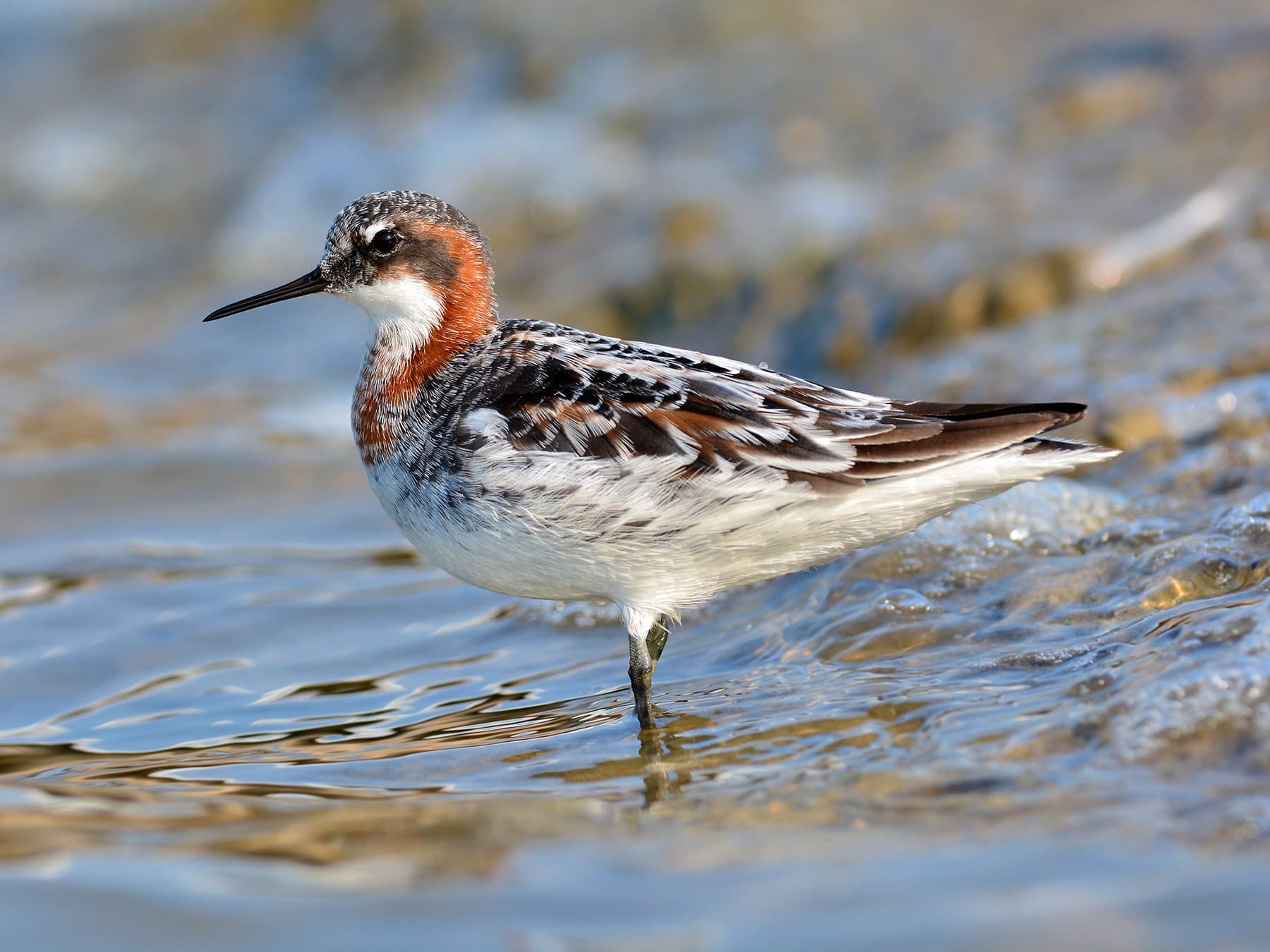
Red-necked Phalarope
Phalaropus lobatusLC
A rare spring passage visitor, occasionally seen spinning on pools at coastal wetlands in May. One of the UK's scarcest regular migrants.
May
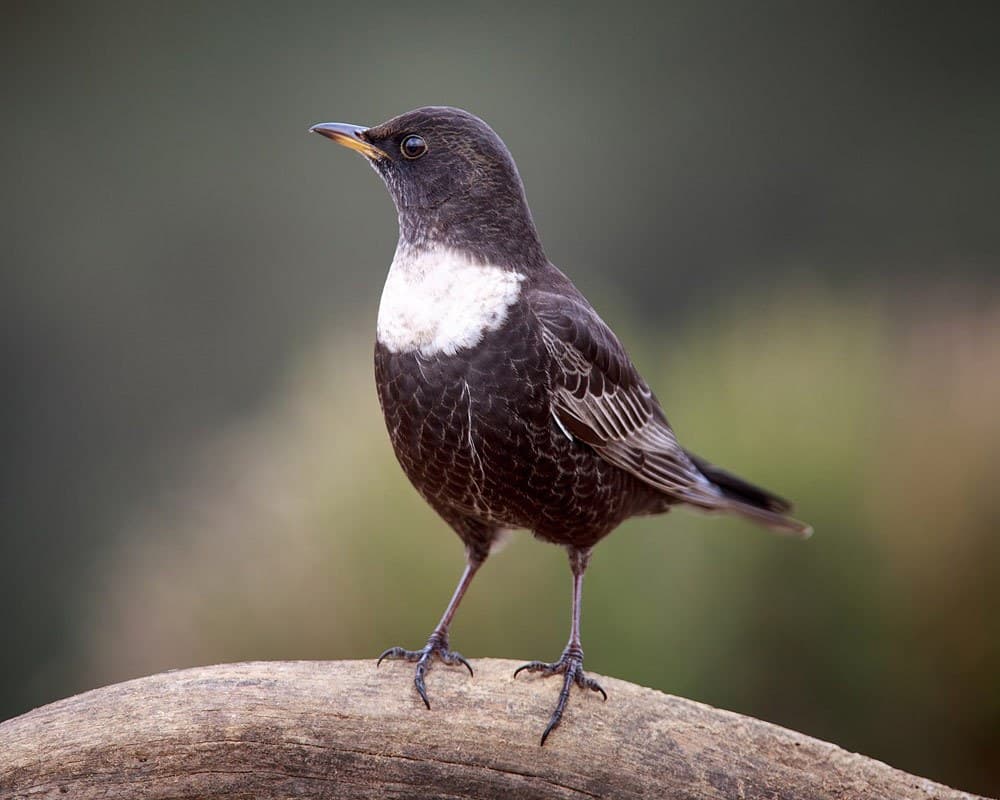
Ring Ouzel
Turdus torquatusLC
A rare passage migrant seen briefly in spring and autumn, favouring upland crags and moorland edges in the Cheviots.
Apr–Oct
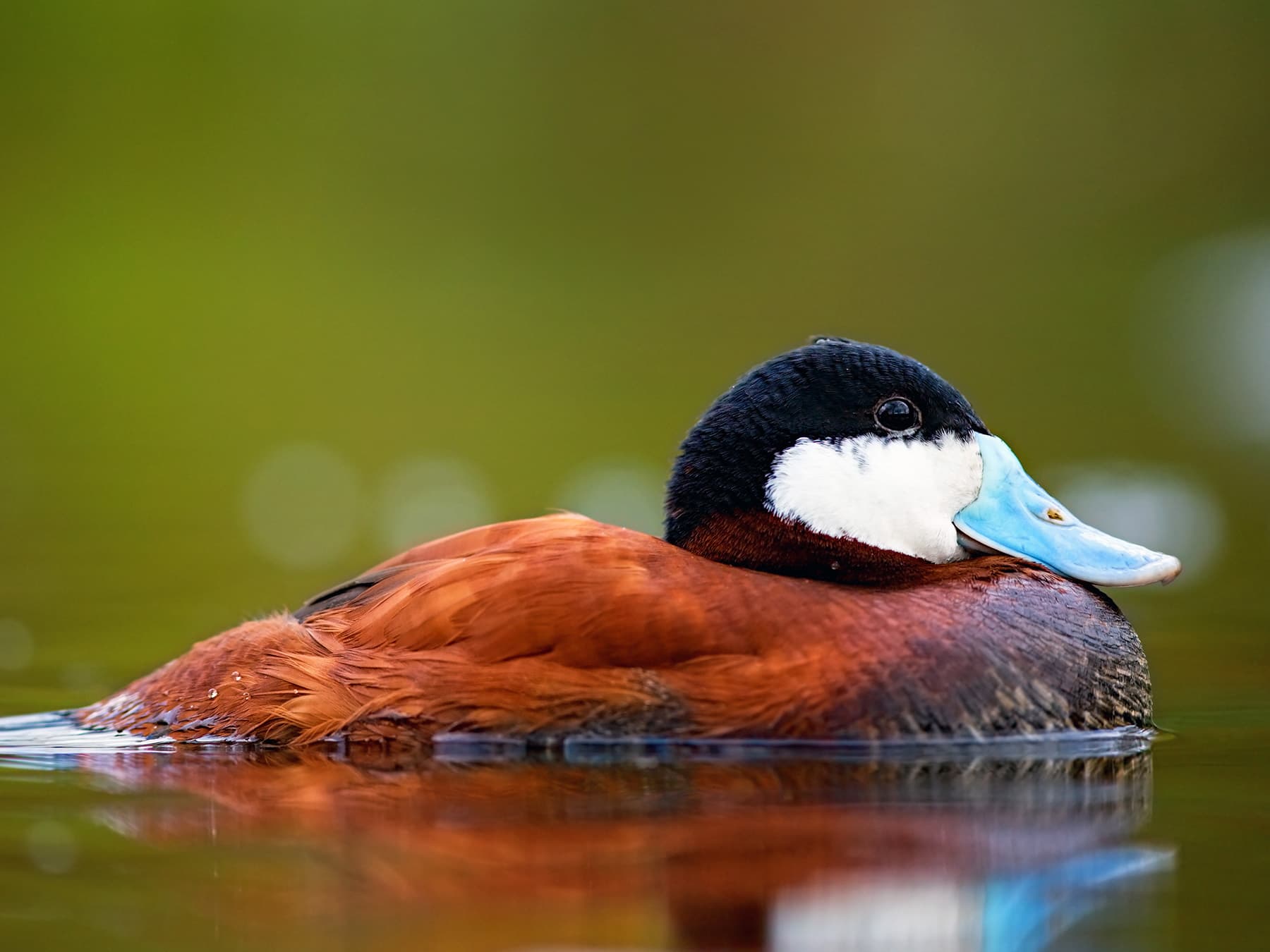
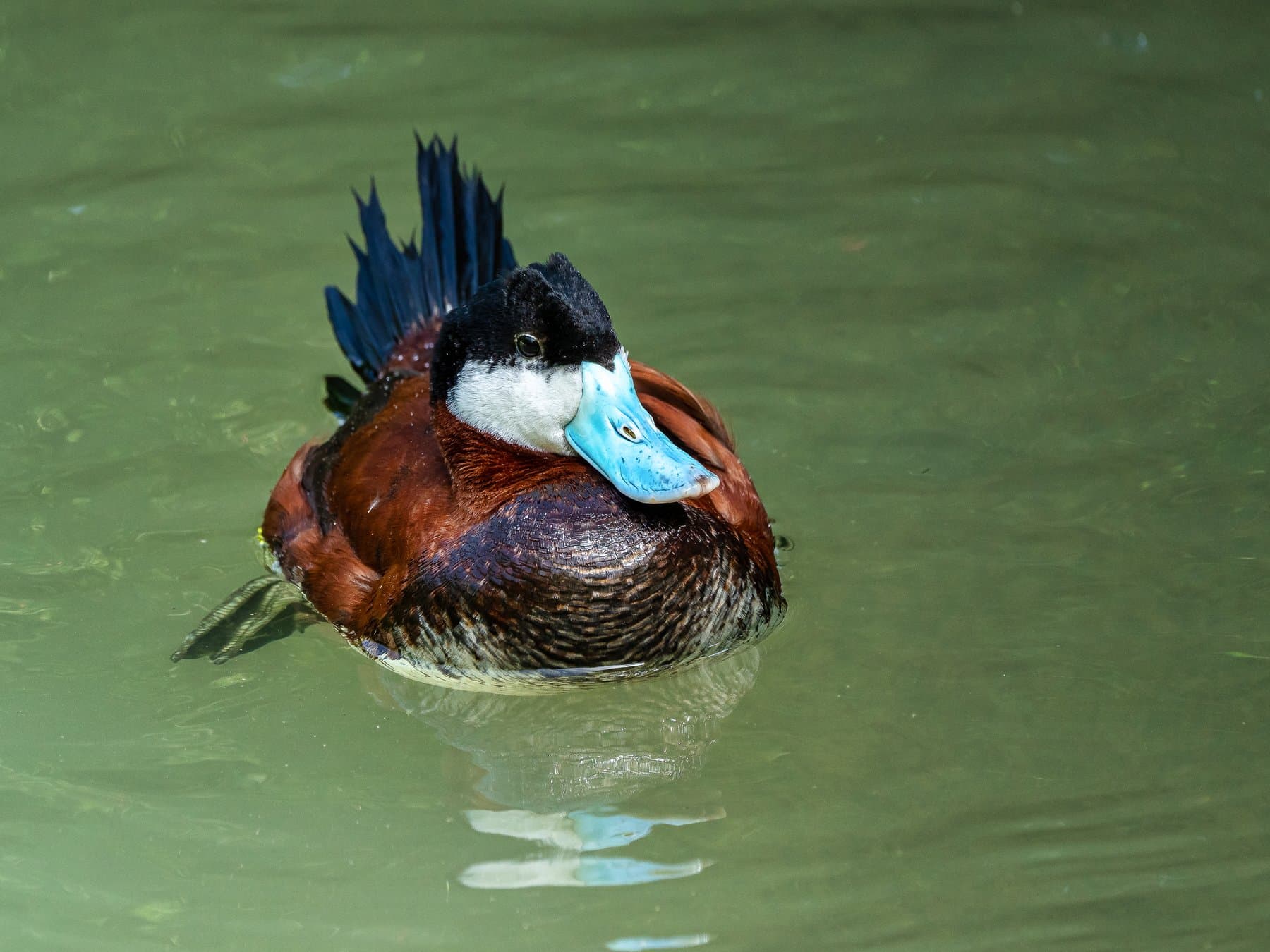
Ruddy Duck
Oxyura jamaicensisLC
A rare non-native breeder at freshwater lakes from April to September. Subject to national eradication efforts, sightings have become increasingly scarce.
Apr–Sep
Ruddy Shelduck
Tadorna ferrugineaLC
A rare and unpredictable visitor, with sporadic records in late spring and summer. Origins of individuals are often debated.
May–Aug
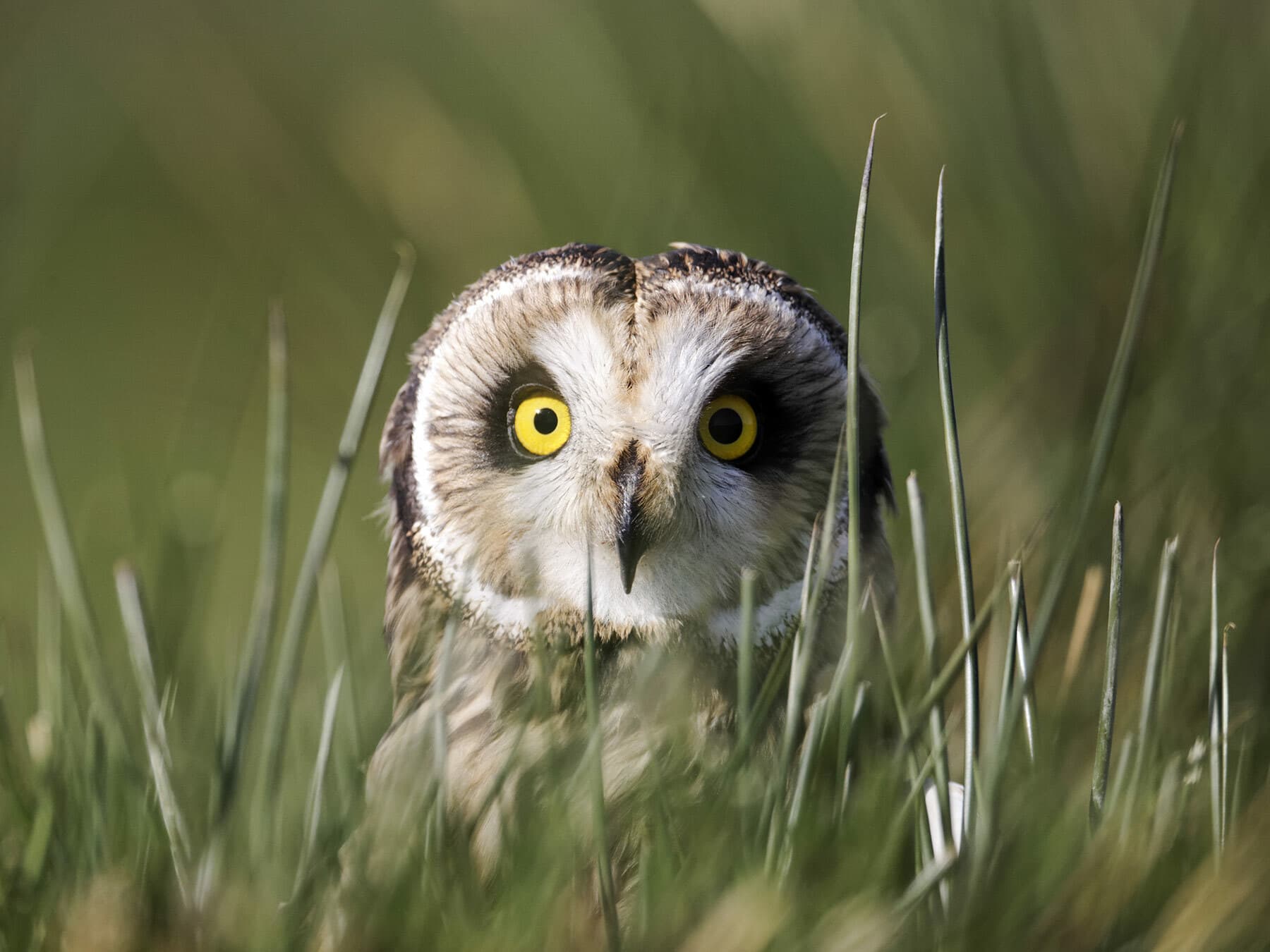
Short-eared Owl
Asio flammeusLC
A rare resident of upland moorland and rough grassland. Numbers bolstered in winter by continental arrivals to coastal marshes.
Sep–May
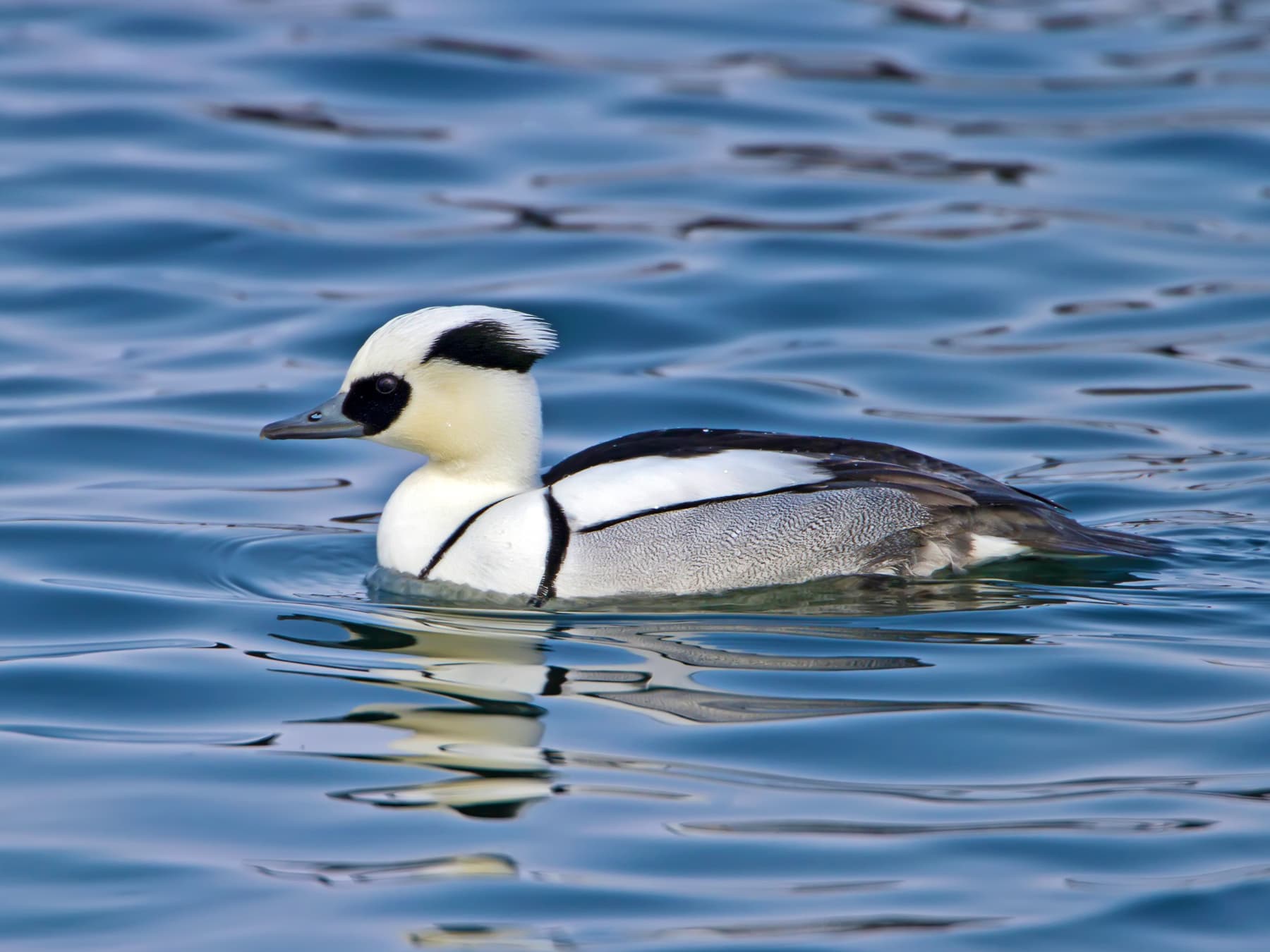
Smew
Mergellus albellusLC
A rare winter visitor, occasionally appearing on inland lakes and reservoirs between November and March. Always a sought-after find.
Nov–Mar
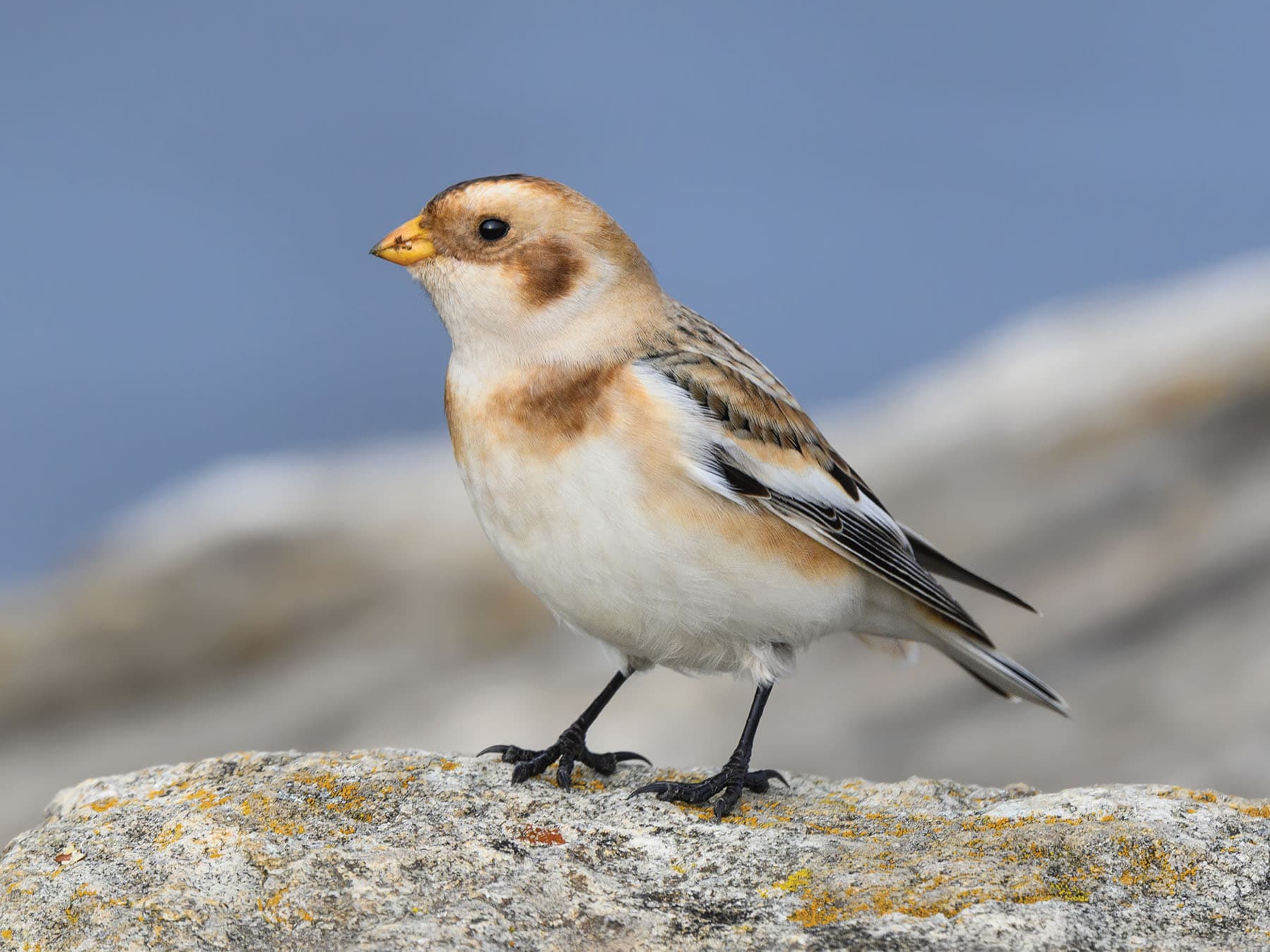
Snow Bunting
Plectrophenax nivalisLC
A rare winter visitor to the Northumberland coast, favouring shingle beaches and dune tops, often near Holy Island or the Farnes.
Oct–Mar
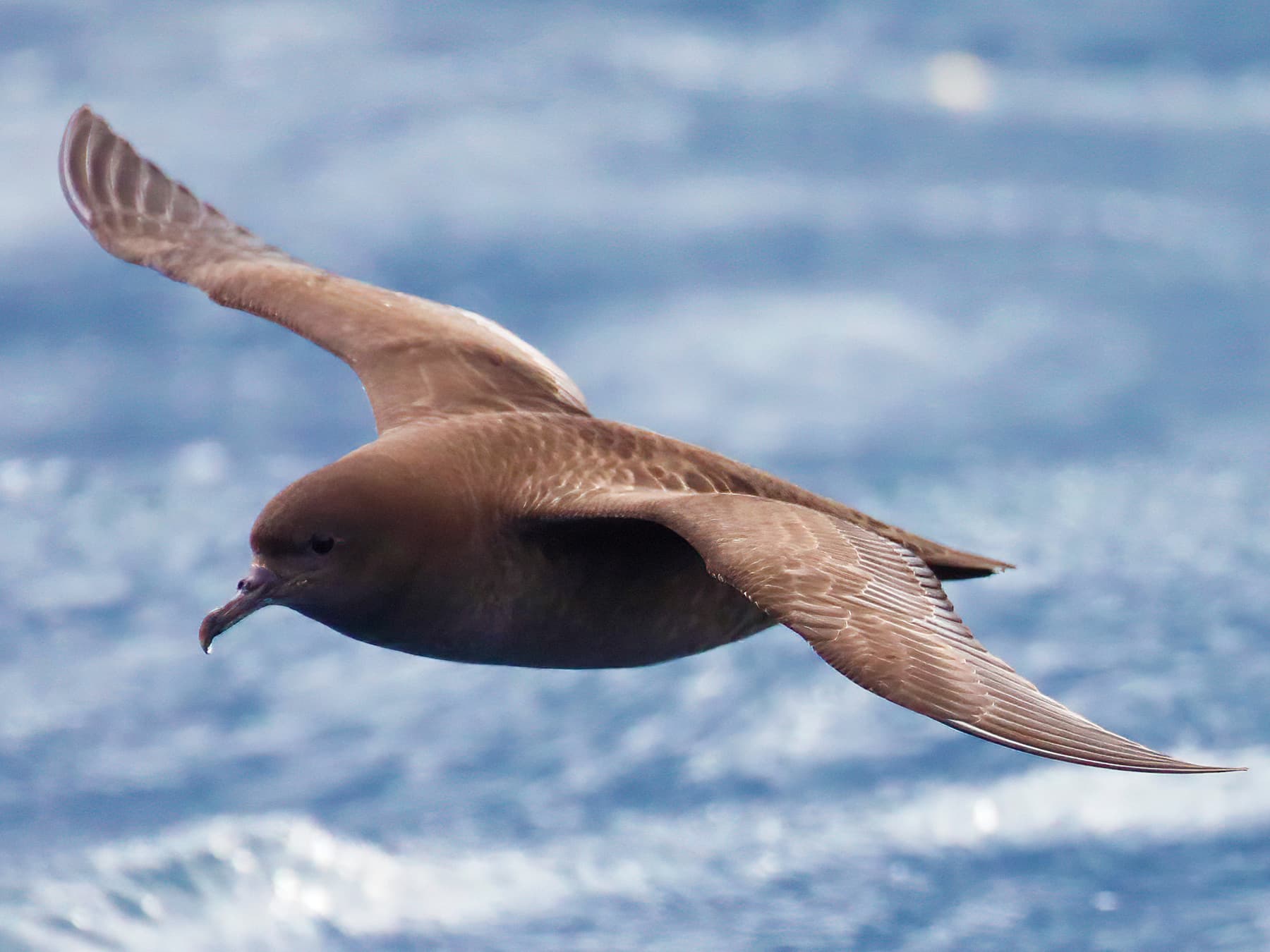
Sooty Shearwater
Ardenna griseaNT
A rare but regular autumn passage visitor seen from coastal headlands during seawatches, mainly from August to October.
Aug–Oct
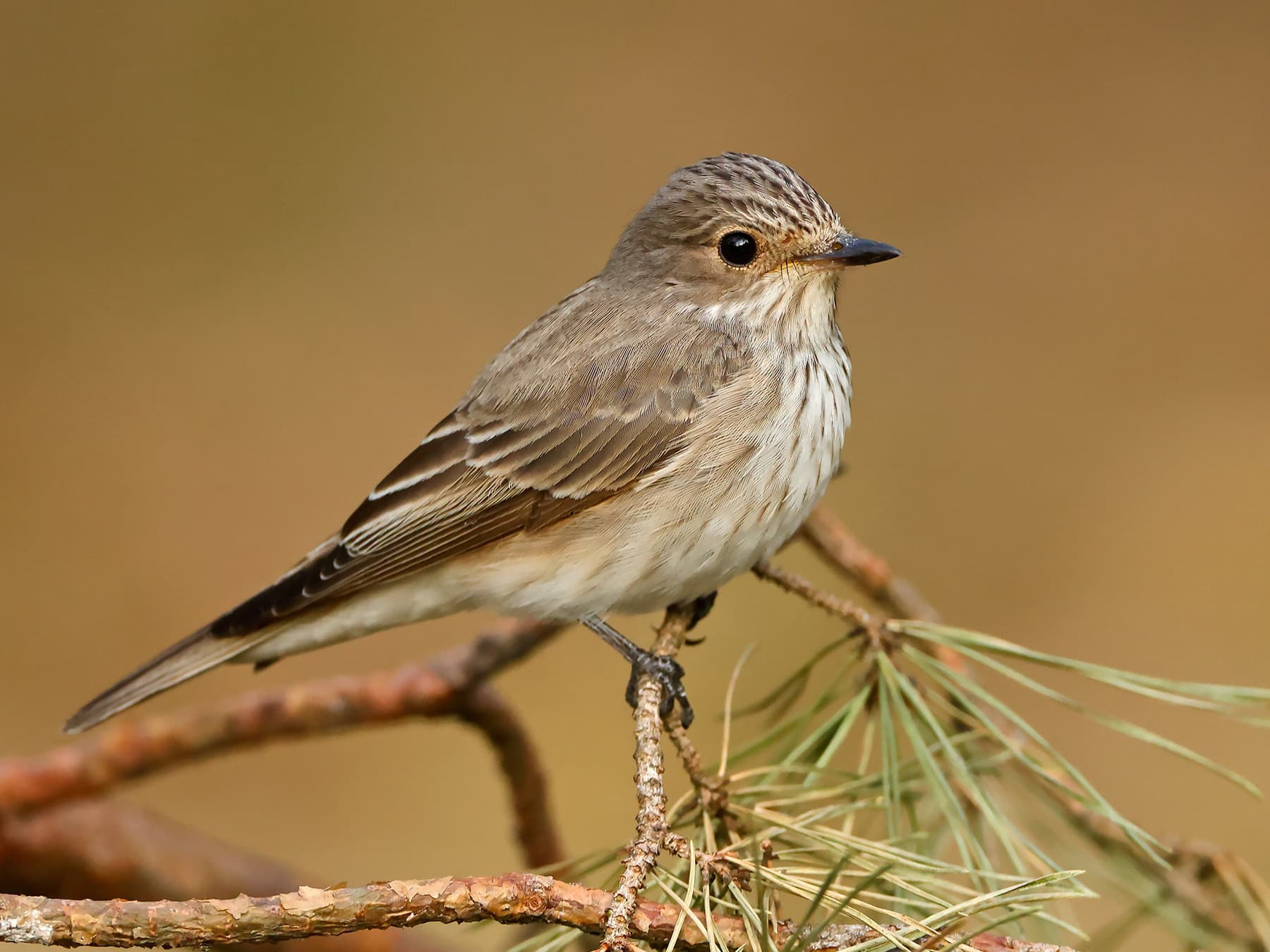
Spotted Flycatcher
Muscicapa striataLC
A rare and declining summer breeder, favouring mature woodland edges and churchyards. Sallies for insects from exposed perches.
May–Sep
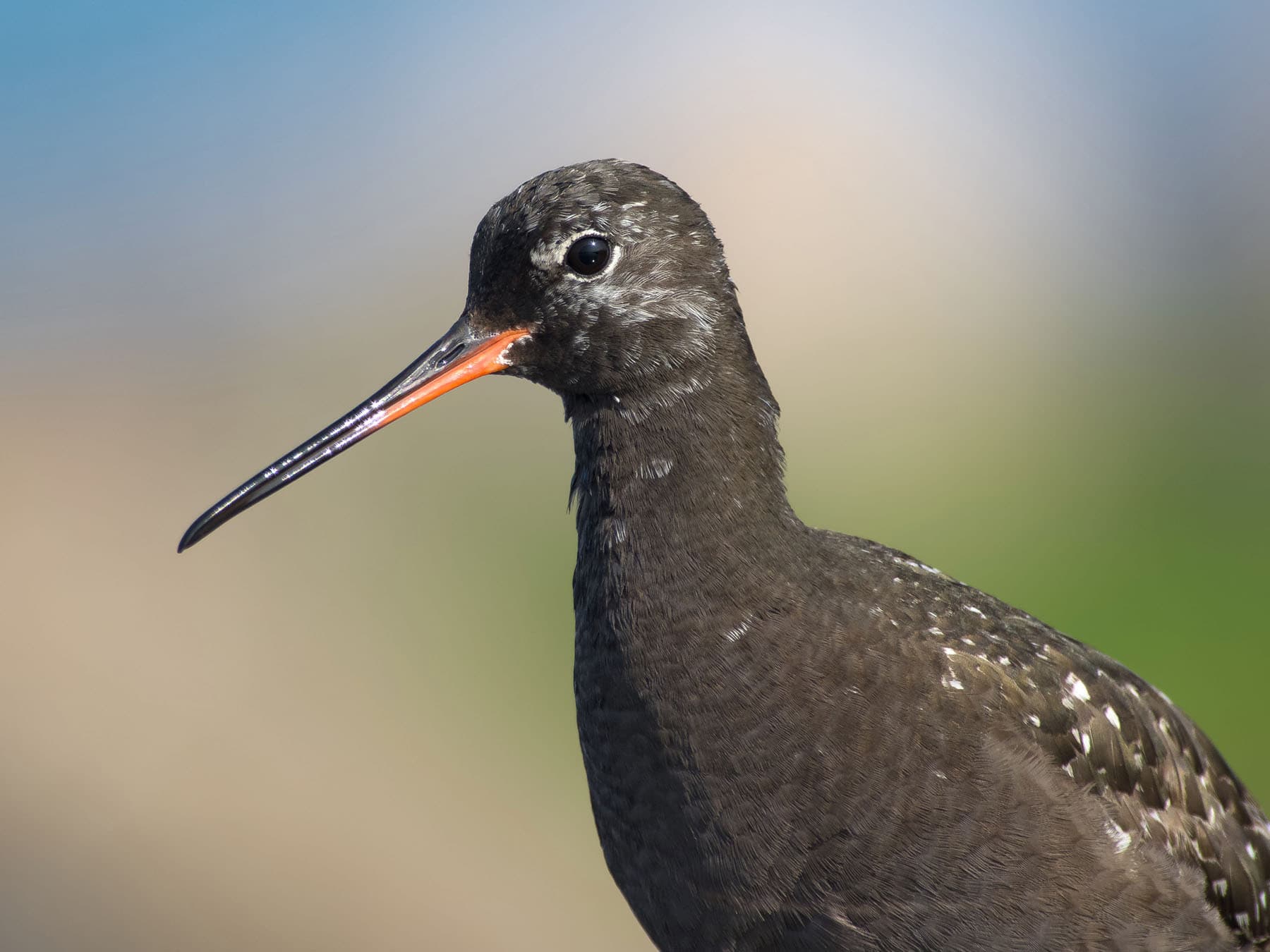
Spotted Redshank
Tringa erythropusLC
A rare but regular visitor to estuarine mudflats, present in most months except midwinter. Often seen alongside commoner redshanks at sites like Budle Bay.
Jan–Oct
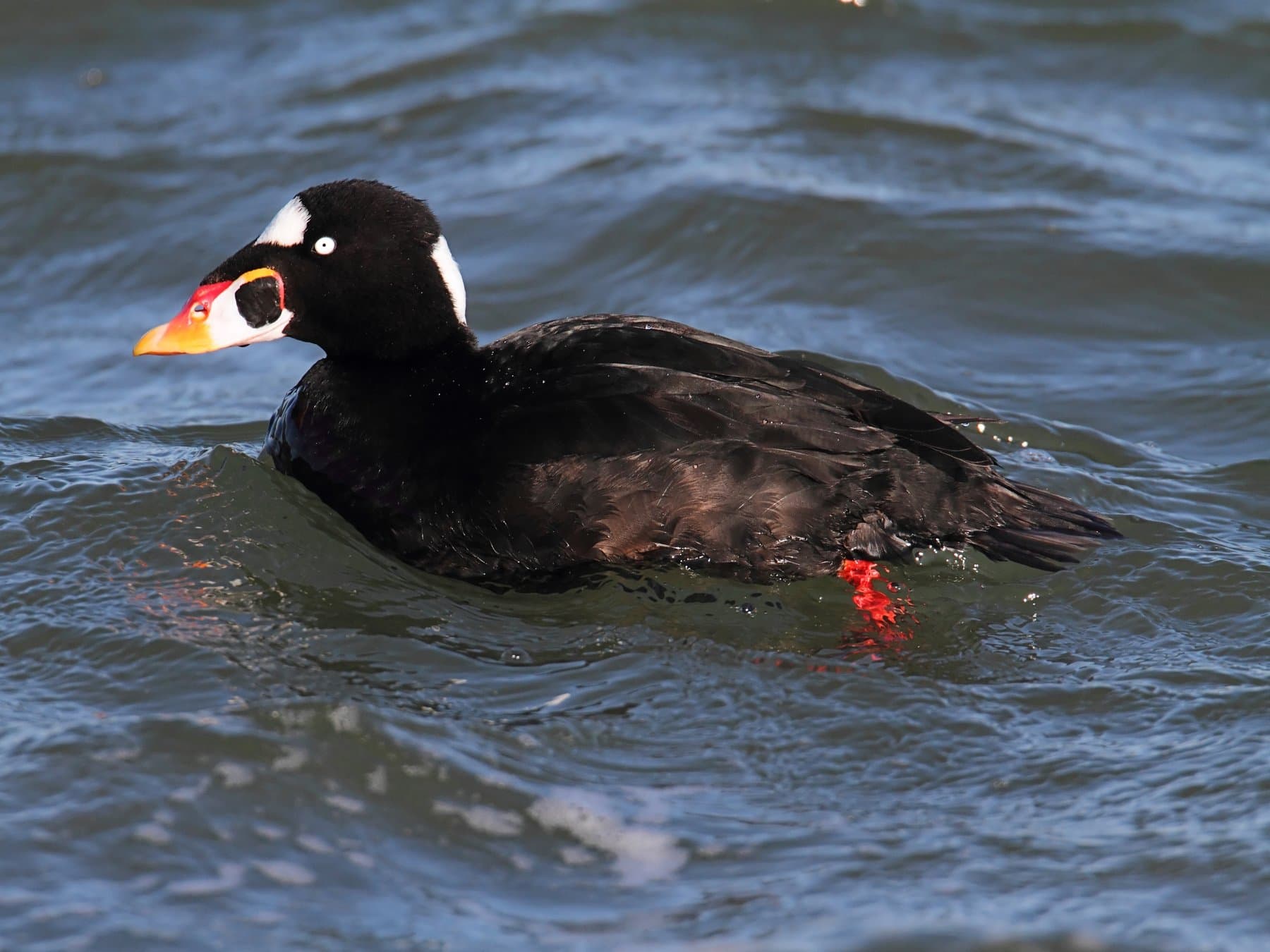
Surf Scoter
Melanitta perspicillataLC
A rare Nearctic sea duck occasionally spotted offshore in late autumn and early winter. Often associates with Common Scoter flocks off the coast.
Nov–Dec
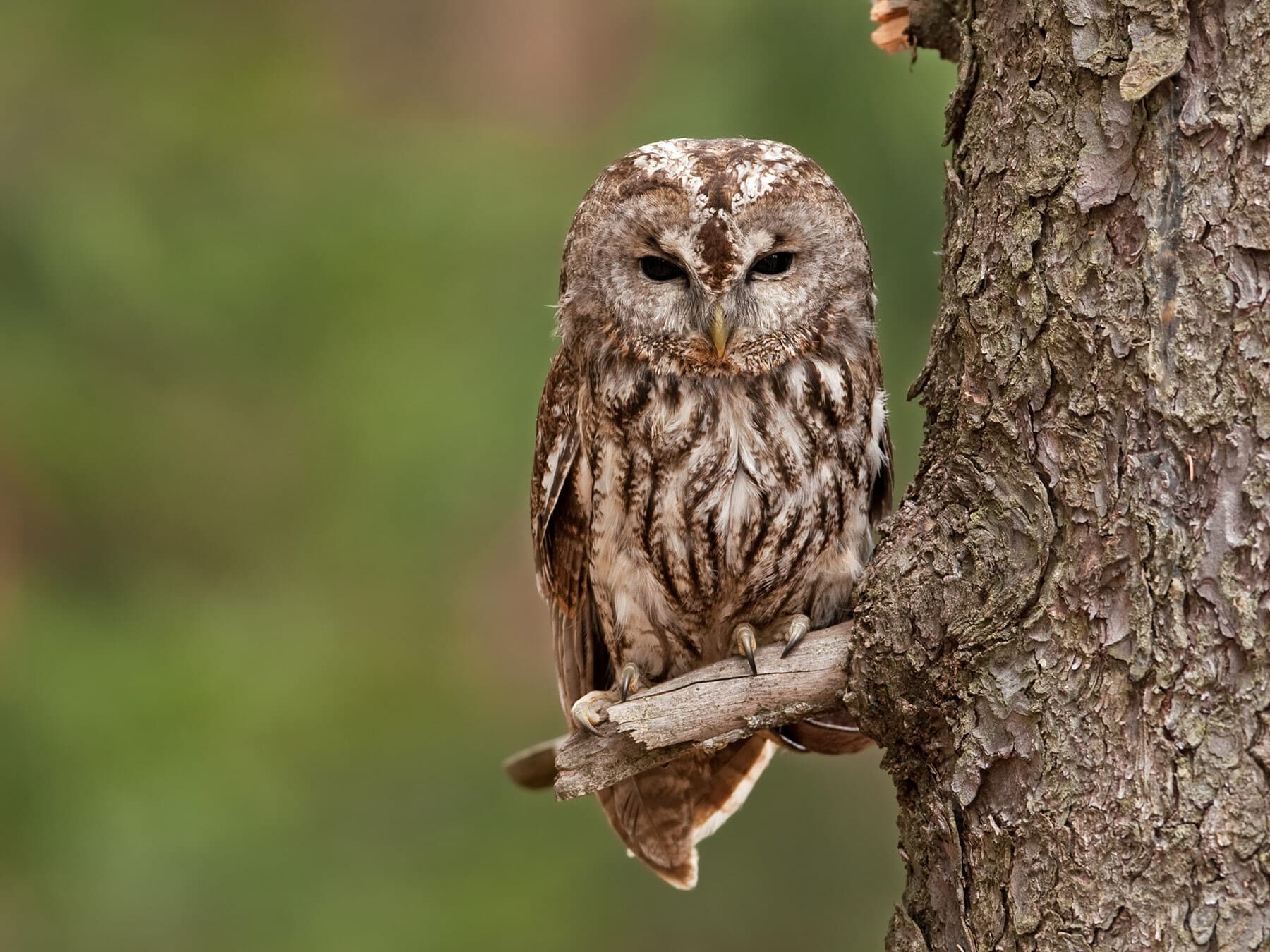
Tawny Owl
Strix alucoLC
A scarce resident of mature woodland and parkland. Its familiar hooting call echoes through Northumberland's river valleys at night.
Nov–Sep
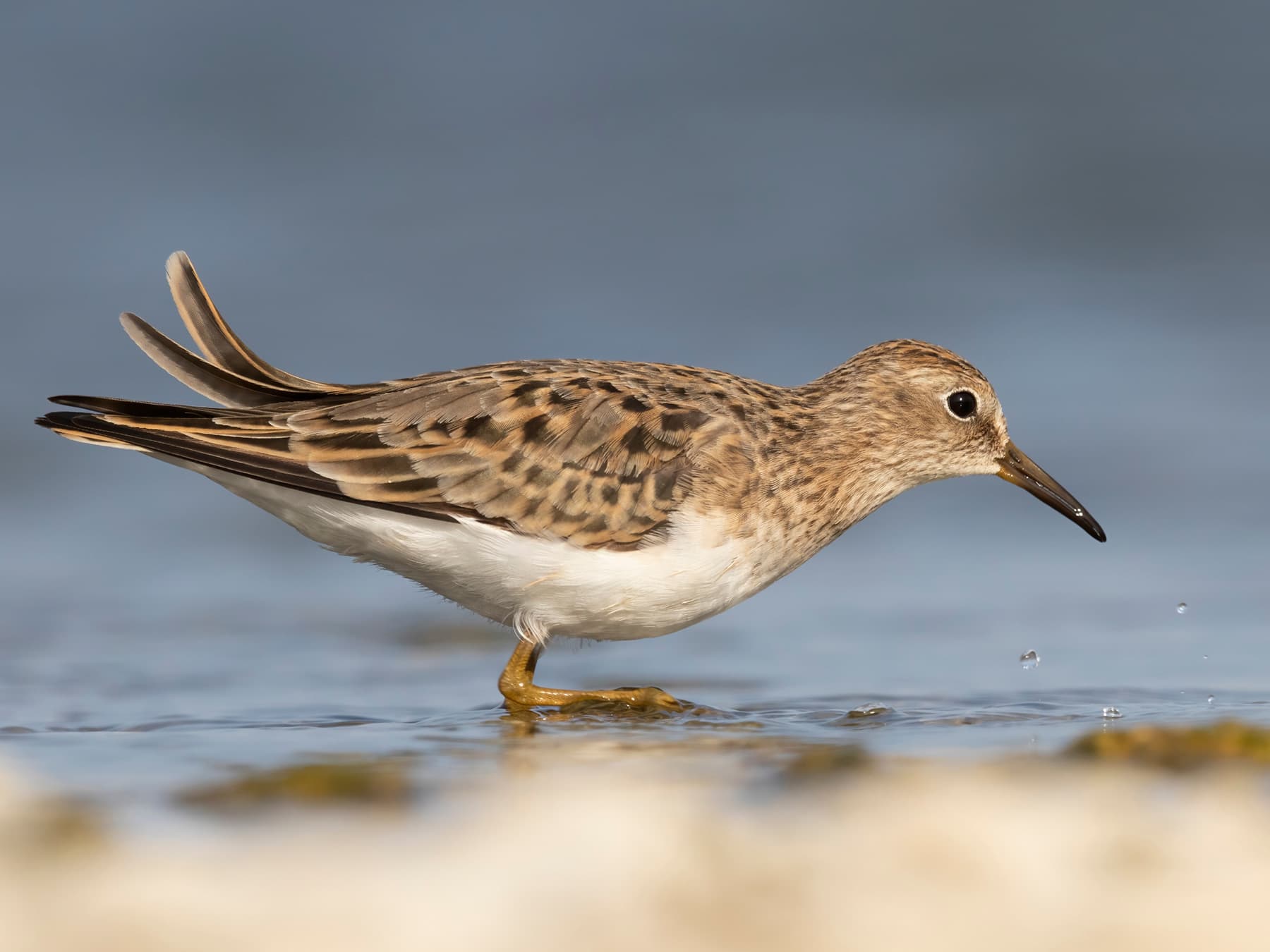
Temminck's Stint
Calidris temminckiiLC
A rare spring passage migrant, occasionally stopping at freshwater pool margins in May. Smaller and more skulking than the commoner Little Stint.
May