Rare Birds in Northumberland
106 species matching this filter.
Northumberland's diverse landscapes — from the rugged North Sea coastline and the Farne Islands to the upland moors of the Cheviot Hills and the wetlands of the Northumbrian river valleys — attract a remarkable variety of rare bird species. With 94 species classified as rare in the county, patient birders may encounter elusive visitors such as Bohemian Waxwing, Eurasian Bittern, Great White Egret, and Hen Harrier. The county's position on the east coast migration flyway makes it a prime destination for unexpected vagrants and scarce passage migrants throughout the year.


Showing 93–106 of 106 species
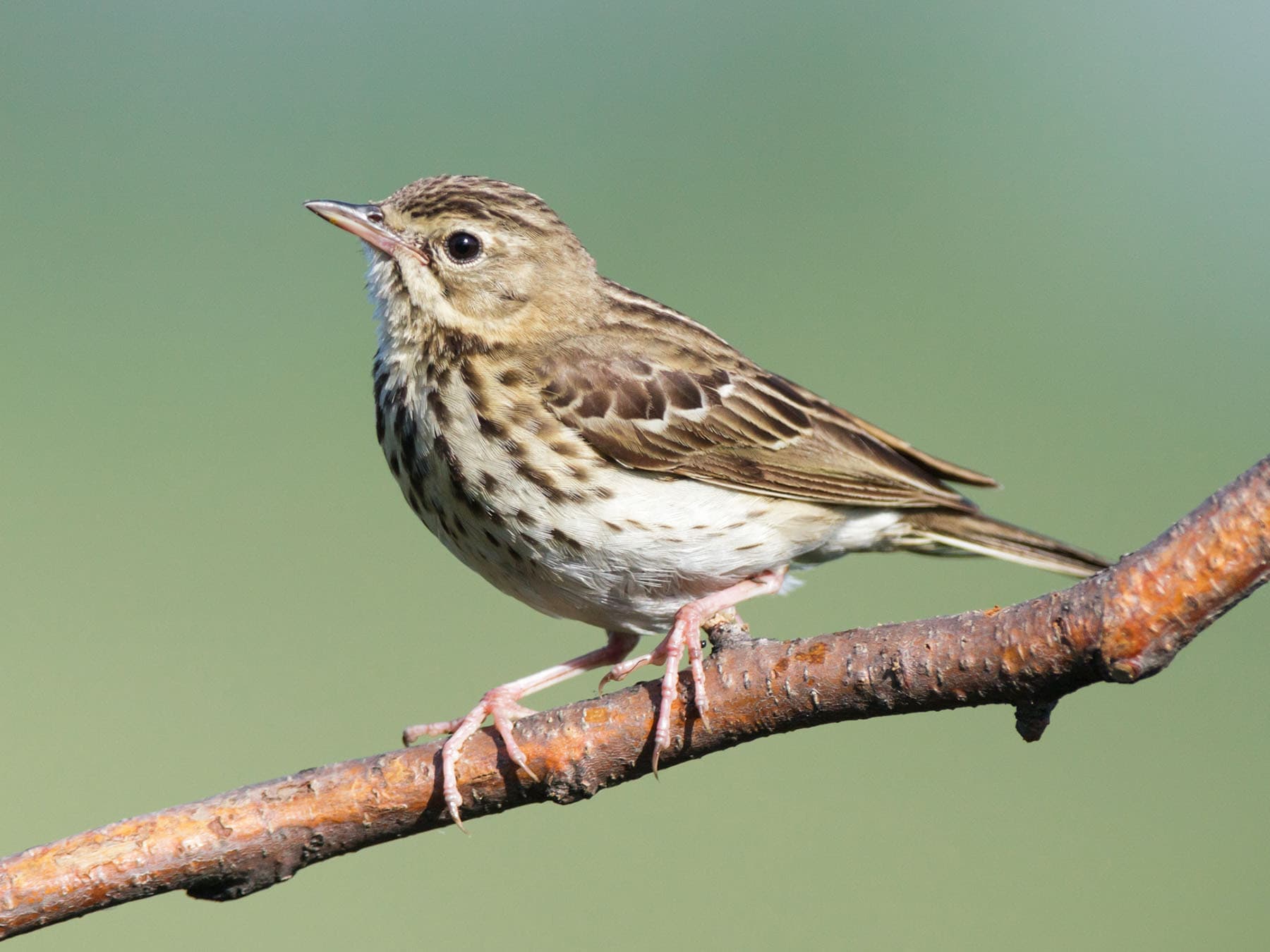
Tree Pipit
Anthus trivialisLC
A rare summer breeder in open woodland and forest clearings. Its parachuting song flight is a highlight of spring.
Apr–Sep
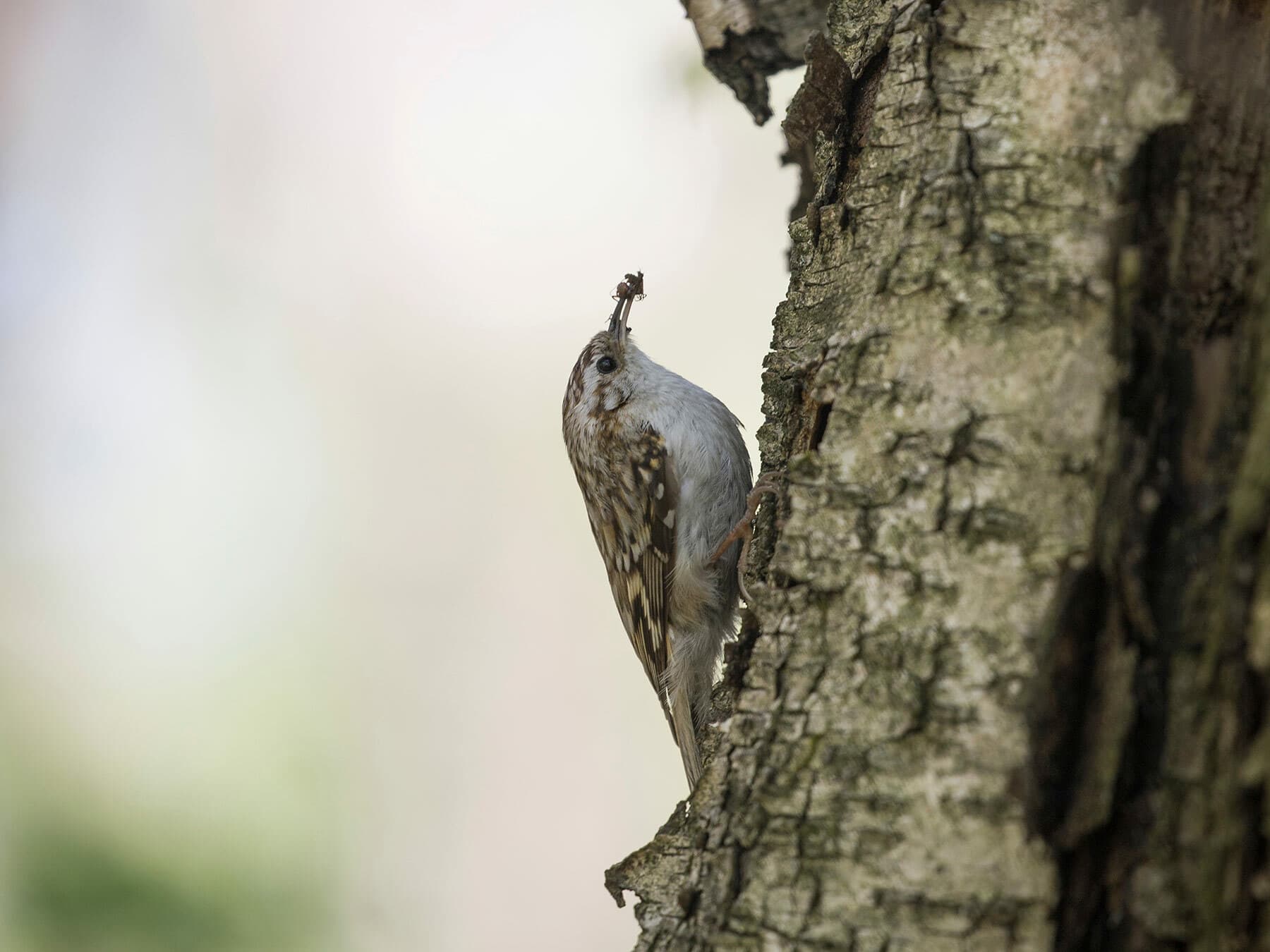
Treecreeper
Certhia familiarisLC
A rare but year-round resident, creeping mouse-like up tree trunks in mature woodland. Easily overlooked but present across the county.
Year-round
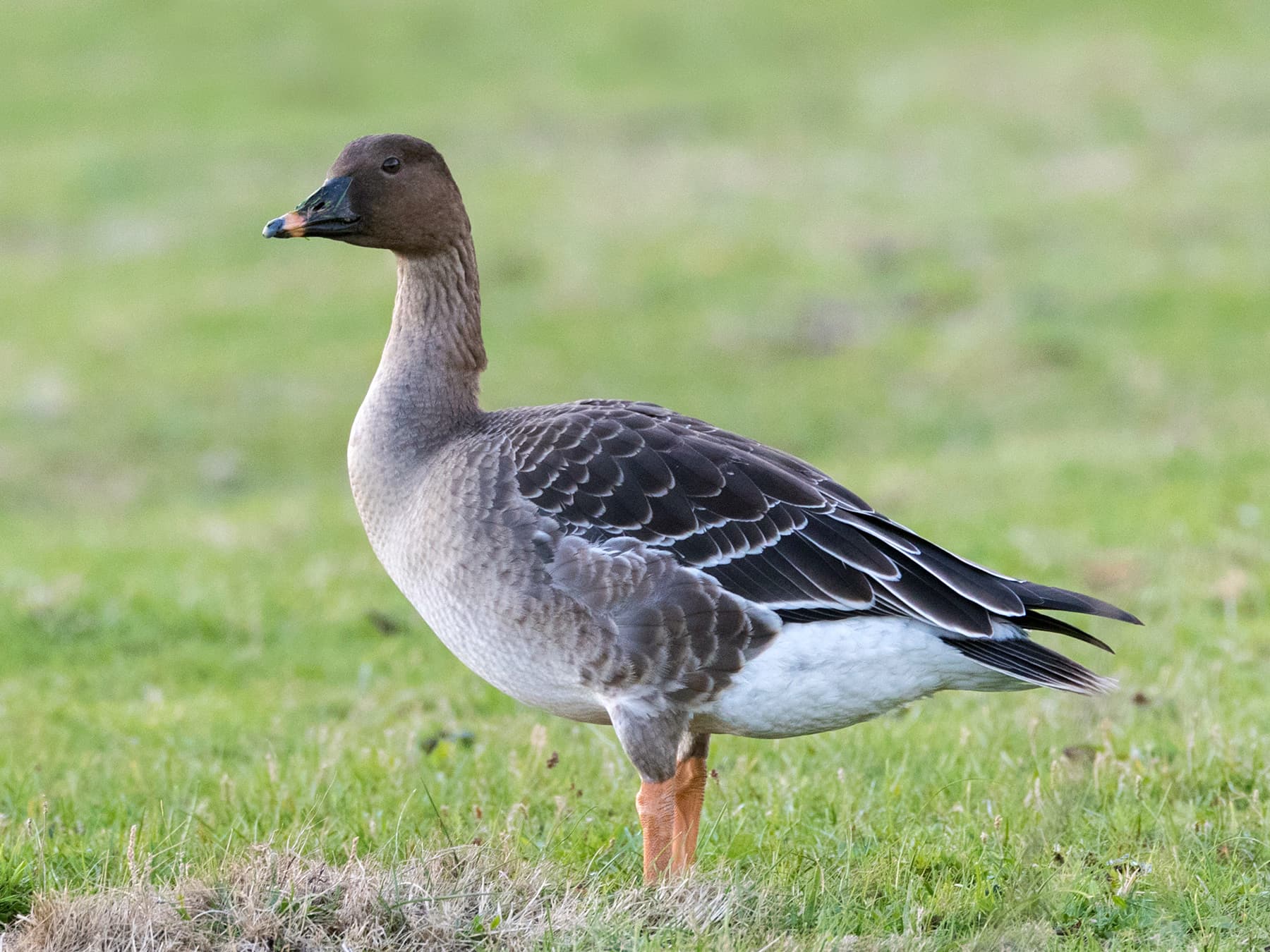
Tundra Bean Goose
Anser serrirostrisLC
A rare passage visitor in late winter, sometimes found among Pink-footed Goose flocks on coastal fields in February and March.
Feb–Mar
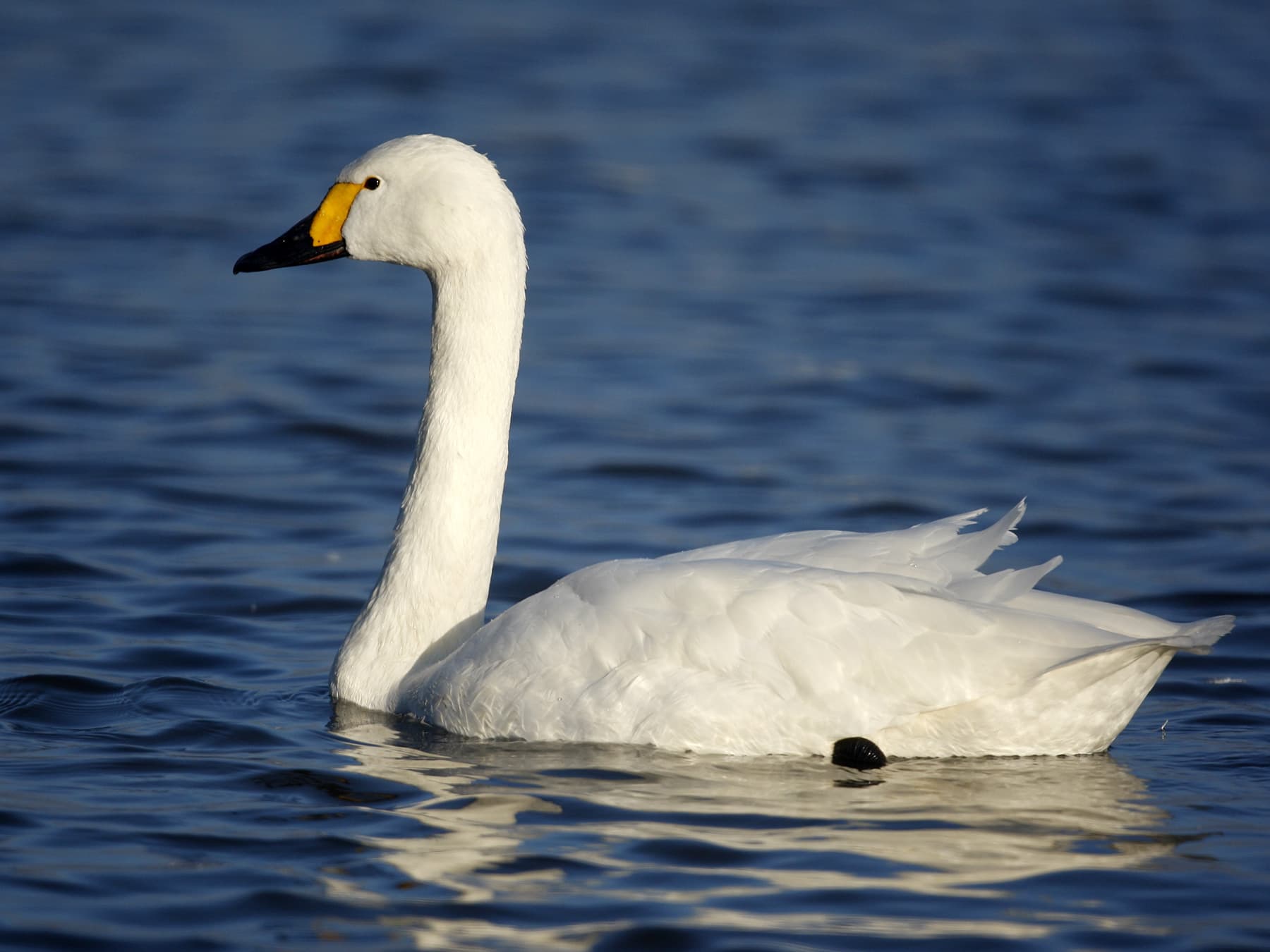
Tundra Swan
Cygnus columbianusLC
A rare passage visitor in November, occasionally stopping at wetlands or joining Whooper Swan flocks on farmland near the coast.
Nov
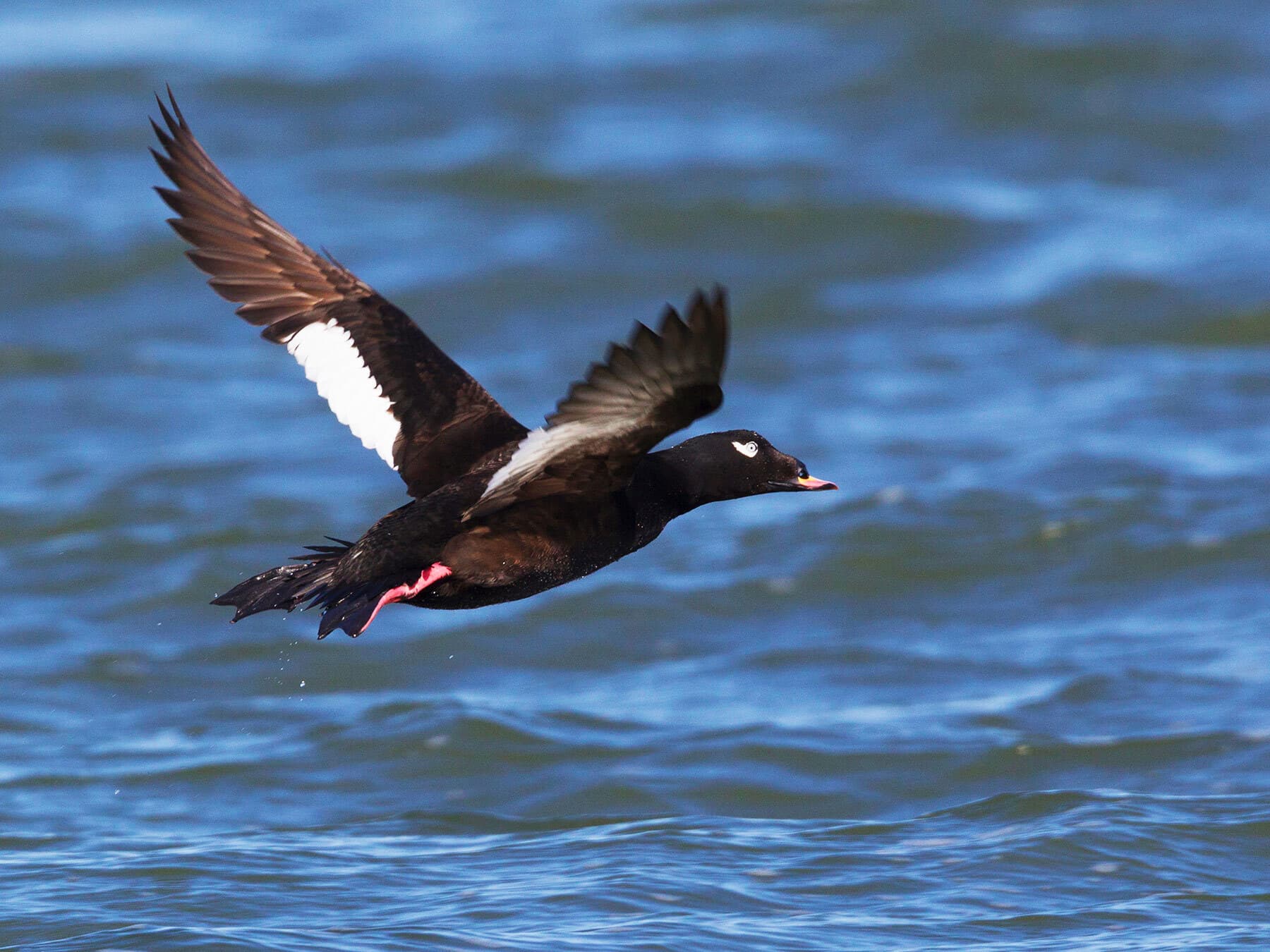
Velvet Scoter
Melanitta fuscaVU
A rare non-breeding visitor to offshore waters, mainly seen from late summer through winter. Often associates with Common Scoter flocks.
Jul–Feb
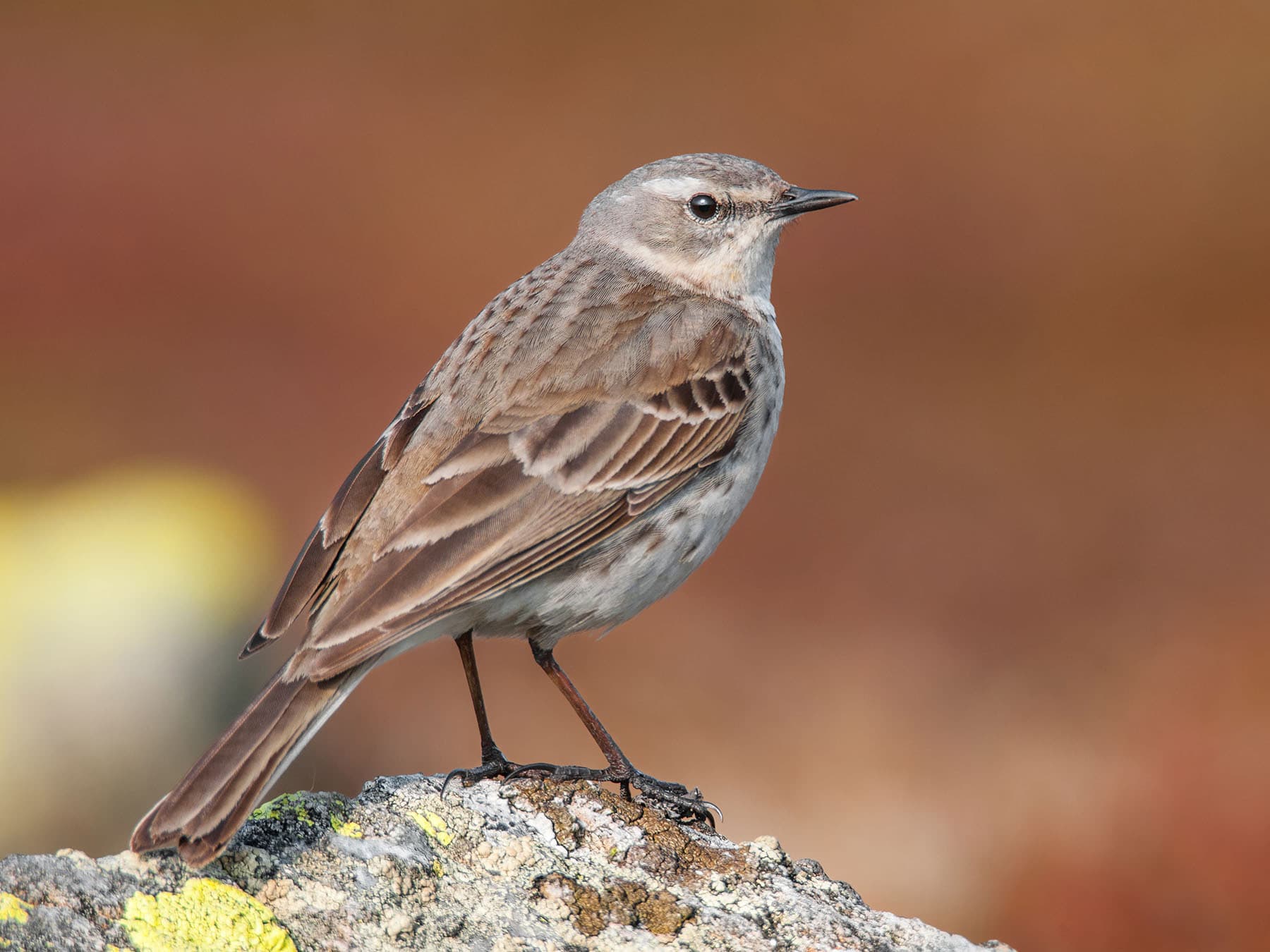
Water Pipit
Anthus spinolettaLC
A rare passage visitor found at wetland margins and watercress beds, mainly in winter months and early spring.
Dec–Mar
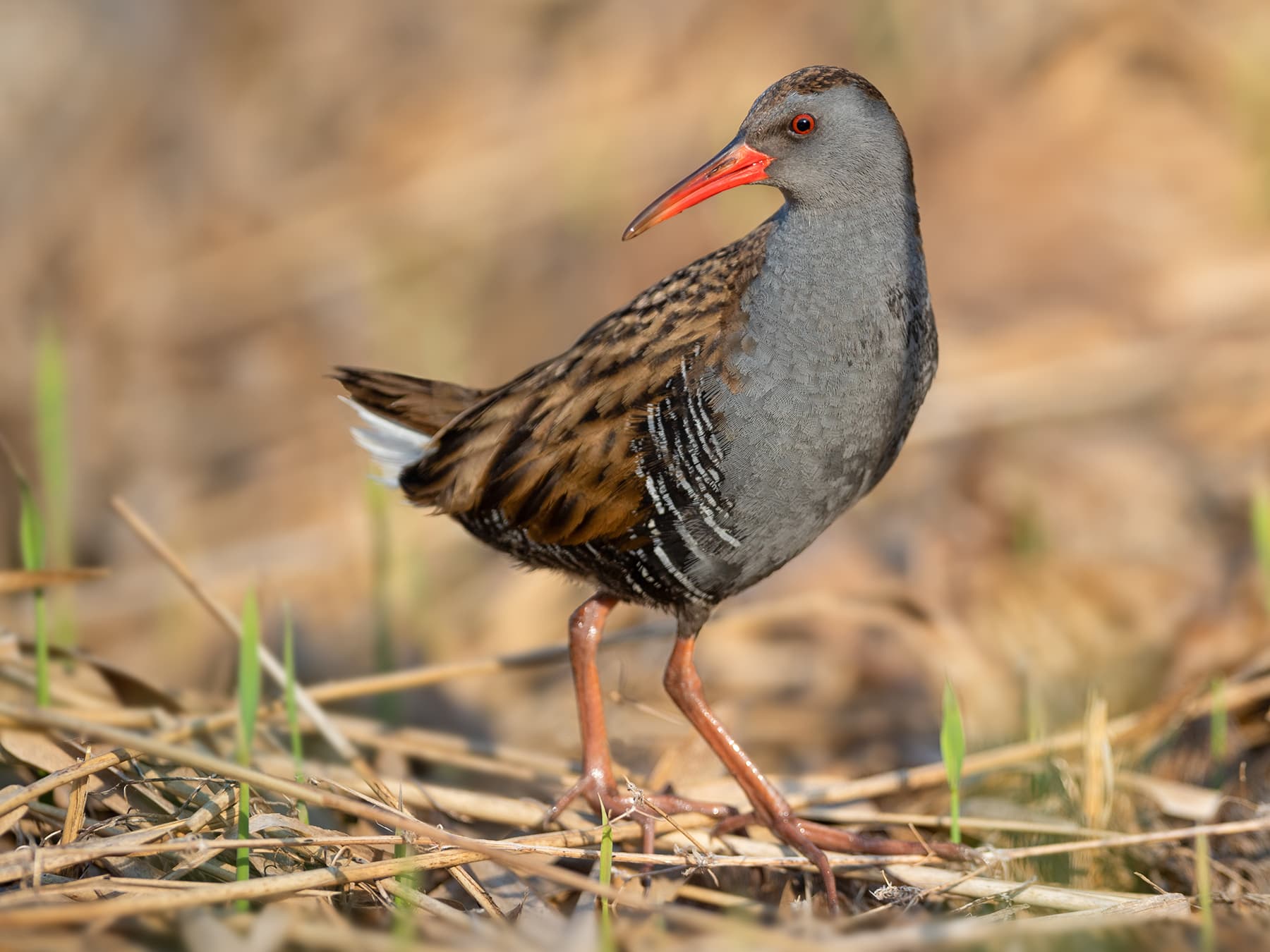
Water Rail
Rallus aquaticusLC
A secretive resident of reedbeds and marshy ditches, more often heard giving its pig-like squeal than seen in the open.
Jun–Apr
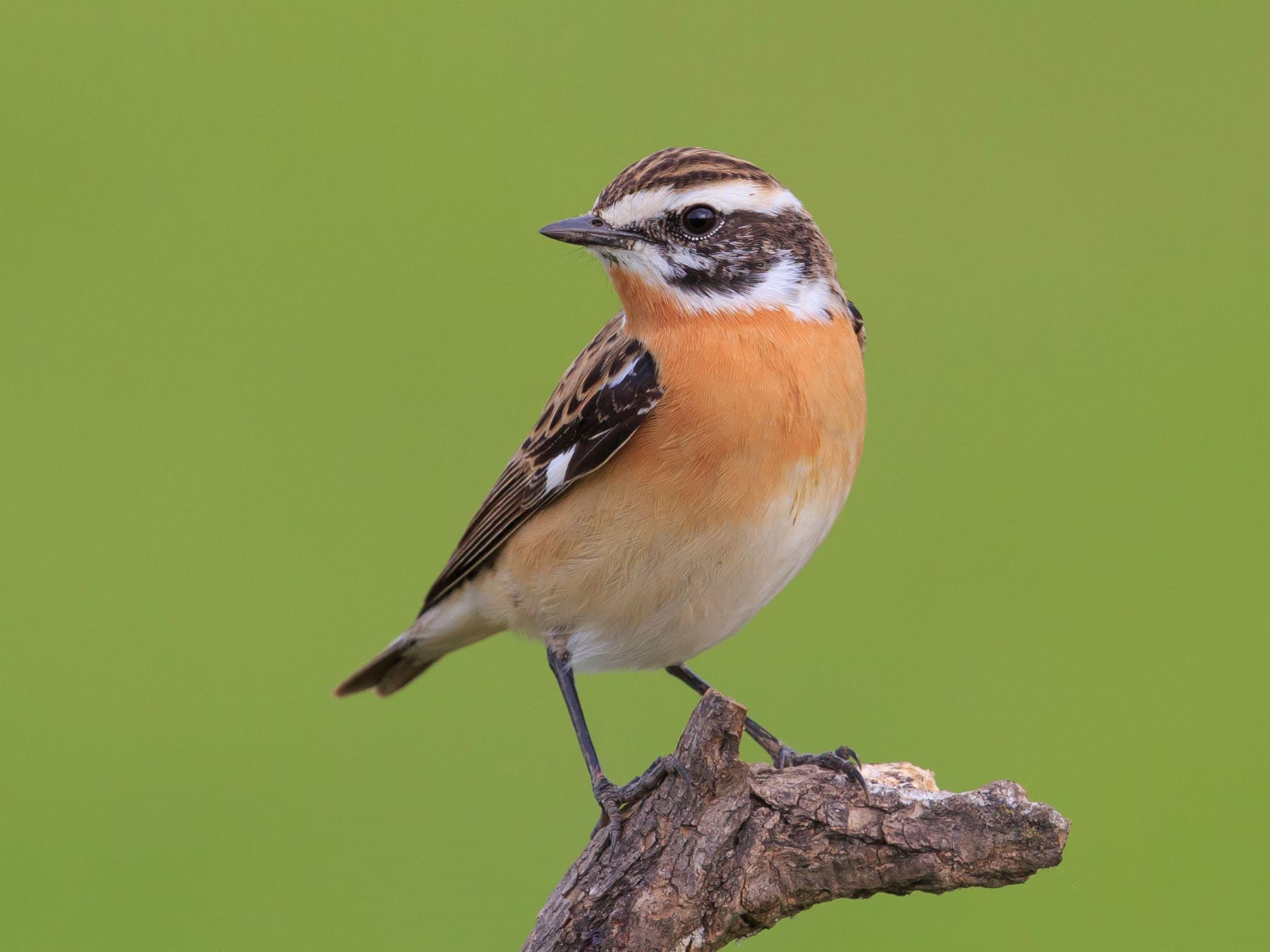
Whinchat
Saxicola rubetraLC
A rare and declining breeder on upland moorland edges, arriving in April and departing by September.
Apr–Sep
Spotted something?
Upload a photo to identify it
Identify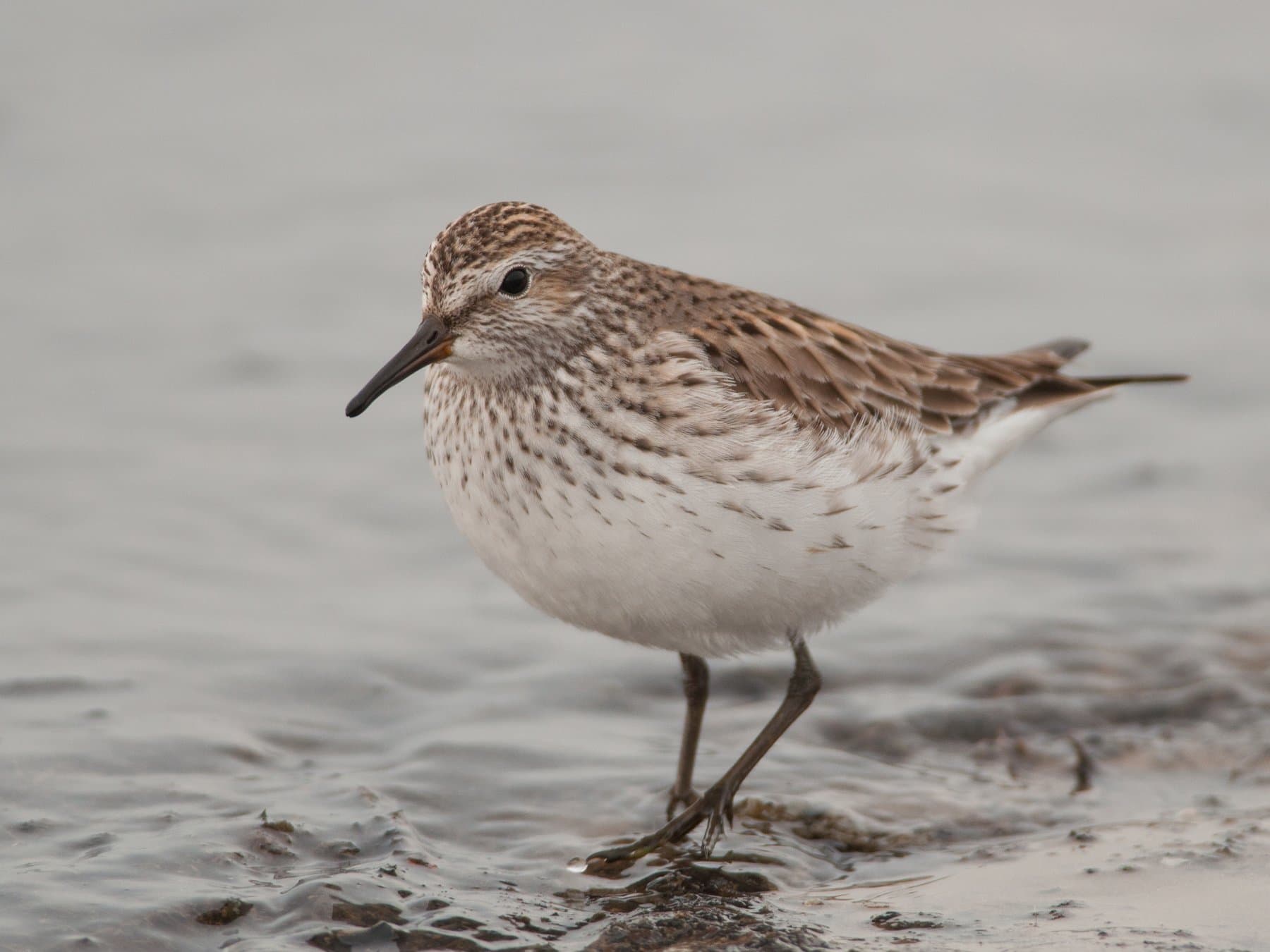
White-rumped Sandpiper
Calidris fuscicollisVU
A rare transatlantic vagrant, occasionally found among flocks of small waders at coastal pools in August.
Aug
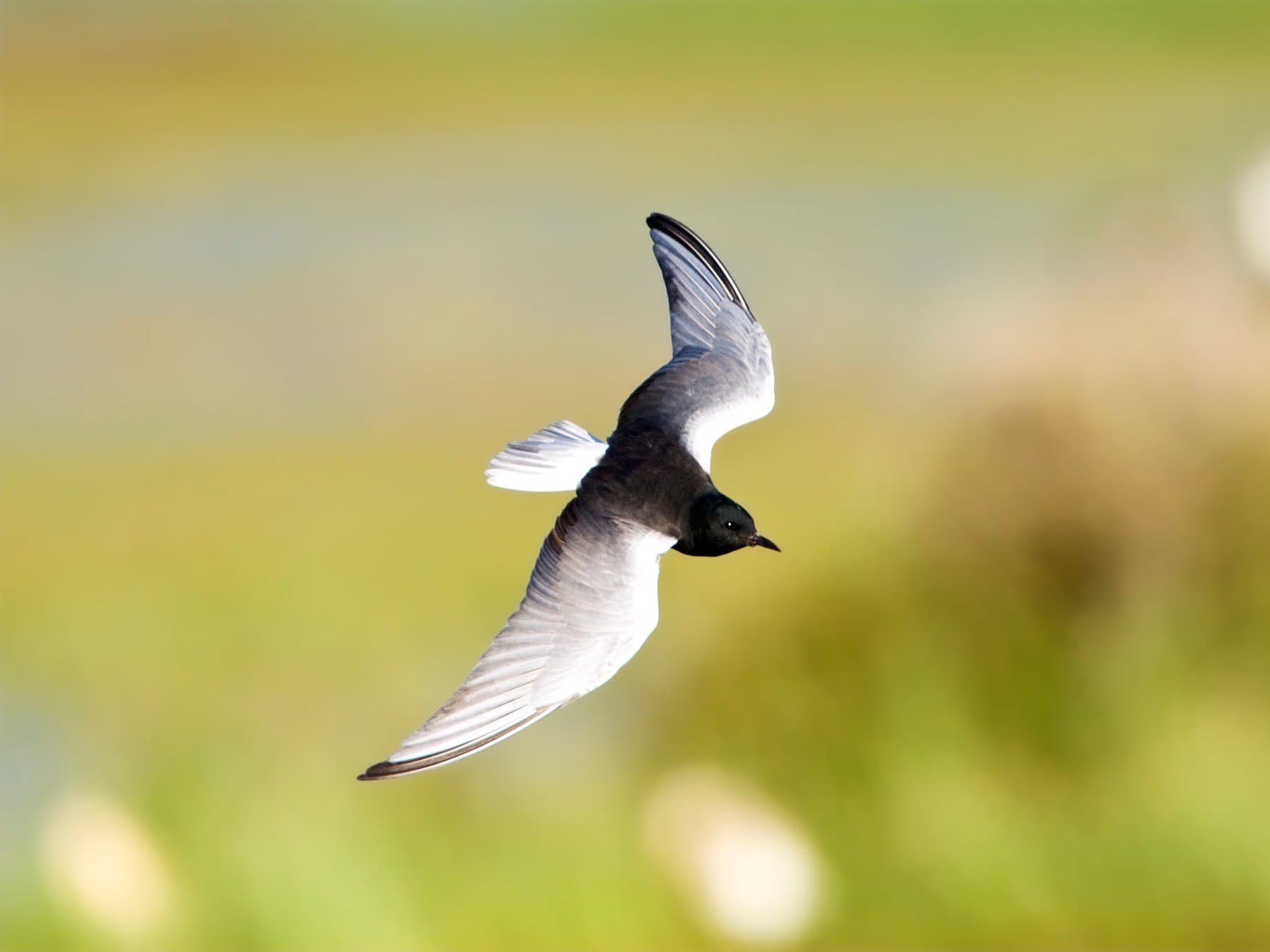
White-winged Tern
Chlidonias leucopterusLC
A rare passage migrant, occasionally recorded in August along the coast. A striking marsh tern more typical of eastern Europe.
Aug
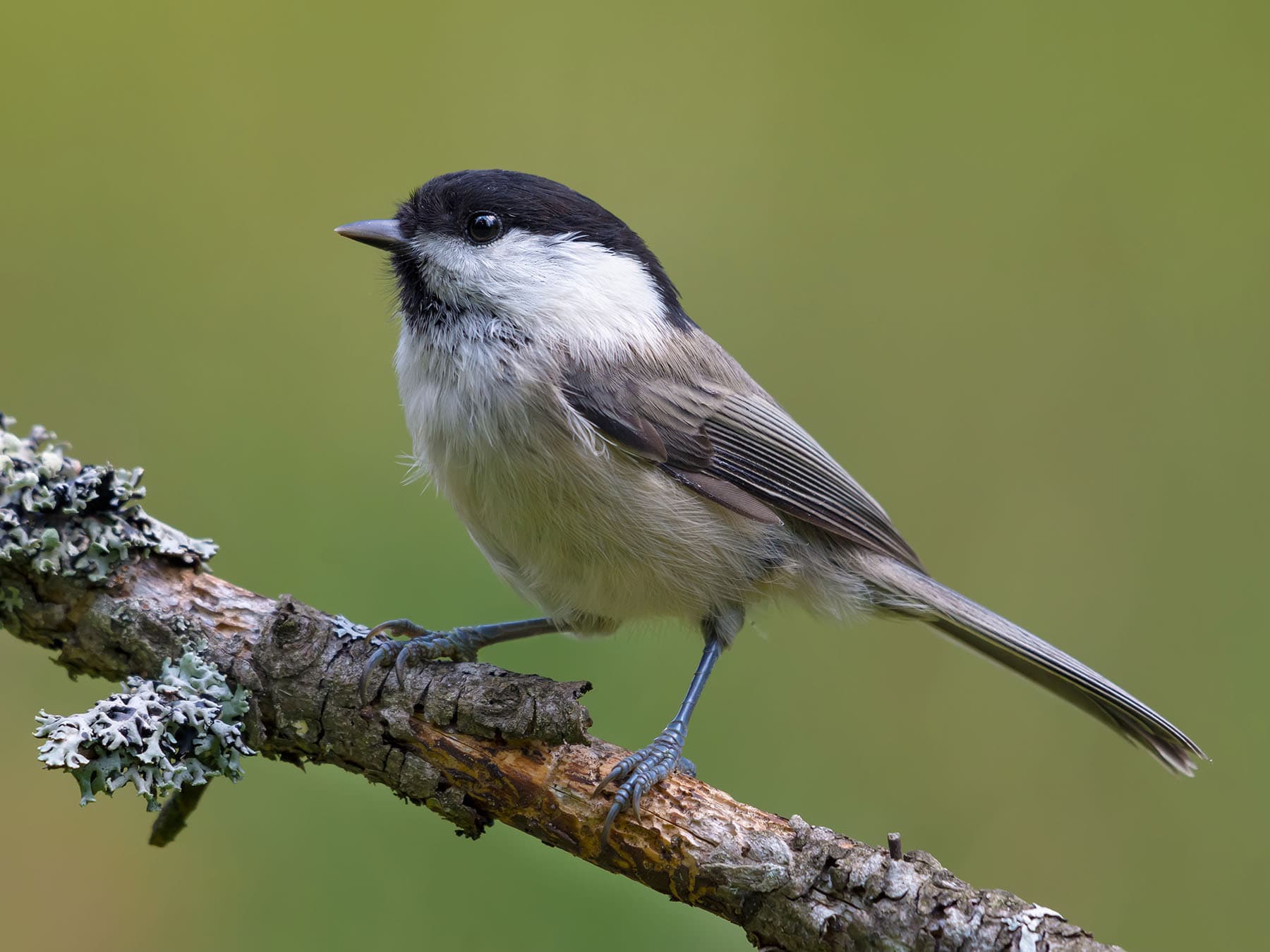
Willow Tit
Poecile montanusLC
A rare and declining resident found in damp willow and birch woodland. One of the UK's fastest-declining species, now very scarce in the county.
Year-round
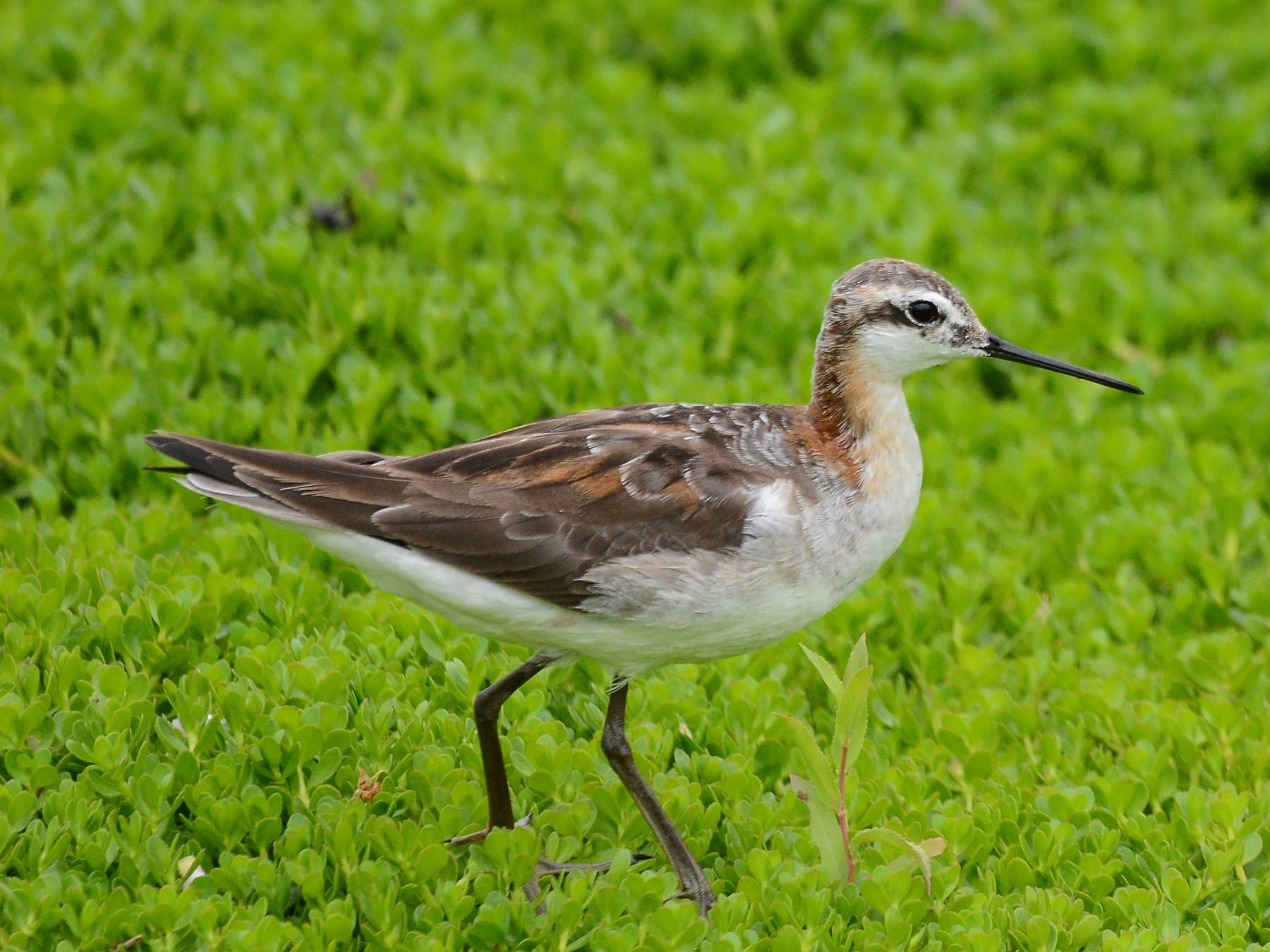
Wilson's Phalarope
Phalaropus tricolorLC
An extremely rare transatlantic vagrant, with occasional November records at coastal pools and wetland scrapes.
Nov
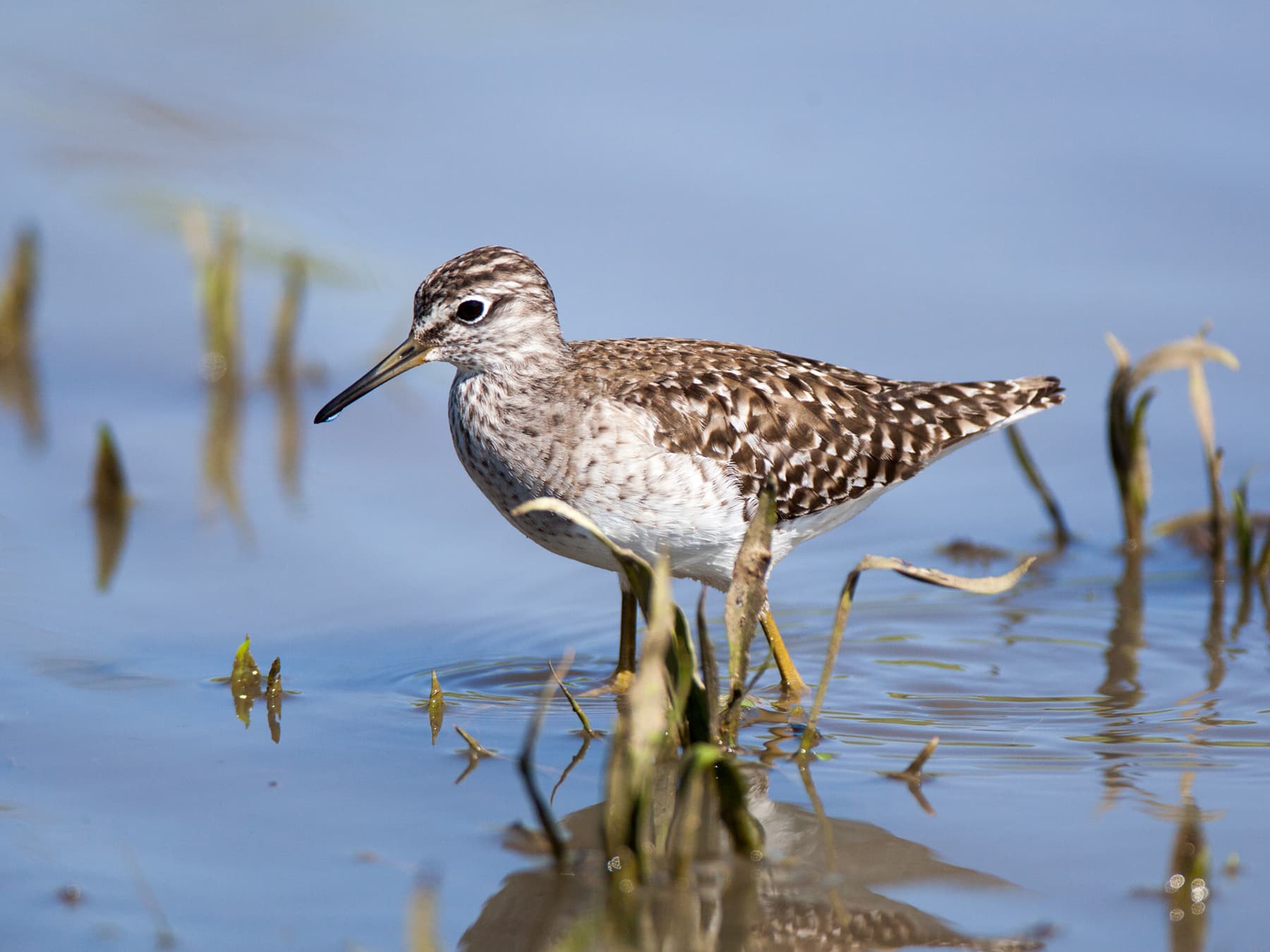
Wood Sandpiper
Tringa glareolaLC
A rare breeding species found at secluded boggy pools in the uplands from May to September. Northumberland is one of very few English breeding sites.
May–Sep
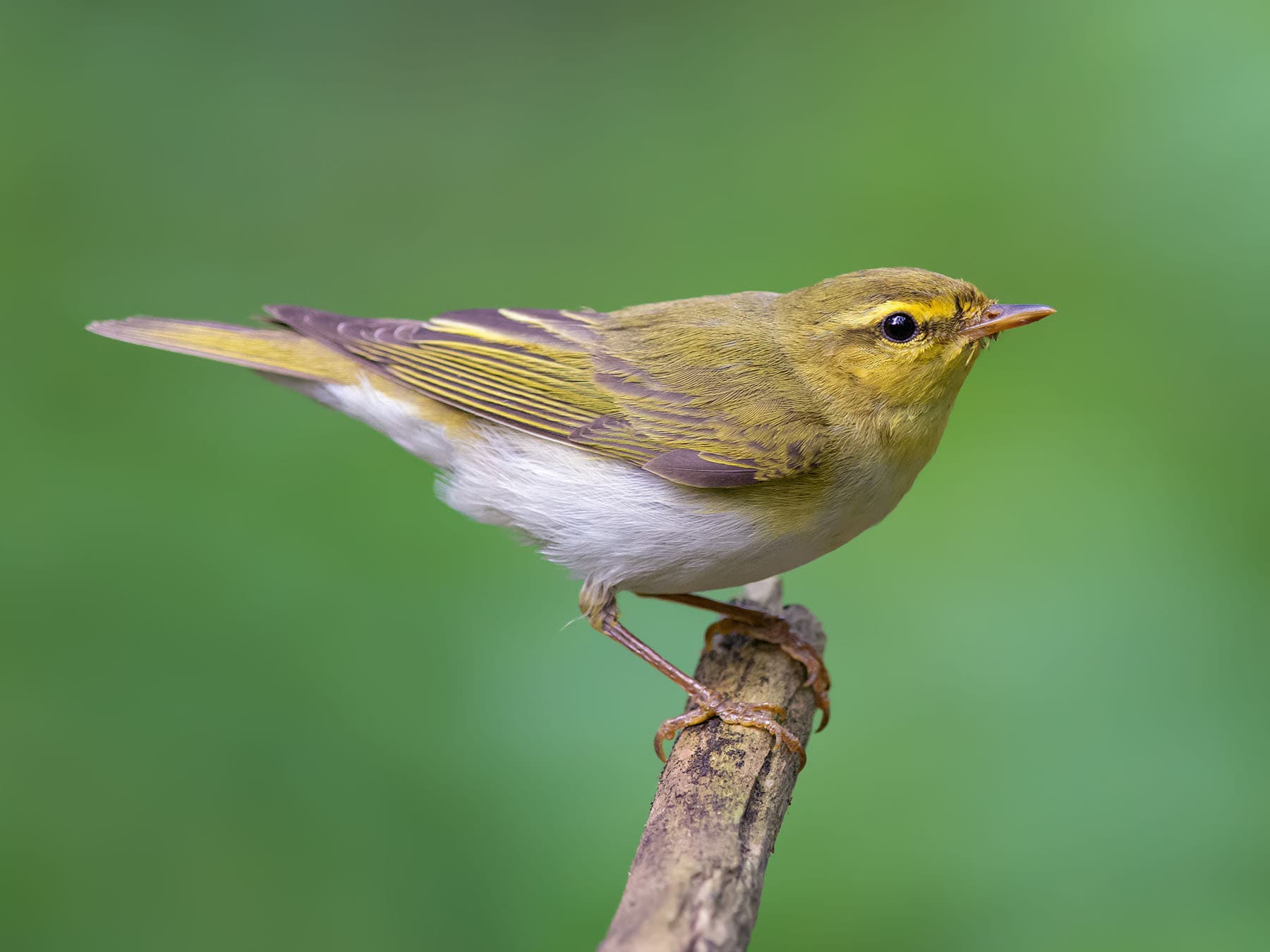
Wood Warbler
Phylloscopus sibilatrixLC
A rare passage migrant in May and June. May briefly visit oak woodlands but does not typically linger to breed in the county.
May–Jun