Rare Birds in Northumberland
106 species matching this filter.
Northumberland's diverse landscapes — from the rugged North Sea coastline and the Farne Islands to the upland moors of the Cheviot Hills and the wetlands of the Northumbrian river valleys — attract a remarkable variety of rare bird species. With 94 species classified as rare in the county, patient birders may encounter elusive visitors such as Bohemian Waxwing, Eurasian Bittern, Great White Egret, and Hen Harrier. The county's position on the east coast migration flyway makes it a prime destination for unexpected vagrants and scarce passage migrants throughout the year.


Showing 47–69 of 106 species
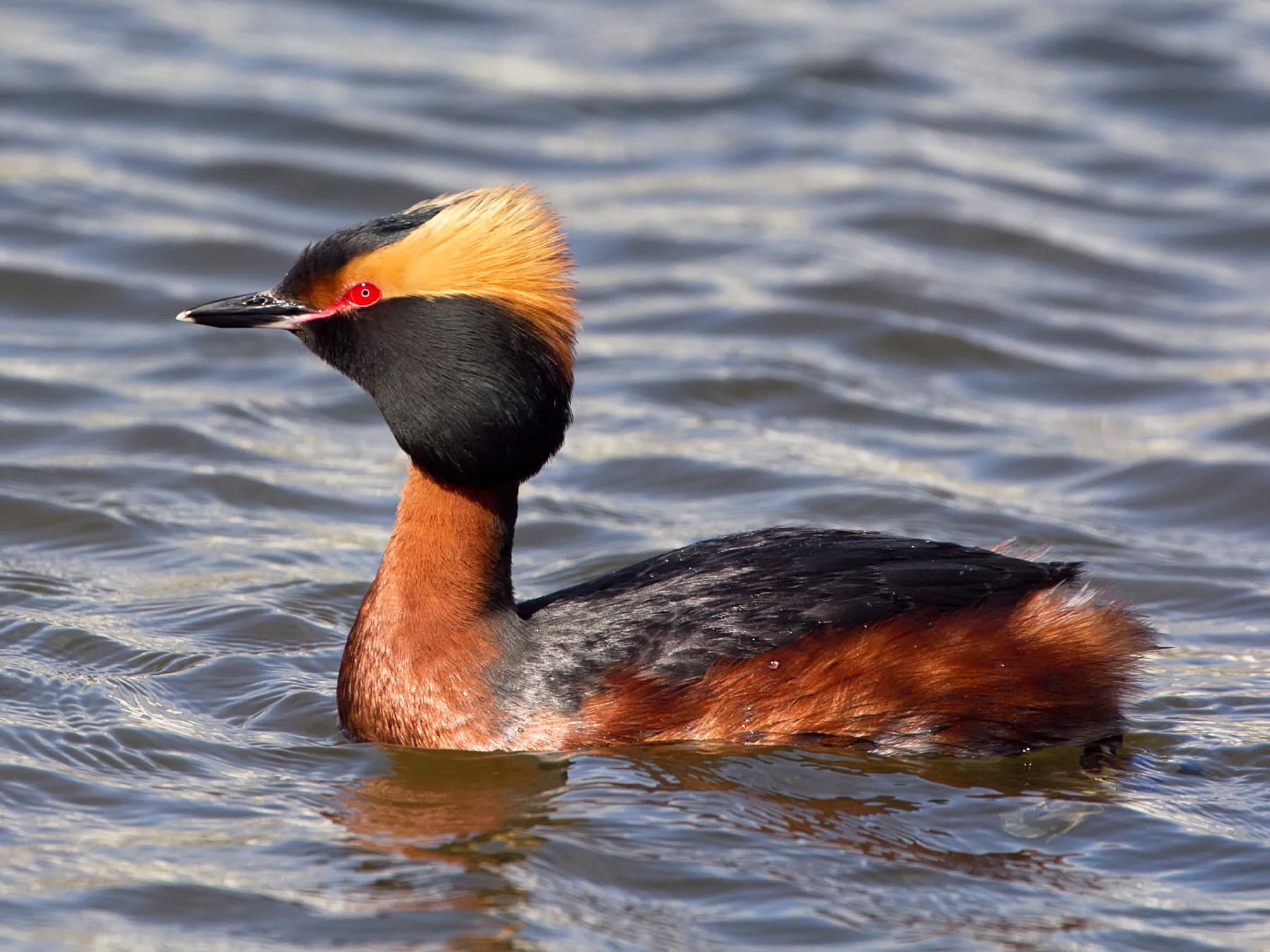
Horned Grebe
Podiceps auritusVU
A rare non-breeding visitor to sheltered coastal bays and harbours from October to March. Often called Slavonian Grebe in British usage.
Oct–Mar
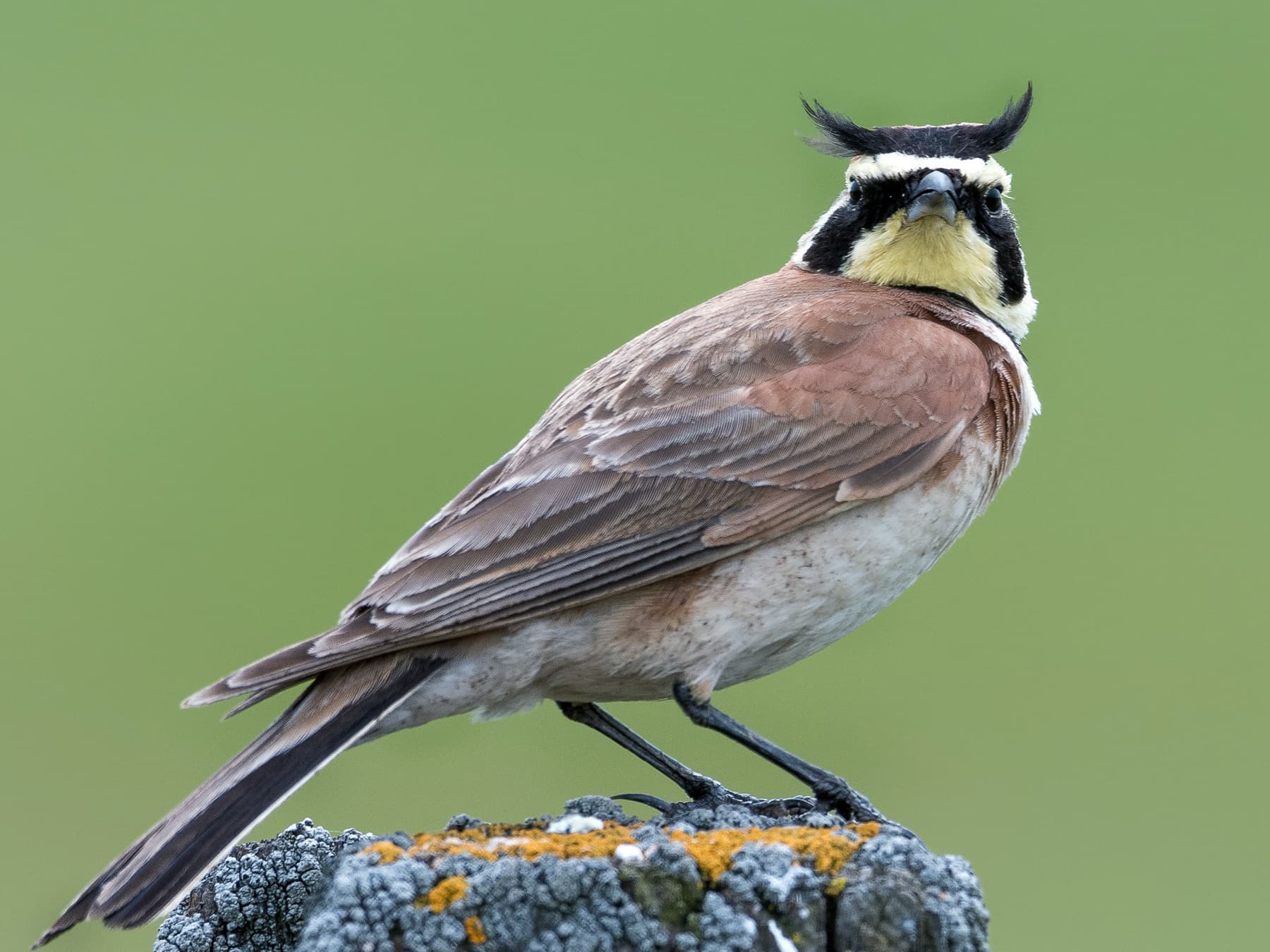
Horned Lark
Eremophila alpestrisLC
A rare winter visitor to the Northumberland coast, favouring shingle beaches and stubble fields. Most likely seen from December to March.
Dec–Mar
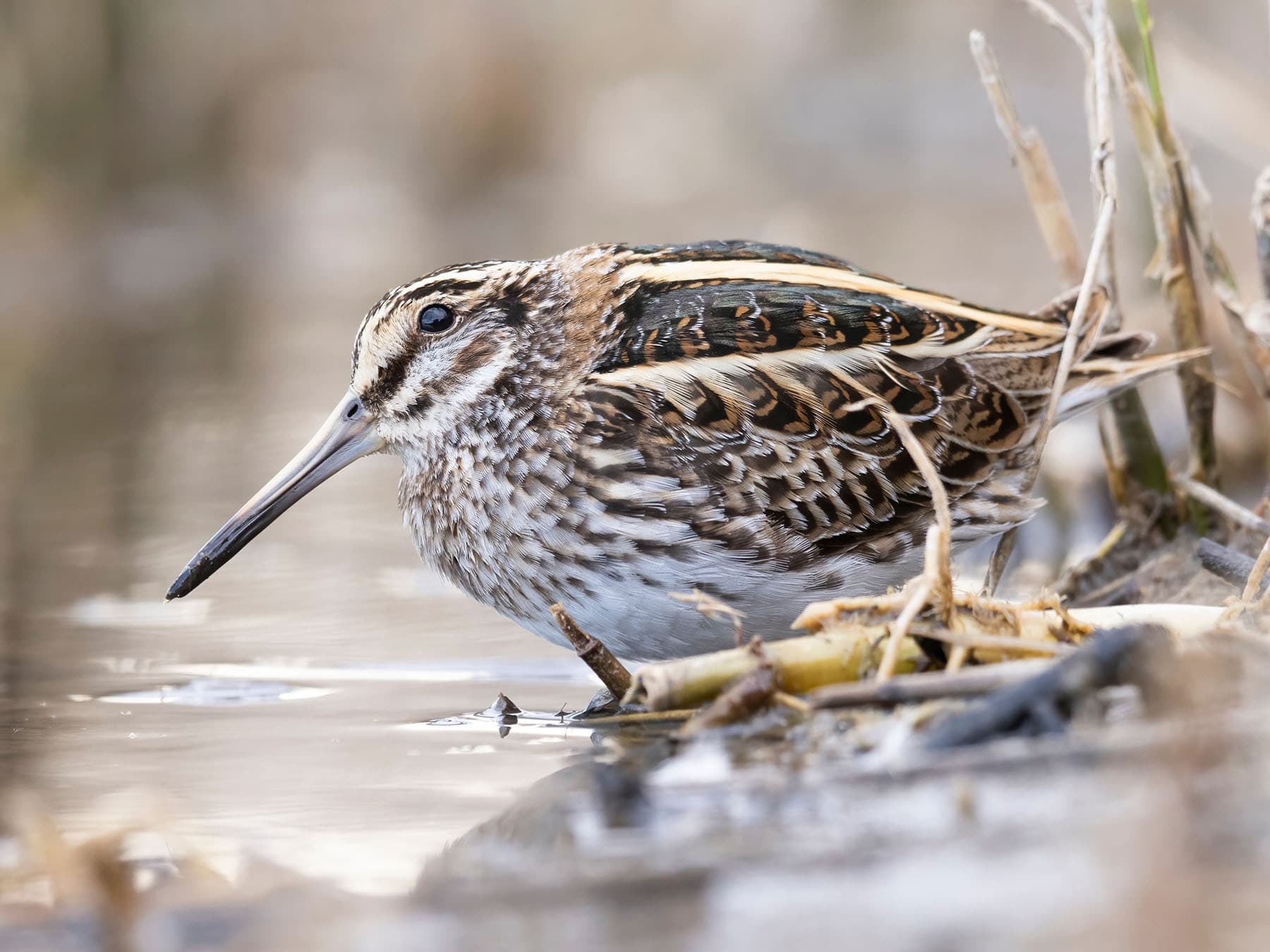
Jack Snipe
Lymnocryptes minimusLC
A secretive autumn passage migrant, typically glimpsed in October in boggy margins and wet meadows. Easily overlooked due to its skulking habits.
Oct
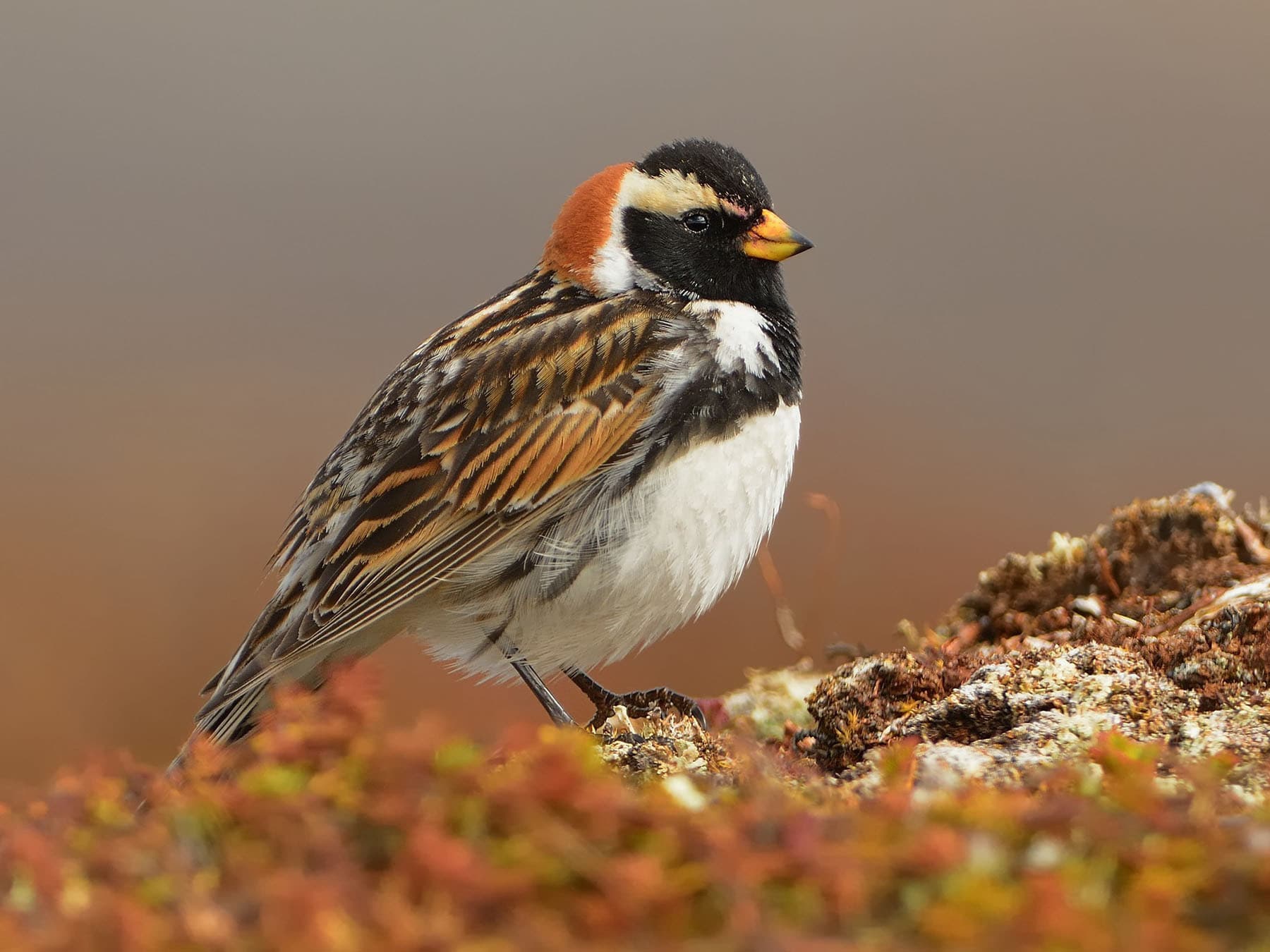
Lapland Longspur
Calcarius lapponicusLC
A rare autumn passage migrant, occasionally seen on the Northumberland coast in October, favouring short coastal turf and stubble fields.
Oct
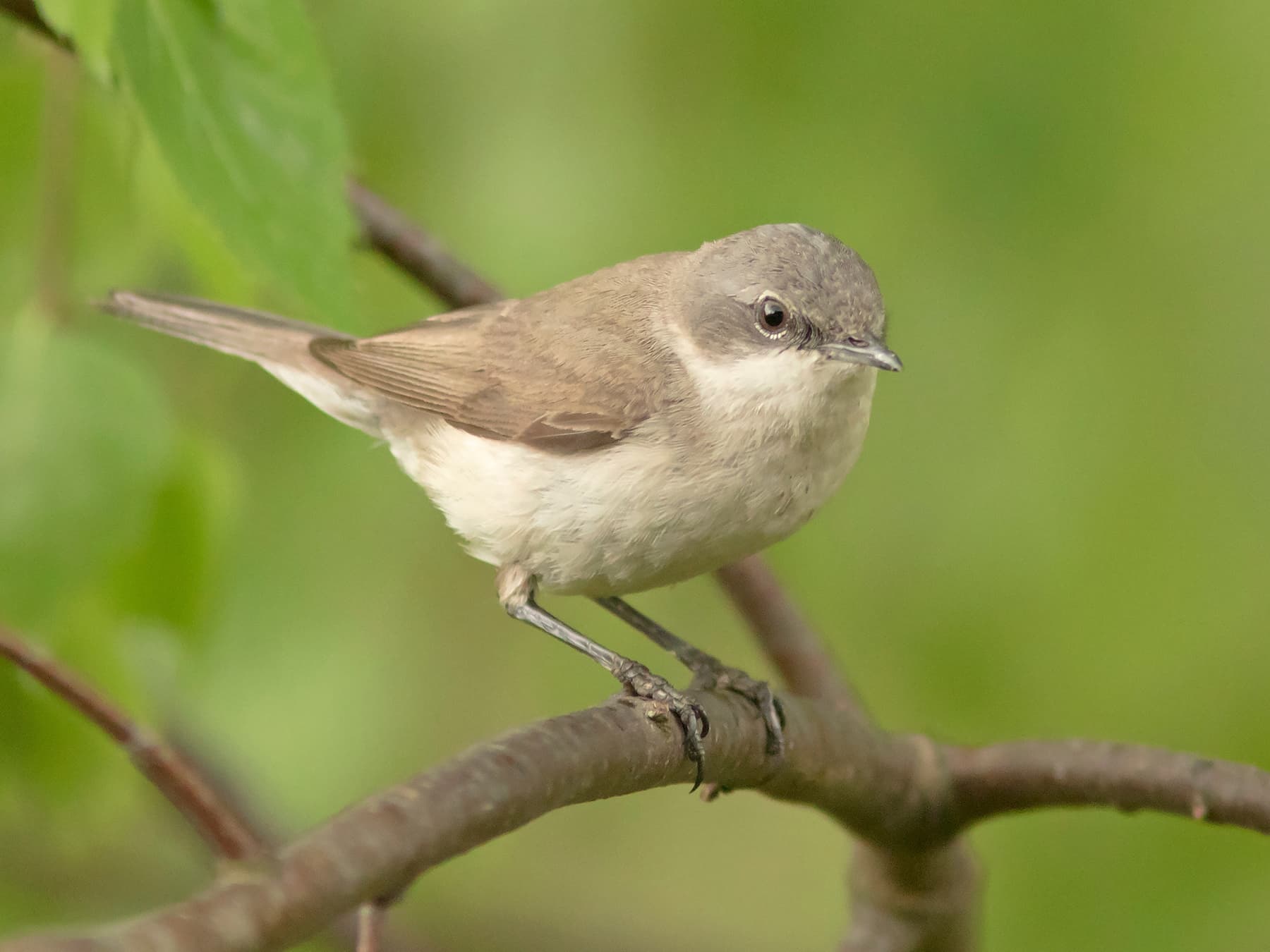
Lesser Whitethroat
Curruca currucaLC
A rare and secretive summer breeder favouring tall hedgerows and scrubby thickets. Near the northern limit of its regular UK breeding range.
Apr–Oct
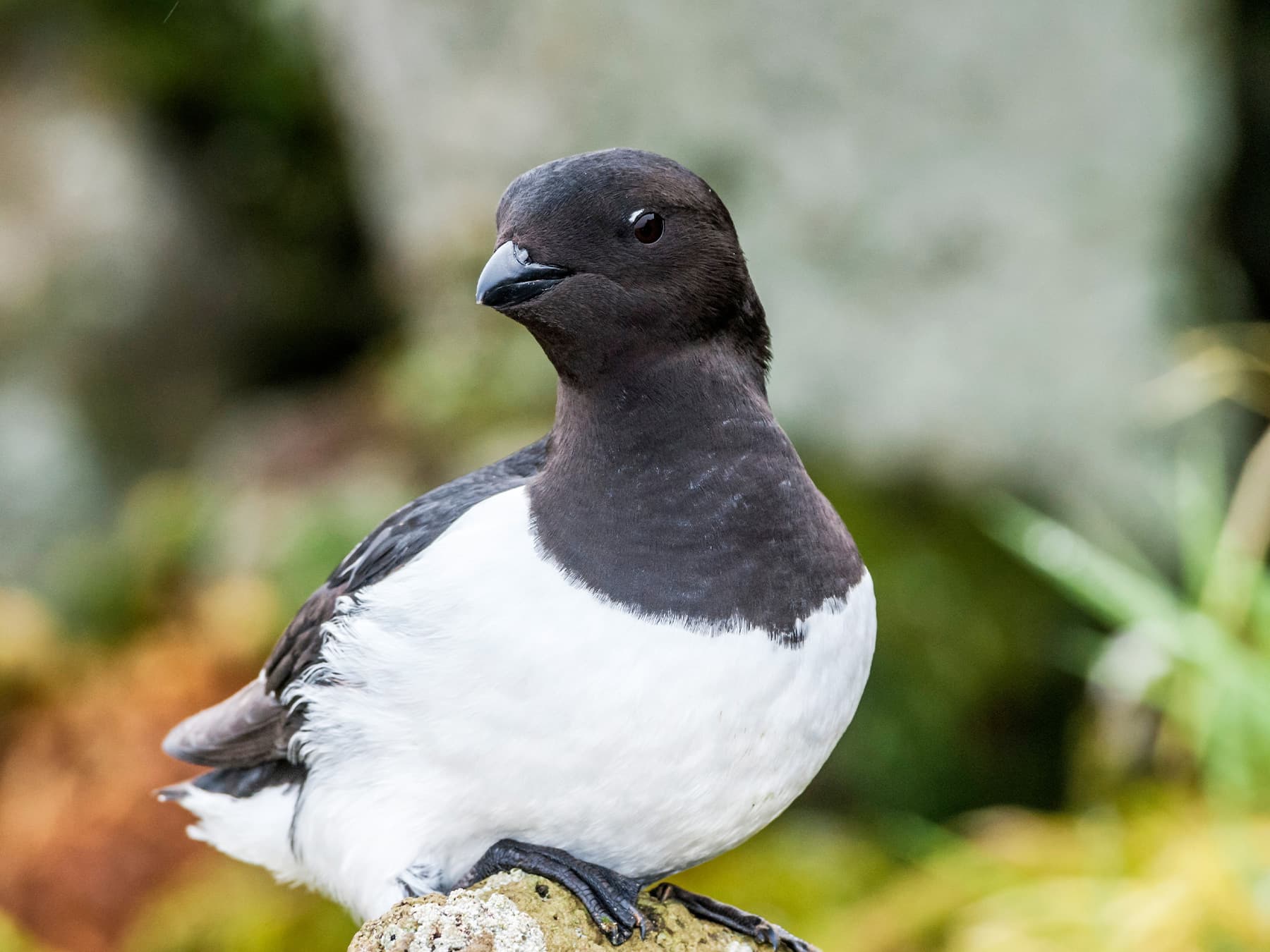
Little Auk
Alle alleLC
Scarce autumn and early winter visitor, sometimes driven inshore by North Sea gales. Occasionally wrecked on Northumberland beaches.
Oct–Dec
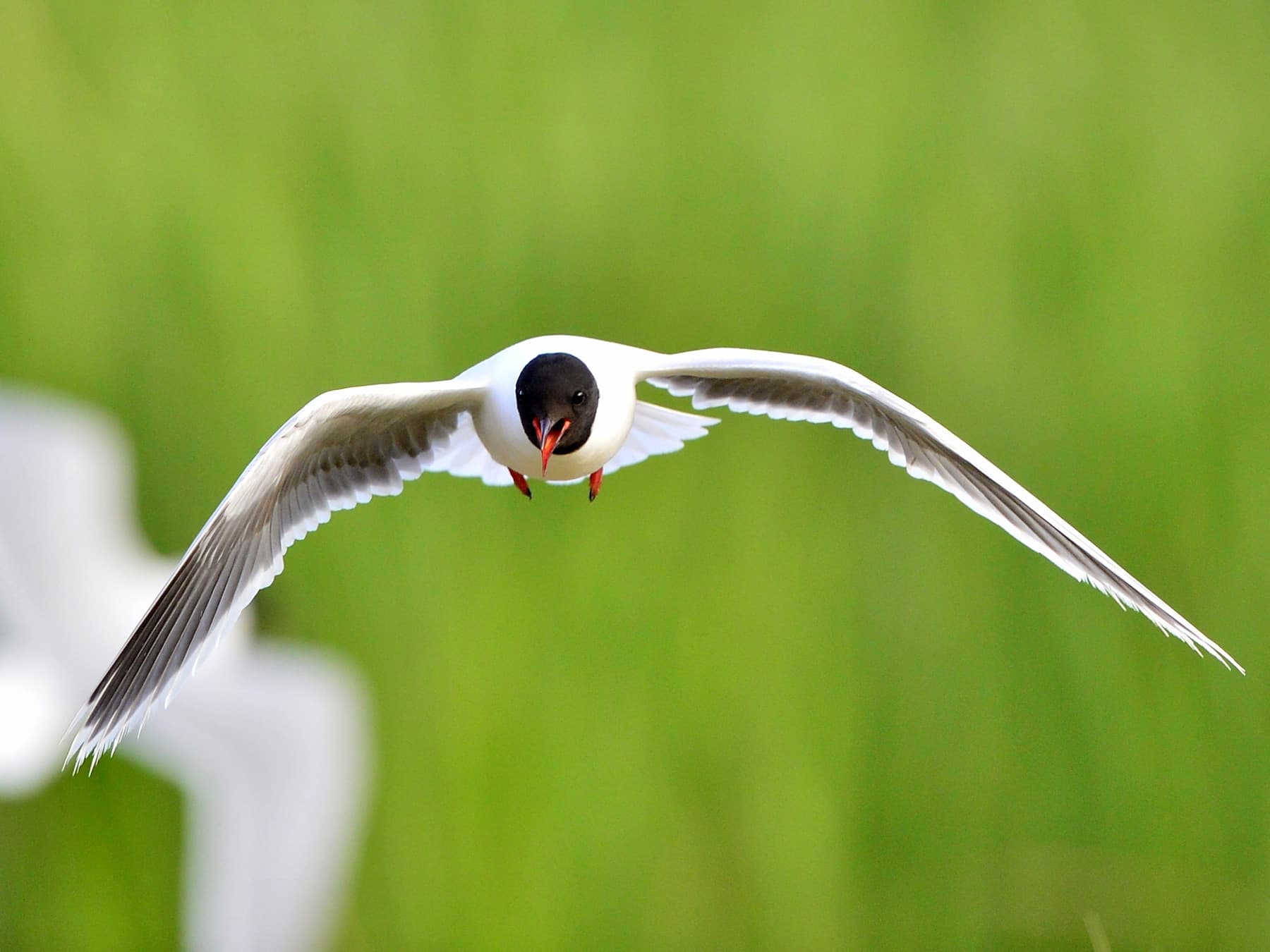
Little Gull
Hydrocoloeus minutusLC
A rare but regular small gull seen along the coast and at reservoirs from spring through autumn. Dainty flight and dark underwings are distinctive.
Feb–Nov
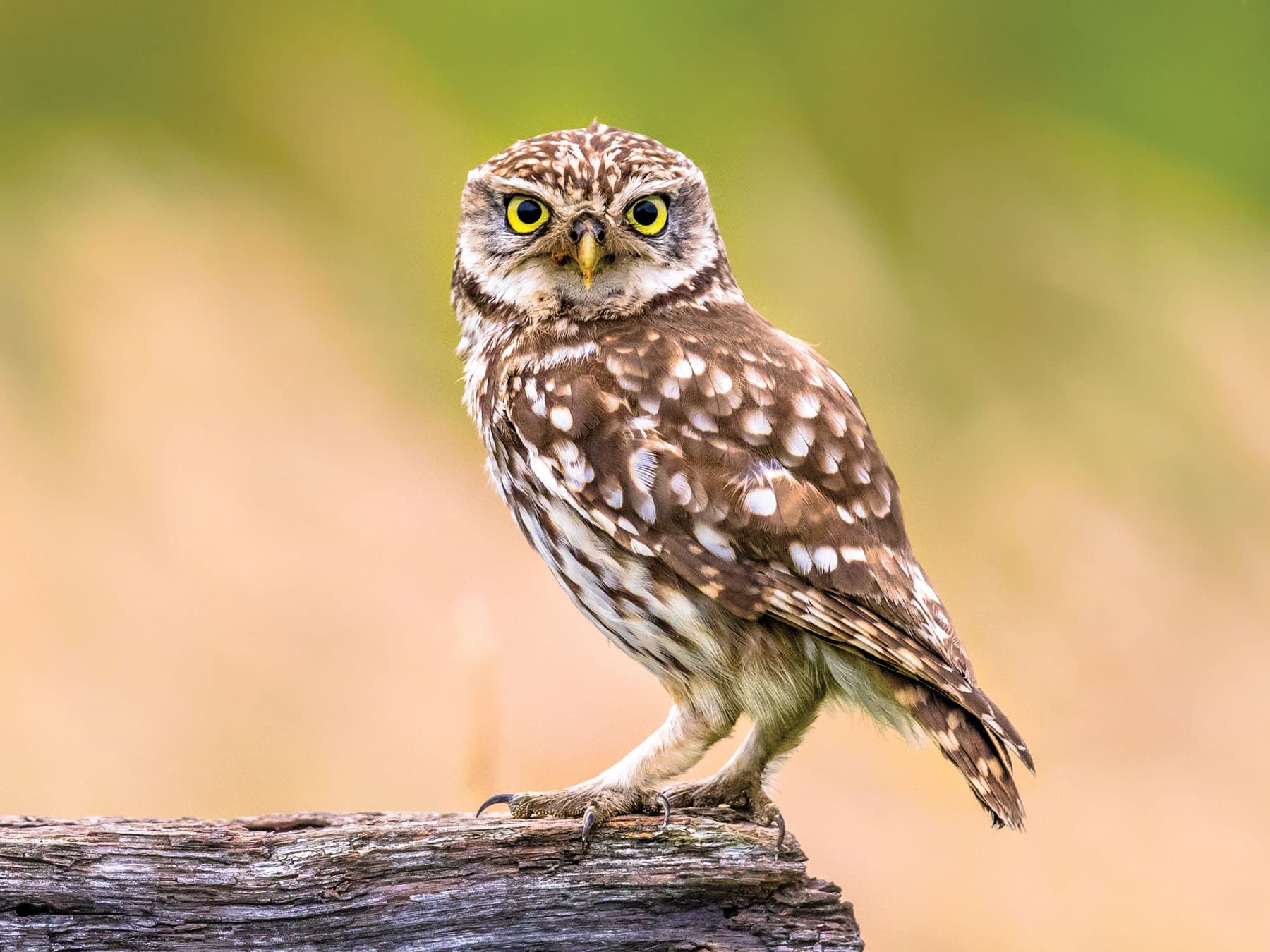
Little Owl
Athene noctuaLC
A rare non-breeding visitor, occasionally spotted in lowland farmland with old hedgerows. Scarce this far north in England.
Jun–Feb
Spotted something?
Upload a photo to identify it
Identify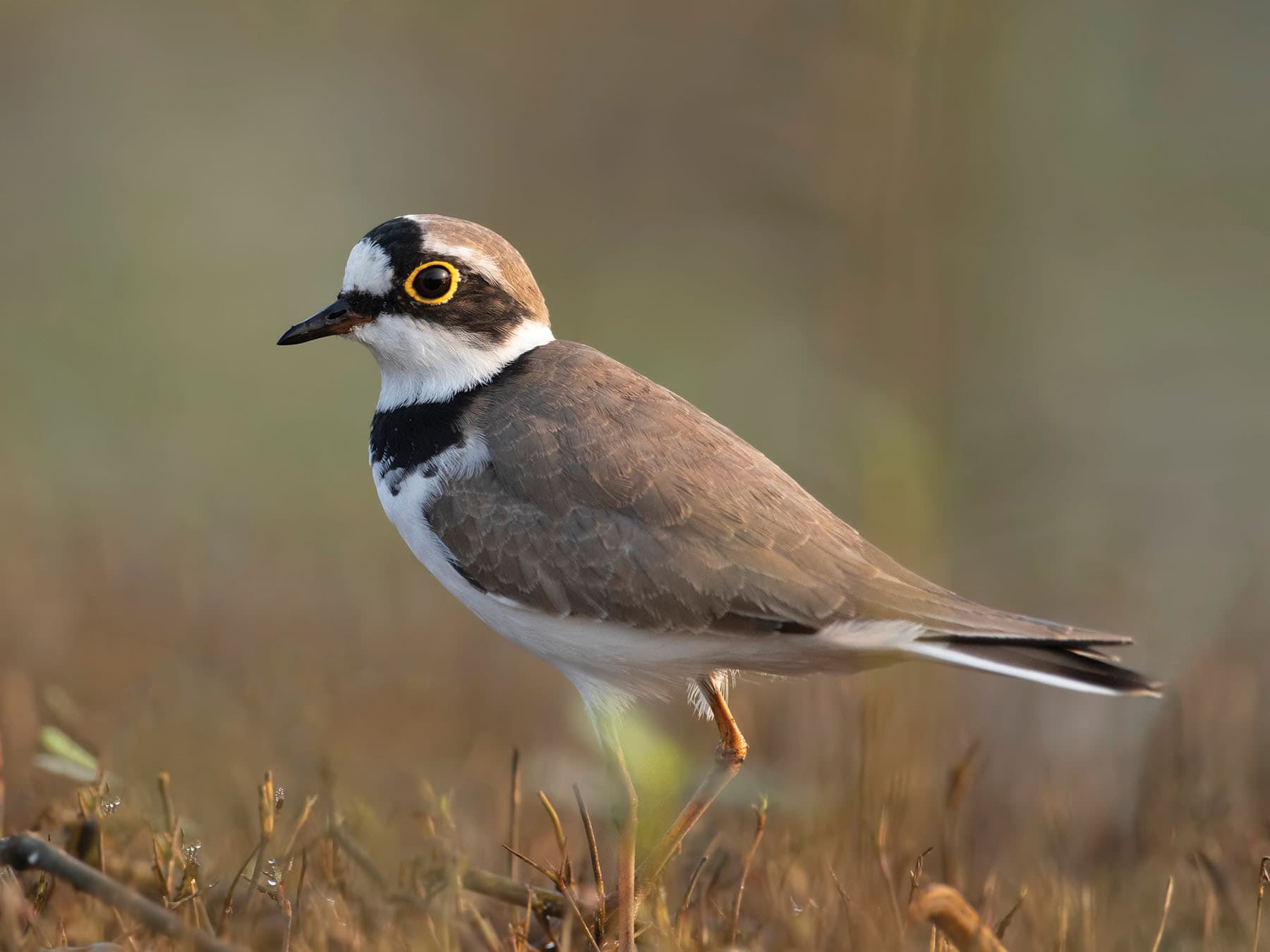
Little Ringed Plover
Charadrius dubiusLC
A rare breeding visitor to gravel pits and reservoir margins, arriving in April and departing by early autumn.
Apr–Sep
Little Stint
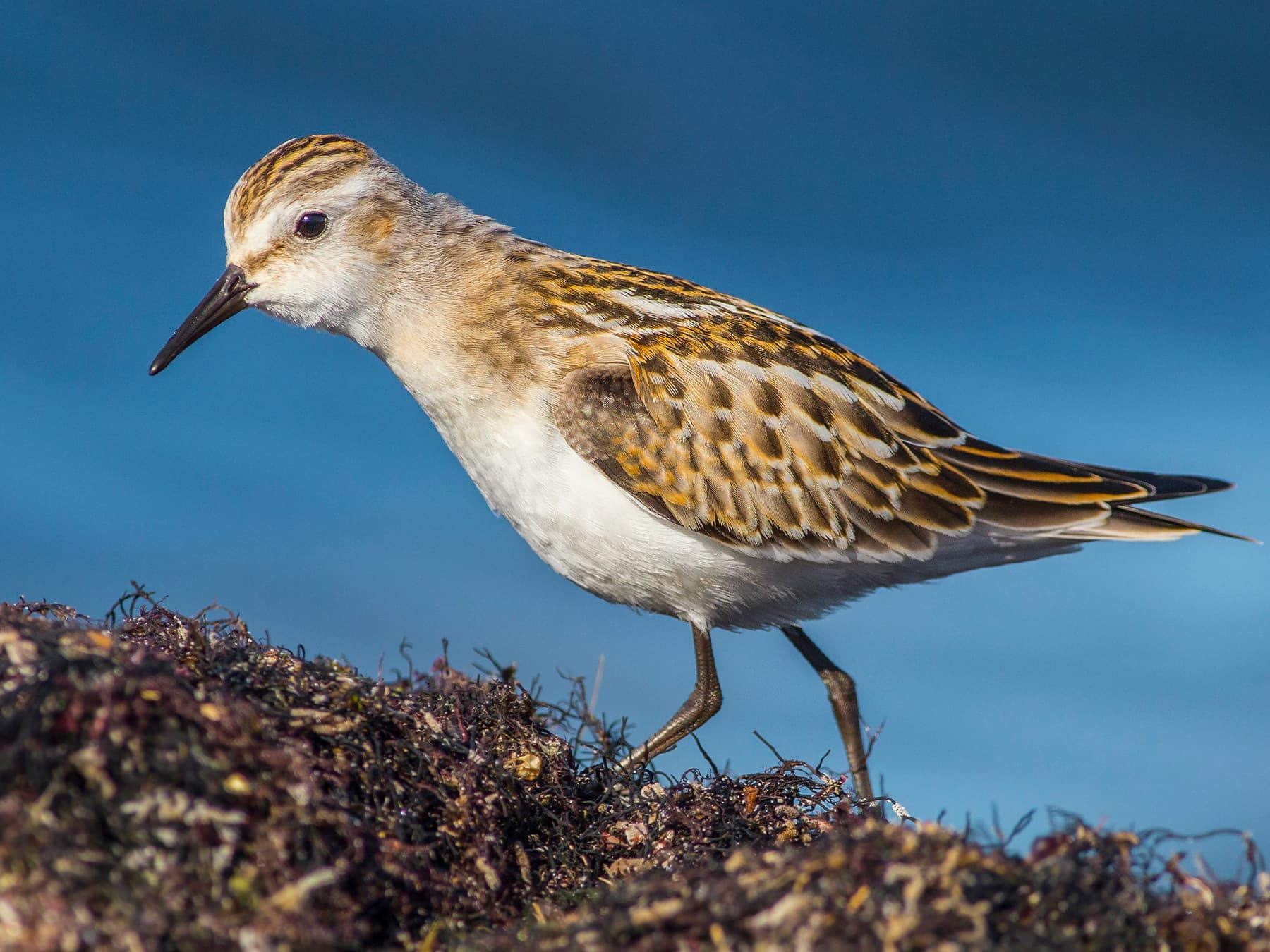
Calidris minutaLC
A rare but regular visitor to coastal scrapes and estuarine margins, mostly during autumn passage from August to October.
May–Oct
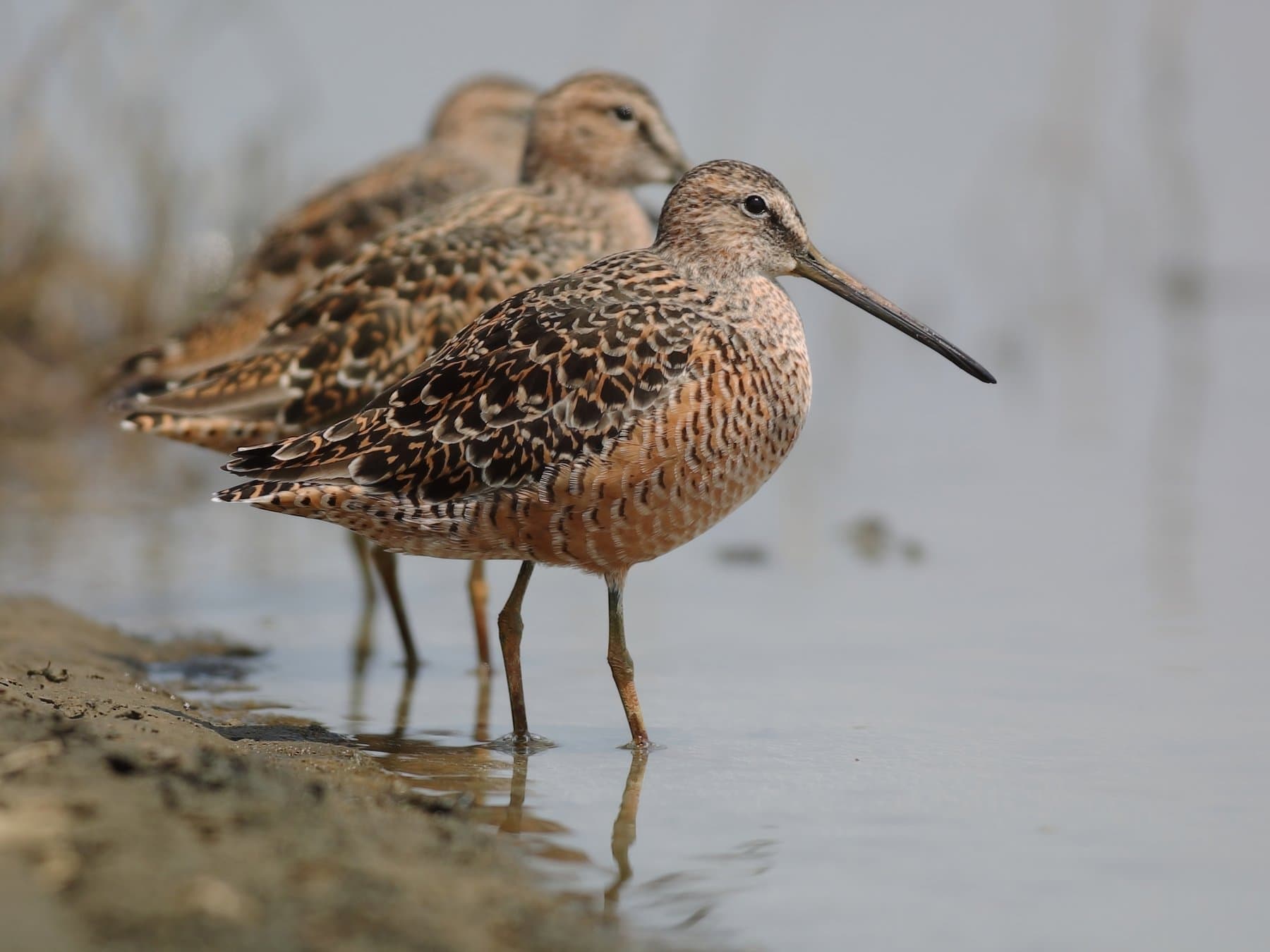
Long-billed Dowitcher
Limnodromus scolopaceusNT
A rare Nearctic vagrant occasionally recorded in November. Any sighting on Northumberland's coastal pools is a notable county record.
Nov
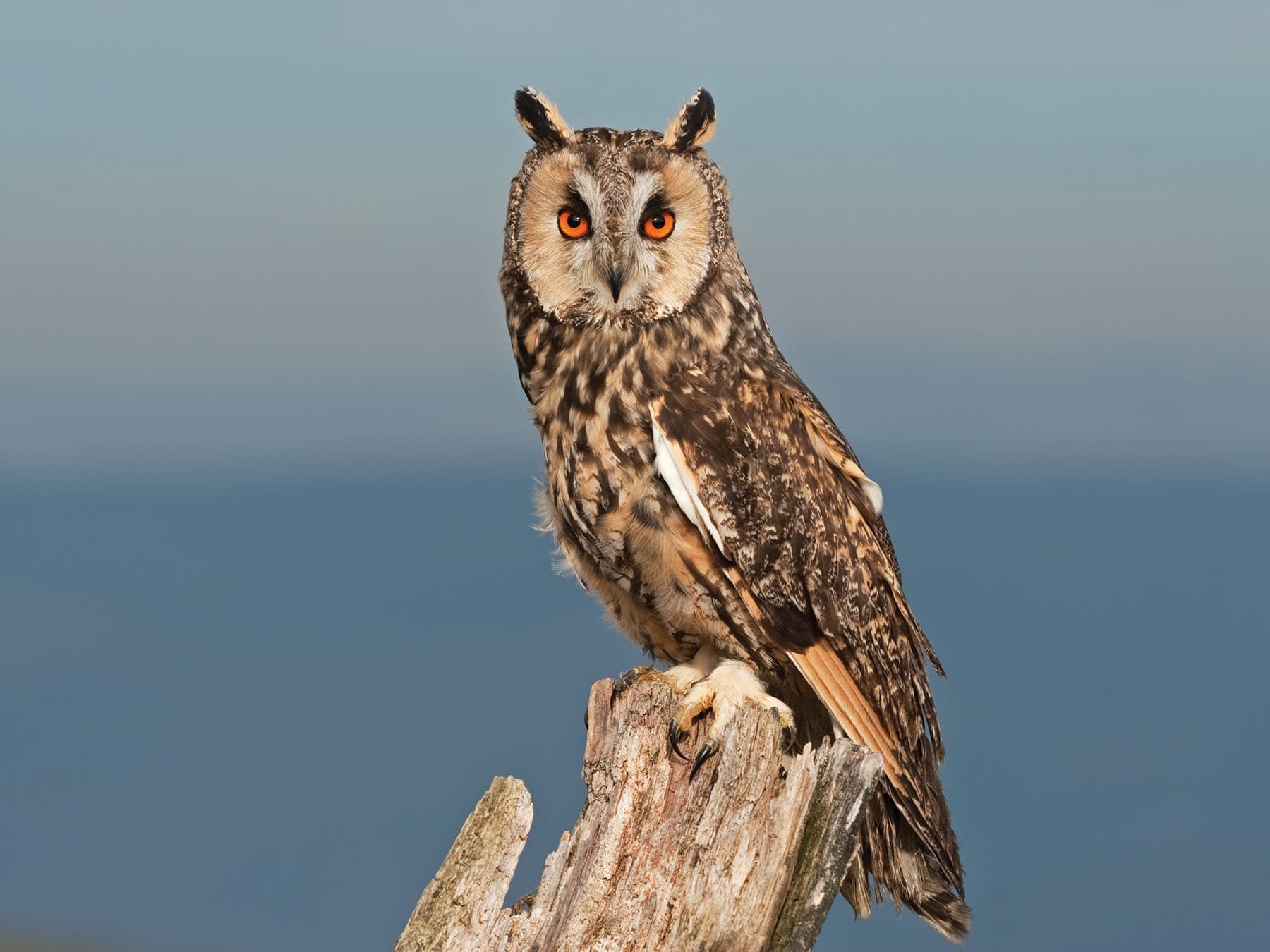
Long-eared Owl
Asio otusLC
A secretive and rarely encountered owl, occasionally recorded on passage in summer. Favours dense conifer plantations when present.
Jun–Jul
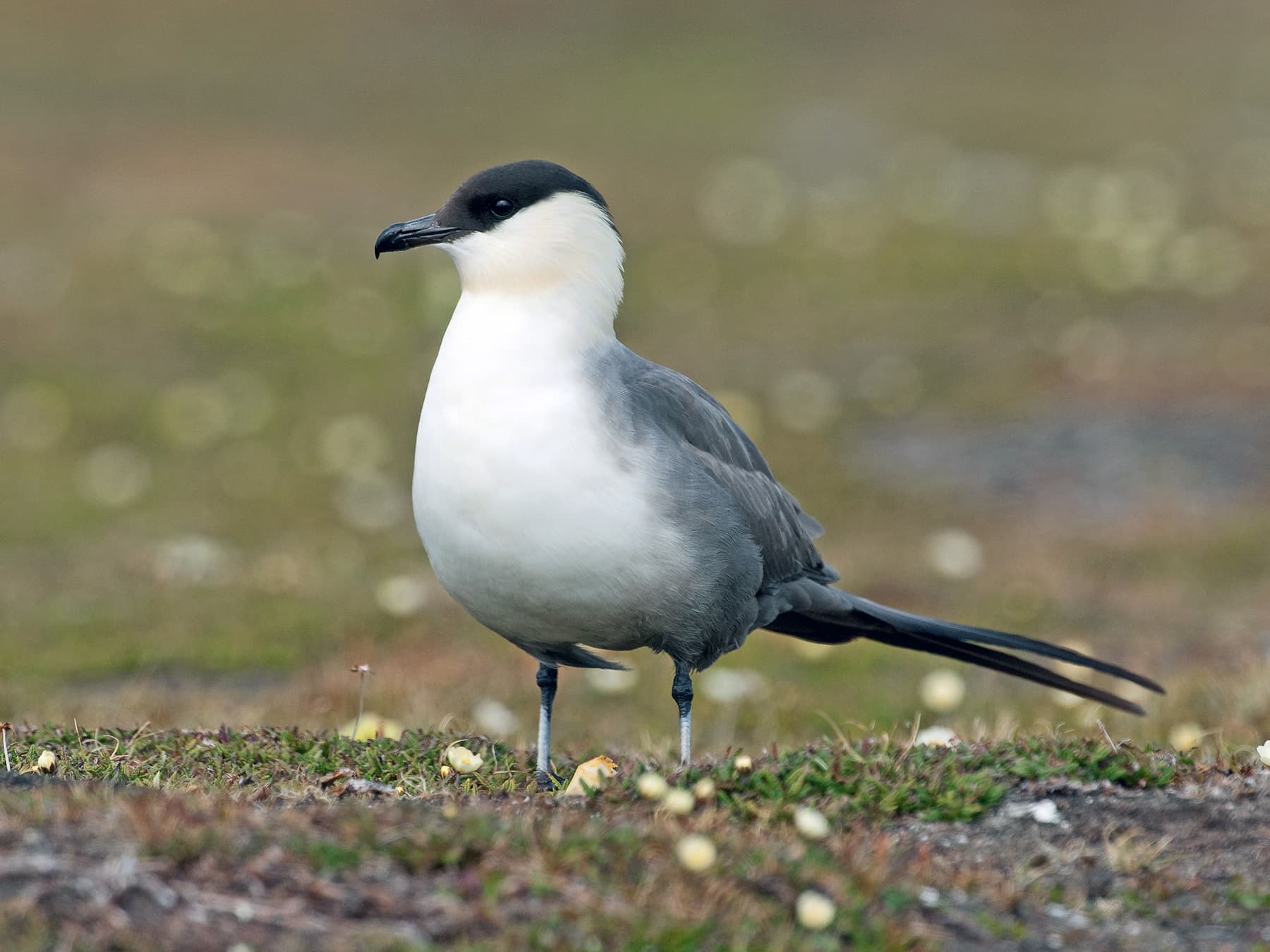
Long-tailed Jaeger
Stercorarius longicaudusLC
A rare August passage migrant seen offshore, usually during strong northerly winds pushing seabirds close to the coast.
Aug
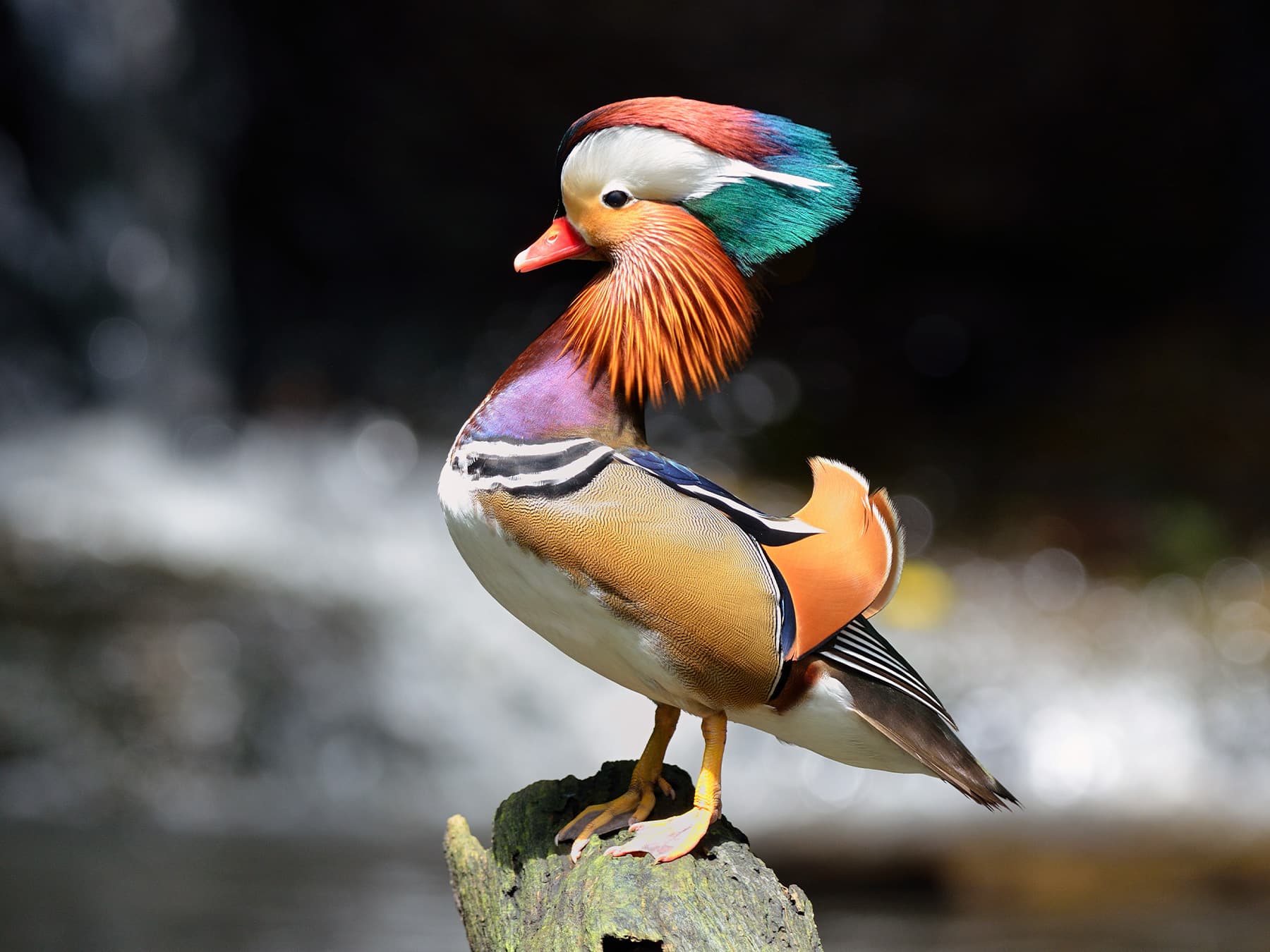
Mandarin Duck
Aix galericulataLC
A rare passage visitor occasionally noted in April. Any sightings likely involve wandering feral birds from populations further south.
Apr
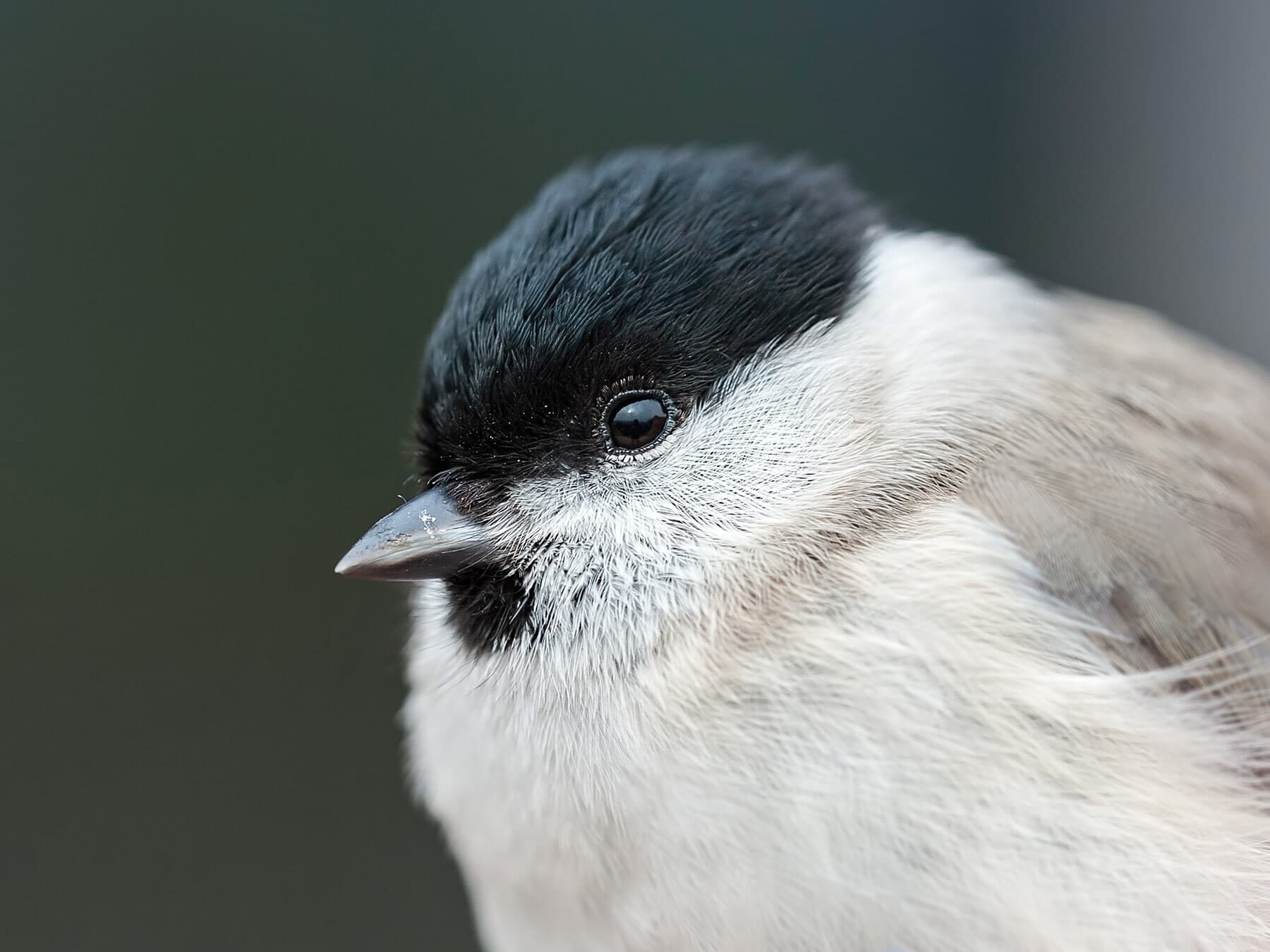
Marsh Tit
Poecile palustrisLC
A rare non-breeding visitor, near the northern edge of its English range. Occasionally found in mature woodland from autumn to spring.
Nov–Apr
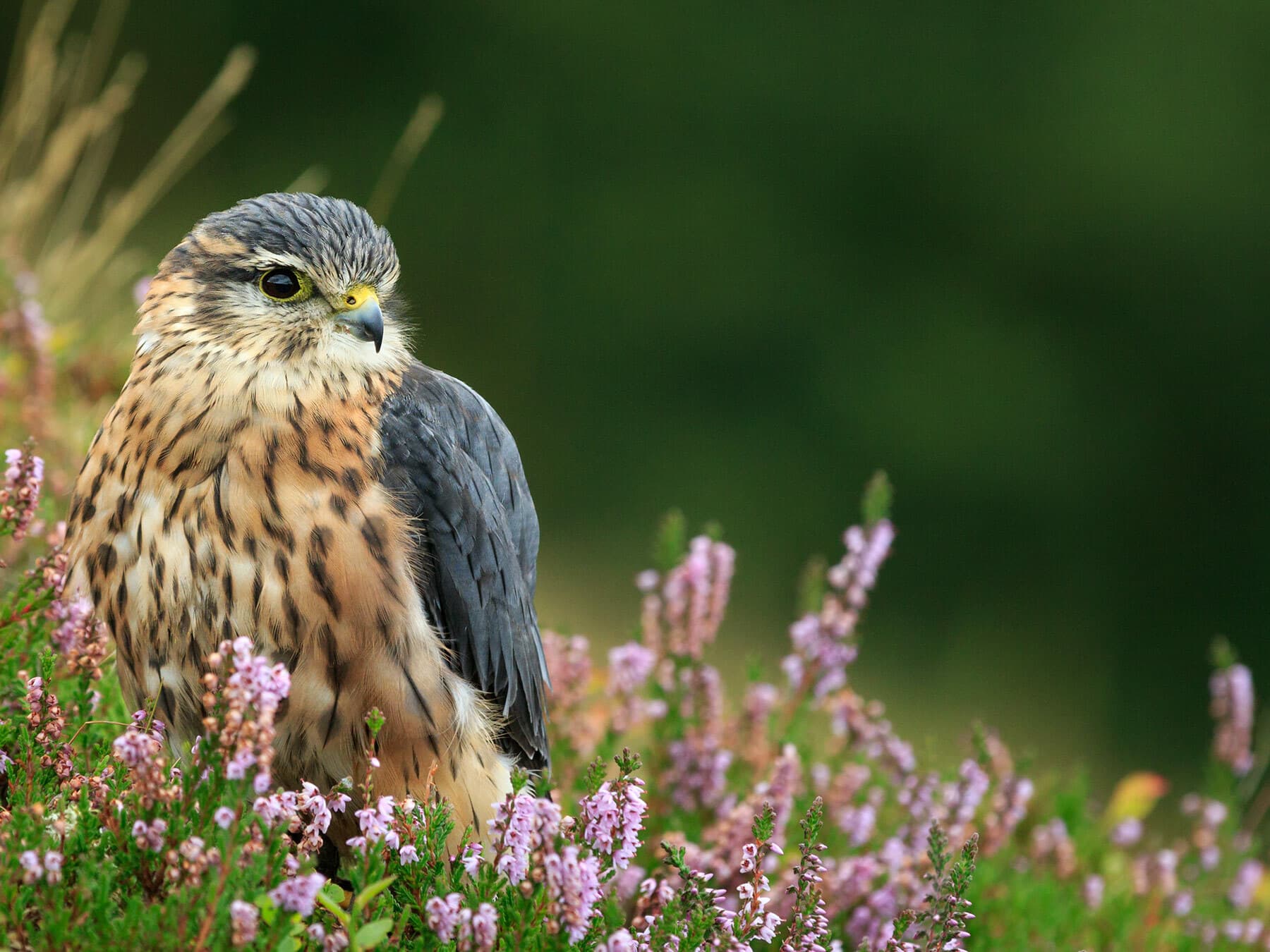
Merlin
Falco columbariusLC
A rare resident breeding on upland moorland. More visible in autumn and winter when birds move to lower ground and the coast.
Jul–Apr
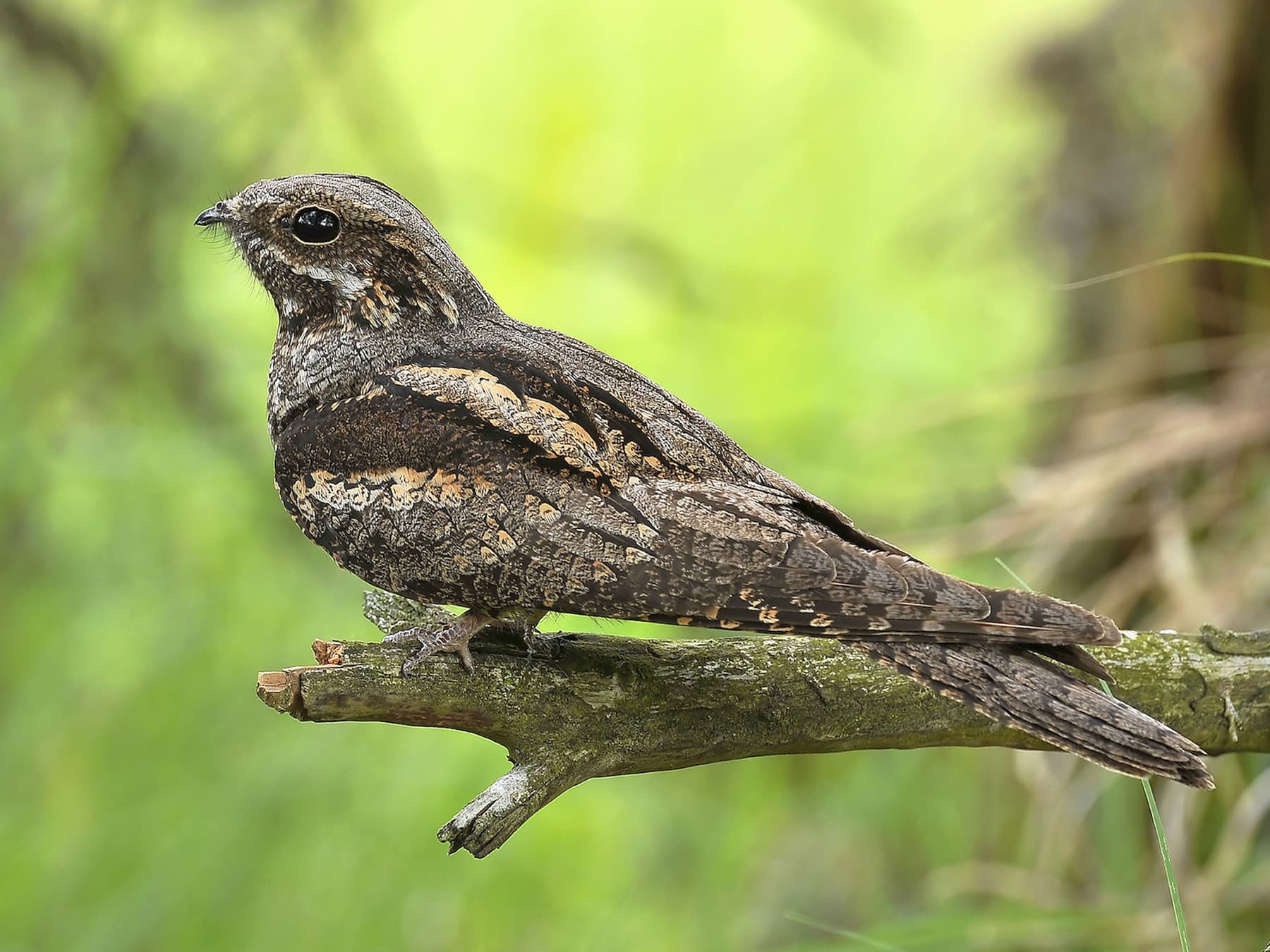
Nightjar
Caprimulgus europaeusLC
A rare passage visitor in June, occasionally noted on heathland edges in southern Northumberland during northward movement.
Jun
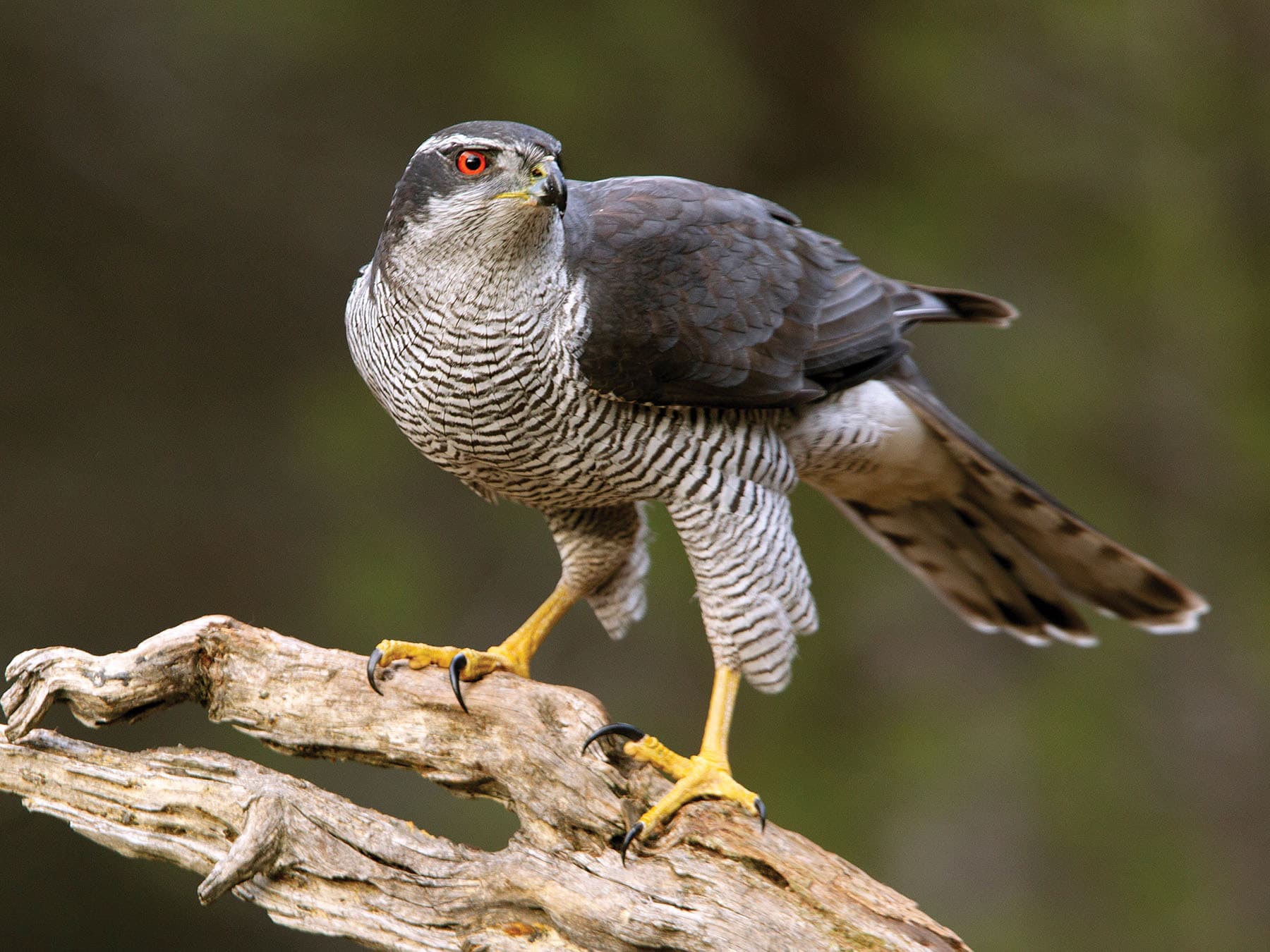
Northern Goshawk
Accipiter gentilisLC
A rare passage visitor in late winter and spring, occasionally seen hunting over Kielder Forest and upland valleys.
Feb–Apr
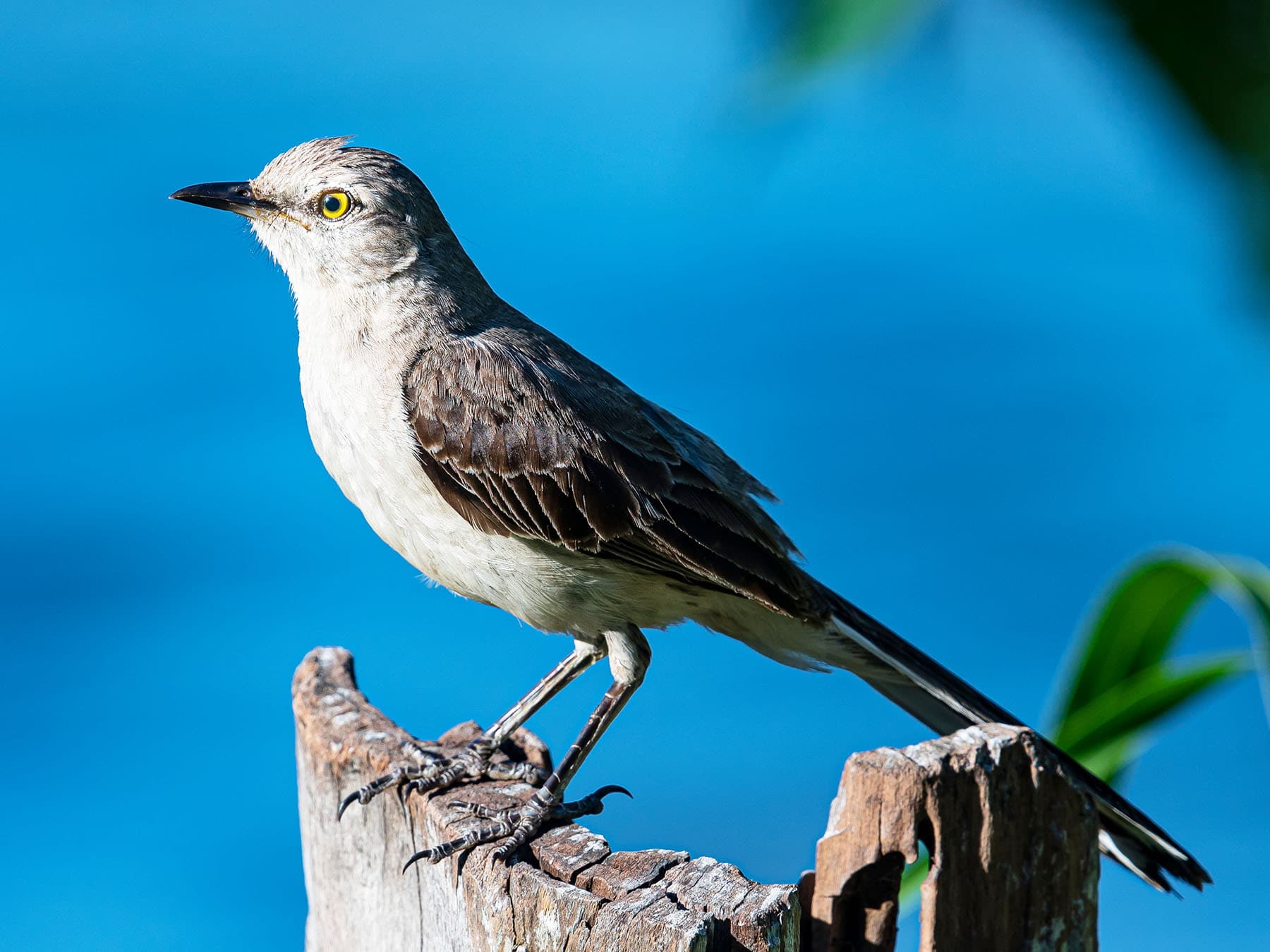
Northern Mockingbird
Mimus polyglottosLC
An exceptionally rare transatlantic vagrant. Any May record in Northumberland would be a major county rarity.
May
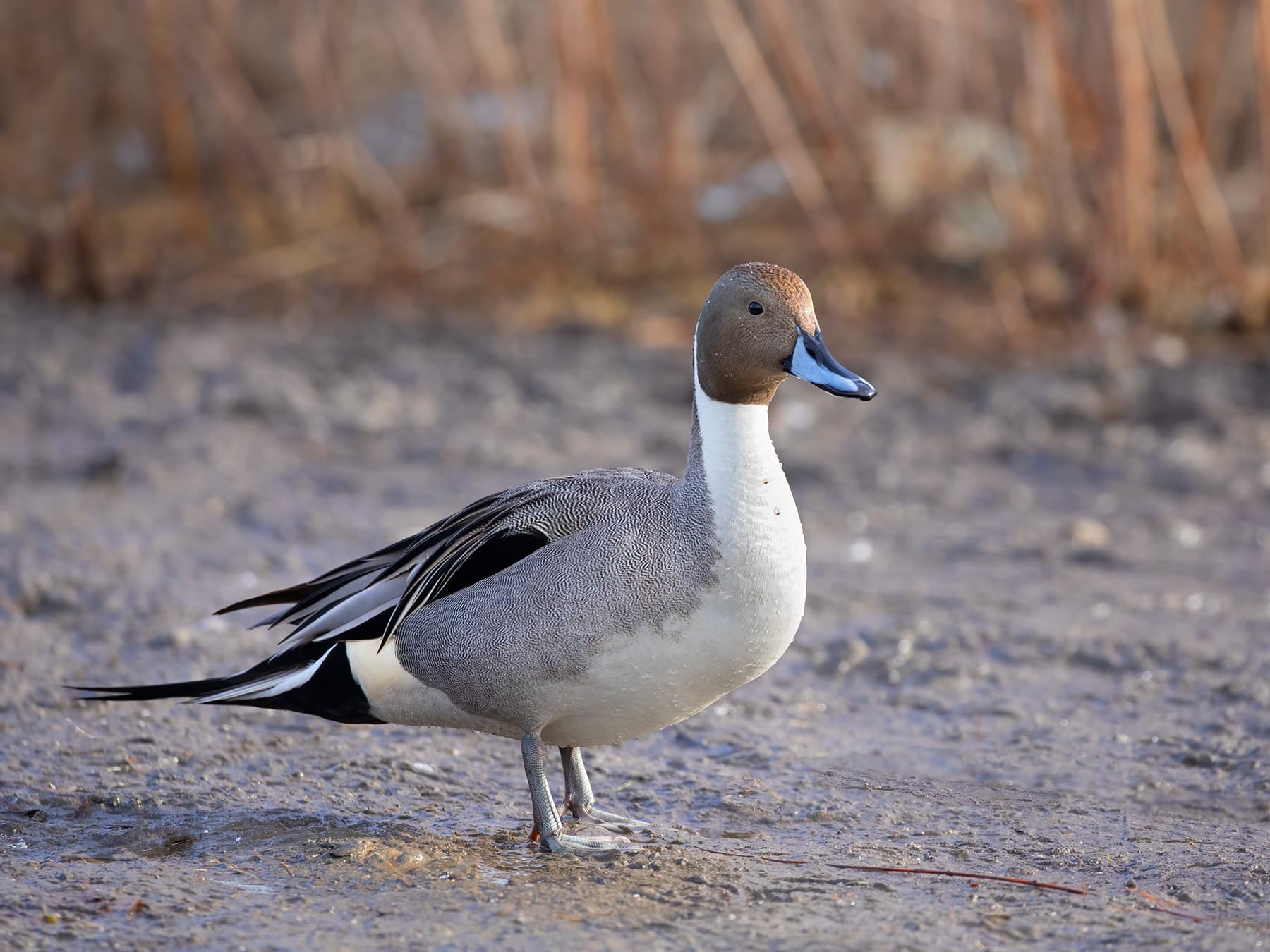
Northern Pintail
Anas acutaLC
A rare resident, most likely seen in winter on coastal pools and estuaries. Largely absent during midsummer months.
Aug–May
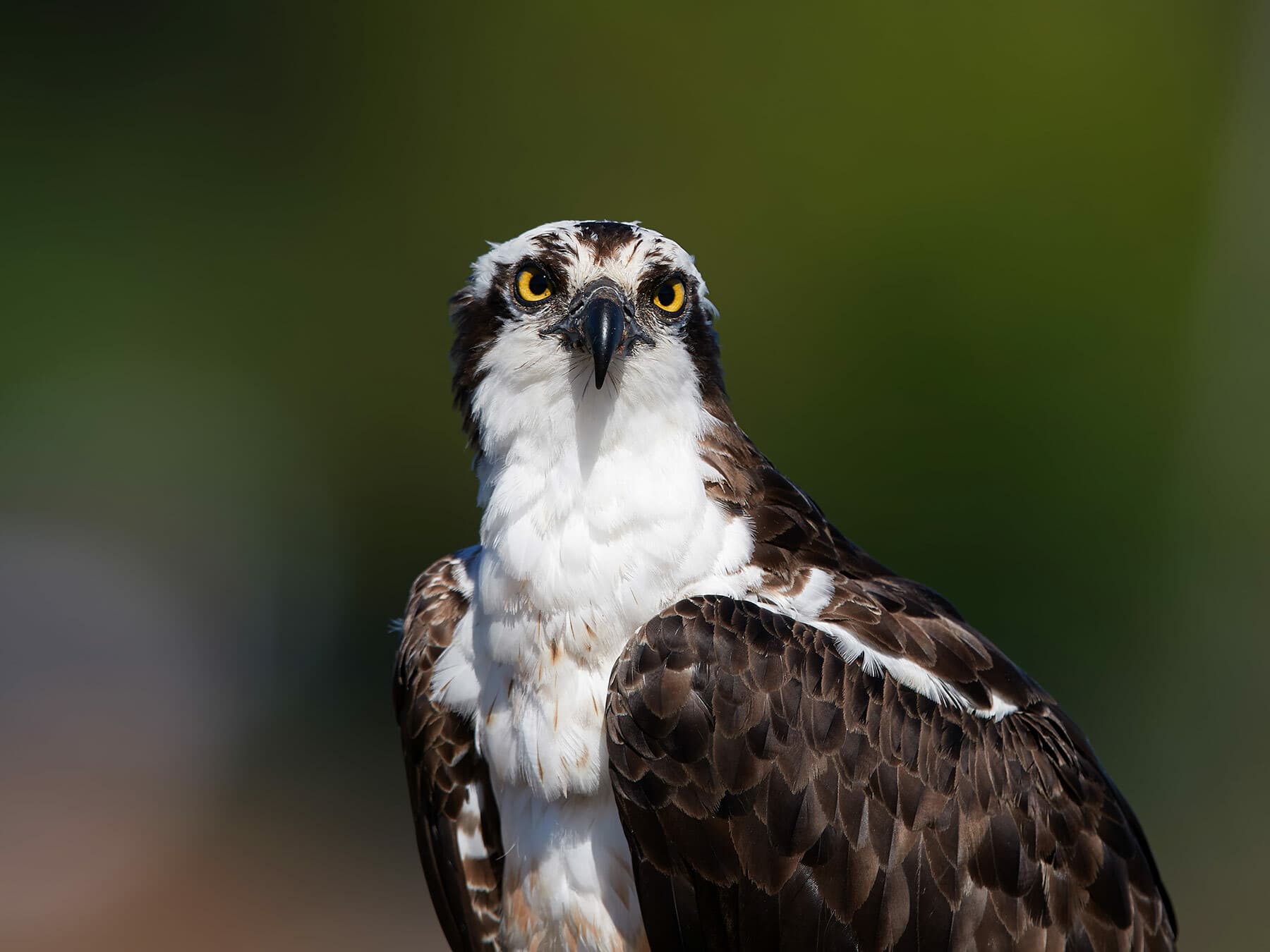
Osprey
Pandion haliaetusLC
A rare but increasingly seen passage visitor in late summer, sometimes fishing at Kielder Water or coastal pools.
Aug
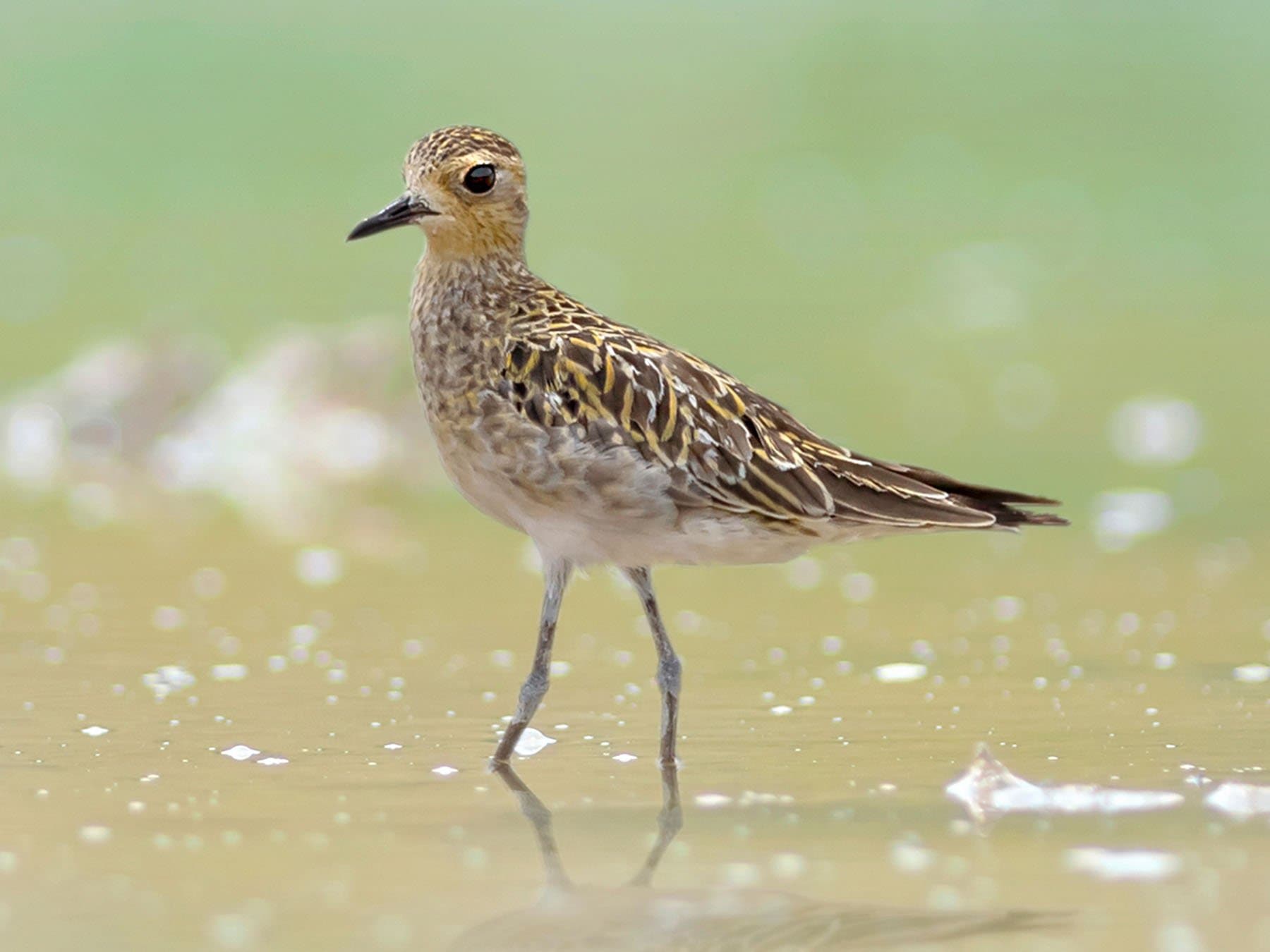
Pacific Golden-Plover
Pluvialis fulvaLC
An extremely rare passage vagrant, with occasional August records on coastal pools and estuarine mudflats.
Aug

Pacific Loon
Gavia pacificaLC
An extremely rare vagrant from North America, with only occasional winter records off the Northumberland coast.
Jan