Rare Birds in Northumberland
106 species matching this filter.
Northumberland's diverse landscapes — from the rugged North Sea coastline and the Farne Islands to the upland moors of the Cheviot Hills and the wetlands of the Northumbrian river valleys — attract a remarkable variety of rare bird species. With 94 species classified as rare in the county, patient birders may encounter elusive visitors such as Bohemian Waxwing, Eurasian Bittern, Great White Egret, and Hen Harrier. The county's position on the east coast migration flyway makes it a prime destination for unexpected vagrants and scarce passage migrants throughout the year.


Showing 24–46 of 106 species
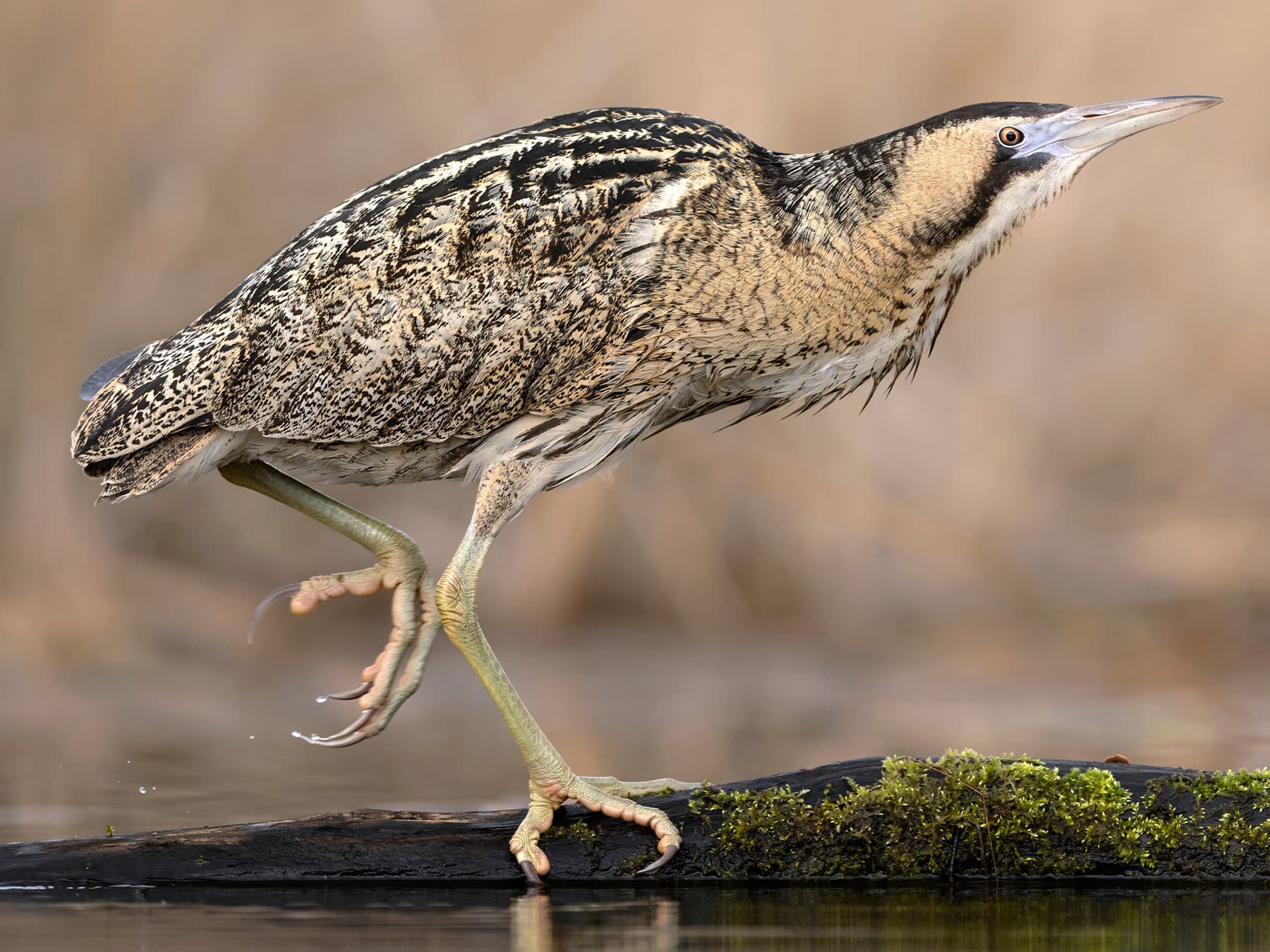
Eurasian Bittern
Botaurus stellarisLC
A rare and secretive visitor to reedbeds, occasionally recorded in January and November. More often heard booming than seen.
Nov–Jan
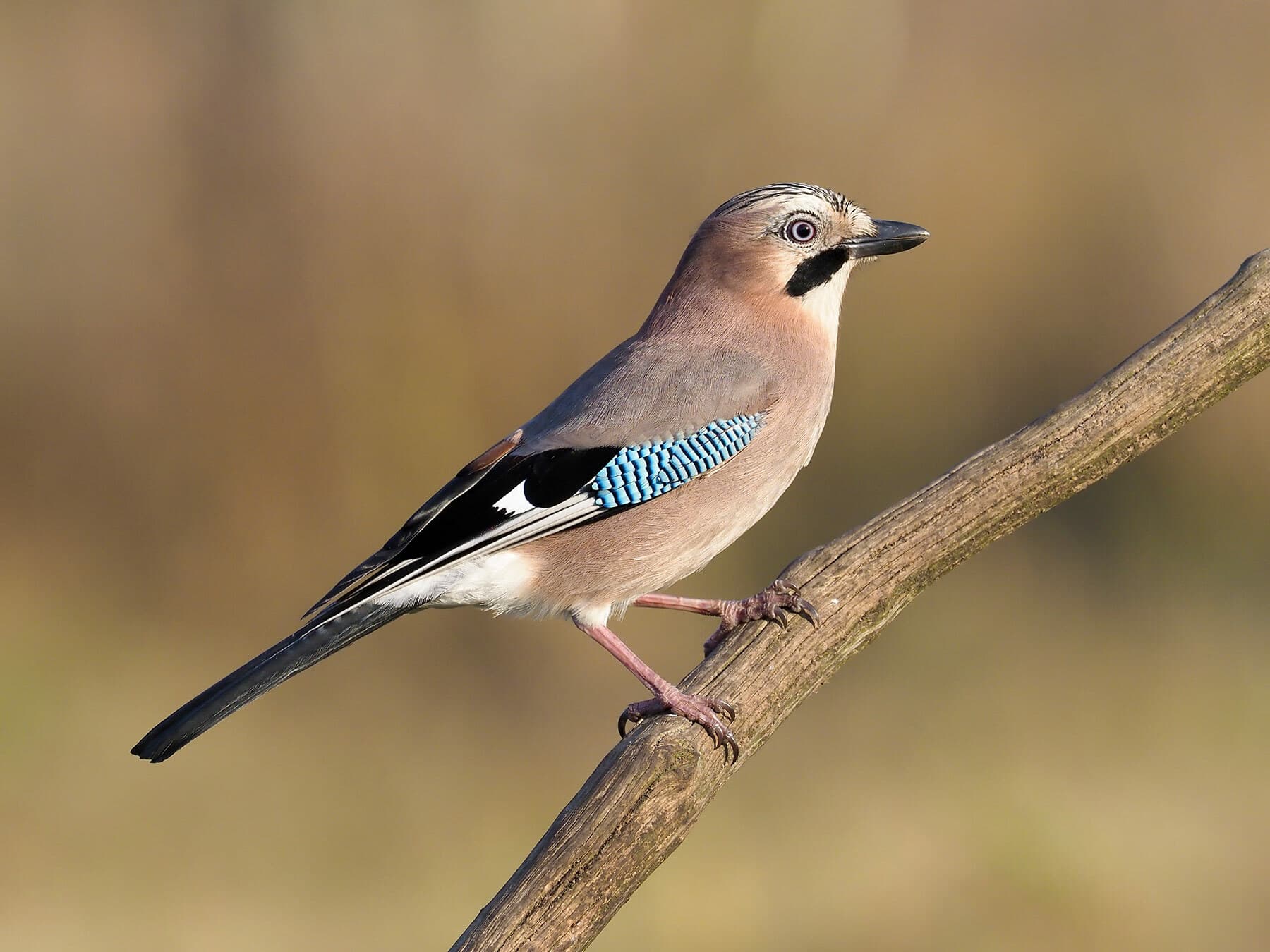
Eurasian Jay
Garrulus glandariusLC
A scarce resident of mature broadleaved and mixed woodland, more often heard than seen. Near the northern edge of its British range here.
Year-round
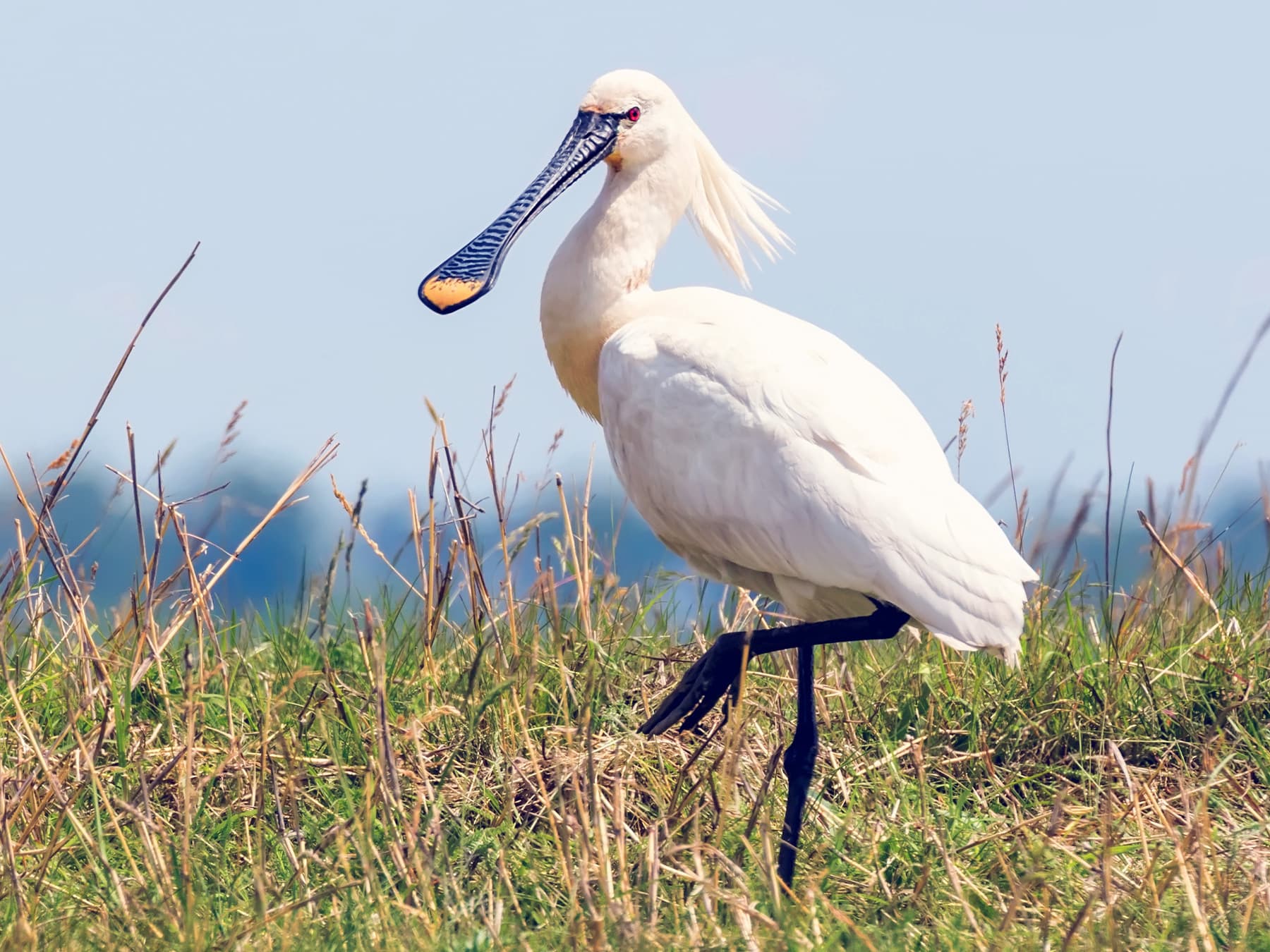
Eurasian Spoonbill
Platalea leucorodiaLC
A rare breeding visitor from March to September, part of a recent northward expansion. Occasionally seen at coastal wetlands and estuaries.
Mar–Sep
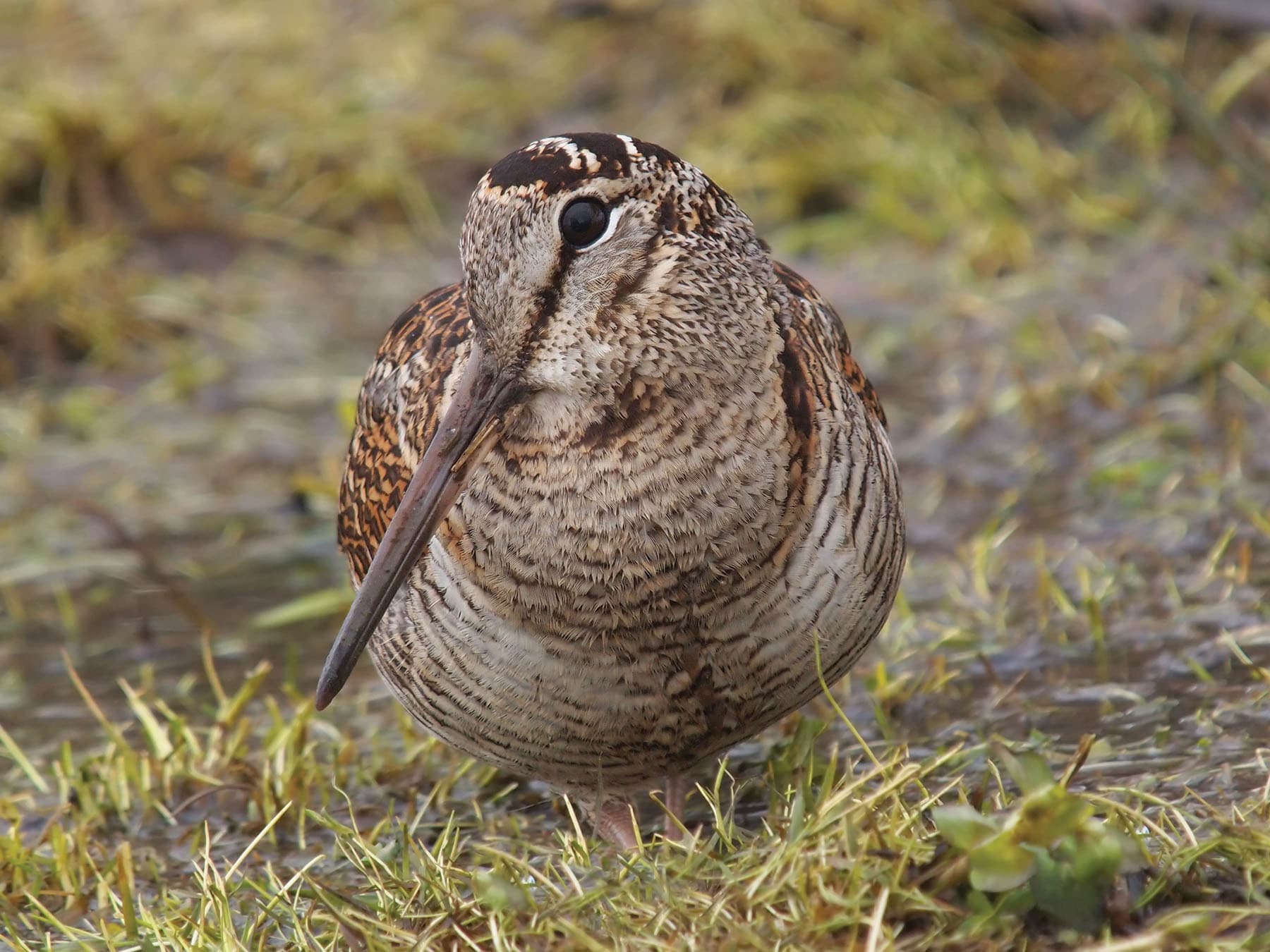
Eurasian Woodcock
Scolopax rusticolaLC
A secretive resident of damp woodland, best seen during roding display flights at dusk over Kielder and other forests.
Oct–Jun
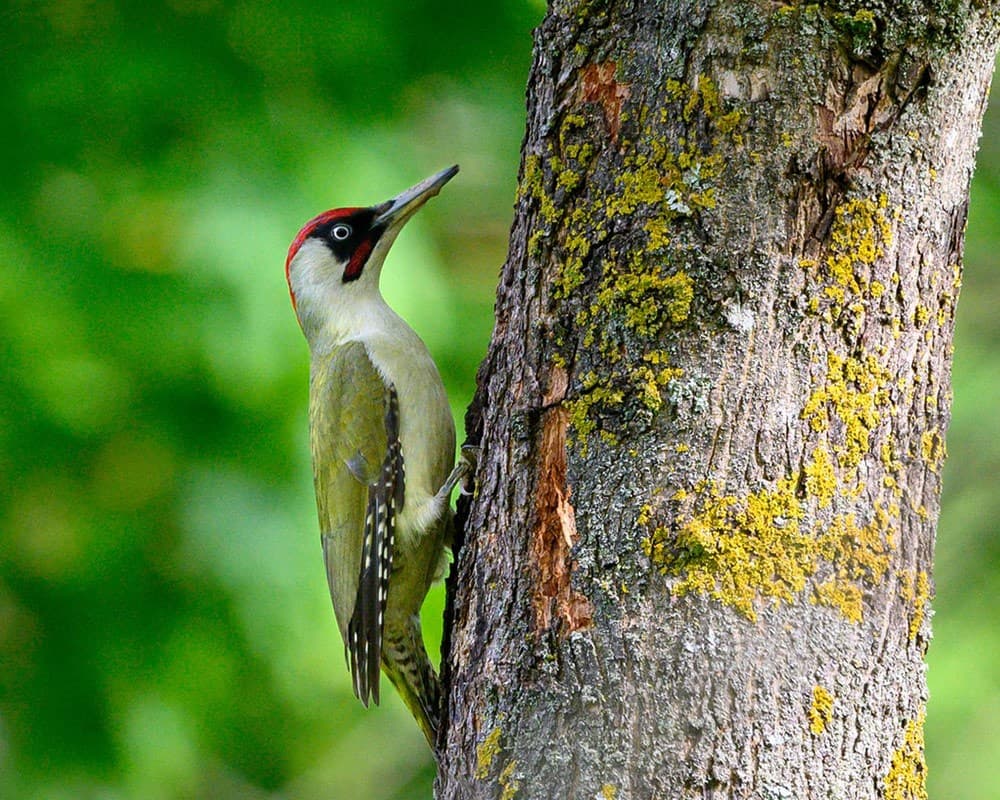
European Green Woodpecker
Picus viridisLC
A rare visitor in spring, near the northern edge of its UK range. Occasionally wanders into southern Northumberland parkland and woodland.
Mar–May
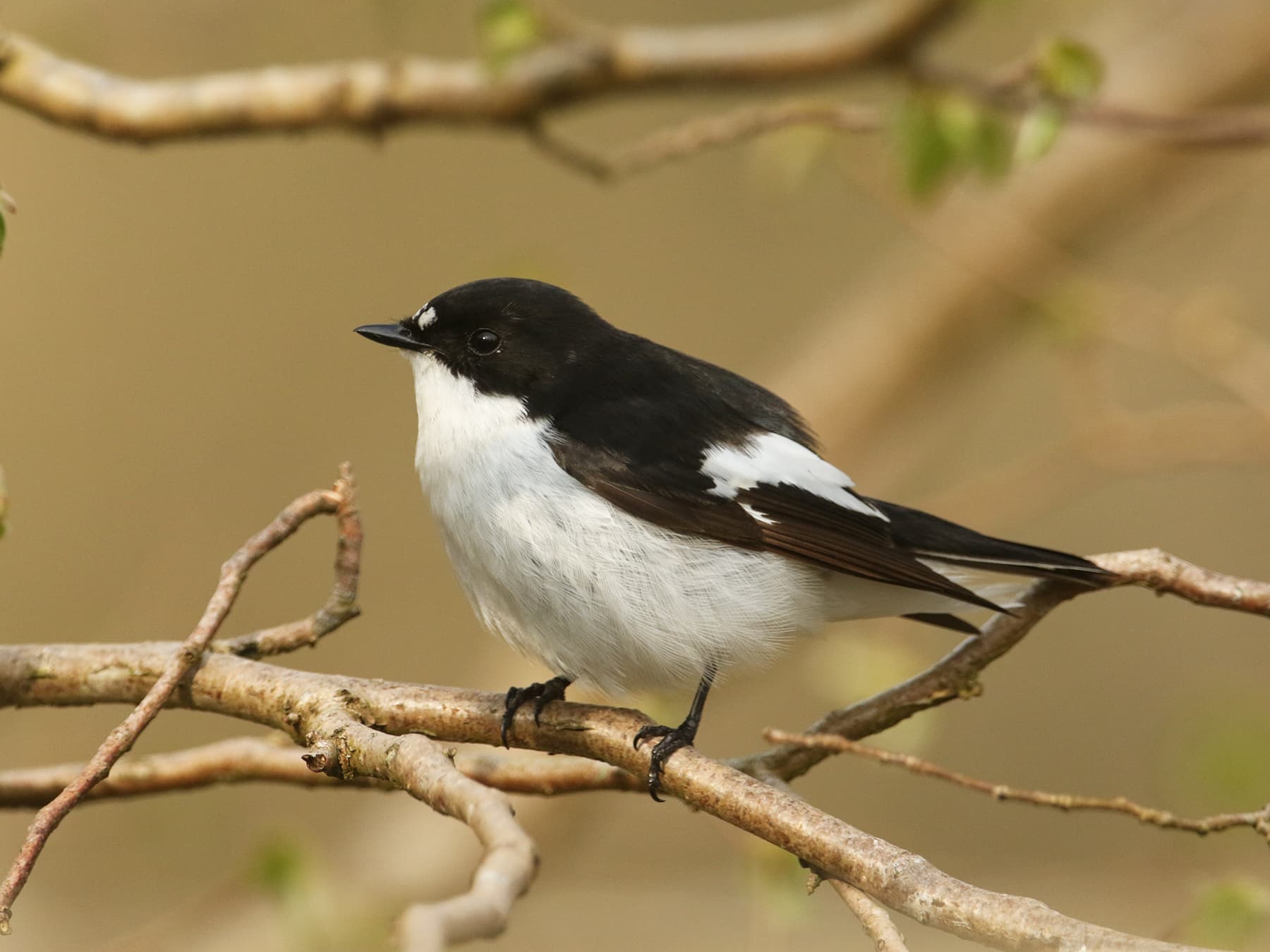
European Pied Flycatcher
Ficedula hypoleucaLC
A rare summer breeder favouring mature oak woodlands, particularly in the North Tyne valley where nest boxes have aided its presence.
Apr–Sep
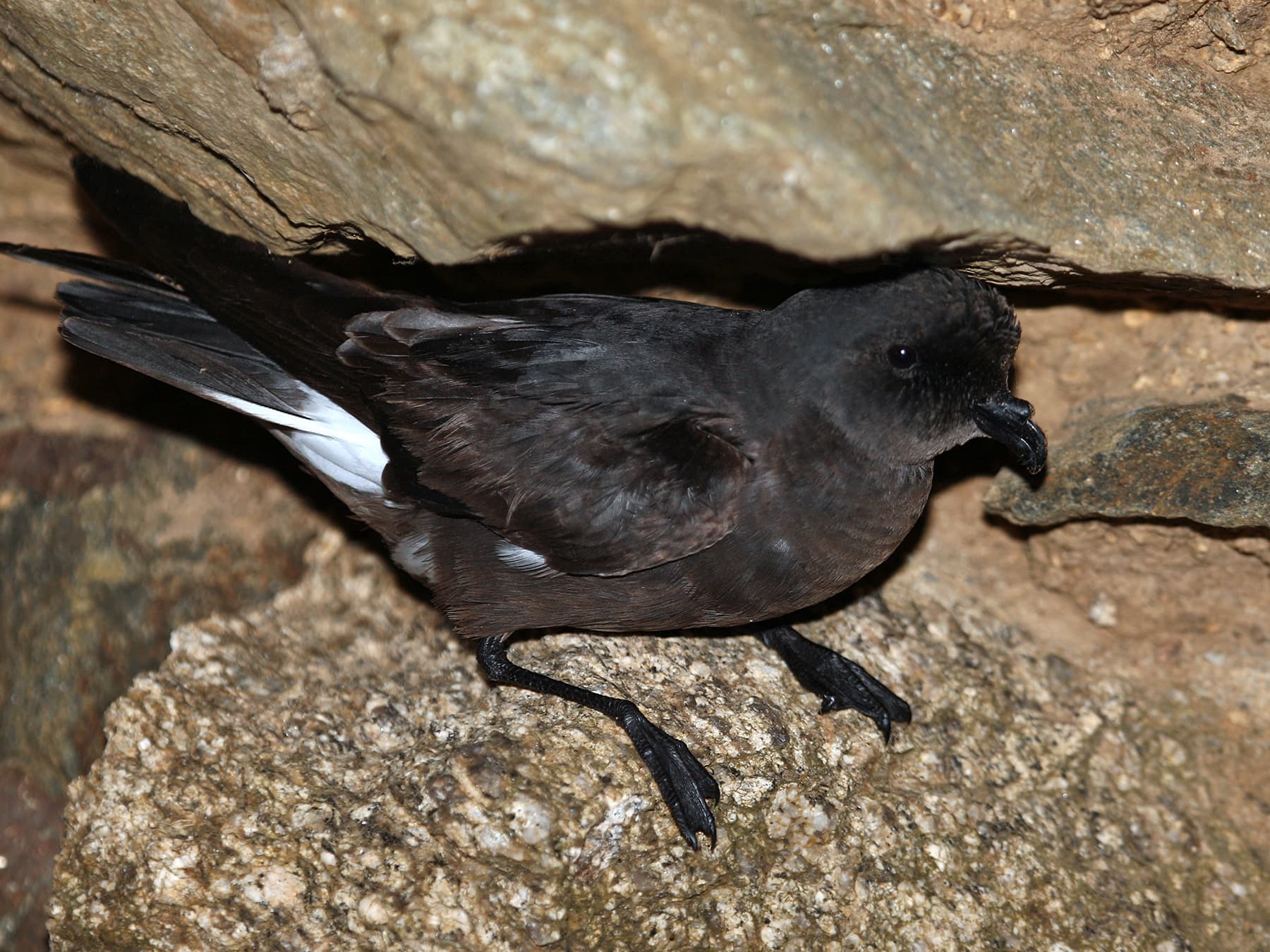
European Storm-petrel
Hydrobates pelagicusLC
A rare passage visitor seen offshore during August seawatching sessions, typically during strong onshore winds.
Aug
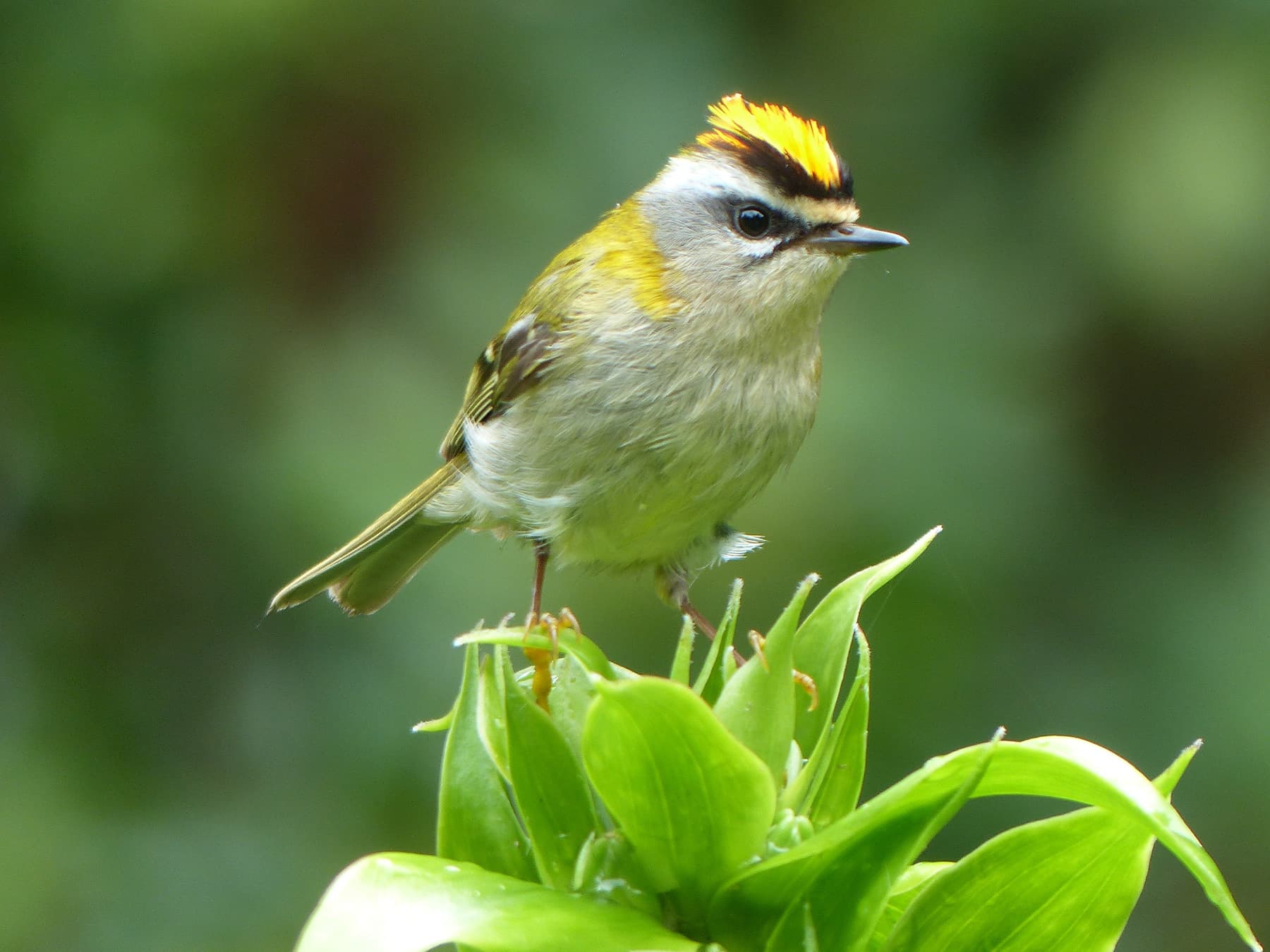
Firecrest
Regulus ignicapillaLC
A rare December passage visitor, occasionally turning up in coastal scrub and sheltered gardens along the Northumberland coast.
Dec
Spotted something?
Upload a photo to identify it
Identify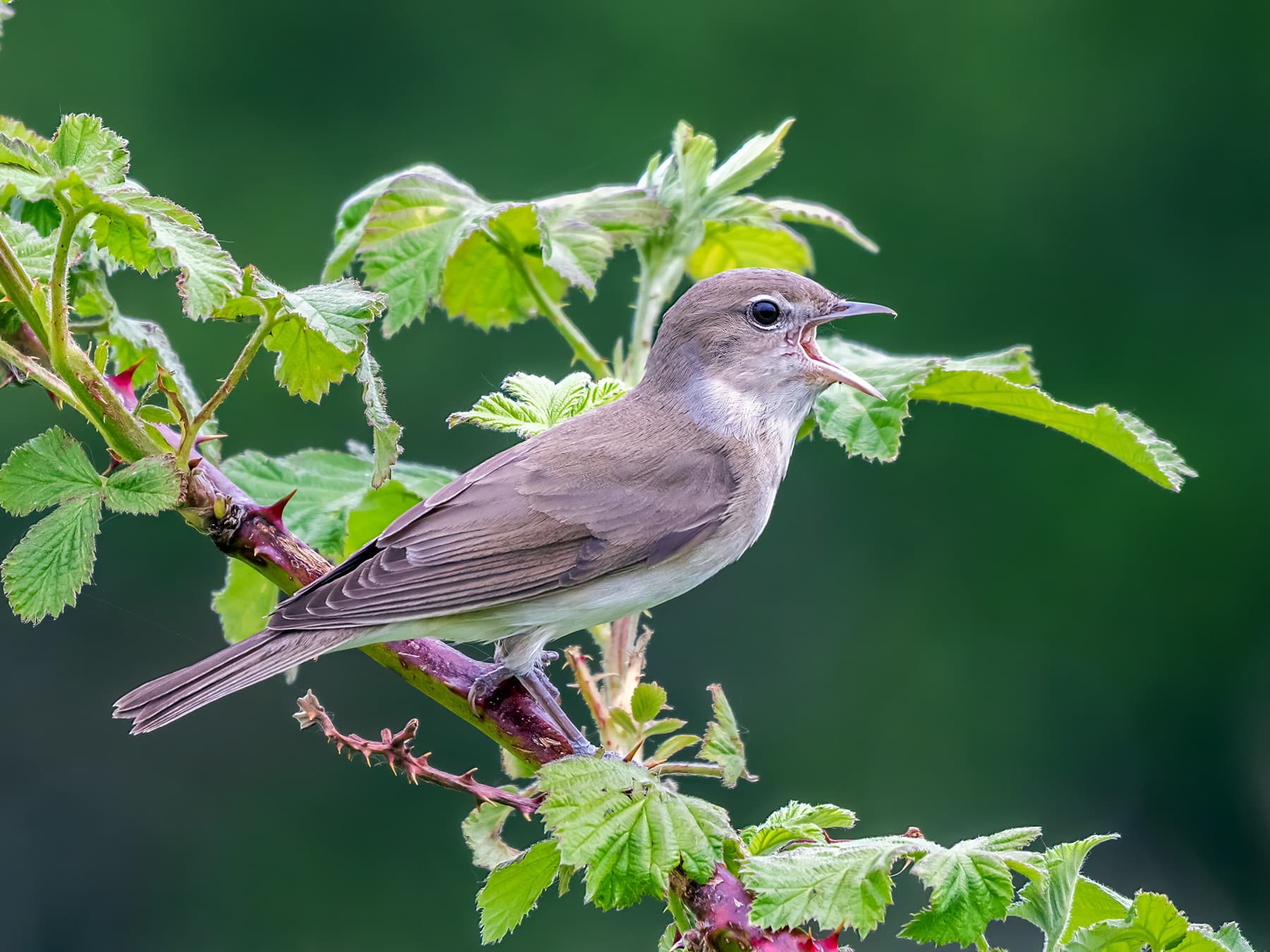
Garden Warbler
Sylvia borinLC
A rare summer breeder found in dense scrub and woodland with thick undergrowth, present from May to October but easily overlooked.
May–Oct
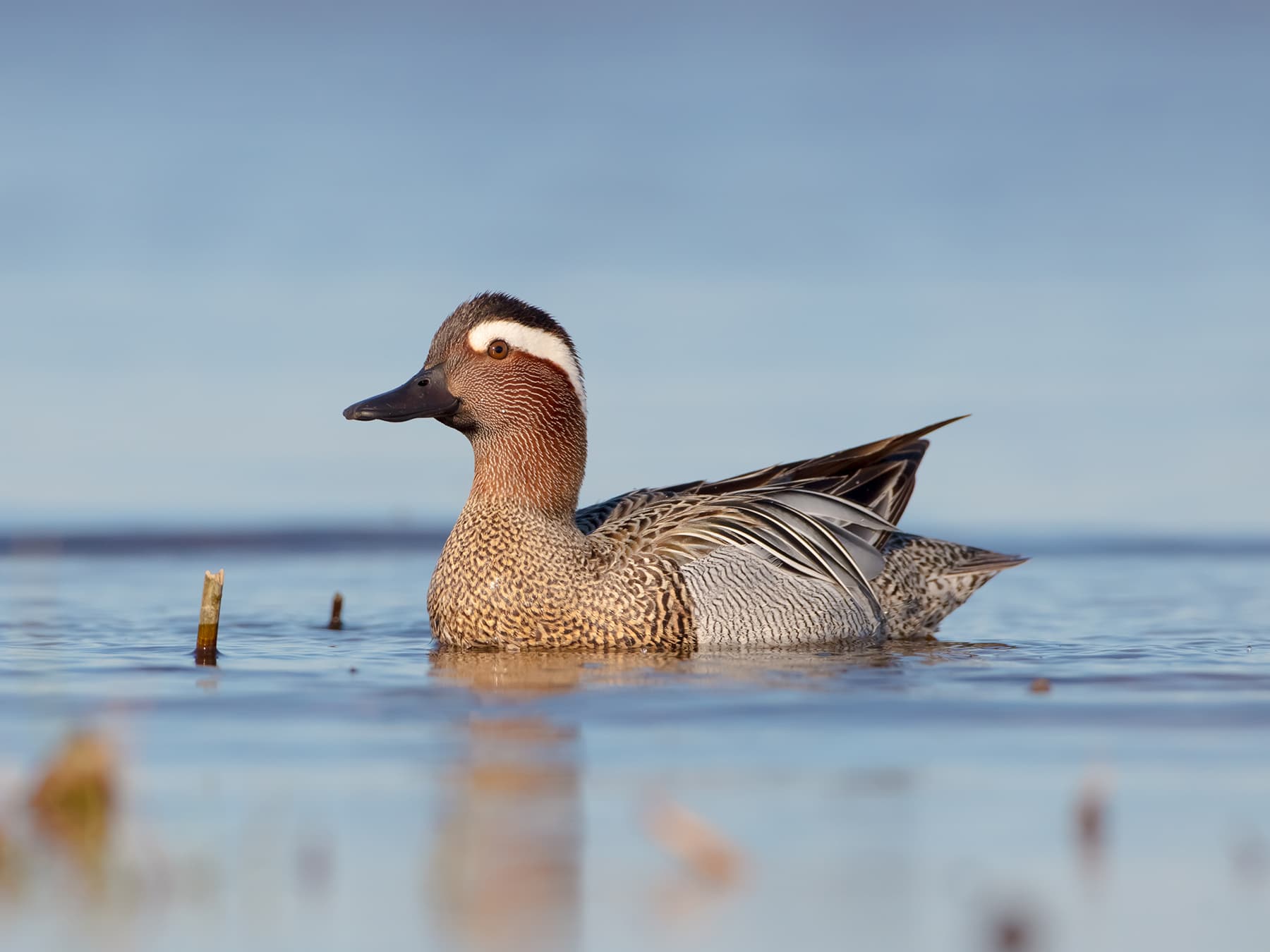
Garganey
Spatula querquedulaLC
A rare summer visitor breeding at a few secluded freshwater wetlands from April to August. The UK's scarcest regularly breeding duck species.
Apr–Aug
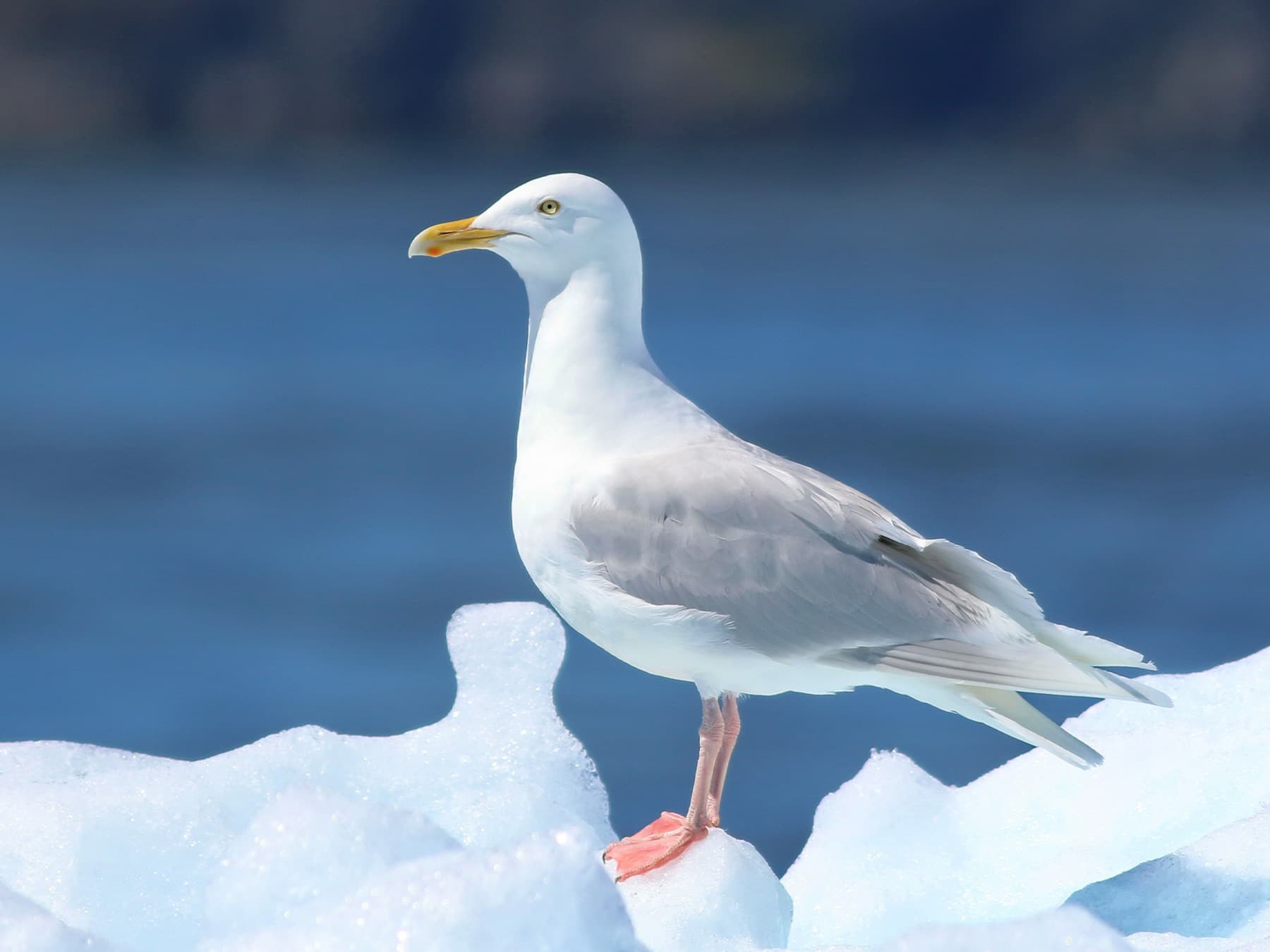
Glaucous Gull
Larus hyperboreusLC
A rare Arctic visitor appearing in January and February, typically among flocks of larger gulls at harbours and coastal roosts.
Jan–Feb
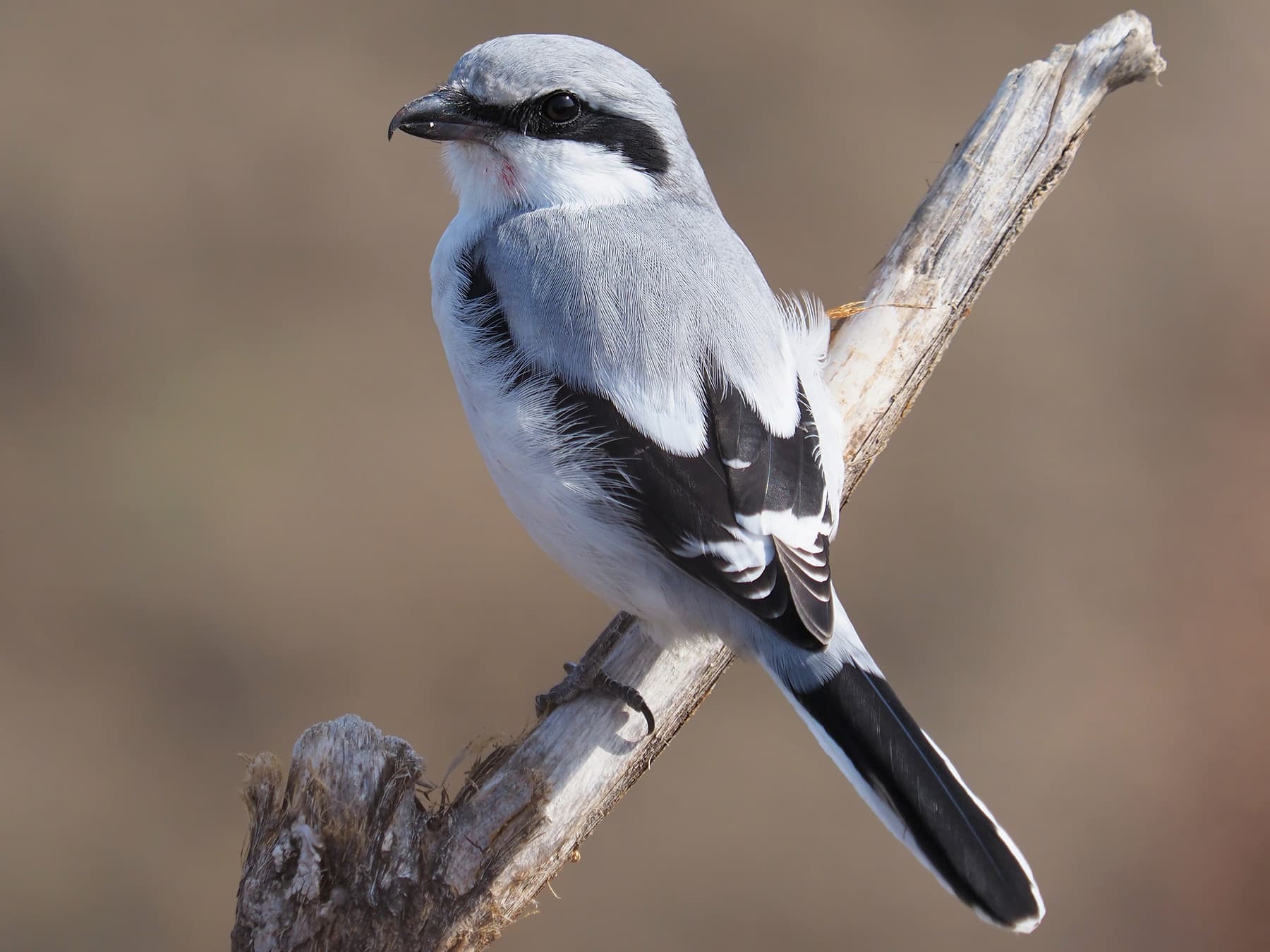
Great Grey Shrike
Lanius excubitorLC
A rare autumn passage visitor, occasionally seen perched prominently on bushes and fences across open moorland and heathland edges in October.
Oct
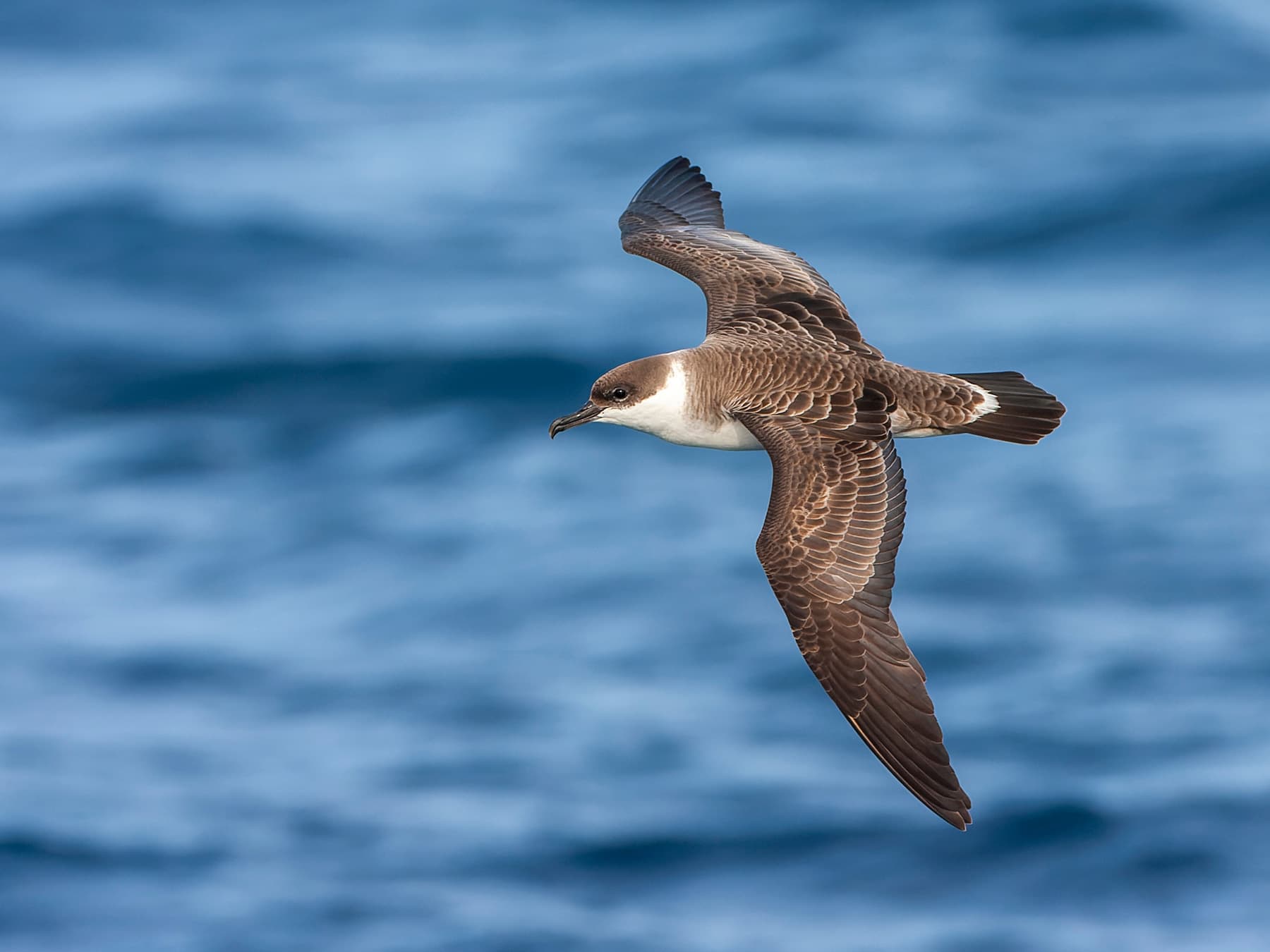
Great Shearwater
Ardenna gravisLC
A rare pelagic visitor occasionally seen from coastal headlands in November during strong onshore winds.
Nov
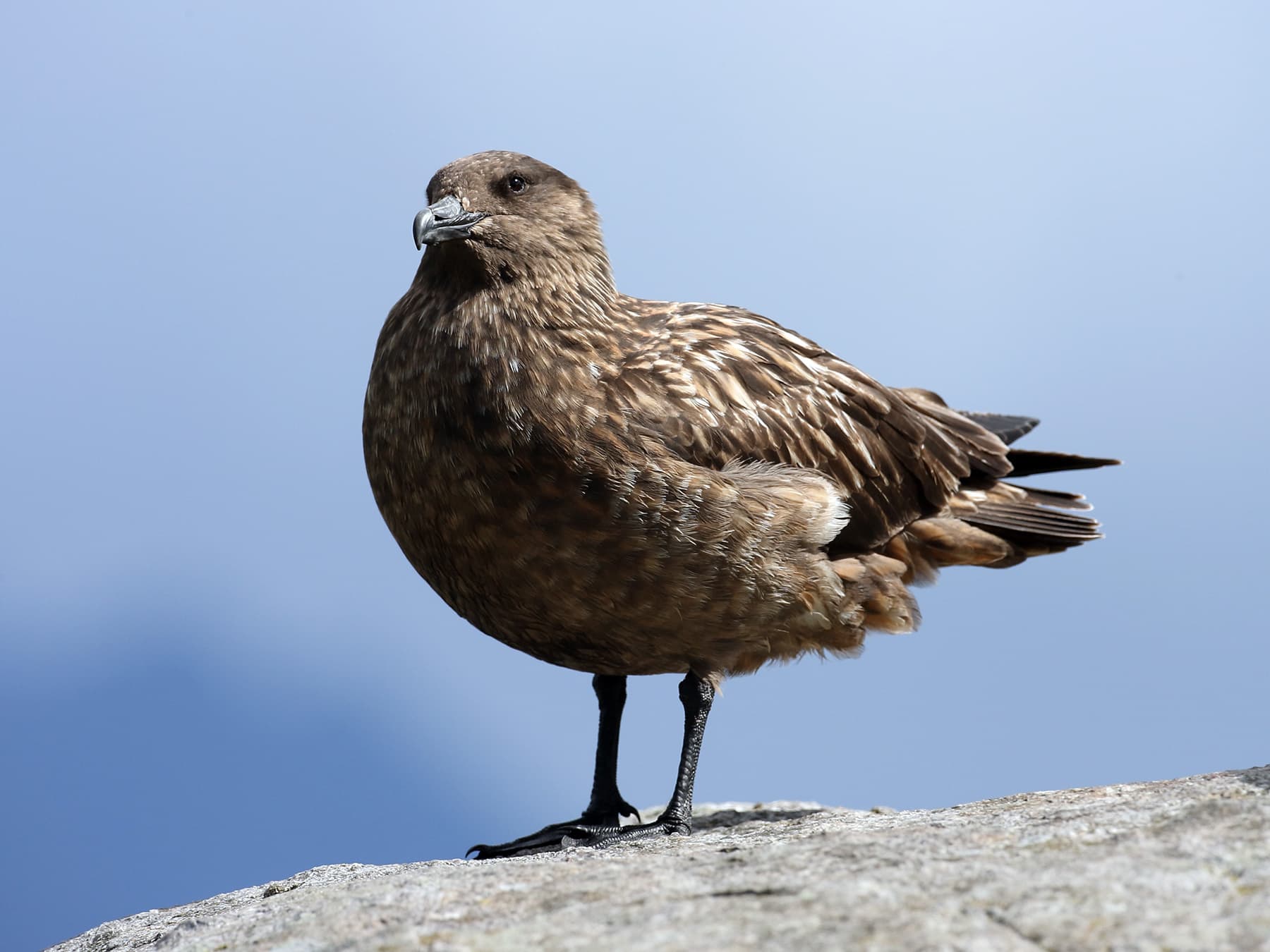
Great Skua
Catharacta skuaLC
Seen offshore from July to November, often harassing other seabirds. Best spotted during seawatches from coastal headlands.
Jul–Nov
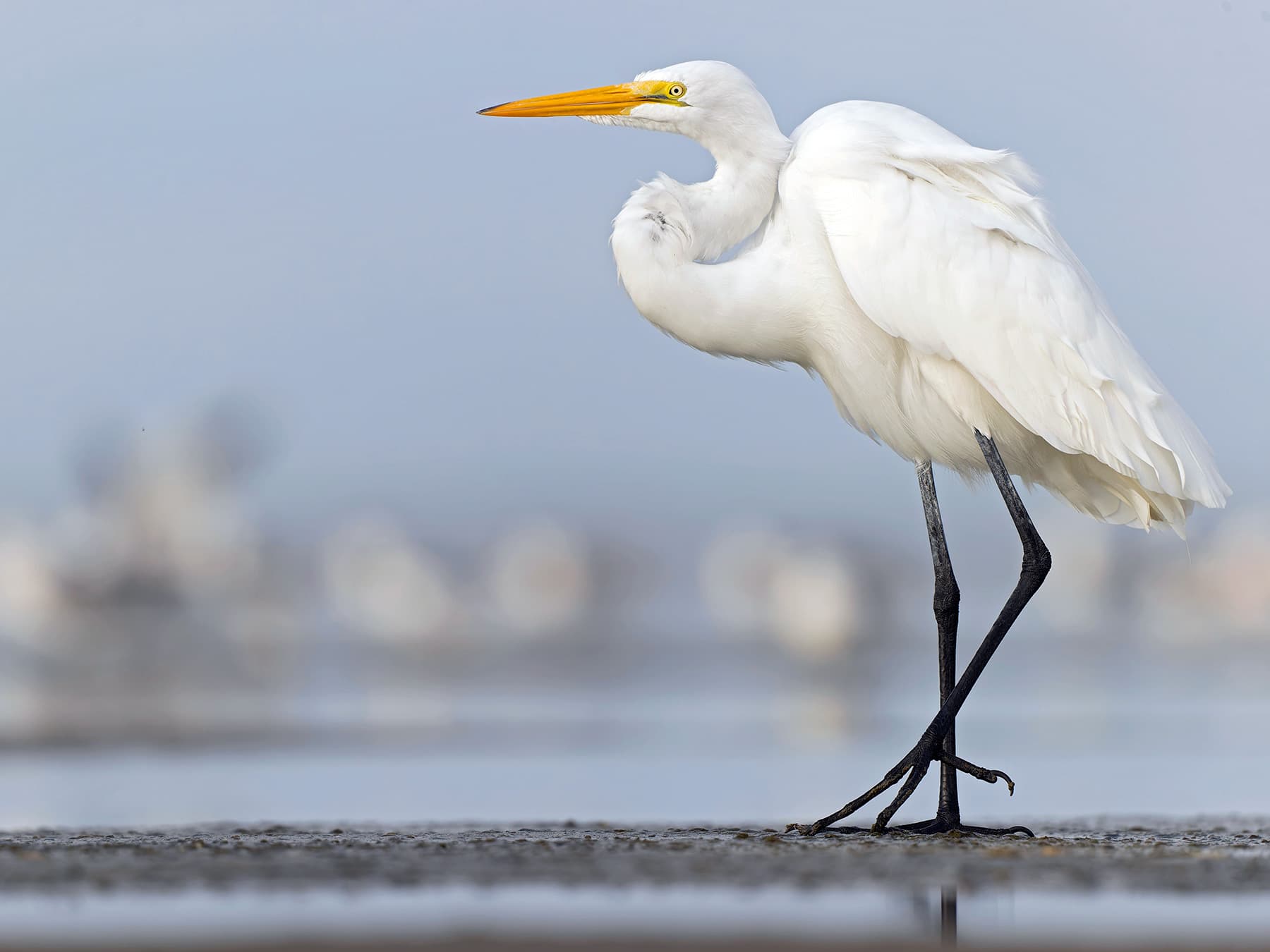
Great White Egret
Ardea albaLC
A rare but increasingly recorded passage visitor in spring and autumn, favouring wetlands and coastal marshes.
Sep–Mar
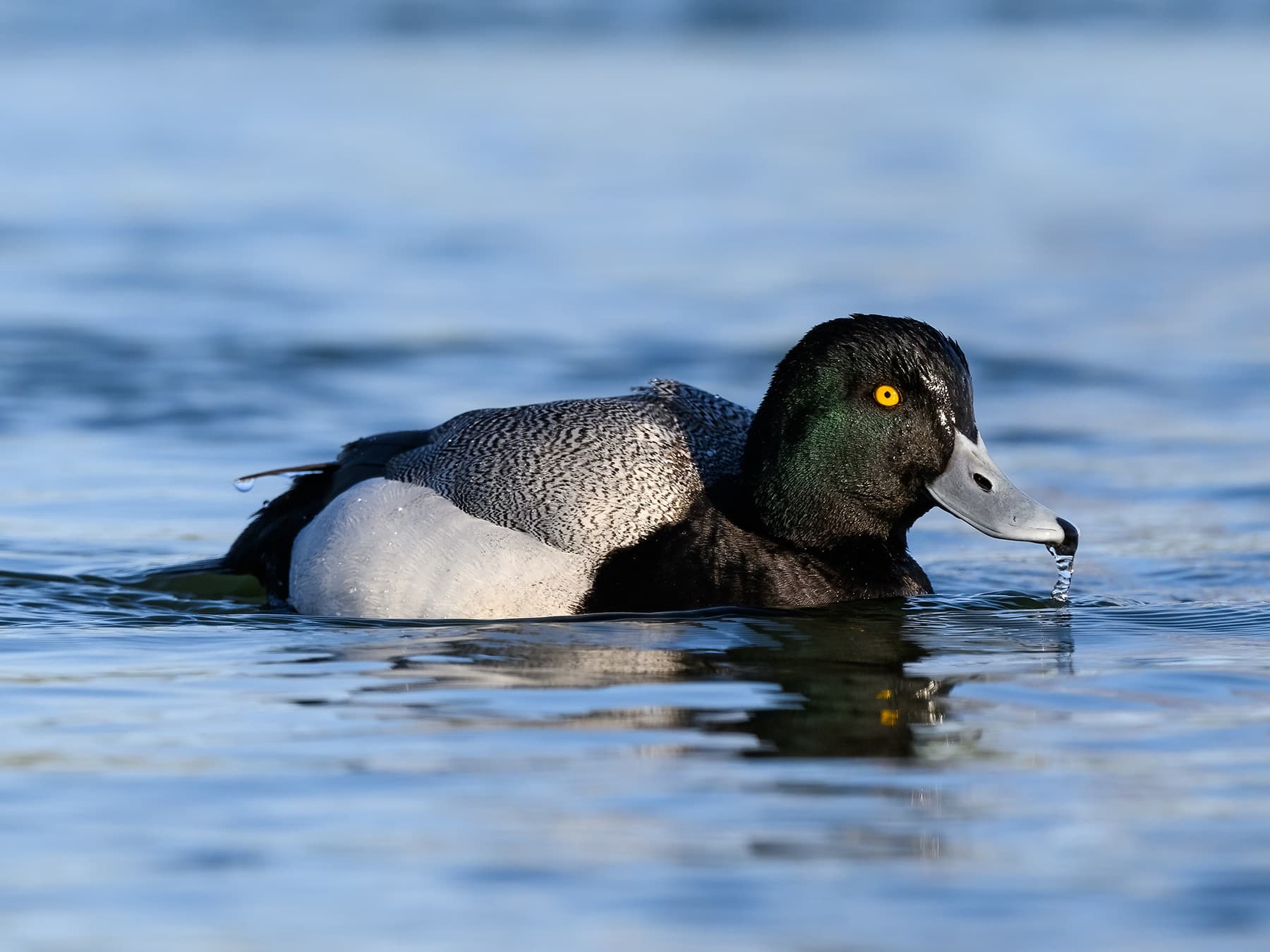
Greater Scaup
Aythya marilaLC
A rare diving duck found on sheltered coastal waters and estuaries, mainly in winter. Absent during the summer breeding months.
Jul–Apr
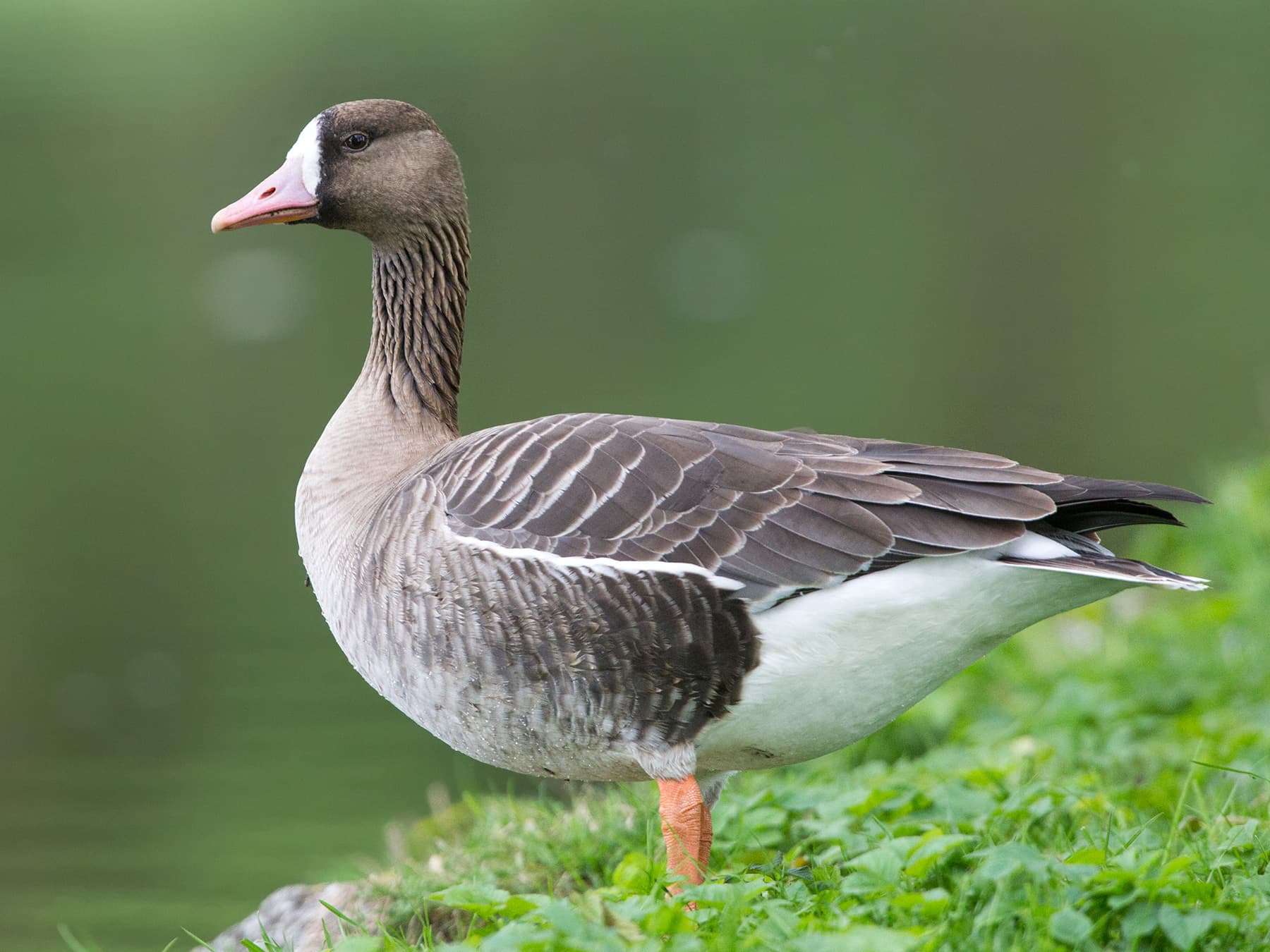
Greater White-fronted Goose
Anser albifronsLC
A rare winter visitor, occasionally joining flocks of other grey geese on farmland or around Lindisfarne between November and March.
Nov–Mar
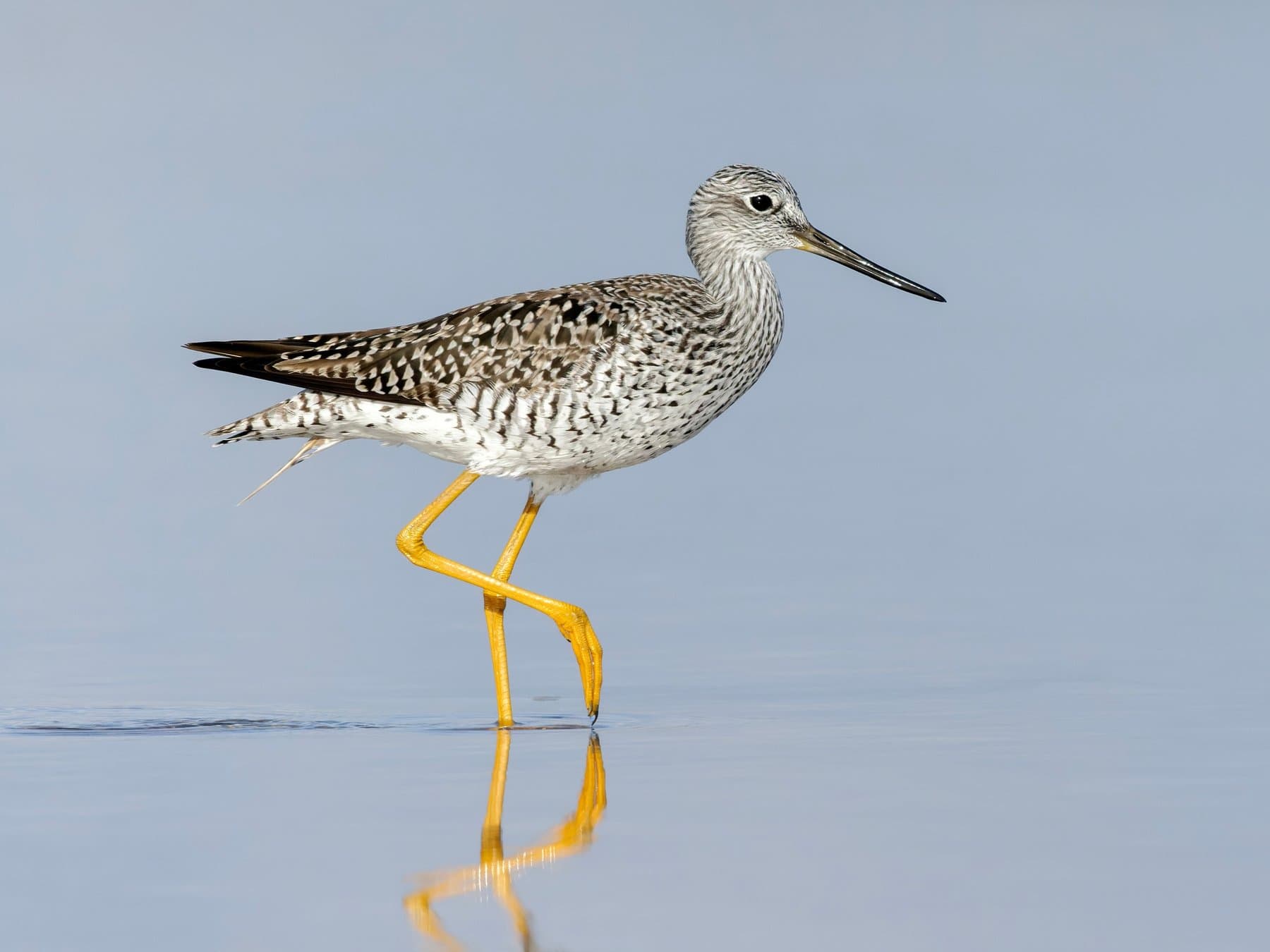
Greater Yellowlegs
Tringa melanoleucaNT
A rare Nearctic vagrant, occasionally turning up at coastal pools or estuaries in November. A prized find for Northumberland birders.
Nov
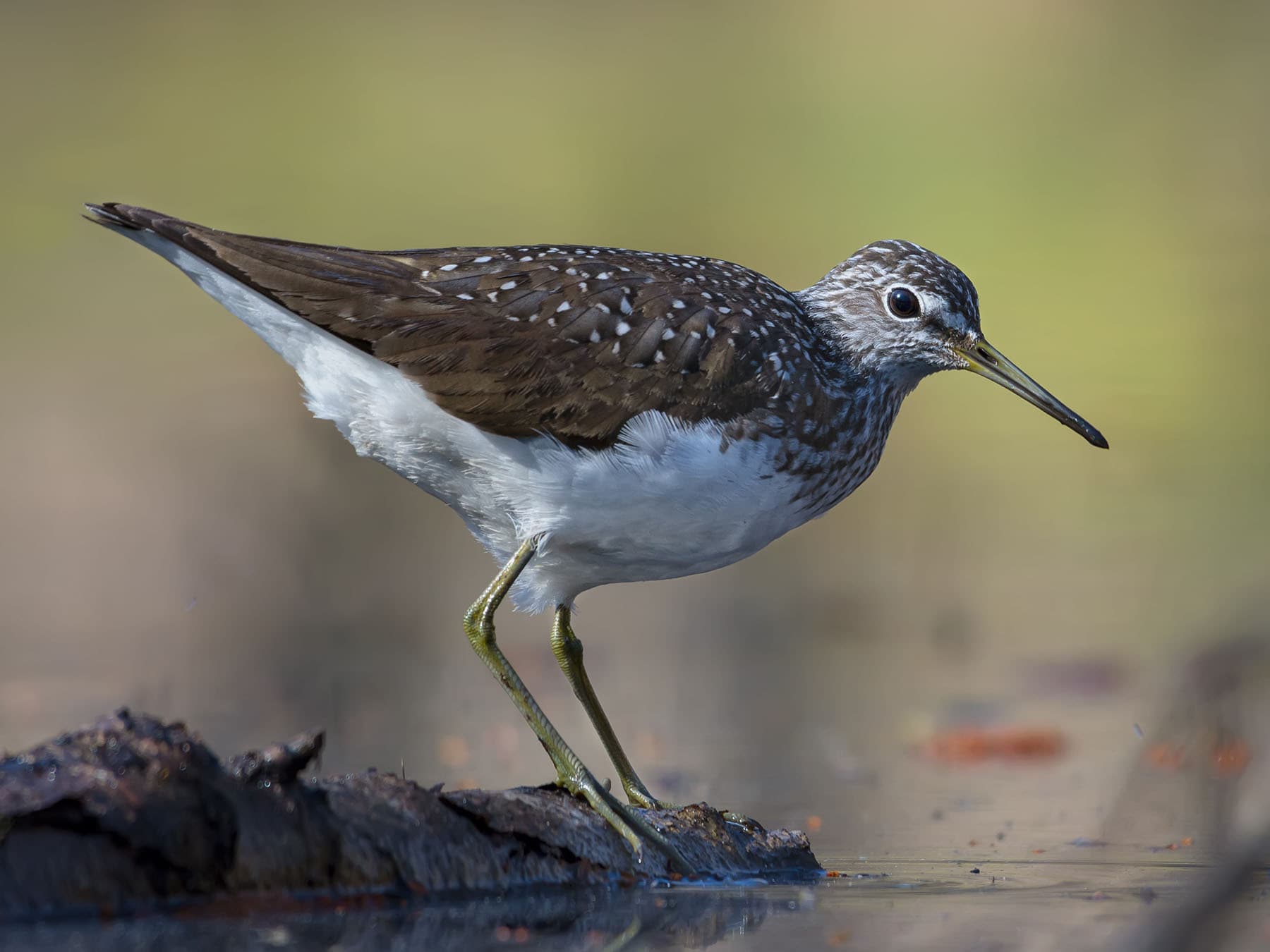
Green Sandpiper
Tringa ochropusLC
A scarce passage migrant from July to September, favouring muddy margins of inland pools and sheltered streams.
Jul–Sep
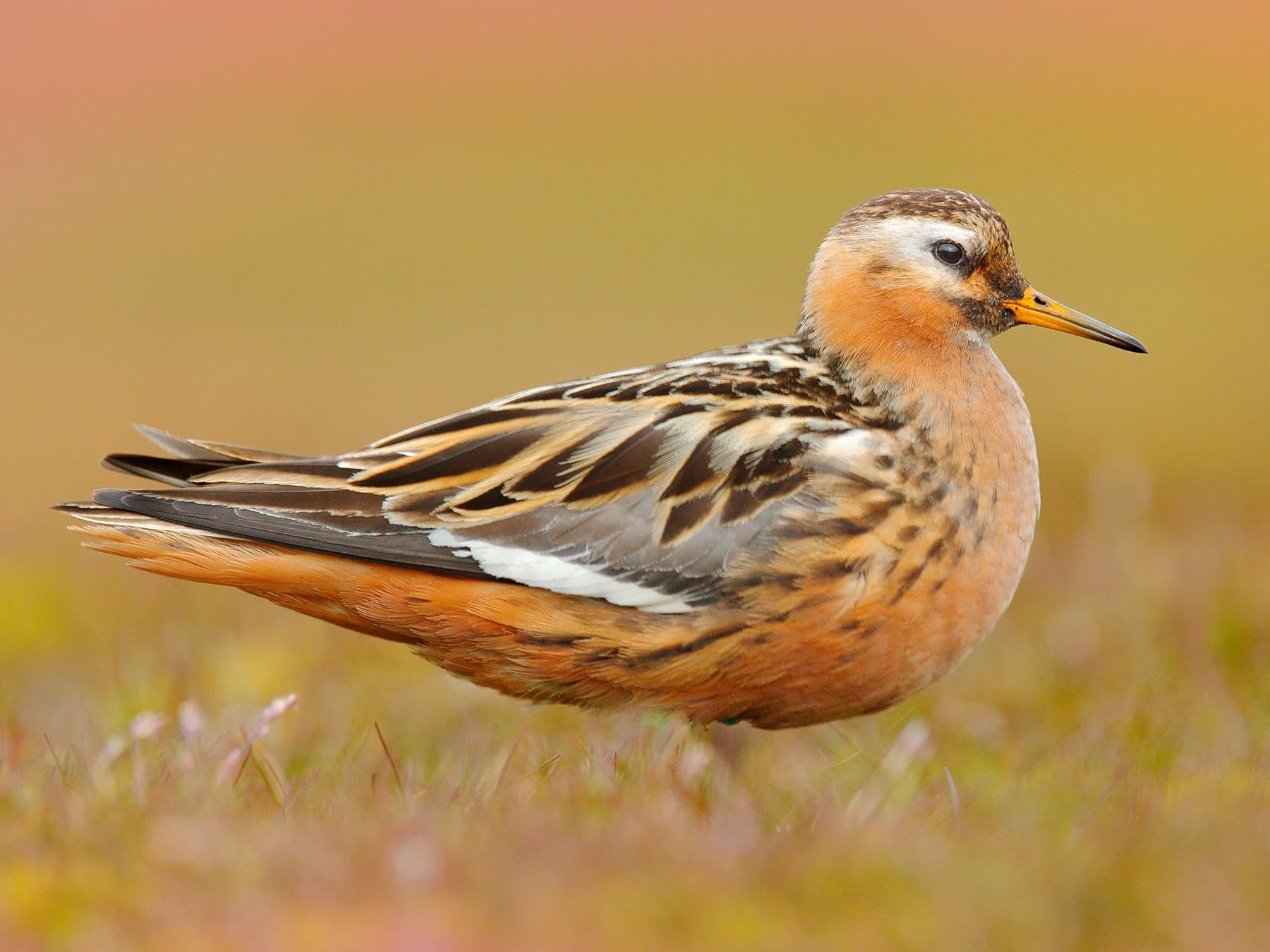
Grey Phalarope
Phalaropus fulicariusLC
A rare autumn passage migrant, typically storm-driven to the Northumberland coast in November. Usually found on sheltered pools near the shoreline.
Nov
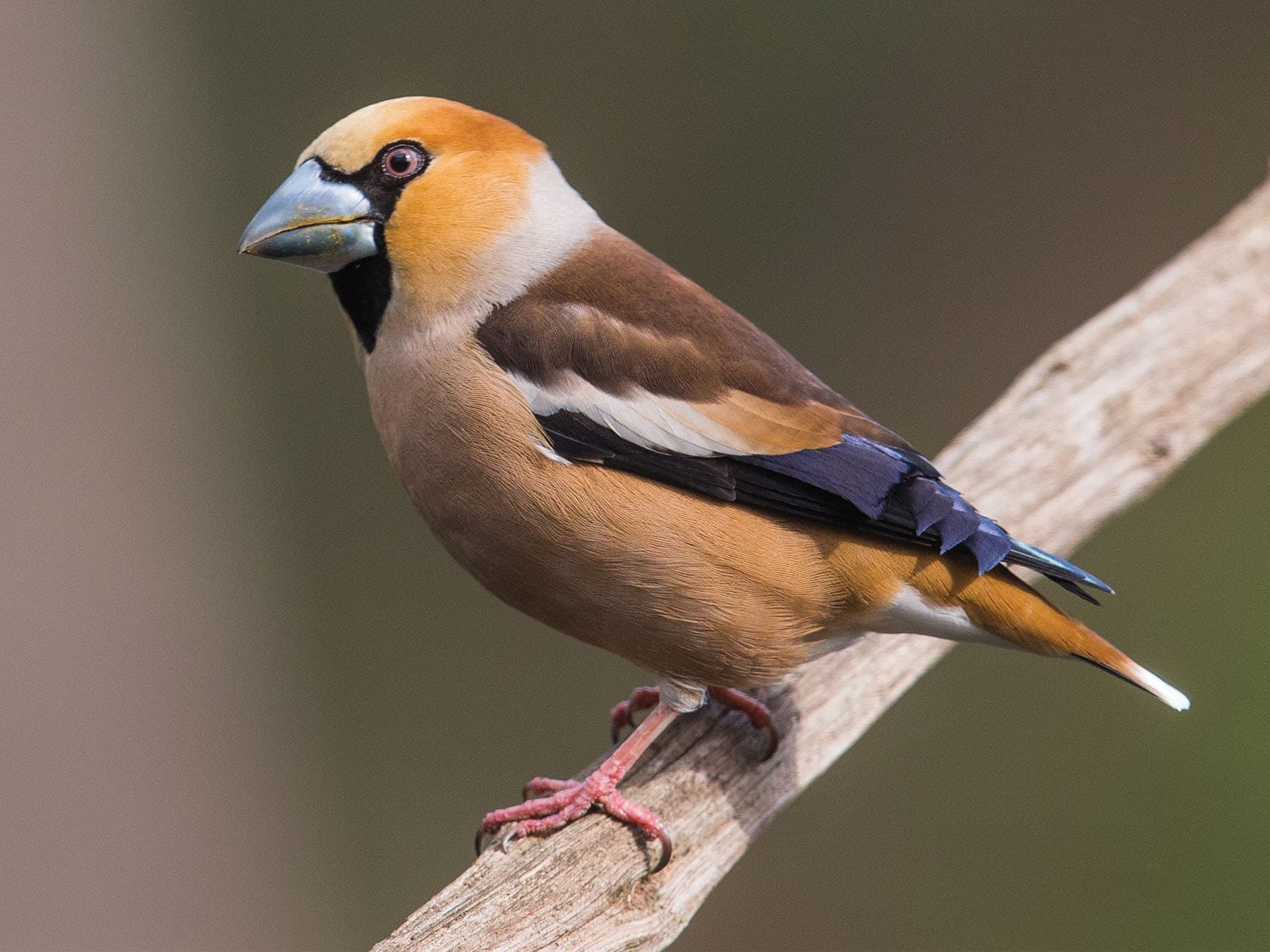
Hawfinch
Coccothraustes coccothraustesLC
A rare passage visitor in November, this elusive finch may appear briefly in mature woodland with hornbeam or cherry trees.
Nov
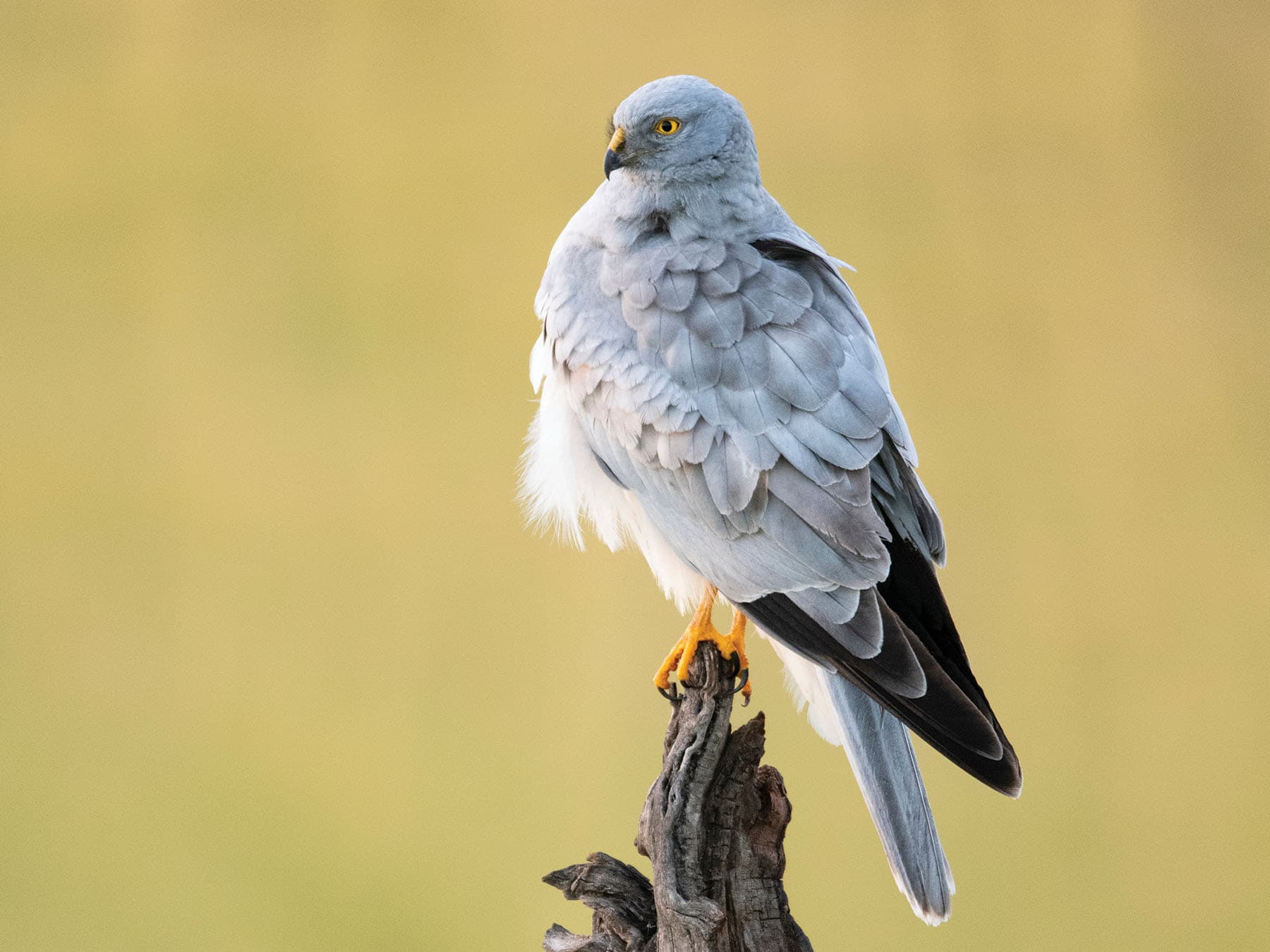
Hen Harrier
Circus cyaneusLC
A rare non-breeding visitor to upland moors and coastal marshes in winter. Occasionally hunts over stubble fields and rough grassland.
Oct–Feb
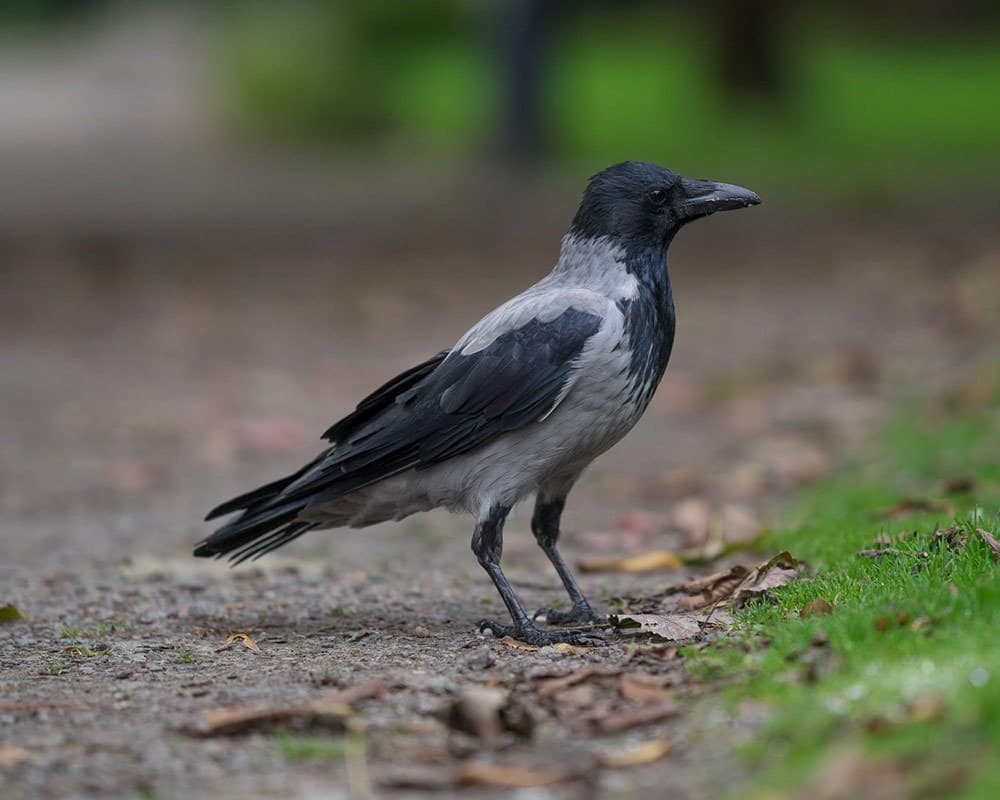
Hooded Crow
Corvus cornixLC
A rare midwinter visitor, occasionally turning up along the coast. Northumberland lies near the boundary of Carrion and Hooded Crow ranges.
Jan