Rare Birds in Northumberland
106 species matching this filter.
Northumberland's diverse landscapes — from the rugged North Sea coastline and the Farne Islands to the upland moors of the Cheviot Hills and the wetlands of the Northumbrian river valleys — attract a remarkable variety of rare bird species. With 94 species classified as rare in the county, patient birders may encounter elusive visitors such as Bohemian Waxwing, Eurasian Bittern, Great White Egret, and Hen Harrier. The county's position on the east coast migration flyway makes it a prime destination for unexpected vagrants and scarce passage migrants throughout the year.


Showing 1–23 of 106 species
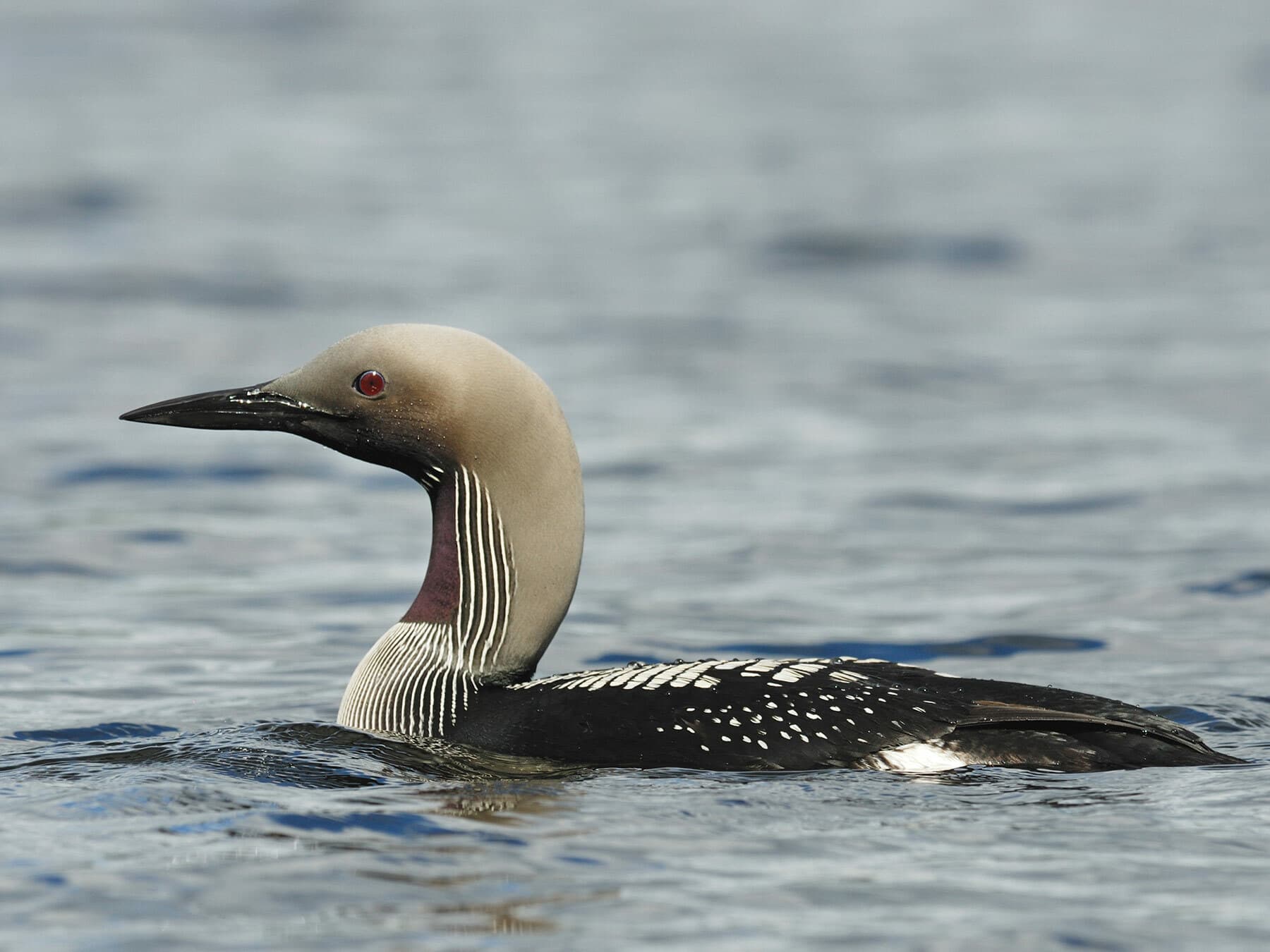
Arctic Loon
Gavia arcticaLC
A rare non-breeding visitor to coastal waters and larger inland lochs from autumn through early spring. Often seen singly offshore.
Sep–Mar
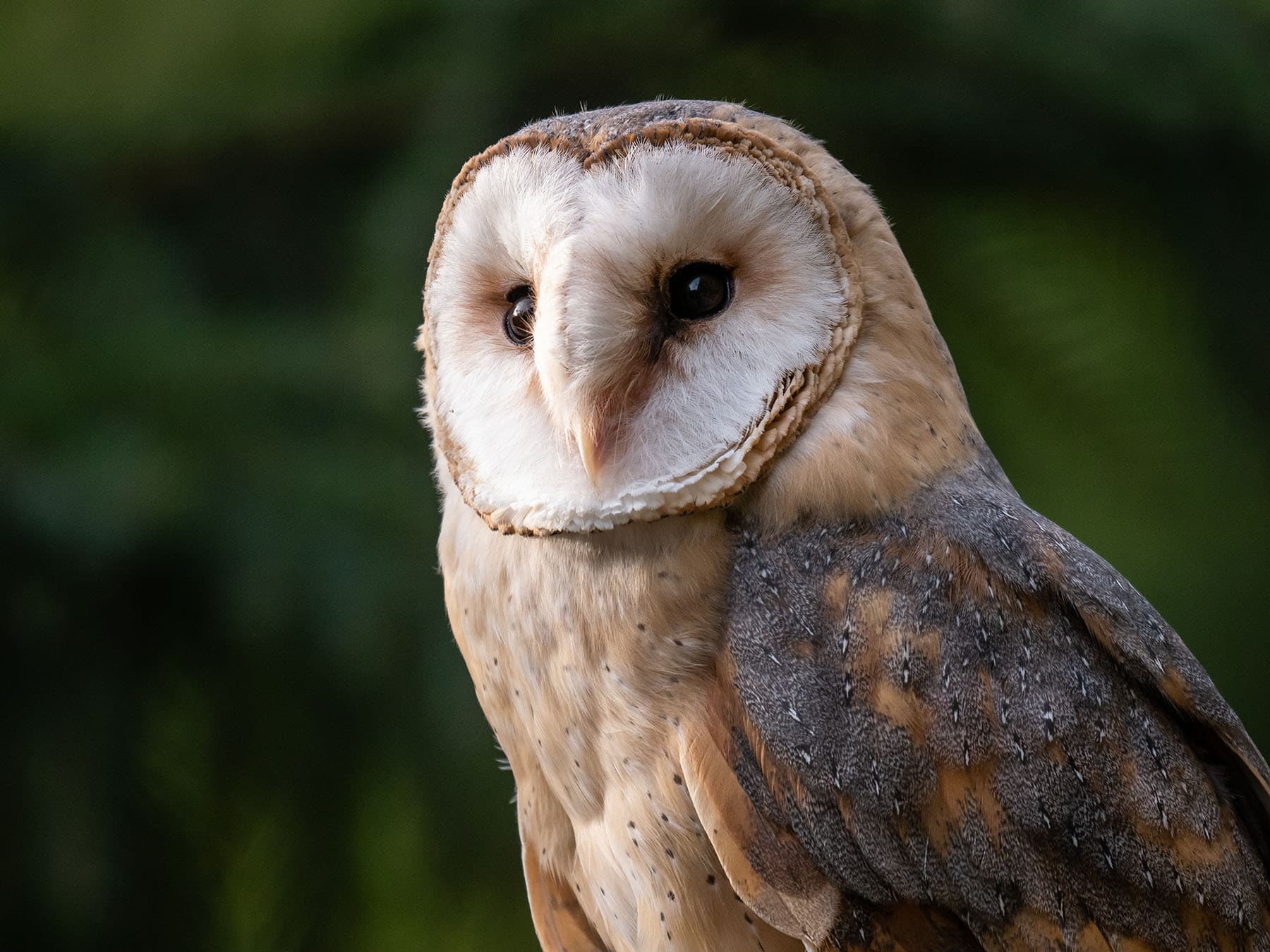
Barn Owl
Tyto albaLC
A rare but year-round resident, hunting over rough grassland and farmland. Nest boxes have aided its presence in the county.
Year-round
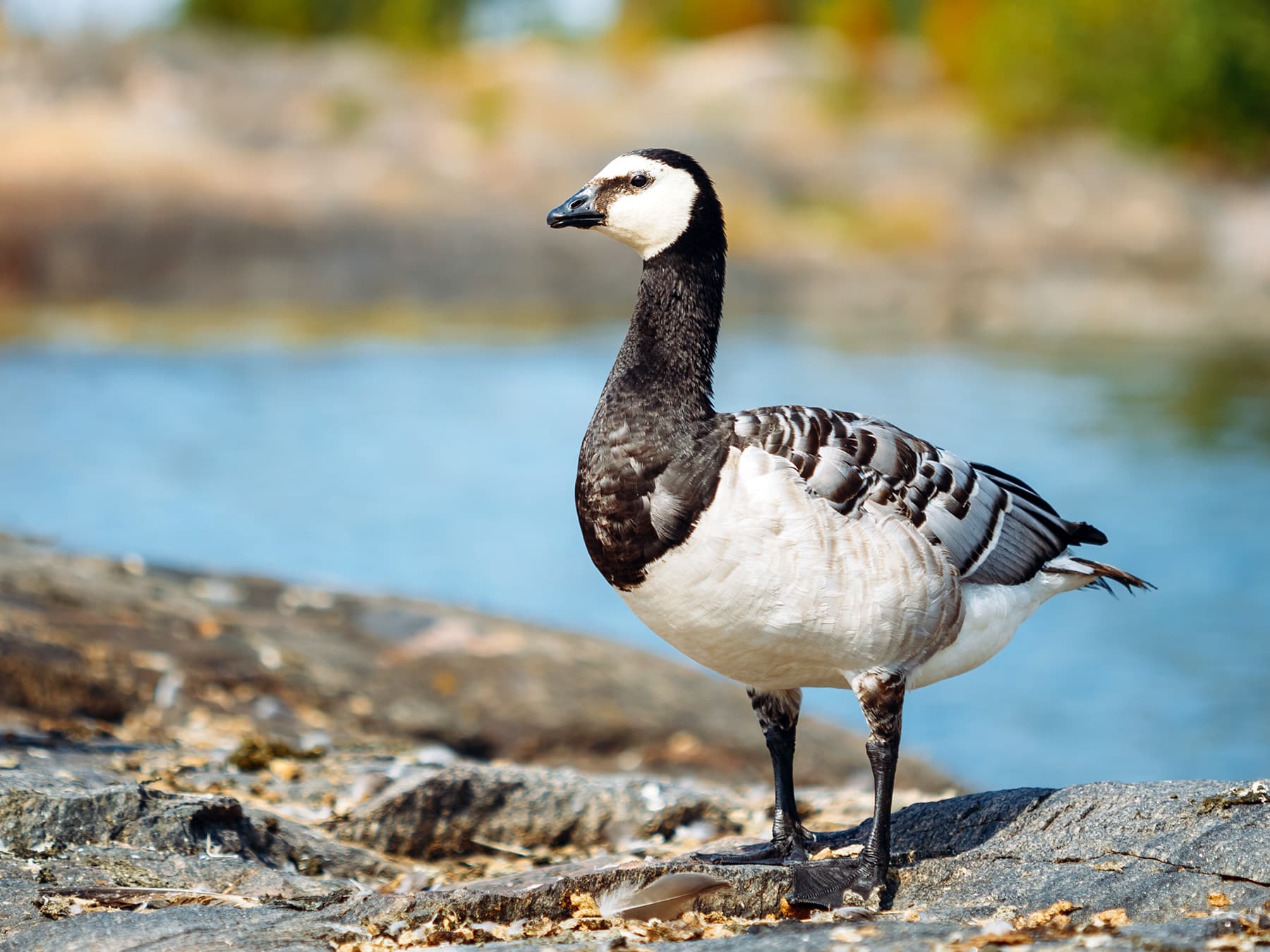
Barnacle Goose
Branta leucopsisLC
Small numbers linger year-round, but the Svalbard population winters spectacularly on Lindisfarne's mudflats in their thousands.
Sep–Jul
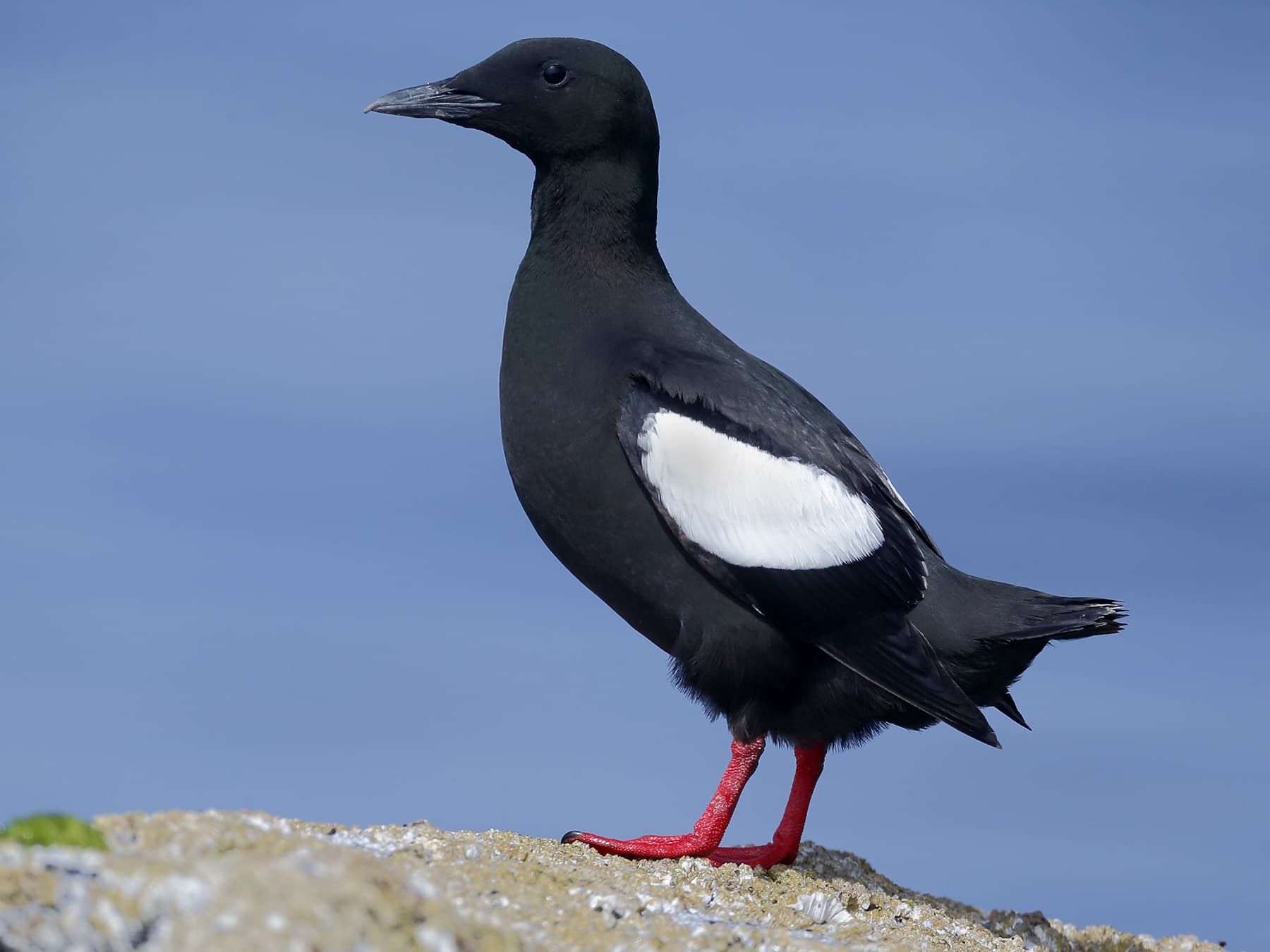
Black Guillemot
Cepphus grylleLC
A rare passage visitor in November, occasionally seen close inshore. More typical of Scottish waters, it is an unusual but exciting find off Northumberland.
Nov
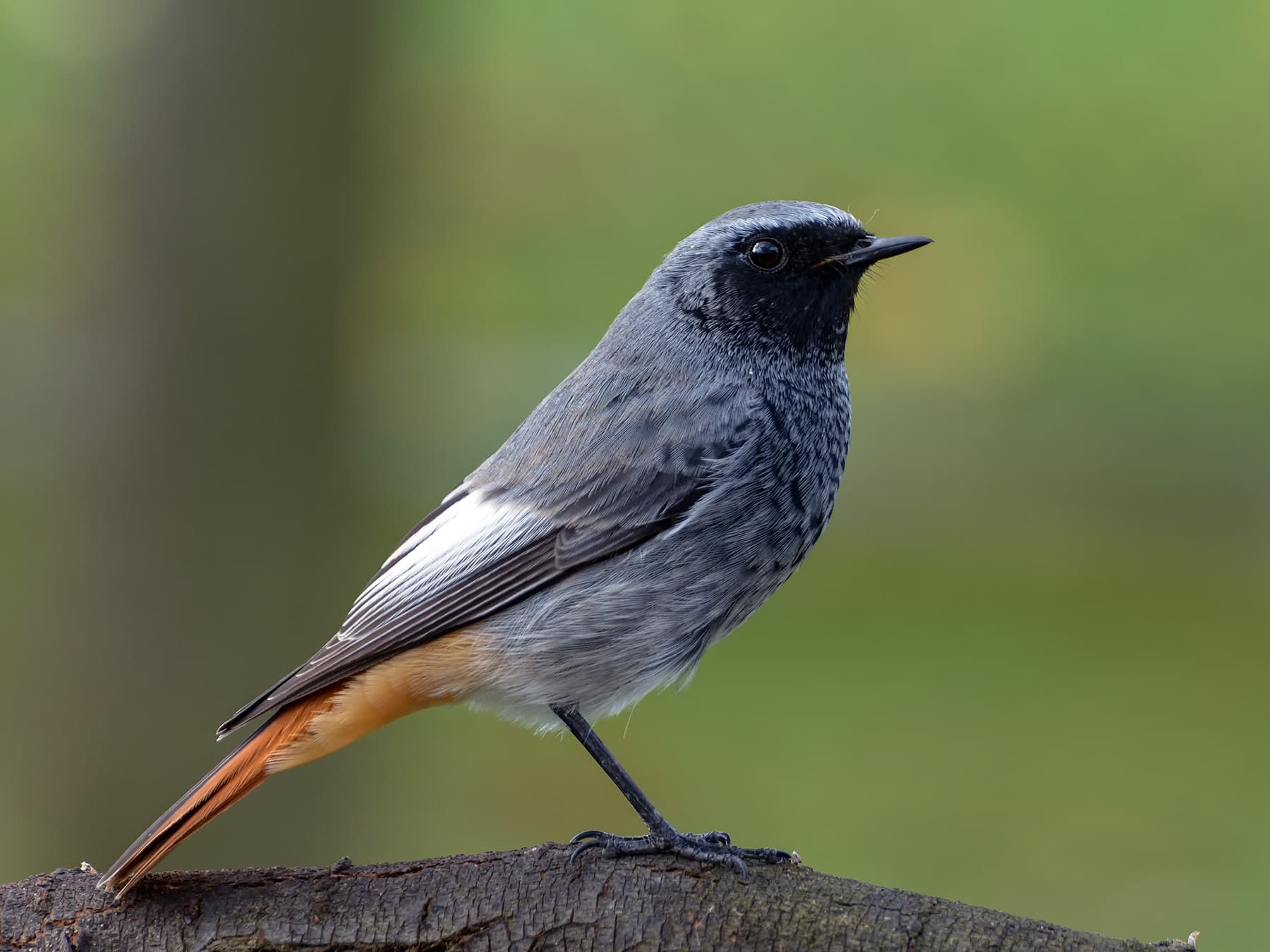
Black Redstart
Phoenicurus ochrurosLC
A rare and elusive visitor, occasionally spotted around coastal buildings and industrial sites, mainly during passage periods.
Oct–Apr
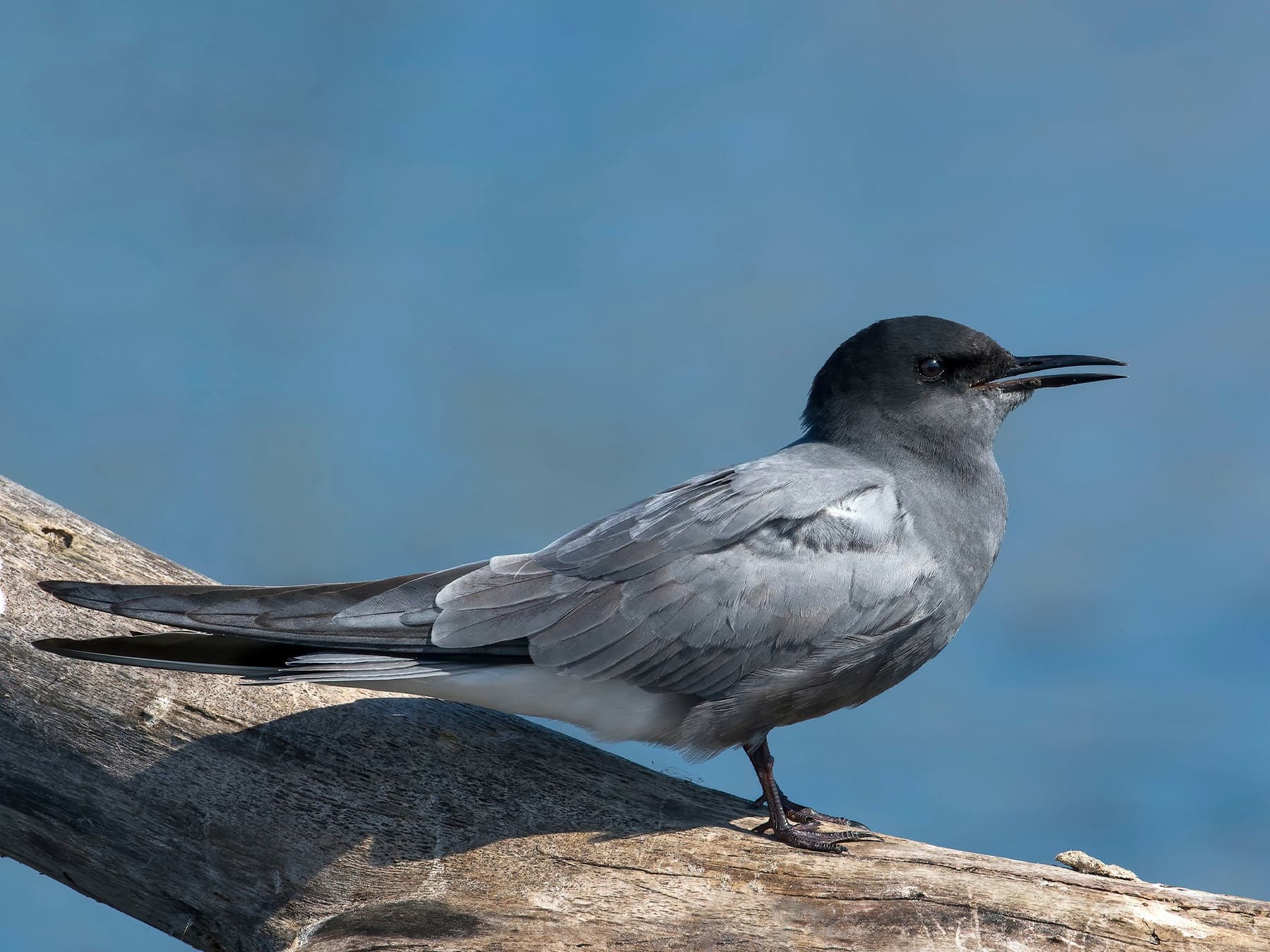
Black Tern
Chlidonias nigerLC
A rare breeding-season visitor, occasionally seen hawking insects over inland lakes and coastal pools from May to September.
May–Sep
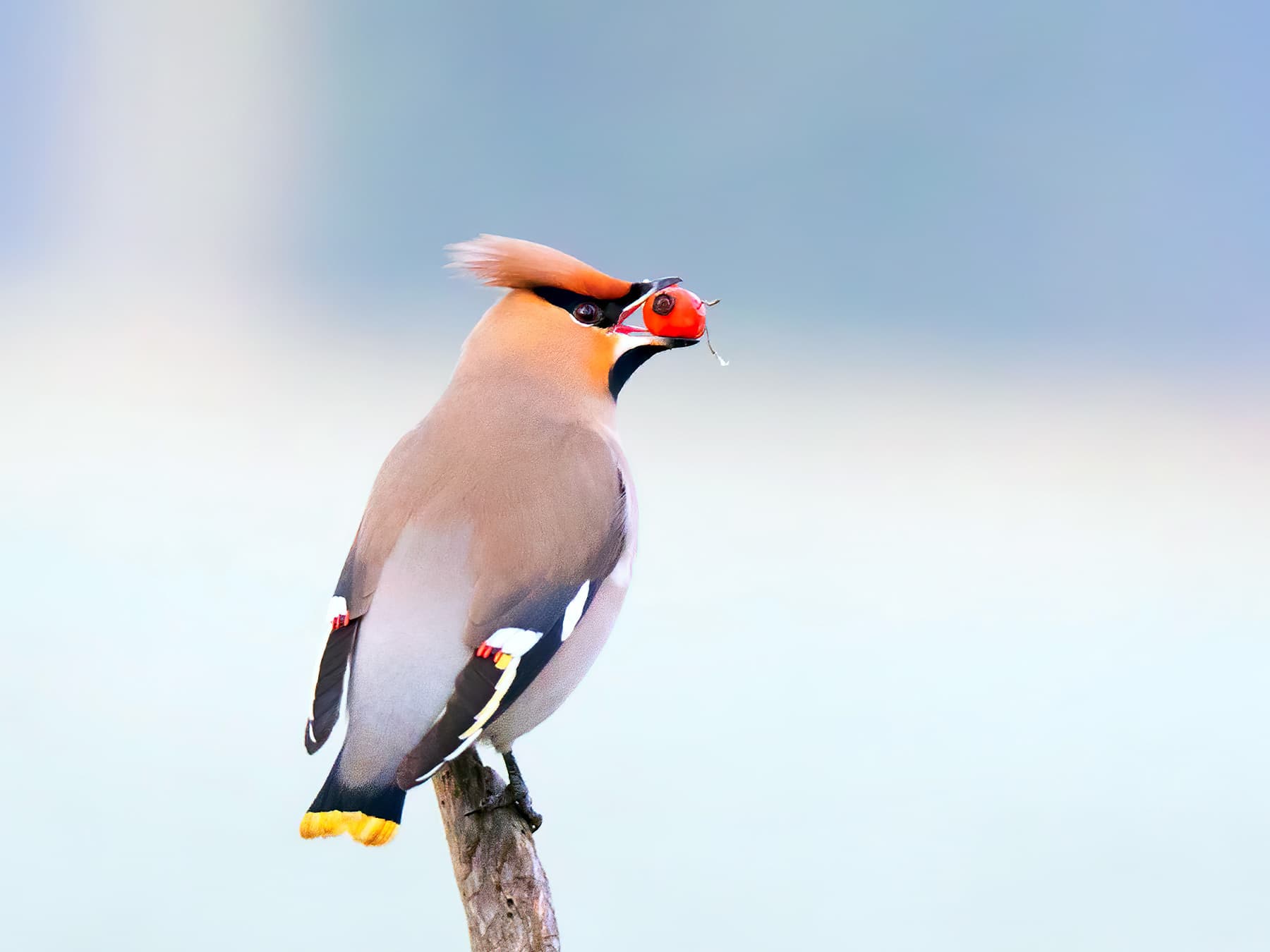
Bohemian Waxwing
Bombycilla garrulusLC
A rare winter irruptive visitor from Scandinavia, descending on berry-laden trees in towns and gardens during invasion years.
Nov–Jan
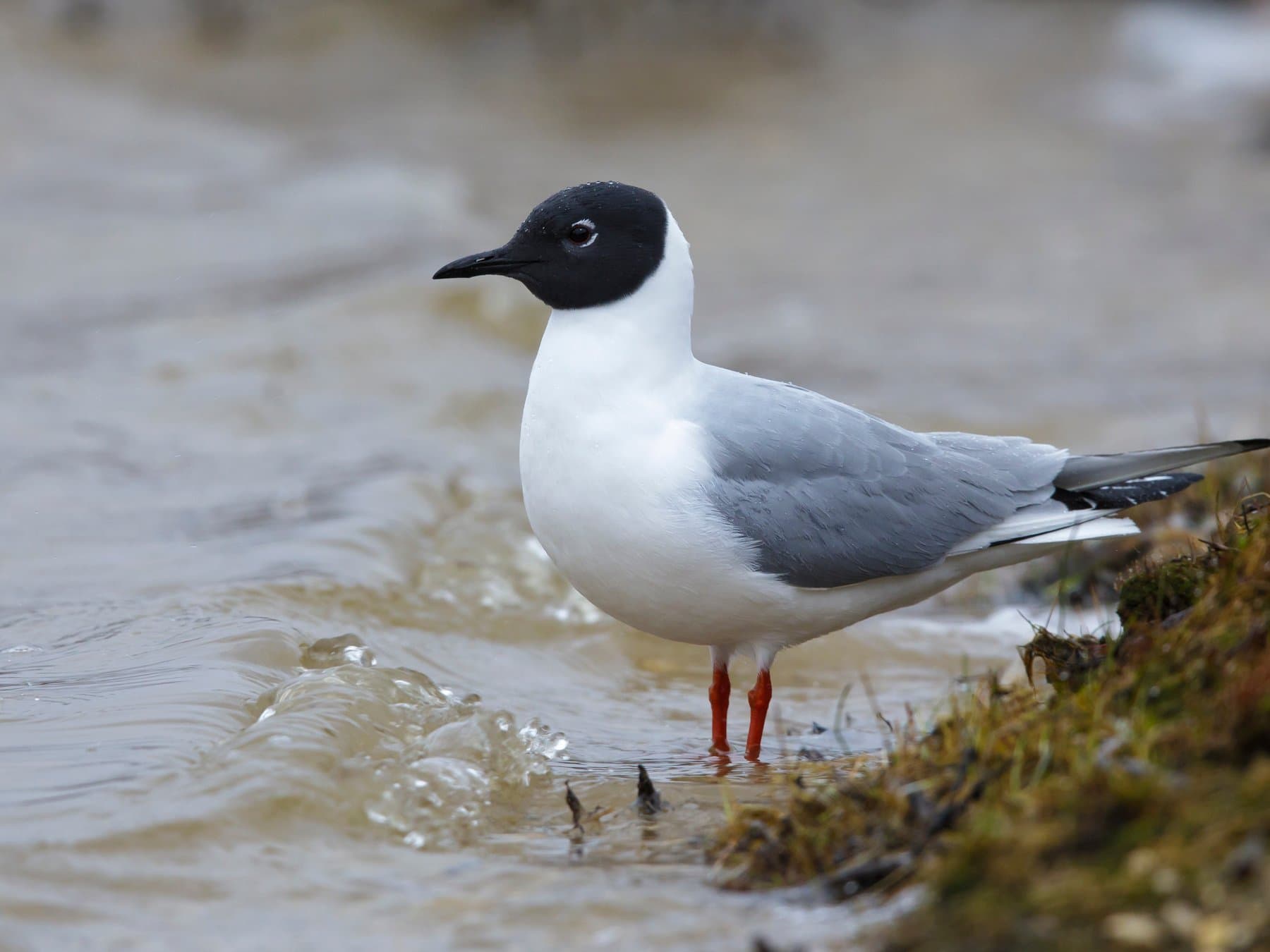
Bonaparte's Gull
Chroicocephalus philadelphiaLC
A rare Nearctic vagrant, occasionally recorded along the Northumberland coast in November. A prized find among local birders.
Nov
Spotted something?
Upload a photo to identify it
Identify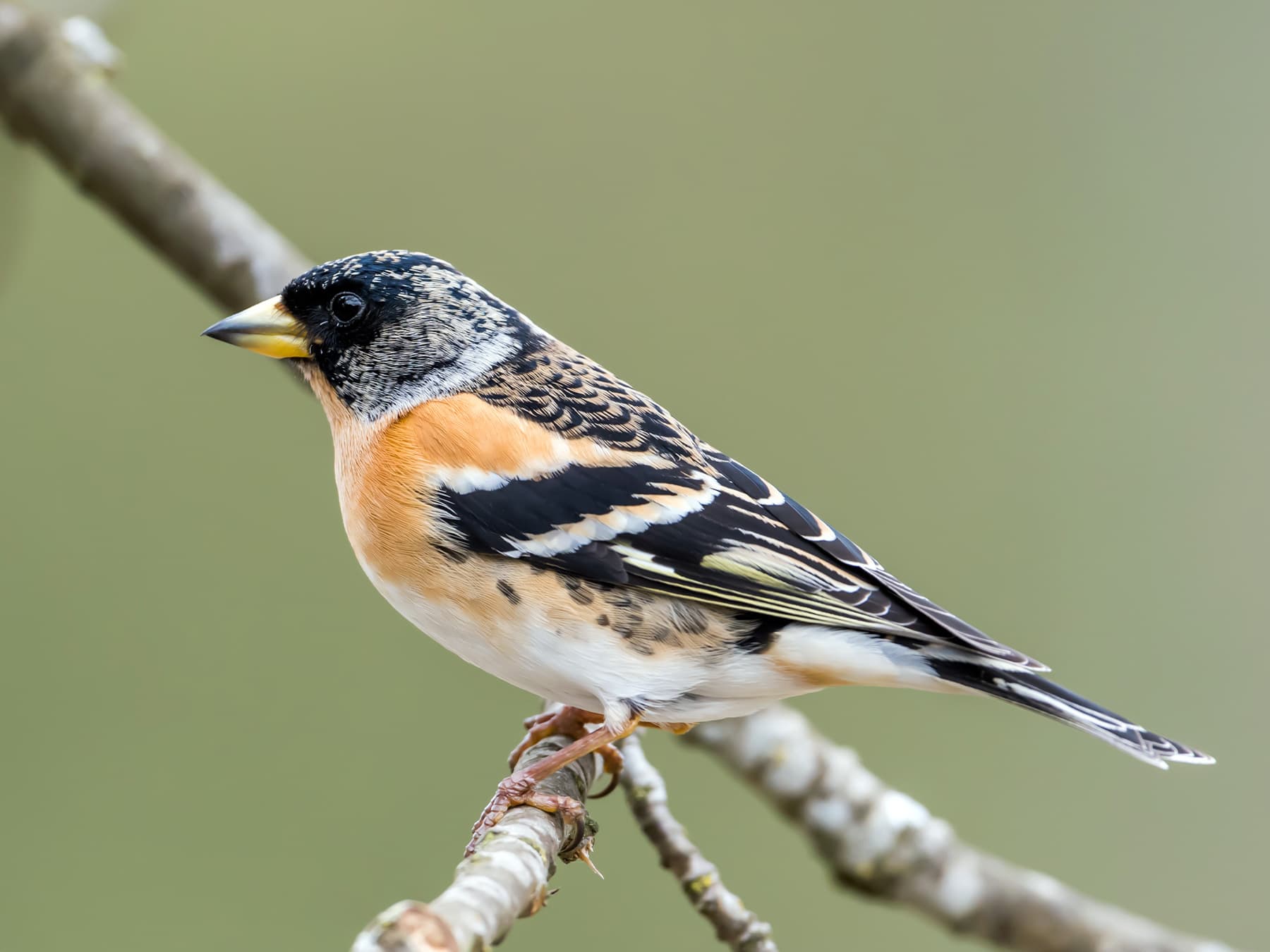
Brambling
Fringilla montifringillaLC
A rare winter visitor from Scandinavia, occasionally joining Chaffinch flocks in beech woodland and around farmland feeding stations.
Sep–Apr
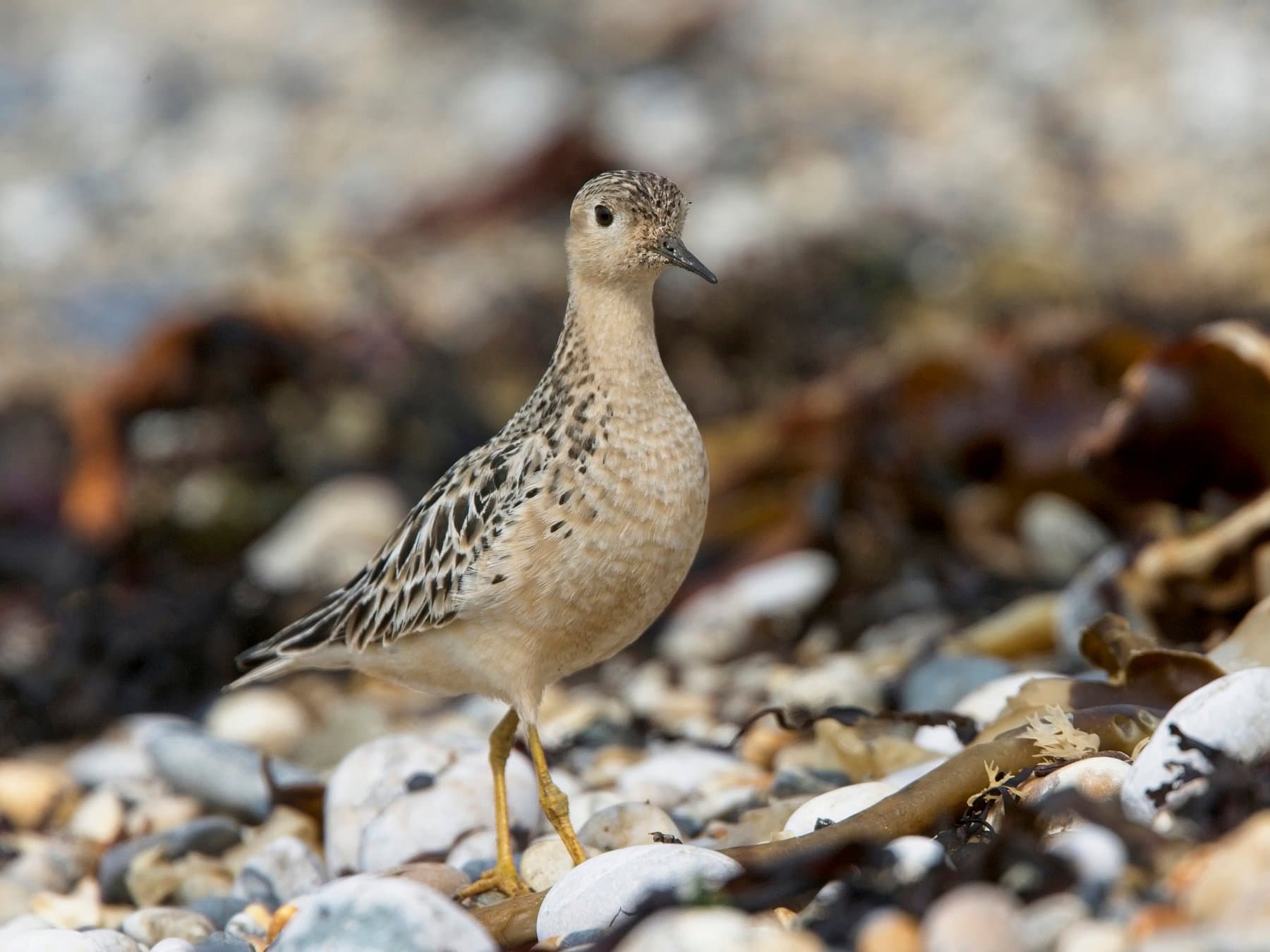
Buff-breasted Sandpiper
Calidris subruficollisVU
A rare Nearctic wader appearing briefly in September, typically on short coastal turf or ploughed fields around Druridge Bay pools.
Sep
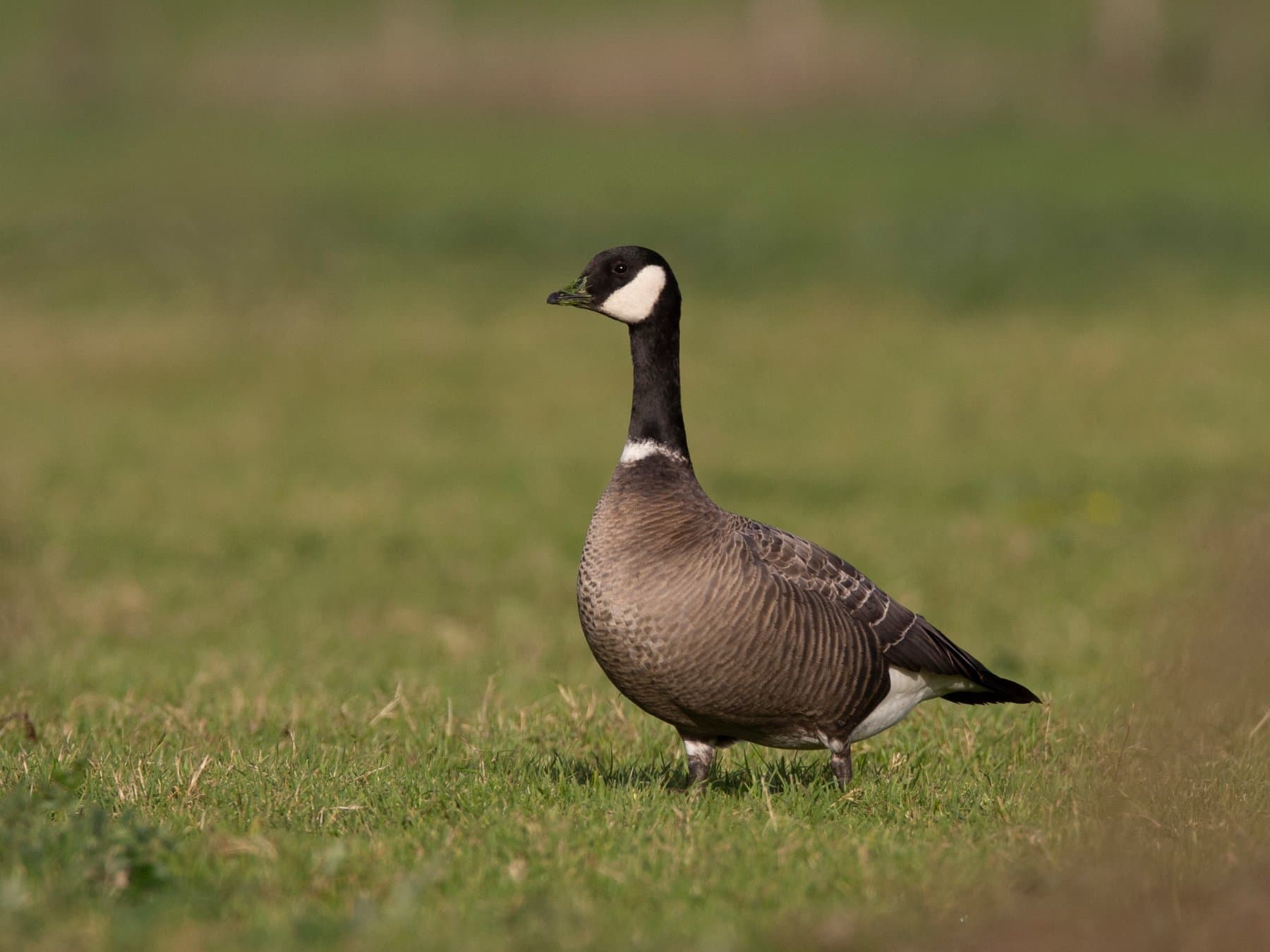
Cackling Goose
Branta hutchinsiiLC
An extremely rare vagrant from North America, with occasional March records among wintering goose flocks. Careful separation from Barnacle Goose is required.
Mar
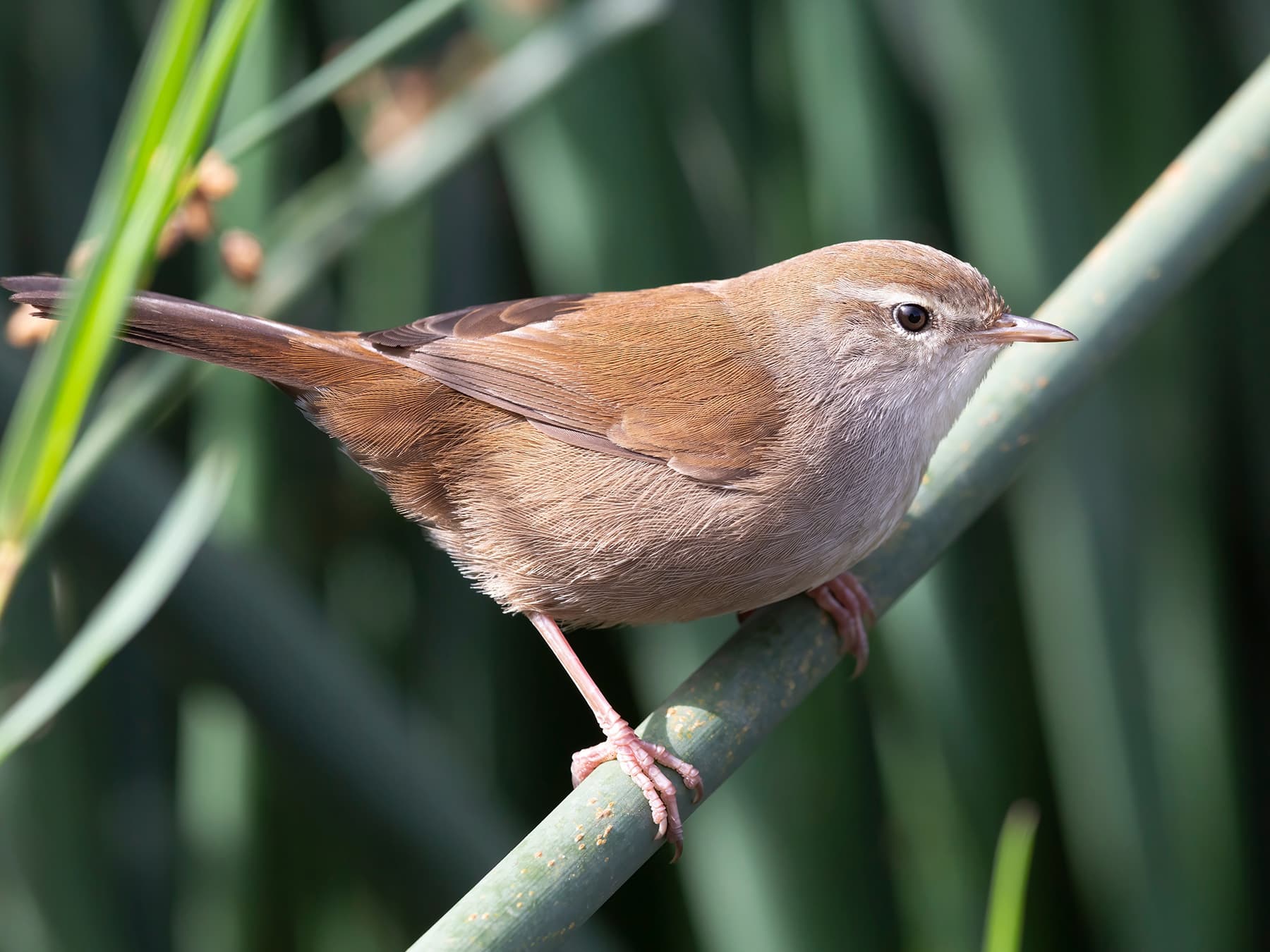
Cetti's Warbler
Cettia cettiLC
A rare resident at the northern fringe of its expanding British range, skulking in dense waterside vegetation and betrayed by its explosive song.
Year-round
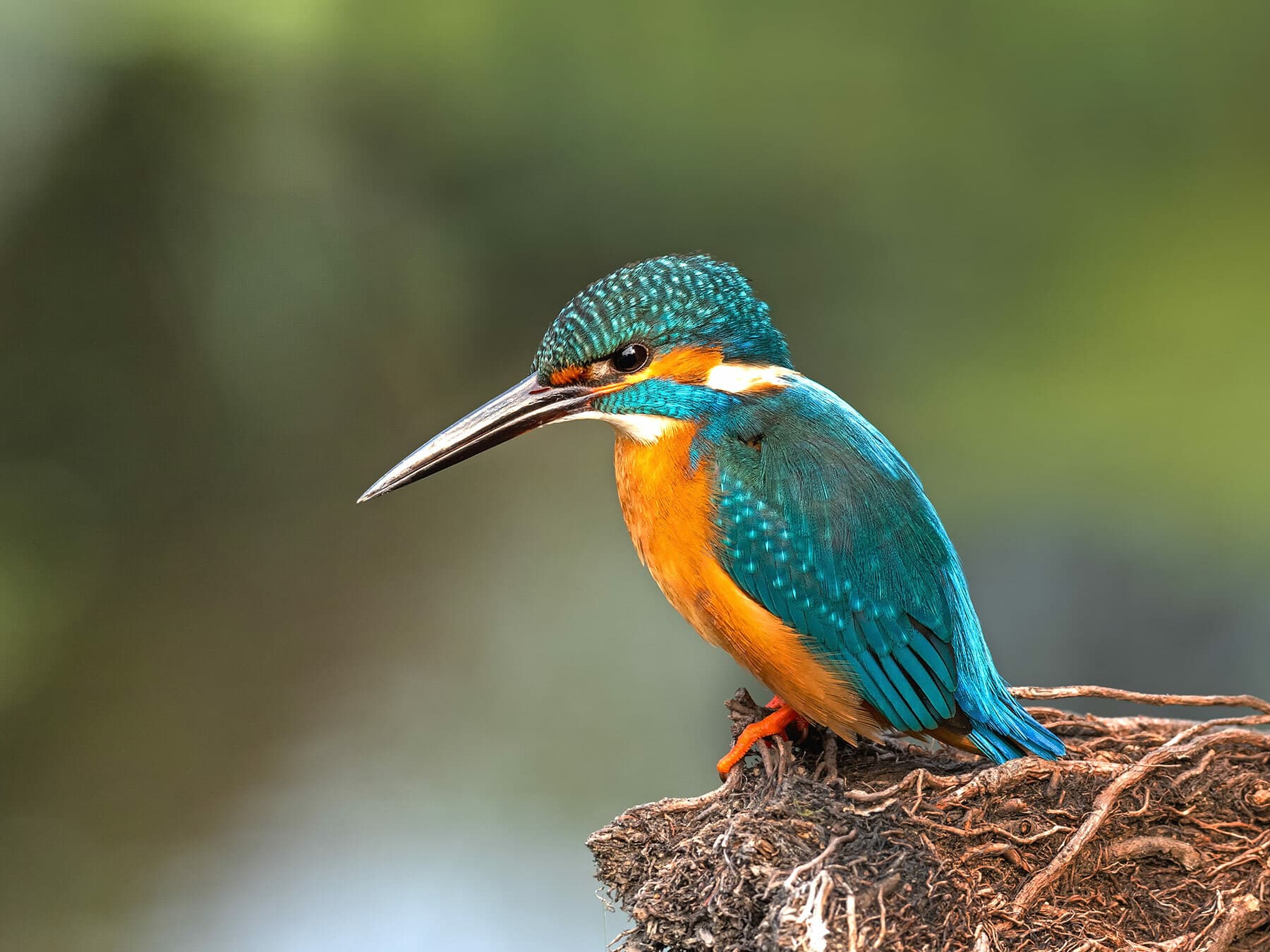
Common Kingfisher
Alcedo atthisLC
A rare non-breeding visitor, occasionally seen along sheltered rivers and streams. Most likely from late summer through winter.
Jul–Feb
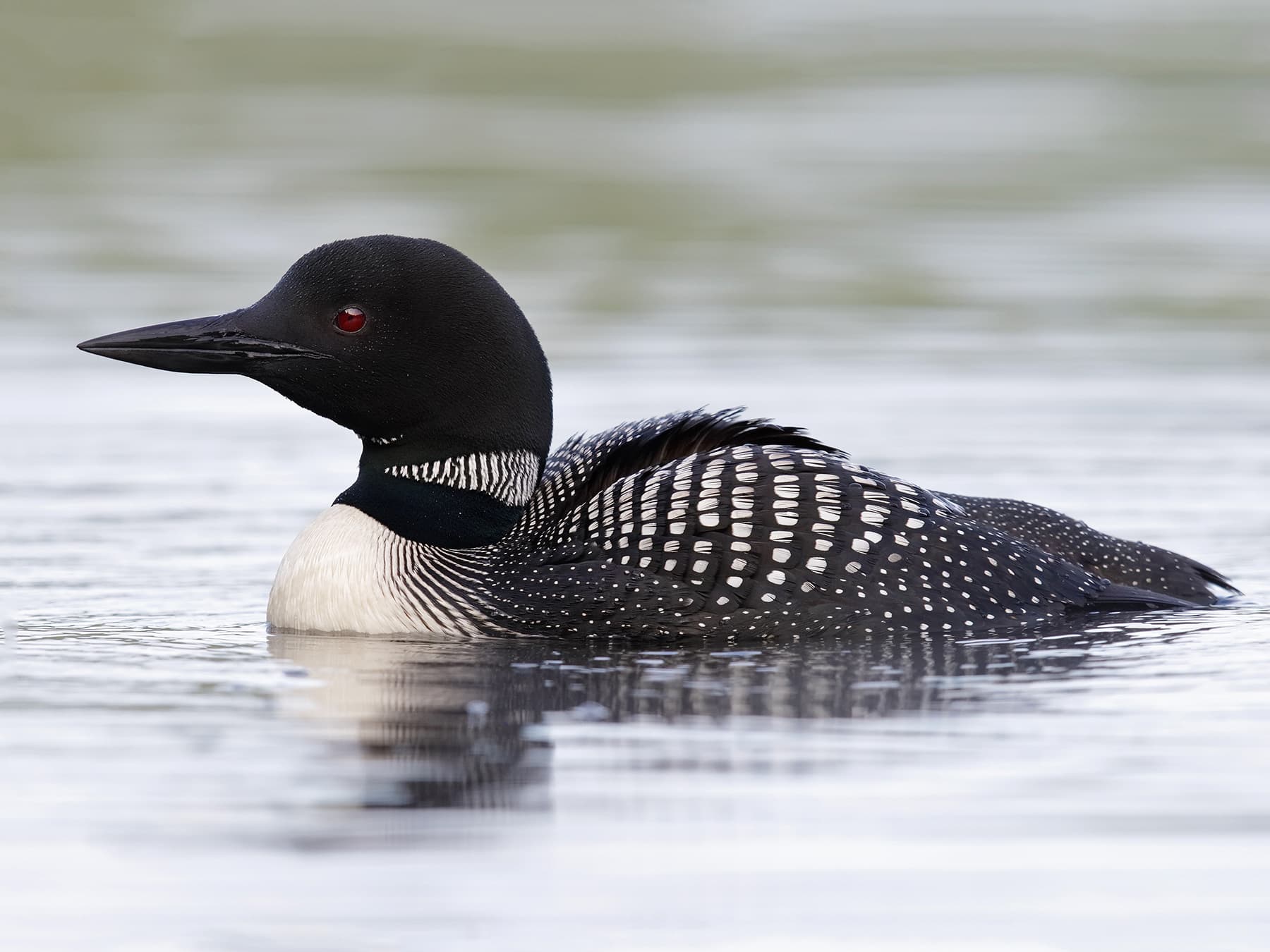
Common Loon
Gavia immerLC
A rare non-breeding visitor to coastal waters from autumn through to spring, occasionally lingering in sheltered bays and harbours.
Sep–Mar
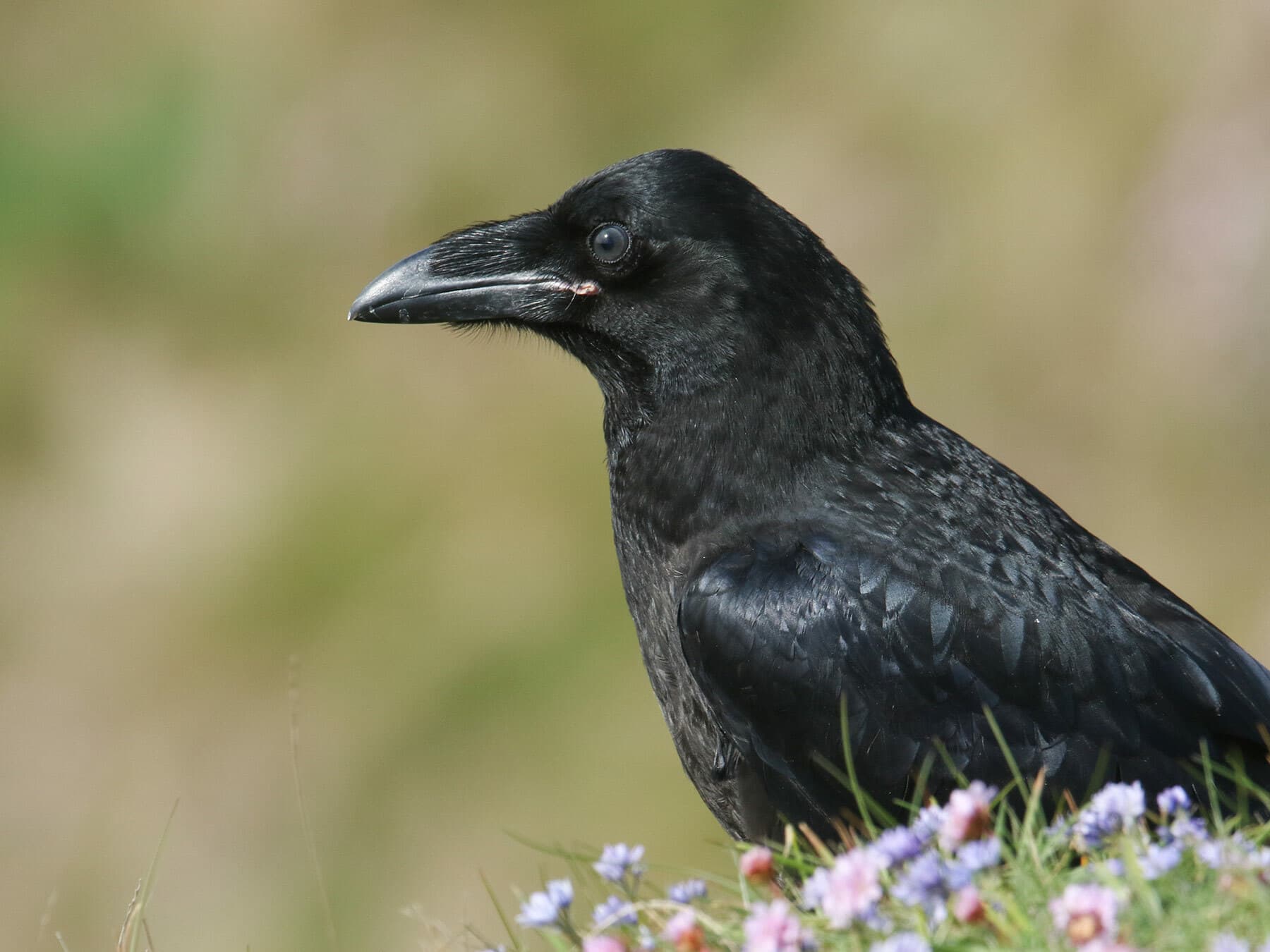
Common Raven
Corvus coraxLC
A rare but increasing resident, favouring upland crags and moorland. Its deep croaking call carries far across the Cheviot Hills.
Year-round
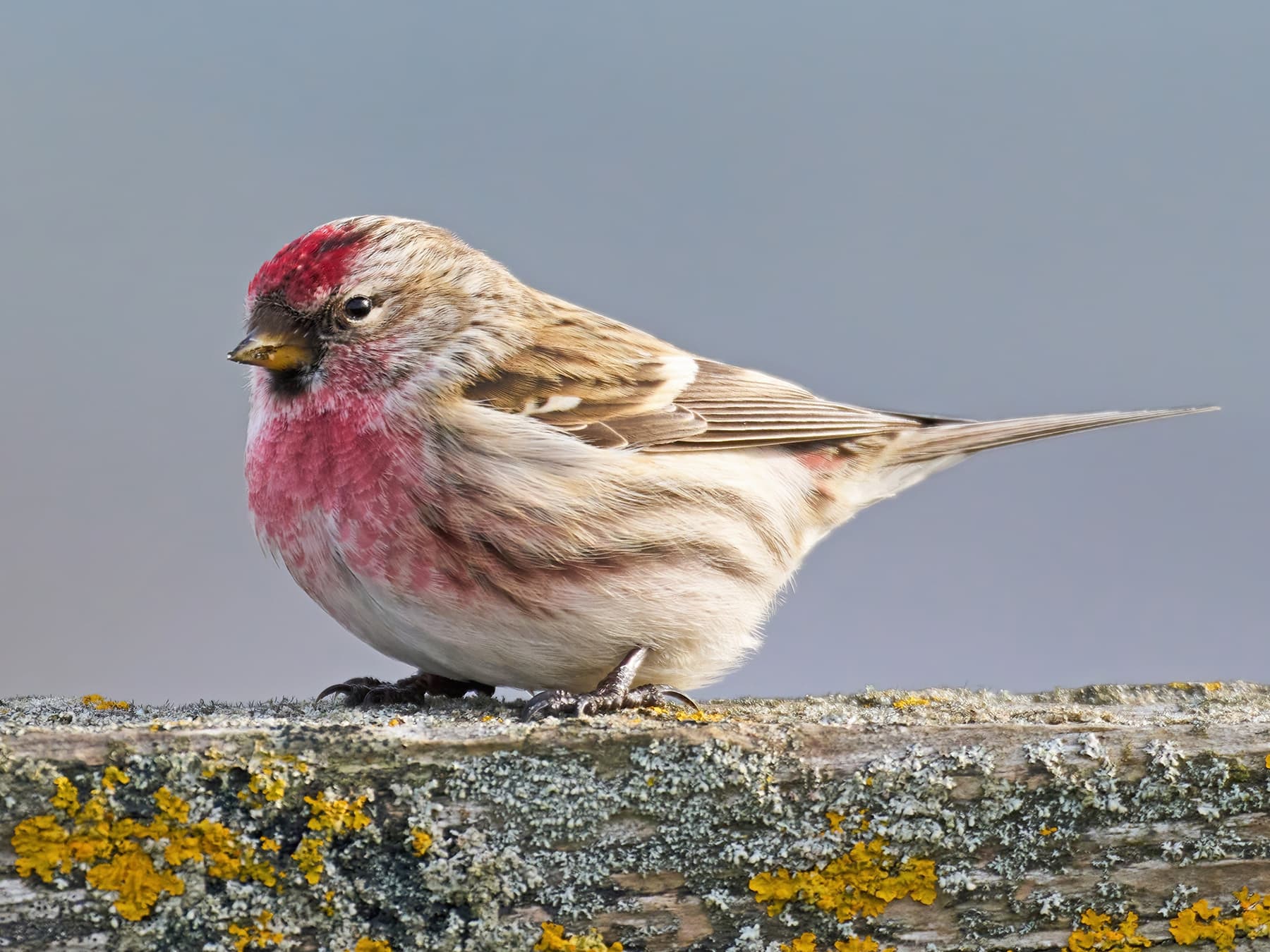
Common Redpoll
Acanthis flammeaLC
A rare year-round resident, favouring birch and alder woodland. Small flocks may visit garden feeders in winter.
Year-round
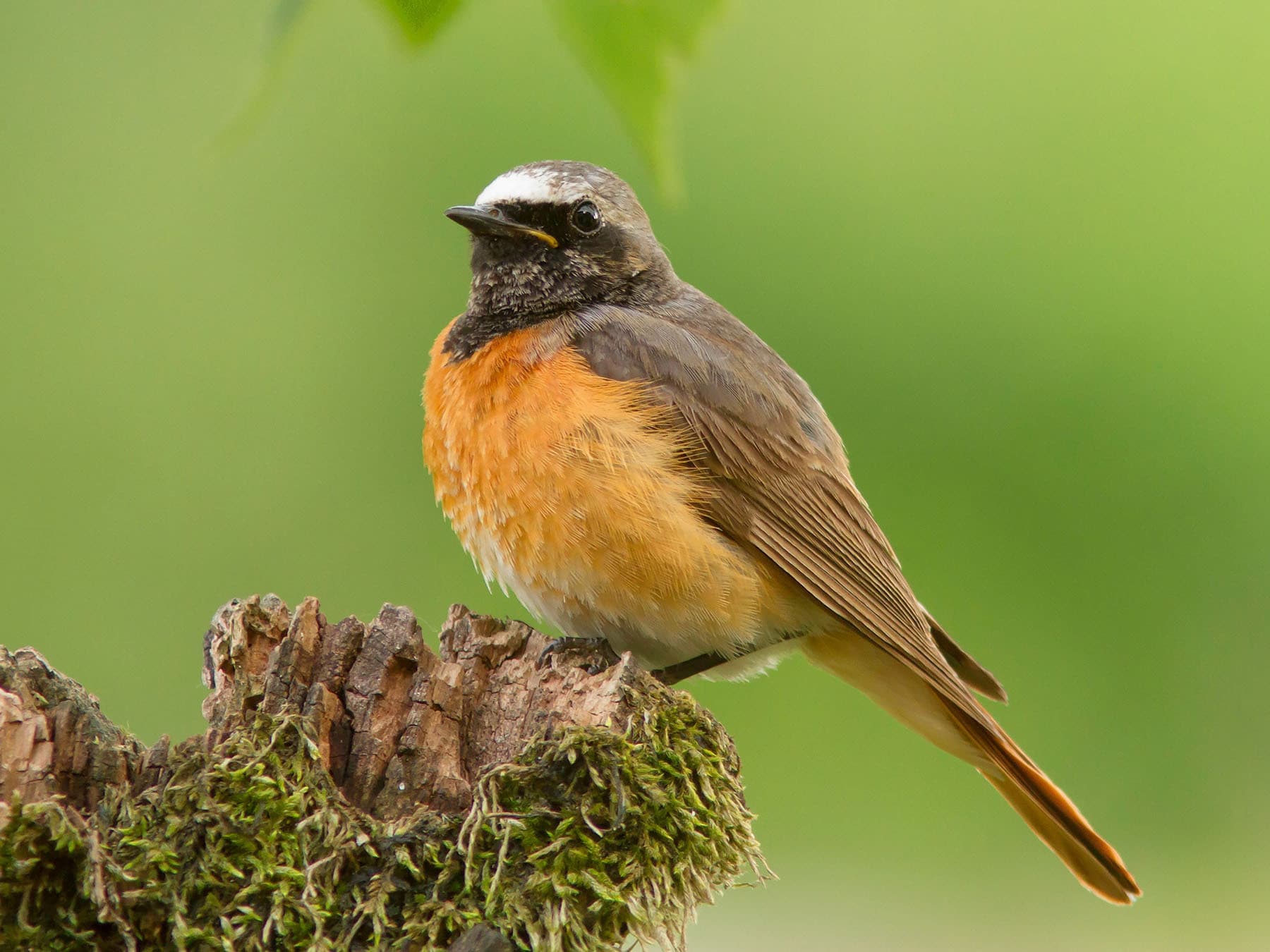
Common Redstart
Phoenicurus phoenicurusLC
A rare summer breeder in mature oak woodland, particularly in the upland valleys. Males are strikingly colourful.
Apr–Oct
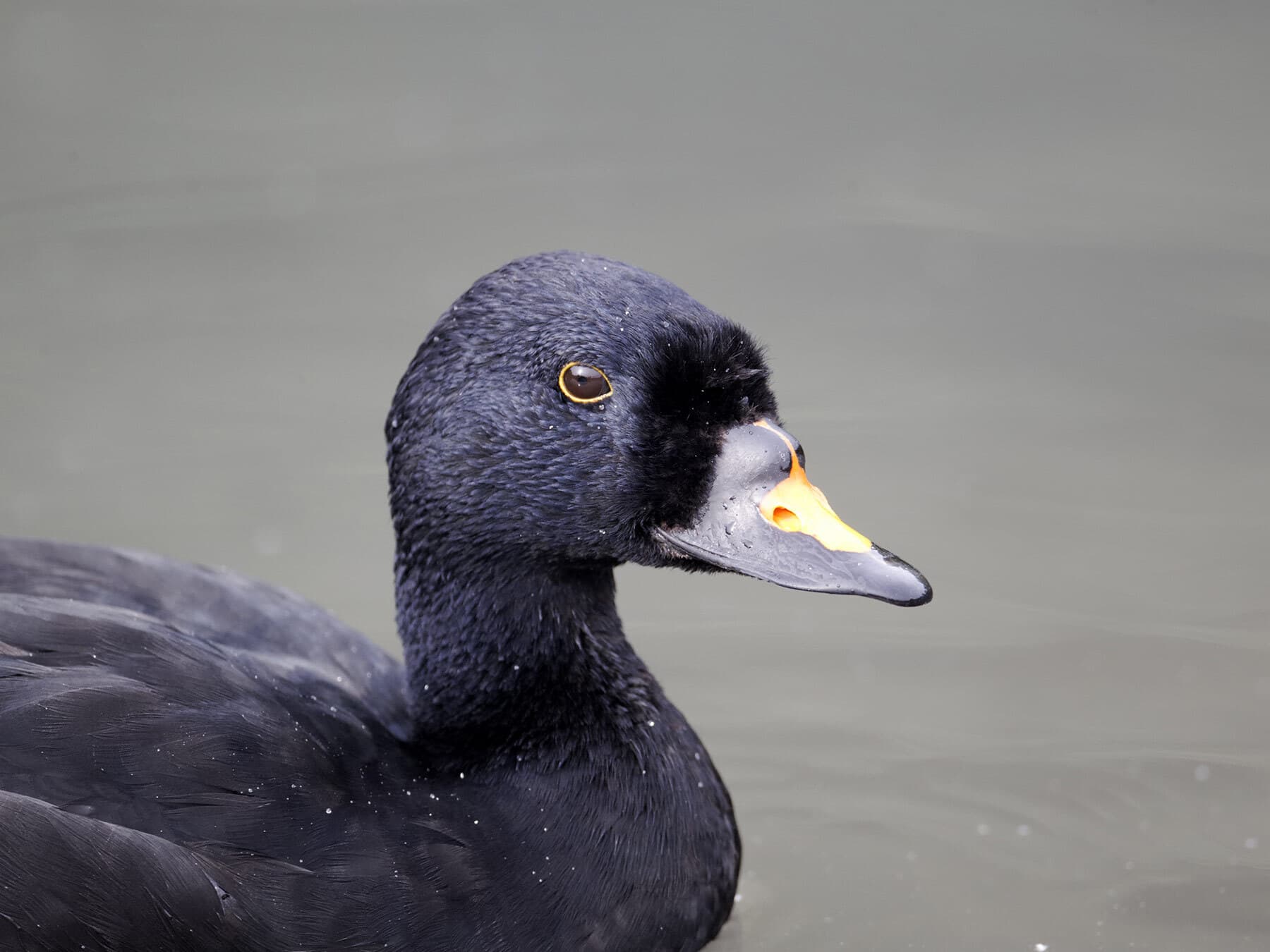
Common Scoter
Melanitta nigraLC
Uncommon but present year-round in offshore waters. Dark flocks can be seen from coastal vantage points, sometimes in sizeable rafts during winter.
Dec–Feb
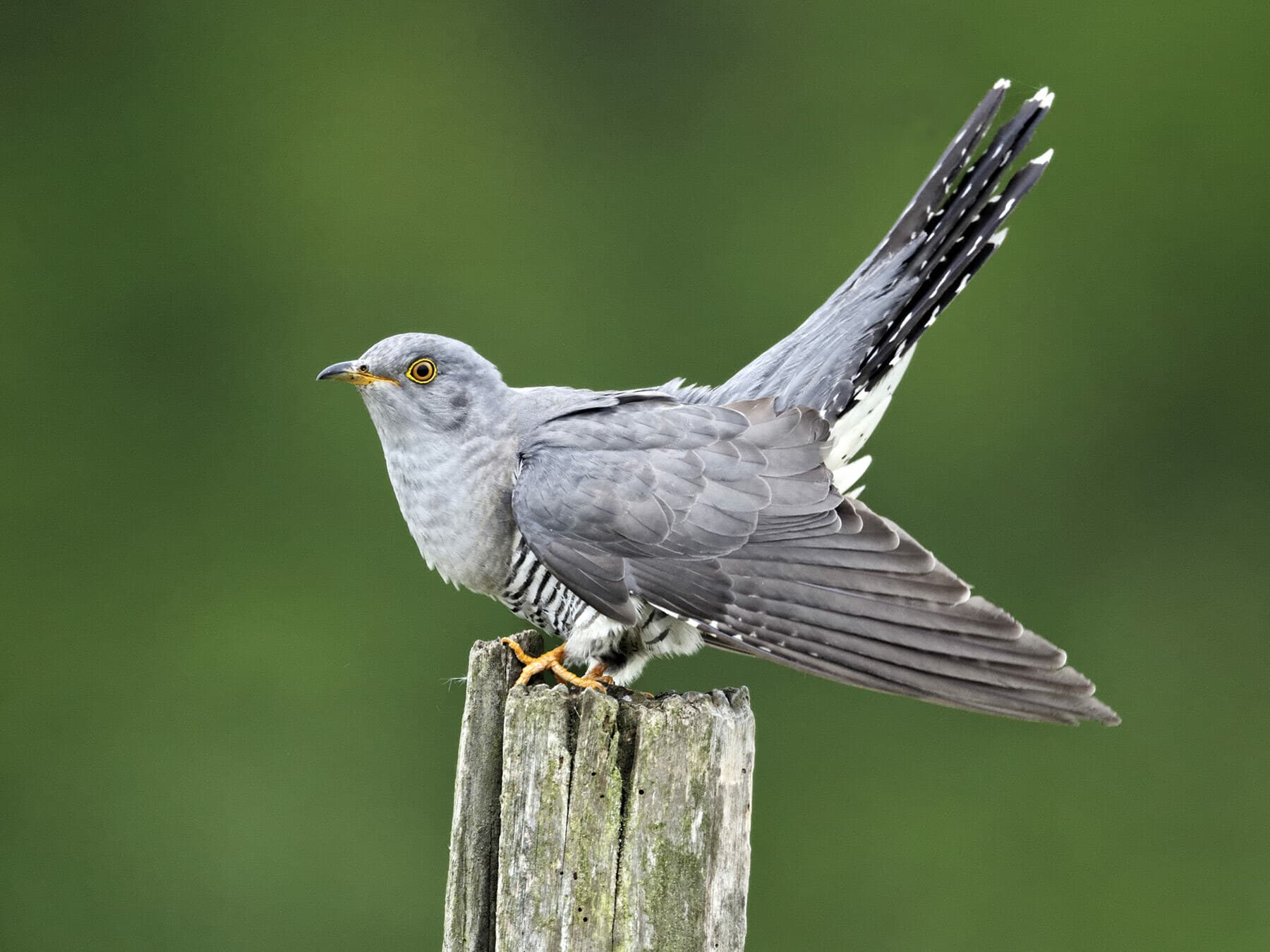
Cuckoo
Cuculus canorusLC
A rare and declining summer visitor from April to August. Favours moorland edges and scrubby habitats where Meadow Pipits host its eggs.
Apr–Aug
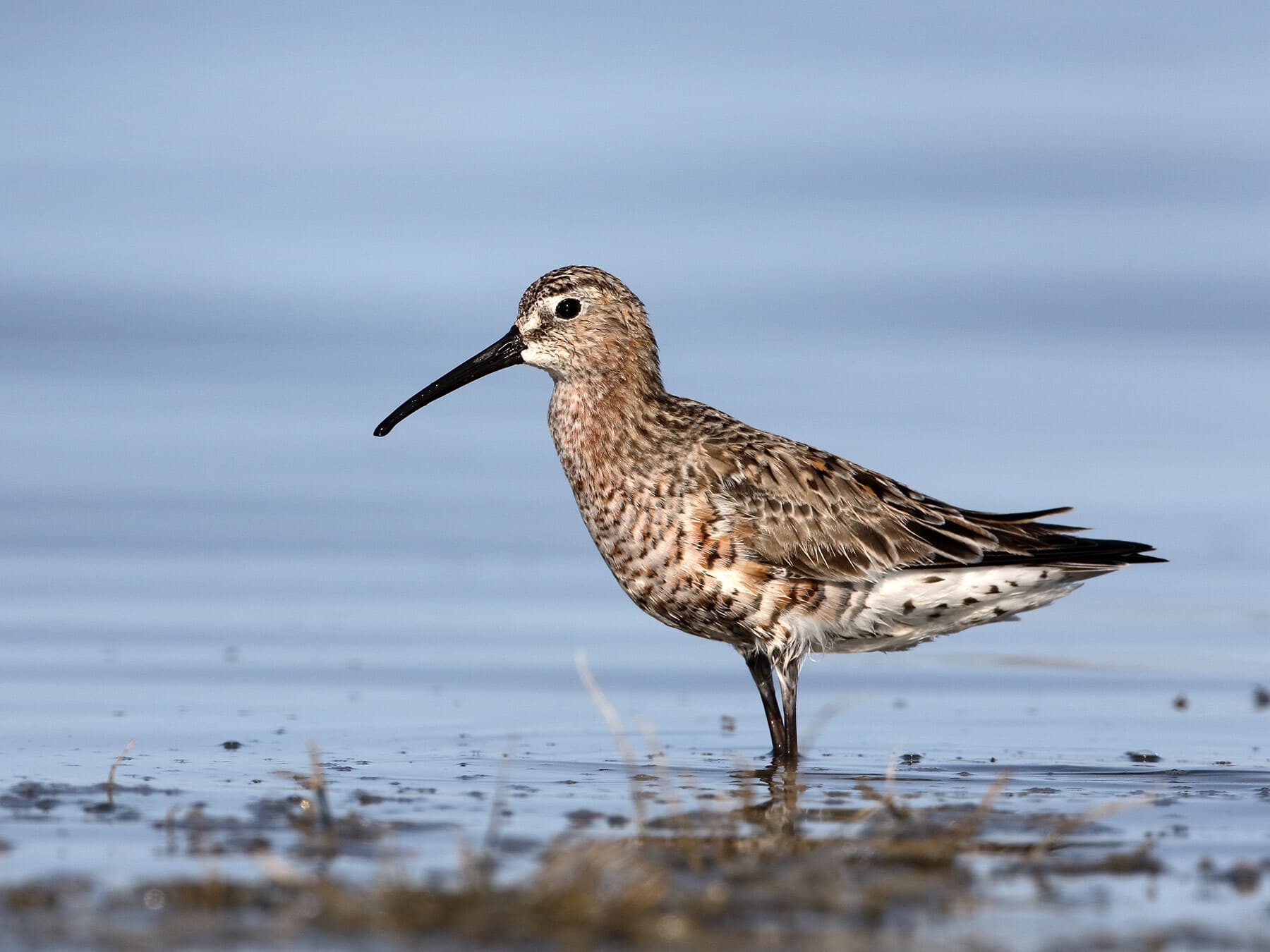
Curlew Sandpiper
Calidris ferrugineaNT
A rare visitor to coastal pools and estuarine edges, mainly between July and October during southward passage.
May–Oct
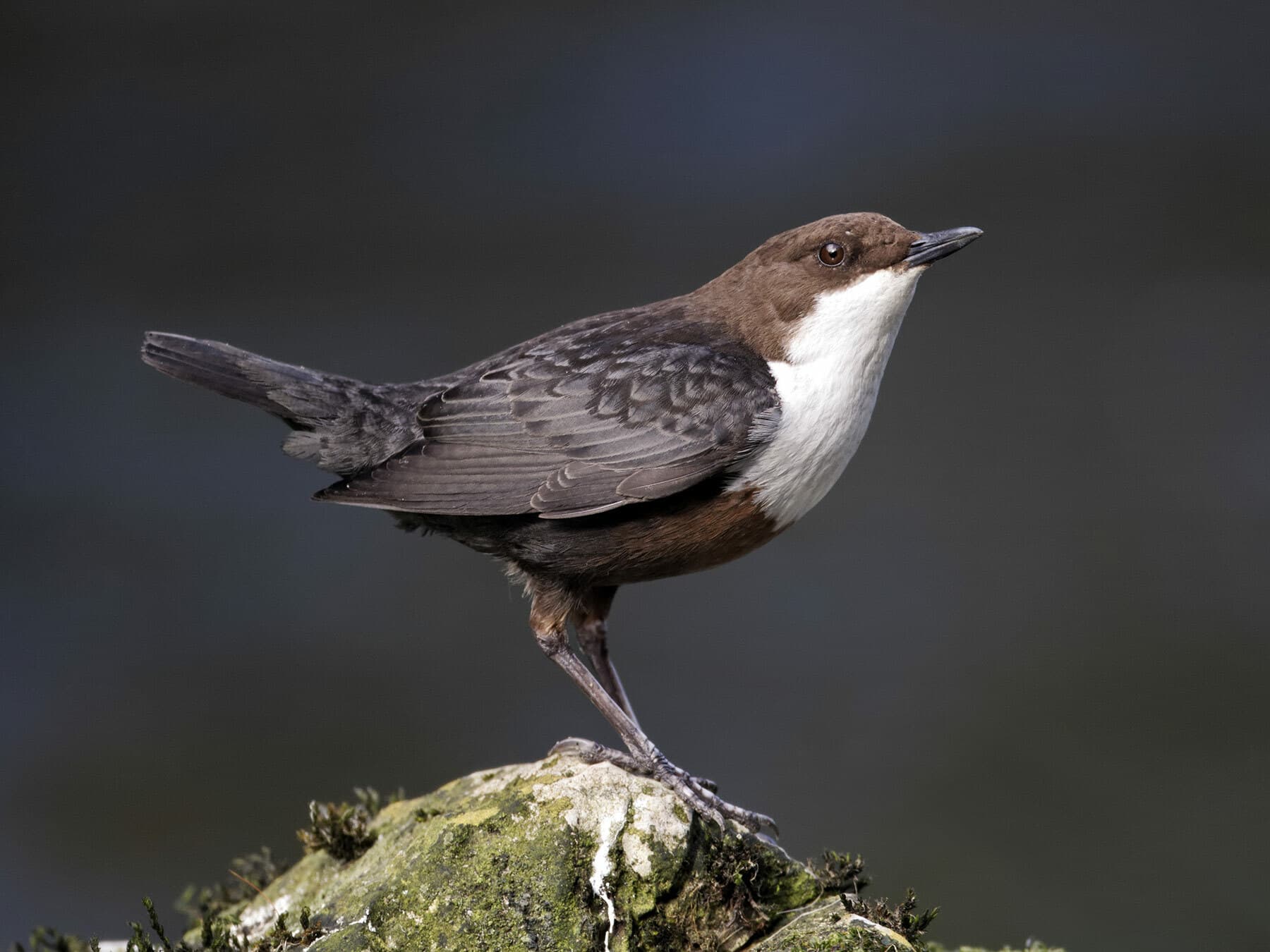
Dipper
Cinclus cinclusLC
A scarce but charismatic resident of fast-flowing upland streams and rivers, bobbing on rocks in the Cheviots and North Pennine valleys.
Year-round
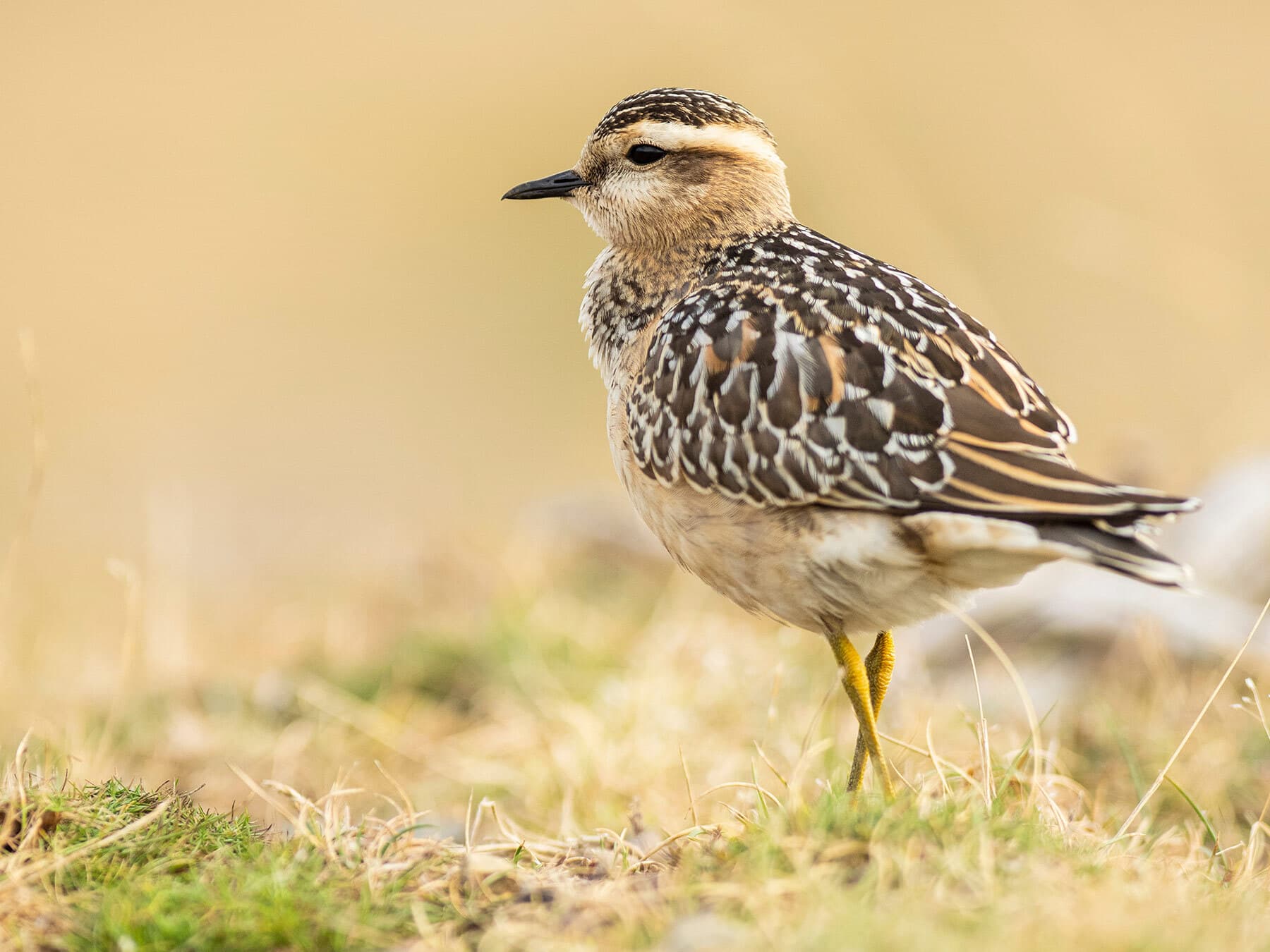
Dotterel
Eudromias morinellusLC
A rare and elusive passage migrant, occasionally stopping on Cheviot hilltops in May. Known as the 'trip bird' for its confiding nature.
May
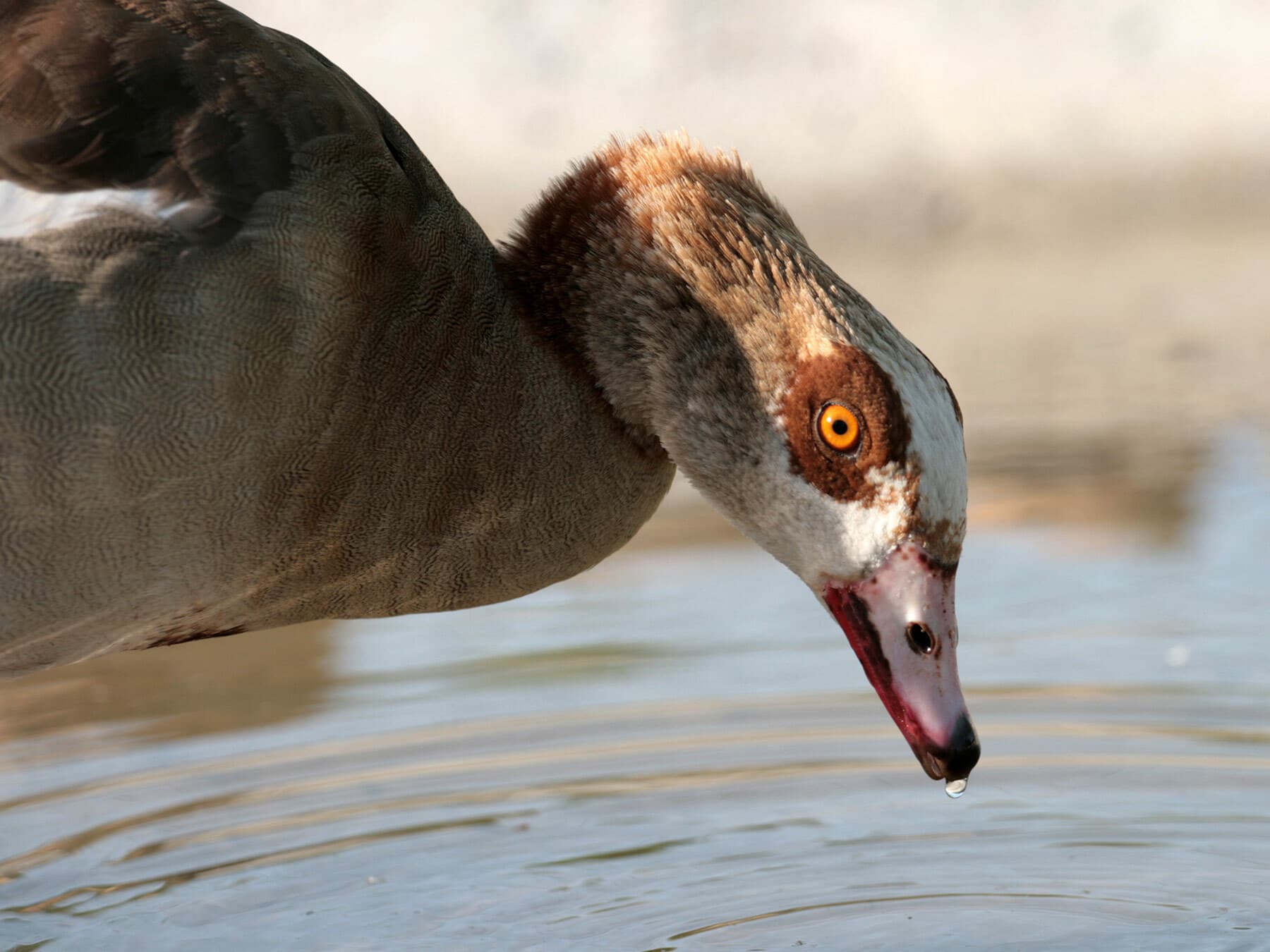
Egyptian Goose
Alopochen aegyptiacaLC
A rare passage visitor with occasional sightings in April and November. This introduced species remains scarce this far north.
Nov–Apr