
Dotterel
Eurasian Dotterel · Eudromias morinellus
By the Birdfact teamChecked by Nathan Cope
On this page13 sections
How to recognise it
What do dotterels look like?
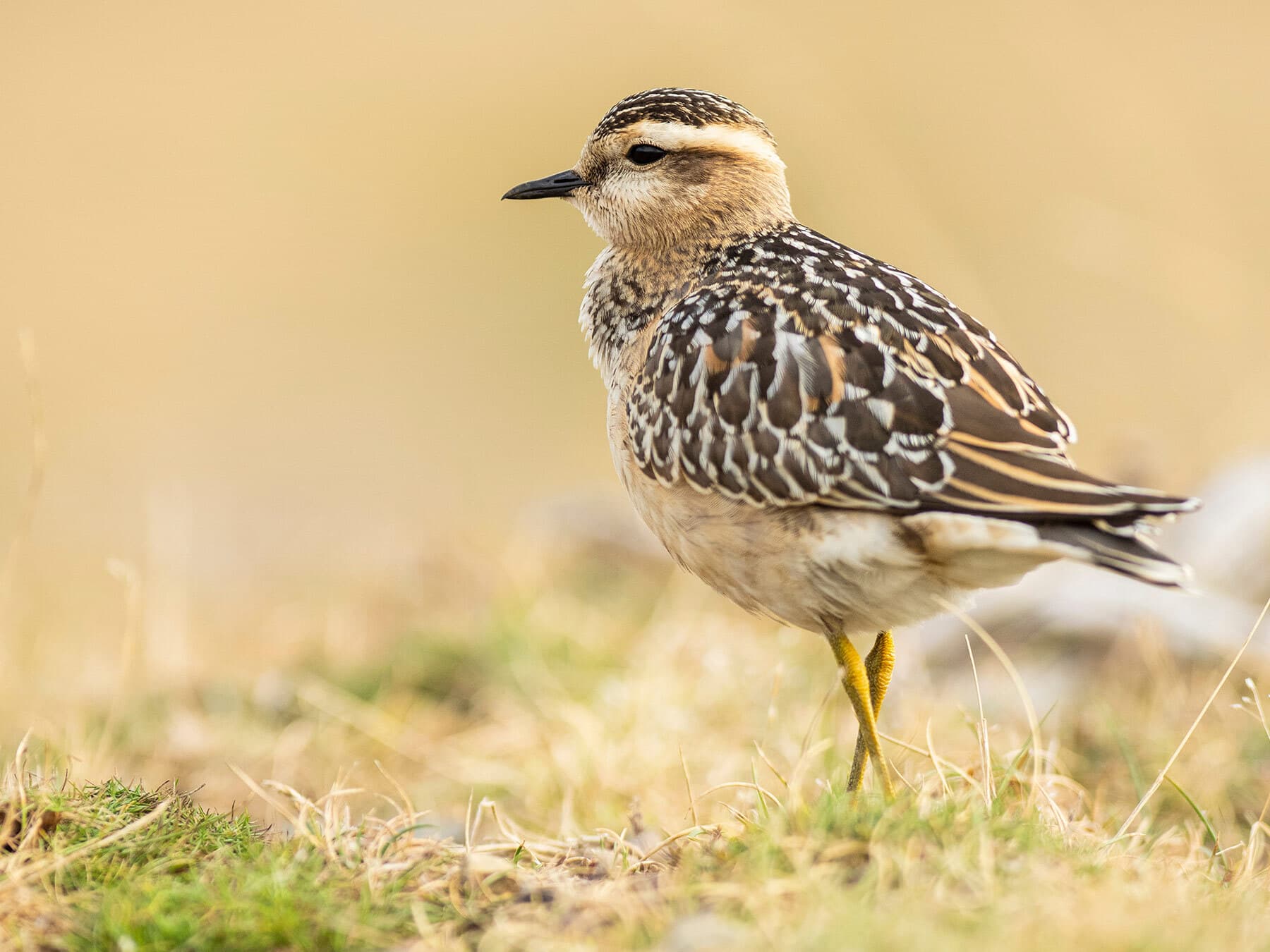
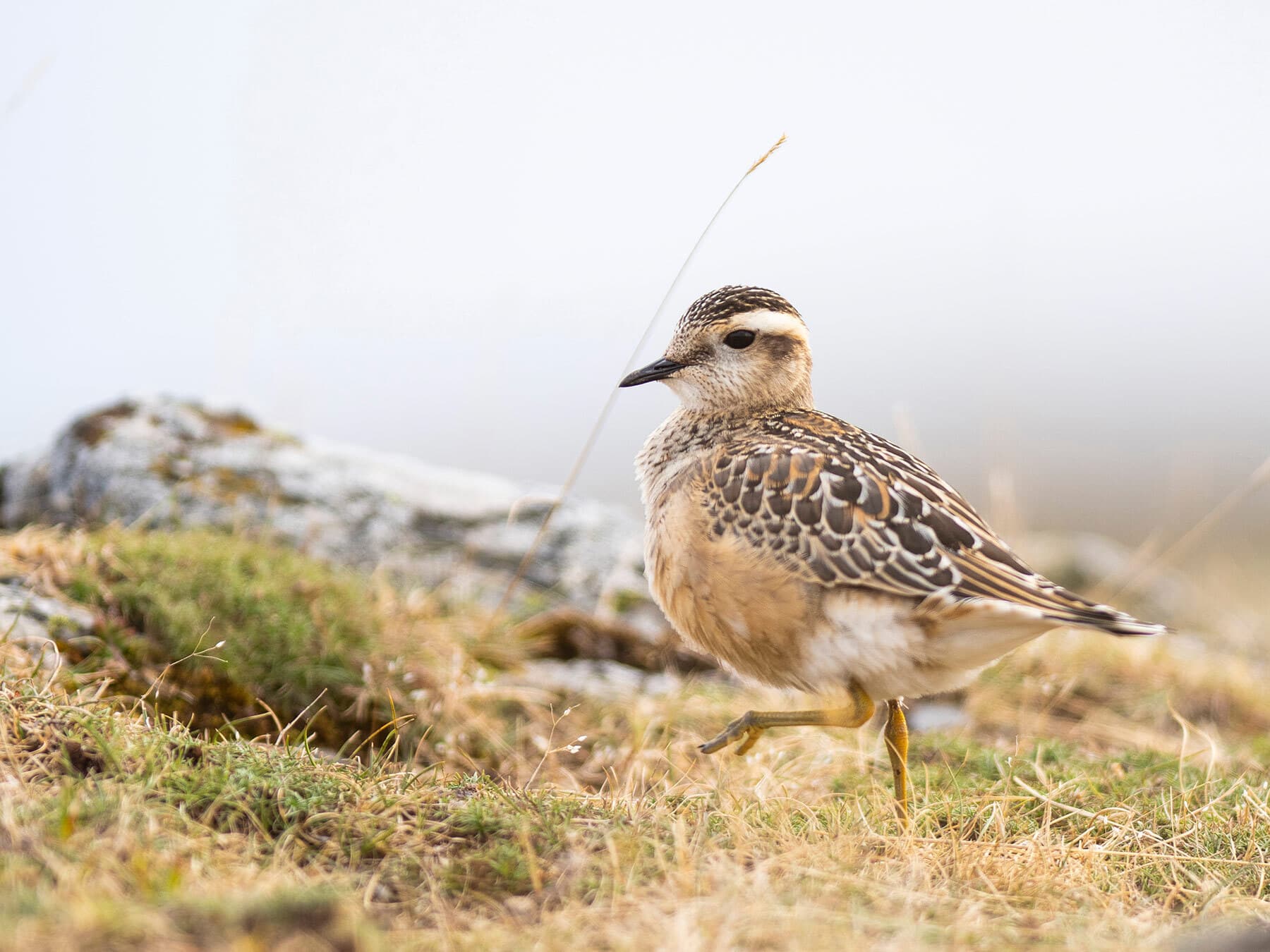
Dotterels are unusual among bird species as females have a distinctly more colourful plumage than males. The colouration of both sexes changes from summer to winter, when it becomes harder to distinguish between males and females. Males and females both have a slim dark bill, brown eyes, and yellow legs.
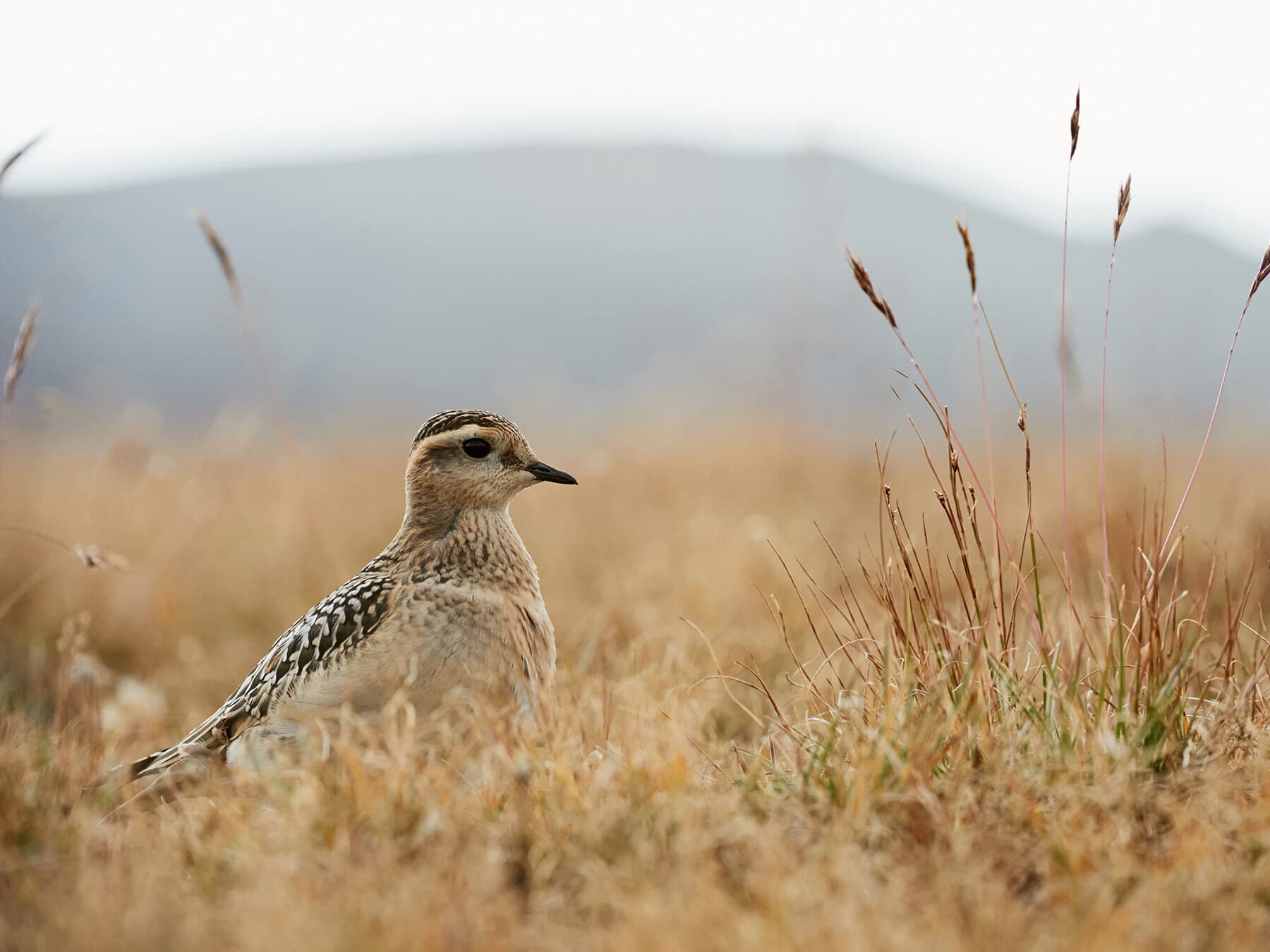
Breeding males have buff-brown upperparts, separated from a chestnut belly with a white band across the chest. They have a dark cap, white feathers around their beak and throat, and a marked white eyestripe. Outside of breeding season, their coloration becomes more muted, and the white is not as bright.
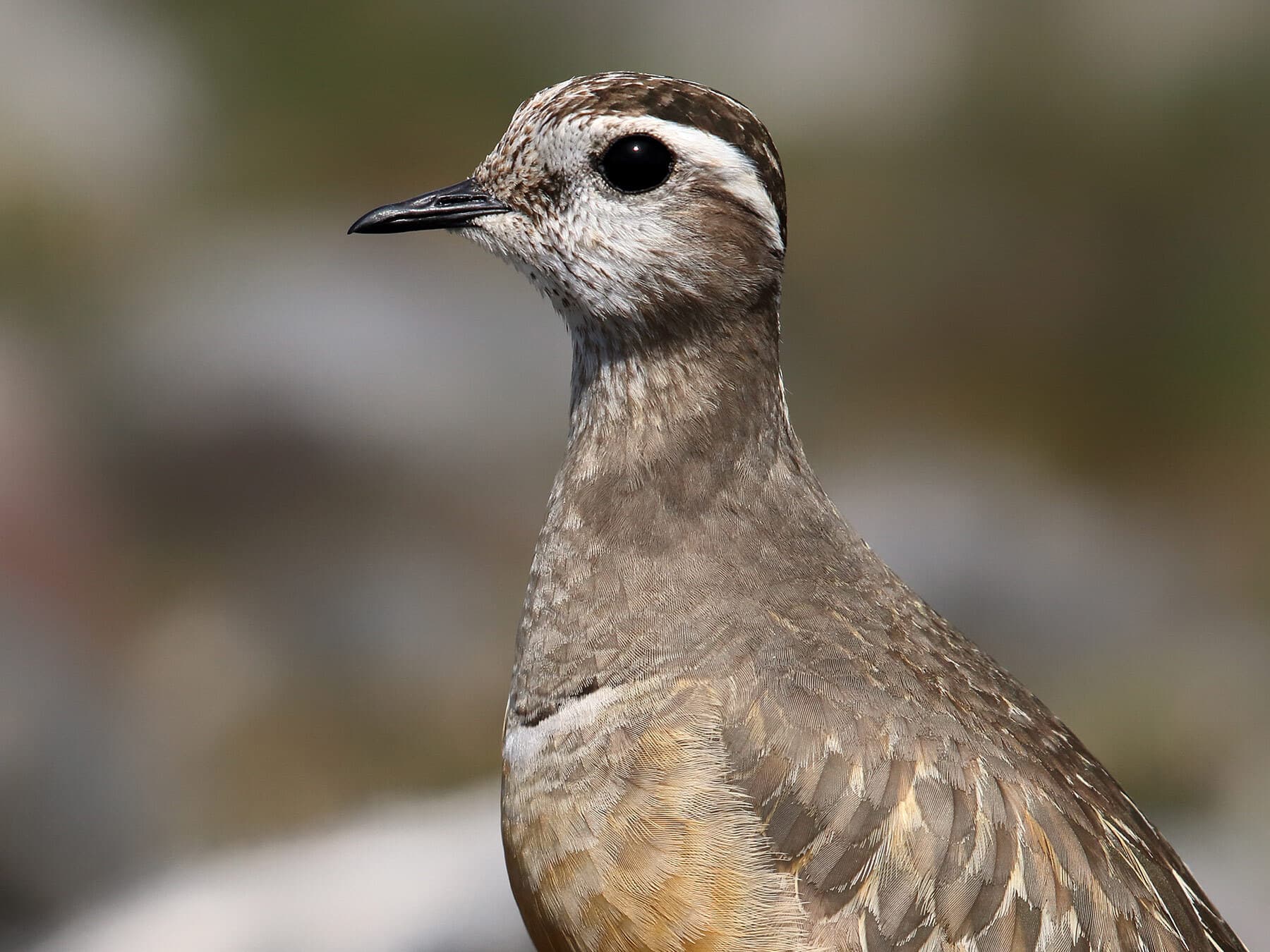
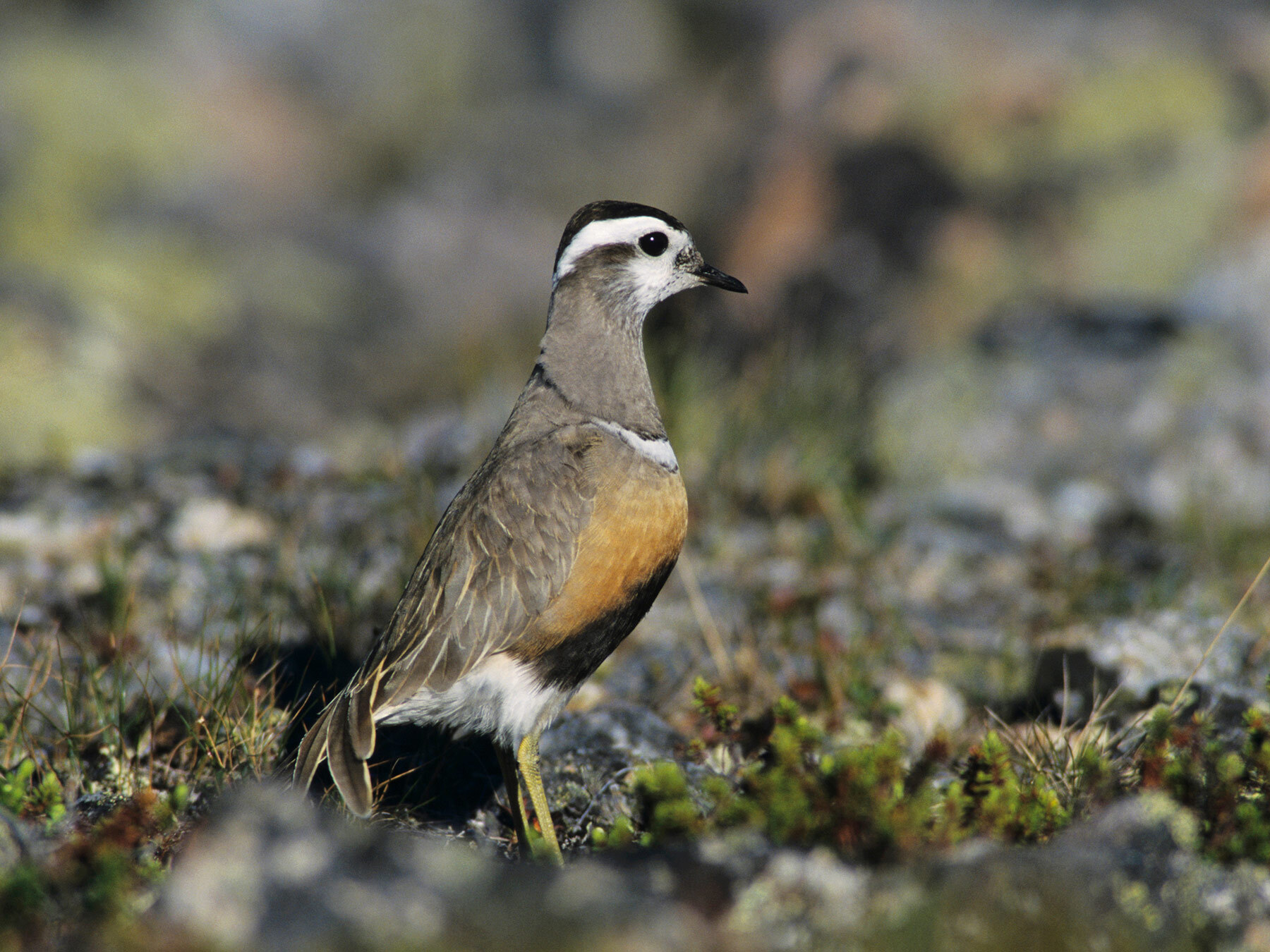
Female dotterels have more vibrant colouring than males. Their heads and upperparts are a rich shade of grey, rather than brown, and all of their markings are brighter and deeper than those of males, including the thick white eyestripe.
They have a deep black crown and narrow band of black at the base of their belly. Non-breeding females’ plumage lacks the bright chestnut colouring seen in spring and summer, and their appearance becomes generally less striking.
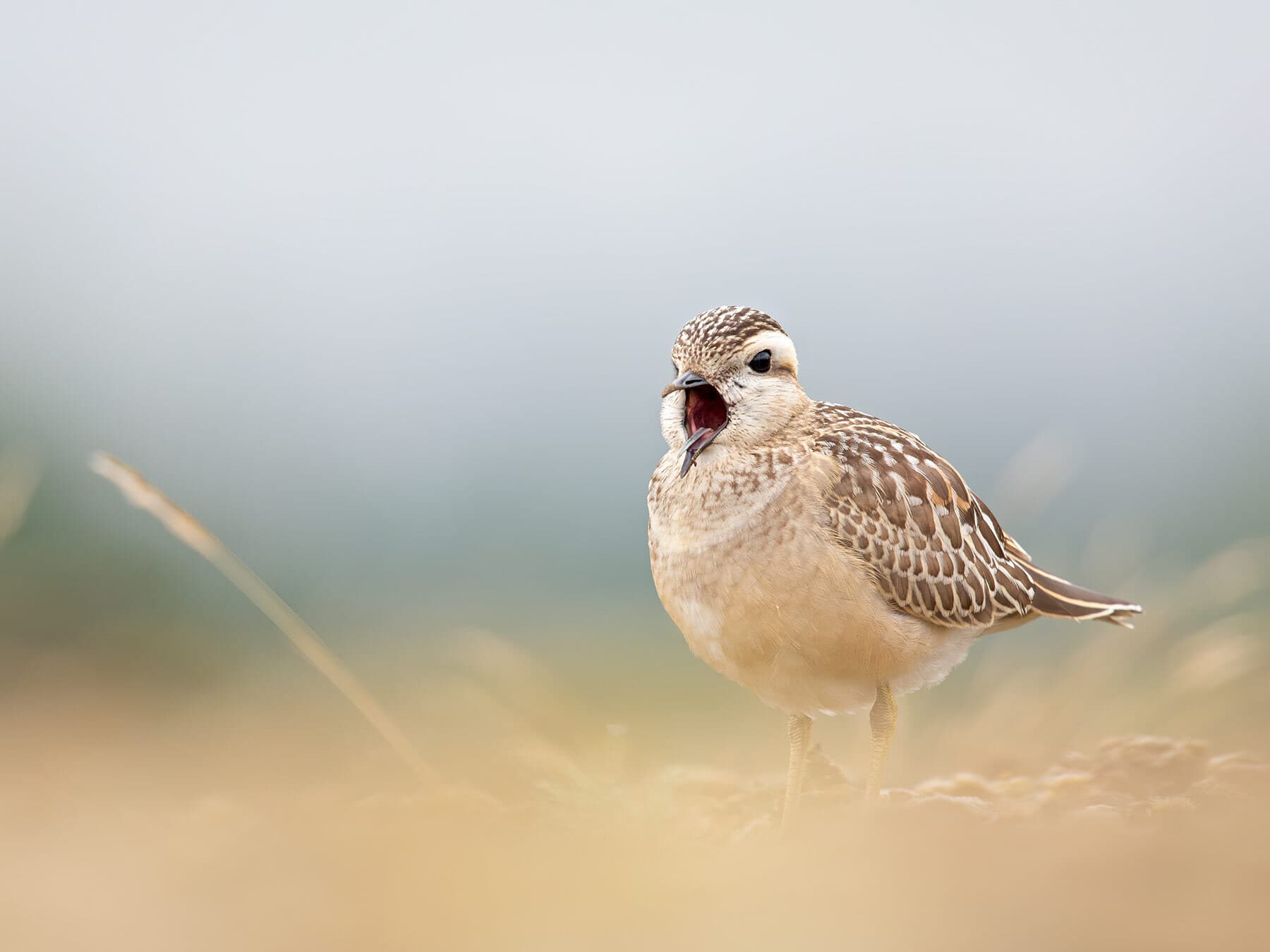
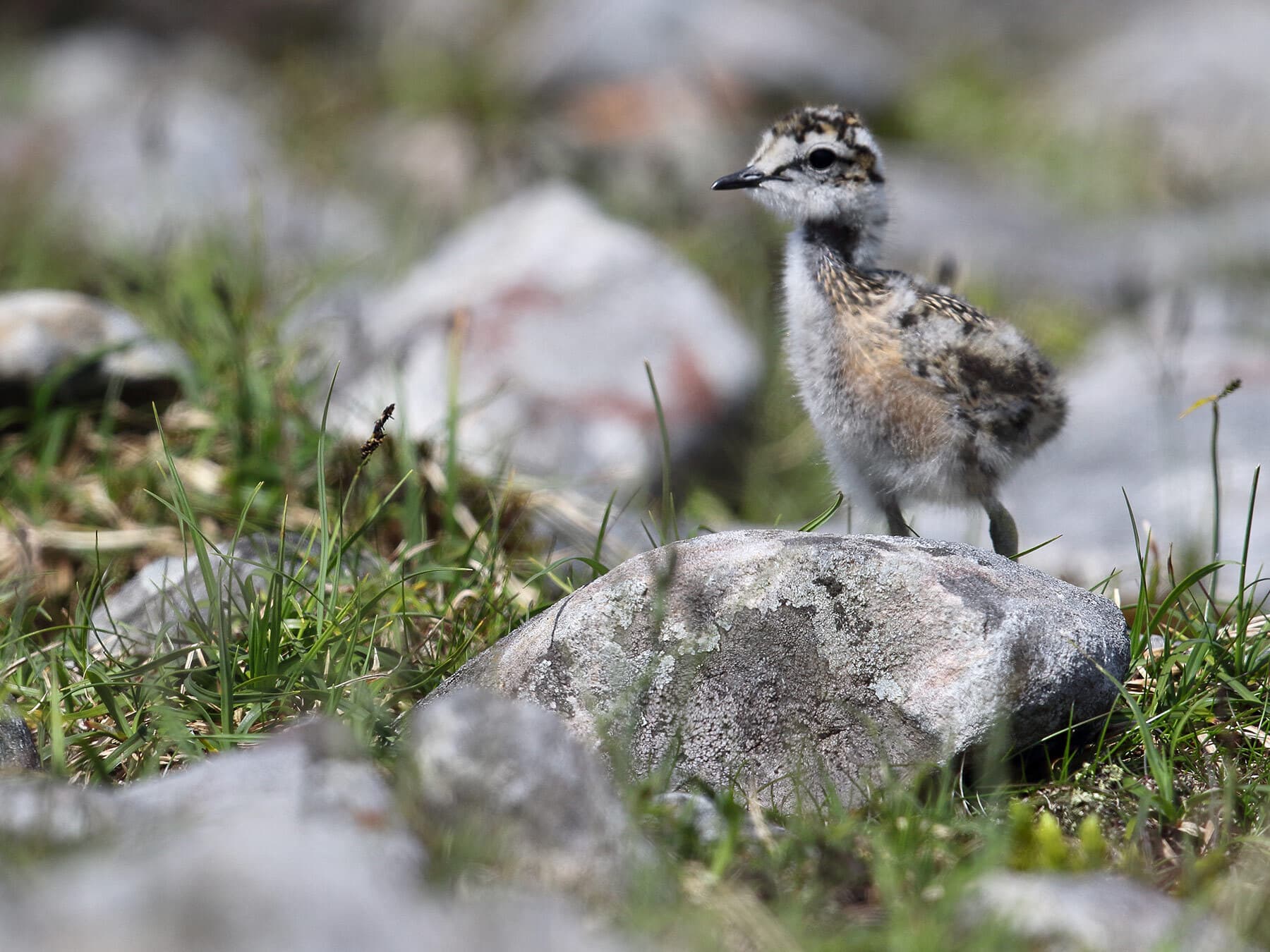
Hatchlings weigh around 11 g (0.4 oz) and quickly develop a blotchy plumage, marked with white, buff and black patches. As they near maturity, young dotterels have slightly darker, richer colouring than non-breeding adults, with more contrast between greyish upperparts and buff underparts, and the fringes of their wings and tail may appear streaked with darker feathers.
How big are dotterels?
Dotterels are medium-sized wading birds, smaller than lapwings and oystercatchers, and similar in size to sandpipers, sanderlings and turnstones.
- Length: 20-22 cm (7.9-8.7 in)
- Wingspan: 57-64 cm (22.4-25.1 in)
- Weight: 90-145 g (3.2-5.1 oz)
Its size
Adults- Length
- 20–22 cm
- Wingspan
- 57–64 cm
- Weight
- 90–150 g
Its song and calls
What sound does a dotterel make?
Dotterels are not known to be particularly vocal birds, especially in winter months. In summer, they can occasionally be heard making a soft, trilling ‘skeer’ call on take-off.
When and where to see it
OctoberLeaving
Most recorded in October
- 1. Louth0.11%
- 2. Cornwallunder 0.1%
- 3. Cambridgeshireunder 0.1%
- 4. Galwayunder 0.1%
- 5. Shetland Islandsunder 0.1%
Each dot is a county, state or province: the bigger and darker, the larger the bird’s share of that place’s bird records that month. Grey dots: no regular records. The ringed point is the centre of the bird’s records this month; the arrow shows how it moved since last month, and the dashed loop its path through the year. “Arrivals” colours places where it becomes regular this month (orange) or is in its last regular month (grey). GBIF eBird Observation Dataset, 2019–2024. Map data: Natural Earth, US Census Bureau; place centres © OpenStreetMap contributors.
In your area
See when the Dotterel is recorded in your county, state or province.
How often the Dotterel turns up in the UK and Ireland through the year, from birdwatchers' records.
United Kingdom
Passage migrant · regularly Apr–Oct · most records in May
Ireland
Scarce · regularly Oct · most records in October
Show as a table
| Month | United Kingdom | Ireland |
|---|---|---|
| January | <0.001% | – |
| February | <0.001% | – |
| March | <0.001% | – |
| April | 0.004% (regular) | – |
| May | 0.007% (regular) | – |
| June | <0.001% | – |
| July | – | – |
| August | 0.003% (regular) | – |
| September | 0.007% (regular) | – |
| October | 0.005% (regular) | 0.006% (regular) |
| November | <0.001% | – |
| December | <0.001% | – |
Recorded regularly in
Worldwide: recorded regularly in 30 countries
Countries where it was recorded in at least 3 of the 6 years 2019–2024. Linked countries have their own bird list.
Data: EOD – eBird Observation Dataset (Cornell Lab of Ornithology), accessed via GBIF.org, CC BY 4.0. Records from 2019–2024, aggregated and filtered by Birdfact. How these lists are made
What is the habitat of a dotterel?
The winter habitat of dotterels is semi-desert, stony steppe lands and ploughed farmlands. In summer, dotterels head for expanses of open uplands, with moss, lichen, short grass, or exposed rocky landscapes. Mountain plateaus and Arctic tundra offer ideal breeding grounds for dotterels, before they return to their wintering territories.
What is the range of a dotterel?
The UK breeding grounds form the westernmost fringe of the dotterel’s range, which extends across Scandinavia into Russia, as far east as Siberia, Mongolia and into China. Wintering populations extend from southern Spain into North Africa and eastwards into western Iran.
Where do dotterels live?
Norway has the highest number of breeding dotterel pairs, with 28,000 recorded (1981 data), 7,500 in Sweden (1984), and 800 in Finland (1986). In winter, dotterel populations migrate south to cultivated farmlands and shrublands of North Africa, particularly Morocco.
How rare are dotterels?
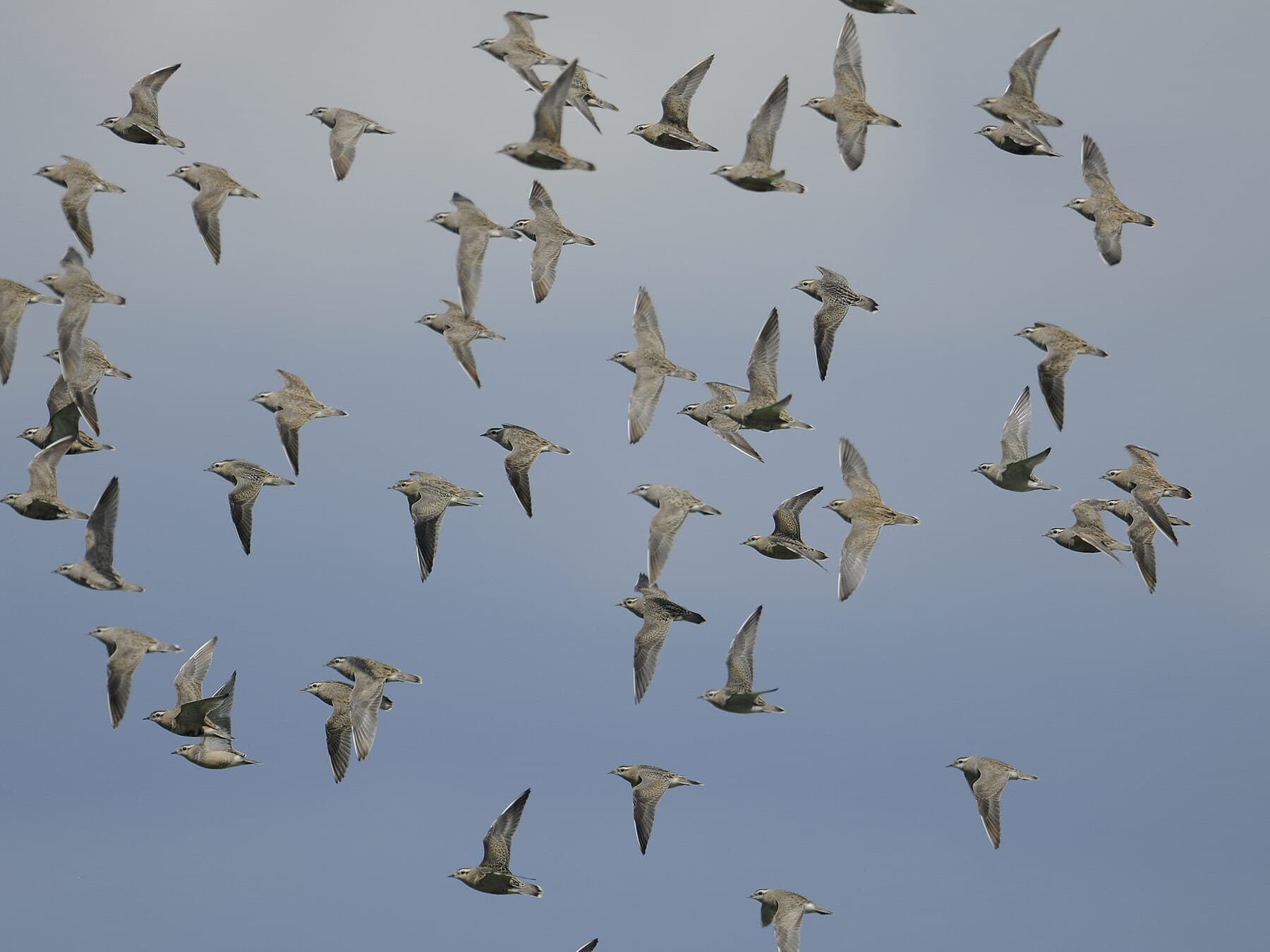
In the UK, dotterel numbers are thought to be in decline, with an estimated 423 breeding males in 2011. Numbers increase temporarily as flocks (known as ‘trips’) of dotterels follow established migration routes along the east coast of England twice a year. Across Europe, populations are healthy, with up to 46,700 breeding males.
Where to see dotterels in the UK?
The best time of year to see dotterels in the UK is between April and October, when birds arrive from their wintering grounds for the breeding season. The UK breeding populations are concentrated in upland plateaus in the Scottish Highlands.
Passage birds may also be spotted on England’s east coast during spring and autumn migrations. Traditional places for dotterel stopovers include lowland farming fields, heathland, and upland moors in Cambridgeshire, Yorkshire, and Lancashire.
Migration
Do dotterels migrate?
Most Dotterels from across Europe head south to spend winter months in North Africa and in the Middle East, especially in Iran, although some will only migrate as far south as southern Spain. Many dotterels ringed in Britain during their summer breeding season have been tracked to Morocco once their winter migration journey is complete.
Most dotterels depart from their winter quarters in late February-March. Females tend to depart between 2 and 4 weeks ahead of males and juvenile birds, and will also return to wintering grounds first when the time comes later in the year.
Dotterel migration is particularly unusual in that birds may continue to migrate between spring breeding grounds, with individual birds recorded breeding in Scotland, before moving on to Norway where a further brood is raised.
Tips for seeing it
- Look for Dotterels in high mountain plateaus or Arctic tundra during breeding season
- Search for them in coastal areas or lowland fields during migration
- Observe their distinctive bobbing motion when foraging
- Listen for their soft, trilling call
- In the UK, visit the Scottish highlands in spring and early summer for the best chances of sighting
What it eats
What do dotterels eat?
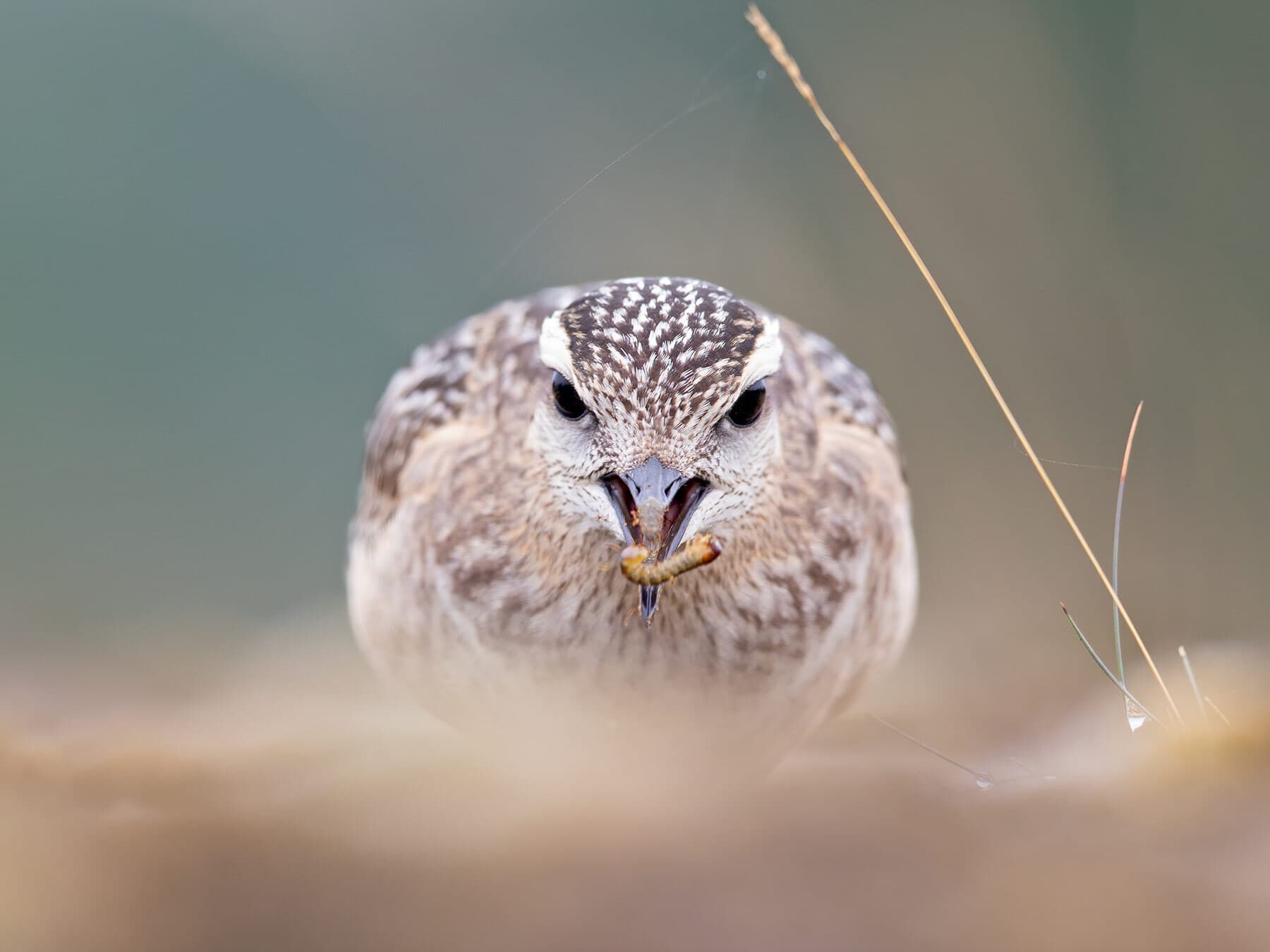
Dotterels forage on heathlands, farmlands, and marshlands for insects (particularly beetles), spiders, larvae, worms and sometimes shellfish. Occasionally, they supplement their diet with leaves and berries. In Scotland, sawflies form a major component of a dotterel’s diet.
What do baby dotterels eat?
Dotterel chicks are fed the same diet as adults, although in the early days they eat fewer beetles and more larvae and worms.
Nesting and breeding
Where do dotterels nest?
Dotterels nest on shallow scrapes on the ground, roughly lined with leaves, moss, lichen and grass.
What do dotterel eggs look like?
Between two and four eggs, usually three, are laid in the ground scrape nest between May and July. Eggs are a buff, yellow, or greenish shade, and streaked with blackish brown streaky markings. The average dotterel’s egg measures 44·1 × 28·9 mm (1.7 x 1.1 in) and takes between 21 and 29 days to hatch, incubated by the male.
Do dotterels mate for life?
Dotterels do not mate for life, or even for an entire breeding season. Females mate, lay their eggs (which are then incubated and in turn chicks raised by the father), and then move on in search of a new mate.
Behaviour
Are dotterels aggressive?
Dotterels are far from aggressive – quite the opposite, in fact. They have a reputation as being friendly and unafraid of humans, which has in the past contributed to their decline as they are notoriously easy to capture.
Lifespan and predators
How long do dotterels live?
If a dotterel survives past the fledgling stage, it can expect to have an average lifespan of around 12 years.
Because dotterel nest sites are built in such open, exposed settings, fledgling success is not guaranteed, and extreme weather and predation can cause nests to fail or premature death of hatchlings.
What are the predators of dotterels?
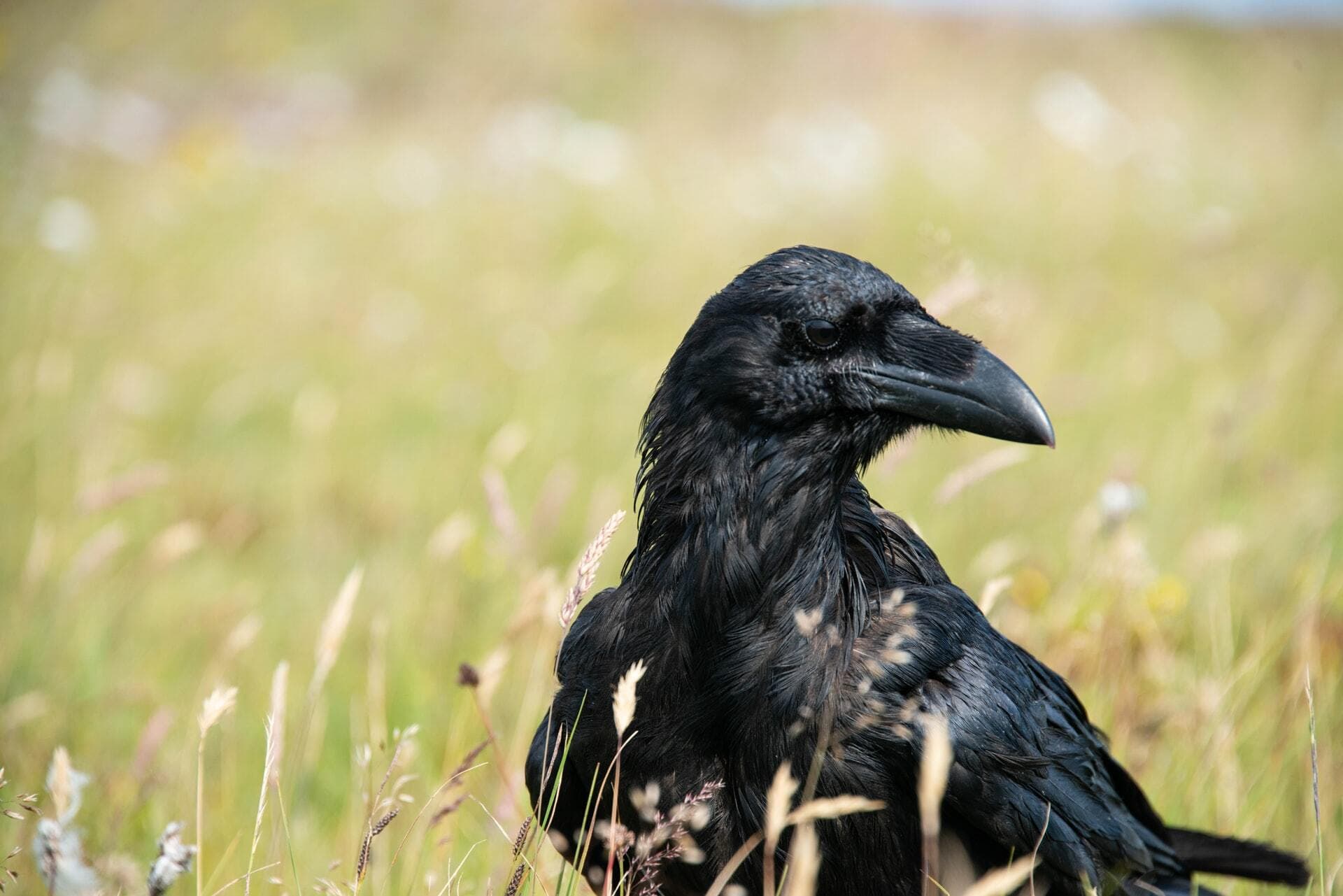
Ravens and weasels are among the chief predators of dotterels, and foxes also disturb nest sites and take chicks and eggs.
Are dotterels protected?
In the UK, breeding territories of dotterel are safeguarded under Schedule 1 of the Wildlife and Countryside Act, which makes it a criminal offence to disturb them at or near to their nest sites.
Are dotterels endangered?
Dotterels are recorded as a species of least concern across Europe. However, their numbers are said to be in decline in the UK, from a peak of 1,000 males in the 1980s to an estimated 423 in 2011, a decline of 57 percent.
One theory for the decline in numbers is that habitat shared with a growing number of grazing sheep has threatened the breeding territories of the ground-nesting dotterels and forced them to settle elsewhere.
Also, the quality of soils, increasingly exposed to acidification from industry and pollution is another suggestion for the lack of safe, suitable breeding habitats in the UK.
Conservation
While currently listed as Least Concern, Dotterel populations are declining in some areas due to habitat loss and climate change. Conservation efforts focus on protecting breeding grounds in mountain and tundra habitats.
In the UK, the species is of conservation concern and is closely monitored.
More photos
2 photos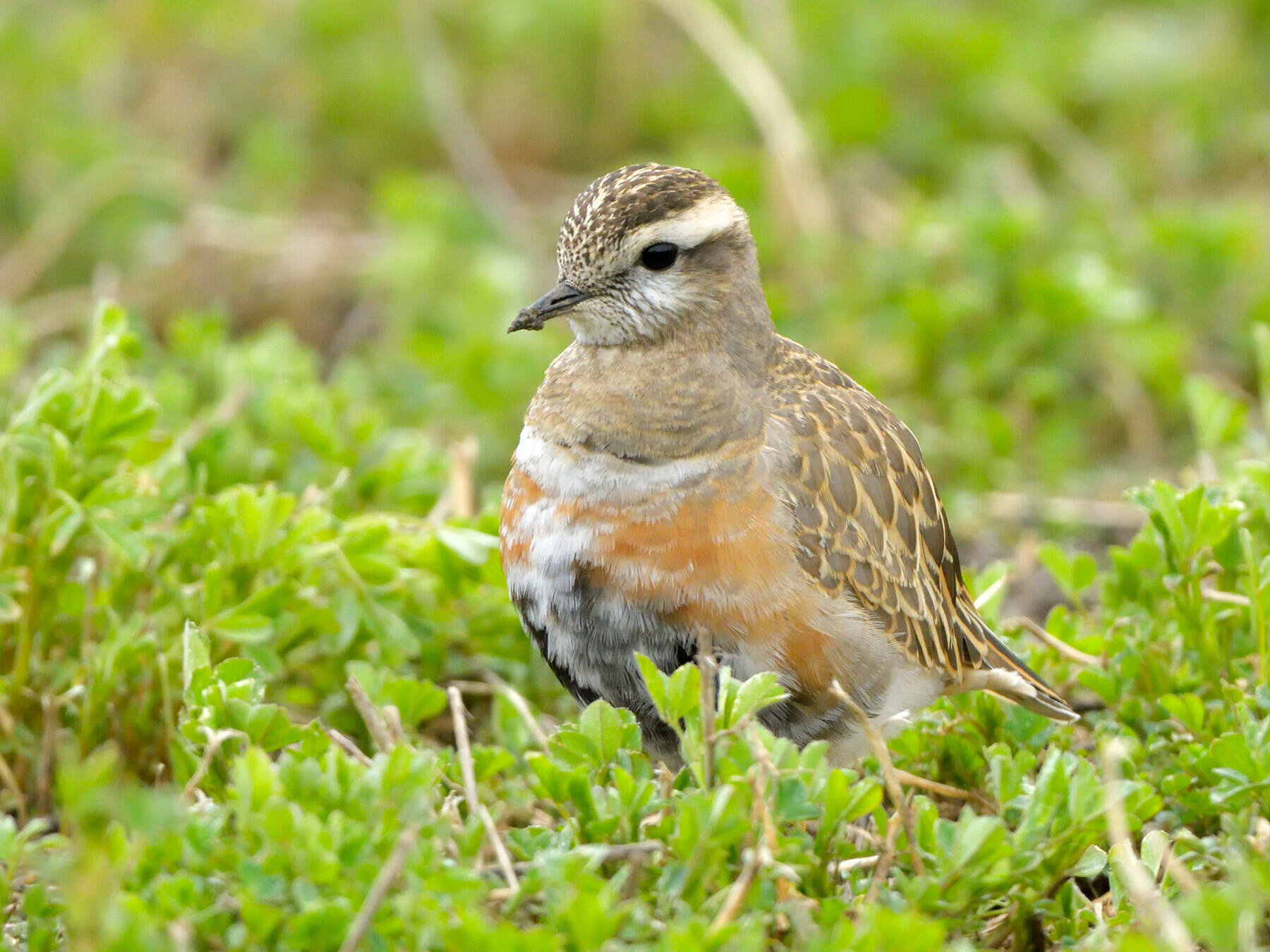
Quick facts
- Length
- 20–22 cm
- Wingspan
- 57–64 cm
- Weight
- 90–150 g
- Lifespan
- 5–9 years
- Family
- Plovers & Lapwings
- Migration
- Long-distance Migrant
- Global status (IUCN)
- Least Concern
- World population
- 50,000 - 220,000 individuals
- Population trend
- Decreasing
- Also called
- Eurasian Dotterel
- Scientific name
- Eudromias morinellus
Questions
4How did the dotterel get its name?
The dotterel’s name has interesting origins, relating to the bird’s reputation as being too trusting and unafraid when approached by humans and predators. The name was first recorded in use for the species in the 1440s, when the same word was also used to refer to a simple person, similar to the word ‘dote’.
The scientific name for dotterels, Charadrius morinellus, has roots in Ancient Greek, with Charadrius meaning ‘bird found in river valleys’ and ‘morinellus’ from ‘moros’ meaning foolish.
What type of creature is a dotterel?
A dotterel is a wading bird, in the same family as plovers.
Do dotterels fly?
Dotterels do fly and are capable of long migration flights between breeding and wintering grounds, crossing thousands of miles in late summer and early spring.
How many dotterels are in the wild?
The total breeding population of dotterels across Europe is estimated at 36,500 pairs. Of these, between 510 and 750 breeding males were in Britain, according to 1999 data. 2011 figures showed a slight decline, to an estimated 423 breeding males, found mainly on plateaus in the mountainous Scottish highlands.
Sources
3- 1BirdLife International. 2016. Eudromias morinellus. The IUCN Red List of Threatened Species 2016: e.T22693906A86574443. Source (opens in a new tab)
- 2Wetlands International (2015)
- 3Wetlands International (2015)

Checked by
Nathan Cope, founder and editor
Nathan founded Birdfact and leads its writers and contributors in the UK, the US and Canada. He has watched and studied birds for more than ten years, and checks every article and species guide before it’s published.