Birds in North Yorkshire
Explore 218 species found in this region.
North Yorkshire is one of England's largest and most diverse counties for birdwatching, with 217 recorded species across its sweeping moorlands, rugged coastline, river valleys, and expansive wetlands. From the upland heaths of the North York Moors, where Hen Harriers and European Honey-buzzards breed, to the coastal reserves and lowland lakes that attract wintering Goldeneye and Great White Egrets, the county offers exceptional birding year-round. Scarcer visitors such as Cetti's Warbler and Long-tailed Jaeger add further excitement for keen observers.
Visiting in September? Look out for Balearic Shearwater and Brambling arriving this month, and Cuckoo and European Storm-petrel depart for the season.


Showing 116–138 of 218 species
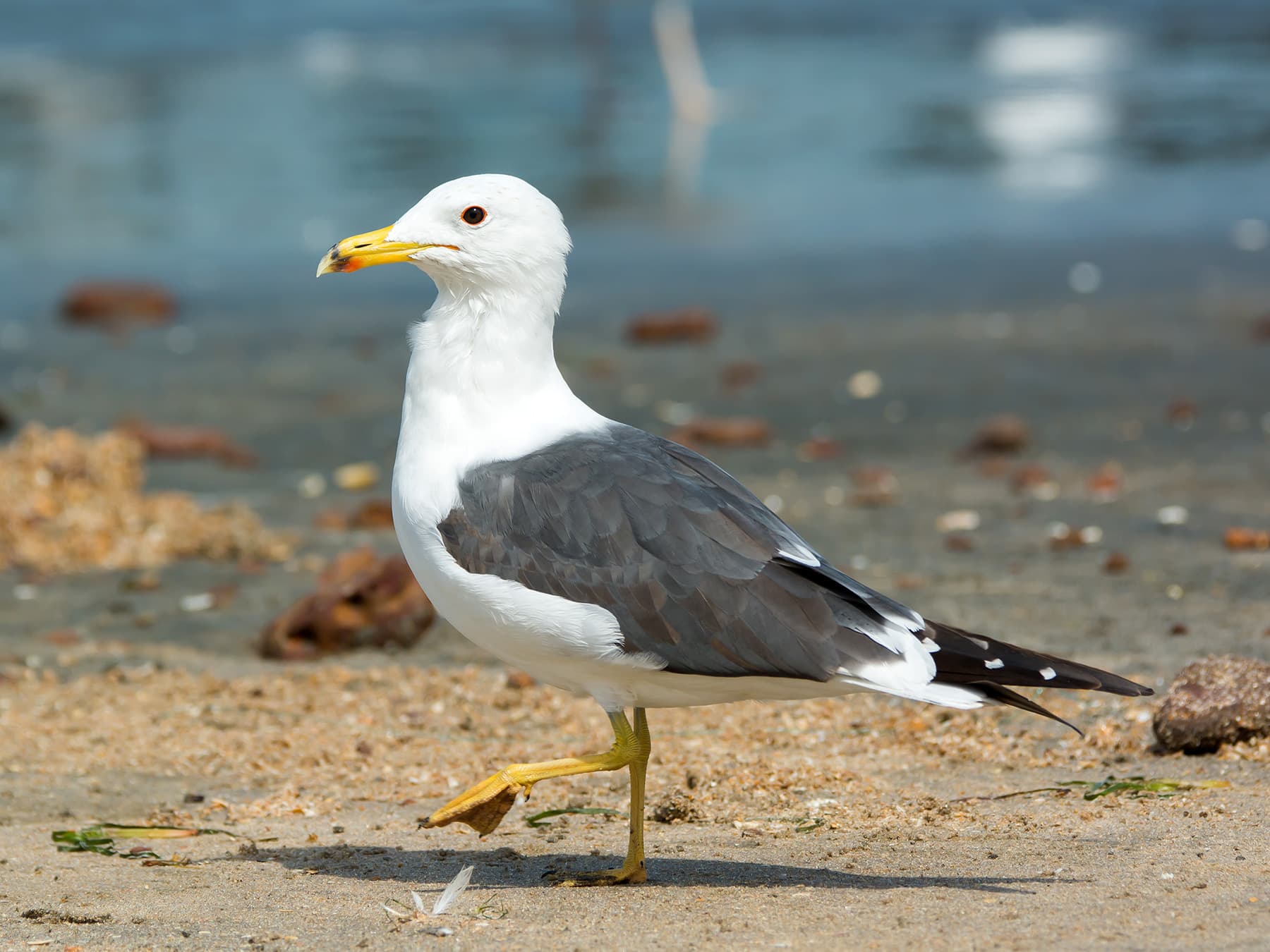
Lesser Black-backed Gull
Larus fuscusLC
An uncommon year-round resident, often seen at reservoirs, tips, and farmland. Smaller and darker-backed than the Herring Gull.
Year-round
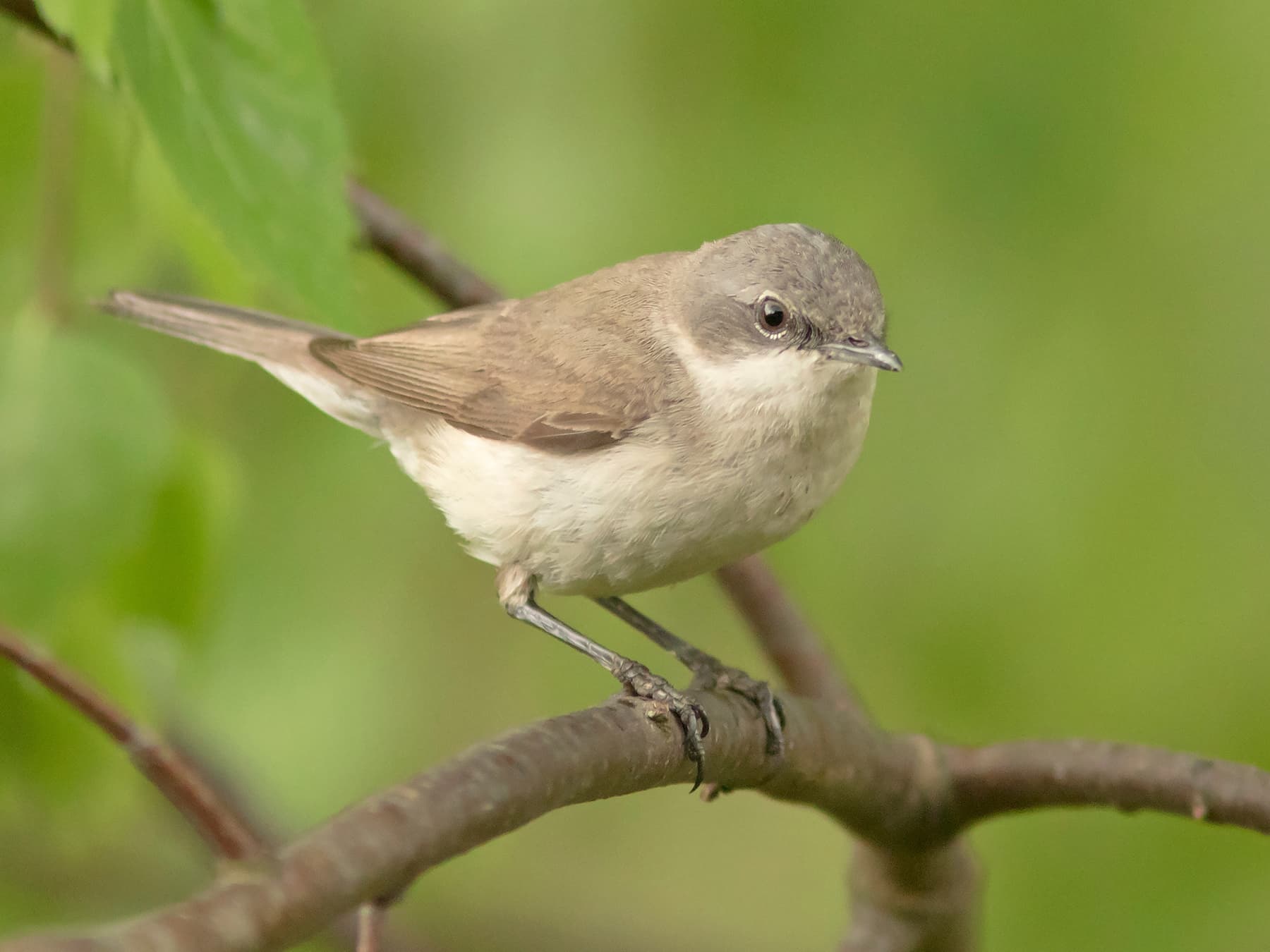
Lesser Whitethroat
Curruca currucaLC
A rare summer breeder favouring tall hedgerows and scrubby thickets, identified by its distinctive rattling song.
Apr–Oct
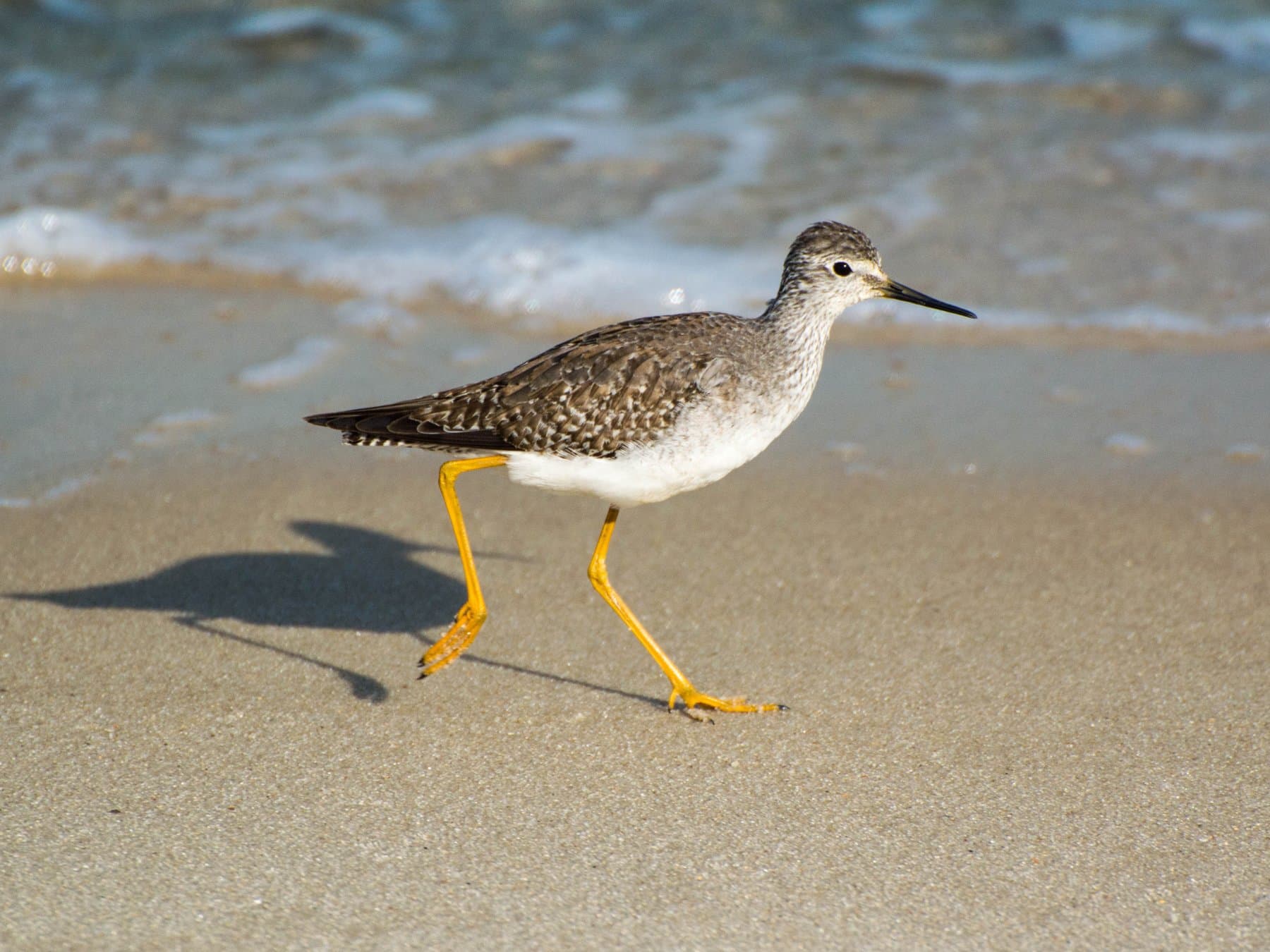
Lesser Yellowlegs
Tringa flavipesVU
A rare Nearctic vagrant occasionally recorded in May. Any sighting at coastal pools or wetlands is a notable event for the county.
May
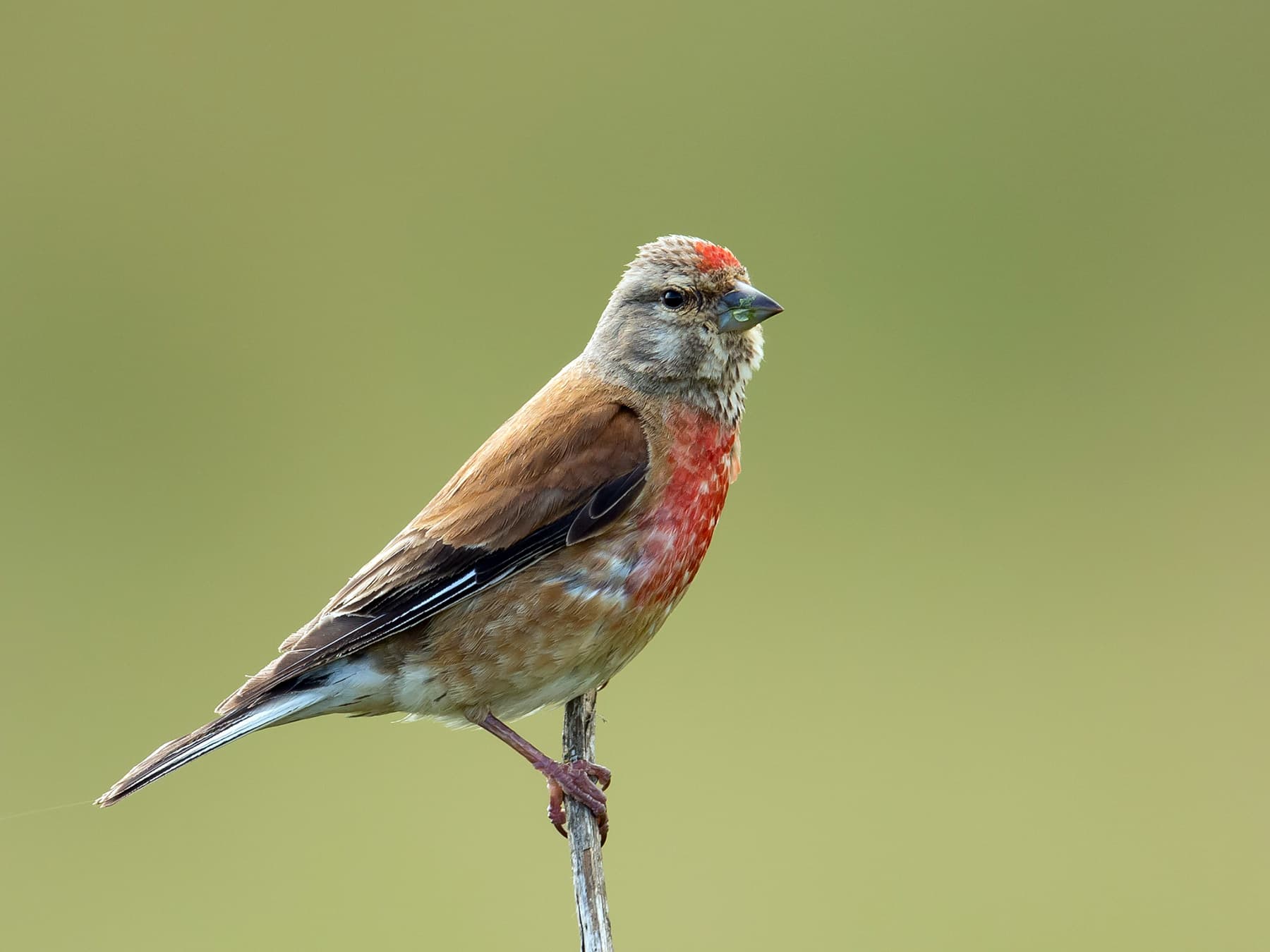
Linnet
Linaria cannabinaLC
A common resident of gorse-covered moorland edges, farmland and rough ground. Forms sociable flocks outside the breeding season across open countryside.
Year-round
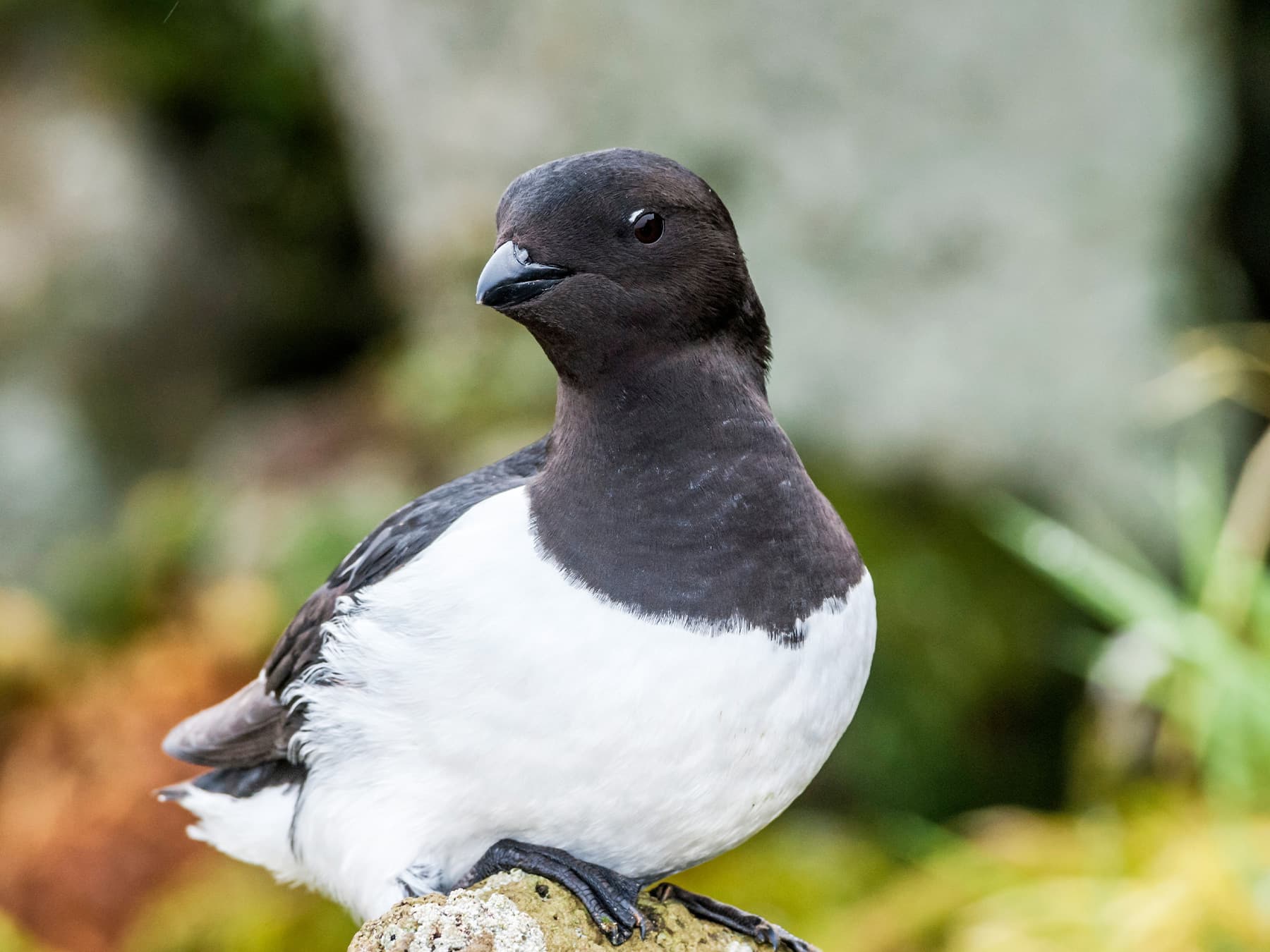
Little Auk
Alle alleLC
A rare late-autumn passage visitor, sometimes driven close inshore by North Sea gales. Occasionally wrecked on beaches after severe storms.
Oct–Dec
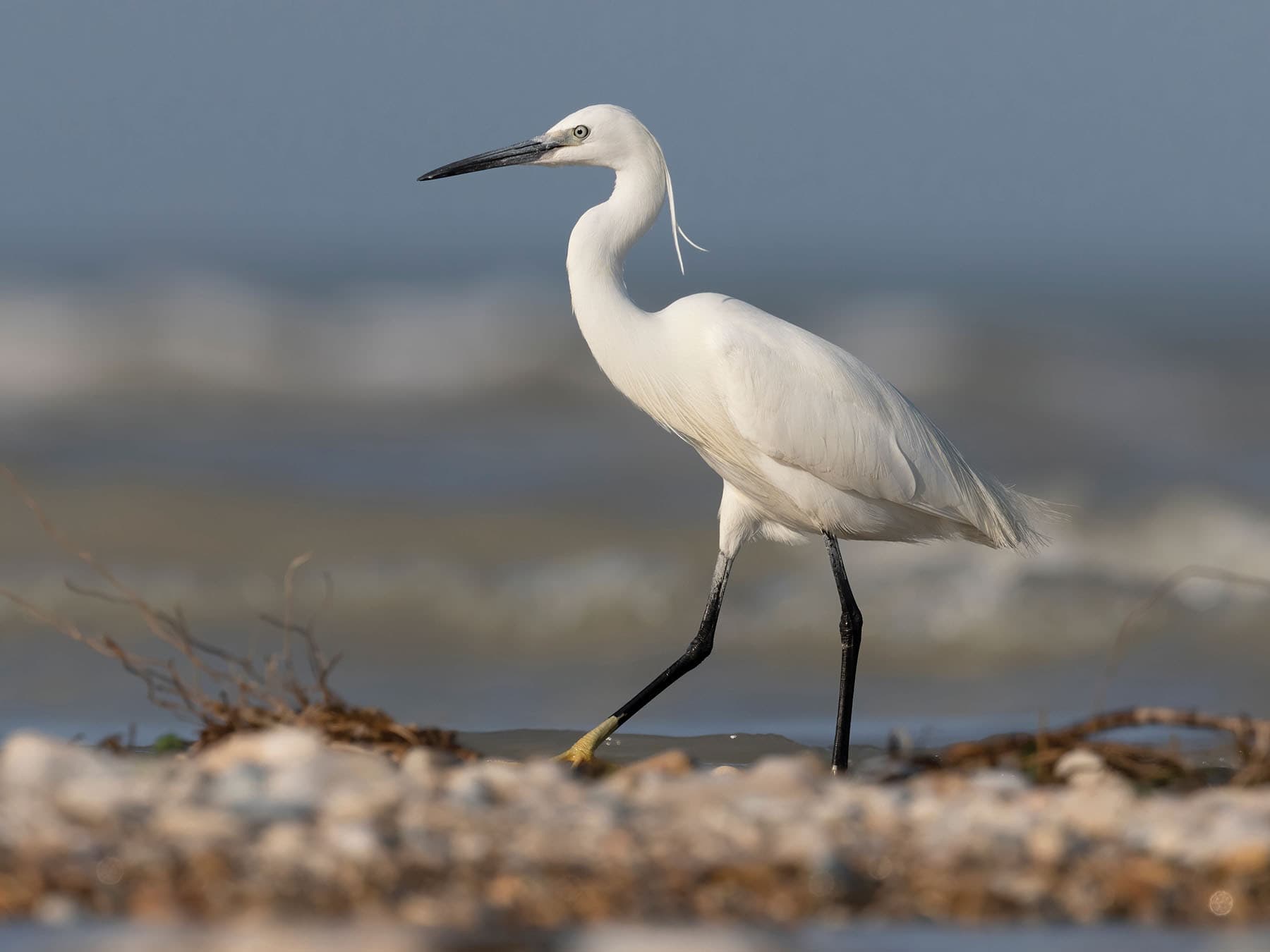
Little Egret
Egretta garzettaLC
An uncommon but increasing resident, favouring estuaries, rivers, and wetlands. A relatively recent coloniser of North Yorkshire.
Year-round
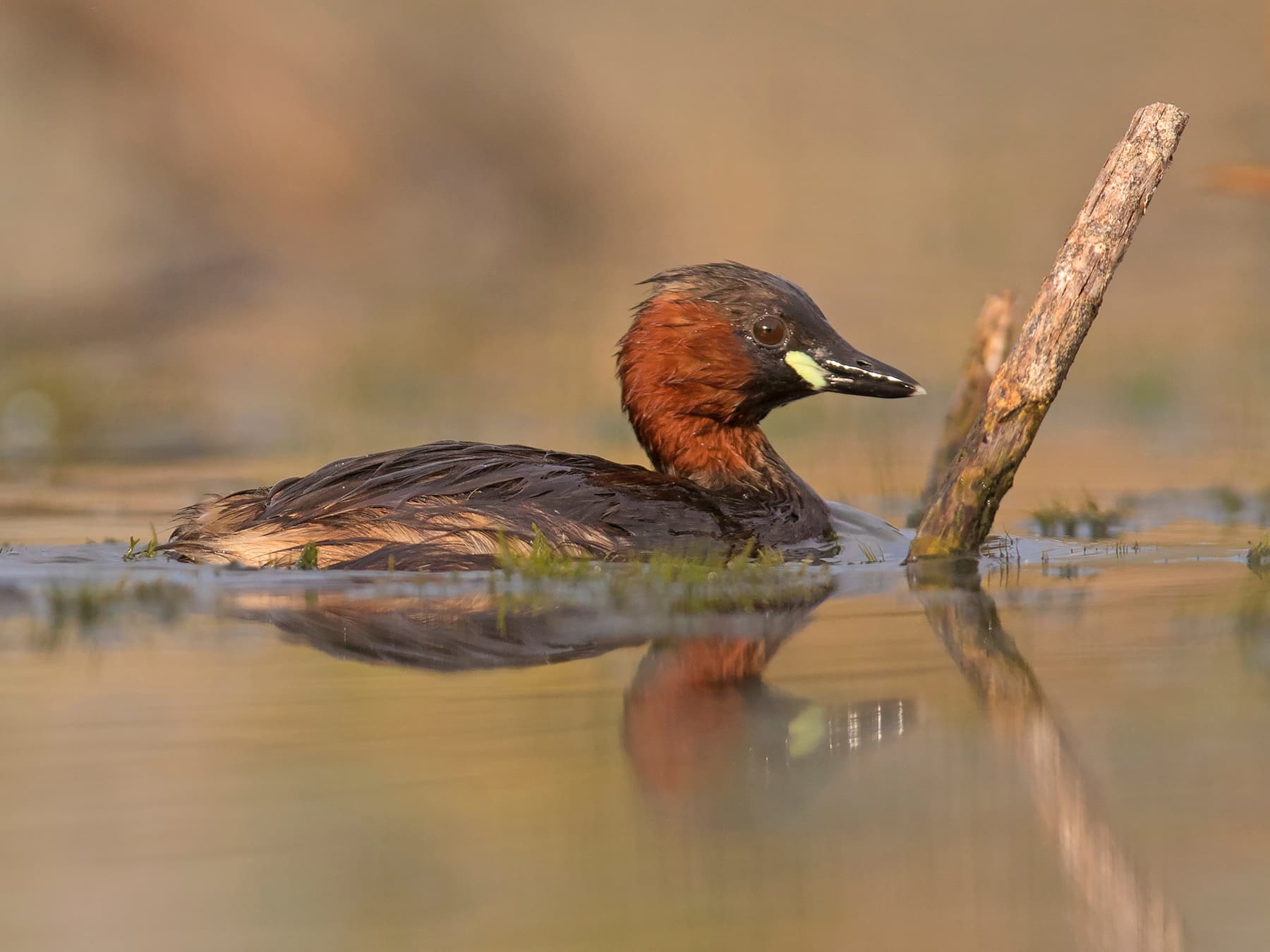
Little Grebe
Tachybaptus ruficollisLC
A shy, uncommon resident on ponds, lakes, and slow rivers. Its distinctive whinnying trill often reveals its presence before it is seen.
Year-round
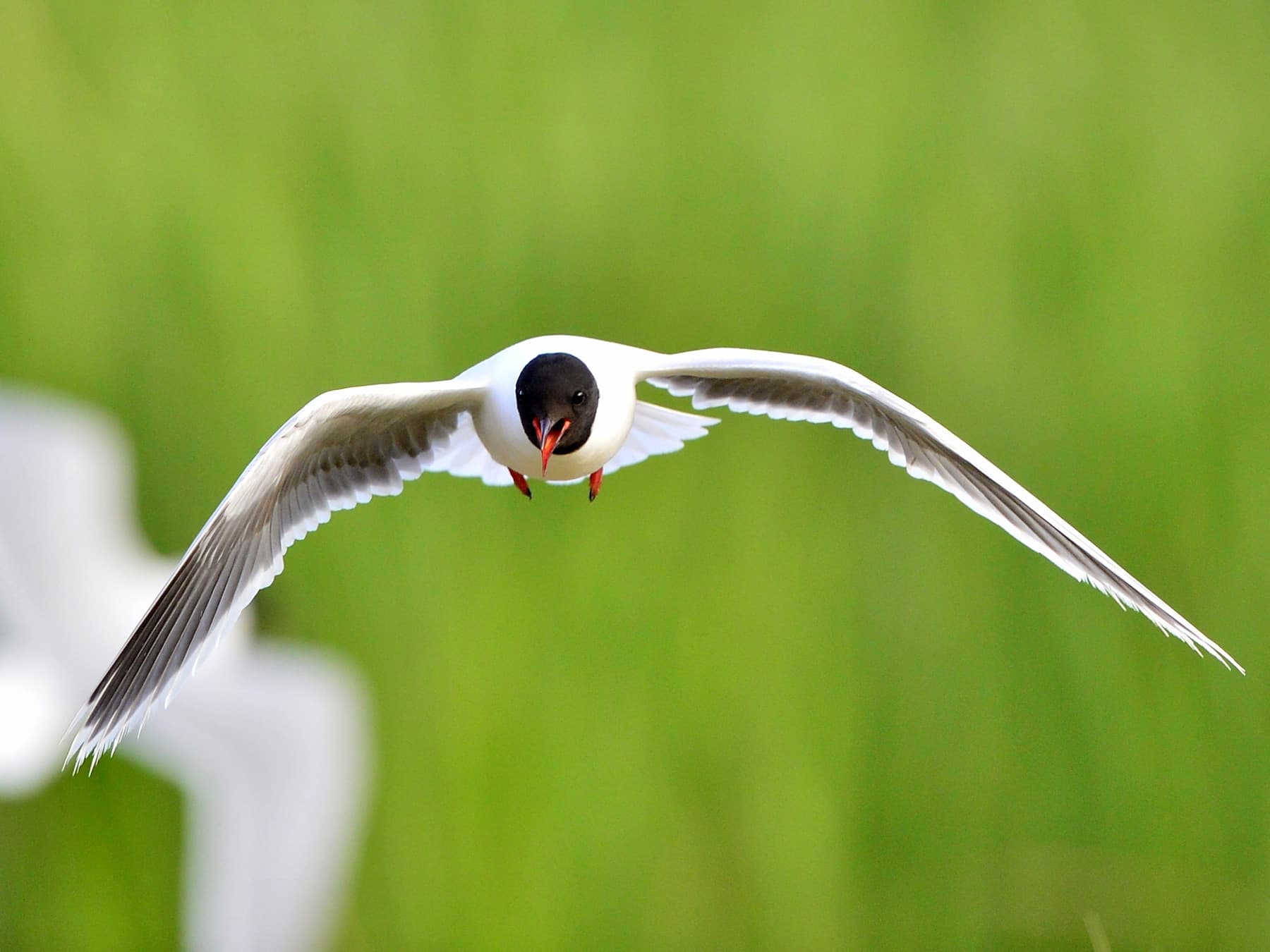
Little Gull
Hydrocoloeus minutusLC
A rare and dainty gull, occasionally seen offshore or at coastal pools, most likely during autumn passage and winter storms.
Jun–Feb
Spotted something?
Upload a photo to identify it
Identify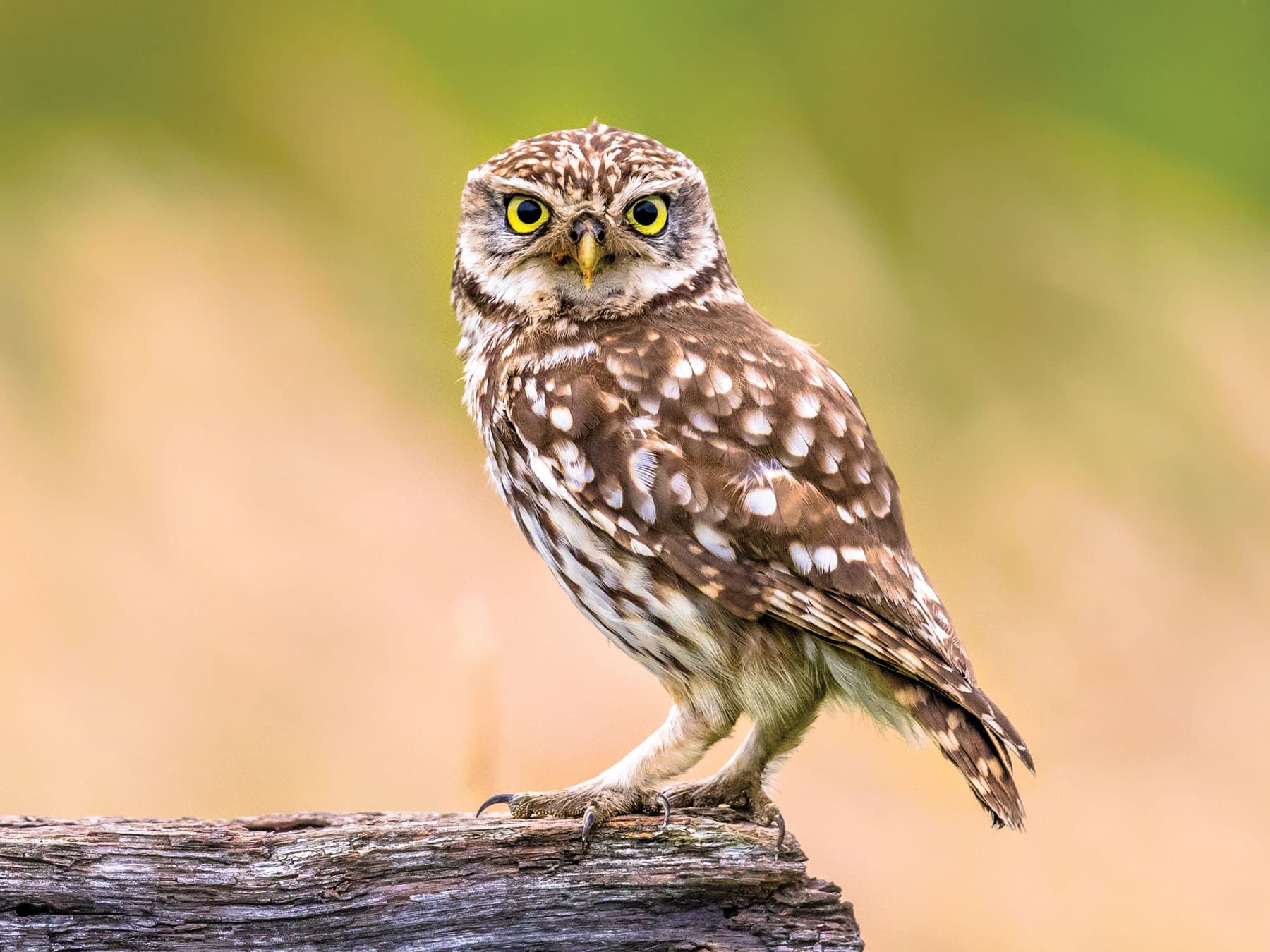
Little Owl
Athene noctuaLC
A rare but resident owl of lowland farmland, often perching on fence posts and dry-stone walls in the Dales.
Jan–Nov
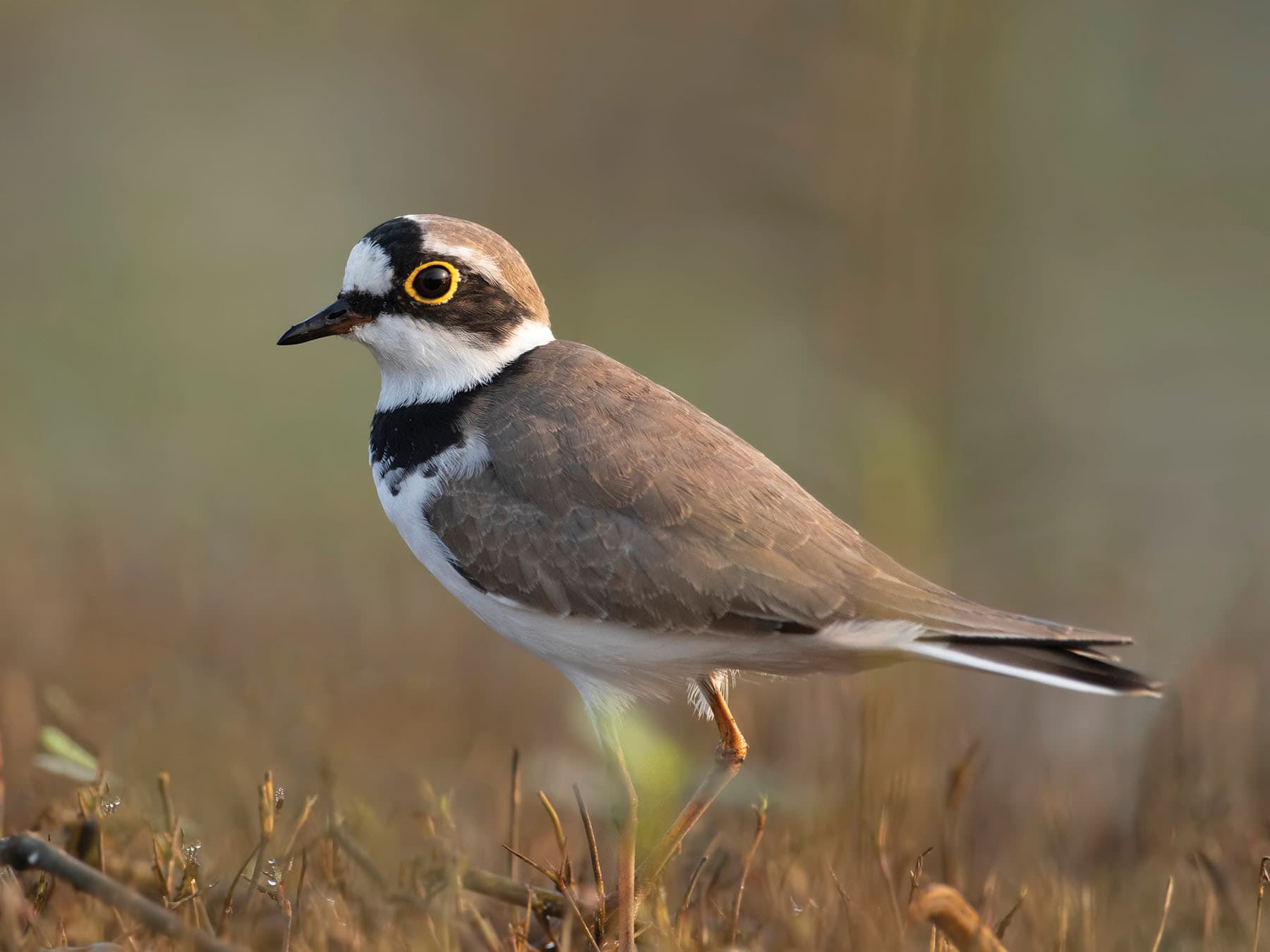
Little Ringed Plover
Charadrius dubiusLC
An uncommon summer breeder favouring gravel pits, reservoir margins and river shingle, present from March to September.
Mar–Sep
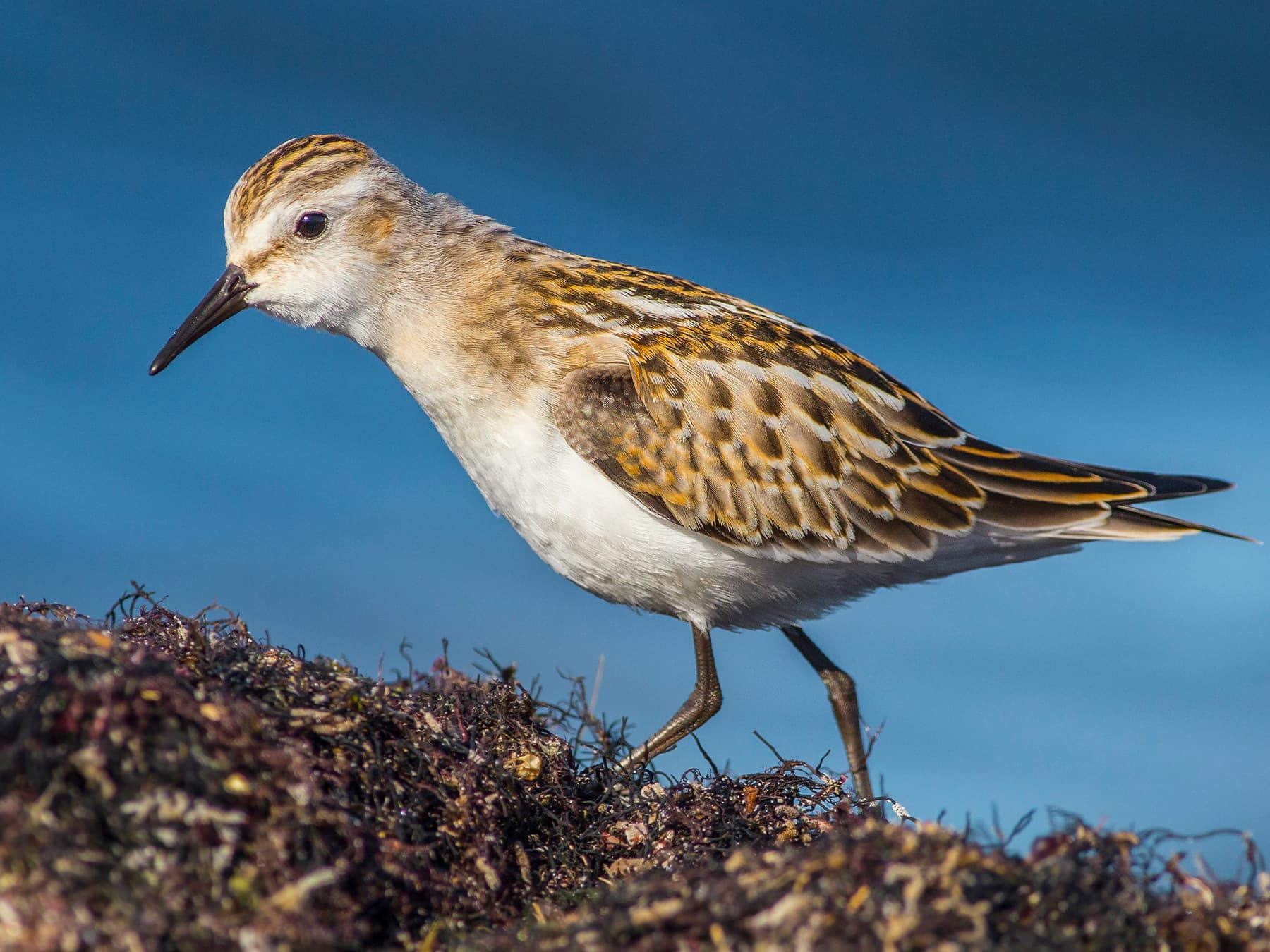
Little Stint
Calidris minutaLC
A rare autumn passage migrant in August and September, pausing at coastal pools and mudflats. Tiny and active, often feeding among dunlin flocks.
Aug–Sep
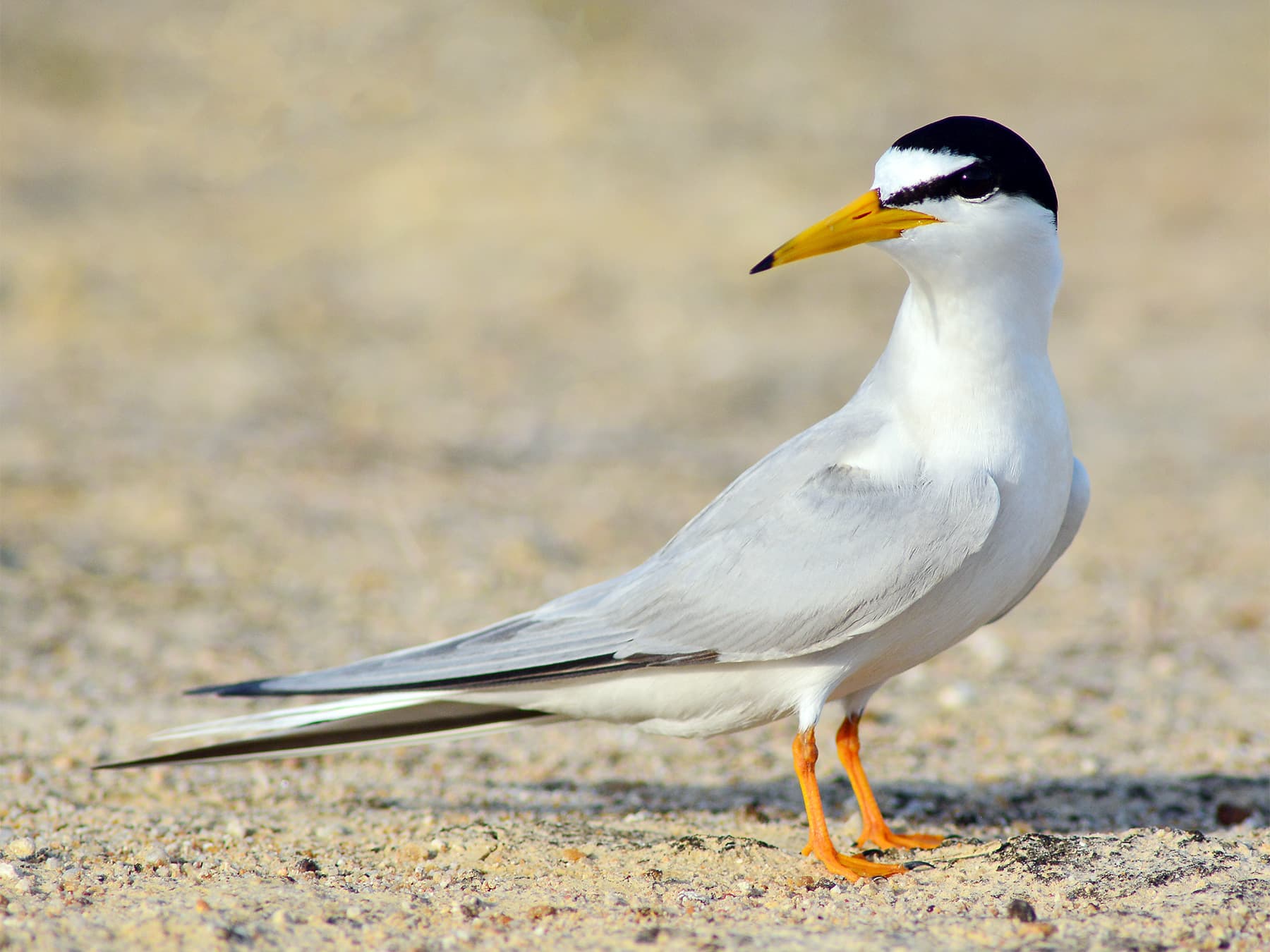
Little Tern
Sternula albifronsLC
Scarce summer breeder on shingle beaches along the coast, present from May to August. A Schedule 1 protected species vulnerable to disturbance.
May–Aug
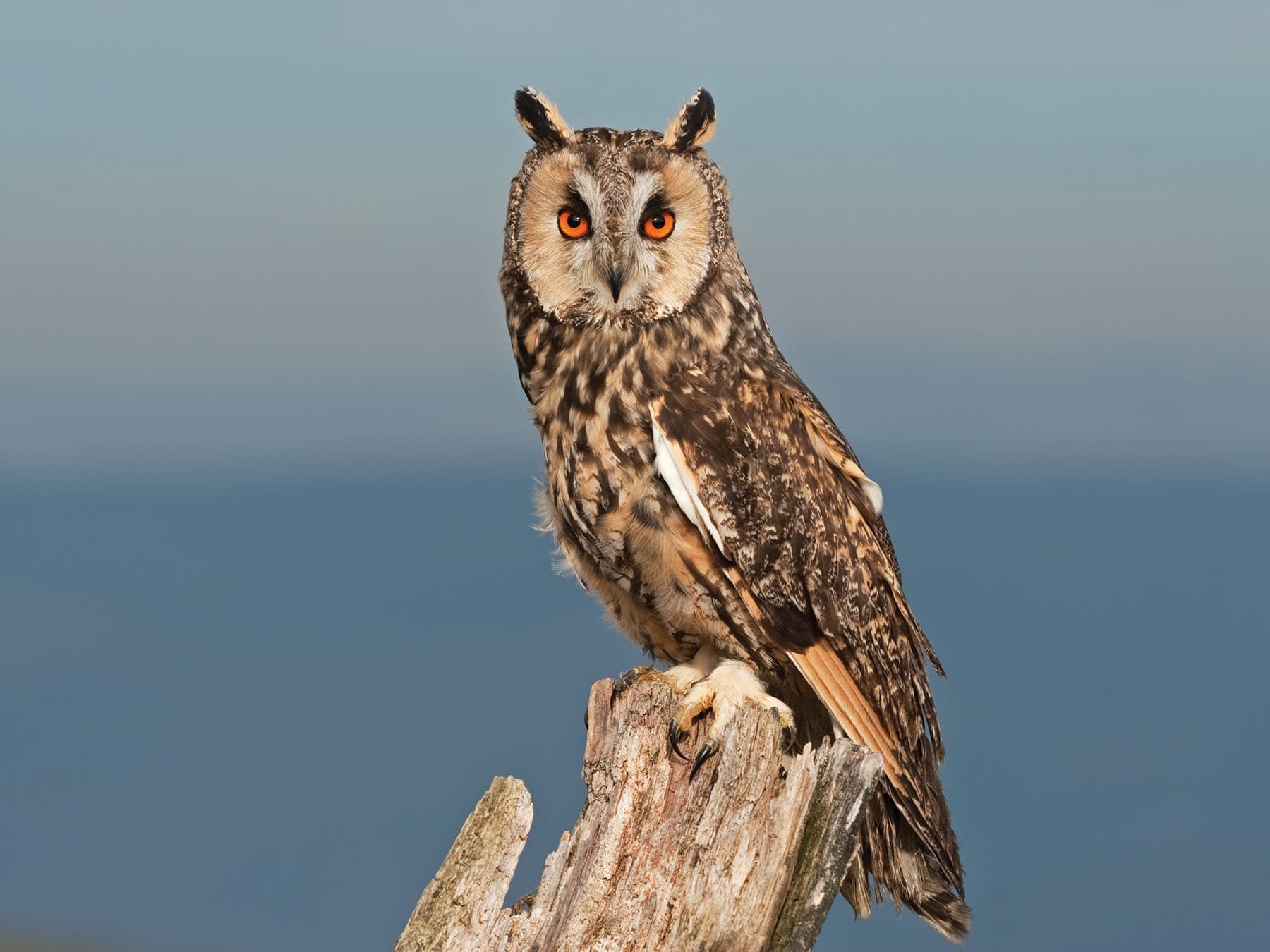
Long-eared Owl
Asio otusLC
A secretive owl rarely detected on autumn passage, most likely along the coast in October. Roosts in dense scrub and thickets.
Oct
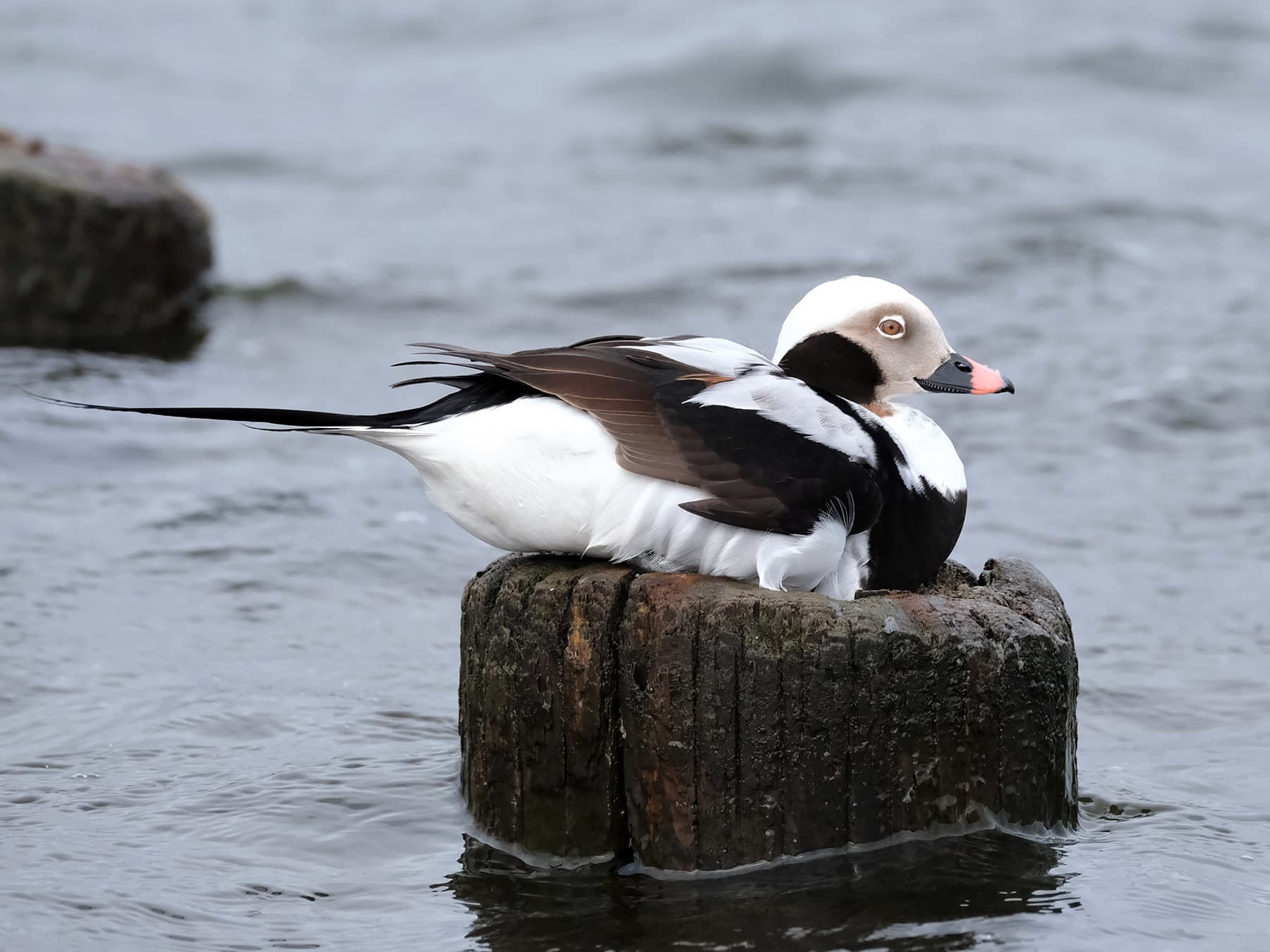
Long-tailed Duck
Clangula hyemalisVU
A rare winter visitor to coastal waters and occasionally inland reservoirs. Present from October to March in small numbers.
Oct–Mar
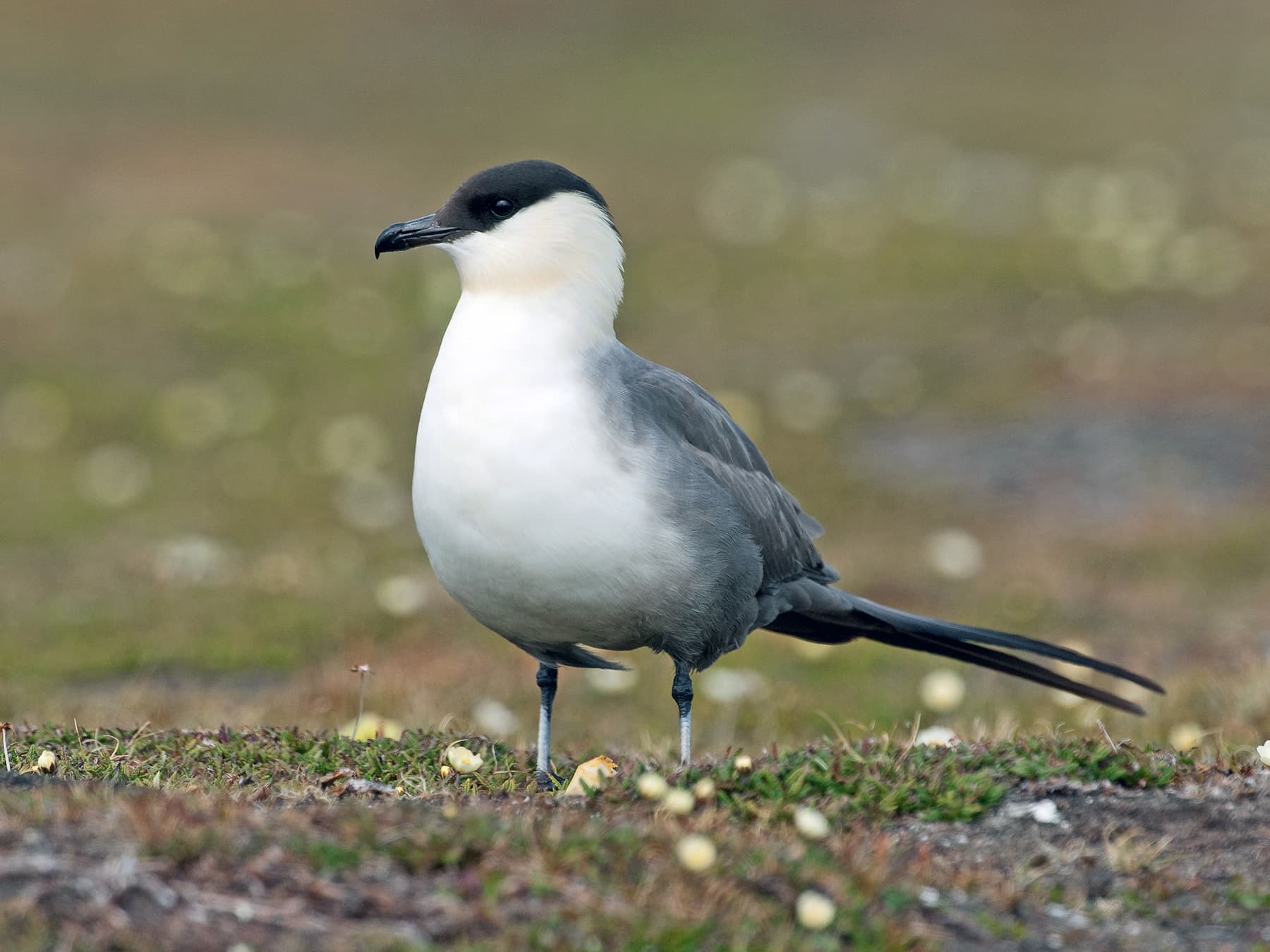
Long-tailed Jaeger
Stercorarius longicaudusLC
A rare seabird seen during autumn seawatches off headlands like Flamborough and Filey Brigg, typically in August and September.
Aug–Sep
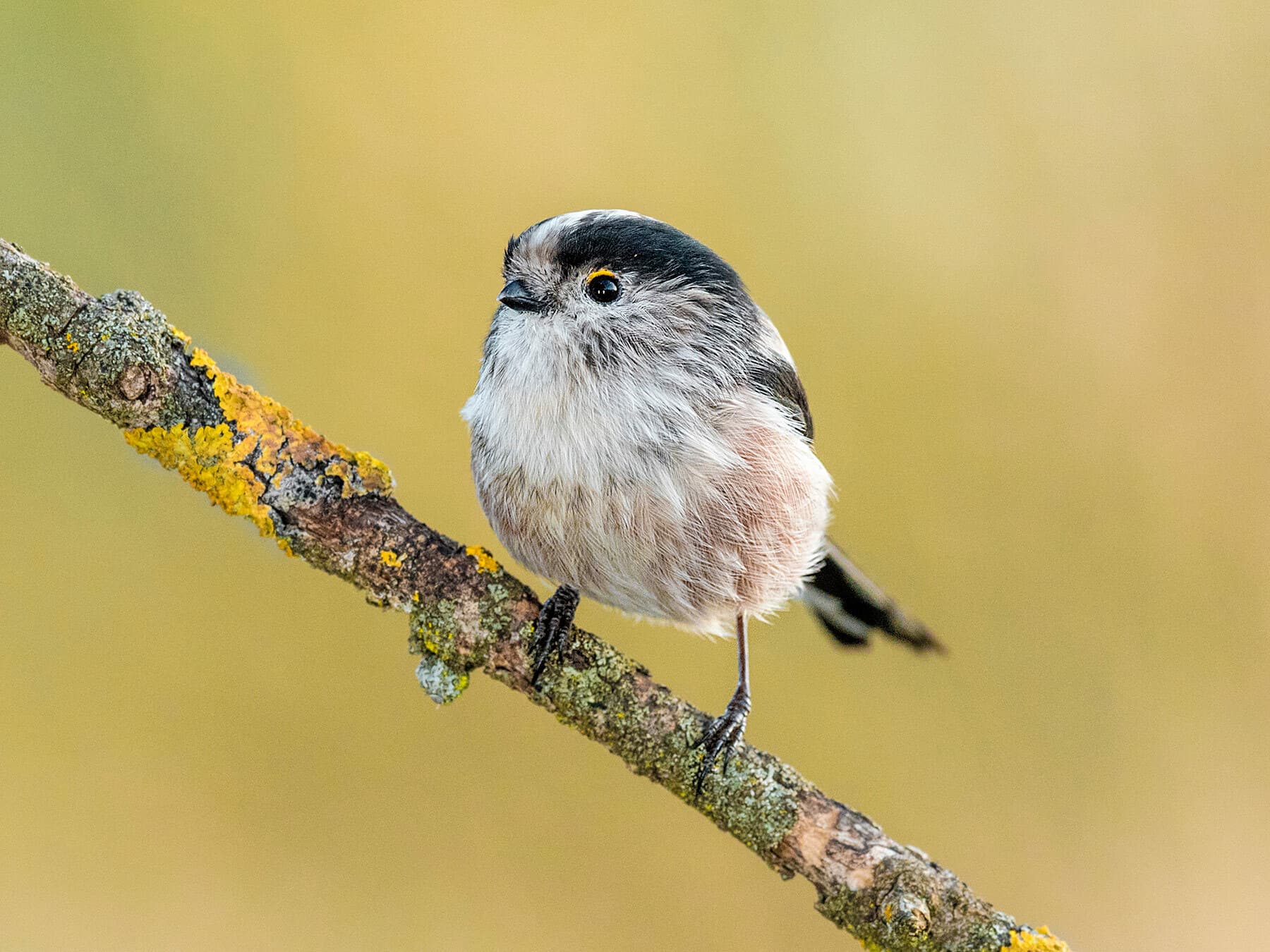
Long-tailed Tit
Aegithalos caudatusLC
Common year-round in hedgerows and woodland, often seen in lively, acrobatic flocks bouncing along branches. Visits garden feeders in winter.
Year-round
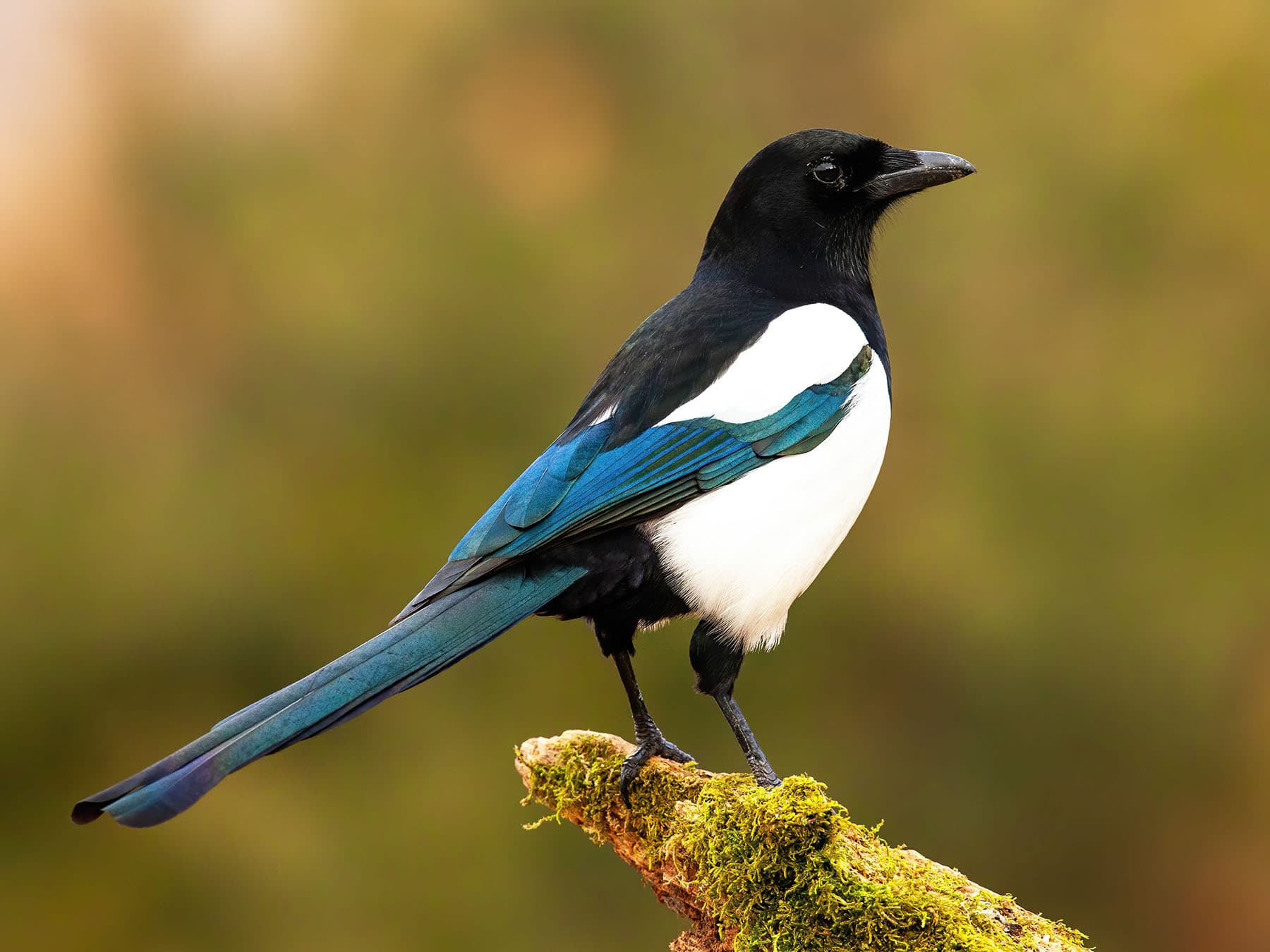
Magpie
Pica picaLC
A common and conspicuous resident of gardens, hedgerows, and farmland, seen throughout the region in all seasons.
Year-round
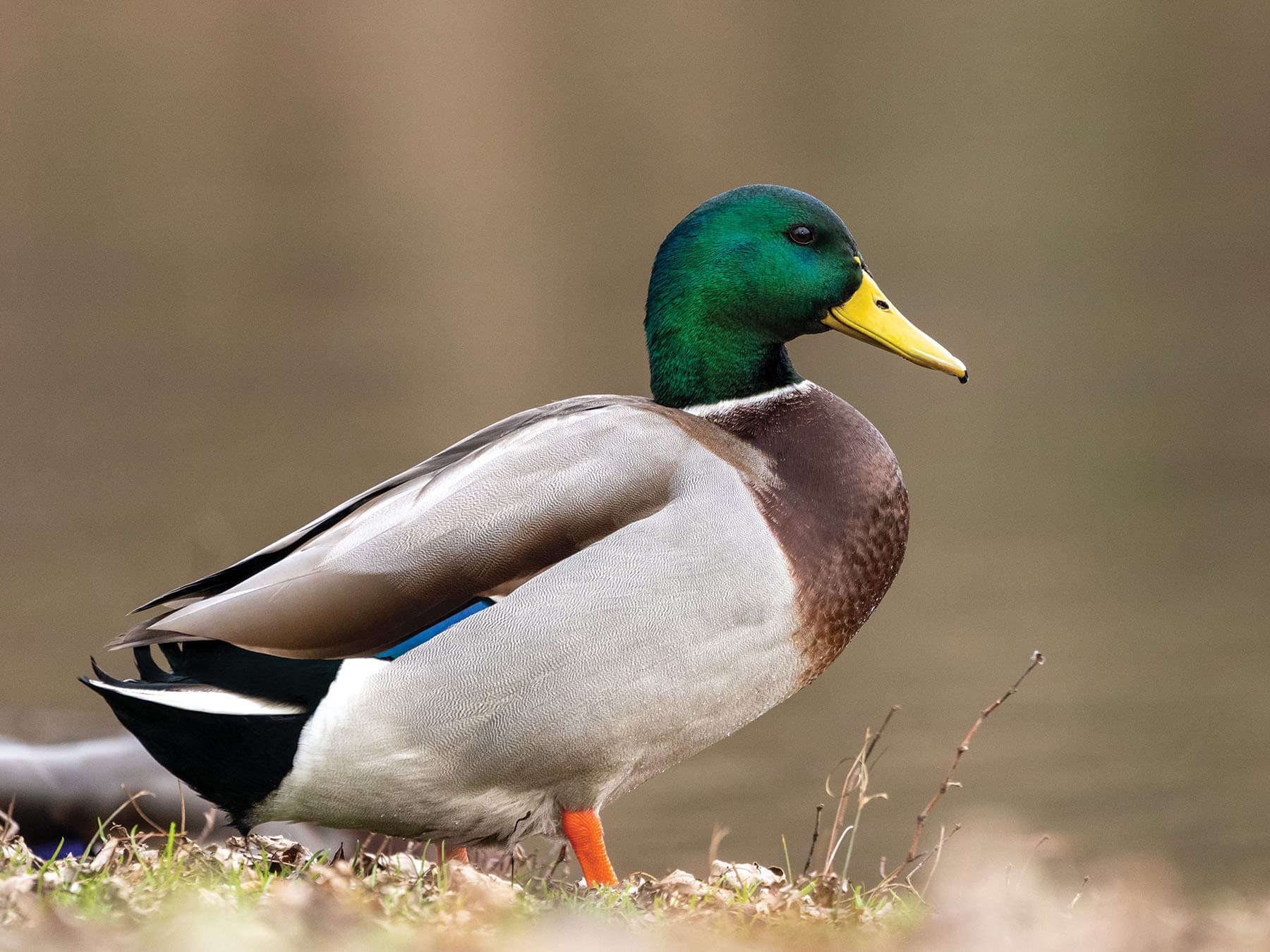
Mallard
Anas platyrhynchosLC
A common and familiar resident on virtually any body of water, from village ponds and park lakes to moorland reservoirs.
Year-round
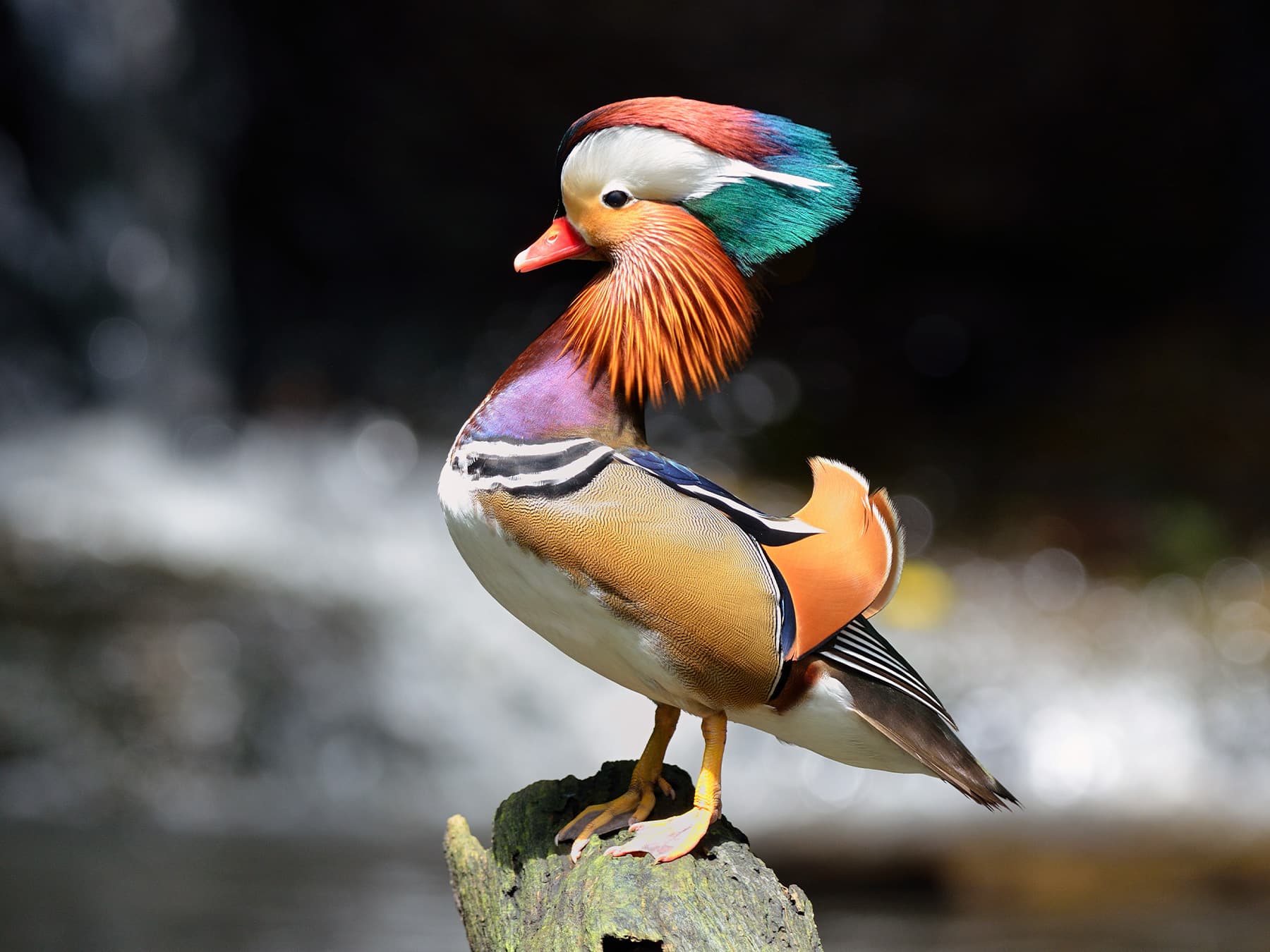
Mandarin Duck
Aix galericulataLC
A rare but established resident of wooded rivers and lakes. Males are strikingly ornate, often seen around mature parkland.
Nov–Sep
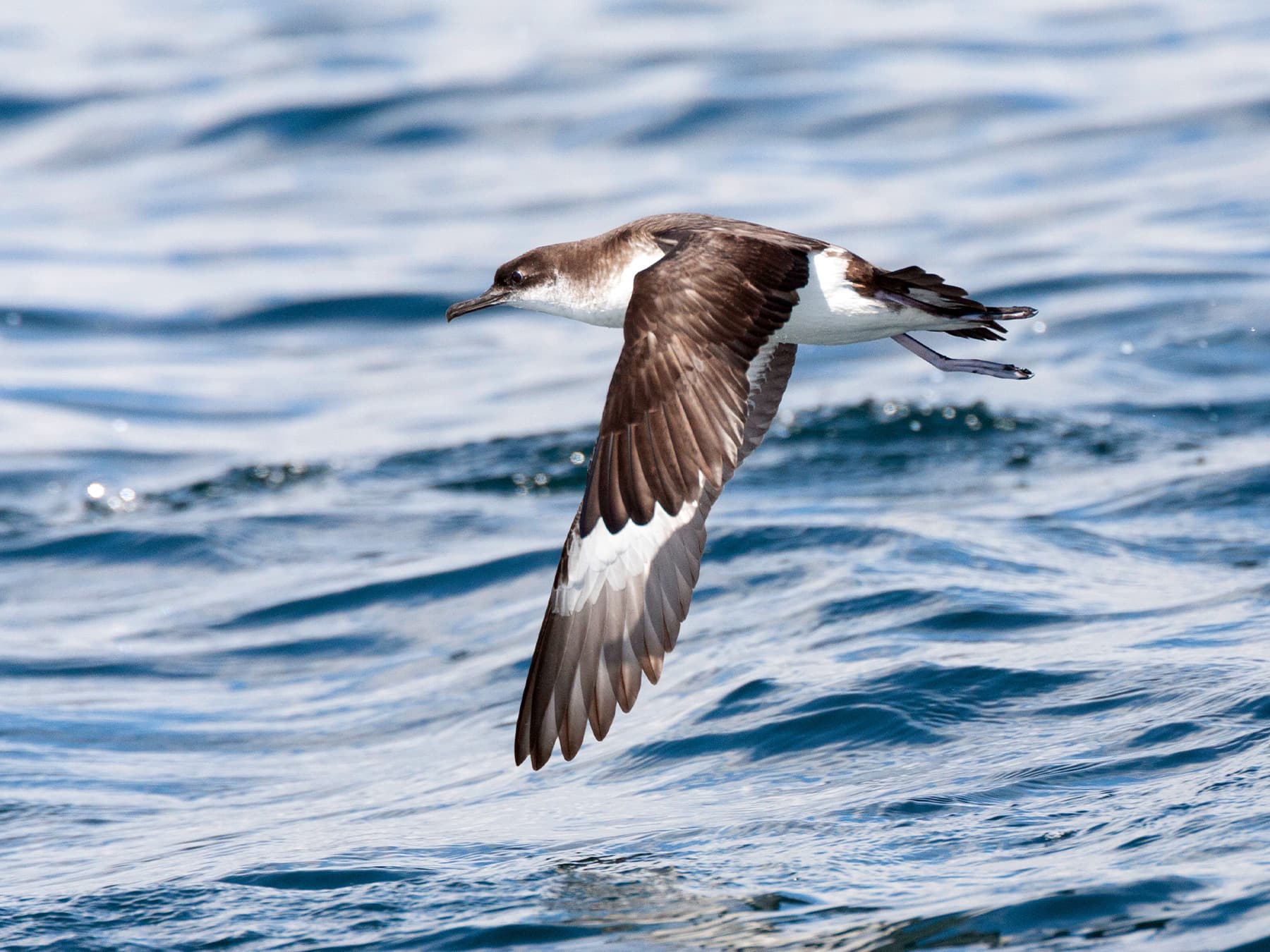
Manx Shearwater
Puffinus puffinusLC
An uncommon breeder seen offshore from May to October. Best spotted during seawatches from headlands like Flamborough and Filey Brigg.
May–Oct
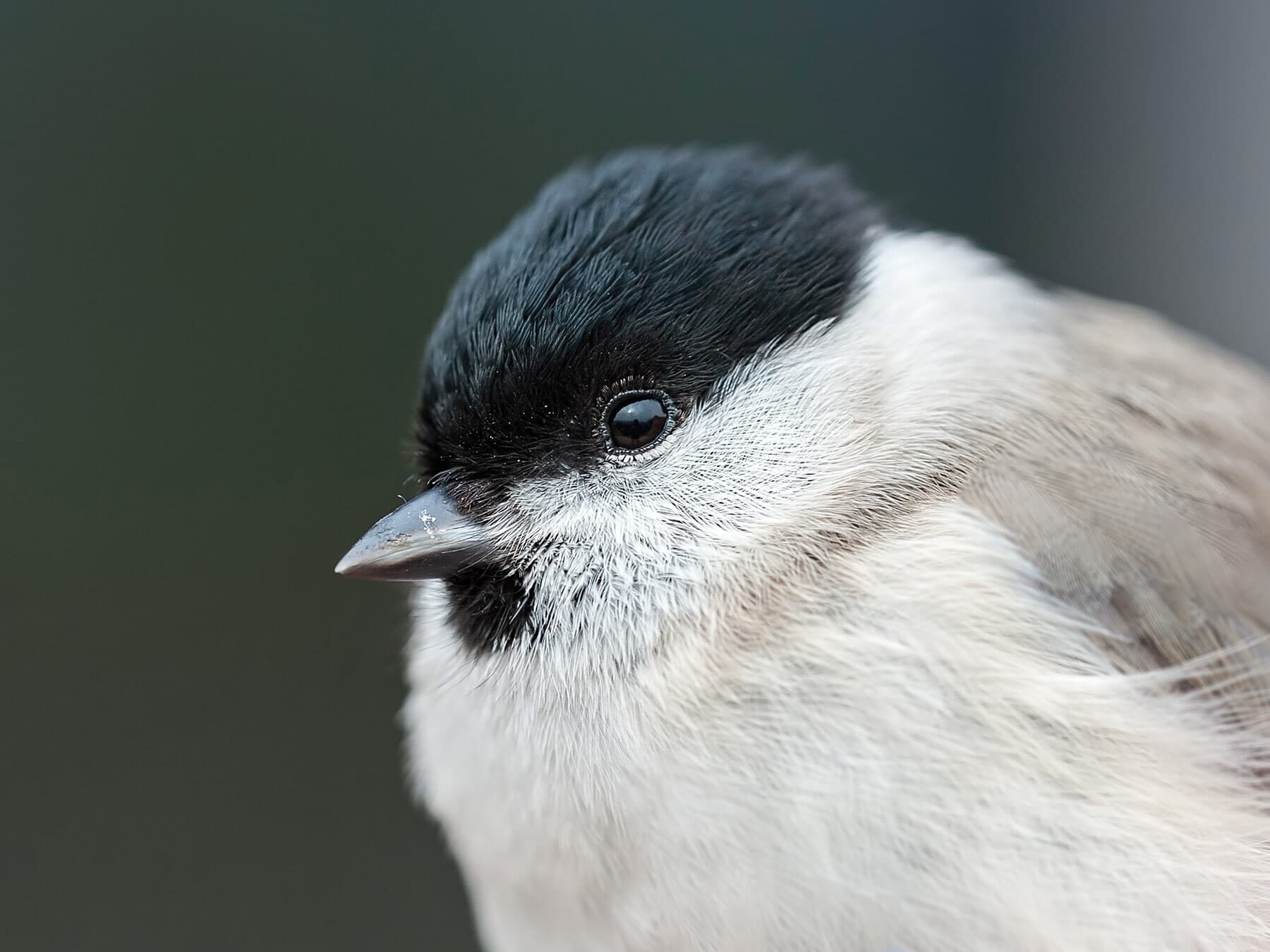
Marsh Tit
Poecile palustrisLC
An uncommon resident of mature deciduous woodland, declining nationally but still found in parts of the Dales and Howardian Hills.
Year-round
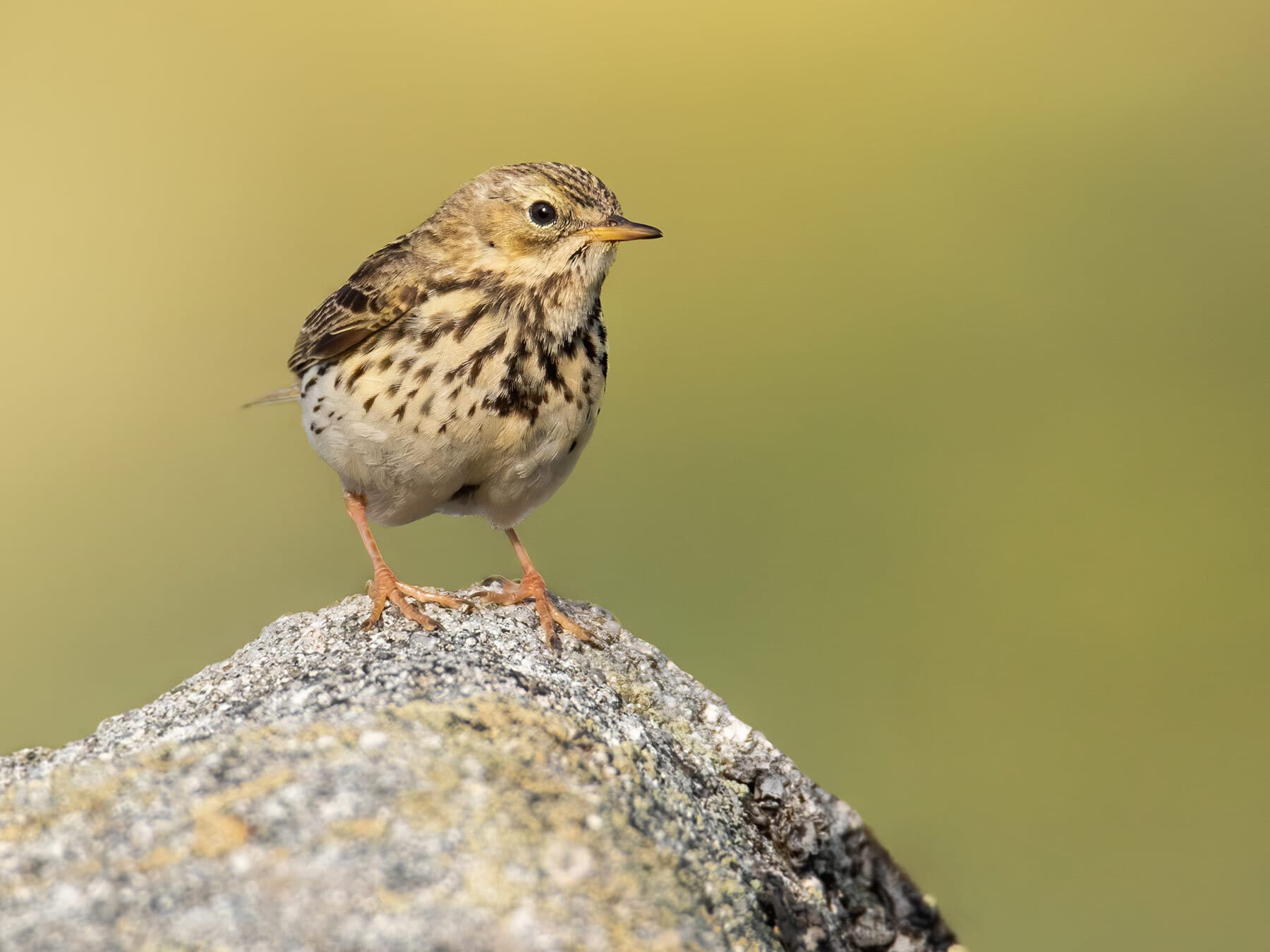
Meadow Pipit
Anthus pratensisLC
A common resident of the moorlands and upland pastures, its thin piping call is the soundtrack of the Dales and North York Moors.
Year-round
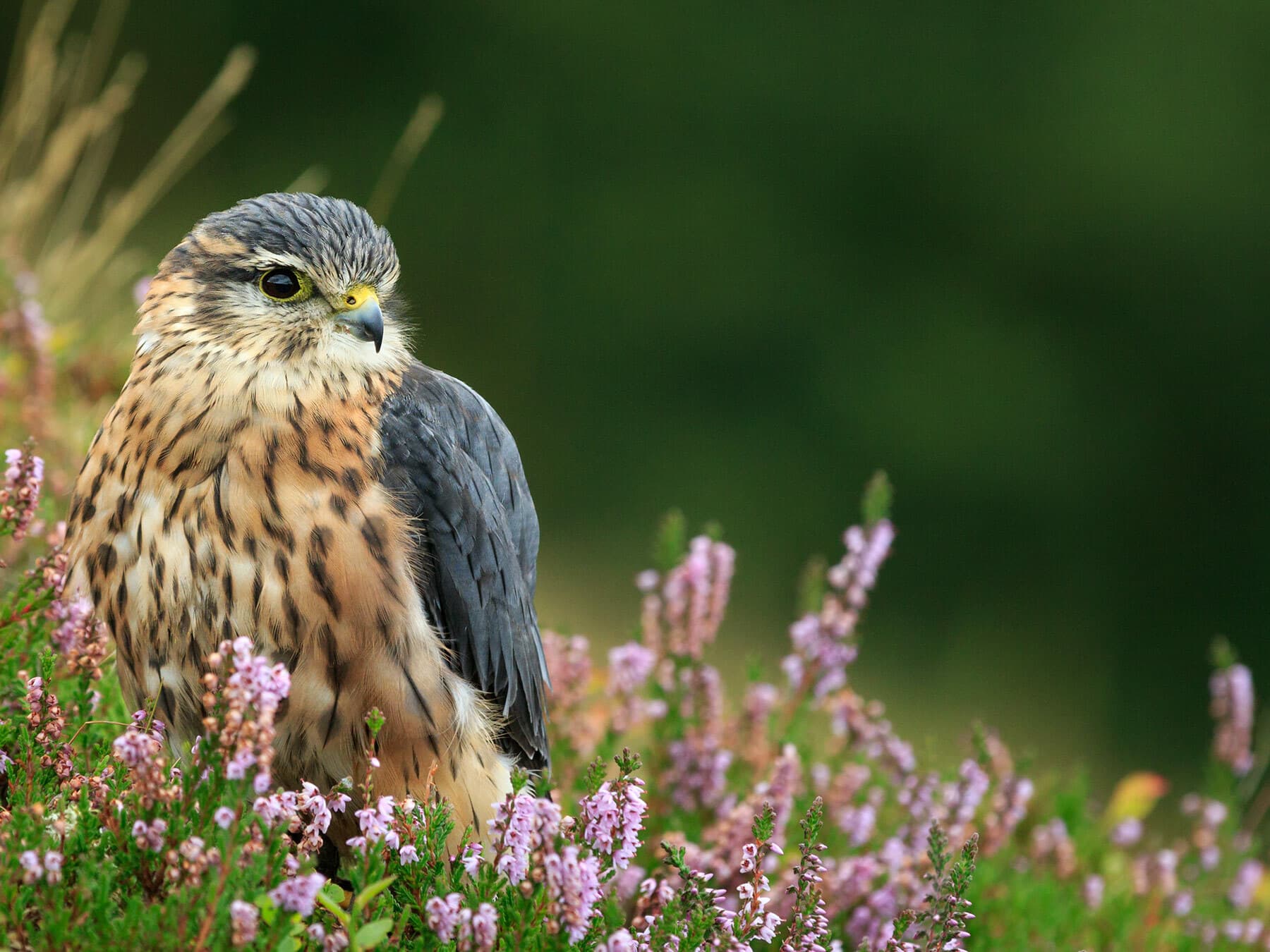
Merlin
Falco columbariusLC
Breeds on remote moorland in the Dales and North York Moors, moving to lower ground and the coast in winter. A dashing, low-flying falcon.
Jul–Apr