Birds in North Yorkshire
Explore 218 species found in this region.
North Yorkshire is one of England's largest and most diverse counties for birdwatching, with 217 recorded species across its sweeping moorlands, rugged coastline, river valleys, and expansive wetlands. From the upland heaths of the North York Moors, where Hen Harriers and European Honey-buzzards breed, to the coastal reserves and lowland lakes that attract wintering Goldeneye and Great White Egrets, the county offers exceptional birding year-round. Scarcer visitors such as Cetti's Warbler and Long-tailed Jaeger add further excitement for keen observers.
Visiting in September? Look out for Balearic Shearwater and Brambling arriving this month, and Cuckoo and European Storm-petrel depart for the season.


Showing 93–115 of 218 species
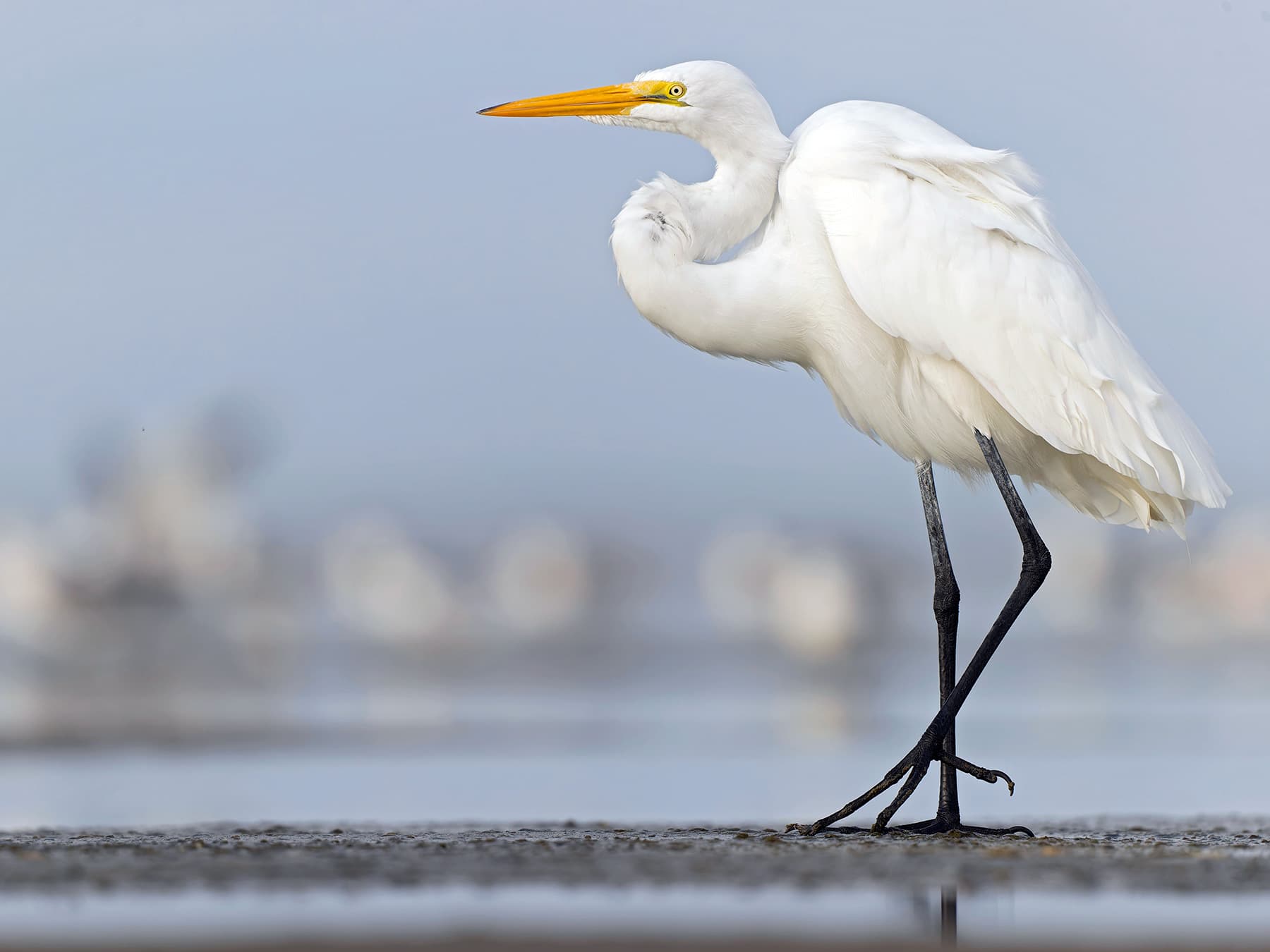
Great White Egret
Ardea albaLC
A rare but increasingly recorded resident at wetland sites, reflecting a national range expansion northwards into Yorkshire.
Year-round
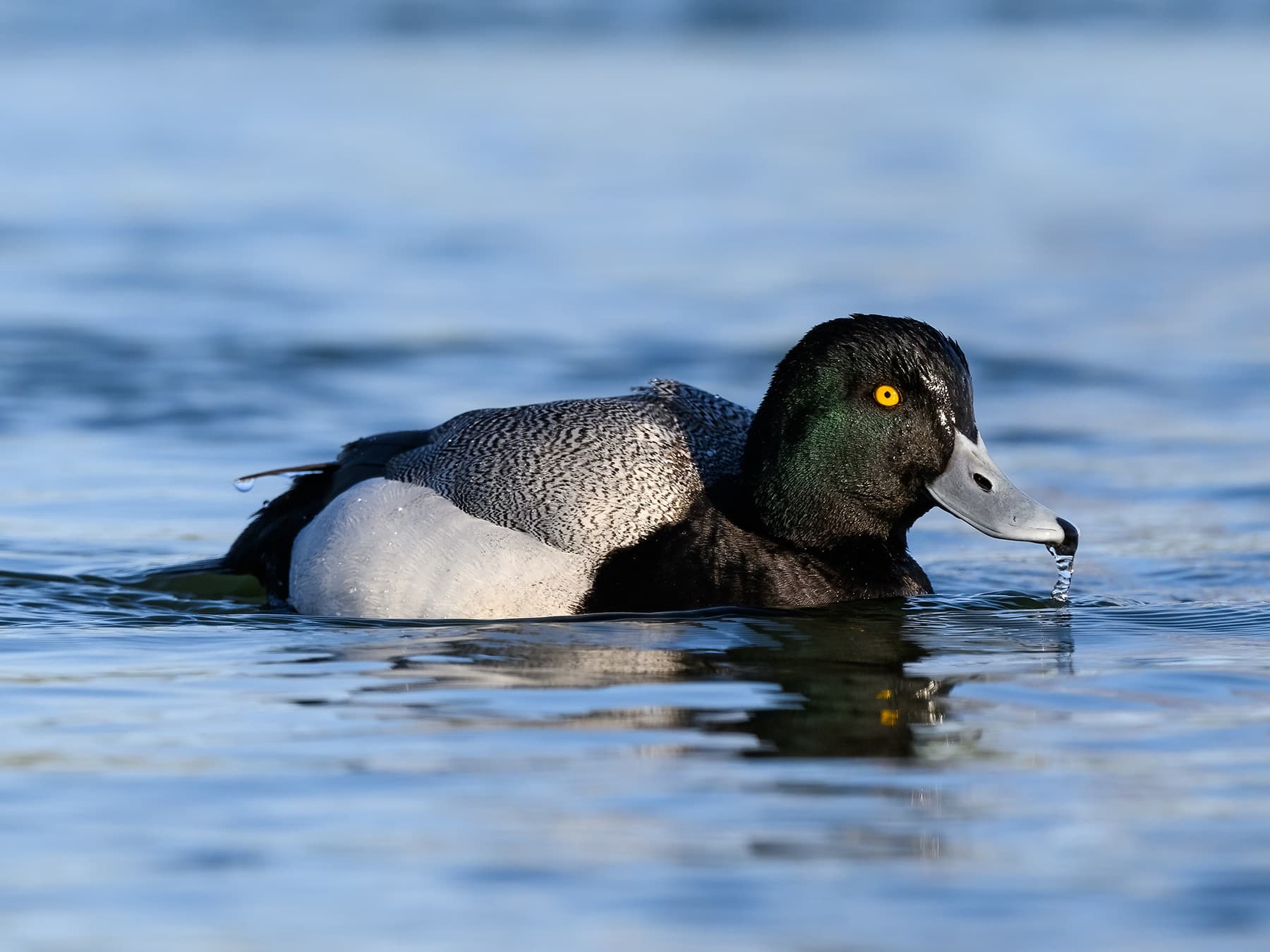
Greater Scaup
Aythya marilaLC
A rare winter visitor from October to March. Small numbers appear on coastal waters and occasionally on larger inland reservoirs.
Oct–Mar
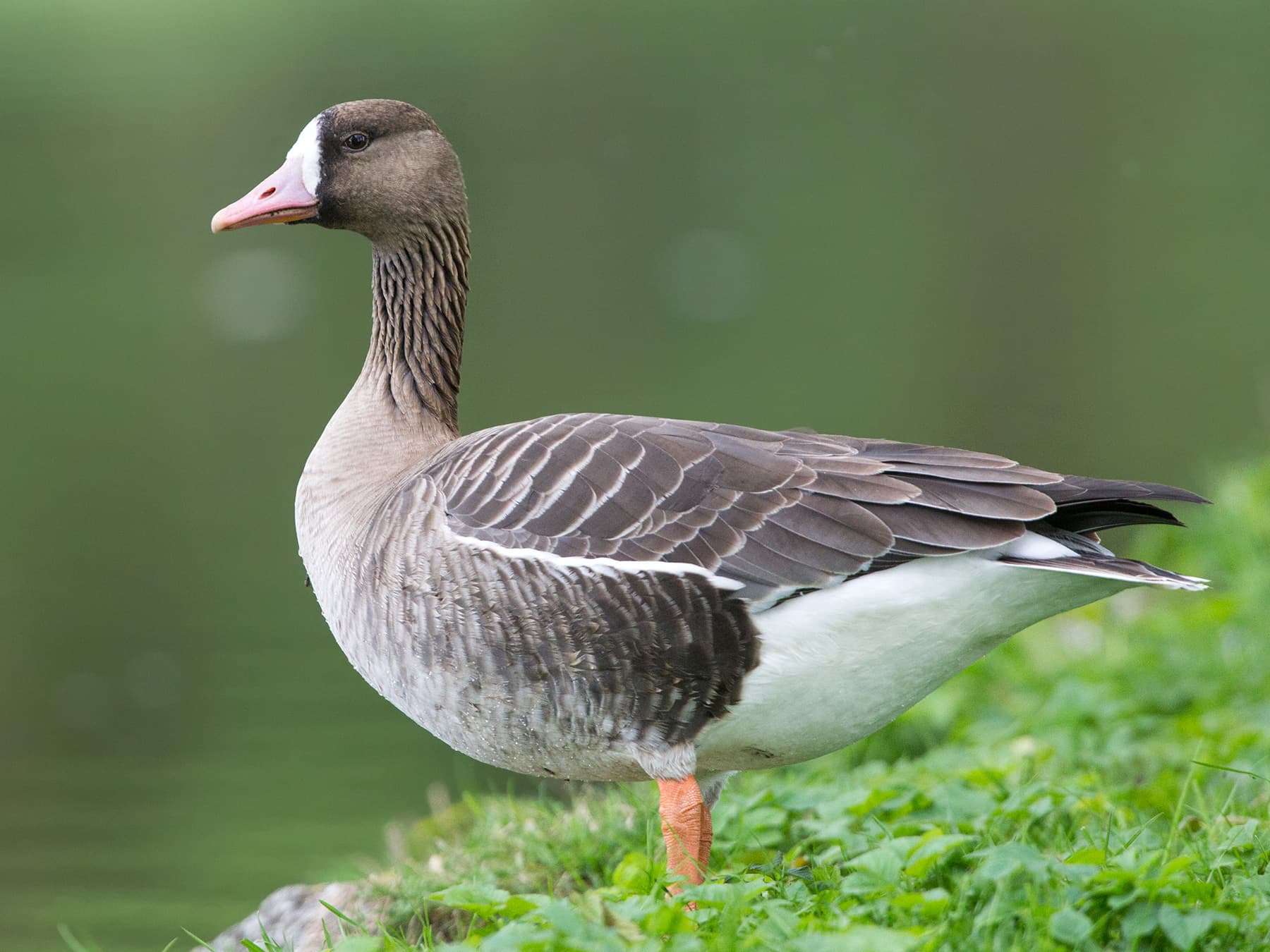
Greater White-fronted Goose
Anser albifronsLC
A rare winter visitor to lowland fields and wetlands, occasionally joining flocks of other grey geese between December and March.
Dec–Mar
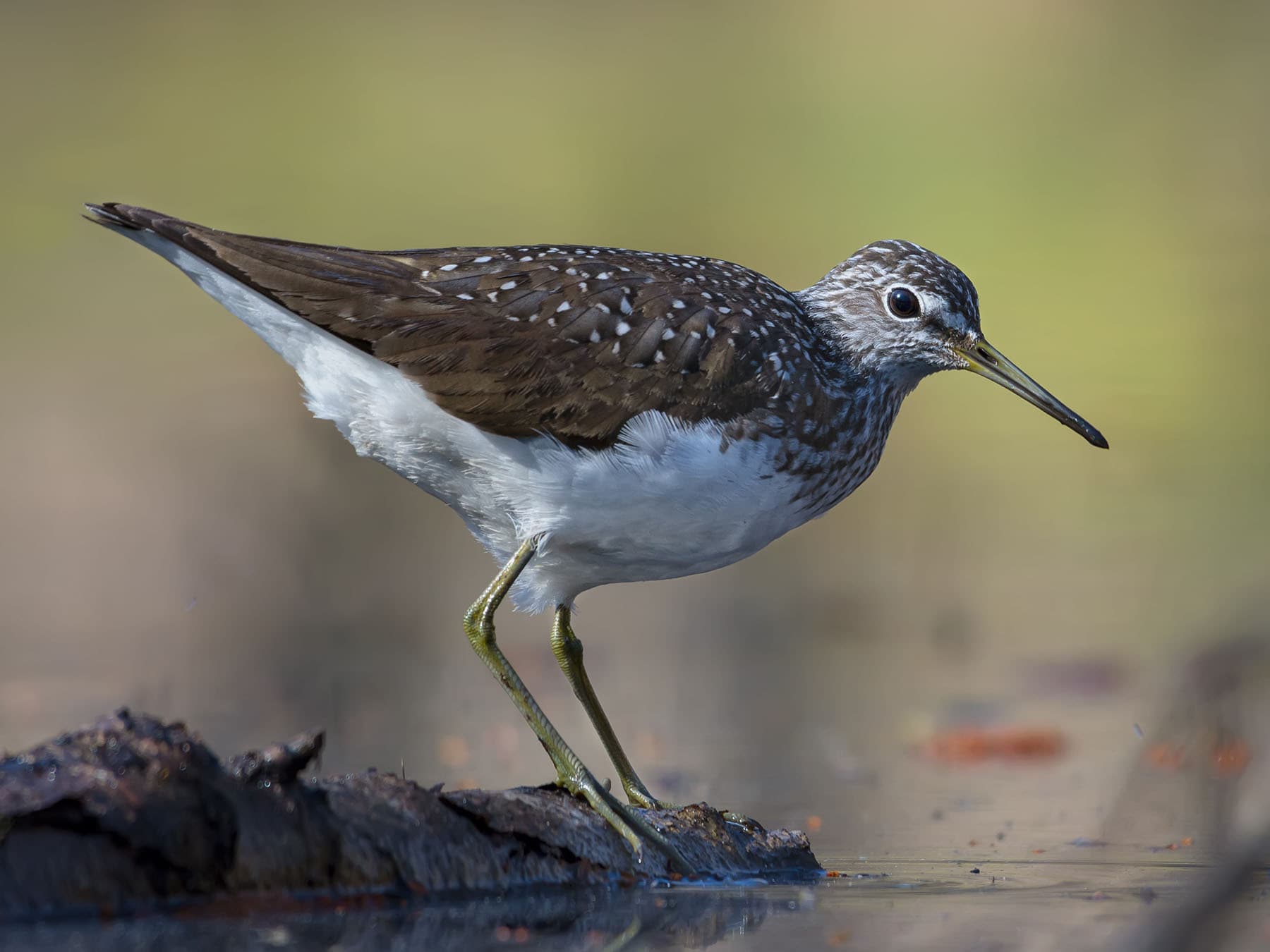
Green Sandpiper
Tringa ochropusLC
A rare breeder, most often glimpsed at freshwater pools and reservoir margins during autumn passage. Bobs distinctively when flushed.
Apr–Nov
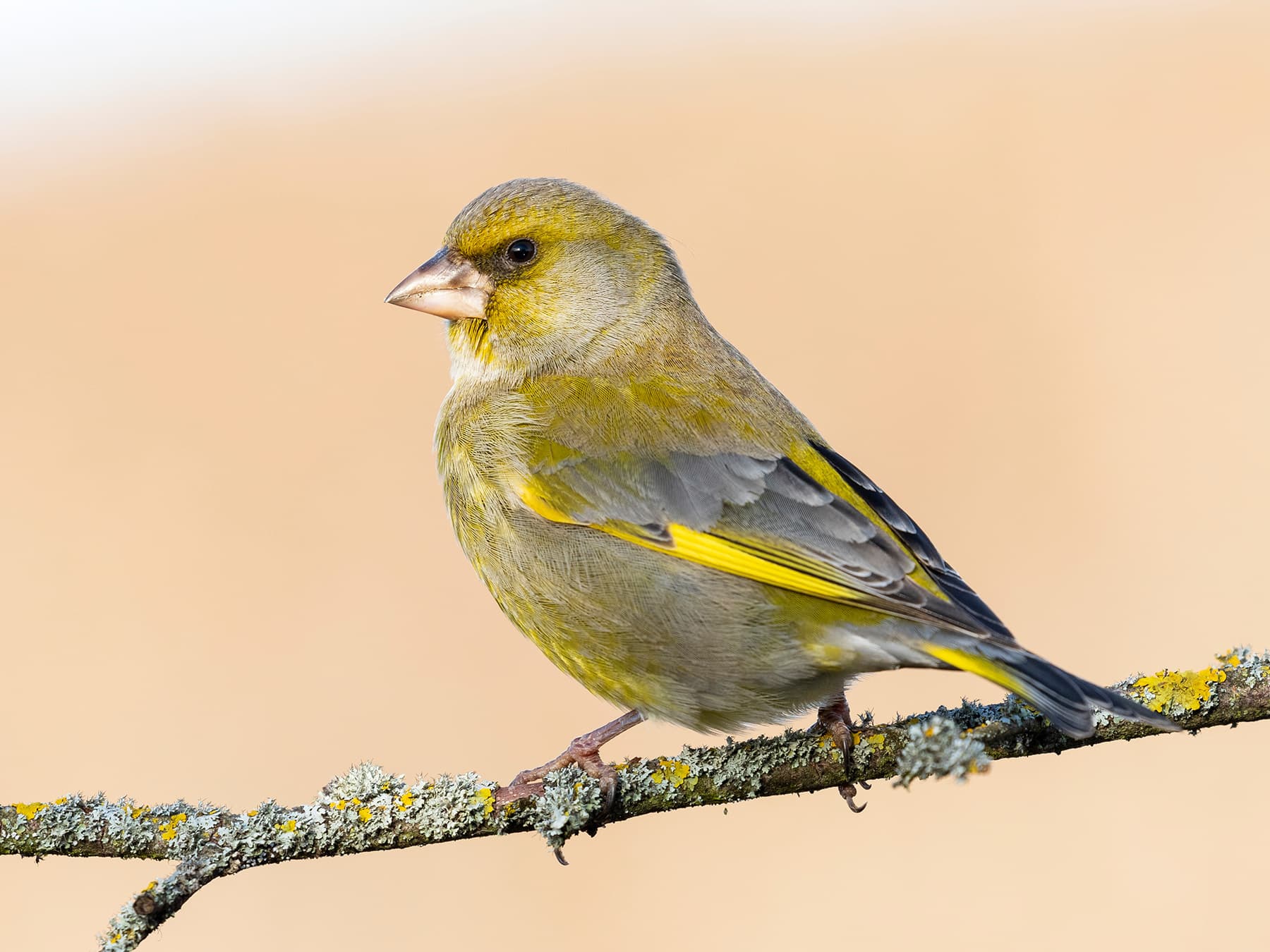
Greenfinch
Chloris chlorisLC
An uncommon resident of gardens, hedgerows and farmland, declining due to disease. Year-round but less numerous than in previous decades.
Year-round
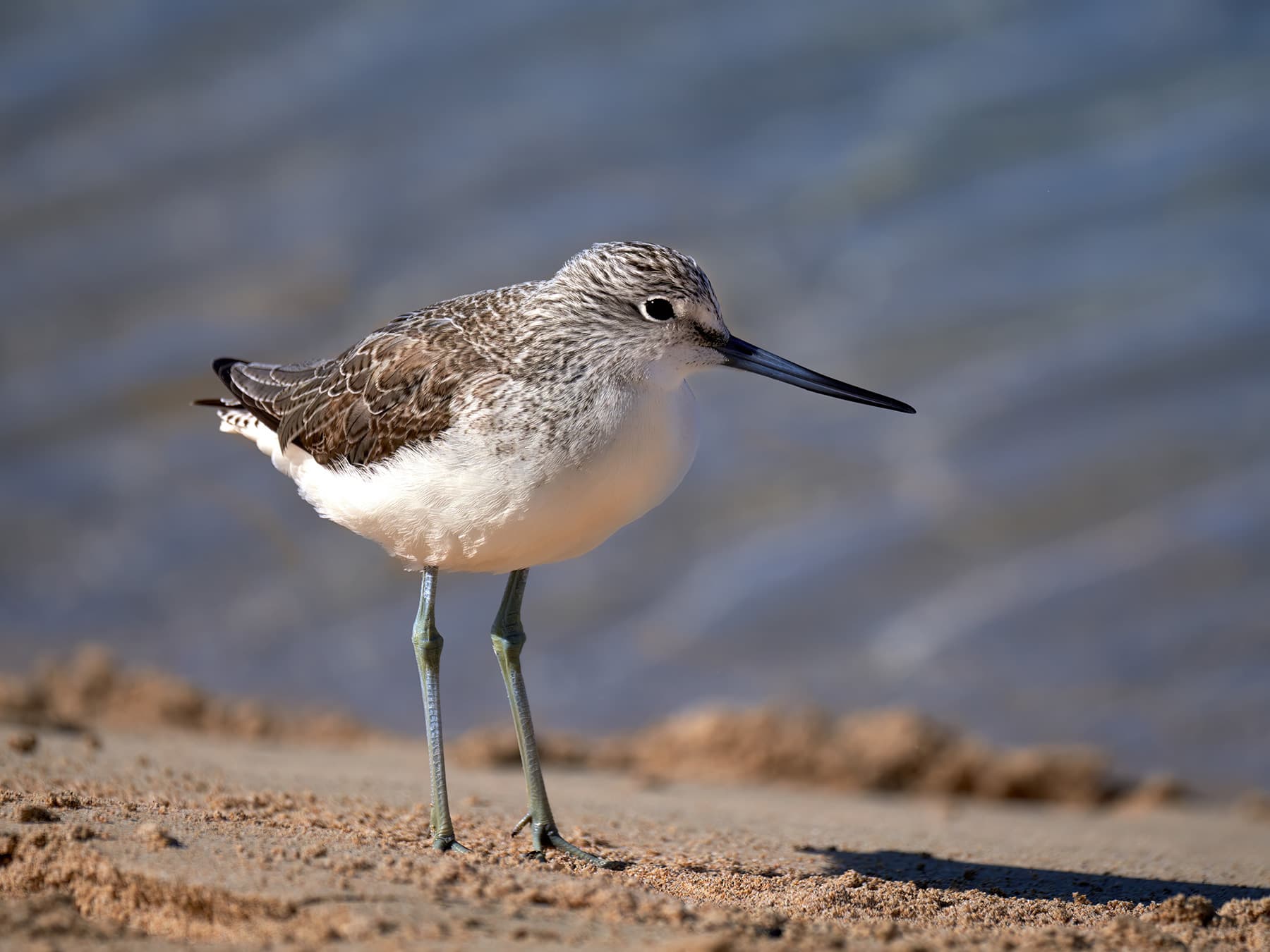
Greenshank
Tringa nebulariaLC
An uncommon visitor from April to September, favouring reservoir edges and coastal pools on passage. Its ringing 'tew-tew-tew' call carries far.
Apr–Sep
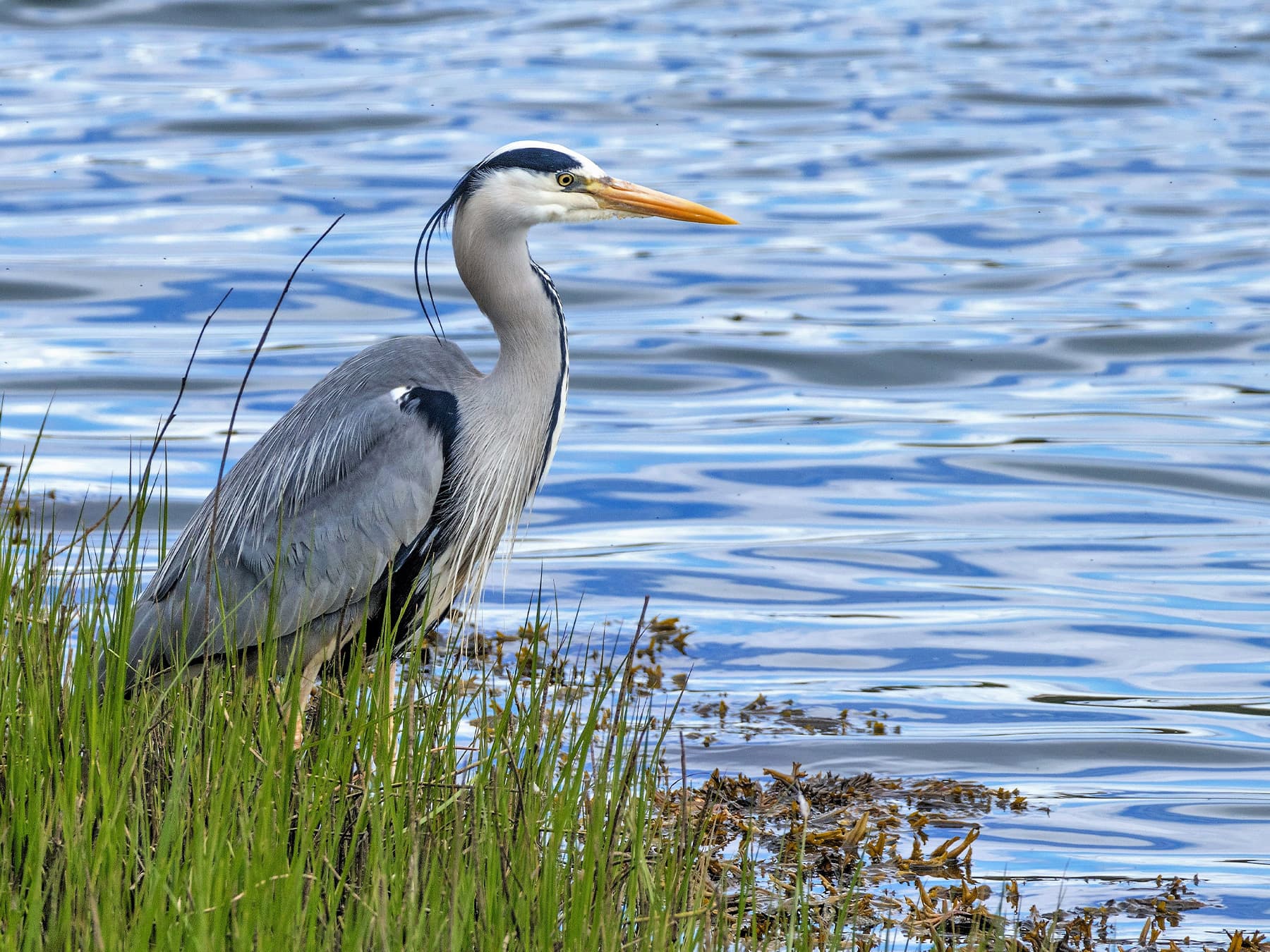
Grey Heron
Ardea cinereaLC
A common and familiar resident, found along rivers, reservoirs, and farmland ponds throughout the region. Nests colonially in tall trees.
Year-round
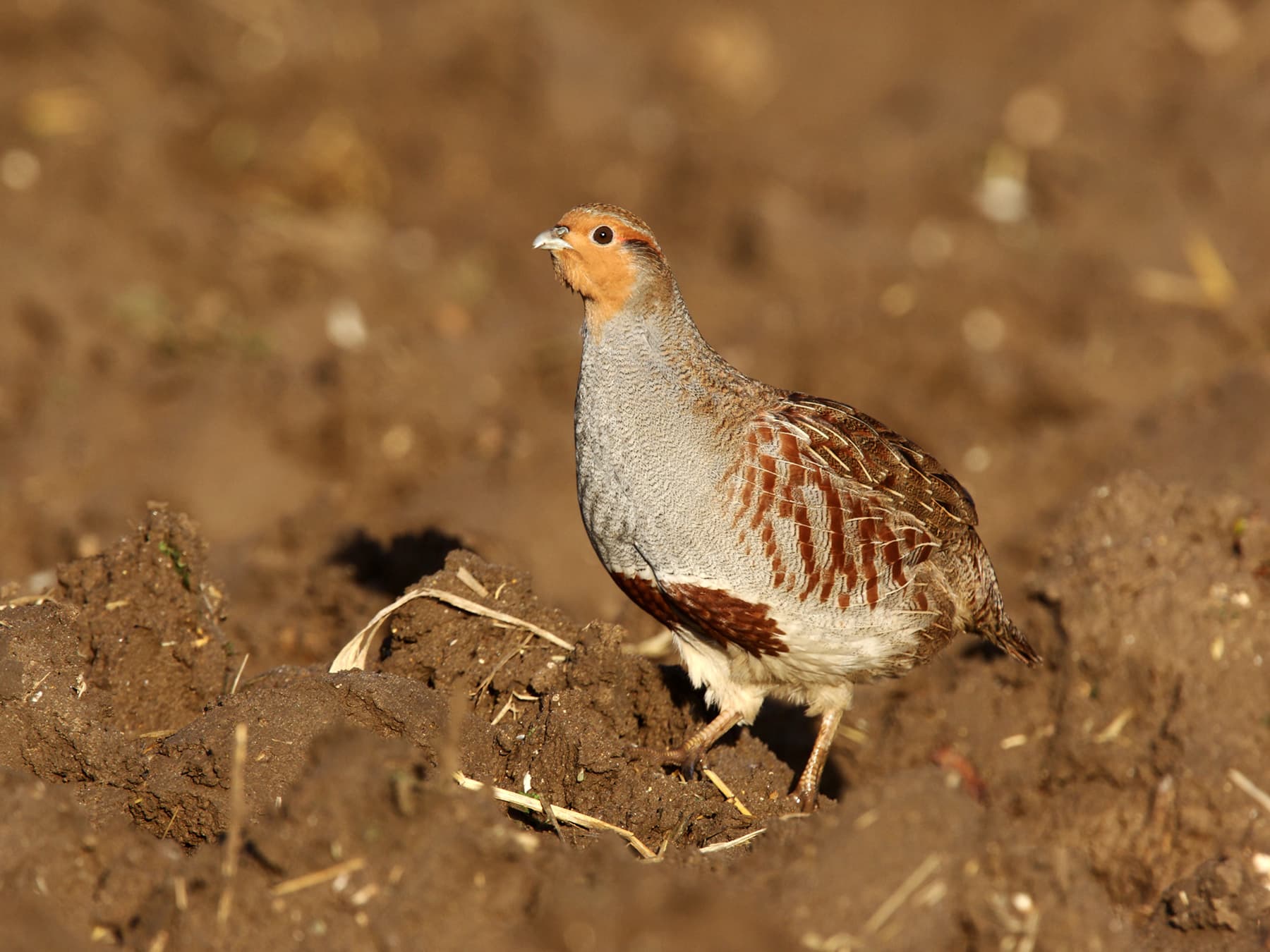
Grey Partridge
Perdix perdixLC
A declining resident of arable farmland and rough grassland. Once widespread, now rare due to agricultural intensification.
Year-round
Spotted something?
Upload a photo to identify it
Identify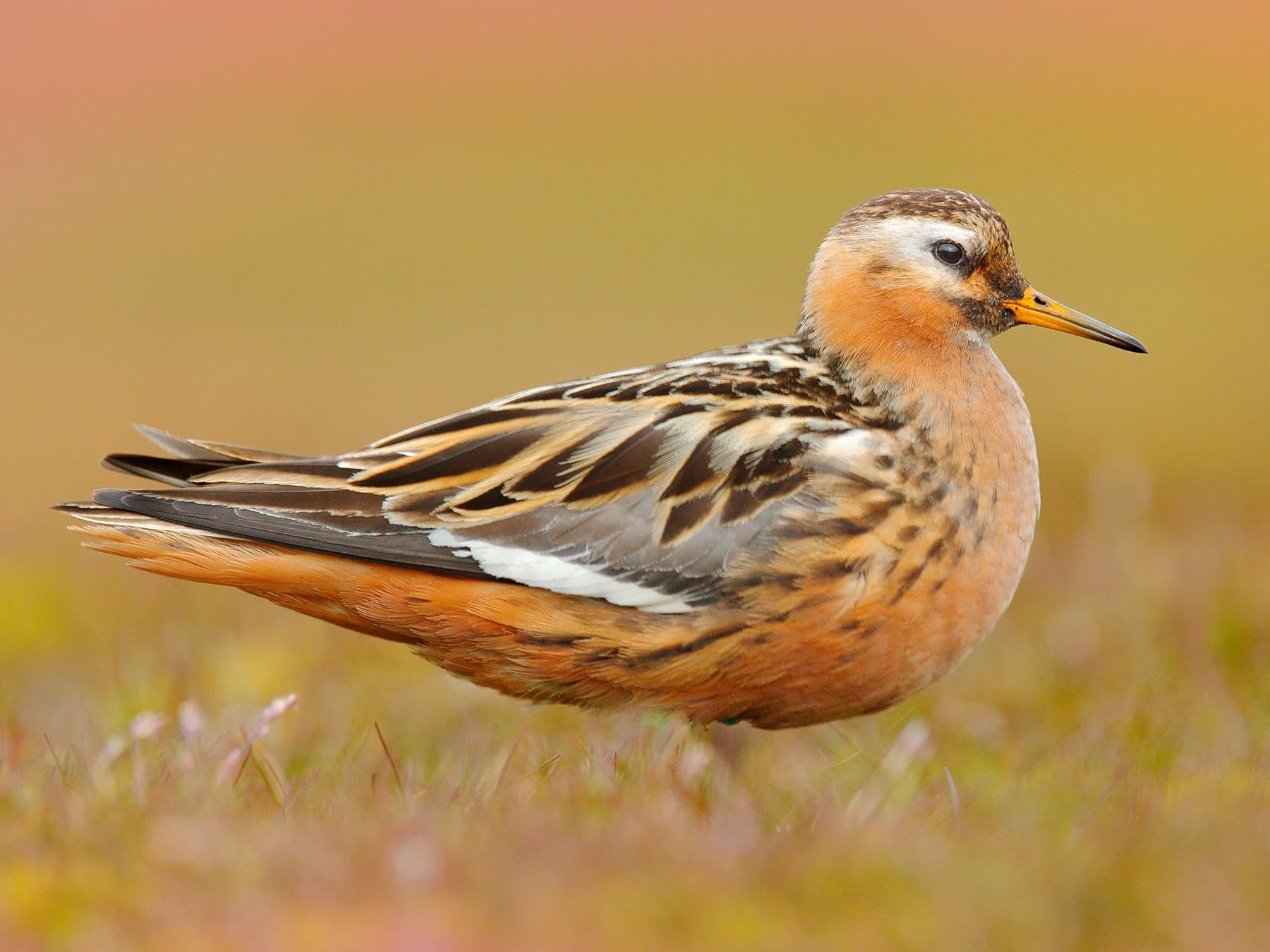
Grey Phalarope
Phalaropus fulicariusLC
A rare autumn passage visitor, occasionally driven to the coast at Filey or Scarborough by strong westerly gales in October and November.
Oct–Nov
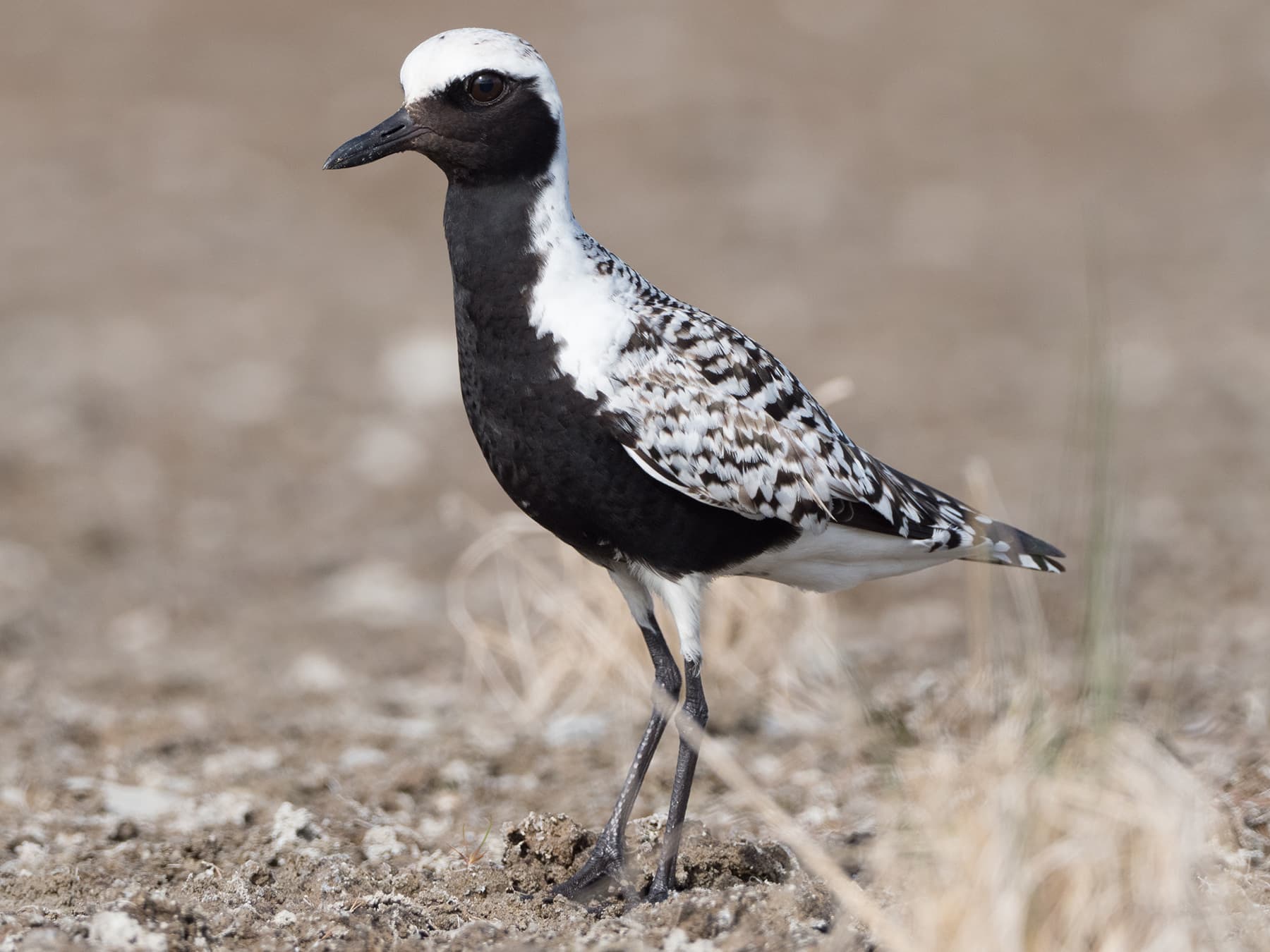
Grey Plover
Pluvialis squatarolaLC
A rare non-breeding visitor to the coast from autumn to spring. Look for its stocky build and black axillaries in flight.
Aug–Mar
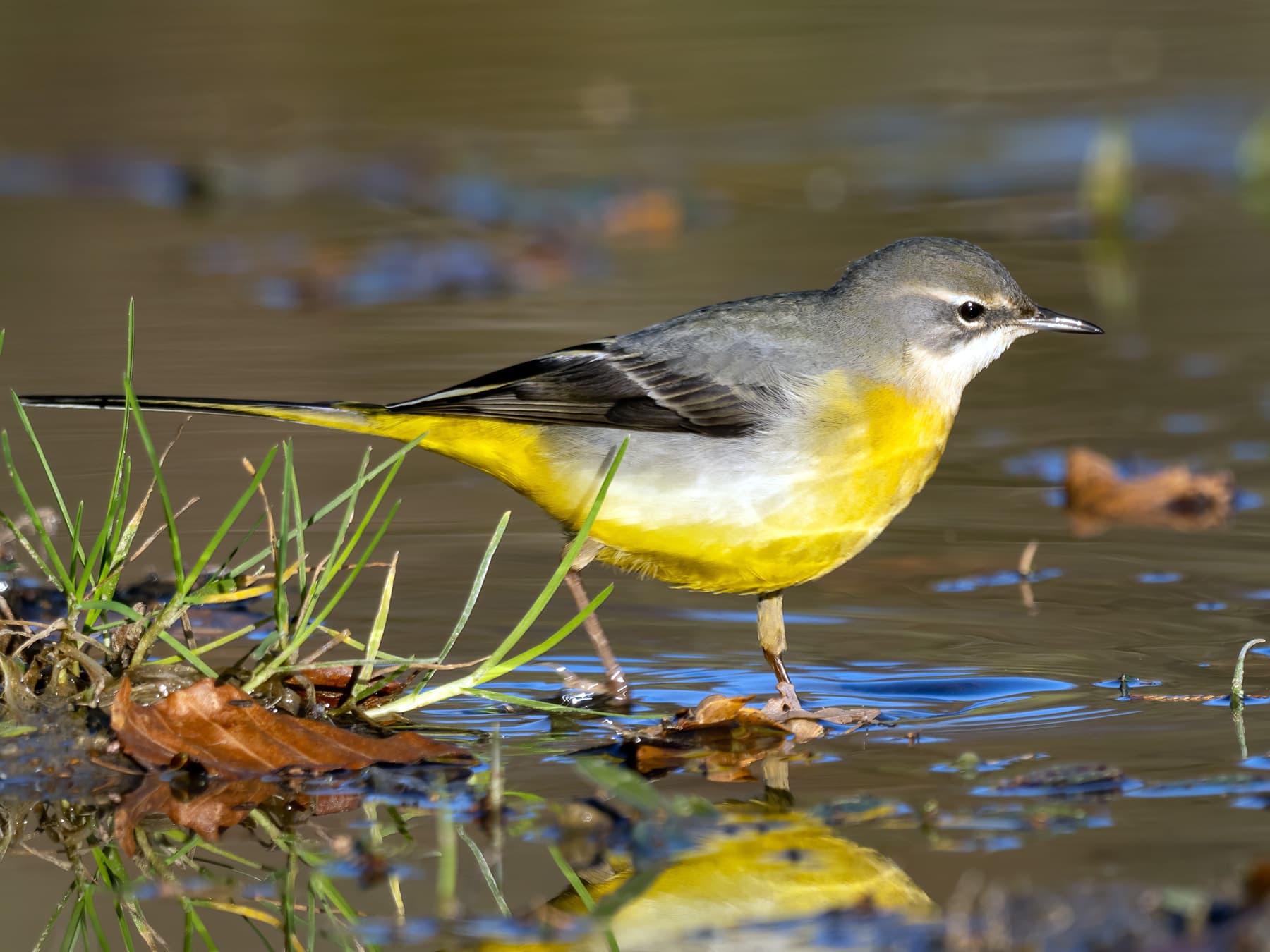
Grey Wagtail
Motacilla cinereaLC
An elegant resident of fast-flowing streams and rivers across the Dales and moors. Bobs its long tail on rocks, sometimes visiting lowland areas in winter.
Year-round
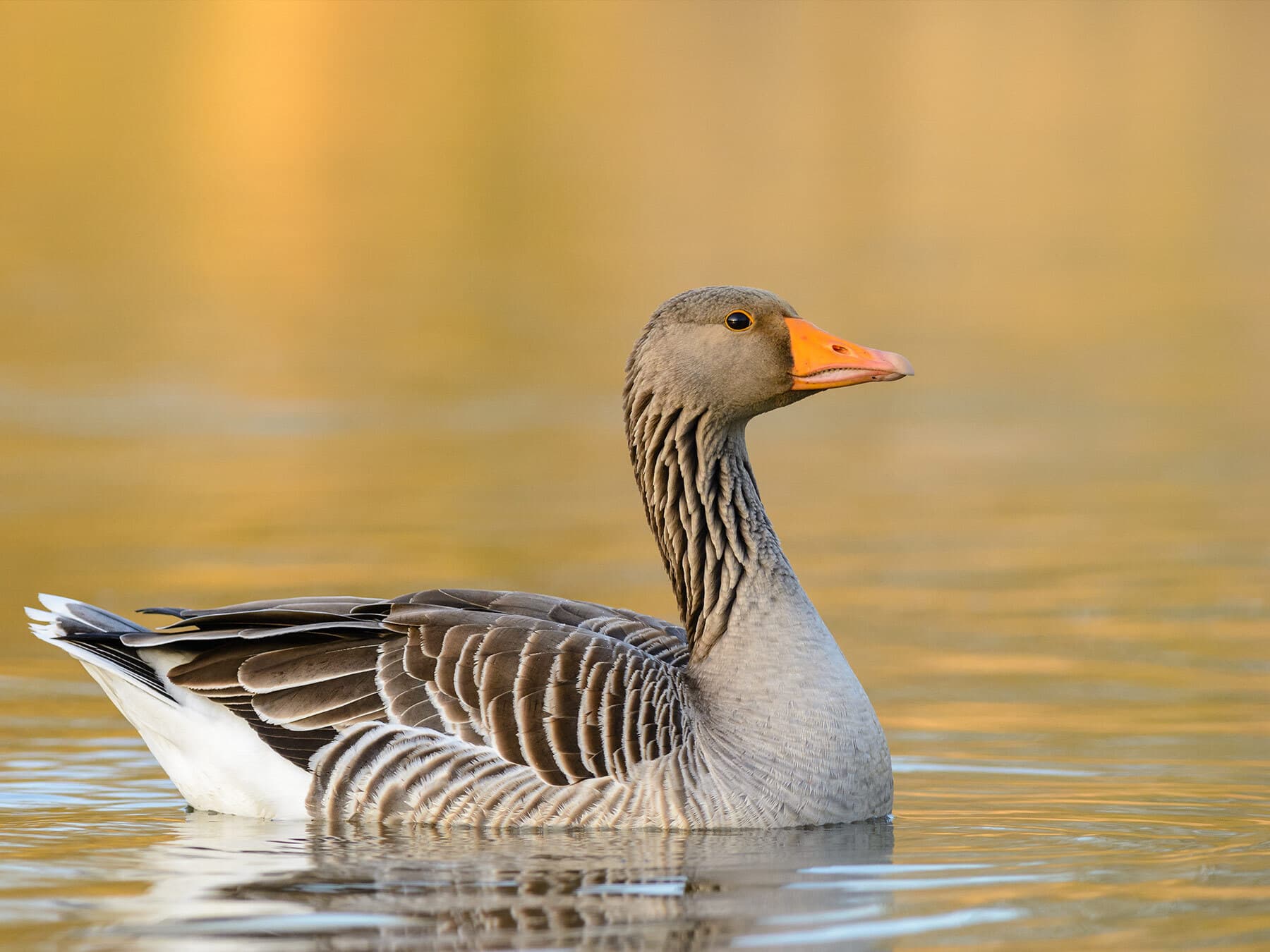
Greylag Goose
Anser anserLC
A common year-round resident found on farmland, reservoirs and parkland lakes across the region. Feral and wild populations mix freely.
Year-round
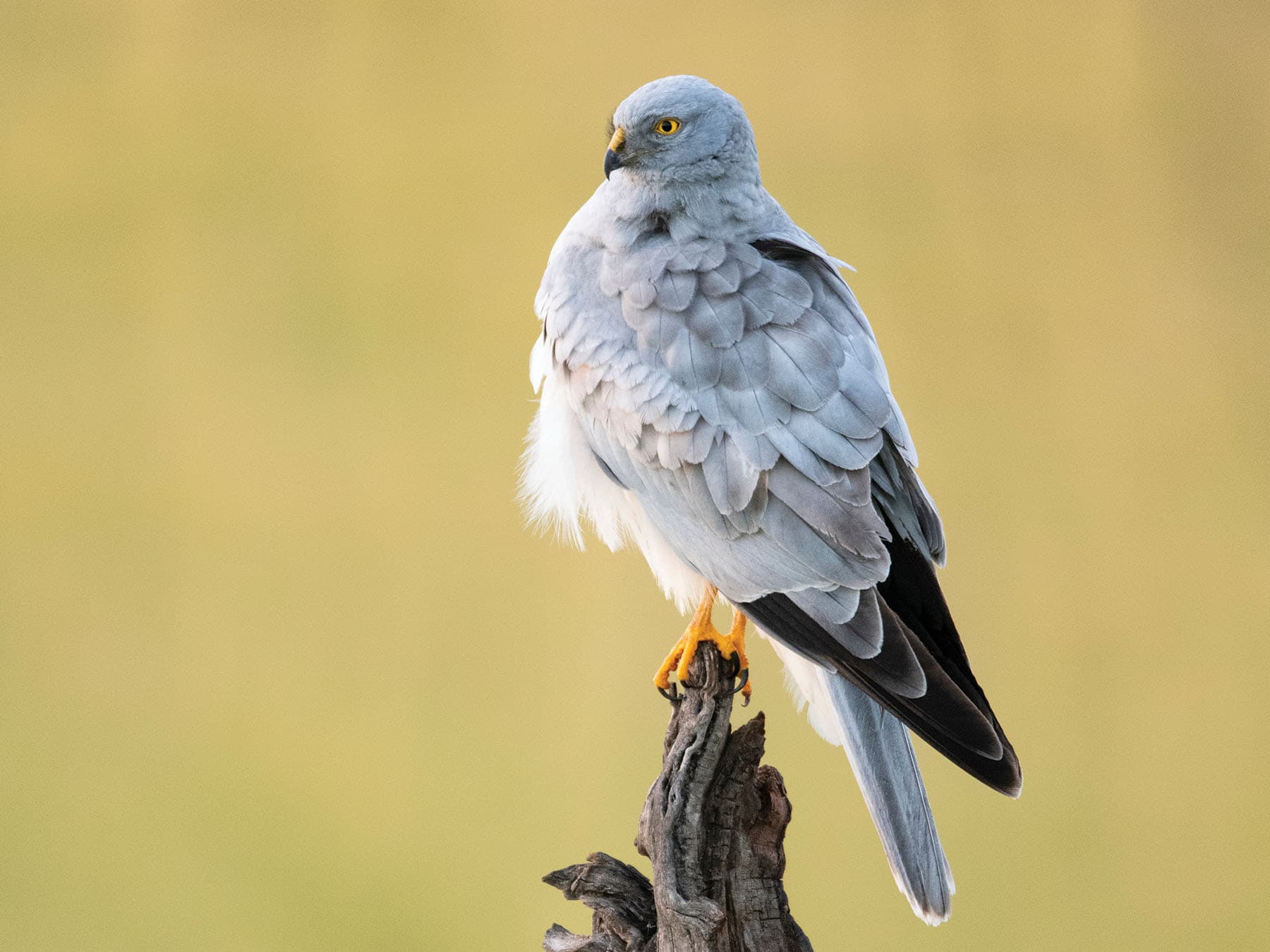
Hen Harrier
Circus cyaneusLC
A rare winter visitor to the moorlands and dales, occasionally quartering heather uplands from late autumn. A persecuted species still struggling in this region.
Nov–Feb
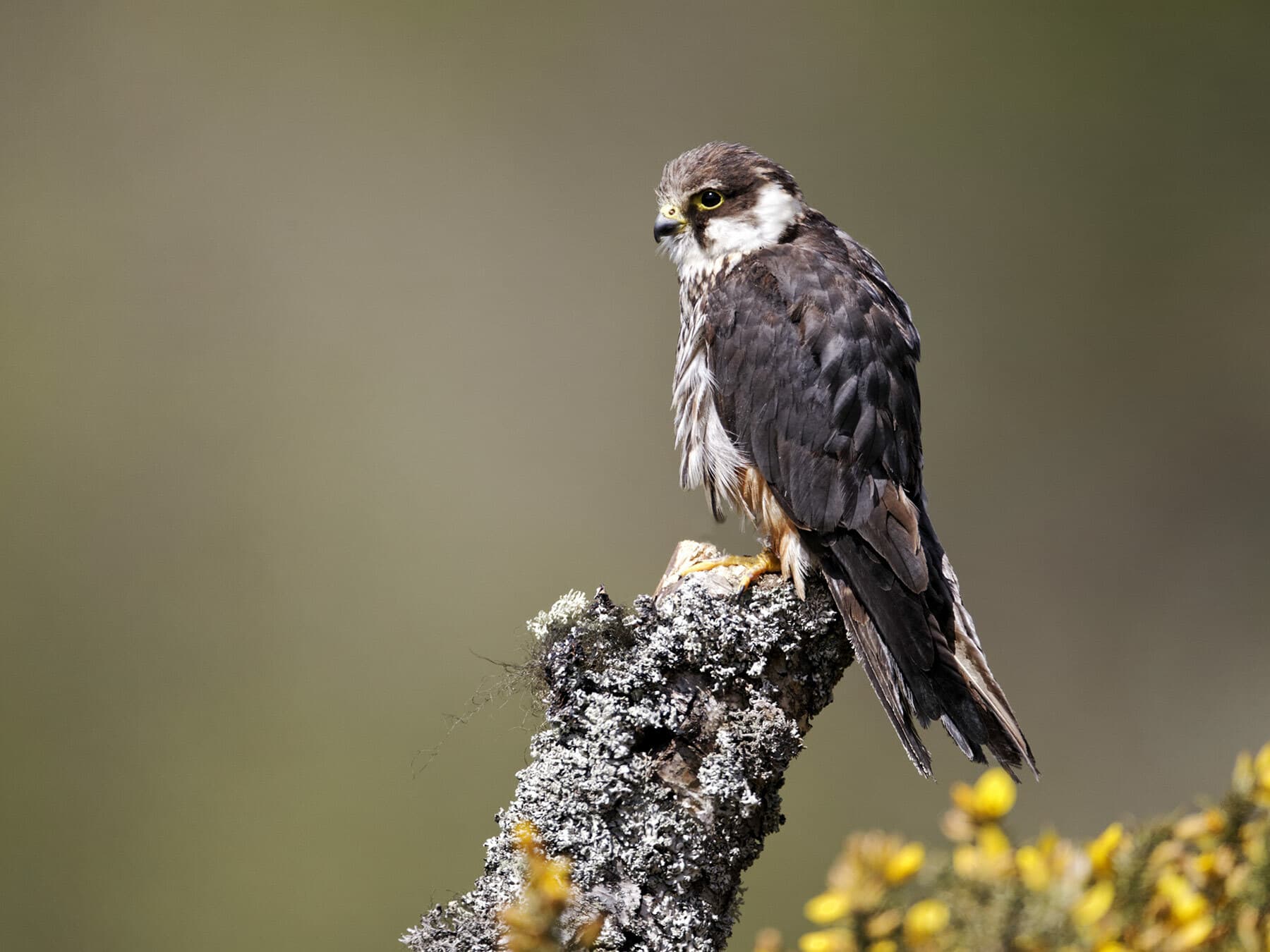
Hobby
Falco subbuteoLC
A rare summer breeder, this agile falcon hunts dragonflies and small birds over lowland heaths and wetlands.
May–Sep
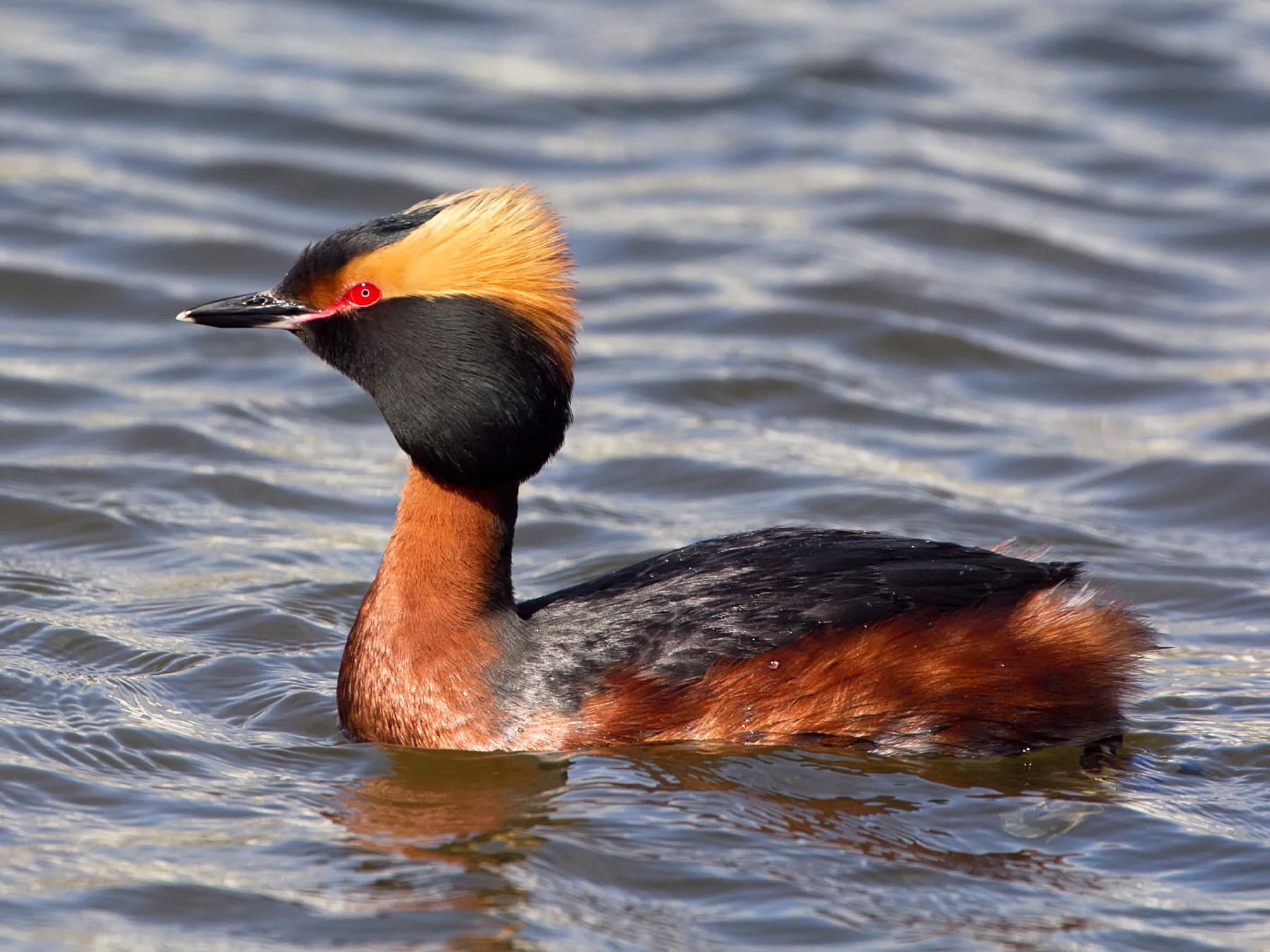
Horned Grebe
Podiceps auritusVU
A rare non-breeding visitor to sheltered coastal bays and reservoirs in winter, sometimes lingering into early spring.
Oct–Feb
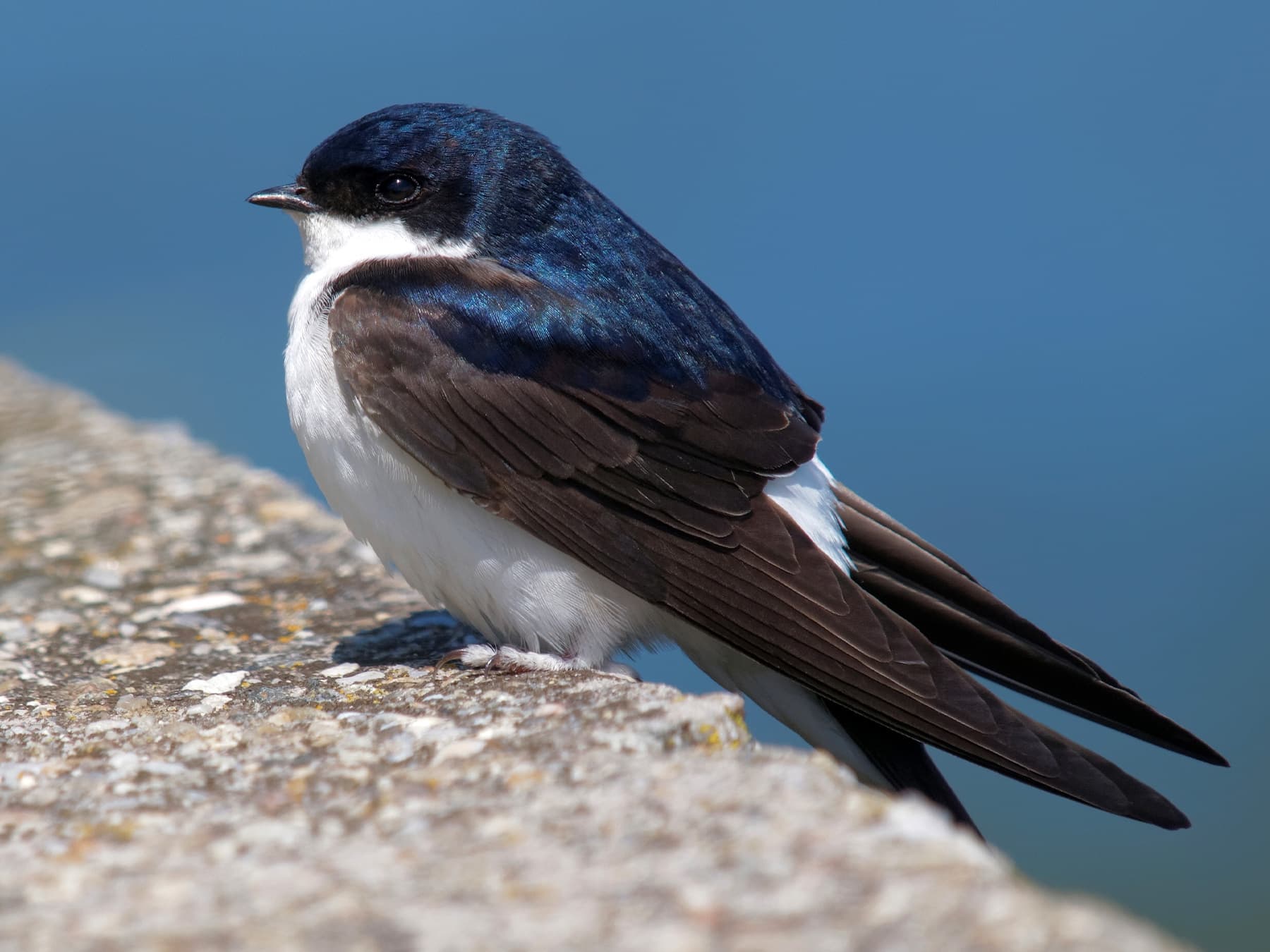
House Martin
Delichon urbicumLC
A common summer visitor nesting under eaves in towns and villages from April to October. Numbers have declined in recent decades.
Apr–Oct
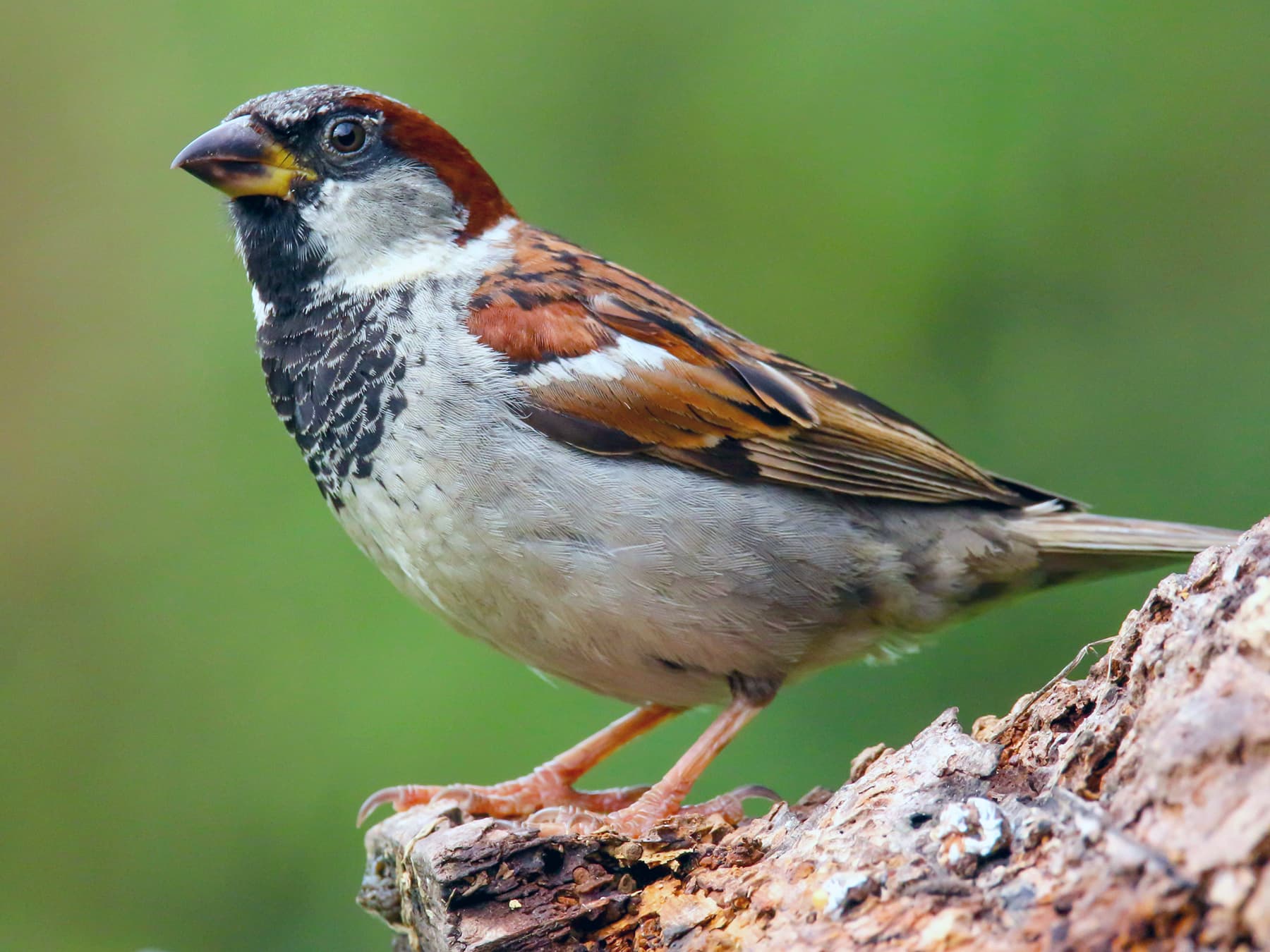
House Sparrow
Passer domesticusLC
A common resident of towns, villages and farmsteads, though numbers have declined significantly since the 1970s.
Year-round
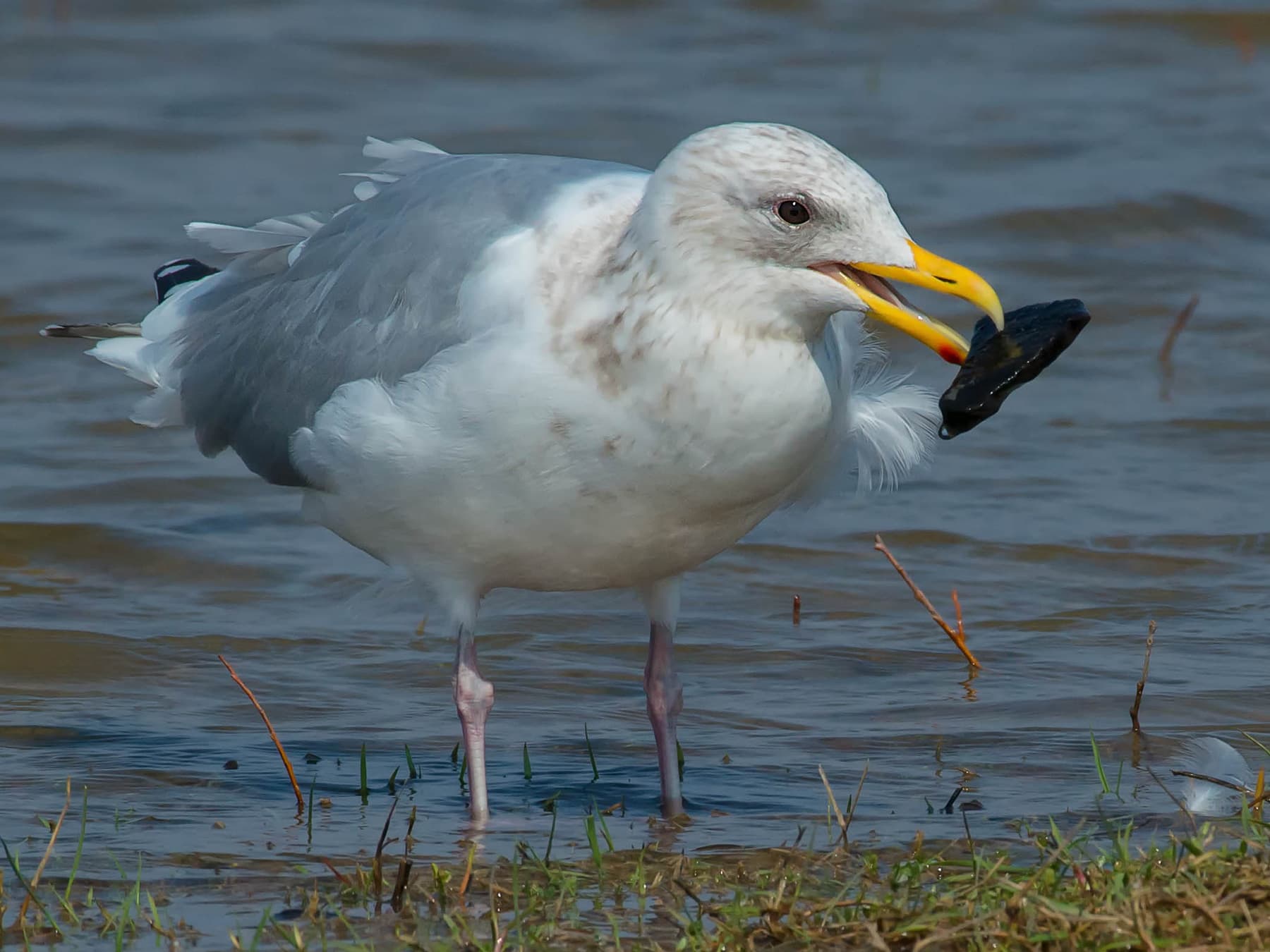
Iceland Gull
Larus glaucoidesLC
A rare late-winter visitor, typically found among large gull gatherings at harbours or landfill sites. Most records fall in February.
Feb
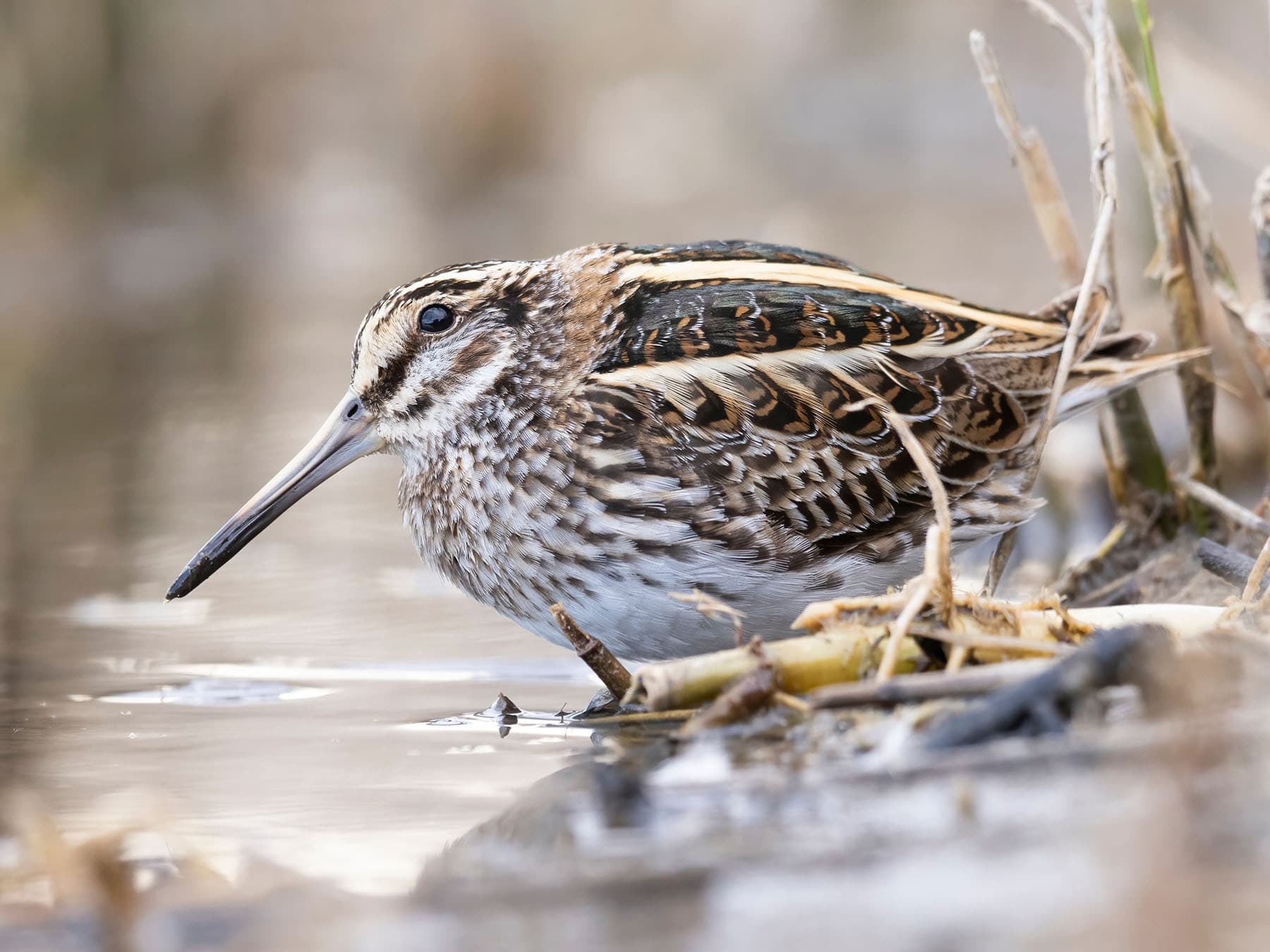
Jack Snipe
Lymnocryptes minimusLC
A rare and secretive winter visitor from October to March. Favours boggy margins and wet meadows, flushing only at close range.
Oct–Mar
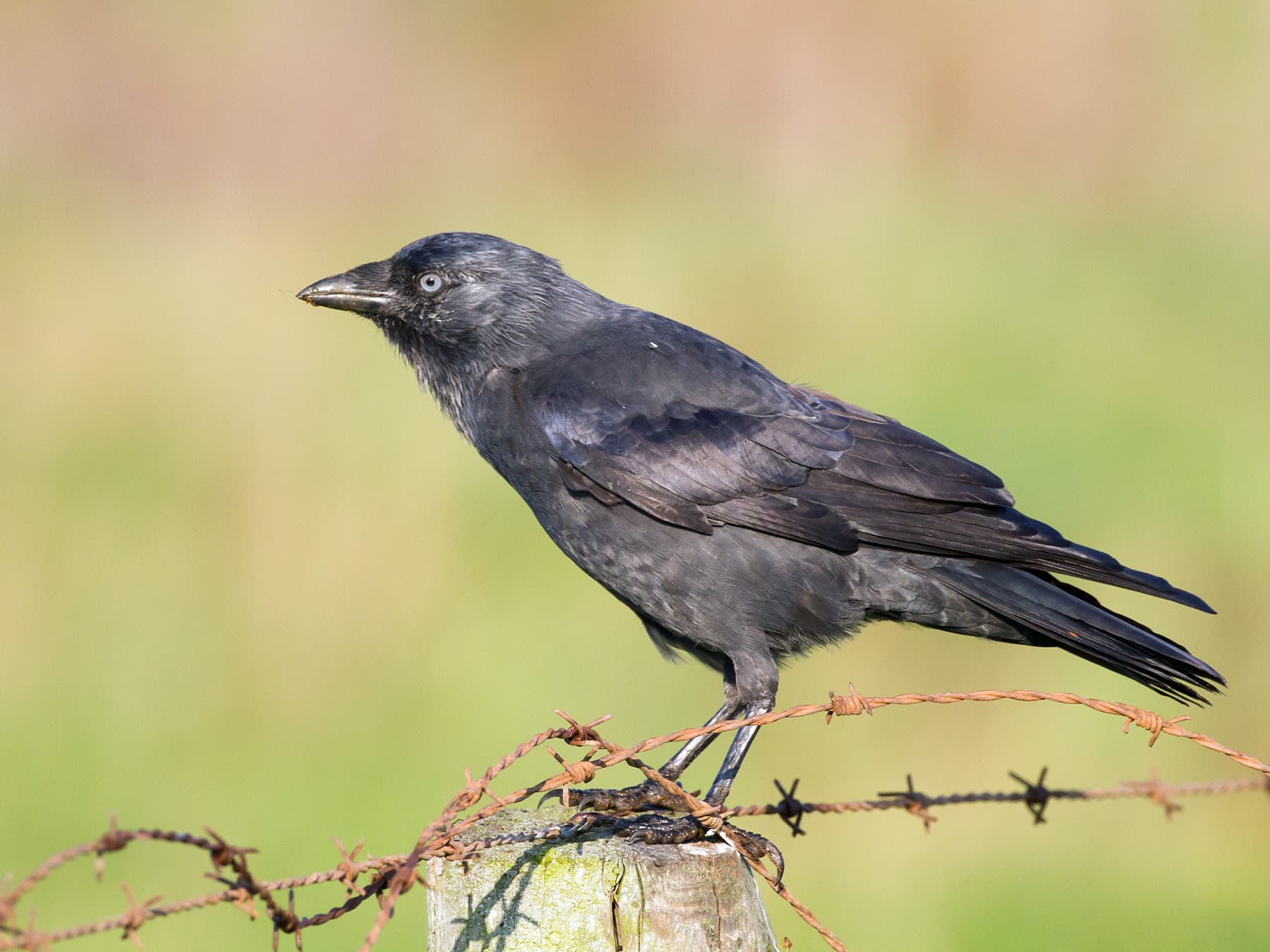
Jackdaw
Coloeus monedulaLC
A common and sociable resident, nesting in old buildings, church towers and tree cavities across the region.
Year-round
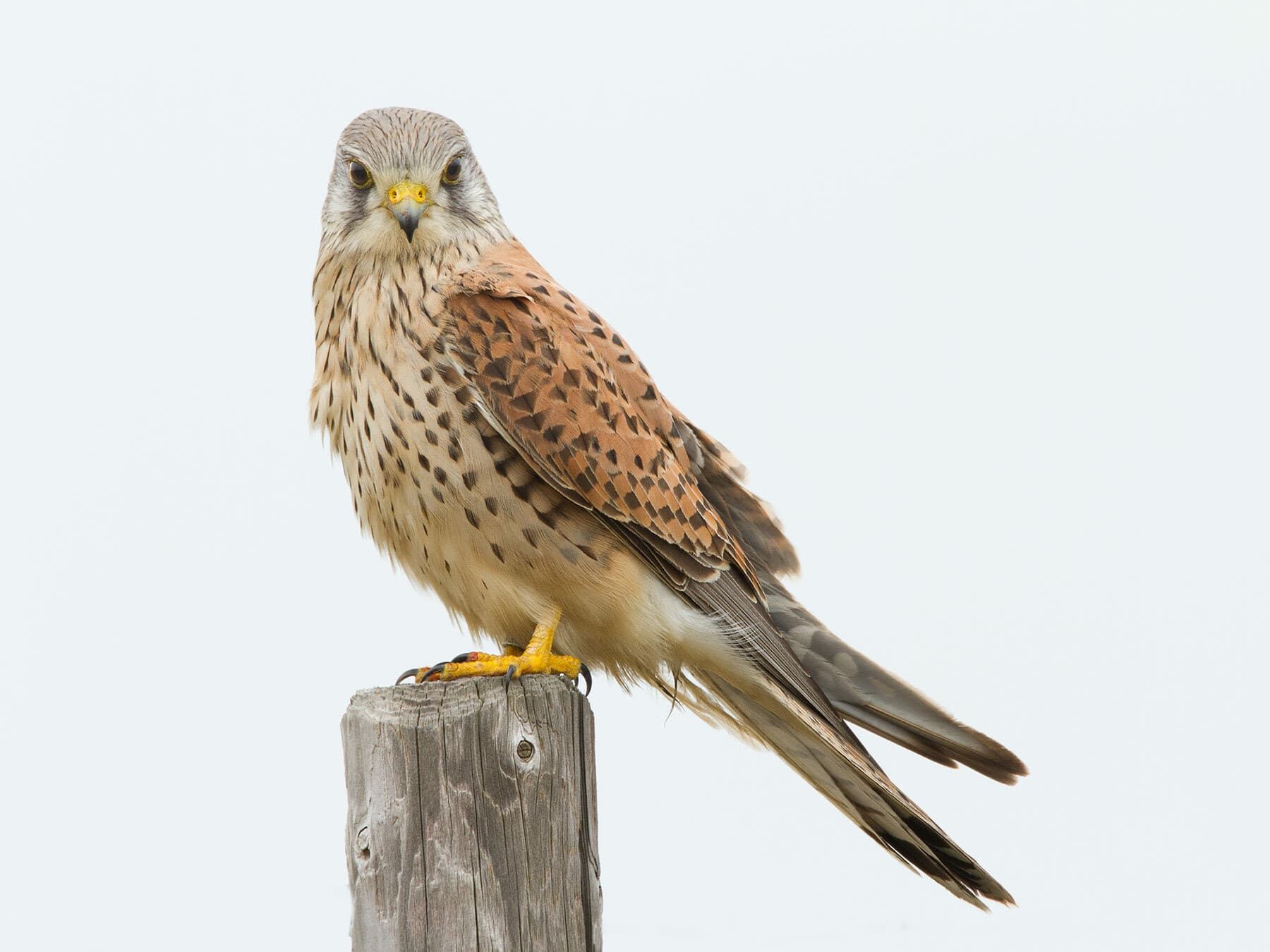
Kestrel
Falco tinnunculusLC
A common resident often seen hovering over roadside verges and moorland edges while hunting for voles.
Year-round
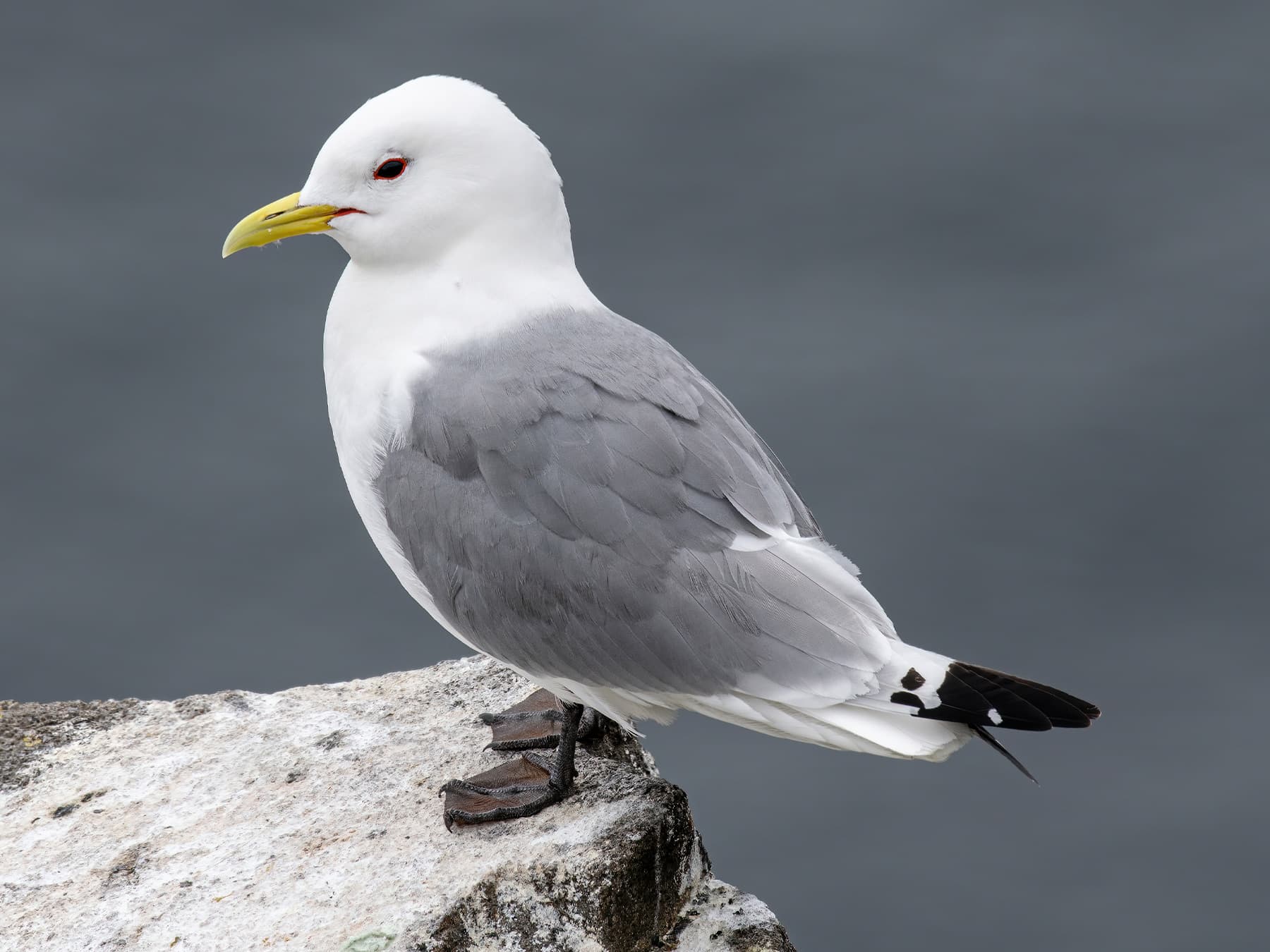
Kittiwake
Rissa tridactylaVU
Nests in large colonies on coastal cliffs, notably at Bempton. Numbers are declining sharply due to food shortages, making it a conservation priority.
Year-round
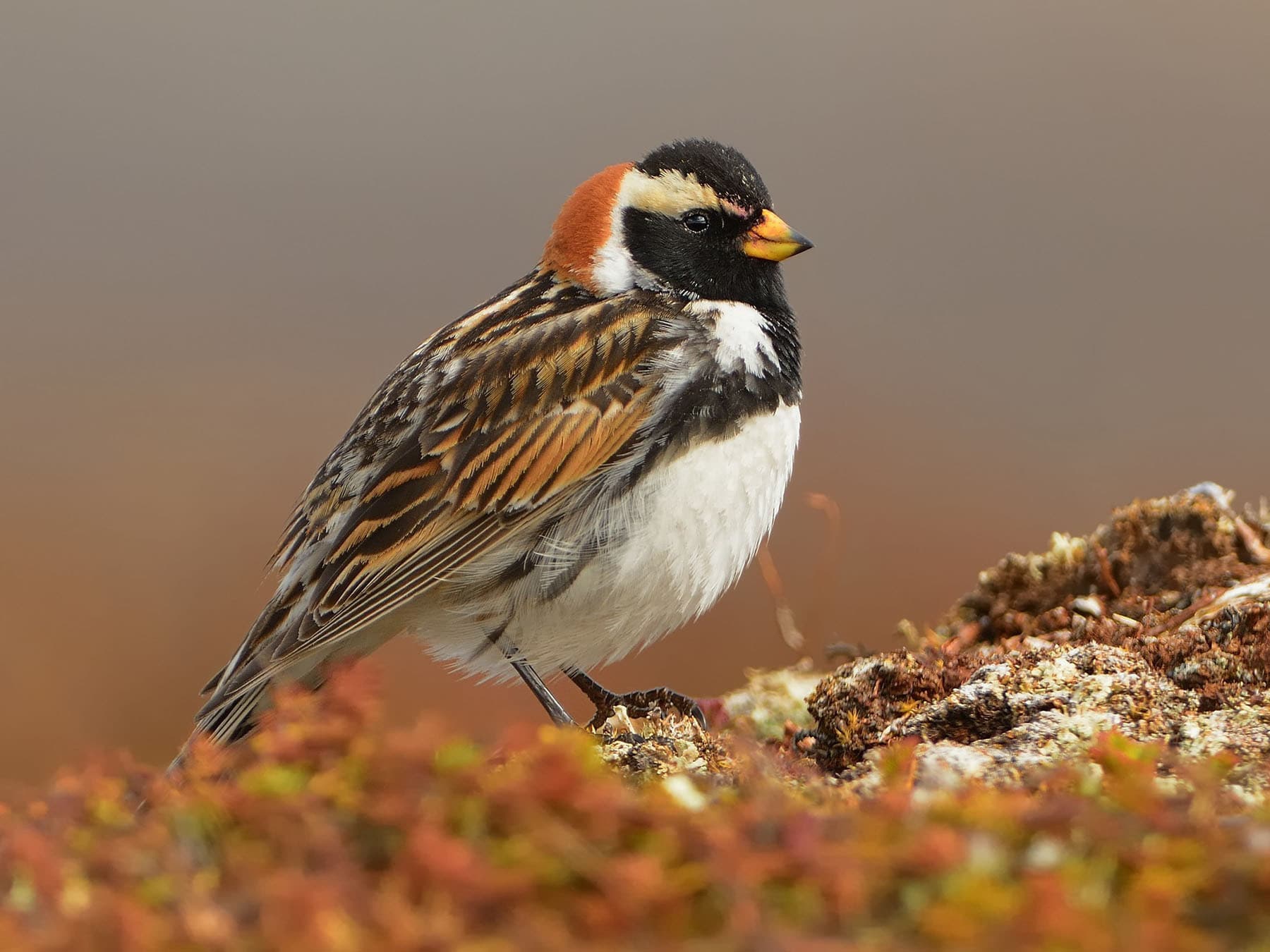
Lapland Longspur
Calcarius lapponicusLC
A rare visitor from the Arctic, occasionally found on coastal stubble fields and moorland in autumn and winter. Easily overlooked among other buntings.
Sep–Mar