Birds in North Yorkshire
Explore 218 species found in this region.
North Yorkshire is one of England's largest and most diverse counties for birdwatching, with 217 recorded species across its sweeping moorlands, rugged coastline, river valleys, and expansive wetlands. From the upland heaths of the North York Moors, where Hen Harriers and European Honey-buzzards breed, to the coastal reserves and lowland lakes that attract wintering Goldeneye and Great White Egrets, the county offers exceptional birding year-round. Scarcer visitors such as Cetti's Warbler and Long-tailed Jaeger add further excitement for keen observers.
Visiting in September? Look out for Balearic Shearwater and Brambling arriving this month, and Cuckoo and European Storm-petrel depart for the season.


Showing 70–92 of 218 species
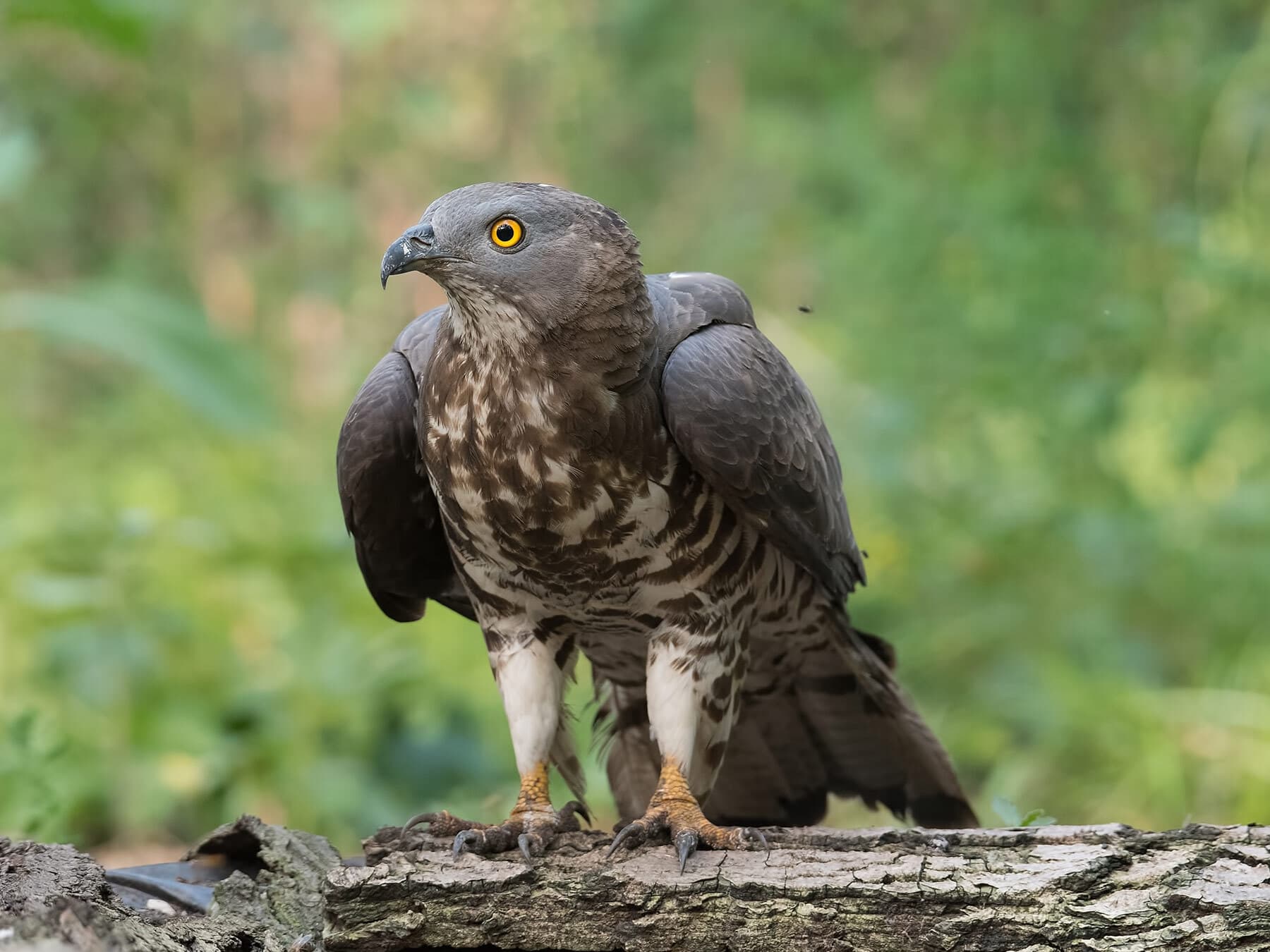
European Honey-buzzard
Pernis apivorusLC
A rare and secretive summer breeder in mature woodlands, feeding largely on wasp and bee nests. Present May to July.
May–Jul
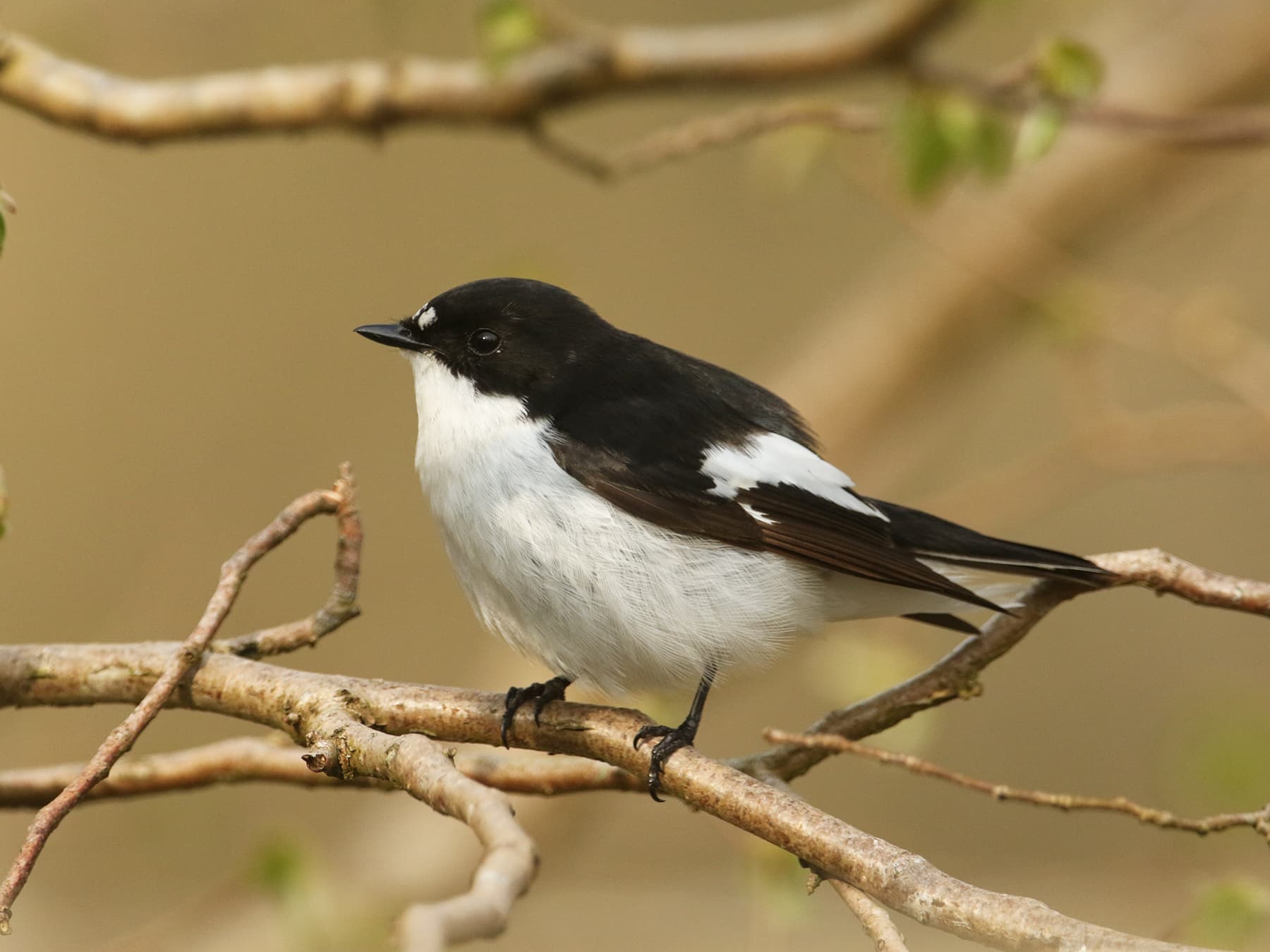
European Pied Flycatcher
Ficedula hypoleucaLC
A rare breeding visitor to oak woodlands, particularly in the western dales. Readily takes to nestboxes where provided from April to September.
Apr–Sep
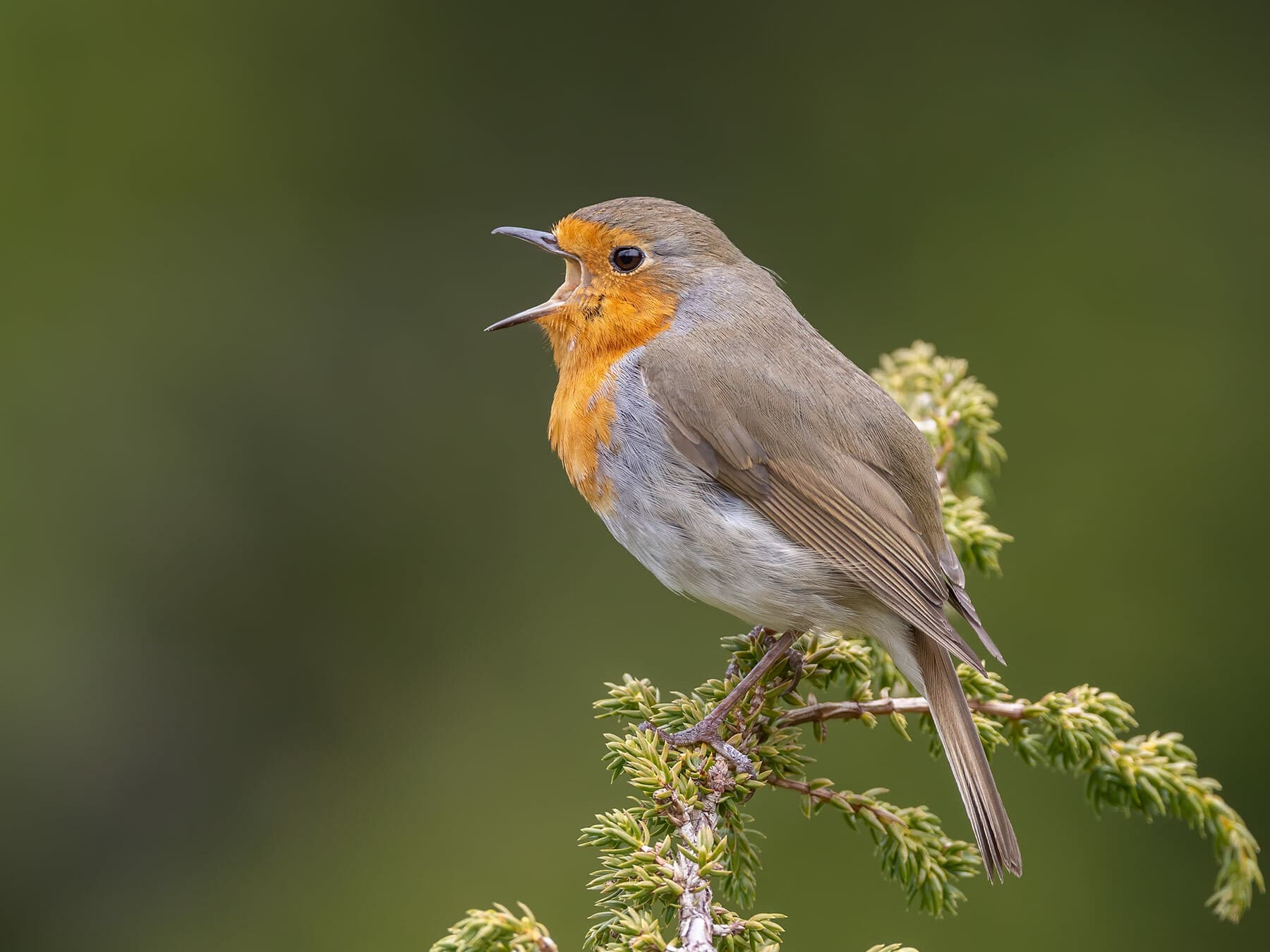
European Robin
Erithacus rubeculaLC
A familiar year-round resident of gardens, hedgerows and woodlands across North Yorkshire, singing even through the winter months.
Year-round
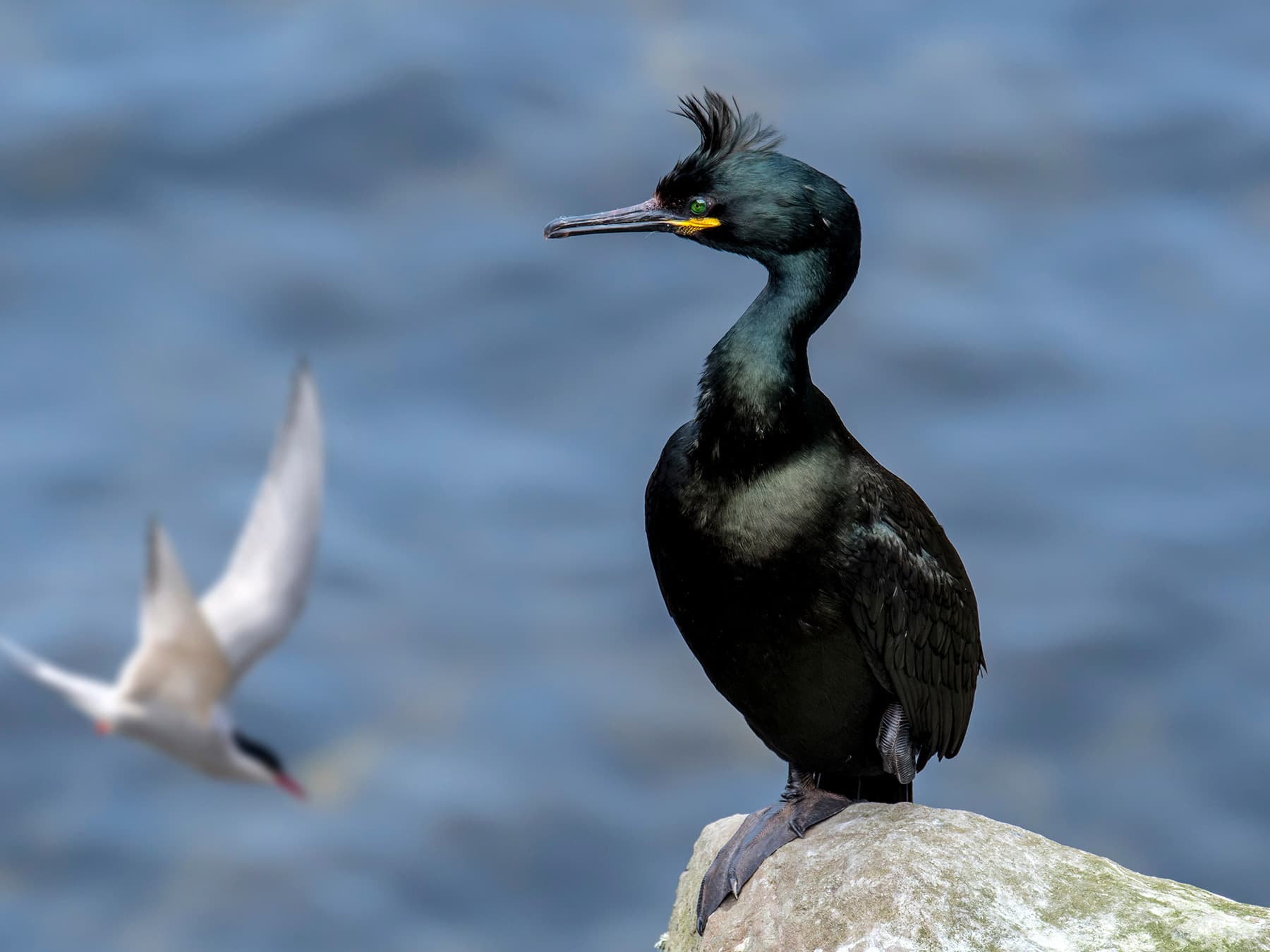
European Shag
Phalacrocorax aristotelisLC
An uncommon resident of rocky coastlines, breeding on cliffs at Flamborough and Staithes. Stays closer inshore than its cormorant cousin.
Year-round
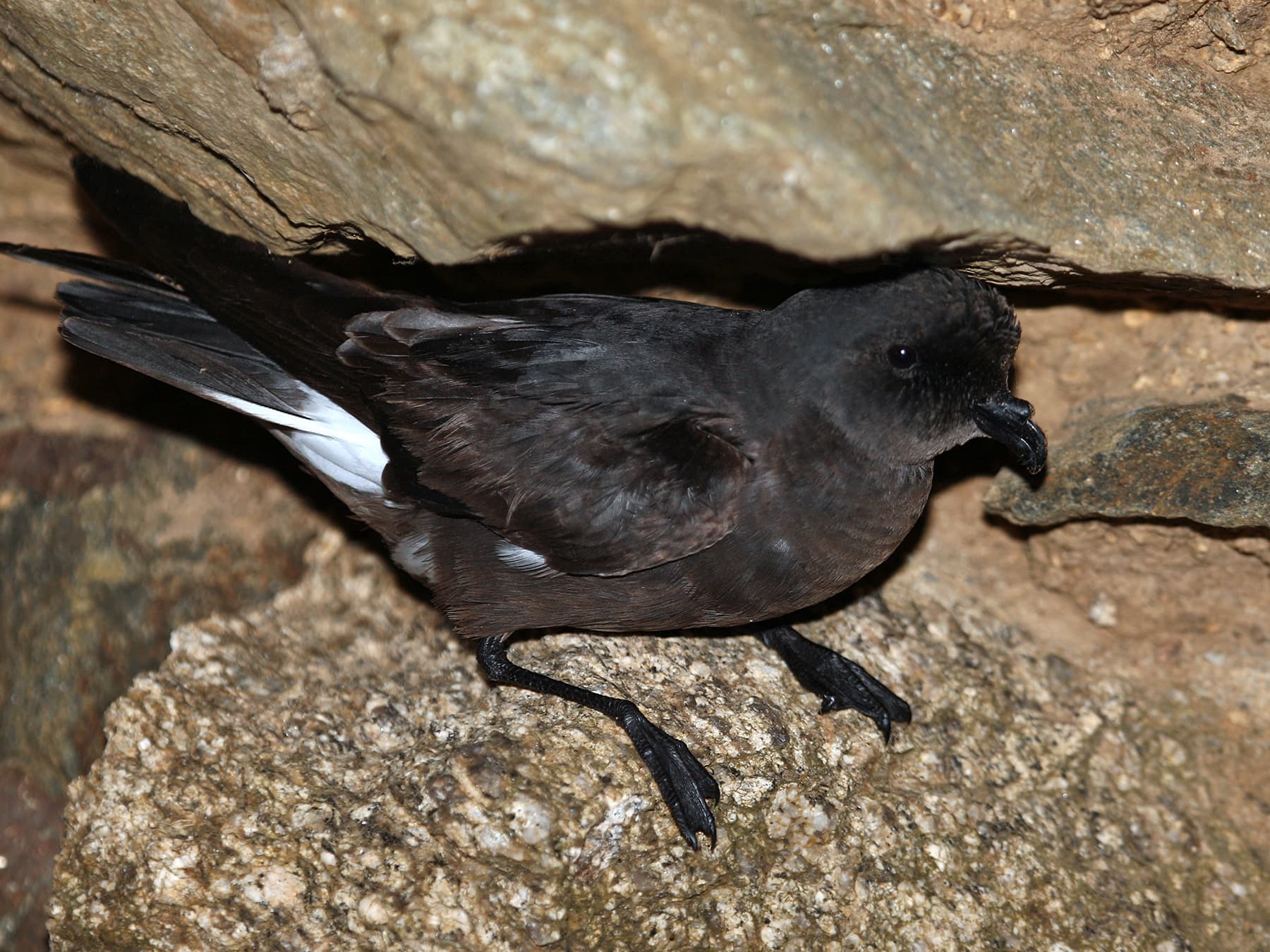
European Storm-petrel
Hydrobates pelagicusLC
A rare summer passage visitor, occasionally detected during seawatches from Flamborough Head and Filey Brigg in July and August.
Jul–Aug
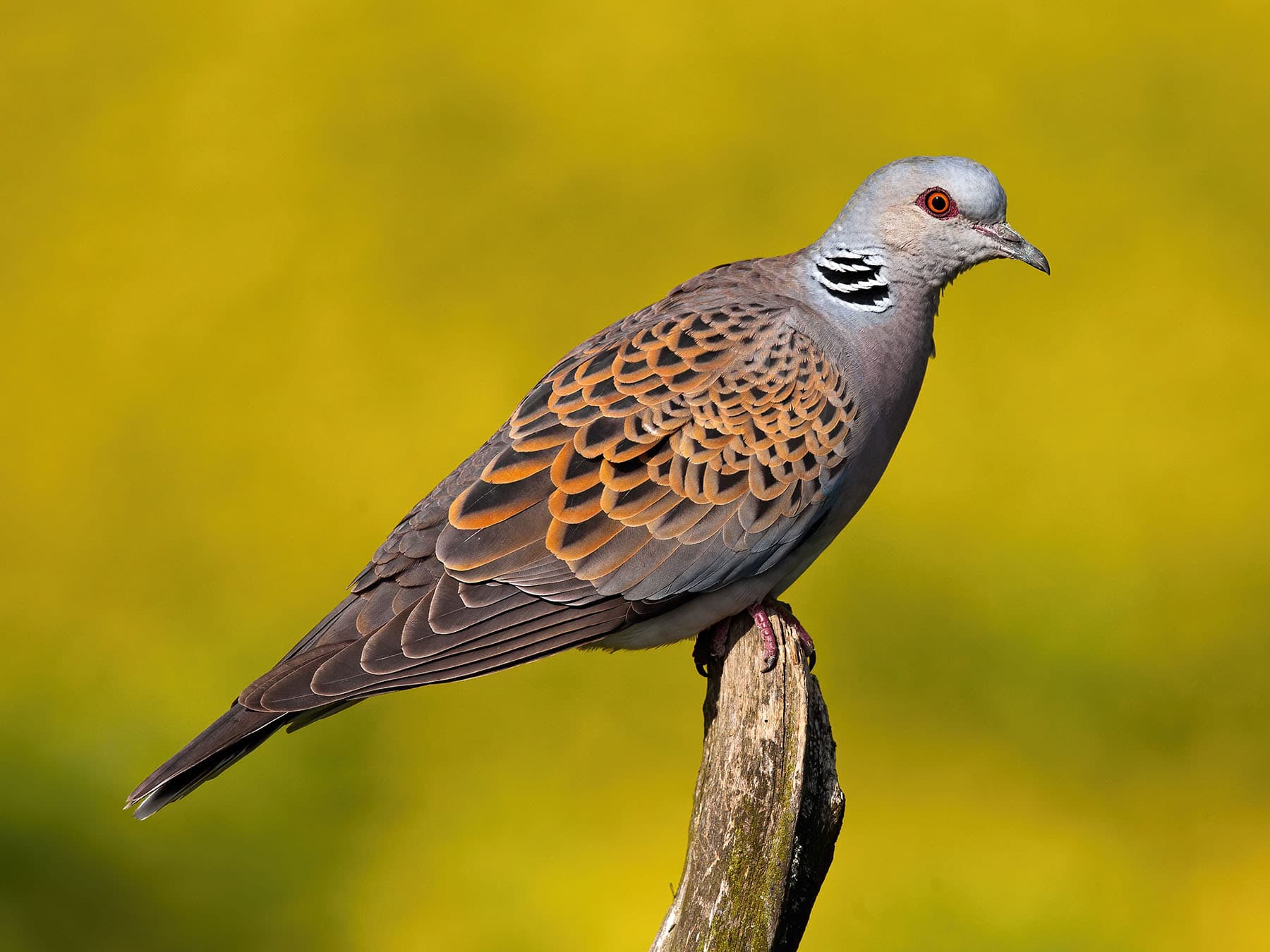
European Turtle-dove
Streptopelia turturVU
A rare and rapidly declining summer breeder, arriving in May. One of the UK's most threatened farmland birds, favouring hedgerow scrub.
May–Jul
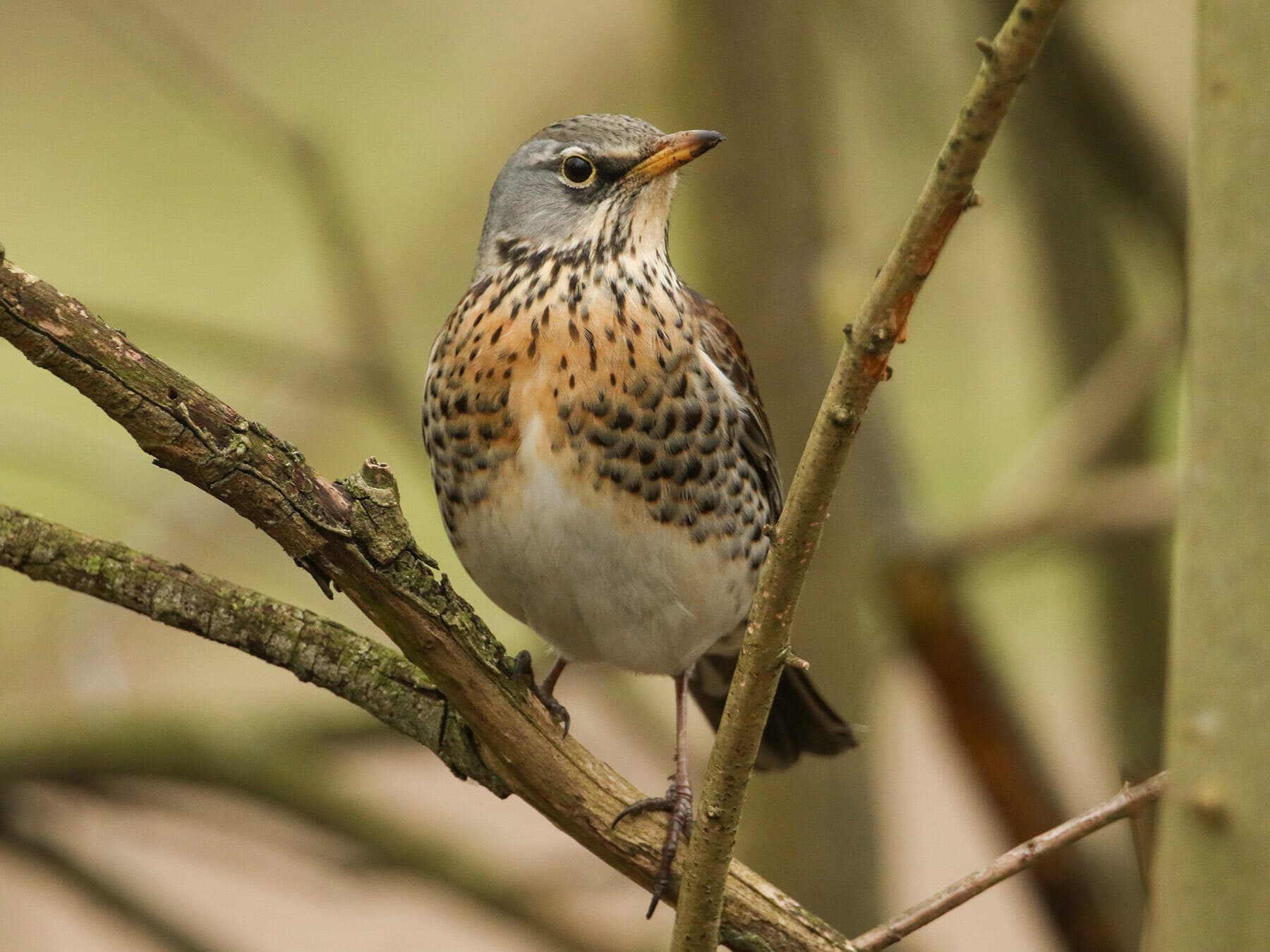
Fieldfare
Turdus pilarisLC
A winter thrush arriving from Scandinavia, present from October to April. Flocks roam farmland and hedgerows feeding on berries alongside Redwings.
Oct–May
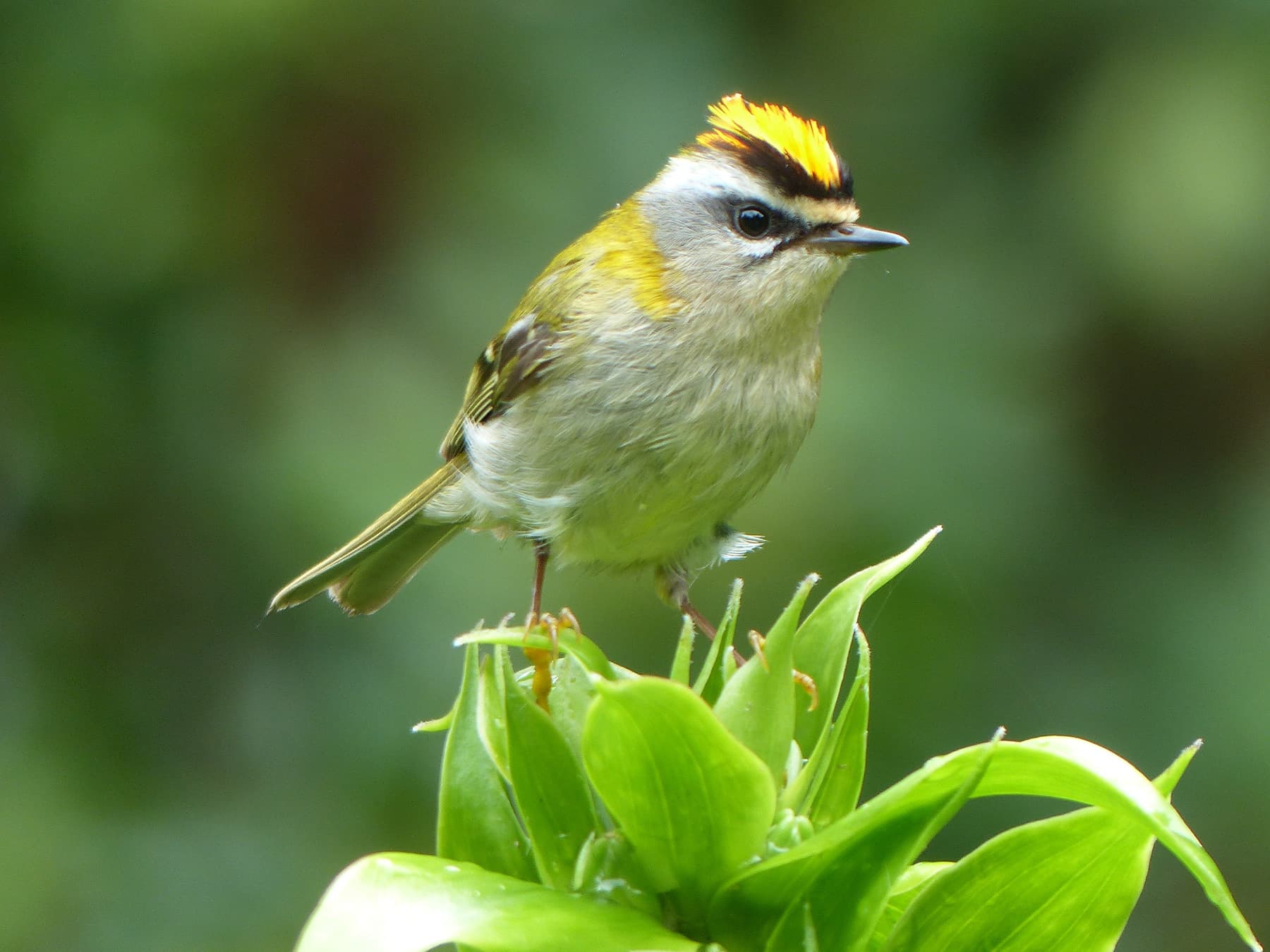
Firecrest
Regulus ignicapillaLC
A rare passage migrant in April and October, most often found in coastal scrub alongside commoner Goldcrests.
Oct–Apr
Spotted something?
Upload a photo to identify it
Identify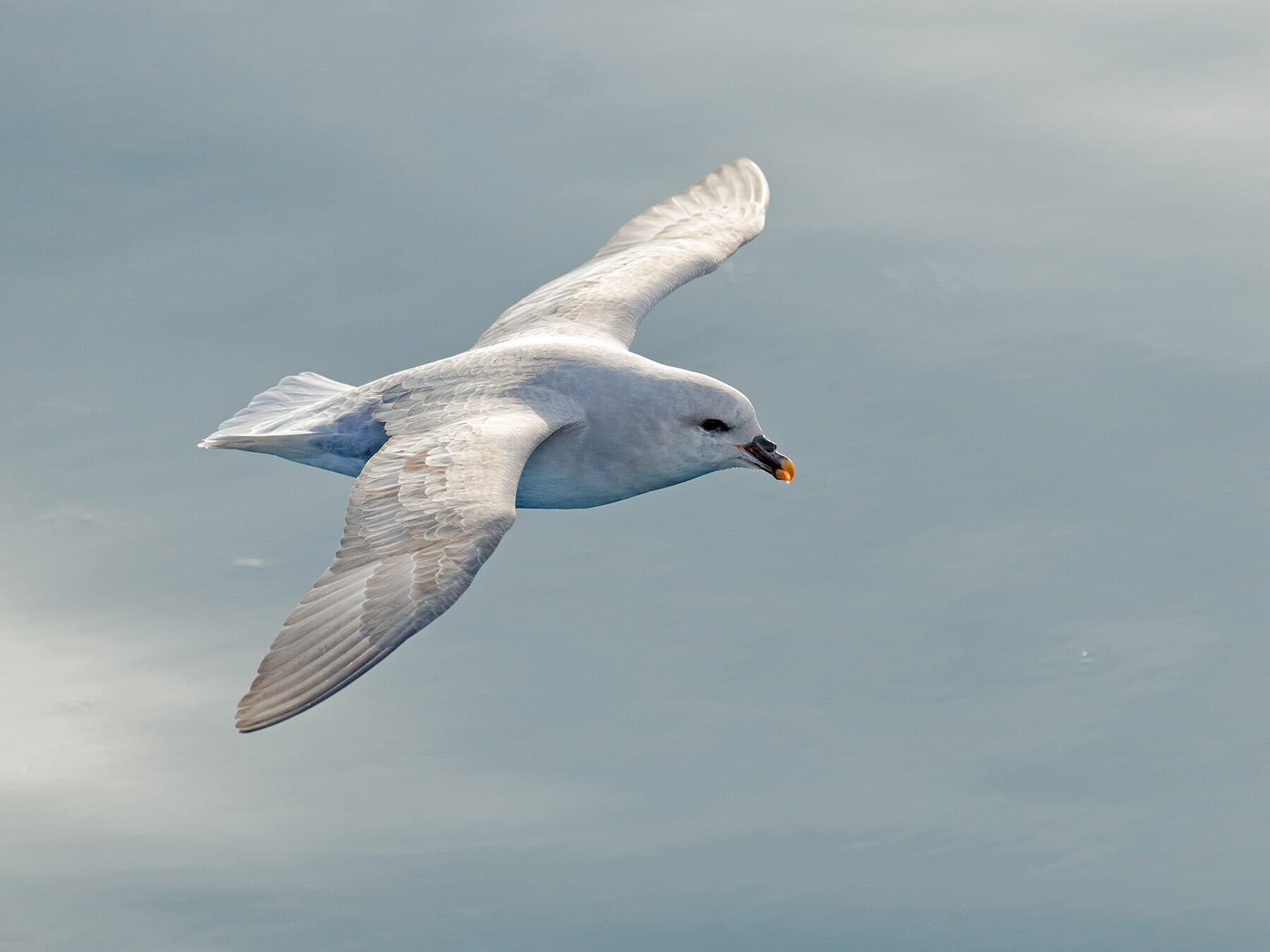
Fulmar
Fulmarus glacialisLC
Nests on the dramatic sea cliffs at Bempton and Flamborough, present year-round and often seen gliding stiffly on outstretched wings.
Year-round
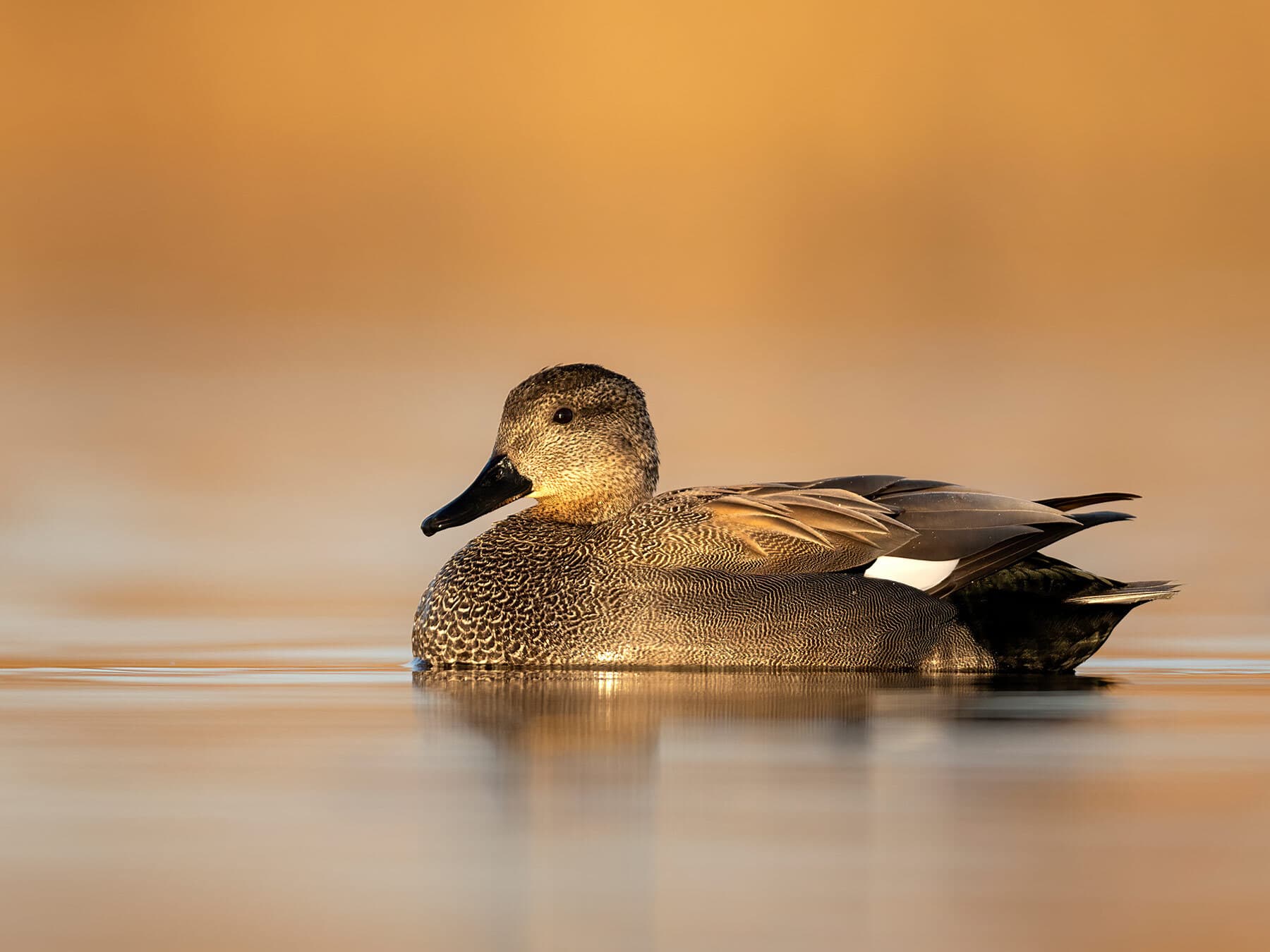
Gadwall
Mareca streperaLC
An uncommon year-round resident of lowland lakes and reservoirs. Quieter and less conspicuous than its close relative the Mallard.
Year-round
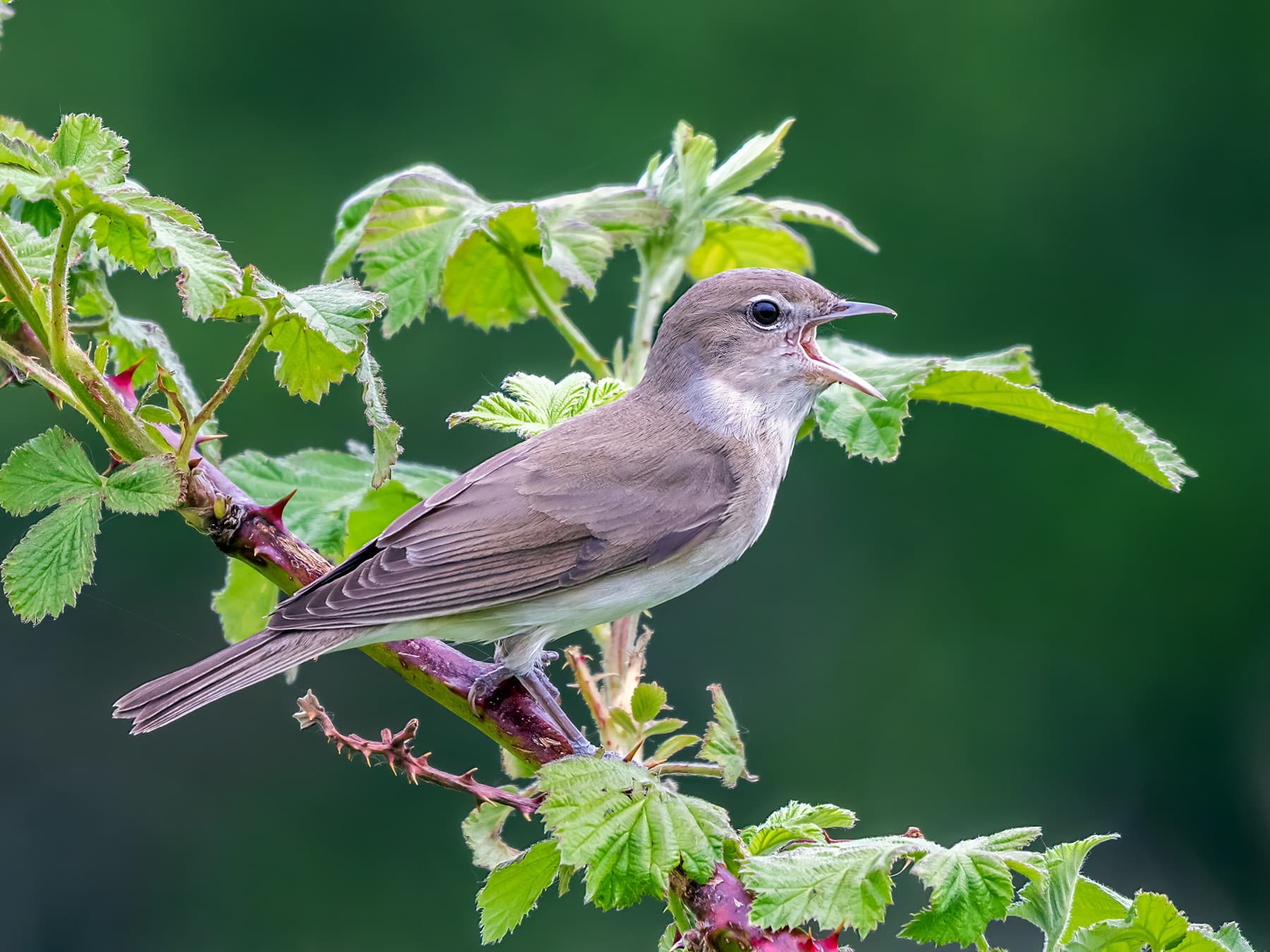
Garden Warbler
Sylvia borinLC
An uncommon summer breeder in dense woodland understorey, arriving in late April and easily overlooked despite its rich song.
Apr–Oct
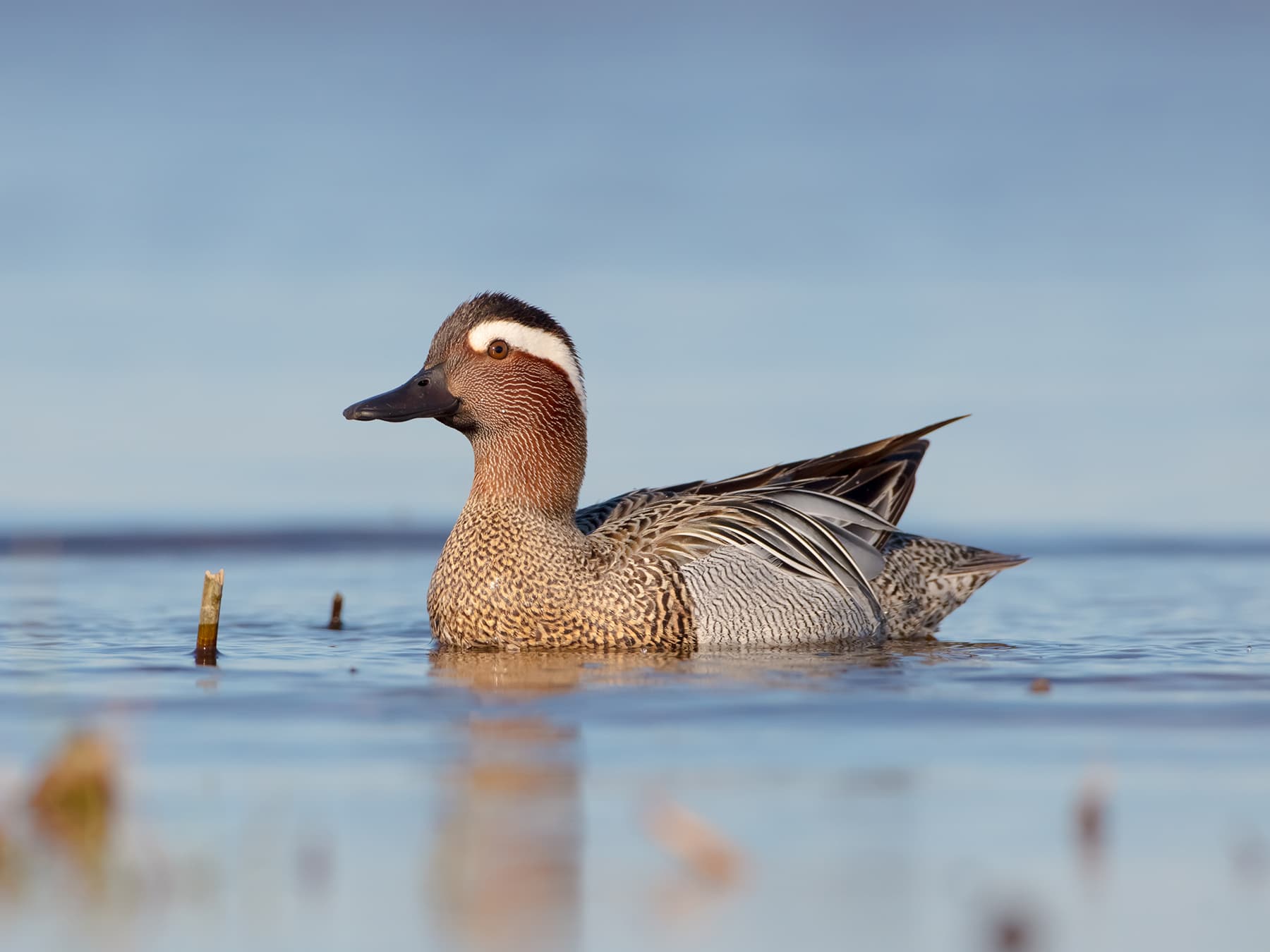
Garganey
Spatula querquedulaLC
A rare summer breeder arriving in spring, favouring shallow wetlands with emergent vegetation. One of the UK's scarcest breeding ducks.
Apr–Sep
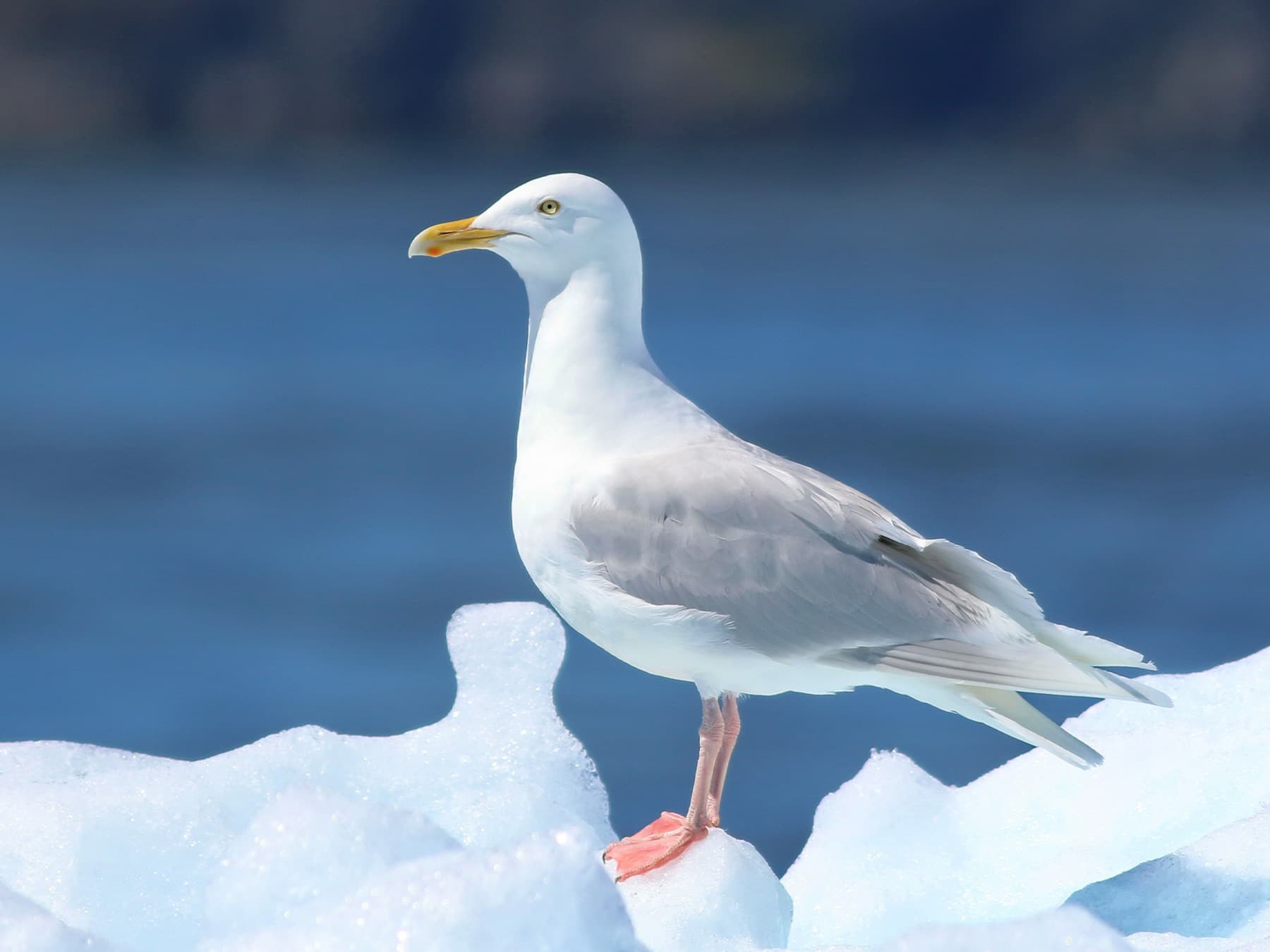
Glaucous Gull
Larus hyperboreusLC
A rare winter visitor from the Arctic, occasionally spotted among gull flocks at harbours and coastal roosts in January and February.
Jan–Feb
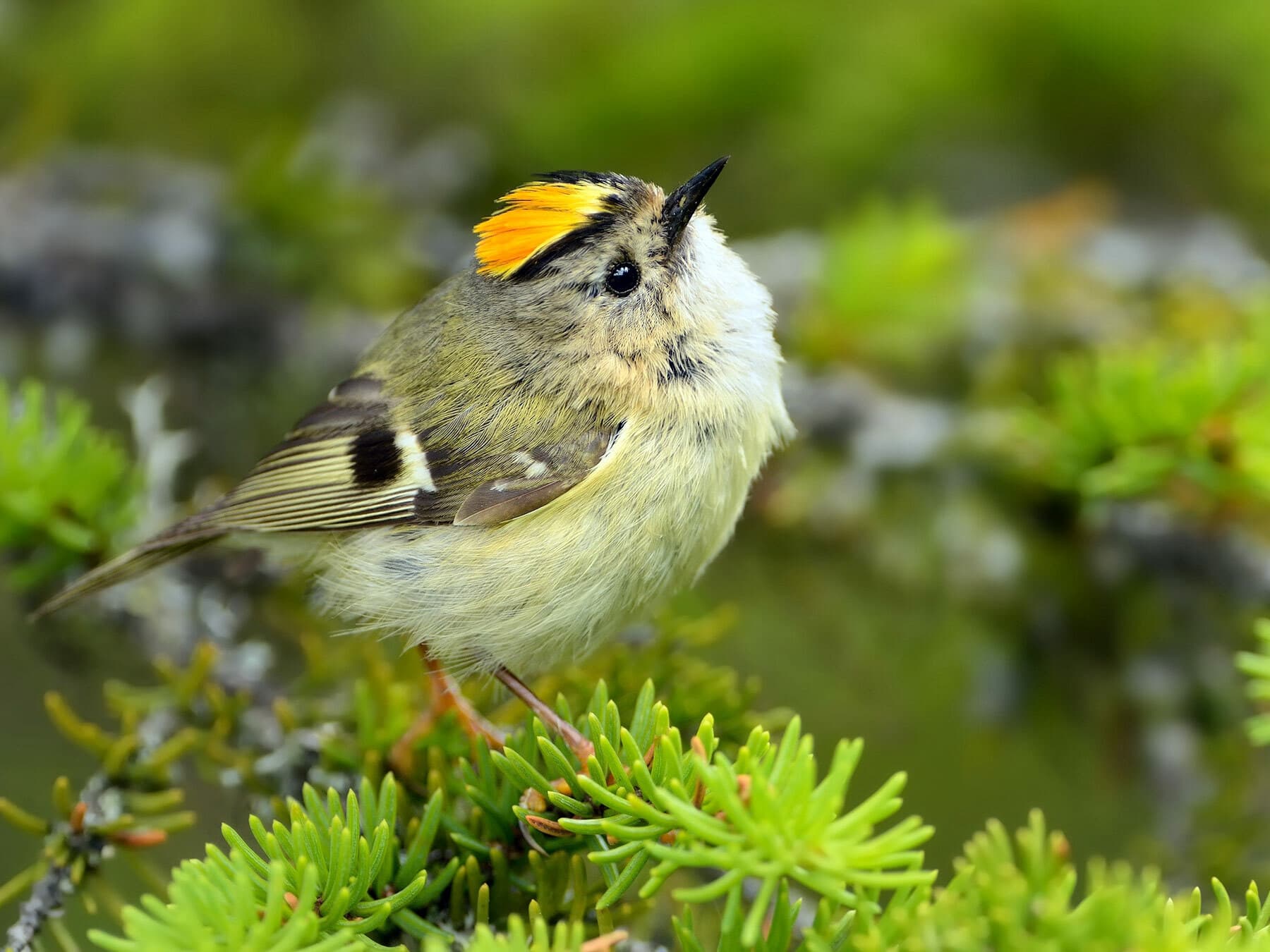
Goldcrest
Regulus regulusLC
Britain's smallest bird, resident year-round in coniferous and mixed woodland. High-pitched calls betray its presence in spruce plantations across the Dales and moors.
Year-round
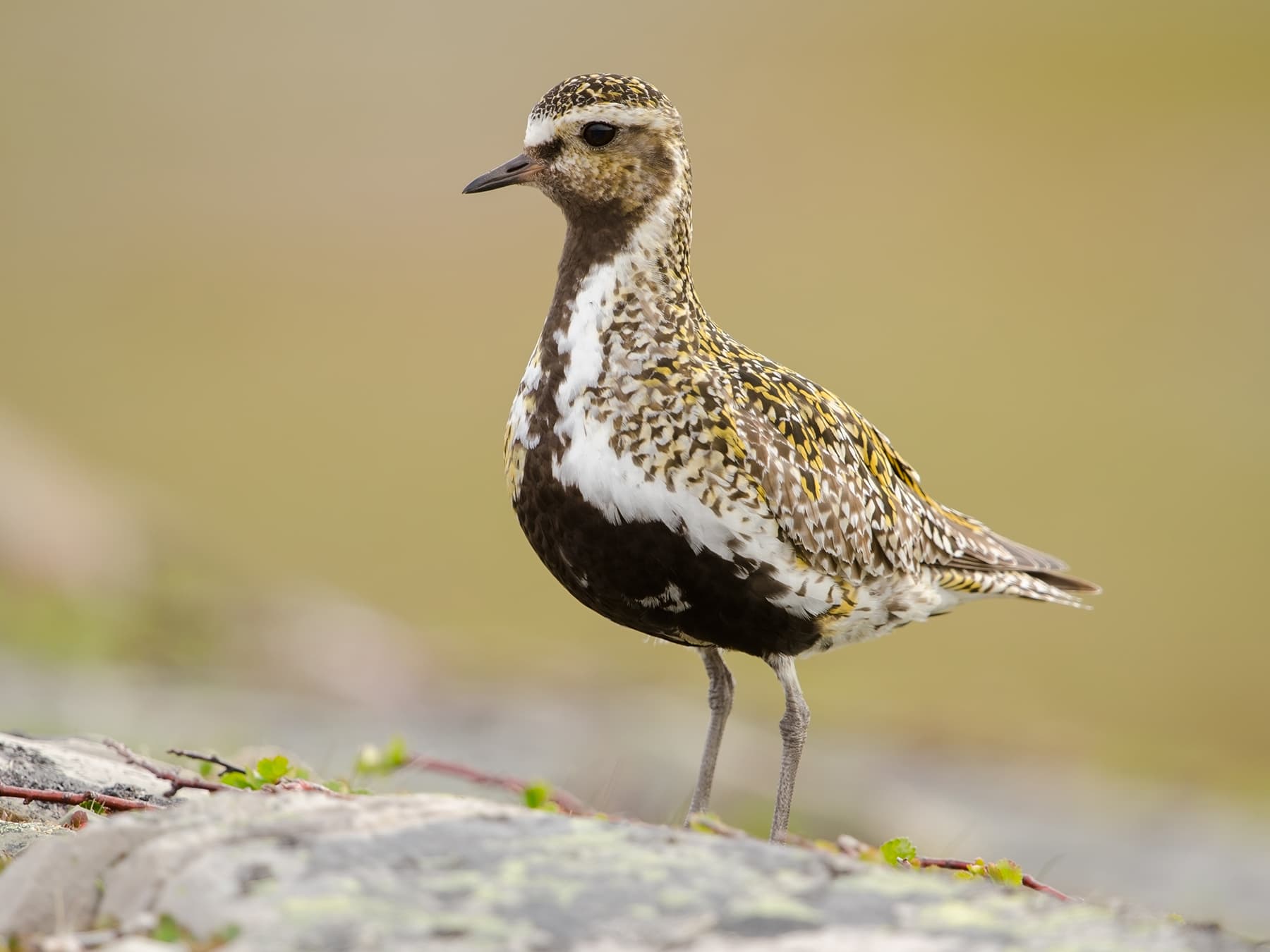
Golden Plover
Pluvialis apricariaLC
Breeds on upland moorland in summer, then forms large flocks on lowland fields in winter. Its plaintive call is iconic across the Dales.
Year-round
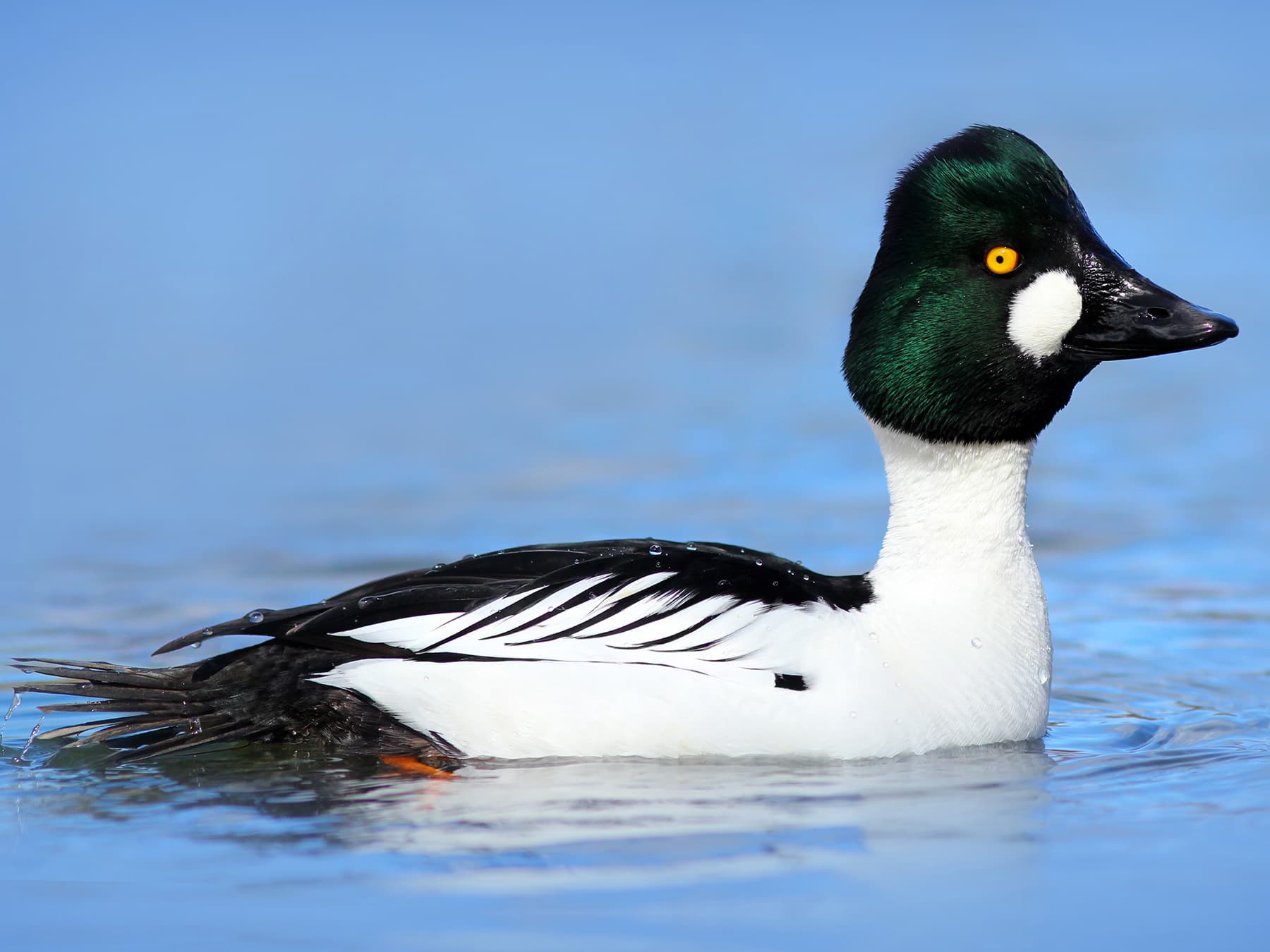
Goldeneye
Bucephala clangulaLC
An uncommon winter visitor to reservoirs and rivers from October to April. Males are striking with their glossy green heads and bright golden eyes.
Oct–Apr
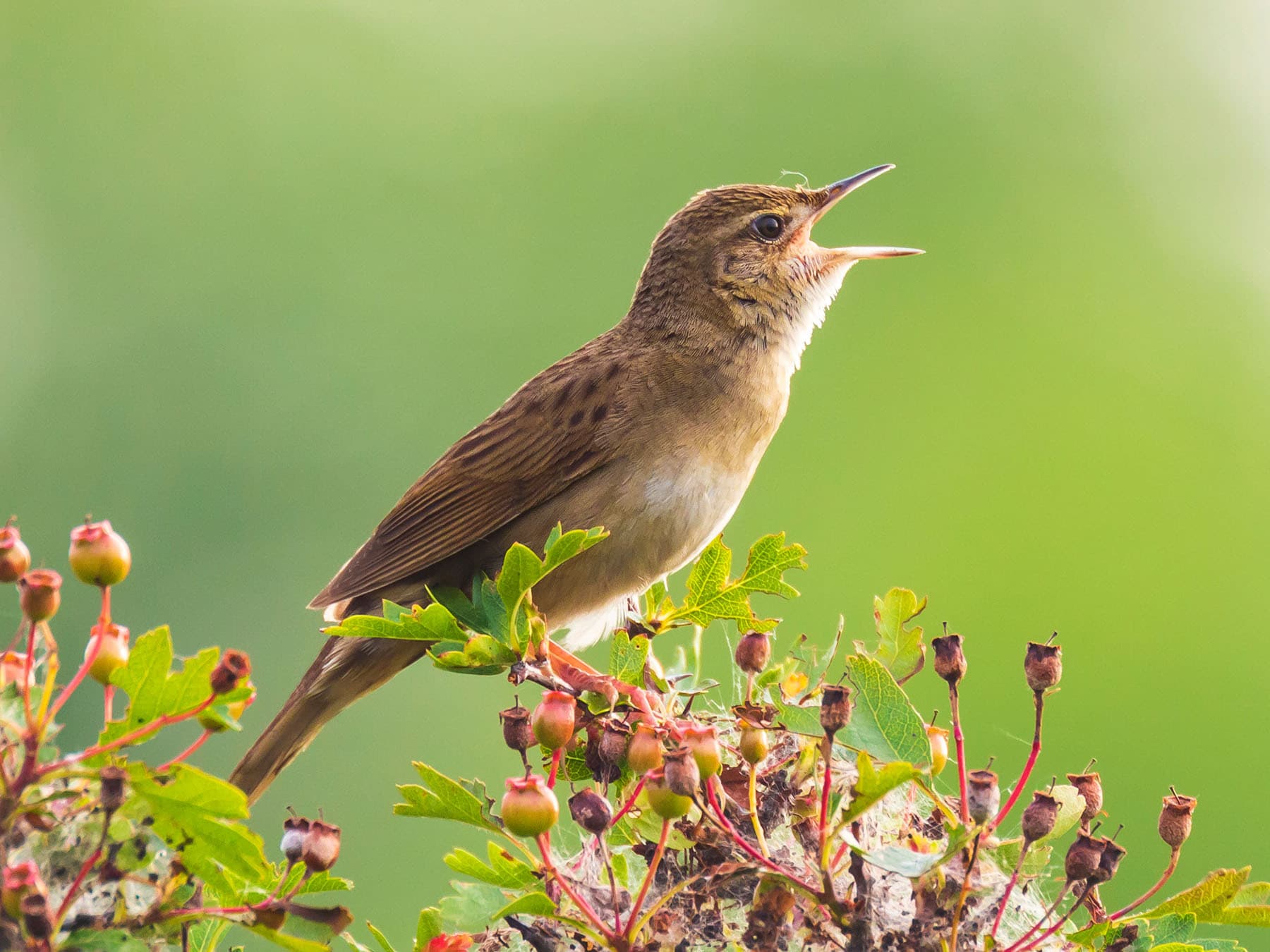
Grasshopper Warbler
Locustella naeviaLC
A scarce summer breeder, arriving in April and delivering its insect-like reeling song from dense scrub on moorland edges and marshes.
Apr–Jul
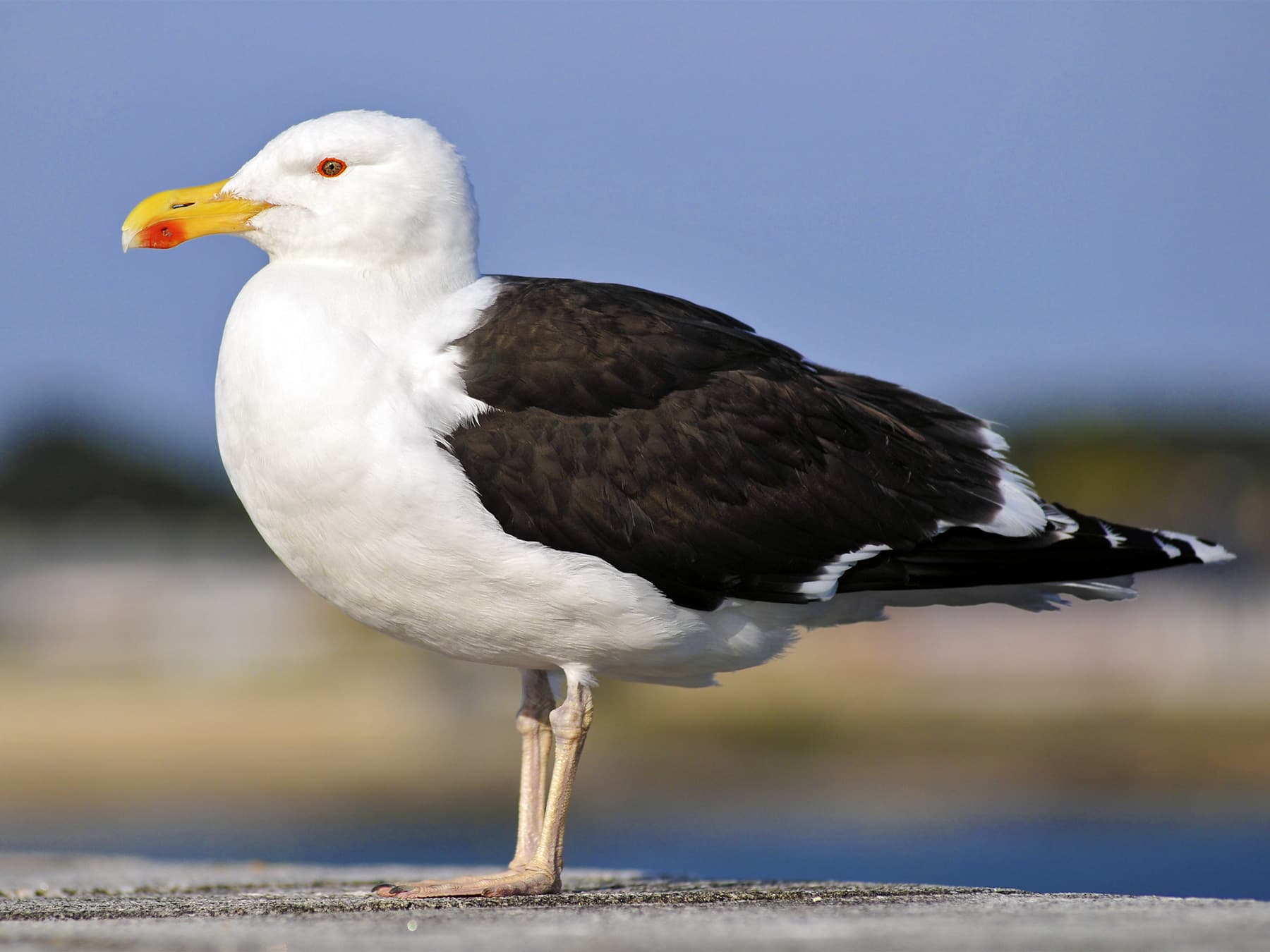
Great Black-backed Gull
Larus marinusLC
Present year-round along the coast, this powerful gull frequents harbours, cliffs and estuaries, often dominating smaller species.
Year-round
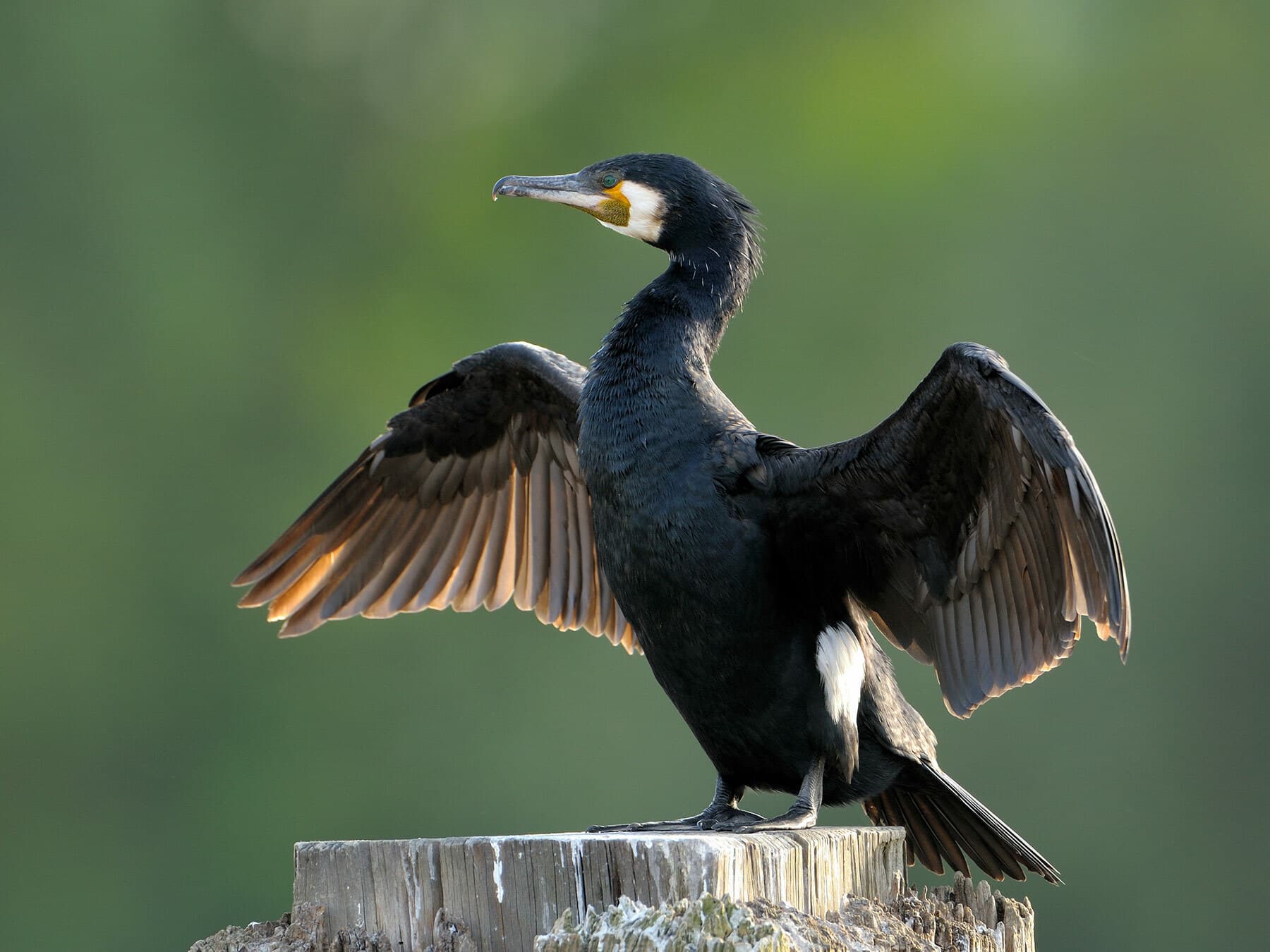
Great Cormorant
Phalacrocorax carboLC
A common year-round resident found along the coast, rivers, and reservoirs. Often seen perched with wings outstretched to dry.
Year-round
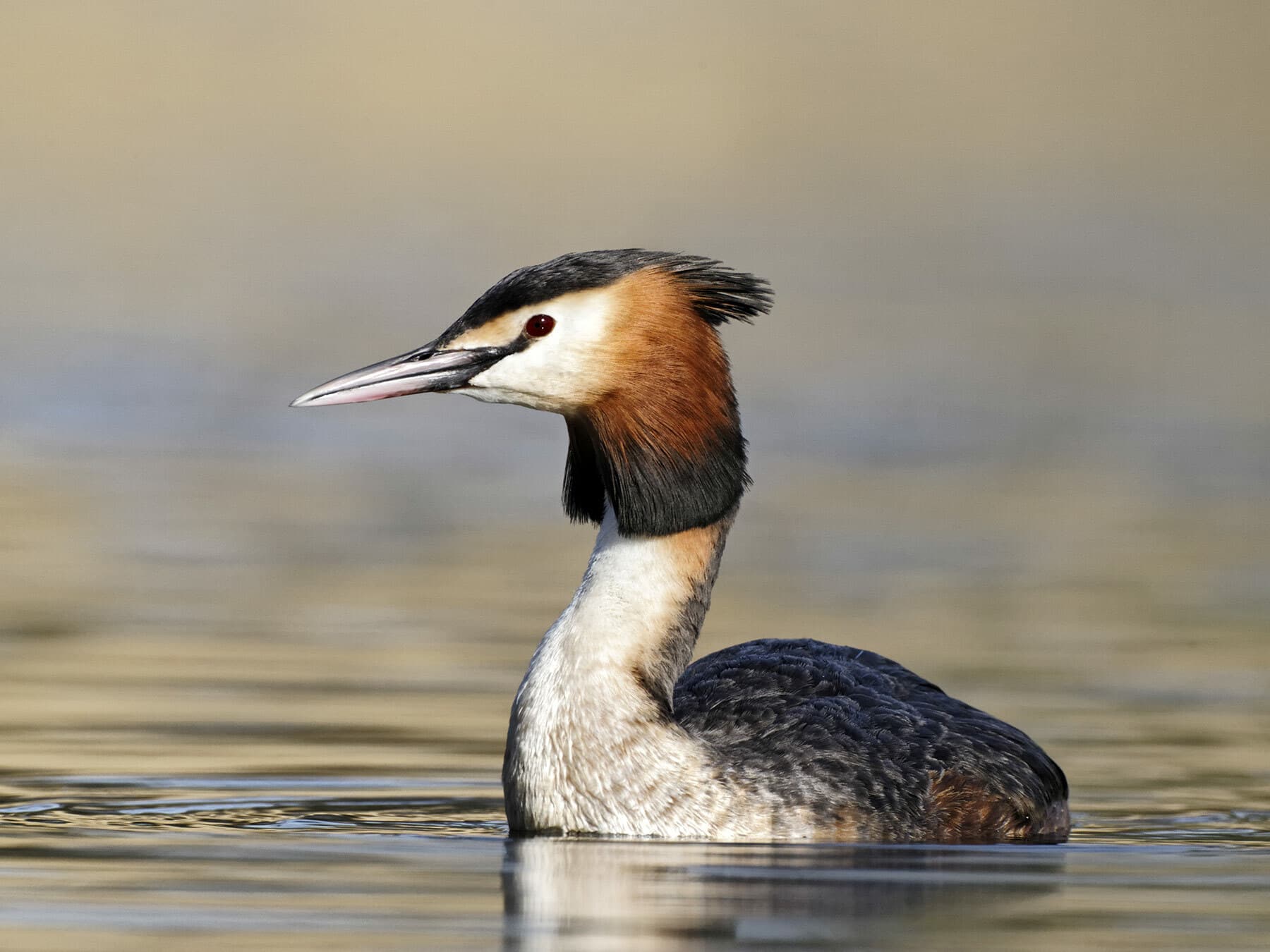
Great Crested Grebe
Podiceps cristatusLC
An elegant resident of larger lakes and reservoirs, performing its elaborate courtship display in spring at sites across the region.
Year-round
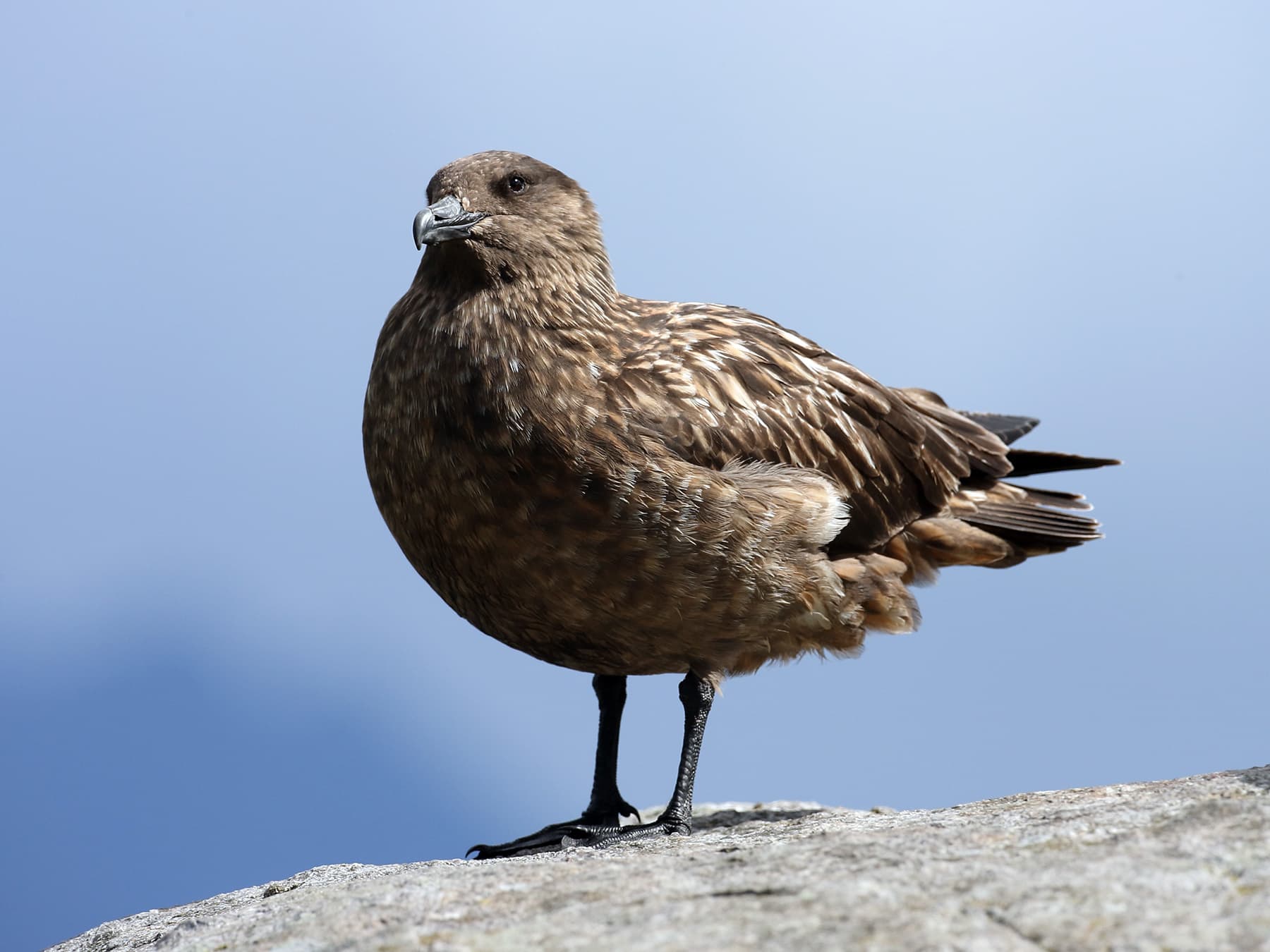
Great Skua
Catharacta skuaLC
Scarce but regular off the coast from summer through autumn, best seen during seawatches at Flamborough Head and Filey Brigg.
Jun–Nov
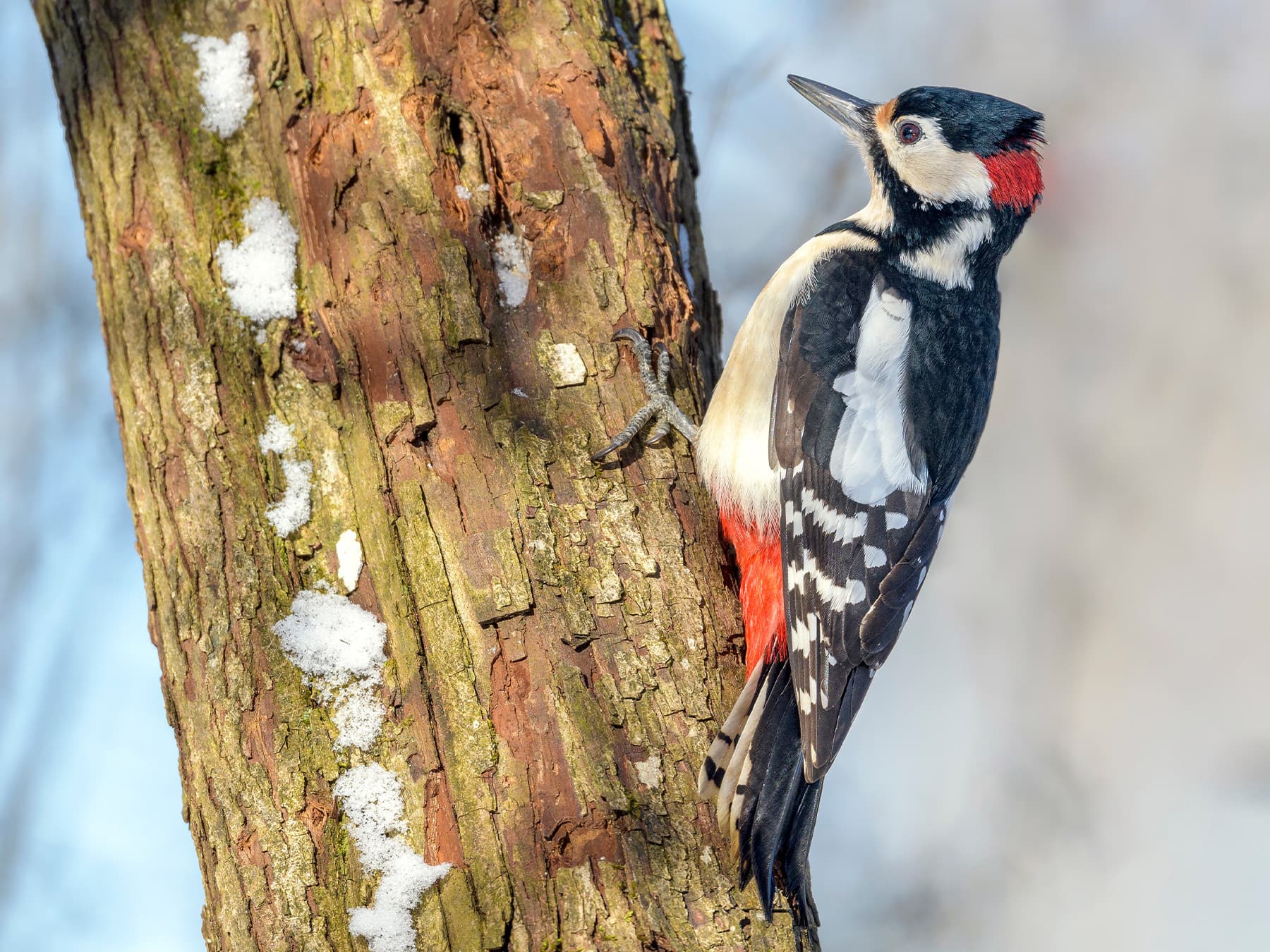
Great Spotted Woodpecker
Dendrocopos majorLC
An uncommon but year-round resident of mature woodland, its loud drumming a familiar spring sound in North Yorkshire.
Year-round
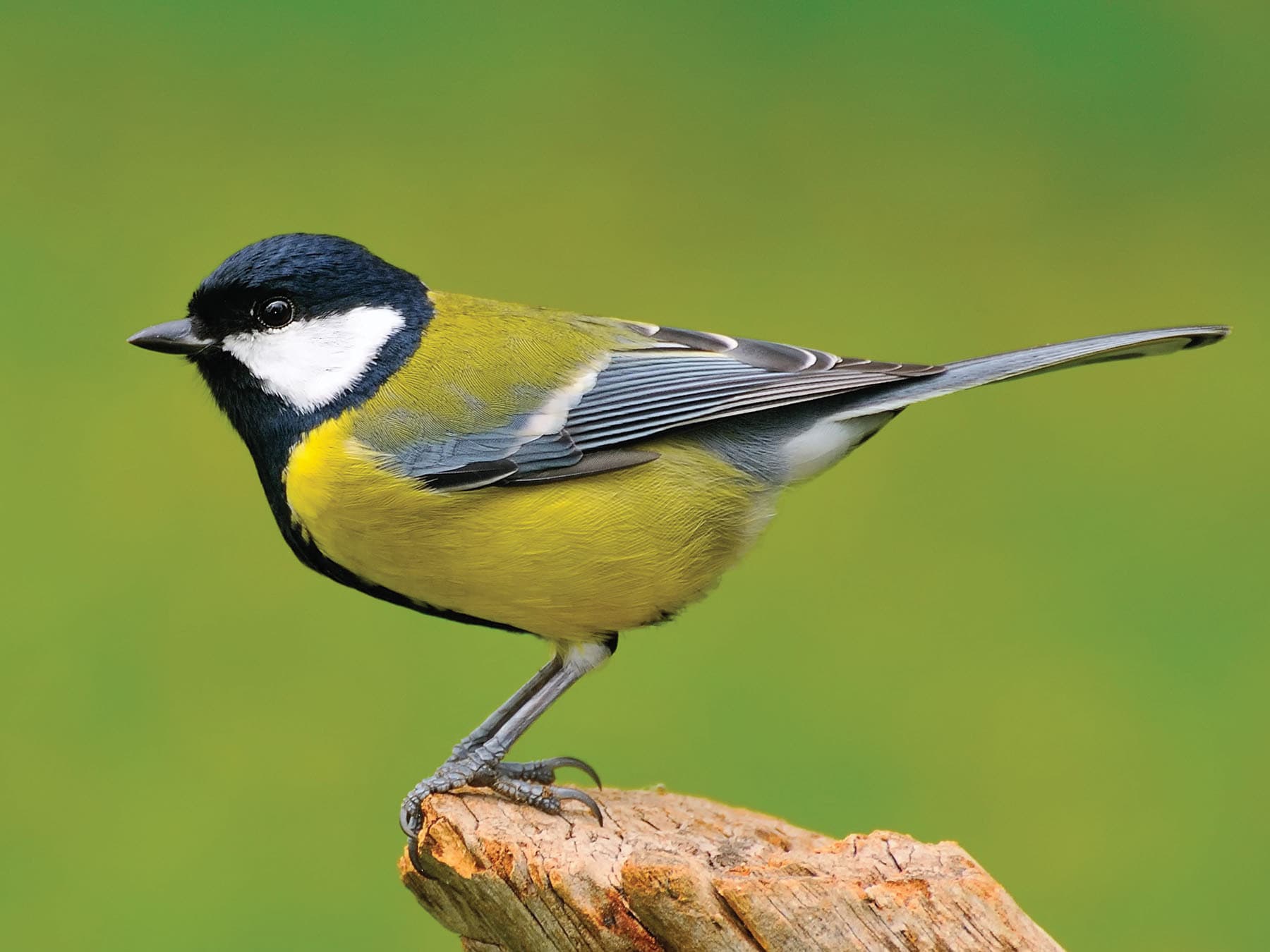
Great Tit
Parus majorLC
A common garden and woodland resident year-round, readily visiting feeders and nesting in nest boxes.
Year-round